At EBest Circuit, we know that choosing among bare PCB board manufacturers in China requires more than comparing unit prices. We review technology fit, order volume, reliability class, documentation requirements, and delivery risk because a low quotation has little value if the approved construction cannot be reproduced consistently.
In this guide, we compare 10 established bare PCB manufacturers and explain how engineering and procurement teams can evaluate a bare PCB supplier. We also cover the bare PCB manufacturing process, materials, testing, defects, costs, and quotation files so that each supplier can be checked against the same requirements.
What Is a Bare PCB Board?
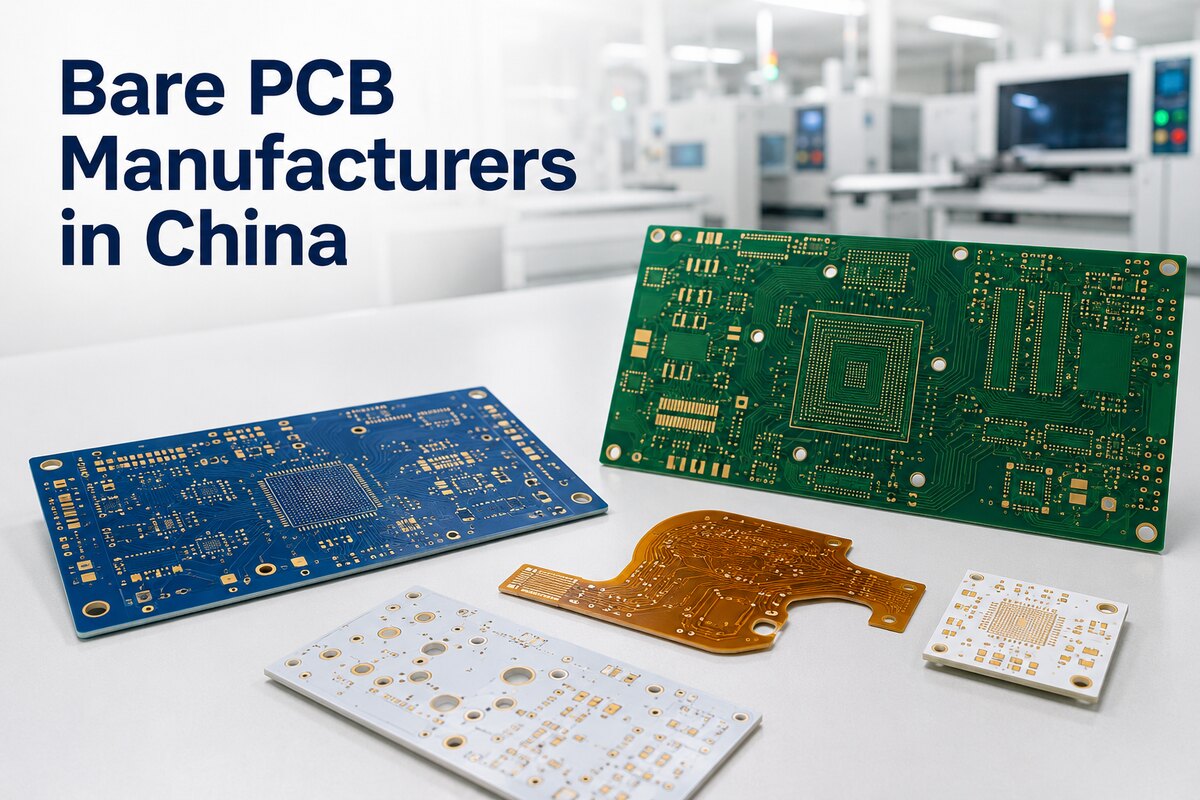
A bare printed circuit board is a fabricated circuit board without electronic components. It contains the conductive patterns, dielectric layers, plated holes, solder mask, surface finish, and identification markings needed for later assembly.
Depending on the design, a bare PCB may be:
- Single-sided or double-sided
- Multilayer rigid
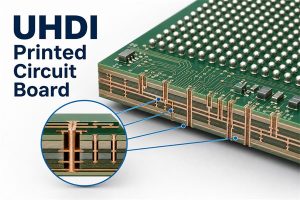
- HDI with blind, buried, or laser-drilled microvias
- Flexible or rigid-flex
- Metal-core or insulated metal substrate
- Ceramic
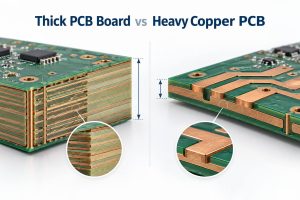
- Heavy copper
- High-frequency or high-speed
- Controlled-impedance
Bare-board manufacturing ends before component placement. PCB assembly adds solder paste, components, reflow or wave soldering, inspection, and functional testing.
Why Source Bare PCB Boards from China?
China has a broad PCB manufacturing base covering inexpensive standard FR-4 boards, rapid prototypes, high-volume automotive boards, HDI, rigid-flex, RF laminates, metal-core boards, and ceramic substrates. This range lets buyers choose a factory around the actual technology instead of forcing every project into one production model.
The main sourcing advantages are:
- Access to multiple laminate and surface-finish options
- Competitive prototype and volume pricing
- Established component and electronics supply chains
- Flexible tooling and panelization support
- Engineering communication for custom stackups
- Scalable production for growing programs
- Export experience for North America, Europe, and other markets
The limitations are equally important. Long-distance communication, freight, customs clearance, engineering-change control, and intellectual-property protection must be managed deliberately. The purchase order should define materials, revision level, acceptance criteria, test requirements, packaging, and approved substitutions.
Top 10 Bare PCB Board Manufacturers in China
We prepared this buyer-oriented shortlist to show how different supplier models fit different projects. It is not an audited revenue ranking. We compare public manufacturing focus, likely project fit, and the level of engineering support that a buyer should confirm before production.
| Manufacturer | Suitable project profile | Publicly stated product focus |
| EBest Circuit | Custom prototypes and mixed-technology projects | FR-4, metal-core, ceramic, HDI, heavy copper, RF, flex and rigid-flex |
| Shennan Circuits | High-reliability and high-complexity programs | PCB, package substrates and electronic assembly |
| Kinwong | Automotive, industrial and diversified volume production | Rigid, flex, rigid-flex, HDI, high-layer-count and metal-base PCB |
| Victory Giant Technology | AI computing, servers and advanced HDI | High-layer-count multilayer PCB, HDI, FPC and rigid-flex |
| Suntak Technology | Communications, automotive and industrial programs | Multilayer, HDI, high-speed, heavy-copper and special PCB |
| Avary Holding | High-volume compact electronics | FPC, SLP, HDI, rigid and rigid-flex PCB |
| Fastprint Circuit Tech | High-complexity development and specialized PCB | High-end PCB, FPC, IC substrates and semiconductor test boards |
| Bomin Electronics | Broad special-board requirements | HDI, microwave, heavy copper, metal-core, flex and rigid-flex |
| China Eagle Electronic | Flex, rigid-flex and automotive interconnects | Rigid PCB, FPC, rigid-flex and FPCA |
| Aoshikang Technology | Rigid PCB for servers, automotive and communications | Multilayer, HDI and application-specific rigid PCB |
1. EBest Circuit
EBest Circuit was established in 2006, and we provide PCB fabrication and PCBA services from Shenzhen for international engineering and procurement teams. Our documented management systems and compliance credentials include ISO 9001:2015, ISO 13485:2016, IATF 16949, AS9100D, UL recognition E502832, RoHS, and REACH. The exact certificate scope and manufacturing-site applicability should still be confirmed for each regulated program.
We manufacture standard and multilayer FR-4, metal-core, ceramic, heavy-copper, HDI, RF, high-Tg, impedance-controlled, flexible, and rigid-flex boards. More importantly, we connect DFM and stack-up review, prototype validation, repeat production, component sourcing, and turnkey assembly through one technical communication path.
- Qualification evidence: Our documented systems span general quality, medical-device, automotive, aerospace, product-safety, and environmental-compliance needs, subject to project and certificate scope.
- Process-level inspection: We can define AOI, flying-probe or fixture electrical testing, impedance testing, microsection inspection, copper-thickness measurement, and final visual inspection according to the project.
- Beyond fixed online menus: We can evaluate custom stack-ups, specified laminates, impedance requirements, special via structures, copper weights, and inspection needs before material release.
- Prototype-to-volume continuity: We support prototype review, controlled pilot builds, and production transfer without treating engineering clarification as a separate service.
- Multiple PCB technologies: Customers can discuss FR-4, HDI, RF, heavy-copper, metal-core, ceramic, flex, and rigid-flex requirements with the same team.
- Bare PCB plus PCBA: When required, we can continue from bare board fabrication into component sourcing, assembly, inspection, and project-specific testing.
- Corrective-action support: When a quality complaint requires formal investigation, our process can include problem classification, root-cause analysis, an 8D report, corrective action, and closure communication.
To compare our manufacturing route with the other suppliers in this list, send your Gerber or ODB++ data, fabrication drawing, stack-up, quantity, material, impedance, surface-finish, panelization, and test requirements to sales@bestpcbs.com. We will review the package and identify manufacturability, documentation, or cost risks before production.
2. Shennan Circuits
Shennan Circuits operates in printed circuit boards, package substrates, and electronic assembly. Its public profile emphasizes communications, medical equipment, and advanced electronic interconnection.
SCC is more relevant to qualified, technically demanding programs than to buyers seeking only the lowest prototype price. Prospective customers should discuss technology qualification, production-volume expectations, documentation, and onboarding requirements early.
3. Kinwong Electronic
Kinwong offers a wide technology range that includes high-layer-count boards, HDI, rigid-flex, metal-base PCB, and advanced interconnect structures. Its application coverage includes automotive electronics, industrial equipment, communications, computing, and consumer products.
It is well suited to buyers with sustained production demand and formal supplier-qualification processes. Confirm which production site will manufacture the board, because capability, certification scope, and approved materials can vary by facility.
4. Victory Giant Technology
Victory Giant Technology focuses on high-precision multilayer boards and advanced HDI. Its published product areas include AI and high-performance computing, automotive electronics, telecommunications, smart devices, industrial control, and medical equipment.
The company is a strong candidate for high-layer-count and high-speed platforms. Buyers should provide stackup constraints, loss targets, copper-foil requirements, impedance tables, back-drill details, and coupon requirements before requesting a firm production quotation.
5. Suntak Technology
Suntak Technology operates multiple PCB plants serving communications, data centers, automotive electronics, industrial control, computers, and medical equipment. Its published capabilities include multilayer, HDI, high-frequency, high-speed, heavy-copper, and other specialized constructions.
Suntak may suit medium-to-high-volume programs requiring established process control. Buyers should identify the intended factory and confirm that the relevant quality-system certification covers that manufacturing location.
6. Avary Holding
Avary Holding produces FPC, substrate-like PCB, HDI, rigid PCB, and rigid-flex products. Its strongest fit is generally compact, high-density electronics used in communications, consumer devices, computers, automotive systems, and servers.
Avary’s production profile is oriented toward substantial programs and demanding customer qualification. Smaller buyers should confirm minimum commercial expectations, engineering-access arrangements, tooling ownership, and forecast commitments before beginning qualification.
7. Fastprint Circuit Tech
Fastprint Circuit Tech works across high-end PCB, flexible circuits, IC package substrates, and semiconductor test boards. Its published application coverage includes communications, industrial control, rail transportation, medical electronics, computing, and automotive electronics.
It is worth evaluating for complex prototypes, high-mix engineering builds, and projects where design simulation or specialized interconnect experience is required. Confirm whether the quoted service is prototype-focused or intended for repeat volume production.
8. Bomin Electronics
Bomin Electronics manufactures HDI, high-layer-count, microwave and high-frequency, heavy-copper, metal-core, flexible, rigid-flex, and ceramic products. Its factories serve communications, medical, aerospace, industrial, computing, automotive, and energy applications.
This range makes Bomin relevant when a purchasing team wants to consolidate several board technologies. Qualification should still be performed by product family because a factory experienced in HDI is not automatically the best source for ceramic or metal-core boards.
9. China Eagle Electronic Technology
China Eagle Electronic Technology provides rigid PCB, flexible PCB, rigid-flex PCB, and flexible circuit assembly. Its product mix is relevant to automotive electronics, smart devices, medical products, and applications where flexible interconnects replace connectors or wire harnesses.
Buyers should review bend-area construction, coverlay openings, stiffeners, adhesive systems, dimensional tolerances, and dynamic-flex requirements. Flex and rigid-flex projects need more application information than a conventional rigid-board quotation.
10. Aoshikang Technology
Aoshikang Technology focuses on PCB products for automotive electronics, data storage and servers, communications, consumer electronics, and digital-energy applications. It is primarily a candidate for rigid multilayer and production-oriented programs.
Before selection, buyers should confirm current line-and-space capability, via structures, high-speed material availability, surface finishes, approved production site, and the commercial fit for the forecast volume.
Which Bare PCB Types Can Chinese Manufacturers Produce?
Not every supplier should be asked to build every PCB type. A factory’s best-fit technology usually reflects its equipment, material system, process history, and customer base.
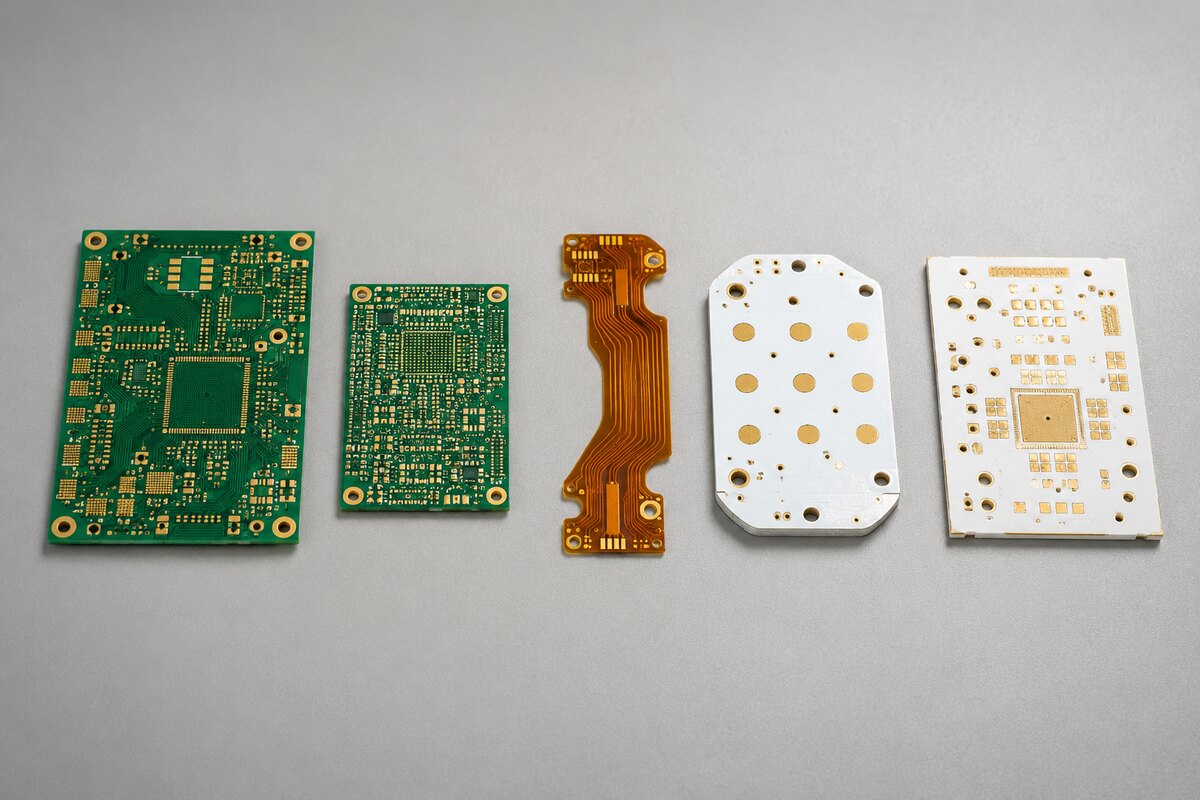
- Standard FR-4 PCB: Suitable for consumer, industrial, control, and general electronic products.
- High-Tg PCB: Used when assembly temperatures, operating temperatures, or layer count demand greater thermal resistance.
- HDI PCB: Provides higher routing density through laser microvias, sequential lamination, via-in-pad, and fine features.
- High-speed PCB: Uses controlled stackups, low-loss materials, smooth copper, impedance control, and loss verification where required.
- RF and microwave PCB: Built with materials such as Rogers, Taconic, or other specified RF laminates.
- Heavy-copper PCB: Supports higher current and stronger thermal conduction but requires greater spacing and specialized etching.
- Metal-core PCB: Transfers heat from LEDs and power devices through an insulated aluminum or copper base.
- Flex and rigid-flex PCB: Reduces interconnect size and weight but introduces bend-radius, coverlay, and dimensional-control requirements.
- Ceramic PCB: Used for thermal, high-frequency, high-voltage, or hermetic applications where FR-4 is unsuitable.
A broad capability list is not proof of equal competence in every category. Ask for a capability statement, representative build, stackup review, and applicable qualification evidence for the specific technology.
Which PCB Materials and Surface Finishes Are Available?
PCB material selection must follow the electrical, thermal, mechanical, and assembly requirements. “FR-4” alone is not a complete specification because resin systems differ in Tg, decomposition temperature, loss, expansion, and CAF resistance.
| Requirement | Typical material or finish | Main purchasing concern |
| General industrial PCB | Standard or high-Tg FR-4 | Approved laminate brand and Tg |
| High-speed digital | Low-loss or ultra-low-loss laminate | Dk, Df, copper roughness and availability |
| RF and microwave | Hydrocarbon-ceramic or PTFE-based laminate | RF grade, thickness and mixed-material processing |
| High current | Heavy copper FR-4 | Finished copper tolerance and conductor spacing |
| LED or power conversion | Aluminum- or copper-base material | Dielectric thermal performance and isolation |
| Flexible circuits | Polyimide with adhesive or adhesiveless copper | Bend life, coverlay and dimensional stability |
| Fine-pitch assembly | ENIG, ENEPIG or immersion silver | Pad flatness, storage and assembly compatibility |
| Cost-sensitive soldering | Lead-free HASL | Surface flatness and thermal exposure |
| Press-fit or contact edge | Selective gold or hard gold | Nickel/gold thickness and contact-area definition |
Do not permit an unapproved laminate substitution based only on a supplier’s claim that two materials are “equivalent.” The substitution review should compare dielectric properties, thermal behavior, copper type, thickness tolerance, flammability status, and qualification history.
How Does the Bare PCB Manufacturing Process Work?
The process begins with engineering review rather than drilling or imaging. CAM engineers inspect the fabrication files, netlist, stackup, drill data, tolerances, panelization, and special requirements before releasing production data.
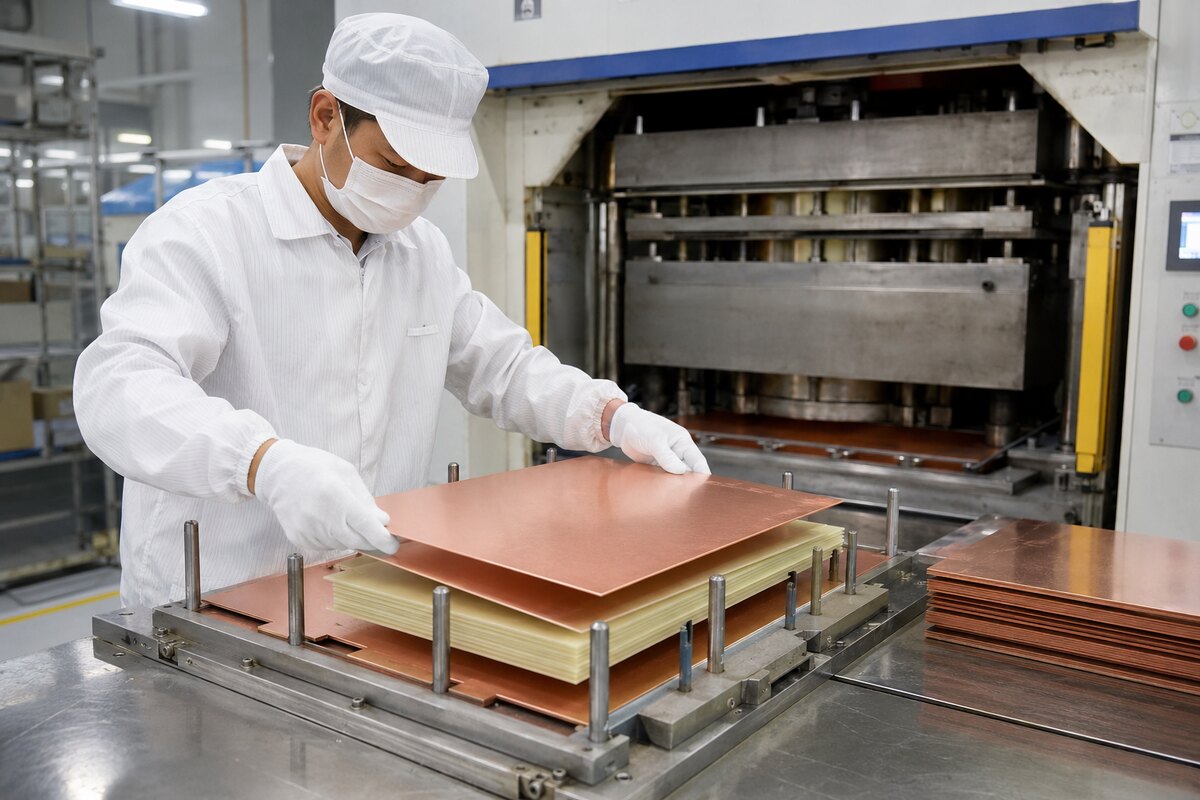
A typical multilayer process includes:
- Incoming laminate and copper-foil inspection
- Inner-layer imaging and etching
- Automated optical inspection of inner circuitry
- Oxide or oxide-alternative surface preparation
- Layup and multilayer lamination
- Mechanical or laser drilling
- Desmear and hole-wall preparation
- Electroless copper and electrolytic plating
- Outer-layer imaging and pattern plating
- Final etching
- Solder-mask application
- Surface finishing
- Profiling, routing, V-scoring, or laser cutting
- Electrical testing
- Visual and dimensional inspection
- Cleaning, packaging, and shipment
HDI, rigid-flex, RF, heavy-copper, metal-core, and ceramic boards require modified process flows. The manufacturer should describe the actual production route when it affects reliability, lead time, or cost.
Which Tests and Quality Standards Matter?
A certificate does not replace product-specific inspection. Buyers should define the acceptance class, inspection plan, electrical-test coverage, and required reports on the purchase order. See our PCB testing guide for a broader comparison of test methods and acceptance goals.
Commonly referenced requirements include:
- IPC-6012 for qualification and performance of rigid printed boards
- IPC-6013 for flexible and rigid-flex boards
- IPC-A-600 for visual acceptability of printed boards
- IPC-9252B for electrical testing of unpopulated boards
- ISO 9001 for general quality-management systems
- IATF 16949 for applicable automotive supply chains
- ISO 13485 for medical-device quality systems
- AS9100 for aerospace quality-management systems
- UL recognition where the end product or customer specification requires it
- RoHS or REACH declarations for applicable markets and materials
The following comparison summarizes certifications and management systems publicly listed by the manufacturers or in EBest Circuit’s verified company records as of August 25, 2026. It is a qualification starting point, not proof that every certificate covers every factory, product, or current order.
| Manufacturer | Publicly listed certifications or systems |
| EBest Circuit | ISO 9001:2015; ISO 13485:2016; IATF 16949; AS9100D; UL E502832; RoHS; REACH |
| Shennan Circuits | ISO 9001; IATF 16949; AS9100; Nadcap; ISO 13485 |
| Kinwong Electronic | ISO 9001; IATF 16949; ISO 13485; ISO/IEC 17025; ISO 14001; ISO/IEC 27001; QC 080000 |
| Victory Giant Technology | UL; ISO 9001; ISO 14001; ISO 45001; IATF 16949; CQC; QC 080000; China RoHS |
| Suntak Technology | ISO 9001; IATF 16949; AS9100; ISO 13485; ISO 14001; ISO 45001; ISO 27001; QC 080000 |
| Avary Holding | ISO 9001; IATF 16949; QC 080000; ISO 14001; ISO 45001; ISO 50001; UL; CQC |
| Fastprint Circuit Tech | ISO 9001; IATF 16949; ISO 13485; ESD S20.20; UL; RoHS; REACH |
| Bomin Electronics | ISO 9001; IATF 16949; ISO 13485; AS9100D; ISO 14001; ISO 45001; QC 080000; UL |
| China Eagle Electronic Technology | ISO 9001; IATF 16949; ISO 14001; ISO 45001; ISO/IEC 27001; QC 080000 |
| Aoshikang Technology | ISO 9001; IATF 16949; ISO 13485; ISO 14001; ISO 27001; CQC; SA8000 |
Before supplier approval, request the current certificate PDF and verify the legal entity, manufacturing address, certified activity, issue and expiry dates, and whether the quoted production site is inside the scope.
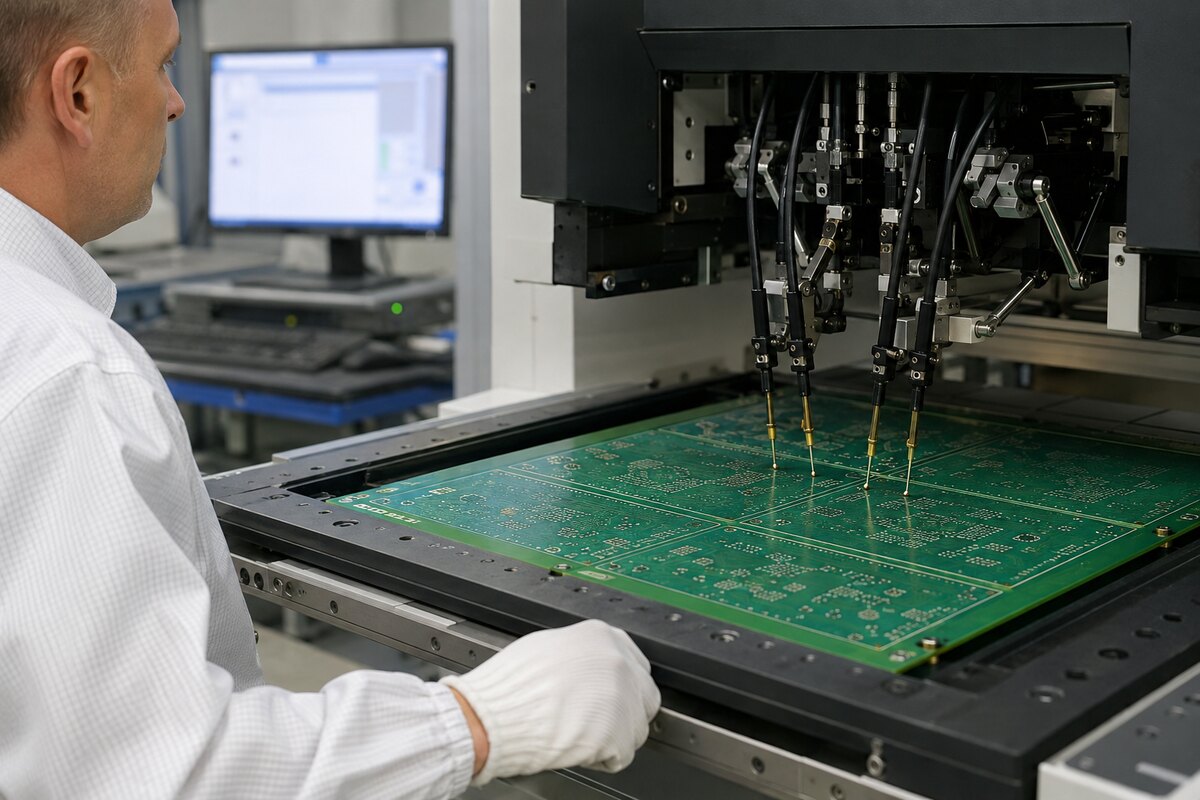
The quality plan may include AOI, flying-probe or fixture electrical testing, impedance coupons, microsections, plating-thickness measurements, ionic-contamination testing, solderability testing, thermal stress, dimensional inspection, and final visual inspection.
Certification must be checked by legal entity, manufacturing address, scope, and expiry date. A sales office’s certificate does not automatically cover a separate factory.
What Common Bare PCB Defects Should Buyers Watch For?
Most recurring defects can be traced to incomplete data, an unstable process, or requirements that were never defined.
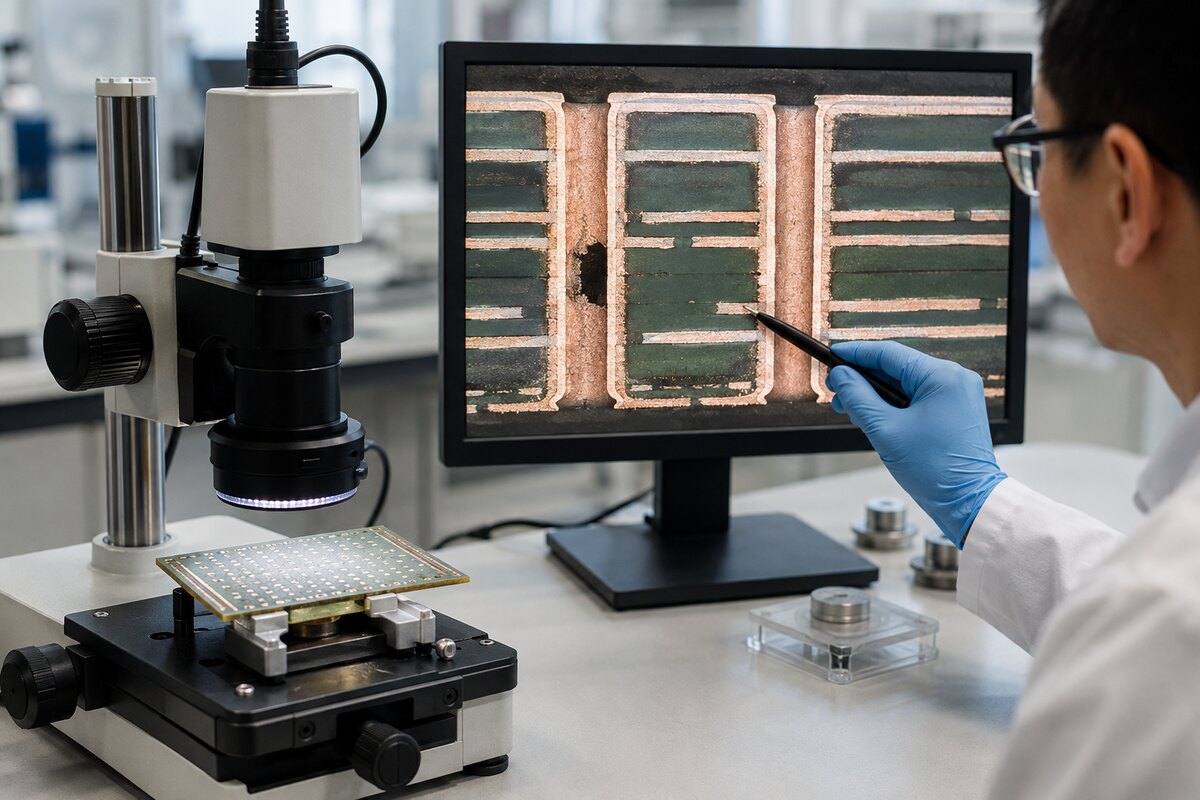
| Defect | Likely cause | Prevention or verification |
| Open or short circuit | Imaging, etching, contamination, or plating defect | Netlist-based electrical test and AOI |
| Thin hole-wall copper | Poor activation or plating distribution | Microsection and copper-thickness report |
| Delamination | Moisture, weak bonding, or unsuitable lamination | Material control, thermal stress and microsection |
| Impedance deviation | Wrong stackup, Dk assumption, trace geometry, or copper thickness | Approved stackup, coupon and TDR test |
| Solder-mask misregistration | Imaging or dimensional compensation error | Defined mask clearance and visual inspection |
| Pad lifting | Excessive thermal stress or weak copper adhesion | Material review and assembly-profile validation |
| Surface-finish defects | Poor process control, contamination, or excessive storage | Finish-thickness test, solderability check and sealed packaging |
| Warpage | Unbalanced copper, asymmetric stackup, or thermal stress | Balanced construction and flatness inspection |
| CAF or leakage risk | Moisture, contamination, small spacing, or material weakness | Material selection, cleanliness control and reliability testing |
A “100% electrical test” detects opens and shorts, but it does not prove correct dielectric thickness, plating quality, solder-mask registration, surface finish, or long-term thermal reliability.
What Determines Bare PCB Cost in China?
PCB pricing is driven by manufacturing difficulty and panel utilization, not simply board area. The largest cost changes usually come from material choice, layer count, via technology, tolerances, and order volume.
Major cost factors include:
- Board dimensions and array layout
- Layer count and finished thickness
- Standard versus low-loss or RF materials
- Copper weight and plated-hole requirements
- Minimum trace width and spacing
- Mechanical holes, blind vias, buried vias, and microvias
- Sequential lamination cycles
- Controlled impedance and test coupons
- Surface finish and selective plating
- Routing, V-scoring, countersinks, cavities, and edge plating
- Inspection reports and reliability testing
- Prototype quantity, production volume, and delivery schedule
- Freight, insurance, duties, and payment terms
The lowest unit price may use a different laminate, copper construction, test method, or delivery term. Compare quotations against one controlled specification and calculate landed cost rather than comparing only the factory price.
Which Industries Use Bare PCBs Manufactured in China?
Chinese PCB manufacturers supply boards for products ranging from simple controls to high-reliability electronics. The application determines the process controls and documents that matter.
- Automotive: ECUs, battery-management systems, lighting, radar, infotainment, charging, and power conversion
- Industrial: PLCs, motor drives, sensors, robotics, instrumentation, and power supplies
- Communications: Base stations, routers, switches, optical modules, antennas, and microwave equipment
- Computing: Servers, storage systems, accelerator cards, power-distribution hardware, and networking equipment
- Medical: Monitoring, diagnostic, imaging, laboratory, and portable medical devices
- Aerospace: Avionics, control, sensing, communication, and test equipment
- Energy: Solar inverters, energy storage, charging systems, smart meters, and industrial power conversion
- Consumer electronics: Smart-home devices, wearables, displays, appliances, and portable products
- LED lighting: Automotive lamps, industrial lighting, outdoor displays, and high-power LED modules
A board intended for an industrial controller should not automatically be purchased under automotive or aerospace controls. Higher assurance levels increase documentation, testing, material traceability, and cost, so they should be specified only when the product requires them.
How Should Buyers Evaluate a Chinese Bare PCB Supplier?
Start with technology fit, then evaluate process control and commercial reliability. A polished website or low sample price does not establish production capability.
Ask each candidate to confirm:
- Which factory will manufacture the PCB
- Whether critical processes are performed internally or outsourced
- Experience with the specified materials and via structures
- Minimum production rules and preferred design rules
- Quality-system certificates covering that site
- Material and production-lot traceability
- Electrical-test and inspection methods
- Engineering-change and deviation-approval procedures
- Prototype-to-production transfer controls
- Capacity for forecast demand
- Complaint response and corrective-action process
- Packaging, Incoterms, freight, and customs documentation
- Ownership and protection of design files and tooling
For a high-risk program, begin with a technical audit or pilot order. Review cross-sections, impedance results, material certificates, dimensional reports, and corrective-action quality before approving volume production.
How Can Overseas Buyers Reduce Sourcing Risk?
The most effective protection is a complete technical agreement that follows the board through quotation, fabrication, inspection, and shipment.
For North American and European orders:
- Define the governing IPC specification and acceptance class.
- Request certificates only when they apply to the product and manufacturing site.
- State whether RoHS, REACH, UL materials, conflict-mineral reporting, or other declarations are required.
- Confirm Incoterms and responsibility for freight, insurance, duties, and customs clearance.
- Require approval before changing laminate brands, copper foil, solder mask, surface finish, or manufacturing location.
- Use revision-controlled Gerber or ODB++, drill, netlist, drawing, and stackup files.
- Approve a pilot lot before transferring a high-reliability design to volume production.
- Keep an approved sample and inspection records for future lot comparison.
China-based manufacturing does not require a supplier to claim a foreign factory or warehouse. Reliable global supply depends on clear export documentation, realistic logistics planning, and responsive engineering communication.
What Files Are Needed for a Bare PCB Quote?
A complete RFQ reduces assumptions and makes supplier quotations easier to compare.
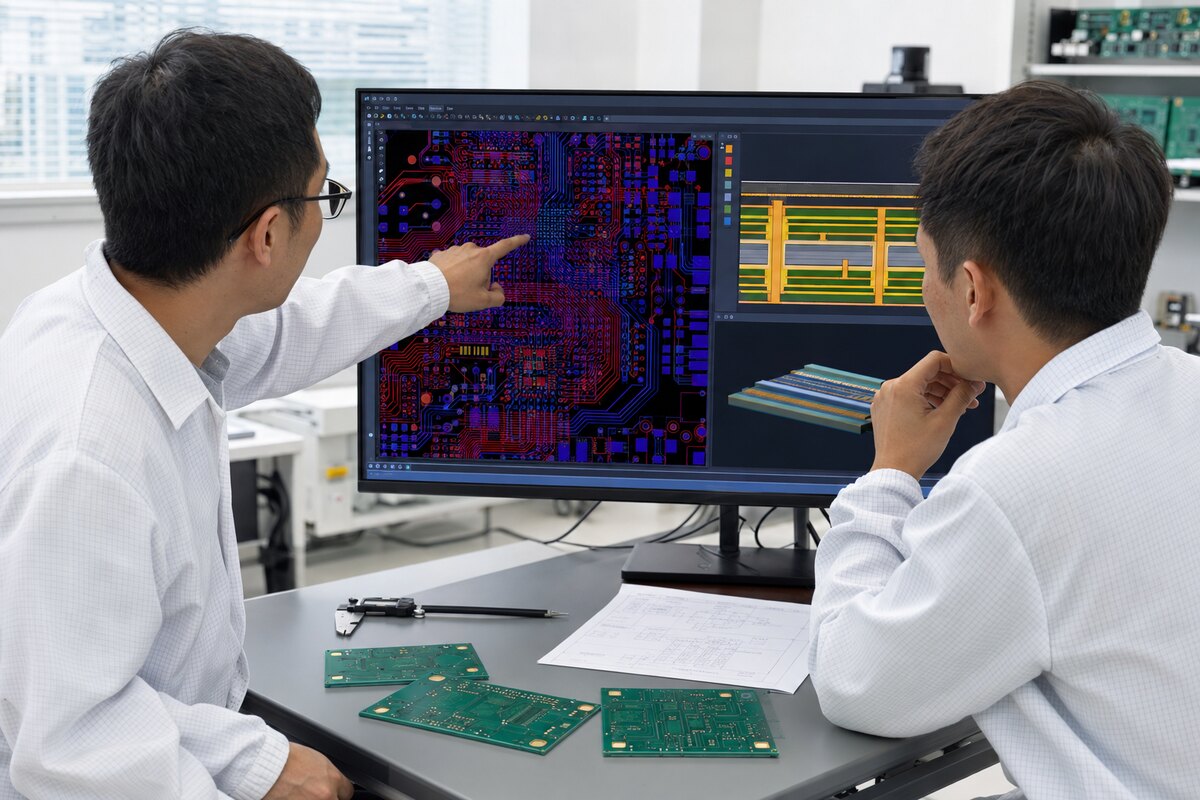
Provide:
- Gerber X2, ODB++, IPC-2581, or other agreed fabrication data
- NC drill and route files
- Readme or fabrication drawing
- Layer count and proposed stackup
- Board dimensions and panel requirements
- Base and finished copper weights
- Laminate manufacturer and material grade
- Finished thickness and tolerances
- Minimum trace width and spacing
- Minimum finished-hole size
- Via types and filling or capping requirements
- Controlled-impedance table
- Surface finish
- Solder-mask and legend requirements
- Acceptance class and electrical-test requirements
- Special mechanical features
- Prototype and annual quantities
- Target delivery date and shipping destination
- Required certificates and inspection reports
If the stackup is not finalized, provide impedance targets, frequency range, loss constraints, thickness limits, and preferred materials. The manufacturer can then propose a producible stackup for approval.
At EBest Circuit, we review these files before production and support custom stack-ups, prototypes, volume bare-board manufacturing, and optional assembly. Complete RFQ data lets our engineers identify cost, material, documentation, and manufacturability risks while changes are still inexpensive.
Why Choose EBest Circuit as Your China Bare Board PCB Manufacturer?
The manufacturers above serve different market segments. At EBest Circuit, our differentiator is the combination of special-board experience, direct engineering review, and a practical path from prototype to repeat production and optional PCBA. We are a strong fit when the project cannot be reduced to a fixed standard-order menu.
We support customers in several practical areas:
- Early DFM and stack-up review before material release
- Custom laminate, copper, via, impedance, surface-finish, and inspection evaluation
- Standard FR-4 and specialized HDI, RF, heavy-copper, metal-core, ceramic, flex, and rigid-flex options
- Prototype validation followed by controlled production transfer
- Material and production-lot traceability based on project requirements
- Bare PCB fabrication with optional component sourcing, PCB assembly, inspection, and testing
- One technical communication path from quotation through production
- Export support for global customers without claiming unverified overseas factories or warehouses
Our quality management systems follow ISO 9001, ISO 13485, IATF 16949, and AS9100D requirements, helping us maintain strict quality control throughout every stage of manufacturing. The applicable certification, manufacturing location, inspection plan, and acceptance class should be confirmed for each project rather than assumed from the board type alone.
For technical review and quotation, send your Gerber files or PCB requirements to sales@bestpcbs.com. Our engineering team will review the construction, return the key manufacturing questions, and identify cost or reliability risks before production.
FAQs About Bare PCB Board Manufacturers in China
What is the difference between a bare PCB manufacturer and a PCBA manufacturer?
A bare PCB manufacturer fabricates the board structure, including copper circuits, vias, solder mask, surface finish, and profile. A PCBA manufacturer installs and solders electronic components. Some Chinese suppliers provide both services, but buyers should evaluate bare-board fabrication and assembly capabilities separately.
How do I verify that a Chinese PCB supplier is a real manufacturer?
Request the factory’s registered legal name, physical production address, business license, capability statement, equipment list, and site-specific certificates. A video audit, third-party audit, or onsite visit can confirm production activity. Also ask which processes are outsourced and which facility will build your order.
What is a reasonable minimum order quantity for bare PCBs?
MOQ depends on the production model. Prototype factories may accept a few boards, while large-volume manufacturers may require higher commercial commitments. The relevant question is whether the same material, process route, test method, and factory can support both the prototype and expected production volume.
Can Chinese manufacturers build IPC Class 3 bare PCBs?
Some can, but IPC Class 3 should be stated on the drawing and purchase order rather than assumed from a sales claim. Confirm the applicable IPC performance specification, inspection criteria, testing, documentation, coupon design, and acceptance agreement before production. Request supporting reports for the pilot lot.
Should I choose ENIG or lead-free HASL for a bare PCB?
Lead-free HASL is economical but less flat, which can be problematic for fine-pitch components. ENIG provides a flatter surface and is commonly used for BGA, QFN, and fine-pitch assembly. The correct choice depends on pad geometry, storage time, assembly process, contact function, and budget.
Can a prototype PCB be transferred directly to mass production?
Only if the construction and process are controlled. Before transfer, freeze the stackup, material grade, copper foil, drill structure, surface finish, test requirements, and approved production files. If a different factory or panel format will be used, request a new engineering review and pilot lot. For related planning, see our prototype PCB guide.
What quality documents should I request with a PCB shipment?
The required package may include a certificate of conformance, electrical-test confirmation, material certificate, impedance report, microsection report, dimensional inspection, plating measurements, solderability results, and lot traceability. Request only documents that support actual product risks, and define them before quotation.
Choosing among bare PCB board manufacturers in China starts with a controlled specification and an honest assessment of project risk. Standard FR-4 prototypes, automotive multilayers, server backplanes, HDI, RF, heavy-copper, flex, and ceramic boards require different factories and qualification methods. Approve the stackup, materials, test plan, production site, and pilot results before committing to volume. Use this bare pcb board manufacturers in China comparison as a supplier-qualification reference.
If you need OEM manufacturing, prototype development, volume bare-board production, or a custom PCB and PCBA solution, send your project files to our engineering team at sales@bestpcbs.com for technical review and a quotation.