PCB manufacturing PCB manufacturing
Home > Blog

single sided pcb

ISO Certified Single Sided PCB Manufacturer: Fast Turnaround & High Reliability
Wednesday, May 6th, 2026

Why Choose EBest for Single Sided PCB Manufacturing?

EBest is your top choice for single sided PCB manufacturing, delivering consistent quality, fast lead times, and expert support for both prototypes and mass production. We focus on reliability and precision for every order.

  • Lead Time: Fast turnaround for prototypes and volume orders; on-time delivery guaranteed.
  • Quality: IPC-compliant production with strict inspection to ensure zero defects.
  • Certifications: ISO 9001 and RoHS compliant, with full material traceability.
  • Support: Free DFM (Design for Manufacturing) analysis and no minimum order quantity for prototypes.
  • Service: 24/7 engineering support and dedicated account managers to assist with your project.
What Is a Single Sided PCB?

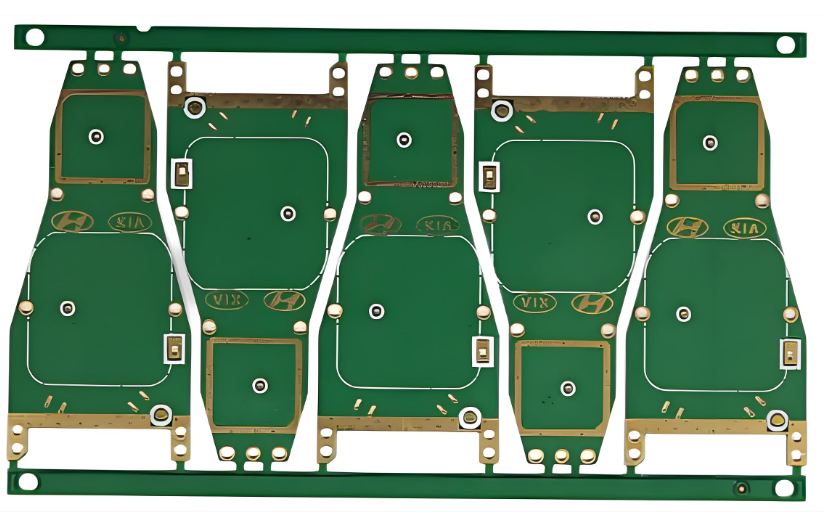
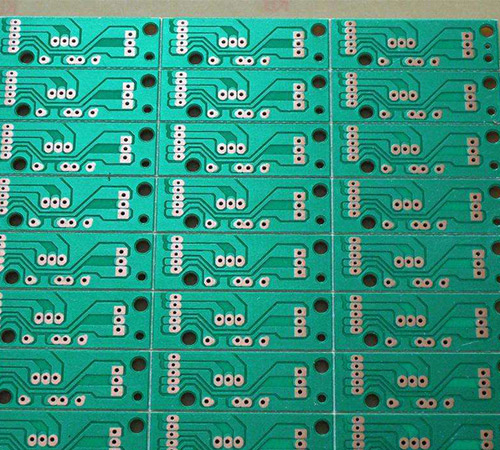
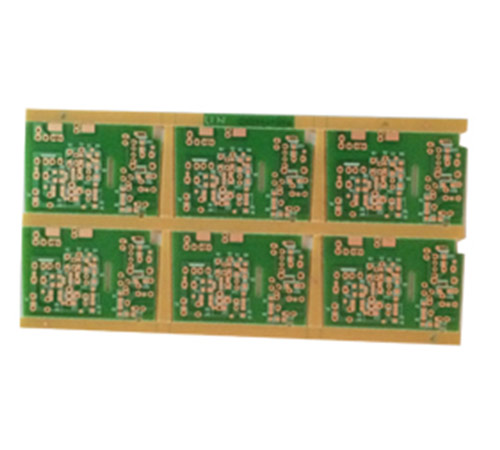
A single sided PCB (single-layer PCB) is a printed circuit board with one conductive copper layer on one side of an insulating substrate. Components are mounted on the top side, while all traces, pads, and connections are located on the bottom copper layer. It is the simplest and most cost-effective PCB type, ideal for low-complexity, high-volume electronic devices.
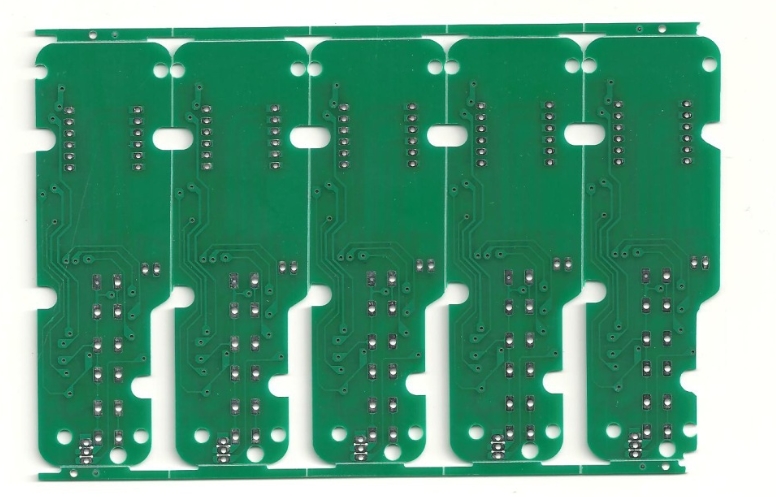
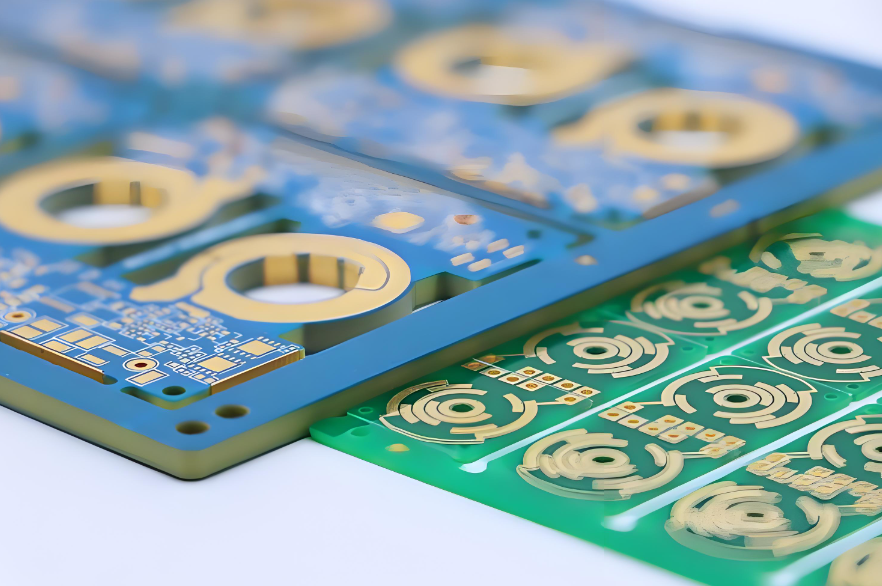
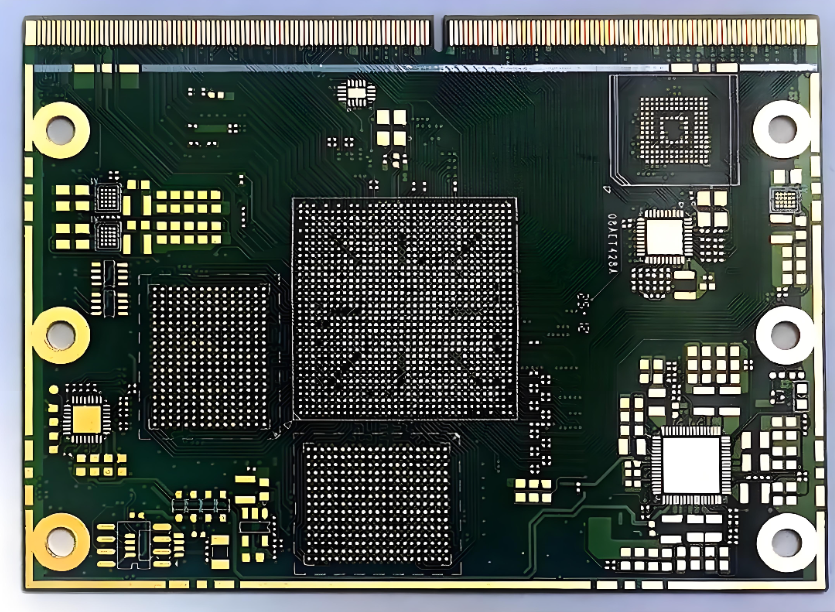
Single Sided PCB
Single Sided PCB Manufacturing Process

The production of a single sided PCB follows a precise, streamlined process to ensure quality and consistency:

  1. Material Preparation: Cut the copper-clad laminate (CCL) to the required panel size.
  2. Cleaning & Drilling: Clean the panels thoroughly, then drill mounting holes and tooling holes.
  3. Pattern Transfer: Apply photoresist to the copper layer, then expose and develop it to define the circuit traces.
  4. Etching: Remove excess copper from the panel, leaving only the desired conductive pattern.
  5. Solder Mask & Silkscreen: Apply a green solder mask (standard) to protect the traces, then add component labels and logos via silkscreen.
  6. Surface Finish & Testing: Apply a surface finish (HASL as standard, or immersion tin as an option) and perform electrical continuity and isolation tests to ensure functionality.
  7. Routing & Inspection: Route individual PCBs from the panel and conduct a final visual and dimensional inspection to meet quality standards.

Single Sided PCB Design Guide: Rules & Best Practices

Designing single sided PCBs is straightforward but requires strict adherence to rules to avoid errors. The biggest challenge is trace routing without vias, as all connections must fit on a single copper layer.

What Are the Main Design Pain Points?

  • Trace Routing: Vias are not allowed, making it easy to create loops or unintended crossovers.
  • Space Limitations: Dense component placement leaves little room for trace routing.
  • Noise Interference: Long, parallel traces increase the risk of electromagnetic interference (EMI).
  • Pad Spacing: Small pad sizes increase the risk of short circuits during soldering.

How Does EBest Solve These Issues?

Our engineers provide free DFM reviews to optimize your PCB layout, including:

  • Using ground planes on unused copper areas to reduce EMI and improve signal integrity.
  • Routing traces perpendicularly to each other to avoid crossovers and signal interference.
  • Widening power and ground traces to accommodate higher current capacity and prevent overheating.
  • Adding test points to simplify debugging and quality testing.

For expert single sided PCB design support, trust EBest.

Premium Single Sided PCB Prototypes: Fast & Reliable

Single sided PCB prototypes are critical for validating designs before mass production. Engineers often face delays, poor quality, or design mismatches when working with generic suppliers.

Key Prototype Pain Points

  • Slow Turnaround: Long wait times for prototypes delay testing and project timelines.
  • Design Errors: Misinterpreted design specifications lead to rework and additional costs.
  • Material Issues: Subpar substrates and copper layers compromise prototype performance and reliability.
  • Testing Gaps: Lack of pre-shipment quality checks results in prototype failures during testing.

EBest’s Prototype Solution

We deliver high-quality single sided PCB prototypes with:

  • 24–48 hour turnaround for standard designs (expedited options available).
  • 1:1 design fidelity, strictly adhering to IPC standards and your design specifications.
  • Premium substrates (FR-1, CEM-1, FR-4) to ensure stability and performance.
  • Pre-ship testing (continuity and short-circuit checks) to guarantee functionality.

For fast, reliable single sided PCB prototypes, choose EBest.

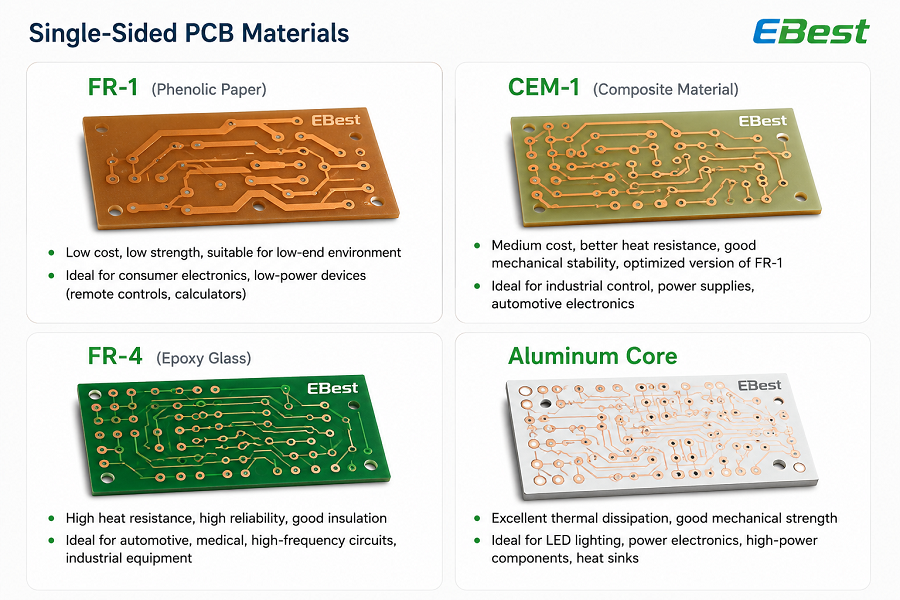
How to Select Raw Materials for Single Sided PCBs?

Material selection directly impacts the performance, durability, and functionality of a single sided PCB. Below are common materials and their key specifications, tailored to different applications.

Material TypeKey FeaturesBest For
FR-1 (Phenolic Paper)Low cost, flame retardant, rigid, suitable for low-temperature applicationsConsumer electronics, low-power devices (remote controls, calculators)
CEM-1 (Composite)Mid-range cost, improved heat resistance, better mechanical stability than FR-1Industrial controls, power supplies, basic automotive electronics
FR-4 (Epoxy Glass)High heat resistance, excellent reliability, good electrical insulationAutomotive, medical, high-frequency circuits, industrial equipment
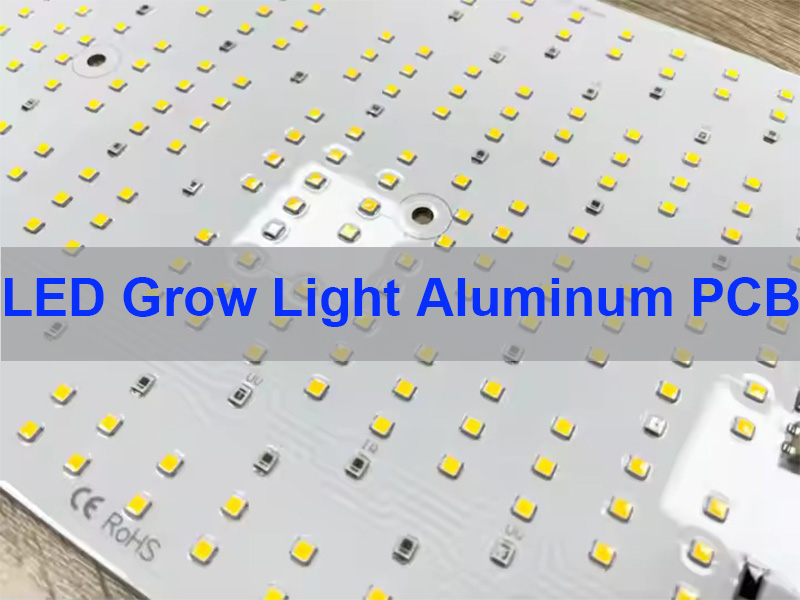
Aluminum CoreExceptional heat dissipation, lightweight, rigidLED lighting, power electronics, high heat generation devices

Single Sided PCB Datasheet Highlights

  • Board Thickness: 0.6mm–1.6mm (standard: 1.0mm; custom thicknesses available)
  • Copper Weight: 1oz (35μm) standard; 2oz (70μm) available upon request
  • Solder Mask: Green (standard); red, blue, black custom options
  • Surface Finish: HASL (standard); immersion tin or gold flash optional

What Are the Common Applications of Single Sided PCBs?

Single sided PCBs are widely used across diverse industries due to low cost, simplicity, and reliability. Four key sectors include:

  • Consumer Electronics: Remote controls, calculators, toys, small home appliances.
  • Industrial Control: Sensors, relays, power supplies, motor drivers, automation equipment.
  • Automotive: Interior lighting, dashboard controls, door locks, simple ECUs.
  • LED Lighting: LED strips, drivers, bulb circuits (aluminum core for heat dissipation).

What Are the Key Design Challenges for Single Sided PCBs?

The biggest hurdle in single sided PCB design is 100% surface routing without vias, limiting layout flexibility. Other challenges:

  • Crossover Avoidance: Traces cannot cross; careful planning required for single-layer routing.
  • High-Density Layouts: Limited space for components and traces.
  • EMI/EMC Compliance: Uncontrolled routing causes electromagnetic interference.
  • Thermal Management: Basic substrates offer limited heat dissipation.

How to Avoid Common Mistakes in Single Sided PCB Layout?

Follow these best practices to eliminate errors in single sided PCB design:

  1. Plan Routing First: Sketch paths before component placement.
  2. Minimize Trace Lengths: Shorter traces reduce resistance and noise.
  3. Use Ground Planes: Improve signal integrity and reduce interference.
  4. Avoid 90° Angles: Use 45° angles to prevent etching and signal issues.
  5. Widen High-Current Traces: Prevent overheating and voltage drops.

What Quality Standards Apply to Single Sided PCBs?

Single sided PCBs meet strict industry standards for reliability and safety:

  • IPC-2221: Generic PCB design standard
  • IPC-6011: PCB performance specification
  • RoHS: Lead-free, environmentally friendly production
  • ISO 9001: Quality management certification
  • UL 94 V-0: Flame retardancy for safety-critical applications

FAQ: Common Questions About Single Sided PCBs

Q1: What is the maximum size for a single sided PCB?

A1: Standard panels up to 1200mm × 1000mm; custom sizes available.

Q2: Can single sided PCBs be used for high-frequency circuits?

A2: Yes, with FR-4 or PTFE substrates. Keep traces short and maintain controlled impedance.

Q3: What is the minimum trace width and spacing for single sided PCBs?

A3: Standard: 0.2mm / 0.2mm. Advanced: 0.1mm / 0.1mm.

Q4: Are single sided PCBs RoHS compliant?

A4: Yes, all EBest single sided PCBs are RoHS compliant with lead-free finishes.

Q5: What is the typical lead time for mass production?

A5: 7–10 business days for standard orders; expedited service available.

Get Your Custom Single Sided PCB from EBest Today

EBest is your trusted partner for high-quality single sided PCBs, from prototypes to mass production. We provide precision manufacturing, expert support, and reliable delivery.

Contact us for a free quote: sales@bestpcbs.com

Let’s build your next single sided PCB with EBest.
You may also like

Single Sided PCB
Friday, April 10th, 2026

Single sided PCB is one of the most practical board types for straightforward electronic designs. With copper circuitry on only one side of the substrate, it offers a simple structure, stable performance, and competitive manufacturing cost for high-volume applications.

At EBest Circuit, we provide custom single sided PCB manufacturing for customers who need dependable quality, fast turnaround, and responsive engineering support. From prototype runs to volume production, our team helps you move from design to delivery with better efficiency and fewer production concerns.

What Is a Single Sided PCB?

A single sided PCB, also called a 1 layer PCB, is a printed circuit board with conductive copper traces on only one side of the substrate. All components are mounted on the same side, and the electrical paths are routed through a single copper layer.

This is one of the most basic and widely used PCB structures in electronics. Because of its simple layout and efficient production process, a single sided PCB is often chosen for products that do not require complex routing or high component density.

In most cases, the base material is FR4 or another insulating substrate, with a copper foil laminated on one side. The copper is then etched to form the required circuit pattern.

Single sided PCBs are commonly used in:

  • LED lighting products
  • Power supplies
  • Consumer electronics
  • Calculators
  • Simple control boards
  • Household appliances

For straightforward electronic designs, this board type remains a practical and cost-efficient solution.

Single Sided PCB

Our Single Sided PCB Manufacturing Capabilities

At EBest Circuit, we support custom PCB manufacturing with a strong focus on manufacturability, quality consistency, and customer-specific requirements. Our single sided PCB service is suitable for both basic commercial products and more specialized industrial applications.

Available Options Include:

  • Custom board dimensions
  • FR4 and other substrate selections
  • Different copper thickness options
  • Multiple solder mask colors
  • Surface finishes based on assembly and performance needs
  • Prototype, small batch, and mass production support
  • Through-hole and SMT compatible designs

We review each project based on the intended application, assembly method, and electrical requirements, helping customers choose a more suitable board configuration before production starts.

How Is a Single Sided PCB Manufactured?

The manufacturing process of a single sided PCB is relatively direct, which is one reason it remains popular for high-volume production and cost-sensitive projects.

1. Circuit Design and Layout

The process starts with PCB design. Engineers create the circuit layout using CAD software, defining component placement, trace routing, hole positions, and board dimensions.

A clean layout is especially important in a 1 layer PCB because routing space is limited. Good design at this stage helps reduce manufacturing risk and improves final board performance.

2. Substrate Preparation

After the design is finalized, the insulating substrate is prepared and cut to the required board size. FR4 is one of the most common materials used, although other substrates may be selected depending on the application.

3. Copper Lamination

A thin copper layer is laminated onto one side of the substrate. This copper layer will later be patterned into the conductive traces needed for the circuit.

4. Photoresist Coating

A light-sensitive photoresist material is applied over the copper surface. This coating protects the intended circuit pattern during the etching stage.

5. Exposure and Development

The board is exposed to UV light through a film or mask containing the circuit image. After development, the unwanted photoresist is removed, leaving the desired copper pattern protected.

6. Etching

The exposed copper is removed through a chemical etching process. Only the protected copper remains, creating the final conductive pathways.

7. Solder Mask Application

A solder mask is applied over the board surface to protect the copper traces from oxidation and reduce the risk of solder bridging during assembly. Green is the most common color, though other colors are also available.

8. Component Assembly and Soldering

Electronic components are mounted in their designated positions. Depending on the design, this may involve SMT assembly or through-hole soldering.

9. Testing and Inspection

The finished board goes through electrical testing and quality inspection to confirm continuity, functionality, and manufacturing accuracy. This step helps ensure the PCB performs as designed before shipment.

What Is a Double Sided PCB?

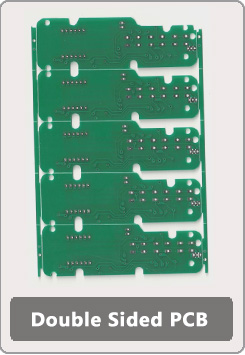
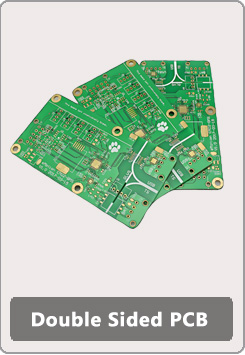
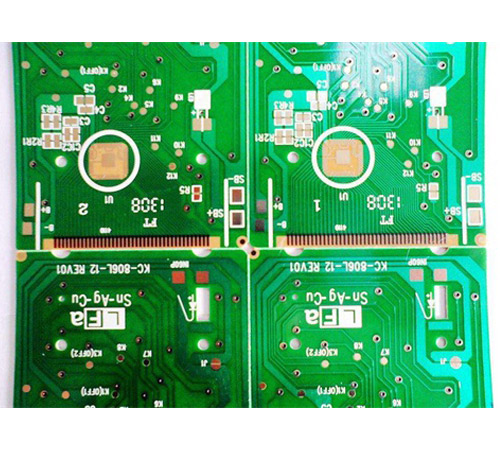
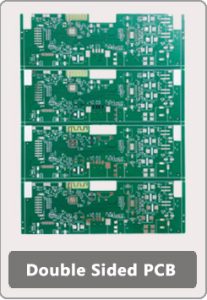
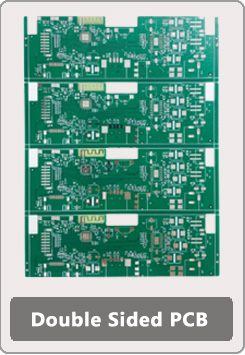
A double sided PCB has conductive copper layers on both sides of the substrate. This structure allows components and traces to be placed on the top and bottom surfaces, giving designers more routing flexibility.

To connect the two copper layers, the board uses plated through holes (PTH) or vias. These conductive holes allow electrical signals to move from one side of the board to the other.

Because of this added routing capability, double sided PCBs are suitable for more complex circuits than single sided boards. They are widely used in:

  • Automotive electronics
  • Communication equipment
  • Industrial control systems
  • Power electronics
  • Instrumentation devices

A double sided PCB is often the next step when a single-layer layout can no longer support the required circuit density.

What Is a Double Sided PCB?

What Is a Double Sided PCB?

Single Sided PCB vs Double Sided PCB

Choosing the right board type depends on circuit complexity, layout density, and budget expectations. For many buyers, the first comparison is between single sided PCB and double sided PCB.

ItemSingle Sided PCBDouble Sided PCB
Copper Layers12
Circuit ComplexityLowMedium
Routing FlexibilityLimitedHigher
Manufacturing CostLowerHigher
Production ProcessSimplerMore complex
Through Hole ConnectionNot required for interlayer routingRequired for layer connection
Typical ApplicationsSimple electronicsMore compact and functional products

If the layout can be completed on one layer without excessive jumpers or routing compromise, single sided PCB is usually the more economical option. When routing space becomes tight, double sided PCB offers greater design freedom.

Single Sided PCB vs Multilayer PCB

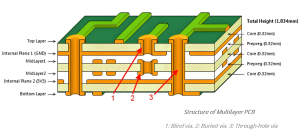
A multilayer PCB includes three or more conductive layers and is built for more advanced circuits. Compared with a 1 layer PCB, it supports higher density routing, better signal management, and more compact product design. However, many products do not need that level of complexity.

A single sided PCB is usually the better fit when you need:

  • A cost-sensitive board solution
  • Simple electrical architecture
  • Faster production
  • Easier inspection and assembly
  • Stable supply for repetitive orders

A multilayer PCB is more appropriate when the project involves:

  • High-speed signal routing
  • Compact board area with dense components
  • Strict EMI or impedance requirements
  • More advanced system integration

The best choice is not always the most complex structure. It is the one that matches your product’s real design needs.

Single Sided PCB vs Multilayer PCB

Single Sided PCB vs Multilayer PCB

How Thick Is a Single Sided PCB?

The thickness of a single sided PCB depends on the application, mechanical requirements, and manufacturing specification. In many cases, the common finished thickness range is:

  • 0.6 mm
  • 0.8 mm
  • 1.0 mm
  • 1.2 mm
  • 1.6 mm

Among these, 0.8 mm to 1.0 mm is often selected for standard applications because it provides a good balance between strength, weight, and cost.

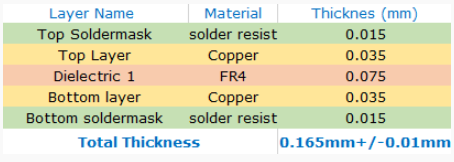
PCB thickness usually includes:

  • Base substrate thickness
  • Copper thickness
  • Solder mask and surface finish contribution

Thicker boards may be preferred when stronger mechanical support is needed. Thinner boards may be selected for compact or lightweight products.

Choosing the right board thickness should always be based on the end-use environment, assembly method, and overall design requirements.

How to Choose the Right PCB Type for Your Project?

Selecting between a single sided PCB, double sided PCB, and multilayer PCB depends on several practical factors.

Choose a Single Sided PCB If:

  • Your circuit is simple
  • Cost control is a priority
  • Component density is low
  • Fast fabrication is important
  • The product is mature and stable

Choose a Double Sided PCB If:

  • You need more routing space
  • Components must be mounted on both sides
  • A single-layer layout becomes too crowded
  • The product requires moderate complexity

Choose a Multilayer PCB If:

  • The design includes complex signal routing
  • Space is limited
  • High-speed or high-performance performance matters
  • EMI control and signal integrity are critical

A good PCB supplier can review your files and recommend the most suitable stack-up and board type before production begins.

Common Applications of Single Sided PCB

Single sided PCBs are still widely used across many industries because they serve a large number of standard electronic functions efficiently.

Typical applications include:

  • LED modules and lighting controls
  • AC/DC power boards
  • Battery management in simple devices
  • Consumer appliance boards
  • Small motor control circuits
  • Basic sensor and interface boards
  • Chargers and adapters
  • Industrial support electronics

For buyers looking for a dependable and cost-conscious board platform, this type of PCB remains highly relevant.

What Files Do We Need for Quotation?

To provide an accurate quotation and technical review, it is helpful to share:

  • Gerber files
  • Drill files
  • PCB specification details
  • Board size and thickness
  • Copper thickness requirement
  • Surface finish requirement
  • Quantity demand
  • Assembly files if PCBA is needed

If your files are still under preparation, you can also send the available design information first. Our team can help review the project and advise on the next step.

Get a Quote for Single Sided PCB Manufacturing

Looking for a reliable single sided PCB manufacturer for your next project?

EBest Circuit supports custom 1 layer PCB fabrication with responsive engineering service, practical lead times, and dependable production quality. Whether you need a quick prototype or a stable supplier for volume orders, we are ready to support your project.

Send us your design files and specifications for a fast review and quotation.

Email: sales@bestpcbs.com

You may also like