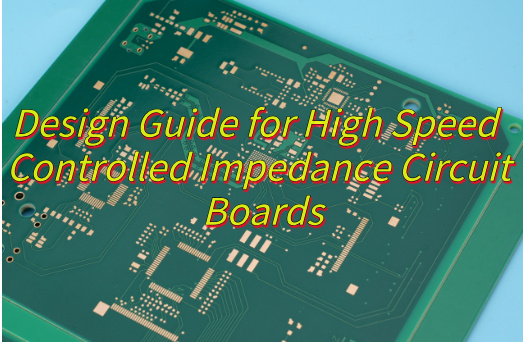
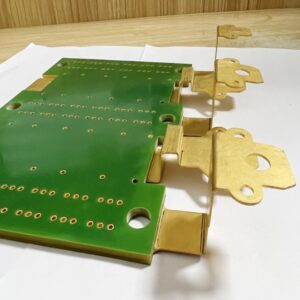
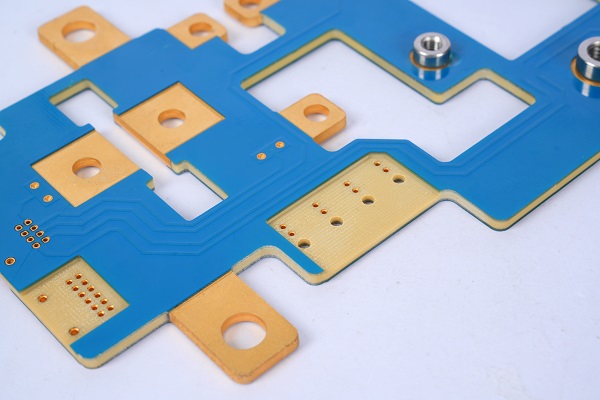
A PCB heater is a printed circuit heating element made with conductive traces on a PCB or flexible circuit substrate. It is used when heat must be delivered in a controlled area, such as a battery pack, sensor module, optical device, medical device, outdoor electronics, 3D printer bed, or anti-condensation assembly.
For engineers and buyers, the key question is not only whether a heater can generate heat. The real question is whether the heater can be manufactured with stable resistance, suitable material, reliable terminals, proper insulation, and repeatable performance. EBest Circuit supports custom PCB heater and flexible heating circuit projects with PCB fabrication, PI heating film production review, terminal process review, electrical testing, and PCBA support. If your project has heater drawings, Gerber files, resistance targets, voltage requirements, material notes, or assembly questions, please send them to sales@bestpcbs.com for engineering review before production.
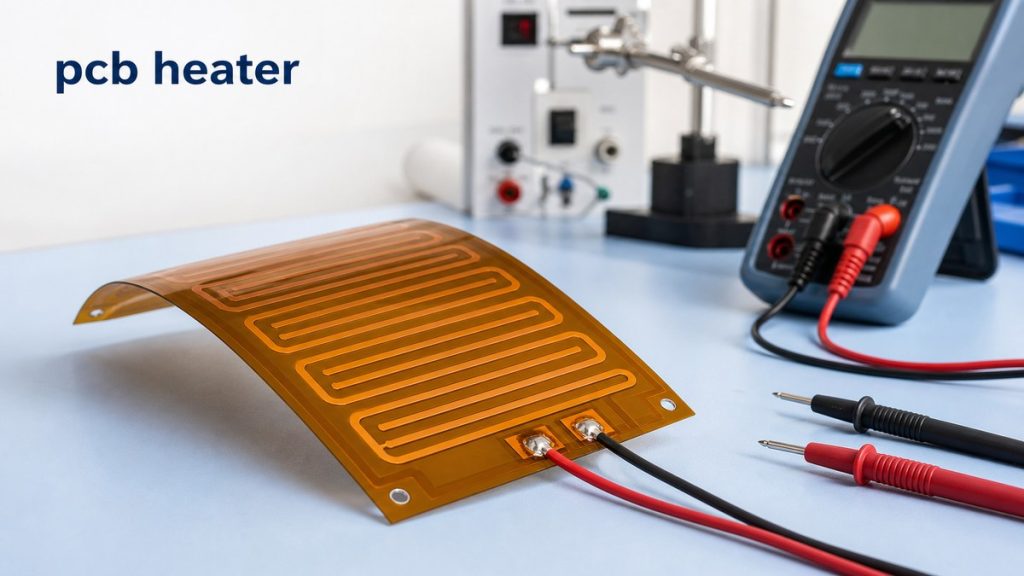
What Is a PCB Heater?
A PCB heater is a circuit board or flexible circuit that uses copper traces or other conductive patterns as the heating element. When current flows through the trace, electrical energy is converted into heat.
A PCB heater may be made as:
- Rigid FR4 heater PCB
- Flexible polyimide heater
- PI heating film
- Transparent heating film
- PCB bed heater
- Custom heating circuit inside an electronic module
The heating performance depends on trace width, trace length, copper thickness, resistance value, voltage, current, power density, material, insulation, and the final installation method. For a rigid heating board, FR4 PCB material may be considered. For compact or curved installation, a flexible polyimide structure is often more suitable.
For custom manufacturing, the most important information is not only the shape of the heater. The manufacturer also needs to understand the electrical target, working environment, terminal method, and reliability requirement.
Circuit Board Heater vs PCB Preheater
The phrase circuit board heater can mean different things depending on the search intent.
| Term | Practical Meaning |
| PCB heater | A heating element made from PCB or flexible circuit technology |
| Circuit board heater | Often used to describe a custom PCB-based heating circuit |
| PCB preheater | A tool used to warm PCBs during soldering or rework |
| Heating circuit board | A circuit board designed to generate heat inside a product |
This distinction matters because customers searching for pcb heater may be looking for a custom heating element, not a repair tool. A PCB preheater is used in soldering or rework. A PCB heater is usually part of the final product.
EBest Circuit focuses on manufacturing custom PCB heaters, PI heating films, flexible heating circuits, and related PCBA support, not selling general repair preheater equipment.
Flexible PCB Heater Materials and Structure
Flexible PCB heaters are often made with polyimide because PI film is thin, flexible, heat-resistant, and suitable for compact electronic products. For more background on this material family, this article can connect naturally with polyimide circuit board projects.
A typical flexible PCB heater may include:
- Polyimide insulation layer
- Copper heating trace
- Adhesive or coverlay structure
- Terminal pads
- Lead wires, solder pads, or connector area
- Optional stiffener or mounting support
- Optional surface finish such as ENIG
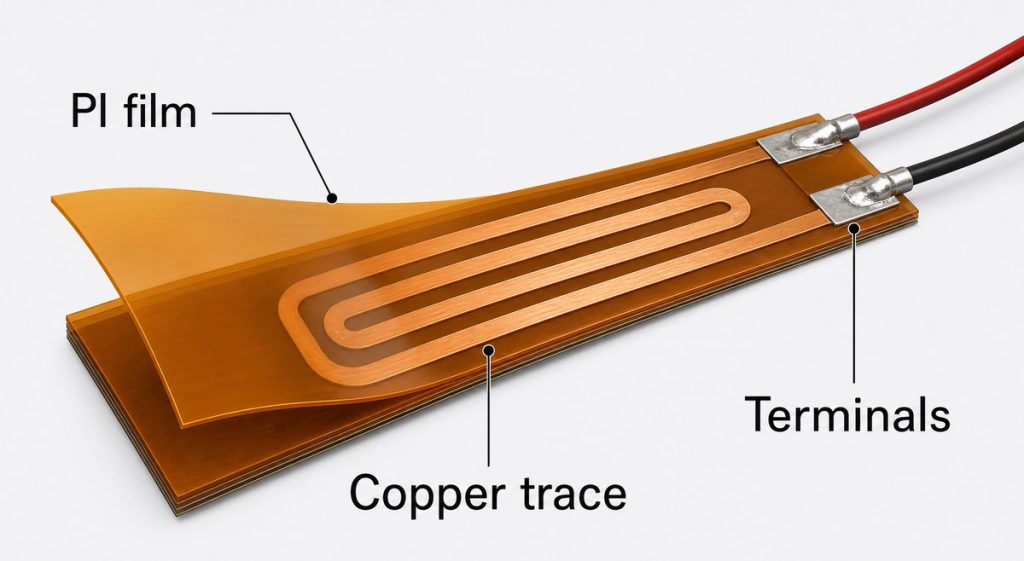
The structure should be reviewed before production because small changes can affect resistance, bending performance, heat distribution, and assembly reliability.
For example, a heater used inside a curved housing may need flexibility. A heater used near a connector may need stronger terminal support. A heater used in outdoor equipment may need insulation and moisture protection review.
Polyimide Film Heater Manufacturing Capabilities
For a PI heater project, the key manufacturing question is whether the required size, thickness, copper pattern, resistance tolerance, power density, working temperature, voltage, terminal method, and insulation requirement can be produced consistently.
EBest Circuit can support custom polyimide film heater manufacturing within the following capability range:
| Item | EBest Circuit Capability |
| Layer count | 1-6 layers |
| Standard max size | 240 x 1450 mm |
| Special max size | Up to 480 x 1450 mm |
| Minimum size | 3 x 5 mm |
| Single-layer thickness | 0.13-0.40 mm |
| PI film thickness | 28 um, 50 um, 75 um |
| Conductive layer thickness | 0.03 / 0.04 / 0.05 mm |
| Minimum line/space | 0.07 / 0.07 mm |
| Etching tolerance | Usually +/-20%, special +/-15% |
| Resistance tolerance | Usually +/-5% to +/-10% |
| Max dry-burn power density | 0.12 W/cm2 |
| Long-term temperature range | -40 deg C to 150 deg C |
| Short-term temperature range | -40 deg C to 200 deg C |
| Voltage range | 0-380 V |
These capability details help define the production path before sampling starts. A standard PI heater may move forward with normal material and process review, while a heater with tighter resistance tolerance, unusual shape, higher working temperature, special terminal connection, or strict insulation requirement should be reviewed more carefully before production.
EBest Circuit’s value is not only making the heater film. Our engineering team helps check whether the customer’s drawing, resistance target, material choice, terminal method, voltage requirement, and testing notes can work together in real production. This gives customers a clearer path from prototype sampling to small-batch or repeat production.
PCB Trace Heater Resistance, Power, and Temperature Control
A PCB trace heater works because the copper trace has electrical resistance. The heat output is related to voltage, current, resistance, copper thickness, trace width, trace length, and heat dissipation conditions.
Key review points include:
- Target resistance
- Voltage input
- Working current
- Power density
- Copper thickness
- Trace width and spacing
- Heating area
- Temperature target
- Temperature sensor location
- Installation surface
- Heat transfer path
A heater pattern should not be treated like a normal signal trace. The trace is the heating element, so width, length, and copper thickness directly affect the final performance.
For product projects, temperature control is usually handled by the customer’s electronic control system, sensor, firmware, or external controller. EBest Circuit’s role is to manufacture the heater circuit according to the approved files and review whether the PCB or FPC structure can support the required manufacturing process.
PCB Heater Design Files Manufacturers Need to Review
A PCB heater project needs clear production files. A drawing that only shows the outline is usually not enough.
Useful files and notes include:
- Gerber or ODB++ files
- Mechanical drawing
- Stackup or material requirement
- Copper thickness
- Resistance target
- Resistance tolerance
- Voltage and power requirement
- Working temperature
- Terminal or lead wire method
- Surface finish
- Adhesive or mounting notes
- Insulation requirement
- Testing requirement
- Packing requirement
The most common risk is that electrical and mechanical requirements are separated across different files. For example, the Gerber may show the trace pattern, while the drawing shows resistance tolerance, and an email mentions lead wire length.
Before production, these details should be checked together so the heater is built as one controlled part, not as disconnected file instructions. If the heater project also needs assembled control electronics, the same file discipline applies to PCB assembly services such as SMT, inspection, and testing coordination.
PCB Bed Heater and Industrial Heating Applications
A pcb bed heater is often associated with 3D printers, but PCB heater technology is used in many other products.
Common applications include:
- 3D printer heated beds
- Battery warming modules
- Outdoor sensor modules
- Anti-condensation electronics
- Optical and camera modules
- Medical testing equipment
- Wearable heating products
- Industrial control devices
- Automotive electronic modules
- Laboratory instruments
Different applications have different priorities. A 3D printer bed heater may focus on flatness and heat distribution. A sensor module heater may focus on compact size and stable resistance. A battery heater may need insulation, flexibility, and reliable terminal connection. Outdoor electronics may need moisture protection and temperature cycling review.
This is why EBest Circuit reviews the use condition before confirming the production path.
Heat Sink on PCB and Heat Dissipation Considerations
A heater creates heat intentionally, but the surrounding PCB or PCBA still needs thermal review. If the product also includes power electronics, LED modules, or high-current areas, the thermal path may overlap with topics such as heat dissipation board manufacturing.
In some projects, the heater must transfer heat quickly to a surface. In other projects, nearby components must be protected from excessive temperature. Heat management may involve copper area, adhesive layer, enclosure contact, insulation material, thermal pad, heat sink, or airflow.
Important questions include:
- Where should the heat go?
- Which area must stay warm?
- Which components must stay protected?
- Is the heater bonded to metal, plastic, glass, ceramic, or another PCB?
- Will the product work indoors, outdoors, or in a sealed housing?
- Is moisture, vibration, or bending expected?
A good PCB heater is not only a heating trace. It must work with the mechanical structure and product environment.
PCB Heater Manufacturing Case Study
A Germany customer needed a flexible PCB heater for an outdoor sensor module used in a low-temperature environment. The heater had to warm a small internal area without taking too much space inside the enclosure.
Project requirements
- Customer region: Germany
- Application: Outdoor sensor module
- Quantity: 120 pcs prototype and pilot build
- Heater type: Flexible PI heater
- Working voltage: 24 V
- Resistance tolerance: +/-10%
- Structure: Thin polyimide heating circuit
- Terminal method: Lead wire soldering
- Installation: Bonded inside the product housing
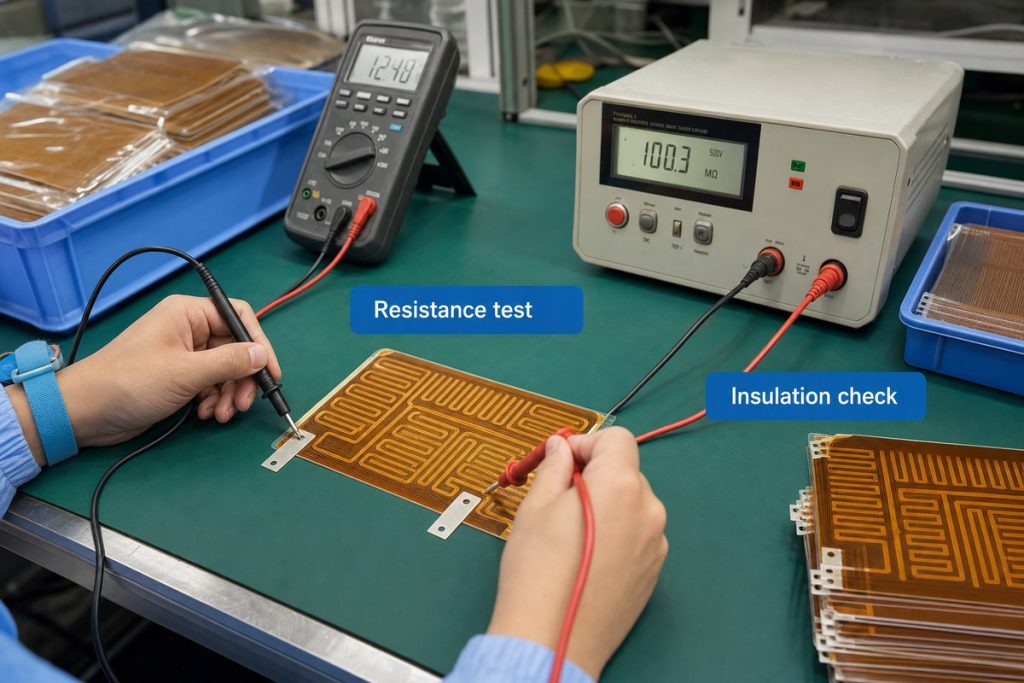
- Testing: Resistance and insulation check before shipment
Manufacturing challenges
- Stable resistance across the pilot batch
- Thin and flexible PI structure
- Strong terminal area for assembly handling
- Heating pattern matched to limited housing space
- Samples prepared for environmental validation
EBest Circuit solution
- Reviewed the heater outline, copper pattern, PI structure, terminal position, and resistance target before production.
- Checked whether the requested resistance tolerance matched the heating pattern and manufacturing process.
- Confirmed the lead wire soldering area to reduce terminal weakness during assembly.
- Controlled the production files before sample manufacturing.
- Arranged resistance testing and insulation checking before shipment.
Result
The customer received a pilot batch that matched the required heater outline, resistance target, terminal method, and installation direction. The main value was not only producing the heater film. The value was making sure the heating pattern, material, resistance, terminal process, and testing requirement were aligned before the customer moved into product validation.
FAQs about PCB Heater
1. What is a PCB heater used for?
A PCB heater is used to generate controlled heat inside a product. It can be used for battery warming, anti-condensation, sensor protection, 3D printer beds, medical devices, outdoor electronics, and compact heating modules.
2. Is a PCB heater the same as a PCB preheater?
No. A PCB heater is usually part of the final product. A PCB preheater is a tool used for soldering, repair, or rework.
3. What material is common for a flexible PCB heater?
Polyimide is common because it is thin, flexible, and heat-resistant. PI heaters are often used when the heating circuit must fit into a compact or curved space.
4. What affects PCB heater resistance?
Resistance is affected by copper thickness, trace width, trace length, etching tolerance, material, and the heating pattern. The resistance target should be confirmed before production.
5. Can EBest Circuit manufacture custom PCB heaters?
Yes. EBest Circuit can support custom PCB heater and PI heating film projects with manufacturing review, material review, resistance checking, terminal process review, and related PCB/PCBA support.
All in all, a PCB heater project should be reviewed as both an electrical heating part and a manufacturable circuit product. If your project includes PI heater drawings, Gerber files, resistance targets, voltage requirements, temperature notes, lead wire requirements, or assembly questions, please send them to sales@bestpcbs.com. EBest Circuit’s engineering team can help review the production path before your heater project moves into sampling or small-batch manufacturing.