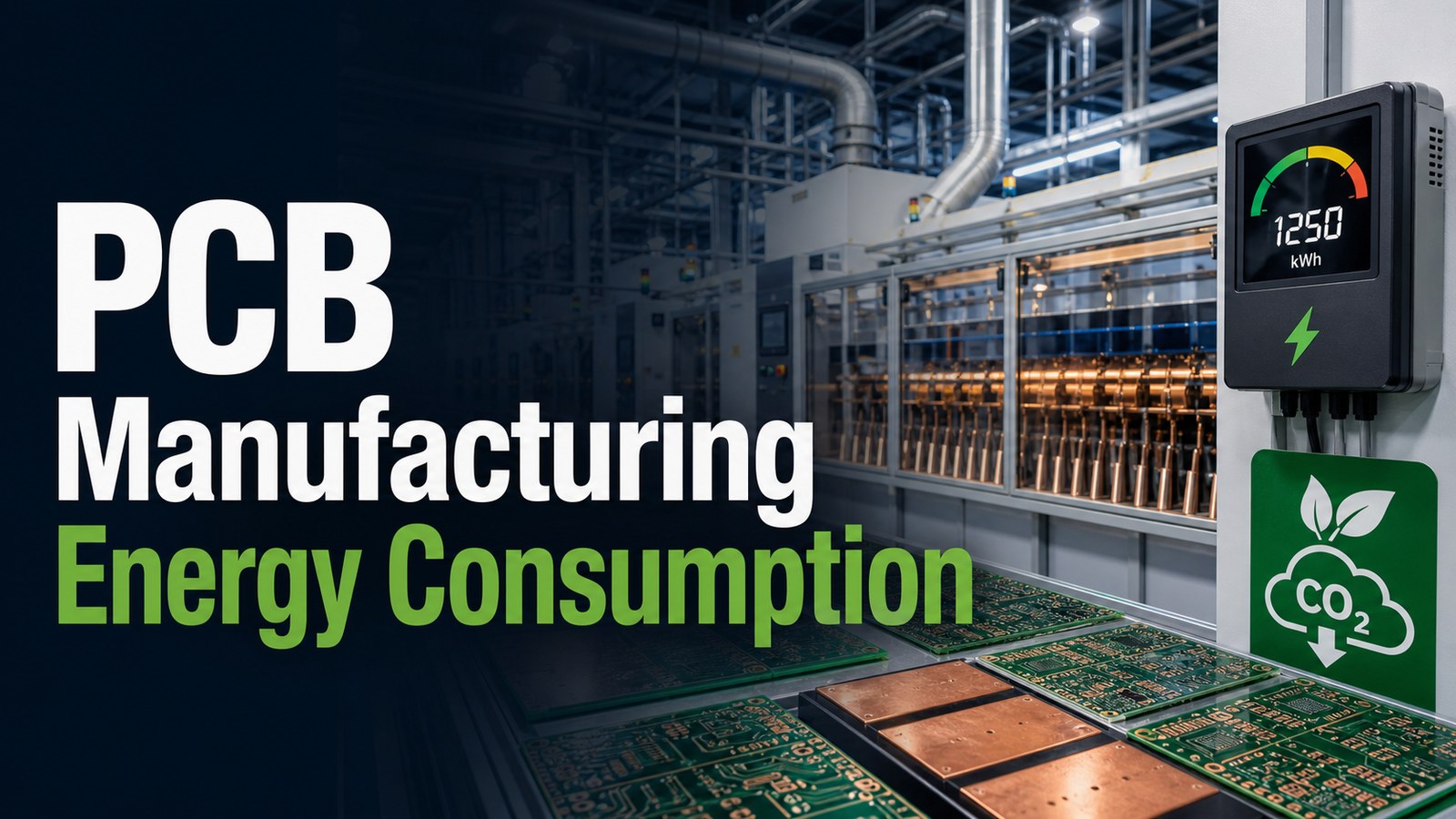
PCB manufacturing energy consumption is the electricity, heat, process energy, material energy, and indirect supply-chain impact needed to turn laminate, copper, chemistry, tooling, and design data into a finished printed circuit board. For most buyers, the useful question is not a single universal kWh number. It is which board decisions, fabrication steps, supplier controls, and quote details can reduce unnecessary energy, scrap, rework, and embodied carbon without weakening reliability.
Public PCB life-cycle and decarbonization research generally points in the same direction: board impact depends on materials, fabrication energy, chemicals, yield loss, transport, assembly, use phase, and end-of-life treatment. Those inputs vary sharply by stackup and process. A simple two-layer FR-4 board, a high-layer-count HDI board, a metal-core thermal board, and an automotive ceramic substrate do not carry the same manufacturing burden.
What PCB Manufacturing Energy Consumption Means
PCB manufacturing energy consumption means the energy used directly in fabrication plus the upstream energy already embedded in materials such as copper foil, laminate, prepreg, solder mask, surface finish chemistry, and packaging. In practical sourcing, it is better to treat this as a decision map than as a fixed number.
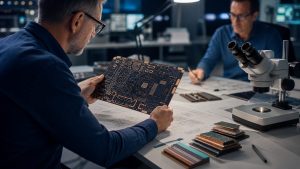
A buyer can influence energy-related impact before the order reaches the factory. Layer count, board size, copper weight, via structure, impedance tolerance, surface finish, acceptance criteria, and panel utilization all affect how many process steps the board needs. A supplier can influence the same outcome through process control, first-pass yield, waste handling, equipment efficiency, and transparent data collection.
Where Energy and Carbon Impact Enter the PCB Life Cycle
Energy enters the PCB life cycle through raw materials, fabrication, assembly, transport, product use, rework, and disposal or recycling. A quote that only compares unit price can miss several of these drivers.
| Life-cycle stage | Typical energy or carbon driver | Buyer check |
|---|---|---|
| Material production | Copper, glass fiber, resin, ceramic, aluminum or specialty laminate production | Ask whether the requested material is necessary for the electrical, thermal, or mechanical requirement. |
| PCB fabrication | Imaging, etching, lamination, drilling, plating, solder mask, surface finish, routing and testing | Confirm which process steps are driven by the stackup and tolerance choices. |
| Assembly | Stencil printing, placement, reflow, inspection, cleaning, selective soldering, test fixtures | Separate bare-board and PCBA requirements in the RFQ. |
| Yield and rework | Scrap panels, rejected boards, rework loops and repeated testing | Provide complete files and request DFM review before production release. |
| Logistics | Shipment mode, partial shipments, urgent reorders and packaging | Plan quantities and approval steps early enough to avoid emergency freight. |
Which PCB Design Choices Usually Affect Energy Use
The design choices most likely to change manufacturing energy are layer count, board area, copper thickness, via structure, controlled impedance, surface finish, and tolerance tightness. Each one can add process complexity when it goes beyond what the design actually needs.
Layer count is often the first lever. Extra layers may be necessary for routing density, EMI control, power integrity, or controlled impedance, but they also add lamination, imaging, inspection, and material demand. Board size and panel utilization matter as well. A shape that wastes panel area can increase scrap even when the finished board is small.
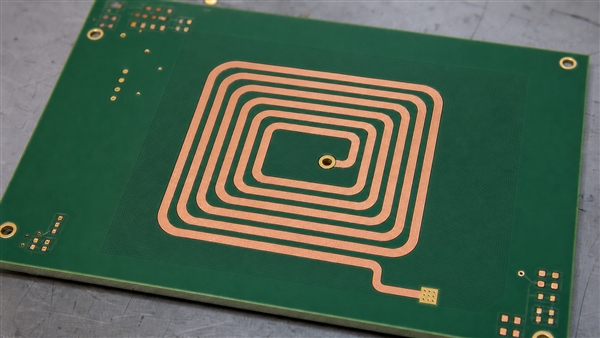
Copper thickness affects etching and plating. Via structures affect drilling, desmear, plating, filling, capping, and inspection steps. Surface finish should match assembly and storage needs rather than habit. If the project only needs standard solderability, an expensive or process-heavy finish may not be justified.
How Fabrication Steps Influence Energy Consumption
Fabrication energy is distributed across repeated wet processing, lamination, drilling, plating, baking, inspection, routing, and testing steps. The more times a board must pass through those steps, the more important process discipline becomes.
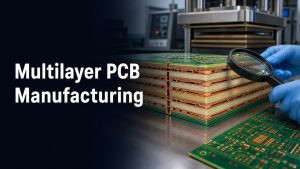
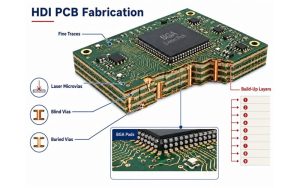
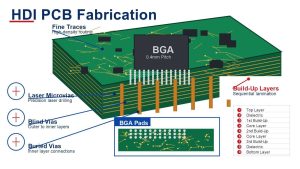
For example, a multilayer board may require inner-layer imaging and etching before layup, then lamination, drilling, copper plating, outer-layer imaging, solder mask, surface finish, profiling, electrical test, and final inspection. An HDI design can add laser drilling, microvia plating, sequential lamination, via filling, and tighter inspection. These process choices may be technically correct, but they should be tied to a real electrical or reliability need.
For a plain-language explanation of how stackup and process complexity interact, see our guide to multilayer PCB manufacturing.
Why Yield, Scrap, and Rework Matter
Yield is one of the most overlooked energy variables because every scrapped board carries the material and process energy already spent on it. Lower yield can turn a technically efficient process into a wasteful one.
Many yield problems start before fabrication: missing drill files, unclear stackup notes, ambiguous copper requirements, insufficient annular ring, unsupported solder mask slivers, unrealistic impedance tolerances, and mismatch between BOM, CPL, and drawings for PCBA orders. A proper DFM review reduces the chance of re-running panels, remaking tooling, or holding production while questions are resolved.
For buyers comparing fabrication plus assembly scope, the distinction between a bare PCB and a fully assembled PCBA also matters. The article PCB vs PCBA explains where the manufacturing boundary changes.
How Materials and Layer Count Change Embodied Energy
Embodied energy changes when a board uses more material, harder-to-process material, tighter reliability requirements, or a stackup that needs extra lamination and inspection. A lightweight design is not automatically lower impact if it causes poor yield or field failure.
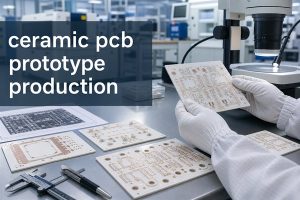
FR-4, high-Tg FR-4, low-loss RF laminate, metal-core materials, ceramic substrates, heavy copper, and rigid-flex constructions solve different engineering problems. The lower-impact choice is the material that satisfies the product requirement with the least avoidable complexity. For thermal products, that may mean using a metal-core or ceramic option only where the heat path demands it. For high-speed products, it may mean choosing a stable laminate and stackup early so the factory does not need repeated trial builds.
Cost and sustainability often meet in the same place: avoid over-specification, avoid unclear files, and avoid rework. Our custom PCB cost guide covers many of the same quote variables from a price perspective.
What Buyers Can Ask Before Requesting a PCB Quote
The best RFQ questions focus on data quality, process fit, yield protection, and whether the supplier can explain tradeoffs instead of making vague carbon claims. Most buyers do not need a perfect carbon model for every board; they need better decisions before production starts.
- Can the supplier review stackup, material, copper weight, via type, tolerance and finish before quoting final production?
- Which requested features are driving extra lamination, plating, drilling, testing or inspection steps?
- Can panel utilization be improved without changing the finished board outline?
- Are any tolerances tighter than the product actually needs?
- Will the quote separate bare-board fabrication, assembly, testing, tooling, freight and rework risk?
- Can the supplier flag file issues that may cause scrap before mass production?
How to Compare Suppliers Without Unverified Carbon Claims
Compare suppliers by the quality of their manufacturing data and engineering review, not by unsupported ?green PCB? marketing language. If a supplier gives a carbon or energy figure, ask what scope, boundary, method, and board assumptions it uses.
A useful comparison should state whether it covers material production, board fabrication, assembly, transport, use phase, and end-of-life. It should also clarify whether the data is plant-level, product-level, estimate-based, or supplier-reported. Without those boundaries, two numbers may look comparable while measuring different things.
For online sourcing workflows, the file package still matters. Our article on choosing a PCB manufacturer online lists the documents that help a supplier quote and review the board properly.
Practical Design Checks for Lower-Impact PCB Sourcing
The most practical way to lower unnecessary impact is to design for manufacturability, avoid avoidable complexity, and give the supplier enough information to build the board right the first time. The same habits usually reduce lead-time risk and cost.
- Confirm that layer count and stackup are needed for the signal, power, thermal, and mechanical requirements.
- Use the simplest via structure that still meets density and reliability needs.
- Choose copper weight based on current, thermal rise, and manufacturability, not guesswork.
- Match surface finish to assembly, storage, wire bonding, or contact requirements.
- Review panelization early when the board outline is unusual.
- Run DFM review before freezing production quantity.
- Separate prototype learning builds from production release builds.
If your project includes assembly or component sourcing, include BOM and placement files at the same time as Gerber or ODB++ data. The PCBA service page explains the broader manufacturing scope beyond bare-board fabrication.
FAQ About PCB Manufacturing Energy Consumption
These questions come up when engineering teams start connecting PCB sourcing with carbon, cost, and manufacturing reliability.
Is there one standard energy number for PCB manufacturing?
No. Energy depends on board size, layer count, material, copper weight, via structure, surface finish, process route, yield, test scope, and factory energy mix. A single number without board assumptions is not useful for sourcing.
Does fewer layers always mean lower embodied energy?
Usually fewer layers reduce material and process complexity, but not always. If forcing fewer layers causes poor routing, EMI problems, rework, or field failure, the lower layer count may create more waste over the product life.
Can DFM review reduce PCB energy consumption?
DFM review can reduce avoidable scrap, repeated tooling, rework, and production holds. It does not magically make a board low-carbon, but it helps prevent waste caused by unclear or difficult-to-build designs.
Should buyers ask PCB suppliers for carbon data?
Yes, when the project requires sustainability reporting. Ask for the boundary and method behind the data. A plant-level or estimate-based value should not be treated the same as a product-specific life-cycle calculation.
Final RFQ Checklist for Energy-Aware PCB Projects
For an energy-aware PCB quote, send the same files needed for a reliable build, plus any sustainability reporting requirements you must meet. The goal is practical clarity, not green decoration.
- Gerber or ODB++ files.
- Stackup request, material preference, copper weight, impedance and thickness targets.
- Surface finish, solder mask, silkscreen and special process requirements.
- Quantity, prototype or production intent, and target lead time.
- BOM, CPL, assembly drawing and test requirements if PCBA is included.
- Any carbon, lifecycle, material declaration, RoHS/REACH or supplier reporting requirement.
- Known design risks where DFM review is needed before release.
If you want a practical review before committing to production, send your Gerber or ODB++ files, BOM, CPL, quantity, material choice, surface finish, testing requirements, target lead time, and any sustainability reporting requirement to sales@bestpcbs.com. Our team can review the manufacturing route, flag avoidable complexity, and help you prepare a quote package that supports both reliability and lower-waste sourcing.