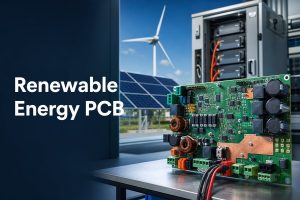
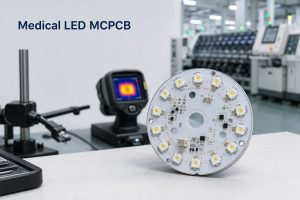
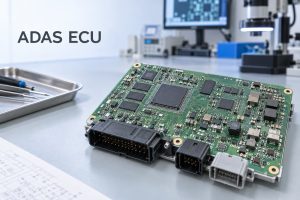
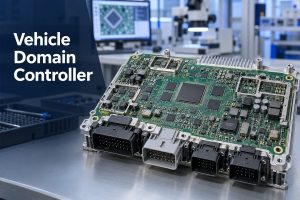
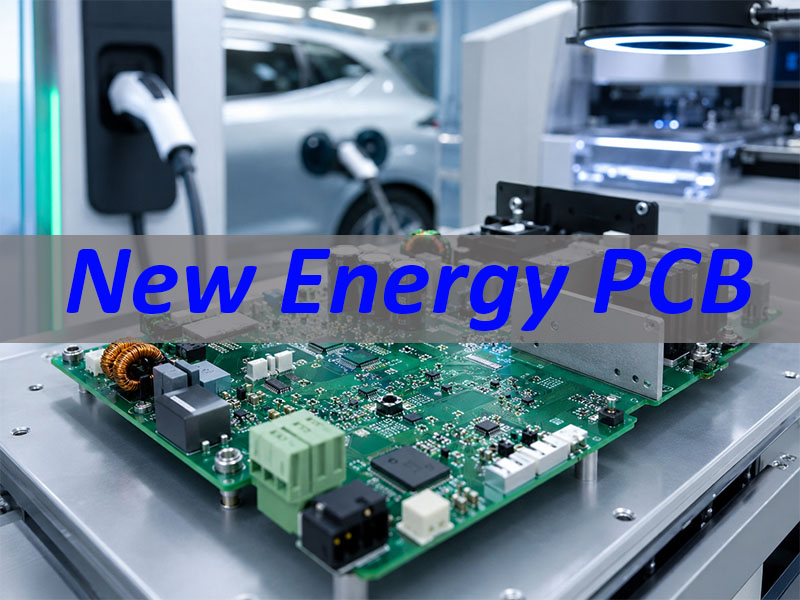
New Energy PCB is used in EVs, chargers, energy storage systems, solar inverters, LED power modules, and power control electronics. This article explains how EBest Circuit (Best Technology) supports New Energy PCB projects with PCB fabrication, material review, PCBA assembly, testing, and engineering communication.
What problems do OEM buyers often face in New Energy PCB projects?
- Wrong material choice: FR4, high-Tg FR4, aluminum, copper base, ceramic, HDI, or heavy copper may all be possible.
- Slow prototype review: Missing stack-up, copper thickness, or test notes can delay quotation.
- Unclear current and heat requirements: High-current areas may need thicker copper or better thermal paths.
- PCBA handoff risk: PCB, BOM, SMT, DIP, and testing may be handled by separate suppliers.
- Low-price trap: A cheap quote may ignore manufacturability, testing, or repeat production.
EBEST helps reduce these risks with focused engineering review.
- Material matching: We review board type, copper thickness, Tg, and thermal needs.
- Fast file review: We check Gerber files, stack-up, BOM, and assembly drawings early.
- High-current support: We review copper weight, terminals, connectors, and heat paths.
- One-stop PCBA: We connect PCB fabrication, sourcing review, SMT, DIP, inspection, and testing.
- Repeatable production: We review prototype projects with later small-batch and repeat orders in mind.
EBest Circuit (Best Technology) is a PCB and PCBA manufacturer supporting FR4 PCB, high-Tg FR4 PCB, heavy copper PCB, aluminum PCB, copper base PCB, ceramic PCB, HDI PCB, rigid-flex PCB, RF microwave high-frequency PCB, and PCBA assembly. For New Energy PCB projects, please send Gerber files, BOM, stack-up, copper thickness, material notes, assembly drawings, testing requirements, quantity, and delivery target to sales@bestpcbs.com.
What Should OEM Buyers Confirm Before Starting a New Energy PCB Project?
Before starting a New Energy PCB project, OEM buyers should confirm the real operating conditions. These details decide the material, copper thickness, thermal structure, assembly method, and testing plan.
| Item | What to Confirm |
|---|---|
| Application | EV, charger, energy storage, inverter, LED, or power control |
| Current load | Signal board, power board, or high-current path |
| Thermal need | Standard FR4, aluminum, copper base, ceramic, or other option |
| PCBA scope | Bare PCB only or PCB plus assembly |
| Testing need | Electrical test, functional test, aging, or customer test method |
EBEST does not use one PCB type for every new energy project. We review the application first, then match the board structure.
For example, a control board may use high-Tg FR4. A heat-focused board may need aluminum or copper base. A high-current board may need heavy copper. A compact control module may need HDI. A high-power thermal design may need ceramic PCB.
A clear project start helps reduce quotation changes and production delay.
How Can EBEST Speed Up New Energy PCB Prototype Review?
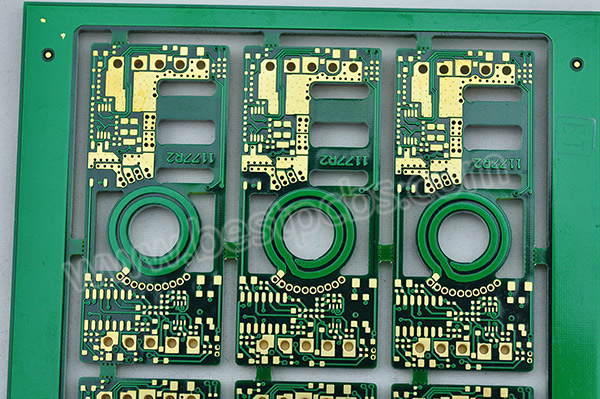
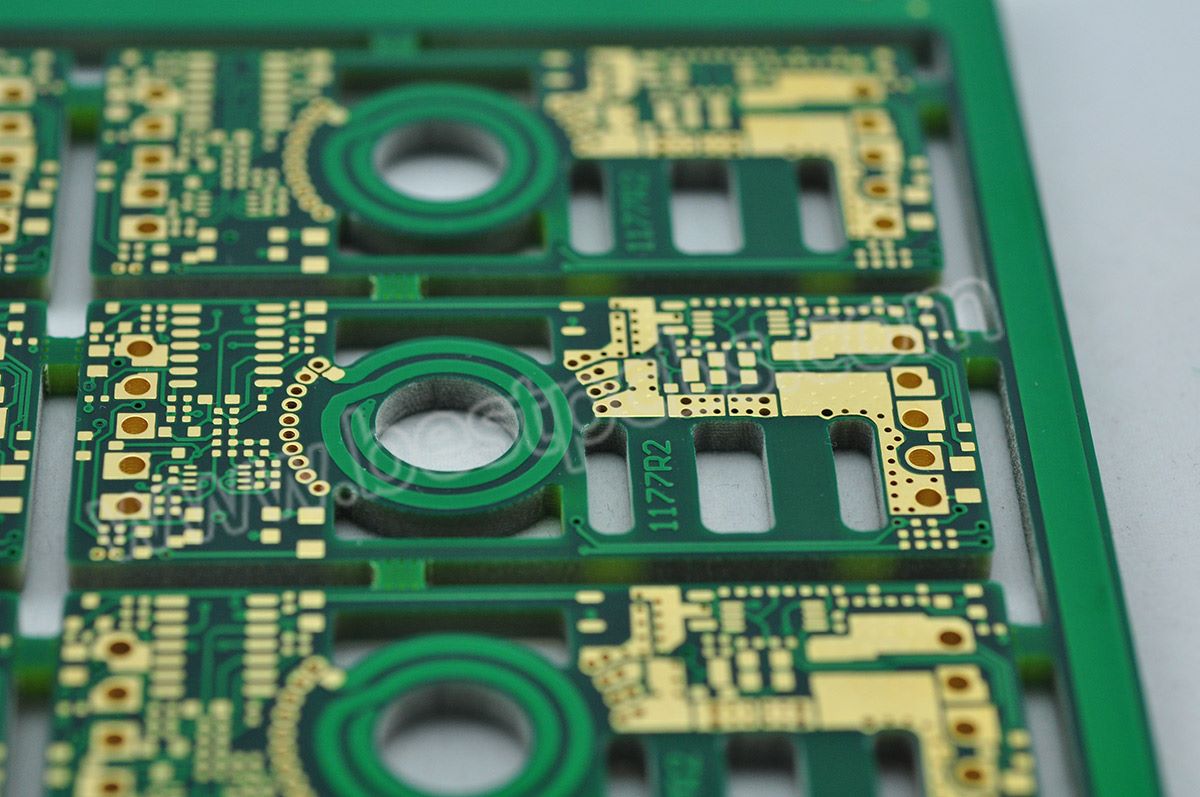
A New Energy PCB prototype should help customers test faster, not create new questions during production. EBEST speeds up prototype review by checking the key files before fabrication.
We usually review:
- Gerber and drill files
- Stack-up
- Board thickness
- Copper thickness
- Material grade
- Surface finish
- Minimum line width and spacing
- Minimum hole size
- High-current areas
- Connector and terminal zones
- Test points
- BOM and assembly drawings if PCBA is needed
For high-Tg FR4 projects, EBEST can review Tg requirements such as standard Tg, Tg 150, or Tg 170–180 options. For high-frequency or communication-related new energy boards, we can review materials such as Rogers, Taconic, Arlon, Nelco, and other specified laminates when required.
For prototype projects, the goal is simple: confirm what can be built, what may affect lead time, and what should be adjusted before mass production.
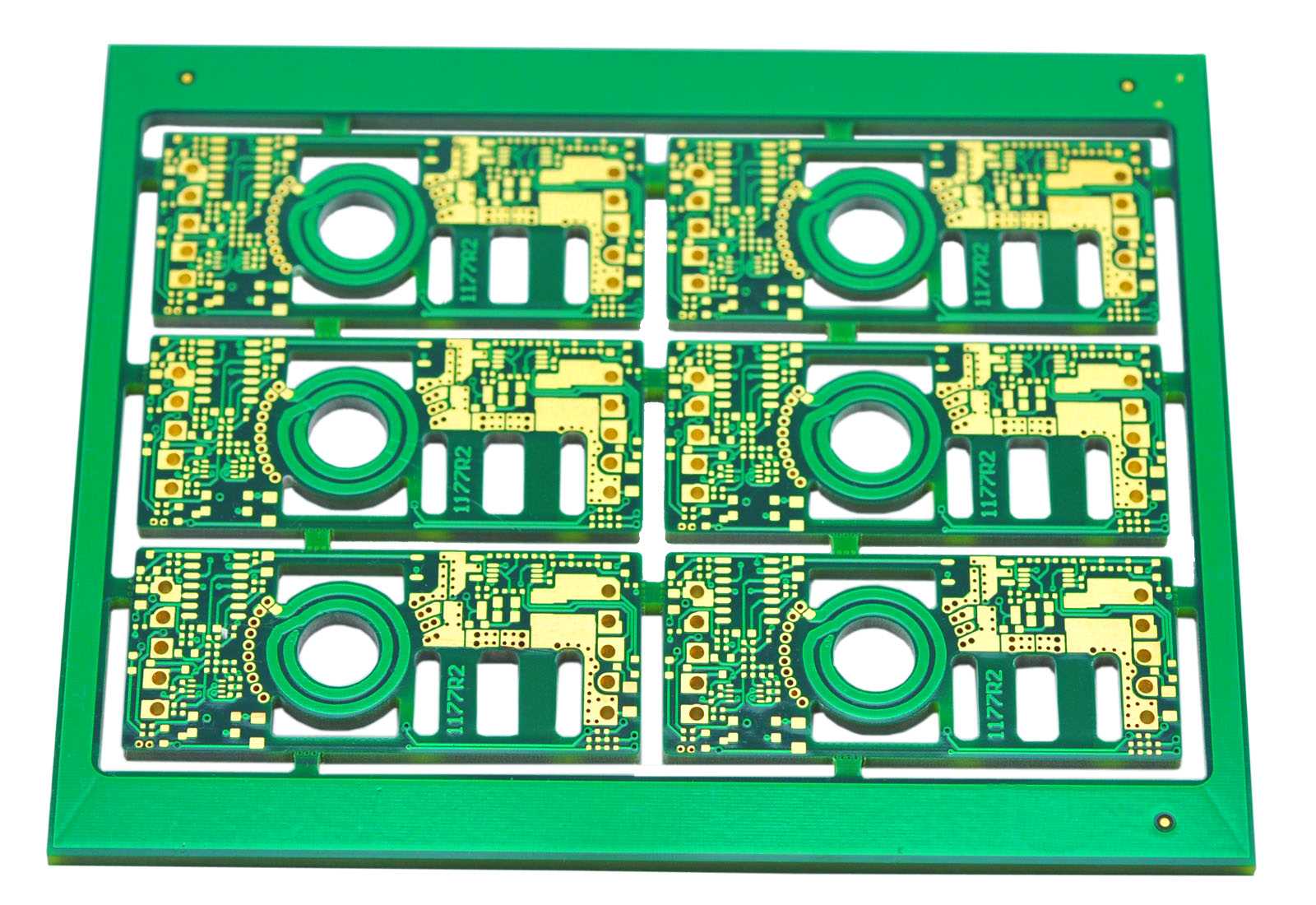
What Does EBEST Check Before Quoting a New Energy Vehicle PCB?
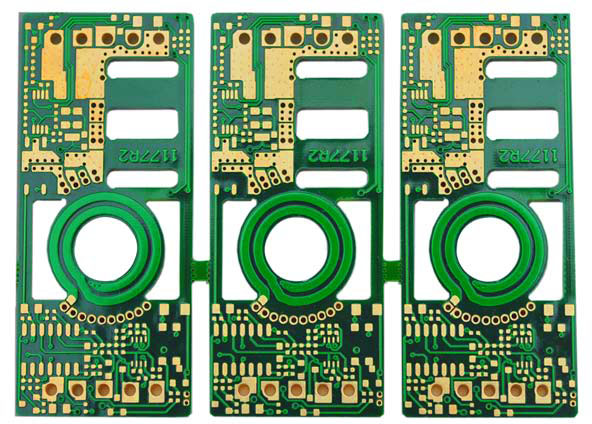
Before quoting a New Energy Vehicle PCB, EBEST reviews cost-driving and risk-driving details. A useful quote should reflect the real board, not only the size and quantity.
We check:
- Layer count
- Board thickness
- Copper weight
- Material type
- Surface finish
- HDI or blind/buried via structure
- Heavy copper requirement
- Impedance requirement
- Connector and terminal areas
- Minimum hole size
- Solder mask bridge
- Electrical testing
- PCBA and functional testing needs
EBEST’s process capability covers a wide range of PCB requirements, including multilayer PCB, HDI PCB, heavy copper PCB, aluminum PCB, high-frequency PCB, and thick board projects. For heavy copper designs, line width and spacing must be reviewed together with copper weight. For example, a 1 oz board and a 10 oz or 20 oz heavy copper board cannot use the same fabrication rules.
That is why New Energy Vehicle PCB quotation must start with engineering review.
A low quote without copper, material, and testing review is not a reliable quote.
How Does EBEST Support New Energy Charger PCB Assembly?
New Energy Charger PCB Assembly usually involves power components, connectors, relays, transformers, terminals, heat-generating parts, and test requirements. EBEST reviews the PCB and PCBA together so the project does not fail at the assembly stage.
Our support can include:
- PCB fabrication
- BOM review
- Component sourcing review
- SMT assembly
- DIP assembly
- BGA/QFN assembly when needed
- Connector and terminal assembly
- AOI inspection
- X-ray inspection when required
- First article inspection
- Customer-defined functional testing
For charger boards, we focus on high-current paths, spacing, soldering areas, connector strength, thermal zones, and test access. If the PCB design is difficult to assemble, we will raise the issue before production.
This is the value of one-stop PCB and PCBA support: fewer handoffs, clearer responsibility, and better preparation for repeat orders.
Which PCB Technologies Can EBEST Match to New Energy Applications?
New Energy PCB is not one fixed board type. EBEST matches PCB technology based on current, heat, space, reliability, and assembly needs.
| PCB Technology | Suitable New Energy Use |
|---|---|
| FR4 PCB | Control boards and signal circuits |
| High-Tg FR4 PCB | Higher thermal resistance |
| Heavy Copper PCB | High-current paths and power distribution |
| Aluminum PCB | LED power and heat dissipation |
| Copper Base PCB | High thermal transfer power boards |
| Ceramic PCB | High-power and high-thermal applications |
| HDI PCB | Compact control modules |
| High-Frequency PCB | Communication or RF-related modules |
| Rigid-Flex PCB | Space-limited or vibration-sensitive products |
EBEST also supports multiple surface finishes, including HASL, lead-free HASL, ENIG, immersion tin, immersion silver, hard gold, soft gold, ENEPIG, carbon ink, and gold finger plating when required.
This matters because new energy products may need more than standard FR4. A charger, inverter, EV control board, battery system, or LED power board may need different copper, material, surface finish, and assembly plans.
The right PCB technology should support the product, not just meet the drawing.
What Manufacturing Challenges Should New Energy PCB Buyers Watch For?
New Energy PCB projects often fail because small manufacturing details are ignored early.
Common risks include:
- Copper mismatch
High-current areas may need thicker copper or wider current paths. - Wrong material
Standard FR4 may not be enough for thermal or reliability needs. - Poor thermal path
Heat may require aluminum, copper base, ceramic, or better copper design. - Connector stress
Terminals, screws, and power connectors may create mechanical risk. - Unclear testing
Electrical test alone may not prove product function.
EBEST reduces these risks through DFM review, material confirmation, process capability review, PCBA planning, inspection, and customer-defined testing.
For new energy projects, “cheap” should not be the main decision. A practical supplier should help control cost while protecting manufacturability and reliability.
The better result is a board that can be built, assembled, tested, and repeated.
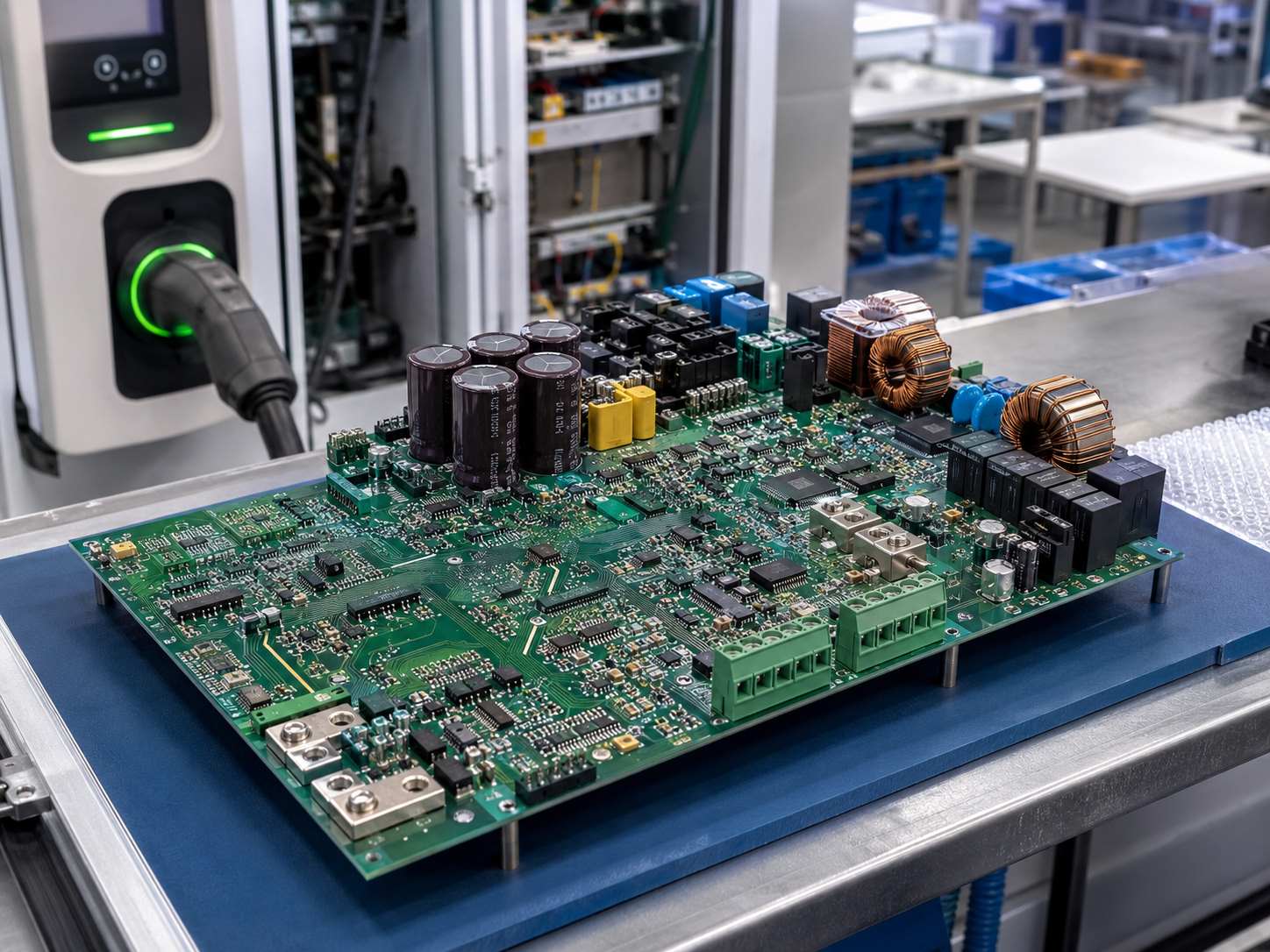
New Energy Charger PCB Assembly Case: How Did EBEST Support an OEM Customer?
An OEM customer needed a New Energy Charger PCB Assembly project for a power control board used inside new energy charging equipment. The board had to support power-control signals, connector interfaces, stable impedance performance, and reliable PCBA assembly for later repeat production.
For this project, EBEST focused on five key areas:
- Application review
The PCB was used in a new energy charger power control module, so EBEST reviewed the design around signal stability, connector layout, assembly reliability, and production repeatability. - Complex PCB structure
This was a 12-layer FR4 PCB with Tg 170 material, 1 oz inner and outer copper, 4.8 mm board thickness, ENEPIG surface finish, and controlled impedance requirements. - Engineering review before production
EBEST reviewed the Gerber files, BOM, stack-up, copper thickness, impedance notes, assembly drawing, and testing requirements before fabrication and assembly. - Manufacturing and assembly control
The review focused on multilayer stack-up, ENEPIG process control, impedance control, connector reliability, soldering process stability, AOI inspection, first article checking, and customer-defined test support. - One-stop project value
EBEST helped the customer reduce communication gaps between PCB fabrication, BOM review, SMT assembly, DIP connector assembly, inspection, and testing.
Key project parameters:
- Application: New energy charger power control board
- PCB type: 12-layer FR4 PCB
- Material Tg: Tg 170
- Copper thickness: 1 oz inner and outer copper
- Board thickness: 4.8 mm ±10%
- Solder mask / silkscreen: Green solder mask, white silkscreen
- Surface finish: ENEPIG
- Nickel thickness: 120 μin–276 μin
- Palladium thickness: 1 μin–5 μin
- Gold thickness: 1 μin
- Impedance: Controlled impedance required
- PCBA scope: SMT assembly, DIP connector assembly, inspection, and customer-defined test support
- Project value: PCB fabrication and PCBA assembly were reviewed together to improve manufacturability and repeat production stability.
FAQs About New Energy PCB
What Is a New Energy PCB?
A New Energy PCB is a printed circuit board used in EVs, chargers, solar systems, energy storage, inverters, power electronics, LED systems, and related control modules.
Can EBEST Support New Energy PCB Prototype Projects?
Yes. EBEST can review Gerber files, stack-up, copper thickness, material choice, surface finish, BOM, assembly drawings, and test requirements before production.
What PCB Types Are Common in New Energy Projects?
Common options include FR4 PCB, high-Tg FR4 PCB, heavy copper PCB, aluminum PCB, copper base PCB, ceramic PCB, HDI PCB, high-frequency PCB, and rigid-flex PCB.
Can EBEST Provide New Energy Charger PCB Assembly?
Yes. EBEST can support PCB fabrication, component sourcing review, SMT assembly, DIP assembly, inspection, and customer-defined testing for charger PCB projects.
What Files Should I Send for a New Energy PCB Quote?
Please send Gerber files, drill files, stack-up, copper thickness, material notes, BOM, pick-and-place file, assembly drawing, testing requirements, quantity, and delivery target.
All in all, new energy PCB supports EVs, chargers, energy storage, solar systems, inverters, LED power, and other power electronics products. This article explained how EBEST reviews material, copper, prototype files, charger PCBA needs, PCB technologies, manufacturing risks, and one real charger PCBA case.
EBest Circuit (Best Technology) supports New Energy PCB projects with PCB fabrication, PCBA assembly, material review, component sourcing review, SMT, DIP, inspection, testing, and engineering communication. Please send your files and requirements to sales@bestpcbs.com for review.