What are ceramic PCB materials and how do they affect heat, insulation and reliability? Learn Al2O3, AlN, BeO, Si3N4 selection, applications and buying tips.
What Are Ceramic PCB Materials?
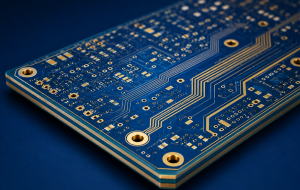
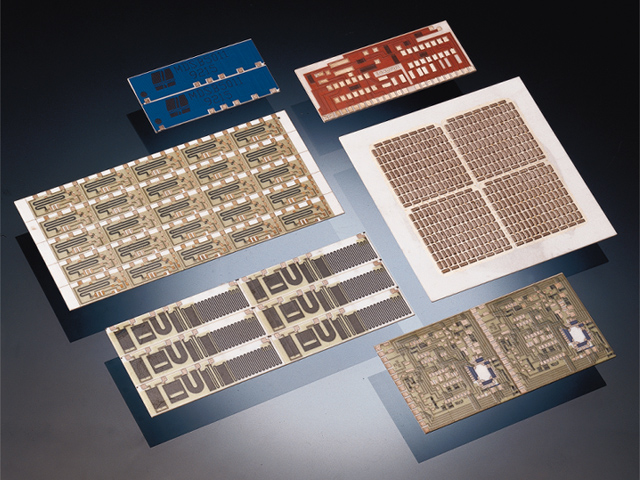
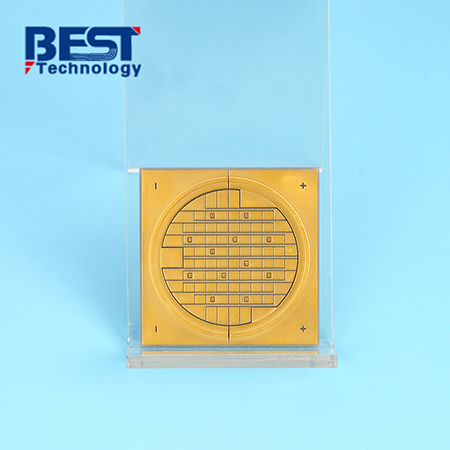
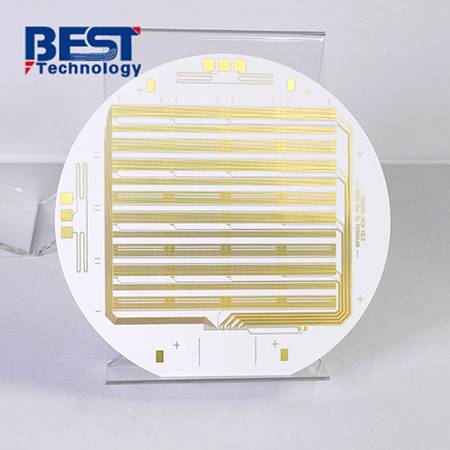
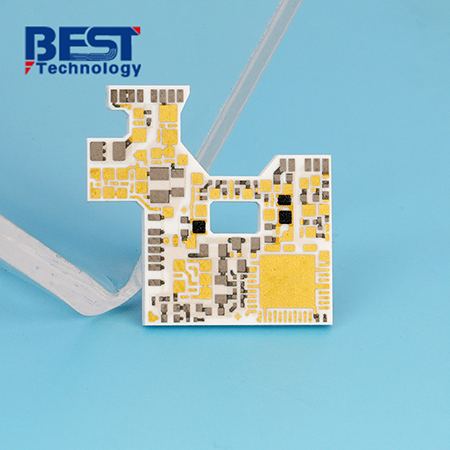
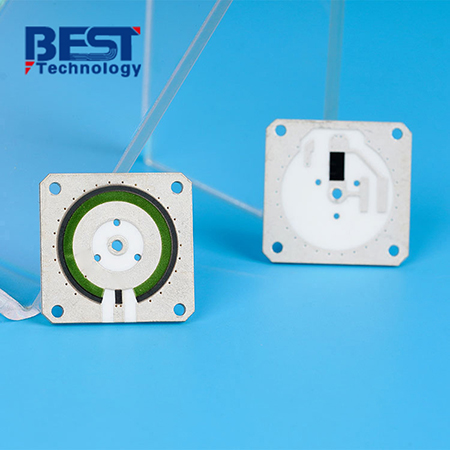
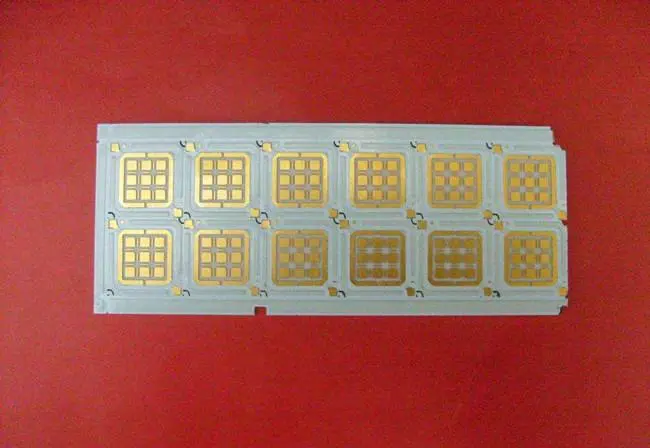
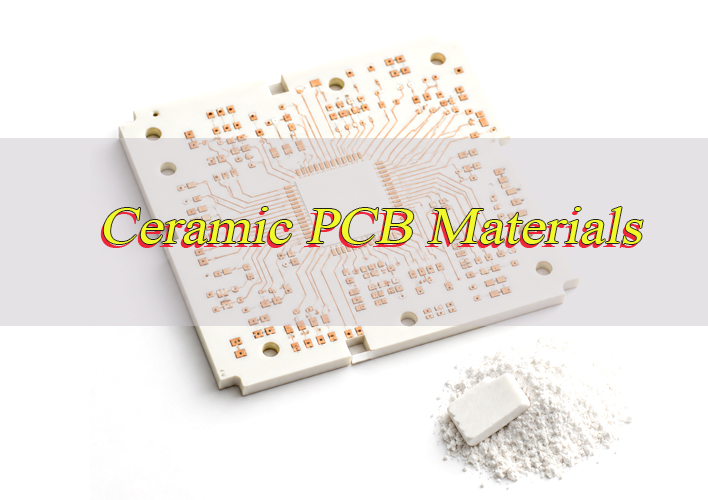
Ceramic PCB materials are inorganic ceramic substrates used as the base of printed circuit boards instead of traditional organic materials such as FR4. They are selected when a circuit must handle high heat, high voltage, high frequency, or harsh operating environments.
Common ceramic PCB materials include alumina (Al2O3), aluminum nitride (AlN), beryllium oxide (BeO), silicon nitride (Si3N4), and sometimes silicon carbide (SiC). These materials provide strong electrical insulation while allowing heat to move away from power devices, LEDs, RF modules, and semiconductor components.
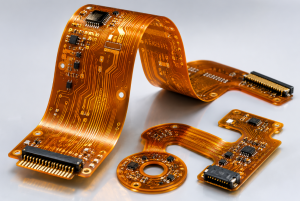
Unlike FR4, ceramic substrates do not mainly rely on glass fiber and epoxy resin. Their performance comes from the ceramic body itself, which offers better thermal conductivity, lower thermal expansion, stronger dimensional stability, and better resistance to high-temperature operation.
For engineers and buyers, the key point is simple: ceramic PCB material is not chosen only by price. It must match heat load, circuit voltage, mechanical stress, copper thickness, assembly process, and long-term reliability requirements.
Why Are Ceramic PCB Materials Important?
Ceramic PCB materials are important because modern electronic products generate more heat in smaller spaces. Power modules, high-brightness LEDs, EV electronics, RF amplifiers, laser devices, and semiconductor packages all need stable heat dissipation.
FR4 is suitable for many standard electronics, but its thermal conductivity is much lower than ceramic materials. Ceramic substrates can conduct heat far more effectively while still maintaining electrical insulation, which makes them valuable in circuits where heat cannot be allowed to accumulate around chips or solder joints.
Material choice also affects reliability. If the coefficient of thermal expansion does not match the component or copper layer, repeated heating and cooling may cause cracks, delamination, solder fatigue, or broken traces. In high-power products, this is often more serious than the initial material cost.
For procurement teams, ceramic PCB materials directly influence cost, lead time, processing difficulty, and supplier capability. A low-cost ceramic material may be enough for LED lighting, while an EV power module or high-frequency device may require AlN or another advanced ceramic substrate.
How Do Ceramic PCB Materials Work?
Ceramic PCB materials work by combining electrical insulation with thermal conduction. Most metals conduct heat well but also conduct electricity. Ceramics are different because they can transfer heat while resisting electrical current, allowing circuits to stay electrically isolated.
When a chip, LED, MOSFET, IGBT, or RF component generates heat, the ceramic substrate spreads that heat away from the component area. The heat can then move into copper layers, metal bases, housings, heat sinks, or cooling systems. This reduces hot spots and helps the device maintain stable performance.
The material structure also supports dimensional stability. Ceramic substrates usually have lower expansion than many organic PCB materials. This helps reduce mechanical stress in applications where devices repeatedly heat up and cool down.
In practical manufacturing, ceramic PCB performance depends not only on the ceramic base. It also depends on metallization, copper bonding, surface finish, drilling quality, laser processing, conductor adhesion, and assembly control.
What Are the Main Types of Ceramic PCB Materials?
The main ceramic PCB materials include Al2O3, AlN, BeO, Si3N4, and SiC. Each material has a different balance of heat dissipation, insulation, strength, safety, cost, and manufacturability.
| Ceramic PCB Material | Main Strength | Typical Use | Selection Note |
|---|---|---|---|
| Alumina (Al2O3) | Cost-effective, stable, widely available | LEDs, sensors, power circuits, industrial electronics | Good general-purpose ceramic PCB material |
| Aluminum Nitride (AlN) | High thermal conductivity, good insulation | Power modules, semiconductor devices, RF, high-power LEDs | Better for demanding thermal management |
| Beryllium Oxide (BeO) | Very high thermal conductivity | Special high-power and RF applications | Restricted by toxicity concerns during processing |
| Silicon Nitride (Si3N4) | Strong mechanical toughness, thermal shock resistance | Automotive, power modules, harsh environments | Useful where mechanical reliability matters |
| Silicon Carbide (SiC) | High-temperature capability, strong hardness | Extreme environment electronics | Less common for standard ceramic PCBs |
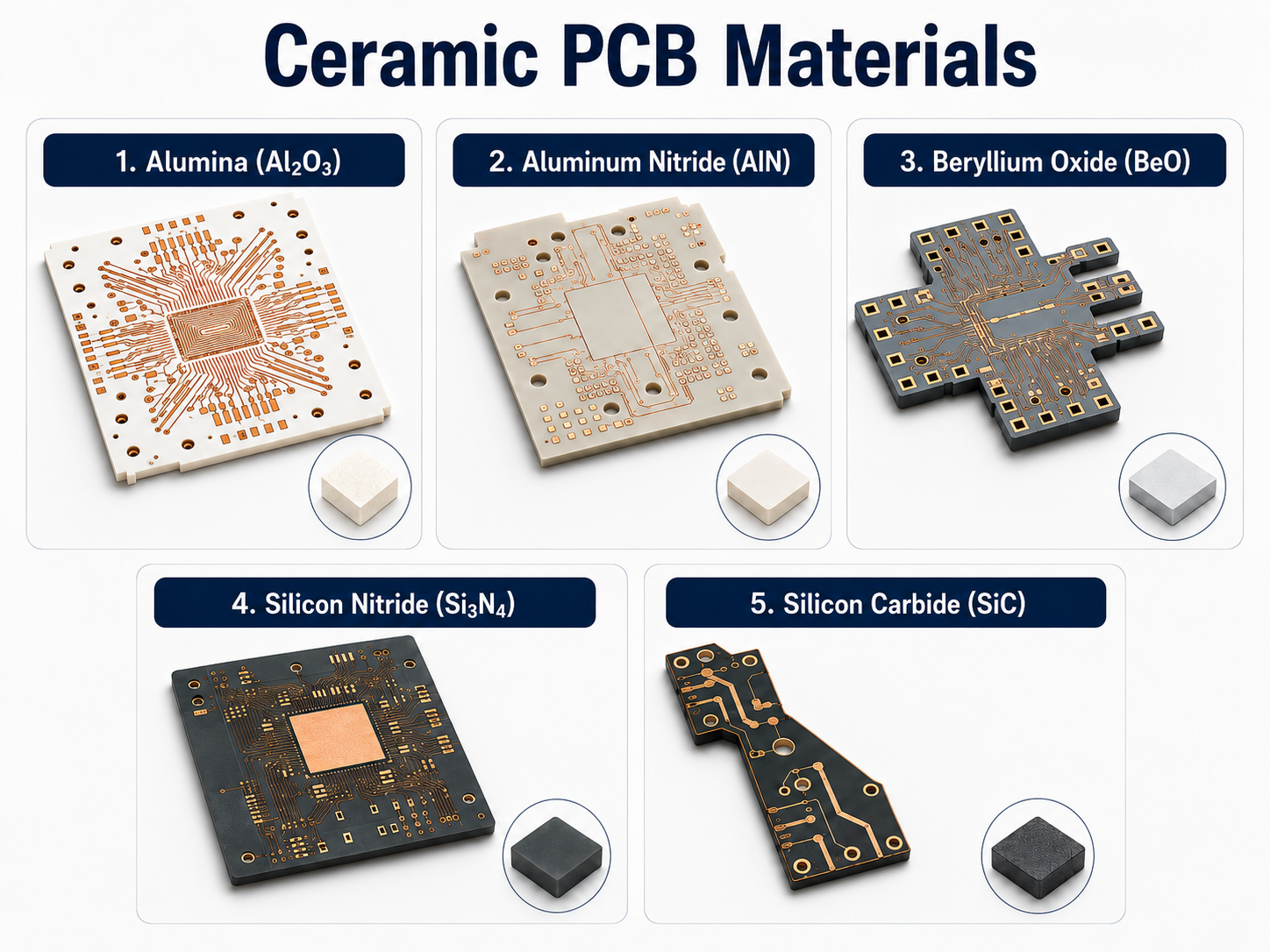
Alumina and aluminum nitride are the most common choices in many commercial ceramic PCB projects. Alumina is often selected when cost and stability matter most. Aluminum nitride is selected when high heat dissipation is the main requirement.
BeO can offer excellent thermal performance, but it requires strict safety control because of toxicity risk during machining. Many projects now prefer AlN as a safer alternative when high thermal conductivity and electrical insulation are needed.
What Is Alumina Ceramic PCB Material?
Alumina ceramic PCB material, also called Al2O3 ceramic substrate, is one of the most widely used ceramic PCB materials. It offers good electrical insulation, stable mechanical performance, high-temperature resistance, and lower cost compared with many advanced ceramic substrates.
Common alumina purity levels include 96% alumina and 99.6% alumina. A 96% alumina substrate is often used for cost-sensitive ceramic PCB applications, while 99.6% alumina may be selected when better surface quality, insulation, or stability is required.
Alumina thermal conductivity is lower than AlN but still much higher than standard FR4. Many alumina ceramic substrates are commonly used in the 24–30 W/m·K thermal conductivity range, depending on purity, formulation, and processing.
Alumina ceramic PCBs are commonly used in LED modules, sensors, automotive electronics, industrial controllers, thick-film circuits, power resistors, and compact electronic modules. For many buyers, alumina is the best balance between performance, price, and production availability.
What Is Aluminum Nitride Ceramic PCB Material?
Aluminum nitride ceramic PCB material, also called AlN ceramic substrate, is selected for high thermal conductivity and electrical insulation. It is widely used in high-power electronics, semiconductor packaging, laser modules, RF devices, EV power systems, and high-brightness LED applications.
AlN is valuable because its thermal conductivity is much higher than alumina. Many commercial AlN ceramic substrates are commonly listed around 150–220 W/m·K, while actual values depend on material grade and processing quality.
Another advantage is its thermal expansion behavior. AlN has a coefficient of thermal expansion closer to silicon than many other materials, which can help reduce thermal mismatch in semiconductor-related assemblies.
The main limitation is cost. AlN is usually more expensive than alumina and may require more careful process control. However, when thermal failure risk is high, the higher material cost can be justified by better reliability and longer product life.
What Is Beryllium Oxide Ceramic PCB Material?
Beryllium oxide, or BeO, is a ceramic material known for very high thermal conductivity and good electrical insulation. It has been used in some RF, microwave, aerospace, and high-power electronic applications where heat dissipation is extremely important.
Some BeO materials can offer very strong thermal performance, which makes them attractive for demanding thermal designs. However, BeO has a major safety concern because toxic dust can be produced during machining or improper processing.
Because of this risk, many companies avoid BeO unless the application truly requires it and the supplier has proper safety systems. For many modern projects, AlN is often considered a safer alternative.
Buyers should confirm safety compliance, handling documentation, machining control, and processing capability before choosing BeO for any ceramic PCB project.
What Is Silicon Nitride Ceramic PCB Material?
Silicon nitride, or Si3N4, is a ceramic material known for high mechanical strength, fracture toughness, and thermal shock resistance. It is valuable in harsh applications where cracking risk is a major concern.
Si3N4 is often considered when the circuit must survive mechanical stress, vibration, impact, or rapid temperature cycling. This makes it attractive for automotive power modules, industrial systems, transportation electronics, and high-reliability environments.
Compared with AlN, silicon nitride may not always provide the same level of thermal conductivity. Its advantage is mechanical robustness rather than only heat dissipation.
The practical choice depends on the full design. If the biggest risk is heat, AlN may be better. If the biggest risk is mechanical stress and thermal cycling, Si3N4 may deserve serious evaluation.
How Do Alumina, AlN, BeO and Si3N4 Compare?
Different ceramic PCB materials should be compared by application needs, not by a single performance number. Thermal conductivity is important, but it is not the only selection factor.
| Item | Alumina Al2O3 | Aluminum Nitride AlN | Beryllium Oxide BeO | Silicon Nitride Si3N4 |
|---|---|---|---|---|
| Thermal conductivity | Medium | High | Very high | Medium to high |
| Electrical insulation | High | High | High | High |
| Mechanical toughness | Medium | Medium | Medium | High |
| Thermal shock resistance | Good | Good | Good | Excellent |
| Cost level | Lower | Higher | Higher | Higher |
| Processing safety | Good | Good | Special control needed | Good |
| Common availability | Very high | High | Limited | Medium |
| Best fit | General ceramic PCB | High-power thermal design | Special high-thermal projects | Harsh mechanical environments |
For most commercial projects, alumina is the practical starting point and AlN is the upgrade path for higher thermal demand. BeO is a special-case material, while Si3N4 is often chosen for strength and thermal cycling resistance.
A good supplier should not recommend the most expensive material first. The better approach is to review power density, operating temperature, copper thickness, board size, assembly method, and reliability target before confirming the substrate.
What Properties Should You Check Before Selecting Ceramic PCB Materials?
Before selecting ceramic PCB materials, engineers should check thermal, electrical, mechanical, and manufacturing parameters. These properties determine whether the substrate can survive real operating conditions.
| Parameter | Why It Matters | Typical Selection Focus |
|---|---|---|
| Thermal conductivity | Controls heat dissipation | Higher for power modules, LEDs, RF power devices |
| Dielectric strength | Prevents electrical breakdown | Important for high-voltage circuits |
| Dielectric constant | Affects signal behavior | Important for RF and high-frequency designs |
| Dissipation factor | Affects signal loss | Lower is better for RF and microwave use |
| Coefficient of thermal expansion | Controls thermal stress | Must match chips, copper, and package materials |
| Flexural strength | Affects breakage risk | Important for handling and assembly |
| Surface roughness | Affects metallization and bonding | Important for fine circuits and thin film processes |
| Copper adhesion | Affects reliability | Critical for DBC, DPC, thick copper, and power cycling |
| Substrate thickness | Affects strength and thermal path | Must balance insulation, rigidity, and heat transfer |
| Manufacturing tolerance | Affects assembly fit | Important for precision modules |
For high-power applications, thermal conductivity and copper adhesion are often the first concerns. For RF applications, dielectric constant, loss tangent, and surface quality become more important.
For procurement, the most common mistake is comparing only unit price. A cheaper substrate can become expensive if it causes cracking, poor yield, solder defects, or field failure after mass production.
What Ceramic PCB Manufacturing Processes Use These Materials?
Ceramic PCB materials can be processed through several manufacturing methods, depending on circuit density, copper thickness, power level, and cost target.
Thick film ceramic PCB uses screen printing and firing to create conductive patterns. It is common for sensors, power resistors, hybrid circuits, and cost-sensitive ceramic electronics.
Thin film ceramic PCB uses deposition and photolithography to create fine, precise circuits. It is suitable for high-frequency, high-precision, and compact electronic modules.
DCB ceramic PCB means direct copper bonded. It bonds copper directly to ceramic substrates and is widely used in power modules because it supports high current and strong heat dissipation.
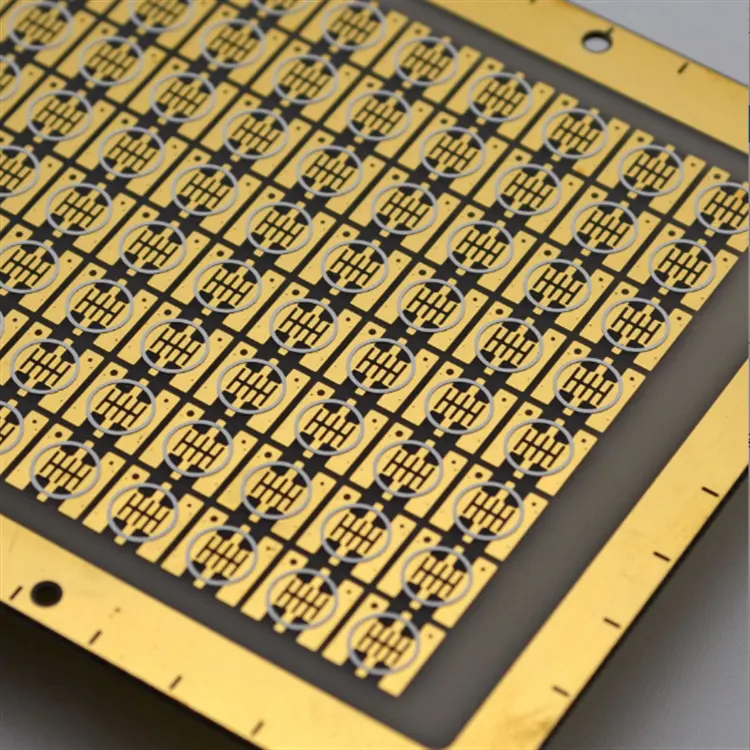
DPC ceramic PCB means direct plated copper. It uses metallization and electroplating to build copper on ceramic. It is useful for fine circuits, LEDs, sensors, and compact high-performance modules.
LTCC and HTCC are co-fired ceramic technologies used for multilayer ceramic circuits, RF modules, microwave components, and high-reliability electronics.
What Are the Advantages of Ceramic PCB Materials?
Ceramic PCB materials offer several advantages over many traditional PCB substrates. Their biggest value is the combination of heat dissipation and insulation.
Strong thermal management allows heat to move away from chips, LEDs, and power components. This helps reduce hot spots and supports longer component life.
High electrical insulation helps ceramic PCBs support high-voltage and high-power applications without short circuits between conductive paths.
Low thermal expansion improves dimensional stability and reduces stress between chips, copper, solder joints, and the substrate during temperature cycling.
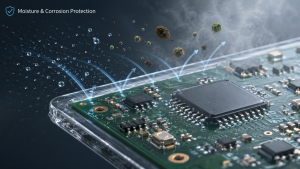
Good chemical and corrosion resistance supports use in industrial, automotive, aerospace, medical, and outdoor-related environments.
High-frequency suitability makes some ceramic materials useful in RF, microwave, antenna, telecommunications, and radar-related applications.
What Are the Limitations of Ceramic PCB Materials?
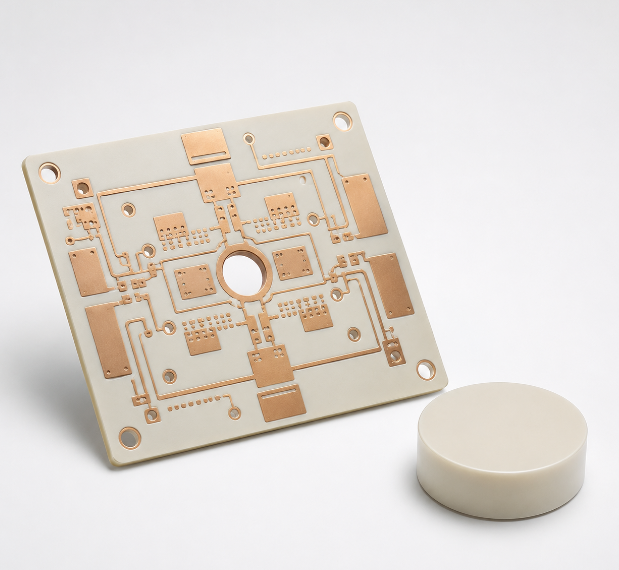
Ceramic PCB materials also have limitations. They are not the best choice for every circuit board project.
The first limitation is cost. Ceramic substrates are usually more expensive than FR4, especially when using AlN, Si3N4, DBC, DPC, thin film, or multilayer ceramic processes.
The second limitation is brittleness. Ceramic materials can crack under mechanical stress, improper handling, poor panel design, or fast thermal shock.
The third limitation is manufacturing complexity. Ceramic drilling, laser processing, metallization, copper bonding, and surface finishing require controlled processes. Not every standard PCB factory can produce reliable ceramic PCBs.
The fourth limitation is design flexibility. Ceramic PCBs may have restrictions in board size, hole design, edge clearance, copper thickness, and panel utilization. These constraints should be reviewed before finalizing the design.
Where Are Ceramic PCB Materials Used?
Ceramic PCB materials are used in industries where heat, voltage, frequency, reliability, or harsh conditions are major design concerns.
| Industry | Common Applications | Material Focus |
|---|---|---|
| LED lighting | High-power LED modules, COB LEDs, UV LEDs | Alumina, AlN |
| Automotive electronics | EV power modules, sensors, battery systems | AlN, Si3N4, alumina |
| Power electronics | MOSFET, IGBT, rectifier, converter modules | AlN, DBC alumina, Si3N4 |
| RF and microwave | RF amplifiers, antennas, microwave modules | Alumina, AlN, thin film ceramic |
| Medical devices | Imaging systems, laser devices, precision electronics | Alumina, AlN |
| Aerospace and defense | High-reliability modules, radar, harsh environment circuits | AlN, alumina, Si3N4 |
| Telecommunications | RF modules, base station electronics, optical modules | Alumina, AlN |
| Industrial equipment | Motor drives, sensors, power control boards | Alumina, AlN |
In LED projects, alumina may be enough when heat is moderate and cost control is important. In EV power modules or semiconductor devices, AlN or Si3N4 may be more suitable because thermal and reliability requirements are higher.
What Real Project Cases Show the Value of Ceramic PCB Materials?
Case 1: High-power LED module
A customer using a standard metal-core PCB may face high junction temperature in compact LED modules. By switching to an alumina or AlN ceramic substrate, heat can spread more efficiently from the LED chip area.
Case 2: EV power electronics
Power conversion circuits in EV systems face current load, heat, vibration, and repeated temperature cycling. AlN or Si3N4 ceramic substrates can help reduce thermal stress and improve module reliability.
Case 3: RF module
RF circuits require stable dielectric behavior and controlled signal loss. Alumina thin film ceramic substrates are often used where fine line accuracy and frequency stability matter.
Case 4: Industrial sensor
Industrial sensors often need compact size, stable insulation, and resistance to heat or chemicals. Alumina ceramic PCBs can provide a stable base for thick film circuits, heating elements, or sensing modules.
These cases show why material selection should start from the failure risk. If the risk is heat, choose for thermal conductivity. If the risk is cracking, choose for toughness. If the risk is signal loss, choose for dielectric performance.
What Design Factors Matter for Ceramic PCB Materials?
Designing with ceramic PCB materials requires different thinking from standard FR4 design. Ceramic substrates are strong under compression but can be fragile under bending, impact, or local stress.
Engineers should avoid sharp inside corners, weak narrow sections, and unsupported thin ceramic areas. Board outline, mounting holes, slots, and edge clearance should be designed to reduce stress concentration.
Copper thickness must also match the ceramic material and manufacturing method. Thick copper improves current capacity and heat spreading, but it can create more thermal expansion stress.
For RF circuits, trace geometry, dielectric constant, substrate thickness, surface finish, and conductor roughness must be controlled together. A ceramic material with good thermal performance may not automatically be the best RF material.
Assembly design is also important. Solder profile, component placement, thermal interface material, screw torque, and mechanical support can all affect ceramic PCB reliability after production.
What Manufacturing Issues Should Be Controlled?
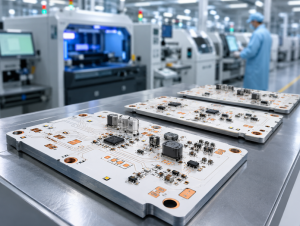
Ceramic PCB manufacturing needs strict process control because the material is hard, brittle, and sensitive to stress.
Key manufacturing issues include substrate flatness, edge chipping, laser cutting quality, hole quality, conductor adhesion, copper thickness uniformity, metallization strength, surface finish stability, and dimensional tolerance.
For DBC ceramic PCBs, copper bonding strength is critical because power cycling can stress the copper-ceramic interface. For DPC ceramic PCBs, plating quality and via reliability are important.
For thick film ceramic PCBs, paste quality, screen printing accuracy, firing temperature, conductor resistance, and pattern definition must be controlled. For thin film ceramic PCBs, surface preparation and photolithography accuracy are more important.
Buyers should ask suppliers about process capability, inspection methods, copper peel strength, thermal cycling tests, dielectric tests, and sample validation before moving into mass production.
What Tests Are Needed for Ceramic PCB Materials?
Testing helps confirm whether ceramic PCB materials and manufacturing processes meet project requirements.
| Test Item | Purpose |
|---|---|
| Visual inspection | Checks cracks, chips, stains, scratches, and surface defects |
| Dimensional inspection | Confirms size, hole position, thickness, and tolerance |
| Thermal conductivity review | Confirms material grade and heat dissipation expectation |
| Dielectric withstand test | Checks insulation under high voltage |
| Insulation resistance test | Confirms electrical isolation |
| Copper adhesion test | Checks bonding reliability between copper and ceramic |
| Thermal cycling test | Evaluates stress resistance under temperature changes |
| Solderability test | Confirms surface finish and assembly performance |
| Cross-section analysis | Reviews copper, plating, via, and interface quality |
| Functional test | Confirms final circuit performance |
For high-power products, thermal cycling and copper adhesion are especially important. For RF products, electrical performance and dimensional accuracy may be more important.
Quality control should not start after mass production. The best approach is to confirm material data, sample testing, process capability, and assembly reliability before volume orders.
What Common Failures Happen with Ceramic PCB Materials?
Common ceramic PCB failures include cracking, copper delamination, solder joint fatigue, insulation breakdown, hot spots, edge chipping, and poor conductor adhesion.
Cracking often happens when mechanical stress is not controlled. Causes may include poor panel design, excessive screw torque, improper handling, fast thermal shock, or unsupported mounting.
Copper delamination can happen when the bonding process is weak or when copper thickness, thermal cycling, and material expansion are not properly matched.
Solder fatigue may occur when ceramic, copper, component package, and solder joints expand at different rates during repeated heating and cooling.
Insulation breakdown may happen if voltage clearance, contamination control, dielectric strength, or surface cleanliness is not properly managed.
Hot spots usually come from poor thermal path design. Even a high-performance ceramic material cannot solve heat problems if component placement, copper area, thermal vias, or heat sink contact are poorly designed.
How Should You Choose the Right Ceramic PCB Material?
The right ceramic PCB material should be selected by matching the material to the project’s main risk.
Choose alumina if the project needs stable insulation, moderate thermal performance, good availability, and lower cost. It is suitable for many LED, sensor, industrial, and general ceramic circuit applications.
Choose AlN if the project has high heat density, power semiconductors, compact LED modules, laser devices, or semiconductor packages. It is better when thermal management is the main concern.
Choose Si3N4 if the project must survive vibration, mechanical stress, and repeated thermal shock. It is useful in automotive and harsh-environment power modules.
Choose BeO only when very high thermal conductivity is required and the supplier can properly manage safety, machining, and compliance risks.
The safest selection method is to provide your supplier with operating temperature, power load, voltage, current, copper thickness, board size, surface finish, assembly process, and reliability test requirements before final material confirmation.
What Affects the Cost of Ceramic PCB Materials?
Ceramic PCB cost is affected by substrate material, purity, thickness, copper thickness, circuit complexity, processing method, surface finish, tolerance, order quantity, and testing requirements.
Alumina is usually more cost-effective than AlN. AlN costs more because of material price and processing requirements, but it may reduce thermal failure risk in demanding applications.
DBC and DPC ceramic PCBs also differ in cost. DBC is often used for high-current and power modules, while DPC can support finer features but may require more processing steps.
Thin film ceramic PCBs are usually more expensive than thick film ceramic PCBs because they require higher precision and more controlled processes.
Testing and quality requirements also affect price. Thermal cycling, dielectric testing, cross-section analysis, and special reliability validation increase cost, but they are often necessary for automotive, medical, aerospace, and high-power applications.
How Can Buyers Evaluate a Ceramic PCB Material Supplier?
Buyers should evaluate a ceramic PCB supplier by material capability, process experience, engineering support, quality control, and mass production stability.
A qualified supplier should clearly explain the difference between alumina, AlN, BeO, Si3N4, DBC, DPC, thick film, and thin film ceramic PCB options. If the supplier only quotes price without reviewing application conditions, the project may face hidden reliability risks.
Important supplier questions include:
- What ceramic materials can you process?
- What substrate thickness and copper thickness can you support?
- Can you provide DBC, DPC, thick film, or thin film options?
- What are your standard tolerances?
- How do you inspect cracks, edge chips, and copper adhesion?
- Can you support prototype and mass production?
- What reliability tests can you provide?
- Can you review design risks before production?
For overseas buyers, the supplier should also support clear technical communication, stable lead time, export documentation, RoHS-related compliance, and practical packaging protection for brittle ceramic boards.
What Should You Confirm Before Ordering Ceramic PCB Materials?
Before ordering ceramic PCB materials, confirm both technical and commercial details. This reduces sample failure, quotation misunderstanding, and mass production delay.
| Checklist Item | What to Confirm |
|---|---|
| Material type | Alumina, AlN, BeO, Si3N4, or other ceramic |
| Material grade | Purity, thermal conductivity, dielectric properties |
| Board thickness | Mechanical strength and insulation requirement |
| Copper thickness | Current capacity and thermal spreading |
| Manufacturing process | DBC, DPC, thick film, thin film, LTCC, HTCC |
| Surface finish | ENIG, silver, nickel, gold, or project-specific finish |
| Tolerance | Outline, holes, copper pattern, flatness |
| Assembly method | SMT, wire bonding, soldering, sintering, module assembly |
| Testing | Electrical, thermal, adhesion, reliability, visual inspection |
| Quantity plan | Prototype, pilot run, mass production |
| Packaging | Anti-crack protection during shipping |
| Documentation | Drawing, Gerber, stack-up, material data, inspection report |
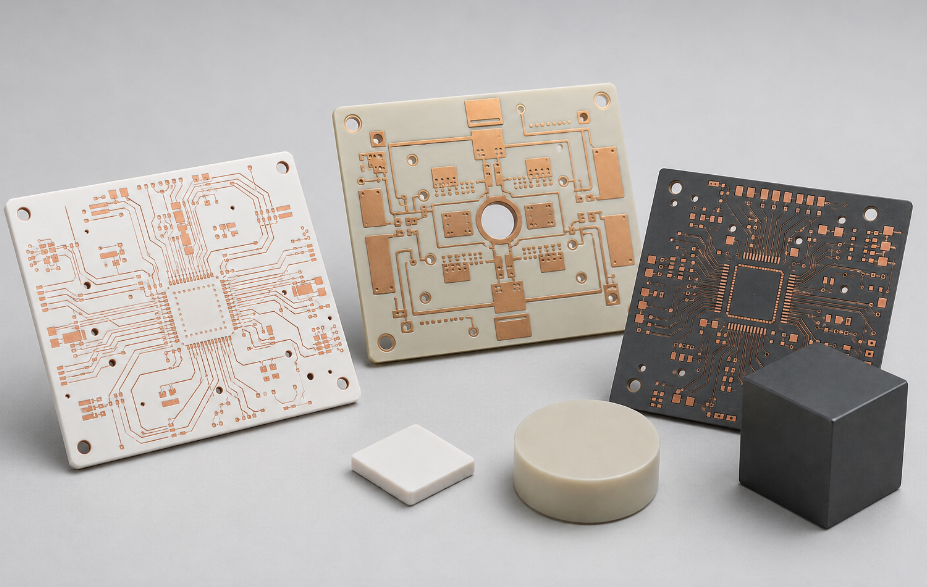
For new projects, prototype validation is strongly recommended before mass production. Ceramic PCB mistakes are usually more expensive to correct after tooling, metallization, or assembly has already started.
FAQs About Ceramic PCB Materials
Q1: What are the most common ceramic PCB materials?
A1: The most common ceramic PCB materials are alumina and aluminum nitride. Alumina is widely used because it is stable, cost-effective, and available. Aluminum nitride is used when stronger heat dissipation is required. BeO, Si3N4, and SiC are used in more specialized applications.
Q2: Is alumina or aluminum nitride better for ceramic PCBs?
A2: Neither is always better. Alumina is better for cost-sensitive and general ceramic PCB applications. Aluminum nitride is better for high-power, high-heat, and semiconductor-related designs. The right choice depends on thermal load, budget, circuit structure, and reliability targets.
Q3: Why are ceramic PCB materials better than FR4 for heat dissipation?
A3: Ceramic materials conduct heat much better than FR4 while keeping electrical insulation. This helps move heat away from power devices, LEDs, RF components, and semiconductor chips. For high-power circuits, this can reduce hot spots and improve long-term stability.
Q4: What is the thermal conductivity of alumina ceramic PCB material?
A4: Alumina ceramic PCB material is often listed around 24–30 W/m·K, depending on purity and formulation. It is lower than AlN but much higher than standard FR4, making it suitable for LEDs, sensors, industrial electronics, and general thermal applications.
Q5: What is the thermal conductivity of AlN ceramic PCB material?
A5: Commercial AlN ceramic substrates are often listed around 150–220 W/m·K, with values depending on material grade and processing quality. AlN is commonly selected for power electronics, semiconductor modules, laser devices, and high-brightness LED systems.
Q6: Are ceramic PCB materials electrically conductive?
A6: Most ceramic PCB substrates are electrical insulators. Their value comes from conducting heat while resisting electrical current, allowing ceramic PCBs to support high-power circuits safely. This makes them useful for power modules, LEDs, RF devices, and high-voltage electronics.
Q7: Can ceramic PCB materials crack easily?
A7: Ceramic materials can crack if they are exposed to bending, impact, excessive screw pressure, sharp design corners, or fast thermal shock. Good design, proper handling, controlled assembly, and protective packaging can help reduce cracking risk.
Q8: What is DBC ceramic PCB material used for?
A8: DBC ceramic PCB is commonly used in high-current and high-power modules. It bonds copper directly to ceramic substrates, creating strong heat dissipation and current-carrying capability. It is often used in EV electronics, converters, power modules, and industrial control systems.
Q9: What is DPC ceramic PCB material used for?
A9: DPC ceramic PCB is useful when finer circuits, good thermal performance, and compact design are needed. It is often used in LED modules, sensors, power devices, and precision electronic products where circuit accuracy and thermal control are both important.
Q10: Are ceramic PCB materials suitable for RF applications?
A10: Yes, some ceramic PCB materials are suitable for RF and microwave applications. For RF design, engineers must check dielectric constant, loss, surface quality, and conductor accuracy. Alumina and AlN are common choices for many high-frequency ceramic circuit designs.
Q11: Why is AlN often used in power electronics?
A11: AlN is used in power electronics because it provides high thermal conductivity and good electrical insulation. It helps move heat away from power chips and reduces thermal stress when matched with suitable copper thickness, package structure, and assembly process.
Q12: Is BeO still used in ceramic PCBs?
A12: BeO is still used in some special high-thermal applications, but it requires strict safety control. Many companies prefer AlN when they need strong thermal performance with fewer safety concerns. Buyers should confirm safety documentation before choosing BeO.
Q13: How do I choose ceramic PCB material for LED applications?
A13: For standard LED applications, alumina may be enough. For high-power LEDs, UV LEDs, COB modules, or compact lighting systems with higher heat density, AlN may be a better choice. The final selection should match power, heat, size, and cost requirements.
Q14: What files are needed for a ceramic PCB quotation?
A14: A supplier usually needs Gerber files, drawings, material requirements, board thickness, copper thickness, surface finish, quantity, tolerance, assembly requirements, and testing needs. If the material is uncertain, provide operating temperature, voltage, current, and application details.
Q15: Can ceramic PCBs be customized for OEM or ODM projects?
A15: Yes, ceramic PCBs can be customized for OEM and ODM projects. Custom options may include substrate material, thickness, copper thickness, surface finish, outline, hole structure, metallization method, testing standard, and packaging method. This helps match the board to real product requirements.
Summary
Ceramic PCB materials are selected when a circuit needs better heat dissipation, electrical insulation, high-temperature stability, and long-term reliability than standard organic PCB materials can provide. Alumina is often the practical choice for cost-effective ceramic PCB projects, while aluminum nitride is preferred for high-power and high-thermal applications. BeO, Si3N4, and SiC are more specialized materials for demanding environments.
For material selection, engineers should not compare only thermal conductivity or price. The better decision comes from reviewing power density, voltage, copper thickness, thermal cycling, mechanical stress, manufacturing process, assembly method, and reliability testing. Buyers should also confirm supplier experience with ceramic processing, copper adhesion, crack control, inspection, packaging, and mass production support.