A head-in-pillow defect occurs when a BGA solder ball and the printed solder paste fail to join properly during reflow. The two solder masses may touch, allowing the board to pass an electrical test, while the joint remains mechanically weak. This makes HIP especially troublesome in assemblies that work initially but develop intermittent connections during handling, temperature changes, or service.
EBest Circuit (Best Technology) supports BGA assembly with solder paste inspection, reflow soldering, and X-ray inspection. These capabilities help connect hidden solder-joint problems with the printing and assembly processes that influence them. For a BGA build affected by recurring soldering defects, contact sales@bestpcbs.com to discuss the assembly process and inspection approach.
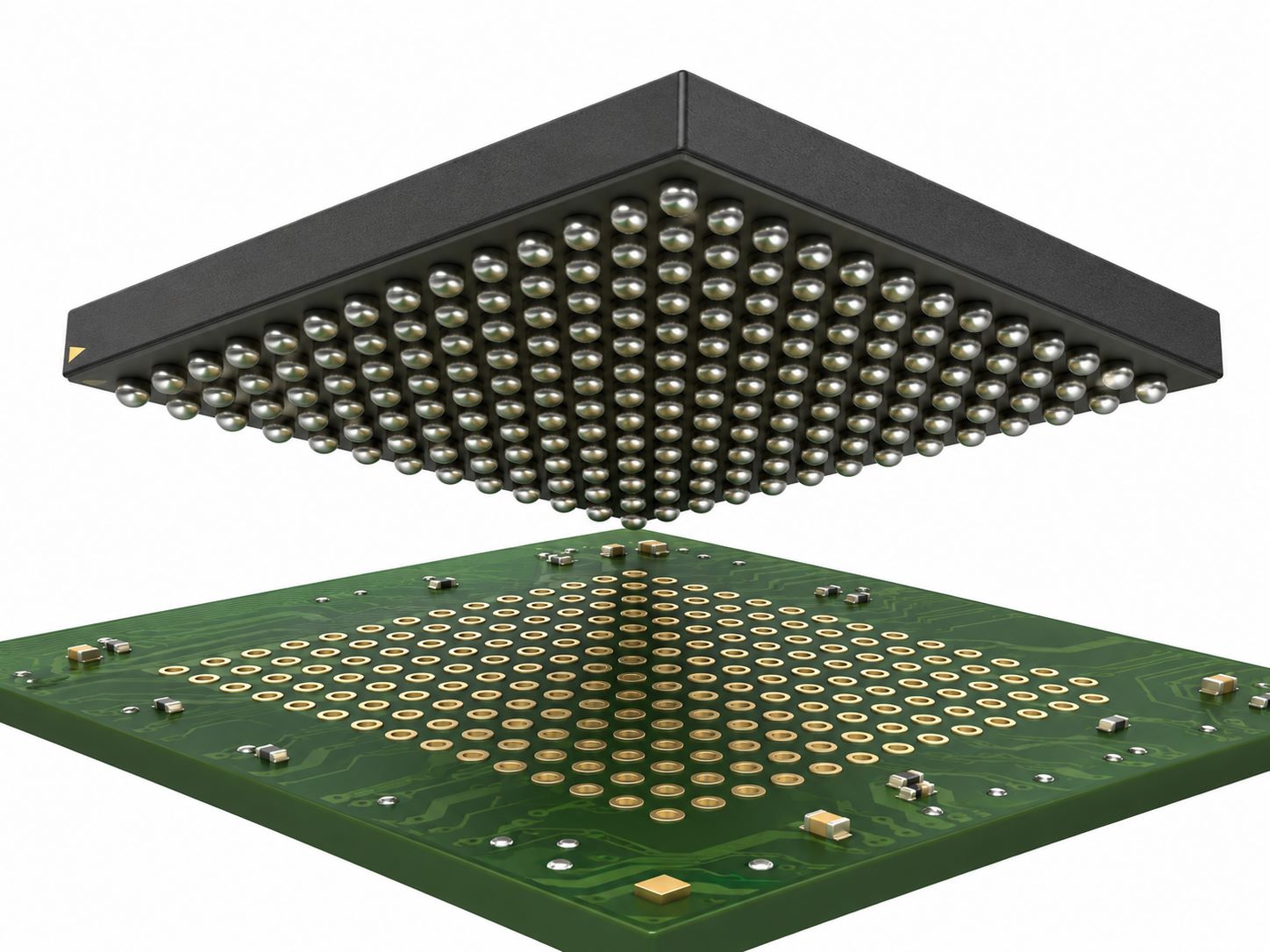
Illustration of a head-in-pillow joint: the solder ball contacts the reflowed solder without forming a continuous metallurgical joint.
What Is a Head-in-Pillow Defect?
A head-in-pillow defect is an incompletely joined interface between the component's solder ball and the reflowed solder paste on the PCB. The paste may have wetted the copper land correctly, yet failed to merge with the ball above it. In a section through the joint, the ball can resemble a head resting on a pillow of solder.
Physical contact does not establish a sound solder joint. A reliable connection requires the solder surfaces to wet and coalesce. If an oxide film or other wetting barrier remains between them, the contact can conduct electricity without providing the strength expected from a properly formed joint.
The resulting failure may be an immediate open circuit or an intermittent connection. Temperature changes or mechanical movement can disturb that contact and expose the weakness. However, these symptoms alone do not identify HIP: cracked joints, damaged pads, and other BGA defects can produce similar behavior.
What Causes a Head in Pillow Defect During Reflow?
HIP develops when the solder ball and paste fail to maintain or recover the contact and wetting conditions needed to merge. Dynamic warpage is one important trigger, but oxidation, contamination, paste behavior, and flux activity also influence the outcome.
A typical warpage-related sequence is:
Initial contact: Placement brings the BGA balls into contact with the printed paste deposits.
Temporary separation: As the assembly heats, the package or PCB changes shape. Some balls lift away from their deposits.
Separate reflow and oxidation: The paste reflows on the land while the separated surfaces remain exposed. Oxide films can interfere with subsequent wetting.
Incomplete reunion: The package moves back toward the board, but renewed contact does not produce full coalescence if the interface is no longer wettable or the solder has solidified.
This explains why a package that appears flat after cooling can still contain defective joints. Its final shape does not reveal how it moved while the solder was forming.
Warpage is not the only route to HIP. Oxidized or contaminated solder balls can resist wetting even when their initial contact with the paste is adequate. Flux must remove surface oxides and protect the interface during the useful soldering period; the presence of flux residue after reflow does not prove that sufficient activity remained when the ball and paste needed to join.
Defects concentrated near BGA corners can suggest package movement or temperature differences. That pattern is a diagnostic clue, not proof of a single cause.
How Does a Head on Pillow Defect Differ from a Non-Wet Open?
Head on pillow, also called HoP, describes the same general defect family as head-in-pillow. The important distinction from a BGA non-wet open is where the connection fails to form.
Feature
Head-in-pillow / head on pillow
BGA non-wet open
Main failed interface
Between the solder ball and reflowed paste
Between the solder and PCB land
Typical solder distribution
Separate solder masses remain on the component and board sides
Paste can join the component ball and pull away from the land
Main diagnostic question
Did the ball and paste coalesce?
Did the solder wet the PCB land?
In the non-wet-open mechanism described here, solder can accumulate on the component side while the PCB land remains unwetted. HIP can leave solder attached to the land, with the defective interface above it.
Both conditions may produce an open or unstable electrical connection, but they direct the investigation toward different interfaces. A dark line, unusual ball shape, or failed continuity test cannot establish that distinction by itself. Examination of the affected joint must locate the actual separation or wetting failure.
Why Can a Head-in-Pillow Defect Escape Inspection?
HIP can escape inspection because the failed interface is hidden and may still make electrical contact. Different inspection methods reveal different parts of that problem.
Visual inspection and AOI have limited access. Most BGA joints sit beneath the package. AOI can identify placement errors and visible assembly defects, but it cannot establish the integrity of every hidden ball-to-paste interface.
Electrical testing captures the connection under the test conditions. A weak interface may touch well enough to pass continuity or functional testing. If the contact changes with temperature or movement later, the failure appears after the test has finished. Passing once therefore does not demonstrate that the solder masses have formed a reliable joint.
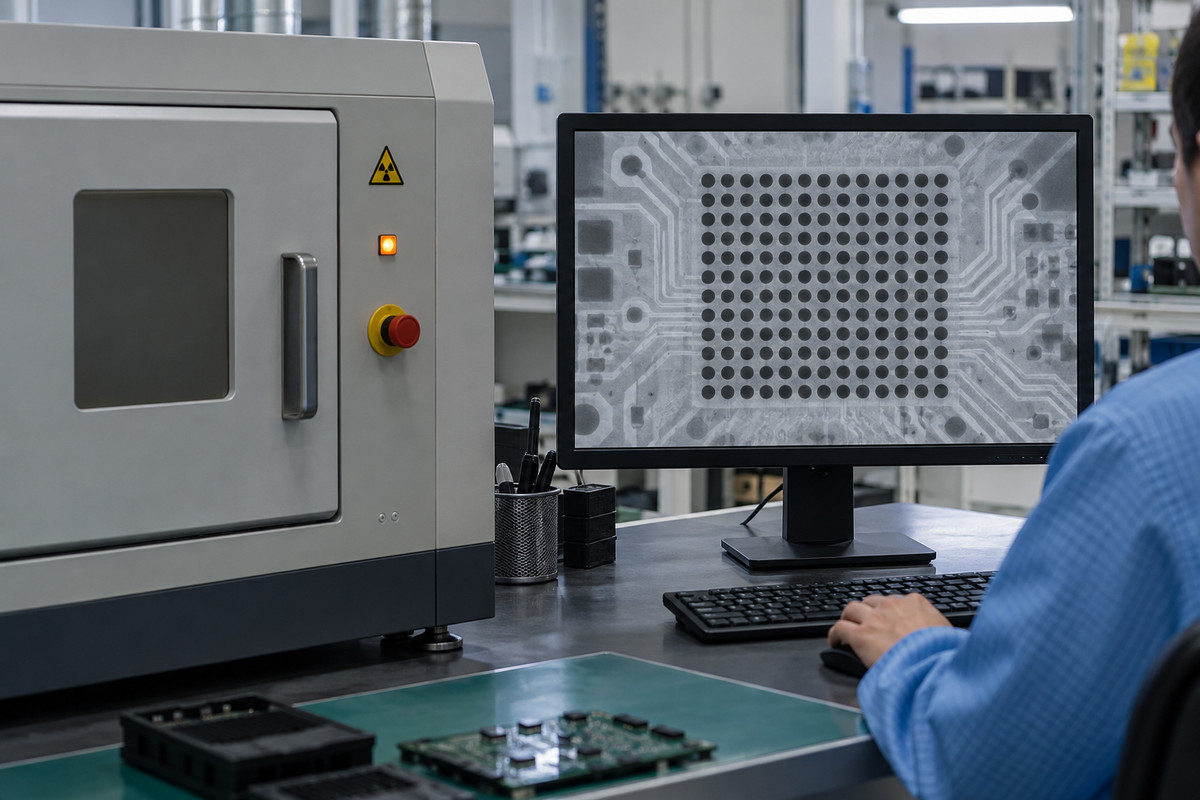
X-ray images require careful interpretation. A top-down image projects the joint through its thickness, so two touching but incompletely joined solder masses can overlap in the image. Oblique views or suitable three-dimensional imaging may reveal separation or unusual joint geometry more clearly. However, a narrow waist or suspicious outline is not, by itself, proof of HIP; joint shape can also create misleading indications.
When electrical symptoms and X-ray findings disagree, further failure analysis may be needed. Cross-sectioning or a controlled dye-and-pry investigation can provide additional evidence, although these methods are destructive and depend on preparation and interpretation. Such analysis is most useful when it targets the suspected location and is correlated with the original failure.
Inspection can identify suspect joints and support diagnosis. Preventing their formation still depends on controlling the assembly process.
Illustrative BGA X-ray inspection scene. A two-dimensional projection alone may not resolve an unfused head-in-pillow interface.
How Do Solder Paste and Stencil Printing Affect HIP Risk?
Solder paste affects HIP through both contact geometry and wetting behavior. The printed deposit must reach the ball consistently, while the flux must remain effective during joint formation.
A low or uneven deposit can leave less contact margin when a package moves during reflow. Deposit height matters alongside volume: paste that spreads or slumps can contain solder but provide less vertical contact with the ball. Printing offset can also reduce the contact area between the ball and its intended deposit.
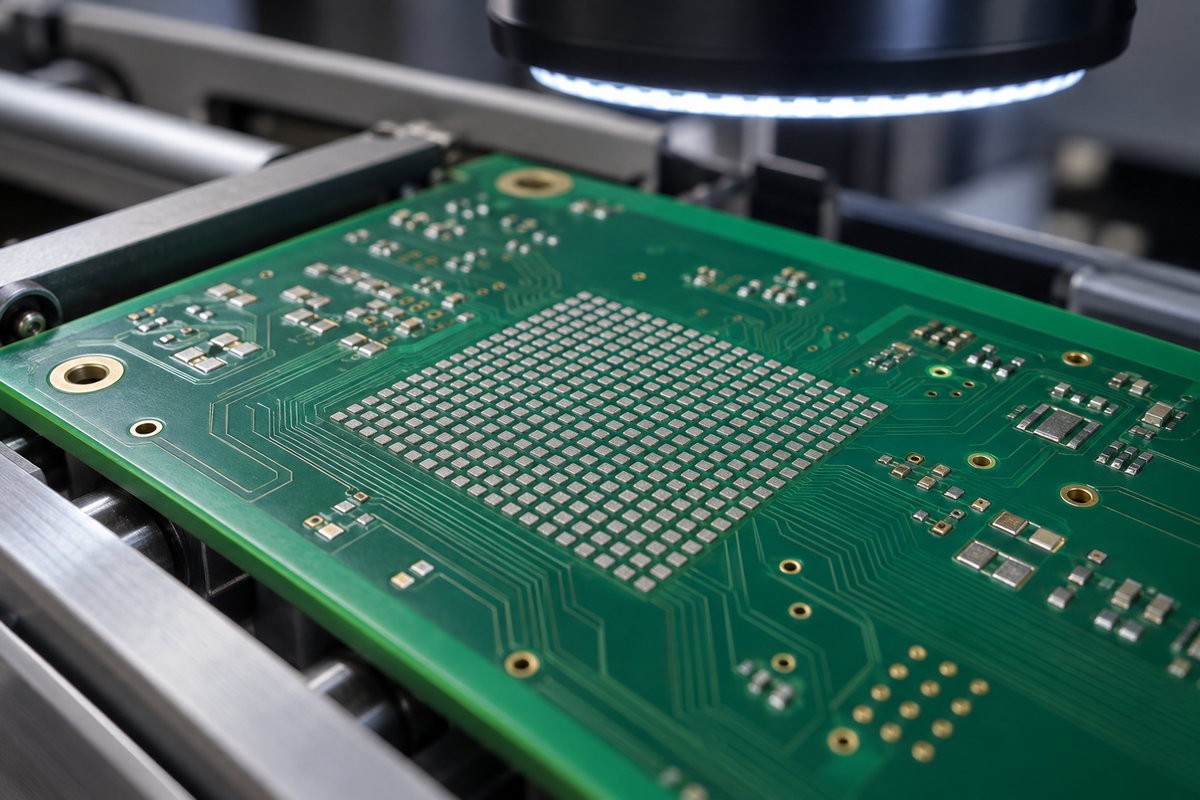
SPI helps reveal insufficient deposits, height variation, and printing misalignment before placement. Comparing the affected BGA locations with their print measurements can show whether the defect follows a printing problem. Consistent deposits at failing locations, however, leave package movement and wetting behavior as important possibilities.
Increasing stencil aperture size is not a universal correction. Additional paste may improve contact in a particular process, but too much can introduce bridging or alter joint geometry. The useful adjustment is one that improves deposit consistency and contact without creating another defect.
Flux chemistry also matters. Paste behavior during heating, oxide removal, and protection against further oxidation influence whether separated surfaces can join again. A paste that prints well at room temperature may still need evaluation under the actual BGA reflow conditions. HIP reduction therefore requires both a suitable material and a repeatable printing process.
Illustrative inspection scene showing solder paste deposits on a BGA land pattern before component placement.
Can a Hotter Reflow Profile Eliminate HIP?
No. A hotter profile can help when inadequate heating is the problem, but it can also increase warpage, oxidation, or flux depletion. Temperature alone cannot ensure that the ball and paste remain in contact and wet each other.
The relevant temperature is the one experienced by the assembly, not simply the oven setpoint. A large BGA and the surrounding PCB can heat unevenly. Raising the oven temperature to correct a colder location may expose another part of the assembly to excessive heat.
The timing matters as well. Solder must reach the required reflow conditions while enough flux activity remains to support wetting. A prolonged heating cycle may consume that activity before difficult interfaces have joined. A profile that is too short or too cool can leave inadequate wetting or reflow at the coldest joints.
Useful profiling therefore considers temperature differences across the package, peak temperatures, and time above the relevant alloy's liquidus. Thermocouple measurements at representative locations help show how the assembly actually heats. The acceptable window must also respect the solder paste guidance and component temperature limits.
If the underlying problem is severe package movement or a poorly wettable ball surface, profile changes alone may not resolve it. Paste, component condition, and thermal behavior have to be considered together.
Can a Head-in-Pillow Defect Be Repaired?
An assembly affected by HIP can often be recovered through controlled BGA rework, provided the PCB lands and surrounding structure remain suitable for repair. Simply reheating the package until the board works again does not establish that the defective interface has been corrected.
Rework may involve removing the affected component, preparing the PCB lands, applying fresh solder paste, and attaching an appropriate replacement device under a characterized thermal profile. Removal and replacement both need controlled heating to avoid pad damage, excessive board deformation, or package damage.
Component reuse depends on the device supplier's restrictions and the condition of the removed part. Reballing is not automatically necessary or permitted, and it cannot repair damage inside a component or beneath a PCB land.
If the original failure still needs investigation, relevant observations should be preserved before rework changes the joint. After repair, inspection and electrical verification must address the repaired site and the original symptom. A successful repair also needs the cause of the first failure addressed; otherwise, the replacement process can reproduce the same defect.
How Can EBest Circuit Help Reduce HIP Risk?
EBest Circuit supports HIP risk reduction through BGA assembly, solder paste inspection, reflow process control, and X-ray inspection of hidden joints. The value comes from connecting these stages: a soldering problem found after reflow can be compared with the paste deposits and assembly conditions that preceded it.
The relevant capabilities include:
SPI: Identifies paste deposition problems that can reduce consistent ball-to-paste contact.
BGA placement and reflow soldering: Support accurate assembly and thermal processing matched to the board and component requirements.
Air and nitrogen reflow capability: Allows the atmosphere to be considered alongside paste and profile requirements where oxidation is a concern.
X-ray inspection: Provides information about hidden joint geometry and helps identify locations needing further investigation.
For a new BGA build, these controls help address soldering conditions before production expands. For a recurring defect, they help narrow whether printing, thermal behavior, or the soldering interface needs attention. Ambiguous inspection findings may still require further analysis before the failure mechanism is established.
The assembly approach should fit the affected package and board. A generic hotter profile or larger stencil aperture cannot replace that process understanding.
FAQs About Head-in-Pillow Defect
1. Are HIP and HoP different defects?
HIP usually means head-in-pillow, while HoP means head on pillow. Both commonly describe incomplete joining between a component's solder ball and reflowed paste. Terminology can vary, so the failed interface is more useful than the abbreviation when discussing a diagnosis.
2. Does HIP occur only with lead-free solder?
No. HIP is strongly associated with lead-free BGA assembly, but the underlying problem is incomplete wetting and coalescence. Using a tin-lead process does not by itself guarantee that the ball and paste will form a sound joint.
3. Can nitrogen reflow completely prevent HIP?
No. Nitrogen can reduce oxidation during reflow, but it does not remove package warpage, correct an insufficient paste deposit, or guarantee wetting of an already contaminated surface. It is one process variable, not a complete prevention method.
4. Will adding more solder paste solve the problem?
Only when inadequate deposition or contact is a contributing cause and the change remains suitable for the joint geometry. More paste cannot reliably compensate for poor solderability or excessive package movement, and excessive deposits can create bridging.
5. Is a solder void the same as a head-in-pillow defect?
No. A void is a cavity within the solder. HIP is a failure of the ball and paste to join properly at their interface. Both can occur in BGA assemblies, but they require different interpretation and corrective action.
For help reducing head-in-pillow defect risk in your next BGA assembly, contact sales@bestpcbs.com. EBest Circuit can discuss the printing, reflow, and inspection approach for your board, including how to investigate recurring hidden-joint failures.
BGA soldering is not only a chip soldering process. In real PCBA manufacturing, BGA soldering quality is affected by PCB fabrication, stack-up design, surface finish, pad size, via-in-pad, solder paste printing, SMT placement, reflow profile, X-ray inspection, functional testing, and rework control.
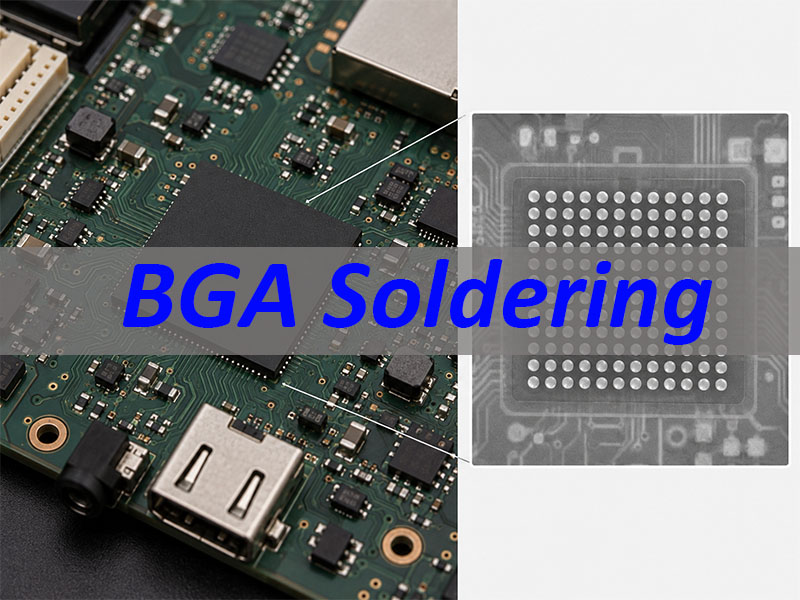
A BGA package hides its solder joints under the component body. This structure supports high-density PCB design and high pin-count ICs, but it also makes defects harder to detect. A BGA may look correctly placed from the outside while hidden solder joints still have opens, bridges, voids, or head-in-pillow defects.
This guide explains BGA soldering from a PCBA manufacturing quality perspective, helping engineers, hardware teams, and buyers understand how BGA soldering affects assembly yield, inspection, rework risk, and product reliability.
What Is BGA Soldering?
BGA soldering is the process of attaching a Ball Grid Array package to a PCB by melting solder balls between the component and the PCB pads during reflow soldering.
BGA stands for Ball Grid Array. Unlike leaded packages with visible pins around the package body, BGA components use solder balls arranged in a grid under the IC. During reflow, these solder balls melt, wet the PCB pads, and form electrical and mechanical connections.
BGA packages are commonly used in:
Processors
FPGAs
Memory ICs
Communication chips
RF modules
Automotive controllers
Industrial control boards
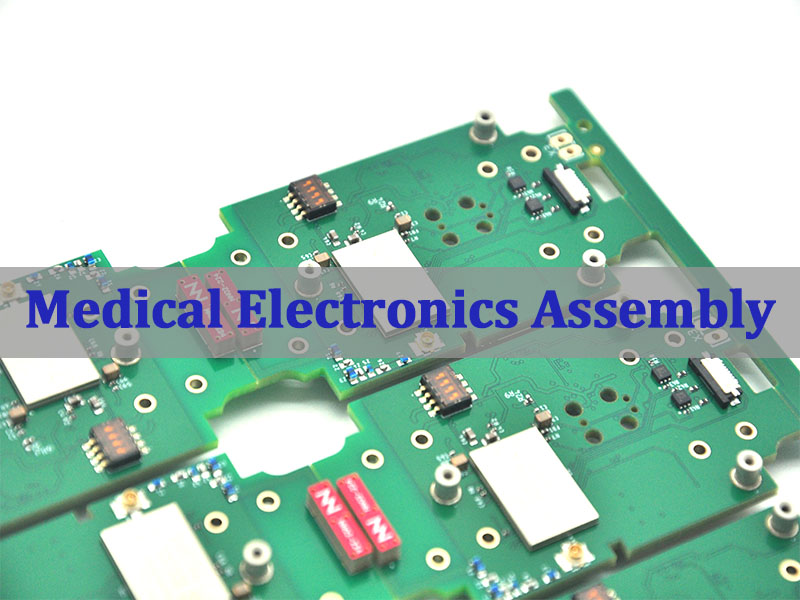
Medical electronics
High-speed digital PCB assemblies
Common BGA pitch values include 1.0 mm, 0.8 mm, 0.65 mm, 0.5 mm, and 0.4 mm. As pitch becomes smaller, the process window becomes narrower.
For example:
1.0 mm / 0.8 mm BGA: easier to fan out and assemble.
0.5 mm BGA: needs tighter control of pad design, stencil opening, paste volume, and placement.
0.4 mm BGA: often requires early DFM review because solder mask registration, via strategy, bridging, and open-joint risk become more sensitive.
The main challenge is simple: BGA solder joints are hidden under the package. Therefore, BGA soldering must be controlled as a complete PCBA process, not only as a reflow step.
Why BGA Soldering Matters in PCBA Manufacturing?
BGA soldering matters because one hidden BGA defect can affect the entire PCBA, even when the board looks normal from the outside.
In PCBA manufacturing, BGA soldering connects multiple process areas:
PCB stack-up
HDI or via-in-pad design
Pad size and surface finish
Solder mask registration
Stencil aperture design
Solder paste printing
SMT placement accuracy
Reflow profile control
X-ray inspection
Functional testing
Rework risk
A BGA defect is often not caused by one single step. It may start from PCB design or fabrication and only appear after SMT assembly.
Typical examples:
Via-in-pad not filled properly: solder can wick into the via and cause insufficient solder.
Poor pad flatness: BGA solder balls may not collapse evenly.
Wrong stencil aperture: too much paste may cause bridging; too little may cause opens.
Unverified reflow profile: a large BGA area may not reach proper solder joint temperature.
Rigid-flex transition stress: local bending or warpage may affect nearby BGA joints.
No X-ray inspection: hidden opens or voids may be missed before shipment.
For PCBA projects, BGA soldering quality is not only about “can the chip be soldered?” The better question is:
Can the BGA solder joints survive manufacturing, inspection, testing, shipment, and real product use?
How Does BGA Soldering Work in PCB Assembly?
BGA soldering works through solder paste printing, BGA placement, reflow heating, solder ball collapse, cooling, and hidden joint inspection.
A simplified BGA assembly flow is:
Step
Main Control Point
Solder paste printing
Paste volume
SPI inspection
Paste height and area
BGA placement
X/Y alignment
Reflow soldering
Real solder joint temperature
Cooling
Joint solidification
X-ray inspection
Hidden solder joints
Electrical test
Opens and shorts
Functional test
Product-level behavior
During reflow, the solder paste and BGA balls melt together. Molten solder has a self-centering effect, so a small placement offset may be corrected by surface tension. However, this effect has limits.
BGA self-alignment cannot fix major process problems.
It cannot fully correct:
Wrong pad design
Excessive placement offset
Oxidized solder balls
Poor solderability
Wrong stencil aperture
Severe PCB warpage
Severe package warpage
Insufficient reflow temperature
Poor moisture control
For stable PCBA production, three areas must be controlled together.
Solder volume
Too little solder may cause opens.
Too much solder may cause bridging.
Uneven solder volume may cause uneven solder ball collapse.
Thermal profile
Too little heat may cause cold joints or incomplete wetting.
Too much heat may damage components or PCB laminate.
Uneven heating may cause warpage-related BGA defects.
Inspection
AOI can check visible placement.
X-ray is needed for hidden joint conditions.
Electrical and functional testing confirm circuit behavior.
The process goal is not just to place the BGA correctly. The goal is to create stable hidden solder joints that pass manufacturing and product-level reliability requirements.
BGA Soldering Process: From PCB Fabrication to Reflow
A stable BGA soldering process starts before the SMT line. Many BGA soldering defects are created during PCB design, PCB fabrication, storage, stencil design, or solder paste printing before the board enters the reflow oven.
1. Review PCB fabrication requirements first
Before SMT assembly, the PCB must be suitable for BGA soldering.
Check:
BGA pad diameter
Solder mask opening
ENIG thickness and surface flatness
Via-in-pad filling and capping
BGA fanout routing
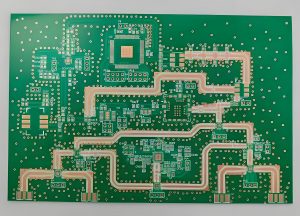
Stack-up and impedance requirements
Board thickness and warpage
Rigid-flex transition area
Panel or single-board delivery method
For fine-pitch BGA, PCB fabrication quality directly affects soldering yield. SMT cannot fully correct poor pad design, poor via filling, poor flatness, or unstable impedance stack-up.
2. Control moisture before assembly
Many BGA packages are moisture-sensitive devices. If a moisture-sensitive package absorbs too much moisture before reflow, rapid heating may create internal vapor pressure. This can cause delamination, popcorning, package warpage, or soldering reliability problems.
A practical example:
An MSL 3 component is commonly limited to 168 hours of floor life at ≤30°C / 60%RH after opening the moisture barrier bag.
If the allowed floor life is exceeded, the component may need baking before reflow.
If moisture control is ignored, even a correct reflow profile may still produce defects.
Moisture control matters because it can contribute to:
Package warpage
Open solder joints
Head-in-pillow defects
Delamination
Popcorning
Intermittent failures
3. Print solder paste accurately
Solder paste printing defines the starting solder volume. For BGA components, paste defects are difficult to repair after reflow because the final joints are hidden under the package.
Check:
Stencil thickness
Aperture design
Paste volume
Paste height
Paste release
Paste alignment
Solder paste storage
Solder paste expiration
Printing speed and squeegee pressure
SPI is useful before placing expensive BGA components. It can detect insufficient paste, excess paste, bridging risk, and inconsistent deposits before reflow.
4. Place the BGA accurately
BGA placement requires accurate alignment between the solder ball array and PCB pads. Modern pick-and-place machines use vision systems to align the package and board.
Placement risks include:
X/Y offset
Wrong rotation
Package tilt
Excessive placement pressure
Wrong nozzle selection
Component movement before reflow
A small offset may appear acceptable before reflow, but after solder collapse it can become a hidden bridge or open joint.
5. Reflow with a verified board profile
The oven setting is not the same as the real solder joint temperature. Thick PCBs, heavy copper, large BGAs, shields, heatsinks, rigid-flex structures, and dense layouts can create temperature differences across the board.
For important BGA assemblies, the profile should be measured with thermocouples on a representative board. The key point is to verify what the actual BGA solder joints experience, not only what the oven program says.
BGA Soldering Temperature and Reflow Profile Control
BGA soldering temperature should be controlled according to the solder paste datasheet, solder alloy, BGA package limit, PCB thermal mass, component layout, and measured board profile. There is no single universal BGA soldering temperature.
For many lead-free SnAgCu-based BGA soldering processes, these reference values are commonly used during process setup:
Reflow Parameter
Practical Reference
SAC-type solder liquidus reference
about 217°C
Lead-free BGA peak solder joint temperature
often around 235–245°C
Practical dwell above 217°C
often around 50–80 seconds
Excessive dwell above liquidus
increases thermal stress risk
Peak too low
poor wetting / insufficient collapse
Peak too high
component or PCB damage risk
These values are not universal settings. They are starting references. The final profile must follow the solder paste datasheet, component reflow limit, and measured board-level temperature.
A typical BGA reflow profile has four zones.
Zone
Purpose
If Poorly Controlled
Preheat
Gradual heating
Thermal shock
Soak
Flux activation and temperature equalization
Poor wetting or flux exhaustion
Reflow
Solder melting and joint formation
Cold joints or thermal damage
Cooling
Solder joint solidification
Stress or weak joint structure
What matters in real PCBA production:
Ramp rate
Too fast: component and PCB stress increase.
Too slow: flux may lose activity before reflow.
Soak time
Too short: temperature across the BGA may not equalize.
Too long: flux activity may be consumed before full solder melting.
Time above liquidus
Too short: solder may not fully melt and wet.
Too long: component and laminate stress increase.
Peak solder joint temperature
Too low: insufficient ball collapse or poor wetting.
Too high: component damage, laminate damage, or excessive oxidation risk.
Temperature difference across the BGA
Large BGA packages may have different temperatures at corners and center.
Uneven heating can lead to opens, head-in-pillow, or uneven collapse.
The better question is not “What temperature should the oven be set to?” The better question is:
What peak temperature and time above liquidus does the actual BGA solder joint reach on the real PCBA?
That is why professional BGA assembly uses profile verification instead of relying only on a generic oven program.
BGA Soldering Flux, Solder Paste, Pad Design, and Via-in-Pad
BGA soldering quality depends on solder paste, flux activity, stencil design, pad geometry, via structure, PCB surface finish, and PCB fabrication capability.
Solder paste controls solder volume and wetting behavior. Flux removes oxides and helps solder spread. Pad and via design determine how the molten solder forms the final joint.
Solder paste should match the BGA pitch and process.
Check:
Alloy type
Powder size
Flux type
Storage temperature
Open time
Printing life
Reflow atmosphere
Cleaning requirement
Residue behavior
Compatibility with BGA pitch
For fine-pitch BGA, solder paste volume control becomes more sensitive. A small paste printing error can create a large reliability risk because the solder balls are smaller and closer together.
Flux quality affects wetting.
Flux-related problems can cause:
Poor wetting
Solder balling
Residue under BGA
Leakage risk
Head-in-pillow
Incomplete solder joint formation
Expired paste, wrong storage, poor flux activity, or excessive soak time can all reduce wetting performance.
Pad and via design can prevent or create defects.
BGA pad design should consider:
Pad diameter
Solder mask opening
NSMD or SMD pad style
Surface finish
Via-in-pad design
Via filling and capping
Escape routing
Solder mask registration
Pad flatness
For 0.5–0.8 mm pitch BGA using blind vias, some design references recommend blind via drill diameters of ≤0.004 in and an aspect ratio of ≤0.75:1. This should be treated as a design reference, not a universal rule for every PCB factory.
The practical meaning is more important:
Fine-pitch BGA needs early DFM review.
Do not finalize layout before checking PCB fabrication and assembly capability.
Via-in-pad must be controlled.
If a via under a BGA pad is not properly filled and capped, solder may wick into the via.
This can create insufficient solder, voids, or open joints.
Surface finish matters.
ENIG is commonly used for BGA because it provides a flat solderable surface.
Pad flatness and solderability are critical for fine-pitch BGA.
Stencil design must match pad design.
Pad size, aperture size, paste release, and solder volume should be reviewed together.
If the BGA pitch is 0.5 mm or smaller, the PCB designer, PCB fabricator, and SMT assembly team should review the stack-up, via strategy, solder mask, stencil, and inspection plan before production.
How to Inspect BGA Soldering Quality in PCBA?
BGA soldering quality should be inspected with X-ray, electrical testing, functional testing, and process data review. Visual inspection alone is not enough.
Because BGA solder joints are hidden under the package, normal optical inspection cannot fully verify the final solder connections.
Common inspection methods include:
Method
Best Used For
SPI
Solder paste volume before placement
AOI
Visible placement and surface defects
X-ray
Hidden solder joints
Electrical test
Opens and shorts
Functional test
Product-level behavior
Cross-section
Failure analysis
X-ray inspection is the key method for hidden BGA joints.
X-ray can help check:
Solder shorts
Insufficient solder
Voids
Potential opens
Missing balls
Ball collapse
Alignment shift
Abnormal solder shape
2D X-ray is commonly used for production monitoring. 3D X-ray or CT may be used when defects are difficult to confirm or when failure analysis requires more detail.
However, X-ray is not the same as functional proof.
X-ray may not fully prove:
Intermittent opens
Marginal wetting
Mechanical weakness
Thermal cycling reliability
Correct component function
Performance under real operating load
For high-reliability BGA assembly, inspection should combine:
SPI before placement
Verified reflow profile
X-ray after reflow
Electrical test
Functional test
Failure analysis for repeated defects
The inspection question should be:
Are the hidden joints physically acceptable, and does the assembled board work reliably?
Common BGA Soldering Defects and Root Causes
Most BGA soldering defects come from solder paste problems, poor wetting, reflow profile errors, warpage, pad design issues, contamination, or poor material handling.
Defect
Common Trigger
Open joint
Low solder, warpage, poor wetting
Solder bridge
Excess solder, placement offset
Void
Flux outgassing, paste issue
Head-in-pillow
Warpage, oxidation, poor wetting
Cold joint
Low heat, short reflow time
Missing ball
Package damage or handling issue
Insufficient collapse
Poor reflow or solderability
Misalignment
Placement shift
Open solder joints
An open joint means the solder ball does not form a continuous connection between the BGA and PCB pad.
Common causes:
Insufficient solder paste
Package warpage
PCB warpage
Poor wetting
Pad contamination
Low reflow temperature
Poor coplanarity
Solder bridging
Solder bridging means adjacent solder balls are connected by excess solder.
Common causes:
Too much solder paste
Poor stencil design
Placement offset
Pad design error
Fine-pitch layout risk
Excessive solder collapse
Voids
Voids are gas pockets inside solder joints. Some voiding may be acceptable depending on the product requirement, but excessive voiding can reduce thermal and mechanical reliability.
Common causes:
Flux outgassing
Poor paste condition
Via-in-pad issue
Pad contamination
Inappropriate reflow profile
Head-in-pillow
Head-in-pillow is a serious BGA defect where the solder ball and solder paste touch but do not fully merge.
Common causes:
Package warpage
PCB warpage
Oxidized solder balls
Poor flux activity
Insufficient paste contact
Inappropriate thermal profile
Cold solder joints
Cold joints occur when solder does not fully melt or wet properly.
Common causes:
Low peak temperature
Short time above liquidus
Excessive board thermal mass
Wrong reflow profile
Poor solderability
Warpage-related failure
Large BGA packages can warp during reflow. The PCB can also warp. If the package and board separate during the critical melting stage, some joints may not form correctly.
To reduce BGA defects before production, control:
Moisture storage
PCB baking when required
Component baking when required
Solder paste storage
Stencil design
Paste printing
Placement accuracy
Reflow profile
X-ray criteria
Functional test plan
Rework limits
BGA Soldering in Real PCBA Projects: Three Practical Cases
BGA soldering becomes more meaningful when it is discussed inside real PCBA structures. The risk is different for a 2-layer FPC, a 6-layer rigid-flex PCB, and a 6-layer FR4 impedance-controlled PCB.
The following examples show how board structure changes BGA soldering risk and process control.
Case 1: 2L FPC with BGA Area, 1 oz Copper, ENIG, Panel Delivery
Board parameters:
2-layer FPC
1 oz copper
ENIG surface finish
Panel delivery
Front side upper BGA area: white solder mask, no coverlay
Front side lower area: 1 mil white coverlay
Back side: full 1 mil white coverlay
This is not a standard rigid PCB BGA case. It is a flexible circuit with a local BGA soldering area. The key risk is not only soldering the BGA. The key risk is maintaining flatness, support, and solder joint stability in a flexible structure.
Main risks:
FPC may deform during SMT if support is not enough.
1 oz copper increases stiffness and heat spreading compared with thinner FPC copper.
The BGA area uses white solder mask instead of coverlay, so the transition between solder mask and coverlay must be controlled.
Coverlay edge near the BGA area may create height difference or stress concentration.
Panel delivery helps SMT handling, but the panel still needs proper fixture support.
BGA joints cannot be checked by visual inspection.
Recommended PCBA controls:
Review whether the BGA area needs a stiffener or SMT carrier fixture.
Keep coverlay openings and coverlay edges away from critical BGA soldering areas.
Confirm ENIG pad flatness and solderability before SMT.
Use SPI to confirm solder paste volume before BGA placement.
Verify reflow profile on the actual FPC panel, not only on a rigid board.
Use X-ray inspection after reflow.
Control depaneling and handling stress after SMT.
For this type of FPC project, the BGA risk is closely related to flexible material behavior. The SMT process must prevent bending, local lift, and unstable solder joint collapse.
Case 2: 6L Rigid-Flex PCB with BGA, Impedance, 0.2 mm PTH Tolerance, DP190 Adhesive
Board parameters:
6-layer rigid-flex PCB
0.5 oz copper
ENIG surface finish
Total thickness: 1.0 mm
Rigid area: FR4 Tg170
Solder mask: blue solder mask, white legend
Flex area: black coverlay
Outline tolerance: +0.003 in / -0.003 in
Production cycle and UL94V marking required
0.2 mm PTH hole tolerance: ±2 mil
BGA and impedance control required
Impedance test report required
SMT required
Single-board delivery after SMT
Rigid-flex transition area needs DP190 adhesive
This is a high-risk PCBA structure because BGA soldering, rigid-flex mechanics, impedance control, tight PTH tolerance, SMT, and adhesive dispensing are combined in one project.
Main risks:
Rigid-flex transition stress may affect nearby BGA solder joints.
1.0 mm total thickness means the board may be more sensitive to handling and support during SMT.
BGA and impedance routing must be controlled through stack-up and fabrication.
0.2 mm PTH with ±2 mil tolerance is tighter than normal hole tolerance and must be checked against drill and plating capability.
DP190 adhesive must be controlled so it does not contaminate soldering areas or affect assembly flatness.
Single-board delivery after SMT increases the importance of safe depaneling and handling.
Recommended PCBA controls:
Review rigid-flex stack-up before fabrication.
Confirm impedance structure and test coupon design before production.
Verify whether the 0.2 mm PTH ±2 mil requirement can be held for the required hole group.
Check BGA fanout, pad size, solder mask opening, and via strategy.
Use fixture support during SMT to reduce flex-rigid movement.
Measure reflow profile near the BGA area and near the rigid-flex transition.
Use X-ray inspection for BGA joints after reflow.
Control DP190 dispensing area, amount, and curing condition.
Provide impedance test report after PCB fabrication.
Run functional test after SMT if the product requires it.
For this project, the BGA problem is not isolated. It is connected with rigid-flex design, hole tolerance, impedance, adhesive process, and SMT handling. This type of PCBA should be reviewed before PCB fabrication, not only before assembly.
Case 3: 6L FR4 Tg170 PCB with BGA, Differential Impedance, ENIG 1u”, and SMT
Board parameters:
6-layer PCB
FR4 Tg170
Board thickness: 1.6 mm ±10%
Inner copper: 1 oz
Outer copper: 0.5 oz before plating
ENIG surface finish, gold thickness 1u”
Blue solder mask, white legend
Production cycle and UL94V marking required
Differential impedance required
Impedance report required
BGA required
SMT required
Single-board delivery after SMT
This is a more typical rigid PCB BGA PCBA project, but it still needs careful control because BGA and differential impedance are both present.
Main risks:
Differential impedance depends on stack-up, dielectric thickness, copper thickness, and trace geometry.
BGA fanout may affect routing space for differential pairs.
ENIG 1u” provides a flat solderable finish, but surface finish thickness and pad quality still need control.
6-layer FR4 Tg170 with 1.6 mm thickness has more stable mechanical support than FPC, but thermal mass still affects reflow profile.
Single-board delivery after SMT requires stress control during routing, separation, cleaning, packing, and shipment.
Recommended PCBA controls:
Confirm stack-up and impedance table before PCB fabrication.
Verify impedance test coupon and provide impedance report.
Use SPI before placement if BGA pitch or IC value is high.
Verify reflow profile on the real 6L board.
Use X-ray inspection after BGA soldering.
Confirm final functional test requirements before mass production.
Compared with the rigid-flex case, this FR4 PCB is easier to support during SMT. However, because it has both BGA and differential impedance, fabrication and assembly still need to be controlled together.
What These Three Cases Show
These cases show that BGA soldering is never just one SMT step.
On 2L FPC, the main concern is flexible material support, coverlay transition, and BGA area flatness.
On 6L rigid-flex PCB, the main concern is rigid-flex stress, tight PTH tolerance, impedance, BGA inspection, and DP190 adhesive control.
On 6L FR4 PCB, the main concern is stack-up, differential impedance, BGA pad quality, ENIG surface finish, and verified reflow profile.
In all three cases, BGA quality depends on PCB fabrication and PCBA process control working together.
Why Choose EBest Circuit for BGA PCB Assembly?
Choose EBest Circuit for BGA PCB assembly when your project needs both PCB manufacturing control and PCBA process control.
BGA soldering is not only an SMT capability. It also requires PCB fabrication capability, stack-up control, surface finish control, pad accuracy, drilling capability, impedance control, reflow process control, X-ray inspection, and functional testing.
Based on our PCB process capability, EBest Circuit supports key manufacturing requirements related to BGA and PCBA projects.
PCB manufacturing capability for BGA projects
Capability Item
EBest Circuit Capability
Standard PCB layer count
1–50L
Engineering review layer count
up to 100L
Standard board thickness range
0.4–6.0 mm
Extreme board thickness range
0.15–10 mm
High Tg FR4 materials
Tg170–180 options available
Minimum laser drill
0.10 mm standard
Minimum mechanical drill
0.15 mm
Standard PTH hole tolerance
±0.076 mm
BGA pad minimum
10 mil standard
BGA pad minimum with ENIG
8 mil
ENIG gold thickness
0.025–0.125 μm
ENIG nickel thickness
3–8 μm
Impedance tolerance
±5Ω below 50Ω; ±10% at 50Ω and above
Standard outline tolerance
±0.13 mm
CNC outline tolerance, reviewed cases
±0.10 mm
Warpage capability
0.75% standard, 0.5% reviewed cases
Why this matters for BGA PCBA
BGA pad capability matters
Smaller BGA pads need tighter fabrication control.
ENIG can support smaller BGA pads and provides a flatter solderable surface.
Impedance capability matters
Many BGA chips are used in high-speed PCB designs.
Differential impedance must be controlled through stack-up, copper thickness, trace width, spacing, and test coupons.
Drilling capability matters
Fine-pitch BGA may require microvias, blind vias, or via-in-pad.
Poor via design can cause solder wicking, opens, voids, or insufficient solder.
High Tg material matters
FR4 Tg170 is useful for boards that need better heat resistance during assembly and operation.
BGA, reflow soldering, and high-reliability PCBA projects often require more stable laminate choices.
Surface finish matters
ENIG is commonly used for BGA because it provides a flat solderable surface.
Surface finish thickness, pad flatness, and solderability should be controlled before SMT.
PCBA process control matters
BGA solder joints are hidden.
X-ray inspection, reflow profile verification, and functional testing are important for reliable delivery.
For BGA PCBA projects, EBest Circuit can support PCB fabrication, DFM review, SMT assembly, BGA soldering, X-ray inspection, impedance control, and turnkey PCBA service. If your project includes FPC BGA, rigid-flex BGA, HDI BGA, impedance-controlled BGA, or high-value IC assembly, pls feel free to send your Gerber files, BOM, pick-and-place file, assembly drawing, impedance requirements, and test requirements to sales@bestpcbs.com.
FAQs About BGA Soldering
What is BGA soldering?
BGA soldering is the process of attaching a Ball Grid Array package to a PCB by melting solder balls under the component during reflow soldering.
How is a BGA chip soldered to a PCB?
A BGA chip is placed on solder paste printed on PCB pads. During reflow, the solder paste and BGA balls melt, wet the pads, and form hidden solder joints.
What temperature is used for BGA soldering?
Lead-free BGA reflow commonly uses solder joint temperatures around 235–245°C, with SAC-type solder liquidus often referenced around 217°C. The final profile must follow the solder paste datasheet, component limits, and measured board temperature.
How long should BGA stay above liquidus?
For lead-free BGA soldering, some process references use about 50–80 seconds above 217°C as a practical dwell range. The correct value depends on solder paste, component type, PCB thickness, thermal mass, and profile measurement.
Can BGA be soldered by hand?
Some BGA rework can be done by experienced technicians using proper equipment, but reliable BGA assembly should not rely on hand soldering. Hidden joints require controlled heating and inspection.
Can you solder BGA with hot air?
Hot air can be used for some BGA rework, but uncontrolled hot air increases the risk of uneven heating, pad damage, warpage, and poor repeatability. A professional BGA rework station provides better control.
How do you inspect BGA solder joints?
BGA solder joints are usually inspected by X-ray, electrical testing, functional testing, and sometimes cross-section analysis. Visual inspection alone is not enough.
What are common BGA soldering defects?
Common BGA soldering defects include open joints, solder bridges, voids, head-in-pillow, cold joints, misalignment, missing balls, and warpage-related failures.
Is X-ray inspection required for BGA soldering?
For reliable BGA assembly, X-ray inspection is strongly recommended because BGA solder joints are hidden under the package.
What is the difference between BGA reflow and BGA rework?
BGA reflow soldering is the original SMT PCBA process. BGA rework is a repair process used to remove, replace, reball, or repair a BGA component after assembly.
Need reliable BGA PCB assembly with DFM review, SMT assembly, X-ray inspection, and functional testing? Pls feel free to send your Gerber files, BOM, pick-and-place file, and assembly requirements to EBest Circuit at sales@bestpcbs.com.
This website uses cookies to enhance your experience, remember your preferences, and help us understand how visitors use our site. You can accept all cookies, reject non-essential cookies, or manage your settings.
This website uses cookies to improve your experience while you navigate through the website. Out of these cookies, the cookies that are categorized as necessary are stored on your browser as they are essential for the working of basic functionalities of the website. We also use third-party cookies that help us analyze and understand how you use this website. These cookies will be stored in your browser only with your consent. You also have the option to opt-out of these cookies. But opting out of some of these cookies may have an effect on your browsing experience.
Necessary cookies are absolutely essential for the website to function properly. These cookies ensure basic functionalities and security features of the website, anonymously.
Cookie
Duration
Description
cookielawinfo-checkbox-analytics
11 months
This cookie is set by GDPR Cookie Consent plugin. The cookie is used to store the user consent for the cookies in the category "Analytics".
cookielawinfo-checkbox-functional
11 months
The cookie is set by GDPR cookie consent to record the user consent for the cookies in the category "Functional".
cookielawinfo-checkbox-necessary
11 months
This cookie is set by GDPR Cookie Consent plugin. The cookies is used to store the user consent for the cookies in the category "Necessary".
cookielawinfo-checkbox-others
11 months
This cookie is set by GDPR Cookie Consent plugin. The cookie is used to store the user consent for the cookies in the category "Other.
cookielawinfo-checkbox-performance
11 months
This cookie is set by GDPR Cookie Consent plugin. The cookie is used to store the user consent for the cookies in the category "Performance".
viewed_cookie_policy
11 months
The cookie is set by the GDPR Cookie Consent plugin and is used to store whether or not user has consented to the use of cookies. It does not store any personal data.
Functional cookies help to perform certain functionalities like sharing the content of the website on social media platforms, collect feedbacks, and other third-party features.
Performance cookies are used to understand and analyze the key performance indexes of the website which helps in delivering a better user experience for the visitors.
Analytical cookies are used to understand how visitors interact with the website. These cookies help provide information on metrics the number of visitors, bounce rate, traffic source, etc.
Advertisement cookies are used to provide visitors with relevant ads and marketing campaigns. These cookies track visitors across websites and collect information to provide customized ads.