PCB manufacturing PCB manufacturing
Home > Blog

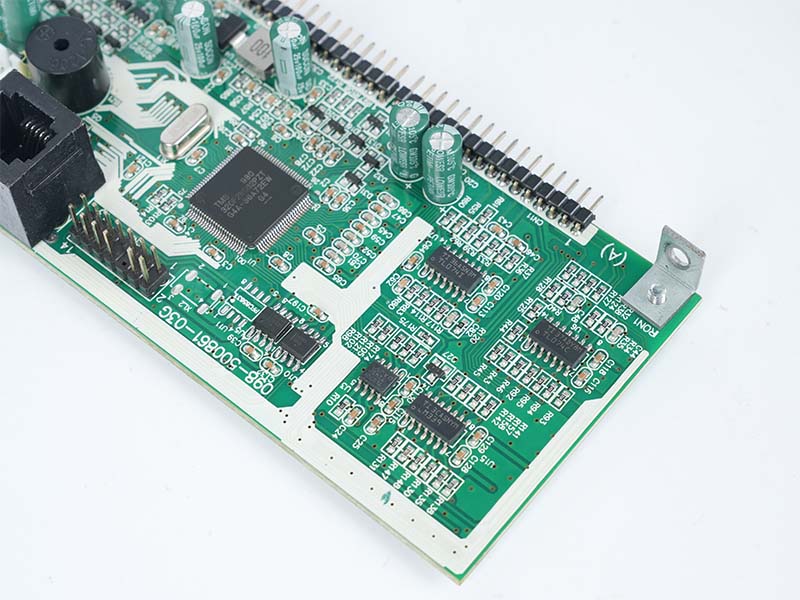
AC Electrical Board, 380V AC Board

February 28th, 2025

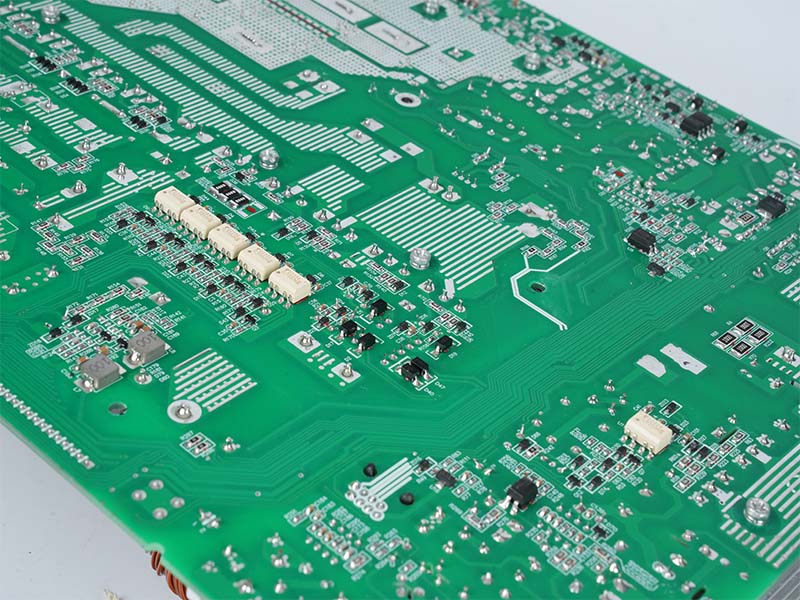
The 380V AC board is a crucial component in industrial and commercial electrical systems, providing efficient power distribution to high-demand equipment. Whether you’re managing a manufacturing plant, operating large machinery, or overseeing complex HVAC systems, understanding how a 380V AC board works is essential for ensuring smooth operations and avoiding electrical issues. In this blog, we will explore the key features, benefits, and applications of 380V AC boards, as well as offer insights on how to choose the right one for your system.

At EBest Circuit (Best Technology), we specialize in high-quality PCBs, MCPCBs, FPCs, and ceramic PCBs that power a wide range of electrical and industrial systems. Our products are designed with precision and reliability to meet the demands of advanced applications, including those involving 380V AC boards for power distribution.

What is a 380V AC Board?

A 380V AC Board‌ is an electrical control or distribution panel designed to safely manage and distribute 380-volt alternating current (AC) power in industrial or high-voltage systems. A 380V AC board is a critical component in electrical systems, particularly in industrial and commercial applications. This board helps distribute electrical power efficiently across various devices and machinery. Unlike standard voltage boards, the 380V AC board is designed to handle higher voltage levels, making it suitable for heavy-duty systems that require a stable and powerful energy supply.

Typically used in industrial environments, 380V AC boards are equipped with safety features to ensure smooth operation while preventing any electrical hazards. These boards play a key role in managing power distribution in large-scale operations, ensuring consistent performance for everything from production lines to high-powered machinery.

How Does a 380V AC Board Work?

The 380V AC board works by controlling and directing electrical power from the source to various parts of the electrical system. It acts as the main hub in power distribution, ensuring that each device receives the correct voltage to operate efficiently. The board can also be designed with circuit breakers, fuses, and relays to provide protection and control over the electrical flow.

In simple terms, it takes high-voltage AC (Alternating Current) and distributes it across systems to maintain functionality. The power is converted and routed to different parts of a circuit as needed, ensuring that everything from lights to heavy machinery gets the energy it needs without overloading the system.

What’s the Role of AC Electrical Board in Power Distribution?

AC electrical board, including the 380V AC board, plays a central role in power distribution. They ensure that electrical power is delivered safely and efficiently from the main power supply to various circuits. Without these boards, it would be challenging to manage high-power requirements, particularly in industrial sectors where large machines and systems need consistent energy.

These boards help organize circuits, prevent overloads, and ensure that the right voltage reaches the correct equipment. For example, in factories, they allow for the seamless operation of production lines by ensuring that all machinery receives the right voltage for operation, minimizing the risk of faults and downtime.

What’s the Key Difference Between 380V AC Boards and Standard Voltage Boards?

The primary difference between a 380V AC board and a standard voltage board lies in the voltage levels they handle. A standard voltage board typically operates at lower voltages, such as 120V or 240V, while a 380V AC board is designed to handle higher voltage levels, often required for industrial or commercial applications.

This higher voltage capability of the 380V AC board allows it to power more energy-intensive systems, such as large machinery or high-performance HVAC systems. Furthermore, 380V AC boards are built to be more robust and equipped with additional safety features to handle these higher loads without compromising system integrity.

What Are the Benefits of Using 380V AC Boards in Electrical Systems?

Using a 380V AC board in electrical systems offers several benefits. First, it supports the distribution of power across larger, more complex setups, which is essential in industrial settings. With a 380V AC board, businesses can manage their energy needs more efficiently, avoiding the need for separate power sources or additional transformers.

Moreover, these boards help increase the reliability of electrical systems. They are built to handle higher loads and ensure that everything, from lighting to heavy machinery, operates seamlessly. The 380V AC board also ensures energy efficiency, as it minimizes energy loss during transmission.

Another significant advantage is safety. These boards are equipped with built-in protection features, such as overload protection and short-circuit prevention, ensuring that electrical faults do not damage expensive equipment or cause potential hazards.

What Are the Common Applications of 380V AC Boards in Industrial Equipment?

380V AC boards are widely used in industries that require stable and reliable electrical power. Common applications include:

Manufacturing Plants: 380V AC boards power heavy machinery, assembly lines, and other equipment that demands high-voltage electricity.

HVAC Systems: Many commercial and industrial HVAC systems operate on 380V power, and the boards help regulate and distribute the required energy efficiently.

Pumps and Motors: Large pumps and motors used in water treatment plants, chemical processing, and mining often rely on 380V AC boards for consistent energy supply.

In fact, anywhere large, energy-intensive equipment is used, you’ll likely find a 380V AC board ensuring that everything runs smoothly and efficiently.

How to Safely Install and Maintain a 380V AC Board?

Safety is crucial when dealing with 380V AC boards, and proper installation and maintenance are key to preventing electrical hazards. Here are some tips:

Professional Installation: Always hire a licensed electrician with experience working with high-voltage systems to install your 380V AC board. Proper installation ensures safe wiring and minimizes the risk of faults.

Regular Inspections: Periodically check the board for signs of wear or damage. Pay attention to circuit breakers, fuses, and wiring to ensure they’re in good working order.

Clearances and Ventilation: Ensure that the board is installed in a well-ventilated area with adequate clearance for heat dissipation. Overheating can lead to system failure.

Use Proper Safety Gear: When maintaining or inspecting your board, always wear the necessary protective equipment, such as rubber gloves and safety goggles.

By following these steps, you can ensure the safe operation of your 380V AC board while preventing common electrical hazards.

How to Choose a 380V AC Board for Your System?

Choosing the right 380V AC board for your system requires considering several key factors:

Power Requirements: Ensure the board can handle the power demand of your system. You’ll need a board that can provide the necessary current without risk of overload.

Safety Features: Look for boards with built-in protection features such as overload protection, short-circuit protection, and thermal monitoring.

Size and Compatibility: Consider the size of the board and ensure it fits within your existing system’s layout. It’s also essential that it is compatible with the other electrical components in your system.

Manufacturer Reputation: Select a board from a trusted manufacturer that offers quality and durability. Ultimately, selecting the right 380V AC board ensures that your electrical system remains efficient, reliable, and safe.

In conclusion, understanding the role and benefits of 380V AC boards is crucial for anyone involved in industrial or commercial electrical systems. From their ability to power high-demand equipment to ensuring safe power distribution, these boards play an integral part in maintaining the efficiency and reliability of operations. Whether you’re installing a new system or upgrading an existing one, make sure to choose the right board based on your power needs, safety requirements, and system compatibility.

As a trusted leader in the PCB manufacturing industry, EBest Circuit (Best Technology) provides cutting-edge solutions that support the efficient operation of complex systems in sectors like automation, manufacturing, and energy. Whether you’re looking to enhance the performance of your electrical systems or integrate custom solutions, EBest Circuit (Best Technology) is your partner for innovation and quality in PCB design and production. If you need seamless, high-performance solutions for your industrial and electrical needs, reach out to us at sales@bestpcbs.com for more information.

What Is LED Light PCB? A Complete Guide to LED PCB

February 27th, 2025


LED light PCB has become an essential part of modern lighting technology. Whether you’re designing a sleek LED light strip or a high-powered LED bulb, understanding the structure and functionality of LED PCB is vital. In this blog, EBest Circuit (Best Technology) will dive deep into what makes LED light PCB, and the materials involved, their components, and the different types that suit various applications. By the end, you’ll have a clear understanding of LED PCB design, including how to connect LED to your custom board.

What Is LED Light PCB? A Complete Guide to LED PCB

What Is PCB in LED Light?

A PCB (Printed Circuit Board) in an LED light is the base where all the components of the LED circuit are mounted. This board serves as the electrical pathway that connects the individual LED chips, allowing electricity to flow through the circuit and power the LED. The design of the PCB is crucial for managing heat dissipation, ensuring optimal light output, and maintaining energy efficiency. Aluminum LED light PCB, in particular, offer excellent thermal conductivity, which is essential in preventing overheating and extending the life of LED components.

What Materials Are Used in LED PCB?

LED PCB are made using several materials that work together to ensure optimal performance. The most common materials include:

  • Aluminum: Known for its high thermal conductivity, aluminum is often used in LED PCB to quickly dissipate heat. This is especially important in high-power LED applications.
  • Copper: Copper is used for its excellent electrical conductivity, ensuring that current flows efficiently through the PCB.
  • FR4 (Flame Retardant 4): This is a widely used epoxy resin laminate material that offers a good balance between electrical insulation and mechanical strength.
  • Ceramic: In some high-performance designs, ceramic-based PCB are used, particularly when superior heat resistance is required.
What Is LED Light PCB? A Complete Guide to LED PCB

Each material plays a specific role in enhancing the performance of the LED, from heat management to electrical conductivity.

What Are the Components of LED PCB?

LED PCB typically consist of the following components:

  • LED Chips: These are the tiny light-emitting diodes that convert electrical energy into light. They are usually placed on the surface of the PCB.
  • Copper Traces: These traces act as pathways for the electrical current, connecting the LED chips to each other and the power source.
  • Thermal Management Elements: In high-power applications, components like heat sinks and through-holes are included to help dissipate heat and maintain efficiency.
  • Resistors: These components control the flow of current through the LEDs to ensure they operate within their rated power limits.
  • Capacitors: Capacitors help smooth out fluctuations in voltage, providing stable power to the LED.
What Is LED Light PCB? A Complete Guide to LED PCB

Each component is crucial in ensuring the LED PCB works efficiently and has a long lifespan.

What Are the Different Types of LED PCB?

LED PCB come in several types, each designed to meet the needs of different applications:

  • Aluminum LED PCBAluminum LED PCB: As mentioned earlier, aluminum is widely used for its excellent heat dissipation. This type of PCB is ideal for high-power LED, like those used in lighting and automotive applications.
  • Flexible LED PCB:These PCB are made from flexible materials, allowing them to be bent and shaped for unique or custom designs. Flexible PCB are perfect for applications like LED strips and curved lighting solutions.
  • High-Density Interconnector(HDI PCB):These are used for applications requiring a higher level of integration, such as miniaturized LED systems.
  • Rigid LED PCB: These are made from solid, non-flexible materials and are commonly used in applications where the PCB will remain in a fixed position, such as in LED bulbs or signage.

Each type of LED PCB is designed with specific characteristics in mind, such as flexibility, heat management, and power handling.

How to Make LED PCB?

Making an LED PCB involves several steps, from design to fabrication. Here’s an overview of the process:

1. Design: First, you need to design the layout of your PCB. This includes selecting the components, determining the size and shape of the board, and creating the electrical connections between the components. CAD (Computer-Aided Design) software is typically used to create the design.

2. Material Selection: Based on the design, select the appropriate PCB material (aluminum, copper, FR4, etc.) that meets your thermal, electrical, and mechanical needs.

3. Printing the PCB: The design is transferred onto the PCB material using a photolithography process. This process involves applying a light-sensitive film to the board, exposing it to UV light, and then developing it to create the desired pattern of copper traces.

4. Component Placement and Soldering: After the PCB is created, the LED chips, resistors, capacitors, and other components are placed on the board. Soldering techniques, such as Surface Mount Technology (SMT) or Through-Hole Technology (THT), are used to attach the components securely.

5. Testing: Once the PCB is assembled, it’s tested for functionality. This involves checking the LED performance, ensuring the power distribution is correct, and verifying that the board is free from defects.

How to Connect LED in PCB?

Connecting LED to a PCB involves placing the LED components in the correct positions on the board and ensuring the electrical connections are made properly. Here are the steps to connect LED in a PCB:

1. Design the Circuit: Determine the number of LED you’ll use, their configuration (series or parallel), and the required power. This will dictate the placement and size of the copper traces on the PCB.
2. Place the LED: LED are usually mounted on the PCB using soldering methods. For SMD (Surface-Mounted Device) LED, they are placed directly onto the surface of the PCB, while through-hole LED are placed through the holes of the PCB.
3. Solder the Connections: Soldering is the method used to establish electrical connections between the LED leads and the copper traces. For high-density applications, automated soldering techniques are often used to ensure precision.
4. Ensure Proper Heat Dissipation: Since LED generate heat during operation, it’s important to make sure the PCB design incorporates adequate thermal management, such as through-holes, heat sinks, and the right choice of materials.

Properly connecting LED ensures optimal performance, longevity, and safety for the final product.

Conclusion

LED light PCB are a game-changer in the world of lighting technology. From high-power lighting systems to sleek LED strips, these PCB offer exceptional performance, heat management, and reliability. Whether you’re designing a custom LED PCB or working with a manufacturer, understanding the components, materials, and types of LED PCB is essential to achieving the best results.

By selecting the right PCB type, using quality materials, and ensuring proper design and assembly, you can create LED systems that are efficient, durable, and energy-efficient. If you’re ready to bring your LED projects to life, partnering with a reliable LED PCB manufacturer is the next step toward achieving the perfect lighting solution for your needs.

Call to Action

Ready to design your own LED light PCB? Contact EBest Circuit (Best Technology) at sales@bestpcbs.com today to learn about our custom PCB solutions, from aluminum LED light PCB to flexible LED strips. Let us help you make the prefect pcb with your next project! Looking forward to hearing from you!

What is a Rectifier PCB? What is it Used For?

February 27th, 2025

Rectifier PCB is a circuit board used to convert AC power into DC power. Its core function is to achieve the form conversion of electrical energy through a rectifier circuit (usually composed of components such as diodes). This type of PCB is widely used in power adapters, chargers and various electronic devices to provide stable DC power for the devices.

What is a Rectifier PCB? What is it Used For?

What is a Rectifier PCB?

A rectifier PCB is a specialized type of printed circuit board designed to house rectifier components like diodes, capacitors, and resistors, which together convert AC power into DC power. These PCBs often feature layouts optimized for heat dissipation, component placement, and efficient current flow.

Rectifier PCBs are crucial in devices where AC power needs to be transformed into a stable DC voltage, like in power supplies, battery chargers, and DC motors.

Rectifiers themselves come in several configurations, but the most common are half-wave and full-wave rectifiers. Each type has different designs and methods for conversion, and the PCB layout will vary based on the specific rectifier type being used.

What Does a Rectifier Board Do?

At its core, a rectifier board performs one job: converting AC to DC. But this simple task is essential to countless devices.

In an AC circuit, the current alternates direction periodically, making it unsuitable for devices that require a constant voltage to function, such as LED lights, batteries, and most electronic circuits.

What is a Rectifier PCB? What is it Used For?

Rectifiers use diodes to allow current to flow in only one direction, converting the AC input into a smoother DC output.

Depending on the rectifier configuration, a rectifier PCB can smooth out the power through additional filtering components like capacitors. This results in a cleaner DC output with minimal ripple, which is crucial for sensitive electronic devices that cannot tolerate fluctuations in voltage.

What Are the Types of Rectifier PCB?

There are several types of rectifier PCBs, each designed for different purposes. The main difference between them lies in the configuration of the rectifying diodes and how they handle the AC input signal.

  • Half-Wave Rectifier PCB

A half-wave rectifier PCB is the simplest design. It uses a single diode to convert the positive half of the AC waveform into a DC signal while blocking the negative half. This results in a highly pulsating DC signal with significant ripple, making it less efficient for many applications but suitable for low-power circuits.

  • Full-Wave Rectifier PCB

A full-wave rectifier PCB uses two diodes or a bridge rectifier configuration to convert both halves of the AC waveform into DC. The output is smoother and more consistent than that of a half-wave rectifier. This makes full-wave rectifiers more efficient for medium to high-power applications.

The full wave rectifier PCB layout is more complex than the half-wave design due to the need for more components, but it offers greater efficiency and stability.

  • Bridge Rectifier PCB

A bridge rectifier PCB board uses a bridge of four diodes to convert the AC input into a fully rectified DC output. This configuration is more efficient than a half-wave rectifier and can be used with both single-phase and three-phase AC supplies. It’s commonly used in power supply units and higher-power devices due to its reliability and efficiency.

Each type of rectifier PCB serves different applications depending on the required current, voltage, and ripple tolerance.

Can a Rectifier PCB Convert DC to AC?

Rectifier PCBs are designed to convert AC into DC, not the other way around. This is a fundamental property of rectification — it only works in one direction.

To convert DC to AC, you would need an inverter PCB. Inverters work by using a different set of components, typically transistors, to change the polarity of the current. They play the opposite role of rectifiers by enabling DC devices to run on AC power.

Converting DC to AC requires designing a circuit based on an inverter PCB rather than a rectifier PCB. These two components work together in many power systems but play very different roles.

What is the Difference Between Rectifier PCB and Inverter PCB?

As mentioned, rectifier PCBs and inverter PCBs perform opposite tasks. A rectifier PCB converts alternating current (AC) to direct current (DC), while an inverter PCB does the opposite, converting DC to AC.

  • Rectifier PCBs: These are primarily used when you need to transform AC from a power source (such as the grid) into DC, which is required by most electronic devices. The most common application for rectifier PCBs is in power supplies, where AC from a wall outlet is converted to DC to power devices like computers, LED lights, and mobile phones.
What is a Rectifier PCB? What is it Used For?
  • Inverter PCBs: These are used in renewable energy systems (like solar power) where DC from solar panels needs to be converted into AC to be used in homes or businesses. Inverters are also found in devices that convert battery power (DC) to AC for powering AC appliances.

In short, the key difference lies in the direction of current flow: rectifiers convert AC to DC, and inverters convert DC to AC.

What Are the Applications of Rectifier PCB?

Rectifier PCBs are used in a variety of industries where efficient conversion of AC to DC is required. Some key applications include:

  • Power Supplies: Most electronic devices, including computers, televisions, and mobile phone chargers, rely on rectifiers to convert the AC from wall outlets into usable DC power.
  • LED Lighting: LEDs typically run on DC voltage, and rectifier PCBs ensure that the AC supplied to the lights is converted into a stable DC signal, allowing the lights to function correctly.
  • Battery Chargers: Rectifiers are essential in battery charging circuits. They convert AC from the grid into DC to charge batteries used in a variety of devices, from power tools to electric vehicles.
  • DC Motors: Many motors, especially those in robotics and electric vehicles, require DC voltage to operate. Rectifier PCBs ensure that the AC power from a grid or generator is appropriately converted to DC.

Power Conversion in Industrial Electronics: Rectifier PCBs are used in industrial machines, power equipment, and even some renewable energy applications to convert AC to DC.

Advantages and Disadvantages of Full Wave Rectifier PCB

The full wave rectifier PCB offers several advantages over its half-wave counterpart, but there are also some limitations.

Advantages:

  • Higher Efficiency: Full-wave rectifiers use both halves of the AC signal, making them more efficient in converting AC to DC.
  • Lower Ripple: Because full-wave rectifiers convert both positive and negative halves of the AC signal, they produce a more consistent DC output with less ripple compared to half-wave designs.
  • Better Utilization of Input Signal: Since both halves of the AC waveform are used, the system’s overall efficiency improves, allowing the circuit to perform better with the same input.
What is a Rectifier PCB? What is it Used For?

Disadvantages:

  • Complexity: The full-wave rectifier PCB layout is more complex than the half-wave rectifier, requiring more diodes or a bridge rectifier configuration.
  • Higher Cost: With additional components and a more complicated design, full-wave rectifier PCBs tend to be more expensive than half-wave options.

Conclusion:

Rectifier PCBs are indispensable in today’s electronics, converting AC into DC for use in everything from power supplies to LED lights. Whether you need a simple half-wave rectifier or a more complex full-wave rectifier PCB, choosing the right design can ensure the efficient performance of your devices.

If you’re looking for high-quality rectifier PCB designs and manufacturing services, feel free to contact us at sales@bestpcbs.com

What is PCB copper trace? & PCB trace width calculator

February 27th, 2025

PCB copper traces are copper wires used to conduct current and signals on PCBs. They are usually etched from copper foil and have a specific width and thickness. The design of copper traces needs to consider factors such as current carrying capacity, signal integrity, and heat dissipation performance. They are widely used in various electronic devices to connect components and transmit electrical signals.

What is PCB copper trace? & PCB trace width calculator

What is copper trace in pcb?

A copper trace in PCB is essentially a flat, conductive pathway formed on the PCB’s surface. This pathway connects the different components of the board, allowing electrical signals or power to flow between them.

Copper traces are created by etching copper foil, which is typically laminated onto a non-conductive substrate (such as FR4 or other materials).

The design and size of copper traces can significantly impact the performance of the PCB. These traces are precisely engineered to handle specific electrical loads, ensuring the efficient functioning of the PCB in devices such as smartphones, computers, automotive systems, medical equipment, and much more.

What is the role of copper trace in pcb design?

The role of copper trace in PCB design is to provide a reliable and efficient pathway for electrical current. Copper, due to its high conductivity, ensures that the signal or power transmitted through the PCB travels with minimal loss.

What is PCB copper trace? & PCB trace width calculator

The width and thickness of copper traces, as well as their routing, need to be carefully designed to match the required current-carrying capacity and to prevent issues such as overheating, signal interference, and voltage drops.

In PCB design, copper traces serve as the arteries of the board. They ensure that electrical signals flow smoothly from one component to another. Without properly designed copper traces, the performance and reliability of the entire circuit can be compromised, leading to malfunctioning or inefficient devices.

What factors affect copper trace design?

Several factors influence the design of copper traces in PCB manufacturing. The key considerations include:

  • Current Carrying Capacity: Copper traces must be designed to handle the amount of current they will carry. If the trace is too narrow, it may overheat and cause damage to the board or components.
  • Trace Length: Longer traces have more resistance, which can cause signal degradation or voltage drops. It’s essential to minimize trace length where possible to reduce these effects.
  • Trace Width: The width of the copper trace directly affects its current-carrying capacity. A wider trace can carry more current without overheating, but it may take up more space on the PCB.
  • Temperature: High temperatures can affect the performance of copper traces, causing them to expand or degrade. Proper thermal management is essential to ensure that copper traces continue to function efficiently.
  • Board Thickness and Material: The thickness of the PCB substrate and the copper layer can affect the trace’s resistance and heat dissipation. Different materials have different thermal conductivity, which should be considered during the design phase.
  • Signal Integrity: For high-speed circuits, the design of the copper trace must minimize electromagnetic interference (EMI) and crosstalk between adjacent traces.

How does copper trace width affect pcb performance?

The width of copper traces is one of the most critical design parameters in PCB layout. Trace width affects several factors, including:

  • Current Carrying Capacity: Wider copper traces have a higher current-carrying capacity, meaning they can safely handle larger electrical loads without overheating. Narrower traces are more prone to heating under higher currents, which can lead to failure.
  • Power Dissipation: As current flows through a copper trace, some of the electrical energy is converted into heat due to the resistance of the trace. Wider traces help distribute heat more effectively, reducing the risk of thermal damage to the board.
  • Signal Integrity: The width of the trace can also influence the impedance of the signal. Incorrect trace width can cause reflections, signal loss, or noise in high-speed circuits.
  • Size and Space Optimization: While wider traces carry more current, they also take up more space on the PCB.

PCB line width and current carrying capacity

The current carrying capacity of a copper trace is a key factor in determining its appropriate width. Wider traces can carry more current without excessive heating, while narrower traces are limited in the amount of current they can handle before becoming too hot.

What is PCB copper trace? & PCB trace width calculator

In general, the higher the current, the wider the trace needs to be. However, in designs where space is limited, other solutions such as multi-layer PCBs or increasing copper thickness can also help meet current-carrying requirements without significantly increasing trace width.

How do you calculate pcb trace width?

To calculate PCB trace width, designers need to take into account several parameters:

  • Current: The amount of current the trace will carry.
  • Temperature Rise: The maximum allowable temperature increase in the trace due to the current.
  • Copper Thickness: The thickness of the copper layer used in the PCB.
  • PCB Material: The thermal conductivity of the PCB material, which can affect the heat dissipation from the trace.

There are several online PCB trace width calculators that use formulas and standards (like IPC-2221) to calculate the appropriate trace width based on these parameters.

These calculators provide a quick and reliable way to ensure that your PCB design meets the current requirements without overheating or compromising signal integrity.

How do you calculate copper trace width for different currents?

When calculating copper trace width for different currents, the general approach is to increase the trace width as the current demand increases.

  • Determine the Current: Start by determining the amount of current that the trace needs to carry. This will be based on the requirements of the components connected to the trace.
  • Select Copper Thickness: Choose the copper thickness for the PCB. Standard copper thickness is typically 1 oz/ftÂČ (which is 35 ”m thick), but it can be increased for high-power applications.
What is PCB copper trace? & PCB trace width calculator
  • Calculate the Trace Width: Use a PCB trace width calculator or a standard formula to calculate the trace width required for the chosen current. The calculation takes into account the copper thickness and temperature rise constraints.

For instance, using a typical 1 oz/ftÂČ copper PCB and a current of 2A, the required trace width for a 10°C temperature rise might be around 1.6mm. However, for a higher current like 5A, the trace width may need to be 3.4mm to safely carry the current without excessive heating.

Conclusion:

The width and design of the copper trace play a significant role in the PCB’s overall performance, impacting current carrying capacity, thermal management, and signal integrity.

If you need expert assistance in designing copper traces or any other aspect of PCB manufacturing, EBest Circuit (Best Technology) is here to help. Contact us at sales@bestpcbs.com for top-notch PCB design and manufacturing services.

Electropolished Stencil With Engraved Fiducials  

February 27th, 2025

An electropolished stencil with engraved fiducials is a crucial tool for achieving precise and consistent solder paste application in surface-mount technology (SMT) assembly. These stencils help ensure that the solder paste is deposited accurately on the PCB, which is essential for the performance and reliability of the final product. By combining electropolishing with engraved fiducials, this stencil type offers superior smoothness and alignment, making it an ideal choice for complex PCB designs and high-density components. Understanding their role and benefits can significantly improve the quality of your manufacturing process.

What is an SMT Stencil?

An SMT stencil is a thin sheet of stainless steel used in the surface-mount assembly process to apply solder paste to specific areas on a PCB. The stencil aligns with the PCB’s surface, ensuring that solder paste is deposited only where needed. The paste is then used to attach components to the board during the reflow soldering process.

These stencils are essential for high-volume PCB manufacturing, especially when dealing with intricate designs and small components. The precision they provide can make or break the quality of the finished product.

What Are the Different Types of PCB Stencils?

There are a few different types of stencils used in the SMT process, each with specific applications.

Laser-cut stencils: These are the most common type, known for their high precision and flexibility. Laser-cut stencils are ideal for most PCB designs and offer a high degree of accuracy with sharp, clean apertures.

Etched stencils: Etching is a more traditional method, often used for thicker stencils or specific applications where laser cutting may not be suitable.

Step-up and step-down stencils: These stencils have varying thicknesses in different areas, allowing for optimized solder paste deposition for components with varying heights.

Electropolished stencils: These are laser-cut stencils that have undergone an electropolishing process. The electropolishing smooths out the rough edges of the stencil, improving solder paste release and reducing cleaning time.

Electropolished stencils with engraved fiducials are a premium option, especially for complex PCBs with high-density components. The fiducials help align the stencil perfectly with the PCB, ensuring precise paste placement.

Are Stencils Reusable?

Yes, stencils are reusable, which makes them a cost-effective choice for manufacturers. With proper care, a stencil can be used for hundreds, or even thousands, of PCB assemblies. However, the lifespan of the stencil will depend on the type of stencil, the material used, and how well it is maintained.

What Are Solder Stencils Made Of?

Most solder stencils are made from stainless steel, which offers durability, flexibility, and resistance to corrosion. Stainless steel stencils are ideal for high-volume production as they provide precise solder paste deposits and are easy to clean. However, other materials such as polyethylene (PE) may be used in specific applications, depending on the requirements.
What Is the Stencil Life of Solder Paste?

The life of solder paste on the stencil depends on several factors, including the type of paste, the environment, and the frequency of use. In general, solder paste on a stencil can remain viable for hours before it needs to be cleaned off. Proper storage and handling are critical to extending paste life and preventing contamination.

What Happens if You Don’t Refrigerate Solder Paste?

Solder paste contains flux and metal powders that can degrade if not stored correctly. If solder paste is left out in a warm environment for too long, it can lose its viscosity, making it difficult to apply. Refrigerating solder paste when it’s not in use helps maintain its consistency and ensures reliable soldering results.

How Long Does an SMT Stencil Last?

The lifespan of an SMT stencil depends on several factors, including the material, type of stencil, and frequency of use. Specifically, for electropolished stencils with engraved fiducials, their lifespan is generally longer due to the smooth surface, which reduces wear and tear during the paste printing process. Moreover, proper cleaning and maintenance are essential, as they can significantly extend the stencil’s life.

How Do You Get Crisp Lines When Stenciling?

Getting crisp lines when using a stencil involves using high-quality stencils, like those that are electropolished. The smoother surface of these stencils helps the solder paste release more evenly, reducing the chances of smudging or uneven paste deposition. Additionally, ensuring the stencil is well-aligned and using the right paste consistency can help achieve cleaner lines.

What Is the Trick to Using Stencils?

The key to using stencils effectively lies in alignment and paste control. First, ensure the stencil is aligned properly with the PCB using fiducials. Then, apply the solder paste evenly across the stencil, making sure the paste is of the right viscosity. Finally, avoid using too much paste, as this can lead to bridging and other defects.

Why Choose BEST Technology for Your SMT Stencils?

At EBest Circuit (Best Technology), we provide top-tier SMT stencils, including electropolished stencils with engraved fiducials, designed for precision and durability. With over 18 years of experience in the PCB manufacturing industry, we’ve built a reputation for excellence with clients like Emerson and Flextronics. Our advanced laser-cut technology guarantees high accuracy with a tolerance of ≀ ±4 ÎŒm, ensuring your solder paste is applied with perfect precision.

Our stencils are made from high-quality stainless steel and are available in various thicknesses, ranging from 0.10mm to 0.60mm. Additionally, we offer both framed and unframed stencils to suit a variety of needs. Furthermore, with step-up and step-down technology, we can create stencils that are specifically optimized for different component sizes. This helps reduce printing errors and, ultimately, increases the efficiency of your SMT assembly.

In summary, electropolished stencils with engraved fiducials are essential for achieving high-quality SMT assembly with minimal errors. They provide unmatched precision and smooth solder paste release, making them an ideal choice for complex PCB designs. Choosing the right stencil vendor, like EBest Circuit (Best Technology), can significantly enhance your PCB production process. With fast delivery, affordable pricing, and cutting-edge technology, we ensure that your PCB manufacturing needs are met with the highest standards of quality and efficiency. For more information or inquiries, feel free to contact us at sales@bestpcbs.com.

Double sided Aluminium PCB & Metal core PCB

February 26th, 2025

Double sided Aluminium PCB is a metal-based circuit board with two layers of conductive circuits, in which the aluminum substrate is the heat dissipation core, and the two sides are covered with an insulating layer and a copper circuit layer respectively. This structure not only ensures good heat dissipation performance, but also realizes double-sided wiring. It is widely used in electronic products with high power density and high heat dissipation requirements.
Double sided Aluminium PCB & Metal core PCB

What is aluminium backed PCB?

An aluminium-backed PCB, also known as an Aluminium PCB or Metal Core PCB (MCPCB), is a type of printed circuit board where the substrate is made of a metal core, typically aluminum. The core is used to provide better heat dissipation for high-power components, especially in applications that require efficient thermal management.

Aluminium PCBs are widely used in industries like LED lighting, power electronics, and automotive applications, where heat build-up is a significant concern. The metal core helps draw the heat away from the components, preventing overheating and ensuring that the components continue to function optimally.

The aluminum backing also provides the PCB with increased mechanical strength, which is beneficial in more rugged applications.

What are the advantages of double layer aluminium PCB?

Double-sided aluminium PCBs have a unique advantage over single-sided boards. By having two layers of circuitry, double-sided PCBs offer greater design flexibility and more space for components. This is especially important in compact electronic devices where space is at a premium.

The second layer of the PCB allows for more intricate circuit designs and better component placement, ultimately enhancing the performance of the device.

Another significant advantage is the improved heat dissipation. The metal core in double-sided aluminium PCBs works to disperse heat more effectively across both sides of the board, reducing the risk of overheating.

Double sided Aluminium PCB & Metal core PCB

With the two layers of circuitry, the heat can be spread more evenly, ensuring that high-power components are kept within safe temperature limits. This heat dissipation is critical for devices like high-brightness LED lights, power supplies, and other electronics where heat is a constant issue.

Furthermore, double-sided aluminium PCBs are more durable and reliable in demanding environments. The aluminum substrate provides excellent mechanical strength, making the board less susceptible to damage from physical stress or environmental factors such as vibrations. This makes them ideal for automotive and industrial applications, where reliability and durability are essential.

What is aluminum PCB dielectric material?

The dielectric material used in aluminium PCBs is crucial to the board’s performance. The dielectric layer is the insulating material that separates the metal core from the conductive traces on the board.

In the case of aluminium PCBs, the dielectric material typically consists of thermally conductive epoxy resin or other specialized materials that provide electrical insulation while also enhancing heat transfer.

This dielectric material allows for the transfer of heat from the components to the aluminum substrate, preventing the heat from building up at the component level. The dielectric layer is designed to be thin yet durable, offering both electrical insulation and thermal conductivity. This balance between electrical insulation and heat dissipation is key to the efficiency and performance of aluminium PCBs.

How thick is the dielectric layer of aluminum PCB?

The thickness of the dielectric layer in an aluminium PCB depends on the specific design requirements of the application. Generally, the dielectric layer in aluminium PCBs ranges from 30 to 250 microns.

The thickness is chosen based on the need for electrical insulation, thermal conductivity, and the type of components that will be used. For higher-power applications, a thicker dielectric layer may be required to ensure that heat is effectively transferred to the metal core.

Double sided Aluminium PCB & Metal core PCB

On the other hand, for lower-power applications, a thinner dielectric layer may be sufficient.

It’s important to note that the dielectric layer must be carefully chosen to match the thermal and electrical requirements of the PCB. Too thick a layer can reduce the heat dissipation properties, while too thin a layer may not provide sufficient insulation, leading to potential electrical issues. Therefore, the thickness of the dielectric material must be carefully tailored to the needs of the specific design.

What are the cons of aluminum PCB material?

While aluminium PCBs offer a range of benefits, they are not without their drawbacks.

One of the primary challenges with aluminium PCBs is their higher cost compared to traditional FR4 (fiberglass) PCBs. The material itself is more expensive, and the manufacturing process is more intricate, leading to higher production costs. This can make aluminium PCBs less suitable for low-cost, high-volume applications where budget is a primary concern.

Another disadvantage of aluminium PCBs is their relatively brittle nature. While the metal core provides mechanical strength, the overall structure can be more prone to cracking or damage compared to standard FR4 PCBs. This can be an issue in environments with high mechanical stress or extreme conditions.

Additionally, the assembly process for aluminium PCBs can be more complicated, as the metal core requires specialized equipment for soldering and mounting components.

Lastly, the design complexity can increase when working with aluminium PCBs, especially when designing for double-sided or multi-layer PCBs. The process of placing components on both sides of the PCB and ensuring proper heat dissipation requires more planning and precision. This can make aluminium PCBs less versatile for designs that don’t have significant thermal management needs.

What temp can aluminum PCB withstand?

Aluminium PCBs are known for their excellent thermal management properties. The metal core helps dissipate heat effectively, ensuring that the components on the board are kept within safe operating temperatures.

Generally, aluminium PCBs can withstand temperatures ranging from -40°C to 150°C, though this can vary depending on the specific material and design used.

For high-power applications, where significant heat is generated, it’s essential to ensure that the PCB design includes adequate heat dissipation methods, such as larger copper pads or heat sinks.

The thermal conductivity of the aluminium core helps to transfer heat away from the components, but in extreme cases, additional cooling methods may be necessary to prevent overheating.

The heat tolerance of aluminium PCBs makes them ideal for use in LED lighting, automotive electronics, power supplies, and other devices that generate significant heat.

By effectively managing the heat, aluminium PCBs ensure that the components remain within safe operating temperatures, thus prolonging the lifespan of the device and improving overall performance.

What is the difference between copper and aluminum PCB?

The main difference between copper and aluminium PCBs lies in the material used for the substrate. Copper PCBs, also known as copper clad PCBs, use copper as the base material, while aluminium PCBs use an aluminium metal core. Both types of PCBs offer good thermal management, but aluminium PCBs have a clear advantage in heat dissipation.

Aluminium PCBs are better at dissipating heat compared to copper PCBs because of the high thermal conductivity of aluminium. This makes them ideal for applications that require efficient heat management, such as high-power LEDs or power electronic components.

Double sided Aluminium PCB & Metal core PCB

On the other hand, copper PCBs are often preferred in applications where electrical conductivity is the priority, such as high-frequency or high-speed circuits. Copper has a lower resistance than aluminium, which can result in better electrical performance in certain applications.

In terms of cost, aluminium PCBs tend to be less expensive than copper PCBs, making them a more cost-effective option for thermal management in most applications.

However, copper PCBs can still be preferred for designs where electrical performance is more critical than heat dissipation.

Conclusion:

Double-sided aluminium PCBs offer unique advantages for applications requiring excellent thermal management and high mechanical strength. While they come with some challenges, including higher costs and design complexities, they are well-suited for industries like LED lighting, automotive electronics, and power supplies.

If you are looking for a professional PCB manufacturer to bring your designs to life, contact us at sales@bestpcbs.com. We offer expert design, manufacturing, and assembly services to meet your specific needs.

What is standard double sided PCB?

February 26th, 2025

Standard double sided PCB is a printed circuit board with two layers of conductive circuits. Circuit layers are provided on both sides of the PCB and interlayer connections are achieved through conductive holes. It is suitable for a variety of electronic devices. Because of its relatively simple structure and low cost, it is a common basic circuit board type in electronic manufacturing.

What is standard double sided PCB?

What is a double-sided PCB?

A double-sided PCB, also known as a two-layer PCB, features two layers of conductive material, typically copper, on both sides of an insulating substrate. These layers are interconnected using vias, which are small holes drilled into the PCB to allow electrical connections between the two sides.

Double-sided PCBs are used in applications where the complexity of the circuit requires components and connections to be placed on both sides of the board.

The primary advantage of a double-sided PCB is its ability to accommodate more components in a smaller footprint. This feature makes double-sided PCBs ideal for products where space is at a premium, such as smartphones, medical devices, and automotive electronics.

How many layers does a double-sided PCB have?

A standard double-sided PCB has two layers of conductive copper, one on each side of the substrate. These layers are electrically connected using vias, which create conductive paths between the two sides.

The number of layers in a PCB generally refers to the number of copper layers, which is why a double-sided PCB is made of two copper layers and an insulating substrate in between.

What is standard double sided PCB?

In contrast, multi-layer PCBs, which can have more than two layers of copper, are used for more complex circuits that require additional routing and signal pathways. A double-sided PCB is simpler in design and manufacturing compared to multi-layer PCBs but still offers significant flexibility for many applications.

What is the standard PCB layer?

In PCB manufacturing, a standard PCB layer refers to the number of copper layers used to create the circuit board. The standard PCB layer typically refers to the most common configuration in the industry, which is a single-layer PCB or double-sided PCB.

Single-layer PCBs consist of a single layer of copper, typically used for simpler, low-complexity circuits. These are ideal for products like basic household appliances, toys, and low-power applications.

Double-sided PCBs have copper layers on both sides, allowing for more complex circuits. These are used in products requiring more components, such as power supplies, automotive electronics, and communication devices.

While single-layer and double-sided PCBs are common, there are also multi-layer PCBs, which consist of three or more copper layers. These are used for even more intricate and densely packed electronic designs, such as those in high-frequency communication systems, medical equipment, and advanced computing devices.

What is the standard PCB format?

The standard PCB format typically refers to the physical dimensions and layout of the PCB, including the size, shape, and placement of components. In terms of manufacturing, standard PCB format can also refer to the specifications and designs that comply with industry standards for production.

For double-sided PCBs, the layout should allow for efficient placement of components while maintaining electrical connectivity between both sides. The design also needs to ensure the copper traces are properly routed and connected through vias.

What is standard double sided PCB?

For boards that are mass-produced, standardization ensures consistency and compatibility with manufacturing processes, making it easier for designers to source components and for manufacturers to produce the boards at scale.

What is the standard FR-4 PCB?

FR-4 is a widely used material for PCB substrates, and standard FR-4 PCB refers to PCBs made from this material. FR-4 stands for Flame Retardant 4, which is a grade of fiberglass-reinforced epoxy resin. It is the most common material used for both single-layer and double-sided PCBs due to its excellent insulating properties, mechanical strength, and resistance to high temperatures.

The standard FR-4 PCB is durable, easy to fabricate, and provides good electrical insulation, making it suitable for a wide range of applications. It is also cost-effective, which is why it is used in everything from consumer electronics to industrial control systems.

While FR-4 is the most common material for standard PCBs, other materials, such as polyimide or ceramic, may be used in specialized applications that require specific thermal or electrical characteristics.

What are the requirements for a PCB board?

Designing a PCB board requires consideration of several key factors to ensure that the final product meets the desired performance, reliability, and cost-effectiveness.

Electrical Performance: The copper traces must be designed to handle the required voltage and current without overheating or causing signal degradation.

Thermal Management: Components that generate heat should be strategically placed to minimize temperature buildup.

What is standard double sided PCB?

Mechanical Strength: The material selected for the substrate (e.g., FR-4) plays a significant role in this aspect.

Size and Component Placement: A compact design is often required to save space, and the components must be placed optimally to reduce the overall size while maintaining proper functionality.

Meeting these requirements ensures that the final PCB product will be reliable and effective in its intended application.

What is the IPC standard for PCB?

The IPC standard refers to a set of guidelines and certifications established by the Institute of Printed Circuits (IPC), a global trade association for the electronics industry. The IPC standards are used by manufacturers to ensure that PCBs are fabricated to high quality and reliability standards.

For double-sided PCBs, the IPC-2221 standard outlines the design and manufacturing requirements for creating high-quality PCBs. This standard provides guidelines on design documentation, manufacturing processes, materials, and testing procedures to ensure that the PCBs meet the necessary performance, safety, and environmental requirements.

The IPC-610 standard, specifically, focuses on the acceptability of electronic assemblies, providing detailed requirements for the quality and performance of soldering, component placement, and overall PCB integrity.

What is the ISO standard for PCB manufacturing?

ISO standards are internationally recognized guidelines that help ensure consistency and quality in manufacturing. The ISO 9001 standard is the most widely adopted certification for quality management systems in PCB manufacturing. It ensures that manufacturers follow processes that consistently produce high-quality PCBs, including double-sided designs.

ISO certifications, such as ISO 14001 (environmental management) and ISO 13485 (medical devices), also apply to certain industries, ensuring that manufacturers comply with specific quality and safety standards relevant to their product’s end-use.

By adhering to these ISO and IPC standards, PCB manufacturers can ensure their products meet global expectations for quality, performance, and safety.

Conclusion:

Double-sided PCBs are a versatile and widely used type of printed circuit board. By offering components on both sides of the board, they allow for more complex circuits in a smaller, more compact design.

If you’re looking for standard double-sided PCB manufacturing or need assistance with your PCB design, EBest Circuit (Best Technology) can help. Reach out to us at sales@bestpcbs.com

PCB Card, What Is A PCB Card In AC?

February 26th, 2025

A PCB card is a crucial element in many electronic devices, performing various functions such as controlling lights in machines and improving system performance. These cards, also known as printed circuit boards, are used in countless applications, including graphics cards, network cards, and more. In this blog, we’ll delve into the world of PCB cards, exploring their importance in consumer electronics, the differences between various types of PCB cards, and how they enhance performance.

What is a PCB Card in AC?

A PCB card is crucial in various applications, and understanding its functions can significantly enhance the knowledge of electronics. Therefore, let’s begin by answering what is a PCB card in AC? In the context of air conditioning (AC) systems, a PCB card serves as the control unit that manages the operation of various components. This can include regulating the fan speed, controlling the compressor, and even operating the lights of the unit. The PCB card acts as the brain of the system, receiving signals from sensors and ensuring everything functions smoothly. Without a properly functioning PCB card, the AC unit may not perform as intended, leading to inefficiencies or even failure.

What is a PCB Graphics Card?

A PCB graphics card is a specific type of PCB used in computers to render images and videos on the monitor. This card is designed with multiple layers of circuit pathways that control the various components needed for high-quality graphics processing. The PCB itself houses the GPU (graphics processing unit), memory, and other essential parts. It connects to the motherboard of a computer and handles complex graphic computations, especially in gaming, 3D rendering, and video editing. Essentially, it’s the heart of the visual performance in many modern computers.

What are the Differences Between Standard PCBs and Specialized PCB Cards?

As we move forward, it’s important to consider the differences between standard PCBs and specialized PCB cards. In this case, the primary difference between standard PCBs and specialized PCB cards lies in their purpose and complexity. A standard PCB is a basic platform used to connect and support electronic components in everyday devices. It typically contains simple circuitry to fulfill general functions.

On the other hand, specialized PCB cards like graphics cards or network interface cards (NICs) are designed with advanced circuitry to handle more specific and high-demand tasks. These cards may contain additional components like processors, memory chips, and cooling systems, tailored for specific performance needs. Specialized PCB cards are typically more intricate, offering higher speed, processing power, and reliability compared to standard PCBs.

At EBest Circuit (Best Technology), we bring over 18 years of experience in the PCB industry, offering a wide range of high-quality printed circuit board solutions. Our products are designed to meet the demands of various applications, ensuring top-notch performance, reliability, and precision. Whether you’re looking for standard or custom PCBs, or PCB card solution, EBest Circuit (Best Technology) is your trusted partner for all your PCB needs.

How to Check a PCB Card?

When you’re looking to check the health and functionality of a PCB card, there are a few key steps to follow. First, ensure that the card is properly seated in its slot, as loose connections can lead to performance issues. Next, inspect the PCB for any visible signs of damage, such as burnt areas, broken traces, or loose components. For more thorough testing, you can use a multimeter to check for continuity and voltage at various points on the card.

Additionally, running diagnostic tools on your device can help identify whether the PCB card is functioning correctly. If the card is not working as expected, it may be time for a replacement.

How to Clean a Graphics Card PCB?

Cleaning your graphics card PCB is an important maintenance step to ensure optimal performance and longevity. Over time, dust and debris can accumulate on the PCB, affecting the efficiency of the card and even causing it to overheat.

To clean the PCB, first, turn off the computer and unplug it from the power source. Use compressed air to blow away dust from the PCB and other components. For more stubborn dirt, gently use a soft brush to clean the surface of the PCB. Be careful not to damage any sensitive components during cleaning. Regular maintenance can help prevent overheating and keep your graphics card PCB in top condition.

Is an Expansion Card a PCB?

Yes, an expansion card is a type of PCB card. These cards are used to expand the functionality of a computer or electronic device. Examples include sound cards, network interface cards (NICs), and storage controllers. Like all PCBs, expansion cards are made up of a flat board with electrical pathways and components that allow it to connect and interact with other devices. Expansion cards are essential for adding additional features or improving the performance of a system.

What is Graphics Card PCB?

A graphics card PCB is the printed circuit board that serves as the foundation for a graphics card. It connects all the components such as the GPU, memory, and power supply, allowing them to work together to process and render graphics. Furthermore, The PCB is designed to handle high-speed data transfer, heat dissipation, and efficient power distribution to ensure that the graphics card performs at its best. As a result, the quality of the graphics card PCB can have a significant impact on the performance of the card, influencing frame rates, video rendering, and overall system performance.

What Types of Devices Commonly Use PCB Cards?

PCB cards are found in a wide variety of devices across many industries. Some common examples include:

Personal computers and laptops: Graphics cards, sound cards, network cards, and storage controllers.

Smartphones: Used in components such as the camera module, display drivers, and wireless communication chips.

Televisions and gaming consoles: PCB cards are crucial for video processing, networking, and audio output.

Air conditioners: As mentioned, PCB cards regulate the system’s operation, including controlling lights and fan speed.

Medical devices: PCB cards are used in monitoring equipment and diagnostic tools.

The versatility of PCB cards allows them to be used in almost any electronic device, contributing to the efficiency and functionality of modern technology.

What Are the Benefits of Using PCB Cards in Electronics?

The use of PCB cards offers several benefits in electronics. First and foremost, they allow for compact and efficient designs. PCB cards enable the integration of multiple components into a single unit, saving space and reducing the overall size of devices.

Additionally, PCB cards improve the performance and reliability of electronic devices. The specialized design of these cards ensures that the components are connected in a way that maximizes speed and minimizes interference. For instance, in a graphics card PCB, the precise placement of components helps reduce latency and improve rendering times, resulting in smoother visuals.

How Do PCB Cards Boost Performance in Consumer Electronics?

PCB cards significantly boost the performance of consumer electronics by enabling high-speed data processing, efficient power management, and better thermal control. For example, in a graphics card PCB, the efficient routing of signals ensures that complex graphics are rendered quickly and accurately, providing an enhanced user experience in gaming and video editing.

Moreover, PCB cards contribute to the energy efficiency of devices. By managing power distribution more effectively, they help reduce energy consumption, extend battery life, and prevent overheating. In devices like smartphones and laptops, this can lead to longer usage times and improved performance under load.

In conclusion, PCB cards are an essential part of modern electronics, from graphics cards and network interfaces to machine controls and AC systems. They play a vital role in improving performance, ensuring reliability, and enhancing the functionality of devices. Whether you’re using a black PCB Wi-Fi card to connect to the internet or a PCB video card to enjoy high-quality graphics, these small but powerful components are at the heart of many of the devices we rely on daily.

By understanding the various functions and types of PCB cards, you can make informed decisions about your electronic devices and ensure they perform at their best. Whether you’re maintaining your current equipment or looking to upgrade, knowing how PCB cards work can give you an edge in optimizing your systems.

Finally, when looking for a trusted supplier for your PCB card needs, consider EBest Circuit (Best Technology)‘s proven expertise in the industry. For reliable and innovative PCB card solutions that enhance the performance of your electronic devices, EBest Circuit (Best Technology) is here to help. With our extensive industry experience and commitment to quality, we deliver products that exceed expectations. For inquiries or more information, email us at sales@bestpcbs.com.

Ceramic PCB Substrate, Aluminum Nitride Circular PCB

February 26th, 2025

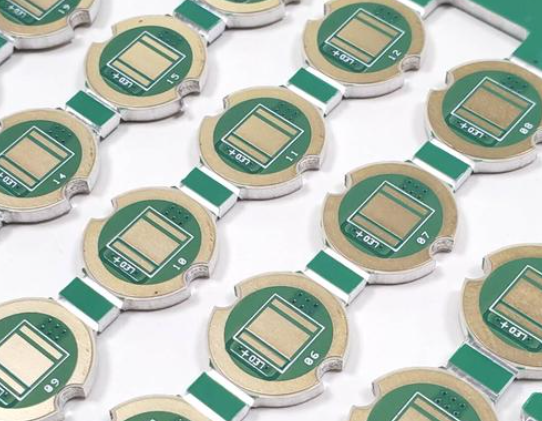
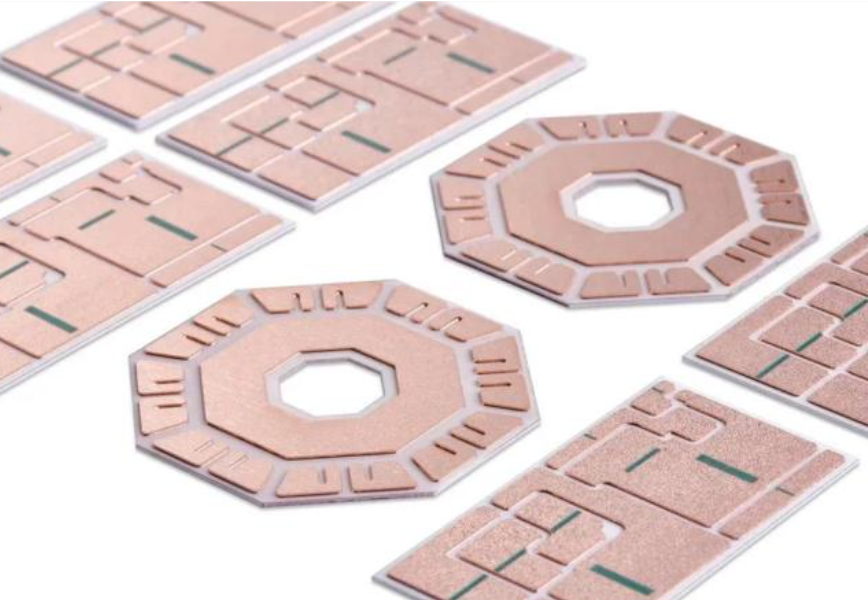
Aluminum nitride circular PCB stands out in the electronics industry due to its unique properties. Whether used in high-performance LED applications or precision circuits, this PCB material offers significant benefits over traditional ceramic PCBs. The circular Aluminum Nitride PCB belongs to the category of ceramic PCB substrates. In this blog, we’ll dive into the specific advantages of aluminum nitride circular PCBs, including their thermal conductivity, machining ability, and their superiority in many industrial applications.

Can Aluminum Nitride Be Machined?

One of the most appealing features of aluminum nitride circular PCBs is their ability to be machined. Unlike many ceramics, aluminum nitride can be precisely processed to fit specific design requirements. Its flexibility in manufacturing makes it an ideal choice for custom and intricate circuit designs. The material can be milled, drilled, and cut using standard machining methods, which helps reduce production times and costs. This machining capability is particularly beneficial in industries where rapid prototyping and small-batch production are crucial.

What is the Thermal Conductivity of Aluminum Nitride PCB?

When it comes to thermal performance, aluminum nitride PCB is hard to beat. With a thermal conductivity of up to 170 W/mK, it surpasses many other PCB materials, including standard ceramic substrates. This excellent thermal conductivity allows heat to dissipate efficiently, making aluminum nitride circular PCBs ideal for high-power applications like LED lighting and power electronics. The ability to manage heat reduces the risk of component failure, improving the overall reliability and longevity of electronic devices.

Is Aluminum Nitride Electrically Conductive?

Unlike metals, aluminum nitride is an insulator, meaning it does not conduct electricity. This is an essential property for PCBs used in high-voltage or high-frequency circuits. Aluminum nitride circular PCBs can offer the perfect balance between thermal management and electrical insulation, making them ideal for applications that require both heat dissipation and isolation of electrical components. This non-conductive property is why aluminum nitride is preferred in sensitive electronic designs, ensuring that circuits remain stable and secure.

Is Aluminum Nitride Piezoelectric?

Aluminum nitride has piezoelectric properties, which means it can generate an electric charge in response to mechanical stress. However, when used in PCB applications, this characteristic is typically not utilized. In most designs, the focus is on aluminum nitride’s excellent thermal conductivity and electrical insulation. While this material’s piezoelectric nature could be beneficial in specialized sensors or actuators, its primary advantage in PCB manufacturing lies in its thermal and insulating properties.

Is Aluminum Nitride Brittle?

Although aluminum nitride has a high level of thermal conductivity, it is still a ceramic material, which means it can be somewhat brittle under certain conditions. However, with the proper design and handling, this brittleness can be mitigated. Aluminum nitride circular PCBs can still be robust enough for most applications, as long as they are not subjected to excessive mechanical stress. The key lies in the careful design and integration of aluminum nitride PCBs into a circuit that can protect the material from sudden impacts or extreme forces.

What Makes Aluminum Nitride Circular PCBs Better Than Ceramic PCBs?

Aluminum nitride circular PCBs offer several advantages over traditional ceramic substrates. First and foremost, the thermal conductivity of aluminum nitride is far superior to most ceramic PCBs. This means aluminum nitride is better at dissipating heat, reducing the risk of overheating in electronic components. Additionally, aluminum nitride can be machined to precision, which is not always the case with ceramic substrates. These benefits make aluminum nitride circular PCBs ideal for use in high-power applications, such as LED lights, power electronics, and RF circuits.

What Industries Benefit Most from Aluminum Nitride Circular PCBs?

Several industries can benefit from the use of aluminum nitride circular PCBs, including:

LED Industry: The exceptional heat management properties of aluminum nitride make it a perfect material for high-performance LED applications.

Power Electronics: Aluminum nitride is ideal for use in power supplies, converters, and inverters due to its superior thermal conductivity and electrical insulation.

Telecommunications: The high-frequency capabilities of aluminum nitride circular PCBs make them suitable for RF applications, ensuring reliable signal transmission.

Automotive Electronics: With increasing demand for power-efficient systems, aluminum nitride PCBs are often used in automotive applications that require both high heat dissipation and electrical insulation.

These industries benefit from the unique combination of aluminum nitride’s properties, offering improved performance and durability in their products.

How to Optimize Aluminum Nitride Circular PCB Performance in Designs?

To maximize the performance of aluminum nitride circular PCBs, several factors should be considered during the design process:

Thermal Management: Proper thermal design is essential to ensure the efficient heat dissipation that aluminum nitride is known for. Using thermal vias and optimizing component placement can help maximize the heat flow.

Material Selection: While aluminum nitride is an excellent thermal conductor, it’s important to match the material’s properties to the specific needs of your application. This ensures the best balance between performance and durability.

Machining Techniques: Since aluminum nitride can be machined, it’s crucial to use the right equipment and techniques to avoid cracking or damaging the PCB during production. Ensuring the right tolerances can also improve the functionality and reliability of the final product.

Stress Resistance: Although aluminum nitride is generally robust, it’s still a ceramic material, so designs should be built to protect the PCB from mechanical stress during use. Reinforcements, proper encapsulation, and protective layers can prevent potential damage.

By addressing these factors, you can optimize the performance of aluminum nitride circular PCBs in your designs.

In conclusion, aluminum nitride circular PCBs stand out for their superior thermal conductivity, machinability, and electrical insulation. These qualities make them a top choice for a variety of industries, from LED lighting to automotive electronics. While they do have some brittleness due to their ceramic nature, with proper design and handling, their benefits far outweigh the drawbacks. Whether you are looking to improve the heat management of your circuit or need a reliable material for high-performance applications, aluminum nitride circular PCBs offer a compelling solution.

When choosing the right PCB material for your next project, consider aluminum nitride for its performance advantages. It’s a highly versatile option that can meet the demands of modern, high-tech designs, providing a perfect balance of thermal efficiency and electrical safety. Looking for top-quality aluminum nitride circular PCBs? At EBest Circuit (Best Technology), we provide a wide range of PCB solutions tailored to your needs. Contact us at sales@bestpcbs.com for inquiries or further details.

Lasercut Stencil, Can a Laser Cutter Make Stencils?

February 25th, 2025

A lasercut stencil offers precision and customization like no other. But can a laser cutter make stencils? The answer is a resounding yes! Laser cutting technology has revolutionized stencil creation, providing industries with highly accurate, durable, and customizable stencils. Whether for screen printing, PCB manufacturing, or artistic projects, a laser cutter is an excellent tool for making a laser cut stencil.

Can Laser Cutters Make Stencils?

Yes, laser cutters are perfect for making stencils. Using focused laser beams, they cut through materials like mylar, plastic, and metal with incredible precision, offering sharp, clean edges that traditional methods can’t match. This makes them ideal for producing laser cut stencils for everything from screen printing to PCB manufacturing.

One of the biggest advantages of using a laser cutter is the level of detail it can achieve. Whether you need custom laser cut stencils for complex designs or laser cut stencils for painting, the technology ensures accuracy with tight tolerances, often as precise as ±4 Όm. This reduces errors and ensures consistency across multiple stencils.

Additionally, laser cutters work with a variety of materials, such as mylar stencil sheets for screen printing or stainless steel for SMT stencils, giving you flexibility to choose the best material for your project. Laser cutting is efficient, saving time and minimizing the potential for mistakes compared to traditional methods.

Can You Make Stencils with a Laser Printer?

Laser printers and laser cutters might sound similar, but they serve different functions. While a laser printer uses toner and heat to print designs onto paper or other materials, a laser cutter uses focused laser beams to cut through materials such as plastic, metal, or mylar. So, can you make stencils with a laser printer? Not exactly. A laser cutter offers far more flexibility and precision, allowing you to create intricate designs on various materials, including the popular mylar stencil sheets used in screen printing.

Laser cutting not only makes sharper cuts but also works with a broader range of materials. From custom laser cut stencils for industrial use to laser cut stencils for painting and other crafts, the laser cutter is an essential tool for creating high-quality stencils.

What Are the Disadvantages of Stencil Printing?

Stencil printing is a powerful method for duplicating designs, but it has its drawbacks. One of the main challenges is the limited accuracy when compared to modern laser cut stencils. Traditional stencil printing often requires manually adjusting the design or material, which can lead to human error. In contrast, laser cut stencils ensure consistency, with precision tolerances as tight as ±4 Όm, ensuring that every cut is perfect.

Another issue is the wear and tear of reusable stencils. Over time, traditional stencils may degrade, leading to blurred edges or design distortions. With laser cut stencils, this issue is minimized, as the laser cutting process results in clean, sharp edges that last longer.

What Is the Best Material for Laser Cut Stencils?

The material you choose for a laser cut stencil plays a significant role in its performance and durability. For most projects, mylar stencil sheets are a popular choice due to their flexibility, ease of use, and durability. Mylar is a strong material that holds up well against repeated use, especially in laser cut stencils for screen printing.

Stainless steel is another excellent material for laser cut stencils, especially for industrial applications like SMT stencils. This material offers unmatched durability and strength, and it’s often electro-polished for a smooth finish. Stainless steel laser cut stencils are also highly resistant to corrosion, making them ideal for repeated use in harsh environments.

The best material will depend on the specific application, but both mylar stencils and stainless steel are reliable options that deliver high-quality results.

What Is the Best App to Make Stencils?

Making a laser cut stencil requires precision, and that starts with the design. The best apps for creating stencils offer flexibility and control over intricate details. Popular software tools like Adobe Illustrator, CorelDRAW, and Inkscape allow you to create detailed vector designs that are perfect for laser cutting.

For PCB manufacturers, software that directly imports Gerber files, such as AutoCAD or Eagle, can be incredibly helpful. EBest Circuit (Best Technology)’s stencils, for example, are made with precision from customer-provided files, which minimizes the chances of errors and ensures that every detail is captured accurately.

The right app will depend on your project’s needs, but these tools are essential for creating custom laser cut stencils that are both precise and professional.

How Are Professional Stencils Made?

Professional laser cut stencils are made with precision equipment and high-quality materials. The process typically starts with a detailed design, often created in vector format. This design is then uploaded to a laser cutting machine, which uses a focused laser beam to cut the design into the material, whether it’s mylar, stainless steel, or another substrate.

At EBest Circuit (Best Technology), for example, we offer SMT stencils made from stainless steel with tolerances as tight as ±4 Όm. These stencils are laser cut for ultimate precision and are often electro-polished to ensure smoothness. The end result is a stencil with clean edges and consistent openings that help reduce solder paste printing errors.

How Can Custom Laser Cut Stencils Improve Your Screen Printing Projects?

Custom laser cut stencils are a game-changer for screen printing. They offer precision that traditional stencils cannot match, ensuring that designs are transferred accurately every time. The ability to customize the size, shape, and number of openings allows for greater flexibility in design.

For example, laser cut stencils for screen printing ensure smoother paste release and cleaner edges. This reduces the need for frequent stencil cleaning, which can improve the overall efficiency of the printing process. Custom stencils are particularly valuable for complex designs, such as laser cut stencils for painting or laser cut stencils for industrial use, where accuracy is critical.

Moreover, custom laser cut stencils help streamline production times. Since they are made with high precision, the risk of errors is reduced, leading to fewer reprints and more consistent results in the long term.

What Is the Difference Between Laser Cut Stencils and Traditional Stencils?

The main difference between laser cut stencils and traditional stencils lies in the precision and versatility of the cutting process. Laser cut stencils are made using advanced technology that offers tighter tolerances, sharper edges, and more consistent results than traditional hand-cut stencils. Additionally, the laser cutting process allows for greater customization in terms of size, shape, and material choice.

Traditional stencils, while effective for simpler tasks, often require more labor-intensive processes and can lead to more inaccuracies, especially when dealing with intricate designs. In contrast, laser cut stencils are designed with a high level of detail and precision, ensuring that even the most complex patterns are reproduced flawlessly.

In a nutshell, whether you’re working on screen printing, PCB manufacturing, or an artistic project, a lasercut stencil is an invaluable tool that offers precision, durability, and customization. Laser cutting technology has revolutionized stencil making, allowing for the production of high-quality, accurate stencils that meet a wide range of needs.

At EBest Circuit (Best Technology), we pride ourselves on providing laser cut stencils for SMT applications with state-of-the-art technology and attention to detail. Our high-quality laser cut stencils are made from durable materials like stainless steel and are electro-polished for a smooth finish. With fast delivery and customizable options, EBest Circuit (Best Technology) is your trusted partner for all your stencil needs. Feel free to contact us at sales@bestpcbs.com for any doubts or queries you might have.