Does shock sensor needs resistor? This is one of the most common questions engineers face when designing circuits involving vibration or impact detection. The short answer is: in most cases, yes—but it depends on the sensor type and output structure.
Some shock sensors behave like simple mechanical switches and require external resistors for stable operation. Others, especially integrated modules, already include internal biasing components. If this detail is misunderstood, it often leads to unstable signals, false triggers, or even system malfunction. This guide breaks down the topic from an engineering perspective, helping you make correct decisions during schematic design, PCB layout, and product development.
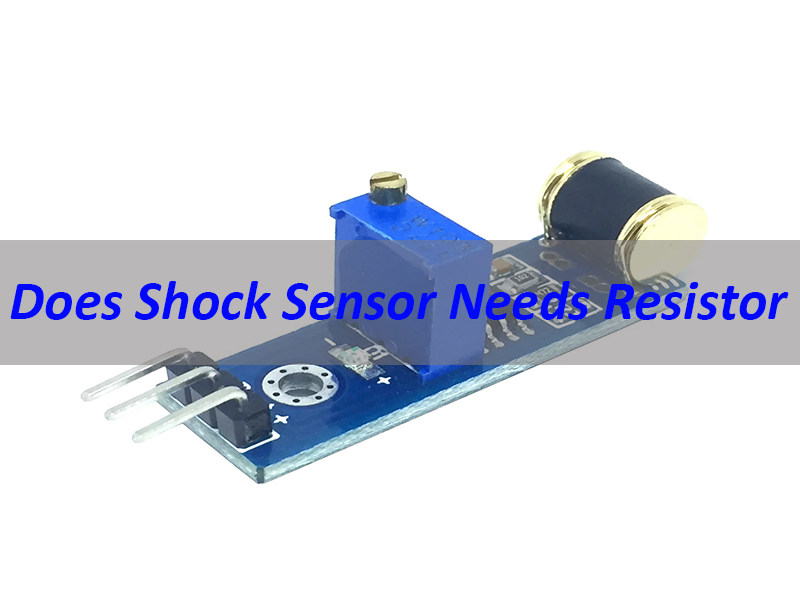
What Does a Shock Sensor Actually Output?
Before deciding whether a resistor is needed, it’s important to understand what a shock sensor outputs electrically.


Shock sensors generally fall into three output categories:
1. Switch-Type Output (Digital Contact)
- Acts like a momentary switch
- Output is either:
- Open (floating)
- Closed (connected to GND or VCC)
2. Analog Signal Output
- Produces voltage variation based on vibration intensity
- Requires ADC (Analog-to-Digital Conversion)
3. Conditioned Digital Output
- Comes from modules with:
- Comparator (e.g., LM393)
- Built-in threshold adjustment
- Outputs clean HIGH/LOW signals
👉 The key factor:
If the output node is floating, a resistor is required.
Does a Shock Sensor Need a Resistor?
✔ Short Answer:
- Mechanical shock sensors → YES (required)
- Module-based sensors → USUALLY NO
- MEMS sensors → ONLY for communication lines
Why Do Shock Sensors Need Resistors?
This is not just a wiring preference—it’s about signal integrity and circuit stability.
Problem Without Resistor:
- Floating input pin
- Random HIGH/LOW readings
- Noise pickup from environment
- False triggering
Engineering Explanation:
A floating node has:
- Undefined voltage level
- High impedance
- Susceptibility to EMI and leakage currents
Solution:
Use:
- Pull-up resistor
- Pull-down resistor
👉 This ensures:
- Stable default logic level
- Predictable switching behavior
- Reduced noise sensitivity
How Pull-Up and Pull-Down Resistors Work?


Pull-Up Resistor (Most Common)
- Connects input to VCC via resistor
- Default state: HIGH
- When triggered: LOW
Pull-Down Resistor
- Connects input to GND
- Default state: LOW
- When triggered: HIGH
Typical Design Values
| Application | Recommended Value |
|---|---|
| General MCU input | 10kΩ |
| High-noise environment | 4.7kΩ |
| Low power design | 47kΩ–100kΩ |
👉 10kΩ is the industry default because it balances:
- Power consumption
- Noise immunity
What Happens If You Don’t Use a Resistor?
This is one of the most common design mistakes.
Real Issues in PCB Systems:
- Random interrupts in MCU
- Unstable keypad or trigger behavior
- False alarms in security devices
- Inconsistent testing results
In Production:
- Increased failure rate
- Difficult debugging
- Customer complaints
👉 In short:
Skipping a resistor can break an otherwise correct design.
Do All Shock Sensors Require External Resistors?
Case 1: Mechanical Shock Sensor (SW-420 Type)


✔ Requires resistor
Reason:
- Pure mechanical contact
- Output is floating when inactive
Case 2: Shock Sensor Module (With Comparator)

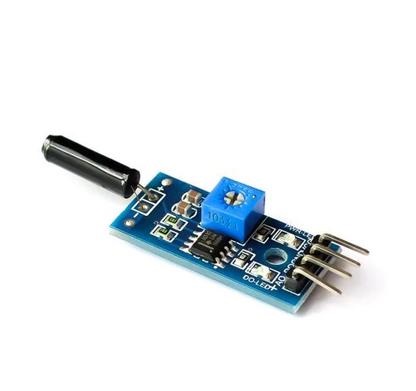
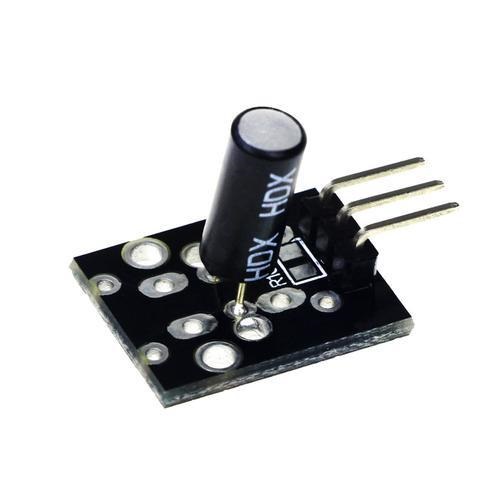
✔ Usually does NOT require resistor
Because:
- Internal circuit already includes:
- Bias resistors
- Signal conditioning
⚠ Exception:
- If output is open collector, you may still need a pull-up resistor
Case 3: MEMS Shock Sensor (Accelerometer)
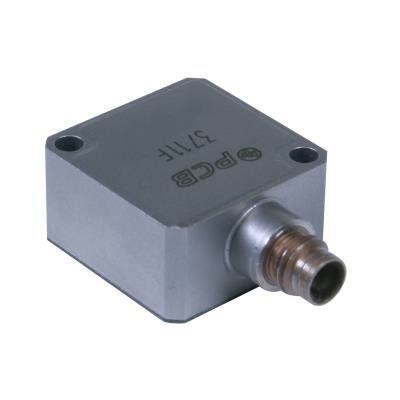
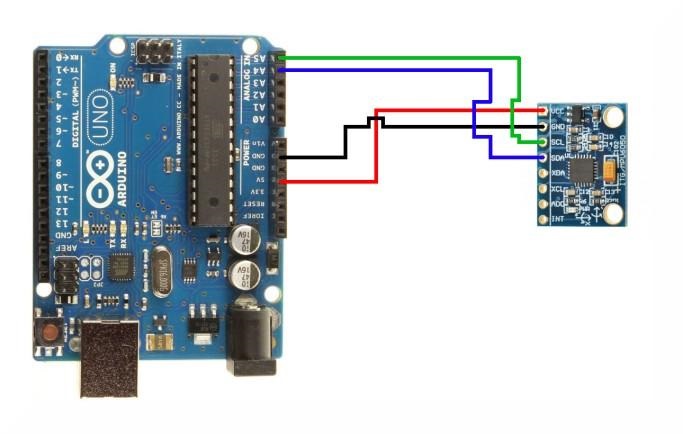
✔ Does NOT require resistor for sensing
BUT:
- I2C requires:
- SDA pull-up
- SCL pull-up
- SPI may require termination resistors
👉 Important distinction:
- Resistor is for communication, not sensing
How to Choose the Right Resistor Value?
Choosing the resistor is not random—it affects performance.
Key Factors:
1. Power Consumption
- Lower resistance → higher current
- Higher resistance → lower power
2. Noise Immunity
- Lower resistance improves noise resistance
3. Signal Speed
- High resistance slows edge transition
Practical Recommendation:
| Scenario | Suggested Value |
|---|---|
| Standard design | 10kΩ |
| Noisy industrial environment | 4.7kΩ |
| Battery-powered device | 47kΩ |
Best Practices for PCB Design with Shock Sensors
From a PCBA engineering perspective, resistor placement and routing matter.
✔ Layout Tips:
- Place resistor close to MCU input
- Avoid long floating traces
- Use ground plane shielding
- Add RC filter if needed
✔ Signal Conditioning (Advanced)
For high-reliability systems:
- Add:
- RC debounce circuit
- Schmitt trigger input
- Helps eliminate:
- Contact bounce
- False triggering
When Should You Add More Than One Resistor?
In advanced designs, you may need more than just a pull-up.
Examples:
- Voltage divider for analog sensors
- RC filter for noise suppression
- Current limiting resistor for protection
Common Design Mistakes to Avoid
- Assuming module already includes resistor
- Using too high resistance (weak signal)
- Ignoring EMI in industrial environments
- Forgetting internal MCU pull-ups (and duplicating incorrectly)
How EBest Supports Shock Sensor PCB Design?
At EBest Circuit (Best Technology), we regularly handle sensor-based PCBA projects across:
- Industrial monitoring systems
- Automotive electronics
- Security and alarm devices
- Consumer electronics
What We Provide:
- Free DFM analysis
- Signal integrity optimization
- Component selection support
- Rapid PCBA turnaround (1.5 weeks)
👉 Whether your design uses a simple vibration switch or a MEMS sensor, we ensure stable and production-ready circuits.
Finally, does a shock sensor need a resistor?
The correct answer depends on design context:
- Mechanical sensors → always require resistor
- Sensor modules → usually not required
- MEMS sensors → only for communication lines
From an engineering standpoint, resistors are not optional components—they are critical for ensuring signal stability, noise immunity, and reliable system behavior. If your goal is a robust PCB design, understanding this detail early will save significant debugging time and improve overall product quality.
Quick Summary
- Shock sensors often output floating signals
- Pull-up or pull-down resistors stabilize the signal
- 10kΩ is the most commonly used value
- Modules may already include resistors
- MEMS sensors only need resistors for communication
FAQs About Shock Sensor Resistors
Does every shock sensor need a resistor?
No. Mechanical sensors require it, while integrated modules usually don’t.
Can I use MCU internal pull-up instead?
Yes, but:
- Internal pull-ups are weaker (20k–50kΩ)
- External resistors are more stable
What resistor value is best?
10kΩ is the standard choice for most applications.
What if I skip the resistor?
You will likely get:
- Floating signals
- Random triggering
- Unstable system behavior