PCB manufacturing PCB manufacturing
Home > Blog

Industrial PCBA Manufacturers in Brazil with Custom Solutions

February 11th, 2026

Industrial PCBAforms the operational core of modern industrial equipment, translating complex electronic designs into reliable, functional hardware that drives automation and control. This article explores the evolving landscape for Industrial PCBA manufacturers serving the Brazilian market, analyzing key trends, engineering challenges, and the strategic considerations between local and overseas sourcing, culminating in a guide for selecting the right manufacturing partner.

What are the most common pain points that delay or compromise industrial PCBA assembly projects?

  • Inconsistent quality and reliability​ in harsh plant environments, leading to premature field failures.
  • Unpredictable lead times and delivery delays​ from suppliers, disrupting production schedules.
  • Hidden costs and lack of cost transparency, eroding project budgets after initial industrial PCBA quotes.
  • Limited access to specialized engineering support​ for industrial control PCBA​ or industrial robotics PCBA​ design challenges.
  • Supply chain fragility and poor component traceability, risking production stoppages and complicating lifecycle management.

The solution lies in selecting a industrial PCBA manufacturer whose processes are specifically engineered to mitigate these exact risks.

  • Implement Rigorous, Process-Driven Quality Gates:​ Enforce standards like IPC Class 3 and ISO 9001/16949 at every stage, from industrial PCBA prototyping​ to volume runs.
  • Guarantee Supply Chain & Production Visibility:​ Provide transparent scheduling and real-time updates to ensure on-time delivery for industrial PCBA assembly services.
  • Offer Detailed, Upfront Cost Analysis:​ Break down all NRE, tooling, and unit costs clearly to avoid surprises and support budget planning.
  • Provide Dedicated DFM & Engineering Support:​ Assign experts to collaborate on thermal design, component selection, and layout for high-performance PCBA for industrial equipment.
  • Establish a Robust, Documented Supply Chain:​ Leverage strong supplier relationships and full component traceability to ensure resilience and support long lifecycle​ requirements.

EBest Circuit (Best Technology) is a dedicated industrial electronics PCBA manufacturer supporting global industrial markets, including Brazil, with engineering-driven and cost-efficient manufacturing solutions. By leveraging the capabilities of our China-based industrial PCBA facilities, we provide a seamless one-stop service for industrial electronics — from early-stage prototyping and design optimization to stable, scalable mass production. Rather than focusing only on assembly, our team works closely with customers to develop practical custom industrial PCBA solutions that balance performance, reliability, and long-term supply stability, meeting the expectations of industrial automation projects worldwide. For project discussions or quotation support, please contact sales@bestpcbs.com.

Industrial PCBA

How Industrial Automation Growth In Brazil Is Reshaping Demand For Industrial PCBA Manufacturers?

The rapid expansion of industrial automation in Brazil is fundamentally altering the specifications and expectations for Industrial PCBA manufacturers. Demand is shifting from simple, standard boards to complex, intelligent, and ruggedized assemblies.

  • Demand for Higher Complexity:​ Automation drives the need for boards with more processing power, connectivity (IoT), and sophisticated sensor integration.
  • Emphasis on Ruggedization:​ Equipment in mining, agriculture, and manufacturing requires PCBA that can withstand vibration, humidity, and wide temperature swings.
  • Need for Customization:​ Off-the-shelf solutions fall short. There is growing demand for custom industrial PCBA solutions​ tailored to specific machinery and processes.
  • Pressure on Reliability & Uptime:​ Automated lines cannot tolerate frequent failures. PCBA must achieve exceptional Mean Time Between Failures (MTBF).
  • Integration with Legacy Systems:​ New control boards often need to communicate with older industrial networks, requiring specialized interface design.

This growth creates a lucrative but demanding market for suppliers who can deliver not just assembly, but comprehensive industrial PCBA solutions​ that are robust, smart, and fully integrated.

Industrial PCBA

Why Many Brazil OEMs Source From China Industrial PCBA Instead Of Local EMS Providers?

While local EMS providers offer geographical proximity, many Brazilian OEMs choose China industrial PCBA partners for stronger scalability, broader engineering resources, and more stable delivery performance — especially in industrial PCBA manufacturing where long-term reliability and supply-chain efficiency matter more than simple location advantages.

ConsiderationSourcing From Local EMS (Brazil)Sourcing From Specialized China PCBA Manufacturer
Cost StructureHigher labor costScaled cost efficiency
Technical EcosystemLimited specializationDeep supplier network
Prototyping AgilitySlower iterationFast prototype cycles
High-Mix CapabilityStandard buildsComplex builds ready
Lead Time RealityShort shippingFast sourcing + build
Long-Term Cost VisionUnit-price focusTCO-driven approach

Many engineers assume local EMS automatically means faster delivery. In reality, lead time is often determined by component sourcing speed and engineering workflow rather than distance alone.

  • Local EMS may shorten final logistics but can face longer material preparation cycles.
  • China industrial PCBA manufacturers often reduce overall schedule through faster sourcing, rapid DFM feedback, and parallel manufacturing processes.
  • For industrial control board PCBA and automation projects, total turnaround time is frequently influenced more by engineering responsiveness than by shipping distance.

Because of this, many Brazil OEM teams evaluate partners based on total project lead time rather than geographic proximity alone, balancing sourcing speed, production stability, and long-term scalability.

Engineering Challenges Behind Industrial Control Equipment PCBA In Harsh Environments

Designing industrial control equipment PCBA​ for Brazilian industrial settings—such as sugarcane mills, mining operations, or offshore platforms—presents unique engineering hurdles that go beyond standard commercial design.

  • Environmental Contamination:​ Dust, moisture, and chemical vapors necessitate conformal coating (using an industrial coating machine for PCBA) and sealed enclosures.
  • Thermal Stress:​ High ambient temperatures and poor ventilation require meticulous thermal management via heatsinks, layout optimization, and derating.
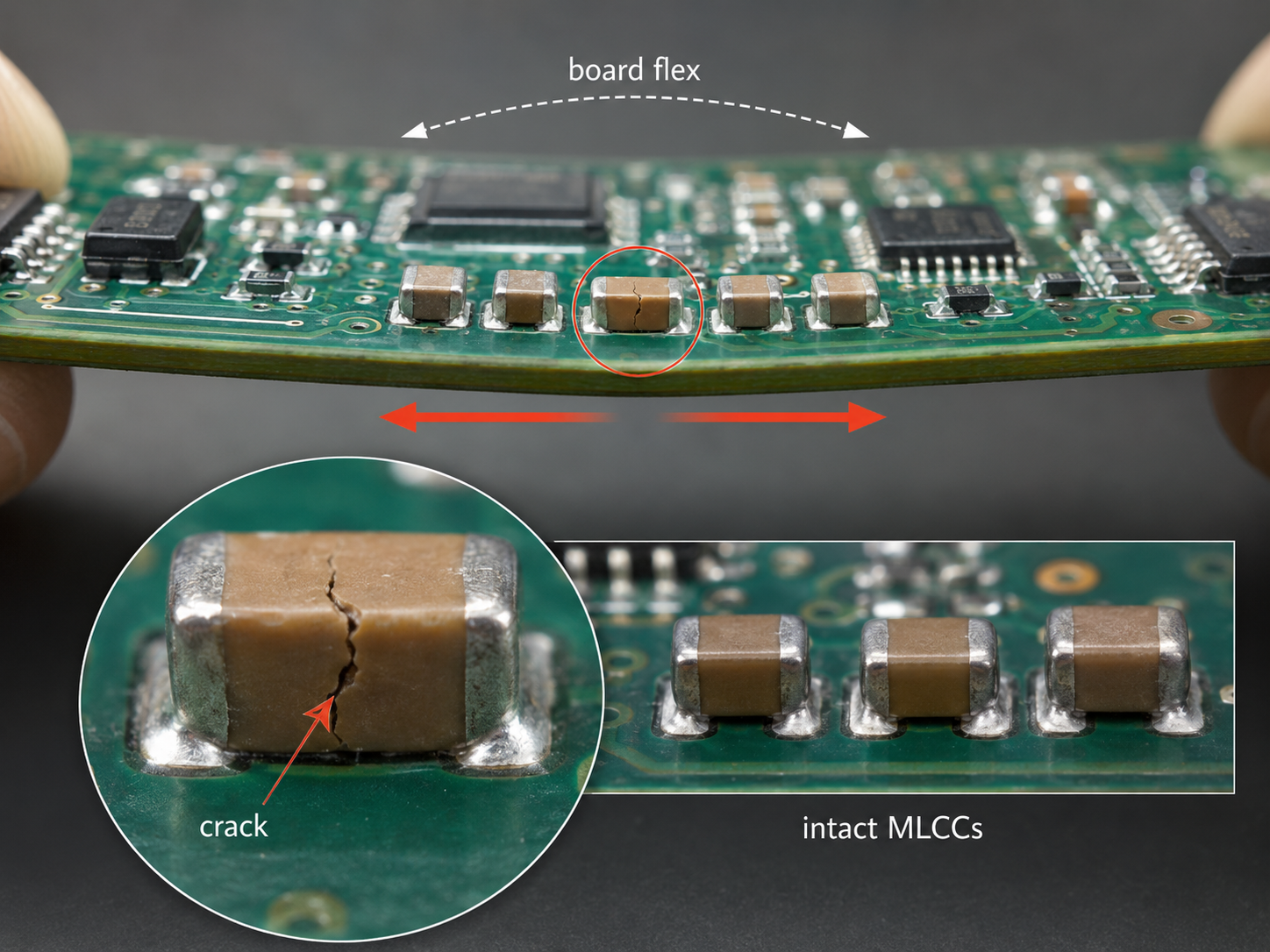
  • Mechanical Stress:​ Continuous vibration and shock demand secure mounting, strategic underfilling of BGAs, and the use of rigid flexible PCB PCBA for industrial​ applications where movement is present.
  • Electrical Noise & ESD:​ Noisy motor drives and high-power equipment create EMI/RFI challenges, requiring careful grounding, shielding, and filtering circuit design.
  • Longevity & Obsolescence:​ Industrial machines have decades-long lifecycles. Designing for component longevity and managing obsolescence are critical planning activities.

Overcoming these challenges is not optional; it is fundamental to creating a reliable industrial control PCBA​ that will perform consistently in the field, minimizing downtime and maintenance costs.

From Prototype To Volume How Industrial Control Board PCBA Prototype Assembly Reduces Risk?

The industrial control board PCBA prototype assembly​ phase is a critical risk-mitigation step, not merely a first article check. A well-executed prototype run validates the entire production pathway before significant capital is committed.

  • Design for Manufacturability (DFM) Validation:​ Catches layout issues that could cause assembly defects or reliability problems in volume.
  • Component Sourcing & Compatibility Check:​ Verifies real-world component performance and availability within the supply chain.
  • Functional & Environmental Testing:​ Allows the PCBA to be tested under simulated harsh conditions (thermal cycling, vibration) before field deployment.
  • Process Proofing:​ Establishes the assembly process, solder profiles, and inspection criteria that will be scaled for volume.
  • Cost Refinement:​ Provides accurate data to refine the final industrial PCBA quotes​ for volume production.

Skipping or rushing the prototype phase for industrial control board PCBA often leads to costly re-spins, delayed launches, and quality issues in the field. It is an essential investment in project success.

Thermal Design And Reliability Considerations For Industrial Robotics PCBA Applications

Industrial robotics PCBA​ operates at the extreme end of performance and environmental demand. Servo drives, motor controllers, and vision systems generate significant heat in confined spaces, making thermal management paramount.

Key Design Considerations:

  • Power Density Mapping:​ Identify high-heat components (MOSFETs, FPGAs, processors) early in the layout phase.
  • Thermal Interface Materials (TIMs):​ Select appropriate thermal pads, greases, or phase-change materials to efficiently transfer heat to enclosures or heatsinks.
  • Strategic Layer Stack-up:​ Use dedicated power and ground planes to spread heat and use internal layers as thermal conduits.
  • Forced Air vs. Conduction Cooling:​ Decide based on the robot’s architecture. Joint controller PCBA may rely on conduction to the robot arm structure itself.
  • Reliability Modeling:​ Use formulas like the Arrhenius equation to model and test lifespan under elevated temperature stress, ensuring the PCBA for industrial controller​ meets its target MTBF.

Failure to adequately address thermal design is a leading cause of failure in high-performance PCBA for industrial equipment​ like robotics, directly impacting speed, precision, and uptime.

Why Industrial Electronics PCBA Manufacturers Focus On Traceability And Long Lifecycle Support?

For an industrial electronics PCBA manufacturer, the commitment extends far beyond the point of sale. Traceability and long lifecycle support​ are non-negotiable services for industrial clients.

  • Component Traceability:​ Full lot-code tracking for every IC and critical component is essential for rapid root-cause analysis if a field issue arises and for managing recalls.
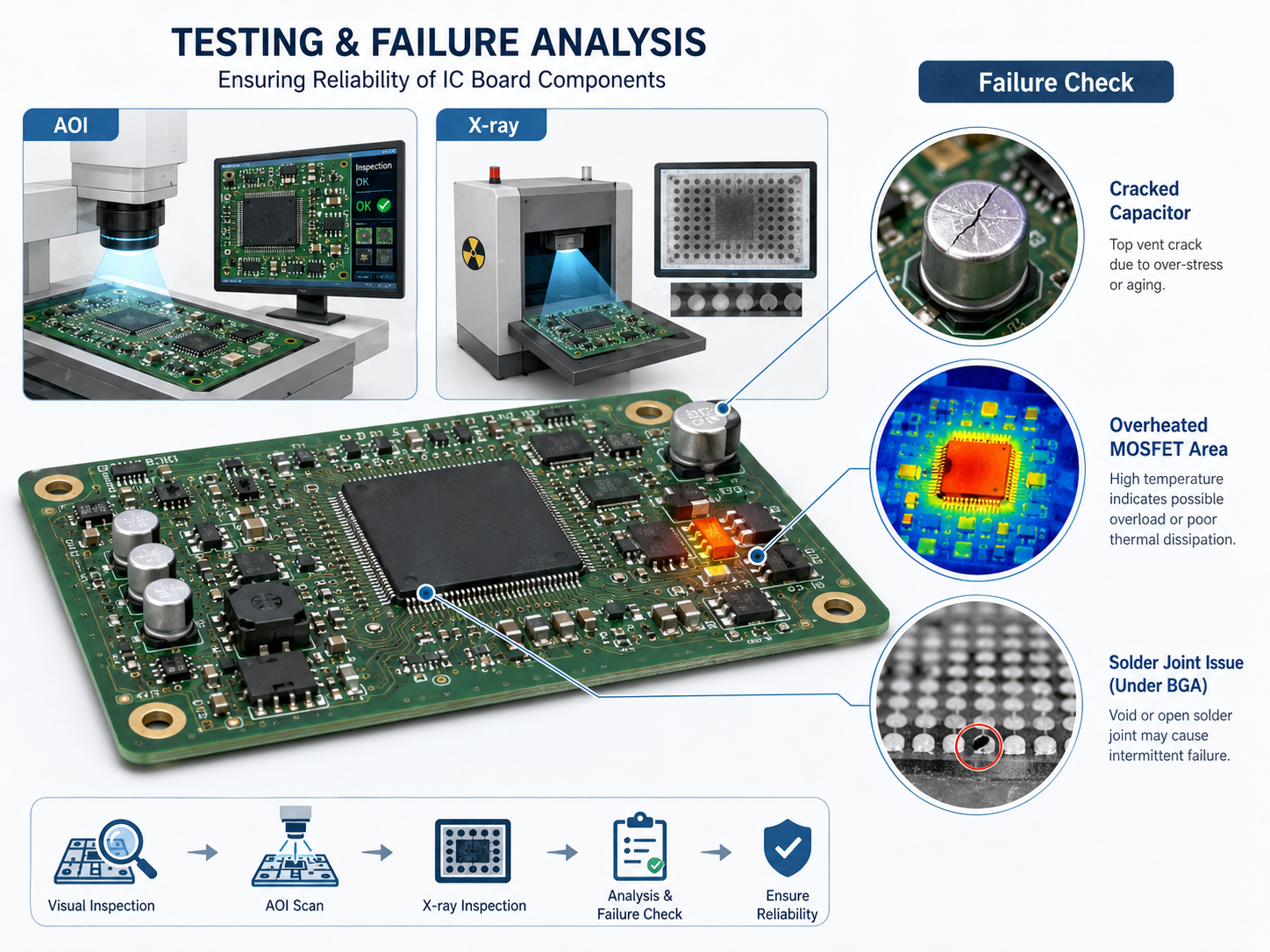
  • Production Data Logging:​ Storing data from solder paste inspection (SPI), automated optical inspection (AOI), and in-circuit test (ICT) for each board serial number.
  • Obsolescence Management:​ Proactive notification of component end-of-life (EOL) and offering redesign or last-time-buy (LTB) services to keep production lines running for 10+ years.
  • Archival of Design & Process Files:​ Secure, long-term storage of Gerbers, BOMs, assembly drawings, and test procedures to enable reproduction years later.
  • Repair & Return Support:​ Maintaining the capability and spare parts to repair legacy boards, supporting the entire lifecycle of the industrial asset.

This focus transforms a manufacturer from a simple board assembler into a true long-term partner for oem customers in ems industry.

Comparing OEM Industrial Control PCBA And Standard EMS Manufacturing Models

Choosing between a partner focused on OEM industrial control PCBA and a standard EMS provider is a strategic decision with significant implications.

AspectOEM Industrial Control PCBA PartnerStandard EMS Provider
Core FocusIndustrial control specializationGeneral electronics focus
Engineering EngagementDeep engineering supportBasic DFM feedback
Quality MindsetReliability-driven buildsStandard IPC Class 2
Supply Chain StrategyLong-lifecycle componentsCost-driven sourcing
Value PropositionTCO and stabilityLowest unit price

For industrial equipment PCBA company projects, a specialized partner model often delivers stronger long-term reliability, lower operational risk, and more predictable lifecycle costs.

Why Choose EBest Circuit (Best Technology) for Industrial Robotics PCBA Fabrication?

Selecting EBest Circuit for your industrial robotics PCBA fabrication consolidates the advantages discussed throughout this article. We specialize in the niche where high complexity meets harsh environment requirements.

  • Proven Harsh-Environment Expertise:​ Our processes are fine-tuned for the thermal, mechanical, and environmental demands of robotics, ensuring robust precision PCBA assembly for industry.
  • Seamless Prototype-to-Volume Bridge:​ We mitigate risk through disciplined industrial PCBA prototyping, ensuring a smooth, scalable transition to volume production without surprises.
  • Dedicated Engineering Partnership:​ We act as an extension of your team, providing the deep industrial control PCBA​ design support needed to solve thermal, signal integrity, and power challenges.
  • China-Based Efficiency with Global Standards:​ You benefit from competitive industrial PCBA manufacturing​ costs and a vast component ecosystem, while we deliver quality certified to IPC Class 3 and ISO16949 approved​ processes.
  • Full Lifecycle Commitment:​ We build and support your PCBA boards for OEM EMS industry customers​ with complete traceability and long-term obsolescence management, protecting your investment.
Industrial PCBA

In a nutshell, industrial PCBA is the critical, intelligent backbone that powers innovation and efficiency across Brazil’s growing industrial sectors. This article has examined the market dynamics, engineering imperatives, and strategic sourcing decisions that define success in procuring reliable, high-performance industrial PCBA electronics. EBest Circuit (Best Technology) is positioned as a reliable industrial robotics PCBA partner, offering Brazilian OEMs access to custom industrial PCBA solutions​ built on a foundation of quality, reliability, and deep industrial expertise.To discuss your industrial PCBA assembly​ project, please contact us at sales@bestpcbs.com.

FAQs about Industrial PCBA

Why Do Industrial PCBA Prototype Runs Often Fail Even When The Design Looks Correct?

Even flawless schematics can hide manufacturing pitfalls. Prototype failures often uncover DFM issues (e.g., thermal reliefs, solder mask slivers), component sourcing/quality problems, or undetected signal integrity/power distribution flaws that only manifest when physically assembled and tested under load.

Is China Industrial PCBA Always Cheaper Than Local Manufacturing For Industrial Projects?

While unit cost is often lower, the true comparison is Total Cost of Ownership (TCO). For complex, reliability-critical industrial PCBA solutions, China’s combination of advanced technical expertise, supply chain scale, and focused industrial experience frequently results in a lower TCO despite logistics, when factoring in superior quality, reduced field failures, and better scalability.

Does IPC Class 3 Really Improve Reliability For Industrial Control PCBA?

Absolutely. IPC Class 3 defines the most stringent acceptance criteria for workmanship, targeting “high-performance electronic products where continued performance or performance on demand is critical.” For industrial control PCBA in harsh, inaccessible environments where failure is unacceptable, manufacturing to Class 3 standards is a fundamental requirement for achieving the necessary reliability and longevity.

You may also like

Burn-In Test: A Complete Guide for Electronics & PCB Reliability

February 10th, 2026

Burn-in test plays a critical role in electronics manufacturing where long-term reliability matters as much as performance. Engineers often rely on burn-in procedures to expose early-life failures before products reach the field. Whether used for high-reliability PCBA, industrial controllers, or medical electronics, this method helps stabilize product quality while reducing unexpected returns.

Below is a practical, engineering-focused guide explaining how burn-in testing works, why it matters, and how it applies specifically to PCB assemblies.

What Is a Burn-In Test in Electronics?

A burn-in test is a reliability testing process used in electronics manufacturing to identify early-life failures in electronic components, PCBs, and assembled electronic products.

During a burn-in test, electronic devices are operated under elevated stress conditions—such as higher temperature, voltage, or load—over a defined period of time. Components that are defective or marginal are more likely to fail during this phase rather than later in real-world use.

In simple terms:

Burn-in testing accelerates failure so weak components fail early—before products reach customers.

Burn-in tests are widely used in:

  • PCB manufacturing and PCB assembly (PCBA)
  • Power electronics
  • Automotive electronics
  • Aerospace and defense systems
  • Medical devices
  • Industrial control equipment
  • Telecommunications hardware
burn-in test

Burn-in Testing

What Is the Purpose of a Burn-In Test?

The primary purpose of a burn-in test is to improve product reliability and reduce field failures.

More specifically, burn-in testing is designed to:

  1. Detect early-life failures (infant mortality)
  2. Screen out defective components
  3. Verify design robustness
  4. Stabilize electrical performance
  5. Reduce warranty returns and RMA costs

Electronics failures often follow the bathtub curve, where failure rates are high at the beginning, low during normal life, and rise again at end-of-life. Burn-in testing targets the first phase of this curve.

Why Is a Burn-In Test Important?

Burn-in testing plays a critical role in quality assurance (QA) and reliability engineering.

Key Benefits of Burn-In Testing

1. Reduces Early Field Failures

Burn-in tests catch problems such as:

  • Poor solder joints
  • Marginal ICs
  • Weak capacitors
  • Manufacturing defects
  • Thermal design issues

2. Improves Brand Reputation

Products that fail shortly after installation damage customer trust. Burn-in testing helps ensure only stable and reliable products ship.

3. Saves Cost in the Long Term

While burn-in testing adds upfront cost, it significantly reduces:

  • Warranty claims
  • Product recalls
  • Field repair costs
  • Customer downtime

4. Required by High-Reliability Industries

Industries such as medical, aerospace, automotive, and military electronics often require burn-in testing as part of regulatory or contractual standards.

How to Do a Burn-In Test?

A burn-in test procedure varies depending on the product, industry, and reliability requirements, but the core steps are similar. Typical burn-in test procedure including:

How to Do a Burn-In Test?

Step 1: Visual & Electrical Pre-Inspection

Before burn-in:

  • Visual inspection (AOI or manual)
  • Basic electrical tests (continuity, shorts, power-on test)
  • Ensure boards are safe to energize

Step 2: Load the PCB or Device into Burn-In Fixtures

PCBs or assemblies are mounted in:

  • Burn-in racks
  • Test sockets
  • Custom fixtures
  • Edge connectors or cable harnesses

Fixtures allow:

  • Power supply access
  • Signal monitoring
  • Temperature exposure

Step 3: Apply Electrical Stress

The device is powered on continuously or in cycles using:

  • Rated voltage or slightly elevated voltage
  • Simulated operating loads
  • Functional test patterns

Step 4: Apply Thermal Stress

Temperature is raised using:

  • Burn-in ovens
  • Environmental chambers
  • Heated racks

Typical burn-in temperatures:

  • 55°C to 85°C for commercial electronics
  • 85°C to 125°C for industrial or automotive electronics

Step 5: Continuous Monitoring

During the test:

  • Voltage and current are monitored
  • Functional signals are checked
  • Failures are logged automatically or manually

Step 6: Post Burn-In Inspection

After burn-in:

  • Functional testing
  • Electrical performance verification
  • Visual inspection for thermal damage
  • Failed units are analyzed and scrapped or repaired

What Equipment Is Needed for Burn-In Testing?

Burn-in testing requires specialized equipment to safely operate electronics under stress for long periods.

Common Burn-In Test Equipment

1. Burn-In Chambers / Ovens

  • Temperature-controlled environments
  • Uniform heat distribution
  • Safety protection and airflow control

2. Burn-In Racks & Fixtures

  • Hold PCBs or assemblies vertically or horizontally
  • Provide power and signal connections
  • Custom-designed for product type

3. Power Supplies

  • Stable, programmable DC power supplies
  • Over-current and over-voltage protection

4. Data Acquisition & Monitoring Systems

  • Voltage/current monitoring
  • Temperature sensors
  • Failure logging software

5. Functional Test Systems

  • Automated test equipment (ATE)
  • Simulated loads
  • Communication interfaces (RS485, CAN, Ethernet, etc.)

How Long Is a Burn-In Test?

The duration of a burn-in test depends on:

  • Product complexity
  • Reliability requirements
  • Industry standards
  • Cost considerations

Typical Burn-In Test Duration

ApplicationBurn-In Time
Consumer electronics8–24 hours
Industrial electronics24–72 hours
Automotive electronics72–168 hours
Aerospace / military168–500+ hours

Shorter burn-in tests are often used for screening, while longer tests are used for qualification and validation.

Burn-In Test for PCB and PCBA

A burn in test for PCB or PCBA focuses on identifying assembly-related and component-level issues.

What Burn-In Testing Detects in PCBs

  • Cold solder joints
  • Micro-cracks in solder
  • Poor component placement
  • Thermal expansion issues
  • Marginal ICs
  • Power instability

PCB Burn-In vs Functional Testing

Test TypePurpose
Functional TestVerifies correct operation
Burn-In TestScreens early failures
Thermal CyclingTests expansion/contraction
HALT/HASSStress limit testing

Burn-in testing is not a replacement for functional testing—it is a complementary reliability process.

How to Tell If a Circuit Board Is Burnt?

A burnt PCB usually shows visible, electrical, or functional symptoms.

Visual Signs of a Burnt PCB

  • Discoloration (brown or black areas)
  • Burn marks or charring
  • Melted solder or components
  • Cracked IC packages
  • Delaminated PCB layers

Electrical Symptoms

  • Short circuits
  • Abnormal current draw
  • Voltage drops
  • Failure to power on

Functional Symptoms

  • Intermittent operation
  • Random resets
  • Overheating
  • Communication errors

Burn-in testing often reveals latent damage that may not be obvious in quick functional tests.

Can a Burnt PCB Be Repaired?

Whether a burnt PCB can be repaired depends on damage severity.

Repairable Cases

  • Burnt passive components (resistors, capacitors)
  • Minor trace damage
  • Isolated solder joint failures

Non-Repairable Cases

  • Carbonized PCB substrate
  • Internal layer damage (multilayer PCB)
  • Widespread delamination
  • Repeated thermal failure

In high-reliability industries, burnt PCBs are usually scrapped, not repaired, due to long-term reliability risks.

Burn-In Test vs Other Reliability Tests

Test MethodMain Purpose
Burn-In TestEarly failure screening
Thermal CyclingMechanical stress testing
HALTFind design limits
HASSProduction screening
Aging TestLong-term performance

Burn-in testing remains one of the most cost-effective reliability screening methods in electronics manufacturing.

FAQs

1. Is burn-in testing mandatory?

No, but it is highly recommended for high-reliability or mission-critical electronics.

2. Does burn-in testing damage electronics?

When properly controlled, burn-in testing does not damage good products—it only accelerates failure in weak units.

3. What temperature is used in burn-in testing?

Typically 55°C to 125°C, depending on component ratings and standards.

4. Is burn-in testing expensive?

It adds cost, but often reduces total lifecycle cost by preventing failures in the field.

5. Can burn-in testing replace functional testing?

No. Burn-in testing supplements functional and electrical testing.

6. What standards reference burn-in testing?

Common references include:

  • MIL-STD-883
  • JEDEC standards
  • IPC reliability guidelines

You may also like

Solder Lead Free – For SMT & PCBA Manufacturing

February 10th, 2026

Need high-quality solder lead free? We offer RoHS certified lead free solder, engineered for all PCB through-hole and surface mount soldering processes with strong joint strength.

Solder Lead Free - For SMT & PCBA Manufacturing

What is lead-free solder?

Lead-free solder is a solder alloy made without added lead. It was developed to reduce health and environmental risks linked to traditional leaded solder. In electronics manufacturing, it is now the default option for SMT and PCBA work across many markets.

Most lead-free solder material is based on tin. Tin forms the backbone of the alloy. Other metals are added to improve strength, wetting, and durability. These metals often include silver, copper, bismuth, or small amounts of nickel.

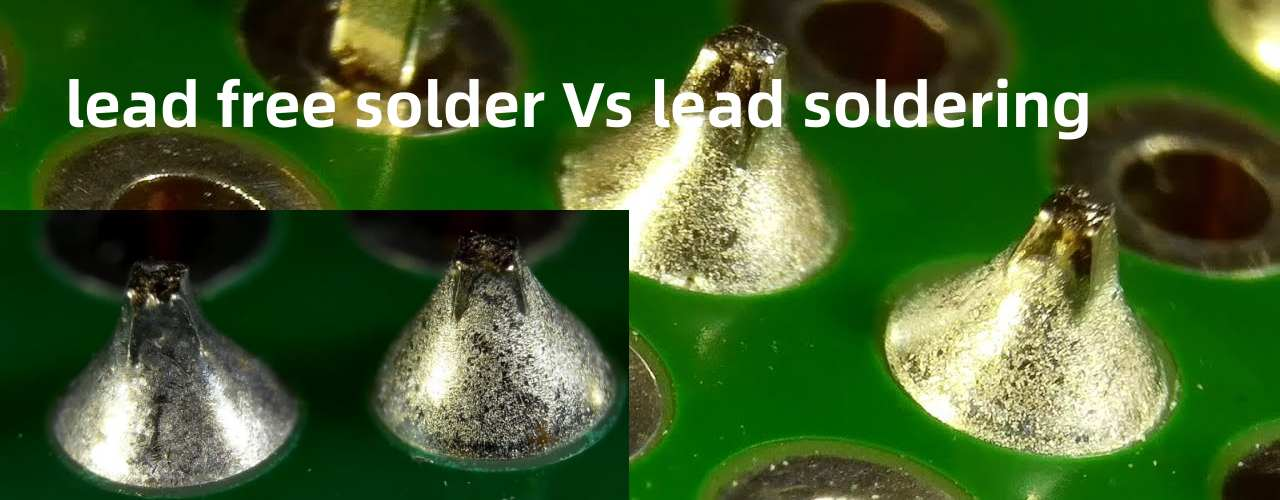
In practical use, solder lead free behaves a little differently from older leaded alloys. It melts at a higher temperature. It also forms joints with a different surface look. The joints may appear slightly dull or grainy.

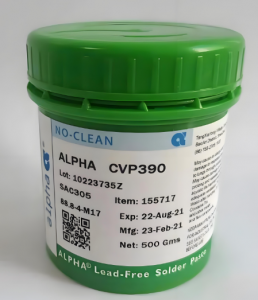
For SMT lines, lead-free solder paste is used to print onto pads before component placement. During reflow, the paste melts and forms joints. For manual work or selective soldering, lead free solder wire is often used. The same alloy rules apply, but the form factor changes.

How to choose solder lead free?

Choosing the right solder lead free option starts with understanding your process. Not all assemblies are the same. Board design, component type, and thermal limits matter.

The first step is to look at the alloy family. The most common choice is SAC alloy. SAC stands for tin, silver, and copper. SAC305 is widely used in SMT and PCBA lines. It balances strength, cost, and reliability well.

Next, consider the melting point solder lead free alloys provide. Lead-free solder melting point is usually higher than leaded solder. This affects reflow profiles and hand soldering settings. Boards with heat-sensitive parts may need a lower-melt alloy with bismuth added.

You should also think about the solder form.

  • Lead free solder paste for SMT printing and reflow
  • Lead free solder wire for hand soldering and repair
  • Bar solder for wave or selective soldering

Each form must match the equipment used on the line.

Flux type is another key factor. Flux helps cleaning and wetting. No-clean flux is popular in modern factories. Water-soluble flux is used when cleaning is planned.

Solder Lead Free - For SMT & PCBA Manufacturing

Why use solder lead free?

The strongest reason to use solder lead free is safety. Lead is toxic. Removing it reduces risk to workers and users.

Environmental protection is another major driver. Electronics waste is a growing issue. Lead-free solder lowers the impact when products reach the end of life. It supports cleaner recycling and disposal.

Compliance is also critical. Many markets require lead-free materials. RoHS rules limit lead content in electronics. Using lead-free solder helps products enter global markets without legal barriers.

Performance has improved over time. Early lead-free alloys had limits. Today, advanced formulations deliver strong joints. With the right profile, reliability is high in SMT and PCBA use.

At EBest Circuit (Best Technology), lead-free soldering is part of standard production. Our SMT lines are tuned for stable lead free solder temp control. This ensures consistent joints and long service life for assemblies.

What are the disadvantages of lead-free solder?

Lead-free solder does bring some challenges. The most known issue is higher process temperature. Lead free solder temperature during reflow is higher than leaded solder. This adds stress to boards and parts.

  • Wetting speed can be slower. The solder may take more time to flow across pads. This requires careful profile tuning and good flux selection.
  • Another concern is cost. Some alloys include silver. Silver raises material cost. However, the price gap has narrowed over time.
  • Lead-free joints may also look different. They are less shiny. This can confuse new operators. Training helps teams understand what good joints look like.

Despite these points, most disadvantages are manageable. Modern equipment handles higher heat well. Proper design reduces risk. Process control solves most issues before they appear.

Is lead-free solder still toxic?

Lead-free solder is safer than leaded solder. It removes a major toxic element. However, it is not completely harmless.

The metals used, such as tin, silver, and copper, are far less dangerous than lead. In solid form, they pose very low risk. During soldering, fumes come mainly from flux, not metal.

Good ventilation is still needed. Fume extraction protects workers from flux vapors. This applies to both lead-free and leaded solder.

Solder Lead Free - For SMT & PCBA Manufacturing

How can I tell if my solder is lead free?

Identifying lead-free solder is usually simple. Most products are clearly labeled. Packaging often states lead-free solder or lead-free solder wire on the label.

There are a few common signs:

  • Alloy codes like SAC305 or Sn96.5Ag3Cu0.5
  • RoHS or lead-free symbols on packaging
  • Higher melting behavior during use

If labeling is missing, material testing can confirm composition. XRF testing is widely used in factories. It quickly checks metal content without damage.

At EBest Circuit (Best Technology), incoming solder materials are verified. This ensures full compliance and stable production from the first print to final inspection.

What is RoHS for solder lead free?

RoHS stands for Restriction of Hazardous Substances. It is a regulation that limits certain materials in electronics. Lead is one of the restricted substances.

For solder lead free compliance, RoHS sets a maximum lead content. The limit is very low. Most lead-free solders are well below this level.

RoHS applies to many product categories. Consumer electronics, industrial controls, and medical devices often fall under its scope.

RoHS is not just a label. It requires traceability and proof. Suppliers must provide declarations and test reports.

EBest Circuit (Best Technology) works with RoHS-compliant solder suppliers. We maintain records for each batch.

Which solder lead free fits PCBA?

PCBA work covers many applications. The best solder lead free choice depends on use case. General SMT assembly often uses SAC305. It offers strong joints and wide acceptance.

For boards with fine-pitch parts, solder paste with good slump resistance is key. This supports clean printing and reduces bridging.

High-reliability products may use modified alloys. Small additions of nickel or bismuth can improve joint life. Automotive and industrial boards often benefit from these options.

Thermal limits matter. If components cannot handle high heat, a lower melting lead-free alloy may be chosen. This protects parts while staying compliant.

EBest Circuit (Best Technology) evaluates each project. We match solder type to board design and product needs. This approach improves yield and long-term stability.

Solder Lead Free - For SMT & PCBA Manufacturing

How to use solder lead free for SMT?

Using solder lead free for SMT requires control and consistency. The process is well known but must be followed closely.

  • First, solder paste storage is critical. Paste must be kept cold and sealed. Before use, it should reach room temperature naturally.
  • Stencil printing comes next. Proper stencil thickness and aperture design ensure even paste volume. Lead-free solder paste is sensitive to print quality.
  • Component placement should be accurate. Lead-free solder does not self-align as easily as leaded solder. Placement precision matters more.

Reflow profiling is the heart of the process. Lead free solder temp profiles usually include:

  • A controlled preheat stage
  • A soak zone for flux activation
  • A peak temperature above melting point
  • A smooth cooling stage

The peak temperature must be high enough to fully melt the alloy. At the same time, it should stay within component limits.

Inspection follows reflow. Visual checks and AOI confirm joint shape and coverage. Acceptable joints may look matte. This is normal for lead-free solder.

What affects solder lead free performance?

Many factors influence solder lead free results. Material choice is only one part. Process control plays a major role.

Board finish affects wetting. ENIG, OSP, and immersion silver each interact differently with lead-free solder. Selecting the right finish helps joint quality.

Component plating also matters. Tin-based finishes work well. Mixed finishes can cause uneven wetting.

Thermal profile accuracy is critical. Small changes in lead free solder temperature can change joint quality. Regular profile checks keep results stable.

Flux chemistry impacts residue and wetting speed. Choosing the right flux reduces defects and cleaning needs.

Environmental control helps too. Humidity and cleanliness affect paste behavior. Stable factory conditions support consistent output.

Conclusion:

Lead-free solder has become the standard for SMT and PCBA manufacturing. It improves safety, supports global compliance, and delivers strong performance when used correctly.

For professional PCBA and SMT services using proven lead-free soldering processes, contact EBest Circuit (Best Technology) at sales@bestpcbs.com

You may also like

Custom Medical PCBA Manufacturer in the USA

February 9th, 2026

Custom Medical PCBA plays a critical role in modern healthcare electronics, where PCB reliability, PCBA traceability, and regulatory compliance are non-negotiable. From patient monitoring systems to diagnostic imaging equipment, medical devices demand precise SMT PCB assembly processes supported by strict quality systems such as ISO13485 and IPC Class 3 standards. This guide explains how engineers and procurement teams can evaluate suppliers, understand design requirements, and ensure long-term stability when developing custom PCBA for regulated medical applications.

Unlike consumer electronics, medical PCBA projects involve higher documentation standards, tighter process control, and extended product life cycles. EBest Circuit (Best Technology) delivers high-reliability custom medical PCBA solutions in line with ISO 13485 standards, supporting medical and high-precision electronic applications with strict quality control and full traceability. By working closely with customers, the engineering team helps clients have a better picture of manufacturability risks while giving them easy access to professional DFM feedback and global supply chain resources. This collaborative approach provides a strong head start during product development and helps heighten overall reliability, efficiency, and compliance from prototype stages through mass production. For more information or inquiries, please contact us via the form on our Contact page.

Custom Medical PCBA

What Defines A Reliable Custom Medical PCBA Manufacturer For Regulated Healthcare Devices?

A dependable manufacturer must demonstrate more than basic SMT capability. Medical electronics require strict process discipline and full lifecycle management.

Key characteristics include:

  • ISO13485-certified quality management systems
  • Full traceability for components and manufacturing batches
  • Controlled ESD environments and clean assembly conditions
  • Advanced inspection technologies such as AOI, AXI, and functional testing

Reliability is closely linked to process consistency. A reliable partner maintains standardized work instructions, validated reflow profiles, and strict material control procedures. These elements reduce the risk of latent defects that could compromise patient safety.

In addition, experienced manufacturers support early-stage DFM reviews. By identifying potential issues such as pad geometry or thermal imbalance, they help engineers prevent costly redesigns later in the project lifecycle.

Custom Medical PCBA

What Design Rules Should Engineers Follow When Building A Custom Medical PCBA For Diagnostic Devices?

Designing PCBA for diagnostic equipment requires balancing electrical performance with regulatory constraints. Engineers typically follow conservative design principles to ensure long-term stability.

Important design considerations include:

  • Using medical-grade components with long lifecycle availability
  • Maintaining adequate creepage and clearance distances
  • Implementing redundant grounding paths for noise-sensitive circuits
  • Selecting high-reliability surface finishes such as ENIG or ENEPIG

Thermal management is another major factor. Diagnostic systems often run continuously, which increases the risk of thermal fatigue. Designers must optimize copper distribution, via structures, and component spacing to maintain stable operating temperatures.

Documentation also forms part of the design process. Detailed fabrication drawings, BOM traceability, and revision control are essential to comply with regulatory audits.

How Does PCB Customized Immersion Gold Bare PCBA Board For Medical Equipment Enhance Long-Term Reliability?

Immersion gold surface finishes, commonly known as ENIG, are widely used in medical electronics due to their excellent corrosion resistance and stable solderability. A pcb customized immersion gold bare pcba board for medical equipment helps maintain consistent electrical performance over extended product lifetimes.

Advantages include:

  • Flat surface suitable for fine-pitch components and BGAs
  • Strong resistance to oxidation during storage
  • Improved contact reliability for connectors and test points

For devices exposed to repeated sterilization or harsh environments, ENIG reduces the risk of surface degradation. The nickel layer acts as a diffusion barrier, while the gold layer provides stable conductivity.

However, process control is critical. Improper plating thickness or poor bath management can lead to black pad issues. Therefore, manufacturers must maintain strict chemical monitoring and inspection routines.

What Testing And Validation Steps Are Required For Custom ISO13485 Medical PCBA Before Mass Production?

Medical PCBA projects typically undergo extensive validation before entering full production. These procedures ensure compliance with regulatory requirements and confirm product reliability.

Common testing stages include:

  • Design Verification Testing (DVT) to confirm electrical performance
  • Process Qualification to validate SMT parameters
  • Functional testing under simulated operating conditions
  • Environmental stress screening such as thermal cycling

Manufacturers following ISO13485 standards also maintain structured documentation, including IQ/OQ/PQ reports and traceability records. These documents support regulatory submissions and provide evidence of process consistency.

Early testing reduces the risk of field failures and helps identify potential design weaknesses before mass production begins.

How To Evaluate A Supplier Offering Custom ISO13485 Medical PCBA For USA Medical Projects?

When sourcing a custom ISO 13485 medical pcba partner, engineers should assess both technical capability and regulatory readiness.

Evaluation criteria may include:

  • Experience with FDA-regulated products
  • Availability of in-house engineering support
  • Capability to handle multilayer and HDI PCB structures
  • Traceability systems such as MES or barcode tracking

Communication is equally important. A responsive engineering team can quickly address design changes, component shortages, or compliance questions, ensuring smoother project execution.

Additionally, suppliers should provide transparent documentation processes. Clear reporting builds trust and simplifies audits during product certification stages.

When Should You Consider China Custom-Made ISO13485 Multilayer Medical Electronics Interface PCBA?

Global supply chains often combine USA design expertise with advanced manufacturing resources from overseas. Choosing China custom-made ISO13485 multilayer medical electronics interface pcba may be beneficial in several scenarios.

These include:

  • Projects requiring complex multilayer PCB fabrication
  • High-volume production with strict cost targets
  • Advanced assembly processes such as microvia HDI or fine-pitch placement

Collaborating with experienced international manufacturers allows OEMs to access mature supply chains and specialized equipment. However, successful collaboration depends on strong quality management and transparent communication channels.

Many USA-based companies adopt a hybrid model, where early prototyping and design validation occur locally while mass production leverages global manufacturing capacity.

Custom Medical PCBA

In closing, custom medical PCBA manufacturing requires a careful balance between engineering precision and regulatory compliance. From design rules to testing validation and supply chain selection, every stage plays a role in ensuring safe and reliable medical devices. By working with experienced manufacturers that understand ISO 13485 processes and advanced PCB assembly techniques, healthcare companies can accelerate product development while maintaining strict quality standards.

Whether you are developing diagnostic PCBA equipment, wearable medical PCBA electronics, or advanced imaging PCBA systems, choosing the right manufacturing custom ISO 13485 medical PCBA partner helps reduce risk, improve product longevity, and ensure compliance with global healthcare regulations. Feel free to reach out to us at sales@bestpcbs.com for any technical questions or project discussions.

FAQs About Custom Medical PCBA

Do Custom Medical PCBA Suppliers Need To Hold ISO13485 Certification?

Yes. ISO13485 certification demonstrates that a manufacturer follows structured quality management processes tailored for medical device production. While additional standards may apply depending on the product category, ISO13485 is widely considered the baseline requirement for regulated healthcare electronics.

What Documentation Should Engineers Request From A Custom Medical PCBA Supplier Before Production?

Engineers should request process flow charts, inspection reports, material certifications, and traceability records. Documentation such as DFM analysis, validation reports, and quality control plans helps ensure that the supplier meets regulatory expectations.

How Do Engineers Verify Whether A Custom Medical PCBA Supplier Is Truly Compliant?

Compliance can be verified through on-site audits, certification checks, and reviewing process documentation. Engineers often evaluate whether the supplier maintains consistent testing procedures, documented work instructions, and controlled production environments aligned with ISO13485 standards.

You may also like

What Is a Motherboard? How a Motherboard Works in Modern Computers?

February 6th, 2026

What Is a Motherboard and Why Is It Called the Mainboard?

A motherboard is the central printed circuit board that connects every major component inside a computer. It acts as the electrical and mechanical foundation where the processor, memory, storage interfaces, and expansion devices communicate through controlled signal pathways. The term mainboard comes from early computer architecture, where one primary board coordinated multiple secondary cards. Over time, this main control board evolved into the highly integrated platform we now call a motherboard.

In modern systems, the motherboard is not just a passive connector. It integrates power regulation modules, high-speed data buses, firmware control, and thermal management features. Without it, individual components cannot exchange data or operate in a synchronized manner.

What Is a Motherboard? How a Motherboard Works in Modern Computers?

What Components Are Found on a Motherboard?

A typical motherboard combines several functional zones, each engineered for specific electrical and mechanical roles. Understanding these sections helps beginners visualize how the entire system operates.

Common motherboard components include:

  • CPU Socket – The interface that holds the processor and routes power and signals through dense pin arrays.
  • Chipset – A controller hub managing communication between CPU, memory, storage, and peripheral devices.
  • DIMM Slots – Memory connectors designed for controlled impedance and high-frequency signal integrity.
  • VRM (Voltage Regulator Module) – Converts input power into stable voltages required by the CPU and GPU.
  • PCIe Slots – High-speed expansion interfaces for graphics cards, AI accelerators, or networking modules.
  • Storage Connectors – SATA ports and M.2 slots enabling SSD and HDD integration.
  • BIOS/UEFI Chip – Firmware storage that initializes hardware during system startup.
  • Rear I/O Ports – External interfaces such as USB, Ethernet, audio, and video outputs.

Each element is strategically placed to balance thermal airflow, signal routing length, and electromagnetic compatibility.

How Does a Motherboard Work Inside a Computer System?

A motherboard operates as a complex communication network. Instead of moving data randomly, it directs information through predefined pathways called buses and layers within the PCB stack-up.

When a computer powers on, the firmware activates the CPU and checks connected devices. The chipset coordinates traffic between components. For example, when software loads from an SSD, the motherboard routes data from storage through PCIe lanes to the processor and then to memory modules.

Power distribution is equally important. The VRM converts raw power from the power supply into precise voltage rails. These rails must remain stable even under heavy computational loads. High-quality motherboard designs use multi-phase power circuits and thick copper layers to reduce heat and electrical noise.

Modern boards also support advanced features such as:

  • High-speed DDR memory signaling
  • Multi-layer impedance control
  • Thermal sensors and fan control logic
  • Firmware-based hardware monitoring

Together, these functions transform the motherboard into the coordination center of the entire computer.

Types of Motherboards

Motherboards vary widely depending on device size, performance targets, and application environments. Engineers often classify them by form factor and usage scenario.

Common motherboard categories:

TypeTypical UseCharacteristics
ATXDesktop PCsBalanced expansion slots and cooling space
Micro-ATXCompact desktopsReduced size with moderate expandability
Mini-ITXSmall systemsMinimal footprint, limited slots
Server MotherboardData centersMulti-CPU support, ECC memory
Industrial MotherboardAutomation systemsLong lifecycle, rugged design

Form factor determines mounting holes, connector placement, and airflow design. It also influences PCB layer count and routing complexity.

Why Is Motherboard PCB Design Important for Performance?

Motherboard performance is strongly linked to PCB engineering rather than just component selection. High-speed signals travel through copper traces at gigahertz frequencies. Poor routing can introduce signal reflection, crosstalk, or impedance mismatch.

Key PCB design considerations include:

  • Layer stack-up planning for controlled impedance
  • Power plane separation to minimize noise
  • Thermal via arrays for heat dissipation
  • Differential pair routing for PCIe and USB interfaces
  • Ground reference integrity to maintain signal stability

Advanced motherboard PCBs often use 6 to 14 layers or more. These layers allow engineers to separate power, ground, and data channels, ensuring reliable high-speed communication.

What Materials Are Used in Motherboard Manufacturing?

Most consumer motherboards are built using high-performance FR-4 laminate materials. However, not all FR-4 substrates are identical. Manufacturers select materials based on thermal stability, dielectric constant, and mechanical durability.

Typical materials used:

  • High Tg FR-4 – Provides better resistance to heat during soldering and long-term operation.
  • Low-loss dielectric materials – Used in high-frequency server or workstation boards.
  • Copper Foil (1oz–2oz) – Determines current-carrying capability and thermal spreading.
  • Solder Mask & Silkscreen – Protect circuitry and guide assembly processes.

Server-grade motherboards sometimes use low-Dk materials to maintain signal integrity across long PCIe lanes, especially for AI or data-center applications.

Desktop vs Server vs Industrial Motherboard — What’s the Difference?

Although all motherboards share similar architecture, their design priorities differ significantly depending on application environments.

FeatureDesktop MotherboardServer MotherboardIndustrial Motherboard
Performance FocusGaming or daily tasksHigh computation & uptimeReliability & longevity
Memory SupportStandard DDRECC Registered memoryOften fixed configurations
ExpansionGPU-centricMultiple PCIe lanesLegacy interfaces supported
Operating EnvironmentControlled indoorData center racksHarsh industrial conditions

Desktop boards prioritize user customization. Server boards emphasize redundancy and remote management. Industrial boards focus on durability, extended supply cycles, and stable operation in demanding environments.

How to Choose the Right Motherboard for Your Application?

Selecting a motherboard begins with defining system requirements rather than comparing brand names alone.

Consider these factors:

  • Processor compatibility and socket type
  • Memory capacity and speed
  • Number of PCIe lanes required
  • Thermal design and airflow
  • Long-term availability for industrial or embedded products
  • Power delivery capability for high-performance CPUs or GPUs

Engineers designing custom hardware often review PCB layer count and VRM layout because these parameters directly affect system stability during peak loads.

What Problems Do Beginners Often Face When Learning About Motherboards?

New learners frequently focus only on visible connectors while overlooking electrical design principles. Some common challenges include:

  • Confusing chipset roles with CPU functionality
  • Assuming all motherboards offer identical performance
  • Ignoring power delivery limitations
  • Underestimating signal integrity requirements
  • Misunderstanding compatibility between form factors

Learning basic PCB architecture helps beginners grasp why certain boards support higher memory speeds or more expansion devices.

What Is the Difference Between a Motherboard and a PCB?

A PCB refers to the physical board that holds copper traces and electronic components. A motherboard is a specialized type of PCB designed specifically to integrate computing subsystems.

Key differences:

  • A PCB can be simple or complex, used in any electronic device.
  • A motherboard is a multi-layer, high-density PCB with integrated computing infrastructure.
  • Motherboards require stricter impedance control, thermal management, and power distribution compared with general PCBs.

In short, every motherboard is a PCB, but not every PCB qualifies as a motherboard.

FAQs

1. Is the motherboard responsible for system speed?

Yes, indirectly. While the CPU and memory define raw performance, motherboard design determines how efficiently these components communicate.

2. Can a motherboard be upgraded easily?

It depends on the system. Desktop boards are usually replaceable, while laptops and industrial systems often use fixed designs.

3. How many PCB layers does a modern motherboard use?

Most consumer boards use 6–8 layers, while high-end server boards may exceed 12 layers to support complex routing.

4. Does motherboard size affect performance?

Size itself does not increase speed, but larger boards typically allow better power delivery and more expansion options.

5. Why do server motherboards cost more?

They include advanced reliability features such as ECC memory support, redundant power paths, and extended validation processes.

You may also like

Top China Double Sided PCBA Manufacturer

February 6th, 2026

Double sided PCBA is becoming a mainstream solution for compact electronic devices that require higher density without increasing board size. This article explains design logic, manufacturing flow, reliability control, and supplier evaluation from an engineer’s perspective to help readers understand how double sided PCBA projects achieve stable yield and fast delivery.

As one of the top electronic PCB PCBA manufacturers in China, EBest Circuit (Best Technology) provides a professional 2L PCB PCBA solution for global electronics manufacturing. Our team is formed by experienced professional talents who understand real production challenges, while a dedicated project coordinator follows each project from DFM review to final shipment, ensuring every pre-requisire is confirmed before manufacturing starts. Reliability is always our first priority, and our engineers take a proactive role in risk analysis, material planning, and process optimization to minimize uncertainty for customers.

Through disciplined quality control and continuous improvement, we strive to outdo conventional PCBA service standards and build lasting trust with engineers who value consistency, traceability, and dependable delivery. If you are sourcing double sided PCBA, our engineering team provides fast-response manufacturing support. A warm welcome to contact us at sales@bestpcbs.com for project discussion.
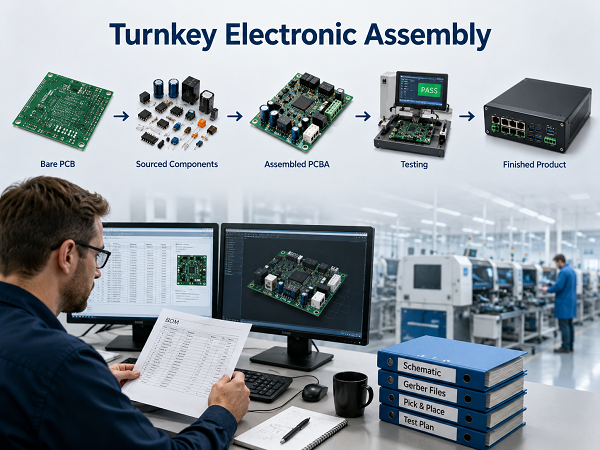
Double Sided PCBA

What Is Double Sided PCBA and How Is It Different from Standard PCB Assembly?

Double sided PCBA means components are mounted on both sides of a printed circuit board, increasing functional density without expanding PCB area. Compared with single-sided assembly, it introduces extra thermal control and process sequencing challenges.

How does double-sided assembly work?

  • Top-side SMT reflow is completed first
  • Adhesive or pallet support protects bottom components
  • Second-side reflow uses optimized temperature curves

Why engineers prefer double-sided layouts

  • Higher circuit integration
  • Reduced enclosure size
  • Better routing flexibility

In double sided PCB PCBA projects, placement order directly affects solder joint reliability.

Double Sided PCBA

Why Are Electronics Moving Toward Double Sided PCB PCBA Designs?

Modern electronics require compact layouts with stable electrical performance. Double sided assembly allows engineers to integrate analog, power, and high-speed signals within limited space.

Common industries adopting double sided PCBA

  • Industrial automation controllers
  • Medical monitoring equipment
  • Communication modules
  • Automotive electronics

The demand for electronics double-sided multilayer PCBA printed circuit boards keeps increasing as product miniaturization accelerates.

What Is the Manufacturing Flow of China Double Sided PCBA?

A typical China double sided PCBA process follows a controlled sequence to maintain component stability during reflow cycles.

Core process stages

  • Solder paste printing
  • Top-side SMT placement
  • First reflow profiling
  • AOI inspection
  • Bottom-side placement
  • Second reflow or selective soldering

Incorrect thermal balance can lead to tombstoning or misalignment. Experienced factories design process windows based on component weight and solder volume.

How Do Engineers Prevent Component Drop and Thermal Issues in Double-Sided Assembly?

Component fall-off during the second reflow is a common concern. Engineering teams mitigate risk through material selection and mechanical support.
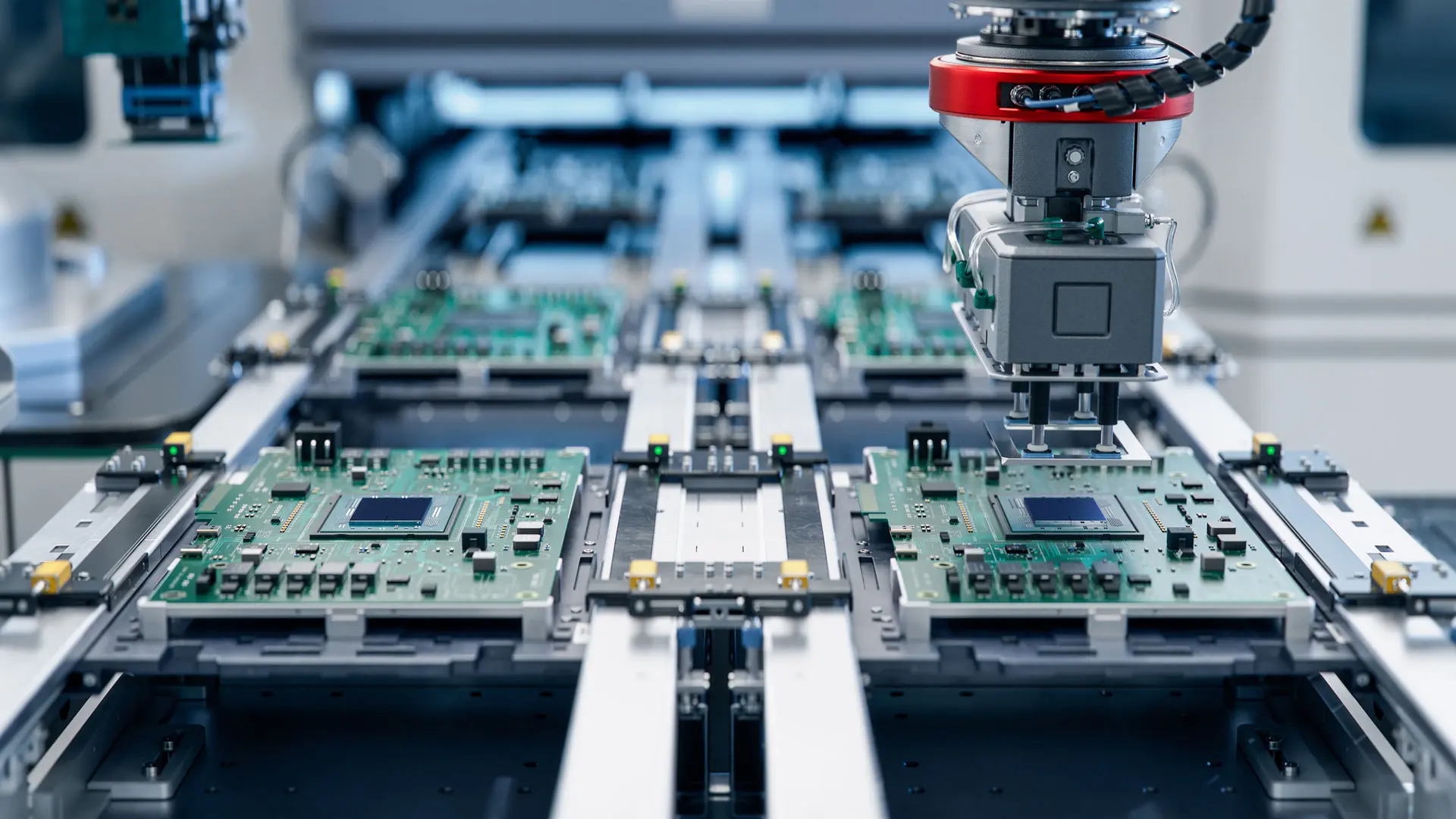
Key engineering methods

  • Red glue or adhesive bonding
  • Fixture pallets
  • Optimized thermal ramp rates

Thermal management strategies

  • Balanced copper distribution
  • Controlled peak temperature
  • Nitrogen reflow environment

These measures help ensure stable yield for printed circuit board PCBA double-sided pcb board oem multilayer projects.

What Certifications Are Required for High Quality Double Sided PCBA?

High-reliability products require structured quality systems rather than only manufacturing experience.

Typical certifications engineers look for

  • ISO 9001 for quality management
  • ISO 13485 for medical devices
  • IATF 16949 for automotive electronics
  • AS9100D for aerospace applications

A qualified supplier offering superior quality double sided PCBA should demonstrate traceability from PCB fabrication to final testing.

Key Design Guidelines for Electronics Double-Sided Multilayer PCBA Printed Circuit Boards

Design rules strongly influence assembly yield. Engineers must consider mechanical and electrical constraints simultaneously.

Layout recommendations

  • Avoid placing heavy connectors on both sides in the same area
  • Use via stitching to improve thermal balance
  • Maintain consistent component height

Stack-up considerations

  • Balanced copper layers
  • Controlled impedance routing
  • Stable solder mask alignment

Proper design reduces manufacturing complexity and improves long-term reliability.

Advantages of Printed Circuit Board PCBA Double-Sided PCB Board OEM Multilayer

Double sided assembly offers structural benefits that extend beyond simple density improvements.

Engineering advantages

  • Shorter signal paths
  • Reduced EMI
  • Lower system cost compared to adding extra layers

Production benefits

  • Faster assembly cycles
  • Reduced enclosure volume
  • Flexible component arrangement

OEM multilayer solutions frequently combine HDI routing with double sided placement for advanced electronics.

How to Evaluate a China Double Sided PCBA Manufacturer Capability?

Selecting a supplier requires more than reviewing equipment lists. Engineers focus on process stability and inspection coverage.

Capability checklist

  • Dual reflow line configuration
  • SPI + AOI + X-ray inspection
  • Fine-pitch placement accuracy
  • Thermal profile database

A reliable China double sided PCBA partner usually provides DFM feedback before production begins.

Cost Structure and Lead-Time Planning for Double Sided PCBA Projects

Project cost is affected by component count, inspection requirements, and reflow complexity.

Main cost drivers

  • SMT setup and stencil preparation
  • Double reflow cycle time
  • Inspection coverage level

Lead-time optimization tips

  • Use standard component packages
  • Provide complete BOM early
  • Confirm stack-up during DFM stage

Engineers often reduce risk by running small pilot batches before mass production.

Common Failure Modes and Engineering Optimization for Double Sided PCBA

Even mature processes can encounter assembly challenges.

Typical failure issues

  • Tombstoning of small passives
  • Shadowing during reflow
  • Warpage on thin boards

Optimization approaches

  • Adjust solder paste volume
  • Modify component orientation
  • Improve PCB rigidity

Continuous process refinement ensures stable output for electronics double-sided multilayer PCBA printed circuit boards.

Double Sided PCBA

China Double Sided PCBA vs Local Assembly: How Should Engineers Decide?

Choosing between overseas and local production depends on project scale and technical requirements.

When China double sided PCBA makes sense

  • Medium to high volume production
  • Complex multilayer structures
  • Cost-sensitive programs

When local assembly is preferred

  • Ultra-fast prototypes
  • Low-volume engineering samples

Hybrid supply models are increasingly common for global engineering teams.

Double Sided PCBA

In a nutshell, double sided PCBA enables compact electronic design by maximizing board utilization while maintaining high reliability through controlled engineering processes. Our team provides strong engineering-driven manufacturing support, including advanced DFM review with BOM optimization, a dedicated multidisciplinary engineering team for full-process coordination, and fully integrated PCB and PCBA factories with digital traceability systems, helping engineers accelerate product launch with confidence.

FAQ About Double Sided PCBA

What is the biggest challenge in double sided PCBA assembly?

Thermal balancing between two reflow cycles is the most critical factor affecting yield.

Can heavy components be placed on both sides?

Yes, but fixture support or adhesive bonding is usually required.

Is double sided PCBA more expensive than single sided?

Initial setup cost is higher, but system-level cost can decrease due to higher integration.

Does multilayer design always require double sided assembly?

Not always. Some multilayer boards still use single-side placement depending on application.

You may also like

Top Custom SMT PCB Assembly Manufacturer in India

February 6th, 2026

SMT PCB assembly manufacturer solutions are becoming increasingly important as India’s electronics manufacturing ecosystem expands rapidly across automotive, telecom, industrial control, and consumer electronics sectors. This article explains how to evaluate a custom partner, what production capabilities matter most, and how global supply chains — including EBest Circuit (Best Technology) — support India-focused PCBA projects with stable quality and engineering precision.

EBest Circuit (Best Technology) is a global SMT and PCBA manufacturing partner that cares for people and environment while delivering reliable circuit board SMT assembly solutions across multiple product category requirements, from medical electronics to industrial and IOT applications. The company offers comprehensive capabilities covering rigid PCBA, flex PCBA, rigid-flex PCBA, ceramic PCBA, and IMS PCBA, allowing engineers to choose the most suitable structure for thermal, mechanical, or high-density design needs.

With engineering-driven solutions and quality systems aligned with ISO 9001, ISO 13485, IATF 16949, AS9100D, UL, REACH, and RoHS, EBest Circuit (Best Technology) delivers stable production, sustainable processes, and efficient scaling from prototype to mass production. A warm welcome to contact us anytime via sales@bestpcbs.com for SMT design, prototyping, or assembly support.
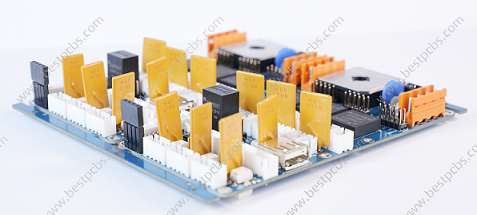
SMT PCB Assembly Manufacturer

What Services Should You Expect From A Custom SMT PCB Assembly Manufacturer in India?

A professional partner does far more than basic component placement. Engineers usually expect a complete manufacturing workflow that covers DFM analysis, SMT programming, testing integration, and traceability management.

Typical services include:

  • PCB fabrication and SMT assembly integration
  • Component sourcing and lifecycle management
  • Double-sided SMT assembly with nitrogen reflow capability
  • AOI, SPI, X-ray inspection and functional testing
  • Prototype, NPI, and medium-volume production support

For India-focused projects, flexibility is particularly important. Many OEMs require rapid engineering feedback to adapt designs to local supply chains or export regulations. Therefore, a capable SMT PCB assembly manufacturer must provide strong communication between design engineers and production teams.

Another key expectation is engineering consultancy. Experienced manufacturers help optimize pad design, stencil thickness, and thermal profile settings before production begins. This approach reduces early defects and shortens project ramp-up cycles.

SMT PCB Assembly Manufacturer

Why Choose SMT PCB Assembly Manufacturers in India for Your Projects?

India’s PCBA ecosystem is growing due to favorable policies, strong domestic demand, and increasing investments in electronics infrastructure. Many companies choose India-based assembly partners to reduce logistics risk and improve regional responsiveness.

Advantages often include:

  • Shorter delivery time for local markets
  • Government incentives supporting electronics manufacturing
  • Expanding skilled labor pool in SMT operation
  • Competitive assembly costs for medium-volume production

However, not every project is suitable for a purely local solution. High-density designs, fine-pitch components, or advanced testing requirements sometimes require collaboration with experienced global manufacturers. As a result, many OEMs adopt a hybrid strategy that combines India assembly with international engineering support.
Top 5 PCB SMT Assembly Double Sided Manufacturer in India

Double-sided SMT assembly plays a vital role in modern PCB design, especially for compact electronics. Manufacturers that specialize in double-sided placement typically offer:

  • Dual-side reflow with precise thermal profiling
  • Adhesive or pallet solutions for bottom-side components
  • Optimized component sequencing to avoid tombstoning
  • Automated inspection systems to verify alignment accuracy
Company NameDouble-Sided SMT FocusEngineering Capability
Sahasra ElectronicsMultilayer PCB Dual-Side AssemblyAOI, X-ray Inspection
SFO TechnologiesFine-Pitch & Compact PCB DesignAutomated Optical Inspection
Kaynes TechnologyHigh-Mix Low-Volume SMTMES Traceability System
Avalon TechnologiesMedium-to-High Volume ProductionThermal Profiling Control
VVDN TechnologiesHigh-Density SMT AssemblyInline SPI, Functional Testing

While India-based manufacturers provide regional manufacturing strength, many OEMs still collaborate with global SMT PCB assembly manufacturer partners to enhance engineering support and supply chain flexibility.

When evaluating top manufacturers, engineers often compare production line configuration rather than brand reputation alone. Important metrics include placement speed, component range capability, and inspection coverage.

A reliable pcb smt assembly double sided manufacturer should demonstrate strong experience with multilayer boards, QFN or BGA packages, and fine-pitch ICs. These capabilities ensure stable yields even under high component density conditions.

What SMT Machines Do Leading SMT PCB Assembly Manufacturers in India Use?

Production equipment strongly influences placement accuracy and throughput. A modern SMT machine for PCB assembly manufacturer environment typically includes a combination of high-speed chip shooters and precision placement systems.

Common equipment categories include:

  • High-speed pick-and-place machines for passive components
  • Multi-function placement platforms for ICs and connectors
  • Automatic solder paste printers with SPI inspection
  • Nitrogen reflow ovens with multi-zone thermal control
  • Inline AOI and X-ray inspection stations

Indian PCBA companies increasingly adopt globally recognized equipment brands to support export-grade manufacturing. Advanced machines improve consistency in solder paste deposition and placement accuracy, which directly reduces defects during reflow.

Beyond hardware, process programming is equally important. Optimized feeder arrangement, accurate component libraries, and precise stencil design contribute significantly to production efficiency.

What Capabilities Should You Compare Among PCB SMT Assembly Manufacturers Serving India?

Choosing the right partner requires more than comparing prices. Engineers typically evaluate manufacturing capability through measurable parameters:

  • Maximum PCB size and layer count support
  • Minimum component pitch and package compatibility
  • Double-sided assembly capability
  • Production throughput and line configuration
  • Quality management certifications

A capable pcb smt assembly manufacturers network should also provide flexible volume scaling. Many India-based OEM projects start with small prototype runs before expanding to larger batches. Manufacturers that support both stages reduce the need for supplier switching.

Another comparison factor is supply chain management. Reliable component sourcing ensures stable production scheduling, especially when dealing with global shortages or alternative part substitutions.

How Do SMT PCB Assembly Manufacturers in India Control SMT Process Stability And Yield?

Process stability is achieved through strict monitoring across every production step. Leading manufacturers apply data-driven methods to maintain consistent quality.

Key control strategies include:

  • Real-time SPI inspection to verify solder paste volume
  • Automated optical inspection after reflow
  • Temperature profiling based on board thermal mass
  • Statistical process control (SPC) monitoring

By analyzing defect patterns, engineers can adjust placement force, stencil aperture design, or reflow parameters. This systematic approach allows smt pcb assembly manufacturers in india to maintain high yield even when handling complex PCB designs.

Traceability systems also contribute to stability. Barcode tracking and MES integration help identify process deviations quickly, minimizing production downtime.

Can China SMT PCB Assembly Manufacturers Complement India Supply Chains For Global Production?

Many global OEMs combine India assembly with experienced China SMT PCB assembly manufacturers to achieve balanced cost and capability.

This hybrid strategy offers several advantages:

  • Access to advanced engineering resources
  • Mature supply chain networks for electronic components
  • Faster prototype turnaround
  • Flexible production scaling between regions

EBest Circuit (Best Technology) often supports customers with engineering validation, quick-turn prototypes, and specialized PCB fabrication while India-based partners handle regional assembly or logistics. This collaborative model enhances resilience against supply chain disruptions.

What Certifications Should A SMT PCB Assembly Manufacturer Provide For India Export Compliance?

Export-focused electronics require compliance with multiple international standards. A reliable SMT PCB assembly manufacturer typically maintains certifications such as:

  • ISO 9001 for quality management
  • ISO 13485 for medical electronics
  • IATF 16949 for automotive applications
  • AS9100D for aerospace manufacturing
  • UL and RoHS compliance

These certifications indicate that the manufacturer follows structured production procedures and rigorous inspection protocols. For OEMs exporting from India, certification alignment ensures smoother customs clearance and regulatory acceptance.

Why Are Global OEMs Partnering With EBest Circuit Best Technology For Custom India PCBA Projects?

Global companies often look beyond local assembly to find partners with strong engineering depth and international manufacturing experience. EBest Circuit (Best Technology) combines advanced SMT production capability with flexible customization services tailored to India-focused projects.

Key strengths include:

  • One-stop PCB fabrication and SMT assembly integration
  • Experienced engineering team supporting complex designs
  • MES-based traceability for regulated industries
  • Multi-region production strategy supporting India supply chains
  • Responsive technical support via sales@bestpcbs.com

Instead of focusing only on placement speed, EBest emphasizes process optimization. From DFM review to final testing, every step aims to improve long-term product reliability.

SMT PCB Assembly Manufacturer

In summary, SMT PCB assembly manufacturer selection plays a decisive role in the success of India-focused electronics projects, especially when balancing cost efficiency with global-level engineering quality. As India continues to expand its electronics manufacturing capabilities, OEMs increasingly rely on experienced partners who can deliver stable SMT processes, advanced inspection, and scalable production support.
Working with a trusted partner such as EBest Circuit (Best Technology) allows companies to combine international manufacturing expertise with flexible India-market strategies. For more information or inquiries, please reach out using the contact form on our Contact page.

You may also like

Fast PCB Assembly Manufacturer California

February 6th, 2026

PCB assembly manufacturer California services are widely used by hardware startups, medical electronics teams, and aerospace developers that require rapid prototyping and strong engineering collaboration. In this guide, we explain how to evaluate capabilities, compare local versus global EMS strategies, and choose a PCB electronics manufacturing assembly company in California that aligns with long-term product scaling. Engineers will also learn practical methods to reduce risks during NPI builds while maintaining consistent reliability.

EBest Circuit (Best Technology) is an established PCBA manufacturer providing a professional circuit board assembly service. Our engineering team takes a constructive solution to every project, carefully analyzing factors that may entail reliability risks or cost challenges during production. We excel in delivering high-performance Metal Core PCBA, Ceramic PCBA, and FR4 PCBA, supporting industries such as medical devices, aerospace systems, IoT applications, and industrial electronics. By combining SMT process expertise with responsive technical support, we continuously exert technical value throughout the entire product lifecycle, from DFM evaluation to volume PCB assembly manufacturing. For more information or inquiries, please contact us via the form on our Contact page.

PCB Assembly Manufacturer California

PCB Assembly Manufacturer California: What Do Local Engineers Really Look For?

Local engineers are not simply looking for assembly capacity — they prioritize engineering collaboration, fast NPI turnaround, transparent supply chains, and predictable quality performance. A reliable PCB assembly manufacturer California partner acts as an extension of the design team, helping reduce risk before production even begins. A qualified PCB assembly manufacturer California partner is not only an assembler but also an engineering extension that supports DFM validation, BOM risk control, and process optimization during early development stages.

Why Engineering Support Matters More Than Pure Manufacturing

Most California hardware companies operate in fast-moving industries such as AI hardware, robotics, EV electronics, and medical devices. Engineers expect suppliers to contribute technical insight rather than just follow build instructions.

Key expectations include:

  • Early DFM feedback during layout stage
  • Stackup and pad design suggestions
  • Thermal design recommendations for power components
  • Rapid engineering response during debugging cycles

Local teams often measure supplier value by how quickly engineering questions are resolved, not just by price.

Fast NPI And Prototype Turnaround

Speed is one of the main reasons engineers search for a PCB electronics manufacturing assembly company in California. Development schedules are tight, and delays during prototyping can push back product launches.

Engineers typically expect:

  • Prototype SMT builds within days
  • Flexible low-volume production
  • Quick ECO implementation after testing

Fast iteration allows teams to validate designs earlier and avoid expensive redesign loops later in production.

Transparent Supply Chain And Component Sourcing

Component availability remains a major concern. Engineers prefer assembly partners who provide visibility into sourcing risks and alternatives.

What they look for:

  • Verified component procurement channels
  • BOM risk analysis before production
  • Lifecycle monitoring for critical parts
  • Clear communication about shortages or substitutions

This level of transparency builds trust and prevents unexpected delays during assembly.

Quality Systems That Support High-Reliability Applications

Many California projects fall into regulated industries. Engineers therefore evaluate whether a PCB assembly manufacturer California can maintain consistent quality control across multiple builds.

Common evaluation factors include:

  • AOI, SPI, and X-ray inspection capability
  • MES traceability for batch tracking
  • Controlled reflow profiles for sensitive devices
  • Compliance with ISO 9001, ISO 13485, or AS9100D

Rather than marketing claims, engineers often ask for process data or inspection reports to verify manufacturing stability.

Communication Style And Project Visibility

Local engineering teams prefer partners who communicate clearly throughout production. Frequent status updates help teams adjust schedules and plan testing phases.

Desired collaboration methods:

  • Real-time production updates
  • Direct access to process engineers
  • Clear documentation of issues and resolutions

Strong communication reduces uncertainty, especially during complex NPI builds.

Scalability Beyond Prototype Stage

Even when starting with small batches, engineers want assurance that the supplier can support future growth. A capable PCB assembly manufacturer California should demonstrate scalability through:

  • Stable process repeatability
  • Access to global supply chain resources
  • Experience transitioning from prototype to volume production

This ensures the initial design work does not need to be repeated with another supplier later.

In short, local engineers look for more than just assembly services. They value partners who provide engineering insight, fast iteration, transparent sourcing, and reliable quality systems — all of which help reduce development risk and accelerate product commercialization.

PCB Assembly Manufacturer California

Top 5 PCB electronics manufacturing assembly company in California  

California hosts many advanced electronics manufacturers serving aerospace, medical, and high-tech hardware markets. When evaluating a PCB electronics manufacturing assembly company in California, engineers often compare specialization, turnaround speed, and engineering depth. The simplified table below highlights five recognized companies with concise strengths and typical lead-time positioning for quick reference.

Top 5 PCB Electronics Manufacturing Assembly Company In California

Company NameCore StrengthsLead Time
SanminaLarge-scale EMSMedium–Long
Natel EngineeringHigh-reliability PCBAMedium
Tempo AutomationRapid prototypingFast
Expert-EMSTurnkey assemblyFast–Medium
Mermar ElectronicsAerospace & medical PCBAMedium

In a nutshell, each PCB electronics manufacturing assembly company in California focuses on different priorities. Some specialize in rapid NPI builds, while others excel in high-reliability or large-volume manufacturing. Engineers should evaluate project stage, complexity, and required turnaround speed before selecting the most suitable partner.

Why Choose A PCB Electronics Manufacturing Assembly Company In California?

Short answer: proximity improves iteration speed, design feedback accuracy, and project transparency.

Many engineering teams choose local California assembly providers because hardware development cycles are becoming shorter. Communication delays often translate directly into design delays, especially when firmware validation or hardware debugging requires frequent revisions.

Faster Engineering Collaboration

Working with a PCB electronics manufacturing assembly company in California offers several advantages:

  • Real-time engineering discussion during layout optimization
  • Faster ECO updates without waiting across time zones
  • Easier troubleshooting when prototypes fail validation

Engineers often emphasize that early-stage collaboration matters more than unit price during the first production runs.

Strong Prototype Ecosystem

California-based assembly providers commonly support:

  • Low-volume SMT builds
  • High-mix assembly programs
  • Rapid NPI production

This environment is particularly beneficial for AI hardware startups and robotics developers that require frequent hardware iterations.

What Capabilities Should A Professional PCB Assembly Manufacturer California Offer?

Short answer: a modern supplier should combine turnkey PCBA, advanced inspection, and deep engineering support.

Core Manufacturing Capabilities

A reliable PCB assembly manufacturer California should demonstrate:

  • High-density SMT assembly for fine-pitch components
  • BGA, QFN, and micro-package placement capability
  • Mixed technology processing including through-hole assembly
  • Functional testing integration

These capabilities ensure that complex boards such as HDI or AI accelerator modules can be assembled with consistent yields.

Process Control And Inspection

Advanced inspection processes improve reliability:

  • AOI for solder joint inspection
  • SPI for paste deposition accuracy
  • X-ray inspection for hidden joints
  • MES traceability systems

When evaluating a PCB electronics manufacturing assembly company in California, engineers should verify whether inspection data can be shared during production.

How Does Turnkey PCB Assembly Work For California Tech Companies?

Short answer: turnkey PCBA simplifies supply chain management by integrating fabrication, sourcing, and assembly into one workflow.

Typical Turnkey Workflow

  • Design data review
  • DFM engineering feedback
  • Component sourcing and verification
  • Assembly production
  • Testing and packaging

This approach reduces procurement complexity, especially for teams without dedicated supply chain specialists.

Engineering Benefits

  • Lower risk of incorrect component substitution
  • Improved logistics efficiency
  • Better documentation control

Many AI hardware teams prefer turnkey assembly because sourcing lead times for GPUs, connectors, and power modules can vary significantly.

PCB Assembly Manufacturer California VS Overseas EMS — Cost And Lead-Time Comparison

Short answer: local assembly offers speed and flexibility, while overseas EMS provides scale advantages.

FactorCalifornia AssemblyOverseas EMS
Prototype SpeedVery fastModerate
Engineering FeedbackImmediateDelayed
Mass Production CostHigherLower
Supply Chain StabilityStrongVariable

Hardware teams frequently adopt a hybrid model: California assembly for NPI validation and overseas scaling for volume production.

What Certifications Matter Most In California PCB Assembly Projects?

Short answer: certifications demonstrate manufacturing maturity and compliance readiness.

Key Industry Certifications

  • ISO 9001 — general quality management
  • ISO 13485 — medical electronics manufacturing
  • IATF 16949 — automotive electronics
  • AS9100D — aerospace reliability standards

Beyond certificates, engineers should examine process documents such as inspection records, traceability reports, and process capability metrics.

How To Evaluate Engineering Support From A PCB Electronics Manufacturing Assembly Company In California?

Short answer: engineering support determines whether a project can scale without redesign.

DFM Review Quality

A strong engineering team provides actionable feedback, such as:

  • Thermal pad optimization for power devices
  • Via design recommendations
  • Component orientation adjustments

These improvements directly reduce reflow defects and assembly rework.

BOM Optimization And Risk Control

Engineering teams often assist with:

  • Alternative component selection
  • Lifecycle risk analysis
  • Cost reduction strategies

This collaborative approach helps startups avoid unexpected delays caused by component shortages.

What Industries Need PCB Assembly Manufacturer California The Most?

Short answer: industries requiring rapid innovation cycles benefit the most.

High-Reliability Applications

  • Medical diagnostic devices
  • Aerospace electronics
  • Automotive ADAS systems

Innovation-Driven Markets

  • AI computing platforms
  • Robotics control boards
  • Industrial IoT devices

These sectors prioritize engineering collaboration and quick iteration rather than lowest manufacturing cost.

Common DFM Challenges Engineers Face When Working With California PCB Assemblers

Short answer: most issues originate from layout decisions made before assembly review.

Frequent Design Challenges

  • Improper solder mask expansion causing bridging
  • Dense component placement limiting inspection access
  • Thermal imbalance during reflow

Early collaboration with a PCB assembly manufacturer California partner significantly reduces redesign cycles.

How To Reduce PCBA Cost Without Sacrificing Reliability?

Short answer: engineering optimization is more effective than simple cost cutting.

Practical Cost Reduction Methods

  • Optimize panelization strategy
  • Standardize component packages
  • Consolidate suppliers

Engineering-driven decisions maintain product reliability while improving cost efficiency.

PCB Assembly Manufacturer California

In summary, this article explained how to evaluate a PCB assembly manufacturer California partner, compare local versus global manufacturing strategies, and improve engineering outcomes through strong DFM collaboration.

Our team delivers one-stop PCB manufacturing, component sourcing, and PCBA assembly services, supported by experienced engineering teams and fast project execution. (DFM pre-review with senior engineers, integrated PCB+PCBA factory resources, digital traceability workshop, fast 1.5-week PCBA delivery).

We provide PCB assembly manufacturer California solutions for global hardware teams. If you need support, please contact us at sales@bestpcbs.com to start your next California SMT assembly project.

FAQ — PCB Assembly Manufacturer California

What Is The Typical Lead Time For PCB Assembly In California?

Prototype builds often complete within several days depending on complexity and sourcing availability.

Is Local Assembly Always More Expensive?

Not necessarily. Faster iteration can reduce total development cost even if unit price is higher.

Do California PCB Assemblers Support Small Batch Production?

Yes. Many facilities specialize in prototype and engineering validation runs.

What Testing Methods Are Common?

AOI inspection, X-ray analysis, and functional testing are widely implemented.

How Can I Identify A Reliable PCB Electronics Manufacturing Assembly Company In California?

Evaluate engineering depth, inspection capabilities, and certification coverage rather than focusing only on price.

You may also like

Wave Soldering: Process, Advantages, Defects, and When to Use It in PCB Assembly?

February 3rd, 2026

Wave soldering remains one of the most stable and cost-effective PCB assembly methods for through-hole components. Wave soldering is still widely used in industrial, power, automotive, and control electronics.

This guide explains wave soldering clearly, step by step, from a manufacturing engineer’s point of view.

If you are looking for a reliable wave soldering manufacturer, EBest is a proven one-stop PCBA partner trusted by engineers worldwide.

What Is Wave Soldering in PCB Assembly?

Wave soldering is a mass soldering process mainly used for through-hole PCB assembly.

In this process, the assembled PCB passes over a controlled wave of molten solder, forming solder joints simultaneously on all exposed pads and leads.

Why Is Wave Soldering Still Used Today?

Wave soldering is not “old tech.” It stays popular because it produces strong joints at high speed.

  • Strong mechanical joints for connectors and large leads
  • Stable quality due to controlled parameters
  • Efficient throughput for medium to high volume production

Where Does Wave Soldering Fit Best?

Wave soldering is a strong match for designs that depend on physical strength and current capacity.

  • Power supply boards and energy modules
  • Industrial control boards and I/O boards
  • Automotive and transportation modules with connectors
  • Relay boards and mixed-technology assemblies
What Is Wave Soldering in PCB Assembly?

What Is Wave Soldering in PCB Assembly?

How Does the Wave Soldering Process Work Step by Step?

Wave soldering follows a strict sequence to control wetting, hole fill, and joint stability.

If one step drifts, defects show up quickly, so it helps to understand the logic behind each stage.

Step 1: Flux Application

Flux removes oxides and improves solder wetting on pads and component leads.

A good flux process is even, repeatable, and matched to your cleaning plan.

Common Flux Options

  • No-clean flux (lower residue, less cleaning)
  • Water-soluble flux (strong activity, typically needs cleaning)
  • Rosin-based flux (traditional option, depends on chemistry)

What to Watch During Fluxing

  • Coverage consistency across the full board width
  • Flux density control and measurement discipline
  • Overspray risk on keep-out areas

Step 2: Preheating

Preheating raises the PCB temperature gradually before solder contact.

This activates flux and reduces thermal shock, especially on thicker boards or heavy copper designs.

Why Preheat Matters

  • Improves wetting and hole fill
  • Reduces solder “skipping”
  • Limits warpage and stress on parts

Step 3: Solder Wave Contact

The PCB passes over a molten solder wave at a controlled angle, speed, and contact time.

This is where joints form, so stability here drives yield more than any other stage.

Key Wave Contact Variables

  • Solder pot temperature
  • Wave height and wave stability
  • Conveyor speed and contact time
  • Board angle and component orientation

Step 4: Cooling

Cooling solidifies solder joints and impacts microstructure, appearance, and long-term reliability.

Controlled cooling reduces stress and can help avoid brittle joints on certain alloys.

Here is a completed soldering process:

How Does the Wave Soldering Process Work Step by Step?

What Types of PCBs Are Best Suited for Wave Soldering?

Wave soldering is best when through-hole components dominate or when you need strong joints for connectors.

It is also common for mixed-technology boards where SMT is done first, then THT soldering is done by wave.

Typical Boards for Wave Soldering

  • Connector-heavy boards (terminal blocks, headers, power connectors)
  • High-current boards (power conversion, motor drives)
  • Industrial control boards (I/O, relays, sensors)
  • Transformer and coil assemblies

Can Mixed SMT and THT Boards Use Wave Soldering?

Yes. Mixed-technology boards can use wave soldering when SMT parts are protected.

Common protection methods include pallets, selective masking, adhesives for bottom-side parts, and orientation control.

What Are the Key Parameters in Wave Soldering?

Wave soldering success depends on controlling a small set of parameters with discipline.

The most important point is consistency: stable settings beat frequent adjustments.

Critical Wave Soldering Parameters

  • Solder pot temperature (commonly around 245–265 °C depending on alloy and design)
  • Conveyor speed (defines contact time)
  • Flux density (affects activity and residue)
  • Preheat temperature (affects wetting and thermal stress)
  • Wave height and wave shape (affects bridging and hole fill)

How to Think About Parameter Tuning

Start with board constraints: thickness, copper weight, component thermal mass, and hole geometry.

Then tune preheat for stable activation, and only after that adjust wave contact and speed.

What Is the Difference Between Wave Soldering and Reflow Soldering?

Wave soldering and reflow soldering solve different assembly problems.

Reflow is dominant for SMT. Wave remains efficient for through-hole and connector-heavy designs.

Comparison ItemWave SolderingReflow Soldering
Primary UseThrough-hole, mixed-technology boardsSMT assembly
Solder MethodMolten solder waveSolder paste + reflow profile
Mechanical StrengthHigh, strong joints on large leadsGood for SMT, less mechanical anchoring
Production SpeedHigh for suitable designsHigh, but depends on paste printing and profile
Best FitConnectors, power parts, relaysFine pitch ICs, high-density SMT

When Should You Choose Wave Soldering Instead of Selective Soldering?

Choose wave soldering when the design is wave-friendly and throughput matters.

Choose selective soldering when you need localized soldering with less risk to nearby SMT parts.

Wave Soldering Is Often Better When

  • Through-hole content is high
  • Board layout is simple and spacing is safe
  • Volume is medium to high
  • Cost per board must be minimized

Selective Soldering Is Often Better When

  • Dense mixed-technology boards need localized heating
  • Bottom-side SMT parts are sensitive
  • Only a few through-hole joints need soldering

What Are the Advantages of Wave Soldering?

Wave soldering delivers strong, repeatable joints at scale, especially on through-hole assemblies.

For many industrial boards, it remains the simplest path to stable quality.

Practical Advantages Engineers Notice

  • High throughput for suitable designs
  • Consistent solder joint formation when parameters are stable
  • Excellent hole fill on properly designed through-holes
  • Lower labor dependence than manual soldering
  • Strong mechanical anchoring for connectors and heavy parts

What Are the Limitations of Wave Soldering?

Wave soldering is powerful, but it is not universal.

Understanding limits early helps you avoid layout choices that fight the process.

Typical Limitations

  • Not suitable for fine-pitch SMT on the wave side without protection
  • Higher risk of bridging if spacing is tight
  • More design constraints than reflow for mixed layouts

What Are Common Wave Soldering Defects and Their Causes?

Most wave soldering defects are predictable. That is good news.

Once you link defect patterns to root causes, yield improvement becomes systematic.

DefectTypical Root CauseCommon Fix
Solder BridgingExcess solder, poor spacing, high wave heightReduce wave height, improve pad spacing, adjust angle
Icicles / Solder SpikesLow solder temperature or poor peel-offIncrease pot temperature, adjust speed and angle
Solder SkipsOxidation, insufficient flux, poor preheatImprove fluxing, tune preheat, check surface finish
Cold JointsInsufficient heat input or contaminationIncrease preheat, stabilize pot temperature, improve cleaning
Blow Holes / VoidsMoisture in PCB or componentsBake boards, improve storage and handling

How Can You Reduce Wave Soldering Defects?

Defect reduction works best when you combine DFM discipline with stable process control.

Think in two layers: what you fix in design, and what you lock down in production.

Design-Level Practices That Help

  • Maintain safe pad spacing to reduce bridging risk
  • Use proper annular ring size for hole fill stability
  • Control lead protrusion length to reduce icicles
  • Plan component orientation to support clean peel-off

Process-Level Practices That Help

  • Measure flux density consistently, not occasionally
  • Keep preheat profiles stable across shifts
  • Maintain solder pot cleanliness and dross control
  • Use inspection feedback (AOI, visual, X-ray when needed)
How Can You Reduce Wave Soldering Defects?

How Much Does Wave Soldering Cost in PCB Assembly?

Wave soldering cost depends on design complexity and volume, but it usually becomes more economical as volume rises.

Boards with many through-hole connectors often benefit most because wave soldering replaces time-consuming hand soldering.

What Drives Cost in Real Projects?

  • Board size and thickness
  • Through-hole count and pitch density
  • Flux and solder alloy choice
  • Masking or pallet requirements for mixed boards
  • Inspection and reliability requirements

Why Choose EBest as Your Wave Soldering Manufacturer?

If you need stable wave soldering results, you need more than a machine. You need engineering control.

EBest is a one-stop PCBA service provider, built to better understand the needs of engineers.

What You Get with EBest

  • Free DFM and process adaptation suggestions
  • 20 years of experience serving 1,800+ customers and 10,000+ engineers
  • One-Stop Service: PCB, components, PCBA, testing, and box-building
  • No MOQ and personal service for prototypes
  • Certifications: ISO9001, ISO13485, IATF16949, AS9100D
  • MES and full traceability
  • 1.5-week rapid PCBA delivery
  • Technical support before and after sales
  • Quick turn-out with on-time delivery focus
  • Prompt feedback within 12 hours

FAQ — Common Questions About Wave Soldering

What is wave soldering mainly used for?

Wave soldering is mainly used for through-hole components, especially connectors and parts that need strong mechanical joints.

Is wave soldering still relevant today?

Yes. Wave soldering is still common in industrial control, power electronics, and connector-heavy designs.

Can wave soldering handle mixed-technology boards?

Yes, but you need proper masking, orientation planning, and protection for sensitive SMT parts on the wave side.

Does EBest welcome prototypes or small-quantity orders?

Yes. EBest supports prototypes and small volume runs with personal engineering support.
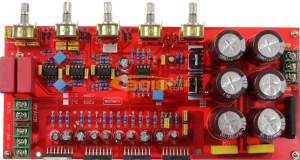
Do you offer quick-turn production for wave soldering PCBA?

Yes. EBest supports quick-turn schedules, including 1.5-week rapid PCBA delivery for eligible builds.

What files do you need to quote wave soldering PCB assembly?

Typically you need Gerbers, BOM, pick-and-place (if SMT is included), assembly drawings, and special process notes.

Final Call to Action

If you need wave soldering or complete PCBA services, EBest is ready to support your project.
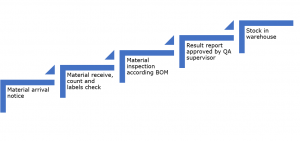
We deliver reliable wave soldering solutions with fast turnaround, disciplined quality control, and full traceability.
Contact us to place your order: sales@bestpcbs.com

EBest — One-stop PCBA service provider, better understanding the needs of engineers.

You may also like

What is Wave Soldering? A Complete Engineering Guide for PCB Assembly

February 3rd, 2026

Wave soldering remains one of the most dependable soldering methods in PCB assembly, especially for through-hole and mixed-technology boards. While surface-mount reflow dominates modern electronics, wave soldering still plays a critical role in industrial control, power electronics, automotive modules, and cost-sensitive high-volume products. Its strength lies in consistency, mechanical robustness, and efficiency when properly controlled.

This guide explains wave soldering from an engineering and manufacturing perspective—how it works, when to use it, how to control defects, and how to select a capable wave soldering partner.

What Is Wave Soldering in PCB Assembly?

Wave soldering is a PCB assembly process where the bottom side of a populated board briefly contacts a controlled wave of molten solder to form solder joints on exposed metal areas, mainly through-hole leads. It is best suited for PCBs with many through-hole components, such as connectors, transformers, relays, and power devices. The process relies on flux activation, controlled preheating, and precise solder contact time to achieve proper wetting and hole fill.

In simple terms, wave soldering uses liquid solder instead of solder paste. This allows many joints to be formed at once, making it efficient and mechanically robust. However, because the entire board bottom passes over molten solder, the process requires careful design rules and parameter control.

Wave soldering is commonly used in industrial control boards, power supplies, automotive modules, and infrastructure electronics, where solder joint strength and consistency are more important than ultra-high component density.

What is Wave Soldering? A Complete Engineering Guide for PCB Assembly

How Does the Wave Soldering Process Work Step by Step?

The wave soldering process consists of four tightly linked stages: flux application, preheating, solder wave contact, and controlled cooling. If defects appear, the root cause almost always traces back to one of these stages being outside its proper process window.

1. Flux Application

Flux is applied to the PCB bottom side by spray or jet. Its job is to remove oxides and promote solder wetting.

  • Too little flux → poor wetting, insufficient hole fill
  • Too much flux → bridging, residues, solder balls

2. Preheating

Preheating gradually raises the PCB temperature. This activates the flux and reduces thermal shock when the board touches molten solder. Insufficient preheat is one of the most common causes of wave soldering defects.

3. Solder Wave Contact

The PCB passes over one or two solder waves:

  • A turbulent wave helps solder penetrate plated through-holes
  • A laminar wave smooths the solder fillets

Contact time is controlled by conveyor speed.

4. Cooling

Controlled cooling solidifies the solder joints and stabilizes intermetallic formation. Cooling that is too fast or uneven can affect long-term reliability.

What Types of PCBs Are Best Suited for Wave Soldering?

Wave soldering works best for PCBs with a high proportion of through-hole components and limited bottom-side fine-pitch SMDs. It is especially suitable when mechanical strength and current-carrying capability are priorities.

Typical suitable boards include:

  • Power supply PCBs
  • Industrial control boards
  • Automotive connector boards
  • Motor drivers and inverter boards
  • Mixed-technology boards with bottom-side protection

Boards that are densely populated with fine-pitch SMDs on the bottom side are usually poor candidates unless pallets or masking are used. From an engineering standpoint, the decision should be made during PCB layout, not after fabrication.

What Types of PCBs Are Best Suited for Wave Soldering?

What Are the Key Parameters in Wave Soldering?

Wave soldering quality depends on controlling a group of interacting parameters, not a single setting. Changing one parameter without adjusting others often moves defects rather than eliminating them.

Key parameters include:

  • Solder temperature (typically 245–260 °C for lead-free)
  • Top-side preheat temperature (commonly 90–130 °C)
  • Conveyor speed (controls solder contact time)
  • Wave height and angle
  • Flux type and application density

A practical rule for beginners:

First stabilize preheat and conveyor speed, then fine-tune flux and wave height.

What Is the Difference Between Wave Soldering and Reflow Soldering?

Wave soldering and reflow soldering serve different assembly needs and should not be treated as interchangeable processes.

Wave Soldering vs Reflow Soldering

AspectWave SolderingReflow SolderingEngineering Guidance
Main applicationThrough-hole componentsSurface-mount componentsChoose based on component type
Solder formMolten solder waveSolder paste + heatFundamentally different
Joint strengthVery strong for THTOptimized for SMDPower and connectors favor wave
Process control focusFlux, preheat, speedPaste printing, thermal profileDifferent failure modes
Typical defectsBridging, iciclesTombstoning, voidsDiagnosis differs
Cost efficiencyHigh for THT volumeHigh for dense SMDMany products use both

When Should You Choose Wave Soldering Instead of Selective Soldering?

Wave soldering is preferred when many through-hole joints can be soldered simultaneously without risking bottom-side SMD damage. Selective soldering is better when only a few through-hole components exist.

Wave Soldering vs Selective Soldering

FactorWave SolderingSelective SolderingSelection Logic
Through-hole quantityHighLowMany joints → wave
FlexibilityLowerHigherComplex layouts → selective
ThroughputHighMediumVolume favors wave
ToolingPallets may be neededMinimalDepends on layout
Cost per boardLower at scaleHigherVolume sensitive

What Are the Advantages of Wave Soldering?

Wave soldering offers high efficiency, strong solder joints, and excellent through-hole fill when properly controlled. These advantages explain why it remains common in power and industrial electronics.

  • High throughput for THT assemblies
  • Strong mechanical solder joints
  • Reliable hole fill on thick boards
  • Lower unit cost at medium to high volume
  • Proven long-term reliability

For applications exposed to vibration, current load, or thermal cycling, wave soldering remains a solid engineering choice.

What Are the Limitations of Wave Soldering?

The main limitation of wave soldering is its lack of selectivity. Because the entire board bottom contacts molten solder, fine-pitch bottom-side SMDs require protection.

  • Higher bridging risk on dense layouts
  • Need for pallets or masking in mixed assemblies
  • Less flexibility than selective soldering
  • Greater sensitivity to PCB layout rules

These limitations reinforce the importance of early DFM review.

What Are Common Wave Soldering Defects and Their Causes?

Most wave soldering defects result from imbalance between flux activity, preheating, and solder contact time. Understanding the cause-and-effect relationship is critical.

Common Defects, Causes, and Fixes

DefectAppearanceRoot CausePrimary Correction
BridgingAdjacent joints connectedExcess solder, slow speedReduce wave height, increase speed
IciclesSharp solder spikesPoor drainageAdjust exit angle, improve preheat
Poor hole fillIncomplete solder riseLow preheat, weak fluxIncrease preheat, adjust flux
Non-wettingDull or missing solderOxidation, contaminationImprove cleaning, flux activity

How Can You Reduce Wave Soldering Defects?

Defect reduction starts at PCB design and is locked in during first-article setup. Most defects cannot be “fixed” later without redesign or process instability.

  • Proper pad spacing and solder mask design
  • Use of solder thieves where necessary
  • Matching flux chemistry to PCB finish
  • Stable preheat and conveyor speed
  • First-article verification and SPC monitoring

From experience, investing time in setup saves far more time in rework.

How Much Does Wave Soldering Cost in PCB Assembly?

Wave soldering cost depends on board size, through-hole count, production volume, and tooling needs—not just the process itself.

Cost Structure Overview

Cost ElementWhat Drives ItHow to Optimize
Equipment & line timeThroughput, utilizationEfficient scheduling
Solder & fluxAlloy, consumption controlProper maintenance
ToolingPallets, maskingDFM optimization
Labor & inspectionYield, rework rateStable process
Defects & scrapProcess variationEarly validation

Why Choose EBest as Your Wave Soldering Manufacturer?

When selecting a wave soldering partner, the most important factor is process discipline, not equipment alone. An experienced manufacturer understands how layout, materials, and parameters interact.

Best Technology provides wave soldering services with strong engineering support, including:

  • Dedicated wave and selective soldering lines
  • Nitrogen-assisted wave soldering capability
  • DFM feedback focused on defect prevention
  • Experience with industrial, automotive, and power electronics
  • Integrated PCB fabrication and PCBA production

This reduces risk and improves consistency from prototype to mass production.

EBest Circuit Wave Soldering Capabilities

ItemEBest Capability Data
Soldering ProcessLead-free wave soldering
Supported AlloysSAC305 / SAC405
Solder Pot Temp.245–260 °C
Temp. Stability±2 °C
Conveyor Speed0.8–1.8 m/min
Speed ResolutionFine adjustable
Preheat ZonesMulti-zone
Top-Side Preheat90–130 °C
Preheat UniformityControlled
Wave TypeDual wave
Turbulent WaveSupported
Laminar WaveSupported
Wave HeightAdjustable
Contact TimeSpeed-controlled
Nitrogen ModeSupported
O₂ Level (N₂)Low-oxygen environment
Flux TypeNo-clean / Water-soluble
Flux MethodSpray
Flux VolumeAdjustable
PCB Thickness (Min)~0.8 mm
PCB Thickness (Max)~3.2 mm
Copper WeightStd / Heavy copper
Through-Hole DensityHigh pin-count
Lead DiameterThick leads supported
Hole Aspect RatioHigh AR supported
Hole FillHigh consistency
Bottom-Side SMDPallet / masking
Pallet SupportCustom pallets
PCB Surface FinishHASL / ENIG / ENEPIG
Solder MaskLPI
Board SizeConveyor adjustable
First ArticleMandatory
Parameter LockAfter FA approval
Process MonitoringIn-line
Defect FocusBridging / Icicles / Hole fill
ReworkManual / Selective
Production VolumePrototype → Mass
Typical ApplicationsPower / Industrial / Automotive / Medical / Aerospace / Military

FAQ — Common Questions About Wave Soldering

1. What is wave soldering used for in PCB assembly?

Wave soldering is mainly used for through-hole components that require strong mechanical joints, such as connectors and power devices.

2. What temperature is used for lead-free wave soldering?

Most lead-free wave soldering processes operate between 245 °C and 260 °C, depending on alloy and board design.

3. How do you prevent bridging in wave soldering?

Bridging is reduced by optimizing wave height, increasing conveyor speed, improving solder mask design, and controlling flux volume.

4. How can you improve through-hole fill in wave soldering?

Adequate preheating, active flux, and sufficient solder contact time are the most effective ways to improve hole fill.

5. What PCB thickness works best for wave soldering?

Most boards from 1.0 mm to 3.2 mm are suitable with proper preheat control.

6. Is wave soldering better than selective soldering for THT boards?

For boards with many through-hole joints, wave soldering is usually faster and more cost-effective.

7. Can wave soldering be used for mixed THT and SMD boards?

Yes, but bottom-side SMDs must be protected using pallets, masking, or adhesive methods.

You may also like