PCB manufacturing PCB manufacturing
Home > Blog

Rigid Flex PCB Design, Prototype&Rigid Flex PCB Manufacturer

March 11th, 2025

The birth and development of FPC (Flexible Printed Circuit) and PCB (Printed Circuit Board) have given rise to a new product called the rigid flex PCB. Therefore, a flexible-rigid combination board is a circuit board that combines a flexible circuit with a rigid circuit through processes such as lamination, according to relevant technical requirements, resulting in a circuit board that possesses both the characteristics of FPC and PCB.

What Is Rigid Flex PCB?

A rigid flex PCB is a composite type of circuit board that combines flexible printed circuit boards (FPC) with rigid printed circuit boards (PCB) through specific processes. It integrates the flexibility of FPC and the rigidity of PCB, possessing both characteristics of FPC and PCB. It can be folded or bent to reduce space occupation and can solder complex components, offering higher stability and reliability.

rigid-flex pcb

Best technology focus on high quality rigid-flex PCB design, prototype and manufacturing over 18 years. So we can flexibly handle various emergencies encountered in production based on our rich work experience to achieve fast delivery. Meanwhile, we have our own complete PCB manufacturing industry chain and advanced production machines, so we can control the cost of the entire production process well and provide customers with high-quality products at competitive prices. Please feel free to contact us at sales@bestpcbs.com if you have any request for rigid flex PCB.

Rigid Flex PCB Layer Stackup

1. Basic layered architecture

The stacked structure of the rigid-flexible board achieves functional partitioning through the alternating combination of rigid materials and flexible materials:

  • ‌Outer rigid layer‌: Usually uses FR4 fiberglass board to provide mechanical support and component installation stability, while achieving electrical isolation‌.
  • ‌Intermediate flexible layer‌: It is composed of polyimide (PI) film or polyester (PET), and is combined with rolled & annealed copper or electrolytic copper to form a conductive line to achieve bending connection function‌.
  • ‌Adhesive layer‌: Use thermosetting adhesive (such as epoxy resin) or low-flow adhesive semi-cured sheet to seamlessly combine the rigid layer and the flexible layer to enhance structural stability‌.
  • Typical example:

Five-layer structure (5-4-1 type): outer rigid board → thermosetting adhesive → inner electrical layer rigid board → thermosetting adhesive → middle signal layer flexible board → thermosetting adhesive → outer rigid board

Four-layer structure: double-layer FPC substrate + gold finger interface + FR4 filling area + hollow layered design, taking into account plug-in stability and flexibility.

2. Material configuration and function

  • Rigid substrate

FR4 fiberglass board: high temperature resistance, good insulation, thickness 0.2–3.2 mm, used for support and heat dissipation.

  • Flexible substrate

Polyimide (PI) film: high temperature resistance (>300°C), low deformation, thickness 12.7–127ÎŒm, suitable for dynamic bending scenarios.‌

  • Conductive layer

Rolled copper (smooth and ductile) or electrolytic copper (low cost), thickness 12–35 ÎŒm, used for signal transmission.

  • Protective layer

Coverlay: PI or PET material, thickness 12.7–127 ÎŒm, moisture-proof, anti-pollution and solder-resistant.

3. Layer classification and typical application

  • Single-sided board

Structural features: There is a conductive circuit layer on only one side, and the other side is covered with a substrate or insulating ink, which is transparent under strong light (excluding special process requirements).


Application scenarios: Simple circuit connection scenarios, such as low-complexity sensor modules.

  • Double-sided board

Structural features: There are conductive circuit layers on both sides, and the electrical connection between layers is achieved through metallized holes (PTH holes).

Application scenarios: General electronic devices, such as basic communication modules.

  • Multi-layer board

Definition: 3 or more circuit layers are superimposed through a “sandwich” structure, combining rigid substrates with flexible substrates.

Typical layer range: 4, 6, and 8 layers are common, and high-complexity designs can reach 12 or more layers.

flex rigid pcb

Rigid Flex PCB Layer Stackup

What Are the Advantages of Rigid Flex PCB?

  • Space optimization and lightweight design

Space saving: Through the integrated design of flexible circuits and rigid circuits, the connection requirements of traditional hard boards and flexible boards are reduced, and the space utilization rate is optimized.

Light weight: The weight of flexible materials is only about 10% of that of hard boards, which greatly reduces the overall weight of the equipment.

Shrinkage: Supports three-dimensional folding design, suitable for miniaturized products such as wearable devices and folding screen mobile phones.

  • Improved reliability

Reduce connection point failures: The integrated structure of the whole board reduces the risk of poor welding or connector failure and improves long-term stability.

Environmental impact resistance: Resistant to high and low temperatures (-55℃~125℃), chemical corrosion and ultraviolet rays, suitable for harsh environments such as automotive electronics and aerospace.

Vibration resistance: The flexible area can absorb mechanical resonance and reduce the impact of vibration and impact on components.

  • Cost-effectiveness

Reduce assembly costs: Reduce the number of connectors, simplify the production process, and reduce labor and procurement costs.

Reduce maintenance costs: High reliability design extends product life and reduces the frequency of later repairs.

  • Signal and heat dissipation performance optimization

‌Signal integrity‌: Short transmission path and controlled impedance reduce signal attenuation and support high-speed data transmission (such as industrial camera image processing).

‌EMC performance enhancement‌: The shielding design of the flexible area reduces electromagnetic interference (EMI) and improves the ability to resist radio frequency interference.

‌High heat dissipation efficiency‌: By extending the copper layer area, the heat dissipation path is expanded and the thermal resistance is reduced, which is suitable for high-power equipment.

  • Structural flexibility and multi-functional integration

‌Dynamic bending design‌: Foldable and curled, adaptable to complex spatial layout (such as laser radar, medical endoscope)

‌High-density wiring‌: HDI technology (blind vias, buried vias) supports multi-layer signal layer and power layer integration to meet complex circuit requirements.

‌Multi-functional adaptation‌: The flexible area and the rigid area are freely combined, compatible with complex component installation and dynamic mechanical structure.

  • ‌Production and design advantages

‌Simplified assembly process‌: Reduce the use of cables and connectors and reduce the assembly error rate.

‌Design freedom‌: Supports three-dimensional wiring and flexibly matches different device forms (such as hearing aids and folding screen hinges.

Through material and process innovation, the rigid-flexible board has achieved breakthroughs in space, reliability, cost and performance, becoming a core solution for high-tech fields such as consumer electronics, automobiles, and medical care.

advantages of rigid flex pcb

What Are the Advantages of Rigid Flex PCB?

Rigid-Flex PCB Design Guidelines

1. Preliminary planning and tool configuration

Definition of stack structure:

  • Use EDA tools such as Altium Designer to define rigid and flexible layers through the stack manager (shortcut D+K), and check the “Is Flex” property to divide the soft and hard areas.

Panel Division and Area Locking:

  • Use “dividing line” (shortcut D+S) to divide the board surface, fix the rigid area through the 3D lock function, and retain the dynamic bending characteristics of the flexible area.

2. Three-dimensional layout and structural design

3D modeling verification

  • Enable 3D view in EDA tools, simulate folding paths and bending radii, ensure that the direction of flexible region lines is perpendicular to the bending axis, reduce stress concentration.
  • It is forbidden to place vias in the dynamic bending area, and the vias should be kept away from the soft and hard combination area ≄ 50mil (high reliability scenarios ≄ 70mil).

Material matching and stacking

  • The flexible area selects rolled copper (with excellent ductility) as the conductive layer, with a thickness of 12-35ÎŒm; the cover film (Coverlay) uses PI material, with a thickness of 12.7-127ÎŒm.
  • The hard plate area is pressed with PP glue (semi-cured sheet) and the flexible plate, and the hollow layered design is used to reduce the bending stress.

3. Routing and through hole design rules

Circuit Optimization

  • The flexible region conductors use a teardrop transition, with the width maximized (≄4mil), evenly distributed to disperse stress.
  • Signal lines are preferred to be perpendicular to the bending direction, and multi-layer cross-wiring uses an ‘I-Beam’ structure to enhance fatigue resistance.

Transition Area Treatment

  • At the junction of rigid and flexible sections, the circuit transitions smoothly to avoid right angles or through-hole (PTH) design; the cover film must have a 0.5–1mm excess for overflow when opening windows.
  • Stainless steel stiffener strips or PI stiffener films are added on both sides of the bending area to enhance mechanical support.

4. Verification and Production Alignment

Simulation and Test Rules

  • Verify impedance continuity through TDR testing, with dynamic bending areas requiring more than 100,000 cycles of simulation.
  • Use tools such as Mentor Xpedition for lamination simulation to check the risk of glue overflow.

Production File Output

  • Provide layered Gerber files, marking the boundaries of soft and hard regions and the positions of stiffener. CAM engineers need to handle parameters for inner shrinkage due to glue overflow.
  • Laser cutting parameters for rigid board areas must be precisely controlled in depth to avoid damaging internal layers.

The design of flexible-hard combination boards should combine three-dimensional simulation, material properties, and process limitations, achieving high-density interconnection and reliability balance through layered lamination and dynamic bending rules.

Rigid Flex PCB Manufacturing Process

 1. Material preparation and inner layer production

  • Cutting and drilling

Cutting: Cut the substrate (FR4, PI film, etc.) according to the design parameters, adjust the equipment parameters and clean the surface of the board.

Drilling: Use laser or mechanical drilling technology to make through holes (PTH) or blind holes. The hard board area needs to be cut with controlled depth to avoid damaging the inner layer circuit.

  • Inner layer circuit formation

Pressure dry film and exposure: Press dry film on the copper clad board, and define the circuit pattern through film alignment exposure.

Development and etching: Develop to remove the unexposed dry film, and the acid etching solution dissolves the unprotected copper layer to form a conductive circuit.

2. Rigid-flexible lamination

  • Flexible layer processing

Apply cover film: Apply polyimide (PI) cover film to the circuit layer in the flexible area (such as L3/L4), and check bubbles and fitting accuracy after pre-pressing and fixing. ‌

Stiffener and protection‌: Stainless steel stiffener strips or PI reinforcement film are added on both sides of the bending area to improve mechanical strength‌.

  • ‌Multilayer lamination‌

‌Lamination and lamination‌: The flexible board (FPC) and the rigid board (PCB) are alternately laminated through PP glue (semi-cured sheet), and high-temperature lamination is formed into a “sandwich” structure to eliminate the risk of delamination‌.

‌Hollow design‌: The dynamic bending area adopts a hollow layering process to reduce stress concentration‌.

3. ‌Outer layer processing and hole metallization‌

  • Secondary drilling and hole processing‌

‌Laser cutting‌: The outer layer of the hard board area is exposed to the flexible area through laser uncovering (gong edge), and the cutting depth is controlled to avoid damaging the inner layer circuit‌.

‌Copper deposition and copper plating‌: Chemical copper deposition in the hole is used to achieve conduction, and the outer layer is electroplated with a thickened copper layer (12–35ÎŒm) to improve the conductivity reliability‌.

  • Outer layer circuit production‌

‌Graphic transfer‌: The outer copper clad laminate is exposed, developed, and etched to form surface circuits, and the teardrop-shaped pad design enhances the connection strength‌.

4. ‌Surface treatment and molding‌

  • ‌Solder mask and character printing‌

‌Solder mask (green oil): Print photosensitive solder mask ink to cover non-welding areas and form an insulating protective layer after curing‌.

‌Silk screen text‌: Mark component location, product model and other information‌.

  • Surface metallization‌

‌Electronic nickel immersion gold (ENIG): Chemical nickel-gold plating in the pad area to prevent oxidation and improve welding performance‌.

  • Molding and testing‌

‌Edge and punching‌: Cut the shape to remove excess waste and retain the functional area‌.

‌Reliability test‌:

‌Electrical test‌: Verify continuity and impedance continuity‌.

‌Bending test‌: Simulate dynamic bending for more than 100,000 times to detect the risk of breakage or delamination‌.

5. Special process adaptation

  • High-frequency signal optimization: high-frequency boards (such as Rogers) are combined with blind and buried hole design to reduce signal attenuation.
  • Automotive grade requirements: pass vibration and high and low temperature cycle tests (-55℃~125℃), and add FR4 reinforcement to the hard board area.

The production of soft and hard boards requires precise control of material matching and process parameters (such as temperature and pressure), and through multi-layer lamination and dynamic bending optimization, it meets the lightweight and reliability requirements of high-density electronic equipment.

Flex Rigid PCB Manufacturer

EBest Circuit (Best Technology), a flex rigid PCB manufacturer, establish on June 28, 2006, is a Hong Kong registered company, whom focused on FR4 PCB, Flexible PCBFlex Rigid PCB design, prototype and manufacturing and also provide PCB assembly(PCBA) service.

BEST begin to As a printed circuit board (PCB) vendor in Asia, we are dedicated to be your best partner of advance, high-precision printed circuit boards, such as heavy copper boards, mixed layers, high TG, HDI, high frequency (Rogers, Taconic), impedance controlled board, Metal Core PCB (MCPCB) such as Aluminum PCB, Copper PCB, and so on.


What we provide is not only PCB & MCPCB manufacturing, but also including PCB duplicating, Engineering & process design, components management & sourcing solution, PCB in house assembly & full system integration, surface mounted technology (SMT).


All the PCB & MCPCB are strictly follow the operation procedures stipulated in ISO9001:2000 in respect to material purchasing, product manufacturing, testing, packing, marketing, etc. All the order placed with us is money-refund-guaranteed.

Most of our engineer and operators has more than ten years of experience in PCB industry, so we can produce special such as 20 OZ heavy copper board, 4 layer MCPCB, etc. At the same time, we purchased many advanced, art-of-state machines & devices for PCB manufacturing, checking, to improve the quality of our boards.

Currently our monthly productivity is 260,000 square feet (28,900 square meter), more than 100 different boards will be completed. We can also provide fast delivery service, and urgent boards can be shipped out within 24 hours!

More information welcome to contact us if you’re interested in us.(The email is at the beginning of this blog)

What Is the Difference Between Rigid Flex PCB and Flex PCB?


Differences in materials and structures

‌‌Flex PCB

  • Substrate‌: Single or double-layer PI or PET film
  • Single or multi-layer flexible circuit, without rigid support
  • Usually without stiffener

‌Rigid-flex PCB

  • Substrate‌: The rigid area uses FR4 or high-frequency plates, the flexible area uses PI film, and is bonded with PP adhesive (semi-cured sheet).
  • Mixed structure with 3 or more layers, including blind hole/buried hole design, interconnecting rigid and flexible areas
  • Stainless steel stiffener strips or PI reinforcement film need to be added in the bending area.

Differences in design and manufacturing process‌

‌Flexible PCB Board

  • Graphic transfer‌: Circuits are formed by dry film exposure and etching, without rigid support structure‌.
  • ‌Surface treatment‌: Cover with PI protective film (Coverlay) to prevent oxidation‌.
  • Applicable process‌: Single-sided or double-sided circuits, low cost but weak environmental impact resistance‌.

‌Rigid-flex PCB board‌:

  • Lamination difficulties‌: Precise control of the thickness matching of the rigid-flexible area is required to avoid delamination (such as hollow delamination process).
  • Hole processing‌: Vias are prohibited in the dynamic bending area, and a smooth circuit design is required in the rigid-flexible transition area.
  • Special process‌: Laser cutting of the rigid board area to retain the flexible area, copper plating to ensure conduction.

Comparison of performance and application scenarios‌


‌Flexible board

  • Low mechanical strength, easily damaged by external forces.
  • High-frequency signals are easily attenuated (affected by bending).
  • Low cost (suitable for mass production)
  • Used in consumer electronics (headphones, smart watches).


Rigid-flexible board

  • High mechanical strength, rigid area provides support, flexible area resists bending fatigue
  • The rigid area can integrate high-speed signal layer, impedance control is more precise
  • High cost (complex process, low yield)
  • Used in high reliability areas (aerospace, automotive radar)

What Are the Applications of Rigid Flex PCB?

The versatility of rigid flex PCBs makes them essential in various industries:

  • Consumer Electronics-Used in smartphones, foldable devices, and wearables.
  • Medical Devices-Applied in implants, imaging systems, and diagnostic tools.
  • Automotive Electronics-Integrated into advanced driver-assistance systems (ADAS) and infotainment.   
  • Aerospace & Defense-Utilized in satellite systems, avionics, and military-grade equipment.
  • Industrial Equipment-Found in robotics, control systems, and automation devices.

A well-designed rigid flex PCB enhances performance, reliability, and space efficiency in modern electronic applications. Selecting the right manufacturer ensures high-quality production and long-term durability.

‌Conclusion

As an integrated carrier of rigid-flexible synergy, the rigid-flexible board is driving electronic devices to iterate towards higher integration and stronger reliability with its unique structural design and performance advantages. In the industrial and medical fields, the precise design of the rigid-flexible transition zone (such as the hollow layering process) has achieved stable signal transmission and vibration resistance in complex environments for equipment such as endoscopes and vehicle-mounted radars; in the consumer electronics field, the rigid-flexible board has broken through the space limitations of traditional rigid boards with its high-density wiring and dynamic bending characteristics (≄100,000 cycle life) in folding screen hinges and mobile phone camera modules.

From the perspective of technological evolution, the material innovation (such as the combination of high-frequency FR4 and ultra-thin PI film) and process upgrade (laser cutting precision control) of the rigid-flexible board will continue to promote its application in high-frequency and high-speed scenarios, such as 5G millimeter wave communications and autonomous driving sensors. At the same time, it significantly improves the reliability of the system-level package (SiP) by reducing connector solder joints and optimizing the rigid-flexible transition zone line design (teardrop-shaped wires and reinforcement strips).

In the future, with the popularization of wearable devices and IoT terminals, the soft-hard combination board will be more deeply integrated into the design philosophy of “rigid-flexible symbiosis” – the rigid area carries the computing core, and the flexible area achieves form adaptation. Ultimately, in the “soft-hard game” of the electronics industry, it will become the ultimate solution to balance function, cost and reliability.

You may also like

What is Pick and Place File in PCBA?

March 8th, 2025

What is the Pick and Place File for PCB Assembly?

When assembling printed circuit boards, precise component placement matters a lot. That’s where the pick and place file in PCBA comes into play. This file lists each component’s location, orientation, and part number. It acts like a map that guides the machine responsible for placing components on the bare board. Without this data, machines have no clue where to position capacitors, resistors, or ICs.

The pick and place file, often called centroid file or XY data, acts as a bridge between the PCB design and the assembly process. It reduces human error, saves time, and boosts placement accuracy. Whether working on simple boards or complex multi-layer designs, this file makes the whole assembly process smoother and faster.

What is Pick and Place File in PCBA?

Why Does Pick & Place File Matter?

Every part on a PCB must land at the right spot. Even a minor offset can cause failures. The pick and place file ensures every component fits exactly where it belongs. It helps pick and place machines grab components and place them perfectly, following the designer’s plan.

Without this file, assembly teams would have to rely on manual placement or visual aids. That takes time and increases errors. Machines work faster, more consistently, and far more accurately than human hands. With a proper pick and place file, the machine knows the part number, package type, rotation angle, and X-Y coordinates for every single component.

This file also reduces the chances of missing parts or placing them upside down. When assembling hundreds or thousands of boards, even small mistakes add up. A clean, accurate file makes sure the entire batch meets quality standards, which is crucial for reliable products.

What is the Format of Pick and Place Machine File?

Most files use common formats, such as CSV (comma-separated values) or TXT (plain text). These work with nearly all pick and place machines, so manufacturers can share files easily across different platforms. The pick and place file in PCBA follows a simple structure that’s easy for machines and software to read. Though formats may vary slightly across design software, most include the following:

  • Reference Designator – Marks each component, like R1 or U3.
  • Part Number – Shows the specific part used.
  • Package Type – Explains the physical size and shape, like 0402 or QFP.
  • X Coordinate – Tells the machine the horizontal placement.
  • Y Coordinate – Sets the vertical placement.
  • Rotation Angle – Shows how the part should turn to match the footprint.
  • Layer Information – Identifies if the part sits on the top or bottom side.

Pick and Place File Example

Here’s a simple pick and place file example to help visualize what it looks like:

Pick and Place File Example

This is just a small sample, but real files often contain hundreds or thousands of lines depending on the design complexity. Each line defines one component, ensuring machines have clear placement instructions.

How to Make a Pick and Place File?

Creating a pick and place file in PCBA starts in the design software. When laying out components, the software records the exact position, angle, and orientation for each part. Once the layout’s complete, the file can be generated directly from the software.

Steps generally follow this flow:

  1. Place all components and finalize the PCB layout.
  2. Label every part with clear reference designators.
  3. Assign correct part numbers and footprints.
  4. Check for correct orientation and ensure no components overlap.
  5. Export the pick and place file using the software’s built-in tools.

Good design habits, like keeping components aligned and properly spaced, also improve the file’s accuracy and make downstream processes smoother.

How to Generate Pick and Place File in Altium?

In Altium Designer, generating a pick and place file only takes a few steps. Altium makes the process intuitive, so designers don’t need extra plugins or manual tools. Here’s how it works:

  1. Open the PCB layout in Altium.
  2. Navigate to File > Assembly Outputs > Generate Pick and Place Files.
  3. Choose the top and bottom layers if needed.
  4. Select the output format (usually CSV or TXT).
  5. Review the preview to check for missing or misaligned parts.
  6. Save the file to the desired location.

Altium gives options to customize column order, units, and decimal precision. Double-checking these settings ensures the file works smoothly with the intended assembly equipment.

How to Export Pick and Place File?

The actual export process varies by software, but the core steps stay similar across most platforms. Here’s a general guide:

1. Open the completed PCB layout file.

2. Confirm all parts have correct designators, footprints, and placements.

3. Open the Output or Export menu (naming varies by software).

How to Export Pick and Place File?

4. Choose Pick and Place File or Centroid File from the list and export.

How to Export Pick and Place File?

5. Select output preferences — file type, units, layers, etc.

How to Export Pick and Place File?

6. Review the file for missing data before saving.

Most tools let designers export top and bottom placements separately or combined. Always double-check orientation and rotation values since errors here cause misaligned parts during assembly.

How to Generate Pick and Place File from Gerber?

Gerber files mainly handle copper, solder mask, and silkscreen layers — they don’t directly hold placement data. However, some design tools can extract placement data if the Gerbers contain embedded component data, which isn’t common.

If placement data isn’t embedded, the best approach is to return to the original PCB design file. Most PCB CAD software (like Altium, KiCad, or Eagle) can regenerate a pick and place file directly. If the original design file is unavailable, creating a new placement file requires manual work — identifying parts from the silkscreen and manually recording coordinates.

What is the Pick and Place Process?

The pick and place process starts after the bare PCB arrives at the assembly line. Machines read the pick and place file to know exactly where each component should go. Here’s a simplified version of the steps:

1. Preparing the PCB

Prepare the bare PCB carefully before the assembly process starts. Full inspection is needed to check for defects, scratches, or contamination. For PCBs stored for a long time, baking is important to remove moisture, which helps avoid soldering issues later. After that, solder paste is applied to the pads where components will sit.

2. Feeding the Components

Next, components get loaded into the machine through feeders. These feeders hold reels, trays, or sticks of parts, all arranged in order. Each component type has its own feeder position, linked to the pick and place file.

3. Picking Up Components

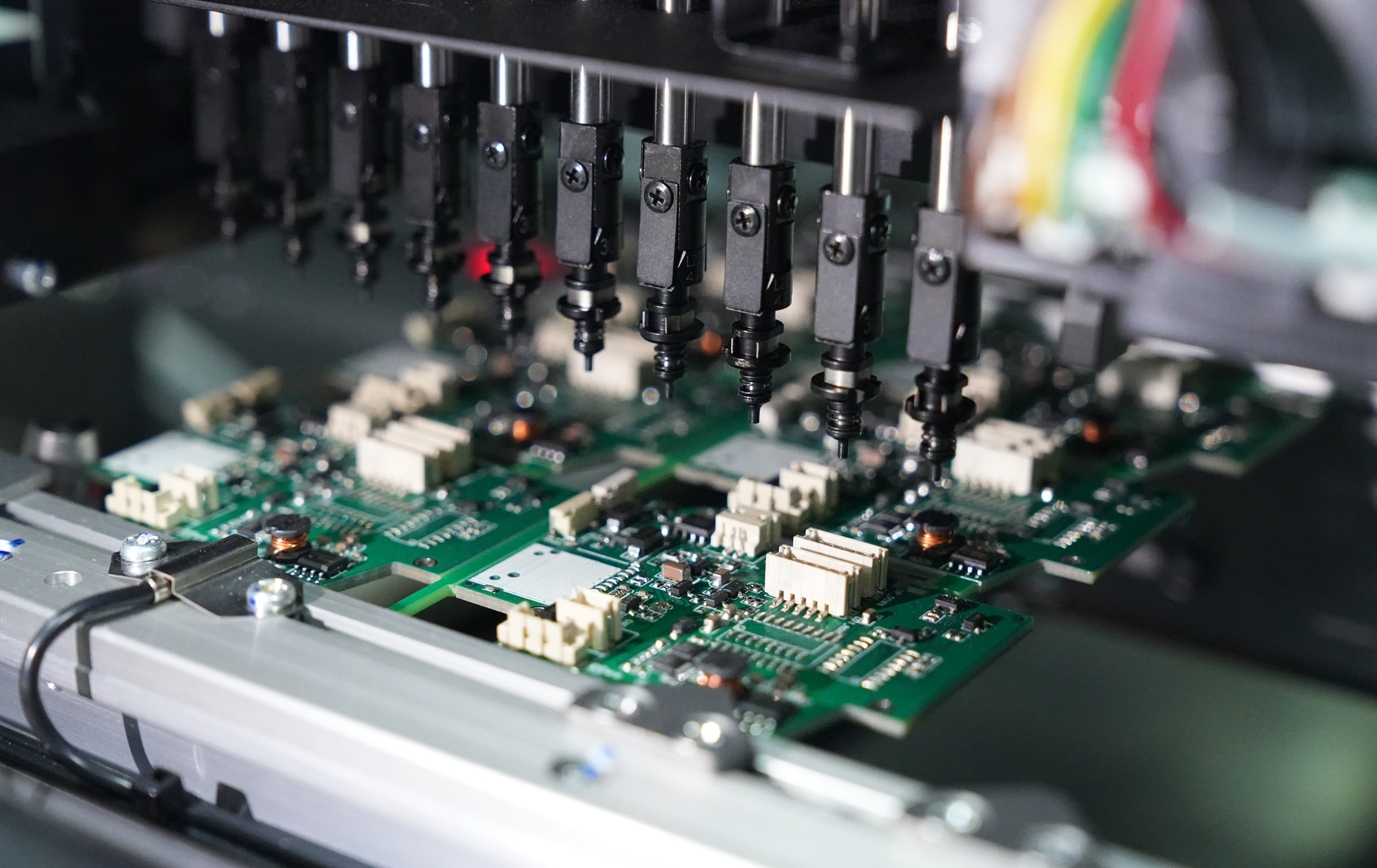
The machine starts by picking up components from the feeders using vacuum nozzles. Each nozzle is designed to handle a specific part size, from tiny resistors to larger ICs. The machine uses gentle suction to grab each component without damaging it.

4. Vision Inspection and Alignment

After picking up each component, the machine checks its orientation using a vision system. High-resolution cameras take images to see if the part is facing the right way. If there’s any slight misalignment, the machine rotates the part to the correct angle before placement.

5. Placing Components on the Board

Once the part is aligned, the machine places it onto the PCB. Each component is placed at the exact coordinates provided in the pick and place file. The machine also adjusts the rotation angle to match the footprint on the board. Parts are placed carefully with the right amount of pressure to avoid damaging delicate parts or shifting the solder paste.

6. Speed and Precision Combined

Pick and place machines combine high speed with extreme precision. Modern machines can place thousands of parts per hour, even at microscopic sizes. While speed matters, accuracy is even more important. Each placed component must sit perfectly on its pad, since even the smallest shift could cause electrical issues after soldering.

7. Handling Different Part Sizes

Pick and place machines handle a wide range of components, from tiny 0201 resistors to large connectors. The machine automatically switches nozzles based on the part size.

8. Real-Time Monitoring

Throughout the process, the machine monitors everything in real time. Sensors track part pick-up, alignment checks, and placements. If a feeder runs empty or a part fails inspection, the machine pauses and alerts the operator.

9. Final Transfer for Soldering

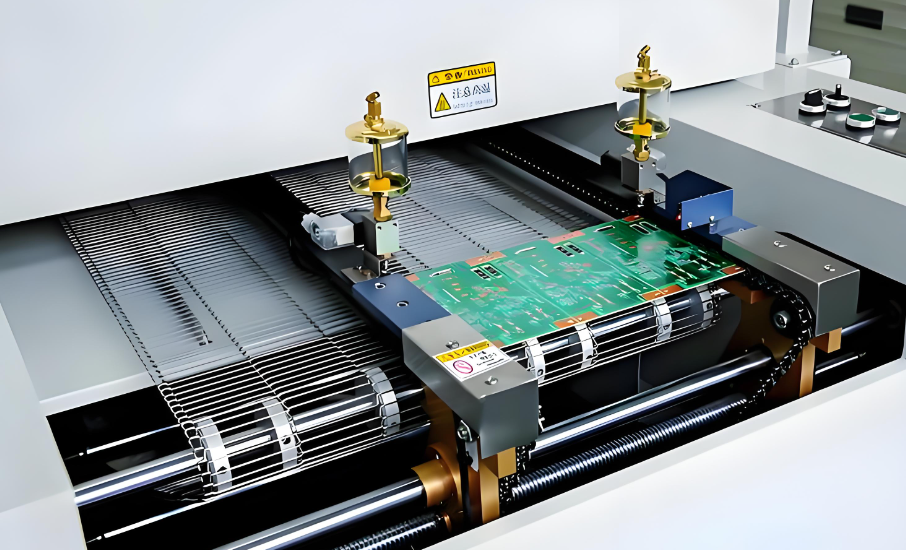
Once all parts are placed, the PCB moves to the next step — reflow soldering. The solder paste melts during this stage, permanently bonding each component to the board. Accurate placement during the pick and place process helps ensure every connection forms correctly, which supports good electrical performance in the final product. Here is a full manufacturing process of PCB assembly:

In short, the pick and place process bridges the gap between PCB design and working hardware. It translates design data into real, physical assemblies — fast, accurately, and reliably. Without it, modern electronics manufacturing wouldn’t be able to meet today’s high standards for quality and volume.

At EBest Circuit (Best Technology), our pick and place process combines high-speed machines, careful file preparation, and experienced operators. Our team knows how important clear placement data is for delivering high-quality PCBs. If you’re looking for reliable PCB assembly services or want help preparing your files, feel free to reach out. We’ll make sure your designs turn into top-quality products, every time.

You may also like

What is a light ballast PCB? How does it works?

March 4th, 2025

A Light ballast PCB controls the current flow inside different lighting systems, helping the lamps work properly while protecting them from too much power. Without a proper light ballast PCB, many lamps would either flicker all the time or fail before reaching their normal lifespan. Today, most lighting projects, whether for homes or factories, depend on some form of light ballast PCB to make sure lamps work smoothly. Since more people want brighter, longer-lasting, and energy-saving lights, the design and quality of light ballast PCB become even more important. In this blog, we will explain what a light ballast PCB is, how it works, and its wiring steps. We will also cover technical details, diagrams, and real-world uses to give you a better understanding. Let’s start by understanding the basics.

What is a light ballast pcb?

A light ballast PCB is a printed circuit board that manages the voltage and current delivered to lamps, mainly fluorescent, HID and some LED lamps. It controls the power flow to prevent too much electricity from reaching the lamp, which helps the light stay stable while avoiding flickering or overheating.

What is a light ballast PCB? How does it works?

In traditional systems, light ballasts were heavy metal boxes with coils and transformers. Now, with modern PCB technology, most ballasts are smaller boards with electronic components. These boards offer better control, longer lifespan, and smaller size, which helps in compact lighting systems.

At its core, a light ballast PCB acts like a smart power gate, adjusting the electric supply to fit the lamp’s needs. For fluorescent lights, it also gives an initial high voltage to ignite the lamp before reducing the power to a safer level.

At EBest Circuit (Best Technology), we are able to provide you with One-stop solution from light ballast PCBs design to production and final assembly with fast delivery and competitive price, because EBest Circuit (Best Technology) have 16 experience years in high-quality PCB solutions and PCBA service for all lighting applications. Whether you need standard or custom solutions, EBest Circuit (Best Technology) is your go-to partner for all your PCB needs. Welcome to inquiry us sales@bestpcbs.com if you have any needs for lighting pcb.

What is wiring tips of light ballast PCB?

  • Layered wiring‌: Separate the power supply and load parts to avoid mutual interference and improve the stability and performance of the circuit‌.
  • Reasonable selection of power supply path‌: Ensure that the power supply path is clear and avoid unnecessary interference, especially when processing high-frequency signals, pay attention to the layout and direction of the signal line‌.
  • Top layer priority principle‌: Try to wire on the top layer to reduce signal interference.
  • Thickening the power line‌: Thickening the power line is conducive to the flow of current on the main road to ensure the stability of the circuit‌.
  • Travel direction control‌: The wires at the input and output ends should avoid being adjacent and parallel to reduce interference.
  • Chamfer rule‌: The corners of the trace should avoid being designed as sharp angles and right angles to reduce radiation.
  • Device decoupling‌: Add necessary decoupling capacitors to filter out interference signals on the power supply and stabilize the power supply signal.
  • ‌Impedance matching‌: The width of the same network wiring should be kept consistent, or the effective length of the inconsistent part should be minimized.
  • Ground wire loop rule‌: The loop area formed by the signal line and its loop should be as small as possible to reduce electromagnetic interference.
  • Shielding protection‌: Consider using a copper-axis cable shielding structure design to isolate the ground wires up and down, left and right with ground wires, and effectively combine the shielding ground with the actual ground plane‌.

How does light ballast work on PCB?

A pcb ballast works by regulating the electrical current that flows through the light fixture. When the light is turned on, the ballast provides an initial surge of voltage to start the lamp. Once the lamp is lit, the ballast continues to regulate the current to maintain steady light output.

What is a light ballast PCB? How does it works?

Here’s how it works in a bit more detail:

Startup Phase: The ballast delivers a high voltage to the lamp to start it up. Fluorescent lights, in particular, require this surge of power to get started.

Current Regulation: Once the light is on, the ballast regulates the current to keep it at a constant level. This ensures that the lamp doesn’t overheat or flicker, contributing to better light quality.

Energy Efficiency: In electronic ballasts, the high-frequency switching of MOSFETs and capacitors allows for energy-efficient operation. This reduces power consumption while maintaining optimal lighting levels.

What is technical parameters of light ballast PCB?

  • Input voltage range‌: The driver board needs to be able to accept AC input within a certain range, usually the mains voltage (such as 100V-240V).
  • Output current and voltage‌: The driver board provides stable DC output. The current and voltage need to be adjusted according to the requirements of the LED lamp, usually constant current or constant voltage output.
  • Power factor‌: Indicates the effective utilization of electrical energy. A high power factor means high efficiency in power conversion.
  • Efficiency‌: Indicates the ratio of output power to input power. Efficient conversion helps reduce energy waste.
What is a light ballast PCB? How does it work?

‌Through the design and selection of these technical parameters, the stable operation and long life of the LED lamp can be ensured, achieving the best lighting effect.

Explanation PCB diagram of ballast light

The circuit structure of the ballast light is shown in the figure, which covers several key parts such as capacitor step-down circuit, rectifier circuit, LED light-emitting circuit and photoelectric control circuit. These circuits work together to ensure that the LED light can emit light stably and efficiently.

A typical light ballast PCB diagram shows both input and output sides, along with key components like capacitors, inductors, and switching transistors.

At the input stage, a fuse and filter block unwanted noise from the power source. Next, a rectifier converts AC to DC, which passes through smoothing capacitors to create stable voltage. The control section uses a micro-controller or driver IC to regulate switching transistors. These transistors adjust voltage and frequency, ensuring the lamp gets the right current flow. The output stage includes the final filter and connections to the lamp. In fluorescent lamps, this stage also includes a high-voltage starter circuit.

Overall, the diagram reflects a balance between power conversion, current control, and protection, all packed into a compact PCB layout.

Application of light ballast on PCB

Light ballast PCBs appear in many everyday products and systems.

  • Kitchen lights, bathroom fixtures, and under-cabinet fluorescent lamps at home.
  • Ceiling panels, emergency lights, and retail display lamps in offices.
  • High-output lighting systems used for work areas, safety zones, and storage spaces in factories and warehouses.
  • Streetlights, parking lot lamps, stadium floodlights, and more. As outdoor lighting shifts to LED, many ballasts also act as LED drivers, offering advanced dimming and color control.
  • Growing application relates to recycling programs. Old ballasts, especially PCB fluorescent light ballasts, need careful handling due to environmental rules. Proper pcbs ballast recycling helps recover valuable metals while safely disposing of any hazardous materials.

FAQ light ballast PCB

  • Aging of electronic components‌: Electronic components in light ballast power supplies, such as resistors, capacitors, diodes, transistors, etc., may age due to open circuits, short circuits, burnouts, leakage, functional failures, etc. during long-term use.
  • PCB quality impact: The quality of printed circuit boards (PCBs) and printed circuit board assemblies (PCBA) directly affects the reliability of LED driver power supplies. Problems such as poor wetting, board explosion, delamination, CAF (anode foil fiberization), open circuits, short circuits, etc. may cause power supply failure.
  • Heat dissipation problem‌: The electronic components in the light ballast PCB are very sensitive to temperature changes, especially the electrolytic capacitors. Poor heat dissipation may shorten the life of the components, thus affecting the stability of the LED lamps.
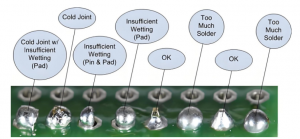
  • Solder joint failure: Solder joints are the key connection between electronic components and PCB boards, and their quality directly affects the reliability of the power supply. Solder joint failure may be caused by welding problems during the production process, or thermal stress fatigue caused by differences in thermal expansion coefficients.
  • Other issues: If the substrate hole is too large, the solder furnace temperature is too low, the board surface is poorly solderable, the solder mask is invalid, the board surface is contaminated, etc., it will also cause PCB problems.‌‌

Conclusion
The light ballast PCB plays a quiet but critical role in modern lighting systems. By delivering stable, efficient power, it protects lamps, saves energy, and supports advanced lighting controls. Whether you need simple fluorescent support or advanced smart lighting, the right light ballast PCB keeps your system running smoothly.

You may also like

What Is LED Polarity and Why Does It Matter?

February 17th, 2025

What Is LED Polarity and Why Does It Matter? LED polarity is one of the most important things to understand when working with LEDs, especilly in PCB assembly. A wrong LED polarity put will cause the failure of the PCB product. Unlike regular bulbs, LEDs only work if they are connected the right way. If you mix up the positive and negative sides, the LED won’t light up. So, whether you’re building a simple LED circuit, installing LED light strips, or working with surface-mount LEDs, understanding LED polarity helps prevent issues. In this guide, we’ll answer the most common questions about LED polarity and explain how to identify and test LED connections correctly.

What Is LED Polarity and Why Does It Matter?

What Is LED Polarity?

LED polarity refers to the direction in which an LED must be connected to a power source. Since LEDs are diodes, they allow current to flow in only one direction. This means that one leg of the LED must be connected to the positive side of the power supply, while the other must go to the negative side.

Each LED has two legs:

  • Anode (+): This is the positive leg. It needs to be connected to the positive terminal of the power source.
  • Cathode (-): This is the negative leg. It must connect to the negative terminal.

If the LED is wired incorrectly, it won’t light up because no current will flow through it. Some LEDs may even get damaged if too much voltage is applied in the wrong direction.

Do LEDs Have Polarity?

Yes, LEDs have polarity, and they must be connected correctly to function. Unlike traditional incandescent bulbs that work regardless of connection direction, LEDs only operate when the anode is connected to the positive voltage and the cathode to the ground.
The reason for this is that LEDs are light-emitting diodes. Diodes are semiconductor components that allow current to pass in one direction while blocking it in the other. When you reverse the polarity of an LED, it stops conducting electricity, which means it won’t produce light.

LED Polarity Symbol

If you look at circuit diagrams, you’ll notice a special symbol used for LEDs. The LED polarity symbol is similar to a regular diode symbol but has two arrows pointing away from it to indicate light emission. Below are the common led polarity symbols used in the industry:

What Is LED Polarity and Why Does It Matter?

Are LED Light Bulbs Polarity Sensitive?

It depends on the type of LED light bulb.

  • AC-powered LED bulbs (like household LED light bulbs) are usually not polarity sensitive because they contain internal rectifiers that convert AC to DC.
  • DC-powered LEDs (such as those used in automotive applications, flashlights, or indicator lights) are polarity sensitive and will not work if connected incorrectly.

When working with DC-powered LED systems, checking the wiring is crucial. Many LED strips and car LEDs have markings to indicate which side should connect to positive and which should go to negative.

How Do You Identify the Polarity of an LED?

There are several ways to determine LED polarity:

1. Check the Lead Length

If it has leds, check the lead length is the most important method to identify:

  • The longer lead is the anode (+).
  • The shorter lead is the cathode (-).
What Is LED Polarity and Why Does It Matter?

This method works well for new LEDs, but if the leads are trimmed, other methods may be needed.

2. Look for a Flat Edge

On many through-hole LEDs, the cathode side has a flat edge on the plastic casing. This marking helps quickly identify polarity. (Please refer above images of LED).

3. Inspect the Internal Structure

If you have a clear LED, you can look inside:

  • The larger internal piece is usually the cathode (-).
  • The smaller piece is the anode (+).

This method works well for transparent or diffused LEDs but is harder for small surface-mount LEDs.

4. Use a Multimeter

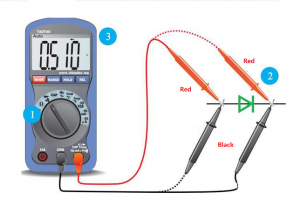
A digital multimeter with a diode test function can confirm polarity. When the red probe touches the anode and the black probe touches the cathode, the LED will glow slightly or show a voltage reading. If no reading appears, reverse the probes.

What Happens If LED Polarity Is Reversed?

If the LED is connected backward, it won’t light up. Unlike incandescent bulbs, which work in either direction, LEDs only allow current to flow in one way. Here are some common issues if LED polarity is reversed:

1. No Light Emission: Since LEDs are polarized components, they only work when connected correctly. If the polarity is reversed, current cannot flow, and the LED will not light up.

What Is LED Polarity and Why Does It Matter?

2. Potential Damage: In some cases, a reversed connection may cause damage. Excessive reverse voltage or current can harm the internal structure of the LED.

3. Overheating: Incorrect polarity may lead to improper current flow, generating excess heat. This can affect both the LED and nearby circuit components.

4. Short Circuit Risk: A severe polarity reversal could create a short circuit, which may harm the power source or other connected components.

5. Unstable Lighting: In rare cases, an incorrectly wired LED may flicker or dim unpredictably instead of staying off completely.

In most cases, a reversed LED will not get damaged unless the voltage is too high. However, some circuits use protection resistors or diodes to prevent issues caused by incorrect polarity.

Does LED Polarity Matter?

Yes, LED polarity matters because LEDs are diodes that function only when connected correctly. If you ignore polarity, the LED won’t work. In some cases, incorrect wiring can cause damage, especially in high-power LEDs or integrated circuits.

To avoid problems:

  • Always check the polarity markings before connecting an LED.
  • Use a multimeter if unsure.
  • Follow circuit diagrams carefully.

How to Check an LED with a Multimeter?

Using a multimeter is one of the easiest ways to test an LED’s polarity and functionality. Here’s a step-by-step guide:

1. Set the Multimeter to Diode Test Mode

Most digital multimeters have a diode test mode, usually marked with a diode symbol (a triangle pointing to a line). If your multimeter doesn’t have this mode, use the resistance (Ω) setting on the lowest range.

2. Identify the Probes

  • The red probe is the positive (+) lead.
  • The black probe is the negative (-) lead.

3. Connect the Probes to the LED Legs

Touch the red probe to one leg and the black probe to the other.

  • If the LED lights up faintly or shows a voltage reading (typically 1.8V to 3.5V, depending on the LED type), the red probe is on the anode (+), and the black probe is on the cathode (-).
  • If nothing happens, swap the probes and try again.

4. Interpret the Results

  • If the LED lights up, it means it is working, and you have identified the correct polarity.
  • If the LED doesn’t light up in either direction, it may be faulty or burned out.
  • If using the resistance mode, a working LED will show a resistance value in one direction and an infinite resistance (OL) in the other.

5. Testing Surface-Mount LEDs (SMD LEDs)

Since SMD LEDs are small and lack long leads, identifying polarity can be tricky. Many have a small marking on the cathode side. To test them:

  • Use fine-tip multimeter probes.
  • Hold the probes gently on the pads.
  • Observe if the LED lights up or if a voltage reading appears.

A multimeter is a quick and reliable tool to check LED polarity before installing it in a circuit.

Which Side of the LED Should You Put a Resistor?

A resistor is needed to control current flow and protect the LED. The resistor can go on either side of the LED—anode or cathode—without affecting polarity. However, placing it on the anode side (+) is common for consistency in circuit designs.

Without a resistor, the LED might receive too much current, which could shorten its lifespan or cause it to burn out.

FAQs

1. Can LED polarity be ignored?

No, LED polarity is essential for proper operation. If wired incorrectly, the LED will not work.

2. Do surface-mount LEDs have polarity?

Yes, surface-mount LEDs have polarity. Manufacturers usually mark the cathode with a dot or a line.

3. What happens if an LED is connected to AC power?

An LED without a rectifier will flicker or not work properly on AC power. A rectifier or resistor is needed for AC operation.

4. How do I fix a reversed LED?

Simply swap the connections. If the LED hasn’t been damaged, it should work fine.

5. Why do some LEDs have built-in resistors?

Built-in resistors simplify wiring by ensuring safe current levels. These LEDs can be directly connected to power sources without extra components.

You may also like

Turnkey EMS PCB Manufacturer: What Is Turnkey EMS?

February 13th, 2025

A turnkey EMS PCB manufacturer provides a complete solution for the assembly of printed circuit boards (PCBs). From design and prototyping to final assembly, they manage the entire process. This all-in-one service is invaluable for businesses looking for efficiency and quality. But what exactly does this process entail, and why should companies opt for a turnkey approach? This article dives into the key aspects of turnkey EMS PCB manufacturing, comparing it with other options, and exploring the benefits and challenges it brings.

What is Turnkey EMS PCB Manufacturing?

Turnkey EMS PCB manufacturing refers to a comprehensive service where the manufacturer handles everything from the initial design to the final product. “Turnkey” means that the service is provided as a complete package. This typically includes designing, sourcing materials, PCB assembly, testing, and delivery.

The key advantage of turnkey EMS manufacturing is that it saves time and effort for the customer. Instead of working with multiple suppliers or manufacturers, the customer can rely on one provider for the entire process. This leads to faster timelines, better communication, and often lower costs due to streamlined operations.

What is EMS vs OEM?

It’s important to understand the difference between EMS (Electronic Manufacturing Services) and OEM (Original Equipment Manufacturer), as these terms are often used interchangeably but serve different purposes.

EMS (Electronic Manufacturing Services): A company that provides manufacturing services, including production, assembly, testing, and logistics, based on client specifications. EMS providers do not own the IP of the products they manufacture.

OEM (Original Equipment Manufacturer): A company that designs and manufactures products or components, which are then sold to another company to be branded or integrated into their products. OEMs own the intellectual property (IP) of their products.

An OEM typically designs and creates the product, and then outsources the manufacturing process to an EMS provider. While OEMs may work with EMS providers, they maintain control over the product’s design and specifications.

What Process Does Turnkey EMS PCB Manufacturing Have?

Turnkey EMS (Electronic Manufacturing Services) PCB manufacturing is a comprehensive, end-to-end solution that handles every stage of production, from design validation to final delivery. Below is the detailed process:

1. Design Review & DFM Analysis

Design Input: The client provides design files (Gerber, BOM, assembly drawings).

Design for Manufacturability (DFM): The EMS provider identifies potential production risks (e.g., pad spacing, hole sizing) and suggests optimizations to prevent costly revisions.

Prototyping (Optional): Functional prototypes are built for validation if the design isn’t finalized.

2. PCB Fabrication

Raw Board Production: Manufactures blank PCBs through processes like lamination, drilling, copper plating, etching, and solder mask application.

Quality Checks: Copper thickness verification; Impedance control (for high-frequency boards); Surface finish application (ENIG, OSP, HASL, etc.)

3. Component Sourcing & Supply Chain Management

BOM Breakdown: Segregates client-approved vendor lists (AVL) from EMS-procured components.

Risk Mitigation: Alternate component qualification (to avoid obsolescence); MOQ (Minimum Order Quantity) negotiation; Long-lead-time material stocking

4. PCB Assembly (PCBA)

SMT Assembly: Automated placement of surface-mount components (ICs, resistors, capacitors) using pick-and-place machines.

Critical steps: Solder paste printing, reflow oven profiling

Inspection: SPI (Solder Paste Inspection) and AOI (Automated Optical Inspection)

THT Assembly: Through-hole component insertion (connectors, large capacitors) using wave soldering or hand soldering.

Post-Assembly: Cleaning (flux residue removal) or conformal coating for high-reliability applications.

5. Testing & Validation

Electrical Testing: ICT (In-Circuit Test): Checks shorts, opens, and component values. FCT (Functional Test): Validates board performance under real-world conditions.

Environmental Stress Testing (as required): Thermal cycling; Vibration testing; Burn-in testing;

Compliance: Supports certifications like CE, FCC, or UL.

6. Packaging & Delivery

ESD-Safe Packaging: Anti-static bags, foam inserts, or moisture-resistant materials.

Traceability: Labels/QR codes for batch/date tracking.

Logistics: Supports JIT (Just-in-Time) delivery, drop shipping, or warehouse management.

How to Choose a PCB Manufacturer?

Choosing the right turnkey EMS PCB manufacturer is a critical decision for any business. Here are a few things to consider when selecting a manufacturer:

Experience and Reputation: Look for a manufacturer with a solid track record in the industry. A provider with years of experience and a good reputation will likely provide high-quality results.

Capabilities and Services: Ensure the manufacturer offers the full range of services you need. Check whether they provide design assistance, component sourcing, assembly, and testing, as these can save you time and money.

Quality Control Standards: A good PCB manufacturer will adhere to international quality standards. Check their certifications and quality control processes to ensure they meet industry benchmarks.

Customer Support: Good communication is key to any successful partnership. Look for a manufacturer who provides excellent customer support and is responsive to your needs.

What Benefits Can the Turnkey EMS PCB Manufacturer Bring?

The turnkey EMS PCB manufacturer offers numerous benefits that can positively impact your business:

Simplified Process: Working with a single provider reduces the complexity of coordinating between different suppliers and manufacturers.

Cost Efficiency: By consolidating services, turnkey solutions can often be more cost-effective than hiring multiple suppliers or managing different stages of production.

Faster Time-to-Market: Turnkey manufacturers can reduce lead times by streamlining the design, assembly, and testing processes. This leads to quicker product launches.

Higher Quality Assurance: Since the manufacturer handles all aspects of the production, they are in a better position to ensure consistency and quality throughout the process.

These benefits make turnkey EMS PCB manufacturing an appealing option for companies aiming for streamlined operations and reliable results.

What Are the Key Challenges of Working with a Turnkey EMS PCB Manufacturer?

‌The key challenges of working with a turnkey EMS (Electronic Manufacturing Services) PCB manufacturer, from a positive perspective, include ensuring effective communication, managing expectations, and maintaining quality control.‌

‌Ensuring Effective Communication‌: Collaboration with a turnkey EMS PCB manufacturer often involves detailed technical specifications and ongoing adjustments. Ensuring clear and timely communication is crucial to avoid misunderstandings that could lead to delays or product defects.

‌Managing Expectations‌: Both parties need to have realistic expectations about timelines, costs, and the scope of work. Managing these expectations effectively can prevent scope creep and ensure that the project stays on track.

‌Maintaining Quality Control‌: Maintaining high standards of quality control is essential when outsourcing PCB manufacturing. This involves setting clear quality benchmarks, conducting regular audits, and having a robust system in place to address any quality issues promptly.

By addressing these challenges proactively, companies can leverage the benefits of working with a turnkey EMS PCB manufacturer, such as cost savings, access to advanced manufacturing capabilities, and faster time-to-market‌.

How to Ensure Quality Control with a Turnkey EMS PCB Manufacturer?

Quality control is crucial in PCB manufacturing, and a good turnkey EMS PCB manufacturer should have stringent quality control measures in place. Here’s how to ensure quality:

Clear Specifications: Provide the manufacturer with detailed design and performance specifications. This helps minimize mistakes and ensures that the product meets your exact needs.

Regular Testing: Ensure the manufacturer conducts regular testing throughout the process, including before, during, and after assembly. This should include electrical testing and reliability tests.

Third-Party Audits: Consider having third-party audits or inspections done to verify the quality and compliance of the final product. This adds an extra layer of confidence in the manufacturer’s processes.

By ensuring a strong quality control process, you can reduce the risk of defects and ensure that your PCBs meet industry standards.

At EBest Circuit (Best Technology), we are committed to delivering top-tier turnkey EMS PCB manufacturing services. Our comprehensive approach combines expert design, precise component sourcing, and meticulous testing to ensure your PCBs meet the highest standards. With a focus on quality, efficiency, and customer satisfaction, we take pride in being a trusted partner for companies looking for seamless, reliable PCB solutions.

To put it in a nutshell, a turnkey EMS PCB manufacturer offers significant advantages for businesses looking to streamline their PCB manufacturing process. From design and assembly to testing and delivery, they manage it all, saving you time and effort. While there are some challenges, such as Complexity in Communication, Quality Control, the benefits often outweigh the drawbacks. By carefully selecting a reputable provider and ensuring effective communication, you can enjoy a seamless manufacturing experience with high-quality results.

If you’re looking for a reliable and efficient PCB manufacturing partner, a turnkey EMS solution might just be what you need. EBest Circuit (Best Technology) is a leading turnkey EMS PCB manufacturer with years of experience in providing high-quality, reliable PCB solutions. Our expertise in the industry ensures that our clients receive the best possible solutions tailored to their specific needs, all while maintaining the highest standards of quality and efficiency. Pls feel free to contact us at sales@bestpcbs.com to get more information and personalized solutions.

You may also like

What is the smt meaning? SMT meaning manufacturing

February 12th, 2025

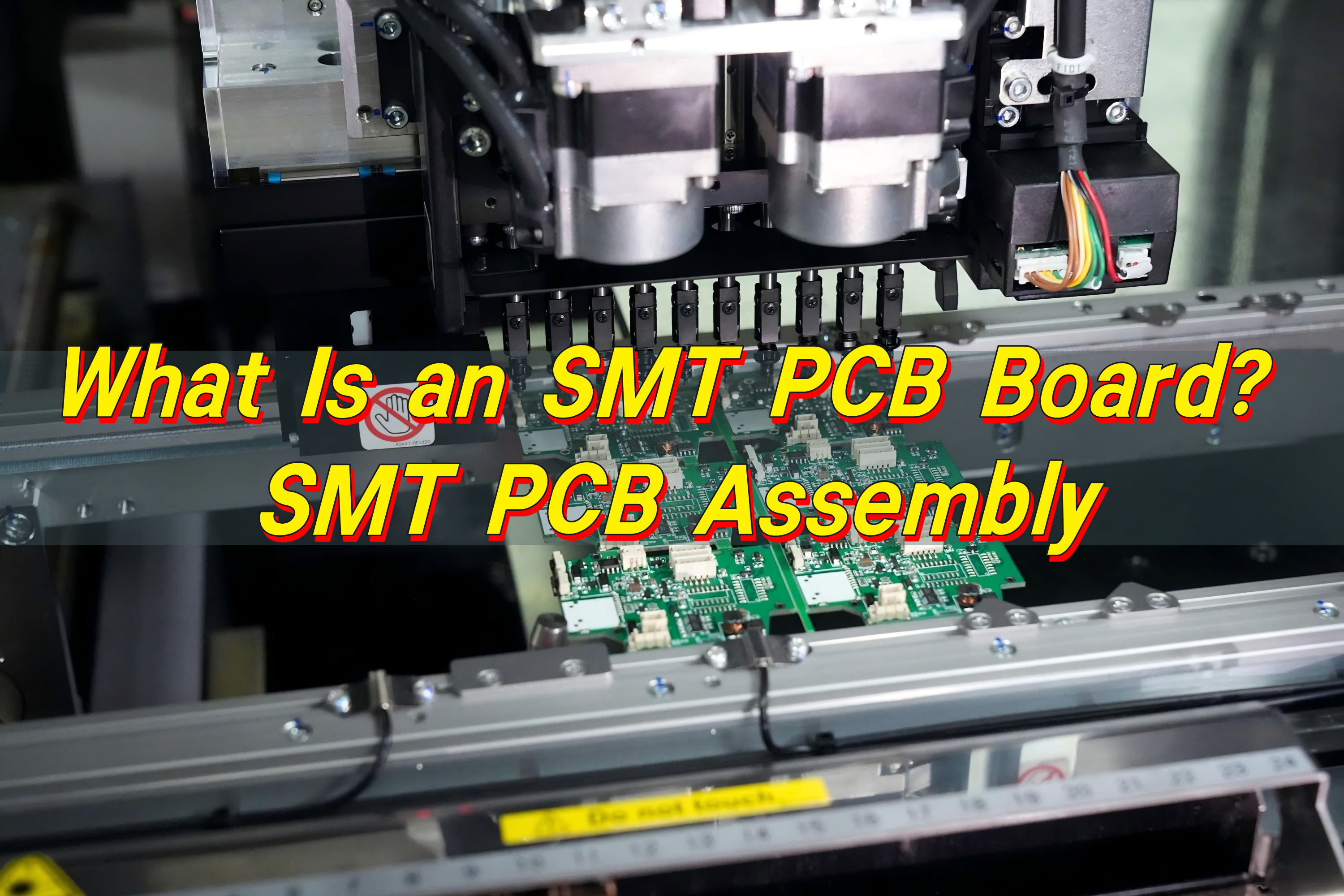
What is the smt meaning? SMT, or Surface Mount Technology, is an advanced manufacturing process that directly mounts electronic components on the surface of a printed circuit board (PCB). It replaces the traditional through-hole insertion technology with an efficient and precise automated production method, and achieves miniaturization and high-density integration of electronic components.

What is the smt meaning? SMT meaning manufacturing

What does smt mean?

SMT stands for Surface Mount Technology, a revolutionary approach to assembling electronic circuits. Instead of using traditional through-hole components, where pins pass through drilled holes, SMT enables components to be directly mounted onto the surface of a PCB.

This advancement has led to more compact and lightweight electronic devices, transforming industries such as consumer electronics, automotive, medical, and aerospace. By eliminating the need for large holes and complex routing, SMT increases design flexibility and enhances overall performance.

What does SMD and SMT stand for?

  • SMD (Surface Mount Device): These are electronic components specifically designed for surface mounting. They are smaller than through-hole components and have no long leads, allowing for denser and more complex PCB layouts.
  • SMT (Surface Mount Technology): This refers to the entire process of placing, soldering, and inspecting SMDs on a PCB. SMT is now the standard in electronics manufacturing, replacing traditional methods due to its superior efficiency, cost-effectiveness, and capability to handle high-density designs.

What are the different types of SMT?

SMT technology encompasses various component types and mounting techniques. The main types include:

  • Passive Components: Small resistors, capacitors, and inductors designed to be surface-mounted, helping regulate voltage and current flow.
  • Active Components: Transistors, diodes, and integrated circuits that drive processing and logic functions in electronic devices.
  • Fine-Pitch Components: Used in high-performance applications, these components have closely spaced terminals that require precision soldering.
What is the smt meaning? SMT meaning manufacturing
  • Ball Grid Array (BGA): A package type where solder balls are placed under the component, offering improved thermal performance and electrical connections.
  • Chip-Scale Packages (CSP): Miniature packages designed to be nearly the same size as the silicon chip itself, essential for mobile and compact devices.
  • Quad Flat Package (QFP): Integrated circuits with leads extending from four sides, commonly used in microcontrollers and processors.

What are the features of SMT?

SMT offers numerous advantages that have made it the preferred technology in PCB assembly:

  • Compact Design: SMT components are much smaller than their through-hole counterparts, allowing for lightweight and space-saving designs.
  • Higher Component Density: With no need for drilled holes, more components can fit within a given board area, increasing functionality.
  • Improved Electrical Performance: Shorter electrical paths minimize resistance and inductance, enhancing signal transmission speed and reducing power loss.
  • Automated Assembly: SMT allows for high-speed, automated component placement, reducing human error and increasing production efficiency.
  • Lower Manufacturing Costs: Reduced material waste, automated processing, and high production throughput lead to significant cost savings.
  • Better Thermal Management: SMT designs allow for better heat dissipation, which is crucial for high-power applications.
  • Stronger Mechanical Performance: Components mounted using SMT are more resistant to vibrations and mechanical stress, making them ideal for aerospace and automotive industries.

Why is SMT used?

The widespread adoption of SMT stems from its numerous benefits in electronics manufacturing. Companies prefer SMT because:

  • It enables miniaturization: Modern electronic devices require compact and lightweight designs, which SMT facilitates.
What is the smt meaning? SMT meaning manufacturing
  • It enhances production speed: Automated SMT assembly lines can place thousands of components per hour, boosting manufacturing efficiency.
  • It improves product reliability: Stronger mechanical connections and reduced solder joint defects lead to more durable and long-lasting products.
  • It reduces manufacturing costs: Automated SMT processes lower labor costs while increasing yield rates.
  • It supports high-performance applications: SMT minimizes electrical noise, making it suitable for fast processors, 5G technology, and other advanced applications.

What are the processes of SMT?

The SMT assembly process consists of multiple steps, each requiring precision and expertise to ensure high-quality PCB production:

  • PCB Preparation: The bare PCB is cleaned to remove contaminants and treated with coatings to prevent oxidation and improve solder adhesion.
  • Solder Paste Application: Solder paste, a mixture of flux and metal particles, is applied to PCB pads using stencils or jet printing, ensuring precise placement.
  • Component Placement: Automated pick-and-place machines position SMDs onto the solder-pasted PCB with extreme accuracy, ensuring proper alignment.
  • Reflow Soldering: The assembled PCB is passed through a controlled heating process, where the solder paste melts and forms strong electrical connections.
  • Inspection and Quality Control: Techniques such as Automated Optical Inspection (AOI) and X-ray testing detect defects like misalignment, solder bridging, and voids.
  • Final Cleaning and Packaging: Flux residues are removed, and the PCBs are tested and packaged for delivery to clients.
  • Functional Testing: Completed PCBs undergo rigorous functional tests to verify performance and compliance with industry standards.

What is SMT and THT?

Two primary methods exist in PCB assembly: Surface Mount Technology (SMT) and Through-Hole Technology (THT). While SMT has largely replaced THT, both technologies serve specific applications.

Key Differences:

  • Size & Weight: SMT components are smaller and allow for lighter devices, whereas THT components are larger and bulkier.
What is the smt meaning? SMT meaning manufacturing
  • Assembly Efficiency: SMT supports automation, enabling fast and precise production, while THT often requires manual assembly, making it slower.
  • Application Suitability: SMT is preferred for consumer electronics, telecommunications, and medical devices, whereas THT is used in military, aerospace, and high-power applications.
  • Reliability: SMT offers excellent electrical performance, while THT provides stronger mechanical bonds for applications exposed to extreme stress.

Conclusion:

Surface Mount Technology has revolutionized modern electronics, making devices smaller, more powerful, and cost-efficient. With its high-speed production, improved electrical performance, and ability to support complex designs, SMT has become the industry standard.

For high-quality SMT PCB solutions, reach out to EBest Circuit (Best Technology) at sales@bestpcbs.com

You may also like

What is an assembly PCB? & PCB Fabrication Manufacturer

January 9th, 2025

What is an Assembly PCB? Assembling PCB refers to the process of installing electronic components on a printed circuit board. Through this process, various electronic components such as resistors, capacitors, chips, etc. are fixed on the PCB through welding technology to form a complete electronic circuit.

Assembling PCB is a key step in the manufacture of electronic equipment, which enables electronic components to be connected according to the designed circuit to achieve the functions and performance of electronic equipment.

What is an assembly PCB? & PCB Fabrication Manufacturer

What is the PCB Assembly Process?

PCB assembly is the process of attaching electronic components to a printed circuit board (PCB) to create a working electronic circuit.  The primary goal is to ensure that all parts of the circuit are correctly connected and able to transmit electrical signals.

The PCB assembly process mainly includes the following steps:

  • Solder paste printing: First, print the solder paste on the PCB, which is done by using a template to accurately apply the solder paste to the pads of the PCB.
  • Component placement: Use a high-speed, high-precision placement machine to place the components on the PCB. The placement machine accurately places the components at the predetermined position based on the coordinate information in the design file.
What is an assembly PCB? & PCB Fabrication Manufacturer
  • Soldering: After the component placement is completed, the soldering process is carried out. For surface mount components, reflow soldering is usually used, and the PCB is sent into the reflow soldering oven, and the solder paste is melted by heating, so that the components are soldered to the PCB. For through-hole components, wave soldering is used.
  • Inspection and testing: After the soldering is completed, inspection and testing are carried out to ensure the assembly quality. Automated optical inspection (AOI) equipment is usually used to check the soldering quality and the accuracy of component placement.
  • Rework and packaging: For defective products found during the inspection, rework is carried out. Qualified PCB assembly boards are packaged for transportation and storage.

The entire PCB assembly process requires a high degree of automation and precise control to ensure the quality and reliability of the final product.

What is the Standard for PCB Assembly?

The standard for PCB assembly depends on several industry-specific certifications and guidelines. However, some of the most widely recognized standards include:

  • IPC-2221: This standard provides the generic requirements for designing and manufacturing PCBs, including assembly considerations.
  • IPC-A-610: Often referred to as the “Acceptability of Electronic Assemblies,” this standard covers the acceptability criteria for soldering, component placement, and the quality of assembly in general.
  • ISO 9001: Many PCB assembly manufacturers are certified to this standard, which ensures that they follow consistent quality management practices in their processes.

These standards help ensure that the PCB assembly process is carried out in a controlled and quality-assured manner.

What Files are Needed for PCB Assembly?

A successful PCB assembly requires the right files to communicate the design and specifications to the manufacturer. Some of the essential files include:

  • Gerber Files: These files provide the detailed design of the PCB, including copper traces, pads, and other essential information for PCB fabrication.
  • Bill of Materials (BOM): The BOM lists all the components that will be used in the assembly, such as resistors, capacitors, and ICs.
What is an assembly PCB? & PCB Fabrication Manufacturer
  • Pick-and-Place Files: These files contain the specific information about where each component will be placed on the PCB, which is essential for automated placement machines.
  • Stencil File: This file is used for creating the solder paste stencil, which is used to apply solder paste to the PCB during the soldering process.

These files ensure that the PCB board assembly is accurate and matches the original design specifications.

What Are the Materials Used in PCB Assembly?

The materials used in PCB board assembly are crucial to the functionality and performance of the finished product. Some of the most commonly used materials include:

  • PCB Substrate: The most common material is FR4 (fiberglass resin), but for high-performance applications, materials like aluminum or ceramic may be used.
  • Solder Paste: A mixture of metal solder and flux, solder paste is used to attach components to the PCB during the soldering process.
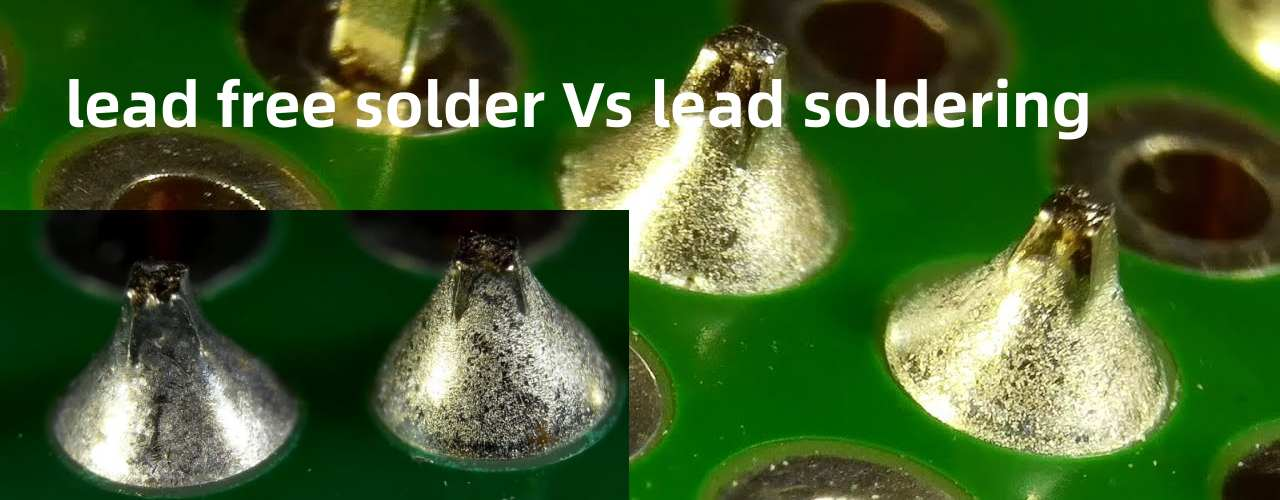
  • Soldering Materials: Lead-based or lead-free solder is used to create permanent connections between the PCB and components.
  • Components: Resistors, capacitors, ICs, and other components are soldered onto the PCB. These can be sourced from various manufacturers and come in a variety of shapes and sizes.

Each material is selected based on the needs of the specific application. For example, ceramic PCBs are chosen for high-temperature environments, while aluminum-backed PCBs are selected for heat dissipation.

What is the Difference Between PCB Fabrication and PCB Assembly?

Many people confuse PCB fabrication with PCB assembly, but the two are distinct steps in the PCB manufacturing process.

PCB Fabrication refers to the process of creating the physical PCB from raw materials. This includes the creation of the PCB’s layers, the copper traces, drilling holes for vias, and etching the patterns that connect the components. In simple terms, PCB fabrication is the creation of the “bare” board.

PCB Assembly, on the other hand, refers to the process of attaching electronic components to the fabricated PCB. This involves placing and soldering the components to form a functional circuit.

So, PCB fabrication is all about making the PCB, and PCB assembly is about making it functional by adding components.

What is the Difference Between SMD and SMT in PCB?

The terms SMD (Surface-Mounted Device) and SMT (Surface-Mount Technology) are often used interchangeably, but they refer to different aspects of the assembly process.

SMD refers to the actual components used in the assembly process. These components are designed to be mounted directly onto the surface of the PCB rather than through-hole components, which are inserted into holes drilled into the board.

What is an assembly PCB? & PCB Fabrication Manufacturer

SMT, on the other hand, refers to the technology and process used to assemble SMDs onto the PCB. SMT involves automated machines that place components onto the PCB and then solder them into place, typically using reflow soldering.

In summary, SMD refers to the components, and SMT refers to the method of attaching those components.

Conclusion

PCB assembly is a critical step in creating functional electronic circuits. From the placement of components to the soldering process and final testing, every aspect of assembly must be carefully executed to ensure a reliable and high-performance product. If you have any PCB assembly needs, feel free to contact BEST Technology at sales@bestpcbs.com.

You may also like

Why You Need Turnkey PCBA Assembly Service Right Now?

January 9th, 2025

Turnkey PCBA assembly service has become an essential part of the manufacturing industry, particularly in electronics. It provides a complete solution for companies needing printed circuit board assemblies (PCBAs) but lacking the resources or expertise to handle the intricate process themselves.

What is Turnkey PCB Assembly?

Turnkey PCB assembly is a full-service solution for the production of printed circuit boards (PCBs) and their assembly into functional electronic products. This service includes everything from designing the circuit boards to sourcing the components, assembling the PCBs, and delivering the final product. The term “turnkey” refers to a ready-to-use product, where you simply provide the specifications, and the service provider takes care of the rest.

In a typical turnkey PCBA assembly service, the manufacturer handles every step in the process, ensuring that the product meets the client’s requirements without the need for them to get involved in the details. This eliminates the need for multiple suppliers, reducing costs and saving time.

What Does Turnkey Mean in Manufacturing?

In manufacturing, turnkey refers to a complete solution where the service provider is responsible for every aspect of production. This includes design, sourcing materials, manufacturing, and testing. Once the project is completed, the product is ready for immediate use, hence the term “turnkey.” It offers simplicity for clients, as they can rely on a single supplier for all their manufacturing needs.

For PCB assembly, this means that the manufacturer will take care of everything from sourcing the necessary components to assembling and testing the final product. The client’s only responsibility is to supply the initial design or specification.

What is the Difference Between PCB and PCB Assembly?

A PCB (Printed Circuit Board) is a flat, rigid board used to mechanically support and electrically connect electronic components. It serves as the base for the circuit components that make up an electronic device, such as resistors, capacitors, and chips. The PCB itself does not perform any function until components are attached.

PCB assembly, on the other hand, refers to the process of placing and soldering these electronic components onto the PCB. The result is a complete, functional assembly, often called a PCBA (Printed Circuit Board Assembly). The assembly process involves precise placement, soldering, and testing of components to ensure the board works as intended.

What Specific Services Are Included in Turnkey PCBA Assembly Service?

A turnkey PCBA assembly service typically includes the following services:

1. PCB Design: If you don’t have a design yet, some providers offer PCB design services, creating the layout and schematic based on your specifications.

2. Component Sourcing: This includes purchasing all the components necessary for your project, ensuring they meet the required standards.

3. PCB Manufacturing: This is the process of producing the actual PCB, including layer stacking, etching, drilling, and other steps to create the board itself.

4. PCB Assembly: The components are placed on the PCB and soldered into place, often using automated machines for precision.

5. Testing and Inspection: Quality checks such as functional testing, X-ray inspection, and visual inspection ensure that the PCB is properly assembled and functional.

6. Packaging and Delivery: The final product is packaged and shipped to the client, ready for integration into the final product.

This comprehensive approach reduces lead times and ensures that clients receive a finished product that meets their expectations.

What is the Major Difference Between a Turnkey Project and a Design Build?

The primary difference between a turnkey project and a design build lies in the scope of responsibility.

Turnkey Projects: In a turnkey project, the service provider is responsible for every aspect of the project, from start to finish. The client hands over the specifications, and the provider handles design, procurement, manufacturing, and testing. Once completed, the product is ready for use.

Design Build Projects: In a design-build project, the client has more involvement. The service provider is typically responsible for the design and construction, but the client may still need to source components or provide additional input during the process. The client may need to manage more aspects of the project compared to a turnkey approach.

While both models aim to streamline production, turnkey projects are more hands-off for the client and typically offer greater convenience and efficiency.

What Files Are Needed for PCB Assembly?

To begin the PCB assembly process, several files are necessary. These files provide the information needed for manufacturing and assembling the PCB:

1. Gerber Files: These are the standard files for PCB design and detail the layers of the PCB, including copper layers, silkscreen layers, and soldermask layers.

2. Bill of Materials (BOM): A list of all the components required for the PCB assembly, including their specifications and quantities.

3. Pick-and-Place Files: These files contain precise information about where each component should be placed on the PCB, ensuring accurate placement during assembly.

4. Assembly Drawings: These drawings provide a visual reference for the assembly process, often showing where components should be placed.

5. Test Specifications: Details about the tests that need to be performed on the finished PCB to ensure quality and functionality.

These files ensure that every aspect of the production process is well-defined and can be accurately followed.

How Does PCB Assembly Work?

The PCB assembly process is a multi-step procedure that involves placing and soldering electronic components onto the PCB. The basic steps are as follows:

1. Component Sourcing: The required components are sourced and inspected for quality.

2. Solder Paste Application: Solder paste is applied to the PCB in areas where components will be placed.

3. Pick-and-Place: Using automated machines, components are placed precisely on the PCB.

4. Soldering: The PCB passes through a reflow oven, where the solder paste is melted and bonds the components to the board.

5. Inspection and Testing: The assembled PCB is inspected for errors and tested to ensure functionality.

6. Final Assembly: After testing, the board is packaged and shipped to the client.

Each step requires precision and attention to detail to ensure that the final product is functional and reliable.

What Are the Advantages of Turnkey Projects?

Turnkey projects offer several advantages that make them highly attractive, especially for businesses that want a hassle-free solution:

1. Simplified Process: The client only needs to provide initial specifications, with no need to worry about the intricacies of the manufacturing process.

2. Cost Efficiency: By bundling all services under one provider, turnkey solutions often result in lower costs, especially in terms of supply chain management and reduced overhead.

3. Time Savings: The provider handles all aspects of production, resulting in faster project timelines.

4. Quality Assurance: With a single provider responsible for all phases of production, consistency and quality are easier to maintain.

5. Focus on Core Competencies: Clients can focus on their product’s design and marketing while leaving the manufacturing details to the experts.

In short, turnkey PCBA assembly services offer a seamless, efficient, and reliable way to get your PCBs assembled and ready for integration into your electronic products.

Turnkey PCBA assembly services provide a comprehensive solution that simplifies the process of getting your PCBs designed, assembled, and ready for use. With services ranging from component sourcing to final delivery, it offers businesses a one-stop shop for all their assembly needs. By choosing a turnkey provider, companies can enjoy cost savings, faster timelines, and a hassle-free manufacturing experience. EBest Circuit (Best Technology) provides turnkey PCBA assembly service, delivering high-quality products with quick turnaround times. If you’re interested in our turnkey PCBA assembly service, feel free to contact us at sales@bestpcbs.com for more information.

You may also like

PCB Multilayer Circuit Board: pcb panel v-cut vs stamp hole

January 7th, 2025

V-CUT cuts a V-shaped groove on the PCB board, so that the board can be easily separated in subsequent processing, while the stamp hole sets a small hole on the edge of the board, making the board more neat and stable when separated, which can provide higher space utilization and better signal transmission performance. The combination of these two technologies not only improves production efficiency, but also ensures product quality and reliability.

PCB Multilayer Circuit Board: pcb panel v-cut vs stamp hole

What is PCB V-CUT?

PCB V-CUT is a technology that cuts a V-shaped groove on a printed circuit board, which is mainly used to facilitate subsequent board separation operations. V-CUT is to cut a series of V-shaped cuts on the PCB board and then break the board after applying appropriate force, thereby dividing the multilayer PCB into separate panels.

The role and importance of V-CUT

  • Improve manufacturing efficiency: In mass production, V-CUT can quickly divide large boards into multiple small panels to meet the needs of mass production.
  • Reduce material waste: Through V-CUT cutting, raw materials can be maximized, waste generation can be reduced, and production costs can be reduced.
  • Convenient assembly: V-CUT allows the separated small panels to be easily assembled and welded, improving production efficiency.

V-Cut is widely used in the batch manufacturing of multi-layer PCBs, especially when a large board needs to be divided into multiple small panels.

What are the advantages and disadvantages of V-Cut?

Advantages of V-Cut:

  • Easy to operate: The V-Cut design can facilitate the separation of SMT circuit boards after assembly, avoiding PCB bending and damage to electronic components that may be caused by manual separation.
  • Improve production efficiency: When assembling the edges of two boards, the efficiency of SMT patch lines and wave soldering can be significantly improved.
  • Wide range of applications: V-Cut is suitable for regular PCB boards, especially in batch production, the use of V-Cut can significantly improve production efficiency.

Disadvantages of V-Cut:

  • Can only cut straight lines: V-Cut can only cut straight lines, and it can only cut straight lines from one end to the end, and cannot be changed in the middle. If there is a 90-degree or other angle bend in the middle, it is not allowed.
PCB Multilayer Circuit Board: pcb panel v-cut vs stamp hole
  • High requirements for tools: The material and manufacturing process of V-Cut knives have a great influence on the cutting effect. For example, high-speed tool steel V-Cut knives are not wear-resistant and need to be frequently changed and sharpened, which affects production efficiency; alloy-inlaid V-Cut knives increase the brittleness of the blade due to welding, and the quality is difficult to guarantee, and the tooth breakage rate is high.
  • Restrictions on PCB thickness: PCB boards that are too thin or too thick are not suitable for V-Cut, because too thin boards are easy to break and too thick boards are difficult to cut.

What is a stamp hole?

A stamp hole refers to a hole on the motherboard panel that is used to connect small PCBs that make up the array together and to easily remove components from the PCB. Stamp holes are perforated, and when pushed down, the holes break, allowing components to be removed without damaging the PCB itself.

The specific functions of stamp holes include:

  • Connecting small PCB boards: When there are multiple small PCBs that need to be connected and connectors cannot be used, they can be connected through stamp holes. Perforations allow current to flow through the PCB and connect with other nearby PCBs.
  • Transmit power and data: Stamp holes can transmit power and data between two different PCBs or devices to achieve communication between devices.

Design requirements for stamp holes include:

  • Number of holes: Usually stamp holes are in groups of 5 to connect components together, but the specific number may vary depending on the PCB design.
PCB Multilayer Circuit Board: pcb panel v-cut vs stamp hole
  • Size: The size of stamp holes is usually 0.020 inches or 0.5 mm in diameter, and the specific size will vary depending on the PCB design.
  • Hole spacing: The spacing of stamp holes is usually 0.030 inches or 0.76 mm to prevent components from being too close and causing short circuits.

In addition, design tips for stamp holes include:

  • Sufficient pull tabs: In order to maintain the integrity of the PCB, the pull tabs should be strong enough to support the weight of the components above.
  • Stay away from sensitive components: Stamp holes should be away from sensitive components to avoid electrical short circuits caused by damage to the pull tabs.
  • Spacing: The spacing between two stamp holes should be between 60mm-90mm to facilitate the installation of components.

What are the advantages and disadvantages of stamp holes?

The advantages of stamp holes include:

  • Improved production efficiency: Stamp holes can connect multiple small-sized PCBs together for production and processing, thereby simplifying the production process and reducing costs.
  • Convenient assembly and disassembly: In situations where detachable connections are required, such as modular designs, stamp hole connections can achieve convenient assembly and disassembly, facilitating product repair and upgrades.
  • Reduced space occupation: The stamp hole design can greatly reduce the required space, especially suitable for compact designs.
  • Improved signal transmission performance: Stamp holes shorten the signal path, reduce signal delay and cross interference, and are suitable for complex multi-layer board designs.
PCB Multilayer Circuit Board: pcb panel v-cut vs stamp hole

Disadvantages of stamp holes include:

  • Possible cost increase: The design of stamp holes will increase certain costs because holes need to be reserved on the PCB, and the size of these holes will also be included in the overall size of the PCB.
  • The broken surface is not easy to control: Stamp holes are separated by breaking, and the broken surface is not easy to control accurately, which may cause line damage or even scrap.

What is the difference between V-Cut and stamp hole?

The main difference between V-Cut and stamp hole lies in their definition, purpose and applicable scenarios.

  • V-Cut: V-Cut is to pre-cut a V-shaped dividing line at a specific position of the PCB, which is usually used to facilitate the de-paneling (De-paneling) of the SMT circuit board after assembly. The dividing line of V-Cut is generally a straight line, without complex curves or arcs, and is suitable for panel connection of conventional PCB boards.
  • Stamp hole: Stamp hole is to connect the process edge and the PCB board by punching a series of circular holes shaped like stamps on the PCB board. It is mainly used for irregular shaped PCB boards, such as circles. Since V-Cut cannot achieve this connection, stamp holes are more used in special-shaped boards.

How to choose a suitable PCB de-paneling method?

Choosing a suitable PCB de-paneling method requires considering multiple factors, including the shape of the PCB, the scale of production, the cost budget, and the requirements for product quality.

1. V-CUT (V-shaped cutting):

  • Advantages: low cost, simple operation, fast speed, suitable for regular shaped PCBs arranged in a straight line.
PCB Multilayer Circuit Board: pcb panel v-cut vs stamp hole
  • Disadvantages: only straight line de-paneling can be performed, which is not suitable for complex or irregular shaped PCBs.
  • Applicable scenarios: suitable for small and medium batch production, and the PCB shape is relatively regular.

2. Stamp hole:

  • Advantages: Suitable for irregular shaped PCBs, such as round or special-shaped boards, and can provide better space utilization.
  • Disadvantages: Compared with V-CUT, the cost is slightly higher, and some burrs may be generated during the separation process.
  • Applicable scenarios: Suitable for PCBs with complex or irregular shapes, and production that requires high space utilization.

3. Milling cutter type board separation:

  • Advantages: It can be divided into boards of any shape, with smooth cutting edges and low stress, and is suitable for PCBs of various shapes.
  • Disadvantages: The initial cost is high, and the equipment and operation are relatively complex.
  • Applicable scenarios: Suitable for complex-shaped PCBs with high cutting accuracy requirements.

4. Laser board separation:

  • Advantages: High precision, suitable for PCBs with complex shapes and high precision requirements.
  • Disadvantages: High cost and slow speed.
  • Applicable scenarios: Suitable for small-batch production with high precision requirements.

When choosing a board separation method, factors such as the specific needs of the product, production costs, production efficiency, and requirements for product quality should be comprehensively considered to ensure that the most appropriate board separation method is selected.

In summary, both have their own advantages and disadvantages. V-CUT is particularly suitable for regular-shaped PCB boards with its low cost and high efficiency, while stamp holes show unique advantages when dealing with irregular-shaped boards or boards that require higher space utilization. We need to choose the most suitable PCB depaneling solution according to the actual situation.

BEST Techbology has rich experience and advanced equipment, and can flexibly apply a variety of depaneling technologies such as V-CUT and stamp holes to meet the needs of different customers. Whether your PCB design is regular or complex, please feel free to contact us at sales@bestpcbs.com to get the best solution.

You may also like

What is pcb board assembly? PCB assembly manufacturer

January 2nd, 2025

What is pcb board assembly? PCB board assembly is the process of installing various electronic components (such as resistors, capacitors, chips, etc.) on the PCB and achieving electrical connections through welding and other methods to build a circuit board that can achieve specific electronic functions. This process includes component preparation, PCB board pretreatment, welding and post-assembly inspection.

What is the assembly of a PCB?

What is pcb board assembly? PCB assembly manufacturer

PCB assembly is the process of installing and electrically connecting various electronic components to a printed circuit board according to design requirements. It includes component preparation (purchase inspection, classified storage), PCB preparation (inspection, cleaning), welding (plug-in welding and patch welding) and post-assembly inspection (appearance and electrical performance inspection). Its quality is crucial to the performance and reliability of electronic products and is widely used in consumer electronics, industrial control, communications, automotive electronics and other fields.

How do you assemble a PCB board?

  • Component preparation: Purchase electronic components according to design documents and check whether the component specifications, models and appearance are qualified. After that, the qualified components are classified and stored by type, packaging form, etc.
  • PCB preparation: Check the appearance of the PCB board for scratches, short circuits and other defects, and wipe it with a special cleaner or alcohol to ensure that the surface is free of oil and dust, and that the pads are flat and free of oxidation.
  • Soldering process: Insert the component pins into the corresponding holes of the PCB, use an electric soldering iron to melt the solder to fill the pins and pads to form solder joints, and pay attention to controlling the temperature and time.
  • SMT soldering: Print solder paste on the PCB pads, place the components with a SMT machine, and then heat them according to the temperature curve through a reflow oven to melt the solder paste to form solder joints.
  • Post-assembly inspection: Perform an appearance inspection to check the solder joints and component installation. Then perform an electrical performance test, use professional equipment to check whether the function is normal, and troubleshoot and repair the faults.

What is the function of PCB assembly?

The main functions of PCB assembly include the following aspects:

  • Electrical connection: The copper wire tracks on the PCB board can connect various electronic components (such as resistors, capacitors, and integrated circuits) to form a complete circuit system. This efficient connection method simplifies circuit design and improves circuit reliability.
  • Component support: PCB provides stable support for components. Through welding and other methods, components can be firmly mounted on PCB, which improves the structural integrity and portability of the equipment.
What is pcb board assembly? PCB assembly manufacturer
  • Circuit protection: The insulating material of PCB can effectively isolate electromagnetic interference and protect the circuit from the external environment (such as moisture, dust, etc.), thereby extending the service life of electronic equipment, especially in harsh industrial environments.
  • Heat dissipation function: In high-performance, high-power electronic equipment, the metal layer (such as copper foil) on the PCB can quickly absorb and disperse the heat generated when the circuit is working, preventing components from being damaged by overheating. By optimizing the design, such as increasing the thickness and layout of the copper foil, the heat dissipation efficiency can be further improved.
  • Space optimization and compact structure: The design of the PCB is not only related to the functional realization of the circuit, but also affects the production cost, production efficiency and subsequent maintenance and replacement. Optimizing the use of space makes the internal structure of electronic equipment more compact and beautiful.

What is the standard for PCB assembly?

The standardization of PCB assembly is one of the important measures to ensure product quality and reliability. The following are the main standards for PCB assembly:

  • PCB board size and positioning: The size and positioning of the PCB board should meet the design requirements to ensure accurate alignment and fixation during the assembly process.
  • Component welding quality: The quality of the welding point is the key. The welding point should be smooth, firm, and burr-free to avoid poor welding, cold welding and other undesirable phenomena.
  • Component arrangement and layout: The arrangement and layout of the components should meet the design requirements to ensure the correct spacing and position between the components to avoid mutual interference.
  • Solder point quality: The solder joint should be firm, smooth, and burr-free to ensure the normal operation of the circuit.
  • Appearance quality: The surface of the PCB board should be clean, flat, and scratch-free, and the components should be arranged neatly and beautifully.
  • Electrical performance: Ensure that the electrical performance of the PCB after assembly meets the design requirements.
  • Weather resistance: PCB assembly should have good weather resistance and be able to work stably under different environmental conditions.
  • Reliability: The durability and reliability of the components should be considered during the assembly process to ensure stability in long-term use.

In addition, the specific assembly standards may vary depending on different application scenarios and product types. During the assembly process, relevant standards and requirements should be followed to ensure the quality and stability of the assembly.

What files are needed for PCB assembly?

The following main files are needed in the PCB assembly process:

  • Gerber file: This is the most critical file in PCB production, which contains the geometric information of each layer of the circuit board, such as copper lines, pads, solder mask and silk screen layers. Gerber files are usually generated by CAD software and saved in a standard format.
  • Drill file (.drl or .xin): This file provides the location and size information of all the drill holes on the circuit board, ensuring that the drill holes are accurately aligned with the circuit pattern.
  • Bill of Materials (BOM): The BOM lists all the materials and components that make up the circuit board, including their quantity, specifications and supplier information.
  • Coordinate files: These files provide the coordinate and orientation information of each component on the circuit board, which is essential for the automated assembly process.
  • Assembly drawings: If the PCB needs to be assembled with other electronic components, it is necessary to provide assembly drawings or assembly instructions, which detail how the components are installed on the circuit board.
  • Test requirements: If the manufacturer is required to perform specific tests, such as functional tests or electrical performance tests, it is necessary to provide test requirements or test instructions files.
  • Design Rule Check File (DRC): Used to verify whether the PCB design meets the manufacturing requirements and standards, helping to find and correct potential problems during the design stage.
  • 3D Model (STEP File): Used to generate a 3D model of the circuit board to help simulate and verify during the production process.
  • Structure Drawing (DXF format): Used to make a CAD structure drawing of the circuit board to ensure accuracy during the manufacturing process.

When providing these files, make sure they are up-to-date, accurate, and match the production requirements. It is also very important to maintain communication with the manufacturer to ensure that they have a clear understanding of the design requirements and can produce as expected.

What are the materials used in PCB assembly?

PCB assembly mainly uses the following materials:

1. Electronic components

  • Passive components: including resistors (used to control current and voltage, with a variety of resistance values, powers and packaging forms), capacitors (used to store charge and filter, there are ceramic, electrolytic, tantalum capacitors and other types, with different capacities and withstand voltage values), inductors (used to store magnetic field energy, with winding and stacked inductors, and the unit of inductance is Henry).
What is pcb board assembly? PCB assembly manufacturer
  • Active components: such as integrated circuits (including various functional circuits, with DIP, SOP, BGA and other packaging forms), transistors (used for amplification and switching functions, with BJT and FET and other types, with different parameters).

2. Welding materials

  • Solder wire: The main component is tin-lead or lead-free alloy, with different diameters, lead-containing solder wire has a lower melting point, lead-free solder wire has a higher melting point, and often contains flux inside.
  • Solder paste: used for SMT welding, it is a mixture of solder powder and flux, and its viscosity and metal content affect the quality of printing and welding.
  • Flux: used to remove metal surface oxides and reduce solder surface tension, available in liquid, paste and other forms, and ingredients include organic acids, rosin, etc.

3. PCB substrate materials

  • FR-4: Commonly used epoxy glass fiber cloth laminate, with good insulation, mechanical strength and thermal stability, and different thicknesses.
  • Ceramic substrate: excellent thermal conductivity and high-frequency performance, such as aluminum nitride and alumina ceramic substrates, suitable for high-power and high-frequency devices.
  • Flexible PCB substrate: used for bendable or foldable devices, the material is soft, and polyimide is often used as an insulating layer.

4. Other auxiliary materials

  • Cleaning agent: used to clean impurities on PCB boards, including alcohol and special electronic cleaning agents.
  • Thermal conductive materials: such as thermal grease and thermal conductive tape, used for heat dissipation of high-power components.

How is a PCB board structured?

The basic structure of a PCB board includes multiple layers, each of which has its specific functions and effects.

PCB boards are mainly composed of the following layers:

  • Top Layer: This is the top layer of the PCB board, which is usually filled with electronic components such as resistors, capacitors, and chips. The top layer not only carries these components, but also is responsible for their connection and wiring to ensure that current and signals can be accurately transmitted.
  • Bottom Layer: Located at the bottom of the PCB board, it is mainly responsible for the laying of ground wires and the connection of auxiliary signal lines. The bottom layer provides a solid support for the circuit board to ensure the stability and safety of the circuit.
  • Inner Layer: Located between the top layer and the bottom layer, it is composed of multiple layers of copper foil stacked to form a complex circuit network. The inner layer is used to conduct signals and power supply, reduce signal interference, and ensure the clarity and accuracy of the signal.
  • Solder Mask Layer: This is a special layer, the main function of which is to protect the pads on the circuit board, prevent the solder from splashing into other areas during the soldering process, and ensure the soldering quality and stability of the circuit.

What is the difference between PCB and PCB assembly?

The main difference between PCB and PCBA lies in their status and function.
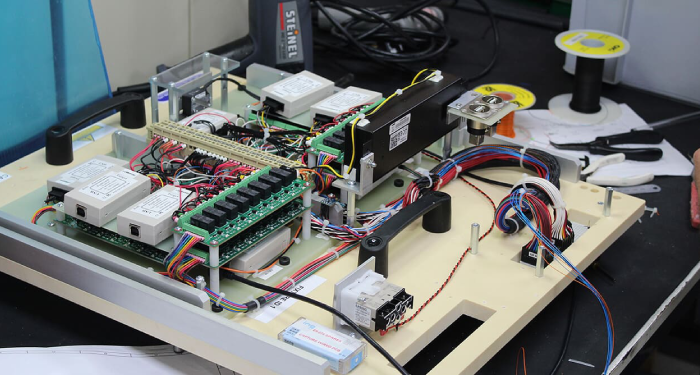
1. Definition and function
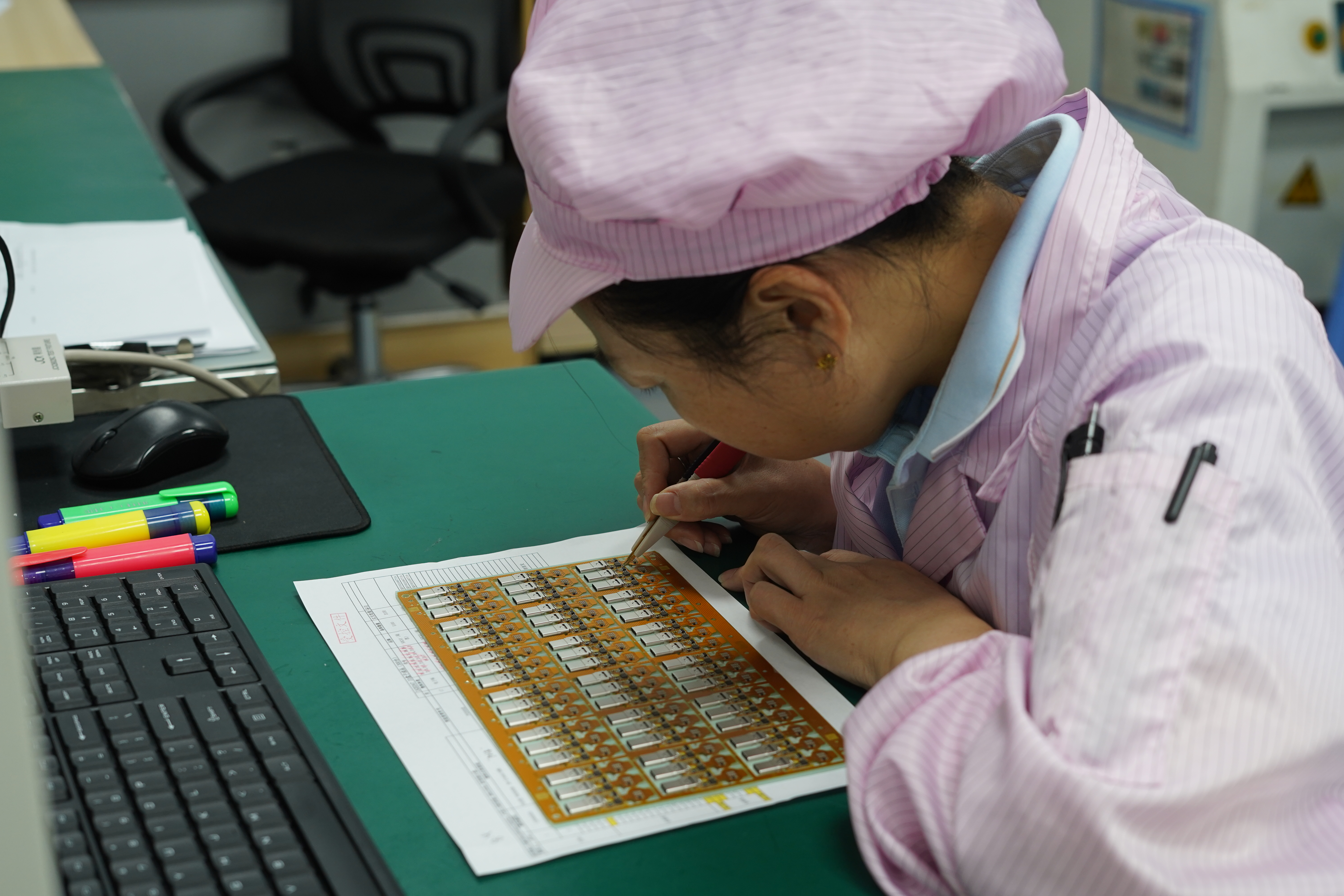
  • PCB: PCB is the cornerstone of electronic devices, providing physical support and electrical connection for electronic components. It consists of a conductive copper layer and an insulating layer, and is usually manufactured by methods such as chemical etching. The PCB itself does not contain any electronic components, but is just an empty circuit board.
What is pcb board assembly? PCB assembly manufacturer
  • PCBA: Printed circuit board assembly refers to the installation of electronic components on the PCB to form a complete circuit. PCBA is functional and can be directly installed in the final product for use.

2. Cost and complexity

  • PCB: Since there are no electronic components, the manufacturing process is relatively simple and the cost is low.
  • PCBA: Due to the need to install and test electronic components, the manufacturing process is more complicated and the cost is higher. PCBA is more complex and more expensive than PCB.

3. Application

  • PCB: Mainly used to manufacture PCBA, as a support and connection frame for electronic components.
  • PCBA: After assembly, PCBA is used in various electronic devices such as computers, smartphones, home appliances, etc.

In summary, PCB board assembly is an interlocking, delicate and complex process. From the careful selection of component preparation, to the pretreatment of PCB boards, and the final strict control, each step should not be underestimated. It organically integrates various electronic components with PCB boards to become PCBA.

You may also like