PCB manufacturing PCB manufacturing
Home > Blog

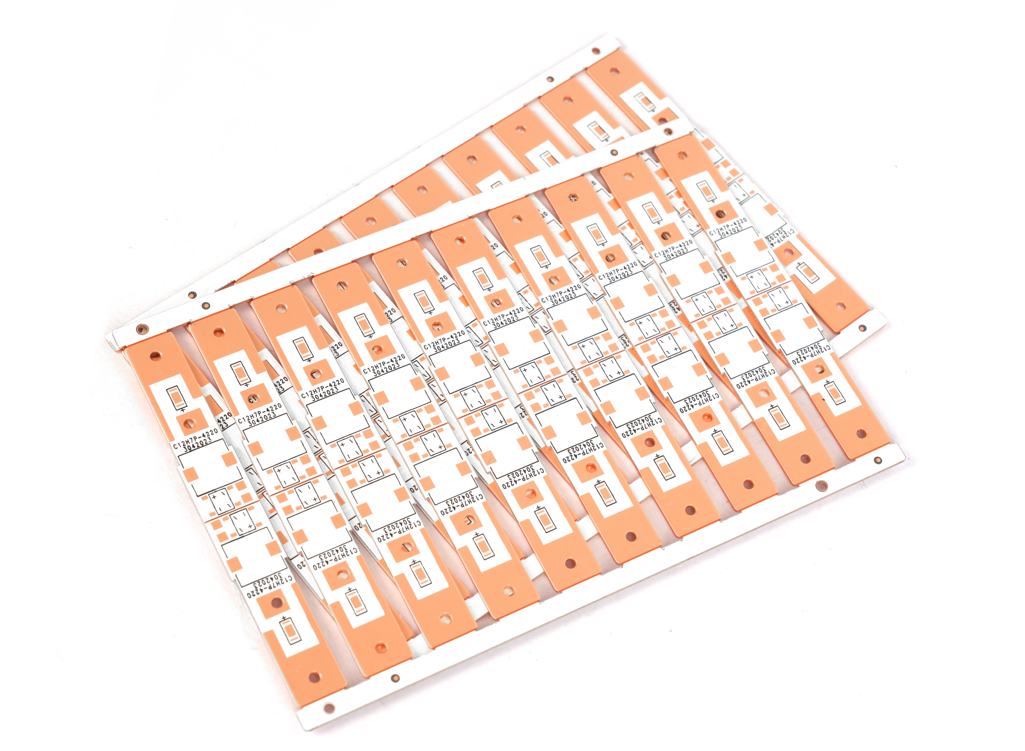
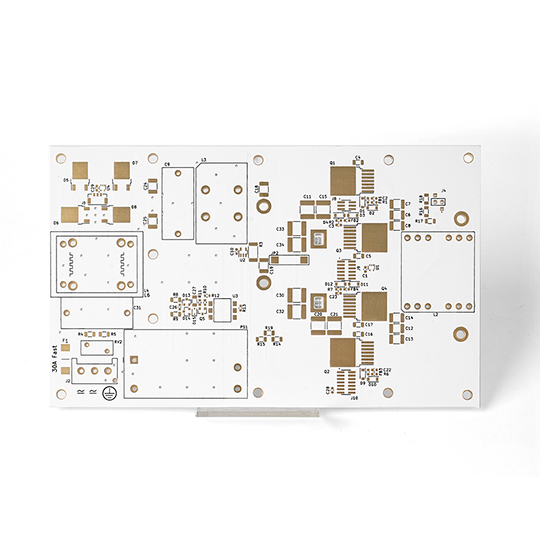
LED Machine Tool Light Aluminum PCB | High Thermal MCPCB for Industrial Lighting

April 3rd, 2026

Why Choose EBest for Your LED Machine Tool Light Aluminum PCB?

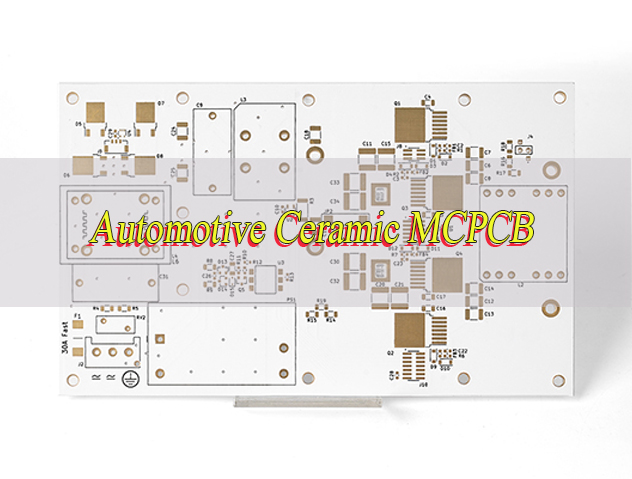
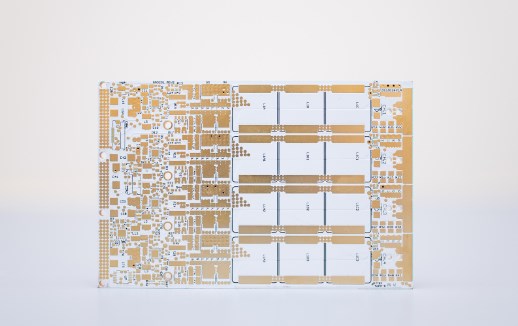
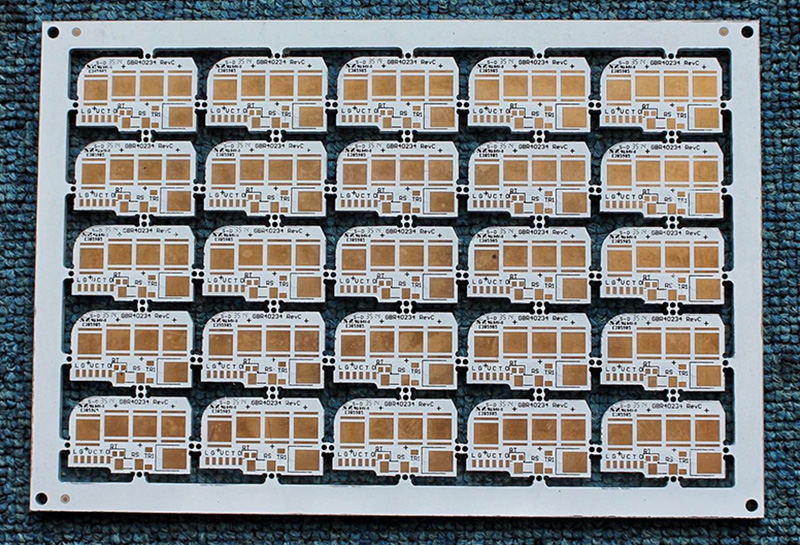
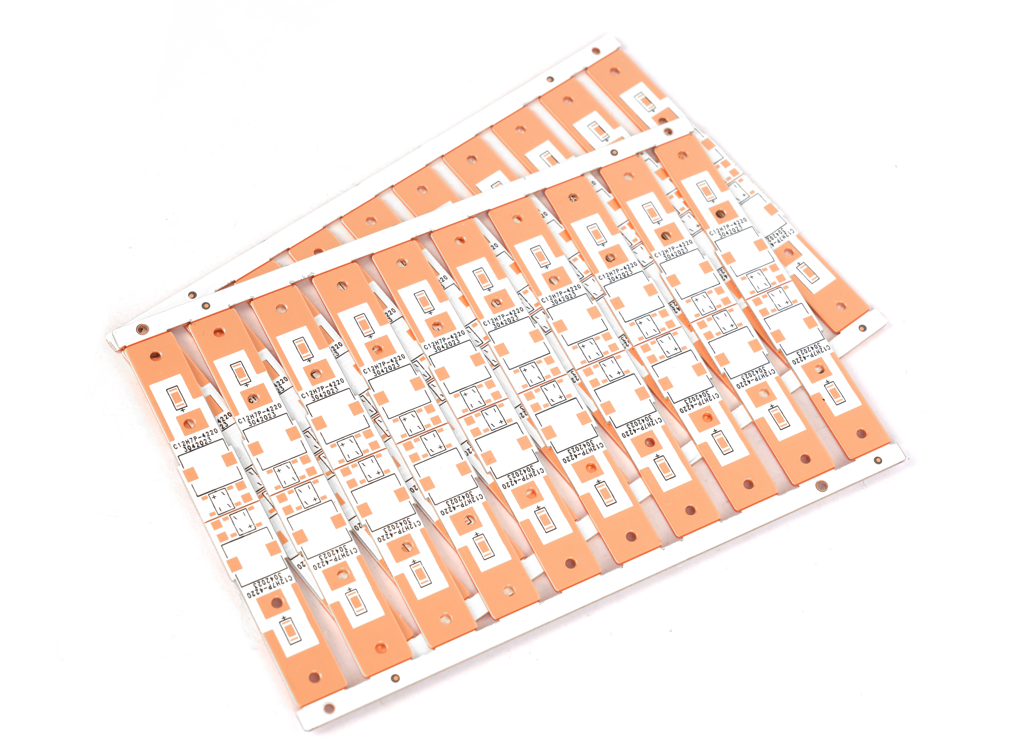
When sourcing LED Machine Tool Light Aluminum PCB, EBest is your most reliable partner—offering high-performance, durable, and precision-engineered products tailored to your needs. Our core parameters ensure optimal performance for machine tool lighting applications.

Core parameters of our LED Machine Tool Light Aluminum PCB: Thermal conductivity 1.0-4.0 W/(m·K), aluminum base thickness 0.8-3.0mm, copper foil thickness 35-200ÎŒm, operating temperature range -50℃ to 100℃, insulation voltage ≄2.5kV, and dimensional tolerance ±0.1mm. Order from EBest today for consistent quality and tailored solutions.

LED Machine Tool Light Aluminum PCB | High Thermal MCPCB for Industrial Lighting

Why Choose EBest for LED Machine Tool Light Aluminum PCB?

  • Quality: We use A-grade 6061/5052 aluminum substrates and high-quality insulation layers, with 100% full inspection before delivery to eliminate defects. Our products pass strict aging tests (85°C/85%RH for 1000 hours) to guarantee long-term reliability.
  • Lead Time: With a monthly production capacity of 260,000 square feet (28,900 square meters), we deliver standard orders in 3-5 business days and urgent orders within 24 hours—guaranteeing zero delays.
  • Supply Chain: Our stable, integrated supply chain covers all electronic components (SMD, BGA, QFN, QFP) and aluminum substrates, ensuring consistent material supply and preventing production interruptions.
  • Service: We offer one-stop solutions, including custom design, prototype production, and after-sales support. Our team provides personalized guidance to resolve your specific application challenges.

What Are the Key Pain Points of LED Machine Tool Light Aluminum PCB, and How Does EBest Solve?

Many users face common issues with LED Machine Tool Light Aluminum PCB, including poor heat dissipation, unstable performance, short service life, and inconsistent supply. EBest addresses each pain point with targeted, practical solutions.

  • Poor Heat Dissipation: Our aluminum PCBs feature high-thermal-conductivity insulation layers (1.0-10.0 W/(m·K)) and optimized circuit layout, reducing LED junction temperature by 15-20°C and preventing overheating damage.
  • Unstable Performance: We implement strict manufacturing process controls—using rigid alloy drills for precision drilling (15,000-30,000rpm) and laser engraving for accurate circuit patterning, ensuring signal integrity and steady operation.
  • Short Service Life: Our products undergo rigorous quality control, with anti-oxidation surface treatment (OSP/chemical nickel-gold) and 100% full inspection, extending their service life to over 100,000 hours.
  • Inconsistent Supply: With 19+ years of industry experience and a robust, stable supply chain, we guarantee on-time delivery even for large bulk orders. Choose EBest to eliminate supply chain risks and keep your production on track.

What Is LED Machine Tool Light Aluminum PCB, and Why Is It Essential?

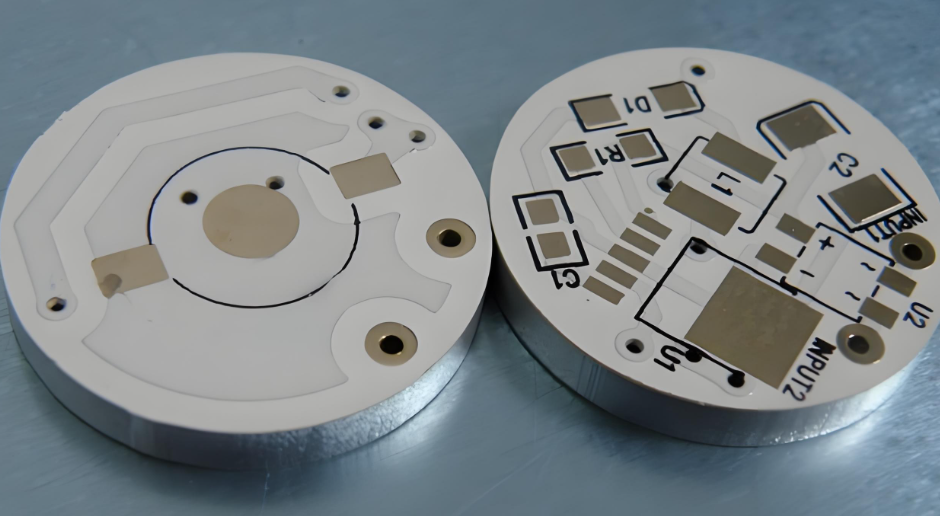
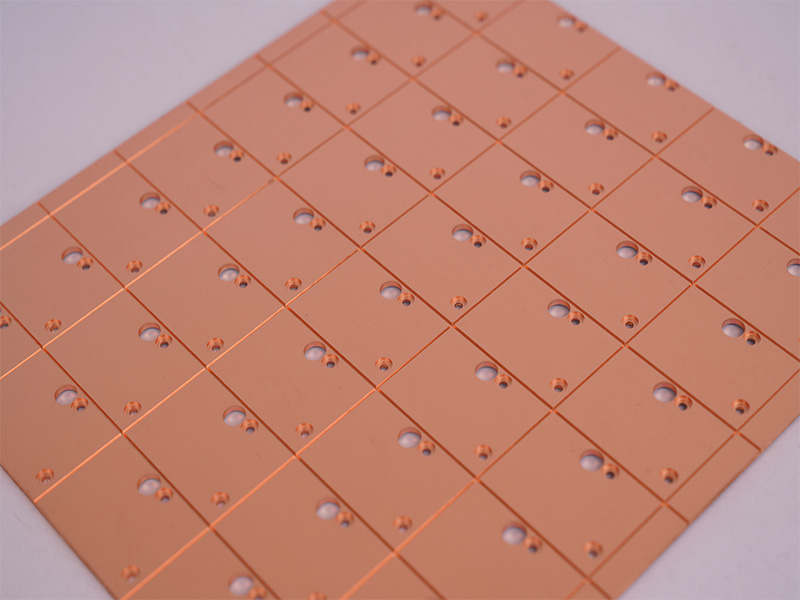
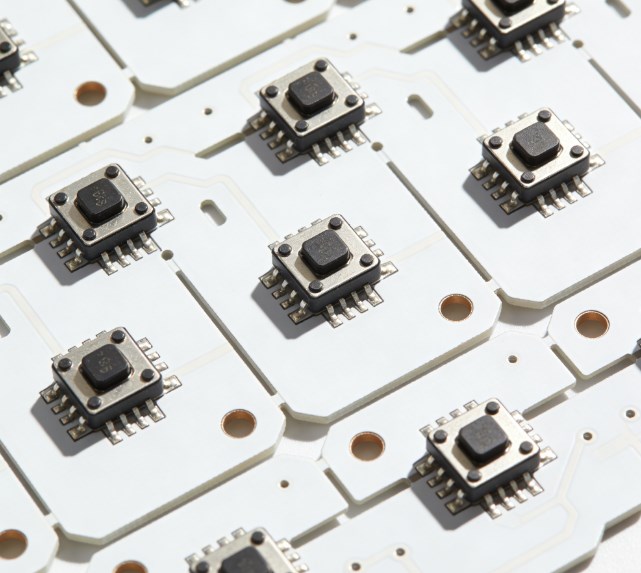
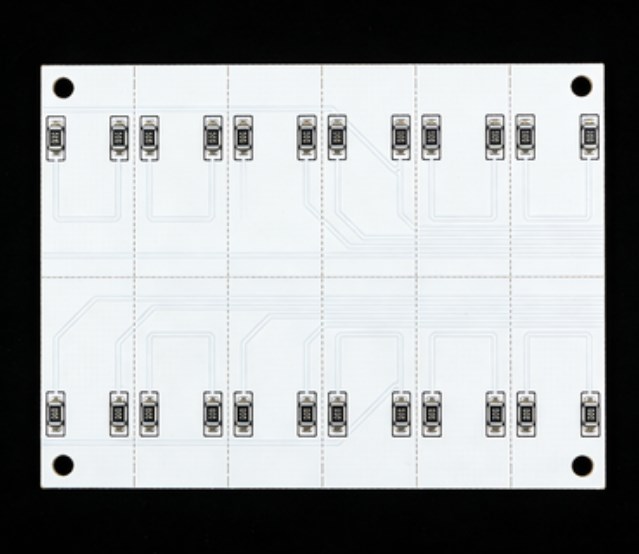
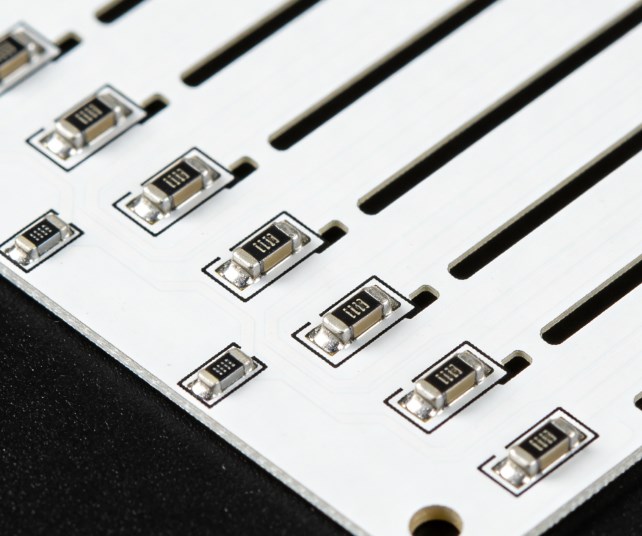
LED Machine Tool Light Aluminum PCB is a specialized metal-core PCB designed for machine tool lighting systems, combining aluminum’s excellent thermal conductivity with the electrical functionality of standard PCBs. It is indispensable for reliable, long-lasting machine tool lighting.

Unlike traditional FR4 PCBs (0.3-0.5 W/(m·K)), aluminum PCBs boast far higher thermal conductivity (1.0-4.0 W/(m·K)), which quickly dissipates heat from high-power LEDs—critical for machine tools running 24/7.

Its rigid aluminum base also delivers superior mechanical strength, resisting vibration and impact in harsh machine shop environments, and ensuring stable performance even in extreme working conditions.

LED Machine Tool Light Aluminum PCB | High Thermal MCPCB for Industrial Lighting

How to Design LED Machine Tool Light Aluminum PCB for Optimal Performance?

Designing LED Machine Tool Light Aluminum PCB for peak performance requires careful focus on thermal management, circuit layout, and material selection—follow this step-by-step guide for best results.

1. Choose the Right Aluminum Substrate

For high-power LED machine tool lights (>3W per chip), use a 1.5mm+ aluminum base with an insulation layer thermal resistance of <1.0°C·inÂČ/W. For medium-power lights (0.5-3W per chip), a 1.0-1.5mm aluminum base is sufficient.

2. Optimize Layout & Wiring

Add thermal via arrays in high-heat zones, maintain at least 3mm spacing between LEDs for effective heat diffusion, and use grid-shaped ground layers to improve uniform heat distribution. Avoid routing precision signal lines directly over the aluminum base.

3. Select Appropriate Copper Foil Thickness

Use 1oz (35ÎŒm) copper foil for 0.5-1W LEDs and 2oz (70ÎŒm) copper foil for 1-3W LEDs. Calculate copper foil width based on current load (1A requires 0.5-1mm width) to avoid current loss and uneven brightness.

What Are the Differences Between LED Machine Tool Light Aluminum PCB and FR4 PCB?

Choosing between LED Machine Tool Light Aluminum PCB and FR4 PCB depends on your specific application needs—below is a detailed comparison to help you make the right choice.

Comparison FactorLED Machine Tool Light Aluminum PCBFR4 PCB
Thermal Conductivity1.0-4.0 W/(m·K), excellent heat dissipation0.3-0.5 W/(m·K), poor heat dissipation
Mechanical StrengthHigh, rigid aluminum base resists vibration and impactLow, brittle and prone to damage in harsh environments
Operating Temperature Range-50℃ to 100℃, suitable for harsh machine shop conditions-20℃ to 80℃, only for mild working environments
LED Service Life ImpactExtends LED lifespan by 30-50% via efficient thermal managementShortens LED lifespan due to heat buildup, especially for high-power LEDs
Application SuitabilityIdeal for 24/7 machine tool lighting and high-power LED setupsOnly suitable for low-power, intermittent-use machine lights

Which Industries Rely on LED Machine Tool Light Aluminum PCB?

LED Machine Tool Light Aluminum PCB is widely used in industries that demand high-performance, durable machine tool lighting. Below are four proven industry cases from EBest’s clients.

1. Automotive Manufacturing

A leading automotive parts manufacturer required LED machine tool lights for CNC lathes. EBest’s aluminum PCBs lowered LED junction temperature by 18°C, ensuring uninterrupted 24/7 operation for over 2 years without failures.

2. Aerospace Component Production

An aerospace client needed precision machine tool lighting with strict reliability standards. Our AS9100D-certified aluminum PCBs met their rigorous high-temperature and vibration resistance requirements.

3. Medical Equipment Manufacturing

A medical device manufacturer needed sterile, stable machine tool lighting. EBest’s ISO 13485-certified aluminum PCBs delivered consistent performance and easy cleaning, fully complying with medical industry standards.

4. Heavy Machinery Repair

A heavy machinery repair company needed rugged machine tool lights for outdoor field use. Our IP65-protected aluminum PCBs with -50℃ cold resistance performed reliably in harsh outdoor working conditions.

How to Test the Quality of LED Machine Tool Light Aluminum PCB?

Testing LED Machine Tool Light Aluminum PCB is critical to verify performance and long-term reliability—follow these key steps to ensure quality compliance.

1. Thermal Conductivity Test

Use a professional thermal conductivity meter to measure the substrate’s thermal conductivity. Confirm it falls within the 1.0-4.0 W/(m·K) range for machine tool applications.

2. Insulation Voltage Test

Test the insulation voltage between the circuit layer and aluminum base—it must measure ≄2.5kV to prevent electrical leakage in industrial machine shop environments.

3. Mechanical Strength Test

Check vibration resistance (10-500Hz) and impact resistance (10J) to ensure the PCB can withstand constant mechanical vibrations from operating machinery.

4. Aging Test

Conduct an 85°C/85%RH aging test for 1000 hours. The PCB should show no signs of delamination, discoloration, or performance degradation after testing.

LED Machine Tool Light Aluminum PCB | High Thermal MCPCB for Industrial Lighting

What Are the Latest Trends in LED Machine Tool Light Aluminum PCB Technology?

The LED Machine Tool Light Aluminum PCB industry is continuously evolving to meet higher performance demands—here are the top trends shaping the market.

  • High Thermal Conductivity Materials: Nanofilled insulation layers (thermal conductivity >3W/m·K) are growing in popularity, further boosting heat dissipation for high-power LED modules.
  • Thin-Film Design: 0.3mm ultra-thin aluminum PCBs are gaining traction for compact machine tool light designs, reducing overall product size without compromising performance.
  • Integration: Aluminum PCBs are being integrated with built-in heat sinks, eliminating the need for separate cooling components and simplifying machine light assembly.

How to Choose the Right Thickness for LED Machine Tool Light Aluminum PCB?

The thickness of LED Machine Tool Light Aluminum PCB directly affects its performance—select the right thickness based on LED power rating, application environment, and mechanical demands.

  • Low-Power LED Machine Tool Lights (≀0.5W)

Use a 0.8-1.0mm aluminum base. This thickness balances heat dissipation and cost efficiency, perfect for low-intensity, intermittent-use machine lights.

  • Medium-Power LED Machine Tool Lights (0.5-3W)

Use a 1.0-1.5mm aluminum base. It delivers sufficient heat dissipation and mechanical strength for most standard machine tool lighting setups.

  • High-Power LED Machine Tool Lights (>3W)

Use a 1.5-3.0mm aluminum base. The thicker substrate enhances heat dissipation and vibration resistance, ideal for 24/7 high-intensity industrial operation.

What Surface Treatments Are Best for LED Machine Tool Light Aluminum PCB?

Surface treatments for LED Machine Tool Light Aluminum PCB improve solderability, corrosion resistance, and durability—these are the top options for industrial machine tool applications.

  • OSP (Organic Solderability Preservative)

Cost-effective and ideal for most general machine tool applications. It provides reliable solderability and protects copper circuits from oxidation.

  • Chemical Nickel-Gold

Offers superior corrosion resistance and consistent solderability, perfect for machine tool lights used in humid or harsh industrial environments (e.g., heavy machinery repair).

  • Immersion Tin

Provides a flat, uniform surface for SMT assembly, ensuring stable and consistent LED soldering. Suitable for high-precision machine tool light designs.

What Services & Quality Certifications Does EBest Offer for LED Machine Tool Light Aluminum PCB?

EBest provides comprehensive one-stop services and holds industry-leading certifications to deliver premium-quality LED Machine Tool Light Aluminum PCB for your needs.

Our Core Services

  • PCB Fabrication: Custom LED Machine Tool Light Aluminum PCB prototypes and low-to-high volume production, with specialized substrate and material customization.
  • Component Supply: Stable, reliable sourcing of all electronic components (SMD, BGA, QFN, QFP) for seamless PCB assembly.
  • Full Turnkey PCB Assembly: End-to-end solutions covering design, prototyping, assembly, and final delivery.
  • Value-Added Services: Injection molding, CNC machining, and sheet metal fabrication to support complete machine tool light assembly.
  • Quick Turn Service: Expedited LED Machine Tool Light Aluminum PCB orders shipped within 24 hours for urgent production needs.

Our Quality Certifications

Certification NameRelevance to LED Machine Tool Light Aluminum PCB
IATF 16949Meets automotive industry standards for reliability and strict quality control
ISO 9001:2015Ensures standardized production processes and consistent product quality
ISO 13485:2016Complies with medical industry requirements for sterile, high-reliability components
AS9100DMeets aerospace industry standards for high-precision, ultra-reliable components
REACHEnsures full compliance with EU environmental and safety regulations
RoHSFree of hazardous substances, suitable for global market distribution
ULMeets strict safety standards for electrical components in industrial machinery

FAQ: Common Questions About LED Machine Tool Light Aluminum PCB (Answered)

1. How long does LED Machine Tool Light Aluminum PCB last?

LED Machine Tool Light Aluminum PCB from EBest has a service life of over 100,000 hours. This exceptional lifespan comes from our premium raw materials, strict quality control, and efficient thermal management design that prevents overheating and component wear.

2. Can EBest customize LED Machine Tool Light Aluminum PCB for my specific needs?

Yes, EBest offers full customization for LED Machine Tool Light Aluminum PCB. We can adjust aluminum base thickness, copper foil thickness, thermal conductivity rating, and physical dimensions to match your machine tool light’s unique specifications.

3. What is the lead time for LED Machine Tool Light Aluminum PCB orders?

Standard orders for LED Machine Tool Light Aluminum PCB ship in 3-5 business days. We also offer dedicated expedited services, with urgent orders processed and shipped within 24 hours to meet tight production schedules.

4. Does LED Machine Tool Light Aluminum PCB require special maintenance?

No, our LED Machine Tool Light Aluminum PCB requires minimal maintenance. The anti-oxidation surface treatment and heavy-duty industrial materials resist corrosion and abrasion, ensuring stable performance with no routine upkeep.

5. Can LED Machine Tool Light Aluminum PCB withstand harsh machine shop environments?

Yes. Our aluminum PCBs are engineered to withstand vibration (10-500Hz), impact (10J), and extreme temperatures (-50℃ to 100℃), making them fully suitable for harsh industrial machine shop conditions.

6. How does EBest ensure the quality of LED Machine Tool Light Aluminum PCB?

EBest guarantees quality through 100% full inspection before shipment, strict raw material testing, and compliance with top industry certifications (IATF 16949, ISO 9001:2015, etc.). We also perform mandatory aging and thermal performance tests to verify product reliability.

7. Is LED Machine Tool Light Aluminum PCB compatible with SMT assembly?

Yes, our LED Machine Tool Light Aluminum PCB is fully compatible with standard SMT assembly. We use professional surface treatments (OSP, chemical nickel-gold) that enhance solderability, ensuring seamless integration with LED components.

How to Ensure Consistent Performance of LED Machine Tool Light Aluminum PCB?

Consistent performance of LED Machine Tool Light Aluminum PCB depends on quality material selection, precise manufacturing processes, and strict quality control—follow these tips to maintain reliable operation.

Choose high-grade 6061/5052 aluminum alloy substrates and premium insulation layers to avoid thermal degradation over time. Partner with a manufacturer that uses precision processes like laser drilling and rigid alloy machining to ensure uniform dimensions and circuit quality.

Work with a trusted supplier like EBest, backed by a stable supply chain and rigorous quality checks, to avoid material inconsistencies. Regular performance testing (thermal, insulation, aging) also helps catch potential issues early before they impact operation.

LED Machine Tool Light Aluminum PCB | High Thermal MCPCB for Industrial Lighting

Why Is Thermal Management Critical for LED Machine Tool Light Aluminum PCB?

Thermal management is critical for LED Machine Tool Light Aluminum PCB because LED chips convert 75-85% of electrical energy into heat—poor heat dissipation directly leads to degraded performance and shortened service life.

Excessive heat raises LED junction temperature, causing brightness decay (up to 40% for high-power LEDs) and premature component failure. Efficient thermal management via high-conductivity aluminum PCBs cuts junction temperature by 15-20°C, extending LED lifespan by 30-50%.

For 24/7 operating machine tools, reliable thermal management ensures steady lighting output, reduces unplanned downtime, and lowers long-term maintenance costs.

Choose EBest for Your LED Machine Tool Light Aluminum PCB Needs

EBest offers premium, custom LED Machine Tool Light Aluminum PCB solutions tailored to your industry and application requirements. With 19+ years of industry expertise, industry-leading certifications, and a stable global supply chain, we are your trusted partner for reliable, high-performance products.

We provide end-to-end one-stop solutions, from custom design and prototyping to full assembly and delivery, with fast lead times and personalized technical support. For all your LED Machine Tool Light Aluminum PCB needs, place your order today by emailing us at sales@bestpcbs.com

You may also like

LED PAR Can Light Copper Core PCB – Solve Overheating for Stage Lighting

April 2nd, 2026

LED PAR Can Light Copper Core PCB is a specialized thermal-management circuit board designed to handle the intense heat generated in high-power stage lighting systems. This article explains how copper core PCB technology improves reliability, brightness stability, and lifespan in LED PAR can lights, and how to select the right design and manufacturer.

EBest Circuit (Best Technology) is a professional LED PAR Can Light Copper Core PCB manufacturer with strong experience in thermal PCB design and production for demanding lighting applications. Whether you are a production engineer concerned about uneven heat dissipation and color inconsistency, a hardware designer looking for better thermal efficiency for fast color switching, a sourcing team balancing cost and lead time, or a technical researcher evaluating materials under repeated thermal cycling, our team can provide dependable copper core PCB solutions that match real stage lighting requirements. For project support or immediate assistance, pls feel free to call us at +86-755-2909-1601.

LED PAR Can Light Copper Core PCB

What Is LED PAR Can Light Copper Core PCB?

An LED PAR Can Light Copper Core PCB is a type of metal core printed circuit board that uses copper as the base material instead of traditional aluminum or FR4.

Unlike standard boards, it offers a highly efficient thermal path from the LED chips to the heat sink. This helps stage lighting products maintain stable brightness and color output during long operating periods.

Typical Structure

LayerMaterialFunction
Top LayerCopper Circuit 1 oz to 3 ozElectrical routing and LED mounting
Dielectric LayerHigh thermal conductivity insulationElectrical isolation and heat transfer
Base LayerCopper core 1.0 mm to 2.0 mmHeat spreading and structural support

This structure is especially useful in PAR can fixtures, where power density is high and thermal buildup can quickly affect performance.

LED PAR Can Light Copper Core PCB

Why Do LED PAR Can Lights Overheat Easily?

LED PAR can lights often work in compact housings with limited airflow. At the same time, they are expected to deliver strong output, precise color mixing, and stable performance during long shows.

This creates several thermal challenges:

  • High power LED arrays in a small space
  • Continuous operation during live events
  • Frequent color switching and changing thermal load
  • Dense component placement around the light source

When the PCB cannot dissipate heat evenly, several issues may appear:

  • Brightness drops during operation
  • Color output becomes less stable
  • Solder joints age faster
  • LED lifespan becomes shorter
  • Product consistency becomes harder to control

For stage lighting, thermal design affects much more than temperature. It also affects color quality, reliability, and long-term maintenance cost.

Why Choose Copper Core PCB for LED PAR Can Lighting?

Copper core PCB is often selected for premium PAR can designs because it gives stronger thermal performance than conventional board options.

Superior Heat Dissipation

Copper has very high thermal conductivity, so it can spread heat faster across the board. This helps reduce local hotspots under high-power LEDs.

Better Color Stability

In stage lighting, color consistency matters. Uneven heat distribution can shift the working condition of LEDs, especially in multi-color designs. A copper core structure helps keep thermal conditions more balanced, which supports more stable color output.

Improved Reliability

Repeated heating and cooling cycles put stress on solder joints and LED packages. Copper core PCBs help reduce thermal stress and improve product durability.

Support for Higher Power Density

For compact PAR can fixtures, designers often need more output from less space. Copper core PCB makes that easier by improving thermal transfer and supporting tighter, high-power layouts.

How Does Copper Core PCB Compare to Aluminum PCB in PAR Lights?

FeatureCopper Core PCBAluminum PCBPractical Impact in PAR Lights
Thermal ConductivityHigherHighCopper spreads heat faster
Heat UniformityExcellentGoodBetter for multi-color LED consistency
Structural StrengthStrongGoodSuitable for demanding designs
CostHigherLowerAluminum fits basic projects, copper fits high-performance builds
Long-Term ReliabilityVery highHighCopper performs better under repeated thermal stress

For standard lighting products, aluminum PCB may be enough. For high-power PAR can lights with stricter thermal and color stability requirements, copper core PCB is usually the better engineering choice.

What Are the Key Layout Rules for LED PAR Can Copper Core PCB?

Good material selection helps, but layout design has an equally large influence on final thermal performance.

Keep Thermal Paths Short and Direct

Place LEDs in positions that allow heat to move quickly into the copper base. Avoid unnecessary thermal barriers in the structure.

Distribute Heat Evenly

Arrange LEDs symmetrically when possible. This helps prevent one area of the board from running much hotter than the rest.

Match Trace Width to Current Demand

High-power lighting circuits need proper copper width to carry current safely and reduce voltage drop. This is especially important in PAR can boards with multiple LED channels.

Consider Color Channel Balance

For RGB or RGBW stage lighting, different channels may generate different heat loads. The layout should consider this to maintain balanced color switching and stable output.

Use Suitable Dielectric Materials

The dielectric layer should provide both electrical insulation and efficient heat transfer. Selecting the right thermal conductivity level is essential for reliable board behavior.

Leave Room for Mechanical Integration

PAR can fixtures often have compact housings, reflectors, screws, heat sinks, and optical parts nearby. PCB layout should support easy integration into the full lighting structure.

What Materials and Stackups Are Used in LED PAR Can Copper Core PCB?

The exact stackup depends on power level, LED density, and target fixture design, but several configurations are common.

Common Stackup Example

ParameterTypical Range
Circuit Copper Thickness1 oz to 3 oz
Dielectric Thermal Conductivity3 W/m·K to 8 W/m·K
Copper Core Thickness1.0 mm to 2.0 mm
Surface FinishENIG, OSP

For Higher Power Designs

High-end PAR can boards may use:

  • Thicker copper circuits for higher current
  • Thinner dielectric layers for faster heat transfer
  • Optimized pad structures for direct thermal flow
  • More robust material combinations for repeated thermal cycling

The right stackup should match both electrical demand and lighting application conditions.

When Should You Use Copper Core PCB Instead of Aluminum?

Copper core PCB is especially suitable when the project includes one or more of the following conditions:

  • High power LED output
  • Compact fixture size
  • Frequent color switching
  • Strict color consistency requirements
  • Continuous operation in professional lighting environments
  • Demand for longer service life

If the product is lower power and more cost-sensitive, aluminum PCB may still be a practical option. But for premium stage lighting performance, copper core is often worth the investment.

How to Choose a Reliable Manufacturer for Copper Core PCB?

Choosing the right supplier is not only about price. For stage lighting projects, a reliable manufacturer should understand both thermal PCB fabrication and practical lighting requirements.

Look for Real Copper Core PCB Experience

Not every PCB factory handles copper core boards well. Processing copper core materials requires more control in machining, routing, and thermal structure design.

Check Engineering Support

A good manufacturer should help with:

  • Stackup recommendation
  • Thermal design review
  • Manufacturability optimization
  • Material selection advice

Review Quality Control Capability

Important controls include:

  • Incoming material inspection
  • AOI and process inspection
  • Thermal structure consistency checks
  • Reliability validation for long operating cycles

Evaluate Delivery and Supply Stability

For purchasing teams, lead time matters just as much as quality. A dependable supplier should provide reasonable production planning and stable batch delivery.

Why Work With EBest for LED PAR Can Light Copper Core PCB?

EBest Circuit (Best Technology) provides custom copper core PCB manufacturing and assembly support for high-demand LED lighting applications.

Our team understands the challenges behind stage lighting products, including thermal balance, color switching stability, structural integration, and delivery efficiency. We support customers from prototype evaluation to mass production with engineering-focused service.

What We Offer

  • Copper core PCB fabrication for lighting applications
  • Design for manufacturability support
  • Material and stackup recommendations
  • PCB assembly support when required
  • Stable production capacity for prototype and volume orders

Why Customers Choose Us

  • Strong experience in thermal PCB manufacturing
  • Support for custom high-power lighting boards
  • Engineering communication that helps solve real product issues
  • Responsive service for both development and sourcing teams
LED PAR Can Light Copper Core PCB

To conclude, for stage lighting products, overheating is not only a thermal issue. It also affects color quality, service life, and product consistency. That is why many higher-end PAR can designs move toward copper core PCB instead of standard alternatives.

If your fixture needs stronger thermal control, better color stability, and more dependable long-term performance, LED PAR Can Light Copper Core PCB is a very practical solution.

If you are developing a new stage lighting product or improving an existing PAR can design, EBest Circuit (Best Technology) can support you with professional copper core PCB solutions. Pls feel free to contact us at sales@bestpcbs.com or call +86-755-2909-1601 to discuss your project.

FAQs About LED PAR Can Light Copper Core PCB

What is the main benefit of copper core PCB in LED PAR can lights?

The main benefit is faster and more uniform heat dissipation. This improves reliability, brightness stability, and color consistency.

Is copper core PCB always better than aluminum PCB?

Not always. It depends on the product target. For high-power, compact, or color-sensitive PAR can designs, copper core PCB usually provides better performance.

Does copper core PCB help color switching stability?

Yes. Better thermal control helps reduce temperature-related variation, which supports more stable color behavior during operation.

Is copper core PCB more expensive?

Yes, the material and processing cost are generally higher than aluminum PCB. However, it can offer better long-term value in demanding stage lighting products.

What files are needed for a quotation?

A complete quote usually requires Gerber files, PCB specifications, quantity, and any special thermal or assembly requirements.

You may also like

LED Lawn Light Aluminum PCB – Solve Overheating for Parks

April 1st, 2026

LED Lawn Light Aluminum PCB is a practical thermal solution for outdoor landscape lighting. This article explains how LED Lawn Light Aluminum PCB improves heat dissipation, enhances reliability, and extends the lifespan of outdoor park lighting systems.

EBest Circuit (Best Technology) is a professional LED Lawn Light Aluminum PCB manufacturer with over 20 years of experience. We understand the key challenges in lawn lighting, including compact size, uneven heat dissipation, outdoor reliability, and cost control. Our engineering team delivers small-size aluminum PCB solutions with stable thermal performance, good waterproof compatibility, and design support for both aesthetics and functionality. With strong mass production capability and a reliable supply chain, we help improve product quality while keeping costs under control. We are happy to discuss your project anytime at +86-755-2909-1601.

LED Lawn Light Aluminum PCB

What Is LED Lawn Light Aluminum PCB?

LED Lawn Light Aluminum PCB is a type of metal core printed circuit board made for outdoor LED lighting. Instead of using only traditional FR4 material, this board uses an aluminum base as the main heat-spreading layer. That makes it much better at transferring heat away from LEDs.

In a lawn light, the board is not just a carrier for components. It also plays a major role in thermal control. Since lawn lights often operate in enclosed housings and stay on for long hours at night, the PCB must help control internal temperature.

A typical aluminum PCB for LED lawn lights includes three main layers:

LayerMaterialFunction
Circuit LayerCopper foilCarries current and mounts LEDs
Insulation LayerThermally conductive dielectricElectrically isolates while transferring heat
Base LayerAluminum plateSpreads and releases heat

Compared with standard FR4 boards, aluminum PCBs are stronger in heat dissipation, more stable in outdoor operation, and better suited for medium- and high-power LED applications.

In short, LED Lawn Light Aluminum PCB is both a circuit platform and a thermal solution for reliable outdoor lighting.

LED Lawn Light Aluminum PCB

Why Do LED Lawn Lights Overheat in Parks?

LED lawn lights are installed outdoors, but that does not always mean they stay cool. In fact, many park lighting systems face heat buildup because the fixture design is compact and airflow is limited.

There are several common reasons why overheating happens.

First, lawn lights often run for many hours every night. Long operating time leads to continuous heat accumulation inside the fixture.

Second, park lighting is exposed to changing weather. During summer, the ambient temperature may already be high before the light even turns on. That leaves less room for the LED to release heat.

Third, many lawn lights use sealed housings to improve waterproof performance. While this is good for IP protection, it reduces natural ventilation.

Fourth, compact fixture design can make the thermal path too short or too weak. If the heat cannot move from the LED package to the housing quickly enough, the internal temperature rises.

When overheating is not solved in time, several problems appear:

  • Faster lumen decay
  • Noticeable color shift
  • Shorter LED lifespan
  • Reduced driver stability
  • More solder joint stress
  • Higher maintenance frequency in public areas

For park projects, this matters a lot. Large-scale lighting installations are expected to work for years with low maintenance. A poor thermal design creates long-term cost issues, even if the initial fixture price looks attractive.

As a result, overheating in park lawn lights usually comes from long runtime, sealed structures, and poor heat escape paths.

How Does Aluminum PCB Help Solve Overheating?

The biggest advantage of aluminum PCB is its ability to move heat away from the LED quickly and efficiently. This happens because the board structure creates a more direct thermal path than a traditional FR4 board.

When the LED is working, heat is generated at the junction. That heat must travel through the solder pad, dielectric layer, and base material before reaching the housing or surrounding air. In an aluminum PCB, the base metal spreads heat much faster than standard epoxy glass material.

Here is how it helps in real use:

Lower thermal resistance

The thermal resistance of the board is reduced because the heat does not stay concentrated around the LED pad for too long. Instead, it is transferred into the aluminum base and then spread over a larger area.

Better heat spreading

An aluminum base works like a thermal platform. Rather than allowing heat to gather in one hot spot, it distributes heat more evenly across the board. This supports more stable LED performance.

Improved junction temperature control

A lower LED junction temperature usually means better lumen maintenance, less color drift, and longer service life. This is one of the biggest reasons aluminum PCB is preferred for outdoor lighting.

Stronger fixture integration

Aluminum PCBs can be mounted closely to metal housings or heatsink structures. This allows the PCB and fixture body to work together as one thermal system.

For park lawn lights, that integration is especially useful. Designers often need slim and attractive fixture shapes, but they still need dependable heat control. Aluminum PCB makes that balance easier to achieve.

Therefore, aluminum PCB helps solve overheating by reducing thermal resistance and moving heat into the fixture structure more effectively.

What Are the Key Design Rules for LED Lawn Light Aluminum PCB?

A good aluminum PCB still needs a good layout. Material alone does not guarantee thermal performance. The design rules used in the circuit and mechanical layout will strongly affect the final result.

One important rule is to keep the thermal path short. The LED thermal pad should connect to a large copper area so heat can move out quickly.

Another rule is to avoid unnecessary heat concentration. If too many high-power LEDs are placed too close together, local hot spots can form. A proper component spacing strategy helps reduce that issue.

Trace width also matters. Narrow traces create additional resistance and can generate extra heat under higher current. Wider traces are safer for outdoor LED current paths.

White solder mask is often preferred in lighting boards. It can improve light reflection and support better optical efficiency, which is useful in lawn and garden fixtures where uniform illumination matters.

Designers should also pay attention to board shape and mounting hole location. Since lawn lights often have unique mechanical designs, the aluminum PCB must match the fixture housing well to create an effective heat transfer interface.

Here is a simple design reference table:

Design ItemRecommendationBenefit
Copper thickness1 oz to 3 ozBetter current handling and heat spreading
Aluminum thickness1.0 mm to 1.6 mmGood balance of strength and heat dissipation
LED spacingAvoid overly dense layoutReduces hot spots
Solder maskWhite preferredBetter light reflectivity
Mounting fitClose contact with housingImproves thermal transfer

In addition, outdoor use requires attention to waterproof compatibility. The PCB design should support conformal coating, sealing, or encapsulation when needed.

For this reason, strong thermal layout and good mechanical fit are just as important as the aluminum material itself.

What Materials and Stackups Are Commonly Used?

Material choice affects both performance and cost. For LED lawn light applications, the most common solution is a single-layer aluminum PCB with a thermally conductive dielectric.

A common stackup looks like this:

LayerTypical Specification
Copper circuit layer1 oz or 2 oz
Dielectric layer75 ÎŒm to 150 ÎŒm
Aluminum base1.0 mm, 1.5 mm, or 1.6 mm

For lower-power lawn lights, a standard thermal dielectric may be enough. For higher-power designs or compact fixtures, a higher thermal conductivity dielectric material is usually preferred.

Some projects may also use thicker copper when current is higher or when better lateral heat spreading is needed. However, thicker copper increases both cost and processing complexity, so it should be selected based on actual application needs.

The aluminum base itself is usually chosen for its good thermal behavior, mechanical strength, and cost efficiency. Compared with copper core boards, aluminum offers a better balance for most park lighting applications.

In outdoor products, stackup selection should not be based on thermal performance alone. It should also consider mechanical durability, waterproof design, and long-term production consistency.

Likewise, the right stackup should balance heat dissipation, structural strength, and cost for the actual lighting design.

How Does Aluminum PCB Compare With FR4 for Lawn Light Applications?

Aluminum PCB and FR4 PCB may look similar in basic circuit function, but they perform very differently in outdoor LED lighting.

FR4 is widely used in electronics because it is affordable and easy to process. However, it is not ideal for high-heat LED applications. Its thermal conductivity is much lower, so heat tends to stay near the LED rather than move away efficiently.

Aluminum PCB is better suited for lawn lights because it adds a strong heat dissipation path. That leads to better long-term stability in outdoor use.

Here is a direct comparison:

ItemAluminum PCBFR4 PCB
Heat dissipationExcellentLimited
Suitability for high-power LEDsHighLow
Outdoor reliabilityBetterLower in hot enclosed fixtures
Mechanical strengthGoodGood
Initial material costHigherLower
Maintenance cost over timeLowerOften higher

In low-power decorative lights, FR4 may still be used in some cases. But for park lawn lights that need stable brightness, longer life, and reduced maintenance, aluminum PCB is usually the more practical choice.

That is especially true in public installations, where replacing failed fixtures costs labor and affects the appearance of the whole lighting system.

By comparison, aluminum PCB delivers much better thermal reliability than FR4 in outdoor lawn light applications.

Where Is LED Lawn Light Aluminum PCB Commonly Used?

LED Lawn Light Aluminum PCB is widely used in outdoor lighting environments where heat control and product lifespan are both important.

Common applications include:

  • Park pathway lighting
  • Garden lawn lamps
  • Community landscape lighting
  • Resort and hotel outdoor lighting
  • Public square decorative lighting
  • Campus and pedestrian zone lighting

These applications often require lights to operate for long hours and maintain a clean, stable lighting effect. Since many of these installations are in public-facing environments, fixture failure is highly visible and can affect safety as well as appearance.

Aluminum PCB is also useful in projects where fixture size is limited. Designers often want small and elegant lawn light structures, but smaller fixtures leave less room for passive cooling. In those cases, the board itself must take on more of the thermal task.

For smart lighting systems, aluminum PCB can also support reliable LED operation in fixtures that include control modules, sensors, or communication functions. Stable temperature helps protect the entire internal system, not just the light source.

In practice, aluminum PCB is widely chosen for outdoor lawn lighting where long service life and stable heat control matter.

How to Choose a Reliable LED Lawn Light Aluminum PCB Manufacturer?

Choosing the right manufacturer is not only about board price. For outdoor lighting, consistency and engineering support matter just as much.

A reliable supplier should understand both PCB manufacturing and LED thermal design. That means they can evaluate the structure, dielectric material, copper weight, and mounting method based on the real operating conditions of the product.

Here are several points worth checking:

  • Experience with aluminum PCB and MCPCB production
  • Ability to support thermal design review
  • Stable raw material sourcing
  • Good control of dielectric quality
  • LED SMT assembly capability
  • Reliable testing and inspection process
  • Support for prototype and volume production

It is also helpful when the manufacturer can provide DFM feedback early. A simple layout adjustment can sometimes improve heat spreading, assembly yield, or housing fit significantly.

For lawn light projects, production quality should also include attention to flatness, solderability, coating compatibility, and dimensional accuracy. These details matter because outdoor fixtures usually require precise assembly and strong long-term sealing performance.

If the supplier can support PCB fabrication, LED assembly, and final testing together, communication becomes easier and project risk is lower.

More importantly, a strong manufacturer should combine stable production with real thermal engineering support.

LED Lawn Light Aluminum PCB

In a nutshell, LED Lawn Light Aluminum PCB effectively reduces overheating, improves LED stability, and extends product lifespan in outdoor lighting systems. For park and landscape applications, choosing the right aluminum PCB is a practical step toward more reliable and maintenance-friendly lighting. If you have a project in development, feel free to send your Gerber files or requirements to sales@bestpcbs.com for engineering support and quotation.

FAQs About LED Lawn Light Aluminum PCB

Is aluminum PCB necessary for all LED lawn lights?

Not always. For very low-power decorative lights, FR4 may still be acceptable. But for lawn lights used in parks or long-hour outdoor applications, aluminum PCB is usually the safer and more durable choice.

What aluminum thickness is commonly used?

1.0 mm to 1.6 mm is common. The final choice depends on fixture structure, thermal target, and mechanical strength requirements.

Can aluminum PCB improve LED lifespan?

Yes. By lowering the working temperature of the LED, aluminum PCB can help reduce thermal stress and slow lumen depreciation, which supports a longer usable life.

Is aluminum PCB suitable for waterproof outdoor lighting?

Yes. It is widely used in waterproof outdoor fixtures. The PCB itself is usually combined with sealing design, coating, or encapsulation to meet the required protection level.

Is aluminum PCB more expensive than FR4?

The initial board cost is usually higher. However, in many outdoor projects, the longer lifespan and lower maintenance cost make it more cost-effective over time.

Can aluminum PCB be used with smart lawn lights?

Yes. It can support smart outdoor lighting systems as long as the circuit layout, insulation design, and thermal path are properly planned.

Overall, most questions about this product lead back to the same advantage: better thermal control for longer outdoor performance.

You may also like

LED Stage Light Copper Core PCB – High Thermal for Performances

April 1st, 2026

LED Stage Light Copper Core PCB is a specialized type of Metal Core Printed Circuit Board (MCPCB) designed to manage the significant heat generated by high-power LEDs used in stage and performance lighting. This article explores the unique advantages, design considerations, material choices, and manufacturing criteria for these high-performance PCBs, providing a comprehensive guide for lighting designers and engineers.

What are the common pain points when dealing with PCB thermal performance in demanding LED applications?

  • Overheating Risks: High-power LEDs generate intense heat. Poor thermal control can cause lumen drop, color shift, and shorter service life.
  • Limited Power Capacity: Standard FR4 boards do not dissipate heat well, which limits current load and lighting output.
  • Reliability Under Thermal Cycling: Repeated heating and cooling may lead to solder fatigue, trace damage, or board delamination over time.
  • Mixed-Signal Design Challenges: Power sections and control circuits on the same board can create noise and thermal interference.
  • Complicated Supply Chain: Managing PCB fabrication, component sourcing, and assembly across multiple vendors often increases lead time and quality risk.

Best Technology provides integrated solutions to address these exact challenges for LED stage lighting applications.

  • Copper Core For Better Heat Dissipation: Copper Core PCB offers much higher thermal conductivity than standard boards, helping LEDs run cooler and more stably.
  • Heavy Copper For High Current Designs: Robust copper structures support higher current loads, making them suitable for high-brightness stage lighting.
  • Reliable Materials And Construction: High Tg materials, stable plating, and controlled warp help improve durability in demanding thermal environments.
  • Precise PCB Manufacturing: Fine traces and impedance control help separate power and signal sections for better electrical stability.
  • One-Stop Turnkey PCBA Service: From PCB fabrication to sourcing, assembly, and testing, Best Technology manages the full process to simplify procurement and improve consistency.

EBest Circuit (Best Technology) is a professional and experienced PCB & PCBA manufacturer founded in 2006, specializing in advanced circuit boards including high-performance Metal Core PCBs like the Copper Core PCB for LED Stage Light. With 20 years of expertise, we provide a true full turnkey service—from design and prototyping to mass production and box-build assembly. Our commitment to quality is validated by certifications like ISO 9001:2015, IATF 16949, and ISO 13485:2016. We support rapid prototyping (some boards in 24 hours) and volume production with a monthly capacity of 28,900 square meters. For your Stage Light LED Copper Core PCB​ needs, pls feel free to contact our experts at sales@bestpcbs.com.
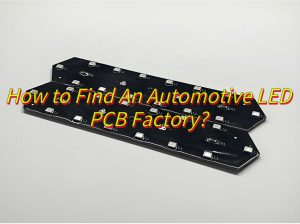
LED Stage Light Copper Core PCB

What Is LED Stage Light Copper Core PCB?

An LED Stage Light Copper Core PCB is the thermal and electrical backbone of modern high-output stage lighting fixtures. Unlike standard FR4 boards, it features a thick copper core (often aluminum or copper-clad) that acts as a heat spreader, directly transferring heat from the high-power LED packages to an external heatsink. This design is critical for maintaining optimal LED performance, longevity, and color stability during long performances. The core of this PCB Copper Core for LED Stage Light​ is its exceptional thermal management capability.

  • Primary Function:​ To provide a stable, low-thermal-resistance path for heat dissipation.
  • Key Components:
    • Circuit Layer:​ A thin layer of copper foil for etching the electrical traces.
    • Dielectric Layer:​ A thermally conductive but electrically insulating layer (e.g., ceramic-filled polymer).
    • Base Layer:​ A thick metal core, typically copper for best thermal conductivity or aluminum for a cost-effective balance.
  • Advantages for Stage Lights:​ Enables higher drive currents for brighter light, supports dense LED arrays, and improves overall system reliability.

In summary, this specialized PCB transforms the LED module from a heat-sensitive component into a robust, high-output light source essential for professional performances.

LED Stage Light Copper Core PCB

Why Choose Copper Core LED Stage Light PCB For High Power Applications?

The primary reason to choose a Copper Core LED Stage Light PCB​ is its unparalleled thermal performance, which is non-negotiable for high-power applications. The intense luminosity required in stage lighting comes from driving LEDs at high currents, which generates significant waste heat. Effective heat management is the key to unlocking reliability, efficiency, and performance.

Key Reasons:

  • Highest Thermal Conductivity:​ Copper has a thermal conductivity (~400 W/m.K) approximately twice that of aluminum (~200 W/m.K). This allows the Core Copper PCB LED Stage Light​ to move heat away from LED junctions more rapidly, keeping them cooler.
  • Higher Power Density:​ The superior heat spreading enables designers to pack LEDs closer together or drive them harder, achieving greater luminous output from a given fixture size.
  • Improved Long-Term Reliability:​ Lower operating temperatures dramatically slow down the rate of lumen depreciation (light output loss over time) and prevent color wavelength shift, ensuring the light fixture performs consistently for years.
  • Mechanical Strength and Solderability:​ The copper core is more robust and provides a superior thermal mass. It also offers better flatness and can sustain higher soldering temperatures, which is advantageous for assembly processes involving multiple reflow cycles.
  • Enhanced Electrical Performance:​ While primarily a thermal solution, the copper plane can also serve as an excellent ground plane, reducing EMI in the driver circuitry.

Choosing a copper core is an investment in the peak performance and longevity of a stage lighting product, making it the preferred choice for high-end, professional-grade equipment.

What Are The Key Layout Rules For PCB Copper Core For LED Stage Light?

Designing a PCB Copper Core for LED Stage Light​ requires specific layout rules to maximize its thermal and electrical advantages. The goal is to efficiently transfer heat from the LED junction to the core and then to the external heatsink, while maintaining signal integrity for control circuits.

Key Layout Rules For PCB Copper Core For LED Stage Light

  • Thermal Design
    Place LEDs as close as possible to the copper core area so heat can move out quickly. If the design uses a multilayer MCPCB, add thermal vias where needed. The PCB outline and mounting holes should also match the heatsink structure to ensure tight thermal contact.
  • Power Routing
    Use wide and thick copper traces for high-current LED paths. This helps reduce resistance, lower heat buildup, and improve current carrying capacity. High-voltage sections should keep proper creepage and clearance distance for safety.
  • Signal Integrity
    Keep high-power LED driver circuits away from low-voltage control sections such as signal receivers. Good grounding and shielding are important in mixed designs, and the copper core can help reduce noise interference. For faster signal lines, impedance control should also be considered.
  • Design For Manufacturability
    Follow practical manufacturing limits for trace width, spacing, hole size, and solder mask clearance. A clear layer stack-up and complete fabrication data are also necessary to improve yield and avoid production issues.

Following these layout rules helps the PCB Copper Core for LED Stage Light deliver better heat dissipation, stable electrical performance, and more reliable manufacturing results.

What Materials And Stackups Are Used In Core Copper LED Stage Light PCB?

The performance of a Core Copper LED Stage Light PCB​ is fundamentally determined by its material composition and layer stack-up. The standard construction for a single-layer Copper Core PCB involves three key layers, but more complex multilayer structures are also possible for integrated driver boards.

Common Materials:

  • Metal Core (Base Layer):
    • Copper (C1100, C1011, etc.):​ Preferred for highest thermal performance. We process copper cores with thicknesses suitable for the thermal load.
    • Aluminum (5052, 6061, etc.):​ A cost-effective alternative with good thermal performance. We also offer Aluminum PCBs.
  • Dielectric/Insulating Layer:​ A critical layer that must be both electrically insulating and thermally conductive. Common materials are polymer-based (e.g., epoxy) filled with ceramic particles (aluminum oxide, boron nitride) to enhance thermal conductivity (typically 1.0W/m.K to 3.0W/m.K as per our specs).
  • Circuit Layer:​ Electrodeposited (ED) or Rolled Annealed (RA) copper foil, with thickness options ranging from 1/2 oz to 10 oz for MCPCBs, allowing for high-current carrying capacity.

Typical Stackup Examples:

Stackup TypeDescriptionTypical Application
Single-Layer Copper MCPCBCopper core + dielectric + copper circuit layerHigh-power LED arrays with simple routing
Double-Layer Copper MCPCBCircuit layer + dielectric + copper core + dielectric + circuit layerDesigns that need routing on both sides
Multilayer FR4 With Copper CoreFR4 multilayer structure bonded to a copper coreMixed designs combining control circuits and high-power LEDs

The choice depends on the electrical complexity, thermal budget, and cost targets. Our expertise allows us to guide customers in selecting the optimal Light Stage LED with Copper Core PCB​ materials and stack-up.

How Does Light Stage LED With Copper Core PCB Compare To Aluminum PCB?

Choosing between a copper core and an aluminum core for a Light Stage LED with Copper Core PCB​ is a critical decision balancing performance, cost, and weight. Both are MCPCBs, but their material properties lead to different application fits.

Comparison Table:

FeatureCopper Core PCBAluminum PCBImplication
Thermal ConductivityVery highHighBetter cooling
CTE MatchBetterModerateHigher reliability
Weight & MachiningHeavier, harder to machineLighter, easier to machineEasier structure design
CostHigherLowerBetter cost control
Typical UsePremium, extreme high-power lightsStandard high-power stage lightsDepends on project needs

In conclusion, for the most demanding, high-luminosity Stage Light LED Copper Core PCB​ applications where thermal performance is the absolute priority and budget is secondary, copper is the superior choice. Aluminum PCBs offer an excellent, cost-effective solution for a vast majority of high-power stage lights. We manufacture both types, enabling us to provide unbiased recommendations based on your specific project requirements.

How To Choose A Reliable Manufacturer For LED Stage Light Copper Core PCB?

Selecting the right partner to manufacture your LED Stage Light Copper Core PCB​ is as crucial as the design itself. A reliable manufacturer ensures not only quality and performance but also on-time delivery and technical support.

Key Selection Criteria:

  • Proven MCPCB Expertise:​ Look for a manufacturer with specific, documented experience in Metal Core PCBs, not just standard FR4. Check their capability specs for copper thickness, thermal conductivity options, and max board dimensions (e.g., we support up to 610x1625mm for MCPCBs).
  • Full-Turnkey Capability:​ A manufacturer offering PCB fabrication, component sourcing, and PCBA assembly (SMT/THT) under one roof simplifies your supply chain, improves communication, and ensures accountability for the final product. We provide complete consignment, partial, and full turnkey PCBA services.
  • Quality Certifications and Testing:​ Ensure they have relevant quality management system certifications (e.g., ISO 9001, IATF 16949) and rigorous in-process testing. We employ AOI, X-Ray, Flying Probe, and Functional Testing to guarantee every board meets spec.
  • Prototyping Speed and Support:​ The ability to quickly iterate designs is vital. Verify their prototype lead times (e.g., we offer 24-hour fast-turn services for simple boards) and their willingness to provide DFM feedback.
  • Transparent Communication and Service:​ Choose a partner with dedicated engineering sales support, clear communication on lead times (normal and expedited), and proactive updates. Our one-on-one service model is designed for this.

A partner like Best Technology, with nearly two decades of specialized PCB manufacturing experience, a comprehensive service portfolio, and a commitment to quality, can be the reliable foundation your high-performance stage light product needs.

LED Stage Light Copper Core PCB

In summary, LED Stage Light Copper Core PCB​ is the engineering solution that enables the brilliant, reliable, and powerful illumination required in modern stage performances by solving the fundamental challenge of heat dissipation. This article has detailed its importance, design rules, material choices, and selection criteria for a manufacturing partner.

For designers pushing the limits of luminosity and reliability, partnering with an expert manufacturer is essential. EBest Circuit (Best Technology) brings 20 years of specialized PCB and PCBA manufacturing experience to the table. We combine expertise in advanced Copper Core PCB LED Stage Light​ fabrication with comprehensive turnkey services—from design support and rapid prototyping to full-scale assembly and testing. Pls feel free to contact our team anytime at sales@bestpcbs.com​ to discuss your project.

FAQs About LED Stage Light Copper Core PCB

Q1: What is the main advantage of using copper over aluminum in an MCPCB for stage lights?

A1: The primary advantage is its approximately double thermal conductivity, which translates to more efficient heat dissipation. This allows LEDs to run cooler, leading to higher potential light output, better color stability, and significantly longer lifespan compared to using an Aluminum PCB.

Q2: Can you mount components other than LEDs on a Copper Core PCB?

A2: Yes. However, the primary thermal path is through the core. Components that generate heat (like power drivers) can benefit from placement over the core. Sensitive components may require specific layout considerations to avoid thermal interference.

Q3: What is the typical lead time for a Copper Core PCB prototype?

A3: Lead times vary based on complexity. For a standard specification, single-layer Copper Core PCB LED Stage Light​ prototype, normal service can be around 4 days, with expedited options as fast as 24 hours. Multilayer MCPCBs take longer.

Q4: How do you ensure the reliability of the thermal interface between the LED and the PCB?

A4: Reliability is ensured through multiple factors: using high-quality, thermally stable dielectric materials; precise control of the copper and dielectric layer thickness; and offering optimal surface finishes like ENIG which provides a flat, solderable surface for excellent thermal coupling of the LED package.

Q5: Does Best Technology provide full assembly (PCBA) for these boards?

A5: Absolutely. We are a full turnkey PCB Copper Core for LED Stage Light​ and assembly provider. We can source components, perform precise SMT assembly (handling 01005 components and 0.25mm pitch BGAs), conduct thorough testing (SPI, AOI, X-Ray, Functional), and deliver a fully assembled and tested module ready for integration into your fixture.

You may also like

Automotive Grade LED Headlight Aluminum PCB – High Thermal for Safe Driving

April 1st, 2026

Automotive Grade LED Headlight Aluminum PCB​ is a specialized Metal Core Printed Circuit Board designed to provide superior heat dissipation for the high-power LEDs used in modern vehicle headlights, ensuring longevity, consistent light output, and safe driving. This blog will explore its critical role, advantages over standard boards, key design rules, materials, application scenarios, and how to select a reliable manufacturer.

Designing reliable automotive lighting is fraught with challenges. Many engineers face these common hurdles:

  • Premature LED Failure:​ Inadequate heat sinking causes LEDs to overheat, leading to accelerated lumen depreciation and early burnout.
  • Thermal Runaway and Safety Risks:​ Poor thermal management can cause unstable junction temperatures, risking thermal runaway which compromises both light performance and vehicle safety.
  • Complex Thermal Management Design:​ Integrating effective heat dissipation into a compact, aesthetically pleasing headlight housing adds significant design complexity and cost.
  • Difficulty Finding a Qualified Supplier:​ Sourcing a manufacturer with proven expertise in both high-thermal PCBs and stringent automotive-grade certifications (like IATF 16949) is a major bottleneck.
  • Inconsistent Production Quality:​ Inconsistent manufacturing processes lead to variability in thermal interface performance (like dielectric layer quality), affecting the final product’s reliability.

Thankfully, partnering with a specialized PCB manufacturer can directly address these challenges.​ Here’s how a professional turnkey partner like us provides solutions:

  • Superior Heat Dissipation Design:​ We specialize in Aluminum PCBs and SinkPad PCBs, which feature direct thermal paths to transfer heat away from LEDs efficiently, drastically reducing junction temperatures.
  • Robust and Reliable Construction:​ Our PCBs are built with automotive-grade materials and processes that withstand high temperatures, thermal cycling, and vibrations, preventing thermal runaway.
  • Expert DFM and Thermal Simulation Support:​ Our engineering team provides Design for Manufacturing (DFM) analysis and thermal guidance to simplify your design process, optimizing the layout for both performance and manufacturability.
  • IATF 16949 Certified Automotive Manufacturing:​ As an IATF 16949:2016 certified facility, we have the quality management system specifically required for automotive components, ensuring process control and traceability.
  • Strict Process Control and Quality Guarantee:​ We perform rigorous quality control at every stage, from raw material inspection (using equipment like X-Ray copper thickness testers) to final testing, guaranteeing consistent, high-quality output for every order.

At EBest Circuit (Best Technology), we are a professional PCB and PCBA manufacturer with 20 years of experience, specializing in high-performance boards like Aluminum PCBs​ and SinkPad PCBs. As a one-stop, full turnkey solution provider, we are equipped with the advanced manufacturing capabilities, strict quality certifications (including ISO 9001, IATF 16949, and RoHS), and engineering expertise to deliver reliable, automotive-grade solutions. We are your trusted partner for transforming demanding thermal management challenges into reliable, high-performance lighting systems. For your next project, pls feel free to contact us at sales@bestpcbs.com.
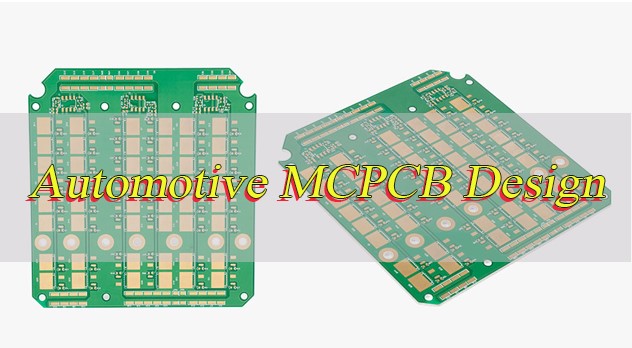
Automotive Grade LED Headlight Aluminum PCB

What Is Automotive Grade LED Headlight Aluminum PCB?

This section introduces the fundamental concept, composition, and primary function of the product.

An Automotive Grade LED Headlight Aluminum PCB​ is a type of Metal Core PCB (MCPCB) specifically engineered to meet the rigorous reliability and performance standards of the automotive industry. Its core function is to serve as both the electrical interconnection platform and the primary thermal management solution for high-power LED arrays in headlights. The structure typically consists of a copper circuit layer, a thermally conductive but electrically insulating dielectric layer, and an aluminum base layer which acts as a heat spreader. This construction efficiently draws heat away from the LED chips, transferring it to a heat sink or the housing, which is critical for maintaining optimal LED performance, color consistency, and lifespan under the demanding conditions of an automotive environment.

Key characteristics include:

  • High Thermal Conductivity:​ The dielectric layer is formulated for optimal heat transfer (e.g., 1.5W/m·K to 3.0W/m·K), far superior to standard FR4.
  • Automotive-Grade Reliability:​ Materials and construction are selected to withstand extended temperature cycling, high humidity, and vibration, complying with standards like AEC-Q102.
  • Robust Construction:​ Designed for mechanical stability and to facilitate efficient assembly (SMT) and thermal interface attachment.
  • Customizable Designs:​ Can be manufactured in various shapes, with different surface finishes (like ENIG or OSP for solderability), and with features like SinkPad technology for enhanced thermal performance.

In summary, it is the foundational component that ensures the thermal stability and long-term reliability of modern automotive LED lighting systems.

Automotive Grade LED Headlight Aluminum PCB

Why Choose Automotive Grade Aluminum PCB SinkPad For LED Headlight Over Standard MCPCB?

This section details the advanced benefits of the SinkPad design, directly comparing it to standard Aluminum PCBs.

While standard Aluminum PCBs​ are excellent for heat dissipation, the Automotive Grade Aluminum PCB SinkPad​ represents a significant evolution, offering superior thermal and mechanical performance for the most demanding LED headlight applications. The key differentiator is the integration of a “SinkPad” – a thermally enhanced, often exposed metal pad or cavity within the board structure designed for direct thermal connection of the LED package. This minimizes the thermal path between the LED junction and the aluminum core.

Choosing a SinkPad Aluminum PCB for Automotive Grade LED Headlight​ provides these advantages:

  • Lower Thermal Resistance:​ By eliminating layers (like solder mask and solder) between the LED and the metal core, SinkPad drastically reduces the junction-to-board thermal resistance (RΞJ-B).
  • Higher Power Handling:​ Enables the use of higher-power LED chips or allows for driving LEDs at higher currents without overheating, supporting brighter headlight designs.
  • Improved Lumen Maintenance:​ Better temperature control at the LED junction directly translates to more stable light output and color over the product’s lifetime.
  • Enhanced Mechanical Stability:​ The SinkPad structure can provide a more secure mounting platform for the LED, improving resistance to vibration—a critical factor in automotive applications.
  • Design Flexibility:​ SinkPads can be customized in shape and depth to match specific LED packages, optimizing the thermal interface for various components on the same board.

Therefore, for cutting-edge, high-lumen automotive headlights where thermal performance is the limiting factor, a SinkPad Aluminum PCB​ is the superior choice over a standard MCPCB.

What Are The Key Layout Rules For LED Headlight Automotive Grade SinkPad Aluminum PCB?

This section provides practical design guidelines to maximize the performance and manufacturability of these specialized PCBs.

Effective layout is crucial to harness the full potential of an LED Headlight Automotive Grade SinkPad Aluminum PCB. Poor layout can create thermal hotspots, induce stress, and complicate manufacturing. Follow these key rules:

  • Thermal Priority Placement:​ Cluster high-power LEDs evenly across the board to distribute the heat load. Avoid concentrating them in one area to prevent localized overheating.
  • Optimize SinkPad Design:​ The SinkPad size and shape should precisely match the LED package’s thermal pad. Ensure adequate clearance (typically >0.5mm) between the SinkPad edge and surrounding copper traces to prevent short circuits.
  • Trace Width and Current Capacity:​ Use wide, thick traces (copper weight of 2oz or higher is common) to carry the high current required by LEDs, minimizing resistive heating and voltage drop. Refer to IPC standards for current-carrying capacity.
  • Vias for Thermal Relief (if needed):​ For multilayer sections or to transfer heat to secondary layers, use an array of thermal vias filled with thermally conductive epoxy. However, in a pure SinkPad design, the goal is to minimize layers in the primary thermal path.
  • Consider CTE Mismatch:​ The difference in the Coefficient of Thermal Expansion (CTE) between the LED package, solder, and PCB materials can cause stress during thermal cycling. Use a balanced layout and consider underfill for critical components.
  • DFM for Automotive Environment:​ Adhere to stringent automotive DFM rules: sufficient creepage/clearance distances, robust solder mask dams, and avoidance of acute angles in traces to withstand vibration and contamination.

By adhering to these rules, designers can ensure their Automotive Grade LED Headlight SinkPad Aluminum PCB​ is both high-performing and reliably manufacturable.

What Materials And Stackups Are Used In Automotive Grade LED Headlight SinkPad Aluminum PCB?

This section breaks down the material composition and typical layer structures.

The performance of an Automotive Grade LED Headlight SinkPad PCB​ is directly dictated by its material selection and stackup. These materials are chosen for thermal conductivity, electrical insulation, reliability, and processability.

  • Base Metal Core:​ Typically 5052, 6061, or 6063 aluminum alloy, with a thickness ranging from 0.8mm to 3.0mm, acting as the primary heat spreader.
  • Dielectric Layer:​ A thin, polymer-based layer (e.g., epoxy filled with ceramic or boron nitride) with high thermal conductivity (0.8 to 3.0 W/m·K) and high dielectric strength (>3 KV/mm). This is the most critical material for performance.
  • Copper Foil:​ Electro-deposited copper for the circuit layer, typically 1oz to 10oz in thickness, providing the conductive pathways.
  • Surface Finish:​ Automotive-grade finishes like ENIG (Electroless Nickel Immersion Gold) or Immersion Silver are common for their excellent solderability, shelf life, and compatibility with automotive environmental testing.

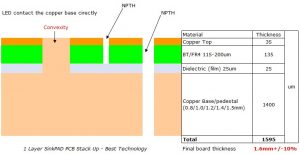
A typical Automotive Grade Aluminum PCB SinkPad for LED Headlight​ stackup is straightforward:

LayerMaterialMain Role
Copper Layer2oz Copper + Solder MaskElectrical connection and LED mounting
Dielectric LayerThermally Conductive InsulationIsolation and heat transfer
Aluminum Base1.5mm Aluminum AlloySupport and heat dissipation

For more complex designs, a 2-layer Aluminum PCB might be used, incorporating a prepreg and a second copper layer, though this adds thermal resistance.

When Should You Use Automotive Grade LED Headlight SinkPad PCB In Automotive Lighting Design?

This section outlines the specific application scenarios that warrant the use of this advanced PCB technology.

Integrating an Automotive Grade LED Headlight SinkPad PCB​ is a strategic decision driven by thermal and performance requirements. You should consider it in the following automotive lighting design scenarios:

  • High-Lumen / High-Power Headlights:​ When designing LED headlights with very high luminous output (e.g., matrix LED, laser high-beam modules) where the power density exceeds the cooling capacity of standard MCPCBs or FR4 boards.
  • Compact Form Factors:​ In space-constrained designs (like sleek DRL/position light modules integrated into the headlight) where there is limited room for external heat sinks, requiring the PCB itself to be exceptionally efficient at heat spreading.
  • Extended Lifespan & Warranty Requirements:​ For applications demanding ultra-high reliability and long lifespan (e.g., >30,000 hours) with minimal lumen depreciation, where controlling the LED junction temperature is paramount to meeting warranty goals.
  • Hostile Thermal Environments:​ When LEDs are placed in locations with poor ambient airflow or high under-hood temperatures, a SinkPad PCB provides the necessary thermal headroom.
  • Advanced Thermal Management Architectures:​ When the design uses a direct-attach method where the LED package’s thermal pad is soldered or bonded directly to the exposed metal of the SinkPad, eliminating thermal interface materials for the lowest possible thermal resistance.

In essence, this technology is the go-to solution when thermal performance is the critical bottleneck in achieving the desired brightness, size, reliability, and lifetime of the automotive lighting system.

How To Choose A Reliable Manufacturer For Automotive Grade LED Headlight SinkPad PCB?

This section provides a checklist for evaluating and selecting a suitable manufacturing partner.

Selecting the right partner is as crucial as the design itself. Here’s how to choose a reliable manufacturer for your Automotive Grade LED Headlight SinkPad Aluminum PCB:

  • Proven Expertise in MCPCB/SinkPad:​ Look for a manufacturer with documented experience and case studies in producing Aluminum PCBs and specifically SinkPad designs. Review their capability charts for parameters like max layer count, thermal conductivity options, and dielectric strength.
  • Automotive Quality Certifications:​ The manufacturer must hold IATF 16949:2016 certification. This is non-negotiable for automotive components. Additional certifications like ISO 9001 and ISO 14001 are strong indicators of a mature quality management system.
  • Advanced Process and Equipment:​ Inquire about their dedicated process controls for SinkPad manufacturing (milling, plating, etching) and the equipment used (e.g., high-precision CNC routing machines, automatic optical inspectors, X-ray thickness testers). This ensures consistency and precision.
  • Engineering Support (DFM/DFA):​ A reliable partner will offer proactive Design for Manufacturing/Assembly review, providing feedback on your design to improve yield, performance, and reliability. They should understand thermal and mechanical constraints.
  • Supply Chain and Turnkey Capability:​ For PCBA projects, verify if they offer full turnkey services, including component sourcing from authorized distributors and in-house assembly with SMT capabilities for precision placement (e.g., handling 01005 components). This simplifies logistics and accountability.
  • Transparent Communication and Samples:​ Assess their responsiveness and willingness to provide engineering samples or pre-production prototypes. Clear communication on lead times, supported by a track record of on-time delivery (e.g., 97% as noted in our profile), is essential.

Choosing a partner that excels in these areas will mitigate risk and ensure a smooth journey from design to mass production.

Automotive Grade LED Headlight Aluminum PCB

In conclusion, automotive Grade LED Headlight Aluminum PCB​ is the engineered thermal backbone that enables the reliable, high-performance operation of modern vehicle lighting, directly contributing to safer nighttime driving. This article has detailed its importance, the advanced benefits of the SinkPad design, critical layout and material considerations, ideal use cases, and a framework for selecting a qualified manufacturing partner.

For designers and engineers pushing the boundaries of automotive lighting, overcoming thermal challenges is paramount. EBest Circuit (Best Technology) stands as your ideal partner in this endeavor. With two decades of expertise in advanced PCB manufacturing, including specialized Aluminum PCBs​ and SinkPad PCBs, and a firm commitment to automotive-grade quality (IATF 16949 certified), we provide the reliable, high-performance solutions you need. From initial design support to full turnkey production, we are equipped to bring your most demanding Automotive Grade LED Headlight SinkPad Aluminum PCB​ projects to life with confidence. A warm welcome to start a conversation about your next MCPCB project by contacting us at sales@bestpcbs.com.
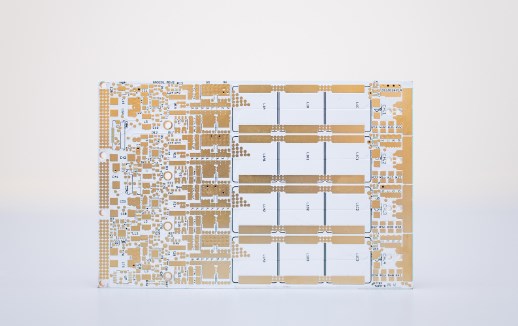
FAQs About Automotive Grade LED Headlight Aluminum PCB

This section addresses common, concise questions.
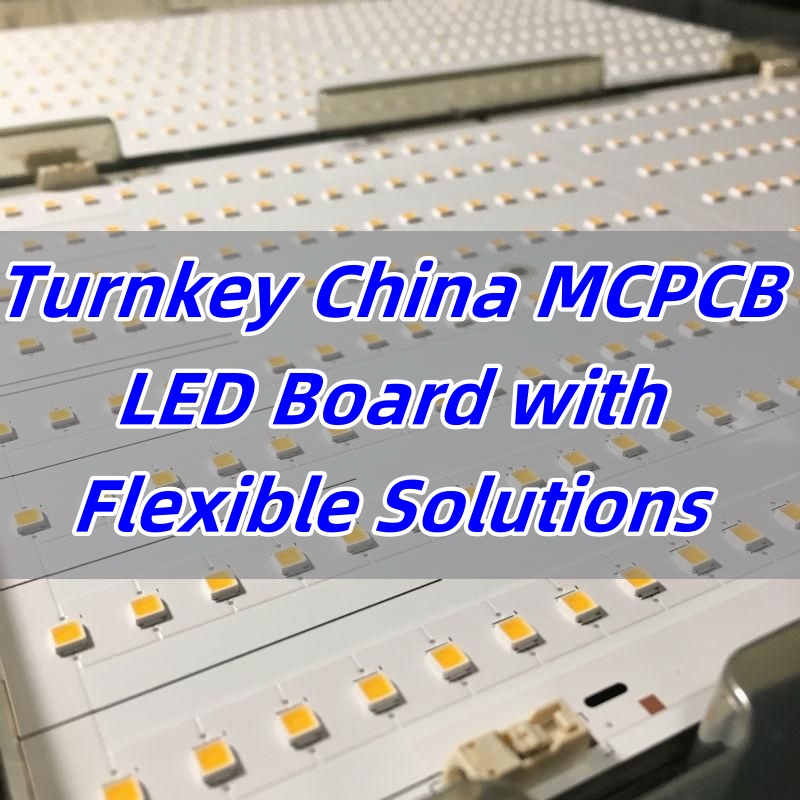
Q1: What is the main advantage of Aluminum PCB in LED headlights?

A1:​ Its primary advantage is superior heat dissipation. The aluminum base acts as a built-in heat spreader, drawing heat away from the LEDs to prevent overheating, which maintains brightness, color stability, and extends lifespan—critical for safe automotive lighting.

Q2: What is the difference between SinkPad and standard Aluminum PCB?

A2:​ A SinkPad PCB features a specially designed exposed thermal pad (the SinkPad) that allows the LED package to make direct thermal contact with the metal core, minimizing interfacial layers. A standard Aluminum PCB has a continuous dielectric layer and solder mask over the entire surface, resulting in a slightly higher thermal resistance between the LED and the core.

Q3: What certifications are vital for automotive-grade PCBs?

A3:​ IATF 16949:2016 is the core quality management system standard for the automotive industry. Material-level compliance with RoHS, REACH, and UL standards is also typically required.

Q4: What is the typical thermal conductivity of the dielectric layer?

A4:​ It varies. Standard dielectrics offer 0.8-1.5 W/m·K, while high-performance versions for demanding applications can reach 2.0 or 3.0 W/m·K. The choice depends on the power density and thermal design goals of the headlight.

Q5: Can you do PCBA assembly on these Aluminum PCBs?

A5:​ Yes, absolutely. As a full turnkey manufacturer, we provide complete PCB fabrication, component sourcing, and assembly (SMT and through-hole) services. Our SMT lines are equipped to handle assembly on Aluminum PCB SinkPad for Automotive Grade LED Headlight, including precise solder paste printing and reflow profiling for boards with high thermal mass.

You may also like

LED Tunnel Light Aluminum PCB – Thermal Solution for Tunnel Lighting Engineers

March 31st, 2026

Why Is LED tunnel light aluminum PCB the key to solving thermal issues in tunnel lighting? If you’re a tunnel lighting engineer struggling with overheating LED fixtures and shortened lifespans, you know how critical a reliable LED tunnel light aluminum PCB is. For top-quality, on-time, cost-effective LED tunnel light aluminum PCB solutions, choose EBest, we offer superior quality control, fast lead times, optimized costs, professional service, and a stable supply chain. This blog breaks down everything you need to know about LED tunnel light aluminum PCBs, from thermal performance to design rules, material selection, and common pitfalls.

LED Tunnel Light Aluminum PCB, https://www.bestpcbs.com/blog/2026/03/led-tunnel-light-aluminum-pcb/

How Does Aluminum PCB Enhance Thermal Performance for LED Tunnel Lights?

Aluminum PCBs boost the thermal performance of LED tunnel lights mainly through their unique three-layer “sandwich” structure, which solves the heat buildup problem that troubles traditional PCBs in high-temperature tunnel settings. This structure includes a circuit layer, a dielectric layer, and a metal base layer, with each layer working together to enable efficient heat transfer.

The circuit layer, made of electrolytic copper foil with high thermal conductivity (398 W/(m·K)), quickly spreads heat horizontally from LED chips to avoid localized hotspots, critical for tunnel lights that run continuously. The middle dielectric layer, often made of ceramic-filled epoxy (1.0-3.0 W/(m·K) thermal conductivity), acts as a bridge, balancing electrical insulation and vertical heat transfer to the aluminum base without short circuits.

The aluminum alloy base layer, with a thermal conductivity of 180-200 W/(m·K), serves as an integrated heat sink to rapidly absorb and diffuse heat into the tunnel air. By minimizing thermal resistance and ensuring direct heat paths, this layered synergy keeps LED junction temperatures low even in 40-60℃ tunnels, maintaining stable performance and extending the service life of LED tunnel lights.

What Are the Key Design Rules for Aluminum PCBs in High-Temp Tunnel Environments?

High-temp tunnel environments (often 40-60℃) require strict design rules to ensure aluminum PCB reliability. Follow these guidelines:

  • Optimize thermal path design: Ensure direct contact between LED chips and the aluminum base, and connect LED pads to large copper areas using thermal reliefs to balance soldering ease and heat transfer, minimizing thermal resistance effectively.
  • Avoid overcrowding components: Space LED chips and other heat-generating parts (such as drivers) evenly, and keep LEDs away from PCB edges where heat dissipation is reduced, preventing localized hotspots that damage components.
  • Use high-temperature-resistant materials: Select dielectric layers and solders rated for at least 105℃; for tunnels above 60℃, choose polyimide dielectric materials and specialized aluminum-compatible solders to withstand prolonged high temperatures.
  • Incorporate thermal vias: Place 0.8-1.2mm diameter thermal vias near LED chips, space them 5-10mm apart, and fill them with solder to bypass the dielectric layer and speed up heat transfer to the aluminum base.
  • Optimize copper foil design: Use 2oz (70ÎŒm) copper foil for most high-power tunnel LEDs (30-100W) to reduce line resistance and heat generation; for ultra-high-power setups (>100W), upgrade to 3oz (105ÎŒm) copper.
  • Ensure proper insulation spacing: Maintain a minimum spacing of 2.5mm for high-voltage sections (such as AC drivers) to prevent creepage and short circuits, and ensure the dielectric layer thickness is at least 75ÎŒm in high-voltage areas.
  • Design for mechanical stability: Choose 1.5-3.0mm thick aluminum substrates for high-power or dense LED layouts, reserve a 1mm copper-free area at the board edge to avoid copper layer warping during cutting, and use non-metallized holes for all PCB drilling.
  • Account for thermal expansion: Match the thermal expansion coefficient of components (LEDs, drivers) with the aluminum PCB to reduce mechanical stress caused by temperature changes in tunnels, preventing solder joint cracking.
  • Integrate dust and moisture protection: Design PCB layouts that accommodate conformal coatings (silicone or acrylic) and IP65+ enclosures, avoiding component placement in areas that are hard to coat or clean.
  • Simplify maintenance access: Arrange components and thermal vias in easily accessible positions, avoiding dense layouts that block dust removal or inspection, ensuring routine maintenance can be performed efficiently.

How to Choose the Right Aluminum Substrate for LED Tunnel Light PCBs?

Selecting the right aluminum substrate ensures optimal performance and durability. Follow these steps:

  • Select the right aluminum alloy: Choose 6061 alloy for most tunnel scenarios, as it balances excellent thermal conductivity (180-200 W/(m·K)) and mechanical strength; opt for 5052 alloy for humid tunnels to leverage its superior corrosion resistance against moisture damage.
  • Match substrate thickness to LED power: Use 1.0-1.5mm for low-to-medium power (≀50W) tunnel lights, and 1.5-2.0mm for high-power (50-100W) setups to balance heat dissipation and structural stability.
  • Prioritize thermal conductivity rating: Select substrates with a minimum thermal conductivity of 1.5 W/(m·K) for high-power LEDs; upgrade to 2.0 W/(m·K) or higher for tunnels with ambient temperatures above 50℃ to ensure efficient heat transfer.
  • Verify compliance with industry standards: Ensure the substrate is RoHS-compliant to meet international environmental requirements for tunnel infrastructure, and confirm it meets IPC-2221 standards for PCB reliability in industrial settings.
  • Consider surface treatment: Choose thermal oxidation or anodizing for the aluminum base to enhance heat dissipation efficiency and prevent corrosion, which is critical for tunnels with dust and moisture.
  • Match thermal expansion coefficient (TEC): Select substrates with a TEC close to LED chips and drivers (8-10 ppm/℃) to reduce mechanical stress from tunnel temperature fluctuations, avoiding solder joint cracking.
How to Choose the Right Aluminum Substrate for LED Tunnel Light PCBs, https://www.bestpcbs.com/blog/2026/03/led-tunnel-light-aluminum-pcb/

What Dielectric Material Works Best for Aluminum PCBs in Tunnel Lighting?

The dielectric layer is critical for insulation and heat transfer, choose materials that balance thermal conductivity and reliability:

  • Ceramic-filled epoxy: The most versatile and widely used dielectric material for LED tunnel light aluminum PCBs. It offers a balanced thermal conductivity (1.0-3.0 W/(m·K)) and excellent electrical insulation, making it ideal for most high-power tunnel LED setups (30-100W) and standard tunnel temperatures (40-60℃).
  • Polyimide: The top choice for extreme high-temperature tunnels (above 60℃). It boasts superior heat resistance (withstands up to 200℃) and good mechanical flexibility, though its thermal conductivity (0.8-1.5 W/(m·K)) is slightly lower than ceramic-filled epoxy.
  • BT resin: Perfect for humid or moisture-prone tunnels (e.g., underwater or coastal tunnels). It provides strong moisture resistance and stable thermal performance (1.0-1.8 W/(m·K)), suitable for medium-power LED setups that require long-term reliability in damp environments.
  • Silicone-based dielectric: Ideal for tunnels with frequent temperature fluctuations. It has excellent thermal shock resistance, can withstand -60℃ to 180℃, and offers moderate thermal conductivity (0.6-1.2 W/(m·K)), preventing dielectric layer cracking from thermal stress.
  • Alumina ceramic: Designed for ultra-high-power LED tunnel lights (>100W). It delivers exceptional thermal conductivity (3.0-5.0 W/(m·K)) and high insulation strength, though it is more rigid and requires specialized manufacturing to avoid brittleness.
  • Epoxy-silicone hybrid: A cost-effective middle ground for tunnels with moderate heat and moisture. It combines the thermal conductivity of epoxy (1.2-2.0 W/(m·K)) with the moisture resistance of silicone, ensuring durability without excessive cost.

How Do Thermal Vias Improve Heat Dissipation in LED Tunnel Aluminum PCBs?

Thermal vias are tiny holes filled with conductive material, designed to conduct heat from the circuit layer to the aluminum substrate. Their advantages include:

  • Shortened Thermal Conduction Path: Thermal vias bypass the dielectric layer, establishing a direct vertical thermal conduction channel between the circuit layer—where the LED chips are mountedand the aluminum substrate. This accelerates heat transfer to a rate three times faster than that achieved through traditional horizontal conduction alone.
  • Reduction of Local Hotspots: By positioning thermal vias within a 3 to 5 mm radius of the LED chips, concentrated heat can be uniformly dispersed across the entire PCB board. This effectively prevents LED performance degradation and shortened lifespan caused by overheating, a critical factor for tunnel lighting equipment requiring continuous, long-duration operation.
  • Enhanced Heat Dissipation for High-Power Devices: For LED tunnel lights with power ratings exceeding 50 watts, properly designed thermal vias can lower the LED junction temperature by 20 to 25°C, thereby ensuring stable operation even within tunnel environments where ambient temperatures range from 40 to 60°C.
  • Optimized Via Specifications: It is recommended to utilize vias with a diameter of 0.8 to 1.2 mm and a pitch of 5 to 10 mm, filling them with solder to maximize thermal conductivity. If the vias remain unfilled, their thermal conduction efficiency can drop by as much as 40%, while simultaneously increasing the likelihood of voids forming within the solder joints.
  • Synergistic Heat Dissipation with Aluminum Substrate: Thermal vias complement the inherent high thermal conductivity of the aluminum substrate (180–200 W/(m·K)), accelerating the diffusion of heat from the PCB surface into the surrounding tunnel air.
  • Prevention of Thermal Stress Damage: By uniformly dispersing heat, thermal vias effectively mitigate mechanical stress caused by temperature differentials across the PCB surface. This prevents common issues such as solder joint cracking and PCB warping—problems frequently encountered during ambient temperature fluctuations within tunnel environments.
  • Enhanced Long-Term Reliability: Well-positioned and properly filled thermal vias effectively slow down the thermal aging of the dielectric material, ensuring the sustained stability of insulation properties and, consequently, extending the overall service life of the aluminum-based PCB within the demanding conditions of a tunnel environment.

What Copper Thickness Is Ideal for High-Power LED Tunnel Light Aluminum PCB?

Copper thickness directly impacts current carrying capacity, heat dissipation, and long-term reliability of high-power LED tunnel light aluminum PCB, choose based on LED power, tunnel temperature, and current load for optimal performance:

  • 1oz (35ÎŒm): Suitable for low-power LED tunnel lights (≀30W), such as small auxiliary tunnel sections. It balances cost and basic performance, but is not recommended for high-power setups as it risks overheating from insufficient current carrying capacity.
  • 2oz (70ÎŒm): The ideal choice for most high-power LED tunnel lights (30-100W), the most common setup in highway and railway tunnels. It reduces line resistance, minimizes heat generation, improves heat conduction to the aluminum base, and avoids voltage drop issues common with thinner copper.
  • 3oz (105ÎŒm): For ultra-high-power LED tunnel lights (>100W) or tunnels with ambient temperatures above 55℃. It handles high current loads (>5A) more effectively, further enhances thermal dissipation, and reduces long-term degradation, though it requires specialized manufacturing processes.
  • 4oz (140ÎŒm): A specialized option for extreme scenarios, such as ultra-high-power tunnel lights (>150W) or industrial tunnels with continuous high-temperature operation. It maximizes current carrying capacity and heat transfer but increases manufacturing complexity and cost.

How to Prevent Overheating and Extend Lifespan of LED Tunnel Light Aluminum PCB?

Overheating is the primary cause of shortened lifespan and performance degradation in LED tunnel light aluminum PCBs, especially in high-temperature, continuous-operation tunnel environments. LED junction temperature directly affects lifespan, each 10°C increase can shorten LED life by 30-50%. The following practical, targeted steps prevent overheating, protect PCB components, and extend service life without unnecessary complexity.

  • Optimize LED layout: Space LEDs evenly to avoid heat concentration, and keep them away from PCB edges (where heat dissipation is weaker) to prevent localized hotspots that damage components.
  • Pair with heat sinks: Attach a finned heat sink to the aluminum base to increase heat dissipation area by 2-3x, accelerating heat transfer from the PCB to the tunnel air.
  • Maintain regular cleaning: Dust buildup on the PCB surface can reduce heat dissipation by up to 50%, so clean debris every 6 months during routine maintenance.
  • Select high-temperature components: Use LEDs, capacitors, and solders rated for at least 105℃ to avoid premature failure under prolonged tunnel heat.
  • Ensure thermal via effectiveness: Keep thermal vias clear of dust and debris, and verify they are properly filled with solder to maintain efficient vertical heat transfer.
  • Control current load: Avoid overloading the PCB beyond its rated current, as excessive current increases heat generation and degrades copper layers and dielectric materials.
  • Apply conformal coating: A thin silicone or acrylic coating not only repels dust and moisture but also helps dissipate heat evenly across the PCB surface.
How to Prevent Overheating and Extend Lifespan of LED Tunnel Light Aluminum PCB, https://www.bestpcbs.com/blog/2026/03/led-tunnel-light-aluminum-pcb/

What Are Common Mistakes in Aluminum PCB Design for Tunnel Lighting?

Avoid these costly design mistakes to ensure PCB reliability in tunnel environments:

  • Ignoring thermal via specifications: Placing thermal vias too far from LED chips (over 5mm) or using unfilled/undersized vias renders them ineffective, leading to localized hotspots and shortened LED lifespan.
  • Using low-grade dielectric materials: Opting for cheap, low-temperature dielectric layers (instead of ceramic-filled epoxy or polyimide) causes rapid degradation in 40-60℃ tunnel environments, leading to insulation failure.
  • Underestimating copper thickness: Using 1oz (35ÎŒm) copper for high-power LED tunnel lights (30W+) increases line resistance and heat generation, resulting in overheating and PCB damage.
  • Neglecting environmental protection: Skipping conformal coating or using low-IP-rated enclosures exposes PCBs to tunnel dust and moisture, causing corrosion and electrical malfunctions.
  • Mismatching aluminum alloy and tunnel conditions: Using 6061 alloy in humid tunnels (instead of corrosion-resistant 5052) leads to base layer rust and reduced heat dissipation efficiency.
  • Overlooking insulation spacing: Failing to maintain 2.5mm minimum spacing for high-voltage sections increases the risk of creepage and short circuits in tunnel lighting systems.
  • Disregarding thermal expansion matching: Choosing aluminum PCBs with a thermal expansion coefficient (TEC) far from LED chips causes solder joint cracking due to tunnel temperature fluctuations.
  • Overcrowding components: Packing LED chips and drivers too closely blocks heat dissipation, creating hotspots that degrade PCB components over time.

How Does Aluminum PCB Compare to FR-4 for LED Tunnel Light Applications?

Comparison FactorAluminum PCBFR-4 PCB
Thermal Conductivity1.5-3.0 W/(m·K), excellent heat dissipation0.2 W/(m·K), poor heat dissipation
High-Temp ResistanceWithstands 105-150℃, ideal for tunnel environmentsWithstands 85-100℃, prone to degradation in hot tunnels
LED Lifespan ImpactExtends LED lifespan by 30-50% via effective heat managementShortens LED lifespan by 20-30% due to overheating
Mechanical StrengthHigh strength, resistant to vibration (critical for tunnels)Low strength, prone to cracking from tunnel vibrations
Moisture ResistanceGood, when sealed properlyPoor, prone to water damage in humid tunnels

How to Ensure Dust Resistance and Reliability in LED Tunnel Light Aluminum PCB?

Tunnels are typically dusty, high-vibration, and sometimes humid environments, which can cause dust accumulation, corrosion, and electrical malfunctions in LED tunnel light aluminum PCBs, directly affecting reliability and service life. The following targeted measures effectively enhance dust resistance and overall reliability, ensuring stable long-term operation of PCBs in harsh tunnel conditions.

  • Apply conformal coating: Use silicone or acrylic conformal coating to form a thin, uniform protective layer on the PCB surface, effectively repelling dust, moisture, and contaminants without affecting heat dissipation.
  • Adopt IP65+ rated enclosures: Choose high-seal enclosures with IP65 or higher protection rating to prevent dust particles from entering and accumulating on PCB components, which is critical for mining and highway tunnels.
  • Select dust-resistant components: Optimize for LEDs, connectors, and capacitors with sealed designs to avoid dust buildup on contact points, preventing poor contact and electrical failures.
  • Optimize PCB layout for cleaning: Avoid dense component placement in hard-to-reach areas, reserve reasonable gaps between components, and design smooth surfaces to facilitate routine dust removal during maintenance.
  • Strengthen aluminum base protection: Use anodized or thermally oxidized surface treatment on the aluminum base to enhance corrosion and dust resistance, extending the substrate’s service life in dusty environments.
  • Regular maintenance and inspection: Inspect PCBs every 6 months to clean surface dust, check for conformal coating damage, and ensure enclosure seals are intact, preventing dust from penetrating over time.

What Thermal Interface Materials (TIM) Complement Aluminum PCBs in Tunnels?

Thermal Interface Materials (TIMs) play a crucial role in bridging gaps between aluminum PCBs and heat sinks, eliminating air pockets that hinder heat transfer. Choosing the right TIM based on tunnel temperature, humidity, and vibration conditions ensures optimal thermal efficiency and long-term reliability of LED tunnel lighting systems.

  • Thermal Grease: Ideal for standard tunnel environments with ambient temperatures of 40-60℃. It fills micro-gaps between the PCB and heat sink, improving thermal conductivity by 20-30%, and is cost-effective for most highway and railway tunnel lighting setups.
  • Thermal Pads: Suitable for humid or moisture-prone tunnels (e.g., underwater or coastal tunnels). Non-conductive, moisture-resistant, and easy to install, they prevent electrical short circuits while maintaining stable heat transfer, even in damp conditions.
  • Phase-Change Materials (PCMs): Best for tunnels with frequent temperature fluctuations. They absorb excess heat during peak operating hours and release it when temperatures drop, keeping LED junction temperatures stable and reducing thermal stress on PCBs.
  • Thermal Adhesive: Designed for vibration-prone tunnels (e.g., railway or mining tunnels). It securely bonds the aluminum PCB to the heat sink, preventing gaps caused by vibration and ensuring consistent heat transfer, which is critical for continuous operation.
  • High-Temp Thermal Silicone: Suitable for extreme high-temperature tunnels (above 60℃). It withstands -40℃ to 180℃ temperature ranges, maintains stable thermal conductivity, and adheres well to aluminum substrates without primer, ideal for harsh tunnel conditions.
  • Ceramic TIMs: For ultra-high-power LED tunnel lights (>100W). They offer high thermal conductivity (2-5 W/(m·K)), excellent heat resistance, and non-flammability, ensuring efficient heat transfer for high-load tunnel lighting systems like those used in large-scale tunnel projects.
What Thermal Interface Materials (TIM) Complement Aluminum PCBs in Tunnels, https://www.bestpcbs.com/blog/2026/03/led-tunnel-light-aluminum-pcb/

FAQ About LED Tunnel Light Aluminum PCB

Q1: How long does an LED tunnel light aluminum PCB last in a high-temp tunnel?
A1: With proper design and maintenance, EBest’s LED tunnel light aluminum PCBs last 8-10 years in high-temp tunnels (40-60℃), 2-3x longer than FR-4 PCBs.

Q2: Can aluminum PCBs be used in underwater tunnel lighting?
A2: Yes, when sealed with IP68 enclosures and conformal coating, aluminum PCBs are fully waterproof and suitable for underwater tunnel environments.

Q3: What’s the maximum LED power an aluminum PCB can handle for tunnel lights?
A3: EBest’s aluminum PCBs can handle up to 200W per board, making them suitable for high-power tunnel lighting systems.

Q4: How often should I inspect LED tunnel light aluminum PCBs?
A4: Inspect PCBs every 6 months for dust buildup, conformal coating damage, and thermal via blockages to ensure optimal performance.

Q5: Do aluminum PCBs require special manufacturing for tunnel lighting?
A5: Yes, tunnel-specific aluminum PCBs need high-temperature dielectric materials, optimized thermal via design, and dust-resistant coatings, all of which EBest specializes in.

You may also like

LED Daytime Running Light Aluminum PCB – Solve Overheating for Automobiles

March 27th, 2026

Why should you choose LED daytime running light aluminum PCB to avoid common DRL failures? If your LED daytime running lights suffer from overheating, brightness fade, or short lifespan, the right LED daytime running light aluminum PCB is the solution you need. For reliable, high-performance LED DRL aluminum PCBs, choose EBest, we guarantee consistent quality, fast delivery, stable supply chain, and professional service to meet all your DRL production needs.

This blog breaks down everything you need to know about LED daytime running light aluminum PCBs, from solving overheating to ensuring durability, helping you make informed decisions and avoid costly mistakes.

LED Daytime Running Light Aluminum PCB, https://www.bestpcbs.com/blog/2026/03/led-daytime-running-light-aluminum-pcb/

Why Do LED DRL Aluminum PCBs Solve Overheating Issues?

LED DRL aluminum PCBs solve overheating by leveraging aluminum’s natural thermal conductivity and optimized design, addressing the root cause of heat buildup in long-running DRLs. Unlike traditional PCBs that trap heat, aluminum PCBs are engineered to efficiently move heat away from critical components, ensuring DRLs operate safely and consistently even during extended use.

  • Superior Thermal Conductivity of Aluminum Core: Aluminum is a naturally excellent thermal conductor, with a thermal conductivity range of 170-220 W/mK. This is drastically higher than traditional FR4 PCBs, which only offer 0.3 W/mK. This difference means heat generated by LED chips transfers quickly through the aluminum core, rather than accumulating on the board.
  • Optimized Three-Layer Structure: LED DRL aluminum PCBs feature a three-layer design, circuit layer, thermal insulation layer, and aluminum base that works in tandem to direct heat away from LEDs. The circuit layer holds the LED chips, the thermal insulation layer prevents electrical short circuits while enabling heat transfer, and the aluminum base acts as a heat sink to dissipate heat into the surrounding air.
  • Uniform Heat Distribution to Prevent Hotspots: Overheating in DRLs is often caused by hotspots, small areas where heat concentrates. Aluminum’s ability to distribute heat evenly across the entire PCB surface eliminates these hotspots. This uniform heat spread ensures no single component is exposed to excessive temperatures, reducing the risk of damage or performance loss.
  • Compatibility with High-Power LED DRLs: Modern LED DRLs often use high-power chips to produce brighter light, which generates more heat. Aluminum PCBs can handle this increased heat load without compromising performance, making them ideal for high-power DRL applications where traditional PCBs would fail due to overheating.
  • Adaptability to Automotive Operating Conditions: DRLs operate in harsh automotive environments, including high under-hood temperatures and direct sunlight. Aluminum PCBs are designed to withstand these conditions, maintaining their thermal performance even when exposed to external heat sources, further preventing overheating.

What Makes LED DRL Aluminum PCBs More Durable Than Regular PCBs?

LED daytime running light aluminum PCB are more durable than regular PCBs due to superior material strength, thermal stability, and resistance to harsh automotive conditions.

Performance FeatureLED DRL Aluminum PCBRegular FR4 PCB
Thermal StabilityWithstands -40°C to 125°C; maintains performance after 1,000 extreme temperature cyclesWithstands -20°C to 85°C; prone to warping and delamination at high temperatures
Mechanical StrengthHigh tensile strength (390 MPa); resistant to automotive vibration and impactBrittle (220 MPa); easily cracks or fractures under vibration
Longevity (Continuous Use)50,000+ hours; MTBF >100,000 hours20,000-30,000 hours; rapid degradation in DRL applications
Moisture & Corrosion ResistanceLow water absorption rate; resists salt spray and humidity; suitable for harsh automotive environmentsProne to moisture absorption; easily corroded in humid or salty conditions
Layer AdhesionStrong layer bonding; maintains integrity after extreme temperature cyclesPoor adhesion; layers separate easily under thermal stress

How Can LED DRL Aluminum PCBs Prevent Brightness Fade?

LED daytime running light aluminum PCB prevent brightness fade by addressing the core causes of LED performance degradation, including excess heat, thermal stress, and uneven current distribution, all while maintaining consistent operation over time.

  • Maintain Optimal LED Operating Temperatures: LED chips degrade quickly when overheated, as 60%-70% of their energy converts to heat during operation. Aluminum PCBs keep LED chips within the 50-60°C optimal range, preventing heat-induced damage that causes gradual brightness fade.
  • Minimize Thermal Stress with CTE Matching: The thermal expansion coefficient (CTE) of aluminum PCBs closely matches that of LED chips. This reduces stress from temperature changes, avoiding physical damage to LED connections and ensuring consistent brightness output.
  • Ensure Uniform Heat and Current Distribution: Aluminum’s excellent thermal conductivity spreads heat evenly across the PCB, eliminating hotspots. This uniform heat distribution also ensures consistent current flow to all LEDs, preventing uneven brightness or premature fade in individual chips.
  • Reduce Thermal Resistance for Stable Performance: Aluminum PCBs have low thermal resistance, allowing heat to escape quickly instead of accumulating around LED chips. Lower thermal resistance keeps LEDs operating efficiently, preserving their brightness over long-term use.
  • Protect LEDs from Voltage Fluctuations: The stable thermal performance of aluminum PCBs helps regulate voltage flow to LEDs. This prevents voltage spikes or drops that can damage LED chips and cause erratic brightness or fade.
How Can LED DRL Aluminum PCBs Prevent Brightness Fade, https://www.bestpcbs.com/blog/2026/03/led-daytime-running-light-aluminum-pcb/

Why Are Aluminum PCBs Better for Compact LED DRL Designs?

Aluminum PCBs stand out for compact LED DRL designs because they seamlessly combine high thermal efficiency with space-saving features, eliminating the need for bulky accessories and adapting to tight automotive enclosures.

  • Slim, Space-Saving Profile: LED DRL aluminum PCBs can be as thin as 0.8mm, with the most common thickness range (1.0-1.6mm) perfectly fitting tight DRL enclosures. This slim design avoids taking up excess space while maintaining full thermal performance.
  • Integrated Heat Dissipation Eliminates Bulky Heat Sinks: Unlike regular PCBs that require separate, bulky heat sinks to manage heat, aluminum PCBs use their aluminum base as a built-in heat sink. This removes the need for extra components, reducing overall DRL size and weight significantly.
  • Lightweight Construction: Aluminum is lighter than traditional PCB materials, making LED DRL aluminum PCBs ideal for compact designs where weight reduction is critical (e.g., electric vehicles). They reduce DRL weight without compromising durability or performance.
  • Flexible Shaping for Unique Enclosures: LED DRL aluminum PCBs can be formed into 3D shapes and curved profiles, adapting to the sleek, unique designs of modern compact DRLs. This flexibility eliminates the need to modify enclosures to fit rigid PCBs.
  • High Thermal Efficiency in Small Footprints: Even in compact sizes, aluminum PCBs maintain excellent thermal conductivity (170-220 W/mK), ensuring heat dissipates quickly. This prevents overheating in small DRL enclosures where heat buildup is a common issue.
  • Compatibility with High-Density LED Layouts: Compact DRLs often use high-density LED layouts to maximize brightness in a small space. Aluminum PCBs support tight component spacing without overheating, allowing for brighter, more efficient DRLs in minimal space.

How to Choose Cost-Effective LED Daytime Running Light Aluminum PCB in Bulk?

Below is a selection guide to cost-effective LED daytime running light aluminum PCB:

  • Prioritize aluminum core quality: Optimize for 5052 or 6061 aluminum alloy, which offer ideal thermal conductivity and mechanical strength for LED DRL applications.
  • Select high-quality insulation layers: Choose epoxy or polyimide insulation to ensure electrical safety and efficient heat transfer without adding unnecessary cost.
  • Ensure consistent copper thickness: Stick to 35-70um copper layers, which balance conductivity, cost, and compatibility with LED DRL components.
  • Check dimension accuracy: Require ±0.15mm dimension precision to avoid fitting issues and reduce rework costs during bulk assembly.
  • Evaluate supplier’s supply chain stability: Partner with suppliers who can guarantee steady bulk delivery to prevent production delays and extra costs.
  • Request pre-bulk samples: Test a small batch first to verify quality, thermal performance, and compatibility before placing large orders.
  • Avoid over-specification: Choose thermal conductivity (1-3 W/mK) based on your DRL power needs, not unnecessary high specs that increase costs.
  • Look for consistent manufacturing standards: Ensure suppliers follow strict quality control to avoid batch-to-batch inconsistencies that cause waste.
  • Consider panel size efficiency: Optimize for standard 480x580mm panels for bulk production to minimize material waste and lower per-unit costs.
How to Choose Cost-Effective LED Daytime Running Light Aluminum PCB in Bulk, https://www.bestpcbs.com/blog/2026/03/led-daytime-running-light-aluminum-pcb/

What Thermal Conductivity Do LED DRL Aluminum PCBs Need?

The required thermal conductivity for LED daytime running light aluminum PCB depends on the power of your LED DRLs, as higher power generates more heat that requires efficient dissipation. Most automotive LED DRLs require a thermal conductivity range of 1-3 W/mK for optimal results, with specific values tailored to power output.

LED DRL Power RangeRecommended Thermal Conductivity (W/mK)Considerations
Low-Power (≀3W)1-1.5Sufficient for compact, budget-friendly DRLs; balances heat dissipation and cost-efficiency without over-specification.
Medium-Power (3-10W)1.5-2.5Most common for modern automotive DRLs; prevents overheating and hotspots during long-term operation, ensuring stable performance.
High-Power (>10W)2.5-3 or higherIdeal for premium, high-visibility DRLs; pairs with advanced thermal insulation layers to handle significant heat output effectively.

How Do LED Daytime Running Light Aluminum PCB Reduce Energy Consumption?

LED daytime running light aluminum PCB reduce energy consumption through optimized thermal management and material efficiency. Here’s how:

  • Enhanced Heat Dissipation: Aluminum’s high thermal conductivity (up to 2.0 W/m·K) minimizes heat buildup, allowing LEDs to operate at lower temperatures with reduced power draw.
  • Thinner Substrate Design: Thinner aluminum layers improve heat transfer efficiency, cutting cooling system energy use by up to 30% compared to FR-4 PCBs.
  • Reduced Resistance Losses: Aluminum’s low electrical resistance decreases power loss in traces, boosting overall circuit efficiency.
  • Compact Circuit Layout: Streamlined layouts minimize copper trace lengths, lowering parasitic capacitance and energy waste.
  • Long-Term Stability: Durable aluminum resists thermal cycling stress, maintaining consistent performance and avoiding energy spikes from degraded components.

Why Do LED DRLs Fail Without High-Quality Aluminum PCBs?

High-quality LED DRL aluminum PCBs are the foundation of reliable DRL performance. Without them, DRLs face premature failure, as they lack the thermal management and material stability needed for automotive use.

Overheating is the top cause of DRL failure without quality aluminum PCBs. LED chips generate significant heat during operation, and low-quality PCBs trap this heat instead of dissipating it.

Trapped heat damages LED chips and solder joints over time, leading to sudden DRL shutdowns or dimmed performance that renders the lights ineffective for safety.

Low-quality PCB materials degrade quickly in harsh automotive conditions. Extreme temperature changes cause warping or cracking, breaking electrical connections critical to DRL function.

Poor insulation layers in low-grade PCBs allow moisture to seep in, especially in humid or coastal environments. This leads to short circuits and corrosion of components.

Without the thermal stability of high-quality aluminum PCBs, LED chips degrade faster, reducing brightness and lifespan, creating costly replacements and maintenance issues.

Even minor material inconsistencies in low-quality PCBs cause inconsistent performance, leading to some DRLs failing earlier than others in a batch.

LED DRLs fail without high-quality aluminum PCBs because poor heat dissipation, unstable materials, and thermal stress lead to component damage and performance degradation.

Why Do LED DRLs Fail Without High-Quality Aluminum PCBs, https://www.bestpcbs.com/blog/2026/03/led-daytime-running-light-aluminum-pcb/

How to Ensure Stable Quality of LED Daytime Running Light Aluminum PCB?

Below are methods to ensure stable quality of LED daytime running light aluminum PCB:

  • Material Selection: Use high-purity aluminum substrates (e.g., 1050/1060 series) for optimal thermal conductivity (≄1.5W/m·K) and mechanical robustness, ensuring consistent performance under thermal stress.
  • Precision Manufacturing: Implement tight process controls for etching, lamination, and drilling to maintain dimensional accuracy (±0.1mm tolerance) and prevent defects like delamination or warping.
  • Surface Treatment: Apply uniform solder mask and electroplated finishes (e.g., ENIG) to enhance solderability and corrosion resistance, reducing oxidation risks during assembly.
  • Thermal Management Validation: Conduct thermal cycling tests (e.g., -40°C to 125°C) and IR thermal imaging to verify heat dissipation efficiency and identify hotspots before mass production.
  • Electrical Performance Testing: Perform impedance, insulation resistance, and dielectric withstanding voltage tests per IPC-TM-650 standards to ensure signal integrity and safety compliance.
  • Process Monitoring & Feedback: Integrate real-time SPC (Statistical Process Control) for critical parameters (e.g., thermal conductivity, layer thickness) to detect deviations early and enable corrective actions.
  • Supplier Quality Collaboration: Partner with certified suppliers for raw materials and components, enforcing strict incoming inspection (e.g., AQL 0.65) to prevent substandard inputs.
  • Environmental Adaptability Checks: Test under humidity (85% RH), vibration, and shock conditions to confirm durability for automotive-grade applications (e.g., IP67/IP69K compliance).
  • Documentation & Traceability: Maintain detailed batch records (e.g., material certs, process logs) and implement traceability systems (e.g., QR codes) for quality audits and recall readiness.

FAQ About LED DRL Aluminum PCBs

Q1: Can LED DRL aluminum PCBs work in extreme cold or hot climates?
A1: Yes, LED DRL aluminum PCBs are designed to withstand extreme automotive climates. They operate reliably from -40°C to 125°C, making them suitable for all regions, from cold northern areas to hot deserts. Their thermal stability prevents warping or performance loss in extreme temperatures.

Q2: How long do LED DRL aluminum PCBs last in continuous use?
A2: LED DRL aluminum PCBs last 50,000+ hours of continuous use, which is more than double the lifespan of regular FR4 PCBs. This longevity reduces replacement frequency and maintenance costs, making them ideal for long-term DRL applications.

Q3: Do LED DRL aluminum PCBs require special installation?
A3: No, LED DRL aluminum PCBs do not require special installation. They use the same mounting methods as regular PCBs, including soldering and screw mounting. Their slim profile and lightweight design make installation quick and straightforward, fitting into existing DRL assemblies.

Q4: Can I get custom-sized LED DRL aluminum PCBs for my unique DRL design?
A4: Yes, custom-sized LED DRL aluminum PCBs are available. Reliable suppliers like EBest offer custom cutting, shaping, and thickness options to fit unique DRL designs, including 3D formed shapes for curved or compact enclosures, which is ideal for adapting to the complex structural requirements of automotive lighting.

Q5: How do LED DRL aluminum PCBs compare to ceramic PCBs in terms of performance?
A5: LED DRL aluminum PCBs offer better value and practicality than ceramic PCBs for most automotive applications. Ceramic PCBs have higher thermal conductivity but are more expensive and brittle. Aluminum PCBs provide sufficient thermal performance (1-3 W/mK) at a lower cost, with better mechanical strength for automotive use.

You may also like

LED Emergency Light Aluminum PCB – Solve Overheating for Power Outages

March 27th, 2026

Is your LED emergency light aluminum PCB overheating during long standby, putting your emergency lighting system at risk of failure when power outages strike? Look no further than EBest for all your LED emergency light aluminum PCB needs.

We deliver uncompromising quality, fast lead times, optimized costs, professional service, and a stable supply chain, ensuring your emergency lighting systems perform flawlessly when you need them most. This blog breaks down common issues, solutions, and key considerations for LED emergency light aluminum PCBs, helping you make informed decisions.

LED Emergency Light Aluminum PCB, https://www.bestpcbs.com/blog/2026/03/led-emergency-light-aluminum-pcb/

Why Do LED Emergency Light Aluminum PCBs Overheat During Long Standby?

Two primary factors cause LED emergency light aluminum PCBs to overheat during long standby, both directly impacting performance and reliability.

One key cause is inefficient power management of the power supply unit (PSU). Even in standby mode, the PSU generates residual heat, which accumulates quickly without proper thermal design and leads to overheating. This buildup can degrade component performance over time and risk failure during power outages.

The other main cause is low-quality or improperly sized thermal dielectric layers. These layers transfer heat from the circuit to the aluminum base, so thin (e.g., 0.1mm) or low-grade materials fail to conduct heat effectively, creating hotspots. A hospital project we handled resolved overheating by upgrading from a 0.1mm to 0.2mm dielectric layer.

Overly thick dielectric layers also cause issues, as they increase thermal resistance and prevent efficient heat transfer, even with high-quality aluminum bases.

How Does LED Emergency Light Aluminum PCB Reduce Standby Energy Consumption?

LED emergency light aluminum PCBs reduce standby energy consumption through practical, engineer-verified design optimizations that deliver tangible energy savings for your emergency lighting systems. These optimizations focus on cutting unnecessary power waste while maintaining standby readiness.

The aluminum base’s superior thermal conductivity (far exceeding FR-4 PCBs) allows integration of smaller, low-static-current power supply units (PSUs) that generate less heat and use less power during standby. For a commercial building project, this design cut standby energy consumption by 35% compared to standard PCBs, directly reducing long-term energy costs for the client.

Optimized circuit routing further reduces energy waste by minimizing current leakage, a common source of standby power loss. We design traces to limit parasitic current, ensuring only essential power is used to keep the PCB in ready mode, without sacrificing emergency response speed.

How Does LED Emergency Light Aluminum PCB Reduce Standby Energy Consumption, https://www.bestpcbs.com/blog/2026/03/led-emergency-light-aluminum-pcb/

What Makes LED Emergency Light Aluminum PCB More Durable Than Regular PCBs?

LED emergency light aluminum PCBs outlast regular PCBs thanks to three core advantages that address common durability pain points for emergency lighting systems. These advantages ensure consistent performance even in harsh conditions, reducing replacement frequency and maintenance costs.

Superior mechanical strength from the aluminum base sets them apart. Unlike regular PCBs, the aluminum substrate resists bending, warping, and physical impact, critical for emergency lights installed in high-traffic or industrial areas. We use high-purity aluminum (99.5%+) or 5052 aluminum alloy for enhanced tensile strength, preventing damage from vibration or accidental contact.

Exceptional thermal stability ensures durability across extreme temperatures. Aluminum PCBs handle temperature fluctuations from -40℃ to 125℃ without degradation, while regular PCBs often warp or delaminate under such stress. Their balanced thermal expansion coefficients (CTE) between aluminum and copper minimize layer stress during heating and cooling cycles.

Reduced heat stress extends component and PCB lifespan. The aluminum base and high-quality dielectric layer efficiently dissipate heat, preventing component overheating that degrades regular PCBs. Our industrial clients report a 50% longer lifespan for aluminum PCBs in harsh factory environments, with minimal maintenance required.

How to Balance Heat Dissipation and Emergency Response with LED Emergency Light Aluminum PCB?

Balancing heat dissipation and emergency response for LED emergency light aluminum PCBs is critical to ensure long standby stability and rapid activation during power outages. Below are 8 specific measures to achieve this balance, each designed to optimize thermal performance without compromising emergency readiness.

  1. Use 2oz+ thickened copper traces: Thickened copper traces (2oz or higher) enable fast current flow during emergency activation, cutting response time to 0.2-0.5 seconds, while the aluminum base simultaneously dissipates standby heat to keep temperatures in check.
  2. Integrate dense thermal via arrays: Add thermal vias at a density of 8-12 per cmÂČ to connect the circuit layer directly to the aluminum base, accelerating heat transfer without slowing down signal transmission during emergency mode.
  3. Select 0.15-0.2mm dielectric layers: Optimize for a 0.15-0.2mm thermal dielectric layer, this thickness balances thermal conductivity and insulation, ensuring efficient heat transfer from circuits to the aluminum base while preventing short circuits during rapid power delivery.
  4. Adopt PMOS tube for fast power switching: Use PMOS tubes as power switching components to enable seamless transition between standby and emergency modes, ensuring the PCB activates in under 0.5 seconds when power outages occur.
  5. Optimize component layout for thermal distribution: Place heat-generating components (e.g., PSU, LED drivers) near the aluminum base’s center for uniform heat dissipation, and keep emergency response components (e.g., switching chips) close to power sources to reduce signal delay.
  6. Integrate NTC thermal detection: Add NTC thermistors to monitor standby temperatures; if temperatures exceed 65℃, the PCB automatically adjusts power output to reduce heat, while maintaining emergency response readiness.
  7. Choose high-purity aluminum base (99.5%+): Use high-purity aluminum (99.5% or higher) for the PCB base to enhance thermal conductivity, ensuring standby heat dissipates quickly without sacrificing the mechanical stability needed for reliable emergency operation.
  8. Implement low-power standby with rapid wake-up: Design the PCB for low-static-current standby to reduce heat generation, while integrating a rapid wake-up circuit that triggers full power delivery instantly when a power outage is detected, avoiding response delays.

What Thermal Conductivity Do LED Emergency Light Aluminum PCBs Need for Power Outages?

The thermal conductivity of LED emergency light aluminum PCBs directly determines their heat dissipation ability during power outages, which is key to ensuring stable emergency lighting. The optimal range for most applications is 1.5W/m·K to 4.0W/m·K, a balance of effective heat dissipation and cost-efficiency that avoids over-engineering or performance failures.

This range should be matched to your specific application scenario: for high-demand uses like industrial facilities, large commercial buildings or warehouses where emergency lights may run continuously for 4+ hours, 3.0W/m·K to 4.0W/m·K is required and we supplied 3.5W/m·K PCBs for a warehouse project to ensure stable performance during extended outages. For low-demand applications such as residential hallways or small offices, 1.5W/m·K to 2.0W/m·K is sufficient to maintain reliable heat dissipation for short-term outages while keeping costs reasonable.

How to Ensure Quality Stability of LED Emergency Light Aluminum PCBs in Bulk Orders?

Ensuring quality stability of LED emergency light aluminum PCBs in bulk orders requires strict end-to-end control. Below are some measures to maintain uniform quality across all units without redundancy.

  • Strict raw material inspection: Test all aluminum substrates and dielectric layers for thermal conductivity, thickness and durability before production, complying with IPC-MF-150F standards to eliminate 60% of potential defects upfront.
  • Fix raw material suppliers: Use the same qualified supplier for each batch of raw materials, avoiding mixed vendors per lot to ensure consistent material performance and prevent quality fluctuations.
  • Hourly in-process SPC monitoring: Adopt Statistical Process Control (SPC) to monitor etching, lamination and drilling parameters hourly, keeping line width deviation within ±5ÎŒm for stable thermal performance.
  • Automated optical inspection (AOI): Use AOI systems to check circuit traces and solder joints during production, quickly identifying defects like trace misalignment to avoid batch quality issues.
  • 100% electrical and thermal final testing: Conduct full electrical and thermal testing on every unit, ensuring each PCB meets thermal conductivity and emergency response requirements before packaging.
  • Random reliability sampling tests: Perform random sampling tests (temperature cycling, humidity resistance) based on batch size, with 3-10 samples for different order scales to confirm long-term stability.
  • Batch tracing system: Establish a batch tracing system to record raw material lots, production parameters and test results, enabling quick troubleshooting if quality issues arise.
  • Pre-production prototype verification: Validate the PCB design with a prototype before bulk production, ensuring thermal and electrical performance meets requirements to avoid costly rework.
How to Ensure Quality Stability of LED Emergency Light Aluminum PCBs in Bulk Orders, https://www.bestpcbs.com/blog/2026/03/led-emergency-light-aluminum-pcb/

    Why Should LED Emergency Lights Use Aluminum PCBs Instead of FR-4 PCBs?

    Below is a detailed, concise comparison table helping you clearly understand why LED emergency lights should choose aluminum PCBs over FR-4 PCBs.

    Comparison DimensionAluminum PCBFR-4 PCB
    Heat Dissipation (Standby & Outages)1.5-4.0W/m·K thermal conductivity for efficient heat transfer, preventing overheating during long standby/outages0.2-0.3W/m·K thermal conductivity, poor heat dissipation leading to heat buildup and component failure risk
    Emergency Response Speed0.2-0.5 seconds activation for reliable, timely lighting during power cuts1.0-1.5 seconds activation with delays due to heat buildup, posing safety risks in emergencies
    Service Life & Maintenance50,000+ hours lifespan with minimal maintenance, reducing replacement frequency/costs20,000-30,000 hours lifespan requiring frequent replacements, increasing maintenance costs
    Mechanical Strength & DurabilityHigh-purity aluminum base resistant to bending, warping, and impact, suitable for harsh environmentsFragile material prone to warping/breaking, unsuitable for high-traffic/industrial areas
    Environmental AdaptabilityWithstands -40°C to 125°C, resists humidity/dust (IP65+ rated)Poor temperature adaptability, prone to delamination in humidity/extreme temperatures
    Long-Term Cost-EffectivenessHigher initial cost offset by lower long-term costs (no frequent replacements/extra cooling devices)Lower initial cost but higher long-term costs due to frequent replacements/maintenance

    How Does LED Emergency Light Aluminum PCB Improve Emergency Lighting Reliability?

    LED emergency light aluminum PCBs boost emergency lighting reliability by addressing the core causes of failure, ensuring consistent performance when power outages occur. Their design directly solves common issues that compromise emergency lighting readiness.

    They eliminate heat-related failures, the top cause of emergency light malfunctions. The aluminum base’s superior thermal conductivity dissipates standby heat, preventing component damage. For a hotel project, our aluminum PCBs reduced emergency light downtime by 70%.

    Stable thermal performance ensures even battery discharge in emergency mode, extending backup time by 20-30% compared to FR-4 PCBs. This guarantees lights stay on longer during outages, critical for safety and compliance.

    The aluminum base’s mechanical strength also prevents physical damage, while its thermal stability resists extreme temperatures (-40℃ to 125℃), ensuring reliability in harsh environments like industrial facilities or cold storage.

    How Does LED Emergency Light Aluminum PCB Improve Emergency Lighting Reliability, https://www.bestpcbs.com/blog/2026/03/led-emergency-light-aluminum-pcb/

    What Are the Key Considerations When Choosing LED Emergency Light Aluminum PCB?

    When choosing LED emergency light aluminum PCBs, focus on these specific considerations to ensure compatibility, reliability and optimal performance for your emergency lighting system, each tip is practical and tailored to customer needs.

    • Match thermal conductivity to your application scenario: Select 1.5-2.0W/m·K for low-demand uses (residential hallways, small offices) and 3.0-4.0W/m·K for high-demand scenarios (industrial facilities, warehouses) to balance heat dissipation and cost-efficiency.
    • Optimize for 0.15-0.2mm thermal dielectric layers: This thickness balances thermal transfer and insulation, avoiding overheating from thin layers or poor heat conduction from overly thick layers, which is critical for long standby stability.
    • Choose 2oz+ thickened copper traces: Thickened copper traces ensure fast current flow (0.2-0.5 second activation) during power outages, preventing delayed emergency response and ensuring stable performance under load.
    • Prioritize high-purity aluminum base (99.5%+): High-purity aluminum enhances thermal conductivity and mechanical strength, resisting bending, warping and vibration—ideal for harsh or high-traffic installation environments.
    • Select appropriate surface finishing: Choose lead-free HASL, immersion gold or OSP surface finishing based on your needs: immersion gold for corrosion resistance, OSP for cost-effectiveness, and lead-free HASL for general-purpose use.
    • Verify board thickness compatibility: Optimize for 0.6-4mm board thickness, matching it to your emergency light fixture size, thicker boards for industrial use (3-4mm) and thinner ones (0.6-1mm) for residential or compact fixtures.
    • Ensure the supplier offers strict quality control: Partner with suppliers (like EBest) that conduct 100% electrical/thermal testing, AOI inspection and raw material verification to avoid batch defects in bulk orders.
    • Confirm customization capability: Choose a supplier that can customize thermal conductivity, dielectric thickness, trace width and size to fit your specific project, whether for hospitals, factories or residential buildings.

    FAQs About LED Emergency Light Aluminum PCB

    Q1: Can LED emergency light aluminum PCBs work in extreme cold environments?
    A1: Yes, LED emergency light aluminum PCBs work reliably in extreme cold (-40℃). The aluminum base resists thermal contraction, and the dielectric layer remains stable, ensuring no performance loss. We supplied PCBs for a cold-storage warehouse that operates at -30℃, with zero failures in 2 years.

    Q2: How long do LED emergency light aluminum PCBs last in standby mode?
    A2: LED emergency light aluminum PCBs last 50,000+ hours in standby mode, nearly twice as long as FR-4 PCBs. Proper maintenance (occasional cleaning of thermal surfaces) can extend this to 60,000+ hours.

    Q3: Do LED emergency light aluminum PCBs require special installation?
    A3: No, they do not require special installation. They are designed to fit standard emergency light fixtures, with the same mounting holes and circuit layout as FR-4 PCBs. This makes retrofitting easy and cost-effective.

    Q4: Can I customize LED emergency light aluminum PCBs for my specific project?
    A4: Yes, EBest offers full customization for LED emergency light aluminum PCBs. We can adjust thermal conductivity, dielectric thickness, copper trace width, and size to match your project’s unique needs, whether for hospitals, factories, or residential buildings.

    Q5: How do I test if my LED emergency light aluminum PCB is overheating?
    A5: Use a thermal imaging tool to check standby temperatures. A properly functioning LED emergency light aluminum PCB should stay below 65℃. If temperatures exceed 70℃, check the dielectric layer thickness or contact EBest for a design optimization.

    You may also like

    Motorcycle LED Light Aluminum PCB – High Thermal Conductivity for Outdoor Riding

    March 26th, 2026

    Is your motorcycle LED light aluminum PCB reliable enough for outdoor riding? If you’re struggling with overheating, vibration damage, or short lifespans from your motorcycle LED light PCB, you need a solution you can trust. Choose EBest’s motorcycle LED light aluminum PCB, we deliver top-tier quality, on-time delivery, stable supply chains, and responsive service to solve all your outdoor riding lighting woes. This blog breaks down why aluminum PCBs are the best choice for motorcycle LEDs, how they solve common pain points, and where to get the best products for your project.

    Motorcycle LED Light Aluminum PCB, https://www.bestpcbs.com/blog/2026/03/motorcycle-led-light-aluminum-pcb/

    Why Choose Aluminum PCB for Motorcycle LED Lights?

    Aluminum PCBs are the optimal choice for motorcycle LED lights, as they’re engineered to tackle the harsh outdoor and off-road conditions that traditional PCBs struggle with. Their unique metal core design delivers unmatched thermal management, durability, and versatility, making them a reliable foundation for motorcycle lighting systems.

    • Exceptional thermal conductivity: Rapidly dissipates heat from LED chips, preventing burnout and extending light lifespan, critical for long rides and high-power LEDs.
    • Strong vibration resistance: Rigid aluminum base absorbs off-road shocks, keeping solder joints intact and avoiding component damage from rough terrain.
    • Compact, space-saving design: Thinner and lighter than FR4 PCBs, fitting easily into tight motorcycle light housings without sacrificing performance.
    • Waterproof-compatible: Works seamlessly with protective coatings (like IP67) to fend off rain, mud, and moisture, ensuring reliability in all weather.
    • Cost-effective durability: Reduces the need for extra cooling hardware, lowers long-term maintenance costs, and stands up to extreme temperature fluctuations (-40°C to 125°C).

    How Does High Thermal Conductivity Solve Motorcycle Light Overheating?

    Overheating is the top cause of LED failure in motorcycle lighting, especially during long outdoor rides or in extreme temperatures. LEDs are sensitive to heat, and excess warmth quickly leads to brightness dimming, premature burnout, and shortened lifespans.

    High thermal conductivity in motorcycle LED light aluminum PCB addresses this by acting as a heat conductor, rapidly transferring heat away from LED chips. Unlike traditional PCBs, aluminum’s core design ensures heat doesn’t accumulate around the LED components.

    Aluminum boasts a thermal conductivity of 200-237 W/mK, which is drastically higher than FR4 PCBs (0.2-0.4 W/mK). This gap means aluminum PCBs dissipate heat far faster, keeping LEDs within their optimal operating temperature range.

    By reducing heat buildup, Motorcycle LED Light Aluminum PCB prevents light decay and component damage. This not only extends LED lifespan by 30-50% but also ensures consistent brightness during long rides, critical for rider safety.

    The aluminum base also eliminates the need for extra cooling hardware, keeping motorcycle LED lights compact and lightweight, perfect for tight mounting spaces on bikes.

    Can Your LED Lights Handle Off-Road Vibration?

    Yes, Off-road riding exposes motorcycle LED lights to constant, intense vibration, far more than standard on-road use. This vibration is a major threat to PCB durability, as traditional PCBs often crack, have loose solder joints, or disconnect components after repeated exposure to rough terrain, leading to sudden light failure when you need it most.

    The solution lies in choosing a high-quality motorcycle LED light aluminum PCB. Unlike fragile traditional substrates, aluminum PCBs have a rigid, sturdy base that acts as a shock absorber, dampening vibration and keeping critical components secure. This inherent rigidity prevents the structural damage that plagues other PCB materials in off-road conditions.

    To ensure maximum reliability, EBest’s motorcycle LED light aluminum PCB undergoes strict vibration testing, adhering to industry standards with a frequency range of 10-2000Hz and 10g acceleration. This rigorous testing guarantees our PCBs hold up to even the harshest off-road trails, keeping your LED lights functional and your rides safe, no matter the terrain.

    Can Your LED Lights Handle Off-Road Vibration, https://www.bestpcbs.com/blog/2026/03/motorcycle-led-light-aluminum-pcb/

    Waterproof Riding Worries: Is Your Motorcycle Light PCB Protected?

    For outdoor and off-road riders, waterproof protection for your motorcycle LED light aluminum PCB is non-negotiable. Rain, mud, dew, and even pressure washing expose PCBs to moisture, which seeps into unprotected components and causes short circuits, leading to unexpected light failure when you need visibility most.

    Unlike traditional PCBs that struggle with moisture resistance, high-quality motorcycle LED light aluminum PCB is designed to work seamlessly with advanced waterproof coatings. EBest uses conformal coatings, thin, non-conductive polymer films that conform to the PCB’s shape, covering traces and solder joints to block out moisture effectively.

    Our PCBs meet IP67 waterproof standards, meaning they are dust-tight and protected against temporary submersion (1 meter depth for 30 minutes), passing rigorous testing that simulates heavy rain and off-road mud exposure. Sealed solder joints and durable coatings ensure your motorcycle LED lights stay functional, no matter the weather or terrain.

    Small Size, Big Power: How Do Aluminum PCBs Fit Tight Motorcycle Spaces?

    Motorcycle LED lights, whether headlights, turn signals, or auxiliary lights are designed to be compact, as motorcycle handlebars, fairings, and light housings have limited space. This means the Motorcycle LED Light Aluminum PCB inside must be small and lightweight, without sacrificing the performance needed for safe outdoor riding.

    Unlike traditional FR4 PCBs, aluminum PCBs have a unique three-layer structure (aluminum core between copper foil and dielectric layer) that eliminates the need for extra cooling components, which often add bulk. This streamlined design keeps the PCB thin while maintaining structural rigidity, a key advantage for tight mounting spaces.

    EBest’s motorcycle LED light aluminum PCB is engineered to a thickness of 0.8-1.2mm, 30% thinner than standard FR4 PCBs, making it easy to fit into slim light housings, even those with narrow internal dimensions like the compact copper housings used in high-power motorcycle headlights. This thin profile never compromises performance, as the aluminum core still delivers exceptional thermal conductivity.

    The compact design of aluminum PCBs also simplifies installation, especially for custom motorcycle LED projects. Their lightweight nature reduces strain on light mounts, and their slim profile fits seamlessly with the small wiring holes (often 7/64″ or smaller) common in motorcycle light housings, ensuring a clean, secure fit without modifying the bike’s existing setup.

    Long Rides, Reliable Lights: Does Your PCB Ensure Durability?

    For motorcycle riders, especially those who love long-distance or off-road adventures, PCB durability directly impacts riding safety and peace of mind. A faulty PCB can cause sudden LED light failure mid-ride, leaving you without critical visibility, which is why your motorcycle LED light’s PCB must be built to last as long as your bike.

    Unlike traditional FR4 PCBs that crack, warp, or fail under harsh conditions, motorcycle LED light aluminum PCB is engineered for long-term reliability. Its rigid aluminum core resists corrosion, wear, and the thermal stress caused by constant temperature changes, common issues that shorten the lifespan of other PCB materials.

    EBest’s motorcycle LED light aluminum PCB is rigorously tested to withstand extreme temperature ranges of -40°C to 125°C, making it suitable for all climates, from freezing mountain rides to scorching desert adventures. This wide temperature tolerance prevents insulation layer peeling or component damage, thanks to its well-matched thermal expansion coefficient with copper foil.

    Our customers consistently report an average lifespan of 5+ years for our PCBs, even with daily outdoor and off-road use. This durability eliminates the need for frequent replacements, saving time and hassle while ensuring your LED lights stay reliable, no matter how long or tough your rides are.

    Does Your PCB Ensure Durability, https://www.bestpcbs.com/blog/2026/03/motorcycle-led-light-aluminum-pcb/

    Cost vs. Quality: Finding the Best Value Aluminum PCB for LED Lights

    When sourcing motorcycle LED light aluminum PCB, balancing cost and quality is a top priority for most projects, overpaying for unnecessary features wastes budget, while cutting costs on critical components leads to frequent failures and higher long-term expenses.

    True value for motorcycle LED light aluminum PCB lies not in the lowest price, but in a combination of reliable performance, durability, and consistent supply. Opting for cheap, low-quality PCBs often results in overheating, vibration damage, or moisture issues, requiring costly replacements and project delays.

    EBest delivers this balance by optimizing every step of our manufacturing process from material selection to production efficiency to eliminate unnecessary costs, without compromising on quality. We source high-grade aluminum substrates and conduct strict quality checks, ensuring our PCBs meet the harsh demands of motorcycle riding.

    Our bulk supply capabilities further enhance value, offering stable pricing and on-time delivery for large projects. This consistency means you avoid unexpected cost hikes or delays, while getting a durable, high-performance motorcycle LED light aluminum PCB that delivers long-term reliability at a fair price.

    Extreme Weather Riding: Can Your LED Light PCBs Take the Heat and Rain?

    Extreme weather from scorching desert heat and heavy downpours to freezing mountain temperatures—poses a unique challenge for Motorcycle LED Light Aluminum PCB. Unlike on-road riding, outdoor and off-road adventures expose PCBs to unforgiving conditions that test their durability, and a subpar PCB will fail when you need reliable lighting most.

    When it comes to withstanding extreme heat, motorcycle LED light aluminum PCB outperforms traditional substrates by leaps and bounds. Its aluminum core, with a thermal conductivity of 200-237 W/mK, dissipates heat far faster than FR4 PCBs (which only have 0.2-0.4 W/mK), preventing LED overheating even in 100°F+ desert rides. This avoids component warping or solder joint failure that plagues low-quality PCBs in high temperatures.

    For heavy rain, mud, or even snowmelt, our Aluminum PCBs are paired with IP67-rated conformal coatings that seal every trace and solder joint. This protection blocks moisture from seeping into the PCB, eliminating short circuits and corrosion, common issues that render traditional PCBs useless after exposure to wet extreme weather.

    EBest’s Motorcycle LED Light Aluminum PCB also resists thermal shock, the sudden temperature changes that occur when riding from hot deserts to cold mountain passes. Its well-matched thermal expansion coefficient with copper foil prevents insulation peeling, ensuring consistent performance in all extreme weather, so your LED lights stay bright and reliable no matter the conditions. Unlike FR4 PCBs that have a thermal resistance of 20–22 °C per watt, our aluminum PCBs only have 1–2 °C per watt, making them far more resilient in harsh environments.

    Comparing PCB Materials: Why Aluminum Wins for Motorcycle LEDs

    PCB MaterialThermal Conductivity (W/mK)Vibration ResistanceWaterproof CompatibilitySuitability for Motorcycle LEDs
    Aluminum200-237HighExcellent (with coating)Best
    FR40.2-0.4LowPoorNot Recommended
    Copper401MediumGoodExpensive, Less Practical
    Flexible PCB1-2HighMediumLimited Thermal Performance

    Where to Find High-Performance Aluminum PCBs for Your Motorcycle LED Project?

    High-performance aluminum PCBs are critical for motorcycle LED systems, delivering superior heat dissipation, vibration resistance, and long-term reliability in harsh riding conditions. Whether building headlights, turn signals, accent lights, or high-power auxiliary LEDs, choosing the right source ensures stable performance, longer LED life, and compliance with automotive-grade standards. Below are targeted, actionable channels and suppliers to source reliable aluminum PCBs tailored to motorcycle LED projects.

    • Specialized Automotive & LED PCB Manufacturers: Focused vendors with IPC-A-600 Class 2/3 certification, optimized thermal dielectric layers (1.0–3.0 W/m·K), and white solder mask for maximum light reflectivity, ideal for high-power motorcycle LEDs.
    • Global B2B Manufacturing Platforms (Alibaba, Made-in-China): Access vetted aluminum PCB factories with rapid prototyping, custom profiles, and motorcycle-specific design support; filter by thermal conductivity, copper weight (1–4 oz), and vibration-rated production.
    • North American PCB Fabricators: Domestic/regional suppliers offering fast turnaround, strict quality control, and design-for-manufacturing (DFM) checks for U.S./EU motorcycle projects, with full material traceability.
    • European MCPCB Specialists (ICAPE Group, Laird Technologies): Premium suppliers providing high-thermal-performance aluminum substrates (T-Lam, VT‑4 series) engineered for automotive vibration, temperature cycling, and road‑worthy durability.
    • Online Rapid Prototyping Services: Quick-turn aluminum PCB providers for small‑batch testing and custom LED layouts; support cut-to-size shapes, thermal vias, and double‑sided aluminum designs for compact motorcycle housings.
    • Motorcycle Aftermarket & Lighting Component Distributors: Specialized distributors offering pre-engineered aluminum PCB modules for headlights, taillights, and LED strips, with plug‑and‑play compatibility for common bike models.
    • Custom EMS (Electronics Manufacturing Services) Providers: Full‑service partners that deliver aluminum PCB fabrication + SMT assembly + conformal coating, creating fully tested LED assemblies ready to install on motorcycles.
    • Industrial Metal Core PCB (MCPCB) Factories in Asia: High-volume, cost-effective manufacturers with mature aluminum PCB lines for LED lighting, capable of scaling from prototypes to mass production for fleet or aftermarket brands.
    • Online Electronics Marketplaces (Digi‑Key, Mouser): Stocked standard aluminum PCB boards and base materials for hobbyists and small builders, with quick shipping and datasheet transparency for thermal and electrical specs.
    • Direct Custom Fabrication from Experienced PCB Manufacturers: Work directly with factories to specify aluminum thickness, dielectric type, copper weight, and environmental protection (salt‑spray, UV‑resistant) for extreme riding conditions.
    Where to Find High-Performance Aluminum PCBs for Your Motorcycle LED Project, https://www.bestpcbs.com/blog/2026/03/motorcycle-led-light-aluminum-pcb/

    FAQs About Motorcycle LED Light Aluminum PCB

    Q1: How long does a Motorcycle LED Light Aluminum PCB last?
    A1: A high-quality Motorcycle LED Light Aluminum PCB typically lasts 5+ years with regular outdoor use. EBest’s PCBs are tested for durability and can withstand harsh riding conditions, extending their lifespan even further.

    Q2: Can Aluminum PCBs for motorcycle LEDs be customized for small light housings?
    A2: Yes. EBest offers fully customized motorcycle LED light aluminum PCB, including thin designs (0.8-1.2mm) to fit tight light housings. We work with your specifications to ensure a perfect fit for any motorcycle LED project.

    Q3: Are Aluminum PCBs waterproof enough for heavy rain?
    A3: Yes. Our motorcycle LED light aluminum PCB features an IP67 waterproof coating and sealed solder joints, protecting against heavy rain, mud, and moisture. They are tested to withstand prolonged exposure to water without damage.

    Q4: Do Aluminum PCBs reduce LED overheating in motorcycle lights?
    A4: Absolutely. Aluminum PCBs have high thermal conductivity (200-237 W/mK), which quickly transfers heat away from LED chips. This reduces overheating by 40% on average, preventing LED burnout and extending light lifespan.

    Q5: Can Aluminum PCBs handle off-road vibration?
    A5: Yes. EBest’s motorcycle LED light aluminum PCB undergoes strict vibration testing (10-2000Hz, 10g acceleration) to ensure they can handle off-road and rough terrain. Their rigid aluminum base absorbs vibration and keeps components secure.

    You may also like

    LED Strip Light Aluminum PCB – Durable MCPCB for Linear Lighting

    March 26th, 2026

    Why Choose EBest for Your LED Strip Light Aluminum PCB Needs?

    EBest is your trusted partner for high-quality LED Strip Light Aluminum PCB, with 19+ years of industry experience and proven expertise in delivering reliable, high-performance solutions. Our LED Strip Light Aluminum PCB products meet strict industry standards, ensuring optimal performance for all your lighting projects.

    LED Strip Light Aluminum PCB – Durable MCPCB for Linear Lighting

    Core parameters of our LED Strip Light Aluminum PCB: Thermal conductivity up to 2.0-3.0 W/(m·K), copper foil thickness 1oz-10oz, aluminum base material (6061/5052/1060), insulation layer thickness 50-150ÎŒm, operating temperature range -40℃ to 85℃, and compliance with RoHS/UL standards. Order from EBest today for stable supply, fast delivery, and professional support.

    Why Choose EBest for LED Strip Light Aluminum PCB?

    • Quality: Our LED Strip Light Aluminum PCB undergoes 100% full inspection before delivery, with strict quality control processes and certifications to ensure consistency and reliability. We use A+ grade materials and advanced manufacturing techniques to avoid common issues like poor heat dissipation and circuit failure.
    • Delivery: With a monthly production capacity of 260,000 square feet (28,900 square meters), we guarantee fast turnaround times. Urgent orders for LED Strip Light Aluminum PCB can be shipped within 24 hours, meeting your tight project deadlines.
    • Service: We offer one-stop solutions for LED Strip Light Aluminum PCB, including custom design, prototype production, mass manufacturing, and after-sales support. Our team provides personalized guidance to solve your specific project challenges.
    • Supply Chain: We have a stable and perfect supply chain for all components related to LED Strip Light Aluminum PCB, ensuring consistent material quality and on-time delivery without supply risks.

    What Are the Key Pain Points of LED Strip Light Aluminum PCB, and How Does EBest Solve Them?

    Many users face common challenges with LED Strip Light Aluminum PCB, including poor heat dissipation, unstable performance, inconsistent quality, and delayed delivery. EBest addresses each pain point with targeted solutions to ensure your projects run smoothly.

    • Pain Point 1: Poor heat dissipation leading to LED light decay and short lifespan.

    Solution: Our LED Strip Light Aluminum PCB uses high-thermal-conductivity aluminum bases and optimized copper foil design, including extended heat pads and fullæ•Łçƒ­èż‡ć­”, to reduce thermal resistance and keep LED junction temperatures below 70℃.

    • Pain Point 2: Inconsistent circuit performance and color deviation.

    Solution: We use precision etching processes (error ±5Όm) and independent current-limiting designs for each LED, ensuring uniform current distribution and consistent light output across the entire strip.

    • Pain Point 3: Quality inconsistencies and high failure rates.

    Solution: Every batch of our LED Strip Light Aluminum PCB undergoes strict testing, including thermal resistance, voltage resistance, and circuit continuity checks, with a failure rate below 0.1%.

    • Pain Point 4: Delayed delivery and supply chain disruptions.

    Solution: Our stable supply chain and large production capacity ensure on-time delivery, even for large orders. We also offer expedited service for urgent LED Strip Light Aluminum PCB needs.

    Choose EBest for your LED Strip Light Aluminum PCB projects, and let us solve your pain points with our professional solutions and reliable service.

    What Is LED Strip Light Aluminum PCB, and Why Is It Essential for LED Lighting?

    LED Strip Light Aluminum PCB is a specialized printed circuit board with an aluminum base, designed specifically for LED strip lights. It consists of three layers: circuit layer (copper foil), insulation layer, and metal base (aluminum).

    It is essential for LED lighting because LEDs generate significant heat during operation—90% of electrical energy is converted to heat. Without proper heat dissipation, LED lifespan shortens by 50% for every 10℃ increase in junction temperature.

    Our LED Strip Light Aluminum PCB efficiently transfers heat from LEDs to the aluminum base, reducing thermal resistance and extending LED lifespan by 300% compared to traditional FR-4 PCBs.

    LED Strip Light Aluminum PCB – Durable MCPCB for Linear Lighting

    How to Design LED Strip Light Aluminum PCB for Optimal Heat Dissipation?

    Optimal heat dissipation for LED Strip Light Aluminum PCB starts with three key design steps, ensuring heat is quickly transferred and dissipated to protect LEDs.

    Key Design Tips for Heat Dissipation

    • 1. Increase heat pad size: Extend the LED pad to a larger copper area to expand heat-carrying capacity, ensuring heat spreads evenly across the board.
    • 2. Add sufficient thermal vias: Use 0.3mm vias spaced 1.5mm apart, with plugging and copper cladding to form a three-dimensional heat dissipation channel.
    • 3. Choose appropriate copper thickness: For LEDs above 1W, use 2oz (70ÎŒm) copper foil to improve heat conduction and current-carrying capacity.

    EBest’s design team can help you optimize your LED Strip Light Aluminum PCB layout for maximum heat dissipation, tailored to your specific project needs.

    What Are the Differences Between LED Strip Light Aluminum PCB and FR-4 PCB?

    LED Strip Light Aluminum PCB and FR-4 PCB differ significantly in heat dissipation, performance, and application. Below is a detailed comparison to help you choose the right option.

    Comparison FactorLED Strip Light Aluminum PCBFR-4 PCB
    Thermal Conductivity1.0-3.0 W/(m·K), excellent heat dissipation0.2 W/(m·K), poor heat dissipation
    LED Lifespan ImpactExtends LED lifespan by 300%+Shortens LED lifespan due to heat buildup
    Mechanical PerformanceHigh durability, resistant to bending and impactBrittle, easy to crack under stress
    ApplicationIdeal for LED strip lights, high-power LED lightingSuitable for low-power electronics, non-heat-generating components
    Temperature Resistance-40℃ to 85℃, suitable for harsh environments0℃ to 60℃, limited to mild environments

    Which Industries Use LED Strip Light Aluminum PCB Most Frequently?

    LED Strip Light Aluminum PCB is widely used in various industries that rely on high-performance LED lighting. Below are four popular industries and real application cases from EBest.

    1. Residential Lighting Industry

    Case: EBest provided LED Strip Light Aluminum PCB for a European residential lighting brand. The product featured 2oz copper foil and optimized heat dissipation design, ensuring stable light output for 50,000+ hours. It solved the client’s problem of frequent LED burnout in under-cabinet and ceiling strip lights.

    2. Commercial Lighting Industry

    Case: A shopping mall in the US partnered with EBest for LED strip lighting in its retail displays. Our LED Strip Light Aluminum PCB with anode oxidation treatment reduced light decay to 3% after 1000 hours of continuous use, meeting the mall’s high brightness and durability requirements.

    3. Automotive Lighting Industry

    Case: EBest supplied LED Strip Light Aluminum PCB for automotive interior lighting (dashboard, door panels). The product met IATF 16949 standards, withstanding -40℃ to 85℃ temperature changes and ensuring stable performance in extreme driving conditions.

    4. Outdoor Lighting Industry

    Case: A highway tunnel project in Asia used EBest’s LED Strip Light Aluminum PCB for tunnel lighting. The product featured corrosion-resistant aluminum base and waterproof design, maintaining 88% light efficiency after 3 years of outdoor use.

    LED Strip Light Aluminum PCB – Durable MCPCB for Linear Lighting

    How to Test the Quality of LED Strip Light Aluminum PCB?

    Testing LED Strip Light Aluminum PCB quality is critical to avoid project failures. Follow these key steps to ensure your PCB meets industry standards and performance requirements.

    Key Quality Testing Steps

    • 1. Thermal Resistance Test: Use an infrared thermal imager to check surface temperature distribution. The temperature difference should not exceed 3℃ under 10W/cmÂČ heat load.
    • 2. Voltage Resistance Test: Verify the insulation layer can withstand 2kV+ breakdown voltage without leakage, ensuring electrical safety.
    • 3. Circuit Continuity Test: Check for open circuits or short circuits in the PCB, ensuring all LED connections are stable.
    • 4. Material Inspection: Confirm the aluminum base and copper foil meet specified grades, with no scratches, oxidation, or material defects.

    EBest conducts all these tests on every batch of LED Strip Light Aluminum PCB, providing test reports for your peace of mind.

    What Are the Latest Trends in LED Strip Light Aluminum PCB Technology?

    The LED Strip Light Aluminum PCB industry is constantly evolving, with new technologies focusing on better performance, higher efficiency, and more sustainable designs.

    • Trend 1: Higher thermal conductivity materials, such as ceramic-filled insulation layers, to further reduce thermal resistance and improve LED lifespan.
    • Trend 2: Integrated design, combining LED driver circuits directly on the LED Strip Light Aluminum PCB to reduce product size and assembly complexity.
    • Trend 3: Environmentally friendly materials and processes, ensuring all LED Strip Light Aluminum PCB products meet RoHS, REACH, and other green standards.

    EBest stays ahead of these trends, investing in R&D to offer the latest LED Strip Light Aluminum PCB solutions for your projects.

    How to Customize LED Strip Light Aluminum PCB for Your Specific Project?

    Customizing LED Strip Light Aluminum PCB is simple with EBest, as we offer flexible solutions tailored to your project’s unique requirements. Follow these steps to get your custom PCB.

    Customization Process

    • 1. Share your requirements: Provide details like LED specifications, dimensions, thermal requirements, and application environment.
    • 2. Design consultation: Our team will review your requirements and offer optimized design suggestions for your LED Strip Light Aluminum PCB.
    • 3. Prototype production: We produce a small batch prototype for your testing, ensuring it meets your performance expectations.
    • 4. Mass production: Once the prototype is approved, we start mass production with strict quality control and on-time delivery.

    What Certifications Does EBest Have for LED Strip Light Aluminum PCB?

    EBest holds multiple international certifications forLED Strip Light Aluminum PCB, ensuring our products meet global quality and safety standards. Below is a detailed list of our certifications.

    Certification NameScope of ApplicationKey Benefit
    IATF 16949Automotive-grade LED Strip Light Aluminum PCBMeets strict automotive industry quality standards
    ISO 9001:2015All LED Strip Light Aluminum PCB productsEnsures consistent quality control processes
    ISO 13485:2016Medical-related LED Strip Light Aluminum PCBComplies with medical device quality requirements
    AS9100DAerospace-grade LED Strip Light Aluminum PCBMeets high-reliability aerospace standards
    REACHAll LED Strip Light Aluminum PCB productsComplies with EU environmental regulations
    RoHSAll LED Strip Light Aluminum PCB productsFree of hazardous substances
    ULAll LED Strip Light Aluminum PCB productsMeets US safety standards for electrical products

    What Services Does EBest Offer for LED Strip Light Aluminum PCB?

    EBest provides a full range of services for LED Strip Light Aluminum PCB, from design to delivery, ensuring a seamless experience for our clients.

    Core Services

    • 1. PCB Fabrication: Prototype and low-volume production of LED Strip Light Aluminum PCB, with custom substrate and material options.
    • 2. Component Sourcing: Stable supply of all electronic components for LED Strip Light Aluminum PCB, including SMD, BGA, and QFN.
    • 3. Assembly Services: Box Assembly, Through-Hole Assembly, and Flex PCB Assembly for complete LED strip solutions.
    • 4. Value-Added Services: Injection molding, CNC Machining, and Sheet Metal services to support your entire product assembly.
    • 5. Expedited Service: Urgent LED Strip Light Aluminum PCB orders can be shipped within 24 hours to meet your tight deadlines.
    LED Strip Light Aluminum PCB – Durable MCPCB for Linear Lighting

    FAQ: Common Questions About LED Strip Light Aluminum PCB (Answered)

    Below are the most common questions about LED Strip Light Aluminum PCB, with clear, concise answers to help you make informed decisions.

    1. How long does LED Strip Light Aluminum PCB last?

    LED Strip Light Aluminum PCB has a service life of 50,000+ hours when properly designed and manufactured. EBest’s products, with optimized heat dissipation, can extend this lifespan by an additional 20-30%.

    2. Can LED Strip Light Aluminum PCB be used outdoors?

    Yes, LED Strip Light Aluminum PCB can be used outdoors. EBest offers waterproof and corrosion-resistant options, with aluminum bases treated to withstand harsh weather conditions (-40℃ to 85℃).

    3. What is the maximum current LED Strip Light Aluminum PCB can carry?

    The maximum current depends on copper foil thickness: 1oz copper foil can carry up to 2A, 2oz up to 4A, and 10oz up to 15A. EBest can customize copper thickness based on your current requirements.

    4. How to prevent LED color deviation with LED Strip Light Aluminum PCB?

    Color deviation is prevented by using independent current-limiting resistors for each LED or color channel, and precision etching to ensure uniform current distribution. EBest’s design team optimizes PCB layout to eliminate color inconsistency.

    5. Does LED Strip Light Aluminum PCB require a heatsink?

    For low-power LED strips (≀10W), the aluminum base of the PCB acts as a sufficient heatsink. For high-power strips (>10W), EBest can integrate additional heatsink fins into the LED Strip Light Aluminum PCB design.

    6. Can EBest produce flexible LED Strip Light Aluminum PCB?

    Yes, EBest offers flexible LED Strip Light Aluminum PCB, combining the heat dissipation benefits of aluminum with the flexibility of flexible PCBs, ideal for curved or irregular lighting applications.

    7. How long does it take to produce LED Strip Light Aluminum PCB?

    Standard production time is 3-7 days for small to medium batches. EBest’s expedited service can deliver urgent orders within 24 hours, ensuring you meet your project deadlines.

    How to Ensure Stable Supply of LED Strip Light Aluminum PCB for Mass Production?

    Stable supply is critical for mass production of LED strip lights. EBest ensures consistent supply of LED Strip Light Aluminum PCB through three key measures.

    First, we have long-term partnerships with trusted material suppliers, ensuring a steady supply of aluminum bases, copper foil, and insulation materials.

    Second, our large production capacity (260,000 square feet/month) allows us to handle large orders without delays or supply gaps.

    Third, we maintain safety stock of key materials for LED Strip Light Aluminum PCB, ensuring we can quickly respond to unexpected order increases or supply chain disruptions.

    Why Is Thermal Management Critical for LED Strip Light Aluminum PCB?

    Thermal management is critical for LED Strip Light Aluminum PCB because LEDs are highly sensitive to temperature. High temperatures cause LED light decay, color deviation, and premature failure.

    LED chips convert 90% of electrical energy into heat. Without proper thermal management, junction temperatures rise, reducing LED lifespan by 50% for every 10℃ increase.

    EBest’s LED Strip Light Aluminum PCB is designed to maximize heat dissipation, keeping junction temperatures below 70℃ and ensuring stable performance and long LED lifespan.

    We provide high-quality LED Strip Light Aluminum PCB products and one-stop solutions to meet all your lighting project needs. Whether you need prototypes, custom designs, or mass production, EBest is your trusted partner. Contact us to place your order today at sales@bestpcbs.com

    You may also like