PCB manufacturing PCB manufacturing
Home > Blog

DOB LED vs. COB LED​ vs. SMD LED: 3 Options for LED PCB

April 17th, 2025

DOB Full Form in LED

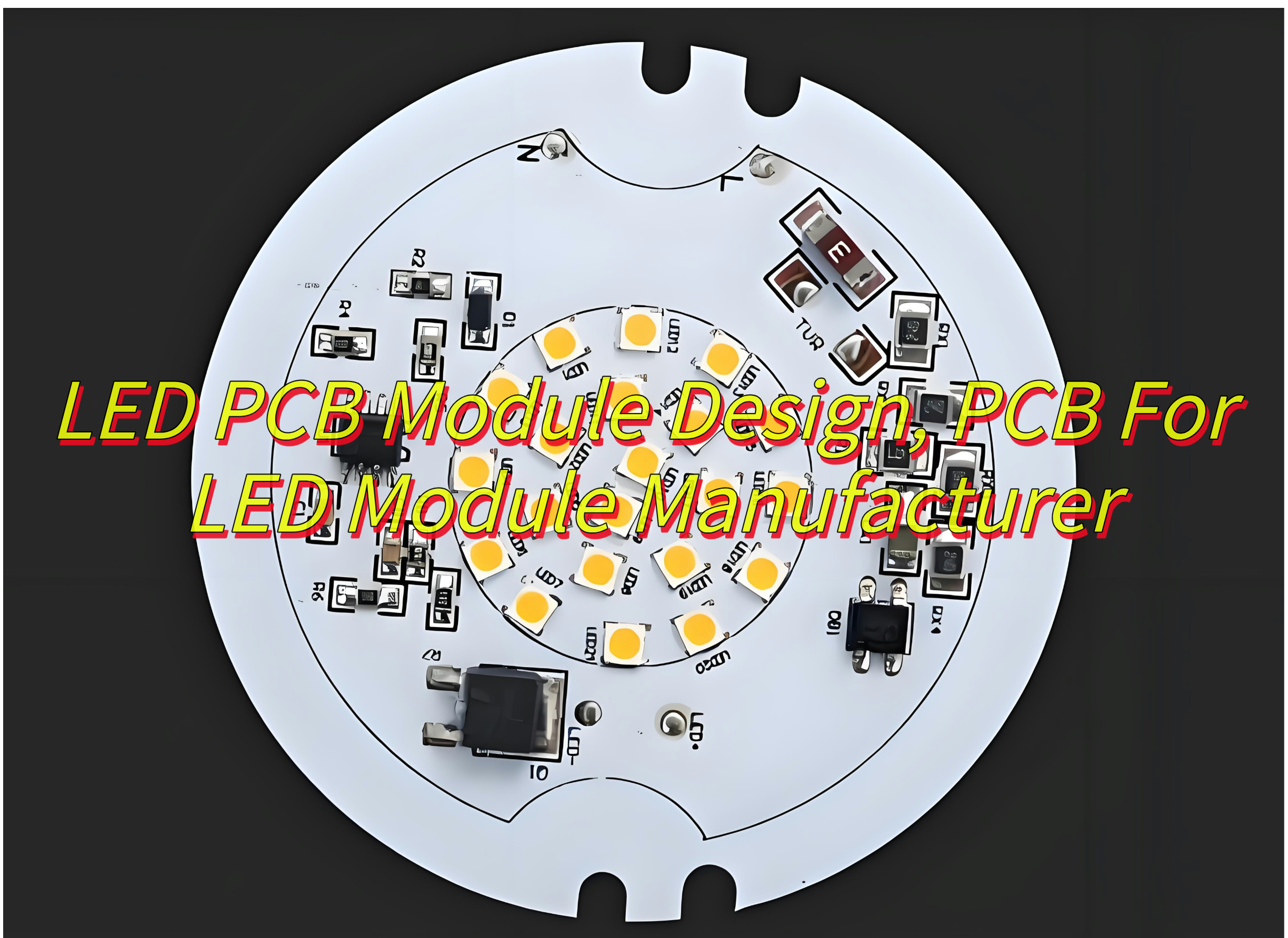
DOB full form in LED is “Driver on Board.” In LED lighting, this means the driver circuit is built directly onto the LED board. There’s no need for a separate external driver. This configuration is based on the consideration that LED drivers have been dominantly designed as switching mode power supplies.

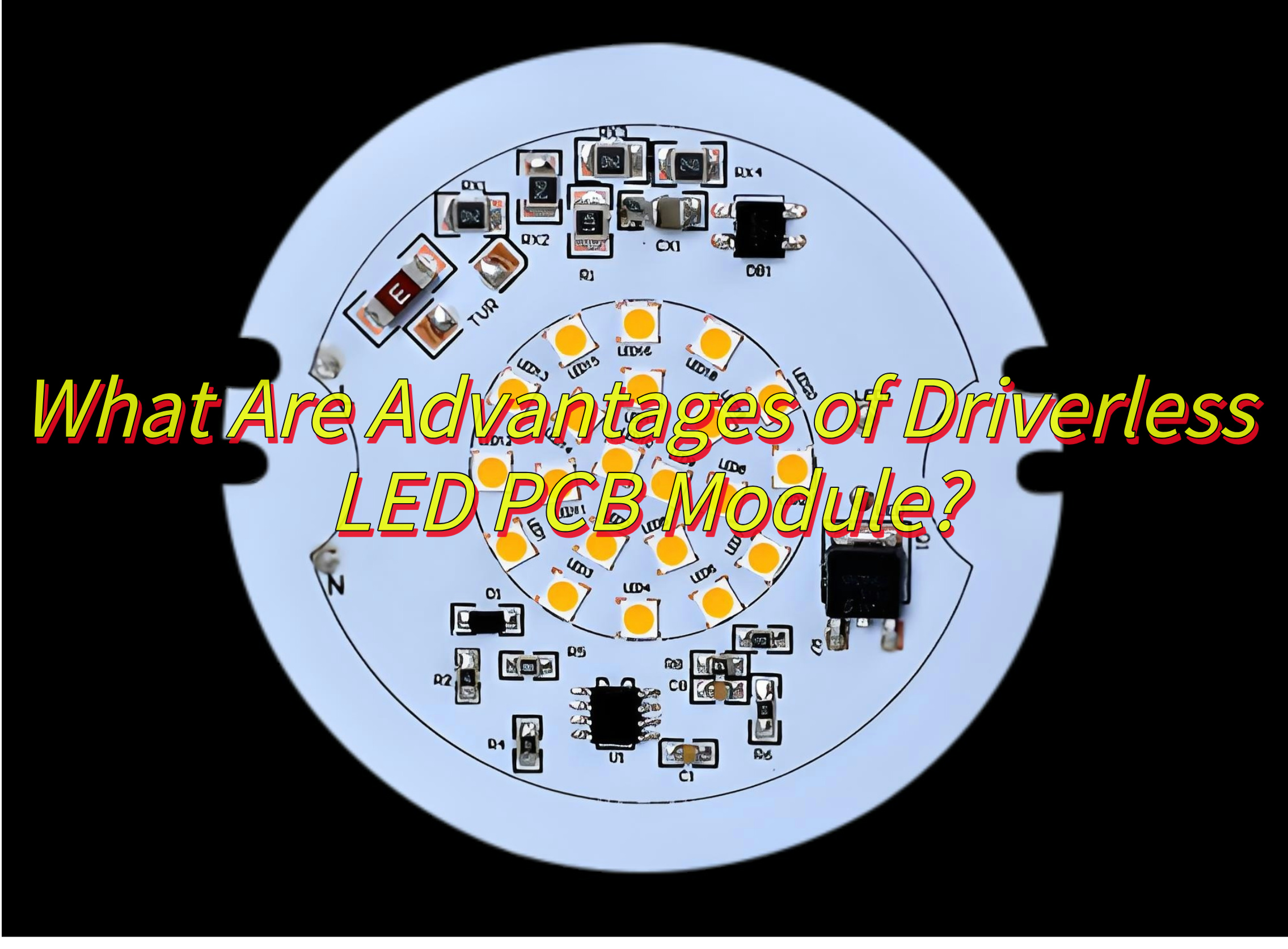
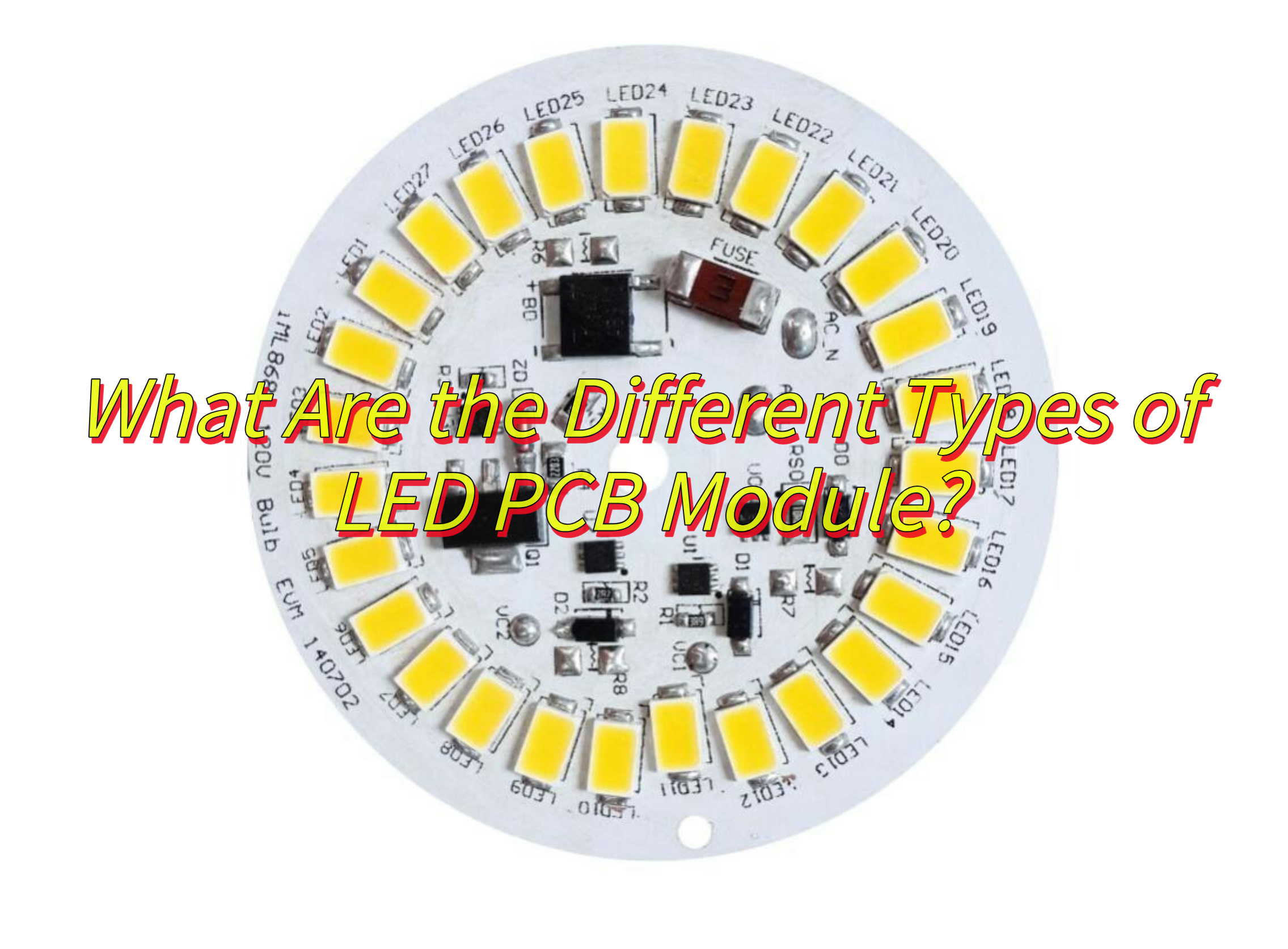
A DOB LED PCB is a neat package. It has the LEDs, power regulation circuit, and other supporting components all mounted on a single board. This includes rectifiers, surge protectors, constant current regulators, and sometimes capacitors to stabilize the current.

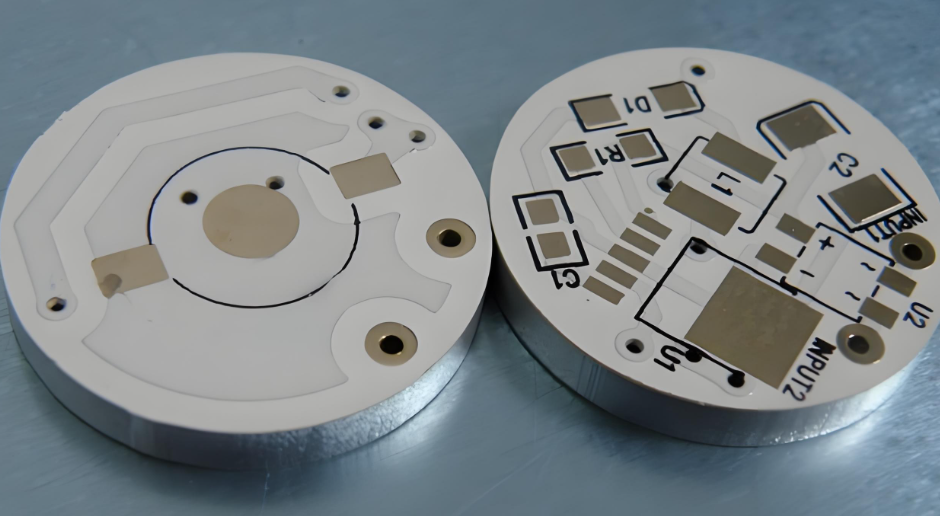
Because the dob led driver circuit is built-in, these boards are usually smaller and more lightweight. Most use aluminum base PCBs, which help draw heat away from the components to improve lifespan.

DOB LED vs. COB LED​ vs. SMD LED: 3 Options for LED PCB Board

What Is LED Driver?

Simply put, a LED driver is a part that mainly used to control the power going to your LEDs. LEDs work best when they get a consistent current. A driver makes sure the current stays steady, even when the input voltage changes.

Traditional LED lighting uses an external driver. It converts AC (from your wall) to DC (what the LEDs need). But in the LED DOB approach, this conversion happens right on the board. That’s why DOB lights don’t need external drivers.

However, some large-scale lighting systems still prefer external drivers for better thermal control and longer lifespan. For smaller applications, dob led lights are a good choice due to the convenience.

LED Bulb DOB Circuit Diagram​

A basic led bulb dob circuit diagram includes:

Input terminals (AC supply)

Bridge rectifier

Filtering capacitor

Constant current IC or regulator

LED array

Here is a typical diagram of DOB LED circuit:

LED Bulb DOB Circuit Diagram​

How Does DOB LED Driver Circuit Work?

The DOB LED driver circuit operates through several key functional blocks, including input overvoltage protection, rectification and filtering, current limiting, and PWM dimming.

1. Input Overvoltage Protection

    The DOB LED circuit includes an overvoltage protection mechanism to handle power surges caused by lightning or sudden spikes from the mains. When a DC voltage is applied across the “+48V” and “GND” terminals, current first flows through resistor R1 to limit the surge. If the voltage rises beyond a safe level, the current through R1 increases, causing a voltage drop. Once this drop exceeds 1W, the protection system activates—R1’s resistance instantly increases to an extremely high value, effectively blocking the current and shielding the +48V input line from damage.

    2. Rectification and Filtering Circuit

    When the input is AC power, a bridge rectifier converts the alternating current into direct current. This DC output passes through the rectifier for polarity protection, preventing damage from reversed connections. Components like capacitors C1 and C2, along with inductor L1, smooth out the ripples and produce a stable DC voltage.

    3. Current Limiting Circuit

    LEDs require stable current to operate efficiently and avoid damage. That’s why DOB circuits use a current-limiting mechanism, typically based on either resistors or constant current sources. A constant current driver is commonly preferred because it maintains consistent brightness across varying input voltages and temperatures, helping extend LED life and performance.

    4. PWM Dimming Control

    To control brightness, DOB LED circuits often use PWM technology. By adjusting the duty cycle of the PWM signal, the average current through the LED changes, which alters the brightness. This is usually done by modifying the voltage at the top end of the feedback resistor, which in turn regulates the current through the LED.

    DOB LED PCB Advantages and Disadvantages

    Advantages:

    • Fewer components: With no external driver, the whole assembly becomes simpler.
    • Cost-effective: Fewer parts and simpler design reduce production costs.
    • Space-saving: The integrated design is ideal for compact lighting like LED bulbs or tubes.
    • Lightweight: No bulky driver means less weight.
    • Easy to install and replace: Just plug and go. No extra wiring or enclosures.

    Disadvantages:

    • Limited in high-wattage systems: Integrated drivers can heat up quickly and struggle with larger currents.
    • Heat management is critical: Without good cooling, performance drops over time.
    • Lifespan is tied to board quality: A poorly designed dob led driver circuit may shorten LED life.
    • Not suitable for dimming: Most DOB circuits don’t support dimming out-of-the-box.

    Despite the challenges, dob led lights work well in most indoor environments. They offer an easy plug-in lighting solution without the need for complex wiring.

    LED Bulb DOB

    What Is DOB LED Used For?

    So, where do you use a dob led? Pretty much everywhere light is needed in a simple, cost-effective form. You’ll find dob led pcbs in:

    • LED light bulbs
    • Tube lights
    • Panel lights
    • Garden lights
    • Wall lamps
    • Street lamps (low wattage)

    Because the entire system is compact, manufacturers often choose DOB for plug-and-play lighting. A dob led light is cheaper to make and easier to sell in volume. The efficiency and simplicity make DOB ideal for home lighting, budget projects, and commercial interiors.

    What Is COB LED PCB?

    COB, which stands for “Chip on Board.” In this case, multiple LED chips are mounted directly onto the PCB with very little space between them. This setup creates a dense, bright light source. The PCB itself is usually aluminum-based. The close grouping of chips gives the COB LED PCB its signature even, shadow-free glow. COBs are used in spotlights, floodlights, and other high-intensity applications.

    Unlike dob led, a COB PCB doesn’t have a driver built-in. It needs an external LED driver to control current and voltage.

    What Is COB LED PCB?

    Features of COB LED PCB

    • High density of LEDs on one board
    • Excellent brightness and high lumen output
    • Smooth and even light beam
    • Strong thermal management (especially with aluminum core PCBs)
    • Compact design for high-power fixtures

    COB designs work well in lighting products where powerful and uniform light is needed.

    What Is COB LED PCB?

    COB LED PCB Advantages and Disadvantages

    Advantages:

    • Brighter output: More chips in one place = more light.
    • Compact but powerful: Ideal for high-performance lighting in small sizes.
    • Low glare: Even distribution of light reduces harsh spots.
    • Thermal efficiency: Designed for good heat dissipation.

    Disadvantages:

    • Needs an external driver: That adds cost and space requirements.
    • Not flexible: Fixed shape and size limit design options.
    • Slightly higher cost: More complex manufacturing process.

    Still, for strong lighting needs—like industrial or architectural setups—COB wins over dob led in brightness and beam quality.

    What Is SMD LED PCB?

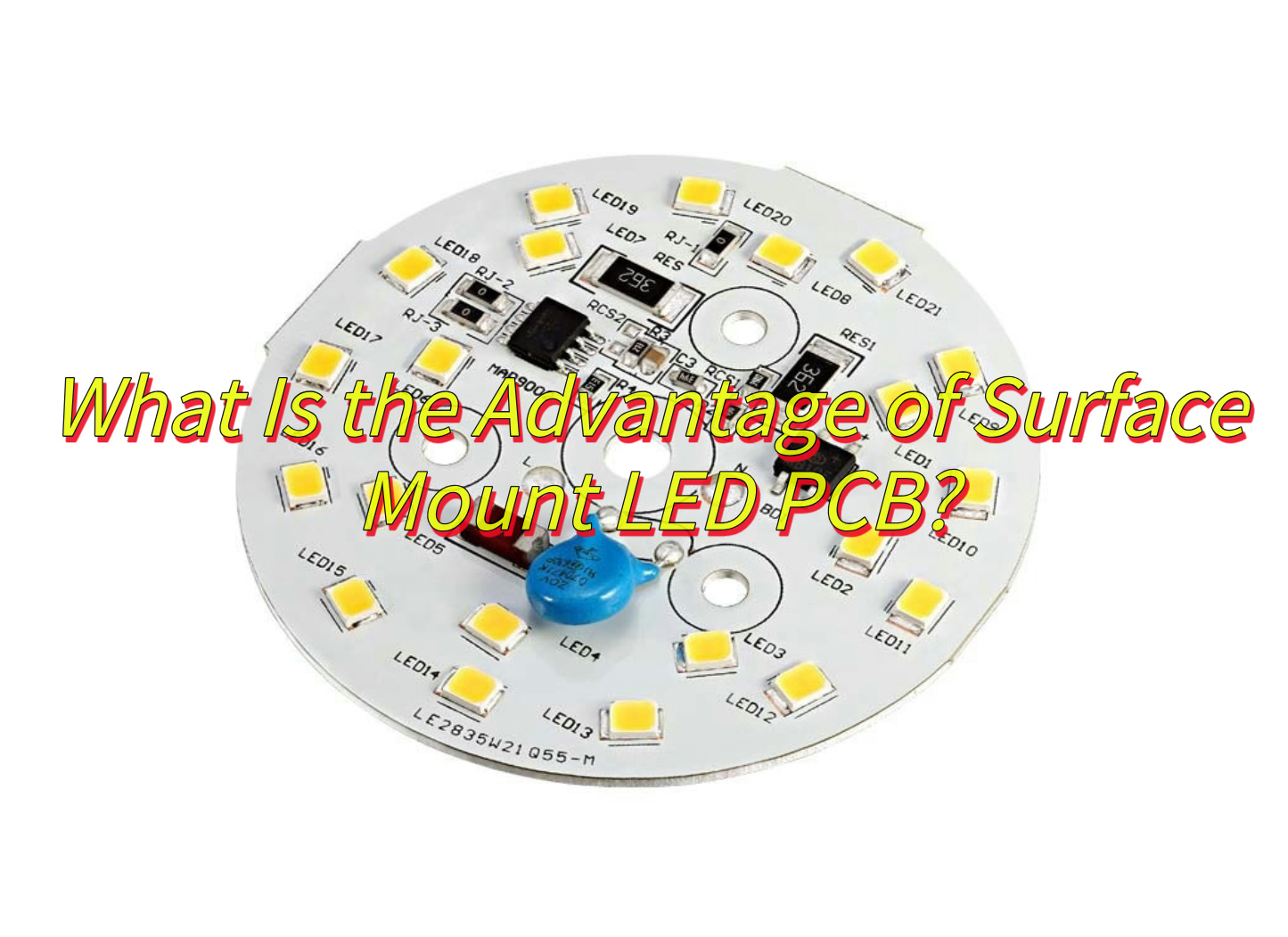
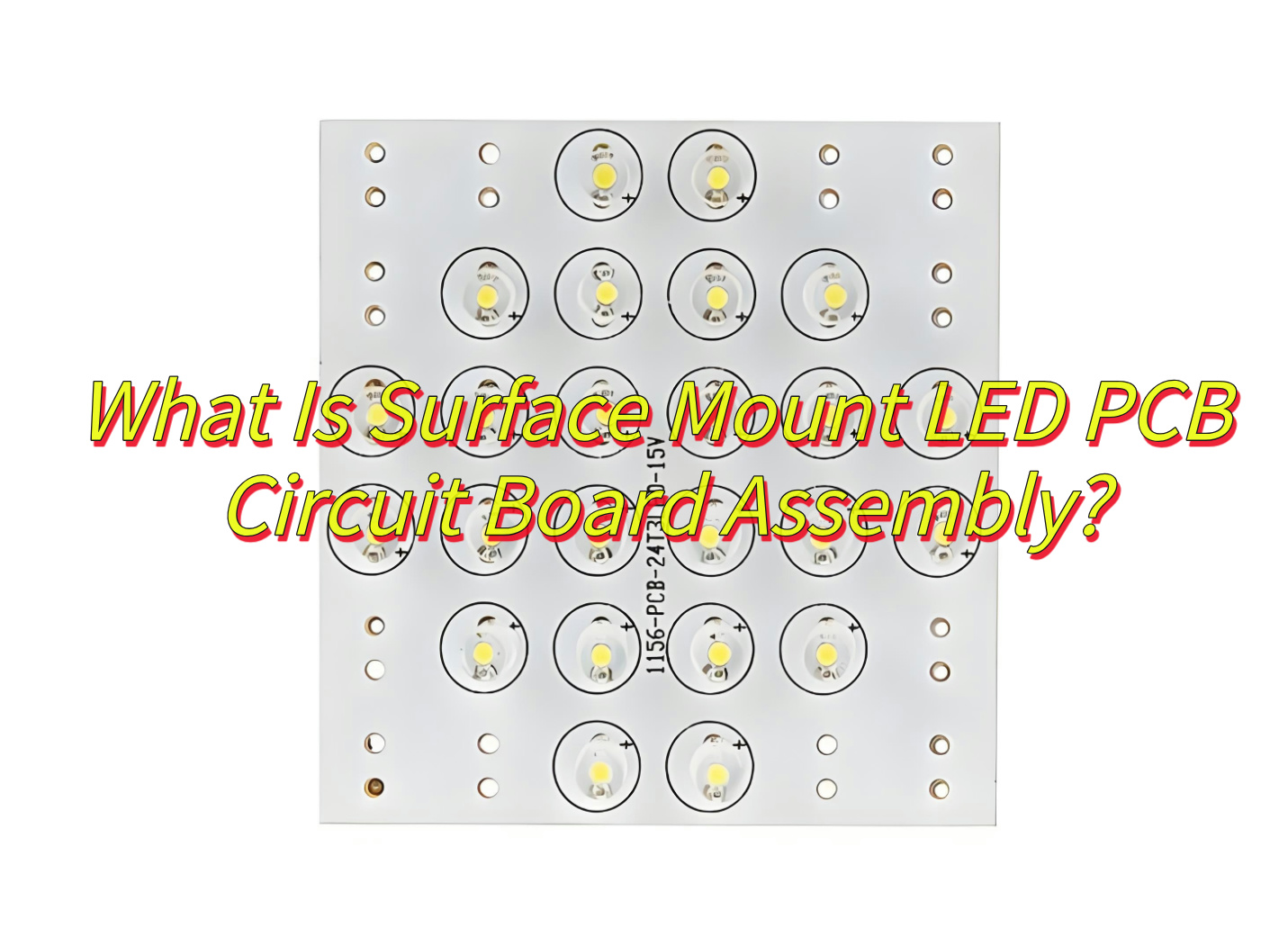
    SMD stands for Surface Mounted Device. These are individual LED chips mounted directly onto the surface of the board. Unlike COB, where chips blend into one source, SMDs remain separated.

    Common package sizes of SMD LED include 3528, 2835, and 5050 SMD chips. Each number relates to the dimensions in millimeters. These chips are popular for flexible LED strips, signage, and backlit displays.

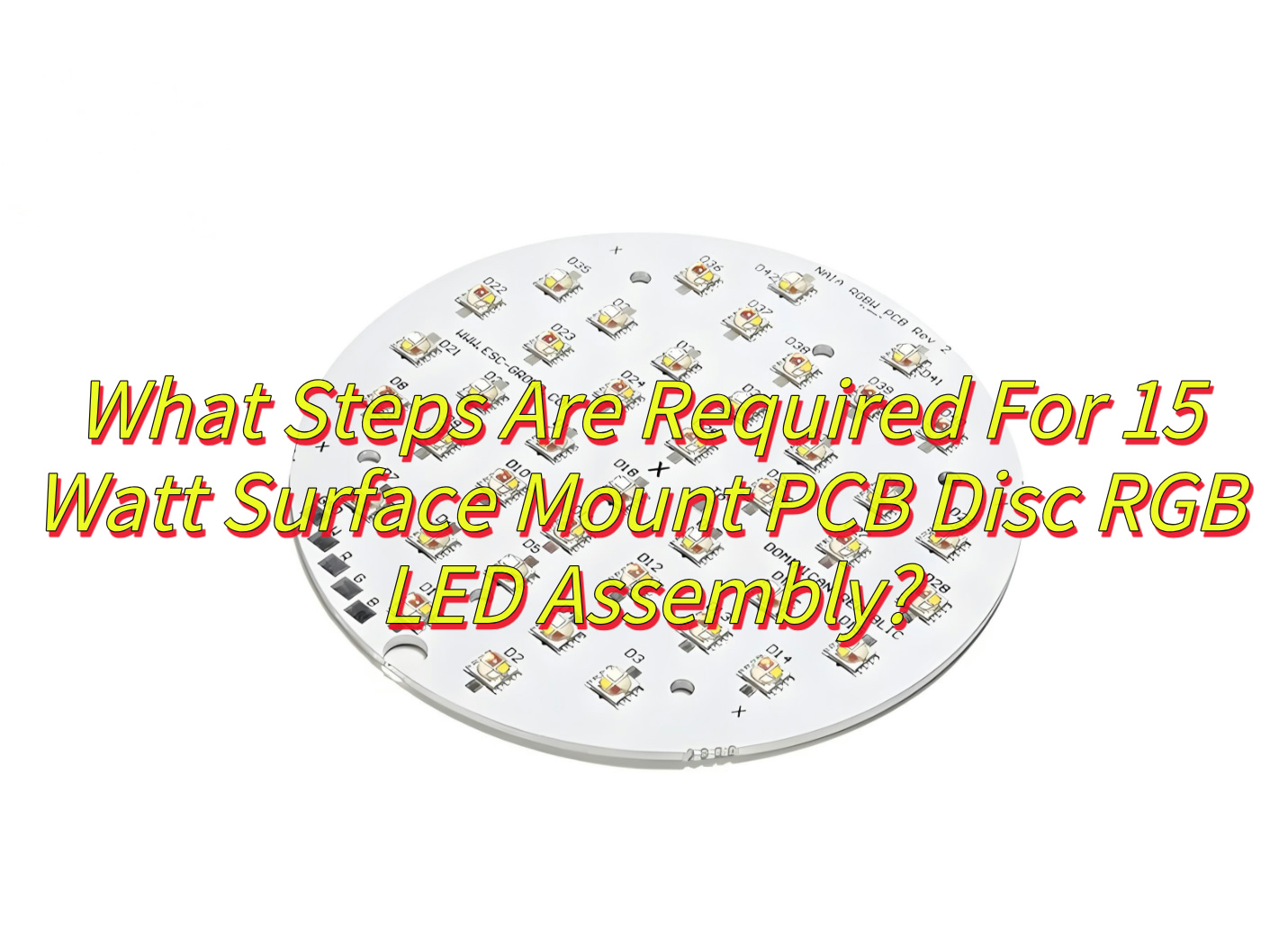
    A smd led pcb often supports RGB functions. That means each LED can emit different colors, which is useful for digital billboards, decorative lights, and custom control systems.

    What Is SMD LED PCB?

    Features of SMD LED PCB

    • High flexibility in design layout
    • Small and lightweight LEDs
    • Available in different color options (RGB & RGBW)
    • Can be used on both rigid and flexible boards
    • Suitable for decorative and general-purpose lighting

    SMD LED PCB Advantages and Disadvantages

    Advantages:

    • Design freedom: Great for custom layouts and creative shapes.
    • RGB ready: Many SMDs support multi-color output.
    • Lower cost: Ideal for mass production.
    • Good performance: Bright, efficient, and adaptable.

    Disadvantages:

    • Less heat-resistant: Not as efficient as COB in thermal handling.
    • May require more circuitry: For full color and control, extra components are needed.
    • Light is more scattered: Doesn’t provide a focused beam like COB.

    COB, SMD, DOB LED PCB Manufacturing and Assembly – EBest Circuit (Best Technology)

    When it comes to high-quality COB, SMD, and DOB LED PCB manufacturing, EBest Circuit (Best Technology) stands out as a reliable and experienced partner. We deliver solutions that meet the exact requirements of every customer—from indoor DOB LED panels to high-power COB lighting and custom SMD strip assemblies.

    Our facilities are equipped with 4+ advanced SMT lines and a full set of testing equipment to ensure precision, stability, and long-term performance. Whether you need rapid prototyping, low-volume production, or high-volume assembly, we tailor our services to your schedule and technical needs.

    We offer:

    • Custom LED PCB design based on your lighting application
    • Metal core PCB (Aluminum, Copper), FR4, and ceramic PCB options for optimal thermal performance
    • One-stop assembly service, from component sourcing to final testing
    • Strict quality control with AOI, ICT, and functional testing
    • On-time delivery and responsive support to help you meet market demands

    If you’re seeking durable, energy-efficient, and cost-effective LED lighting solutions, choose EBest Circuit (Best Technology) for your next project. Whether it’s a simple dob led driver circuit, a multi-chip COB LED module, or a flexible smd led pcb, we have the capabilities and experience to deliver!

    Related Post

    You may also like

    PCB Aluminium Substrate, Aluminum PCB Board for LED

    April 17th, 2025

    When it comes to reliable and advanced PCB solutions, EBest Circuit (Best Technology) leads the way. With more than 18 years in the industry, we provide custom circuit board manufacturing for global clients. From prototype to volume production, we help you build better products with very good heat dissipation and military-grade quality. Our strength lies in metal-based PCBs, especially pcb aluminium substrates. These are widely used in LED, automotive, telecom, and power industries. With precision equipment and a strict quality system, we ensure high-performance boards that meet your needs.

    What Is a PCB Aluminium Substrate?

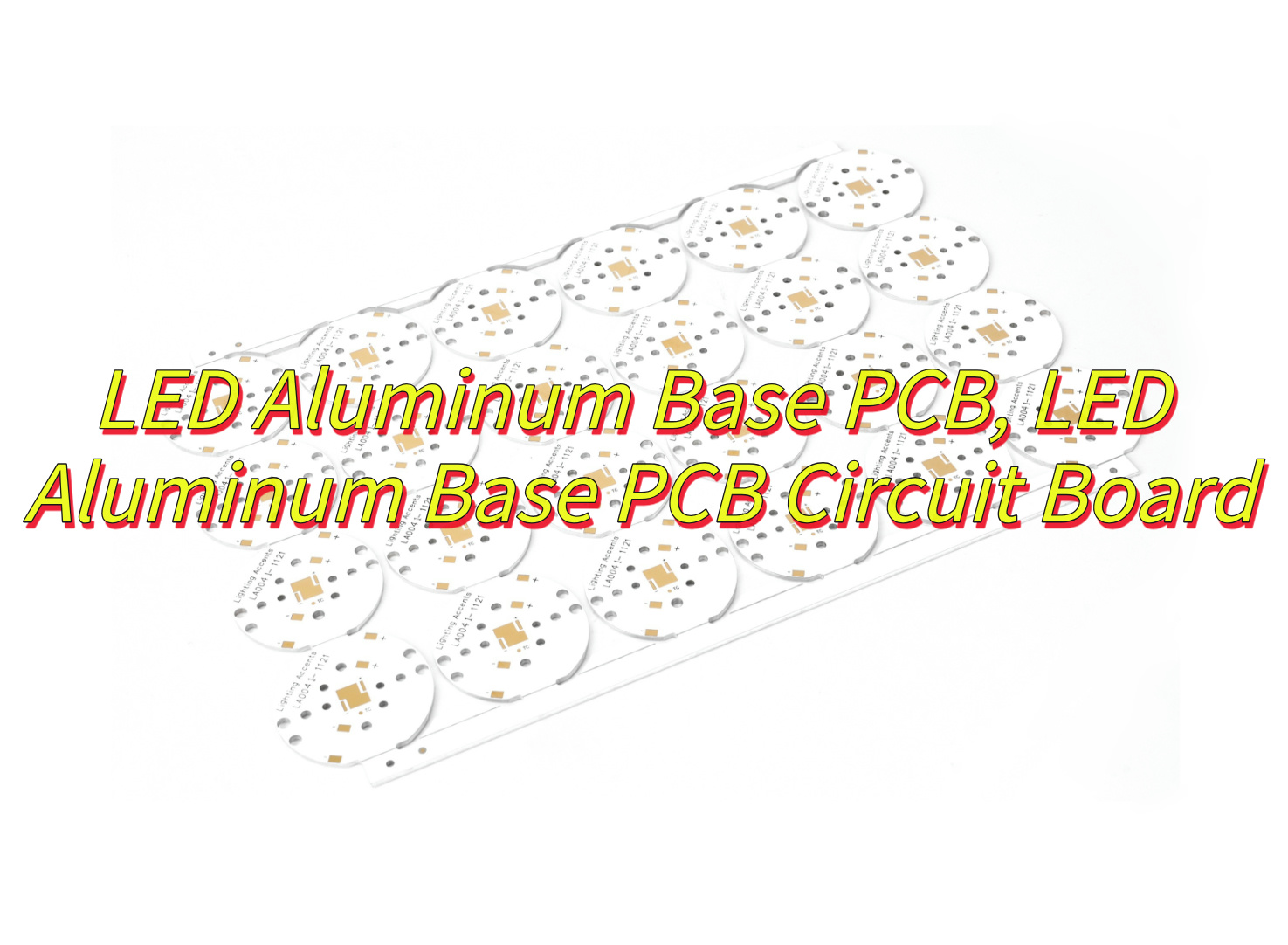
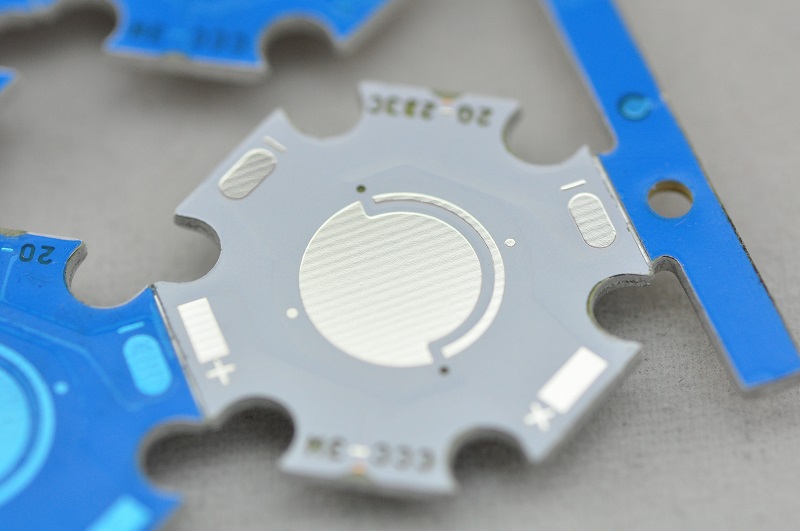
    A PCB aluminium substrate is a type of metal-based printed circuit board. (MCPCB) It uses aluminum as its base material instead of traditional FR4. This base supports layers of dielectric, and copper circuits. Aluminum PCBs offer strong heat dissipation and structural support compared with normal rigid PCB. The aluminum base acts as a heat sink. This makes the substrate ideal for high-power or thermally sensitive applications. In simple terms, it’s a PCB built on aluminum rather than fiberglass.

    Performance of Aluminium Substrate PCB in LED

    Aluminum substrate PCBs are the backbone of today’s LED lighting systems. Their ability to manage heat is the most critical factor. When LEDs operate, they generate a lot of heat at the junction point. If that heat isn’t removed quickly, the LED’s brightness fades, and its lifespan shortens. Using an aluminum board for LED, we can get these benefits:

    • Efficient heat dissipation: The aluminum metal base acts as a built-in heat sink, pulling heat away from the LED source and spreading it across the board.
    • Improved reliability: By reducing thermal stress, the board helps extend the lifespan of each LED component. That means longer-lasting light and less need for replacement.
    • Stable light output: Overheating causes LEDs to dim. Aluminum PCBs maintain the thermal balance so that brightness stays consistent. Whether it’s a street lamp or a small indoor fixture, aluminum PCBs deliver stable operation.
    • Compact design: Since aluminum boards manage heat on their own, there’s no need for bulky external cooling systems.
    • Cost-effective: Although slightly more expensive than FR4, their longer lifespan and lower maintenance needs make them a better investment for lighting manufacturers.

    6061 vs. 5052 vs. 1060 Aluminum Substrate

    In the aluminum PCB manufacturing, the common aluminium substrates that manufacturers always use are 6061 aluminum substrate, 5052 aluminum substrate and 1060 substrate. All of them are aluminum allay, but the compositions and purity are different, so that the performance different too.

    5052 aluminum sheet belongs to Al-Mg alloy, the main alloying element is magnesium, which has a content of 2.2% ~ 2.8%. In addition, it also contains a small amount of chromium (0.15%-0.35%) and other elements. The addition of which is intended to improve the strength and corrosion resistance of the alloy. 6061 aluminum sheet is Al-Mg-Si alloy, in addition to magnesium (0.8%-1.2%) and silicon (0.4%-0.8%) as the main alloying elements, copper (0.15%-0.4%) and zinc (less than 0.25%) are also added. 1060 aluminum material belongs to pure aluminum sheet, with an aluminum content of more than 99.6%, and almost no other alloying elements. Different alloy components form the basis of the different performances of these aluminum substrates. Below is a table comparison show the differences between each of them:

    Property6061 Aluminum5052 Aluminum1060 Aluminum
    CompositionMagnesium & silicon alloyMagnesium alloyPure aluminum (≄99.6%)
    Thermal ConductivityModerate (150 W/m·K)High (160 W/m·K)Very high (≈237 W/m·K)
    Strength of Extension290MPa215MPaLow
    Hardness95HB65HB30HB
    Elongation10-18%12-25%5%
    FormabilityLowHighHigh
    Corrosion ResistanceGoodExcellentGood
    Common UsesStructural parts, high-load PCBsLED lights, flexible designsHigh heat-dissipation PCBs
    CostHigherMediumLower
    (6061 vs. 5052 vs. 1060 Aluminum Substrate)

    So how to choose the suitable substrate for your aluminum PCB board? Follow this rule:

    • Choose 1060 if your project needs maximum thermal conductivity.
    • Choose 5052 if flexibility and corrosion resistance are more important.
    • Choose 6061 if you need strength and rigidity for heavy-duty PCBs.

    What Is the Dielectric Layer of Aluminum PCB?

    Aluminum substrate is generally composed of three layers: circuit layer (copper foil), dielectric layer and metal base. The dielectric layer is located between the circuit layer and the metal base layer, which acts as insulation and heat conduction. It is a polymer filled with high thermal conductivity and high insulation ceramic powder, make it is an ideal material with non-conductive but heat-conductive.

    single sided PCB aluminium substrate structure

    This dielectric layer has good heat conduction properties (thermal conductivity up to 3.0W/m-K), it is the key to thermal performance. It allows heat to pass from the copper to the aluminum while keeping them electrically isolated. The dielectric must have low thermal resistance and high breakdown voltage. Materials used often include ceramic-filled epoxy or polyimide. These support thermal conductivity while maintaining safety.

    What Is the Difference Between FR4 and Aluminum PCB?

    FR4 PCBs use fiberglass as a base. They are cheaper and more common. But they are poor at dissipating heat. They also deform more under thermal stress. Aluminum PCBs, on the other hand, handle heat much better. The aluminum pcb thermal conductivity is usually between 1.0 to 3.0 W/m·K. In contrast, FR4 is less than 0.3 W/m·K. That means aluminum PCBs can move heat away much faster. Here we listing the main differences between two of them:

    FeatureFR4 PCBAluminum PCB
    Base MaterialFiberglass-reinforced epoxyAluminum metal
    Thermal Conductivity≈0.3 W/m·K1–3 W/m·K
    Heat DissipationPoorExcellent
    Mechanical StrengthModerateHigh
    EMI ShieldingWeakStrong
    Cost (under the same design complexity situation)LowerSlightly higher
    Use CasesConsumer electronics, PCsMainly used in led lights, automotive, power modules
    Thickness Options0.10mm, 0.12mm, 0.15mm, 0.20mm, 0.25mm, 0.30mm, 0.40mm, 0.50mm, 0.60mm, 0.80mm, 1.0 mm, 1.2 mm,  1.6mm, >=2.0 mm0.30mm, 0.40mm, 0.50mm, 0.60mm, 0.80mm, 1.0 mm, 1.2 mm, 1.6mm, 2.0 mm, 2.4mm, 3.0mm (exclude copper)
    WeightMuch lighterHeavier but lighter than copper pcb
    Environment ToleranceLower heat resistanceWithstands high temperatures

    How Do You Make Aluminium PCB?

    The manufacturing process of aluminum PCB is almost the same as normal FR4 PCB, except the lamination process of dielectric layer, aluminum and copper. This also is the biggest manufacturing difficult that faced by manufacturers, especially for multi-layer aluminum PCB. For the single & double sided aluminum PCB, the aluminum substrate we purchased from the manufacturers are laminated with dielectric, so we do not need to laminate again. In addition to this, the manufacturing process of aluminum PCB with insulated hole and without insulated hole are different.

    • Single-sided Aluminum PCB without insulated hole:

    Cutting raw material (substrate laminated with dielectric layer) — Circuit layer generation (D-E-S) — Solder Mask – Silkscreen — Surface Treatment — Stripping — Drill Holes — Outline (V-cut – Routing – Die Punching) — QC — Package & Delivery

    Single-sided Aluminum PCB without insulated hole
    • Single-sided Aluminum PCB with insulated hole:

    Cutting raw material (substrate without laminated with dielectric layer) — Drill larger holes — Filled resin with holes — Lamination (dielectric layer + copper + aluminum base) — Circuit layer generation (D-E-S) — Solder Mask – Silkscreen — Surface Treatment — Stripping — Drill Holes — Outline (V-cut – Routing – Die Punching) — QC — Package & Delivery

    Single-sided Aluminum PCB with insulated hole

    Manufacturing Difficulties of Aluminum PCBs

    Working with aluminum is not the same as working with FR4. It brings challenges, especially for a professional aluminum PCB manufacturer.

    1. Mechanical Processing

    Drilling holes on aluminum PCBs is possible, but the inner walls and board edges must be completely free of burrs. Even a slight burr can cause the board to fail the high-voltage test. Milling the outline is also quite difficult. The milling cutter used for FR4 PCB board has a relatively low hardness, while the milling cutter used for aluminum substrate has a high hardness. During the processing, the milling cutter for fiberglass board production has a high speed, while the milling cutter for aluminum substrate production has a speed at least 2/3 slower. As an alternative, punching with high-precision dies is often used—but die making requires exceptional skill, making this one of the main challenges in aluminum PCB manufacturing.

    After punching, the edges must be clean and smooth, without any burrs or damage to the solder mask along the edges. Most factories use compound dies. Holes are punched from the circuit side, and the outline is punched from the aluminum side. This requires specific techniques, such as upward shearing and downward pulling during punching. Even after punching, the board’s warpage must be strictly controlled and should remain under 0.5%.

    2. Protecting the Aluminum Surface During Processing

    The aluminum base must remain completely free of scratches throughout the entire production process. Any direct contact with hands or chemicals can cause surface discoloration or oxidation, which are absolutely unacceptable. In many cases, re-polishing the aluminum surface is not allowed by customers. So, avoiding even the slightest damage to the aluminum layer is another major difficulty in the production process.

    Some manufacturers use surface passivation treatments, while others apply protective films before and after hot air solder leveling (HASL). There are countless tricks and methods used to keep the surface clean—every factory has its own unique way of doing it.

    3. High-Voltage Testing Requirements

    For telecom power supply boards, 100% high-voltage testing is often mandatory. Some clients require DC testing, while others specify AC, typically at 1500V or 1600V for durations of 5 to 10 seconds. Every single board must pass this test.

    Even the smallest contamination on the surface, burrs on holes or edges, jagged traces, or damage to the insulation layer can lead to arcing, leakage, or dielectric breakdown during testing. Boards that show signs of delamination or bubbling during the test are automatically rejected.

    Despite these, trusted manufacturers like EBest Circuit (Best Technology) handle it well. Our experience helps solve such problems early in the process.

    How Much Does Aluminum PCB Cost?

    Many factors influence the pcb aluminium substrate price. These include:

    • Aluminum grade (6061, 5052, or 1060)
    • Thickness of copper and base layer
    • Board size and layer count
    • Surface finish type
    • Quantity ordered
    • Special design features (e.g., thermal vias, contours)

    In general, aluminum PCBs cost more than FR4 boards. But for heat-sensitive designs, the added cost pays off in reliability.

    For instance, a basic one-layer aluminum PCB may start from $1.0–$5.0 per unit in bulk. Complex designs with multi-layers or special finishes can go higher. EBest Circuit (Best Technology) offer competitive pricing without cutting corners. We also provide quick prototypes aluminium PCB substrate and full-scale production to meet your timeline and budget.

    If you are interested in PCB aluminium substrate or aluminum PCB manufacturing, contact us today to learn more about our aluminum PCB board solutions. Let’s build something great together—strong, reliable, and ready for tomorrow’s tech.

    You may also like

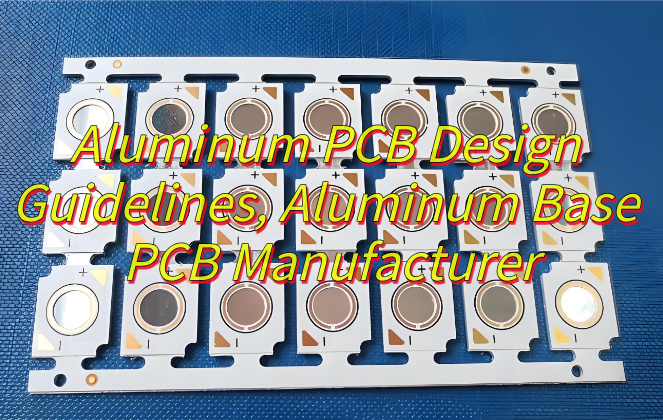
    Aluminum LED PCB, Aluminum LED PCB Board Manufacturer

    April 17th, 2025

    Are you curious about aluminum LED PCB solutions? This guide explores their types, uses, cost-saving tips like ‌LED PCB separators‌‌, and how to select reliable manufacturers‌.

    EBest Circuit (Best Technology) specializes in ‌aluminum LED PCB with 48 hours rapid prototyping‌ and ‌small volume orders at competitive pricing‌, leveraging advanced CNC routing and automated AOI systems for precision manufacturing. Our ‌ISO 9001-certified‌ facilities utilize ‌≄2.5W/m·K‌ thermal-conductive substrates‌ and ‌ENIG-coated pads‌ to ensure solder reliability, while ‌scalable production lines‌ guarantee 20–30% cost savings for bulk projects. Trust us for ‌durable, high-performance LED PCBs‌ tailored to automotive, industrial, and consumer lighting needs. ‌Request a quote today‌: sales@bestpcbs.com

    What Is Aluminum LED PCB?

    An ‌aluminum LED PCB is a specialized circuit board designed to support high-performance LED systems by integrating an aluminum base layer. Unlike traditional boards, it leverages the metal’s ‌exceptional thermal conductivity‌ to rapidly absorb and disperse heat generated by LEDs, preventing overheating and ensuring stable operation. This design prioritizes ‌efficient heat dissipation‌ without relying on bulky cooling components, making it ideal for environments where space and reliability are critical. By maintaining lower operating temperatures, the Aluminum LED PCB directly enhances ‌LED brightness consistency‌ and extends the ‌lifespan of lighting systems‌, offering a compact yet durable solution for modern LED technology.

    What Is Aluminum LED PCB?

    What Are Types of Aluminum LED PCB?

    Below are the types of aluminum LED PCB:

    • Flexible Aluminum LED PCB –‌Built with a bendable dielectric layer and thin aluminum core, this type supports curved or irregular designs while maintaining ‌heat dissipation efficiency‌. Ideal for compact or dynamic lighting layouts, it avoids rigid structural limitations‌.
    • Hybrid Aluminum LED PCB -‌Combines traditional FR-4 layers with an aluminum base layer, balancing cost and thermal management. The hybrid structure enhances rigidity and heat transfer compared to standard boards, offering a ‌cost-effective thermal solution‌‌.
    • Standard Single/Double Layer Aluminum LED PCB –‌Features a single or dual conductive copper layer bonded to an aluminum substrate through an insulating dielectric layer. The single-layer variant is common for basic LED setups, while double-layer designs enable ‌complex circuitry‌ for advanced lighting systems‌.
    • High Thermal Conductivity Aluminum LED PCB -‌Uses premium dielectric materials (e.g., ceramic-filled polymers) to achieve ‌thermal conductivity above 1.5W/m·K‌, far exceeding standard boards. This type minimizes thermal resistance, ensuring rapid heat dispersion for high-power LEDs‌.
    What Are Types of Aluminum LED PCB?

    What Are Applications of Aluminum LED PCB Circuit Boards?

    Here are application of aluminum LED PCB:

    • Automotive Lighting Systems‌-In ‌aluminum PCB LEDs for cars‌, these boards power headlights, taillights, and interior lighting. Their ‌rapid heat dissipation‌ ensures stable performance in high-temperature environments, critical for safety and longevity in automotive designs.
    • High-Intensity General Lighting‌-They are integral to LED streetlights, floodlights, and commercial fixtures, where ‌consistent thermal control‌ prevents lumen degradation and extends operational life.
    • Consumer Electronics‌Compact devices like LED displays, backlight units, and decorative lighting rely on aluminum PCBs to maintain ‌low operating temperatures‌ in confined spaces.
    • Industrial Equipment‌Used in machinery lighting, UV curing systems, and medical devices, they withstand harsh conditions while ensuring ‌uninterrupted LED functionality‌.
    What Are Applications of Aluminum LED PCB Circuit Boards?‌

    How to Test the Voltage Resistance of Aluminum LED PCB?‌

    Testing the ‌voltage resistance‌ of aluminum LED PCBs ensures reliability in high-stress environments like automotive and industrial lighting. Below is a step-by-step guide to evaluate insulation integrity and withstand voltage performance:

    1. Pre-Test Preparation‌

    • Clean the PCB surface‌ to remove dust, oxidation, or contaminants that could skew results‌.
      Verify the ‌dielectric layer thickness‌ (≄75ÎŒm for automotive-grade PCBs) using calipers or microscopy‌.

    2. Insulation Resistance Testing‌

    • Use a ‌megohmmeter‌ (500–1,000V DC) to measure resistance between conductive traces and the aluminum base. Acceptable values exceed ‌10MΩ‌ at 25°C‌.
      For humid environments, test at ‌85% relative humidity‌ to simulate real-world degradation risks‌.

    3. AC/DC Withstand Voltage Testing‌

    • Apply ‌1,500V AC‌ (or ‌2,120V DC‌) for 60 seconds between the circuit and aluminum substrate‌.
    • Monitor for ‌leakage currents‌ (<10mA) and arcing. Failures indicate micro-cracks or dielectric flaws‌.

    4. Dielectric Breakdown Voltage Test‌

    Gradually increase voltage (500V/sec) until breakdown occurs. ‌Target thresholds‌:

    • ≄3kV‌ for general LED strips‌.
    • ≄5kV‌ for automotive or aerospace applications‌.
    • Conduct tests in ‌insulated oil baths‌ to minimize external arcing risks‌.

    5. Post-Test Validation‌

    • Perform ‌microscopic inspection‌ to identify localized damage in dielectric layers‌.
    • Use ‌thermal imaging‌ to detect hotspots caused by residual leakage currents‌.
    • Safety Protocols‌
    • Ground the aluminum substrate to prevent electrostatic discharge‌.
    • Equip testers with ‌high-voltage gloves‌ and isolation mats‌.
    How to Test the Voltage Resistance of Aluminum LED PCB?‌

    How to Solder LED Lamp Beads on Aluminum PCB?

    Here is how to solder LED Lamp Beads on aluminum PCBs:

    1. Workspace Preparation

    Essential Tools:

    • Hot air rework station (ensures even heat distribution).
    • Lead-free solder paste (Sn96.5Ag3.0Cu0.5 recommended).
    • Precision stencil (matches LED pad layout).
    • ESD-safe equipment (prevents electrostatic damage).

    2. Surface Cleaning

    • Why It Matters: Aluminum alloy porous surface traps contaminants.
    • Action: Wipe the PCB with isopropyl alcohol (IPA) and lint-free cloth. Avoid bare-hand contact post-cleaning.

    3. Solder Paste Application

    Technique:

    • Secure the PCB on a flat surface.
    • Align the stencil over LED pads.
    • Spread paste evenly using a squeegee (45° angle, single pass).
    • Tip: For dense LED arrays, use Type 4 solder paste to avoid slumping.

    4. LED Placement

    Precision Matters:

    • Use a vacuum pick-and-place tool for accurate component alignment.
    • Verify LED polarity matches PCB markings.
    • Gently press LEDs into paste to ensure adhesion.

    5. Reflow Soldering

    Optimized Profile:

    • Preheat: 120–150°C (ramp rate: 1–2°C/sec).
    • Soak: 150–180°C (hold 60–90 sec).
    • Peak: 217–227°C (hold 20–40 sec).
    • Cooling: Gradual cooldown to avoid thermal shock.
    • Critical Adjustment: Reduce peak temperature by 10–15°C compared to FR-4 PCBs due to the conductivity of aluminum alloy.

    6. Final Inspection

    Quality Checks:

    • Visual: Uniform, conical fillets with no cold joints.
    • Advanced: Use X-ray inspection to confirm void-free joints (<30% voids acceptable).

    How to Choose a Reliable Aluminum LED PCB Manufacturer?

    Here’s how to identify a trusted aluminum LED PCB manufacturer:

    1. Verify Material Expertise

    • Black-Anodized Aluminum : Confirms compatibility with high-power LEDs.
    • Thermal Conductivity Testing: Ask for reports proving ≄2.0 W/m·K performance.

    2. Assess Production Capabilities

    • In-House Fabrication: Prioritize manufacturers with CNC machining and laser cutting facilities for tight tolerances.
    • Surface Finish Options: Ensure they offer smooth matte finishes to enhance solder adhesion.

    3. Quality Certifications

    • Mandatory Standards: Look for ISO 9001UL, and RoHS compliance.
    • Advanced Testing: Request details on thermal cycling and vibration testing protocols.

    4. Customization Flexibility

    • Design Support: Choose partners offering DFM (Design for Manufacturing) reviews.
    • Prototype Turnaround: Aim for ≀5 days for sample delivery.

    5. Client References

    • Case Studies: Seek projects matching your application (e.g., automotive lighting, industrial panels).
    • Review Feedback: Check third-party platforms for unbiased testimonials.

    How to Reduce Production Cost of LED Aluminum PCB?

    Here are practical strategies to reduce cost of LED aluminum PCB board:

    • Optimize Material Selection‌: Choose cost-effective aluminum substrates like 5052 or 6061 alloys, which balance thermal conductivity and affordability. Pair these with thin, high-performance dielectric layers to reduce material waste.
    • Integrate LED PCB Separator Technology: Automated LED PCB separators, such as precision CNC routers, minimize material loss during panelization. This ensures maximum board yield and reduces scrap rates by 15-20%.
    • Simplify Design Complexity‌: Avoid over-engineering by limiting layers and using standardized trace widths. Fewer laser-drilled vias and simplified layouts lower machining time and material consumption.
    • Streamline Production Workflows‌: Adopt automated processes like AOI (Automated Optical Inspection) to catch defects early, reducing rework costs. Bulk purchasing of raw materials (e.g., copper foil) also cuts expenses.
    • Recycle Aluminum Waste‌: Reuse scrap aluminum from separator processes for non-critical components. Recycling programs can offset up to 10-15% of raw material expenses.

    FAQs of Aluminum PCB LED Strip Production

    Q1: Why do my LED strips overheat?
    A1: Overheating often stems from poor thermal design. Use aluminum PCBs with ≄2.0 W/m·K thermal conductivity and add thermal vias to improve heat dissipation. Ensure airflow around the strips isn’t obstructed.

    Q2: How can I prevent delamination?
    A2: Delamination occurs due to low-quality adhesives or improper curing. Choose high-temperature epoxy resins and follow curing guidelines strictly. Avoid exposing strips to excessive humidity during bonding.

    Q3: What causes LED color inconsistency?
    A3: Inconsistent binning of LEDs or voltage drops across the strip often cause color variation. Use LEDs from the same bin and implement current-limiting resistors to stabilize voltage.

    Q4: Can I solder directly onto aluminum PCBs?
    A4: Yes, but use low-temperature solder (≀220°C) to avoid damaging the aluminum oxide layer. Apply flux evenly to ensure proper adhesion.

    Q5: How do I clean aluminum PCBs without damage?
    A5: Use isopropyl alcohol (IPA) and a soft brush to remove debris. Avoid abrasive cleaners or ultrasonic cleaners, as they may erode the PCB surface.

    You may also like

    Automotive LED PCB, Automotive LED PCB Manufacturers

    April 16th, 2025

    Curious about automotive LED PCB? Dive into their structure, applications, sourcing strategies, quality standards, production optimizations, and critical FAQs of automotive LED PCB manufacturing.

    EBest Circuit (Best Technology) specializes in automotive LED PCB manufacturing, holding ‌IATF 16949 certification‌ for automotive quality compliance. We deliver ‌prototype samples within 48 hours‌, backed by streamlined logistics and a dedicated engineering team. Our products undergo ‌strict IPC Class 3 testing‌, including AOI and X-ray inspections, ensuring reliability in extreme thermal/vibration conditions. With ‌8+ years of automotive project experience‌, we support global Tier 1 suppliers in headlight, taillight, and interior lighting PCBs. Advanced SMT lines enable ‌±0.03mm placement accuracy‌, while custom solutions optimize designs for EMI shielding and heat dissipation. Global clients benefit from 24/7 technical support and ‌NPI-to-mass-production continuity‌. If you have any request for automotive LED PCB, welcome to contact us sales@bestpcbs.com

    What Is Automotive LED PCB?

    An ‌Automotive LED PCB‌ is a printed circuit board designed for powering and managing ‌LED lighting systems in vehicles‌, integrating ‌heat dissipation mechanisms‌ to counteract high thermal loads and ‌current regulation circuits‌ to maintain stable light output. It utilizes ‌aluminum-core materials‌ for rapid heat transfer and ‌durable construction‌ to endure automotive environmental stresses such as temperature extremes and vibrations, ensuring ‌long-term reliability‌ and ‌energy-efficient operation‌ of LED components.

    What Is Automotive LED PCB?

    What Is Structure of Automotive LED PCB?

    Structure of Automotive LED PCB‌:

    • Substrate Layer‌: Typically made of ‌aluminum-based materials‌ (e.g., aluminum core) for ‌high thermal conductivity‌, supporting circuit components and heat dissipation.
    • Conductive Layer‌: Composed of ‌copper traces‌ to transmit electrical signals and power to LED components.
    • Insulation Layer‌: A dielectric material (e.g., thermally conductive polymer) isolating the conductive layer from the substrate while allowing heat transfer.
    • Solder Mask‌: Protective coating over copper traces to prevent oxidation and short circuits.
    • Thermal Management Features‌: ‌Metal cores‌, ‌heat sinks‌, or ‌thermal vias‌ to direct heat away from LEDs.
    • Component Mounting Areas‌: ‌LED chips‌, ‌driver ICs‌, and resistors soldered onto pads with ‌high-temperature-resistant adhesives‌.
    • Connector Interfaces‌: ‌Pins or terminals‌ for integrating with vehicle wiring systems.
    What Is Structure of Automotive LED PCB?

    What Are Application of Automotive LED PCBs?

    Applications of Automotive LED PCBs:

    • Headlights & Fog Lights: Deliver high-intensity illumination with low power consumption, enhancing nighttime visibility and safety.
    • Tail Lights & Brake Lights: Provide instant, crisp signaling for rear drivers, improving reaction times.
    • Interior Lighting: Enable customizable ambient lighting, dashboard backlighting, and trunk/cargo area illumination.
    • Turn Signals & Hazard Lights: Ensure bright, dynamic flashing patterns for clear directional communication.
    • Instrument Clusters: Power high-resolution displays for speedometers, fuel gauges, and diagnostic alerts.
    • Advanced Driver-Assistance Systems (ADAS): Support sensors like LiDAR and cameras for features like lane departure warnings.
    • Charging Port Indicators: Signal electric vehicle (EV) charging status with color-coded LED patterns.
    • Dynamic Exterior Lighting: Enable adaptive beam patterns and animated welcome sequences for premium vehicles.
    What Are Application of Automotive LED PCBs?

    How to Find An Automotive LED PCB Factory?

    This is how to Find an Automotive LED PCB Factory:

    • B2B Platforms: Use platforms like Alibaba, Global Sources, or Industry Stock to filter factories by location, certifications, and production capacity.
    • Trade Shows: Attend automotive electronics exhibitions to meet suppliers directly and assess product samples.
    • Regional Manufacturing Hubs: Target factories in regions like Guangdong (China), or Southeast Asia for cost-effective, scalable production.
    • Certification Databases: Verify factories with automotive standards (IATF 16949, ISO 9001) via official certification registries.
    • Referral Networks: Contact industry associations or existing buyers for trusted manufacturer recommendations.(like EBest Circuit (Best Technology)
    • Direct RFQ Process: Submit detailed specifications to multiple factories via email or platforms to compare quotes and lead times.
    • Factory Audits: For critical partnerships, schedule on-site visits to evaluate equipment, quality control, and compliance.
    How to Find An Automotive LED PCB Factory?

    Where to Find the Latest Automotive LED PCB Pricelist?

    Where to Find the Latest Automotive LED PCB Pricelist:

    • Manufacturer Websites: Check official sites for downloadable catalogs or contact sales teams for customized quotes.
    • B2B Platforms: Use platforms like Alibaba or Made-in-China to request pricelists via RFQ (Request for Quotation) tools.
    • Industry Reports: Subscribe to market research reports (e.g., IDC) for pricing trends and supplier comparisons.
    • Direct Inquiries: Email factories with detailed specifications (volume, layers, certifications) to obtain tailored pricing.
    • Distributor Networks: Contact authorized distributors for bulk discounts and regional pricing insights.
    • Trade Show Exhibitors: Collect pricelists from factory booths during automotive electronics exhibitions.
    • Online Forums: Join industry groups (e.g., LinkedIn, Reddit) to gather crowdsourced pricing data from peers.

    How to Identify Quality Automotive LED PCB Manufacturers?

    How to Identify Quality Automotive LED PCB Manufacturers:

    Certifications & Compliance:

    • Look for ISO/TS16949 (automotive quality management), ISO 9001, and AEC-Q qualifications.
    • Verify compliance with RoHS, REACH and regional environmental standards.

    Production Expertise:

    • Prioritize manufacturers with 10+ years’ experience in wholesale automotive LED PCBs production.
    • Check partnerships with Tier 1 suppliers or OEMs (e.g., Bosch, Continental).

    Quality Control Systems:

    • Assess inspection processes: AOI (Automated Optical Inspection), X-ray testing, and SPC (Statistical Process Control).
    • Ensure defect rates are below 0.5% and traceability via barcodes or QR codes.

    R&D & Engineering Capabilities:

    • Confirm in-house design teams for high-layer PCBs (e.g., 10+ layers), HDI (High-Density Interconnect), and thermal management.
    • Evaluate support for DFM (Design for Manufacturability) and DFA (Design for Assembly).

    Client Validation:

    • Request case studies or contact references for feedback on on-time delivery, rework rates, and field failures.

    Sample Testing:

    • Subject prototypes to thermal cycling (-40°C to 125°C), vibration, and humidity tests.
    • Validate LED compatibility and EMC (Electromagnetic Compatibility).

    Equipment & Technology:

    • Ensure factories use advanced machinery
    • Check for Class 10,000 cleanrooms for critical processes.

    Technical Support:

    • Confirm availability of technical support and DMF analysis services.

    How Does an Automatic LED PCB Loader Improve Production Efficiency?

    Reduced Labor Dependency:

    • Eliminates manual loading/unloading, cutting human error and operator fatigue.

    Faster Cycle Times:

    • Enables continuous feeding at speeds exceeding 500 boards/hour, syncing with SMT lines.

    Precision Handling:

    • Uses vision systems and sensors to align PCBs with ±0.1mm accuracy, reducing misplacements.

    24/7 Operation:

    • Runs uninterrupted, maximizing equipment utilization during off-peak hours.

    Seamless Integration:

    • Connects with MES (Manufacturing Execution Systems) for real-time production tracking and inventory management.

    Enhanced Throughput:

    • Minimizes idle time between processes, boosting overall line efficiency by 20–40%.

    Data-Driven Optimization:

    • Generates logs for analyzing bottlenecks, enabling predictive maintenance and process tweaks.

    Scalability:

    • Supports high-mix/low-volume production with quick tool-free adjustments for different PCB sizes/shapes.

      FAQs of Automotive LED PCB Manufacturing

      1. Q: How to prevent solder joint defects in high-vibration environments?
        A: Use void-free soldering with flux optimized for thermal shock, and add underfill epoxy to reinforce connections.
      2. Q: What causes LED “thermal runaway” on PCBs?
        A: Inadequate heatsink design or poor copper distribution. Integrate thermal vias and aluminum-backed PCBs for efficient heat dissipation.
      3. Q: How to mitigate electromagnetic interference (EMI)?
        A: Implement ground planes, differential pair routing, and add shielding cans around LED clusters.
      4. Q: Why do PCBs delaminate under thermal cycling?
        A: Mismatched CTE (Coefficient of Thermal Expansion) between layers. Use low-CTE prepregs and thermally matched substrates.
      5. Q: How to ensure compatibility with automotive fluids/chemicals?
        A: Select FR-4 TG170+ or polyimide materials, and perform ASTM D543 resistance testing against oils, fuels, and coolants.

      You may also like

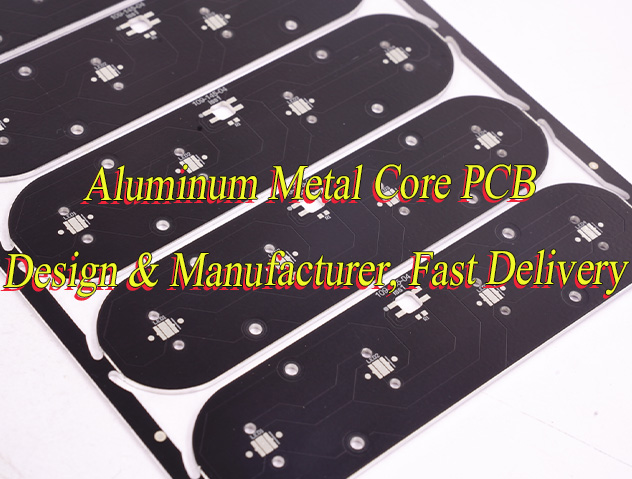
      LED Metal Core PCB, LED Metal Core PCB Manufacturer

      April 16th, 2025

      Are you finding LED Metal Core PCB solutions? Let’s explore more about LED Metal Core PCB’s benefits, application, thermal Management, 94V0 compliance. and how to find a reliable LED metal core PCB manufacturer as well as cost factors.

      EBest Circuit (Best Technology) as a ‌wholesale LED metal core PCB‌ producer with ‌ISO 9001 and UL certifications‌, ensuring rigorous quality control. The company delivers ‌rapid prototyping‌ with ‌48-hour lead times‌ for urgent projects, supported by ‌end-to-end services‌ spanning design, prototyping, mass production, and assembly. A ‌stable electronics supply chain‌ guarantees access to multiple material options for diverse applications. Automated production lines and ‌strict thermal cycling, AOI/X-ray inspection‌ maintain consistency in large orders. Engineers optimize ‌heat dissipation layouts‌ (copper thickness up to 6 oz) to extend LED lifespan and reduce cost. Contact us today sales@bestpcbs.com if you have any request for LED metal core PCB.

      What Is LED Metal Core PCB?

      A LED metal core PCB is specialized circuit boards constructed with a metal substrate—typically aluminum or copper—as their base layer. This design replaces traditional FR4 fiberglass materials to address thermal challenges in high-power LED applications. The structure comprises three primary layers: a metal base for heat dissipation, a thin dielectric layer to insulate electrical components, and a copper circuitry layer for electrical connections.

      Their primary function is to efficiently manage heat generated by LEDs, particularly in dense arrays or high-wattage designs. The metal core conducts heat away from the LED junctions, preventing overheating that could degrade performance or shorten lifespan. This thermal management capability makes them ideal for automotive lighting, industrial fixtures, and high-brightness displays where reliability under thermal stress is critical. The rigid metal structure also provides mechanical stability, reducing warping risks compared to polymer-based boards.

      What Is LED Metal Core PCB?

      What Are Advantages of LED Metal Core PCB?

      Advantages of LED metal core PCB:

      • Enhanced Thermal Management: Metal cores (aluminum/copper) dissipate heat 2-3x faster than FR4, preventing LED junction overheating.
      • High-Power Compatibility: Supports dense LED arrays and drivers without performance degradation.
      • Improved Reliability: Reduced thermal stress minimizes solder joint fatigue and component failure risks.
      • Compact Design Potential: Thinner substrates enable sleeker product profiles for modern lighting fixtures.
      • Consistent Performance: Maintains efficiency across wide temperature fluctuations (-40°C to 150°C).
      • Cost-Effective Durability: Long lifespan reduces replacement cycles and maintenance costs.
      • Eco-Friendly Options: Recyclable metal substrates align with sustainability trends.
      What Are Advantages of LED Metal Core PCB?

      What Are Application of LED Metal Core PCB Board?

      Application of LED metal core PCB board:

      • Automotive Lighting: Headlamps, fog lights, and interior lighting systems benefit from superior heat dissipation.
      • Industrial Fixtures: High-bay lights, streetlights, and machinery lighting require robust thermal management.
      • Commercial Displays: LED video walls and digital signage use metal cores for uniform brightness control.
      • Medical Equipment: Surgical lights and imaging devices demand reliable performance under prolonged use.
      • Outdoor Applications: Floodlights, architectural lighting, and traffic signals thrive in harsh weather conditions.
      • Consumer Electronics: Premium TVs, gaming monitors, and projectors utilize compact metal core designs.
      • Aerospace Components: Specialized lighting systems in aircraft cabins and control panels prioritize durability.
      What Are Application of LED Metal Core PCB Board?

      What Makes Metal Core PCBs Better for Heat Dissipation?

      • Superior Thermal Conductivity: Aluminum (200 W/m·K) and copper (400 W/m·K) cores transfer heat 2-3x faster than FR4 (0.3 W/m·K), rapidly moving heat away from LEDs.
      • Uniform Heat Spreading: Metal substrates distribute thermal energy evenly, preventing localized hotspots that degrade performance.
      • Reduced Thermal Resistance: Direct bonding of dielectrics to metal minimizes interfacial resistance, enhancing heat transfer efficiency.
      • Mechanical Rigidity: Non-flexible structure maintains consistent contact with heatsinks, ensuring optimal thermal interface.
      • High-Temperature Stability: Metal cores maintain dimensional integrity at elevated temperatures, preventing delamination common in polymer boards.
      What Makes Metal Core PCBs Better for Heat Dissipation?

      How to Identify A Reliable Metal Core LED PCB Manufacturer?

      Here are some methods about how to identify a reliable metal core LED PCB manufacturer:

      1. Verify Industry Certifications: Prioritize manufacturers with ISO 9001, UL, or IPC standards compliance to ensure consistent quality.
      2. Evaluate Manufacturing Expertise: Choose suppliers specializing in wholesale led metal core PCB production, with proven track records in thermal design.
      3. Assess Material Sourcing: Confirm use of high-grade aluminum/copper alloys and reliable dielectric materials for longevity.
      4. Check Production Capacity: Ensure they handle large-volume orders efficiently without compromising lead times, with clear communication on delivery schedules.
      5. Review Testing Protocols: Reliable manufacturers conduct thermal cycling, solderability, and vibration tests specific to LED metal core PCB durability.
      6. Analyze Customer Feedback: Look for positive reviews regarding post-sale support and warranty claims resolution related to thermal performance.
      7. Compare Cost Structures: Transparent pricing for wholesale led metal core PCB orders indicates ethical business practices.
      8. Assess Thermal Design Capabilities: Ensure expertise in optimizing metal core layouts for LED heat dissipation, including via placement and copper thickness.
      9. Evaluate Customization Options: Manufacturers offering tailored solutions for unique LED configurations demonstrate deeper technical understanding.
      10. Check for Innovations: Look for patented technologies or proprietary processes that enhance metal core PCB efficiency or lifespan.

      Can Manufacturers Customize Metal Core PCBs for Specific LED Designs?

      Yes‌, specialized metal core LED PCB manufacturers like EBest Circuit (Best Technology) adapt ‌metal core PCBs‌ to meet exact LED application needs. Here’s how:

      • Adjustable core materials and thicknesses‌ (1.0–3.0mm aluminum/copper) to balance heat dissipation and mechanical stability for high-power LED arrays‌.
      • Flexible order volumes‌, with tiered pricing for prototypes (1,000+ units) and bulk orders (10,000+ units), ensuring cost-efficiency across project scales‌.
      • Compatibility with harsh environments‌, using materials like anodized aluminum or advanced dielectric layers to withstand moisture, vibration, or extreme temperatures in industrial LED systems‌.
      • Integrated thermal management‌, incorporating optimized via patterns and copper layer designs to reduce hotspots in dense LED configurations‌.
      • End-to-end production support‌, from PCB fabrication to assembly, streamlining workflows for automotive or UV-C LED applications‌.

      What Factors Affect the Cost of Metal Core PCB LED Solutions?

      Below are the primary factors influencing the cost of metal core PCB LED solutions:

      • ‌Material Selection‌
        Metal core type‌: Aluminum (lower cost) vs. copper (higher thermal performance) directly impacts material expenses‌.
        Dielectric layer quality‌: High thermal conductivity insulation materials (1.5–8.0 W/m·K) increase costs but improve heat dissipation for high-power LEDs‌.
      • ‌Manufacturing Processes‌
        Precision requirements‌: Tight tolerances for ‌thermal via drilling‌ or ‌laser-cut patterns‌ raise labor and equipment costs‌.
        Surface finishes‌: Immersion silver or ENIG coatings add 10–15% to base costs but enhance solderability and corrosion resistance‌.
      • ‌Order Volume‌
        Prototyping (1–100 units) incurs higher per-unit costs due to setup fees, while bulk orders (5,000+ units) reduce prices by 20–30% through economies of scale‌.
      • ‌Testing & Certification‌
        Compliance with ‌IPC-6012D‌ or ‌UL certification‌ requires additional inspections, increasing production time and costs‌.
        Thermal cycling tests‌ to validate LED lifespan under stress add 5–10% to total project expenses‌.
      • ‌Environmental Resistance Needs‌
        Solutions for harsh conditions (e.g., moisture, extreme temperatures) demand ‌anodized cores‌ or specialized conformal coatings, raising material costs by 15–25%‌.
      • ‌Supply Chain Efficiency‌
        Partnering with vertically integrated manufacturers reduces logistics delays and material waste, cutting overall costs by 8–12%‌.

      Can 94v0 standard Be Achieve in LED Metal Core PCB Bulk production

      Yes, achieving the ‌94V0 standard‌ in LED metal core PCB bulk production is achievable with ‌strict material specifications‌ and ‌automated quality checks‌. Manufacturers like EBest Circuit (Best Technology) maintain consistency by using ‌flame-retardant dielectric materials‌ (e.g., FR-4 or CEM-3) bonded to aluminum substrates, which pass UL 94V0 vertical flame tests. ‌Automated optical inspection (AOI)‌ and ‌real-time thermal profiling‌ during lamination ensure uniform dielectric thickness and adhesion. For bulk orders, ‌statistical process control (SPC)‌ monitors critical parameters like layer alignment and thermal conductivity, while ‌random flame testing‌ on 3-5% of units per batch verifies compliance. High-volume production (5,000+ panels) reduces costs by 25-40% via optimized panel layout and reduced setup waste, ensuring 94V0 consistency across automotive, industrial, and high-power LED systems.

      You may also like

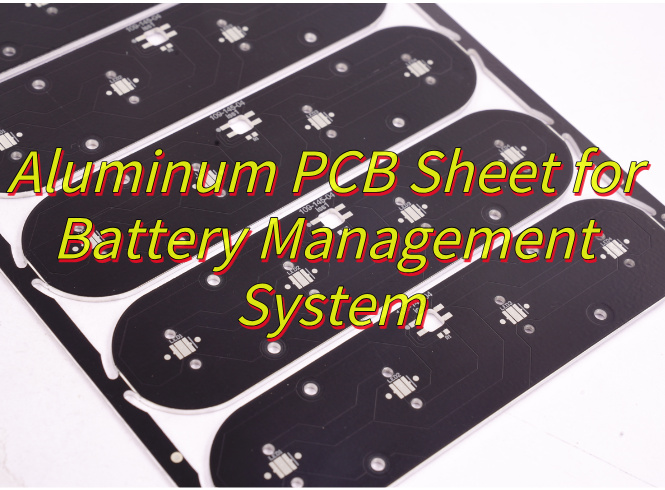
      Aluminum Backed PCB, OEM Aluminum Backed PCB Manufacturer

      April 14th, 2025

      Would you like to know how to reduce production cost of aluminum backed PCB? Let’s explore more about aluminum backed PCB’s structure, applications, prototyping process. and how to select a OEM aluminum backed PCB manufacturer as well as how to reduce production cost.

      EBest Circuit (Best Technology) focus on aluminum backed PCB one stop solution over 18 years. We accelerate project timelines with ‌48 hours rapid prototyping, enabled by automated laser drilling and 24/7 thermal lamination lines. Our ‌multi-layer aluminum PCB capabilities‌ (up to 6L, ±0.05mm tolerance) resolve complex thermal management challenges in EV battery modules and high-power LEDs. A ‌dedicated engineer team‌ provides 1:1 DFM analysis and real-time prototyping support, slashing design-to-production errors by 40%. Clients benefit from ‌98% on-time delivery rates‌ and NPI cost reductions up to 30% through material optimization strategies. Contact us today if you have any request for aluminum backed PCBs: sales@bestpcbs.com

      What Is Aluminum Backed PCB?

      An Aluminum Backed PCB (Aluminum Based Printed Circuit Board) is a specialized circuit board that integrates a high-thermal-conductivity aluminum alloy substrate as its core layer. This design replaces traditional FR-4 or ceramic substrates with aluminum, offering superior heat dissipation capabilities while maintaining electrical functionality. The structure typically includes a thermally conductive dielectric layer between the aluminum base and a copper circuit layer, enabling efficient transfer of heat away from power components. Aluminum-backed PCBs are widely used in applications requiring robust thermal management, such as LED lighting, power electronics, automotive systems, and industrial controls, where they enhance reliability and extend device lifespan by preventing overheating.

      What Is Aluminum Backed PCB?

      What Is the Structure of Aluminum Backed PCB?

      Here are the structure of Aluminum Backed PCB:

      1. Circuit Layer (Copper Foil)‌

      • Material‌: Electrolytic copper foil (1–10 oz thickness) optimized for high-current applications‌.
      • Function‌: Forms conductive pathways through precise etching, supporting component mounting and signal routing‌.

      2. Thermally Conductive Dielectric Layer‌

      • Composition‌: Polymer-ceramic hybrid insulation (e.g., epoxy resin with ceramic fillers) with UL-certified thermal conductivity‌.
      • Thickness‌: 0.075–0.15 mm, balancing electrical isolation and heat transfer efficiency‌.
      • Property‌: Low thermal resistance (as low as 0.15°C/W) to rapidly channel heat from components to the base‌.

      3. Metal Base Layer (Aluminum Substrate)‌

      • Material‌: Aluminum alloy (1–3 mm thickness) or copper for extreme thermal demands‌.
      • Durability‌: Resists mechanical stress in high-vibration environments (e.g., automotive electronics)‌.
      What Is the Structure of Aluminum Backed PCB?

      What Is the Thermal Conductivity of Aluminum Based PCB?

      Here are thermal conductivity of aluminum based PCB‌:

      • Dielectric layer‌: Polymer-ceramic hybrid insulation (e.g., epoxy with alumina fillers) typically provides ‌1–2W/m·K‌ in standard designs‌. Advanced composites with aluminum nitride (AlN) or optimized ceramic networks can exceed ‌5W/m·K, enhancing heat transfer efficiency‌.
      • Aluminum substrate‌: Pure aluminum contributes ‌≈200W/m·K‌, but its full potential is constrained by the dielectric layer’s thermal resistance‌.
      • Structural innovations‌: Textured aluminum surfaces and groove-embedded dielectric interfaces reduce thermal impedance, achieving up to ‌8.5W/m·K‌ in high-performance variants‌.
      What Is the Thermal Conductivity of Aluminum Based PCB?

      What Are the Application of Aluminum Based PCB?

      Application of aluminum based PCB board:

      • LED Lighting:High-power LED modules, streetlights, and automotive headlights, where efficient heat dissipation prevents thermal degradation and extends lifespan.
      • Power Electronics:Inverters, converters, and power supplies for renewable energy systems (solar, wind), electric vehicles, and industrial motor drives.
      • Automotive Industry:Engine control units (ECUs), battery management systems (BMS), and hybrid/electric vehicle components requiring robust thermal management.
      • Consumer Electronics:High-performance devices like audio amplifiers, telecom modules, and gaming hardware, where compact form factors and heat control are critical.
      • Industrial Controls:Variable frequency drives (VFDs), servo motors, and robotics systems, where reliability under heavy loads and high temperatures is essential.
      • Medical Devices:Imaging equipment (MRI, CT scanners), laser systems, and wearable healthcare monitors, demanding precise thermal regulation for sensitive components.
      • Aerospace & Defense:Avionics, radar systems, and satellite electronics, where weight reduction and thermal stability in harsh environments are priorities.
      • HVAC Systems:Energy-efficient heating, ventilation, and air conditioning units, utilizing aluminum PCBs for compact, high-power control circuits.
      • Telecommunications:Base stations, routers, and network switches, where thermal management ensures stable operation under continuous high-load conditions.
      • Renewable Energy: Solar inverters, wind turbine controllers, and energy storage systems, benefiting from aluminum PCBs’ lightweight and high-thermal efficiency.
      What Are the Application of Aluminum Based PCB?

      What Is Prototyping Process of Aluminum Backed PCB?

      This is the prototyping process of aluminum backed PCB:

      1. Design Validation & Material Selection

      • Thermal Simulation:
        Use tools (e.g., ANSYS) to model heat dissipation. Validate aluminum substrate thickness (1.0–3.2 mm) and dielectric layer (100–200 ”m) for thermal requirements.
      • Layer Stack-up Design:
        Define copper layers, dielectric, and aluminum core based on current capacity and thermal resistance targets.
      • Component Placement:
        Position high-power components on the aluminum side for direct heat spreading.

      2. Fabrication of Prototype

      • Material Preparation:
      • Aluminum Substrate: Choose thickness (1.0–3.2 mm) and alloy (e.g., 6061-T6 for thermal conductivity 1–4 W/m·K).
      • Dielectric Layer: Use high-TG materials (e.g., FR-4, polyimide) for reliability.
      • Layer Lamination:
        Press copper foil, dielectric, and aluminum core under heat/pressure to bond layers. Ensure adhesion strength >9 lb/in.
      • Drilling & Plating:
        Create via holes for interlayer connections and plate with copper (25–50 ”m) using electroless or electrolytic methods.

      3. Circuit Patterning & Etching

      • Photo Imaging:
        Apply dry film or liquid photoresist, expose via photomask, and develop to reveal the circuit pattern.
      • Etching:
        Remove excess copper using acid (e.g., ferric chloride) or alkaline solutions, leaving traces (1–3 oz/ftÂČ).

      4. Solder Mask & Surface Finish

      • Solder Mask Application:
        Coat with liquid photo-imageable solder mask (LPI) to protect traces and define solderable areas.
      • Surface Finish:
        Apply ENIG, HASL, or OSP for solderability and corrosion resistance.

      5. Assembly & Testing

      • Component Mounting:
        Solder components (e.g., LEDs, MOSFETs) using reflow or wave soldering.
      • Thermal Testing:
        Measure junction-to-ambient thermal resistance (ΞJA) to ensure it meets specifications (e.g., <20°C/W for LEDs).
      • Electrical Testing:
        Perform flying probe or in-circuit testing (ICT) to verify signal integrity and continuity.

      6. Iteration & Optimization

      • Failure Analysis:
        Use X-ray inspection or cross-sectioning to identify defects (e.g., voids, delamination).
      • Design Adjustments:
        Modify trace widths, via sizes, or materials based on test results to improve performance or manufacturability.

      How to Select An OEM Aluminum Backed PCB Manufacturer‌?

      This is how to choose an OEM aluminum backed PCB manufacturer:

      Verify Material Expertise‌

      • Confirm use of ‌≄1.0W/m·K thermal conductivity dielectric layers‌ (epoxy-ceramic hybrids) and ‌1–3mm aluminum substrates‌ for heat management‌.
      • Check availability of ‌blue solder mask options‌ for improved thermal reflection in LED applications‌.

      Assess Technical Capabilities‌

      • Prioritize manufacturers offering ‌16+ layer HDI PCB fabrication‌ for complex designs requiring embedded components or fine-pitch traces‌.
      • Ensure ‌SMT assembly integration‌ with ≀0.3mm component placement accuracy for high-density layouts‌.

      Evaluate Customization Flexibility‌

      • Require ‌free OEM samples‌ with ≀72-hour lead times to test mechanical/thermal performance‌.
      • Confirm support for ‌non-standard aluminum core shapes‌ (grooved/textured) to enhance heat dissipation‌.

      Audit Quality Control‌

      • Demand ‌IPC-A-610 Class 3 certification‌ for aerospace/medical-grade reliability‌.
      • Verify ‌in-house thermal cycling tests‌ (-40°C to +150°C) and isolation resistance (>10MΩ) validation‌.

      Review Supply Chain Transparency‌

      • Choose suppliers with ‌secured component sourcing networks‌ to mitigate material shortages‌.
      • Confirm ‌real-time production tracking‌ and ≀48-hour response times for design revisions‌.

      How to Reduce Production Cost of Aluminum Backed PCB?

      Strategies to Reduce Aluminum Backed PCB Production Costs‌:

      Material Optimization‌

      • Use standardized aluminum core thicknesses (e.g., 1.5mm instead of custom 1.2mm/3.0mm) to minimize raw material waste.
      • Replace pure aluminum (5052/6061) with lower-cost aluminum composites (Al-Fe-Si alloys) where thermal demands allow.

      Design Simplification‌

      • Eliminate unnecessary vias and reduce layer count (single-layer instead of double-layer) unless electrical isolation mandates complexity.
      • Standardize solder mask colors (white/green) instead of custom hues like blue/black.

      Process Efficiency‌

      • Batch-process multiple PCB designs on shared aluminum panels (≄80% material utilization).
      • Replace laser cutting with chemical etching for non-critical edge profiles.

      Supplier Negotiation‌

      • Secure bulk discounts by consolidating dielectric prepreg orders across projects.
      • Partner with local aluminum suppliers to cut logistics costs (≄12% savings).

      Test Optimization‌

      • Limit thermal cycling tests to 50 cycles (-40°C/+125°C) unless aerospace/medical standards require 100+ cycles.
      • Use automated optical inspection (AOI) instead of manual checks for solder joint validation.

      What Is the Price of Aluminum Backed PCB?

      The price of aluminum-backed PCBs (Aluminum PCBs) typically ranges from $2 to $50 per unit, depending on several main factors:

      • Material Specifications: Higher-grade aluminum substrates, specialized dielectric layers (e.g., high thermal conductivity), and thicker copper layers increase costs.
      • Design Complexity: Multi-layer boards, tight trace/spacing tolerances, and advanced hole features (e.g., microvias) drive up manufacturing expenses.
      • Order Volume: Larger quantities generally qualify for volume discounts, reducing unit prices.
      • Additional Requirements: Specialized surface finishes, testing (e.g., thermal cycling), or compliance certifications (e.g., UL, RoHS) add to the final cost.
      • Market Conditions: Fluctuations in aluminum and copper prices directly impact raw material costs, while geographic location and lead time requirements (e.g., expedited production) can also affect pricing.

      In summary, that’s all about aluminum backed PCB’s structure, applications, prototyping process. and how to select a OEM aluminum backed PCB manufacturer as well as how to reduce production cost. If you have any issues about aluminum based PCB, welcome to leave a message below this blog.

      You may also like

      Copper Base PCB, Copper Based PCB Factory

      April 14th, 2025

      Are you looking for copper base PCB solutions and suppliers? Let’s explore more about copper base PCB’s benefits, application and production steps, how to get a cheaper price list as well as how to select a copper based PCB factory.

      EBest Circuit (Best Technology) specializes in copper base PCB manufacturing over 18 years. Our advanced manufacturing processes achieve ±0.075mm tolerance control using laser direct imaging (LDI) and automated AOI and X-Ray inspection, ensuring 99%+ production consistency. Prototype orders ship within ‌48 hours‌ with full DFM analysis included, while bulk production maintains two-three weeks lead time‌ even for complex designs. We support ‌custom heavy copper boards up to 12 oz‌ for high-power applications, validated through thermal cycling and HAST testing. With IATF 16949-certified workflows and dedicated engineering support for stack-up optimization, we eliminate delays from design revisions. Submit your specs today for get a solution of your case! Contact us sales@bestpcbs.com

      What Is Copper Base PCB?‌

      A Copper Base PCB is a metal-core circuit board engineered for high-power electronics requiring superior heat dissipation. It combines a conductive copper layer (35ÎŒm-280ÎŒm) for electrical connections, a thermally conductive dielectric layer (400W/m·K) for insulation, and a thick copper substrate (≄1mm) to rapidly transfer heat away from components. This design outperforms aluminum-based boards in thermal efficiency and mechanical stability, making it ideal for automotive LED systems, 5G infrastructure, and industrial power modules. Its direct thermal pathway minimizes heat buildup, ensuring reliability in extreme temperatures while reducing the risk of circuit failure.

      What Is Copper Base PCB?‌

      What Are Advantages of Copper Base PCBs?

      Here are advantages of copper base PCBs:

      • Thermal Management – Ultra-low thermal resistance + efficient heat dissipation, ideal for high-power devices (e.g., LEDs, inverters).
      • Structural Stability – Excellent dimensional stability, resistant to thermal deformation, ensuring signal integrity in high-frequency circuits.
      • Mechanical Performance – High mechanical strength + vibration/shock resistance, suitable for harsh environments (e.g., industrial/automotive applications).
      • Non-Magnetic – No magnetic interference, ideal for precision electronics (e.g., medical/aerospace systems).
      • Processing Flexibility – Superior viscoplasticity, enabling fine-line etching + platform design for enhanced heat dissipation and grounding.
      • Durability – Resistant to thermal aging, ensuring long-term stable performance and reducing maintenance costs.
      What Are Advantages of Copper Base PCBs?

      What Are Application of Copper Based PCB?

      • LED Lighting – High-power LED systems (e.g., automotive headlights, industrial lighting) for efficient thermal management.
      • Power Electronics – Core components in electric vehicles (EVs), renewable energy, and industrial automation to handle high currents and temperatures.
      • Automotive Electronics – Ensures reliability in engine control units (ECUs), battery management systems (BMS), and charging infrastructure.
      • Consumer Electronics – Enables compact design and thermal optimization in gaming laptops, 5G routers, and other consumer devices.
      • Aerospace & Defense – Durable components in radar systems, avionics, and satellite equipment for extreme-condition environments.
      • Medical Devices – Guarantees precision and thermal stability in medical imaging and diagnostic equipment.
      • Telecommunications – Supports high-speed data transmission in 5G base stations, network switches, and communication devices.
      • Industrial Controls – Provides stability in harsh environments for PLCs, robotics, and factory automation.
      • Renewable Energy – Manages efficient power handling in solar inverters, wind turbines, and energy storage systems.
      • High-Performance Computing – Addresses processor heat in servers, AI accelerators, and high-density computing.
      What Are Application of Copper Based PCB?

      What Steps Are Involved in Producing Copper Base PCBs?

      The production process of copper substrate mainly includes the following steps:

      • Cutting: Cut the raw materials of copper substrate into the required size for production.
      • Drilling: After positioning drilling, the copper substrate sheet is positioned and drilled to help with subsequent processing.
      • Circuit imaging: Present the required part of the circuit on the copper substrate sheet.
      • Etching: Keep the required part after circuit imaging and etch out the unnecessary part.
      • Solder mask: Prevent non-welding points from being contaminated with solder and prevent tin from entering and causing short circuits.
      • Silk screen characters: For marking.
      • Surface treatment: Protect the surface of the copper substrate.
      • CNC: Perform CNC operation on the entire board.
      • Withstand voltage test: Test whether the circuit is working properly.
      • Packaging and shipment: Confirm that the packaging is complete and beautiful, and the quantity is correct.
      What Steps Are Involved in Producing Copper Base PCBs?

      How to Select a Reliable Copper Base PCB Factory?

      This is how to choose a trusted copper base PCB factory:

      Assess Technical Capabilities

      • Look for factories with advanced equipment like high-precision drilling machines, laser direct imaging (LDI) systems, and automated optical inspection (AOI) tools.
      • Verify their experience in handling copper-based materials, including metal-core PCBs (MCPCBs) and thermal management solutions.

      Evaluate Quality Certifications

      • Prioritize factories with ISO 9001, ISO 14001, IATF 16949, and IPC-A-610 certifications. These ensure adherence to international quality and environmental standards.

      Review Production Capacity & Flexibility

      • Choose a factory capable of handling both small-batch prototypes and large-volume orders. Check their minimum order quantity (MOQ) and lead times.
      • Ensure they can accommodate custom designs, including complex layouts and specialized thermal requirements.

      Inspect Quality Control Processes

      • Request details on their quality control measures, such as incoming material inspection, in-process checks, and final testing (e.g., impedance testing, thermal cycling).
      • Look for factories with traceability systems to document each production step.

      Analyze Supply Chain Management

      • Verify their access to reliable raw material suppliers, especially for copper-clad laminates and thermal interface materials.
      • Inquire about their inventory management and contingency plans for material shortages.

      Consider Cost-Effectiveness

      • Compare quotes from multiple factories, but prioritize value over the lowest price. Factor in costs for design support, prototyping, and post-production services.
      • Ensure transparency in pricing, with clear breakdowns of material, labor, and overhead expenses.

      Check Customer Support & Communication

      • Evaluate their responsiveness and technical expertise. A reliable factory should offer 24/7 support and quick turnaround times for design feedback.
      • Look for case studies or client testimonials highlighting their collaboration and problem-solving abilities.

      Review After-Sales Services

      • Ensure they provide warranties, rework services, and technical support for troubleshooting.
      • Inquire about their return policies and procedures for handling defective products.

      Visit the Factory (if possible)

      • Conduct an on-site audit to assess their production environment, equipment maintenance, and employee skill levels.
      • Observe their safety protocols and adherence to industry best practices.

      Leverage Recommendations & Industry Reputation

      • Seek referrals from trusted peers or industry forums. Check online reviews and ratings on platforms like Alibaba or Made-in-China.
      • Look for factories with a proven track record in your specific industry (e.g., LED lighting, automotive, or power electronics).

      How to Get a Cheap Quote for Copper Base PCB?

      Here are some methods about how to get a cheap quote for copper base PCBs:

      Optimize Your Design for Cost Efficiency

      • Simplify your layout to reduce complexity (e.g., minimize via counts, avoid unnecessary layers).
      • Standardize copper trace widths and spacing to align with factory capabilities, reducing production time and scrap rates.
      • Use common materials (e.g., FR-4 base with standard copper thickness) instead of premium options unless thermal/electrical performance demands otherwise.

      Place a Large Order Volume

      • Bulk orders often qualify for tiered pricing discounts. Factories reduce per-unit costs when scaling up production.
      • Consider consolidating multiple projects into a single order to meet MOQ (minimum order quantity) thresholds.

      Leverage Long-Term Partnerships

      • Build relationships with factories by committing to repeat business. Suppliers may offer loyalty discounts or preferential pricing.
      • Negotiate volume-based contracts for recurring orders over a set period (e.g., 6–12 months).

      Choose a Reliable but Cost-Effective Supplier

      • Target mid-tier factories(like EBest Circuit (Best Technology)) with proven quality records rather than premium brands. Research certifications (e.g., ISO 9001) to ensure reliability without overpaying for brand recognition.

      Provide Clear, Actionable Specifications

      • Share detailed but concise requirements (e.g., layer count, copper thickness, impedance control) to avoid rework or miscommunication.
      • Use industry-standard file formats (Gerber, ODB++) to streamline quoting and production.

      Avoid Frequent Design Changes

      • Finalize your design before requesting quotes to prevent additional engineering fees or delays.
      • If revisions are necessary, bundle them into a single update rather than incremental changes.

      Consider Off-Peak Production Slots

      • Inquire about factory schedules—some suppliers offer discounts for orders placed during low-demand periods.
      • Flexibility on lead times may yield cost savings.

      Negotiate Add-On Services Strategically

      • Defer non-essential services (e.g., advanced testing, custom packaging) to reduce upfront costs.
      • Bundle services (e.g., assembly + testing) with the PCB order for combined discounts.

      Reduce Customization Demands

      • Prioritize for standard PCB sizes, finishes (e.g., HASL vs. ENIG), and hole diameters to avoid custom tooling fees.
      • Limit special requests (e.g., expedited shipping, urgent turnaround) unless critical.

      Explore Regional or Local Suppliers

      • If logistics allow, consider nearby factories to save on shipping and import duties.
      • Regional suppliers may offer competitive pricing for smaller orders where international shipping costs are prohibitive.

      What Are the Differences Between Aluminum and Copper Base PCBs?

      Thermal Conductivity

      • Copper Base PCB: Offers superior thermal conductivity (up to 2x higher than aluminum), making it ideal for high-heat applications like automotive lighting and power electronics.
      • Aluminum Base PCB: Provides moderate thermal performance, suitable for low-to-mid-power LED lighting and general electronics where cost efficiency is prioritized.

      Cost

      • Copper Base PCB: More expensive due to higher material and processing costs.
      • Aluminum Base PCB: Generally cheaper, making it a cost-effective choice for mass-produced consumer electronics.

      Weight

      • Copper Base PCB: Heavier, which may impact portability in weight-sensitive designs.
      • Aluminum Base PCB: Lighter, preferred for applications requiring reduced weight (e.g., drones, portable devices).

      Manufacturing Complexity

      • Copper Base PCB: Requires advanced fabrication processes (e.g., metallized holes, precision etching), leading to longer lead times.
      • Aluminum Base PCB: Easier to manufacture with simpler processes, enabling faster turnaround and lower setup costs.

      Mechanical Strength & Durability

      • Copper Base PCB: More resistant to thermal and mechanical stress, with better dimensional stability under high temperatures.
      • Aluminum Base PCB: Prone to warping in extreme conditions but sufficient for standard thermal cycling in indoor environments.

      Electrical Performance

      • Copper Base PCB: Superior electrical conductivity and lower resistance, critical for high-frequency or high-current applications.
      • Aluminum Base PCB: Adequate for basic electrical routing but may limit performance in high-speed designs.

      Applications

      • Copper Base PCB: Used in high-performance sectors (aerospace, automotive, industrial controls) where thermal management and reliability are paramount.
      • Aluminum Base PCB: Common in consumer electronics (LED lighting, power supplies) and low-cost industrial applications.

      Surface Finish & Customization

      • Copper Base PCB: Supports advanced finishes (e.g., immersion gold, ENIG) for enhanced solderability and corrosion resistance.
      • Aluminum Base PCB: Typically uses HASL or OSP finishes, suitable for general-purpose use but less durable in harsh environments.

      Can 400 Watt Copper Base PCB Be Customized?

      Yes, a 400-watt copper base PCB can be customized to suit specific requirements. Manufacturers can adjust parameters such as size, layer count, copper thickness, and thermal management solutions (e.g., choosing between aluminum or copper substrates) to optimize performance for high-power applications. Additional customization options include component placement, surface finishes (e.g., HASL, ENIG), and material choices to meet environmental or reliability standards. Many suppliers like EBest Circuit (Best Technology) also offer design validation and prototyping services to ensure the custom PCB meets performance expectations before scaling to production. 

      You may also like

      LED Panel PCB, LED Panel PCB Board Company

      April 11th, 2025

      Would you like to know how to get a good price with high quality LED Panel PCB? Let’s explore more about LED panel PCB’s material, application, cost reduction solution and how to select a LED company.

      EBest Circuit (Best Technology), we specialize in LED Panel PCB design and manufacturing over 18 years. We uses a fully automated SMT patch production line and AOI/X-ray inspection system, and has imported YAMAHA patch machines to ensure that the LED Panel PCB patch accuracy can reach ±0.035mm, and the mounting speed can reach 95,000 points/h. Based on the 30W+ high-power heat dissipation requirements, the design end can customize the 2oz copper substrate stack and honeycomb thermal conductive hole structure, and the measured full-load temperature rise is controlled within 12°C. Supports 15-day standard delivery and 7-day expedited delivery. If you have any request for LED Panel PCB, welcome to contact us: sales@bestpcbs.com

      What Is LED Panel PCB?

      An LED Panel PCB is a specialized circuit board designed to power and control densely arranged LED arrays in applications like displays, signage, or lighting systems. These PCBs integrate high-current traces, driver ICs (e.g., TLC5940, WS2812), and thermal management features (vias, metal cores) to handle heat from prolonged LED operation. They often use ‌aluminum substrates‌ (for heat dissipation) or ‌FR-4 with enhanced copper layers‌ (for signal integrity), supporting configurations like COB (Chip-on-Board) LEDs or SMD modules. Key features include precise polarity marking (dots, notches) to prevent reverse connections, uniform voltage distribution, and EMI shielding for stable performance in automotive dashboards, retail displays, or architectural lighting. EBest Circuit (Best Technology) manufactures LED Panel PCBs with <0.1mm alignment tolerances, ensuring seamless LED array integration and longevity under high-brightness demands.

      What Is LED Panel PCB?

      What Are Materials of LED Panel PCB?

      Here are materials analysis of LED Panel PCB:

      Aluminum Substrates (Best for High-Power/Thermal Management)

      • Why Choose It: Offers superior heat dissipation, crucial for preventing LED overheating and extending lifespan.
      • Ideal For: High-brightness LED panels, outdoor displays, automotive lighting, or applications where thermal performance is critical.
      • Pros: Lightweight, durable, reduces the need for external heat sinks, and supports high-current designs.
      • Cons: More expensive than FR-4 and less suitable for complex multi-layer designs.

      FR-4 (Best for General/Low-Power Applications)

      • Why Choose ItCost-effective and widely available, making it ideal for indoor LED panels, signage, or consumer electronics.
      • Ideal For: Basic lighting, low-brightness displays, or projects where heat generation is minimal.
      • Pros: Easy to manufacture, supports 2–4 layers, and works well with standard SMT assembly processes.
      • Cons: Poor thermal conductivity compared to aluminum; may require additional cooling for high-power LEDs.

      Ceramic Substrates (Specialized Use)

      • Why Choose It: Exceptional thermal and electrical insulation, suitable for high-frequency or high-temperature LEDs.
      • Ideal For: Aerospace, military, or automotive applications requiring extreme reliability.
      • Pros: High thermal conductivity, low CTE mismatch with LED components.
      • Cons: Expensive, brittle, and difficult to process.

      Metal Core PCBs (MCPCB) (Alternative to Aluminum)

      • Why Choose It: Similar to aluminum but with different metal cores (e.g., copper) for tailored thermal needs.
      • Ideal For: Applications needing a balance between cost and thermal performance.
      • Pros: Flexibility in material selection (copper, iron, etc.), good for high-current designs.
      • Cons: Can be heavier and more expensive than FR-4.
      What Are Materials of LED Panel PCB?

      What Are Application of LED Panel PCB?

      Here are application of LED Panel PCB:

      • General Lighting: Used in homes, offices, and industrial spaces for energy-efficient, uniform illumination (e.g., ceiling panels, wall lights).
      • Displays & Signage: Powers digital billboards, scoreboards, and video walls with vibrant visuals and 24/7 durability.
      • Automotive: Provides bright, reliable lighting (headlights, taillights) and interior illumination in vehicles.
      • Consumer Electronics: Enables slim, high-resolution displays in smartphones, TVs, and monitors.
      • Medical: Used in surgical lights and medical equipment for precise, long-lasting illumination.
      • Architectural: Offers customizable, aesthetic lighting for buildings, museums, and art installations.
      • Industrial: Delivers robust lighting in factories and warehouses, improving safety and productivity.
      • Specialty Lighting: Supports horticulture, aquariums, and stage lighting with tunable colors and high output.
      What Are Application of LED Panel PCB?

      How to Balance Cost and Quality for LED Panel PCB?

      Below are actionable strategies to achieve this balance and quality for LED panel PCB effectively:

      1. Material Selection Optimization

      • Base Material: Choose FR-4 for standard applications due to its cost-effectiveness and reliability. For high-frequency or high-power designs, consider high-TG FR-4 or metal-core PCBs (e.g., aluminum) to enhance thermal management without excessive cost.
      • Copper Thickness: Prioritize for 1 oz copper for general LED lighting unless high current or thermal demands necessitate thicker layers, which increase material and processing costs.
      • Surface Finishes: Use HASL (Hot Air Solder Leveling) for cost efficiency, or ENIG (Electroless Nickel Immersion Gold) for enhanced reliability in contact-heavy applications. Avoid gold plating unless critical to functionality.

      2. Design Efficiency

      • Layer Count: Reduce unnecessary layers by optimizing trace routing and signal integrity. A 4-layer PCB often suffices for LED lighting, avoiding the costs associated with 6- or 8-layer designs.
      • Via Optimization: Minimize the use of blind/buried vias and opt for through-holes where possible. These reduce fabrication complexity and expense.

      3. Manufacturing Process Control

      • Fabrication Tolerance: Collaborate with manufacturers to set reasonable tolerance levels (e.g., ±0.1mm for critical dimensions) to avoid over-engineering that drives up costs.
      • Testing Protocols: Implement focused testing strategies (e.g., AOI for visual defects, flying probe for connectivity) rather than 100% ICT (In-Circuit Testing) to reduce labor and equipment expenses.
      • Supplier Partnerships: Work with PCB vendors offering volume discounts and flexible production scheduling. Long-term agreements can secure better pricing and priority access to advanced capabilities.

      4. Thermal Management Integration

      • Thermal Vias and Pads: Incorporate thermal vias and copper pours strategically to dissipate heat efficiently, reducing the need for expensive high-TG materials or additional cooling components.
      • Component Placement: Position high-power LEDs and drivers to leverage natural convection paths, minimizing the reliance on active cooling solutions that add cost.

      5. Cost-Driven Design Choices

      • Component Standardization: Use standard LED packages (e.g., 3535, 5050) and common driver ICs to leverage economies of scale in component procurement.
      • Surface Finish Trade-offs: Balance corrosion resistance and cost by selecting finishes like OSP (Organic Solderability Preservatives) for low-cost, short-lifecycle products or ENIG for longer-term reliability.
      • Material Substitutions: Where feasible, replace expensive specialty materials (e.g., high-frequency laminates) with lower-cost alternatives that meet performance requirements through design compensation (e.g., wider traces for reduced loss).

      6. Quality Assurance Frameworks

      • DFM (Design for Manufacturability): Engage PCB manufacturers early in the design phase to incorporate their feedback on fabricability, reducing the risk of costly redesigns.
      • Quality Inspection: Implement statistical process control (SPC) to monitor key quality metrics (e.g., trace width, via integrity) during production, ensuring consistency without excessive testing.
      • Reliability Testing: Conduct accelerated life testing (e.g., thermal cycling, humidity resistance) on prototypes to validate design robustness before full-scale production.

      7. Supply Chain and Logistics

      • Localization: Source materials and PCBs from regional suppliers to minimize shipping costs and lead times, especially for time-sensitive projects.
      • Inventory Management: Use JIT (Just-In-Time) inventory strategies to reduce holding costs while ensuring material availability for production.

      8. Continuous Improvement

      • Design Iterations: Regularly review PCB designs for efficiency gains, such as consolidating layers or reducing component count through integration (e.g., combining functions into a single IC).
      • Technology Adoption: Stay updated on advanced fabrication techniques (e.g., laser direct imaging for finer traces) that may offer cost-performance trade-offs over traditional methods.

      How Does PCB Layer Count Impact LED Panel Performance?

      Here’s how PCB layer count impact LED panel performance:

      Heat Management = Longevity

      • More layers = better heat dissipation. LEDs run cooler, last longer, and avoid “burnout” spots.
      • Fewer layers = risk overheating, especially in bright panels. This can shorten lifespan and cause uneven brightness.

      Signal Stability = Clear Visuals

      • Higher layer counts = reduced flicker, consistent color, and no ghosting. Perfect for TVs, monitors, or professional displays.
      • Lower layers = potential for flickering, color shifts, or uneven lighting. Noticeable in dimmer settings or when using high brightness.

      Power Efficiency = Consistent Brightness

      • Dedicated power layers (in multi-layer PCBs) = even illumination across the panel. No dark corners or “hot spots.”
      • Single-layer PCBs = voltage drops can lead to patchy lighting, especially in larger panels.

      Smart Features = Future Prototyping

      • More layers = room for dimming zones, Wi-Fi modules, or sensors. Useful if you want a “smart” panel or plan to upgrade your home system.
      • Fewer layers = limited to basic on/off functionality.

      Cost vs Quality

      • Higher layer counts = pricier but reliable. Ideal for premium panels or long-term use.
      • Lower layers = cheaper upfront but may cost more in replacements or repairs later.

      Where I can find a LED Panel PCB Board Company?

      To find a reliable LED Panel PCB Board Company, follow these structured steps focusing on supplier discovery channels:

      1. B2B Marketplaces

      • Alibaba.com: Search “LED Panel PCB Board” to access verified suppliers offering custom PCBsaluminum PCBs, and SMD LED integration. Filter by certifications (ISO, UL) and MOQ requirements.
      • Made-in-China.com: Explore manufacturers like EBest Circuit (Best Technology) known for HDI capabilities and multi-layer PCBs tailored for LED applications.

      2. Industry-Specific Directories

      • PCB Pilot: A directory listing PCB manufacturers by specialty (e.g., LED lighting, automotive).
      • Global Sources: Features suppliers with export capabilities, ideal for bulk orders.

      3. Trade Shows & Expos

      • HKTDC Hong Kong Electronics Fair: Connect with PCB manufacturers showcasing advanced LED PCB technologies.
      • Electronica China: Annual event for sourcing PCBs, including those optimized for LED displays and high-power lighting.

      4. Online Communities & Forums

      • PCB Design Forum: Engage with engineers discussing LED PCB challenges and recommended suppliers.
      • LinkedIn Groups: Join “PCB Manufacturers” or “LED Lighting Industry” to network with professionals.

      5. Certification Bodies

      • UL (Underwriters Laboratories): Use their database to find certified PCB manufacturers for safety compliance.
      • IPC (Association Connecting Electronics Industries): Locate members specializing in LED PCB standards.

      6. Referrals & Case Studies

      • LED Lighting Manufacturers: Request recommendations from companies like EBest Circuit (Best Technology) for trusted PCB partners.
      • Technical Blogs: Read case studies on LED PCB design (e.g., “Thermal Management in LED PCBs”) to identify suppliers mentioned in industry articles.
      Where I can find a LED Panel PCB Board Company?

      How to Select a Trusted LED Panel PCB Board Company?

      Here’s a structured guide for selecting a trusted LED Panel PCB Board Company:

      Certifications & Compliance

      • Look for ISO 9001UL, and RoHS certifications. Verify via official links or documents.
      • Prefer IPC-affiliated suppliers for adherence to industry standards.

      Experience & Specialization

      • Choose companies with 10+ years in LED PCBs (such as EBest Circuit (Best Technology)
      • Ensure expertise in thermal management and custom designs (e.g., MCPCBs, HDI).

      Customization & Technical Capabilities

      • Confirm ability to handle aluminum PCBsmulti-layer boards, or LED-specific features.
      • Ask about in-house testing (AOI, X-Ray, Flying Probe) for defect prevention.

      Quality Control

      • Request sample PCBs to test functionality and compatibility.
      • Prioritize suppliers with transparent quality processes (e.g., visual inspections, thermal testing).

      Pricing & MOQs

      • Compare quotes for standard vs. custom PCBs. Avoid hidden fees.
      • Prioritize for suppliers with low MOQs (e.g., 50–100 units) if prototyping or small-scale.

      Reputation & Reviews

      • Check recent reviews on platforms like Alibaba, Trustpilot, or Google. Look for mentions of reliability and support.
      • Seek industry recommendations (e.g., ABIS Circuits for HDI expertise).

      Logistics & Support

      • Ensure global shipping with tracking and clear warranties.
      • Verify after-sales support (e.g., technical assistance for defects).

      How to Mount LED Panel Connector on PCB to Avoid Poor Contact?

      Here are some methods to mount LED panel connector on PCB to avoid poor contact:

      Optimize Pad Design

      • Ensure pad size matches the LED connector’s terminals to prevent misalignment or weak solder joints. Use circular or rectangular pads with proper spacing (≄0.635mm) from nearby vias to avoid thermal interference‌.
      • Apply solder mask dams between pads and vias to isolate conductive paths and reduce solder wicking‌.

      Control Soldering Parameters

      • Maintain precise temperature profiles (e.g., 230–250°C peak) during reflow to prevent overheating, which can warp pads or degrade solder joints‌.
      • Use solder paste with adequate viscosity and flux activity to ensure uniform coverage and avoid voids‌.

      Ensure Proper Contact Force

      • Design connectors with spring-loaded terminals to apply 0.5–1.2N of contact force on the PCB pads, ensuring stable electrical connections without damaging the LED terminals‌.
      • Validate contact force via insertion/extraction testing (≄50 cycles) to confirm durability‌.

      Clean Contact Surfaces

      • Remove oxides, dust, or flux residues from pads and connector terminals using isopropyl alcohol or specialized cleaners before assembly‌.
      • Apply anti-corrosion coatings (e.g., immersion gold or ENIG) to pads to maintain conductivity‌.

      Avoid Mechanical Stress

      • Use alignment guides or jigs during installation to ensure perpendicular insertion and prevent bent pins‌.
      • Secure connectors with mounting brackets or adhesive to minimize vibration-induced loosening‌.

      Test Conductivity Post Assembly

      • ‌Perform 100% continuity checks using milliohm meters to detect open circuits or high-resistance joints‌.
      • Conduct environmental tests (vibration, thermal cycling) to validate long-term reliability‌.

      You may also like

      PCB Fabrication Manufacturer, Prototype, Design and Assembly

      April 11th, 2025

      EBest Circuit (Best Technology) is your trusted partner for comprehensive PCB solutions — from initial concept to final product. With over 18 years of experience, we offer one-stop services that cover the full PCB lifecycle, ensuring high quality, fast turnaround, and competitive pricing. Why customers prefer us:

      • Free DFM/DFA check
      • Free Design Guideline
      • 25,000m2 production capacity
      • 2 Hours quick response
      • Quote within 12 hours
      • Online support 24/7
      • Transparent order tracking from first day to final delivery
      • Military-grade quality boards with strict testing and IPC standards
      • One-stop services from layout to turnkey assembly
      • Engineering support to optimize your design for performance and cost
      • Global delivery and localized service teams
      • Reliable fabrication with IPC Class 2/3 standards
      • ISO13485, ISO9001, AS9100D, IATF16949 certificated

      Whether you’re a startup building your first prototype or a large OEM scaling up production, EBest Circuit (Best Technology) is your reliable PCB partner.

      PCB Fabrication Manufacturer, Prototype, Design and Assembly

      Our Core Services – From Design to Assembly

      We provide a wide range of services to support your project at every stage:

      • PCB Design & DFM Check – We don’t just manufacture—we help you build better boards. Send us your layout or concept, and our senior engineers will review your files for manufacturability, improving your design before it hits the production line.
      • PCB Fabrication – Single-layer, multi-layer, HDI, aluminum-based, or ceramic—we fabricate PCBs of all complexities. Our in-house plant supports quick turnarounds and strict quality control for every batch.
      • PCB Prototype – Need your prototype in 24–72 hours? We’ve got your back. Ideal for engineers in the development phase, we offer fast PCB prototyping with full traceability, fly-probe testing, and surface finish options.
      • PCB Assembly – Our turnkey PCB assembly service covers everything from component sourcing, SMT/DIP soldering, to functional testing. You send us your BOM and Gerber—we handle the rest.
      • Components Sourcing – Reliable sourcing of original, competitive prices, traceable electronic components.
      • IC Programming – Pre-programming and testing of integrated circuits to streamline your assembly process.

      What PCB Types Does EBest Circuit (Best Technology) Manufactured?

      We are capable of manufacturing a wide variety of PCB types, including but not limited to:

      • FR4 PCBs (high speed PCB, IC substrate, high TG PCB, extra thin PCB, our special semi-rigid flex PCB and so on.)
      • Metal Core MCPCBs (aluminum based PCB, copper clad PCB, sinkpad PCB, thermoelectric copper separate PCB)
      • Ceramic PCBs (AlN, BeO, Al₂O₃, Zro2)
      • Flexible and Rigid-Flex PCBs, FFC, Dual access PCB
      • HDI PCBs
      • High-Frequency PCBs
      • Heavy Copper PCBs
      • Busbar PCBs
      • Hybrid Substrate PCBs
      PCB Fabrication Manufacturer, Prototype, Design and Assembly

      Whether you need high-reliability boards for aerospace, thermally conductive boards for LEDs, or RF boards for communication devices, we have the capability to deliver.

      PCB Prototype Lead Time

      We understand how crucial speed is in product development. Our standard PCB prototype lead time is:

      • Single-layer & double-layer PCBs: as fast as 24 hours
      • 4-layer PCBs: typically 48–72 hours
      • 6-layer or above: around 3–5 working days, depending on complexity

      Below is a detailed prototype lead time sheet at EBest Circuit (Best Technology), the expedited options are available to meet urgent project deadlines.

      Prototype(<1mÂČ) Layers   Normal Service   Expedited Service
            FR4 PCB1 Layer3-4 days24 hours
      2 Layers4-6 days24 hours
      4 Layers8-10 days48 hours
      6 Layers8-10 days72 hours
      8 Layers10~14 days72-96 hours
      10 Layers14-18 days72-96 hours
      HDI (1+N+1 2+N+2)2.5 – 3.5weeksTBD (depend on design)

      EBest Circuit (Best Technology)’s PCB Assembly Capabilities

      And as a one-stop service provider to customers, we offer PCB assembly service as well, such as:

      • SMT (Surface-Mount Technology)
      • DIP (Dual In-line Package)
      • Reflow Soldering (for SMD components)
      • Wave Soldering (for DIP components)
      • Hand Soldering (connectors, through hole components)
      • Mixed Assembly Technologies
      • Wire Harness Assembly
      • PCBA Testing
      • Box Building Assembly
      PCB Fabrication Manufacturer, Prototype, Design and Assembly

      How to Work with us – From File to Finished Board?

      Step 1: Upload Your Files

      Submit your Gerber, BOM, or PCB design files via our secure portal. We support various formats and guarantee file confidentiality.

      Step 2: Engineering Review & Instant Quote

      Our team performs a DFM check and confirms design compatibility. You’ll receive a quote and estimated lead time within 2 hours.

      Step 3: PCB Fabrication & Parts Procurement

      We begin board production and source parts simultaneously through authorized channels like Mouser, DigiKey, and Arrow.

      Step 4: SMT/DIP Assembly & Testing

      Boards are assembled in our SMT lines with 3D AOI, X-ray, and functional testing to ensure performance and soldering quality.

      Step 5: Secure Packaging & Global Shipping

      We pack your PCBs using anti-static materials and ship via DHL, FedEx, or your chosen method. Worldwide delivery in 3–5 days.

      Custom PCB Board Quote

      Not sure about all your PCB specs? No problem — we’re here to help.

      Request a custom PCB board quotation if your project includes any of the following advanced requirements:

      • Controlled Impedance
      • Via Filling or Plugging
      • Blind or Buried Vias
      • Heavy Copper (≄ 2oz)
      • Controlled Dielectric Thickness
      • Edge Plating
      • CPK Requirements

      Simply share what you do know — our engineering team will review your files and guide you through the rest.

      FAQs

      Q1: What file formats do you support?

      Gerber (RS-274X), BOM (Excel), Centroid files, Pick & Place, Altium, Eagle, and PDF for reference.

      Q2: Can I order just a few prototype boards?

      Yes, our minimum order starts from 1 piece for PCB prototypes.

      Q3: Do you provide components?

      Yes! We offer full turnkey assembly, including sourcing components from trusted suppliers.

      Q4: How do you ensure quality?

      Every board is electrically tested (flying probe/fixture), and assembly passes AOI and functional testing before shipment.

      Q5: Do you offer NDA for file protection?

      Absolutely. We provide NDA upon request and all files are kept confidential.

      You may also like

      Aluminum Clad PCB, Aluminum Clad PCB Board Manufacturer 

      April 11th, 2025

      Are you looking for aluminum clad PCB solutions? Let’s learn more about aluminum clad PCB’s materials, advantages, specifications, manufacturing steps, production case, differences between copper clad PCB and aluminum clad PCB as well as how to select a reliable manufacturer.

      EBest Circuit (Best Technology) specializes in aluminum clad PCB design and manufacturing, delivering unmatched thermal conductivity (2.5 W/m·K) through precision-engineered copper-aluminum bonding with 99.8% defect-free rates. Our UL 94 V-0 certified boards withstand 1,000+ thermal cycles (-40°C to 150°C), ideal for automotive LED and industrial power systems. With ±0.02mm trace tolerance and AI-optimized panel utilization reducing material waste by 15%, we guarantee rapid 72-hour prototypes and 24/7 engineering support. Trust our 40Όm dielectric layer control (±2Όm) to eliminate high-voltage arcing risks while maintaining 2oz copper thickness consistency. Submit your design now for a free thermal simulation report within 4 hours: sales@bestpcbs.com.

      What Is Aluminum Clad PCB?

      An aluminum clad PCB, also known as an aluminum-based PCB or MCPCB (Metal Core PCB), is a specialized type of PCB that integrates a metal core (typically aluminum) as its base layer. Unlike standard FR-4 PCBs, which rely on glass-reinforced epoxy laminates, aluminum clad PCBs leverage the metal’s superior thermal conductivity to dissipate heat efficiently.

      What Are Materials of Aluminum Clad PCBs?

      • Copper foil: Copper foil has excellent electrical conductivity and is the main conductive layer of the circuit. When current passes through the copper-clad laminate, the current mainly flows in the copper foil layer, thereby realizing the conductive function of the circuit.
      • Electronic fiberglass cloth: As a reinforcing material, it provides mechanical strength and stability to the board.
      • Resin: As an insulating adhesive layer, it prevents current leakage and short circuit, ensuring the electrical safety of the circuit.
      • Aluminum substrate: Provides good thermal conductivity, helps dissipate the heat generated by the circuit, and ensures the stability and reliability of electronic equipment when running at high power.
      What Are Materials of Aluminum Clad PCBs?

      What Are Advantages of Aluminum Clad PCB board?

      • Excellent thermal conductivity: Aluminum-based copper-clad laminates have excellent thermal conductivity, which can effectively reduce the operating temperature of electronic devices and improve the stability and reliability of equipment.
      • Good welding performance: The copper foil layer provides good welding performance, which is convenient for the assembly and repair of circuit boards.
      • High mechanical strength and corrosion resistance: Aluminum-based copper-clad laminates have good mechanical strength and corrosion resistance, and can maintain stable performance in harsh environments.
      • High conductivity: The copper foil layer provides good conductivity, which is suitable for high-frequency, high-speed, and high-heat dissipation electronic devices. Lightweight and corrosion-resistant: Aluminum-based copper-clad laminates combine the lightness of aluminum and the conductivity of copper, which is suitable for various electronic devices.
      What Are Advantages of Aluminum Clad PCB board?

      What Are the Specifications for Aluminum Clad PCBs?

      Here are aluminum clad PCB specifications:

      Base Layer‌:

      • Material‌: 5052/6061 aluminum alloys (1.0–3.2 mm thickness)‌.
      • Thermal Conductivity‌: 5–10× higher than standard FR-4 substrates‌.
      • Structural Role‌: Provides rigidity and prevents warping in high-stress environments‌.

      Insulation Layer

      • Material‌: Epoxy-based polymers or ceramic-filled dielectric (50–200 ”m thick)‌.
      • Thermal Conductivity‌: 1.5–8.0 W/m·K, balancing electrical isolation and heat transfer‌.
      • Breakdown Voltage‌: >3 kV to prevent circuit shorting‌.

      Circuit Layer

      • Copper Foil‌: Electrolytic copper (1–10 oz) for high-current traces‌.
      • Peel Strength‌: ≄1.5 kgf /cm after thermal cycling (230°C)‌.

      Electrical Performance‌

      • Power Loop Inductance‌: Minimized design for GaN-HEMT modules to reduce switching losses‌.
      • High-Frequency Stability‌: Low parasitic inductance/resistance for RF and power applications‌.

      Thermal Metrics

      • Thermal Resistance‌: 60–80% lower than FR-4, critical for >10W/cmÂČ heat dissipation‌.
      • Cooling Efficiency‌: Supports continuous operation in power converters and LED modules‌.

      Compliance & Manufacturing‌

      • Standards‌: Meets UL 94V-0 flame resistance and RoHS directives‌.
      • Compatibility‌: Optimized for SMT assembly and multichip module integration‌.
      What Are the Specifications for Aluminum Clad PCBs?

      What Are the Steps to Manufacture Aluminum Clad PCB Boards?

      Here are steps to manufacture aluminum clad PCB boards:

      1. Material Preparation

      • Aluminum Base: Select high-purity aluminum (e.g., 1060 alloy) or alloys tailored for thermal conductivity and mechanical strength.
      • Dielectric Layer: Choose a material with high thermal conductivity (e.g., 1–10 W/m·K) and electrical insulation properties (e.g., ceramic-filled polymers or epoxy resins).
      • Copper Foil: Use thick copper (1–10 oz) for high-current applications, ensuring compatibility with the dielectric layer.

      2. Lamination

      • Layer Stacking: Combine the aluminum base, dielectric layer, and copper foil in a press under controlled temperature and pressure.
      • Bonding: Use adhesives or prepregs to ensure strong adhesion between layers, avoiding delamination during thermal cycling.

      3. Drilling

      • Hole Formation: Create via holes and component mounting holes using specialized drills designed for aluminum to prevent burrs and maintain hole quality.
      • Deburring: Remove sharp edges and debris to ensure smooth plating and assembly.

      4. Plating

      • Chemical Deposition: Apply a thin copper layer to the hole walls via electroless plating to enable electrical conductivity.
      • Panel Plating: Thicken the copper layer using electrolytic plating to meet current-carrying requirements.

      5. Imaging and Etching

      • Photoresist Application: Coat the copper surface with a photosensitive material and expose it to UV light through a circuit pattern mask.
      • Development: Remove unexposed photoresist to reveal the copper traces for etching.
      • Etching: Use acidic or alkaline solutions to selectively remove unwanted copper, leaving the desired circuit pattern.

      6. Solder Mask Application

      • Coating: Apply a liquid photo imageable solder mask (LPI) or dry film solder mask to protect the copper traces from oxidation and solder bridges.
      • Curing: Harden the solder mask via UV exposure or thermal baking to ensure durability.

      7. Surface Finish

      • Finishing Options: Apply ENIG (Electroless Nickel/Immersion Gold), HASL (Hot Air Solder Leveling), or OSP (Organic Solderability Preservative) to enhance solderability and corrosion resistance.

      8. Silkscreen Printing

      • Labeling: Print component labels, logos, and other markings using UV-curable ink for clarity and durability.

      9. Routing and V-Scoring

      • Contouring: Use a CNC router or V-scoring machine to separate individual PCBs from the panel while maintaining structural integrity.

      10. Electrical Testing

      • Functional Testing: Verify circuit continuity, insulation resistance, and functionality using flying probe or bed-of-nails testers.
      • Thermal Testing: Simulate operating conditions to ensure the aluminum core effectively dissipates heat.

      11. Final Inspection and Packaging

      • Quality Control: Inspect for defects such as delamination, voids, or plating issues using automated optical inspection (AOI) or X-ray systems.
      • Packaging: Protect finished PCBs with anti-static bags, moisture barriers, and cushioning materials to prevent damage during shipping.

      Can You Share OEM Aluminum Clad PCB Success Cases?

      Here is a case of OEM aluminum clad PCB:

      Case Study: High-Power LED Lighting Module Manufacturing

      Client: A global LED lighting manufacturer seeking to improve product reliability and reduce failure rates in high-brightness LED applications.

      Challenges:

      • Overheating issues in existing FR4-based PCBs, leading to premature LED degradation.
      • Need for a cost-effective solution to scale production while maintaining thermal performance.

      Solution: OEM Aluminum Clad PCB Production

      Material Selection:

      • Aluminum Base: 1060 alloy (99.6% purity) for optimal thermal conductivity (201 W/m·K).
      • Dielectric Layer: Ceramic-filled epoxy resin with 1.5 W/m·K thermal conductivity and 250°C glass transition temperature.
      • Copper Foil: 2 oz (70 ÎŒm) thickness for high current-carrying capacity.

      Main Manufacturing Steps:

      • Lamination: Precision bonding of layers under 180°C and 200 kg/cmÂČ pressure to ensure void-free adhesion.
      • Drilling: Carbide drills with 0.3 mm diameter to prevent burrs and maintain hole quality.
      • Plating: Electroless nickel/immersion gold (ENIG) finish for corrosion resistance and solderability.
      • Thermal Testing: Simulated 120°C operating conditions to validate heat dissipation efficiency.

      Quality Assurance:

      • Thermal Cycling: -40°C to 125°C, 1,000 cycles with <5% resistance drift.
      • Thermal Resistance (RΞ): Measured at 1.2°C/W, a 70% improvement over FR4 PCBs.
      • Failure Rate: Reduced from 8% to <0.5% in accelerated life tests (10,000 hours at 105°C).

      Results:

      • Cost Savings: 15% reduction in manufacturing costs through streamlined processes and material efficiency.
      • Market Impact: The client secured contracts with major automotive and architectural lighting brands, expanding market share by 25%.
      • Reliability: Zero field failures reported in the first 18 months of deployment.

      How to Select A Trusted Aluminum Clad PCB Board Manufacturer?

      Here are some ways to how to select a reliable aluminum clad PCB manufacturer:

      Technical Capability Validation

      • Require manufacturers to disclose core specifications:
      • Thermal resistance ≀0.5°C·inÂČ/W
      • Minimum trace width/spacing ≀75ÎŒm
      • Multi-layer hybrid bonding capabilities (e.g., FR-4 + aluminum substrate)
      • Verify precision equipment ownership:
      • Laser Direct Imaging (LDI) systems for ±0.01mm alignment
      • Automated etching lines with ±3% copper thickness control

      Quality Certifications & Testing

      • Mandatory certifications:
      • UL94 V-0 flammability rating
      • ISO 9001:2015 with valid audit reports
      • On-site inspection focus:
      • AOI defect detection accuracy (≀15ÎŒm anomalies)
      • Thermal shock test range (-40°C to 150°C, 100+ cycles)
      • Real-time CPK monitoring (≄1.33 for critical processes)

      Supply Chain Transparency‌

      • Raw material traceability:
      • Aluminum substrates from certified mills
      • Copper foil thickness tolerance ≀±3% (3oz+)
      • Production flexibility:
      • 24-hour rapid prototyping capability

      Cost Optimization Strategies

      • Demand technical documentation:
      • Thermal simulation reports proving ≄30% heat sink cost reduction
      • Panel utilization rate ≄92% via intelligent nesting software
      • Evaluate standardized process packages for:
      • 10-15% lower NRE costs on small batches
      • ±5ÎŒm dielectric layer consistency

      Engineering Responsiveness‌

      • Verify service protocols:
      • 2-hour emergency technical support
      • 24-hour design change implementation
      • Access to failure mode database (50+ aluminum PCB case studies)
      • Demand DFM feedback within 4 work hours for:
      • Impedance control (±8%)
      • Warpage control (≀0.3% on 300mm boards)

      What Are Differences Between Copper Clad PCB and Aluminum Clad PCB?

      Here’s a structured analysis of differences between copper clad PCB and aluminum clad PCB:

      Material Composition & Structure:

      • Aluminum Clad PCBs: Consist of an aluminum substrate with a dielectric layer and copper foil on top. The aluminum acts as the primary heat dissipater, while the copper layer facilitates electrical conductivity.
      • Copper Clad PCBs: Feature copper-plated aluminum conductors (CCA wires) embedded within the board. The aluminum core reduces weight and cost, while the copper layer ensures adequate conductivity.

      Thermal Performance:

      • Aluminum Clad PCBs: Excel in heat dissipation due to aluminum’s high thermal conductivity (1.0–2.0 W/m·K), making them ideal for high-power applications like LED lighting and power modules.
      • Copper Clad PCBs: Offer moderate thermal performance. While aluminum aids heat transfer, the copper layer’s thermal conductivity is limited by its thickness, making them less effective than pure aluminum or copper substrates in high-heat scenarios.

      Electrical Conductivity:

      • Aluminum Clad PCBs: Provide excellent conductivity via the copper foil layer, suitable for high-frequency signals and large currents.
      • Copper Clad PCBs: Have lower conductivity than pure copper due to the thinner copper layer. This may impact signal integrity in high-frequency applications, requiring careful design considerations.

      Cost:

      • Aluminum Clad PCBs: Generally more expensive than CCA PCBs due to the use of copper foil and specialized dielectric materials.
      • Copper Clad PCBs: Offer cost savings of 30–50% compared to pure copper boards, making them attractive for budget-conscious projects without extreme thermal demands.

      Mechanical Strength & Durability:

      • Aluminum Clad PCBs: Robust and resistant to deformation, withstanding mechanical stress and vibration. However, they are heavier than CCA PCBs.
      • Copper Clad PCBs: Lighter and more flexible due to the aluminum core, but may be less durable under high mechanical stress. The bond between copper and aluminum can also affect long-term reliability.

      Manufacturing Complexity:

      • Aluminum Clad PCBs: Require specialized processes like chemical etching and precise dielectric lamination, increasing production complexity and lead times.
      • Copper Clad PCBs: Are generally easier to manufacture, as standard PCB processes can be adapted for CCA conductors.

      Applications:

      • Aluminum Clad PCBs: Preferred in high-power electronics, automotive lighting, and industrial controls where heat management is critical.
      • Copper Clad PCBs: Suitable for consumer electronics, telecom devices, and lighting applications where cost and moderate thermal performance are priorities.

      Reliability & Lifespan:

      • Aluminum Clad PCBs: Offer longer lifespans due to aluminum’s corrosion resistance and stable dielectric properties, especially in harsh environments.
      • Copper Clad PCBs: May require additional protective coatings to prevent oxidation of the aluminum core, which could impact long-term reliability.

      In summary, that’s all about aluminum clad PCB’s materials, advantages, specifications, manufacturing steps, production case, differences between copper clad PCB and aluminum clad PCB as well as how to select a reliable manufacturer. If you want to learn more about aluminum clad PCB, welcome to leave a message below this blog. Looking forward to hearing from you!

      You may also like