What Is an Aluminum Nitride AlN Ceramic PCB Board?
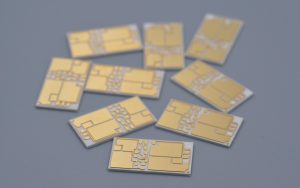
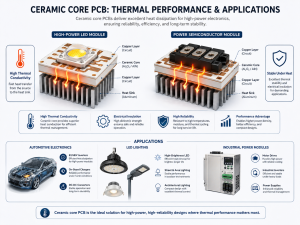
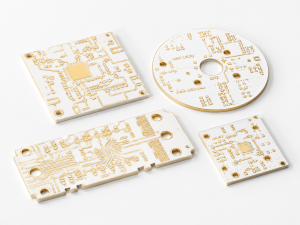
An Aluminum Nitride ceramic PCB board is a high-performance circuit platform built on a ceramic base material rather than traditional fiberglass (FR4) or metal core substrates. Unlike standard boards, this structure uses aluminum nitride ceramic as the foundation, offering exceptional thermal conductivity combined with reliable electrical insulation.
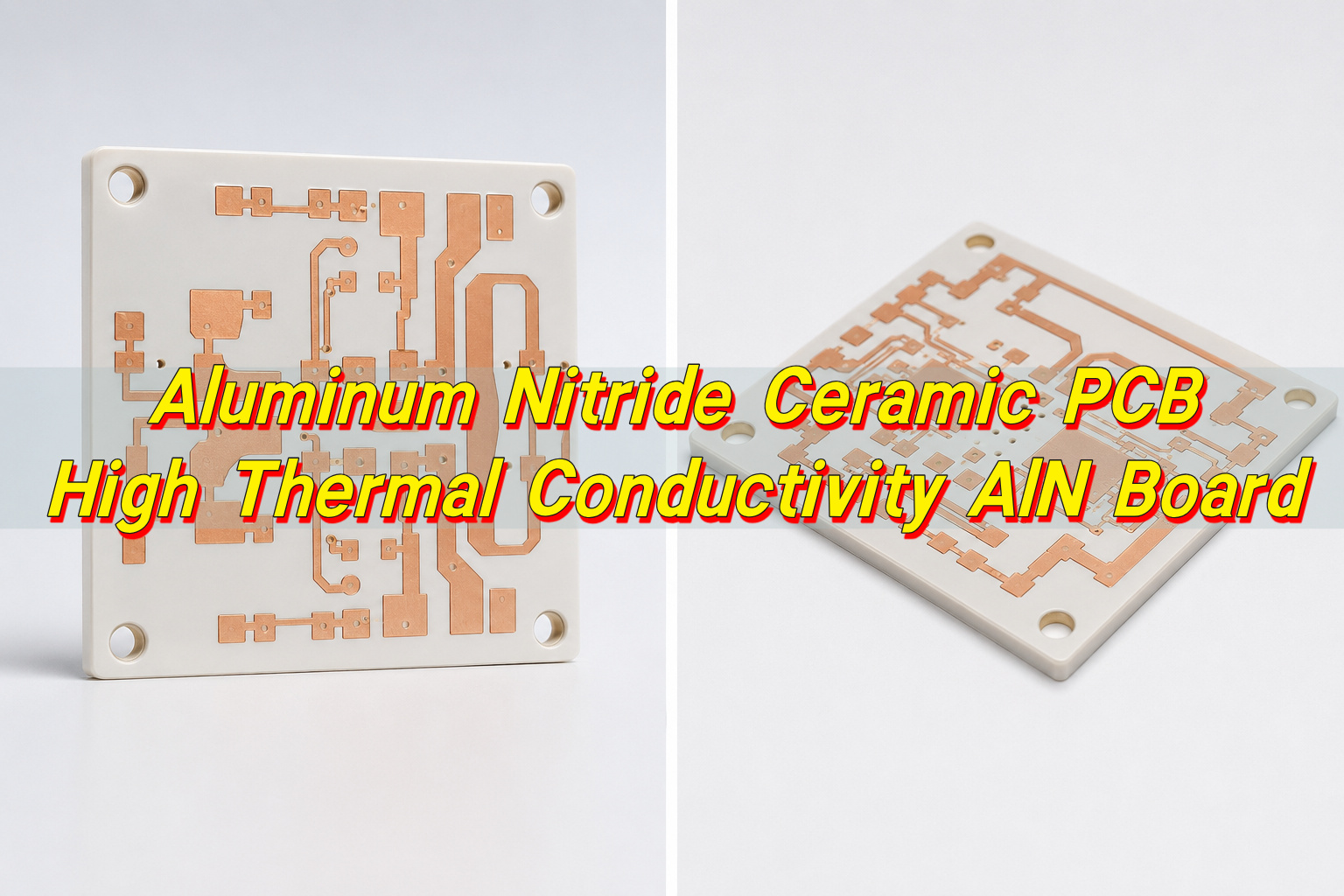
At its core, an AlN ceramic PCB integrates conductive copper circuitry onto a dense ceramic substrate. The ceramic layer acts as both a mechanical support and a thermal pathway, enabling heat to dissipate quickly away from active components.
From a practical perspective, engineers often turn to AlN boards when conventional PCB materials reach their limits. Whether dealing with high-power semiconductors, compact designs with high heat density, or harsh operating environments, this type of ceramic circuit delivers stability where other materials struggle.
In industries where failure is not an option, the use of aluminum nitride ceramic PCB boards continues to grow. Their ability to combine thermal efficiency, mechanical strength, and electrical reliability positions them as a premium solution for next-generation electronic systems.
Why Is Aluminum Nitride Used for Ceramic PCBs?
Aluminum nitride stands out among ceramic materials because of its unique balance of thermal and electrical properties. While many materials offer either good insulation or good heat conduction, AlN achieves both at a high level, which is rare and highly valuable in electronic design.
One of the defining characteristics of aluminum nitride is its thermal conductivity, which typically ranges from 170 to 230 W/m·K. This is significantly higher than alumina ceramics and approaches the performance of some metals, yet without sacrificing electrical insulation. Another key reason for its widespread use is its coefficient of thermal expansion (CTE). Aluminum nitride closely matches the CTE of silicon, making it an excellent substrate for semiconductor devices.
In addition to thermal and mechanical advantages, aluminum nitride also offers:
- Strong dielectric strength, ensuring electrical isolation even under high voltage conditions
- Excellent chemical stability, allowing it to perform well in corrosive environments
- Low dielectric constant, supporting high-frequency signal integrity
- Non-toxic composition, making it environmentally safer compared to some alternatives
These attributes make aluminum nitride an ideal material choice for ceramic PCBs used in demanding sectors such as automotive electronics, power modules, RF systems, and industrial control equipment.
Manufacturers like EBest Circuit (Best Technology) carefully select high-purity AlN powders and optimize sintering conditions to ensure consistent material performance.
What Is an Aluminum Nitride Ceramic Substrate?
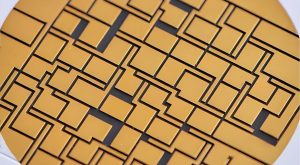
An aluminum nitride ceramic substrate is the foundational layer of an AlN PCB. It is a dense, engineered ceramic plate that provides both structural support and thermal conduction for the circuit.
This substrate is produced by pressing and sintering aluminum nitride powder at high temperatures, typically above 1,800°C. During this process, the material densifies into a solid structure with minimal porosity, which is critical for achieving high thermal conductivity and mechanical strength.
The substrate itself does not conduct electricity, but it efficiently transfers heat. To create a functional circuit, conductive layers—usually copper—are bonded or deposited onto the surface. This combination forms the complete ceramic PCB.
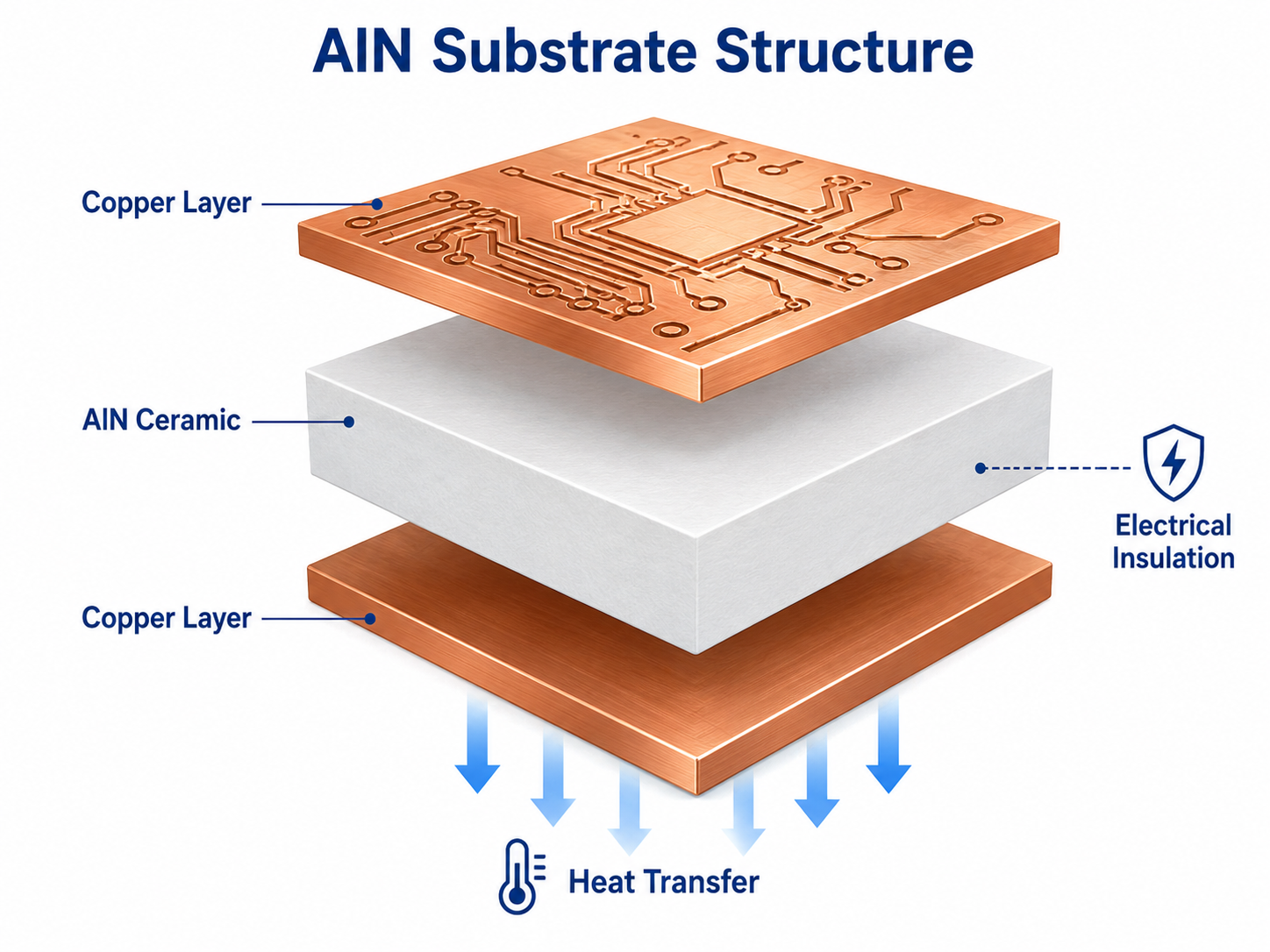
In practical applications, the substrate plays several important roles:
- It acts as a heat spreader, rapidly dissipating thermal energy
- It provides mechanical stability for mounted components
- It ensures electrical insulation between conductive layers
- It supports fine circuit patterning for complex designs
Depending on the application, aluminum nitride substrates can be customized in terms of thickness, surface finish, and metallization type. For example, thinner substrates may be used for compact devices, while thicker ones are preferred for high-power modules requiring enhanced heat spreading.
At EBest Circuit (Best Technology), aluminum nitride ceramic substrates are engineered with tight dimensional control and excellent surface flatness. This ensures compatibility with advanced assembly processes, including wire bonding and surface mount technology.
How Is an Aluminum Nitride PCB Different from Alumina PCB?
Aluminum nitride and alumina (Al₂O₃) are the two most widely used ceramic materials in PCB manufacturing. While both offer excellent electrical insulation and mechanical stability, their performance differs significantly, especially in thermal management.
Alumina has been the industry standard for many years due to its cost-effectiveness and mature manufacturing processes. However, as electronic devices become more compact and power-dense, its relatively low thermal conductivity has become a limitation.
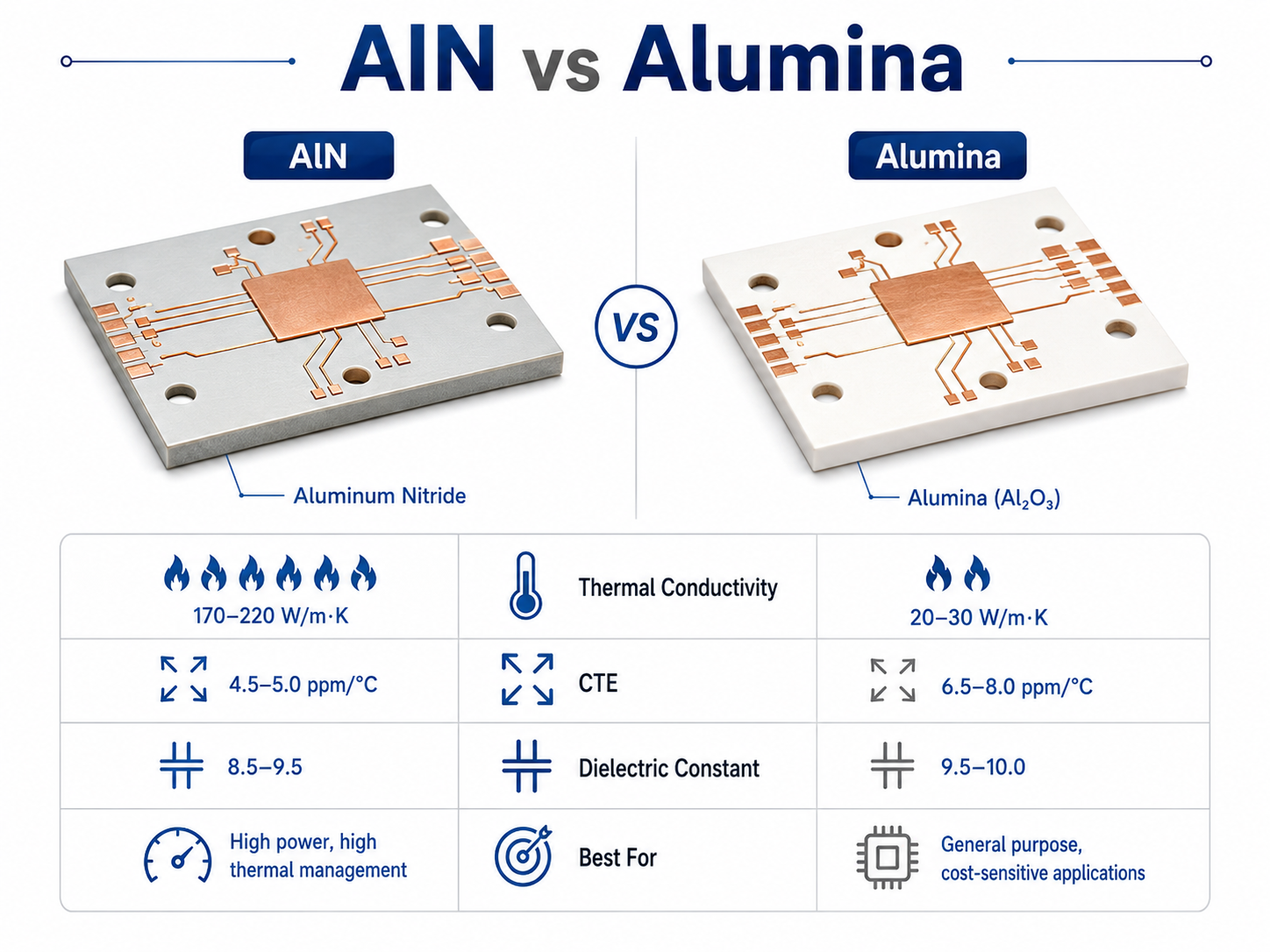
Below is a clear comparison between the two materials:
| Property | Aluminum Nitride (AlN) | Alumina (Al₂O₃) |
|---|---|---|
| Thermal Conductivity | 170–230 W/m·K | 20–30 W/m·K |
| Dielectric Constant | ~8.5 | ~9.8 |
| Coefficient of Expansion | Close to silicon | Higher mismatch |
| Mechanical Strength | High | Moderate |
| Cost | Higher | Lower |
| Application Focus | High-power, high-end | General purpose |
While alumina remains a solid choice for many standard applications, aluminum nitride becomes the preferred option when thermal performance is critical. Engineers working on power modules, LED systems, and RF devices often find that AlN delivers measurable improvements in efficiency and reliability.
What Are the Main Benefits of Aluminum Nitride Ceramic PCB?
Aluminum nitride ceramic PCBs offer a combination of properties that directly address the challenges of modern electronic design.
Key advantages include:
- Superior heat dissipation
High thermal conductivity allows heat to move away from components quickly, reducing operating temperatures and extending lifespan. - Reliable electrical insulation
Even under high voltage conditions, AlN maintains strong dielectric properties, ensuring safe operation. - Enhanced mechanical stability
The material resists warping and deformation, even under thermal stress or mechanical load. - Compatibility with semiconductors
Its CTE closely matches silicon, minimizing stress during temperature fluctuations. - High-frequency performance
Low dielectric loss supports stable signal transmission in RF and microwave applications. - Compact design capability
Efficient heat management enables smaller, more powerful device designs.
These advantages make aluminum nitride ceramic PCBs a strategic choice for engineers seeking both performance and reliability. EBest Circuit (Best Technology) integrates these benefits into every product by maintaining strict material selection and process control standards.
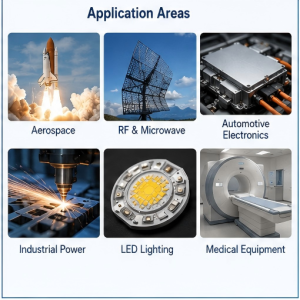
What Are Aluminum Nitride PCBs Used For?
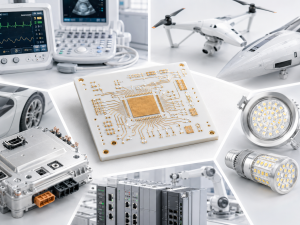
Aluminum nitride ceramic PCBs are widely used in industries where performance, durability, and thermal management are critical. Their versatility allows them to support a broad range of advanced technologies.
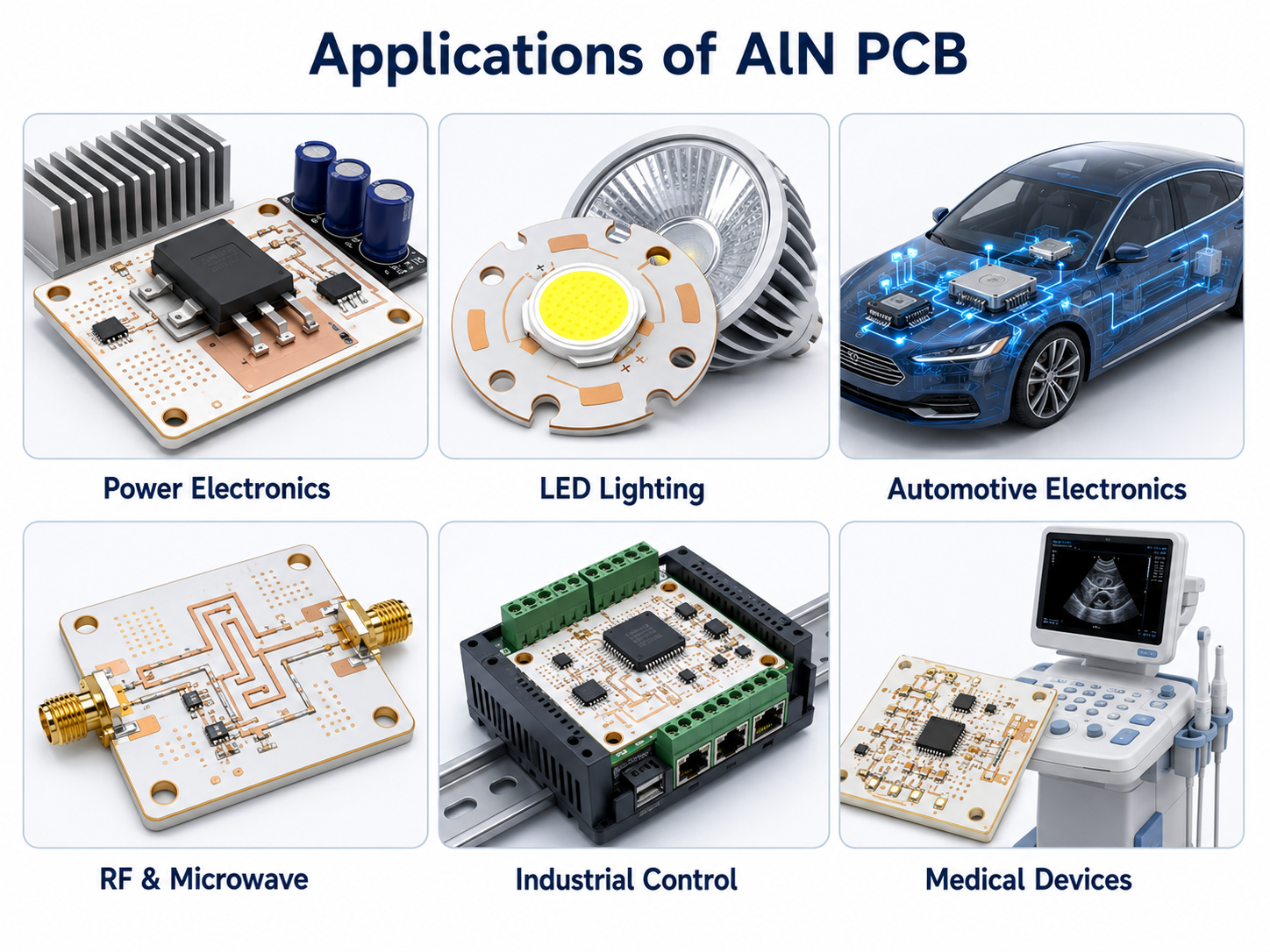
Common applications include:
- Power electronics
Used in IGBT modules, power converters, and inverters where heat generation is significant. - LED lighting systems
High-power LEDs benefit from efficient heat dissipation, improving brightness stability and lifespan. - Automotive electronics
Electric vehicles and advanced driver systems require reliable thermal management under harsh conditions. - RF and microwave devices
Ideal for high-frequency circuits due to low dielectric loss. - Industrial control systems
Ensures stable operation in environments with fluctuating temperatures. - Medical devices
Supports precision electronics where reliability is essential.
As industries continue to evolve toward higher power densities and smaller form factors, the demand for aluminum nitride PCBs is expected to grow steadily.
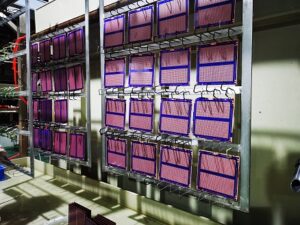
How Are Aluminum Nitride Ceramic PCBs Manufactured?
The manufacturing process of aluminum nitride ceramic PCBs is more complex than that of traditional PCBs. It requires specialized equipment and expertise to achieve consistent quality.
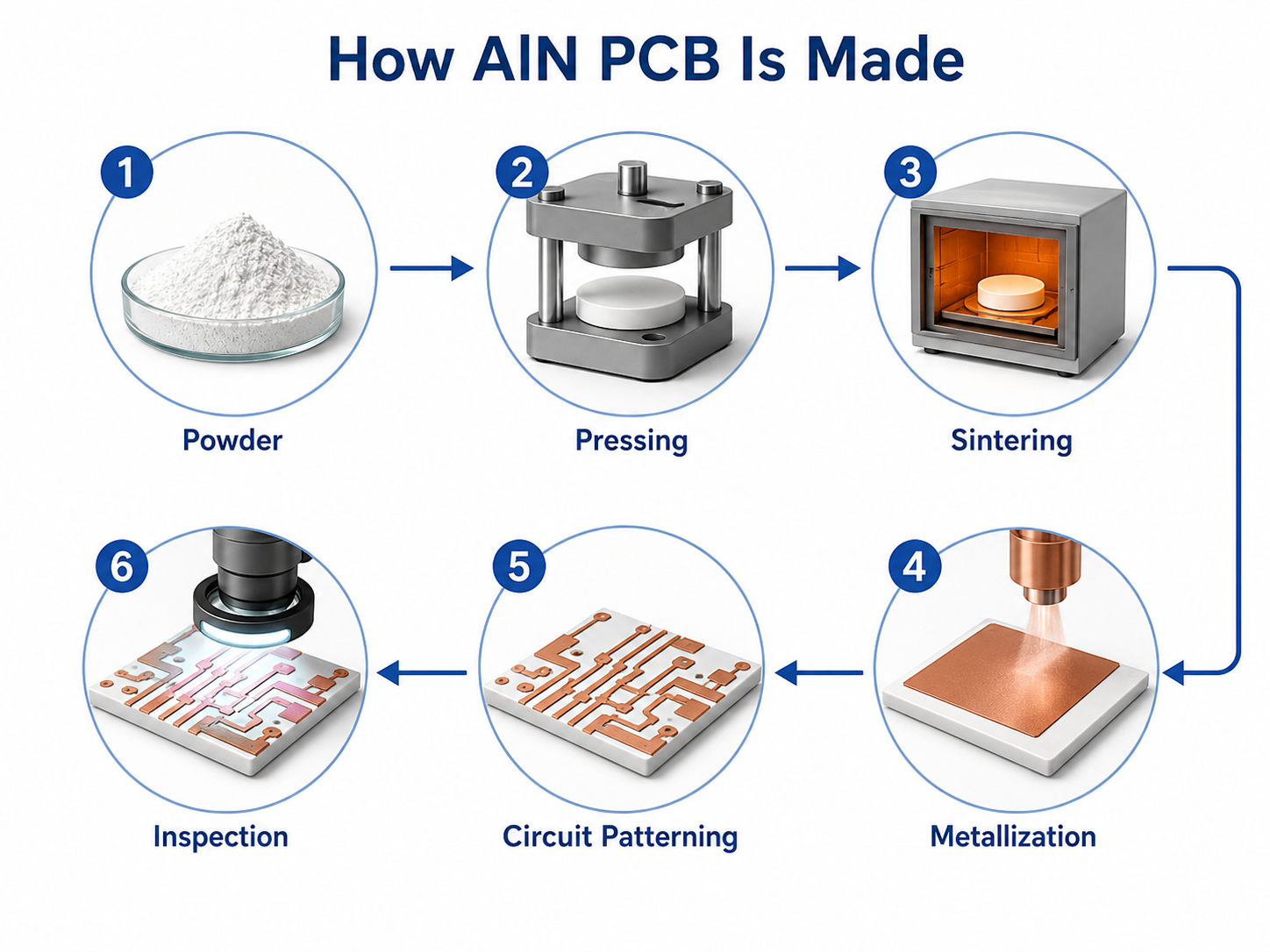
The process generally involves several key steps:
- Powder preparation
High-purity aluminum nitride powder is selected and processed. - Forming and sintering
The powder is shaped and sintered at high temperatures to create a dense ceramic substrate. - Surface preparation
The substrate is polished to achieve the required flatness and surface quality. - Metallization
Conductive layers are applied using techniques such as Direct Bonded Copper (DBC) or Thin Film deposition. - Circuit patterning
Photolithography and etching are used to define precise circuit patterns. - Surface finishing
Additional coatings are applied to enhance solderability and corrosion resistance. - Inspection and testing
Each board undergoes rigorous quality checks to ensure performance standards are met.
At EBest Circuit (Best Technology), advanced manufacturing capabilities ensure tight tolerances and consistent performance across all production batches. Our specialized expertise in the field of ceramic PCB manufacturing enables us to provide customized solutions for complex applications.
Can Aluminum Nitride Ceramic PCBs Support Fine Circuits?
Yes, aluminum nitride ceramic PCBs can support fine circuit patterns, especially when thin-film or advanced metallization processes are used. This capability is essential for modern electronics, where compact designs and high circuit density are increasingly common.
Fine circuit support depends on several factors, including surface smoothness, metallization method, and process control. Aluminum nitride substrates can achieve excellent surface flatness, which is critical for high-resolution patterning.
Typical capabilities include:
- Fine line widths suitable for high-density layouts
- Precise spacing for complex circuit routing
- Compatibility with microelectronic assembly techniques
Thin-film technology, in particular, allows for extremely fine features, making AlN PCBs suitable for RF modules, sensors, and advanced semiconductor packaging. With proper engineering and manufacturing expertise, aluminum nitride ceramic PCBs can meet the demands of even the most intricate designs.
What Surface Finishes Are Used for Aluminum Nitride PCBs?
Surface finishes play a crucial role in ensuring reliable assembly and long-term performance. For aluminum nitride PCBs, several finishing options are available depending on the application.
Common surface finishes include:
- ENIG (Electroless Nickel Immersion Gold)
Provides excellent solderability and corrosion resistance. - ENEPIG
Adds a palladium layer for improved wire bonding performance. - Immersion Silver
Offers good conductivity and is suitable for high-frequency applications. - OSP (Organic Solderability Preservative)
A cost-effective option for certain applications.
Each finish has its own advantages, and the selection depends on factors such as assembly method, environmental conditions, and performance requirements. EBest Circuit (Best Technology) offers a range of surface finishing options to meet diverse customer needs, ensuring compatibility with various assembly processes.
What Factors Affect Aluminum Nitride PCB Cost?
The cost of aluminum nitride ceramic PCBs is influenced by multiple factors, reflecting the complexity and precision required in their production.
Key cost drivers include:
- Material quality
High-purity aluminum nitride powder increases performance but also cost. - Substrate thickness and size
Larger and thicker substrates require more material and processing time. - Metallization method
Advanced techniques like DBC or thin film can significantly impact cost. - Circuit complexity
Fine features and multi-layer designs require more precise processing. - Surface finish
Premium finishes such as ENEPIG add to the overall cost. - Production volume
Higher volumes can reduce per-unit cost through economies of scale.
While aluminum nitride PCBs are generally more expensive than standard options, their performance benefits often justify the investment. In many cases, improved reliability and thermal efficiency lead to lower total system costs over time.
EBest Circuit (Best Technology) works closely with customers to optimize design and manufacturing parameters, helping balance performance and cost effectively.
Summary:
Aluminum nitride ceramic PCBs represent a powerful solution for modern electronics that demand efficient thermal management and reliable performance. Their ability to combine high thermal conductivity with strong electrical insulation makes them ideal for high-power and high-frequency applications.
If you are exploring high-performance ceramic PCB solutions, EBest Circuit (Best Technology) is ready to support your project with advanced manufacturing capabilities and tailored engineering expertise.
For inquiries, feel free to contact: sales@bestpcbs.com