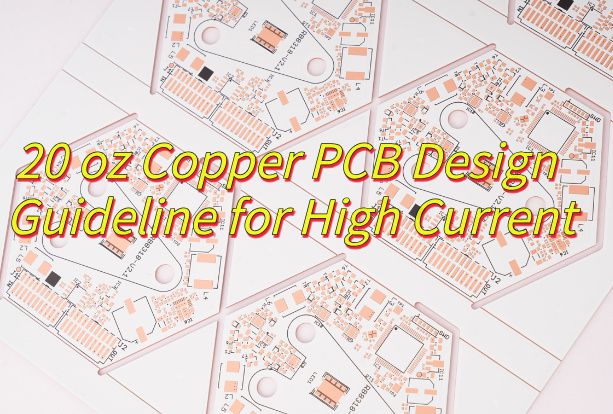
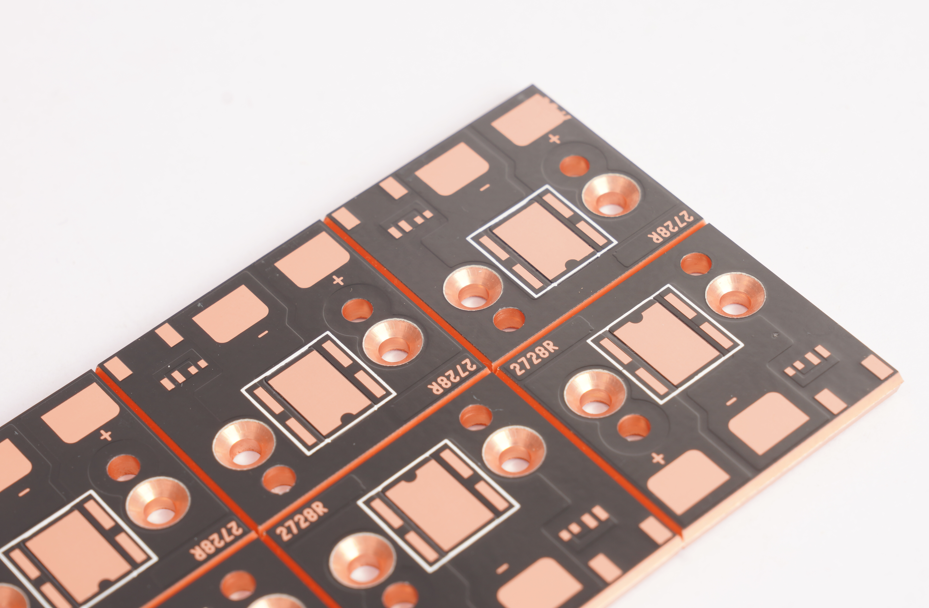
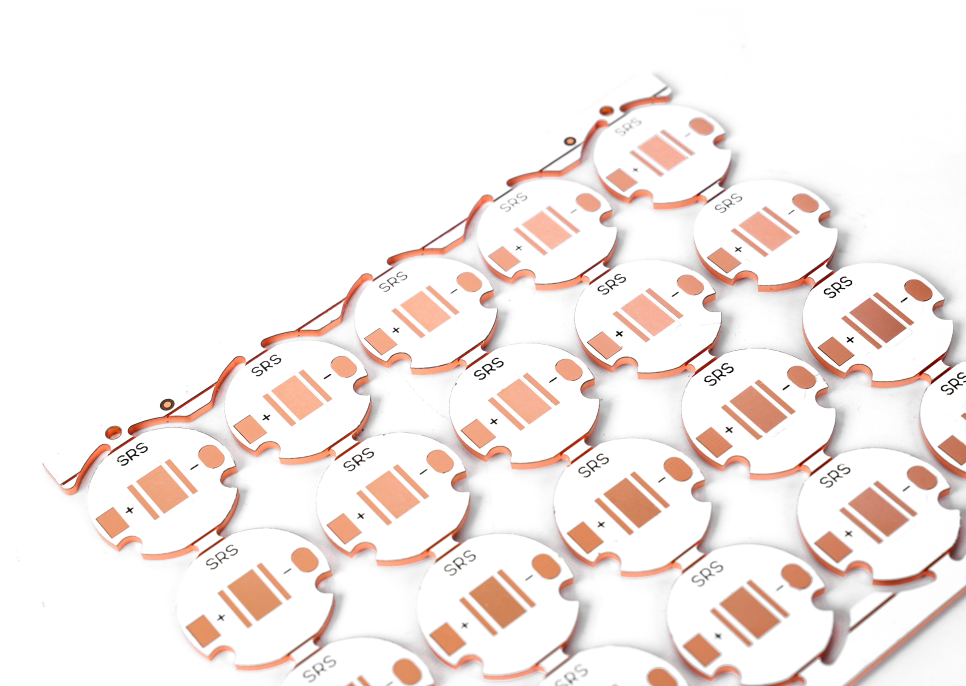
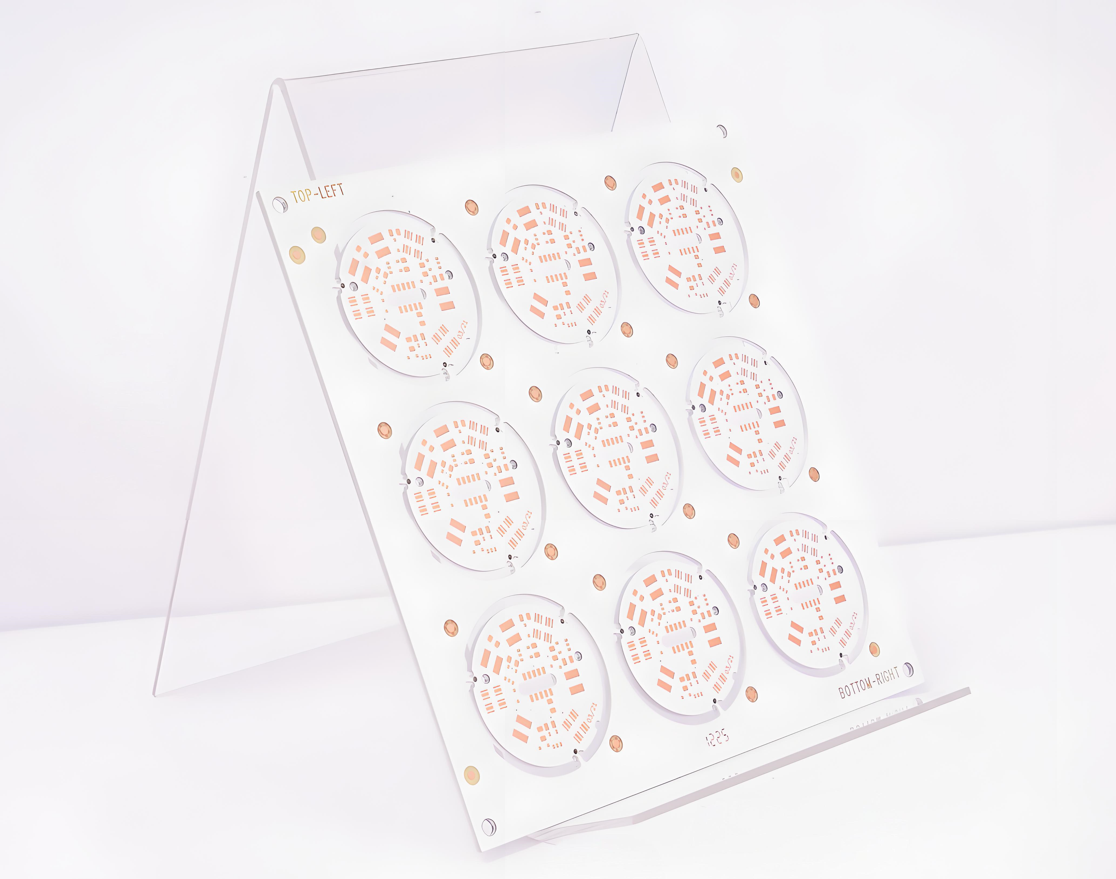
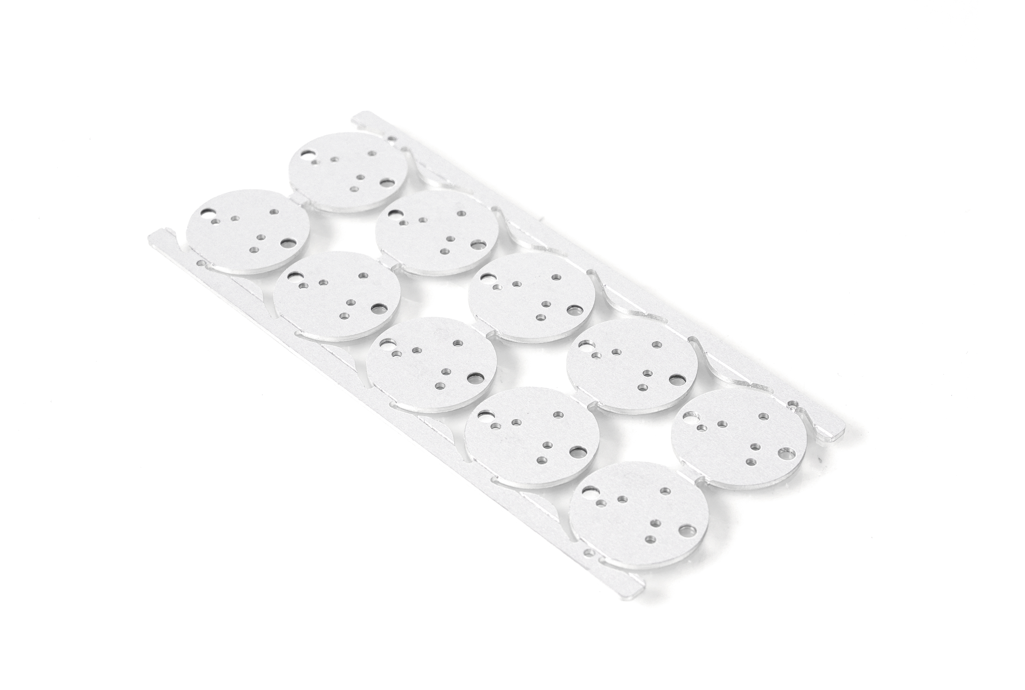
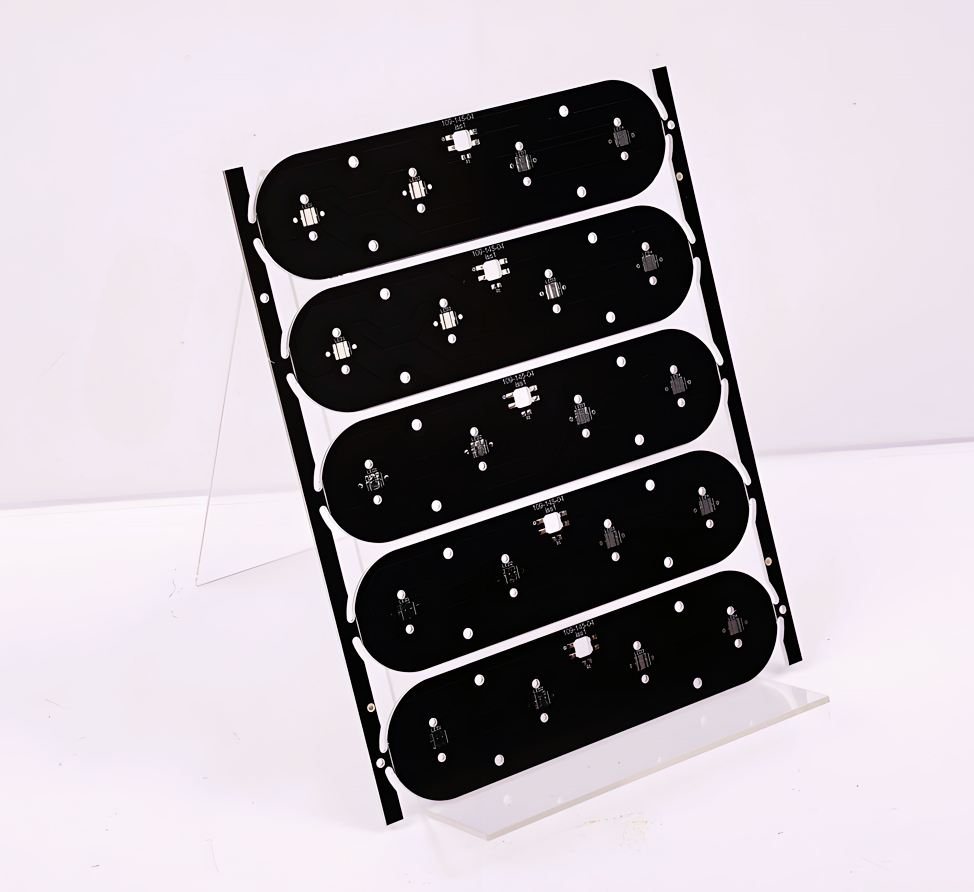
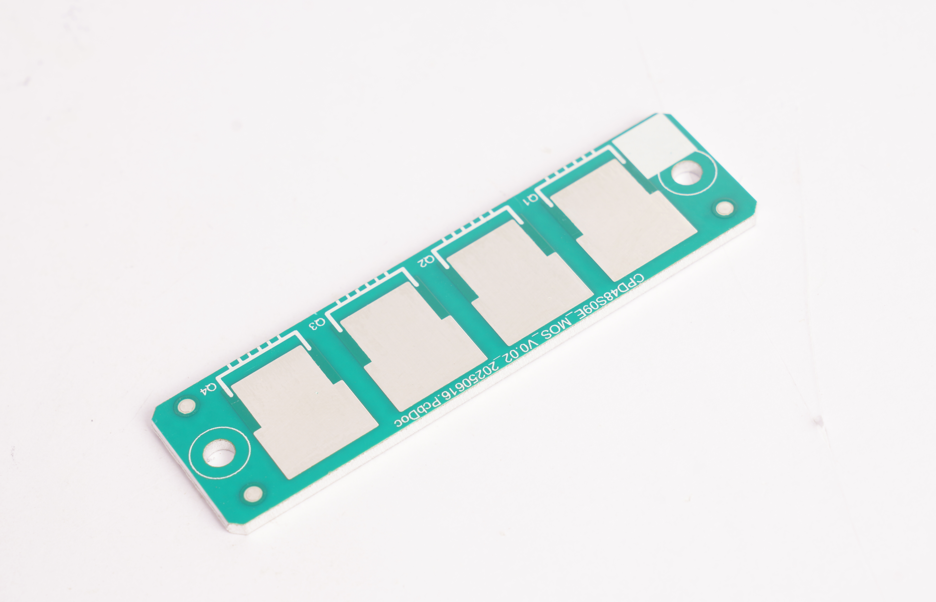
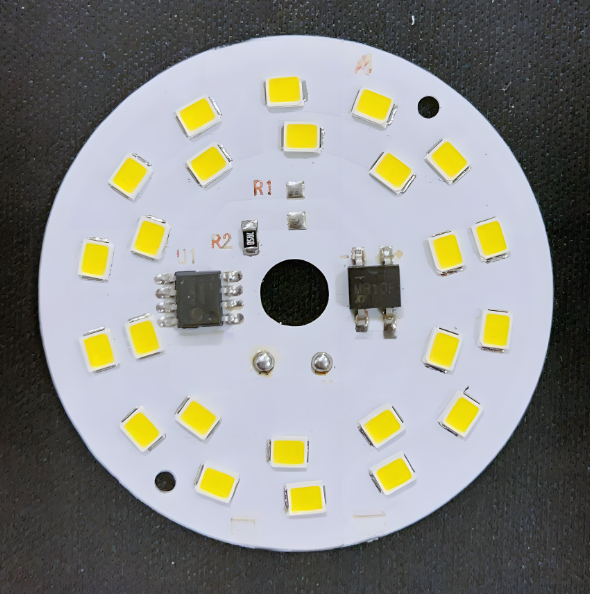
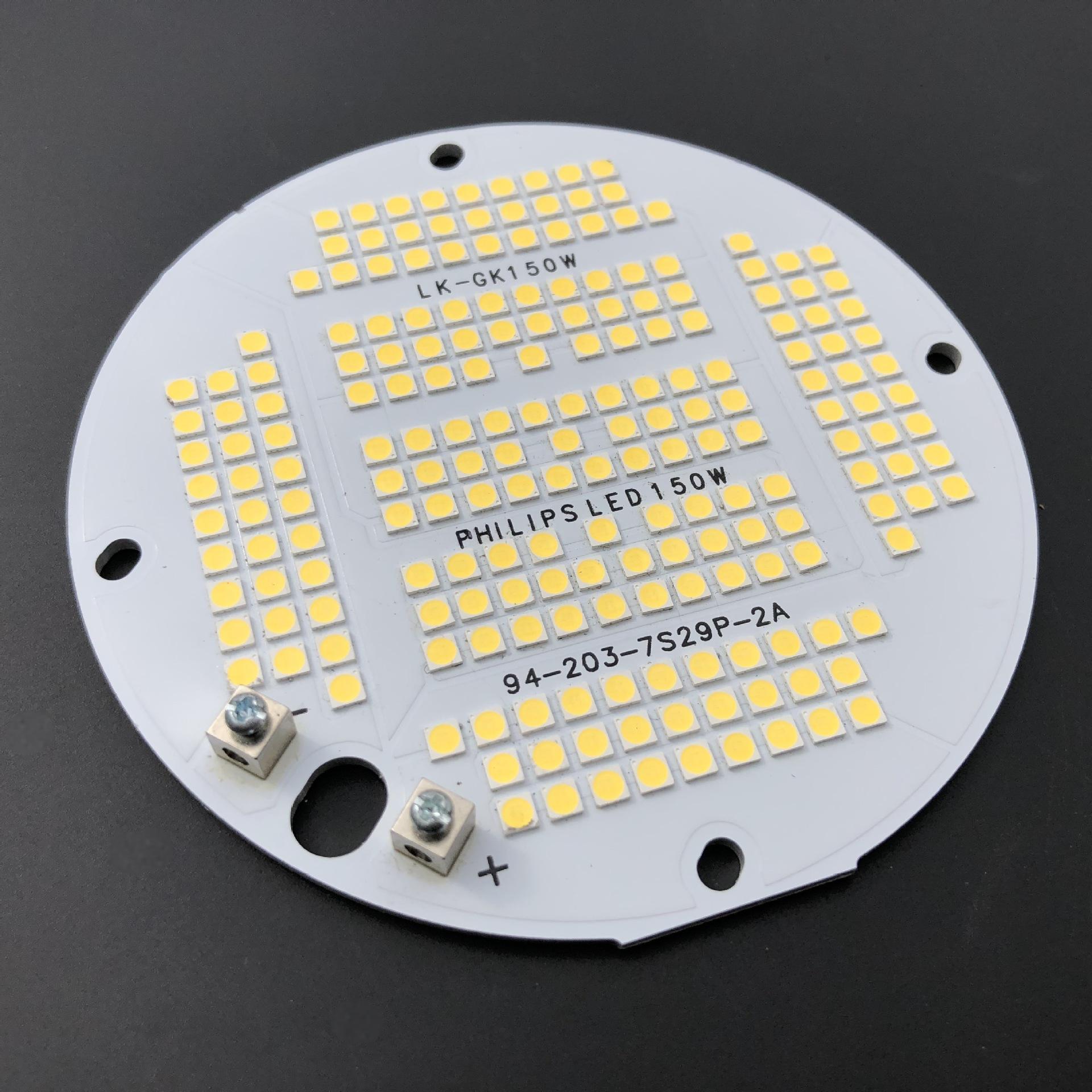
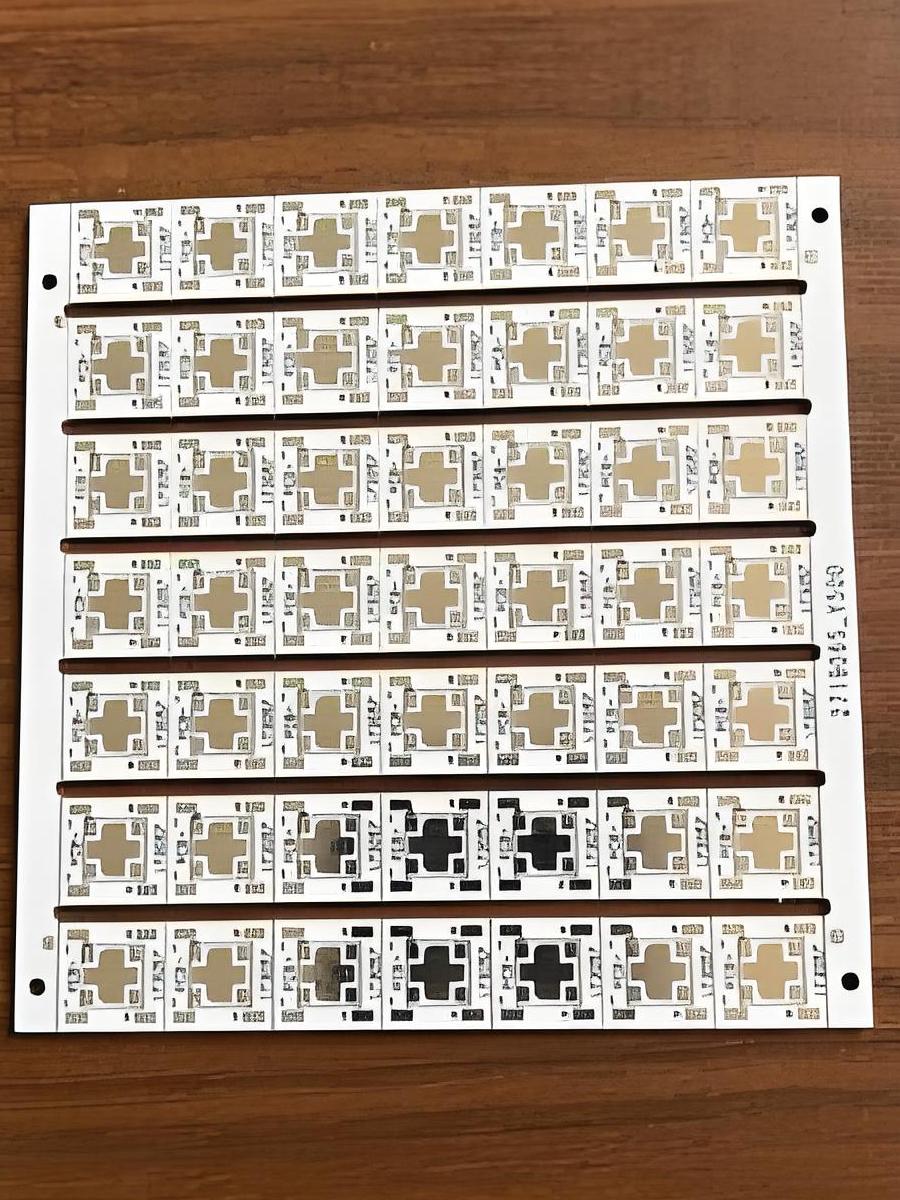
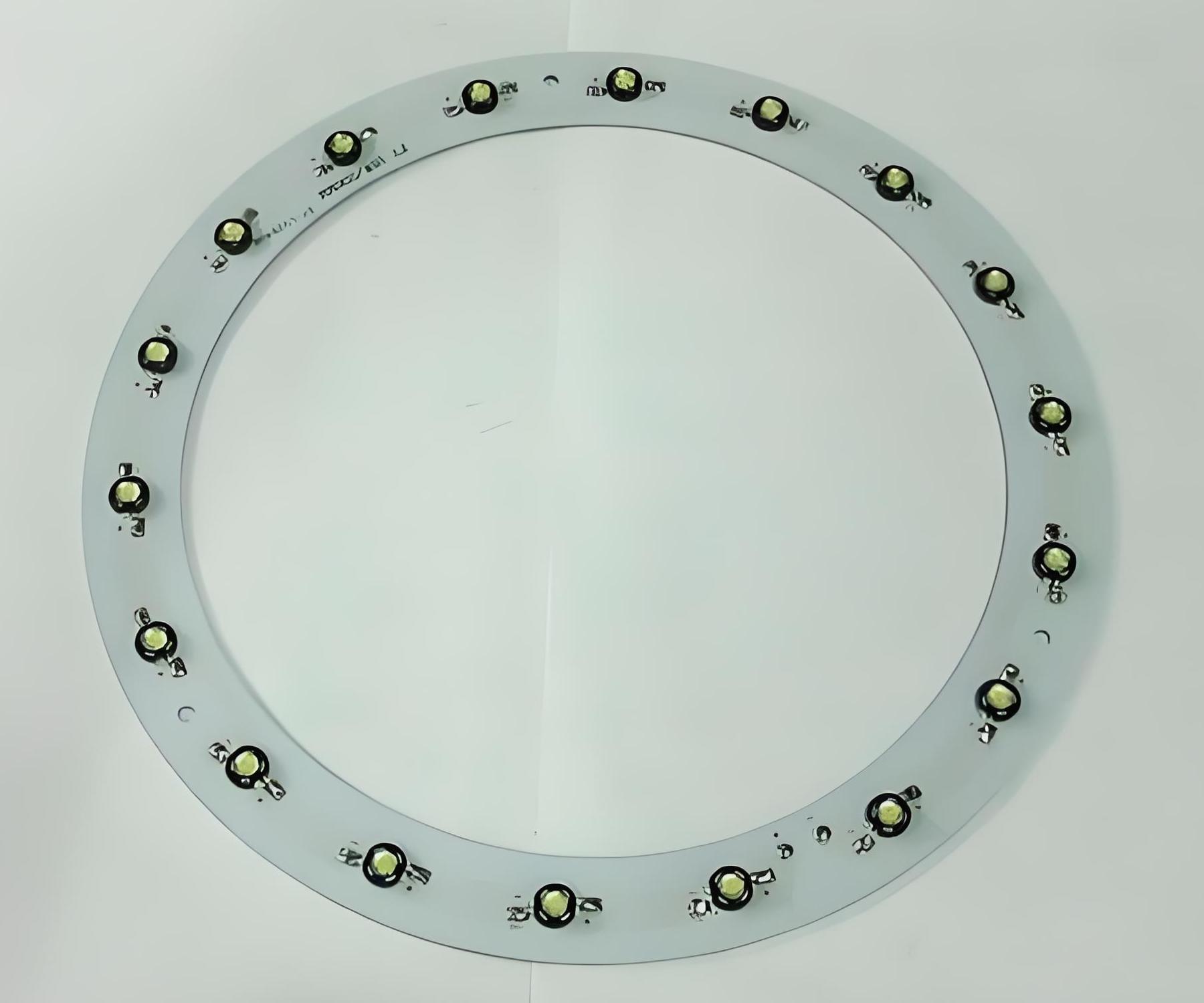
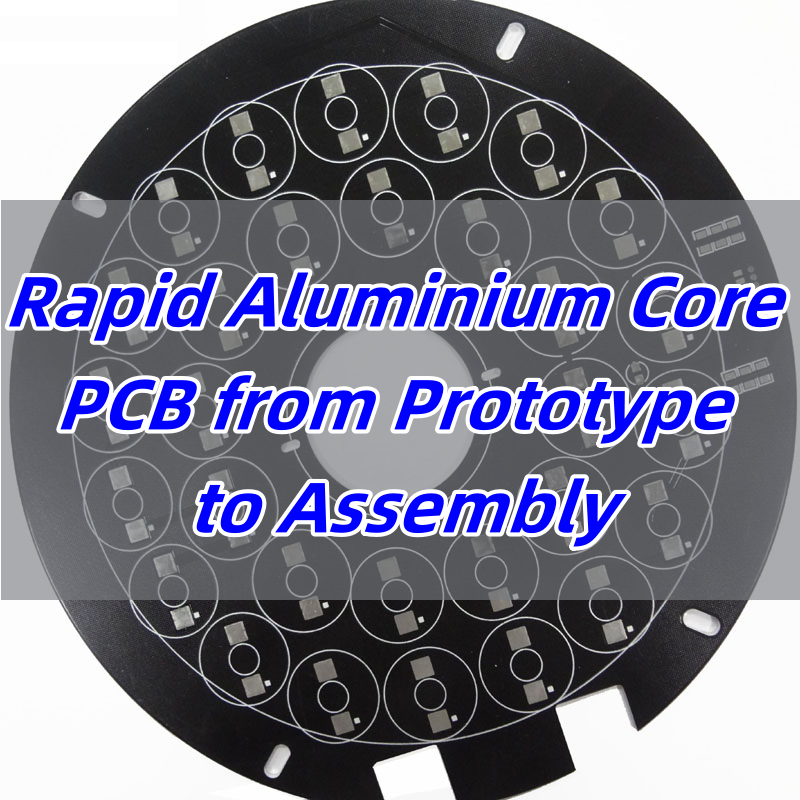
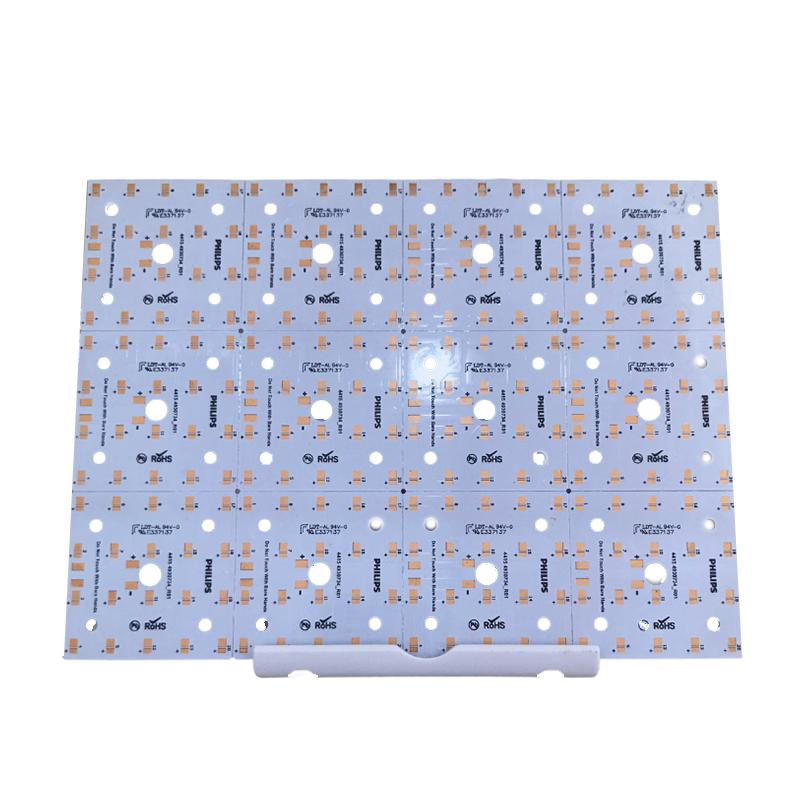
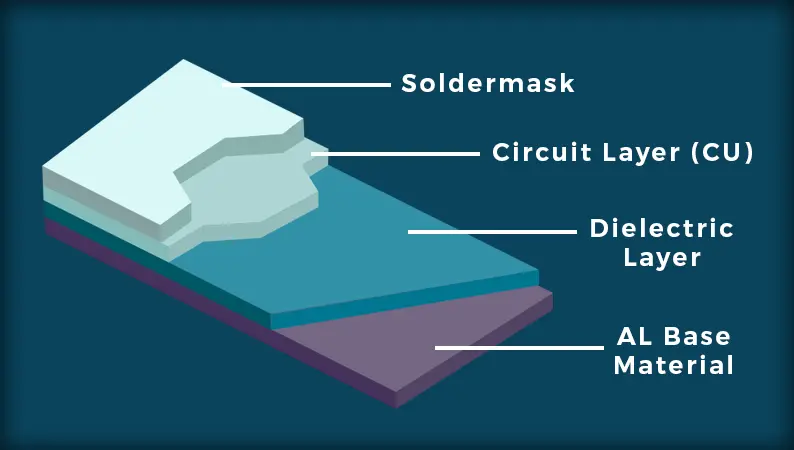
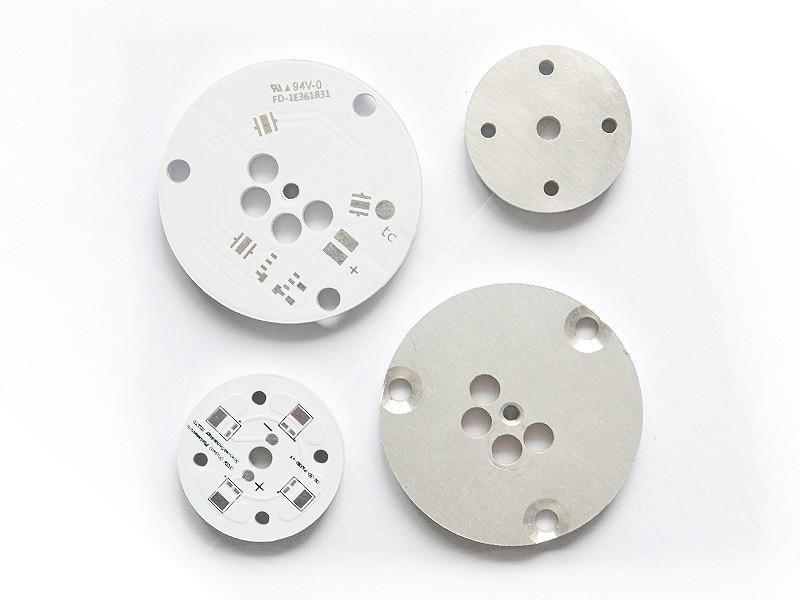
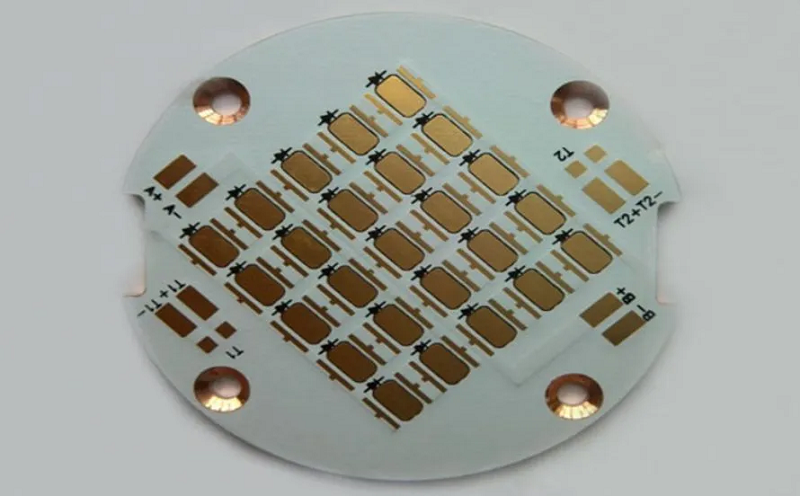
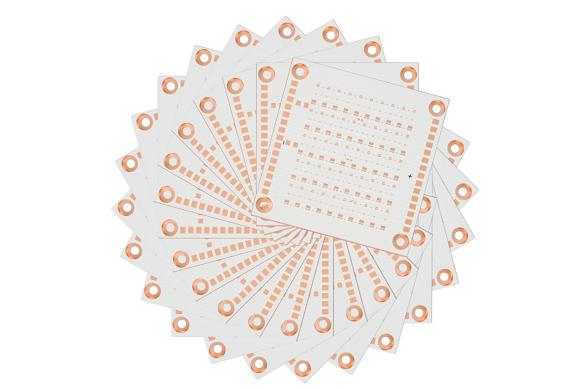
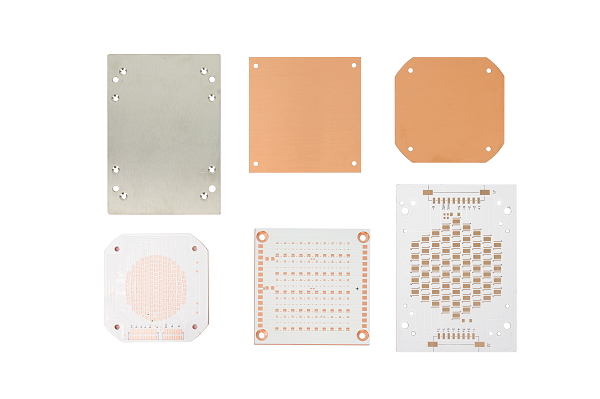
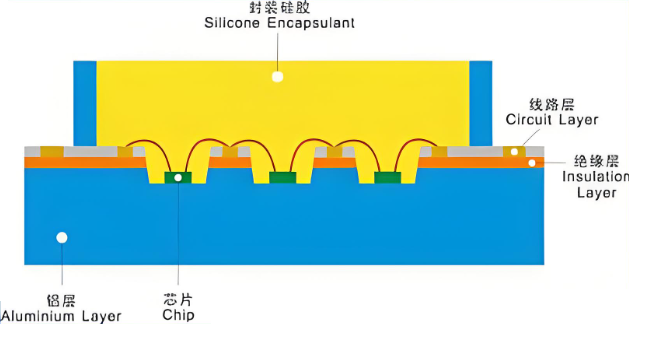
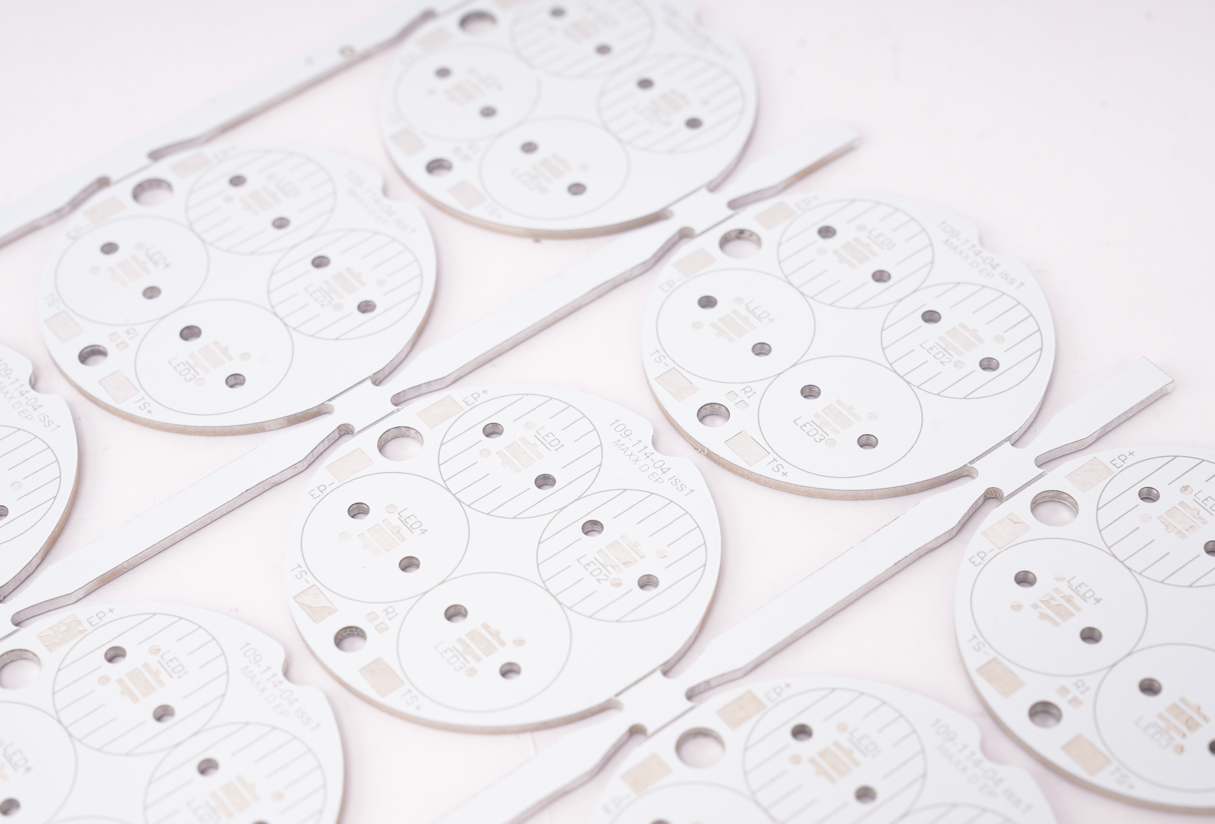
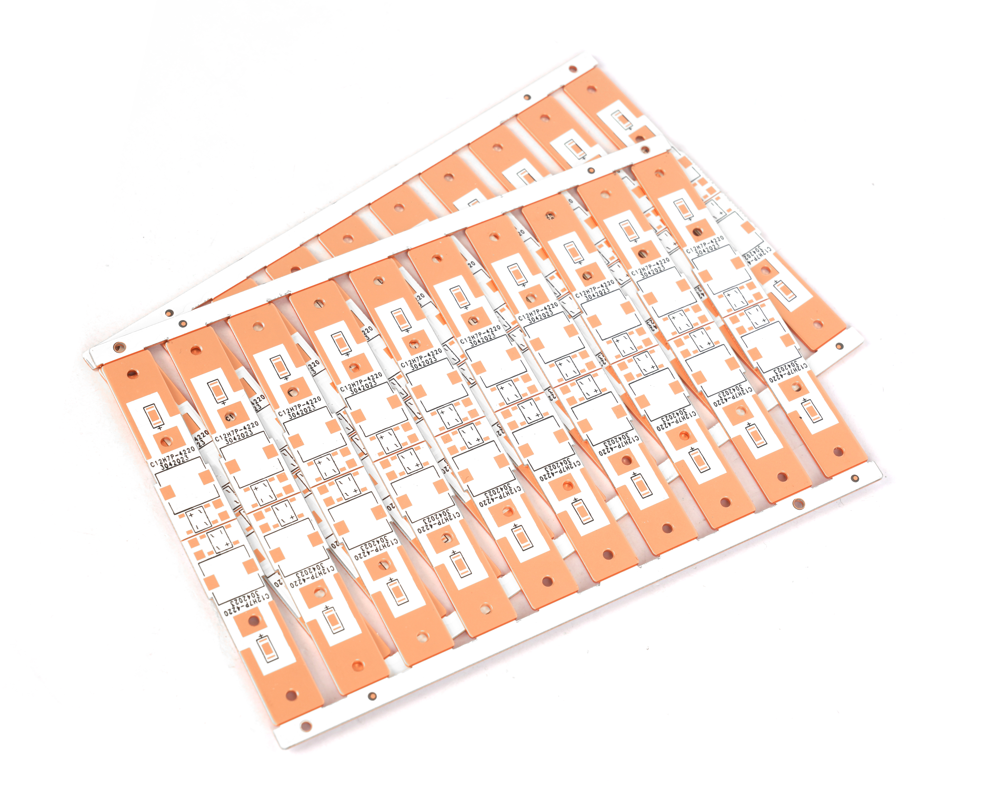
MCPCB is mainly made of copper foil, a dielectric layer, and a metal core. The copper layer handles current flow and signal transmission. The dielectric layer sits beneath it, offering electrical insulation while allowing heat to pass through. At the base, the metal core—usually aluminum or copper—acts as a heat sink. Aluminum is lightweight and cost-effective, while copper delivers better thermal performance.
What is MCPCB?
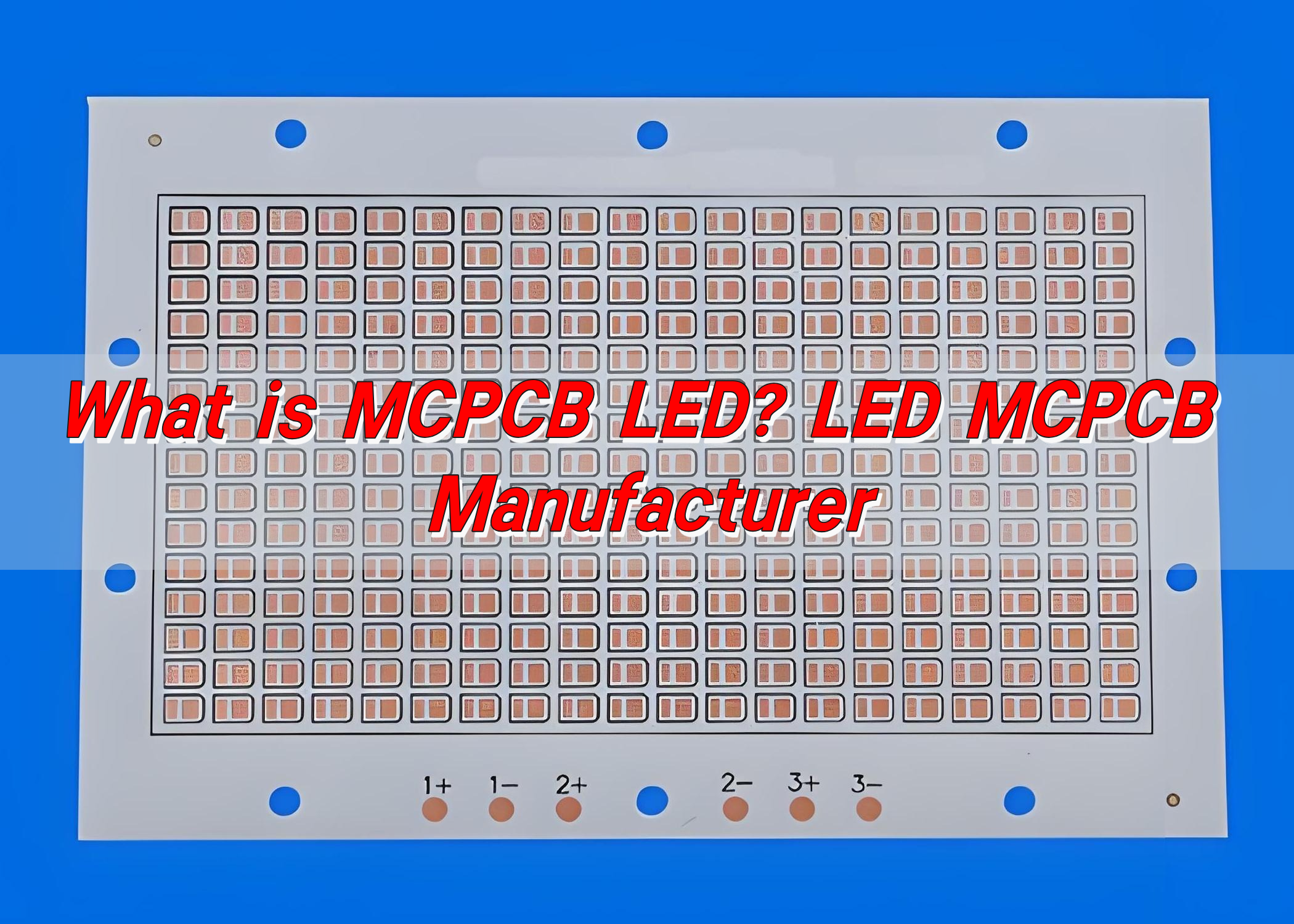
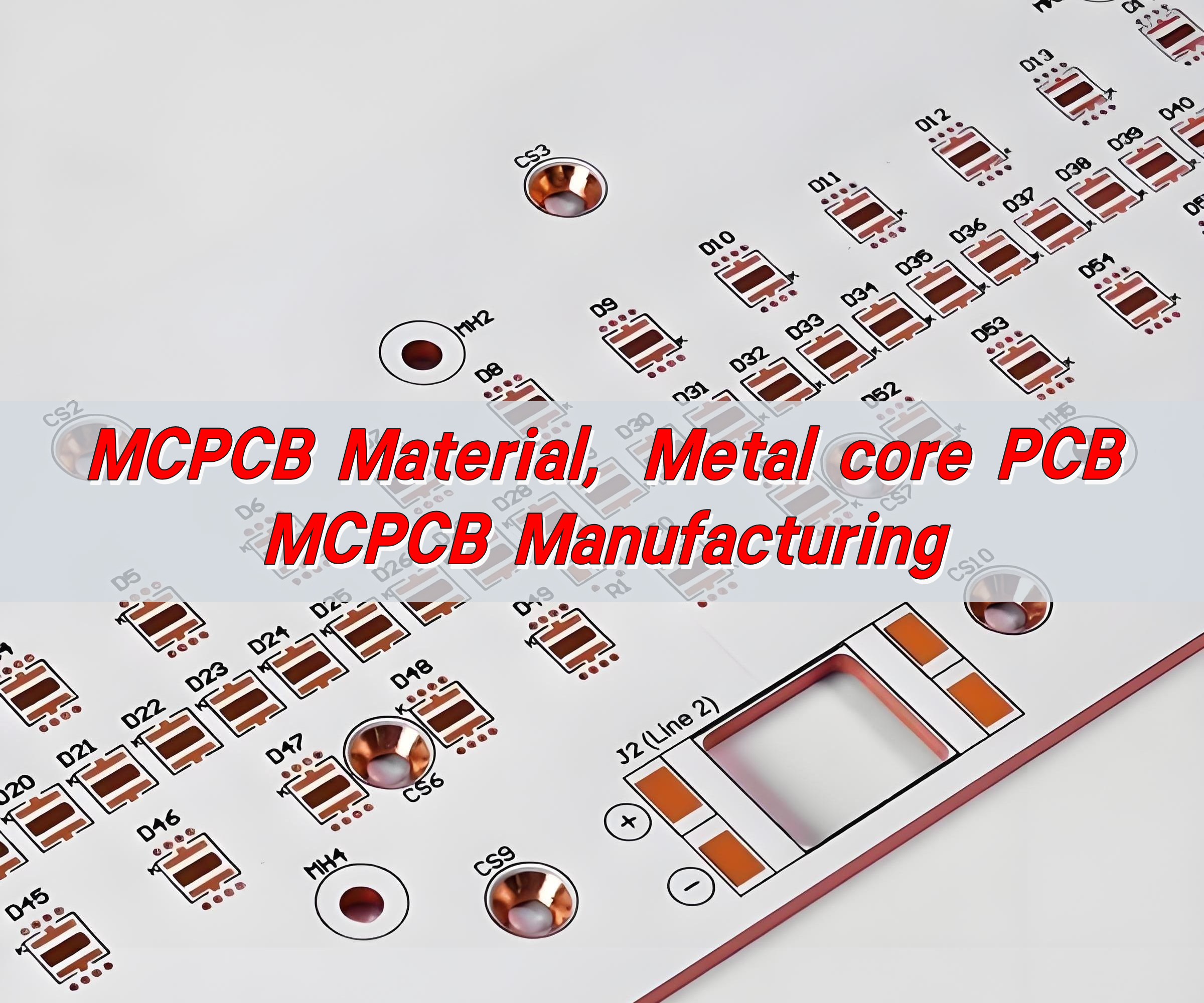
MCPCB, or Metal Core Printed Circuit Board, is a type of PCB that uses a metal base to improve heat dissipation.
Unlike standard FR4 boards, which use fiberglass, MCPCB boards use metals like aluminum, copper, or even a mixture. That metal layer acts as a heat sink, pulling heat away from components.
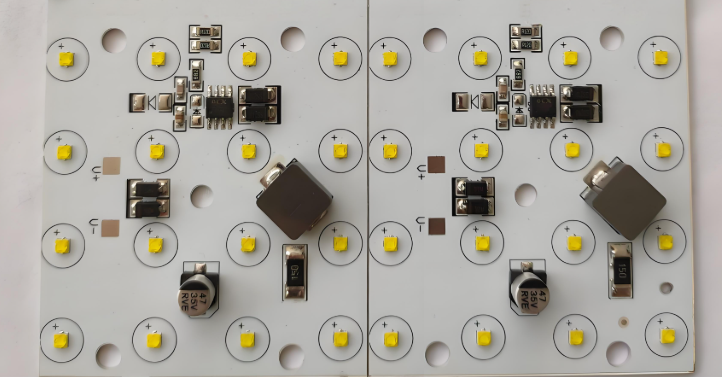
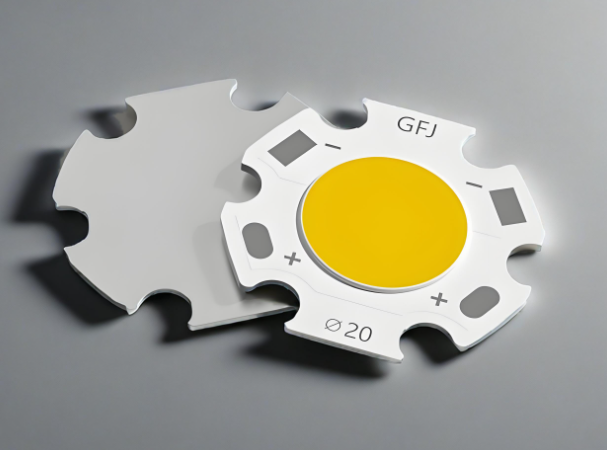
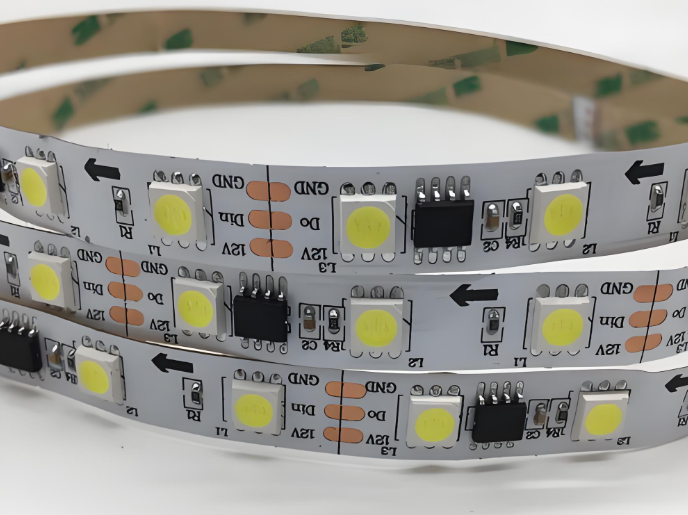
This makes MCPCB ideal for LED lights, high-power electronics, and automotive systems. They’re strong, thermally efficient, and can take a beating.
What is the structure of Mcpcb?
The basic structure of an MCPCB is relatively simple, but each layer plays a critical role. It usually consists of three key layers:
- Copper Circuit Layer: The top layer for routing signals, just like in traditional PCBs. It’s often thicker in MCPCBs to handle high currents.
- Dielectric Layer: This sits between the copper and the metal base. It provides electrical insulation while enabling heat transfer.
- Metal Core Base: Usually made of aluminum, copper, or a hybrid alloy. This is the foundation that supports the board and helps spread heat efficiently.
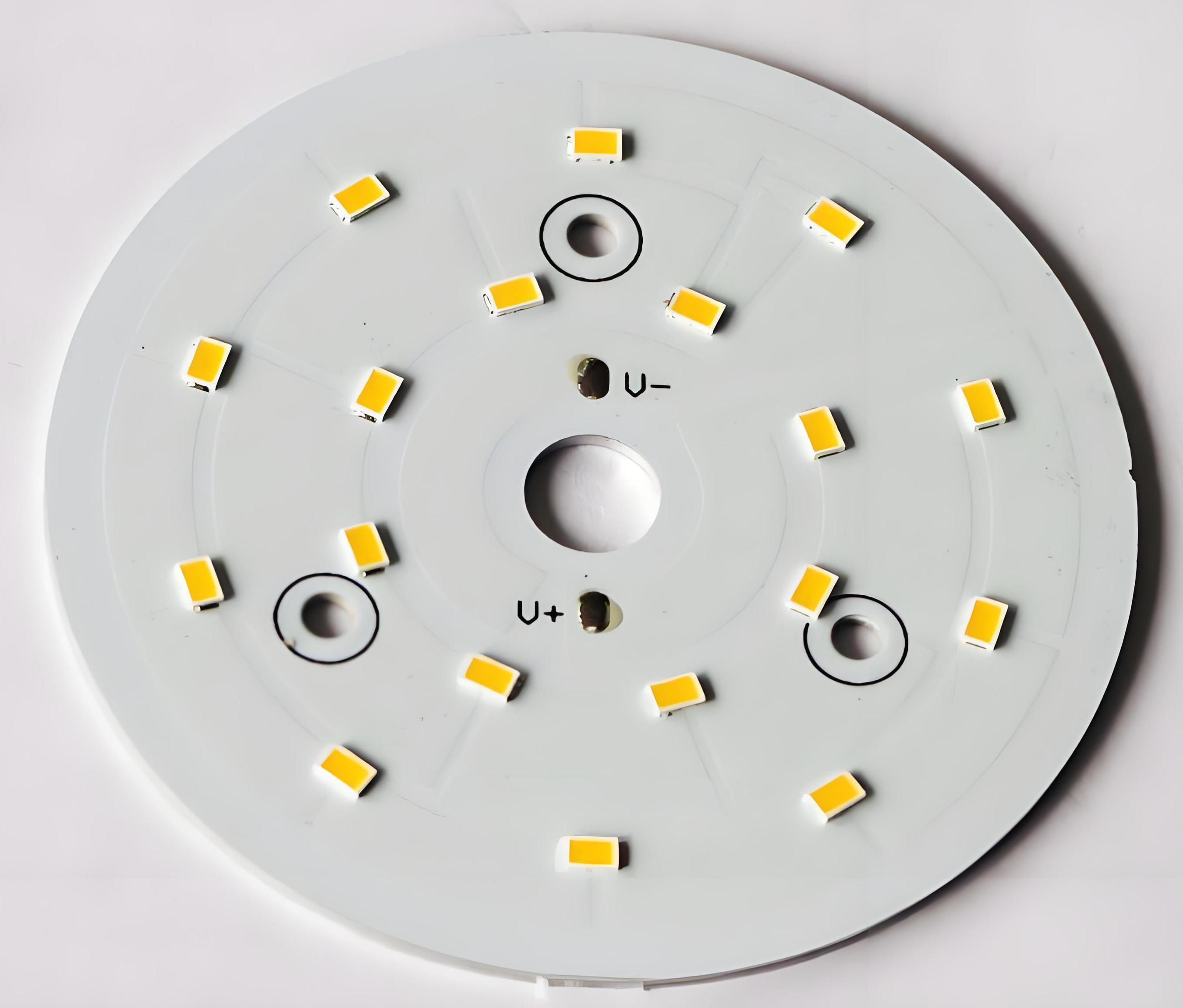
Some MCPCBs even feature multi-layer stackups, combining several circuit and dielectric layers with a central metal core.
What are the materials in Mcpcb?
The most commonly used materials in MCPCB manufacturing are aluminum, copper, and steel alloys. This is the heart of the MCPCB.
- Aluminum: Most cost-effective and widely used. Lightweight, corrosion-resistant, and a good thermal performer.
- Copper: Offers better thermal conductivity, but it’s heavier and more expensive.
- Stainless Steel or Alloys: Used in high-strength or custom applications.
Each MCPCB raw material brings different strengths. Picking the right one is about balancing performance, cost, and durability.
What are the differences between MCPCBs of different materials?
Different MCPCB materials impact cost, conductivity, weight, and reliability.
- Aluminum MCPCB: Most popular for LED applications. It offers decent conductivity and costs less. It’s also easy to process and lightweight.
- Copper MCPCB: Ideal for high-performance needs. With thermal conductivity up to 390 W/mK, it’s a powerhouse. But it’s heavier and more expensive.
- Steel alloys MCPCB: These combine metals for specific thermal and mechanical needs. For example, aluminum-copper blends.
Choosing the right type depends on your priorities—is it price, heat handling, weight, or ruggedness?
How to make mcpcb?
The MCPCB manufacturing process requires high precision. Here’s how it typically works:
- Metal Base Preparation: The selected metal core (usually aluminum or copper) is cleaned and prepared for lamination.
- Dielectric Application: A thin dielectric layer is applied using lamination or coating methods. This layer needs to be uniform to maintain consistent heat flow and insulation.
- Copper Lamination: A copper foil is laminated on top of the dielectric. The thickness varies depending on current needs.
- Circuit Imaging and Etching: The copper layer is printed with the circuit design and etched to form the signal paths.
- Solder Mask and Surface Finish: Protective coatings are applied to prevent oxidation. Then surface finishes like OSP, ENIG, or HASL are added for solderability.
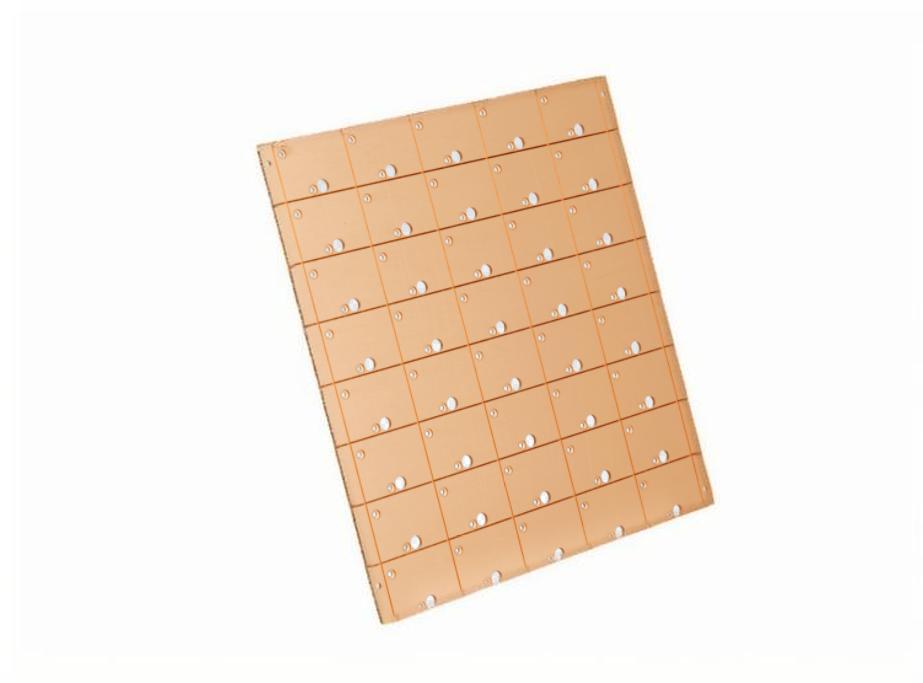
- Drilling and Routing: Holes are drilled, and the board is routed to its final shape. V-cuts or scoring may be added for separation.
- Testing: Every board is electrically and visually tested to ensure it meets performance standards.
The result is a durable, heat-efficient PCB ready for demanding environments.
What is the difference between FR4 and Mcpcb?
FR4 is a glass-reinforced epoxy laminate used in standard PCBs. It’s strong, affordable, and widely available.
MCPCB, by contrast, can handle much higher thermal loads. Thanks to the metal core, it can draw heat away from critical components. That means longer lifespan, better performance, and fewer thermal failures.
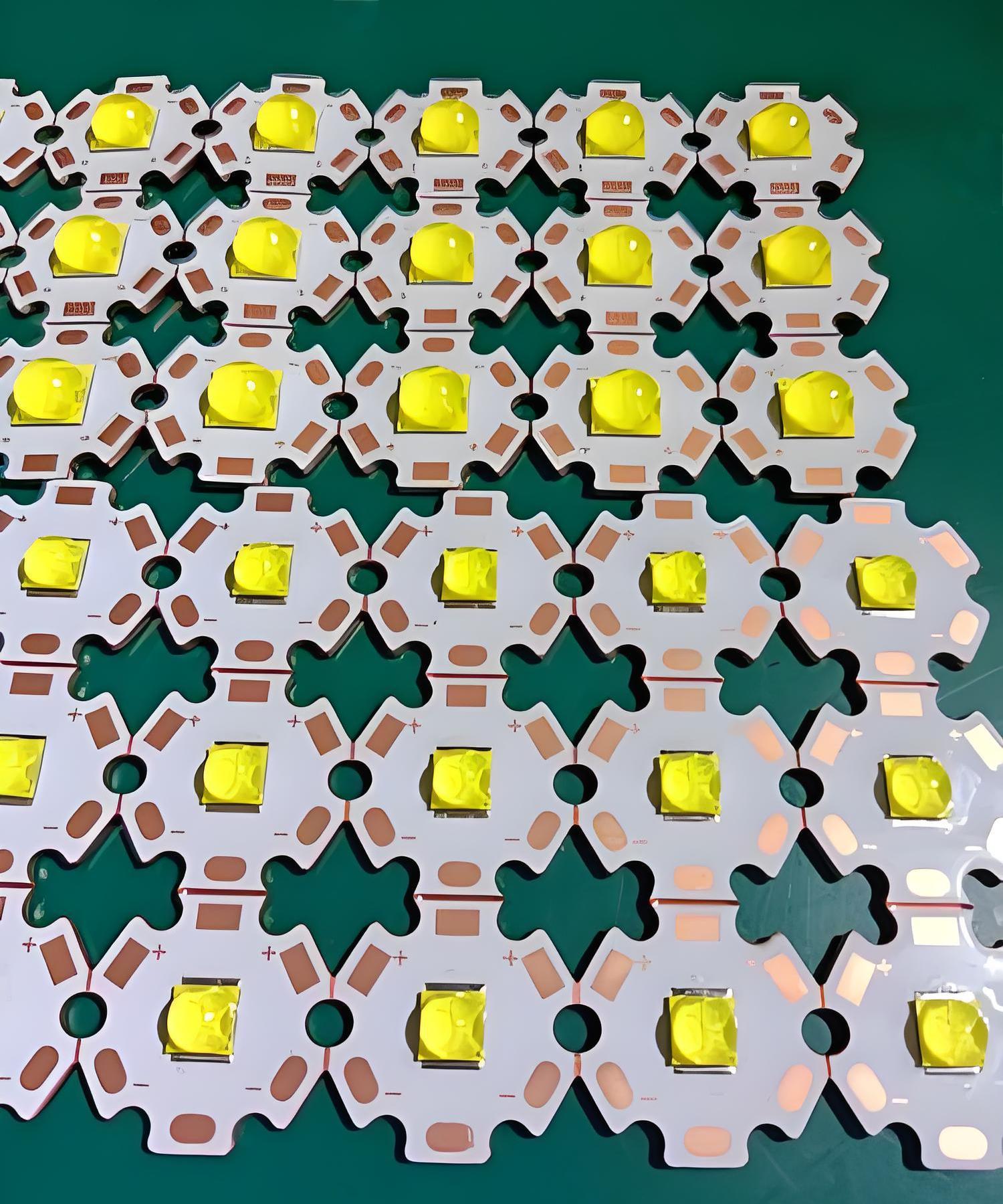
Another difference is mechanical. MCPCB boards are more robust and rigid, while FR4 can be more fragile under stress or heat. The trade-off? FR4 is cheaper. But for high-power or LED uses, MCPCB is well worth the investment.
What is the difference between ceramic PCB and Mcpcb?
Both ceramic PCBs and MCPCBs excel in thermal management. But their core material and applications differ.
Ceramic PCBs use ceramic substrates like aluminum oxide or aluminum nitride. These have excellent electrical insulation and can withstand high temperatures. They’re common in aerospace and medical electronics.
MCPCBs use a metal core with a dielectric layer. They balance thermal efficiency and cost, making them ideal for mass-market products like LED lighting.
Ceramic PCBs are better for ultra-high-performance, but MCPCBs offer a smart solution for most thermal challenges at a more affordable cost.
How thick is the copper in Mcpcb?
The copper layer thickness in MCPCB can range from 1 oz to 6 oz (35μm to 210μm). Thicker copper means:
- Better current carrying capacity
- Improved durability
- Enhanced thermal management
For LED applications, 1–2 oz is common. High-power systems may need 3 oz or more. It all depends on the current load and thermal performance needed.
What is the thermal conductivity of Mcpcb?
One of the most important specs of an MCPCB is its thermal conductivity, usually measured in W/mK.
The dielectric layer in standard MCPCBs typically ranges from 1.0 to 3.0 W/mK.
High-end materials may reach up to 10 W/mK or more.
The metal base (aluminum or copper) naturally has higher thermal conductivity. Copper can hit 390 W/mK, while aluminum is around 200 W/mK.
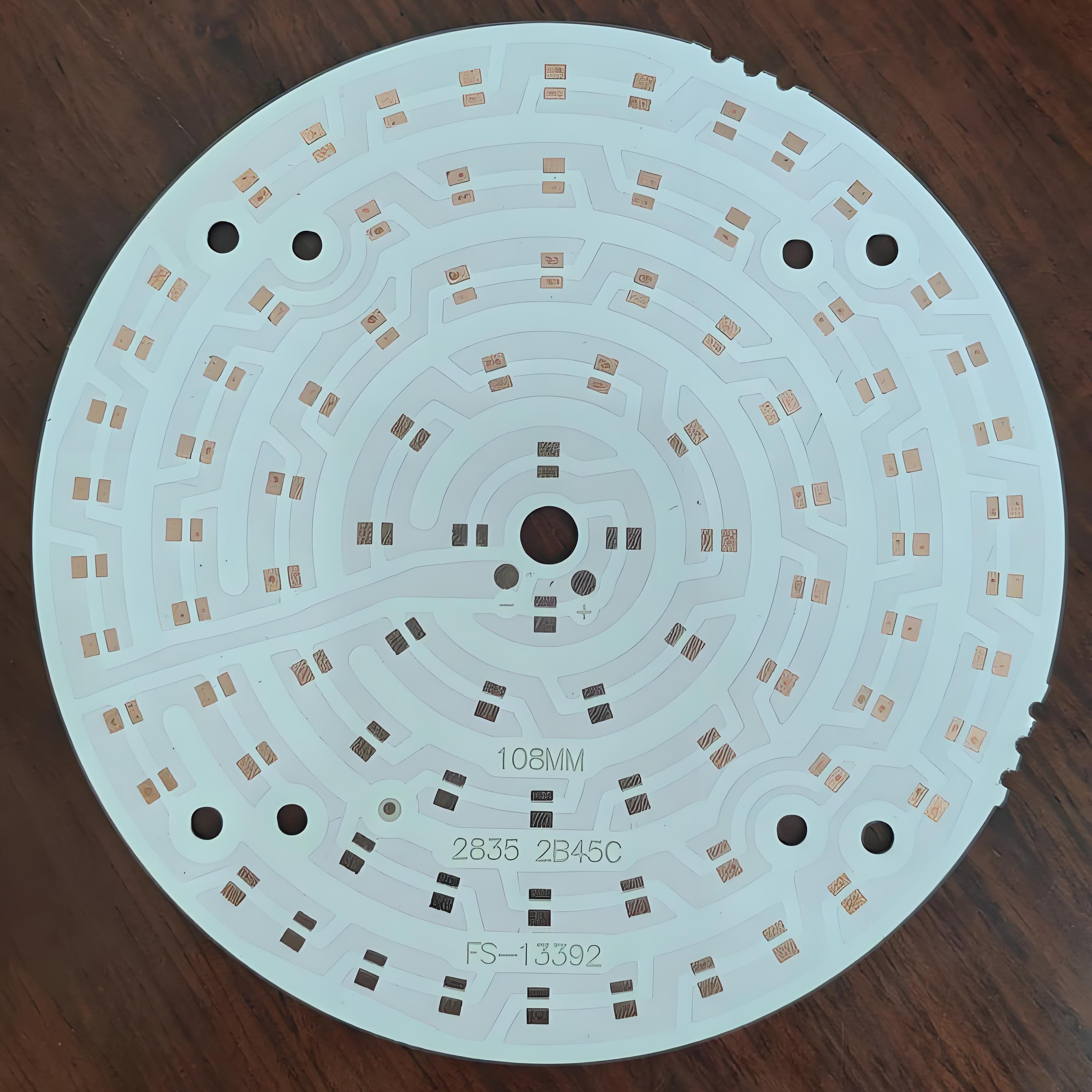
High thermal conductivity means faster heat transfer, lower operating temperatures, and greater reliability over time.
What is the use of Mcpcb?
MCPCB is used where heat is the enemy. You’ll see it in:
- LED lighting modules (street lamps, automotive lights, flashlights)
- Power converters
- Motor controllers
- Telecom base stations
- Automotive electronics
- Industrial machines
Why? Because MCPCB keeps everything cool. When heat drops, performance goes up, and failures go down.
Conclusion:
If your project demands high heat resistance, reliability, and space efficiency, MCPCB material is the key. Whether it’s for LED lighting, automotive systems, or high-performance power applications, the right mcpcb material makes all the difference.
Looking for a reliable MCPCB manufacturer? Email us at sales@bestpcbs.com