PCB manufacturing PCB manufacturing
Home > Blog

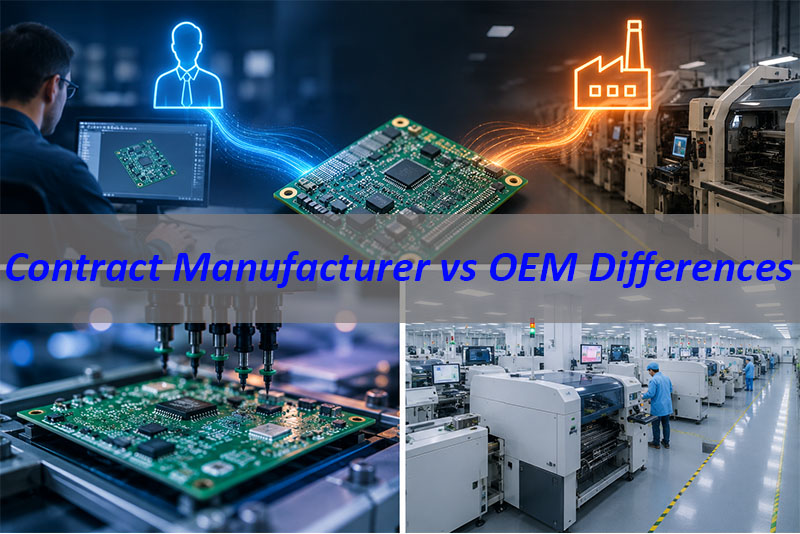
contract manufacturer vs oem differences

What are Contract Manufacturer vs OEM Differences?
Thursday, April 16th, 2026

When companies develop a new product, they often compare contract manufacturer vs OEM differences before choosing a production model. These two terms are related, but they are not the same. The choice affects product control, cost, speed, and supply chain strategy.

In electronics, this decision matters even more because production often includes PCB fabrication, component sourcing, assembly, testing, and final integration. A clear understanding of contract manufacturing vs OEM differences helps companies choose the right path and avoid confusion later.

Contract Manufacturer vs OEM Differences

What Does OEM Mean in Manufacturing?

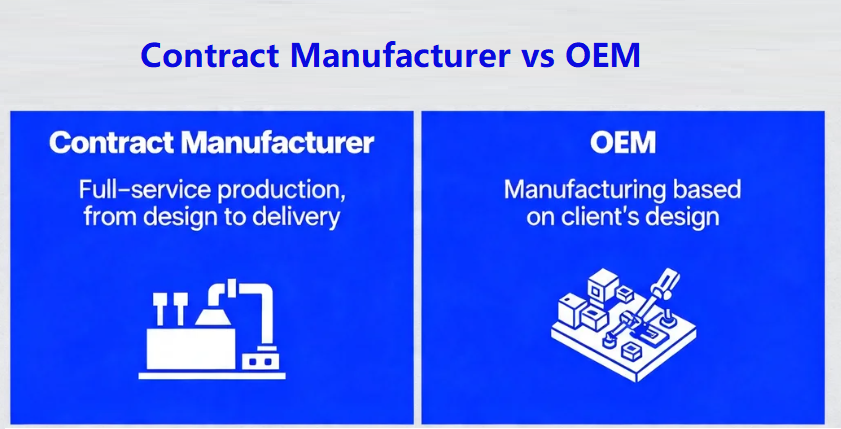
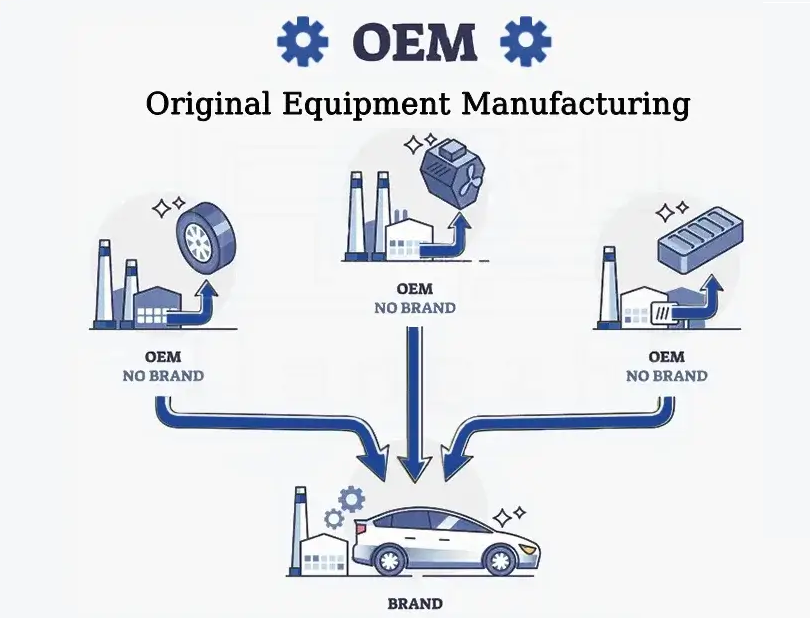
OEM stands for Original Equipment Manufacturer. An OEM produces parts or products that are used in another company’s final product. The brand owner usually controls the design, specifications, and branding.

In simple terms, an OEM builds what you design.

For example, a company may design a medical device but rely on an OEM to produce key components. The final product is sold under the brand owner’s name, not the OEM’s.

OEM relationships often focus on:

  • Strict design ownership
  • Brand control
  • Long-term supply agreements
  • High consistency in production

OEMs follow detailed instructions. They rarely make design changes unless requested. This makes them ideal for businesses that want full control over their product.

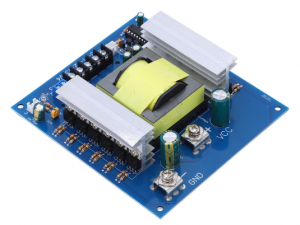
What Does OEM Mean in Manufacturing?

What Is a Contract Manufacturer and How Does It Work?

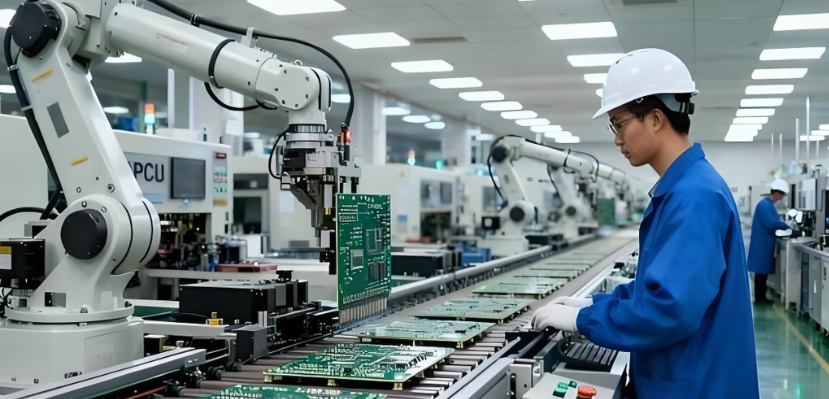
A contract manufacturer provides full production services for a client. This includes sourcing materials, assembling products, testing, and even packaging.

Unlike OEMs, contract manufacturers often support the entire production lifecycle. Here is how it usually works:

1. You provide product requirements or a design concept

2. The contract manufacturer reviews and optimizes it

3. They source components and manage production

4. They handle testing and quality control

5. Finished goods are delivered to you

This model reduces operational burden. You focus on marketing and sales while the manufacturer handles production.

Contract manufacturers are flexible. They can support low-volume prototyping and large-scale production.

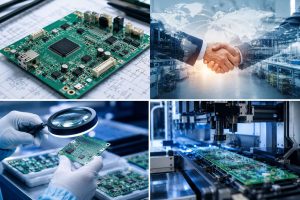
Contract Manufacturer

Contract Manufacturer

Is a Contract Manufacturer the Same as OEM?

No, they are not the same. While both produce goods, their roles differ in scope and responsibility.

An OEM focuses on manufacturing based on your design. A contract manufacturer offers a broader service that may include design support, sourcing, and logistics.

The difference lies in involvement.

  • OEM = Build exactly what you specify
  • Contract manufacturer = Support and produce your product

Some companies use both models at different stages. For example, they may start with a contract manufacturer for development, then move to an OEM for mass production.

What Are the Key Differences Between OEM and Contract Manufacturing?

Understanding the differences helps you choose the right partner. The table below highlights the main contrasts:

AspectOEMContract Manufacturer
Core RoleManufacturing onlyFull-service production partner
Design ResponsibilityClient-ownedShared or supported
FlexibilityLimitedHigh
Engineering SupportMinimalStrong
Supply ChainManaged by clientManaged by manufacturer
Time to MarketSlower if unpreparedFaster with support
Cost StructureLower unit cost at scaleIncludes service value
ScalabilityStrong for large volumesStrong for both small and large volumes

OEM focuses on execution, while contract manufacturing focuses on solutions.

Which Is Better: OEM or Contract Manufacturing for Your Business?

There is no single answer, the best choice depends on your business model, resources, and goals.

OEM is often the better choice when:

  • Your product design is fully finalized
  • You want strict control over every detail
  • You have an experienced sourcing team
  • You are producing at high volume

Contract manufacturing is often better when:

  • Your design is still evolving
  • You need engineering support
  • You want faster product launch
  • You lack internal manufacturing expertise

Startups and small teams often benefit from contract manufacturers. They reduce complexity and speed up development.

How Do Costs Compare Between OEM and Contract Manufacturing?

OEM manufacturing often offers lower per-unit cost, especially at high volumes. However, you must manage several additional areas:

  • Supplier selection
  • Component procurement
  • Inventory management
  • Quality assurance
  • Logistics coordination

Contract manufacturers include many of these services in their pricing. This may increase the upfront cost, but it reduces internal workload.

A simple way to compare:

  • OEM: Lower visible cost, higher hidden effort
  • Contract manufacturing: Higher upfront cost, lower operational burden

For many companies, the total cost becomes similar when all factors are considered.

What Are the Risks of OEM vs Contract Manufacturing?

OEM risks include:

  • Limited flexibility for design changes
  • Dependence on accurate documentation
  • Responsibility for supply chain issues
  • Longer adjustment cycles

Contract manufacturing risks include:

  • Less direct control over certain processes
  • Dependence on one supplier
  • Potential variation in service quality

These risks can be reduced through clear contracts, regular communication, and strong quality systems.

When Should You Choose a Contract Manufacturer Instead of an OEM?

There are situations where contract manufacturing clearly stands out. You should consider this model when:

  • You are launching a new product
  • Your design is not fully optimized
  • You need quick prototyping
  • Your team lacks manufacturing experience
  • You want to shorten time to market
  • You need flexibility in production volume

Contract manufacturers help reduce trial-and-error, they can guide you through early challenges and improve product readiness.

How Does EMS Fit Into OEM and Contract Manufacturing?

EMS stands for Electronics Manufacturing Services. It is a specialized segment of contract manufacturing focused on electronic products.

EMS providers offer services such as:

  • PCB assembly
  • Component sourcing
  • Functional testing
  • Final product assembly

They work closely with both OEMs and product companies.

In a typical setup:

  • A brand designs the product
  • An EMS provider manufactures and assembles it

EMS providers combine technical expertise with production capability. They play a key role in industries where precision and reliability are critical.

What Industries Prefer OEM vs Contract Manufacturing?

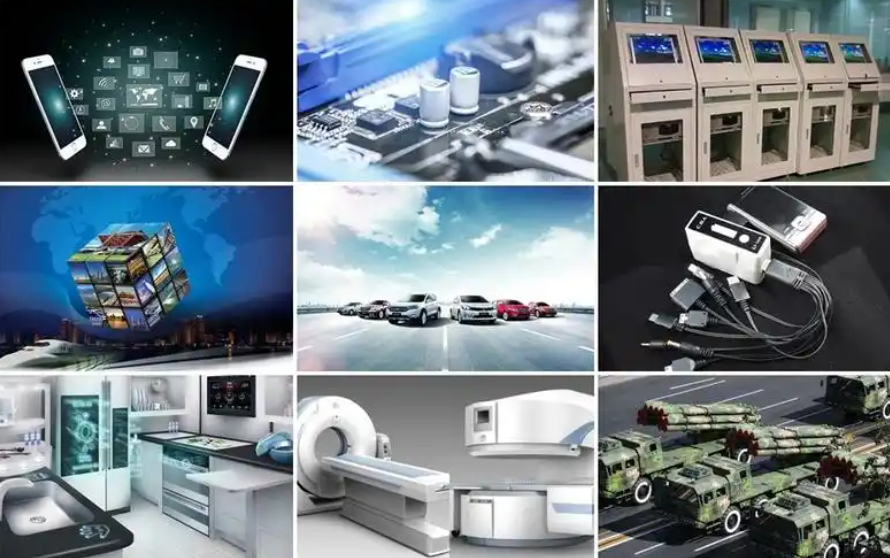
Different industries choose different models based on their needs. Industries that often prefer OEM include:

  • Automotive manufacturing
  • Aerospace systems
  • Heavy industrial equipment

These sectors require strict control, long product lifecycles, and stable designs.

Industries that often prefer contract manufacturing include:

  • Consumer electronics
  • Medical devices
  • Smart home and IoT products

These industries move quickly, they require flexibility, fast updates, and efficient scaling.

Some companies use both models within the same product line. They adjust based on product maturity and market demand.

What Industries Prefer OEM vs Contract Manufacturing?

Why Choose EBest Circuit (Best Technology) as Your Contract Manufacturer?

When selecting a contract manufacturer, technical capability alone is not enough. Reliability, responsiveness, and engineering support matter equally. Our key advantages including:

  • 20+ years of PCBA experience
  • One-stop service: PCB → Components → Assembly → Box build
  • 1+3 engineering support model
  • No MOQ for prototypes and small batches
  • Fast delivery: ~1.5 weeks PCBA turnaround
  • Full traceability system (5-second tracking)
  • Certified: ISO9001, ISO13485, IATF16949, AS9100D, UL

Clients also benefit from:

  • Quick response times for inquiries and updates
  • Transparent pricing and cost control
  • Scalable solutions that grow with your business

With a practical approach and strong technical foundation, EBest Circuit supports companies at every stage of product development.

FAQs

1. Can a company provide both OEM and contract manufacturing services?

    Yes, some manufacturers offer both models. They may produce their own products while also manufacturing custom designs for clients.

    2. Which model gives better control over product quality?

    Contract manufacturing offers more control because the client defines specifications, materials, and testing standards.

    3. Is contract manufacturing suitable for startups?

    Yes, it allows startups to bring products to market without investing in expensive production facilities.

    4. Does OEM always mean faster production?

    OEM can be faster for standard products, but it may not be flexible for custom requirements.

    5. What should I look for in a manufacturing partner?

    Key factors include experience, quality systems, communication, and the ability to scale production.

    If you are planning your next project or exploring production options, feel free to reach out for professional support: sales@bestpcbs.com

    You may also like

    Contract Manufacturer vs OEM Differences: Which to Choose?
    Thursday, March 12th, 2026

    What is a Contract Manufacturer (CM)?

    A contract manufacturer (CM) is a company hired to build products based on a customer’s design and specifications. The customer provides engineering files, bills of materials, and assembly instructions. The contract manufacturer focuses on production execution.

    In electronics manufacturing, this model is common in PCB assembly, device production, and box-build services. The client retains ownership of the product design while the CM handles the manufacturing process. Contract manufacturers operate as production specialists. Their factories often include SMT lines, testing equipment, and supply chain systems designed for high efficiency.

    Contract Manufacturer vs OEM Differences: Which to Choose?

    Typical services provided by contract manufacturers include:

    • PCB fabrication and PCB assembly
    • Component sourcing and supply chain management
    • SMT and through-hole assembly
    • Functional testing and inspection
    • Product assembly and box-build services
    • Packaging and logistics support

    For many companies, working with a CM allows them to scale production without building expensive factories. Engineering teams focus on innovation while manufacturing experts handle production complexity.

    What is an Original Equipment Manufacturer (OEM)?

    An original equipment manufacturer (OEM) traditionally refers to a company that designs and produces products under its own brand or intellectual property. The OEM is the originator of the product concept. In many industries, OEMs design systems, define product specifications, and control the product lifecycle. The manufacturing stage may happen internally or through external partners.

    For example, a company developing a medical imaging device may act as the OEM. It creates the product architecture, develops the software, and owns the technology. Production may still be outsourced to a contract manufacturer.

    In electronics and hardware industries, OEMs typically handle:

    • Product design and engineering
    • Intellectual property ownership
    • Brand development and marketing
    • Product certification and compliance
    • Market distribution and customer support

    The OEM owns the product identity. Even when manufacturing is outsourced, the OEM remains responsible for the product’s performance and reputation. OEM companies often invest heavily in research and development. Their teams include electrical engineers, mechanical designers, firmware developers, and product managers.

    What is the Difference Between OEM and Contract Manufacturer?

    The core difference between these two models lies in responsibility and ownership. The OEM creates and owns the product concept. The contract manufacturer builds the product. Both roles are essential in modern supply chains. Many successful products depend on collaboration between the two.

    The OEM develops the product. The CM produces it efficiently at scale:

    • OEM – Product creator and brand owner
    • Contract Manufacturer – Production partner executing manufacturing tasks
    AspectOEMContract Manufacturer
    Product DesignCreated by OEMProvided by customer
    Intellectual PropertyOwned by OEMNo ownership
    Brand OwnershipOEM brandNo brand involvement
    Manufacturing ResponsibilityMay outsourcePerforms production
    Engineering ControlFull design authorityManufacturing engineering only
    Market StrategyManaged by OEMNot involved
    Revenue SourceProduct salesManufacturing service fees

    OEM companies prioritize innovation, market positioning, and product differentiation. Contract manufacturers prioritize process efficiency, production quality, and cost optimization. Both roles complement each other. Many large technology companies operate successfully using this partnership model.

    Contract Manufacturer vs OEM Differences: Which to Choose?

    Contract Manufacturer vs OEM: Who Owns the Design?

    Design ownership is one of the most important factors when comparing contract manufacturer vs OEM differences.

    In almost every case, the OEM owns the product design. The OEM invests in research and development. It creates the product architecture and defines the functionality. This intellectual property belongs to the OEM. The contract manufacturer receives the design files and uses them to build the product.

    Typical documentation provided to a CM includes:

    • PCB Gerber files
    • Assembly drawings
    • Bill of materials (BOM)
    • Test procedures
    • Firmware or software packages

    The contract manufacturer does not claim ownership of these assets. It operates under manufacturing agreements that protect the customer’s intellectual property. However, contract manufacturers often contribute engineering suggestions. These recommendations help improve manufacturability and reduce cost.

    Common support provided by experienced CMs includes:

    • DFM (Design for Manufacturability) feedback
    • Component substitution advice
    • Process optimization suggestions
    • Assembly yield improvements

    Despite these contributions, the final product design still belongs to the OEM. This arrangement protects innovation while allowing production experts to refine the manufacturing process.

    What Are the Pros and Cons of Contract Manufacturing?

    Contract manufacturing has become a preferred production model across many industries. It allows companies to launch products without building large factories. However, like any strategy, it offers advantages and limitations.

    Many companies adopt contract manufacturing because it offers strong operational benefits. Key advantages include:

    • Lower capital investment
    • Access to experienced manufacturing teams
    • Scalable production capacity
    • Faster product launches
    • Reduced operational complexity

    Instead of investing millions in equipment, companies can leverage an existing manufacturing ecosystem. Contract manufacturers already operate advanced production lines, quality systems, and supply chain networks. This infrastructure allows faster product ramp-up.

    Another advantage is geographic flexibility. Production can be located near component suppliers or logistics hubs. This reduces shipping time and improves supply chain resilience.

    Although contract manufacturing offers many benefits, companies should evaluate potential challenges carefully. These may include:

    • Less direct control over production operations
    • Dependence on external manufacturing partners
    • Communication gaps during complex projects

    However, these challenges can often be minimized through strong partnerships and clear project management. Many companies maintain engineering teams that work closely with manufacturing partners to ensure smooth collaboration. When communication is effective, contract manufacturing becomes a powerful growth tool.

    What Are the Pros and Cons of Working with an OEM?

    Working with an OEM presents a different business dynamic. OEM relationships often occur when companies integrate another firm’s technology into their own product. For example, a medical equipment manufacturer may integrate an OEM power module or control board.

    OEM relationships often provide access to proven technology and established engineering expertise. Benefits commonly include:

    • Access to specialized technology
    • Reduced product development time
    • Reliable component integration
    • Engineering support from the OEM

    Using OEM components allows companies to accelerate product development. Instead of building every subsystem from scratch, they integrate existing modules. This approach is common in industries such as automotive electronics, industrial automation, and telecommunications equipment.

    While OEM partnerships are valuable, companies should evaluate certain limitations. These may include:

    • Limited control over design changes
    • Dependency on OEM product availability
    • Potential supply chain constraints

    In many cases, companies mitigate these concerns by qualifying multiple suppliers or maintaining engineering alternatives. The key advantage remains clear: OEM partnerships reduce development complexity and accelerate product readiness.

    Contract Manufacturer vs OEM Differences: Which to Choose?

    How Do Cost and Pricing Differ Between CM and OEM?

    Cost structure is another critical factor when examining contract manufacturer vs OEM differences. The pricing model varies significantly between these two roles. Contract manufacturers charge for manufacturing services. Their revenue comes from production activities rather than product ownership.

    Typical CM pricing elements include:

    • Assembly labor
    • Equipment usage
    • Component sourcing services
    • Testing and inspection
    • Logistics and packaging

    The OEM pays these costs while maintaining control over the product. OEM companies generate revenue differently. They sell the finished product to distributors, integrators, or end users.

    Their pricing includes:

    • Product development costs
    • Engineering investment
    • Brand value and marketing
    • Manufacturing expenses
    • Profit margin
    Cost FactorOEMContract Manufacturer
    Revenue SourceProduct salesManufacturing service fees
    Pricing ControlFull controlBased on production costs
    R&D InvestmentHighMinimal
    Equipment OwnershipMay varyOwned by CM
    Profit ModelProduct marginManufacturing margin

    Because contract manufacturers specialize in production efficiency, they often achieve lower per-unit manufacturing costs. OEM companies benefit from this efficiency while focusing resources on product innovation and market expansion.

    What Is the Difference in Quality Control Between CM and OEM?

    Quality control plays a vital role in electronics manufacturing. Both OEMs and contract manufacturers participate in quality assurance, but their responsibilities differ. The OEM defines product requirements and quality standards. The contract manufacturer executes the inspection and testing processes.

    Typical responsibilities are distributed as follows:

    OEM responsibilities

    • Define product specifications
    • Establish reliability requirements
    • Approve testing procedures
    • Validate design performance

    Contract manufacturer responsibilities

    • Perform manufacturing inspections
    • Execute testing procedures
    • Monitor process stability
    • Document traceability records

    Professional contract manufacturers often maintain advanced quality systems. These systems typically include:

    • Automated Optical Inspection (AOI)
    • X-ray inspection for hidden joints
    • Functional testing platforms
    • Statistical process control
    • Full production traceability

    For regulated industries such as medical electronics or aerospace hardware, certifications are critical.

    Quality-driven contract manufacturers often maintain certifications such as:

    • ISO 9001
    • ISO 13485
    • IATF 16949
    • AS9100

    These certifications ensure that production processes meet strict industry standards. The OEM remains responsible for final product approval, but the manufacturing partner performs daily quality monitoring.

    Contract Manufacturer vs OEM Differences: Which to Choose?

    How to Choose Between Contract Manufacturer vs OEM?

    Choosing the right model depends on the company’s business strategy, engineering capabilities, and production scale. Companies should evaluate several key factors before making a decision.

    • 1. Product Development Capability

    If your company has strong engineering resources, acting as the OEM and outsourcing production may be the best option. This approach allows full control over product innovation. If engineering capability is limited, partnering with OEM suppliers for subsystems may accelerate development.

    • 2. Manufacturing Infrastructure

    Building factories requires significant investment. Contract manufacturing eliminates the need for expensive production equipment. This model is especially attractive for startups and fast-growing technology companies.

    • 3. Production Volume

    High production volumes often benefit from specialized contract manufacturers. They already operate large-scale production lines optimized for efficiency. Low-volume projects may still benefit from outsourcing because setup costs remain manageable.

    • 4. Time-to-Market Requirements

    Launching products quickly can provide a competitive advantage. Contract manufacturers often reduce production ramp time. Their existing infrastructure allows faster manufacturing readiness.

    • 5. Supply Chain Complexity

    Electronics manufacturing involves complex supply chains. Experienced contract manufacturers maintain strong supplier networks. This can improve component availability and cost efficiency.

    • 6. Quality and Compliance

    Products in regulated industries require strict quality control. Selecting a manufacturing partner with proven certifications ensures compliance with industry standards. Ultimately, the choice is rarely absolute. Many successful companies operate as OEMs while relying heavily on contract manufacturers for production.

    Conclusion:

    Understanding the contract manufacturer vs OEM differences helps companies make smarter production decisions. An OEM focuses on product creation, intellectual property, and market strategy. A contract manufacturer specializes in efficient and reliable production.

    For electronics companies seeking reliable PCB and PCBA production support, working with an experienced manufacturing partner can simplify the entire process.

    Best Technology provides comprehensive PCB fabrication and PCBA assembly services for global customers. Our engineering teams support projects from prototype development to mass production, ensuring stable quality and rapid delivery.

    If you are exploring manufacturing partnerships or planning a new electronics product, our team will be happy to help. Contact us at: sales@bestpcbs.com

    You may also like