What Is a Multilayer Ceramic Circuit Board?
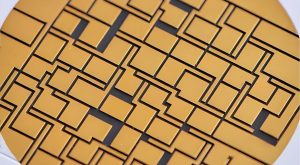
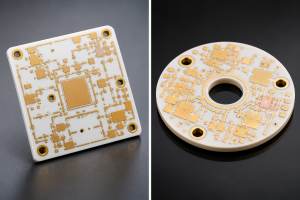
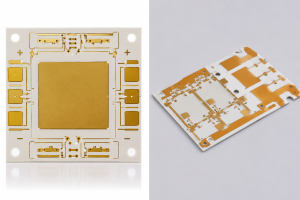
Multilayer Ceramic Circuit Board is a circuit structure built with multiple conductive layers inside or on a ceramic substrate. Instead of using glass-reinforced epoxy, like a standard FR4 board, it uses ceramic materials such as alumina, aluminum nitride, silicon nitride, or low-temperature co-fired ceramic materials. These materials give the board strong thermal performance, stable electrical behavior, and excellent mechanical reliability in demanding applications.
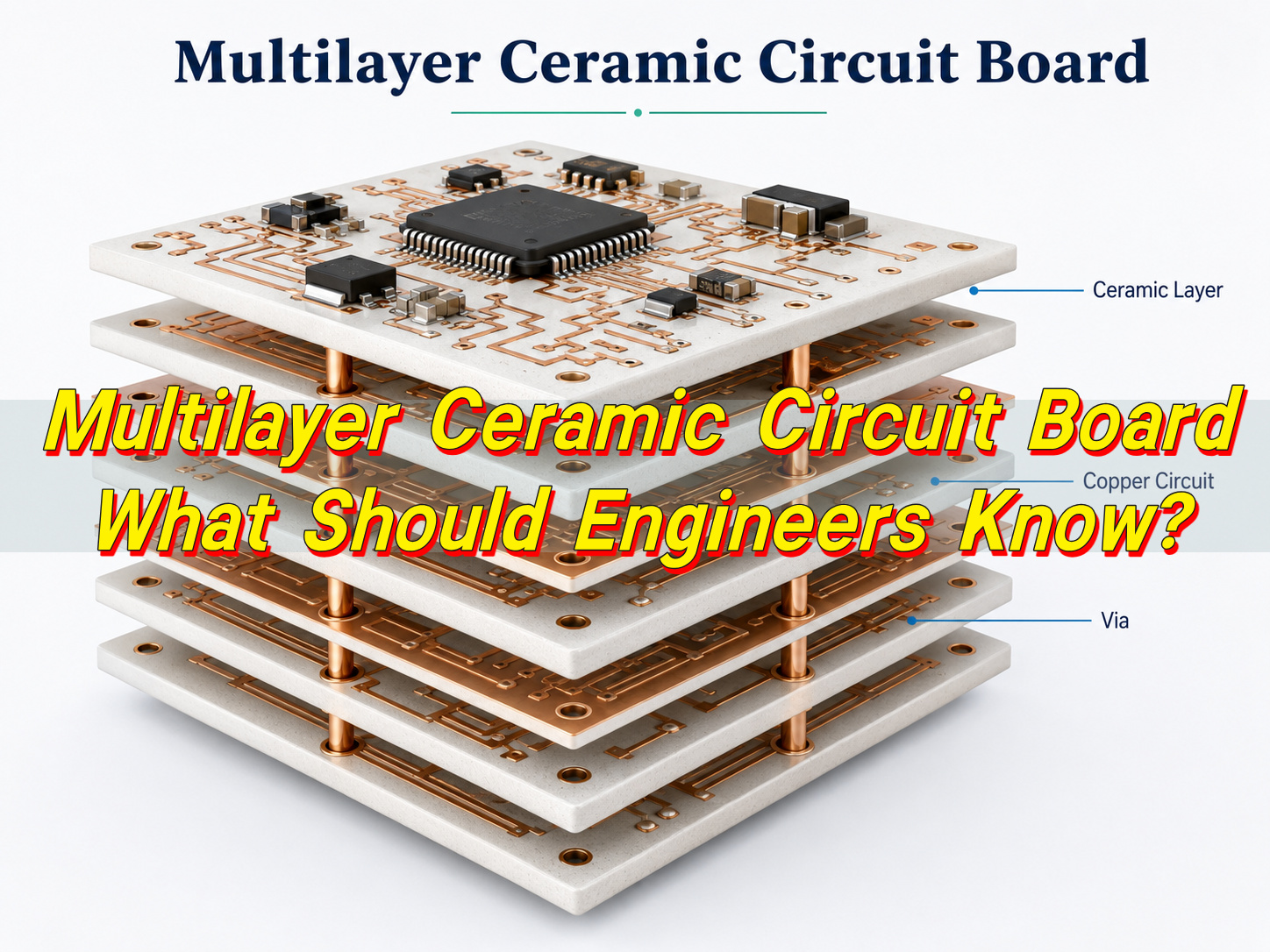
A multilayer ceramic substrate is usually designed with several internal layers. These layers may include signal traces, ground planes, power planes, buried vias, thermal vias, and pads for components. The internal structure allows engineers to place more circuits into a smaller area while keeping the board stable and efficient. Compared with a single-layer ceramic board, the multilayer version offers more design freedom and better electrical integration.
The term “multilayer ceramics” can refer to different technologies. Some boards are made by stacking ceramic green sheets and co-firing them with metal paste. Others use post-fired ceramic substrates with plated copper structures. The right technology depends on the required line width, copper thickness, thermal conductivity, operating frequency, and production volume.
How Does a Multilayer Ceramic PCB Work?
Multilayer ceramic PCB works by combining several conductive layers with insulating ceramic layers. Each conductive layer has a specific electrical role. Some layers carry signals, some distribute power, and some act as ground planes.
The ceramic material acts as the dielectric body. It separates the copper, tungsten, molybdenum, silver, or gold conductor layers while providing electrical insulation. At the same time, ceramic conducts heat better than many organic PCB materials. This allows heat generated by power devices, LEDs, resistors, or RF components to move away from hot spots more efficiently.
In high-speed or RF designs, the ceramic substrate also helps keep electrical performance stable. Ceramic materials usually have controlled dielectric properties, low moisture absorption, and good dimensional stability. This helps the board maintain signal quality across temperature changes and long-term use.
A typical multilayer ceramic circuit structure may include:
- Signal layers for routing compact circuits and component connections.
- Ground layers for shielding, return current control, and noise reduction.
- Power layers for stable voltage distribution.
- Via structures for vertical interconnection between layers.
- Thermal paths for transferring heat from components to the base or housing.
The design principle is simple, but the execution requires precision. The inner layers must align correctly. Via filling must be reliable. The ceramic body must be fired or processed under controlled conditions.
| Item | Standard FR4 Multilayer Circuit Board | Multilayer Ceramic Circuit Board |
|---|---|---|
| Base Material | Glass fiber and epoxy resin | Alumina, AlN, Si₃N₄, LTCC, or other ceramics |
| Thermal Conductivity | Moderate | High to very high, depending on ceramic type |
| Dimensional Stability | Good for common electronics | Excellent under heat and harsh use |
| Moisture Absorption | Higher than ceramic | Very low |
| Common Use | Consumer electronics, control boards, general PCB assemblies | Power electronics, RF modules, sensors, medical, automotive, LED, aerospace |
| Main Advantage | Cost efficiency and broad availability | Heat control, compact structure, high reliability |
How Is a Multilayer Ceramic Circuit Board Manufactured?
The manufacturing process depends on the selected ceramic technology. However, the general target is always the same: create a stable ceramic body with precise internal conductive layers and reliable vertical interconnections. For this reason, the process requires strict control of materials, layer registration, firing temperature, conductor shrinkage, and surface finish.
For LTCC and HTCC structures, production often starts with ceramic green tape. This tape is a flexible ceramic sheet before firing. The manufacturer punches or drills via holes, fills them with conductive paste, prints circuit patterns, stacks the layers, laminates them under pressure, and then fires the structure at a controlled temperature. During firing, the ceramic and conductor system become a solid integrated body.
For post-fired ceramic PCB manufacturing, the ceramic substrate may be prepared first, and then copper circuits are built by metallization, plating, etching, or film deposition. This route is often used when higher copper conductivity or thicker copper is needed.
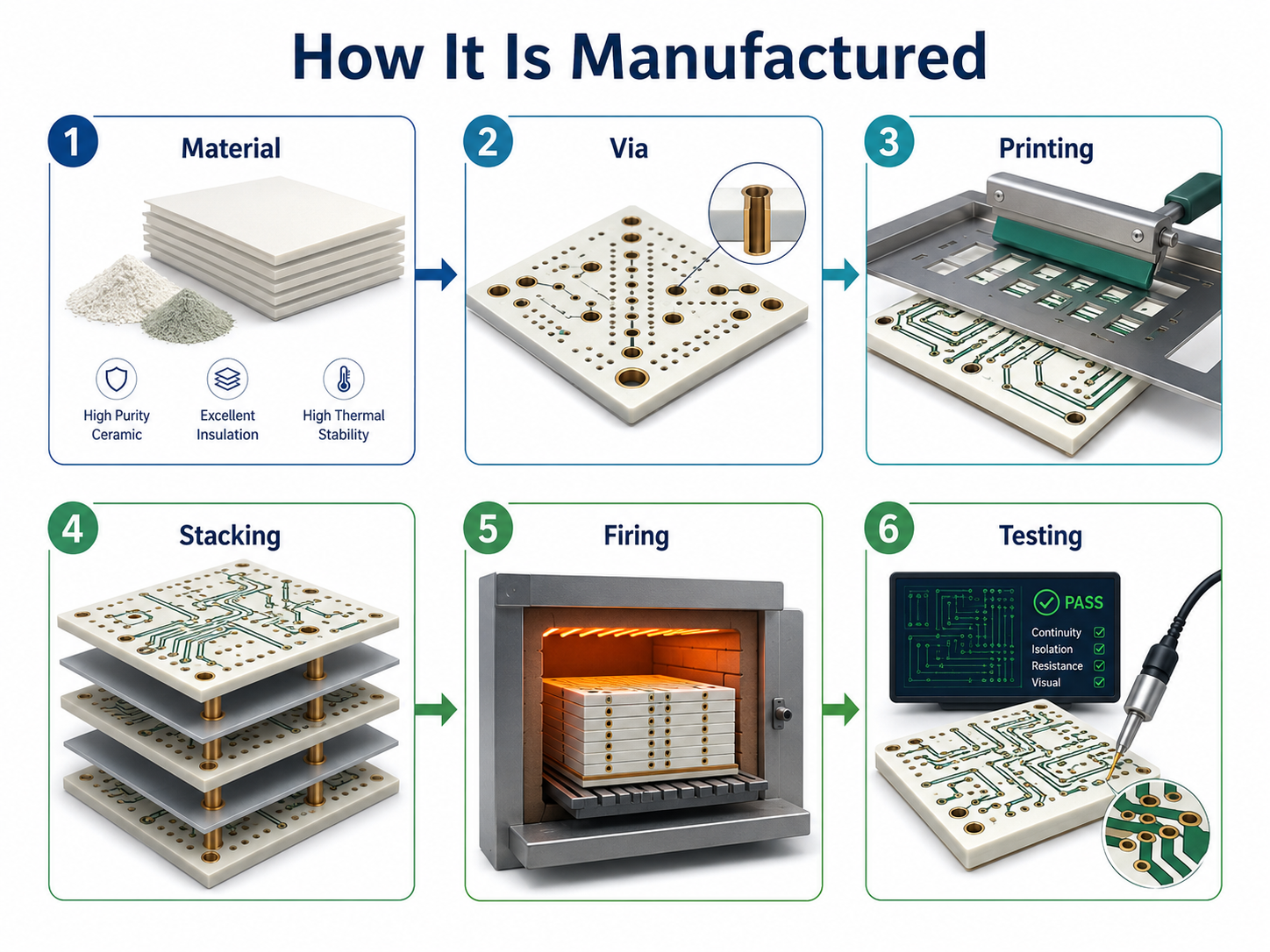
A common multilayer ceramic PCB manufacturing flow may include:
- Material selection: Choose alumina, AlN, Si₃N₄, LTCC, or another ceramic based on heat, dielectric, and mechanical needs.
- Stack-up design review: Confirm layer count, conductor width, spacing, via size, dielectric thickness, and thermal path.
- Via formation: Create vertical holes by punching, laser processing, or drilling, depending on the process.
- Via filling and conductor printing: Fill vias and print inner circuit layers using suitable conductive material.
- Layer stacking and alignment: Stack all layers with accurate registration to protect electrical continuity.
- Lamination or bonding: Press layers together under controlled temperature and pressure.
- Firing or metallization: Sinter the ceramic body or build copper after ceramic firing.
- Surface finishing: Apply suitable finish for soldering, wire bonding, or component attachment.
- Inspection and testing: Use visual inspection, electrical testing, dimensional measurement, and reliability checks.
EBest Circuit (Best Technology) supports ceramic PCB manufacturing with engineering review, material selection, DFM feedback, and production process control. For multilayer ceramic projects, this early review is especially useful because design choices made at the beginning directly affect yield, cost, and long-term product reliability.
What Should Be Considered in Multilayer Circuit Board Design?
Multilayer circuit board design for ceramic substrates requires a slightly different mindset from FR4 design. Engineers should not treat ceramic as just another base material. Ceramic has its own processing rules, strength profile, copper bonding behavior, dielectric behavior, and thermal characteristics.
The first point is material choice. Alumina is widely used because it offers good insulation, stable performance, and attractive cost control. Aluminum nitride is preferred when thermal conductivity is a key requirement. Silicon nitride is useful where mechanical toughness and thermal cycling resistance matter. LTCC materials are often selected for compact RF modules, sensors, and embedded passive designs.
The second point is the layer structure. Engineers should decide which layers will carry signals, which layers will act as ground, and which paths will move heat away from components. In compact power or RF designs, a ground plane is not only an electrical reference. It may also help reduce noise, improve shielding, and stabilize impedance.
Designers also need to consider via diameter, via pitch, conductor thickness, minimum spacing, solder pad size, board thickness, edge clearance, and surface finish. Ceramic is hard and dimensionally stable, which is excellent for many uses.
Here is a practical design comparison:
| Design Factor | Why It Matters | Engineering Recommendation |
|---|---|---|
| Ceramic Material | Affects heat transfer, dielectric behavior, cost, and strength | Select material according to power, frequency, size, and environment |
| Layer Count | Controls routing density and board thickness | Use only the required number of layers to balance function and cost |
| Via Structure | Determines vertical connection and current path | Match via size and filling method with process capability |
| Ground Plane | Improves signal return path and shielding | Use continuous ground where RF or high-speed signals are present |
| Thermal Path | Reduces component temperature rise | Place thermal vias or heat-spreading layers close to heat sources |
| Copper Thickness | Affects current carrying and heat spreading | Choose based on current load and assembly needs |
| Pad Design | Affects solder quality and component stability | Follow component footprint and ceramic process rules |
| Surface Finish | Affects solderability and wire bonding | Select ENIG, silver, gold, or other finish based on assembly method |
A well-designed multilayer ceramic board is not only smaller. It is also easier to assemble, easier to test, and more reliable in service. Therefore, engineers should involve the manufacturer early, especially when the design includes fine lines, high thermal load, RF routing, or special component packaging.
How Are Inner Layers Connected in a Multilayer Ceramic PCB?
Inner layers in a multilayer ceramic PCB are connected through vias. These vias create vertical electrical paths between different conductive layers. Without vias, each layer would remain isolated, and the board could not function as an integrated multilayer circuit.
The via structure may vary according to the ceramic process. In co-fired ceramic technology, vias are usually formed in the green tape before firing. They are then filled with conductive paste. After stacking and firing, the via becomes part of the ceramic body. In plated ceramic processes, vias may be laser-drilled or mechanically processed, then metallized and plated to form a conductive barrel.
There are several via types that may be used in multilayer ceramic designs:
| Via Type | Description | Typical Use |
|---|---|---|
| Through Via | Connects from the top layer to the bottom layer | General interconnection and test access |
| Blind Via | Connects an outer layer to one or more inner layers | Compact routing and HDI-style layouts |
| Buried Via | Connects only internal layers | Dense routing without occupying outer-layer space |
| Filled Via | Via hole is filled with conductive or non-conductive material | Heat transfer, current carrying, or flat pad support |
| Thermal Via | Designed mainly to move heat | Power devices, LEDs, modules, and heat-sensitive circuits |
For power electronics, vias must also carry current and heat. A via that only works electrically may not be enough. The designer may need a via array under power components, a copper-filled structure, or direct thermal connection to a metal base or heat sink. In RF circuits, via placement affects grounding and shielding. Poor via distribution can increase parasitic effects, while a carefully designed via fence can improve isolation.
Can Multilayer Ceramic PCBs Support High-Density Circuits?
Yes, multilayer ceramic PCBs can support high-density circuits when the process and design rules are properly matched. Their multilayer structure allows more routing channels within a smaller footprint. This is helpful for compact modules, sensor packages, RF front-end circuits, LED arrays, power control units, and advanced industrial electronics.
High-density design is not only about placing many traces in a small area. It also requires stable insulation, precise via registration, controlled conductor geometry, and reliable assembly pads. Ceramic substrates offer strong dimensional stability, which helps maintain fine features during processing and use.
LTCC is especially useful for compact high-density designs. It can integrate internal conductors, vias, cavities, and sometimes passive structures. This makes it suitable for RF modules, filters, antennas, sensor packages, and compact electronic assemblies.
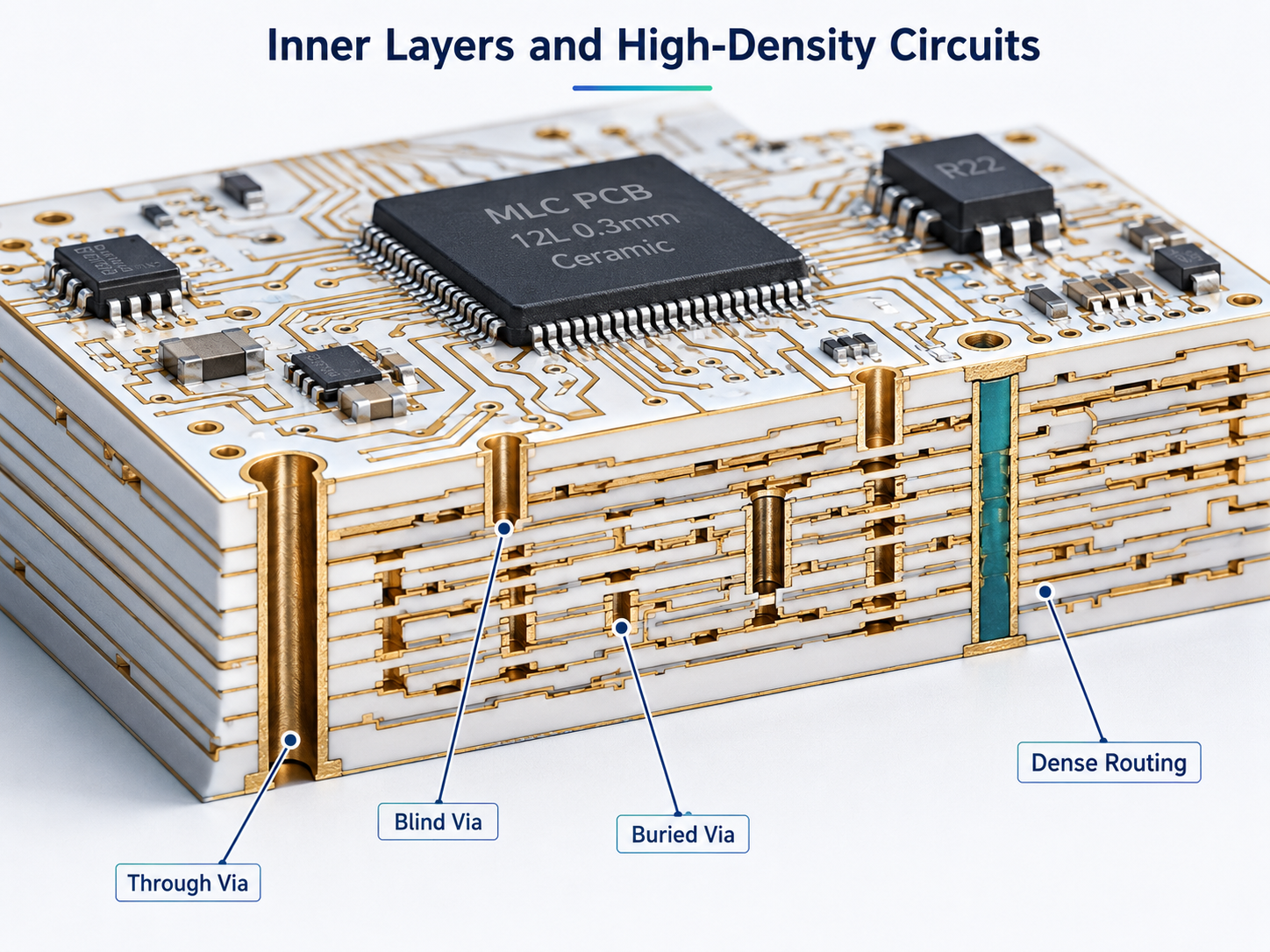
For dense ceramic circuit boards, engineers should pay attention to:
- Routing priority: Place sensitive signals first, then power and support traces.
- Ground control: Use ground planes and via stitching to manage return paths.
- Thermal mapping: Identify heat sources before finalizing layer placement.
- Assembly clearance: Keep enough room for soldering, inspection, and rework evaluation.
- Panelization: Consider breakaway design, edge strength, and handling during production.
- Testing access: Add test points or inspection features where space allows.
A high-density multilayer ceramic substrate can be powerful when designed with discipline. It can reduce module size while improving heat flow and electrical stability.
What Are the Benefits of Multilayer Ceramic Circuit Boards?
The benefits of multilayer ceramic circuit boards come from the combination of ceramic insulation, dense interconnection, and excellent thermal behavior.
One major benefit is thermal management. Ceramic materials can transfer heat more effectively than many organic PCB materials. Aluminum nitride, in particular, offers high thermal conductivity, making it suitable for power modules, high-brightness LEDs, laser devices, and compact electronics with concentrated heat sources.
Another benefit is electrical stability. Ceramic substrates usually have low moisture absorption and stable dielectric properties. This supports RF performance, high-frequency behavior, and long-term signal integrity. For products working in changing temperatures or demanding environments, that stability is highly valuable.
Mechanical and chemical resistance also matter. Ceramic boards can perform well in high-temperature, high-voltage, or chemically challenging conditions. They keep their shape well and provide a strong platform for precision circuits.
Key benefits include:
- Efficient heat dissipation for power components and high-brightness devices.
- Compact multilayer routing for smaller electronic modules.
- Stable dielectric behavior for RF, sensor, and high-frequency circuits.
- Low moisture absorption for dependable operation in harsh environments.
- Strong insulation for high-voltage or high-reliability circuits.
- Excellent dimensional stability for precise assembly and fine features.
- Good long-term reliability for automotive, medical, aerospace, and industrial uses.
Compared with a standard multilayer circuit board, ceramic multilayer technology is not always chosen for basic consumer electronics. Its value becomes clear when the application needs heat control, compact design, stable electrical properties, or rugged operation.
What Are the Common Applications of Multilayer Ceramic PCBs?
Multilayer ceramic PCBs are used in applications where performance, space, and reliability are all important. They are especially valuable when the circuit must handle heat, maintain electrical stability, or operate in demanding conditions..
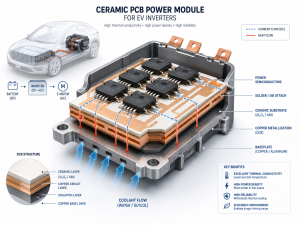
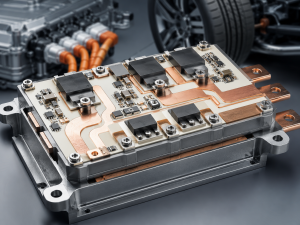
In power electronics, ceramic boards are used for modules, drivers, converters, inverters, and power control systems. The ceramic body helps move heat away from power semiconductors. This supports better operating temperature control and longer component life.
In RF and microwave devices, ceramic materials provide stable dielectric behavior. This makes them suitable for filters, antennas, amplifiers, radar-related modules, communication systems, and high-frequency sensor packages.
In medical electronics, ceramic boards may be used in sensors, diagnostic modules, imaging equipment, wearable devices, and precision control systems. These products often require stable performance, compact design, and dependable insulation.
In automotive and aerospace electronics, ceramic multilayer boards support harsh-environment applications, including power control, sensor systems, lighting, and communication modules.
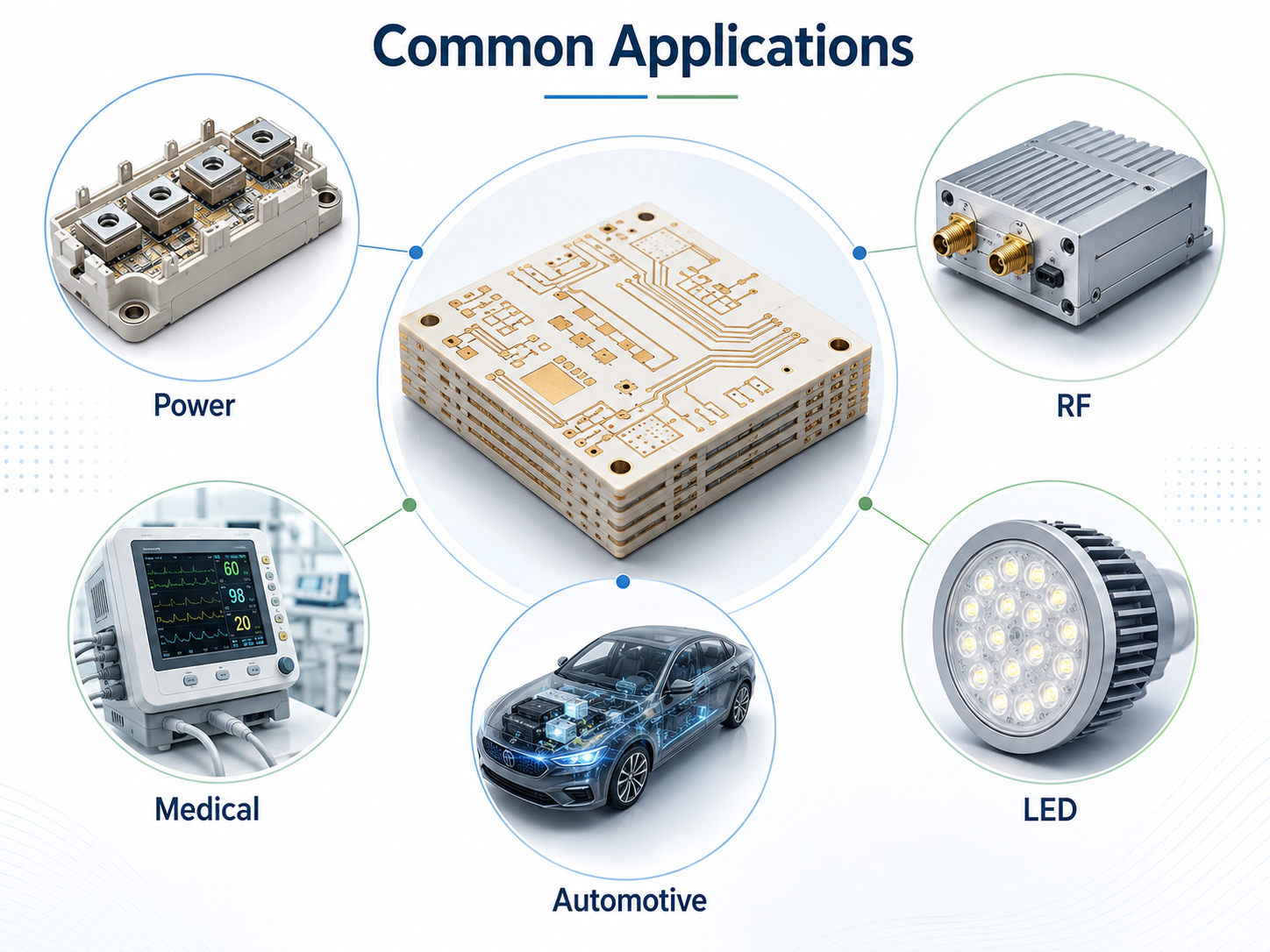
Common application areas include:
- Power modules and semiconductor packaging.
- High-brightness LED and laser systems.
- RF and microwave communication modules.
- Industrial sensors and control circuits.
- Medical diagnostic and monitoring equipment.
- Automotive electronics and EV-related power systems.
- Aerospace, UAV, and defense-grade electronic modules.
- High-temperature electronics and precision instruments.
The application range continues to expand because electronics are becoming smaller, hotter, and more function-rich. A multilayer ceramic circuit structure helps engineers fit more capability into limited space while keeping the product stable and manufacturable.
How Do You Choose a Reliable Multilayer Ceramic PCB Manufacturer?
Choosing the right manufacturer is one of the most important decisions in a multilayer ceramic PCB project. Ceramic multilayer boards require more than basic PCB production ability. The manufacturer should understand ceramic materials, stack-up control, via processing, metallization, firing behavior, surface finish, assembly compatibility, and inspection standards.
A reliable manufacturer should first review the design from an engineering perspective. This includes checking material choice, conductor width, spacing, via size, layer count, thermal path, pad design, and expected assembly method. Good DFM feedback can help engineers improve the design before production begins. This saves time and improves first-pass success.
The manufacturer should also have experience with different ceramic materials. Alumina, aluminum nitride, silicon nitride, LTCC, and other multilayer ceramics do not behave the same way during processing. Each material has its own thermal performance, mechanical strength, dielectric value, and processing window.
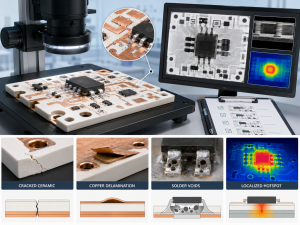
Quality control is another key factor. Ceramic boards should be inspected for dimensions, layer alignment, circuit continuity, surface quality, plating quality, solderability, and visual defects. For advanced projects, additional checks such as X-ray inspection, cross-section analysis, thermal testing, and reliability testing may be needed.
When evaluating a manufacturer, engineers can use this checklist:
| Evaluation Point | What to Check | Why It Matters |
|---|---|---|
| Ceramic Material Capability | Alumina, AlN, Si₃N₄, LTCC, DPC, DBC, or other options | Ensures the right substrate for thermal and electrical needs |
| Multilayer Process Experience | Layer alignment, via filling, lamination, firing, metallization | Protects inner-layer reliability |
| DFM Support | Stack-up review, pad review, via review, process advice | Reduces design risk before fabrication |
| Testing Capability | Electrical test, dimensional inspection, visual inspection, X-ray when needed | Confirms product quality before shipment |
| Assembly Knowledge | Soldering, wire bonding, component placement, thermal interface | Improves compatibility with PCBA production |
| Engineering Communication | Clear feedback, fast response, practical suggestions | Helps projects move faster and with fewer revisions |
| Traceability | Material batch, process record, inspection data | Supports quality control and regulated applications |
EBest Circuit (Best Technology) can support customers from ceramic PCB design review to fabrication and assembly-related engineering discussion. For multilayer ceramic projects, the team can help evaluate material options, stack-up feasibility, via structure, surface finish, thermal path, and manufacturing risk. This is especially helpful for engineers working on power electronics, RF modules, medical devices, industrial control systems, LED products, UAV electronics, and high-reliability applications.
For project support or quotation requests, contact sales@bestpcbs.com