PCB manufacturing PCB manufacturing
Home > Blog

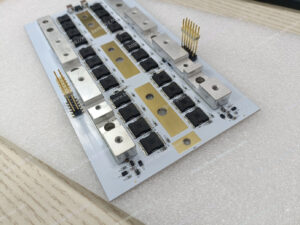
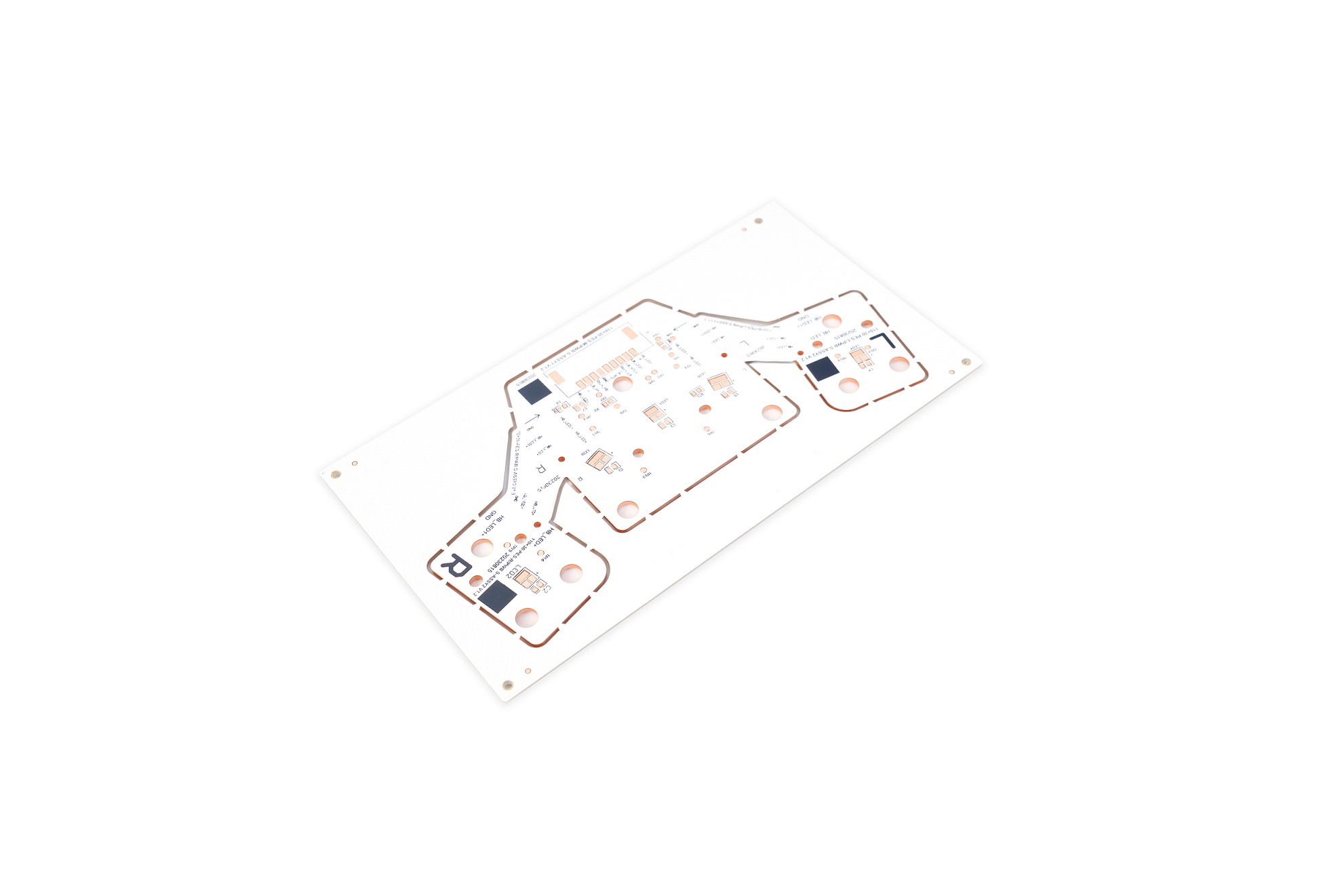
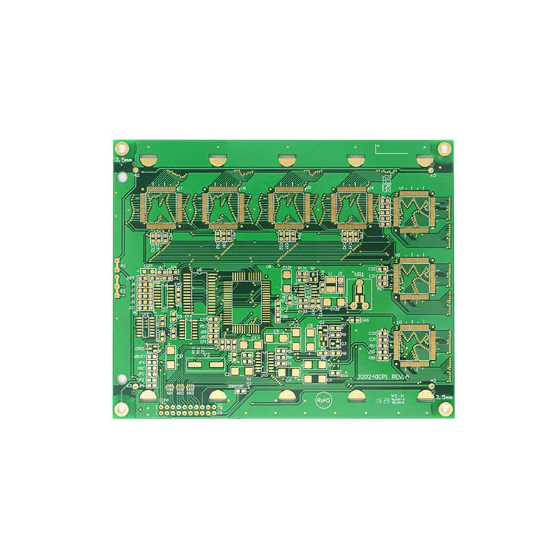
What is Rigid-flex aluminum substrate? Aluminum Flex-Rigid PCB

August 8th, 2025

What is a rigid-flex aluminum substrate?

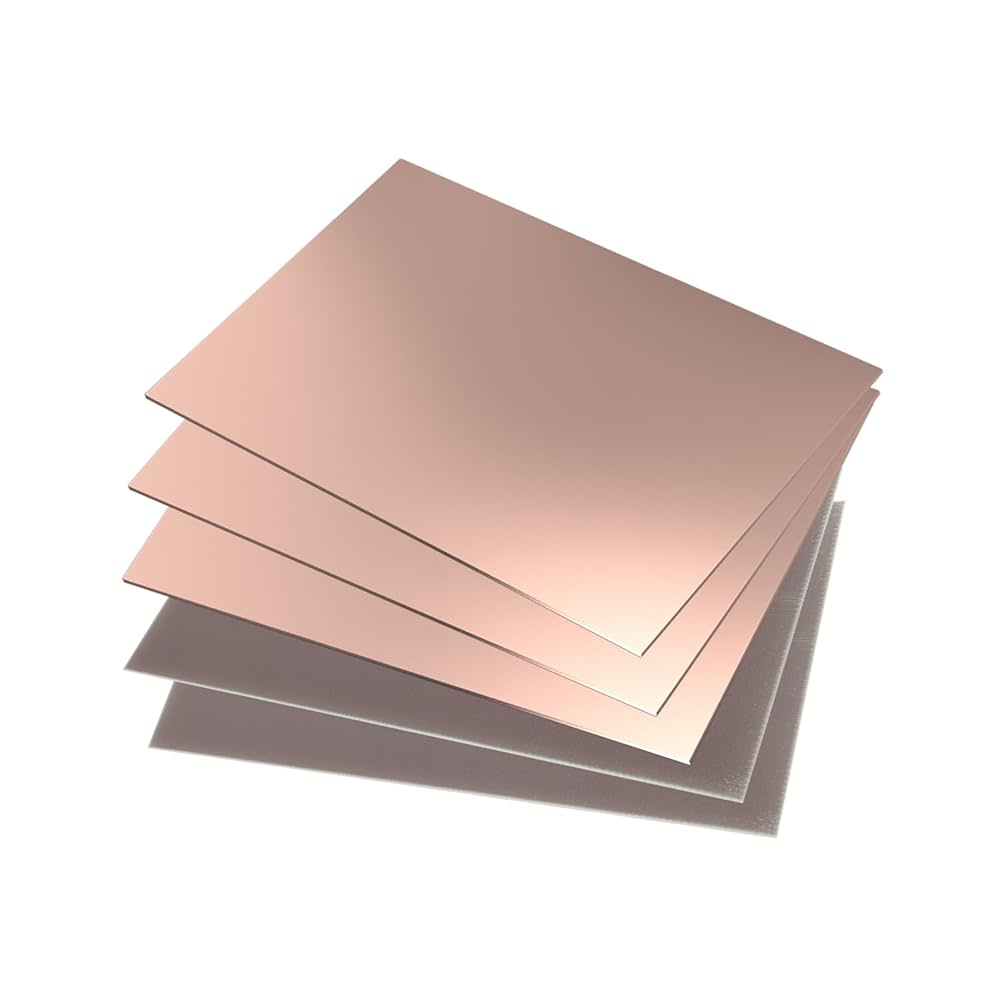
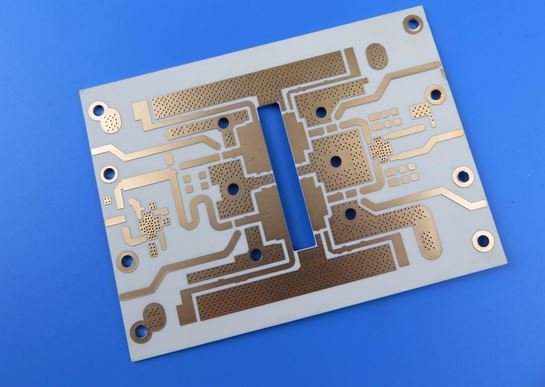
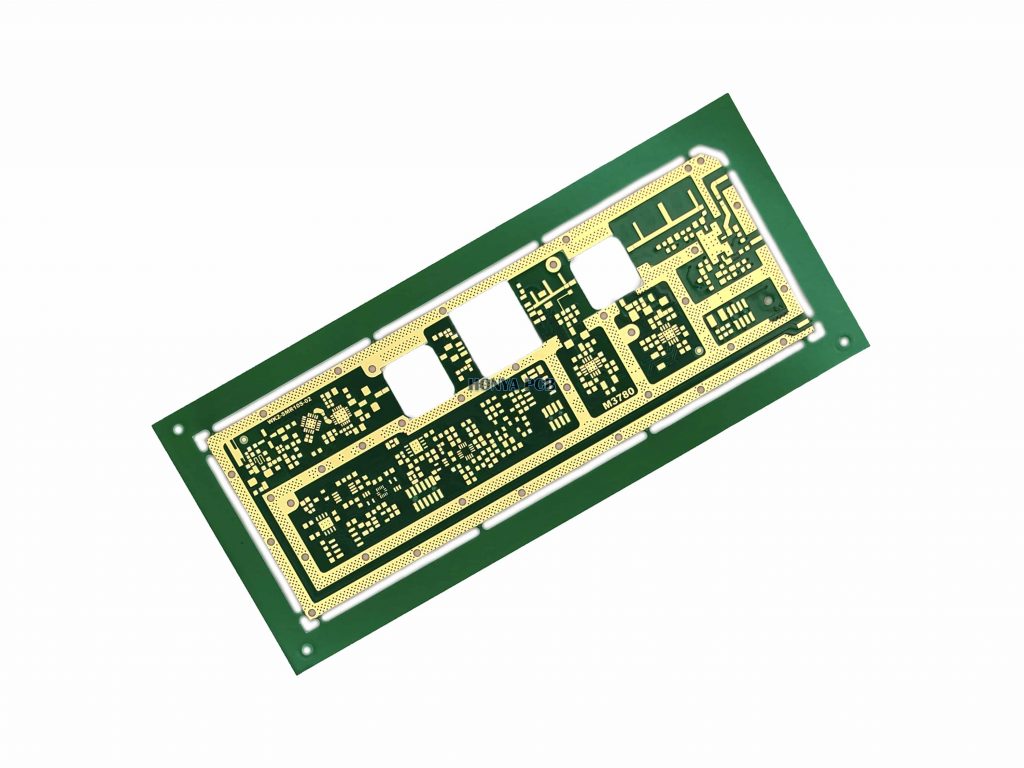
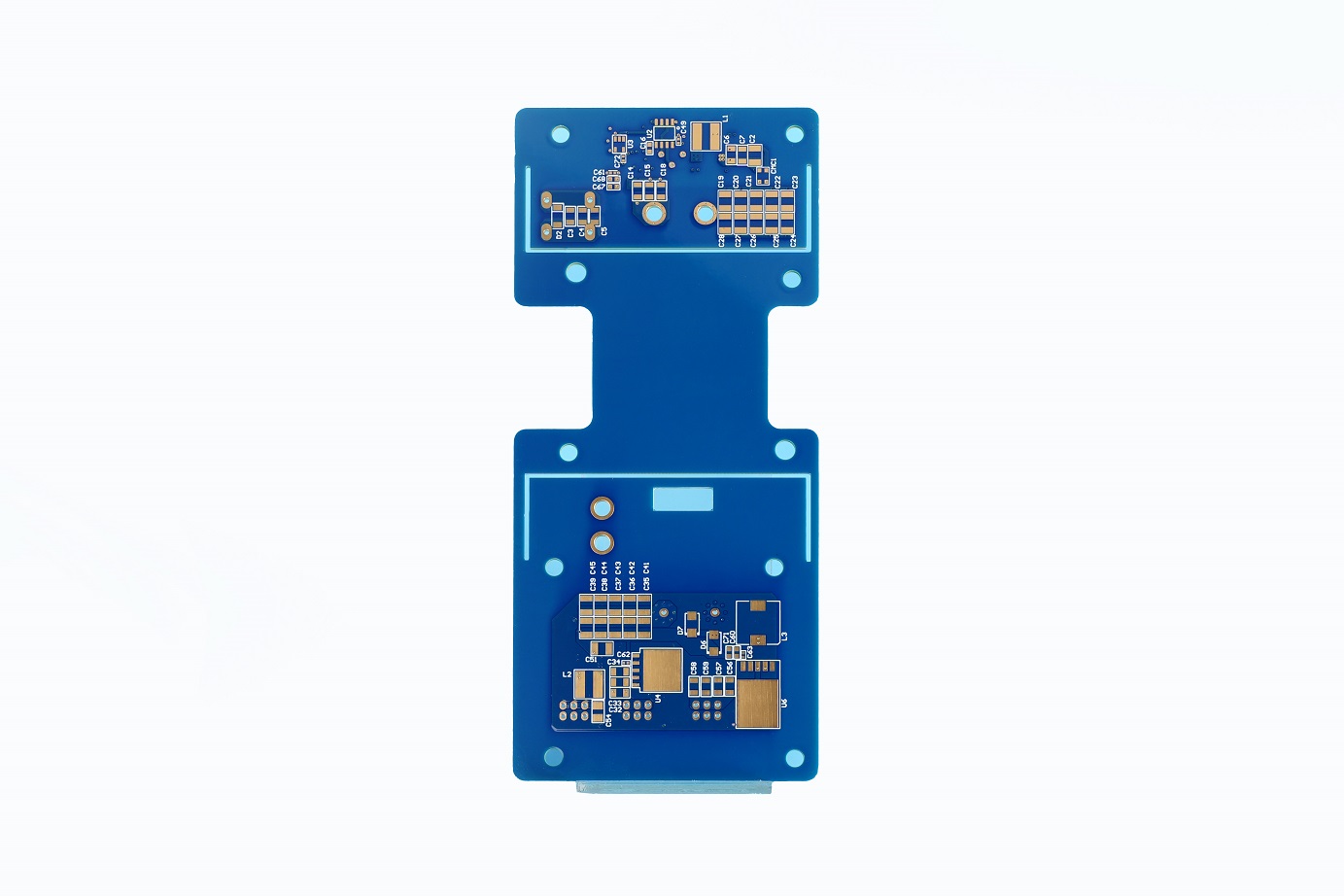
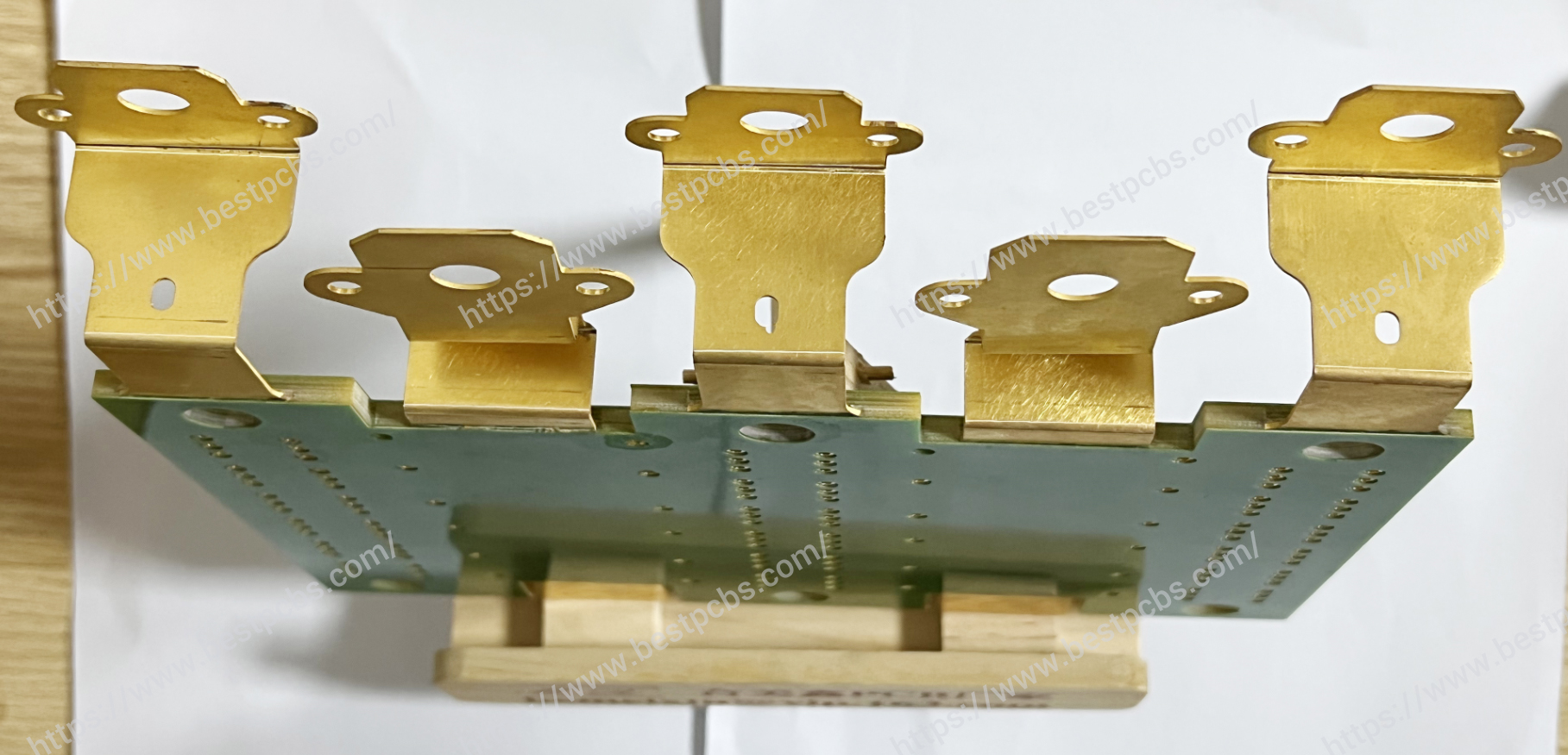
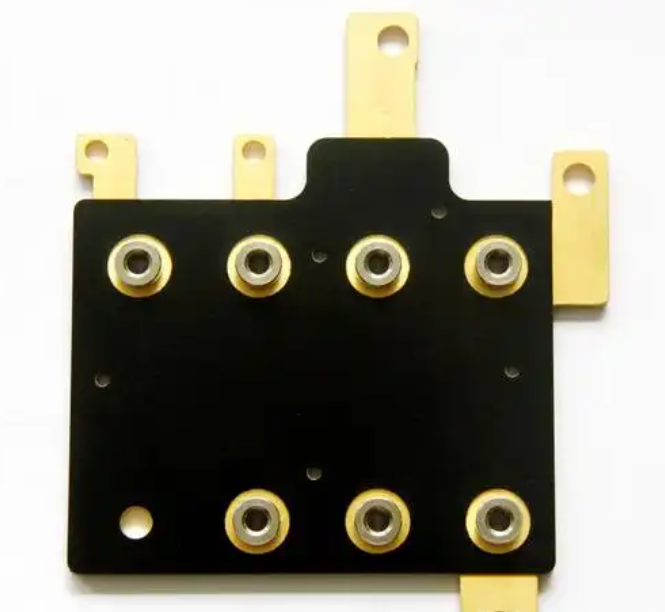
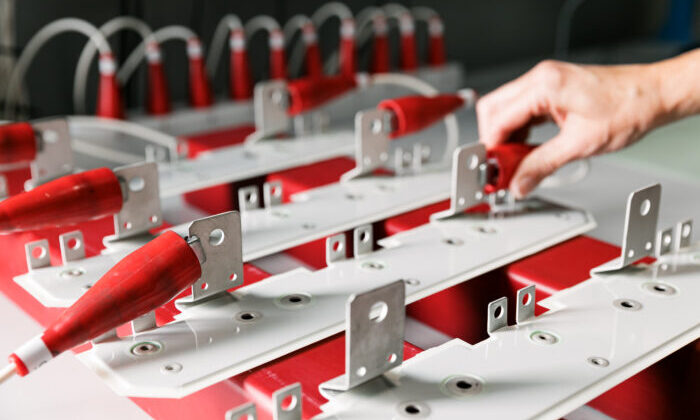
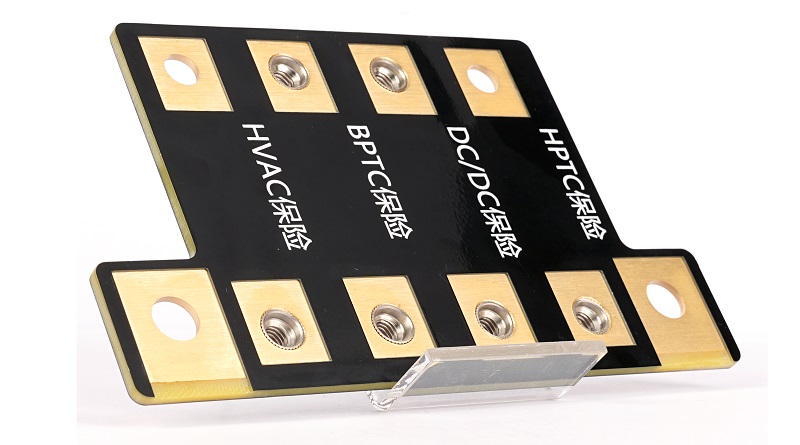
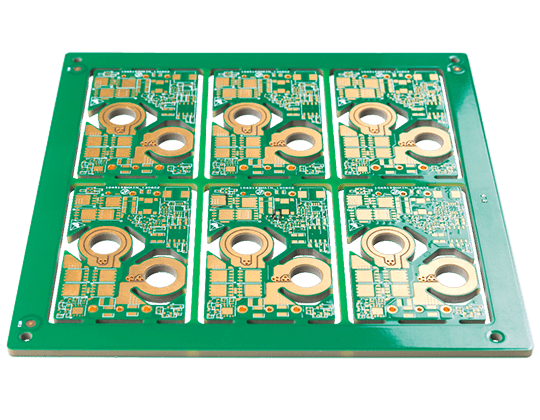
Rigid-flex aluminum substrate is a hybrid PCB structure that combines rigid and flexible sections, with aluminum used as a thermal-conductive base. Think of it as a single circuit board with areas that bend and fold—yet it stays strong and dependable under pressure.

What is Rigid-flex aluminum substrate? Aluminum Flex-Rigid PCB

Unlike traditional rigid PCBs, this type doesn’t rely solely on fiberglass or FR4. Instead, it mixes rigid substrates (like aluminum for heat dissipation and strength) with flexible layers (usually made of polyimide). These parts are layered together in a rigid flex stackup to create a solid yet adaptable foundation.

The aluminum core enhances performance, especially in high-power or high-temperature environments. The flexible sections allow the board to fit into tight or curved enclosures—perfect for compact designs.

What is the rigid flex process?

Creating a rigid-flex aluminum substrate involves multiple, tightly controlled steps. This process ensures the reliability and functionality of each part, from the stiff aluminum core to the bendable flex areas.

Here’s how it works:

  • Material Preparation: Aluminum is selected as the rigid base layer. Polyimide films are chosen for the flex sections. Copper foil is used for the conductive pathways.
  • Layering: These materials are laminated together in a multi-layer PCB stackup, carefully aligning the rigid and flexible parts. Adhesives must tolerate both mechanical stress and high heat.
  • Drilling and Plating: Vias are drilled to connect layers. These vias are plated with copper to ensure stable electrical performance between rigid and flexible sections.
  • Etching and Imaging: Circuit patterns are etched into the copper layers.
  • Coverlay and Protection: The flex parts are protected with a coverlay—a thin film that protects the flexible circuit from damage or oxidation.
  • Testing: Each board goes through strict electrical and mechanical testing to ensure it can bend without breaking and still conduct flawlessly.

This precise rigid flex process demands high skill and advanced machinery.

Rigid-flex aluminum substrate Types

Depending on your application, several types of rigid-flex aluminum substrates are available. Each is designed for specific environments and use cases.

  • Single-Sided Rigid-Flex: One layer of copper on the flexible section. Simple and cost-effective.
  • Double-Sided Rigid-Flex: Copper on both sides of the flex section for increased routing options.
  • Multi-Layer Rigid-Flex: Complex designs with 4+ layers, often used in aerospace, medical, and high-end automotive electronics.
  • Hybrid Stackups: Combine aluminum with other rigid materials (like FR4 or CEM-3) for specific mechanical or thermal goals.
What is Rigid-flex aluminum substrate? Aluminum Flex-Rigid PCB

Each type has trade-offs in cost, thickness, and flexibility. But with aluminum in the core, they all shine in thermal management and durability.

Rigid-flex aluminum substrate Benefits

Rigid-flex aluminum substrate combines the advantages of rigidity and flexibility.

  • 1. Thermal Conductivity

Aluminum is an excellent heat conductor. It keeps your circuits cool even when running at full power.

  • 2. Space Saving

With a rigid-flex structure, you can fold or twist the board to fit inside small or oddly shaped enclosures.

  • 3. Mechanical Strength

The rigid aluminum base offers strong mechanical support. It doesn’t warp or bend easily.

  • 4. Improved Reliability

Fewer solder joints and connectors mean fewer points of failure.

  • 5. Streamlined Assembly

Fewer separate pieces to assemble = faster manufacturing and lower cost over time.

  • 6. Design Freedom

Curves, folds, unusual angles? No problem.

When you combine these strengths, you get a PCB that’s not only dependable but also efficient in heat, space, and power.

Can rigid-flex aluminum substrate handle heat?

Yes. Thanks to the aluminum base layer, a rigid-flex aluminum substrate can dissipate heat much faster than standard FR4 PCBs. That makes it ideal for high-power LEDs, motor drivers, power converters, and even automotive ECUs that run hot under load.

Aluminum pulls heat away from sensitive components and spreads it across the board. This reduces thermal stress and extends the lifespan of the device.

What is a flexible aluminum PCB?

A flexible aluminum PCB might sound like a contradiction—but it exists. These boards use ultra-thin aluminum or aluminum-polymer composites to create circuits that bend slightly without breaking.

They don’t flex as much as pure polyimide-based flex PCBs, but they offer a middle ground. You get better heat handling than plastic-based flex boards and more flexibility than rigid aluminum PCBs.

They are perfect for wearables, automotive lighting strips, and foldable displays—places where space and heat must be controlled.

What is Rigid-flex aluminum substrate? Aluminum Flex-Rigid PCB

But when you need more complex bends, a rigid-flex aluminum substrate—with a true polyimide flex section—is still the better option.

What is the difference between rigid flex and flex with stiffener?

A flex PCB with stiffener uses an added material (like FR4 or stainless steel) to reinforce a flexible circuit. It’s a workaround to create rigid zones. But these are added separately and don’t become part of the electrical circuit.

A rigid-flex PCB, on the other hand, is built from the ground up to have both rigid and flex sections. The materials are laminated together and share common copper layers. The transition between flex and rigid is smooth, continuous, and far more robust.

Here’s a simple comparison:

FeatureFlex with StiffenerRigid-Flex PCB
Electrical IntegrationNot sharedShared between zones
Mechanical StrengthModerateVery strong
Size & ThicknessBulkierMore compact
Cost Over TimeMay increase due to failureHigher upfront, lower long-term
Assembly TimeLongerFaster and more integrated

So if your application requires reliability, space-saving, and superior performance, rigid-flex is your clear winner.

Where is rigid-flex aluminum substrate used?

Rigid-flex aluminum substrate PCB is widely used. Here’s where they make an impact:

  • 1. Automotive Electronics

From advanced driver assistance systems (ADAS) to engine control units (ECUs), cars need compact, heat-resistant boards that perform under pressure.

  • 2. LED Lighting Systems

LEDs generate heat—and need compact control circuits.

  • 3. Wearable Technology

Smartwatches, fitness bands, and medical patches need bendable electronics that won’t break.

  • 4. Industrial Equipment

Sensors, controls, and power systems in factories demand reliable boards that won’t fail under heat or vibration.

  • 5. Medical Devices

Surgical tools, monitors, and implants need small, reliable PCBs.

  • 6. Consumer Electronics

From foldable phones to compact drones, smart devices keep shrinking.

What is Rigid-flex aluminum substrate? Aluminum Flex-Rigid PCB

In short, any product that needs to be compact, tough, and thermally stable is a candidate for rigid-flex aluminum technology.

Conclusion:

Rigid-flex aluminum substrate combines the strength of rigid substrates with the flexibility of a bendable PCB. It offers better heat dissipation, space-saving structure, and high reliability for demanding applications. From automotive to LED lighting and wearable devices, it suits various environments where traditional PCBs fall short. It’s a solid choice for efficient, compact, and heat-resistant circuit solutions.

Want to design and produce rigid-flex aluminum substrates? Contact us now at sales@bestpcbs.com

You may also like

3 oz Copper PCB Design & Manufacturer丨EBest Circuit (Best Technology)

August 6th, 2025

What is 3 oz copper PCB? Let’s explore thickness, current capability, advantages, applications, design guide and how to get a quote for 3 oz copper PCB.

Are you troubled with these issues?

  • PCB temperature rises uncontrollably under high current conditions. How can I overcome the heat dissipation bottleneck?
  • What should I do if impedance fluctuations increase bit error rates during high-frequency signal transmission?
  • The copper thickness compliance rate for multilayer boards is low after lamination. How can I ensure consistent quality?

EBest Circuit (Best Technology) can provide solution:

  • Micro-etching + electroplating fill process: Using proprietary surface treatment technology, we achieve a 3oz copper thickness tolerance of Âą8Îźm, improving heat dissipation efficiency by 40%.
  • Impedance simulation and compensation design: Provide pre-DFM analysis services to proactively compensate for the impact of copper thickness on impedance, ensuring signal loss <3dB
  • Vacuum lamination intelligent temperature control system: Using a segmented pressurization process to eliminate delamination issues in heavy copper clad plates, maintaining a stable yield rate above 98.5%.

Welcome to contact us if you have any request for 3 oz copper PCB: sales@bestpcbs.com.
What Is 3 oz Copper PCB?

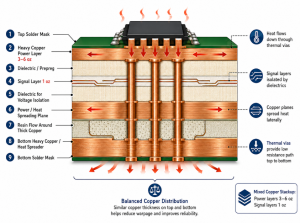
A 3 oz copper PCB is a type of ‌heavy copper PCB‌ that features a copper thickness of 3 ounces per square foot, significantly thicker than standard 1 oz (35 µm) PCBs. This design is ideal for high-power applications, such as power supplies, automotive electronics, and industrial equipment, where it can handle higher current loads, dissipate heat more effectively, and enhance mechanical durability. The increased copper thickness also reduces resistance and improves thermal management, making it a reliable choice for demanding environments.

What Is 3 oz Copper PCB?

How Thick is 3 oz of Copper on a PCB?

3 oz of copper on a PCB measures approximately 105 micrometers (¾m) in thickness, equivalent to 4.13 mils, which is three times thicker than standard 1 oz (35¾m) copper foil. This thickness is calculated based on the weight of copper per square foot, where 1 oz equals 28.35 grams spread over 1 square foot (0.0929 m²), with 3 oz representing three times that mass density.

How Thick is 3 oz of Copper on a PCB?

What Is the Current of 3 oz Copper PCB?

A 3 oz (105µm) copper PCB can typically handle 22–30A per 1mm width at a 20°C temperature rise, depending on whether the trace is on the inner or outer layer (inner layer: ~22A/mm; outer layer: ~30A/mm). This capacity is derived from IPC-2221 standards, which consider copper thickness, trace width, and allowable temperature rise. For example, a 10mm-wide trace on an outer layer could theoretically carry 300A with proper thermal management.

Why Choose 3 oz Copper PCB?

  • Higher Current Capacity – Supports up to 30A/mm on outer layers, enabling stable operation for high-power applications without excessive heating.
  • Improved Thermal Management – Thicker copper dissipates heat more efficiently, reducing thermal stress and prolonging component lifespan.
  • Enhanced Durability – Resists mechanical stress and thermal cycling better than thinner copper, ideal for demanding environments.
  • Space Efficiency – Allows for wider traces or fewer layers in high-current designs, simplifying PCB layouts and reducing costs.
  • Reliable Performance – Minimizes voltage drop and signal loss, ensuring consistent power delivery in industrial and automotive applications.

When to Use 3oz Copper PCB?

  • High-Current Power Applications: Power supplies, motor controllers, battery management systems (BMS), and solar inverters require thick copper (3oz) to minimize resistive losses and heat generation under heavy loads.
  • Thermal Management-Critical Systems: Automotive engine control units (ECUs), industrial power converters, and LED drivers use 3oz copper to enhance heat dissipation, reducing reliance on external heatsinks.
  • RF/Microwave Power Amplifiers: Thick copper layers improve current handling in high-frequency power circuits, minimizing signal loss and thermal stress in wireless communication/radar systems.
  • Mechanically Demanding Environments: Aerospace, military, and automotive PCBs subject to vibration, shock, or thermal cycling use 3oz copper for structural durability and reduced risk of trace fatigue.
  • Corrosion-Resistant/Outdoor Electronics: Marine, industrial automation, and outdoor IoT devices benefit from thicker copper’s resistance to humidity, salt, and chemical exposure, ensuring long-term reliability.
When to Use 3oz Copper PCB?

3 oz Copper PCB Design Guide

Below are 3 oz copper PCB design guide:

1. Requirement Analysis

  • Define current capacity, thermal limits, and mechanical stress tolerance.
  • Confirm PCB layer stackup (e.g., 4-layer: signal-GND-power-signal).

2. Layer Stackup Design

  • Assign 3 oz copper to power/ground planes and high-current signal layers.
  • Use 0.2mm FR4 dielectric between layers for thermal and electrical performance.

3. Layout Planning

  • Place power components (e.g., MOSFETs, inductors) close to power planes.
  • Isolate high-current traces from sensitive signals to avoid EMI.

4. Trace Width Calculation

  • Use IPC-2221 or online calculators to determine trace width based on max current and 3 oz copper thickness.
  • Example: 10°C temp rise → 10mil trace = 6A (vs. 2A for 1 oz).

5. Thermal Management

  • Add thermal vias under high-power components to connect top/bottom layers.
  • Use solid copper pours for power/ground planes to minimize resistance.

6. Impedance Control (If Needed)

  • For high-speed signals, adjust trace geometry (width/spacing) to account for 3 oz copper’s thicker profile.

7. Manufacturability Check

  • Confirm PCB fab capabilities for 3 oz copper (minimum trace/space, plating uniformity).
  • Avoid sharp angles in high-current traces to prevent etching issues.

Reliable 3 oz Copper PCB Manufacturer – EBest Circuit (Best Technology)

Reasons why choose us as 3 oz copper PCB manufacturer:

  • Global Certifications‌ – Compliant with IPC, UL, and RoHS standards for reliable global shipments.
  • Ultra-Fast Delivery‌ – Emergency orders processed in 24 hours to meet urgent project timelines.
  • Strict Quality Control‌ – Full inspection for bulk orders, ensuring defect rates below 0.1%.
  • 19 Years of heavy copper PCB Manufacturing Expertise‌ – Proven ability to troubleshoot complex production issues efficiently.
  • Cost-Effective Pricing‌ – Transparent pricing with no hidden fees, offering 15-20% cost savings vs. competitors.
  • Free DFM Analysis‌ – Pre-production checks reduce rework costs by up to 30%.
  • First-Pass Prototype Success‌ – 98% first-time sample approval rate, minimizing iteration expenses.
  • 24/7 Engineer Support‌ – Real-time technical assistance to resolve design or production concerns.
  • Flexible MOQ‌ – Supports low-volume prototypes (1-10pcs) to mass production (10,000+ pcs).

Our Heavy Copper PCB Capabilities

Base materialFR4/Aluminum
Copper thickness4 OZ~10 OZ
Extreme Heavy Copper20~200 OZ
OutlineRouting, punching, V-Cut
SoldermaskWhite/Black/Blue/Green/Red Oil
Surface finishingImmersion Gold, HASL, OSP
Max Panel size580*480mm(22.8″*18.9″)

How to Get a Quote for Your Heavy Copper PCB Project?

Required Information for an Accurate Quote‌

  • PCB Specifications‌ – Layer count, dimensions, thickness (e.g., 2.0mm), and copper weight (e.g., 3 oz).
  • Material Requirements‌ – Base material (FR-4, Rogers, etc.), Tg value, and surface finish (ENIG, HASL, etc.).
  • Gerber Files & Drill Data‌ – Provide updated Gerber files (RS-274X format) and drill files (Excellon).
  • Technical Drawings‌ – Include impedance control, stackup design, and tolerance requirements.
  • Special Processes‌ – Specify if blind/buried vias, edge plating, or heavy copper balancing are needed.
  • Testing Standards‌ – Define electrical testing (e.g., flying probe) and reliability tests (thermal cycling).
  • Quantity & Lead Time‌ – Prototype/batch quantity and desired delivery timeline (e.g., 24-hour rush service).
  • Certifications‌ – Required certifications (UL, IPC Class 2/3, RoHS, etc.).

Why Choose EBest Circuit (Best Technology)?‌

  • 19+ Years Expertise‌ – Specialized in heavy copper PCBs (up to 20 oz) with high-current and thermal management solutions.
  • One-Stop Service‌ – From DFM analysis to assembly, ensuring design-to-delivery consistency.
  • Transparent Pricing‌ – No hidden fees; competitive rates with bulk-order discounts.
  • Fast Turnkey‌ – 24-hour prototyping and 15-day mass production.

Contact us for a quote now: sales@bestpcbs.com. Looking forward to hearing from you soon!

You may also like

6 oz Copper PCB Manufacturing & Manufacturer, Fast Delivery

August 5th, 2025

What is 6 oz copper PCB?‌ This guide covers specs, benefits, applications, manufacturing process, manufacturer selection, lead time for 6 oz copper PCB.

Are you worried about these problems?

  • Are high-current applications plagued by heat dissipation issues?
  • Circuit burnouts leading to frequent after-sales service calls?
  • Is low production yield driving up overall costs?

EBest Circuit (Best Technology) can provide service and solution:

  • 6oz copper layer + thermal management design – improves heat dissipation efficiency by 60%, ensuring continuous and stable operation.
  • 210Îźm thick copper + optimized overcurrent – single-line carries 35A, completely eliminating the risk of board burnout.
  • High-TG material + vacuum lamination process – 99.5% batch yield, worry-free delivery.

Welcome to contact us if you have any inquiry for heavy copper PCB: sales@bestpcbs.com.
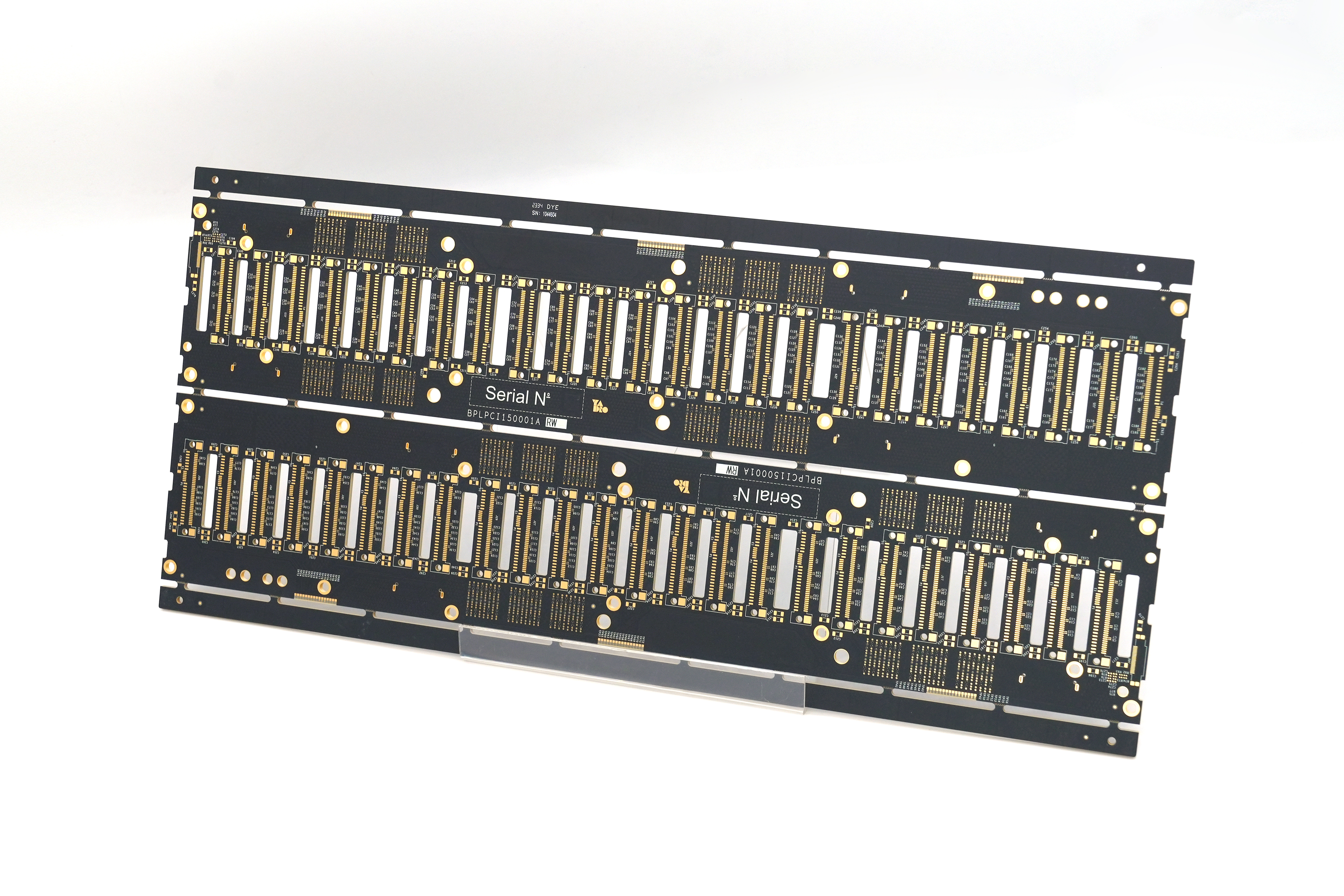
What is 6 oz Copper PCB?

6 oz Copper PCB refers to a printed circuit board with copper foil thickness of 6 ounces per square foot (≈210 µm or 8.4 mils). This ultra-thick copper layer enables exceptional current handling (up to 50A+ per trace) and thermal dissipation, making it ideal for high-power applications like EV chargers, industrial motor controls, and RF power amplifiers. Manufacturing requires specialized processes: extended alkaline etching times to avoid undercut, high-temperature lamination for copper-substrate adhesion, and reinforced plating to prevent warping. While costing 30-50% more than standard 1 oz PCBs, it reduces thermal stress-induced failures by 40% and eliminates the need for external heatsinks in compact designs.

What is 6 oz Copper PCB?

6 oz Copper PCB Specification

Parameter CategorySpecificationMetrics
‌Material BaseCopper layer thickness6 oz (210 μm) ±5%
‌Substrate TypeAvailable materialsFR4/CEM-3/Aluminum-based PCB
‌Copper FinishSurface treatmentHASL/ENIG/OSP/Immersion Silver
‌Minimum Line WidthEtched line width8 mil (0.2mm) @1 oz
Minimum SpacingLine-to-line clearance8 mil (0.2mm)
‌Plating ThicknessMinimum via copper plating1 mil (25 μm)
WarpagePCB deformation≤0.5% (300mm board)
‌Thermal ResistanceHeat shock testNo delamination after 288℃/10s
Thermal PerformanceThermal resistance (FR4)≤1.5℃/W (single layer)
‌Solder MaskMinimum aperture size10mil×10mil

Why Choose 6 oz Copper PCB?

Advantages of 6 oz copper PCB:

  • High current carrying capacity: Supports over 50A per trace, eliminating the need for external heat sinks, saving space and cost.
  • Excellent thermal management: Copper’s high thermal conductivity (386 W/m¡K) reduces junction temperature by 25-40%, extending device lifespan.
  • Cost-effectiveness: While costing 30-50% more, eliminating heat sink components and reducing failures yields significant long-term savings.
  • Global compliance: Meets IPC-6012 Class 3, RoHS/REACH, and UL 94 V-0, simplifying market entry.
  • Design flexibility: Enables miniaturization of high-power devices, such as industrial controllers, by 40%.
  • Long-term reliability: Withstands three times the thermal cycling stress, reducing field failure rates by 70%, ensuring long-term product operation.
Why Choose 6 oz Copper PCB?

When to Use 6 oz Copper PCB?

Applications of 6 oz copper PCB:

  • Electric vehicle (EV) charging modules: Handling DC fast charging at 200A+, 6oz copper foil ensures trace temperature rises of less than 5°C, preventing the risk of battery thermal runaway.
  • Industrial motor controllers: When driving motors over 50kW, they handle transient current peaks and reduce IGBT module overheating and failure.
  • RF power amplifiers: 5G base station transmitters require 6oz copper substrates for heat dissipation to ensure GaN devices operate at safe junction temperatures.
  • Solar inverters: When DC bus voltages reach 1500V, thick copper PCBs reduce DC link resistance losses (<3mΊ).
  • Aerospace power systems: Satellite payloads require wide operating temperatures from -55°C to 125°C, and 6oz copper foil mitigates thermal expansion coefficient mismatch.
  • Medical laser equipment: Pulsed 2000W laser drivers require instantaneous heat conduction. Thick copper PCBs replace liquid cooling solutions to improve system reliability.
When to Use 6 oz Copper PCB?

How to Make A 6 oz Copper PCB?

6 oz Copper PCB Manufacturing Processes:

1. Material Preparation

  • Select 210Îźm (6oz) high-purity electrolytic copper foil.
  • Choose FR-4 (Tg≥170℃) or CEM-1 substrate based on thickness requirements.
  • Remove copper oxide layer via chemical etching (H₂SO₄ 10% + H₂O₂ 5%) and ultrasonic cleaning.

2. Inner Layer Circuit Fabrication

  • Laminate 50-75Îźm dry film using a hot roller (110-120℃, 0.3-0.5MPa).
  • Expose with LDI (355nm wavelength, Âą2Îźm accuracy) and develop with 0.8-1.2% Na₂CO₃ solution.
  • Etch 3oz copper in alkaline solution (50℃, 120 seconds), then laminate low-flow PP sheets (180℃/120min) and etch remaining 3oz copper.

3. Lamination Process

  • Stack symmetrically (inner layer: 18Îźm thin copper foil; outer layer: 70Îźm thick copper foil).
  • Press with three-stage parameters: low pressure (5kg/cm²), medium pressure (15kg/cm²), high pressure (30kg/cm², 180℃, 120min).

4. Outer Layer Circuit Fabrication

  • Repeat dry film lamination, exposure, and development processes.
  • Etch outer layer using acidic solution (CuCl₂ 180g/L, HCl 50g/L, 25℃, 180 seconds).

5. Drilling & Plating

  • Mechanical drilling (diameter 0.3-3.0mm, 80kRPM, 0.8m/min feed rate).
  • Chemical copper deposition (Pd catalyst, ≥25Îźm thickness).
  • Pattern plating to reach 6oz (210Îźm) copper thickness (2.0A/dm², 120min).

6. Surface Finish

  • Apply OSP (0.2-0.5Îźm) or ENIG (nickel 3-5Îźm, gold 0.05-0.1Îźm).

7. Testing & Packaging

  • Electrical test (flying probe or universal grid, Âą10% impedance accuracy).
  • AOI inspection (line width/spacing tolerance Âą15Îźm).
  • Vacuum packaging with moisture-proof bags (storage: ≤30℃, ≤60%RH).
How to Make A 6 oz Copper PCB?

How to Choose a 6 oz Copper PCB Manufacturer?

Verify technical capabilities and equipment compatibility

  • Require manufacturers to provide past case studies demonstrating their ability to control copper thickness uniformity within Âą3Îźm (e.g., using pulse plating technology).
  • Inquire whether they support locally thick copper designs or step-coated copper foil lamination processes (e.g., copper foil adhesion reaching 1.8N/mm²).
  • Prefer manufacturers that use low-flow PP and symmetrical structural designs to reduce thermal stress.

Verify quality management systems and certifications

  • Prefer manufacturers with automotive-grade and UL certifications.
  • Require multi-stage inspection reports, including incoming material inspection, in-process inspection (using a professional thickness gauge for real-time monitoring), and post-assembly testing (impedance control tolerance within Âą7%).

Investigate special process support capabilities

  • Confirm whether vacuum heat-melting technology is available (to improve copper layer bonding and be suitable for high-reliability scenarios).
  • Understand the minimum mechanical drill hole size and copper thickness deviation (≤5%) for blind and buried vias.

Analyze case studies and customer feedback

  • Require case studies from actual applications such as high-voltage modules and medical devices. Learn customer reviews through industry channels, focusing on lead times and after-sales response speed.

Evaluate cost-effectiveness and delivery time

  • While ensuring quality, compare quotes from different manufacturers and be aware of hidden costs (such as special processing surcharges and expedited service fees).
  • Confirm whether expedited service (such as 12-hour/24-hour express delivery) is available.

Inspect equipment advancements and technological updates

  • Prefer manufacturers that use advanced electroplating equipment, vacuum laminators, and X-ray coating thickness gauges.
  • Check whether the manufacturer consistently invests in R&D (such as innovations in ultra-thick copper processing).

Supply chain stability and raw material control

  • Understand whether the manufacturer’s raw material procurement channels are reliable and whether they can cope with copper price fluctuations or shortages.
  • Request raw material quality inspection reports to ensure that the substrate, copper foil, and other materials comply with industry standards (such as IPC-4101).

6 oz Copper PCB Manufacturing Lead Time

1. Standard Production Cycle

Prototype Stage (1-2 Layers)

  • Normal Delivery: 5-7 Days (Including Engineering Review)
  • Expedited Service: 3 Days (30% Expedited Fee Applicable)

Mass Production Stage (4 Layers and Above)

  • Normal Delivery: 12-15 Days (Including Impedance Testing)
  • Rapid Production: 8-10 Days (Material Pre-Stock Required)

2. Influencing Factors

Process Complexity

  • 6 Etching the 6 oz copper layer requires pulse technology, which increases the time by 40% compared to conventional processes.
  • Lamination of multilayer boards requires three-stage temperature control (80°C → 160°C → 190°C), totaling 24 hours.

Quality Inspection Requirements

  • Copper thickness tolerance testing (Âą5%) adds 8 hours to the testing time.
  • High-current designs require additional thermal shock testing (288°C/10s), adding 12 hours.

Supply Chain Factors

  • Special substrates (such as aluminum substrates) can extend procurement cycles by 2-3 days.
  • Surface treatment process differences: ENIG takes 8 hours longer than HASL.

3. Optimization Suggestions

  • Using standardized designs can reduce engineering confirmation time by 2 days.
  • Pre-review of DFM documents reduces the risk of rework.
  • Selecting a supplier with dedicated 6 oz lines can improve efficiency by 20%.

How Much Does a 6 oz Copper PCB Cost?

Price Range

  • Basic Designs: $100–$300 per square foot (single/double-layer).
  • Advanced Designs: Over $500 per square foot (multilayer, blind/buried vias, high-frequency materials).

Factors Affecting Price:

  • Copper Thickness: Each additional ounce increases material costs by ~60%.
  • Process Complexity: Thicker copper requires longer etching/drilling times and specialized equipment.
  • Design Specs: Narrow line widths (<4mil) or small via diameters (<0.2mm) raise costs.
  • Production Volume: Large orders (>100k units) reduce per-unit costs by ~50% vs. small batches.
  • Certifications: Military/IPC3 standards add 15–20% vs. basic quality checks.

For accurate pricing tailored to your project, contact EBest Circuit (Best Technology) at sales@bestpcbs.com. Our 19+ years of expertise in heavy copper PCBs ensure competitive quotes and reliable delivery. Looking forward to hearing from you soon!
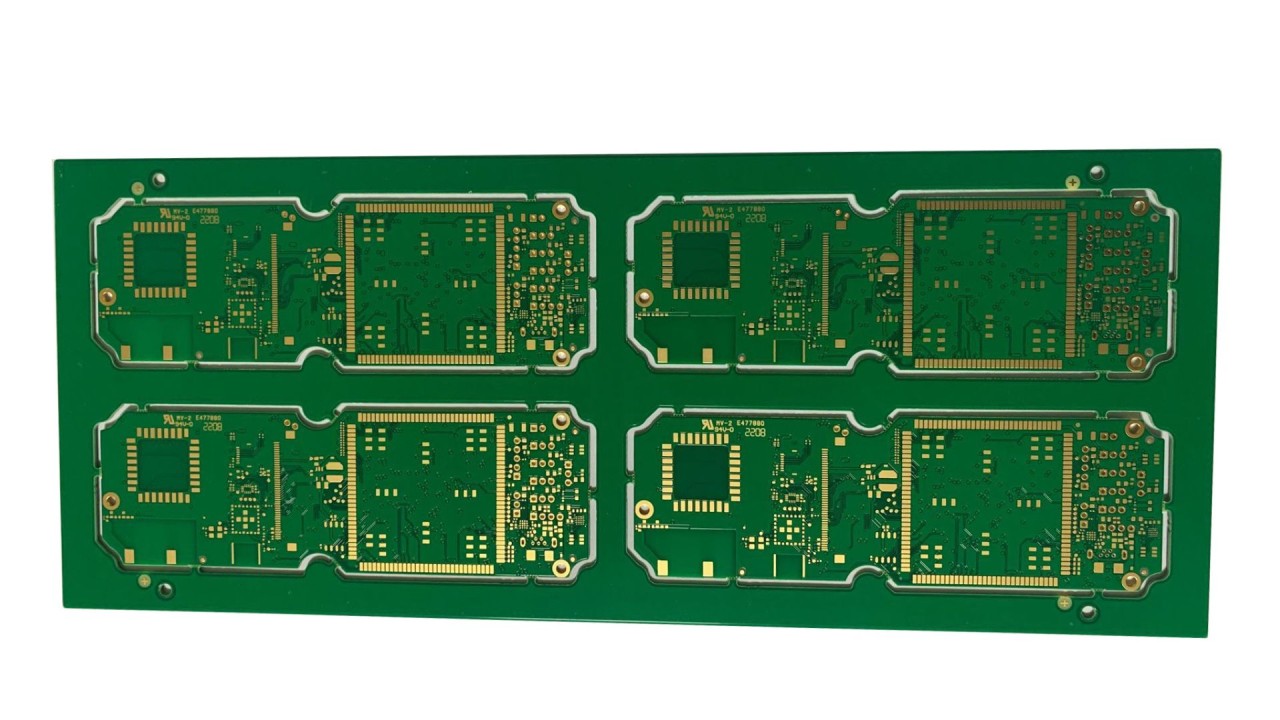
You may also like

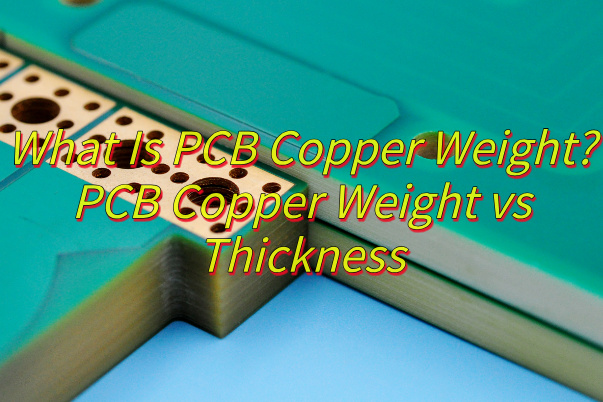
What Is PCB Copper Weight? PCB Copper Weight vs Thickness

August 5th, 2025

What is PCB copper weight? Let’s explores definitions, thickness conversion, current capacity, and selection criteria for PCB copper weight.

Are you troubled with these problems?

Why does my high-density PCB design keep experiencing signal interference?
How do I balance PCB cost and reliability? Low-cost solutions are always unstable!
Small-batch orders have long lead times. How can I quickly verify my design and prototype?

EBest Circuit (Best Technology) can provide services:

  • Signal Integrity Optimization: Use simulation tools to predict interference and ensure first-pass EMC testing.
  • Cost-Performance Balance: Tiered copper thickness selection (1oz/2oz) saves 20% in material costs.
  • 48-Hour Fast Prototyping: Dedicated small-batch production lines prioritize urgent orders.

Welcome to contact us if you have any request for heavy copper PCB: sales@bestpcbs.com.
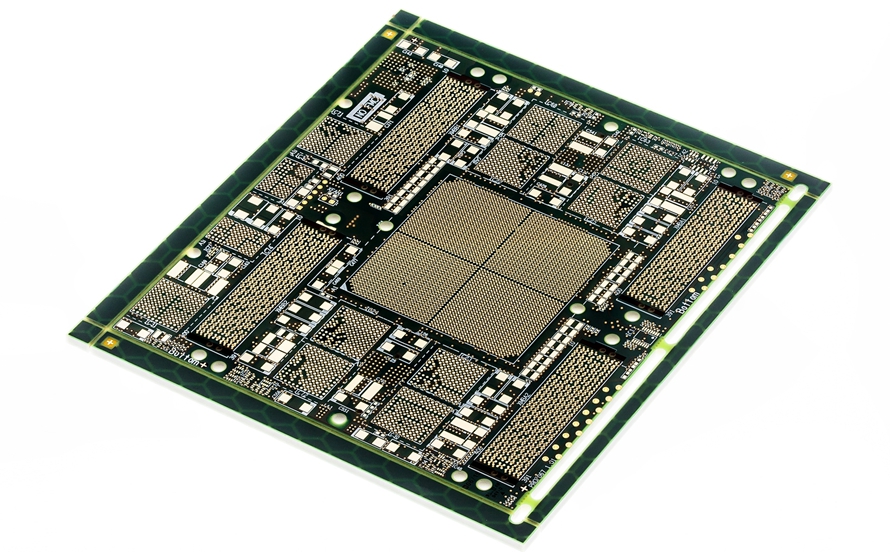
What Is PCB Copper Weight?

PCB Copper Weight refers to the mass of copper per square foot on a printed circuit board, measured in ounces (1 oz = 28.35g). It directly impacts current capacity, heat dissipation, and manufacturing costs, higher oz values (e.g., 2oz, 3oz) mean thicker copper layers for power-heavy designs, while lighter weights (1oz) are common in standard electronics. Engineers choose oz values based on current requirements, thermal needs, and budget constraints, as thicker copper increases cost but improves durability and performance.

What Is PCB Copper Weight?

What Is PCB Copper Thickness?  

PCB Copper Thickness is the physical depth of the copper layer on a circuit board, measured in microns (Îźm) or mils (1 mil = 0.0254 mm). It defines how much current the trace can carry, its resistance, and thermal performance. Common thicknesses range from 0.5 oz (17.5 Îźm) for high-frequency designs to 4 oz (140 Îźm) for high-power applications. Thicker copper improves durability and heat dissipation but increases cost and etching complexity.

What Is PCB Copper Thickness?  

Differences Between PCB Copper Weight vs Thickness

AttributesCopper WeightThickness
DefinitionCopper mass per unit area (oz/ft² or g/m²)Vertical height of copper layer (mils or Οm)
UnitsOunces/square foot (oz/ft²) or grams/square meter (g/m²)Miles (mils) or microns (Οm)
Direct RelationshipIncreased copper weight→ increased thickness (directly proportional)Increased thickness → increased copper weight (directly proportional)
Conversion Formula1 oz/ft² ≈ 34.8 μm (1.378 mils)Thickness (μm) = Copper Weight (g/m²) / (8.96 × 0.001)
Current Capacity ImpactHigher copper weight → higher current carrying capacityThicker thickness → higher current carrying capacity
Manufacturing ImpactRequires matched laminate thickness and etching precisionRequires controlled etching uniformity to avoid overcut/residue
Typical Applications0.5 oz/ft² (17.5 μm) → High-density SMT/BGA35 μm (1 oz/ft²) → General signal layers
2 oz/ft² (70 μm) → Power planes/high-current105 μm (3 oz/ft²) → Industrial control/RF boards

Copper Weight to Thickness Calculator

‌Copper Weight to Thickness Conversion‌

  • 1 oz/ft² = 1.37 mils (34.8 Îźm)

‌Calculator Formula‌:

  • Thickness (mils) = Copper Weight (oz/ft²) × 1.37
  • Thickness (Îźm) = Copper Weight (oz/ft²) × 34.8

Standard Reference Table

Copper Weight (oz/ft²)Thickness (Οm)Thickness (mils)
0.517.40.685
134.81.37
269.62.74
3104.44.11
4139.25.48
Copper Weight to Thickness Calculator

How to Choose PCB Copper Weight for High Power Applications?

Current Capacity Analysis

  • Calculate required trace width based on max current using IPC-2221 formulas or online calculators.
  • Select copper weight (1oz=35Âľm, 2oz=70Âľm) to match trace width without exceeding temperature rise limits.

Thermal Management Needs

  • Use thicker copper (2oz+) for high-power components (e.g., power converters, LED drivers) to enhance heat dissipation.
  • Add copper pours or thermal vias under hot components for additional cooling.

Signal Integrity Considerations

  • Prioritize thinner copper (0.5oz-1oz) for high-frequency/RF circuits to minimize skin effect losses.
  • Avoid excessive copper thickness in impedance-controlled traces.

Cost-Performance Balance

  • 1oz copper is standard for most consumer electronics (low cost, adequate for low/mid-power).
  • Reserve 2oz+ for industrial/automotive applications requiring robustness.

Manufacturing Constraints

  • Confirm PCB fab capabilities: Thicker copper may require specialized processes (e.g., plating, etching).
  • Multi-layer boards with heavy copper may increase lead time and cost.

Mechanical Durability

  • Use heavier copper for flex/rigid-flex PCBs to improve bend reliability.
  • Thicker copper reduces risk of trace fracture under vibration or thermal cycling.

Component Compatibility

  • Match pad sizes to copper thickness (e.g., SMT components need consistent solder joints).
  • Heavy copper may require larger vias/pads for proper solder wetting.

Environmental Factors

  • Choose heavier copper for outdoor/high-humidity environments to resist corrosion.
  • Consider ENIG/ENEPIG finishes for heavy copper to enhance solderability.
How to Choose PCB Copper Weight for High Power Applications?

Relationships Between PCB Copper Weight vs Current

Copper Weight vs. Current Capacity

  • Copper weight (oz/ft²) directly determines current-carrying capacity. Thicker copper (e.g., 2 oz/ft² or 3 oz/ft²) supports higher currents due to lower resistance and reduced heat generation.
  • Rule of Thumb: 1 oz/ft² copper ≈ 1 A/mm line width (adjust for temperature rise and layer type).

Trace Width Impact

Wider traces reduce resistance and heat, enabling higher current. For example:

  • 1 oz/ft² copper, 0.25 mm width ≈ 1.5 A
  • 2 oz/ft² copper, 0.25 mm width ≈ 2.5 A
  • Use IPC-2221 or IPC-2152 standards for precise calculations.

Temperature Rise Constraints

  • Maximum allowable temperature rise (e.g., 10°C or 20°C) dictates copper weight and trace width. Thicker copper mitigates heat buildup in high-current applications.

Application-Specific Recommendations

  • Low Current (<1 A): Use 0.5–1 oz/ft² copper with minimal trace width. High Current (>3 A): Opt for 2–6 oz/ft² copper and wider traces (e.g., ≥1 mm).
  • Power Distribution: Thick copper (>2 oz/ft²) paired with thermal vias for heat dissipation.

Layer Considerations

  • External layers dissipate heat better than internal layers. For internal traces, reduce current capacity by 10–20% or use thicker copper.

Industry Standards & Tools

  • IPC-2152: Primary standard for current capacity, accounting for layer type, copper weight, and temperature.
  • Saturn PCB Toolkit: Free software for calculating trace/via current capacity based on IPC-2152.

Why Choose EBest Circuit (Best Technology) as PCB Manufacturer?

  • 19 Years of PCB Manufacturing Experience: Flexibly handle various problems encountered in PCB production and largely reduce maintenance costs.
  • ISO 14001/ISO 13485, ROHS/REACH Certification: medical/automotive customers are exempt from secondary testing, and compliance costs are reduced by 30%
  • Strict Quality Inspection: 100% quality inspection for bulk orders to reduce field failures.
  • Fast Turnaround (24 hours Rapid Prototyping, 5-7 days Bulk Production): Accelerated timelines without quality compromise.
  • Cost-Effective Solutions: Bulk discounts and material optimization reduce PCB costs.
  • Free DFM Analysis: Avoid costly redesigns, reduce prototype iterations.
  • Competitive Price: Save 15–25% on PCB costs without compromising quality.
  • Turnkey Solutions: Full-service PCB manufacturing from design to delivery, accelerating your product’s time-to-market.

Contact EBest Circuit (Best Technology) to unlock cost savings, accelerated timelines, and flawless execution. Whether you need rapid prototypes or high volume production, our team ensures your PCBs meet standards. Get a quote now: sales@bestpcbs.com.
You may also like

Standard Copper Thickness PCB Manufacturer丨EBest Circuit (Best Technology)

August 5th, 2025

Why choose standard copper thickness PCB? Let’s explore definition, benefits, application, thickness chart, manufacturing processes for standard copper thickness PCB.

Are you troubled with these problems?

  • Why does my high-speed design always fail signal integrity tests?
  • How do I reduce costs without sacrificing reliability?
  • Why are my prototype lead times so long?

EBest Circuit (Best Technology) can provide service:

  • First-Pass Prototyping Success – Advanced impedance control & pre-layout simulation to eliminate SI issues.
  • Cost-Effective Reliability – Smart copper weight selection (1oz/2oz) balancing performance and BOM costs.
  • 48-Hour Rapid Prototyping – Dedicated small-batch line for urgent verification needs.

Welcome to contact EBest Circuit (Best Technology) if you have any request for heavy copper PCB: sales@bestpcbs.com.
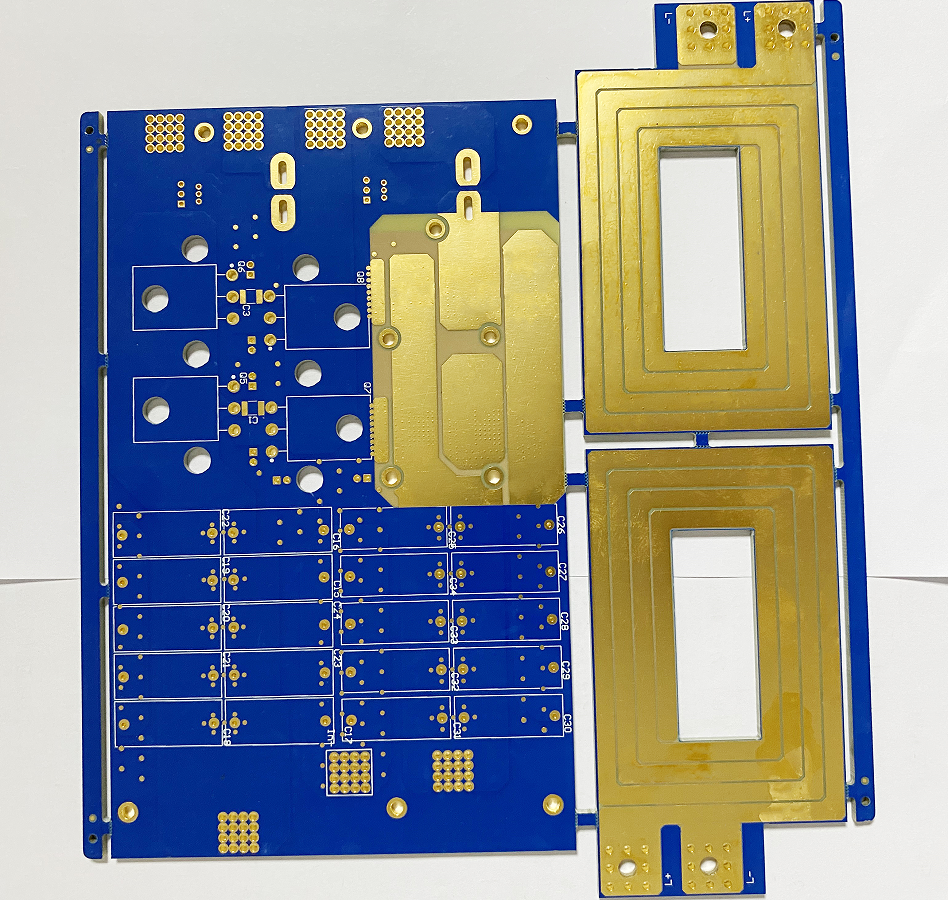
What Is Standard Copper Thickness PCB?

Standard Copper Thickness PCB typically refers to 1 oz (ounce) per square foot (≈35 µm) for outer layers and 0.5 oz (≈17.5 µm) for inner layers. This balance optimizes cost, manufacturability, and performance for most consumer electronics, signal traces, and low-power applications. Thicker copper (e.g., 2 oz–6 oz) is used for high-current, power, or thermal management needs. Standard thickness ensures reliability while minimizing material and processing costs.

What Is Standard Copper Thickness PCB?

IPC Standard PCB Copper Thickness Chart

Copper Weight (oz/ft²)Thickness (Οm)IPC-2152 Current Rating (1mm trace, 10°C rise)Typical Application
0.5 oz~17.5 Îźm~1.5ALow-power circuits
1 oz~35 Îźm~3AConsumer electronics
2 oz~70 Îźm~5APower supplies
3 oz~105 Îźm~7AAutomotive, industrial
4 oz~140 Îźm~10A+High-current systems

Why Choose Standard Copper Thickness PCB?

Advantages of standard copper thickness PCB:

  • Cost Optimization: Standard thickness (1 oz/ft² / 35 Âľm) reduces material and fabrication costs by 20–50% compared to heavy copper (≥2 oz).
  • Universal Compatibility: Works with 90%+ PCB designs, including low-current signals, controlled impedance traces, and mixed-signal boards.
  • Proven Reliability: Tested for decades in consumer/industrial electronics, meeting IPC-6012 Class 2 standards for electrical and thermal performance.
  • Simplified Manufacturing: Avoids specialized etching or laminate requirements, ensuring faster lead times and fewer production risks.
  • Design Flexibility: Enables 4–6 mil traces for high-density SMT/BGA and simplifies impedance control (e.g., 50Ί microstrip).
  • Supply Chain Efficiency: Standard copper foils (ED/RA) are readily available, minimizing delays versus custom heavy copper orders.
  • Thermal Performance Balance: Adequate for most applications (ΔT ≤10°C at 5A). Pair with thermal vias/copper pours for higher currents without thickening copper.
  • Risk Mitigation: Avoids over-engineering risks like plating unevenness or delamination from unverified fab capabilities.
Why Choose Standard Copper Thickness PCB?

When to Use Standard Copper Thickness PCB?

  • Consumer Electronics – Smartphones, tablets, and IoT devices with currents <5A. Standard copper (1 oz/ft²) balances cost and performance.
  • Low-Current Signal Transmission – Sensor interfaces, microcontroller I/O, and digital communication lines (e.g., I²C, SPI) where currents <1A.
  • Controlled Impedance Traces – High-speed designs (e.g., USB, HDMI, Ethernet) needing 50Ί/100Ί microstrip/stripline with predictable trace geometry.
  • General Industrial Control – PLCs, relays, and low-power motor drivers (currents <10A) where thermal performance is adequate with standard copper.
  • Lightweight Applications – Drones, wearables, or aerospace systems prioritizing reduced board weight over extreme current handling.
  • Standard Communication Devices -Routers, modems, and Wi-Fi modules with power rails ≤12V and currents <5A.

How to Choose PCB Copper Layer Thickness?

  • ‌Current Requirements‌: Thicker copper (e.g., 2 oz) handles higher currents; thinner (e.g., 0.5 oz) suffices for low-power circuits.
  • Signal Integrity‌: Thinner copper reduces skin effect for high-frequency signals; thicker copper minimizes resistance for power traces.
  • Thermal Management‌: Thicker copper dissipates heat more effectively in high-power designs.
  • Manufacturing Constraints‌: Standard thicknesses (0.5 oz–6 oz) are easier to fabricate; exotic thicknesses increase cost.
  • ‌Impedance Control‌: Thinner copper is preferred for controlled impedance traces in high-speed PCBs.
  • Cost‌: Thicker copper raises material and production costs; optimize based on performance needs.
  • ‌Layer Stackup‌: Match thickness with dielectric layers to maintain consistent impedance and manufacturability.
  • Via and PTH Handling‌: Thicker copper requires larger vias/pads to ensure reliable plating.
  • Industry Standards‌: Follow IPC-2221 or design guidelines for typical applications (e.g., 1 oz for consumer electronics).

How to Make A Standard Copper Thickness PCB?

  1. Design PCB Layout: Use CAD software to create circuit patterns, ensuring trace widths and spacing meet standard copper thickness requirements.
  2. Select Copper Foil Thickness: Choose copper foil with standard thickness (e.g., 1 oz/35 Âľm or 2 oz/70 Âľm) for inner and outer layers.
  3. Prepare Substrate Material: Use FR-4 or similar laminate core with pre-bonded copper foil of desired thickness.
  4. Image Transfer (Inner Layers): Apply photoresist, expose to UV light using artwork film, and develop to transfer circuit patterns.
  5. Etch Inner Layers: Use chemical etching (e.g., ammonium persulfate) to remove excess copper, leaving desired traces.
  6. Layer Stackup: Align etched inner layers with prepreg sheets and outer copper foil, then press under heat/pressure to laminate.
  7. Drill Holes: Use CNC drilling to create via holes and component mounting holes.
  8. Electroless Copper Deposition: Apply chemical bath to deposit a thin conductive layer on hole walls.
  9. Electrolytic Plating: Pass current through holes to build up copper thickness (e.g., 1-2 oz) on traces and vias.
  10. Outer Layer Imaging: Repeat photoresist, exposure, and development steps for outer layer circuit patterns.
  11. Final Etching: Remove excess copper from outer layers using controlled etching to retain standard thickness.
  12. Solder Mask Application: Coat PCB with epoxy-based solder mask to protect copper traces.
  13. Surface Finish: Apply finishes like HASL, ENIG, or OSP to prevent oxidation and ensure solderability.
  14. Quality Inspection: Use AOI, X-ray, or microsectioning to verify copper thickness uniformity and circuit integrity.

Standard Copper Thickness PCB Manufacturer – EBest Circuit (Best Technology)

  • Certified & Compliant Standards: ISO 9001, ISO 13485, IATF 16949 Certified, and UL, REACH, RoHS Compliant
  • Precision Thickness Control – Strict adherence to 1oz/ft² (35Îźm) standard with Âą5% tolerance for consistent performance.
  • Competitive Pricing – Bulk-order discounts & transparent cost structure (20% lower than industry average).
  • Strict Quality Inspection– 100% full inspection in mass production.
  • Fast Turnaround – 24-hour expedited service available with standard 5-7 day lead time.
  • Free DFM Expertise – Free design review to optimize trace widths/spacing for 1oz copper.
  • Multilayer Capability – Supports up to 20-layer boards with standard copper lamination.
  • Global Logistics – DHL/FedEx partnerships for door-to-door delivery in 3-5 days.
  • 24/7 Support – Dedicated account managers for real-time order tracking.
Standard Copper Thickness PCB Manufacturer – EBest Circuit (Best Technology)

Our Quality Inspection & Testing

  • Visual Inspection (IPC-A-600): Mandatory for surface defects (scratches, pinholes) and solder mask alignment. Ensures compliance with Class 2/3 acceptability criteria.
  • Automatic Optical Inspection (AOI): Critical for detecting trace/space violations (>4 mil) and solder mask defects. Post-etch inspection prevents short circuits.
  • X-Ray Inspection (IPC-6012): Required for hidden features (blind/buried vias, BGA solder joints). Validates via integrity and void percentages (<5%).
  • Electrical Continuity Test (Flying Probe/ICT): Ensures all nets are connected. Flying probe used for prototypes; ICT for high-volume production.
  • Impedance Control Verification (TDR): Mandatory for high-speed designs (e.g., 50Ί traces). Tolerance must stay within Âą10% (IPC-2221).
  • Thermal Shock Test (IPC-TM-650): -55°C to 125°C cycling for 100 cycles. Pass criteria: no delamination or cracks.
  • Humidity Resistance Test (85°C/85% RH):168-hour exposure. Insulation resistance must remain >100MΊ (IPC-TM-650).
  • Solderability Test (IPC-TM-650): HASL/ENIG pads dipped in 245°C solder. Minimum 95% coverage required to ensure solder joint reliability.
  • Peel Strength Test (IPC-TM-650): Copper-substrate adhesion: ≥1.4 lb/in (inner layers), ≥2.8 lb/in (outer layers). Prevents trace lifting.
  • Microsection Analysis: Slicing through PTHs to verify copper thickness (Âą20%) and via wall plating. Ensures annular rings meet IPC-6012.

How to Get a Quote For Your PCB Project?

Required Materials Checklist:

Gerber Files

  • Include all layers (copper, solder mask, silkscreen) in RS-274X format.
  • Verify file accuracy with a Gerber viewer.

Bill of Materials (BOM)

  • List components with part numbers, quantities, and footprints.
  • Specify brand preferences for critical parts (e.g., capacitors, ICs).

Technical Specifications

  • Board dimensions, layer count (e.g., 4L, 6L), and copper thickness (1 oz/2 oz).
  • Surface finish (HASL, ENIG, OSP) and impedance requirements.

Fabrication Notes

  • Via types (through-hole, blind/buried) and minimum trace/space (e.g., 4 mil).
  • Special requirements (e.g., controlled impedance, thermal vias).

Assembly Details (If Applicable)

  • SMT/PTH component placement files (Centroid/Pick-and-Place).
  • Test requirements (e.g., ICT, functional testing).

Submit your requirements to us for a quote: sales@bestpcbs.com.
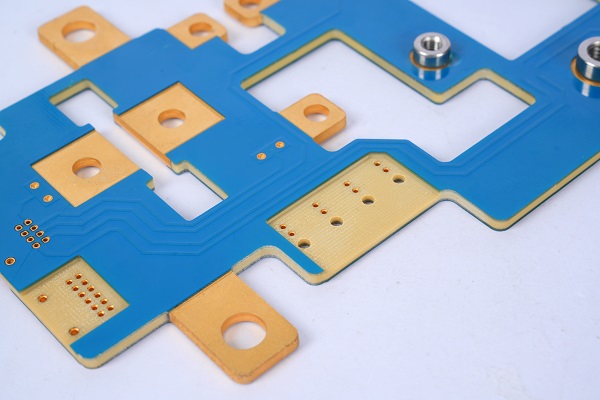
You may also like

2oz Copper PCB for ESD丨Heavy Copper PCB Manufacturer

August 1st, 2025

Why choose 2oz Copper PCB for ESD? Let’s discover thickness, current, benefits, ESD protection rules for 2oz Copper PCB.

Are you troubled with these problems?

  • How can PCBs avoid overheating and burnout in high-current scenarios?
  • How can signal stability be ensured in complex environments (high temperature/vibration)?
  • How can heat dissipation efficiency be improved when traditional copper foil is insufficiently thick?

EBest Circuit (Best Technology)’s Services and Solutions

  • 70Îźm-400Îźm ultra-thick copper layer design directly addresses high-current carrying and heat dissipation issues.
  • Laser etching + electroplating fill-fill process ensures stable high-frequency signal transmission.
  • Customized thermal simulation optimization tailors the design to the end application scenario, extending device life.

Welcome to contact us if you have any request for heavy copper PCB: sales@bestpcbs.com.
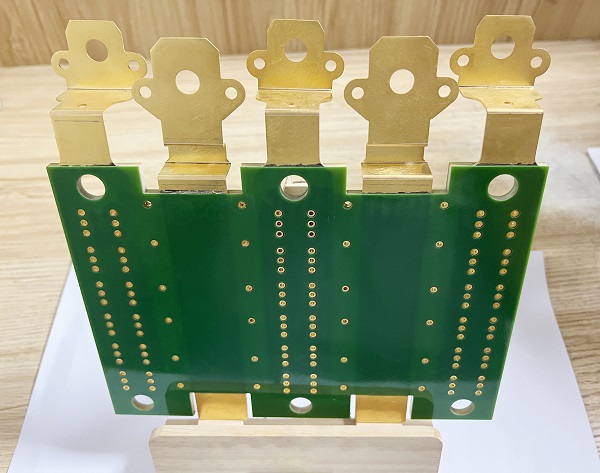
What Is 2oz Copper PCB?

A 2oz Copper PCB refers to a printed circuit board with copper traces or planes weighing 2 ounces per square foot (oz/ft²). This equates to approximately 70 micrometers (µm) or 2.8 mils of copper thickness. Such PCBs are designed to handle higher current loads (e.g., 5–10A per trace) with reduced resistance and heat generation compared to thinner copper (e.g., 1oz). They are commonly used in power electronics, automotive systems, and industrial equipment where robust electrical performance and thermal management are critical.

What Is 2oz Copper PCB?

2oz Copper PCB Thickness

A 2oz copper PCB has a copper layer thickness of approximately 70 micrometers (¾m) or 2.8 mils, equivalent to 2 ounces per square foot (oz/ft²). This thickness ensures low electrical resistance and efficient heat dissipation, making it ideal for high-current applications like power modules, motor controls, and LED lighting systems.

2oz Copper PCB Thickness

2oz Copper PCB Current

The current capability of a 2oz Copper PCB (70μm thickness) is approximately 2A per millimeter of trace width for a 10°C temperature rise, doubling the capacity of standard 1oz PCBs. This assumes proper thermal management (e.g., vias, heat sinks) and ambient conditions. Factors like trace length, adjacent heat sources, and insulation layers also influence performance. For precise calculations, use the formula: I = 0.048 × ΔT0.44 × W0.725, where I = current (A), ΔT = temperature rise (°C), and W = trace width (mm).

2oz Copper PCB Current

Why Choose 2oz Copper PCB for ESD?

Reasons why choose 2oz copper PCB for ESD:

  • Lower Resistance, Faster Discharge: Thicker copper (70Îźm) reduces trace resistance, enabling rapid conduction of ESD currents to ground and minimizing voltage buildup.
  • Enhanced Grounding Efficiency: Wider traces/planes with 2oz copper provide larger conductive surfaces, optimizing ESD paths and reducing impedance mismatches.
  • Improved Thermal Dissipation: Higher copper mass absorbs and disperses heat generated during ESD events, preventing localized overheating and component stress.
  • Mechanical Robustness: Thicker copper layers resist physical damage (e.g., trace lifting or cracking) caused by sudden ESD-induced current surges.
  • Compliance with ESD Standards: Facilitates meeting IEC 61000-4-2 requirements by ensuring reliable ESD protection in high-risk environments (e.g., consumer electronics, industrial systems).
Why Choose 2oz Copper PCB for ESD?

2 oz vs. 1oz Copper PCB: ESD Performance Comparison

Parameter2oz Copper PCB1oz Copper PCB
Copper Thickness70Îźm35Îźm
ESD Discharge ResistanceLower (reduced voltage buildup)Higher (risk of voltage spikes)
Thermal CapacityHigher (absorbs/dissipates heat)Lower (risk of thermal stress)
Trace Current Capacity~2A/mm (10°C rise)~1A/mm (10°C rise)
Mechanical DurabilityResists trace lifting/crackingProne to damage under ESD surges
Grounding EfficiencySuperior (low-impedance paths)Moderate (higher inductance)
Compliance (IEC 61000-4-2)Passes 15kV air/8kV contact (Level 4)Struggles at high voltages (risk of failure)
CostHigher (20–40% premium)Lower
Design ComplexityRequires wider traces/viasSimpler for low-power ESD

ESD Protection Rules for 2oz Copper PCB Design

ESD Protection Rules for 2oz Copper PCB Design

  • Grounding Priority: Use full 2oz copper ground planes on inner/outer layers. Connect via stitching vias (≥4 vias/cm², 0.3mm diameter) to minimize impedance.
  • Trace Design: ESD paths: ≥1.5mm width for 2oz copper. Keep traces <100mm long; route directly to ground.
  • Component Placement: Isolate ESD-sensitive devices (e.g., MOSFETs, CMOS ICs) from edges/connectors by ≥5mm. Shield with 2oz copper guard rings.
  • Protection Devices: Add TVS diodes (≥15kV rating) at I/O ports. Place diodes within 2mm of connectors, using 2oz copper traces for low-inductance paths.
  • Layer Stack-Up: Use 4-layer design: Signal-Ground-Power-Signal. Allocate 2oz copper to ground/power layers for ESD dissipation.
  • Thermal Management: Leverage 2oz copper’s thermal mass to absorb ESD heat. Add thermal vias (0.3mm, 30Îźm plating) under hot components.
  • Material & Manufacturing: Specify ESD-safe FR4 (low static generation). Control copper thickness tolerance (Âą10%) to avoid resistance variability.
  • Testing & Compliance: Validate with IEC 61000-4-2 tests (8kV contact, 15kV air). Use oscilloscopes to verify discharge times <1ns.

Why Choose EBest Circuit (Best Technology) as Heavy Copper PCB Manufacturer?

  • Global Certifications & Compliance – UL, ISO 9001, and IATF 16949 certification for automotive and industrial applications; RoHS and REACH-certified materials for sustainable manufacturing.
  • Competitive Pricing – Cost-effective solutions without compromising quality, optimized for high-volume and low-volume production.
  • Superior Quality Standards – Rigorous adherence to IPC-6012 Class 3 standards for heavy copper PCBs (up to 10oz+).
  • Fast Turnaround – Expedited lead times (as short as 5 days) for bulk orders.
  • Advanced Quality Control – 100% automated optical inspection (AOI) and X-ray testing for defect-free boards.
  • Custom Design Support – Expert engineering assistance for thermal management and high-current trace optimization.
  • Reliable Supply Chain – Stable material sourcing to avoid delays and ensure consistency.
  • One-Stop Solution – From prototyping to mass production, we handle all stages seamlessly.
  • Dedicated Customer Service – 24/7 technical support for real-time project tracking and issue resolution.

Our Heavy Copper PCB Capabilities

Base materialFR4/Aluminum
Copper thickness:4 OZ~10 OZ
Extreme Heavy Copper:20~200 OZ
Outline:Routing, punching, V-Cut
Soldermask:White/Black/Blue/Green/Red Oil
Surface finishing:Immersion Gold, HASL, OSP
Max Panel size:580*480mm(22.8″*18.9″)

How to Get A Quote For Your Heavy Copper PCB Project?

How to Get a Quote for Your Heavy Copper PCB Project

1. Technical Specifications

  • Copper Weight & Layers: Specify the required copper thickness (e.g., 2oz, 3oz, or custom) and the number of layers (e.g., 2-layer, 4-layer, HDI).
  • Board Dimensions: Provide length, width, and thickness (e.g., 100mm × 80mm × 2.0mm).
  • Minimum Trace/Spacing: Define line width and spacing (e.g., 0.1mm/0.1mm for standard heavy copper).
  • Minimum Hole Size: Specify via sizes (e.g., 0.2mm for 2oz copper).

2. Material & Finish Requirements

  • Base Material: Choose between FR4, polyimide, or specialized high-Tg materials.
  • Surface Finish: Select options like ENIG, immersion tin, or HASL.
  • Solder Mask & Silkscreen: Specify colors and types (e.g., green solder mask, white silkscreen).

3. Additional Customizations

  • Impedance Control: Required for high-speed designs.
  • Testing Requirements: Define testing methods (e.g., flying probe, AOI).
  • Special Features: Half holes, blind/buried vias, or rigid-flex designs.

4. Project Logistics

  • Quantity: Total pieces required (e.g., 100 units).
  • Lead Time: Urgency of delivery (e.g., 7–10 days for standard orders).
  • Delivery Address: Ensure accurate shipping details.

Why Choose EBest Circuit (Best Technology)?

  • Precision engineering for high-power applications.
  • Competitive pricing with transparent cost breakdowns.
  • Rapid turnaround and expert technical support.

Submit your detailed requirements today for a quote: sales@bestpcbs.com.
You may also like

Extreme Copper PCB Supplier, One Stop Solution

July 29th, 2025

Looking for extreme copper PCB solutions? This guide covers specs, benefits, applications and design guidelines for extreme copper PCB.

Are you troubled with these problems?

  • Frequent PCB failures in high-current scenarios?
  • Is the cost of cooling solutions out of control?
  • Half the lifespan in harsh environments?

EBest Circuit (Best Technology) can provide solutions:

  • 4-20oz stepped copper layer: Minimum trace width of 0.8mm achieves 600A continuous current.
  • 3D heat dissipation topology: 0.5mm microvia clusters + copper pillar soldering, reducing thermal resistance by 40%.
  • Environmentally adaptable coating: Passed 72-hour dual 85 test, IP67 protection level.

Welcome to contact us if you have any request for heavy copper PCB: sales@bestpcbs.com.
What Is Extreme Copper PCB?

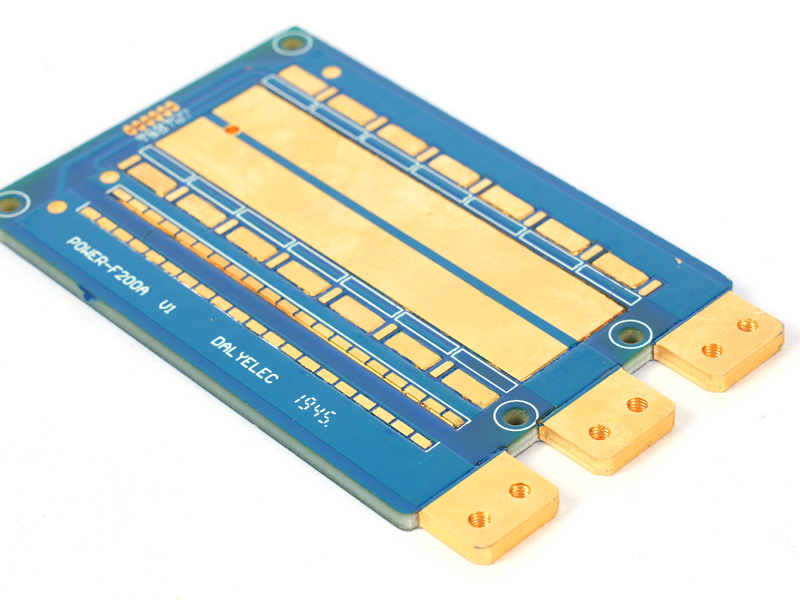
An extreme copper PCB is a special type of printed circuit board that uses extra-thick copper layers, typically starting from 5 oz/ft² (about 175 microns) and going up to 20 oz/ft² or even higher. These thick copper layers are far greater than the standard 1 oz or 2 oz copper found in most PCBs. The goal of using extreme copper is to handle very high current, manage intense heat, and ensure mechanical durability in harsh environments.

Unlike standard copper PCB boards, extreme copper PCBs can safely conduct large currents without overheating, thanks to the increased cross-sectional area of the copper traces. In addition, the thick copper enhances the board’s thermal conductivity and mechanical strength, making it highly reliable for long-term use in demanding applications.

What Is Extreme Copper PCB?

Extreme Copper PCB Specification

ParameterSpecification
Copper Thickness5 oz/ft² to 20 oz/ft² (175 ¾m to 700 ¾m)
Base MaterialHigh TG FR4, Polyimide, Metal Core (Aluminum or Copper), Ceramic
Board Thickness1.6 mm to 6.0 mm (customizable)
Minimum Trace Width/Spacing0.5 mm / 0.5 mm (may vary based on copper thickness and design)
Maximum Current CapacityUp to 100 Amps or more, depending on trace width and copper weight
Thermal ConductivityHigh, due to thick copper and thermal vias (1.0–3.0 W/m·K for standard FR4)
Surface Finish OptionsENIG (Immersion Gold), HASL, OSP, Immersion Silver, Hard Gold
Drill Hole SizeMinimum 0.3 mm (12 mil), larger holes recommended for thick boards
Layer Count1 to 6 layers (commonly 1–2 layers for extreme copper)
Impedance ControlPossible with careful design; may be challenging due to thick copper
Solder MaskHigh-temperature resistant (e.g., green, black, white, custom colors)
Plating TypeHeavy copper plating for traces, pads, and through-holes
Thermal Via SupportYes – often required for heat dissipation in multilayer or dense designs
Standards ComplianceIPC-6012 Class 2/3, RoHS, UL94-V0 flame retardant rating

What Are Benefits of Extreme Copper PCB?

Breaking Current-Carrying Limits

  • A single 4oz (140Îźm) copper layer can carry 50A, four times the current of a conventional 1oz PCB.
  • Multi-layer stacking solutions (such as a 2oz + 4oz combination) support high-current transmission exceeding 1000A.

Reduced System Temperature Rise Risk

  • Tests show that under the same load, the temperature rise of a 4oz copper plate is 40% lower than that of a 1oz copper plate.
  • Reduced heat sink size enables device miniaturization.

Extended Product Lifecycle

  • The fatigue strength of the copper layer is increased by 60%, preventing circuit cracking caused by high-frequency vibration.
  • Salt spray testing shows corrosion resistance is three times that of conventional PCBs.

Simplified System Design Complexity

  • Multiple low-voltage circuit boards can be combined into a single board, reducing connectors and wiring harnesses.
  • Supports integrated power/signal design, reducing EMI interference.

Lifecycle Cost Advantages

  • Although the initial cost increases by 20%, the failure rate decreases by 70%.
  • A five-year TCO (Total Cost of Ownership) calculation shows a 35% reduction in maintenance costs.
What Are Benefits of Extreme Copper PCB?

What Are Applications of Extreme Copper PCB?

Applications of Extreme Copper PCB

  • Power Electronics– Used in power supplies, converters, and inverters to handle high current and heat.
  • Automotive Systems– Ideal for electric vehicle chargers, battery management systems, and motor controllers.
  • Industrial Equipment– Applied in welding machines, heavy machinery, and high-power control systems.
  • Military and Aerospace– Used in radar systems, communication devices, and rugged electronics for harsh conditions.
  • Renewable Energy– Found in solar inverters and wind power controllers that require high reliability and heat resistance.
  • Railway and Transportation– Used in power control units and signaling systems that demand strong and durable PCBs.
  • Medical Devices– Suitable for high-power medical equipment requiring stable and safe operation.

Extreme Heavy Copper PCB Design Guide

1. Material Selection

  • Base Material: Use high-Tg (≥180°C) FR4 or ceramic-filled PTFE for thermal stability.
  • Copper Foil: Specify 6-10 oz (210-350Âľm) rolled annealed copper for flexibility and adhesion.
  • Metal Core: Integrate aluminum/copper substrates (e.g., 2mm thickness) for direct heat dissipation.

2. Layer Stackup Strategy

  • Outer Layers: 6-10 oz copper for power/ground paths.
  • Inner Layers: 2-4 oz copper for signals; add isolated power planes for high-current rails.
  • Thermal Vias: Place 0.8-1.2mm diameter vias (≥3 oz plating) under hot components to connect outer/inner layers.

3. Trace Design Rules

  • Calculate width using IPC-2221 (e.g., 10 oz copper = ~150A for 20mm trace at 10°C rise).
  • Use 45° bends; avoid right angles to reduce impedance spikes.
  • Thicken traces near connectors (e.g., 2x nominal width) to handle surge currents.

4. Thermal Management

  • Fill unused areas with copper pours (≥70% coverage) tied to ground/power planes.
  • Use embedded heat sinks (e.g., copper coins) under MOSFETs/IGBTs.
  • For metal-core boards, bond components directly to the substrate with thermal epoxy.

5. Power Distribution

  • Split power planes by voltage (e.g., 48V, 12V) to minimize noise.
  • Place decoupling capacitors (e.g., 10ÂľF ceramic) within 2mm of IC power pins.
  • Widen battery-to-load paths (e.g., 50mm+ traces) to minimize IR drop.

6. Signal Integrity

  • Keep high-speed traces (>100MHz) away from power zones (≥5mm gap).
  • Adjust trace spacing to maintain 75-100Ί impedance despite thick copper.
  • Use guard traces (grounded copper) around sensitive signals.

7. Manufacturing Compliance

  • Specify “extreme heavy copper” and “metal-core” in design notes.
  • Confirm minimum trace/space (≥10mil) and via drill sizes (≥0.5mm).
  • Request differential etching and X-ray inspection for via plating quality.

8. Assembly Considerations

  • Use high-temperature solder (e.g., SAC305) rated for 260°C reflow.
  • Add soldermask dams between thick traces to prevent solder wicking.
  • Test prototypes with 2x nominal current to validate thermal performance.

9. Validation & Testing

  • Perform thermal imaging under max load to identify overheating zones.
  • Use a microsection analysis to verify copper thickness and via plating integrity.
  • Conduct HALT (Highly Accelerated Life Test) for thermal cycling (-40°C to +125°C).
Extreme Heavy Copper PCB Design Guide

Why Choose EBest Circuit (Best Technology) as Extreme Copper PCB Supplier?

Reasons why choose us as extreme copper PCB supplier:

  • Certified Compliance (ISO 9001, UL, RoHS) – Mitigates regulatory risks and ensures products meet global standards for safety and environmental compliance.
  • 19 Years of Heavy Copper PCB Manufacturing Experience – Quickly and flexibly handle the production of thick copper plates, speeding up production cycles。
  • 24-Hour Rapid Prototyping Delivery – Accelerates product development cycles, enabling faster time-to-market and competitive edge in high-demand industries.
  • Stringent Quality Control with 100% Inspection – Eliminates hidden defects, reduces rework costs, and ensures reliability in high-current/thermal applications.
  • Transparent Pricing with No Hidden Fees – Predictable budgeting and cost savings through upfront pricing models tailored to thick copper PCB specifications.
  • Free DFM (Design for Manufacturability) Analysis – Optimizes PCB layouts to reduce material waste, lower production costs, and avoid late-stage design revisions.
  • One-Stop Solution from Design to Delivery – Streamlines project management by consolidating prototyping, fabrication, and assembly under one roof.
Why Choose EBest Circuit (Best Technology) as Extreme Copper PCB Supplier?

Our Heavy Copper PCB Capabilities

Base materialFR4/Aluminum
Copper thickness:4 OZ~10 OZ
Extreme Heavy Copper:20~200 OZ
Outline:Routing, punching, V-Cut
Soldermask:White/Black/Blue/Green/Red Oil
Surface finishing:Immersion Gold, HASL, OSP
Max Panel size:580*480mm(22.8″*18.9″)

How to Get A Quote For Extreme Copper PCB Project?

Basic structural parameters

  • Number of layers required (single-sided/double-sided/4-20 layers)
  • Finished product dimensions (length x width Âą tolerance) and panelization plan
  • Panel type (FR4 Tg 170°/aluminum substrate/ceramic substrate
  • Target board thickness (0.8-6.0mm range)

Copper foil process specifications

  • Copper thickness distribution (e.g., outer layer 4oz/inner layer 2oz)
  • Special requirements (locally thickened copper block/embedded copper heat sink)
  • Minimum trace width/spacing (e.g., 6oz copper thickness requires ≥5.0mil)

Electrical performance requirements

  • Current carrying capacity (e.g., continuous current ≥200A @ 25°C)
  • Impedance control requirements (differential pair impedance value and tolerance)
  • Insulation withstand voltage rating (power frequency/DC withstand voltage)

Surface finish options

  • Choose one of: ENIG/immersion tin/OSP
  • Solder mask color (default green, other colors +20% fee)
  • Silkscreen requirements (character height ≥0.8mm)

Special process instructions

  • Thick copper etching compensation solution (design documents required)
  • Thermal via design (aperture diameter/pitch/filler material)
  • Acceptance criteria (IPC-6012D) Class 2/3)

Required Documents

  • Gerber (RS-274X format) + drill file.
  • Stackup diagram (with copper thickness distribution).
  • Impedance calculation table (if high-speed signals are involved).

Why choose EBest Circuit (Best Technology)?

  • 19 Years of Thick Copper Expertise: Delivered over 50 million 4oz+ PCBs since 2006, a strategic supplier to Tesla and Huawei.
  • Pricing Transparency: Vertically integrated supply chain, prices 30-40% lower than those of European and American manufacturers for comparable processes.
  • Extreme Response: 24-hour emergency proofing, 72-hour first-part delivery (industry average: 7 days).
  • Full Inspection Commitment: 100% AOI + Flying Probe Testing, CPK ≥ 1.67, Failure Rate < 50 PPM.
  • One-Stop Service: From design review to conformal coating to assembly and testing, complete management.

Welcome to contact us if you have any request for copper PCB: sales@bestpcbs.com.
You may also like

4 oz Copper PCB Board Design & Manufacturer, Fast Delivery

July 29th, 2025

Why choose 4 oz copper PCB? This guide discover its thickness, application, design guide and spec, as well as supplier selection methods.

Are you troubled with these problems?

  • How to avoid copper foil melting in high current scenarios?
  • How to balance the cost and reliability of thick copper plates?
  • How to efficiently achieve complex heat dissipation requirements?

EBest Circuit (Best Technology) can provide services and solutions:

  • Copper thickness optimization algorithm + customized design: Based on 19 years of data accumulation, provide accurate copper thickness and line width matching solutions to ensure stability under 5A/mm² current.
  • Step-by-step cost control solution: Through innovations such as local thickening and gold immersion process replacement, reduce overall costs by 15%-30% without sacrificing performance.
  • Three-dimensional heat dissipation structure design: The use of embedded copper blocks and microchannel etching technology increases heat dissipation efficiency by 40%, without the need for additional heat sinks.

Welcome to contact us if you have any request for heavy copper PCB: sales@bestpcbs.com.
What Is 4 oz Copper PCB?

A 4 oz copper PCB refers to a printed circuit board with copper layers weighing 4 ounces per square foot, roughly 140 microns thick. This thicker copper coating allows the board to handle higher electrical currents and heat dissipation compared to standard 1 oz or 2 oz PCBs. It’s commonly used in power electronics, motor controls, automotive systems, and industrial devices where robustness and efficiency matter. Manufacturing such PCBs requires specialized techniques to ensure even copper distribution and structural integrity, making them slightly more expensive but ideal for demanding applications.

What Is 4 oz Copper PCB?

How Thick Is 4 oz of Copper PCB?

The thickness of a 4 oz copper PCB refers to the weight of copper per square foot, which translates to approximately 0.14 millimeters (mm) or 5.6 mils in physical thickness. This measurement is commonly used in printed circuit board (PCB) manufacturing to indicate the copper layer’s density, with 4 oz being a standard choice for high-current applications due to its durability and conductivity.

How Thick Is 4 oz of Copper PCB?

Why Choose 4 oz Copper PCB?

Advantages of 4 oz Copper PCB

  • Enhanced Current Handling – 4 oz copper PCBs can carry higher currents without overheating, making them ideal for power electronics, motor controllers, and high-voltage systems.
  • Improved Durability – The thicker copper layer resists thermal stress and mechanical wear, extending the lifespan of the PCB in demanding environments.
  • Better Thermal Management – Increased copper thickness dissipates heat more efficiently, reducing the risk of component failure due to overheating.
  • Reliable Signal Integrity – For high-frequency applications, the robustness of 4 oz copper minimizes signal loss and interference, ensuring stable performance.
  • Cost-Effective in the Long Run – While slightly pricier than thinner alternatives, their longevity and reduced maintenance needs lower total ownership costs.
  • Simplified Design Flexibility – Allows for wider traces and fewer layers, streamlining manufacturing while maintaining performance.

When to Use 4 oz Copper PCB Board?

Applications for 4 oz copper PCB board

  • High-Current Power Electronics – Used in power supplies, motor controllers, and inverters to handle heavy currents efficiently.
  • LED Lighting Systems – Essential for high-power LED drivers to dissipate heat and ensure stable performance.
  • Automotive Electronics – Suitable for battery management systems (BMS) and EV charging circuits due to durability.
  • RF and Microwave Devices – Provides low resistance for signal integrity in high-frequency applications.
  • Industrial Equipment – Ideal for welding machines and robotics where robust current handling is critical.
  • Solar Power Systems – Used in solar charge controllers and inverters to optimize energy conversion.

4 oz Copper PCB Design Specification

SpecificationTypical Value / Range
Copper Thickness4 oz/ft² (≈ 140 µm or 0.14 mm per layer)
Minimum Trace Width≥ 10 mil (0.254 mm)
Minimum Trace Spacing≥ 10 mil (0.254 mm)
Minimum Hole Diameter0.3 mm (can vary with board thickness)
Board Thickness1.6 mm – 3.2 mm (custom options available)
Max. PCB SizeTypically 600 mm × 600 mm (depends on fabrication)
Dielectric MaterialFR4, Polyimide, or High-TG material
Thermal ConductivityDepends on base material, FR4 ~0.3 W/mK, Metal Core ~1–3 W/mK
Surface FinishENIG, HASL, OSP, Immersion Silver, Immersion Tin
Layer Count1 to 12 layers (4 oz typically used in 2–6 layers)
Solder Mask ColorGreen, Blue, Black, Red, White
Tg (Glass Transition Temp.)≥ 130°C (Standard FR4) or ≥ 170°C (High-TG)
Impedance ControlOptional – harder to achieve with thick copper
Drill ToleranceÂą0.075 mm typical
Aspect Ratio (Hole:Board)≤ 6:1 recommended for plating reliability

How to Design A 4 oz Copper PCB Board for High Power?

4 oz copper PCB board design guide for high power application:

1. Material Selection

  • Use high-Tg (≥170°C) FR4 or metal-core substrates (aluminum/copper) to withstand heat from high currents. Verify copper foil adhesion strength to prevent delamination under thermal stress.

2. Layer Stackup

  • Outer layers: 4 oz copper for power/ground traces.
  • Inner layers: 1-2 oz copper for signals.
  • Add dedicated power/ground planes near high-current areas.

3. Trace Design

  • Calculate trace width using IPC-2221 standards (e.g., 4 oz copper = ~70A for 10mm width at 10°C rise).
  • Avoid sharp angles; use 45° bends to reduce impedance mismatches.
  • Thicken traces near connectors/power components.

4. Thermal Management

  • Fill unused areas with copper pours connected to ground/power planes.
  • Place thermal vias (≥0.5mm diameter, ≥2 oz plating) under hot components to transfer heat to inner layers.
  • Use metal-core bases for direct heat dissipation.

5. Power Distribution

  • Split power planes for different voltage rails (e.g., 12V, 5V).
  • Place decoupling capacitors close to IC power pins.
  • Widen high-current paths (e.g., battery to motor) to minimize voltage drop.

6. Signal Integrity

  • Keep high-speed traces (e.g., >50MHz) away from power zones.
  • Adjust trace spacing to maintain 50-75Ί impedance despite thick copper.

7. Manufacturing Compliance

  • Specify “4 oz copper” and “metal-core” to PCB vendors.
  • Confirm minimum trace/space (≥8mil) and via drill sizes (≥0.3mm).
  • Request differential etching to avoid undercutting.

8. Testing & Validation

  • Perform thermal imaging under max load to identify hotspots.
  • Simulate current flow with tools like PSpice or LTspice.
  • Test prototype with 1.5x nominal current to validate reliability.
How to Design A 4 oz Copper PCB Board for High Power?

How to Choose A Reliable Heavy Copper PCB Manufacturer?

Methods about how to choose a reliable 4 oz copper PCB manufacturer:

  • Verify Credentials & Certifications: Prioritize manufacturers with ISO 9001, UL certification, IPC compliance, and RoHS/REACH compliance.
  • Assess Production Experience: Demand case studies of 4 oz copper PCB projects, especially in high-current, thermal management, or RF applications to reduces technical risks.
  • Inspect Quality Control Systems: Inquire about AOI (Automated Optical Inspection), X-ray layer inspection, and electrical testing capabilities. For thick copper boards, uneven plating is a common defect, robust QC processes minimize failures.
  • Evaluate Technical Expertise: Confirm the engineering team’s proficiency in impedance control, thick copper filling, and other specialized processes. Request technical whitepapers or examples of past design optimizations (Such as reducing thermal stress).
  • Clarify Lead Times & Capacity: 4 oz copper PCBs require longer production cycles. Confirm if the factory has dedicated lines for thick copper boards and emergency order handling. Ask for the past 3-month on-time delivery rate (aim for ≥95%).
  • Test Customer Service Responsiveness: Measure technical support reply time (ideal: ≤24 hours via email/phone). Ensure they provide DFM (Design for Manufacturability) feedback to avoid costly late-stage revisions.
  • Compare Price Transparency: Request itemized quotes. Beware of hidden costs (e.g., engineering fees, testing charges). For 4 oz copper boards, reasonable price differences should stay within 15%, prioritize value over lowest bid.
  • Focus on Long-Term Reliability: For high-stakes applications (e.g., industrial control, power modules), prioritize suppliers with proven defect-handling protocols. A slightly higher upfront cost often offsets project delays or field failures.
How to Choose A Reliable Heavy Copper PCB Manufacturer?

How to Get A Quote For Heavy Copper PCB Project?

All Materials Clients Need to Submit

1. Gerber Files & Drawings

  • Provide complete PCB design files (including .brd, .gbl, .gtl formats), marking copper thickness distribution areas and special process requirements (e.g., stepped copper, deep copper slots).

2. Technical Specifications

  • Specify:
  • Copper thickness (e.g., 4oz/5.6oz)
  • Layer count and stack-up structure
  • Minimum trace width/spacing (≥6mil recommended for heavy copper)
  • Impedance control requirements (Âą10% accuracy)

3. Material & Surface Finish

  • Define substrate (e.g., FR4, CEM-3), solder mask color, surface treatment (HASL, ENIG, OSP), and note if high-temperature/high-TG material is needed.

4. Special Process Requirements

  • Include buried/blind vias, back drilling, metal core (aluminum/copper substrate), immersion gold thickness (2-5Îźm recommended), with detailed design drawings.

5. Testing & Certification Needs

  • List required tests: flying probe test, impedance test, thermal stress test, and third-party certifications (e.g., UL, CE).

6. Volume & Lead Time

  • Provide estimated order quantity (e.g., 50pcs/500pcs) and desired delivery time, noting if split shipments are acceptable.

7. Application Description

  • Briefly explain product use (e.g., new energy, automotive electronics, industrial control) to help optimize process parameters (e.g., current-carrying capacity design).

8. Contact Information

  • Include company name, procurement contact, and details for smooth technical communication.

Act Now for Accurate Quotation!

EBest Circuit (Best Technology) has 19 years of expertise in heavy copper PCB manufacturing, offering 24-hour rapid prototyping. Our engineering team provides free design optimization, ensuring copper thickness uniformity within ±8% and via filling rate ≥95%. Submit materials to sales@bestpcbs.com to get a free quote now!

You may also like

Thick Copper PCB Board Prototype & Manufacturer

July 17th, 2025

Looking for thick copper PCB solution? This guide explores its benefits, application, specifications, manufacturing advantages, manufacturing process..

  • Struggling with frequent PCB failures due to overheating in high-current designs?
  • Need thicker copper for power integrity but worried about manufacturing defects?
  • Tired of suppliers charging premium prices for 6oz+ copper boards with slow turnarounds?

EBest Circuit (Best Technology) Can Provide:

  • Robust Thermal Management: Advanced 4oz–15oz copper plating ensures 30%+ heat dissipation, reducing hotspots in power electronics.
  • Zero-Defect Fabrication: Laser-drilled vias and symmetrical stacking prevent copper peeling, even in multilayer designs.
  • Cost-Efficient Scaling: Optimized panel utilization and bulk-order discounts cut costs by 15% without sacrificing quality.

Welcome to contact EBest Circuit (Best Technology): sales@bestpcbs.com.

What Is Thick Copper PCB?

Thick copper PCB, often termed heavy copper PCB, is a specialized printed circuit board featuring copper layers substantially thicker than standard designs, usually exceeding 3 ounces per square foot (approximately 105 micrometers), to support elevated electrical loads and thermal dissipation.

This design significantly boosts current-carrying capacity, minimizes resistance, and enhances reliability in high-power environments like industrial equipment, automotive systems, and renewable energy applications, where heat management and durability are prioritized.

What Is Thick Copper PCB?

Heavy Copper PCB Specification

CategorySpecification
Copper Weight3 oz/ft² (105 ¾m) to 20 oz/ft² (700 ¾m) or custom thicknesses.
Current CapacitySupports 100A+ with proper trace design; reduces resistive power loss.
Thermal ManagementHigh thermal conductivity (385 W/m¡K) for effective heat dissipation.
Dielectric MaterialFR-4, polyimide, or ceramic substrates compatible with thick copper layers.
Minimum Trace Width0.3–0.5 mm (varies with copper weight and etching process).
Plating RequirementsAdditional copper plating (up to 5 oz) for vias/pads to prevent cracking.
Aspect Ratio8:1 (drill depth to diameter) for reliable through-hole plating.
Finish OptionsHASL, ENIG, immersion silver, or selective gold plating for corrosion resistance.
Operating Temperature-50°C to +150°C (material-dependent).

Benefits of Thick Copper PCB Board

  • Enhanced Current-Carrying Capacity‌ – Thick copper layers (3 oz/ft² to 20+ oz/ft²) reduce electrical resistance, enabling higher current flow without overheating. Ideal for power converters and motor drives.
  • Superior Thermal Management‌ – Increased copper mass dissipates heat efficiently, minimizing hot spots in high-power applications like industrial machinery or EV charging systems.
  • Improved Mechanical Durability‌ – Resists thermal expansion stress and vibration, extending lifespan in harsh environments (e.g., aerospace, automotive).
  • Space Optimization in Complex Designs‌ – Combines high-power traces with standard circuits on a single board, reducing assembly size and simplifying layouts.
  • Higher Reliability Under Extreme Conditions‌ – Stable performance in high-temperature or high-voltage scenarios, such as renewable energy inverters or defense systems.
  • Reduced Power Loss‌ – Lower resistive losses compared to thin-copper alternatives, enhancing energy efficiency in data centers and telecom infrastructure.
  • Flexible Design Integration‌ – Supports mixed-technology designs (e.g., embedded components) for advanced electronics requiring both signal integrity and power delivery.
  • Cost-Effective for High-Power Applications‌ – Long-term savings by reducing the need for additional cooling components or redundant circuitry.
Benefits of Thick Copper PCB Board

Application of Thick Copper PCBs

  • Power Electronics – High-current inverters, DC-DC converters, industrial power supplies (currents >50A).
  • Automotive Systems – Electric vehicle battery management systems, onboard chargers, traction motor controllers (vibration, thermal cycling).
  • Renewable Energy Infrastructure – Solar inverters, wind turbine converters, grid-tied energy storage systems (high-current flows, outdoor thermal loads).
  • Industrial Machinery – Motor drives, welding equipment, automation controllers (surge currents, repetitive thermal stress).
  • Aerospace and Defense – Avionics power systems, radar transmitters, satellite communication modules (vacuum, radiation, mechanical shock).
  • High-Power LED Lighting – Stadium lighting arrays, horticultural grow lights, automotive headlamp systems (uniform heat distribution across LED arrays).
  • Medical Devices – MRI cooling systems, laser surgery equipment, diagnostic imaging power modules (stable power delivery, sterile environments).
Application of Thick Copper PCB

Manufacturing Processes of Thick Copper PCB Board

1. Design Preparation: Use CAD software to define circuit patterns, ensuring trace widths and spacing comply with thick copper (≥3 oz/ft²) current-carrying requirements.

2. Material Selection: Choose substrates with high thermal stability (e.g., FR-4, polyimide) and copper foils tailored to target thickness (4 oz/ft² to 20 oz/ft²).

3. Copper Deposition: Apply electroplating or etched-foil processes to achieve uniform copper layers. Thick copper requires controlled plating currents to avoid voids or uneven distribution.

4. Pattern Etching: Use alkaline or acidic etchants to remove excess copper. Thick copper demands longer etching times and specialized chemistry to prevent undercutting.

5. Lamination: Stack prepreg layers and copper clads under high temperature/pressure. Thick copper boards may require sequential lamination to manage resin flow and avoid delamination.

6. Drilling: Machine-drill via holes using carbide bits. Thick copper boards need slower drill speeds and peck-drilling cycles to prevent bit wear and ensure hole quality.

7. Through-Hole Plating: Deposit copper into drilled vias via electroless or electrolytic plating. Thick copper requires thicker via barrels (≥1.5 mils) to withstand high current and thermal stress.

8. Solder Mask: Apply epoxy-based solder mask using screen printing or spray coating. Thick copper boards may need adjusted mask thickness to cover raised copper areas.

9. Surface Finish: Apply finishes like HASL (Hot Air Solder Leveling), ENIG (Electroless Nickel Immersion Gold), or OSP (Organic Solderability Preservative) for solderability and corrosion resistance.

10. Testing: Perform electrical continuity tests, thermal cycling, and impedance checks to validate performance under high-current and high-temperature conditions.

Why Choose EBest Circuit (Best Technology) as Thick Copper PCB Manufacturer?

Reasons why choose EBest Circuit (Best Technology) as your thick copper PCB manufacturer:

  • Proven Expertise in Thick Copper (4–20 oz/ft²) Applications: Leverage specialized knowledge in high-power PCB design to avoid common pitfalls and ensure performance.
  • One-Stop Solution from Design to Delivery: Streamlines project management by consolidating prototyping, fabrication, and assembly under one roof.
  • 48-Hour Rapid Prototyping Delivery: Accelerates product development cycles, enabling faster time-to-market and competitive edge in high-demand industries.
  • Certified Compliance (ISO 9001, UL, RoHS,  ISO 9001, IATF 16949 ): Mitigates regulatory risks and ensures products meet global standards for safety and environmental compliance.
  • Stringent Quality Control with 100% Inspection: Eliminates hidden defects, reduces rework costs, and ensures reliability in high-current/thermal applications.
  • Transparent Pricing with No Hidden Fees: Predictable budgeting and cost savings through upfront pricing models tailored to thick copper PCB specifications.
  • Free DFM (Design for Manufacturability) Analysis: Optimizes PCB layouts to reduce material waste, lower production costs, and avoid late-stage design revisions.
  • 24/7 Dedicated Engineer Support Team: Instant technical guidance for complex thick copper designs, troubleshooting, and process optimization.
Why Choose EBest Circuit (Best Technology) as Thick Copper PCB Manufacturer?

Our Thick Copper PCB Capabilities

Base materialFR4/Aluminum
Copper thickness4 OZ~10 OZ
Extreme Heavy Copper20~200 OZ
OutlineRouting, punching, V-Cut
SoldermaskWhite/Black/Blue/Green/Red Oil
Surface finishingImmersion Gold, HASL, OSP
Max Panel size580*480mm(22.8″*18.9″)

Thick Copper PCB Board Prototype Fast Delivery

Standard Lead Time (Conventional Processes)‌

  • Single/Double Layers‌: Delivery within ‌3 business days‌ (supports ≤1.5OZ copper thickness)
  • 4-6 Layers‌: Completion in ‌5 business days‌ (supports ≤3OZ copper + resin plugging)

Expedited Service (Additional Cost Applies)‌

  • 48-Hour Rush‌: For ≤4-layer boards, copper ≤4OZ (file feasibility must be confirmed in advance)
  • 72-Hour Priority‌: Covers 6-layer thick copper boards (including impedance control)

Extended Time for Special Processes‌

  • Extra-Thick Copper (≥6OZ)‌: Standard lead time + ‌1-2 days‌ (requires extended plating time)
  • Hybrid Lamination (e.g., aluminum substrate)‌: Lead time increased by ‌30%‌ (quoted separately)

How to Get A Quote for Thick Copper PCB Boards?

Here are essential files to submit your heavy copper PCB manufacturer:

  • Gerber Files‌: Provide complete PCB design files in standard Gerber format for fabrication.
  • Bill of Materials (BOM)‌: Include a detailed BOM list with component specifications, quantities, and reference designators.
  • Assembly Drawings‌: Submit clear assembly diagrams or schematics to guide manufacturing.
  • Additional Specifications‌: Clearly state copper thickness (e.g., 3OZ, 4OZ or higher), layer count, and any special processes like resin plugging or impedance control.
  • Sample PCB or PCBA (Optional)‌: Sending a physical sample can help verify complex designs and improve quote accuracy.

For customized quotes and expert support on thick copper boards, please contact ‌EBest Circuit (Best Technology)‌ directly. Submit your files via email for a response within hours: sales@bestpcbs.com.
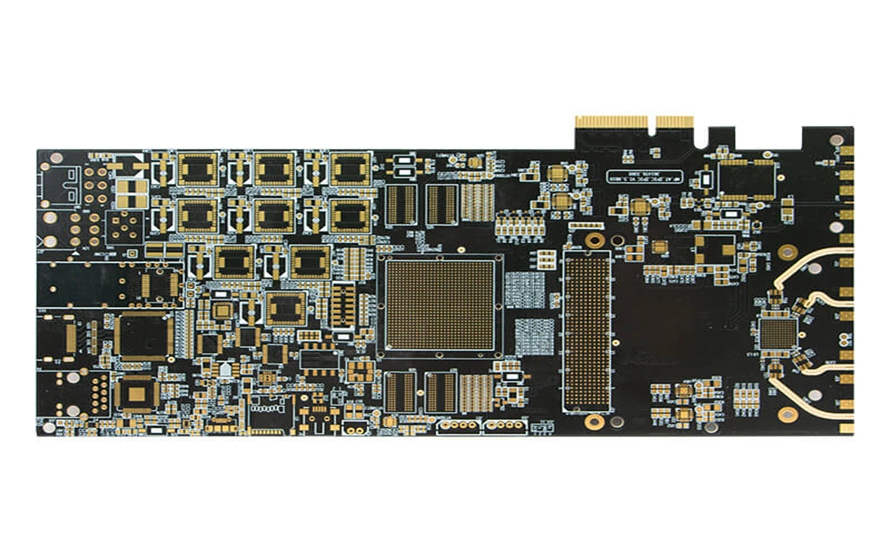
You may also like

Rogers PCBs – The Ideal Choice for High-Speed Communication

July 12th, 2025

In EBest Circuit (Best Technology), the printed circuit Board manufacturing, particularly in high-frequency and high-speed signal transmission applications, Rogers Corporation’s PCB materials have become the go-to choice for our engineers. Rogers specializes in producing high-performance, highly reliable circuit board materials that find extensive use in wireless communications, automotive radar, satellite communication, and more. This blog post explores the unique advantages of Rogers PCBs and their significance in the international market.
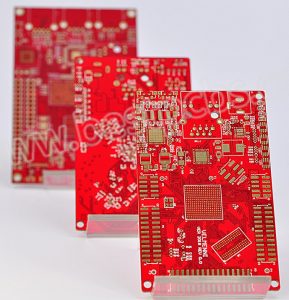
Rogers PCBs – The Ideal Choice for High-Speed Communication

What is Rogers PCB?

Rogers PCBs are renowned for their exceptional electrical performance. Compared to traditional FR-4 materials, Rogers materials offer a lower dissipation factor (Df), meaning they can maintain signal integrity at higher frequencies with reduced energy loss. This is critical for applications requiring precise data transmission such as 5G communications and millimeter-wave radars.

Rogers materials exhibit outstanding thermal stability. In high-temperature environments, these materials retain dimensional stability and mechanical strength, ensuring the reliability of PCBs under extreme conditions. For devices that need to operate stably over long periods, such as base stations or satellite communication equipment, this feature is especially important. Here is a comparison between Rogers materials and FR4.

PropertyRogers MaterialFR4 Material
Dielectric Constant (Dk)Low and stable (e.g. 2.2 – 3.5)Higher and less stable (around 4.3 – 4.8)
Loss Tangent (Df)Very low (as low as 0.0009)Higher (typically ~0.02)
Signal LossMinimal, ideal for high-frequency applicationsMore signal loss at high frequencies
Frequency PerformanceExcellent at RF/microwave frequencies (GHz range)Poor performance above 1 GHz
Thermal StabilityExcellent (low Dk variation with temperature)Moderate
Thermal ConductivityHigher (improves heat dissipation)Lower
CostHighLow
Material CompositionCeramic-filled or hydrocarbon-based laminatesWoven glass epoxy resin
ApplicationRF, microwave, satellite, aerospace, radar, 5GConsumer electronics, computers, industrial devices
Moisture AbsorptionVery lowHigher
Impedance ControlBetter and more predictableLess accurate
ManufacturabilityRequires experienced processing (different drilling etc.)Easy to process using standard PCB methods

Moreover, Rogers offers a range of materials with different characteristics to cater to various application needs. From low-loss to ultra-high-frequency applications, customers can choose the most suitable material based on their specific requirements. This not only enhances design flexibility but also provides more solutions to address complex engineering challenges.

In the context of globalization, competition in the international market has intensified. Utilizing Rogers PCB materials not only elevates the technical content and competitiveness of products but also offers customers a superior service experience. With the widespread adoption of 5G technology and the development of the Internet of Things (IoT), the demand for high-performance PCBs will continue to grow, making Rogers a leader in this field.

Advantages of Rogers PCB

1. Superior High-Frequency Performance

Rogers PCBs offer excellent electrical performance at high frequencies. Their stable dielectric constant and low loss tangent minimize signal loss and dispersion, which is critical for RF and microwave applications.

2. Low Dielectric Loss

Rogers materials have very low Df (dissipation factor), reducing power loss during signal transmission. This makes them highly efficient for high-speed, high-frequency signal paths.

3. Excellent Thermal Management

Rogers laminates have better thermal conductivity compared to standard FR4, allowing for more efficient heat dissipation. This helps maintain performance in demanding temperature environments.

4. Stable Electrical Properties

Their dielectric constant remains consistent over a wide range of temperatures and frequencies, enabling precise impedance control and signal integrity in advanced circuit designs.

5. Low Moisture Absorption

Rogers materials absorb less moisture than FR4, making them reliable for outdoor, aerospace, or high-humidity environments.

6. Better Reliability for Harsh Environments

With high temperature resistance and chemical stability, Rogers PCBs perform well in aerospace, military, and industrial applications where standard FR4 may fail.

Rogers PCBs – The Ideal Choice for High-Speed Communication

Applications of Rogers PCB

1. RF and Microwave Circuits

Rogers PCBs are widely used in radio frequency (RF) and microwave communication systems, including antenna arrays, radar modules, and RF amplifiers.

2. 5G Infrastructure

Due to their low signal loss and excellent high-frequency characteristics, Rogers boards are ideal for 5G base stations, antennas, and network hardware.

3. Aerospace and Defense Systems

In aviation, satellites, and military electronics, Rogers PCBs provide the precision and durability needed for mission-critical communication and control systems.

4. Automotive Radar and ADAS

Modern vehicles use Rogers-based PCBs in advanced driver assistance systems (ADAS), radar sensors, and collision avoidance modules for reliable performance under extreme conditions.

5. Medical Imaging and Equipment

Rogers boards are used in MRI machines, RF ablation devices, and other diagnostic tools where consistent signal performance is crucial.

6. High-Speed Digital Circuits

In computing and telecommunications, Rogers materials support high-speed signal integrity for backplanes, routers, and high-frequency data transmission boards.

Applications of Rogers PCB

Conclusion

Rogers PCBs stand out globally due to their outstanding performance and broad applicability. Whether developing new communication devices or improving existing systems, choosing Rogers is a wise decision. Their commitment to innovation ensures they remain at the forefront of technological advancement, providing unparalleled solutions for tomorrow’s electronic challenges.

Best Tech is a very professional manufacturer in printed circuit board. If you are interesting to know more information for Rogers PCB and other high-speed signal transmission application for printed circuit board, please come to contact us at any time.

You may also like