PCB manufacturing PCB manufacturing
Home > Blog

What is pcba and its components

October 4th, 2024

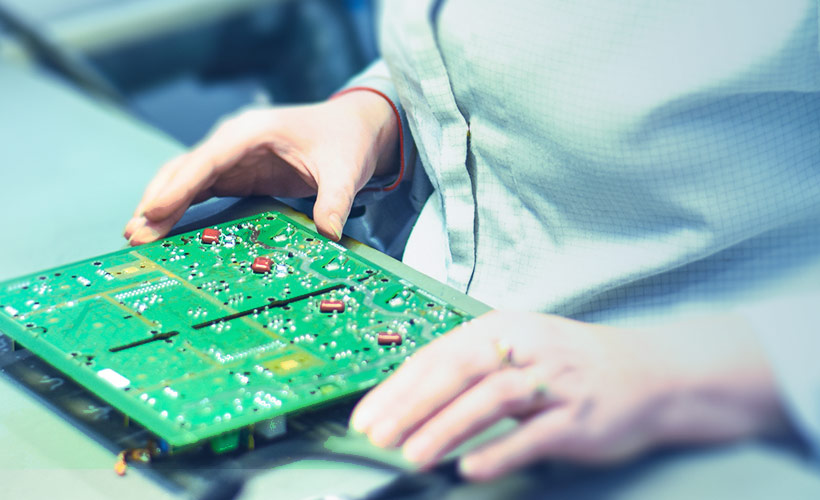
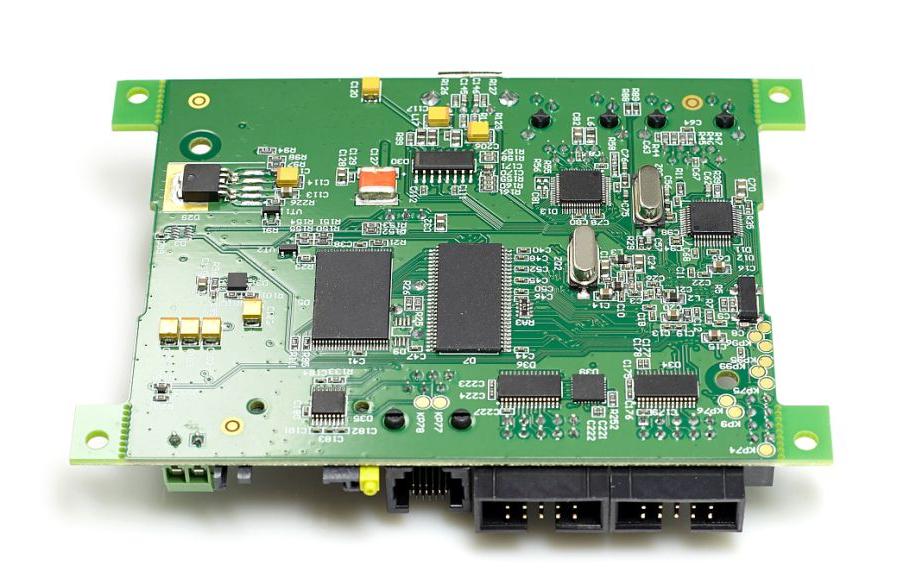
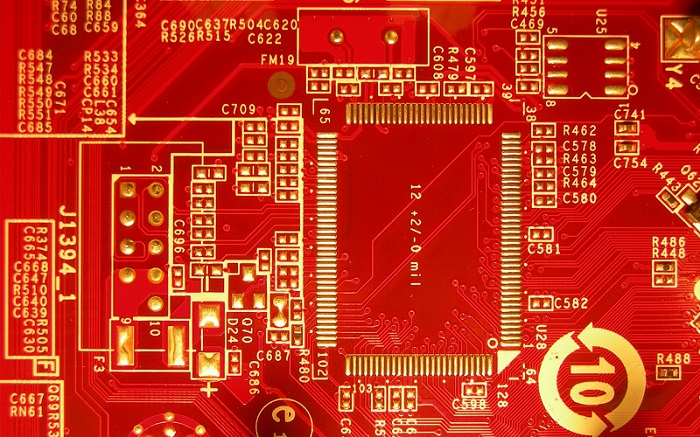
What is pcba and its components?Refers to fixing electronic components on a printed circuit board by welding or other means to form a complete circuit system with specific functions. ‌ PCBA is one of the most important components in electronic devices, providing functions such as circuit connection, protection components and heat dissipation.‌

Best offers consignment, full turnkey, and partial turnkey assembly services. All parts are sourced directly from manufacturers or authorized distributors such as Digikey, Mouser, Future, TTI, Avnet, and Arrow to avoid counterfeit parts.

What is PCBA?

PCBA is the abbreviation of Printed Circuit Board Assembly, which refers to the process and product of installing and soldering all necessary electronic components on a PCB (printed circuit board) to form a complete functional circuit. PCBA is a key step in the production of electronic equipment. It provides a platform for electronic components to work in a coordinated manner, enabling the device to perform its intended tasks.

What is a PCBA component?

component

What is a PCBA component?

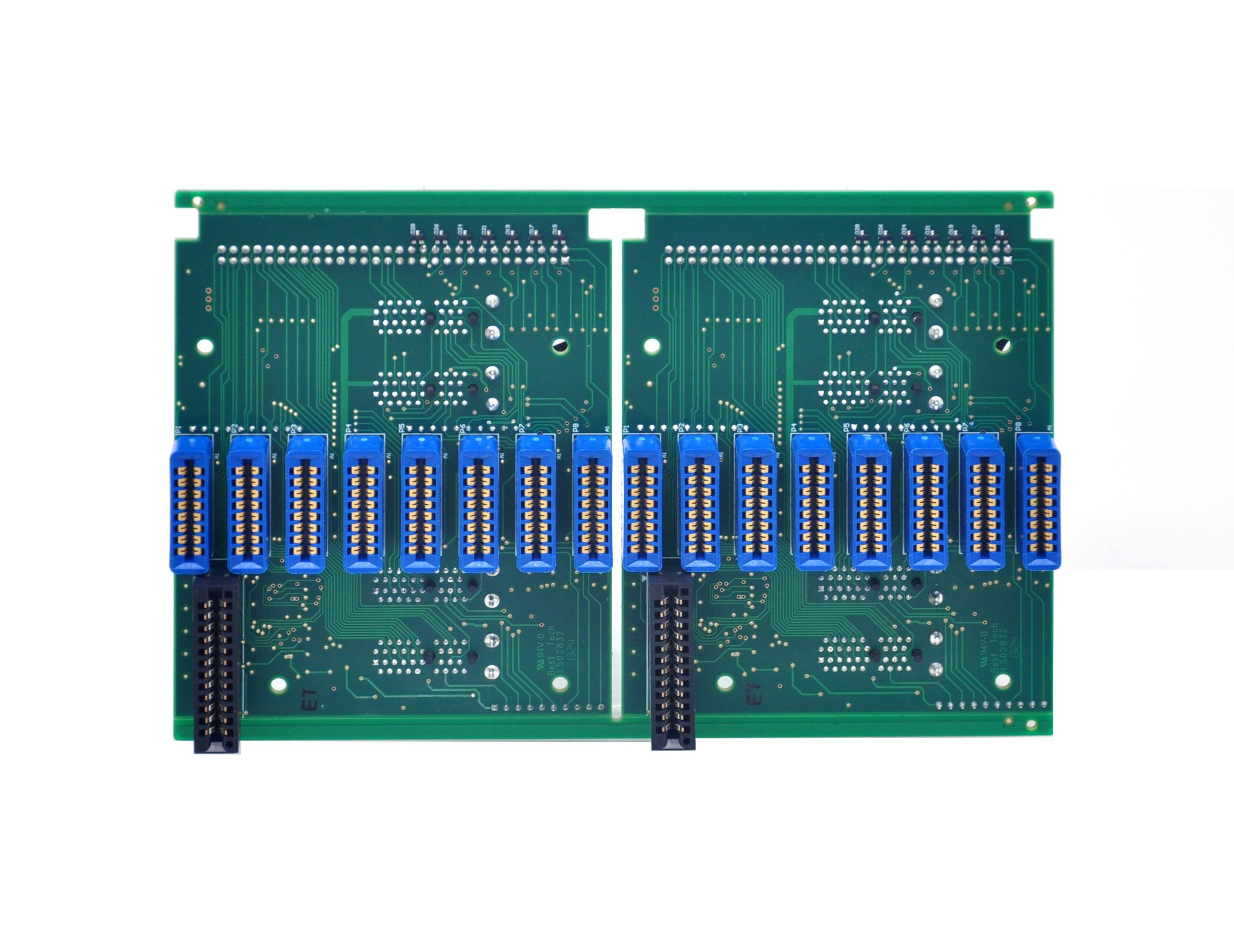
PCBA components refer to electronic components soldered on PCBs, including various components packaged in SMD patches and DIP plug-ins, such as integrated circuits IC, crystal oscillators, diodes, triodes, resistors, capacitors, transformers, digital tubes, connectors, inductors, etc. These components are the basis for realizing the hardware connection and program functions of PCBA boards. PCB designers will draw the corresponding circuit schematics according to the functions of the products and select appropriate components to realize the circuit functions.

PCBA process steps

component

PCBA process steps

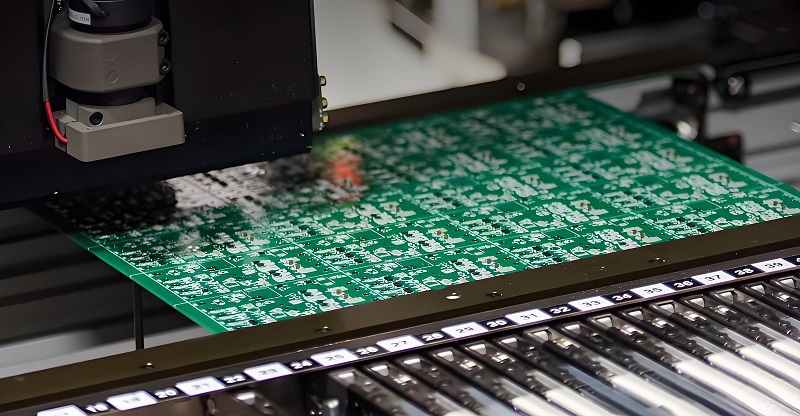
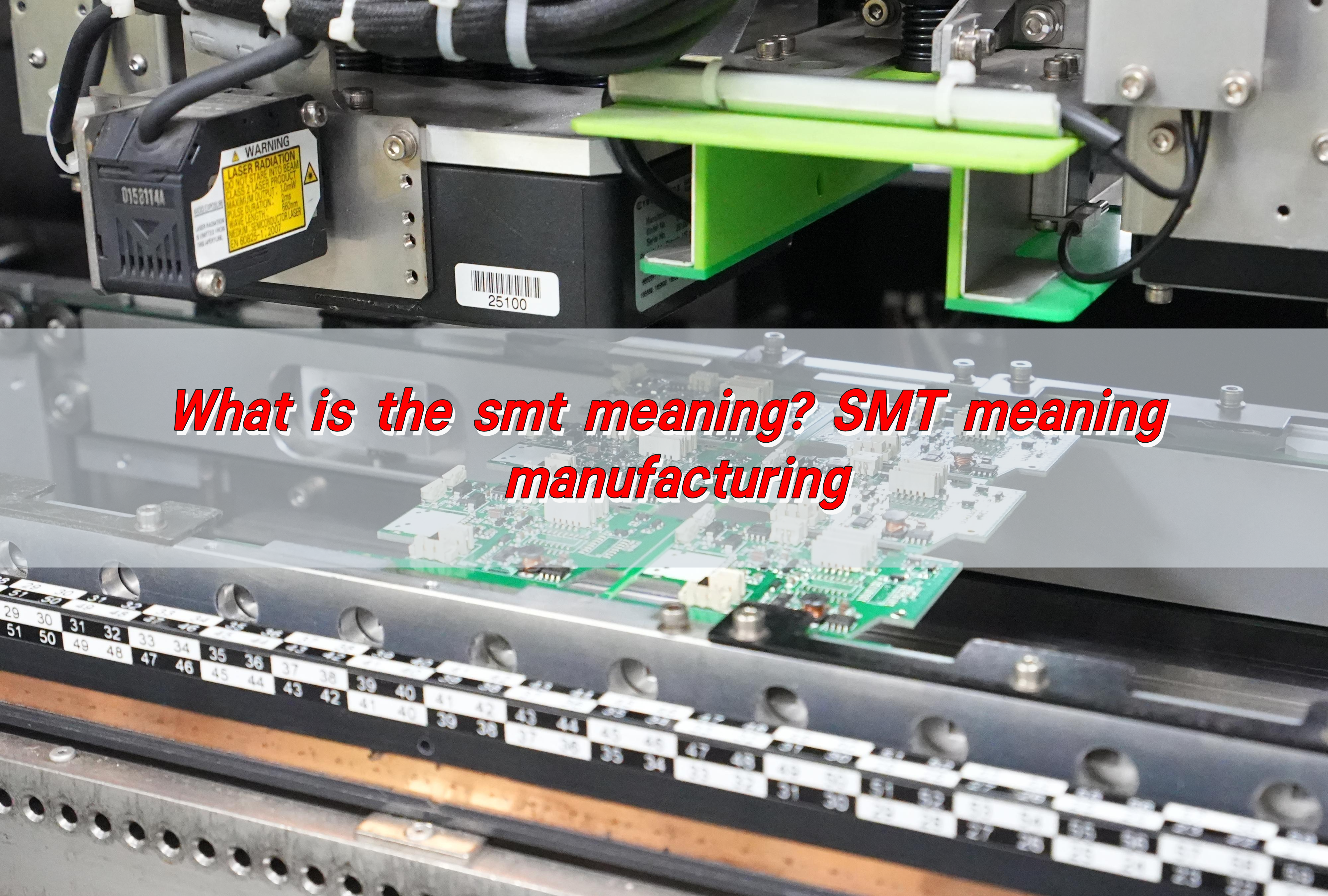
The PCBA (Printed Circuit Board Assembly) assembly process mainly includes two processes: SMT (surface mount technology) and DIP (through-hole insertion technology). According to the size and type of electronic components, the assembly process can be divided into several common component assembly methods such as single-sided mounting, double-sided mounting, single-sided mixed mounting and double-sided mixed mounting.

Empty board loading: Arrange the PCB boards neatly, put them into the material rack, and send the PCB boards to the SMT production line through the automatic board loading machine.

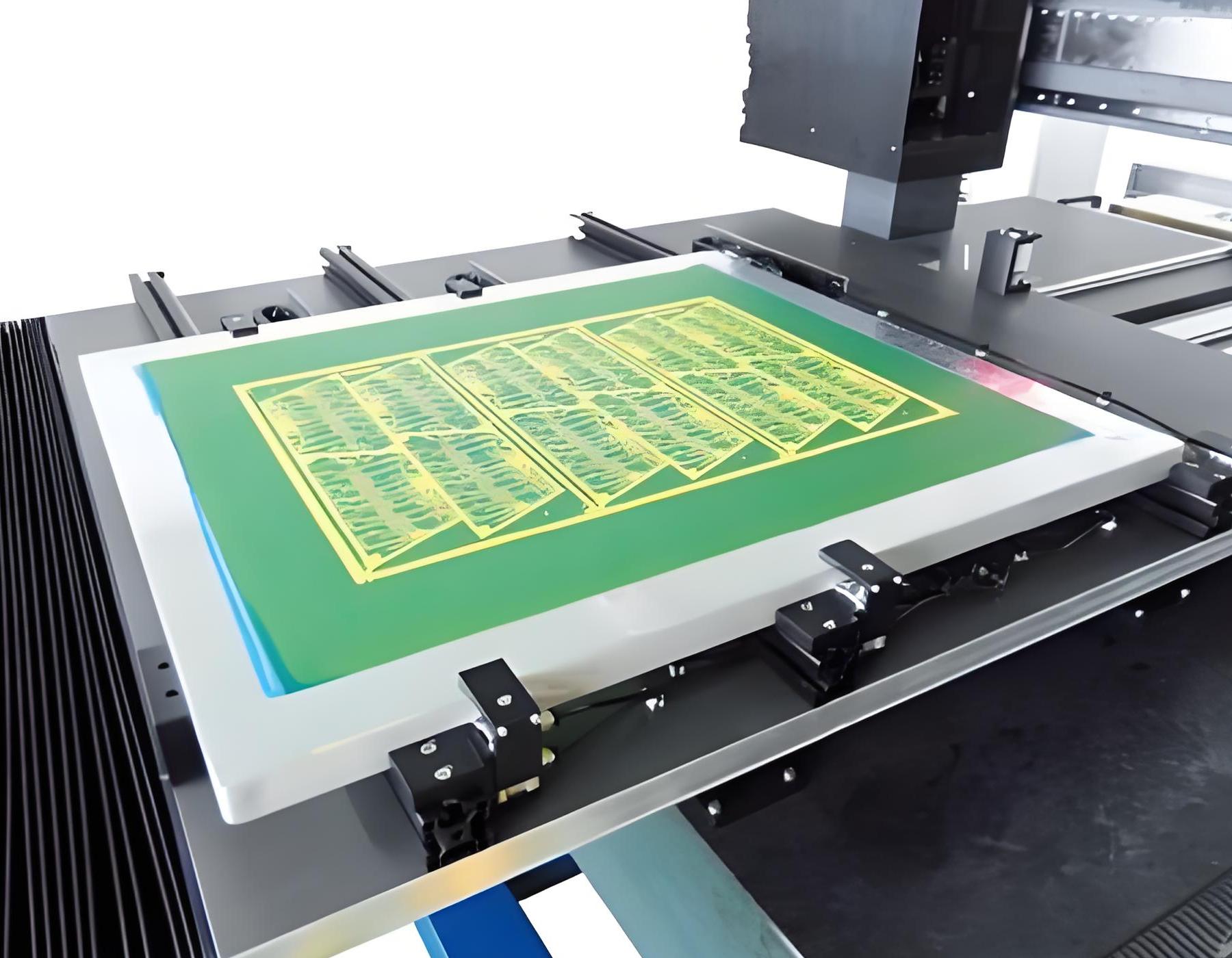
‌2. Printing solder paste: Print solder paste on the pads on the PCB board where components need to be soldered to prepare for subsequent soldering.

3.Solder paste inspection: Check the quality of solder paste printing through optical instruments to ensure that there is no problem such as too much tin, too little tin or thick solder paste.

4.SMT: Use high-speed SMT machines and general-purpose SMT machines to attach electronic components to the PCB board. Small components use high-speed SMT machines, and large components use general-purpose SMT machines.

5.Reflow soldering‌: Melt the solder paste to solder the electronic components to the PCB board. Temperature control during the reflow soldering process is very important.

‌6. Cleaning and testing‌: Clean after soldering to remove excess solder and impurities, and then test to ensure that all components are correctly soldered.

PCB board inspection and acceptance standards

Appearance inspection: Check the dimensional accuracy, position accuracy, surface treatment and electrical safety of the PCBA board. The dimensional accuracy should meet the design requirements, such as aperture, line width, line spacing, etc. The position accuracy should be accurate and without deviation, such as component spacing, pad position, etc. The surface treatment should meet the requirements, such as whether there are scratches, oxidation, oil stains, cracks, depressions, discoloration, corrosion, etc. The electrical connection should be reliable, without short circuit or open circuit.

Acceptance conditions: The parts are damaged, but the body remains good, the internal metal components are not exposed, and the specifications are marked with text, and the polarity is identifiable. Although the IC is damaged, there is no cracking. There is no cracking between the IC foot and the body package. The part foot is not damaged. The part surface is tinned with a tin filling amount of more than 75% of the PCB board thickness. The pinhole size on the solder joint is less than 1/4 of the cross-sectional area of ​​the part foot, and the pinhole at any point does not penetrate the PCB.

The difference between PCB and PCBA

The difference between PCB and PCBA

PCB is the carrier and basic framework of electronic components, while PCBA is a circuit board assembly with specific functions, which directly determines the performance and function of electronic products.

Definition and Function

1.PCB (printed circuit board): It does not contain any active or passive components itself, but is just a basic framework.
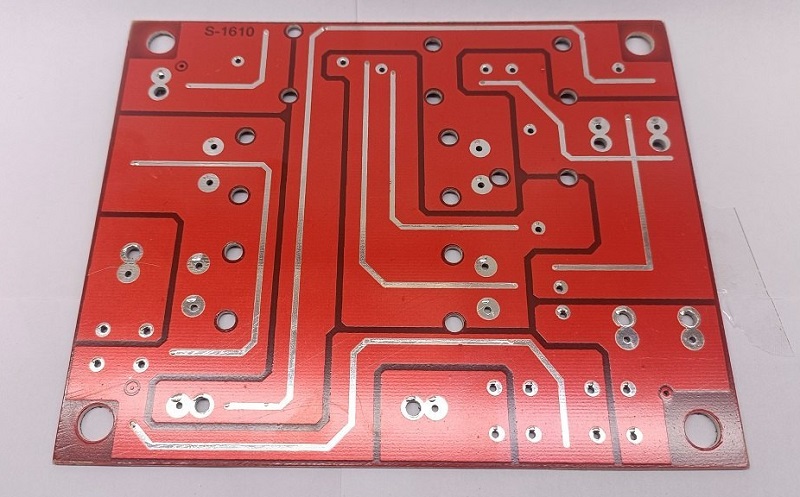
Definition: PCB is a substrate used for electrical connection of electronic components, which forms a conductive circuit pattern on an insulating substrate through etching, drilling, copper plating and other processes.
Function: PCB mainly plays the role of supporting and electrically connecting electronic components, and is the carrier of electronic components.

2.PCBA (printed circuit board assembly) PCBA is the core part of electronic products and directly determines the performance and function of the product.
Definition: PCBA is a circuit board assembly with specific functions formed by soldering electronic components to PCB through processes such as SMT (surface mount technology) or THT (through-hole mounting technology).
Function: PCBA contains PCB and all necessary electronic components, which work together to realize the preset functions of the circuit board.

Manufacturing process

1.PCB manufacturing process
Design: Design the PCB layout according to the circuit schematic.
Making the substrate: Use materials such as copper foil, insulating materials and prepreg to make the substrate of the PCB.
Etching: Remove the unnecessary copper foil part on the substrate by chemical or physical methods to form a conductive circuit pattern.
Drilling: Drill holes on the PCB for connecting different layers or installing components.
Copper plating: Plate a layer of copper in the hole and on the surface of the circuit to improve conductivity and solderability.
Subsequent processing: Including steps such as cleaning, inspection, and cutting, and finally get the finished PCB.

2.PCBA manufacturing process
Preparation: Prepare the required PCB and electronic components.
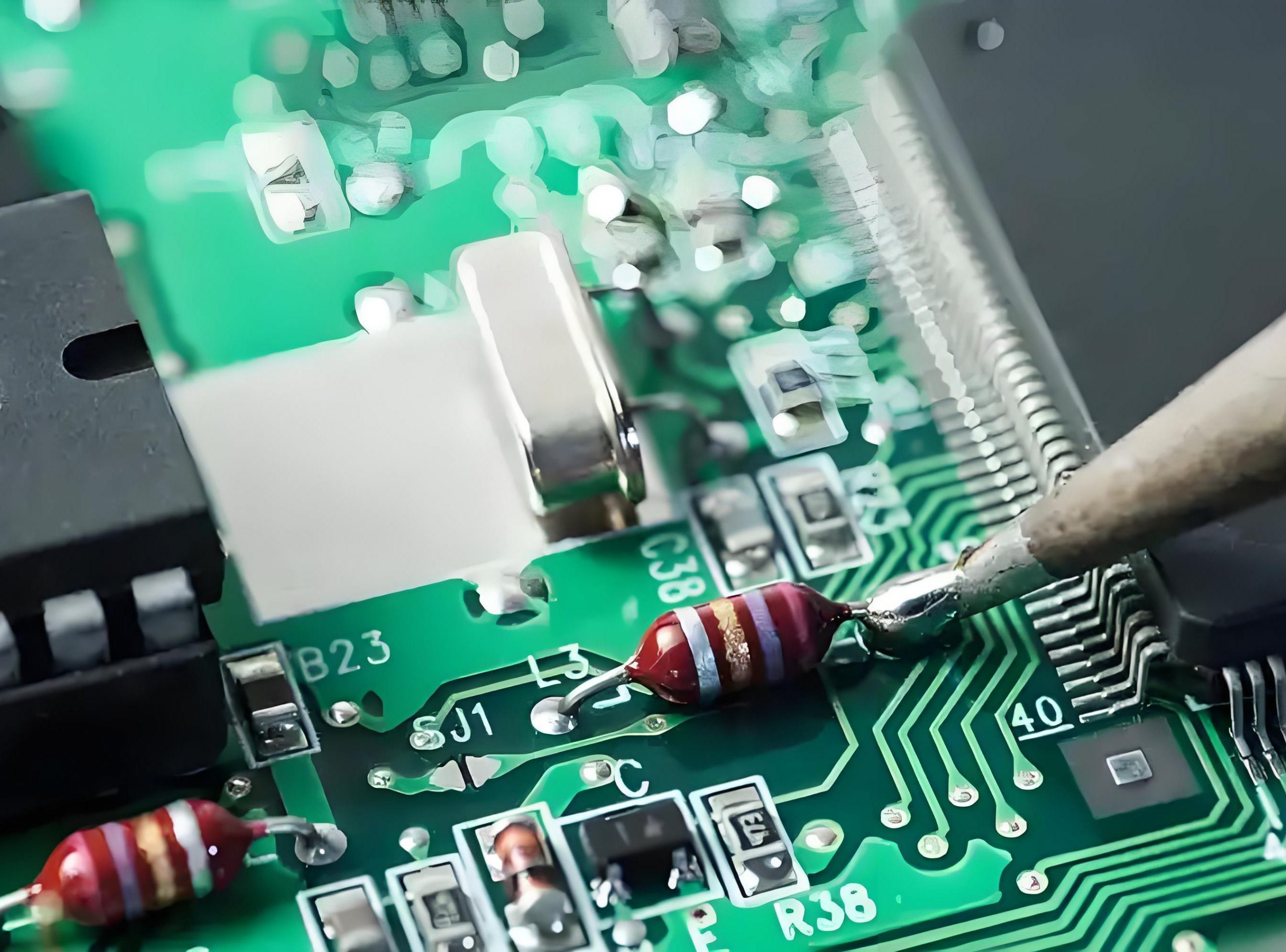
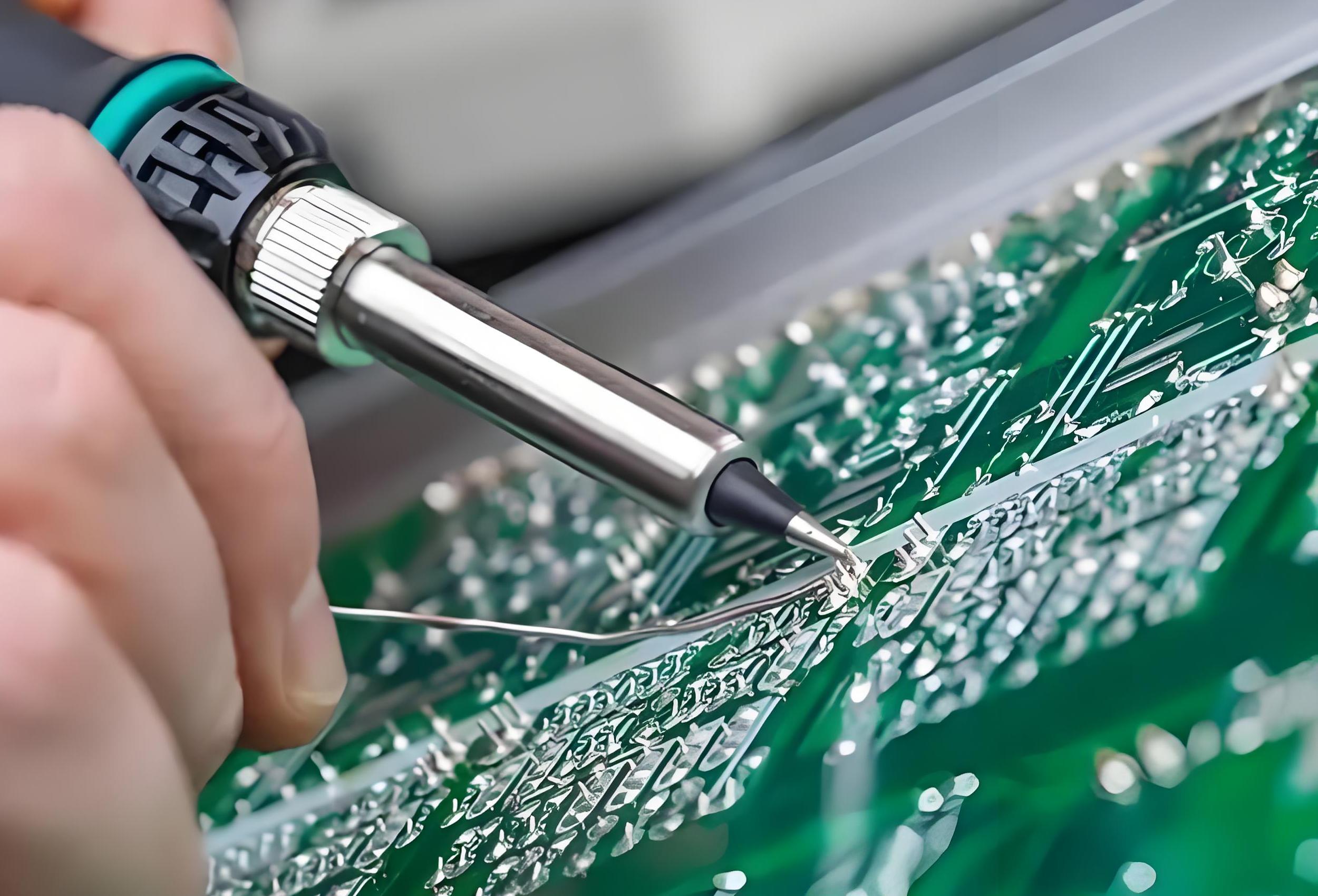
Welding: Solder the electronic components to the PCB through SMT or THT technology.
Detection: Use automated testing equipment to perform functional testing and quality inspection on PCBA.
Packaging: Package qualified PCBA for transportation and storage.

Features and applications

1.PCB features
Customization: PCB can be customized according to specific needs to meet the layout requirements of different circuits and components.
Standardization: PCB manufacturing follows certain standards and specifications to ensure product quality and reliability.
Flexibility: PCB can adapt to various complex circuit designs and component layout requirements.
Widely used: PCB is widely used in various electronic products, such as mobile phones, computers, home appliances, etc.

  1. PCBA features
    Functionality: PCBA has specific functions and can be directly used for the assembly and testing of electronic products.
    Integrity: PCBA contains all the necessary electronic components and PCBs, and is a complete circuit board assembly.
    Reliability: After rigorous testing and inspection, PCBA has high reliability and stability.
    Specific application: PCBA is usually used on the production line of electronic products and directly participates in the assembly and testing process of the product.

The difference between PCBA and SMT

The difference between PCBA and SMT

PCBA VS SMT

There are significant differences between PCBA processing and SMT processing in terms of definition and scope, component types and assembly methods, process flow and equipment, application fields and product features.

Definition and scope
PCBA processing is a broader concept that covers the entire process of assembling electronic components onto printed circuit boards, including circuit board design, component selection, welding, testing and other links. PCBA processing can use both through-hole technology (THT) and surface mount technology (SMT).
SMT processing is an important link in PCBA processing, specifically referring to the process of mounting surface mount components (such as chip resistors, chip capacitors, etc.) on the surface of printed circuit boards using surface mount technology. SMT processing usually includes steps such as printing solder paste, mounting components, and reflow soldering.

Component types and assembly methods
PCBA processing can handle various types of components, including through-hole components (such as integrated circuits in DIP packages) and surface mount components. Through-hole components need to be soldered to the other side of the circuit board through the jack, while surface mount components are directly mounted on the surface of the circuit board.
SMT processing focuses on processing surface mount components. These components have the characteristics of small size, light weight, no pins or short pins, which can achieve high-density assembly, thereby improving the integration and performance of circuit boards.

Process flow and equipment
The application field of PCBA processing is very wide, covering almost all industries that require electronic circuit boards, such as communications, medical, aviation, home appliances, etc. Since PCBA processing can handle various types of components and complex assembly requirements, it is suitable for the production of electronic products of various sizes and complexities.
SMT processing is more suitable for the production of miniaturized, lightweight, and highly integrated electronic products. Since surface mount components are small and light, SMT processing can achieve high-density assembly, thereby reducing product volume and weight. In addition, SMT processing also has the advantages of high production efficiency and stable product quality.

PCBA Common Terms

Surface mount assembly (SMA): a printed circuit board assembly completed using surface mount technology.

Reflow soldering: the connection between surface mount components and PCB pads is achieved by melting the solder paste pre-allocated to the PCB pads.

Wave soldering: the molten solder is sprayed into a solder wave crest as required by the design through the equipment, so that the PCB with electronic components passes through the solder wave crest to achieve the connection between the components and the PCB pads.

Solder paste printing: the solder paste is placed on the steel mesh, and the solder paste is leaked through the holes on the steel mesh by a scraper and accurately printed on the PCB pads.

Automated optical inspection (AOI): the soldering effect of the PCB board can be detected by scanning and comparing. Defective PCB boards can be detected.

Rework: the act of reworking defective boards detected by AOI or manual inspection.

Fine pitch: refers to the lead center spacing of surface mounted package components ≤ 0.50mm.

‌Gerber file‌: A collection of document formats that describe circuit board images and drilling and milling data, used for PCBA quotation and processing.

‌BOM file‌: A bill of materials that lists all materials and quantities required for PCBA processing.

‌Solder paste deviation, solder paste tip, solder paste hole, etc.: These are common defects in PCBA processing.

FAQ About PCBA

FAQ Abaout PCBA

FAQ Abaout PCBA

Why can PCBA processing improve the reliability and stability of circuit boards? PCBA processing can greatly reduce the failure rate of products, speed up the launch of products, and improve production efficiency through strict quality management system, strict control and quality inspection from component procurement to production process. ‌

How to ensure the quality of PCBA? The key to ensuring the quality of PCBA lies in a strict quality management system, including strict control and quality inspection from component procurement to production process. ‌

How to control the cost of PCBA processing? Methods to control the cost of PCBA processing include optimizing design, reducing component costs, and improving production efficiency. ‌

How to choose a suitable PCBA processing plant? Selecting a PCBA processing plant requires considering factors such as the factory’s equipment, quality management system, production capacity, and experience. ‌

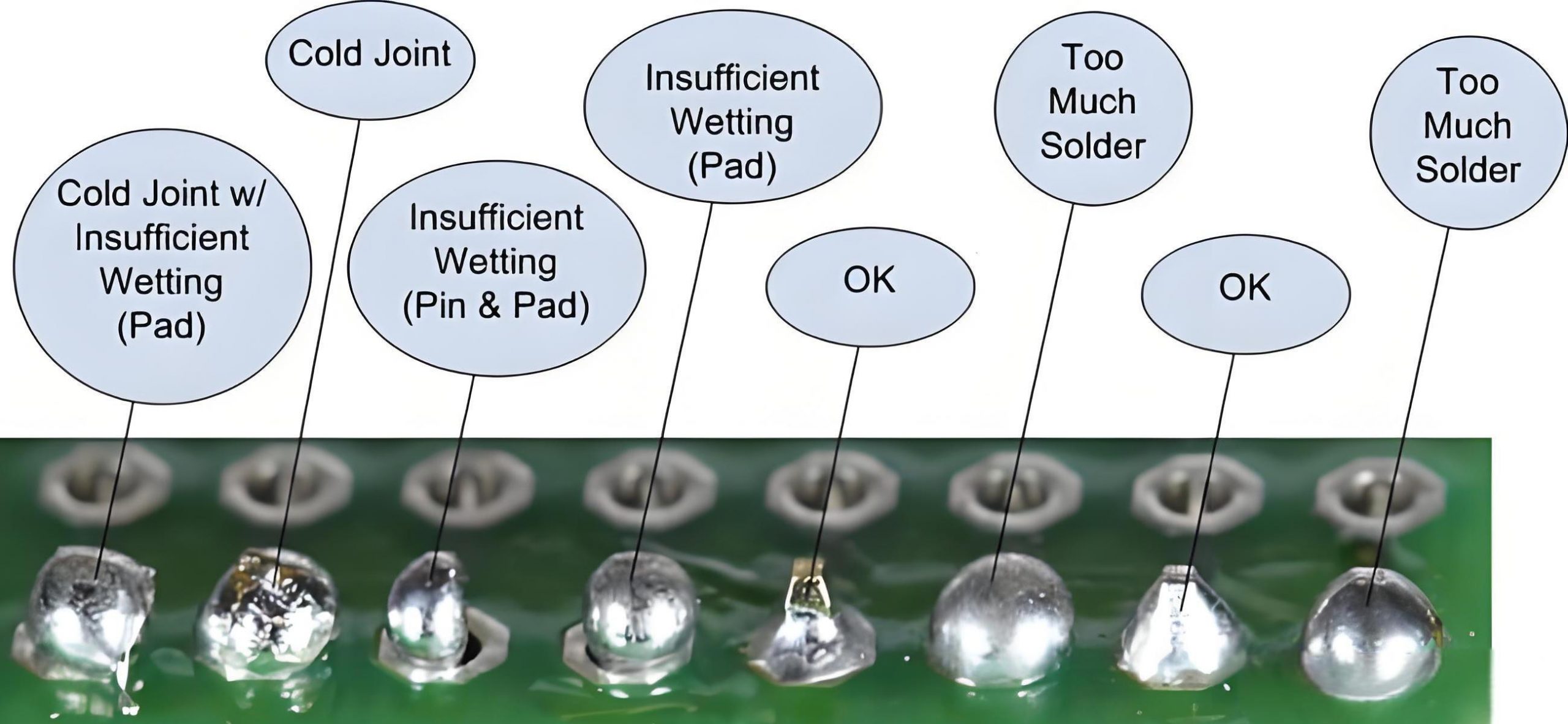
What are the problems and causes of cold soldering in PCBA? Due to insufficient solder paste, insufficient soldering temperature, or too short soldering time, no effective soldering is formed between the component pins and the pads, which may cause circuit blockage or poor contact. ‌

What are the problems and causes of cold welding?
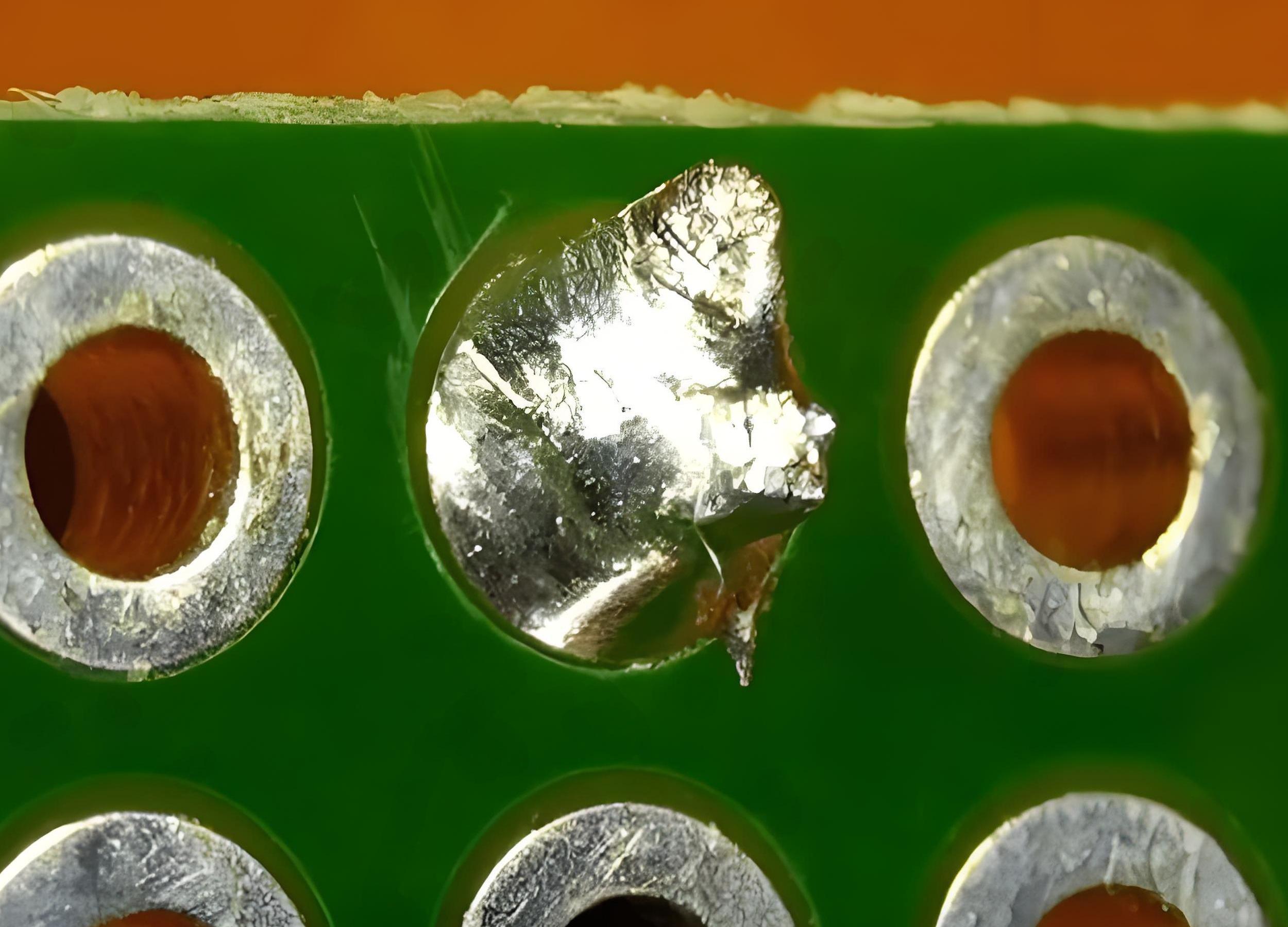
Due to the low welding temperature, the welding material is not completely melted, which is manifested as the surface of the welding point is rough, gray, and has no gloss. The welding strength is insufficient, which can easily cause the welding point to break.

What are the problems and causes of continuous welding?
Due to excessive application of solder paste or the pins of adjacent components are too close, a connection is formed between welding points that should not be connected, which may cause a short circuit.

What are the problems and causes of component damage?
Due to static electricity, overheating, mechanical stress and other reasons, the performance of components is reduced or completely fails, affecting the overall circuit function.

What are the problems and causes of component misalignment?
Due to equipment failure, operating errors and other reasons during the patch process, the components are not aligned with the pads on the PCB, which may cause poor welding or abnormal circuit function.

What are the problems and causes of PCB contamination?
During the production and storage process, it is polluted by oil stains, dust and other pollutants, which affects the welding effect and may cause problems such as poor welding or short circuit.

What are the problems and causes of PCB deformation?
Due to environmental factors such as high temperature and humidity, PCB deformation affects the mounting and welding of components, which may cause abnormal circuit function.

What are the problems and causes of missed inspection of PCBA?
Due to failure of detection equipment, operating errors, etc., defective products may flow into the next process or market, affecting product quality and customer satisfaction.

What are the problems and causes of PCBA mixing?
During the production process, components or PCBs are mixed, resulting in product performance not meeting requirements, which may cause customer returns or claims.

High Frequency PCB Communication Circuits

October 4th, 2024

Best is mainly engaged in the production of High frequency pcb communication circuits, high-speed, microwave and radio frequency printed circuit boards, mainly in sample making and small and medium batches. The main products are: microwave radio frequency high-frequency boards, Rogers high-frequency boards, Rogers multi-layer high-frequency mixed-pressure boards, Rogers radio frequency boards, Taconic microwave boards, Taconic multi-layer circuit boards, Arlon microstrip antenna boards, ARLON high-frequency boards, F4BM antenna boards, F4BM multi-layer mixed-pressure boards, radio frequency amplifier PCB boards, HDI precision multi-layer boards, serving domestic and foreign high-tech enterprises and scientific research institutions.

‌What is a high frequency pcb communication circuits

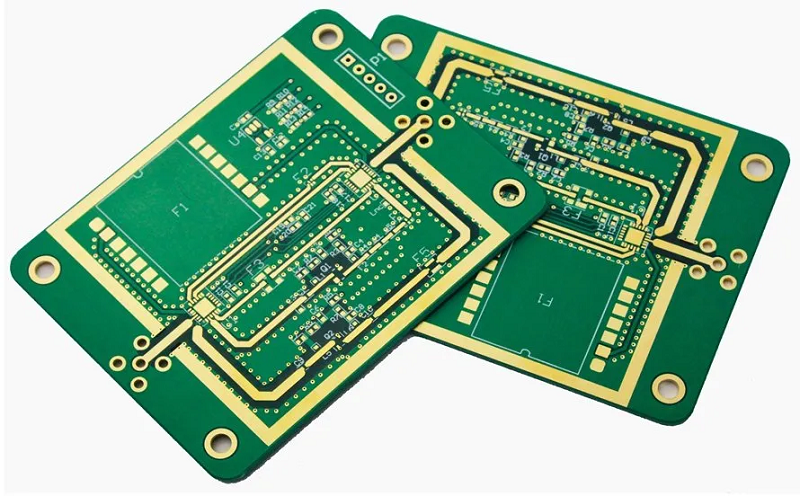
High frequency pcb communication circuits to a circuit board with an operating frequency in the high frequency band (usually greater than 300MHz or a wavelength less than 1 meter), which is mainly used to transmit high-frequency signals and data. ‌ This type of circuit board is widely used in radio frequency (RF) and microwave fields, such as communication equipment, radar systems, satellite communications, and high-speed data transmission systems.

high frequency pcb communication circuits

What is a high frequency pcb communication circuits

The characteristics of high-frequency circuits include challenges such as transmission line effects, signal integrity issues, and electromagnetic interference (EMI). Due to the short wavelength of high-frequency signals, traditional low-frequency circuit design methods are no longer applicable, and special design and processing methods are required to ensure the performance and stability of the circuit.

High-frequency circuit boards are produced on microwave substrate copper-clad boards using ordinary rigid circuit board manufacturing methods or special processing methods. They need to have high-quality electrical properties and chemical stability to meet the requirements of high-frequency signal transmission.

Definition of high frequency pcb communication circuits

High-frequency circuit board, as a special circuit board, is mainly suitable for occasions with high electromagnetic frequency, especially in the fields of high frequency (frequency greater than 300MHz or wavelength less than 1 meter) and microwave (frequency greater than 3GHz or wavelength less than 0.1 meter).

It is a circuit board made on a microwave substrate copper-clad board by adopting some manufacturing processes or special processing methods of ordinary rigid circuit boards. Generally speaking, when the frequency of the circuit board reaches above 1GHz, it can be defined as a high-frequency board.

With the rapid development of science and technology, more and more equipment designs have begun to involve microwave frequency bands (>1GHz) and even expanded to the millimeter wave field (such as 77GHz), especially in popular applications such as 77GHz millimeter wave antennas on vehicles.

This trend not only promotes the continuous increase in frequency, but also puts higher requirements on the substrate of the circuit board.

For example, the substrate material needs to have excellent electrical properties, stable chemical properties, and as the frequency of the power signal increases, the loss on the substrate must be extremely small. Therefore, the importance of high-frequency boards is becoming more and more prominent.

Advantages of high frequency pcb communication circuits

The main advantages of high frequency pcb communication circuits include efficient data transmission, strong anti-interference ability, high-frequency bandwidth and high reliability. ‌

  1. high frequency pcb communication circuits can achieve efficient data transmission. High-frequency signals have a short cycle and can transmit more information per unit time, so they have the advantage of large-capacity transmission. In addition, high-frequency signals can achieve fast signal processing and are suitable for application scenarios that require high-speed data transmission and high real-time requirements.
  2. high frequency pcb communication circuits have strong anti-interference capabilities. Due to the short wavelength of high-frequency signals, they can better avoid external interference and attenuation and have strong anti-interference capabilities. This makes high-frequency signals have advantages in fields such as wireless communications and radar systems, and can achieve stable signal transmission and reception. ‌
  3. high frequency pcb communication circuits also have the advantage of high-frequency bandwidth. High-frequency signals correspond to a larger frequency range and can provide higher bandwidth than low-frequency signals. This means that more data can be transmitted, thereby supporting higher data rates and richer media content. ‌
  4. High reliability of high frequency pcb communication circuits is also one of its advantages. The use of high-quality materials and manufacturing processes can effectively resist external interference and oxidation corrosion, ensure stable performance in high temperature environments, and thus extend the service life of the circuit board.

Classification of high frequency pcb communication circuits

Classification by material:

  1. Organic materials: including phenolic resin, glass fiber/epoxy resin, Polyimide, BT/Epoxy (bismaleimide triazine/epoxy resin), etc.
  2. Inorganic materials: mainly including aluminum, copper-invar-copper, ceramic, etc. These materials are mainly selected for their excellent heat dissipation function.

Classification by the hardness of the finished product:

  1. Rigid PCB: has a solid structure and stable performance.
  2. Flexible PCB: has flexibility and bendability, suitable for occasions requiring flexible wiring.
  3. Rigid-Flex PCB: It combines the characteristics of rigid and flexible boards, and has higher design flexibility and wide application.

Classification by structure:

  1. Single-sided board: A circuit board with a conductive layer on only one side.
  2. Double-sided board: Both sides are coated with conductive layers, separated by insulating materials in the middle.
  3. Multilayer board: It is composed of multiple conductive layers and insulating layers, and has higher circuit integration and reliability.

Classification by use:

  1. Communication board: It is used in various communication equipment and systems.
  2. Consumable electronic board: It is commonly found in consumer electronic products.
  3. Military board: A circuit board that meets special requirements in the military field.
  4. Computer board: A circuit board used in computer hardware.
  5. Semiconductor board: A circuit board used in the manufacturing and testing process of semiconductors.
  6. Electrical test board: A circuit board used in electronic testing and measurement equipment.

How to choose high-frequency circuit board high-speed board

When choosing PCB board, you must find a balance between meeting design requirements, mass production and cost. In short, the design requirements cover two aspects: electrical performance and structural reliability. Especially when designing ultra-high-speed PCB (frequency greater than GHz), the choice of board is particularly important. For example, the commonly used FR-4 material will have a significantly increased dielectric loss (Df, i.e., Dielectric Loss) at a frequency of several GHz, and may no longer be applicable.

Taking the 10Gb/S high-speed digital signal as an example, this signal can be regarded as the superposition of multiple sinusoidal wave signals of different frequencies. Therefore, the 10Gb/S signal contains multiple components of different frequencies: such as a 5GHz fundamental signal, a 3rd-order 15GHz signal, a 5th-order 25GHz signal, and a 7th-order 35GHz signal. In order to ensure the integrity of digital signals, maintain the steepness of the upper and lower edges of the signals, and be compatible with the low-loss, low-distortion transmission of RF microwaves (the high-frequency harmonic part of the digital signal reaches the microwave frequency band), the selection of materials for high-speed digital circuit PCBs has many similarities with the needs of RF microwave circuits.

In actual engineering operations, the selection of high-frequency boards seems simple, but the factors that need to be considered are quite complex. Through the introduction of this article, PCB design engineers or high-speed project leaders can have a deeper understanding of the characteristics and selection of boards. Understand the electrical properties, thermal properties, reliability and other characteristics of the board, and use the stacking design reasonably to create products with high reliability and excellent processability, and achieve the best balance of various factors.

Composition and key components of high frequency pcb communication circuits

High frequency pcb communication circuits are basically composed of passive components, active devices and passive networks. Passive components include resistors, capacitors and inductors, which mainly exhibit resistance characteristics at low frequencies, but also exhibit reactance characteristics at high frequencies. Active devices such as high-frequency triodes have the characteristics of high gain, high frequency response and low noise, and are widely used in television, radio communication, radar and other fields.

Application of high frequency pcb communication circuits

High frequency pcb communication circuits are widely used in long-distance communication systems, with a communication distance of up to thousands of kilometers, and are often used to maintain communication between aircraft and bases. It occupies a high-frequency band of 2~30MHz, uses skywave propagation, and can propagate over long distances. Modern airborne high-frequency communication systems usually use single-sideband communication systems, which can greatly compress the occupied frequency band and save transmission power. However, high-frequency communication is also susceptible to electrical interference such as ionospheric disturbances and lightning, generating radio background noise, and there is fading, and the signal is sometimes strong and sometimes weak.

Design Guidelines for High Frequency PCB Communication Circuits

Design Guidelines

High Frequency PCB Communication Circuits

  1. How to avoid high-frequency interference?

The basic idea of ​​avoiding high-frequency interference is to minimize the interference of the electromagnetic field of high-frequency signals, which is the so-called crosstalk. You can increase the distance between high-speed signals and analog signals, or add ground guard/shunt traces next to analog signals. Also pay attention to the noise interference of digital ground to analog ground.

  1. How to solve the signal integrity problem in high-frequency communication PCB design?

Signal integrity is basically an impedance matching problem. The factors that affect impedance matching include the architecture and output impedance of the signal source, the characteristic impedance of the trace, the characteristics of the load end, and the topology of the trace. The solution is to rely on termination and adjust the topology of the trace.

  1. How is the differential wiring method implemented?

There are two points to note when wiring differential pairs. One is that the length of the two lines should be as equal as possible, and the other is that the spacing between the two lines (this spacing is determined by the differential impedance) should remain unchanged, that is, they should be kept parallel. There are two parallel methods, one is that two lines run on the same routing layer (side-by-side), and the other is that two lines run on two adjacent layers (over-under). Generally, the former side-by-side (side by side, shoulder to shoulder) is more commonly used.

  1. How to implement differential routing for clock signal lines with only one output end?

To use differential routing, it must be meaningful if both the signal source and the receiving end are differential signals. Therefore, differential routing cannot be used for clock signals with only one output end.

  1. Can a matching resistor be added between the differential line pairs at the receiving end?

The matching resistor between the differential line pairs at the receiving end is usually added, and its value should be equal to the value of the differential impedance. This will improve the signal quality.

  1. Why should the routing of differential pairs be close and parallel?

The routing method of differential pairs should be appropriately close and parallel. The so-called appropriate proximity is because this spacing will affect the value of differential impedance, which is an important parameter for designing differential pairs. Parallelism is also required because the consistency of differential impedance must be maintained. If the two lines are sometimes far away and sometimes close, the differential impedance will be inconsistent, which will affect the signal integrity and timing delay.

  1. How to deal with some theoretical conflicts in actual wiring?

Basically, it is right to separate the analog/digital ground. It should be noted that the signal routing should try not to cross the split place (moat), and the return current path of the power supply and signal should not be too large.

The crystal oscillator is an analog positive feedback oscillation circuit. To have a stable oscillation signal, the loop gain and phase specifications must be met. The oscillation specification of this analog signal is easily interfered. Even if ground guard traces are added, it may not be possible to completely isolate the interference. Moreover, if it is too far away, the noise on the ground plane will also affect the positive feedback oscillation circuit. Therefore, the distance between the crystal oscillator and the chip must be as close as possible.

It is true that there are many conflicts between high-speed wiring and EMI requirements. But the basic principle is that the resistors, capacitors or ferrite beads added due to EMI cannot cause some electrical characteristics of the signal to not meet the specifications. Therefore, first use the techniques of arranging routing and PCB stacking to solve or reduce EMI problems, such as routing high-speed signals on the inner layer. Only then use resistors, capacitors or ferrite beads to reduce damage to the signal.

  1. How to solve the contradiction between manual routing and automatic routing of high-speed signals?

Most of the current powerful routing software’s automatic routing tools have set constraints to control the winding method and the number of vias. The winding engine capabilities and constraint setting items of various EDA companies are sometimes very different. For example, whether there are enough constraints to control the winding method of the serpentine, whether the routing spacing of the differential pair can be controlled, etc. This will affect whether the routing method generated by automatic routing can meet the designer’s ideas. In addition, the difficulty of manually adjusting the routing is also related to the ability of the winding engine. For example, the pushing ability of the routing, the pushing ability of the via, and even the pushing ability of the routing to the copper plating, etc. Therefore, choosing a routing tool with a strong winding engine capability is the solution.

  1. About test coupon.

The test coupon is used to measure the characteristic impedance of the produced PCB board with TDR (Time Domain Reflectometer) to see if it meets the design requirements. Generally, the impedance to be controlled is single line and differential pair. Therefore, the trace width and line spacing (when there is a differential pair) on the test coupon should be the same as the line to be controlled. The location of the ground point during measurement is important. In order to reduce the inductance of the ground lead, the grounding point of the TDR probe is usually very close to the probe tip, so the distance and method between the point where the signal is measured on the test coupon and the ground point should be consistent with the probe used.

  1. In high-speed PCB design, the blank area of ​​the signal layer can be copper-plated, and how should the copper of multiple signal layers be distributed in grounding and power supply?

Generally, the copper plating in the blank area is mostly grounded. However, when plating copper next to high-speed signal lines, pay attention to the distance between the copper plating and the signal line, because the copper plating will reduce the characteristic impedance of the trace a little. Also be careful not to affect the characteristic impedance of other layers, such as in the dual strip line structure.

  1. Can the signal line on the power plane be calculated using the microstrip line model? Can the signal between the power and ground planes be calculated using the stripline model?

Yes, both the power plane and the ground plane must be considered as reference planes when calculating the characteristic impedance. For example, a four-layer board: top layer-power layer-ground layer-bottom layer. At this time, the model of the characteristic impedance of the top layer routing is a microstrip line model with the power plane as the reference plane.

  1. Can the automatic generation of test points on high-density printed circuit boards by software generally meet the test requirements of mass production?

Whether the test points automatically generated by general software meet the test requirements depends on whether the specifications for adding test points meet the requirements of the test equipment. In addition, if the routing is too dense and the specifications for adding test points are strict, it may not be possible to automatically add test points to each line. Of course, the places to be tested need to be filled manually.

  1. Will adding test points affect the quality of high-speed signals?

As for whether it will affect the signal quality, it depends on the way of adding test points and how fast the signal is. Basically, the additional test point (without using the existing via or DIP pin as the test point) may be added to the line or a short line may be pulled out from the line. The former is equivalent to adding a very small capacitor to the line, and the latter is an additional branch. Both situations will have some impact on the high-speed signal, and the degree of impact is related to the frequency speed of the signal and the edge rate of the signal. The magnitude of the impact can be known through simulation. In principle, the smaller the test point, the better (of course, it must meet the requirements of the test equipment) and the shorter the branch, the better.

  1. How should the ground wires between the boards of a system be connected when several PCBs are connected to each other?

When the signals or power supplies between the PCB boards are in operation, for example, when the power supply or signal from board A is sent to board B, there will be an equal amount of current flowing back from the ground layer to board A (this is Kirchoff current law). The current on the ground layer will flow back to the impedance. Therefore, at each interface where the power supply or signal is connected to each other, the number of pins allocated to the ground layer should not be too small to reduce the impedance, so as to reduce the noise on the ground layer. In addition, the entire current loop can be analyzed, especially the part with larger current, and the connection method of the ground layer or ground wire can be adjusted to control the flow of current (for example, create low impedance at a certain place to let most of the current flow through this place) to reduce the impact on other more sensitive signals.

Fast Turn PCB Prototype | PCB Design & PCB Manufacturer

September 28th, 2024

What is Fast Turn PCB?

Fast turn PCB refers to a process where printed circuit boards are manufactured in a much shorter time frame compared to the standard process. This expedited service is often used during the prototyping phase, where companies need to validate designs quickly before moving on to mass production. The process is designed to keep pace with the rapidly changing demands of industries like consumer electronics, automotive, aerospace, and telecommunications. Fast turn PCB prototypes are not just a luxury; they are often necessary to meet tight deadlines and ensure product success.

Advantages of Fast Turn PCB Prototypes

The most obvious benefit of fast turn PCB prototypes is speed. However, the advantages extend far beyond just saving time:

Quicker Fabricate Cycles: When a design change is necessary, waiting weeks for a new PCB is no longer acceptable. Fast turn PCB allows you to make design tweaks and receive updated prototypes in a matter of days. This reduces downtime and lets your team stay productive.

Early Issue Detection: When you get your prototype faster, it means you can start testing sooner. This leads to earlier detection of potential issues, allowing you to resolve them before the design moves into mass production. Catching problems early minimizes the risk of costly errors.

Faster Time to Market: In industries where technology changes quickly, getting a product to market before your competitors is vital. Fast turn PCBs enable faster product development, giving you an edge in launching new and innovative products ahead of your competitors.

Design Flexibility: Quick prototyping means you’re free to experiment with different designs without losing valuable time. Whether you’re optimizing a layout or testing new materials, fast turn PCBs provide the flexibility you need to find the perfect solution.

Increased Customer Confidence: For those working with clients, the ability to quickly provide prototypes can enhance customer relationships. When you demonstrate speed and reliability, clients gain confidence in your ability to deliver high-quality final products.

Our Quick Turnaround PCB Services Include

  • PCB Prototype Assembly
  • Rigid-Flex PCBs
  • HDI PCB Fabrication
  • Flexible PCBs
  • PTFE Teflon PCBs
  • Heavy-copper PCBs & Busbar PCB
  • Metal Core PCBs
  • BGA Pad pitch down to 0.15mm
  • Cavity Process
  • Back drill Process
  • IC substrate
  • Extra thin PCBs
  • Ceramic PCBs
  • Drone PCB/Bluetooth PCB
  • High speed PCB
  • RF PCB
  • High Tg PCB
  • Impedance control PCB

EBest Circuit (Best Technology)’s Typical Turnaround Lead Time for Fast Turn PCB

Our commitment to speed is reflected in our turnaround times. For basic, single-layer PCBs, we can often deliver in as little as 24 hours. More complex designs, such as multi-layer boards or rigid-flex PCBs, may take 3 to 5 days. No matter the complexity of your design, we work diligently to meet your timeline without compromising quality. More details please see below chart:

Prototype (<m2)LayersNormal ServiceExpedited Service
FR4 PCB1 Layer1-2 Days24 Hours
2 Layers1-2 Days24 Hours
4 Layers2-3 Days48 Hours
6 Layers3-4 Days72 Hours
8 Layers6-8 Days72-96 Hours
10 Layers10-12 Days120-168 Hours
HDI (1+N+1, 2+N+2)2.5-3.5 WeeksTBD

This fast pace doesn’t mean we cut corners. Every PCB prototype undergoes rigorous testing to ensure it meets the highest quality standards. From initial design review to final inspection, we ensure that your prototype will perform exactly as expected.

Custom Quote for Fast Turn PCB Prototypes

If you have specific requirements or a tight deadline, we offer custom quotes tailored to your project. Simply provide us with your design files, including details like layer count, material type, and any specific finishing options, and we’ll give you a competitive quote with a guaranteed delivery date. Our team is ready to work with you to find the best solution for your project’s unique needs.

Factors That Affect Lead Time of PCB Prototypes

While we strive to meet tight deadlines, there are several factors that can influence the lead time for your PCB prototype:

  • Design Complexity

You must know, the more layers and components your PCB requires, the longer it may take to manufacture. Single-layer boards can be produced quickly, while multi-layer designs or HDI boards typically take more time.

  • Material Availability

Certain materials, like high-frequency laminates or specific copper weights, may not always be immediately available. If your design requires specialized materials, it’s best to check availability early with Best Team in the process to avoid delays.

  • Finishing Options

Different surface finishes require different processing times. For example, ENIG or immersion silver might take longer than standard HASL finishes. It’s important to choose a finish that fits both your timeline and your design needs.

  • Quality Assurance Testing

If your design requires additional testing or certifications, this can add time to the process. However, testing is critical to ensure that your prototype meets all necessary performance and safety standards. EBest Circuit (Best Technology) always perform strict testing to control the PCB quality.

Prototype PCB Assembly Services

Beyond manufacturing the PCB itself, we also offer prototype assembly services. This means that once your PCB is produced, we can quickly assemble all the necessary components, giving you a fully functional prototype in a short amount of time. Our assembly services include both surface-mount (SMT) and through-hole technology (THT) processes.

By combining fast turn PCB production with our assembly services, you save valuable time and resources, as you don’t need to coordinate between multiple vendors. We handle everything in-house, ensuring a smooth process from start to finish.

Choosing the Right Fast Turn PCB Prototype Manufacturer

When it comes to selecting a fast turn PCB manufacturer, you want to partner with a company that not only offers speed but also reliability and quality. Rushing a prototype through the production process without the proper quality checks can lead to poor performance and wasted time.

At EBest Circuit (Best Technology), we are proud of our reputation for delivering high-quality prototypes quickly. Our team of experienced engineers and technicians ensures that every prototype is carefully reviewed and tested before it leaves our facility. We use only the highest-quality materials and components, so you can trust that your prototype will perform as expected.

Additionally, our customer service team is always available to answer your questions, offer technical support, and provide updates on your project’s progress.

Why Should You Choose EBest Circuit (Best Technology) as Your Preferred Partner?

At EBest Circuit (Best Technology), we don’t just manufacture PCBs — we create solutions. Our fast turn PCB services are designed to help you move through the product development process faster, without compromising on quality. We offer:

1. With turnaround times as fast as 24 hours for simple designs, we help you meet even the most demanding deadlines.

2. Every prototype we produce undergoes strict quality control and it can meet your exact specifications.

3. We can accommodate a wide range of PCB types and materials, including flexible PCBs, HDI boards, and high-frequency designs.

4. Our team is dedicated to helping you one-time succeed. From design review to final delivery, we’re here to support you every step of the way.

High Density Interconnect PCB: Everything You Should Know

September 27th, 2024

What is High Density Interconnect PCB?

High density Interconnect (HDI) PCB is a printed circuit board designed to meet the growing needs of modern electronic products. It allows for higher component density due to the use of thinner lines, smaller through-holes, and precise component placement. These boards are particularly popular in industries where miniaturization is key, such as smartphones, medical devices, and military equipment.

The HDI board uses the micro-blind hole technology to realize the circuit board design with high line distribution density, which is especially suitable for applications requiring high performance and high reliability. Compared with traditional PCBs, HDI boards have significant advantages in terms of volume, weight, wiring density and electrical performance, which can meet the electrical requirements of high-speed signals, provide impedance control of alternating current characteristics, high-frequency transmission capacity and reduce unnecessary radiation (EMI).

HDI PCBs use a combination of advanced technologies such as laser drilling and sequential lamination to enable denser wiring without compromising performance. By integrating smaller, more efficient through-holes, HDI boards offer greater functionality on a smaller footprint than traditional PCBs.

What is the Difference Between Connect and Interconnect?

The terms “connect” and “interconnect” may seem similar but serve distinct functions in electronics. “Connect” typically refers to the linking of two points, components, or circuits. This could be as simple as joining a wire to a terminal.

On the other hand, “interconnect” deals with more complex connections, usually involving the linking of multiple circuits or components within a system. In the context of HDI PCBs, interconnectivity is crucial because it defines how different layers and components of the board communicate. HDI technology optimizes these interconnections to make the board more efficient in terms of space and performance.

What is HDI PCB Stackup?

The stackup in HDI PCBs refers to how the multiple layers of the board are arranged. Stackups are critical in determining the board’s performance, particularly when it comes to signal integrity, power delivery, and heat dissipation. HDI stackups often involve intricate configurations that vary depending on the design’s complexity and purpose. Here are the most common types:

HDI PCB (1+N+1)

This is one of the simplest forms of HDI stackups, where “1+N+1” means there are two layers of high-density interconnect (one on each side) sandwiching N layers of traditional PCB. This structure is often used in applications where moderate complexity is required, providing a balance between performance and cost.

HDI PCB (2+N+2)

In this configuration, there are two HDI layers on each side of the N traditional layers. This setup allows for greater flexibility in routing, especially for complex designs requiring more components. The additional HDI layers enhance the board’s ability to manage signal transmission efficiently, making it suitable for high-performance applications.

ELIC (Every Layer Interconnection): Most Complex HDI

ELIC takes HDI technology to the next level. In this configuration, every layer of the PCB can interconnect directly with any other layer. This is the most advanced form of HDI stackup, offering unparalleled design flexibility and performance. However, it is also the most complex and expensive option. ELIC is often used in cutting-edge technology applications such as aerospace and military equipment.

Other HDI Stackups

What are the Advantages of HDI PCB?

The main advantage of the HDI board is its high-density interconnect design, through the use of micro lines and highly compact layout, can achieve higher interconnection density, thereby accommodating more electronic components in a limited space, improving the performance and function of the board. This design makes HDI boards particularly suitable for applications requiring high performance and high functional density, such as high performance computing, data centers, and mobile communication equipment, to support high-speed data transmission and processing.

The design of the HDI board also focuses on improving the anti-interference ability and reliability of the circuit board, by using better signal integrity and power management technology, effectively reduce the impact of electromagnetic interference and power noise on the circuit.

However, HDI boards also have some limitations. First of all, compared with other advanced boards, the cost of HDI boards is usually lower, because HDI manufacturing technology helps to use advanced packaging technology, but its processing is more difficult, higher requirements for technology and equipment, which may increase a certain cost. In addition, the material choice of HDI board will also affect its performance and cost, such as FR4, PI and BT materials have advantages and disadvantages, need to be weighed according to the specific application needs.

5 Types of Vias in HDI PCB

HDI PCBs rely on several types of vias to achieve their high-density interconnections. Each type of via has its specific role in the design and manufacturing process.

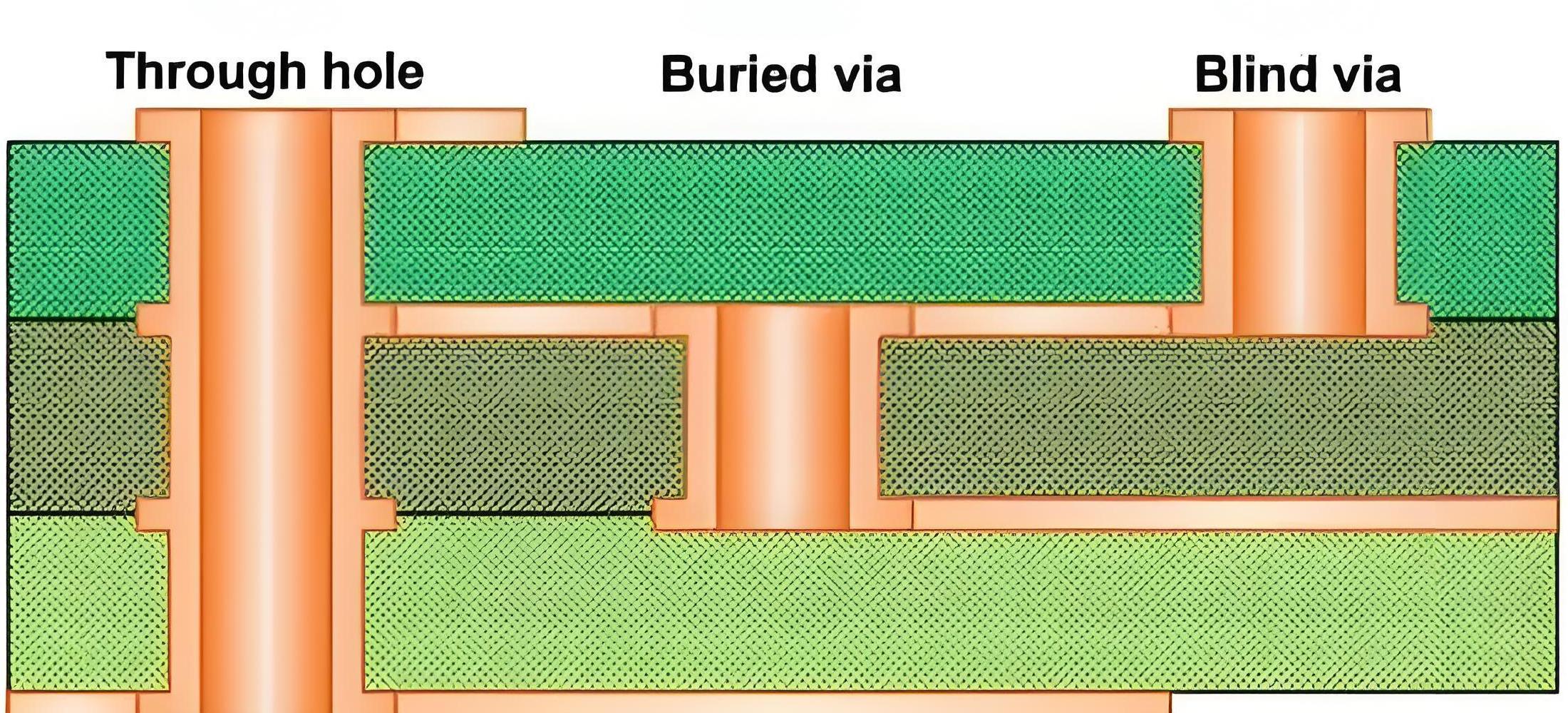
Blind Vias

Blind vias connect an outer layer of the PCB to one or more inner layers but do not extend through the entire board. These vias allow for complex routing without using unnecessary space on the PCB’s inner layers.

Buried Vias

Buried vias are located entirely within the board, connecting internal layers without appearing on the outer surfaces. This is ideal for designs where surface area needs to be preserved for components, while still allowing inter-layer connectivity.

Microvias

Microvias are tiny vias, typically created using laser drilling, that connect adjacent layers of the PCB. These are essential for HDI designs as they save space while maintaining high-density connections. They can be used in stacked or staggered configurations to optimize space and signal flow.

Staggered Vias

Staggered vias are microvias that are offset from each other across layers. This design allows for more flexibility in routing and avoids overlapping, making it a popular choice for HDI PCBs that require complex routing.

Through Hole Vias

Though not exclusive to HDI designs, through-hole vias extend through the entire PCB, connecting all layers. While these vias occupy more space, they are sometimes necessary for power connections or when working with thicker boards.

What is the Difference Between PCB and HDI PCB?

The key difference between a traditional PCB and an HDI PCB lies in the design and manufacturing process. Traditional PCBs use through-hole technology and thicker traces, limiting the board’s ability to accommodate high-density components. HDI PCBs, by contrast, use finer lines, smaller vias, and advanced interconnect techniques to maximize component density. Here are some key differences between them:

Manufacturing Processes

The embedded via and blind via technologies used in the manufacturing process of HDI (High-Density Interconnect) boards allow for the addition of more layers without increasing the thickness of the board, thereby improving space utilization. In contrast, the drilling process for standard PCBs is relatively simple, but as the number of layers increases, the board thickness also increases accordingly. This difference means that HDI boards require more advanced equipment and higher technical requirements during production.

Space Constraints

In space-constrained devices, such as smartphones and portable electronics, HDI boards are the ideal choice because they can integrate more functions within a smaller size. HDI boards can achieve a line width of 2/2 mil and a 10-layer board thickness of below 0.8mm. Standard PCBs, due to their larger size and lower integration, may not be suitable for these applications. The line width and spacing of regular PCBs are generally limited to 3/3 mil, and their thickness also has certain restrictions.

Performance Requirements

For high-end electronic products that require high-speed signal processing and complex circuit designs, HDI boards offer better performance. Due to their high density and efficiency, HDI boards can meet the high-performance demands of modern electronic devices. Standard PCBs, on the other hand, may not be suitable for these applications because of their lower signal transmission quality and higher latency.

Different Layering Methods

HDI boards are created through continuous stacking and lamination, resulting in advantages such as being “light, thin, short, and small.” Electrical interconnections between layers are achieved through conductive vias, embedded vias, and blind vias, making the structure different from standard multilayer boards. Most HDI boards are laminated two or more times (except for special structures), while standard boards are typically laminated once.

PTH vs. HDI PCB

Plated Through Hole (PTH) technology is commonly used in traditional PCBs and involves drilling holes through the entire board to connect different layers. This method, while reliable, is limited in terms of design flexibility and component density.

HDI PCBs, on the other hand, use smaller vias such as microvias, blind vias, and buried vias. These allow for more efficient use of space, making HDI technology the go-to solution for high-density, multi-layer designs.

High Density Interconnect PCB Applications

  • Communication equipment
  • Computers and servers
  • Automotive electronics
  • Medical equipment
  • Industrial control equipment
  • Consumer electronics
  • ADAS system
  • Wireless connection module

For nearly 20 years, EBest Circuit (Best Technology) have always been committed to providing overseas customers High Mixed, Low Volume products with Reliable Quality and Quick Delivery, and are determined to become one of most trusted partners in the field of printed circuit boards and PCBA. As an expert of HDI PCB manufacturer, we are so confident that we can provide the highest quality product that highly meet your specifications.

We Will Be Exhibiting at AEMS (Anaheim Electronics & Manufacturing Show) 2024

September 27th, 2024

EBest Circuit (Best Technology), a leading PCB and PCBA manufacturer based in China, is excited to announce our participation at the Anaheim Electronics & Manufacturing Show (AEMS) 2024. The event will take place in Anaheim, California, and we invite you to visit us at Booth No. 108 from October 2 to October 3, 2024 (Western Time). The exhibition venue is located at 800 W Katella Ave, Anaheim, CA. Having been part of this show for several years, we look forward to showcasing our latest innovations and discussing our comprehensive PCB manufacturing and assembly solutions.

At our booth, attendees will have the opportunity to engage with our experts and learn about a wide range of services, including PCB prototyping and low-to-high volume production. We’ll be showcasing products like flexible circuit boards ranging from 10mm to 1,500mm, rigid-flex circuits up to 50 layers, and PCBs with copper thickness from 1/2 OZ to 30 OZ. Visitors can also explore ceramic PCBs, such as thick film, thin film, DPC, DBC, HTCC, AMB, and LTCC varieties. In addition, we will be unveiling new products including copper/aluminum busbar PCBs, transparent/PI/rubber silicone flexible heating films, and semi-flexible PCBs.

EBest Circuit (Best Technology) is proud to offer one-stop services covering everything from components sourcing, PCB fabrication (FPC, PCB, MCPCB, Ceramic PCBs), to final assembly with programming and testing.

Be sure to visit us at Booth 108 to see how we optimize efficiency, reduce component wastage, and help you save on time, money, and energy.

For more details and to register, visit:

Registration for AEMS 2024

We look forward to seeing you in Anaheim!

What is an alumina circuit board?

September 27th, 2024

What is an alumina circuit board? As a unique circuit board material, it is emerging in the electronics field with its excellent performance and advantages. It uses alumina as the main material, bringing new opportunities for performance improvement and miniaturization of various electronic devices.

What is an alumina circuit board?

Alumina circuit board is a circuit board that uses alumina ceramic as a substrate. This circuit board has excellent electrical insulation properties, high thermal conductivity, excellent soft solderability and high adhesion strength. It can be etched with various graphics like a PCB board and has a large current carrying capacity.

What is an alumina circuit board?

Alumina ceramic circuit board is an ultra-thin composite substrate made by bonding copper foil directly to the surface (single or double sides) of an alumina (Al2O3) ceramic substrate at high temperature through a special process.

Alumina ceramic circuit boards are widely used in electronic devices that require high performance and high reliability, such as solar applications, voltage regulators, amplifier circuits, and memory modules.

Alumina ceramic substrates are mainly composed of white amorphous powder, commonly known as alumina or simply Al2O3. It has excellent properties, such as high wear resistance, acid and alkali corrosion resistance, excellent performance at high temperatures (1600-1700 degrees Celsius), etc.

What types of alumina circuit boards are there?

Ordinary alumina ceramics are classified according to their Al2O3 content, including 99%, 96%, etc. 99% alumina has high purity, white or ivory color, and is widely used in various applications, including lamps, electronic devices, and wear-resistant components. 96% alumina is widely used in various electronic applications while providing good thermal conductivity and insulation properties.

‌96% alumina‌:

  • Suitable for thick film circuit substrates, with excellent electrical insulation properties, mechanical strength, good thermal conductivity, chemical durability and dimensional stability.
  • Its surface roughness is generally 0.2~0.6μm, and the maximum operating temperature of the substrate can reach 1600℃.
  • 96% alumina has become an economical choice for manufacturing hybrid microelectronic circuits due to its availability, low cost and technical quality.

‌99% Alumina‌:

  • Commonly used for most thin-film electronic substrate applications such as sputtering, evaporation, and chemical vapor deposition of metals for circuit generation.
What is an alumina circuit board?
  • 99% Alumina has higher purity, smaller grain size, and the prepared substrate has excellent surface smoothness (surface roughness is generally 0.08~0.1μm), and the maximum use temperature of the substrate can reach 1700℃.
  • It has high mechanical strength, low thermal conductivity, excellent electrical insulation, good dielectric properties, and good corrosion resistance and wear resistance.

What are the advantages of alumina circuit boards?

The advantages of alumina circuit boards are mainly reflected in their physical and chemical properties, which make them widely used in many fields.

  • High hardness‌: The hardness of alumina ceramic plates is very high, second only to diamond and sapphire, and has excellent wear resistance and corrosion resistance.
What is an alumina circuit board?
  • ‌High melting point‌: The melting point of alumina is as high as 2072℃, which means that alumina circuit boards can work for a long time in high temperature environments without being affected and maintain stable performance.
  • ‌Good insulation performance‌: Alumina ceramic boards have good insulation performance and can effectively isolate the conduction of current and heat.
  • Excellent heat dissipation performance‌: In LED lighting and high-power electronic devices, alumina circuit boards are widely used due to their excellent heat dissipation performance.
  • ‌Lightweight‌: Compared with other materials, alumina ceramic boards have a lower density and lighter weight, which can greatly reduce the load of the equipment‌.
  • ‌Chemical stability‌: Alumina is an electrical insulating material with high resistivity, good chemical stability and good corrosion resistance.

What are the disadvantages of alumina circuit boards?

The disadvantages of alumina ceramic PCBs mainly include high cost, fragility, inferior thermal conductivity to other materials, complex manufacturing process and high price. ‌

  • ‌High cost‌: Compared with plastic packaging, alumina ceramic PCBs have higher process temperature requirements, which leads to relatively high costs.
  • ‌Fragile‌: Alumina ceramics are relatively fragile, and compared with aluminum nitride ceramic substrates, alumina ceramics are more fragile.
  • Thermal conductivity is not as good as other materials‌: Although alumina ceramics have certain thermal conductivity, their thermal conductivity is usually between 25W and 50W, while the thermal conductivity of aluminum nitride ceramic substrates can reach 190~260W. In comparison, the thermal conductivity of alumina ceramics is poor‌.
  • Complicated manufacturing process‌: Due to the high hardness of alumina ceramics, mechanical processing is more difficult, which increases the cost of its precision machined parts.
  • ‌Higher price‌: Due to the above factors, the price of alumina ceramic PCBs is usually higher, about 3~10 times that of resin PCB boards‌.

What are the uses of alumina circuit boards?

Alumina circuit boards are widely used and are mainly used in the following aspects:

  • ‌Electronic industry‌: Alumina ceramic circuit boards have become the preferred material in the manufacture of electronic components such as semiconductor devices and integrated circuits due to their excellent insulation properties and high temperature resistance.
  • Optoelectronic industry‌: In the field of optoelectronics, alumina ceramic circuit boards also perform well. Due to their high optical transparency and chemical stability, they are widely used in the manufacture of optoelectronic devices such as lasers and LEDs.
  • ‌Automobile Industry‌: In terms of automobile headlights, the popularity of high-power LED headlights has put forward higher requirements for heat dissipation performance. Alumina ceramic substrates, with their good thermal conductivity, ensure the stable operation of LED light sources and improve lighting effects and service life. ‌
What is an alumina circuit board?
  • ‌Aerospace‌: Alumina ceramic substrates have been widely used in key components such as aerospace devices and satellite communication equipment due to their comprehensive performance advantages. ‌
  • ‌Medical Devices‌: Due to their excellent physical, chemical and mechanical properties, alumina ceramic circuit boards can meet the high requirements of medical devices for materials and ensure the performance and safety of medical devices.

In summary, alumina circuit boards have been widely used in many fields due to their unique physical, chemical and mechanical properties, providing solid support for technological progress and industrial upgrading in all walks of life. ‌

Is alumina a good electrical insulator? ‌

Alumina PCB is a good electrical insulator. ‌

Alumina (Al₂O₃), as a common ceramic material, has good electrical insulation, high temperature resistance and mechanical strength. Its color is usually white or light yellow, its volume density is between 3.7-3.9 g/cm³, its thermal conductivity is as high as 24 W/(m·K) or more, and its bending strength is usually between 300-400 MPa.

In addition, alumina also has a low dielectric constant and breakdown voltage, which makes it particularly suitable for high-frequency circuits and high-voltage circuits.

Therefore, alumina PCB is not only one of the most commonly used ceramic PCBs on the market because of its low price and excellent performance, but also when using alumina PCB, there is no need to add an insulating layer, which further proves its good electrical insulation.

What other ceramic PCB materials are there?

In addition to alumina ceramic PCB materials, it also includes alumina, aluminum nitride, silicon carbide, silicon nitride, zirconium oxide, etc. These materials each have unique properties and are suitable for different application scenarios.

  • Aluminum nitride (AlN): Aluminum nitride is also an excellent ceramic material with extremely high thermal conductivity and low expansion coefficient. It is gray in color and has a volume density between 3.33-3.35 g/cm³. The thermal conductivity of aluminum nitride is as high as 170 W/(m·K), which is several times that of traditional organic materials. The flexural strength can reach about 400-500 MPa, and it also has a low dielectric constant, which is suitable for high-power electronic devices and high-speed digital circuits.
  • ‌Silicon Carbide (SiC): Silicon carbide is a hard material with excellent wear resistance and corrosion resistance. It is gray in color and has a volume density of 3.1-3.15 g/cm³. Silicon carbide has a high thermal conductivity of up to 100 W/(m·K), a flexural strength of more than 450 MPa, and a low dielectric constant and breakdown voltage, which is suitable for power electronic devices in high temperature environments.
  • ‌Silicon Nitride (Si3N4): Silicon nitride is a high-strength, high-toughness ceramic material widely used in the aerospace field. It is gray in color and has a volume density of about 3.22 g/cm³. Silicon nitride has a high thermal conductivity of up to 20 W/(m·K), a flexural strength of generally between 700-1200 MPa, and a low dielectric constant and breakdown voltage, which makes it suitable for electronic components in high temperature and high pressure environments.
  • Zirconium oxide (ZrO2): Zirconium oxide is a high-toughness, high-hardness ceramic material with good chemical stability. It is gray in color and has a volume density of about 6.0 g/cm³. Zirconium oxide has a high thermal conductivity of up to 3 W/(m·K), a flexural strength of about 100-400 MPa, and a low dielectric constant and breakdown voltage, which makes it suitable for electronic components in high temperature and high pressure environments.

In short, alumina ceramic PCBs are increasingly used in the electronic field. It not only provides a solid foundation for the innovative development of electronic equipment, but also opens up a new path for the advancement of future electronic technology. BEST Technology is a professional ceramic circuit board manufacturer with rich manufacturing experience in various ceramic materials, and its product quality has passed relevant quality inspections. Choosing us will get the best quality products!

All about copper printed circuit board

September 27th, 2024

Copper can be said to be an indispensable element in printed circuit boards. In printed circuit boards, copper is used as a conductive line to connect electronic components and realize the function of the circuit. Compared with other conductive materials, copper has a lower resistance, which can reduce the loss of electric energy and improve the efficiency of electronic equipment.

What are copper printed circuit boards?

Copper printed circuit board (Copper PCB) is a printed circuit board with copper as the main conductive material. It is a circuit board with copper conductive paths formed on an insulating substrate through processes such as etching or electroplating. Its main function is to provide physical support and electrical connections for electronic components.

All about copper printed circuit board

The structure of copper printed circuit boards usually includes insulating substrates, copper foil and surface treatment layers. Copper has excellent electrical conductivity and can efficiently transmit current. At the same time, its thermal conductivity is good, which helps to dissipate heat. Copper is easy to weld and suitable for the installation of electronic components. It has certain strength and toughness and can withstand certain mechanical stress.

In the manufacturing process, the production of copper printed circuit boards includes design and layout, inner layer production, lamination, drilling, copper plating, outer layer production, etching and surface treatment.

Copper printed circuit boards are widely used, including single-layer and multi-layer PCBs, high-current PCBs, flexible PCBs and thick copper PCBs.

Single-layer and multi-layer PCBs are suitable for simple electronic devices and complex multi-layer circuits; high-current PCBs are used for applications that require large current transmission; flexible PCBs are used for applications that require bending and folding; thick copper PCBs are used in scenarios with high power and high heat dissipation requirements.

Why is copper used in printed circuit boards?

The main reason for using copper in printed circuit boards is that copper has good conductivity, which can greatly improve the conductivity of the circuit board and ensure that the connection between various components is more stable and reliable.

‌In addition, copper foil itself has high mechanical strength and stability, which can effectively prevent the printed circuit board from being damaged or deformed by the external environment.

In terms of high-frequency signal transmission, copper plating can effectively improve the conductor characteristics and impedance matching characteristics of the circuit board, protect the circuit board from oxidation or corrosion, thereby extending the service life of the circuit board and ensuring its stability and reliability.

Copper plating can reduce the voltage drop in the circuit, thereby improving the efficiency of power supply. In addition, copper plating can also enhance the mechanical strength of the PCB, so that it will not deform as much as possible during the welding process, improve the yield rate in the production process, and reduce circuit failures caused by deformation.

However, copper plating also has its disadvantages. For example, when soldering or repairing PCB samples, it may cause difficulty in replacing devices due to excessive heat dissipation, especially in the case of large devices. In addition, in RF circuits, copper plating may cause impedance mutation of the antenna, seriously affecting signal transmission.

How thick is the copper on a printed circuit board?

The thickness of copper foil on a printed circuit board is usually between 18μm and 70μm, but the specific thickness depends on the purpose of the circuit board, the voltage and current of the signal.

The most commonly used copper foil thickness is 35μm, because the copper foil thickness of 35μm is suitable for most application scenarios. However, for applications that need to carry higher power or higher current, such as high-power LED lights, power supply circuits, etc., 2OZ (about 70μm) or thicker copper foil may be selected to ensure the performance of the circuit board and the reliability and stability of electronic products.

In addition, the copper thickness of the circuit board is also affected by the thickness of its substrate. For example, the composite copper foil thickness on a substrate less than 1mm thick is about 18μm, while a copper foil thickness of 55μm may be used on a substrate greater than 5mm.

How do you choose PCB copper thickness?

When choosing PCB copper thickness, you need to consider multiple factors to ensure the performance, cost and production feasibility of the circuit board.

  • Application scenarios of circuit boards‌: For applications that need to carry high power or high current, you may need to choose thicker copper foil to ensure the stability and reliability of the circuit board‌. For general signal transmission, 1oz copper thickness is usually sufficient‌.
All about copper printed circuit board
  • Number of layers and design of circuit boards‌: The inner layer of multilayer boards generally uses 1/2oz and 1/3oz copper thickness, while the outer layer uses 1oz or 1/2oz copper thickness‌.
  • ‌Cost and process requirements‌: The thicker the copper foil, the higher the production cost. Therefore, it is necessary to consider cost factors while ensuring performance‌.
  • Special requirements‌: In some special application scenarios, such as when the circuit board needs to dissipate heat, copper foil with higher thermal conductivity should be selected to enhance the heat dissipation capacity of the circuit board‌.

What is the difference between 1 oz and 2 oz copper PCB?

The main difference between 1 oz and 2 oz copper PCB lies in the thickness of the copper foil and the current load it can withstand. ‌

  • ‌Copper foil thickness‌: 1 oz copper thickness refers to 1 ounce of copper per square foot on the circuit board, while 2 oz copper thickness refers to 2 ounces of copper per square foot.
  • Application scenario‌: 1 oz copper thickness PCB is the most common standard and is suitable for most application scenarios. 2 oz copper thickness is suitable for application scenarios that need to carry higher power or higher current.
  • Electrical performance and heat dissipation performance‌: In theory, thicker copper foil can directly reduce the ground resistance by half, and the number of joules of heat generated per unit time during operation will also be reduced accordingly. At the same time, it can more effectively shield the electromagnetic interference between components and wires.

How thick is the copper on a 1 ounce copper PCB?

The copper thickness of 1 ounce copper on a PCB is about 35 microns. ‌

In PCB design and processing, the copper thickness is often expressed in ounces (oz) as a unit. Specifically, the thickness of 1 ounce of copper is about 35 microns, which is equivalent to 1.4 mils. Although this method of expression uses the weight unit ounce, it actually indirectly expresses the average thickness of the copper foil through the weight per unit area.

All about copper printed circuit board

In the PCB industry, ounces are not only a unit of weight, but also used to express the thickness of copper foil, where 1oz means the thickness of 1 ounce of copper evenly laid on an area of ​​1 square foot. This method of expression is very common in the fields of electronic engineering and circuit board manufacturing to ensure that the conductivity and current carrying capacity of the circuit board meet the design requirements.

Which metals Cannot be used in printed circuit boards?

In the production of printed circuit boards, some metals are usually not used.

First of all, iron has poor conductivity and cannot meet the requirements of printed circuit boards for good conductive materials. Moreover, iron is easy to rust, which will affect the appearance of the circuit board and may also cause circuit short circuits or poor contact.

Lead is also not suitable for printed circuit boards. On the one hand, lead is a toxic heavy metal. With the improvement of environmental protection requirements, the use of lead-containing materials in the electronics industry is limited, and lead-containing solder in printed circuit boards has gradually been replaced by lead-free solder. On the other hand, lead has poor mechanical properties, low hardness and easy deformation, which may deform or damage the circuit board during manufacturing and use.

Mercury cannot be used in printed circuit boards. Mercury is extremely toxic and has serious harm to the human nervous system, immune system, etc. At the same time, mercury is liquid and volatile at room temperature, difficult to control, easy to cause leakage and pollution, and its conductivity is not ideal.

Although gold has advantages such as good conductivity, corrosion resistance and oxidation resistance, its cost is too high and it is not suitable for large-scale application in printed circuit boards. In addition, gold has low hardness and is easily scratched or worn, affecting the performance and reliability of the circuit board.

What is the major disadvantage of printed circuit boards?

The major disadvantages of printed circuit boards include disposable boards, environmental impact of etching, and compatibility issues. ‌

  • Disposable boards‌: Printed circuit boards are designed with one-time use in mind, which means that if the circuit board needs to be modified after printing, it will not be possible and a new board needs to be created from scratch.
  • ‌Environmental impact of etching‌: The chemicals used in the etching process have a negative impact on the environment. Although the etching process is very effective for circuit board production, it is not environmentally friendly‌.
  • ‌Compatibility issues‌: Before starting to make a circuit board, you need to determine the device you are designing for, which increases the complexity and potential risks of the design‌.

These shortcomings limit the use of printed circuit boards in some applications to a certain extent, especially in scenarios that require high customization or frequent modifications.

In short, copper printed circuit boards occupy an irreplaceable position in the electronics field with their excellent performance. From consumer electronics to communications, automotive electronics, and industrial control, it can be seen everywhere. Copper’s high electrical conductivity, good thermal conductivity, and strong machinability make it a key link connecting the electronic world.

Single layer PCB manufacturer | Single sided PCB Design&Prototype

September 27th, 2024

What is a single-sided PCB circuit board

Single-sided PCB circuit board is a type of printed circuit board. Only one side of the PCB board has circuits (it can have holes or not), and the other side is a substrate or directly covered with insulating ink. There is no circuit and the whole board is transparent under strong light (except for individual boards and special process requirements). The cross section only contains copper foil on the side with circuits.
Single-sided PCB circuit board is obtained by etching copper-clad board. Copper-clad board consists of board base and copper foil. The board base is usually made of insulating materials such as glass fiber, and is covered with a layer of copper foil (usually oxygen-free copper).

Single layer PCB manufacturer

Single layer PCB manufacturer EBest Circuit (Best Technology) has offered high-quality PCBs and the best PCB assembly & box building service all over the world since 2006. We are professional fabricator on PCB prototype, IPC Class III standard are available. You can get high-quality PCB board and PCBA at a very reasonable price.

Single layer PCB manufacturer

Single layer PCB design
EBest Circuit (Best Technology) excels in PCB design, perform PI analysis, SI analysis, EMC test and DFM tests to ensure one-time successed PCB design. Over 20 professional engineers, all of them has more than 15+ years experience in PCB, we make sure every design is optimized for performance and manufacturability.

Single layer PCB prototype
As an industry-leading PCB prototype manufacturer, EBest Circuit (Best Technology) offers 24 hours quick turn PCB prototype, PCB assembly and reliable small-batch PCB production. Free technical support and VIP one-to-one service.

Single layer PCB production
With over 18 years PCB manufacture experience, we dedicated to provide highest quality PCB for customers. We offer turnkey service from PCB design, PCB layout, PCB prototype, mass production and PCB assembly. Contact us to get an instant quote.

Single layer PCB assembly
Professional PCB assembly service, includes DFM/DFA checks, function/ICT testing, X-RAY, Online dual AOI, nitrogen reflow oven. 10+ SMT lines, free passive parts and Thorough Inspections! SMT, Thru-hole, BGA, QFN Assembly at Low Prices! No MOQ, complex and difficulty designs welcome!

Single-sided PCB production process

  1. Cutting
  2. Drilling or punching
  3. Screen printing circuit anti-etching pattern or using dry film
  4. Curing inspection and board repair
  5. Screen printing solder mask pattern (commonly used green oil)
  6. Screen printing character mark pattern, UV curing
  7. Preheating, punching and appearance
  8. Electrical open and short circuit test
  9. Pre-coating flux anti-oxidant (drying) or tin spraying hot air leveling
  10. Packaging and delivery

Single-sided PCB production capacity

Item Content
Material type : XPC  FR-1  FR-4  CEM-1
Surface finish : ENIG gold, HASL Immersion Tin, Chemical Silver OSP
Layer No : Single side, Multilayer PCB
Max PCB size: 1500mm*600mm
Min PCB size: 5mm*5mm
Min space/width: 0.1mm
Warp and Twist: ≤0.5%(board thickness:1.6mm,PCB size : 300mm*300mm)
Board thickness: 0.3-5.0mm
Copper thickness: 35um-240um
Outline Tolerance: ±0.15mm
V-CUT Precision: ±0.1mm
Capacity: 80000㎡/Month
PTH Dia tolerance: ±0.076mm
Outline tolerance: CNC :±0.1mm  punch:±0.15mm

What are the single-sided PCB materials?

What are the single-sided PCB materials

What are the single-sided PCB materials

Phenolic paper substrate
Phenolic paper substrate (commonly known as cardboard, plastic board, V0 board, flame retardant board, red-letter copper clad board, 94V0). The most commonly used product models of phenolic paper-based copper clad boards are FR-1 (flame retardant) and XPC (non-flame retardant). Single-sided copper clad boards can be easily judged from the color of the characters on the back of the board. Generally, red characters are FR-1 (flame retardant) and blue characters are XPC (non-flame retardant). This type of board is the cheapest compared to other types of boards.

Epoxy fiberglass cloth substrate
Epoxy fiberglass cloth substrate (commonly known as: epoxy board, fiberglass board, fiberboard, FR4), epoxy fiberglass cloth substrate is a type of substrate with epoxy resin as adhesive and electronic grade glass fiber cloth as reinforcing material. Its bonding sheet and inner core thin copper clad board are important substrates for making multi-layer printed circuit boards. The working temperature is high and its own performance is less affected by the environment. In terms of processing technology, it has great advantages over other resin fiberglass cloth substrates. This type of product is mainly used for double-sided PCBs. It is also about twice as expensive as phenolic paper substrates, and the commonly used thickness is 1.5MM.

Composite substrates
Composite substrates (commonly known as powder boards, etc., cem-1 boards are also called 22F in some places in China) mainly refer to CEM-1 and CEM-3 composite-based copper-clad boards. Copper-clad boards made of wood pulp fiber paper or cotton pulp fiber paper as core reinforcement materials and glass fiber cloth as surface reinforcement materials, both of which are impregnated with flame-retardant epoxy resin, are called CEM-1. Copper-clad boards made of glass fiber paper as core reinforcement materials and glass fiber cloth as surface reinforcement materials, both of which are impregnated with flame-retardant epoxy resin, are called CEM-3. These two types of copper-clad boards are the most common composite-based copper-clad boards. This type of board is cheaper than FR4 type boards.

Single-sided PCB circuit board price

Since the cost of single-sided PCB circuit boards is affected by many factors, including the cost of raw materials, production cost, production process, special requirements, etc., its exact pricing needs to be negotiated with its single-sided PCB circuit board supplier. The general unit price calculation formula is: (length MM) × (width MM) × 0.01 × unit price (yuan/square meter) ÷ 10000 (rounded to 3 decimal places)
For specific single-sided PCB quotes, please consult bestpcbs.

Single-sided PCB circuit board price

Single-sided PCB circuit board price

Single-sided PCB applications and features

Single-sided PCBs are increasingly widely used due to their many unique advantages;
High density: For decades, high-density printed boards have developed with the improvement of integrated circuit integration and the advancement of installation technology.
High reliability: Through a series of inspections, tests and aging tests, PCBs can work reliably for a long time (usually 20 years).
Designability: According to the requirements of various performances (electrical, physical, chemical, mechanical, etc.) of single-sided boards, printed boards can be designed in a short time and efficiently through design standardization.
Manufacturability: Through modern production management, standardization, scale (quantification), automation, etc. can be achieved to ensure the consistency of product quality.
Testability: Complete test methods, standards and various test equipment and instruments have been established to detect and evaluate the qualification and service life of a single PCB.
Assembly: Circuit boards facilitate standardized assembly of various components to achieve automated, large-scale mass production. At the same time, circuit boards and various component assemblies can be assembled into larger components and systems, and even complete machines.

Maintainability: Circuit boards and various component parts are manufactured with standardized designs and scales. If a system fails, components can be replaced quickly and conveniently. The system can recover quickly due to this flexibility. More examples include system miniaturization, lightweight, high-speed signal transmission, etc.

FAQ About single sided pcb

FAQ About single sided pcb

Q: When laying out the board, if the lines are dense, there may be more vias, which will of course affect the electrical performance of the board. How can I improve the electrical performance of the board?
A: For low-frequency signals, vias are not a big deal, but for high-frequency signals, try to reduce vias. If there are many lines, you can consider multi-layer boards;

Q: Is it better to add more decoupling capacitors on the board?
A: Decoupling capacitors need to be added with appropriate values ​​at appropriate locations. For example, add them to the power supply port of your analog device, and use different capacitance values ​​to filter out stray signals of different frequencies;

Q: What are the standards for a good board?
A: Reasonable layout, sufficient power redundancy of power lines, high-frequency impedance, and simple low-frequency routing.

Q: How much difference do through holes and blind holes have on signals? What are the application principles?
A: Using blind or buried holes is an effective way to increase the density of multi-layer boards, reduce the number of layers and board size, and greatly reduce the number of plated through holes. But in comparison, through holes are easy to implement in terms of process and have lower costs, so through holes are generally used in designs.

Q: What kind of layout can achieve the best heat dissipation effect?
A: There are three main sources of heat in PCB: (1) heat generated by electronic components; (2) heat generated by the PCB itself; (3) heat transmitted from other parts. Among these three heat sources, the heat generated by components is the largest and is the main heat source, followed by the heat generated by the PCB board. The heat transmitted from the outside depends on the overall thermal design of the system and is not considered for the time being. The purpose of thermal design is to take appropriate measures and methods to reduce the temperature of components and PCB boards so that the system can work normally at a suitable temperature. This is mainly achieved by reducing heat generation and accelerating heat dissipation.

Q: Can you explain the proportional relationship between the line width and the size of the matching via?
A: This is a good question. It is difficult to say that there is a simple proportional relationship because the two simulations are different. One is surface transmission and the other is ring transmission. You can find a via impedance calculation software on the Internet, and then keep the impedance of the via consistent with the impedance of the transmission line.

Q: In an ordinary PCB circuit board with an MCU control, but without high current and high-speed signal requirements, is it better to lay a layer of ground wire around the outermost edge of the PCB to wrap the entire circuit board?
A: Generally speaking, just lay a complete ground.

Q: How to deal with the avoidance of vias during the wiring process of high-speed PCB, what good suggestions are there?
A: For high-speed PCB, it is best to make fewer vias and solve the need to increase vias by adding signal layers.

Q: How to select the thickness of the power trace in PCB board design? Are there any rules?
A: You can refer to: 0.15×line width (mm)=A, and copper thickness also needs to be considered.

Q: When digital circuits and analog circuits are on the same multi-layer board, should analog ground and digital ground be arranged on different layers?
A: This is not necessary, but analog circuits and digital circuits should be placed separately.

Q: How many vias are generally suitable for digital signal transmission? (Signals below 120Mhz)
A: It is best not to exceed two vias.

Can you use ac in a pcb?

September 26th, 2024

Usually, direct current is mainly handled on PCB, but some people may ask: can alternating current be used in PCB? In the design and application of PCB, alternating current has specific usage. First of all, regarding the question of whether alternating current can be copper-plated, the answer is yes. Copper-plating can increase the grounding area, make the grounding firm, and make the signal return smooth.

What is Alternating Current?

Alternating current (AC) refers to the current whose direction and magnitude change periodically over time. Unlike direct current (DC), the direction of direct current in the circuit remains unchanged, while alternating current will experience the process of flowing from the positive electrode to the negative electrode and then from the negative electrode back to the positive electrode during its cycle, forming a closed loop.

Can you use ac in a pcb?

The main characteristics of alternating current include:

  • Periodic change‌: The current magnitude and direction of alternating current change periodically over time. The speed of this change is expressed by frequency, and the unit is Hertz (Hz). Common household AC frequencies are 50Hz or 60Hz, which means that the current changes direction 50 or 60 times per second.
  • RMS‌: Since the current size and direction of AC are constantly changing, the Root Mean Square (RMS) is often used to describe its size.
  • ‌Easy to transmit and transform‌: AC can be easily increased or decreased in voltage through a transformer, which is of great significance for the long-distance transmission and distribution of electric energy.
  • Widely used‌: Due to the above advantages, AC has been widely used in power systems, household appliances, industrial equipment and other fields.

In short, AC is a form of current whose direction and size change periodically over time, and it has the characteristics of convenient transmission and transformation and wide application.

Do PCBs use AC or DC?

PCBs mainly use direct current. ‌

Can you use ac in a pcb?

In electronic circuits, direct current (DC) is a more common and used form of power supply. The purpose of power supply design is not only to convert AC to DC, but also to provide power to circuit components with the correct voltage and current.

Common voltage ranges include 1.8V to 12V, of which 1.2V, 1.8V, 3.3V, 5V, and 12V are the most commonly used voltages. Important parameters of the power supply include voltage, maximum current, voltage ripple, and heat loss at maximum current.

In PCB design, DC power is widely used to provide a stable power supply for the circuit, while AC power can be used for input, but before reaching the inside of the electronic device, it is usually converted into DC to meet the power needs of the electronic device.

In summary, PCB mainly uses DC because DC can provide stable and suitable power for electronic devices.

Can AC be used in PCB?

From an electrical principle, the conductive pattern on the PCB can transmit AC. As long as the design is reasonable and the parameters such as the width, thickness, and spacing of the conductive pattern can meet the transmission requirements of AC, AC can be used on the PCB.

Can you use ac in a pcb?

In some electronic devices such as audio amplifiers and power adapters, AC is used on the PCB for signal transmission and power conversion.

What should be paid attention to when using AC in PCB?

1. Electromagnetic interference

  • When AC is transmitted on PCB, electromagnetic radiation will be generated, which may interfere with surrounding electronic components and circuits.
  • In order to reduce electromagnetic interference, reasonable layout, shielding measures, and filter capacitors can be adopted.

2. Insulation requirements

  • The voltage of AC is usually higher than that of DC, and the insulation requirements are also higher. If the insulation is poor, it may cause safety problems such as leakage and short circuit.
  • When designing PCB, it is necessary to select suitable insulating materials and ensure that there is sufficient insulation distance between the conductive line and the surrounding components and ground layer.

3. Heating problem

  • AC generates heat due to the presence of resistance during transmission. If the heat cannot be dissipated in time, it may cause the PCB temperature to rise, affecting the performance and life of electronic components.
  • The heating problem can be solved by optimizing the layout of PCB, adding heat sinks, and selecting low-resistance conductive materials.

What are the applications of using AC in PCB?

  • Audio amplifier: Audio amplifiers usually need to process audio signals, which are essentially an AC. On the PCB of the audio amplifier, there will be special circuits for amplifying and processing audio signals, and these circuits will involve the transmission and processing of AC power.
Can you use ac in a pcb?
  • Power adapter: The power adapter usually needs to convert AC power to DC power to meet the power supply needs of electronic equipment. On the PCB of the power adapter, there will be components such as transformers and rectifier circuits to realize the conversion of AC power to DC power. These components will involve the transmission and processing of AC power.
  • Communication circuit: In the field of communication, a modem is a device that converts digital signals into analog signals (modulation) for transmission on analog communication lines, and converts received analog signals into digital signals (demodulation). In the modulation process, AC signals are needed to carry digital information, and the circuits on the PCB are responsible for realizing the modulation and demodulation functions of these signals.
  • Lighting circuit: Although LEDs are driven by DC power, in some large lighting systems, in order to facilitate power access and management, AC power is first converted to DC power and then drives the LED. In this process, the circuit on the PCB plays the role of power conversion and control, ensuring the stability and reliability of LED lighting.

What happens if you connect DC to AC?

Connecting DC to AC in a PCB can cause the device to not work properly or even be damaged. ‌

DC power and AC power are handled differently in circuits. DC power provides a constant current direction, while AC power provides a current direction that changes periodically.

In PCB design, it is critical to connect the power supply correctly, as incorrect connections can cause device failure or damage.

  • Device damage‌: If a DC device is designed to work only with DC power, connecting it to AC power may cause the electronic components inside the device to overheat, burn out, or otherwise be damaged.
  • Functional abnormality‌: Even if the device is able to operate briefly, the performance of the device will be affected due to the mismatch in design and may not achieve the expected working state.
  • Safety issues‌: Improper power connection may also cause safety risks such as fire or electric shock, as the voltage and current changes of the AC power supply may cause circuit overload or power supply damage.

AC can be used safely and effectively in PCBs by properly designing circuits, taking effective electromagnetic shielding measures, ensuring good insulation performance, and solving heating problems. In practical applications, it is necessary to comprehensively consider various factors and select a suitable solution to realize the transmission and processing of AC on PCB according to the specific requirements of electronic equipment and working environment.

What is Ego Battery Circuit Board?

September 26th, 2024

What is an Ego Battery Circuit Board?

The Ego Battery Circuit Board is a kind of circuit board that assembled with Ego branded batteries. Ego batteries are commonly found in devices such as e-cigarettes (also known as vape pens) and portable power tools. The circuit board is responsible for controlling the current between the battery and the device, ensuring optimal performance while protecting the battery from potential hazards.

Essentially, the Ego battery circuit board acts as the “brain” of the battery. It monitors important factors such as voltage, current and temperature and makes real-time adjustments to keep everything running smoothly. If the battery voltage drops too low or rises too high, the circuit board steps in to regulate the current. This prevents the battery from being damaged by overcharge, over-discharge, or short circuit.

What is Ego Battery Circuit Board?

The Ego battery circuit board is designed with safety in mind. Overcharging or over-discharging can cause the battery to overheat and even catch fire in extreme cases, but built-in protection prevents these problems. Therefore, Ego batteries are safer to use in everyday devices, especially in e-cigarettes, where users rely on them for frequent daily charging and discharging.

How Does the Lithium Battery Protection Circuit Board Work?

The working principle of the lithium battery protection circuit board mainly involves real-time monitoring of the voltage and current of the battery, and taking protective measures when necessary to ensure the safe use of the battery. ‌The lithium battery protection circuit board is usually composed of electronic circuits, including control ICs, MOS switches, resistors, capacitors and auxiliary devices such as NTC, ID memory, etc. These components work together to achieve complete protection of the battery.

What is Ego Battery Circuit Board?

Overshoot protection

When the battery is charged to the voltage exceeds the set value (generally 4.25-4.35V), the protection circuit board will respond immediately and turn off the MOS switch within tens of milliseconds through the control IC to stop charging and prevent the battery from being damaged due to overcharge. When the overcharge protection is restored, charging will start again when the battery voltage falls back to a certain value (e.g. 3.8-4.1V).

Over-discharge protection

When the voltage of the battery is reduced to the set value (generally 2.3-2.5V) due to discharge, the protection circuit will also turn off the MOS switch through the control IC in a short time to stop discharge, in order to prevent the battery from being damaged by excessive discharge.

Overcurrent and short circuit protection

If the discharge current in the circuit exceeds the set value or the output is short-circuited, the overcurrent and short circuit detection circuit will act to shut off the MOS tube, thus cutting off the current and protecting the battery from damage.

In addition, the protection board also includes bypass or decoupling capacitors, the location and value of these capacitors are critical for both digital and analog design, and their location should be placed as close as possible to the device to effectively bypass the high-frequency signal on the power supply, avoiding the introduction of noise or vibration.

What Is the Battery-Looking Thing on a Circuit Board?

The “battery-looking” component on a circuit board can sometimes confuse users who think it might be a battery, but in many cases, it’s actually a different electronic component known as a capacitor. A capacitor is a device used to store and release electrical energy. While it might resemble a small battery in shape and size, its function is quite different.

What is Ego Battery Circuit Board?

Capacitors play a critical role in regulating voltage and smoothing out fluctuations in electrical circuits. In many electronic devices, including Ego batteries, capacitors are used to stabilize the power output, ensuring a steady flow of electricity. Without capacitors, the voltage supplied to a device could spike or drop suddenly, leading to erratic performance or damage to sensitive components.

Capacitors can be mistaken for batteries because they store energy, but they don’t have the same long-term storage capabilities as a true battery. While a battery provides a continuous flow of energy over an extended period, a capacitor is designed to store energy temporarily and release it quickly when needed.

In some cases, especially in complex electronic systems, there is a small backup battery on the circuit board. This is commonly found in devices like computers or other electronics that need to maintain settings or real-time clocks even when the main device is turned off. These backup batteries ensure that critical information, like the time or system settings, remains intact. However, in Ego battery circuit boards, you will typically only find components like capacitors, resistors, and protection circuit boards that manage power regulation and performance, rather than actual backup batteries.

What Does Rechargeable Battery with PCB Mean?

A rechargeable battery with a PCB means that the battery is equipped with a printed circuit board (PCB), which is usually to increase the functionality and safety of the battery. ‌The PCB board in the rechargeable battery plays an important role, which not only increases the functionality of the battery, but also improves the safety of the battery. Specifically, the role of the PCB board on the battery is reflected in the following aspects:

1. Battery management

    The battery in the charging bank needs to be properly managed through the PCB board to ensure its safe and stable work. The PCB board integrates the battery management chip and related circuits, which can charge, discharge and measure the battery, and has the protection functions of overcharge, over-discharge and over-current, so as to extend the service life of the battery.

    2. Energy conversion

    The power bank needs to convert the electrical energy of the battery into the voltage and current suitable for mobile devices. The circuit and electronic components on the PCB board realize this energy conversion process, converting the battery’s electrical energy into a stable output voltage and current to meet the needs of different devices.

    3. Efficiency improvement

    Excellent PCB board design can reduce the resistance and loss in the circuit, improve the charging efficiency. At the same time, the intelligent charging chip can also be integrated on the PCB board to adjust the charging power according to the status of the battery and the needs of the equipment, and further improve the charging efficiency.

    4. Safety guarantee

    The circuit and electronic components on the PCB board need to have a high degree of safety and stability to ensure that there will be no short circuit, overheating, explosion and other safety accidents during use. At the same time, PCB boards also need to have electromagnetic compatibility to reduce interference with other equipment.

    How Many Years Do Ego Batteries Last?

    10 Years. Due to their high capacity, all EGO batteries can be stored unattended for a minimum of 10 years without damaging capacity and cycle performance.

    Frequently Asked Questions about Ego Battery Circuit Board

    What devices use Ego batteries?

    Ego batteries are popular in vaping devices but can also be found in power tools, flashlights, and other portable electronic devices.

    Can I replace the circuit board in an Ego battery?

    Replacing the circuit board requires technical knowledge and is not recommended unless you are experienced with battery repairs. It’s safer to replace the entire battery.

    Are Ego batteries safe?

    Yes, Ego batteries are equipped with protection circuit boards that ensure safety by preventing overcharging, overheating, and other potential issues.

    How often should I charge my Ego battery?

    It’s recommended to charge the battery before it gets too low to avoid over-discharging. Regular charging, without letting the battery fully drain, helps extend its lifespan.

    What is the warranty on Ego batteries?

    Most Ego batteries come with a warranty of 1 to 3 years, depending on the manufacturer and the specific product.