What iscm1400du 24nf? Let’s discover its datasheet, weight, benefits, applications, selection guideline, lifespan and cost and alternative choice via this blog together.
Are you worried about these problems?
Does your equipment suffer from performance instability or shortened lifespan due to poor thermal management?
Are you struggling to find efficient, stable power solutions within cost constraints?
Is your design compromising layout flexibility due to bulky power module footprints?
As a power module supplier, EBest Circuit (Best Technology) can provide you service and solutions:
Optimized Thermal Design: Custom thermal support ensures CM1400DU-24NF operates stably at high temperatures, extending operational life.
Cost-Performance Optimization: Competitive pricing through supply chain efficiency, delivering high-performance power modules without compromising quality.
Compact Integration Solutions: Streamlined compact designs paired with one-stop technical consulting for rapid integration, unlocking spatial efficiency and design agility.
Welcome to contact us if you have any request for power module: sales@bestpcbs.com.
What Is CM1400DU 24NF?
The CM1400DU 24NFis a 1400V/24A dual-unit IGBT power module manufactured by ON Semiconductor. It integrates two insulated-gate bipolar transistors (IGBTs) with anti-parallel diodes and uses an industrial-grade half-bridge package design. It is suitable for low-to-medium power conversion applications such as frequency converters, servo drives, and photovoltaic inverters.
CM1400DU 24NF Datasheet
Parameter Name
Parameter Value
Manufacturer
POWEREX / Mitsubishi Electric
Product Series
MegaPower Dual IGBT MOD™
Collector Current (Ic)
1400A (Max)
Collector-Emitter Breakdown Voltage (VCES)
1200V (Max)
Maximum Power (Pmax)
3900W
On-State Voltage (VCE(on))
2.5V @15V VGE, 1400A IC (Typical)
Configuration Type
Half Bridge
Switching Frequency
Hard Switching: 30kHz; Soft Switching: 60-70kHz
Input Capacitance (Cies)
Varies with VCE (Refer to Datasheet)
Package Type
Insulated Dual Module
What Is Weight of CM1400DU 24NF?
The measured weight of the CM1400DU-24NF module is approximately 38 grams (including all terminals and the metal substrate). Its compact industrial package design ensures heat dissipation performance while minimizing the load on the mounting structure, making it suitable for weight-sensitive air-cooled/miniaturized power electronic devices.
Why Choose CM1400DU-24NF?
Advantages of CM1400DU-24NF:
High Power & High Efficiency: 1200V/1400A high-voltage, high-current design, supporting 3900W power output; hard switching at 30kHz and soft switching at 60-70kHz for high-frequency applications, reducing switching losses and improving system efficiency.
Extreme Environment Adaptability: Insulated dual-module package, wide operating temperature range of -40°C to 150°C, industrial-grade high-voltage certification, stable operation in harsh environments, reducing failure rate.
Technological Reliability Backing: Jointly developed by Mitsubishi and Powerex, employing advanced silicon wafer technology, optimizing short-circuit robustness, and meeting stringent standards for new energy and rail transportation.
Low-Loss Turn-On: Typical 2.5V turn-on voltage drop, reducing turn-on losses by 40% compared to traditional IGBTs; dynamic capacitor optimization design improves energy efficiency ratio.
Safety, Isolation & Compatibility: Electrical isolation complies with EMC standards; built-in temperature monitoring enhances system safety and adapts to the needs of multiple application fields.
Long-term cost advantages: High reliability reduces maintenance, stable supply ensures project progress, and improves return on investment.
Wide range of applications: Adaptable to multiple fields such as new energy, industrial drives, and rail transportation, supporting future technology upgrade paths.
When to Use CM1400DU-24NF?
Applications of CM1400DU-24NF:
Industrial Variable Frequency Drive: AC motor frequency converters with power ≤15kW (water pumps/fans/compressors)
Servo drive power modules: robotic arms/CNC machine tools
Photovoltaic Power Generation Systems: String photovoltaic inverters, DC-AC conversion units (single-phase/three-phase, ≤20kW)
Uninterruptible Power Supply (UPS): Online UPS inverter bridge (10-15kVA power range)
Home Appliance Variable Frequency Control: Air conditioner compressor drive modules, high-end refrigerator variable frequency power boards
Light Electric Transportation: Electric forklift/AGV motor controllers (48V/72V system boost inverter)
How to Select A CM1400DU 24NF?
1. Core Electrical Characteristics Verification
Voltage/Current/Power Boundary Verification
Static Verification: Use Agilent B1505A Semiconductor Parameter Analyzer to test leakage current under 1200V blocking voltage, ensuring ≤1mA.
Dynamic Verification: Capture 1400A peak current surge waveform via Tektronix oscilloscope, confirming no avalanche breakdown.
Double Pulse Test for Loss Quantification
Test Standard: Execute per JEDEC JC-70, measure Eon/Eoff values, and compare against datasheet specifications.
Drive Matching: Adjust gate resistance (Rg=10Ω~50Ω) to optimize switching speed, balancing switching loss and EMI noise.
Alternative Solutions: Assess compatibility and performance differences with CM200DY-24NF or Infineon FF600R12KE4 modules.
What Is the Lifespan of CM1400DU-24NF?
The CM1400DU-24NF is designed for a lifespan of over 15 years in typical industrial applications, but must meet conditions: a long-term stable operating junction temperature (Tj) ≤125°C, a heat dissipation system ensuring a substrate temperature ≤110°C, and avoidance of transient current surges exceeding 60A. Actual lifespan is affected by thermal design, switching frequency, and grid environmental stress; its durability is verified through IEC 60747 accelerated aging certification.
How Much Does CM1400DU 24NF Cost?
The current spot market reference price forCM1400DU-24NF ranges from $15.50 to $22.80 per unit (as of Q3 2024 data), with exact pricing influenced by order volume, distribution channels, and tariff policies. For small orders under 100 units, mainstream European and American distributors typically quote tax-inclusive prices between $20.80 and $22.80, ideal for agile small-scale projects. For bulk orders exceeding 500 units, negotiated pricing can drop to $15.50–$18.20 per unit.
To ensure competitive pricing and supply chain reliability, buyers are advised to engage authorized ON Semiconductor distributors like Avnet or Arrow Electronics. Always monitor tariff fluctuations and verify distributor credentials to balance cost efficiency with procurement security.
Alternative Choice for CM1400DU 24NF
Manufacturer
Model
Features
Price Range
Infineon
IKW25N120T2
1200V/25A, superior switching characteristics
$23.5−$26.9
Mitsubishi
CM75DY-24H
1400V/75A, stronger current capability
$35.0−$42.0
STMicro
STGWA40H120DF2
1200V/40A, integrated temperature sensor
$20.8−$24.5
Welcome to contact us if you need any help for CM1400DU 24NF: sales@bestpcbs.com.
SMT PCB assembly is the cornerstone of modern electronics manufacturing, enabling the production of high-density, reliable circuit boards efficiently. This comprehensive guide explores everything from basic concepts to advanced capabilities offered by leading China SMT PCB assembly manufacturers like EBest Circuit (Best Technology).
Are you struggling with complex PCB assemblies, tight deadlines, or quality inconsistencies?
Inconsistent quality leading to field failures and returns
Long lead times delaying product launches
Difficulty sourcing genuine components, especially during shortages
Lack of technical support for design optimization
Hidden costs that inflate the final project budget
Below are the proven solutions that address each issue directly.
Implement strict quality control following IPC standards with AOI/X-Ray inspection
Offer expedited services with 1-5 day lead times and 24-hour prototype turnaround
Source components directly from authorized distributors (Digikey, Mouser, etc.) with inventory management
Provide DFM/DFA analysis and engineering support throughout the project
Maintain transparent pricing with competitive factory-direct costs
EBest Circuit (Best Technology) is a professional PCB and PCBA manufacturer with over 19 years of experience, specializing in full turnkey solutions from design to box build. We serve clients worldwide with quality-certified manufacturing and personalized support. Pls feel free to contact us at sales@bestpcbs.com to discuss your SMT assembly PCB project requirements.
What is SMT PCB Assembly?
Surface Mount Technology (SMT) has revolutionized electronics manufacturing by allowing components to be mounted directly onto the surface of printed circuit boards. This section explains the fundamental concepts and process flow.
The SMT PCB assembly process begins with solder paste application using stencils, followed by precise component placement using high-speed mounters, and ends with reflow soldering that creates permanent connections. Key advantages over through-hole technology include:
Higher component density and smaller board sizes
Faster automated production with placement speeds up to 13,200,000 chips/day
Better performance at high frequencies
Lower production costs for volume manufacturing
The complete SMT process flow includes: incoming material inspection, PCB baking, solder paste printing, SPI inspection, component placement, reflow soldering, AOI/X-Ray inspection, testing, and final packaging. EBest Circuit (Best Technology)’s China SMT PCB assembly line handles everything from prototype to mass production with consistent quality.
China SMT PCB Assembly Manufacturer – EBest Circuit (Best Technology)
As a leading China SMT PCB assembly manufacturer, EBest Circuit (Best Technology) combines technical expertise with manufacturing scale to deliver comprehensive solutions. Our capabilities span across various industries and application requirements.
Founded in 2006, EBest Circuit (Best Technology) has evolved into a trusted partner for electronics companies worldwide. Our manufacturing facility covers 260,000 square feet with monthly capacity for over 1,000 different boards. Key strengths include:
19+ years of specialized experience in PCB manufacturing and assembly
160+ technical staff supporting projects from concept to completion
Service to 1,700+ satisfied clients across 40 countries
We offer both consignment and turnkey assembly services, handling everything from component sourcing to final box build. Our China SMT PCB assembly services are particularly valued for complex projects requiring advanced capabilities like 0.25mm BGA pitch, 01005 components, and mixed-technology assemblies.
How Do China PCB SMT Assembly Companies Ensure Quality?
Quality assurance in SMT PCB assembly involves multiple checkpoints throughout the manufacturing process. EBest Circuit (Best Technology) implements a comprehensive quality management system that exceeds industry standards.
Our quality-focused manufacturing process includes three critical phases:
1. Preparation and Incoming Inspection
DFA (Design for Assembly) checks before production
Component verification against BOM specifications
Material certification and traceability
2. In-Process Quality Controls
Solder Paste Inspection (SPI) measuring volume, area, and height
Automated Optical Inspection (AOI) pre- and post-reflow
X-Ray inspection for BGA and hidden connections
Nitrogen reflow oven reducing oxidation and improving solder joints
3. Final Testing and Verification
Functional testing simulating real operating conditions
IPC-standard visual inspection
Final quality audit before packaging and shipping
This multi-layered approach ensures that our China PCB SMT assembly services consistently deliver reliability, with quality certifications including ISO 9001:2015, IATF 16949:2016, ISO 13485:2016, and RoHS compliance.
What Certifications Should a Trusted PCB Assembly SMT Factory Have?
Certifications validate a manufacturer’s commitment to quality systems and continuous improvement. When selecting a PCB assembly SMT partner, verify they maintain these essential certifications.
Essential Quality Certifications:
ISO 9001:2015 – Quality Management Systems standard
ISO 13485:2016 – Medical device quality management systems
RoHS/REACH – Environmental compliance for hazardous substances
EBest Circuit (Best Technology) maintains all these certifications, which are regularly audited by independent bodies. This certification framework ensures that our SMT PCB assembly processes meet international standards for:
Documented quality procedures and work instructions
These certifications provide assurance that your prototype SMT PCB assembly will scale successfully to mass production with consistent quality outcomes.
Technical Capability for China SMT PCB Assembly
Technical capability defines the complexity and types of projects a manufacturer can successfully execute. EBest Circuit (Best Technology)’s equipment and process controls support advanced SMT PCB assembly requirements.
Our technical capabilities include:
Board and Component Specifications:
Board sizes: 0.2×0.2 inches to 20×20 inches (22×47.5 inches maximum)
Minimum SMD component: 01005 package size
Minimum BGA pitch: 0.25mm
Maximum components: 50×150mm
Mixed technology: SMT, THT, and mixed assembly
Advanced Equipment Portfolio:
SMT stencil printers: GKG-GLS (±0.022mm accuracy)
3D SPI: SINIC-TEK S8080 (10μm detection precision)
High-speed placers: Yamaha YSM20R (95,000 cph)
Nitrogen reflow ovens: Suneast SER710NH
3D AOI: SINIC-TEK A510DL
X-ray: UNICOMP AX8200
This technical foundation enables us to handle complex projects including flex PCB SMT assembly, high-density interconnects, and prototype SMT PCB assembly with the same precision as mass production runs.
PCB SMT Assembly Machine
The equipment used in SMT assembly directly impacts quality, speed, and capability. EBest Circuit (Best Technology) invests in state-of-the-art PCB SMT assembly machines to maintain competitive advantages.
Our SMT PCB assembly line feature:
Printing Equipment:
GKG GLS full-auto printers with ±0.022mm accuracy
Capable of handling 37×47cm to 73.6×73.6cm stencils
Support for nano-coated stencils improving print quality
Component Placement Systems:
Yamaha YSM20R high-speed placers (95,000 cph)
Juki 3010AL for larger boards up to 1200×360mm
140 feeder capacity supporting 0201 components to large BGAs
Soldering and Inspection:
Nitrogen reflow ovens with 7-8 minute cycle times
3D AOI systems detecting missing, misaligned, or defective components
X-ray equipment inspecting BGA soldering and internal connections
This equipment portfolio supports our wholesale PCB SMT assembly services with the flexibility to handle both low-volume prototype and high-volume production requirements efficiently.
How to Select a Trustworthy SMT PCB Assembly Supplier?
Choosing the right SMT PCB assembly supplier requires evaluating multiple factors beyond basic pricing. Consider these criteria to identify a reliable long-term partner.
Key Selection Criteria:
Technical Capability Match
Verify equipment can handle your component types and board sizes
Check experience with similar technologies (BGA, fine-pitch, etc.)
Quality Systems and Certifications
Require relevant industry certifications (ISO, IATF, etc.)
Review quality metrics and process control documentation
Supply Chain Management
Assess component sourcing capabilities and distributor relationships
Evaluate inventory management practices
Communication and Support
Look for dedicated engineering support and responsive communication
Verify project management and WIP tracking systems
Scalability and Flexibility
Confirm capacity for both prototype and production volumes
Check expedited service options for urgent requirements
EBest Circuit (Best Technology) meets all these criteria as a trusted SMT PCB assembly manufacturer with demonstrated experience across multiple industries and project types.
Case of BGA PCB SMT Assembly by EBest Circuit (Best Technology)
This case study illustrates EBest Circuit (Best Technology)’s approach to complex BGA PCB SMT assembly, highlighting our technical capabilities and quality processes.
A medical device manufacturer required assembly of complex motherboards with 0.3mm pitch BGA components and 0201 passive devices. The project demanded high reliability with complete traceability and compliance with medical standards.
Solution Implementation:
Design Phase: Our engineering team performed DFM analysis, recommending pad size adjustments for improved solder joint reliability
Component Sourcing: We sourced all components through authorized distributors, with special handling for moisture-sensitive devices
Assembly Process: Used Yamaha YSM20R placers with vision alignment for precise BGA placement
Quality Assurance: Implemented X-ray inspection for 100% BGA soldering verification
Testing: Conducted functional testing simulating actual operating conditions
This BGA PCB SMT assembly case demonstrates our capability to handle high-reliability applications with technical precision and quality focus.
Engineering support for design optimization and problem-solving
Supply Chain Management
Direct relationships with component manufacturers and distributors
Inventory management reducing lead times and shortages
Flexible Capacity
Support for both low-volume prototype and high-volume production
Expedited services available for urgent requirements
Our wholesale PCB SMT assembly services provide scalable solutions for businesses ranging from startups to established electronics manufacturers.
SMT PCB assembly remains essential for modern electronics manufacturing, enabling the compact, reliable devices we depend on daily. This guide has explored the complete process from basic concepts to advanced capabilities, highlighting EBest Circuit (Best Technology)’s comprehensive approach to quality and service. As an experienced SMT PCB assembly manufacturer with technical expertise and quality certifications, we provide reliable solutions for projects of all complexities. Contact us at sales@bestpcbs.com to discuss your specific requirements and receive a personalized quotation.
FAQs of SMT PCB Assembly
Q: What is the typical lead time for SMT PCB assembly? A: Standard lead times are 1-5 days, with 24-hour expedited service available for prototypes.
Q: Do you provide component sourcing services? A: Yes, we offer full turnkey services including component sourcing from authorized distributors.
Q: What is your minimum order quantity? A: We have no MOQ requirements, supporting both prototype and production volumes.
Q: How do you handle BGA inspection? A: We use X-ray equipment to verify BGA soldering quality and internal connections.
Q: What file formats do you require for assembly? A: We need Gerber files, BOM, pick-and-place data, and assembly drawings.
Q: Do you provide design support services? A: Yes, our engineering team offers DFM/DFA analysis and design optimization recommendations.
How to assembly a IC board? Let’s discover components, function, application, design spec and guide, assembly process for IC circuit board.
Are you worried about these problems?
Miss market opportunities due to delivery delays?
Struggle with high costs squeezing profits?
Face technical barriers in design realization?
As a IC board manufacturer, EBest Circuit (Best Technology) can provide you service and solutions:
Reliability assurance: Full-spectrum testing including high-temp/humidity, thermal shock, and vibration extends product life by over 30%, backed by verifiable data.
Flexible customization: Agile production scales from 50-piece small batches to large-volume manufacturing, with precise BOM traceability to meet diverse needs.
Eco-compliance guarantee: Full compliance with RoHS 2.0/REACH standards using lead-free solder and recyclable materials, ensuring smooth entry into EU/US markets.
AnIC board (also called as Integrated Circuit Board) is a substrate made from insulating materials such as fiberglass epoxy resin, featuring finely etched metal traces (wiring) on its surface. It is used to mount integrated circuit chips (ICs) and other electronic components, providing mechanical support, electrical connection pathways, and forming complete circuits to serve as the core circuit board enabling electronic device operation.
Substrate Material: The core carrier, commonly made of fiberglass epoxy resin (FR-4), BT resin, ABF film, ceramic substrate (alumina/aluminum nitride), or silicon wafer, providing mechanical support, insulation, and thermal dissipation pathways.
Metal Wiring Layer: Precisely etched copper or aluminum traces forming a multi-layer electrical network (e.g., power planes, ground planes) with interlayer connections via vias (conductive/non-conductive), enabling signal transmission.
Component Mounting Areas: Pads, sockets, and surface-mount points for securing chips, resistors, capacitors, and other components while ensuring reliable electrical contact.
Packaging Structure: Standard formats such as DIP, SOIC, QFN, etc., which protect internal circuits from environmental damage and provide external interfaces (e.g., pins, solder balls).
Solder Mask: Coating non-solder regions (e.g., green/red oil) to prevent short circuits.
Silkscreen Layer: Labels indicating component positions, models, and functional identifiers for maintenance and assembly.
Surface Finish Layer: Processes like HASL (hot air solder leveling), ENIG (electroless nickel immersion gold), or immersion silver to prevent copper oxidation and enhance solder reliability.
Thermal Management System: Heat-conductive materials, heat sinks, or thermal via designs to efficiently dissipate chip heat and ensure stable operation.
Insulation/Dielectric Layer: Insulating materials (e.g., epoxy resin) within the substrate to isolate conductive layers and maintain electrical safety.
Functional Module Integration: Internal circuits including transistors (MOSFET/BJT), logic gates, arithmetic logic units (ALU), caches, and I/O interfaces, enabling core functions like computation and control.
Package Substrate (IC Substrate): Serving as a bridge between the chip and PCB, it employs high-density wiring (e.g., ABF/BT substrate) to connect micron-scale pads to PCBs while providing mechanical support and thermal pathways.
What Are Functions of IC Circuit Board?
Functions of IC Circuit Board:
Mechanical Support and Fixation: Provides a stable physical installation platform for integrated circuit chips, resistors, capacitors, and other electronic components, ensuring they remain securely positioned and undamaged during device operation.
Electrical Connection and Signal Transmission: Enables electrical interconnection between components through surface-etched metal traces and multi-layer wiring structures, efficiently transmitting power, control signals, and data signals.
Thermal Management: Utilizes substrate materials (such as ceramic or metal substrates) or built-in thermal structures (like thermal vias or heat sinks) to rapidly dissipate heat generated by chips, maintaining stable operating temperatures.
Environmental Protection: Employs packaging structures (e.g., DIP, QFN) and solder mask layers (green/red oil) to shield internal circuits from environmental hazards such as moisture, dust, and chemical corrosion.
Interface and External Connection: Offers standardized interfaces (e.g., pins, solder balls, connectors) for reliable electrical connections to external circuits, power supplies, or other devices.
Functional Integration and Modularity: Integrates core circuit modules including transistors, logic gates, memory cells, etc., supporting computation, control, storage, and other essential functions of electronic devices while enabling highly compact designs.
Cost Control and Scalable Production: Reduces manufacturing costs per unit through standardized designs, batch production, and automated assembly, while improving production efficiency and yield rates.
Signal Integrity Assurance: Minimizes signal loss, crosstalk, and electromagnetic interference during transmission via precision wiring design, impedance matching, and shielding measures, ensuring stable high-speed signal transmission.
1. Requirement Analysis and Specification Formulation
Scene-specific demand refinement: For consumer electronics (e.g., smartphone main frequency ≥3GHz), industrial control (temperature resistance -40~125℃), automotive electronics (AEC-Q100 certification) and other scenarios, quantify specific indicators (e.g., power noise ≤2% VCC).
Standard and regulatory alignment: Clarify IPC-A-610 soldering standards, RoHS environmental requirements, EMC/EMI testing specifications (e.g., CISPR 25), and reserve design margins to address process fluctuations.
2. Architecture Design and Planning
Modular design strategy: Adopt IP core reuse (e.g., CPU soft core, DDR controller), define clear interface protocols (I2C/SPI/PCIe), and evaluate module-level power distribution (e.g., dynamic power proportion ≤70%).
Process-material-package collaboration: Select substrates based on signal rate (FR4 for ≤1GHz, PTFE/ceramic for high-frequency scenarios), match packaging forms (QFN/BGA), and verify thermo-mechanical reliability (e.g., CTE matching).
3. Circuit Design and Simulation
Mixed-signal design: Distinguish digital/analog regions, adopt isolation strips (≥3 times line width) to reduce crosstalk; analog circuits require separate power/ground planes and decoupling capacitor gradients (1μF+10nF).
Multidimensional simulation verification: Pre-simulation includes functional verification (Verilog-AMS models), timing analysis (setup/hold checks), signal integrity (eye diagram margin ≥20% UI); post-simulation incorporates parasitic parameter extraction (R/C/L) to verify actual delay ≤10% of clock cycle.
4. Physical Layout Design
Intelligent layout algorithm: Use automatic layout tools (e.g., Cadence Innovus) to optimize component positions, manually adjust critical paths (e.g., clock tree) to reduce delay; place thermally sensitive components (e.g., power transistors) near heat sinks and reserve thermal via arrays.
Wiring rule deepening: High-speed differential pairs (e.g., USB3.0) adopt equal-length routing (error ≤5mil), spacing ≥2 times line width; power plane segmentation avoids sharp angles, copper foil thickness ≥2oz for enhanced current capacity.
5. Layout Implementation and Verification
Advanced process adaptation: For processes below 28nm, adopt double patterning technology (DPT) to resolve lithography limits; incorporate dummy fills to improve uniformity and guard rings to suppress noise.
Multi-round verification closed loop: After DRC/ERC/LVS checks, perform power integrity analysis (IR-Drop ≤50mV), signal integrity review (reflection/crosstalk ≤5%); modify netlists via ECO if necessary and re-verify.
6. Post-Simulation and Parameter Extraction
Thermal-electrical coupling analysis: Use Ansys Icepak for thermal simulation, combine electrical parameters (e.g., on-resistance) to evaluate hotspot distribution; critical devices (e.g., MOSFETs) maintain junction temperature ≤125℃ with thermal allowance.
Reliability accelerated testing: Validate long-term reliability through high-temperature operating life (HTOL), temperature cycling (TC); package-level tests (e.g., solder ball shear force ≥10N) ensure mechanical strength.
7. Manufacturing File Output
Process file standardization: Generate manufacturing instructions including layer stack structures (layer thickness/material), impedance control tables, drilling parameters (hole diameter/tolerance), and confirm process capabilities (e.g., minimum line width/spacing) with foundries.
Supply chain full-process management: Establish BOM lists, audit supplier qualifications (e.g., ISO certification), plan SMT process parameters (temperature curves), and design test fixtures (e.g., JTAG interfaces) for mass production testing.
8. Testing and Validation
Multi-stage testing strategy: Prototype phase includes functional testing (e.g., I/O level verification), boundary scan (JTAG chain detection); mass production employs statistical process control (SPC) to monitor yield, and samples undergo environmental stress tests (e.g., 85℃/85%RH constant humidity).
Document digital archiving: Use PDM systems to manage design files (layouts/simulation reports), test data (eye diagrams/temperature rise curves), and change records, supporting traceability and iterative optimization.
IC Board Assembly Processes
1. Wafer Dicing and Selection
Dicing Technology Evolution: Mechanical blade dicing uses diamond-coated blades for wafers over 100μm, while laser dicing employs UV/IR lasers for contactless cutting of ultra-thin wafers (<100μm) and complex patterns. Post-dicing cleaning involves deionized water rinsing to remove silicon debris and UV exposure to reduce blue tape adhesion for easier die picking.
Die Selection Process: Utilizes vacuum suction or robotic arms with high-precision vision systems to select qualified chips, rejecting edge-defective dies. Yield control integrates AOI detection for real-time feedback.
2. Die Attach
Adhesive Systems: Conductive adhesives (e.g., silver paste) for high thermal conductivity applications, non-conductive adhesives for insulation, and solder pastes (Sn-Ag-Cu) for high-temperature reliability. Curing profiles match material properties—thermal curing at 175–185°C or UV curing for 90–120 seconds.
Precision Alignment: High-precision die bonders achieve ±0.05mm positional accuracy using dual-vision systems and pressure sensors to control bonding force, preventing chip damage.
3. Wire Bonding
Material Selection: Gold wires (20–30μm) for high-frequency reliability, aluminum wires for cost efficiency (lower strength), and copper wires with nitrogen protection for oxidation resistance. Bonding methods include thermosonic (gold) or ultrasonic (aluminum) techniques, ensuring bond strength ≥5g without non-stick bonds.
Process Optimization: Bonding parameters (force, temperature, time) are optimized via DOE experiments. X-ray inspection confirms void-free bonds, while SEM analyzes microstructural integrity.
4. Surface Mount Technology (SMT)
Solder Paste Printing: Stencil printing maintains solder paste thickness deviation ≤±15%, with SPI verification for uniformity. High-density PCBs use stepped stencils (0.03mm local thickening) to compensate solder volume.
Placement and Reflow: High-speed pick-and-place machines achieve 0201 component placement accuracy ±25μm. Reflow uses 10-zone nitrogen-protected furnaces, peak temperature 235–245°C for 40–60 seconds, monitored by thermocouples. AOI checks 11 solder joint criteria, with 3D detection for BGA shadow elimination.
5. Through-Hole Technology (THT)
Wave Soldering: Turbulent waves break through oxidation layers, while smooth waves form solder joints. Process parameters: 2–5 seconds at 240–260°C. Flux spray systems precisely control coating volume, and preheat gradients minimize thermal shock.
Lead Forming: DIP/PGA component leads are bent using precision dies to match PCB hole dimensions, with tolerance ≤0.1mm.
6. Encapsulation and Protection
Material Selection: Plastic molding (epoxy) for cost efficiency (limited thermal resistance), ceramic for high-frequency/high-power, and metal for optimal thermal conductivity. Underfill materials use capillary action to fill BGA gaps, eliminating thermal stress.
Process Refinement: Transfer molding pressure 10–20MPa, curing time 90–120 seconds. Vacuum degassing reduces encapsulation voids, with solder paste oxidation <1% for enhanced joint reliability.
7. Testing and Validation
Electrical Testing: ICT checks opens/shorts, flying probe tests cover high-density boards, and functional tests verify system performance. DC tests measure terminal voltage/current, while AC tests evaluate gain/distortion.
Reliability Testing: High-temperature/humidity (85°C/85% RH), thermal cycling (-40°C to 125°C), and vibration (5–2000Hz) screen for latent defects. AEC-Q standards apply to automotive electronics, supporting 2000V/200A high-power testing.
8. Quality Control Essentials
Statistical Process Control: SPC charts monitor solder paste thickness, placement accuracy, and soldering temperature. Process capability indices (Cp/Cpk) assess stability via Minitab visualization.
Traceability System: Batch records include wafer lot IDs, equipment parameters, and operator info, stored in cloud systems for 10-year traceability. ESD protection maintains workstation grounding resistance <1Ω.
9. Common Issues and Solutions
Solder Joint Defects: Reflow profile optimization with extended preheat and nitrogen protection reduces oxidation. Metallographic analysis ensures IMC layer thickness ≤5μm for reliability.
Die Warpage Control: Substrate warpage <0.75% using high-Tg materials. Vacuum degassing and <1% solder paste oxidation minimize voids.
10. Environmental Compliance
Lead-Free Processes: Compliant with RoHS using Sn-Ag-Cu solder (lead content <1000ppm). Waste management includes segregated recycling of solder dross and adhesive waste, with emissions treated via activated carbon adsorption and combustion.
Circular Economy: Metal/plastic waste repurposed into recycled products; agricultural waste converted to organic fertilizer or bioenergy for full lifecycle sustainability.
Why Choose EBest Circuit (Best Technology) as IC Board Assembly Manufacturer?
Proven Industry Expertise: With 15 years of deep expertise in IC board assembly, serving over 200 Fortune 500 companies globally. Certified success stories across automotive electronics (AEC-Q100), industrial control, and consumer electronics, empowering client value upgrades through professional experience.
5-Year Warranty Assurance: Backed by industry-leading warranty terms, providing clients with long-term reliability confidence without compromising service quality.
Cost Optimization: Leverage economies of scale and intelligent supply chain optimization to reduce raw material costs by 15%-20%. Combined with lean production models, this minimizes process waste, delivering highly competitive pricing that boosts client profit margins.
Rigorous Quality Control: Implement AOI+X-ray dual-inspection systems for 100% solder joint verification. SPC statistical process control ensures critical parameters achieve Cp/Cpk ≥1.67, maintaining yield rates above 99.8% to slash post-sale repair costs and return risks.
Lightning-Fast Delivery: Innovative “3-5-7” rapid delivery system—3 days for prototype validation, 5 days for pilot production, and 7 days for mass production launch. Dynamic capacity allocation reduces emergency order lead times by 40%, empowering clients to seize market opportunities swiftly.
Comprehensive Technical Support: Dedicated 20-member engineering team provides end-to-end technical accompaniment from DFM design to mass production troubleshooting. Capable of handling ultra-precision processes like 0201 component placement and 01005 micro-resistor welding, ensuring 100% design realizability.
Global Environmental Compliance: Full compliance with RoHS 2.0 and REACH standards using lead-free solder (Pb content <1000ppm) and recyclable materials. Certified under ISO 14001 environmental management system, facilitating smooth customs clearance for European and American markets.
Flexible Customized Production: Supports agile switching from low-MOQ (as low as 50 pieces) multi-variety batches to large-scale production. Smart material management systems enable precise BOM traceability, meeting diverse customization demands.
Comprehensive Reliability Validation: Rigorous testing includes high-temperature/humidity (85°C/85%RH), thermal shock (-40°C~125°C for 1000 cycles), and mechanical vibration (5-2000Hz) to extend product lifespan by over 30% and enhance market reputation.
Welcome to contact us if you have any request for IC board assembly: sales@bestpcbs.com.
PCB board factory forms the foundation of today’s electronics industry, turning complex circuit designs into the functional cores of countless products. This article explores how a professional PCB manufacturer like EBest Circuit (Best Technology) delivers rapid, high-quality fabrication services to meet diverse client needs.
Are you struggling to find a PCB board factory that balances speed, precision, and affordability?
Lengthy lead times delaying product development cycles.
Inconsistent quality leading to board failures or rework.
Limited customization for specialized designs (e.g., high-Tg, HDI, or heavy copper).
Poor communication and lack of real-time order updates.
How EBest Circuit (Best Technology) Addresses These Challenges:
Fast-turn services with urgent shipping in 24 hours.
Strict QC protocols aligned with ISO9001, IATF16949, and IPC standards.
One-on-one sales support and online WIP tracking for transparency.
EBest Circuit (Best Technology) is a leading PCB board factory with over 19 years of expertise in providing end-to-end PCB solutions. Specializing in FR4, Metal Core (MCPCB), Ceramic, and advanced HDI PCBs, we combine state-of-the-art manufacturing equipment with rigorous quality control to deliver high-precision, reliable boards—from prototype to mass production. Our commitment to transparent pricing, fast turnaround (24-hour urgent service available), and one-on-one customer support has made us a trusted partner for 1,700+ clients across 40 countries. For projects requiring quality and speed, pls feel free to contact us at sales@bestpcbs.com.
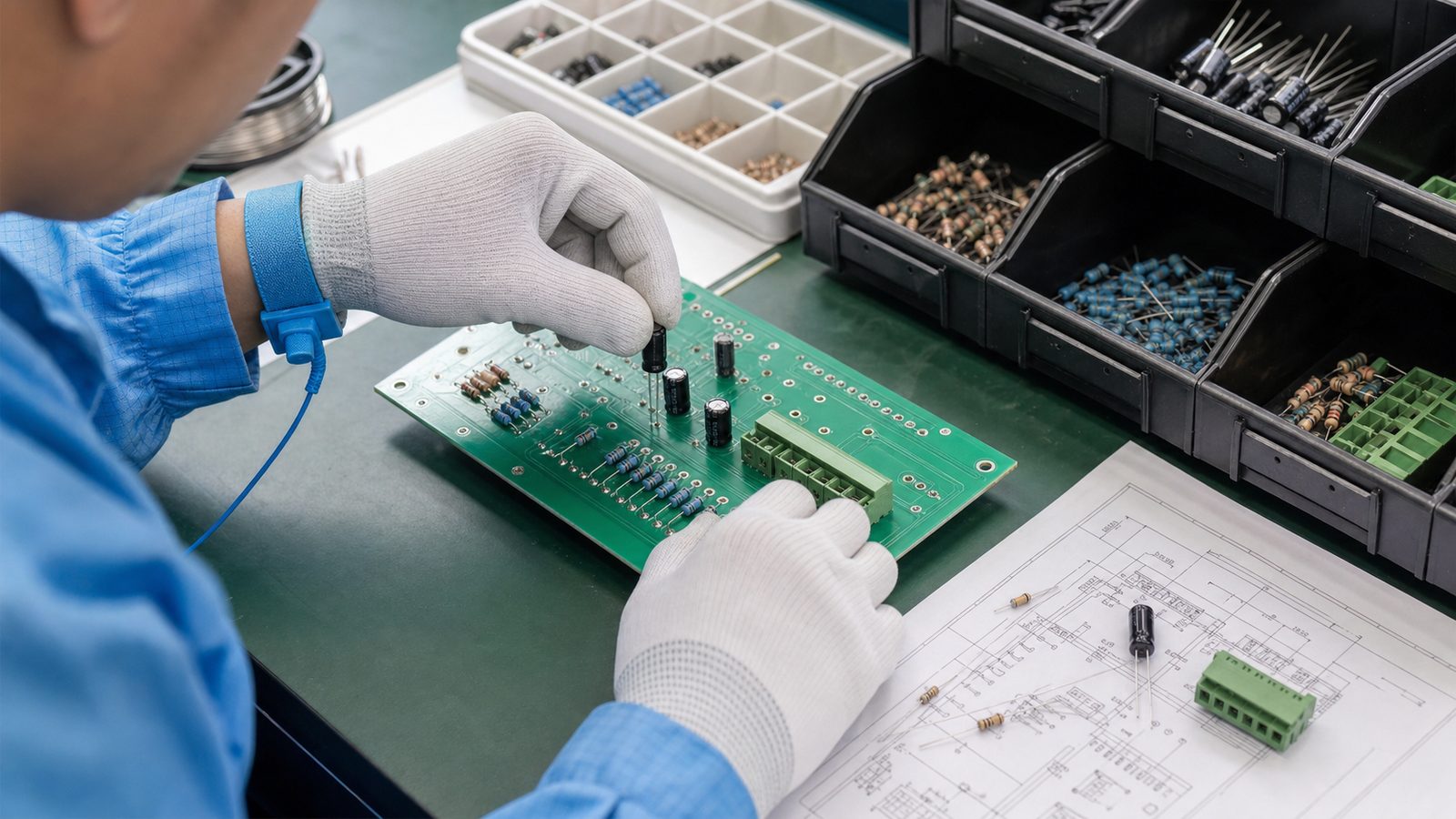
China PCB Board Factory – EBest Circuit (Best Technology)
EBest Circuit (Best Technology), founded in 2006, is a Chinese PCB manufacturer specializing in turnkey solutions—from design and prototyping to assembly and box-build. With 19 years of experience, we serve 1,700+ clients across 40 countries, offering:
260,000 sq ft monthly production capacity.
Full certifications: ISO9001, ISO13485, RoHS, REACH, and IATF16949.
Advanced equipment: Laser drills, flying probe testers, and automated lines.
At EBest Circuit (Best Technology), we combine engineering precision with efficient production to deliver boards that meet the highest industry standards. From prototype validation to full-scale assembly, every project benefits from our technical expertise, advanced equipment, and strict quality control systems.
If you’re seeking a dependable PCB board fabrication partner in China who understands both the complexity and urgency of modern electronics manufacturing, pls feel free to contact us at sales@bestpcbs.com for personalized support.
How Do China PCB Board Manufacturing Company Ensure Quality?
Quality assurance is critical in PCB fabrication. EBest Circuit (Best Technology) implements:
Process Monitoring: Real-time checks during etching, lamination, and plating.
Testing: 100% electrical testing and AOI inspections.
Certification Compliance: Adherence to IPC-A-600 and Class 3 standards.
Documentation: Detailed reports for traceability.
At EBest Circuit (Best Technology), strict control, advanced testing, and full certification keep every PCB precise, consistent, and production-ready.
What Certifications Should a Trusted Circuit Boards PCB Board Factory Have?
Reputable factories hold:
ISO9001: Quality management systems.
IATF16949: Automotive industry compliance.
ISO13485: Medical device safety.
RoHS/REACH: Environmental and material safety.
EBest Circuit (Best Technology)’s certifications validate our commitment to excellence.
Technical Capability for China HDI PCB Board Factory
We are a premier PCB manufacturer specializing in High-Density Interconnect (HDI) and advanced multi-layer boards. Our state-of-the-art facility is equipped to handle the most demanding requirements, from prototype to volume production.
1. Core Technological Expertise
Advanced HDI Technology: We excel in laser-drilled microvia technology, supporting blind and buried vias with diameters as small as 0.1mm (4mil). We manufacture complex stacked and staggered microvia structures for optimal routing density in sophisticated designs.
High-Layer-Count PCBs: We reliably produce complex multilayer boards with a maximum count of 32 layers, ensuring excellent registration and signal integrity.
Comprehensive Material Selection: We work with a wide range of materials to meet electrical, thermal, and reliability specifications.
Standard FR-4: All Tg levels (Standard, Mid-Tg 150°, High-Tg 170°-180°).
Specialty Materials:
High-Frequency/High-Speed: Rogers (4003, 4350, 5880), Taconic, Isola, Nelco for RF and high-speed digital applications.
High-Reliability FR-4: Very High-Tg (>180°), Halogen-Free materials.
High CTI: Materials with CTI ratings from 400 to 600 for demanding environments.
2. Key Process Capabilities
Fine Line Technology:
Standard Capability: 3/3 mil line/space for both inner and outer layers.
Heavy Copper Support: Up to 20 oz finished copper weight, with optimized processes for each weight class (e.g., 5/5 mil for 5 oz, 10/10 mil for 10 oz).
Drilling & Via Technology:
Minimum Laser Drill Size: 0.10mm.
Minimum Mechanical Drill Size: 0.15mm (for both through-holes and blind vias).
Aspect Ratio: Up to 10:1 for through-hole boards.
Board Thickness Range: 0.15mm (ultra-thin) to 8.0mm (heavy-thick).
Maximum Panel Size:
Multilayer Boards: 750mm.
Double-Sided/Single-Sided Boards: 1980mm.
Minimum Single Piece Size: 5mm (recommended to be panelized for handling).
3. Surface Finishes
We offer a full spectrum of surface finishes to suit any application requirement.
Finish Type
Typical Thickness
OSP (Entek)
0.2-0.3 µm
ENIG (Immersion Gold)
Au: 0.025-0.125 µm Ni: 3-8 µm
Immersion Silver
0.2-0.4 µm
Immersion Tin
0.8-1.5 µm
ENEPIG (Ni/Pd/Au)
Pd: 0.05-0.125 µm Au: 0.025-0.125 µm
Lead-Free HASL
1.5-40 µm
Hard Gold (Gold Fingers)
Au: 0.1-1.27 µm
4. Solder Mask & Legend
Colors: Green, Black, Blue, Red, White, Yellow, Purple, Orange, Matte Green, Matte Black, Matte Blue, Clear, and more. Mixed colors on top/bottom sides are supported.
Solder Mask Dam/Bridge: 3 mil for LPI over 1 oz copper.
Registration Tolerance: ±1 mil.
Legend (Silkscreen): Various colors available; minimum character size 28mil height / 5mil width.
5. Mechanical Fabrication & Outlining
Routing & Scoring:
V-Score: Angles from 20° to 60° with ±5° tolerance. Beveling for gold fingers is available.
Contour Routing: Tolerances as tight as ±4mil.
Border Clearance: Minimum 8mil from trace to board edge.
To sum up, our commitment to advanced engineering and rigorous quality control enables us to be your trusted partner for demanding PCB projects. We transform complex designs into reliable reality, offering a complete solution for HDI, high-layer-count, high-frequency, and heavy-copper applications.
Advanced PCB Manufacturing Machine
At EBest Circuit (Best Technology), our manufacturing excellence is powered by a comprehensive suite of state-of-the-art equipment. Each machine in our facility is strategically integrated to ensure precision, efficiency, and superior quality at every stage of production.
Laser Drill Machines: We utilize advanced CNC laser drill systems to achieve exceptionally fine microvias down to 0.1mm. This technology is critical for manufacturing high-density interconnect (HDI) PCBs, enabling complex, multi-layer designs with high reliability.
Automated DES Lines: Our multiple automated Developing, Etching, and Stripping (DES) lines ensure consistent and precise circuit pattern formation. This automation guarantees uniformity in fine-line etching and reduces the potential for human error, which is vital for high-yield production.
Flying Probe Testers: For electrical validation, our MV300/KHL-300V flying probe testers perform high-speed, fixture-less testing. This allows for rapid and accurate detection of shorts, opens, and other electrical faults on everything from quick-turn prototypes to complex final assemblies.
SMT Assembly Equipment: Our Surface Mount Technology (SMT) lines enable fast, accurate, and efficient component placement and assembly. This capability supports our full turnkey service, ensuring your boards are assembled with the same level of quality and precision as they are fabricated.
Supporting Machinery: A full range of supporting equipment—including automatic solder mask application machines, dry film laminators, high-pressure cleaning lines, and vacuum packing systems—completes our production ecosystem, guaranteeing that every board meets the highest standards of quality and reliability.
This strategic investment in advanced machinery underpins our ability to act as your reliable original PCB board factory for rapid fabrication, delivering on our promises of speed, precision, and quality.
How to Select a Trustworthy PCB Circuit Board Factory?
Consider these factors:
Experience: Look for 10+ years in industry-specific projects.
Capability: Verify equipment and material range.
Communication: Choose suppliers with responsive support.
Samples: Test prototype quality before mass production.
Selecting the right PCB partner ensures your designs perform reliably. By focusing on experience, capability, certifications, communication, and prototype testing, you can confidently choose a factory like EBest Circuit (Best Technology) to bring your circuits from concept to production.
Case of Complete PCB Board Fabrication by EBest Circuit (Best Technology)
This 6-layer FR4 PCB with Tg180 is ideal for high-performance electronics requiring thermal stability and reliability, such as:
From high-performance 6-layer FR4 boards to cost-effective 2-layer designs, EBest Circuit (Best Technology) delivers PCBs tailored to diverse applications. Our precision manufacturing, strict quality control, and flexible assembly options ensure every board meets your requirements, ready for reliable deployment in any electronic system.
Why Choose EBest Circuit (Best Technology) for PCB Board Fabrication?
We stand out through:
Speed: 24-hour prototyping and on-time delivery (97% rate).
Precision: Tolerance control to ±1mil for critical designs.
End-to-End Service: PCB design, sourcing, assembly, and testing.
Expert Engineering Support: Our team of experienced engineers offers proactive design for manufacturability (DFM) feedback.
Small Bulk Order Support: All of our PCBs are without MOQ requirements.
Flexible Service: We have our original printed circuit board factory in China, which gives us access to control the manufacturing schedule directly. This allows us to offer unparalleled flexibility to meet your specific needs. Whether you require last-minute design modifications, urgent prototype iterations, or expedited volume production, our integrated facility enables rapid adjustments without the delays typical of third-party manufacturers.
In brief, choosing a PCB board factory is a strategic decision that impacts your product’s quality, cost, and time-to-market. EBest Circuit (Best Technology) combines state-of-the-art facilities, deep expertise, and a client-centric approach to provide a distinct competitive advantage.
To conclude, a PCB board factory is pivotal in transforming designs into functional electronics. EBest Circuit (Best Technology) combines two decades of expertise with state-of-the-art equipment to offer rapid, reliable fabrication services. Whether you need standard FR4 or advanced HDI boards, we ensure quality, speed, and transparent pricing. A warm welcome to reach out to us at sales@bestpcbs.com to start your PCB board and printed circuit board assembly project!
FAQs of PCB Board Factory
Are there any PCB manufacturers in the USA? Yes, Top PCB Manufacturers in USA include TTM Technologies, Sanmina Corporation, Advanced Circuits, Rush PCB Inc., and others.
What is the maximum thickness of a PCB board? EBest Circuit (Best Technology) supports up to 8.0mm thickness for specialized applications (e.g., power boards).
What is your maximum PCB board size? Our maximum standard PCB size is 610mm x 610mm.
What is the maximum number of layers you can produce? We can manufacture complex multilayer PCBs with up to 32 layers.
What is the thinnest PCB thickness you can achieve? We specialize in thin PCBs with the following minimum thicknesses:
How to design hermetic ceramic package? Let’s discover types, benefits, applications, design spec and guide, production process for hermetic ceramic package.
Are you worried about these problems?
Does your chip’s lifespan and reliability suffer from moisture intrusion and corrosion in harsh environments?
Is high-power chip performance constrained by heat buildup, limiting its full potential?
Are miniaturization and high-frequency requirements restricted by packaging size and signal integrity limitations?
As a hermetic ceramic package manufacturer, EBest Circuit (Best Technology) can provide you service and solutions:
Customized Solutions: Full-process collaborative development from material formulation to structural design, tailored to chip characteristics for stable operation across -55°C to 200°C temperature ranges.
Thermal Management Optimization: High-thermal-conductivity ceramics (Al₂O₃/AlN) combined with thermal via arrays and metal heat sinks, reducing thermal resistance by 30% for 10W-class chips.
High-Density Integration Support: HTCC/LTCC fine-pitch technology (0.5mm lead spacing, 50μm line/space) enabling compact packaging with maintained high-frequency performance and signal integrity.
A hermetic ceramic package is a special ceramic housing used to encapsulate high-reliability electronic components such as chips, sensors, and MEMS. Its core lies in the tight bonding between the ceramic substrate and a metallized sealing structure (such as a cover plate or pins), forming a completely sealed cavity that blocks the penetration of external gases and moisture. This hermeticity ensures that the internal sensitive components are protected from contamination and degradation under harsh environments (high temperature, humidity, corrosion), thereby achieving long-term stable operation of the electronic device.
What Are Types of Hermetic Ceramic Packages?
Ceramic Dual In-line Package (CDIP)
Structure: Two rows of parallel leads extend from both sides of the ceramic housing, with a typical lead pitch of 2.54 mm (0.1 inch).
Features: Classic package form, easy to solder through-hole (THT), high mechanical strength.
Applications: Early CPUs, memory, military standard devices, high-reliability analog circuits.
Ceramic Quad Flat Package (CQFP)
Structure: Four outward-extending “gull-wing” leads on all four sides, with a typically small lead pitch (e.g., 0.5 mm, 0.65 mm, 0.8 mm).
Features: High lead density, suitable for surface mount technology (SMT), good heat dissipation and electrical performance.
Superior Hermeticity: Achieves absolute sealing via metal brazing or glass sealing processes, blocking moisture, dust, salt mist, chemical contaminants, and harmful gases. Internal environment controlled with dry inert gas (e.g., nitrogen) or vacuum for long-term stability.
Extreme Environment Reliability: Operates across -55°C to +200°C+ temperature range (varies by ceramic type). Withstands high-pressure/vacuum environments in deep sea, aviation, and aerospace. Radiation-resistant for space applications. Resists mechanical shock and vibration via high-strength ceramic housing.
Outstanding Material Properties: High insulation resistance (>10¹² Ω) prevents signal crosstalk and ensures safety for high-frequency/high-voltage devices. Thermal management via high-thermal-conductivity ceramics (e.g., AlN, 170-230 W/mK) efficiently dissipates chip heat. Low coefficient of thermal expansion (CTE) matches silicon chips to minimize thermal stress cracking. Chemically stable, corrosion-resistant, and oxidation-resistant.
Superior Electrical Performance: Low dielectric constant and loss reduce signal delay, enhancing performance for high-frequency/radio-frequency devices (e.g., 5G, radar). Stable parasitic parameters prevent environmental drift of capacitance/inductance. Metal lids provide electromagnetic interference (EMI) shielding.
Longevity and Durability: Decades-long lifespan in aerospace, medical implants, and other high-reliability fields. Ceramic materials avoid plasticizer evaporation, maintaining performance over time (superior to plastic packaging).
Multi-Functional Integration Adaptability: Supports high-density interconnection via HTCC/LTCC processes, integrating passive components (resistors/capacitors). Compatible with optical windows (e.g., laser packaging) and RF feedthrough structures. Adaptable to various high-reliability package formats (DIP, QFP, BGA, LCC).
What Are Applications of Hermetic Ceramic Package?
Satellites and Space Probes: Spacecraft control systems, onboard computers (radiation resistant, withstands drastic temperature changes in vacuum). High-precision sensors (e.g., gyroscopes, temperature sensors).
Missiles and Radar Systems: Missile guidance chips (resistant to supersonic flight vibrations and high temperatures). Phased array radar T/R modules (high-frequency signal stability requirements).
Avionics: Engine control units (ECUs), black box data recorders (shock resistant, fireproof).
Life Support Implantable Devices: Pacemakers, nerve stimulators (absolutely sealed to prevent bodily fluid corrosion, lifespan > 10 years).
Extracorporeal High-End Medical Devices: High-voltage sensors for MRI scanners, surgical robot control modules (electromagnetic interference resistant).
Deep-Sea Drilling and Oil & Gas Extraction: Downhole sensors (resistant to 200°C high temperature, 170MPa high pressure, and hydrogen sulfide corrosion).
Nuclear Power Plants and High-Radiation Environments: Reactor monitoring sensors (resistant to neutron/gamma-ray radiation).
New Energy Power Systems: High-voltage IGBT modules (aluminum nitride substrate for heat dissipation, moisture-proof).
Safety Core Systems: Airbag controller and brake control unit (withstanding temperature cycling from -40°C to 150°C).
Electric vehicle power module: Silicon carbide (SiC) inverter package (high thermal conductivity AlN ceramic heat dissipation).
5G/6G RF front-end: Millimeter-wave power amplifier (low-loss ceramic substrate ensures high-frequency signal integrity).
Optical communication module: Laser diode (LD) and photodetector (PD) package (dustproof and oxidation-proof optical path protection).
Quantum computing device: Superconducting quantum bit chip package (maintained in ultra-vacuum/ultra-low temperature environments).
High-precision sensor: MEMS inertial navigation unit (protected against moisture-induced drift errors).
Hermetic Ceramic Package Design Specification
Technical Parameter
Specification
Hermeticity Standard
≤1×10⁻⁸ atm·cc/s He
Internal Moisture Content
≤100 ppm
Substrate Ceramic Type
Al₂O₃ / AlN / LTCC / HTCC
Thermal Conductivity
Al₂O₃: 20-30 W/mK ; AlN: 170-230 W/mK
Coefficient of Thermal Expansion (CTE)
Al₂O₃: 6-7 ppm/K ; AlN: 4-5 ppm/K
Dielectric Constant
Al₂O₃: 9-10 @1MHz ; LTCC: 5-8 @1GHz
Pin/Ball Pitch
0.5 mm (CQFP) ; 1.27 mm (CDIP)
Layer Capacity
HTCC: ≤100 layers ; LTCC: ≤30 layers
Line Width/Spacing
HTCC: 100 μm ; LTCC: 50 μm
Insulation Resistance
>10¹² Ω (500V DC)
High-Frequency Loss
Dielectric Loss Tangent: Al₂O₃: 0.0002 ; LTCC: 0.002
Operating Temperature Range
-55°C to +200°C (AlN substrate up to 300°C)
Temperature Cycle Life
1,000 cycles of -65°C↔150°C
Flexural Strength
Al₂O₃: 300 MPa ; AlN: 350 MPa
Sealing Process
AuSn Soldering / Glass Sealing
Metallization Layer
W/Mo Metallization + Ni/Au Plating
Hermetic Ceramic Package Design Guideline
1. Define Requirements & Performance Metrics
Environmental Adaptation: Specify operating temperature range (-55°C to +200°C+, extendable to 300°C with AlN), humidity (≤100ppm moisture content), pressure (matching deep-sea -100kPa to aerospace +100kPa), and corrosive gases (e.g., H?S≤10ppm, Cl?≤5ppm).
Electrical Parameters: Signal frequency classification (1GHz/5GHz/10GHz), impedance matching accuracy (50±2Ω), isolation ≥100dB@1GHz, and current density calculation for power pads (e.g., Au80Sn20 solder ≤10A/mm?).
Reliability Standards: Aerospace compliance with NASA/ESA, medical implants require ISO 13485 & ISO 10993 biocompatibility; lifespan validation via 1000 cycles of -65°C?150°C temperature cycling and 20G vibration testing.
2. Material Selection & Matching
Ceramic Substrates: Al?O? (90-94% purity) for general applications (thermal conductivity 20-30W/mK), AlN for high-power scenarios (170-230W/mK), BeO restricted to non-medical uses due to toxicity.
Sealing Ring Design: Glass seal diameter formula = wall thickness ×0.7 + wire diameter; lid sealing area minimum distance ≥1.27mm (0.050 inch).
Lead Layout: Standard pitch 0.050/0.100 inch (1.27/2.54mm); max lead count formula = integer [(side length – 2×wall thickness – 0.040 inch)/pitch]; RF pads require 50Ω impedance (line width/spacing calculated via substrate dielectric constant).
Cavity Design: Depth reserves space for chip + adhesive + interconnect wires; heat dissipation path via thermal vias (≥100μm diameter) or bottom CuW heat sink.
Thermal Management: AlN substrate thermal via arrays; bottom CuW heat sink (200W/mK conductivity); via count calculated by chip heat dissipation (e.g., ≥50 vias of φ0.3mm for 10W chip).
Feedthrough Design: Minimum line width 0.08mm, spacing 0.2mm; ceramic perimeter thickness ≥0.5mm for hermeticity.
5. Hermetic Sealing Process Selection
Solder Sealing: Au80Sn20 solder reflow at 280-320°C in vacuum/nitrogen, achieving ≤1×10?? atm·cc/s He leakage.
Glass Frit Sealing: Glass paste screen-printed and melted at 400-450°C, cost-effective but avoids complex wiring areas; suitable for ceramic-ceramic/metal packages.
Eutectic Sealing: Kovar alloy and ceramic ring eutectic reaction at 280°C for metal lid sealing.
6. Design Verification & Testing
Hermeticity Testing: Helium mass spectrometry (sensitivity 10??? atm·cc/s) combined with fluorocarbon bubble test; internal moisture ≤100ppm (aerospace grade).
Electrical Testing: Signal integrity (eye diagram), insulation resistance (>10??Ω), voltage breakdown (AC/DC).
7. Design for Manufacturing (DFM) & Document Delivery
DFM Collaboration: Early engagement with manufacturers (e.g., Kyocera, NTK) to optimize lamination misalignment ≤20μm and sintering shrinkage compensation (HTCC 15-20%, LTCC 12-15%).
Document Specifications: ASME Y14.5M-compliant drawings (critical dimensions ±0.1% tolerance), 3D STEP models; process windows specify lid parallelism ≤0.05mm and solder volume tolerance ±5%.
Validation Files: Include process flowcharts, critical parameter monitoring tables (e.g., sintering temperature ±5°C), and failure mode analysis reports.
Hermetic Ceramic Package Manufacturing Processes
1. Ceramic Green Sheet Preparation
Slurry Optimization: Al₂O₃ slurry incorporates 0.5-2wt% dispersants (e.g., phosphate esters) for stability; AlN slurry adds 0.3-0.8wt% sintering aids (e.g., Y₂O₃). Ball milling uses ZrO₂ balls at 60-100rpm for 8-12h to achieve D50≤2μm particle size.
Tape Casting Precision: Doctor blade gap error ≤±2μm, web speed 0.1-0.5m/min, drying gradient 40-60°C→80-100°C to prevent cracking/blistering.
Punching Accuracy: Hard alloy dies with 15-30° edge angle, vacuum-assisted alignment ensures ±5μm precision.
2. Metallization & Interconnect Refinement
Via Filling: UV laser (355nm) drills 50-200μm holes at 20-50J/cm²; paste viscosity 50-150Pa·s, ultrasonic cleaning removes residue.
Screen Printing Calibration: 325-mesh SS screens, 2-4N/cm squeegee pressure, 50-100mm/s speed; first-article inspection via profilometer (±2μm).
Lid Sealing: Kovar lids vacuum-brazed at 280-320°C (60±5s, 10⁻³Pa); ceramic lids glass-sealed at 400-450°C (10-15min).
Gas Filling: Molecular pump evacuates to 10⁻⁵Pa; 99.999% N₂/Ar filled at 100-500kPa; O₂ sensor ensures ≤1ppm residual.
6. Rigorous Testing & Reliability Validation
Hermeticity Testing: Helium mass spectrometry (10⁻¹²atm·cc/s sensitivity, 1.5bar, 30min); fluorocarbon bubble test at 125°C.
Environmental Stress: -65°C↔150°C×2000 cycles; triaxial random vibration (5-2000Hz, 20G per axis).
Failure Analysis: SEM/EDS for elemental mapping, FIB for cross-sectioning, metallography for interfacial evaluation.
7. Advanced Quality Control and Intelligent Manufacturing Integration
MES System Traceability: Implement full-process tracking via Manufacturing Execution System (MES), ensuring each batch/lot is traceable with real-time data logging (e.g., temperature, pressure, time) and compliance with MIL-STD-883/JEDEC J-STD-020 standards.
AOI & X-ray Inspection: Automated Optical Inspection (AOI) employs line width measurement systems (±1μm accuracy) for surface defects; X-ray CT scanning uses high-resolution detectors (50μm pixel size) to detect internal voids/delamination.
Failure Analysis Suite: SEM/EDS for microstructure/elemental analysis, FIB cross-sectioning for interfacial bonding evaluation, and thermal shock testing (-65°C to 150°C, 100 cycles) for accelerated reliability assessment.
Advanced Multi-Material Thermal Management Solution: Our patented three-layer composite substrate (alumina-aluminum nitride-graphene) achieves thermal conductivity exceeding 200 W/m·K, 65% higher than conventional alumina. Coupled with micro-thermal via array design, it reduces chip hotspot temperature by over 20°C, significantly enhancing reliability for high-power devices.
Full-Scale Customizable Dimension Adaptation: Supporting ultra-small 0201 packages to large 200×200mm power modules, we offer minimum lead pitch of 0.25mm and scalable pin counts up to 1000+. This flexibility meets premium demands like 5G base stations and automotive IGBTs, enabling “one package, multi-chip” integration.
72-Hour Rapid Prototyping Service: Leveraging modular design libraries and digital process platforms, we deliver end-to-end prototyping from concept to sample within 72 hours. Real-time remote parameter tuning (e.g. lead layout, sealing methods) shortens time-to-market by 40%.
Lead-Free Eco-Friendly Sealing System: Full adoption of Sn-Ag-Cu-Ti active solder enables direct ceramic-metal bonding without lead. Bonding strength increases by 30%, complying with EU ELV and Japanese JIS green standards to facilitate global certification.
Precision Batch Consistency Control: Through in-house powder synthesis and closed-loop sintering systems, we achieve CTE batch variation ≤2% and sheet resistance deviation ≤±5%. Key parameters (hermeticity, electrical performance) maintain standard deviation <3% in mass production, outperforming industry norms.
Long-Term Reliability Under Extreme Conditions: Our proprietary four-zone accelerated aging test (-65°C to 150°C for 1,500 cycles) combined with salt spray testing (5% NaCl for 96 hours, no corrosion) ensures stability for 15+ years in aerospace and deep-sea applications.
Cost Optimization Through DFM Algorithms: DFM algorithms automate material utilization and process path optimization, reducing energy consumption by 15% and waste by 20%. We provide design-cost linkage reports to achieve 10% cost reduction per unit without compromising performance.
Micro-Scale Sealing Innovation: Laser micro-hole array technology enables 10μm-class sealing micro-grooves on 0.5mm substrates. Paired with self-developed low-viscosity sealing glass, it ensures void-free, crack-free interfaces with hermetic leakage stable at ≤1×10⁻¹¹ Pa·m³/s.
Welcome to contact us if you have any request for hermetic ceramic package: sales@bestpcbs.com.
Application Specific Integrated Circuits (ASICs) are the ultimate expression of customization in the electronics world, designed to perform a specific task with unparalleled efficiency. This article delves into the critical relationship between these powerful chips and the printed circuit boards (PCBs) that bring them to life, explaining why superior PCB manufacturing is not just an advantage but a necessity for ASIC performance.
Even the most brilliantly designed application-specific integrated circuit is powerless without a reliable platform. Have you ever faced these common challenges when integrating your custom silicon?
Performance Bottlenecks: The ASIC’s maximum speed and efficiency are crippled by a PCB with poor signal integrity.
Intermittent Failures: The system experiences unexplained crashes or data errors due to unstable power delivery or thermal stress on the PCB.
High Development Costs: Repeated PCB revisions to fix signal, power, or heat issues drastically increase the project’s cost and time-to-market.
Manufacturing Yield Loss: Expensive application-specific integrated circuit chips are damaged during PCB assembly due to imprecise soldering processes.
Reliability Concerns: The final product suffers from a short lifespan or field failures, damaging your brand’s reputation.
The solution lies in partnering with a PCB manufacturer that understands the exacting demands of high-performance integrated circuits.
Impedance-Control & HDI PCBs: We specialize in advanced PCBs with controlled impedance and high-density interconnects (HDI) to ensure pristine signal quality for high-speed ASICs.
Robust PDN & Thermal Management: Our designs incorporate sophisticated power distribution networks (PDN) and thermal management strategies to ensure stable operation.
DFM & Rapid Prototyping: We offer expert Design for Manufacturability (DFM) analysis and fast turnaround prototyping to minimize design iterations and accelerate your schedule.
High-Precision SMT Assembly: Our state-of-the-art SMT lines ensure flawless soldering of delicate ASIC packages like BGA and QFN, protecting your valuable components.
Rigorous Quality & Testing: A comprehensive suite of tests (including AOI, X-Ray, and ICT) guarantees the reliability and longevity of every assembled board.
EBest Circuit (Best Technology) is a professional PCB and assembly manufacturer with core expertise in producing high-reliability boards for demanding applications. Our advanced manufacturing capabilities and certifications (including IATF 16949, ISO 13485, AS9100D) ensure that your application-specific integrated circuit device performs to its full potential on a robust and dependable platform. Pls feel free to contact us at sales@bestpcbs.com to discuss your project.
What Is Application Specific Integrated Circuits?
An Application Specific Integrated Circuit (ASIC) is a microchip designed and optimized for a particular use or application, rather than for general-purpose use. Unlike off-the-shelf integrated circuits like microprocessors or memory chips, an ASIC is custom-built to execute a specific function, leading to superior performance, lower power consumption, and a smaller physical size for that task.
What is the main purpose of application specific integrated circuit chips? The main purpose of application specific integrated circuit chips is to provide a hardware-optimized solution that offers maximum efficiency for a dedicated function. This could be encoding video for a specific standard, processing cryptocurrency mining algorithms, or running a unique control algorithm in an embedded system.
What is application-specific integrated circuit function? The application-specific integrated circuit function is fixed during manufacturing. Its internal circuitry is hard-wired to perform its designated task, which is why it can operate much faster and more efficiently than a programmable device that must interpret instructions.
In summary, ASICs are the specialists of the silicon world, sacrificing flexibility for peak performance in their designated role.
What Is the Difference Between ASICs Application Specific Integrated Circuits and FPGA Board?
The primary difference lies in programmability. An ASIC is permanently fabricated for its specific function—its circuitry cannot be changed after manufacture. A Field-Programmable Gate Array (FPGA), on the other hand, is a programmable device that can be reconfigured by the designer even after it has been deployed in a system.
Customization: An ASIC is a custom design from the ground up. An FPGA uses a matrix of configurable logic blocks that are programmed to create the desired function.
Performance & Power: ASICs application specific integrated circuits typically offer higher performance and lower power consumption because the silicon is optimized for one task. FPGAs are generally slower and less power-efficient due to the overhead of their programmable interconnect.
Cost & Time: ASIC design has very high non-recurring engineering (NRE) costs and a long development time. FPGAs have zero NRE costs and a much faster development cycle, making them ideal for prototyping and lower-volume production.
The choice between an ASIC vs FPGA often boils down to volume, performance requirements, and budget constraints.
What Is the Relationship Between an ASIC Chip and a PCB?
The relationship is symbiotic. The PCB acts as the central nervous system and skeleton for the ASIC chip. It provides the physical mounting point, electrical connectivity to other components, power delivery, and a path for heat dissipation.
Without a high-quality PCB, the ASIC cannot receive stable power, communicate with other parts of the system, or remain within its safe operating temperature. This interdependence is precisely why application specific integrated circuits need better PCB manufacturing.
Why Choose EBest Circuit (Best Technology) for Your ASIC-Ready PCBs?
As a professional PCB and PCBA manufacturer with 19 years of expertise, EBest Circuit (Best Technology) offers tailored solutions to ensure your ASIC designs perform flawlessly. Here’s why global clients trust us for high-reliability applications:
1. Advanced Process Capabilities for ASIC-Grade Requirements
Precision Circuitry: Supports fine line widths/spacing down to 3/3 mil (inner/outer layers), enabling high-density interconnects for complex ASIC layouts.
High-Layer & High-Aspect-Ratio PCBs: Capable of 10-32 layers with a maximum aspect ratio of 10:1, ideal for multi-signal-layer ASIC systems.
Specialized Materials: High-TG laminates (e.g., IT180, S1170), Rogers/Taconic high-frequency substrates, and halogen-free materials for optimal signal integrity and thermal stability.
Special Processes:
Heavy copper up to 20 oz for power-intensive ASICs.
Laser blind vias (0.1mm) and mechanical blind/buried vias (0.15mm).
Diverse surface finishes (ENIG, ENEPIG, immersion Sn/Ag) for robust solderability.
2. End-to-End Quality Control & Rapid Turnaround
Certifications: ISO9001, ISO13485, IATF16949, and RoHS compliance, with strict adherence to IPC standards.
Rapid Prototyping & Mass Production: 24-hour quick-turn service for prototypes; monthly capacity of 28,900 m² to scale from samples to volume runs.
EBest Circuit (Best Technology) combines cutting-edge manufacturing capabilities, rigorous quality assurance, and a customer-centric approach to deliver PCBs that meet the stringent demands of ASIC applications. By partnering with us, you ensure your ASIC operates with stability, efficiency, and longevity. Pls feel free to contact us at sales@bestpcbs.com for a quick quote and technical support!
Which ICs Are Application Specific Integrated Circuits ASICs?
Virtually any chip designed for a single, complex task can be considered an ASIC. Common examples include:
SoCs (System-on-Chip) in smartphones, which integrate a CPU, GPU, and modem.
AI Accelerators like Google’s TPU (Tensor Processing Unit).
Specialized controllers in automotive systems, medical devices, and consumer electronics.
What Is Application-Specific Integrated Circuit ASIC Architecture?
Application-specific integrated circuit ASIC architecture refers to the internal design and organization of the chip. It is developed using a detailed workflow:
Specification: Defining the chip’s function, performance, and power targets.
RTL Design: Describing the chip’s behavior using a Hardware Description Language (HDL) like Verilog or VHDL.
Logic Synthesis: Converting the RTL code into a gate-level netlist (a list of logic gates and their interconnections).
Physical Design (Place & Route): Determining the precise placement of millions of transistors and routing the connections between them on the silicon die.
This process results in a custom layout that is unique to the chip’s intended application-specific integrated circuit function.
What Are ASIC Application Specific Integrated Circuit Benefits?
The benefits of using an ASIC application specific integrated circuit are compelling:
High Performance: Optimized hardware delivers superior speed for the target application.
Low Power Consumption: Eliminating unnecessary circuitry minimizes energy use, crucial for battery-powered devices.
Small Form Factor: A single ASIC can replace multiple discrete components, saving significant space.
Cost-Effectiveness at High Volume: While initial NRE costs are high, the per-unit cost becomes very low for mass production, making asics application specific integrated circuits price attractive for high-volume goods.
Enhanced Security: The hardwired logic is difficult to reverse-engineer or tamper with, offering IP protection.
What Are Application Specific Integrated Circuits Used For?
Consumer Electronics: Smartphones, TVs, and game consoles.
Telecommunications: Network routers and base stations.
Automotive: Advanced driver-assistance systems (ADAS) and engine control units (ECUs).
Industrial: Automation controllers and robotics.
Medical: Imaging equipment like MRI machines and portable diagnostic devices.
Cryptocurrency: This is a key example of what is bitcoin mining actually doing application specific integrated circuit hardware is designed for.
How Are Application-Specific Integrated Circuits Mounted on PCBs?
Mounting an ASIC securely and reliably onto a PCB is a critical manufacturing step. Most modern application-specific integrated circuit chips use advanced package types like Ball Grid Array (BGA) or Quad-Flat No-Leads (QFN), which require high-precision assembly processes.
Package Compatibility: The PCB design must exactly match the ASIC’s package footprint (e.g., BGA pad pattern) and account for thermal expansion.
Solder Paste Application: Solder paste is precisely applied to the PCB pads using a stencil.
Component Placement: A pick-and-place machine positions the ASIC and other components with micron-level accuracy.
Reflow Soldering: The entire board passes through a reflow oven, melting the solder paste to form permanent electrical and mechanical connections.
EBest Circuit (Best Technology) ensures reliable ASIC mounting with our fully automated SMT assembly lines, which include advanced Optical Inspection (AOI) to check placement accuracy and X-Ray inspection to verify the integrity of hidden solder joints under BGA packages. This comprehensive approach guarantees that your valuable application specific integrated circuit in embedded system is correctly installed for a lifetime of reliable service.
Why Quality PCB Manufacturing Matters for Application-Specific Integrated Circuits?
High-performance ASICs demand impeccable signal integrity, stable power, and effective heat dissipation. Any compromise in the PCB can throttle the ASIC’s capabilities, leading to the very performance bottlenecks and reliability issues that the custom silicon was meant to avoid.
Signal Integrity: High-speed signals from the ASIC require controlled impedance routing and careful management of signal reflections and crosstalk, which is a core function of quality PCB fabrication.
Thermal Management: ASICs generate significant heat. The PCB must act as a heat spreader, often requiring the use of thermal vias and high-thermal-conductivity materials (like high-Tg FR-4 or metal cores) to prevent overheating.
Power Integrity: The Power Distribution Network (PDN) must deliver clean, stable voltage to the ASIC without sag or noise, which requires sophisticated multilayer PCB stack-up design with dedicated power and ground planes.
EBest Circuit (Best Technology) address these challenges directly. Our manufacturing capabilities include producing complex, multi-layer boards with strict impedance control, blind and buried vias for HDI designs, and the use of advanced materials to manage heat and ensure signal purity. Our adherence to strict quality management systems (ISO 9001, IATF 16949, etc.) provides the assurance that every PCB we produce will meet the rigorous demands of your application-specific integrated circuits.
Case Study: Reliable PCB Assembly for ASIC Projects by EBest Circuit (Best Technology)
A client came to EBest Circuit (Best Technology) with a high-performance computing module built around a powerful, custom ASIC. Initial prototypes from another supplier failed under load, exhibiting random resets and data corruption. Our engineering analysis pinpointed the root causes: an unstable power delivery network (PDN) and inadequate thermal management on the PCB.
Our Solution: Leveraging our dual-site manufacturing footprint in China and Vietnam, we provided the flexibility and supply chain resilience critical for this project. Our team redesigned the PCB with an 8-layer stack-up featuring dedicated power planes and a sophisticated via-in-pad layout for the BGA-packaged ASIC. A high-Tg laminate material was selected for superior thermal performance, alongside a strict impedance control strategy. During the critical SMT assembly phase, our Yamaha high-speed placement lines ensured accurate mounting of fine-pitch components, while X-ray inspection verified the integrity of every BGA solder joint.
The Result: The final product achieved 100% stability in rigorous stress tests, allowing the client’s ASIC to operate reliably at its maximum specified frequency. This success underscores the advantage of partnering with EBest Circuit (Best Technology), whose global manufacturing capabilities ensure both technical excellence and supply chain security for advanced custom silicon projects.
In a nutshell, application specific integrated circuits represent the pinnacle of dedicated hardware performance, enabling breakthroughs across countless industries. The full potential of these sophisticated chips can only be realized when they are paired with an equally sophisticated PCB that provides flawless signal, power, and thermal integrity.
EBest Circuit (Best Technology) possesses the advanced manufacturing expertise, stringent quality controls, and assembly precision required to build the reliable foundation your ASIC project demands. Pls feel free to contact us at sales@bestpcbs.com for a consultation on your next ASIC-based PCB project.
Why choose MIS substrate? Let’s discover features, applications, difference between traditional PCB, design consideration, production process for MIS substrate.
Are you troubled with these questions?
Difficulty in 3D structure molding?
High heat loss in high-frequency scenarios?
High mass production costs and low yield?
As a MIS substrate supplier, EBest Circuit (Best Technology) can provide you service and solutions:
MIS Substrate, also called as Molded Interconnect Substrate ( is an advanced packaging substrate technology. It uses injection molding to directly embed conductive lines (usually copper) into the interior or surface of an insulating resin material (usually epoxy resin), forming a three-dimensional substrate with intricate circuit patterns. Unlike traditional etching methods (etching away excess copper foil on a copper-clad laminate to form circuitry), the core of MIS is molding and Laser Direct Structuring (LDS) or similar patterning techniques.
What Are Features of MIS Substrates?
Features of Molded Interconnect Substrate:
3D Design Flexibility – Supports curved/irregular shapes via injection molding, essential for compact/wearable devices.
High-Density Wiring – Enables sub-50μm line precision for compact, high-speed packaging (e.g., 5G/radar).
Embedded Components – Integrates passives directly into plastic, reducing external parts and size.
Metal Substrate Applications: Aluminum substrates (thermal conductivity 1.0–3.0 W/(m·K)) are suitable for high-heat scenarios like LED lighting. Copper substrates (0.5–1.0mm thickness) are used in high-frequency/EMI shielding applications. Balance thermal conductivity, cost, and processing difficulty. For example, aluminum offers lower cost but requires oxidation risk control, while copper provides superior thermal performance but demands EMI compatibility measures.
Specialty Material Options: Silicon carbide suits automotive/aerospace high-temperature environments (>300°C) but incurs higher costs. PTFE (dielectric constant 2.1) or fluorinated polyurethane (dielectric constant 1.8) is used for high-frequency signal transmission, though mechanical strength requires composite design.
FR-4 Optimization: Standard choice for general applications. Note dielectric constant drift (4.5–5.5) may affect signal integrity. For high-frequency scenarios, replace with Rogers ceramic substrates or hybrid material designs.
2. Thermal Management Strategies
Copper Layer and Via Design: Use ≥2oz copper thickness in high-power areas, paired with arrayed thermal vias (diameter 0.3–0.5mm, spacing ≤1mm). Fill vias with copper or thermal adhesive to enhance heat conduction. Example: ≥8 vias beneath BGA packages to form thermal channels.
Layout Optimization: Position power devices (e.g., MOSFETs) near PCB edges or heat sink mounting surfaces, reserving ≥5mm component-free zones. Maintain ≥2.5mm spacing (forced air) or ≥4mm spacing (natural convection) between heat-sensitive components (e.g., electrolytic capacitors) and heat sources. Distribute multiple heat sources to avoid localized overheating.
External Cooling Enhancement: Integrate heat sinks (thermal pads/adhesives), forced air channels, or liquid cooling systems. Validate thermal performance via simulation (ANSYS) and post-layout testing (thermal imagers/thermocouples).
3. Structural and Electrical Design
Metal Substrate Construction: Single-sided boards require dielectric layer bonding (hole diameter ≥1mm demands ≥0.5mm wall spacing). Double-sided/multilayer boards control total thickness (0.8–3.5mm, extreme 8mm). Rigid-flex designs balance rigid sections (e.g., cold plates) and flex zones, with drilling rules adhering to 10:1 aspect ratios (non-metallic holes).
Signal Integrity: High-speed traces (e.g., USB3.0) maintain length tolerance ≤±5mil, differential pair length mismatch <2mil. Avoid critical signal traces crossing split planes; maintain reference plane continuity across via arrays. Orthogonal routing between adjacent signal layers enhances crosstalk control. Power/ground plane spacing ≤10mil strengthens plane capacitance.
Power and Ground Design: 4-layer boards adopt “signal-ground-power-signal” stackup. 6-layer boards prioritize “signal-ground-signal-power-ground-signal” layouts. High-current paths (>1A) require ≥15mil trace widths, via inner diameters ≥0.5mm with thermal relief connections, and minimized loop areas.
4. Manufacturing Process and Reliability
SMT Assembly Control: Pre-bake metal substrates (125°C/2h) to reduce moisture. Reflow peak temperatures (235–245°C) are 5–10°C lower than FR-4. Nitrogen environments (<1000ppm O?) reduce oxidation. Solder paste stencil openings use “grid” segmentation to minimize voids. Pad extensions (0.05–0.10mm) compensate for CTE mismatches.
Mechanical Strength and Tolerance: Metal substrate dimensional tolerance ±0.1mm (extreme ±0.05mm), V-cut depth ≤1/3 metal layer thickness. Panelization requires 3mm rails and dual tooling holes. Fixturing (vacuum suction/roller clamps) controls warpage ≤0.5%.
Hybrid Material Design: Localized high-heat areas use high-thermal materials (e.g., ceramic substrates), while FR-4 regions reduce costs. Metal-to-FR-4 bonding requires compatible dielectric layers (e.g., 2116/3313/1080) and avoids no-flow/low-flow materials.
Process Parameter Optimization: Copper block thickness (1.0–3.0mm) and positions must be clearly specified. Connection areas require copper windowing and 0.3mm vent holes. Surface finishes prioritize ENIG/ENIP/hard gold over HASL for copper substrates.
Failure Prevention: Measures include plasma cleaning, zoned temperature control, strict humidity/pressure management, and process optimization to maintain defect rates <50ppm. Mitigate risks like dielectric delamination (rapid preheat/peak temperature), copper foil blistering (moisture content >0.15%), and pad lifting (post-thermal shock bond strength).
MIS Substrate Manufacturing Process
1. Material Property Adaptation & Pretreatment
Selection of engineering plastics (e.g., LCP, PPS, PEEK) or specialty resins to meet 3D molding, high thermal conductivity (≥3W/mK), and low CTE (≤20ppm/℃) requirements.
Pretreatment includes drying at 80-120℃ for 2-4 hours to remove moisture, compounding with laser-activating agents (e.g., copper-chromium complexes), and DSC thermal analysis to verify material stability, ensuring no degradation during injection molding and uniform metal ion release during laser activation.
2. Precision Injection Molding Parameter Control
Realization of 3D structures (curves, cavities, irregular holes) via servo injection machines and high-precision molds (tolerance ≤0.02mm).
Parameters: injection temperature 250-310℃, mold temperature 100-120℃, cooling time 5-15s. Key controls include slope angles ≥30° to prevent demolding damage, via taper angles ≥60° to reduce plating defects, and surface roughness Rz5-10μm to enhance laser activation uniformity. Moldflow simulation optimizes runner design to avoid weld lines affecting structural strength.
3. Laser Direct Structuring (LDS) Technology Optimization
Precise activation of conductive patterns using nanosecond pulsed lasers (355/1064nm) with dynamically adjusted energy density (5-12J/cm?), scan speed (2-4m/s), and frequency (40-100kHz).
Pattern design avoids mold parting lines to prevent plating overflow, maintains line spacing ≥0.5mm to avoid short circuits, and uses 3D optical profilometry to verify activation depth (2-8μm) and surface uniformity.
4. Chemical Plating & Electroplating Enhancement
Formation of 6-12μm uniform conductive copper layers via chemical plating (plating rate 0.5-1μm/h), followed by electroplating nickel (2-4μm for diffusion barrier) and gold (0.1-0.2μm for oxidation resistance) using pulse plating to minimize edge effects.
SEM analysis of plating grain structure, ASTM D3359 cross-cut test for 5B-grade adhesion, 24h salt spray test for corrosion resistance, and plating thickness deviation ≤±10%.
Dispensing of conductive/non-conductive adhesives (e.g., silver paste, epoxy), component placement, and low-temperature curing (150-180℃ for 1-2h) followed by encapsulation with epoxy molding compound (EMC) or polyimide (PI) film for electrical connection and mechanical protection.
Thermal management control (30% reduction in thermal resistance), support for multi-chip SiP integration, and X-ray inspection for internal void ratio ≤5%.
Pre-manufacturing validation via 3D modeling and simulation: ANSYS for thermal-mechanical stress analysis, Altium Designer for PCB layout optimization to avoid high-frequency crosstalk, and Moldex3D for injection molding simulation to predict weld lines and filling defects, enabling design parameter optimization.
7. Full-Process Testing & Reliability Validation
AOI for surface defect detection (e.g., line gaps, plating overflow), X-ray for internal void and solder joint analysis, thermal imaging for heat distribution uniformity (temperature difference ≤10℃).
Electrical testing includes impedance control (50Ω±10%), signal integrity (eye diagram opening ≥70%), and HAST (130℃/85%RH/96h) for long-term reliability. Compliance with IPC-A-610 standards ensures stable operation from -40℃ to 125℃ with a lifespan ≥10 years.
Why Choose EBest Circuit (Best Technology) as MIS Substrate Supplier?
Reasons why choose us as MIS substrate supplier:
Customized Design Expert Team: Equipped with senior PCB designers and material engineers, providing full-cycle design support from material selection to thermal management layout. Ensures solutions match specific application scenarios (e.g., high-frequency high-speed, high-temperature high-humidity environments), reducing design iteration time and costs.
Stringent Material Quality Control System: Adopts ISO 9001-certified supply chain management. Conducts full-batch physical performance and chemical compatibility testing on materials such as aluminum/copper substrates, specialty ceramics, and PTFE. Ensures key parameters like dielectric constant and thermal conductivity deviations ≤3%, reducing risks of signal distortion and thermal failure.
Advanced Manufacturing Process Guarantee: Features German precision drilling machines, Japanese optical inspection equipment, and vacuum laminating production lines. Achieves 0.1mm-level trace width/spacing control, 10:1 aspect ratio high-precision drilling, and multi-layer board layer-to-layer alignment accuracy ≤50μm, meeting complex design requirements.
Full-Chain Reliability Verification: Provides comprehensive testing from thermal cycling (-40°C~125°C/500 cycles) to high-voltage breakdown (1500V AC/60s), with third-party certified reports (e.g., UL, SGS). Ensures products pass automotive-grade AEC-Q200 and IPC Class 3 standards, with lifetime failure rates ≤50ppm.
Cost Optimization Solutions: Reduces material costs by 15%~30% while ensuring performance through hybrid material designs (e.g., local ceramic + FR-4), copper thickness gradient configuration, and panel optimization. Uses intelligent production scheduling systems to shorten lead times to 70% of conventional suppliers.
Rapid Response Service: Offers 24/7 global technical support and DFM (Design for Manufacturability) analysis. Identifies potential process risks (e.g., improper via placement, thermal blind spots) during the design phase to avoid rework. Supports 48-hour rapid prototyping and 7-day mass production delivery for urgent orders.
Environmental Compliance and Sustainability: All products comply with RoHS, REACH, and halogen-free standards. Uses water-soluble flux and recyclable packaging to reduce carbon emissions during production. Provides carbon footprint tracking reports to help clients meet ESG requirements.
Full Lifecycle Technical Support: From prototype development to mass production, offers value-added services including thermal simulation (ANSYS co-verification), signal integrity analysis, and failure mode analysis (FMEA). Establishes client-specific technical archives for continuous optimization of subsequent project parameters.
Industry Experience and Case References: Deeply engaged in the MIS substrate field for 15 years, serving 30 of the world’s top 100 electronics companies. Accumulated over 500 successful cases in high-demand scenarios such as automotive electronics, industrial control, and 5G communication. Enables rapid matching of similar project experiences.
Welcome to contact us if you have any request for IMS substrate: sales@bestpcbs.com.
FPGA board design forms the foundation of modern electronic systems, enabling rapid prototyping and reliable production across industries from telecommunications to artificial intelligence. This comprehensive guide explores the essential principles, processes, and considerations for creating high-performance FPGA boards that balance development speed with manufacturing reliability.
Are you struggling with FPGA projects that face repeated revisions, signal integrity issues, or manufacturing delays?
Extended development cycles due to incomplete initial specifications
Signal integrity problems affecting system stability
Power distribution issues leading to unpredictable performance
Manufacturing complexities causing production delays
The corresponding viable solutions are as follows:
Streamlined design processes with clear milestone planning
Advanced simulation tools to preempt signal integrity issues
Comprehensive power analysis during schematic phase
DFM-focused layout approaches for smoother manufacturing
Thermal optimization strategies integrated throughout design
EBest Circuit (Best Technology) specializes in high-quality PCB manufacturing with particular expertise in complex FPGA board design, prototype, fabrication, and PCBA. Our team combines engineering excellence with manufacturing precision to deliver reliable solutions for demanding applications. Pls feel free to contact us at sales@bestpcbs.com to discuss your specific custom FPGA board project requirements.
What Is FPGA Board Design?
FPGA (Field-Programmable Gate Array) board design encompasses the complete process of creating printed circuit boards that effectively integrate Field Programmable Gate Arrays with supporting components, interfaces, and power systems. This specialized discipline requires balancing electrical performance, thermal management, signal integrity, and manufacturability considerations.
Unlike standard PCB design, FPGA hardware design demands particular attention to high-speed signal routing, precise power sequencing, and thermal characteristics.
A successful FPGA board design must accommodate the programmable nature of FPGAs while providing a stable hardware platform that enables the full potential of the semiconductor device. This foundation supports everything from rapid prototyping to high-volume production when executed properly.
What Does an FPGA Board Schematic Include?
The schematic serves as the blueprint for your FPGA board, defining all electrical connections and component relationships. A comprehensive FPGA board schematic contains several critical sections that work together to create a functional system.
Key Schematic Sections:
FPGA Component Symbol and Pin Assignments
Complete representation of the FPGA device with all user I/O banks
Proper grouping of power, ground, configuration, and user I/O pins
Clear designation of bank voltages and special function pins
Power Delivery Network (PDN)
Voltage regulators for core voltage, auxiliary voltage, and bank voltages
Power sequencing circuitry meeting FPGA manufacturer specifications
Decoupling capacitor networks tailored to frequency requirements
Clock Distribution Circuitry
Primary clock sources (crystals, oscillators) with appropriate loading
Clock distribution chips for multiple clock domains
Termination schemes matching clock signal requirements
Configuration Circuitry
JTAG interface for programming and debugging
Non-volatile memory for storing FPGA bitstream (Flash, PROM)
Configuration mode selection circuitry
Interface and Connectivity
High-speed serial interfaces (PCIe, SATA, Ethernet)
Memory interfaces (DDR3/4, QDR, RLDRAM)
General-purpose I/O connections and expansion headers
A well-structured schematic forms the foundation for successful FPGA PCB design, ensuring that all electrical requirements are properly documented before layout begins.
Step-by-Step FPGA Hardware Design Process
The FPGA hardware design guide process follows a structured approach from concept to production. This methodology ensures that potential issues are identified and addressed early, reducing development time and minimizing revisions.
Phase 1: Requirements Analysis and Component Selection
Define System Specifications and Performance Targets: Clearly outline high-speed signal standards (e.g., 3.125 Gbps) and key timing parameters. A critical factor is signal rise time; for instance, a transistor-transistor logic (TTL) signal with a 600-ps rise time is considered high-speed. The system bandwidth requirement is determined by the target data rate and expected edge speed.
Select Appropriate FPGA Family and Package: Consider the package’s impact on signal integrity. Flip-chip packages typically offer lower inductance compared to traditional packages, which is beneficial for mitigating Simultaneous Switching Noise (SSN).
Choose Supporting Components (Memories, Interfaces, Power Systems): When selecting connectors, rigorously evaluate the parasitic discontinuities they introduce. For example, an SMA connector with 2.9 pF of capacitive discontinuity can degrade a 3.125 Gbps signal, resulting in a 50 mV reduction in eye opening and a 16 ps increase in peak-to-peak jitter compared to a lower-capacitance (1.2 pF) alternative. Component choices must minimize inductive and capacitive loading.
Phase 2: Schematic Design and Capture
Develop Hierarchical FPGA Board Schematic with Clear Functional Blocks.
Perform Initial Signal Integrity and Power Integrity Analysis.
Create Comprehensive Design Rules Based on FPGA Manufacturer Guidelines: Design rules must include a clear termination strategy. A termination decision is based on the relationship between signal rise time and transmission line length. For a signal with a 300 ps rise time on FR4 material (~180 ps/inch delay), if the trace length exceeds wavelength/10 (~1.1 inches), termination is mandatory to prevent signal reflections.
Review Schematic with Cross-Functional Team Including Firmware Engineers.
Phase 3: PCB Layout Implementation
This phase is critical for design success and requires meticulous attention to high-speed layout principles.
Component Placement Optimized for Signal Flow and Thermal Management.
Implementation of FPGA Board Layout Following High-Speed Design Principles:
Differential Pair Routing: Differential pairs should be routed in a tightly coupled fashion. Trace spacing should adhere to the ”3W” rule (edge-to-edge separation of at least three times the trace width) to prevent crosstalk. Simulations confirm that maintaining this spacing suppresses crosstalk to microvolt levels.
Minimizing Discontinuities:
Vias: Avoid vias wherever possible. When essential, ensure symmetrical via configuration for differential pairs to convert discontinuity into common-mode noise. A via on a 93-mil thick board introduces approximately 0.7 pF of capacitive discontinuity; this impact is more severe on thicker boards.
Bends: Avoid 90-degree right-angle bends. Use mitred 45-degree bends or arcs, as 90-degree bends increase capacitance, causing signal ringing and delay.
Return Path Integrity: High-speed signals (200 MHz and above) must reference a solid ground plane instead of a power plane for a cleaner reference. At layer change points, abundant ground vias must be provided adjacent to signal vias to ensure return currents have a low-inductance path. A longer return path increases loop inductance.
Stackup Design with Appropriate Layer Count and Impedance Control: Stripline configurations offer superior radiation immunity compared to microstrip. A fundamental rule is to place power and ground planes as close together as possible. Reducing the plane separation from 17 mils to 4 mils significantly increases inter-plane capacitance, reducing power plane peak-to-peak noise from 70 mV to below 50 mV and providing effective decoupling over a wide frequency range.
Power Distribution Network (PDN) Layout with Proper Plane Segmentation.
Phase 4: Design Verification and Simulation
Signal Integrity Simulation for Critical High-Speed Interfaces: Use Time-Domain Reflectometry (TDR) simulations to identify impedance discontinuities from vias and connectors. Employ eye diagram analysis to evaluate the overall health of high-speed links (e.g., 3.125 Gbps), quantifying jitter and eye opening.
Power Integrity Analysis to Verify Voltage Regulation and Decoupling.
Thermal Analysis to Ensure Adequate Cooling Solutions.
Design Rule Checking (DRC) and Electrical Rule Checking (ERC).
Phase 5: Prototyping and Testing
Board Fabrication and Assembly.
Power-On Testing and Validation of All Power Rails.
FPGA Configuration and Basic Functionality Testing.
Comprehensive System Testing Under Various Operating Conditions: Testing must include Simultaneous Switching Noise (SSN) analysis. Configuring non-critical I/O pins as programmable ground or power pins in the vicinity of switching I/Os effectively reduces ground bounce. Furthermore, using slower slew-rate drivers where the design permits is a practical method to minimize SSN, as ground bounce is proportional to L*di/dt.
Phase 6: Design Finalization for Production
Incorporate Changes Identified During Prototyping.
Finalize Design for Manufacturing (DFM) and Test (DFT).
Prepare Complete Manufacturing Package.
Transition to Production with Ongoing Support and Lifecycle Management.
This structured FPGA hardware design process, grounded in specific high-speed principles and quantitative analysis, ensures potential signal and power integrity issues are identified and mitigated early, significantly reducing the risk of costly revisions and accelerating time to market.
What to Consider in FPGA Board Layout and Signal Routing?
FPGA board layout presents unique challenges due to the high pin counts, multiple voltage domains, and high-speed signals characteristic of modern FPGAs. Proper implementation requires careful attention to several critical areas.
Critical Layout Considerations:
Component Placement Strategy
Position FPGA to minimize length of critical signals
Group related components (memories, interfaces) near associated FPGA banks
Consider thermal requirements when placing high-power components
Ensure adequate space for decoupling capacitors near power pins
Power Distribution System
Implement split power planes for different voltage domains
Use appropriate plane thickness based on current requirements
Place decoupling capacitors in optimal locations relative to FPGA pins
Minimize loop inductance in high-current paths
High-Speed Signal Routing
Match lengths for differential pairs and bus signals
Maintain consistent impedance throughout signal path
Minimize vias on critical signals to reduce discontinuities
Implement proper termination strategies as identified in simulations
Clock Distribution
Route clock signals with minimum stubs and crossings
Provide clean reference planes for clock signals
Implement guard traces or ground shielding for sensitive clocks
Follow FPGA manufacturer recommendations for clock routing
Signal Integrity Preservation
Control crosstalk through adequate spacing and ground shielding
Minimize signal return path discontinuities
Implement proper via transitions with accompanying return vias
Use simulation results to guide layout decisions
Successful FPGA PCB design requires balancing these often-competing requirements to achieve optimal performance while maintaining manufacturability.
Custom FPGA Board Design for Your Application
Custom FPGA board design enables optimal solutions for specific application requirements across diverse industries. Different applications demand specialized approaches to FPGA implementation.
Communications Infrastructure
High-speed serial links (25G+ Ethernet, OTN, CPRI)
Precision timing with synchronization protocols (IEEE 1588)
Robust power systems with backup capabilities
Extended temperature operation for outdoor installations
Automotive Systems
Compliance with automotive environmental standards
Functional safety considerations (ISO 26262)
Robust EMC/EMI performance for harsh environments
Long-term component availability and reliability
Artificial Intelligence and Edge Computing
High-bandwidth memory interfaces (HBM, GDDR6)
Efficient thermal management for sustained computation
Flexible expansion capabilities for co-processing
Power-optimized designs for energy-constrained environments
Medical Devices
Signal integrity for high-precision data acquisition
Compliance with medical safety standards (IEC 60601)
Reliability and fail-safe operation requirements
Miniaturization for portable and implantable devices
The right FPGA board design software selection plays a crucial role in implementing these specialized requirements. At EBest Circuit (Best Technology), we utilize industry-standard tools alongside proprietary methodologies to deliver optimized solutions for each application domain.
Why Choose EBest Circuit (Best Technology) for Your FPGA PCB Design & Manufacturing?
EBest Circuit (Best Technology) brings specialized expertise to FPGA PCB design and manufacturing, combining engineering excellence with manufacturing precision. Our approach ensures that your FPGA-based products achieve optimal performance while maintaining reliability throughout their lifecycle.
1. Proven Expertise
Founded in 2006, we have served over 1,700 satisfied clients across 40 countries. Our commitment is backed by international quality certifications, including ISO9001:2015, IATF16949, and ISO13485:2016, ensuring our processes meet the highest standards.
Direct Engineering Collaboration: You get one-on-one expert support from our engineering-sales team, ensuring clear communication and personalized solutions from the very first step.
Design for Excellence (DFM): We engage early in the design phase, providing valuable feedback to optimize your board for manufacturability, reliability, and cost-effectiveness, preventing costly revisions later.
2. Advanced Technical Capabilities for High-End FPGA Designs
Your complex FPGA designs require a manufacturer with sophisticated capabilities. Our state-of-the-art facilities and technical know-how are up to the task.
High-Layer Count & HDI Expertise: We expertly manufacture complex multi-layer boards, supporting up to 32 layers (as per our capability chart), including HDI and impedance-controlled boards essential for high-speed FPGA applications.
Superior Signal Integrity: We manage high-speed signals (25Gbps+) with precision, utilizing advanced materials like Rogers, Taconic, and Isola for high-frequency applications to minimize loss and crosstalk.
Robust Power & Thermal Management: We have extensive experience in creating sophisticated power delivery networks for multi-voltage FPGAs and solving thermal challenges using Metal Core PCBs (MCPCBs) and Ceramic PCBs, ensuring your design remains stable and cool under load.
Quality is non-negotiable. We implement strict quality control procedures at every stage, from raw material sourcing to final product testing. Our 97% on-time delivery rate proves our reliability.
Tight Tolerance Manufacturing: As detailed in our PCB capability table, we achieve fine line widths/spacing down to 3/3 mil and controlled impedance tolerances of ±1mil, ensuring the accuracy your FPGA design demands.
Comprehensive Testing Regime: We employ a full suite of tests, including flying probe, boundary scan, and functional testing, to guarantee every board performs as expected.
Supply Chain Integrity: We manage component sourcing to ensure authenticity and availability, mitigating project risks.
4. Seamless Full Turnkey Solution: From Prototype to Volume Production
Simplify your supply chain and accelerate time-to-market with our complete one-stop service. We handle everything under one roof.
Rapid Prototyping: We value speed in innovation. We offer fast-turn PCB prototype services, with urgent orders shipped within 24 hours, allowing you to test and iterate quickly.
Smooth Ramp-Up to Mass Production: With a monthly capacity of 260,000 square feet, we seamlessly scale from prototype to high-volume production without compromising quality or lead times.
End-to-End Support: Our services encompass PCB design, component sourcing, PCB assembly (SMT), and full box-build integration, providing a single point of accountability.
With EBest Circuit (Best Technology), your FPGA PCB projects benefit from precise high-speed design, multi-layer manufacturing expertise, and thorough validation at every stage. We integrate engineering insight with practical manufacturing solutions, ensuring boards that meet demanding performance, reliability, and thermal requirements—backed by transparent collaboration from prototype to production.
Case of FPGA Board Fabrication by EBest Circuit (Best Technology)
High-Speed Computing & Data Processing Board
This 6-layer FR4 PCB was designed for a high-performance computing application, such as a data acquisition system or a network processing card. The FPGA on this board handles high-speed data streams from multiple sources. The critical requirement was to maintain signal integrity for high-speed differential pairs (e.g., GTX transceivers) and ensure stable power delivery to the FPGA core. The red solder mask aids visual inspection during prototyping and assembly. This board is ideal for applications requiring robust signal performance in controlled environments, including industrial automation controllers and medical diagnostic equipment.
Key Parameters:
Layer Count & Material: 6 Layers, FR4 High Tg 170
Board Thickness: 1.6mm ±10%
Copper Weight: Inner Layers: 0.5 oz; Outer Layers: 1 oz
Surface Finish: ENIG (Gold: 1u”)
Solder Mask & Silkscreen: Red LPI, White Legend
Impedance Control:
50 ohms ±10% single-ended on Layers 1, 3, 4
100 ohms ±10% differential on Layers 1, 3, 4, 6
Quality & Testing:
100% Electrical Test (Flying Probe) with report provided
This 8-layer, 3-step HDI board is engineered for space-constrained, portable, or high-frequency applications like 5G communication modules, compact embedded vision systems, or advanced drone flight controllers. The use of HDI technology allows for a higher interconnection density in a thinner profile, which is crucial for miniaturization. The blind and buried vias optimize routing space, while the via-in-pad filled with conductive epoxy ensures a flat surface for precise BGA soldering of fine-pitch FPGAs and other components. This board exemplifies our ability to handle the most complex designs for the consumer electronics and telecommunications industries.
Both cases demonstrate core strengths of EBest Circuit (Best Technology):
Impedance Control Expertise: Precise control over dielectric materials and line geometry to meet strict ±10% impedance tolerance, which is critical for FPGA signal integrity.
Advanced Process Capability: Mastery of complex processes like HDI, resin-filled vias, and ENIG surface finish, ensuring reliability for fine-pitch components.
Rigorous Quality Assurance: A commitment to quality is proven through mandatory electrical testing and detailed reporting, giving customers full confidence in the final product.
Compliance with Standards: Adherence to IPC and RoHS standards guarantees the boards’ quality, consistency, and environmental safety.
By partnering with EBest Circuit (Best Technology), you gain access to a full turnkey solution that combines engineering insight with manufacturing precision, ensuring your innovative FPGA-based products are built to the highest standards of performance and reliability.
To sum up, FPGA board design represents a critical engineering discipline that bridges digital logic implementation with physical hardware realization. This guide has explored the essential elements of successful FPGA board development, from initial schematic creation through final manufacturing preparation.
By following a structured FPGA hardware design guide process and paying careful attention to layout considerations, engineering teams can create robust platforms that support both rapid prototyping and reliable production. The complexity of modern FPGAs demands specialized expertise in high-speed design, power delivery, and signal integrity to achieve optimal performance.
At EBest Circuit (Best Technology), our team is ready to partner with you on your next FPGA PCB project, providing guidance for DFM analysis, fast prototyping, reliable production, and SMT assembly. Pls feel free to contact our engineering team at sales@bestpcbs.com to discuss your specific FPGA board design requirements.
FAQs of FPGA Board Design
1. What is the architecture of the FPGA board?
The architecture of an FPGA board centers on a sophisticated multi-layer PCB stackup. This is not just a simple circuit board but a carefully engineered system where each layer plays a critical role:
Signal Layers: These carry high-speed signals, often designed as striplines (sandwiched between reference planes) for better noise immunity.
Power & Ground Planes: These provide stable power distribution. Keeping them close together creates natural capacitance for effective decoupling.
Decoupling Capacitors: Placed near the FPGA’s power pins to filter high-frequency noise.
Controlled Impedance Traces: Signal paths are designed with precise dimensions to maintain consistent impedance, minimizing reflections. Features like right-angle bends are avoided as they cause discontinuities.
2. What are the three types of FPGAs?
While the provided documents focus on design rather than cataloging types, FPGAs are commonly categorized by their core application focus:
High-End / High-Performance FPGAs: Feature high-speed transceivers (e.g., for 3.125 Gbps signals), large logic capacity, and advanced memory interfaces for demanding applications like networking and data centers.
Mid-Range / General-Purpose FPGAs: Balance cost, power, and performance for a wide array of applications, including industrial automation and video processing.
Low-Cost / Low-Power FPGAs: Optimized for power-sensitive and cost-driven applications like consumer electronics and IoT devices.
3. Why is FPGA so hard?
The challenge lies in managing the analog effects in a digital world. As system speeds increase (e.g., signals with 70 ps rise times), the PCB design becomes critical and complex:
Signal Integrity: High-speed signals are susceptible to reflections, crosstalk, and simultaneous switching noise (SSN), requiring careful termination and layout.
Power Integrity: Delivering clean, stable power to the chip is difficult. Powerful transient currents can cause the power supply to “collapse” locally if not properly decoupled.
Pin Assignment (Pin Swapping): Before routing, I/O pins often need to be reassigned to optimize signal paths. This is a complex process with strict rules (e.g., pins can only be swapped within the same voltage “bank”) that requires close collaboration with the system architect.
4. Can FPGA be used as GPU?
These are different tools for different jobs. The core difference is flexibility vs. raw throughput.
FPGA as an Accelerator: An FPGA can be programmed to act as a custom hardware accelerator for specific algorithms. It offers high energy efficiency and extremely low latency because the algorithm is implemented in dedicated hardware circuits.
GPU (Graphics Processing Unit): A GPU is a mass-produced, highly parallel processor optimized for processing large blocks of similar data (e.g., graphics pixels, AI model calculations). It excels at high computational throughput for parallelizable tasks.
5. Is A FPGA better than a GPU?
One is not universally “better” than the other.
Use an FPGA when you need to create custom, efficient hardware for a specific, non-standard task, or when low latency is critical.
Use a GPU for massive, highly parallel computational workloads like AI training or graphic rendering.
They often work together in systems, with the FPGA handling specialized data preprocessing before sending it to the GPU.
6. What is a FPGA in simple terms?
Think of an FPGA as ”programmable hardware Lego.”
It’s a chip filled with basic, unconnected building blocks (logic gates, memory cells).
An engineer “programs” it using a Hardware Description Language (HDL) to connect these blocks, creating a custom digital circuit (like a processor or video decoder) directly in the hardware.
Its biggest advantage is flexibility; the circuit’s function can be changed or updated even after the chip is on the circuit board.
How to design a BGA substrate? Let’s discover structure, materials, features, functions, applications, design guide, production process for BGA substrate.
Are you troubled with these problems?
Do BGA substrates frequently experience warpage and delamination due to inadequate heat dissipation, compromising product lifespan?
Are impedance mismatches and signal interference performance bottlenecks during high-speed signal transmission?
Are prototyping cycles and mass production costs challenging to control under complex design requirements?
As a BGA substrate supplier, EBest Circuit (Best Technology) can provide you service and solutions:
Thermal Management Expertise: Specialized substrate materials and optimized structural design significantly improve heat dissipation and mechanical strength for long-term reliability.
Signal Integrity Assurance: Precise process control and simulation enable superior impedance matching and low crosstalk, meeting high-frequency application needs.
Efficient Production Support: End-to-end services from design to manufacturing reduce lead times, optimize costs, and ensure stable supply for scalable production.
A BGA substrate(ball grid array substrate) is a core component in integrated circuit (IC) BGA packaging and is a multi-layer precision circuit board. Its primary function is to carry the bare chip die. High-density internal interconnects (line width/line spacing can reach micrometers) connect the chip’s tiny electrical contacts to the solder ball array at the bottom of the package, providing electrical connectivity, mechanical support, and heat dissipation between the chip and the external circuit board.
What Is Structure of BGA Substrate?
Level
Function
Materials
Chip Connection Layer
Bonding chips via solder balls/bumps
Copper Pillar, Micro Solder Balls
Routing Layer
Signal transmission & power distribution
Copper Traces (Line Width ≤10μm)
Dielectric Layer
Insulation & interlayer isolation
ABF Resin, BT Resin, Ceramic
Solder Ball Array
Connecting PCB boards
SAC305 Solder (Sn96.5Ag3Cu0.5)
What Are Materials Used for BGA Substrates?
Substrate Core Materials
Organic Resin Substrates (e.g., FR-4): The most common low-cost option, composed of glass-fiber reinforced epoxy resin. It offers good mechanical strength and electrical performance but has a relatively high coefficient of thermal expansion (CTE) of approximately 15-18 ppm/°C, which may induce stress during thermal cycling
Ceramic Substrates (Al₂O₃/AlN/SiC): Al₂O₃ (aluminum oxide) is cost-effective with moderate thermal conductivity (20-30 W/m·K). AlN (aluminum nitride) provides high thermal conductivity (170-200 W/m·K) but at a premium price. SiC (silicon carbide) combines high thermal conductivity with low CTE, making it suitable for high-frequency applications.
Metal Substrates (Aluminum/Copper): Aluminum substrates are often anodized to form an insulating layer, offering excellent heat dissipation (200-250 W/m·K) at a lower cost than ceramics. Copper substrates deliver superior thermal conductivity (400 W/m·K) but come with higher weight and cost.
Conductive and Interface Materials
Copper Traces: Employ 18-35μm electrolytic/rolled copper foil. For high-frequency applications, surface roughening is applied to minimize signal loss.
Solder Alloys: Under lead-free trends, Sn-Ag-Cu (e.g., SAC305) alloys dominate, with melting points of 217-220°C. Silver content influences mechanical strength and ductility.
Auxiliary Materials
Dielectric Layers: High-performance substrates utilize modified epoxy or polyimide, with dielectric constants of 3.5-4.5 (at 1MHz) and dissipation factors of 0.01-0.02.
Solder Mask: Liquid photoimageable solder mask (LPI) achieves resolutions up to 25μm and withstands temperatures exceeding 280°C for 10 seconds.
What Are Features of BGA Substrate?
Features of BGA Substrate:
High-Density Interconnect Structure: Utilizes HDI process with line width/spacing down to 10μm/10μm and microvia diameter ≤50μm, enabling fan-out routing for thousands of chip I/O interfaces.
Multi-Layer Stack Structure: Typical layer count of 4-12 layers including signal, power, and ground planes, supporting complex circuit layout and impedance control.
Low-Dielectric Materials: Employs ABF/BT resin dielectrics (Dk≤3.8, Df≤0.008) to ensure high-speed signal integrity.
Precision Thermal Management: Thermal conductivity ≥0.5W/(m·K) with embedded copper structures, meeting 300W+ chip power dissipation requirements.
Ultra-Low Flatness Tolerance: Warpage control <0.1% (<0.1mm deformation for 100mm×100mm substrate), ensuring chip mounting yield. High-Reliability Connections: Withstands >1000 thermal cycles (-55°C~125°C) and >1500G mechanical shock, guaranteeing 15+ years of service life.
Specialized Surface Finishes: Pads use ENIG/ENEPIG processes with solder ball bonding strength >10N/mm².
CTE Matching Optimization: CTE adjusted to 14ppm/°C (XY-axis) to match chips, Z-axis CTE ≤70ppm/°C reducing stress cracking risk.
What Are Functions of BGA Substrate?
Functions of BGA Substrate:
Electrical Interconnection: Serves as a critical interposer between chip (Die) and PCB, providing precision conductive pathways (traces, vias, pads) for electrical signal and power transmission.
Mechanical Support: Offers robust physical support and mounting platform for fragile silicon chips, protecting them from mechanical stress and deformation.
Thermal Channel: Substrate designs (especially with metal layers/thermal vias) conduct and dissipate heat to PCB/external heat sinks during chip operation, preventing thermal failure.
Physical Protection: Provides isolation/protection for chip underside and internal interconnects (e.g., solder balls, wires), reducing environmental erosion from moisture/contaminants.
Solder Interface: Bottom arrayed solder pads form reliable soldering interfaces, enabling high-density, low-inductance electrical/mechanical connections to PCB via solder balls.
What Are Applications of BGA Substrate?
Applications of BGA Substrate:
Consumer Electronics: CPU/GPU/memory packaging for smartphones/tablets (e.g., Huawei Watch GT4’s BGA chip enabling ECG functionality) with high-density interconnect & miniaturized design for HD video/complex graphics processing.
Computer Hardware: CPUs/GPUs/chipsets on PC motherboards, server storage controllers, and laptop CPUs/GPUs using BGA for efficient thermal management & high pin density, ensuring stable operation.
Automotive Electronics: Engine control modules, safety systems (ABS/ESP), and autonomous driving radar modules (e.g., Tesla Model S’s BMS) adapted to high-temp/vibration environments for improved fuel efficiency/reliability.
Medical Devices: Pacemakers, glucometers, ECG machines, and medical imaging modules (e.g., rice-grain-sized implantable glucometers) for high-precision signal transmission/long-term use.
Aerospace: Satellite communication modules and Mars rover navigation chips (e.g., NASA’s Perseverance using CBGA) with radiation-hardened design for -55°C~125°C operation in extreme environments.
Industrial Control: Microprocessors in industrial automation/instrumentation adapted to harsh conditions (high temp/humidity/vibration) with strong anti-interference capability for reliable operation.
Telecom Equipment: 5G base station RF chips and router/switch modules using BGA for low-inductance, high-speed signal transmission to enhance communication quality/data efficiency.
Wearables: Flexible BGA-packaged heart rate monitoring chips (0.1mm thickness) for smartwatches with 7-day battery life, supporting real-time health monitoring.
Quantum Computing: Cryogenic controllers for quantum computers (e.g., IBM’s BGA-packaged units) achieving 99.99% quantum state fidelity for complex quantum tasks.
Ultra-low loss materials: Megtron 7, Rogers 4350B, Astra (Df≤0.005) for 16Gbps+ high-speed scenarios (e.g., PCIe 5.0/6.0).
Thermal considerations: Select high-Tg (≥170°C) materials for improved high-temperature stability; match X/Y/Z CTE (silicon ≈2.5ppm/°C, PCB ≈16ppm/°C) to reduce solder joint stress.
Copper foil selection: VLP/HVLP copper foil recommended for high-frequency applications to reduce skin effect losses.
3. Layer Stackup & Power Design
Stackup structure: Symmetrical design to prevent warpage; high-speed signal layers sandwiched between GND/PWR planes for impedance control and shielding.
PDN design: Rational power plane segmentation to avoid split routing; high-frequency decoupling capacitors (0.1μF/0.01μF) placed close to power pins; bulk capacitors (10μF) for mid/low-frequency needs; calculate target impedance via Ztarget=Vripple/Imax and validate via simulation.
4. Signal Integrity Design
Impedance control: Calculate microstrip/stripline impedance using Polar SI9000; ensure board house process accuracy ±10%.
Routing rules: Follow 3W rule to minimize crosstalk; use 45° angles/arcs to avoid impedance discontinuities; match lengths for differential pairs/buses (e.g., differential pairs ±5mil, DDR ±25mil).
Via design: Backdrill to remove stubs or use via-in-pad with filling for high-speed signals; add shielding vias near critical signals for low-inductance return paths.
5. Thermal Management Solutions
Thermal pathways: Dense thermal vias (8-12mil diameter) under chip hotspots filled with high-thermal-conductivity material; add thick copper layers (e.g., 2oz) internally/backside as thermal spreaders.
External cooling: Design mounting holes for heatsinks/vapor chambers on the substrate top; use thermal interface materials (silicone grease/pads) between chip and heatsink; for high-power chips, conduct heat to PCB thermal pads via larger solder balls/copper pillars.
6. Pad & Routing Design
Pad types: NSMD (non-solder mask defined) is commonly used, where solder wraps the copper pad for stronger mechanical bonding; SMD (solder mask defined) prevents pad peeling in ultra-fine-pitch scenarios.
Escape routing: Calculate routing channels (channels=(Pitch-Ball Diameter)/(Line+Space)); use laser microvias (0.1mm) and HDI stackups (1+N+1/2+N+2) for fine-pitch (≤0.5mm) BGAs; prioritize routing for critical signals like clocks/differential pairs.
7. Manufacturing & Testability
DRC checks: Set CAD tool rules based on board house capabilities (line width/spacing, hole size, alignment accuracy); focus on BGA area spacing to prevent shorts.
Marking & testing: Clearly label Pin 1 and test points; reserve edge test points for critical nets (clocks/power); ensure JTAG chain accessibility.
8. Simulation & Validation
Pre-layout simulation: Use IBIS/AMI models to explore topologies and termination schemes; determine optimal trace lengths/termination resistor positions.
Post-layout simulation: Extract S-parameter models for SI (eye diagram/jitter/BER), PI (target impedance/SSN), and thermal simulation (junction temperature/hotspots); output Gerber/IPC-356/drill files and assembly instructions (stencil apertures/solder profile).
How to Make a BGA Substrate?
BGA Substrate Production Processes
1. Substrate Material Selection and Adaptation
Organic resin substrates (FR-4): Preferred for cost-sensitive scenarios, with thickness adapted to design needs (e.g., 1.6mm). Control CTE (15-18ppm/°C) to reduce thermal stress. High-Tg FR-4 (Tg≥170°C) suits lead-free soldering, requiring Td (decomposition temperature) ≥340°C validation.
Ceramic substrates (Al₂O₃/AlN/SiC): Al₂O₃ offers low cost and 20-30W/mK thermal conductivity; AlN provides 170-200W/mK for high-frequency/high-power applications; SiC combines low expansion (3-4ppm/°C) and high-frequency performance but requires mechanical shock protection due to brittleness.
Metal substrates (aluminum/copper): Aluminum substrates form insulating layers via anodization, with 200-250W/mK thermal conductivity. Copper substrates deliver 400W/mK but have higher weight and cost, necessitating optimized thermal path design.
High-performance materials: Ultra-low-loss materials (e.g., Megtron 7, Rogers 4350B, Df≤0.005) for 5G+ high-frequency scenarios. BT resin (Tg 170-220°C) balances cost and performance for multi-layer PCBs.
2. Inner Layer Circuit Production and Pattern Transfer
Pre-treatment: Chemical cleaning (e.g., SPS acid wash) removes copper surface oil and oxides. Micro-etching (e.g., Na₂S₂O₈ solution) increases surface roughness for improved dry film adhesion.
Lamination and exposure: LDI (laser direct imaging) exposure machines achieve micron-level precision. Dry film thickness is 1.2-2mil, with exposure energy calibrated to 6-8 light scale levels to avoid over/under exposure.
Developing and etching: Developing solution (0.85-1.3% Na₂CO₃) removes unexposed dry film. Etching uses CuCl₂ solution at 48-52°C and 1.5-2.2m/min speed to ensure line width/spacing precision (e.g., 3.5/3.5mil for 0.5mm pitch).
Solder mask production: LPI (liquid photoimageable) solder mask ink achieves 25μm resolution and ≥280°C/10s thermal resistance. Opening dimensions are precisely controlled (solder mask is 0.05-0.1mm smaller than pads).
3. Lamination and Stack-Up Process Control
Multi-layer stack-up: Inner core boards and prepreg (PP sheets) are alternately stacked and pressed under high temperature/pressure (e.g., 160°C/140min/2.5MPa) to form multi-layer structures, requiring symmetric design to prevent warpage. HDI technology (e.g., 1+N+1 structure) enables blind/buried vias with ≤150μm diameter and 8-12mil target pad diameter.
Drilling and metallization: Mechanical drilling achieves ±0.05mm precision. Laser drilling (0.1mm diameter) for blind vias. Hole walls are electroplated with ≥150μm copper for interlayer connectivity. Backdrilling removes stubs to minimize signal loss.
Thermal pressing parameters: Vacuum hot presses control temperature curves. Epoxy resin in prepreg melts and flows under high temperature, with pressure ensuring void-free interlayers. Slow cooling rates reduce internal stress.
4. Electroplating and Surface Treatment Processes
Copper foil electroplating: “Conformal anode + auxiliary cathode” technology optimizes current distribution, with layer uniformity deviation ≤±10%. CPU socket pads require 4±0.4μm thick gold plating.
Surface treatment types: ENIG (electroless nickel immersion gold) provides 3-5μm nickel and 0.05-0.1μm gold for improved solder reliability. ENEPIG adds palladium for enhanced corrosion resistance. VLP/HVLP copper foil reduces skin effect losses in high-frequency scenarios.
Solder ball production: SAC305 (Sn-3.0Ag-0.5Cu) lead-free solder forms balls via precision heating and surface tension, with diameter adapted to design needs (e.g., 0.75mm) and ±0.02mm tolerance.
5. Solder Ball Assembly and Packaging Processes
Reflow soldering: Nitrogen-environment reflow uses precise temperature curves (preheat 150-180°C/60-90s, peak 217-220°C, cooling ≤4°C/s) to prevent oxidation and voids.
Encapsulation molding: Epoxy resin molding protects chips, with curing conditions (e.g., 150°C/2h) ensuring hardness and stability. High-power chips use TIMs (thermal interface materials) with ≥5W/mK conductivity to fill chip-heatsink gaps.
Underfilling: Epoxy resin + filler underfill injected between chip and substrate enhances mechanical strength and reduces thermal stress cracking after curing.
6. Testing and Quality Inspection Methods
X-ray inspection: 2D X-ray checks solder joint morphology; 3D X-ray tomography analyzes internal voids (e.g., bubble diameter ≤30% for Class 3 standards). Ultrasonic testing identifies delamination defects.
Thermal imaging analysis: Infrared cameras measure BGA component temperature distribution, with hotspots below 80% of material glass transition temperature. Thermal cycling tests (-40°C~125°C/1000 cycles) validate solder joint reliability.
Electrical testing: ICT (in-circuit testing) detects opens/shorts; flying probe tests verify JTAG logic connectivity. Impedance control is validated via TDR (time-domain reflectometry) for single-ended 50Ω/differential 100Ω.
Free DFM Analysis Directly Reduces Development Costs: Provide free design for manufacturability analysis to identify production risks early minimize redesign costs ensure first-pass design success and save time and capital.
Ultra-High Precision Manufacturing Process: Ensures Signal Integrity Utilize advanced laser drilling and electroplating technologies to achieve line width/spacing of ≤75μm ensuring stable signal integrity and enhanced performance of end products.
Rapid Response Delivery System: Meets Urgent Project Needs Implement 24/7 online response mechanism deliver standard prototypes in 7 days and fulfill mass production orders within 15 days accelerating time-to-market.
Customizable Material Solutions: Offer multi-material options including FR4 high-speed substrates and ceramic baseplates optimized for specific application scenarios to balance cost and performance requirements.
Comprehensive Quality Control: Ensures Consistent Batch Quality Implement 16 strict inspection stages from raw material testing to final product validation maintain defect rates below 50ppm and support third-party audit verification.
Intelligent Supply Chain Management: Prevents Production Delays Establish strategic inventory agreements with upstream copper foil and resin suppliers to ensure stable key material supply and avoid production halts due to material shortages.
Professional Technical Support Team: Resolves Technical Challenges Deploy engineers with over 10 years of BGA substrate design experience to provide full-process technical support from stack-up design to signal integrity simulation addressing client pain points.
Green Manufacturing Complies with Global Environmental Standards: Obtain ISO 14001 certification adopt lead-free processes and wastewater recycling systems meet RoHS/REACH and other international environmental regulations facilitating export compliance for client products.
Welcome to contact us if you have any request for BGA substrate: sales@bestpcbs.com.
Pre synthesized PCB refers to a type of printed circuit board that comes with a pre-applied, light-sensitive layer (photoresist), ready for the user to transfer a circuit pattern onto it and then chemically etch. This term is often used interchangeably with “presensitized PCB,” describing boards prepared for a specific DIY or prototype-friendly manufacturing process. This article will clarify the key differences between using pre synthesized PCBs and opting for professional PCB manufacturing services, guiding you to the best choice for your project.
Are you struggling to bridge the gap between a basic prototype and a reliable, market-ready product? Many engineers and hobbyists face significant hurdles when their projects outgrow the capabilities of simple board fabrication methods.
Unreliable results from manual processes, leading to failed boards and wasted time.
Inability to create complex multi-layer designs or fine-pitch traces.
High per-unit cost and labor intensity, making it unsuitable for anything beyond a few units.
Lack of professional features like solder masks and silkscreens, reducing reliability and ease of assembly.
Difficulty in ensuring consistent quality and performance, especially for high-frequency or high-power applications.
Fortunately, these challenges have a clear and professional solution. By transitioning from in-house etching to a specialized PCB manufacturer, you can overcome these limitations effectively.
Professional manufacturers use automated, precision equipment that guarantees consistent, high-yield production every time.
They offer advanced capabilities for multi-layer boards, HDI designs, and intricate features impossible to achieve at home.
Economies of scale make professional fabrication cost-effective, especially for mass production, saving you both time and money.
Value-added services like solder mask application, silkscreen legend, and surface finishes are standard, enhancing durability and manufacturability.
Rigorous Quality Control (QC) and testing protocols ensure that every board meets specified performance and reliability standards.
As a professional PCB manufacturer with extensive experience, BEST Technology is your ideal partner to navigate the transition from in-house pre synthesized PCB methods to industrial-grade production seamlessly. With over 19 years of expertise, we specialize in providing complete turnkey solutions—from advanced PCB prototyping that surpasses the limitations of pre synthesized PCB techniques, to high-volume mass production—ensuring superior quality, transparent pricing, and on-time delivery for a wide range of technologies. For projects that demand reliability beyond basic pre synthesized PCB capabilities, contact us at sales@bestpcbs.com.
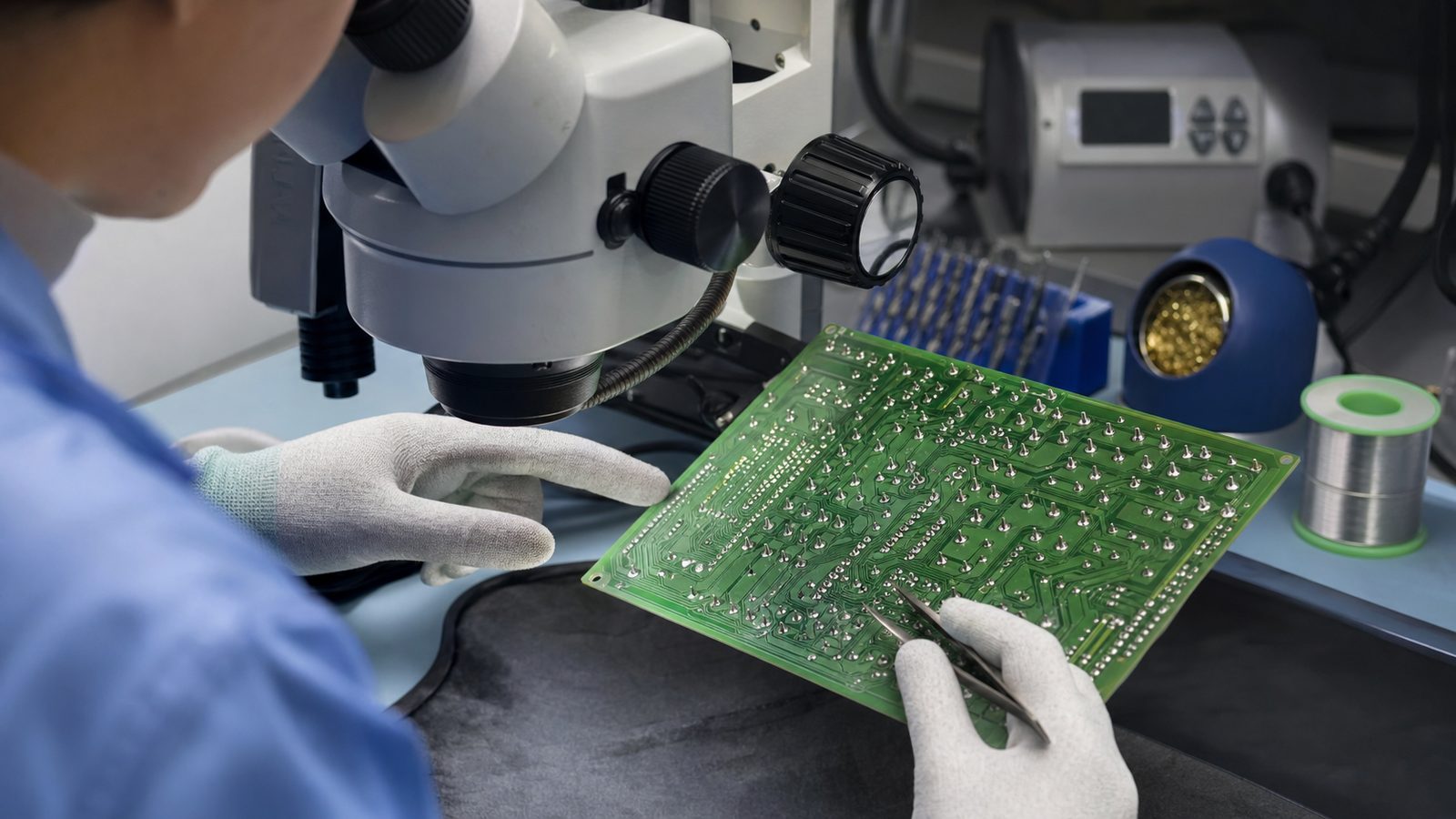
What Does Pre Synthesized PCB Mean?
In essence, a pre synthesized PCB is a board that has been pre-treated with a photosensitive chemical layer, simplifying the initial steps of the PCB development process for individuals or small workshops.
The relationship between “pre synthesized PCB” and “presensitized PCB” is straightforward: they are synonymous terms. Both refer to a copper-clad board that arrives with a uniform layer of photoresist already applied and protected by a light-blocking film, ready for exposure and development.
This “presensitized” state is what the term “pre synthesized” indicates—the board is pre-prepared for the pattern synthesis step.
What Are the Features of Pre Synthesized PCB?
Pre synthesized PCBs are defined by several key characteristics that make them suitable for specific applications but also limit their scope.
Simplicity in Layer Count: They are almost exclusively available as single-sided or double sided PCB configurations. Creating anything beyond two layers is impractical with this method.
DIY-Friendly Process: The entire PCB etching process is designed to be accessible, requiring only basic equipment like a UV light source for exposure and chemical trays for development and etching.
Limited Resolution: The feature size and trace width are constrained by the quality of the transparency film used and the precision of manual exposure, making them unsuitable for modern high-density components.
Cost-Effectiveness for Low Volume: For creating a one-off prototype or a very small batch, the presensitized PCB price is relatively low, avoiding the setup costs of professional fabrication.
In summary, Pre Synthesized PCBs provide an easy and affordable solution for simple circuits, educational purposes, and hobbyist projects. However, their limitations in layer count, resolution, and scalability make them less suitable for complex or high-volume production, highlighting the need for professional PCB manufacturing in demanding applications. EBest Circuit (Best Technology) specializes in providing complete turnkey solutions—from advanced PCB prototyping to mass production—ensuring high quality, transparent pricing, and on-time delivery for a wide range of technologies including FR4, Metal Core, and Ceramic PCBs. For projects that demand reliability, contact us at sales@bestpcbs.com.
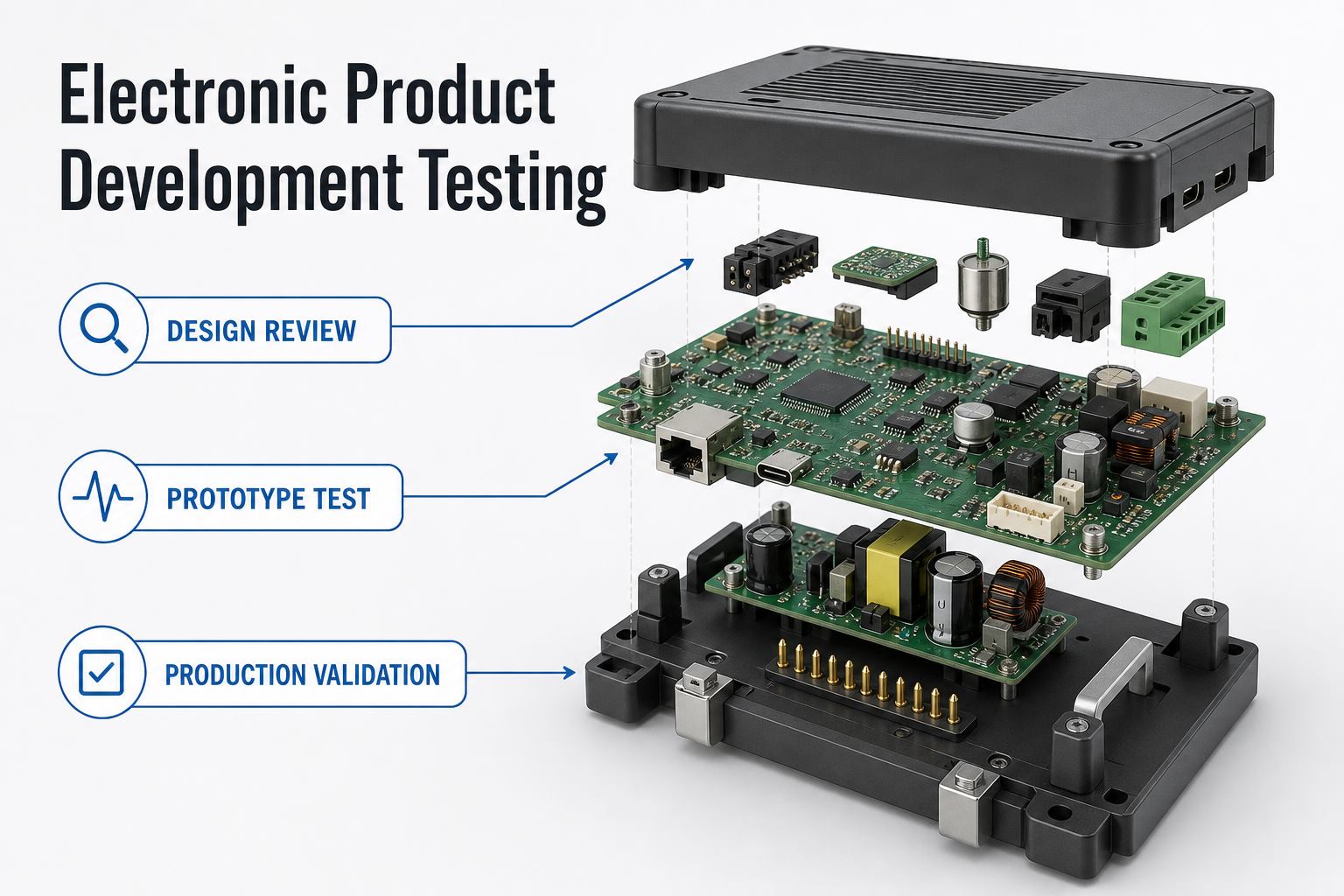
What Is Presensitized PCB Price?
The price of a presensitized PCB blank is typically quite low on a per-board basis. You can expect to pay just a few dollars for a single, small-format board.
However, this upfront cost is deceptive. The total expense must include the ancillary materials required for the presensitized PCB tutorial process: the UV light source, chemical developers, etchant (like ferric chloride), and safety equipment.
Furthermore, the significant investment of your time and the potential cost of failed attempts due to errors in the PCB washing process or incorrect presensitized pcb exposure time must be factored in. For more than a handful of boards, the professional per-unit price often becomes more economical.
How Is a Pre Synthesized PCB Manufactured?
The manufacturing of a pre synthesized PCB is a hands-on, step-by-step process that mirrors early industrial methods. The process includes the following stages:
Preparation: The pre synthesized board, with its protective film, is cut to size. A transparency film with the circuit pattern (printed in black) is prepared.
Exposure: The transparency is aligned on the board’s photoresist layer. The key to success here is controlling the Presensitized PCB exposure time. The assembly is then exposed to a UV light source. Achieving optimal results requires careful management of the Presensitized PCB exposure time; typically 1–5 minutes under a specific UV intensity. Too little time results in an underdeveloped resist, while too much time makes the resist difficult to wash away.
Development: After exposure, the board is placed in a Presensitized PCB developer solution. This chemical bath dissolves the photoresist that was exposed to UV light (for a positive-tone resist), revealing the copper underneath in the pattern of your circuit.
Etching: The board is submerged in an etching solution (e.g., ferric chloride), which dissolves the unwanted copper, leaving only the protected circuit traces.
Drilling and Finishing: Holes are drilled manually, and the remaining photoresist is stripped away, completing the board.
In conclusion, the pre synthesized PCB process provides an accessible method for prototyping and educational purposes. While it requires careful handling of exposure, development, and etching steps, it allows for the creation of simple single-sided ordouble sided PCB designs quickly and cost-effectively. For projects requiring higher precision, durability, or multi-layer complexity, professional PCB manufacturing remains the preferred choice.
What Are the Applications of Pre Synthesized PCB?
The primary application for pre synthesized PCBs is in the realm of prototyping, education, and hobbyist projects.
Rapid Prototyping: Engineers use them for quick, functional verification of a simple circuit concept before committing to a professional fabrication order.
Educational Tools: They are excellent for teaching the fundamental principles of electronics and the history of PCB fabrication, allowing students to engage in the hands-on PCB etching process.
Hobbyist Electronics: Makers and hobbyists leverage them for custom, one-off projects where speed and low initial cost are prioritized over professional finish and reliability.
Why Professional PCB Manufacturing Is Better Than Pre Synthesized PCB?
While pre synthesized boards have their place, professional manufacturing is overwhelmingly superior for producing functional, reliable, and scalable electronic products. The differences are profound:
Advanced Capabilities: Professional services can produce multi-layer boards (4, 6, 8+ layers), with complex routing and features like blind vias, which are impossible with DIY methods.
Higher Quality and Consistency: Automated processes for lithography, plating, and etching ensure precise trace widths and perfect registration between layers, which is crucial for modern components.
Enhanced Durability and Functionality: Professional PCBs include essential features like solder mask (to prevent shorts), silkscreen (for component identification), and surface finishes (like HASL or ENIG) that improve solderability and longevity.
Scalability and Cost-Effectiveness: For any volume beyond a few units, professional manufacturing is far more cost-effective due to automation and economies of scale.
Rigorous Testing: Boards undergo electrical testing (Flying Probe, E-test) to verify connectivity and isolate faults, guaranteeing performance.
How Does PCB Synthesis Work in Modern Manufacturing?
In modern professional contexts, PCB synthesis or fabrication is a highly sophisticated and automated version of the basic steps used in pre synthesized methods. It involves:
Design and CAM: A digital design file (Gerber) is processed by Computer-Aided Manufacturing (CAM) software to create tooling for each layer.
Inner Layer Imaging: For multi-layer boards, a photoresist pcb process similar to the presensitized method is used, but with laser direct imaging (LDI) for extreme precision on copper-clad laminates.
Lamination and Pressing: Inner layers are stacked with pre-impregnated dielectric material (prepreg) and bonded under high pressure and temperature—a process that can be likened to pcb sintering in its bonding action.
Drilling and Plating: Precision drills create holes, which are then metallized (plated) to create electrical connections between layers.
Outer Layer Imaging and Plating: The outer layers undergo a similar imaging and plating process to define the final circuit patterns.
Solder Mask and Surface Finish: A solder mask is applied, cured, and a final surface finish is added to protect the copper and facilitate soldering.
Why EBest Circuit (Best Technology) Is Your Trusted Partner for PCB Prototyping and Mass Production?
At EBest Circuit (Best Technology), we understand the full PCB development process, from the simplest prototype to complex mass-production boards. We bridge the gap between the limitations of pre synthesized PCBs and the demands of high-performance electronics. Our core advantages include:
1. Advanced Manufacturing Capabilities: We produce a wide range of PCBs, from simple double sided PCBs to high-density interconnect (HDI) and heavy copper boards, ensuring we can handle both standard and highly specialized requirements.
2. Rigorous Quality Control: Every order undergoes stringent inspection and testing to guarantee compliance with the highest standards, providing consistency and reliability for all projects.
3. Expert Engineering Support & DFM Analysis: Our technical team provides more than just design reviews. We deliver comprehensive Design for Manufacturability (DFM) analysis from the very beginning, helping optimize your design for production. Key areas include:
Material Selection: Recommend optimal materials, from standard FR4 to high-Tg or high-speed options such as Rogers, Taconic, or halogen-free laminates, based on thermal, electrical, and reliability requirements.
Advanced Process Guidance: Provide solutions for challenging designs, including HDI layouts with laser micro-vias (down to 0.1mm), high aspect ratio boards (up to 10:1), and heavy copper designs (up to 20oz).
Cost-Efficiency Optimization: Advise on panelization to maximize yield, recommend suitable surface finishes (ENIG, Immersion Silver/Tin, etc.), and ensure design tolerances (e.g., ±1mil for laser drilling) align with production capabilities to reduce revisions and accelerate time-to-market.
We are committed to delivering not just boards, but reliable solutions that empower your innovation and bring your designs to life.
In closing, pre synthesized PCB serves as an accessible entry point into the world of circuit board creation, ideal for learning and basic prototyping. This article has detailed the distinctions between this hands-on approach and the capabilities of professional PCB manufacturing. For prototypes that demand reliability and products destined for the market, partnering with a professional manufacturer is the clear choice. BEST Technology combines state-of-the-art facilities with deep expertise to ensure your projects are built to the highest standards of quality and performance. For your next PCB requirement, from quick-turn prototypes to large-scale production, pls feel free to contact us at sales@bestpcbs.com.