PCB manufacturing PCB manufacturing
Home > Blog

Trusted PCB Manufacturer in Russia for Expert Solutions

November 6th, 2025

PCB manufacturer in Russia​ plays a pivotal role in the regional electronics supply chain, offering specialized expertise and localized support for a wide range of industries. This article provides a comprehensive guide to navigating the Russian PCB market, highlighting key advantages, selection criteria, and why EBest Circuit (Best Technology) is your ideal partner for expert solutions.

Many engineers and procurement managers face significant hurdles when sourcing ​PCB from Russia. Are you struggling to find a reliable partner for your ​PCB manufacturing in Russia​ that can meet both quality standards and project timelines?

  • Inconsistent Quality:​​ Finding a ​PCB company in Russia​ that can consistently deliver boards with the required precision and reliability is a common challenge.
  • Limited Technical Capabilities:​​ Some local suppliers may lack the advanced technology for complex designs, such as HDI or specialized materials, limiting your product’s potential.
  • Communication and Documentation Barriers:​​ Language differences and unclear technical documentation can lead to misunderstandings, costly errors, and project delays.
  • Uncertainty in Supply Chain:​​ Navigating logistics, customs, and ensuring a stable supply of materials for your ​PCB assembly Russia​ projects can be unpredictable.
  • Lack of Certifications:​​ It can be difficult to verify if a supplier holds the necessary international certifications, raising concerns about product safety and market compliance.

These challenges, however, have clear and effective solutions when you partner with an experienced provider. A competent ​PCB professional Russia​ partner like EBest Circuit (Best Technology) addresses these pain points directly.

  • Rigorous Quality Control:​​ We implement a multi-stage inspection process to ensure every board, from a simple design to a complex ​Russian CCTV PCB, meets exact specifications.
  • Advanced Manufacturing Expertise:​​ Our investment in state-of-the-art equipment allows us to handle complex ​PCB design in Russia​ and manufacturing requirements, including the specific needs for various applications.
  • Dedicated Project Management:​​ We assign a dedicated contact to streamline communication, manage documentation, and provide clear, timely updates in your ​PCB Russia​ project.
  • Established Supply Chain:​​ Our strong relationships with material suppliers and logistics partners ensure a smooth, reliable flow for both ​PCB manufacturing in Russia​ and delivery.
  • Full Certification Transparency:​​ We maintain and readily provide all necessary certifications, ensuring our processes and your final product adhere to the highest international standards.

EBest Circuit (Best Technology) is a leading specialist in the PCB industry, committed to delivering precision-engineered solutions. With a focus on innovation, quality, and customer service, we have established ourselves as a trusted partner for complex projects worldwide, including specialized ​PCB assembly in Russia. ​For reliable PCB solutions, please feel free to contact us at sales@bestpcbs.com at any time.​

PCB Manufacturer in Russia

What Are the Advantages of PCB Manufacturer in Russia?

Partnering with a local ​PCB manufacturer in Russia​ offers distinct benefits, especially for projects within the region. Here’s a breakdown of the key advantages:

  • Localized Expertise and Support:​​ Russian manufacturers have a deep understanding of the local market dynamics, regulatory environment, and technical standards, which can streamline the certification and deployment process.
  • Reduced Logistics Complexity and Time:​​ Sourcing locally significantly shortens supply chains, leading to faster turnaround times and reduced shipping costs, which is crucial for rapid prototyping and production runs.
  • Import Substitution and Sovereignty:​​ For many strategic projects, particularly in defense, energy, and government sectors, using a domestic ​PCB company in Russia​ aligns with import substitution policies and enhances supply chain security.
  • Direct Communication:​​ Working in the same or similar time zones and with native language support facilitates clearer, more efficient communication, reducing the risk of misunderstandings.

In summary, choosing a local partner for ​PCB manufacturing in Russia​ provides strategic, logistical, and operational benefits that can be critical for the success of your project.

What’s the Process for Qualifying a Competent PCB Company in Russia?

Selecting the right partner requires a structured approach to ensure they can meet your technical and business needs. The process for qualifying a competent ​PCB professional Russia​ supplier involves several key steps:

  • Initial Capability Assessment:​​ Review the supplier’s website, technical data, and client testimonials to gauge their experience with projects similar to yours, whether it’s a standard ​PCB assembly Russia​ or a specialized ​Russian CCTV PCB.
  • Technical and Facility Audit:​​ If possible, conduct an on-site or virtual audit of their manufacturing facilities. Evaluate their equipment, engineering team, and quality control labs.
  • Quality and Certification Verification:​​ Scrutinize their certifications (e.g., ISO 9001, ISO 14001, IATF 16949). These are not just documents; they are proof of a mature quality management system.
  • Sample Evaluation and Prototyping:​​ Before committing to large-scale production, order a prototype or sample batch. This is the most effective way to assess the real-world quality of their ​PCB from Russia.
  • Comprehensive Quotation and Service Review:​​ Analyze their quotation not just on price, but on the details: terms of payment, lead times, communication processes, and after-sales support.

By following this qualification process, you can systematically identify a ​PCB manufacturer in Russia​ that is reliable, capable, and a true long-term partner.

Top 10 PCB Manufacturer in Russia

The landscape for ​PCB manufacturing in Russia​ is characterized by a focus on high-reliability products for strategic industries such as defense, aerospace, telecommunications, and energy. While the market is specialized, several key players have established strong reputations for quality and technological capability. This section provides an overview of notable ​PCB company in Russia​ options, acknowledging that a true “top” list depends heavily on a project’s specific technical requirements and industry sector.

The following list includes manufacturers known for their presence in the Russian electronics market. It is crucial to conduct thorough due diligence to determine the best fit for your specific ​PCB Russia​ project.

​Micron

  • A leading Russian electronics developer and manufacturer, Micron is known for producing a wide range of microelectronics, including semiconductors, modules, and ​PCB assembly in Russia. They are a key supplier for industrial and telecommunications infrastructure.

​Radiopribor

  • This company specializes in the development and production of electronic equipment, including ​PCB manufacturing in Russia, for the radio-electronic industry. They serve sectors like navigation systems, telecommunications, and industrial automation.

​Svetlana

  • Part of the Roselektronika holding (a state-owned conglomerate), Svetlana is a major player in producing electron devices, components, and associated ​PCB from Russia. They have a long history and focus on power electronics and vacuum devices.

​Angstrem

  • A significant Russian manufacturer of microchips and integrated circuits, Angstrem also has capabilities in related areas of electronics production, positioning it as a potential partner for complex ​PCB design in Russia​ and manufacturing projects.

​Elvis

  • Specializing in the production of microwave and RF components, Elvis is a notable ​PCB professional Russia​ company for high-frequency applications. They produce a range of products, including PCBs for telecommunications and radar systems.

​Zelenogradsky Nanotechnology Center (ZNC)​

  • While focused on R&D and pilot production in nanotech, ZNC is a hub for advanced electronics development in Russia. They are a key partner for innovative projects involving advanced ​PCB manufacturing in Russia​ and materials science.

​Kupol

  • Known for its avionics and defense systems, Kupol’s manufacturing expertise extends to the high-reliability printed circuit boards required for such critical applications, making them a specialist in demanding ​PCB assembly Russia​ environments.

​Kontaktor

  • This company specializes in low-voltage equipment and control systems. Their production includes ​PCB assembly in Russia​ for a variety of industrial automation and control applications.

​NPP Istok

  • A major enterprise in the microwave electronics sector, Istok designs and manufactures devices and systems where specialized ​Russian CCTV PCB​ or radar PCBs are crucial, serving both defense and commercial markets.

​Vega

  • Primarily known for its radio-electronic and telecommunication systems, Vega’s production cycle includes the internal manufacturing of PCBs, making it a vertically integrated player for specific ​PCB Russia​ projects in communications and broadcasting.

In conclusion, the Russian PCB market offers a range of capable manufacturers, each with its own area of specialization. The ideal ​PCB manufacturer in Russia​ for your project will be the one whose technical capabilities, industry experience, and capacity align perfectly with your product’s requirements and compliance needs.

What Are Considerations When Supporting Russian PCB Projects?

Supporting ​PCB assembly in Russia​ projects requires an understanding of several unique considerations beyond standard manufacturing.

  • Technical Standards:​​ While international norms are common, some projects may require compliance with specific Russian GOST standards. Your manufacturer must be well-versed in these requirements.
  • Component Sourcing:​​ The availability of specific electronic components can be a challenge. A reliable partner should have a robust supply chain strategy and offer advice on alternative components if necessary.
  • Data Security and IP Protection:​​ Ensuring the confidentiality of your ​PCB design in Russia​ is paramount. Work with partners who have clear non-disclosure agreements and data security protocols in place.
  • Environmental Regulations:​​ Be aware of local environmental regulations concerning materials and waste disposal, particularly for hazardous substances, to ensure full compliance.

What Certifications Are Required to Support the PCB Russia Project?

Certifications are a non-negotiable aspect of qualifying a ​PCB manufacturer in Russia, especially for high-reliability industries. The required certifications depend on the end-product’s application. A trusted ​PCB professional Russia​ will be transparent about their credentials and guide you on what is necessary for your project’s success.

  • ISO 9001:​​ The baseline quality management system certification, demonstrating a commitment to consistent processes and continuous improvement for any ​PCB company in Russia.
  • ISO 14001:​​ An environmental management standard, showing the company manages its environmental responsibilities effectively.
  • IATF 16949:​​ Essential for suppliers to the automotive industry, highlighting capabilities for high-volume, zero-defect production.
  • UL Certification:​​ Often required for products entering the North American market, verifying that the PCB base materials meet specific safety standards.
  • AS9100D:​​ This is the quality management standard for the aerospace industry. It builds upon ISO 9001 with additional requirements for safety, reliability, and traceability, which is critical for aerospace and defense ​PCB assembly in Russia.
  • Russian GOST Certificates:​​ For certain markets and applications within Russia and the CIS region, local GOST certifications may be mandatory.

Possessing the correct certifications is a fundamental indicator of a manufacturer’s capability and reliability. When sourcing ​PCB from Russia​ for critical industries, ensuring your partner holds the relevant certifications, such as AS9100D for aerospace or IATF 16949 for automotive, is a critical step in mitigating risk.

Case Study: Turnkey Russian CCTV PCB Solutions by EBest Circuit (Best Technology)

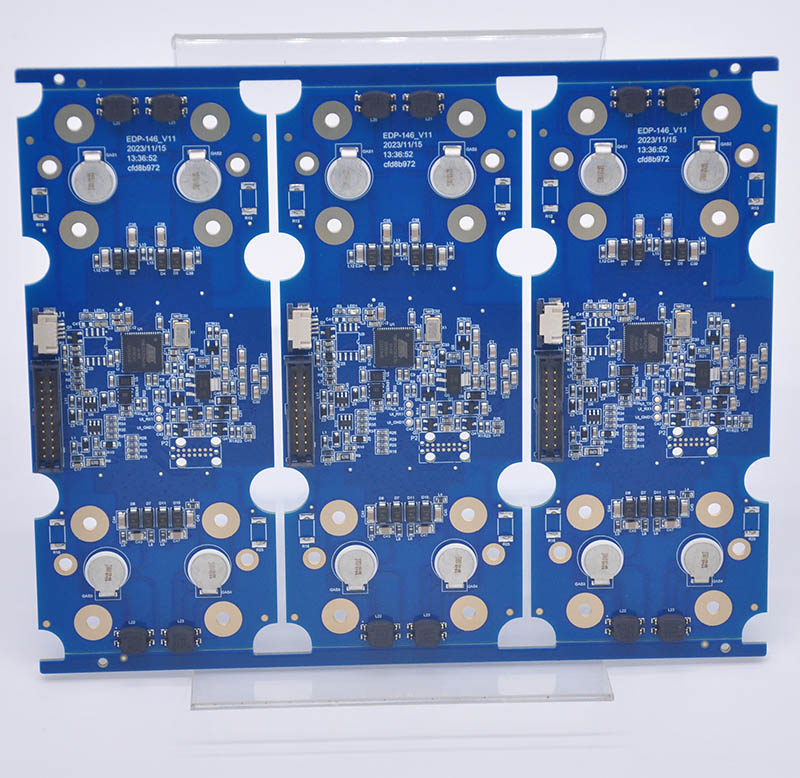
Security and surveillance systems demand robust and reliable printed circuit boards. EBest Circuit (Best Technology) recently delivered a turnkey solution for a high-end CCTV system designed for the challenging Russian climate. The core mainboard was built on a standard but highly reliable 4L FR4 PCB.

This mainboard is engineered for stability and durability in 24/7 operation. Its primary application is within outdoor and industrial CCTV cameras, where it processes high-definition video data. Beyond security, this robust ​PCB from Russia​ is also suitable for:

  • Industrial Automation:​​ Serving as a control board for monitoring assembly lines.
  • Telecommunications Infrastructure:​​ Acting as an interface card in network equipment housed in remote cabinets.
  • Automotive Dashcams:​​ Providing the computing backbone for advanced driver-assistance systems (ADAS) and recording functions.

Board Parameters:​

  • Material:​​ 4L FR4
  • Board Thickness:​​ 1.6mm+/-10%
  • Surface Finish:​​ Lead-Free HASL (Solder)
  • Outer Layer Copper Weight:​​ 1oz
  • Inner Layer Copper Weight:​​ 0.5oz
  • Solder Mask Color:​​ Black
  • Silkscreen Color:​​ White

Why EBest Circuit (Best Technology) is the Right PCB Professional Russia Choice?

For clients in Russia seeking a reliable and professional PCB manufacturing partner, EBest Circuit (Best Technology) stands out by offering a comprehensive, high-quality, and efficient solution tailored to the demands of international collaboration. Our strengths directly address the key requirements for a successful partnership across borders.

​1. Full Turnkey Solution: Simplifying Your Supply Chain

We manage the entire process from initial PCB design and layout, component sourcing, and fabrication to final assembly and box-build. This integrated approach eliminates the complexity of coordinating with multiple suppliers, shortens lead times, and ensures seamless communication with a single point of contact. This is particularly advantageous for Russian companies looking to streamline their operations and accelerate time-to-market.

​2. 19+ Years of Proven Expertise and Specialization

Founded in 2006, we have nearly two decades of experience as a trusted partner for over 1,700 clients worldwide. Our expertise extends beyond standard FR4 PCBs to advanced specialties including:

  • Metal Core PCBs (MCPCBs)​​ for superior thermal management.
  • Ceramic PCBs​ for high-temperature and high-frequency applications.
  • Heavy Copper PCBs​ (up to 20 oz) for high-power electronics.
  • HDI, Rigid-Flex, and High-Frequency boards.

This diverse capability ensures we can handle complex and specialized projects with precision.

​3. Quality Guaranteed by International Certifications

We adhere to the highest quality standards, validated by certifications critical for industries like automotive, medical, and industrial electronics. Our certifications include ​ISO 9001:2015, IATF 16949:2016, ISO 13485:2016, RoHS, and REACH. Rigorous quality control procedures and advanced testing equipment (AOI, X-Ray, Flying Probe Testers) are implemented at every stage of production to guarantee product reliability and consistency.

​4. Rapid Prototyping and On-Time Delivery

We understand the critical importance of speed in product development. We offer exceptionally fast prototype services, with ​1-2 layer FR4 boards shipped within 24 hours. For production runs, we maintain a ​97% on-time delivery rate, providing online work-in-progress (WIP) updates to keep you fully informed.

​5. Competitive Pricing with No Minimum Order Quantity (MOQ)​

We are committed to offering high-quality solutions at competitive prices through optimized production and efficient cost management. Our ​no-MOQ policy​ is especially beneficial for startups, R&D departments, and projects requiring small to medium batches, providing flexibility and cost-effectiveness.

​6. State-of-the-Art Manufacturing Equipment

Our facility is equipped with advanced machinery from leading global manufacturers (e.g., Hitachi, Yamaha, Posalux), ensuring high precision, advanced capabilities, and consistent quality for every order.

In summary, EBest Circuit (Best Technology) combines extensive experience, comprehensive service, stringent quality control, and a client-focused approach to provide a low-risk, high-value partnership for Russian clients. We are positioned not just as a supplier, but as a strategic partner dedicated to supporting your technological advancement and success.

To wrap up, PCB manufacturer in Russia​ is a critical partner for electronics development, offering localized expertise and robust manufacturing capabilities. This guide has explored the key aspects of selecting and working with a competent supplier for your projects. For expert solutions, pls feel free to contact us at ​sales@bestpcbs.com​ anytime to discuss your specific requirements.

Tailored PCB Israel Solutions by EBest Circuit (Best Technology)

November 6th, 2025

PCB Israel​ refers to the specialized ecosystem of printed circuit board design, manufacturing, and assembly services catering to the robust and technologically advanced market of Israel. This article provides a comprehensive guide to navigating the Israeli PCB landscape, highlighting key manufacturers, selection criteria, and the distinct advantages of partnering with a specialized provider like EBest Circuit (Best Technology).

Are you struggling to find a PCB partner in Israel that can keep up with your project’s demands for high complexity, rapid turnaround, and unwavering quality? ​

  • ​Difficulty finding manufacturers with expertise in high-tech and aerospace-grade specifications​ common in Israeli projects.
  • ​Experiencing long lead times and logistical delays​ that disrupt tight product development cycles.
  • ​Facing communication barriers and inadequate technical support​ from overseas suppliers.
  • ​Encountering inconsistent quality​ and a lack of stringent process control.
  • ​Navigating complex certification requirements​ (e.g., ISO, UL) without expert guidance.

The ideal solution lies in selecting a manufacturer that builds its services around the unique needs of the Israeli tech sector. How can a specialized PCB manufacturer address these pain points?​​

  • ​By offering specialized capabilities in advanced technologies​ like HDI, rigid-flex, and high-frequency boards to meet sophisticated design needs.
  • ​By providing dedicated, English-speaking project management​ and 24/7 engineering support for seamless collaboration.
  • ​By adhering to a zero-defect quality philosophy​ with multiple automated inspection points throughout production.
  • ​By holding all necessary international certifications​ and offering expert guidance to ensure full project compliance.

At EBest Circuit (Best Technology), we are a high-end PCB manufacturer with deep experience serving global technology hubs like Israel. We specialize in providing tailored PCB Israel solutions, combining advanced engineering support with a commitment to on-time delivery and superior quality. Our team understands the precision and reliability required by Israeli companies in sectors from aerospace to medical devices. ​Pls kindly note that the United States, Germany, and Israel are our top three export destinations last year. Just feel free to contact us at sales@bestpcbs.com to discuss your specific project requirements.​​

PCB Israel

What is PCB Israel?​

PCB Israel” encompasses the entire value chain of printed circuit board activities within and for the Israeli market. This includes local ​PCB design Israel​ firms, international ​PCB manufacturing Israel​ partners serving Israeli clients, and the supply chain that supports the production of electronic assemblies.

Given Israel’s prominence in aerospace, telecommunications, and medical technology, ​PCB Israel​ is synonymous with high-reliability, innovation-driven electronics manufacturing. Understanding this ecosystem is crucial for any company looking to develop products for or within this demanding market.

Top 10 Israel PCB Manufacturers

The landscape of ​Israel PCB manufacturers​ includes both local facilities and international partners who serve the market. While a complete list is dynamic, key players often recognized for their service to the Israeli market include:

  • Elbit Systems​ (Local, defense-focused)
  • Tadiran​ (Local, for battery and electronic systems)
  • Sierra Circuits​ (International, strong presence in high-tech sectors)
  • EBest Circuit (Best Technology)​ (International, specialist in advanced and ceramic PCBs)
  • PCB Power​ (International, offers online ordering)
  • Advanced Circuits​ (International, quick-turn specialist)
  • Vector Electronics​ (Local/Regional)
  • Flex Ltd.​​ (International, flex and rigid-flex specialist)
  • TT Electronics​ (International, high-reliability focus)
  • Kimball Electronics​ (International, full-system assembly)

It is important to note that many Israeli OEMs work with overseas ​PCB manufacturers in Israel​ to leverage specialized capabilities and cost advantages, making partners like EBest Circuit (Best Technology) a vital part of the supply chain.

How to Select PCB Manufacturers in Israel?​

Selecting the right manufacturer is critical to the success of your ​PCBs Israel​ project. The decision should be based on a thorough evaluation.

  • Technical Capability:​​ Confirm the manufacturer can produce your specific board type (e.g., multilayer, HDI, flex).
  • Quality and Certifications:​​ Look for ISO 9001, ISO 13485 (medical), IATF 16949 (automotive), and AS9100 (aerospace) as relevant. A robust quality management system is non-negotiable.
  • Experience with Israeli Market:​​ Choose a partner familiar with the standards, communication style, and project urgency common in Israel.
  • Supply Chain Reliability:​​ Assess their component sourcing network and ability to manage logistics to avoid production delays.
  • Communication and Support:​​ Ensure they offer responsive, clear communication and accessible technical support.

In summary, the best partner is one that offers not just a service, but a true partnership, aligning their capabilities with your strategic goals.

What Are the Advantages of PCB Manufacturing Israel?​

Partnering with expert ​PCB manufacturing Israel​ providers, whether local or international, offers distinct advantages tailored to the market’s needs.

  • Access to Specialized Expertise:​​ Israeli projects often involve cutting-edge technology. Manufacturers serving this market are equipped for high-complexity designs.
  • High Reliability Standards:​​ Suppliers are accustomed to the stringent quality and traceability requirements of Israeli industries like defense and med-tech.
  • Innovation-Driven Processes:​​ There is a natural synergy with Israel’s culture of innovation, leading to collaborative problem-solving and advanced technical solutions.
  • Efficient Logistics to Israel:​​ Established manufacturers have optimized shipping channels to ensure timely delivery.

Ultimately, the advantage lies in a manufacturer’s ability to deliver precision, reliability, and innovation at the pace the Israeli market demands.

What Certifications Are Required to Support the PCB Israel Projects?​

Certifications are a baseline indicator of a manufacturer’s commitment to quality and reliability. For ​PCB Israel​ projects, common requirements include:

  • ISO 9001:​​ Quality Management Systems standard.
  • ISO 13485:​​ Specific to medical devices, crucial for Israeli med-tech.
  • AS9100:​​ The aerospace standard, essential for defense and aviation contractors.
  • IATF 16949:​​ For automotive electronics.
  • UL Certification:​​ Recognized safety standard for components.
  • ITAR Compliance:​​ Often required for defense-related projects with US components.

EBest Circuit (Best Technology) maintains these certifications, providing our clients with the confidence that their projects are in qualified hands.

Case Study: Efficient PCB Manufacturing Israel Solutions by EBest Circuit (Best Technology)

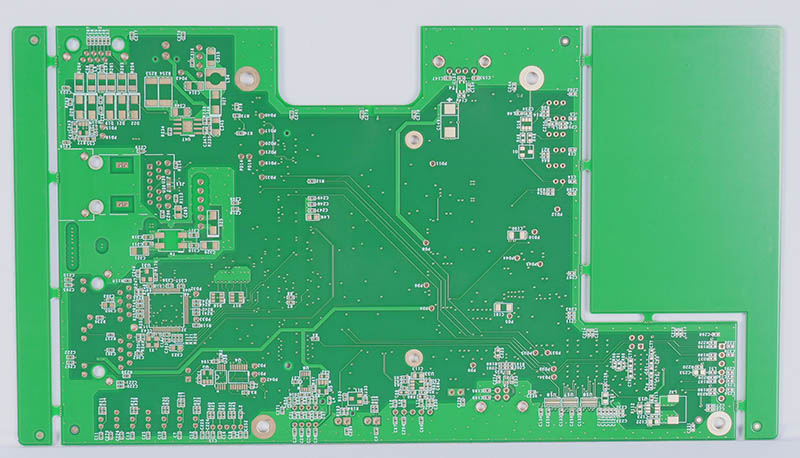
This specific 14-layer PCB is engineered for high-performance applications where reliability, signal integrity, and thermal management are critical. Its advanced structure makes it suitable for:

  • Medical & Aerospace Communications:​​ Used in secure, portable radio units where the board must withstand vibration, extreme temperatures, and provide robust performance.
  • High-End Medical Imaging Equipment:​​ Serving as a core component in MRI or CT scan control systems, where high-speed data processing from sensors is essential.
  • Industrial Automation Control Systems:​​ Acting as the main controller in PLCs (Programmable Logic Controllers) for heavy machinery, requiring 24/7 operation and resistance to industrial electrical noise.
  • Advanced Networking Hardware:​​ Found in high-speed network switches and routers, managing large data flows with the multi-layer construction and buried vias minimizing signal loss and crosstalk.

PCB Specifications

  • Via Structure:​​ Blind Vias (L1-L3, L12-L14), Buried Vias (L3-L12), Through-Holes (L1-L14)
  • Layers:​​ 14
  • Material:​​ FR4TG170 (High Tg)
  • Board Thickness:​​ 2.0mm +/-10%
  • Inner Layer Copper Weight:​​ 1OZ (35µm)
  • Outer Layer Copper Weight:​​ 1.5OZ (50µm)
  • Fabrication Standard:​​ IPC Class 3 (High Reliability)
  • Solder Mask:​​ Green
  • Silkscreen:​​ White
  • Surface Finish:​​ Immersion Gold 2U” (0.05µm)
  • Marking:​​ UL Certification Mark & Flame Retardant Rating (e.g., 94V-0)

What Software Tools Are Commonly Used for PCB Design Israel Projects?​

Professional ​PCB design Israel​ teams utilize a suite of powerful software tools to create sophisticated layouts. The most common tools include:

  • Altium Designer:​​ A top choice for its unified environment and powerful routing features.
  • Cadence Allegro:​​ Preferred for high-speed, complex designs common in networking and defense.
  • Mentor PADS:​​ A robust solution used by many companies for its scalability.
  • KiCad:​​ A powerful open-source alternative gaining traction.
  • Siemens (Mentor) Xpedition:​​ Used for the most complex and high-end electronic systems.

EBest Circuit (Best Technology) is compatible with all major design formats, ensuring a smooth data transfer from your ​PCB design Israel​ team to our production floor.

Why EBest Circuit (Best Technology) Is the Ideal Manufacturer for PCBs Israel Clients?​

EBest Circuit (Best Technology) stands out as the ideal partner for ​PCBs Israel​ clients for several compelling reasons. We are not just a supplier; we are an extension of your engineering team.

  • Tailored Solutions:​​ We don’t offer one-size-fits-all services. We take the time to understand your application and tailor our manufacturing process accordingly.
  • Advanced Engineering Support:​​ Our engineers have deep expertise in materials and processes, providing valuable DFM feedback to optimize your design for manufacturability and cost.
  • Commitment to Quality and Speed:​​ We combine a zero-defect quality system with rapid prototyping and production services, ensuring you get reliable boards when you need them.
  • Proven Track Record:​​ Our successful case studies with leading Israeli technology companies demonstrate our ability to deliver on our promises.

For clients who value precision, partnership, and performance, EBest Circuit (Best Technology) is the clear choice.

In closing, PCB Israel​ represents a dynamic and high-stakes segment of the global electronics industry, demanding unparalleled quality, innovation, and reliability. This guide has explored the key aspects of engaging with this market, from selection criteria to the benefits of specialized manufacturing. For companies seeking a partner that truly understands the nuances of the Israeli market, EBest Circuit (Best Technology) offers the technical expertise, quality certifications, and customer-centric approach necessary for success. Let us provide you with a tailored solution for your next project. ​Reach out to our team at sales@bestpcbs.com.​

HDI PCB Design for Manufacturability Guide| EBest Circuit (Best Technology)

November 6th, 2025

How to design HDI PCB for manufacturability? Let’s discover material selection, layer stackup, design optimization, thermal solutions, testing methods , cost reduction methods about HDI PCB design manufacturability.

Are you struggling with these HDI PCB design issues?

  • Do microvia misalignment issues in your HDI PCB cause frequent short circuits or open failures during production?
  • Is high-density routing causing uncontrolled crosstalk that compromises product performance and fails customer validation?
  • Does disjointed design verification processes extend your time-to-market, missing critical market windows?

As a HDI PCB Manufacturer, EBest Circuit (Best Technology) can provide you service and solutions:

  • Free DFM Prediction: Leverage our 20-year manufacturing database to identify 20+ manufacturability risks (e.g., microvia placement, trace/space tolerances) upfront with actionable reports.
  • Manufacturability-Optimized Design: Tailor HDI-specific routing topologies and hole placement strategies to reduce costs by ≥30% while improving performance consistency by ≥20%.
  • Rapid Validation Cycle: Complete end-to-end design-to-DFM feedback in 72 hours, ensuring seamless production alignment and accelerated market entry without compromising quality.

Welcome to contact us if you have any request for HDI PCB Board design, manufacturing and assembly: sales@bestpcbs.com.

Material Selection Guide for HDI PCB Manufacturability Design

A guide to how to choose material for HDI PCB for manufacturability:

1. High-Frequency & Thermal Management Balance Design for Substrate Selection

  • Core Parameters: For high-frequency scenarios, prioritize substrates with Dk ≤3.5 and Df ≤0.005 (e.g., PTFE ceramic-filled substrates). 5G millimeter-wave radar requires nanocomposite materials with Df <0.002.
  • Thermal Stability: Automotive electronics demand Tg ≥170°C (e.g., polyimide substrate Tg >280°C). CTE must match chip packaging layers (6-8ppm/°C) to prevent delamination from thermal expansion differences.
  • Special Environmental Requirements: Industrial control equipment requires chemical corrosion resistance, low moisture absorption (<0.3%), and high hardness (Shore D80+). Aerospace-grade substrates must pass vacuum outgassing tests (<1% mass loss).

2. Copper Foil Thickness Gradient Design Strategy

  • Fine-Line Circuits: 0.5oz (17.5μm) copper foil suits HDI with line widths <0.1mm, paired with electroplating thickening for reliable connections.
  • High-Current Pathways: Power modules use 2-3oz (70-105μm) copper foil. Current capacity is calculated as line width ×1.2A/mm, with 20% margin for transient surges.
  • Flexible Circuits: Ultra-thin rolled copper foil (9-12μm) paired with PI substrate. Bend radius must be ≥5× copper thickness to avoid fatigue fractures. Thick copper boards require stepped etching to control undercut.

3. Solder Mask Material Process Compatibility Selection

  • LPI Liquid Photoimageable Solder Mask: Suitable for complex surfaces/microvia filling. Withstands thermal shock (≥3 cycles at 288°C) and chemical plating resistance.
  • Dry Film Solder Mask: Preferred for microvias <0.1mm diameter. Excellent wear resistance. Exposure energy must be controlled (80-120mJ/cm²) to prevent incomplete development.
  • Environmental Compliance: Meets RoHS/REACH standards. Low VOC emissions (<50g/m²). Lead-free solder compatibility verified via SIR (Surface Insulation Resistance) testing.

4. Laminate Material & Process Synergy Optimization

  • Prepreg Selection: FR-4 (general-purpose, Tg 130-140°C). High-speed signal applications use Megtron 6 (Dk=3.7, Df=0.009) or Nelco N7000-2HT (Tg>200°C).
  • RCC Resin-Coated Copper: Applied in ultra-thin HDI (<0.4mm thickness) to minimize void defects from uneven resin flow during lamination.
  • Process Control: Vacuum lamination pressure 300-400psi. Temperature profile segmented (preheat 120°C/1h, main press 180-200°C/2h, post-press 150°C/1h). X-ray inspection ensures microvia fill ratio ≥95%.

5. Surface Finish & Metallization Process Selection

  • ENIG (Electroless Nickel Immersion Gold): Ideal for high-frequency RF connectors. Au 2-5μm, Ni 3-7μm. Excellent corrosion resistance but higher cost.
  • ENEPIG (Electroless Nickel Electroless Palladium Immersion Gold): Adds palladium layer for enhanced solder joint reliability. Suitable for high-reliability medical/automotive electronics. Pd thickness 0.05-0.2μm.
  • OSP (Organic Solderability Preservative): Cost-effective solution for consumer electronics. Thickness 0.3-0.8μm. Limited shelf life (6 months) and sensitive to humidity/heat.

6. Sustainable & Eco-Friendly Design Strategies

  • Material Recycling: Use bio-based resins (e.g., castor oil-modified epoxy) and peelable solder masks. Complies with IEC 61249-2-21 halogen-free standards.
  • Carbon Footprint Reduction: Prioritize local suppliers to minimize transport emissions. Adopt water-based cleaning processes to reduce VOC emissions.
  • Compliance Certifications: Must pass UL 94 V-0 flammability rating, IPC-4101 substrate standards, and customer-specific reliability tests (e.g., THB 85°C/85%RH for 1000h).

7. Customized Solutions for Specialized Applications

  • Aerospace: Use low Dk/Df LCP substrates (Dk=2.9, Df=0.002). Validate radiation resistance (>100kGy) and extreme temperature performance (-55°C~150°C).
  • Medical Implants: Biocompatible substrates (e.g., PI/PEEK composites). Pass ISO 10993 biocompatibility tests. Verify corrosion resistance in bodily fluids and long-term reliability.
  • High-Reliability Power: Thick copper foil (>3oz) paired with thermal conductivity >3W/m·K substrates. Thermal simulation confirms hotspot temperature <85°C to prevent localized overheating failures.
Material Selection Guide for HDI PCB Manufacturability Design

    Layer Stackup Design Principles for HDI PCB Manufacturability Design

    Below are layer stackup design principles for HDI PCB manufacturability design:

    1. Layer Count and Complexity Balance

    • Demand-Driven Layer Design: Layer count is determined by signal network density, BGA pin pitch (e.g., ≥6 layers for 0.4mm/0.3mm pitch), number of power planes, and high-speed signal integrity requirements (e.g., ≥100MHz requires dedicated layers). Common ranges are 4-12 layers. High-density BGAs (e.g., 1000+ pins) require increased layer counts for routing redundancy to avoid signal cross-interference.
    • Thickness-Layer-Reliability Triangular Constraints: Low-dielectric-constant (Dk=3.0-3.8) materials with 3-5mil thickness enable one layer per 2-3mil thickness increase, but thermal expansion coefficient (CTE≤17ppm/℃) and mechanical strength must be verified to prevent delamination or warpage during thermal cycling (-40℃~125℃).
    • Cost-Benefit Analysis: Each 2-layer increase raises costs by 15-20%. SI/PI co-simulation verifies layer necessity to avoid overdesign.

    2. Material Selection and Supplier Collaboration

    • Pre-Manufacturing Verification: Confirm material library compatibility (e.g., Panasonic R-5775, ITEQ EM528), minimum process capabilities (trace width/spacing ≥3mil, microvia diameter ≥75μm), and cost models with manufacturers. Prioritize IPC-4101 certified materials.
    • Impedance Control Closure: Use Polar Si9000 for impedance modeling with Dk/Df data (e.g., Df≤0.005 for high frequencies) to ensure single-ended 50Ω±10% and differential 100Ω±10% tolerances, validated via TDR testing.
    • High-Frequency Material Selection: RF/mmWave (>28GHz) designs use RO4835 (Dk=3.48, Df=0.0027) or TU-872 (Dk=3.9, Df=0.008) to minimize dielectric loss.

    3. Microvia Technology and Stack Types

    Microvia Structure Adaptation:

    • Blind Vias: Surface to Layer 2/3 for BGA escape routing, with depth tolerance ±8μm.
    • Buried Vias: Internal layer interconnection (e.g., L3-L5), reducing surface usage but requiring laser drilling + copper plating fill, increasing costs by 10-15%.
    • Stacked Microvias: For Type III HDI (ELIC), requiring ±25μm alignment accuracy, boosting routing density by >30%.
    • Staggered Vias: Higher mechanical reliability for automotive/industrial applications but limited density improvement.

    Typical Stack Configurations:

    • 1+N+1: Mainstream for consumer electronics, supporting blind/buried vias with optimal cost-benefit ratio.
    • 2+N+2: Common for telecom equipment, enhancing routing density with two blind/buried via passes.
    • Type III (ELIC): Layer-to-layer interconnection, increasing density by 50% but raising costs by 30-40%, requiring high-precision laser drilling.

    4. Power and Ground Plane Planning

    • Signal Layer-Plane Coupling: Adopt S-G-S-P (Signal-Ground-Signal-Power) structure to ensure signal layers are ≤5mil from reference planes, reducing crosstalk (<30dB@1GHz). Power-Ground Plane Pairing: Main power and ground planes spaced 2-4mil apart form planar capacitance (>10nF/cm²), suppressing power noise (<50mVpp).
    • Split Plane Compensation: Cross split power planes with 0201 decoupling capacitors (≤0.1μF) to maintain return path continuity.

    5. Symmetry and Thermal Management

    • Symmetrical Laminate Design: Dielectric thickness deviation <5%, copper foil thickness deviation <10% to prevent warpage (≤0.75%).
    • Thermal Relief Design: BGA pad areas use cross-shaped thermal pads (30-50% open ratio) to reduce soldering thermal stress.
    • CTE Matching: Core materials (e.g., FR4) and prepregs (e.g., 106) must have CTE differences <5ppm/℃ to minimize thermal cycling stress.

    6. Manufacturing Rules and Tolerance Control

    • Design Rule Alignment: Follow manufacturer DRC (e.g., trace width ≥3mil, spacing ≥3mil, microvia pad ≥hole diameter +8mil), with tolerance allowances (layer alignment ±2mil, etching ±20%).
    • DFM/DFA Verification: Use Valor NPI or Altium Designer DFM tools for rule checks to identify shorts and impedance deviations early.
    • Tolerance Chain Management: Account for laminate thickness fluctuations (±10%) and etching variations (±0.5mil) to maintain impedance tolerances.

    7. Documentation and Supply Chain Collaboration

    • Standardized Documentation: Output stack data in IPC-2581 format (including drill tables, impedance specs, BOMs) to reduce communication errors.
    • Multi-Supplier Adaptation: Provide stack variants (e.g., alternative materials, microvia adjustments) for different manufacturers to ensure seamless prototype-to-production transitions.
    • Impedance Test Correlation: Link design-stage Polar Atlas Si test systems to ensure <10% deviation between theoretical models and physical impedance.

    HDI PCB Manufacturability Design Process Optimization Strategies

    Optimization strategies for HDI PCB manufacturability design process:

    Signal and Power Integrity Co-Optimization:

      • Precise Impedance Control: Utilize simulation tools such as HyperLynx and Ansys SIwave to calculate trace width, spacing, and dielectric thickness, ensuring ±10% impedance tolerance (e.g., 50Ω single-ended lines, 100Ω differential pairs). A case study from Dingji Electronics demonstrates that impedance continuity design improves signal integrity of 5G modules by 12%.
      • Crosstalk Suppression Strategy: Differential pairs adopt tightly coupled design with 0.08mm line width and 0.08mm spacing, maintaining 100Ω±2% impedance and enhancing noise immunity by 15%. Combined with ground via shielding (spacing <0.5mm), crosstalk is reduced to below -70dB.
      • Power Distribution Network Optimization: Implement grid-based power planes or multi-point via stitching, paired with decoupling capacitors (e.g., 0402 capacitors around BGA packages) to minimize power noise. For high-frequency scenarios, low-Dk materials like Rogers 4350B reduce signal loss.

      Thermal Management Innovation

        • High-Power Device Cooling: Copper-filled Via-in-Pad blind vias under BGA chips enhance thermal conductivity. Combined with high-thermal-conductivity substrates like Megtron 6, overall thermal performance improves by over 30%.
        • Stack-Up Optimization: An 8-layer symmetric stack-up with alternating signal-ground-power layers routes high-speed signals through inner layers and low-speed signals on outer layers, increasing routing density by 40%. Orthogonal routing (horizontal on top layer, vertical on bottom layer) reduces cross-interference, lowering crosstalk from -45dB to -65dB.

        Microvia and Blind/Buried Via Technology Advancements

          • Laser Microvia Processing: UV laser drilling (355nm wavelength) achieves 0.1mm blind via diameter with >95% pad alignment accuracy. Electroplated copper-filled blind vias with >98% fill rate reduce impedance from 65Ω to 55Ω, improving return loss by 8dB.
          • Blind/Buried Via Configuration Strategy: In 2+N+2 stack-ups, blind vias connect adjacent layers and buried vias connect inner layers. Avoiding excessive lamination steps (e.g., reducing HDI class) lowers manufacturing complexity and costs.

          Design for Manufacturability (DFM) Rule System

            • Design-Manufacturing Collaboration: Collaborate closely with PCB manufacturers to confirm process capabilities such as minimum trace width/spacing (25μm) and via diameter (0.1mm). AOI/AXI inline inspection catches defects like line width deviations >5μm and via voids >10%.
            • Material Selection and Environmental Compliance: Choose low-Dk (3.5-4.0) and low-loss (0.002-0.005) high-frequency laminates with RoHS-compliant materials to minimize environmental impact.
            • Simulation-Driven Validation: Perform signal integrity, power integrity, and thermal analysis during design to identify issues like reflection loss, voltage drop, and thermal hotspots. An 8-panel case showed 25% improvement in 10GHz signal eye opening and one-order magnitude reduction in bit error rate after layer optimization.

            Manufacturing Process and Cost Balancing

              • Precision Lamination and Alignment: X-ray positioning with optical compensation achieves <5μm interlayer alignment error and >99.9% via connectivity. Narrow-band bridge designs (1mm width) integrate buried resistors/capacitors (±5% accuracy), saving surface-mount component space.
              • Automation and Quality Control: Automated production lines for laser drilling and micro-line etching, coupled with real-time monitoring systems, ensure process stability. Full-flow quality management from raw materials to final inspection lifts yield to >95%.
              • Cost Optimization Pathways: Prioritize 1+N+1 or 2+N+2 structures to avoid over-lamination. Via-in-Pad filling reduces routing length and improves routing efficiency. Balance performance and cost by selecting cost-effective substrates (e.g., FR4-high-frequency hybrid laminates) and optimizing stack-up.
              HDI PCB Manufacturability Design Process Optimization Strategies

              Thermal Solutions for HDI PCB Manufacturability Design

              High Thermal Conductivity Substrate and Heat Dissipation Layer Design

                • Material Selection: HDI PCBs require substrates with thermal conductivity ≥2.0 W/m·K due to high-density interconnection and thin copper foil (≤35μm). For instance, nanoceramic substrates developed by Liebo PCB achieve 2.8 W/m·K thermal conductivity, 9 times higher than traditional FR-4. At 10GHz, the dielectric loss Df<0.001, and CTE=6.5ppm/℃ matches Si chips, eliminating thermal stress under wide temperature ranges. A 5G base station HDI board using aluminum substrate reduced thermal resistance by 40% and junction temperature by 15℃.
                • Heat Dissipation Layer Construction: Insert dedicated heat dissipation layers (e.g., thick copper ≥105μm) between signal layers. Thermal via arrays (diameter 0.3mm/pitch 1.0mm) connect top/bottom heat sources to inner heat dissipation layers, forming a 3D heat dissipation network. A vehicle radar HDI board adopted this design, improving continuous working temperature stability by 20%. Combined with high-frequency material hybrid pressing (e.g., Rogers RO4350B Dk=3.48, Df=0.0037 mixed with FR-4), HFSS simulation optimized layer stacking, reducing 28GHz insertion loss by 18% and cost by 22% compared to full high-frequency schemes.

                Heat Source Layout and Thermal Isolation Strategies

                • Heat Source Distribution Optimization: High-power devices (e.g., CPU, power MOSFET) follow the “heat source dispersion” principle to avoid localized hotspots. A server HDI board placed CPU and memory modules diagonally opposite, with thermal adhesive filling, reducing the maximum temperature difference from 18℃ to 8℃. Processor cores are centered on the chip, surrounded by thermal vias for rapid heat conduction to the package substrate heat sink.
                • Thermal Isolation Technology: Set “thermal isolation zones” (width ≥2mm) around heat-sensitive components (e.g., crystals, sensitive ICs) using etched gaps or low-thermal-conductivity materials (e.g., silicone). A medical HDI board implemented this, narrowing critical IC temperature fluctuations to ±3℃. For RF chips, power amplifiers are placed near chip edges with miniature heat sinks, optimizing interconnect layout to reduce high-frequency signal loss and heat generation.

                  Thermal Via and Heat Dissipation Pad Optimization

                    • Thermal Via Design: Adopt “thermal via arrays” (density ≥50 vias/cm²) with metalized vias to rapidly conduct heat to inner heat dissipation layers or bottom heat dissipation pads. Simulation shows a communication module HDI board reduced thermal resistance in the via area by 60%. Solid copper-filled vias (0.3mm diameter) achieve 14°C/W thermal resistance, 30% lower than hollow vias.
                    • Heat Dissipation Pad Enhancement: For high-power devices (e.g., QFN packages), design a 3D thermal structure combining “heat dissipation pad + thermal via + heat dissipation layer”. An LED driver HDI board adopted this, improving pad temperature uniformity by 30% and solder joint reliability by two grades. Additional heat sinks and heat dissipation holes leverage airflow, while integrated micro-fans or liquid cooling systems enable active cooling.

                    Thermal Simulation-Driven Design Iteration

                      • Simulation Tool Application: Use ANSYS Icepak, Flotherm, etc., for thermal-electrical coupled simulations to predict temperature distribution and thermal stress accurately. A drone HDI board optimized heat dissipation paths through simulation, reducing critical area temperatures by 12℃ and verifying manufacturing tolerances (e.g., ±0.1mm lamination offset) impact on heat dissipation. Experimental validation (e.g., infrared thermal imaging, thermocouple measurements) calibrates simulation results.
                      • Iterative Validation Logic: Form a “design-simulation-optimization” loop by adjusting layout, via density, and material parameters based on simulation results. An AI accelerator HDI project reduced peak temperature from 115℃ to 95℃ through three iterations, meeting long-term reliability requirements. CST Multiphysics Studio performs board-level thermal simulation by importing PCB files, automatically setting heat sources, and accelerating simulation speed while ensuring result validity.

                      Manufacturing Process Synergy Optimization

                        • Lamination Process Control: Use “low-temperature lamination + vacuum pressing” to prevent thermal degradation of substrate thermal properties. A consumer electronics HDI board optimized this process, reducing interlayer thermal conductivity fluctuations from ±15% to ±5%. Liebo PCB deployed AI-driven electromagnetic simulation tools to reduce routing conflicts by 40% and achieved impedance tolerance of ±5% via TDR dynamic monitoring.
                        • Surface Treatment and Thermal Interface Materials: Select high-thermal-conductivity surface finishes (e.g., ENIG + chemical Ni/Au) and thermal interface materials (e.g., thermal silicone, pads) to enhance heat conduction. A data center HDI board adopted thermal pads, reducing contact thermal resistance by 50% and improving heat dissipation efficiency by 18%. Intelligent manufacturing systems (e.g., AI-driven full-chain control, DFM intelligent audits, digital twin previews, full-process traceability) improved lamination yield from 92% to 99.1% and reduced customer complaints to 0.03%.
                        Thermal Solutions for HDI PCB Manufacturability Design

                        Signal Integrity Solutions in HDI PCB Design for Manufacturability

                        Impedance Control and Matching Optimization

                        • Design Deepening: For ultra-high-speed signals (e.g., SerDes 112Gbps), 3D electromagnetic simulation (e.g., Ansys HFSS) should be employed to verify impedance continuity, preventing signal distortion caused by stepped impedance. For example, a stepped stackup design (e.g., 100μm low-Dk material in L3-L4 layers of a 6-layer HDI board) can reduce dielectric loss.
                        • Manufacturing Verification: Use impedance testers (e.g., Polar CITS880s) for in-line monitoring to ensure ±5% impedance tolerance. For high-frequency signals, back-drilling should be performed after drilling to remove stubs and avoid signal reflection. Material selection is recommended for low-loss materials (e.g., Nelco N4000-13EP, Dk=3.28, Df=0.008) with vacuum lamination to reduce interlayer bubbles.

                        Collaborative Design of Microvias, Blind Vias, and Buried Vias

                        • Technological Innovation: When using Via-in-Pad Plated Over (VIPPO) technology, copper pillars (diameter ≥0.15mm) or resin plugging should be added under pads to prevent solder loss. For 0.08mm microvias, pulse plating (e.g., Atotech technology) ensures copper thickness uniformity ≥15μm.
                        • Reliability Enhancement: Buried via interlayer alignment accuracy must be controlled within ±20μm, with X-ray automatic inspection (AOI) validating hole position accuracy. For high-density BGA (e.g., 0.4mm pitch), “dog bone” routing is recommended to reduce signal path length.

                        Stackup Structure and Material Selection Balance

                        • Advanced Stackup Design: Use a “hybrid stackup” structure (e.g., signal-ground-signal-power-ground-signal) combining low-Dk materials (e.g., Rogers RO4835) with high-speed materials (e.g., I-Tera MT40) to achieve impedance matching and loss control. For HDI boards over 12 layers, step lamination is required, with desmear treatment (e.g., plasma cleaning) after each step.
                        • Material Environmental Friendliness: Select halogen-free materials (e.g., Panasonic Green Pack) to comply with RoHS standards, and adopt recyclable substrates (e.g., bio-based epoxy) to reduce carbon footprint.

                        Routing Rules and Spacing Control

                        • Fine Routing Strategy: For 50Gbps signals, “differential pair serpentine routing” ensures length error ≤2mil. Minimum trace width/spacing must align with factory process capabilities (e.g., laser drilling capability 0.07mm/0.07mm). Solder mask bridge design must follow the “2W rule” (adjacent pad spacing ≥2× trace width) to avoid bridging defects.
                        • Manufacturing Process Optimization: For negative film processes, increase solder mask exposure energy (≥150mJ/cm²) to improve window accuracy. For fine-pitch BGA, “mask-defined” processes are recommended to reduce pad size variation.

                        Power and Ground Plane Partitioning Optimization

                        • EMC Design: A “mesh ground plane” reduces return path impedance and minimizes power noise. For high-frequency signals, “thermal vias” (spacing ≤0.8mm) around vias improve heat dissipation and electrical connection. Buried capacitance technology (e.g., inner-layer capacitor layers) reduces power plane count and lamination difficulty.
                        • Manufacturing Feasibility: Ground plane partitioning should avoid high-frequency signal traces to prevent “ground bounce.” “Panelization design” optimizes engineering paths for SMT efficiency, e.g., V-cut scoring to reduce scoring stress.

                        Simulation Verification and DFM Tool Application

                        • Advanced Simulation Methods: Use “co-simulation” technology (e.g., Cadence Sigrity+Allegro) for joint verification of signal integrity, power integrity, and thermal analysis. For example, extract S-parameters to validate differential pair return loss (Sdd11 ≤-18dB@20GHz).
                        • DFM Tool Expansion: Use Altium Designer’s “DFM Navigator” for real-time rule checks to identify design defects early (e.g., minimum spacing violations, insufficient pad size). Verify stackup structure and drilling data alignment via Gerber files to ensure manufacturing feasibility.

                        Process Window and Reliability Testing

                        • Advanced Manufacturing Process: HDI boards require “microsection” validation (e.g., hole wall copper thickness ≥18μm, interlayer dielectric thickness ≥60μm). For ENIPIG surface finishes, control Ni/Pd/Au thickness (Ni 3-6μm, Pd 0.1-0.3μm, Au 0.05-0.2μm) to avoid “black pad” defects.
                        • Reliability Verification: Validate solder joint reliability through thermal cycling (-55°C~150°C, 1500 cycles) and vibration testing (IEC 68-2-6, 5G acceleration). For high-frequency signals, perform eye diagram testing (eye width ≥40ps@56Gbps) and TDR impedance validation to ensure signal integrity.

                        Cost and Yield Balance Strategy

                        • Design Optimization Direction: Reduce layer count (e.g., optimize 14-layer board to 10-layer HDI) by rational distribution of blind/buried vias to lower material and processing costs. “HDI AnyLayer” technology enables any-layer interconnection but requires balancing laser drilling costs with signal integrity benefits.
                        • Yield Enhancement Measures: Optimize drill tape design to reduce hole position deviation and use “electroplated fill” processes to improve blind via reliability. Statistical Process Control (SPC) monitors key parameters (e.g., lamination temperature, plating current density) to ensure process stability. Achieve 100% defect detection and yield ≥98% via “in-line inspection” (e.g., AOI/AXI).
                        Signal Integrity Solutions in HDI PCB Design for Manufacturability

                        HDI PCB Design for Manufacturability Testing and Validation Methods

                        DFM/DFT Rule Optimization in Design Phase

                        • Fiducial Mark Layout: Place at least three optical positioning points at opposite corners of the PCB, with edge-to-edge distance ≥5mm. Both sides require synchronized setup to ensure precise SMT equipment alignment. For BGA packages, add dedicated fiducials at diagonal positions to achieve sub-millimeter assembly accuracy for QFP devices with ≤20mil pitch.
                        • Solder Mask Control: Maintain 3mil±1mil solder mask clearance outside SMD pads to prevent solder exposure in VIA-pad spacing <10mil. For high-frequency substrates like PTFE, strictly control dielectric constant fluctuations to ensure impedance matching.
                        • Test Point and Boundary Scan Design: Reserve test points for critical signal lines. Add test pads at the bottom layer for BGA/CSP packages, integrate IEEE 1149.x boundary scan chains, and support JTAG high-speed digital testing to achieve ≥98% test coverage.
                        • Component Layout Specifications: Distribute high-density devices (e.g., 208-pin QFP, BGA) evenly to avoid concentrated areas. Maintain 1mm safety margin between DIP components and surrounding SMD parts to prevent assembly interference. Fix BARCODE position on the PCB front side for production traceability.

                        In-Line Manufacturing Inspection Technologies

                        • AOI Optical Inspection: Utilize high-resolution automatic optical inspection equipment to scan surface defects (scratches, dents, foreign particles) with 5μm accuracy, applicable for pad, trace, and solder mask quality verification.
                        • X-ray/AXI Inspection: Employ high-penetration X-ray imaging to detect internal defects in BGA solder joints, buried/blind vias (wall roughness, plating uniformity). Combine with AI image recognition algorithms to achieve 99.7% microvia defect detection rate.
                        • Flying Probe Test (FPT): Use movable probes to contact test points, supporting 0.05mm pitch pad testing. Ideal for small batch or prototype validation with high flexibility despite slower testing speed.
                        • Electrical Performance Testing: Include continuity testing, insulation resistance measurement, and high-voltage withstand testing to ensure no shorts/opens. Use TDR time-domain reflectometers to measure differential pair impedance, ensuring ≤±8% fluctuation for high-speed channels like PCIe 5.0.

                        Signal Integrity Validation Methods

                        • High-Speed Signal Eye Diagram Analysis: Capture signal eye diagrams via high-speed oscilloscopes to quantify jitter, noise, and rise time, ensuring bit error rate ≤10⁻¹² (e.g., server motherboard cases).
                        • Power Integrity Testing: Deploy power integrity analyzers to assess power distribution network (PDN) impedance, noise, and ripple. Optimize decoupling capacitor placement to suppress power noise.
                        • Simulation and Model Verification: Build accurate signal integrity models (incorporating trace topology, via parameters, material properties) to predict reflections, crosstalk, and transmission loss. Iterate routing optimizations (e.g., topology adjustment, shielding layer addition) via simulation.

                        Thermal Management and Environmental Adaptability Verification

                        • Thermal Analysis Techniques: Use infrared thermography to scan PCB temperature distribution and identify hotspots. Measure key component temperature rise with thermocouples to optimize thermal designs (e.g., adding thermal vias, heat dissipation holes).
                        • Environmental Stress Testing: Conduct temperature cycling (-40℃~125℃), humidity (85%RH/85℃), and vibration (per IPC-9592) tests to simulate extreme environmental reliability. Perform HAST (Highly Accelerated Stress Test) for long-term stability evaluation.
                        • Mechanical Shock Testing: Simulate transportation/usage mechanical shocks via vibration tables to detect solder joint/trace loosening or fractures, ensuring shock resistance performance.

                        Automated and Intelligent Testing Strategies

                        • Automated Integrated Systems: Link AOI, X-ray, flying probe tests with MES systems for real-time test data traceability and analysis, enhancing production efficiency.
                        • Defect Prediction: Analyze historical test data using machine learning algorithms to predict potential defects (e.g., microvia cracking, interlayer separation) and optimize testing strategies. Enhance X-ray detection accuracy with AI image recognition.
                        • Digital Twin and Simulation: Simulate testing processes in virtual environments to optimize test point distribution and fixture designs, reducing physical test iterations and costs.

                        Cost Reduction Approaches for HDI PCB Manufacturability Design

                        1. Layer Stack Optimization and Layer Reduction

                        • Design Logic: Precisely calculate signal integrity, power integrity, and thermal management requirements to plan layer stack structures rationally. For instance, adopt an alternating arrangement of “signal layer – power layer – ground layer” to reduce unnecessary signal layer stacking and avoid layer redundancy caused by overdesign.
                        • Specific Measures: Use electromagnetic simulation tools (such as Ansys HFSS) to verify interlayer crosstalk and impedance matching. Optimize layers from 12 to 8 while meeting electrical performance requirements, reducing substrate material costs by 20%-30%. A case study shows an HDI board for a 5G base station reduced manufacturing costs by 28% through layer reduction while maintaining stable yield via DFM verification.
                        • Engineering Basis: According to IPC-2221 standards, each reduction of two layers can lower substrate material costs by approximately 15% and reduce drilling and plating process time.

                        2. Microvia and Buried/Blind Via Process Optimization

                        • Design Strategy: Under the premise of meeting wiring density requirements, prioritize “through-hole + laser drilling” hybrid processes instead of full buried/blind via structures. For example, in BGA regions, adopt 1:1 wiring design with 0.1mm microvias achieved via laser drilling, avoiding high-cost buried/blind vias in non-critical areas.
                        • Cost Benefits: Buried/blind via processes cost 3-5 times more than through-holes. By localizing microvia design, a consumer electronics HDI board reduced hole processing costs by 40% while optimizing drill bit lifespan management (e.g., using superhard alloy drills) to minimize tool wear.
                        • Technical Validation: Use X-ray inspection to ensure microvia copper plating uniformity. Combine plating parameter optimization (current density 1.5-2.0ASF) to improve hole wall copper thickness consistency within ±10μm, avoiding rework costs.

                        3. Material Selection and Cost Control

                        • Substrate Selection: For high-frequency high-speed scenarios, select low-loss substrates (e.g., Panasonic M7). For conventional scenarios, balance cost and performance with FR-4+High-Tg materials. A server HDI board case achieved 15% material cost reduction while maintaining signal integrity via hybrid substrate solutions.
                        • Copper Foil and Surface Treatment: Use thin copper foil (e.g., 1/2oz) to reduce copper material usage. Replace ENIG with OSP surface treatment, reducing surface treatment costs by 30-50 yuan per square meter. Utilize panelization design to improve material utilization to over 85%.
                        • Environmental Considerations: Select lead-free/halogen-free materials to comply with RoHS standards, avoiding future environmental compliance costs. Negotiate bulk purchase discounts through supplier collaboration.

                        4. Design for Manufacturability (DFM) Integration

                        • Design Rule Check (DRC): Set strict yet reasonable DRC rules in Altium Designer/Cadence (e.g., minimum trace width/spacing 6mil, hole size 0.1mm) to avoid overdesign-induced yield decline. Identify manufacturability issues early via DFM tools (e.g., Valor NPI).
                        • Panelization: Use V-scoring or tab routing for panelization to enhance SMT assembly efficiency. For example, combining four small boards into one large panel reduces assembly time by 30% and lowers fixture costs.
                        • Test Point Optimization: Centralize test points in non-critical areas with 0.5mm pitch test pads to reduce probe replacement frequency and lower testing costs.

                        5. Process Simplification and Standardization

                        • HDI Order Control: Prioritize low-order HDI structures (e.g., 1st order over 2nd order) based on HDI order definitions. For instance, use 1st order HDI in memory interface designs to reduce interlayer connection complexity and lower laser drilling/plating process costs.
                        • Standardized Modules: Establish enterprise-level HDI design libraries including standard BGA fanout structures and via array templates to reduce redundant design time. A case study shows standardized design reduced design cycles by 40% and design error rates by 60%.
                        • Supply Chain Collaboration: Deepen collaboration with PCB manufacturers to adopt their standard process capabilities (e.g., minimum trace width/spacing capabilities) in design, avoiding customization-induced cost increases.

                        6. Simulation Verification and Iterative Optimization

                        • Signal Integrity Analysis: Conduct SI/PI simulations using Sigrity or HyperLynx to identify impedance mismatches and crosstalk issues early. For example, adjust wiring topologies and termination resistors to reduce signal attenuation and avoid redesign costs.
                        • Thermal Management Simulation: Use Flotherm for thermal analysis to optimize thermal via layouts, preventing lamination delamination or component failure due to inadequate heat dissipation and reducing maintenance costs.
                        • Reliability Validation: Verify design reliability through HALT/HASS testing to ensure first-pass success and minimize trial production iterations and material waste.

                        7. Lifecycle Cost Considerations

                        • Maintainability Design: Add maintenance test points in critical interface regions (e.g., USB, HDMI) and adopt modular designs for easy component replacement, reducing after-sales repair costs.
                        • Environmental Material Recycling: Select recyclable substrates and surface treatments to comply with future circular economy requirements and avoid additional costs from evolving environmental regulations.
                        • Long-Term Supply Assurance: Sign long-term agreements with core material suppliers to lock in price stability and ensure supply chain reliability.

                        Welcome to contact us if you have any inquiry for HDI PCB design, prototyping, mass production and assembly: sales@bestpcbs.com.

                        Your Trusted Partner for High-Quality PCB Spain Projects

                        November 6th, 2025

                        PCB Spain refers to the specialized ecosystem of printed circuit board manufacturing and assembly services available within Spain, catering to both local and international technological demands. This article provides a comprehensive guide to navigating PCB Spain, covering key advantages, certification requirements, technical considerations for specialized projects like semi-flexible and drone PCBs, and how to select the right manufacturing partner.

                        Is your search for a reliable PCB partner in Spain falling short on quality, certifications, or complex design support?

                        • Inconsistent quality and poor adherence to international standards.
                        • Limited expertise in specialized PCB types, such as semi-flexible or drone PCBs.
                        • Delays in prototyping and production due to inefficient supply chains.
                        • Lack of clear certification compliance (e.g., ISO, UL, IPC).
                        • Poor communication and project management support.

                        What if the solution isn‘t just a local supplier, but a global expert with a proven track record of serving the European market? Here’s how EBest Circuit (Best Technology), as your China-based PCB expert, directly addresses these challenges for our clients in Spain:​​

                        • Rigorous Quality Control:​​ We implement multi-stage inspection systems aligned with IPC Class 2/3 standards, delivering consistent quality that meets or exceeds international expectations.
                        • Specialized Expertise:​​ Our engineering team possesses deep knowledge in advanced PCB types critical for innovation, including semi-flexible, membrane switch, and high-frequency drone boards.
                        • Reliable Europe-Bound Supply Chain:​​ We have optimized our logistics for efficiency, ensuring faster turnaround and dependable delivery to Spain, overcoming common local supply chain delays.
                        • Internationally Recognized Certifications:​​ We hold all requisite certifications (ISO 9001, UL, etc.), providing the compliance guarantees you need for your projects.
                        • Dedicated Project Management:​​ You get a single point of contact for seamless communication in English, ensuring your project is managed smoothly and delivered on time, bridging the distance with professionalism.

                        EBest Circuit (Best Technology) is a leading PCB and assembly supplier with extensive experience serving the European market, including Spain. We specialize in high-mix, high-complexity projects—from dome switch PCBs and drone PCB boards to specialized replacements like the ​Dyson V8 PCB Spain. We help clients in Spain and across Europe overcome supply chain challenges with consistent PCB quality. Contact us at sales@bestpcbs.com to discuss your project needs.

                        PCB Spain

                        What is PCB Spain?​

                        PCB Spain encompasses the full spectrum of printed circuit board manufacturing, assembly, and related services offered within Spain.

                        For those searching “PCB in Spanish,” the term is often referred to as “Placa de Circuito Impreso.”

                        Sourcing locally or with a local partner like EBest Circuit (Best Technology) reduces logistics costs, accelerates lead times, and ensures better technical alignment with European market requirements.

                        What Are the Advantages of PCB Manufacturing Spain?​

                        Choosing Spain for your PCB manufacturing needs offers several benefits:

                        1. Proximity to European Markets: Faster shipping and real-time collaboration.
                        2. Strict Quality Standards: Adherence to EU regulations and environmental directives.
                        3. Technical Expertise: Local manufacturers often specialize in advanced PCB types such as:
                          • Dome switch PCB in Spain: Ideal for tactile interfaces in consumer electronics.
                          • Drone PCB board in Spain: Designed for high reliability and signal integrity.
                          • Membrane keyboard PCB in Spain: Durable and responsive for HMI applications.
                          • PCB membrane switch in Spain: Custom layouts with integrated circuitry.
                          • Semi flexible PCB Spain: Suitable for compact, bending applications.
                        4. Scalability: From prototyping to large-scale ​PCB assembly in Spain.

                        What Certifications Are Required to Support the PCB Assembly in Spain?​

                        Reputable PCB assembly partners in Spain should hold:

                        • ISO 9001 (Quality Management)
                        • ISO 14001 (Environmental Management)
                        • ISO 13485 (Medical Devices, if applicable)
                        • AS9100D (Aerospace, Aviation)
                        • UL certification
                        • Compliance with IPC-A-610 and J-STD-001 standards

                        These ensure that products meet high reliability criteria—especially important for medical, automotive, or aerospace applications.

                        What Are Considerations When Supporting Semi Flexible PCB Spain Projects?​

                        Semi-flexible PCBs require careful material selection, layer stack-up design, and bending cycle validation. Applications include wearable devices, medical sensors, and compact consumer electronics where space and flexibility are critical.

                        Application Example:​​ Wearable Health Monitor
                        This device uses a semi-flexible PCB to conform to the body while maintaining electrical reliability.

                        PCB Parameters:​

                        • Type: Semi Flexible PCB Spain
                        • Layers: 4
                        • Rigid Section: FR4, 1.6mm thickness
                        • Flexible Section: 0.14mm thickness
                        • Gold Finger: 0.2mm, ENIG 1U”
                        • Impedance: L2 50ohm single-ended, 80ohm differential
                        • Standard: IPC Class 2

                        How to Select a Suitable Drone PCB in Spain?​

                        ​Selecting the right ​drone PCB in Spain​ requires a strategic approach that balances technical performance, reliability, and supply chain efficiency. This section provides a structured framework to help you evaluate and choose the optimal PCB solution for your UAV (Unmanned Aerial Vehicle) projects, ensuring they meet the rigorous demands of commercial, industrial, or recreational applications.

                        ​Prioritize High-Frequency Performance and Impedance Control

                        • Drones rely on stable communication between the flight controller, GPS, and transmission systems. Even minor signal integrity issues can lead to performance degradation or failure. It is imperative to select a manufacturer with proven expertise in impedance-controlled routing. For instance, a standard requirement is a 50-ohm single-ended impedance (with a typical line width of 0.238mm) and 100-ohm differential impedance (0.176mm line width/0.2mm spacing) to ensure clean signal transmission.

                        ​Demand High-Reliability Standards and Materials

                        • Drones operate in demanding environments with significant vibration and temperature fluctuations. Therefore, the PCB must be built to last. Insist on materials like FR4 TG150 or higher for better thermal resistance and confirm that the manufacturer adheres to ​IPC Class 3​ standards. This class defines the most stringent criteria for complex, high-reliability products, minimizing the risk of defects in critical applications.

                        ​Verify Certifications and Quality Assurance Processes

                        • A supplier’s certifications are a testament to their commitment to quality. Look for partners who hold ISO 9001 (Quality Management) and, if applicable to your industry, AS9100 (Aerospace). These certifications ensure that the ​PCB assembly in Spain​ or from your global partner follows documented, repeatable processes, reducing variability and risk.

                        ​Evaluate Design for Manufacturability (DFM) Support

                        • A strong technical partnership is crucial. Your PCB supplier should offer proactive DFM feedback to optimize your design for yield, cost, and performance. This includes guidance on panelization to reduce costs, optimal component placement, and ensuring the stack-up is suitable for controlled impedance. A supplier that provides detailed ​drone PCB​ design analysis upfront can prevent costly revisions and production delays.

                        ​Assess the End-to-End Supply Chain and Logistics Capability

                        • Whether the manufacturer is locally based in Spain or an expert exporter like EBest Circuit (Best Technology), their ability to reliably manage the supply chain and deliver on time is non-negotiable. Clarify lead times for prototyping and production, and understand their logistics partners for shipping to Spain. A smooth, predictable supply chain is as critical as the board’s quality for keeping your project on schedule.

                        In summary, selecting a suitable ​drone PCB board in Spain​ is a multi-faceted decision that hinges on technical capability, quality standards, and supply chain reliability. By thoroughly evaluating potential partners against these criteria, you can secure a PCB that delivers the performance and durability your drone requires. For projects demanding high precision, partnering with an experienced manufacturer like EBest Circuit (Best Technology), which specializes in high-frequency, high-reliability ​drone PCBs, provides a significant advantage in navigating these complex requirements successfully.

                        Top Manufacturers for Drone PCB Board in Spain

                        When selecting a partner for your ​drone PCB board in Spain, understanding the landscape of available manufacturers is crucial. This section profiles several key players in the Spanish market, highlighting their specialties and capabilities to help you make an informed decision. While many excellent options exist, the following manufacturers represent a cross-section of the quality and expertise available for ​drone PCB​ projects.

                        Here are three notable manufacturers capable of producing high-quality drone PCBs in Spain:

                        ​Circuitor S.A.​

                        • A well-established Spanish electronics manufacturer with decades of experience, Circuitor offers comprehensive services from PCB design and manufacturing to full box-build assembly. They serve various sectors, including industrial automation and power electronics, and have the capability to produce the complex, multi-layer boards required for advanced drone systems. Their in-house engineering team can provide valuable support for Design for Manufacturability (DFM).

                        ​Ikor Group

                        • Ikor is a technologically advanced manufacturer specializing in complex, high-mix electronics production. They have a strong focus on R&D and innovation, making them a strong candidate for sophisticated ​drone PCB board in Spain​ applications that require rigid-flex designs or advanced materials. Their expertise in fields like aerospace and medical devices translates well to the high-reliability standards demanded by the drone industry.

                        ​Academia de Circuitos Impresos (ACI)​

                        • While perhaps smaller in scale, ACI focuses specifically on fast-turn prototyping and low-to-medium volume production runs. This makes them an ideal partner for startups and engineering teams in the drone sector that require agility and rapid iteration during the development phase. Their responsiveness and specialization in quick-turn PCBs can significantly accelerate prototyping cycles.

                        In conclusion, the Spanish market offers a range of capable manufacturers for your ​drone PCB​ needs, from large-scale providers like Circuitor to specialized innovators like Ikor and agile prototypers like ACI. The best choice will ultimately depend on your project’s specific requirements regarding volume, complexity, and development stage.

                        For those seeking a partner with dedicated expertise in high-frequency, high-reliability ​drone PCB boards​ and a proven track record of supplying the European market, EBest Circuit (Best Technology) stands as a compelling option, combining advanced technical capabilities with a commitment to stringent quality control.

                        Case Study: Practical PCB Manufacturing Spain Solutions by EBest Circuit (Best Technology)

                        Selecting a drone PCB requires attention to high-frequency performance, thermal management, and weight optimization. Key factors include:

                        • Material (FR4 TG150 or higher)
                        • Impedance control
                        • Surface finish (e.g., ENIG)
                        • Compliance with IPC Class 3 for high reliability

                        Application Example: Flight Controller for Commercial Drones
                        This 4-layer PCB ensures stable signal transmission and power distribution in demanding aerial environments.

                        PCB Parameters:​

                        • Type: Drone PCB Board in Spain
                        • Layers: 4
                        • Thickness: 1.6mm ±10%
                        • Copper: 1oz
                        • Finish: ENIG 1U”
                        • Impedance: 50ohm (0.238mm line width), 100ohm differential (0.176mm/0.2mm spacing)
                        • Standard: IPC Class 3

                        Why EBest Circuit (Best Technology) Is the Right Supplier for PCB Spain Clients?​

                        EBest Circuit (Best Technology) offers:

                        • Quick technical support for Spain customers
                        • Advanced manufacturing capabilities for rigid drone PCB board, flex, semi flexible PCB and HDI PCBs
                        • Full certification compliance
                        • Quick-turn prototyping and mass production

                        We are your trusted partner for high-quality ​PCB manufacturing Spain​ projects, from ​membrane PCB in Spain​ to complex ​drone PCB in Spain.

                        ​In summary, PCB Spain represents a strategic and quality-driven approach to circuit board sourcing within the European region. This guide has outlined key technical, certification, and supplier selection criteria to help you succeed with your next project. EBest Circuit (Best Technology) combines full expertise with global standards to deliver reliable, high-performance PCBs tailored to your needs. Pls feel free to reach out to our team at sales@bestpcbs.com to discuss the details.

                        RF Shield PCB Assembly Manufacturer, Direct From Factory

                        November 6th, 2025

                        Why choose RF shield PCB? Let’s discover benefits, applications, design technical parameter and consideration, production processes for RF shield PCB.

                        Are you worried about these problems?

                        • Is RF interference ruining your signal integrity?
                        • Is high-frequency loss slowing down data transmission?
                        • Are EMI tests failing repeatedly, forcing costly board redesigns?

                        As a RF Shield PCB Manufacturer, EBest Circuit (Best Technology) can provide you service and solutions:

                        • Microstrip-Shielding Cavity Co-Design: Reduces interference by 70% with proven stability.
                        • High-Frequency Loss Optimization + Low-Dielectric Materials: Cuts signal loss by 30% at 2.4G/5G bands for seamless data flow.
                        • Shielding-Grounding-Layout Trio Debugging: Solves EMI issues at the source, ensuring first-pass test success and slashing rework costs.

                        Welcome to contact us if you have any request for RF PCB shielding: sales@bestpcbs.com.

                        What Is RF Shield PCB?

                        RF Shield PCB is a specialized circuit board designed to suppress electromagnetic interference (EMI) by integrating metal shields or conductive coatings in critical RF areas. This isolates high-frequency signals from external environments, ensuring signal integrity and system stability.

                        Through shielding cavities, sensitive circuits are separated from strong radiation sources, while layouts like I-shaped or L-shaped optimize signal flow. Wiring standards include 50Ω impedance control and curved routing to minimize crosstalk. The technology relies on low-loss materials such as polyimide and precise layer stack-up designs to support high-frequency signal transmission from 100MHz to 2GHz. By combining physical shielding structures with material science and circuit design principles, RF Shield PCBs maintain reliable performance in demanding environments, from consumer electronics to industrial systems.

                        What Is RF Shield PCB?

                        Why Choose RF Shield PCBs?

                        Advantages of RF Shield PCBs:

                        • Eliminate Signal Interference, Ensure Purity: Internal EMI between components (e.g., processors, memory, RF modules) degrades signal quality. RF shielding physically isolates critical circuits, preventing cross-talk and external/internal interference to stabilize wireless connectivity and data fidelity.
                        • Accelerate EMC Compliance: Global EMC regulations are increasingly stringent. Built-in EMI reduction in RF Shield PCBs streamlines FCC, CE, and other certifications, expediting time-to-market and reducing regulatory risks.
                        • Optimize Signal Integrity: High-frequency signals are sensitive to impedance mismatches. Controlled impedance designs and low-loss substrates (e.g., polyimide) minimize reflections and losses, ensuring robust signal transmission from chip to antenna.
                        • Enhance System Reliability: Unpredictable EMI causes system crashes and errors. Shielding protects sensitive circuits, enabling stable operation in complex electromagnetic environments and reducing field failures and maintenance costs.
                        • Enable High-Density Integration: As component spacing shrinks, cross-interference risks surge. Metal shielding structures allow compact module placement on constrained PCB real estate, supporting miniaturization without compromising performance.
                        • Simplify System Design: Post-production EMI fixes (e.g., external shields, filters) inflate costs and complexity. Integrated PCB shielding pre-addresses EMI, reducing assembly steps and BOM costs.
                        • Improve Noise Immunity: Products operating in noisy RF environments require defense against external interference. Shielding blocks noise ingress, boosting sensitivity for high-gain receivers and signal-to-noise ratios.
                        • Ensure Long-Term Stability: Component drift or software updates may introduce new interference risks over time. Robust shielding maintains consistent performance throughout the product lifecycle.
                        • Enable Precise Impedance Matching: High-performance RF chips demand ideal 50Ω transmission environments.
                        • Strengthen Market Positioning: Reliable connectivity, superior communication quality, and environmental resilience build user trust and loyalty.

                        When to Use RF Shield PCB?

                        Applications of RF Shield PCB:

                        • Base station and satellite communication equipment
                        • Medical imaging equipment (MRI, ultrasound)
                        • Implantable medical devices (pacemakers, brain-computer interfaces)
                        • Aerospace radar and navigation systems
                        • Defense electronic warfare equipment
                        • High-speed digital circuits (CPU, GPU high-frequency circuits)
                        • RF front-end modules (PAMiD, LNA)
                        • Consumer electronics (smartwatches, smart home devices)
                        • Automotive electronics (onboard radar, GPS)
                        • Industrial automation equipment (PLC, robots)
                        • Precision instruments (spectrum analyzers, oscilloscopes)
                        • Research equipment (quantum computers)
                        • Internet of Things (IoT) devices (sensors, gateways)
                        • Power electronics equipment (inverters, power modules)

                        RF Shield PCB Design Technical Parameter

                        Parameter CategorySpecification/RequirementTest Condition/Standard
                        Material SelectionNickel Silver alloy, thickness 0.25mmRoHS compliance verification
                        Shielding EffectivenessMeets EIA-481 standardRadiated Emission (RE) testing
                        Grounding DesignPeripheral via spacing < λ/10~λ/20High-frequency impedance analyzer validation
                        Operating Frequency Range100MHz to 2GHzNetwork analyzer sweep testing
                        Installation MethodSurface Mount Technology (SMT)IPC-A-610G soldering standard
                        Testing StandardsRadiated Emission (RE) & ImmunityIEC 61000-4-3/6 compliance
                        Thermal ManagementCentral ground plane with max viasInfrared thermal imaging for temperature rise monitoring
                        Shielding Enclosure TypeDeep Drawn structure preferred3D electromagnetic field simulation validation

                        RF Shield PCB Design Considerations

                        1. Structural Design and Mechanical Fit

                        • Cavity and Chamfer Design: Shielding enclosure depth must cover the tallest component with a 0.1–0.3mm clearance reserved. Chamfer radius ≥0.5mm to avoid stress concentration. For irregular components (e.g., power amplifiers with heat sinks), an additional 0.5mm assembly allowance is required. CNC precision machining ensures edge flatness ≤0.1mm.
                        • Installation Hole Alignment: Screw hole diameters should exceed screw sizes by 0.1–0.2mm, with hole position alignment to PCB layout controlled within ±0.05mm. Pempress press-fit nuts are recommended over traditional screw holes to improve installation efficiency by 30% and reduce hole misalignment risk.
                        • Material Selection: Prioritize Nickel Silver or tin-plated steel with 0.1–0.2mm thickness to balance shielding effectiveness and weight. For 5G high-frequency applications, aluminum-magnesium alloy shielding enclosures (0.3mm thickness) with anodized surface treatment achieve surface resistance up to 10⁶Ω/□ while reducing weight by 40%.

                        2. Layout and Isolation Strategy

                        • RF Partition Planning: Centralize RF circuits (e.g., PAs, LNAs, filters) in “U”-shaped or “L”-shaped layouts to minimize high-frequency signal path lengths. For multi-band systems, a “grid” partition scheme with 0.5mm-wide isolation strips filled with copper foil connected to ground planes is recommended.
                        • Sensitive Signal Protection: Clock lines and IQ signal lines must be kept away from digital circuits and power supplies. Ground shielding layers or isolation strips are required where necessary. For high-speed differential pairs above 10Gbps, embedded microstrip structures with dedicated signal layers and copper shielding in inner PCB layers achieve >60dB isolation.
                        • Power Decoupling: Place 0.1μF and 10pF capacitors near each RF IC power pin to suppress low-frequency and high-frequency noise. For power amplifiers, add a third-stage LC filter (L=10nH, C=100pF) to suppress power noise below -50dB.

                        3. Grounding and Shielding Integrity

                        • Via Array Design: Ground via spacing must be ≤λ/10 (λ being the highest frequency wavelength). For 10GHz signals in FR4, spacing ≤1.2mm. In critical areas (e.g., around RF transceiver modules), a 2mm×2mm dense via array (0.8mm spacing) forms a continuous Faraday cage.
                        • Low-Impedance Ground Path: Shielding enclosure ground pads must connect directly to the complete ground plane, avoiding thin traces. For multi-layer PCBs, a “ground plane-shielding enclosure-ground plane” sandwich structure with multiple vias achieves <5mΩ impedance.
                        • Shielding Enclosure Seam Treatment: Seams should align parallel to signal flow to reduce leakage. Long-edge seams require conductive gaskets. For high-frequency leakage-sensitive scenarios, laser welding seams with conductive silver paste filling achieves >80dB shielding effectiveness.

                        4. Material and Stackup Design

                        • High-Frequency Substrate Application: RF regions use low-loss substrates like Rogers RO4350B (Dk=3.48, Df=0.0031) for stable dielectric constant control. For millimeter-wave applications, Panasonic Metoceram ceramic substrates (Dk=9.8) with LTCC processes achieve ultra-low loss (Df<0.001).
                        • Stackup Optimization: 4-layer or more designs place RF signal layers adjacent to ground planes, with layer spacing ≤0.2mm to reduce crosstalk. For hybrid high-speed digital-RF boards, a “signal-ground-power-signal” stackup with tight coupling between power and ground layers (spacing ≤0.15mm) suppresses power noise.
                        • Impedance Control: 50Ω microstrip widths are calculated based on substrate Dk. Surface traces avoid crossing ground plane splits. For differential pairs, coplanar waveguide structures (spacing=2×line width) with side ground shields achieve 100Ω differential impedance matching.

                        5. Thermal Management Considerations

                        • Thermal Path Design: High-power devices (e.g., PAs) use thermal via arrays (0.3mm diameter, 1mm spacing) connected to inner ground layers. For heat flux >10W/cm², embedded 1mm copper blocks with thermal grease reduce thermal resistance to 5°C/W.
                        • Shielding Enclosure Ventilation Holes: Top hole diameters ≤λ/20 (e.g., ≤1.5mm at 10GHz) to prevent EM leakage. For natural convection, honeycomb vent arrays (3mm pitch) improve cooling efficiency by 20% while maintaining shielding.
                        • Thermal Expansion Compensation: Maintain ≥0.3mm clearance between shielding enclosures and components to avoid thermal stress. For enclosures >50mm, segmented designs with elastic conductive gaskets accommodate -40°C–125°C temperature swings.

                        6. Manufacturing and Test Compatibility

                        • Soldering Process Compatibility: Shielding enclosure pads must match reflow profiles (peak temperature 240–250°C) to avoid solder joint defects. For large enclosures, selective wave soldering with pre-fluxing and precise time control ensures >50N pull strength.
                        • Test Point Reservation: Reserve key signal test points outside shielding (e.g., RF output, power monitoring) for debugging. High-frequency signals use SMA or 2.92mm connectors with RF probes for non-intrusive measurement.
                        • Detachable Design: Clip-on or screw-fixed shielding enclosures facilitate maintenance. For prototype boards requiring frequent debugging, magnetic shielding enclosures with neodymium magnets enable <10-second installation/removal.

                        7. Signal Integrity Optimization

                        • Routing Topology Optimization: RF traces avoid 90° bends; use 45° angles or circular arcs (radius ≥3×line width) to reduce impedance discontinuities. Differential pairs use serpentine routing for length matching (error <1mm) with 0.5mm-wide crosstalk suppression strips.
                        • Split Plane Avoidance: Signals must not cross ground plane splits. Add 100pF bridge capacitors for return paths if necessary. For unavoidable crossings, π-type filters (bridge capacitor + series resistor) suppress crosstalk below -40dB.
                        • Parasitic Parameter Control: Maintain ≥0.5mm clearance between shielding enclosures and components to reduce parasitic capacitance. For sensitive circuits (e.g., LNA inputs), apply ferrite coatings inside enclosures to suppress cavity resonance-induced parasitic variations.

                        8. Cost and Maintainability Balance

                        • Modular Shielding Solutions: Multi-band circuits use divided shielding to reduce complexity. Separate shielding for 2.4GHz Wi-Fi and 5GHz modules via shared ground planes reduces material usage by 30%.
                        • Alternative Material Evaluation: For applications ≤6GHz, conductive coatings (e.g., silver epoxy) cut costs by 30% with ~50dB shielding. Consumer electronics may use 1mm conductive plastic shielding with embedded metal grids for >40dB shielding and 50% weight reduction.
                        • Standardized Design: Rectangular shielding enclosures minimize customization costs and lead times. For irregular shapes, modular splicing designs with standard sub-modules reduce mold costs and improve production flexibility.
                        RF Shield PCB Design Considerations

                        RF Shield PCB Assembly Manufacturing Processes

                        1. Advanced Material Science & Substrate Engineering

                        • Low-Loss Substrate Selection: High-frequency RF designs demand substrates with ultra-low dielectric loss (tan δ < 0.002) and stable Dk (±0.01). Materials like PTFE-based composites (e.g., Taconic TLY-5) or ceramic-filled hydrocarbons outperform standard FR4 in GHz applications. Batch-to-batch consistency is validated via microwave probe stations measuring phase delay.
                        • Copper Cladding Optimization: Rolled annealed copper (RA-Cu) with grain structure control minimizes skin-effect losses. Thin copper layers (0.3–1.0 oz) are surface-treated with anti-tarnish coatings to prevent oxidation during soldering. Embedded copper coins in ground planes reduce thermal resistance in high-power RF amplifiers.
                        • Hybrid Laminate Systems: Blind/buried via structures require sequential lamination with laser-drilled microvias (aspect ratio ≤ 0.8:1). Thermal-management layers use copper-invar-copper (CIC) composites for controlled expansion matching.

                        2. Precision Shield Fabrication & Integration

                        • Shield Geometry Design: 3D-modeled shields with optimized vent patterns balance thermal dissipation and EMI containment. Laser-cut stainless steel shields (0.2–0.5 mm thickness) offer superior rigidity compared to stamped alternatives. For flex circuits, vapor-deposited aluminum shields provide conformal coverage.
                        • Solderable Surface Finishes: Shields are pre-plated with ENIG (Electroless Nickel Immersion Gold) or OSP (Organic Solderability Preservative) to ensure reliable solder joints. Grounding tabs are designed with spring-loaded contacts for mechanical resilience under thermal cycling.
                        • Shield-to-Board Adhesion: Mechanical bonding via press-fit pins or conductive epoxy ensures robust attachment. For high-reliability applications, laser welding creates hermetic seals between shields and PCB pads.

                        3. High-Precision Component Placement & Soldering

                        • RF Component Specifications: Surface-mount capacitors (X7R/NP0) with ±5% tolerance and inductors with Q-factors >100 are selected. BGA packages for RF ICs utilize non-conductive film (NCF) underfill to mitigate thermal stress.
                        • Solder Paste Optimization: Type 4/5 solder powder with 3–5 wt% flux ensures void-free joints. Stencil design incorporates step-down apertures (70–80% pad area) for fine-pitch components. 3D SPI measures paste height to ±10 μm accuracy.
                        • Vapor Phase Reflow (VPR): Uniform heating via PFC-free refrigerants achieves precise temperature profiles. Nitrogen inerting reduces dross formation on large ground planes. For mixed-technology assemblies, selective laser soldering handles delicate components.

                        4. Advanced Electrical & Environmental Testing

                        • High-Frequency Validation: Vector Network Analyzers (VNAs) measure group delay and phase imbalance across 0.1–40 GHz. TDR/TDT systems verify controlled-impedance traces (50±2 Ω for microstrips).
                        • EMC/EMI Compliance: Pre-compliance testing using near-field probes identifies hotspots. Fully-anechoic chambers validate radiated emissions per CISPR 32/FCC Part 15. Conducted immunity testing simulates ESD/surge events.
                        • Accelerated Life Testing: Thermal shock (-55°C to +150°C, 1000 cycles) and biased humidity testing (85°C/85% RH, 1000 hours) uncover latent defects. X-ray computed tomography (CT) inspects solder joint integrity post-testing.

                        5. Design for Excellence (DFX) Strategies

                        • DFM/DFA Integration: Design rules enforce minimum trace spacing (3W for RF lines), via stitching density (≥5 vias/cm²), and ground plane partitioning. Automated DRC tools flag violations in real-time during layout.
                        • Thermal Management Co-Design: Copper pours under RF power transistors are linked to thermal vias (min 0.3 mm diameter) connected to heat sinks. Conjugate heat exchange simulations predict hotspot temperatures.
                        • Sustainability Considerations: Lead-free solder alloys (e.g., SAC305) meet RoHS/REACH standards. Recyclable shield materials (e.g., aluminum 6061) reduce carbon footprint. Conflict mineral tracking ensures ethical supply chains.

                        6. Smart Manufacturing & Process Control

                        • Industry 4.0 Implementation: IoT sensors monitor oven temperature gradients and conveyor speed in real-time. Machine learning algorithms predict solder joint quality based on process parameters.
                        • Blockchain Traceability: QR codes embedded in PCBs track material origins, assembly steps, and test results. Immutable ledgers ensure compliance with ISO 13485/IATF 16949 for medical/automotive applications.
                        • Automated Optical Inspection (AOI) 2.0: AI-powered AOI systems detect solder bridge risks and component polarity errors with 99.97% accuracy. 3D AOI inspects shield attachment height and coplanarity.

                        7. Collaborative Engineering & Global Standards Compliance

                        • Cross-Border Design Reviews: Cloud-based collaboration tools (e.g., Altium 365) enable real-time co-design between offshore design teams and contract manufacturers. Weekly design reviews address DFM/DFT feedback loops.
                        • Regulatory Harmonization: Designs adhere to IEC 60601 (medical), DO-160 (aerospace), and MIL-PRF-31032 (military) standards. Harmonized testing protocols reduce duplication in multi-region certifications.
                        • Vendor Qualification & Audits: Supplier audits evaluate process capability indices (Cpk > 1.67 for critical dimensions). Onsite process audits ensure adherence to IPC-A-610 Class 3 standards for high-reliability electronics.
                        RF Shield PCB Assembly Manufacturing Processes

                        Why Choose EBest Circuit (Best Technology) as RF Shield PCB Assembly Manufacturer?

                        Reasons why choose us as RF shield PCB assembly manufacturer:

                        • 19-Year Craftsmanship in Assembly Precision: With 19 years of dedicated refinement in RF shield PCB assembly, we’ve accumulated a database of 5,000+ successful projects spanning consumer electronics to industrial IoT. Every solution embodies industry-leading technical expertise and process wisdom, ensuring reliability from concept to mass production.
                        • Full-Link High-Frequency Signal Mastery: Our proprietary “Signal-Shield-Ground” trinity design system achieves ≤0.8dB signal loss at 10GHz, guaranteeing pristine, lossless data transmission for 5G terminals, smart cockpits, and other high-frequency applications.
                        • Micro-Assembly Innovation at Nanoscale: Leveraging 0.08mm ultra-fine pad laser positioning and nanoscale conductive adhesive jetting, we enhance solder joint reliability by 40%. This enables flawless placement of 01005-sized components, transforming precision assembly into a benchmark of artistry.
                        • End-to-End Acceleration Engine: Integrated EDA-MES platforms streamline design-to-production workflows from schematic design and shielding simulation to process planning. This cuts design iteration time by 60% and delivers prototypes within 48 hours, accelerating time-to-market.
                        • Modular Agility for Custom Needs: Our 200+ standard shielding module library, paired with flexible production line scheduling, supports customization from single-board prototypes to full-system integration.
                        • Material Science Breakthroughs: Graphene-ceramic composite shielding films combined with phase-change thermal materials deliver ≥85dB shielding effectiveness across -50°C to 180°C. This innovation achieves 30% weight reduction without compromising durability.
                        • Sustainable Cost-Efficiency Synergy: ISO 14001-certified eco-friendly lines employ lead-free reflow and closed-loop water systems, cutting energy use by 25%. Strategic material alliances and DFM optimization reduce core costs by 18%, balancing environmental responsibility with cost leadership.
                        • 24/7 Expert Support Network: A team of 15+ senior engineers with 15+ years of experience provides round-the-clock support—from shielding design and process optimization to troubleshooting mass production challenges. Response times are guaranteed within 2 hours.

                        Welcome to contact us if you have any inquiry for RF shield PCBs: sales@bestpcbs.com.

                        Your Go To PCB Italy Partner for Custom PCB Projects

                        November 5th, 2025

                        PCB Italy refers to printed circuit board manufacturing, assembly, and supply services provided for clients or projects based in Italy. This blog explores PCB Italy solutions, highlighting reliable suppliers, pricing insights, project considerations, and how EBest Circuit (Best Technology) supports Italian PCB manufacturing needs.

                        Are you struggling to find a reliable ​PCB Italian​ partner who can balance quality, cost, and timely delivery? Below are common pain points:

                        • Unclear or inflated ​PCB Italy price​ structures with hidden costs.
                        • Long lead times and logistical delays from international suppliers.
                        • Difficulty in sourcing specialized boards like ​flexible PCB cable PCB Italy​ or ​PCB HDI Italia.
                        • Lack of local technical support and poor communication.
                        • Inconsistent quality and compliance issues with non-specialized manufacturers.

                        These challenges can derail projects and increase costs—but they are avoidable with the right partner. As a professional PCB manufacturer, EBest Circuit (Best Technology) provides targeted solutions:

                        • Transparent and competitive ​PCB Italy price​ models with no hidden fees.
                        • Optimized production and logistics to ensure on-time delivery.
                        • Extensive capabilities in specialized boards, including ​flexible PCB cable PCB Italy​ and ​PCB HDI Italia.
                        • Dedicated local support and clear communication throughout the project.
                        • Strict quality control and compliance with international standards.

                        EBest Circuit (Best Technology) is a trusted PCB manufacturer with a strong focus on innovation and customer-centric service. We specialize in custom PCB solutions, including high-density interconnect (HDI), flexible PCBs, and rigid-flex boards, ensuring high performance and reliability for diverse applications. Contact us at ​sales@bestpcbs.com​ to discuss your project needs.

                        PCB Italy

                        What Are the Advantages of PCB Supplier Italy?

                        Working with a ​PCB supplier Italy​ offers several benefits for electronics manufacturers looking for reliability, quality, and localized service. Italian PCB suppliers are known for their technical expertise, adherence to international standards, and ability to support both prototype and volume production.

                        Key advantages include:

                        • Proximity to European Markets: Local suppliers reduce shipping times and costs for companies within Europe, enabling faster turnaround.
                        • High Manufacturing Standards: Italian PCB producers often comply with strict quality certifications (e.g., ISO, UL), ensuring reliable and durable boards.
                        • Technical Expertise: Many Italian suppliers have strong engineering support for complex designs, including ​PCB HDI Italia​ and ​flexible PCB cable PCB Italy.
                        • Customization Capabilities: Suppliers offer tailored solutions, from material selection to finishes, meeting specific project requirements.
                        • Supply Chain Stability: Sourcing locally minimizes risks related to global logistics disruptions.

                        In summary, partnering with a ​PCB supplier Italy​ enhances supply chain resilience, provides access to skilled engineering support, and ensures consistent quality—critical for success in competitive markets.

                        Who Makes PCB in Italy?

                        Italy hosts a significant and specialized electronics manufacturing sector within the European Union. While not competing with high-volume mass production in Asia, the Italian PCB industry is renowned for its focus on ​high-quality, precision-engineered, and specialized circuit boards. Key strengths include serving demanding fields such as ​industrial automation, automotive, aerospace, defense, and medical technology. This outline will introduce the landscape of PCB manufacturing in Italy and highlight three prominent manufacturers that exemplify the sector’s capabilities.

                        Cirmaker

                        • Cirmaker is one of Italy’s most well-known and established PCB manufacturers, operating since 1973. They have built a strong reputation for reliability and technical expertise, offering services from prototype to medium-volume production.
                        • They specialize in a wide range of PCB technologies, including multilayer, HDI (High-Density Interconnect), and flexible/rigid-flex boards. They serve a diverse clientele across industrial, telecommunications, and automotive sectors.

                        R.G.V. Elettronica

                        • Based in the Marche region, R.G.V. is a highly specialized manufacturer focused on high-reliability and complex PCBs. They are particularly strong in the aerospace, defense, and transportation industries.
                        • The company is known for its advanced manufacturing capabilities, including PCBs for high-frequency applications, heavy copper boards for power electronics, and products that must meet stringent international quality standards (e.g., ISO, ATEX, IRIS).

                        RIMA Group

                        • RIMA Group presents a comprehensive “one-stop-shop” solution, offering integrated services from PCB design and fabrication to full box-build assembly. This vertical integration makes them a valuable partner for complex projects.
                        • Their ability to manage the entire production process in-house—from the bare board to the fully assembled and tested electronic unit—provides significant advantages in quality control, supply chain management, and time-to-market for their customers in industrial automation and professional electronics.

                        ​The Italian PCB manufacturing landscape is characterized by its emphasis on ​quality, specialization, and technological sophistication​ rather than low-cost, high-volume output. Companies like Cirmaker, R.G.V. Elettronica, and RIMA Group demonstrate the sector’s capacity to produce advanced, reliable circuit boards for the most demanding global markets. For businesses seeking high-performance PCBs supported by engineering expertise and a commitment to standards, Italy remains a compelling and competitive manufacturing destination within Europe.

                        How is the PCB Italy Price?

                        The ​PCB Italy price​ varies based on design complexity, layer count, materials, quantity, and turnaround time. Generally, Italian PCB suppliers offer competitive pricing within the European market, balancing cost and quality.

                        Factors influencing price include:

                        • Design Complexity: Boards with ​PCB HDI Italia​ features (microvias, fine lines) cost more due to advanced processes.
                        • Materials: High-frequency or flexible materials increase costs compared to standard FR-4.
                        • Quantity: Unit prices drop significantly with higher volumes.
                        • Lead Time: Expedited services incur premium charges.

                        While initial quotes from ​PCB Italian​ suppliers may be higher than those from Asia, the total cost of ownership often proves lower thanks to reduced shipping, fewer quality issues, and better supply chain stability.

                        What Are Considerations When Supporting PCB Italian Projects?

                        Supporting ​PCB Italian​ projects requires attention to technical, logistical, and regulatory aspects to ensure smooth execution and customer satisfaction.

                        Key considerations:

                        • Clear Specifications: Provide detailed design files, material requirements, and compliance standards.
                        • Communication: Maintain regular updates and have Italian-speaking support if needed.
                        • Testing and Validation: Plan for rigorous prototyping and testing phases, especially for ​PCB HDI Italia​ or high-frequency boards.
                        • Logistics: Factor in shipping and customs for international collaborations.
                        • Regulatory Compliance: Ensure boards meet EU regulations (e.g., RoHS, REACH).

                        By addressing these areas, manufacturers can build strong partnerships and successfully deliver ​Italian PCB​ projects on time and within budget.

                        How Flexible PCB Cable PCB Italy Impacts Project Costs?

                        Flexible PCB cable PCB Italy​ solutions impact project costs in several ways. While initial costs may be higher than rigid PCBs due to specialized materials and processes, they often reduce overall expenses by simplifying assembly, saving space, and improving reliability.

                        Cost factors include:

                        • Material Costs: Flexible substrates like polyimide are more expensive than FR-4.
                        • Design Complexity: More layers and bends increase manufacturing difficulty and cost.
                        • Volume: Economies of scale apply; per-unit costs decrease in large production runs.

                        Despite higher upfront costs, ​flexible PCB cable PCB Italy​ can lower total project expenses by minimizing connectors, reducing weight, and enhancing durability—especially in compact or dynamic applications.

                        Case Study: Delivering the Custom PCB HDI Italia Project at EBest Circuit (Best Technology)​

                        This high-specification 4-layer FR4 PCB is engineered for applications where thermal resilience, power handling, and signal integrity are critical. The combination of a ​1.6mm standard thickness, high Tg material (170°C), heavy 53µm copper, and controlled 90-ohm impedance​ makes it suitable for demanding environments across various industries.

                        Diversified Application Scenarios

                        1. Industrial Motor Drives and PLCs:​
                          • This board is ideal for the main control unit of servo drives or Programmable Logic Controllers (PLCs). The high Tg value ensures stability in the high-temperature environments typical of industrial settings. The thick 53µm copper layers are capable of handling the high currents required by motors, while the controlled 90-ohm impedance guarantees the integrity of critical control signals.
                        2. Automotive Power Electronics:​
                          • Well-suited for under-the-hood applications such as Engine Control Units (ECUs), Transmission Control Modules, or Battery Management Systems (BMS) for electric vehicles. The board’s construction can withstand automotive temperature fluctuations and vibrations. The ENIG surface finish provides excellent solderability and flatness for reliable connections.
                        3. High-Speed Networking Equipment:​
                          • This PCB can serve as an interface card or a signal processing board in high-end routers and switches. The strict ​90Ω +/-10%​​ impedance control is essential for maintaining the integrity of high-speed differential signals (e.g., PCIe, SATA), minimizing signal loss and reflection in data transmission systems.
                        4. Medical Device Main Control Boards:​
                          • Applicable for the mainboard of portable diagnostic equipment or patient monitoring systems. The ENIG finish offers superior oxidation resistance and reliability for long-term use. The comprehensive test reports, including impedance data, provide critical documentation for meeting stringent medical safety standards.

                        PCB Specification

                        • Layer Count:​​ 4L
                        • Base Material:​​ FR4
                        • Board Thickness:​​ 1.723mm +/-10%
                        • Tg Value:​​ 170°C
                        • Copper Thickness (Inner/Outer):​​ 53µm (≈1.5 oz)
                        • Surface Finish:​​ ENIG (Au ≥ 1µm, Ni ~3-5µm)
                        • Plated Through Hole Copper:​​ ≥ 20µm
                        • Impedance Control:​​ 90 ohms +/-10%
                        • Solder Mask Color:​​ Green
                        • Silkscreen Color:​​ White
                        • NPTH Hole Tolerance:​​ +2mils / -1mils
                        • Via Hole Tolerance:​​ +0mils / -FHS (Finished Hole Size)
                        • Other PTH Hole Tolerance:​​ +/- 3mils
                        • Electrical Test:​​ 100% Flying Probe / Fixture Test
                        • Deliverables:​​ Impedance test coupon and a comprehensive test report including impedance results.

                        Why Choose EBest Circuit (Best Technology) for Italian PCB?

                        EBest Circuit (Best Technology) stands out as your ideal partner for ​Italian PCB​ needs thanks to our expertise, flexibility, and customer-first approach. We offer:

                        • Wide range of capabilities: From ​PCB semi flex in Italia​ to ​PCB HDI Italia.
                        • Competitive ​PCB Italy price​ without compromising quality.
                        • Quick turnaround and dependable logistics.
                        • Dedicated support team for seamless collaboration.

                        Choose us for reliable, high-performance PCBs tailored to your specifications.

                        ​To conclude, PCB Italy​ encompasses the dynamic and skilled PCB manufacturing ecosystem within Italy, vital for electronics innovation and production. This article has outlined the benefits, key players, pricing, and best practices for successful PCB projects in Italy. From design to delivery, EBest Circuit (Best Technology) stands by your side. Pls feel free to reach us at sales@bestpcbs.com to begin your project.

                        HDI PCB Prototype Manufacturer in China, No MOQ

                        November 5th, 2025

                        Why do HDI PCB prototype? Let’s discover definition, benefits, design technical parameter, manufacturing processes, cost and lead time for HDI PCB prototypes.

                        Are you troubled with these problems?

                        • Are you struggling with yield fluctuations and soaring costs due to line width/spacing breaking the 30μm limit in HDI PCB production?
                        • Have you encountered interlayer alignment deviations in multi-layer HDI PCBs, causing signal loss and unstable performance?
                        • Are repeated product testing failures and extended time-to-market caused by high-frequency signal attenuation and crosstalk issues?

                        As a HDI PCB prototype manufacturer, EBest Circuit (Best Technology) can provide you service and solutions:

                        • Line Width/Spacing Precision Control – Utilizing imported laser drilling equipment to achieve ±2μm line width/spacing accuracy, maintaining over 98% yield stability and optimizing costs by 15%. Extreme design no longer means cost nightmares.
                        • Intelligent Interlayer Alignment Optimization – Leveraging AI-assisted design software for ±10μm interlayer alignment precision, reducing signal loss by 20% and improving performance stability by 30%. Multi-layer HDI alignment becomes precision-engineered.
                        • Full-Chain Signal Integrity Simulation – Providing end-to-end signal integrity simulation from design to testing, proactively identifying risks of high-frequency attenuation and crosstalk. This accelerates time-to-market by 30%, making ‘first-time success’ the industry standard.

                        Welcome to contact us if you have any inquiry for HDI PCB design, prototyping, mass production, assembly: sales@bestpcbs.com.

                        What Is HDI PCB Prototype?

                        HDI PCB Prototypes are small-batch functional samples produced before mass production to verify the feasibility of high-density interconnect technologies (such as microvias, buried and blind vias, fine line width/spacing, high connection density, and multilayer processes) in specific circuit designs. Their core purpose is to evaluate electrical performance, signal integrity, manufacturing process compatibility, and product reliability through practical testing, promptly identify design flaws, optimize solutions, and ultimately reduce mass production risks. This stage is a crucial step in achieving rapid iteration and risk control in the development of miniaturized, high-performance electronic devices such as smartphones, wearable devices, and high-end servers.

                        What Is HDI PCB Prototype?

                        Why Do HDI PCB Prototypes?

                        Benefits of HDI PCB Prototype:

                        • Smaller and Lighter: Utilizing microvia technology enables high-density layout, directly helping end products reduce size and weight, improving portability and aesthetics.
                        • Superior and More Stable Performance: Shorter signal transmission paths and better impedance control significantly improve signal integrity and operational stability in high-speed products.
                        • More Flexible Design: Provides engineers with greater freedom to place complex chips (such as multi-pin BGAs) within limited space, optimizing overall structural design.
                        • More Powerful and Richer Functionality: More functional components can be integrated on the same or even smaller board area, enhancing the product’s market competitiveness.
                        • More Robust and Reliable Connections: Advanced blind and buried via and via-filling processes enhance the board’s mechanical and thermal reliability, making it suitable for demanding application environments.
                        • Better Overall Cost: While the cost per board may be slightly higher, cost optimization throughout the project lifecycle is achieved through size reduction, improved yield, and accelerated time-to-market.
                        Why Do HDI PCB Prototypes?

                        HDI PCB Prototype Design Technical Parameter

                        Parameter NameTechnical Specification/Range
                        Max Layer Count4 – 40 layers
                        HDI Stack-up Types1+N+1, 2+N+2, 3+N+3, Any-layer
                        Finished Board Thickness0.25mm – 3.2mm
                        Min Line Width/Spacing (Inner/Outer)2/2 mil (50/50 μm)
                        HDI Substrate Line Width/Spacing1.5/1.5 mil (38/38 μm)
                        Min Mechanical Drill Hole Size0.15mm
                        Min Laser Drill Hole Size0.05mm – 0.1mm
                        Max Aspect Ratio (Through-hole)16:1
                        Dielectric MaterialsFR-4, High-Tg, Halogen-free, Polyimide, Rogers, Megtron 6
                        Min Core Thickness2 mil (50μm)
                        Min PP Thickness25μm (1017PP)
                        Surface FinishesOSP, ENIG, ENEPIG, Immersion Tin, Immersion Silver, Electrogold, Gold Finger
                        Special ProcessesResin Plugging, Electroplating Filling, Controlled Depth Drilling, Via-in-Pad (VIPPO)
                        Layer-to-Layer Alignment±0.05mm
                        Pad Annular Ring WidthMin 3mil (Through-hole), Min 5mil (Component Hole)

                        HDI PCB Prototype Manufacturing Processes

                        1. Design Optimization and Layout Planning

                        • Use EDA software (such as Altium, Cadence) for circuit design, focusing on optimizing high-density routing. Verify signal integrity through 3D modeling to ensure line width/spacing is controlled within 3-4mil, hole diameter 3-5mil, and meet impedance matching requirements.
                        • Adopt blind/buried via design to replace traditional through-holes, reducing interlayer signal paths and enhancing space utilization.

                        2. Material Selection and Pretreatment

                        • Select low dielectric constant (Dk) and high-frequency performance materials (such as LCP liquid crystal polymer) to reduce signal loss. The substrate uses thin copper foil (typically 0.5-2oz) combined with prepreg for interlayer bonding.
                        • The pretreatment stage requires chemical copper deposition to ensure uniform copper layer adhesion and enhance conductivity.

                        3. Inner Core Board Fabrication

                        • The inner core board forms circuit patterns through photolithography-etching processes. Steps include: cleaning the copper-clad laminate → coating photosensitive dry film → UV exposure to transfer design patterns → developing to remove uncured dry film → alkaline etching to remove exposed copper → stripping and cleaning.
                        • Use AOI (Automated Optical Inspection) to verify inner layer circuit accuracy, ensuring no short/open circuit defects.

                        4. Microvia Drilling and Plating

                        • Employ laser drilling technology (CO₂ laser/UV laser) to fabricate micro blind/buried vias with hole diameters controlled within 50-150μm. Optimize laser parameters to minimize the heat-affected zone (HAZ) and avoid carbonization.
                        • After drilling, perform plasma cleaning to remove residues, followed by chemical copper deposition + electroplating to form a 25μm thick copper layer, ensuring uniform via wall conductivity.

                        5. Lamination and Stack-up Structure Construction

                        • Achieve multi-layer structures through sequential lamination processes. Steps include: core board positioning → stacking (core + prepreg + copper foil) → vacuum hot press curing under high temperature and pressure. Control lamination temperature (170-200°C) and pressure (300-500psi) to ensure no interlayer bubbles/cracks.
                        • Adopt symmetric stack-up design to reduce board warpage and improve mechanical stability.

                        6. Outer Layer Circuit Formation

                        • The outer copper foil forms circuit patterns through photolithography-etching processes, similar to inner layers but using positive film processes.
                        • Steps include: coating photosensitive film → exposure and development → electroplating to thicken copper layer (to 25μm) → etching to remove excess copper → stripping tin to protect circuits. Use flying probe testing to verify outer layer electrical connections, ensuring no open/short circuits.

                        7. Surface Treatment and Impedance Control

                        • Select surface treatment processes (such as ENIG, OSP, gold plating) based on application requirements to enhance soldering reliability. Perform impedance testing in critical areas to ensure signal integrity.
                        • Adopt differential pair routing + ground plane optimization to control crosstalk and electromagnetic interference (EMI).

                        8. Reliability Testing and Quality Verification

                        • Conduct thermal cycling tests (-55°C to 150°C), vibration tests, and X-ray inspections to verify microvia integrity. Analyze via wall filling quality through metallographic sectioning to avoid voids/delamination defects.
                        • Perform electrical performance tests (such as flying probe testing) to ensure products meet design specifications.

                        9. Prototype Cutting and Packaging

                        • Use CNC or laser cutting to segment large panels into individual PCB prototypes, with edge chamfering to prevent damage.
                        • Clean to remove residual chemicals, and vacuum package to prevent moisture/dust. Attach quality inspection reports containing test data and process parameters for customer verification.

                          How Much Does HDI PCB Prototyping Cost?

                          The prototyping cost for HDI (High-Density Interconnect) PCBs typically spans $200 to $2,500+, contingent on complexity and specifications. For basic HDI (4–6 layers, standard FR4), 4-layer HDI PCB cost $200–$600 per panel, while 6-layer options range from $400–$900. Advanced HDI (8+ layers with microvias or high-frequency materials) starts at $800–$2,500+ per panel, with blind/buried vias adding $100–$300 and expedited turnaround (3–5 days) incurring a 30–50% premium.

                          How Much Does HDI PCB Prototyping Cost?

                          How Long Does HDI PCB Prototyping Take?

                          The prototyping lead time for HDI PCBs (High Density Interconnect Printed Circuit Boards) is significantly influenced by factors such as complexity, layer count, via stages, manufacturer capacity, and current order backlog, typically ranging from 3 to 7 working days. For simple HDI designs (1-stage, 6-8 layers), mainstream fast-turn manufacturers can usually complete prototypes within 3-5 working days. Medium-complexity HDI (2-stage, 8-12 layers) extends this to approximately 5-7 working days. High-complexity HDI (3-stage or above, 12+ layers with microvias/fine lines) involves multiple process steps including sequential lamination, laser drilling, via filling/plating, and engineering preparation, requiring 7-15 working days or longer depending on specific technical requirements and factory scheduling. Pricing varies based on design specifications, material costs, and production volume.

                          How Long Does HDI PCB Prototyping Take?

                          Why Choose EBest Circuit (Best Technology) as HDI PCB Prototype Manufacturer?

                          Reasons why choose us as HDI PCB prototype manufacturer:

                          • 19 Years of HDI Expertise: Proven track record with 20,000+ complex projects, including 3-stage HDI, 0.1mm microvias, and high-speed materials, achieving 98% first-pass success for intricate designs.
                          • Zero-Risk Design Assurance: Complimentary DFM analysis intercepts 90% of design flaws upfront, slashing 3-5 design iterations and saving 2-4 weeks of development time, turning R&D budgets into tangible progress.
                          • Global Compliance & Sustainability: RoHS/REACH-compliant manufacturing, UL certification, and ISO 14001 environmental management, ensuring seamless market access from EU to North America.
                          • 48-Hours Rapid Prototyping: Standard HDI prototypes shipped within 48 hours—50% faster than industry averages to accelerate your product launch and seize market opportunities.
                          • Cost Optimization Mastery: Process innovation and vertical supply chain integration cut costs by 15-30% vs. market rates, saving clients up to $5,000+ per project on equivalent specifications.
                          • Ultra-Reliable Quality Control: Triple-layer inspection (in-line AOI + offline X-ray + first-article validation) achieves ≥99.2% yield rates, exceeding IPC Class 2 standards and minimizing field failure risks.
                          • Full-Spectrum HDI Capability: From 1-stage to 5-stage HDI processes, supporting 2-32 layer stacks and specialized applications (medical/aerospace/5G) for perfect design-to-production alignment.
                          • Material Versatility: 20+ material options from standard FR4 to high-speed substrates (e.g., Rogers 4350B) and high-Tg laminates, optimized for performance-cost balance.
                          • 24/7 Dedicated Engineering Support: 1:1 expert guidance from design consultation to mass production tracking, with 2-hour response, 4-hour solution delivery, and 24-hour issue resolution.

                          Our HDI Printed Circuit Board Capabilities

                          ItemCapabilities
                          Layer Count1 – 32 Layers
                          Max Board Dimension2424″ (610610mm)
                          Min Board Thickness0.15mm
                          Max Board Thickness6.0mm – 8.0mm
                          Copper ThicknessOuter Layer: 1oz~30oz, Inner Layer: 0.5oz~30oz
                          Min Line Width/Line SpaceNormal: 4/4mil (0.10mm); HDI: 3/3mil (0.076mm)
                          Min Hole DiameterNormal: 8mil (0.20mm); HDI: 4mil (0.10mm)
                          Min Punch Hole Dia0.1″ (2.5mm)
                          Min Hole Spacing12mil (0.3mm)
                          Min PAD Ring(Single)3mil (0.075mm)
                          PTH Wall ThicknessNormal: 0.59mil (15um); HDI: 0.48mil (12um)
                          Min Solder PAD DiaNormal: 14mil (0.35mm); HDI: 10mil (0.25mm)
                          Min Soldermask BridgeNormal: 8mil (0.2mm); HDI: 6mil (0.15mm)
                          Min BAG PAD Margin5mil (0.125mm)
                          PTH/NPTH Dia TolerancePTH: ±3mil (0.075mm); NPTH: ±2mil (0.05mm)
                          Hole Position Deviation±2mil (0.05mm)
                          Outline ToleranceCNC: ±6mil (0.15mm); Die Punch: ±4mil (0.1mm); Precision Die: ±2mil (0.05mm)
                          Impedance ControlledValue>50ohm: ±10%; Value≤50ohm: ±5ohm
                          Max Aspect Ratio0.334027778
                          Surface TreatmentENIG, Flash Gold, Hard Gold Finger, Gold Plating(50mil), Gold finger, Selected Gold plating, ENEPIG, ENIPIG; HAL, HASL(LF), OSP, Silver Immersion, Tin Immersion
                          Soldermask ColorGreen/White/Black/Yellow/Blue/Red

                          Our Lead Time for HDI PCB Prototype

                          LayersNormal ServiceFastest Service
                          17 Days24 H
                          28 Days24 H
                          410 Days48 H
                          610 Days72 H
                          812 Days72 H
                          ≥10TBDTBD

                          How to Get a Quote for HDI PCB Prototype?

                          List of Required Documents for HDI PCB Prototype Quotation

                          • Gerber Files: Include layer-wise graphics (top/bottom copper layers, solder mask, silkscreen, etc.) in RS-274X format. Must contain individual layer files (e.g., .GTL, .GBL) and drilling layer.
                          • Drilling Files: Excellon format (.DRL), specifying hole coordinates, sizes, types (through-hole/blind/buried), and slot information.
                          • Bill of Materials (BOM): List component models, specifications, quantities, and suppliers in formats like .xls/.csv for procurement and assembly.
                          • PCB Design Source Files: Original design files (e.g., Altium Designer .brd, KiCad .kicad_pcb) as supplementary references to Gerber files.
                          • Assembly Coordinate Files: Component position coordinates (X, Y) and orientation for SMT placement accuracy.
                          • Process Specification Document: Details on substrate material (FR4/high-frequency/aluminum), board thickness, copper thickness, surface finish (OSP/HASL/ENIG), solder mask/silkscreen colors, minimum trace/space, impedance control requirements, etc.
                          • Quantity & Lead Time: Clear production volume and delivery date, influencing quotation and scheduling.
                          • Testing Requirements: Such as flying probe testing, fixture testing, impedance test reports, etc., to ensure product quality compliance.
                          • Special Requirements: RoHS compliance, lead-free process, appearance standards, packaging methods, panelization design (e.g., V-cut/stamp holes), etc.

                            Welcome to contact us if you have any request for HDI PCB Prototype: sales@bestpcbs.com.

                            Reliable Support for All PCB Manufacturing Netherlands Needs

                            November 5th, 2025

                            PCB manufacturing Netherlands refers to the production of printed circuit boards within the Netherlands, serving as the essential foundation for electronic devices across various industries. This article provides a comprehensive guide to navigating the Dutch PCB landscape, from selecting a manufacturer to understanding the assembly steps and key project considerations.

                            Are you struggling to find a PCB partner in the Netherlands that combines quality, reliability, and responsive support?

                            • Inconsistent Quality:​​ Receiving boards that fail to meet precise specifications or have recurring defects.
                            • Unreliable Lead Times:​​ Experiencing frequent delays that disrupt production schedules and time-to-market.
                            • Poor Communication:​​ Dealing with unresponsive support and a lack of technical clarity during the project.
                            • High Costs for Advanced Tech:​​ Facing unexpectedly high quotes for sophisticated designs like HDI or flexible PCBs.
                            • Certification Gaps:​​ Struggling to find suppliers with the necessary certifications (e.g., ISO, UL) for your industry.

                            These challenges highlight the critical need for a truly reliable partner. The solution lies in choosing a manufacturer with a proven track record and a client-first approach.

                            • Stringent Quality Control:​​ Implementing rigorous testing protocols at every production stage to guarantee consistency and performance.
                            • Transparent Project Management:​​ Providing accurate lead times and real-time order tracking to ensure project timelines are met.
                            • Dedicated Expert Support:​​ Assigning a knowledgeable point of contact for clear, proactive communication and technical assistance.
                            • Advanced Technological Capability:​​ Offering a wide range of technologies at competitive prices, from standard FR-4 to complex multilayer and ceramic-based PCBs.
                            • Recognized Certifications:​​ Holding relevant international certifications that validate manufacturing processes and product reliability.

                            EBest Circuit (Best Technology) is a specialized PCB and flexible circuit manufacturer with a strong commitment to innovation and quality. We have established ourselves as a trusted partner for clients in the Netherlands and across Europe by delivering high-precision, reliable circuit boards tailored to specific application needs. Our expertise is particularly recognized in the realm of ​PCB manufacturing Netherlands​ projects. For inquiries, please contact us at sales@bestpcbs.com.

                            PCB Manufacturing Netherlands

                            What Are the Advantages of PCB Manufacturing Netherlands?

                            Choosing a PCB manufacturer in the Netherlands offers several strategic benefits for businesses operating in the region and beyond. This section outlines the key advantages.

                            • Proximity and Supply Chain Efficiency:​​ Local manufacturing significantly reduces shipping times and costs compared to sourcing from Asia. This facilitates quicker prototyping, faster time-to-market, and more responsive supply chain management.
                            • High Regulatory Standards:​​ Dutch manufacturers inherently adhere to strict European Union regulations, including RoHS and REACH, ensuring environmentally friendly and safe products. This compliance is crucial for electronics destined for the European market.
                            • Technical Expertise and Innovation:​​ The Netherlands has a strong reputation for engineering excellence. Local ​PCB manufacturers​ often possess advanced technical knowledge and are adept at handling complex, innovative projects.
                            • Superior Communication:​​ Working within similar time zones and with English-proficient teams minimizes communication barriers, leading to smoother project execution and fewer misunderstandings.

                            In summary, opting for ​PCB manufacturing Netherlands​ provides logistical, regulatory, and qualitative advantages that are essential for modern electronics development.

                            Top 10 PCB Manufacturer Netherlands

                            Selecting the right PCB manufacturer is a critical decision that impacts the quality, cost, and timeline of your electronics project. For businesses seeking “PCB manufacturing Netherlands” services, the local market offers a blend of highly specialized firms and large-scale producers, each with unique strengths. This section provides an overview of notable PCB manufacturers that serve the Dutch and European markets, highlighting their core specialties to aid in your selection process.

                            • PCB-POOL (A Micross Company):​​ A leading European prototype specialist, PCB-POOL is renowned for its fast turnaround times and user-friendly online quotation and ordering system. They excel in providing quick-turn PCB prototypes and small-batch production, making them a go-to for R&D and development projects.
                            • Eurocircuits:​​ As a major European PCB manufacturer, Eurocircuits operates a standardized platform that simplifies the ordering process. They are a strong choice for a wide range of standard and technically complex PCBs, offering reliability and consistent quality for both prototypes and medium-series production.
                            • Mektec Europe (formerly Nippon Mektron):​​ While a global leader, Mektec has a significant presence in Europe. They are specialists in flexible printed circuits (FPCs) and rigid-flex boards, supplying advanced solutions to the automotive, medical, and consumer electronics industries.
                            • Syntonic PCB (A Micross Company):​​ Part of the same group as PCB-POOL, Syntonic PCB focuses on the production of more complex, multi-technology PCBs. They are well-suited for projects requiring advanced materials, HDI, and higher volume orders beyond the pure prototype stage.
                            • Elvia PCB:​​ Based in France but serving the broader European market, including the Netherlands, Elvia PCB is known for manufacturing high-frequency and microwave PCBs. They are an excellent partner for applications in aerospace, defense, and telecommunications where signal integrity is paramount.
                            • S-Flex Schweiz AG:​​ This company specializes in flexible and rigid-flex PCBs. With a focus on high-reliability applications, S-Flex serves demanding sectors like medical technology, automotive, and industrial electronics with custom-tailored solutions.
                            • SMT-PCB (A Micross Company):​​ Completing the trio of Micross companies, SMT-PCB adds significant value by offering full ​PCB assembly Netherlands​ services. They are a one-stop-shop for customers who need not just the bare board but also complete component sourcing, assembly, and testing.
                            • Schedler & Hohen GmbH (S&H PCB):​​ A German-based manufacturer with a strong reputation for quality and service in the Benelux region. S&H PCB produces a broad spectrum of boards, from simple double-sided to complex multilayer and HDI designs, with a focus on precision and customer collaboration.
                            • Systeam PCB:​​ Another key European manufacturer, Systeam PCB offers a comprehensive range of services from standard FR-4 PCBs to advanced designs using specialized materials. They emphasize technical support and work closely with customers to solve complex design challenges.
                            • EBest Circuit (Best Technology):​​ While globally positioned, EBest Circuit (Best Technology) has established itself as a reliable partner for ​PCB Netherlands​ clients by specializing in high-quality, complex boards. Our expertise spans advanced technologies like ceramic-based PCBs, heavy copper, and intricate HDI layouts, supported by rigorous quality control and dedicated customer support. We pride ourselves on being a solutions-oriented partner for demanding applications.

                            In conclusion, the landscape for ​PCB manufacturing Netherlands​ is diverse, with manufacturers catering to different needs—from rapid prototyping and flexible circuits to full turnkey assembly and advanced technology boards. The “best” choice is not a one-size-fits-all but depends on your project’s specific technical requirements, volume, and desired level of partnership. Evaluating manufacturers based on their specialization, capabilities, and customer service ethos is key to a successful outcome for your ​PCB assembly Netherlands​ projects.

                            What Certifications Should a Reliable PCB Manufacturer Netherlands Have?

                            Certifications are non-negotiable indicators of a manufacturer’s commitment to quality and reliability. They provide tangible proof that a supplier adheres to internationally recognized standards in quality management, environmental responsibility, and industry-specific requirements. For any business engaging in ​PCB manufacturing Netherlands, verifying these credentials is a critical first step in supplier selection. A trustworthy ​PCB manufacturer Netherlands​ should possess the following key certifications:

                            • ISO 9001:​​ This is the international standard for Quality Management Systems (QMS). It demonstrates a manufacturer’s consistent ability to provide products and services that meet customer and regulatory requirements, focusing on continuous improvement and customer satisfaction.
                            • IATF 16949:​​ Essential for automotive industry suppliers, this rigorous certification builds upon ISO 9001. It emphasizes defect prevention, reduction of variation and waste in the supply chain, and is a mandatory requirement for supplying to most major automotive OEMs.
                            • ISO 13485:​​ This is the specific quality management standard for medical devices. A ​PCB manufacturer Netherlands​ with this certification demonstrates a systematic approach to meeting the stringent regulatory requirements and traceability demands of the healthcare sector, which is crucial for patient safety.
                            • AS9100D:​​ This is the quality management standard for the aerospace industry. It includes all ISO 9001 requirements while adding stringent criteria for product safety, reliability, and traceability necessary for aviation, space, and defense applications.
                            • ISO 14001:​​ This environmental management certification shows the company is committed to minimizing its ecological footprint through efficient resource use and waste management. This is increasingly important for companies with strong environmental, social, and governance (ESG) goals.
                            • UL Certification:​​ Underwriters Laboratories (UL) certification, particularly the UL 94 flammability rating for materials and the UL 796 standard for PCBs, is often a requirement for safety-critical applications in consumer electronics, industrial controls, and other sectors.

                            In conclusion, when evaluating a partner for ​PCB assembly Netherlands​ projects, a comprehensive set of certifications is the best indicator of a manufacturer’s capability and reliability. The presence of ISO 9001, IATF 16949, ISO 13485, AS9100D, ISO 14001, and UL Certification provides a multi-layered assurance of quality, safety, and environmental responsibility. For clients in the Netherlands, choosing a ​PCB manufacturer​ with this robust certification portfolio ensures that their projects, from simple boards to complex medical or aerospace systems, are managed to the highest international standards.

                            How to Select a Trusted PCB Manufacturer Netherlands?

                            The selection process should be thorough and methodical. Follow these steps to find a trusted partner for your ​PCB Netherlands​ needs.

                            • Define Your Requirements:​​ Clearly outline your technical specs, quantity, budget, and timeline.
                            • Evaluate Technical Capability:​​ Assess if the manufacturer can produce your specific type of PCB (e.g., high-frequency, high-density).
                            • Request Quotes and Review DFM:​​ Obtain quotes from several suppliers and pay close attention to the DFM feedback provided.
                            • Check References and Portfolios:​​ Review their past work and, if possible, speak to their current clients.
                            • Assess Communication and Support:​​ Gauge their responsiveness and willingness to answer your questions during the quoting process.

                            Ultimately, a careful selection process ensures your ​PCB manufacturing Netherlands​ project is in capable hands.

                            What Are the Main Steps in the PCB Assembly Netherlands Process?

                            The ​PCB assembly Netherlands​ process is a meticulous sequence of steps that transforms a bare board into a functional unit.

                            • Solder Paste Application:​​ Solder paste is precisely applied to the board pads through a stencil.
                            • Component Placement:​​ Surface Mount Technology (SMT) components are accurately placed onto the solder paste by automated pick-and-place machines.
                            • Reflow Soldering:​​ The board passes through a reflow oven, melting the solder paste to create permanent electrical connections.
                            • Inspection and Quality Control:​​ Automated Optical Inspection (AOI) and other checks are performed to identify any defects.
                            • Through-Hole Component Insertion:​​ Any through-hole components are added, often by hand or with automated tools, and soldered, typically using wave soldering.
                            • Final Testing and Validation:​​ The assembled board undergoes rigorous electrical and functional testing to ensure it operates as designed.

                            Understanding this process helps set realistic expectations for quality and lead times.

                            What Are Considerations When Supporting PCB Manufacturing Netherlands Projects?

                            Supporting a ​PCB manufacturing Netherlands​ project goes beyond just placing an order. Key considerations include:

                            • Design for Manufacturability (DFM):​​ Engage with your manufacturer early to optimize the design for production, reducing costs and improving yield.
                            • Material Selection:​​ Choose base materials that suit the electrical, thermal, and mechanical requirements of the end application.
                            • Testing Strategy:​​ Define a clear testing plan (e.g., flying probe, in-circuit test) based on the criticality of the board.
                            • Logistics and Packaging:​​ Ensure the manufacturer has robust packaging solutions to protect boards during transit.

                            All in all, proactive management of these factors is key to project success.

                            Case Study: Delivering High-Quality PCB Netherlands Solutions by EBest Circuit (Best Technology)

                            A leading technology firm based in the Netherlands approached EBest Circuit (Best Technology) with a challenging requirement: a highly reliable, robust printed circuit board for a new generation of industrial equipment. The application demanded exceptional performance under duress, pushing the limits of standard PCB capabilities. This case study details how we delivered a superior ​PCB Netherlands​ solution that met and exceeded expectations across multiple demanding applications.

                            The Dutch client’s primary application was a multi-functional control unit for heavy machinery. However, the versatility and ruggedness of the designed PCB made it suitable for a diverse range of high-performance applications, including:

                            • Industrial Motor Drives and Controllers:​​ Providing the power and thermal resilience needed for variable-frequency drives and programmable logic controllers (PLCs) in factory automation.
                            • Renewable Energy Power Conversion Systems:​​ Serving as a core component in solar inverter and battery management systems (BMS), where high current and long-term reliability are critical.
                            • Automotive Power Distribution Units:​​ Managing high electrical loads within electric and hybrid vehicles, including battery monitoring and charging systems.
                            • Telecommunications Base Station Power Amplifiers:​​ Handling significant power throughput in RF amplification circuits for robust signal transmission.
                            • Test and Measurement Equipment:​​ Acting as a durable backbone for high-power industrial testing devices that require stable performance under continuous operation.

                            To meet the rigorous demands of these applications, the PCB was engineered with the following precise specifications, adhering to the highest industry standards:

                            PCB Specifications:​

                            • Type:​​ 6-Layer FR4 PCB
                            • Board Thickness:​​ 2.06mm ±10%
                            • Tg (Glass Transition Temperature):​​ 170°C
                            • Copper Thickness:​​ 3OZ (Inner and Outer Layers)
                            • Surface Finish:​​ ENIG (Electroless Nickel Immersion Gold, Au 1U”)
                            • Solder Mask and Silkscreen:​​ Green Solder Mask, White Silkscreen
                            • Compliance and Standards:​​ Manufactured to comply with UL, RoHS, and IPC-6012 Class 2 standards.
                            • Quality Assurance:​​ 100% continuity testing and quality verification prior to shipment.
                            • Delivery Documentation:​​ Comprehensive reports provided, including:
                              • Certificate of Compliance (COC)
                              • Cross-Sectional Report (Slice Report)
                              • Electrical Test Report
                              • Solderability Test Report
                              • Copper Thickness Report

                            By leveraging our expertise in advanced ​PCB manufacturing, EBest Circuit (Best Technology) successfully delivered a solution that provided the necessary durability, power handling, and long-term reliability. This project underscores our commitment to being a trusted partner for ​PCB assembly Netherlands​ projects, capable of fulfilling the most stringent requirements for high-quality, high-performance circuit boards across various industries.

                            Why EBest Circuit (Best Technology) Is the Preferred Supplier for PCB Netherlands Clients

                            EBest Circuit (Best Technology) has become the preferred supplier for many ​PCB Netherlands​ clients by consistently delivering on its promises.

                            • Specialization in High-Performance PCBs:​​ Proven expertise in the complex boards demanded by Dutch industries, including Metal Core (MCPCB), Ceramic, and Heavy-Copper PCBs.
                            • End-to-End Turnkey Solution:​​ A single source for everything from design and fabrication to component sourcing, assembly, and final testing, streamlining your supply chain.
                            • Certified Quality & Reliability:​​ Adherence to international standards (ISO9001, IATF16949) and rigorous IPC guidelines ensures products that meet the highest quality expectations.
                            • Dedicated Project Partnership:​​ We provide personalized, responsive service with dedicated contacts, treating your goals as our own to ensure project success.
                            • Commitment to On-Time Delivery:​​ Efficient processes and clear communication channels ensure your projects in the Netherlands stay on schedule.

                            In a nutshell, our strengths include our advanced manufacturing capabilities for complex designs, our unwavering commitment to quality control, and our customer-centric approach that treats every project as a partnership. We provide end-to-end support, from design consultation to final delivery, making us a single, reliable source for all ​PCB assembly Netherlands​ requirements.

                            To sum up, PCB manufacturing Netherlands​ is a critical activity for the development of advanced electronics in the region. This guide has explored the key aspects of selecting and working with a PCB manufacturer to ensure project success. By partnering with a certified and experienced manufacturer like EBest Circuit (Best Technology), you gain a reliable ally dedicated to meeting all your ​PCB Netherlands​ needs. We combine technical expertise with exceptional service to deliver solutions you can trust. For your next project, contact us at sales@bestpcbs.com.

                            Any Layer HDI PCB Manufacturers in China, Fast Delivery

                            November 5th, 2025

                            Why choose any layer HDI PCB? Let’s discover benefits, applications, design technical parameter and guide, production process, cost and supplier recommendations for any layer HDI PCB.

                            Are you worried about these problems?

                            • Is signal integrity compromised by interlayer alignment errors, delaying product launch?
                            • How to overcome thermal challenges from high-density routing affecting long-term stability?
                            • Can complex any-layer blind/buried via processes balance cost and yield for innovation?

                            As an any layer HDI PCB manufacturer, EBest Circuit (Best Technology) can provide you services and solutions:

                            • Precision Alignment, Yield Guarantee: Adopt “laser positioning + dynamic compensation” for 0.1mm interlayer accuracy, 95%+ yield stability, 30% shorter development cycles.
                            • Thermal Matrix, Steady Performance: Innovative “microvia heat dissipation + embedded copper foil” structure supports 200W/m² sustained cooling, ≤2% signal attenuation in high temperatures.
                            • Flexible Production, Cost Balance: Full-chain flexible line enables 7-day rapid prototyping and 28-day mass production transition, 15% lower small-batch costs, eliminating barriers from design to scale.

                            Welcome to contact us if you have any inquiry for any layer HDI PCB: sales@bestpcbs.com.

                            What Is Any Layer HDI PCB?

                            Any Layer HDI PCB (Any Layer High Density Interconnect Printed Circuit Board) is a revolutionary PCB manufacturing technology. It utilizes laser drilling to create micron-scale microvias on all conductive layers of the circuit board, including the innermost layers, combined with an electroplating via-filling process.

                            This enables direct interconnection between any two adjacent circuit layers, eliminating the dependency on mechanically drilled through-holes for interlayer connections. Consequently, it breaks free from the limitations of traditional through-holes and conventional buried/blind via stacking structures in standard HDI designs, achieving the most advanced routing density and ultra-compact design capabilities currently attainable.

                            What Is Any Layer HDI PCB?

                            Why Choose Any Layer HDI PCB Board?

                            Advantages of Any Layer HDI PCB Board:

                            • Extreme miniaturization for market leadership: Saving 30%-50% of device space to enable slimmer, lighter products such as foldable smartphones and AR glasses, directly boosting terminal product competitiveness and premium pricing power.
                            • Flagship performance for enhanced user experience: Supporting ultra-high-speed signals like 5G/6G millimeter wave and PCIe 5.0 with zero-latency data transmission; reducing power consumption by 15% to extend device battery life and elevate user satisfaction.
                            • High-density integration for reduced system complexity: Integrating CPU/GPU/memory on a single board to minimize connectors and cables, cutting system failure rates by 20% and optimizing production costs by 10% through material and assembly savings.
                            • Enhanced reliability for lower after-sales costs: Copper-filled via technology triples thermal cycle resistance, achieves over 99% pass rates in vibration tests, reduces warranty repair rates by 40%, and significantly cuts after-sales expenses.
                            • High design freedom for faster time-to-market: Any-layer interconnection breaks routing constraints to shorten R&D cycles by 30%, enabling rapid market response and capturing prime sales windows.
                            • Advanced packaging support for technical barriers: Compatible with 0.3mm pitch BGA and SiP packaging for chip-level integration, creating a technological moat to differentiate from competitors.
                            • Future-proof scalability for long-term investment: Reserving 10+ layer high-density routing space to support future upgrades like AI modules, avoiding sunk costs from redesigns within 1-2 years.
                            Why Choose Any Layer HDI PCB Board?

                            When to Use Any Layer HDI PCB?

                            Applications of Any Layer HDI PCB:

                            • Consumer Electronics: High-end smartphones and tablets (e.g., iPhone, Huawei Mate series), wearable devices (smartwatches, wireless earphones), and ultra-thin laptops.
                            • Communication and 5G Infrastructure: 5G base stations and RF modules, satellite communication equipment (low-orbit satellites).
                            • Automotive Electronics and Intelligent Driving: Advanced Driver Assistance Systems (ADAS) including radar and camera modules, in-vehicle infotainment and electronic control systems (autonomous driving assistance, battery management), electric vehicle power drive control units.
                            • Medical and Life Sciences: High-precision medical equipment such as MRI machines, CT scanners, portable ultrasound devices, and implantable devices like pacemakers and nerve stimulators.
                            • Aerospace and Defense: Satellite and spacecraft communication modules, attitude control systems, military electronic equipment (radar, tactical communication).
                            • Industrial Automation and High-Performance Computing: Industrial control devices (PLCs, robot controllers), data centers and servers (high-performance computing units, high-speed storage modules).
                            • Other High-Demand Scenarios: Scientific research instruments (particle accelerators, precision measurement equipment), high-end consumer electronics (gaming consoles, professional cameras).

                            Any Layer HDI PCB Design Technical Parameter

                            Design ParameterTypical Value/Range
                            Layer Range4-68 layers (mainstream 8-24 layers)
                            Minimum Line Width/Spacing3-40μm (3-4mil)
                            Laser Drilling Diameter0.075-0.15mm
                            Microvia Aspect Ratio≤1.25:1
                            Material TypeFR-4/Rogers/MEGTRON/ABF
                            Copper Thickness RangeOuter layer 1-30oz, Inner layer 0.5-30oz
                            Surface FinishENIG/OSP/Immersion Silver
                            Signal Integrity≤10% impedance control
                            Thermal ManagementThermal shock ≥1000 cycles (-55°C to +125°C)
                            Reliability TestingInsulation resistance ≥10MΩ
                            Routing Density>20 pads/cm²
                            Tolerance Control±7% line width/hole diameter
                            Lamination ProcessVacuum lamination

                            How to Design Any Layer HDI PCBs?

                            1. Layer Stackup and Impedance Control

                            • Core Principle Upgrade: Employ dynamic stackup optimization algorithms to automatically adjust layer counts based on signal density distribution (e.g., 8-layer boards use L1-L2 signal/ground hybrid layers + L3-L6 buried capacitance layers + L7-L8 signal layers). Thin dielectric layers (30-50μm) require precise impedance calibration using 3D field solvers, targeting 50±5%Ω for single-ended signals and 90-110Ω for differential pairs, supporting over 100GHz high-frequency signal transmission.
                            • Impedance Formula Expansion: Introduce nonlinear material models (e.g., Debye model) to correct high-frequency effects. Microstrip impedance Z0​=εr​​87​ln(0.8w+t5.98h​) requires skin-effect correction terms, while striplines must account for coupling capacitance between adjacent copper layers. Reserve ±5% manufacturing tolerance, with differential impedance control for critical signal lines.
                            • Material Selection Deepening: For high-frequency scenarios, LCP (liquid crystal polymer) substrates (Dk=2.9, Df=0.002) are recommended. Medical devices require ISO 10993 biocompatibility certification, while automotive electronics select materials with matched CTE (CTE difference <5ppm/℃) to ensure reliability under -55℃~150℃ thermal cycling.

                            2. Application of Blind and Buried Via Technologies

                            • Blind Via Design Advancement: Utilize UV laser + CO₂ laser hybrid drilling to achieve diameters down to 50μm with depth control accuracy of ±2μm. Blind via bottoms require plasma cleaning + chemical copper deposition to ensure void-free walls, reducing wiring space by 40% and enabling 3D stacked packaging.
                            • Buried Via Process Breakthrough: Implement step-laminate + electroplating fill + chemical polishing to achieve void-free filling of 0.05mm ultra-fine vias. Buried via matrices must avoid high-frequency signal paths to minimize crosstalk. X-ray inspection verifies fill quality with porosity <1%.
                            • Reliability Verification Enhancement: Pass -60℃~150℃ rapid thermal cycling test (1000 cycles) with copper fracture rate <0.005%. AI-based visual inspection systems monitor via dimensions in real-time, adjusting drilling parameters dynamically.

                            3. Signal Integrity Optimization

                            • Routing Strategy Upgrade: High-speed signals adopt serpentine routing + differential pair coupling. DDR5 requires ±2mil length tolerance, limiting via count to ≤2 per signal path. Low-loss materials (Df<0.003) reduce dielectric loss, with reference ground via arrays (spacing 50mil) added to critical signal lines.
                            • Simulation Verification Deepening: Perform full-chain SI/PI simulation using Ansys HFSS/Sigrity. TDR impedance continuity must meet ±3% tolerance. Optimize crosstalk suppression (<3%) and return loss (<7%) for signals >100Gbps, with 3D EM field simulation verifying EMI/EMC compliance.
                            • Grounding Design Innovation: Implement gridded ground planes + embedded capacitors to reduce eddy current losses. Power-ground spacing ≤2mil, with integrated heat-shield copper arrays beneath critical ICs.

                            4. Thermal Management Solutions

                            • Thermal Design Breakthrough: Use metal-matrix composites (e.g., AlSiC) or graphene-enhanced FR-4 with thermal conductivity >5.0W/mK. 3D thermal via arrays (diameter 0.2mm, pitch 3mm) beneath high-power components (e.g., GPUs) combined with micro heat pipes/vapor chambers reduce core temperatures by 8℃.
                            • Layout Optimization Strategy: Adopt “hot-cold” zoning for heat-generating components, avoiding local thermal density >3W/cm². Maintain >800mil spacing between power modules and sensitive circuits, using thermal isolation trenches + thermal adhesive to reduce coupling. Thermal simulation software optimizes heat dissipation paths, ensuring hotspot temperatures <85℃.

                            5. Design for Manufacturing (DFM)

                            • Process Specification Refinement: Minimum trace width/spacing ≤75μm, via diameter >0.08mm. Confirm laser drilling precision (<2μm), lamination alignment (<3μm), and plating uniformity (thickness deviation <8%) with manufacturers. V-cut + stamp hole depaneling reduces mechanical stress damage.
                            • Panelization Optimization Strategy: AI-driven panelization algorithms improve substrate utilization (>95%) using sub-panel + rotation layouts to minimize waste. Surface finishes recommend ENIG or OSP over HASL to avoid bridging risks. Critical nets include virtual breakpoints for flying probe testing.
                            • Testability Enhancement: Reserve test point matrices (spacing ≥80mil) with JTAG boundary scan for in-circuit testing. Add impedance monitoring points to critical signal lines for real-time manufacturing feedback.

                            6. Material and Reliability Verification

                            • Material Selection Deepening: High-frequency applications use PTFE/ceramic hybrid substrates (Dk=2.5-3.0). Automotive electronics select CTE-matched materials (CTE difference <3ppm/℃). Pass moisture absorption (<0.3%), chemical resistance, and thermal stress tests (260℃ reflow 10x without delamination).
                            • Reliability Testing Enhancement: Include thermal shock (1000 cycles), vibration (IEC 60068-2-64), electrochemical migration, and bending tests (5mm radius no fracture). Medical devices require ISO 10993-1 biocompatibility and sterilization compatibility certifications.

                            7. Simulation and Verification Process

                            • Design Verification Upgrade: Perform multi-physics simulations (Altium Designer/Cadence) to validate signal integrity, power integrity, thermal distribution, and mechanical stress. Thermal imaging + IR sensors monitor hotspots in real-time, optimizing heat paths. 3D X-ray inspects interlayer alignment and via fill quality.
                            • EMC Compliance Strategy: Triple shielding with cavities + filter capacitors + common-mode chokes ensures CISPR 32/FCC Part 15 Class B compliance. Critical interfaces (e.g., USB4/PCIe 5.0) add differential/common-mode filtering circuits to suppress >100MHz radiation noise.
                            • Documentation Output Specification: Generate IPC-A-600/IPC-6012-compliant Gerber files, BOMs, and process specifications. Include stackup tables, impedance control reports, thermal simulation results, and reliability test reports to ensure design traceability and manufacturing consistency.
                            How to Design Any Layer HDI PCBs?

                            How to Make Any Layer HDI PCBs?

                            1. Design Planning and Verification

                            • Impedance Control and Signal Integrity: Utilize high-frequency simulation tools (such as ADS, HFSS) for signal integrity analysis to ensure transmission line impedance matching (e.g., 50Ω single-ended traces, 100Ω differential pairs). Verify impedance consistency via TDR testing with deviation ≤±10%.
                            • DFM/DFA Advanced Verification: Leverage DFM software to check design file compatibility, avoiding blind/buried via misjudgment. Execute 29 bare-board inspection rules (e.g., minimum trace width/spacing 50μm verification, pad size tolerance ±0.05mm) and 800 PCBA assembly rule validations.
                            • 3D Modeling and Thermal Design: Build 3D models via Altium Designer’s layer stack manager to analyze CTE mismatch (layer-to-layer CTE difference ≤10ppm/℃). Simulate thermal cycling stress distribution to optimize heat dissipation paths.

                            2. Material Selection and Pretreatment

                            • Substrate Characteristic Matching: For high-frequency applications, select low-Dk/Df materials (e.g., PTFE with Dk=2.5–3.0, Df<0.005). For high-temperature scenarios, use high-Tg FR-4 (Tg≥170℃). Flexible HDI boards require polyimide substrates with flexural strength 300–500MPa.
                            • Copper Foil and Prepreg Optimization: Inner layers adopt rolled copper foil (surface roughness Ra<0.3μm) to minimize signal loss. Outer layers use 1–3oz copper based on current density. Prepreg must match substrate CTE and control resin flow (e.g., low-flow PP for fine-line solder mask resistance).
                            • Surface Treatment Processes: Control ENIG thickness at Ni 3–5μm/Au 0.05–0.1μm. OSP thickness ranges 0.2–0.5μm. ENEPIG requires uniform Pd layers to enhance solder joint reliability.

                            3. Inner Layer Fabrication and Pattern Transfer

                            • Pattern Transfer Accuracy Control: Achieve ±5μm line precision via LDI laser direct imaging. Maintain dry film exposure energy precision ±0.5mJ/cm² and develop line width deviation ≤±3μm.
                            • Etching and AOI Inspection: Acidic etching solutions (e.g., CuCl₂+HCl) operate at 45±2℃ with time precision ±5 seconds. AOI detects line width/spacing defects at <0.1 defects/cm² and performs automatic short/open repair.
                            • Oxidation Treatment Process: Black hole/brown oxidation controls layer thickness 0.1–0.3μm, ensuring interlayer peel strength >1.5N/mm. X-ray inspects hole position offset ≤25μm.

                            4. Drilling and Hole Metallization

                            • Laser Drilling Parameter Optimization: UV laser (3–15W) drills <75μm microvias with 10–30μm spot diameter. CO₂ laser (10–50W) drills ≥100μm holes at 20–80kHz pulse frequency with 0.1–0.3MPa nitrogen assistance.
                            • Mechanical Drilling and Deburring: Monitor drill bit wear ≤0.02mm for large holes (>0.2mm). Post-drilling plasma cleaning removes smear. Hole wall roughness Ra≤2μm.
                            • Copper Plating and Electroplating Processes: Chemical copper deposition thickness 0.5–1.0μm. Electroplated copper thickens to 20–30μm. CT scanning ensures >99% void-free holes with conductivity resistance change <5%.

                            5. Lamination and Layer Alignment

                            • Vacuum Lamination Process: Control temperature profiles in stages (pre-press 100–130℃/10min, main press 180–200℃/2h). Pressure ramps from 50psi to 400psi to ensure >95% resin fill rate.
                            • Layer Alignment Accuracy: X-ray drilling targets achieve ±25μm alignment accuracy. Secondary element measurement verifies layer thickness deviation ≤±3%.
                            • Thermal Stress and Warpage Control: Symmetrical layer structures reduce internal stress. Post-curing (150℃/2h) enhances dimensional stability with warpage ≤0.5%.

                            6. Outer Layer Fabrication and Surface Treatment

                            • Outer Layer Pattern Transfer and Etching: Replicate inner layer processes with ±5μm line precision. AOI detects defects at <0.1 defects/cm².
                            • Solder Mask and Legend Printing: Solder mask thickness 20–30μm with exposure energy precision ±0.5mJ/cm². UV-cured inks ensure >50 friction test cycles for legend durability.
                            • Surface Treatment Validation: Salt spray testing (48h no corrosion) and thermal shock testing (-55℃/125℃ for 1000 cycles) verify surface treatment reliability.

                            7. Testing and Quality Control

                            • Electrical Performance Testing: Flying probe testers detect opens/shorts with impedance deviation ≤±10%. ICT validates component solder reliability with joint failure rate <0.1%.
                            • Reliability Test Standards: Temperature cycling (-40℃ to 125℃ for 1000 cycles) ensures microvia resistance change <10%. Humidity aging (85℃/85% RH/1000h) maintains insulation resistance >10⁹Ω.
                            • Vibration and Shock Testing: Random vibration (5–2000Hz/10G for 100h) maintains 100% microvia conductivity. Mechanical shock (50G/11ms) for 3 cycles results in no solder joint failure.

                            8. Packaging and Shipment

                            • Eco-Friendly and Anti-Static Packaging: Utilize anti-static foil bags (surface resistance <10¹¹Ω) with vacuum sealing. Include humidity indicator cards (threshold <5%RH) and maintain transport temperature 5–35℃.
                            • Traceability and Quality Documentation: Each batch includes QC reports (AOI/X-ray/electrical test data). Barcode traceability tracks full production parameters per IPC-6012/AEC-Q100 standards.
                            • Final Pre-Shipment Inspection: Sample 5 units for 100 temperature cycles + 100h humidity aging with 100% pass rate before release.
                            How to Make Any Layer HDI PCBs?

                            How Much Does Any Layer HDI PCBs Cost?

                            CategoryCost Range (USD)
                            Basic any-layer HDI (4-6 layers)$50–$200 per sq ft
                            Mid-range HDI (6-8 layers)$200–$500 per sq ft
                            High-complexity HDI (8+ layers, ultra-fine pitch)$500–$1,500+ per sq ft
                            Prototype/small batch (per board)$100–$1,000+ per board (complexity-dependent)

                            Why Choose EBest Circuit (Best Technology) as Any Layer HDI PCB Manufacturer?

                            Reasons why choose us as any layer HDI PCB manufacturer in China:

                            • 19 Years of Technical Accumulation Trusted by Industry Leaders: With 19 years of expertise in HDI PCB manufacturing, we’ve served over 200 Fortune 500 companies across consumer electronics, automotive, and medical sectors. Our proven technical maturity and reliable delivery ensure your projects are in safe hands.
                            • Global Certifications Ensuring Compliance and Trust: Certified with ISO13485, RoHS, AS9100D, and IATF16949, our products meet stringent global standards for medical, aerospace, automotive, and environmental compliance. Expand into premium markets with confidence.
                            • Free DFM Optimization Cutting Development Costs by 30%: Our complimentary Design for Manufacturability (DFM) service proactively identifies design flaws and optimizes layouts, reducing prototyping iterations and costs. This accelerates time-to-market while lowering R&D expenses by up to 30%.
                            • One-Stop Service Saving Time and Resources: From PCB design and engineering evaluation to material sourcing, manufacturing, and logistics, our end-to-end service eliminates coordination hassles with multiple vendors. Focus on core business while we handle the rest.
                            • Competitive Pricing with Uncompromised Quality: Leveraging scaled production and vertically integrated supply chains, we offer industry-leading pricing, 15% to 25% lower than comparable solutions without sacrificing quality, maximizing your product margins and market competitiveness.
                            • Multi-Layer Quality Control Exceeding Industry Standards: Our triple-layer quality system includes raw material testing, in-process monitoring, and final inspection using AOI and X-ray technologies. Defect rates stay below 50ppm, surpassing IPC Class 2 benchmarks for superior reliability.
                            • 48-Hour Rapid Prototyping for Faster Market Entry: Our industry-leading turnaround time delivers standard HDI prototypes within 48 hours, supporting urgent prototyping and small-batch trials. Accelerate design validation and seize market opportunities ahead of competitors.
                            • Precise and Flexible Delivery Times: Smart production scheduling and agile capacity management enable 5-7 day standard lead times, with urgent orders deliverable in as little as 3 days. Seamlessly transition from prototyping to volume production as your needs evolve.

                            Welcome to contact us if you have any request for any layer HDI PCB: sales@bestpcbs.com.

                            Meet EBest Circuit (Best Technology) at Southern Manufacturing & Electronics 2026 – Booth K60

                            November 4th, 2025

                            Exciting news for all PCB designers, engineers and related industries!

                            EBest Circuit (Best Technology), one of China’s most trusted PCB manufacturing and assembly partners, is thrilled to announce our participation at Southern Manufacturing & Electronics 2026, taking place in the UK from February 2nd–5th (Western Time). You’ll find us at Booth No. K60 — ready to connect, collaborate, and inspire.

                            If you missed meeting us at New Tech or PCB West, this is your perfect opportunity to catch up with our team in person!

                            Meet EBest Circuit (Best Technology) at Southern Manufacturing & Electronics 2026 – Booth K60

                            What You’ll See at Booth K60

                            At the show, you’ll get hands-on insights into our advanced PCB manufacturing and assembly technologies. Our engineers will be available to discuss every step of the process — from PCB rapid prototyping to low and high-volume production — and demonstrate how we achieve precision, reliability, and speed in every board we produce.

                            Visitors can explore a full spectrum of PCB solutions, including:

                            Our full turnkey service covers everything from component sourcing, PCB fabrication, SMT assembly, testing, programming, to final system integration—all handled under one roof for seamless project execution.

                            What You’ll Learn

                            During the exhibition, our engineering team will be available to discuss:

                            • How we minimize component wastage through process optimization
                            • Strategies to reduce production costs and shorten lead times
                            • The latest trends in PCB technology
                            • Best practices for reliable high-density interconnect (HDI) designs

                            Whether you are in the early stages of product design or managing mass production, our experts will share actionable insights to help streamline your next project.

                            Event Details

                            Show Opening Times:

                            • Tuesday, February 3: 09:30 – 16:30
                            • Wednesday, February 4: 09:30 – 16:30
                            • Thursday, February 5: 09:30 – 15:30

                            Address: Farnborough International Exhibition Centre, UK – Hall 1

                            Meet EBest Circuit (Best Technology) at Southern Manufacturing & Electronics 2026 – Booth K60

                            If you want to know more about this showcase, click below:

                            Southern Manufacturing & Electronics 2026.

                            Why Work with EBest Circuit (Best Technology)?

                            • 19+ years experienced in PCB manufacturing
                            • Wide Product Range: Ceramic PCB, HDI, Heavy Copper, IC Substrate & more
                            • One-Stop Services: PCB Design, Assembly, Testing, Box Build
                            • Full Certifications: ISO9001 | ISO13485 | IATF16949 | AS9100D | UL | RoHS
                            • FREE Stack-Up Suggestions
                            • Free DFM, DFA and DFT check
                            • 100% original components from authorized distributer
                            • 100% Testing – Flying probe, function testing, ICT, etc
                            • Quality control system – X-ray, AOI, FAI
                            • IPC class II, IPC class III, IPC 3/A standard

                            Join Us in the UK

                            If you missed meeting us at New Tech or PCB West, this is your next chance to connect in person. Stop by our booth to see how we’re advancing PCB performance through innovation, precision, and dedication to quality.

                            We look forward to meeting you in Farnborough, UK, and discussing how EBest Circuit (Best Technology) can support your next electronics project.