PCB manufacturing PCB manufacturing
Home > Blog

heavy copper pcb

Let you know about PCB copper layer thickness
Friday, August 16th, 2024

In the printed circuit board industry, the most common way to express the copper layer thickness on a PCB is in ounces (oz). 1oz means 1oz of copper evenly covers an area of 1 square foot, which is about 1.4mil. It uses the weight of the tissue area to express the average thickness of the copper foil. Expressed in terms of formula, 1oz=28.35g/FT2 (FT2 is square feet, 1 square foot = 0.09290304 square meters).

What is the standard thickness of a copper layer on a PCB?

In the manufacture of printed circuit boards (PCBs), the thickness of the copper layer is an important parameter that directly affects the electrical performance and reliability of the circuit board. Depending on the application requirements, the thickness of the copper layer can vary within a certain range. Generally speaking, the conventional copper layer thickness is between 1-35μm, with 35μm being the most commonly used thickness. For some applications with high reliability requirements, the copper layer thickness may reach more than 50μm.

The selection of the thickness of the copper layer is a decision-making process that takes into account a variety of factors, including the conductivity, heat dissipation, mechanical strength, cost and manufacturing difficulty of the circuit board. A larger copper thickness can reduce resistance and improve the conductivity and heat dissipation of the circuit board, but it will also increase material costs and production difficulties. Therefore, when designing PCB boards, engineers need to select a suitable copper thickness standard range based on specific application scenarios and design requirements to ensure the performance and reliability of the circuit board.

1oz copper thickness in mm = 0.035mm

0.5 oz copper thickness in mm = 0.0175mm

1.5 oz copper thickness in mils = 0.0525mm

2 oz copper thickness in mils =  0.07mm‌

How thick is PCB copper after plating?

PCB printed circuit boards are usually bonded to glass epoxy substrates with a layer of copper foil, usually 18, 35, 55 and 70 microns thick. The most commonly used copper foil is 35 microns thick.

The copper foil used by PCB manufacturers is generally 35~50 microns thick, and some are thinner than this, such as 10 microns, 18 microns, and thicker such as 70 microns. The thickness of the composite copper foil on a 1~3 mm thick substrate is about 35 microns. The thickness of the composite copper foil on a substrate with a thickness of less than 1MM is about 18 microns, and the thickness of the composite copper foil on a substrate with a thickness of more than 5 mm is about 55 microns.

The copper layer thickness of PCB (printed circuit board) can be adjusted according to different needs and designs. Common copper layer thicknesses include 1oz (35μm), 2oz (70μm), 3oz (105μm), and other thicker options. For most applications, a copper layer thickness of 1oz is sufficient and suitable for general signal transmission. ‌For circuit boards that need to carry large currents, such as switching power supplies, a copper layer thickness of 2oz or higher is usually used. ‌In addition, there are some special cases where manufacturers provide extremely heavy copper up to 20 oz/ft2 (26.8 mils or 0.34 mm) to meet special needs. ‌

When choosing the thickness of the copper layer, factors such as the purpose of the circuit board and the magnitude of the signal voltage and current need to be considered. ‌For example, for circuit boards that require excessive current, a copper thickness of 70μm or 105μm may be used. ‌For thin laminates that require ultra-high density patterns, a copper thickness of 12μm may be used. ‌Therefore, the specific thickness of the PCB after copper plating is determined according to design requirements and specific applications.‌

How thick is 2 oz copper for PCB?

If 1 ounce (28.35 grams) of copper were flattened to evenly cover a surface area of 1 square foot (0.093 square meters), the resulting thickness would be 1.37mils (0.0348mm). A conversion chart for different units of measurement can be found below.

PCB copper layer thickness 

What is the difference between different copper thicknesses in PCB?

‌Copper is an excellent conductive material, and the thickness of the copper layer directly affects the conductive effect of the circuit board. ‌Thicker copper layers can provide lower resistance, reduce signal transmission losses, and are particularly suitable for high-frequency and high-speed digital circuits. ‌

During the operation of electronic equipment, good heat dissipation is a key factor in ensuring the performance and life of components. ‌Thicker copper layers can conduct and dissipate heat more effectively, preventing components from overheating. ‌

In high-power electronic devices, thicker copper layers can carry larger currents, avoiding burnout or performance degradation caused by excessive current.

Below is the conductivity corresponding to different copper thicknesses.
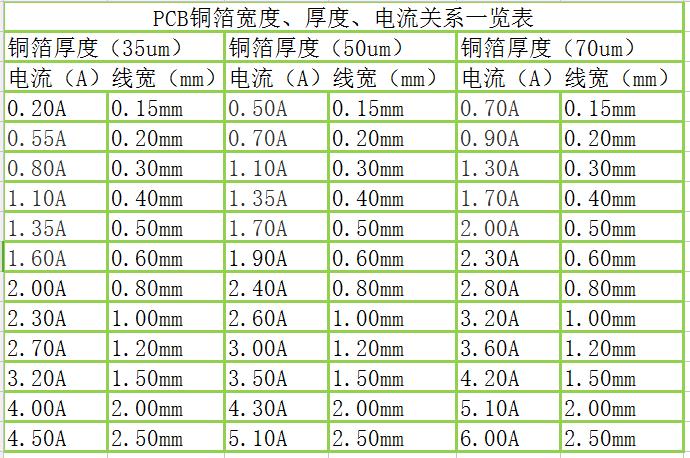
PCB copper layer thickness 

How thick is high current PCB copper?

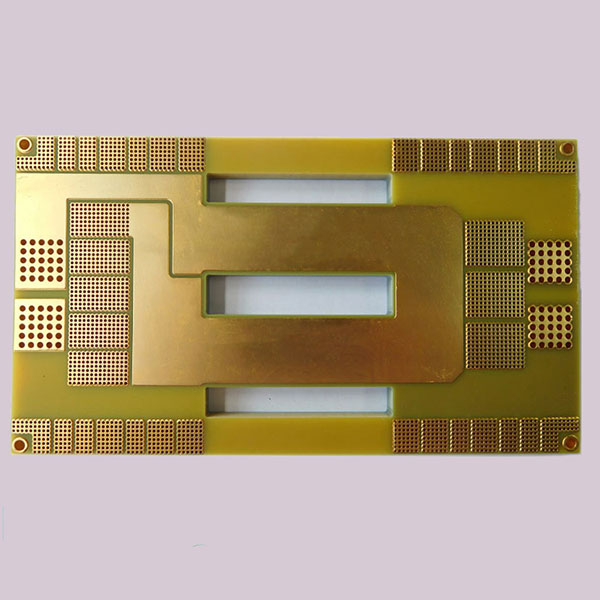
In PCB design, copper thickness (also called copper thickness) is an important parameter, which directly affects the performance indicators of the circuit board such as current carrying capacity, heat dissipation and reliability. For PCBs that need to withstand high currents, such as high-power LED light strips, power circuit boards, high-power motor control boards or high-power inverter control boards, thicker copper layers are usually used to increase current carrying capacity.
PCB copper layer thickness 

Different uses have different copper foil thicknesses. Common 0.5oz, 1oz, and 2oz are mostly used in consumer and communication products. Thick copper products above 3oz are mostly used for high currents, such as high-voltage products and power boards.

The thickness of copper foil (track width) will affect the current size. Although there is a formula that can directly calculate the maximum current carrying capacity of copper foil, it is not so simple when actually designing the circuit. Therefore, the safety factor should be fully considered during the design.

How thick is the copper in a flex PCB?

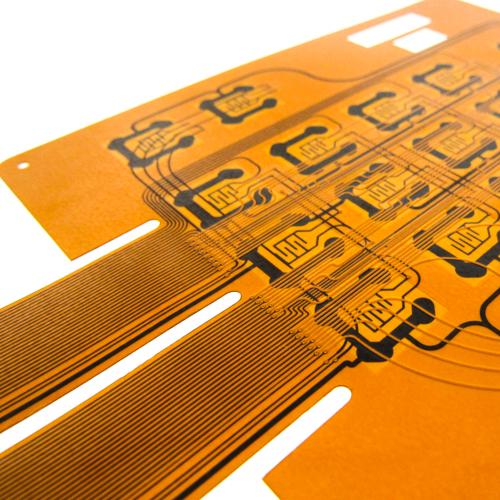
The thickness of copper foil in flexible PCB is generally 18μm, 35μm, 55μm and 70μm. These thickness specifications are suitable for different types of circuit board requirements, among which 35μm is the most commonly used copper foil thickness.
PCB copper layer thickness 

For flexible PCB, the choice of copper foil thickness depends on the specific purpose of the circuit board and the size of the signal voltage and current. For example, for PCBs that require excessive current, some parts will use 70μm copper thickness, while for signal transmission, 1oz (35μm) thickness is usually sufficient. In addition, for substrates of different thicknesses, the thickness of copper foil is also different. For example, the thickness of the composite copper foil on a 1mm thick substrate is about 18μm, and on a substrate thicker than 5mm, the thickness of the composite copper foil is about 55μm.

Conclusion:

PCBs for different usage scenarios correspond to different thicknesses of copper, and its thickness directly affects the conductive effect of the circuit board. If the copper layer is too thin, the conductivity may decrease, resulting in signal transmission attenuation or current instability. If the copper layer is too thick, although the conductivity will be very good, it will increase the cost and weight of the circuit board and easily lead to serious glue flow. In PCB manufacturing, it is necessary to select the appropriate copper thickness according to the design requirements and actual applications of the circuit board to achieve the best conductive effect.

BEST Technology is a professional PCB circuit board manufacturer with a large area of site and equipped with useful and experienced production personnel. Corresponding to different thicknesses of copper, we have rich production and processing experience. We can meet the requirements of any circuit board copper layer thickness.‌

What is a heavy copper PCB?
Wednesday, July 31st, 2024

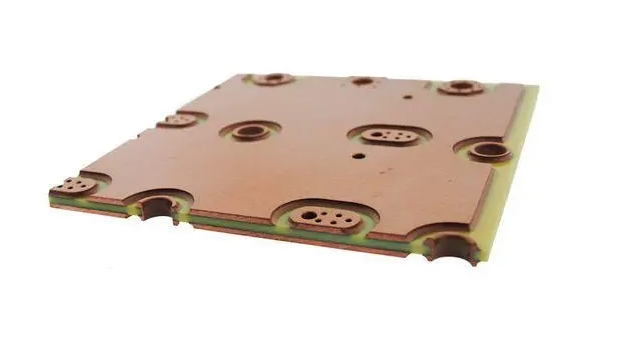
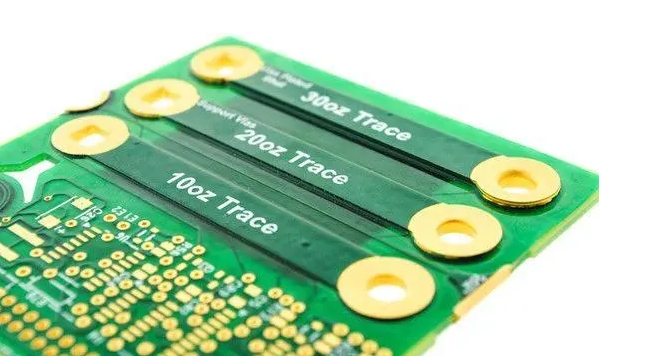
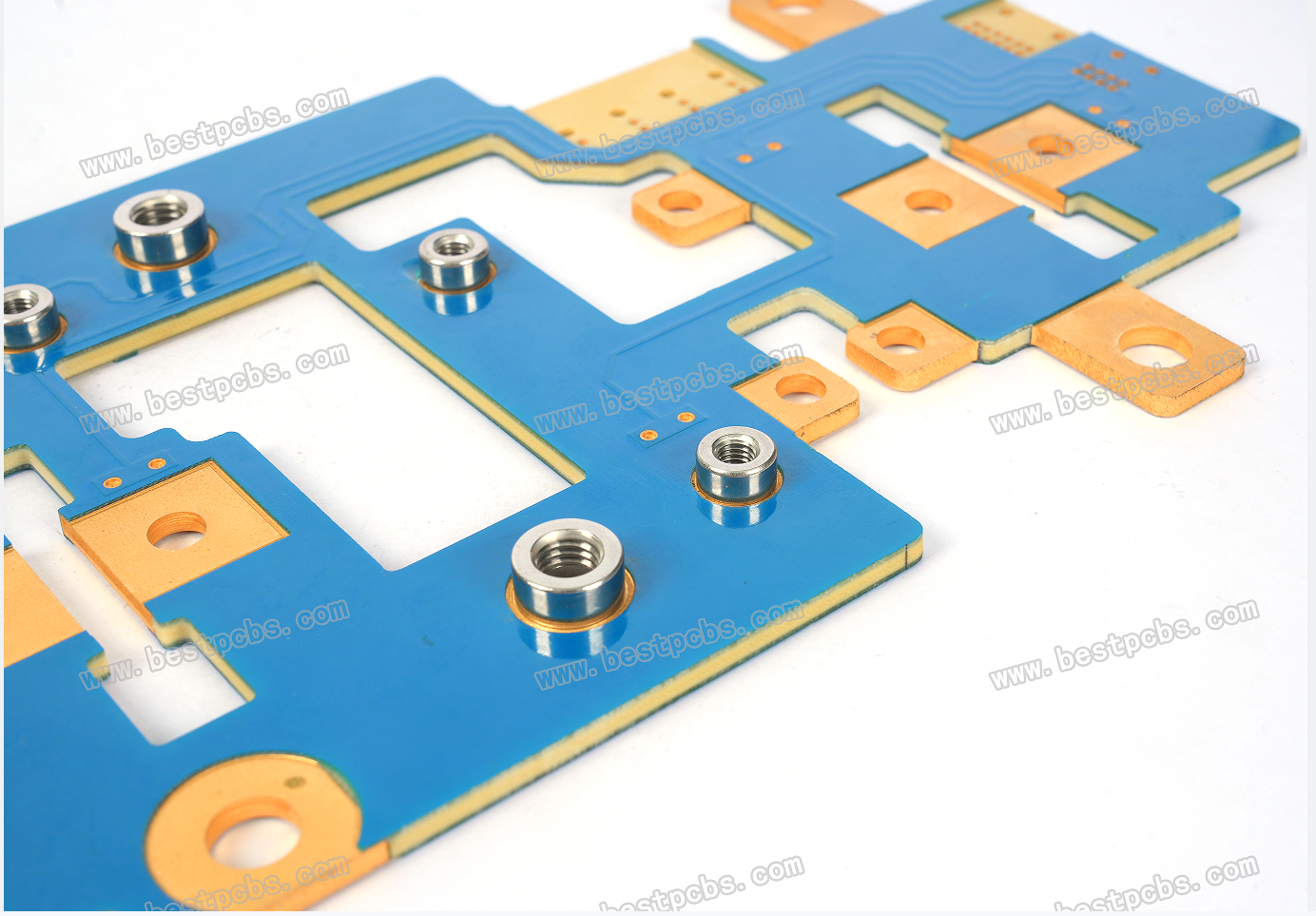
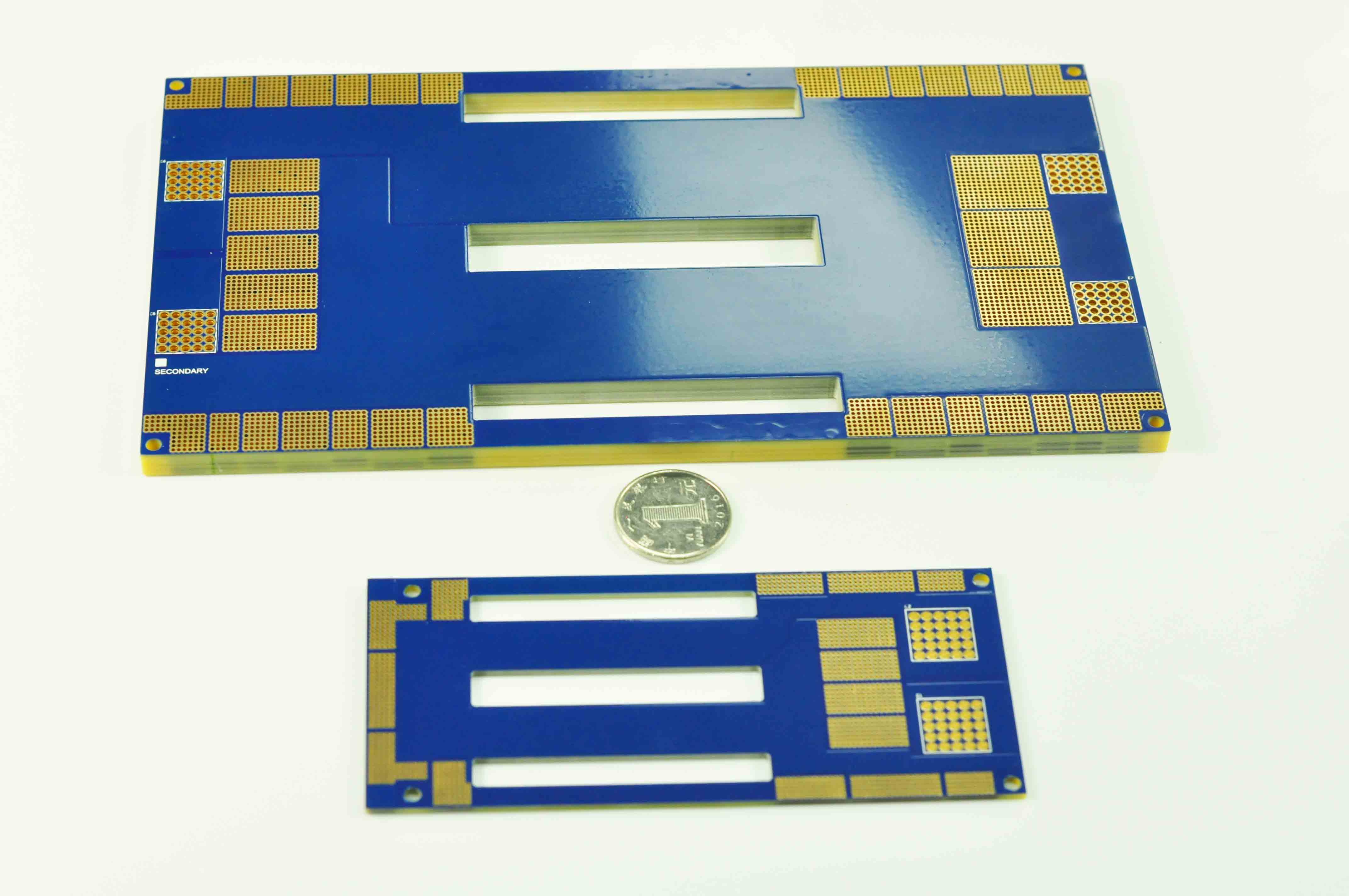
Heavy Copper Board does not have a set of definition per IPC. According to PCB industry, however, peopel generally use this name to identify a printed circuit board with copper conductors 3 oz/ft2 – 10 oz/ft2 in inner and/or outer layers. And Extreme heavy copper PCB refers to 20 oz/ft2 to 200 oz/ft2 printed circuit board.

What is a heavy copper PCB?

Heavy copper normally used for a various products but not limited to: high power distribution, heat dissipation, planar transformers, power convertors, and so on.

Generally, the thick copper plate is about 3oz, and the larger current is 3oz~6oz. To achieve 15 ounces, the requirements for process and manufacturers are more stringent. Best provides 3-15oz 1-99 layers of PCB. It is a professional PCB manufacturer with 18 years of experience, providing one-stop PCB and PCBA services from design, manufacturing to after-sales.

Common copper foil thicknesses have the following options:

  1. 1 oz (35 μm): This is the most common and standard copper foil thickness, widely used in general electronic product manufacturing. It has good electrical and thermal conductivity.
  2. 2 oz (70 μm): This thickness of copper foil is usually used in circuits that require higher current carrying capacity, such as power amplifiers, high-power LEDs, etc.
  3. 0.5 oz (18 μm): This thinner copper foil thickness is suitable for some light and small electronic products, such as electronic watches, mobile phones, etc.
  4. Other thicknesses: According to special needs, you can also choose copper foil of other thicknesses, such as 3 oz, 4 oz, etc.

What is copper foil

Copper foil is a cathodic electrolytic material, a thin, continuous metal foil deposited on the substrate layer of the circuit board, which serves as the conductor of the PCB. It is easy to adhere to the insulating layer, accept the printed protective layer, and form a circuit pattern after corrosion. The copper mirror test is a flux corrosion test, using a vacuum precipitation film on a glass plate. Copper foil is made of copper and a certain proportion of other metals. Copper foil generally has two types: 90 foil and 88 foil, that is, the copper content is 90% and 88%, and the size is 16*16cm.

How thick is the PCB copper foil

The commonly used international PCB copper foil thicknesses are: 35um, 50um, and 70um.
Generally, the thickness of copper foil (copper cladding) of single-sided and double-sided PCB boards is about 35um (1.4mil), and the other specifications are 50um and 70um.
The surface thickness of multilayer boards is generally 35um=1oz (1.4mil), and the inner layer is 17.5um (0.7mil). 70% of circuit boards use a copper foil thickness of 35um, which mainly depends on the purpose of the PCB and the voltage and current of the signal; in addition, for PCBs that need to pass large currents, some will use 70um copper thickness, 105um copper thickness, and rarely 140um, etc. The copper foil thickness is usually expressed in oz (ounces). 1oz refers to the thickness of 1oz of copper evenly covering an area of ​​1 square foot, which is about 1.4mil. It uses the weight per unit area to express the average thickness of the copper foil.
Expressed in formula, that is, 1oz=28.35g/ FT2 (FT2 is square feet, 1 square foot = 0.09290304 square meters).

What is a heavy copper PCB?

Different uses have different copper foil thicknesses,

  1. Ordinary 0.5oz, 1oz
  2. 2oz, mostly used in consumer and communication products.
    Thick copper products above
  3. 3oz are mostly used for large currents, such as high-voltage products and power boards!

Copper foil thickness (track width) affects the current size. Although there is a formula that can directly calculate the current load capacity of copper foil, it is not so simple when actually designing the circuit. Therefore, safety should be fully considered when designing.

How thick is 2 oz of copper for PCB?

In the PCB industry, 1OZ means the thickness of 1OZ of copper evenly laid on an area of ​​1 square foot (FT2). It uses the weight per unit area to express the average thickness of the copper foil. Expressed in formula, 1OZ=28.35g/FT2 (FT2 is square feet, 1 square foot=0.09290304 square meters).
First, we know that the density constant of copper and the conversion formula of related units are as follows:
1 cm = 10 mm; 1 mm = 1000 um
1 FT2≈929.0304cm2
According to the mass calculation formula m=Ï×V(volume)=Ï×S(area)×t(thickness), we know that the weight of copper foil divided by the density and area of ​​copper is the thickness of copper foil!
So, t=28.35÷929.0304÷8.9cm≈0.0034287cm=34.287um≈34.287÷25.4mil≈1.35mil
Copper thickness 1.OZ(0.035mm) Copper thickness 1.5OZ(0.05mm) Copper thickness 2.OZ (0.07mm)

What are the materials of PCB board

FR-1——phenolic cotton paper, this base material is commonly known as bakelite (more economical than FR-2)
FR-2——phenolic cotton paper
FR-3——cotton paper, epoxy resin
FR-4——glass cloth, epoxy resin
FR-5——glass cloth, epoxy resin
FR-6——matte glass, polyester
G-10——glass cloth, epoxy resin
CEM-1——cotton paper, epoxy resin (flame retardant)
CEM-2——cotton paper, epoxy resin (non-flame retardant)
CEM-3——glass cloth, epoxy resin
CEM-4——glass cloth, epoxy resin
CEM-5——glass cloth, polyester
AIN——aluminum nitride
SIC——silicon carbide

What Should We Consider When Designing A High Power PCB?
Saturday, June 1st, 2024

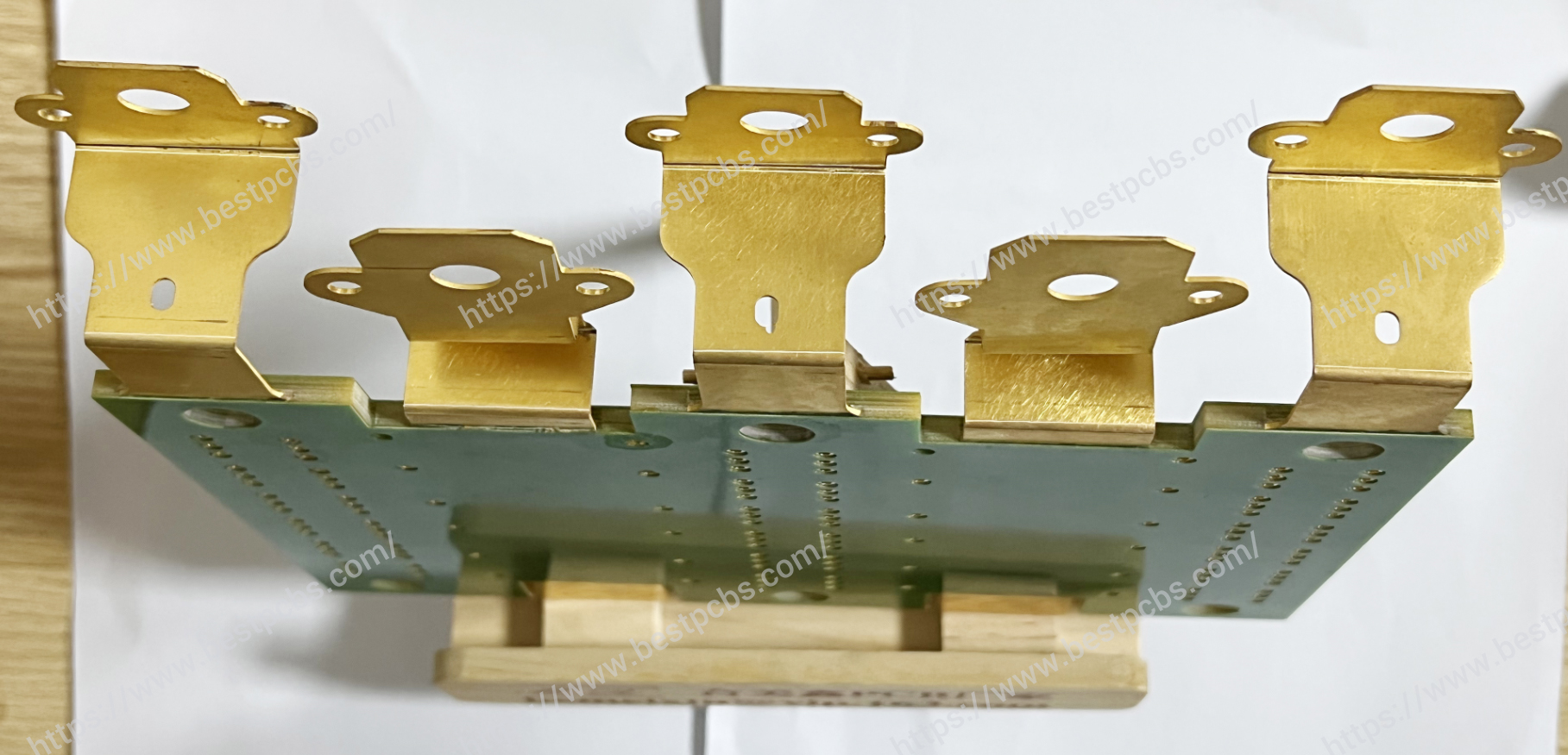
With the continuous growth of new energy demand and the transformation of energy structure, the market size of high-power technology continues to expand. The high power pcb includes heavy copper pcb, bus bar pcb. As an important part of the battery module in the energy storage system, the high power PCB plays a key role in the safety and performance of the entire system. This article explores key considerations when designing high power PCBs, providing insights to help you optimize your designs for demanding applications.

How Important is Thermal Management in High Power PCB Design?

Thermal management is crucial in high power PCB design to prevent overheating and ensure reliable operation. High power components generate significant heat, which can damage the PCB and reduce its lifespan if not managed effectively. Here are some key strategies:

  1. Use thicker copper layers to improve thermal conductivity as much as possible. For example, a 2 oz/ft² copper layer can carry approximately 10 amps of current.
  2. Thermal Vias are important elements in the complex designs, they serve as the heat dissipation paths to conduct heat away from high power components.
  3. Select appropriate heat sinks based on the power dissipation requirements. For instance, a heat sink with a thermal resistance of 1°C/W can handle 50W of power dissipation with a 50°C temperature rise.
high power bus bar pcb

How to Optimize Power Distribution in High Power PCBs?

Normally, high power PCBs are featuring in thick copper thickness, wider trace space and distance, less or no BGA or fine pitch components. And because of the operation of high current, the circuit board is more likely to have the problem of heating, so the high-power PCB always do some heat treatment to avoid overheating, such as design dissipation via holes or adding some heat sinks. Anyway, effective power distribution is essential to ensure stable operation and prevent voltage drops in high power PCBs. Here we summarize some tips to optimize the power distribution when designing a high-power PCB.

High-Performance Materials

Choose materials suitable for high current applications like FR-4, metal substrates, or composite materials. These materials have lower resistance, higher thermal conductivity, and better mechanical strength to handle high currents and heat concentration.

Current Distribution Balance

Implement balanced current distribution by adding current balancers, balancing resistors, or current balance layers. This reduces the resistance and hot spots, enhancing reliability and stability.

Avoid Cross-Talk Between Power and Signal Traces

Keep high current paths separate from digital signal paths to minimize interference. This reduces electromagnetic interference (EMI) and improves overall performance.

Solid Copper Pour for High Current Paths

Use solid copper pours for high current paths. This increases current-carrying capacity, improves heat dissipation, and minimizes voltage drops.

Thermal Management for Power Paths

Use large copper areas, vias, and exposed copper to enhance heat dissipation. Proper thermal management prevents component and product damage due to overheating.

EMC Radiation Control

Use wider trace widths, larger hole diameters, and increased spacing to manage EMC radiation. Keep high current paths short and place them away from sensitive components.

Why is Copper Thickness Critical in High Power PCB Design?

Copper thickness plays a vital role in determining the current-carrying capacity and thermal performance of high power PCBs. Here are some data points:

Standard Thickness: For high power applications, copper thickness typically ranges from 2 oz/ft² to 6 oz/ft².

Current Capacity: A 2 oz/ft² copper layer can handle approximately 10 amps, while a 6 oz/ft² layer can carry up to 30 amps.

Thermal Performance: Thicker copper layers improve heat dissipation, reducing the risk of overheating.

How Does PCB Layout Affect Signal Integrity in High Power Designs?

PCB layout is a critical factor that influences signal integrity and overall performance in high power designs. Consider these points:

Trace Length: Minimize the length of high-speed signal traces to reduce signal loss.

Consistent Trace Widths: Maintain consistent trace widths to ensure uniform current distribution.

Separation of Power and Ground Planes: Reduces noise and crosstalk.

Differential Pairs: Use differential pairs for high-speed signals to enhance signal integrity.

Adequate Spacing: Ensure adequate spacing between traces to prevent interference.

high power pcb

Designing a high power PCB requires a comprehensive understanding of various factors, including thermal management, material selection, power distribution, copper thickness, and PCB layout. By addressing these considerations, you can optimize your PCB designs for high power applications, ensuring reliability and performance. At EBest Circuit (Best Technology), we specialize in high power PCB solutions tailored to meet your specific needs. Our expertise and commitment to quality make us the ideal partner for your high power PCB projects. Choose EBest Circuit (Best Technology) for unparalleled performance and reliability in your PCB designs.

What is Bus Bar PCBs in the Electronics Landscape?
Friday, September 22nd, 2023

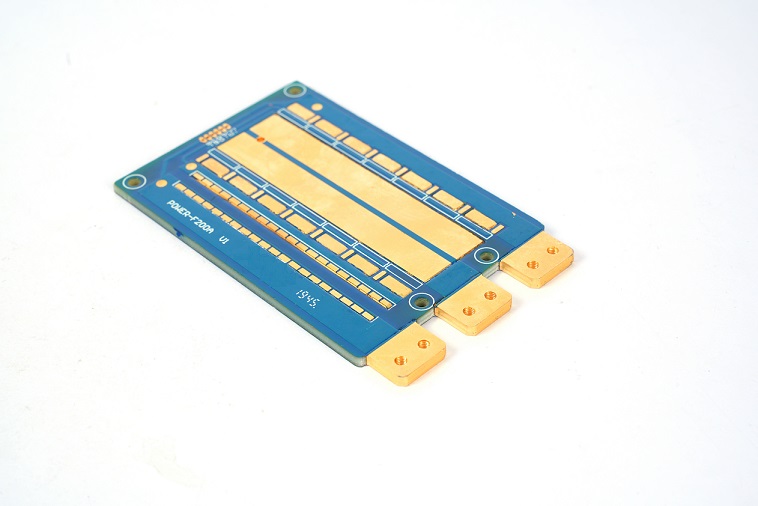
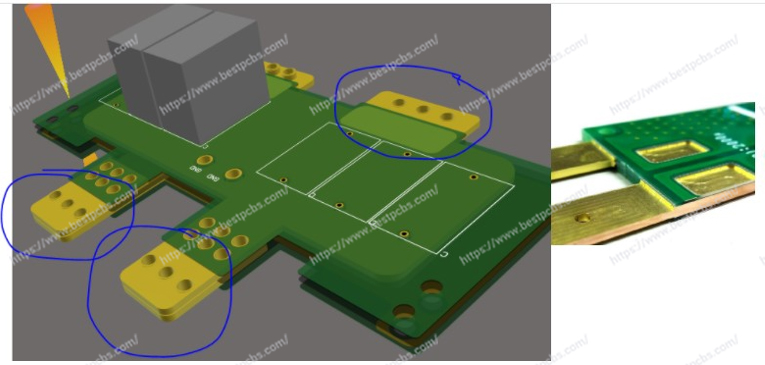
Bus Bar PCBs are a specialized type of printed circuit board (PCB) that stand out from traditional PCBs due to their integrated conductive bus bars. These bus bars are typically made of copper or aluminum and are positioned on the surface or within the PCB. They serve the purpose of connecting electronic components, devices, or connectors and transmitting electrical currents.

Key Characteristics:

Outstanding Heat Dissipation:

Bus Bar PCBs are renowned for their exceptional heat dissipation capabilities. The integrated conductive bus bars efficiently conduct and dissipate the heat generated within the circuit, making them an ideal choice for high-power applications. Whether it’s in industrial electronics, electric vehicles, or solar inverters, this characteristic ensures that electronic components stay cool, enhancing overall system reliability.

Compact Space Utilization:

Space is often a precious resource in electronic devices. Bus Bar PCBs optimize space utilization through their integrated conductive bus bars. Unlike traditional wiring systems that can be space-consuming, Bus Bar PCBs save space, reducing the overall footprint of electronic systems.

Enhanced Electrical Performance:

The integration of conductive bus bars reduces the overall resistance and inductance of the circuit, resulting in improved electrical performance. Lower resistance translates to reduced power loss, while decreased inductance facilitates faster signal propagation. This, in turn, leads to higher efficiency and improved signal integrity.

Conclusion:

Bus Bar PCBs represent a force of innovation in the field of electronics, with their exceptional heat dissipation, space-saving design, and enhanced electrical performance making them highly favored across a multitude of applications. As technology continues to advance, Bus Bar PCBs are expected to play an increasingly pivotal role in the design and manufacturing of electronic systems.

If you have any interest in Bus Bar PCBs or any related requirements, please feel free to contact us. We have been in the field of heavy copper PCB manufacturing and bus bar PCB manufacturing more than 17 years. We are committed to providing you with outstanding products and services. Let’s explore the limitless possibilities of Bus Bar PCBs together, bringing innovation and success to your projects!

Heavy Copper PCB for Industrial Power Supply
Saturday, July 29th, 2023

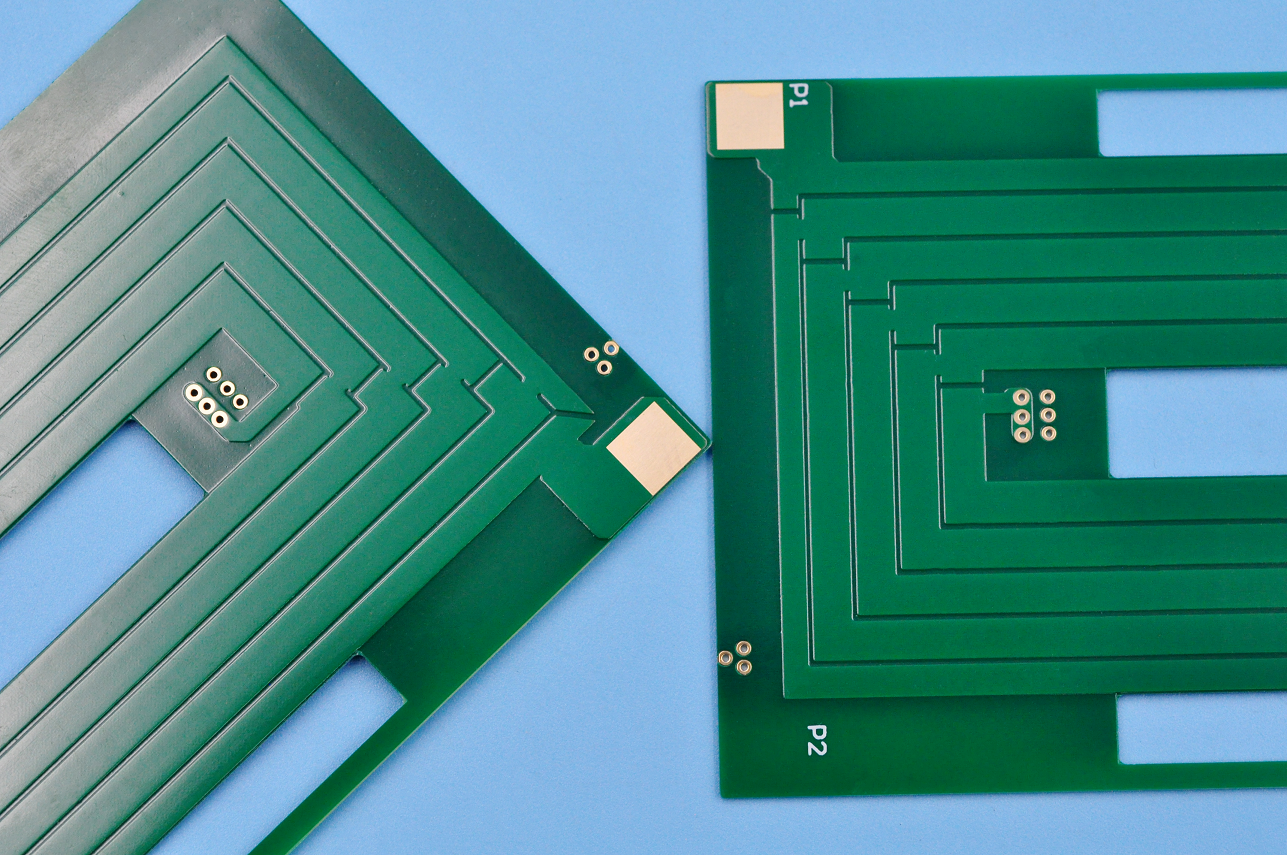
All of us know the printed circuit board, but do you know what is the heavy copper PCB? Best Tech is a very experienced heavy copper PCB fabricator since year 2006. Heavy Copper PCB is a type of printed circuit board that features with thicker copper layers than standard FR4 PCBs. While conventional PCBs typically have copper thicknesses ranging from 1 to 3 ounces (per square foot), heavy copper PCBs have copper thicknesses exceeding 3 ounces and can go up to 20 or more ounces. These copper layers are typically found in the inner and outer layers of the PCB, heavy copper providing enhanced current-carrying capacity and improved heat dissipation capabilities.

The increased copper thickness in heavy copper PCBs allows them to handle higher currents without experiencing excessive heat buildup or voltage drops. This makes them well-suited for applications that require high power handling, such as industrial power supplies, power converters, motor drives, and automotive electronics. Heavy copper PCBs are designed to withstand harsh operating conditions and provide robust performance and reliability.

Today, we would like to talk about the heavy copper PCB used in Industrial Power Supply. In this blog post, we will explore the realm of Industrial Power Supply, delving into the design considerations, material selection, production challenges, exceptional heat dissipation, and unrivaled conductivity of Heavy Copper PCBs. Join us on this enthralling journey as we uncover the secrets behind their application in Industrial Power Supply scenarios, including the testing of inductance, capacitance, and resistance. Get ready to witness the power of Heavy Copper PCBs in the realm of Industrial Power Supply!

Firstly, before you are moving start for the design, it need to get to understand the Design guideline rules of heavy copper PCB.

From the guidelines of heavy copper PCB, it could get to know it encompass considerations such as trace width, trace spacing, and thermal relief patterns. The increased copper thickness necessitates wider traces to accommodate higher currents, while proper spacing is crucial to avoid thermal hotspots and ensure reliable operation. Additionally, selecting suitable materials with excellent mechanical strength and thermal properties is vital to ensure the robustness and longevity of Heavy Copper PCBs. Hope this will bring some ideas to you during your design.

Secondly, as a heavy cooper PCB manufacturing vendor, Best Tech would like to advise the Production Challenges for the heavy copper PCB.

During producing Heavy Copper PCBs presents manufacturers with a set of intricate challenges. Achieving uniform copper thickness across the board’s surface demands advanced plating techniques and precise control over process parameters. Careful attention must be given to the etching process to prevent over-etching, which can compromise the integrity of the copper layers. Moreover, the additional weight of copper requires a sturdy substrate to support the board’s structure. Manufacturers must navigate these challenges with expertise and precision to deliver high-quality Heavy Copper PCBs.

You may have a question in mind, why we need to use the heavy copper PCB for the Industrial Power Supply, because the heavy copper PCB have Exceptional Heat Dissipation and Conductivity: One of the standout features of Heavy Copper PCBs is their unrivaled heat dissipation capabilities. The increased copper thickness acts as a robust conductor, efficiently channeling heat away from power components. This exceptional heat dissipation prevents thermal stress and ensures the longevity and reliability of Industrial Power Supply systems. Additionally, the high conductivity of Heavy Copper PCBs enables efficient power transmission, reducing losses and improving overall system efficiency.

Furthermore, Heavy Copper PCBs undergo rigorous testing to ensure optimal performance in Industrial Power Supply applications. Inductance testing verifies the effectiveness of copper layers in reducing magnetic interference. Capacitance testing evaluates the ability of the PCB to store electrical energy, while resistance testing determines the conductivity and resistance of copper traces. These tests play a crucial role in validating the quality and performance of Heavy Copper PCBs in demanding power supply scenarios.

Heavy Copper PCBs find widespread applications in the field of Industrial Power Supply, particularly in the production of robust and efficient power control products. They are integral components in industrial power converters, motor drives, uninterruptible power supplies (UPS), and various automation systems. The exceptional heat dissipation and high current-carrying capacity of Heavy Copper PCBs make them ideal for handling the power demands of these applications, ensuring reliable and efficient power delivery.

Finally, in the world of Industrial Power Supply, Heavy Copper PCBs emerge as true powerhouses, combining meticulous design, advanced manufacturing processes, and exceptional heat dissipation capabilities. By adhering to design guidelines, overcoming production challenges, and conducting thorough testing, Heavy Copper PCBs prove their mettle in demanding power supply scenarios. As they continue to evolve, these powerhouses will shape the future of Industrial Power Supply, empowering systems with reliability, efficiency, and unrivaled performance. Prepare to witness the electrifying impact of Heavy Copper PCBs in the realm of Industrial Power Supply!

If you have more question heavy copper PCB for Industrial Power Supply, warmly welcomed to contact Best Tech for more get more information of heavy copper PCB which used in Industrial Power Supply. You can visit www.bestpcbs.com to know more about us.

Key Challenges in Solder Mask Printing for Heavy Copper PCBs
Tuesday, May 23rd, 2023

As the demand for higher power and miniaturization of electronics increases, so does the need for Heavy Copper Printed Circuit Boards (PCBs). From our last blog – Why choose Heavy Copper PCB for your High Current Project, we know the heavy copper PCBs are defined as those with copper thicknesses greater than 3 oz. These PCBs are designed to withstand high current and thermal loads, making them suitable for power electronics applications. However, the increased copper thickness also poses challenges during the solder mask printing process.

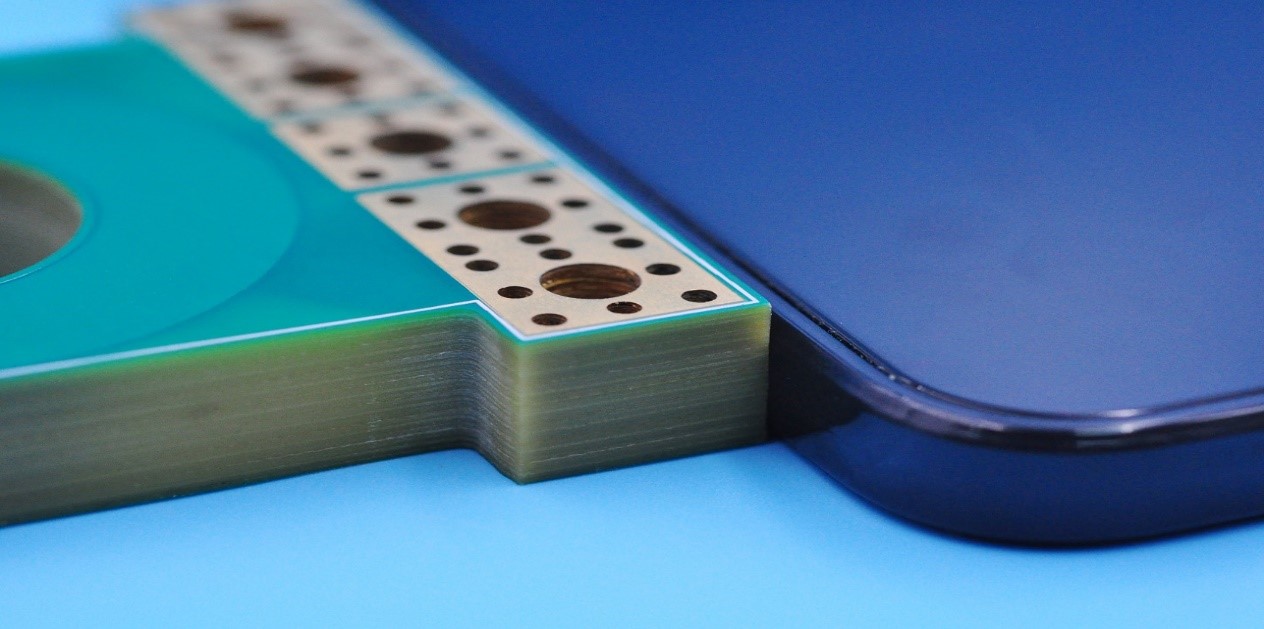
(16_layers_heavy_copper_PCB_with_10oz_each_layer)

Understanding solder mask

Solder mask (short for S/M in the industry) is a protective coating applied to PCBs to prevent solder bridges and improve solder joint quality. The solder mask is coated to the PCB surface using a screen-printing process, where the desired pattern is created using a stencil and the solder mask ink is then deposited onto the PCB. The ink is then cured, either through heat baking or UV light, to form a solid coating.

There are several types of solder mask materials available, including epoxy, acrylic, and liquid photo imageable (LPI) solder mask. Each type has its advantages and disadvantages, depending on the application requirements.

The benefits of using solder mask in PCB manufacturing include increased reliability, improved solderability, and reduced risk of short circuits and corrosion. The solder mask we usually use is Taiyo, which has high reliability and excellent heat resistance.

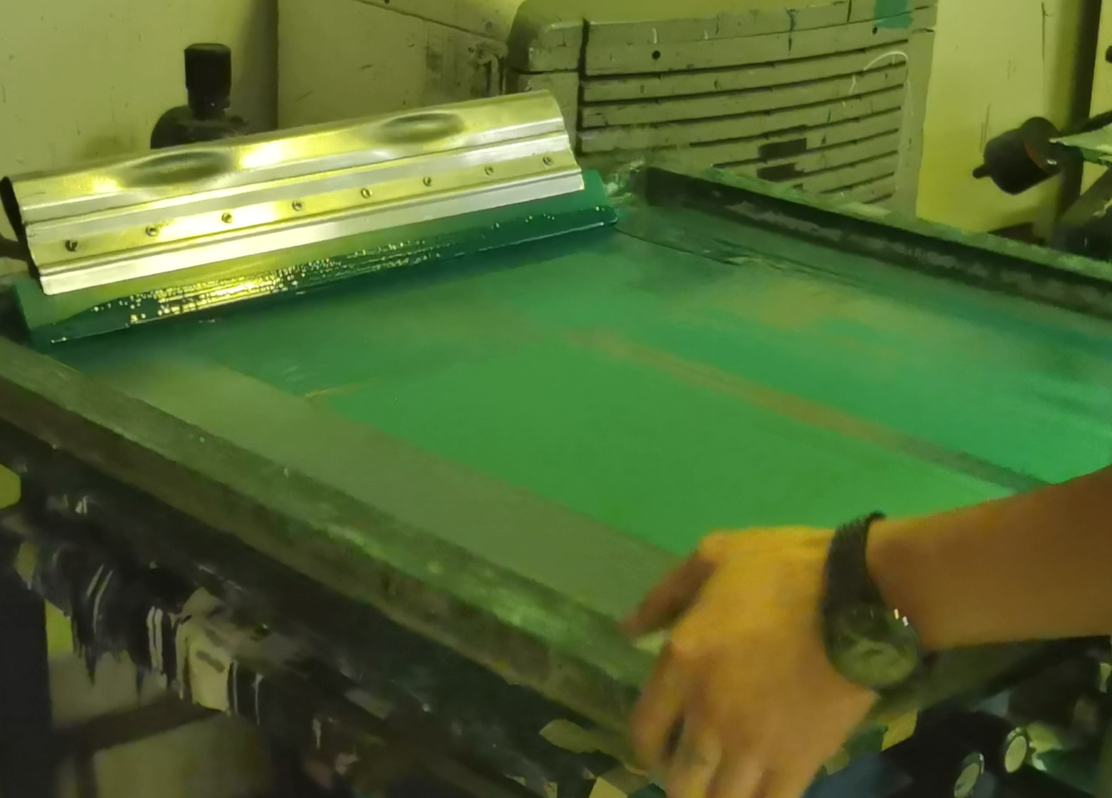
(Solder_mask_manually_printing)

Challenges in solder mask printing of heavy copper PCBs

While solder mask printing is a critical step in PCB manufacturing, the increased copper thickness in heavy copper PCBs presents several challenges for printing process as I mentioned before. It’s difficult to apply enough solder mask to cover thick copper pattern and base material with severe height difference.

1. The high copper thickness and thermal conductivity of heavy copper PCBs make it difficult for the solder mask ink to adhere properly to the surface. This can result in insufficient coverage and registration accuracy, which can affect the overall quality and reliability of the PCB.

2. The high copper thickness can cause stress on the solder mask, leading to mask cracking and peeling. The navigation mark on the substrate has specific ink thickness requirements due to limitations in the ink thickness that can be applied to the substrate. If the ink thickness on the substrate is too thick, it may result in solder resist cracks in the substrate position after the printed circuit board is soldered. This can occur during reflow soldering or thermal cycling, resulting in poor solder joint quality and reduced reliability.

3. The thick solder mask is also more difficult to exposure and develop. If the exposure energy is too weak or not enough, then some undercut problem may happen.

How to overcome this challenge?

To address these challenges, it is essential to choose the right solder mask materials and optimize the application process.

  • Choosing the right solder mask materials is crucial for ensuring proper adhesion and coverage on heavy copper PCBs. LPI solder mask is often preferred for heavy copper PCBs due to its excellent adhesion and thermal stability. However, epoxy and acrylic solder mask materials can also be used with proper surface preparation.
  • Optimizing the solder mask application process can also help address the challenges of heavy copper PCBs. This can include using a thinner stencil for improved registration accuracy and applying multiple coats of solder mask for better coverage. Advanced solder mask technology, such as laser direct imaging (LDI), can also help improve registration accuracy and reduce the risk of mask cracking and peeling.
  • Optimizing the printing process, now in EBest Circuit (Best Technology), we always make the substrate first, fill the substrate with the solder mask and then treat it as a normal PCB for normal printing solder mask.
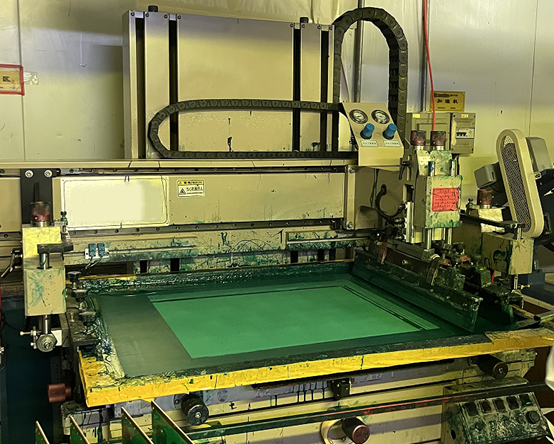
(Solder_mask_printing)

If you are in the process of designing a complex multi-layer heavy copper PCB and are looking for a high-quality and experienced manufacturer, feel free to reach out to us at sales@bestpcbs.com, EBest Circuit (Best Technology) can support you by OEM and ODM service to ensure your design is cost-effective and can be easily manufactured.

Why choose Heavy Copper PCB for your High Current Project?
Tuesday, May 16th, 2023

In the world of electronics, printed circuit boards (PCBs) play a vital role in connecting and powering various components. They are the backbone of every electronic device, from smartphones to industrial machinery. When it comes to designing a PCB for a project, the thickness of the copper layer is an important consideration. Heavy Copper PCB, also known as Thick Copper PCB, has become increasingly popular in charging automotives due to their unique features and benefits. In this article, we will discuss why consider heavy copper PCBs for your high current project.

What a Heavy Copper PCB is?

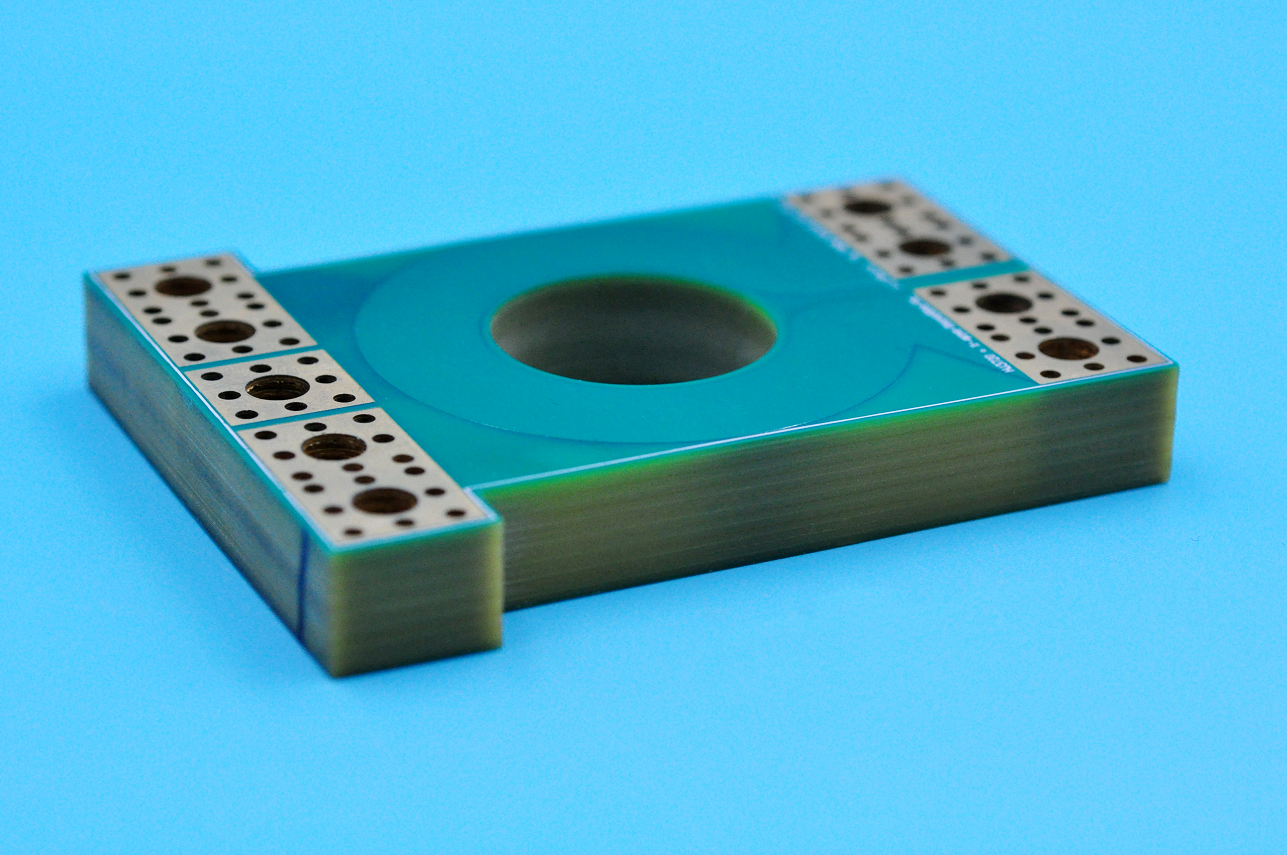
A heavy copper PCB is a circuit board with an unusually thick copper layer, usually exceeding 3 ounces per square foot (oz/ft²). By comparison, standard PCBs typically have a copper layer thickness of 1 oz/ft². Heavy copper PCBs are used in applications where high current is needed, or the board needs to withstand mechanical and thermal stress.

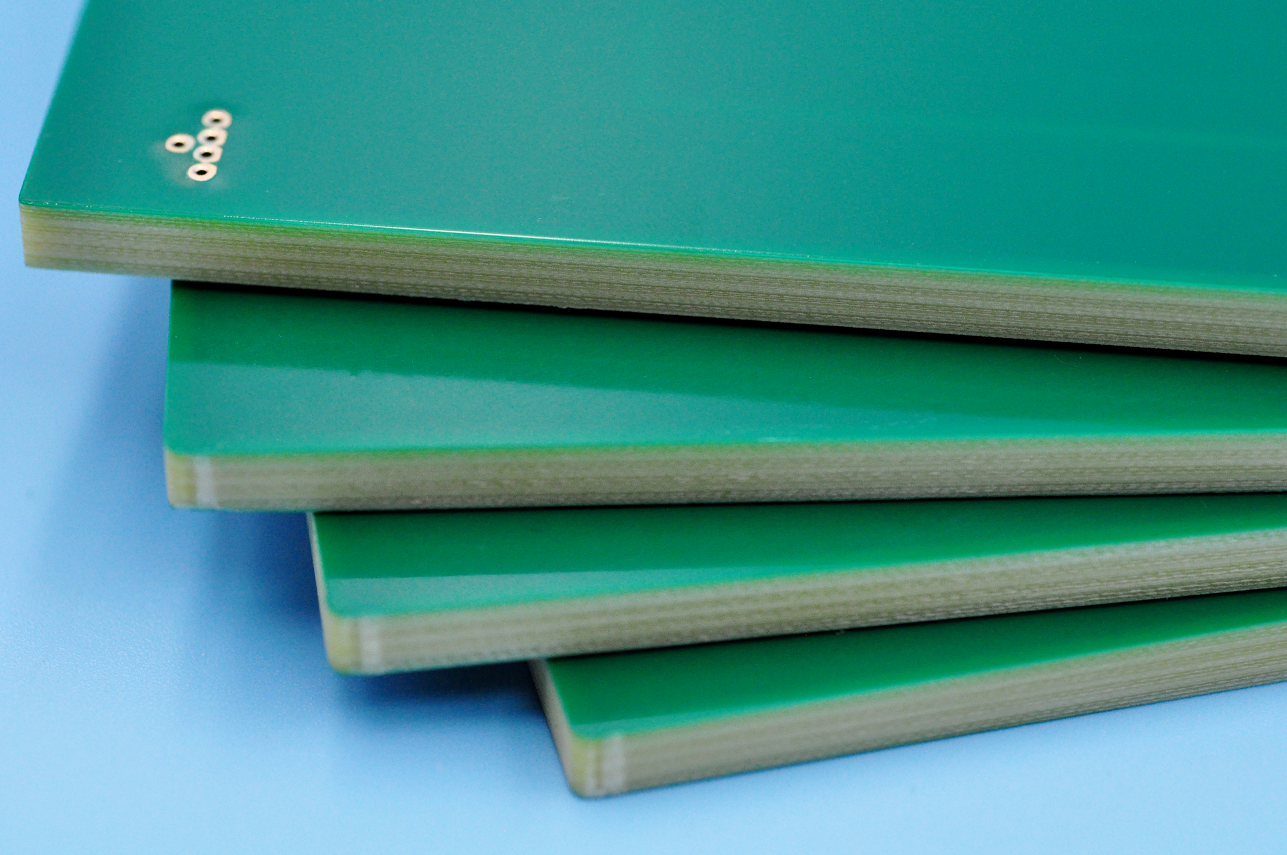
(Heavy_copper_PCB)

Benefits of Heavy Copper PCBs

  • High Current Capacity

The thicker copper layer in a heavy copper PCB allows for a higher current capacity. This makes it ideal for high-power applications such as power supplies, motor controllers, and industrial equipment. Heavy copper PCBs can carry up to 20 amps or more, compared to the standard 5-10 amps of a regular PCB.

  • Thermal Management

Heavy copper PCBs are known for their excellent thermal management capabilities. The thicker copper layer allows for better heat dissipation, reducing the risk of overheating and component failure. So that they can generate a lot of heat for the end-application.

  • Durability

Heavy copper PCBs are more robust and durable than standard PCBs. The thicker copper layer provides better mechanical support, making them resistant to damage from vibration, shock, and bending. This makes them suitable for harsh environments and industrial applications.

  • Increased Flexibility

Heavy copper PCBs offer increased design flexibility compared to standard PCBs. The thicker copper layer allows for more complex and compact designs, reducing the overall size of the board. This makes them ideal for applications where space is limited, that means you can make a very heavy copper while the size is very small.

  • Better Signal Integrity

The thicker copper layer in heavy copper PCBs provides better signal integrity. This reduces the risk of signal loss and interference, resulting in more reliable and efficient circuit performance.

Copper thickness design for a Heavy Copper PCB?

Due to the thickness of copper in heavy copper PCB is thick then normal FR4 PCB, then it is easily to be warped if the copper thickness is not match each other in symmetrical layers. For example, if you are designing an 8 layers heavy copper PCB, then the copper thickness in each layer should follow L8=L1, L7=L2, L6=L3, L5=L4 standard.

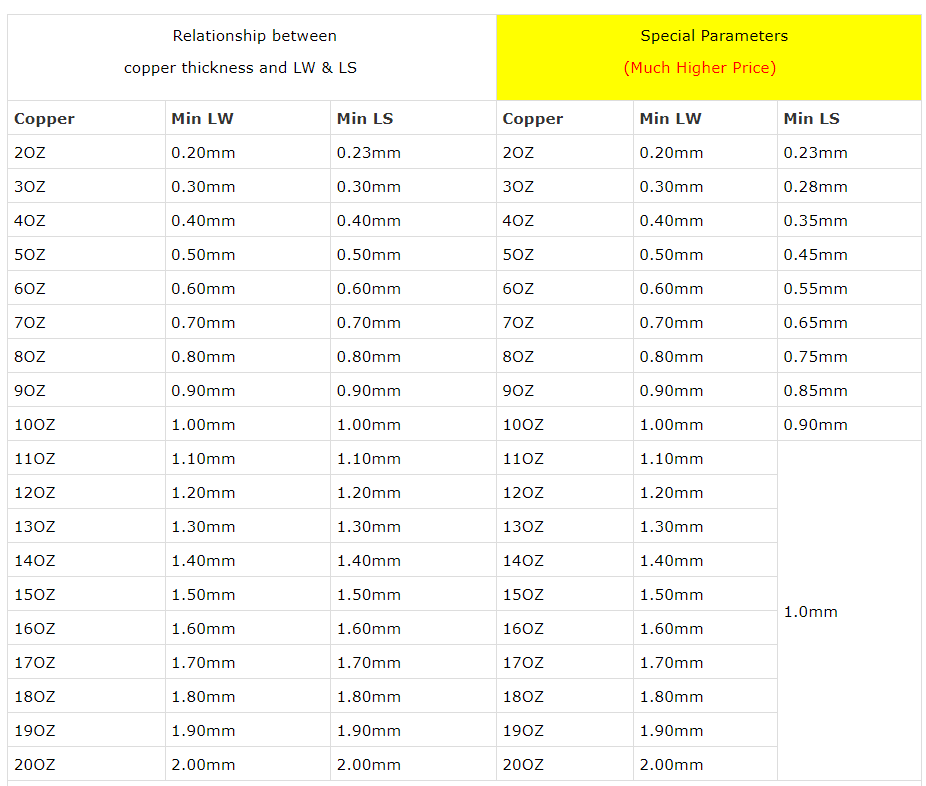
Additionally, the relationship between minimum line space and minimum line width also should be considered, follow the design rule will help to smooth production and shorten the lead time. Below are the design rules between them, LS refers to line space and LW refers to line width.

(Heavy_copper_design_rule)

Drill hole rules for heavy copper board

A plated through hole (PTH) in printed circuit board is to connect top and bottom side to make them electricity. And when the PCB design has multi copper layers, the parameters of holes must be considered carefully, especially hole diameters.

In EBest Circuit (Best Technology), the minimum PTH diameter should be >=0.3mm while the copper ring annular should be 0.15mm at least. For wall copper thickness of PTH, 20um-25um as default, and maximum 2-5OZ (50-100um).

(16L_heavy_copper_PCB_with_35um_copper_in_via_holes)

Basic parameters of Heavy Copper PCB

Here are some basic parameters of heavy copper PCB, hope this can help you to understand EBest Circuit (Best Technology)’s capability better.

  • Base material: FR4
  • Copper thickness: 4 OZ~30 OZ
  • Extreme Heavy Copper: 20~200 OZ
  • Outline: Routing, punching, V-Cut
  • Solder mask: White/Black/Blue/Green/Red Oil (Solder mask printing is not easy in heavy copper PCB.)
  • Surface finishing: Immersion Gold, HASL, OSP
  • Max Panel size: 580*480mm (22.8″*18.9″)

Applications of Heavy Copper PCBs

Heavy copper PCBs are used in a variety of applications, including:

  • Power supplies
  • Motor controllers
  • Industrial machinery
  • Automotive electronics
  • Aerospace and defense systems
  • Solar inverters
  • LED lighting
(Heavy_copper_PCB_for_high_power_supply)

Choosing the right PCB thickness is crucial for the success of any project. Heavy copper PCBs offer unique features and benefits that make them ideal for high-power and high-temperature applications. If you want to ensure the reliability and performance of your project, consider using heavy copper PCBs. EBest Circuit (Best Technology) has more than 16 years manufacturing experience in heavy copper PCBs, so we are so confident that we can be your most reliable supplier in China. Welcome to contact us at any time for any questions or any queries about PCBs.

How to choose the thickness of copper on PCB
Tuesday, March 24th, 2020

As a general rule, this thickness of copper foil for single-sided PCB and double-sided PCB is approx.35um(1.4mil). There is also another specification, which is 50um and 70um. The surface thickness of multilayers PCB is 35um(1oz(1.4mil)) generally, and the inner layer has a thickness of 17.5um(0.7mil). 70% of PCB uses the copper foil thickness of 35um. This is based on PCB purpose and signal voltage as well as current. In addition, for PCB requiring large current, copper thickness of 70um or 105um will be used, and 140um is also used in some cases.

heavy copper pcb
heavy copper pcb

People often use OZ to represent copper thickness. 1OZ stands for the thickness of 1OZ copper covered on the area of 1 square feet evenly. I.e. approx. 1.4mil. The weight of unit area is used for representing the average thickness of copper foil. I.e. 1oz=28.35g/ FT2(FT2 stands for square feet, 1 square feet=0.09290304 square meter).

For heavy copper PCB, if the substrate has a thickness of 1 to 3mm, then the thickness of composite copper foil will be approx.35um. If the substrate has a thickness of less than 1mm, then the thickness of composite copper foil will be 18um. If the substrate has a thickness of above 5mm, then the thickness of composite copper foil will be 55um.

heavy copper pcb
heavy copper pcb

The thickness of copper foil(wiring width) will influence current. Even though there is a formula to directly calculate the largest current loading capability of copper foil, things will get more complex when designing wiring. In this case, safety should be fully taken into consideration during design.

Copper foil will have different thickness, if there are different purposes. General 0.5OZ, 1OZ and 2OZ copper foil are most widely used for consumption and communication products. The thickness of copper foil above 3OZ belongs to heavy copper products, which are widely used for products with large current, such as high pressure products, and power supply board.                                               

This is all about how to choose proper copper thickness during your project. Hope this is helpful to you. If you are still confused, please contact EBest Circuit (Best Technology). We have online customer services for 24 hours.