PCB manufacturing PCB manufacturing
Home > Blog

What Does An Audio Board Do? – EBest Circuit (Best Technology)

August 9th, 2024

An audio board, often referred to as a soundboard or mixer, is a crucial device in the world of sound engineering. Whether you’re working on a live concert, recording in a studio, or simply enhancing audio for a video production, understanding the role of an audio board is essential. This guide will walk you through what an audio board does, its various names, and how to set one up effectively.

What Does An Audio Board Do? - EBest Circuit (Best Technology)

What Does an Audio Board Do?

An audio board, or soundboard, manages and controls audio signals. It’s used in many settings, from live concerts to recording studios. The primary function of an audio board is to mix different audio sources, such as microphones and instruments, to create a balanced sound output. This device allows sound engineers to adjust levels, equalize sound frequencies, and add effects to enhance the overall audio experience.

In more technical terms, an audio board receives input signals, processes them, and sends them to an output device. This processing can include adjusting volume levels, panning audio between speakers, and applying effects like reverb or delay. The result is a well-mixed audio output that sounds harmonious and professional.

What is Also Called an Audio Board?

An audio board goes by several names, depending on its use and context. Commonly, it’s known as a soundboard or mixing console. In professional settings, you might hear it referred to as an audio mixer or sound mixer. These terms are often used interchangeably, but they all refer to the same essential device that manages and manipulates audio signals.

What Does An Audio Board Do? - EBest Circuit (Best Technology)

Other names include audio mixing board and professional mixing board. These names highlight the device’s role in combining multiple audio inputs into a single or multiple outputs. Whether you’re shopping for an audio board online or looking to upgrade your studio equipment, understanding these terms will help you find the right product for your needs.

What is the Working Principle of Audio Board?

The working principle of audio circuit refers to the process of audio signal transmission and processing in the circuit. In general, the frequency range of audio signals is 20Hz to 20kHz, and they are electrical signals used to transmit sound. The processing of audio signal includes amplification, mixing, filtering and so on.

Amplification refers to increasing the amplitude of the audio signal so that it can drive the speaker to produce a sound. The amplification process is generally achieved using an amplifier, the principle is to use the amplifier tube of the amplifier to amplify the input signal and then output it to the speaker.

Mixing refers to the process of mixing multiple audio signals into one signal. In a mixing circuit, multiple audio signals are mixed together through a mixer to output a composite signal. The mixer is generally composed of an operational amplifier and a mixer. The operational amplifier is responsible for adding multiple input signals, while the mixer is responsible for adjusting the volume ratio of each input signal.

Filtering refers to filtering the audio signal through a filter to remove unwanted frequency components. Filters are generally divided into low-pass filters, high-pass filters and band-pass filters. A low-pass filter only allows low-frequency signals to pass through, a high-pass filter only allows high-frequency signals to pass through, and a bandpass filter only allows signals in a certain frequency range to pass through.

Is a Sound Board the Same as a Mixer?

Yes, a soundboard and a mixer are essentially the same device. Both terms describe equipment used to blend and adjust audio signals. The term “mixer” is often used in professional audio production environments, while “soundboard” is more common in live sound settings.

The confusion between these terms arises from their varied applications. A soundboard is typically associated with live events, where audio engineers manage the sound in real-time. A mixer, on the other hand, might be used more broadly, encompassing both live and studio environments. Regardless of the term, the device’s primary function remains the same: to mix audio signals and produce a balanced sound output.

What is the Function of a Soundboard?

A soundboard, or audio mixer, plays a critical role in sound engineering by managing and manipulating audio signals. Let’s delve deeper into its functions:

  • Mixing Audio Signals
  • Equalization (EQ)
  • Volume Control
  • Panning
  • Adding Effects
  • Routing
  • Dynamic Processing
  • Monitoring

How Do You Hook Up a Soundboard?

Hooking up a soundboard needs to proceed several steps. Each step is the key point to make sure all audio sources are correctly connected and configured. Here’s a step-by-step guide:

  1. Prepare all necessary cables, microphones, instruments, and speakers.
  2. Plug your microphones and instruments into the input channels on the soundboard. Each channel corresponds to a specific input source.
  3. Connect the output channels of the soundboard to your speakers or recording devices. This usually involves using XLR or quarter-inch cables.
  4. Turn on the soundboard and all connected equipment.
  5. Adjust the input gain for each channel to ensure the signal is neither too weak nor too strong.
  6. Test each input and output to ensure everything is working correctly. Make necessary adjustments to the levels and EQ settings.
  7. Use headphones or monitor speakers to listen to the audio and make final adjustments.

How to Set Up a Sound Mixing Board?

Setting up a sound mixing board involves more than just connecting cables. Here are detailed steps to set up your sound mixing board effectively:

  • Plan Your Setup

Determine the layout of your equipment and where each input and output will be connected. This planning stage helps avoid confusion during the actual setup.

  • Label Everything

Label each input and output cable to know which source they correspond to. This step is crucial in complex setups with many audio sources.

  • Connect Your Inputs

Plug in microphones, instruments, and any other audio sources into the appropriate input channels on the mixing board.

  • Connect Your Outputs

Connect the main outputs to your speakers or PA system. Also, connect any auxiliary outputs to additional monitors or recording devices.

  • Power Everything On

Turn on your mixing board and connected equipment. Make sure to power on any external preamps or processors first if you’re using them.

  • Adjust Gain Levels

Set the gain for each input channel. Start with the faders at unity (0 dB) and adjust the gain until each input is at a proper level.

  • Set EQ and Effects

Adjust the EQ settings for each channel to achieve a balanced sound. Add effects as needed to enhance the audio.

  • Create a Mix

Use the faders to balance the levels of all input sources. Make sure each source is heard clearly without overpowering the others.

  • Monitor and Adjust

Continuously monitor the sound through headphones or monitor speakers. Make adjustments as necessary to maintain a balanced mix.

EBest Circuit (Best Technology) has rich experience in the audio board manufacturing, we have served more than 2000+ customers and provide excellent turn-key solutions. If you are interested in the audio board pcb assembly, welcome to contact us.

How to Read Circuit Boards and Schematics?

August 7th, 2024

How to read circuit boards and schematics is a basic skill for anyone interested in electronics. Whether you’re a beginner or a technician, knowing how to read these diagrams is crucial. In this blog, we would like to share the key points and components symbols in the PCB schematics.

How to Understand a PCB Board?

A printed circuit board is a basic of electronic components interconnected via conductive paths printed on a baseboard. We can see it everywhere. They connect and support various components using conductive tracks, pads, and other features. To understand a PCB, start by identifying its main sections: power supply, signal paths, and grounding. Look for the layout patterns, which often follow a logical flow.

Special Types of Circuit Boards

Circuit boards come in various types, each designed for specific applications and processes. Apart from the standard FR4 PCB, metal core PCB, ceramic PCB, rigid-flex PCB, there are some other special PCB uses different process. Here, we’ll explore them based on their unique manufacturing processes, including HDI, busbar, extra thin, IC substrate, high Tg, heavy copper, RF, and impedance control PCBs.

High-Density Interconnect (HDI) PCB

HDI PCBs are designed for compact and complex electronic devices. They feature higher wiring density per unit area compared to traditional PCBs. The process involves microvias, buried vias, and blind vias to create intricate pathways. HDI technology allows for more components on a smaller board, enhancing performance and reducing size. This type of PCB is commonly used in smartphones, tablets, and other high-tech gadgets. The HDI PCBs that EBest Circuit (Best Technology) can make is:

  • 1+N+1
  • 2+N+2
  • 3+N+3

Busbar PCB

Busbar PCBs are specialized boards that handle high current loads efficiently. It belongs to the heavy copper PCB. They use thick copper layers to conduct electricity with minimal resistance. The busbar process involves integrating these thick copper bars within the PCB to distribute power uniformly. They are mainly used in the electric vehicles, power supplies and industrial machinery.

Extra Thin PCB

Extra thin PCBs are designed for applications where space and weight are critical constraints. These boards can be as thin as 0.2mm, allowing them to fit into slim devices like wearables and medical implants. The manufacturing process focuses on using thinner materials and precision etching techniques to achieve the desired thickness without compromising functionality.

IC Substrate PCB

IC substrate PCBs act as the base for integrated circuits (IC). They provide interconnections between the IC and the PCB. These PCBs are crucial in devices like processors, memory modules, and graphic cards, where precision and reliability are paramount.

High Tg PCB

High Tg (glass transition temperature) PCBs are designed to withstand higher temperatures. The Tg value indicates the temperature at which the PCB material transitions from a rigid to a soft state. High Tg PCBs use materials that has over 170 Tg value. So, they are widely used in automotive, aerospace, and industrial applications.

Heavy Copper PCB

Heavy copper PCBs feature significantly thicker copper layers compared to standard PCBs. The process involves plating additional copper to achieve thicknesses of 3oz/ft² or more. These boards handle high currents and thermal cycles, making them ideal for power electronics, motor controllers, and high-power distribution systems.

Radio Frequency (RF) PCB

RF PCBs are designed for high-frequency applications. They use special materials like PTFE (Teflon) to minimize signal loss and interference. This kind of PCB always requires precise control over dielectric thickness and conductor widths to make sure optimal signal integrity. RF PCBs are essential in communication devices, radar systems, and microwave equipment.

What Do the Numbers on a Circuit Boards Mean?

Numbers and letters on a circuit board represent component values, reference designators, and sometimes manufacturing codes. Reference designators (like R for resistors, C for capacitors) help identify each component. The numbers often indicate the order of placement or specific values (e.g., R1, R2 for the first and second resistors).

In addition, some designers prefer to design series number on the PCB board, like 202400001…202400002. For this kind of numbers, they are always aim to easy identification during the assembly or testing.

How to Read Circuit Boards?

Reading a circuit board involves several steps. First, familiarize yourself with the board’s layout and components. Identify key parts such as the microcontroller, resistors, capacitors, and connectors. Trace the pathways or traces to understand the connections. Use the reference designators to match components with their schematic symbols.

Electronic symbols follow standardized guidelines to ensure consistency. The most common standards include IEEE, IEC, and ANSI. These symbols represent various components like resistors, capacitors, diodes, and transistors.

  1. VCC – the positive power supply.
  2. GND – ground or negative power supply.
  3. R – resistor.
  4. C – capacitor.
  5. L – inductor.
  6. Q – transistor or field-effect transistor (FET).
  7. JP – connector or plug/socket.
  8. IC – integrated circuit or chip.
  9. + / – – input/output terminals of a signal.
  10. NC – no connection or an unused pin.

How Do You Read a Circuit Schematic for Beginners?

Read circuit diagram drawings can be consulted by experienced masters. Generally, the first look when reading a circuit schematic is look at the main loop. And then look at the control loop, the control loop requirements are from top to bottom or from left to right. The circuit diagram mainly consists of four parts: component symbol, connection, node and comment/note.

1. Component Symbols

These represent the actual components in the circuit. Their shapes may not resemble the actual components and can even be completely different. However, they generally indicate the characteristics of the components, and the number of pins matches the actual components.

2. Connections

These represent the wires in the actual circuit. While they appear as lines in the schematic, they are often not lines but various shapes of copper foil blocks on commonly used printed circuit boards (PCBs). For example, many connections in a radio schematic may not be line-shaped on the PCB but rather in specific shapes of copper film.

3. Nodes

These indicate the connections between multiple component pins or wires. All component pins and wires connected to a node are conductive, regardless of the number.

4. Comment/note

These are very important in a schematic. All the text in the schematic can be classified as notes. A close look at the schematics reveals annotations everywhere, used to indicate component models, names, and other information.

EBest Circuit (Best Technology) offer top-quality advanced PCB boards, from prototypes to mass production. Our range includes FR4 PCBs of any Tg, FPC, ceramic PCBs, aluminum PCBs, Teflon PCBs, and copper-base PCBs. Every product and service is traceable and verified with ISO, IATF, RoHS, UL, and REACH certifications. Enjoy free samples for bulk orders, complimentary functional testing, and fast delivery.

What is Metal Core Printed Circuit Board and Its Advantages?

July 23rd, 2024

Metal core printed circiut boards are used where a large of heat are generated in the circuit, and the heat needs to be dissipated quickly to avoid overheat. These boards offer good thermal conductivity and dimensional stability. The aluminum core can reduce the overall weight of your board.

What is Metal Core Printed Circuit Board?

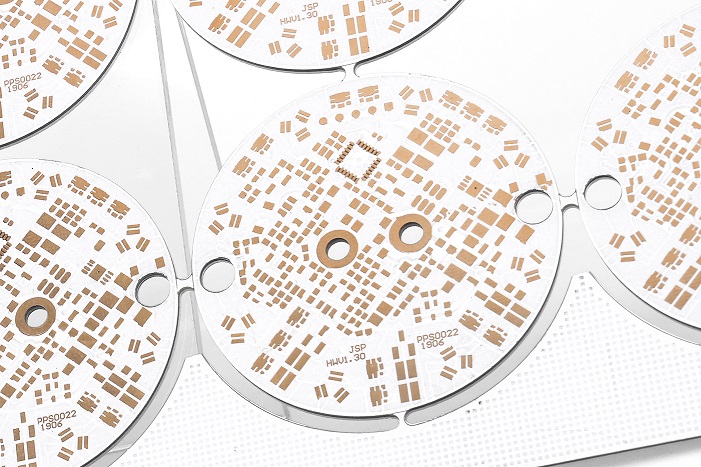
A metal core printed circuit board (MCPCB) is a type of PCB that incorporates a metal core, usually aluminum or copper, as its base material. This core helps to enhance the board’s thermal management capabilities. Unlike traditional PCBs made of fiberglass (FR4), MCPCBs are designed to dissipate heat more effectively, making them ideal for applications where heat dissipation is crucial.

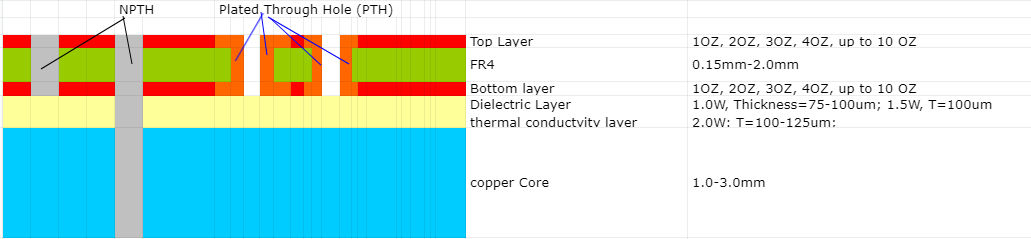
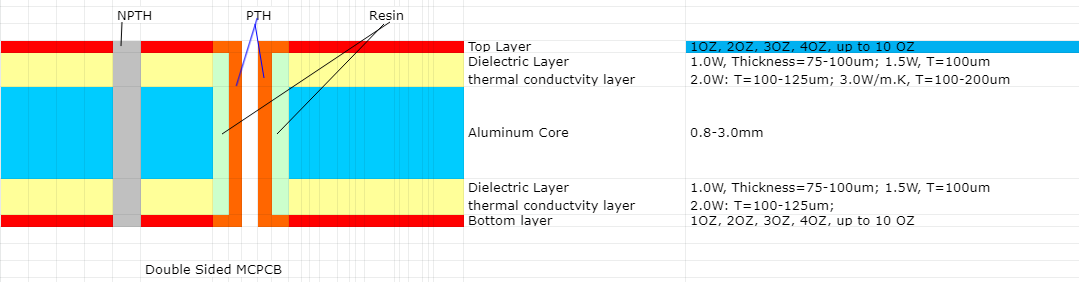
MCPCBs are also referred to as insulated metallic substrate (IMS), or insulated metal PCBs (IMPCB), thermal-clad PCBs. A typical metal core PCB is made of thermal insulating layer (dielectric layer), metal base and copper foil.

The basic constructure of a metal core circuit board includes:

  • Silkscreen
  • Solder mask (S/M)
  • Circuit layer (copper foil layer)
  • Dielectric layer
  • Metal core base

What are Metal Core PCBs Used For?

Metal core PCBs are popular because of its good thermal management. It utilizes in various applications that demand efficient heat dissipation and high thermal performance. Here are some common applications that metal core printed circuit board will be used in.

  • LED lighting

MCPCBs are widely used in LED lighting systems due to their excellent thermal management properties. LEDs generate a significant amount of heat, and metal core PCBs help to dissipate this heat effectively, ensuring longer lifespan and consistent performance of the LEDs.

  • Power supplies

High-power supply units benefit from MCPCBs as they can handle the heat generated by power components. This helps in maintaining the stability and efficiency of the power supply over time.

  • Automotive electronics

In the automotive industry, MCPCBs are used in various electronic control units (ECUs), lighting systems, and other high-power applications. The robust nature of MCPCBs makes them suitable for the harsh conditions experienced in automotive environments.

  • Industrial equipment

Industrial machinery and equipment that operate under high temperatures or require high power output use MCPCBs for their thermal management capabilities. This ensures the reliability and longevity of the equipment.

  • Telecommunications

Telecommunications equipment, such as base stations and routers, use MCPCBs to manage the heat generated by high-speed and high-frequency operations, ensuring uninterrupted performance and reliability.

  • Consumer electronics

High-performance consumer electronics, including laptops, smartphones, and gaming consoles. They install with MCPCBs to manage heat and improve device performance and lifespan.

What are the Advantages of Metal Core PCB?

Metal core PCBs are preferred for several reasons, primarily revolving around their superior heat dissipation capabilities and mechanical strength. Here are some main advantages of metal core PCBs.

  • Superior thermal management
  • Mechanical strength
  • Compact design
  • Enhanced performance
  • Improved reliability
  • Higher recyclability
  • Cost Efficiency
  • Dimension stability
  • Size reduction
  • Longer lifetime

What Metal is Used in PCBs?

The choice of metal in PCBs significantly affects their thermal and mechanical properties. The most commonly used metals in MCPCBs are aluminum and copper. Here’s a closer look at these materials:

Aluminum

          • Thermal Conductivity: Aluminum has a thermal conductivity of approximately 1.0 to 2.0 W/mK, making it an excellent material for heat dissipation.
          • Cost-Effective: Aluminum is relatively inexpensive compared to other metals, making it a cost-effective choice for many applications.
          • Lightweight: Aluminum is lighter than copper, which can be beneficial in applications where weight is a concern.
          • Corrosion Resistance: Aluminum naturally forms a protective oxide layer, enhancing its resistance to corrosion.

          Copper

          • Thermal Conductivity: Copper has a higher thermal conductivity than aluminum, ranging from 3.0 to 5.0 W/mK, providing superior heat dissipation.
          • Electrical Conductivity: Copper is also an excellent conductor of electricity, which can improve the electrical performance of the PCB.
          • Durability: Copper is more durable and resistant to wear and tear compared to aluminum, making it suitable for more demanding applications.
          • Higher Cost: Copper is more expensive than aluminum, which can increase the cost of the PCB but is justified in applications requiring superior performance.

          Other Metals

          In some specialized applications, other metals like stainless steel or alloys might be used, but these are less common due to their specific properties and higher costs.

          What is the difference between FR4 PCB and Aluminum PCB?

          Aluminum PCB is a material based on aluminum base material, coated with an insulating layer and other conductive layers on the aluminum base material. FR4 is a glass fiber reinforced laminate, made of multi-layer fiber cloth and resin composite. In the following, we will introduce the difference between aluminum substrate and FR4 in terms of thermal conductivity, mechanical strength, manufacturing difficulty, application range and thermal expansion coefficient.

          1. Aluminum substrate has good heat dissipation, and its thermal conductivity is about 10 times that of FR4.

          2. The mechanical strength and toughness of the aluminum substrate are better than FR4, which is suitable for installing large components and making large-area pcb boards.

          3. The production of aluminum substrate requires more process steps, and its production process is more complex than FR4, and the production cost is higher than FR4.

          4. The aluminum substrate is suitable for high-power electronic products such as LED lighting, power supplies, inverters and solar inverters, and FR4 is suitable for low-power electronic products such as televisions, telephones and electronic game consoles.

          5. The thermal expansion coefficient of aluminum substrate is close to that of copper foil, which is smaller than that of FR4, which is good for ensuring the quality and reliability of the circuit board.

          How to Design Metal Core PCB?

          Designing a metal core PCB is a complex process that includes several crucial steps. During the design, we should ensure the board meets the thermal, electrical, and mechanical requirements of the application. Below is a detailed guide to the MCPCB design process.

          1. Define the Application Requirements

          Before starting the design process, it’s essential to clearly define the requirements of your application. This includes understanding the thermal, electrical, and mechanical needs of the project. Determine the maximum operating temperature and the amount of heat that needs to be dissipated, ensuring the MCPCB can handle the thermal load effectively. Specify the electrical characteristics such as current load, voltage levels, and signal integrity requirements to ensure the board can deliver the necessary performance.

          2. Select the Core Material

          As mentioned above, there are two common metal materials used in this industry: aluminum alloy and copper core. They have unique characteristics and properties when used in device. So. choosing the appropriate metal core material is crucial for the performance of your electronic device. This table provides a side-by-side comparison of aluminum alloy and copper core materials, helping to choose the appropriate material when designing MCPCBs.

          PropertyAluminumCopper
          Thermal Conductivity1.0 – 2.0 W/mK3.0 – 5.0 W/mK
          Electrical ConductivityLower than CopperHigh
          WeightLightHeavy
          CostLowerHigh
          Mechanical StrengthGoodExcellent
          Corrosion ResistanceNatural Protective Oxide LayerRequires Additional Protection
          Thermal Expansion CoefficientHigherLower
          MachinabilityGoodMore Difficult
          Environmental ImpactRecyclableRecyclable
          Application AreasLED Lighting, Consumer Electronics, High-PerformanceElectronics, Industrial Equipment

          3. Determine the Layer Stack-Up

          The layer stack-up defines the arrangement of the different layers in the PCB. A typical MCPCB stack-up includes:

          • Top Copper Layer: The conductive layer where components are mounted.
          • Dielectric Layer: An insulating layer that separates the copper layer from the metal core. It has good thermal conductivity to transfer heat from the components to the metal core.
          • Metal Core: The central layer made of aluminum or copper, which acts as a heat spreader.
          • Bottom Copper Layer (optional): Used in double-sided MCPCBs for additional routing of traces.

          4. Design the Circuit Layout

          The circuit layout includes placing components and routing traces on the PCB. Key considerations include strategically placing heat-generating components to ensure efficient heat dissipation and keeping sensitive components away from high-heat areas. Trace routing should minimize electrical interference and maintain signal integrity, using wider traces for high-current paths to reduce resistance and heat generation. Implementing thermal vias enhances heat transfer from the top copper layer to the metal core by using plated through holes that connect the copper layer to the metal core, facilitating better heat dissipation.

          5. Design for Manufacturability (DFM)

          Ensuring that your design can be efficiently manufactured is critical. Maintain adequate clearances between traces, pads, and other features to meet MCPCB manufacturing capabilities and avoid short circuits. Use standard drill sizes to reduce manufacturing complexity and cost. Apply a solder mask to prevent solder bridges and protect the copper traces from oxidation. Use clear and legible silkscreen markings for component identification and assembly instructions. You can communicate with your supplier and ask for a capability chart, so that can save much time on design phase.

          6. Prototype and Test

          Once the design is validated, create a prototype of the MCPCB and conduct thorough testing. Measure the actual thermal performance under operational conditions to verify the simulation results. Test the functionality of the PCB in the intended application environment to ensure it meets all performance requirements. Conduct reliability tests such as thermal cycling, vibration testing, and humidity testing to assess the durability of the MCPCB.

          EBest Circuit (Best Technology) – A Leading MCPCB Manufacturer in Asia

          With 18+ years of experience in the PCB industry, EBest Circuit (Best Technology) has a deep understanding of the complexities involved in MCPCB production. Our team of experts is adept at designing and manufacturing MCPCBs that deliver optimal performance. EBest Circuit (Best Technology) offers customized turn-key solutions tailored to the specific needs of our clients. Whether it’s a unique design requirement or a specific material preference, we provide flexible options to meet diverse demands.

          Contact EBest Circuit (Best Technology), get your quote right now to make your own metal core circuit boards!

          How does a DPC Ceramic PCB Manufactured?

          July 6th, 2024

          Direct Plating Copper (DPC) is a ceramic circuit board developed on the basis of ceramic film processing. Aluminum nitride/alumina ceramic is used as the substrate of the circuit, and the composite metal layer on the surface of the substrate is sputtered, and the circuit is formed by electroplating and lithography. Its basic processes are:

          • Incoming Quality Control (IQC)

          The process begins with the inspection of raw materials to ensure they meet strict quality standards. This step involves checking ceramic substrates for physical defects such as cracks, chips, or surface irregularities, and verifying material properties like thermal conductivity and dielectric strength. Advanced equipment such as microscopes and X-ray fluorescence (XRF) analyzers are used for thorough inspection, ensuring only the best materials proceed to the next stage.

          • Laser Drilling

          Before laser drilling, a water-soluble, food-grade substrate pigment is brushed onto the ceramic substrate to reduce reflectivity and enhance laser drilling effectiveness. After drying in an oven, a laser drilling machine is used to drill through the substrate, creating pathways for connections between the upper and lower surfaces. Depending on the ceramic material, different laser wavelengths such as infrared, green light, ultraviolet, or CO2 are used to burn away the material with each laser pulse.

          How does a DPC Ceramic PCB Manufactured?
          • Laser Marking

          Laser marking involves using a laser marking machine to engrave product QR codes onto the ceramic substrate. This step ensures precise and permanent identification marks on the PCB.

          • Ultrasonic Cleaning

          After laser drilling and marking, the substrates are cleaned to remove any attached particles or residues. This involves coarse and fine debris removal using ultrasonic cleaning, followed by water washing to eliminate any remaining particles. The cleaned substrates undergo micro-etching to roughen the surface, enhancing the effectiveness of subsequent magnetron sputtering, and are then dried to remove surface moisture.

          • Magnetron Sputtering

          In the magnetron sputtering process, a high-vacuum chamber is used to ionize argon gas, producing an ion stream that bombards a target cathode. This causes atoms of the target material to be ejected and deposited as a thin film on the ceramic substrate. Pre-sputtering treatments such as dust removal, degreasing, and slow pulling are conducted to ensure optimal results.

          • Chemical Copper Plating

          Chemical copper plating thickens the copper layer, improving the conductivity of the vias and ensuring better adhesion with the sputtered copper layer. This catalytic redox reaction involves pre-treatment steps like degreasing, micro-etching, pre-immersion, activation, and acceleration to ensure proper copper deposition.

          • Full-Panel Electroplating

          Full-panel electroplating increases the thickness of the copper layer. This involves processes such as degreasing, micro-etching, acid washing, copper plating, and stripping excess copper from the fixtures. The copper plating uses copper balls as anodes and an electrolyte solution of CuSO4 and H2SO4, with the primary reaction being Cu2+ + 2e- → Cu.

          • Grinding, Laminating, Exposure, and Developing

          Post electroplating, the copper layer is prepared for patterning. This includes acid washing to remove oxides, grinding to roughen and clean the surface, laminating with a photoresist dry film, UV exposure through a photomask to create the desired pattern, and developing to dissolve unexposed areas, leaving behind the patterned photoresist.

          How does a DPC Ceramic PCB Manufactured?

          • Pattern Plating (Electroplating Copper)

          The exposed and developed areas of the substrate where the circuit pattern is defined undergo further copper electroplating to thicken the circuit traces.

          How does a DPC Ceramic PCB Manufactured?
          • Etching and Stripping

          Unwanted copper and dry film are removed through etching, stripping away excess copper deposited in previous steps. This includes rough grinding, film stripping, copper etching, and titanium etching, ensuring only the desired circuit pattern remains.

          • Annealing

          The ceramic boards are annealed in a furnace to relieve stresses introduced during electroplating, enhancing the ductility and toughness of the copper layer and ensuring dense copper grain packing.

          • Belt Grinding

          Post-annealing, the substrate surface may have an oxide layer and rough texture. Belt grinding is used to remove these oxides and smoothen the surface, ensuring the quality of subsequent gold or silver surface treatments.

          • Flying Probe Testing

          High-speed flying probe testers check for continuity and shorts in the vias and circuit traces, ensuring electrical integrity.

          • Sandblasting Before Solder Mask

          Prior to solder mask application, the substrate undergoes sandblasting to roughen and clean the surface, removing oxides and contaminants. This includes acid washing, sandblasting, and micro-etching.

          • Solder Mask Printing

          Solder mask is printed on areas of the PCB that do not require soldering, protecting the circuits during soldering and assembly. Screen printing applies solder mask ink, which is then UV-cured and developed to remove unexposed areas.

          • Sandblasting After Solder Mask

          After solder mask application, exposed areas that need surface treatments undergo sandblasting to roughen the surface and remove oxides, preparing for gold or silver plating.

          • Surface Treatment

          Surface treatments like electroless or electrolytic plating of gold, silver, or other metals are applied to the solder pads, enhancing solderability and preventing oxidation.

          • Laser Cutting

          Laser cutting equipment precisely cuts the finished PCBs from the manufacturing panel, ensuring accurate dimensions and clean edges.

          • Testing

          Various testing equipment, including thickness gauges, Automated Optical Inspection (AOI) machines, and ultrasonic scanning microscopes, are used to inspect the PCBs’ performance and appearance, ensuring they meet quality standards.

          • Packaging and Shipping

          Finally, the PCBs are vacuum-packed using packaging machines to protect them during transport. They are then stored and shipped to customers, ensuring they arrive in perfect condition.

          Above is the all the processes of DPC muanufacturing. If you are interested in process of other PCBs, welcome to contact us.

          What are the advantages of ceramic PCB?

          July 6th, 2024

          Ceramic PCB is a type of emerging PCB in the recent years, they are known for their high thermal conductivity and low expansion coefficient. Except this, it has numerous advantages that normal FR4 PCB can not achieved. And even for metal core PCB (MCPCB). Today, we are going to introduce their characteristics in detail.

          What are the advantages of ceramic PCB?

          1.  High thermal conductivity

          The core metal content of ceramic circuit boards is as high as 96-98%, which makes them have extremely high thermal conductivity. Compared with ordinary FR4 circuit boards, the thermal conductivity of ceramic circuit boards can reach 170-230 W/mK, while the thermal conductivity of FR4 boards is usually only 0.3-0.4 W/mK. Higher thermal conductivity allows for more efficient heat dissipation, avoiding the problem of damage to electronic components due to overheating. This is particularly important in high-power applications, such as LEDs and power semiconductors.

          2.  Low thermal expansion coefficient

          Ceramic materials have a very low coefficient of thermal expansion (CTE), usually between 6-8 ppm/°C. In contrast, FR4 material has around 14-16 ppm/°C CTE. This means that ceramic materials hardly expand or contract when temperature changes. The low thermal expansion coefficient improves the reliability of the circuit board, reduces the influence of the thermal cycle on the circuit board structure and the connection of electronic components. Especially suitable for use in the environment with frequent temperature changes.

          What are the advantages of ceramic PCB?

          3.  High surface hardness

          The surface hardness of ceramic materials is up to 9 Mohs, which is harder than aluminum oxide and silicon. It means ceramic PCB has more wear-resistant, scratch resistant, and not easy to damage. It enables to run stably for a long time even in harsh physical environments, extending the service life of the board. That is why ceramic PCB is always recommended to use in military.

          4.  High compressive strength

          The compressive strength of the ceramic circuit board can reach 450-500 MPa, which can withstand large mechanical pressure without deformation or rupture. This characteristic makes them excellent in applications that require them to withstand mechanical stress, such as industrial automation and aerospace.

          5.  High dielectric strength

          Ceramic PCB has very high dielectric strength, usually between 15-25 kV/mm. And it can withstand higher electric fields without electrical breakdown.

          6.  Ability to withstand higher temperatures

          Ceramic circuit boards can operate at temperatures up to 1000°C without degradation or damage. While FR4 circuit boards typically operate at an upper limit of 140-170°C. Ceramic circuit boards are suitable for electronic devices in high temperature environments, such as electric vehicles and high-power lasers.

          What are the advantages of ceramic PCB?

          7. High breakdown voltage

          The high breakdown voltage of the ceramic circuit board can reach 20-35 kV, ensuring reliable operation under high voltage conditions. It is well suitable for use in high-voltage power supplies and power electronic equipment, providing higher safety.

          8.  Does not absorb water

          The water absorption of ceramic materials is usually less than 0.1%, while the water absorption of FR4 materials is 0.1-0.2%. The non-water absorbing feature prevents performance degradation and damage caused by water absorption in a humid environment. It is ideal for Marine, medical, and other applications that require moisture resistance.

          9. Low loss at high frequency

          In high-frequency applications, the dielectric loss Angle tangent (Df) of ceramic circuit boards is usually between 0.0001-0.001, while the loss Angle tangent of FR4 materials is 0.02-0.03. Low loss ensures signal integrity and transmission efficiency, which is suitable for communication equipment and high-frequency electronic equipment.

          10.  Resistance to cosmic rays

          Ceramic materials can resist the impact of cosmic rays, will not be degraded or damaged by rays. They are suitable for satellite electronic equipment, ensuring the stability and reliability of the circuit board in a high radiation environment.

          11.  No organic ingredients

          Ceramic circuit boards do not contain organic components, so they have high chemical stability, are not susceptible to chemical corrosion and decomposition. They are good choice to use in harsh chemical environments.

          12.  High-density assembly

          Ceramic circuit boards support high-density assembly with line/pitch resolution of 20 microns. This allows them to be adapted to more complex and refined circuit designs, suitable for microelectronics and high-precision applications.

          EBest Circuit (Best Technology) provides professional one-stop ceramic PCB design and manufacturing service all around the world. We welcome all the friends and partners from domestic and abroad to visit our ceramic circuit board workshop.

          What Are the Different Types of Ceramic PCBs?

          July 6th, 2024

          Ceramic PCBs are a special breed of printed circuit boards known for their exceptional thermal resistance and durability. These PCBs are used in industries where high performance is critical, such as aerospace, automotive, medical devices, and power electronics. Nowadays, the most common types of ceramic PCB are thick film, DCB, DPC, AMB, HTCC, LTCC and thin film. In this article, we will introduce each of them in details.

          What are the different types of ceramic pcbs?

          Thick Film Ceramic PCB

          Thick film technology is a process by using screen printing conductor paste and directly deposit slurry (conductor) on the ceramic substrate. Then sintering it under high temperature to form conductive circuit traces and electrodes, which is suitable for most ceramic substrates.

          After the material is sintered at high temperature, a strong adhesion film will be formed on the ceramic circuit board, repeat this step for many times, a multi-layer circuit is generated.

          You can print resistor or capacitor on the surface to get a interconnected structure. At EBest Circuit (Best Technology), we can make all the resistors with the same value, or different value for different resistor on the same board.

          What are the different types of ceramic pcbs?

          Thick film ceramic PCB has advantages on the simple manufacturing process, but it has some drawbacks that can’t be ignored:

          • Limited by the conductive paste and screen size
          • Line width less than 100um is difficult to achieved
          • Three-dimensional patterns are not available
          • Not suitable for fine-trace project

          DBC / DCB Ceramic PCB

          Direct Bonded Copper (DBC) or Direct Copper Bonded (DCB) ceramic PCBs are known for their excellent thermal conductivity. They are made by bonding a layer of copper directly onto a ceramic substrate, typically aluminum oxide or aluminum nitride. Due to the DBC technology is directly bond copper on the ceramic substrate, it can achieve thicker copper thickness to 300um. So, it is very suitable for high power applications.

          The basic chemistry principle is to introduce an appropriate amount of oxygen between copper and ceramics before or during the application process. Copper and oxygen will form Cu-O eutectic liquid under 1065℃~1083℃. This is an important element in the manufacturing. DBC ceramic circuit board uses this eutectic solution to chemically react with the ceramic substrate to form CuAlO2 or CuAl2O4, achieving the combination between substrate and copper foil.

          What are the different types of ceramic pcbs?

          However, it is easy to generate micro-porosity between Al2O3 and Copper during the copper bonded process, and it doesn’t have a good solution by far. That is why the yield of DBC ceramic PCB is not good than DPC.

          DPC (Direct Plated Copper Ceramic PCB)

          DPC ceramic PCB utilizes direct copper plating technology, deposit copper foil on the alumina oxide (Al2O3) substrate. It is the most commonly used ceramic PCB in recent years. The circuit generated process is: pre-treatment – sputtering – exposure – develop – etch – strip – electroplating.

          AMB (Active Metal Brazed Ceramic PCB)

          AMB ceramic copper clad plate adopts the active brazing process, and the copper layer bonding force is higher than that of DPC, which is around 18n/mm – 21n/mm. AMB ceramic copper clad plate usually has a high binding force, usually makes thicker copper, between 100um and 800um. The AMB ceramic PCB generally rarely design traces or holes, even if there is a trace is very simple, the spacing is relatively wide.

          HTCC (High Temperature Co-fired Ceramic PCB)

          HTCC is a relatively early development technology, but due to the high sintering temperature (1300~1600℃), the choice of electrode materials is limited. Meanwhile, its cost is more expensive, these promotes the development of HTCC is relatively slow.

          What are the different types of ceramic pcbs?

          LTCC (Low Temperature Co-fired Ceramic PCB)

          Although LTCC reduces the co-firing temperature to about 850 ° C, the disadvantage is that the dimensional accuracy and product strength are not easy to control.

          Thin Film Ceramic Circuit Board

          The thin film ceramic PCB is to deposit a metal layer directly on the surface of substrate by sputtering process. Through lithography, development, etching and other processes, the metal layer can also be graphed into a circuit pattern. Due to the low deposition speed of sputtering coating (generally less than 1μm/h), thin film substrate surface metal layer thickness is small and can prepare high pattern accuracy (line width/line space less than 10μm).

          What are the different types of ceramic pcbs?

          Common Ceramic Substrates

          What are the different types of ceramic pcbs?

          EBest Circuit (Best Technology) is a leading ceramic PCB manufacturer in Asia, our core members has over 20 years manufacturing experience in ceramic PCB fabricating. “High mixed, low volume, high quality, fast delivery†is our advantages and we always try our best to do that, make ourselves better and better. If you are interested in it, feel free to contact us, we are always online.

          Leading Ceramic PCB Board Manufacturer – EBest Circuit (Best Technology)

          July 5th, 2024

          With the gradual deepening of electronic technology in various application fields, the highly integrated circuit board has become an inevitable trend. Under this situation, the disadvantage of traditional circuit board FR-4 and CIM-3 in TC (thermal conductivity) has become a drawback to delay the development of electronic technology. Though the metal core PCBs are known for their good thermal management, they hard to meet the fast heat dissipation and miniaturization of the devices at the same time. This is why ceramic PCB stands out.

          What is Ceramic PCB?

          A ceramic PCB is a type of PCB made from ceramic materials, such as alumina (Al2O3), ALN (aluminum nitride), or Beryllium Oxide (BeO). These materials are prepared by using thermal conductive ceramic powder and organic adhesive under the condition of below 250℃. Ceramic powders are not easy to made, especially for aluminum nitride powder, this is one of reasons that why ALN ceramic PCB is more expensive.

          There are some different methods to make ceramic PCBs, commonly in the market are thick film, DBC, DPC and thin film technology. Different types of ceramic circuit boards have its unique characteristics. May you heard about HTCC, LTCC and AMB, they are also the ways to make ceramic PCBs, but there just a few manufacturers can make. Here is a HTCC ceramic PCB that we made.

          HTCC ceramic PCB

          Why Ceramic PCBs are popular used?

          Different from the traditional FR-4 PCB (wave fiber), ceramic PCBs have good high-frequency properties, electrical properties that organic materials can’t achieved. It is a new generation of large-scale integrated circuits and power electronics module ideal packaging materials. The main advantages of ceramic circuit board including:

          • Higher thermal conductivity
          • More matched thermal expansion coefficient (CTE)
          • Lower resistance
          • Good weldability and can be used in high temperature
          • Good insulation
          • Lower high-frequency loss
          • High density assembly available
          • No organic ingredients, resistance to cosmic rays, high reliability in aerospace
          • No oxide layer in copper layer, so it can be used for a long time in a reducing atmosphere

          Who is the Best Ceramic PCB Manufacturer?

          There are so many PCB manufacturers in the domestic and aboard, but reliable ceramic PCB vendors with good quality and reasonable price are very few. If you are looking for an experienced one, then keep the change. We’re the best option! EBest Circuit (Best Technology) offers ceramic PCBs for our customers more than 100k every year, and we are high mixed from thick film ceramic PCB, DPC ceramic PCB, DBC/DCB ceramic PCB to AMB. Your PCBs need to use in automotives? Don’t worry, we gained IATF16949 and ISO13485 certifications, and all the manufacturing processes are strictly followed by ISO9001 quality control system. We welcome all the questions and inquiries from everyone.
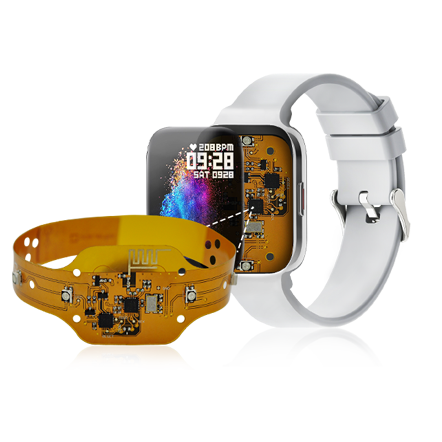
          Here is our ceramic PCB manufacturing capability for your reference.

          Ceramic PCB Manufacturing Capability
          No. ItemGeneral ParameterSpecial Process
          1SubstrateHigh insulation, chemical corrosion resistance, high-temperature resistanceAl2O3Glass, quartz, sapphire, 99% , 92% Al2O3 (black)
          2Excellent thermal conductivity, low thermal expansion coefficient, and high-temperature resistanceAIN
          3Insulation performance and high-temperature stabilityZTA
          4High strength, high hardness, high thermal conductivity, and low dielectric lossSi3N4
          5ConductorTungsten(LTCC/HTCC)ã€Auã€Au&Pdã€Au&Pbã€Agã€Ag&Pdã€Ag&Pb
          6Layer CountDPCSingle – Double sided 
          7DBCSingle – Double sided 
          8AMBSingle – Double sided 
          9Thick filmSingle – Double sided, 4L 
          10LTCCSingle – Double sided, 4L, 6L6L – 14L
          11HTCCSingle – Double sided, 4L, 6L 
          12Copper ThicknessInner layer/ 
          13Outer layerHoz-3oz (DPC), 3oz-12oz(DBC/AMB) 
          14DimensionMax. dimension130*180Larger dimension available (pass evaluation)
          15Min. dimension2*2Shipped in panel
          16Substrate thicknessAl2O3/AIN 0.38. 0.635, 1.0mm, Si3N4 0.25ã€0.32mm>1.5
          17Surface Treatment
          (thickness)
          OSP0.2-0.5um/
          18ENIG1-3u”(Au)120-320u”(Ni)/
          19Immersion silver6-12u”/
          20Immersion tin≥1um/
          21ENEPIGAu 2u”, Pd 1U”, Ni 100u”/
          22Hard gold5-30u”(Au)ã€120-200u”(Ni)/
          23DrillMin. PTH0.05MM/
          24Min. NPTH0.05MM/
          25Max. aspect ratio (PTH PCB)5:1/
          26NTPH tolerance±0.05/
          27PTH tolerance±0.05/
          28Line width/ Line spacingInner layerLine width≥0.1mm; Line space≥0.1mm0.076/0.076mm
          29Outer layer1OZ; Line width≥0.12mm; Line space≥0.12mm0.1/0.1mm
          302OZ;Line width≥0.2mm; Line space≥0.2mm0.15/0.15mm
          313OZ;Line width≥0.25mm; Line space≥0.25mm0.2/0.2mm
          324OZ;Line width≥0.35mm; Line space≥0.35mm0.3/0.3mm
          335OZ;Line width≥0.45mm; Line space≥0.45mm0.4/0.4mm
          346OZ;Line width≥0.55mm; Line space≥0.55mm0.5/0.5mm
          35Thick film; Line width≥0.1mm; Line space≥0.1mm0.076/0.076mm
          36Line width tolerance±20%/
          37Solder Mask (SM) /SilkscreenConductorGlass glaze, medium, solder mask ink/
          38SM colorWhite, black, greenMixed color
          39Silkscreen colorWhite, blackMixed color
          40Silkscreen height, widthLine width≥0.13mm; Height≥0.8mm/
          41SM thickness≥20um/

          High Speed PCB: How to Design It?

          July 3rd, 2024

          In today’s tech-driven world, creating efficient high speed PCB (Printed Circuit Board) is critical for ensuring devices can handle rapid data transfer without issues. These high speed PCBs are popular in the wireless devices which needs high signal transfer. Crafting high-speed circuits requires careful planning and precise execution to maintain signal quality and overall performance. In this blog, we introduced the basics of high-speed PCB design, offering practical tips and insights into the best materials and techniques for high-frequency applications.

          What is a High Speed Circuit PCB?

          High-speed PCB is a circuit board that can support signal transmission. High-speed signals usually refer to signals with frequencies higher than 50MHz, such as high-speed digital signals, high-speed analog signals, etc. These fast transitions can introduce challenges like signal reflections, electromagnetic interference (EMI), and crosstalk, which can disrupt performance if not properly managed.

          Additionally, these signals will be affected by board materials, layout, wiring and other factors during transmission. Therefore, a specially designed circuit board is required to ensure the integrity and reliability of the signal. Here is a 4 layers high speed PCB for Iradar device with 50ohm single-ended impedance control.

          high speed pcb for Iradar

          Features of High-Speed PCB

          • High frequency
          • Low permittivity and low loss factor
          • Multilayer design
          • Strict impedance control
          • High-precision manufacturing
          • Low noise characteristic
          • High density circuit layout (micro-vias)
          • High performance

          What is Considered High-Speed PCB Design?

          High-speed PCB design focuses on managing the complexities that come with high-frequency signals and fast switching. Key considerations include:

          – Signal Integrity: Ensuring signals travel without distortion or loss.

          – Power Management: Distributing power effectively to minimize noise and voltage drops.

          – Heat Handling: Managing heat from high-speed components to prevent overheating.

          – Impedance Matching: Keeping impedance consistent to reduce signal reflections and loss.

          – Differential Pair Routing: Reducing EMI and crosstalk by routing complementary signal pairs together.

          This type of high speed pcb design requires a solid understanding of electromagnetic principles, advanced simulation tools, and precise manufacturing techniques. For those new to high-speed PCB design, EBest Circuit (Best Technology) offers expert guidance and solutions.

          What’s the Best Material for High-Speed PCB Design?

          Choosing the right material for high speed pcb is vital for maintaining signal integrity and achieving optimal performance. The material impacts the board’s dielectric constant (Dk), loss tangent, and overall signal quality. Common materials include:

          – FR4: Widely used but not ideal for very high frequencies due to higher loss tangent.

          – Rogers (RO4000 series): Preferred for high-speed designs thanks to its low dielectric constant and loss tangent.

          – Teflon: Excellent for high-frequency applications but more expensive and harder to process.

          Selecting the appropriate material ensures the PCB can handle high-speed signals without compromising performance.

          Where is the High-Speed PCB Commonly Used in?

          High-speed circuit boards are widely used in signal transmission applications, the typical fields are including:

          1. Communication equipment – such as 5G base stations, optical fiber communication equipment, etc.

          2. Data center – like high-performance computing, storage servers, etc.

          3. Consumer electronics in our daily life – high-end smartphones, tablets, gaming devices, etc.

          4. Aerospace and military – high speed are always used in high-end devices. For example, radar, navigation systems and other equipment with high reliability requirements.

          What is the 3H Rule in High Speed PCB Design?

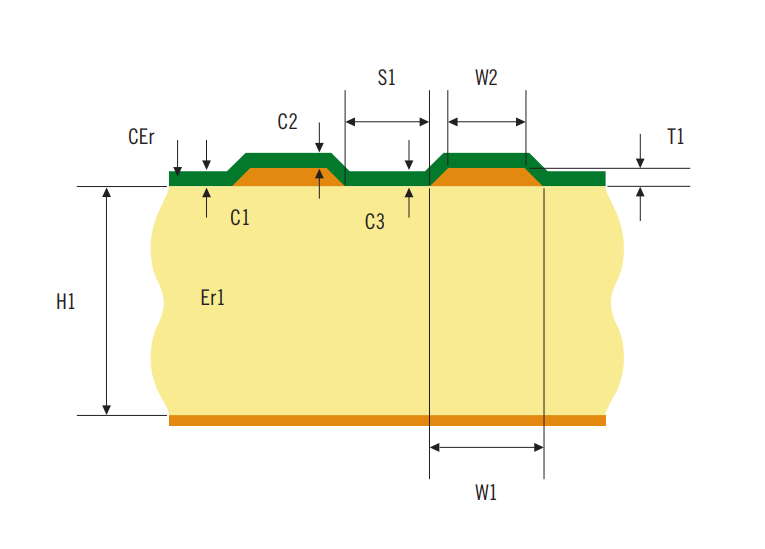
          The 3H rule is a guideline suggesting that signal traces should be spaced at least three times the height of the dielectric (3H) between the signal layer and the adjacent ground or reference layer. This helps minimize crosstalk and maintain signal integrity, particularly for high-speed digital signals with rise times of 1 ns or less. Key aspects include:

          – Trace Spacing: Keeping traces apart by at least 3H reduces electromagnetic coupling and interference.

          – Signal Integrity: Adequate spacing helps maintain clear signals in high-speed circuits.

          – Effectiveness: This rule is especially beneficial for fast digital signals, reducing the risk of crosstalk and interference.

          For instance, if the dielectric height between the signal layer and the reference layer is 0.2 mm, traces should be at least 0.6 mm apart to follow the 3H rule.

          How to Design a High-Speed Board?

          Designing a high-speed PCB involves several strategies to ensure effective signal transmission, power distribution, and minimal EMI. Here’s a step-by-step approach:

          Component Placement and Layer Stack-Up

          Place high-speed components to minimize signal paths and interference. Group related components to simplify routing. In addition, create a layer stack-up that supports controlled impedance and reduces signal loss. Use ground planes between layers for a return path for high-frequency currents.

          Trace Routing and Impedance Control

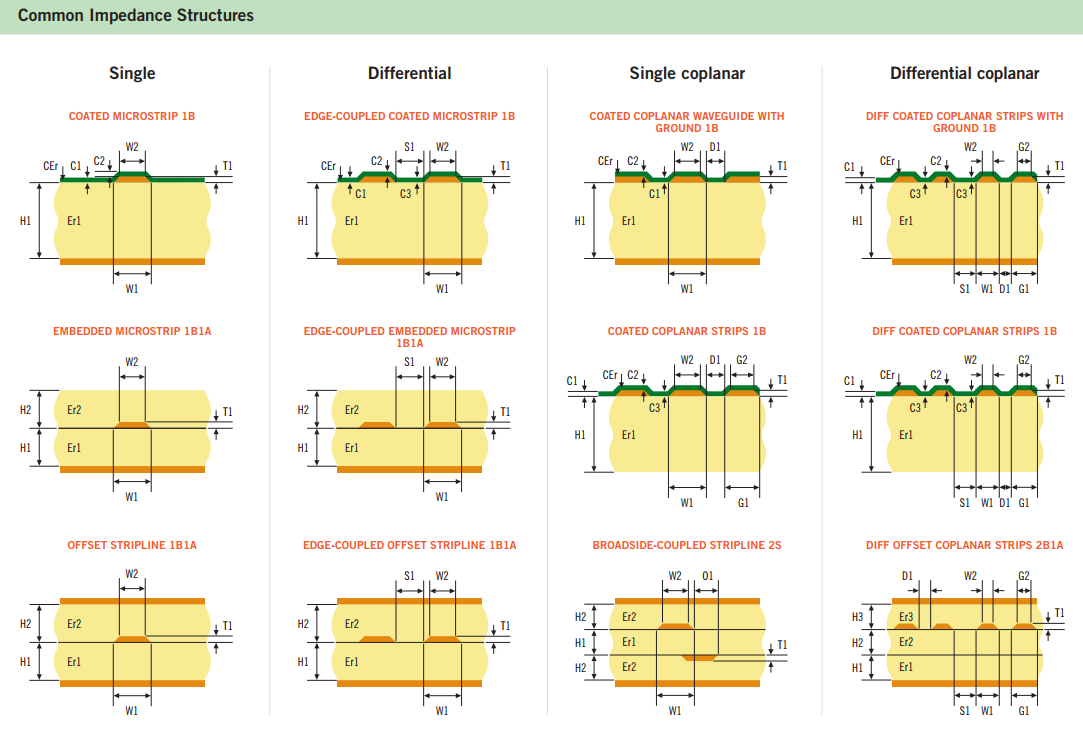
          Keep high-speed traces short and direct, avoiding right-angle bends. Use microstrip or stripline configurations for controlled impedance and minimal noise. For impedance control, calculate and ensure consistent impedance for traces. Use differential pair routing for high-speed signals to reduce EMI and crosstalk.

          High Speed PCB: How to Design It?

          Power Distribution and EMI Mitigation

          Use decoupling capacitors near high-speed components to filter noise and stabilize the power supply. Design a robust power distribution network to minimize impedance and ensure stable voltage. And employ proper grounding and shielding techniques. Route high-speed signals on inner layers between ground planes to reduce EMI and provide a consistent return path.

          Simulation and Testing

          Use signal integrity analysis tools like SI or PI to simulate the PCB layout, predicting signal behavior and identifying potential issues. Analyze aspects like eye diagrams to assess signal quality.

          High-speed PCB design is a complex but rewarding endeavor that ensures your electronics perform efficiently in high-frequency environments. By understanding the fundamentals and applying the right techniques and materials, you can create robust, high-speed boards. EBest Circuit (Best Technology) is here to assist you with expert advice and solutions for your high-speed PCB needs.

          Video Decoder Hardware PCB Design Case Example

          June 25th, 2024

          A video decoder PCB design comprises several critical components that ensure efficient video signal processing. It includes the video decoder IC, memory modules (such as DDR RAM), power management units, and connectors for video input and output. You can see a video decoder pcb design example as following:

          Video decoder

          [1]: Xlinx: XC7K325T, Hisilicon: HI3521DV100_VI

          [2]: Single pair differential line, 10G optical network, memory of DDR4

          [3]: 12 layers PCB

          Why choose us?

          We are a China based fabricator with over 17 years experience, what we provide not only including PCB design service, but also PCB fabricating, PCB duplicating and component sourcing and so on. Choose EBest Circuit (Best Technology) you can enjoy:

          • Professional engineer evaluation
          • DFM analysis
          • One-time successully on prototyping
          • SI analysis of signal integrity
          • Electromagnetic compatibility (EMC) analysis

          Contact us if you have any questions.

          High Speed PCB Design Guidelines, PCB Camera Design Case

          June 25th, 2024

          When designing high-speed PCBs, several critical factors must be considered to ensure optimal performance. These include signal integrity, impedance control, and minimizing electromagnetic interference (EMI). Below is an ultra high speed camera PCB solution made by EBest Circuit (Best Technology):

          An ultra-high-speed camera rigid-flex circuit board

          [1]: XCKU060 chip

          [2]: 20A maximum current

          [3]: Four DDR4 channels

          [4]: 20 layers PCB

          High Speed PCB Design Guidelines, PCB Camera Design Case

          Camera PCB design considerations:

          1. When the Camera adopts a connector: when the MIPI differential signal passes through the connector, the adjacent differential signal pairs must be isolated using GND pins; If it is not convenient to punch holes, the spacing between the difference pairs is at least 15mil.

          2. If there is a reserved test point for the Camera connection seat, it should be close to the connection seat, and the Stub on the cable should be as short as possible.

          3. Decoupling capacitors of AVDD/DOVDD/DVDD power supply need to be placed as close as possible to the Camera connection base.

          4. The Camera layout needs to be far away from high-power radiation devices, such as GSM antennas.

          5. CIF/MIPI and other signals, if there is a board to board connection through the connector, it is recommended that all signals be connected with a certain resistance value (between 2.2ohm and 10ohm, depending on the SI test), and reserve TVS devices.

          EBest Circuit (Best Technology) offers one-stop solutions for our values customers. And we provide free technical support for our customers. If you have similiar requirements, welcome to contact us at any time!