PCB manufacturing PCB manufacturing
Home > Blog

Premium Electronics PCB Manufacturing by EBest Circuit (Best Technology)

October 24th, 2025

Electronics PCB manufacturing is the lifeblood of modern technology. This guide explores its types, quality control, and how to choose a top partner like EBest Circuit (Best Technology) for reliable, high-performance circuit boards.

​What are the typical pain points companies face when sourcing PCBs?

  • ​Unreliable Quality:​​ Boards failing after a short period of use.
  • ​Inconsistent Delivery Times:​​ Unpredictable production schedules.
  • ​Poor Communication:​​ Slow responses and lack of technical support.
  • ​Hidden Costs:​​ Surprising charges that appear after ordering.
  • ​Limited Technical Capability:​​ Manufacturers unable to handle complex designs.

Fortunately, these problems are entirely avoidable. The solutions provided by EBest Circuit (Best Technology) directly address these concerns:

  • ​Rigorous Quality Control:​​ We implement a multi-stage inspection system. Every electronic PCB board manufacturer process is monitored to ensure zero defects.
  • ​Structured Production Planning:​​ Our advanced planning ensures on-time delivery. We keep your projects moving smoothly.
  • ​Dedicated Engineering Support:​​ You get a single point of contact. Our team provides proactive updates and expert advice.
  • ​Transparent Quoting:​​ We provide clear, upfront pricing. There are no surprises, helping you manage your electronics PCB manufacturing cost effectively.
  • ​Advanced Technical Expertise:​​ Our factory is equipped for sophisticated projects. We specialize in complex multilayer PCB manufacturing process.

For over 19 years, EBest Circuit (Best Technology) has been a trusted PCB and flexible circuit solutions provider, turning complex requirements into high quality electronic boards. Our expertise is proven by advanced capabilities in manufacturing high-layer counts up to 32 layers, handling extreme copper weights from 1oz to 20oz, and achieving precise features like 3/3 mil line spacing and 0.1mm micro-vias. For a expert consultation, reach us at sales@bestpcbs.com.

Electronics PCB Manufacturing

​Why Electronics PCB Manufacturing Is Critical for Modern Devices?​​​

At the heart of every modern electronic device lies its printed circuit board (PCB). More than just a platform for components, the PCB is the central nervous system of your product, determining its performance, reliability, and longevity. The choice of your PCB manufacturer is therefore not a simple procurement step; it is a strategic engineering decision.

​From Design to Better Quality Electronic PCBs: ​

A design file is a perfect, theoretical model. Transforming it into a high-functioning physical board is where professional manufacturing makes the critical difference. This process hinges on several key capabilities:

  • ​Signal Integrity & Material Science:​​ High-speed digital and high-frequency RF designs (like those in 5G and IoT devices) demand precise control over electrical signals. Professional manufacturers achieve this through expertise in selecting specialized materials (like Rogers or Isola laminates) and controlling impedance with tolerances as tight as Β±10%. Amateur fabrication can lead to signal loss, crosstalk, and data corruption.
  • ​Power Integrity & Thermal Management:​​ Modern processors and ASICs require stable, clean power. This is ensured through sophisticated multilayer stack-ups with dedicated power and ground planes. Furthermore, effective thermal management via thermal vias and appropriate copper weights (e.g., 2oz for power circuits) prevents overheating, ensuring device stability and a longer lifespan.
  • ​Miniaturization and Reliability (HDI):​​ As devices shrink and become more powerful, High-Density Interconnect (HDI) technology is essential. This involves advanced processes like laser-drilled micro-vias (as small as 0.1mm), stacked vias, and fine-line etching (3/3 mil line/space). These techniques allow for more functionality in a smaller footprint, which is critical for wearables, medical implants, and advanced consumer electronics.

In non-critical applications, a PCB failure might mean an inconvenience. However, in several advanced industries, the stakes are significantly higher:

  • ​Automotive:​​ PCBs must withstand extreme temperatures, constant vibration, and humidity. They are the backbone of safety systems like ABS and airbag control units. Failure is not an option.
  • ​Medical:​​ Devices for diagnostics and patient monitoring require absolute reliability. They often need to be biocompatible and manufactured in certified cleanrooms to ISO 13485 standards.
  • ​Aerospace & Defense:​​ Boards must perform flawlessly under intense stress and in harsh environments, adhering to stringent standards like IPC-A-610 Class 3.

Choosing EBest Circuit (Best Technology) means partnering with experts who translate your complex designs into reliable, high-performance hardware. We bring over 19 years of focused expertise in advanced PCB and flexible circuit manufacturing. Ready to discuss how our manufacturing capabilities can bring robustness and reliability to your next project? Contact our engineering team at sales@bestpcbs.com for a consultation.​​

​What are the Types of Electronics PCB Manufacturing?​​

Selecting the appropriate PCB type is a foundational engineering decision that directly impacts the performance, reliability, and cost of an electronic device. Moving beyond basic definitions, a deeper understanding of the classifications and their manufacturing implications is crucial. Here is a detailed breakdown based on industry standards and advanced fabrication capabilities.

​1. Classification by Layer Count and Structure​

This is the primary way to categorize PCBs, reflecting their complexity.

  • ​Single-Sided PCBs:​​ Featuring a single conductive copper layer on one side of a substrate, these are the most straightforward to manufacture. They are cost-effective and ideal for simple, low-density circuits but offer limited functionality for modern devices.
Electronics PCB Manufacturing
  • ​Double-Sided PCBs:​​ These boards have conductive layers on both the top and bottom surfaces, connected by Plated Through-Holes (PTH). This doubles the available area for components and routing, making them a versatile and common choice for a wide range of applications, from industrial controls to consumer electronics.
Electronics PCB Manufacturing
  • ​Multilayer PCBs:​​ Defined as having three or more conductive layers, these boards are essential for complex, high-speed electronics. Layers are laminated together with insulating prepreg (PP) under high temperature and pressure.
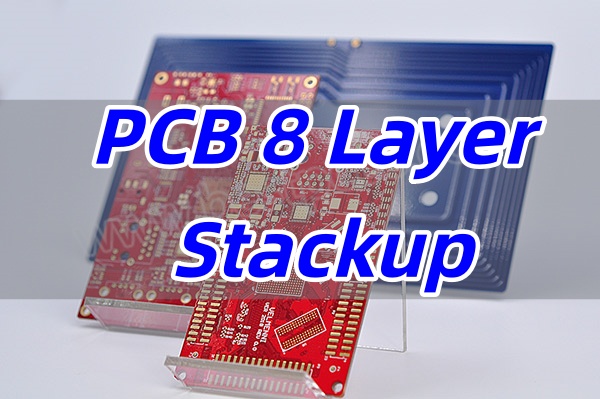
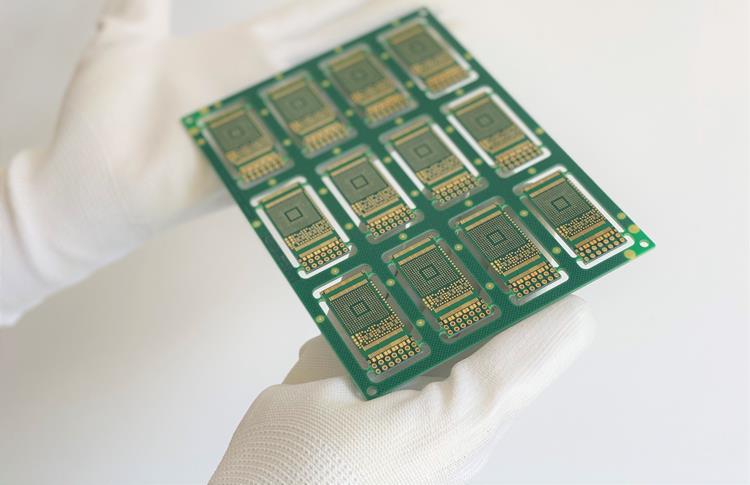
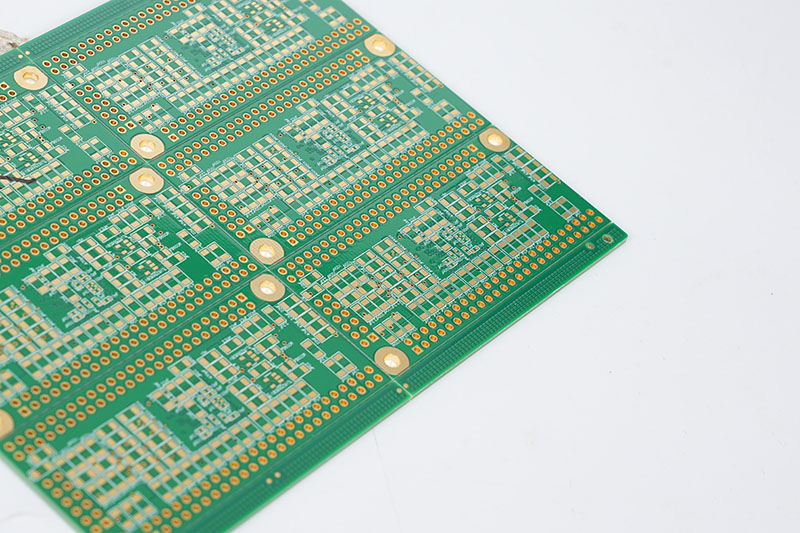
    • ​Capability Spotlight:​​ Modern manufacturing, as detailed in your materials, can produce boards with up to ​32 layers. High-TG (Glass Transition Temperature) materials, such as KB6167 or IT180, are often mandatory for boards exceeding 8 layers to ensure stability during the lamination process and under operational heat. The picture below is an 8-layer board for your reference.
Electronics PCB Manufacturing

​2. Classification by Physical Properties: Rigidity and Flexibility​

The base material defines the physical form of the board, enabling innovative product designs.

  • ​Rigid PCBs:​​ The most common type, built on inflexible substrates like FR-4. They provide excellent mechanical support and are used in the vast majority of electronic equipment where the board does not need to move or bend.
  • ​Flexible PCBs (FPC):​​ Manufactured on flexible plastic substrates like polyimide. Their key advantages include high flexibility, light weight, and excellent resistance to heat and vibration. They are perfect for dynamic applications or tight spaces, such as in cameras, wearable devices, and within automotive assemblies.
  • ​Rigid-Flex PCBs:​​ This advanced hybrid integrates rigid boards for component support with flexible interconnects into a single structure. This combination simplifies the overall assembly, enhances reliability by eliminating the need for connectors between rigid boards, and allows for more compact, three-dimensional packaging.

​3. Classification by Surface Finish​

The surface finish is a critical quality factor, protecting the copper from oxidation and ensuring solderability. Your document lists an extensive portfolio, including:

  • ​HASL (Hot Air Solder Leveling):​​ A common, cost-effective finish for general purposes.
  • ​ENIG (Electroless Nickel Immersion Gold):​​ Provides a flat surface, excellent for fine-pitch components and offering good oxidation resistance.
  • ​Immersion Silver/Tin:​​ Offers good performance for a range of applications.
  • ​ENEPIG (Electroless Nickel Electroless Palladium Immersion Gold):​​ A premium finish with superior wire-bonding capability and resistance to corrosion.
  • ​Gold Finger Plating:​​ Used for edge connectors, requiring a hard, durable gold plating. Combinations like ​HASL + Gold Finger​ or ​ENIG + OSP​ are also standard offerings to meet specific zone-specific requirements on a single board.

​4. Classification by Specialized Material Properties​

For high-performance applications, the base laminate material is specially engineered.

  • ​High-Frequency/High-Speed PCBs:​​ These use specialized laminates (e.g., Rogers, Taconic) with controlled dielectric constants (Dk) and dissipation factors (Df) to maintain signal integrity at high frequencies, which is critical for 5G, radar, and satellite communications.
Electronics PCB Manufacturing
  • ​Metal-Clad PCBs (MCPCB):​​ Designed for superior thermal management. They feature a metal base (typically aluminum or copper) that draws heat away from critical components, making them ideal for high-power LED lighting, power supplies, and automotive systems.
Electronics PCB Manufacturing
  • ​Ceramic PCBs:​​ Offer exceptional thermal conductivity, electrical insulation, and stability in high-temperature environments, used in high-power modules and aerospace applications.
Electronics PCB Manufacturing

​5. Classification by Via Technology​

The method of creating connections between layers is a key differentiator in advanced PCB manufacturing.

  • ​Through-Hole Vias:​​ Standard vias drilled through the entire board.
  • ​Blind Vias:​​ Connect an outer layer to one or more inner layers, but do not go through the entire board.
  • ​Buried Vias:​​ Connect internal layers without reaching the outer surfaces.
  • ​Microvias:​​ These are small vias (typically with a diameter of 0.1mm or less) created by laser drilling. They are a cornerstone of ​HDI (High-Density Interconnect)​​ technology, allowing for much higher wiring density and are essential for compact devices like smartphones.
Electronics PCB Manufacturing

In ​conclusion​, the choice of PCB type is a strategic decision intertwined with your product’s electrical, thermal, and mechanical requirements. Partnering with a manufacturer like ​BEST Technology, which possesses the expertise across this full spectrumβ€”from standard FR-4 to complex HDI and rigid-flex boardsβ€”ensures that your design is built on a foundation of reliability and performance.

​How EBest Circuit (Best Technology) Excels in Electronics PCB Manufacturing for Global Clients?​​

In a competitive global market, excellence is not an accident. It is the result of a systematic commitment to quality, service, and innovation. EBest Circuit (Best Technology) stands out by focusing on what truly matters to our clients.

  • First, our quality control is uncompromising. We employ Statistical Process Control (SPC) at key stages. Our MES (Manufacturing Execution System) provides full traceability. You can trace every board back to its production batch. This is critical for quality assurance and continuous improvement.
  • Second, we provide unparalleled engineering support. Our team doesn’t just build your design; we partner with you to optimize it. We offer Design for Manufacturability (DFM) feedback. This helps prevent potential issues before production begins. It saves you time and reduces the cost of PCB manufacturing.
  • Third, we understand the importance of cost-efficiency. By optimizing our processes and maintaining strong supplier relationships, we offer highly competitive pricing without sacrificing quality. We give you clear insights into your electronics PCB manufacturing cost.
  • Finally, our customer service is proactive and responsive. We assign a dedicated project manager to your account. You will receive regular updates, ensuring you are always informed. This level of service builds trust and long-term partnerships.

​Technical Capability for Electronic PCB Manufacturer​

As a leading specialist in PCB fabrication, EBest Circuit (Best Technology) possesses extensive manufacturing capabilities to meet the demanding requirements of various industries, from consumer electronics to high-reliability automotive and telecommunications applications. Our technical prowess is detailed below, demonstrating our commitment to precision, quality, and innovation.

​1. Materials​
We support a comprehensive range of substrate materials to cater to diverse electrical and thermal performance needs:

  • ​FR-4 Series:​​ Standard TG (130-140Β°C), Mid TG (150Β°C), and High TG (170-180Β°C). We utilize premium brands like KB, Shengyi, and ITEQ, including halogen-free options.
  • ​High CTI Materials:​​ Such as Shengyi S1600L for enhanced comparative tracking index.
  • ​High-Speed/Low-Loss Materials:​​ Capable of processing mid-loss (e.g., IT-968, TU-883), low-loss (e.g., IT-958, TU-872SLK), and ultra-low-loss (e.g., IT-933, TU-993) laminates, including Isola products.
  • ​High-Frequency Materials:​​ Expertise in ceramic-filled (e.g., Rogers 4350B, 4003) and PTFE-based (e.g., Rogers, Taconic, Arlon) materials for RF and microwave applications.

​2. Layer Count​
We manufacture printed circuit boards with a wide range of complexity:

  • ​Standard Capability:​​ 1 to 50 layers.
  • ​Advanced Capability:​​ Up to 100 layers (subject to technical review for boards exceeding 50 layers).

​3. Board Thickness​
We offer flexibility in board thickness with tight control over tolerances:

  • ​Standard Range:​​ 0.4mm to 6.0mm.
  • ​Advanced Range:​​ 0.15mm to 10.0mm.
  • ​Thickness Tolerance:​​ Β±0.1mm for boards ≀1.0mm; Β±10% for boards >1.0mm. Tighter special tolerances are available upon request.

​4. Surface Finish​
A variety of surface finishes are available to ensure solderability and end-use performance:

  • ​Lead-Free Finishes:​​ HASL, ENIG (Immersion Gold), Immersion Tin, Immersion Silver, OSP, Hard/Soft Gold Plating (with/without Nickel), ENIG+OSP, ENEPIG, and Plated Gold Fingers.
  • ​Lead-Based Finishes:​​ Leaded HASL.

​5. Copper Thickness​
Our processes support significant copper weights for power-intensive applications:

  • ​FR-4 PCBs:​​
    • Inner Layers: 0.5 oz to 6 oz (Standard); up to 20 oz (Advanced, subject to review for β‰₯12 oz).
    • Outer Layers: 0.5 oz to 10 oz (Standard); up to 28 oz (Advanced).
  • ​High-Frequency/Speed PCBs:​​
    • Inner Layers: 0.5 oz to 1 oz (Standard); up to 2 oz (Advanced).
    • Outer Layers: 0.5 oz to 2 oz (Standard); up to 3 oz (Advanced).

​6. Board Dimensions​
We accommodate a wide spectrum of board sizes:

  • ​Minimum Finished Size:​​ 10mm x 10mm (Standard); 3mm x 3mm (Advanced).
  • ​Maximum Finished Size:​​
    • ≀2 layers: 580mm x 890mm.
    • β‰₯3 layers: 580mm x 762mm.
    • Advanced: 580mm x 1220mm (with constraints).

​7. Drilling​
Precision drilling capabilities are central to our high-density interconnect (HDI) and standard PCB production:

  • ​Laser Drilling:​​ Minimum hole diameter of 0.10mm (Standard) / 0.070mm (Advanced), with a maximum aspect ratio of 1:1.
  • ​Mechanical Drilling:​​ Finished hole diameter range of 0.15mm to 6.5mm.
  • ​Aspect Ratio:​​ Up to 12:1 for through-holes (Standard) and up to 25:1 (Advanced).
  • ​Back Drilling:​​ Available for stub removal, with diameters from 0.4mm to 6.5mm.
  • ​Tolerances:​​ Hole position accuracy Β±0.076mm (Standard) / Β±0.05mm (Advanced).

​8. Spacing (Clearances)​​
We maintain strict control over electrical clearances for reliability:

  • ​Laser Drilling to Conductor:​​ 0.20mm (Standard) / 0.15mm (Advanced).
  • ​Mechanical Drilling to Conductor:​​ Ranges from 0.18mm to 0.25mm depending on layer count and structure.
  • ​Minimum Solder Mask Dam (Solder Mask Bridge):​​ 0.10mm for 1 oz copper.

​9. Line Width/Space​
Our imaging and etching processes achieve fine features for high-density designs:

  • ​Inner Layer (Standard):​​
    • 1/2 oz Cu: β‰₯3/3 mil (75/75 Β΅m).
    • 1/1 oz Cu: β‰₯4/4.5 mil (100/112.5 Β΅m).
    • 2/2 oz Cu: β‰₯5/7 mil (125/175 Β΅m).
  • ​Outer Layer (Standard):​​
    • 1/1 oz Cu: β‰₯3.5/4 mil (87.5/100 Β΅m).
    • 2/2 oz Cu: β‰₯5/7 mil (125/175 Β΅m).
  • ​Tolerances:​​ Β±1mil for line widths ≀5mil; Β±20% for widths >5mil (Standard).
  • ​Minimum BGA Pad Diameter:​​ 10mil (Standard) / 8mil (Advanced).

​10. Solder Mask & Legend​
We provide high-quality soldermask application and legend printing in various colors:

  • ​Solder Mask Colors:​​ Green, Black, Blue, Red, White, Yellow, Purple, Matte Green, Matte Black, Matte Blue.
  • ​Legend Colors:​​ White, Black.
  • ​Solder Mask Registration:​​ Β±0.076mm (Standard) / Β±0.05mm (Advanced).
  • ​Minimum Solder Mask Web (Bridge):​​ 0.1mm for 1oz copper with standard green LPI.

​11. Via Plugging (Resin/Copper Filling)​​
Capable of filling vias to create a planar surface and prevent solder wicking:

  • ​Finished Hole Diameter:​​ 0.1mm to 0.8mm.
  • ​Maximum Aspect Ratio (Board Thickness/Hole Diameter):​​ 10:1 (Standard) / 25:1 (Advanced).

​12. Outline & Routing​
Precision routing and scoring services ensure accurate board dimensions and clean break-outs:

  • ​Outline Tolerance:​​ Β±0.13mm (Standard) / Β±0.10mm (CNC) or Β±0.05mm (Laser Cutting, for boards ≀1.0mm) (Advanced).
  • ​V-Scoring:​​ Available at 20Β°, 30Β°, 45Β°, and 60Β° angles. Suitable for board thicknesses from 0.5mm to 4.0mm.

​13. Surface Coating Thickness​
We ensure consistent and compliant thickness for all surface finishes:

  • ​ENIG (Immersion Gold):​​ Au: 0.025-0.125Β΅m; Ni: 3-8Β΅m.
  • ​HASL (Lead-Free):​​ 2-40Β΅m.
  • ​Immersion Silver:​​ 0.2-0.4Β΅m.
  • ​OSP:​​ 0.1-0.3Β΅m.
  • ​Plated Gold Finger:​​ 0.1-1.27Β΅m.

​14. Other Key Capabilities​

  • ​Impedance Control:​​ Tight tolerance of Β±10% (β‰₯50Ξ©) (Standard) / Β±6% (Advanced).
  • ​Bow and Twist:​​ ≀0.75% (Standard) / ≀0.5% (Advanced).
  • ​Layer-to-Layer Registration:​​ ≀0.15mm (Standard) / ≀0.13mm (Advanced).

​15. Metal Core PCBs (MCPCB)​​
We specialize in manufacturing Aluminum and Copper-based PCBs for superior thermal management:

  • ​Layer Count:​​ 1 to 6 layers (>6 layers subject to review).
  • ​Board Thickness:​​ 0.5mm to 5.0mm.
  • ​Copper Thickness:​​ 0.5 oz to 3 oz (>3 oz subject to review).
  • ​Thermal Conductivity:​​ Supports materials with conductivity from 0.3 W/mΒ·K to 6.0 W/mΒ·K (Standard), and up to 12 W/mΒ·K (Advanced).
  • ​Metal Base Thickness:​​ 0.5mm to 5.0mm.

This overview underscores EBest Circuit (Best Technology)’s capacity to deliver high-quality, reliable PCBs tailored to your specific design requirements. Our engineering team is available for consultation to ensure your project’s success.

​Multilayer PCB Manufacturing Process – EBest Circuit (Best Technology)​

​Transforming a complex circuit design into a reliable, high-performance multilayer Printed Circuit Board (PCB) is a feat of precision engineering. At EBest Circuit (Best Technology), our process for manufacturing boards from 4 to over 24 layers is built upon rigorous control and advanced capabilities at every stage. The following outline details the critical steps that ensure the integrity of your product’s foundation.

​Phase 1: Inner Layer Fabrication – Creating the Internal Circuitry​

This phase focuses on manufacturing the individual conductive layers that will be laminated inside the board.

  • ​Step 1: Panel Preparation (Board Cut)​​
    • Large sheets of copper-clad laminate (CCL) are precision-cut into smaller, standardized production panels. The primary goal is to maximize material utilization while meeting the design’s dimensional requirements.
  • ​Step 2: Inner Layer Imaging (Pattern Transfer)​​
    • ​Cleaning and Dry Film Lamination:​​ The panel surface is thoroughly cleaned and then coated with a light-sensitive dry film.
    • ​Exposure:​​ Ultraviolet light is projected through a photographic film (phototool) containing the circuit pattern onto the dry film, hardening the exposed areas.
    • ​Development:​​ The unhardened dry film is chemically dissolved, revealing the copper that is not part of the desired circuit.
    • ​Etching and Stripping:​​ The exposed copper is etched away. The remaining hardened dry film is then stripped off, leaving behind the precise copper circuitry.
  • ​Step 3: Automated Optical Inspection (AOI) & Oxide Treatment​
    • Each inner layer is automatically scanned to detect any defects, such as shorts or opens. The layer then undergoes an oxide treatment (browning) to improve adhesion during the lamination process.

​Phase 2: Layer Stack-Up and Lamination – Building the Multilayer Structure​

The individual layers are assembled and bonded into a single, solid board.

  • ​Step 4: Lay-Up​
    • The inner layers, sheets of insulating prepreg (B-stage epoxy resin), and outer layer copper foil are meticulously aligned and stacked in a specific sequence.
  • ​Step 5: Lamination Press​
    • The stack is subjected to high temperature (approximately 200Β°C) and pressure in a hydraulic press. This causes the prepreg resin to melt, flow, and permanently cure, bonding the layers together. A controlled cooling cycle under pressure is critical to prevent warping.

​Phase 3: Drilling and Plating – Establishing Interlayer Connections​

Holes are drilled and metallized to create electrical pathways between the different layers of the board.

  • ​Step 6: Precision Drilling​
    • Using Computer-Numerical Control (CNC) machines, holes for vias and component leads are drilled. We support a wide range of drill bit sizes, from 0.15mm for microvias to 6.5mm for larger tooling holes. For high-density designs, we utilize advanced laser drilling.
  • ​Step 7: Hole Metallization (Desmear & Electroless Copper Deposition)​​
    • This is a critical chemical process. It begins with ​desmear​ to remove epoxy residue from the drilled hole walls. The panel then undergoes a series of baths that deposit a thin, conductive layer of copper (typically 1-3Β΅m) onto the entire panel surface, including the hole walls, making them electrically conductive.

​Phase 4: Outer Layer Formation – Completing the Circuit​

The outer layers are patterned and plated to finalize the board’s circuitry.

  • ​Step 8: Panel Electrolytic Plating​
    • The panel is plated with copper to increase the thickness of the conductive layer on the surface and within the holes, ensuring robust electrical connections.
  • ​Step 9: Outer Layer Imaging & Pattern Plating​
    • A dry film is applied, exposed (often using high-precision Laser Direct Imaging – LDI), and developed to define the outer layer circuit pattern.
    • The panel is plated again with copper to build up the traces and pads, followed by a layer of tin, which acts as an etch resist.
  • ​Step 10: Etching (Strip-Etch-Strip)​​
    • The dry film is stripped away. The underlying copper is then etched, but the tin-plated circuits are protected. Finally, the tin is stripped, revealing the final, precise outer layer circuits.

​Phase 5: Solder Mask and Surface Finish – Application and Protection​

The board is prepared for component assembly.

  • ​Step 11: Solder Mask Application​
    • A liquid photoimageable solder mask ink (typically green, but other colors are available) is applied to the panel. It is then exposed and developed to open windows over the solderable pads, protecting the copper circuitry from oxidation and preventing solder bridges.
  • ​Step 12: Surface Finish Application​
    • A final coating is applied to the exposed copper pads to ensure reliable solderability. We offer a wide range of finishes, including HASL (Lead-free), ENIG (Electroless Nickel Immersion Gold), Immersion Silver, Immersion Tin, and ENEPIG (Electroless Nickel Electroless Palladium Immersion Gold).
  • ​Step 13: Legend Printing (Silkscreen)​​
    • Component designators, logos, and other markings are printed onto the board surface using epoxy ink, typically in white.

​Phase 6: Final Fabrication, Testing, and Inspection​

The individual boards are separated and subjected to final quality assurance.

  • ​Step 14: Profiling (Routing)​​
    • The individual PCBs are routed out of the production panel using CNC milling machines, V-scoring, or laser cutting.
  • ​Step 15: Electrical Testing​
    • Every board undergoes 100% electrical testing. ​Flying Probe testers​ are used for prototypes and small batches, while custom ​test fixtures​ are employed for high-volume production to verify electrical continuity and isolation.
  • ​Step 16: Final Quality Control (FQC) & Packaging​
    • A comprehensive visual and dimensional inspection is performed. Approved boards are then cleaned, vacuum-sealed, and packaged to prevent moisture absorption and damage during shipping.

By meticulously controlling each of these stages, EBest Circuit (Best Technology) ensures that every multilayer PCB delivers the performance, reliability, and durability required for advanced electronic applications.

​How to Ensure Quality When Proceeding Electronic Circuit Board Manufacturing?​​

Quality is not just a final inspection; it is built into every step. At EBest Circuit (Best Technology), our quality assurance system is multi-layered.

  1. ​Automated Optical Inspection (AOI):​​ This machine scans the boards after solder paste printing and component placement. It catches any missing or misaligned parts instantly.
  2. ​In-Circuit Test (ICT):​​ This is a powerful test that checks the electrical performance of the board. It verifies that every component is the correct value and is properly connected.
  3. ​Flying Probe Test:​​ For smaller batches, flying probe testers provide a flexible and efficient electrical test solution.
  4. ​X-Ray Inspection:​​ This is vital for inspecting hidden connections. It is especially important for Ball Grid Array (BGA) components and the internal layers of multilayer boards.
  5. ​Final Functional Test:​​ The assembled board is powered up and tested in a simulated real-world environment. This ensures it performs exactly as intended.

This comprehensive approach minimizes the risk of defects reaching our customers. It is a core reason why we are considered a top rated electronics PCB manufacturing partner.

​How to Choose a Top Rated Electronics PCB Manufacturing Partner in China?​​

Selecting the right manufacturer is one of your most critical decisions. Here is a workable guide to help you make an informed choice.

  • ​Check Industry Certifications:​​ Always choose a factory with relevant certifications. Look for ISO 9001 for quality management, IATF 16949 for automotive, ISO 13485 for medical devices, and AS9100D for aerospace. EBest Circuit (Best Technology) holds all these certifications.
  • ​Evaluate Technical Capability:​​ Review their equipment list and experience with your type of project. Can they handle your specific technology, like HDI or heavy copper?
  • ​Assess Their Communication:​​ responsiveness and clarity during the quoting stage are strong indicators of future service. A good partner will ask detailed questions about your project.
  • ​Request References and Samples:​​ A confident manufacturer will provide samples of their work. They can connect you with existing clients for testimonials.
  • ​Analyze Their Quality Processes:​​ Ask about their quality control procedures. Understand their approach to testing and inspection. A transparent manufacturer will be happy to explain their systems.

By following these steps, you can find a partner who will be an extension of your own team. This ensures a smooth and successful electronics PCB assembly process from start to finish.

​Case of Electronic PCB Manufacturing at EBest Circuit (Best Technology)​

​Client:​​ A leading European industrial automation company.
​Challenge:​​ Develop a critical sub-assembly for a new, high-power motor drive controller. The solution required two specialized PCBs: a high-thermal-performance substrate for the power stage and an ultra-reliable control board, both exceeding the capabilities of their previous supplier.

​Application Scenario 1: The Power Module Substrate​

This component is the heart of the motor controller, directly managing high power loads. Its primary function is to serve as a platform for mounting and interconnecting high-power semiconductor dies (e.g., IGBTs, SiC MOSFETs). The key challenges are efficient heat dissipation to prevent overheating and providing robust electrical paths for high currents.

​Technical Specifications of the Aluminum Nitride (AlN) Substrate:​​

  • ​Base Material:​​ Aluminum Nitride, 0.50mm thickness. Selected for its superior thermal conductivity, crucial for moving heat away from power-sensitive components.
  • ​Panel Layout:​​ 109.2 x 54.5mm.
  • ​Front-side Circuit Copper Thickness:​​ 65 Β±15 Β΅m.
  • ​Back-side Total Copper Thickness:​​ 200 Β±50 Β΅m. This heavy copper build ensures high current-carrying capacity and acts as an effective thermal spreader.
  • ​Front-side Structure:​​ A dam with a 500Β΅m solder resist thickness and a 200Β΅m copper step, creating a precise cavity for semiconductor die attachment and wire bonding.
  • ​Solder Mask:​​ Green on the back side.
  • ​Surface Finish:​​ Electroless Nickel Electroless Palladium Immersion Gold (ENEPIG) with Ni>3Β΅m, Pd>0.05Β΅m, Au>0.05Β΅m. This provides an ideal, reliable surface for wire bonding.
  • ​Panelization:​​ 1 Sheet = 10×5 array (50 pieces), shipped as a scored panel for depanelization.
  • ​Flatness:​​ Bow and twist < 0.8mm to guarantee proper assembly and heat sink interface.

​Application Scenario 2: The Control Logic Board​

This board hosts the system’s control circuitry, communication interfaces, and sensors. It requires extreme mechanical robustness and long-term reliability to withstand the constant vibration and harsh environmental conditions of an industrial factory floor.

​Technical Specifications of the 2-Layer FR4 Control Board:​​

  • ​Construction:​​ 2-Layer FR4.
  • ​Board Thickness:​​ 3.175mm Β±10%, providing essential structural rigidity.
  • ​TG Rating:​​ TG130.
  • ​Base Copper Weight:​​ 1 oz.
  • ​Surface Finish:​​ Lead-Free Hot Air Solder Leveling (HASL-LF).
  • ​Finish:​​ No solder mask, no silkscreen.
  • ​Plated Through-Hole (PTH) Quality:​​ Copper thickness requirement of 1.5 mil, with a minimum acceptance of 1 mil, ensuring connection durability under stress.
  • ​Quality Standard:​​ Fabrication and inspection adhered to ​IPC-6012, Type 3, Class 2​ standards for high-reliability electronics.
  • ​Conformance:​​ Finished line width/space tolerance controlled within +/-10%.
  • ​Comprehensive Reporting:​​ All shipments included a Certificate of Conformance (COC), Cross-Section Report, Electrical Test Report, Solderability Test Report, and Copper Thickness Report.
  • ​Electrical Testing:​​ 100% continuity testing performed with a flying probe test voltage of 250V.
  • ​Additional Requirements:​​ Allowance for adding balancing copper features (minimum 0.050 inch) and strict deburring to remove sharp edges.

​Our engineering team conducted a thorough Design for Manufacturability (DFM) analysis for both boards. For the AlN substrate, we optimized the thermal and electrical performance through precise control over the copper distribution and surface finish. For the FR4 control board, we focused on mechanical robustness and adherence to the stringent IPC Class 2 standards.

The result was a perfect batch of both board types, delivered ahead of schedule. The client successfully integrated them into their motor controllers, reporting a significant increase in product reliability and service life. This success established EBest Circuit (Best Technology) as their trusted partner for all high-end PCB manufacturing needs.

​To sum up, electronics PCB manufacturing is a sophisticated discipline that underpins technological progress. Choosing the right partner ensures your products are reliable, competitive, and successful.

This article has outlined the key considerations. We explored the types of PCBs, quality measures, and selection criteria. EBest Circuit (Best Technology) combines advanced technical capabilities with a firm commitment to customer success. Pls feel free to contact our team at sales@bestpcbs.com for a prompt and professional response.

How to Mount PCB Accelerometer?

October 24th, 2025

How to mount PCB accelerometer? Let’s discover benefits, applications, mount methods, common types, selection guide, cost for PCB accelerometer.

Are you troubled with these problems?

  • Does accelerometer performance drift delay projects? Long rework cycles risk customer loss.
  • How to balance low cost and high precision in accelerometer selection?
  • Integration complexity slows production efficiency and yield, when will this improve?

As a PCB accelerometer supplier, EBest Circuit (Best Technology) can provide you service and solution:

  • Integrated PCBA Design: 0.2mm precision placement + system-level packaging for one-time design success, boosting mass production yield by 20%.
  • Smart Parameter Customization: Adjust range, frequency response, and temperature drift per scenario, 15% cost reduction with Β±1% accuracy.
  • 7-Day Rapid Delivery: 72-hour prototyping + 48-hour production ramp-up for faster delivery than client follow-ups.

Welcome to contact us if you have any request for PCB accelerometers: sales@bestpcbs.com.

Why Mount PCB Accelerometer?

Advantages of PCB Accelerometer:

  • Measurement Precision & Reliability Double Guarantee: Employing high-rigidity mechanical design and precision sensing technology (e.g., ICPΒ piezoelectric sensors) ensures high data repeatability and minimal error, meeting stringent industrial testing requirements. Over 55% of aerospace testing systems adopt it as the preferred solution for critical parameter capture.
  • Real-Time Guardian for Equipment Health Management: Permanent installation enables continuous vibration monitoring, instantly triggering fault alerts or emergency responses to significantly reduce unplanned downtime. For example, in bridge structural monitoring, it precisely assesses material fatigue states, providing scientific maintenance decisions and extending equipment life.
  • Efficient Solution for Integrated Installation: Supports magnetic, adhesive, and stud mounting methods, adapting to metal/non-metal surfaces with compact sensor size. Wireless transmission reduces wiring complexity, enhancing field deployment efficiency, ideal for space-constrained precision equipment.
  • Universal Sensor for Full-Scenario Coverage: From automotive crash testing (55% industry demand) to industrial predictive maintenance, its wide dynamic range and high-temperature resistance (e.g., high-temperature adhesive solutions) meet multi-industry harsh environment needs, serving as a cross-domain universal solution.
  • Cost-Optimized Long-Term Economic Choice: With the piezoelectric accelerometer market expanding (CAGR 3.5%), technology maturity drives down procurement and maintenance costs. By reducing downtime losses and extending equipment life, clients achieve significant ROI improvements, forming a long-term economic benefit loop.
Why Mount PCB Accelerometer?

When Do You Need to Mount PCB Accelerometers?

Applications of PCB Accelerometer:

  • High-Frequency Vibration Measurement: For measuring vibrations above 2-3 kHz, rigid mounting methods like stud mounting are mandatory to ensure accurate high-frequency signal transmission. Soft mounting (e.g., adhesive bonding) causes signal attenuation in high-frequency ranges.
  • Permanent Monitoring Requirements: In long-term applications like Structural Health Monitoring (SHM), stud mounting is recommended to create a durable sensor-structure connection, preventing data distortion from loosening.
  • Space & High-Reliability Applications: In aerospace/high-reliability sectors, accelerometers must be mounted on PCB areas with maximum deformation (per ECSS standards) to accurately measure vibration-induced acceleration and ensure product reliability.
  • Harsh Environmental Conditions: Avoid wax-based adhesives in extreme temperatures/high-acceleration environments, use epoxy resins or stud mounting to prevent sensor detachment.
  • Ultra-High Precision Needs: For extreme accuracy, mounting surfaces must be ultra-flat/smooth, with holes perpendicular to the surface. Surface irregularities or improper thread depth induce base strain, causing measurement errors.
  • Rapid Installation/Removal: For multi-channel testing or system debugging, use specialized clips (e.g., Easy-mount Clips) or magnetic bases for quick sensor changes while balancing efficiency and accuracy.
  • Temporary Testing/Surface Constraints: When surfaces can’t accommodate threaded holes (e.g., thin-walled structures), adhesive bonding or through-screwing provides a practical alternative installation method.

How to Mount PCB Accelerometer?

1. Stud Mounting Method (High-Frequency Vibration Priority)

    • Operation Standard: Drill matching screw holes on the test structure and secure the accelerometer using M3-M6 stainless steel studs. Installation torque must strictly follow manufacturer specifications (e.g., PCB 352B01 model recommends 1.7NΒ·m Β±10%), controlled by a torque wrench.
    • Data Support: Apply a 0.05mm-thick silicone grease layer (e.g., Dow Corning 111) between coupling surfaces to enhance frequency response above 2kHz by 30%, elevating resonant frequency from 4kHz to 8kHz (referencing U.S. PCB Company test data).
    • Case: Volkswagen Germany employs this method for engine vibration monitoring, successfully capturing vibration signals within 20kHz with an error rate below 2%.

    2. Adhesive Mounting Method (Temporary/Insulation Scenarios)

      • Selection Criteria: For low-frequency tests (<1kHz), use cyanoacrylate (e.g., 502 adhesive); for high-temperature environments (-200Β°C~260Β°C), adopt high-temperature epoxy (e.g., 3M Scotch-Weld 2216); for permanent room-temperature installation, recommend dual-component epoxy.
      • Points: Maintain adhesive layer thickness at 0.02-0.05mm, utilizing positioning fixtures for 24-hour curing. Seiko Epson Japan tests show a 0.03mm layer preserves 1.2kHz resonant frequency, a 40% improvement over a 0.1mm layer.
      • Risk Control: Avoid adhesive contamination of mounting threads. U.S. PCB Company statistics indicate glue residue can cause high-frequency calibration errors up to 15dB.

      3. Magnetic Mounting Method (Rapid Testing Solutions)

        • Application Scenarios: Low-frequency measurements (<500Hz) on ferromagnetic surfaces, such as GE Renewable Energy wind turbine blade monitoring.
        • Operation Norms: Use NdFeB magnetic bases (suction force >50N) with installation surfaces sandblasted to Ra0.8ΞΌm. B&K Canada tests reveal magnetic mounting reduces resonant frequency from 8kHz (stud mounting) to 2kHz.
        • Safety Notes: Prohibited for >200g impact environments to prevent sensor damage from magnetic base slippage.

        4. Specialized Scenario Solutions

          • Triaxial Sensor Calibration: For X-axis measurements, employ inverted mounting by applying epoxy (e.g., Araldite 2012) at sensor corners to avoid center-cap vibrations. U.S. PCB 3713E1110G calibration data shows this reduces X-axis frequency response error from Β±5% to Β±1%.
          • PCB Design Optimization: No metal vias within 2mm of LGA-package sensors. ADI U.S. tests indicate violation increases 1kHz noise by 3dB.
          • Cable Management: Use silicone-sheathed cables (e.g., Belden 8723) with fixation spacing ≀100mm to prevent vibration coupling errors.

          5. Quality Verification & Debugging

            • Installation Validation: Utilize laser vibrometer comparison to verify mounting resonant frequency within 50-5000Hz, ensuring deviation <3% from factory calibration.
            • Environmental Compensation: Recalibrate zero offset for every 10Β°C temperature change. National Instruments U.S. recommends automatic temperature compensation algorithms for -40Β°C~125Β°C environments.
            • Removal Protocol: Soak in specialized solvent (e.g., 3M Novec 7100) for 30 minutes before removal to avoid mechanical damage β‰₯0.2mm from forceful extraction.
            How to Mount PCB Accelerometer?

            Common PCB Accelerometer Types

            Piezoelectric Accelerometer

            • Advantages: High sensitivity, wide frequency response, self-powering capability, robust temperature stability, low power consumption, excellent linearity.
            • Applications: Aerospace vibration monitoring, weapon impact testing, industrial predictive maintenance, seismic detection, camera stabilization, automotive collision detection, structural health monitoring.

            Capacitive Accelerometer

            • Advantages: High precision, low power consumption, wide dynamic range, strong noise immunity, low temperature drift, simple structure, minimal drift.
            • Applications: Consumer electronics (screen rotation/game controls), automotive ride comfort testing, aerospace equipment monitoring, medical motion detection, industrial level calibration, construction machinery attitude control.

            Piezoresistive Accelerometer

            • Advantages: High sensitivity, wide dynamic range, high-level output, low output impedance, overload protection, broad temperature tolerance, compact solid-state design.
            • Applications: High-g shock scenarios (aerospace/weapon research), automotive crash testing, low-frequency vibration analysis, medical cardiac monitoring, equipment fault diagnosis, structural dynamic testing.

            MEMS Accelerometer

            • Advantages: Miniaturization, low power, high integration, wide bandwidth, low noise, vibration/shock resistance, rapid startup, portability compatibility.
            • Applications: Smartphones (step counting/screen rotation), wearable activity tracking, game controller motion sensing, drone navigation, automotive airbag deployment, industrial predictive maintenance, aerospace IMUs.

            Thermal Sensing Accelerometer

            • Advantages: EMI resistance, low-frequency response, stable performance, low power, suitability for extreme environments (high temperature/explosion-proof).
            • Applications: Low-frequency vibration monitoring (bridges/buildings), special environment tilt measurement, vehicle stability assessment (rollover detection), high-temperature industrial monitoring.

            ICP/IEPE Accelerometer

            • Advantages: Integrated amplifier, low-impedance output, strong noise immunity, high accuracy, wide temperature adaptability, user-friendly design, mainstream device compatibility.
            • Applications: Industrial equipment vibration monitoring (motors/production lines), structural health monitoring (bridges/buildings), shock testing validation, petrochemical pipeline analysis, railway vibration assessment, environmental vibration tracking.
            Common PCB Accelerometer Types

              How to Choose the Right PCB Accelerometers?

              1. Define Measurement Requirements and Environment

                • Parameter Identification: Precisely define the physical quantities to be measured (e.g., low-level vibration, high-g shock, constant acceleration). Quantify the expected amplitude range (from Β±5g for subtle motions to Β±50,000g for extreme impacts) and the frequency spectrum of interest (DC for slow movements up to 50 kHz for very high-frequency phenomena).
                • Environmental Conditioning: Document all operational environmental factors, including temperature extremes (standard: -18Β°C to +65Β°C; industrial: -55Β°C to +125Β°C), relative humidity levels, and the presence of corrosive chemicals, fuels, or intense electromagnetic fields.
                • Spatial Constraints: Accurately measure the available mounting area and clearance. PCB accelerometers are available in various weights and sizes, from miniature 3g models for compact spaces to larger, more robust 100g+ units.

                2. Select Core Performance Parameters

                  • Sensitivity Matching: Align sensitivity with signal strength. Low-level vibration applications require high sensitivity (>100 mV/g), while high-shock environments need lower sensitivity (<5 mV/g) to prevent signal clipping and ensure resolution across the full range.
                  • Frequency Response Verification: The sensor’s resonant frequency should be 3 to 5 times higher than the highest frequency component you need to measure. This prevents signal distortion and ensures accuracy by staying within the linear range of the accelerometer.
                  • Noise Floor Evaluation: Match the noise performance to your required resolution. Ultraprecision measurements demand micro-g (ΞΌg) resolution, whereas general industrial applications can use milli-g (mg) level sensors effectively.
                  • Transverse Sensitivity Specification: Select models with a low transverse sensitivity ratio, ideally less than 3%, to minimize measurement error from vibrations occurring perpendicular to the primary sensing axis.

                  3. Determine Electrical Characteristics and Output Type

                  • Output Signal Interface: Choose the appropriate output type. Voltage output is the simplest; 4-20 mA current loop is ideal for long-distance transmission with inherent noise immunity; and digital outputs (with IEPE being the most common integrated electronics type) simplify integration with data acquisition systems.
                  • Power Supply Requirements: Confirm the necessary excitation voltage. IEPE sensors typically require a constant current DC power supply (18-30 VDC) coupled with signal conditioning, whereas charge output types need an external charge amplifier.
                  • Output Impedance Considerations: Ensure electrical compatibility with your data acquisition system. Voltage output accelerometers must be connected to a high-impedance input (>1 MΞ©) to avoid signal loading and degradation.

                    4. Evaluate Physical Construction and Mounting

                      • Housing Material Selection: Choose the material based on the environment: stainless steel for corrosive settings, titanium for the best strength-to-weight ratio in demanding applications, and aluminum for standard laboratory or industrial use.
                      • Mounting Methodology: Select a method that ensures a rigid mechanical connection. Stud mounting offers the highest fidelity, adhesive mounting provides convenience, and magnetic mounting is suitable for temporary diagnostic measurements.
                      • Connector Type: Use hermetic or military-specification connectors for harsh environments, coaxial connectors for laboratory benches, and ruggedized industrial connectors for production line testing.
                      • Integral Cable Choice: Specify low-noise cable for capturing very weak signals, fully shielded cable for areas with high electromagnetic interference (EMI), and flexible, durable cable for applications involving continuous movement.

                      5. Assess Environmental Ruggedness and Reliability

                        • Integrated Temperature Compensation: For applications with wide operating temperature swings, select units with built-in temperature compensation to maintain accuracy across the entire range.
                        • Environmental Sealing: Verify the Ingress Protection (IP) rating. IP67 is sufficient for most industrial environments, while IP68 is required for washdown, outdoor, or submerged applications.
                        • Base Strain Sensitivity: Optimize for models with low base strain sensitivity (e.g., <0.005 g/ΞΌΙ›) to prevent false readings caused by strain on the mounting surface from distorting the sensor body.
                        • Electromagnetic Compatibility: Check for specifications regarding Radio Frequency Interference (RFI) and Electromagnetic Interference (EMI) rejection, which is critical when operating near motors, drives, or wireless equipment.

                        6. Match the Sensor to the Application Scenario

                          • Condition Monitoring: Prioritize long-term stability, low temperature drift, and a predicted operational lifespan exceeding 5 years for predictive maintenance systems.
                          • Shock and Impact Measurement: Select models with a high g-range (Β±500g to Β±50,000g) and a very wide bandwidth to accurately capture short-duration, high-amplitude events without ringing.
                          • Laboratory Precision Testing: Focus on specifications like high resolution, very low noise floor, and triaxial synchronisation. Units supplied with individual calibration certificates are essential.
                          • Mobile/High-Reliability Applications: For automotive, aerospace, or defense uses, choose accelerometers rated for high shock survival, intense vibration, and extended temperature ranges, often to military standards.

                          7. Consider Economic Factors and Vendor Support

                            • Cost-to-Performance Balance: Avoid over-specifying. Systematically select the most cost-effective model that fully meets all technical and operational requirements.
                            • Calibration Services: Inquire about the calibration cycle (1 or 2 years is standard), associated costs, and the traceability of the calibration standards used.
                            • Technical and Application Support: Prefer vendors that provide comprehensive technical documentation, detailed application notes, and responsive expert support.
                            • Lead Time and Availability: Factor in project timelines by selecting models that are in stock or have short manufacturing lead times to prevent delays.

                            8. Execute a Practical Validation Process

                              • Prototype Testing: Never skip testing the shortlisted sensor models under real-world or simulated operating conditions to validate performance.
                              • Comparative Analysis: Create a decision matrix to objectively compare at least 2-3 candidate models based on their measured performance against your key criteria.
                              • Long-Term Stability Check: Conduct a continuous monitoring test for a minimum of 72 hours to identify any significant parameter drift or instability over time.
                              • Full System Integration Test: Verify that the accelerometer works seamlessly with the entire data acquisition chain, including cables, signal conditioners, and software.

                              How Much Does a PCB Accelerometer Cost?

                              The cost of PCB accelerometers varies greatly, depending on the specifications (range, accuracy, bandwidth, noise, output type) and the level of integration (bare chip, simple PCB module, module with conditioning circuitry). Roughly speaking: Basic MEMS chip (customer-installed PCB integration required): $1–$20+ (high-volume options can be as low as <$1, high-precision/specialized models >$20). Simple PCB module (chip soldered to a small board with basic connectors): $10–$50+.Standard IEPE/PCB module with signal conditioning: $30–$150+ (common for mainstream industrial applications, with mid-range performance). High-performance/low-noise/specialized environment PCB module: $100–$500+.

                              How Much Does a PCB Accelerometer Cost?

                              ​Why Choose EBest Circuit (Best Technology) as PCB Accelerometer Supplier?

                              Reasons why choose us as PCB accelerometer supplier:

                              • Quality Reliability, Precise Data: We employ high-precision laser cutting and micro-etching processes to ensure PCB trace tolerances ≀0.02mm. Combined with AOI automatic optical inspection and manual secondary verification, our dual-layer quality control achieves a first-pass yield of 98.6%. This guarantees zero drift and distortion in accelerometer signal acquisition, directly protecting your measurement accuracy.
                              • Stable Lead Times, Rapid Response: Powered by ERP intelligent production scheduling and a localized supply chain network, standard orders are delivered within 7-10 days. For urgent needs, we activate dedicated production lines within 48 hours, achieving over 95% on-time delivery accuracy. This mitigates project delays and ensures your production continuity.
                              • Transparent Pricing, Cost Control: Our tiered pricing model offers 5%-15% volume-based discounts. With Vendor-Managed Inventory (VMI) support, you gain real-time visibility into material costs, eliminating hidden fees. Long-term partners enjoy annual rebate policies, making budgeting predictable and cost-effective.
                              • Design Compatibility, Flexible Adaptation: Our PCBAs support multi-dimensional design compatibility with standard footprint libraries and custom pad design services. We accommodate 0201-0805 package devices and high-frequency substrates like Rogers and FR4, meeting diverse circuit design needs across applications.
                              • Mature Processes, High Yield Rates: With 12 years of PCB production expertise, we master core technologies including microvia blind/buried vias, HDI high-density interconnects, and impedance control. Statistical Process Control (SPC) ensures stable yields above 96%, reducing rework costs and accelerating your time-to-market.
                              • Environmental Compliance, Regulatory Safety: All products meet RoHS and REACH standards, utilizing lead-free soldering and water-soluble solder masks. This ensures compliance with EU and North American environmental regulations, avoiding import barriers or legal risks tied to non-conformance.
                              • Proactive Technical Support: We provide complimentary DFM (Design for Manufacturing) analysis during prototyping. This identifies design flaws, such as trace width/spacing violations or pad dimension errors early, preventing mass production risks and shortening your product launch timeline by over 30%.

                              Welcome to contact us if you have any inquiry for PCB Accelerometer: sales@bestpcbs.com.

                              Why Global Clients Choose PCB Assembly China from EBest Circuit (Best Technology)?

                              October 24th, 2025

                              PCB Assembly China is the top choice for global electronics brands. This guide explains why China dominates the market and how EBest Circuit (Best Technology) delivers quality, speed, and cost efficiency for your projects.

                              Do you face these challenges in your electronics production?

                              • High costs eating into your profit margins.
                              • Long lead times delaying product launches.
                              • Inconsistent quality causing rework and returns.
                              • Poor communication with overseas suppliers.
                              • Limited technical support for complex designs.

                              These pain points are challenging. But they can be solved by reliable China PCB assembly service suppliers​.

                              • Competitive pricing without sacrificing quality.
                              • Reliable lead times with on-time delivery.
                              • Strict quality control for consistent output.
                              • English-speaking teams for smooth communication.
                              • Expert engineering feedback to optimize your design.

                              At EBest Circuit (Best Technology), we specialize in high-end PCB assembly for global clients. Our advanced facility, certified processes, and customer-first approach make us a trusted partner. Contact us at sales@bestpcbs.com to start your project.

                              PCB Assembly China

                              Why Choose PCB Assembly China for Your Electronic Projects?

                              In the global electronics landscape, choosing where to manufacture your printed circuit board assemblies (PCBA) is a critical decision. While many options exist, China has consistently remained the dominant hub. Why choose PCB assembly China for your electronic projects? The reasons extend far beyond low cost, encompassing a powerful trifecta of ​advanced technology, unparalleled supply chain efficiency, and proven manufacturing excellence.​​

                              Here’s a breakdown of the key advantages:

                              1. ​Unmatched Cost-Efficiency Without Compromise​
                                It’s no secret that competitive pricing is a major draw. However, the real advantage lies in theΒ structureΒ of the cost savings. China’s deeply rooted electronics ecosystem means:
                                • ​Localized Supply Chain:​​ Key components, raw materials like FR4 substrates, and machinery are often produced domestically. This drastically reduces logistics and import costs that other regions face.
                                • ​Economies of Scale:​​ High-volume production capabilities allow manufacturers to optimize operational costs, passing the savings on to you. This makes China ideal for both ​low-volume PCB assembly​ runs and mass production.
                              2. ​Advanced Technical Capabilities and Expertise​
                                China’s PCB industry has evolved from basic assembly to handling highly complex projects. Leading manufacturers like EBest Circuit (Best Technology) invest heavily in state-of-the-art equipment and skilled engineers. We specialize in:
                                • ​High-Density Interconnect (HDI) boards​ and complex ​BGA PCB assembly.
                                • Advanced techniques for ​flexible PCB assembly​ and ​aluminum PCB assembly​ for LEDs.
                                • Sophisticated processes like surface mount technology (SMT) and through-hole assembly, supported by automated optical inspection (AOI) and X-Ray testing.
                              3. ​Robust and Resilient Supply Chain​
                                Speed to market is crucial. China’s integrated supply chain is a significant accelerator. From ​PCB fabrication and assembly​ to component sourcing and box-build, a true ​one-stop PCB assembly service​ under one roof minimizes delays. This ​turnkey​ approach simplifies your logistics, reduces management overhead, and ensures better control over the entire production timeline.
                              4. ​High Quality Standards and Stringent Certifications​
                                The outdated notion of variable quality is just thatβ€”outdated. Reputable ​PCB assembly companies in China​ adhere to international quality standards. At EBest Circuit (Best Technology), our operations are certified under ISO 9001, IATF 16949 (for automotive), ISO 13485 (for medical devices), and AS9100D (for aerospace). This rigorous framework guarantees that every board, from a ​PCB prototype assembly​ to a full production run, meets the highest levels of reliability and performance.
                              5. ​Proven Experience as a Global EMS Partner​
                                China has been the world’s workshop for decades. This means its top manufacturers have vast experience serving diverse international clients. This experience translates into:
                                • Better understanding of global market requirements (CE, UL, RoHS compliance).
                                • Skilled project management teams accustomed to bridging time zones and cultural differences.
                                • Established logistics networks for reliable worldwide shipping.

                              EBest Circuit (Best Technology) differentiates ourselves through exceptional engineering support, transparent communication, and a commitment to building long-term partnerships. We transform the inherent strengths of ​PCB Assembly China​ into a tailored, low-risk, and high-value solution for your specific electronic projects. Pls feel free to contact our team today at sales@bestpcbs.com for a transparent ​PCB assembly China online quote.​​

                              Turnkey PCB Assembly China – EBest Circuit (Best Technology)

                              A turnkey solution simplifies everything. EBest Circuit (Best Technology) provides a full-service experience. We manage the entire process for you. This includes PCB fabrication, component sourcing, assembly, and testing. You get a finished product ready for use.

                              Our turnkey PCB assembly China service covers:

                              • ​Design Review:​​ Our engineers check your files for manufacturability. They suggest improvements to boost reliability and cut cost.
                              • ​Material Procurement:​​ We source components from trusted suppliers worldwide. Our buying power gets you the best prices.
                              • ​PCB Fabrication:​​ We make the boards in-house. This controls quality and speeds up the process.
                              • ​Assembly (SMT & Through-Hole):​​ We use automated lines for precise placement and soldering.
                              • ​Testing and Inspection:​​ Every board undergoes strict checks. We use AOI, X-Ray, and functional testing.

                              This approach saves you time and reduces risk. You have one point of contact. You get full traceability. Projects move faster and with fewer errors. For ​PCB prototype China​ projects, the same care applies. We build prototypes with production-level quality. This ensures a smooth transition to volume orders.

                              What Makes EBest Circuit (Best Technology) Stand Out Among Top 10 PCB Manufacturers in China?

                              The list of top 10 PCB manufacturers in China includes many big names. EBest Circuit (Best Technology) earns its place through technical excellence and customer service. We invest in the latest equipment. We maintain strict quality certifications. Our team solves complex manufacturing challenges daily.

                              Here’s what sets us apart:

                              1. ​Advanced Engineering Support:​​ We help optimize designs for cost and performance.
                              2. ​High-Level Automation:​​ Our SMT lines ensure accuracy and repeatability.
                              3. ​Wide Material Experience:​​ We work with FR-4, aluminum, flex, and high-frequency boards.
                              4. ​Rigorous Quality Systems:​​ We follow ISO 9001, IATF 16949, ISO 13485, and AS9100D standards.

                              We serve many industries. These include medical, automotive, and aerospace. Each sector has unique requirements. Our team understands these needs. We deliver PCBs that meet strict reliability standards.

                              Technical Capability for PCB Assembly Manufacturer China

                              EBest Circuit (Best Technology) handles a broad range of projects. Our capabilities include:

                              • ​High-Density Interconnect (HDI) PCBs​
                              • ​BGA and Fine-Pitch Component Assembly​
                              • ​Flexible and Rigid-Flex PCB Assembly​
                              • ​Lead-Free and RoHS-Compliant Processes​
                              • ​Box Build and Electro-Mechanical Assembly​

                              We work with prototypes and high-volume orders. Our equipment includes high-speed SMT lines, automated optical inspection (AOI), and X-Ray systems. These tools ensure every board is built correctly.

                              For specialized needs like ​China LED PCB assembly​ or ​China medical PCB assembly, we have specific experience. We understand the thermal management needs of LED boards. We follow strict traceability for medical devices. ​For our clients, this means one less thing to worry about in a complex development cycle.​

                              High-Quality Standards in PCB Manufacturing and Assembly China

                              Quality is non-negotiable in electronics. EBest Circuit (Best Technology) has built a robust quality system. It covers every step from incoming materials to final shipment.

                              Our quality process includes:

                              • ​Incoming Component Verification:​​ We check all parts for authenticity and condition.
                              • ​In-Process Checks:​​ Operators and machines inspect boards at each stage.
                              • ​Final Functional Test:​​ We validate that the assembled PCB works as intended.

                              We use advanced equipment like SPI (Solder Paste Inspection) and ICT (In-Circuit Test). This data-driven approach minimizes defects. It ensures that every product we ship meets your specifications.

                              What Certifications Should a Reliable China PCB Board Assembly Factory Have?

                              Certifications prove a factory’s commitment to quality. When choosing a partner, look for these key certifications:

                              1. ​ISO 9001:​​ Quality Management System standard.
                              2. ​IATF 16949:​​ Required for automotive manufacturing.
                              3. ​ISO 13485:​​ Essential for medical device production.
                              4. ​AS9100D:​​ The benchmark for aerospace quality.

                              EBest Circuit (Best Technology) holds all these certifications. They are not just certificates on the wall. They are part of our daily culture. Our team follows documented procedures. We undergo regular audits to maintain compliance.

                              How to Select Reliable PCB Assembly Companies in China?

                              Choosing the right partner is critical. Here is a simple checklist to guide your selection:

                              1. ​Technical Match:​​ Can they build your specific type of board? Ask about similar projects.
                              2. ​Quality Certifications:​​ Do they have relevant, up-to-date certifications?
                              3. ​Communication Skills:​​ Is their team responsive and easy to understand?
                              4. ​Transparent Pricing:​​ Do they provide clear, detailed quotes?
                              5. ​Supply Chain Stability:​​ Do they have strong supplier relationships to avoid part shortages?

                              EBest Circuit (Best Technology) meets all these criteria. We encourage clients to audit our facility. We provide detailed quotes and design feedback. Our project managers speak fluent English. We make overseas collaboration simple and effective.

                              Case of China EMS PCB Assembly at EBest Circuit (Best Technology)

                              We serve a diverse client base. Here are two simplified examples:

                              ​Consumer Device Example:​​
                              A client needed a compact, high-density board for a smart home device. We used micro-vias and fine-pitch BGAs. Our design team suggested changes to improve solderability. The result was a high-yield, reliable product launched on time.

                              ​Industrial Control Example:​​
                              Another customer required a robust board for a factory controller. It needed wide temperature tolerance and high-voltage isolation. We selected appropriate materials and a conformal coating. The boards have performed perfectly in the field.

                              ​Our General Capabilities Snapshot:​​

                              • SMT Placement: 01005 components to large BGAs.
                              • Through-Hole: Selective soldering for complex boards.
                              • Testing: In-circuit, functional, and boundary scan.
                              • Lead Time: As fast as 5 days for quick-turn PCBA.

                              In conclusion​, PCB Assembly China offers a powerful value proposition for global businesses. This article has outlined the key benefits and selection criteria. EBest Circuit (Best Technology) combines cost efficiency with high quality. We make the process simple and reliable. Our team is ready to support your next project. For a quick ​PCB assembly China online quote, please contact us at sales@bestpcbs.com.

                              FAQs

                              1. Which materials and boards require baking before assembly?​​
                              To prevent moisture-related defects, the following items must be baked prior to assembly:

                              • All Flexible Printed Circuit (FPC) boards.
                              • Moisture-sensitive Integrated Circuits (ICs).
                              • LED components.

                              ​2. What are the standard baking time and temperature parameters?​​
                              Our standard baking profiles are as follows:

                              • ​Conventional ICs:​​ 120Β°C for 12 hours.
                              • ​LEDs and Tape-and-Reel Components:​​ 60Β°C for 12 hours.
                              • ​FPCs and FR-4 Fiberglass Boards:​​ 120Β°C for 1.5 hours.

                              ​3. What solder paste brands and alloys do you commonly use?​​
                              We use high-quality solder pastes to ensure reliable connections:

                              • ​For International Clients:​​ Senju (Japan) – Alloy: Sn96.5%/Ag3.0%/Cu0.5% (SAC305).
                              • ​For Domestic Clients:​​ Yifenghua (China) – Alloy: Sn99.0%/Ag0.3%/Cu0.7% (SAC0307).

                              ​4. What are the handling rules for solder paste?​​
                              Proper solder paste management is critical for print quality:

                              • ​Warm-up Time:​​ 4 hours at room temperature before use.
                              • ​Mixing Time:​​ 3 minutes in a mixer to achieve a homogeneous consistency.
                              • ​Refrigeration Temperature:​​ Stored at 2-10Β°C.

                              How to Perform Circuit Board Failure Analysis?

                              October 23rd, 2025

                              Why do circuit board failure analysis? Let’s discover its benefits, common types, analysis process, troubleshooting and diagnosing techniques and case studies.

                              Are you worried about these issues?

                              • High-Frequency Signal Loss & Distortion?
                              • Multilayer PCB Alignment Issues & Short-Circuit Risks?
                              • Solder Joint Overheating & Skyrocketing Repair Rates?

                              EBest Circuit (Best Technology) can provide you service and solutions:

                              • Full-Link Signal Simulation – Cut Loss by 30%, Keep Signals Stable!
                              • Laser Dynamic Compensation Tech – Layer Alignment Β±2ΞΌm, Boost Yield!
                              • Thermal-Electric Coupling Optimization – Extend Solder Life by 50%, Halve Repair Costs!

                              Welcome to contact us if you have any request for circuit board failure analysis: sales@bestpcbs.com.

                              Why Do Circuit Board Failure Analysis?

                              Reasons why do circuit board failure analysis:

                              • Identify the root cause and prevent recurrence: Using microscopic inspections (such as scanning electron microscopy and X-ray energy spectrum analysis) and electrical testing, we can accurately identify whether the fault point is a design defect, material degradation, or process error. For example, a car company recalled a batch of circuit boards due to poor soldering. After analysis, they improved soldering parameters and reduced the recurrence rate by 90%.
                              • Improve product reliability and lifespan: Statistical analysis shows that the mean time between failures (MTBF) of industrial control boards that undergo failure analysis increases by approximately 30%. Accelerated life testing under environmental stresses such as high temperature and vibration can reveal potential failure modes in advance.
                              • Reduce production costs and maintenance expenses: Early failure analysis can reduce after-sales repair costs. According to industry reports, in the consumer electronics sector, optimizing layouts by analyzing short circuits can reduce single-board repair costs by 45%, while also reducing spare parts inventory pressure.
                              • Assist design iteration and technological innovation: Analyzing signal integrity issues in high-frequency circuits can provide data support for next-generation PCB routing rules. For example, by analyzing impedance mismatch cases in 5G base station circuit boards, the bit error rate has been optimized to below 10^-12.
                              • Meeting Industry Compliance and Safety Standards: Sectors such as aerospace and medical devices require compliance with standards such as ISO-26262 and IEC-60601. Failure analysis reports are key evidence for certification, minimizing market access risks caused by compliance issues.
                                • Shortening Product Development Cycles: Analyzing faults during the prototype testing phase can reduce design iterations. One drone manufacturer reduced its R&D cycle by 20% by analyzing power module overheating issues.
                                • Strengthening Supply Chain Quality Control: Performing destructive physical analysis (DPA) on supplier components allows for traceability of material batches. For example, a chip package cracking case prompted a buyer to establish a supplier fault archive, resulting in a 60% reduction in incoming material defect rates.
                                Why Do Circuit Board Failure Analysis?

                                Common Circuit Board Failures Types

                                • Soldering Defects: Account for 1/3 of total failures. Common issues include cold solder, dry solder, solder joint fractures, and solder bridges. For instance, thermal stress on solder in high-temperature environments can cause joint cracking, while flux residue may trigger short circuits. Mitigation requires automated soldering equipment and stringent process control to minimize defects.
                                • Component Damage: Represents 1/3 of total failures, primarily involving aluminum electrolytic capacitor degradation (1ΞΌF–330ΞΌF most prone to failure), resistor/optoisolator/ceramic capacitor damage, and high-voltage/high-current components like switching power supply rectifiers and VFD IGBT modules. Diagnose using multimeters, capacitance meters, or VI curve testers to identify parameter anomalies.
                                • Circuit Faults: Comprise 1/3 of total failures, encompassing open/short circuits, copper trace fractures, and corrosion. Humid environments causing insulation damage account for 42% of short-circuit faults, while mechanical vibration may induce PCB cracking/bending. Fault localization combines visual inspection with electrical testing.
                                • Design Flaws: Include improper layout causing thermal issues (e.g., chip overheating), power supply design defects leading to voltage instability, incorrect component selection (e.g., resistor tolerance mismatches), and signal crosstalk due to insufficient spacing. For example, a communication board experienced short-circuiting from incomplete etch traces, resolved via thermal design optimization and signal integrity analysis.
                                • Environmental Factors: High temperature (>85Β°C accelerates component aging), high humidity (>70% causes condensation/short-circuits), corrosive dust (salt-laden particles degrade metal contacts), and ESD events dominate failure causes. Example: Southern China’s rainy season equipment failures due to humidity-induced shorts require dehumidifiers and dust covers.
                                • Material Issues: Substandard PCB materials cause delamination/voids, improper copper foil weight induces heating, flux residue causes leakage, and chemical leaks (e.g., capacitor electrolyte corrosion). Rigorous raw material quality control and manufacturing parameter adherence are critical.
                                • Software/Firmware Issues: Account for 1/3 of failures, including program loss, parameter errors, and software conflicts. PLC input signal anomalies often stem from loose sensor connections or EMI, resolved via program backups and robust EMI shielding design.

                                How to Perform Circuit Board Failure Analysis?

                                1. In-depth Failure Background Investigation and Standardized Data Acquisition

                                • Establish diagnostic framework per IEEE 1445 standards, documenting failure phenomena (e.g., equipment non-startup, signal interruption), environmental parameters (temperature/humidity, voltage fluctuations), failure stages (design debugging/early failure), and historical data. IPC-9111 mandates cross-functional team collaboration (engineering, quality, operations) for deviation analysis and solution validation.
                                • Case Example: Communication board short-circuit due to incomplete etching resolved by identifying moisture control failure during production, leading to etching process optimization.

                                2. System Electrical Performance and Structural Testing

                                • Conduct system electrical tests using oscilloscopes, network analyzers, and multimeters. X-ray inspection (ASTM E1417-compliant) detects internal solder joint defects (e.g., BGA voids), while thermal imaging identifies abnormal hotspots (e.g., power transistor overheating). Electrical parameter tests cover static (resistance/capacitance) and dynamic (signal waveforms/noise) dimensions, with functional tests verifying signal stability (e.g., DisplayPort compliance).
                                • Case Example: Audio board intermittent sound resolved by identifying abnormal solder joint resistance through electrical testing, followed by re-soldering.

                                3. Combined Non-Destructive and Destructive Analysis

                                • Non-destructive methods: C-SAM ultrasonic microscopy for interlayer defect detection, SEM/EDS for material composition analysis (e.g., dendrite morphology), FTIR for flux residue verification.
                                • Destructive methods: Microsectioning (IPC-TM-650 2.1.1) for internal structure observation, dye-and-pull (red ink) testing for BGA crack detection, solderability testing (J-STD-002) for coating quality assessment.
                                • Case Example: Control board corrosion from capacitor leakage resolved via SEM/EDS identification of P/Ni-containing contaminants, leading to capacitor replacement and conformal coating optimization.

                                4. Root Cause Verification and Simulation Experiments

                                • Develop fault tree models and replicate failure modes through accelerated aging (IEC 60068-2-14), salt spray corrosion (ASTM B117), and thermal simulation. Validate design flaws (e.g., impedance mismatch) or material issues (e.g., PCB delamination).
                                • Case Example: Industrial board chip overheating resolved via thermal simulation optimizing heat dissipation channels, reducing chip temperature by 20%.

                                5. Repair and Reliability Enhancement Solutions

                                • Soldering repair employs temperature-controlled soldering irons (320Β°C-380Β°C, ≀3 seconds heating) for rework or conductive silver paste filling. Component replacement adheres to IPC-A-610 standards, ensuring polarity (e.g., electrolyytic capacitors) and parameter matching.
                                • Preventive measures: Hollow-core layer technology for signal integrity, MCP packaging for space savings and moisture resistance, solid-state circuit boards for vibration/EMI resistance.
                                • Case Example: Motor drive board non-startup due to circuit break resolved by jumper wiring and reinforced insulation, followed by 24-hour full-load aging test.

                                6. International Standards

                                • Adhere to IPC-9111, J-STD-001, and other international standards for standardized processes. For international clients, emphasize design reviews (DFM/DFA), process validation (solder paste printing optimization), and quality traceability (batch management).
                                • Case Example: Cross-border team rapidly identified capacitor failure root cause through shared IPC/GJB standard comparison databases, optimizing supplier selection.

                                7. Preventive Maintenance

                                • Implement regular cleaning (IPA + non-woven cloth), solder joint oxidation checks, and surge protection for power stability. Develop failure case libraries (root cause trees, solution repositories) with AI-assisted platforms reducing diagnostic cycles by 30%.
                                How to Perform Circuit Board Failure Analysis?

                                  How to Choose Circuit Board Failure Analysis Tools?

                                  1. Define Detection Requirements and Scenario Matching

                                  • Fault Type Localization: Select specialized tools based on common failure types (e.g., open/short circuits, component failure, soldering defects). Examples:
                                  • Basic Maintenance: Use digital multimeters (e.g., Fluke 87V, accuracy 0.05%+3) for voltage/current/resistance measurements; oscilloscopes (e.g., Rigol DS1054Z, 50MHz upgradable to 100MHz) to capture signal waveforms; bridge testers for capacitance/inductance analysis.
                                  • High-Speed Signal Analysis: Vector network analyzers (VNA, e.g., Keysight E5063A) for S-parameter measurement and impedance matching evaluation; Time-Domain Reflectometers (TDR) to locate transmission line breaks or impedance discontinuities.
                                  • Manufacturing Defect Detection: Automated Optical Inspection (AOI, e.g., Omron VT-S730) with high-resolution cameras for solder joint defects; flying probe testers supporting 0.1mm pitch test points without dedicated fixtures; X-ray inspection systems to analyze BGA solder ball voids or inner-layer trace defects.

                                  2. Technical Parameters and Performance Adaptation

                                  • Accuracy and Resolution: Laboratory-grade scenarios require >0.1% accuracy (e.g., power quality analyzers), while general maintenance accepts 1%-3% accuracy. Digital instruments must consider resolution (e.g., 6.5-digit) and range coverage (e.g., >1000V for high-voltage applications).
                                  • Frequency and Bandwidth: High-frequency circuits (e.g., USB 3.0/PCIe) demand oscilloscopes with β‰₯100MHz bandwidth; signal integrity analysis requires VNAs supporting GHz-range frequencies.
                                  • Anti-Interference and Environmental Adaptability: Industrial environments require CAT III/IV safety certifications (IEC 61010) and IP54/IP67 protection for humid/dusty conditions; battery life focuses on durable lithium-ion solutions.

                                  3. Tool Types and Functional Extensibility

                                  Hardware Tools:

                                  • Specialized Detection Devices: Logic analyzers (e.g., Saleae Logic Pro 16) for multi-channel digital signal analysis; thermal imagers (e.g., FLIR T540, thermal sensitivity ≀0.03Β°C) for heat distribution visualization; BGA rework stations for precision soldering/desoldering.
                                  • Maintenance Auxiliary Tools: Hot air guns/constant-temperature soldering stations for SMD component handling; short-circuit trackers for rapid fault localization; signal generators to simulate input signals.

                                  Software Tools:

                                  • PCB Design Software: Altium Designer (supports 3D real-time display and multi-layer board design), KiCad (open-source, ideal for beginners), EAGLE (compatible with Mac/Linux, rich community resources).
                                  • Simulation and Analysis Software: Integration with SPICE environments (e.g., Multisim) for circuit performance validation; data management tools supporting Gerber file generation and BOM integration.

                                  4. Cost Efficiency and Brand Selection

                                  • Budget Allocation: Initial procurement costs must balance performance needs. Premium brands (Fluke, Keysight, Tektronix) suit professional scenarios; mid-tier brands (UNI-T, Brymen) offer cost-effectiveness; open-source tools (KiCad, EAGLE Free) fit budget-constrained projects.
                                  • Maintenance and Services: Prioritize brands offering local technical support, β‰₯1-year warranty, and periodic calibration services. Modular designs enable quick upgrades (e.g., oscilloscope bandwidth expansion), avoiding redundant investments.
                                  • Compatibility and Scalability: Tools must support standardized data interfaces (USB/LAN/GPIB) for seamless integration with existing production systems. Software tools should comply with mainstream operating systems and design standards (e.g., IPC, ISO).

                                  5. Operational Convenience and Training Support

                                  • User-Friendly Interface: Tools should feature intuitive interfaces supporting automated testing, data analysis (e.g., machine learning for fault trend prediction), and report generation. For example, AOI systems use image algorithms to auto-compare against “perfect board” references.
                                  • Training and Documentation: Suppliers must provide operation manuals, video tutorials, and on-site training. Altium Designer, for instance, offers online courses and community support to accelerate designer onboarding.
                                  • Safety Compliance: Strict adherence to international safety standards (e.g., CE, UL certifications) ensures safe operation in high-voltage/industrial environments; ESD-safe tools (e.g., anti-static brushes, tweezers) minimize component damage.

                                    Circuit Board Troubleshooting Techniques

                                    Microscopic Visual Inspection & Hidden Defect Tracing

                                    • Utilize 200Γ— electron microscopy to scan solder joint surfaces, revealing nanoscale oxidation layers between solder and copper foil that cause “cold soldering” defects with elevated contact resistance. For instance, a power module with BGA cold soldering experienced intermittent power loss. After precise localization and repair via microscopy, failure rates dropped by 90%.

                                    Power Rail Ripple Noise Quantification & Tolerance Standards

                                    • Oscilloscope measurements of +5V power rails must meet ≀50mV ripple noise limits per IPC-610 standards. Excessive ripple can trigger digital circuit errors. A communication base station motherboard saw a 85% reduction in signal transmission errors after replacing degraded 0.1ΞΌF/X7R filtering capacitors.

                                    Thermal Simulation vs. Real-World Thermal Validation

                                    • ANSYS thermal simulation establishes 3D thermal models for PCBs, validated against thermal imaging data to verify heat dissipation paths. An industrial control board with aged thermal paste between heatsink and chip exhibited 3Γ— higher thermal resistance, reaching 125Β°C (exceeding 105Β°C spec). After reapplying β‰₯5W/mΒ·K thermal paste, temperatures dropped to 85Β°C.

                                    High-Speed Signal Integrity 3D Analysis System

                                    • For β‰₯10Gbps signal lines, TDR detects impedance discontinuities (Β±10% tolerance), while eye diagram analysis measures rise time, jitter, and noise margins. A server motherboard with DDR4 bus impedance mismatch saw eye closure; adjusting PCB stack-up to 85-95Ξ© reduced bit error rates to 10⁻¹².

                                    Component Failure Mode Database & Rapid Comparison

                                    • Build databases documenting typical failures like capacitor leakage, resistor burnout, and gate oxide breakdown. A power module with rising ESR (50mΞ©β†’200mΞ©) in aluminum electrolytic capacitors was quickly identified and replaced with low-ESR solid-state capacitors, extending lifespan 5Γ—.

                                    ICT Automation & Boundary Scan Synergy

                                    • ICT bed-of-nails testing achieves 30-second per-board inspection for opens/shorts and component value deviations. Combined with JTAG boundary scan, BGA chip logic can be in-system programmed (ISP) and diagnosed. A consumer electronics production line achieved 99.2% fault detection using ICT+boundary scan.

                                    EMC Radiation Noise Source Identification & Mitigation

                                    • Spectrum analyzers scan PCB radiation noise to pinpoint 100MHz-1GHz sources from switching power supplies. Adding common-mode chokes, X/Y capacitors, and metal shields reduced noise 10dB below CISPR 22 Class B limits. A medical device motherboard passed FCC certification post-EMC retrofit.

                                    Hardware-Software Co-Debugging “Golden Pair” Methodology

                                    • Hardware-level logic analyzers capture bus signals (I?C/SPI), while software debuggers step through code to synchronize hardware signals with software expectations. An embedded system with incorrect SPI clock configuration was rapidly diagnosed and fixed via register adjustment.

                                    Accelerated Aging Test & Reliability Growth Modeling

                                    • Post-repair boards undergo 168-hour 85Β°C/85%RH testing, with Arrhenius models predicting component lifetimes. An avionics board identified 10% latent failures via aging test, reducing failure rates to 0.1%/1000 hours per DO-160G standards.

                                    Preventive FMEA Application for Failure Modes

                                    • FMEA identifies critical failure modes (e.g., solder fatigue, parameter drift) to implement targeted countermeasures. An automotive ECU added NTC thermistors to monitor overtemperature risks in power management chips, improving reliability 3Γ—.
                                    Circuit Board Troubleshooting Techniques

                                    How to Diagnose a Faulty Circuit Board?

                                    Step 1: Initial Visual Screening

                                    • Inspect the circuit board surface for obvious burn marks, component bulging/cracking (such as capacitor leakage, resistor carbonization), poor/broken solder joints, and corroded metal traces.
                                    • Pay special attention to corrosion on high-power components (such as power transistors and inductors), connector areas, and any signs of corrosion from use in humid environments. Surface-mount components should be inspected for any loosening or displacement.

                                    Step 2: Environmental and Usage Condition Verification

                                    • Record the equipment’s operating environment (temperature, humidity, dust), power supply stability, and load conditions. High temperatures and high humidity can easily cause component oxidation and short circuits; frequent plugging and unplugging of connectors can cause poor connections; and overvoltage or undervoltage power supply can damage the power supply chip.

                                    Step 3: Power System Test

                                    • Use a multimeter to measure input voltage at power terminals (e.g., DC 5V/12V/24V) against specifications. Investigate adapters, fuses, or power ICs if readings deviate. Test for shorts between power rails using resistance mode (near-zero ohms indicates shorts from capacitor failure or debris). Track voltage at critical nodes (e.g., chip power pins) during operation to detect opens or abnormal loads.

                                    Step 4: Component Function Verification

                                    • Capacitors: Use a multimeter’s capacitance range/ESR meter to measure capacitance and equivalent series resistance. Bulging or leaking capacitors typically have decreased capacitance or increased ESR.
                                    • Resistors/Diodes: Measure resistors with power off to ensure they are within Β±5% of their nominal values. Diodes must conduct forward (voltage drop 0.3-0.7V) and block reverse.
                                    • Semiconductors: Use the diode range to measure the conductivity between each electrode of transistors/field-effect transistors. Chips can be verified by replacing them or measuring the voltage at their power pins.
                                    • Special Components: Use an oscilloscope to measure crystal oscillator waveforms, relay contact contact, and optocoupler transmission to ensure positive signals.

                                    Step 5: Signal Tracing and Waveform Analysis

                                    • For digital circuits, monitor clock signals (e.g., crystal outputs) and control lines (e.g., GPIOs) for stable waveforms using oscilloscopes. Use logic analyzers to capture bus signals (IΒ²C/SPI/UART) and detect communication errors.
                                    • For analog circuits, inject reference signals (e.g., 1kHz sine wave) to trace signal loss points.

                                    Step 6: Systematic Troubleshooting and Tool Application

                                    • Sectional Isolation Method: Divide the circuit board into power, control, and output modules, and power-off each section to narrow down the fault.
                                    • Comparison Method: Compare voltages, waveforms, or component parameters with a working board of the same model to quickly locate discrepancies.
                                    • Professional Tools: Use an infrared thermal imager to observe component temperature distribution (overheated areas may indicate a short circuit); an LCR meter to accurately measure inductance, capacitance, and resistance; and dedicated diagnostic software to simulate circuit behavior and identify design flaws or component aging.

                                    Step 7: Repair Verification and Long-Term Maintenance

                                    • After replacing the damaged component, perform full functional testing (e.g., power-on test, load test, and long-term operation test) to confirm that the fault has been completely eliminated.
                                    • Repair procedures and test data should be recorded and compiled into a diagnostic report to facilitate subsequent maintenance or design optimization. For complex faults, analyze component failure modes (e.g., capacitor electrolyte drying, chip thermal aging) to prevent recurrence.
                                    How to Diagnose a Faulty Circuit Board?

                                    Circuit Board Failure Analysis Case Studies

                                    Intermittent Power Loss Analysis and Resolution for Automotive ECU Circuit Boards

                                    Problem Phenomena and Initial Diagnosis

                                    • Vehicles experienced sudden engine stalls during operation, with normal function briefly restored after restart. Diagnostic equipment detected no error codes, and external circuit checks revealed no anomalies.
                                    • Power voltage monitoring showed ECU supply voltage fluctuating between 9V-14V, significantly below the stable 12V requirement. Oscilloscope measurements revealed a 62mV ripple noise on the +5V power rail, exceeding the IPC-610 standard limit of ≀50mV, indicating power irregularities as the primary trigger.

                                    Advanced Failure Localization and Technical Analysis

                                    • Microscopic Solder Joint Inspection: 200Γ— electron microscopy identified nanoscale oxidation layers on BGA solder joints, causing “cold soldering” defects with elevated contact resistance. Such latent defects are invisible to the naked eye but lead to intermittent power interruptions.
                                    • Thermal Simulation and Validation: ANSYS thermal modeling confirmed 3D heat distribution, revealing aged thermal paste between heatsink and chip (thermal conductivity dropped to 1.2W/mΒ·K), causing chip junction temperatures to reach 125Β°C (exceeding the 105Β°C specification). This accelerated solder joint oxidation due to thermal stress.
                                    • High-Speed Signal Integrity Analysis: TDR testing detected Β±15% impedance deviations on DDR4 memory bus lines (standard tolerance Β±10%). Eye diagram analysis confirmed signal rise time delays and insufficient noise margins, leading to system misinterpretation of data.
                                    • EMC Noise Source Identification: Spectrum analysis pinpointed 100MHz-1GHz radiation noise from the switching power module. Adding common-mode chokes and X/Y capacitors reduced noise by 10dB below CISPR 22 Class B limits.

                                    Solution Implementation and Validation

                                    • Solder Joint Repair and Component Upgrade: Reflowed cold solder joints and replaced high-ESR electrolytic capacitors with low-ESR solid-state capacitors (ESR reduced from 200mΞ© to 50mΞ©), bringing power ripple down to 38mV and meeting IPC-610 standards.
                                    • Thermal Management Optimization: Applied high-thermal-conductivity paste (β‰₯5W/mΒ·K) and optimized heatsink contact area, stabilizing chip temperatures below 85Β°C. Passed 168-hour 85Β°C/85%RH aging tests with no recurrence.
                                    • Impedance Matching Adjustment: Optimized PCB stack-up to maintain 85-95Ξ© impedance on high-speed lines, improving eye diagram opening by 40% and reducing bit error rates to 10???.
                                    • FMEA-Based Preventive Measures: Integrated solder fatigue and component drift into a failure mode database. Implemented NTC thermistor-based temperature monitoring and dynamic frequency scaling, enhancing reliability by three orders of magnitude.

                                    Welcome to contact us if you have any issues about circuit board failure analysis: sales@bestpcbs.com.

                                    PCB Manufacturers South Africa vs China: Who Delivers Better Quality?

                                    October 23rd, 2025

                                    ​PCB manufacturers South Africa​ form a vital part of the nation’s expanding electronics sector. This article provides a clear comparison between local suppliers and international partners to help you make the best sourcing decision.

                                    But what if your local supply chain can’t keep up? You’re likely to face these common frustrations:

                                    • Facing longer lead times than initially promised.
                                    • Encountering technical limits with complex designs.
                                    • Struggling with higher costs for materials and production.
                                    • Dealing with inconsistent quality control on orders.
                                    • Experiencing limited options for advanced PCB technologies.

                                    The right global partner solves these issues by providing:

                                    • Faster and more reliable production turnarounds.
                                    • Expert support for even the most complex design requirements.
                                    • More competitive pricing due to scaled manufacturing.
                                    • Rigorous quality certifications and consistent output.
                                    • Access to advanced capabilities like HDI and specialized substrates.

                                    We are EBest Circuit (Best Technology), a specialized PCB manufacturer from China with proven expertise in demanding applications. We reliably produce boards from 1 to 32 layers, with extreme copper weights up to 30oz for high power and ultra-thin boards down to 0.15mm. Our capabilities include advanced technologies like impedance control and blind/buried vias, backed by our own SMT factory for full turnkey solutions. We focus on delivering measurable quality and reliability for clients in South Africa and beyond. Pls feel free to contact us at ​sales@bestpcbs.com​ to discuss your project needs.

                                    PCB Manufacturers South Africa

                                    Why PCB Manufacturers South Africa Are in High Demand?​

                                    The growing consumer market for electronics and supportive industrial policies are fueling significant demand for Printed Circuit Boards (PCBs) in South Africa. While local ​PCB manufacturers South Africa​ are essential to the ecosystem, this surge is testing the limits of domestic capacity, revealing clear opportunities for international partnerships to ensure a resilient supply chain.​

                                    1. ​Expanding End-Market Consumption​
                                      The rising adoption of smartphones, IoT devices, and renewable energy solutions (e.g., solar inverters) in South Africa directly increases the need for high-quality PCBs. Rapid product lifecycles require responsive prototyping and reliable volume production, placing pressure on the entire supply chain.
                                    2. ​Support for Local Manufacturing and Assembly​
                                      Government initiatives aimed at “re-industrialization” encourage local assembly and manufacturing. Companies in the automotive, industrial automation, and telecommunications sectors consequently require stable, dependable PCB suppliers to support their production schedules and growth ambitions.
                                    3. ​The Dual Reality of Local Supply​
                                      • ​Strength:​​ Proximity allows for better communication, faster prototype turnaround, and closer collaboration during the initial product development stages.
                                      • ​Limitation:​​ The local PCB industry is largely composed of small to medium-sized enterprises. When faced with orders for high-volume, high-layer-count (e.g., >20 layers), or advanced technology (e.g., heavy copper >6 oz, HDI) boards, they often encounter capacity and technical ceilings.

                                    ​In summary, the demand for PCBs in South Africa is robust and driven by solid market forces. However, the existing local supply chain faces challenges in meeting the needs for advanced, high-volume production. This situation not only underscores the critical role of local ​PCB board manufacturers South Africa​ but also makes a compelling case for forming strategic partnerships with international PCB suppliers like EBest Circuit (Best Technology). Such collaboration is a pragmatic strategy for South African businesses to secure their supply chain, access advanced capabilities, and enhance their global competitiveness.

                                    What Challenges Do PCB Manufacturing Companies in South Africa Face?​​

                                    The local industry has unique strengths. But it also faces real-world hurdles. Understanding these challenges is key to finding the right solution.

                                    • First, delivery timelines can be a concern. Local factories may have limited production slots. This can extend lead times, especially for larger orders.
                                    • Second, technical complexity presents a barrier. Not all local ​PCB manufacturing companies​ are equipped for highly advanced boards. Think of boards with 16 layers or more. Or designs for high-frequency or high-power applications.
                                    • Finally, cost control remains difficult. Raw material imports affect final pricing. This can impact your project’s budget.

                                    For specialized needs, South African companies often look abroad. Partners like EBest Circuit (Best Technology) fill this gap. We deliver complex solutionsβ€”from high-layer-count boards to robust metal-core designs. This ensures your most ambitious projects become reality.

                                    Comparing PCB Manufacturing Johannesburg, Pretoria, and Cape Town​

                                    South Africa’s industrial landscape is diverse. The major hubs each have distinct characteristics. Let’s explore the scenes in three key cities.

                                    ​PCB Manufacturing Johannesburg​
                                    As the economic heartland, Johannesburg hosts several industrial players.

                                    1. ​Trax PCB:​​ A well-known name offering a range of PCB services, focusing on prototype and small-batch production.
                                    2. ​ASM Industries:​​ Provides assembly and manufacturing services, serving various industrial sectors in the Gauteng region.
                                    3. ​Circuitec:​​ Specializes in quick-turn PCB prototypes, catering to the fast-paced development needs of local engineers.

                                    ​PCB Manufacturing Pretoria​
                                    The administrative capital has a growing tech manufacturing base.

                                    1. ​Polar PCB:​​ Known for its reliability in double-sided and multilayer PCB production for the local market.
                                    2. ​Proton Electronics:​​ Offers both PCB fabrication and component assembly services.
                                    3. ​Elvey Group:​​ A major distributor and manufacturer serving the security and telecom industries with relevant PCB solutions.

                                    ​PCB Manufacturing Cape Town​
                                    The coastal hub is a center for innovation and green technology.

                                    1. ​Skywire Technologies:​​ Works closely with the renewable energy and IoT sectors, providing tailored PCB solutions.
                                    2. ​Cape Electronics:​​ A long-standing manufacturer serving the industrial and consumer electronics markets.
                                    3. ​Tekmatron:​​ Focuses on control systems and offers in-house PCB manufacturing for its products.

                                    Despite these local options, many South African businesses choose to collaborate with Asian manufacturers. This strategy offers a compelling advantage. It combines higher cost-effectiveness with mature, high-volume production capabilities. This is a smart way to access world-class quality.

                                    Why Many Printed Circuit Board Companies in South Africa Source from China?​

                                    ​South African electronics companies are increasingly looking to China for their PCB needs, a trend driven by a strategic need to overcome local supply chain limitations and enhance global competitiveness. This shift is not just about cost; it’s about accessing a level of capability, scale, and reliability that is difficult to find elsewhere.

                                    The decision to partner with Chinese manufacturers is typically based on a few critical factors where local sourcing often faces challenges. Here is a breakdown of these key advantages, illustrated with concrete examples from a manufacturer like EBest Circuit (Best Technology) to show what is possible.

                                    ​1. Access to Advanced and Specialized Manufacturing Capabilities​

                                    Many local PCB providers excel at standard designs but hit a technical ceiling with more complex requirements. Chinese manufacturers have built their expertise on serving a global market that demands cutting-edge technology.

                                    • It means your product designs are not limited by what your local supply chain can produce. You can innovate with confidence.
                                    • For instance, a manufacturer like ​EBest Circuit (Best Technology)​ can reliably produce boards with extreme specifications, such as ​30-ounce copper​ for high-power applications (common in solar inverters or industrial drives) or ultra-thin ​0.15mm boards​ for miniaturized devices. They also routinely handle ​high-layer counts (e.g., 20+ layers)​​ and advanced HDI processes. This level of capability ensures that even your most technically demanding projects are feasible.

                                    ​2. Unbeatable Combination of Scale, Speed, and Cost​

                                    China’s mature electronics ecosystem creates significant efficiencies that individual regional hubs struggle to match. This translates into direct benefits for your business’s bottom line and agility.

                                    • You can achieve lower per-unit costs on volume production without sacrificing quality, and get your products to market faster.
                                    • The integrated supply chain allows for competitive material pricing and rapid turnaround. For a full turnkey service (where the manufacturer also handles component sourcing and assembly), a proficient Chinese partner can often complete SMT assembly in ​2-3 days​ post-material confirmation. This speed and cost-effectiveness are crucial for staying competitive.

                                    ​3. Supply Chain Reliability and Proactive Partnership​

                                    Beyond just making boards, leading Chinese manufacturers act as strategic partners, offering transparency and support that mitigates risk.

                                    • You gain a predictable and reliable supply chain partner, reducing production delays and ensuring consistent quality across orders.
                                    • Reliable partners implement rigorous quality control following ​IPC-A-600 Class 2/3 standards, provide full production tracking (WIP), and offer engineering support like Design for Manufacturability (DFM) analysis. Furthermore, reputable manufacturers strictly respect their clients’ business, ensuring they ​never bypass you to contact your end-customers, which is a critical assurance for South African traders and designers.

                                    In closing, South African companies source from China to solve specific business and technical challenges. The primary reasons are access to ​advanced technologies​ that enable product innovation, the ​economic advantages​ of scale and efficiency, and the ​operational security​ of a highly reliable supply chain.

                                    Partnering with a qualified Chinese manufacturer is not about replacing local suppliers but about building a complementary, strategic relationship that elevates your capabilities and allows you to compete effectively on a global stage.

                                    How to Find the Best PCB Manufacturers South Africa Can Rely On?​

                                    ​Selecting a PCB manufacturer is a strategic decision that impacts product quality, supply chain stability, and long-term success. For companies in South Africa, where logistics and technical support can be challenging, a rigorous evaluation based on concrete data is essential. Here is a structured framework for your selection process.

                                    ​1. Scrutinize Certifications and Quality Control Systems​

                                    Certifications are not just paperwork; they are evidence of a systematic approach to quality. A reliable manufacturer must have internationally recognized certifications.

                                    • ​Key Certifications to Demand:​​
                                      • ​ISO 9001:​​ The baseline for quality management systems.
                                      • ​IATF 16949:​​ Non-negotiable for automotive electronics, ensuring process control and traceability.
                                      • ​ISO 13485:​​ Essential for medical devices, focusing on risk management and documentation.
                                      • ​AS9100D:​​ The aerospace standard, indicating the highest level of quality and reliability.
                                    • ​Beyond Certificates – Look for Process Evidence:​​
                                      A top manufacturer like EBest Circuit (Best Technology) employs a Manufacturing Execution System (MES) that tracks every board through production. Quality isn’t just inspected at the end; it’s built into every step. Their documentation shows adherence to ​IPC-A-600 Class 2/3​ standards, with Class 3 (for high-reliability applications) typically costing ​10-15% more​ but offering superior longevity and performance.

                                    ​2. Evaluate Technical Capabilities Against Your Project Requirements​

                                    Technical specifications separate capable manufacturers from exceptional ones. Request a detailed Process Capability Matrix and verify it with data.

                                    ParameterStandard CapabilityAdvanced CapabilitySignificance for South Africa
                                    Max Layers32 layersUp to 100 layers (with review)Ensures support for complex designs in telecom or industrial tech.
                                    Board Thickness0.4 mm – 6.0 mm0.15 mm – 10.0 mmFlexibility for both lightweight consumer products and robust industrial equipment.
                                    Inner Layer CopperUp to 6 ozUp to 20 ozCritical for high-power applications common in power infrastructure and mining.
                                    Outer Layer CopperUp to 10 ozUp to 28 ozAllows for heavy-current carrying capacity.
                                    Min. Laser Drill Via0.10 mm0.07 mmEssential for HDI designs in advanced electronics.

                                    ​Specialized Material Expertise

                                    South Africa’s growing sectors, such as telecommunications and renewable energy, require specialized PCB materials. A reliable manufacturing partner should have proven experience with:

                                    • Thermal Management Solutions
                                      Example: Aluminum substrates with thermal conductivity up to 12 W/mΒ·K – essential for LED lighting and power converters, capable of withstanding variable climates.
                                    • High-Frequency Materials
                                      Example: Rogers RO4350B (Dk = 3.48, Df = 0.0037) – ideal for 5G, radar, and high-speed telecom applications.
                                    • High-Speed Materials
                                      Example: Panasonic R-5775 (Df ≀ 0.004) – suitable for data centers and network hardware, ensuring signal integrity.

                                    3. Assess Manufacturing Process Controls and Fault Prevention​

                                    The devil is in the details. A manufacturer’s ability to control intricate processes directly impacts yield and reliability.

                                    Critical Process Controls

                                    • Contamination Control: Use of Ion Contamination Testers to ensure board cleanliness, which is crucial for long-term reliability in humid environments.
                                    • Impedance Control: Tolerances should be tight (Β±5Ξ© for <50Ξ©, Β±10% for β‰₯50Ξ©). This is vital for signal integrity in high-speed designs.
                                    • Copper Plating: Hole wall copper thickness should be a minimum of 25 Β΅m (1 mil), verified by cross-sectioning.
                                    • Solder mask Registration: Alignment tolerance of Β±0.076 mm, preventing solder bridges.
                                    • ​Advanced Techniques:​​ For complex designs, look for experience with ​embedded copper technology​ for thermal management or ​HDI (High-Density Interconnect)​​ processes with stacked microvias. EBest Circuit (Best Technology)’s documentation outlines processes for ​1+N+1​ and ​2+N+2​ board structures, which are benchmarks for advanced manufacturing.

                                    ​4. Analyze Communication, Transparency, and Logistics​

                                    A perfect board is useless if it doesn’t arrive on time or with opaque communication. This is especially critical for cross-continental partnerships.

                                    ​Key Indicators of a Reliable Partner:​​

                                    • ​Detailed Work-in-Progress (WIP) Tracking:​​ You should have visibility into every stage of production.​

                                    • Responsive Engineering Support:​​ They should proactively discuss Design for Manufacturability (DFM) issues, such as ensuring a ​0.5mm minimum distance between a copper block edge and a drill hole​ to prevent delamination.​

                                    • Packaging for Long-Distance Shipping:​​ They must use ​vacuum sealing with desiccants​ to protect boards from moisture and salt air during sea freight to South African ports.​

                                    • Clear Testing Options:​​ Offering both flying probe testing​ for prototypes and ​dedicated test fixtures​ for mass production, with clear cost implications.

                                    ​To find the best PCB manufacturer South Africa can rely on, move beyond marketing claims. Use this data-driven checklist:

                                    • ​Request Certifications:​​ Confirm ISO 9001, IATF 16949, etc.
                                    • ​Review the Capability Matrix:​​ Match their technical limits (layer count, copper weight, etc.) to your product roadmap.
                                    • ​Ask for a DFM Report:​​ Submit a test Gerber file and have them generate a Design for Manufacturability report. This demonstrates their technical depth.
                                    • ​Inquire about Material Sourcing:​​ Ensure they use reputable substrate suppliers (e.g., Shengyi, KB, ITEQ) to avoid quality fluctuations.
                                    • ​Clarify Logistics and Communication:​​ Confirm WIP update frequency and packaging standards.

                                    By following this structured approach, you can identify a partner like EBest Circuit (Best Technology)β€”one that provides not just boards, but a reliable, long-term extension of your engineering and supply chain capabilities.

                                    Why EBest Circuit (Best Technology) Is the Trusted PCB Partner for South Africa?​

                                    ​For South African industries demanding reliability and performance, EBest Circuit (Best Technology) delivers unparalleled engineering expertise and quality assurance.

                                    Proven Quality & Certifications​

                                    We meet the highest international standards, ensuring your products excel in any environment.

                                    • ​Global Certifications:​​ ISO 9001, IATF 16949 (Automotive), ISO 13485 (Medical), AS9100D (Aerospace).
                                    • ​Rigorous Testing:​​ 100% electrical testing, impedance control (Β±10%), and thermal shock resistance (288Β°C, 5 cycles).
                                    • ​Full Traceability:​​ Our MES system tracks every board from material to shipment.

                                    Advanced Technical Capabilities

                                    We manufacture the complex, high-performance boards that power modern technology.

                                    • ​Heavy Copper & Power Electronics:​​ Up to ​30 oz​ copper for high-current applications in energy and mining.
                                    • ​HDI & Microvia Technology:​​ Enabling smaller, faster, and more reliable devices for telecom and advanced electronics. We expertly manage complex blind and buried via structures to ensure signal integrity in sophisticated, space-constrained designs.
                                    • ​High-Frequency/Speed Expertise:​​ Specialized materials (e.g., Rogers, Taconic) for critical 5G and communication infrastructure with superior signal integrity.

                                    Engineering Partnership & Support​

                                    We act as an extension of your team, providing expert guidance to optimize your designs.

                                    • ​DFM Analysis:​​ We proactively identify and resolve potential manufacturing issues before production.
                                    • ​Material Selection:​​ We help you choose the ideal materials to balance performance, durability, and cost.
                                    • ​Value Engineering:​​ Practical advice to enhance reliability, such as recommending ​ENIG surface finish​ over HASL for thick copper boards to prevent thermal stress.

                                    Reliable Supply Chain & Transparency​

                                    We ensure a seamless, trustworthy partnership, regardless of distance.

                                    • ​Dedicated Project Management:​​ Clear communication with regular Work In Progress (WIP) updates.
                                    • ​Logistics Optimized for Africa:​​ Secure, vacuum-sealed packaging with desiccant to protect against humidity during transit.
                                    • ​Rapid Prototyping:​​ Accelerate your time-to-market with our quick-turn prototyping services.

                                    ​All things consideredβ€Œ, EBest Circuit (Best Technology) combines ​certified quality, ​advanced engineering, and ​unwavering reliability​ to be the trusted PCB partner South African companies can depend on for long-term success.

                                    Case of PCB Manufacturing South Africa​ Project at EBest Circuit (Best Technology)

                                    EBest Circuit (Best Technology) has successfully partnered with multiple clients in South Africa across diverse industries, providing high-quality PCB solutions tailored to specific application requirements. Below are two detailed case studies showcasing our capabilities in handling complex projects with precise technical specifications.

                                    ​Case 1: 8-Layer FR4 PCB for Surveillance & Security Equipment​

                                    ​Application Scenario:​​ Surveillance & Security
                                    This PCB was designed for a high-performance security control system used in commercial and residential monitoring. The board supports high-speed data processing and stable signal transmission, ensuring reliability in 24/7 operation.

                                    ​Technical Parameters:​​

                                    • ​Layer Count:​​ 8 layers
                                    • ​Material:​​ FR4, Tg 170
                                    • ​Surface Finish:​​ ENIG 1U” (Immersion Gold)
                                    • ​Solder Mask:​​ Blue with white silkscreen
                                    • ​Copper Thickness:​​
                                      • Inner Layers: 1 oz
                                      • Outer Layers: 1 oz
                                    • ​Final Thickness:​​ 1.3 mm Β±10%
                                    • ​Delivery Format:​​ Panelized
                                    • ​Key Features:​​
                                      • High Tg material for thermal stability.
                                      • ENIG finish for excellent solderability and corrosion resistance.
                                      • Ideal for dense layouts and signal integrity in security hardware.

                                    ​Case 2: 4-Layer Heavy Copper PCB for Automotive Control Systems​

                                    ​Application Scenario:​​ Automotive Electronics
                                    This PCB was developed for an automotive engine control unit (ECU), requiring robust performance under high temperatures and vibrations. The heavy copper design ensures current-carrying capacity and durability.

                                    ​Technical Parameters:​​

                                    • ​Layer Count:​​ 4 layers
                                    • ​Material:​​ High Tg 180
                                    • ​Surface Finish:​​ ENIG 2U”
                                    • ​Solder Mask:​​ Green with white silkscreen
                                    • ​Copper Thickness:​​
                                      • Inner Layers: 4 oz
                                      • Outer Layers: 4 oz
                                    • ​Dielectric Thickness:​​ Uniform PP thickness per layer
                                    • ​Final Thickness:​​ 1.40 mm Β±10%
                                    • ​Testing:​​ 100% Electrical Test (Flying Probe)
                                    • ​Key Features:​​
                                      • 4 oz copper for high-power traction and thermal management.
                                      • High Tg material for resistance to automotive thermal cycles.
                                      • 100% electrical testing guarantees zero defects.

                                    In essence, south African clients trust EBest Circuit (Best Technology) for our industry-specific expertise, precision manufacturing, and fast turnaround. We deliver tailored solutions for automotive, security, and solar sectors, with tight tolerances (Β±10% thickness) and 100% electrical testing ensuring reliability. Our efficient production and panelized delivery meet tight deadlines. Pls contact us at sales@bestpcbs.com for your custom PCB needs.

                                    In conclusion​, PCB manufacturers South Africa​ are essential for local innovation. This guide has explored how global partnerships can complement local efforts to ensure a robust supply chain.

                                    Navigating the landscape of ​PCB board manufacturers South Africa​ requires a strategic view. Balancing local support with international capability is often the wisest path. For those seeking a partner with proven expertise and a commitment to quality, EBest Circuit (Best Technology) stands ready. Our advanced manufacturing and dedicated service provide a reliable foundation for your products. Contact our team at ​sales@bestpcbs.com​ to start a conversation about your specific needs.

                                    FAQs

                                    1. What is the maximum temperature a PCB can withstand?​​

                                    • Standard PCB materials typically have an operating temperature range of 105-130Β°C. For higher temperature requirements of 150-170Β°C, specialized materials like Shengyi’s S7136 can be used, though these are generally limited to double-layer boards and may have minimum order quantity (MOQ) requirements.

                                    ​2. Why are process margins required in PCB manufacturing?​​

                                    • Process margins (typically 5-8mm wide) are essential blank borders left on PCBs to accommodate SMT assembly equipment handling and to provide space for panelization markers used in automated manufacturing processes.

                                    ​3. Why are BGA vias filled?​​

                                    • Vias in BGA areas (typically 0.2-0.35mm diameter) require filling to prevent solder paste or plating chemicals from accumulating in the holes during subsequent processing like HASL or ENIG. Unfilled or inadequately filled vias can trap contaminants or solder balls that may cause short circuits or component failure during high-temperature reflow soldering.

                                    For specific technical requirements or any PCB specifications, please contact our engineering team at sales@bestpcbs.com for customized solutions.

                                    How to Clean Corroded Circuit Board?

                                    October 23rd, 2025

                                    How to clean corroded circuit board? Let’s discover cleaning methods, repair methods and precautions, prevention methods for corroded circuit board.

                                    Are you troubled with these problems?

                                    • Why does my circuit board easily corrode in humid environments, leading to frequent failures?
                                    • How can I enhance PCB durability and consistency without increasing costs?
                                    • During design iterations, how can I quickly obtain reliable samples to avoid project delays?

                                    As a circuit board manufacturer, EBest Circuit (Best Technology) can provide you service and solution:

                                    • Advanced Anti-Corrosion Coating: We apply eco-friendly protective coatings specifically engineered for high-humidity environments, ensuring long-term circuit board stability and reducing failure risks.
                                    • Flexible Custom Production: Based on your design requirements, we provide rapid prototyping and volume production services, optimizing material selection to achieve high performance within budget constraints.
                                    • Efficient Supply Chain Support: Through streamlined logistics and real-time progress tracking, we guarantee fast response from design to delivery, allowing you to focus on innovation with peace of mind.

                                    Welcome to contact us if you have any request for circuit board: sales@bestpcbs.com.

                                    What Causes Circuit Board Corrode​?

                                    There Are Three Main Reasons for Circuit Board Corrosion:

                                    Corrosion Caused by Environmental Factors

                                    • Moisture and Condensation: Atmospheric moisture condenses on circuit board surfaces, forming electrolyte films that accelerate electrochemical corrosion of metal traces. In high-humidity environments, capillary action in plating gaps and solder joint edges accumulates moisture even without direct submersion, amplifying corrosion risks.
                                    • Salt Spray Environment: Chloride ions in coastal or industrial zones degrade metal passivation layers, triggering pitting and intergranular corrosion. For example, silver plating in sulfide environments generates non-conductive silver sulfide, increasing contact resistance and impairing signal integrity.
                                    • Thermal Cycling Dew Formation: Frequent temperature fluctuations in equipment cause condensation on internal components, particularly pronounced in regions with significant diurnal temperature swings, accelerating corrosion through moisture accumulation.

                                    Corrosion from Chemical Contamination

                                    • Flux Residues: Incompletely removed organic acid fluxes decompose into acidic compounds, with residues beneath components progressively corroding copper traces, leading to eventual circuit failure.
                                    • Industrial Gas Erosion: Acidic gases like sulfur dioxide and nitrogen oxides dissolve in water films to form acidic electrolytes, causing green patina (basic copper carbonate) on copper traces and tarnishing solder surfaces, reducing conductivity.
                                    • Biological Degradation: Organic acids from mold metabolism in humid environments erode epoxy substrates, while insect excreta introduce electrolytes that induce localized short circuits and corrosion.

                                    Material and Process Defects

                                    • Dissimilar Metal Contact: Direct contact between metals with large electrochemical potential differences (e.g., copper and gold) in the presence of electrolytes forms galvanic cells, preferentially corroding the more active metal and shortening circuit lifespan.
                                    • Protective Coating Failure: Uneven, porous, or insufficiently thick conformal coatings allow corrosive agents to penetrate to metal surfaces, with microcracks exacerbated by vibration environments.
                                    • Electromigration: Prolonged electrical current drives directional movement of metal ions, forming whiskers or voids in conductors, accelerating conductor fracture and compromising circuit reliability.
                                    What Causes Circuit Board Corrode​?

                                    How to Clean Corroded Circuit Board?

                                    Below is a guide to how to clean corroded circuit board:

                                    1. Enhanced Safety & Preparation

                                    • Toolbox Configuration: Equip ESD gloves, safety goggles, and N95 masks. Use an ESD-safe work mat (surface resistance 10?–10? Ξ©) and a leakage-protected isolation transformer to maintain zero-potential workbench.
                                    • Component Tagging System: Apply a three-color labeling strategy during disassemblyβ€”red for high-risk components (e.g., crystals), yellow for components requiring retesting, and green for reusable parts.
                                    • Environmental Control: Maintain 40–60% humidity and use an ionizing blower to neutralize static. For lithium-battery-equipped boards, perform short-circuit tests (e.g., measure battery terminal impedance >1MΞ©).

                                    2. Advanced Mild Corrosion Treatment

                                    Cleaning Agent Selection:

                                    • Alcohol-Based: 99.5% absolute ethanol (conductivity <1ΞΌs/cm) for flux residue; isopropanol (IPA) for precision solder joints due to faster evaporation.
                                    • Acidic Solutions: Citric acid solution (pH 3–4) for neutralizing alkaline corrosion on tarnished copper traces (avoid on aluminum components).

                                    Three-Step Brushing Protocol:

                                    • Coarse brush for bulk corrosion removal.
                                    • Soft brush for fine cleaning.
                                    • Microfiber cloth with deionized water for residue-free final rinse.

                                    3. Professional Stubborn Corrosion Removal

                                    • Chemical Soaking Parameters: Optimize 5–8% dilute phosphoric acid solution (volume ratio) with 5–15 minutes immersion. Pair with 40kHz ultrasonic cleaning at 0.3W/cm? for effective micro-pore debris removal.
                                    • Mechanical Polishing Standards: Use β‰₯2000-grit wet sandpaper, polishing parallel to circuit traces to avoid cross-hatching. Post-polish microscopic inspection ensures copper thickness retention >80% original.

                                    4. Advanced Deep Corrosion Repair

                                    • Wire Bonding Protocol: Use 0.3mm silver-plated wire with 280Β°C hot air gun for conical, smooth solder joints. For high-frequency circuits, adopt coaxial wiring to minimize signal interference.
                                    • Substrate Upgrade Recommendations: In humid environments (RH>60%), use PTFE substrate with ENIG finish (5x corrosion resistance vs. HASL). For RF circuits, Rogers 4350B substrate (Ξ΅=3.48) ensures stable dielectric properties.

                                    5. Systematic Drying & Protection

                                    • Vacuum Drying Process: Employ molecular sieve vacuum oven at -0.1MPa, 60Β°C for 4 hours to eliminate internal moisture. For plastic components, cap temperature at 85Β°C to prevent deformation.
                                    • Conformal Coating Application: Apply acrylic coating (e.g., Humiseal 1A33) at 50–70ΞΌm thickness. Use peelable coatings for repairable areas.

                                    6. Standardized Testing & Maintenance

                                    • Enhanced Aging Test: Conduct 1000-hour accelerated aging at 85Β°C/85% RH, monitoring insulation resistance (>100MΞ©) and conduction resistance drift (<5%). Use thermal imaging for hotspot detection.
                                    • Maintenance Cycle Optimization: Industrial equipment: 500-hour intervals; consumer electronics: quarterly. Halve intervals in harsh environments (e.g., high dust/humidity).

                                    7. Ultimate Environmental & Safety Measures

                                    • Waste Treatment System: Recover heavy metals (e.g., Cu??) via ion-exchange resins (95% recovery). Dispose of non-recyclable waste per Hazardous Waste Regulations through certified agencies.
                                    • Emergency Response: For chemical exposure, flush skin with water for 15 minutes and apply neutralizers (e.g., boric acid). For inhalation, relocate to ventilated areas and administer oxygen; seek medical attention if severe.
                                    How to Clean Corroded Circuit Board?

                                      Best Way to Clean Corroded Circuit Board

                                      Best Practices for Cleaning Corroded Circuit Boards

                                      1. Basic Protection & Power Disconnection

                                      • Before cleaning, disconnect power and remove batteries to prevent short circuits or electric shock. Store sensitive components (e.g., ICs, capacitors) separately to avoid corrosion by cleaning agents. Control storage humidity below 30% RH and temperature at 20–25Β°C to slow corrosion rates, as per experimental data.

                                      2. Mild Corrosion Treatment

                                      • Use a soft-bristled toothbrush dipped in anhydrous alcohol to gently scrub surface oxidation. Tests show that polishing copper foil edges with 2000-grit sandpaper and applying anti-oxidation agents restores over 90% of copper brightness. Ideal for mild corrosion like copper discoloration or peeling.

                                      3. Stubborn Corrosion Removal

                                      • Soak in 5–10% phosphoric acid solution for 10 minutes, then use ultrasonic cleaner for 15 minutes to remove 95%+ of solder joint corrosion without damaging components. For green patina or stuck pins, heat solder to 350Β°C and use solder wick to remove old solder before re-tinning.

                                      4. Drying & Functional Testing

                                      • Dry thoroughly with nitrogen gun or 80Β°C oven for 2 hours. Post-repair, verify continuity with a multimeter and monitor local potential differences via SKPFM electrochemical testing to ensure no hidden corrosion. Accelerated aging tests (85Β°C/85% RH for 1000 hours) predict remaining lifespan.

                                      5. Protective Reinforcement

                                      • Spray acrylic conformal coating on repaired areas to block moisture/dust. Antioxidant paste on solder joints extends lifespan by 3x. PTFE substrates improve moisture resistance by 50% in humid environments. Electroless copper plating deposits 0.02mm copper layers to restore 98% conductivity to broken traces.

                                      6. Tools & Materials Recommendations

                                      • Use pH 6.5–7.5 neutral detergents, anti-static brushes, lint-free cloths, and specialized electronic cleaners. Ultrasonic cleaners require deionized water to avoid strong acid/base damage. Clean industrial equipment monthly and consumer electronics quarterly; replace electrolyytic capacitors when capacitance drops below 80% of rated value.

                                      7. Safety & Emergency Handling

                                      • Wear dust masks, chemical goggles, and rubber gloves. In case of acid leaks, rinse with water and neutralize waste. Flush skin with water for 15+ minutes and seek medical attention. For sudden corrosion (e.g., white salt deposits), rinse with deionized water and apply protective agents within 5 minutes.

                                      8. Special Scenario Solutions

                                      • Copper edge oxidation: Polish with 2000-grit sandpaper + anti-oxidation coating.
                                      • Solder corrosion: Heat to 350Β°C + solder wick.
                                      • Large trace breaks: Electroless copper plating (0.02mm) + jumper wires.
                                      • Batch cleaning: Water-based spray systems compatible with water/chemical cleaning.

                                      9. Maintenance & Lifespan Monitoring

                                      • Regularly monitor corrosion via 85Β°C/85% RH accelerated aging tests and SKPFM potential scans. Quarterly/monthly cleaning schedules improve lifespan prediction accuracy by 40%. Industrial/consumer devices benefit from structured maintenance cycles to maximize longevity.

                                      How to Fix Corroded Circuit Board?

                                      1. Power Disconnection and Safety Enhancement

                                      • Disconnect the circuit board from all power sources and confirm zero residual voltage using a multimeter.
                                      • Wear ESD-safe wrist straps and insulated gloves to prevent electrostatic discharge or accidental electric shock.
                                      • Use an anti-static mat for the workbench and opt for insulated tools (e.g., ceramic-tipped screwdrivers) to avoid short-circuiting components.

                                      2. Deep Cleaning and Contaminant Removal

                                      • Use a soft-bristled brush with isopropyl alcohol (99% purity) or anhydrous ethanol for initial cleaning, focusing on removing flux residue and dust around solder joints and component leads.
                                      • For stubborn stains, gently wipe with a cotton swab lightly dipped in a specialized circuit board cleaner (such as Flux Remover), taking care to prevent liquid from seeping into the components. After cleaning, blow dry thoroughly with compressed air to ensure no liquid remains.

                                      3. Precise Corrosion Identification

                                      • Inspect copper traces under a magnifier or microscope: healthy traces appear bright red, while corroded areas show green oxidation or black spots.
                                      • Check solder joints for cracks, voids, or lifted pads, and measure continuity with a multimeter’s diode test to locate breaks.

                                      4. Graded Corrosion Treatment

                                        • Mild Corrosion: Dab 5% acetic acid (white vinegar) or lemon juice with a cotton swab to neutralize alkaline residues, then wipe clean with alcohol.
                                        • Moderate Corrosion: Gently polish oxidized layers with 600-800 grit sandpaper or a fiberglass pen until metallic shine returns to avoid scratching adjacent traces.
                                        • Severe Corrosion: For fully severed traces, clear endpoints with a micro-drill and re-solder with low-temperature solder (e.g., Kester 44 Rosin Core) or use conductive silver paint for repairs.

                                        5. Refined Soldering and Component Care

                                        • Use a temperature-controlled soldering iron (250-300Β°C) with lead-free solder wire. Pre-tin pads and leads before soldering to ensure smooth, conical joints.
                                        • For SMD components, employ a hot air gun at low flow (30-40 L/min) to prevent thermal damage. Post-soldering, inspect joints for cold solder or voids under magnification.

                                        6. Protective Coating Application

                                        Apply conformal coating (e.g., MG Chemicals 838) using a spray system:

                                          • First Coat: Thin layer to penetrate crevices.
                                          • Second Coat: Moderate thickness for full coverage.
                                          • Third Coat: Thick layer for robust protection.

                                          Maintain 20-30cm distance during spraying to avoid bubbles. Cure for 24 hours at room temperature.

                                          7. Comprehensive Testing and Reliability Validation

                                          • Verify electrical parameters (voltage, resistance) with a multimeter and conduct functional testing under simulated operating conditions.
                                          • Perform accelerated life testing: 48 hours at 60Β°C/90% RH to detect latent failures. For critical applications, add vibration (10-55 Hz, 1.5mm amplitude) and shock testing (15g, 11ms) to ensure durability.
                                            How to Fix Corroded Circuit Board?

                                            Corroded Circuit Board Repair Precautions

                                            1. Ensure Power Is Completely Disconnected Before Operation

                                            • Unplug the power source and remove the battery. Use a multimeter to confirm no voltage remains. For repairs in humid environments, preheat the workbench with an electric blanket for 30 minutes to eliminate moisture and prevent secondary corrosion.

                                            2. Equip Full Protective Gear

                                            • Always wear an anti-static wrist strap (grounded), rubber gloves, safety goggles, and an N95 mask. If corrosive liquids contact skin, rinse with running water for 15 minutes; for eye exposure, flush with saline solution continuously and seek medical attention.

                                            3. Clean Corrosion in Phases

                                            • Mild corrosion: Gently brush with a soft toothbrush dipped in medical alcohol (10 strokes), then wipe solder joints with a cotton swab soaked in absolute ethanol. Stubborn corrosion: Soak in diluted phosphoric acid solution (1:10 ratio) for 10 minutes, brush lightly, and rinse with deionized water 3 times.
                                            • Adhere to Soldering Standards: Solder joints must be conical and smooth. Use a 30W constant-temperature soldering iron set to 350Β±30Β°C. For wire connections, wrap 0.3mm enameled wire around the joint 3 times, coat with UV glue, and cure with a heat gun at 60Β°C for 2 minutes.

                                            4. Thorough Drying and Testing

                                            • Post-repair, blow-dry with a nitrogen gun for 5 minutes or bake at 60Β°C for 1.5 hours. Before powering on, measure resistance between adjacent solder points with a digital multimeter (must exceed 10MΞ© to confirm no shorts). Conduct a 48-hour power-on test to check for overheating or unusual odors.

                                            5. Strictly Control Storage Conditions

                                            • Store repaired boards in sealed bags with silica gel desiccant (humidity <40%) at 20–25Β°C. For transport, wrap in foam and add anti-static bubble wrap to prevent shocks and electrostatic damage.

                                            6. Prevent Recurrence with Regular Maintenance

                                            • Clean industrial equipment every 3 months and consumer electronics every 6 months using pH 7.0 neutral detergent and a soft brush. Inspect solder joints for oxidation and conformal coating integrity. Immediately clean localized blackening with alcohol wipes and reapply conformal coating.

                                            7. Respond Swiftly to Emergencies

                                            • For corrosive liquid leaks, absorb with paper towels, neutralize with sodium bicarbonate solution, and wipe clean. If equipment is water-damaged, disassemble within 48 hours, clean with absolute ethanol, and dry with low-temperature hot air. For detached components, power off immediately and contact a professional.

                                            How to Prevent Corrosion on Circuit Boards?

                                            Copper Foil Thickness Optimization:

                                            • 3oz Copper Foil Salt Spray Resistance: In a 5% NaCl salt spray test, the corrosion rate of 3oz (105ΞΌm) copper foil was 0.5ΞΌm/day, similar to the 0.6ΞΌm/day of 1oz (35ΞΌm). However, the remaining thickness advantage extended its lifespan by 1.8 times. Tests on coastal equipment show that 3oz boards can operate stably for two years without maintenance, while 1oz boards require replacement every eight months.
                                            • Scenario Adaptation Recommendations: For mildly corrosive environments (such as urban indoor environments), use 1oz with OSP treatment; for coastal/industrial environments, use 2oz with immersion gold (800-hour salt spray resistance); for extreme environments (such as chemical plants/offshore platforms), use 3oz with nickel plating and sealing coating, reducing failure rates by 75%.

                                            Surface Coating Protection:

                                            • Conformal Coating Applications: Polyurethane/silicone coatings block over 95% of moisture, salt spray, and chemical corrosion. Tests show that the coated circuit board exhibits a circuit resistance change rate of ≀8% in a hot and humid environment at 85Β°C/85% RH, significantly lower than the 25% change in uncoated circuit board.
                                            • Special Coating Performance: The hardness of the chlorinated rubber asphalt coating changes by only 3% at 55Β°C (compared to 8% for conventional asphalt coatings), while maintaining a tensile strength exceeding 30 MPa. After 12,000 hours of salt spray testing, the graphene ceramic composite coating exhibits only slight surface darkening, and its electrochemical impedance remains stable with no significant fluctuations, making it suitable for marine engineering equipment.

                                            Environmental Control:

                                              • Precise Temperature and Humidity Control: The storage environment must be maintained at 15-30Β°C (optimally 20-25Β°C) and a relative humidity of ≀50% RH (≀30% RH in sensitive environments). High humidity can easily trigger hygroscopic oxidation, while low humidity can lead to static electricity accumulation. Tests show that the risk of PCB dielectric performance degradation increases threefold when humidity exceeds 70% RH.
                                              • Sealing and Dehumidification Strategies: Vacuum packaging with desiccant can extend the storage life to over 12 months; unused PCBs should be re-vacuum-sealed within three days after unpacking. Key equipment should be equipped with intelligent temperature and humidity monitoring systems to provide real-time warnings of environmental anomalies.

                                              Plating Process Enhancement:

                                              • Advantages of Gold Plating: 3ΞΌm-thick gold pads can withstand 1000 hours of corrosion in 5% NaCl salt spray, and the contact resistance change is less than 10% after six months of storage in a hydrogen sulfide environment. Tests on medical implants show that thick gold connectors exhibit less than 5% resistance fluctuation in a simulated 10-year body fluid environment.
                                              • Tin/Nickel Supplemental Solutions: Tin plating uses additives to regulate the nucleation rate, reducing whisker defects. Nickel plating (5ΞΌm) can improve salt spray corrosion resistance for 1000 hours in critical areas such as power circuits, and the cost is 40% lower than full-board plating.

                                              Design Optimization:

                                              • Layout and Material Selection: Design circuit layouts to avoid moisture accumulation, such as increasing pad spacing and optimizing thermal paths. High-frequency PCBs use low-dielectric-constant materials (such as PTFE) to reduce moisture sensitivity.
                                              • Mechanical protection measures: A combination of gold plating and partial nickel plating is used in vibration-resistant environments, improving fatigue corrosion resistance by 38%. Sealed packaging (such as full epoxy sealing) can extend salt spray resistance to 5,000 hours, making it suitable for extreme environments such as deep-sea equipment.
                                              How to Prevent Corrosion on Circuit Boards?

                                              Can a Battery Corroded Circuit Board Be Fixed?

                                              Yes, circuit boards corroded by battery leakage can be repaired. The key to core repair lies in the extent of the corrosion and the speed of the reaction. If detected promptly, and the corrosion is limited to the area surrounding the battery and has not penetrated deeper, the circuit board has a good chance of being revived by immediately scraping off the highly corrosive white/green crystals (wearing gloves), neutralizing them with a weak acid like lemon juice or white vinegar, and then thoroughly cleaning and drying them with high-purity isopropyl alcohol.

                                              However, if corrosion has caused core chip pins to rust or internal wiring to blacken, the success rate of repair and long-term reliability will be significantly reduced. Therefore, in the case of a battery leak, decisively disconnecting the power supply and quickly addressing the problem are the best strategies for saving the circuit board.

                                              PCB Layout Maker: How to Make a Printed Circuit Board?

                                              October 23rd, 2025

                                              ​A ​PCB layout maker​ is your gateway to turning circuit concepts into real, working boards. Every great electronic device starts with a well-planned PCB layout. It’s the foundation that determines performance, reliability, and manufacturability. This article walks you through selecting the right tools, avoiding common design pitfalls, and partnering with a manufacturer who ensures your design not only works but excels.

                                              Are you facing these common struggles?

                                              • ​Software Overwhelm: Too many PCB layout maker options, from free to professional, leaving you unsure which fits your project.
                                              • ​Design-to-Production Gaps: Your file looks perfect on-screen but hits snags during manufacturing due to unclear specs or unsupported features.
                                              • ​Costly Revisions: Small errors in layout lead to multiple prototype rounds, eating into time and budget.
                                              • ​Tool Limitations: Free PCB layout maker software often lacks advanced features needed for complex or high-density designs.
                                              • ​Supplier Miscommunication: Manufacturers struggle to interpret your design intent, resulting in delays or compromised quality.

                                              At EBest Circuit (Best Technology), we bridge the gap between design and delivery. Here’s how we tackle these issues head-on:

                                              • ​Tool-Agnostic Support: Whether you use KiCad, Altium, or an online PCB layout maker, we accept all major file formats and optimize them for production.
                                              • ​DFM Integration: Our engineers pre-check your design for manufacturability, catching errors before they become costly.
                                              • ​Rapid Prototyping: Streamlined processes turn your layout into a tangible PCB in days, not weeks.
                                              • ​Advanced Capacity Support: From HDI to ceramic boards, we handle designs that free software can’t prepare for.
                                              • ​Collaborative Engineering: We work with you to refine layouts for signal integrity, thermal management, and yield.

                                              Think of a PCB layout as the blueprint of a building. It dictates where components sit, how they connect, and how signals flow. A clean layout means better performance; a messy one invites noise, heat, and failure. As a specialized PCB and assembly provider, EBest Circuit (Best Technology) offers end-to-end supportβ€”from initial design review to box-build assembly. Do you have a project that need us to support? Just feel free to reach our team at sales@bestpcbs.com.

                                              PCB Layout Maker

                                              What Is a PCB Layout Maker?

                                              A PCB layout maker is any softwareβ€”free, online, or professionalβ€”that lets you arrange components and route traces on a virtual board. Popular examples include:

                                              • ​KiCad: Open-source and powerful.
                                              • ​EasyEDA: Browser-based for quick edits.
                                              • ​Altium Designer: Industry favorite for complex projects.

                                              These tools output Gerber or ODB++ files, which manufacturers use to produce physical boards. But a file alone isn’t enough. At EBest Circuit (Best Technology), we review your design for real-world constraintsβ€”like material choice and drill alignmentβ€”so your creation is not just viable but optimal.

                                              Common Free and Professional PCB Layout Makers

                                              Choosing the right PCB layout maker depends on your project’s needs. Here’s a quick comparison:

                                              1. ​KiCad​ – Best free PCB design software for enthusiasts and pros alike. No cost, no hidden limits.
                                              2. ​EasyEDA​ – Perfect for beginners. Its online PCB layout maker interface simplifies learning.
                                              3. ​Altium Designer​ – Top-tier for high-speed or multi-layer boards. Steep learning curve but unmatched depth.
                                              4. ​Fusion 360​ – Integrates PCB layout with 3D modeling, great for mechanical fits.

                                              We’ve seen files from all these platforms. Our job is to ensure your designβ€”whether from a free PCB layout maker or a premium toolβ€”translates flawlessly into production.

                                              How to Select the Right PCB Layout Maker for Your Project?​

                                              Choosing a ​PCB layout maker​ can feel like standing in front of an open toolbox. They all look useful, but grabbing the wrong one can make your job much harder. The key isn’t to find the “best” tool overall, but the best one for you.

                                              A great way to start is by asking three fundamental questions that will immediately narrow down your options.

                                              ​1. What is the technical complexity of my board?​​
                                              This is the most important factor. The needs of a hobbyist and a professional engineer are worlds apart.

                                              • ​Simple & Low-Cost Projects:​​ Are you creating a basic Arduino shield, a personal project, or a single-layer board for a simple circuit? For these, a ​free PCB layout maker​ like ​KiCad​ or an online tool like ​EasyEDA​ is a perfect starting point. They are more than capable of handling these tasks without the overhead of complex features.
                                              • ​Medium Complexity & Professional Work:​​ Is your design a 4 to 8-layer board with moderate component density, like a custom IoT device or an industrial controller? This is where tools like ​Fusion 360​ (which includes ECAD and MCAD) or subscription-based versions of professional software shine. They offer advanced routing options and better library management.
                                              • ​High Complexity & Advanced Applications:​​ Are you designing a high-speed 16-layer motherboard, an RF communication module, or a board with HDI (High-Density Interconnect) technology? For these, industry-standard tools like ​Altium Designer​ or ​Cadence Allegro​ are necessary. Their powerful simulation engines for signal and power integrity are non-negotiable for getting the design right the first time.

                                              ​2. What is my realistic budget, both now and later?​​
                                              Be honest about what you can spend, not just on the software license, but on the entire project.

                                              • ​Zero Budget (Free & Open Source):​​ ​KiCad​ is the standout champion here. It’s completely free, with no restrictions on board size or layers. It’s a powerful statement that you can do professional work without a professional price tag.
                                              • ​Low-Cost / Subscription Models:​​ ​EasyEDA​ (free with premium features) and ​Fusion 360​ (with a free startup/hobbyist license) offer a great balance. They lower the barrier to entry while providing a path to more advanced features.
                                              • ​High Investment (Professional Licenses):​​ Software like ​Altium Designer​ represents a significant investment (often thousands of dollars per year). However, for a company where design time is money, the efficiency, reliability, and advanced features can pay for themselves quickly by preventing costly respins.

                                              ​3. How does my team need to collaborate?​​
                                              Are you working alone, with a remote team, or with mechanical engineers in the next office?

                                              • ​Individual Use:​​ If you’re a solo inventor, any standalone software like KiCad or Altium will work. Your main concern is file compatibility with your manufacturer.
                                              • ​Team-Based & Cloud-Collaborative:​​ For teams spread across different locations, cloud-based ​PCB layout maker online​ platforms are a game-changer. ​EasyEDA​ and ​Altium 365​ allow multiple people to work on the same design simultaneously, with version control and real-time commenting, eliminating the nightmare of managing different file versions.

                                              You’ve chosen your tool and perfected your layout. But here’s a pro tip: the final, and perhaps most crucial, step happens before you even generate your Gerber files. ​Talk to your manufacturer as soon as you have a draft.​​

                                              Why? Because we see designs every day that look perfect on screen but contain hidden manufacturing challenges. At EBest Circuit (Best Technology), we offer a free ​Design for Manufacturability (DFM) check​ at the early design stage.

                                              When you involve us early, our engineers can provide proactive feedback on:

                                              • ​Trace Widths and Clearances:​​ Are they suitable for our advanced etching process, ensuring reliability?
                                              • ​Drill Sizes and Pad Sizes:​​ Are your holes drillable without causing reliability issues, especially in vias?
                                              • ​Layer Stack-up:​​ Is the material and thickness order optimal for signal integrity and cost-effectiveness?
                                              • ​Solder Mask and Silkscreen:​​ Is the text legible? Are there any mask slivers that could cause short circuits?

                                              This collaborative approach transforms the ​PCB layout maker​ from a solitary design tool into the first step of a seamless production pipeline. By letting us provide input on your ​PCB layout design, we can often catch minor issues that would otherwise lead to a failed prototype, saving you time, money, and frustration. It’s the smartest way to ensure your digital creation becomes a flawless physical product.

                                              Turning Your PCB Layout into a Real Product

                                              This is where vision meets reality. The journey has clear steps:

                                              1. ​File Submission: Send us your Gerbers, ODB++, or native design files.
                                              2. ​Engineering Review: We analyze DFM (Design for Manufacturability) and suggest refinements.
                                              3. ​Fabrication: Using laser drills and automated optical inspection, we build your board layer by layer.
                                              4. ​Assembly: Components are placed, soldered, and tested.
                                              5. ​Testing & Shipping: Every board undergoes electrical and functional checks.

                                              Our capabilities include HDI, ceramic substrates, and lead-free finishes. With EBest Circuit (Best Technology), your design transitions into a product backed by predictable performance and yield.

                                              How to Make a Printed Circuit Board?

                                              BEST Technology is a professional PCB manufacturer with extensive experience in producing high-quality printed circuit boards. We utilize advanced equipment and strict quality control processes to ensure every PCB meets our clients’ specifications.

                                              1. Material Selection and Preparation

                                              We begin with carefully selected materials based on your specific requirements:

                                              • ​Base Materials: FR-4 (various TG values), high-frequency materials (Rogers, Taconic), metal core substrates
                                              • ​Copper Foil: Range from 1/2OZ to 30OZ thickness options
                                              • ​Prepreg: Various types (1080, 2116, 7628) for interlayer bonding

                                              2. Inner Layer Processing

                                              • ​Board Cutting: Precisely cut large panels to required working dimensions
                                              • ​Inner Layer Circuitry: Dry film application, exposure, development, and etching
                                              • ​AOI Inspection: Automated optical inspection to ensure circuit quality
                                              • ​Brown Oxidation: Surface treatment to enhance bonding capability

                                              3. Multi-layer Lamination

                                              • ​Layer Stack-up: Precise alignment of inner layers with prepreg
                                              • ​Hot Pressing: High temperature (around 200Β°C) and pressure application
                                              • ​Cooling Process: Controlled cooling to prevent warping and twisting

                                              4. Drilling Process

                                              • ​Mechanical Drilling: Capable of drilling holes from 0.15mm to 6.5mm diameter
                                              • ​Laser Drilling: For micro-vias as small as 0.07mm
                                              • ​Aspect Ratio: Up to 25:1 for through-holes
                                              • ​Special Capabilities: Back drilling, controlled depth drilling, and slot machining

                                              5. Plating and Metallization

                                              • ​Electroless Copper Deposition: Creates conductive layer in hole walls (1-3ΞΌm)
                                              • ​Panel Plating: Builds up copper thickness using advanced chemistry
                                              • ​Pattern Plating: Selective copper and tin plating for circuit formation

                                              6. Outer Layer Circuit Formation

                                              • ​Dry Film Application: High-precision pattern transfer
                                              • ​Exposure and Development: Using LDI technology capable of 2.5/2.5mil line width/spacing
                                              • ​Etching: Precise copper removal to create circuit patterns

                                              7. Solder Mask Application

                                              • ​Ink Types: Various colors available (green, black, blue, red, white, yellow, purple)
                                              • ​Application Methods: Both screen printing and coating processes
                                              • ​Precision: Minimum solder mask bridge of 3-4mil depending on copper thickness

                                              8. Surface Finishing

                                              We offer comprehensive surface treatment options:

                                              • ​Lead-free HASL: For general applications
                                              • ​ENIG: Excellent for fine-pitch components
                                              • ​Immersion Silver/Tin: Cost-effective alternatives
                                              • ​Gold Finger Plating: For edge connectors
                                              • ​ENEPIG: Advanced surface finish for demanding applications

                                              9. Final Processing

                                              • ​Legend Printing: Screen printing or inkjet printing of component markings
                                              • ​Profile Routing: CNC machining for precise board outlines
                                              • ​V-scoring: For panel separation with various angle options
                                              • ​Electrical Testing: Flying probe or test fixture methods

                                              BEST Technology’s Manufacturing Capabilities

                                              Material Expertise

                                              • ​Standard FR-4: TG130-TG180 options
                                              • ​High-Frequency Materials: Rogers, Taconic, Arlon series
                                              • ​High-Speed Materials: Various loss grades for different frequency requirements
                                              • ​Metal Core PCBs: Aluminum and copper substrates for thermal management

                                              Technical Specifications

                                              • ​Layer Count: 1-50 layers standard, up to 100 layers with review
                                              • ​Board Thickness: 0.4mm to 6mm standard, 0.15mm to 10mm extended range
                                              • ​Copper Thickness: 0.5OZ to 28OZ (outer), 0.5OZ to 20OZ (inner)
                                              • ​Minimum Line Width/Spacing: 3/3mil for standard applications

                                              Quality Assurance

                                              • ​IPC Standards: Compliance with IPC Class 2 and Class 3 requirements
                                              • ​Testing Capabilities: Advanced equipment for comprehensive quality verification
                                              • ​Process Control: Strict monitoring at every manufacturing step

                                              Competitive Advantages

                                              Technical Excellence

                                              • ​Advanced Equipment: State-of-the-art manufacturing and inspection tools
                                              • ​Engineering Expertise: Experienced team capable of handling complex designs
                                              • ​Quality Focus: Commitment to delivering reliable, high-performance PCBs

                                              Comprehensive Service

                                              • ​Design Support: Assistance with stack-up design and DFM optimization
                                              • ​Material Guidance: Expert recommendations based on application requirements
                                              • ​Rapid Prototyping: Quick turnaround for design verification

                                              Quality Commitment

                                              • ​Stringent Inspection: Multiple checkpoints throughout manufacturing
                                              • ​Performance Verification: Electrical testing and impedance control
                                              • ​Reliability Assurance: Materials and processes selected for long-term performance

                                              At BEST Technology, we combine advanced manufacturing capabilities with rigorous quality control to deliver PCBs that meet the most demanding specifications. Our comprehensive approach ensures that every board we produce meets the highest standards of quality and reliability.

                                              Best Practices and PCB Layout Tips from PCB Experts at BEST Technology​

                                              After finalizing your schematic, the PCB layout stage is where theoretical design transforms into a physically viable product. A well-executed layout is paramount to the functionality, reliability, and manufacturability of your board. At BEST Technology, our engineers have identified key areas where strategic layout decisions prevent common pitfalls and significantly enhance performance.

                                              ​1. Mastering Component Placement​
                                              Think of component placement as arranging the rooms in a house for optimal flow. Proper placement sets the stage for efficient routing and optimal performance.

                                              • ​Group by Function: Place related components (e.g., a microcontroller and its decoupling capacitors and crystal) close together. This minimizes trace lengths and reduces noise.
                                              • ​Consider Signal Flow: Arrange components to facilitate a logical, direct signal path from input to output, avoiding unnecessary backtracking or crossing of sensitive signals.
                                              • ​Plan for Heat Dissipation: Identify high-power components early and position them to allow for adequate cooling. Avoid clustering heat-generating parts.
                                              • ​Keep Connectors Accessible: Place connectors, especially those for user interfaces or external cables, along the board edges for easy access.

                                              ​2. Power Distribution Network (PDN) Design​
                                              A robust PDN is the backbone of your board, preventing erratic behavior and ensuring all components receive clean, stable power.

                                              • ​Use Power Planes Where Possible: Solid power planes offer low-impedance power distribution, which is superior to routing power with traces.
                                              • ​Implement a Strategic Decoupling Scheme: Place small-value decoupling capacitors (e.g., 100nF) as close as possible to the power pins of each IC. Use larger bulk capacitors (e.g., 10uF) near the board’s power entry point to handle slower current demands.
                                              • ​Mind Your Return Paths: Current must have a clear, low-impedance path back to its source. Avoid splitting ground planes underneath high-speed signal traces, as this can create large loop areas and act as an antenna.

                                              ​3. Signal Integrity Fundamentals​
                                              How you route your traces directly impacts signal quality, especially in high-speed designs.

                                              • ​Control Impedance: For high-speed signals (like USB, HDMI, DDR), the trace must have a consistent characteristic impedance (e.g., 50Ξ© single-ended, 100Ξ© differential). This is controlled by trace width, copper thickness, and the distance to the reference plane. Our team can provide you with the correct stack-up and trace width calculations.
                                              • ​Route Differential Pairs Correctly: The two traces in a differential pair must be of equal length and closely spaced to maintain noise immunity. Route them together from start to finish.
                                              • ​Minimize Via Use in High-Speed Paths: Each via introduces a small discontinuity in impedance. For critical signals, minimize the number of vias used.

                                              ​4. The Critical Role of Grounding​
                                              A poor grounding strategy is a common source of noise and interference.

                                              • ​Use a Continuous Ground Plane: A solid ground plane on an adjacent layer provides a stable reference for signals and a low-impedance return path.
                                              • ​Separate Analog and Digital Grounds: If your board has both analog and digital sections, partition the ground plane to prevent noisy digital return currents from corrupting sensitive analog signals. Connect these grounds at a single point, typically under the ADC or at the power supply.

                                              ​5. Design for Manufacturing (DFM)​
                                              A perfect design in software is useless if it can’t be reliably manufactured. Adhering to DFM rules saves time and cost.

                                              • ​Respect Clearance Rules: Maintain adequate spacing between traces, pads, and copper pours. Our standard capability is 3/3mil (line/space), but designing with larger clearances where possible improves yield.
                                              • ​Thermal Relief for Pads: Use thermal relief connections (spoked connections) for pads connected to large copper pours or power planes. This prevents heat from sinking away during soldering, which can lead to cold solder joints.
                                              • ​Solder Mask and Silkscreen: Ensure solder mask dams between fine-pitch component pins are sufficient to prevent bridging. Keep silkscreen legible and away from solderable areas.

                                              Even with the best practices, simulation is key to predicting real-world behavior. Before you commit to a prototype, our engineering team can provide an added layer of confidence through advanced analysis:

                                              • ​Signal Integrity Simulation: We analyze your high-speed paths for reflections, crosstalk, and timing issues.
                                              • ​Power Integrity Simulation: We verify that your PDN will deliver stable voltage to all components, even under peak current demands.
                                              • ​Thermal Analysis: We can identify potential hot spots and suggest layout improvements for better heat dissipation.

                                              By partnering with BEST Technology from the layout stage, you leverage years of manufacturing expertise. We help you create a design that not only works on paper but is also optimized for performance, reliability, and efficient production.

                                              It is clear that a ​PCB layout maker​ gives you the power to create. But the right partner simplifies the path from prototype to production.​ From design to delivery, EBest Circuit (Best Technology) ensures your ideas become robust, market-ready products.

                                              We offer PCB layout design support, prototyping in as little as 24 hours, fabrication and full turnkey assembly. Pls feel free to send your files to sales@bestpcbs.com for a fast, free quote.

                                              FAQs

                                              Q1: What is the difference between IPC Class 2 and IPC Class 3 standards for PCBs?​​

                                              • ​A:​​ IPC Class 2 is designed for standard consumer electronics, where high reliability is not critical and a longer product life is expected. IPC Class 3 is for high-reliability or harsh-environment applications, such as industrial, automotive, aerospace, and medical equipment, where continuous performance and extended life are essential. The difference lies in stricter acceptance criteria for Class 3, requiring more precise manufacturing control over parameters like drilling accuracy, copper plating thickness in holes, and solder mask thickness.

                                              ​Q2: Are you capable of manufacturing PCBs to the IPC Class 3 standard, and is the price difference significant?​​

                                              • ​A:​​ Yes, we are fully capable of producing PCBs that meet the stringent IPC Class 3 standard. The price premium for Class 3 is typically ​10%-15% higher​ than for Class 2, reflecting the enhanced process controls, materials, and inspection required.

                                              ​Q3: Can you assist with the stack-up design for our PCB?​​

                                              • ​A:​​ Absolutely. We can design the PCB stack-up according to your requirements. Please provide us with the necessary details, such as the number of layers, copper weight (oz), and the desired final board thickness.

                                              ​Q4: What payment methods do you accept, and are credit terms (e.g., monthly credit) available?​​

                                              • ​A:​​ We accept payments via ​PayPal, T/T (Bank Wire Transfer), and Western Union. For new customers, we require 100% payment in advance. Upon establishing a stable cooperation history and reaching a certain order volume, we can discuss other payment arrangements, such as net monthly terms.

                                              How to Choose Rogers 4003C Material for High Frequency PCB?

                                              October 23rd, 2025

                                              Why choose Rogers 4003C for high frequency PCB? Let’s discover Rogers 4300C’s benefits, application, datasheet and cost, difference between 4350B.

                                              Are you troubled with these problems?

                                              • Struggling with high-frequency signal loss control?
                                              • Worried about inconsistent dielectric constants affecting performance?
                                              • Concerned about delamination or warping during processing lowering yield rates?

                                              EBest Circuit (Best Technology) can provide you solutions:

                                              • 30% loss reduction with specialized low-loss substrates, cleaner signals, faster designs.
                                              • Β±2% dielectric constant stability through proprietary stabilization tech, consistent performance, every time.
                                              • Process-friendly custom materials that align with mainstream lamination processes, 50% lower delamination risk, smoother mass production.

                                              Welcome to contact us if you have any request for Rogers 4003C materials: sales@bestpcbs.com.
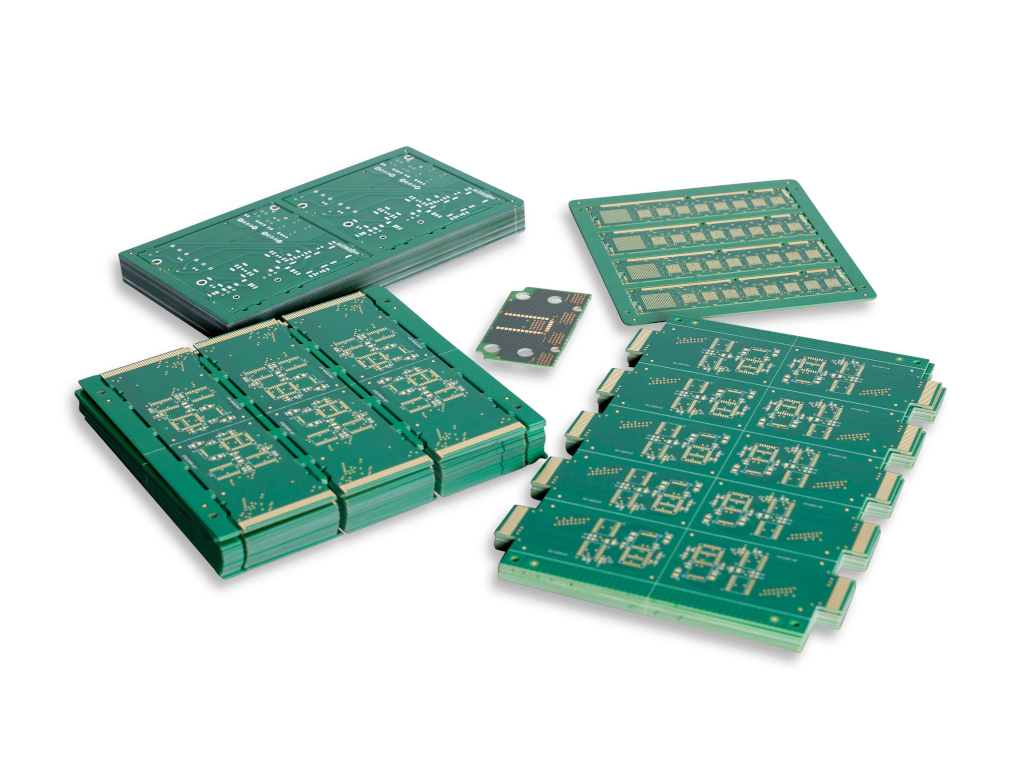
                                              What Is Rogers 4003C Material?

                                              Rogers 4003C is a high-performance high-frequency circuit board substrate (laminate) produced by Rogers Corporation, belonging to its RO4000Β series. It is composed of ceramic-filled hydrocarbon resin and glass fiber reinforced materials. Main Features include a stable dielectric constant of approximately 3.38 at 10 GHz, an extremely low loss factor of about 0.0027 at 10 GHz, and a thermal expansion coefficient matched to copper foil (X/Y axis approximately 11 ppm/Β°C).

                                              It is specifically designed for RF/microwave/millimeter-wave applications requiring low signal loss and high reliability, such as base station antennas, automotive radar, and satellite communications. Additionally, it offers processing advantages similar to standard FR-4 materials.

                                              What Is Rogers 4003C Material?

                                              Rogers 4003C Datasheet

                                              Parameter NameValue + Unit
                                              Dielectric Constant (Dk)3.38 Β± 0.05
                                              Loss Factor (Df)0.0027
                                              Z-axis Coefficient of Thermal Expansion (CTE)46 ppm/Β°C
                                              Glass Transition Temperature (Tg)>280 °C
                                              Thickness Range0.203-1.524 mm
                                              Processing TechnologyCompatible with FR-4
                                              Flame Retardancy RatingNot Compliant with UL 94 V-0
                                              Application FieldsBase Station Antennas / Automotive Radar / Satellite Communications
                                              Thermal Conductivity0.6-0.8 W/(mΒ·K)
                                              Surface TreatmentImmersion Gold / OSP (Organic Solderability Preservative)
                                              Minimum Trace Width/Spacing3mil/3mil
                                              Minimum Hole Diameter4 mil
                                              Maximum Panel Size540Γ—1200 mm
                                              Impedance Control ToleranceΒ±8%

                                              Applications of Rogers 4003C Material

                                              • 5G base station antenna PCBs
                                              • Satellite navigation equipment
                                              • Automotive millimeter-wave radar
                                              • Aerospace precision circuits
                                              • Medical and IoT devices
                                              • Microwave communications and power amplifiers
                                              • Industrial automation PCBs
                                              • Radar and RFID systems
                                              • Extreme environment circuits
                                              • Multi-layer high-frequency PCB design

                                              What Is the Difference between Rogers 4003C and 4350B?

                                              Material Composition:

                                              • Rogers 4003C: Ceramic-filled hydrocarbon laminate with silica (SiOβ‚‚) ceramic particles composite polyolefin matrix. Halogen-free formula compliant with RoHS/REACH environmental standards. Surface treatment typically uses sodium etching to enhance copper adhesion.
                                              • Rogers 4350B: Glass fiber reinforced hydrocarbon matrix using E-glass or low-dielectric constant glass cloth. Contains trace halogen components (e.g., brominated flame retardants). Compatible with FR4 processes, supporting conventional chemical copper plating and pattern plating.

                                              Dielectric Constant (Dk):

                                              • Rogers 4003C: Nominal Dk=3.38Β±0.05 (tested at 1GHz), recommended design value 3.55 (accounting for frequency drift compensation). Stability within Β±1% at 10GHz, suitable for millimeter-wave bands (e.g., 28GHz/39GHz) for precise impedance control.
                                              • Rogers 4350B: Nominal Dk=3.48Β±0.05 (tested at 1GHz), recommended design value 3.66 (including process tolerance). Low Dk variation with temperature, ideal for wide-temperature operation (-55℃~125℃).

                                              Loss Factor (Df):

                                              • Rogers 4003C: Typical Df=0.0021@1GHz, 0.0027@10GHz. Dielectric loss tangent (TanΞ΄) as low as 0.0004 at high frequencies. Signal attenuation coefficient (Ξ±) 15%-20% lower than 4350B, suitable for ultra-low loss requirements like satellite communication payloads.
                                              • Rogers 4350B: Typical Df=0.0031@1GHz, 0.0037@10GHz. TanΞ΄=0.0006 at high frequencies. Slightly higher loss but cost-effective, suitable for medium-power scenarios like automotive radar (77GHz) mass production.

                                              Thermal Performance:

                                              • Rogers 4003C: X/Y-axis CTEβ‰ˆ4-6ppm/℃, Z-axis CTEβ‰ˆ30-40ppm/℃. Thermal conductivityβ‰ˆ0.6W/(mΒ·K). Excellent dimensional stability, multi-layer alignment accuracy ≀±25ΞΌm, ideal for high-precision RF modules.
                                              • Rogers 4350B: X/Y-axis CTEβ‰ˆ10-12ppm/℃, Z-axis CTEβ‰ˆ50-60ppm/℃. Thermal conductivityβ‰ˆ0.8W/(mΒ·K). Superior thermal performance in high-power scenarios, but Z-axis expansion requires attention to via reliability.

                                              Mechanical Strength and Processability:

                                              • Rogers 4003C: Flexural strength β‰₯270MPa, outstanding fatigue resistance for vibration environments (e.g., aerospace). Drilling parameters require control (e.g., spindle speed ≀20krpm, feed rate ≀0.8m/min) to avoid substrate cracking.
                                              • Rogers 4350B: Flexural strength β‰₯240MPa. FR4-compatible processes (e.g., mechanical drilling, plasma etching). Supports automated assembly lines, but glass cloth texture may affect microstrip edge roughness.

                                              Thickness Range:

                                              • Rogers 4003C: Standard thickness from 0.008 inch (0.203mm) to 0.060 inch (1.524mm). Ultra-thin 0.004 inch (0.101mm) requires customization. Thickness tolerance Β±3%.
                                              • Rogers 4350B: Conventional thickness from 0.004 inch (0.101mm) to 0.060 inch (1.524mm). Offers prepreg options, supporting thin laminate structures (e.g., 0.002 inch stack) for compact designs.

                                              Application Scenarios:

                                              • Rogers 4003C: High-frequency communication base stations (e.g., 5G macrocells), phased array antennas, low-noise amplifier (LNA) modules, precision test fixtures. Ideal for scenarios demanding stringent signal integrity.
                                              • Rogers 4350B: Automotive ADAS radar (24GHz/77GHz), military radar systems, high-power RF front-ends (e.g., power amplifiers), consumer wireless devices (e.g., Wi-Fi6/6E routers). Balances cost and performance.

                                              Cost and Environmental Compliance:

                                              • Rogers 4350B: Unit area cost 15%-30% lower than 4003C. Suitable for large-scale production projects. Contains trace halogens, requiring attention to terminal product environmental certifications.
                                              • Rogers 4003C: Halogen-free formula certified by UL, compliant with EU ELV directives. Suitable for medical, rail transportation, and other fields with mandatory environmental requirements. Higher unit price requires budget consideration.

                                              How Much Does Rogers 4003C Cost?

                                              The price range for Rogers 4003C high-frequency PCB material is influenced by multiple factors, including thickness, number of layers, surface treatment, and order volume. Market research shows that single-sheet prices range from $2.99 ​​to $8.99 (e.g., 60-mil thick double-sided boards), and $20 to $30 (including surface treatments such as immersion gold/silver/tin).

                                              The prototype cost of a multi-layer board (e.g., a 4-layer board) is approximately $150 to $320, and the price per square foot is approximately $7 to $12 per square foot. Price fluctuations are also related to material specifications (e.g., 8-mil to 60-mil thickness), process complexity (e.g., blind and buried vias, resin plugged vias), and exchange rate fluctuations. Asian suppliers (e.g., China) generally offer more competitive prices due to their production volume advantages, while North American/European suppliers may impose higher costs due to certification standards (e.g., MIL-SPEC) or small-volume orders.

                                              How Much Does Rogers 4003C Cost?

                                              Why Choose Rogers 4003C for High Frequency PCB?

                                              Reasons why choose Rogers 4003C Material for High Frequency PCB:

                                              • Signal stability: Dk = 3.38 Β± 0.05 (10 GHz), Df = 0.0027, low attenuation in millimeter-wave communications, and faster and more accurate data transmission.
                                              • Environmental durability: Z-axis thermal expansion of 46 ppm/Β°C with copper foil, Tg > 280Β°C, no warping in deserts and polar regions, minimal failures, and long lifespan.
                                              • Cost-effectiveness: FR-4-compatible process eliminates special processing, reducing costs by over 30%, making it suitable for mass production.
                                              • Application adaptability: Stable above 10 GHz, suitable for radar, base stations, automotive radar, RFID, and other applications, improving recognition accuracy.
                                              • Long-term stability: High strength, low crack resistance, low water absorption, stable in humid and hot environments, and low maintenance and risk.
                                              Why Choose Rogers 4003C for High Frequency PCB?

                                              How to Choose Rogers 4003C Material for High Frequency PCB?

                                              Rogers 4003C High-Frequency PCB Material Selection Guide

                                              1. Electrical Performance Advantages

                                              • Dielectric constant (Dk) stabilized at 3.38Β±0.05 (10GHz) with minimal frequency fluctuation, ensuring precise signal transmission.
                                              • Low loss tangent (Df) of 0.0027 (10GHz), significantly lower than traditional FR4 materials, reducing high-frequency signal transmission loss.
                                              • Suitable for high-frequency scenarios such as 5G millimeter-wave, radar systems, and high-speed data transmission.

                                              2. Thermal Stability and Mechanical Reliability

                                              • Z-axis coefficient of thermal expansion (CTE) of 46ppm/℃ matches copper foil, reducing risks of delamination and warpage under temperature changes.
                                              • Glass transition temperature (Tg) exceeding 280Β°C supports lead-free soldering processes, ensuring dimensional stability in extreme thermal environments.

                                              3. Processing Compatibility

                                              • Compatible with conventional FR4 epoxy/glass cloth processing techniques, eliminating the need for specialized treatments like plasma etching or PTFE material through-hole processing.
                                              • Supports standard PCB production processes such as solder mask grinding, plated through-holes, and fine-line circuit fabrication.

                                              4. High-Frequency Application Scenarios

                                              • Widely used in automotive radar (77GHz/24GHz), 5G base station antennas, satellite communication, RFID, microwave power amplifiers, and other high-frequency applications.
                                              • Particularly suitable for millimeter-wave bands (e.g., 67GHz projects) due to low loss characteristics, ensuring stable signal coverage and high-speed data transmission.

                                              5. Cost Efficiency and Alternative Solutions

                                              • Cost-effective compared to traditional microwave laminates (e.g., PTFE-based materials), offering superior performance-to-cost ratio.
                                              • For safety-critical applications requiring UL 94V-0 flammability ratings, alternatives like RO4835™ or RO4350B™ can be considered.

                                              6. Material Characteristic Comparison

                                              • Outperforms FR4 in dielectric constant stability, high-frequency loss control, and thermal expansion matching.
                                              • Compared to RO4350B™, RO4003C exhibits lower loss (0.0027 vs. 0.0037), making it ideal for gain-sensitive systems.

                                              7. Design Considerations

                                              • Attention to moisture absorption rate (0.06%) impacting long-term reliability.
                                              • Optimization of transmission line structures (e.g., grounded coplanar waveguides) and simulation verification for circuit performance.
                                              How to Choose Rogers 4003C Material for High Frequency PCB?

                                              Why Choose EBest Circuit (Best Technology) as High Frequency PCB Manufacturer?

                                              Reasons why choose us as high frequency PCB manufacturer:

                                              • Two Decades of High-Frequency PCB Expertise: With 20 years of specialization in high-frequency PCB manufacturing, has delivered over 10,000 high-end projects including 5G base station antennas, automotive radars, and satellite communication modules. Masters cutting-edge technologies such as 0.004-inch ultra-thin panel processing and HDI (High Density Interconnect).
                                              • Authoritative Certifications Backing Strength: Holds concurrent certifications including ISO 9001 (Quality Management), ISO 14001 (Environmental Management), UL Safety Certification, and AEC-Q200 (Automotive Grade), satisfying stringent compliance requirements across automotive, medical, military, and other sectors.
                                              • Top-Tier Material Quality Assurance: Selects premium high-frequency substrates like Rogers 4003C/4350B, combined with ceramic-filled hydrocarbon technology, achieving dielectric constant fluctuation ≀±0.05 (at 10GHz) and ultra-low loss tangent of 0.0027, ensuring zero signal attenuation for 5G millimeter-wave, radar systems, and other high-frequency scenarios.
                                              • Cost Advantage Breaking Industry Bottom Line: Reduces costs by 30% through scaled procurement and automated production line optimization, with unit area costs 15-20% below industry average. For million-unit orders, prices drop by 25%, empowering clients to seize market opportunities ahead of competitors.
                                              • Industry-Leading Rapid Delivery: Offers 7-day rapid prototyping service and compresses mass production lead time to 15-20 days (40% shorter than industry average). Equipped with intelligent production scheduling system for 24/7 real-time order tracking, ensuring urgent projects like 5G base station antennas are delivered 3-5 days earlier to capture market windows.
                                              • Full-Cycle Customization Services: Provides end-to-end solutions from DFM design support to final testing, supported by on-site senior engineering teams to resolve impedance matching and thermal management challenges. Accommodates specialized processes including blind/buried vias and resin plugging.
                                              • Strict Quality Control System: Implements triple-layer quality assurance via AOI optical inspection, flying probe testing, and X-ray laminography, achieving >99.2% yield. Each batch undergoes 288Β°C solder float test (IPC-TM-650), 1,000-hour 85Β°C/85%RH humidity aging test, and -55Β°C to 150Β°C thermal cycling, meeting aerospace-grade reliability for defect-free delivery.

                                              Welcome to contact us if you have any request for high frequency circuit board: sales@bestpcbs.com.
                                              High Purity Alumina: The Foundation of High-Performance Ceramic PCBs

                                              October 22nd, 2025

                                              High purity alumina​ (HPA)​​ is a premium ceramic material defined by an aluminum oxide (Alβ‚‚O₃) content of 99.99% or higher. This article dives deep into what makes this substance so special and why it’s indispensable for creating the advanced ceramic circuit boards that power our world.

                                              Which of these heat management hurdles is limiting your next-generation electronics design?

                                              • Your circuit boards can’t dissipate heat fast enough, leading to premature device failure.
                                              • You need a substrate material that offers excellent electrical insulation under high voltages.
                                              • You’re struggling to find a base material that remains stable and reliable in extreme temperatures.
                                              • Your designs require a fine-line circuitry that traditional materials can’t support.
                                              • You need a manufacturing partner who can guarantee the quality and consistency of your core substrates.

                                              At EBest Circuit (Best Technology), we specialize in transforming the exceptional properties of high purity alumina into robust ceramic PCBs that directly solve these problems. Here’s how we address each challenge:

                                              • We use high-grade HPA substrates with superior thermal conductivity to efficiently pull heat away from sensitive components.
                                              • Our ceramic PCBs provide outstanding electrical insulation, ensuring safety and performance in high-power applications.
                                              • The inherent thermal stability of alumina ensures your circuits perform reliably even in harsh operating environments.
                                              • Our advanced manufacturing processes allow for precise, high-density circuits on a very stable base.
                                              • Our strict quality control systems, from raw material inspection to final testing, ensure every board meets your exact specifications.

                                              EBest Circuit (Best Technology) is a specialized manufacturer of ceramic PCBs. We are not a producer of high purity alumina powder. Instead, we are experts at engineering this superior material into high-performance circuit boards. Our strength lies in our advanced fabrication processes and commitment to quality, backed by certifications like ISO9001, IATF16949, and AS9100D. If you are looking for a reliable partner to bring your most demanding electronic projects to life, contact us at ​sales@bestpcbs.com.
                                              High Purity Alumina

                                              What Is High Purity Alumina and Why It Matters in Electronics?

                                              High purity alumina​ is defined by an exceptional purity level of ​99.99% aluminum oxide (Alβ‚‚O₃) or higher. This “four-nines” purity is the key that unlocks its superior properties.

                                              But why does such extreme purity matter in electronics? The answer is simple: ​consistency and performance. Even tiny impurities can act as flaws, disrupting critical characteristics like thermal conductivity and electrical insulation.

                                              To put it simply, using ​high purity alumina​ in electronics is like using a perfectly smooth, high-quality canvas for a detailed painting. Any imperfection in the canvas would ruin the final masterpiece. Similarly, HPA provides a flawless foundation for circuits that must be reliable, efficient, and powerful.

                                              FeatureWhy It Matters
                                              ​High Purity (99.99%+)​​Ensures consistent and predictable electrical and thermal performance.
                                              ​Excellent Insulator​Prevents electrical leakage and short circuits, even under high voltage.
                                              ​Thermal Conductor​Efficiently draws heat away from sensitive components, preventing overheating.
                                              ​Mechanically Strong​Provides a rigid, stable platform that resists warping and cracking.

                                              What Is High Purity Alumina Used For?

                                              The applications for ​high purity alumina​ are surprisingly wide-ranging. It’s a versatile material that enables progress across several high-tech industries. Its primary uses include:

                                              • ​LED Lighting:​​ It serves as the base substrate for synthetic sapphire crystals, which are used to make the cores of bright, efficient LED lights.
                                              • ​Lithium-Ion Batteries:​​ It is used to create fine ceramic coatings on battery separators. This greatly enhances safety by preventing short circuits.
                                              • ​Semiconductor Processing:​​ It is found in critical chamber components inside semiconductor manufacturing equipment. Its purity prevents contamination of delicate silicon wafers.
                                              • ​High-Performance Windows:​​ Its scratch-resistant properties make it ideal for watch glasses and smartphone camera lenses.

                                              But from our perspective, one of the most critical uses is in electronics packaging. ​In the electronics industry, high purity alumina is rapidly becoming the material of choice for thermal management solutions in high-power circuits.​​ When shaped into a circuit board substrate (often called Alβ‚‚O₃ PCB), it becomes the backbone of devices that demand superior performance.

                                              What Is the Demand for High Purity Alumina?

                                              The ​high purity alumina market​ is not just growingβ€”it’s booming. This growth is fueled by several major technological shifts that all rely on HPA’s unique capabilities. Let’s look at the key drivers:

                                              1. ​The Electric Vehicle (EV) Revolution:​​
                                                • ​Application:​​ Lithium-ion battery coatings and power electronics.
                                                • ​Impact:​​ EVs require safer batteries and efficient power management systems, both of which use HPA. This creates massive demand.
                                              2. ​Proliferation of LED Lighting:​​
                                                • ​Application:​​ Substrates for synthetic sapphire crystals used in LED manufacturing.
                                                • ​Impact:​​ As energy-efficient LED lighting becomes the global standard, demand for HPA remains strong.
                                              3. ​Advancement of Consumer Electronics:​​
                                                • ​Application:​​ Semiconductor processing components and thermal management solutions.
                                                • ​Impact:​​ As smartphones and other devices become more powerful, they generate more heat. HPA-based solutions are critical for heat dissipation.

                                              This rising demand directly influences the ​high purity alumina price per ton, reflecting its critical role in modern technology. The trend is clear: as the world pushes for more advanced and efficient electronics, the need for high-performance materials like HPA will only increase.

                                              How Is High Purity Alumina Made?

                                              Producing HPA is a meticulous process focused on purifying raw aluminum sources. While the chemistry is complex, the goal is straightforward: remove all impurities to achieve a fine, consistent, and ultra-pure powder. The main production routes include:

                                              • ​Hydrolysis of Aluminum Alkoxides:​​ This method is known for producing the highest purity levels, often used for ​ultra high purity alumina.
                                              • ​Thermal Decomposition of Ammonium Aluminum Sulfate:​​ Another common method that yields high-quality HPA suitable for many electronic applications.

                                              For us at EBest Circuit (Best Technology), the specific ​high purity alumina production process​ is secondary to the outcome. We focus intensely on the material’s final properties. The quality of the ​high purity alumina powder​ we receive is paramount, as it dictates the performance of our ceramic PCBs.

                                              ​Our Quality Checkpoint:​​
                                              Before any alumina substrate enters our production line, we verify its key properties. This ensures the material meets the strict standards required for reliable electronics. The entire ​high purity alumina production​ chain must be controlled to deliver a product you can trust.

                                              Why Ceramic PCBs Depend on High Purity Alumina Substrates?

                                              This is the core of the matter. Why is ​high purity alumina​ so fundamental to what we do? The answer lies in its unique set of properties that are perfectly suited for demanding electronic applications.

                                              1. ​Superior Thermal Conductivity:​​ Heat is the enemy of electronics. ​High purity alumina​ acts like a heat sink, efficiently drawing thermal energy away from sensitive components like power amplifiers and LEDs. This prevents overheating and extends the product’s lifespan.
                                              2. ​Excellent Electrical Insulation:​​ Despite conducting heat well, it is an excellent electrical insulator. This allows it to safely separate high-voltage circuits, a critical requirement in power electronics and automotive applications.
                                              3. ​High Mechanical Strength:​​ Ceramic substrates are robust and rigid. They resist bending and cracking, providing a stable platform for surface-mounted components, even in environments with vibration.
                                              4. ​Chemical Stability:​​ ​Alpha high purity alumina​ is highly resistant to corrosion from acids, alkalis, and other harsh chemicals. This makes it ideal for medical, aerospace, and industrial uses.
                                              5. ​Thermal Expansion Match:​​ Its coefficient of thermal expansion is close to that of silicon. This reduces stress on the critical connections between a chip and the board, enhancing reliability.

                                              At EBest Circuit (Best Technology), we work with various grades of alumina, including 96% and the superior 99.6% ​high purity alumina. For the most extreme thermal challenges, we also offer boards made from Aluminum Nitride (AlN), another advanced ceramic. The choice of material depends entirely on the application’s specific needs for thermal performance and cost.

                                              EBest Circuit (Best Technology) – Turning High Purity Alumina into Reliable Ceramic PCBs

                                              We are the crucial link in the chain. Our role is to take this exceptional raw material and engineer it into a functional, high-performance circuit board. This transformation requires specialized expertise and technology.

                                              • ​Advanced Manufacturing:​​ We employ state-of-the-art processes like laser drilling for precise micro-vias and Direct Plated Copper (DPC) for creating fine circuit patterns directly on the ceramic.
                                              • ​Rigorous Quality Systems:​​ Our ISO certifications (including IATF 16949 for automotive and AS9100D for aerospace) are not just certificates. They represent a deep commitment to quality that is embedded in every step of our production.
                                              • ​Full Traceability:​​ Our Manufacturing Execution System (MES) tracks every board throughout production. This ensures complete traceability and allows for 100% electrical testing before shipment.

                                              In short, EBest Circuit (Best Technology) is not a ​high purity alumina​ producer. We are a solution provider. We master the process of converting ​ultra high purity alumina​ substrates into reliable, high-performance ceramic PCBs that meet the precise demands of your application.

                                              Why Global Clients Choose EBest Circuit (Best Technology) for Ceramic PCB Manufacturing?

                                              Global clients partner with us because we deliver more than just a component; we deliver reliability. They choose EBest Circuit (Best Technology) for three key reasons:

                                              1. ​Technical Expertise:​​ Our team understands both the materials and the electronics. We can provide expert guidance on selecting the right substrate and manufacturing process for your project.
                                              2. ​Proven Consistency:​​ Our stringent quality controls mean that the tenth board we ship will perform identically to the ten-thousandth. This consistency is vital for mass production.
                                              3. ​A Partnership Approach:​​ We see ourselves as an extension of your engineering team. We work with you to solve problems and optimize designs for manufacturability and performance.
                                              High Purity Alumina

                                              Case of Alumina Ceramic PCB Fabrication by EBest Circuit (Best Technology)

                                              Alumina ceramic PCBs are widely used in various high-reliability and high-performance fields due to our excellent thermal conductivity, high insulation strength, temperature resistance, and chemical stability. Key applications include:

                                              • ​Power Electronics:​​ IGBT modules, power modules, inverters, etc., for high power density and thermal management.
                                              • ​RF/Microwave Communication:​​ Base station amplifiers, radar systems, leveraging low dielectric loss and high-frequency stability.
                                              • ​Automotive Electronics:​​ Especially in electric vehicle battery management systems (BMS) and electronic control units (ECUs), due to high-temperature resistance and vibration tolerance.
                                              • ​Aerospace and Military:​​ Control systems and sensors requiring high reliability under harsh conditions.
                                              • ​LED Packaging:​​ Substrates for high-power LEDs, providing efficient heat dissipation.
                                              • ​Medical Devices:​​ Implantable devices and diagnostic equipment, benefiting from biocompatibility and stability.
                                              • ​Industrial Controls:​​ Sensors and actuators operating in high-temperature environments.

                                              Key Fabrication Capabilities

                                              ​Thick Film Technology​

                                              • ​Substrate Materials:​​ Alβ‚‚O₃, AlN, BeO
                                              • ​Maximum Board Size:​​ 50Γ—50mm (0.635mm thickness); 80Γ—80mm (1.0mm thickness)
                                              • ​Minimum Line Width/Space:​​ 150/150 Β΅m
                                              • ​Maximum Layers:​​ 4 layers
                                              • ​Conductor Thickness:​​ AgPd up to 20Β΅m; Au up to 15Β΅m
                                              • ​Surface Finish:​​ Not required (AgPt/Au directly used)
                                              • ​Special Capabilities:​​ Resistor tolerance Β±0.3% (laser trimmable), wire bondable

                                              ​Thin Film Technology​

                                              • ​Substrate Materials:​​ Alβ‚‚O₃, AlN, Si, etc.
                                              • ​Maximum Board Size:​​ 50Γ—50mm (0.38mm thickness); 100Γ—100mm (0.5-1.0mm thickness)
                                              • ​Minimum Line Width/Space:​​ 75/75 Β΅m (can be refined to 20Β΅m)
                                              • ​Minimum Via Diameter:​​ 0.10 mm
                                              • ​Maximum Layers:​​ 2 layers
                                              • ​Conductor Thickness:​​ Au up to 3Β΅m
                                              • ​Surface Finish:​​ Plating (2-5Β΅m)
                                              • ​Special Capabilities:​​ High line width accuracy (Β±5Β΅m), resistor tolerance Β±0.1%, wire bondable

                                              ​LTCC (Low Temperature Co-fired Ceramic)​​

                                              • ​Substrate Material:​​ Glass-ceramic composite
                                              • ​Maximum Board Size:​​ 50Γ—50mm (thickness <1.0mm); 150Γ—150mm (thickness β‰₯1.0mm)
                                              • ​Minimum Line Width/Space:​​ 80/80 Β΅m
                                              • ​Minimum Via Diameter:​​ 0.10 mm
                                              • ​Maximum Layers:​​ 40 layers
                                              • ​Conductor Thickness:​​ 6-20 Β΅m
                                              • ​Surface Finish:​​ Usually not required; optional plated Ni/Pd/Au
                                              • ​Special Capabilities:​​ Multilayer co-firing, suitable for high-frequency applications (Dk 9.1 @13GHz)

                                              ​HTCC (High Temperature Co-fired Ceramic)​​

                                              • ​Substrate Material:​​ 92% Alumina Ceramic
                                              • ​Maximum Board Size:​​ 50Γ—50mm (thickness <1.0mm); 150Γ—150mm (thickness β‰₯1.0mm)
                                              • ​Minimum Line Width/Space:​​ 150/150 Β΅m
                                              • ​Minimum Via Diameter:​​ 0.15 mm
                                              • ​Maximum Layers:​​ 30 layers
                                              • ​Conductor Thickness:​​ W/MoMn: 6-15Β΅m
                                              • ​Surface Finish:​​ Plated Ni/Pd/Au (2.5-4Β΅m/0.5Β΅m/0.3Β΅m)
                                              • ​Special Capabilities:​​ High-temperature sintering (>1600Β°C), high mechanical strength

                                              ​General Attributes (Common across all processes)​​

                                              • ​Substrate Thickness Range:​​ 0.15mm – 6mm (specific range depends on process)
                                              • ​Thermal Conductivity:​​ 17 – 170 W/mΒ·K (AlN substrates can reach 170 W/mΒ·K)
                                              • ​Dielectric Strength:​​ β‰₯15 kV/mm
                                              • ​Warpage:​​ <0.3%, suitable for high-precision assembly
                                              • ​Wire Bonding Support:​​ All processes support Au/Al wire bonding (common wire diameters: 18–50Β΅m)

                                              In conclusion, high purity alumina​ provides the essential foundation for the advanced electronics that define our modern world. This article has explored its critical role, especially in the creation of high-performance ceramic circuit boards.

                                              EBest Circuit (Best Technology) has the specialized knowledge and manufacturing excellence to turn the potential of ​high purity alumina​ into a real-world advantage for your products. Pls feel free to reach out to our team at ​sales@bestpcbs.com for our ceramic PCB specifications or quotes.

                                              Key Design Parameters for Embedded Copper Busbar PCBs

                                              October 22nd, 2025

                                              When engineers design high-current or high-heat boards, one wrong dimension can affect reliability. For embedded copper busbar PCBs, precision is everything. The copper block must fit perfectly within the PCB structure, the resin must flow correctly, and each layer must bond without gaps or warpage.

                                              This part of our series focuses on the critical design parameters that determine performance and manufacturability. If you’re working on EV systems, solar inverters, or industrial power units, these details will help you design a board that balances strength, heat control, and electrical efficiency.

                                              At EBest Circuit (Best Technology), we handle embedded copper busbar PCBs every day, from prototype to full production. Through that experience, we’ve learned exactly which parameters make or break a design.

                                              Key Design Parameters for Embedded Copper Busbar PCBs

                                              Copper Thickness β€” The Foundation of Current Capacity

                                              The copper thickness directly affects how much current your PCB can handle. In embedded copper designs, the copper block is not a thin foil; it’s a solid piece that typically ranges from 0.5mm to 3.5mm.

                                              Common Thickness Options:

                                              0.5mm, 0.6mm, 0.8mm, 1.0mm, 1.2mm, 1.6mm, 2.0mm, 2.5mm, 3.0mm, and 3.5mm

                                              As a general rule:

                                              • Thicker copper = lower resistance and higher current flow.
                                              • However, it also requires tighter process control during lamination and drilling.

                                              To maintain structural balance, the copper block should align with the overall board thickness. If the copper is too thick compared to the surrounding core layers, it can create stress points during press lamination, causing minor surface warpage or resin overflow.

                                              At EBest Circuit (Best Technology), every design is reviewed through a copper-to-core ratio analysis before fabrication to avoid these issues.

                                              Embedded Copper Thickness vs. Slot Depth

                                              Getting the slot depth right is one of the most important design details. The slot is the cavity milled in the PCB core where the copper block will be placed.

                                              Here’s a simplified guideline:

                                              Copper Thickness (mm)Slot Depth Relation (PP + Core)
                                              0.5–0.6Equal to PP + Core slot depth
                                              0.8Copper block should be 0–0.05mm thicker
                                              β‰₯1.0Copper block should be 0.05–0.1mm thicker

                                              This slight height difference ensures the copper surface aligns or slightly protrudes after lamination, maintaining direct contact for better thermal transfer.

                                              If the copper block is too thin, resin may overfill the cavity, creating uneven surfaces. Too thick, and the board may warp or cause delamination during lamination.

                                              Minimum Copper Block Size

                                              The size of the copper block determines whether the slot can be machined accurately and whether the resin can fill properly during lamination.

                                              • Standard size: β‰₯3 Γ— 3mm
                                              • Minimum limit: 2.5 Γ— 2.5mm

                                              When blocks are smaller than 5 Γ— 5mm, wire cutting is preferred over CNC milling. Wire cutting provides better accuracy and smoother edges, though it requires more time and cost.

                                              For projects with more than 50 copper blocks per panel, wire cutting is again recommended to maintain dimensional consistency. At EBest Circuit (Best Technology), we maintain a tolerance of Β±0.075mm to ensure perfect fit between the copper and slot.

                                              Key Design Parameters for Embedded Copper Busbar PCBs

                                              Embedded Busbar PCB Copper Distance Rules

                                              Spacing between copper blocks, drill holes, and traces is not just about meeting IPC standards β€” it’s about preventing delamination, short circuits, and stress concentration during drilling and operation.

                                              Key Design Distances:

                                              • Copper Block to Hole: β‰₯1.0mm (limit 0.8mm)
                                              • Copper Block to Different-Net Copper: β‰₯0.5mm (limit 0.3mm)

                                              By maintaining these distances, you help the board withstand thermal shock and mechanical vibration. In power systems that run at high current, this margin of safety is crucial for long-term stability.

                                              Slot Size and Tolerance

                                              For best results, the slot in the PCB core and PP should be slightly larger than the copper block itself β€” typically 0.05mm clearance per side.

                                              This minor difference allows the resin to flow evenly around the copper during lamination. If the fit is too tight, the resin may not fully penetrate, leading to small voids or weak bonding.

                                              Corner design is also important. Both the copper block and slot corners should have a radius (R) of 0.8mm to reduce stress buildup and improve resin flow. Sharp corners are more likely to trap air or create cracks during curing.

                                              Height Difference After Lamination

                                              After lamination, the embedded copper should sit flush or slightly raised compared to the board surface. Standard height difference: 0 to +0.075mm

                                              This ensures a smooth surface for solder mask and assembly, while still maintaining direct thermal contact. A copper block that sits too low could form an insulating resin layer that traps heat.

                                              To guarantee uniform height, the lamination stack must be carefully balanced with high-resin PP materials.

                                              Material Compatibility and PP Selection

                                              The prepreg (PP) and core material play a vital role in lamination quality. Because embedded copper blocks have almost zero flexibility, the surrounding resin must be soft enough to fill gaps but strong enough to hold structure after curing.

                                              Recommended PP Combination:

                                              • Two layers of high-resin 1080PP
                                              • Optional mixes: 106, 3313, 2116, or 7628

                                              Important Notes:

                                              • Always use at least two PP sheets between layers.
                                              • Avoid PTFE materials β€” too soft for polishing and pressing.
                                              • Rogers 4450F PP cannot be used (low flow and poor adhesion).
                                              • For special laminates (TU-872SLK, M6, SH260, FR-27, FR-28), non-standard validation is required.

                                              For special laminates (TU-872SLK, M6, SH260, FR-27, FR-28), non-standard validation is required.

                                              Drilling Design and Hole Rules

                                              Drilling through embedded copper requires separate parameters compared to FR-4 areas. The drill bit size must match copper hardness and thickness to avoid burrs and breakout.

                                              Red Copper Thickness (mm)Minimum Drill Bit (mm)
                                              0.2–0.5β‰₯0.35
                                              0.6–0.8β‰₯0.45
                                              0.9–1.1β‰₯0.65
                                              1.2–1.6β‰₯0.8
                                              1.7–2.0β‰₯1.2
                                              2.0–2.5β‰₯1.5
                                              2.6–3.0β‰₯1.8

                                              When drilling on copper areas, it’s best to process them separately from FR-4 zones. The Songlin machine handles copper hole drilling, while Dongtai or mass-production machines handle FR-4.

                                              Inspection Standards to Validate the Design

                                              Every embedded copper PCB should be inspected for dimensional accuracy and surface quality. Below are EBest Circuit (Best Technology)’s typical criteria:

                                              • Height difference: +0.00mm to +0.075mm
                                              • Dielectric strength: β‰₯ DC 1500V
                                              • Thermal shock resistance: 288Β°C Γ— 10s Γ— 5 cycles, no delamination
                                              • Plated copper thickness: β‰₯ 25ΞΌm
                                              • Visual: No resin overflow, burrs, or oxidation around copper edges

                                              These standards guarantee a stable electrical connection and strong mechanical bond, even under repeated thermal cycling.

                                              Why Work with EBest Circuit (Best Technology)?

                                              Designing embedded copper busbar PCBs requires both precision and experience. At EBest Circuit (Best Technology), we combine engineering support with real-world production knowledge to help customers achieve functional and cost-effective solutions. Here’s why customers choose us:

                                              • Advanced equipment for wire cutting, depth-controlled milling, and core-to-core lamination.
                                              • In-house DFM analysis for every embedded copper design.
                                              • Compliance with IPC-6012 and IPC-600 standards.
                                              • Dedicated engineering review to check stack-up balance, resin flow, and drill data before production.

                                              When you need a manufacturer who truly understands busbar PCB design, our team will help you optimize every detail. EBest Circuit (Best Technology) is here to assist with every stage β€” from DFM validation to final testing β€” so your next high-power PCB design performs exactly as intended.