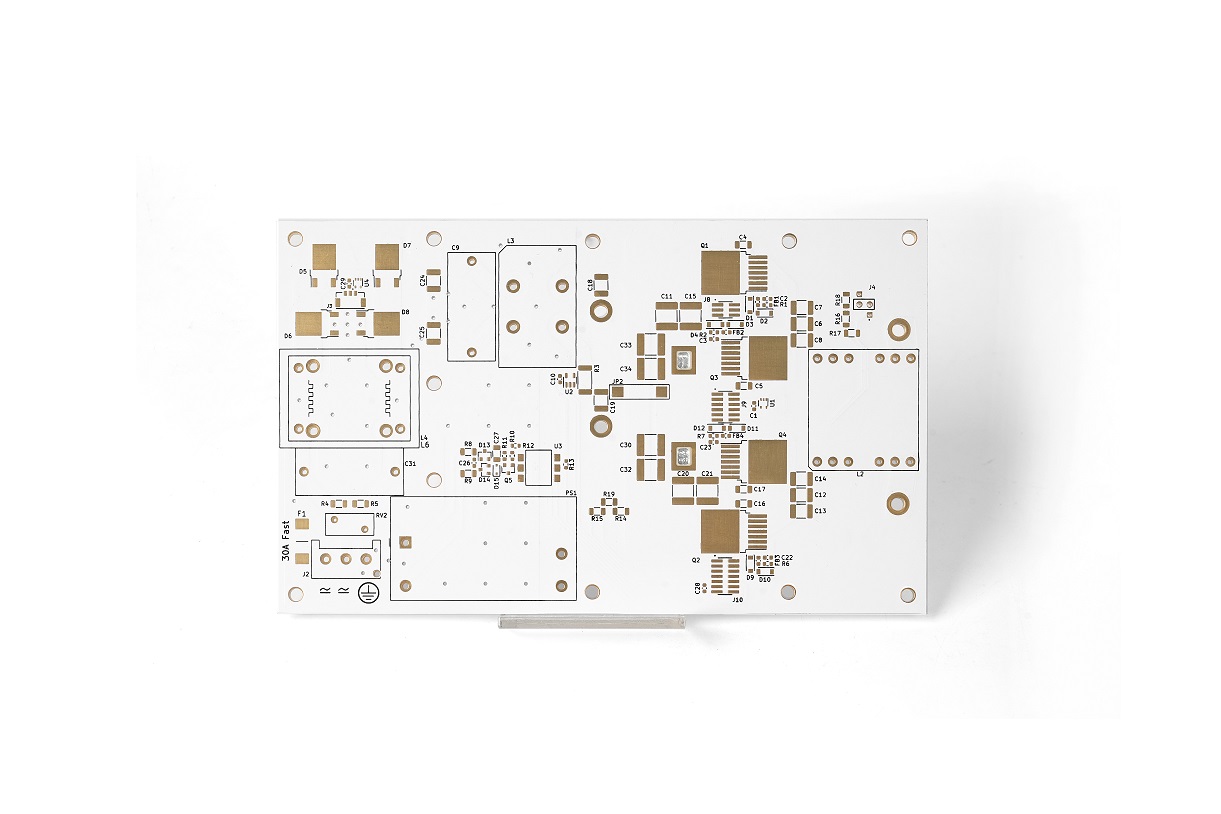
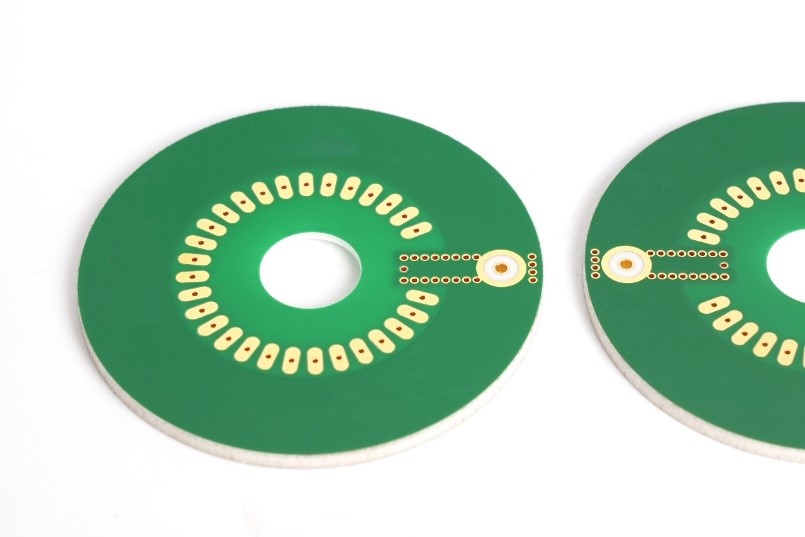
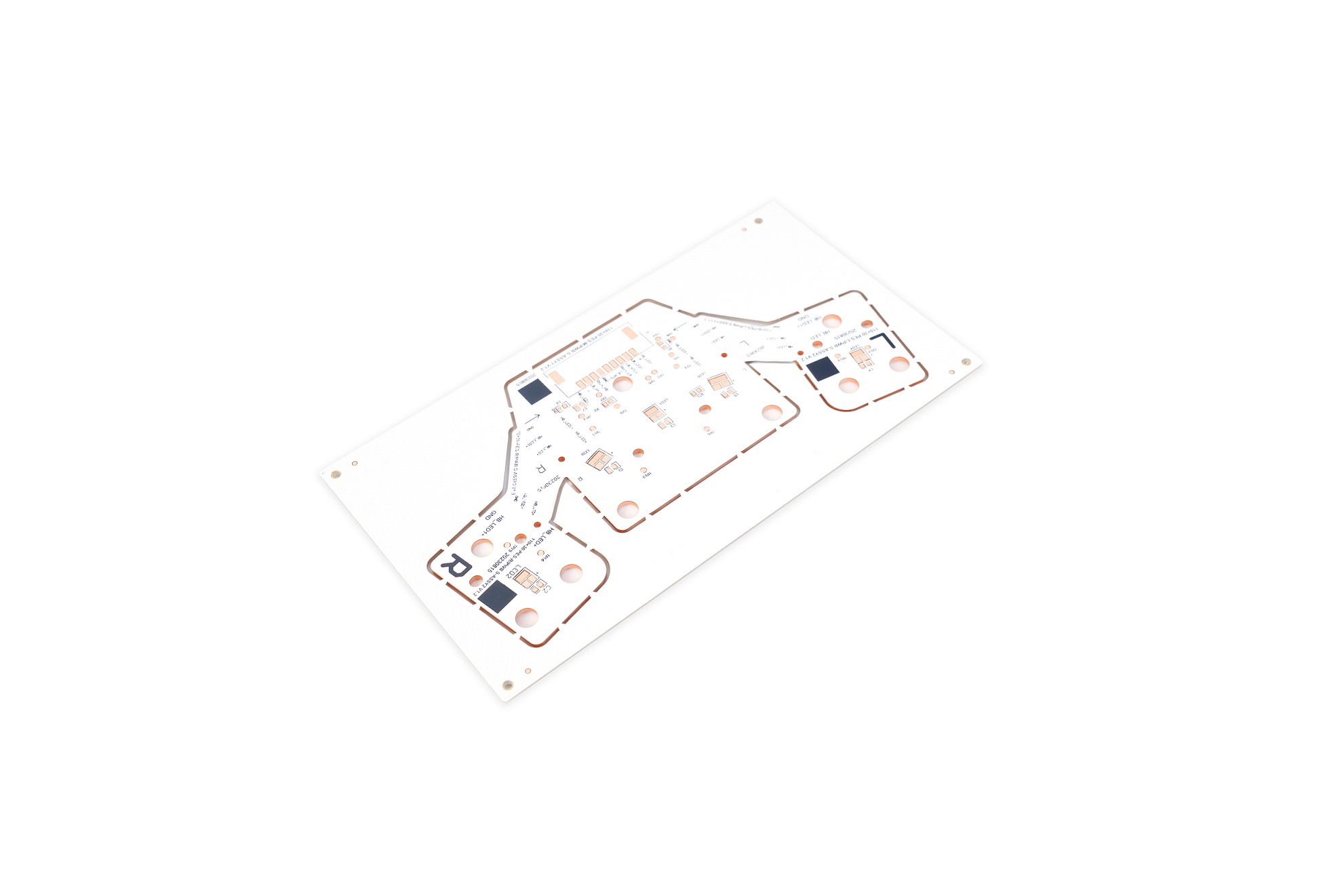
PCB manufacturing PCB manufacturing
Home > Blog

What is FR4 material in PCB? – EBest Circuit (Best Technology)

July 12th, 2024

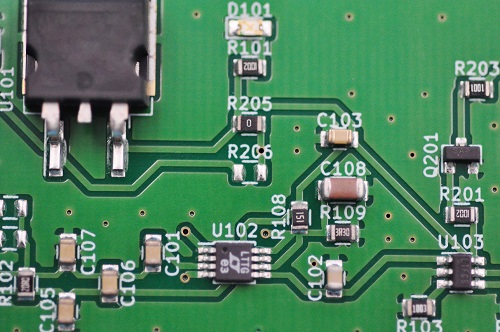
FR4 is a commonly used material in the printed circuit boards (PCBs) manufacturing. If you’re in the electronics field, you’ve likely heard of it. It is the footstone of a circuit board, provides good mechanical strengthen and electrical insulation properties. Today, we will share informational about FR4 material, its types, advantages and alternatives. Keep reading if you are interested in.
What is FR4 material in PCB? - EBest Circuit (Best Technology)

What does FR4 stand for?

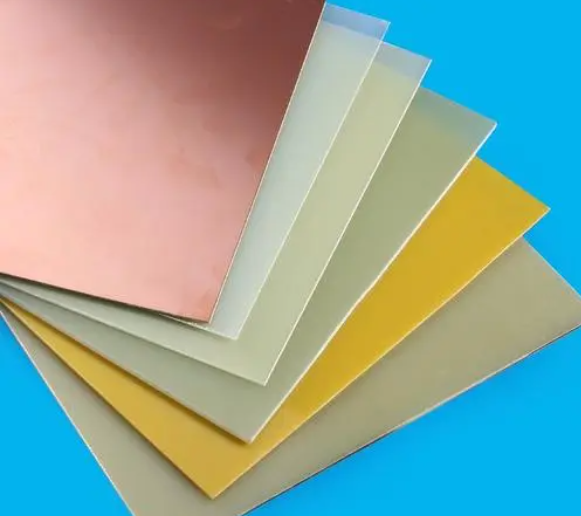
FR4 stands for “Flame Retardant 4”, also called FR-4 Epoxy Glass Cloth by PCB manufacturers. It is not a material name, but a material grade, so there are many types of FR-4 grade materials used in general circuit boards. But most are composites made with so-called Tera-Function epoxy resins plus fillers and glass fibers. FR4 is made from woven glass-reinforced epoxy resin. The typical composition of FR4 includes approximately 60% glass fabric and 40% epoxy resin by weight.
What is FR4 material in PCB? - EBest Circuit (Best Technology)

This composite material is known for its high mechanical strength and flame-retardant properties. The “4” in FR4 signifies the level of flame retardancy. It means the material is resistant to catching fire, which is critical in preventing electrical fires in electronic devices.

What are the classifications of FR4 materials?

FR4 materials are classified based on various properties and specifications to cater to different applications and requirements. These classifications help in selecting the right type of FR4 material for specific PCB needs. Here are the primary classifications of FR4 materials:

1. Standard FR4

Standard FR4 is the most commonly used classification. It offers a good balance of electrical insulation, mechanical strength, flame retardancy, and cost-effectiveness. Standard FR4 materials have a glass transition temperature (Tg) typically around 130°C to 140°C. They are suitable for general-purpose PCBs used in consumer electronics, industrial controls, and telecommunications equipment.

2. High Tg FR4

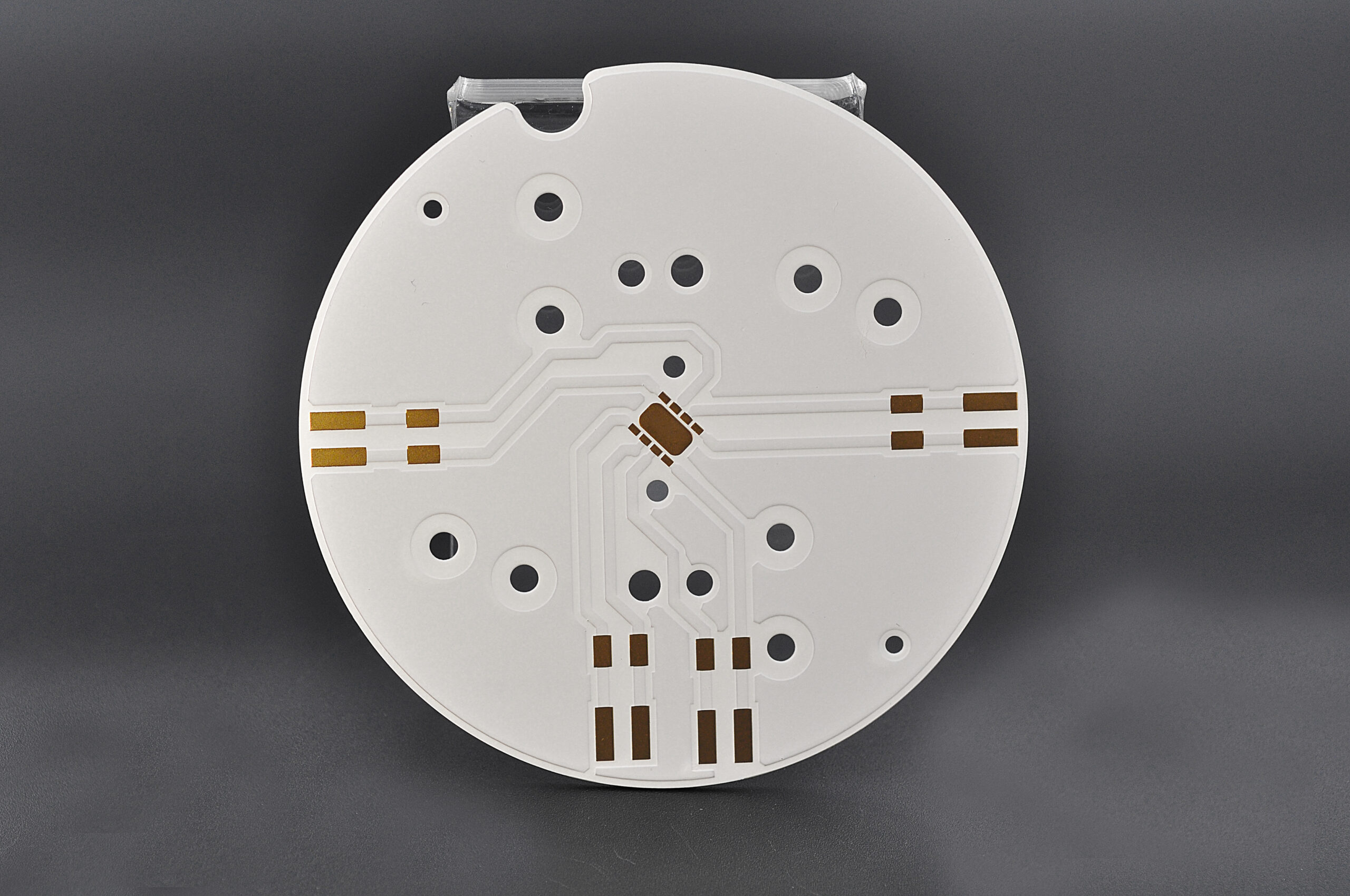
High Tg FR4 materials are designed for applications requiring higher thermal performance. These materials have a higher glass transition temperature, usually above 170°C. High Tg FR4 is used in applications where the PCB is exposed to higher temperatures, such as automotive electronics, aerospace, and high-power devices. The increased Tg provides better stability and performance at elevated temperatures. This is the high Tg FR4 PCB that we made before.

3. Low Dk FR4

Low Dk (Dielectric Constant) FR4 materials are used in high-frequency applications where signal integrity is crucial. So, we called it as “High-frequency FR4”. These materials have a lower dielectric constant, which reduces signal loss and improves signal transmission. Low Dk FR4 is often used in RF and microwave circuits, where maintaining signal integrity is essential.

4. High CTI FR4

High CTI (Comparative Tracking Index) FR4 materials have an improved resistance to electrical tracking. These materials are used in applications where the PCB is exposed to high voltages and harsh environments. High CTI FR4 provides better insulation and reduces the risk of electrical failure due to tracking.

5. Halogen-Free FR4

Halogen-free FR4 materials are designed to meet environmental and safety requirements by eliminating halogens. Which can be harmful if released during PCB manufacturing or disposal. These materials are used in applications where reducing environmental impact is a priority. Halogen-free FR4 offers similar performance to standard FR4 but without the use of halogenated flame retardants.

Benefits of using FR4 as PCB material

  • Excellent Electrical Insulation
  • High Mechanical Strength
  • Flame Retardancy
  • Moisture Resistance
  • Cost-Effectiveness
  • Thermal Stability
  • Ease of Fabrication

Properties of FR4 material

PropertyParameter
Vertical flexural strengthNormal State: E-1/150, 150±5℃≄340Mpa
Parallel layer impact strength≄230KJ/m
Insulation resistance after water immersion (d-24/23)≄5.0×108Ω
Vertical electrical strength≄14.2MV/m
Parallel layer breakdown≄40KV
Relative Dielectric Constant (50hz)≀5.5
Relative Dielectric Constant (1mhz)≀5.5
Dielectric Loss Factor (50hz)≀0.04
Dielectric Loss Factor (1mhz)≀0.04
Water Absorption (D-24/23, 1.6mm Thickness)≀19mg
Density1.70-1.90g/cmÂł
FlammabilityFV0

What is the Difference Between IMS and FR4 PCB?

IMS (Insulated Metal Substrate) and FR4 PCBs serve different purposes. IMS PCBs are designed for applications requiring efficient heat dissipation. They have a metal base layer that helps manage heat more effectively than FR4. This makes IMS ideal for high-power applications like LED lighting.
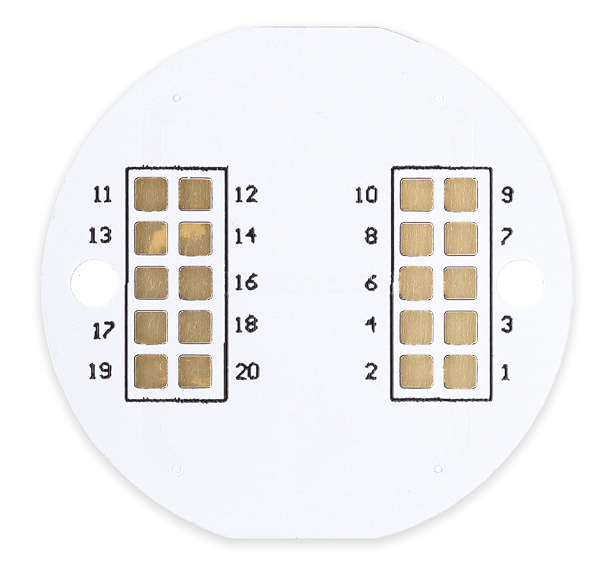
IMS insulated metal substrate PCB

On the other hand, FR4 PCBs are used in general electronic applications due to their balance of performance and cost. While IMS excels in thermal management, FR4 is preferred for its electrical properties and versatility.

What is the Cost of FR4 PCB Per Square Inch?

The cost of an FR4 PCB can vary based on several factors. These include the board’s thickness, the number of layers, and the complexity of the design. On average, the cost per square inch of FR4 PCB ranges from $0.10 to $0.50. However, this is a rough estimate. For a precise quote, it’s best to contact PCB manufacturers with your specific requirements. If you are searching for a PCB supplier, EBest Circuit (Best Technology) is here to waiting for you.

Why is Rogers Better Than FR4 Material?

Rogers material is often considered superior to FR4 in high-frequency applications. Here are some key reasons why Rogers might be chosen over FR4.

  1. Lower Dielectric Loss
  2. Higher Thermal Conductivity
  3. Improved Dimensional Stability
  4. Consistent Dielectric Constant
  5. Superior Performance in High-Frequency Applications
  6. Compliance with Stringent Industry Standards

What Material is Similar to FR4?

Several materials are similar to FR4 and can be used as alternatives. One such material is CEM-1, which is also a composite material made from epoxy and fiberglass. It offers good mechanical strength and electrical properties but is less flame retardant than FR4.

Another alternative is polyimide, known for its excellent thermal stability and flexibility. It is often used in applications requiring high-temperature resistance. However, polyimide is more expensive than FR4. For specific applications, materials like PTFE (Teflon) can also be considered, especially in high-frequency applications.

FAQs

1. Can FR4 be used in high-temperature applications?

FR4 can withstand moderate temperatures, but for high-temperature applications, materials like polyimide are preferred.

2. Is FR4 environmentally friendly?

FR4 is not biodegradable but can be recycled to some extent. Proper disposal and recycling methods should be followed.

3. How does the thickness of FR4 affect PCB performance?

The thickness of FR4 can impact the board’s mechanical strength and thermal dissipation. Thicker boards offer more durability but may also increase the cost.

4. Are there any disadvantages to using FR4?

FR4 has limitations in high-frequency and high-temperature applications. It is also less effective in thermal management compared to materials like IMS.

5. Can FR4 PCBs be used in flexible circuits?

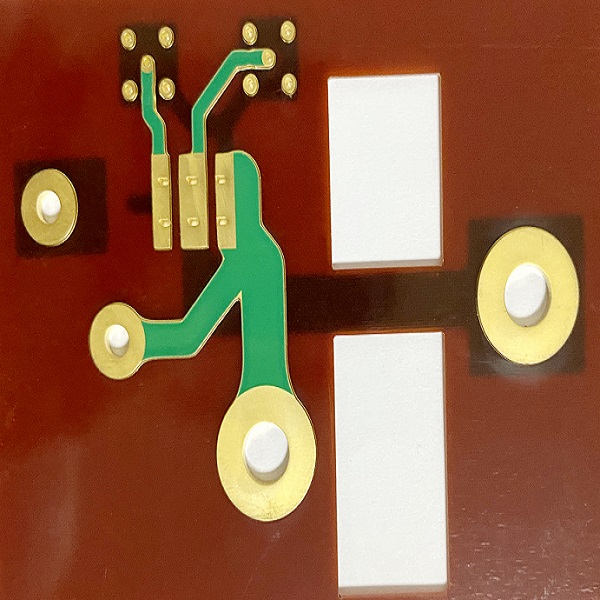
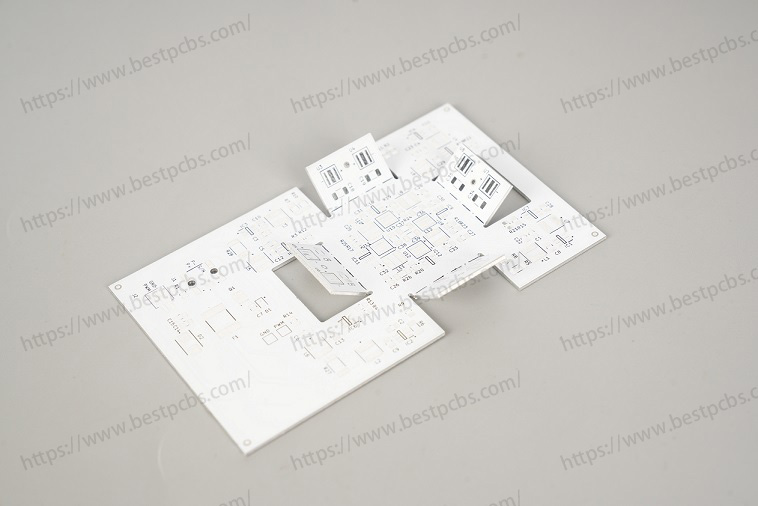
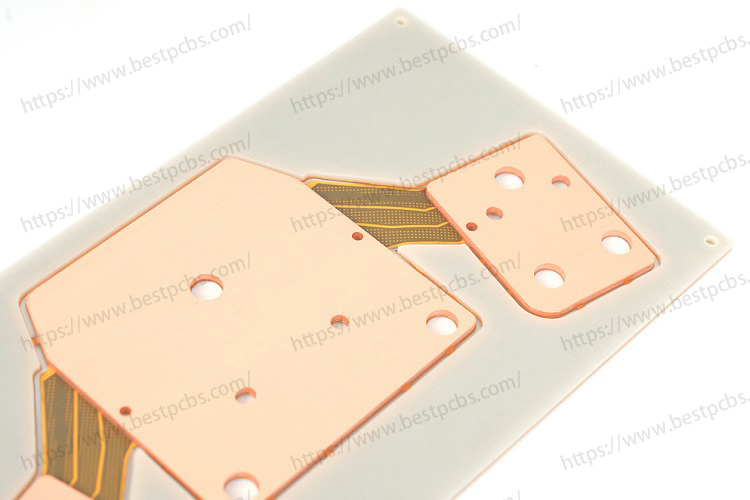
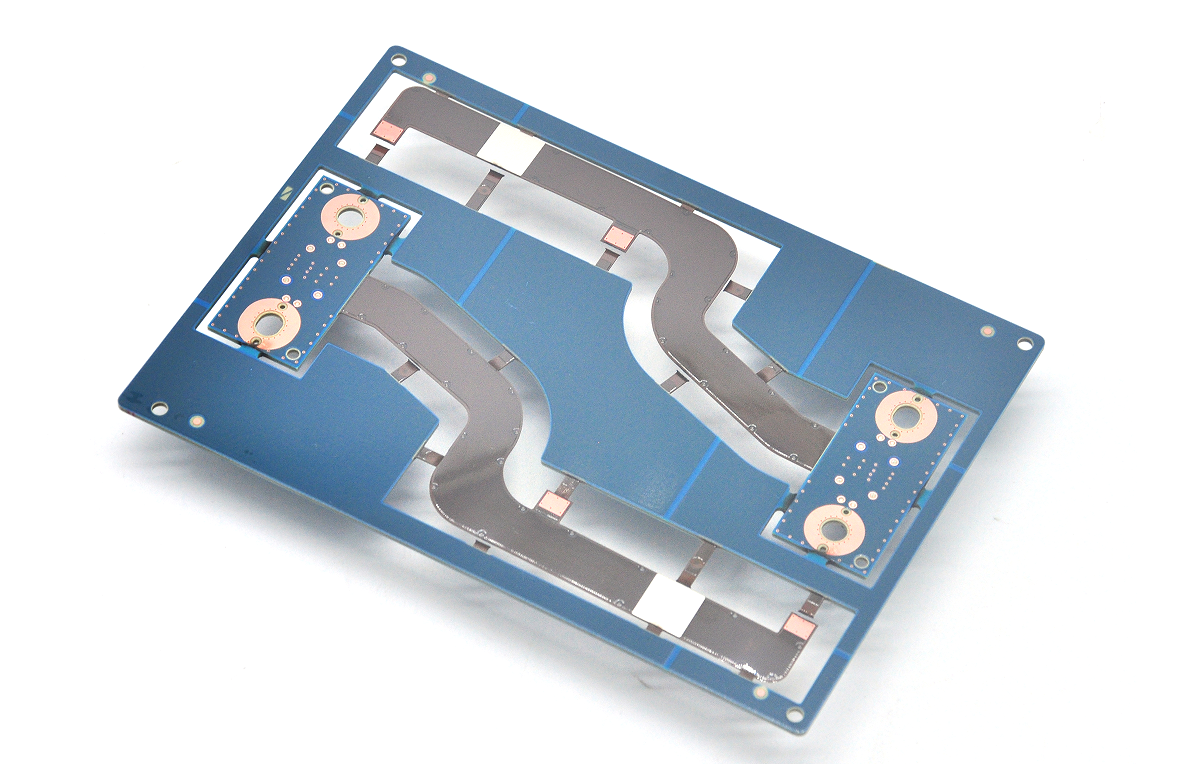
FR4 is rigid and not suitable for flexible circuits. For flexible applications, materials like polyimide are used. But recently, EBest Circuit (Best Technology) developed a new product called “semi-flexible FR4 PCB”, its flex area is made by FR4 material.

  • Is FR4 RoHS Compliant?

Yes, FR4 is RoHS compliant. This means that it meets the regulations set by the European Union to limit the use of specific hazardous materials found in electrical and electronic products.

  • What is FR4 Tg?

The glass transition temperature (Tg) of FR4 is a critical property that indicates the temperature at which the material transitions from a hard, glassy state to a soft, rubbery state.

EBest Circuit (Best Technology) excels not only in PCB and assembly manufacturing, but also in offering top-quality PCB design services. Our professional engineering team is ready to support your innovation across various industries, including communications, healthcare, industrial, and consumer electronics. We welcome all the questions or inquiries from you.
A Perfect Ending in Electronica China 2024! – EBest Circuit (Best Technology)

July 11th, 2024

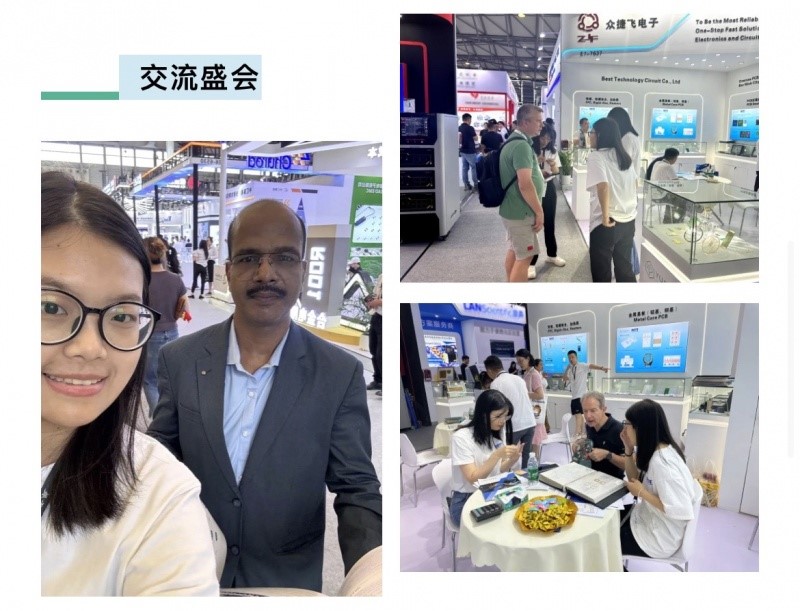
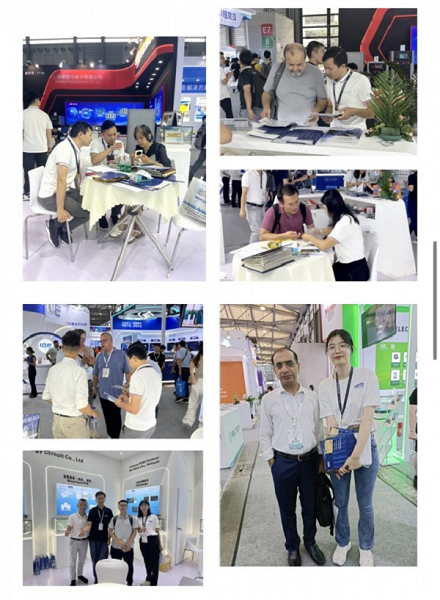
During July 8th to 10th, EBest Circuit (Best Technology) had an exhibition at the Electronica China 2024, and now, we are so excited to share that we had an incredible time! It was our first time at this event, and we believe it is not the last time.

It is must to say that the Electronica the perfect place for us to show off our cutting-edge PCB products. Our booth was buzzing with visitors curious about our advancements in metal core PCBs, ceramic PCBs, flexible PCBs and PCB design. We were thrilled with the positive feedback and the high interest in what we had to offer.

The exhibition wasn’t just about our products; it was also about making meaningful connections. We got to chat with industry experts, potential clients, and fellow exhibitors, discussing the latest trends and exploring possible collaborations. These conversations were incredibly valuable, and we’re excited to keep these relationships growing.

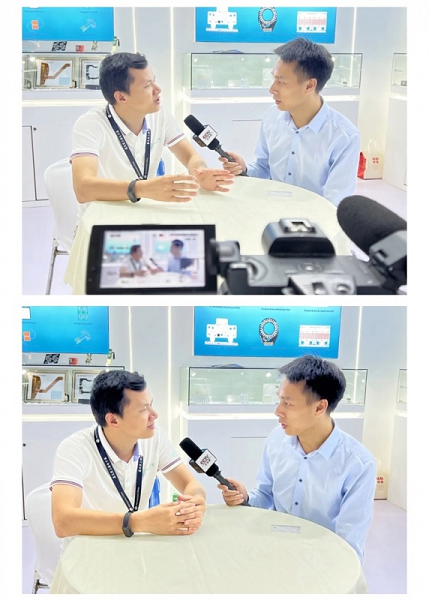
At this exhibition, EBest Circuit (Best Technology) also attracted the attention of authoritative media such as CCTV (China Central Television). It is a big and famous media in China. CCTV reporter visited our booth and conducted an interview with our founder, Peter. During the interview, Peter introduced the company’s latest products and technical advantages in detail, and shared the successful experience and future development plan of Best in the industry.

We want to send a huge thank you to all the friends and visitors who stopped by our booth. Your support and interest mean so much to us. Your enthusiasm for our products has motivated us to keep pushing the boundaries and coming up with even better solutions.

If you didn’t get a chance to see us at Electronica China 2024, don’t worry! We’ve got more exciting exhibitions lined up. You can catch us at PCB West in October and in Munich, Germany in November. We can’t wait to meet more industry pros and show off our latest innovations at these events.

EBest Circuit (Best Technology)’s debut at Electronica China 2024 was a big success. We’re so grateful for the opportunity to share our products and connect with the industry community. Thanks again to everyone who visited our booth. We look forward to seeing you at our upcoming exhibitions!

Your Reliable LED PCB Board Manufacturer – EBest Circuit (Best Technology)

June 27th, 2024

Nowadays, LED lighting has become increasingly popular in our daily life. With its rapidly rise in popularity, the term LED PCB has become commonplace. LED PCB also referred to as LED circuit board, LED aluminum PCB, or simply LED PCB board. Today, our team will share some informational knowledges about LED PCB circuit board, let’s keep reading if you are interested!

What is a LED PCB Circuit Board?

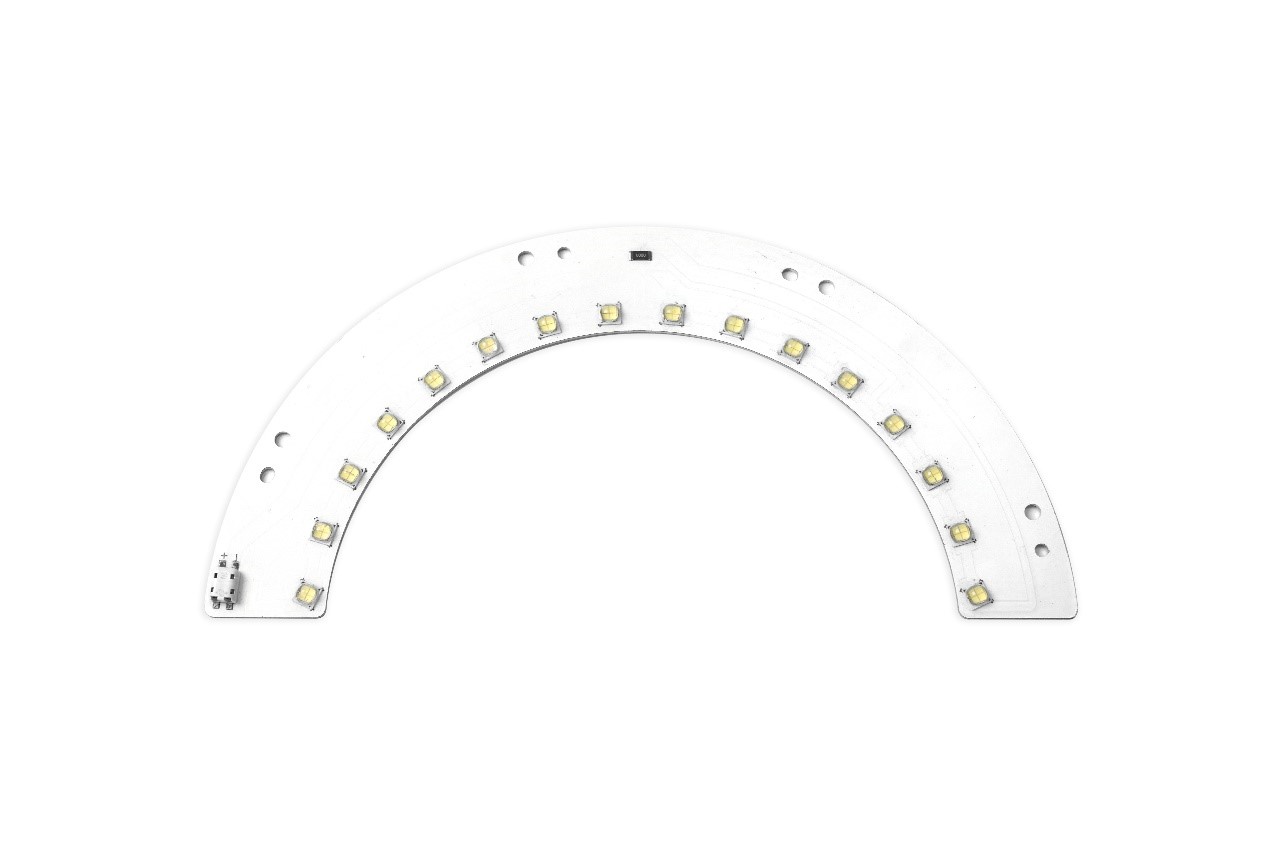
A LED PCB circuit board is a unique type of board crafted to hold and connect light-emitting diodes (LEDs). They are specially designed for lighting applications, like LED car headlights, pool lighting, UV LED, hotel lighting, grow light, high bay lights, stair lights, supermarket lighting, street light, etc. They are used almost everywhere. These boards provide the support and connections needed for LEDs to function efficiently and last longer. They are crucial in areas like lighting, automotive, and electronics, thanks to their ability to manage heat effectively and enhance the lifespan of LEDs.

What are the Different Types of LED PCB?

LED PCB boards are preferred over traditional lighting methods like fluorescent and incandescent bulbs. There are in total five types of LED PCBs, each designed for specific applications:

  • Aluminum based LED PCB

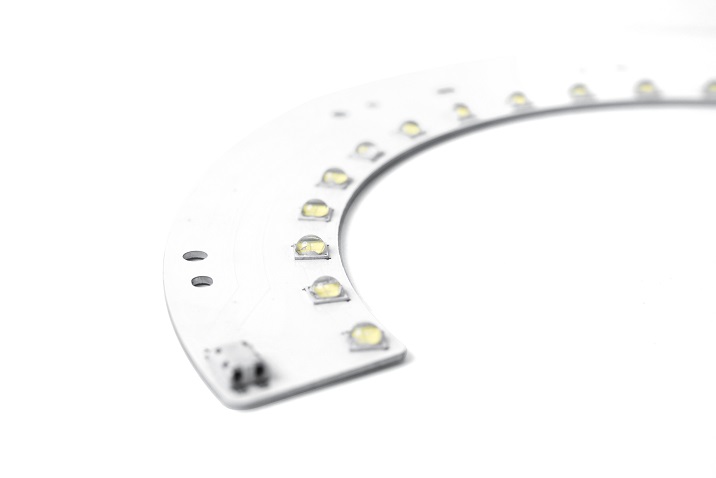
An LED PCB board, often made of aluminum alloy, serve as the base for mounting LEDs. This is the most common type of LED PCB, since it has good thermal management and cost-effective compared to other materials. The thermal conductivity of aluminum can be 1.0-3.0W/m.k, it can meet the almost heat requirements of low-middle power applications, like streetlights and floodlights. Additionally, EBest Circuit (Best Technology) developed a new product called semi-flexible aluminum PCB for specific device. It can be bent and folded when necessary.

  • Copper core LED PCB

Copper core LED circuit board can be divided into two types: normal copper core LED PCB and thermoelectric separation copper-based LED PCB. The copper material has higher thermal conductivity than that of aluminum, and it can up to 400W/m.k when made by thermoelectric separation technology. Copper based LED PCB board commonly used in high power devices like new energy vehicles.

  • Ceramic LED PCB

Ceramic LED PCB boards are made from ceramic substrates like aluminum oxide (Al2O3) or aluminum nitride (AlN). They have superior thermal management, and it can withstand extreme environment when used in high-temp and low temperatures. Ceramic substrates can handle high power and thermal cycling better than other materials, making them ideal for automotive, aerospace, and high-power LED applications.

  • FR4 LED PCB

FR4 LED PCB boards are made from woven fiberglass cloth with an epoxy resin binder, which provides good mechanical strength and insulation properties. FR4 is a widely used material for general-purpose PCBs due to its cost-effectiveness and versatility. While it has lower thermal conductivity (around 0.3W/m.k) compared to aluminum or copper, FR4 LED PCBs are suitable for low to medium power applications where thermal management is less critical. These PCBs are commonly used in consumer electronics, LED displays, and indoor lighting.

  • Flexible LED PCB

Flexible LED PCB boards are constructed using flexible plastic substrates like polyimide or polyester. This flexibility allows the PCBs to be bent, folded, and shaped to fit various applications. Flexible LED PCBs are ideal for products that require dynamic or complex designs, such as wearable electronics, flexible displays, and medical devices. Despite their lower thermal conductivity compared to rigid PCBs, flexible LED PCBs offer unique design advantages and are increasingly used in innovative LED applications.

What are the Benefits of Using Aluminum LED PCB Boards?

Aluminum LED PCB boards offer numerous advantages that other materials cannot achieved.

1. Better Heat Management: LED PCBs, particularly aluminum ones, help in cooling LEDs, preventing overheating and extending their lifespan.

2. Compact and Light: These boards are small and lightweight, making them perfect for applications with space and weight constraints.

3. Dimensional stability: Aluminum LED PCB board has good dimensional stability compared with flexible LED PCBs. And it has low CTE during the manufacturing.

4. Cost-Effective: Producing aluminum LED PCBs is relatively affordable, making them a budget friendly option for various applications.

5. Versatile: Available in different shapes and sizes, Aluminum LED PCBs can be customized to meet specific needs, enhancing their usefulness in various scenarios.

The Structures of a LED PCB Board in Manufacturing?

A LED PCB is similar to traditional rigid board, the only one difference is the LED mounting on the pads. Herein, we listing the basic composition of a LED pcb board, let’s see it together.

1. Substrate – The base of the PCB, which can be flexible (like polyimide), metal alloy (aluminum, copper), or ceramic, depending on the required thermal performance.

2. Copper foil – A thin layer of copper is used for forming the circuit paths on the PCB.

3. Solder mask – This is a protective layer covers the copper paths to prevent oxidation and short circuits. It also aids in SMT (surface mounted technology) soldering.

4. Silkscreen – Used to print labels, logos, vendors, symbols, and pick and place on the PCB for easy identification during assembly.

5. Adhesives – Aiming to bond different PCB layers, different material used different adhesive, always are prepreg (PP).

6. LEDs: The main components mounted on the PCB, available in various sizes, colors, power ratings, voltages and so on.

Your Reliable LED PCB Board Manufacturer – EBest Circuit (Best Technology)

EBest Circuit (Best Technology) stands out as a leading manufacturer of high-quality LED PCB boards. We offer a wide range of products and services to cater to various needs. With extensive experience and expertise in the industry, we are committed to providing reliable and cost-effective solutions.

  • Advanced Facilities

We are equipped with advanced machinery and technology, ensuring precision and efficiency in production.

  • Experienced Team

Our skilled professionals are dedicated to delivering topnotch LED printed circuit boards. Most of our core members has more than 10 years-experience in the PCB manufacturing.

  • Quality Assurance

We have passed ISO9001, ISO13485, IATF16949 certifications, and integrated them into our daily manufacturing process. These strict quality control measures can make sure every product meets the highest standards of industry.

  • Customization

We offer tailored customized LED PCB board solutions to meet customer specific requirements.

  • Competitive Pricing

EBest Circuit (Best Technology) has our own factory in China and Vietnam, we can provide most affordable solutions without compromising on quality.

Choosing EBest Circuit (Best Technology) means opting for excellence, reliability, and superior service. Partner with us for your LED PCB needs and experience the difference we bring.

Differential Signal PCB Design, Fiber Optical SFP Module

June 25th, 2024

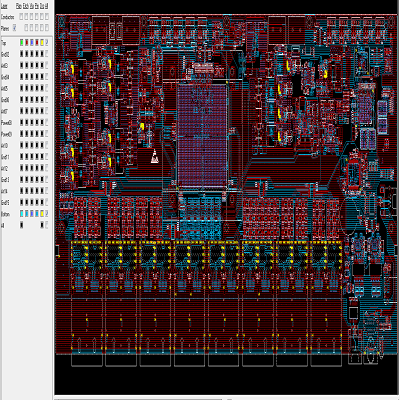
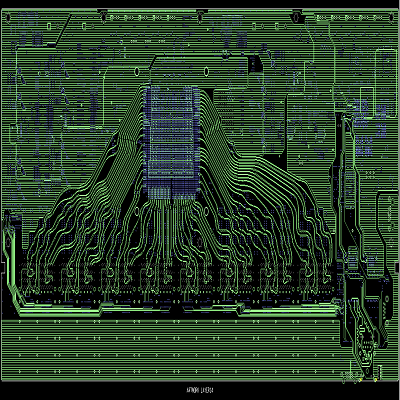
PCB design is one of an important process before the PCB manufacturing, it determines the overall performance of the whole product. We are an experienced PCB design and manufacturing vendor, with our professional technical team and advanced evaluated tools, we can make sure the PCB design one-time success. Today, we shared a example of fiber optical SFP modules design:

32X100G(QSFP28) large capacity convergence shunt

[1]: Marvell: 98CX8522

[2]: Single pair differential line, 25G optical network

[3]: 16 layers PCB

How to design a SFP optical module PCB?

SFP optical module interface PCB design depends on many aspects, including interface signal processing, timing control, power management and so on.

1. Determine the interface standard: SFP optical module interface standards, such as SFP, SFP+, QSFP and so on, you need to choose the appropriate interface standard according to the specific needs.

2. Choose the chip solution: According to the interface standard, choose the appropriate chip solution, usually including constant voltage source, amplifier, comparator, clock generator, EEPROM, etc.

3. Signal processing: For receiving and sending signals, filtering, amplification and comparison are required to ensure signal quality and stability.

4. Timing control: The timing and frequency of the clock signal need to be accurately controlled to ensure the correctness and stability of data transmission.

5. Power management: SFP optical module interface requires multiple power supplies, including Vcc, VCC-TX, VCC-RX, etc. Reasonable power management is required to ensure the stability and reliability of the power supply.

6. PCB design: According to the above requirements, PCB design is carried out, considering signal isolation, layering layout, status separation, signal integrity and other factors.

Feel freely to send message us if you are interested in PCB design.

What Are the Advantages of Using Bus Bar PCB?

June 14th, 2024

In the design of electronic devices and systems, power distribution and heat dissipation management are key factors. Bus bar PCB, as an efficient solution, is particularly outstanding in these aspects. In this article, we would like to introduce the advantages of Bus bar PCB and its applications in different industries.

What Is A Bus Bar PCB?

At the beginning, we should know what a bus bar PCB is. The Bus bar PCB is a special and newest design that integrates the FR4 material and metal alloy into a whole product, which allows the current transfer path into the circuit board. Due to the current carry capacity and special shape, it also called busbar PCB, embedded bus bar PCB, extruded copper PCB, copper inlay PCB, copper extrusion PCB.

bus bar pcb

Bus bar circuit board provide a more compact and efficient means of current distribution than traditional wires and cables. This design improves the overall performance of the electronic system by reducing inductance, increasing current carrying capacity, and optimizing heat dissipation.

What Are the Advantages of Bus Bar PCB?

Bus bar PCB offers numerous benefits when be using the power supply applications, its main functions are:

1. Reduce the inductance

Bus bar PCBs reduce inductance by allowing current to flow between tightly spaced conductors. This layout reduces the loop area and thus the inductance value. This is particularly important for high-frequency and highspeed applications, as it reduces voltage spikes and noise, improving system stability and performance.

2. Enhanced current carrying capacity

Due to its large cross-sectional area and high-quality conductive materials, Bus bar PCB can efficiently carry large currents. This is particularly useful in applications that require a large amount of power distribution, such as power supplies, electric vehicles, and renewable energy systems. Bus bar PCBs support higher current density compared to conventional PCB wiring, which improves thermal management and reliability.

3. Improve thermal management

The Bus bar PCB effectively dissipates heat generated by key components. In high power applications, the buildup of heat can affect performance and life. The Bus bar PCB helps maintain optimal operating temperatures through efficient heat distribution, reducing the need for additional cooling mechanisms.

4. Save space and weight

The compact design of the Bus bar PCB reduces the overall size and weight of the electronic components. Its simple construction and elimination of multiple wire connectors contribute to space savings. This is particularly beneficial for applications where size and weight are critical, such as the aerospace and automotive industries.

5. Improved reliability and durability

Bus bar PCBS have superior mechanical strength and durability compared to traditional wiring systems. Its robust construction and secure connections reduce the risk of loose connections, failure due to vibration, and mechanical wear. This improves system reliability and service life for harsh environments and demanding applications.

6. Simplify assembly and maintenance

Using a Bus bar PCB simplifies the assembly process because it reduces the number of individual wires and connectors. This not only speeds up installation, but also reduces assembly errors. In addition, the Bus bar PCB provides a more orderly and accessible layout for easy troubleshooting and repair.

embeded bus bar pcb

7. Cost effective

Although there may be a high initial cost, Bus bar PCBs can provide cost savings in the long term. Its advantages in reduced inductance, improved thermal management and enhanced reliability reduce operating and maintenance costs. In addition, Bus bar PCB reduces the need for addons, such as heat sinks or complex wiring bundles, thereby increasing overall cost effectiveness.

What Applications of Bus Bar PCB?

Due the high current carry capacity of the bus bar PCB, makes it very suitable for power supply or power management devices. Bus bar PCB can perform well in such fields. Here are some common application examples that bus bar PCB can be used for. If you are seeking for a PCB to integrate into your power supply project, then bus bar PCB is the go-to-choice.

1. Power Electronics

In power converters, inverters and high-current power supplies, Bus bar PCBS are widely used because of their ability to efficiently handle high currents and excellent thermal performance.

2. The Automobile industry

Another popular field that bus bar PCB used in is automotives, especially in electric vehicles (EVs) and hybrid electric vehicles (HEVs). In the electric cars, it can be used for battery connectivity and power distribution, contributing to weight reduction and performance improvements.

3. Renewable energy

Bus bar PCB is an environment friendly material, it is often used in solar systems, wind turbines and energy storage solutions to manage high currents and enhance reliability.

4. Industrial equipment

In industrial machinery and equipment, Busbar PCB provides powerful and efficient power distribution for motors, drives and control systems.

aluminum bus bar pcb

5. Aerospace

Bus bar PCBS are used in aerospace applications, such as avionics and power distribution systems, where size, weight and reliability are key factors.

Final Words

All in all, bus bar PCB offers significant advantages in handling high currents, improving thermal management, and providing reliable power distribution across various applications. By integrating bus bar PCBs, industries can achieve better power management, reduced system size and weight, and improved overall reliability.

EBest Circuit (Best Technology) is a one-stop PCB solution provider in Asia, we offer various kinds of PCBs not only include bus bar PCB, but also Extra thin PCB, RF PCB, HDI PCB, Heavy copper PCB, Ceramic PCB, Metal Core PCB, Flex PCB and rigid flex PCB, PCBA and so more. We have more than 17 years-experience in PCB design and manufacturing, and served more than 1200 customers. Choosing EBest Circuit (Best Technology) as your supplier ensures you get high quality PCBs, helping to improve the performance and competitiveness of your products. Contact us right now to customize your own PCB!

Why is FR4 Material the Most Commonly Used PCB Material?

June 5th, 2024

FR4 material is a highly popular and widely used substrate in the PCB industry due to its exceptional mechanical strength, electrical insulation, and flame retardant properties. It has become the standard for PCB fabrication.

What is FR4 Material and Why is it Used in PCBs?

FR4 is a type of fiberglass-reinforced epoxy laminate. The term “FR4” comes from its flame-retardant properties, meeting the UL94V-0 standard. It is made from woven fiberglass cloth and epoxy resin, which together provide great strength and durability.

Electrical engineers and designers prefer FR4 because of its many benefits, such as:

  • Low cost
  • High dielectric strength
  • Excellent strength-to-weight ratio
  • Moisture resistance
  • Temperature endurance
  • Good electric loss characteristics
  • Flame retardance and self-extinguishing capabilities
  • Mechanical robustness
  • Insulating properties

FR4 is also suitable for marine PCBs because it absorbs very little water. In a standard FR4 PCB, a layer of FR4 is placed between two thin layers of laminated copper.

FR4 material pcb

What are the Key Performances of FR4 Material?

FR4 material, also recognized as flame retardant 4, is a composite of glass fabric and epoxy resin, predominantly utilized as a foundational material for printed circuit boards. Familiarity with the specifications of FR4 is crucial for selecting the appropriate substrate for PCB manufacturing. Key specifications include:

1. The thickness of FR4 sheet is usually 0.2 mm to 3.2 mm, and other special thickness also available.

2. The specific gravity of FR4 material is about 1.85g/cm3, which means that it is heavier than water.

3. Coefficient of thermal expansion of FR4 is about 1.0×10^-5cm/cm/℃, which means that its length or width will expand slightly when the temperature changes.

4. The thermal decomposition temperature of FR4 materials is usually between 280C and 320C, which makes it able to withstand high temperature applications.

5. FR4 material has a dielectric constant around 4.0-4.8, which makes it an ideal material for circuit board manufacturing.

6. FR4 has good arc resistance, which means that in the case of high voltage, it can effectively prevent arc discharge.

7. FR4 material good hydrolysis resistance and can maintain good performance even in a humid environment.

RF FR4 PCB

What are the Types of PCB Materials in the Industry?

PCB materials can be broadly categorized based on their composition and intended application. Nowadays, the commonly used are including FR4, polyimide (PI), Metal material (copper or aluminum), ceramic substrate like Al2O3, AlN, Si3N4, and so on. Different materials have its unique functions and well-suited in specific environment. Here we introduce their properties and suited applications simply.

FR4 (Fiberglass Epoxy Laminate)

At present, almost of PCB you seen in the market or electronics used the FR4 material. It widely used because of its superb equilibrium of mechanical strength, electrical insulation, and cost-efficiency. Actually, according to the different reinforcement materials, the circuit board is mainly classified into the following types:

1) FR-4

2) FR-1, FR-2, etc.

3) CEM series: Composite substrate

FR-4 used frequently because of its high fire resistance rating.

High Tg FR4

Though normal FR4 material has good electrical insulation, it is not an ideal option for high frequency circuit board. And then, high Tg FR4 stands out by using an advanced technology. “Tg” refers to glass transition temperature, the juncture at which the material transitions from a rigid, glassy state to a pliable, rubbery state. High Tg FR4 boasts a Tg of 170°C or higher.

Polyimide (PI)

Polyimide materials are renowned for their excellent flexibility, superior thermal stability and chemical resistance. It is always used as raw material of flex circuits, rigid flex circuit boards or membrane switches. Due to the good chemistry properties, they can endure temperatures up to 260°C and are highly flexible, making them ideal for those small and limited PCB designs.

polyimide pcb

Metal base material

Metal materials always used in metal core PCBs (MCPCB), usually used aluminum core or copper core. The metal base has great thermal conductivity to enhance the thermal management of the device, buy using metal core, the device can dissipate heat away from the critical component such as LED chips, ICs, BGAs, to remain the reliability and performance of the PCB.

metal core pcb

Ceramic substrate

Ceramic PCB substrate offers excellent thermal conductivity and stability than that metal core PCBs, making them suitable for high-power and high-frequency applications. But due to the high cost and complex manufacturing, the ceramic PCB is much expensive than metal core PCB, therefore, they are always be used in high-end applications, such as the military, defense, aerospace and some special fields where requires excellent thermal management.

ceramic pcb

Understanding these materials enable to help engineers and designers in selecting the most appropriate substrate for their projects, ensuring optimal performance and cost-efficiency. EBest Circuit (Best Technology) provides a comprehensive array of PCB materials, guaranteeing high-quality solutions for all your electronic needs.

What are the Applications of FR4 PCB Material in Various Industries?

FR4 material is versatile and finds applications in numerous industries, including:

  • Consumer Electronics like smartphones, laptops, and other personal electronic devices.
  • Applied in vehicle electronics for infotainment systems, engine control units, and more.
  • Industrial Equipment such as control systems, power supplies, and industrial automation.
  • Essential for telecommunications, network devices, routers, and communication infrastructure.
  • Medical instrumentation and diagnostic equipment.
  • Aerospace and defense in avionics, radar systems, and defense electronics.

This is all of this sharing, thanks for your reading. Welcome to contact us if you have other questions about FR4 or other raw materials of PCB. EBest Circuit (Best Technology) engaging in the PCB manufacturing about 18 years, we are one of the leading PCB manufacturers in China. And we have such confidence to provide with you the best PCB and PCBA fast solution for your projects.

What is the Flexible Aluminum PCB?

May 29th, 2024

Flexible aluminum PCB is a new development in the recent years, it enables people decrease the size of certain products in some area. Different from the rigid flex PCB, flexible aluminum PCB combines the flex circuit and aluminum core circuit board (or can be copper core PCB), so it has the rigidity and good thermal management of traditional Aluminum PCBs with the flexibility of polyimide, these hybrid boards offer a host of advantages.

To increase the thermal conductivity in high power applications, and meet the flexibility requirements, flexible aluminum PCB is a good option. This article explores the key benefits of flexible Aluminum PCBs, highlighting why they are becoming increasingly popular in various applications.

flexible aluminum pcb

What is Flexible Aluminum PCB?

Flexible aluminum PCBs are a type of printed circuit board that uses an aluminum base material and is designed to be flexible. Unlike standard aluminum PCBs, these boards can bend and conform to different shapes, making them ideal for applications where space and flexibility are crucial. And Have you ever heard about our another aluminum board that we called bendable aluminum PCB? This is a special metal core circuit board that uses special material makes the circuit board bendable while won’t damage the board. May you think both of two are the same product? No, they are different in the constructure and raw materials, and the manufacturing processes are different as well.

Bendable aluminum PCB uses aluminum alloy as the raw material, considering it must meet the bendable requirement as well as the good thermal management during using, it must be specially designed aluminum alloy composite material. And the aluminum base thickness also is a key consideration, 0.2mm to 1.0mm always are the common bending metal substrate thickness. Meanwhile, the bending radius of bendable aluminum PCB also should be calculated before manufacturing, making it follow the bending design standard to smooth the manufacturing. It is the same as flexible aluminum PCB.

bendable aluminum pcb

What Are the Constructure of Flexible Aluminum PCB?

Flexible aluminum PCBs combine the benefits of aluminum’s excellent thermal management with the flexibility required for modern electronic designs. These PCBs are constructed using a combination of materials and layers that provide flexibility, durability, and efficient heat dissipation. And compared with original aluminum PCB, it adds the flexible insulation layer and the content of adhesive glue is different.

  • Aluminum base layer

The aluminum base layer serves as the foundation of the flexible aluminum PCB. It provides structural support and excellent thermal conductivity. Typically, high-quality aluminum is used for this layer due to its superior thermal properties and mechanical strength.

  • Dielectric layer

It acts an insulator between the aluminum base and copper foil, it can allow the heat pass through while electrically insulating the conductive pathways.

  • Copper foil

The copper foil forms the conductive pathways that carry electrical signals and power across the PCB. It is essential for the functioning of the electronic components connected to the PCB.

  • Flexible layer

Common materials for this layer include polyimide (PI) or polyester (PET), both known for their flexibility, thermal stability, and insulating properties. It contributes to the overall flexibility of the PCB, allowing it to bend and conform to various shapes.

  • Protective overlayer

This layer is applied over the copper circuits to protect them from environmental factors such as moisture, dust, and physical damage. It also provides mechanical support to the flexible areas. Normally called solder mask layer.

The Difference Between Flexible Aluminum PCB and Flex Circuits

While both aluminum flex PCBs and flexible printed circuits (FPCs) offer flexibility, they differ significantly in their materials and manufacturing costs:

ItemFlexible Aluminum PCBFlex Circuit (FPC)
Base MaterialAluminum corePolyimide or PET
Conductive MaterialCopper foil and aluminum for the conductive tracesVarious materials like polyimide, PET or the copper foil
FlexibilityLimited in specific areaFlexible everywhere
Thermal ConductivityHigh thermal conductivityDepends on the material used
Manufacturing ProcessComplexRelatively simple
Specific AdvantageFast heat dissipationGeneral part in electronics
CostHighCost-effective
(Comparison between flexible aluminum PCB and flex circuit)

What Are the Benefits of Using Flexible Aluminum PCB?

Flexible aluminum PCB has numerous advantages that make it highly preferrable for specific applications, including:

  • Excellent thermal management

Due to the applied of aluminum base, efficient heat dissipation prevents overheating and extends the lifespan of electronic components.

  • Lightweight and flexible design

Due to the flexible and lightweight features in the flex aluminum PCB, it can be bent and shaped the PCB reduces the need for additional connectors and saves space in compact designs.

  • Improve reliability

Aluminum based PCB has good durable, ensures the long-lasting performance of the whole product, even in harsh conditions.

  • High density integrated

The flexible aluminum PCB allows for the higher density circuit layouts than normal aluminum PCB.

  • Effective electromagnetic shielding

Aluminum material provides electromagnetic shielding in a certain degree, which helps to reduce the impact of electromagnetic interference on the circuit.

flexible aluminum pcb

How to Choose A Reliable Flexible Aluminum PCB Manufacturer?

Selecting the right manufacturer for flexible aluminum PCBs is crucial for ensuring quality and reliability. Make sure your supplier has extensive experience in this field and obtained relevant certifications like UL, CE, ISO9001 and so on.

EBest Circuit (Best Technology) is a China-based PCB and PCBA manufacturer, who has over 17-years-experience circuit board manufacturing. At EBest Circuit (Best Technology), we specialize in providing high-quality flexible aluminum PCBs tailored to meet your specific needs. And we were certificated by ISO9001 quality control system, ISO13485 for medical device and IATF16949 for automotive system. Our expertise and commitment to excellence ensure that you receive the best solutions for your electronic applications. Choose EBest Circuit (Best Technology) for your PCB requirements and experience the benefits of advanced PCB technology.

What Is the Importance of Ground Plane in PCB EMC Design?

March 30th, 2024

In the design of electronic products, electromagnetic compatibility (EMC) is a crucial consideration. Particularly in the design of printed circuit boards (PCBs), the rationality of EMC design directly impacts the performance and stability of the product. Among the many factors affecting EMC, one factor is especially critical, and that is the design of the ground plane. Today, let’s talk about the impact of grounding on EMC.

In an electronic product, grounding is a very important element, it is directly related to EMC compliance. Especially in large equipment, the grounding of multiple systems and subsystems is involved. It can be said, a good grounding system means the half successfully of a product.

What are Ground Plane and EMC in a PCB?

The ground plane, as the reference potential in a circuit, not only carries the return path of current but also plays a role in electromagnetic shielding and noise suppression. In high-frequency circuits, the impedance and layout of the ground plane have a significant impact on signal integrity. Unreasonable ground plane design may result in signal interference, increased radiation, and decreased system stability.

EMC stands for Electromagnetic Compatibility. It refers to the ability of electronic devices and systems to operate properly in their intended electromagnetic environment without causing or experiencing interference. EMC ensures that devices can function without adversely affecting other devices nearby or being affected by electromagnetic interference from external sources. Generally, the ground planes will showing three shapes, please see as following:

Why A Grounding Must be Designed in PCB?

Grounding can be understood as an equipotential point or plane serving as the reference potential for a circuit or system, which can be a specific ground layer in a PCB or the metal chassis of a product. While many perceive the purpose of designing a ground plane primarily to prevent external electromagnetic interference (EMI), but in printed circuit board design, it serves multiple purposes beyond this.

Generally, a well-designed ground provides a common reference zero potential for all circuit units within a system, ensuring no potential difference between circuits and thus stable operation. It also protects circuits from damage, ensuring the safe functioning of electronic products. For instance, ground can provide discharge paths for transient disturbances and dissipate accumulated charges on product metal enclosures induced by static electricity, to prevent potential sparks that may cause interference internally. Additionally, choosing appropriate grounding for shielding structures can yield effective electromagnetic shielding.

Grounding design is very necessary especially for medical industry. As we know, there are many medical devices are directly connected to patients’ bodies, such as monitors. In cases where the chassis carries voltage due to poor grounding, fatal risks may arise. Furthermore, grounding reduces common-mode interference currents flowing through PCBs and prevents high-frequency EMI signals within products from reaching equivalent radiating antennas. Thus, grounding is typically a primary method for noise suppression and interference prevention.

Design Principles of Ground Plane in PCB

A well-designed grounding system should not only consider the radiation and conduction of individual PCBs but also prevent from a systemic perspective. In the design phase, failure to carefully consider the grounding system may indicate a high likelihood of EMC failure for the system. So, knowing the design principles is extremely important to make sure the successful of EMC.

  • Keep it short and wide

To reduce the impedance of circuits, especially in high-frequency circuits, the ground plane should be made as short and wide as possible. This helps to minimize the return path of the current, thereby reducing EMI.

  • Partition layout

For complex PCB designs like multilayer PCBs, it is recommended to use a partition layout to separate the ground planes of different functional modules. This helps to isolate noise interference between different modules.

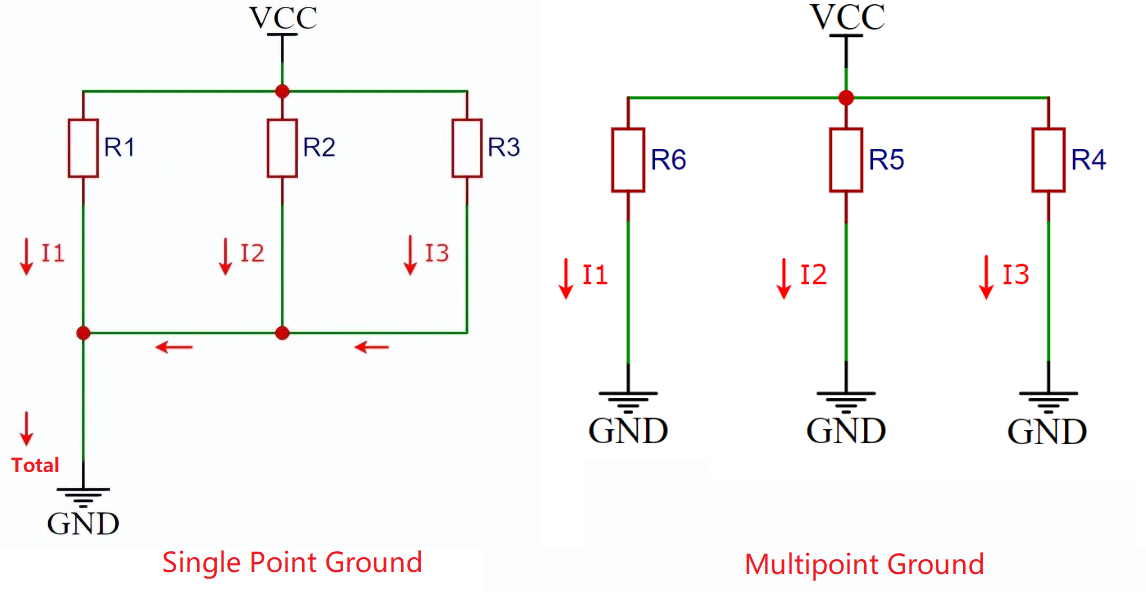
  • Single-point ground and multipoint ground

Depending on the circuit’s operating frequency and signal characteristics, choose between single-point grounding or multipoint grounding. Single-point grounding is suitable for low-frequency circuits, while multipoint grounding is more suitable for high-frequency circuits.

PCB_ground_plane_design
  • Ground plane

Where possible, use a ground plane as the ground. The ground plane can provide a low-impedance return path and aid in electromagnetic shielding.

How to Optimize Your Grounding Design?

As for PCB that has already design the circuit layout, how to optimize the ground to get the maximum EMI? Here are some tips that may helpful for you.

  • Fill the blank areas of the PCB with ground planes to increase the ground plane’s area and reduce impedance.
  • Reducing the area of ground loops helps to decrease electromagnetic radiation and induced noise.
  • Power lines and ground planes should be placed as close as possible and run parallel to reduce the area of the current loop.
  • Placing decoupling capacitors between power and ground planes helps to filter out high-frequency noise.
Semi_flexible_pcb

In PCB EMC design, ground plane design is an essential step that cannot be ignored. By following the principles and optimization methods of ground plane design, the EMC and signal integrity of electronic products can be significantly improved. Therefore, in PCB design, sufficient attention and consideration must be given to ground plane design. Welcome to contact EBest Circuit (Best Technology) if you want to know more about ground and EMC design.

2024 Newest Guide to High Thermal Conductivity PCBs

March 18th, 2024

Currently, with the rapid development of the digital era, the demands and requirements for electronics have increased significantly. Many double-sided and multi-layer boards have high density and power, making it difficult to dissipate heat efficiently. Conventional printed circuit board substrates such as FR4 and CEM3 are poor thermal conductors with interlayer insulation, the heat can’t transfer out, which leading to high-temperature failure of electronic components and devices. So, engineers and researchers are aiming to find high thermal conductivity PCBs to solve such problems, and metal core PCB and ceramic PCB stand out at this time.

Metal core PCB is a type of PCB that made by metal alloy material as the base core, commonly are aluminum core or copper core, rarely is iron PCB. They are popular because of its good heat dissipation properties and good mechanical strength.

What is Aluminum PCB and Why Use It?

Aluminum substrate is a low-alloyed Al-Mg-Si series high-ductility alloy sheet. It exhibits excellent thermal conductivity, electrical insulation properties, and mechanical machinability. Compared to traditional FR-4, with the same thickness and line width, aluminum substrate can carry higher currents, withstanding voltages up to 4500V. Its thermal conductivity coefficient exceeds 2.0.

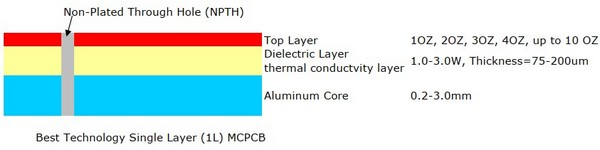
A normal single side (1L) aluminum core PCB consists of three layers, aluminum base, dielectric layer and copper trace layer. Generally speaking, 1L aluminum PCB is always used for LED lighting, high current LED, spotlight, etc. So it also called LED PCB. For high-end applications, there are also designs for double-sided boards, structured as circuit layer, insulation layer, aluminum base, insulation layer, and circuit layer. In rare cases, multi-layer boards are used, which can be composed of multi-layer FR4 boards laminated to insulation layers and aluminum base.

Aluminum_PCB

The thermal conductivity of aluminum core is range from 1-3W/m.k, the higher conductivity, the better heat dissipation. However, not all the projects is suitable for higher conductivity, it should depend on the specific requirements, such as mechanical strengthen, corrosivity. Nowadays, EBest Circuit (Best Technology) used 6061, 5052, 1060 aluminum alloy as the metal core, others also available if customers have requirements.

How Does Copper Core PCB Works?

Copper substrate is the most expensive type among metal substrates, offering significantly better thermal conductivity compared to aluminum and iron substrates. It is suitable for high-frequency circuits, regions with large temperature variations, and precision communication equipment for heat dissipation purposes, as well as in the construction and decoration industries.

The copper PCB’s circuit layer requires a significant current-carrying capacity, thus necessitating the use of thicker copper foils, typically ranging from 35ÎŒm to 280ÎŒm in thickness. The thermal insulation layer is the core technology of the copper substrate, composed of aluminum oxide and silicon powder as the main thermal conductive components, filled with a polymer of epoxy resin. It exhibits low thermal resistance (0.15), excellent viscoelastic properties, and possesses the ability to resist thermal aging, withstanding mechanical and thermal stresses.

The metal base layer of the copper substrate serves as its supporting component, requiring high thermal conductivity. It is typically made of copper foil, though copper plate can also be used (with copper PCB offering better thermal conductivity, around 1-400W/m.k). These substrates are suitable for conventional mechanical processing methods such as drilling, punching, and cutting.

Copper_core_PCB

What Are Differences Between Copper and Aluminum PCB?

Though both copper and aluminum are metal core PCB, they still have some differences in characteristic and manufacturing. Knowing their differentiation can help you to understanding and making correct decision in material selection.

  • Material

Copper has excellent electrical conductivity and mechanical strength, so copper PCB is well-suit for high frequency circuits and high-power electronic equipment. While aluminum is slightly inferior to the copper base, so it is a good choice of low-power devices.

  • Cost

Compared with copper, aluminum PCB has much advantages in cost, so if you have limited budget and require to use for low-power equipment such as LED lights, aluminum is the better one.

  • Manufacturing

Due to copper has great hardness and good strengthen, it requires for special technical and complex processes, for example: chemical etching, electro-plating. However, the lightweight of aluminum makes it easy in manufacturing. In addition, PTH (plated through holes) can be created on copper PCBs, but not on aluminum ones.

  • Physical Property

The difference in elastic modulus between copper and aluminum is significant, resulting in less warping and expansion/contraction in copper substrates compared to aluminum substrates.

  • Application

Aluminum PCB is lighter than copper substrate, the material cost is lower, often used in daily LED lights or electronic equipment. Because of its strong thermal conductivity and better electrical conductivity, copper substrate is usually used in high-speed circuits and high energy circuits. In addition, copper substrates are also widely used in areas requiring high heat transfer and heat dissipation performance, such as power amplifiers, power supplies, power tools, automotive engine controllers and solar inverters.

Sink_Pad_PCB

What is Ceramic PCB? And Its Thermal Conductivity?

Ceramic PCB is one of the high thermal conductivity PCBs in this industry. They have good high-frequency properties and electrical properties, and have high thermal conductivity, chemical stability and excellent thermal stability of organic substrates without. It is a new generation of large-scale integrated circuits and power electronics module ideal packaging materials. The thermal conductivity of the ceramic substrate can reach about 220W/ M.K according to the preparation method and the material formula. Theoretically speaking, the thermal conductivity of ceramic circuit made by alumina is 24-28W/m.k, AlN is 150-240W/m.k and for BeO is 22-250W/m.k.

Ceramic PCB can be divided into various types of PCB according to its different PCB manufacturing process, they are thick film, thin film PCB, DPC, DBC, HTCC and LTCC ceramic circuit board. Different types of PCB made in different temperature and uses different materials, this means they have different chemistry and physical properties. So you should take them into consideration when designing a ceramic PCB for your device.

Ceramic_PCB

A Reliable PCB Supplier in China – EBest Circuit (Best Technology)

Whatever you choose metal core PCB or ceramic PCB, a reliable supplier is necessary and needed. EBest Circuit (Best Technology) has extensive manufacturing experience in PCB and we are very confident that we can serve you the best service and high-quality product. With rich experience and strong R&D team, we know how to provide you the best solution and evaluate the design files for you. We have professional DFM (Design For Manufacturing) process to identify the mistakes or inappropriate layout in design. Welcome to contact with us to discuss your PCB projects.

Top 1 Design and Manufacturing Considerations for Bendable Aluminum PCBs

March 7th, 2024

You know, bendable aluminum PCBs have gained prominence in various electronic applications due to their unique ability to flex and conform to curved surfaces. Unlike traditional rigid PCBs that are commonly composed of materials like fiberglass , these PCBs utilize aluminum as the base material, allowing it bendable and flexibility when needed. Compared to the rigid characteristics of traditional metal core PCB, bending aluminum PCB can be adapted to specific space requirements and shape requirements. In this article, we will introduce the characteristics of bendable aluminum PCBs and explore the key considerations that engineers and manufacturers need to pay attention during the design and production process.

What Are the Benefits of Bendable Aluminum PCBs?

May some designers are reraly to know the bendable aluminum PCB, in their congnition, the bendable PCBs are including flex circuits, rigid flexible circuit and FFC, and aluminum PCB is classfied into one of rigid PCB. But here, EBest Circuit (Best Technology) is so proud to say, we have developed bendable aluminum PCB and we can manufacture it with fast delivery and high-quality, this is what we prouded.

The primary advantage of bendable aluminum PCBs is their flexibility. They can be bent and shaped to fit into various form factors and designs, making them suitable for applications where space is limited or where flexibility is required and traditional rigid boards are not ideal. Common applications include wearable devices, curved displays, and other electronic systems with unconventional form factors.

Additionally, bendable aluminum PCB has the advantages of aluminum, so it has good heat dissipation and higher thermal management than traditional PCBs. This feature is crucial for maintaining the reliability and performance of electronic devices, especially those operating in high-temperature environments.

Considerations During the Design Process

Al Material Selection:

Considering that it is a bendable aluminum substrate, it must be satisfied that the material selection should be bendable but at the same time have good heat dissipation of the metal base. This aluminum base material is a specially designed aluminum alloy or aluminum base composite material. Meanwhile, the thickness of the material is critical, such as the material is generally from 0.2mm to 1.6mm, of which 0.2mm to 1.0mm is the more common bending metal substrate thickness.

Flexibility Requirements:

Defining the flexibility requirements is a crucial step in the design process. The degree of bending, bending radius, and any other factors related to flexibility must be clearly defined based on the intended application. For instance, a wearable fitness tracker might require a specific bending profile to comfortably conform to the curvature of the wrist.

Also note that the bending radius is different for materials of different thicknesses. In general, a smaller bending radius usually corresponds to a thinner board material, while a larger bending radius can accommodate a thicker board material.

Circuit Layout:

The layout of the circuit components plays a pivotal role in ensuring the longevity of bendable aluminum PCBs. Designers should strategically plan the arrangement of components to accommodate bending without subjecting critical elements, such as sensors or microcontrollers, to excessive stress. Even distribution of components contributes to a balanced bending profile.

And the pad should not be designed at the bend of the bending, which will cause damage to the assembly components after bending, or even no way to bend. In addition, the welding pad near the bending cross should also be kept away from the bending line to avoid collision and extrusion of the components after bending.

Bending Radius:

Determining the minimum bending radius that the PCB can tolerate is essential for preventing structural damage or compromise in electrical performance. Specific bending radii should be defined based on the application’s needs. For example, a bendable aluminum PCB designed for a wearable device might need to withstand repeated bending with a predefined radius.

Dielectric Layer:

Choosing an appropriate dielectric material is crucial for maintaining insulation between different layers of the PCB. The dielectric layer should possess flexibility to withstand bending without compromising its insulating properties.

As we know, when design the aluminum PCB, the thermal conductivity is also important. Bendable aluminum also has the thermal conductivity requirement, but when the thermal conductivity material is higher, the higher the content of ceramic powder in material. And when the content of ceramic powder is higher, the brittleness of the material is higher, and it is easier to break or break after bending. The material of 1W/m.k is more bendable than 3W/m.k。

(Bendable_MCPCB)

Considerations During the Manufacturing Process

Bendable aera line

For the production requirements of the light plate, the V-cut mark is generally used to determine the complete line at the bend, and attention should be paid to the depth control of the v-cut, so as not to damage the line.

Testing and Validation:

Prototyping is a vital phase in the manufacturing process of bendable aluminum PCBs. Thorough testing and validation are necessary to ensure that the PCB meets the required electrical and mechanical specifications. Bending tests simulating the intended application conditions should be performed to assess the PCB’s durability. such as bending test, bending angle test.

Generally speaking, after the bare board finished, it’s not bendable to the required angle. In order to avoid bad transportation or collision, some customers require not to bend and they will bend it by themselves. But if the customers don’t want to bend the board by himself, we also can help to bend it, it will require mold and it need to custom the package for shipping. The custom package can help to protect the damage in shipping.

Collaboration with Manufacturers:

Close collaboration with experienced PCB manufacturers is key to successful production. Manufacturers with expertise in flexible PCB fabrication can provide valuable insights into the manufacturing process. Working together ensures that the design aligns with manufacturing capabilities, optimizing the production of bendable aluminum PCBs.

Conclusion

In a word, the design and manufacturing of bendable aluminum PCBs involve a series of critical considerations to ensure the success and reliability of the final product. From material selection and flexibility requirements to testing, validation, and compliance with industry standards, each step plays a pivotal role in creating PCBs that meet the unique demands of modern electronic applications. By carefully addressing these considerations, designers and manufacturers can unlock the full potential of bendable aluminum PCBs in diverse and innovative electronic devices. Welcome to contact EBest Circuit (Best Technology) if you want to know more.