PCB manufacturing PCB manufacturing
Home > Blog

pcb manufacturing companies in europe

Top 15 PCB Manufacturing Europe(EU), PCB Factory in Europe
Thursday, February 19th, 2026

Europe’s electronics industry relies heavily on reliable PCB manufacturing Europe services to support sectors like automotive, aerospace, and medical devices. PCB manufacturing Europe stands out for strict quality compliance and advanced technical capabilities, but also faces unique challenges such as cost pressures and supply chain fragmentation. High-caliber European PCB manufacturers address these regional pain points by integrating optimized processes and collaborative supply chain strategies to deliver tailored solutions.
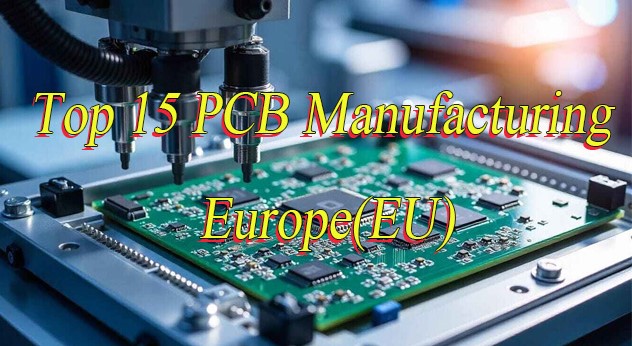
Top 15 PCB Manufacturing Europe(EU), https://www.bestpcbs.com/blog/2026/02/top-15-pcb-manufacturing-europe/

Top 15 PCB Manufacturing Companies in Europe(EU)

Company NameCountry/RegionMain BusinessCore AdvantagesProcess CapabilityLead Time
Best Technology Circuit Co., Limited (EBest Circuit Co., Limited)China (EU-compliant service)Full-range PCB manufacturing (prototyping to mass production) & assembly for European marketsEU RoHS/REACH compliance, multilingual technical support, European distributor network2-32 layers, HDI, rigid-flex PCBs, impedance control, RF/automotive-grade productionPrototypes: 2-5 days; Mass production: 7-15 days; Expedited for EU clients
EurocircuitsGermany/HungaryPrototype & small-batch PCB manufacturingOnline data verification, cost-saving pooling service, local EU production bases2-16 layers, HDI microvias, RF PCBs, IPC-compliant productionBare boards: 3-5 days; Assembled PCBs: 6-17 days
Zollner ElektronikGermanyHigh-reliability PCB assembly for automotive/medical sectorsISO 13485 certification, IATF 16494 compliance, complex assembly expertiseHigh-density assemblies, BGA/QFN soldering, cleanroom production10-20 business days
EnicsSwitzerlandIndustrial IoT & complex PCB assembliesLocalized EU production, sustainability focus, ISO 14001 certificationRigid-flex PCBs, functional testing, high-temperature materials7-18 days
All CircuitsFranceAerospace/automotive PCB manufacturing & assemblyAS9100 aerospace certification, turnkey solutions, EU supply chain integrationHigh-reliability PCBs, thermal management, complex interconnect designs8-22 days
Ashgill ElectronicsUKFast prototype PCB manufacturingDFM support, low MOQ, UK local production2-8 layers, prototype assemblies, SMT technologyPrototypes: 3-7 days
Note ABSwedenOEM EMS & industrial PCB productionLarge-volume production, quality traceability, Nordic quality standardsStandard/custom PCBs, industrial-grade material compatibility12-25 days
Kimball ElectronicsPolandIoT/medtech PCB manufacturingISO 13485 compliance, component sourcing support, Central EU logisticsPrecision assemblies, cleanroom production, IoT-specific PCBs9-18 days
Neways ElectronicsNetherlandsAutomotive/healthcare PCB assembliesRoHS compliance, long-term supply partnerships, Dutch quality control2-12 layers, power PCBs, high-current designs10-20 days
BMK GroupGermanyMid-volume high-end PCB assemblyAerospace certification, flexible production, German engineering precisionComplex PCBs, edge plating, high-precision drilling7-16 days
AsteelflashFrance/UKPCB manufacturing & box buildsEU supply chain, comprehensive testing, multi-site productionSMT assembly, functional testing, system-level integration8-20 days
Hanza GroupSwedenLocalized PCB productionSustainability focus, regional logistics efficiency, Nordic environmental standardsStandard PCBs, small-batch assembly, lead-free manufacturing11-23 days
VideotonHungaryConsumer electronics PCB manufacturingCost-efficient large-scale production, Eastern EU manufacturing advantage2-10 layers, SMT assembly, high-volume fabrication10-18 days
PlexusRomaniaHigh-complexity PCB assembliesMedical/industrial focus, strict quality control, EU regulatory complianceHDI, BGA rework, complex component placement9-21 days
ScanfilFinlandIndustrial/renewable energy PCBsNordic quality standards, custom solutions, renewable energy expertiseRigid PCBs, system assembly, high-voltage production12-24 days

Which Manufacturers Offer Fast PCB Manufacturing Europe?

  • EBest Circuit(Best Technology Circuit): Offers fast European PCB manufacturing services with a 2-5 day prototyping cycle and expedited mass production services. The company utilizes a global supply chain integrated with European distributors to ensure timely delivery while complying with EU regulations.
  • Eurocircuits: Provides 3-day bare board prototyping and 6-day assembled PCB services for urgent orders, with online data verification and local European production facilities to accelerate turnaround times.
  • Ashgill Electronics: Offers localized rapid prototyping services in the UK, with a 3-day turnaround time for simple designs, and provides DFM (Design for Manufacturability) support to streamline the iteration process while maintaining speed.
  • Proto-Electronics: Provides instant online quotes and 5-15 day delivery times, offering fast European PCB manufacturing and assembly services, focusing on small-batch urgent orders and providing flexible order adjustment options.
  • BMK Group: Offers high-end expedited PCB services for complex designs in 7-10 days, combining German engineering precision with flexible production planning to meet tight deadlines.
  • Eurocircuits: Provides 3-day bare board prototyping and 6-day assembled PCB services for urgent orders, with online data verification and local European production facilities to accelerate turnaround times.

Types of PCB Manufacturing Europe(EU)

  • Single sided and double sided PCB manufacturing.
  • Multilayer PCB manufacturing Europe.
  • HDI and microvia PCB production.
  • Rigid flex and flex PCB fabrication.
  • High frequency and impedance controlled PCB.
  • Prototype and low volume PCB production.
  • PCB manufacturing and assembly Europe.
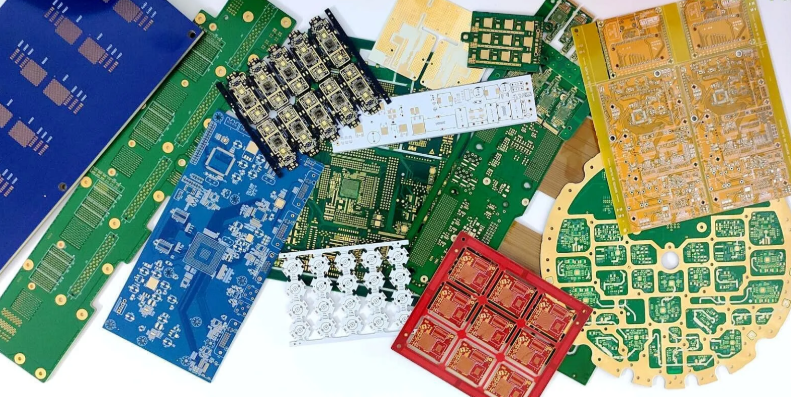
Types of PCB Manufacturing Europe(EU), https://www.bestpcbs.com/blog/2026/02/top-15-pcb-manufacturing-europe/

How to Choose the Best PCB Manufacturer Europe?

Selection Guide to the Best PCB Manufacturer Europe:

  • Thoroughly Verify EU Compliance Certification: First, confirm basic RoHS and REACH compliance. For specific industry needs, check IATF 164949 certification for automotive applications, ISO 13485 certification for medical devices, and AS9100 certification for aerospace projects. Require suppliers to provide complete compliance documents and material traceability reports to avoid market access risks.
  • Precisely Match Technical Capabilities with Requirements: Based on product characteristics, accurately assess the supplier’s process capabilities. For high-frequency and high-speed products, focus on impedance control accuracy and HVLP4 copper foil compatibility. For complex structures, prioritize HDI micro-via and rigid-flex technologies. Evaluate DFM support and simulation tools to ensure design manufacturability and cost-effectiveness.
  • Assess Supply Chain Risk Mitigation Capabilities: Given the shortage of high-end fiberglass cloth and high-frequency copper foil, check the supplier’s core material reserves, alternative material solutions, and the stability of cooperation with local European distributors. Prioritize manufacturers with dual material supply mechanisms to prevent production interruptions.
  • Control Full-Process Quality Management: In addition to ISO 9001 certification, understand key testing processes, including X-ray inspection, flying probe testing, and thermal cycling testing. Require a batch traceability system and defect rate statistics to ensure quality consistency meets IPC-A-600 and IPC-A-610 standards.
  • Balance Delivery Efficiency and Flexibility: Clearly define standard delivery times for prototypes (3-7 days) and mass production (7-20 days). Verify the ability to handle urgent orders. Prioritize PCB manufacturers with multiple production bases or local presence in Europe to shorten cross-border logistics cycles and address supply chain fragmentation issues.
  • Calculate Total Life Cycle Cost Components: In addition to the unit price, break down logistics costs, customs duties, waste disposal costs, and compliance fees. Evaluate the supplier’s energy-saving processes to cope with rising European energy prices and avoid the accumulation of hidden costs. Confirm quotation transparency and price adjustment mechanisms.
  • Consider Localized Service Support: Prioritize suppliers that provide multilingual technical support and local response teams for efficient design communication and problem-solving. Check after-sales service guarantees, including defective product repair processes, technical consultation response times, and long-term technical iteration support.
  • Focus on sustainability and compliance upgrades: Verify ISO 14001 environmental certification and carbon footprint reporting. Evaluate green manufacturing processes, such as lead-free technology and waste recycling. Understand suppliers’ plans to adapt to future EU environmental regulations to ensure long-term collaborative compliance.

Quality Standards for PCB Manufacturing Europe

  • RoHS Directive: Restricts hazardous substances (lead, cadmium) in PCB production.​
  • ISO 9001: Quality management system certification for consistent production.​
  • IATF 16949: Specific standard for automotive PCB manufacturing and assembly.​
  • ISO 13485: Compliance requirement for medical device PCB components.​
  • IPC-A-600: Acceptability criteria for bare printed boards.​
  • IPC-A-610: Standards for electronic assembly quality.​
  • REACH Regulation: Controls chemical substances used in PCB materials.

How to Verify the Technical Capability of PCB Manufacturer Europe(EU)?

Evaluation Guide to Technical Capability of PCB Manufacturer Europe(EU):

  • Verify maximum layer count and HDI performance: Top European PCB manufacturers support up to 32 layers for rigid PCBs and 20 layers for HDI boards. HDI capabilities should include microvias as small as 0.1mm, blind/buried vias with aspect ratio 1:1, and mass production yield above 98% for such structures.​
  • Assess impedance control precision: For high-frequency applications (up to 40GHz), ensure impedance tolerance is within ±5% for characteristic impedances (50Ω, 75Ω, 100Ω). Advanced factories use automated impedance calibration tools with repeatability error below 0.5Ω.​
  • Evaluate material range and specifications: Confirm compatibility with EU standards, covering FR-4 (Tg≥170℃), polyimide (operating temperature -55℃ to 200℃), and metal core PCBs with thermal conductivity 1-4W/(m·K). Require material certificates for RoHS/REACH compliance.​
  • Check DFM support and simulation capabilities: Prioritize factories offering DFM reports within 24 hours, with simulation tools covering signal integrity (SI) and thermal analysis. Ensure support for optimizing designs to reduce production costs by 10%-15%.​
  • Review testing capabilities with quantitative indicators: Verify flying probe testing precision up to ±2μm, X-ray inspection for solder joints as small as 0.05mm, and functional testing with 99.9% test coverage. 4-8 probe parallel testing systems can improve efficiency by 2-4 times.​
  • Assess industry-specific project experience: For automotive/medical/aerospace sectors, require at least 5 years of mass production experience and 100+ qualified clients. Medical PCB manufacturers should have ISO 13485 certification with defect rates below 500ppm.​
  • Verify R&D investment and innovation output: Leading European PCB manufacturing facilities allocate 5%-8% of annual revenue to R&D. Check for 2-3 new patents per year related to HDI, material compatibility or testing technology.​
  • Check minimum line width and spacing accuracy: High-end factories achieve 9/12μm (line width/space) for fine-pitch designs, with batch consistency error within ±1μm. This is critical for compact IoT and automotive electronics.​
  • Evaluate surface treatment process stability: Support mainstream processes like ENIG (nickel layer 2-5μm, gold layer 0.05-0.1μm), OSP and immersion tin. Ensure corrosion resistance meets IPC-4552 standards, with salt spray test pass rate 100% for 48 hours.​
  • Assess special process adaptability: For RF and automotive PCBs, confirm capability of controlled impedance routing (up to 100GHz) and thermal cycle testing (500+ cycles at -40℃ to 125℃) with no delamination.
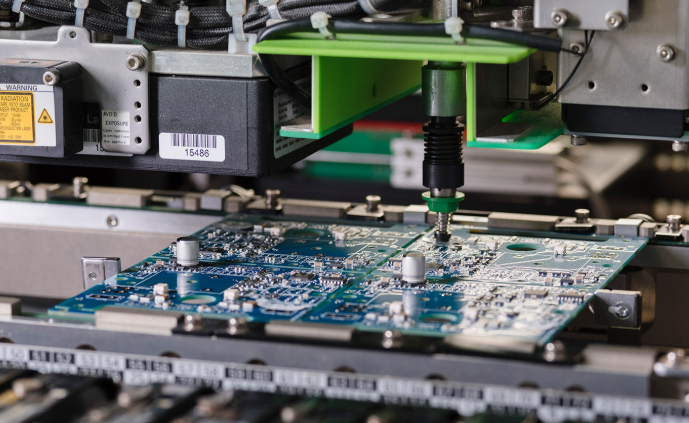
How to Verify the Technical Capability of PCB Manufacturer Europe(EU), https://www.bestpcbs.com/blog/2026/02/top-15-pcb-manufacturing-europe/

How to Evaluate the Production Capacity of PCB Factory in Europe?

Evaluation Guide to Production Capacity of PCB Factory in Europe:

  • Confirm monthly production capacity and scalability: For medium to large European PCB manufacturers, verify monthly capacity ranges from 50000 to 200000 square feet for rigid PCBs. Assess scalability by checking if they can boost output by 20 percent within 4 to 8 weeks without compromising quality.​
  • Evaluate lead time consistency and OTIF rate: Require an on-time in-full delivery rate of at least 95 percent for mass production orders. Review the past six months delivery reports to confirm lead time fluctuation is within ±1 day for standard batches. ​
  • Assess automation level and process stability: Check SMT production line automation rate of over 90 percent, equipped with robotic assembly and AOI SPI inspection. Verify MES systems monitor 120+ process parameters with automatic adjustments for deviations like etching temperature.​
  • Validate supply chain resilience for raw materials: Ensure core materials such as FR-4 and copper foil have dual source suppliers. Confirm key material inventory can cover 30+ days of production and cooperation stability with European local distributors. ​
  • Verify batch traceability system completeness: Ensure traceability covers raw material batches production processes and final shipment. The system should provide full data retrieval within 24 hours, meeting EU compliance and quality control requirements.​
  • Check low-volume high-mix production flexibility: Assess changeover time for different PCB models modular equipment supports 15-minute switch for four-layer boards. Confirm capability to handle 8 to 12 mixed designs simultaneously with MOQ as low as 10 units. ​
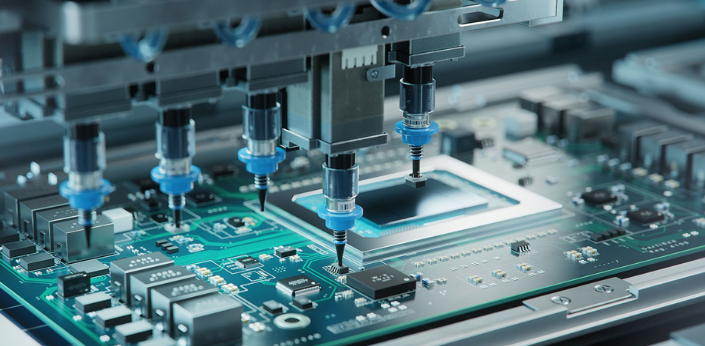
How to Evaluate the Production Capacity of PCB Factory in Europe, https://www.bestpcbs.com/blog/2026/02/top-15-pcb-manufacturing-europe/

Future Challenges of European PCB Manufacturers

  • Escalating energy costs across Europe impacting production profitability.
  • Growing competition from low-cost Asian manufacturers for mass production orders.
  • Rapidly evolving technology requiring continuous investment in equipment and skills.
  • Stricter EU environmental regulations increasing compliance costs and complexity.
  • Component shortages and supply chain disruptions affecting production schedules.
  • Skill gaps in the workforce for advanced PCB manufacturing Europe technologies.
  • Pressure to adopt sustainable materials and circular economy practices.
  • Geopolitical tensions disrupting cross-border supply and export opportunities.

FAQs of European PCB Manufacturing

Q1: How to reduce costs for low-volume PCB prototyping without sacrificing quality in Europe?
A1: Optimize for European PCB manufacturers offering pooling services to combine small-batch orders, cutting per-unit costs by 15%-20%. Leverage DFM analysis within 24 hours to optimize design (e.g., standardize hole sizes, reduce unique materials) and avoid rework. Prioritize local factories to eliminate cross-border logistics fees, while ensuring compliance with IPC-A-600 standards.

Q2: Why do high-frequency PCB prototypes often have signal integrity issues, and how to resolve them?
A2: Issues typically stem from improper trace routing, material mismatch, or impedance deviation. Choose low-loss dielectrics (e.g., FR-4 with Tg≥170℃) and control impedance tolerance within ±5% for 50Ω/75Ω lines. Use automated impedance calibration tools and SI simulation during design, and conduct RF testing post-production to identify signal loss, ensuring compatibility with high-frequency applications up to 40GHz.

Q3: How to handle last-minute component shortages during PCB assembly in Europe?
A3: Partner with suppliers having dual-source material mechanisms and a verified database of European distributors. Request alternative component suggestions with equivalent electrical performance, and ensure 24-hour verification of substitute parts. Opt for PCB manufacturing and assembly Europe services with local component inventory, which can reduce delivery delays by 30% compared to global sourcing.

Q4: What causes BGA soldering defects in European PCB assembly, and how to prevent them?
A4: Common causes include inadequate stencil alignment, improper reflow temperature profiles, and board warpage. Use automated stencil printing and AOI/SPI inspection to ensure alignment accuracy within ±2μm. Calibrate reflow ovens to match component specifications, and conduct X-ray inspection for hidden solder joints. Choose factories with SMT automation rates over 90% to minimize human error.

Q5: How to obtain complete compliance documentation for PCBs sold across the EU?
A5: Request a standardized compliance package from suppliers, including RoHS/REACH test reports, material certificates, and batch traceability records. Ensure suppliers integrate compliance checks into production processes, with real-time data retrieval within 24 hours. For medical/automotive PCBs, additional ISO 13485/IATF 16949 certification documents are required to meet sector-specific regulations.
Your Preferred PCB Manufacturer in Europe for Prototype
Tuesday, December 9th, 2025

A PCB manufacturer in Europe​ stands as a strategic partner for innovators, offering not just circuit boards but a blend of technological excellence, supply chain resilience, and rigorous quality standards crucial for bringing complex designs to life. This article explores the European PCB manufacturing landscape, examining its key strengths, defining characteristics of top-tier suppliers, and how it specifically empowers faster, more reliable prototype development.

Developing a new electronic product is exhilarating, yet the prototyping phase often becomes a bottleneck fraught with unforeseen challenges. Many engineering teams face significant hurdles when sourcing prototype PCBs:

  • Prototype Delays:​ Slow turnaround from overseas suppliers delays critical testing, pushing back your entire development timeline.
  • Inconsistent Quality:​ Unclear processes and variable quality in early builds lead to failed tests, re-spins, and wasted budget.
  • Communication Barriers:​ Language gaps and time zone differences hinder crucial technical discussions, leading to misunderstandings and errors.
  • Technical Limitations:​ Inability to source or manufacture with advanced materials (e.g., high-frequency, high-Tg) or complex constructions (HDI, heavy copper) stunts innovation.
  • Supply Chain Fragility:​ Geopolitical disruptions and long logistics lines risk your project’s continuity and intellectual property security.

The solution lies in partnering with a capable and responsive PCB prototype Europe​ specialist. A local expert directly addresses these pain points:

  • Rapid Prototype Turnaround:​ Proximity enables dramatically faster quotes, production, and delivery, accelerating your design iterations.
  • Stringent Quality Systems:​ Adherence to international certifications (e.g., ISO, IATF, UL) and robust in-process controls ensure first-article reliability.
  • Seamless Engineering Collaboration:​ Local teams provide direct, real-time support for Design for Manufacturing (DFM) reviews, ensuring your design is optimized for success.
  • Advanced Technical Capabilities:​ In-house expertise in advanced processes and materials allows you to push the limits of your prototype’s performance.
  • Resilient and Secure Supply:​ Short, transparent supply chains within the EU reduce risk, protect IP, and ensure project stability.

At BEST Technology, we embody this solution-oriented approach. As a specialist in advanced PCB prototype and PCB series manufacturing, we combine nearly 2 decades of deep technical expertise with a client-centric model. Our printed circuit board facility is equipped to handle the most demanding prototype challenges, from high-frequency RF boards to complex HDI designs, ensuring your project moves from concept to validation with speed. For your next prototype, pls feel free to contact our team at sales@bestpcbs.com.

PCB Manufacturer in Europe

Why Global Brands Prefer a PCB Manufacturer in Europe?

Selecting a PCB manufacturer in Europe​ is a strategic decision driven by more than just geography. For global brands, especially in sectors like automotive, aerospace, industrial automation, and medical technology, it aligns with core operational values that mitigate risk and enhance product integrity. The preference stems from a combination of tangible benefits that directly impact the bottom line and innovation speed.

  • Unmatched Proximity and Agile Timelines:
    Physical closeness to R&D centers enables an agile development cycle.
    Faster shipping (often 1-2 days within the EU versus weeks from overseas) allows for more prototype iterations in the same timeframe.
    This proximity facilitates just-in-time manufacturing and reduces inventory costs for series production.
  • Stringent Quality and Traceability Standards:
    European manufacturers operate within a robust regulatory framework.
    Compliance with ISO 9001 (Quality), IATF 16949 (Automotive), ISO 13485 (Medical), and AS9100 (Aerospace) is standard.
    This culture of quality ensures rigorous process control, full material traceability, and comprehensive documentation—critical for audits and in regulated industries.
  • Enhanced IP Protection and Data Security:
    The EU’s strong legal framework for intellectual property (IP) and data protection (GDPR) provides significant security.
    Working with a local PCB factory in Europe​ minimizes the risk of IP leakage or unauthorized design replication, giving companies peace of mind, especially for cutting-edge, proprietary technologies.
  • Supply Chain Resilience and Sustainability:
    Local sourcing of key materials and shortened logistics chains reduce exposure to global disruptions. Furthermore, Europe is at the forefront of environmental regulations (e.g., RoHS, REACH, WEEE), meaning PCB manufacturing companies in Europe​ are leaders in sustainable, green manufacturing processes, aligning with corporate ESG (Environmental, Social, and Governance) goals.
  • Deep Technical Collaboration:
    Shared time zones and cultural affinity enable seamless communication.
    Engineers can easily discuss complex DFM feedback, material selections, and technical challenges in real-time with their manufacturing partner, turning the supplier into a true extension of the development team.

In summary, choosing a European PCB partner is an investment in reduced risk, protected innovation, accelerated time-to-market, and adherence to the world’s highest standards of quality and sustainability.

Growth Trends Among PCB Manufacturers in Europe

The landscape for PCB manufacturers in Europe​ is dynamic, shaped by technological evolution and strategic regional priorities. Rather than competing on volume alone, the continent’s industry is pivoting towards high-value, specialized manufacturing that leverages its historical strengths in engineering and precision.

  • Specialization in High-Value, Technology-Intensive Segments:
    European PCB manufacturing in EU​ is increasingly focused on sectors with high barriers to entry. This includes substrates for power electronics (e.g., for EVs and renewable energy), advanced packaging for semiconductors, ultra-reliable boards for aerospace & defense, and sophisticated RF/microwave circuits for telecom and radar.
    This shift moves the industry up the value chain.
  • Accelerated Adoption of Automation and Industry 4.0:
    To maintain competitiveness in a high-cost environment, factories are heavily investing in automation, AI-driven process optimization, and digital twins.
    This “smart factory” approach enhances yield, consistency, and allows for highly flexible, low-volume/high-mix production—perfect for prototypes and specialized series.
  • The “Green Manufacturing” Imperative:
    Sustainability is a core driver.
    Trends include reducing water and energy consumption, implementing closed-loop recycling systems for chemicals and metals, and developing halogen-free and bio-based materials.
    This isn’t just regulatory compliance; it’s a key competitive advantage for eco-conscious global brands.
  • Onshoring and Supply Chain Regionalization:
    Geopolitical events have accelerated the trend of bringing critical electronics manufacturing closer to end markets.
    This benefits PCB suppliers in Europe, as both European and international companies seek to “friend-shore” production, creating demand for reliable local capacity.
  • Focus on Advanced Materials and Processes:
    Research and development are geared towards mastering new frontiers.
    This includes substrates for higher frequency applications (e.g., PTFE, ceramic-filled laminates), improved thermal management materials (metal-clad, insulated metal substrates), and advanced processes like mSAP (modified Semi-Additive Process) for ultra-fine-line HDI.

The trajectory for European PCB manufacturing is clear: it is consolidating its position as a center for innovation, quality, and sustainable production for the world’s most demanding applications.

Overview of PCB Manufacturing Companies in Europe

The ecosystem of PCB manufacturing companies in Europe​ is diverse, catering to a wide spectrum of needs. Understanding this structure helps in identifying the right partner for a specific project, from a simple prototype to a mission-critical automotive component.

  • High-Frequency & RF Specialists:
    These are niche PCB makers in Europe​ focused on radio frequency, microwave, and millimeter-wave applications.
    They excel with low-loss materials like Rogers, Taconic, or PTFE, offering precise impedance control and specialized surface finishes.
    They are key partners for telecom, aerospace, and defense projects.
  • Rapid Prototype & Quick-Turn Shops:
    A vital segment for R&D, these suppliers prioritize speed.
    Many operate online as PCB manufacturer online​ platforms, offering streamlined quoting and ordering for standard-technology prototypes.
    They are ideal for initial design validation and lower-complexity boards where fast turnaround is the primary driver.
  • Automotive & Industrial Powerhouses:
    Often among the largest PCB manufacturers in Europe, these facilities are characterized by massive scale, full automation, and certifications like IATF 16949.
    They specialize in high-reliability, high-volume production for automotive control units, power electronics for industrial drives, and other demanding applications.
  • Aerospace, Defense, and Medical-Grade Manufacturers:
    This group represents the pinnacle of reliability and documentation.
    Their processes are exhaustive, with absolute traceability for every material and process step.
    They commonly hold AS9100 and ISO 13485 certifications and handle complex, multilayer, and often rigid-flex boards for life-critical systems.
  • Material and Technology Innovators:
    Beyond pure board fabrication, Europe is home to leading material science companies that develop the core laminates, prepregs, and coatings.
    The synergy between these material innovators and advanced PCB assembly manufacturer in Europe​ partners drives the continent’s technological edge in areas like thermal management and high-speed digital performance.

This varied landscape means that for every project, from a simple PCB prototype Europe​ order to a complex series production, there is a specialized European manufacturer equipped to deliver.

What Defines the Top PCB Manufacturers in Europe?

Identifying the top PCB manufacturers in Europe​ requires looking beyond basic capabilities. These industry leaders are defined by a holistic set of standards that separate them from competent manufacturers, establishing them as benchmarks for the sector.

  • Comprehensive and Depth of Technical Certification:
    A true top-tier manufacturer possesses more than just ISO 9001.
    It is defined by industry-specific certifications: IATF 16949​ for automotive, AS9100​ for aerospace, and ISO 13485​ for medical devices.
    These are not just plaques on the wall but represent deeply integrated quality management systems.
  • Mastery of an Advanced Material Portfolio:
    They don’t just work with FR-4.
    They offer expert guidance and proven process windows for a wide range of high-performance materials—high-frequency laminates (Rogers, Taconic), high-Tg and low-loss halogen-free materials, polyimide for flex, and specialized thermal management substrates.
    This material expertise is fundamental.
  • Uncompromising Process Control and Traceability:
    From lot-number tracking of every laminate sheet and chemicals to automated optical inspection (AOI) and electrical test data logging, every step is controlled and documented.
    Full traceability is non-negotiable, allowing for root-cause analysis of any anomaly, which is critical for high-reliability sectors.
  • Proven Cross-Industry Experience and References:
    The best PCB manufacturers in Europe​ have a demonstrable track record across multiple demanding verticals.
    They have case studies and client references from automotive tier-1 suppliers, aerospace primes, and leading medical device companies.
    This experience translates into proactive problem-solving ability.
  • Investment in R&D and Future Technologies:
    They are not passive producers.
    Top manufacturers invest a significant percentage of revenue into R&D, collaborating with material suppliers and equipment vendors to pioneer next-generation processes, such as embedding active/passive components, ultra-fine-line patterning, and advanced surface finishes for enhanced reliability.

In essence, a top European PCB manufacturer is a strategic partner whose capabilities, systems, and culture are built to assure success in the world’s most quality-sensitive and technologically advanced applications.

Strengths of a PCB Factory in Europe for High-Precision Builds

When the design calls for extreme precision, the inherent strengths of a modern PCB factory in Europe​ come to the fore. Their advantage lies in a combination of state-of-the-art equipment, deeply ingrained engineering discipline, and a focus on process mastery rather than just throughput.

  • Expertise in HDI and mSAP Processes:
    For boards requiring high-density interconnects (HDI) with microvias and trace/spacing below 75µm, European factories are leaders.
    Many employ the modified Semi-Additive Process (mSAP), which allows for exceptionally fine lines and spaces (down to 15µm) crucial for advanced packaging and miniaturized devices.
  • Precision in Heavy-Copper and Power Electronics:
    Building reliable boards for high-current applications is a distinct skill.
    European facilities excel in manufacturing PCBs with extreme copper weights (up to 20 oz or more), managing the associated lamination challenges, and ensuring uniform plating in deep vias for effective thermal management and current carrying.
  • Superior High-Frequency/High-Speed Performance Control:
    The ability to consistently achieve target impedance and minimize signal loss is paramount.
    This requires not just the right materials but exceptional process control in etching, lamination, and plating to maintain consistent dielectric thickness and conductor profile—a standard strength in European precision manufacturing.
  • Advanced Direct Imaging and Automated Optical Inspection:
    The use of laser direct imaging (LDI) provides superior alignment accuracy and finer feature resolution compared to traditional phototooling.
    This is coupled with high-resolution AOI systems that can detect minute defects, ensuring that even the most complex, high-layer-count boards are built to specification.
  • Integrated Engineering Support for DFM:
    The strength is not just in the machines but in the people.
    Experienced process engineers work directly with client designs, providing detailed PCB order Europe​ DFM feedback.
    They analyze aspects like copper balancing, via structures, and material selection to prevent manufacturing issues and optimize the design for yield and performance before it goes to production.

For high-precision builds, the European PCB factory acts as a precision engineering partner, where every micron is accounted for and every process parameter is optimized for repeatability and quality.

How PCB Prototype Europe Services Support Faster Development?

PCB prototype Europe​ services are the catalyst for accelerated product development. By leveraging local manufacturing, engineering teams can compress their design cycles and de-risk projects more effectively than with distant suppliers.

  • Dramatically Reduced Logistics Time:
    The most obvious advantage is physical proximity.
    Shipping a prototype from within Europe often takes 24-48 hours, compared to 5-15 days from Asia. This speed enables a true “build-test-iterate” agile cycle, allowing multiple design revisions within a single month.
  • Iterative Development with Real-Time Feedback:
    Fast turnaround enables an iterative approach.
    Engineers can test a design, identify flaws, modify the layout, and receive a new version in days.
    This rapid learning loop leads to a more optimized and robust final design much faster than with long lead times.
  • Collaborative DFM from Day One:
    Local PCB suppliers in Europe​ for prototyping often provide more accessible and collaborative DFM analysis.
    Engineers can have quick calls or even face-to-face meetings to discuss constraints, material choices, and cost drivers, preventing errors before the first board is made and avoiding costly re-spins.
  • Access to Specialized Materials for Niche Testing:
    For advanced applications, the prototype phase is the time to test specialized materials (high-frequency, high-Tg, flexible).
    European prototype services typically offer a wider, more accessible portfolio of these materials locally, allowing for realistic performance testing early in the R&D phase.
  • De-risking Ramp to Series Production:
    Using a local prototype vendor that also has series production capabilities (or partners closely with a volume house) ensures a seamless transition.
    The processes, materials, and knowledge are transferred, eliminating the “re-qualification” shock that often occurs when moving a prototype design to a different, high-volume PCB manufacturer in USA​ or Asia.

In short, European prototype services turn the PCB from a project bottleneck into a development accelerator.

How to Choose Reliable PCB Suppliers in Europe for Complex Projects?

Selecting the right partner from the many PCB suppliers in Europe​ for a complex project—involving HDI, advanced materials, or high-reliability requirements—requires a diligent, criteria-driven evaluation.

  • Technical Capability Audit:
    Don’t just review a capability matrix; request evidence.
    Ask for samples of similar technology (e.g., a 20-layer HDI board, a heavy-copper power board). Inquire about their standard process controls for impedance, their experience with your specific target material, and their yield rates for comparable designs.
  • Quality and Certification Verification:
    Ensure their certifications (IATF, AS, ISO) are current and scope-appropriate.
    Ask about their internal audit schedule, how they handle non-conformances, and request a summary of their quality manual.
    For critical projects, an on-site audit is highly recommended.
  • Engineering Engagement and Communication:
    Assess the responsiveness and depth of their engineering team during the quoting/DFM stage.
    A reliable partner will ask detailed questions and may suggest alternatives to improve manufacturability or performance.
    Gauge their willingness to engage in technical dialogue.
  • Supply Chain Transparency and Security:
    Inquire about their key material suppliers and secondary sources.
    Understand their business continuity plans.
    For IP-sensitive projects, confirm they have robust IT security (ISO 27001) and clear NDAs/IP agreements in place.
  • Scalability and Partnership Approach:
    Discuss not just the prototype, but the path to medium or high-volume production.
    Do they have the capacity, or a trusted partnership model?
    Choose a supplier that acts as a long-term partner invested in your product’s success, not just a one-time vendor.

Choosing reliably means looking beyond price and lead time to the underlying systems, expertise, and cultural fit that will ensure project success.

Why Many Teams Work With a PCB Assembly Manufacturer in Europe?

Integrating with a PCB assembly manufacturer in Europe​ for a turnkey or consignment assembly service adds another layer of efficiency and quality assurance to the electronics manufacturing process, especially for prototypes and complex builds.

  • Single Point of Accountability:
    Managing a PCB fab, a component sourcing agent, and an assembler separately creates logistical complexity and finger-pointing risk.
    A European-based assembly partner that manages the entire process—from procuring the bare board (often from a trusted local fab) to sourcing components and performing assembly—provides one responsible entity for the final assembled PCB (PCBA).
  • Accelerated Time-to-Finished Prototype:
    Local assembly drastically reduces the time between receiving bare boards and having a functional prototype.
    It eliminates international shipping of bare boards and components, allows for faster programming and testing setup, and enables quick engineering changes if rework is needed.
  • Superior Quality in Fine-Pitch and Advanced Packaging:
    European assembly houses are typically equipped for high-mix, complex builds.
    They have the expertise and equipment (e.g., advanced SMT lines, X-ray inspection, 3D AOI) to reliably assemble fine-pitch BGA, QFN, and 01005 components, as well as handle underfill and conformal coating processes to a high standard.
  • Simplified Logistics and Reduced Overhead:
    Consolidating the supply chain within one geographic region (or even one facility) minimizes customs paperwork, shipping costs, and transit damage risk.
    It simplifies inventory management and can improve cash flow.
  • Enhanced Design for Assembly (DFA) Feedback:
    A local assembly partner can provide early and ongoing DFA feedback, just as the fab provides DFM. This collaboration can optimize component placement, stencil design, and test point accessibility, improving first-pass yield and long-term reliability.

For teams looking to streamline their build process and ensure the highest quality in the final assembled product, partnering with a European PCBA manufacturer is a logical and effective strategy.

Top 10 PCB Manufacturers in Europe

Europe’s PCB Market

China Dependency

  • Over 65% of Europe’s PCB raw materials and standard boards come from China.

Automotive Focus

  • Automotive electronics—especially EV systems—remain a critical driver of European PCB demand.

Market Concentration

  • The European PCB industry is fragmented, with many mid-sized specialist firms rather than a few global giants.

Europe excels where speed, reliability, and engineering collaboration outweigh sheer output volume.

RankCompanyHeadquartersCore Specialization
1EurocircuitsBelgiumRapid Prototyping
2NCAB GroupSwedenContract Manufacturing & Assembly
3Würth ElektronikGermanyPCB + Passive Components
4Elvia PCB GroupAustriaHigh-Reliability PCBs
5Beta LAYOUTGermanyDesign-to-Manufacturing
6AspocompFinlandHigh-Frequency & High-Speed
7Lab CircuitsNetherlandsCustom PCB Engineering
8ICAPE GroupFranceAerospace & Defense
9eXception PCBGermanyFlexible & Rigid-Flex PCBs
10TrackwiseUKRapid Small-Batch Production

Strategic Comparison: Two Dominant Models

Prototyping Specialists (Eurocircuits, Trackwise)

• Focus on speed and flexibility
• Target: Startups, IoT developers, R&D labs
• Standard process includes online ordering and short turnaround (1–3 days)
• Higher cost per unit due to focus on agility

Engineering Giants (NCAB Group, Würth Elektronik)

• Focus on long-term supply, engineering support, and integration
• Target: Automotive OEMs, aerospace, and large global brands
• Emphasis on DFM optimization and scalable production
• Lower unit costs for medium to large volumes

Selection Criteria Checklist

Consider the following factors when choosing a European PCB manufacturer:

  1. Project Phase
    Prototypes suit Eurocircuits or Trackwise.
    Mass production aligns with NCAB or Würth.
  2. Technical Specifications
    High-frequency requirements? Choose Aspocomp.
    Need passive component integration? Würth stands out.
  3. Geographic Support
    Some manufacturers, like NCAB Group, have teams across Europe for local communication and service.
  4. Certifications
    Look for:
    • IATF 16949 (Automotive)
    • AS9100 (Aerospace)
    • ISO 9001
    • IPC Class 3 capability for high-reliability builds

Europe’s PCB market thrives on engineering depth, reliability, and rapid innovation cycles rather than mass production. While global giants in Asia dominate volumes, European firms excel in delivering specialized, high-value solutions.

For engineers and procurement teams, the choice depends on project goals:
Rapid prototyping for early-stage innovation
High-reliability or large-scale production for mature products

Both categories play a vital role in Europe’s evolving electronics ecosystem.

Case Studies of PCB Order Europe Projects Supported by EBest Circuit (Best Technology)

At BEST Technology, we pride ourselves on being a strategic partner for European innovators, turning complex specifications into reliable, high-performance PCBs that power advancements across industries. Each PCB order Europe​ we receive is a unique challenge, met with precision engineering and rigorous quality control. Below are two distinct case studies showcasing how our manufacturing expertise supports diverse technological applications.

Case Study 1: High-Speed Data Acquisition Module for Automotive Radar Testing

Application Scenario:

An automotive R&D lab in Sweden required a robust and reliable data acquisition module for their advanced driver-assistance systems (ADAS) testing platform. This module acts as the interface between high-frequency automotive radar sensors and the data processing unit. The PCB’s primary function was to preserve signal integrity for high-speed digital data streams while withstanding the mechanical vibrations and temperature variations typical in a vehicular test environment. Precise impedance control was non-negotiable to ensure accurate signal capture without distortion or crosstalk.

Board Parameters:

  • Type:​ 4-Layer FR4 PCB
  • Board Thickness:​ 1.723mm ±10%
  • Tg:​ 170°C
  • Copper Weight:​ 53μm (Inner & Outer Layers, ~1.5 oz)
  • Surface Finish:​ ENIG (Au 1μ”)
  • Hole Copper:​ 20μm
  • Solder Mask / Silkscreen:​ Green LPI / White
  • Critical Requirement:​ Controlled 90Ω impedance (±10%) for differential pairs
  • Quality Assurance:​ 100% Electrical Testing. Impedance test coupon (with trace/copper thickness data) and full test report (including impedance results) required for shipment.
  • Tolerances:​ NPTH: +2/-1 mils; Via: +0/-Finished Hole Size; Other PTH: ±3 mils.

Case Study 2: High-Current Motor Drive Controller for Industrial Automation

Application Scenario:

A German manufacturer of precision industrial robots was designing a next-generation motor drive controller. This PCB needed to manage high inrush and continuous currents for powerful servo motors. The key challenges were efficient heat dissipation to prevent thermal throttling and ensuring absolute reliability under continuous operational stress. The design demanded heavy copper layers to carry current, along with certifications to meet stringent international safety and quality standards for industrial equipment.

Board Parameters:

  • Type:​ 6-Layer FR4 PCB
  • Board Thickness:​ 2.06mm ±10%
  • Tg:​ 170°C
  • Copper Weight:​ 3 oz (Inner & Outer Layers, ~105μm)
  • Surface Finish:​ ENIG (Au 1μ”)
  • Solder Mask / Silkscreen:​ Green LPI / White
  • Standards & Certifications:​ Compliant with UL, RoHS, and IPC-6012 Class 2 standards.
  • Quality Assurance:​ 100% Continuity testing prior to shipment. Complete documentation package including Certificate of Conformance (CoC), Microsection Report, Electrical Test Report, Solderability Test Report, and Copper Thickness Report.

These case studies demonstrate BEST Technology’s capability to deliver on critical PCB prototype Europe​ projects, from high-speed, impedance-sensitive applications to high-power, reliability-driven industrial systems. Our commitment to meeting exact specifications and providing comprehensive documentation ensures your project moves forward smoothly. For your specialized requirements, pls feel free to contact our team at sales@bestpcbs.com.

PCB Manufacturer in Europe

Why Choose EBest Circuit (Best Technology) for Supporting PCB Prototype Europe Projects?

  1. Extensive Experience and Specialization
  2. Comprehensive Prototyping Capabilities
    • Rapid prototyping services: 24-hour turnaround​ for urgent FR4/MCPCB prototypes.
    • Wide technical specifications:
      • Layer count: 1–50 layers (up to 100L with review).
      • Board thickness: 0.4–6mm (standard), 0.15–10mm (limit).
      • Fine line width/spacing: Down to 2.5/2.5 mil (limit).
      • Diverse materials: FR4, high-TG, high-frequency, halogen-free, and custom options.
    • Support for advanced processes: Laser drilling (0.07mm), impedance control (±5Ω), and mixed-surface finishes (ENIG, ENEPIG, OSP, etc.).
  3. Quality Assurance and Certifications
    • ISO 9001:2015, ISO 13485:2016, IATF 16949, RoHS, and REACH​ compliance.
    • Rigorous quality control: Automated optical inspection (AOI), X-ray testing, flying probe testing, and micro-section analysis.
    • Adherence to IPC standards for reliability in automotive, medical, and industrial applications.
  4. Turnkey Solutions and Supply Chain Efficiency
    • End-to-end services: PCB design, fabrication, component sourcing, assembly, and box-build.
    • Partnerships with global component distributors (Digikey, Mouser, Avnet) to avoid counterfeit parts.
    • One-stop workflow reduces communication barriers and accelerates time-to-market for European clients.
  5. Transparent Pricing and On-Time Delivery
    • Quick prototyping without MOQ requirements.
    • 97% on-time delivery rate​ with real-time production tracking (WIP updates).
    • Optimized logistics for European markets, including expedited shipping options.
  6. Dedicated Customer Support
    • Engineering sales teams provide 24/7 technical supportand DFM feedback.
    • Multilingual communication (English, etc.) and tailored solutions for European regulatory needs.

With strong engineering support, advanced manufacturing tools, complete quality certifications, and seamless communication, EBest Circuit (Best Technology) helps customers shorten development time, reduce redesign risks, and transition smoothly from prototype to production. For your next PCB prototype requirement in Europe, our team is ready to support you with speed, precision, and professional service. Pls feel free to contact us anytime at sales@bestpcbs.com.

PCB Manufacturer in Europe

In closing, a PCB manufacturer in Europe​ represents a strategic nexus of technological prowess, quality adherence, and collaborative partnership, essential for navigating the complexities of modern electronics development. This article has explored the compelling reasons to choose European manufacturing, the trends shaping its future, and the standards that define its leaders.

For teams seeking a reliable partner to transform innovative designs into tangible, high-quality prototypes with speed and precision, the European ecosystem offers distinct advantages. At BEST Technology, we embody these advantages, combining full technical expertise with a client-focused approach to support your most challenging Europe PCB projects from prototype through production. Pls feel free to reach out to start a conversation via sales@bestpcbs.com.