What is IPC-6013 and how does it differ from IPC 6012 for printed circuit board manufacturing? For professionals working with flexible and rigid flex PCBs, understanding IPC-6013 is key to ensuring product reliability and avoiding production errors. This guide breaks down IPC-6013’s core definitions, classifications, manufacturing guidance, and direct comparisons with IPC 6012 to resolve common project pain points.
What is the IPC-6013 Standard?
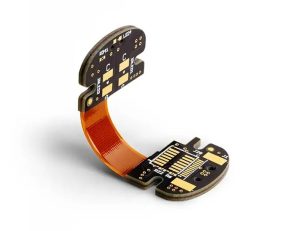
IPC-6013 is a globally recognized industry standard from the IPC, outlining qualification and performance requirements for flexible and rigid flex printed circuit boards. It addresses the unique challenges of flexible circuits, such as bending, folding, and mechanical stress, while ensuring consistent electrical performance.
The standard establishes uniform criteria for material selection, manufacturing processes, electrical testing, and quality control. It ensures consistency across production batches, aligning manufacturers, designers, and buyers on flexible circuit performance expectations. Without IPC-6013, flexible PCB production lacks standardized quality benchmarks, leading to inconsistent reliability and higher field failure risks.
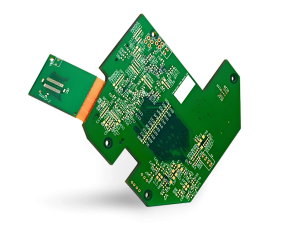
IPC-6013 applies to all flexible circuit types, single-layer, double-layer, multi-layer, and rigid flex combinations. It is widely adopted in consumer electronics, automotive, aerospace, and medical devices, where flexible circuits enable compact, dynamic product designs.
What Are Types of IPC-6013?
IPC-6013 is categorized primarily by performance classes which dictate the quality and reliability requirements for different applications. These classes are designed to match the specific needs of various industries ensuring that flexible circuits meet the necessary standards without over engineering or unnecessary cost:
- IPC 6013 Class 1: This is the entry level class for flexible circuits intended for non critical applications where basic functionality is the primary requirement. It allows for minor cosmetic defects and lower performance thresholds making it suitable for low cost consumer products with short service lives.
- IPC 6013 Class 2: A mid tier class focused on reliable performance for dedicated service applications. It imposes stricter quality controls than Class 1 including tighter tolerances for conductor width spacing and solderability. This class is widely used in industrial and automotive electronics where consistent performance over extended periods is necessary.
- IPC 6013 Class 3: The highest performance class for critical applications where failure could result in significant consequences such as injury equipment damage or loss of life. It requires the most stringent manufacturing controls testing and quality assurance measures making it ideal for aerospace medical and military applications.
What is IPC 6013 Class 2 and What Applications is it Suitable for?
IPC 6013 Class 2 balances reliability and cost, making it the most common choice for industrial and commercial flexible PCBs. It defines clear requirements for conductor integrity, insulation quality, solderability, and mechanical durability, ensuring consistent performance in demanding but non-critical environments.
- Conductor and Insulation Tolerances: Strict limits for conductor width, spacing, and minimum copper thickness, ensuring electrical integrity under normal operating conditions.
- Environmental Resistance: Requirements to withstand temperature fluctuations, humidity, and chemical exposure common in industrial and commercial settings.
- Electrical Testing: Mandatory continuity, insulation resistance, and dielectric strength tests to verify performance and identify potential defects.
- Automotive Electronics: Dashboard controls, sensor modules, and in-car communication systems that require reliable performance in varying temperatures.
- Industrial Control Systems: Equipment used in manufacturing, automation, and process control, where long-term reliability is critical.
- 5G Communication Devices: Compact, flexible components for smartphones, routers, and other wireless equipment.
- Non-Life-Support Medical Devices: Diagnostic tools, wearable health monitors, and other medical equipment that does not directly impact patient safety.
What is IPC 6013 Class 3 and How Does it Differ from Class 2?
IPC 6013 Class 3 is the highest performance classification for critical flexible PCB applications, with stricter requirements than Class 2. The table below clearly outlines the key differences between the two classes, along with core details of Class 3.
| Category | IPC 6013 Class 2 | IPC 6013 Class 3 |
|---|---|---|
| Performance Level | Mid-tier, balanced reliability and cost for non-critical dedicated service applications | Highest tier, designed for critical applications where failure has severe consequences |
| Tolerances | Tighter than Class 1, with reasonable allowances for conductor width, spacing, and copper thickness | Strictest tolerances, eliminating even minor defects acceptable in Class 2 |
| Testing Requirements | Thorough electrical testing (continuity, insulation resistance, dielectric strength) | Rigorous testing including environmental stress, thermal cycling, and vibration testing |
| Defect Allowances | Minor cosmetic defects are acceptable as long as they do not impact performance | No defects (scratches, cracks, voids) that could affect performance are permitted |
| Documentation & Traceability | Standard documentation of manufacturing processes and test results | Comprehensive documentation and full traceability of all components and process steps |
| Typical Applications | Automotive electronics, industrial control systems, 5G devices, non-life-support medical tools | Aerospace components, military equipment, life-support medical devices, deep-sea exploration gear |
| Cost | Moderate, cost-effective for commercial and industrial use | 30-50% higher than Class 2, justified by critical performance needs |
Is there an IPC 6013 Class 3A and What Specifications Does it Include?
No, official IPC 6013 Class 3a classification exists under IPC standards. Confusion around Class 3a often comes from misinterpreting IPC guidelines or custom manufacturer requirements. IPC-6013 only recognizes three official classes: Class 1, Class 2, and Class 3.
- Informal “Class 3a” Use: Some industries or manufacturers use the term informally to describe Class 3 circuits with additional custom specifications.
- Custom Specifications: These may include specialized materials, enhanced environmental resistance, or unique testing protocols for niche applications like aerospace or military use.
- Avoid Official Use: “Class 3a” is not part of the official IPC-6013 standard, so avoid using it when referencing compliance.
- Document Custom Requirements: Clearly outline any additional specifications separately from IPC-6013’s official classes.
- Verify Compliance: Always reference IPC-6013’s official classes (1, 2, 3) and work with manufacturers to document custom needs.
What is the Latest Revision of IPC-6013 and What Changes Does it Bring?
The latest revision of IPC-6013 is Revision C, released in December 2013. It updated Revision B to address advances in flexible circuit technology and emerging industry needs, ensuring the standard remains relevant for modern manufacturing.
- High-Density Circuit Requirements: Tighter tolerances for fine-pitch conductors and microvias, addressing demand for smaller, more compact flexible circuits in consumer electronics and medical devices.
- Updated Material Guidelines: New flexible substrate materials and adhesives with improved performance and durability.
- Lead-Free Solder Guidance: Alignment with global environmental regulations like RoHS, providing clear guidelines for lead-free manufacturing.
- Enhanced Testing Procedures: More detailed protocols for environmental stress testing and mechanical durability, ensuring circuits withstand real-world conditions.
- Rigid Flex Clarification: Detailed guidance on the interface between rigid and flexible sections, ensuring rigid flex circuits meet the same performance standards as fully flexible circuits.
How Does IPC-6013 Guide Flexible Circuit Manufacturing?
IPC-6013 guides every stage of flexible circuit manufacturing, addressing unique challenges like material handling and mechanical stress to ensure consistent, high-quality products.
- Material Selection: IPC-6013 specifies the acceptable types of substrates adhesives and conductors for flexible circuits. It defines requirements for substrate thickness copper foil weight and insulation properties ensuring that materials can withstand bending and environmental stress without degrading.
- Manufacturing Process Controls: The standard outlines strict controls for processes such as etching lamination and drilling. It specifies the acceptable parameters for each process including temperature pressure and time to ensure consistent results across production batches.
- Conductor and Insulation Requirements: IPC-6013 defines the minimum requirements for conductor width spacing and thickness as well as insulation thickness and dielectric strength. These requirements ensure that flexible circuits maintain electrical performance even when bent or flexed.
- Surface Finish Requirements: The standard provides guidance on acceptable surface finishes for flexible circuits including solder mask and conformal coating. It specifies the requirements for surface finish thickness adhesion and resistance to environmental factors.
- Testing and Inspection: IPC-6013 mandates a range of tests to verify the performance and quality of flexible circuits. These tests include continuity testing insulation resistance testing dielectric strength testing and mechanical durability testing such as bending and flexing tests.
What is the Difference between IPC 6012 and IPC-6013?
IPC 6012 and IPC-6013 serve distinct purposes, focusing on rigid and flexible/rigid flex PCBs respectively. The table below compares the two standards across key categories.
| Category | IPC 6012 | IPC-6013 |
|---|---|---|
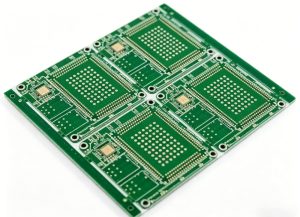
| Primary Focus | Rigid printed circuit boards including HDI and standard rigid PCBs | Flexible and rigid flex printed circuit boards |
| Core Application | Applications where PCBs remain rigid such as computers industrial equipment and automotive control units | Applications requiring bending folding or dynamic movement such as wearables medical devices and aerospace components |
| Material Requirements | Focuses on rigid substrates such as FR-4 with strict requirements for thickness flatness and thermal stability | Focuses on flexible substrates such as PI and PET with requirements for flexibility durability and resistance to mechanical stress |
| Mechanical Requirements | No requirements for flexibility or bending resistance focuses on rigidity and flatness | Strict requirements for bending flexing and mechanical durability including minimum bend radius and flex cycle life |
| Testing Protocols | Tests focus on electrical performance thermal stability and mechanical rigidity | Tests include bending flexing and environmental stress testing in addition to standard electrical performance tests |
How Do IPC 6012 and IPC-6013 Differ in Terms of Performance Requirements?
The performance requirements of IPC 6012 and IPC-6013 differ significantly due to their focus on rigid vs. flexible PCBs. Below are the key differences in performance criteria.
- Electrical Performance: IPC 6012 focuses on electrical performance for rigid PCBs including impedance control signal integrity and copper conductivity. It sets strict requirements for conductor resistance insulation resistance and dielectric strength. IPC-6013 includes similar electrical performance requirements but also addresses the impact of bending and flexing on electrical performance ensuring that flexible circuits maintain signal integrity even when deformed.
- Mechanical Performance: IPC 6012 has no requirements for flexibility or bending resistance as rigid PCBs are not designed to bend. It focuses on mechanical rigidity flatness and resistance to thermal expansion. IPC-6013 places heavy emphasis on mechanical performance including minimum bend radius flex cycle life and resistance to fatigue from repeated bending.
- Environmental Performance: Both standards include requirements for environmental resistance but IPC-6013 adds specific requirements for flexible circuits such as resistance to moisture absorption and chemical exposure during bending. IPC 6012 focuses on environmental resistance for rigid PCBs including thermal shock and humidity resistance.
- Quality Control: IPC 6012 requires quality control measures focused on maintaining the rigidity and flatness of PCBs including inspection for warpage and delamination. IPC-6013 requires additional quality control measures to ensure that flexible circuits do not develop cracks tears or other defects during manufacturing or use.
When Should you Use IPC 6012 Instead of IPC-6013 for Printed Board Projects?
Choosing between IPC 6012 and IPC-6013 depends on project needs like PCB type, cost, and application. The following points outline when IPC 6012 is the better choice.
- Use IPC 6012 when the project requires rigid PCBs that will not be bent folded or subjected to mechanical stress. Rigid PCBs are ideal for applications where stability and flatness are critical such as motherboards industrial control panels and automotive engine control units.
- Use IPC 6012 when cost is a primary concern. Rigid PCBs manufactured to IPC 6012 standards are typically less expensive than flexible circuits manufactured to IPC-6013 standards due to simpler materials and manufacturing processes.
- Use IPC 6012 for high density applications that do not require flexibility. IPC 6012 includes detailed requirements for HDI rigid PCBs which are ideal for applications such as smartphones and computers where space is limited but flexibility is not needed.
- Use IPC 6012 when the application does not require dynamic movement. If the PCB will remain stationary throughout its service life IPC 6012 provides the necessary standards to ensure reliability without the additional requirements of IPC-6013.
- Use IPC 6012 for applications that require high thermal stability. Rigid PCBs manufactured to IPC 6012 standards are designed to withstand high temperatures making them suitable for applications such as power supplies and industrial heating systems.
How to Ensure Compliance with IPC-6013 Standards in Production?
Maintaining IPC-6013 compliance requires careful control of materials, processes, and testing. Below are actionable steps to ensure production meets the standard’s requirements.
- Select Qualified Materials: Use only materials that meet the requirements specified in IPC-6013 including flexible substrates adhesives and conductors. Verify material certifications and test samples to ensure they meet the standard’s specifications.
- Implement Process Controls: Establish strict process controls for all manufacturing steps including etching lamination drilling and surface finishing. Monitor process parameters such as temperature pressure and time to ensure consistency and compliance.
- Conduct Regular Testing: Perform all required tests outlined in IPC-6013 including electrical testing mechanical testing and environmental testing. Implement a regular testing schedule to verify that production batches meet the standard’s requirements.
- Train Production Personnel: Ensure all production personnel are trained on IPC-6013 requirements and understand the importance of compliance. Provide ongoing training to keep personnel updated on any changes to the standard.
- Implement Quality Assurance Systems: Establish a quality assurance system to monitor and document all production processes. Maintain detailed records of material certifications process parameters and test results to ensure traceability and compliance.
- Work with Certified Manufacturers: Partner with manufacturers that are certified to produce flexible circuits to IPC-6013 standards. Verify their certification and ask for documentation of past compliance to ensure they can meet the standard’s requirements.
Where Can You Find a Reliable IPC-6013 PDF Document?
Accessing a reliable IPC-6013 PDF is crucial for ensuring compliance. The following sources provide authentic, up-to-date copies of the standard.
- Official IPC Website: The IPC website offers the latest revision of IPC-6013 as a downloadable PDF. This is the most reliable source for the official standard as it ensures you have the most up to date and accurate information.
- Authorized IPC Distributors: Authorized distributors of IPC standards often provide downloadable PDF versions of IPC-6013. These distributors are certified by the IPC ensuring that the documents they provide are authentic and unmodified.
- Industry Associations: Many electronics industry associations provide access to IPC standards including IPC-6013 for their members. These associations often offer discounted access to standards for members making it an affordable option.
- Certified Manufacturing Partners: Manufacturers certified to produce flexible circuits to IPC-6013 standards often have a copy of the standard available for their clients. They can provide a PDF version or direct you to a reliable source.
- Educational Institutions: Technical colleges and universities with electronics engineering programs often have access to IPC standards including IPC-6013. Students and faculty may be able to access the PDF through the institution’s library.
FAQ About IPC-6013 and IPC 6012
Q1: Can I use IPC 6012 standards for flexible PCBs?
A1: No, IPC 6012 is designed exclusively for rigid PCBs and does not address flexible circuit requirements. Using it for flexible PCBs risks non-compliance and compromised durability. Always use IPC-6013 for flexible and rigid flex PCBs.
Q2: Is IPC-6013 required for all flexible PCB projects?
A2: While not legally mandatory, IPC-6013 is the industry’s recognized standard for flexible PCBs. Most manufacturers, buyers, and regulators require compliance to ensure reliability. Skipping it increases failure risks and lost business.
Q3: What is the cost difference between IPC 6013 Class 2 and Class 3?
A3: Class 3 flexible circuits cost 30-50% more than Class 2. The premium comes from stricter manufacturing controls, rigorous testing, and higher-quality materials—justified for critical applications where failure is unacceptable.
Q4: How often is IPC-6013 updated?
A4: IPC-6013 is updated periodically to reflect technology advancements. The last major revision was Revision C in 2013. Check the official IPC website regularly for the latest updates.
Q5: Can I mix IPC 6012 and IPC-6013 requirements for rigid flex PCBs?
A5: No, rigid flex PCBs must follow IPC-6013, which includes specific guidelines for the rigid-flex interface. While IPC 6012 may offer general rigid PCB guidance, IPC-6013 is the primary standard for all rigid flex production.