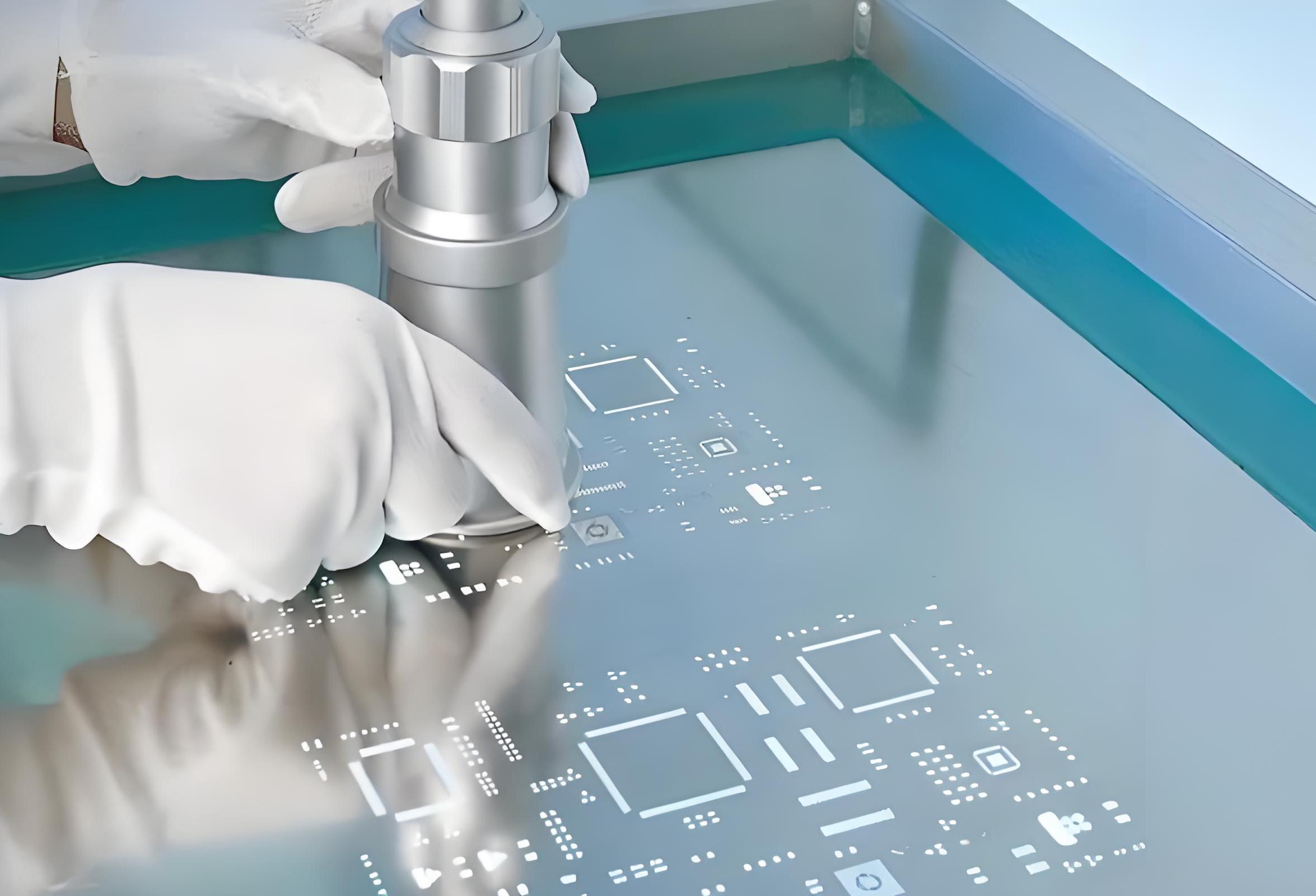
EBest Circuit (Best Technology), a leading PCB and PCBA manufacturer based in China, is excited to announce our participation at the Anaheim Electronics & Manufacturing Show (AEMS) 2024. The event will take place in Anaheim, California, and we invite you to visit us at Booth No. 108 from October 2 to October 3, 2024 (Western Time). The exhibition venue is located at 800 W Katella Ave, Anaheim, CA. Having been part of this show for several years, we look forward to showcasing our latest innovations and discussing our comprehensive PCB manufacturing and assembly solutions.
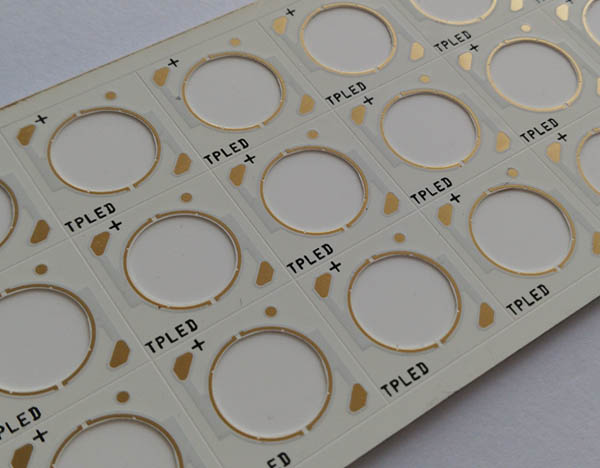
At our booth, attendees will have the opportunity to engage with our experts and learn about a wide range of services, including PCB prototyping and low-to-high volume production. We’ll be showcasing products like flexible circuit boards ranging from 10mm to 1,500mm, rigid-flex circuits up to 50 layers, and PCBs with copper thickness from 1/2 OZ to 30 OZ. Visitors can also explore ceramic PCBs, such as thick film, thin film, DPC, DBC, HTCC, AMB, and LTCC varieties. In addition, we will be unveiling new products including copper/aluminum busbar PCBs, transparent/PI/rubber silicone flexible heating films, and semi-flexible PCBs.
EBest Circuit (Best Technology) is proud to offer one-stop services covering everything from components sourcing, PCB fabrication (FPC, PCB, MCPCB, Ceramic PCBs), to final assembly with programming and testing.
Be sure to visit us at Booth 108 to see how we optimize efficiency, reduce component wastage, and help you save on time, money, and energy.
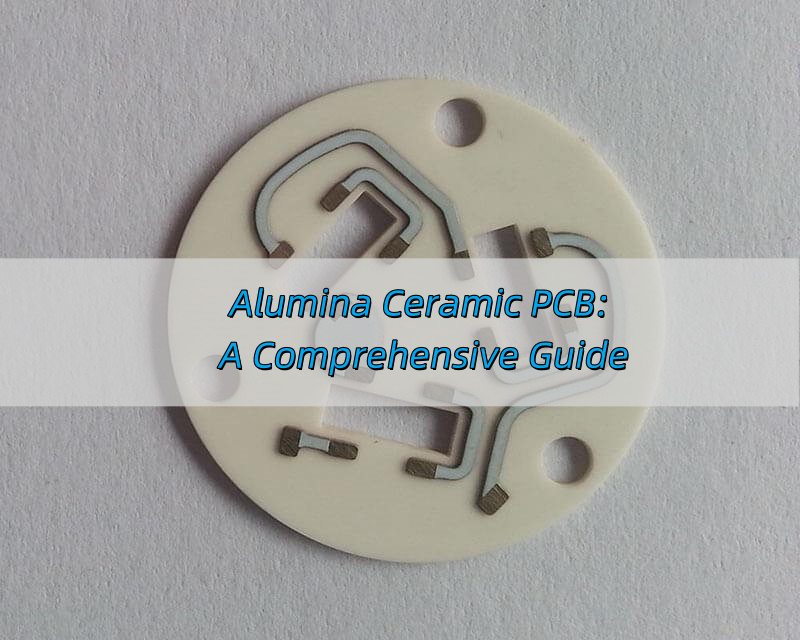
What is an alumina circuit board? As a unique circuit board material, it is emerging in the electronics field with its excellent performance and advantages. It uses alumina as the main material, bringing new opportunities for performance improvement and miniaturization of various electronic devices.
What is an alumina circuit board?
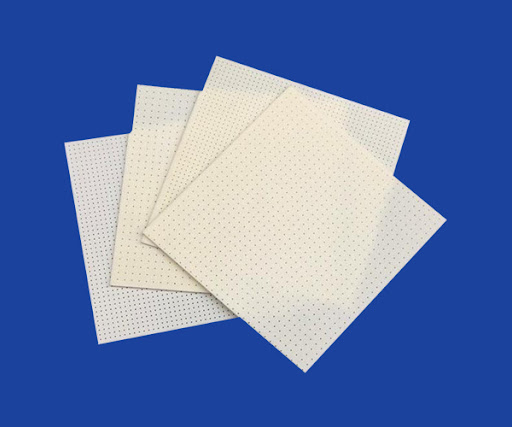
Alumina circuit board is a circuit board that uses alumina ceramic as a substrate. This circuit board has excellent electrical insulation properties, high thermal conductivity, excellent soft solderability and high adhesion strength. It can be etched with various graphics like a PCB board and has a large current carrying capacity.
Alumina ceramic circuit board is an ultra-thin composite substrate made by bonding copper foil directly to the surface (single or double sides) of an alumina (Al2O3) ceramic substrate at high temperature through a special process.
Alumina ceramic circuit boards are widely used in electronic devices that require high performance and high reliability, such as solar applications, voltage regulators, amplifier circuits, and memory modules.
Alumina ceramic substrates are mainly composed of white amorphous powder, commonly known as alumina or simply Al2O3. It has excellent properties, such as high wear resistance, acid and alkali corrosion resistance, excellent performance at high temperatures (1600-1700 degrees Celsius), etc.
What types of alumina circuit boards are there?
Ordinary alumina ceramics are classified according to their Al2O3 content, including 99%, 96%, etc. 99% alumina has high purity, white or ivory color, and is widely used in various applications, including lamps, electronic devices, and wear-resistant components. 96% alumina is widely used in various electronic applications while providing good thermal conductivity and insulation properties.
ā96% aluminaā:
Suitable for thick film circuit substrates, with excellent electrical insulation properties, mechanical strength, good thermal conductivity, chemical durability and dimensional stability.
Its surface roughness is generally 0.2~0.6μm, and the maximum operating temperature of the substrate can reach 1600ā.
96% alumina has become an economical choice for manufacturing hybrid microelectronic circuits due to its availability, low cost and technical quality.
ā99% Aluminaā:
Commonly used for most thin-film electronic substrate applications such as sputtering, evaporation, and chemical vapor deposition of metals for circuit generation.
99% Alumina has higher purity, smaller grain size, and the prepared substrate has excellent surface smoothness (surface roughness is generally 0.08~0.1μm), and the maximum use temperature of the substrate can reach 1700ā.
It has high mechanical strength, low thermal conductivity, excellent electrical insulation, good dielectric properties, and good corrosion resistance and wear resistance.
What are the advantages of alumina circuit boards?
The advantages of alumina circuit boards are mainly reflected in their physical and chemical properties, which make them widely used in many fields.
āHigh hardnessā: The hardness of alumina ceramic plates is very high, second only to diamond and sapphire, and has excellent wear resistance and corrosion resistance.
āHigh melting pointā: The melting point of alumina is as high as 2072ā, which means that alumina circuit boards can work for a long time in high temperature environments without being affected and maintain stable performance.
āGood insulation performanceā: Alumina ceramic boards have good insulation performance and can effectively isolate the conduction of current and heat.
āExcellent heat dissipation performanceā: In LED lighting and high-power electronic devices, alumina circuit boards are widely used due to their excellent heat dissipation performance.
āLightweightā: Compared with other materials, alumina ceramic boards have a lower density and lighter weight, which can greatly reduce the load of the equipmentā.
āChemical stabilityā: Alumina is an electrical insulating material with high resistivity, good chemical stability and good corrosion resistance.
What are the disadvantages of alumina circuit boards?
The disadvantages of alumina ceramic PCBs mainly include high cost, fragility, inferior thermal conductivity to other materials, complex manufacturing process and high price. ā
āHigh costā: Compared with plastic packaging, alumina ceramic PCBs have higher process temperature requirements, which leads to relatively high costs.
āFragileā: Alumina ceramics are relatively fragile, and compared with aluminum nitride ceramic substrates, alumina ceramics are more fragile.
āThermal conductivity is not as good as other materialsā: Although alumina ceramics have certain thermal conductivity, their thermal conductivity is usually between 25W and 50W, while the thermal conductivity of aluminum nitride ceramic substrates can reach 190~260W. In comparison, the thermal conductivity of alumina ceramics is poorā.
āComplicated manufacturing processā: Due to the high hardness of alumina ceramics, mechanical processing is more difficult, which increases the cost of its precision machined parts.
āHigher priceā: Due to the above factors, the price of alumina ceramic PCBs is usually higher, about 3~10 times that of resin PCB boardsā.
What are the uses of alumina circuit boards?
Alumina circuit boards are widely used and are mainly used in the following aspects:
āElectronic industryā: Alumina ceramic circuit boards have become the preferred material in the manufacture of electronic components such as semiconductor devices and integrated circuits due to their excellent insulation properties and high temperature resistance.
āOptoelectronic industryā: In the field of optoelectronics, alumina ceramic circuit boards also perform well. Due to their high optical transparency and chemical stability, they are widely used in the manufacture of optoelectronic devices such as lasers and LEDs.
āAutomobile Industryā: In terms of automobile headlights, the popularity of high-power LED headlights has put forward higher requirements for heat dissipation performance. Alumina ceramic substrates, with their good thermal conductivity, ensure the stable operation of LED light sources and improve lighting effects and service life. ā
āAerospaceā: Alumina ceramic substrates have been widely used in key components such as aerospace devices and satellite communication equipment due to their comprehensive performance advantages. ā
āMedical Devicesā: Due to their excellent physical, chemical and mechanical properties, alumina ceramic circuit boards can meet the high requirements of medical devices for materials and ensure the performance and safety of medical devices.
In summary, alumina circuit boards have been widely used in many fields due to their unique physical, chemical and mechanical properties, providing solid support for technological progress and industrial upgrading in all walks of life. ā
Is alumina a good electrical insulator? ā
Alumina PCB is a good electrical insulator. ā
Alumina (AlāOā), as a common ceramic material, has good electrical insulation, high temperature resistance and mechanical strength. Its color is usually white or light yellow, its volume density is between 3.7-3.9 g/cm³, its thermal conductivity is as high as 24 W/(mĀ·K) or more, and its bending strength is usually between 300-400 MPa.
In addition, alumina also has a low dielectric constant and breakdown voltage, which makes it particularly suitable for high-frequency circuits and high-voltage circuits.
Therefore, alumina PCB is not only one of the most commonly used ceramic PCBs on the market because of its low price and excellent performance, but also when using alumina PCB, there is no need to add an insulating layer, which further proves its good electrical insulation.
What other ceramic PCB materials are there?
In addition to alumina ceramic PCB materials, it also includes alumina, aluminum nitride, silicon carbide, silicon nitride, zirconium oxide, etc. These materials each have unique properties and are suitable for different application scenarios.
Aluminum nitride (AlN): Aluminum nitride is also an excellent ceramic material with extremely high thermal conductivity and low expansion coefficient. It is gray in color and has a volume density between 3.33-3.35 g/cm³. The thermal conductivity of aluminum nitride is as high as 170 W/(m·K), which is several times that of traditional organic materials. The flexural strength can reach about 400-500 MPa, and it also has a low dielectric constant, which is suitable for high-power electronic devices and high-speed digital circuits.
āSilicon Carbide (SiC): Silicon carbide is a hard material with excellent wear resistance and corrosion resistance. It is gray in color and has a volume density of 3.1-3.15 g/cm³. Silicon carbide has a high thermal conductivity of up to 100 W/(mĀ·K), a flexural strength of more than 450 MPa, and a low dielectric constant and breakdown voltage, which is suitable for power electronic devices in high temperature environments.
āSilicon Nitride (Si3N4): Silicon nitride is a high-strength, high-toughness ceramic material widely used in the aerospace field. It is gray in color and has a volume density of about 3.22 g/cm³. Silicon nitride has a high thermal conductivity of up to 20 W/(mĀ·K), a flexural strength of generally between 700-1200 MPa, and a low dielectric constant and breakdown voltage, which makes it suitable for electronic components in high temperature and high pressure environments.
Zirconium oxide (ZrO2): Zirconium oxide is a high-toughness, high-hardness ceramic material with good chemical stability. It is gray in color and has a volume density of about 6.0 g/cm³. Zirconium oxide has a high thermal conductivity of up to 3 W/(m·K), a flexural strength of about 100-400 MPa, and a low dielectric constant and breakdown voltage, which makes it suitable for electronic components in high temperature and high pressure environments.
In short, alumina ceramic PCBs are increasingly used in the electronic field. It not only provides a solid foundation for the innovative development of electronic equipment, but also opens up a new path for the advancement of future electronic technology. BEST Technology is a professional ceramic circuit board manufacturer with rich manufacturing experience in various ceramic materials, and its product quality has passed relevant quality inspections. Choosing us will get the best quality products!
Copper can be said to be an indispensable element in printed circuit boards. In printed circuit boards, copper is used as a conductive line to connect electronic components and realize the function of the circuit. Compared with other conductive materials, copper has a lower resistance, which can reduce the loss of electric energy and improve the efficiency of electronic equipment.
What are copper printed circuit boards?
Copper printed circuit board (Copper PCB) is a printed circuit board with copper as the main conductive material. It is a circuit board with copper conductive paths formed on an insulating substrate through processes such as etching or electroplating. Its main function is to provide physical support and electrical connections for electronic components.
The structure of copper printed circuit boards usually includes insulating substrates, copper foil and surface treatment layers. Copper has excellent electrical conductivity and can efficiently transmit current. At the same time, its thermal conductivity is good, which helps to dissipate heat. Copper is easy to weld and suitable for the installation of electronic components. It has certain strength and toughness and can withstand certain mechanical stress.
In the manufacturing process, the production of copper printed circuit boards includes design and layout, inner layer production, lamination, drilling, copper plating, outer layer production, etching and surface treatment.
Copper printed circuit boards are widely used, including single-layer and multi-layer PCBs, high-current PCBs, flexible PCBs and thick copper PCBs.
Single-layer and multi-layer PCBs are suitable for simple electronic devices and complex multi-layer circuits; high-current PCBs are used for applications that require large current transmission; flexible PCBs are used for applications that require bending and folding; thick copper PCBs are used in scenarios with high power and high heat dissipation requirements.
Why is copper used in printed circuit boards?
The main reason for using copper in printed circuit boards is that copper has good conductivity, which can greatly improve the conductivity of the circuit board and ensure that the connection between various components is more stable and reliable.
āIn addition, copper foil itself has high mechanical strength and stability, which can effectively prevent the printed circuit board from being damaged or deformed by the external environment.
In terms of high-frequency signal transmission, copper plating can effectively improve the conductor characteristics and impedance matching characteristics of the circuit board, protect the circuit board from oxidation or corrosion, thereby extending the service life of the circuit board and ensuring its stability and reliability.
Copper plating can reduce the voltage drop in the circuit, thereby improving the efficiency of power supply. In addition, copper plating can also enhance the mechanical strength of the PCB, so that it will not deform as much as possible during the welding process, improve the yield rate in the production process, and reduce circuit failures caused by deformation.
However, copper plating also has its disadvantages. For example, when soldering or repairing PCB samples, it may cause difficulty in replacing devices due to excessive heat dissipation, especially in the case of large devices. In addition, in RF circuits, copper plating may cause impedance mutation of the antenna, seriously affecting signal transmission.
How thick is the copper on a printed circuit board?
The thickness of copper foil on a printed circuit board is usually between 18μm and 70μm, but the specific thickness depends on the purpose of the circuit board, the voltage and current of the signal.
The most commonly used copper foil thickness is 35μm, because the copper foil thickness of 35μm is suitable for most application scenarios. However, for applications that need to carry higher power or higher current, such as high-power LED lights, power supply circuits, etc., 2OZ (about 70μm) or thicker copper foil may be selected to ensure the performance of the circuit board and the reliability and stability of electronic products.
In addition, the copper thickness of the circuit board is also affected by the thickness of its substrate. For example, the composite copper foil thickness on a substrate less than 1mm thick is about 18μm, while a copper foil thickness of 55μm may be used on a substrate greater than 5mm.
How do you choose PCB copper thickness?
When choosing PCB copper thickness, you need to consider multiple factors to ensure the performance, cost and production feasibility of the circuit board.
āApplication scenarios of circuit boardsā: For applications that need to carry high power or high current, you may need to choose thicker copper foil to ensure the stability and reliability of the circuit boardā. For general signal transmission, 1oz copper thickness is usually sufficientā.
āNumber of layers and design of circuit boardsā: The inner layer of multilayer boards generally uses 1/2oz and 1/3oz copper thickness, while the outer layer uses 1oz or 1/2oz copper thicknessā.
āCost and process requirementsā: The thicker the copper foil, the higher the production cost. Therefore, it is necessary to consider cost factors while ensuring performanceā.
āSpecial requirementsā: In some special application scenarios, such as when the circuit board needs to dissipate heat, copper foil with higher thermal conductivity should be selected to enhance the heat dissipation capacity of the circuit boardā.
What is the difference between 1 oz and 2 oz copper PCB?
The main difference between 1 oz and 2 oz copper PCB lies in the thickness of the copper foil and the current load it can withstand. ā
āCopper foil thicknessā: 1 oz copper thickness refers to 1 ounce of copper per square foot on the circuit board, while 2 oz copper thickness refers to 2 ounces of copper per square foot.
āApplication scenarioā: 1 oz copper thickness PCB is the most common standard and is suitable for most application scenarios. 2 oz copper thickness is suitable for application scenarios that need to carry higher power or higher current.
āElectrical performance and heat dissipation performanceā: In theory, thicker copper foil can directly reduce the ground resistance by half, and the number of joules of heat generated per unit time during operation will also be reduced accordingly. At the same time, it can more effectively shield the electromagnetic interference between components and wires.
How thick is the copper on a 1 ounce copper PCB?
The copper thickness of 1 ounce copper on a PCB is about 35 microns. ā
In PCB design and processing, the copper thickness is often expressed in ounces (oz) as a unit. Specifically, the thickness of 1 ounce of copper is about 35 microns, which is equivalent to 1.4 mils. Although this method of expression uses the weight unit ounce, it actually indirectly expresses the average thickness of the copper foil through the weight per unit area.
In the PCB industry, ounces are not only a unit of weight, but also used to express the thickness of copper foil, where 1oz means the thickness of 1 ounce of copper evenly laid on an area of āā1 square foot. This method of expression is very common in the fields of electronic engineering and circuit board manufacturing to ensure that the conductivity and current carrying capacity of the circuit board meet the design requirements.
Which metals Cannot be used in printed circuit boards?
In the production of printed circuit boards, some metals are usually not used.
First of all, iron has poor conductivity and cannot meet the requirements of printed circuit boards for good conductive materials. Moreover, iron is easy to rust, which will affect the appearance of the circuit board and may also cause circuit short circuits or poor contact.
Lead is also not suitable for printed circuit boards. On the one hand, lead is a toxic heavy metal. With the improvement of environmental protection requirements, the use of lead-containing materials in the electronics industry is limited, and lead-containing solder in printed circuit boards has gradually been replaced by lead-free solder. On the other hand, lead has poor mechanical properties, low hardness and easy deformation, which may deform or damage the circuit board during manufacturing and use.
Mercury cannot be used in printed circuit boards. Mercury is extremely toxic and has serious harm to the human nervous system, immune system, etc. At the same time, mercury is liquid and volatile at room temperature, difficult to control, easy to cause leakage and pollution, and its conductivity is not ideal.
Although gold has advantages such as good conductivity, corrosion resistance and oxidation resistance, its cost is too high and it is not suitable for large-scale application in printed circuit boards. In addition, gold has low hardness and is easily scratched or worn, affecting the performance and reliability of the circuit board.
What is the major disadvantage of printed circuit boards?
The major disadvantages of printed circuit boards include disposable boards, environmental impact of etching, and compatibility issues. ā
āDisposable boardsā: Printed circuit boards are designed with one-time use in mind, which means that if the circuit board needs to be modified after printing, it will not be possible and a new board needs to be created from scratch.
āEnvironmental impact of etchingā: The chemicals used in the etching process have a negative impact on the environment. Although the etching process is very effective for circuit board production, it is not environmentally friendlyā.
āCompatibility issuesā: Before starting to make a circuit board, you need to determine the device you are designing for, which increases the complexity and potential risks of the designā.
These shortcomings limit the use of printed circuit boards in some applications to a certain extent, especially in scenarios that require high customization or frequent modifications.
In short, copper printed circuit boards occupy an irreplaceable position in the electronics field with their excellent performance. From consumer electronics to communications, automotive electronics, and industrial control, it can be seen everywhere. Copper’s high electrical conductivity, good thermal conductivity, and strong machinability make it a key link connecting the electronic world.
Single-sided PCB circuit board is a type of printed circuit board. Only one side of the PCB board has circuits (it can have holes or not), and the other side is a substrate or directly covered with insulating ink. There is no circuit and the whole board is transparent under strong light (except for individual boards and special process requirements). The cross section only contains copper foil on the side with circuits. Single-sided PCB circuit board is obtained by etching copper-clad board. Copper-clad board consists of board base and copper foil. The board base is usually made of insulating materials such as glass fiber, and is covered with a layer of copper foil (usually oxygen-free copper).
Single layer PCB manufacturer
Single layer PCB manufacturer EBest Circuit (Best Technology) has offered high-quality PCBs and the best PCB assembly & box building service all over the world since 2006. We are professional fabricator on PCB prototype, IPC Class III standard are available. You can get high-quality PCB board and PCBA at a very reasonable price.
Single layer PCB design EBest Circuit (Best Technology) excels in PCB design, perform PI analysis, SI analysis, EMC test and DFM tests to ensure one-time successed PCB design. Over 20 professional engineers, all of them has more than 15+ years experience in PCB, we make sure every design is optimized for performance and manufacturability.
Single layer PCB prototype As an industry-leading PCB prototype manufacturer, EBest Circuit (Best Technology) offers 24 hours quick turn PCB prototype, PCB assembly and reliable small-batch PCB production. Free technical support and VIP one-to-one service.
Single layer PCB production With over 18 years PCB manufacture experience, we dedicated to provide highest quality PCB for customers. We offer turnkey service from PCB design, PCB layout, PCB prototype, mass production and PCB assembly. Contact us to get an instant quote.
Single layer PCB assembly Professional PCB assembly service, includes DFM/DFA checks, function/ICT testing, X-RAY, Online dual AOI, nitrogen reflow oven. 10+ SMT lines, free passive parts and Thorough Inspections! SMT, Thru-hole, BGA, QFN Assembly at Low Prices! No MOQ, complex and difficulty designs welcome!
Single-sided PCB production process
Cutting
Drilling or punching
Screen printing circuit anti-etching pattern or using dry film
Curing inspection and board repair
Screen printing solder mask pattern (commonly used green oil)
Screen printing character mark pattern, UV curing
Preheating, punching and appearance
Electrical open and short circuit test
Pre-coating flux anti-oxidant (drying) or tin spraying hot air leveling
Packaging and delivery
Single-sided PCB production capacity
Item
Content
Material type :
XPC FR-1 FR-4 CEM-1
Surface finish :
ENIG gold, HASL Immersion Tin, Chemical Silver OSP
Phenolic paper substrate Phenolic paper substrate (commonly known as cardboard, plastic board, V0 board, flame retardant board, red-letter copper clad board, 94V0). The most commonly used product models of phenolic paper-based copper clad boards are FR-1 (flame retardant) and XPC (non-flame retardant). Single-sided copper clad boards can be easily judged from the color of the characters on the back of the board. Generally, red characters are FR-1 (flame retardant) and blue characters are XPC (non-flame retardant). This type of board is the cheapest compared to other types of boards.
Epoxy fiberglass cloth substrate Epoxy fiberglass cloth substrate (commonly known as: epoxy board, fiberglass board, fiberboard, FR4), epoxy fiberglass cloth substrate is a type of substrate with epoxy resin as adhesive and electronic grade glass fiber cloth as reinforcing material. Its bonding sheet and inner core thin copper clad board are important substrates for making multi-layer printed circuit boards. The working temperature is high and its own performance is less affected by the environment. In terms of processing technology, it has great advantages over other resin fiberglass cloth substrates. This type of product is mainly used for double-sided PCBs. It is also about twice as expensive as phenolic paper substrates, and the commonly used thickness is 1.5MM.
Composite substrates Composite substrates (commonly known as powder boards, etc., cem-1 boards are also called 22F in some places in China) mainly refer to CEM-1 and CEM-3 composite-based copper-clad boards. Copper-clad boards made of wood pulp fiber paper or cotton pulp fiber paper as core reinforcement materials and glass fiber cloth as surface reinforcement materials, both of which are impregnated with flame-retardant epoxy resin, are called CEM-1. Copper-clad boards made of glass fiber paper as core reinforcement materials and glass fiber cloth as surface reinforcement materials, both of which are impregnated with flame-retardant epoxy resin, are called CEM-3. These two types of copper-clad boards are the most common composite-based copper-clad boards. This type of board is cheaper than FR4 type boards.
Single-sided PCB circuit board price
Since the cost of single-sided PCB circuit boards is affected by many factors, including the cost of raw materials, production cost, production process, special requirements, etc., its exact pricing needs to be negotiated with its single-sided PCB circuit board supplier. The general unit price calculation formula is: (length MM) Ć (width MM) Ć 0.01 Ć unit price (yuan/square meter) Ć· 10000 (rounded to 3 decimal places) For specific single-sided PCB quotes, please consult bestpcbsļ¼
Single-sided PCB circuit board price
Single-sided PCB applications and features
Single-sided PCBs are increasingly widely used due to their many unique advantages; High density: For decades, high-density printed boards have developed with the improvement of integrated circuit integration and the advancement of installation technology. High reliability: Through a series of inspections, tests and aging tests, PCBs can work reliably for a long time (usually 20 years). Designability: According to the requirements of various performances (electrical, physical, chemical, mechanical, etc.) of single-sided boards, printed boards can be designed in a short time and efficiently through design standardization. Manufacturability: Through modern production management, standardization, scale (quantification), automation, etc. can be achieved to ensure the consistency of product quality. Testability: Complete test methods, standards and various test equipment and instruments have been established to detect and evaluate the qualification and service life of a single PCB. Assembly: Circuit boards facilitate standardized assembly of various components to achieve automated, large-scale mass production. At the same time, circuit boards and various component assemblies can be assembled into larger components and systems, and even complete machines.
Maintainability: Circuit boards and various component parts are manufactured with standardized designs and scales. If a system fails, components can be replaced quickly and conveniently. The system can recover quickly due to this flexibility. More examples include system miniaturization, lightweight, high-speed signal transmission, etc.
FAQ About single sided pcb
Q: When laying out the board, if the lines are dense, there may be more vias, which will of course affect the electrical performance of the board. How can I improve the electrical performance of the board? A: For low-frequency signals, vias are not a big deal, but for high-frequency signals, try to reduce vias. If there are many lines, you can consider multi-layer boards;
Q: Is it better to add more decoupling capacitors on the board? A: Decoupling capacitors need to be added with appropriate values āāat appropriate locations. For example, add them to the power supply port of your analog device, and use different capacitance values āāto filter out stray signals of different frequencies;
Q: What are the standards for a good board? A: Reasonable layout, sufficient power redundancy of power lines, high-frequency impedance, and simple low-frequency routing.
Q: How much difference do through holes and blind holes have on signals? What are the application principles? A: Using blind or buried holes is an effective way to increase the density of multi-layer boards, reduce the number of layers and board size, and greatly reduce the number of plated through holes. But in comparison, through holes are easy to implement in terms of process and have lower costs, so through holes are generally used in designs.
Q: What kind of layout can achieve the best heat dissipation effect? A: There are three main sources of heat in PCB: (1) heat generated by electronic components; (2) heat generated by the PCB itself; (3) heat transmitted from other parts. Among these three heat sources, the heat generated by components is the largest and is the main heat source, followed by the heat generated by the PCB board. The heat transmitted from the outside depends on the overall thermal design of the system and is not considered for the time being. The purpose of thermal design is to take appropriate measures and methods to reduce the temperature of components and PCB boards so that the system can work normally at a suitable temperature. This is mainly achieved by reducing heat generation and accelerating heat dissipation.
Q: Can you explain the proportional relationship between the line width and the size of the matching via? A: This is a good question. It is difficult to say that there is a simple proportional relationship because the two simulations are different. One is surface transmission and the other is ring transmission. You can find a via impedance calculation software on the Internet, and then keep the impedance of the via consistent with the impedance of the transmission line.
Q: In an ordinary PCB circuit board with an MCU control, but without high current and high-speed signal requirements, is it better to lay a layer of ground wire around the outermost edge of the PCB to wrap the entire circuit board? A: Generally speaking, just lay a complete ground.
Q: How to deal with the avoidance of vias during the wiring process of high-speed PCB, what good suggestions are there? A: For high-speed PCB, it is best to make fewer vias and solve the need to increase vias by adding signal layers.
Q: How to select the thickness of the power trace in PCB board design? Are there any rules? A: You can refer to: 0.15Ćline width (mm)=A, and copper thickness also needs to be considered.
Q: When digital circuits and analog circuits are on the same multi-layer board, should analog ground and digital ground be arranged on different layers? A: This is not necessary, but analog circuits and digital circuits should be placed separately.
Q: How many vias are generally suitable for digital signal transmission? (Signals below 120Mhz) A: It is best not to exceed two vias.
Usually, direct current is mainly handled on PCB, but some people may ask: can alternating current be used in PCB? In the design and application of PCB, alternating current has specific usage. First of all, regarding the question of whether alternating current can be copper-plated, the answer is yes. Copper-plating can increase the grounding area, make the grounding firm, and make the signal return smooth.
What is Alternating Current?
Alternating current (AC) refers to the current whose direction and magnitude change periodically over time. Unlike direct current (DC), the direction of direct current in the circuit remains unchanged, while alternating current will experience the process of flowing from the positive electrode to the negative electrode and then from the negative electrode back to the positive electrode during its cycle, forming a closed loop.
The main characteristics of alternating current include:
āPeriodic changeā: The current magnitude and direction of alternating current change periodically over time. The speed of this change is expressed by frequency, and the unit is Hertz (Hz). Common household AC frequencies are 50Hz or 60Hz, which means that the current changes direction 50 or 60 times per second.
āRMSā: Since the current size and direction of AC are constantly changing, the Root Mean Square (RMS) is often used to describe its size.
āEasy to transmit and transformā: AC can be easily increased or decreased in voltage through a transformer, which is of great significance for the long-distance transmission and distribution of electric energy.
āWidely usedā: Due to the above advantages, AC has been widely used in power systems, household appliances, industrial equipment and other fields.
In short, AC is a form of current whose direction and size change periodically over time, and it has the characteristics of convenient transmission and transformation and wide application.
Do PCBs use AC or DC?
PCBs mainly use direct current. ā
In electronic circuits, direct current (DC) is a more common and used form of power supply. The purpose of power supply design is not only to convert AC to DC, but also to provide power to circuit components with the correct voltage and current.
Common voltage ranges include 1.8V to 12V, of which 1.2V, 1.8V, 3.3V, 5V, and 12V are the most commonly used voltages. Important parameters of the power supply include voltage, maximum current, voltage ripple, and heat loss at maximum current.
In PCB design, DC power is widely used to provide a stable power supply for the circuit, while AC power can be used for input, but before reaching the inside of the electronic device, it is usually converted into DC to meet the power needs of the electronic device.
In summary, PCB mainly uses DC because DC can provide stable and suitable power for electronic devices.
Can AC be used in PCB?
From an electrical principle, the conductive pattern on the PCB can transmit AC. As long as the design is reasonable and the parameters such as the width, thickness, and spacing of the conductive pattern can meet the transmission requirements of AC, AC can be used on the PCB.
In some electronic devices such as audio amplifiers and power adapters, AC is used on the PCB for signal transmission and power conversion.
What should be paid attention to when using AC in PCB?
1. Electromagnetic interference
When AC is transmitted on PCB, electromagnetic radiation will be generated, which may interfere with surrounding electronic components and circuits.
In order to reduce electromagnetic interference, reasonable layout, shielding measures, and filter capacitors can be adopted.
2. Insulation requirements
The voltage of AC is usually higher than that of DC, and the insulation requirements are also higher. If the insulation is poor, it may cause safety problems such as leakage and short circuit.
When designing PCB, it is necessary to select suitable insulating materials and ensure that there is sufficient insulation distance between the conductive line and the surrounding components and ground layer.
3. Heating problem
AC generates heat due to the presence of resistance during transmission. If the heat cannot be dissipated in time, it may cause the PCB temperature to rise, affecting the performance and life of electronic components.
The heating problem can be solved by optimizing the layout of PCB, adding heat sinks, and selecting low-resistance conductive materials.
What are the applications of using AC in PCB?
Audio amplifier: Audio amplifiers usually need to process audio signals, which are essentially an AC. On the PCB of the audio amplifier, there will be special circuits for amplifying and processing audio signals, and these circuits will involve the transmission and processing of AC power.
Power adapter: The power adapter usually needs to convert AC power to DC power to meet the power supply needs of electronic equipment. On the PCB of the power adapter, there will be components such as transformers and rectifier circuits to realize the conversion of AC power to DC power. These components will involve the transmission and processing of AC power.
Communication circuit: In the field of communication, a modem is a device that converts digital signals into analog signals (modulation) for transmission on analog communication lines, and converts received analog signals into digital signals (demodulation). In the modulation process, AC signals are needed to carry digital information, and the circuits on the PCB are responsible for realizing the modulation and demodulation functions of these signals.
Lighting circuit: Although LEDs are driven by DC power, in some large lighting systems, in order to facilitate power access and management, AC power is first converted to DC power and then drives the LED. In this process, the circuit on the PCB plays the role of power conversion and control, ensuring the stability and reliability of LED lighting.
What happens if you connect DC to AC?
Connecting DC to AC in a PCB can cause the device to not work properly or even be damaged. ā
DC power and AC power are handled differently in circuits. DC power provides a constant current direction, while AC power provides a current direction that changes periodically.
In PCB design, it is critical to connect the power supply correctly, as incorrect connections can cause device failure or damage.
āDevice damageā: If a DC device is designed to work only with DC power, connecting it to AC power may cause the electronic components inside the device to overheat, burn out, or otherwise be damaged.
āFunctional abnormalityā: Even if the device is able to operate briefly, the performance of the device will be affected due to the mismatch in design and may not achieve the expected working state.
āSafety issuesā: Improper power connection may also cause safety risks such as fire or electric shock, as the voltage and current changes of the AC power supply may cause circuit overload or power supply damage.
AC can be used safely and effectively in PCBs by properly designing circuits, taking effective electromagnetic shielding measures, ensuring good insulation performance, and solving heating problems. In practical applications, it is necessary to comprehensively consider various factors and select a suitable solution to realize the transmission and processing of AC on PCB according to the specific requirements of electronic equipment and working environment.
The Ego Battery Circuit Board is a kind of circuit board that assembled with Ego branded batteries. Ego batteries are commonly found in devices such as e-cigarettes (also known as vape pens) and portable power tools. The circuit board is responsible for controlling the current between the battery and the device, ensuring optimal performance while protecting the battery from potential hazards.
Essentially, the Ego battery circuit board acts as the “brain” of the battery. It monitors important factors such as voltage, current and temperature and makes real-time adjustments to keep everything running smoothly. If the battery voltage drops too low or rises too high, the circuit board steps in to regulate the current. This prevents the battery from being damaged by overcharge, over-discharge, or short circuit.
The Ego battery circuit board is designed with safety in mind. Overcharging or over-discharging can cause the battery to overheat and even catch fire in extreme cases, but built-in protection prevents these problems. Therefore, Ego batteries are safer to use in everyday devices, especially in e-cigarettes, where users rely on them for frequent daily charging and discharging.
How Does the Lithium Battery Protection Circuit Board Work?
The working principle of the lithium battery protection circuit board mainly involves real-time monitoring of the voltage and current of the battery, and taking protective measures when necessary to ensure the safe use of the battery. āThe lithium battery protection circuit board is usually composed of electronic circuits, including control ICs, MOS switches, resistors, capacitors and auxiliary devices such as NTC, ID memory, etc. These components work together to achieve complete protection of the battery.
Overshoot protection
When the battery is charged to the voltage exceeds the set value (generally 4.25-4.35V), the protection circuit board will respond immediately and turn off the MOS switch within tens of milliseconds through the control IC to stop charging and prevent the battery from being damaged due to overcharge. When the overcharge protection is restored, charging will start again when the battery voltage falls back to a certain value (e.g. 3.8-4.1V).
Over-discharge protection
When the voltage of the battery is reduced to the set value (generally 2.3-2.5V) due to discharge, the protection circuit will also turn off the MOS switch through the control IC in a short time to stop discharge, in order to prevent the battery from being damaged by excessive discharge.
Overcurrent and short circuit protection
If the discharge current in the circuit exceeds the set value or the output is short-circuited, the overcurrent and short circuit detection circuit will act to shut off the MOS tube, thus cutting off the current and protecting the battery from damage.
In addition, the protection board also includes bypass or decoupling capacitors, the location and value of these capacitors are critical for both digital and analog design, and their location should be placed as close as possible to the device to effectively bypass the high-frequency signal on the power supply, avoiding the introduction of noise or vibration.
What Is the Battery-Looking Thing on a Circuit Board?
The “battery-looking” component on a circuit board can sometimes confuse users who think it might be a battery, but in many cases, itās actually a different electronic component known as a capacitor. A capacitor is a device used to store and release electrical energy. While it might resemble a small battery in shape and size, its function is quite different.
Capacitors play a critical role in regulating voltage and smoothing out fluctuations in electrical circuits. In many electronic devices, including Ego batteries, capacitors are used to stabilize the power output, ensuring a steady flow of electricity. Without capacitors, the voltage supplied to a device could spike or drop suddenly, leading to erratic performance or damage to sensitive components.
Capacitors can be mistaken for batteries because they store energy, but they donāt have the same long-term storage capabilities as a true battery. While a battery provides a continuous flow of energy over an extended period, a capacitor is designed to store energy temporarily and release it quickly when needed.
In some cases, especially in complex electronic systems, there is a small backup battery on the circuit board. This is commonly found in devices like computers or other electronics that need to maintain settings or real-time clocks even when the main device is turned off. These backup batteries ensure that critical information, like the time or system settings, remains intact. However, in Ego battery circuit boards, you will typically only find components like capacitors, resistors, and protection circuit boards that manage power regulation and performance, rather than actual backup batteries.
What Does Rechargeable Battery with PCB Mean?
A rechargeable battery with a PCB means that the battery is equipped with a printed circuit board (PCB), which is usually to increase the functionality and safety of the battery. āThe PCB board in the rechargeable battery plays an important role, which not only increases the functionality of the battery, but also improves the safety of the battery. Specifically, the role of the PCB board on the battery is reflected in the following aspects:
1. Battery management
The battery in the charging bank needs to be properly managed through the PCB board to ensure its safe and stable work. The PCB board integrates the battery management chip and related circuits, which can charge, discharge and measure the battery, and has the protection functions of overcharge, over-discharge and over-current, so as to extend the service life of the battery.
2. Energy conversion
The power bank needs to convert the electrical energy of the battery into the voltage and current suitable for mobile devices. The circuit and electronic components on the PCB board realize this energy conversion process, converting the battery’s electrical energy into a stable output voltage and current to meet the needs of different devices.
3. Efficiency improvement
Excellent PCB board design can reduce the resistance and loss in the circuit, improve the charging efficiency. At the same time, the intelligent charging chip can also be integrated on the PCB board to adjust the charging power according to the status of the battery and the needs of the equipment, and further improve the charging efficiency.
4. Safety guarantee
The circuit and electronic components on the PCB board need to have a high degree of safety and stability to ensure that there will be no short circuit, overheating, explosion and other safety accidents during use. At the same time, PCB boards also need to have electromagnetic compatibility to reduce interference with other equipment.
How Many Years Do Ego Batteries Last?
10 Years. Due to their high capacity, all EGO batteries can be stored unattended for a minimum of 10 years without damaging capacity and cycle performance.
Frequently Asked Questions about Ego Battery Circuit Board
What devices use Ego batteries?
Ego batteries are popular in vaping devices but can also be found in power tools, flashlights, and other portable electronic devices.
Can I replace the circuit board in an Ego battery?
Replacing the circuit board requires technical knowledge and is not recommended unless you are experienced with battery repairs. It’s safer to replace the entire battery.
Are Ego batteries safe?
Yes, Ego batteries are equipped with protection circuit boards that ensure safety by preventing overcharging, overheating, and other potential issues.
How often should I charge my Ego battery?
Itās recommended to charge the battery before it gets too low to avoid over-discharging. Regular charging, without letting the battery fully drain, helps extend its lifespan.
What is the warranty on Ego batteries?
Most Ego batteries come with a warranty of 1 to 3 years, depending on the manufacturer and the specific product.
Automatic test equipment (ATE) plays a vital role in the field of electronic manufacturing, especially in the testing of printed circuit board assemblies (PCBA). In order to ensure the quality of PCBA, automatic test equipment (ATE) has become an indispensable force in the PCBA testing process with its high efficiency, accuracy and reliability.
What are the 7 types of PCB testing methods?
The common detection methods of PCB (Printed Circuit Board) boards are mainly used to detect the quality and accuracy of PCB boards, which is an indispensable part of the PCB production process. The following are 7 commonly used PCB board detection methods:
1. Visual inspection: Visual inspection is the simplest detection method. It observes the surface of the PCB board with human eyes to find possible defects, such as welding problems, component position offset, etc.
2. X-ray detection: X-ray detection is mainly used to detect problems hidden inside the PCB board, such as welding quality, BGA ball welding quality, inner layer line routing problems, etc.
3. Non-destructive testing: Non-destructive testing is a non-destructive detection method. Commonly used technologies include infrared testing, ultrasonic testing and electromagnetic wave testing.
4. AOl (Automated Optical Inspection): AOl is a method of automated inspection using optical equipment, which detects problems on the surface of PCB boards through high-resolution camera systems and pattern recognition software.
5. ATE (Automatic Test Equipment): ATE is an automatic test equipment used to test the electrical performance and functions of PCB boards.
6. Vibration test: Vibration test is used to detect the reliability and durability of PCB boards in vibration environments. By applying vibrations of different frequencies and amplitudes, the problems that may occur in actual use of PCB boards can be evaluated.
7. Thermal shock test: Thermal shock test is used to detect the performance of PCB boards in temperature change environments. By rapidly changing the temperature, the thermal expansion, thermal stability and welding quality of PCB boards can be evaluated.
These methods can comprehensively evaluate the quality and performance of PCB boards and detect potential problems in a timely manner to ensure the reliability and stability of PCB boards.
What is ate testing in semiconductor?
ATE testing is an important link in the semiconductor industry for testing the functional integrity and reliability of integrated circuits (ICs). It is the abbreviation of Automatic Test Equipment, which is a device that tests devices, circuit boards, and subsystems through computer control.
ATE testing plays a vital role in the semiconductor manufacturing process. It is a key step to ensure the quality of IC products. The test content includes DC parameter testing, AC parameter testing, functional testing, etc. These tests are designed to evaluate the performance, function, and reliability of the chip.
The basic principle of the test is to apply stimulus to the chip through the test vector, measure the response output of the chip, and compare it with the expected result to determine whether the chip meets the specification requirements.
ATE testing not only involves testing various parameters of the chip, but also includes structural testing of the chip, that is, detecting manufacturing defects to ensure the quality and reliability of the chip.
In addition, ATE testing also includes testing of voltage, current, frequency, pulse, temperature and other aspects of the chip to achieve comprehensive testing of the static parameters and dynamic performance of semiconductor chips.
In general, ATE testing is an important means of quality control of integrated circuits in the semiconductor industry. It improves the efficiency and accuracy of testing through automation, ensures the quality and reliability of semiconductor chips, and is an indispensable and important link in the semiconductor manufacturing process.
What is an ATE PSU?
ATE PSU refers to the power supply unit (Power Supply Unit) of Automatic Test Equipment. In the field of electronic testing, ATE (automatic test equipment) is mainly used for integrated systems of power supply electrical performance testing. The system consists of test equipment hardware and test system software, and is designed to provide efficient and accurate automatic testing functions.
The key to ATE test system integration is to combine test software, test hardware (such as oscilloscopes, digital multimeters, vector networks, etc.) with communication technology to meet the testing needs of products. With the increasing complexity of electronic products, the role of ATE test system integration has become indispensable.
As part of the ATE system, the power supply unit (PSU) is responsible for providing a stable power supply for the entire test system to ensure the accuracy and reliability of the test.
Therefore, ATE PSU is one of the very important components in the ATE system, and its performance directly affects the overall efficiency and accuracy of the ATE test system.
What are the advantages of ATE?
ATE test system has the following significant advantages:
āHigh efficiency and time savingā: ATE test system can automatically complete the test without manual intervention, which greatly saves test time and improves production efficiencyā.
āEasy to operateā: The operation is simple and easy to understand, easy to get started, which reduces the skill requirements for operators and reduces training costsā.
āSafe and reliableā: The danger of manual operation can be avoided during the test process to ensure the life safety of employeesā.
āImprove test efficiencyā: Automatically execute the test program, greatly shorten the test cycle, reduce manual intervention, and thus significantly improve test efficiencyā.
āFlexibility and scalabilityā: It can be flexibly configured and adjusted according to different test requirements, and supports customized configuration of various test modules and sensorsā.
āReduced labor costsā: Reduced dependence on labor, reduced labor costs, and improved labor efficiencyā.
āStrong anti-interference abilityā: The internal mechanical properties are good, and various external interferences can be eliminated to ensure the stability and accuracy of the test resultsā.
In summary, the ATE test system is of great significance in improving production efficiency, reducing costs, ensuring employee safety, and optimizing quality management. It is widely used in product testing in semiconductors, electronics, automobiles and other fieldsā.
What is ate in PCB?
ATE in PCB refers to automatic test equipment (Automatic Test Equipment). ATE is a computer-controlled device used to test devices, circuit boards, and subsystems.
It replaces manual labor through computer programming and automatically completes the test sequence. In the semiconductor industry, ATE specifically refers to an automatic tester for integrated circuits (ICs), whose functions include detecting the integrity of integrated circuit functions and ensuring the quality of integrated circuit manufacturing.
In a broader context, ATE equipment can perform chip parameter testing, functional testing, performance testing, fault detection, reliability testing, etc., and plays a vital role in the semiconductor manufacturing process.
What is the difference between automatic and manual testing?
In PCB testing, there are the following differences between automatic testing and manual testing:
1. Automatic testing relies on equipment and software, and is programmed; manual testing is manually operated and more flexible.
2. Automatic testing is high-speed and efficient, and can run continuously; manual testing is slow, easy to fatigue and low efficiency.
3. Automatic testing has high accuracy and good consistency; manual testing is easily affected by human factors and has poor consistency.
4. Automatic testing equipment has high investment but low operating cost; manual testing equipment has low cost but high labor cost.
5. Automated testing is suitable for large-scale production and complex circuit boards; manual testing is suitable for small-batch production and fault diagnosis.
What is the purpose of automated testing?
The purpose of automated testing in PCB is to ensure that each circuit board can meet the high performance required in complex electrical applications, and to improve product quality and performance by detecting and repairing defects. ā
Automated testing, especially in the PCB (printed circuit board) production process, plays a vital role. This test uses machine scanners with light imaging to visually inspect the finished circuit board and evaluate the process quality by using technologies such as automated optical inspection (AOI).
The importance of automated testing lies in its ability to detect and repair defects at multiple stages of production, including bare board inspection, solder paste inspection, pre-reflow and post-reflow. Improve production speed and productivity to ensure that tasks are completed on time.
Conclusion:
Automated test equipment (ATE) plays a key role in PCBA testing. It can improve test efficiency, accuracy and product quality, reduce test costs, and provide strong support for electronic manufacturing companies. With the continuous development of electronic technology, ATE will also continue to upgrade and improve to adapt to the increasingly complex PCBA testing needs.
The DB Technology Hoot Circuit Board is an advanced control board used in hot tubs to manage and automate various functions, making your spa experience efficient and enjoyable. This circuit board is central to the hot tubās operation, overseeing everything from heating the water to powering the jets. It communicates with the control panel, relays commands, and adjusts settings based on user inputs. Essentially, the Hoot Circuit Board is the brain of the hot tub, coordinating multiple components to maintain a smooth, safe, and personalized experience for the user. It is known for its durability and reliability, this board can, however, develop faults over time due to age, moisture, or electrical issues, necessitating a replacement.
Components and Functions of the Hoot Circuit Board
The DB Technology Hoot Circuit Board consists of several key components, each serving an essential role in the functioning of your hot tub:
Microcontroller Unit (MCU): The MCU is the core of the circuit board, processing commands from the control panel. It manages tasks like temperature adjustments, pump speed, and safety protocols.
Relay Switches: These switches control the power flow to various parts of the hot tub, such as heaters and pumps. They act as the gatekeepers, opening and closing circuits based on commands from the MCU.
Sensors and Thermistors: These components monitor temperature and water flow. They ensure the hot tub operates within safe limits, preventing overheating and other potential hazards.
Power Supply Components: The power components, including capacitors and resistors, regulate voltage and current, ensuring stable power delivery to the entire system.
Communication Ports: These ports allow the circuit board to communicate with the control panel and other connected devices, facilitating real-time adjustments and error reporting.
Each part of the Hoot Circuit Board works together to provide a safe and enjoyable hot tub experience. However, when one component fails, it can affect the entire system.
How Much Does It Cost to Replace a Circuit Board on a Hot Tub?
Replacing a circuit board on a hot tub can vary in cost, depending on the model and brand. For a DB Technology Hoot Circuit Board, replacement prices typically range between $200 and $600. Factors influencing the cost include the availability of the board, whether itās purchased directly from the manufacturer or a third-party supplier, and any additional installation fees.
If you opt to replace the board yourself, you may only need to pay for the board and any tools required. However, this approach demands basic knowledge of electronics and safety precautions.
Or you can hirea professional can add to the cost, with service fees ranging from $100 to $200. Though more expensive, a professional installation ensures the board is installed correctly, minimizing risks of further issues.
While the initial cost may seem high, replacing a faulty circuit board can extend the life of your hot tub and improve its performance, making it a worthwhile investment.
How Long Do Hot Tub Circuit Boards Last?
The life of the circuit board of the hot tub is affected by many factors, and a fixed number of years cannot be given. ā
The life of hot tub circuit board is affected by many factors such as raw material quality, production process, environmental factors and so on. High-quality substrates and copper foils effectively reduce the risk of aging and failure, while high-precision production processes and strict quality control reduce defects and improve long-term stability. In addition, environmental factors such as humidity, temperature, and the presence of contaminants can also cause the board to age. Therefore, maintaining appropriate environmental conditions, such as controlling humidity and temperature, is an effective measure to extend the shelf life of the circuit board.
For electric water heaters, their service life is between 5-15 years, which indicates that the life of the circuit board will also be affected by the overall use of the electric water heater. Therefore, the life of the hot tub circuit board not only depends on the quality and maintenance of the circuit board itself, but also is affected by the frequency of use of the water heater, maintenance and other factors. In order to ensure the safety and effectiveness of use, it is recommended to regularly inspect and maintain the hot tub and its circuit board, follow the manufacturer’s recommendations for maintenance and replacement to ensure the best performance and safety.
How Do I Know If My Circuit Board Is Bad?
Recognizing the signs of a failing circuit board early can help prevent further damage and costly repairs. Here are common indicators to be done if your DB Technology Hoot Circuit Board might be malfunctioning:
1. Visual inspection
Carefully observe whether the surface of the circuit board has obvious physical damage, such as burning, cracking, corrosion, etc. If an anomaly is found, it is likely a sign of damage to the circuit board.
2. Test voltage
Use a digital multimeter or multifunction tester to measure the voltage between each key point on the circuit board. If there is an abnormal voltage value (such as short circuit, open circuit, or abnormal high and low), it indicates that there may be a problem with the board.
3. Tracking signals
When some functions on the circuit board do not work properly, devices such as oscilloscopes or logic analyzers can be used to track the signal path and determine whether there is interruption or interference.
4. Component testing
If there are removable components on the circuit board, such as integrated circuit chips, electrolytic capacitors or diodes, you can use test instruments to test these components to confirm whether their performance is normal.
5. Thermal imaging
Use an infrared thermal imaging camera to scan the surface of the circuit board to detect whether there are hot spots or abnormal temperature areas. This can help detect possible faults or overload conditions in the board.
Please note that if you do not have the relevant expertise and skills, it may be risky to determine whether the board is damaged. It is recommended to consult a professional or seek the help of professional repair services like EBest Circuit (Best Technology) when it is necessary to judge or repair the circuit board.
Alternatives to the Hoot Circuit Board
If a replacement Hoot Circuit Board is not readily available or doesnāt fit your budget, consider alternative options that offer comparable performance:
Generic Replacement Boards
Some manufacturers produce universal circuit boards compatible with multiple hot tub brands. These boards can serve as a suitable alternative but may require additional wiring adjustments.
Upgraded Boards
You can upgrade your circuit boards with enhanced features, like advanced control settings or energy efficiency improvements, are available. Though slightly more expensive, these boards can enhance your hot tub experience.
Used or Refurbished Boards
Pre-owned or refurbished circuit boards can be a cost-effective solution. Ensure that these boards are tested and come with a warranty to avoid future issues.
Choosing the right alternative depends on your hot tubās compatibility and your specific needs. Always verify compatibility before purchasing a replacement.
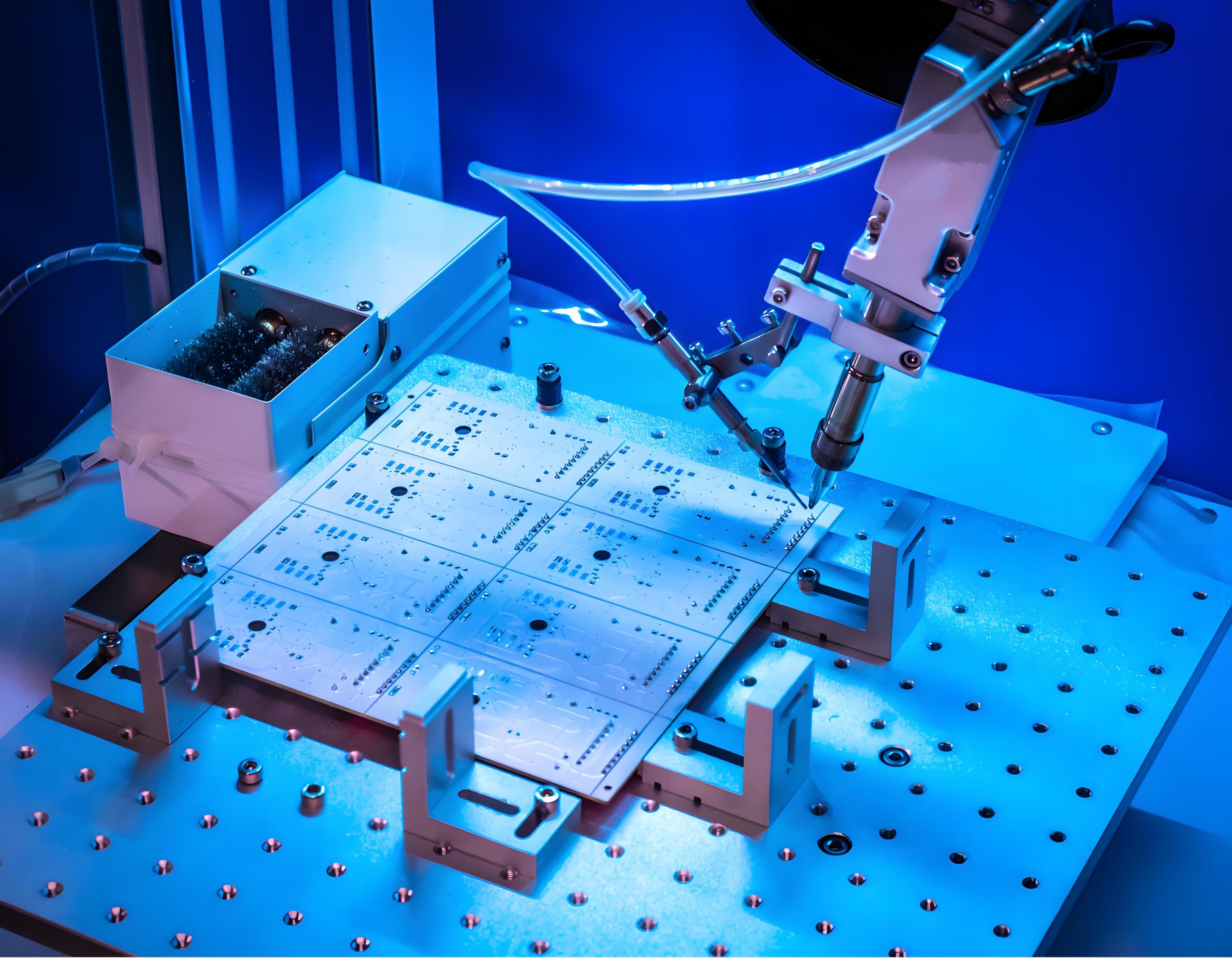
Step-by-Step Guide to Replacing Your Hoot Circuit Board
Replacing your DB Technology Hoot Circuit Board can be a manageable task with the right tools and guidance. Hereās a simple step-by-step guide:
1. Before starting, turn off the power supply to your hot tub at the breaker box to avoid electrical shock.
2. Locate the control box that houses the circuit board. Remove the cover using a screwdriver.
3. Before disconnecting anything, take detailed photos of the circuit board and wiring connections. This will help you reconnect everything correctly.
4. Carefully remove the connectors and wiring attached to the circuit board. Unscrew any mounting screws holding the board in place.
5. Position the new Hoot Circuit Board in place and secure it with screws. Reconnect all wires and connectors as per your reference photos.
6. Turn the power back on and test all functions of the hot tub to ensure the new board is working correctly. Check for any error messages or irregular operation.
7. Once everything is functioning as expected, replace the control box cover securely.
Replacing a circuit board can be a straightforward process, but if youāre unsure, consulting EBest Circuit (Best Technology) is always a good idea to ensure safety and proper installation.
Why Choose EBest Circuit (Best Technology) for Hoot Circuit Board?
Selecting the right supplier for your DB Technology Hoot Circuit Board replacement or upgrade can greatly impact the performance and longevity of your hot tub. Choosing EBest Circuit (Best Technology) as your go-to provider for Hoot Circuit Boards because:
No stencil, setup fee
Free capacitors and resistors for prototype customers
Rapid prototyping: 24-hour delivery, 8-hour rush service
Dust-free workshop for PCB and PCBA assembly
Over 2000+ customers all around the world
Dedicated one-on-one service with WIP production updates
ISO9001, ISO13485, IATF16949 certificated
Factory in Vietnam, US, China
You are welcome to contact us any time for PCB projects!!
IC substrates are usually made of multiple layers of insulating materials, conductors, and semiconductor materials. These materials are precisely processed to form a complex circuit network. The material selection of the substrate has a crucial impact on its performance, such as thermal conductivity, electrical properties, mechanical strength, etc.
IC substrates play an important role in electronic devices, providing stable support and efficient connections for integrated circuits. With the continuous development of electronic technology, the importance of IC substrates will continue to increase.
What is an ic substrate
IC substrate, also known as ic package substrate, is a substrate used to package bare IC (integrated circuit) chips. It is the core material of chip packaging and has the characteristics of high density, high precision, high performance, miniaturization and thinness.
As an intermediate product, IC substrate connects the chip and the circuit board, plays a role in physical mechanical support, heat dissipation and protection, and provides electronic connection between the chip and the PCB to achieve signal transmission.
It is a key carrier in the packaging and testing process and is widely used in mainstream packaging technologies such as BGA (ball grid array packaging) and CSP (chip size packaging). The main functions of the packaging method include isolating the exposed chip from the air, preventing corrosion of the circuit on the chip, and providing an intermediate bridge for information transmission between highly refined chips and less refined printed circuit boards.
IC substrate definition
IC substrate is the support of semiconductor integrated circuits. Its main function is to connect various electronic components to form a complete circuit system. As a platform, it provides a solid foundation for various components within the IC to ensure the normal operation of the circuit.
IC substrate manufacturing process
How are ic substrates made? IC (Integrated Circuit) substrate manufacturing refers to packaging electronic components onto a circuit board to form a complete circuit system. The IC substrate manufacturing process mainly includes the following steps: design, proofing, printing, drilling, gold plating, welding, testing and packaging.
Design, schematic design and layout design are carried out according to the circuit design requirements, the size and number of layers of the circuit board are determined, and process analysis is carried out to determine the substrate manufacturing process.
Proofing, the designed circuit board sample is generated into a file, and the graphics on the file are transferred to the circuit board through a photolithography machine to form a copper pole, etc.
Printing, the area on the circuit board on the graphics transferred by the photolithography machine is etched to remove unnecessary copper and expose the glass fiber surface.
Drilling, use a drilling machine to make the required holes on the circuit board for welding components.
Gold plating, a layer of metal is covered on the surface of the circuit board through the electroplating process, which can improve the conductivity of the product on the one hand and prevent oxidation on the other hand.
Soldering: solder IC chips and other components to the corresponding positions of the circuit board, using hot plates and brackets for soldering.
Testing: test the soldered circuit board to verify whether the electrical performance, signal path and stability of the circuit board meet the design requirements.
Packaging: label, clean and package the qualified circuit boards to make them suitable for transportation and storage.
how ic substrate differentiate? The IC substrate manufacturing process is a complex and delicate process that requires a series of steps such as design, proofing, printing, drilling, gold plating, welding, testing and packaging. Only by strictly following the process can the quality and performance of the final product be guaranteed.
IC substrate manufacturers
As a leader of IC substrate manufacturer, EBest Circuit (Best Technology) has over 18 years experience, we are so confident that we can provide the highest quality and high specifition IC substrate for you! Backing up with a group of professional engineers, and well established quality system. EBest Circuit (Best Technology) has grown to become a major PCB manufacturer in Asia to serve in diverse customers base. At EBest Circuit (Best Technology), you can enjoy a full turn-key service from IC substrate design, prototyping, mass production and IC substrate assembly.
IC substrate manufacturers
How ic substrate differentiate
How to distinguish IC substrates? The distinction of IC substrates can be made in many ways, mainly including classification by package type, material properties, and bonding technology.
ā1. Classification by package typeā:
āBGA IC substrateā: It performs well in heat dissipation and electrical performance, can significantly increase chip pins, and is suitable for IC packages with more than 300 pins.
āCSP IC substrateā: It is a single-chip package with light weight, small size, and similar size to IC. It is mainly used in memory products, telecommunications products, and electronic products with a small number of pins.
āFC IC substrateā: By flipping the chip package, it has low signal interference, low circuit loss, good performance, and effective heat dissipation.
āMCM IC substrateā: It absorbs chips with different functions into one package, which is light, thin, short, and miniaturized, but because multiple chips are packaged in one package, this type of substrate does not perform well in signal interference, heat dissipation, fine wiring, etc.
ā2. Classification by material propertiesā:
āRigid IC substrateā: Mainly made of epoxy resin, BT resin or ABF resin, with a CTE (coefficient of thermal expansion) of about 13 to 17ppm/°C.
āFlex IC substrateā: Mainly made of PI or PE resin, with a CTE of 13 to 27ppm/°C.
āCeramic IC substrateā: Mainly made of ceramic materials such as alumina, aluminum nitride or silicon carbide, with a relatively low CTE of about 6 to 8ppm/°C.
3.āClassification by bonding technologyā:
āWire bondingā
āTAB (Keyboard Automated Bonding)ā
āFC bonding
IC substrate vs PCB
The differences between IC substrate and PCB are mainly reflected in the definition, materials, structure, manufacturing process and application scenarios. In this article, Jieduobang will introduce the differences between IC substrate and PCB in detail.
Definition
PCB is the support of electronic components and the carrier for the electrical connection of electronic components; IC substrate is an integrated circuit chip carrier used to install integrated circuit chips and provide electrical connections with extremely high density and reliability.
Materials
PCB uses conductive and insulating materials such as copper clad laminate, glass fiber material and PTFE material; IC substrate mainly uses polymer materials (such as FR-4) and brittle ceramic materials.
Structure
PCB is composed of circuit boards by stacking multiple board layers, which can be connected through holes; the structure of IC substrate mainly includes circuit layer and assembly layer.
Manufacturing process
PCB manufacturing includes steps such as design, graphic layout, patch, welding and testing; IC substrate needs to undergo tedious processes such as preheating, pitting and buttoning.
Application of IC substrates
PCBs are widely used in the field of electronic product manufacturing, such as computer motherboards, mobile phone circuit boards, etc.; IC substrates are small, high-density, and highly reliable, and are widely used in high-end electronic fields, such as aerospace, national defense, and automotive electronics.
As a new type of PCB material, aluminum base pcb board is gradually becoming a popular choice in the electronics field with its excellent performance and wide application fields.
What is aluminum base material PCB?
Aluminum base material PCB (Printed Circuit Board) refers to a special type of PCB that uses aluminum as the substrate material. This PCB usually includes three main parts:
1. Circuit layer: This is the part where the circuit pattern is installed, usually a layer of copper foil, which is etched to form a circuit path.
2. Insulating thermal conductive layer: Located between the circuit layer and the metal base layer, this layer of material not only needs to provide electrical insulation between circuits, but also has good thermal conductivity to transfer the heat generated when the circuit is working to the metal base layer.
3. Metal base layer: Usually a layer of aluminum plate, its function is to quickly dissipate the heat from the circuit layer.
Due to its good thermal conductivity, aluminum base PCB is very popular in application scenarios that require efficient heat dissipation, in LED lighting, power management, automotive electronics, communication equipment, and other electronic devices that require high power output and good thermal management.
Compared with traditional FR-4 fiberglass PCBs, aluminum base pcb boards can manage heat more effectively, thereby improving the reliability and life of electronic components. ā
Why Aluminum is used in PCB?
There are several main reasons for using aluminum in PCBs (printed circuit boards):
1. Good heat dissipation performance
High thermal conductivity: Aluminum is an excellent thermal conductive material with a relatively high thermal conductivity. During the operation of the PCB, electronic components will generate heat, and the aluminum substrate can quickly conduct this heat away to avoid damage to electronic components caused by excessive local temperatures, thereby improving the stability and reliability of electronic equipment and extending the service life of components.
Uniform heat dissipation: The aluminum substrate can evenly distribute heat across the entire PCB, prevent hot spots from concentrating, and reduce the risk of failures caused by local overheating.
2. Higher mechanical strength
Vibration resistance: Aluminum has a certain rigidity and toughness, and can withstand the vibration and impact that electronic equipment may be subjected to during use, which can ensure that the PCB will not be easily damaged by external forces.
Dimensional stability: The dimensional changes of aluminum substrates are relatively small under different temperature and humidity conditions, which can maintain the structural stability of PCBs and ensure the welding reliability of electronic components.
3. Good insulation performance
The surface of the specially treated aluminum substrate has a good insulation layer, which can effectively prevent circuit short circuits and leakage. At the same time, the insulation layer can also withstand a certain voltage to meet the electrical insulation requirements of different electronic equipment.
Good compatibility with other insulating materials: It can be well combined with the packaging materials and welding materials of various electronic components to ensure the overall performance of electronic equipment.
4. Good processing performance
Strong processability: Aluminum substrates can be made using traditional PCB processing techniques, such as etching, drilling, cutting, etc., which is convenient and fast and can meet different design requirements.
Surface processability: The surface of the aluminum substrate can be processed in a variety of ways, such as copper plating, gold plating, tin spraying, etc., to improve welding performance and corrosion resistance.
5. Cost-effectiveness
Relatively low material cost: Aluminum is a common metal material with abundant resources and relatively stable prices. Compared with some high-performance heat dissipation materials, the cost of aluminum substrates is low, which can reduce the manufacturing cost of electronic equipment while ensuring performance.
High production efficiency: Due to the good processing performance of aluminum substrates, large-scale automated production can be achieved, which can improve production efficiency and further reduce costs.
How to choose aluminum base pcb board?
Choosing the right aluminum base pcb board is crucial to the performance and reliability of electronic equipment. In the selection process, multiple factors need to be considered, including glass transition temperature, heat resistance, flatness, thermal expansion coefficient and electrical performance.
(I) Glass transition temperature
Glass transition temperature (Tg) is one of the important parameters for measuring the heat resistance of PCB substrates. Generally speaking, substrates with higher Tg are more stable in high temperature environments and are not prone to deformation or damage.
For application scenarios with higher operating temperatures, aluminum base pcb boards with Tg higher than the circuit operating temperature should be selected. The Tg of the current mainstream FR-4 board is about 130-140 degrees. If the circuit operating temperature is close to or exceeds this value, it is necessary to consider choosing an aluminum substrate material with a higher Tg.
(II) Heat resistance
Aluminum-based PCB boards should have high heat resistance to ensure that they can still work normally in high temperature environments.
Generally, a heat resistance of 250ā/50S is required. This means that the board will not undergo significant performance changes under short-term high temperature exposure.
(III) Flatness
In SMT (surface mount technology), it is required to use boards with a small degree of curvature as much as possible. Aluminum base PCB boards with good flatness can ensure accurate installation of components and good welding quality. If the flatness of the board is poor, it may cause the components to be installed loosely, and even cause problems such as cold soldering and short circuits during the welding process.
(IV) Thermal expansion coefficient
The thermal expansion coefficient (CTE) is one of the key factors to consider when selecting aluminum base pcb boards. Due to the inconsistent thermal expansion coefficient in the thickness direction, it is easy to cause PCB deformation, and in severe cases, it will cause the metallized holes to break, resulting in damage to components.
The thermal expansion coefficient of the aluminum substrate is 50Ć10ā»ā¶cm/cmā, which is smaller than that of the general FR-4 board and closer to the thermal expansion coefficient of copper foil. When selecting, try to choose a board with a low thermal expansion coefficient and matching other components to reduce the thermal stress caused by the difference in thermal expansion coefficient.
(V) Electrical performance
For high-frequency circuits, materials with high dielectric constant and low dielectric loss are required. Insulation resistance, withstand voltage strength, and arc resistance must meet product requirements.
In communication electronic equipment, high-frequency amplifiers, filters and other circuits have high requirements for electrical performance, and aluminum base pcb boards with good electrical performance need to be selected to ensure accurate signal transmission and stability.
In summary, according to application requirements, factors such as glass transition temperature, heat resistance, flatness, thermal expansion coefficient and electrical performance can be comprehensively considered to select a suitable aluminum base pcb board to ensure the performance and reliability of electronic equipment.
Which is a major disadvantage of aluminum?
Although aluminum has many advantages, it also has some inherent disadvantages as a material that may limit its use in certain applications.
1. Lower conductivity than copper: Although aluminum has a relatively high conductivity, it is still lower than copper.
2. Easy to deform: Aluminum has a relatively low hardness, so it is more likely to undergo plastic deformation when subjected to external forces.
3. Cold flow phenomenon: Aluminum becomes more brittle at low temperatures, and may exhibit cold flow (creep) phenomenon in high temperature environments, that is, slow deformation under constant load.
4. Difficult welding: The surface of aluminum is prone to form an oxide film, which affects the quality of welding and makes aluminum welding more difficult than other metals.
5. Corrosion resistance condition restrictions: Although aluminum itself has a certain degree of corrosion resistance, aluminum may accelerate corrosion in certain specific environments, such as salt water, alkaline solutions or halogens.
6. Connection reliability: When aluminum is in direct contact with other metals such as copper, corrosion problems may occur in some cases due to electrochemical reactions, especially in humid environments, which may affect the long-term reliability of the connector.
7. Large thermal expansion coefficient: Aluminum has a relatively high thermal expansion coefficient, which means that in an environment with large temperature changes, aluminum products may change in size due to thermal expansion and contraction, which may cause problems for applications that require precise matching.
What is the dielectric layer of aluminum PCB?
The dielectric layer of aluminum PCB is an insulating layer, which is located between the circuit layer and the metal layer and plays a role of isolation and insulation.
This insulating layer uses a thermally conductive insulating material that can quickly transfer the heat generated by the LED to the aluminum substrate. At the same time, the thermal resistance of this thermally conductive insulating material is a key factor that affects the efficiency of heat transfer.
In the design of aluminum substrates, the insulating layer is an indispensable part, which ensures the normal operation of the circuit while allowing heat to be effectively transferred to the aluminum base layer, thereby improving the thermal and mechanical properties of the entire structure.
Why don’t we use aluminum instead of copper?
The main reasons for not using aluminum instead of copper in PCBs (printed circuit boards) include the following:
āConductivity differenceā: Copper has significantly better conductivity than aluminum. This means that in circuits that require good conductivity, using copper can provide more stable current transmissionā.
āThermal conductivity differenceā: Copper substrates have higher thermal conductivity than aluminum substrates, which means that copper performs better in transmission efficiency, heat dissipation, and service life.
āResistance differenceā: Since copper has a higher density than aluminum, copper generally has lower resistance than aluminum. Using copper can reduce power loss and improve power transmission efficiencyā.
āWeight differenceā: Copper has a higher density per unit area, resulting in copper PCBs weighing much more than aluminum PCBs under the same design. But if weight is not the main consideration, copper is widely used for its excellent electrical propertiesā.
āProduction processā: The production process of aluminum substrate PCBs is relatively simple, but this does not mean that aluminum is a better choice. In some cases, although aluminum substrates may be produced faster, copper substrates are preferred in many applications due to their superior electrical propertiesā.
In summary, although aluminum as a lightweight, low-cost material may have advantages in some cases, copper is still the preferred material in PCB manufacturing due to its better electrical conductivity, thermal conductivity, low resistance and applicability in most applications.
In short, as a new type of PCB material, aluminum base pcb board has the advantages of excellent heat dissipation, high mechanical strength, good electrical properties and environmental protection and recyclability. With the continuous development and progress of electronic technology, market demand will continue to increase. BEST Technoloby, as a professional aluminum substrate manufacturer, has rich manufacturing experience. The aluminum substrates produced have been tested by the market for a long time, and the service quality is in the first echelon. Choose us and you will get the best experience.