Why is rigid flex PCB for medical devices rapidly becoming the go-to option for designing miniaturized medical equipment, and how can its design, material selection, and assembly be mastered to avoid common pitfalls? This article breaks down every critical aspect of rigid flex PCB for medical devices, from its core benefits to practical design tips, certification requirements, and assembly best practices all tailored to help navigate the complexities of integrating this technology into life saving medical equipment.
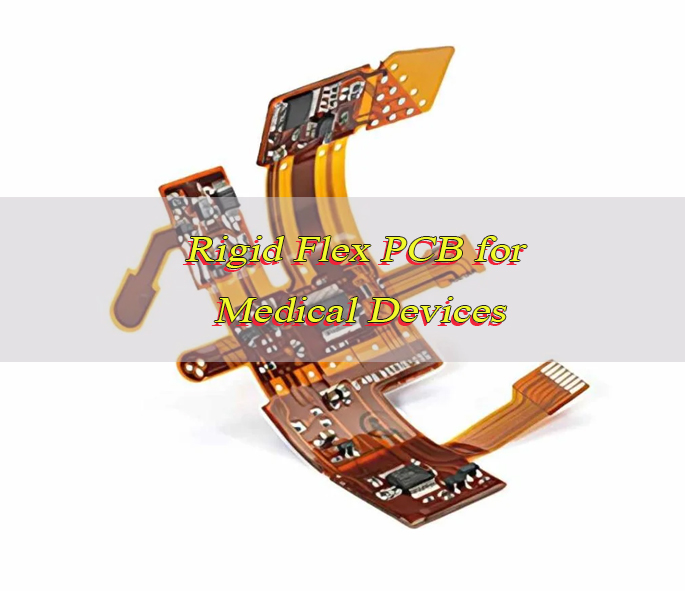
Why is Rigid Flex PCB Becoming the First Choice for Miniaturized Medical Equipment?
Rigid flex PCB for medical devices has emerged as the top choice for miniaturized medical equipment because it solves three core pain points faced with traditional PCBs: space constraints, weight reduction, and reliability in harsh medical environments.
Miniaturized medical devices such as portable monitors, wearable health trackers, and minimally invasive surgical tools require components to fit into extremely tight spaces while maintaining structural integrity and signal stability.
Rigid flex PCB for medical devices eliminates the need for bulky connectors and wiring harnesses that add weight and bulk, allowing for sleeker, more compact designs without sacrificing performance.
Additionally, its ability to bend and conform to the shape of medical devices reduces stress on solder joints and connections, lowering the risk of failure in devices that are frequently moved or inserted into the human body. For miniaturized equipment where every millimeter and gram matters, rigid flex PCB for medical devices delivers the versatility and durability that traditional PCBs simply cannot match.
What are the Advantages of Rigid Flex PCB for Medical Devices Compared with Traditional Rigid PCBs?
The advantages of rigid flex PCB for medical devices over traditional rigid PCBs are clear and impactful, especially in the medical industry where precision and reliability are non negotiable. Below is a detailed comparison to help understand exactly how rigid flex PCB for medical devices outperforms traditional rigid PCBs in critical areas.
| Comparison Category | Rigid Flex PCB for Medical Devices | Traditional Rigid PCBs |
| Space Efficiency | Eliminates connectors and wiring, fitting into tight spaces in miniaturized devices; can bend to conform to device shapes, reducing overall footprint by 30 50%. | Requires additional connectors and wiring to connect multiple rigid boards, increasing overall size and limiting design flexibility in compact devices. |
| Weight | Lighter by 20 40% compared to rigid PCBs with wiring harnesses, critical for portable and wearable medical devices. | Heavier due to extra connectors and wiring, making them less ideal for lightweight medical equipment. |
| Reliability | Fewer solder joints and connections reduce the risk of failure; flexible sections absorb vibration and movement, preventing stress on critical components. | Multiple connectors create weak points; rigid structure cannot absorb vibration, leading to higher risk of solder joint failure in moving devices. |
| Design Flexibility | Can be designed to bend around components, fit into irregular shapes, and integrate multiple rigid sections into a single board, simplifying device assembly. | Limited to flat, rigid shapes; requires multiple boards connected by wiring, increasing assembly complexity. |
| Signal Integrity | Shorter signal paths reduce interference and crosstalk, critical for medical diagnostic equipment that relies on precise signal transmission. | Longer signal paths through connectors increase interference, potentially compromising data accuracy in sensitive medical devices. |
Which Medical Devices are Most Suitable for Using Rigid Flex PCB?
Rigid flex PCB for medical devices is ideal for any medical equipment that requires miniaturization, reliability, and flexibility especially devices that operate in harsh or constrained environments. The most suitable devices fall into four key categories, each benefiting from the unique properties of rigid flex PCB for medical devices:
- Portable Medical Monitors: Devices like handheld ECG monitors, blood glucose meters, and portable ultrasound machines rely on rigid flex PCB for medical devices to reduce size and weight while maintaining signal accuracy. The flexible sections allow the board to fit into slim, ergonomic designs that are easy for healthcare providers to carry.
- Wearable Health Devices: Fitness trackers, continuous glucose monitors, and wearable heart rate monitors use rigid flex PCB for medical devices to conform to the body’s shape without sacrificing performance. The lightweight design ensures comfort for long term wear, while the durable flexible sections withstand daily movement.
- Minimally Invasive Surgical Tools: Endoscopes, laparoscopes, and robotic surgical instruments use rigid flex PCB for medical devices to fit into narrow, curved shafts. The flexible sections allow the board to bend with the tool, while rigid sections house critical components like sensors and processors.
- Diagnostic Equipment: MRI machines, CT scanners, and blood analysis devices use rigid flex PCB for medical devices to optimize signal integrity and reduce interference. The compact design also helps minimize the overall size of these large machines, saving space in healthcare facilities.
How to Select Materials for Rigid Flex PCB for Medical Devices to Meet Biocompatibility Requirements?
Selecting materials for rigid flex PCB for medical devices requires prioritizing biocompatibility, as these boards often come into contact with human skin, bodily fluids, or even implanted into the body. The goal is to choose materials that do not cause adverse reactions, meet industry standards, and maintain performance in medical environments. Follow these steps to select the right materials:
1. Prioritize Biocompatible Base Materials: For the rigid sections, use FR 4 with a biocompatible finish such as electroless nickel immersion gold or tin. For flexible sections, choose polyimide (PI) or liquid crystal polymer (LCP) both are biocompatible, resistant to bodily fluids, and offer excellent flexibility. PI works well for most applications, while LCP stands out for high frequency devices like diagnostic equipment.
2. Choose Biocompatible Adhesives: Use adhesives that meet ISO 10993 standards, such as acrylic or epoxy based adhesives. Avoid adhesives containing harmful substances like lead or cadmium, as these can leach into bodily fluids and trigger adverse reactions.
3. Select Compatible Solder Materials: Use lead free solder (e.g., SAC305) that meets RoHS and ISO 10993 requirements. Lead containing solder is strictly prohibited in medical devices, as it poses a health risk if it leaches into the body.
4. Consider Sterilization Compatibility: Materials must withstand common medical sterilization methods, including autoclaving, ethylene oxide (EtO), and gamma radiation. PI and LCP resist all three methods, while FR 4 holds up to EtO and gamma radiation but may degrade with repeated autoclaving.
Always verify material biocompatibility with test reports from certified labs, as even small variations in material composition can affect compliance. Rigid-flex pcb for medical devices, when using the right materials, meets the strictest biocompatibility standards for both external and internal use.
What Certifications Do Rigid Flex PCB Need to Comply with Medical Industry Standards?
Rigid flex PCB for medical devices must comply with global medical industry standards to ensure safety, reliability, and biocompatibility. These certifications vary by region but share core requirements for quality and performance. Below are the most critical certifications to consider:
- ISO 13485: The primary international standard for quality management systems in the medical device industry. All manufacturers of rigid flex PCB for medical devices must hold ISO 13485 certification to demonstrate consistent ability to produce boards that meet medical requirements.
- ISO 10993: Specifies biocompatibility requirements for materials that come into contact with the human body. Rigid flex PCB for medical devices must pass ISO 10993 tests, including cytotoxicity, sensitization, and irritation, depending on the level of contact (e.g., skin contact, internal implantation).
- FDA 510(k) Clearance: Required for medical devices sold in the United States. While the rigid flex PCB itself does not need separate 510(k) clearance, it must be part of the device’s overall 510(k) submission, showing the board does not compromise the device’s safety or effectiveness.
- CE Marking: Required for medical devices sold in the European Union. Rigid flex PCB for medical devices must comply with the Medical Device Regulation (MDR) 2017/745, which includes requirements for biocompatibility, quality, and performance.
- RoHS Compliance: Mandatory in the EU, US, and many other regions. Rigid flex PCB for medical devices must be lead free and free of other restricted substances (e.g., mercury, cadmium) to meet RoHS standards.
Compliance with these certifications is non negotiable failure to meet them can result in device recalls, legal liability, and harm to patients. Always work with manufacturers who can provide certification documentation for their rigid flex PCB for medical devices.
How to Avoid Flex Fatigue Failure of Rigid Flex PCB for Medical Devices in Long-Term Use?
Flex fatigue failure is a common issue in rigid flex PCB for medical devices that are frequently bent or moved, such as wearable devices or surgical tools. This failure happens when the flexible sections weaken over time, leading to cracks in the copper traces or delamination. To avoid this, follow these design and manufacturing best practices:
1. Optimize Flexible Section Design: Keep the flexible sections as short as possible while still meeting design requirements. Longer flexible sections are more prone to fatigue. Use a minimum bend radius of 10 times the thickness of the flexible section for example, a 0.1mm thick flexible section should have a bend radius of at least 1mm.
2. Use Reinforcement Layers: Add reinforcement layers (e.g., polyimide or FR 4) to the flexible sections where bending occurs most frequently. This distributes stress and reduces wear on the copper traces.
3. Choose the Right Copper Thickness: Use thinner copper (1oz or less) for flexible sections, as thicker copper is more brittle and prone to cracking. Thinner copper also bends more easily without losing conductivity.
4. Avoid Sharp Bends: Design the flexible sections with smooth, gradual bends instead of sharp angles. Sharp bends concentrate stress on a small area, raising the risk of fatigue failure.
5. Test for Flex Fatigue: Conduct flex fatigue testing during the design phase to simulate long term use. Test the rigid flex PCB for medical devices by bending it repeatedly at the intended radius until failure occurs, then adjust the design to improve durability.
By following these steps, the risk of flex fatigue failure can be significantly reduced, ensuring that rigid flex PCB for medical devices remains reliable for the entire lifespan of the medical device.
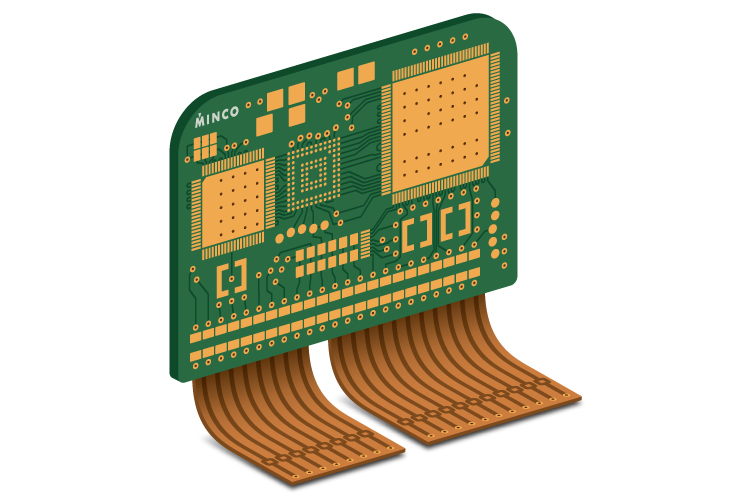
What Technical Capabilities should the Best Rigid Flex PCB Assembly Services for Medical Devices Have?
The best rigid flex pcb assembly services for medical devices must have specialized technical capabilities to meet the industry’s strict requirements for quality, reliability, and compliance.
Look for these capabilities when selecting an assembly partner:
- Medical Grade Quality Control: The assembly service should have a dedicated quality control team trained in medical device standards. This includes 100% visual inspection of all boards, X ray inspection for hidden solder joints, and automated optical inspection (AOI) to detect defects.
- Biocompatible Assembly Processes: The assembly process must use biocompatible materials and avoid contaminants. This includes lead free soldering, cleanroom assembly (Class 1000 or higher) for devices that come into contact with bodily fluids, and strict process controls to prevent contamination.
- Expertise in Flexible Assembly: The team should have experience assembling rigid flex PCB for medical devices, including handling flexible sections without damaging them. This includes specialized equipment for bending and forming flexible sections to the required shape.
- Compliance Documentation: The assembly service should be able to provide detailed documentation, including material certificates, test reports, and traceability records. This is critical for complying with ISO 13485 and FDA requirements.
- Prototype and Low Volume Production Capabilities: Medical device development often requires small prototype runs followed by low volume production. The assembly service should handle both, with quick turnaround times to support rapid prototyping and product launch.
How to Ensure the Signal Integrity of Rigid Flex PCB for Medical Diagnostic Equipment?
Signal integrity is critical for medical diagnostic equipment, as inaccurate signal transmission can lead to misdiagnosis and patient harm. Rigid flex PCB for medical devices, when designed correctly, maintains excellent signal integrity even in high frequency applications. Follow these steps to ensure signal integrity:
1. Minimize Signal Path Length: Design the rigid flex PCB for medical devices with the shortest possible signal paths. Longer paths increase capacitance and inductance, leading to signal degradation. Use the flexible sections to route signals directly between components, avoiding unnecessary detours.
2. Impedance Matching: Match the impedance of the PCB traces to the components (e.g., sensors, processors) to reduce signal reflection. Use impedance calculators to determine the correct trace width and spacing, especially for high frequency signals (above 1 GHz).
3. Separate Analog and Digital Traces: Route analog and digital traces on separate layers or keep them at least 3mm apart to avoid crosstalk. Analog signals are sensitive to interference from digital signals, which can compromise diagnostic accuracy.
4. Use Ground Planes: Incorporate a solid ground plane in the rigid flex PCB for medical devices to reduce noise and improve signal integrity. The ground plane acts as a shield, absorbing interference and providing a stable reference voltage.
5. Test Signal Integrity: Use tools like time domain reflectometry (TDR) and signal integrity analyzers to test the board during design and production. This helps identify issues like signal reflection, crosstalk, and attenuation before the board is integrated into the device.
Is Rigid Flex PCB for Medical Devices Suitable for Implantable Medical Devices?
Yes, rigid flex pcb for medical devices is suitable for implantable medical devices, provided it meets strict biocompatibility, durability, and reliability requirements. Implantable devices such as pacemakers, defibrillators, and neurostimulators require boards that are small, lightweight, and able to withstand the harsh environment inside the human body.
Rigid flex PCB for medical devices meets these requirements by eliminating bulky connectors, reducing size and weight, and using biocompatible materials that do not cause adverse reactions. The flexible sections allow the board to conform to the shape of the implant, while rigid sections house critical components like batteries and processors.
However, implantable rigid flex PCB for medical devices must undergo additional testing, including long term biocompatibility tests (ISO 10993 1) and sterilization validation, to ensure they are safe for permanent implantation. Working with a manufacturer experienced in implantable devices is critical to ensuring compliance and reliability.
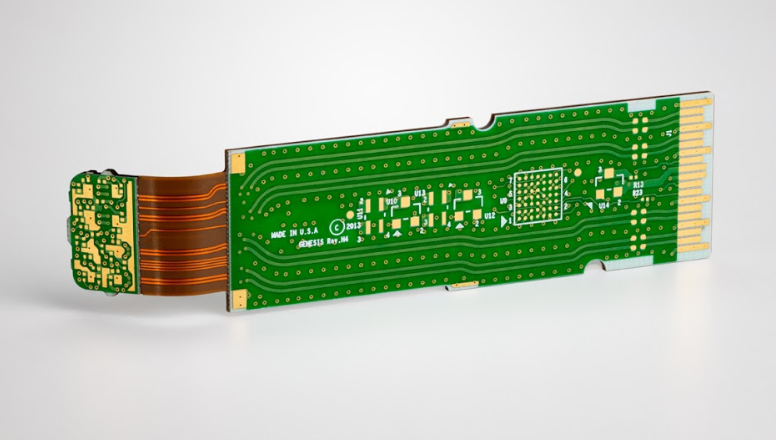
What Quality Testing Items are Essential for Rigid Flex PCB for Medical Devices?
Quality testing is critical for rigid flex pcb for medical devices, as even minor defects can compromise device performance and patient safety.
Below are the essential testing items that every rigid flex PCB for medical devices should undergo before integration into a medical device:
- Visual Inspection: A thorough visual inspection to check for surface defects, such as scratches, delamination, and solder bridges. This can be done manually or with automated optical inspection (AOI) for greater accuracy.
- X Ray Inspection: Used to inspect hidden solder joints and internal layers, ensuring there are no voids, cracks, or misalignments that could lead to failure.
- Flex Fatigue Testing: Simulates long term use by bending the flexible sections repeatedly at the intended radius, ensuring the board does not crack or delaminate.
- Biocompatibility Testing: Tests for cytotoxicity, sensitization, and irritation (per ISO 10993) to ensure the board is safe for contact with the human body.
- Signal Integrity Testing: Uses TDR and signal analyzers to verify that signals are transmitted accurately without interference or degradation.
- Sterilization Validation: Tests the board’s ability to withstand medical sterilization methods (autoclaving, EtO, gamma radiation) without losing performance.
- Electrical Testing: Includes continuity testing, insulation resistance testing, and voltage testing to ensure the board functions correctly under operating conditions.
How to Choose Best Rigid Flex PCB Assembly Services for Medical Devices?
Choosing the right rigid flex pcb assembly services for medical devices is critical to ensuring a device meets quality, compliance, and performance requirements. Follow this step by step process to select the best partner:
1. Verify Compliance: Ensure the assembly service is ISO 13485 certified and has experience with medical device regulations (FDA, MDR). Ask for documentation of their compliance processes and past medical device projects.
2. Evaluate Technical Expertise: Look for a service with specialized experience in rigid flex PCB assembly for medical devices. Ask about their experience with biocompatible materials, flex fatigue prevention, and signal integrity optimization.
3. Review Quality Control Processes: Inquire about their quality control measures, including inspection methods (AOI, X ray), test procedures, and defect rates. A reliable service will have a defect rate of less than 0.1% for medical grade boards.
4. Check Traceability: Ensure the service provides full traceability for all materials and components, including lot numbers, material certificates, and test reports. This is critical for compliance and recall management.
5. Assess Communication and Turnaround: Choose a service that communicates clearly and provides regular updates on a project. Medical device development often has tight deadlines, so look for a partner with quick turnaround times for prototypes and production runs.
6. Request Samples and References: Ask for samples of their past rigid flex PCB for medical devices to evaluate quality. Also, request references from other medical device professionals who have worked with the service.
What are the Future Development Trends of Rigid Flex PCB for Medical Devices?
The future of rigid flex PCB for medical devices is driven by advancements in medical technology, miniaturization, and patient centered care. Staying ahead of these trends helps design more innovative and effective medical devices. Below are the trends to watch:
- Integration with Flexible Electronics: Rigid flex PCB for medical devices will increasingly integrate with flexible sensors and displays, enabling more advanced wearable and implantable devices. This includes flexible OLED displays and biosensors that can monitor vital signs in real time.
- Miniaturization and High Density Interconnects: As medical devices become smaller, rigid flex PCB for medical devices will use smaller components and higher density interconnects (HDIs) to fit more functionality into a smaller space. This includes microvias and fine pitch components.
- Improved Biocompatible Materials: New biocompatible materials, such as bioresorbable polymers, will be used in rigid flex PCB for medical devices, allowing for implantable devices that dissolve naturally in the body after use. This eliminates the need for surgical removal.
- Smart Manufacturing and Automation: Assembly of rigid flex PCB for medical devices will become more automated, using AI and machine learning to improve quality and reduce defects. This includes automated assembly, inspection, and testing processes.
- Enhanced Signal Integrity for 5G and IoT: With the rise of 5G and IoT in medical devices, rigid flex PCB for medical devices will be designed to support higher frequencies and faster data transmission, enabling real time remote monitoring and diagnostics.
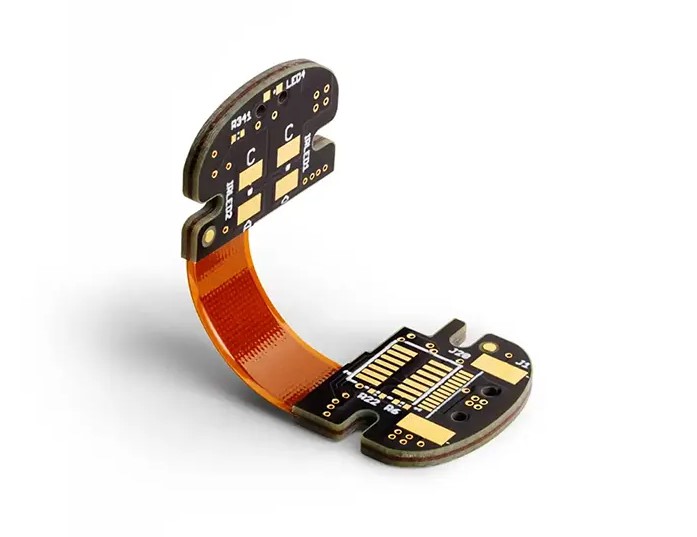
FAQs About Rigid-Flex PCB for Medical Devices
Q1: Can rigid flex PCB for medical devices be used in high temperature medical environments?
A1: Yes, rigid flex PCB for medical devices can be used in high temperature environments, provided the right materials are selected. Polyimide (PI) flexible sections and FR 4 rigid sections can withstand temperatures up to 260°C, making them suitable for devices used in autoclaving or high temperature diagnostic equipment. For extreme temperatures (above 300°C), liquid crystal polymer (LCP) is recommended, as it offers better thermal stability.
Q2: How long does a rigid flex PCB for medical devices typically last in implantable applications?
A2: A well designed and manufactured rigid flex PCB for medical devices can last 10-15 years in implantable applications. This depends on the materials used, the design (especially flex fatigue prevention), and the environment inside the body. Implantable rigid flex PCB for medical devices undergo rigorous testing to ensure they can withstand long term exposure to bodily fluids and temperature fluctuations.
Q3: Is rigid flex PCB for medical devices more expensive than traditional rigid PCBs?
A3: Yes, rigid flex PCB for medical devices is typically 20-50% more expensive than traditional rigid PCBs due to the specialized materials and assembly processes required. However, the cost is offset by reduced component count (fewer connectors and wiring), smaller device size, and higher reliability. For medical devices where safety and performance are critical, the investment in rigid flex PCB for medical devices is often worth it.
Q4: Can rigid flex PCB for medical devices be repaired if it fails?
A4: In most cases, rigid flex PCB for medical devices cannot be repaired, especially if it is part of an implantable or critical diagnostic device. The flexible sections are prone to permanent damage if bent beyond their design limits, and repairing solder joints on flexible sections is difficult without compromising reliability. For this reason, it is critical to design and test rigid flex PCB for medical devices thoroughly to avoid failure.
Q5: What is the difference between rigid flex PCB for medical devices and rigid-flex pcb for medical devices?
A5: There is no functional difference between rigid flex PCB for medical devices and rigid-flex pcb for medical devices. The hyphenated variant (rigid-flex pcb for medical devices) is a common spelling used in industry searches and documentation, but both refer to the same type of board one that combines rigid and flexible sections to provide versatility and compactness for medical devices.