PCB manufacturing PCB manufacturing
Home > Blog

Posts Tagged ‘SMT PCB Assembly’

Complete Guide to SMT: Meaning, Process, FAQs & Applications
Friday, January 23rd, 2026

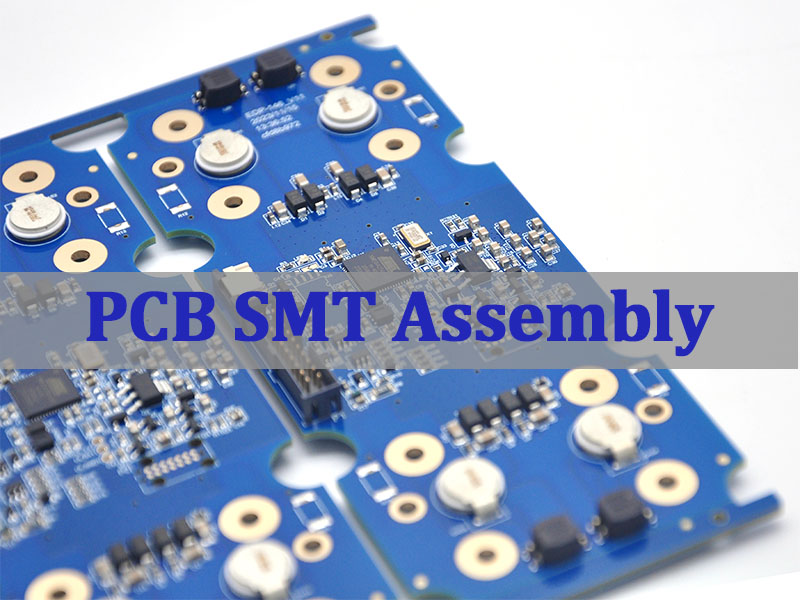
SMT (Surface Mount Technology) is the dominant assembly method in modern electronics manufacturing, enabling compact, high-reliability products. Mastering SMT fundamentals and processes is critical for engineers, manufacturers, and buyers seeking consistent quality in electronic assemblies.

What is SMT?

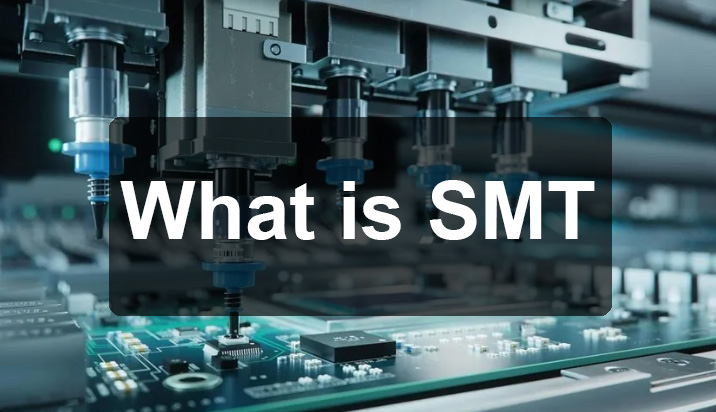
SMT stands for Surface Mount Technology, a core electronic assembly process that mounts surface-mount components (SMDs) directly onto the surface of printed circuit boards (PCBs). It replaces traditional through-hole technology, offering higher assembly density and production efficiency for most electronic devices.

What is SMT

Why is SMT Widely Adopted?

  • Enables smaller, lighter electronic products with 40-60% volume reduction compared to through-hole designs.
  • Supports high-volume automation, cutting production costs by 30-50% in mass manufacturing.
  • Delivers better high-frequency performance and lower electromagnetic interference (EMI).

SMT Meaning

SMT is the abbreviation of Surface Mount Technology, referring to the set of techniques for mounting and soldering SMDs on PCB surfaces without drilling insertion holes. Its core purpose is to achieve reliable electrical and mechanical connections between components and PCBs efficiently.

Key Terminology in SMT

  • SMD: Surface Mount Device, the components used in SMT assembly (resistors, capacitors, ICs, etc.).
  • PCB: Printed Circuit Board, the base for mounting SMT components.
  • Reflow Soldering: The heating process that melts solder paste to bond SMDs to PCB pads.

Definition of SMT

Surface Mount Technology (SMT) is a standardized electronic assembly process that involves applying solder paste to PCB pads, precisely placing SMDs onto the paste, and heating the assembly to form permanent solder joints. It is defined by IPC standards as a high-density, automated assembly method for modern electronics.

Core Characteristics of SMT

SMT eliminates the need for PCB hole drilling for component leads, relying on surface tension and solder paste adhesion to secure components. This results in lower PCB material usage, faster production cycles, and reduced solder joint defect rates compared to traditional methods.

What is SMT in Electronics

In electronics, SMT is the primary method for assembling PCBs in consumer devices, industrial controls, medical equipment, and communications hardware. It enables the miniaturization of high-performance electronics, from smartphones to 5G base stations.

Common Electronic Applications of SMT

  • Consumer electronics: Smartphones, laptops, wearables, and televisions.
  • Industrial electronics: PLCs, sensors, and automation controllers.
  • Medical devices: Diagnostic tools, wearable monitors, and imaging equipment.

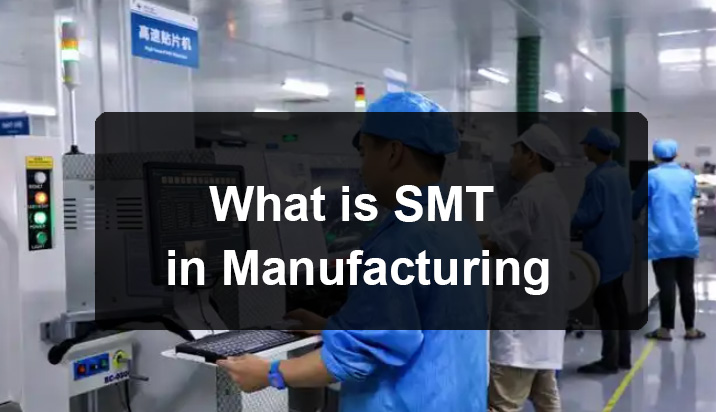
What is SMT in Manufacturing

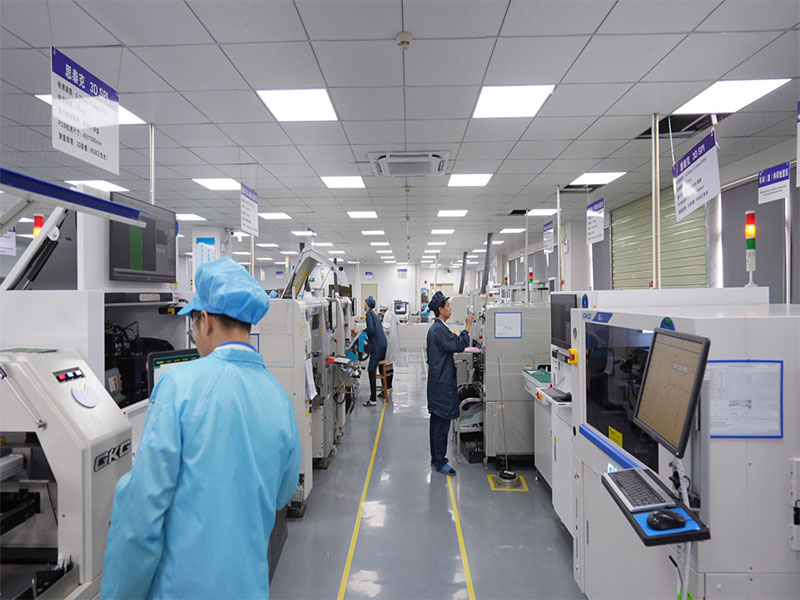
In manufacturing, SMT is a streamlined, automated process that integrates multiple stages—from solder paste printing to inspection—to produce consistent PCB assemblies at scale. It is a cornerstone of lean manufacturing for electronic components.

What is SMT in Manufacturing

SMT Manufacturing Workflow Goals

  • Achieve high throughput: Up to 30,000 components per hour with advanced placement machines.
  • Maintain low defect rates: Targeting <10 ppm (parts per million) for critical applications.
  • Ensure process repeatability: Complying with IPC-A-610 and IPC-7351 standards.

Basic SMT Process Flow

The basic SMT process consists of 6 sequential stages, with each step directly affecting final assembly quality. Front-end process control is critical to reducing defects and ensuring reliability.

What Are the Core Stages of SMT?

  1. Solder Paste Printing: Apply solder paste to PCB pads using a stencil, the first gate for welding quality. Laser-cut stencils (±5μm precision) and SPI (Solder Paste Inspection) are mandatory for high-reliability projects.
  2. Component Placement: Use automated machines to place SMDs onto solder paste, requiring repeat accuracy ≤±25μm for 0201-sized components and fine-pitch devices.
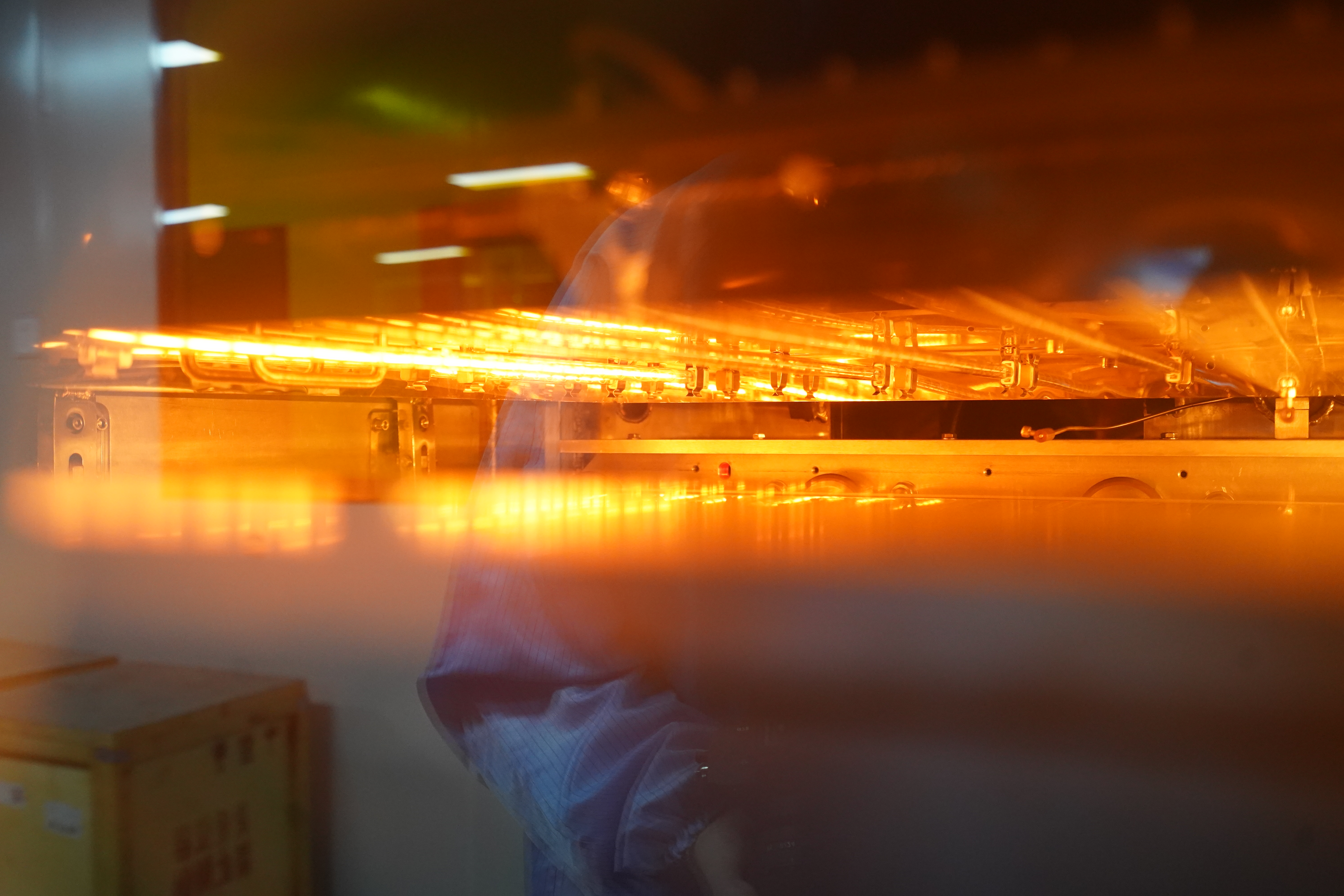
  3. Reflow Soldering: Heat the assembly to melt solder paste, forming permanent joints. Custom temperature profiles are needed for different PCB thicknesses and component types.
  4. Inspection & Testing: Combine AOI (surface defects), X-ray (BGA/QFN bottom joints), and FCT (functional verification) to catch hidden issues.
  5. Cleaning (Optional): Remove flux residues via water or semi-aqueous cleaning, tested per IPC-TM-650 for ion contamination.
  6. Reliability Enhancement: Implement ESD protection and underfill for advanced packages to improve long-term stability.

SMT Placement Process

The SMT placement process is a precision-driven step that bridges solder paste printing and reflow soldering, directly impacting component alignment and solder joint integrity.

How to Ensure Accurate SMT Placement?

  • Machine Calibration: Regularly calibrate placement machines to maintain ±25μm repeat accuracy, replacing worn nozzles to avoid component slippage.
  • Component Recognition: Use advanced vision systems to identify odd-form components and black-body devices, reducing placement errors.
  • Double-Side Placement: For double-sided PCBs, prioritize lighter components first to prevent displacement during reflow.
  • Real-Time Monitoring: Integrate MES systems to track placement parameters, enabling immediate adjustments for offset or misalignment.

Key Advantages of SMT Over Through-Hole Technology

SMT outperforms traditional through-hole technology in most modern electronics, offering irreplaceable benefits for miniaturization and mass production.

SMT vs. Through-Hole: Core Differences

MetricSMTThrough-Hole
Component Density40-60% higher, enabling miniaturizationLow, limited by hole spacing
Production Cost30-50% lower in high-volume manufacturingHigher due to manual insertion
High-Frequency PerformanceSuperior, lower EMIPoor, lead inductance affects signals

Common SMT Defects and Troubleshooting Tips

Most SMT defects stem from process deviations in printing, placement, or reflow. Targeted troubleshooting reduces rework rates and improves consistency.

How to Fix Top SMT Defects?

  • Open Joints/Voids: Adjust stencil aperture and reflow profile; ensure solder paste freshness (≤3 months shelf life).
  • Bridging: Reduce stencil aperture size and optimize printing pressure to avoid excess solder paste.
  • Tombstoning: Balance solder paste volume on component pads and adjust placement accuracy to ≤1/3 pad offset.
  • Cold Solder: Extend reflow soak time to fully activate flux, ensuring peak temperature (240-250℃ for SAC305).

Critical Factors for High-Quality SMT Assembly

Achieving high-quality SMT assembly requires a combination of equipment precision, process control, and material management, aligned with IPC standards.

What Drives SMT Assembly Quality?

  • Material Control: Use low-residue solder paste and ESD-safe packaging for sensitive components.
  • Process Documentation: Record SPI/AOI reports, X-ray images, and reflow curves for full traceability.
  • Operator Training: Certify staff on IPC-A-610 standards to identify and resolve minor process issues.
  • Nitrogen Reflow: Adopt nitrogen atmosphere for automotive/medical electronics to reduce oxidation and voids.

SMT FAQ

Below are answers to common SMT questions, addressing pain points in process optimization and quality control.

Frequently Asked Questions About SMT

  1. What is the acceptable void rate for SMT joints? Industrial-grade applications require <25% void rate for BGA/QFN components, tested via X-ray.
  2. How often should SMT stencils be cleaned? Clean stencils every 50-100 prints to prevent paste buildup and aperture clogging.
  3. Can SMT handle double-sided PCBs? Yes—use low-temperature solder paste for the second side to avoid reflowing existing joints.
  4. What’s the difference between leaded and lead-free SMT? Lead-free (SAC305) requires higher peak temperatures (240-250℃) vs. leaded (210-220℃).
  5. How to reduce SMT rework rates? Implement SPI at the front end—printing defects account for 70% of total SMT issues.
  6. Is underfill necessary for SMT? It’s mandatory for fine-pitch BGA and automotive electronics to improve shock and vibration resistance.
  7. What standards govern SMT assembly? IPC-A-610 (acceptability) and IPC-7351 (component land patterns) are industry benchmarks.

Future Trends of SMT Technology

SMT technology is evolving to meet demands for advanced packaging, high reliability, and smart manufacturing in 2026 and beyond.

What’s Next for SMT?

  • Advanced Packaging Integration: Merging SMT with SiP/Chiplet technologies for high-density, high-performance electronics.
  • Smart Factory Adoption: Full integration of AI-driven AOI, real-time process monitoring, and MES systems for data-driven optimization.
  • Automotive-Grade Focus: Enhancing SMT for AEC-Q100/Q200 compliance, with improved thermal and vibration resistance.
  • On-Demand Manufacturing: Flexible SMT lines to support low-MOQ, fast-turnaround projects for AIoT and wearables.

We provide high-quality SMT assembly services, adhering to IPC standards and advanced process controls to ensure reliability for automotive, medical, and industrial electronics. If you need SMT solutions, place your order with us today—reach out via email at sales@bestpcbs.com.

What Is an SMT PCB Board? SMT PCB Assembly
Thursday, January 8th, 2026

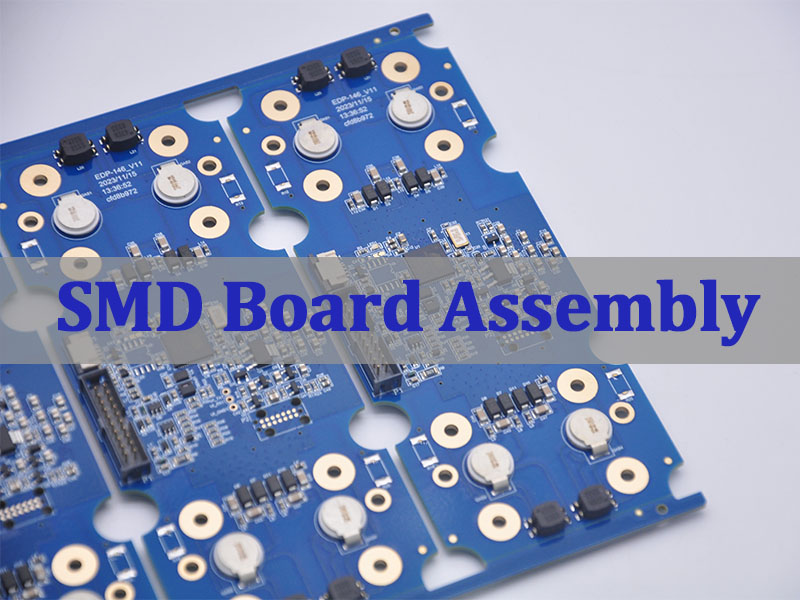
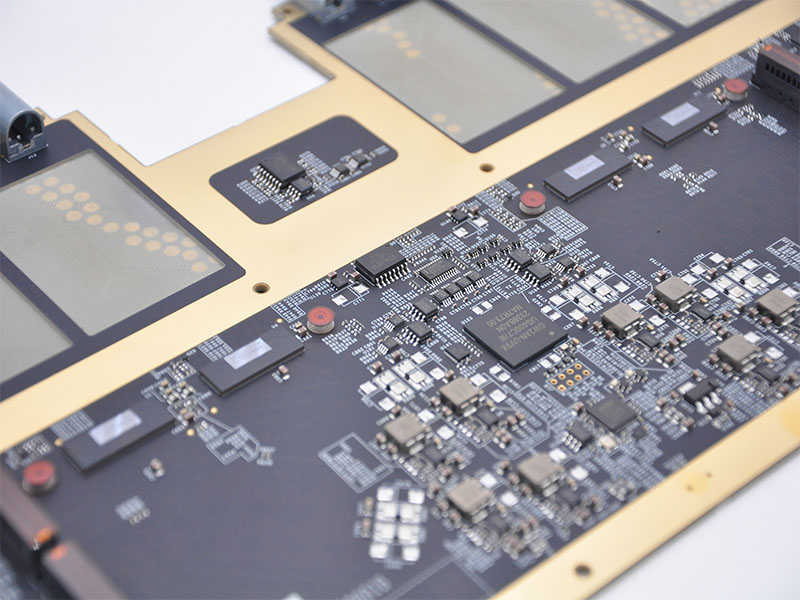
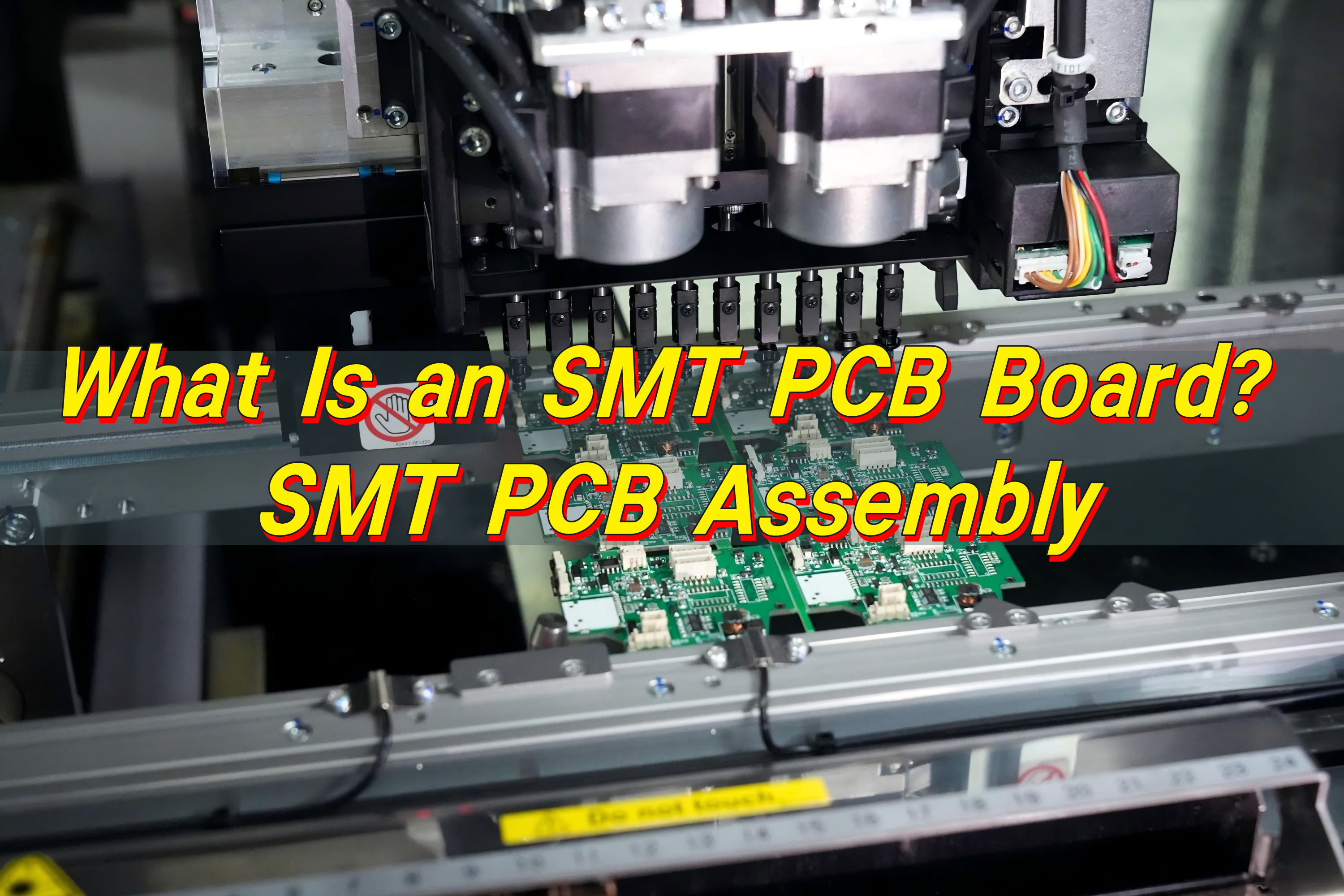
An SMT PCB board is a printed circuit board designed for surface mount technology, where electronic components are mounted directly onto copper pads on the board surface rather than inserted through drilled holes. This approach allows components to sit flat against the PCB, enabling compact layouts, shorter electrical paths, and efficient automated assembly through reflow soldering. As a result, SMT PCB boards support higher component density while maintaining consistent solder quality.

What Is an SMT PCB Board? SMT PCB Assembly

What Is an SMT PCB?

An SMT PCB is a printed circuit board designed specifically for surface mount technology, where electronic components are mounted directly onto copper pads on the surface of the board. Unlike traditional assembly methods, components do not use long wire leads inserted through drilled holes. Instead, they sit flat against the PCB and are soldered in place using controlled reflow processes.

This structural change enables much higher component density. Components can be placed on both sides of the board, and spacing between parts can be significantly reduced. As a result, SMT PCB boards are smaller, lighter, and more electrically efficient than older designs.

Another key benefit is manufacturing consistency. SMT placement is highly automated, allowing machines to position thousands of components per hour with exceptional accuracy. This repeatability improves yield and reduces defect rates, especially in high-volume production.

SMT PCB boards are now standard across consumer electronics, medical equipment, industrial controls, automotive electronics, and communication systems.

How Does SMT Impact PCB Design?

SMT influences PCB design from the earliest layout stage. Because surface-mounted components have short electrical paths, signal integrity improves, especially in high-speed and high-frequency circuits. This allows designers greater flexibility when routing traces and managing impedance.

Pad design becomes a critical factor in SMT layouts. Pad size, shape, and spacing directly affect solder joint quality and long-term reliability. Improper pad geometry can lead to solder bridging, tombstoning, or weak joints, all of which increase rework risk.

Layer stack-up also changes with SMT. Multilayer boards are common, as designers use internal planes for power distribution and noise control. Thermal management becomes more important as well, since compact components can generate localized heat that must be dissipated efficiently.

Finally, SMT PCB design must align with assembly equipment capability. Package size limits, placement tolerances, and inspection access all influence layout decisions.

Is SMT the Same as SMD?

SMT and SMD are closely related terms, but they are not interchangeable. SMT stands for surface mount technology and refers to the manufacturing process used to assemble components onto a PCB. SMD stands for surface mount device and refers to the component itself.

In simple terms, SMT is the method, while SMD is the part. Factories use SMT processes to place SMD components onto SMT PCB boards.

What Is an SMT PCB Board? SMT PCB Assembly

What Is the Difference Between SMD and SMT PCB?

An SMT PCB describes both the board design and the assembly method, while an SMD describes only the component package. SMT PCBs are designed with specific land patterns that support surface-mounted components and reflow soldering processes.

SMD components include chip resistors, capacitors, integrated circuits, and discrete semiconductors packaged for surface mounting. Without an SMT-compatible PCB, SMD components cannot be properly assembled or soldered.

In practice, SMT PCBs and SMD components always work together, but their roles are distinct.

How Does PCB Board SMT Differ From Through-Hole Assembly?

The difference between SMT and through-hole assembly is structural and operational. Through-hole assembly uses drilled holes where component leads pass through the board and are soldered on the opposite side. SMT places components directly onto surface pads without penetrating the board.

SMT enables much higher component density and allows assembly on both sides of the PCB. This supports smaller board sizes and more complex functionality. Through-hole assembly, while mechanically robust, occupies more space and limits layout flexibility.

SMT also supports full automation, while through-hole assembly often requires manual or semi-automated steps. This difference has a significant impact on cost and scalability. However, some products use both methods together, such as board assembly SMT DIP PCB or board assembly SMT THT PCB designs, where connectors or power components still benefit from through-hole strength.

What Is the Major Advantage of Using SMT?

The primary advantage of SMT PCB assembly is efficiency at scale. Automated placement machines operate at high speed with consistent accuracy, enabling reliable mass production. This efficiency directly reduces assembly time and labor costs.

SMT also supports miniaturization. More functionality fits into less space, enabling thinner, lighter, and more portable devices. Electrical performance improves as well, since shorter lead lengths reduce parasitic effects and signal noise.

Reliability benefits from controlled soldering processes. Reflow soldering produces uniform joints, reducing variation and long-term failure risk.

What Components Are Used in SMT?

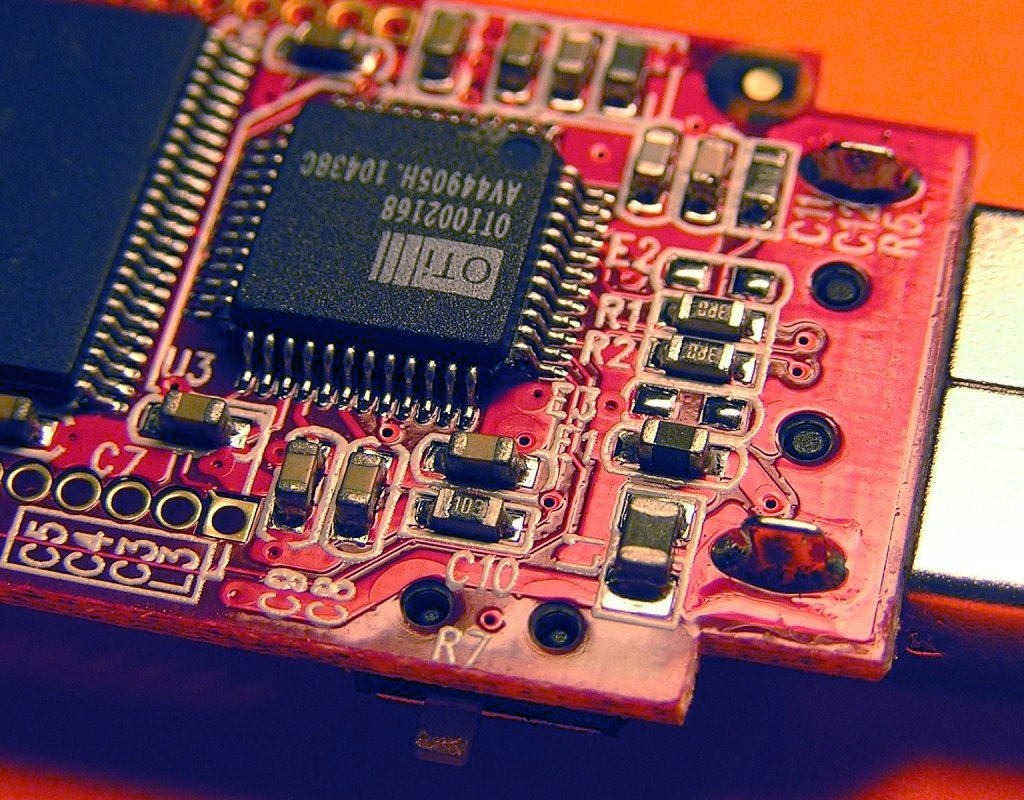
SMT supports a wide range of electronic components. Common passive parts include chip resistors and capacitors in standardized package sizes. Integrated circuits appear in formats such as SOIC, QFP, QFN, and BGA, supporting everything from simple logic to advanced processors.

Discrete components like diodes, transistors, and MOSFETs are widely used in SMT designs. Many connectors and RF modules are also available in surface-mount packages, allowing compact system integration.

Each component type requires proper footprint design, accurate stencil thickness, and precise placement to ensure reliable solder joints. Successful SMT PCB assembly depends on matching component selection with process capability.

What Quality Checks Are Used in SMT PCB Assembly?

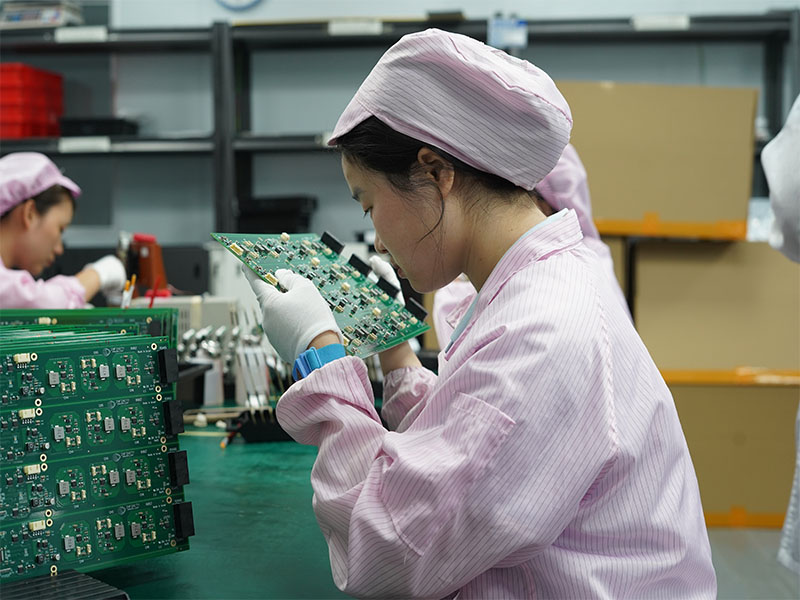
Quality control is central to SMT PCB assembly. Inspection begins with solder paste application, where volume and alignment are monitored to prevent downstream defects. Automated optical inspection then verifies component placement and visible solder joints.

For components with hidden connections, such as BGAs, X-ray inspection is used to evaluate internal solder quality. Reflow temperature profiles are carefully controlled to avoid thermal damage or weak joints.

Electrical testing confirms circuit continuity and functionality, while final inspection ensures cleanliness and cosmetic quality. These layered quality checks protect product reliability and customer confidence.

What Is an SMT PCB Board? SMT PCB Assembly

Where Do We Use SMT?

SMT is used across nearly every electronics sector. Consumer electronics rely on it for compact form factors and high functionality. Industrial and medical devices depend on SMT for precision, consistency, and long-term reliability.

Automotive electronics use SMT for control units and sensor systems that must withstand harsh conditions. Telecommunications and networking equipment rely on SMT to support high-speed signal performance and dense layouts.

As electronics continue to evolve, SMT PCB assembly remains a foundational technology enabling innovation at scale.

Conclusion:

An SMT PCB board is a circuit board built for surface mount technology, where components are placed on surface pads and soldered by reflow for fast, repeatable production. Compared with through-hole assembly, SMT PCB assembly supports higher density, smaller products, and strong electrical performance, which is why it dominates modern electronics.

To learn more about how Best Technology supports these SMT PCB assembly technologies, please contact us at sales@bestpcbs.com

Complete SMT PCB Assembly Solutions From Prototypes
Thursday, October 30th, 2025

SMT PCB assembly is the cornerstone of modern electronics manufacturing, enabling the production of high-density, reliable circuit boards efficiently. This comprehensive guide explores everything from basic concepts to advanced capabilities offered by leading China SMT PCB assembly manufacturers like EBest Circuit (Best Technology).

Are you struggling with complex PCB assemblies, tight deadlines, or quality inconsistencies?

  • Inconsistent quality leading to field failures and returns
  • Long lead times delaying product launches
  • Difficulty sourcing genuine components, especially during shortages
  • Lack of technical support for design optimization
  • Hidden costs that inflate the final project budget

Below are the proven solutions that address each issue directly.​

  • Implement strict quality control following IPC standards with AOI/X-Ray inspection
  • Offer expedited services with 1-5 day lead times and 24-hour prototype turnaround
  • Source components directly from authorized distributors (Digikey, Mouser, etc.) with inventory management
  • Provide DFM/DFA analysis and engineering support throughout the project
  • Maintain transparent pricing with competitive factory-direct costs

EBest Circuit (Best Technology) is a professional PCB and PCBA manufacturer with over 19 years of experience, specializing in full turnkey solutions from design to box build. We serve clients worldwide with quality-certified manufacturing and personalized support. Pls feel free to contact us at sales@bestpcbs.com to discuss your SMT assembly PCB project requirements.

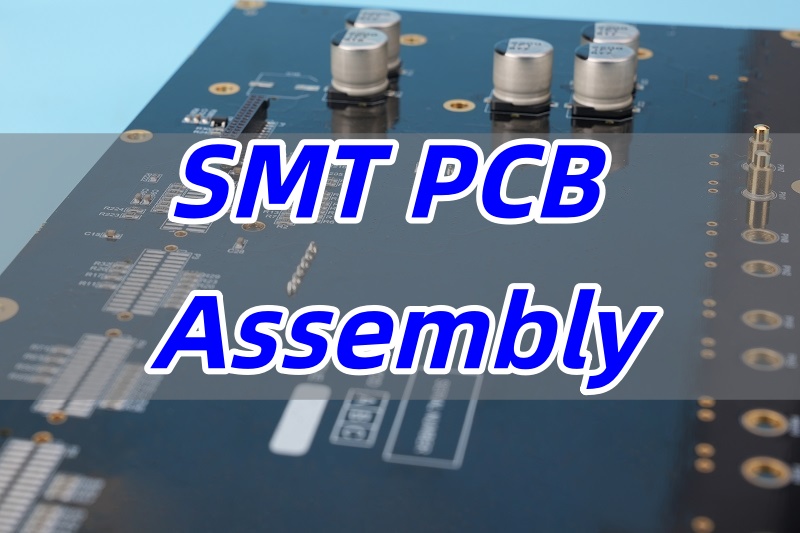
SMT PCB Assembly

What is SMT PCB Assembly?

Surface Mount Technology (SMT) has revolutionized electronics manufacturing by allowing components to be mounted directly onto the surface of printed circuit boards. This section explains the fundamental concepts and process flow.

The SMT PCB assembly process begins with solder paste application using stencils, followed by precise component placement using high-speed mounters, and ends with reflow soldering that creates permanent connections. Key advantages over through-hole technology include:

  • Higher component density and smaller board sizes
  • Faster automated production with placement speeds up to 13,200,000 chips/day
  • Better performance at high frequencies
  • Lower production costs for volume manufacturing

The complete SMT process flow includes: incoming material inspection, PCB baking, solder paste printing, SPI inspection, component placement, reflow soldering, AOI/X-Ray inspection, testing, and final packaging. EBest Circuit (Best Technology)’s China SMT PCB assembly line handles everything from prototype to mass production with consistent quality.

China SMT PCB Assembly Manufacturer – EBest Circuit (Best Technology)

As a leading China SMT PCB assembly manufacturer, EBest Circuit (Best Technology) combines technical expertise with manufacturing scale to deliver comprehensive solutions. Our capabilities span across various industries and application requirements.

Founded in 2006, EBest Circuit (Best Technology) has evolved into a trusted partner for electronics companies worldwide. Our manufacturing facility covers 260,000 square feet with monthly capacity for over 1,000 different boards. Key strengths include:

  • 19+ years of specialized experience in PCB manufacturing and assembly
  • 160+ technical staff supporting projects from concept to completion
  • 97% on-time delivery rate with online WIP tracking
  • Service to 1,700+ satisfied clients across 40 countries

We offer both consignment and turnkey assembly services, handling everything from component sourcing to final box build. Our China SMT PCB assembly services are particularly valued for complex projects requiring advanced capabilities like 0.25mm BGA pitch, 01005 components, and mixed-technology assemblies.

How Do China PCB SMT Assembly Companies Ensure Quality?

Quality assurance in SMT PCB assembly involves multiple checkpoints throughout the manufacturing process. EBest Circuit (Best Technology) implements a comprehensive quality management system that exceeds industry standards.

Our quality-focused manufacturing process includes three critical phases:

1. Preparation and Incoming Inspection

  • DFA (Design for Assembly) checks before production
  • Component verification against BOM specifications
  • Material certification and traceability

2. In-Process Quality Controls

  • Solder Paste Inspection (SPI) measuring volume, area, and height
  • Automated Optical Inspection (AOI) pre- and post-reflow
  • X-Ray inspection for BGA and hidden connections
  • Nitrogen reflow oven reducing oxidation and improving solder joints

3. Final Testing and Verification

  • Functional testing simulating real operating conditions
  • IPC-standard visual inspection
  • Final quality audit before packaging and shipping

This multi-layered approach ensures that our China PCB SMT assembly services consistently deliver reliability, with quality certifications including ISO 9001:2015, IATF 16949:2016, ISO 13485:2016, and RoHS compliance.

What Certifications Should a Trusted PCB Assembly SMT Factory Have?

Certifications validate a manufacturer’s commitment to quality systems and continuous improvement. When selecting a PCB assembly SMT partner, verify they maintain these essential certifications.

Essential Quality Certifications:​

  1. ISO 9001:2015​ – Quality Management Systems standard
  2. IATF 16949:2016​ – Automotive quality management requirements
  3. ISO 13485:2016​ – Medical device quality management systems
  4. RoHS/REACH​ – Environmental compliance for hazardous substances

EBest Circuit (Best Technology) maintains all these certifications, which are regularly audited by independent bodies. This certification framework ensures that our SMT PCB assembly processes meet international standards for:

  • Documented quality procedures and work instructions
  • Employee training and competency verification
  • Equipment calibration and maintenance
  • Continuous improvement processes
  • Customer satisfaction measurement and response

These certifications provide assurance that your prototype SMT PCB assembly will scale successfully to mass production with consistent quality outcomes.

Technical Capability for China SMT PCB Assembly

Technical capability defines the complexity and types of projects a manufacturer can successfully execute. EBest Circuit (Best Technology)’s equipment and process controls support advanced SMT PCB assembly requirements.

Our technical capabilities include:

Board and Component Specifications:​

  • Board sizes: 0.2×0.2 inches to 20×20 inches (22×47.5 inches maximum)
  • Minimum SMD component: 01005 package size
  • Minimum BGA pitch: 0.25mm
  • Maximum components: 50×150mm
  • Mixed technology: SMT, THT, and mixed assembly

Advanced Equipment Portfolio:​

  • SMT stencil printers: GKG-GLS (±0.022mm accuracy)
  • 3D SPI: SINIC-TEK S8080 (10μm detection precision)
  • High-speed placers: Yamaha YSM20R (95,000 cph)
  • Nitrogen reflow ovens: Suneast SER710NH
  • 3D AOI: SINIC-TEK A510DL
  • X-ray: UNICOMP AX8200

This technical foundation enables us to handle complex projects including flex PCB SMT assembly, high-density interconnects, and prototype SMT PCB assembly with the same precision as mass production runs.

PCB SMT Assembly Machine

The equipment used in SMT assembly directly impacts quality, speed, and capability. EBest Circuit (Best Technology) invests in state-of-the-art PCB SMT assembly machines to maintain competitive advantages.

Our SMT PCB assembly line feature:

Printing Equipment:​

  • GKG GLS full-auto printers with ±0.022mm accuracy
  • Capable of handling 37×47cm to 73.6×73.6cm stencils
  • Support for nano-coated stencils improving print quality

Component Placement Systems:​

  • Yamaha YSM20R high-speed placers (95,000 cph)
  • Juki 3010AL for larger boards up to 1200×360mm
  • 140 feeder capacity supporting 0201 components to large BGAs

Soldering and Inspection:​

  • Nitrogen reflow ovens with 7-8 minute cycle times
  • 3D AOI systems detecting missing, misaligned, or defective components
  • X-ray equipment inspecting BGA soldering and internal connections

This equipment portfolio supports our wholesale PCB SMT assembly services with the flexibility to handle both low-volume prototype and high-volume production requirements efficiently.

How to Select a Trustworthy SMT PCB Assembly Supplier?

Choosing the right SMT PCB assembly supplier requires evaluating multiple factors beyond basic pricing. Consider these criteria to identify a reliable long-term partner.

Key Selection Criteria:​

  1. Technical Capability Match
    • Verify equipment can handle your component types and board sizes
    • Check experience with similar technologies (BGA, fine-pitch, etc.)
  2. Quality Systems and Certifications
    • Require relevant industry certifications (ISO, IATF, etc.)
    • Review quality metrics and process control documentation
  3. Supply Chain Management
    • Assess component sourcing capabilities and distributor relationships
    • Evaluate inventory management practices
  4. Communication and Support
    • Look for dedicated engineering support and responsive communication
    • Verify project management and WIP tracking systems
  5. Scalability and Flexibility
    • Confirm capacity for both prototype and production volumes
    • Check expedited service options for urgent requirements

EBest Circuit (Best Technology) meets all these criteria as a trusted SMT PCB assembly manufacturer with demonstrated experience across multiple industries and project types.

Case of BGA PCB SMT Assembly by EBest Circuit (Best Technology)

This case study illustrates EBest Circuit (Best Technology)’s approach to complex BGA PCB SMT assembly, highlighting our technical capabilities and quality processes.

​A medical device manufacturer required assembly of complex motherboards with 0.3mm pitch BGA components and 0201 passive devices. The project demanded high reliability with complete traceability and compliance with medical standards.

Solution Implementation:​

  • Design Phase:​​ Our engineering team performed DFM analysis, recommending pad size adjustments for improved solder joint reliability
  • Component Sourcing:​​ We sourced all components through authorized distributors, with special handling for moisture-sensitive devices
  • Assembly Process:​​ Used Yamaha YSM20R placers with vision alignment for precise BGA placement
  • Quality Assurance:​​ Implemented X-ray inspection for 100% BGA soldering verification
  • Testing:​​ Conducted functional testing simulating actual operating conditions

This BGA PCB SMT assembly case demonstrates our capability to handle high-reliability applications with technical precision and quality focus.

Why Choose EBest Circuit (Best Technology) for Wholesale PCB SMT Assembly?

EBest Circuit (Best Technology) offers distinct advantages for wholesale PCB SMT assembly requirements, combining competitive pricing with consistent quality and reliable delivery.

Competitive Advantages:​

  1. Factory-Direct Pricing
    • Eliminate intermediary margins with direct manufacturer pricing
    • Cost optimization through efficient processes and volume purchasing
  2. Quality Assurance
    • Stringent quality controls throughout the manufacturing process
    • Certifications including ISO 9001, IATF 16949, and ISO 13485
  3. Technical Expertise
    • 19+ years of specialized SMT assembly experience
    • Engineering support for design optimization and problem-solving
  4. Supply Chain Management
    • Direct relationships with component manufacturers and distributors
    • Inventory management reducing lead times and shortages
  5. Flexible Capacity
    • Support for both low-volume prototype and high-volume production
    • Expedited services available for urgent requirements

Our wholesale PCB SMT assembly services provide scalable solutions for businesses ranging from startups to established electronics manufacturers.

SMT PCB assembly remains essential for modern electronics manufacturing, enabling the compact, reliable devices we depend on daily. This guide has explored the complete process from basic concepts to advanced capabilities, highlighting EBest Circuit (Best Technology)’s comprehensive approach to quality and service. As an experienced SMT PCB assembly manufacturer with technical expertise and quality certifications, we provide reliable solutions for projects of all complexities. Contact us at sales@bestpcbs.com to discuss your specific requirements and receive a personalized quotation.

FAQs of SMT PCB Assembly

Q: What is the typical lead time for SMT PCB assembly?​
A: Standard lead times are 1-5 days, with 24-hour expedited service available for prototypes.

Q: Do you provide component sourcing services?​
A: Yes, we offer full turnkey services including component sourcing from authorized distributors.

Q: What is your minimum order quantity?​
A: We have no MOQ requirements, supporting both prototype and production volumes.

Q: How do you handle BGA inspection?​
A: We use X-ray equipment to verify BGA soldering quality and internal connections.

Q: What file formats do you require for assembly?​
A: We need Gerber files, BOM, pick-and-place data, and assembly drawings.

Q: Do you provide design support services?​
A: Yes, our engineering team offers DFM/DFA analysis and design optimization recommendations.