PCB manufacturing PCB manufacturing
Home > Blog

PCB Stencil Manufacturer, SMT Stencil Manufacturer 2025

April 9th, 2025

PCB stencil manufacturer is a key search term for anyone involved in SMT assembly today. In 2025, with shrinking pitch sizes and increasing demand for tighter tolerances, choosing the right stencil partner is more critical than ever. Whether you’re a high-volume EMS company or a small-scale startup, selecting the right SMT stencil manufacturer makes a big difference in your production efficiency. Let’s explore key aspects of stencil design and production and uncover the top global and Indian manufacturers worth trusting.

EBest Circuit (Best Technology) is a professional SMT stencil manufacturer. We have our SMT factories in China and Vietnam respectively. We provide SMT stencil, PCB fabrication, and turn-key PCB assembly service. In EBest Circuit (Best Technology), there are standard stencils, step stencils, and nano-coated stencils. Two critical considerations for stencil fabrication are dimensions‌ and ‌thickness‌. If you have any needs for PCB stencil, just provide us with GTP/GBP, GTO/GBO, Gerber file format (RS-247-x), and Fiducial Mark Data via sales@bestpcbs.com. It’s our pleasure to cooperate with you.

PCB Stencil Manufacturer, SMT Stencil Manufacturer 2025

What is the material of the PCB stencil?

Most stencils are made from stainless steel. It’s the go-to material because of its strength, reusability, and precision. It can handle fine-pitch components and supports repeated solder paste printing without wearing out. For ultra-precise applications, nickel stencils offer smoother apertures and better paste release.

On the other end, polyester (Mylar) stencils are budget-friendly and ideal for quick prototyping. They’re easy to cut manually or with plotters but don’t last long.

Some stencil makers also offer nano-coated stainless steel, which improves solder paste release and reduces bridging—especially helpful for ultra-fine-pitch or micro BGA designs.

What is the thickness of the PCB stencil?

Stencil thickness plays a big role in paste volume. The standard thickness range is between 0.10 mm to 0.20 mm, depending on the type of components and their pitch.

0.10 mm (4 mil): Best for 0.3 mm BGA or 01005 chips.

0.12 mm (5 mil): Suitable for 0.4 mm BGA and mixed SMT components.

0.15 mm (6 mil): Used for 0.5–0.65 mm pitch ICs.

0.18–0.20 mm (7–8 mil): Ideal for large components with bigger pads.

If you go too thick, you risk bridging and excess paste. Too thin, and you may face cold solder joints. Always match the thickness with your smallest pitch. In EBest Circuit (Best Technology), the common thickness of PCB stencils are 0.06mm,0.08mm,0.1mm,0.12mm,0.15mm,0.2mm. Just feel free to let us know what is the thickness of the PCB stencil you need.

How much does a PCB stencil cost?

PCB stencil cost depends on size, material, frame type, and cutting method. Basic framed stainless steel stencils usually range from $30 to $100. Frameless stencils are cheaper. In EBest Circuit (Best Technology), For 370*470mm framed, etched stencil, the cost is only $39; laser cutting one need $69. Custom features like step-up/step-down or nano-coating may increase the cost, but they also boost performance and reliability. There is a short lead time for Standard Stencil‌, whose production cycle needs 1 day. But for the nano-coated stencil‌, it will require 3 days to produce.

How do you make a PCB stencil?

Making a stencil involves a series of technical steps that ensure accurate paste deposition.

1.     Design Generation: The Gerber file’s paste layer is used to define the stencil layout.

2.     Material Selection: Choose based on project need—stainless steel for production, polyester for quick prototyping.

3.     Laser Cutting: A high-precision laser cuts apertures into the sheet.

4.     Surface Treatment: The stencil undergoes electropolishing or nano-coating to smooth aperture walls.

5.     Framing: Optionally mounted on a metal frame or kept frameless for universal holders.

Each step affects paste volume and application accuracy. That’s why professional suppliers never skip proper surface treatment and post-cutting checks.

PCB Stencil Manufacturer USA

When you’re sourcing stencils in the US, precision and lead time are everything. These five companies are known for reliable production, custom options, and fast delivery.

Top 5 PCB Stencil Manufacturers in the USA

1.     Stencils Unlimited – Based in California, this company provides laser-cut stainless steel stencils, including framed, frameless, and step stencils.

2.     Metal Etch Services – Known for tight tolerance and advanced surface treatment, ideal for HDI boards.

3.     Solder Tools – Offers fast delivery and specialized stencil holders for frameless designs.

4.     Pentalogix – Known for integrating Gerber data with stencil production quickly and accurately.

5.     OSHA Stencils – A good fit for military and aerospace-grade stencil demands.

USA-based stencil manufacturers combine speed, experience, and reliability. Their services are perfect for high-performance electronics requiring short lead times and top-notch quality.

PCB Stencil Manufacturer

SMT Stencil Manufacturer India

India’s electronics manufacturing sector is booming, and so is the demand for high-precision SMT stencils. These five Indian manufacturers have a strong presence in both domestic and export markets.

Top 5 SMT Stencil Manufacturers in India

1.     Fine-Line Circuits Ltd (Mumbai) – Offers laser-cut stainless steel stencils and supports high-mix SMT production.

2.     Eastek Circuits (Chennai) – Delivers consistent stencil quality with a quick turnaround for South India.

3.     Ascent Circuits (Bangalore) – One of India’s oldest PCB companies with strong stencil-making capability.

4.     Micropack Ltd (Bangalore) – Trusted by defense and aerospace customers for stencil accuracy.

5.     SMT House India (Delhi NCR) – Supplies a wide range of SMT tools, including custom PCB stencils.

Indian SMT stencil manufacturers are catching up fast with global standards. Their value-driven pricing and technical support make them a solid choice, especially for large-scale manufacturing units.

PCB Stencil Manufacturers in Bangalore

Bangalore is the hub for PCB production and stencil making in India. These five manufacturers are trusted for high precision and responsive service.

Top 5 PCB Stencil Manufacturers in Bangalore

1.     Micropack Limited – A pioneer in high-reliability stencils, especially for defense and aerospace.

2.     Ascent Circuits – Offers both PCB fabrication and stencil manufacturing under one roof.

3.     PCB Power Market – Known for online ordering of PCBs and stencils with India-wide shipping.

4.     Accel Circuits – Offers SMT support services, including stencil production and assembly aids.

5.     Vinyas Innovative Technologies – Provides integrated electronics services including fine-pitch stencil production.

If you’re operating out of South India or sourcing from Bangalore, these companies offer reliable and timely stencil services that meet international standards.

Why Should You Choose EBest Circuit (Best Technology) as Your SMT Stencil Manufacturer?

With nearly two decades of experience, EBest Circuit (Best Technology) has grown into a trusted name for all things PCB and that includes high-precision SMT stencils.

  • Custom Engineered: Every stencil is crafted based on your design specs and pad geometries.
  • Fast Delivery: We ship globally with lead times as short as 24–48 hours.
  • Material & Size Choices: Common stainless steel, nano-coated options available. Besides, there are various PCB stencil sizes available, like 37x47cm, 42x52cm, 55x65cm, and 73.6×73.6cm.
  • Quality Assurance: All stencils go through multiple QC stages, including aperture inspection and smoothness testing.
  • One-Stop Solution: Combine PCB fabrication, SMT assembly, and stencil ordering in one place.

In short, we don’t just deliver stencils—we support your PCB projects at every step.

SMT Stencil Manufacturer 2025

In conclusion, in 2025, the role of a professional PCB stencil manufacturer is more important than ever. Whether you’re after accuracy, speed, or both, partnering with the right SMT stencil manufacturer can dramatically improve your assembly process. This article offer SMT stencil manufacturer 2025 for your reference. From the best USA-based suppliers to reliable Indian companies and trusted names in Bangalore, the options are plenty. And when you’re looking for a proven partner with consistent performance, EBest Circuit (Best Technology) is always ready to help. Any questions about PCB stencils, just feel free to consult EBest Circuit (Best Technology) at sales@bestpcbs.com. Thanks for allowing us to handle your stencil needs.

LED Array PCB, LED Array PCB Design & Manufacturer

April 9th, 2025

Are you looking for LED Array PCB solutions? Let’s explore more through this blog about LED array PCB’s advantages, basic layout rule, optimization design and cost reduction solution, manufacturing process so on.

At EBest Circuit (Best Technology), we specialize in LED Array PCB solution from design to manufacturing over 18 years. We deliver strict IP protection (NDA agreements and encrypted R&D processes) and modular designs. Supported by integrated DFM analysis and EMC testing, we promise one-time prototyping success. We have a stable electronic supply chain who can provide you very fast delivery at competitive price.(48-72 hours delivery time for urgent orders). Are you ready to bring your LED array ideas to life? Contact us for a quote: sales@bestpcbs.com

What Is LED Array PCB?

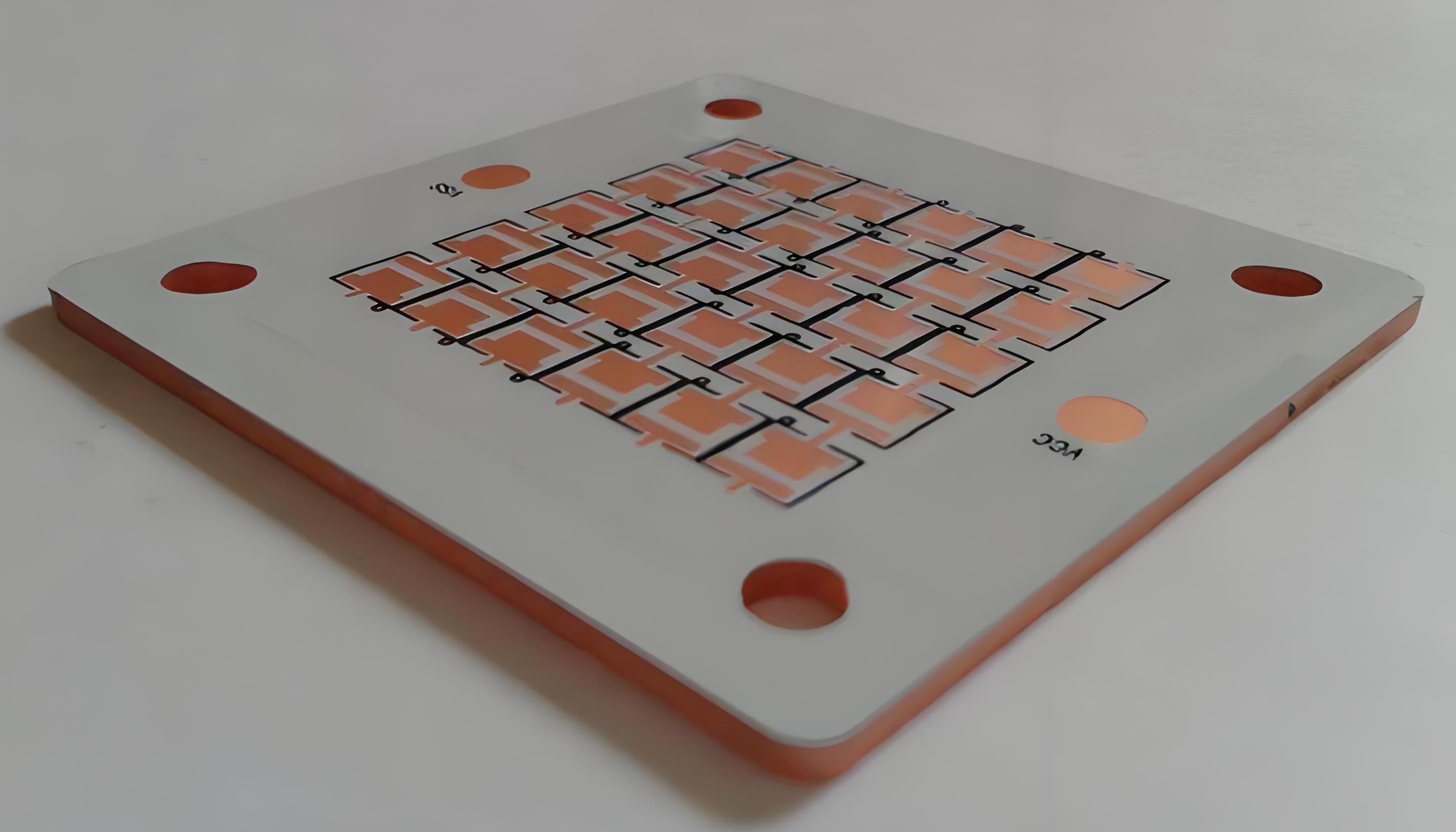
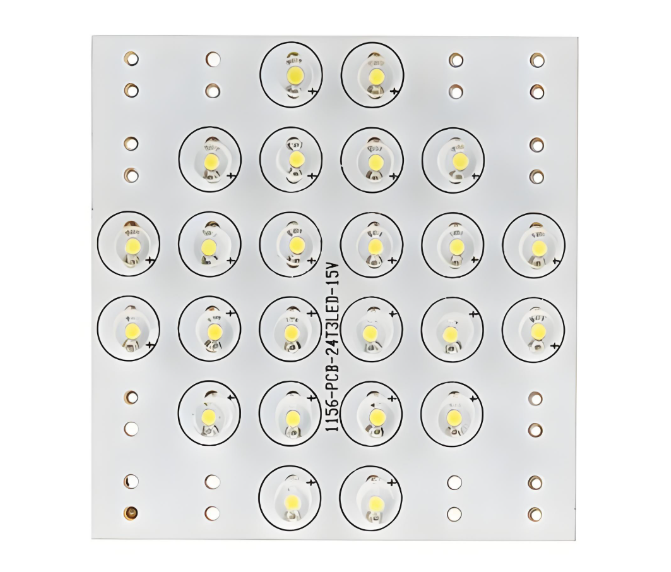
An LED array PCB is a specialized printed circuit board designed to mount and interconnect multiple LEDs in a structured layout. These boards are engineered to control the electrical signals that power the LEDs, enabling precise control over lighting effects such as brightness, color, and patterns. 

LED Array PCB

What Advantages of PCB For LED Array?

  • Efficient Thermal Management-PCBs (especially metal-core or ceramic types) dissipate heat effectively, preventing LED overheating.
  • Mechanical Stability-PCBs provide robust support for LEDs, protecting them from vibration or physical stress.
  • Reliable Electrical Connections-PCBs ensure secure, low-resistance pathways for power and control signals.
  • Design Flexibility-PCBs enable complex circuit layouts for LED control, dimming, and color mixing.
  • Scalable Manufacturing-PCBs support high-volume production with consistent quality and lower per-unit costs.
PCB For LED Array

Why Choose Infrared LED Array PCBs?

Here’s a list of reasons to choose an infrared LED array PCB:

  • Enhanced Thermal ManagementIR LEDs often run hot; PCBs (especially metal-core) improve heat dissipation.
  • Precise Optical Control-PCBs enable narrow-beam or wide-angle IR emission patterns via layout design.
  • Efficient Energy Use-PCBs optimize circuit paths to minimize power loss in IR applications.
  • Compact IntegrationPCBs allow dense IR LED placement for high-intensity output in small spaces.
  • Wavelength-Specific DesignPCBs can be tailored for specific IR wavelengths (e.g., 850nm or 940nm) for sensors/cameras.
  • Cost-Effective Scaling-PCBs support high-volume IR LED production with consistent performance.
  • Improved Signal-to-Noise RatioPCBs reduce electromagnetic interference (EMI) for clean IR data transmission.
  • Uniform Light DistributionPCBs enable even spacing and alignment of IR LEDs for consistent illumination.

What Are the Basic Rules of LED Array PCB Layout?

Here are basic rules of LED array PCB design layout:

Thermal Management Priority

  • High-Thermal Substrates‌: Use aluminum (≥200 W/m·K) or copper (≥380 W/m·K) PCBs to dissipate heat efficiently.
  • Copper Pour Placement‌: Surround LED pads with thick copper layers (≥2oz) to create heat conduction paths.
  • Thermal Vias‌: Add via arrays (0.3mm diameter, 1.5mm spacing) under LEDs to transfer heat to inner layers or heatsinks.

Uniform Current Distribution‌

  • Star Topology Routing‌: Connect LEDs in parallel with equal-length traces to avoid voltage drop.
  • Trace Width Calculation‌: Size power traces based on current load (e.g., 1A/mm width for SMD LED arrays).

Component Spacing Optimization

  • LED Spacing‌: Maintain ≥3× LED chip size between emitters to prevent thermal coupling.
  • Driver Isolation‌: Place driver ICs ≥5mm away from LEDs to reduce thermal interference.

Signal Integrity Control

  • Ground Plane Separation‌: Split analog/digital ground planes to minimize EMI in mixed-signal designs.
  • Shielding‌: Use guard rings around sensitive traces for PWM-controlled arrays.

Manufacturing Readiness

  • DFM Compliance‌: Follow IPC-2221 standards for pad sizes and solder mask clearances (≥0.1mm).

How to Optimize the Thermal Design of LED Array PCB?

Here are some optimizing thermal solutions for LED array PCB design:

1. Material Selection

  • Substrate: Use aluminum or ceramic PCBs with thermal conductivity >2 W/m·K.
  • Copper Layer: Prioritize for 2-4 oz copper thickness to enhance heat spreading.

2. Thermal Via Design

  • Via Array: Place dense vias (≥0.3mm diameter, ≤1.5mm pitch) under hotspots.
  • Via-in-Pad: Implement for high-power LEDs to reduce thermal resistance by 30-50%.

3. Heat Sink Integration

  • Direct Bonding: Attach external heat sinks using thermal epoxy (e.g., Bergquist GAP PAD).
  • Fin Geometry: Use extruded aluminum fins with ≥15 fins/inch and ≥20mm height for natural convection.

4. Component Layout

  • Spacing: Maintain ≥2mm between LEDs to prevent thermal coupling.
  • Symmetry: Centralize high-power LEDs to balance heat distribution.

5. Thermal Interface Materials (TIM)

  • Conductive Silicone: Apply 0.1-0.2mm thick silicone (e.g., Shin-Etsu X-23-7783) between PCB and heatsink.
  • Phase Change Materials: Use for uneven surfaces (e.g., Indium 8.9HF).

6. Testing

  • IR Thermography: Validate designs with real-world testing under load.
LED Array PCB design

What Is Manufacturing Process of SMD LED Array PCB?

Here’s a streamlined overview of the SMD LED array PCB manufacturing process:

1. Substrate Preparation

  • Material: FR-4, aluminum, or ceramic PCB with 1-2 oz copper.
  • Surface Finish: Apply HASL, ENIG, or immersion silver for solderability.
  • Patterning: Use laser direct imaging (LDI) for fine-pitch traces (≥6mil).

2. Solder Paste Printing

  • Stencil: Stainless steel foil with aperture ratios 1:1 to 1.5:1.
  • Paste: Type 3-4 (no-clean) with 89-95% metal content.
  • Printer: Speed ≤150mm/s, pressure 40-80N, snap-off 0.5-1mm.

3. SMD LED Placement

  • Machine: High-speed chip mounter (≥20,000 CPH).
  • Accuracy: ±0.05mm placement, ±0.03mm rotational alignment.
  • Nozzle: Use vacuum nozzles with 0.3-0.8mm diameter.

4. Reflow Soldering

  • Preheat: 120-150°C (90-120s)
  • Soak: 183°C (60-90s)
  • Peak: 217-235°C (20-40s)
  • Cooling: <3°C/s
  • Oven: Forced convection with ±5°C zone uniformity.

5. Cleaning & Inspection

  • Cleaning: Use ultrasonic aqueous or semi-aqueous solutions.
  • AOI: Automated optical inspection for solder joints, component presence.
  • X-Ray: X-ray inspection for BGA/QFN solder quality.

6. Functional Testing

  • ICT: In-circuit testing for opens/shorts.
  • LED Test: Light output measurement with integrating sphere.
  • Thermal Cycling: -40°C to +85°C for 200 cycles (optional).

7. Conformal Coating

  • Method: Selective coating using robotic dispensing.

How to Reduce Cost for LED Array PCB Manufacturing?

Here are some ways to how to reduce cost for LED array PCB manufacturing:

  • Use cost-effective substrates‌: Select aluminum-based boards (≥200 W/m·k) instead of ceramic for medium-power arrays (<10W/cm²) to balance thermal performance and material cost ‌.
  • Optimize PCB dimensions‌: Reduce board size by ≥15% through compact LED layout and SMD component conversion while maintaining ≥3mm spacing for depaneling reliability ‌.
  • Simplify layer stackup‌: Design 2-layer boards with ≥2oz copper instead of 4-layer for standard LED arrays, reducing material costs by ~30% ‌.
  • Standardize drill sizes‌: Use ≥0.3mm vias and ≥0.4mm component holes to avoid precision drilling charges, cutting machining costs by 15-20% ‌.
  • Minimize special processes‌: Avoid gold plating; use HASL surface finish and standard green solder mask to eliminate 25-40% in specialty coating costs ‌.
  • Automate assembly‌: Implement SMT lines with ≥95% first-pass yield, reducing labor costs by 40% compared to manual assembly ‌.
  • Strategic sourcing‌: Partner with PCB manufacturers offering bundled services (design + manufacturing + assembly, like EBest Circuit (Best Technology)) for 10-15% total cost reduction.
LED Array PCB Manufacturer

FAQs of LED Array PCB Manufacturing

Q1:What materials are typically used in LED array PCBs?
A1:Most LED array PCBs are made with aluminum or other metal core substrates due to their excellent heat dissipation. FR4 can also be used for low-power applications.

Q2:How is heat managed in LED array PCBs?
A2:Heat is managed through thermal vias, metal core bases, and optimized layout design to efficiently transfer heat away from the LEDs.

Q3:What factors affect the brightness and uniformity of an LED array PCB?
A3:Brightness and uniformity are influenced by LED placement, circuit design, current regulation, and quality of the LED components.

Q4:Can LED array PCBs be customized for different lighting applications?
A4:Yes, they can be fully customized in terms of size, shape, LED type, color temperature, and circuit configuration depending on the application (e.g., automotive, signage, medical).

Q5:What are the most common quality control checks during LED array PCB manufacturing?
A5:Common checks include optical inspection, electrical testing, solder joint inspection, and thermal performance evaluation to ensure consistent functionality.

LED Matrix PCB, LED Matrix PCB Design & Manufacturer

April 9th, 2025

Are you looking for LED Matrix PCB solutions? Learn how thermal innovation‌, signal optimization‌, and cost-smart production‌ elevate LED performance. This concise guide covers heat control‌, color consistency checks‌, and circuit configurations‌, plus tips to source reliable suppliers‌ and slash costs.

At EBest Circuit (Best Technology), we focus on LED Matrix PCB solution from design to manufacturing over 18 years. We have 24 hours online technical support service engineers team who can quickly meet your requirement and provide you free engineering service. And supported by integrated DFM analysis and EMC testing, we promise one-time prototyping success. We have a stable electronic supply chain who can provide you very fast delivery at competitive price.( 48-72 hours for prototyping ). Please contact us for a quote if you have any request for LED array PCB: sales@bestpcbs.com

What Is LED Matrix PCB?

An LED Matrix PCB is a printed circuit board designed to hold multiple light-emitting diodes (LEDs) arranged in a grid pattern (rows and columns). This layout allows individual LEDs or groups to be controlled independently, enabling dynamic lighting effects, text display, or image rendering.

LED Matrix PCB

What Advantages of LED Matrix PCBs Board?

Here are advantages of LED Matrix PCB board:

  • Uniformity and Consistency: LED matrix boards are designed to ensure even light distribution and color consistency across all LEDs. This is crucial for applications like displays where visual uniformity is essential.
  • Efficient Thermal Management: These boards are engineered with effective heat dissipation mechanisms, preventing overheating and ensuring the longevity of the LEDs. This is particularly important in high-brightness applications.
  • High Brightness and Clarity: LED matrices provide superior brightness and clarity, making them ideal for outdoor displays, lighting, and other applications where visibility is critical.
  • Energy Efficiency: LEDs are inherently energy-efficient, and matrix boards optimize their performance further, reducing power consumption and operating costs.
  • Flexibility and Scalability: These boards can be customized to meet specific application requirements, and their modular design allows for easy scalability.

How to Avoid Signal Interference in 8×8 LED Matrix PCB Layouts?

To minimize signal interference in an 8×8 LED matrix PCB layout, follow these structured guidelines:

  • Layout Optimization: Separate digital and analog signal traces physically to prevent crosstalk, and use a dedicated ground layer or ground pours to shield sensitive signals.
  • Routing Strategies: Employ differential pairs for critical signals like data lines to enhance noise immunity, and keep signal loops small to reduce susceptibility to electromagnetic interference (EMI).
  • Decoupling Capacitors: Place decoupling capacitors close to power-hungry components (e.g., LED drivers) to provide local charge reserves.
  • Shielding and Isolation: Use shielding enclosures or isolation layers to protect sensitive analog or high-speed digital signals.
  • Grounding Techniques: Implement multi-point grounding to lower ground impedance and mitigate ground bounce.
  • Simulation and Testing: Validate designs with electromagnetic simulation tools to predict and mitigate interference, and prototype and test under real-world conditions to fine-tune the layout.
LED Matrix PCB Board

How to Design SMD LED Matrix PCB to Improve Heat Dissipation?

To make an SMD LED matrix PCB design with improved heat dissipation, consider the following structured approach:

1. Material Selection‌

  • Substrate‌: Use ‌metal-core PCBs (aluminum/copper)‌ or high-thermal-conductivity ‌ceramic substrates.
  • Bonding‌: Apply ‌sintered silver paste‌ (>50 W/ m ·K ) for die attachment.

2. Thermal Pathway Design‌

  • Vertical Path‌: Minimize thickness—keep PCB height ≤0.8mm.
    Direct Contact‌: Integrate ‌exposed copper pads‌ (≥70% base area) for heatsink attachment.

3. Heat Spreading Structures‌

  • Embedded Copper Slugs‌: Integrate thick copper blocks (≥1mm) under high-power LEDs to distribute heat laterally‌.
  • Thermal Vias‌: Implement dense via arrays (≥5 vias per LED pad) to enhance heat transfer between layers‌.

4. Layout Optimization‌

  • Spacing‌: Maintain ≥3mm between high-power LEDs to avoid thermal overlap.
  • Copper Traces‌: Use ≥2oz copper layers for improved heat distribution.

5.Manufacturing Efficiency‌

  • Passive Cooling Integration‌: Leverage existing structural components (e.g., LCD support frames) as heatsinks to reduce costs‌.
  • Simulation-Driven Design‌: Perform thermal modeling to validate heat dissipation efficiency before prototyping‌.

‌6.Validation and Testing‌

  • Thermal Cycling Tests‌: Verify long-term reliability under repeated temperature fluctuations‌.
  • Infrared Imaging‌: Use thermal cameras to identify hotspots and optimize heat distribution‌.

How to Save Costs for LED Matrix PCB Manufacturing?

To save costs in LED matrix PCB manufacturing, follow these tips:

  • Simplify Design: Reduce PCB layers and simplify component layout to decrease manufacturing complexity.
  • Standardize Components: Use standard components and common packages to improve procurement efficiency.
  • Bulk Purchasing: Purchase components and materials in bulk to obtain discounts.
  • Choose Cost-Effective Materials: Select PCB materials and components that offer the best cost-performance ratio.
  • Optimize PCB Size: Minimize PCB dimensions to reduce material costs and manufacturing fees.
  • Select Low-Cost Manufacturers: Evaluate and choose PCB manufacturers that offer cost-effective solutions.

How Do Manufacturers Test LED Matrix PCB Board for Color Uniformity?

Manufacturers test LED matrix PCB boards for color uniformity using several methods:

  • Visual Inspection: Initial assessment is done by human inspectors to check for obvious color variations.
  • Spectrophotometer Measurements: Precise color and brightness measurements are taken using spectrophotometers.
  • Imaging Systems: Imaging systems capture images of the LED matrix for detailed color analysis.
  • Automated Testing Systems: Automated systems are used to enhance testing efficiency and accuracy.
  • Environmental Control: Testing is conducted in controlled environments to minimize external interference.
  • Statistical Process Control (SPC):SPC methods are applied to monitor and improve color uniformity.
  • Calibration and Maintenance: Regular calibration of testing equipment ensures accurate results.
LED Matrix PCB design

How to Choose a Reliable LED Matrix PCB Manufacturer?

To choose a reliable LED Matrix PCB manufacturer, consider the following:

  • Quality Certifications: Verify if the manufacturer holds quality certifications like ISO 9001.
  • Experience and Expertise: Assess the manufacturer’s experience and expertise in LED PCB manufacturing.
  • Customer Reviews and References: Check customer reviews and references to gauge the manufacturer’s reputation.
  • Manufacturing Capabilities: Evaluate the manufacturer’s production capabilities, including equipment and technology.
  • Quality Control Processes: Understand the manufacturer’s quality control processes to ensure product standards.
  • Cost-Effectiveness: Compare quotes from different manufacturers to choose a cost-effective partner.
  • Communication and Support: Assess the manufacturer’s communication skills and after-sales support for a smooth partnership.
LED Matrix PCB manufacturer

Should RGB LED Matrix PCBs Use Common Anode or Cathode Configurations?

When choosing between common anode and common cathode configurations for RGB LED matrix PCBs, consider control complexity and power consumption. Common anode simplifies control but may increase power usage, while common cathode offers precise control with potentially lower power consumption but requires more complex circuitry. Select based on your application’s needs for control precision and cost.

How to Design PCB Gold Fingers? PCB Gold Finger Plating Process

April 9th, 2025

What Is a Gold Finger in PCB?

PCB gold finger is a row of gold-plated conductive contact sheets located on the edge of the printed circuit board, named for its shape like a finger and plated with gold. It is usually used to insert the PCB into a connector or card slot for electrical connection and signal transmission. You’ll often find them on expansion cards, memory modules, and interface boards that plug into the motherboard or backplane.

These fingers act as the physical and electrical contact points between the PCB and its slot. They need to be durable, conductive and corrosion-resistant, which is why gold is used. Unlike standard wires or padding, gold fingers must withstand repeated insertion and removal, so wear resistance and high reliability are top priority in their design.

How to Design PCB Gold Fingers? PCB Gold Finger Plating Process

What Material is Gold Fingers Made of?

Gold fingers aren’t pure gold, and they don’t need to be. Instead, they are a multi-layer structure designed for performance, not cost.

At the core is copper, the base layer used in nearly all PCBs. Copper offers excellent electrical conductivity. But copper oxidizes over time, which affects signal transmission. So, a nickel barrier is added next. Nickel prevents the copper from diffusing into the top gold layer and adds hardness.

Finally, a thin layer of gold—either hard electroplated gold or soft immersion gold—is applied on top. Gold is chosen for two key reasons: it’s a great conductor and it doesn’t tarnish or corrode. This ensures long-lasting, high-performance edge connectors.

The amount and type of gold used depend on the application. Some fingers will have a thicker, harder gold layer for high-wear use. Others, used less often, may use thinner or softer gold to save on cost.

Types of PCB Gold Fingers

1. Standard PCB Gold Fingers – The most common PCB gold fingers, with horizontal and even arrays. PCB pads have the same length, width and space. This type of gold finger is easy to make.

How to Design PCB Gold Fingers? PCB Gold Finger Plating Process

2. Uneven PCB Gold Fingers – PCB pads have the same width but different lengths and sometimes different spaces like below image showing. For some PCBs, the gold fingers are designed to be shorter than others. The most relevant example of such PCBs is a PCB for a memory card reader, where the device connected to the long finger must first power the device connected to the shorter finger.

How to Design PCB Gold Fingers? PCB Gold Finger Plating Process

3. Segmented PCB Gold Fingers – PCB pads have different lengths, and the gold fingers are segmented. Segmented gold fingers vary in length, and some of them are also disjointed within the same finger of the same PCB. Such PCBs are suitable for waterproof and rugged electronics.

How to Design PCB Gold Fingers? PCB Gold Finger Plating Process

PCB Gold Fingers Manufacture Technical

Not all gold fingers are made using the same process. The method and material used for gold plating affect the performance, durability, and cost of the final product. Let’s take a closer look at the most common types.

Electroless Nickel Immersion Gold (ENIG)

ENIG is a chemical process used to deposit a thin, even layer of gold over a nickel base. It’s not applied using electricity, so it creates a smooth, flat surface. ENIG is known for its excellent surface planarity and is commonly used for surface mount pads. But in gold fingers, it’s less common unless the board will be inserted only a few times. ENIG produces softer gold, which means the plating wears off faster with repeated use.

Electroplated Hard Gold

This is the most popular choice for gold fingers PCB applications. Electroplating uses an electric current to apply a thicker and harder layer of gold, its gold thickness can be up to 50u’’. Hard gold plating usually includes small amounts of cobalt or nickel, which makes the gold layer more rigid. This helps it resist abrasion during multiple insertions into card-edge connectors.

Electroplated hard gold is a bit more expensive than ENIG but lasts longer and offers better performance for edge connectors.

Edge Beveling

Edge beveling isn’t a type of plating but an additional mechanical step. It involves cutting or grinding the PCB edge at an angle, typically 30° or 45°, to make insertion into connectors smoother.

Beveled edges help prevent damage to both the PCB and the mating socket. It also reduces insertion force, minimizing wear and tear. While beveling isn’t mandatory, it’s often recommended when the board will be inserted and removed multiple times.

Gold Fingers vs. Edge Connectors

“Gold fingers” and “edge connectors” are both terms used in PCB design, but they refer to slightly different concepts. Gold fingers are part of the PCB, while edge connectors are part of the device that receives the PCB. Gold fingers are the gold-plated pads at the board’s edge. They’re designed to slide into the slot of an edge connector. The connector itself is usually mounted on a motherboard or backplane, holding the PCB in place and ensuring a stable electrical link.

FeatureGold FingersEdge Connectors
DefinitionGold-plated contact pads on the edge of a PCBSocket or slot that receives the PCB
LocationPart of the PCB itselfMounted on a motherboard or host board
FunctionTransmit signals and power from PCB to systemProvide physical and electrical connection
MaterialCopper + nickel + gold platingUsually plastic body with internal metal contacts
DurabilityDepends on gold thickness and use frequencyBuilt to withstand repeated insertions/removals
Customization  Length, width, plating, beveling can be customizedUsually standard depending on slot type
Common UseRAM sticks, GPU boards, industrial control boardsMotherboards, expansion slots, backplanes
Design ConsiderationNeeds precise layout, spacing, and gold platingMust match PCB layout and dimensions

Benefits of Designing Gold Fingers at the Edge of PCB

  1. Gold fingers allow boards to be plugged directly into other systems without the need for extra connectors, makes design simpler and install faster.
  2. Gold is highly conductive, so the signals and power of devices enable to pass efficiently through the interface. They are often used in high-frequency or high-speed data applications.
  3. Gold does not oxidize or corrode. Even in moist or harsh environments, it maintains its performance over time.
  4. Hard gold plating can handle thousands of insertions without degrading. That’s why it’s ideal for modular designs or devices that get frequently unplugged.
  5. Gold fingers reduce the need for bulky connectors, allowing for more compact PCB designs—especially valuable in smartphones, wearables, and compact industrial modules.

How Thick Is a PCB Gold Finger?

The gold thickness on fingers typically ranges from 3 to 50u’’, depending on how the PCB will be used. For commercial and industrial use, the standard is usually 30u’’ of hard gold over 100–150u’’ of nickel.

  • 3–10u’’: Suitable for low-cost applications with minimal wear.
  • 15–30u’’: Common for most consumer electronics and industrial devices.
  • 45–50u’’: Used in military or high-end industrial equipment that needs maximum durability.

PCB Gold Finger Plating Process

The hard gold plating process for PCB gold fingers involves several precise and carefully controlled steps. Here’s how it’s done:

1) Apply Blue Protective Mask

All areas of the PCB surface except the gold finger pads are covered with a blue protective mask. This ensures that only the contact pads receive hard gold plating. The conductive areas are aligned consistently with the board’s orientation to maintain plating accuracy.

2) Remove Oxide Layer from Copper Pads

Next, the oxidation layer on the copper surface of the gold finger pads is removed. We use sulfuric acid for this step, followed by a water rinse. Then, the surface is mechanically scrubbed to ensure it’s fully clean. After that, we rinse the surface again using water and deionized water to eliminate any residues.

3) Electroplate Nickel onto Copper Pads

A nickel layer is then electroplated onto the clean copper surface of the gold finger pads. This layer serves as a barrier and bonding surface for the gold. After plating, the surface is thoroughly rinsed again with water and deionized water to remove any remaining nickel solution.

4) Electroplate Hard Gold over Nickel

Now comes the hard gold plating step. A layer of gold is electroplated onto the nickel-coated pads. This provides durability, conductivity, and wear resistance. Any unused gold solution is recovered for reuse. Finally, the plated area is cleaned again—first with water, then with deionized water—to ensure a spotless surface.

5) Remove Blue Mask

With the hard gold plating complete, the blue protective mask is removed. The PCB is then ready to move forward in the manufacturing process, beginning with the solder mask printing step.

Design for Manufacturability (DFM) of PCB Gold Fingers

1. Beveling Design for Gold Fingers

  • The safe distance between the gold fingers and the PCB outline edge must be considered. This depends on the final board thickness and the bevel angle. Common bevel angles are 45o.
  • If the gold fingers are too close to the board edge, copper may be exposed during beveling. To avoid this, copper should be trimmed based on specific parameters as below. However, if you do not want to shorten the gold fingers, increase the safety distance between them and the board edge as per the recommended values.
Bevel AngleBoard Thickness (mm)Remaining Thickness (mm)Beveling Depth (mm)
  20o1.60.51.51
3.00.651.85
2.50.72.47
    30o1.00.50.44
1.20.50.60
1.60.50.95
2.00.651.16
2.50.71.56
    45o1.00.50.25
1.20.50.35
1.60.50.55
2.00.650.68
2.50.70.9

2. Solder Mask Opening Design

  • To ensure easy insertion into connectors, no solder mask should be applied over the gold finger area. Full openings must be designed here. If the area is not fully opened, solder mask ink between gold fingers can peel off after repeated insertion/removal, which may affect contact reliability.
  • Gold finger and tin finger areas must have solder mask openings that extend approximately 10 mil beyond the board edge.
  • The solder mask opening should be 4 mil larger than the trace on each side. Make sure that the distance between the opening and surrounding copper is safe to prevent exposed copper. If copper is exposed, it must be removed (etched).
  • No solder mask opening is allowed for vias within 2 mm of the gold finger area.

3. Copper Pour Design on the Signal Layer

To support smoother insertion, avoid copper pour (flooding) in the gold finger region on the outer layers. If multiple fingers share the same net and copper is poured, they might be joined into a single pad, which affects mechanical separation and may interfere with insertion/removal.

How to Design PCB Gold Fingers? PCB Gold Finger Plating Process

4. Uneven Gold Fingers

  • For uneven gold fingers, the main trace should be 40mils, and the auxiliary trace should be 20mils. The connecting point should be 6mils, and the distance between the pad and the 20mil auxiliary trace should be 8mils. After adding the staggered traces, the main trace should be shifted to maintain an 8mil spacing from the long finger pad.
  • When the main trace enters the board, it should be connected using a diagonal line. If there’s a large groove beside the finger, the trace should be curved, not angled.

How Are PCB Gold Fingers Used?

Gold fingers are found in a wide variety of applications across many industries:

  • Computers: RAM modules, GPUs, and expansion cards all use gold fingers to connect to the motherboard.
  • Consumer Electronics: Devices like game consoles, smart TVs, and wearables use gold fingers for modular connections.
  • Medical Devices: Equipment requiring high reliability often includes gold fingers for secure signal transfer.
  • Industrial Automation: Boards that plug into PLCs or backplanes use gold fingers to keep connections stable in harsh environments.
  • Aerospace and Defense: Mission-critical systems rely on hard gold fingers for consistent performance and durability.

FAQs

1. What’s the Ideal Thickness for PCB Gold Fingers?

    Most designs use 30μin of hard gold.

    2. Are Gold Fingers Always Beveled?

    Not always, but beveling helps reduce insertion wear. It’s recommended if the board is plugged in and out often.

    3. How Do I Know If I Need ENIG or Hard Gold?

    Use ENIG for light-use connectors or where solderability matters. Go for hard gold when durability and frequent insertions are key.

    4. How Much Does PCB Gold Fingers Cost?

    PCB gold fingers cost depends on gold thickness, finger length, and quantity. Thicker gold and more fingers increase cost, but also improve lifespan. Contact EBest Circuit (Best Technology) to get a quotation.

    5. Can Gold Fingers Be Repaired?

    Usually, no. Once worn or damaged, the board often needs to be replaced.

    tg meaning

    April 9th, 2025

    Tg meaning,Tg has different meanings in different fields. The specific meaning needs to be judged in context. In professional fields, the full name is preferred. The following are common explanations:

    PCB field: tg meaning

    Tg (Glass Transition Temperature) indicates the critical temperature point at which the PCB board changes from the hard and brittle “glass state” to the soft and tough “high elastic state”. The higher the Tg value, the stronger the PCB’s ability to resist deformation and stability at high temperatures, and the improved reliability.

    PCB field: tg meaning

    Medical field: tg meaning

    Medical field (Triglycerides) As a blood lipid detection indicator, TG indicates the level of triglycerides in the blood. The normal range is 0.56-1.7 mmol/L. Abnormal values ​​may cause cardiovascular disease or pancreatitis, which needs to be adjusted through diet and exercise.

    Aerospace field tg meaning

    Aerospace field: Tiangong space station code name, China’s manned space station is named “Tiangong”, code name TG, including core module and experimental module modules.

    Country/region code: tg meaning

    Thailand abbreviation: TG can refer to Thailand (Thailand), such as the IATA code of Thai Airways International is TG.

    Game terminology: tg meaning

    For example, “Tank” in “World of Warcraft” Gear” (tank equipment) ‌
    Material Science‌: tg meaning
    Abbreviation for Thermogravimetry

    Tg meaning French

    1. In French online lingo, TG is the abbreviation for “Ta gueule”, which literally means “shut up”, with a strong tone of impatience or aggression, and is often used in informal chat scenarios ‌
    2. In mathematics, tg is the abbreviation for “tangente”, which represents the tangent function ‌ (such as tg θ represents the tangent value of angle θ) ‌
    Tg meaning French

    TG meaning app

    TG meaning app Mainstream meaning ‌: In application scenarios, TG mainly refers to Telegram communication software ‌ (social scenarios) and TGpay wallet ‌ (cryptocurrency scenarios) ‌

    Tg meaning TikTok

    Tg meaning TikTok

    1. ‌Possible abbreviations and meanings ‌
      In TikTok, the specific meaning of TG needs to be judged in combination with the specific context. The following are common explanations: ‌Transgender (transgender) ‌:
      In In LGBTQ+ related topics, TG may refer to transgender people and is used in content or community tags that support gender diversity (such as #TG or #Transgender)1.
      ‌Thank God‌:
      As a colloquial expression, TG can mean “Thank God” or “It’s finally over” (similar to ‌TGI Friday‌ in English), and is common in light-hearted and funny or complaining videos‌3.
      ‌Specific challenges or memes‌:
      It may be associated with a localized tag or user-created abbreviation that is not widely spread (need to be judged in combination with the video content).
    2. ‌Ambiguity to be noted‌ ‌Telegram (TG):
      If the video content involves anonymous communities, file sharing or encrypted communications, it may refer to the social software ‌Telegram‌, which has nothing to do with TikTok‌2.
      ‌Other language meanings‌:
      In French content, TG may be a vulgar expression ‌”Ta gueule”‌ (shut up), so use it with caution.

    PCB Prototype Manufacturing Service, PCB Prototype Online

    April 9th, 2025

    PCB prototype manufacturing is the foundation of every successful electronics project. It helps check your circuit design before full-scale production. A solid prototype confirms your board’s layout, function, and structure. Whether you’re building a small sensor or a complex device, starting with a prototype saves time and cost.

    As a leading Chinese prototype PCB board manufacturer, EBest Circuit (Best Technology) offers PCB prototype manufacturing, PCB design, PCB fabrication, PCB assembly, flexible circuits, CAD layout services since 2006. Our products include FR4 PCB, ceramic PCB, MCPCB, rigid-flex PCB, and special PCB. The above PCB products from EBest Circuit (Best Technology) are adaptable to your technical specifications. If you have new PCB prototype manufacturing projects, just feel free to contact EBest Circuit (Best Technology) via sales@bestpcbs.com. It’s our pleasure to provide professional PCB prototype manufacturing service to you.

    PCB Prototype Manufacturing Service, PCB Prototype Online

    What is a prototype PCB?

    A prototype PCB is an early version of a printed circuit board. It’s made in small quantity to test the design. Engineers use it to check connections, components, and layout. It’s also useful to test heat performance and real-life function. Before investing in mass production, this board helps catch errors. If changes are needed, it’s cheaper and easier to do it early. Many companies even make two or three versions before finalizing the product.

    Prototypes can be basic or complex. Some are simple boards with no parts added. Others are fully assembled with all components. Both types are valuable depending on the project. The goal is to verify function and remove issues early.

    How to make PCB prototyping?

    The first step is creating a design. Software like Altium, KiCad, or Eagle helps engineers draw the layout. Next, you generate Gerber files. These files tell the factory how to build the board.

    Once the design is ready, fabrication begins. A copper layer is placed on a base material. Then, the image of your circuit is transferred onto the copper. Unwanted copper is etched away, leaving your circuit traces. After this, holes are drilled and plated. These connect different layers of the board.

    A solder mask is applied next. It protects the copper and gives the board its green or blue color. Labels are printed using silkscreen. At last, components are added to build a working sample. Testing follows to ensure the board works well.

    How is a PCB manufactured?

    The process of full PCB manufacturing includes these steps:

    • Material selection: FR4, aluminum, ceramic, or flexible base
    • Laminating copper: Pressing copper onto the base
    • Imaging: Circuit layout is printed with UV light
    • Etching: Removing extra copper, keeping circuit paths
    • Drilling: Making holes for vias and components
    • Plating: Coating the holes to connect layers
    • Solder mask: Protecting traces from damage
    • Surface finish: Adding HASL, ENIG, or other finishes for better soldering
    • Silkscreen: Adding part labels, logos, and marks
    • Testing: Electrical and visual checks to ensure no faults

    This entire process can take from a few hours to several days. It depends on the board’s complexity and quantity. The goal is to create a reliable board that works just like the prototype.

    PCB Prototype Manufacturing Service

    How much does a PCB prototype cost?

    Cost depends on many factors. These include board size, number of layers, materials, and surface finish. For example, a simple two-layer board might cost $10 to $50 for a small run. A complex six-layer board might go up to $200 or more. If you choose special materials like aluminum or Rogers, prices go even higher.

    Other cost factors include:

    • Fast turnaround time
    • Number of boards ordered
    • Assembly service (adding components)
    • Shipping fees

    To save money, order multiple boards or plan ahead to avoid rush fees. Working with a trusted manufacturer helps reduce hidden costs too. Always check the full quote before ordering.

    What are the top PCB prototype manufacturing companies in Europe?

    Europe has strong players in PCB prototyping. Some of the top companies include:

    • Eurocircuits (Belgium): Offers online tools, fast service, and great support.
    • NCAB Group (Sweden): Known for strict quality and global reach.
    • Wurth Elektronik (Germany): Delivers high-end PCBs for automotive and medical use.
    • Beta LAYOUT (Germany): Good for low-volume and fast delivery.

    These companies are known for attention to detail and strong customer support. They also provide good tracking and fast response for tech questions. For European customers, using local services can mean faster shipping and easier communication.

    PCB Prototype Manufacturing Service

    Which is the best prototype PCB manufacturer in India and the UK?

    India:

    • Shogini Technoarts (India): Offers wide PCB options and custom designs.
    • CIPSA-TEC India (India): Known for prototype and small-batch services.

    UK:

    • Newbury Electronics (UK): Offers complete PCB solutions and excellent support.
    • PCB Train (UK): A popular choice for rapid prototyping in the UK.

    Both regions have companies that support startups and small runs. They give strong tech support and short lead times. Local services also reduce customs or import delays.

    PCB Prototype Manufacturing Service, PCB Prototype Online

    What PCB prototype machine is used in fast-turn production?

    Fast-turn lines use advanced machines to speed up the work. These include:

    • LDI (Laser Direct Imaging): Prints circuits quickly with high accuracy.
    • CNC Drilling Machines: Drill holes fast and clean.
    • AOI (Automated Optical Inspection): Checks for errors early.
    • Flying Probe Testers: Test the board’s function without a test fixture.
    • Pick-and-Place Machines: Mount parts quickly during assembly.

    Modern machines help reduce delays. They also ensure better accuracy, especially in complex boards. Manufacturers that use such equipment can deliver working prototypes in days, not weeks.

    Why should you choose EBest Circuit (Best Technology) as your reliable PCB prototype manufacturing partner?

    We offer end-to-end services from idea to product. Whether it’s a simple 2-layer or complex multi-layer board, we handle it. Our engineers review every file before starting. This helps avoid issues during production.

    • 18+ years of experience: We have provided PCB prototype manufacturing services since 2006. Our engineers have rich experience in PCB prototype manufacturing. There are about 1700 customers across 40 countries cooperating with us.
    • Quick-turn options for urgent needs: EBest Circuit (Best Technology) has implemented a 2-3 weeks delivery time policy for better serving the customers. The goods can be delivered within 24 hours for emergency cases.
    • Strict quality control with full inspection: Our Printed Circuit Board manufacturing facility is in China, backed by ISO9001, ISO13485, IATF16949, AS9100D certification, and REACH, RoHS, and UL approval. We believe quality is the first. Every workflow is compliant with ISO quality standards.
    • Flexible services from bare board to full assembly: EBest Circuit (Best Technology) provides including PCB fabrication to full tun-key assembly service. Whether you need PCB prototype manufacturing or turnkey EMS PCB manufacturing, you can consult with EBest Circuit (Best Technology) for tailored solutions.
    • One-stop support for all industries: EBest Circuit (Best Technology) provides one-stop service, including PCB component purchasing and all-around technical support before and after sales. Any doubts or worries about PCB projects, you can feel free to discuss them with us. Our professional engineers will always be of service to you.

    EBest Circuit (Best Technology) also guides you through every step. From quoting to shipping, you stay informed. Many of our customers come back for repeat orders because they trust our quality. A prototype is your project’s first real form. It helps you test your concept before spending more. It’s our great pleasure to provide with you PCB prototype manufacturing service. So that you can spot design flaws, improve layout, and test heat behavior. This saves both time and money.

    PCB Prototype Online

    To sum up, PCB prototype manufacturing is more than just a step in the design process—it’s a vital phase that shapes the success of the final product. From early testing to fast-turn iterations, prototyping gives customers the chance to refine and improve before going into full production. Whether you need support from a local partner in Europe or a fast delivery from a trusted manufacturer in Asia, there are reliable options available.

    If you need a PCB prototype online, just send us your files via sales@bestpcbs.com, our team will review them and give advice within 12 hours. Customer’s trust is our treasure. It’s our pleasure to ensure our product’s quality and finish the PCB prototype manufacturing within your delivery time requirement. We are in the PCB industry along 18 years. Customers give us good reviews. So no hidden charges, no surprises.

    Free Design for Manufacturing DFM Support, DFM vs. DFMA

    April 9th, 2025

    What is Design for Manufacturing (DFM)?

    Design for manufacturing, or DFM, is the process of designing products with ease of manufacturing in mind. It focuses on making products that are not only functional but also simple to build. When DFM is done well, it helps reduce production costs, shortens the time to market, and improves quality.

    At its core, DFM is about creating designs that match the capabilities of the manufacturing process. Engineers and designers can work together with manufacturers early in the process. So that engineer can identify potential problems before mass production or prototype, save much time for customers.

    Free Design for Manufacturing DFM Support, DFM vs. DFMA

    3 Goals of DFM

    1. Cost Reduction

    By optimizing the design, you can reduce waste, material usage, and labor. Simple shapes, fewer parts, and efficient processes lead to lower costs.

    2. Faster Production

    Well-designed parts are easier to manufacture. This leads to shorter cycle times and quicker delivery. Less rework and fewer changes speed things up too.

    3. Improved Product Quality

    DFM encourages consistency. It minimizes variation and errors during production. As a result, you get a higher-quality end product that performs reliably.

    Perform DFM before manufacturing can detect potential defectives that we can’t detect, it covers three aspects, including:

    Free Design for Manufacturing DFM Support, DFM vs. DFMA

    What are the 5 Principles of Design for Manufacturability?

    1. Reduce the number of parts/components

      By simplifying the design, reducing the number of parts can reduce manufacturing costs and complexity and improve production efficiency. For example, combining multiple parts into one not only reduces the chance of errors, but also saves assembly time and development time.

      2. Standardized design

      The use of standardized components and design elements helps to reduce production variability and improve product consistency. Standardized design can reduce design time, improve assembly efficiency, and reduce research and development costs.

      3. Simplify the assembly process

      Considering the convenience of assembly during design can reduce assembly time and cost. Through modular design, the same set of parts can be used alternately, reducing the dependence on specific molds, thereby reducing production costs.

      4. Material selection

      Select the appropriate material to ensure the manufacturability and performance of the product. Reasonable material selection can not only improve product reliability, but also reduce manufacturing costs.

      5. Manufacturing tolerances

      Reasonably set manufacturing tolerances to balance manufacturing costs and product quality. Proper tolerance setting can ensure product quality and reduce production costs at the same time.

      What is the Difference Between DFM and DFMA?

      It’s easy to mix up DFM and DFMA. They’re closely related but serve slightly different purposes.

      DFM (Design for Manufacturing) focuses on manufacturing, refers to the design for manufacturing, mainly focuses on how to simplify the parts processing process through design, reduce the difficulty and cost of manufacturing. Its core goal is to optimize designs and make them easier to manufacture while improving product quality. DFM‌ focuses on parts processing, reducing manufacturing difficulties through design optimization, such as reducing complex processes and avoiding strict tolerances.

      DFMA (Design for Manufacture and Assembly) combines the principles of DFM and DFA (Design for Assembly) to optimize the manufacturing and assembly process of products to reduce costs, increase efficiency and improve product quality. DFMA‌ not only focuses on manufacturing, but also on assembly, emphasizing the comprehensive consideration of manufacturing and assembly optimization in the design stage, such as reducing the number of parts, simplifying the assembly process, etc.

      In short:

      DFM = Can we make this part easily?

      DFMA = Can we make and assemble this product easily?

      Common Defective Issues Detected by DFM

      Common Defective Issues Detected by DFM

      How to Perform Design for Manufacturing DFM?

      Performing DFM is not a one-step process. It’s a mindset that should be part of every stage of product development.

      1. Engage Early with Manufacturers

      Bring in manufacturing experts during the design phase. Their insights help prevent rework and delays later.

      2. Evaluate the Design for Each Process

      Check if the design works well with cutting, forming, molding, or other methods. Each process has its strengths and limits.

      3. Reduce Part Counts

      Combine parts where possible. Fewer parts mean fewer connections, less inventory, and easier builds.

      4. Analyze Tolerances

      Use realistic tolerances. Too-tight specs increase cost and difficulty. Focus on where precision is truly needed.

      5. Review Materials and Finishes

      Pick materials that are easy to source and suitable for the environment. Avoid special coatings unless they’re vital.

      6. Prototype and Test

      Use early builds to check for problems. Make improvements based on real data, not just models. DFM is about iteration. Keep refining until the design fits both function and production.

      What Should You Consider When Designing for Manufacture?

      When designing for manufacturing, many small details matter. These are the key areas to watch:

      • Avoid complexity design. Keep PCB simple and easy to shape.
      • Design parts that work well with available tools. Custom fixtures can slow things down.
      • Think about how the part will be handled. Can it be picked up, rotated, and fixed easily?
      • Check how tolerances from one part affect the whole system. Misalignment can come from small errors that add up.
      • Use materials that match the product’s goals—strength, weight, heat resistance—but also consider cost and ease of use.
      • Don’t ask for polished surfaces unless needed. Extra finishing steps raise cost and time.
      • Are the parts easy to source? If not, you may face delays or searching for alternative parts.
      • High-volume parts benefit from different methods than low-volume ones. Tailor your design to the production level.

      Get Free DFM Support with EBest Circuit (Best Technology)

      At EBest Circuit (Best Technology), we support your design goals from the first sketch to the final board. We offer one-on-one support, PCB fast prototyping, and clear communication every step of the way. After getting your design files, we will perform design for manufacturing analysis, and send the report to you to optimize the design. Our service including:

      1. PCB manufacture

      FR-4 PCB, High TG FR-4 PCB, Heavy copper PCB, Impedance control PCB, High frequency PCB, Flexible PCB, Rigid-flex PCB, HDI PCB, Aluminum PCB, Copper based PCB, Ceramic based PCB, high speed PCB, IC substrate

      2. PCB assembly

      SMT, DIP, reflow soldering, Wave soldering, Hand soldering, Mixed assembly, wire harness assembly, PCBA testing, box building assembly

      3. Components sourcing

      Firsthand components, original manufacturers, BOM checking, components sourcing, IQC checking, ISO9001 certificated

      4. PCBA design and duplication

      Hardware engineers, Software engineers, Schematic design, PCB layout, Software development, PCBA duplication

      Whether you need help choosing the right PCB & PCBA manufacturer or searching for a cost-effective solution, we’re here. In our next article, we will share acknowledges about design for assembly (DFA), if you are interested about it, please collect our website or leave your message at comments.

      Top 10 PCB Manufacturers, Top PCB Manufacturers in USA

      April 9th, 2025

      Top 10 PCB manufacturers are always in demand among businesses looking for quality, reliability, and fast lead times. Whether you’re building consumer electronics or industrial systems, partnering with the right PCB maker can impact your success. From North America to Asia, this blog highlights the leading players across the globe, including top choices in the USA, China, Europe, India, and more. Read on to discover who ranks at the top and why they’re trusted by thousands of companies.

      EBest Circuit (Best Technology) is top PCB manufacturers in China, we are specialized in various types of PCBs, like HDI PCB, high TG PCB, heavy copper PCB, ceramic PCB, MCPCB, etc. All EBest Circuit (Best Technology) PCB products can be customized.‌ Customer satisfaction comes first at EBest Circuit (Best Technology). From PCB design optimization to PCB prototype validation and PCB manufacturing, just feel free to consult our engineers at sales@bestpcbs.com for tailored solutions. Our team will give a reply within 12 hours.‌
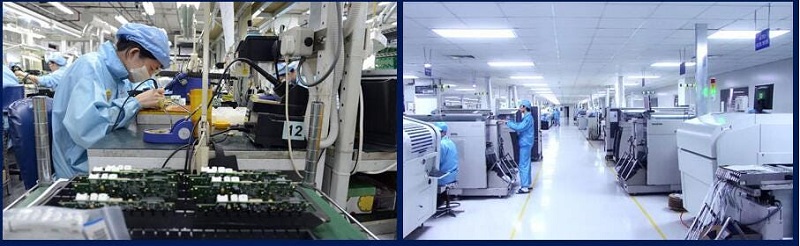
      Top 10 PCB Manufacturers, Top PCB Manufacturers in USA

      Who is the largest manufacturer of PCB in the US?

      The US PCB industry is known for precision and innovation. Top PCB manufacturers in USA listed here focus on advanced technology and fast-turn services.

      Top 10 PCB Manufacturers in USA:

      1.     TTM Technologies – Based in California, TTM is the biggest PCB maker in the US. They specialize in high-reliability boards for aerospace and defense.

      2.     Sanmina Corporation – With a strong footprint in medical and telecom sectors, Sanmina has both design and manufacturing capabilities.

      3.     Advanced Circuits – Known for quick-turn PCBs, they serve over 20,000 customers.

      4.     Rush PCB Inc. – Based in Silicon Valley, they offer turnkey solutions.

      5.     RedBoard Circuits – Focused on mid-to-high volume PCBs with quality control.

      6.     Bay Area Circuits – Strong in prototyping and low-volume runs.

      7.     Sierra Circuits – Leading in HDI and rigid-flex PCBs.

      8.     All PCB Solutions – Reliable for multilayer PCBs and fast delivery.

      9.     Zentech Manufacturing – Offers both PCB and box build services.

      10.   APCT Inc. – Specializes in complex rigid-flex boards.

      American PCB makers stand out with fast services and strict quality standards. TTM and Sanmina lead due to their global reach and tech innovation.

      Who is the biggest PCB supplier?

      Globally, PCB makers scale their operations with automation, capacity, and R&D.

      Top 10 PCB Manufacturers in World:

      1.     Zhen Ding Tech (Taiwan) – One of Apple’s top suppliers with huge production lines.

      2.     Nippon Mektron (Japan) – A major name in flexible circuits.

      3.     TTM Technologies (USA) – Also strong worldwide.

      4.     Unimicron (Taiwan) – Leading in HDI and high-frequency boards.

      5.     Shennan Circuits (China) – Well-known for high-speed, telecom PCBs.

      6.     AT&S (Austria) – Advanced capabilities in mobile and automotive sectors.

      7.     Compeq Manufacturing (Taiwan) – Partner of many global OEMs.

      8.     Tripod Technology (Taiwan) – Competitive pricing and large-scale output.

      9.     EBest Circuit (Best Technology) (China) – Offers full-stack PCB services.

      Top 10 PCB Manufacturers

      10.   Samsung Electro-Mechanics (Korea) – Strong R&D and global service.

      These manufacturers shape the global market. They invest in automation and high-end capabilities to meet complex demands.

      What is the best PCB manufacturer?

      China leads in mass production and cost-effective solutions.

      Top 10 PCB Manufacturers in China:

      1.     EBest Circuit (Best Technology) – Offers full PCB services with strong exports.

      Top PCB Manufacturers in USA

      2.     Shennan Circuits – Trusted in high-speed digital markets.

      3.     Wus Printed Circuits – Known for automotive PCBs.

      4.     Victory Giant Technology – Strong focus on industrial and telecom boards.

      5.     DSBJ – Works with many consumer electronics giants.

      6.     Suntak Technology – High volume and wide material support.

      7.     Aoshikang Technology – Specialized in multi-layer PCBs.

      8.     Bomin Electronics – Mid-volume and high-precision boards.

      9.     Ellington Electronics – Broad international presence.

      10.   Shenzhen Kinwong Electronic – Focuses on metal core and ceramic PCBs.

      Chinese manufacturers dominate in both quantity and variety. Companies like EBest Circuit (Best Technology) and Shennan offer advanced solutions with scale.

      Top 10 PCB Manufacturers in India

      India is becoming a strong alternative for sourcing PCBs due to government support and local demand.

      1.     AT&S India – The Indian arm of the global player, with advanced HDI lines.

      2.     Epitome Components – Serving major appliance and lighting brands.

      3.     Shogini Technoarts – One of the oldest PCB firms in India.

      4.     CIPSA-TEC India – Multinational with flexible and single-layer strengths.

      5.     Meena Circuits – Based in Gujarat, strong in domestic supply.

      6.     Hi-Q Electronics – Handles small-to-medium volumes efficiently.

      7.     Fine-Line Circuits – Specializes in RF and microwave boards.

      8.     Genus Electrotech – A complete EMS provider.

      9.     Circuit Systems India Ltd – Provides multilayer PCBs.

      10.   Anand Electronics – Serving the power and telecom sectors.

      India’s PCB market is growing fast. From AT&S India to local specialists, the country is becoming a go-to hub.

      Top 10 PCB Manufacturers in Bangalore

      Bangalore, as the tech capital, hosts several PCB makers.

      1.     Circuit Systems India – Offers both fabrication and assembly.

      2.     Anand Electronics – Serves telecom and industrial electronics.

      3.     Vihan Electronics – Focused on prototyping.

      4.     Pragati Electrocom – Known for LED lighting boards.

      5.     India Circuits – Small-batch services for startups.

      6.     AHL Circuit – Medium-scale PCB fabricator.

      7.     Unitech PCB – Rigid PCBs with quick-turn capabilities.

      8.     PCBSKart – Online PCB ordering and support.

      9.     PCB Power Market – Also offers design and EMS services.

      10.   Aero PCB – Aerospace-focused manufacturer.

      Bangalore-based manufacturers are tech-driven. They support innovation and agile development.

      Top 10 PCB Manufacturers in Pune

      Pune balances industrial infrastructure with skilled workforce.

      1.     Shogini Technoarts – Offers full cycle from design to assembly.

      2.     Fine-Line Circuits – Precision PCB specialist.

      3.     Sambhav Circuits – Rapid prototyping and low-volume PCBs.

      4.     Epitome Components Ltd – One of the largest in India.

      5.     Violin TechnologiesRigid-flex solutions.

      6.     Techno Tron – Known for budget PCBs.

      7.     SoftTech Circuits – Specializes in consumer products.

      8.     Pristine Circuits – Focused on LED lighting.

      9.     Saurabh Circuits – Delivers fast-turn prototypes.

      10.   CircuitWala – Online PCB service provider.

      Pune’s PCB companies support both startups and large industries. They are cost-effective and responsive.

      Top 10 PCB Manufacturers in Thailand

      Thailand is rising as an electronics manufacturing hub.

      1.     KCE Electronics – Thailand’s largest PCB exporter.

      2.     Mektec Thailand – Specializes in flexible PCBs.

      3.     SVI Public Company – EMS provider with PCB capabilities.

      4.     Forth Corporation – Local leader in telecom boards.

      5.     Team Precision – Offers low to mid-volume production.

      6.     Precise Circuit MFG – Known for quality control.

      7.     Cal-Comp Electronics – International brand.

      8.     Delta Electronics – Offers both design and fabrication.

      9.     GTC Circuit – Prototype-friendly.

      10.   A-Tech Circuit – Strong in R&D.

      Thailand supports regional demand well. KCE leads the way in exports.

      Top 10 PCB Manufacturers in Europe

      European PCB makers are known for quality and niche capabilities.

      1.     AT&S (Austria) – Global giant in advanced PCBs.

      2.     NCAB Group (Sweden) – No-fab model, works with partners.

      3.     Wurth Elektronik (Germany) – Focused on HDI and RF boards.

      4.     Elvia PCB (France) – Top aerospace supplier.

      5.     CIRE Group (France) – Multi-sector expertise.

      6.     Eurocircuits (Belgium) – Online PCB service.

      7.     Ventec International – Known for laminate materials.

      8.     Beta LAYOUT GmbH (Germany) – Offers PCB prototyping.

      9.     Cicor Group (Switzerland) – Strong in medical and defense.

      10.   Exception PCB (UK) – Rigid-flex and fast-turn boards.

      Europe delivers high precision and quality. AT&S and NCAB are leaders in this region.

      Top 10 PCB Manufacturers in Malaysia

      Malaysia offers competitive costs and a skilled labor force.

      1.     Inari Technology – Covers EMS and PCB services.

      2.     Eng Teknologi – Focused on consumer electronics.

      3.     PNE PCB Berhad – Medium-scale production.

      4.     JKS Engineering – Serves local startups.

      5.     Elna PCB (Malaysia) – Precision-focused.

      6.     InnoCircuits – Offers quick service and custom builds.

      7.     Flextron Technology – Works in the automotive sector.

      8.     Polytronics – Handles small-to-mid volume.

      9.     Sin Yen Technologies – Strong in prototyping.

      10.   SCS Engineering – Known for industrial PCBs.

      Malaysia combines affordability and talent. Companies here serve a wide range of industries.

      Top 10 PCB Manufacturers

      Choosing from the top 10 PCB manufacturers helps reduce risk and boost project success. Whether you’re sourcing in China, the US, India, or Europe, knowing who’s leading matters. For consistent quality, fast lead time, and technical support, working with experienced manufacturers is essential. If you’re seeking reliable and high-quality PCBs, EBest Circuit (Best Technology) offers advanced solutions with over 18 years of experience. Reach out to us via sales@bestpcbs.com to get the PCB specifications or the best quotes.
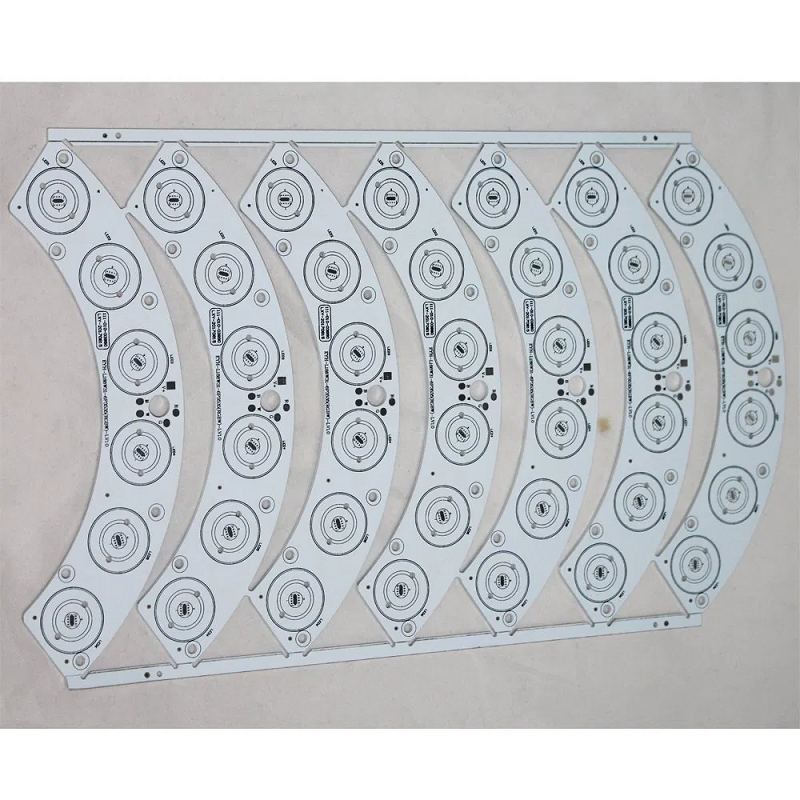
      LED Driver PCB, LED Driver PCB Board Design & Manufacturer

      April 8th, 2025

      Are you looking for a LED Driver PCB manufacturer with design service? Let’s explore more about how to design LED driver PCB and how to select a reliable LED driver PCB manufacturer.

      At EBest Circuit (Best Technology), we focus on LED driver PCB manufacturing and designing over 18 years. We prioritize IP Protection & NDAs, ensuring your designs are safeguarded through strict confidentiality agreements and secure data handling. And we maintain Quality & Compliance with certifications like ISO 9001, UL, and CE, guaranteeing adherence to the highest industry standards and safety regulations. Then we can provide 48 hours rapid prototyping service because we have stable electronic supply chain. If you have any request for LED driver PCB board, please feel free to contact us: sales@bestpcbs.com
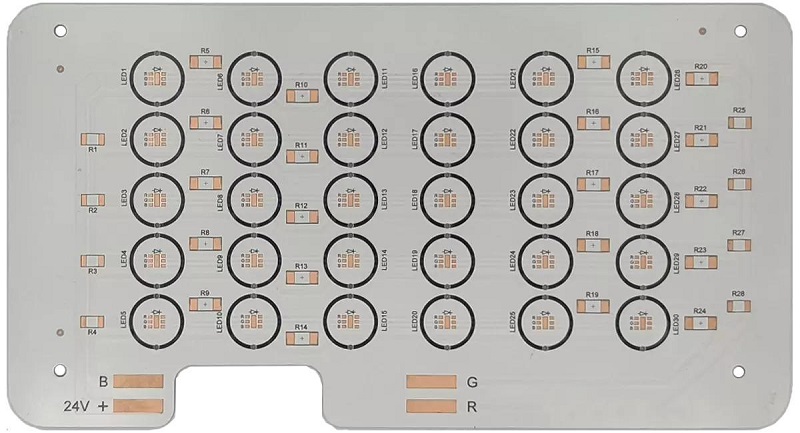
      What Is LED Driver PCB?

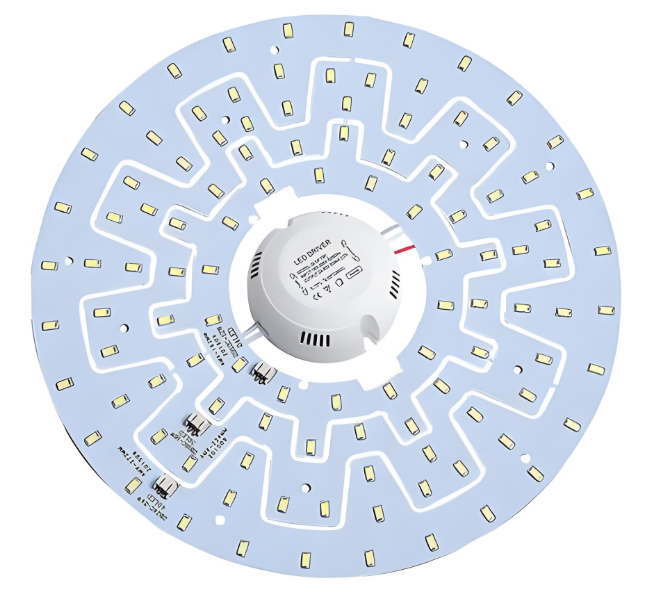
      An ‌LED driver PCB‌ is a printed circuit board specifically designed to control and regulate the power supplied to LEDs. It converts incoming electrical power (e.g., AC mains or DC sources) into the precise voltage and current required by the LEDs, ensuring stable operation, brightness consistency, and protection against voltage fluctuations or overheating. Key components on the board include voltage regulators, current controllers, and thermal management elements like heat sinks. LED driver PCBs are critical in applications like residential/commercial lighting, automotive headlights, and digital displays, as they optimize energy efficiency, extend LED lifespan, and enable features like dimming or color control.

      LED Driver PCB

      What Advantages of Power LED Driver PCBs Board?

      Here are five main advantages of a Power LED Driver PCB:

      • High Efficiency and Energy Saving-Optimized power topologies (e.g., Buck, Boost, LLC resonant circuits) deliver efficiency up to 90%+, minimizing energy waste.
      • Stable Current Regulation-Advanced control algorithms maintain precise LED current across wide input voltage ranges (e.g., 90–264Vac), ensuring consistent illumination.
      • Compact and Integrated Design-High-density component placement and SMD technology reduce PCB size, enabling sleek, space-efficient lighting solutions.
      • Robust Thermal Management-Multi-layer PCBs with thermal vias and copper heat sinks efficiently dissipate heat, enhancing reliability in high-temperature environments.
      • Electromagnetic Compatibility (EMC)-Compliance with international EMC standards (e.g., IEC/EN 55015) minimizes electromagnetic interference, ensuring seamless integration into smart systems.
      LED Driver PCB board

      How to Design a 100W LED Driver PCBs Board?

      Here’s a 100W LED driver PCB board design process:

      1.Circuit Design & Schematic (LED Driver PCB Schematic)

      • Begin with a topology like Flyback or LLC resonant. Use design tools (e.g., Altium, Eagle) to create a schematic, ensuring components (MOSFETs, capacitors, inductors) are rated for 100W.

      2.Component Selection

      • Choose high-efficiency MOSFETs, capacitors (e.g., electrolytic, ceramic), and inductors. Verify their current, voltage, and thermal ratings for 100W operation.

      3.Thermal Management

      • Integrate heat sinks, thermal pads, and vias into the PCB layout to efficiently dissipate heat from power components.

      4.PCB Layout & LED Driver PCB Schematic

      • Place power components close together to minimize high-current trace lengths.
      • Use wide traces (e.g., 2–3mm) for power delivery to avoid voltage drop.
      • Separate power, ground, and control signals in a multilayer stack-up.

      5.EMI/EMC Compliance

      • Add input/output filters, shielding, and proper grounding to meet EMI/EMC standards (e.g., CISPR 32, FCC Part 15).

      6.Prototyping & Testing

      • Fabricate a prototype based on the LED driver PCB schematic and test for efficiency, thermal performance, and EMI compliance.

      What Is the Best Practice of LED Driver PCB Layout?

      Here’s a streamlined guide to LED driver PCB layout best practices:

      1. Component Placement
        Cluster power transistors, capacitors, and inductors to shorten high-current traces and minimize inductance.
      2. Thermal Management
        Locate heat-sensitive components (e.g., MOSFETs, ICs) near cooling solutions. Use thermal vias to efficiently conduct heat away.
      3. Ground Plane Design
        Maintain a solid, unbroken ground plane to reduce EMI and ensure clean signal returns.
      4. Trace Width Sizing
        Calculate trace widths based on current load (e.g., 1mm per 1A) to prevent voltage drop and overheating.
      5. Layer Stack-up
        Isolate power, ground, and signal layers in multilayer boards to minimize cross-talk and noise.
       LED Driver PCB Layout

      What Are Custom Solution For 10W RGB LED Driver PCB?

      Here’s a concise guide to custom solutions for a 10W RGB LED driver PCB:

      1. Color Control Interface
        Implement PWM or analog control for precise RGB color mixing and dynamic lighting effects.
      2. Current Regulation
        Use constant-current drivers for each RGB channel to maintain color accuracy and LED lifespan.
      3. Dimming Compatibility
        Design for compatibility with PWM, TRIAC, or 0-10V dimming systems to suit diverse applications.
      4. Compact Design
        Optimize PCB layout for a small form factor, using SMD components and efficient thermal management.
      5. Protection Features
        Include over-current, over-temperature, and short-circuit protection to enhance reliability.
       LED Driver PCB design

      How Is A Round LED Driver PCB Manufactured?

      The production of ‌round LED driver PCBs‌ follows a specialized workflow to accommodate their unique geometry while maintaining electrical integrity. Below is the streamlined manufacturing process:

      1. Copper Clad Laminate Cleaning‌: Clean circular substrates (e.g., FR-4) to remove contaminants like dust or oxidation, ensuring adhesion for subsequent processes‌.
      2. Dry Film Lamination‌: Apply photosensitive dry film to the copper layer, followed by UV exposure through a circular mask to define the circuit layout‌.
      3. Development & Etching: ‌Remove unexposed dry film using alkaline solutions‌; Etch away unprotected copper with ferric chloride or ammonium persulfate, forming conductive traces‌.
      4. ‌Alignment & Pressing‌: Align multiple circuit layers (for multi-layer designs) using alignment holes, then bond them under high temperature and pressure with prepreg resin‌.
      5. Mechanical Drilling‌: Use CNC machines to drill holes for vias and component mounting, maintaining precision to avoid radial deviations‌.
      6. Electroless Copper Deposition‌: Deposit a thin copper layer on hole walls to establish electrical connectivity between layers‌.
      7. Outer Layer Shaping:‌ Cut the PCB into a circular shape using CNC routers with diamond-coated bits. Fixtures ensure centering accuracy and smooth edges‌.
      8. Solder Mask: Spray or screen-print epoxy-based solder mask, leaving exposed pads for soldering.
      9. Surface Treatment‌: Apply HASL (Hot Air Solder Leveling) or ENIG (Electroless Nickel Immersion Gold) to prevent oxidation and enhance solderability‌.
      10. ‌Testing: Automated Optical Inspection (AOI)‌: Scan for defects like open/short circuits using high-resolution cameras‌.‌
      11. Silkscreen Printing‌: Add component labels or logos using UV-curable ink‌.
      12. Packaging‌: Seal in anti-static bags with desiccants to prevent moisture damage during transit‌.

      How to Choose A Reliable LED Driver PCB Board Manufacturer?

      Here are some ways to select a reliable LED driver PCB board manufacturer:

      • IP Protection & NDAs-Partner with manufacturers who prioritize intellectual property protection by signing NDAs and implementing secure design safeguarding measures.
      • Rapid Production Cycles-Prioritize manufacturers with streamlined processes for quick prototyping and fast production turnaround times to meet urgent deadlines.
      • Quality & Compliance-Choose manufacturers holding certifications like ISO 9001, UL, or CE, ensuring adherence to quality standards and safety regulations.
      • Design Expertise-Select a manufacturer with proven experience in LED driver PCB design, including efficient thermal management, EMI compliance, and optimized layouts.
      • Premium Materials & Components-Ensure they use high-quality, application-specific materials and components to guarantee performance and longevity.

      How to DIY 8W LED Driver PCB?

      Here’s a simplified guide to DIY an 8W LED driver PCB:

      1. Design the Circuit
        Use software like EasyEDA or KiCad to design your 8W LED driver circuit, ensuring proper component selection and layout.
      2. Choose Components
        Select an appropriate LED, driver IC, resistors, capacitors, and a power supply rated for 8W output.
      3. Create PCB Layout
        Design the PCB layout with component placement and trace routing optimized for your circuit.
      4. Manufacture the PCB
        Order the PCB from a fabricator or etch it yourself using a photoresist and etching solution.
      5. Assemble Components
        Solder all components onto the PCB, following the circuit diagram.
      6. Test the Driver
        Power up the PCB and test its functionality, ensuring it delivers the correct voltage and current to your LED.

      In conclusion, that’s all about LED driver PCB board designing and manufacturing. if you have any issues with LED driver PCB board, please leave a message below this blog.

      Quick Turn PCB Manufacturer, Rapid PCB Prototyping

      April 8th, 2025

      Quick turn PCB manufacturer services are essential for engineers and businesses that need circuit boards fast. When development cycles are short, and time is limited, waiting weeks for production isn’t an option. That’s where quick turnaround PCB solutions become game-changers. They help teams meet deadlines, test faster, and launch new products ahead of schedule.

      EBest Circuit (Best Technology) is a top PCB manufacturer specializing in quick-turn PCB fabrication, rapid PCB prototyping and PCB assembly. We consistently meet a 2-3 weeks delivery time while rigorously upholding our product quality standards. The urgent printed circuit boards can be shipped out within 24 hours! A warm welcome to contact EBest Circuit (Best Technology) via sales@bestpcbs.com to get more specific lead time for specific types of PCBs.
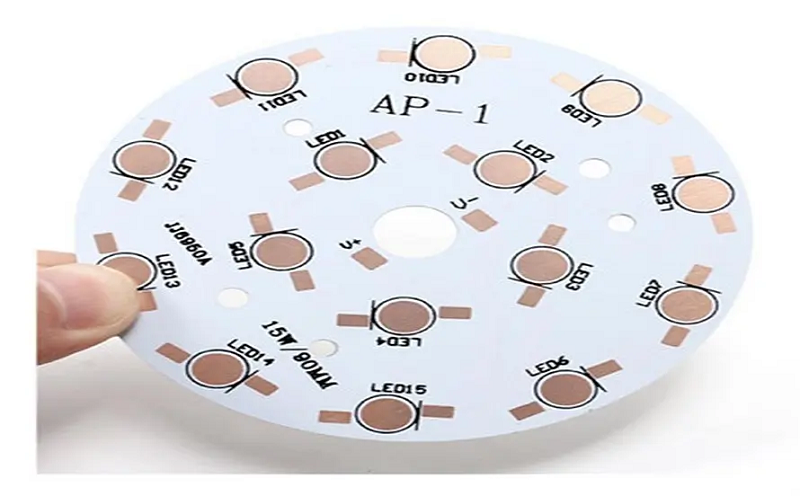
      Quick Turn PCB Manufacturer, Rapid PCB Prototyping

      What is a Quick Turn PCB?

      A quick turn PCB is a printed circuit board that is manufactured and delivered in a short time, often within 24 to 72 hours. Traditional PCB production might take over a week, but fast turn services shrink that down dramatically. It’s especially helpful for prototyping, urgent revisions, or short product runs.

      These PCBs go through an optimized process. Engineers prioritize files, materials are pre-stocked, and the production line is streamlined. The goal is to reduce every possible delay.

      How Long Does It Take to Manufacture a PCB?

      EBest Circuit (Best Technology) offers flexible shipping solutions, including standard and expedited options, with urgent PCB orders eligible for dispatch within 24 hours. Clients can tailor their choices to meet project deadlines. The delivery time of our PCB manufacturing often takes 2-3 weeks.

      For 1 layer PCBs, it may take 7 days. More than 4 layers of Rigid-flex PCB might add another 1 week. These timelines help reduce the total cycle, allowing faster testing and development. Should you require further information regarding PCBs’ lead time, our team is always available to assist.

      Quick Turn PCB Manufacturer

      What Makes a Quick Turn PCB Manufacturer Different from Traditional PCB Suppliers?

      Below are key differences between quick turn PCB manufacturer and traditional PCB suppliers:

      • Speed: Quick turn manufacturers operate on compressed timelines.
      • Capacity: They often reserve production lines for urgent jobs.
      • Expertise: Engineers and technicians are trained to spot issues fast.
      • Workflow: Automation and optimized processes cut down wait time.

      These suppliers also understand how to manage tight schedules without losing quality. That’s critical for both prototyping and small-batch production.

      Quick Turn PCB Manufacturer USA

        Quick Turn PCB Manufacturer USA options are essential for engineers and product developers working on tight deadlines. Speed, precision, and reliability define this segment. U.S.-based quick turn PCB companies support industries like aerospace, defense, and medical—where time-to-market matters most.

      Here are five trusted names offering fast turnaround PCB fabrication in the United States:

      Advanced Circuits (4PCB)

      • With over 30 years in the industry, Advanced Circuits is widely known for fast PCB prototyping and same-day shipping. They offer both standard and complex boards, serving defense, medical, and commercial sectors with precision and speed.

      Sierra Circuits

      • Based in California, Sierra Circuits offers quick turn services from design to delivery—all in-house. They specialize in high-density interconnect (HDI) PCBs and rigid-flex boards, delivering tight lead times without compromising quality.

      Tempo Automation

      • Tempo focuses on high-speed prototyping with digital automation. Located in San Francisco, they cater to aerospace, industrial, and medical startups. Their agile manufacturing model helps shorten design cycles significantly.

      Rush PCB Inc.

      • Rush PCB, headquartered in California, provides one-stop PCB solutions with fast turnaround. From single-sided boards to complex multilayer builds, they handle both low and high-volume orders swiftly and reliably.

      PCB Unlimited

      • PCB Unlimited offers U.S.-based fabrication for rapid prototyping and production. Their quick turn services include rigid and flex boards, along with stencil creation and assembly, ideal for development teams working under pressure.

      In short, these quick turn PCB manufacturers in the USA provide the speed and technical support required for innovation-heavy industries. They reduce waiting times and keep your project on schedule—especially when time is critical.

      China Quick Turn PCB Assembly Manufacturers

      China Quick Turn PCB Assembly Manufacturers have earned a solid reputation for their fast delivery, competitive pricing, and advanced SMT capabilities. These companies help startups and established tech firms bring prototypes to life quickly—often within 24 to 72 hours. Their services combine efficient board fabrication with high-speed component assembly.

      Here are five trusted quick turn PCB assembly providers based in China:

      EBest Circuit (Best Technology)

      • One of the most recognized names globally, EBest Circuit (Best Technology) provides rapid PCB manufacturing and assembly to more than 1700 customers in around 40 countries. EBest Circuit (Best Technology) offers a wide range of PCBs like FR4 PCB, ceramic PCB, MCPCB, and special PCB. We are a reliable PCB supplier who understands quick turnaround expectations and can offer stable lead times even with global demand fluctuations.
      Rapid PCB Prototyping

      Leader-Tech Electronics (Shenzhen) Inc

      • Leader-Tech Electronics is a renowned domestic manufacturer specializing in manufacturing precision flexible circuit boards, offering vertically integrated operations encompassing R&D, design, production, and sales. The company is dedicated to delivering premium-quality products and exceptional services, providing cutting-edge flexible circuit solutions and turnkey support to global smartphone manufacturers and display panel producers.

      Fastlink PCB

      • Over the past 15 years, FASTLINK has steadily expanded its expertise, building a robust portfolio of PCB manufacturing and assembly solutions to meet diverse industry needs.

      ChangXing Technology

      • Shenzhen ChangXing Industrial Technology Co. Ltd specializes in advanced PCB manufacturing, combining design, processing, sales, and international trade as a top-tier PCB producer in China. The company delivers consistent product quality and competitive pricing to global markets, resulting in over 80% of its PCB products being exported to Europe, the United States, Japan, and other Asia-Pacific countries

      EDS International

      • EDS International is a global procurement specialist with four decades of expertise in strategic sourcing, bulk procurement, and integrated manufacturing and engineering solutions. The company leverages its extensive supply chain and production capabilities to assist clients worldwide in securing high-quality PCB and PCBA components and assemblies.

      In summary, these China quick turn PCB assembly manufacturers help accelerate development cycles with reliable production speed and strong technical backing. Whether you’re testing a prototype or preparing a pre-production run, these suppliers can keep your timeline tight and your quality intact.

      How to Choose the Right Quick Turn PCB Manufacturer for Urgent Projects?

      How to Choose the Right Quick Turn PCB Manufacturer for Urgent Projects? Here’s a quick checklist:

      • Lead Time Guarantees: Is the delivery time they promise within your expectations?
      • Technical Support: Is there fast, responsive support if you hit issues?
      • In-house Fabrication & Assembly: Can they do both without outsourcing?
      • Certifications: Look for ISO, UL, or ITAR where applicable.
      • Material Stock: Do they keep core materials ready for use?

      A dependable quick turn PCB manufacturer will answer all of these clearly. Trust is key when time is tight.

      Quick Turn PCB Manufacturer

      Why Quick Turn PCB Manufacturers Are Critical for Rapid Prototyping Success?

      In product development, speed matters. Rapid prototyping depends on short feedback loops. A quick turn PCB manufacturer helps teams:

      • Test ideas faster
      • Revise designs quickly
      • Reduce time to market

      Each day saved on fabrication helps shorten the entire product cycle. This is especially useful in industries like medical devices, automotive, and consumer electronics where every week counts.

      Why Should You Choose EBest Circuit (Best Technology) as Your Quick Turn PCB Manufacturer?

      At EBest Circuit (Best Technology), we specialize in delivering high-quality PCBs at record speeds. Here’s what makes us stand out:

      • 18+ Years of Experience: We understand fast turn needs. The percentage of the one delivery arrives 97%. Our Nissan peak is arrived 100K pcs. We can handle the orders in large and small volumes.
      • In-House Manufacturing: Fabrication and assembly under one roof. EBest Circuit (Best Technology) has SMT factories in China and Vietnam respectively. We have advanced equipment for HDI and complex boards. We provide both fabrication and assembly in-house, which helps avoid delays from using multiple suppliers.
      • Global Support: Serving clients across the USA, Europe, and Asia. We have served 1700+ customers in 40+ countries since 2006.
      • 24/7 Engineering Support: Always here to help troubleshoot. No matter how complicated the new project is, our engineers will get back to you within 12 hours of receiving your inquiry.
      • Strict Quality Control: Speed without quality loss. We adhere to ISO standards, rigorously integrated into every phase of our workflow—from sourcing raw materials and manufacturing to inspection, packaging, and sales—ensuring consistency, compliance, and excellence across all processes.

      Whether you need a single prototype or hundreds of boards, we tailor PCB solutions to your deadlines. Our professional team knows how to manage complex builds with short lead times.

      Quick Turn PCB Manufacturer, Rapid PCB Prototyping

      In conclusion, a reliable quick turn PCB manufacturer can speed up development, help you test sooner, and reduce time to market. From rapid prototyping to urgent product revisions, these services provide flexibility without sacrificing quality.

      When time matters most, EBest Circuit (Best Technology) delivers. We will try every means to meet your timeline with precision, care, and expert service. If you have any new projects, just reach out to us via sales@bestpcbs.com. EBest Circuit (Best Technology) is ready to provide you with a fast-turn solution and rapid PCB prototyping.