PCB manufacturing PCB manufacturing
Home > Blog

PCB SMD Assembly Manufacturer​, SMD PCB Manufacturer, No MOQ

May 12th, 2025

SMD PCB manufacturer EBest Circuit (Best Technology) provides flexible, high-quality PCB assembly services with no minimum order quantity. Whether you’re prototyping or scaling up, understanding SMD technology and choosing the right manufacturer is crucial for the success of your project.

As an established PCB SMD assembly manufacturer, EBest Circuit (Best Technology) abides by the ISO9001, ISO13485, IATF16949, AS9100D, UL, REACH, and RoHS regulations. We offer SMD manufacturing and PCB assembly services to customers in all walks of life. Maintaining the consistency of quality and fast service is our asset. As an audience-driven company, EBest Circuit (Best Technology) attaches importance to customer satisfaction from the top down. If any questions about SMD manufacturing, pls feel free to bring out to us via sales@bestpcbs.com. Hope to have an opportunity to build rapport with you. 

PCB SMD Assembly Manufacturer​, SMD PCB Manufacturer, No MOQ

What Is SMD in PCB?

SMD stands for Surface Mount Device. In the world of PCB manufacturing, it refers to components mounted directly onto the surface of the board instead of using traditional through-hole methods. This approach allows manufacturers to create smaller, more efficient circuit boards that are perfect for modern electronics. Here are a few advantages of using SMD technology:

  • Compact size: Ideal for smaller, lightweight devices.
  • Higher density: More components can fit on one board.
  • Automated process: Increases production speed and reduces manual errors.
  • Lower cost: Minimizes material and labor expenses.

SMD PCBs are widely used in smartphones, wearable devices, industrial control systems, and medical equipment.

PCB SMD Assembly Manufacturer

Who Are the Largest SMD PCB Manufacturers in the World?

If you’re looking for a trusted SMD PCB manufacturer, here are three global leaders that have earned a strong reputation:

  • EBest Circuit (Best Technology) – Based in China, EBest Circuit (Best Technology) is one of the top producers of high-quality printed circuit boards used in various industries like smartphones, computers, and automotive systems.
SMD PCB Manufacturer, No MOQ
  • Unimicron Technology Corporation – Also from Taiwan, Unimicron is known for its innovation in HDI (High-Density Interconnect) and flexible PCBs.
  • TTM Technologies – Headquartered in the U.S., TTM provides advanced SMD PCBs for industries such as aerospace, defense, and medical.

These companies are known for their cutting-edge production techniques and global delivery capabilities.

Who Are the Largest PCB Manufacturers in North America?

In North America, several SMD PCB manufacturers have made a name for themselves by offering excellent service and top-quality boards. Here are three you should know about:

  • TTM Technologies – As mentioned earlier, this company leads the North American market and serves high-reliability sectors with consistent results.
  • Sanmina Corporation – A Fortune 500 company, Sanmina is known for its custom PCB assemblies and end-to-end manufacturing solutions.
  • Summit Interconnect – They’ve been growing rapidly and are praised for their quick-turn prototypes and complex multilayer SMD PCB capabilities.

These North American manufacturers are a great choice if you’re looking for local support, especially for industries with strict regulatory requirements.

How to Choose an SMD PCB Manufacturer?

Choosing the right SMD PCB manufacturer isn’t just about pricing. You want a partner that understands your project, delivers on time, and provides long-term value. Here’s how to make the best decision:

  • Look for specialization: Make sure the manufacturer has experience with SMD assembly. Check their portfolio and see if they’ve handled similar projects.
  • Check for certifications: ISO 9001, IPC-A-610, and UL certifications are a good sign of quality and consistency.
  • Review capabilities: Can they handle both prototypes and large-scale production? Do they offer value-added services like testing or component sourcing?
  • Evaluate support: Quick and clear communication is essential. A reliable supplier will respond promptly and solve issues without delays.
  • Read reviews and testimonials: See what other clients are saying. This can give you insight into the manufacturer’s strengths and weaknesses.

A great SMD PCB manufacturer helps you avoid unnecessary costs and delays, giving you peace of mind from start to finish.

What Is the Difference Between a Diode and an SMD?

Let’s clear up some confusion. A diode is an electrical component that controls the direction of current. It allows electricity to flow in one direction and blocks it in the other. You’ll find diodes in circuits that need voltage regulation or protection from reverse currents.

SMD, on the other hand, isn’t a component type. It’s a mounting method. So an SMD diode is simply a diode packaged to be mounted directly onto the PCB surface. These SMD versions are smaller and more efficient than their through-hole counterparts.

So when you hear “SMD,” think of how the part is placed on the board. When you hear “diode,” think of what the part does.

Who Are the Manufacturers of SMD Diodes?

Looking for a reliable source of SMD diodes? Here are three top names:

  • Littelfuse, Inc. – Offers a wide variety of diodes for circuit protection, including ESD suppressors and transient voltage suppressors.
  • Diodes Incorporated – Known for providing affordable, high-performance diode products worldwide.
  • SMC Diode Solutions – Focuses on power diodes and rectifiers for applications in automotive and industrial sectors.

These manufacturers supply components used in everything from mobile phones to electric vehicles.

Why Should You Choose EBest Circuit (Best Technology) as Your Trusted SMD PCB Manufacturer?

If you’re searching for an SMD PCB manufacturer who understands your needs, EBest Circuit (Best Technology) is your go-to partner. Here’s why:

  • No MOQ: Whether you need 1 board or 10,000, we can handle it. You won’t be turned away for small orders.
  • Comprehensive Services: From design to assembly, testing to delivery, we cover the full PCB lifecycle. EBest Circuit (Best Technology) has PCB areas of specialization and expertise. And we have solved assorted SMD PCB manufacturing cases for 1700 customers from 40 countries. We are committed to providing the turnkey PCB service to the global market.
  • Strict Quality Control: Our production process meets IPC standards and includes 100% inspection before shipping.
  • Skilled Engineers: Our team provides professional design reviews, DFM checks, and technical support throughout the process. EBest Circuit (Best Technology) has an in-house training program for all the engineers. And our engineers attach importance to innovation. Selecting a partner whose engineers are know the ropes will sidestep a lot of troubles and lower the communication costs.
  • Fast Turnarounds: We understand that time is money. That’s why we aim to deliver your boards on time, every time. Our on-time delivery rate is up to 97%.
  • Global Reach, Local Support: Whether you’re in the USA, Europe, or India, we can serve you with the same level of care and quality.
SMD PCB Manufacturer

Finally, the demand for reliable, compact, and high-performance electronics keeps growing. Whether you’re developing smart home devices, medical gadgets, or industrial tools, you need a trusted SMD PCB manufacturer who gets your needs.

At EBest Circuit (Best Technology), we offer tailored solutions, technical expertise, and a true dedication to quality. And we accept orders with no MOQ. Regarding lead time, we offer lead times from 24 hours to a few days, depending on the complexity. Need a quote or have a project in mind? Contact EBest Circuit (Best Technology) via sales@bestpcbs.com to get started.

5MM LED PCB, 5MM LED Strip Black PCB Manufacturer

May 12th, 2025

Looking to enhance your lighting designs with 5mm LED PCB? Explores everything from footprint design and manufacturer selection to cost optimization.

EBest Circuit (Best Technology) excels in 5mm LED PCB manufacturing, delivering unmatched speed and precision for lighting projects globally. Beyond standard 5mm LED PCBs, our diversified product line includes ‌16mm PCB green LED‌ modules for high-intensity applications, ultra-slim ‌4mm PCB LED strips‌ for space-constrained designs, and versatile ‌8mm PCB LED strips‌ optimized for brightness and durability. Whether you seek bulk orders or ‌PCB parts on demand (5mm LED)‌, our flexible manufacturing scales effortlessly to meet your requirements. Our optimized production system guarantees ‌24-hour prototype turnaround‌ – submit designs by 9 AM, receive functional 5mm LED strip black PCB samples next business day. We maintain ‌30% faster lead times‌ than industry averages through automated SMT lines processing 15,000 components/hour, ideal for urgent orders. Cost efficiency meets quality with ‌15-20% competitive pricing‌ via material consolidation – we utilize bulk-procured FR4 substrates and 99.9% pure copper layers while adhering to IPC-A-610 Class 2 standards. Advanced AOI systems and thermal cycling tests (-40°C to +105°C) ensure 99.2% first-pass yield rates across 5mm LED PCB batches. Welcome to contact us if you have any request for LED PCB: sales@bestpcbs.com.
What Is 5MM LED PCB?

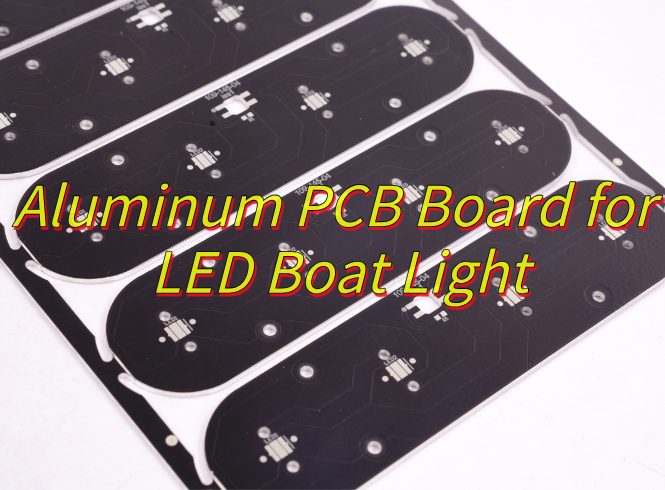
A 5mm LED PCB refers to a printed circuit board designed to accommodate 5mm-diameter light-emitting diodes (LEDs), commonly used in applications like decorative lighting and automotive auxiliary systems. These PCBs often utilize aluminum-based substrates, such as FR4 or metal-core materials, to manage heat generated by the LEDs, ensuring stable performance even during prolonged use. The design incorporates conductive traces and insulating layers to electrically connect multiple LEDs while maintaining isolation between components. For example, black solder mask variants of these PCBs are popular in LED strips for architectural lighting due to their ability to blend seamlessly into dark environments. The compact footprint of 5MM LED PCBs allows dense arrangements in tight spaces, making them suitable for flexible installations like curved signage or wearable tech. Thermal management remains a priority, with aluminum cores dissipating heat more effectively than standard fiberglass boards, which helps extend the operational lifespan of the LEDs.

What Is 5MM LED PCB?

What Is the Lifetime of 5MM LED PCB?

The typical lifetime of a 5mm LED PCB ranges between 30,000 and 50,000 hours under standard operating conditions. This duration depends on factors like material quality, thermal management, and environmental stress. Aluminum-core 5MM LED PCBs often outperform fiberglass variants in longevity because their metal substrates efficiently dissipate heat, reducing LED junction temperature and slowing lumen depreciation. For example, a 5MM LED PCB used in automotive interior lighting with controlled current and ambient temperatures below 60°C may maintain 70% brightness output beyond 40,000 hours. Proper solder joint reliability and conformal coatings further enhance durability in humid or vibration-prone settings. Manufacturers using copper weights above 1oz and oxidation-resistant finishes typically report lower failure rates in 5MM LED PCB batches over extended duty cycles.

What Is the Lifetime of 5mm LED PCB?

What Is the Current Limit for 5MM LED PCB?

The current limit for a 5MM LED PCB typically ranges between 15mA and 30mA per LED, depending on the LED specifications and PCB design. Standard 5mm LEDs operate optimally at 20mA, but aluminum-core 5MM LED PCBs may handle slightly higher currents due to improved heat dissipation. For example, a 10-LED array on a 1oz copper PCB with proper trace widths can safely run at 200mA total when spaced 25mm apart to prevent thermal buildup.

Current limits are influenced by PCB material thickness, trace width, and ambient temperature. A 5MM LED PCB with 2oz copper and 1.6mm substrate thickness might support 25mA per LED in a 40°C environment, while thin FR4 boards may require derating to 18mA at 50°C. Designers often include current-limiting resistors or constant-current drivers to prevent overloading. In automotive applications, 5MM LED PCBs with fused traces are common to manage voltage fluctuations and ensure stable operation within safe current thresholds.

How to Design 5MM LED PCB Footprint?

Here are steps about how to design 5mm LED PCB footprint:

1. Define Component Specifications

      • Confirm the exact dimensions of the 5mm LED (e.g., diameter, lead spacing, and optical characteristics).
      • Check the datasheet for recommended land pattern dimensions, typically including pad diameter (2.0–2.5mm), solder mask clearance, and thermal relief requirements.

      2. PCB Layout Basics

      • Placement: Position LEDs uniformly to avoid thermal crowding. For 5MM LED Strip Black PCB designs, align LEDs in straight rows with consistent spacing (e.g., 5–10mm between centers).
      • Orientation: Ensure LED polarity markers align with silkscreen labels to prevent assembly errors.

      3. Footprint Design

      • Pad Geometry: Use circular or oval pads with a diameter 1.0–1.5mm larger than the LED leads to ensure solder wettability. For 5mm through-hole LEDs, specify plated-through-hole (PTH) diameters of 1.0–1.2mm.
      • Solder Mask: Apply a solder mask dam between pads (0.2–0.3mm gap) to prevent solder bridging.
      • Thermal Management: For high-brightness 5mm LEDs, add thermal vias (0.3–0.5mm diameter) under pads to conduct heat to inner layers or the PCB bottom.

      4. Routing and Signal Integrity

      • Trace Width: Design traces carrying LED current (typically 10–20mA) with 0.25–0.5mm width. Use thicker traces (1.0mm+) for high-current LED strips.
      • Isolation: Separate high-power LED traces from sensitive analog signals by at least 2.0mm.

      5. Material Selection

      • Substrate: For 5MM LED Strip Black PCB, use FR-4 or aluminum-backed PCBs for enhanced thermal dissipation.
      • Surface Finish: Choose ENIG (Electroless Nickel Immersion Gold) for SMD LEDs to prevent oxidation and ensure solderability.

      6. Design for Manufacturing (DFM)

      • Panelization: If designing a strip, include V-scoring or tab-routing lines between units for easy separation post-assembly.
      • Fiducial Markers: Add 1.0mm diameter fiducials near LED arrays to aid automated assembly alignment.

      7. Validation

      • DRC Checks: Verify pad-to-pad spacing (≄0.25mm), hole-to-copper clearance (≄0.5mm), and silkscreen-to-mask alignment.
      • Prototyping: Test the footprint with a 5mm LED sample to confirm solder joint quality and optical alignment.
      How to Design 5MM LED PCB Footprint?

        How to Select A 5MM LED Strip Black PCB Manufacturer?

        Here are tips about how to select a 5mm LED strip black PCB manufacturer:

        Evaluate Technical Proficiency

        • Confirm the manufacturer’s expertise in producing 5MM LED Strip Black PCBs, including experience with black solder mask materials and LED-specific design requirements (e.g., thermal via placement, pad geometry).
        • Inquire about their ability to handle high-density LED arrays and ensure uniform light distribution across strips.

        Verify Production Capabilities

        • Check if the manufacturer can meet your volume needs, from prototype batches to mass production.
        • Assess their equipment for precision drilling, plating, and solder mask application to ensure 5MM LED Strip Black PCB quality.

        Quality Assurance Protocols

        • Request details on their quality control processes, such as automated optical inspection (AOI), electrical testing, and thermal stress tests.
        • Ensure compliance with industry standards (e.g., IPC-6012, RoHS) and ask for certificates or test reports.

        Material and Component Sourcing

        • Confirm the use of high-quality substrates (e.g., FR-4 with black solder mask) and LEDs from trusted suppliers to ensure durability and color consistency.
        • Inquire about options for UV-resistant coatings or lead-free finishes if your application requires them.

        Design and Customization Support

        • Choose a manufacturer that offers design assistance, such as optimizing footprints for 5mm LEDs or advising on thermal management strategies.
        • Ensure they can accommodate custom specifications like strip length, LED spacing, and connector types.

        Cost and Timeline Transparency

        • Obtain detailed quotes comparing material costs, tooling fees, and shipping logistics for 5MM LED Strip Black PCB projects.
        • Balance affordability with realistic lead times to avoid project delays.

        Client References and Portfolio

        • Request case studies or samples from past 5MM LED Strip Black PCB projects to evaluate their workmanship.
        • Check client testimonials for feedback on communication, reliability, and post-production support.

        Sustainability Practices

        • Prioritize manufacturers with eco-friendly processes, such as waste reduction, energy-efficient machinery, and recyclable packaging.
        How to Select A 5MM LED Strip Black PCB Manufacturer?

          How to Evaluate the Quality of 5MM LED Strip Black PCB?

          Here are methods about how to evaluate the quality of 5mm LED strip black PCB:

          Visual Inspection

          • Examine the PCB surface for defects such as scratches, stains, or uneven solder mask application. For 5MM LED Strip Black PCB, ensure the black solder mask is uniformly applied without bubbles or discoloration.
          • Check for clean, sharp copper traces and proper LED placement alignment.

          Dimensional Accuracy

          • Verify that the PCB dimensions (length, width, thickness) match specifications using precision tools.
          • Confirm hole diameters and spacing for 5mm LEDs align with design files to ensure proper fit and solderability.

          Material Quality

          • Confirm the substrate (e.g., FR-4, aluminum-backed PCB) meets thermal and electrical requirements.
          • For 5MM LED Strip Black PCB, test the solder mask adhesion and resistance to humidity/chemicals.

          Electrical Performance Testing

          • Use an Automated Optical Inspection (AOI) system to detect shorts, opens, or misaligned components.
          • Perform In-Circuit Testing (ICT) to validate resistance, capacitance, and LED forward voltage.

          Thermal Management Assessment

          • Subject the PCB to thermal cycling (-40°C to +85°C) to evaluate solder joint reliability and LED performance under temperature fluctuations.
          • For high-power 5MM LED Strip Black PCB, measure heat dissipation efficiency using infrared thermography.

          Mechanical Durability Testing

          • Conduct vibration and shock tests (e.g., MIL-STD-810G standards) to simulate transport/handling stresses.
          • Assess flexibility for strip PCBs by bending them to 60° angles repeatedly without cracking.

          Environmental Resistance

          • Test humidity resistance (85% RH, 85°C for 168 hours) to ensure no delamination or corrosion.
          • For outdoor applications, validate UV resistance and waterproofing (IP65/IP67 ratings).

          Optical Performance Verification

          • Use an integrating sphere to measure luminous flux and color consistency (Δuv < 0.005 for 5MM LED Strip Black PCB).
          • Check for color shift across batches using a spectrometer.

          Lifespan and Reliability Testing

          • Accelerate aging tests (e.g., 6,000 hours at 85°C) to predict LED lifespan (>50,000 hours target).
          • Monitor light decay rates; ensure <5% degradation after 1,000 hours.

          Compliance Certifications

          • Verify RoHS, REACH, and UL certifications for safety and environmental compliance.
          • Check for flame resistance ratings (e.g., UL94 V-0) if required by application.

          How to Reduce Production Cost of 5MM LED Strip Black PCB?

          Below are how to reduce production cost of 5mm LED strip black PCB:

          Optimize PCB Design Complexity

          • Simplify circuit layouts by reducing unnecessary layers or via counts. For 5MM LED Strip Black PCB, use single-sided or double-sided designs instead of multilayer boards unless thermal or signal integrity demands otherwise.
          • Standardize LED spacing and component placement to minimize tooling adjustments during assembly.

          Material Selection

          • Choose cost-effective substrates like FR-4 with black solder mask instead of premium materials (e.g., aluminum-backed PCBs) unless heat dissipation is critical.
          • Opt for standard copper weights (e.g., 1oz vs. 2oz) to balance conductivity and cost.

          Bulk Component Sourcing

          • Purchase 5mm LEDs and passive components in bulk to negotiate lower unit prices.
          • Partner with suppliers offering pre-tinned LED leads to reduce soldering time and defects.

          Panelization and Array Design

          • Maximize PCB panel utilization by arranging multiple 5MM LED Strip Black PCB units in a grid. This reduces per-unit fabrication costs and material waste.
          • Use V-scoring or tab-routing for easy separation post-assembly.

          Automate Assembly Processes

          • Invest in pick-and-place machines for high-speed LED mounting, reducing labor costs and assembly time.
          • Implement selective soldering or reflow ovens for consistent solder joints, minimizing rework.

          Streamline Testing and QC

          • Replace manual inspections with automated optical inspection (AOI) systems to detect defects early.
          • Conduct spot-checks for critical parameters (e.g., LED forward voltage) instead of 100% testing.

          Negotiate with Contract Manufacturers

          • Bundle orders for 5MM LED Strip Black PCB with other projects to leverage volume discounts.
          • Request line-item quotes to identify cost drivers (e.g., plating, drilling) and negotiate reductions.

          Reduce Waste and Scrap

          • Optimize drilling programs to minimize substrate waste and tooling wear.
          • Recycle scrap PCB material through certified vendors to offset raw material costs.

          Energy-Efficient Production

          • Use LED-compatible curing ovens with programmable temperature profiles to reduce energy consumption.
          • Schedule production during off-peak hours to lower utility costs.

          Design for Manufacturability (DFM)

          • Share DFM guidelines with engineers to avoid costly redesigns. For example, ensure 5mm LED pads align with standard solder stencil apertures.
          • Use open-source or low-cost PCB design software to reduce licensing fees.

            What Is the Difference Between 3mm LED PCB and 5mm LED PCB?

            Difference Between 3mm LED PCB and 5mm LED PCB:

            Physical Dimensions and Component Size

            • 3mm LED PCB: Utilizes smaller LEDs (3mm diameter), enabling compact designs with minimal footprint space. Ideal for circuits where board real estate is limited.
            • 5mm LED PCB: Accommodates larger LEDs (5mm diameter), requiring wider pad spacing (2.0–2.5mm) and greater component clearance. Common in 5MM LED Strip Black PCB for applications demanding high visibility.

            Thermal Performance

            • 3mm LED PCB: Limited surface area reduces heat dissipation capacity, often suitable for low-power applications (e.g., indicator lights).
            • 5mm LED PCB: Larger LEDs generate more heat, necessitating advanced thermal management (e.g., aluminum substrates, thermal vias). Critical for 5MM LED Strip Black PCB in high-temperature or outdoor environments.

            Light Output and Brightness

            • 3mm LED PCB: Typically offers lower luminous intensity (1–50 mcd), suited for subtle lighting or status indicators.
            • 5mm LED PCB: Delivers higher brightness (50–30,000+ mcd), making it suitable for 5MM LED Strip Black PCB in automotive interiors, commercial signage, or architectural lighting.

            Electrical Requirements

            • 3mm LED PCB: Operates at lower currents (10–20mA), requiring thinner copper traces (0.2–0.3mm width).
            • 5mm LED PCB: Handles higher currents (20–50mA or more), demanding thicker traces (0.5–1.0mm) to minimize voltage drop and ensure reliability.

            Cost and Manufacturing Complexity

            • 3mm LED PCB: Generally more cost-effective due to smaller components and simpler assembly processes.
            • 5mm LED PCB: Higher material and fabrication costs, especially for 5MM LED Strip Black PCB with specialized finishes (e.g., black solder mask) or thermal enhancements.

            Application Suitability

            • 3mm LED PCB: Preferred for consumer electronics (e.g., remotes, appliances), wearables, or tight spaces.
            • 5mm LED PCB: Ideal for industrial lighting, automotive dashboards, or 5MM LED Strip Black PCB in decorative installations where durability and brightness are priorities.

            Design Flexibility

            • 3mm LED PCB: Limited to low-profile or rigid layouts due to component size constraints.
            • 5mm LED PCB: Supports modular designs, flexible substrates, and custom configurations for 5MM LED Strip Black PCB projects.

              In conclusion, select 5mm LED PCB for applications requiring high visibility, ruggedness, or thermal resilience. For 5MM LED Strip Black PCB designs, prioritize manufacturers with expertise in balancing brightness, heat management, and cost efficiency to meet project-specific demands.

              LED Lighting PCB Assembly Manufacturers, 1 Piece MOQ

              May 9th, 2025

              Struggling to source responsive LED lighting PCB assembly services? Struggling to source responsive LED lighting PCB assembly service? Discover its benefits, application, supplier evaluation tips. reduction cost methods.

              EBest Circuit (Best Technology) delivers LED lighting PCB assembly solutions with a vertically integrated supply chain, ensuring uninterrupted access to premium components even during global shortages. Our automated SMT lines and dedicated engineering team enable rapid prototyping in 24 hours and full-scale production within 3-5 days, while emergency orders benefit from prioritized 24-hour turnaround – all backed by strict IPC-A-610 Class 3 quality control for <0.1% defect rates. By combining thermal-optimized DFM analysis (2-6oz copper core integration) with smart panelization algorithms, we reduce material waste by 18% and assembly costs by 15% without compromising luminous consistency (±3% flux variance). Whether you’re developing UV sterilization systems or smart horticultural lighting, our scalable capacity handles 1-piece prototypes to 50k+ batches with identical precision. Welcome to contact us for free design review if you have any request for LED lighting PCB assembly: sales@bestpcbs.com.

              What Is LED Lighting PCB Assembly?

              LED lighting PCB assembly‌ refers to the specialized process of integrating light-emitting diodes (LEDs) onto printed circuit boards (PCBs) to create functional illumination systems. This involves precise placement of SMD or COB LEDs, resistors, drivers, and thermal management components onto substrates like aluminum-core or FR4 boards, ensuring stable electrical connections and heat dissipation. Advanced techniques such as automated pick-and-place machines, reflow soldering, and conformal coating are applied to achieve consistent brightness, color temperature accuracy (e.g., 3000K warm white), and resistance to environmental stressors like moisture or vibration. The assembly supports diverse applications, from automotive lighting to architectural accents, balancing energy efficiency with mechanical durability while adhering to industry standards for safety and performance.

              What Is LED Lighting PCB Assembly?

              Why Choose LED Lighting PCB Assembly?

              Advantages of LED lighting PCB assembly:

              • Efficient Production for Rapid Turnaround – LED lighting PCB assembly streamlines manufacturing through automated processes, enabling quick prototyping and bulk production. Advanced SMT lines and modular workflows ensure fast delivery even for complex designs like high-power automotive lighting systems.
              • Precision-Driven Quality Assurance‌ – Every LED lighting PCB assembly undergoes multi-stage inspections, including automated optical (AOI) and X-ray testing, to eliminate defects such as solder bridging or component misalignment. This guarantees reliability in harsh environments like outdoor signage or industrial lighting.
              • Expert Support for Design Optimization‌ – Collaborate with engineers who specialize in thermal management and electrical performance for LED lighting. Their insights help avoid common pitfalls, such as improper trace spacing or inadequate heat dissipation, reducing redesign risks and assembly costs.
              • Scalable Solutions for Custom Applications‌ – From single-board prototypes to large-scale batches, LED lighting PCB assembly adapts to diverse project needs. Examples include tunable horticultural grow lights and dimmable architectural panels, all built with consistent precision.
              • Cost-Effective Material Sourcing‌ – Partnerships with certified suppliers ensure access to high-performance substrates like aluminum-core PCBs and ceramic-filled laminates. This balances durability and budget, critical for projects like street lighting or commercial fixtures.
              • Long-Term Durability Under Stress – ‌Rigorous thermal cycling and humidity tests validate that LED lighting PCB assemblies withstand extreme conditions. This is vital for mission-critical applications such as emergency lighting or marine navigation systems.
              • Sustainability in Manufacturing‌ – Eco-friendly practices, including lead-free soldering and recyclable packaging, align LED lighting PCB assembly with global environmental standards. Energy-efficient processes further reduce carbon footprints for clients prioritizing green compliance.
              Why Choose LED Lighting PCB Assembly?

              What Are Application of LED Lighting PCB Assembly?

              Application of LED lighting PCB assembly:

              Architectural and Commercial Lighting

              • Office/Retail Spaces: Recessed troffers, panel lights, and linear fixtures use LED PCBs for uniform, flicker-free illumination.
              • High-End Interiors: Customizable CCT (2700K–6500K) and CRI (>90) options enhance aesthetics in museums, galleries, and luxury retail.
              • Smart Buildings: Integration with occupancy sensors, daylight harvesting, and IoT platforms enables automated dimming and energy savings.

              Automotive and Transportation

              • Exterior Lighting: Headlights, fog lamps, and brake lights use high-power LED PCBs (e.g., 3–10W) with thermal vias and aluminum substrates for heat dissipation.
              • Interior Ambiance: RGBW LED strips and dome lights with PWM dimming create customizable cabin environments.
              • EV Charging Stations: Weatherproof PCBs with conformal coatings (e.g., parylene) withstand outdoor conditions.

              Industrial and Hazardous Environments

              • Explosion-Proof Fixtures: ATEX/IECEx-certified PCBs with hermetic seals and copper-core substrates operate in oil refineries or mining sites.
              • Machine Vision: High-CRI (>95) LED rings with uniform illumination aid quality control in assembly lines.
              • Cold Storage: PCBs rated for -40°C to 85°C with gold-plated traces resist corrosion in freezers.

              Healthcare and Medical Devices

              • Surgical Lights: Shadowless LED arrays with 50,000+ lux output and color tuning (4000K–5000K) improve surgical precision.
              • Phototherapy: UV-A/UV-B LED PCBs with precise wavelength control (e.g., 365nm) treat skin conditions.
              • Diagnostic Tools: Endoscopes and dental curing lights use miniaturized PCBs (10mm×10mm) with fiber-optic coupling.

              Outdoor and Street Lighting

              • Smart Poles: LED PCBs integrate LiDAR, cameras, and 5G antennas for traffic monitoring and Wi-Fi hotspots.
              • Solar-Powered Fixtures: Low-power PCBs with MPPT (maximum power point tracking) circuits optimize battery life.
              • Tunnel Lighting: High-lumen COB LEDs with adaptive brightness reduce glare and energy use.

              Entertainment and Stage Lighting

              • Moving Heads: RGBW LED arrays with 16-bit dimming and DMX/RDM control create dynamic light shows.
              • Film/TV Sets: High-CRI (>98) bi-color PCBs with tunable CCT (2000K–10000K) mimic natural lighting.
              • Lasers and Effects: UV LED PCBs power blacklight effects, while addressable strips enable pixel-level control.

              Horticulture and Agriculture

              • Grow Lights: Full-spectrum LED PCBs with UV/IR channels optimize plant growth cycles.
              • Vertical Farms: Waterproof PCBs (IP67) with daisy-chain connectors scale easily in controlled environments.
              • Research: Programmable light recipes (e.g., 18-hour daylight cycles) accelerate crop development.

              Consumer Electronics

              • Smart Home: Voice-activated LED strips (e.g., Amazon Alexa/Google Assistant integration) for ambient lighting.
              • Wearables: Flexible PCBs with 0.3mm-pitch LEDs power fitness trackers and AR glasses.
              • Gaming: Addressable RGB LED matrices with 16.8 million colors sync with gameplay.

              Emergency and Safety Systems

              • Exit Signs: Battery-backed LED PCBs with 90-minute runtime comply with fire codes.
              • Aircraft Cabin Lights: Lightweight, flame-retardant PCBs (e.g., polyimide substrates) meet FAA standards.
              • Marine Navigation: Corrosion-resistant PCBs with conformal coatings endure saltwater environments.

              Art and Interactive Installations

              • Kinetic Sculptures: Addressable LED strips with 24-bit color depth enable pixel-mapping animations.
              • Museums: Interactive floors with pressure-sensitive LED PCBs respond to visitor movement.
              • VR/AR: Micro LED arrays (<50”m pitch) power high-resolution headsets.
              What Are Application of LED Lighting PCB Assembly?

              How to Optimize LED Lighting PCB Design to Reduce Assembly Cost?

              Here are practical strategies to optimize LED Lighting PCB Assembly design for cost reduction while maintaining performance:

              • Simplify Component Selection: Use standardized, high-yield LED packages (e.g., 2835, 5050 SMD) and integrated driver ICs to minimize part counts. Avoid niche components that require manual soldering or special handling, reducing labor costs by up to 30%.
              • Adopt Design for Manufacturing (DFM) Rules: Align trace widths (≄0.2mm) and spacing (≄0.15mm) with automated SMT equipment capabilities. Larger solder pads (e.g., 0.6mm×0.6mm) improve pick-and-place accuracy, cutting rework rates by 25%.
              • Optimize Panel Utilization: Arrange multiple PCBs in a panel with shared edges and tooling holes. This increases material yield by 15–20% and reduces per-unit costs for small-batch orders.
              • Reduce Layer Counts: Use 2-layer PCBs with thermal vias for basic lighting instead of 4-layer boards. For high-power designs, employ aluminum-core substrates to eliminate the need for external heat sinks.
              • Streamline Power Distribution: Place decoupling capacitors close to LED drivers (≀5mm) to stabilize voltage and reduce EMI filtering components. This simplifies BOMs and lowers parts sourcing expenses.
              • Implement Panelized Testing: Design PCBs with shared test points for automated electrical testing (AET). This reduces inspection time by 40% compared to manual probing of individual boards.
              • Leverage Bulk Sourcing: Partner with manufacturers to procure LEDs, resistors, and connectors in bulk. Volume discounts can lower component costs by 5% for large projects.
              • Minimize Through-Hole Components: Replace axial resistors or electrolytic capacitors with SMT equivalents to enable fully automated assembly. This eliminates wave soldering steps and associated chemical costs.
              • Use Open-Source Design Tools: Adopt free PCB layout software for initial designs. Simulate thermal and electrical performance digitally to reduce prototype iterations.
              • Incorporate Design Reuse: Create modular PCB templates for common lighting formats (e.g., 12V round boards). Reusing 60–70% of the layout accelerates time-to-market and cuts engineering hours.

              By integrating these tactics, LED Lighting PCB assembly projects can achieve around 20–35% cost savings without compromising quality, scalability, or regulatory compliance.

              How to Optimize LED Lighting PCB Design to Reduce Assembly Cost?

              How Are LED lighting PCB Assembled?

              Here are assembly process of LED Lighting PCB:

              Here’s a detailed, step-by-step breakdown of the LED Lighting PCB Assembly process, focusing on technical workflow and execution:

              1. Material Preparation and Pre-Assembly Inspection

              • Engineers inspect PCB substrates (e.g., FR-4, aluminum-core), LED components, and surface-mount technology (SMT) parts for defects, compatibility, and alignment with design specifications.
              • Components are organized into tape-and-reel feeders or trays for automated assembly.

              2. Solder Paste Application

              • A precision stainless-steel stencil is placed over the PCB.
              • Automated stencil printers deposit solder paste onto exposed pads using a squeegee blade, ensuring uniform coverage for component attachment.

              3. Automated Surface-Mount Technology (SMT) Placement

              • High-speed pick-and-place machines mount LEDs, resistors, capacitors, and integrated circuits (ICs) onto the PCB.
              • Components are placed with high positional accuracy (typically ±0.05mm) using vacuum nozzles and vision alignment systems.

              4. Reflow Soldering

              • PCBs enter a reflow oven, where solder paste melts to form permanent electrical and mechanical connections.
              • Temperature profiles are optimized to prevent thermal damage to LEDs and sensitive components.

              5. Automated Optical Inspection (AOI)

              • Multi-angle cameras scan the assembled PCB for defects such as solder bridges, missing components, or misaligned LEDs.
              • Results are analyzed in real-time to flag rework requirements.

              6. Selective Wave Soldering (For Through-Hole Components)

              • If through-hole parts (e.g., connectors) are included, PCBs pass through a nitrogen-inerted wave soldering machine.
              • Molten solder adheres only to exposed through-hole pads, minimizing thermal stress on the board.

              7. Manual Inspection and Rework

              • Technicians address AOI-flagged issues using precision soldering irons or rework stations.
              • LED polarity and optical alignment are double-checked under magnification.

              8. Functional Testing

              • Assembled PCBs undergo electrical testing to verify current draw, voltage tolerance, and LED brightness consistency.
              • Some designs undergo accelerated aging tests (e.g., 48-hour burn-in) to identify early-life failures.

              9. Conformal Coating or Potting

              • Protective coatings (e.g., acrylic, silicone) are applied to resist moisture, dust, and vibrations.
              • For harsh environments, PCBs may be fully encapsulated in epoxy resin.

              10. Final Assembly and Packaging

              • Completed PCBs are integrated into lighting fixtures, paired with lenses or diffusers, and connected to power supplies.
              • Units are packaged in anti-static bags or custom trays for safe shipping.

              How to Evaluate LED Lighting PCB Assembly Manufacturers?

              Here are practical guidelines to evaluate LED lighting PCB assembly manufacturers:

              Review Certifications and Standards Compliance

              • Verify adherence to industry standards (e.g., IPC-A-610 for assembly quality, UL for safety, RoHS for environmental compliance).
              • Check certifications like ISO 9001 (quality management) or ISO 14001 (environmental management) to gauge systematic processes.

              Audit Production Capacity and Flexibility

              • Assess equipment capabilities (e.g., SMT line speed, reflow oven types) to handle your project’s volume and complexity.
              • Inquire about rapid prototyping services (e.g., 24-hour turnaround) and scalability for future demand spikes.

              Inspect Quality Control Protocols

              • Request details on inspection tools (e.g., AOI, X-ray machines) and testing procedures (e.g., thermal cycling, LED binning).
              • Confirm defect rates (e.g., <0.1% escape rate) and rework policies to ensure accountability.

              Evaluate Material Sourcing Practices

              • Probe component traceability (e.g., LED lot codes, solder paste batch numbers) to ensure reliability.
              • Check if the manufacturer offers BOM optimization services to reduce costs without compromising performance.

              Assess Engineering Support

              • Test responsiveness to DFM (Design for Manufacturing) feedback (e.g., trace width adjustments, thermal via recommendations).
              • Inquire about simulation tools (e.g., thermal, electrical) to preempt design issues.

              Examine Supply Chain Resilience

              • Review supplier diversification strategies to mitigate component shortages.
              • Confirm inventory management practices (e.g., JIT delivery, safety stock levels) for critical materials.

              Request Sample Testing and Pilot Runs

              • Order a small batch to validate assembly quality, lead times, and communication efficiency.
              • Monitor post-assembly performance (e.g., LED luminous decay, solder joint integrity) under real-world conditions.

              Review Intellectual Property Protections

              • Confirm NDAs, non-compete clauses, and data security measures (e.g., encrypted file sharing, access controls).
              • Check for patent compliance procedures to avoid legal risks.

              Analyze Communication and Project Management

              • Evaluate transparency in reporting (e.g., daily production updates, yield metrics).
              • Test multilingual support and timezone alignment for global projects.

              Probe Post-Production Services

              • Inquire about warranty terms (e.g., 2–5 years for LED assemblies), repair logistics, and end-of-life recycling programs.
              • Confirm support for product iterations or redesigns.

              How Long Does it Take to Deliver 1 Piece Sample?

              The delivery time for a single LED lighting PCB assembly sample typically ranges from 2 to 8 days, depending on several factors. Below is a detailed breakdown:

              Standard Delivery Time (5–8 Days)

              Most manufacturers follow a structured workflow:

              • Day 1–2: Material preparation, solder paste stenciling, and automated SMT placement.
              • Day 3–4: Reflow soldering, AOI inspection, and selective wave soldering (if needed).
              • Day 5–6: Functional testing, conformal coating, and final assembly.
              • Day 7–8: Quality control checks and packaging for shipping.

              Expedited Delivery (24–48 Hours)

              For urgent requests:

              • 24-Hour Rush: Skip non-critical steps (e.g., selective wave soldering) and prioritize SMT placement and reflow.
              • 48-Hour Turnaround: Include basic functional testing but omit accelerated aging tests.

              Example: Some factories in Shenzhen (China) like EBest Circuit (Best Technology) advertise 24-hour dispatch for simple designs, though this may exclude advanced coatings.

              Main Factors Influencing Delivery Time

              • Design Complexity: Multi-layer boards (e.g., 4+ layers) or fine-pitch components (e.g., 0.3mm pitch) add 1–2 days.
              • Customization: Specialty materials (e.g., aluminum-core PCBs) or conformal coatings may extend timelines by 24–48 hours.
              • Certification Requirements: UL/CE compliance testing adds 1–3 days.
              • Shipping: Air freight (3–5 days) is faster than sea freight (15–30 days).

              How to Shorten Lead Times

              • Pre-share Gerber/BOM Files: Submit design files upfront to reduce pre-production delays.
              • Opt for Standard Specs: Use commonly stocked materials (e.g., FR-4 substrates, 0805/0603 components).
              • Local Manufacturers: Choose a regional supplier to minimize shipping time (e.g., 1–2 days for domestic delivery).

              Hidden Delays to Avoid

              • Design Errors: Revisions after production starts can add 3–5 days.
              • Component Shortages: Obsolete or niche parts (e.g., specific LED wavelengths) may delay orders by 7–10 days.
              • Peak Seasons: Chinese holidays (e.g., Chinese New Year) can extend lead times by 2–4 weeks.

              What Factors Affect LED Lighting PCB Assembly Manufacturing Cost?

              The manufacturing cost of LED lighting PCB assembly is influenced by a combination of material, process, and logistical factors. Below is a prioritized breakdown of main cost drivers:

              Material Costs (30–50% of Total Expense)

              • PCB Substrates: Aluminum-core boards (for thermal management) cost 20–30% more than standard FR-4 materials.
              • LED Components: High-power LEDs (e.g., 3W+) or specialty wavelengths (e.g., UV, IR) increase costs by 15–40%.
              • Passive Components: Precision resistors (±1% tolerance) or automotive-grade capacitors add 5–10% to BOM costs.

              Design Complexity (15–25% Impact)

              • Layer Count: 4-layer PCBs cost 30–50% more than 2-layer boards due to additional lamination and drilling steps.
              • Component Density: Fine-pitch SMT placement (e.g., 0.3mm pitch) requires advanced equipment, raising assembly fees by 10–20%.
              • Specialty Features: Blind/buried vias or gold finger contacts add 15–30% to production costs.

              Assembly Process (20–35% Impact)

              • Labor Intensity: Manual soldering for through-hole components increases costs by 25–40% compared to fully automated SMT lines.
              • Testing Requirements: X-ray inspection for BGA components or accelerated life testing adds 10–15% to per-unit costs.
              • Conformal Coating: UV-cured acrylic coatings cost 0.05–0.20 per board, while potting compounds add 0.50–2.00.

              Order Volume and Scalability (10–20% Impact)

              • Economies of Scale: Prototypes (1–10 units) cost 5–10x more per unit than batches of 1,000+ due to setup time and material waste.
              • NRE Fees: Non-recurring engineering fees (e.g., stencil fabrication, CAM engineering) average 200–800 per project.

              Certification and Compliance (5–15% Impact)

              • Safety Standards: UL or ENEC certification adds 500–2,000 per model for testing and documentation.
              • Environmental Compliance: Lead-free solder (RoHS) and halogen-free laminates increase material costs by 8–12%.

              Supply Chain Factors (Variable Impact)

              • Component Lead Times: Long-lead-time items (e.g., custom LED drivers) may incur expedited shipping fees (10–20% premium).
              • Currency Fluctuations: Exchange rates for imported materials (e.g., Japanese capacitors) can alter costs by 5–10%.

              Geographic Location (10–25% Impact)

              • Labor Costs: Manufacturing in Southeast Asia (e.g., Thailand, Vietnam) reduces labor costs by 30–50% compared to Western countries.
              • Logistics: Air freight from Asia adds 50–150 per shipment, while sea freight takes 4–6 weeks but costs 70% less.

              Engineering Support (5–10% Impact)

              • DFM Reviews: Iterations to optimize trace routing or thermal via placement may add 100–500 in engineering fees.
              • Custom Tooling: Specialized stencils or fixtures for irregular board shapes cost 300–1,000.

              By understanding these factors, you can balance performance, compliance, and budget requirements for your LED lighting PCB assembly project.

              Quick Turn PCB factory, Printed Circuit Board Factory No MOQ

              May 9th, 2025

              Printed Circuit Board Factory is more than just a place that makes circuit boards. It’s the backbone of modern electronics. From phones to cars, everything starts here. Whether you’re a startup or a large company, finding a reliable factory matters. In today’s blog, let’s dive into what makes a great PCB factory. We’ll also show you why EBest Circuit (Best Technology) stands out in the crowd.

              EBest Circuit (Best Technology) is a PCB manufacturing factory, offering no MOQ and quick turn support with global certifications to global customers. We ship globally and have strong partnerships with our customers. You can get PCB manufacturing, PCB assembly, and testing in one place. If you have any urgent projects, we also offer a 24-hour quick turn for you. We can provide quotes quickly. Our team can send a quote within 1 hour during business hours. We maintain consistency of quality and are not just looking for quantity during production. We are committed to providing the most suitable PCBs for customers. If you have any PCB board projects that need support, pls email your Gerber file to us at sales@bestpcbs.com.

              Quick Turn PCB factory, Printed Circuit Board Factory No MOQ

              What is the Best PCB Printed Circuit Board Factory?

              Finding the best PCB factory depends on what you need. Some offer cheap prices but long lead times. Others promise speed but fail in quality. So, how do you know who’s best?

              A great PCB factory:

              • Delivers high quality.
              • Meets tight deadlines.
              • Offers full PCB assembly.
              • Keeps communication clear.
              • Has strong certifications.

              If you want a balance of speed, quality, and service, look for factories that use advanced equipment and follow global standards. They should support small and big orders alike.

              Quick Turn PCB factory

              Who Manufactures PCB?

              PCB manufacturers are found worldwide. But not all are equal. EBest Circuit (Best Technology) is one of the top PCB board factory options in Asia. We serve global clients with fast service and no minimum order. EBest Circuit (Best Technology) stands out because:

              • We use environment-friendly material compliant with RoHS, REACH, and UL. And all material is traceable from our ERP and MES systems.
              • We support quick turn and custom designs.
              • Our engineers guide you from design to delivery.
              • We offer PCB printing, assembly, and testing in one house.

              When you choose a reliable partner like us, you save time and reduce waste. That’s key in today’s fast-moving tech world.

              Who is the Largest Printed Circuit Board Factory in the US?

              The US is home to some big PCB players. While many companies source from Asia, these local giants lead in medical, aerospace, and high-tech industries:

              • TTM Technologies – Offers everything from quick turn to high-layer PCBs. Serves medical and automotive.
              • Sanmina Corporation – Strong in PCB assembly and system integration.
              • Advanced Circuits – Popular for small orders and fast delivery. Well-known among engineers and startups.

              These companies often serve large-volume needs. But for flexible and budget-friendly options, many turn to factories in Asia like EBest Circuit (Best Technology).

              Quick Turn PCB Factory Malaysia

              Malaysia is growing as a strong PCB hub. With government support and skilled labor, it offers solid quality with better rates than some Western factories. Some notable names in Malaysia include:

              • JJS Electronics – Known for small batch builds.
              • Inari Amertron – Supports advanced IC packaging.
              • NationGate – Offers EMS and PCB assembly.

              While Malaysia is rising fast, EBest Circuit (Best Technology) remains a top choice in Asia for clients worldwide. Our quick turn PCB factory setup cuts lead time while maintaining quality.

              Printed Circuit Board Factory No MOQ

              How is Printed Circuit Board Manufacturing Process?

              The process starts with your design and ends with a tested board in your hand. Here’s a simple breakdown:

              • Design & Layout – You share your Gerber files and BOM.
              • Material Prep – We prepare the copper-clad laminate.
              • Imaging – The circuit pattern is transferred using UV light.
              • Etching – Unwanted copper is removed.
              • Drilling & Plating – Holes are drilled and plated for connections.
              • Solder Mask & Silkscreen – We apply protective layers and print labels.
              • Surface Finish – ENIG, HASL, or other finishes are applied.
              • Testing – Each board is tested for open/shorts.

              This process needs precision. Even a tiny flaw can cause failure. That’s why a professional factory matters.

              How Much Does It Cost to Manufacture a Printed Circuit Board?

              Prices vary by size, layers, materials, and quantity. Here’s a quick look at what impacts cost:

              • Layers: More layers = higher cost.
              • Board Size: Larger boards cost more.
              • Finish: ENIG costs more than HASL.
              • Lead Time: Quick turns cost extra.
              • Assembly: More components, more cost.

              At EBest Circuit (Best Technology), we give fair prices. No hidden charges. No minimum order. You can even get a quote in 1 hour.

              By the way, we’ve got some exciting news to share with you! We’ll be at the New-Tech Exhibition 2025 in Israel from May 20th to 21st, and our booth number is 78. We’ll be showing a range of products including PCB, MCPCB, ceramic PCB, FPC, rigid-flex PCB, and PCBA. If any interested, just come visit us at booth 78 and discuss your requirements there face-to-face.

              Why Should You Choose EBest Circuit (Best Technology) as Your Trusted Quick Turn PCB Factory?

              EBest Circuit (Best Technology) isn’t just another Printed Circuit Board Factory. We aim to be your long-term partner. Here’s why we’re trusted by hundreds of clients:

              • Speed – Our quick turn service delivers in as little as 24 hours.
              • Flexibility – We support any order size. No MOQ required.
              • Certifications – ISO9001, IATF16949, ISO13485, AS9100D.
              • Full Service – From PCB printing to full assembly.
              • Pro Support – Our team helps with design, DFM checks, and more.

              We’re more than a supplier. We’re your partner in every step of your product journey.

              Printed Circuit Board Factory

              In conclusion, in today’s world, speed and quality are everything. Choosing the right PCB assembly factory can decide your product’s success. That’s why companies in the US, India, Canada, UK, and Malaysia trust EBest Circuit (Best Technology).

              We serve clients from startups to big brands. With no MOQ, fast delivery, and one-on-one support, we help you stay ahead. Whether you’re in need of a circuit board factory for prototypes or mass production, we’ve got you covered. If you’re looking for a trustworthy printed circuit board factory no MOQ that meets tight deadlines with top quality, contact EBest Circuit (Best Technology) via sales@bestpcbs.com. We offer complete service from bare board to fully assembled units.

              12V LED PCB, 12V Round LED PCB Board Manufacturer

              May 9th, 2025

              Want 12V LED PCB solutions? Explore its applications, lighting uniformity, voltage conversion, manufacturer selection, outdoor durability, cost reduction, and 3V LED integration for optimal performance.

              EBest Circuit (Best Technology) delivers precision-engineered 12V LED PCB designed to meet the critical demands of lighting designers and engineers. We specialize in ‌24-hour rapid prototyping‌, turning your designs into functional boards within a day, even for complex layouts requiring uniform thermal management or high-density LED arrays. With ‌1-piece MOQ flexibility‌, we support prototyping, testing, and low-volume orders without compromising quality or cost. Our automated production lines and stringent IPC Class 2/3 standards ensure flawless conductivity, minimal voltage drop, and consistent 3000K color performance. Engineers benefit from our ‌direct engineering support‌ to optimize layouts for efficiency, EMI reduction, and heat dissipation. Coupled with global shipping and competitive pricing, we empower fast-track innovation for automotive, architectural, and industrial LED projects. Welcome to contact us if you have any request for 12v LED PCB: sales@bestpcbs.com.
              What Is 12V LED PCB?

              A ‌12V LED PCB‌ is a printed circuit board specifically engineered to power and control light-emitting diodes (LEDs) using a 12V direct current (DC) or alternating current (AC) supply. 12V LED PCB boards integrate LED chips, resistors, and conductive traces on a substrate—often aluminum for enhanced heat dissipation—to deliver efficient illumination in applications like automotive lighting, architectural fixtures, and low-voltage home systems. Designed for stability and energy efficiency, 12V LED PCB minimize voltage drop risks while ensuring consistent brightness, making them ideal for environments where safety, durability, and compact design are critical, such as marine lighting or portable devices.

              What Is 12V LED PCB?

              What Are Application of 12V LED PCB?

              Here are the applications of ‌12V LED PCB:

              • Automotive Lighting‌ – 12V LED PCBs power interior dome lights, brake indicators, and daytime running lamps in vehicles, offering low-voltage safety and compact designs ideal for tight spaces.
              • Architectural Accent Lighting‌ – These PCBs enable energy-efficient backlighting for walls, staircases, and commercial signage, using aluminum substrates to manage heat in confined installations.
              • Low-Voltage Home Systems‌ – They integrate with 12V DC smart home setups for under-cabinet lighting, garden paths, and DIY fixtures, avoiding complex AC wiring while maintaining dimming compatibility.
              • Portable and Wearable Devices‌ – Compact 12V LED PCBs drive backlights in rechargeable lanterns, camping gear, and safety wearables, balancing brightness with battery longevity through optimized current regulation.
              • Marine and RV Lighting‌ – Aluminum-core 12V PCBs resist corrosion in marine cabins or RV interiors, ensuring reliability in high-humidity environments with minimal voltage fluctuations.
              • Industrial Control Panels‌ – They provide durable illumination for machinery status indicators and emergency exit signs, leveraging simplified voltage conversion from 24V systems without external drivers.
              What Are Application of 12V LED PCB?

              How to Achieve Uniform Light with 12V Round LED PCB?

              To achieve uniform light emission with 12V round LED PCB, consider the following detailed strategies:

              • Optimize LED Placement
                Arrange LEDs in concentric circular patterns with equal spacing. For round PCBs, position LEDs at 15–30° angles relative to the center to eliminate dark spots. Use 3D optical simulations to refine spacing based on beam angles (e.g., 120° lenses).
              • Incorporate Light-Diffusing Elements
                Add a frosted diffusion layer or textured lens over the 12V LED PCB to scatter light evenly. Use silicone adhesives to bond diffusers without air gaps, which can cause uneven scattering.
              • Implement Zonal Current Control
                Divide the circular PCB into 4–6 sectors, each with independent current regulation. This compensates for voltage drops across larger PCBs, ensuring consistent brightness (±5% variation).
              • Use High-Reflectivity PCB Surfaces
                Apply white solder mask or silver ink coating to the 12V LED PCB substrate. Reflectivity >85% reduces light absorption, improving overall uniformity by 15–20%.
              • Balance Thermal Distribution
                Design the PCB with radial thermal vias (10–15 vias per LED) to dissipate heat uniformly. Thermal hotspots can cause LED degradation and color shift over time.
              • Adopt Secondary Optics
                Pair each LED with a TIR (Total Internal Reflection) lens to collimate light into a 60° circular beam. This minimizes overlapping “hot zones” and ensures smooth light blending.
              • Leverage PWM Dimming Zones
                Program the 12V LED PCB driver to adjust brightness in 10–15% increments across sectors. Calibrate using a lux meter to match luminance levels (e.g., 800–900 lux at 1m).
              • Minimize Voltage Drop
                Use 2oz copper thickness and ≄1.5mm traces for 12V power rails. This reduces IR losses (<0.2V drop across 15cm runs), preventing dimming in outer LED rings.
              • Validate with Goniophotometry
                Test the assembled 12V LED PCB using a goniophotometer to map luminous intensity. Adjust LED positions or optics based on polar plots showing unevenness >10%.
              • Incorporate Feedback Loops
                Add a light sensor (e.g., TSL2591) to monitor real-time output. Use microcontroller-based corrections to dynamically balance brightness across the circular array.

              How to Simplify 24V to 12V Conversion for Automotive LED PCBs?

              To simplify 24V-to-12V conversion for automotive LED PCBs while ensuring reliability and efficiency, consider these structured solutions:

              Adopt Automotive-Grade DC-DC Buck Converters

              • Use pre-certified synchronous buck converter modules (e.g., LM5008, TPS54360) with integrated MOSFETs and thermal shutdown protection. These devices handle voltage step-down with >90% efficiency, minimizing heat dissipation compared to linear regulators.
              • Select modules compliant with AEC-Q100 standards to withstand automotive temperature ranges (-40°C to +125°C) and vibration.

              Implement Low-Dropout (LDO) Regulators for Low-Current LEDs

              • For LED arrays drawing <500mA, employ LDOs like TPS7A4701 with 300mV dropout voltage. Pair with ceramic capacitors (≄10”F) to stabilize output and reduce ripple.
              • Mount LDOs directly beneath aluminum PCBs to leverage the substrate as a heatsink, preventing thermal runaway.

              Incorporate Transient Voltage Suppression (TVS) Diodes

              • Add bidirectional TVS diodes (e.g., SMAJ15CA) across input terminals to clamp voltage spikes (e.g., from load dump events) below 36V, protecting downstream components.
              • Combine with ferrite beads and bulk capacitors (220”F electrolytic + 0.1”F ceramic) to suppress high-frequency noise.

              Optimize PCB Layout for Minimal Losses

              • Route high-current paths (24V input, 12V output) with ≄2mm traces and 2oz copper thickness to reduce resistance.
              • Isolate switching nodes from sensitive analog areas using ground planes and guard traces. Place input capacitors within 5mm of converter ICs to limit parasitic inductance.

              Leverage Pre-Configured Evaluation Modules

              • Utilize manufacturer-provided EVMs (e.g., TRACO POWER TSR-1 series) that integrate converters, filters, and protection circuits. These plug-and-play solutions reduce design cycles by 60% compared to discrete implementations.
              • Customize only critical parameters (e.g., output voltage) via onboard resistors, avoiding full circuit redesign.

              Employ Current-Sharing Techniques for High-Power LEDs

              • For LED strips exceeding 5A, parallel multiple buck converters with interleaved PWM signals. This distributes thermal load and reduces input/output capacitance requirements by 40%.
              • Use PCB thermal vias (10–15 vias/cmÂČ) under converter ICs to enhance heat transfer to chassis mounts.

              Validate with Real-World Automotive Profiles

              • Test under ISO 16750-2 pulse conditions (e.g., 100ms 40V surge) using a programmable DC power supply. Monitor LED flicker (<5% intensity variation) with an oscilloscope and photodiode.
              • Conduct thermal cycling (-40°C to +105°C, 100 cycles) to identify solder joint fatigue in high-vibration zones.
              How to Simplify 24V to 12V Conversion for Automotive LED PCBs?

              How to Select A 12V Round LED PCB Board Manufacturer?

              To select a 12v round LED PCB manufacturer, prioritize the following criteria to ensure quality, reliability, and cost-efficiency:

              Certifications and Compliance

              • Verify ISO 9001, UL, or IPC-A-600 certifications to guarantee adherence to quality management systems.
              • Confirm compliance with environmental regulations like RoHS and REACH to avoid hazardous substances.
              • Check automotive-specific certifications (e.g., AEC-Q100) if targeting in-vehicle applications.

              Production Capacity and Technology

              • Assess equipment modernity, such as laser drilling, AOI systems, and SMT lines, which impact precision and consistency.
              • Evaluate capability for complex designs (e.g., HDI boards, blind/buried vias) and specialty materials (aluminum/copper substrates).
              • Inquire about prototype flexibility and mass-production scalability to accommodate project growth.

              Quality Control Measures

              • Review multi-stage inspection protocols: incoming material testing, in-process AOI, and final functional testing.
              • Request reliability test data (thermal cycling, humidity resistance) to validate long-term performance.
              • Ensure traceability systems are in place for batch-level defect tracking.

              Customization and Design Support

              • Confirm ability to handle circular layouts, annular rings, and thermal via patterns specific to round LED PCBs.
              • Seek DFM (Design for Manufacturability) feedback during prototyping to optimize yield and cost.
              • Check for value-added services like conformal coating, component sourcing, and end-to-end assembly.

              Pricing Transparency and Terms

              • Obtain itemized quotes detail lying material costs (e.g., FR-4 vs. aluminum), tooling fees, and NRE charges.
              • Compare tiered pricing models for small batches (10–100 pcs) vs. volume orders (>1,000 pcs).
              • Negotiate payment terms (e.g., 30% deposit, 70% upon shipment) and MOQ flexibility.

              Delivery Performance

              • Audit historical on-time delivery rates (OTD) and lead-time accuracy for 12V PCBs.
              • Assess contingency plans for component shortages or production delays.
              • Confirm compatibility with just-in-time (JIT) inventory systems if required.

              Post-Sales Support

              • Validate warranty coverage (1–3 years) for solder joint reliability and LED driver integration.
              • Test technical support responsiveness via pre-sales inquiries on thermal management or current regulation.
              • Review RMA processes and turnaround times for defective boards.

              Sustainability Practices

              • Evaluate waste reduction initiatives (e.g., lead-free soldering, chemical recycling).
              • Prefer manufacturers using renewable energy or carbon-neutral programs.
              • Request ESG (Environmental, Social, Governance) reports for supply chain transparency.

              Client References and Case Studies

              • Contact references in similar industries (e.g., automotive lighting, consumer electronics).
              • Review case studies on round LED PCB applications, focusing on yield rates and failure modes.
              • Check third-party platforms like or industry forums for unbiased feedback.

              Geographic and Logistical Considerations

              • Balance cost savings from offshore manufacturers (e.g., China, Southeast Asia) with potential language/time-zone barriers.
              • For time-sensitive projects, consider regional suppliers with 2–5 day air freight options.
              • Verify customs documentation efficiency for international shipments.
              How to Select A 12V Round LED PCB Board Manufacturer?

                What Tests Ensure 12VDC 3000K LED Bulb PCBs Survive Harsh Outdoor Conditions?

                To ensure 12VDC 3000K LED bulb PCBs withstand harsh outdoor conditions, implement the following tests:

                Temperature Cycling Test

                • Subject PCBs to -40°C to +105°C cycles (1,000+ cycles) to simulate extreme seasonal/diurnal shifts. Verify solder joint integrity and component adhesion using X-ray or C-SAM imaging.

                Damp Heat Test (IEC 60068-2-78)

                • Expose boards to 85% RH and 85°C for 1,000 hours to assess conformal coating effectiveness and prevent corrosion of copper traces. Monitor for delamination or insulation resistance drops (>100MΩ required).

                Salt Spray Corrosion Test (ASTM B117)

                • Apply 5% NaCl mist for 96 hours to evaluate metal housing and PCB surface finishes (e.g., ENIG vs. HASL). Check for pitting or green corrosion on exposed pads post-test.

                UV Weathering Test (ASTM G154)

                • Use xenon arc chambers to simulate 5 years of solar radiation. Measure lens yellowing (Δb* < 1.5) and solder mask degradation via gloss meter readings.

                Mechanical Vibration Test (IEC 60068-2-64)

                • Apply 3-axis sinusoidal vibration (5–500Hz, 5G peak) for 8 hours to mimic vehicle/transportation stress. Inspect for micro-cracks in plated-through holes (PTH) using dye penetrant.

                Thermal Shock Test (IEC 60068-2-14)

                • Rapidly transition between -55°C and +125°C (10-minute dwell, 1-minute transition) for 100 cycles. Detect popcorn cracking in MLCC capacitors via acoustic microscopy.

                IP68 Ingress Protection Test

                • Submerge assembled bulbs in 1m water for 72 hours. Verify no moisture intrusion via electrical leakage testing (<0.5mA at 50V).

                Power Line Disturbance Test (IEC 61000-4)

                • Inject voltage dips (0–50V), surges (2kV), and frequency variations (47–63Hz) to validate driver circuit robustness. Monitor LED flicker (<5% intensity variation).

                Chemical Resistance Test

                • Expose PCBs to automotive fluids (brake fluid, diesel) and cleaning agents for 24 hours. Check for silkscreen/solder mask degradation via adhesion tape testing.

                Accelerated Life Test (ALT)

                • Operate bulbs at 105°C ambient with 120% rated current for 6,000 hours. Predict MTBF (>50,000 hours) using Arrhenius model and monitor lumen maintenance (L70 >35,000h).

                Lightning Surge Test (IEC 61000-4-5)

                • Apply 4kV differential mode and 6kV common mode surges. Ensure no catastrophic failures in LED drivers or MOSFETs.

                Freeze-Thaw Cycle Test

                • Alternate between -20°C and +60°C (10 cycles) with 85% RH during high-temperature phases. Check for LED encapsulant cracking via optical microscopy.

                Sand/Dust Abrasion Test (SAE J575)

                • Blast PCBs with 1kg/mÂł talcum powder at 29m/s for 6 hours. Verify no optical attenuation (>90% initial luminance retained).

                EMI/EMC Compliance Test (CISPR 25)

                • Measure radiated emissions (150kHz–2.5GHz) and immunity (100V/m RF fields). Ensure no interference with vehicle electronics or AM/FM reception.

                Mechanical Drop Test (MIL-STD-810G)

                • Subject assembled bulbs to 1.2m drops onto concrete (6 faces, 3 drops/face). Confirm no functional failure via LED current monitoring.

                How to Reduce Production Cost of 12V Round LED PCB Board?

                To reduce the production cost of 12V round LED PCB boards, implement the following strategies across design, material selection, manufacturing, and supply chain management:

                Design for Manufacturability (DFM)

                • Simplify circuit layouts by minimizing via counts and reducing trace complexity. Use automated design tools to optimize annular ring widths and copper pour efficiency.
                • Standardize LED spacing and driver component placement to enable panelized production, increasing SMT line utilization.

                Material Cost Optimization

                • Select cost-effective substrates like FR-4 with 1.6mm thickness instead of premium materials (e.g., aluminum/ceramic) unless thermal demands dictate otherwise.
                • Use solder mask colors (e.g., green) with lower dye costs versus specialty hues (red/blue).
                • Specify halogen-free FR-4 variants only if regulatory requirements mandate them, as standard materials are 10–15% cheaper.

                Component Consolidation

                • Replace discrete resistor networks with single chip resistors or integrated LED driver ICs to reduce part counts.
                • Adopt multi-channel LED packages (e.g., 4-in-1 SMD LEDs) to lower placement costs versus individual diodes.

                Panel Utilization Maximization

                • Arrange circular PCBs in a hexagonal matrix on production panels to minimize edge waste. Aim for >85% panel utilization versus traditional rectangular grids.
                • Include coupon test vehicles on panel edges to monitor layer registration and impedance without dedicated test panels.

                Process Automation

                • Invest in selective soldering machines for through-hole LED terminals instead of manual soldering, reducing labor costs by 40–60%.
                • Implement automated optical inspection (AOI) with machine learning algorithms to detect solder joint defects faster than human operators.

                Bulk Purchasing and Inventory Management

                • Negotiate volume discounts (5–15% savings) for long-term contracts on commodities like copper foil, solder paste, and LED packages.
                • Adopt JIT (Just-In-Time) inventory systems with suppliers to minimize holding costs for components with 12+ month shelf lives.

                Energy Efficiency Measures

                • Upgrade to LED-compatible UV curing ovens that consume 30% less energy than conventional convection reflow systems.
                • Recover waste heat from exhaust systems to preheat incoming air, reducing HVAC costs in controlled environments.

                Outsource Non-Core Processes

                • Partner with specialized EMS providers for plating (ENIG vs. immersion gold) or conformal coating to leverage their economies of scale.
                • Use PCB pooling services for small-batch orders to share setup costs across multiple customers.

                Defect Reduction Initiatives

                • Implement statistical process control (SPC) charts for critical parameters (e.g., solder paste volume, stencil thickness) to reduce rework rates below 0.5%.
                • Train operators on error-proofing techniques like poka-yoke for manual assembly steps.

                Lifecycle Cost Analysis

                • Compare total cost of ownership (TCO) for reel vs. tray packaging. Reels reduce changeover time but may increase material waste.
                • Evaluate long-term savings from higher-yield processes against initial tooling investments.

                Geographic Arbitrage

                • For non-automotive applications, consider regional manufacturers with 15–25% cost advantages due to lower labor/overhead, provided they meet quality benchmarks.
                • Balance offshore savings with potential logistics costs (e.g., 2–4 week lead times vs. domestic 1–2 days).

                Redesign for Testability

                • Incorporate bed-of-nails test points during PCB layout to enable in-circuit testing (ICT) without custom fixtures, saving 500–2,000 per fixture.
                • Use boundary scan (JTAG) for complex boards to reduce functional test time by 30–50%.

                  How to Reduce Production Cost of 12V Round LED PCB Board?

                  To integrate 3V coin LEDs with 12V PCBs efficiently, follow these practical steps:

                  • Group LEDs in Series Strings
                    Connect four 3V LEDs in series to directly match the 12V supply. This eliminates the need for resistors and maximizes energy use. For arrays with varying LED counts, balance strings using bypass diodes to prevent total failure if one LED in a string malfunctions.
                  • Use Constant-Current Drivers
                    Deploy LED driver chips designed to regulate current automatically. These devices adjust output to maintain stable brightness even as input voltage fluctuates or LEDs age. Look for drivers with built-in protection against overheating and short circuits.
                  • Simplify Resistor Calculations
                    For parallel LED setups, calculate resistor values by subtracting the LED voltage from the supply voltage and dividing by the desired current. For example, a 12V supply minus 3V per LED, divided by 0.02A (20mA) current, gives a 450-ohm resistor per LED. Use standard resistor values close to this result.
                  • Prioritize Heat Dissipation
                    Ensure LEDs have adequate thermal contact with the PCB. Use copper pads or aluminum-core boards to spread heat. Avoid overcrowding LEDs, as dense arrangements can trap heat and shorten lifespan.
                  • Organize PCB Traces Strategically
                    Route power traces for 12V and ground as thick and short as possible to minimize voltage loss. Keep LED signal traces away from noisy areas like microcontrollers or switching circuits. Use ground planes to reduce interference.
                  • Add Protective Components
                    Include small capacitors across each LED to smooth out flicker and reduce electrical noise. Fit transient voltage suppressors on the power input to guard against spikes from vehicle electrical systems or other sources.
                  • Design Modular Sections
                    Create small, interconnected LED modules that can be chained together. Each module might hold a few LEDs with their resistors and connectors. This makes assembly easier and allows flexible scaling of the project.
                  • Test Thoroughly
                    Check each LED’s brightness and color consistency using a controlled power source. Run stress tests by operating LEDs continuously at higher-than-normal temperatures to identify weak components early.
                  • Optimize for Cost Without Sacrificing Quality
                    Replace individual resistors with multi-LED driver chips where possible to save space and assembly time. Choose mid-range LEDs that offer good balance between cost and performance for non-critical applications.
                  • Follow Safety Guidelines
                    Label the PCB clearly with voltage ratings and polarity to prevent errors during installation. Ensure LED spacing complies with safety standards to avoid overheating risks in enclosed fixtures.

                  By focusing on these areas, you can create a reliable, cost-effective design that efficiently merges 3V LEDs with 12V systems while ensuring longevity and performance.

                  8 Layer PCB, 8 Layer PCB Manufacturer, No MOQ

                  May 9th, 2025

                  8 layer PCB manufacturer is a popular search term for engineers looking for reliable, high-quality boards for advanced electronics. These multilayer PCBs are essential in applications that require higher routing density, better signal integrity, and controlled impedance. Whether you’re building a high-end motherboard or designing a compact module for aerospace, choosing the right manufacturer matters. In this blog, we’ll help you find the best solutions, and explain why EBest Circuit (Best Technology) is a name you can trust.

                  8 layer PCBs are widely used in networking gear, servers, medical devices, and high-end consumer electronics. As a well-established 8 layer PCB manufacturer, EBest Circuit (Best Technology) offers customized stack-up designs to optimize performance and space efficiency. Generally, our lead time policy is 2-3 weeks for our general PCB series Portfolio, while 8-layer PCBs usually take 5–7 working days. (depending on design complexity and order size). We handle the entire process in-house, from design and fabrication to assembly, ensuring quality control veritably. If you have any demands about PCBs, just send an email to us at sales@bestpcbs.com to discuss your PCB requirements or the contract details, like the way of settlements. There is no MOQ requirement in EBest Circuit (Best Technology).

                  8 Layer PCB, 8 Layer PCB Manufacturer, No MOQ

                  What is the best 8 layer PCB manufacturer?

                  The best 8 layer PCB manufacturer provides consistent quality, reliable turnaround, and full engineering support. These manufacturers not only offer tight tolerances and advanced stackups, but also help optimize designs for performance and cost. Companies like EBest Circuit (Best Technology), Imagineering PCB, and Advanced Circuits lead the pack. What sets them apart is their dedication to detail, traceability, and flexible production capacities. If you’re working on high-speed signals, EMI-sensitive applications, or mixed-signal layouts, a skilled manufacturer will ensure your board performs as expected.

                  Who makes multilayer PCB?

                  Multilayer PCBs are made by specialized PCB fabrication companies. These include:

                  • EBest Circuit (Best Technology) – Offers custom stackups and global delivery.
                  8 Layer PCB
                  • Imagineering Inc. – Known for their rapid prototyping services.
                  • Advanced Circuits – Trusted for U.S.-based production.
                  • TTM Technologies – Large-scale capacity and wide application reach.
                  • Sanmina – Serves the aerospace and defense industries.

                  These companies invest in precision lamination, high-speed drilling, and inspection systems. Their multilayer services cover everything from 4 to 40+ layers. So whether you need an 8 layer PCB for a telecom module or a medical controller, these firms have proven solutions.

                  Who is the largest 8 layer PCB manufacturer in the world?

                  When it comes to advanced circuit designs, the need for an experienced 8 layer PCB manufacturer becomes critical. These boards are commonly used in servers, routers, medical devices, and aerospace systems—so quality and reliability matter more than ever. While many companies around the globe offer multilayer PCB services, only a few stand out for their scale, technology, and reputation.

                  TTM Technologies (USA)

                  • TTM Technologies is one of the biggest names in the global PCB manufacturing industry. Headquartered in California, TTM serves a wide range of industries including aerospace, defense, networking, and industrial electronics. They are known for their high-capacity multilayer production, including 8 layer PCBs with complex stackups.

                  EBest Circuit (Best Technology) (China)

                  • EBest Circuit (Best Technology) offers a wide range of PCB portfolios, like Advanced HDI, RF/microwave PCBs, and rigid-flex solutions. No matter the multilayer PCB orders volume from low volume and midium to High, EBest Circuit (Best Technology) has the manufacturing capacity to do it well. There are 2 SMT plants to support PCB orders from our global customers. Our factory is AS9100, ISO13485, IATF16949, and ISO9001 certified, which makes us a preferred supplier for aerospace and medical applications.
                  • With strong R&D capabilities, advanced IC substrate technology, and 5 G-ready PCB solutions, EBest Circuit (Best Technology) balances innovation and automation while delivering exceptional customer support, positioning it among the most respected players in the global PCB market.

                  Zhen Ding Tech Group (Taiwan)

                  • Zhen Ding Tech is a leader in multilayer PCB manufacturing and is often recognized as the largest PCB supplier globally by revenue. Based in Taiwan, they serve top-tier electronics brands, including many in the smartphone and consumer electronics space.

                  Unimicron Technology Corp. (Taiwan)

                  • Another Taiwan-based powerhouse, Unimicron is known for its cutting-edge fabrication capabilities. They manufacture a broad range of PCB types, from rigid and HDI boards to flex and package substrates, and they specialize in multilayer PCBs like 8-layer and above.

                  As a final remark, if you’re searching for the largest 8 layer PCB manufacturer, there isn’t a single “one-size-fits-all” answer. The right partner depends on your industry, volume needs, and location. However, EBest Circuit (Best Technology), Zhen Ding Tech, and Unimicron are consistently ranked among the top due to their size, capabilities, and global reach. Each brings unique strengths to the table—from aerospace precision to consumer electronics scalability. Choosing one of these giants ensures you’re working with a manufacturer that understands the demands of high-performance 8 layer PCBs.

                  Top 8 layer PCB manufacturers in USA

                  In the U.S., there are several top-tier 8 layer PCB manufacturers:

                  • Advanced Circuits – Known for their quickturn services and quality documentation.
                  • Imagineering PCB – Offers strong engineering support and fast delivery.
                  • TTM Technologies – A global leader with U.S. plants.
                  • Sanmina – Large-scale capacity, good for OEMs with long-term needs.

                  These companies offer domestic production, which is ideal for IP-sensitive applications. Their stackup knowledge, especially for 8-layer PCBs, gives engineers confidence in signal performance and impedance control.

                  Is 8-layer PCB good?

                  Yes, an 8-layer PCB is an excellent choice for complex systems. It supports multiple power and ground planes, which reduces noise. More layers mean better isolation for signal lines, especially when dealing with high-speed data. In motherboards, routers, and embedded controllers, 8 layers allow compact routing without sacrificing signal clarity. Plus, the added planes offer stronger mechanical support. When performance matters, 8 layers strike the right balance between complexity and cost.

                  How thick is a 8 layer PCB?

                  The thickness of an 8 layer PCB varies based on its materials and design. However, standard thickness usually ranges between 1.2mm and 2.0mm. If you’re using high Tg FR4 and need controlled impedance, you may opt for a thickness of 1.6mm. Special designs like rigid-flex or high-current boards might require thicker cores or copper layers. Your manufacturer will help you balance layer thickness, copper weight, and dielectric spacing for optimal performance.

                  8 Layer PCB Manufacturer, No MOQ

                  What is the 8 layer PCB manufacturer cost?

                  The cost of an 8 layer PCB manufacturer depends on several factors:

                  • Board Size & Quantity – Larger runs reduce per-unit price.
                  • Copper Weight – Thicker copper layers cost more.
                  • Drilling Requirements – Blind or buried vias raise complexity.
                  • Surface Finish – ENIG or immersion silver adds cost over HASL.

                  Typically, for a standard 8 layer PCB (100mm x 100mm, 1.6mm thickness, 1 oz copper), prototype prices start at around $200-$300 for a few pieces. Mass production lowers the cost significantly, depending on panel utilization and order volume.

                  Why should you choose EBest Circuit (Best Technology) as your trusted 8 layer PCB manufacturer?

                  EBest Circuit (Best Technology) stands out as a trusted 8 layer PCB manufacturer for several reasons:

                  • Certifications – ISO13485 for medical, IATF16949 for automotive, and AS9100D for aerospace ensure your board meets high standards.
                  • Experienced Engineering Team – Get help with stackup design, DFM checks, and impedance calculations.
                  • Reliable Quality Control – From AOI to flying probe, each board is inspected thoroughly.
                  • MES Tracking System – Full traceability for each batch, boosting transparency.
                  • Flexible Volume Support – From prototypes to large-volume orders, EBest Circuit (Best Technology) adjusts to your needs.
                  • Fast Turnaround – Quick delivery even for complex multilayer builds.

                  When you work with EBest Circuit (Best Technology), you’re not just ordering boards. You’re gaining a partner that values performance, reliability, and service.

                  8 Layer PCB Manufacturer

                  All in all, choosing the right 8 layer PCB manufacturer is vital for your product’s success. From ensuring proper stackup to managing costs, experienced manufacturers bring peace of mind. We’ve covered who leads the industry, what makes 8-layer boards so powerful, and how to manage your budget. For engineers and buyers who need dependable solutions, EBest Circuit (Best Technology) offers one of the most professional and transparent services available today. Get in touch with us via sales@bestpcbs.com to explore your project needs, and we’ll help you deliver a design that works the first time.

                  Bare LED PCB & Blank LED PCB Manufacturer

                  May 8th, 2025

                  Seeking top bare LED PCB solutions? This guide dives into components, types, advantages and production while empowering you to evaluate manufacturers, ensure quality, and optimize costs from 8×8 matrices to LED bulbs.

                  Need a bare LED PCB partner that keeps pace with your deadlines? EBest Circuit (Best Technology) delivers ‌24-hour bare LED PCB rapid prototyping‌ and ‌5-day mass production‌ for urgent orders. We specialize in ‌small-batch manufacturing‌ (from 1 unit) with no hidden fees, ideal for startups and R&D projects. Our sales and engineering teams‌ respond within 2 hours online, offering real-time design feedback and instant quotes. Advanced capabilities include multilayer boards (up to 20 layers), ENIG/HASL finishes, and ±0.03mm laser-drilled vias, ensuring precision for LED matrices and thermal-heavy designs. With ‌99.2% on-time delivery‌ and ISO 9001-certified quality control, we guarantee reliability without compromising speed. Request a quote today and experience agile, cost-effective PCB solutions tailored to your timeline. Contact us now: sales@bestpcbs.com.

                  What Is A Bare LED PCB?

                  A bare LED PCB, also referred to as a blank LED PCB, is an unpopulated printed circuit board engineered exclusively for LED applications. It functions as the base platform for assembling LED components, providing structural integrity, electrical connectivity, and thermal dissipation. Typically manufactured from aluminum substrates (e.g., 6061-T6 alloy) or FR-4 laminates with enhanced thermal conductivity, this board type is designed to manage heat generated by high-power LEDs. It features pre-defined footprints for LED packages, solder pads for drivers, and thermal vias to optimize heat transfer. Unlike finished LED modules, it lacks mounted components, allowing flexibility in selecting resistors, capacitors, or optical coatings tailored to specific use cases. Common applications include lighting fixtures, automotive indicators, and display panels, where its durability and adaptability ensure reliable performance in environments requiring efficient heat management and electrical stability.

                  What Is A Bare LED PCB?

                  What Are Component of Bare LED PCB?

                  Components of a Bare LED PCB:

                  Substrate Material

                  • Typically aluminum (e.g., 6061-T6 alloy) or FR-4 laminate, chosen for thermal conductivity (1.0–2.5 W/m·K) and mechanical rigidity. Aluminum substrates excel in high-power LED applications due to their ability to dissipate heat efficiently.

                  Conductive Layer (Copper Traces)

                  • A thin copper foil layer (1–2 oz thickness) etched into circuits to route electrical signals. Trace widths and spacing are optimized to minimize voltage drop and resistive losses, especially in LED drivers.

                  Dielectric Insulation Layer

                  • A thermally conductive but electrically insulating layer (e.g., prepreg or ceramic-filled polymers) bonded between the substrate and copper traces. It prevents electrical shorts while transferring heat to the substrate.

                  Thermal Vias and Pads

                  • Plated holes or pads designed to enhance heat transfer from LED junctions to the substrate. Larger via diameters (≄0.5mm) and denser arrays improve thermal performance in high-wattage designs.

                  Solder Mask Coating

                  • A protective polymer layer (e.g., LPI or dry film) applied to prevent solder bridging and oxidation. It exposes only critical areas like component pads, ensuring precise assembly.

                  Surface Finish

                  • A metallic coating (e.g., HASL, ENIG, or Immersion Silver) to protect copper traces from corrosion and improve solderability. ENIG is preferred for LED PCBs due to its flatness and long-term reliability.

                  Mounting Holes and Fixtures

                  • Pre-drilled holes or slots for securing the PCB to heatsinks, enclosures, or optical lenses. Thread-forming screws or press-fit pins ensure mechanical stability in vibration-prone environments.

                  White Solder Mask (Optional)

                  • A light-reflective solder mask color to enhance luminous efficacy by redirecting stray light toward the LED emission surface, common in lighting applications.

                  Edge Connectors or Gold Fingers

                  • Plated edges for inter-PCB connectivity in modular designs (e.g., LED video walls), ensuring low-resistance signal transmission between adjacent modules.

                  Test Points and Fiducial Markers

                  • Exposed copper pads for in-circuit testing (ICT) and automated optical inspection (AOI). Fiducials aid precise component placement during SMT assembly.
                  What Are Component of Bare LED PCB?

                  What Are Types of Blank LED PCB?

                  Types of blank LED PCBs categorized by layer count include:

                  Single-Layer Blank LED PCB‌

                  • Contains only one conductive copper layer on a single substrate side.
                  • Suitable for simple LED circuits with minimal component density.
                  • Cost-effective for basic lighting applications.

                  Double-Layer Blank LED PCB‌

                  • Features conductive layers on both top and bottom sides of the substrate, interconnected through ‌vias‌.
                  • Provides higher routing flexibility than single-layer PCBs, supporting moderate-complexity LED designs.
                  • Commonly used in consumer electronics and automotive lighting.

                  Multilayer Blank LED PCB‌

                  • Comprises ‌4, 6, 8, or more layers‌, with alternating conductive and insulating layers bonded together.
                  • Utilizes ‌blind vias‌, ‌buried vias‌, or ‌through-hole vias‌ for interlayer connections.
                  • Ideal for high-density LED arrays, advanced thermal management, and high-frequency applications (e.g., industrial lighting, smart devices).

                    What Are Advantages of Bare LED PCB?

                    Advantages of Bare LED PCB:

                    Superior Thermal Management

                    • Metal-core substrates (e.g., aluminum) efficiently dissipate heat generated by high-power LEDs, reducing junction temperatures and extending lifespan. This prevents lumen depreciation and color shift in lighting applications.

                    Cost Efficiency at Scale

                    • Blank LED PCBs lower per-unit costs when ordered in bulk, making them ideal for mass-produced products like LED bulbs, strips, and signage. Standardized manufacturing processes minimize setup fees.

                    Design Flexibility

                    • Engineers can customize trace layouts, component placement, and thermal via patterns to optimize performance for specific use cases (e.g., high-voltage LED drivers or compact automotive modules).

                    Enhanced Durability

                    • Metal or ceramic substrates resist warping, vibration, and thermal cycling better than FR-4 boards, ensuring reliability in automotive headlights, industrial fixtures, and outdoor displays.

                    Improved Electrical Performance

                    • Thick copper layers (2–3 oz) reduce resistive losses, while ground planes minimize electromagnetic interference (EMI). This is critical for RGBW LED controllers and smart lighting systems.

                    Environmental Resistance

                    • Many blank LED PCBs feature conformal coatings or immersion gold finishes to withstand moisture, dust, and chemicals, making them suitable for harsh environments like agricultural grow lights.

                    Compact Form Factors

                    • Multilayer designs enable high component density without sacrificing thermal performance, enabling slimmer LED fixtures for architectural lighting or wearable devices.

                    Faster Time-to-Market

                    • Standardized blank PCBs reduce prototyping lead times. Manufacturers often stock common sizes (e.g., 100x100mm), allowing rapid customization with minimal tooling adjustments.

                    Compliance with Safety Standards

                    • Blank LED PCBs are engineered to meet UL, IEC, or RoHS requirements, simplifying certification for lighting products sold in global markets.

                    Energy Efficiency

                    • By minimizing thermal losses and voltage drops, blank LED PCBs improve overall system efficiency, reducing energy consumption in commercial lighting installations.
                    What Are Advantages of Bare LED PCB?

                      How to Make A Large 8×8 LED Matrix Bare PCB?

                      This is how to make a large 8×8 LED matrix bare PCB:

                      1. Design the PCB Layout

                      • Use EDA software (e.g., Altium, Eagle, or KiCad) to create a schematic and layout.
                      • Arrange 64 LED pads in an 8×8 grid with equal spacing (e.g., 5mm pitch for standard LEDs).
                      • Include row and column traces routed to edge connectors (e.g., 0.1″-pitch headers) for external control.
                      • Add thermal vias beneath LED pads to improve heat dissipation, especially for high-brightness LEDs.

                      2. Select Substrate Material

                      • Aluminum-Core PCB: Ideal for high-power matrices (e.g., 1W LEDs) due to its thermal conductivity (1.5–2.0 W/m·K).
                      • FR-4: Suitable for low-power indicators (e.g., 0.2W LEDs) where cost is prioritized.
                      • Ceramic (Alumina): Recommended for UV LEDs or harsh environments requiring chemical resistance.

                      3. Define Trace Widths and Spacing

                      • Calculate trace widths using a PCB calculator to handle current demands (e.g., 20-mil traces for 1A rows).
                      • Maintain ≄0.2mm spacing between traces to prevent short circuits during soldering.

                      4. Incorporate Mounting and Alignment Features

                      • Add fiducial markers (e.g., 1mm diameter copper pads) for precise SMT assembly.
                      • Include mounting holes (e.g., 3.2mm diameter) at corners for securing to heatsinks or enclosures.

                      5. Specify Surface Finish and Solder Mask

                      • ENIG (Electroless Nickel Immersion Gold): Ensures solderability and protects copper from oxidation.
                      • White Solder Mask: Enhances light reflectivity by 15–20% compared to traditional green masks.

                      6. Generate Manufacturing Files

                      • Export Gerber files (RS-274X format) for all layers: top copper, solder mask, silkscreen, and NC drill.
                      • Include a BOM (Bill of Materials) specifying LED footprint dimensions (e.g., 5050 SMD) and resistor values.

                      7. Collaborate with a PCB Manufacturer

                      • Choose a vendor with experience in LED matrix production and ISO 9001/UL certification.
                      • Request a DFM (Design for Manufacturability) review to identify potential issues (e.g., trace acid traps).

                      8. Quality Control Checks

                      • Electrical Testing: Verify continuity of rows/columns using flying probe or bed-of-nails fixtures.
                      • Thermal Imaging: Confirm uniform heat distribution across the matrix under full load.
                      • Visual Inspection: Check for solder mask defects, misaligned pads, or exposed copper.

                      9. Optional Enhancements

                      • Blackened Copper: Reduces light leakage between LEDs in display applications.
                      • Embedded Resistors: Integrate current-limiting resistors beneath LED pads to save space.

                      10. Packaging and Shipping

                      • Request vacuum-sealed packaging with desiccant to prevent moisture absorption during transit.
                      • Include a first-article sample for pre-production validation before bulk orders.

                        How to Evaluate A Reliable Bare LED PCB Manufacturer?

                        This is how to evaluate a reliable bare LED PCB manufacturer:

                        Verify Rapid Prototyping Capabilities

                        • 24-Hour Turnaround: Prioritize manufacturers offering 24-hour bare board fabrication for 1–6 layer PCBs, enabling fast design validation.
                        • 48-Hour Assembly: Look for suppliers capable of assembling prototypes within 48 hours, including SMT placement and through-hole components.

                        Assess Mass Production Lead Times

                        • Standard Delivery: Confirm 5–7 day lead times for standard orders (up to 16 layers) and 12–15 days for high-volume batches (10,000+ units).
                        • Expedited Options: Inquire about rush services (e.g., 3–5 day delivery for urgent orders) and associated surcharges.

                        Review Production Flexibility

                        • Layer Compatibility: Ensure the manufacturer supports 1–49 layer boards, including aluminum/MCPCB for thermal management.
                        • Material Options: Confirm availability of FR-4, Rogers, and ceramic substrates to match your application’s thermal/electrical needs.

                        Examine Quality Control for Speed

                        • Automated Testing: Require 100% electrical testing (ICT/flying probe), AOI, and X-ray inspection to catch defects without slowing production.
                        • Thermal Validation: Ensure thermal imaging is used to verify heat dissipation in high-power LED designs.

                        Check Design for Manufacturability (DFM) Support

                        • Engineering Review: A reliable manufacturer will analyze your Gerber files for trace widths, annular rings, and solder mask clearances to prevent delays.
                        • Impedance Control: For high-speed LED drivers, confirm they can meet tight impedance tolerances (e.g., 50Ω ±10%).

                        Evaluate Supply Chain Efficiency

                        • Component Sourcing: Inquire about in-house component procurement to avoid delays from third-party vendors.
                        • Inventory Management: Manufacturers with JIT (just-in-time) systems can reduce lead times by 20–30%.

                        Confirm Customization Speed

                        • Specialty Processes: Ensure they handle blind/buried vias, heavy copper (2–6 oz), and controlled impedance without extending lead times.
                        • Surface Finishes: Check availability of quick-turn ENIG, HASL, and OSP finishes to match your solderability requirements.

                        Analyze Pricing and Scalability

                        • Tiered Pricing: Compare quotes for prototypes (e.g., 50–200 per 10-piece batch) and bulk orders (e.g., 0.50–3.00 per unit at 10,000+).
                        • MOQ Flexibility: Look for suppliers accepting orders as low as 1 piece for prototyping and 50–100 pieces for production.

                        Audit Post-Sales Responsiveness

                        • 24/7 Support: Confirm availability of technical support for real-time troubleshooting during assembly.
                        • Warranty Terms: Ensure a minimum 1-year warranty covering delamination, solder joint failures, and material defects.

                        Leverage Customer Feedback

                        • Case Studies: Request examples of LED projects with similar complexity (e.g., 8×8 matrices, automotive headlights).
                        • References: Contact existing clients to validate on-time delivery rates (e.g., >95% for Tier 1 suppliers) and defect rates (<0.3%).
                        How to Evaluate A Reliable Bare LED PCB Manufacturer?

                          How Can Manufacturers Ensure Consistent Quality in Bare LED PCB Production?

                          Strict Material Qualification

                          • Certified Suppliers: Source substrates (e.g., aluminum, FR-4) from ISO-certified vendors with traceable lot numbers.
                          • Incoming Inspection: Test dielectric layers for thermal conductivity (≄1.5 W/m·K for metal-core boards) and copper foils for purity (99.9% minimum) using spectroscopy.

                          Design for Manufacturability (DFM) Reviews

                          • Automated Checks: Use software tools to validate trace widths, annular rings, and solder mask clearances against IPC standards.
                          • Thermal Simulation: Model heat dissipation using software like ANSYS Icepak to optimize via placement and substrate thickness.

                          Process Control and Automation

                          • Laminate Pressing: Maintain ±2°C temperature control during layer bonding to prevent delamination.
                          • Etching Precision: Use laser-direct imaging (LDI) for sub-50ÎŒm trace resolution, reducing undercutting risks.
                          • Drilling Accuracy: Employ CNC machines with ±25ÎŒm positional tolerance for via drilling.

                          Multi-Stage Inspection Protocols

                          • Automated Optical Inspection (AOI): Detect solder mask defects, missing pads, or copper shorts at 100% speed.
                          • X-ray Inspection: Verify via fills and inner-layer alignment for multilayer boards.
                          • Thermal Imaging: Identify hotspots under full load to validate thermal design.

                          Electrical Performance Testing

                          • Flying Probe Testing: Measure continuity and isolation resistance (≄100MΩ) for all nets.
                          • Impedance Control: Use TDR (Time-Domain Reflectometry) to validate ±10% tolerance for high-speed signals.

                          Environmental and Stress Testing

                          • Thermal Cycling: Subject boards to -40°C to +125°C cycles (500–1,000 iterations) to simulate long-term reliability.
                          • Humidity Resistance: Test at 85°C/85% RH for 168 hours to assess solder mask and laminate integrity.

                          Employee Training and Certification

                          • IPC-A-600 Certification: Ensure inspectors are trained to identify micro-cracks, voids, and other latent defects.
                          • Cross-Training: Rotate staff across processes (e.g., etching, plating) to maintain skill versatility.

                          Statistical Process Control (SPC)

                          • Real-Time Monitoring: Track parameters like etch time, plating thickness, and oven temperatures using IoT sensors.
                          • Control Charts: Flag out-of-spec variations (e.g., copper thickness >10% of target) for immediate corrective action.

                          Supplier Quality Management

                          • Scorecard System: Rate component vendors on delivery performance, defect rates, and compliance with RoHS/REACH.
                          • Joint Development: Collaborate with material suppliers to customize substrates for high-power LED applications.

                          Continuous Improvement Loop

                          • Failure Analysis: Use SEM (Scanning Electron Microscopy) to root-cause defects (e.g., copper voiding, solder mask peeling).
                          • PDCA Cycle: Implement Plan-Do-Check-Act methodologies to refine processes based on defect data.

                            What Factors Affect the Price of LED Bulb Blank PCB?

                            Factors Affecting the Price of LED Bulb Blank PCB

                            Substrate Material Cost

                            • Base Material: Aluminum-core PCBs (for thermal management) cost 20–30% more than FR-4 boards but offer superior heat dissipation.
                            • Copper Thickness: Thicker copper layers (2–3 oz vs. 1 oz) increase material costs by 15–20% but reduce resistive losses.
                            • Surface Finish: ENIG (Electroless Nickel Immersion Gold) adds 10–15% to costs compared to HASL (Hot Air Solder Leveling) due to gold plating.

                            PCB Size and Layer Count

                            • Board Dimensions: Larger PCBs (e.g., 100x100mm vs. 50x50mm) waste more substrate material, raising costs by 5–10% per panel.
                            • Layer Complexity: 4-layer boards cost 30–50% more than 2-layer designs due to additional lamination and drilling steps.

                            Manufacturing Volume

                            • Economies of Scale: Bulk orders (10,000+ units) reduce per-unit costs by 40–60% compared to prototypes (1–10 units).
                            • Setup Fees: Small batches incur higher tooling charges (e.g., 50–200 for stencils and fixtures).

                            Design Complexity

                            • Trace Density: Finer traces (<75ÎŒm) require laser-direct imaging (LDI), increasing costs by 10–15%.
                            • Via Types: Blind/buried vias add 20–30% to pricing due to multi-stage lamination and drilling.

                            Thermal Management Requirements

                            • Thermal Vias: Dense via arrays (e.g., 50+ vias per LED) add 5–8% to costs but improve heat dissipation.
                            • Heatsink Integration: PCBs with embedded copper heatsinks cost 25–40% more than standard designs.

                            Certifications and Compliance

                            • Safety Standards: UL 8750 or IEC 62776 certification adds 200–500 to testing fees per batch.
                            • RoHS Compliance: Lead-free solder and halogen-free laminates increase material costs by 8–12%.

                            Supply Chain Fluctuations

                            • Copper Prices: A 10% rise in global copper prices can increase PCB costs by 3–5%.
                            • Logistics: Air freight for rush orders adds 50–100% to shipping costs versus sea freight.

                            Quality Control Measures

                            • Testing: 100% electrical testing (flying probe) adds 0.10–0.30 per board, while X-ray inspection adds 0.20–0.50.
                            • Defect Warranties: Manufacturers offering 1-year replacement guarantees factor in 2–3% buffer for potential reworks.

                            Geographic Location

                            • Labor Costs: PCBs manufactured in China/Southeast Asia cost 30–50% less than in Europe/North America due to lower wages.
                            • Tariffs: Imports to regions like the EU or US incur 2–7% duties, impacting final pricing.

                            Lead Time Urgency

                            • Expedited Production: Rush orders (24–48 hours) incur 20–40% surcharges due to prioritized machine time and labor overtime.

                              By optimizing these factors (e.g., standardizing designs, selecting cost-effective materials, and consolidating orders), manufacturers can balance performance and affordability for LED bulb applications.

                              3W LED PCB, 3 Watt LED Light PCB Board Manufacturer

                              May 8th, 2025

                              Seeking 3w LED PCB expertise? Dive into its applications, PWM optimization, manufacturer selection, testing, lifespan tactics, and 25W PCB contrasts in this guide.

                              EBest Circuit (Best Technology) excels in delivering LED PCB solutions from low power 3W to high performance 30W boards, ensuring versatility for diverse applications. With rapid production cycles, including 24-hour prototyping for urgent orders, we meet demanding timelines without compromising quality. Our PCBs integrate high-thermal-conductivity aluminum substrates (6061-T6, ≄2.0 W/m·K) and certified thermal resistance reports (≀5°C/W), ensuring efficient heat management. Rigorous 96-hour aging tests validate ≀2% luminous decay under prolonged high-power use, guaranteeing reliability. Custom designs are supported, paired with dedicated pre- and post-sales teams offering end-to-end guidance. For durable, high-efficiency LED PCBs backed by technical precision and responsive service, contact us to discuss your requirements.

                              What Is 3W LED PCB?

                              A 3w LED PCB refers to a printed circuit board specifically engineered to support light-emitting diodes (LEDs) operating at a power rating of 3 watts. This type of PCB typically integrates aluminum or metal-core substrates to manage heat generated during high-brightness operation, ensuring stable thermal performance and prolonging LED lifespan. The design focuses on efficient current distribution, durable solder joints, and compact layouts optimized for lighting applications such as bulbs, downlights, or portable fixtures. Engineers prioritize material thickness (e.g., 1.6mm aluminum base) and dielectric layer conductivity to balance thermal dissipation with electrical insulation. These boards often comply with industry standards for energy efficiency and safety, making them suitable for residential and commercial lighting systems requiring reliable, low-profile solutions.

                              What Is 3W LED PCB?

                              What Are Application of 3W LED PCB?

                              Below are the application of 3w LED PCB:

                              • Household Lighting Fixtures‌ – Compact 3W LED PCB boards are widely used in ceiling bulbs, table lamps, and wall-mounted fixtures. Their efficient thermal management ensures stable brightness while minimizing energy consumption.
                              • ‌Commercial Downlight Systems‌ – Retail stores and offices deploy 3W LED PCBs in recessed downlights for uniform illumination. Aluminum substrates prevent overheating in prolonged daily operations.
                              • ‌Portable Work Lights‌ – Battery-powered tools and handheld devices integrate 3W LED PCBs due to their low-profile design and durability. Heat-resistant soldering ensures reliability in rugged environments.
                              • ‌Automotive Interior Lighting‌ – Dashboard lights and cabin accent lighting utilize 3W LED PCBs for vibration resistance and consistent color temperature. Metal-core designs withstand temperature fluctuations.
                              • ‌Decorative Lighting Strips‌ – Flexible 3W LED PCB variants enable custom-shaped LED strips for architectural accents or signage. Uniform current distribution avoids hot spots in extended runs.
                              • ‌Emergency Exit Signs‌ – Low-power 3W LED PCBs provide energy-efficient backlighting for safety signage. Optimized layouts ensure compliance with fire safety regulations.
                              • ‌Medical Task Lamps‌ – Surgical and diagnostic equipment use 3W LED PCBs for flicker-free illumination. Dielectric layers isolate circuits from conductive housings.
                              • ‌Horticultural Grow Lights‌ – Small-scale indoor farming systems employ 3W LED PCBs for targeted plant-growth spectra. Thermal stability prevents spectrum drift over continuous operation.
                              What Are Application of 3W LED PCB?

                              Why Choose 3W over 9W LED Bulb PCB for Outdoor Lighting?‌

                              Here are reasons why choose 3w over 9w LED bulb PCB for outdoor lighting:

                              Lower Energy Consumption Reduces Operational Costs‌

                              • A 3W LED PCB consumes one-third the power of a 9W equivalent, significantly lowering electricity bills for outdoor systems operating 10–12 hours daily. This efficiency aligns with solar-powered or battery-dependent setups, where energy conservation directly impacts runtime and maintenance frequency.

                              Lower Initial Hardware and Production Expenses‌

                              • Components for 3W PCBs, such as thinner aluminum substrates (1.0–1.6mm) and smaller heat sinks, cost 15–20% less than those for 9W models. Bulk manufacturing further reduces unit prices, making 3W boards economical for large-scale outdoor projects.

                              Simplified Thermal Design Cuts Engineering Overheads‌

                              • Unlike 9W LED PCBs requiring copper-core layers or finned heat sinks, 3W variants achieve stable thermal performance with basic aluminum bases. This simplifies production and reduces material waste, lowering overall design costs.

                              Extended Durability Reduces Replacement Frequency‌

                              • Prolonged heat exposure in 9W PCBs accelerates LED degradation, often necessitating replacements every 18–24 months. In contrast, 3W boards maintain 70% lumen output beyond 25,000 hours due to milder thermal stress.

                              Compact Size Suits Space-Limited Installations‌

                              • 3W LED PCBs enable slim, lightweight fixtures ideal for portable outdoor gear like camping lamps or tent lighting. By contrast, bulkier 9W boards demand larger housings, increasing material and shipping expenses.

                              Compatibility with Low-Capacity Power Systems‌

                              • Solar panels or small batteries efficiently support 3W PCBs at 3.3–12V DC. Higher 9W loads often require voltage boosters or larger batteries, adding 25–30% to upfront system costs.

                              Lower Risk of Overheating in Enclosed Fixtures‌

                              • Sealed outdoor housings trap heat, pushing 9W PCB junction temperatures above 85°C and risking premature failure. 3W models stay below 60°C, ensuring reliable performance in weatherproof enclosures.

                              Cost-Effective Modular Configurations‌

                              • Combining multiple 3W PCBs allows scalable brightness adjustments, while a single 9W unit failure disrupts entire systems. Replacing a 9W PCB typically costs 3–4x more than individual 3W modules.

                              How to Optimize PWM Controls Circuits for 3W LED PCBs?

                              Set Switching Frequency Between 200 Hz and 1 kHz‌

                              • Balance flicker prevention and efficiency by avoiding frequencies below 200 Hz (visible flicker) or above 1 kHz (increased MOSFET switching losses). For outdoor fixtures, 500 Hz often works well, minimizing audible noise from inductors while maintaining stable dimming.

                              Use Low Rds(on) MOSFETs for Reduced Heat Generation‌

                              • Select MOSFETs with on-resistance below 50 mΩ to minimize voltage drops and heat buildup during PWM switching. Pair these with gate drivers like TC4420 to ensure fast turn-on/turn-off times, reducing power dissipation.

                              Implement Current Feedback for Stable Brightness‌

                              • Add a shunt resistor (0.1–0.5Ω) in series with the 3W LED PCB to monitor current. Feed this data to a microcontroller, adjusting PWM duty cycles to compensate for voltage fluctuations caused by temperature or battery drain.

                              Filter High-Frequency Noise with RC Snubbers‌

                              • Place a 10nF capacitor and 10Ω resistor in parallel across the LED PCB terminals. This absorbs voltage spikes generated by PWM switching, protecting LEDs and reducing electromagnetic interference (EMI) in nearby sensors.

                              Optimize Duty Cycle Resolution for Smooth Dimming‌

                              • Use 10–12 bit PWM resolution to enable fine brightness adjustments. For example, 10-bit control allows 1,024 dimming steps, preventing visible “steps” when transitioning between light levels in smart systems.

                              Route High-Current Traces Short and Wide‌

                              • Design PCB traces carrying PWM-switched current to be at least 2mm wide, minimizing resistance and inductance. Separate these traces from analog sensor lines to avoid coupling noise into feedback circuits.

                              Add Thermal Derating via Software‌

                              • Program the PWM controller to gradually reduce duty cycles when temperature sensors detect PCB heating above 60°C. This preserves LED lifespan without abrupt brightness changes noticeable to users.

                              Test Under Real-World Voltage Fluctuations‌

                              • Validate PWM stability with input voltages varying ±20% from nominal (e.g., 9–14V for 12V systems). Check for flicker or color shifts, adjusting feedback loop parameters like integral gain if needed.
                              How to Optimize PWM Controls Circuits for 3W LED PCBs?

                              How to Select A 3 Watt LED Light PCB Board Manufacturer?

                              Here are methods about how to select a 3watt LED light PCB board manufacturer:

                              Thermal Performance and Material Quality

                              • Ensure the manufacturer uses high-thermal-conductivity aluminum substrates, such as 6061-T6 alloy, with a minimum thermal conductivity of 2.0 W/m·K. Request detailed thermal resistance (RΞ) test reports confirming values ≀ 5°C/W, which guarantee efficient heat dissipation from LED junctions to the heatsink. This is critical for maintaining LED lifespan and preventing overheating in high-power applications.

                              Aging and Reliability Testing

                              • Choose a supplier that conducts 96-hour accelerated life testing under extreme conditions (e.g., 85°C temperature and 85% humidity). Post-test data should show lumen maintenance ≄98% and minimal color shift (Δuv ≀0.005), ensuring long-term performance stability even in demanding environments like industrial or outdoor lighting.

                              Production Equipment and Quality Controls

                              • Look for manufacturers equipped with multi-zone reflow ovens for precise soldering profiles, Automated Optical Inspection (AOI) systems to detect defects, and X-ray machines for validating component integrity. Certifications like ISO 9001 or IATF 16949 indicate adherence to strict quality standards.

                              Customization and Design Support

                              • Choose a partner capable of accommodating specialized designs, such as thermal via arrays (≄50 vias/dmÂČ) for enhanced heat transfer, hybrid circuits integrating 3W LEDs with other components, and corrosion-resistant surface finishes like ENIG.

                              Compliance with Safety Standards

                              • Verify certifications such as UL 8750 (LED safety), EN 62471 (photobiological safety), and RoHS/REACH compliance to ensure products meet regulatory requirements.

                              Rapid Prototyping and Quick Turnaround

                              • Select a manufacturer offering 24-hour prototype delivery using laser-cut stencils and automated assembly. Free Design for Manufacturing (DFM) reviews can optimize your layout for cost and efficiency, reducing time-to-market.

                              Supply Chain Reliability

                              • Confirm the manufacturer sources high-quality materials, such as LED packages from reputable suppliers and aluminum substrates with consistent specifications. A stable supply chain minimizes lead times and material shortages.

                              Warranty and Technical Support

                              • Negotiate agreements covering 5-year warranty with a failure rate ≀3% under continuous operation, free replacement for boards exceeding 2% lumen depreciation within 2 years, and technical support for troubleshooting and design iterations.

                              Communication and Collaboration

                              • Partner with manufacturers in compatible time zones for real-time collaboration. Ensure they offer multilingual support and use project management tools for transparency.

                              Customer Feedback

                              • Review case studies and contact existing clients to validate the manufacturer’s expertise in LED lighting applications and their responsiveness to customer needs.
                              How to Select A 3 Watt LED Light PCB Board Manufacturer?

                              How to Test and Validate 3W LED PCB Performance After Production?

                              Validating the performance of 3W LED PCBs after production ensures reliability, safety, and compliance with design specifications. Below is a structured approach to testing, covering critical parameters from electrical behavior to long-term durability:

                              1. Electrical Performance Testing

                              • Current-Voltage (IV) Characterization: Measure forward voltage (Vf) at rated current (e.g., 700mA) using a precision source meter. Ensure values align with the LED datasheet (typically 2.8–3.6V for 3W LEDs).
                              • Power Consumption Verification: Calculate power (P = V × I) to confirm it matches the 3W rating. Deviations >5% may indicate soldering defects or component mismatches.
                              • Thermal Shutdown Testing: Gradually increase ambient temperature while monitoring current. The PCB should automatically reduce power or shut down at 120–130°C to prevent damage.

                              2. Thermal Management Validation

                              • Infrared Thermography: Use a thermal camera to map temperature distribution across the PCB. Identify hotspots near LED junctions or drivers; temperatures should not exceed 100°C under full load.
                              • Thermal Resistance (RΞ) Measurement: Calculate RΞ using the formula RΞ = (Tj – Ta) / P, where Tj is junction temperature, Ta is ambient, and P is power. Aim for RΞ ≀5°C/W to ensure efficient heat dissipation.

                              3. Optical Performance Assessment

                              • Luminous Flux Measurement: Use an integrating sphere to quantify total light output (lumens). A 3W LED should emit 250–350 lumens, depending on efficacy (80–120 lm/W).
                              • Spectral Power Distribution (SPD): Analyze light quality using a spectrometer. Verify correlated color temperature (CCT) matches specifications (e.g., 2700K–6500K) and check for color uniformity across batches.
                              • Beam Angle Verification: Employ a goniophotometer to confirm beam patterns (e.g., 120° flood vs. 30° spot) meet design targets.

                              4. Mechanical and Environmental Stress Testing

                              • Vibration Resistance: Subject the PCB to random vibration profiles (e.g., 2–2000 Hz, 5G RMS) for 2 hours. Check for solder joint cracks or component displacement.
                              • Moisture Sensitivity Testing: Expose boards to 85°C/85% RH for 96 hours. Inspect for delamination, corrosion, or electrical failures post-exposure.
                              • Thermal Cycling: Cycle between -40°C and 125°C for 100 cycles. Ensure no failures in electrical continuity or LED performance.

                              5. Long-Term Reliability Trials

                              • Accelerated Life Testing: Operate LEDs at 85°C and 85% RH for 96 hours. Measure lumen maintenance and color shift; aim for ≄98% lumen retention and Δuv ≀0.005.
                              • Switching Endurance: Cycle the LED ON/OFF at 1-second intervals for 100,000 cycles. Monitor for flicker or catastrophic failures.

                              6. Safety and Compliance Checks

                              • Dielectric Withstand Test: Apply 1500V AC between PCB traces and the aluminum base for 60 seconds. Ensure no breakdown occurs.
                              • Flammability Rating: Confirm the PCB substrate meets UL94 V-0 standards to resist fire propagation.

                              7. Final Quality Audits

                              • Automated Optical Inspection (AOI): Scan for solder defects (e.g., bridges, voids) and component misalignment.
                              • Functional Testing: Verify all LEDs light up at specified brightness levels using a custom jig with current-controlled power supplies.

                              How to Expand the Lifespan of 3W LED PCBs in Smart Systems?

                              Extending the operational life of 3W LED PCBs in smart systems requires a multi-faceted approach, combining hardware optimization, software controls, and environmental safeguards. Below is a structured guide to enhance durability and reliability:

                              Thermal Management Optimization

                              • Enhance Heat Dissipation: Use high-thermal-conductivity aluminum substrates (e.g., 6061-T6 alloy with ≄2.0 W/m·K thermal conductivity) to reduce junction temperatures. Supplement with thermal vias (≄50 vias/dmÂČ) to improve heat transfer to heatsinks.
                              • Active Cooling Integration: Incorporate small fans or heat pipes in high-power applications to maintain PCB temperatures below 80°C during prolonged use.

                              Intelligent Power Regulation

                              • Dynamic Current Adjustment: Implement PWM dimming algorithms that reduce LED current during low-demand periods. For example, lower brightness to 30% during daylight hours in smart streetlights.
                              • Temperature-Compensated Drivers: Use LED drivers with built-in thermal feedback loops to automatically reduce current when PCB temperatures exceed 90°C, preventing overheating.

                              Environmental Protection Measures

                              • Conformal Coating: Apply silicone or polyurethane coatings to protect PCB traces from moisture, dust, and chemical corrosion. This is critical for outdoor or industrial smart systems.
                              • UV Resistance: Use anti-UV solder masks and epoxy resins to prevent degradation of PCB materials under prolonged sunlight exposure.

                              Predictive Maintenance Integration

                              • Condition Monitoring: Embed I2C-compatible sensors (e.g., temperature, current) to track PCB health in real time. Use edge computing to predict failures before they occur.
                              • Automated Diagnostics: Program smart systems to run self-tests during idle periods, checking for voltage drops, solder joint integrity, and LED lumen degradation.

                              Robust Component Selection

                              • High-Reliability Capacitors: Use X7R or X5R MLCC capacitors with ≄10,000-hour lifespans at 105°C to minimize drift in LED driver circuits.
                              • AEC-Q200-Compliant LEDs: Select LED packages rated for automotive or industrial use, which undergo stricter stress testing than commercial-grade components.

                              Electrical Noise Mitigation

                              • EMI Filtering: Add ferrite beads and RC snubbers to suppress high-frequency noise from switching regulators, protecting LEDs from voltage spikes.
                              • Isolated Power Supplies: Use galvanically isolated DC/DC converters to prevent ground loops and electrical noise coupling in multi-PCB smart systems.

                              Firmware-Level Safeguards

                              • Brownout Detection: Program microcontrollers to shut down non-critical LEDs if input voltage drops below 90% of nominal, preventing unstable operation.
                              • Watchdog Timers: Implement hardware watchdogs to reset the system if software glitches cause uncontrolled LED current spikes.

                              Mechanical Stress Reduction

                              • Flexible PCB Design: Use polyimide substrates in areas subject to vibration (e.g., automotive LED headlights) to reduce solder joint fatigue.
                              • Strain Relief: Secure cables with nylon cable ties and route traces away from high-flex zones to prevent wire breakage.

                              Accelerated Life Testing

                              • HALT/HASS Testing: Subject prototypes to Highly Accelerated Life Testing (HALT) (e.g., -40°C to 120°C cycles) to identify weak points before deployment.
                              • Lumen Maintenance Tracking: Use integrating spheres to measure light output every 1,000 hours, ensuring degradation stays below 2% over 10,000 hours.

                              User Education and Documentation

                              • Usage Guidelines: Provide clear instructions on permissible operating temperatures (e.g., -20°C to 60°C) and maximum on-time (e.g., 18 hours/day).
                              • Maintenance Schedules: Recommend biannual inspections to clean dust from heatsinks and check for physical damage.

                              What Are Difference Between 3W and 25W PCB LED Aluminum Star PCB?

                              LED aluminum star PCBs vary significantly in design, thermal management, and application suitability based on their power ratings. Below is a structured comparison highlighting key distinctions between 3W and 25W variants:

                              Thermal Management Requirements

                              • 3W PCBs: Typically use 1.0–1.6mm thick aluminum substrates (e.g., 6061-T6 alloy) with thermal conductivity ≄2.0 W/m·K. Thermal vias are less critical due to lower heat generation.
                              • 25W PCBs: Require 2.0–3.0mm thick substrates with higher thermal conductivity (≄2.2 W/m·K) and dense thermal via arrays (≄100 vias/dmÂČ) to dissipate heat efficiently.

                              Electrical Design Complexity

                              • 3W PCBs: Feature single-layer or simple double-layer traces with 1oz copper weight, as current demands (≀700mA) are modest.
                              • 25W PCBs: Often use 2oz copper weight and multi-layer designs to handle higher currents (≄3A) and reduce voltage drop.

                              Component Selection

                              • 3W PCBs: Use standard 0603 or 0805 SMD resistors/capacitors and compact LED packages (e.g., 2835 or 3528).
                              • 25W PCBs: Require high-power components like 2512 resistorselectrolytic capacitors, and large LED packages (e.g., 5050 or COB arrays).

                              Application Domains

                              • 3W PCBs: Common in consumer electronics (e.g., task lamps, decorative lighting) and automotive indicators where low heat and compact size are priorities.
                              • 25W PCBs: Suited for industrial lighting (e.g., high-bay fixtures), horticultural grow lights, and outdoor floodlights requiring high luminous flux.

                              Aging and Reliability Testing

                              • 3W PCBs: Undergo 96-hour accelerated life tests at 85°C/85% RH, targeting ≀2% lumen depreciation.
                              • 25W PCBs: Require 200-hour tests under harsher conditions (e.g., 105°C/90% RH) to ensure stability, with lumen maintenance ≄95%.

                              Cost and Manufacturing

                              • 3W PCBs: Cost-effective due to simpler designs and smaller form factors.
                              • 25W PCBs: More expensive due to thicker substrates, advanced components, and rigorous testing.

                              Mechanical Considerations

                              • 3W PCBs: Lightweight and flexible, suitable for curved or compact fixtures.
                              • 25W PCBs: Rigid and bulky, requiring robust mounting to prevent warping under thermal stress.

                              Compliance Standards

                              • 3W PCBs: Must meet UL 8750 (safety) and EN 62471 (photobiological safety) for general lighting.
                              • 25W PCBs: Additional certifications like IEC 60598 (luminaires) and IP67 ratings for outdoor use.

                              Efficiency and Optics

                              • 3W PCBs: Often use diffused lenses for wide beam angles (120°+).
                              • 25W PCBs: Employ reflectors or TIR optics to narrow beam angles (30–60°) for focused illumination.

                              Lifespan and Warranty

                              • 3W PCBs: Rated for 25,000–50,000 hours with 3–5 year warranties.
                              • 25W PCBs: Rated for 50,000–100,000 hours with 5–10 year warranties, reflecting higher reliability demands.

                              In summary, 3W and 25W LED aluminum star PCBs differ in thermal design, electrical complexity, and application scope. While 3W variants prioritize cost and compactness, 25W models emphasize durability and performance in high-stress environments.

                              Microwave PCB Price, Microwave PCB Manufacturer, No MOQ

                              May 8th, 2025

                              Microwave PCB manufacturer support is essential for high-frequency and RF circuit success. These PCBs need specific layouts, materials, and design rules to work well. So, choosing a reliable microwave PCB manufacturer matters a lot. In this article, you’ll explore helpful facts, tips, and trusted suppliers.

                              EBest Circuit (Best Technology) is a well-established microwave PCB manufacturer. We offer microwave PCB design, fabrication, and turnkey SMT assembly. EBest Circuit (Best Technology) has SMT facilities open for client visits by appointment. You’re welcome to stop by our factory, and we’d love to meet you and discuss your projects.

                              Microwave PCBs and RF PCBs are in our product portfolio. Microwave PCBs work at higher GHz bands. RF covers a broader frequency range. Our R&D engineers gain well-rounded knowledge of microwave PCB design, knowing how to design and control race width, layer stack-up, spacing, and Dk values. EBest Circuit (Best Technology) places a high priority on the microwave PCB quality. If you have any demands for microwave PCBs, email us at sales@bestpcbs.com for the detailed requirements. There is no MOQ requirement in EBest Circuit (Best Technology).

                              Microwave PCB Price, Microwave PCB Manufacturer, No MOQ

                              What is the best microwave PCB manufacturer?

                              The best microwave PCB manufacturer provides reliable quality, advanced design support, and fast delivery. They use premium RF materials and follow strict fabrication rules. Here’s what defines a top-tier provider:

                              • Strong design and layout support
                              • Use of certified materials like Rogers, Taconic, or Isola
                              • Cleanroom-level fabrication processes
                              • Testing capabilities for impedance, loss, and signal integrity
                              • One-stop service from layout to assembly

                              A microwave PCB needs accuracy. So the best partner will check every layer, every trace, every stack-up.

                              Microwave PCB Price

                              Who manufactures microwave PCBs?

                              Many companies make microwave PCBs, but few offer both customization and reliability. EBest Circuit (Best Technology) is one trusted name. Based in China, they serve global customers. They are known for:

                              • Custom microwave PCB design and fabrication
                              • RF board assembly and testing
                              • Use of PTFE, RO4350B, RO5880, and other high-end materials
                              • Fast delivery across Asia, Europe, and America

                              EBest Circuit (Best Technology) holds certifications like ISO9001, ISO13485, IATF16949, and AS9100D. They also use MES systems for full traceability.

                              Microwave PCB Manufacturer, No MOQ

                              Who is the largest microwave PCB manufacturer in the US?

                              In the USA, the top three names in microwave PCBs are:

                              • TTM Technologies – Known for RF/microwave and high-layer-count PCBs. They offer U.S.-based and global manufacturing.
                              • Rogers Corporation – While known for materials, they also provide RF board solutions through partners.
                              • Sanmina Corporation – A strong provider of RF boards with fabrication and assembly services.

                              These manufacturers use advanced materials and follow detailed RF PCB design guidelines to meet telecom, medical, and aerospace standards.

                              What material is used for microwave PCB?

                              Microwave PCBs need special materials. They must reduce loss and handle high frequencies. Common materials include:

                              • Rogers RO4003C / RO4350B / RO5880: Stable dielectric, low Dk and Df.
                              • Taconic RF-35 / TLX series: Flexible, thermally stable.
                              • Isola IS620 / Astra MT77: Good for high-speed digital and microwave circuits.
                              • PTFE with glass or ceramic fillers: Very low dielectric loss.

                              These materials keep signals clean and stable at GHz levels. Many are part of RF PCB material comparison charts used in design.

                              How is a microwave PCB manufactured?

                              Microwave PCB manufacturing is different from standard boards. Here’s how it works:

                              • Material prep: Choose the right RF base (like PTFE).
                              • Image transfer: Print the circuit on copper with tight tolerance.
                              • Etching: Use chemicals to remove unwanted copper.
                              • Plating: Add copper inside vias for conductivity.
                              • Solder mask and silkscreen: Protect surfaces and label the board.
                              • Final testing: Check impedance, reflection, and loss.

                              The process demands care. Slight errors can hurt signal performance. So trusted microwave PCB manufacturers use automated inspection and impedance control.

                              What is the microwave oven PCB board price?

                              Microwave oven PCB board price depends on complexity. Simple control PCBs cost around $1–$3 in bulk. But microwave PCBs for RF cooking or inverter control can be higher, about $10–$30 each. Price factors include:

                              • Layer count
                              • Component density
                              • Material type
                              • Testing needs

                              For custom designs, quotes vary. A reliable microwave PCB manufacturer gives quick pricing with detail. Welcome to reach out to EBest Circuit (Best Technology) via sales@bestpcbs.com to get the favorable microwave PCB price at any time.

                              Microwave PCB Price

                              How to choose a PCB manufacturer?

                              Choosing the right partner means looking beyond price. Follow these tips:

                              • Check RF experience: Not all PCB companies handle high frequencies well.
                              • Review material options: Ensure they offer Rogers, Taconic, or Isola.
                              • Ask for past projects: Look at work samples and customer feedback.
                              • Assess testing capability: They must check impedance and signal loss.
                              • Evaluate certifications: Standards like AS9100D or IATF16949 show quality.

                              Also, check if they offer PCB fabrication and assembly in one place. It saves time and avoids miscommunication.

                              Microwave PCB Manufacturer, No MOQ

                              Finally, microwave PCBs require special care. From material to design and from layout to testing, each step affects performance. That’s why the right microwave PCB manufacturer is crucial. EBest Circuit (Best Technology) offers full support. We understand microwave PCB layout and follow microwave PCB design guidelines. Our team checks each step, ensuring good results. Whether you’re developing RF devices, aerospace applications, medical devices, or satellite systems, EBest Circuit (Best Technology) can help. Our team works closely with you to make your product reliable, faster, and safer.

                              Want a fast quote or free DFM check? Contact EBest Circuit (Best Technology) at sales@bestpcbs.com for support like microwave PCB design, microwave PCB fabrication, and assembly. We deeply value the trust you place in us.

                              DIY LED PCB, DIY LED Ring Light PCB Board Manufacturer

                              May 7th, 2025

                              Curious about DIY LED PCB? This guide covers DIY LED PCB’s tools, substrates, ring light design, manufacturer selection, cost-saving strategies, small-batch production, and SMD soldering techniques without special equipment.

                              With lightning-fast 24-hour rapid prototyping and production cycles as short as 3–5 days, EBest Circuit (Best Technology) specialize in DIY LED PCB manufacturing with ultra-low MOQs, accepting orders starting at just 1 piece, making us ideal for prototyping or niche projects. Our flexible small-batch customization supports unique board geometries, materials (FR-4, aluminum-core), and finishes, ensuring your idea translates perfectly into functional PCBs. Backed by a dedicated one to one engineering team offering free DFM analysis, we proactively resolve design flaws upfront to avoid costly revisions. Rigorous quality checks using automated optical inspection (AOI) and X-ray testing guarantee flawless LED performance, while competitive pricing—enhanced by shared panelization strategies—keeps budgets lean. From concept to delivery, we combine speed, precision, and personalized support to turn your DIY ideas into reality. Start your project risk-free today if you have any request for DIY LED PCB: sales@bestpcbs.com.
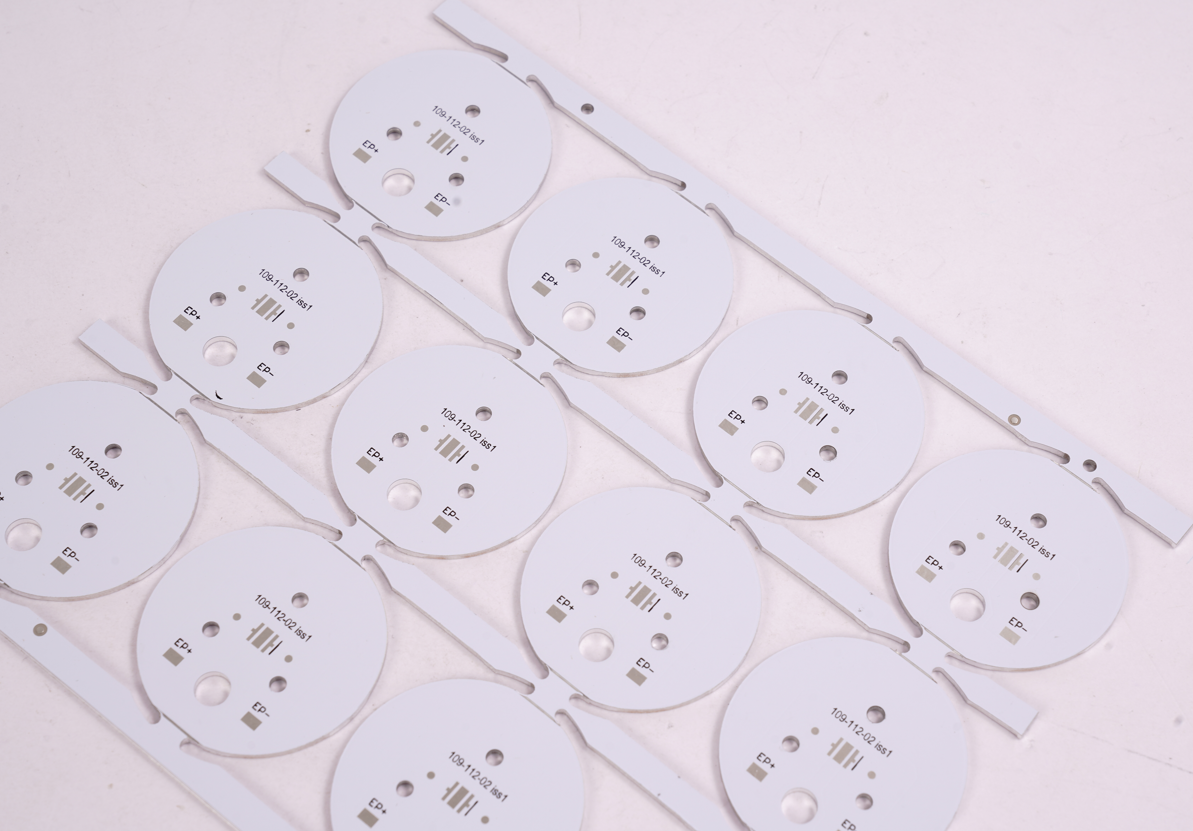
                              What Is DIY LED PCB?

                              A DIY LED PCB is a custom-built printed circuit board created by individuals to support and power light-emitting diodes (LEDs) for personalized projects. DIY LED PCB boards are typically designed and assembled by hobbyists or electronics enthusiasts using materials like copper-clad laminate or aluminum substrates, which help manage heat from prolonged LED operation. The process starts with designing a circuit layout using software tools such as KiCad, focusing on trace routing, component placement, and electrical requirements for LEDs. Once the design is finalized, creators transfer it onto a board through methods like toner transfer or chemical etching, followed by soldering components such as surface-mount LEDs or resistors. Common applications include LED ring lights for photography, decorative home lighting, or small-scale electronics like digital clocks. Challenges often involve balancing heat dissipation for high-power LEDs, ensuring stable current flow with correct resistor values, and maintaining soldering precision to avoid short circuits. Unlike premanufactured PCBs, DIY LED PCB version prioritize flexibility in shape, size, and functionality, allowing users to adapt designs for niche purposes like automotive lighting or wearable tech.

                              What Is DIY LED PCB?

                              What Tools And Materials Are Required For DIY LED PCBs?

                              Here’s a guideline of tools and materials for DIY LED PCB:

                              • Soldering Iron and Solder: A temperature-controlled soldering iron ensures precise connections without damaging components. Pair it with lead-free solder for environmental and safety reasons.
                              • Basic Hand Tools: Needle-nose pliers and wire strippers help manipulate wires and components, while flush cutters trim excess leads neatly.
                              • Multimeter: This device verifies voltage, continuity, and resistance, acting as your diagnostic tool to troubleshoot faulty connections or short circuits.
                              • PCB Prototyping Board: Choose a pre-drilled board with copper traces to simplify component placement. Fiberglass boards are durable, while phenolic options are budget-friendly.
                              • LED Components: Choose surface-mount device (SMD) LEDs for compact designs or through-hole variants for easier soldering. Match their voltage and current ratings to your power supply.
                              • Resistors and Capacitors: Resistors protect LEDs from current spikes; calculate their values using Ohm’s Law. Capacitors stabilize voltage fluctuations, especially in driver circuits.
                              • Power Supply: A DC adapter or battery pack should align with your LEDs’ combined voltage and wattage. Include a voltage regulator if working with unstable power sources.
                              • Thermal Management Materials: Apply thermal paste or pads under heat-sensitive components to prevent overheating. For high-power LEDs, add aluminum heat sinks.
                              • Connectors and Wires: Use jumper wires or solderable headers for inter-board connections. Stranded wires offer flexibility, while solid-core wires suit permanent setups.
                              • Safety Gear: Wear eye protection and work in a well-ventilated area. A fume extractor or fan minimizes inhalation of soldering fumes.
                              • Design Software (Optional): Tools like Eagle or KiCad help plan layouts before soldering, though freehand placement works for simple projects.
                              What Tools And Materials Are Required For DIY LED PCBs?

                              How to Choose the Right Substrate For DIY LED PCB Projects?

                              Below is how to choose the right substrate for DIY LED PCB projects:

                              PCB Material Selection:

                              • Choose FR4 glass-reinforced epoxy laminate for its thermal stability and cost efficiency. For high-power LEDs, opt for aluminum-core PCBs to enhance heat dissipation.

                              LED Placement Strategy:

                              • Arrange LEDs in linear or radial patterns based on application (e.g., ring lights, panels). Maintain uniform spacing to prevent light intensity variations during transitions.
                              • Group LEDs with similar color profiles together to simplify current regulation and reduce electromagnetic interference (EMI).

                              Power Distribution Design:

                              • Use dedicated traces for each LED color channel (R, G, B) to minimize voltage drops. Ensure trace widths of at least 0.5mm for 1A currents.
                              • Incorporate decoupling capacitors (100nF ceramic) near LED drivers to filter power supply noise.

                              Signal Integrity Measures:

                              • Route data lines (e.g., for WS2812B strips) away from high-current paths. Maintain 90° angles for trace bends to reduce reflections.
                              • Implement series resistors (22–47Ω) on data lines to match impedance and prevent signal overshoot.

                              Thermal Management:

                              • Add thermal vias under LED pads to conduct heat to inner layers. For SMD LEDs, use solder paste stencils to ensure consistent thermal contact.
                              • Include mounting holes for heat sinks or fans if operating above 70% of LEDs’ maximum rated current.

                              Microcontroller Placement:

                              • Position the controller close to LED drivers to shorten data lines. Use a star topology for multi-channel designs to avoid ground loops.
                              • Add a 10ÎŒF electrolytic capacitor across the microcontroller’s power pins to stabilize voltage during PWM bursts.

                              Testing and Debugging Features:

                              • Include test points for voltage measurements at critical nodes (e.g., LED cathode, driver VCC).
                              • Add a 5-pin programming header with VCC, GND, TX/RX, and RESET signals for firmware updates without desoldering.

                              Layer Stack Considerations:

                              • For 4-layer boards, allocate Layer 1 for components and signals, Layer 2 for ground, Layer 3 for power, and Layer 4 for auxiliary signals.
                              • In 2-layer designs, use a solid ground plane and route high-speed signals on the top layer only.

                              Mechanical Integration:

                              • Design mounting holes with 0.1mm oversize tolerance to accommodate M2/M3 screws. Add fiducial markers (0.5mm copper pads) for precise assembly alignment.
                              • Include edge connectors or screw terminals for external power/data inputs.

                              Prototyping Iterations:

                              • Start with a perfboard prototype to validate component placement and current requirements. Use a USB power meter to monitor real-time consumption.
                              • For the first PCB revision, include optional 0Ω resistors to disconnect sections for isolated testing.
                              How to Choose the Right Substrate For DIY LED PCB Projects?

                              How to DIY A LED Ring Light PCB Board?

                              This is how to DIY a LED ring light PCB board:

                              1.Sketch the Circuit Layout

                              • LED Wiring: Group LEDs into parallel strings (3–6 LEDs per string) to balance current load. Calculate resistors using the formula: resistance equals input voltage minus LED forward voltage, divided by target current. For example, for white LEDs with a three-volt forward voltage and a twenty-milliamp target current, subtract three volts from your input voltage and divide by zero point zero two amps to determine the resistor value.
                              • Power Path: Add a 1000-microfarad electrolytic capacitor near the power input to smooth voltage spikes. Include a 0.1-microfarad ceramic capacitor by the driver IC to filter high-frequency noise.

                              2.Design the PCB Traces

                              • Route data lines (e.g., for addressable LEDs) away from high-current paths. Use 0.5mm trace widths for signals and 1mm widths for power rails.
                              • Insert series resistors (22–47 ohms) on data lines to match impedance and reduce signal reflections.

                              3.Incorporate Thermal Relief Features

                              • For FR4 boards, add thermal vias (0.3mm diameter, 1mm spacing) under LED pads to conduct heat to inner layers.
                              • For MCPCB designs, ensure the metal core is exposed on the bottom side for direct contact with heat sinks or metal enclosures.

                              4.Add Connectors and Controls

                              • Include a 2.1mm barrel jack for external power and a 5.5mm x 2.1mm DC socket for battery packs. Add a reverse-polarity diode (1N4007) to protect against wiring errors.
                              • Optional: Integrate a rotary encoder with an LED indicator for dimming control. Use an ATtiny85 microcontroller to generate PWM signals.

                              5.Fabricate the PCB

                              • Order a prototype from a manufacturer like JLCPCB, specifying ENIG finish for solderability. Review Gerber files to ensure traces align with your design.
                              • For DIY fabrication, use the toner transfer method with glossy photo paper. Etch the board using ferric chloride, then drill holes with a 0.8mm carbide bit.

                              6.Solder Components

                              • Apply flux to the PCB before soldering to prevent cold joints. Use a hotplate or reflow oven for SMD LEDs to ensure uniform heating.
                              • Mount the driver IC with thermal paste. Secure heavy components (e.g., electrolytic capacitors) with glue dots to resist vibration.

                              7.Test and Calibrate

                              • Measure actual current draw with a USB power meter. Adjust resistors if brightness varies between strings.
                              • Check light uniformity by photographing the ring through a white diffuser. Identify dark spots using a 1/1000s shutter speed.

                              8.Assemble the Final Unit

                              • Attach the PCB to a camera mount using M3 screws and nylon spacers. Add a frosted acrylic diffuser to soften light output.
                              • Stress-test the board for 2 hours at max brightness. Monitor temperatures with an IR thermometer (aim for <70°C).

                              9.Iterate and Optimize

                              • Document thermal performance and power efficiency. Use this data to refine future designs, such as adjusting LED spacing or switching to a hybrid FR4-MCPCB layout.
                              • Experiment with diffuser materials (e.g., opal acrylic vs. sandblasted glass) to achieve desired light quality.
                              How to DIY A LED Ring Light PCB Board?

                              How to Choose A DIY LED Ring Light PCB Board Manufacturer?

                              Below are tips about how to choose a DIY LED ring light PCB board manufacturer:

                              Assess Technical Expertise for Custom Designs‌

                              • Verify the manufacturer’s ability to handle precision requirements specific to LED ring lights, such as circular board layouts, fine-pitch soldering for addressable LEDs, and impedance-controlled traces for PWM dimming. Manufacturers with experience in high-density interconnects (HDI) or flexible PCBs are better equipped to manage complex annular designs.

                              Confirm Rapid Prototyping and Production Cycles‌

                              • Prioritize manufacturers offering 24–72-hour turnaround for prototypes and 5–10-day lead times for small batches (10–50 units). Look for facilities with automated assembly lines and real-time order tracking systems to ensure deadlines are met without compromising quality.

                              Evaluate Flexibility in Small-Batch Orders‌

                              • Choose manufacturers specializing in low-minimum-order-quantity (MOQ) production, ideally supporting batches as small as 5–10 boards. This allows iterative testing and design adjustments while minimizing upfront costs. Inquire about mixed-panelization options to reduce waste for multi-design projects.

                              Review Customization Capabilities‌
                              Ensure the manufacturer supports tailored solutions like:

                              • Custom solder mask colors (e.g., black for reduced light reflection)
                              • Specialty substrates (aluminum-core PCBs for thermal management)
                              • Unique finishes (ENIG for solderability, immersion silver for cost efficiency)

                              Validate Quality Control Processes‌

                              • Choose manufacturers with ISO 9001 certification and advanced inspection tools like automated optical inspection (AOI) and X-ray testing. These systems detect soldering defects, trace discontinuities, and alignment errors critical for uniform LED illumination.

                              Analyze Thermal Management Support‌

                              • For high-power ring lights, confirm the manufacturer can integrate thermal vias, copper pours, or metal-core boards to dissipate heat effectively. This prevents LED degradation and ensures stable color output during prolonged use.

                              Check Responsiveness to Design Feedback‌

                              • Partner with manufacturers offering Design for Manufacturability (DFM) feedback within 24 hours. This service identifies issues like insufficient trace spacing or improper pad sizing early, reducing revision cycles and speeding up production.

                              Compare Cost Structures for Budget Efficiency‌

                              • Request itemized quotes highlighting setup fees, material costs, and testing charges. For small batches, prioritize factories with tiered pricing models that scale affordably with order size rather than fixed per-board rates.

                              How to Reduce Production Cost of DIY LED Ring Light PCB Board?

                              Here are methods about how to reduce production cost of DIY LED ring light PCB board:

                              Material Selection

                              • Choose FR4 substrates over MCPCBs unless thermal demands exceed 1W per LED. Choose 1.0mm thickness instead of 1.6mm to reduce material costs. Use OSP (Organic Solderability Preservatives) surface finish instead of ENIG for non-critical prototype.

                              Design Simplification

                              • Reduce LED count by 10–20% through optical simulations (e.g., using DIALux). Replace addressable LEDs (e.g., WS2812B) with parallel strings of static-color LEDs where dynamic effects aren’t required. Simplify traces to 0.3mm width and 0.2mm spacing for cost-effective etching.

                              Panel Utilization

                              • Maximize PCB panel space by arranging multiple ring light designs into a single panel. Use v-scoring to separate finished boards, reducing per-unit costs by 15–30%. Confirm with manufacturers if they offer free panelization services for small orders.

                              Component Standardization

                              • Use generic 5630/5730 LEDs instead of specialized high-CRI variants for testing phases. Replace precision 0.1% resistors with 1% tolerance types if ±5% brightness variation is acceptable. Source capacitors and diodes from bulk suppliers (e.g., LCSC) to leverage volume discounts.

                              Manufacturing Partnerships

                              • Collaborate with manufacturers offering pooled orders, where multiple DIY projects share a production panel. Negotiate price breaks for 50+ unit batches even if your immediate needs are smaller—store excess inventory for future iterations.

                              Process Optimization

                              • Avoid plated slots and irregular shapes that require CNC routing. Use 0.8mm drill holes instead of 0.5mm to reduce tooling wear. Choose silkscreen-only labeling instead of gold fingerprints for non-connector edges.

                              Quality Trade-offs

                              • Accept 75”m copper thickness instead of 105”m for low-current designs. Use white solder mask instead of black (which adds 10–15% cost) while testing light diffusion effects. Skip impedance control testing for non-critical data lines.

                              Logistics Strategy

                              • Combine PCB orders with component shipments to save on freight. Use sea freight for non-urgent bulk orders (4–6 week lead time) instead of air express. Store components in anti-static bags to prevent damage during transit.

                              Design for Manufacturing (DFM)

                              • Run DFM checks before submitting files—ensure 0.3mm annular rings, 5mil trace/space, and 0.5mm minimum hole-to-copper clearance. Fixing errors pre-production avoids 50–200 rework fees per batch.

                              Open-Source Collaboration

                              • Join DIY electronics communities to share panel space with other makers. Adopt shared designs for non-proprietary features (e.g., power connectors) to split engineering costs.

                              Can Manufacturers Do Small Quantity Custom DIY LED PCB Board?

                              Yes, manufacturers can indeed produce small quantity custom DIY LED PCB board. This capability is driven by the growing demand for niche electronics projects, advancements in automated PCB fabrication, and the flexibility of modern production lines. Below is a detailed explanation of how to navigate this process efficiently:

                              Market Demand and Technological Adaptation

                              • The rise of DIY electronics and rapid prototyping has pushed manufacturers to accommodate small-batch orders. Modern PCB factories use automated equipment that reduces setup times and costs, making 5–50 unit runs economically viable. For example, some vendors now offer “prototype panels” where multiple small designs are grouped into a single production batch, sharing costs without compromising confidentiality.

                              Minimizing Order Quantities

                              • Seek manufacturers with minimum order quantities (MOQs) as low as 5pcs. This is ideal for testing designs before full-scale production. Ask if they waive engineering or setup fees for small orders, as some factories absorb these costs to attract long-term clients.

                              Accelerating Production Timelines

                              • Prioritize vendors offering 24–72 hours turnaround for 2-layer boards. Pair this with expedited shipping (e.g., DHL Express) to receive prototypes in 3–5 days. Rapid delivery is critical for iterative design cycles, allowing you to test, refine, and reorder quickly.

                              Customization Without Compromise
                              Ensure the manufacturer supports:

                              • Material Options: FR4, aluminum-core, or flexible substrates (0.6–1.6mm thick).
                              • Layer Counts: 1–4 layers to balance complexity and cost.
                              • Surface Finishes: HASL (cost-effective), ENIG (solderable), or immersion silver (premium).
                              • Advanced Features: Via-in-pad for dense LED arrays, gold fingers for connectors, or impedance control for high-speed signals.

                              Cost-Saving Strategies

                              • Panel Utilization: Use free panelization services to fit multiple designs on one panel, reducing per-unit costs by 20–40%.
                              • Design Simplification: Opt for 0.3mm traces and 0.8mm drill holes to lower etching and drilling expenses.
                              • Component Sharing: Collaborate with other makers to split panel costs or share non-critical components (e.g., resistors, capacitors).

                              Quality Assurance Measures
                              Request details on their inspection protocols:

                              • Automated Optical Inspection (AOI): Detects solder mask defects and trace issues.
                              • Electrical Testing: Ensures LED power/data lines are continuous.
                              • Impedance Testing: For boards using addressable LEDs (e.g., WS2812B).

                              Design for Manufacturability (DFM)

                              • Upload Gerber files for a free DFM check before production. Vendors often flag issues like insufficient annular rings or incorrect solder mask colors at no cost, preventing costly reworks.

                              Logistics and Sourcing Synergy

                              • Order PCBs and components together to save on freight. Some manufacturers partner with distributors to offer consolidated shipping, reducing customs fees and delivery times.

                              Community-Driven Collaboration

                              • Join DIY electronics forums to find makers willing to co-order panels. Splitting a 100-unit panel among 10 projects slashes individual costs while preserving customization.

                              Responsive Support Networks

                              • Choose vendors with engineers who answer technical queries (e.g., “Can you route 0.2mm traces for 0603 LEDs?”) within 4–8 business hours. This accelerates troubleshooting during assembly.

                              How to Solder SMD LEDs on DIY PCB Boards Without Specialized Tools?‌

                              Soldering SMD LEDs on DIY PCB boards without specialized tools is achievable with careful preparation and technique. Below are practical steps to ensure reliable connections while minimizing damage to components:

                              1. Gather Basic Supplies
                              Start with readily available tools:

                              • Fine-Tip Soldering Iron (15–30W): Avoid high-power irons to prevent overheating.
                              • Lead-Free Solder (0.5–0.8mm diameter): Thinner solder flows better on small pads.
                              • Tweezers (ESD-safe if possible): For holding LEDs during placement.
                              • Isopropyl Alcohol (90%+): Cleans flux residues post-soldering.
                              • Magnifying Glass (or smartphone macro lens): For inspecting joints.

                              2. Prepare the PCB and LEDs

                              • Clean Pads: Wipe PCB pads with alcohol to remove oxidation or dust.
                              • Apply Flux: Use a flux pen or liquid flux to improve solder wetting.
                              • Align Components: Place LEDs using tweezers, aligning the polarity marker (usually a dot or line) with the PCB silkscreen.

                              3. Tack One Pad First

                              • Solder One Pad: Apply a small solder blob to one pad using the iron.
                              • Position LED: Press the LED into the molten solder, ensuring alignment. Allow to cool briefly.
                              • Reheat and Adjust: If misaligned, reheat the pad and nudge the LED gently with tweezers.

                              4. Solder the Second Pad

                              • Feed Solder Carefully: Touch the solder wire to the joint (not the iron tip) while heating the pad. Use just enough solder to cover the pad without creating bridges.
                              • Avoid Overheating: Limit iron contact to 2–3 seconds per joint to prevent LED damage.

                              5. Reflow for Better Joints

                              • Drag Soldering: For dense LED arrays, drag the iron tip across both pads while feeding solder. This ensures even coverage but requires practice.
                              • Use Solder Wick: If bridges form, clean the tip, place wick over the bridge, and heat until solder flows into the wick.

                              6. Inspect and Clean

                              • Check Joints: Joints should be shiny and fillet the pad without protruding beyond the LED edges.
                              • Remove Flux: Wipe with alcohol-soaked cotton swabs to prevent corrosion.

                              7. Alternative Methods for Beginners

                              • Toothpick Method: Dip a wooden toothpick in flux, apply to pads, then touch solder to the toothpick to transfer flux-coated solder.
                              • Low-Temp Solder Paste: Apply with a toothpick, then heat with a hotplate or iron.

                              8. Prevent Common Issues

                              • LED Lifting: Secure components with tape before soldering if tweezers slip.
                              • Cold Joints: Ensure solder flows smoothly—dull joints indicate poor wetting.
                              • Thermal Stress: Preheat the PCB with a hairdryer (low setting) to reduce temperature shock.

                              9. Practice on Scrap Boards

                              • Test Joints: Solder salvaged LEDs on spare PCB material to refine technique.
                              • Adjust Iron Tip: File the tip to a chisel shape for better heat transfer.

                              10. Post-Soldering Checks

                              • Continuity Test: Use a multimeter to verify no shorts between pads.
                              • Visual Inspection: Confirm LED polarity under magnification before powering on.

                              Conclusion

                              In summary, that’s all about DIY LED PCB’s tools, substrates, ring light design, manufacturer selection, cost-saving strategies, small-batch production, and SMD soldering techniques without special equipment. If you have any issues about DIY LED PCB, welcome to leave a message below this blog.