PCB manufacturing PCB manufacturing
Home > Blog

What are PCB Designs Called?

November 29th, 2024

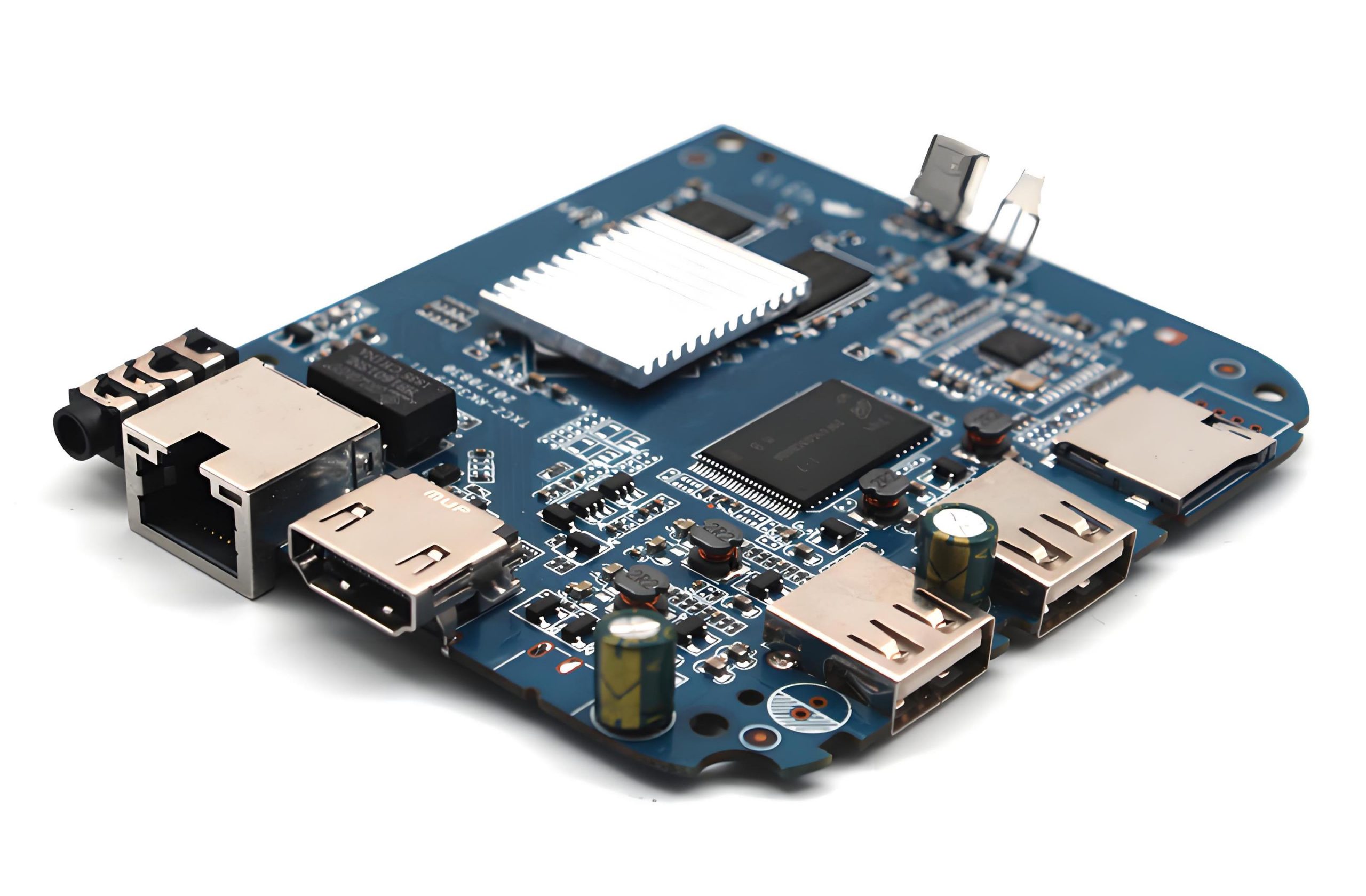
If you’re working with electronics, you’ve probably heard of Printed Circuit Boards (PCBs). They’re at the heart of almost every electronic device we use today. But have you ever wondered what are PCB designs called? Are they just called PCB designs, or is there more to it? Well, it turns out there are quite a few terms for PCB designs, and each one refers to a specific aspect of the design process. Let’s take a closer look at these terms, how they’re used, and what makes each one unique.

What are PCB Designs Called?

What Are PCB Designs Called?

PCB designs are often referred to by different names depending on the context or the stage of the design process. Let’s explore the most common terms:

1. PCB Layout

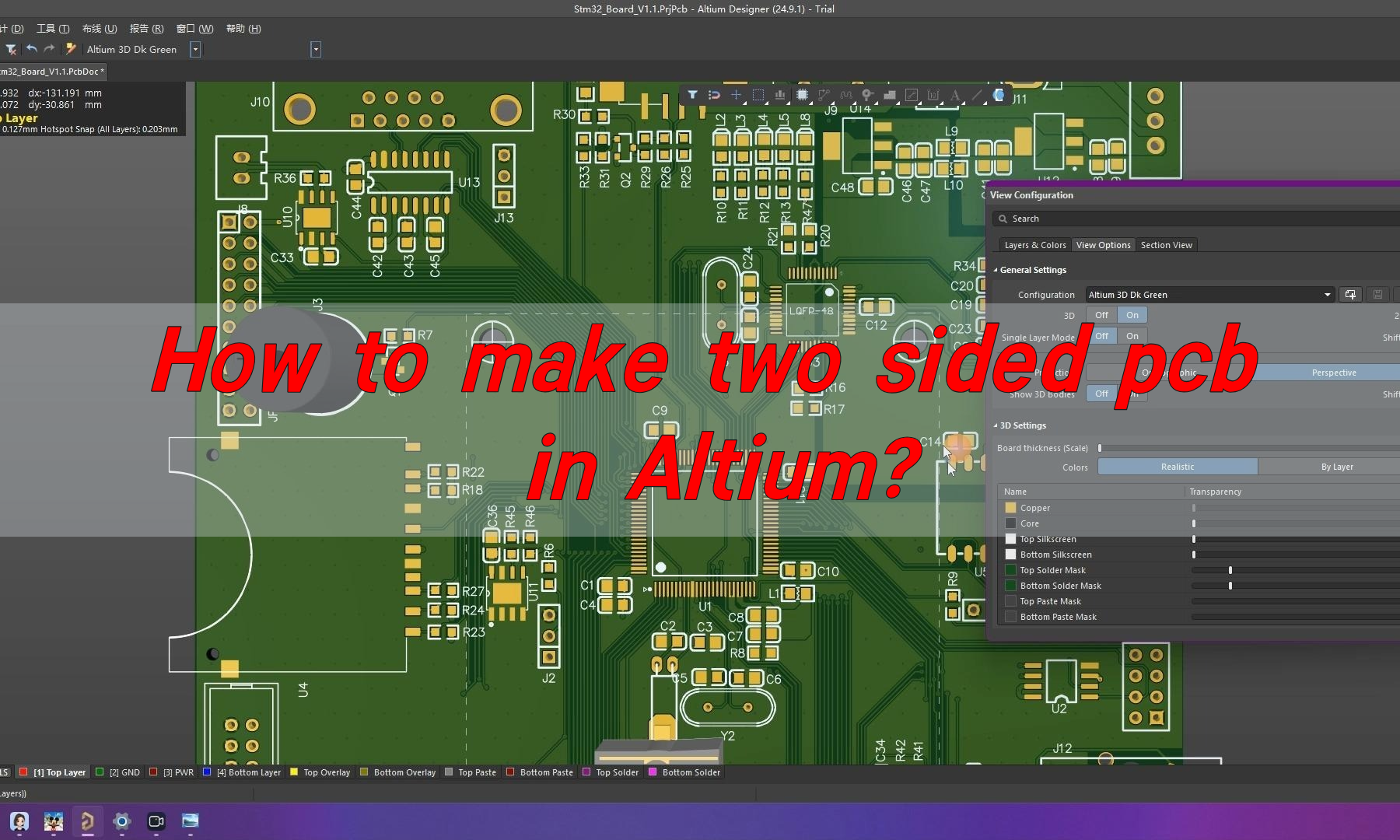
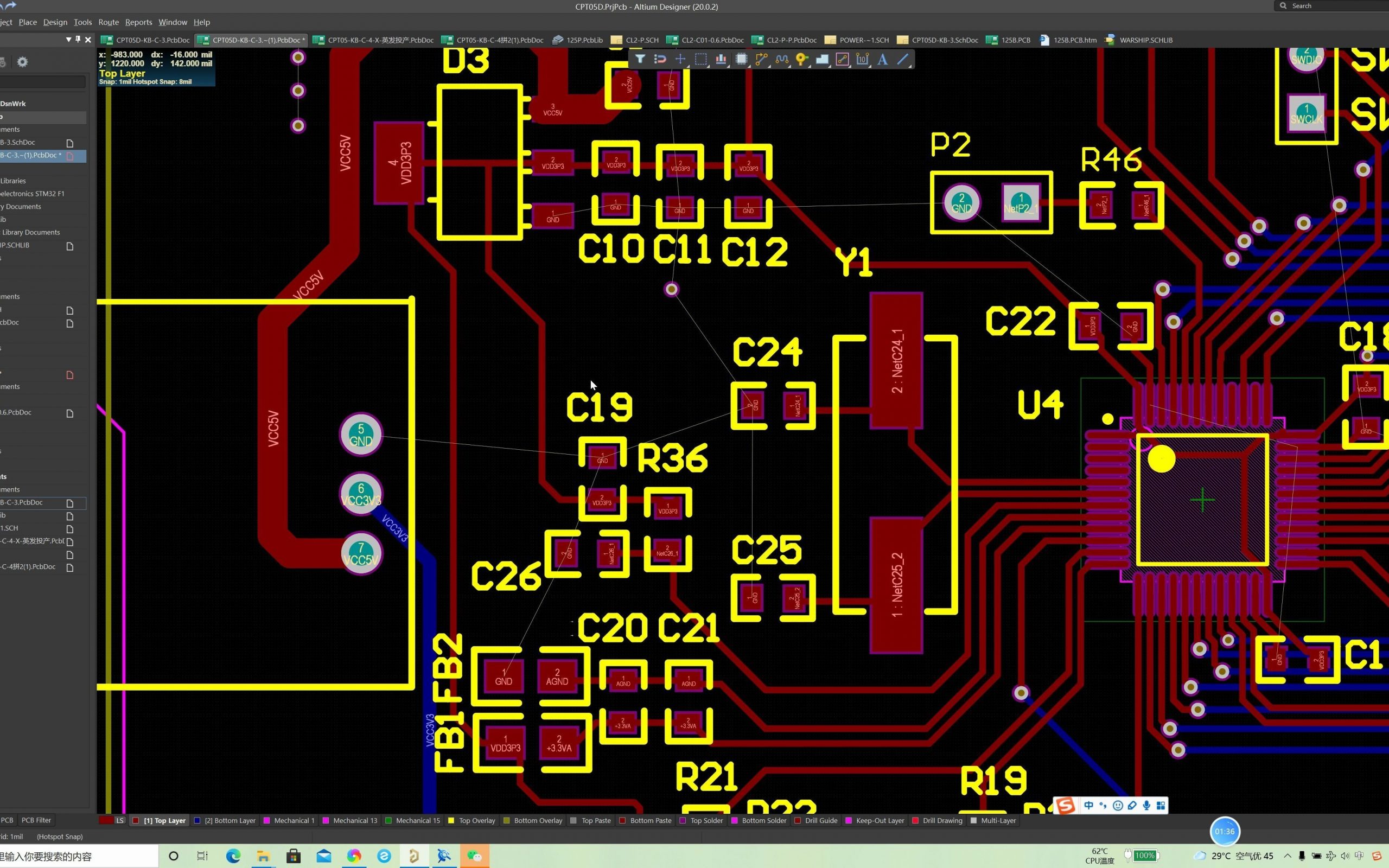
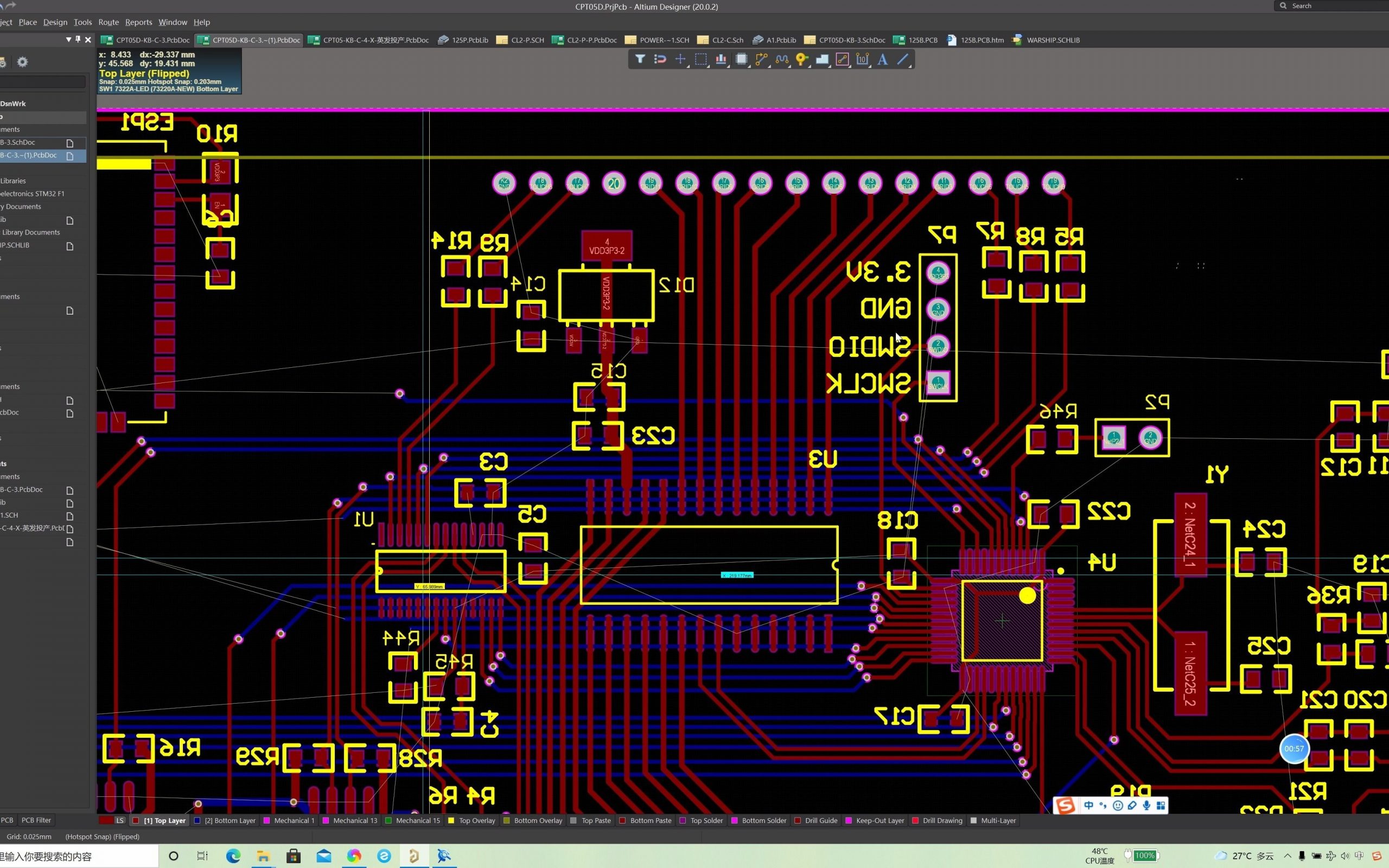
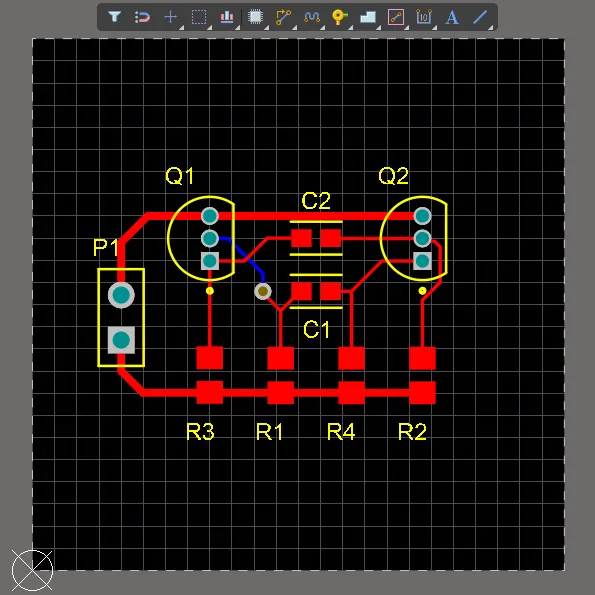
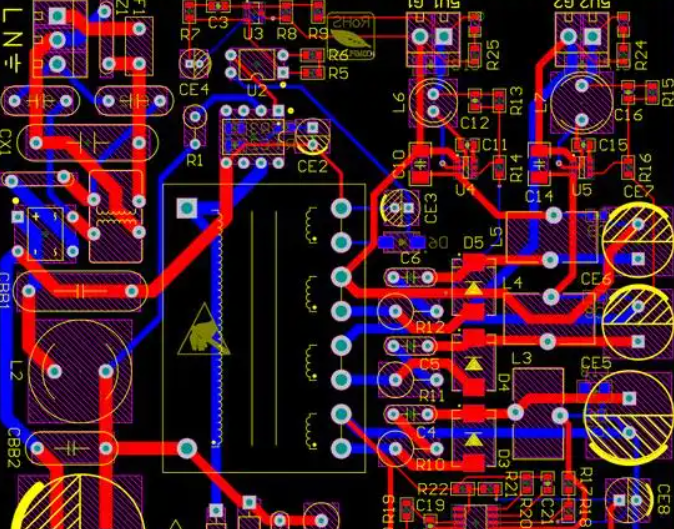
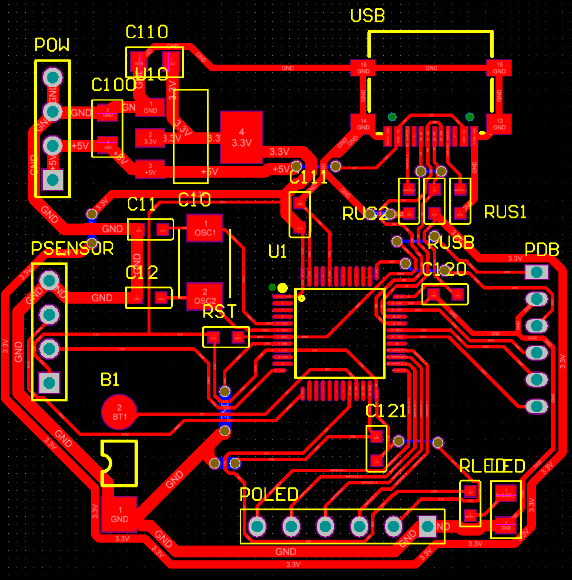
This is probably the most frequently used term. When someone mentions a PCB layout, they’re talking about the physical arrangement of components and the routing of electrical connections (also called traces) on the board.

Think of it like designing the floor plan of a house. The layout ensures that everything fits within the available space and that all the rooms (or in this case, components) are connected in the right way.

What are PCB Designs Called?

2. Circuit Board Design

Sometimes, you’ll hear people refer to the process as circuit board design. This term emphasizes the broader design aspect, from planning the circuit to placing components and routing connections. It’s a more general term that covers everything from the initial schematic to the final layout.

3. PCB Schematic

While the schematic is technically just one part of the design process, some people refer to the entire design as the schematic. This is more common among those who focus on the circuit’s logic rather than its physical structure.

4. Gerber Files

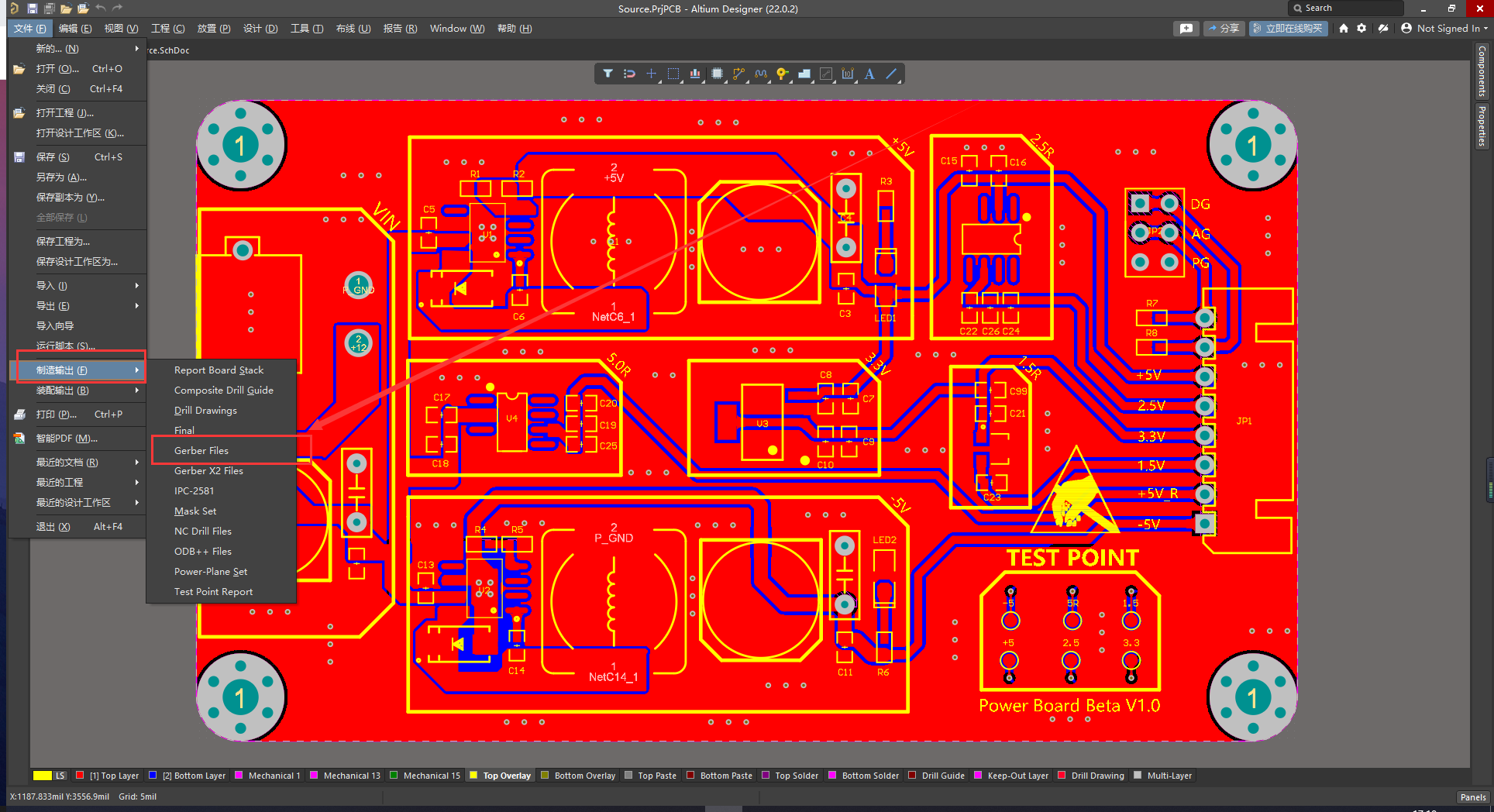
Once the design is complete, it’s converted into a set of files called Gerber files. These files contain all the information needed to manufacture the PCB. Sometimes, people use the term Gerber files to refer to the finished design, even though it’s technically just the output.

5. EDA (Electronic Design Automation) File

In professional environments, PCB designs are often called EDA files. These are the files created by design software like Altium Designer, KiCad, or Eagle. They contain all the details of the design, including the schematic, layout, and design rules.

What Is the Difference Between a PCB Design and a Schematic Design?

Many people use the terms PCB design and schematic design interchangeably, but they serve different purposes in the design process.

Schematic Design

  • Represents the electrical connections between components.
  • Focuses on the logic and functionality of the circuit.
  • Uses symbols to represent components like resistors, capacitors, and transistors.
  • Helps engineers understand how the circuit works.

PCB Design

  • Translates the schematic into a physical layout.
  • Focuses on the placement of components and routing of traces.
  • Considers factors like board size, layer count, and thermal performance.
  • Ensures the circuit can be manufactured and assembled.

In summary, the schematic shows what the circuit does, while the PCB design shows how it does it physically.

PCB Schematics Elements

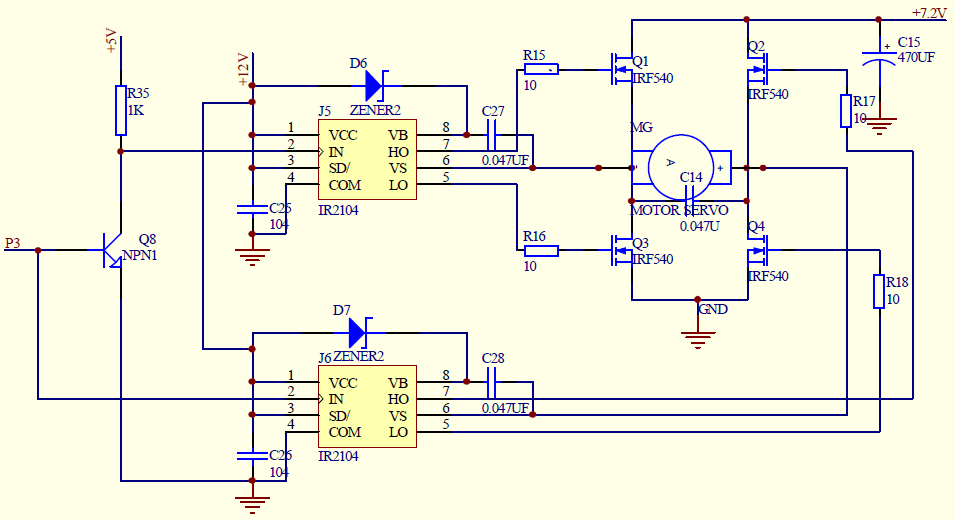
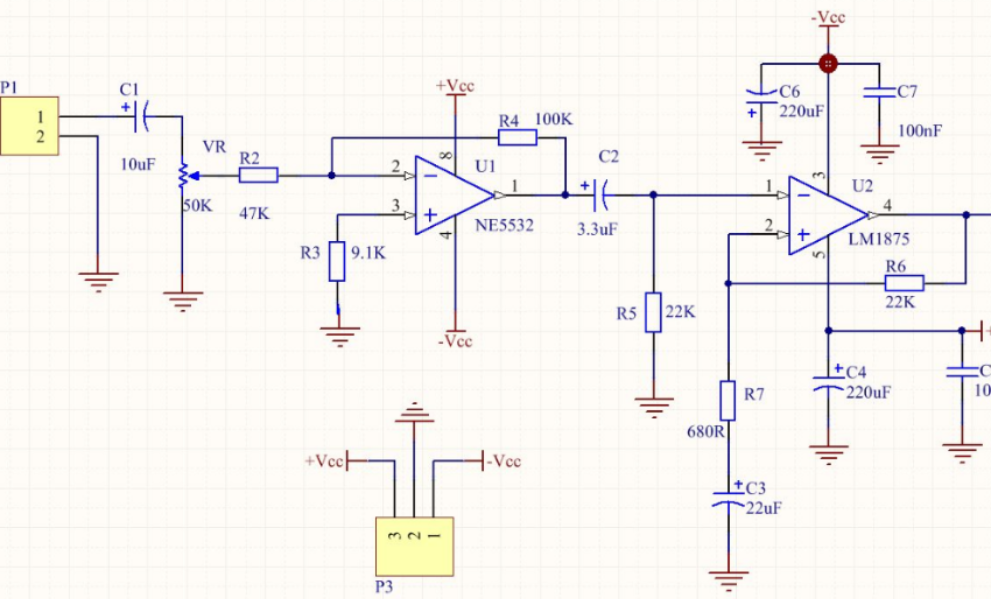
A schematic is the starting point for any PCB design. It provides a clear visual representation of the circuit’s functionality. Here are the key elements of a schematic:

What are PCB Designs Called?

1. Component Symbols

Each component in the circuit is represented by a symbol. For example, a resistor is usually shown as a zigzag line, while a capacitor is two parallel lines.

2. Nets (Connections)

Lines connecting the symbols represent electrical connections, known as nets. These nets define how components interact with each other.

3. Reference Designators

Lines connecting the symbols represent electrical connections, known as nets. These nets define how components interact with each other.

4. Values and Ratings

The schematic also shows the values and ratings of components, such as the resistance of a resistor or the capacitance of a capacitor.

5. Power and Ground Symbols

Every circuit needs power and ground connections. These are represented by standard symbols, ensuring the circuit has a common reference point for voltage.

Common Terms in PCB Design

1. Silkscreen Layer

The silkscreen layer contains text, logos, and symbols printed on the surface of the PCB to help identify components and guide assembly. It can also include part numbers, component values, and polarity markings.

2. Via

A via is a hole in the PCB that allows electrical connections between different layers. Vias are often used in multi-layer PCBs to route signals between the top and bottom layers or inner layers.

3. Copper Pour

A copper pour is a large, solid region of copper that is poured over areas like ground or power planes. It helps reduce noise, increase current-carrying capacity, and improve thermal dissipation.

4. Trace Width

Trace width refers to the thickness of the copper traces used to connect components. The width of a trace must be designed to carry the required amount of current without overheating.

5. Drill Hole

A drill hole is a hole that is made in the PCB to accommodate components with leads or for vias. The size and placement of drill holes are critical to the assembly process.

6. Solder Mask

The solder mask is a protective layer applied over the PCB to prevent solder from bridging between pads. It also helps prevent oxidation of the copper traces and improves the board’s overall durability.

7. Pad

Pads are small copper areas on the PCB where components are mounted or soldered. Pads can be through-hole or surface-mount, depending on the type of component.

8. Bill of Materials (BOM)

The BOM is a comprehensive list of all the components required for the assembly of a PCB. It includes details like part numbers, quantities, and specifications for each component.

9. Impedance Control

Impedance control is the process of ensuring that the impedance of the PCB traces matches the requirements of the signals that will travel through them. This is important for high-speed and RF circuits.

10. Stack-up

Stack-up refers to the arrangement of layers in a multi-layer PCB. It defines how the copper, dielectric, and other materials are stacked to create the board.

11. Daisy-Chaining

Daisy-chaining is a method of connecting multiple components or pins in a series, often used in signal or power distribution systems within the PCB design.

12. Overcurrent Protection

Overcurrent protection refers to circuits designed to prevent excessive current from flowing through the PCB traces, often by using fuses or resistors that limit the current flow.

13. Design for Manufacturability (DFM)

DFM refers to designing the PCB in a way that makes it easier and more cost-effective to manufacture. This includes factors like trace width, pad size, and component placement.

14. Routing

Routing is the process of designing the electrical paths that connect the components on a PCB. Proper routing ensures that signals are carried efficiently with minimal interference.

15. Thermal Via

Thermal vias are specially designed vias used to transfer heat away from high-heat components to other parts of the PCB or a heat sink.

16. Electromagnetic Interference (EMI) Shielding

EMI shielding involves using design techniques, such as grounding and the use of shielding components, to protect sensitive parts of the PCB from electromagnetic interference.

17. Differential Pair

A differential pair is a set of two traces that carry complementary signals, often used in high-speed designs like USB or Ethernet to minimize noise and improve signal integrity.

18. Power Distribution Network (PDN)

The PDN refers to the system of traces and planes that deliver power to various components on the PCB. Proper PDN design is crucial to ensure reliable power delivery and minimize voltage drops.

19. Electrical Rule Check (ERC)

ERC is a process that checks the schematic design for electrical issues like unconnected nets, incorrect component connections, or incorrect power supply connections.

20. Multi-layer PCB

A multi-layer PCB contains more than two layers of conductive material and is used for more complex designs that require high-density circuits, especially in smaller devices.

21. Surface-Mount Technology (SMT)

SMT is a method for mounting components directly onto the surface of the PCB, rather than inserting them through holes. This allows for smaller, more compact designs.

22. Through-Hole Technology

Through-hole technology involves inserting component leads through holes in the PCB and soldering them on the opposite side. It’s commonly used for components that require strong mechanical bonds.

23. Hot Air Soldering

A method of soldering components onto the PCB using hot air, often used in reflow soldering processes for surface-mount components.

24. Trace Routing

Trace routing is the process of laying out the paths that the electrical signals will take through the PCB. Good trace routing ensures efficient and reliable signal transmission.

25. Tenting

Tenting refers to the process of covering the vias with a layer of solder mask, leaving the pad open. It helps prevent solder from flowing into vias during soldering.

PCB Design vs. PCB Layout

Although often used interchangeably, PCB design and PCB layout have different meanings:

PCB Design: Refers to the entire process, from schematic creation to generating manufacturing files.

PCB Layout: Specifically focuses on the physical arrangement of components and routing of traces on the board.

In simple terms, PCB layout is a part of the overall PCB design process.

PCB Design Process

Designing a PCB is a multi-step process that requires careful planning and attention to detail.

1. Schematic Capture

The process starts with creating a schematic diagram that defines the circuit’s functionality and connections.

2. Component Selection

Next, components are selected based on the circuit requirements. Factors like size, power rating, and cost are considered.

3. PCB Layout

Components are placed on the board, and traces are routed to connect them. This step requires balancing electrical performance with physical constraints.

4. Design Rules Check (DRC)

The layout is checked for errors or violations of design rules to ensure it meets manufacturing standards.

5. Gerber File Generation

Once the design is complete, Gerber files are generated. These files are used by manufacturers to produce the PCB.

6. Fabrication and Assembly

The PCB is fabricated, and components are assembled to create the final product.

FAQs

Q: What software is used for PCB design?

A: Popular software includes Altium Designer, Eagle, KiCad, and OrCAD.

Q: How many layers can a PCB have?

A: PCBs can have anywhere from one to 16 or more layers, depending on complexity.

Q: Why is trace width important?

A: Trace width affects the current-carrying capacity and signal integrity of the circuit.

Q: What is a multilayer PCB?

A: A multilayer PCB has multiple layers of copper separated by insulating material, allowing for more complex designs.

Q: How long does it take to design a PCB?

A: The time varies based on complexity. Simple designs may take a few days, while complex designs can take weeks.

Why Choose Blue Circuit Board? Blue PCB vs Green Circuit Board?

November 28th, 2024

The color of a circuit board might seem like a simple design choice, but it holds significance in the electronics industry. Traditionally, green circuit boards have been the standard in most electronic devices due to their historical and functional advantages. However, blue circuit board is becoming increasingly popular across various sectors, from consumer electronics to custom devices.

Blue PCBs not only provide a pretty appearance but also serve specific functional purposes. Understanding the differences between blue and green PCBs can help you choose the best option for your project.

What Does a Blue Circuit Board Mean?

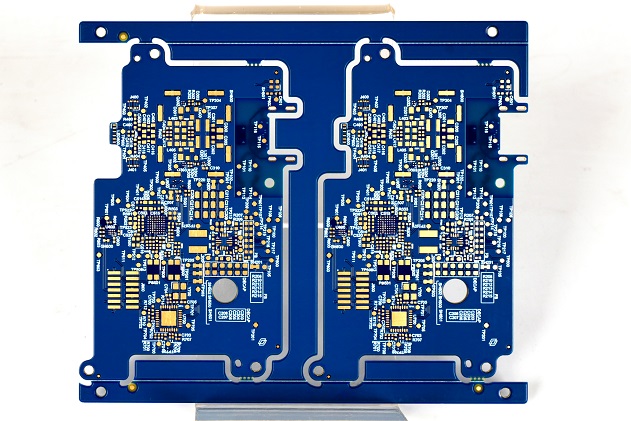
What does a blue circuit board mean? A blue circuit board, or blue PCB, refers to a printed circuit board with a solder mask of blue color. The solder mask is a protective coating applied over the copper traces on the PCB, preventing oxidation, short circuits, and solder bridges. While the color itself does not affect the board’s electrical properties, it influences other aspects such as visibility, inspection, and aesthetics.

Blue PCBs are often associated with high-end electronics, prototypes, and custom designs. Their distinct color can make a product stand out, particularly in markets where branding and visual appeal are crucial.

Types of Blue PCB

Blue PCBs are available in various shades and finishes, each suited for specific applications and design preferences.

1. Dark Blue Circuit Board

Dark blue PCBs are commonly used in professional and high-end electronics. They have a deep color provides excellent contrast with white silkscreen text. So making the component labels and circuit paths easy to read.

2. Light Blue Circuit Board

Light blue PCBs are often used in consumer electronics where a bright, modern appearance is desired. The lighter shade has a clearly visibility during manual assembly and inspection, especially under low lighting conditions.

3. Matte Blue Circuit Board

This is a very advanced color. Matte blue PCBs feature a non-reflective finish that reduces glare and provides a more understated look. This finish is popular in devices where aesthetics and readability are important.

4. Glossy Blue Circuit Board

Glossy blue PCBs have a shiny, reflective surface that enhances their visual appeal. While they look attractive, they may reflect light, make its inspection slightly more challenging under bright lighting.

Why Are Some Circuit Boards Different Colors?

The color of a circuit board comes from the solder mask applied during the manufacturing process. While green is the most common color, other colors such as blue, black, red, and even white are available. The choice of color can be influenced by several factors:

1. Aesthetic Preferences

Different colors are used to align with a product’s design or brand identity. For example, a company that emphasizes innovation might choose blue PCBs or red PCBs to convey a modern and forward-thinking image.

2. Functional Requirements

Certain colors offer better visibility for manual assembly and inspection. For instance, blue and green provide excellent contrast with common silkscreen colors.

3. Product Differentiation

In a competitive market, using a non-standard PCB color like blue can help a product stand out and attract more attention from customers.

4. Historical Factors

Green PCBs became the industry standard due to early manufacturing processes and the availability of green solder mask materials. Over time, this color was adopted as the norm, but advancements in technology have made other colors like blue more accessible.

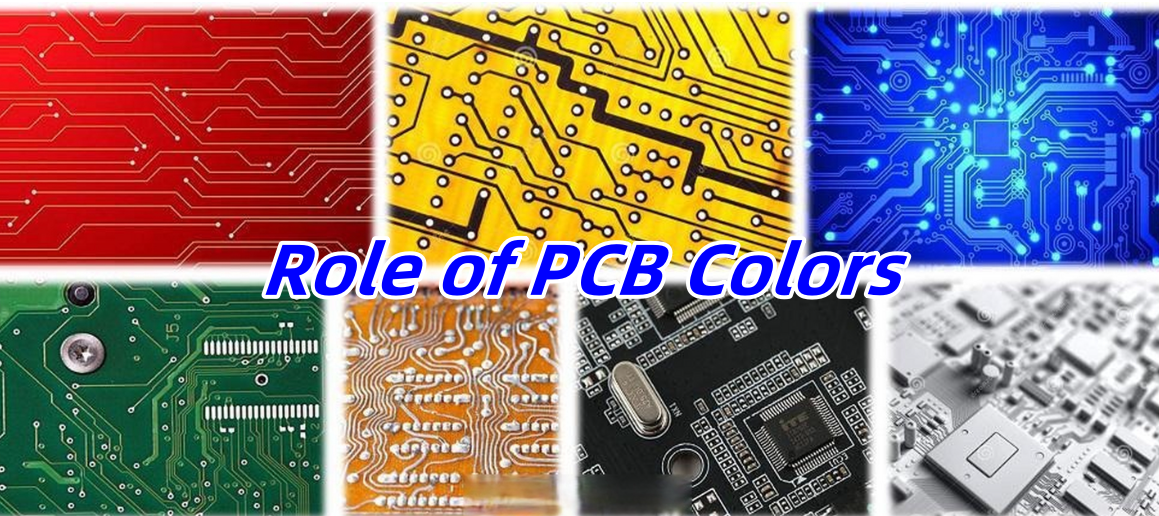
The Role of PCB Colors

1. Green PCB

Green PCB is the most popular color. Therefore, many people have been mistakenly thinking that the PCB is green or most of it is green, green increases the clarity of the PCB, because the green PCB will have a sharp contrast with the white text, thus enhancing readability. In addition, the green PCB surface treatment reflects less light, helping to reduce glare.

2. White PCB

White PCB looks clean in a variety of environments, more and more popular. However, because the white PCB is easy to hide the line, white PCB is still not the first choice. But white PCBS look particularly contrasting in black screen printing.

3. Yellow PCB

In the past, yellow is one of more used colors in PCB solder mask, but now it is not so practical. Yellow PCBs can quickly meet different needs such as style, cleanliness and visibility. Yellow PCBs have one obvious disadvantage: poor contrast with wire and screen printing.

4. Blue PCB

Blue PCB is considered to be a thick plate for labels because it provides significant screen printing contrast. This PCB color is not as eye-catching as green PCB, black PCB, or white PCB, but blue PCB is the preferred PCB color because it provides an excellent aesthetic choice. Blue PCB installed on the LCD is better, because blue PCB does not produce sharp contrast edge and bright background color.

5. Red PCB

Because of the advantages of read PCB, many PCB manufacturers are still keen to adopt red. Red PCBs provide excellent visibility and clearly define contrast for trace, flat and white space. The screen print looks very beautiful against the red PCB.

6. Black PCB

Black PCB is as popular as white PCB. These two PCB colors produce low contrast and make it easy to mark important components. However, the main disadvantage of black and white PCBS is that specific details may focus light and have small shadows. This shadow makes tracking difficult. Therefore, it is not appropriate to use black PCB in various high temperature applications, because black PCB may discolor screen printing. Moreover, the black PCB board is a mixture of cobalt and carbon, and the electrical conductivity may be poor.

Blue vs. Green Circuit Board: Which Is Better?

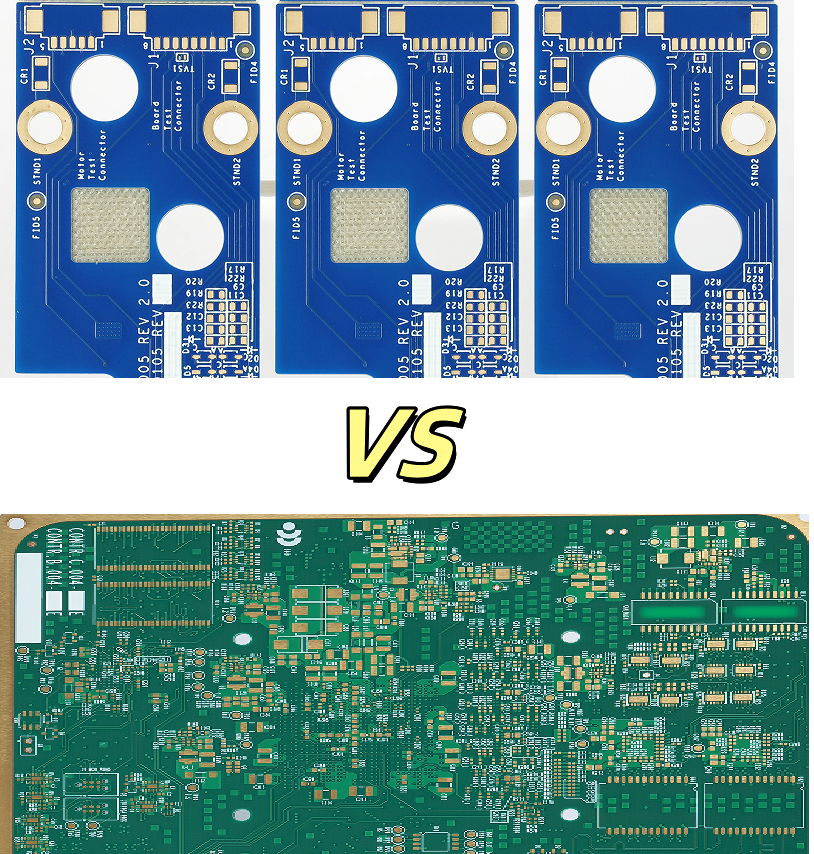
We know, green is a standard solder mask color in the PCB, but blue also offers various advantages, so which one is better? Actually, choosing between a blue and green circuit board depends on the specific needs of your project. Both colors have their advantages and are suited for different applications.

  • Materials

The blue circuit board is also called FR-4 circuit board, and its substrate material is glass fiber reinforced epoxy resin. It is made by impregnating epoxy resin in glass fiber cloth and pressing it. This material can resist high temperature and humidity, so it is widely used in industrial fields.

The green circuit board, also known as the CCL circuit board, is made of fiberglass cloth and copper foil after high temperature and high pressure treatment, and the surface is covered with a welding mask. Its substrate material is the same as the blue circuit board, but the color is different. Green boards are relatively common because of their relatively low cost.

  • Use

Blue circuit boards can resist high temperature and humidity, so they are widely used in industrial equipment and aerospace and other fields. Because of its stable performance and high security, the price is relatively high. However, green circuit board is suitable for small and medium-sized electronic products, such as household appliances, digital products, computer peripherals and so on.

  • Cost

Blue circuit boards are relatively expensive because of their more stable performance. For green PCB, its cost is relatively low, but its safety and resistance to high temperature and humidity are worse than the blue circuit board.

4. Application Scenarios

It can be concluded from the above comparison that if the requirements for the circuit board are relatively high, such as used in industrial machines, it is recommended to choose the blue circuit board; If it is only the production of small and medium-sized electronic products, and the requirements for the circuit board are not so strict, you can choose a green circuit board.

Why Choose Blue Circuit Board?

Blue circuit boards are an excellent choice for projects that require a balance of aesthetics, functionality, and brand differentiation. Here’s why you might choose a blue PCB over a green one:

1. Enhanced Aesthetic Appeal

Blue PCBs offer a modern and visually appealing look that can make your product stand out in a competitive market. This is particularly important in consumer electronics where design plays a significant role in purchasing decisions.

2. Improved Visibility

The blue solder mask provides good contrast with white or yellow silkscreen, making it easier to inspect and debug circuits. This can lead to fewer assembly errors and higher product quality.

3. Brand Differentiation

In a crowded market, using a unique color like blue can help your product gain attention and differentiate itself from competitors that use standard green PCBs.

What Is a Blue Color Board Used For?

Blue circuit boards are commonly used in various applications where aesthetics, visibility, and customization are essential:

  • Consumer Electronics
  • Medical devices
  • Industrial machines
  • Aerospace
  • Security device
  • Custom PCBs
  • Prototypes

FAQs About Blue PCB

1. Does the color of the PCB affect its performance?

No, the color of the PCB does not impact its electrical performance. It primarily affects aesthetics, visibility, and inspection processes.

2. Is a blue PCB more expensive than a green PCB?

Yes, blue PCBs tend to be slightly more expensive due to lower production volumes and higher customization requirements.

3. What applications are best suited for blue circuit boards?

Blue PCBs are ideal for consumer electronics, custom devices, and prototypes where aesthetics and visibility are important.

4. Can I use a blue PCB for industrial applications?

Yes, but green PCBs are typically preferred for industrial applications due to their cost-effectiveness and standardization.

5. How do I choose between dark blue and light blue circuit boards?

Choose dark blue for a professional, sleek appearance and light blue for better visibility and a modern look.

Conclusion

Blue circuit boards offer a unique combination of aesthetic appeal, functionality, and brand differentiation. While green PCBs remain the industry standard, blue PCBs are gaining popularity in custom and high-end applications. Choosing a blue circuit board can enhance your product’s visual identity, improve visibility during assembly, and help your product stand out in the market.

If you’re looking to design and manufacture custom blue PCBs, partnering with a reliable PCB supplier like EBest Circuit (Best Technology) can ensure that your project meets both aesthetic and functional requirements.

6 Layer PCB Stackup, Thickness, Impedance Control

October 18th, 2024

What is a 6 Layer PCB?

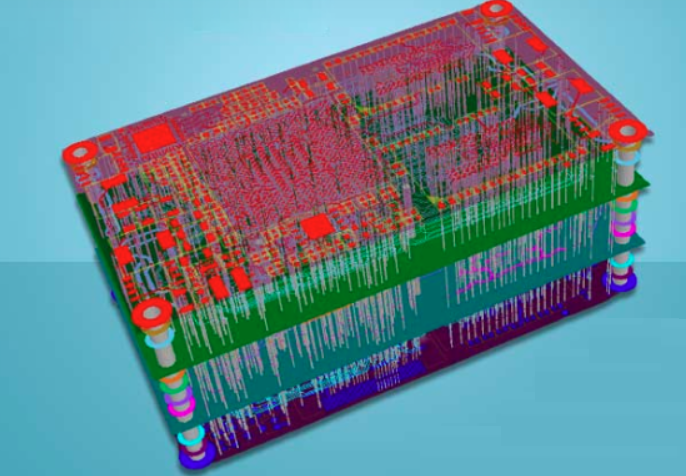
A 6 layer PCB is a printed circuit board that has six conductive layers. It consists of 4 inner layers and 2 outer layers, of which the inner layer is made of copper foil and located in the center of the board (we cannot see it by our eyes), while the outer layer is located on the top and bottom of the board. This design packs a punch, letting you fit more complex circuitry into a smaller space. It’s perfect for small electronic devices that need to do a lot.

6 Layer PCB Stackup, Thickness, Impedance Control

6 Layer PCB Structure

In a typical 6 layer PCB stackup, the conductive layers are numbered from top to bottom, starting with Layer 1. Here’s what a standard configuration looks like:

  • Layer 1: Top Layer
  • Layer 2: Reference Plane 1
  • Layer 3: Signal or Plane Layer 2
  • Layer 4: Signal or Plane Layer 3
  • Layer 5: Reference Plane 2
  • Layer 6: Bottom Layer

The top and bottom layers are the two most common layers in a 6-layer PCB. They are often used to mount large components and connectors. The main role of the top and bottom layer is to provide the structure and support of the circuit board, and can also be used to connect external devices. The middle layers handle signals and reference planes (like ground and power).

Common 6 Layer PCB Stack-Up

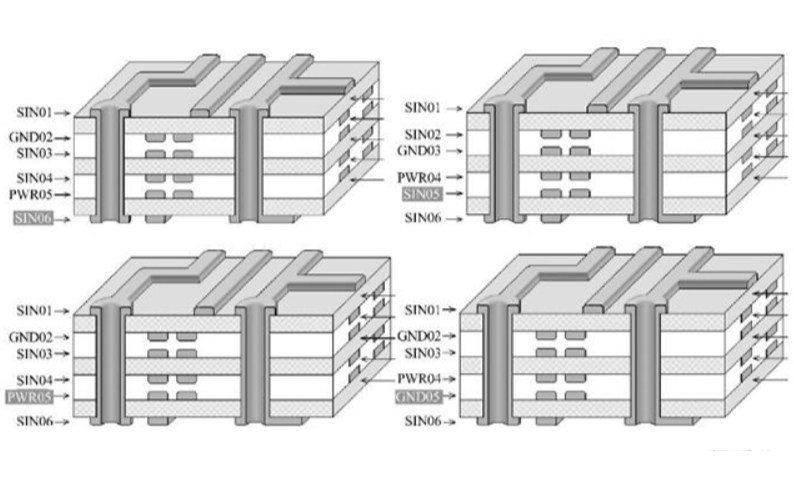
When it comes to stacking up those layers, you have a few common configurations:

6 Layer PCB Stackup, Thickness, Impedance Control

Stack-Up Option 1: S G S S P S

  1. Top Layer (Signal)
  2. Layer 2 (Ground)
  3. Layer 3 (Signal)
  4. Layer 4 (Signal)
  5. Layer 5 (Power)
  6. Bottom Layer (Signal)

This kind of stack up has more signal layers, which is conducive to the wiring work between components; Because POWER and GND are far apart and not tightly coupled, the signal layers are directly adjacent, which is easy to cause crosstalk. Therefore, staggered wiring is required during wiring. When the power supply impedance is low.

Stack-Up Option 2: S S G P S S

  • 1.     Top Layer (Signal)
  • 2.     Layer 2 (Signal)
  • 3.     Layer 3 (Ground)
  • 4.     Layer 4 (Power)
  • 5.     Layer 5 (Signal)
  • 6.     Bottom Layer (Signal)

POWER and GND are tightly coupled, but the plane reference is too far away and the signal isolation is not good, which is easy to cause crosstalk.

Stack-Up Option 3: S G S G P S (preferred solution)

  • 1.     Top Layer (Signal)
  • 2.     Layer 2 (Ground)
  • 3.     Layer 3 (Signal)
  • 4.     Layer 4 (Ground)
  • 5.     Layer 5 (Power)
  • 6.     Bottom Layer (Signal)

POWER and GND layers are tightly coupled, with good EMI characteristics, and the signal layer is directly adjacent to the internal electrical layer, and is effectively isolated from other signal layers, which is not easy to crosstalk.

Stack-Up Option 4: S G S P G S

  • 1.     Top Layer (Signal)
  • 2.     Layer 2 (Ground)
  • 3.     Layer 3 (Signal)
  • 4.     Layer 4 (Power)
  • 5.     Layer 5 (Ground)
  • 6.     Bottom Layer (Signal)

POWER and GND are tightly coupled. The signal layer is adjacent to the ground layer, the power layer is paired with the ground layer, the impedance of each line layer can be better controlled, and the magnetic field line can be well absorbed by both layers. This layered scheme is suitable for the design of high chip density and high clock frequency.

6 Layer PCB Thickness

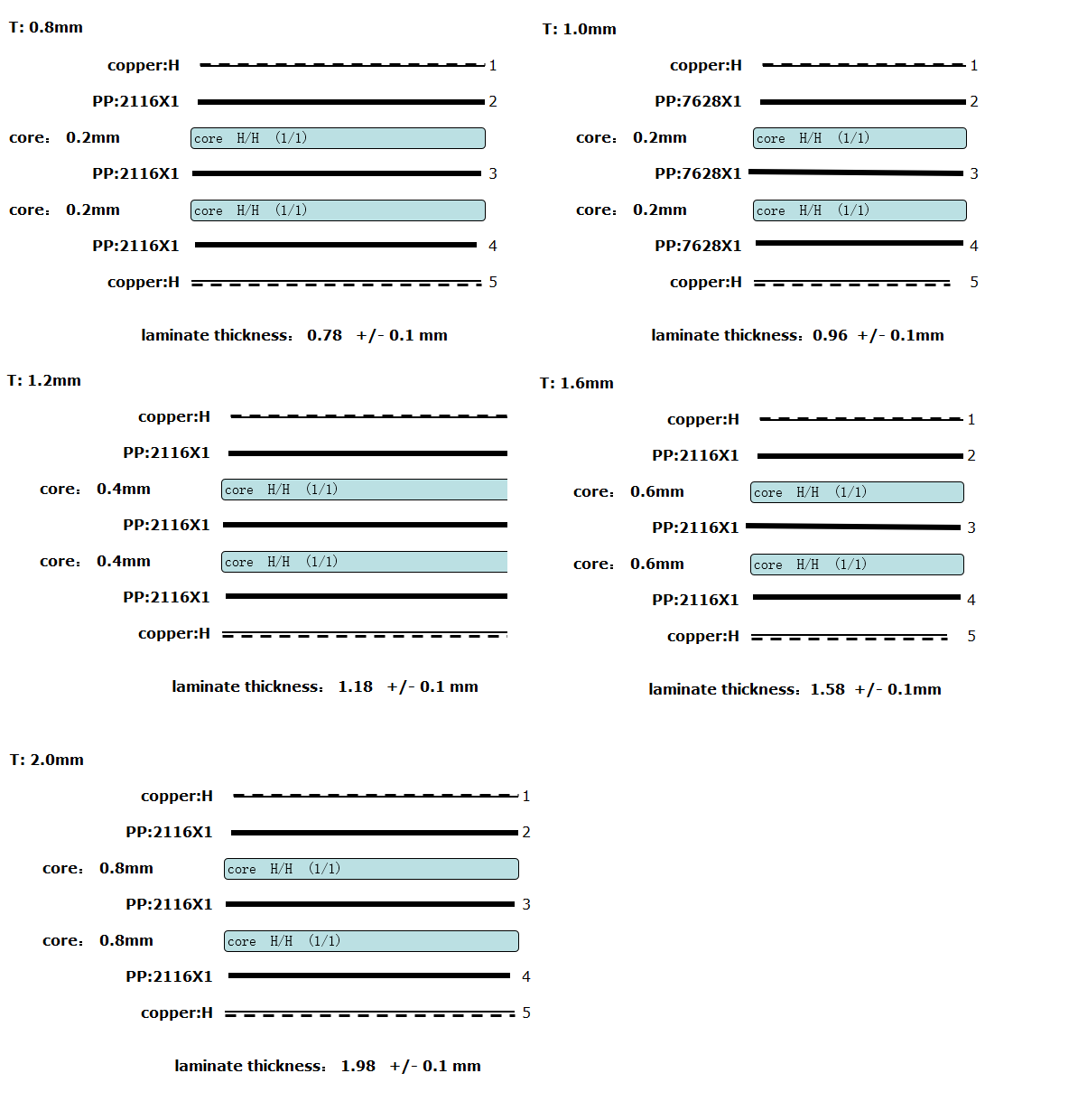
The total thickness of a 6 layer PCB usually ranges from 0.8 mm to 2.0 mm. Of course, this can vary based on materials and what you’re aiming for. Each layer contributes to this thickness, and the copper thickness often ranges from 1 oz to 3 oz. Thicker boards tend to offer better durability and heat dissipation, but they can also be less flexible, which is something to consider depending on your application. The common thickness structure are showing as below:

6 Layer PCB Stackup, Thickness, Impedance Control

Above are the common structure and thickness of a 6 layer multi-layer PCB, if you want thicker thickness, welcome to contact with us, our expertise team will give you the best and cost-effective solution!

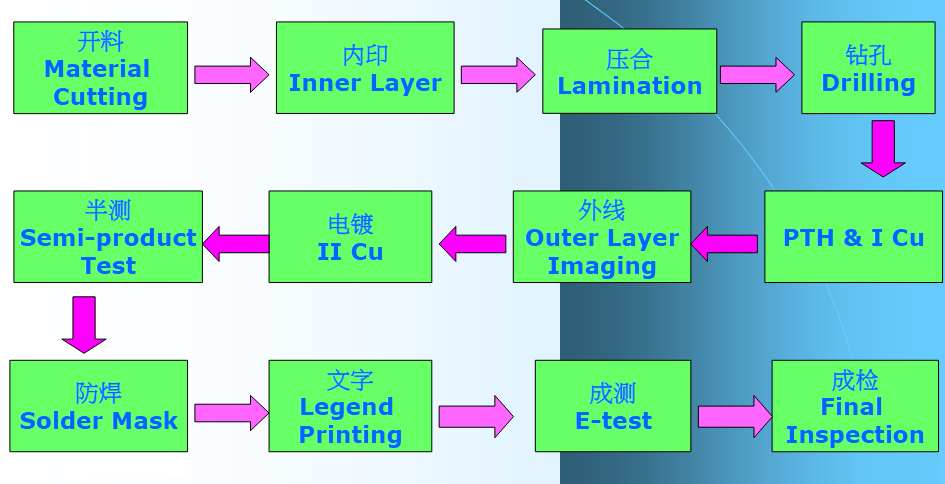
6 Layer PCB Manufacturing Process

6 Layer PCB Stackup, Thickness, Impedance Control

6 Layer PCB Price

The price of a 6 layer PCB doesn’t have a standard number/value. It varies based on factors like material, size, and complexity. Generally, they are more expensive than simpler designs due to the increased number of layers and the advanced manufacturing processes involved. However, the investment often leads to improved performance and durability. Here are some factors that will effect your 6 layer PCB price:

  1. Design complexity: If the design is intricate, expect a higher price.
  2. Material quality: Premium materials can drive up the cost but often improve performance.
  3. Volume: Producing in bulk usually lowers the cost per unit.
  4. Manufacturing process: The more difficult process, it will cost much more. Like a normal 6 layer FR4 PCB with through holes is cheaper than 6layer HDI PCB with blind or buried via holes.
  5. Surface treatment: Different treatment you choose will affect your overall price.

In general, you’re looking at prices that range from $5 to $50 or more per unit. It might sound steep, but investing in a quality 6 layer PCB can really pay off in terms of performance and reliability.

6 Layer PCB vs. 4 Layer PCB

6 layer PCB is different with 4 layer PCB, from the board thickness, cost, line width and spacing and etc. Here we listing three main differences between them:

1. Board thickness

The thickness of the PCB board is the thickness of the fingerboard, usually in millimeters. There is a difference in thickness between six-layer and four-layer plates. The thickness of the six-layer plate is usually between 1.6mm and 2.0mm, while the thickness of the four-layer plate is between 1.0mm and 1.6mm. Therefore, the thickness of the six-layer plate is thicker than that of the four-layer plate.

2. Line width

The line width refers to the width of the wire on the circuit board. There is also a difference in line width between six-ply and four-ply panels. The line width of a six-layer board is wider than that of a four-layer board. This is because in a six-layer board, there are more circuit layers, so it is easier to accommodate a wider line width.

3. Drilling

Drilling is an indispensable part of the PCB board production process. It is usually used to punch holes in the board so that electronic components can be installed. There is also a difference in the number of holes drilled between six-ply and four-ply panels. Because the six-layer board has more circuit layers, the number of holes is relatively high.

Impedance Control for 6 Layer PCB

‌The impedance control of 6-layer PCB is to control the impedance value of signal transmission by designing the geometry and material of the circuit board to improve the speed and quality of signal transmission, and reduce signal reflection and interference. ‌ Common methods of controlling impedance include adjusting parameters such as the width, spacing and thickness of the signal lines, using differential lines to reduce signal interference and noise, and using interlayer isolation to prevent signal interference.

In the 6-layer PCB design, the specific implementation methods of impedance control include:

  • Signal line width and spacing control

Signal line width and spacing is a key factor affecting the impedance. Strictly control the line width tolerance within ±10%, and pay attention to the possible pinholes, notches, dents and other problems on the wire, which will further affect the line width and impedance.

6 Layer PCB Stackup, Thickness, Impedance Control
  • Dielectric layer thickness control

Dielectric layer thickness has a significant effect on impedance. Use advanced manufacturing technology and equipment to ensure the uniformity and consistency of the thickness of the medium layer, and strictly control the thickness tolerance of the medium layer within the design requirements.

  • ‌The use of differential line

Differential line can effectively reduce signal interference and noise, improve the quality of signal transmission and anti-interference ability.

6 Layer PCB Stackup, Thickness, Impedance Control
  • Partially filled with copper and grounded

Fill the area without components or wires with copper, and ensure that the copper filled area is connected to the internal ground layer or power layer at multiple points. The distance between the connection holes does not exceed 1/20 of the highest harmonic wavelength of the signal ‌

6 Layer PCB Design Considerations

When you’re designing a 6 layer PCB, there are several things to keep in mind:

Reference Plane Placement

For the best performance, reference planes (usually ground and power) should be placed next to the routing layers. This setup helps maintain controlled impedance, which is critical for high-speed designs. Having a continuous ground plane right next to signal layers is a great practice.

Plane Splits

Sometimes, reference planes need to be divided into separate sections for analog and digital power. This keeps the analog circuitry isolated from the digital side, which helps reduce noise in sensitive areas.

Symmetry in Design

It’s usually best to keep the stackup symmetrical, with reference planes both above and below the signal layers. This arrangement improves signal integrity. But in some cases, asymmetrical designs are used depending on specific design needs.

Thermal Management

Consider how to manage heat, especially in high-power scenarios, to ensure reliability.

Signal Routing

High-speed or noise-sensitive signals should be routed on the inner layers between reference planes. Keeping these signals away from the outer layers helps minimize interference.

Breakout Vias

When transitioning from inner layers to outer layers, breakout or stub vias should be used. These vias help manage any stub effects, keeping things tidy and controlled.

Minimum Spacing

Lastly, always follow the board fabricator’s guidelines for minimum trace width, spacing, and annular ring sizes. This ensures the board meets the necessary standards and avoids any manufacturing issues.

Simulation Tools

Use simulation software to identify potential issues before manufacturing, which can save you time and hassle.

EBest Circuit (Best Technology) is a reliable PCB manufacturer in China. As one of the highly experienced circuit board suppliers, our products and services include a wide range of printed circuit boards such as rigid PCBs, flex PCBs, rigid-flex PCBs, aluminum PCBs, RF Microwave PCBs, high-speed PCBs, high-frequency PCBs, HDI PCBs, etc. If you have such demands, welcome to contact us.

PCB trace width and spacing Design Guide

October 18th, 2024

Trace width refers to the width of the conductive line on the PCB. If the line width is too narrow, the current passing through the unit area is too large, which will cause the wire temperature to rise and may damage the circuit board. Spacing refers to the distance between adjacent conductive lines on the PCB. Sufficient spacing can ensure the electrical insulation performance between adjacent lines and prevent short circuits between lines.

What is PCB trace/line spacing?

PCB trace/line spacing refers to the minimum distance between two lines on the PCB board. This distance is usually used to avoid electrical interference and ensure the reliability of the circuit. The size of the line spacing will affect the crosstalk, electromagnetic compatibility and heat dissipation performance of the circuit.

PCB trace width and spacing Design Guide

The basic concept and importance of line spacing is that it directly affects the performance and reliability of the circuit. The size of the line spacing needs to ensure that the electrical coupling and interference between the circuits are minimized to ensure the normal operation of the circuit.

What are the rules for PCB trace spacing?

The basic rule for PCB trace spacing is that the distance from the center of the line to the center of the line should be greater than or equal to 3 times the line width (3W rule) to ensure that crosstalk between lines is reduced.

  • ‌3W rule‌: In order to minimize the interference between lines, the distance from the center of the line to the center of the line should be greater than or equal to 3 times the line width (3W rule), which can reduce 70% of the electric field interference. If you need to achieve a higher interference reduction effect, you can use 10 times the line width (10W rule), which can reduce 95% of the interference.
  • ‌Electrical safety spacing‌: According to the production capacity of the PCB manufacturer, the spacing between the wires and between the wires and the pads shall not be less than 4mil. Usually, the conventional spacing is set to about 10mil to ensure production quality and electrical safety.
  • ‌Special signal lines‌: For signal lines that need to control impedance, such as RF signals, important single-ended signals, and differential signals, the line width and line spacing should be determined according to the stacking calculation to ensure stable signal transmission.
  • ‌Other considerations‌: In PCB design, it is also necessary to pay attention to the signal lines to avoid using right angles and sharp angles. Using arcs or 135° obtuse angles can reduce reflections and standing waves.

What is the minimum line spacing in PCB?

The minimum line spacing in PCB is usually 4mil. ‌ This spacing is to avoid electrical interference and ensure the reliability of the circuit. The specific line spacing requirements depend on factors such as design specifications, application environment, and manufacturing process. ‌

PCB trace width and spacing Design Guide

In some high-precision applications, a smaller spacing may be required, but in general, the spacing should not be less than 4mil. The common spacing in conventional design is 10mil, which can ensure better production efficiency and circuit stability. ‌

What is the minimum line width for a PCB? ​

The minimum line width of a PCB is usually 6mil (about 0.153mm). This is because in high-density and high-precision PCB design, the line width needs to reach this value to ensure production quality and reliability. ‌

The minimum line width may vary under different design requirements. The minimum line width that can be supported may reach 3.5mil (about 0.09mm) or less, but in most common designs, the line width will be greater than this value to ensure production yield and reliability. ‌ In high-density and high-precision PCB design, the line width may be thinner. ‌

PCB trace width and spacing Design Guide

When designing a PCB, the choice of line width needs to consider the needs of signal transmission. Generally speaking, the larger the line width, the better the factory production and the higher the yield. The line width in conventional design is usually 10mil (about 0.254mm), which can meet most application scenarios. In high-speed signal transmission, the line width needs to be greater than 10mil to reduce signal loss and synchronization problems.

What is the minimum hole spacing for PCB?

The minimum hole spacing of PCB is generally 0.1mm to 0.15mm. This range is applicable to standard 6-layer PCB circuit boards, but the specific value may vary depending on the manufacturing process and design requirements.

Under different manufacturing processes, the specific value of the minimum hole spacing is different. The minimum aperture of mechanical drilling is 0.15mm, while the minimum aperture of laser drilling can reach 0.075mm. In addition, the spacing from the pad to the outline is generally 0.2mm, and the single side of the pad cannot be less than 4mil (about 0.1mm), preferably greater than 6mil (about 0.15mm). For non-metallic holes and slots, the minimum spacing is not less than 1.6mm, and the slot hole is not less than 2.0mm from the edge of the board of the outline.

Factors that affect the minimum hole spacing of PCB include manufacturing process, design requirements and drilling detection. The advancement of manufacturing process has continuously improved the accuracy of PCB boards, and the minimum hole diameter and spacing have been continuously reduced. For example, the accuracy of modern PCB boards has developed to a minimum hole diameter of 0.08 mm and a minimum hole spacing of 0.1 mm or even higher. In addition, drilling detection is also an important link to ensure the quality of PCBs, including through holes, part holes, slot holes and special-shaped holes, which all need to be strictly inspected.

Why is PCB trace spacing design so important?

PCB trace spacing design is very important because it is directly related to the reliability, performance and safety of the circuit board. By reasonably designing the trace spacing, electrical interference can be avoided, signal transmission quality can be guaranteed, and the thermal stability and reliability of the circuit board can be improved, thereby ensuring the normal operation and long-term stable operation of the circuit board.

PCB trace width and spacing Design Guide

First, the design of trace spacing can prevent electrical interference. When two traces are parallel and close to each other, parasitic capacitance and inductance will be generated between them, resulting in signal interference and attenuation. Increasing the trace spacing can reduce this coupling effect, thereby ensuring stable signal transmission.

Second, appropriate trace spacing helps to improve the thermal stability of the circuit board. Components and traces with large working current will generate heat when working. If the traces are too dense, heat is easy to accumulate, resulting in local temperature rise, which may cause failure.

In addition, the design of trace spacing also needs to consider the requirements of production process. Smaller line width and line spacing have higher requirements for production process, which may increase production difficulty and cost.

What will happen if the PCB trace spacing is insufficient?

Insufficient PCB trace spacing will lead to problems such as signal attenuation, signal delay, crosstalk interference and layout difficulties. These problems will affect the performance and stability of the circuit and may even cause circuit function failure.

First, signal attenuation is a major problem of insufficient spacing. Signals will be attenuated during transmission. Too small spacing will increase the possibility of signal attenuation, resulting in signal distortion and increased noise, especially in high-frequency signals and fast signal transmission.

Second, signal delay is also a problem caused by insufficient spacing. It takes time for signals to propagate in the circuit. Too small spacing will extend the path of signal propagation, thereby increasing signal delay and affecting the real-time performance of the system.

In addition, crosstalk interference is another important issue. Insufficient spacing will increase the electromagnetic interaction between signal lines, leading to crosstalk interference, thereby introducing errors or interference and affecting the stability of the circuit.

Finally, layout difficulties are also a practical problem caused by insufficient spacing. When laying out the PCB, too small spacing will increase the complexity of the layout, making it difficult for designers to reasonably arrange the signal path, the distribution of power and ground lines, and the layout of components.

Does trace spacing affect PCB production cost?

The setting of trace spacing is directly related to the difficulty and cost of PCB production process. Although smaller line width and spacing can improve the performance of the circuit, it will increase the difficulty and cost of production.

The setting principles of trace spacing include:

The default values ​​of line width and spacing are usually 6mil, but they can be adjusted according to design requirements. The minimum line width recommended value is 10mil, and the maximum line width can be set to 200mil.

The setting of trace spacing needs to take into account electrical safety and signal integrity. It is usually required that the line center spacing is not less than 3 times the line width to ensure that the electric field does not interfere with each other.

In the design of high-speed signal lines, using larger spacing can further reduce crosstalk and improve the stability of the circuit, but it will also increase costs.

Factors that affect the cost of PCB production also include:

  • ‌Number of wiring layers‌: The more layers, the higher the price.
  • ‌Via size‌: Vias smaller than 0.25mm usually require additional fees, and back drilling will increase the cost by about 10%~20%.
  • ‌Plate selection‌: Unconventional materials such as high-frequency plates and halogen-free plates will increase procurement cycles and production costs.

In summary, the setting of trace spacing has a significant impact on the cost of PCB production. Reasonable settings can control costs while ensuring performance.

In short, PCB line width and spacing are very important parameters in electronic circuit design. They directly affect the performance, reliability and manufacturing feasibility of the circuit board. When designing a circuit board, it is necessary to reasonably select line width and spacing according to the requirements of the circuit and the actual situation.

What is laser direct imaging technology?

October 9th, 2024

Laser direct imaging (LDI) technology is a process that uses lasers to expose images directly on photoresists, mainly used in the exposure process of PCB manufacturing processes. LDI is a widely used technology that can create a variety of images and is used in various industries, including electronics, automotive and medical industries.

What is laser direct imaging?

Laser direct imaging (LDI) is an advanced photolithography technology. It directly uses a laser beam to expose images on photoresists, eliminating the intermediate step of making photolithography masks in traditional photolithography technology.

What is laser direct imaging technology?

In this process, the laser beam is precisely controlled according to the pre-set circuit pattern data. The laser emitted by the laser light source is processed by a series of optical components, such as beam expansion and focusing, and then the laser beam is guided by the scanning system to scan and expose the surface of the printed circuit board (PCB) coated with photoresist.

The photoresist responds to the laser energy, and according to the type of photoresist (positive or negative), the corresponding chemical changes occur in the laser irradiation area. This change will lay the foundation for subsequent development and other processes, thereby forming an accurate circuit pattern.

What is the principle of laser direct imaging?

The principle of laser direct imaging (LDI) is to expose the pattern directly on the substrate coated with photosensitive material through a computer-controlled laser beam.

Specifically, the workflow of LDI includes the following steps: First, the designed circuit pattern is converted into the image generation program of the spatial light modulator through computer-aided manufacturing (CAM) software. Then, the laser beam passes through the spatial light modulator, and the generated image is projected onto the substrate coated with photosensitive material through the optical imaging system to complete the pattern exposure. Compared with the traditional mask exposure process, LDI saves the film process in the exposure process and greatly improves the production efficiency.

The main advantages of LDI technology are its efficiency and precision. It directly uses a highly focused laser beam controlled by a computer to define the circuit pattern on the PCB copper layer covered with laser photoresist without the need for photographic tools, thus avoiding the film and printing defects in the traditional process.

In addition, LDI also optimizes the production environment, eliminates the influence of temperature and humidity on the product, and further improves the production quality and efficiency.

How does laser direct imaging (LDI) work?

Laser direct imaging (LDI) technology is a process that uses laser to directly expose and image on photoresist, and is mainly used in the exposure process in the PCB manufacturing process. Its working principle is as follows:

  • 1. Design graphics: Design the circuit graphics to be produced through computer-aided design (CAD) software.
What is laser direct imaging technology?
  • 2. Generate images: Convert the designed circuit graphics into digital images and transmit them to the control system of the LDI equipment.
  • 3. Laser scanning: The laser beam in the LDI equipment scans and exposes the photoresist according to the information of the digital image under the precise control of the control system.
  • 4. Photochemical reaction: The photoresist undergoes a photochemical reaction under the irradiation of the laser, changing its solubility.
  • 5. Development: The exposed photoresist is developed in the developer to remove the unexposed part of the photoresist, thereby forming a circuit pattern on the photoresist that is consistent with the design graphics.
  • 6. Etching or electroplating: According to needs, the developed circuit board is etched or electroplated and other subsequent processes are performed to produce the actual circuit.

Compared with traditional exposure technology, LDI technology has higher resolution and precision, can produce finer circuit wiring and smaller line spacing, and also has higher production efficiency and flexibility.

What are the advantages of using laser direct imaging?

The main advantages of LDI (Laser Direct Image) technology include: eliminating the film process in the exposure process, saving time and cost for loading and unloading films, and reducing deviations caused by film expansion and contraction; directly imaging CAM data on PCB, eliminating CAM production process; high image resolution, fine wires can reach about 20um, suitable for fine wire production; improve PCB production yield.

The main problems of LDI technology include: high-precision lasers and optical systems are required, which increases the cost and complexity of the equipment; high environmental requirements, temperature and humidity need to be controlled to ensure imaging quality; high technical requirements for operators, and professional training is required to operate the equipment proficiently.

The advantages of LDI technology in the flexible board industry include: improving production efficiency, no need to make and replace physical masks, shortening production cycles and waiting time; high-precision imaging, capable of processing finer and more complex graphics, improving product yield and reliability; efficient use of materials, reducing material waste; environmental advantages, reducing the use of chemicals, and reducing environmental pollution.

What are the disadvantages of laser direct imaging?

The disadvantages of laser direct imaging (LDI) technology mainly include:

  • 1. High equipment cost: LDI equipment is usually expensive and requires a large initial investment, which may be a burden for some small enterprises or projects.
What is laser direct imaging technology?
  • 2. High environmental requirements: LDI equipment needs to work in a specific environment, such as a dark room or a low-illuminance red light environment, which increases the requirements for the working environment.
  • 3. Technical complexity: LDI technology involves multiple steps and complex process flows, with high technical requirements for operators, and long training costs and time.
  • 4. High material cost: LDI requires the use of specific photoresists and laser diodes, which are expensive and increase production costs.
  • 5. Speckle problem: After the laser beam is reflected or transmitted through a rough surface, it will form countless independent scattered sub-waves. These sub-waves are coherently superimposed during the spatial propagation process, forming random and irregularly distributed bright and dark spots in space, that is, speckle phenomenon, which may affect the imaging quality.

In summary, although LDI technology has the advantages of high precision and high efficiency, its disadvantages such as high equipment cost, complex technical requirements and speckle problem also need to be considered when using it.

When is laser direct imaging used?

Laser direct imaging LDI is mainly used in the exposure process in PCB manufacturing, especially when high precision and efficient production are required. This technology is particularly suitable for the production of fine-line and ultra-fine-line circuit boards, and can achieve the best imaging effect.

In addition, LDI technology is also widely used in the field of FPC soft boards, which can improve production efficiency and product quality, and support complex circuit structures and high-density layouts.

The advantages of laser direct imaging LDI technology include:

  • 1. High precision: It can achieve high-resolution pattern exposure and improve product performance and reliability.
  • 2. Efficient production: shorten the exposure process, speed up production and reduce costs.
  • 3. Complex circuit structure: support the exposure of multi-layer FPC and meet the needs of high-density layout.

Laser direct imaging technology is a highly promising technology in the field of PCB manufacturing. It has many advantages in terms of precision, flexibility, production efficiency and cost-effectiveness, and plays an important role in PCB manufacturing in many fields such as high-end electronic products, automotive electronics, industrial control and communication equipment.

What is beveler in pcb?

October 7th, 2024

PCB beveler is a less well-known but very important tool, but it plays a vital role in the manufacturing and assembly process of PCB (printed circuit board). It is a tool specifically used to create bevels or chamfers around the edges or holes of PCB.

What is a PCB Beveler?

PCB beveler is a device used to bevel (chamfer) the edges of printed circuit boards (PCBs). Its functions include improving the electrical performance of PCBs, dispersing the electric field through beveling, reducing the risk of electrical breakdown; enhancing the mechanical properties of PCBs, preventing stress concentration and cracking at the edges; facilitating subsequent processing and assembly work, avoiding scratching other electronic components or damaging component pins during the plug-in process.

What is beveler in pcb?

It has the advantages of high precision, high efficiency, low noise, and low energy consumption. It is widely used in the electronics industry, especially in the production process of consumer electronic products such as smartphones and tablets, which can improve production efficiency and product quality.

What is Edge Bevel in PCB?

Edge bevel is the process of making a transition edge between two sides of a PCB, usually on the outer edge of the PCB. Bevel is often used for edge connectors to allow for smoother insertion into another circuit board socket. Edge connector pins are often called gold fingers because they are plated with gold and have multiple parallel groups together.

Why do PCB edges need to be beveled?

The main reason why PCB edges need to be beveled is to increase the contact area, reduce contact resistance, and improve the stability of electrical connections.

The bevel process increases the contact area between the gold finger and other connectors by processing the PCB edge into a bevel, thereby reducing the contact resistance and improving the stability and reliability of signal transmission.

Specifically, the bevel process has the following advantages in application:

  • ‌Increase contact area‌: Beveled edges can increase the contact area between the gold finger and the socket, thereby increasing friction and connection stability.
  • ‌Reduce contact resistance‌: The bevel design reduces the pressure concentration at the contact point, thereby reducing the contact resistance and reducing the loss in signal transmission.
  • ‌Adapt to different application scenarios‌: According to the specific application scenarios and equipment requirements, the bevel angle can be adjusted between 15° and 45° to meet different spatial layouts and electrical connection requirements‌.

The use of PCB beveling machines further improves the accuracy and efficiency of the beveling process. This mechanical equipment can accurately control the bevel angle through a high-precision mechanical transmission system and an efficient grinding process to ensure processing quality and production efficiency.

What are the Benefits of PCB Edge Beveling?

The main benefits of PCB edge beveling include enhanced aesthetics, easy installation, improved electrical performance, and reduced mechanical stress. ‌

First, the beveling process can enhance the aesthetics of the circuit board. By cutting the PCB edge at a specific angle, the beveling process makes the appearance of the circuit board more refined and beautiful, which can significantly improve the overall visual effect of the product‌.

Secondly, the beveling process is easy to install. The beveling design can better adapt to the structural design of various electronic devices, making the assembly of PCB boards and other components more convenient and precise, and the design of the beveling angle can better achieve the coordination of PCB boards with other components‌.

What is beveler in pcb?

In addition, the beveling process can also improve electrical performance. Bevel design can increase the contact area and reduce the contact resistance, thereby improving the stability and reliability of signal transmission.

Finally, bevel design can reduce mechanical stress. The design of the beveled rectangle allows the socket to slowly and gradually enter or exit the jack when plugging and unplugging, thereby reducing the mechanical stress during plugging and unplugging and extending the service life of the socket and jack.

What are the limitations of PCB edge beveling?

The main limitations of PCB edge beveling include the design of the bevel angle, the spacing requirements between the components and the board edge, and the requirements for cutting accuracy and speed. ‌

First, the design of the bevel angle needs to be determined according to the specific application scenario and equipment requirements. The common bevel angle range is between 15° and 45°.

In some devices with high requirements for plugging and unplugging force and contact stability, a smaller bevel angle may be selected to increase the contact area and friction between the gold finger and the socket to ensure the stability of signal transmission; while in some occasions with strict restrictions on spatial layout, a larger bevel angle may be used to better realize the assembly of PCB boards and other components. ‌

Finally, cutting accuracy and speed are also important limiting factors. PCB beveling machines need to have high-precision cutting capabilities and be able to accurately cut within the specified size range. The cutting accuracy directly affects the quality and reliability of the circuit board.

How Does PCB Beveling Work?

PCB beveling machines are usually composed of a frame, a transmission system, a grinding system, a positioning fixture, and a protective device.

The transmission system uses high-precision gears or screw drives to ensure processing accuracy. The grinding system consists of a grinding head and a coolant system, etc., which are used to grind PCB boards. The positioning fixture is used to fix the PCB board to ensure the accuracy and stability of the processing, while the protective device is to protect the safety of the operator.

What is beveler in pcb?

During the operation, first check whether the beveling machine is operating normally. If there is a problem, it needs to be repaired. Then, set the beveling angle according to customer needs or the default 45° angle.

Next, adjust the angle of the gong section and the table, adjust the distance of the steel plate according to the thickness of the board, and use a copper plate of the same thickness to test the knife to ensure that the angle of the bevel of the beveled board meets the requirements.

Finally, the grinding process is carried out through the grinding system. The grinding head rotates at a high speed and applies a certain amount of pressure on the PCB board, thereby processing its edge into a bevel.

What are the Applications of PCB Beveling?

The core application of the PCB beveling process is to increase the contact area and reduce the contact resistance, thereby improving the stability and efficiency of the connection. This process is common in the beveling of gold fingers, especially on devices such as computer memory bars and graphics cards. The bevel design of gold fingers can significantly improve the data transmission speed and reliability.

‌Specific application scenarios‌ include:

  • ‌Computer memory bars and graphics cards‌: On these components, the bevel design of gold fingers can not only increase the contact area and reduce the contact resistance, but also prevent oxidation to a certain extent and extend the service life.
What is beveler in pcb?
  • ‌Other communication equipment‌: In addition to computer memory bars and graphics cards, the beveling process of gold fingers is also used in various devices that communicate through digital signals, such as consumer electronics, smartphones, and smart watches.

In short, the beveler in PCB is a tool specifically used to create bevels or chamfers around the edges or holes of PCBs. It has the functions of improving the reliability of PCB, facilitating assembly and improving appearance. When using the bevel, pay attention to the correct operation method and maintenance to ensure its normal operation and service life.

Board electronics with holes

October 4th, 2024

Board electronics with holes The types of vias in PCB include through holes, blind holes and buried holes, which have different characteristics and requirements in design and manufacturing. The selection of the appropriate via type should consider the number of PCB layers, wiring density, signal frequency, cost budget and production process. The via design should pay attention to avoid affecting the welding quality, preventing electrical short circuits, and saving costs in high-density packaging.

What are the holes in a PCB called?

What are the holes on PCB called? What are the holes in the circuit? The holes on PCB can be roughly divided into 3 types, screw holes (mounting holes), conductive holes (vias), and plug-in holes.

Screw holes: Screw holes are used for fixing.

Conductive holes: Conductive holes (also called vias) are used for conducting electricity just like circuits.

Plug-in holes: Plug-in holes are of course used to plug in various parts, such as diodes, transistors, capacitors, inductors, etc.

What is a through hole

What is a through hole? Through holes, also known as perforations, are holes in a PCB that go all the way through the board. Their main purpose is to provide electrical connections for component pins while allowing soldering on both sides of the board.

1.A via is a special through hole whose wall is metallized to achieve electrical connection between different layers on a circuit board. This type of hole is usually used to connect component pins to internal circuits, or to achieve electrical connection between different layers in a multi-layer PCB. Vias need to be metallized during the PCB manufacturing process, which usually includes drilling, desmearing, chemical copper plating, and electroplating.

What is a through hole

2.Non-conducting holes are the opposite of through holes. Their hole walls are not metallized, so they do not have electrical connection functions. These holes are mainly used for mechanical fixation, heat dissipation or identification purposes. Non-conducting holes are relatively simple in the PCB manufacturing process, and only drilling operations are required.

What is a through hole

What is a blind via?

A blind via is a hole that extends from one side of a PCB to a certain internal layer without penetrating the entire board. The emergence of blind vias is mainly due to the development of HDI technology, which provides circuit designers with greater flexibility and more compact layout. Blind vias are usually used to connect surface mount components (SMD) to internal circuit layers, or to connect circuits between different internal layers.

What is a blind via?

What are buried vias?

Buried vias are holes located inside the PCB that do not penetrate any side of the board. They are completely hidden inside the board and are used to connect circuits between different internal layers. Buried vias are especially useful in HDI boards because they can reduce the overall thickness of the board while maintaining electrical connections between internal circuits.

What is a microvia?

Microvia refers to a hole with a smaller diameter, usually at the micron level. The emergence of microvia technology enables PCB designers to achieve more complex circuit layouts in a smaller space. Microvias are often used in high-density, high-reliability electronic devices such as mobile phones and tablets. The manufacture of microvias requires high-precision drilling equipment and technology to ensure the accuracy and reliability of the holes.

What is a microvia?

What are Mounting holes

What are Mounting holes?Locking holes are auxiliary holes used in the PCB manufacturing and assembly process to accurately locate and fix the circuit board. They are usually located at the edge or specific position of the PCB to ensure that the circuit board can be accurately aligned and fixed during manufacturing, testing and assembly. The locating holes do not participate in the connection of the circuit, but are essential to ensure the quality and performance of the circuit board.

What are Mounting holes

What are Mounting holes

What are thermal vias?

Thermal vias are holes designed specifically for heat dissipation, usually large and can run through the entire PCB or multiple layers. Their role is to reduce heat buildup on the circuit board by increasing surface area and air flow, thereby improving the stability and reliability of the device. Thermal vias are particularly important in high-performance, high-power electronic devices.

What are thermal vias?

FAQ About board electronics with holes

How to solve the contradiction between manual routing and automatic routing of high-speed signals?

Most of the current powerful routing software’s automatic routing tools have set constraints to control the routing method and the number of vias. The routing engine capabilities and constraint setting items of various EDA companies are sometimes very different. For example, whether there are enough constraints to control the winding method of the serpentine, whether the routing spacing of the differential pair can be controlled, etc. This will affect whether the routing method generated by automatic routing can meet the designer’s ideas. In addition, the difficulty of manually adjusting the routing is also related to the capabilities of the routing engine. For example, the pushing ability of the routing, the pushing ability of the via, and even the pushing ability of the routing pair copper. Therefore, choosing a routing tool with strong routing engine capabilities is the solution.

Will adding test points affect the quality of high-speed signals?

As for whether it will affect the signal quality, it depends on the method of adding test points and how fast the signal is. Basically, the additional test points (not using the existing vias (via or DIP pins) as test points) may be added to the line or a small section of wire may be pulled out from the line. The former is equivalent to adding a very small capacitor to the line, while the latter is an additional branch. Both of these situations will have some impact on high-speed signals, and the extent of the impact is related to the frequency speed of the signal and the edge rate of the signal. The magnitude of the impact can be learned through simulation. In principle, the smaller the test point, the better (of course, it must meet the requirements of the test equipment) and the shorter the branch, the better.

Can you introduce some foreign technical books and data on high-speed PCB design?

Now the application of high-speed digital circuits includes communication networks and calculators and other related fields. In the communication network, the operating frequency of PCB boards has reached around GHz, and the number of layers is as many as 40 layers as far as I know. Due to the advancement of chips, the operating frequency of calculator-related applications, whether it is a general PC or server, has reached 400MHz (such as Rambus) or above. In response to the demand for high-speed and high-density routing, the demand for blind/buried vias, mircrovias and build-up process technology is gradually increasing. These design requirements can be mass-produced by manufacturers.

Does the design of rigid-flexible boards require special design software and specifications? Where can I undertake the processing of such circuit boards in China?

Can I use general PCB design software to design flexible printed circuits (Flexible Printed Circuit). The Gerber format is also used for FPC manufacturers to produce. Since the manufacturing process is different from that of general PCBs, each manufacturer will have its own restrictions on line width, line spacing, and aperture (via) based on their manufacturing capabilities. In addition, some copper foil can be laid at the turning point of the flexible circuit board for reinforcement. As for the manufacturer, you can search for “FPC” as a keyword on the Internet and you should be able to find it.

If the size of the circuit board is fixed, if the design needs to accommodate more functions, it is often necessary to increase the routing density of the PCB, but this may lead to increased mutual interference between the routings, and at the same time, the impedance cannot be reduced if the routing is too thin. Please introduce the techniques in the design of high-speed (>100MHz) high-density PCBs?

When designing high-speed and high-density PCBs, crosstalk interference does need to be paid special attention to because it has a great impact on timing and signal integrity. Here are a few things to note:

Control the continuity and matching of the characteristic impedance of the trace.

The size of the trace spacing. The spacing commonly seen is twice the line width. Through simulation, you can know the impact of trace spacing on timing and signal integrity and find the tolerable spacing. The results of different chip signals may be different.

Choose an appropriate termination method.

Avoid the same routing direction of the upper and lower adjacent layers, or even have traces overlapped up and down, because this kind of crosstalk is greater than the case of adjacent traces on the same layer.

Use blind/buried vias to increase the trace area. However, the production cost of the PCB board will increase. It is indeed difficult to achieve complete parallelism and equal length in actual implementation, but it should be done as much as possible.

In addition, differential termination and common mode termination can be reserved to mitigate the impact on timing and signal integrity.

The RF part, IF part, and even the low-frequency circuit part of the outdoor unit are often deployed on the same PCB. What are the material requirements for such PCB? How to prevent interference between RF, IF, and even low-frequency circuits?

Hybrid circuit design is a big problem. It is difficult to have a perfect solution.

Generally, RF circuits are laid out and wired as an independent single board in the system, and there will even be a special shielding cavity. Moreover, RF circuits are generally single-sided or double-sided boards, and the circuits are relatively simple. All of these are to reduce the impact on the distributed parameters of RF circuits and improve the consistency of RF systems. Compared with general FR4 materials, RF circuit boards tend to use high-Q substrates. The dielectric constant of this material is relatively small, the distributed capacitance of the transmission line is small, the impedance is high, and the signal transmission delay is small. In hybrid circuit design, although RF and digital circuits are made on the same PCB, they are generally divided into RF circuit area and digital circuit area, and laid out and wired separately. Shielding is used between ground vias and shielding boxes.

Single layer PCB manufacturer | Single sided PCB Design&Prototype

September 27th, 2024

What is a single-sided PCB circuit board

Single-sided PCB circuit board is a type of printed circuit board. Only one side of the PCB board has circuits (it can have holes or not), and the other side is a substrate or directly covered with insulating ink. There is no circuit and the whole board is transparent under strong light (except for individual boards and special process requirements). The cross section only contains copper foil on the side with circuits.
Single-sided PCB circuit board is obtained by etching copper-clad board. Copper-clad board consists of board base and copper foil. The board base is usually made of insulating materials such as glass fiber, and is covered with a layer of copper foil (usually oxygen-free copper).

Single layer PCB manufacturer

Single layer PCB manufacturer EBest Circuit (Best Technology) has offered high-quality PCBs and the best PCB assembly & box building service all over the world since 2006. We are professional fabricator on PCB prototype, IPC Class III standard are available. You can get high-quality PCB board and PCBA at a very reasonable price.

Single layer PCB manufacturer

Single layer PCB design
EBest Circuit (Best Technology) excels in PCB design, perform PI analysis, SI analysis, EMC test and DFM tests to ensure one-time successed PCB design. Over 20 professional engineers, all of them has more than 15+ years experience in PCB, we make sure every design is optimized for performance and manufacturability.

Single layer PCB prototype
As an industry-leading PCB prototype manufacturer, EBest Circuit (Best Technology) offers 24 hours quick turn PCB prototype, PCB assembly and reliable small-batch PCB production. Free technical support and VIP one-to-one service.

Single layer PCB production
With over 18 years PCB manufacture experience, we dedicated to provide highest quality PCB for customers. We offer turnkey service from PCB design, PCB layout, PCB prototype, mass production and PCB assembly. Contact us to get an instant quote.

Single layer PCB assembly
Professional PCB assembly service, includes DFM/DFA checks, function/ICT testing, X-RAY, Online dual AOI, nitrogen reflow oven. 10+ SMT lines, free passive parts and Thorough Inspections! SMT, Thru-hole, BGA, QFN Assembly at Low Prices! No MOQ, complex and difficulty designs welcome!

Single-sided PCB production process

  1. Cutting
  2. Drilling or punching
  3. Screen printing circuit anti-etching pattern or using dry film
  4. Curing inspection and board repair
  5. Screen printing solder mask pattern (commonly used green oil)
  6. Screen printing character mark pattern, UV curing
  7. Preheating, punching and appearance
  8. Electrical open and short circuit test
  9. Pre-coating flux anti-oxidant (drying) or tin spraying hot air leveling
  10. Packaging and delivery

Single-sided PCB production capacity

Item Content
Material type : XPC  FR-1  FR-4  CEM-1
Surface finish : ENIG gold, HASL Immersion Tin, Chemical Silver OSP
Layer No : Single side, Multilayer PCB
Max PCB size: 1500mm*600mm
Min PCB size: 5mm*5mm
Min space/width: 0.1mm
Warp and Twist: ≀0.5%(board thickness1.6mmPCB size  300mm*300mm)
Board thickness: 0.3-5.0mm
Copper thickness: 35um-240um
Outline Tolerance: ±0.15mm
V-CUT Precision: ±0.1mm
Capacity: 80000㎡/Month
PTH Dia tolerance: ±0.076mm
Outline tolerance: CNC ïŒšÂ±0.1mm  punch±0.15mm

What are the single-sided PCB materials?

What are the single-sided PCB materials

What are the single-sided PCB materials

Phenolic paper substrate
Phenolic paper substrate (commonly known as cardboard, plastic board, V0 board, flame retardant board, red-letter copper clad board, 94V0). The most commonly used product models of phenolic paper-based copper clad boards are FR-1 (flame retardant) and XPC (non-flame retardant). Single-sided copper clad boards can be easily judged from the color of the characters on the back of the board. Generally, red characters are FR-1 (flame retardant) and blue characters are XPC (non-flame retardant). This type of board is the cheapest compared to other types of boards.

Epoxy fiberglass cloth substrate
Epoxy fiberglass cloth substrate (commonly known as: epoxy board, fiberglass board, fiberboard, FR4), epoxy fiberglass cloth substrate is a type of substrate with epoxy resin as adhesive and electronic grade glass fiber cloth as reinforcing material. Its bonding sheet and inner core thin copper clad board are important substrates for making multi-layer printed circuit boards. The working temperature is high and its own performance is less affected by the environment. In terms of processing technology, it has great advantages over other resin fiberglass cloth substrates. This type of product is mainly used for double-sided PCBs. It is also about twice as expensive as phenolic paper substrates, and the commonly used thickness is 1.5MM.

Composite substrates
Composite substrates (commonly known as powder boards, etc., cem-1 boards are also called 22F in some places in China) mainly refer to CEM-1 and CEM-3 composite-based copper-clad boards. Copper-clad boards made of wood pulp fiber paper or cotton pulp fiber paper as core reinforcement materials and glass fiber cloth as surface reinforcement materials, both of which are impregnated with flame-retardant epoxy resin, are called CEM-1. Copper-clad boards made of glass fiber paper as core reinforcement materials and glass fiber cloth as surface reinforcement materials, both of which are impregnated with flame-retardant epoxy resin, are called CEM-3. These two types of copper-clad boards are the most common composite-based copper-clad boards. This type of board is cheaper than FR4 type boards.

Single-sided PCB circuit board price

Since the cost of single-sided PCB circuit boards is affected by many factors, including the cost of raw materials, production cost, production process, special requirements, etc., its exact pricing needs to be negotiated with its single-sided PCB circuit board supplier. The general unit price calculation formula is: (length MM) × (width MM) × 0.01 × unit price (yuan/square meter) Ă· 10000 (rounded to 3 decimal places)
For specific single-sided PCB quotes, please consult bestpcbs

Single-sided PCB circuit board price

Single-sided PCB circuit board price

Single-sided PCB applications and features

Single-sided PCBs are increasingly widely used due to their many unique advantages;
High density: For decades, high-density printed boards have developed with the improvement of integrated circuit integration and the advancement of installation technology.
High reliability: Through a series of inspections, tests and aging tests, PCBs can work reliably for a long time (usually 20 years).
Designability: According to the requirements of various performances (electrical, physical, chemical, mechanical, etc.) of single-sided boards, printed boards can be designed in a short time and efficiently through design standardization.
Manufacturability: Through modern production management, standardization, scale (quantification), automation, etc. can be achieved to ensure the consistency of product quality.
Testability: Complete test methods, standards and various test equipment and instruments have been established to detect and evaluate the qualification and service life of a single PCB.
Assembly: Circuit boards facilitate standardized assembly of various components to achieve automated, large-scale mass production. At the same time, circuit boards and various component assemblies can be assembled into larger components and systems, and even complete machines.

Maintainability: Circuit boards and various component parts are manufactured with standardized designs and scales. If a system fails, components can be replaced quickly and conveniently. The system can recover quickly due to this flexibility. More examples include system miniaturization, lightweight, high-speed signal transmission, etc.

FAQ About single sided pcb

FAQ About single sided pcb

Q: When laying out the board, if the lines are dense, there may be more vias, which will of course affect the electrical performance of the board. How can I improve the electrical performance of the board?
A: For low-frequency signals, vias are not a big deal, but for high-frequency signals, try to reduce vias. If there are many lines, you can consider multi-layer boards;

Q: Is it better to add more decoupling capacitors on the board?
A: Decoupling capacitors need to be added with appropriate values ​​at appropriate locations. For example, add them to the power supply port of your analog device, and use different capacitance values ​​to filter out stray signals of different frequencies;

Q: What are the standards for a good board?
A: Reasonable layout, sufficient power redundancy of power lines, high-frequency impedance, and simple low-frequency routing.

Q: How much difference do through holes and blind holes have on signals? What are the application principles?
A: Using blind or buried holes is an effective way to increase the density of multi-layer boards, reduce the number of layers and board size, and greatly reduce the number of plated through holes. But in comparison, through holes are easy to implement in terms of process and have lower costs, so through holes are generally used in designs.

Q: What kind of layout can achieve the best heat dissipation effect?
A: There are three main sources of heat in PCB: (1) heat generated by electronic components; (2) heat generated by the PCB itself; (3) heat transmitted from other parts. Among these three heat sources, the heat generated by components is the largest and is the main heat source, followed by the heat generated by the PCB board. The heat transmitted from the outside depends on the overall thermal design of the system and is not considered for the time being. The purpose of thermal design is to take appropriate measures and methods to reduce the temperature of components and PCB boards so that the system can work normally at a suitable temperature. This is mainly achieved by reducing heat generation and accelerating heat dissipation.

Q: Can you explain the proportional relationship between the line width and the size of the matching via?
A: This is a good question. It is difficult to say that there is a simple proportional relationship because the two simulations are different. One is surface transmission and the other is ring transmission. You can find a via impedance calculation software on the Internet, and then keep the impedance of the via consistent with the impedance of the transmission line.

Q: In an ordinary PCB circuit board with an MCU control, but without high current and high-speed signal requirements, is it better to lay a layer of ground wire around the outermost edge of the PCB to wrap the entire circuit board?
A: Generally speaking, just lay a complete ground.

Q: How to deal with the avoidance of vias during the wiring process of high-speed PCB, what good suggestions are there?
A: For high-speed PCB, it is best to make fewer vias and solve the need to increase vias by adding signal layers.

Q: How to select the thickness of the power trace in PCB board design? Are there any rules?
A: You can refer to: 0.15×line width (mm)=A, and copper thickness also needs to be considered.

Q: When digital circuits and analog circuits are on the same multi-layer board, should analog ground and digital ground be arranged on different layers?
A: This is not necessary, but analog circuits and digital circuits should be placed separately.

Q: How many vias are generally suitable for digital signal transmission? (Signals below 120Mhz)
A: It is best not to exceed two vias.

What is ate in pcba testing?

September 26th, 2024

Automatic test equipment (ATE) plays a vital role in the field of electronic manufacturing, especially in the testing of printed circuit board assemblies (PCBA). In order to ensure the quality of PCBA, automatic test equipment (ATE) has become an indispensable force in the PCBA testing process with its high efficiency, accuracy and reliability.

What are the 7 types of PCB testing methods?

The common detection methods of PCB (Printed Circuit Board) boards are mainly used to detect the quality and accuracy of PCB boards, which is an indispensable part of the PCB production process. The following are 7 commonly used PCB board detection methods:

  • 1. Visual inspection: Visual inspection is the simplest detection method. It observes the surface of the PCB board with human eyes to find possible defects, such as welding problems, component position offset, etc.
What is ate in pcba testing?
  • 2. X-ray detection: X-ray detection is mainly used to detect problems hidden inside the PCB board, such as welding quality, BGA ball welding quality, inner layer line routing problems, etc.
  • 3. Non-destructive testing: Non-destructive testing is a non-destructive detection method. Commonly used technologies include infrared testing, ultrasonic testing and electromagnetic wave testing.
  • 4. AOl (Automated Optical Inspection): AOl is a method of automated inspection using optical equipment, which detects problems on the surface of PCB boards through high-resolution camera systems and pattern recognition software.
  • 5. ATE (Automatic Test Equipment): ATE is an automatic test equipment used to test the electrical performance and functions of PCB boards.
  • 6. Vibration test: Vibration test is used to detect the reliability and durability of PCB boards in vibration environments. By applying vibrations of different frequencies and amplitudes, the problems that may occur in actual use of PCB boards can be evaluated.
  • 7. Thermal shock test: Thermal shock test is used to detect the performance of PCB boards in temperature change environments. By rapidly changing the temperature, the thermal expansion, thermal stability and welding quality of PCB boards can be evaluated.

These methods can comprehensively evaluate the quality and performance of PCB boards and detect potential problems in a timely manner to ensure the reliability and stability of PCB boards.

What is ate testing in semiconductor?

ATE testing is an important link in the semiconductor industry for testing the functional integrity and reliability of integrated circuits (ICs). It is the abbreviation of Automatic Test Equipment, which is a device that tests devices, circuit boards, and subsystems through computer control.

ATE testing plays a vital role in the semiconductor manufacturing process. It is a key step to ensure the quality of IC products. The test content includes DC parameter testing, AC parameter testing, functional testing, etc. These tests are designed to evaluate the performance, function, and reliability of the chip.

The basic principle of the test is to apply stimulus to the chip through the test vector, measure the response output of the chip, and compare it with the expected result to determine whether the chip meets the specification requirements.

ATE testing not only involves testing various parameters of the chip, but also includes structural testing of the chip, that is, detecting manufacturing defects to ensure the quality and reliability of the chip.

In addition, ATE testing also includes testing of voltage, current, frequency, pulse, temperature and other aspects of the chip to achieve comprehensive testing of the static parameters and dynamic performance of semiconductor chips.

In general, ATE testing is an important means of quality control of integrated circuits in the semiconductor industry. It improves the efficiency and accuracy of testing through automation, ensures the quality and reliability of semiconductor chips, and is an indispensable and important link in the semiconductor manufacturing process.

What is an ATE PSU?

ATE PSU refers to the power supply unit (Power Supply Unit) of Automatic Test Equipment. In the field of electronic testing, ATE (automatic test equipment) is mainly used for integrated systems of power supply electrical performance testing. The system consists of test equipment hardware and test system software, and is designed to provide efficient and accurate automatic testing functions.

What is ate in pcba testing?

The key to ATE test system integration is to combine test software, test hardware (such as oscilloscopes, digital multimeters, vector networks, etc.) with communication technology to meet the testing needs of products. With the increasing complexity of electronic products, the role of ATE test system integration has become indispensable.

As part of the ATE system, the power supply unit (PSU) is responsible for providing a stable power supply for the entire test system to ensure the accuracy and reliability of the test.

Therefore, ATE PSU is one of the very important components in the ATE system, and its performance directly affects the overall efficiency and accuracy of the ATE test system.

What are the advantages of ATE?

ATE test system has the following significant advantages:

  • ‌High efficiency and time saving‌: ATE test system can automatically complete the test without manual intervention, which greatly saves test time and improves production efficiency‌.
  • ‌Easy to operate‌: The operation is simple and easy to understand, easy to get started, which reduces the skill requirements for operators and reduces training costs‌.
  • ‌Safe and reliable‌: The danger of manual operation can be avoided during the test process to ensure the life safety of employees‌.
  • ‌Improve test efficiency‌: Automatically execute the test program, greatly shorten the test cycle, reduce manual intervention, and thus significantly improve test efficiency‌.
  • ‌Flexibility and scalability‌: It can be flexibly configured and adjusted according to different test requirements, and supports customized configuration of various test modules and sensors‌.
  • ‌Reduced labor costs‌: Reduced dependence on labor, reduced labor costs, and improved labor efficiency‌.
  • ‌Strong anti-interference ability‌: The internal mechanical properties are good, and various external interferences can be eliminated to ensure the stability and accuracy of the test results‌.

In summary, the ATE test system is of great significance in improving production efficiency, reducing costs, ensuring employee safety, and optimizing quality management. It is widely used in product testing in semiconductors, electronics, automobiles and other fields‌.

What is ate in PCB?

ATE in PCB refers to automatic test equipment (Automatic Test Equipment). ATE is a computer-controlled device used to test devices, circuit boards, and subsystems.

It replaces manual labor through computer programming and automatically completes the test sequence. In the semiconductor industry, ATE specifically refers to an automatic tester for integrated circuits (ICs), whose functions include detecting the integrity of integrated circuit functions and ensuring the quality of integrated circuit manufacturing.

In a broader context, ATE equipment can perform chip parameter testing, functional testing, performance testing, fault detection, reliability testing, etc., and plays a vital role in the semiconductor manufacturing process.

What is the difference between automatic and manual testing?

In PCB testing, there are the following differences between automatic testing and manual testing:

  • 1. Automatic testing relies on equipment and software, and is programmed; manual testing is manually operated and more flexible.
  • 2. Automatic testing is high-speed and efficient, and can run continuously; manual testing is slow, easy to fatigue and low efficiency.
  • 3. Automatic testing has high accuracy and good consistency; manual testing is easily affected by human factors and has poor consistency.
  • 4. Automatic testing equipment has high investment but low operating cost; manual testing equipment has low cost but high labor cost.
  • 5. Automated testing is suitable for large-scale production and complex circuit boards; manual testing is suitable for small-batch production and fault diagnosis.

What is the purpose of automated testing?

The purpose of automated testing in PCB is to ensure that each circuit board can meet the high performance required in complex electrical applications, and to improve product quality and performance by detecting and repairing defects. ‌

Automated testing, especially in the PCB (printed circuit board) production process, plays a vital role. This test uses machine scanners with light imaging to visually inspect the finished circuit board and evaluate the process quality by using technologies such as automated optical inspection (AOI).

What is ate in pcba testing?

The importance of automated testing lies in its ability to detect and repair defects at multiple stages of production, including bare board inspection, solder paste inspection, pre-reflow and post-reflow. Improve production speed and productivity to ensure that tasks are completed on time.

Conclusion:

Automated test equipment (ATE) plays a key role in PCBA testing. It can improve test efficiency, accuracy and product quality, reduce test costs, and provide strong support for electronic manufacturing companies. With the continuous development of electronic technology, ATE will also continue to upgrade and improve to adapt to the increasingly complex PCBA testing needs.

PCB Quote Packaging is What Type of Engineering?

September 10th, 2024

PCB Full Form

PCB stands for Printed Circuit Board, a key component in almost all electronic devices. It connects and supports electronic components using conductive tracks, pads, and other features. The design and production of PCBs require precise engineering, as they are crucial for the functionality of the final product.

What is PCB Quote Packaging?

PCB quote packaging refers to the process of gathering and organizing all the details needed to estimate the cost of producing a PCB. This includes not only the design specifications but also the materials, manufacturing processes, and other engineering considerations. It’s not just a financial calculation but a complete engineering analysis that ensures the quote is accurate, feasible, and optimized for production.

The quote must consider every detail that affects production—like material types, size, complexity, and production volume. The aim is to package all these details into a clear, comprehensive quote, ensuring the client understands what they are paying for and why.

Why is Engineering Important in PCB Quote Packaging?

Engineering plays a vital role in the PCB quoting process because it’s not just about estimating costs. It’s about understanding the technical requirements and ensuring that every aspect of the design and production is accounted for. Engineers analyze the design, materials, and manufacturing methods to ensure the quote reflects the real cost of production.

Without engineering insight, a quote could be inaccurate, leading to cost overruns or production delays. Engineers make sure that all technical details, such as layer count, trace width, and component placement, are properly considered.

What Are the Key Factors in a PCB Quote?

Several factors come into play when preparing a PCB quote:

PCB Quote Packaging is What Type of Engineering?

1. Type of manufacturing process

The technical type of PCB determines its complexity and cost. For example, simple single panels cost much less than multi-layer panels, while flexible circuits (FPC) or rigid and flexible panels require more complex manufacturing processes and naturally cost more. In addition, whether advanced technologies such as microvias, laser drilling, blind holes or buried holes are required can also have a significant impact on the quotation.

2. Material type

Materials are an important part of PCB costs. Common materials include FR4, ceramics, metal substrates, etc. FR4 is the most common base material and is suitable for most conventional applications, but for high-frequency, high-temperature environments, ceramic or metal-based materials may be more suitable, but their price is relatively high. Choosing the right material not only affects the performance, but also directly affects the cost.

3. IPC level

IPC grades reflect the quality standards of PCB manufacturing, commonly used are IPC-A-600 grades 1, 2 and 3. The higher the grade, the more stringent the manufacturing requirements, and the corresponding increase in cost. For example, grade 3 PCBS are usually used in high-demand fields such as aerospace and medical equipment, which require higher accuracy and quality control, so the price is higher.

4. Circuit design

PCB circuit design complexity directly affects manufacturing costs. Including wire width, spacing, hole size and so on, the production process has put forward different requirements. High density interconnect (HDI) boards typically require more elaborate wiring techniques and may involve the use of microvias, which will increase the difficulty and cost of manufacturing.

5. PCB size and yield

The size of the PCB directly affects the amount of material used, and the larger the board, the more material is needed. In addition, the yield is also an important factor affecting the quotation. PCB manufacturing with complex design or high density lines is prone to defects, resulting in decreased yield. That means manufacturers may need to produce more boards to meet orders, increasing costs.

6. Material thickness

Different applications require different thicknesses of PCB materials. The standard FR4 thickness is usually 1.6mm, but thinner or thicker boards are sometimes used. Changes in material thickness can affect the overall cost, especially if thicker sheets require special processing or higher strength, and manufacturing expenses will increase accordingly.

7. Copper thickness

The copper thickness in the PCB usually has a standard choice, such as 1oz, 2oz or even thicker copper layers. The higher the copper thickness, the better the conductivity of the PCB, suitable for high-current applications, but the increase in copper thickness will significantly increase the manufacturing cost, especially in the plating and etching process requires additional materials and processes.

8. Stack-up method

The stacking mode determines the number of layers and the interlayer structure of the PCB. Complex multilayer boards or HDI boards require more complex lamination processes. For example, the lamination method may involve multiple pressing, the use of prepregs or special insulation materials. Each additional layer requires more manufacturing steps, resulting in increased costs.

9. Quantity

The quantity of the order has a direct impact on the PCB quotation. High-volume production can reduce unit prices by spreading tooling and setup costs, while small-batch orders are typically more expensive due to relatively high production preparation and start-up costs.

10. Delivery date

The shorter the delivery time, the higher the quotation. Rush orders require prioritizing production, which can disrupt the plant’s production schedule and require additional resource deployment. To meet urgent delivery deadlines, manufacturers may need to work overtime or speed up production, increasing overall production costs.

These are just a few examples, but they show how engineering considerations are woven into every part of the quoting process.

PCB Manufacturing Process

How Do Engineers Calculate PCB Manufacturing Costs?

Engineers calculate PCB manufacturing costs by considering the design specifications and the production methods needed to meet those requirements. They start by analyzing the PCB’s layout and design, which determines factors like layer count, trace width, and hole size. Each of these elements has a direct impact on the materials used and the manufacturing process.

They also consider the assembly process—whether it’s surface-mount or through-hole—and what testing will be required. After evaluating these details, they calculate the costs associated with each step of the manufacturing process. This ensures the final quote is both accurate and comprehensive.

What Type of Engineer Designs PCBs?

Engineers who design PCBs typically have a bachelor’s degree or above in electrical engineering, automation, computer science, or a related field ‌ and understand the basics of electronic design, printed circuit board (PCB), and electronics manufacturing in the PCB industry. These engineers need to master PCB design software such as Altium Designer, Eagle PCB, PADS, or CAD, etc., as well as the use of related manufacturing and testing tools. At the same time, they need to have a knowledge of the PCB industry, a certain circuit design and electronic components knowledge, including digital and analog circuits, signal processing, power electronics, embedded systems, communication technology, etc. In addition, holding certificates such as IPC-2221/2222, IPC-A-600/610, and CID (Certified Interconnect Designer) can prove that they have relevant professional knowledge and skills, which can help improve their career competitiveness.

These engineers also need to have a strong sense of responsibility and team spirit, have good communication and coordination skills, and be able to work effectively with customers, manufacturers, and other team members. For junior engineers, it is recommended to study in a single point of depth, such as PCB design, SI simulation, thermal design, EMC design, product testing, etc., and then start from this advantage point to expand the scope of knowledge

What Materials Are Considered During PCB Quote Packaging?

The type of material used for a PCB is a major cost driver. Common materials include:

  • FR4

This is the most common material used in PCBs due to its balance of cost and performance. It’s versatile and reliable for most standard applications.

PCB Quote Packaging is What Type of Engineering?
  • Metal Core

Metal core PCBs are used in applications where heat dissipation is a concern, such as LED lighting. These boards are more expensive due to the metal layer.

PCB Quote Packaging is What Type of Engineering?
  • Ceramic

Ceramic materials are used for high-frequency or high-temperature applications. They are more costly but offer better performance in extreme conditions.

PCB Quote Packaging is What Type of Engineering?

Each material has its own manufacturing process, which also affects the cost. For instance, metal core boards may require different drilling techniques compared to standard FR4 boards. Engineers must consider these details when preparing a quote.

How Does the Choice of PCB Manufacturing Methods Impact the Quote?

The method used to manufacture the PCB can greatly impact the final cost. Common methods include:

  • Surface-Mount Technology (SMT): This is the most common method for modern PCB assembly. It’s efficient and cost-effective for most applications.

  • Through-Hole Technology (THT): This method is used for components that require a stronger mechanical bond. It’s more labor-intensive and, therefore, more expensive.
  • Flexible and Rigid-Flex Manufacturing: These types of PCBs require specialized processes and materials, which can increase the cost.

Additionally, advanced techniques like laser drilling for microvias or selective soldering for complex assemblies may be necessary for high-precision designs. Each of these methods requires careful consideration, and engineers must choose the best process for both the design and the budget.

Who Designs PCB?

Since 2006, EBest Circuit (Best Technology) has been the leading PCB quick turn manufacturer specializing in both PCB prototype and production quantities, initially produced single-sided and double-sided printed circuit boards for the consumer electronics market. Now, we provide not only FR4 PCB, but also some special PCB like flex circuit, metal core PCB, ceramic PCB, extra thin PCB, HDI PCB, IC substrate, busbar PCB, heavy copper PCB and so on. We can make 50 layers PCB, and it is not our limit.

Nowadays, EBest Circuit (Best Technology) has grown to become a major PCB manufacturer in Asia to serve in diverse customers base such as electronics appliance, communication, educational electronics, power supplies, automations.
For more information about PCB, or to learn more about the online quote and ordering process, please visit www.bestpcbs.com