PCB manufacturing PCB manufacturing
Home > Blog

A Guide to PCB Prototyping in Vietnam: Quality, Costs & Lead Time

March 17th, 2026

Are you looking for a reliable, cost-effective option for high-quality circuit board samples that aligns with your project timeline and budget? If so, PCB prototyping in Vietnam may be the perfect solution for your needs. Vietnam has built a mature manufacturing ecosystem paired with advanced assembly capabilities, making it a trusted choice for global clients who need rapid prototyping services. It combines competitive pricing, strict quality control and flexible lead times to meet the unique demands of projects in the medical, aerospace and industrial equipment sectors..

PCB Prototyping in Vietnam, https://www.bestpcbs.com/blog/2026/03/pcb-prototyping-in-vietnam/

Are You Facing these Pain Points of PCB Prototyping in Vietnam?

  • Do you struggle with inconsistent prototype quality that leads to repeated rework and project delays?
  • Is the promised lead time not met, disrupting your production schedule?
  • Are hidden fees inflating your project costs, especially when combining assembly and prototyping services?
  • Do communication gaps with manufacturing providers result in prototypes that don’t match your design specs?
  • Is it challenging to find prototyping services that meet strict medical or aerospace quality standards?
  • Do rigid minimum order quantities force you to overorder, wasting resources and increasing costs?

Our Targeted Solutions to These Pain Points

  • Adhere to ISO 9001 and IPC-A-600 quality standards, achieving a 99.8% prototype pass rate to eliminate costly rework. Advanced AOI and X-Ray testing for every batch ensures zero defects, critical for medical device prototypes that demand absolute reliability.
  • Guarantee on-time delivery with transparent scheduling and real-time order tracking. We prioritize urgent projects, even complex 16-layer HDI prototypes for aerospace use, so your production timeline stays on track without delays.
  • Offer all-inclusive pricing with no hidden fees: detailed upfront quotes cover assembly, materials, and testing. This lets you lock in budgets upfront, avoiding unexpected costs that inflate industrial equipment prototyping expenses.
  • Assign dedicated English-speaking project managers available 24/7 to clarify requirements and resolve issues quickly, ensuring your prototypes match design specs perfectly, first time around.
  • Hold ISO 13485 and AS9100 certifications, meeting strict medical and aerospace industry standards. This compliance eliminates regulatory risks for surgical generator and aerospace control panel prototypes.
  • Provide flexible MOQs starting at 1 piece, so you only order what you need, no excess prototypes, no wasted resources, and lower upfront costs for small-scale testing or R&D.

Why Choose EBest for PCB Prototyping in Vietnam?

Here are reasons why choose EBest for PCB prototyping in Vietnam:

  • We have nearly 20 years of experience in PCB prototyping and manufacturing in Vietnam, serving 1200+ global clients across medical, aerospace, and industrial sectors with a 99.6% client retention rate, ensuring you partner with a reliable, seasoned provider.
  • Our advanced production equipment includes 8 sets of HDI production lines, supporting up to 24-layer HDI boards and flexible PCB prototyping with a minimum line width/space of 0.1mm, perfectly accommodating complex designs for aerospace communication modules and high-precision medical devices.
  • We strictly comply with ISO 9001, ISO 13485, AS9100 international quality standards, with 100% of medical prototypes meeting FDA and CE regulatory requirements and 99.9% of aerospace prototypes passing AS9100 compliance audits, eliminating your regulatory risks.
  • We offer rapid lead times, with 24-72 hours for standard 1-4 layer prototypes and 5-7 days for complex 9-16 layer HDI boards, and we maintain a 99.7% on-time delivery rate, accelerating your project timeline and avoiding costly production delays.
  • Our one-stop service integrates PCB prototyping, assembly, and post-production testing, reducing your supply chain links by 60% and cutting coordination time by 40%, simplifying your workflow and lowering overall project management costs.
  • We have delivered 10,800+ medical PCB prototypes for surgical generators, achieving zero defects and 100% FDA compliance, and 3,200+ aerospace control panel prototypes that all meet AS9100 standards, proving our ability to deliver high-quality products for critical applications.
  • Our eco-friendly production processes meet Vietnam environmental regulations and RoHS standards, with 95% of production waste recycled and no hazardous substances used, ensuring your prototypes are compliant with global environmental requirements and avoiding export restrictions.
  • We provide flexible customization options, including 12+ special materials such as Rogers and Teflon, and 5 surface treatments including ENIG and HASL, with a 48-hour response time for custom requests, adapting perfectly to your unique project needs.
  • Our transparent order management system updates order status every 4 hours, allowing you to track every stage of prototyping in real time, with 24/7 access to production logs and test reports, eliminating uncertainty and improving project visibility.
Why Choose EBest for PCB Prototyping in Vietnam, https://www.bestpcbs.com/blog/2026/03/pcb-prototyping-in-vietnam/

Top 10 PCB Prototyping Factories in Vietnam in 2026

Factory NameAdvantagesProcess CapabilitiesLead Time
EBest20+ years of experience, medical/aerospace certifications, one-stop service, 99.8% pass rate1-24 layers, HDI, flexible PCB, rigid-flex, surface treatments (ENIG, HASL), AOI/X-Ray testing24-72 hours (standard), 5-7 days (complex), 24-hour urgent service
Meiko Electronics VietnamJapanese-owned, high-precision HDI, Apple supplier, advanced production lines1-16 layers, HDI (16-layer), FPC, PTH/B/U boards, 99.2% yield rate3-5 days (standard), 7-10 days (complex)
Hongban Technology VietnamChinese-invested, large-scale production, eco-friendly processes, competitive pricing1-12 layers, rigid PCB, surface mount technology, 600,000㎡ annual capacity4-6 days (standard), 8-10 days (complex)
Tripod Vietnam (Chauduc) ElectronicTaiwanese-owned, server/NB board expertise, large capacity, strict quality control1-18 layers, HDI, server boards, 372,000㎡ annual capacity5-7 days (standard), 10-12 days (complex)
Vietnam FICT Co., LtdMature production lines, cost-effective, quick response, reliable delivery1-10 layers, rigid PCB, through-hole technology, basic surface treatments3-7 days (standard), 8-10 days (complex)
Vina PCB ManufacturingLocal Vietnamese factory, small-batch expertise, flexible MOQ, personalized service1-8 layers, rigid PCB, simple HDI, ENIG/HASL surface treatments4-8 days (standard), 9-11 days (complex)
Hanoi PCB SolutionsHanoi-based, quick turnaround, industrial PCB focus, competitive pricing1-10 layers, rigid PCB, industrial-grade materials, basic testing3-6 days (standard), 7-9 days (complex)
Saigon Electronics PCBHo Chi Minh-based, large-scale capacity, export-oriented, RoHS compliant1-12 layers, rigid/flexible PCB, Vietnam PCB assembly, mass prototyping5-7 days (standard), 10-13 days (complex)
Danang PCB TechCentral Vietnam location, specialized in medical PCB, ISO 13485 certified1-14 layers, medical-grade PCB, HDI, strict sterility control6-8 days (standard), 10-12 days (complex)
Hai Phong PCB WorksNorthern Vietnam base, automotive PCB specialization, IATF 16949 certified, 24/7 production1-10 layers, automotive-grade PCB, high-temperature materials, in-circuit testing4-6 days (standard), 8-11 days (complex)

What’s the Minimum Order for PCB Prototypes in Vietnam Factories?

The minimum order quantity (MOQ) for PCB prototyping in Vietnam varies by factory, process complexity, and board type. There is no universal MOQ, but most factories offer flexible options to meet different project needs.

For standard rigid PCB prototypes (1-4 layers, simple design), MOQs start at 1 piece. This is ideal for small-scale testing or single-unit validation, common in medical device R&D (e.g., portable surgical tool prototypes).

For complex prototypes (8+ layers, HDI, flexible PCB, or special materials like Rogers), MOQs typically range from 5-10 pieces. These require more advanced production processes, so factories set a minimum to cover material and setup costs, such as aerospace control panel prototypes.

Some factories offer MOQ waivers for urgent projects or long-term clients, but this may result in slightly higher unit costs. Always confirm MOQ with your PCB manufacturing in Vietnam provider before placing an order to avoid unexpected costs.

What Quality Certifications Should PCB Manufacturing in Vietnam Have?

Below are quality certifications should PCB manufacturing companies in Vietnam have:

  • ISO 9001: The basic quality management system certification, required for all reputable PCB manufacturing in Vietnam providers. It ensures consistent production processes and product quality.
  • ISO 13485: Mandatory for PCB prototyping in Vietnam serving the medical industry. It covers quality management for medical devices, ensuring prototypes meet FDA and CE medical standards (e.g., surgical generator PCBs).
  • AS9100D: Required for aerospace PCB prototyping in Vietnam. It aligns with aerospace industry standards, ensuring prototypes meet strict reliability and performance requirements for aircraft components.
  • IPC-A-600: A critical standard for PCB quality, specifying acceptability criteria for printed circuit boards. All PCB prototyping in Vietnam services should adhere to this to ensure consistent board quality.
  • QC080000: A hazardous substance process management certification, ensuring PCB manufacturing in Vietnam complies with RoHS, WEEE, and Vietnam environmental regulations, avoiding harmful materials.
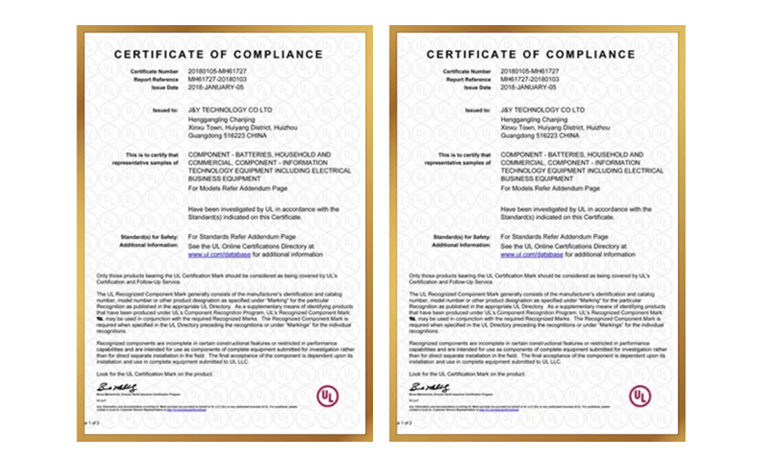
  • UL Certification: Optional but recommended for PCB prototypes used in electrical equipment, ensuring compliance with safety standards for global markets.

What Is Quality Control Process of Vietnam PCB Prototyping Services?

Quality Control Process of Vietnam PCB Prototyping Services:

  • Pre-production QC: Conduct Incoming Quality Control (IQC) on raw materials such as copper, substrate and solder mask. Verify material certificates and perform sample tests to ensure all materials meet project requirements, including medical-grade FR-4 substrate for medical prototypes.
  • In-production QC: Monitor every production step closely, with drilling accuracy controlled to ±0.05mm and copper plating thickness no less than 25μm. Use Automatic Optical Inspection (AOI) to identify surface defects like short circuits and missing pads in real time.
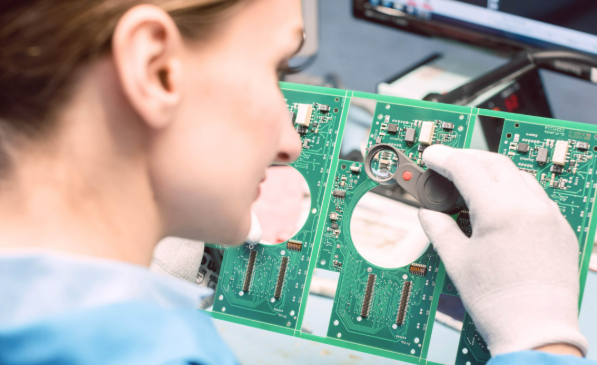
  • Post-production QC: Perform X-Ray testing to detect hidden defects, such as issues with BGA solder joints in aerospace prototypes. Conduct electrical tests for continuity and insulation resistance, along with visual inspections per IPC-A-600 standards. Add sterility and biocompatibility tests for medical prototypes.
  • Final validation: Compile a detailed QC report with all test results to ensure full traceability for each prototype batch, supporting medical and aerospace clients in meeting relevant regulatory requirements.
What Is Quality Control Process of Vietnam PCB Prototyping Services, https://www.bestpcbs.com/blog/2026/03/pcb-prototyping-in-vietnam/

What Are Production Capabilities of PCB Prototyping in Vietnam?

PCB prototyping in Vietnam has advanced production capabilities to meet diverse industry needs, with most factories offering comprehensive services for medical, aerospace, and industrial equipment.

  • Board Layers: 1-24 layers, including HDI (High-Density Interconnect) boards up to 16 layers (used in aerospace communication modules) and rigid-flex boards for portable medical devices.
  • Board Size: 0.8cm × 0.8cm to 100cm × 100cm, supporting both small precision prototypes (e.g., medical sensors) and large industrial PCB prototypes (e.g., industrial control panels).
  • Materials: FR-4 (standard), Rogers (high-frequency, aerospace), Teflon (high-temperature), aluminum substrate (heat-dissipating, industrial equipment), and medical-grade materials (biocompatible, non-toxic).
  • Surface Treatments: ENIG (Electroless Nickel Immersion Gold), HASL (Hot Air Solder Leveling), OSP (Organic Solderability Preservative), and immersion silver, suitable for different soldering and reliability requirements.
  • Special Processes: Blind/buried vias, microvias (HDI), solder mask printing, silkscreen printing, and conformal coating (for harsh industrial environments). Annual capacities range from 540,000㎡ (FPC) to 2.16 million㎡ (PTH boards) for top factories.
What Are Production Capabilities of PCB Prototyping in Vietnam, https://www.bestpcbs.com/blog/2026/03/pcb-prototyping-in-vietnam/

What Is the Typical Lead Time of PCB Prototyping in Vietnam?

PCB Prototype TypeStandard Lead TimeUrgent Lead Time (Additional Fee)
1-4 Layers (Standard Rigid PCB)24-72 Hours12-24 Hours (+50%)
5-8 Layers (Mid-Range Rigid PCB)4-5 Days2-3 Days (+30%)
9-16 Layers (HDI/Complex PCB)5-7 Days3-4 Days (+40%)
Flexible/Rigid-Flex PCB7-10 Days5-6 Days (+35%)
Special Materials (Rogers/Teflon)8-12 Days6-7 Days (+45%)
PCB + Vietnam PCB Assembly10-14 Days7-8 Days (+30%)

How Much Does PCB Prototyping in Vietnam Cost?

The cost of PCB prototyping in Vietnam depends on board layers, size, materials, surface treatment, and quantity. Below are accurate price ranges for 2026, excluding Vietnam PCB assembly:

  • 2 Layers (Standard FR-4, 10×10cm, 10 pieces): $20-$50.
  • 4 Layers (Standard FR-4, 10×10cm, 10 pieces): $50-$120.
  • 8 Layers (Standard FR-4, 10×10cm, 10 pieces): $120-$250.
  • 16 Layers (HDI, FR-4, 10×10cm, 10 pieces): $250-$500.
  • Flexible PCB (2-4 layers, 5×5cm, 10 pieces): $80-$180.
  • Special Materials (Rogers/Teflon, 1-4 layers, 10×10cm, 10 pieces): $150-$350.
  • Surface Treatment Add-Ons: ENIG (+$30-$80 per batch), HASL (+$10-$30 per batch), OSP (no additional cost).
  • Urgent Service: +30%-50% of the total prototyping cost.

For Vietnam PCB assembly, add $0.01-$0.05 per solder joint for standard components, or $0.05-$0.10 per joint for precision components (e.g., 01005 size for medical devices).

FAQs About PCB Prototyping Services in Vietnam

Q1: Can PCB prototyping services in Vietnam handle custom material requests for high-frequency or high-temperature aerospace prototypes?
A1: Yes, most reputable PCB prototyping services in Vietnam can accommodate custom material requests for aerospace and other high-demand applications. They offer a range of specialized materials, including Rogers for high-frequency needs and Teflon for high-temperature resistance, which are essential for aerospace communication modules. Top factories maintain partnerships with global material suppliers, ensuring timely access to these specialized materials, and can provide material certificates to verify compliance with aerospace industry standards.

Q2: If my PCB prototype fails quality testing, what is the process for rework or replacement with Vietnam prototyping services?
A2: Reputable PCB prototyping services in Vietnam have a clear rework and replacement policy to protect client interests. If a prototype fails quality testing (e.g., electrical continuity issues or surface defects), the factory will first conduct a detailed root cause analysis within 24 hours. For defects caused by production errors, they will provide free rework or replacement, with the rework lead time typically 20%-30% shorter than the original prototyping time. For medical and aerospace prototypes, they also offer additional testing after rework to ensure compliance with all specs.

Q3: Do PCB prototyping services in Vietnam offer component sourcing support for prototypes that require assembly?
A3: Yes, most PCB prototyping services in Vietnam provide component sourcing support as part of their one-stop service. They source components from trusted global suppliers such as TI and ADI, ensuring genuine parts that meet project specifications. For hard-to-find or specialized components (e.g., precision parts for medical device prototypes), they have a dedicated sourcing team that can locate components within 48 hours, and they provide component quality verification before assembly to avoid compatibility issues.

Q4: How do PCB prototyping services in Vietnam ensure design confidentiality for my proprietary PCB prototypes?
A4: Confidentiality is a top priority for PCB prototyping services in Vietnam, especially for clients with proprietary designs. All reputable factories require non-disclosure agreements (NDAs) to protect client intellectual property. They also implement strict internal data security measures, including encrypted design file storage, restricted access to design data, and secure disposal of unused prototype materials and design documents. Additionally, they do not share client design details or prototype samples with third parties without explicit permission.

Q5: Can PCB prototyping services in Vietnam accommodate design modifications after the prototyping process has started?
A5: Most PCB prototyping services in Vietnam can accommodate design modifications, but the feasibility depends on the stage of production. If modifications are requested before the production of core layers (e.g., drilling or copper plating), the process is straightforward, with minimal additional cost and a short delay of 12-24 hours. If modifications are requested after core production, there may be additional material and labor costs, but the factory will provide a detailed cost and timeline estimate before proceeding. For urgent projects, they prioritize modification requests to minimize delays to the overall project timeline.

Embedded PCB Antennas | RF Antenna PCB Design, Prototyping & Assembly

March 17th, 2026

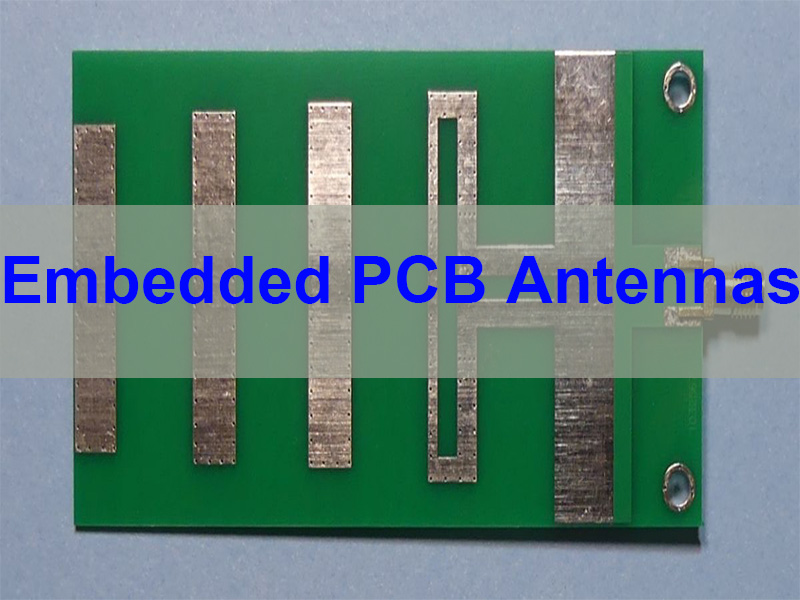
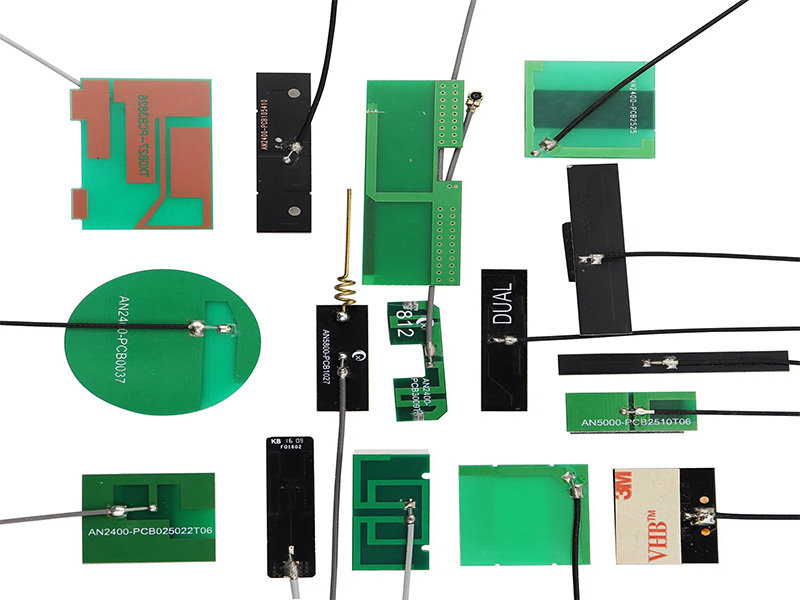
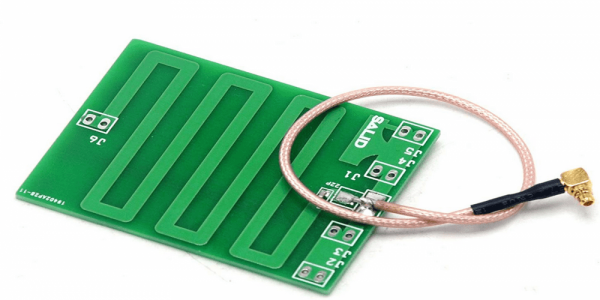
Embedded PCB Antennas are antenna structures directly integrated into the copper layers of a printed circuit board, enabling wireless communication without the need for external antenna components. This article explains how embedded PCB antennas work, their design principles, common structures such as 2.4 GHz embedded PCB antenna designs, and how manufacturers optimize antenna performance for wireless products.

Wireless connectivity has become fundamental in modern electronics. From IoT sensors and smart home devices to wearable technology and industrial control systems, engineers increasingly prefer antenna solutions that reduce product size, simplify assembly, and lower cost. Embedded antennas meet these goals by integrating RF functionality directly into the PCB itself. EBest Circuit specializes in RF antenna PCB design, prototyping, and full PCBA assembly. With over 20 years of experience in RF PCB manufacturing, we help engineers bring wireless products to market faster and more reliably. For inquiries or factory visits, please contact us at sales@bestpcbs.com.

Why Embedded PCB Antennas Are Popular in Modern Electronics?

Electronic devices are becoming smaller while requiring more connectivity options. This trend makes traditional external antennas less practical in many applications.

Embedded antennas provide several advantages.

Space Saving Design

An embedded antenna PCB eliminates the need for external antennas or connectors. This is especially useful in compact products such as smart sensors, wearables, and IoT modules.

Lower Manufacturing Cost

Because the antenna is etched directly into the PCB copper layer, there is no need for additional antenna components, coaxial connectors, or cables.

Improved Mechanical Reliability

External antennas can break, loosen, or suffer from connector wear. An embedded PCB antenna removes these potential failure points.

Simplified Product Design

Industrial designers often prefer products without visible antennas. Embedded antennas allow sleek product designs without compromising wireless functionality.

Because of these benefits, embedded antenna technology is widely used across modern electronics.

What Is an Embedded PCB Antenna?

An embedded PCB antenna is an antenna structure created using copper traces on the PCB. Instead of installing a discrete antenna module, engineers design a specific copper pattern that radiates RF signals.

These antennas operate using electromagnetic radiation generated by alternating current flowing through the copper trace.

Typical characteristics include:

  • Copper trace acting as the radiating element
  • Integration into PCB layers or surface traces
  • Connection to RF transceivers via a 50-ohm impedance line
  • Use of tuning components for impedance matching

Embedded antennas are commonly used in frequencies such as:

FrequencyTypical Application
433 MHzRemote controls
868 / 915 MHzLoRa communication
2.4 GHzWiFi / Bluetooth
5 GHzHigh-speed WiFi
13.56 MHzNFC systems

Among these, the 2.4 GHz embedded PCB antenna is the most widely used due to the popularity of WiFi and Bluetooth devices.

Types of Embedded PCB Antennas

Different antenna structures are used depending on frequency, PCB size, and product design constraints.

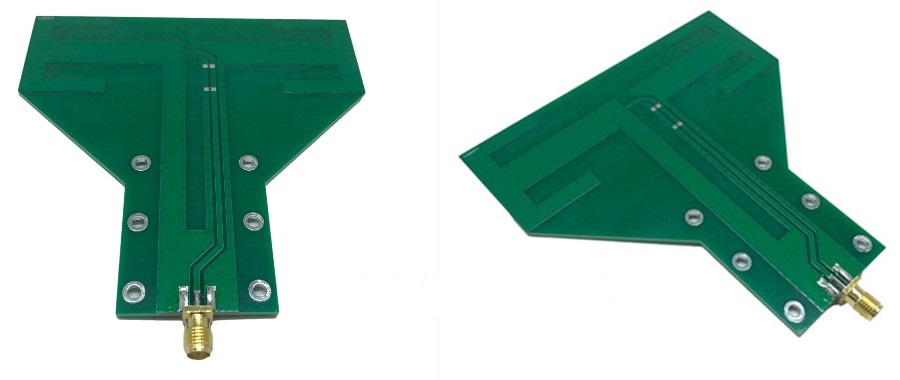
Inverted-F Antenna (IFA)

The inverted-F antenna is one of the most common pcb embedded antenna designs.

Key characteristics include:

  • Compact layout
  • Good impedance matching
  • Suitable for 2.4 GHz communication

This antenna structure is widely used in:

  • WiFi modules
  • Bluetooth devices
  • IoT communication modules

Meandered PCB Antenna

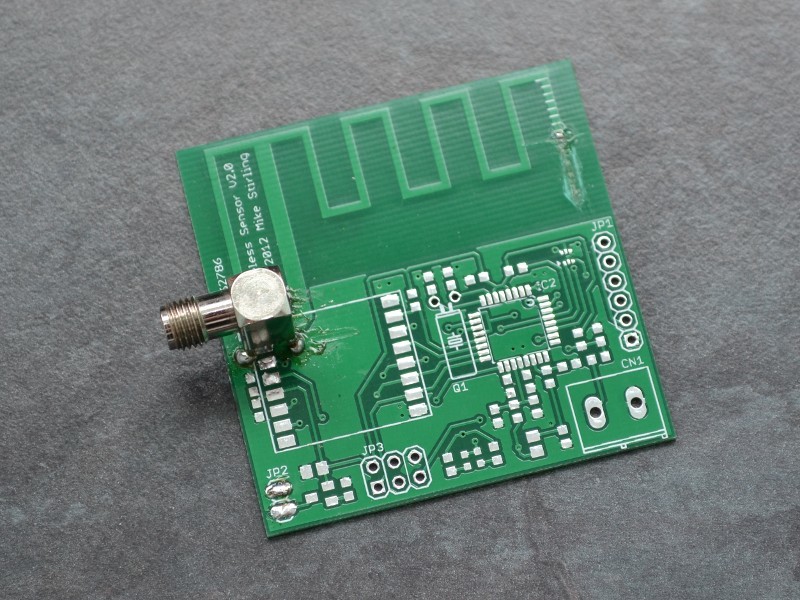
A meandered antenna uses a serpentine copper trace that increases electrical length without increasing physical size.

Advantages include:

  • Compact footprint
  • Efficient low-frequency operation
  • Suitable for small devices

It is commonly used in:

  • IoT sensors
  • LoRa devices
  • wireless control modules

Loop Antenna

A loop antenna consists of a closed copper loop that radiates electromagnetic energy.

Typical uses include:

  • RFID systems
  • wireless communication devices
  • NFC systems

In many smartphones and access control systems, an embedded pcb nfc antenna is implemented as a loop antenna around the PCB.

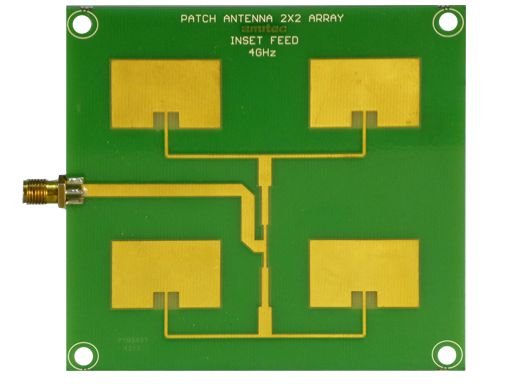
Patch Antenna

Patch antennas are flat metal patches placed above a ground plane.

Embedded PCB Antennas

They provide:

  • directional radiation
  • higher gain
  • stable performance

Applications include:

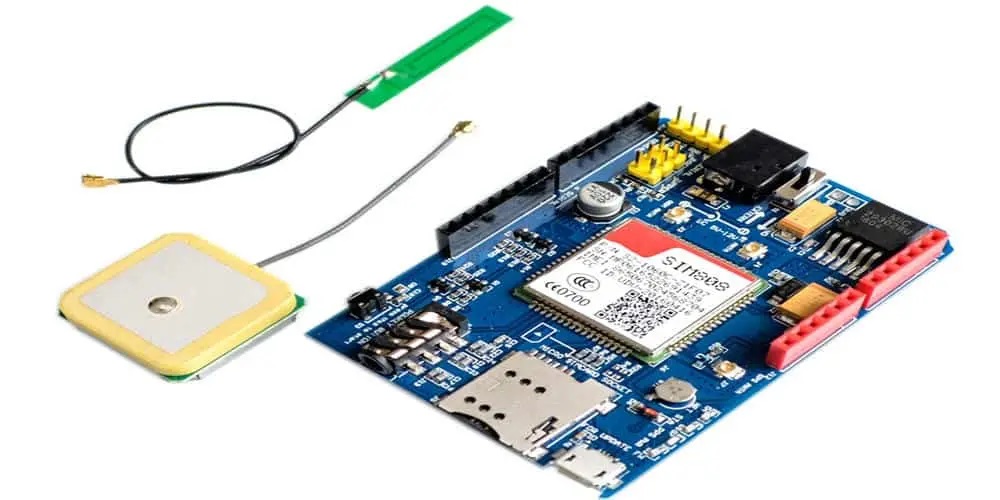
  • GPS receivers
  • satellite communication systems
  • automotive radar

How Embedded PCB Antennas Work?

Embedded antennas convert electrical signals into electromagnetic waves. When RF current flows through the antenna trace, it generates an oscillating electromagnetic field that radiates into space.

The efficiency of radiation depends on several design factors.

Antenna Length

A key rule in antenna design is the quarter-wavelength principle.

The approximate antenna length is:

FrequencyQuarter Wavelength
433 MHz~17 cm
915 MHz~8 cm
2.4 GHz~3.1 cm

Because space is limited on PCBs, engineers often use meander structures to compress antenna length.

Impedance Matching

Most RF systems use 50-ohm impedance. If the antenna impedance does not match the RF circuit, signal reflections occur.

Matching networks are commonly used.

Typical structures include:

  • Pi matching network
  • T matching network
  • LC matching circuits

These components help optimize antenna efficiency and radiation performance.

Ground Plane Influence

The ground plane strongly affects antenna performance.

Key considerations include:

  • sufficient ground clearance around the antenna
  • avoiding large metal components nearby
  • controlling return current paths

Improper ground design can significantly reduce antenna efficiency.

Embedded PCB Antennas vs External Antennas

Engineers often choose between embedded antennas and external antennas depending on product requirements.

FeatureEmbedded PCB AntennaExternal Antenna
SizeVery compactLarger
CostLowerHigher
RF performanceModerateUsually stronger
IntegrationHighLow
Mechanical reliabilityHighConnector dependent

External antennas are often preferred when:

  • maximum transmission distance is required
  • RF performance is critical
  • PCB size is extremely small

Embedded antennas are preferred when:

  • product size is limited
  • cost must be minimized
  • industrial design requires hidden antennas

Design Factors That Affect Embedded PCB Antenna Performance

Designing a reliable embedded antenna PCB requires careful consideration of multiple parameters.

PCB Material

The dielectric constant of the PCB affects signal propagation.

Common materials include:

MaterialTypical Use
FR4Standard IoT devices
RogersHigh-frequency applications
PTFEAdvanced RF designs

For most consumer devices, FR4 is sufficient for 2.4 GHz embedded PCB antenna designs.

PCB Stackup

Stackup influences antenna impedance and radiation pattern.

Key parameters include:

  • dielectric thickness
  • copper thickness
  • ground plane position

Proper stackup planning is critical for RF performance.

Component Placement

Components near the antenna can interfere with signal radiation.

Engineers typically avoid placing these near antennas:

  • batteries
  • shielding cans
  • large metal connectors

Maintaining a dedicated antenna clearance area is essential.

Antenna Tuning

Even well-designed antennas often require tuning during prototyping.

Common RF testing tools include:

  • Vector Network Analyzer (VNA)
  • RF simulation software
  • spectrum analyzers

These tools help optimize antenna performance before mass production.

Applications of Embedded PCB Antennas

Embedded antennas are widely used across many industries.

IndustryApplication
IoTsmart sensors
Smart homeWiFi devices
Medicalwireless monitoring
Automotivetelematics
Industrialwireless automation
Consumer electronicswearable devices

For example, smart home devices often use 2.4 GHz embedded PCB antennas to support WiFi or Bluetooth connectivity.

Similarly, access control systems rely on embedded PCB NFC antennas for contactless communication.

Why Choose EBest Circuit for Embedded PCB Antennas?

Designing and manufacturing embedded antennas requires expertise in both RF engineering and PCB fabrication.

EBest Circuit (Best Technology) provides complete support for antenna PCB development, including design consultation, prototyping, and mass production.

Key advantages include:

  • Professional engineering support team for full-process technical assistance
  • Free DFM review and BOM optimization by experienced engineers
  • Complete PCB + component sourcing + PCBA assembly services
  • Support for prototypes and small-batch production
  • Certifications including ISO9001, ISO13485, IATF16949, and AS9100D
  • Digital manufacturing system with full traceability

With more than 20 years of PCB and PCBA manufacturing experience, EBest Circuit helps customers successfully develop high-performance wireless products.

Embedded PCB Antennas

In summary‌, embedded PCB antennas have become an essential technology in modern wireless electronics. By integrating antenna structures directly into the PCB, designers can reduce product size, lower manufacturing cost, and improve reliability.

From 2.4 GHz embedded PCB antennas used in WiFi devices to embedded PCB NFC antennas used in contactless systems, this antenna technology enables compact and efficient wireless products across many industries.

As wireless devices continue to expand across IoT, medical, automotive, and industrial markets, embedded antenna design will remain a critical element of PCB engineering.

Ready to integrate an embedded PCB antenna into your next product? EBest Circuit provides professional antenna PCB design support, rapid prototyping, and complete PCBA manufacturing services. Pls feel free to contact us at sales@bestpcbs.com.

FAQs About Embedded PCB Antennas

What is an embedded PCB antenna?

An embedded PCB antenna is a wireless antenna created directly from copper traces on a printed circuit board instead of using an external antenna component.

What frequency is commonly used for embedded PCB antennas?

The most common frequency is 2.4 GHz, which supports WiFi and Bluetooth communication.

Can FR4 be used for embedded antennas?

Yes. FR4 is widely used for most consumer electronics and works well for 2.4 GHz embedded PCB antenna designs.

What is an embedded PCB NFC antenna?

An embedded PCB NFC antenna is typically a loop antenna designed on the PCB to enable near-field communication at 13.56 MHz.

How do engineers tune PCB antennas?

Engineers use RF test equipment such as vector network analyzers to measure antenna impedance and adjust matching components.

Internal PCB Antenna Design, Prototyping, and Assembly

March 16th, 2026

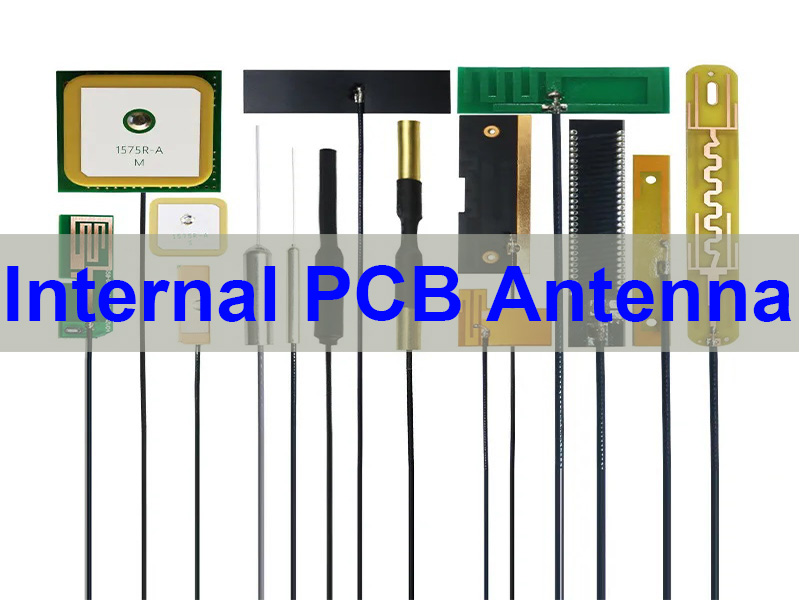
Internal PCB Antenna is a critical component that enables compact wireless devices to achieve stable signal transmission while saving space and reducing assembly complexity. This article explains the design principles, prototyping process, and manufacturing considerations required to develop reliable Internal PCB Antenna solutions for modern electronic products.

EBest Circuit (Best Technology) is your trusted partner for end-to-end Internal PCB Antenna solutions. We design, prototype, and manufacture high-performance PCB antennas that are fully integrated into your circuit board, delivering excellent signal performance while saving valuable device space.

From early RF simulation to volume PCBA manufacturing, our engineering team supports the entire development process. As a result, your product can achieve stable wireless performance in demanding industries such as IoT devices, medical electronics, smart sensors, and telecommunications equipment. Pls feel free to contact us anytime at sales@bestpcbs.com to get expert support for design, prototyping, and PCBA manufacturing.

Internal PCB Antenna

What is an Internal PCB Antenna and Why Do You Need One?

An Internal PCB Antenna is an antenna structure etched directly on the PCB copper layer. It may appear as a trace antenna, loop antenna, or patch antenna integrated within the board layout.

Unlike external antennas, internal PCB antennas do not require additional hardware components. Therefore, they simplify product structure while reducing assembly cost.

This design approach is widely used in compact electronics such as:

  • IoT sensors
  • wearable medical devices
  • industrial monitoring equipment
  • wireless communication modules

However, designing an internal antenna is not simply drawing a copper trace. Nearby components, enclosure materials, and ground planes can all influence antenna performance.

Therefore, proper design and simulation are essential to ensure reliable wireless connectivity.

In short, an internal PCB antenna allows engineers to achieve compact design, lower cost, and improved product durability.

Key Considerations for Successful Internal PCB Antenna Design

Designing a reliable Internal PCB Antenna requires careful RF engineering. Based on common discussions in technical communities, engineers often encounter several challenges.

Typical issues include:

  • impedance mismatch
  • ground plane interference
  • signal detuning caused by nearby components
  • unexpected radiation pattern changes

As a result, antenna performance may degrade significantly after integration into the final product.

At EBest Circuit (Best Technology), we address these problems through a structured RF design process.

Pre-Layout Simulation

First, we perform electromagnetic simulation to evaluate antenna performance. The simulation includes PCB stack-up parameters, dielectric constant, and board thickness.

Ground Plane Optimization

Second, we optimize the ground plane design. The ground plane acts as the antenna’s counterpoise and strongly influences radiation efficiency.

Real-World Tuning

Finally, prototypes are tested inside the actual enclosure. This allows engineers to adjust the antenna structure for the real product environment.

Therefore, proper design methodology significantly improves antenna reliability and communication stability.

From Design to Reality: The Critical Prototyping Phase for PCB Antennas

Even the best antenna simulation can behave differently in the physical world. This difference is often called the integration gap.

In practice, many prototypes experience:

  • frequency shift
  • reduced radiation efficiency
  • lower signal range

These issues typically appear after the antenna is integrated with components and housing structures.

To eliminate this gap, EBest Circuit (Best Technology) uses an engineering-driven prototyping process.

Our prototype development includes:

  • functional PCB antenna test boards
  • vector network analyzer measurements
  • radiation pattern evaluation
  • iterative tuning adjustments

Through repeated testing and optimization, we ensure the antenna performs correctly in the final product environment.

As a result, the design moves from theoretical simulation to a reliable production-ready antenna.

Streamlining Internal PCB Antenna Assembly for Volume Production

Once the prototype is validated, the next challenge is large-scale production.

For Internal PCB Antenna assembly, manufacturing consistency is critical. Even small variations in PCB material, trace geometry, or soldering processes can influence RF performance.

Common production risks include:

  • variation in substrate properties
  • inconsistent trace dimensions
  • assembly interference near the antenna region

EBest Circuit (Best Technology) addresses these challenges with strict process control.

Our production capabilities include:

  • automated SMT assembly lines
  • controlled PCB fabrication processes
  • RF-safe component placement guidelines
  • selective conformal coating

As a result, every unit maintains the same antenna performance as the validated prototype.

Ultimately, this ensures stable wireless communication across large production volumes.

Why EBest Circuit (Best Technology) is the Preferred Choice for Your Internal PCB Antenna Project?

Choosing the right manufacturer is essential for any RF-based product.

Unlike traditional PCB suppliers, EBest Circuit (Best Technology) combines RF engineering expertise with advanced PCB manufacturing capability.

Our engineering team has experience designing various antenna structures, including:

  • PCB loop antennas
  • dipole antennas on PCB
  • inverted-F antennas
  • dual antennas for MIMO systems

Furthermore, we provide a complete service chain, including:

Therefore, customers can manage their entire antenna project through a single partner.

Ultimately, this integrated approach reduces development time and simplifies supply chain management.

How Do PCB Antennas Actually Work?

PCB antennas convert electrical signals into electromagnetic waves.

When RF current flows through the antenna trace, it creates oscillating electromagnetic fields. These fields radiate outward as wireless signals.

The antenna trace length is typically related to the signal wavelength. For example, many antennas are designed around a quarter-wavelength structure.

However, antenna performance is not determined by the trace alone. The PCB substrate, ground plane, and surrounding environment all influence the radiation characteristics.

Therefore, successful antenna design requires understanding the entire PCB structure rather than copying reference layouts.

In essence, a PCB antenna functions as a carefully tuned RF resonator integrated into the circuit board.

PCB Trace Antenna vs. Chip Antenna: Which is Better for My Design?

When designing a wireless product, engineers often choose between PCB trace antennas and chip antennas.

Below is a simplified comparison.

FeaturePCB Trace AntennaChip Antenna
CostLow (no extra component)Higher (additional BOM part)
PCB AreaLarger board spaceVery compact
CustomizationHighly customizableFixed specification
Design DifficultyRequires RF tuningEasier integration
Best UseCost-sensitive productsVery small devices

Therefore, PCB trace antennas are typically preferred for customized RF performance and lower production cost.

Chip antennas, however, are suitable when PCB area is extremely limited.

How to Design a Reliable PCB Trace Antenna: A Step-by-Step Guide

Designing a PCB trace antenna requires a systematic workflow.

Step 1 – Define Requirements

Determine frequency band, bandwidth, and radiation pattern requirements.

Step 2 – Select Antenna Type

Choose a suitable topology such as:

  • inverted-F antenna
  • meandered monopole
  • patch antenna

Step 3 – Perform RF Simulation

Use electromagnetic simulation tools with the exact PCB stack-up parameters.

Step 4 – Integrate With Full PCB Layout

Place the antenna inside the full circuit layout and evaluate interaction with components.

Step 5 – Prototype and Measure

Manufacture test boards and measure S-parameters and radiation patterns.

Step 6 – Tune the Antenna

Adjust trace length or geometry to reach optimal performance.

Ultimately, this iterative process ensures stable antenna behavior in the final product.

Optimizing Performance When Using Two Antennas on One PCB

Modern wireless systems often use dual antennas for diversity or MIMO communication.

However, placing two antennas on one PCB introduces mutual coupling, which can reduce signal efficiency.

To minimize interference, engineers typically apply several techniques.

Increase Antenna Separation

Whenever possible, antennas should be placed at least ¼ to ½ wavelength apart.

Use Orthogonal Polarization

Orient antennas at different angles to reduce electromagnetic interaction.

Apply Decoupling Techniques

Ground plane shaping and decoupling circuits can improve port isolation.

Optimize Ground Structure

Slots or segmented ground planes can help control RF current paths.

As a result, properly designed multi-antenna systems can significantly improve wireless communication reliability.

Common Pitfalls in Internal PCB Antenna Design and How to Avoid Them

Even experienced engineers occasionally encounter antenna design problems.

Some common mistakes include:

Ignoring the Enclosure

Plastic or metal housings can detune the antenna resonance.

Poor Ground Plane Design

An incorrect ground plane layout often leads to inefficient radiation.

Routing Signals Too Close

High-speed digital traces near the antenna may introduce noise.

Certification Oversight

Regulatory requirements such as FCC or CE testing must be considered early.

Therefore, early design review and RF testing are essential to prevent costly redesigns.

Real-World Application: Internal PCB Antennas in Medical and Aerospace Systems

Internal PCB antennas are widely used in mission-critical electronics.

Medical Devices

In wearable medical monitors, a compact PCB patch antenna ensures stable Bluetooth connectivity while maintaining a slim device profile.

Industrial and Aerospace Systems

For industrial IoT sensors installed inside metal enclosures, specialized ground plane slots allow RF signals to radiate effectively.

These examples demonstrate how customized antenna design enables reliable wireless communication even in challenging environments.

Internal PCB Antenna

Ready to integrate a high-performance Internal PCB Antenna into your product? EBest Circuit (Best Technology) provides complete Internal PCB Antenna solutions including design consultation, rapid prototyping, and volume PCBA manufacturing. Pls feel free to contact us anytime to turn your Internal PCB Antenna design into reliable production by reaching us at +86-755-2909-1601 or sales@bestpcbs.com.

Internal PCB Antenna FAQs

How much board space does a PCB antenna require?

For a 2.4 GHz antenna, the area may range from approximately 15 mm × 5 mm for a simple trace antenna to around 25 mm × 25 mm for a patch antenna.

Can I copy an antenna design from an IC datasheet?

Reference designs are useful starting points, but they must be tuned according to your PCB stack-up and layout.

Do I need an RF engineer to design a PCB antenna?

Yes. RF design expertise is usually required to ensure reliable performance and regulatory compliance.

What is the typical gain of a PCB trace antenna?

Most PCB antennas have gains between -5 dBi and +3 dBi, depending on size and efficiency.

How can an external antenna be connected to a PCB?

External antennas typically use connectors such as U.FL or SMA, connected through a controlled-impedance 50-ohm transmission line.

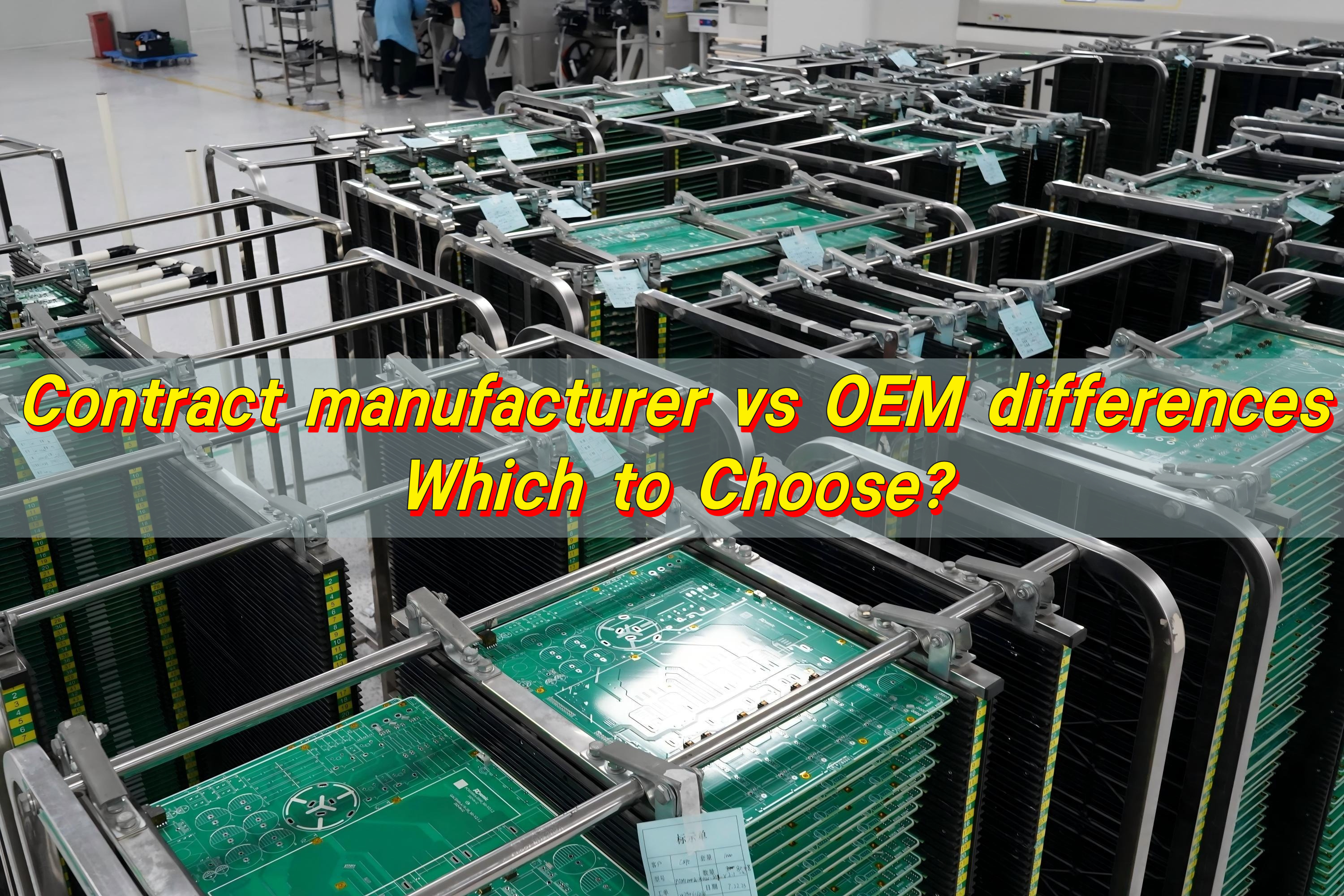
Contract Manufacturer vs OEM Differences: Which to Choose?

March 12th, 2026

What is a Contract Manufacturer (CM)?

A contract manufacturer (CM) is a company hired to build products based on a customer’s design and specifications. The customer provides engineering files, bills of materials, and assembly instructions. The contract manufacturer focuses on production execution.

In electronics manufacturing, this model is common in PCB assembly, device production, and box-build services. The client retains ownership of the product design while the CM handles the manufacturing process. Contract manufacturers operate as production specialists. Their factories often include SMT lines, testing equipment, and supply chain systems designed for high efficiency.

Contract Manufacturer vs OEM Differences: Which to Choose?

Typical services provided by contract manufacturers include:

  • PCB fabrication and PCB assembly
  • Component sourcing and supply chain management
  • SMT and through-hole assembly
  • Functional testing and inspection
  • Product assembly and box-build services
  • Packaging and logistics support

For many companies, working with a CM allows them to scale production without building expensive factories. Engineering teams focus on innovation while manufacturing experts handle production complexity.

What is an Original Equipment Manufacturer (OEM)?

An original equipment manufacturer (OEM) traditionally refers to a company that designs and produces products under its own brand or intellectual property. The OEM is the originator of the product concept. In many industries, OEMs design systems, define product specifications, and control the product lifecycle. The manufacturing stage may happen internally or through external partners.

For example, a company developing a medical imaging device may act as the OEM. It creates the product architecture, develops the software, and owns the technology. Production may still be outsourced to a contract manufacturer.

In electronics and hardware industries, OEMs typically handle:

  • Product design and engineering
  • Intellectual property ownership
  • Brand development and marketing
  • Product certification and compliance
  • Market distribution and customer support

The OEM owns the product identity. Even when manufacturing is outsourced, the OEM remains responsible for the product’s performance and reputation. OEM companies often invest heavily in research and development. Their teams include electrical engineers, mechanical designers, firmware developers, and product managers.

What is the Difference Between OEM and Contract Manufacturer?

The core difference between these two models lies in responsibility and ownership. The OEM creates and owns the product concept. The contract manufacturer builds the product. Both roles are essential in modern supply chains. Many successful products depend on collaboration between the two.

The OEM develops the product. The CM produces it efficiently at scale:

  • OEM – Product creator and brand owner
  • Contract Manufacturer – Production partner executing manufacturing tasks
AspectOEMContract Manufacturer
Product DesignCreated by OEMProvided by customer
Intellectual PropertyOwned by OEMNo ownership
Brand OwnershipOEM brandNo brand involvement
Manufacturing ResponsibilityMay outsourcePerforms production
Engineering ControlFull design authorityManufacturing engineering only
Market StrategyManaged by OEMNot involved
Revenue SourceProduct salesManufacturing service fees

OEM companies prioritize innovation, market positioning, and product differentiation. Contract manufacturers prioritize process efficiency, production quality, and cost optimization. Both roles complement each other. Many large technology companies operate successfully using this partnership model.

Contract Manufacturer vs OEM Differences: Which to Choose?

Contract Manufacturer vs OEM: Who Owns the Design?

Design ownership is one of the most important factors when comparing contract manufacturer vs OEM differences.

In almost every case, the OEM owns the product design. The OEM invests in research and development. It creates the product architecture and defines the functionality. This intellectual property belongs to the OEM. The contract manufacturer receives the design files and uses them to build the product.

Typical documentation provided to a CM includes:

  • PCB Gerber files
  • Assembly drawings
  • Bill of materials (BOM)
  • Test procedures
  • Firmware or software packages

The contract manufacturer does not claim ownership of these assets. It operates under manufacturing agreements that protect the customer’s intellectual property. However, contract manufacturers often contribute engineering suggestions. These recommendations help improve manufacturability and reduce cost.

Common support provided by experienced CMs includes:

  • DFM (Design for Manufacturability) feedback
  • Component substitution advice
  • Process optimization suggestions
  • Assembly yield improvements

Despite these contributions, the final product design still belongs to the OEM. This arrangement protects innovation while allowing production experts to refine the manufacturing process.

What Are the Pros and Cons of Contract Manufacturing?

Contract manufacturing has become a preferred production model across many industries. It allows companies to launch products without building large factories. However, like any strategy, it offers advantages and limitations.

Many companies adopt contract manufacturing because it offers strong operational benefits. Key advantages include:

  • Lower capital investment
  • Access to experienced manufacturing teams
  • Scalable production capacity
  • Faster product launches
  • Reduced operational complexity

Instead of investing millions in equipment, companies can leverage an existing manufacturing ecosystem. Contract manufacturers already operate advanced production lines, quality systems, and supply chain networks. This infrastructure allows faster product ramp-up.

Another advantage is geographic flexibility. Production can be located near component suppliers or logistics hubs. This reduces shipping time and improves supply chain resilience.

Although contract manufacturing offers many benefits, companies should evaluate potential challenges carefully. These may include:

  • Less direct control over production operations
  • Dependence on external manufacturing partners
  • Communication gaps during complex projects

However, these challenges can often be minimized through strong partnerships and clear project management. Many companies maintain engineering teams that work closely with manufacturing partners to ensure smooth collaboration. When communication is effective, contract manufacturing becomes a powerful growth tool.

What Are the Pros and Cons of Working with an OEM?

Working with an OEM presents a different business dynamic. OEM relationships often occur when companies integrate another firm’s technology into their own product. For example, a medical equipment manufacturer may integrate an OEM power module or control board.

OEM relationships often provide access to proven technology and established engineering expertise. Benefits commonly include:

  • Access to specialized technology
  • Reduced product development time
  • Reliable component integration
  • Engineering support from the OEM

Using OEM components allows companies to accelerate product development. Instead of building every subsystem from scratch, they integrate existing modules. This approach is common in industries such as automotive electronics, industrial automation, and telecommunications equipment.

While OEM partnerships are valuable, companies should evaluate certain limitations. These may include:

  • Limited control over design changes
  • Dependency on OEM product availability
  • Potential supply chain constraints

In many cases, companies mitigate these concerns by qualifying multiple suppliers or maintaining engineering alternatives. The key advantage remains clear: OEM partnerships reduce development complexity and accelerate product readiness.

Contract Manufacturer vs OEM Differences: Which to Choose?

How Do Cost and Pricing Differ Between CM and OEM?

Cost structure is another critical factor when examining contract manufacturer vs OEM differences. The pricing model varies significantly between these two roles. Contract manufacturers charge for manufacturing services. Their revenue comes from production activities rather than product ownership.

Typical CM pricing elements include:

  • Assembly labor
  • Equipment usage
  • Component sourcing services
  • Testing and inspection
  • Logistics and packaging

The OEM pays these costs while maintaining control over the product. OEM companies generate revenue differently. They sell the finished product to distributors, integrators, or end users.

Their pricing includes:

  • Product development costs
  • Engineering investment
  • Brand value and marketing
  • Manufacturing expenses
  • Profit margin
Cost FactorOEMContract Manufacturer
Revenue SourceProduct salesManufacturing service fees
Pricing ControlFull controlBased on production costs
R&D InvestmentHighMinimal
Equipment OwnershipMay varyOwned by CM
Profit ModelProduct marginManufacturing margin

Because contract manufacturers specialize in production efficiency, they often achieve lower per-unit manufacturing costs. OEM companies benefit from this efficiency while focusing resources on product innovation and market expansion.

What Is the Difference in Quality Control Between CM and OEM?

Quality control plays a vital role in electronics manufacturing. Both OEMs and contract manufacturers participate in quality assurance, but their responsibilities differ. The OEM defines product requirements and quality standards. The contract manufacturer executes the inspection and testing processes.

Typical responsibilities are distributed as follows:

OEM responsibilities

  • Define product specifications
  • Establish reliability requirements
  • Approve testing procedures
  • Validate design performance

Contract manufacturer responsibilities

  • Perform manufacturing inspections
  • Execute testing procedures
  • Monitor process stability
  • Document traceability records

Professional contract manufacturers often maintain advanced quality systems. These systems typically include:

  • Automated Optical Inspection (AOI)
  • X-ray inspection for hidden joints
  • Functional testing platforms
  • Statistical process control
  • Full production traceability

For regulated industries such as medical electronics or aerospace hardware, certifications are critical.

Quality-driven contract manufacturers often maintain certifications such as:

  • ISO 9001
  • ISO 13485
  • IATF 16949
  • AS9100

These certifications ensure that production processes meet strict industry standards. The OEM remains responsible for final product approval, but the manufacturing partner performs daily quality monitoring.

Contract Manufacturer vs OEM Differences: Which to Choose?

How to Choose Between Contract Manufacturer vs OEM?

Choosing the right model depends on the company’s business strategy, engineering capabilities, and production scale. Companies should evaluate several key factors before making a decision.

  • 1. Product Development Capability

If your company has strong engineering resources, acting as the OEM and outsourcing production may be the best option. This approach allows full control over product innovation. If engineering capability is limited, partnering with OEM suppliers for subsystems may accelerate development.

  • 2. Manufacturing Infrastructure

Building factories requires significant investment. Contract manufacturing eliminates the need for expensive production equipment. This model is especially attractive for startups and fast-growing technology companies.

  • 3. Production Volume

High production volumes often benefit from specialized contract manufacturers. They already operate large-scale production lines optimized for efficiency. Low-volume projects may still benefit from outsourcing because setup costs remain manageable.

  • 4. Time-to-Market Requirements

Launching products quickly can provide a competitive advantage. Contract manufacturers often reduce production ramp time. Their existing infrastructure allows faster manufacturing readiness.

  • 5. Supply Chain Complexity

Electronics manufacturing involves complex supply chains. Experienced contract manufacturers maintain strong supplier networks. This can improve component availability and cost efficiency.

  • 6. Quality and Compliance

Products in regulated industries require strict quality control. Selecting a manufacturing partner with proven certifications ensures compliance with industry standards. Ultimately, the choice is rarely absolute. Many successful companies operate as OEMs while relying heavily on contract manufacturers for production.

Conclusion:

Understanding the contract manufacturer vs OEM differences helps companies make smarter production decisions. An OEM focuses on product creation, intellectual property, and market strategy. A contract manufacturer specializes in efficient and reliable production.

For electronics companies seeking reliable PCB and PCBA production support, working with an experienced manufacturing partner can simplify the entire process.

Best Technology provides comprehensive PCB fabrication and PCBA assembly services for global customers. Our engineering teams support projects from prototype development to mass production, ensuring stable quality and rapid delivery.

If you are exploring manufacturing partnerships or planning a new electronics product, our team will be happy to help. Contact us at: sales@bestpcbs.com

Premium PCB Prototyping in Pakistan | Fast Delivery With Custom Solutions

March 11th, 2026

PCB prototyping in Pakistan turns electronic designs into functional products, and EBest delivers tailored, high-precision solutions built for local needs. Our focus on PCB prototyping in Pakistan means every sample adheres to strict quality standards, with fast turnaround and personalized support to navigate the unique challenges of the region’s electronic manufacturing landscape.

Premium PCB Prototyping in Pakistan, https://www.bestpcbs.com/blog/2026/03/pcb-prototyping-in-pakistan/

Are You Facing These Pain Points of PCB Prototyping in Pakistan?

  • Can local PCB prototyping services meet the high precision requirements for medical and aerospace components?
  • Is it possible to get urgent PCB prototypes delivered within 24 hours in Pakistan?
  • Do local providers offer reliable component sourcing for custom PCB prototyping projects?
  • Can PCB prototypes be customized to fit specific industrial equipment or medical device specifications?
  • Are there PCB prototyping services in Pakistan that provide free design checks to avoid production errors?
  • Do local manufacturers maintain consistent quality for small-batch PCB prototyping orders?
  • Can production data for PCB prototypes be tracked to ensure transparency and accountability?

EBest’s Solutions to Pakistan’s PCB Prototyping Pain Points

To solve precision challenges in PCB prototyping in Pakistan, we use advanced manufacturing equipment. We include LDI exposure machines, precision laser drilling equipment and automated pressing systems to ensure tight tolerances and consistent quality that meets medical and aerospace industry standards. Our 24-hour expedite service is supported by dedicated production lines. This enables us to deliver urgent PCB prototypes in Pakistan within the required timeframe and keep your projects on track without unnecessary delays.

We offer end-to-end component sourcing through our rigorously managed global supplier network. All vendors undergo strict qualification audits, sample testing and ongoing performance evaluations to ensure high-quality components for custom PCB prototyping projects. This removes the burden of sourcing from local clients. It saves them time and reduces supply chain risks. Our team also provides fully customized solutions by tailoring PCB prototypes to the unique specifications of industrial equipment, medical devices and other specialized applications.

Every PCB prototyping order includes free DFM analysis. Our engineers review designs to identify potential flaws such as component spacing issues, impedance mismatches or manufacturing constraints. They also provide actionable adjustments to reduce errors and rework. We maintain consistent quality across all order sizes from small batches to large runs. We use standardized production processes and certified quality management systems including ISO 9001, ISO 13485 and AS9100D. Our MES system enables full production data tracking to let you monitor every stage of the PCB prototyping process for complete transparency.

Why Choose EBest for PCB Prototyping in Pakistan?

Here are reasons why choose EBest for PCB prototyping in Pakistan:

  • Our 19+ years of PCB prototyping experience means you get tried-and-tested expertise for your projects in Pakistan, reducing risks of errors and ensuring your prototypes align with your goals from the start.
  • A first article success rate of over 95% saves you time and resources by minimizing rework, avoiding costly delays to your project timeline and ensuring your PCB prototypes work as intended on the first try.
  • Our 24-hour fast prototyping service lets you meet tight deadlines for PCB prototyping in Pakistan, keeping your projects on schedule and preventing costly hold-ups in your product development or launch.
  • A 99.2% order on-time delivery rate ensures your PCB prototypes arrive exactly when you need them, eliminating production bottlenecks that could slow down your operations or delay your projects.
  • With a low MOQ and 1 piece minimum order, you can access high-quality PCB prototyping for small projects, R&D, or trial runs without overspending, perfect for testing designs before scaling up.
  • Customized PCB prototyping services adapt to your unique design needs, whether for medical, aerospace, or industrial applications, so your prototypes fit your specific product requirements perfectly.
  • Free DFM analysis catches design issues early, helping you avoid expensive mistakes, reduce rework costs, and keep your PCB prototyping process smooth and efficient.
  • ISO 9001, ISO 13485, and AS9100D certifications guarantee your PCB prototypes meet global industry standards, ensuring compliance for your products and giving you confidence in their quality.
  • MES system integration for full production data tracking keeps you informed at every step, giving you transparency and control over your PCB prototyping order and peace of mind.
Why Choose EBest for PCB Prototyping in Pakistan, https://www.bestpcbs.com/blog/2026/03/pcb-prototyping-in-pakistan/

What Types of PCB Prototyping Service in Pakistan Can We Provide for You?

Types of PCB prototyping service in Pakistan we can provide for you:

  • Flexible PCBs: Ideal for compact, high-flexibility applications in medical devices and portable electronics.
  • Rigid PCBs: Durable and stable, suitable for industrial equipment, aerospace components, and standard electronic devices.
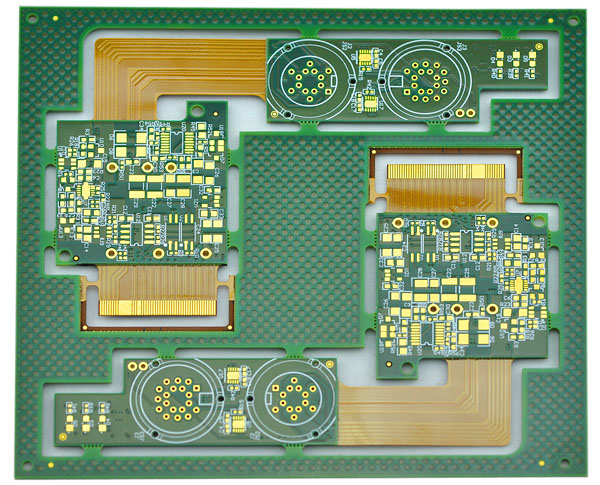
  • Rigid-Flex PCBs: Combine the flexibility of flexible PCBs with the stability of rigid PCBs, perfect for complex, space-constrained designs.
  • Ceramic PCBs: High-temperature resistance and excellent thermal conductivity, ideal for medical and aerospace applications.
  • Metal Core PCBs (MCPCBs): Superior heat dissipation, suitable for high-power electronic components and industrial equipment.
  • High-Frequency PCBs: Optimized for signal integrity, used in aerospace, communication, and industrial control systems.
  • Additional types: FR4 PCBs, single-sided PCBs, multi-layer PCBs, HDI PCBs, heavy copper PCBs, and impedance control PCBs.

High-Quality PCB Prototyping in Pakistan: EBest’s Quality Control Process

Below are our quality control process for high quality PCB prototyping in Pakistan:

  • Pre-production DFM analysis: Free design review by our engineering team to identify potential manufacturability issues. This step ensures PCB prototypes align with design specifications and can be produced efficiently without costly rework.
  • Raw material inspection: All materials including substrates and components undergo rigorous testing. We verify quality consistency and compliance with global industry standards to ensure they meet the durability and performance needs of your PCB prototypes.
  • In-process quality checks: Regular inspections are conducted during printing drilling and assembly. These checks maintain precision control and consistency across every stage of production to avoid defects.
  • SPI (Solder Paste Inspection): 3D optical inspection measures solder paste thickness with a tolerance of less than ±10%. This ensures uniform solder application prevents poor connections and eliminates short circuits or cold solder joints.
  • AOI automatic optical inspection: 9-second per-board analysis uses high-resolution imaging to detect soldering defects component misalignment and other visual anomalies. This fast accurate check ensures no flaws are missed before final testing.
  • Electrical testing: Flying probe testing and functional testing are performed to verify PCB prototype performance and connectivity. These tests confirm all electrical pathways work as intended and meet design requirements.
  • Final inspection: A comprehensive review of all PCB prototypes is completed before delivery. This ensures each unit meets our strict quality standards and aligns with your specific project requirements.
EBest's Quality Control Process, https://www.bestpcbs.com/blog/2026/03/pcb-prototyping-in-pakistan/

How EBest Ensures On-Time Delivery for PCB Prototyping Orders in Pakistan?

This is how we ensures on-time delivery for PCB prototyping orders in Pakistan:

  • Advanced production scheduling: Our MES system integrates with smart scheduling tools to optimize PCB prototyping workflows, aligning order priorities with equipment capacity and production constraints to minimize bottlenecks and ensure efficient, on-schedule processing of every order.
  • Dedicated expedite team: A specialized team focuses solely on urgent orders, prioritizing 24-hour PCB prototyping in Pakistan requests and leveraging streamlined workflows to meet tight deadlines without compromising quality or precision.
  • Supplier collaboration: We maintain long-term partnerships with rigorously vetted component suppliers, conducting regular quality audits and performance evaluations to ensure timely availability of high-quality materials for your PCB prototyping projects.
  • Real-time order tracking: Our MES system lets you monitor every stage of your PCB prototyping order from design review and production to packaging and shipping, providing real-time updates to keep you informed and in control.
  • Contingency planning: We maintain backup production lines and pre-qualified alternative component sources to quickly mitigate delays caused by unexpected equipment issues or supply chain disruptions, keeping your PCB prototyping on track.
  • Streamlined logistics: We partner with trusted shipping providers with proven experience delivering to Pakistan, ensuring fast, reliable transit of your PCB prototypes while maintaining product integrity during shipping.
How EBest Ensures On-Time Delivery for PCB Prototyping Orders in Pakistan, https://www.bestpcbs.com/blog/2026/03/pcb-prototyping-in-pakistan/

EBest’s Pakistan Medical PCB Prototyping Project Case Study

Project Background

A Pakistan-based medical device manufacturer needed PCB prototypes for a portable patient monitoring device a Class II medical product requiring compliance with ISO 13485 standards. The client struggled with local PCB prototyping services that failed to meet precision requirements and missed delivery deadlines delaying their product launch.

Project Requirements

The client required 200 PCB prototypes 4-layer FR4 0.8mm thickness with impedance control 50Ω compatibility with medical-grade components and compliance with Pakistan’s medical device regulations. They needed prototypes delivered within 5 business days to meet product testing timelines with a minimum yield rate of 98%.

Project Challenges

The design required 0.3mm tight component spacing and precise impedance control which local providers could not consistently achieve. The client needed free DFM analysis to fix design flaws real-time production tracking for on-time delivery and PCB prototypes compliant with ISO 13485 standards for Pakistan’s medical device registration.

Our Solutions

We conducted free DFM analysis identifying 3 design flaws component spacing and impedance mismatches and provided adjustments for manufacturability. We used advanced drilling and printing equipment to achieve 0.3mm component spacing and precise impedance control. Our MES system provided real-time production tracking and we prioritized the order to meet the 5-day deadline using our 24-hour production capacity for critical stages.

Output Results

We delivered 200 PCB prototypes in4.5 business days exceeding the client’s timeline. The prototypes achieved a 99.5% yield rate with zero electrical or structural defects. Client testing confirmed prototypes met all medical device specifications and ISO 13485 standards. Post-project feedback noted “EBest’s PCB prototyping service eliminated our delivery and quality concerns allowing us to launch our product on schedule their attention to detail and transparency were unmatched.”

FAQs About PCB Prototyping in Pakistan

Q1: Can PCB prototypes for medical devices in Pakistan meet ISO 13485 standards?
A1: Yes, EBest’s PCB prototyping services for medical devices in Pakistan fully comply with ISO 13485 standards. We follow strict quality control processes from raw material inspection to final testing and provide documentation to support medical device registration in Pakistan. Our medical PCB prototypes have a 99.5% average yield rate ensuring they meet the rigorous requirements of the medical industry.

Q2: What is the fastest lead time for urgent PCB prototyping in Pakistan?
A2: EBest offers 24-hour fast PCB prototyping service for urgent orders in Pakistan. Our dedicated expedite team prioritizes these orders leveraging advanced production equipment and streamlined workflows to deliver high-quality prototypes within one day. This service is available for all PCB types including flexible rigid and multi-layer prototypes.
Q3: Do I need to order large quantities for PCB prototyping in Pakistan?
A3: No, EBest offers low MOQ with 1 piece minimum order for PCB prototyping in Pakistan. This allows for small-batch orders R&D trials and design testing without excess cost. We maintain the same high quality and attention to detail for all order sizes ensuring even single-piece prototypes meet your specifications.

Q4: How can I ensure my PCB prototype design is manufacturable?
A4: EBest provides free DFM analysis for all PCB prototyping orders in Pakistan. Our team reviews your design to identify potential flaws such as component spacing issues impedance mismatches or manufacturing constraints and provides adjustments to ensure manufacturability. This analysis reduces rework saves time and ensures your prototype meets your design requirements.
Q5: Can I track the production progress of my PCB prototyping order in Pakistan?
A5: Yes, EBest’s MES system allows full production data tracking for PCB prototyping orders in Pakistan. You can monitor every stage of the production process from design review to final delivery in real time. This transparency ensures you stay informed about your order’s progress and can plan accordingly for your project timeline.

Choose EBest for Your PCB Prototyping in Pakistan Needs

Are you ready to start your project? Don’t let delayed prototypes or inconsistent quality slow down your product launch. EBest’s PCB prototyping in Pakistan is built for speed, precision, and peace of mind, whether you need a 24-hour urgent prototype or a full production run, we’ve got you covered. Contact us now to get a quote for your project: sales@bestpcbs.com.

Multi-layer PCB manufacturer Design & Prototype| Fast Delivery, Custom Solutions

March 10th, 2026

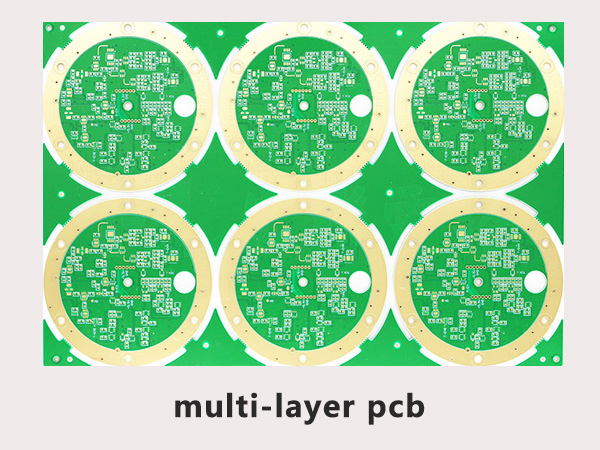
When searching for a reliable multi-layer PCB manufacturer, EBest is your first and best choice. We prioritize your project success with industry-leading delivery speed, uncompromising quality, authoritative certifications, free value-added services, and dedicated support—all designed to streamline your multi-layer PCB design, prototype, and production process.

  • Delivery Speed: We offer fast turnaround times for both prototypes and mass production, ensuring your multi-layer PCB projects stay on schedule—no unnecessary delays, even for complex 4-16 layer designs.
  • Unmatched Quality: Our multi-layer PCB production adheres to strict quality control standards, with precision layer alignment (±25μm tolerance), uniform copper etching, and bubble-free lamination to guarantee signal integrity and long-term reliability.
  • Authoritative Certifications: EBest holds ISO 9001, IPC-6012, and RoHS certifications, ensuring our multi-layer PCB products meet global industry standards for automotive, medical, and industrial applications.
  • Cost-Saving Support: We provide free DFM (Design for Manufacturability) analysis for all multi-layer PCB designs, helping you avoid costly reworks, and offer flexible prototype MOQ to support small-batch and startup projects.
  • Dedicated Service: Our team of PCB engineers offers 24/7 technical support, guiding you through multi-layer PCB design, material selection, and production—ensuring your project runs smoothly from concept to delivery.

What is a Multi-layer PCB?

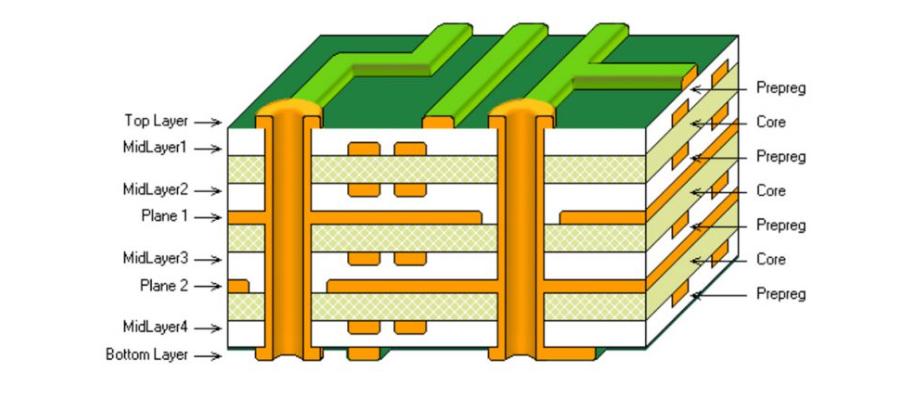
A multi-layer PCB is a printed circuit board composed of three or more conductive copper layers separated by insulating prepreg and core materials, bonded together through high-temperature and high-pressure lamination. Unlike single or double-layer PCBs, multi-layer PCBs use vias (through-holes, blind holes, buried holes) to connect layers, enabling higher component density, better signal integrity, and smaller board size—critical for modern electronic devices.

Most multi-layer PCBs range from 4 to 16 layers (high-layer PCBs have 20+ layers), with a typical thickness of 1.6mm for 4-layer designs. Their core advantage is balancing compactness with performance, making them ideal for devices requiring complex circuitry without sacrificing reliability.

Multi-layer PCB Stackup: A Complete Guide (Table Format)

The multi-layer PCB stackup design—the arrangement of copper layers, prepreg, and core materials—directly impacts signal integrity, power distribution, and thermal performance. Below is a detailed comparison of common stackup configurations for 4, 6, 8, and 10-layer PCBs, tailored to different application needs.

Number of LayersStackup ConfigurationCore/Prepreg ThicknessCopper ThicknessKey ApplicationSignal Integrity Focus
4-LayerTop (Signal) → Prepreg → GND → Core → POWER → Prepreg → Bottom (Signal)Core: 0.8mm; Prepreg: 0.1mmOuter: 1oz (35μm); Inner: 0.5oz (18μm)Consumer Electronics, LED LightingBasic impedance control (50Ω)
6-LayerTop (Signal) → Prepreg → Signal → Prepreg → GND → Core → POWER → Prepreg → Signal → Prepreg → Bottom (Signal)Core: 0.6mm; Prepreg: 0.1mmOuter: 1oz; Inner: 0.5ozIndustrial Control, Power ElectronicsReduced crosstalk, improved power distribution
8-LayerTop (Signal) → Prepreg → Signal → Prepreg → GND → Prepreg → Signal → Core → Signal → Prepreg → GND → Prepreg → Bottom (Signal)Core: 0.4mm; Prepreg: 0.08mmOuter: 1oz; Inner: 0.5-1ozAutomotive Electronics, Communication DevicesStrict impedance control, EMC compliance
10-LayerTop (Signal) → Prepreg → Signal → Prepreg → GND → Prepreg → POWER → Core → POWER → Prepreg → GND → Prepreg → Signal → Prepreg → Bottom (Signal)Core: 0.3mm; Prepreg: 0.08mmOuter: 1oz; Inner: 1ozMedical Electronics, ServersHigh-speed signal integrity (DDR, PCIe), low noise

Multi-layer PCB Manufacturing Process: Step-by-Step

The multi-layer PCB manufacturing process requires precision and strict quality control to ensure layer alignment, conductivity, and reliability. Below is a detailed, step-by-step breakdown of the process, as executed by EBest’s expert team.

Step 1: Design Transfer & Panelization

Start with a completed multi-layer PCB design (Gerber/ODB++ files) from your design software. We review the files for manufacturability, then combine individual PCB designs into a panel for efficient production. Fiducial marks and tooling holes are added to ensure precise alignment in subsequent steps.

Step 2: Inner Layer Processing

Cut copper-clad laminate sheets to size, clean the copper surfaces, and apply a photosensitive photoresist. Expose the inner layers to UV light through a photomask to transfer the circuit pattern, then develop and etch the layers to remove unwanted copper. Each inner layer is inspected for defects using AOI (Automated Optical Inspection).

Step 3: Layer Stackup & Lamination

Stack the inner layers, prepreg, and outer copper-clad laminates according to the predetermined multi-layer PCB stackup design. The stack is placed in a lamination press, where heat (up to 180°C) and pressure (≥6kg/cm²) bond the layers together, melting the prepreg to form a solid board. We use low-flow prepreg to prevent layer shifting and bubble formation.

Step 4: Drilling

Use computer-controlled drilling machines to create vias (through-holes, blind holes, buried holes) for layer interconnection. For high-aspect-ratio holes (up to 8:1 in 8-layer PCBs), we use step drills to prevent breakage. The drilled board is cleaned to remove debris and residues.

Step 5: Plating

Electroplating is used to coat the hole walls and copper traces, ensuring electrical conductivity. We use pulse plating to achieve uniform copper thickness (20-35μm) and improve hole wall quality. A final copper plating layer is applied to meet the required thickness for signal and power layers.

Step 6: Outer Layer Processing & Solder Mask Application

Repeat the photoresist, exposure, and etching process for the outer layers to form the final circuit pattern. A solder mask (green, black, or custom color) is applied to protect the copper traces from oxidation and short circuits. Silkscreen printing adds component labels for assembly.

Step 7: Surface Finish & Final Inspection

Apply the appropriate surface finish (ENIG, HASL, OSP) based on your application. We perform final inspections, including AOI, X-ray (for inner layer defects), and electrical testing (continuity, insulation resistance) to ensure the multi-layer PCB meets all specifications.

Multi-layer PCB Design Guide: Solve Pain Points & Optimize Performance

Designing a multi-layer PCB comes with unique challenges that can derail projects if not addressed properly. Below are the most common design pain points, their impacts, and EBest’s proven solutions—plus why you should trust us for your multi-layer PCB design needs.

Common Multi-layer PCB Design Pain Points & EBest’s Solutions

  • Pain Point 1: Signal Integrity Issues (Crosstalk, Reflection, Delay)

    High-speed signals (≥100MHz) on multi-layer PCBs often suffer from crosstalk, reflection, or delay, leading to signal distortion and circuit failure. This is especially common in dense designs with closely spaced traces.


    Solution: EBest’s engineers optimize your multi-layer PCB signal integrity optimization by placing signal layers adjacent to ground planes, using differential pair routing (equal length, 3x line width spacing), and adding appropriate termination resistors (50Ω/75Ω). We also use 3D electromagnetic simulation to predict and resolve signal integrity issues before production.


  • Pain Point 2: Power Integrity Problems (Voltage Noise, Fluctuations)

    Voltage noise and fluctuations on power planes can cause chips to reset or malfunction, especially in multi-layer PCBs with multiple power domains.


    Solution: We design multi-layer PCBs with adjacent power and ground planes to form a natural capacitor, reducing noise. We also place decoupling capacitors (0.1μF + 10nF) near chip power pins and split power planes (with proper isolation) for different voltage domains.


  • Pain Point 3: Layer Alignment Errors

    Poor layer alignment (beyond ±25μm) causes via misalignment, short circuits, or open circuits—especially in 8+ layer multi-layer PCBs.


    Solution: EBest uses precision alignment tools during lamination and adds fiducial marks to every panel. We also implement thermal expansion compensation to minimize alignment errors caused by material temperature changes.


  • Pain Point 4: Heat Dissipation Challenges (Overheating Components)

    High-power components on multi-layer PCBs can overheat, reducing component lifespan and performance—critical in automotive and industrial applications.


    Solution: We integrate heat dissipation vias, large copper heat dissipation pads, and (if needed) metal core layers into your multi-layer PCB design. We also optimize component placement to avoid heat concentration and ensure airflow.


Don’t let multi-layer PCB design challenges slow down your project. EBest’s team of design engineers will guide you from concept to final design, ensuring your multi-layer PCB is optimized for performance, manufacturability, and reliability. Choose EBest for your multi-layer PCB design needs—we turn complex designs into actionable solutions.

High-Precision Multi-layer PCB Prototype: Fast, Reliable, and Customizable

A high-quality high-precision multi-layer PCB prototype is critical to validating your design, identifying issues early, and accelerating time-to-market. However, many engineers face frustrating pain points when sourcing multi-layer PCB prototypes—here’s how EBest solves them, and why you should choose us for your prototype needs.

Common Multi-layer PCB Prototype Pain Points & EBest’s Solutions

  • Pain Point 1: Slow Turnaround Times

    Many manufacturers take 7-10 days to deliver high-precision multi-layer PCB prototype, delaying design validation and project timelines.


    Solution: EBest offers fast prototype turnaround—48-72 hours for 4-6 layer multi-layer PCB prototypes, and 5-7 days for 8-10 layer designs. We prioritize prototype orders to ensure you get your boards quickly.


  • Pain Point 2: Poor Prototype Quality (Misalignment, Defects)

    Low-quality multi-layer PCB prototypes (with layer misalignment, etch errors, or poor soldering) lead to incorrect design validation and costly reworks.


    Solution: EBest applies the same strict quality control standards to prototypes as mass production. We use LDI (Laser Direct Imaging) for precise circuit patterns, AOI inspection, and X-ray testing to ensure your high-precision multi-layer PCB prototype is defect-free.


  • Pain Point 3: Inflexible Customization

    Many manufacturers limit customization options for multi-layer PCB prototypes, making it hard to test unique design requirements (e.g., high-frequency materials, custom stackups).


    Solution: EBest offers fully customizable high-precision multi-layer PCB prototype—choose layer count (4-16 layers), materials (FR-4, PTFE, high-TG), surface finish, and thickness. We also provide free DFM analysis to ensure your custom prototype is manufacturable.


  • Pain Point 4: Lack of Technical Support

    When issues arise with your multi-layer PCB prototype, many manufacturers offer little to no technical support, leaving you stuck.


    Solution: EBest’s engineers are available 24/7 to answer your multi-layer PCB prototype questions, help troubleshoot design issues, and provide guidance on optimizing your prototype for mass production.


For high-precision, fast, and reliable high-precision multi-layer PCB prototype, choose EBest. Our prototypes are built to the same standards as production boards, ensuring accurate design validation and a smooth transition to mass production. Contact us today to start your multi-layer PCB prototype project.

How to Choose Multi-layer PCB Raw Materials? (Table Comparison)

The choice of raw materials directly impacts the performance, reliability, and cost of your multi-layer PCB. Below is a detailed comparison of common multi-layer PCB material selection, their properties, and ideal applications—helping you make the right choice for your project.

Material TypeDielectric Constant (Dk)Loss Factor (Df)Thermal ConductivityKey PropertiesIdeal Application
FR-4 (Standard)4.2-4.8 (1GHz)0.020-0.0250.3 W/mKCost-effective, good mechanical strength, widely availableConsumer Electronics, LED Lighting, Basic Industrial Control
FR-4 (High-TG)4.0-4.5 (1GHz)0.018-0.0220.35 W/mKHigh heat resistance (TG >180°C), improved reliabilityAutomotive Electronics, Servers, Industrial Control
PTFE (High-Frequency)2.2-3.5 (1GHz)<0.0040.6-1.2 W/mKLow loss, excellent high-frequency performanceCommunication Devices (5G), Aerospace, Radar
Metal Core (Aluminum/Copper)4.5-5.0 (1GHz)0.030-0.0501-10 W/mKHigh thermal conductivity, good heat dissipationPower Electronics, LED Lighting, High-Power Industrial Devices
Copper Foil (ED)N/AN/A401 W/mKCost-effective, rough surface (good adhesion)Inner Layers of Standard Multi-layer PCBs
Copper Foil (RA)N/AN/A401 W/mKSmooth surface, low high-frequency lossHigh-Speed Multi-layer PCBs (DDR, PCIe)

EBest’s engineers will help you select the optimal multi-layer PCB material selection for your multi-layer PCB, based on your application, performance requirements, and design constraints. We source high-quality materials from trusted suppliers to ensure consistent quality across all your multi-layer PCB projects.

Multi-layer PCB Applications: Industry Use Cases & Common Issues

Multi-layer PCBs are essential in modern electronic devices, especially in industries requiring compact, high-performance, and reliable circuitry. Below are four popular industries for multi-layer PCBs, real-world case studies, and common application issues with solutions.

1. Consumer Electronics

Case Study: EBest designed and manufactured 4-layer multi-layer PCBs for a smartwatch brand. The PCBs needed to be compact (30x30mm) with high component density, supporting Bluetooth, heart rate monitoring, and battery management.

Common Issue: Signal interference between Bluetooth and heart rate sensor circuits. Solution: We used a 4-layer stackup with separate signal and ground layers, optimized trace routing, and added shielding to minimize interference. The final multi-layer PCBs met all performance requirements and passed FCC testing.

2. Automotive Electronics

Case Study: EBest supplied 8-layer automotive multi-layer PCB manufacturing for an electric vehicle (EV) battery management system (BMS). The PCBs needed to withstand high temperatures (-40°C to 125°C) and support high-current (20A) power distribution.

Common Issue: Thermal degradation and voltage noise. Solution: We used high-TG FR-4 material, integrated heat dissipation vias and large copper pads, and designed adjacent power/ground planes to reduce noise. The automotive multi-layer PCB manufacturing passed automotive qualification (AEC-Q200) and are now in mass production.

3. Medical Electronics

Case Study: EBest developed 10-layer medical multi-layer PCB solutions for a portable ultrasound device. The PCBs needed to support high-speed data transfer (1Gbps) and meet strict medical standards (ISO 13485).

Common Issue: Signal integrity and biocompatibility. Solution: We used low-Df materials, differential pair routing for high-speed signals, and ENIG surface finish (biocompatible). The medical multi-layer PCB solutions met all medical certifications and enabled the device to deliver clear ultrasound images.

4. Industrial Control

Case Study: EBest manufactured 6-layer multi-layer PCBs for a programmable logic controller (PLC). The PCBs needed to resist electromagnetic interference (EMI) and support multiple I/O channels.

Common Issue: EMI interference from industrial equipment. Solution: We designed a 6-layer stackup with full ground planes for shielding, added EMI filters to input/output ports, and optimized trace spacing. The multi-layer PCBs operate reliably in harsh industrial environments.

What Are the Most Common Multi-layer PCB Problems?

Even with careful design and manufacturing, multi-layer PCBs can face common issues that impact performance. Below are the most frequent problems, their causes, and quick solutions—helping you avoid costly reworks and delays.

  • Issue: Layer Delamination

    Cause: Poor lamination (insufficient heat/pressure), low-quality prepreg, or moisture in materials. Solution: Use high-quality prepreg, ensure proper lamination parameters, and store materials in a dry environment. EBest uses vacuum lamination to prevent delamination.


  • Issue: Via Open Circuits

    Cause: Drilling errors, poor plating, or debris in holes. Solution: Use precision drilling machines, clean holes thoroughly before plating, and perform electrical testing. EBest uses X-ray testing to detect via defects early.


  • Issue: Impedance Mismatch

    Cause: Incorrect trace width, spacing, or material Dk. Solution: Calculate trace dimensions based on impedance requirements, use consistent materials, and simulate impedance before production. EBest’s DFM service includes impedance checking.


  • Issue: Copper Etching Errors

    Cause: Over-etching/under-etching, poor photomask alignment. Solution: Use LDI for precise photomask alignment, control etching time/temperature, and perform AOI inspection. EBest uses automated etching equipment for consistent results.


Multi-layer PCB FAQ: Answers to Common Questions

Below are the most frequently asked questions about multi-layer PCBs, with clear, concise answers—designed to address your most pressing concerns and help you make informed decisions.

1. What is the maximum number of layers for a multi-layer PCB?

EBest can manufacture multi-layer PCBs with up to 24 layers, though the most common range is 4-16 layers. The maximum layer count depends on your design requirements (component density, signal speed) and application. High-layer multi-layer PCBs (20+ layers) are typically used in aerospace and high-end server applications.

2. How long does it take to manufacture a multi-layer PCB?

Turnaround time varies by layer count: 4-6 layer multi-layer PCBs take 5-7 days for mass production, 8-10 layer PCBs take 7-10 days, and 12+ layer PCBs take 10-14 days. Prototypes are faster—48-72 hours for 4-6 layers and 5-7 days for 8+ layers.

3. Can multi-layer PCBs be used for high-frequency applications?

Yes, multi-layer PCBs are ideal for high-frequency applications (≥1GHz) when using low-Df materials (e.g., PTFE, hydrocarbon resin) and optimized stackup. EBest designs high-frequency multi-layer PCBs with controlled impedance, minimal crosstalk, and low signal loss for 5G, radar, and satellite communication devices.

4. How to test the quality of a multi-layer PCB?

Quality testing for multi-layer PCBs includes AOI (for surface defects), X-ray (for inner layer defects and via alignment), electrical testing (continuity, insulation resistance, impedance), and thermal testing (for heat resistance). EBest performs 100% testing on all multi-layer PCBs to ensure compliance with industry standards.

5. What is the difference between blind holes and buried holes in multi-layer PCBs?

Blind holes connect the outer layer to one or more inner layers (but not all layers), while buried holes connect two or more inner layers (not the outer layers). Both are used in multi-layer PCBs to save space and improve signal integrity, especially in dense designs. EBest can manufacture both blind and buried holes with high precision.

6. Are multi-layer PCBs more reliable than single/double-layer PCBs?

Yes, multi-layer PCBs are more reliable than single/double-layer PCBs for complex applications. They offer better signal integrity, reduced crosstalk, improved power distribution, and higher component density—all of which reduce the risk of circuit failure. They also withstand harsh environments (temperature, humidity, EMI) better than single/double-layer PCBs.

7. How to reduce crosstalk in multi-layer PCB designs?

To reduce crosstalk in multi-layer PCBs, place signal layers adjacent to ground planes, use differential pair routing (equal length, 3x line width spacing), minimize parallel trace length, and increase trace spacing. EBest’s design team uses these techniques and 3D simulation to minimize crosstalk in all multi-layer PCB signal integrity optimization designs.

Choose EBest for Your Multi-layer PCB Needs

At EBest, we specialize in multi-layer PCB design, prototype, and manufacturing—delivering high-quality, reliable, and cost-effective solutions for consumer electronics, automotive, medical, and industrial applications. Our team of expert engineers is dedicated to solving your multi-layer PCB challenges, from design to delivery, and our strict quality control ensures every board meets your specifications.

We provide multi-layer PCB products with fast delivery, free DFM analysis, flexible customization, and 24/7 technical support. Whether you need a high-precision prototype or mass production, EBest is your trusted partner for all multi-layer PCB needs. Contact us today to place your order—send an email to sales@bestpcbs.com and let’s bring your project to life.

What Is The Correct Solder Temperature For PCB And How To Control It?

March 9th, 2026

Solder temperature for PCB​ is the precise thermal profile applied to melt solder and form reliable electrical and mechanical connections between components and the board, and its control is the single most critical factor in assembly quality. This definitive guide explores the science, standards, and practical controls behind achieving the perfect solder temperature for PCB​ in both manual and automated processes.

What are the most frustrating challenges engineers and assemblers face when dealing with PCB solder temperature?

  • Inconsistent joint quality and reliability due to vague or undocumented temperature settings.
  • Damaging heat-sensitive components (like MLCCs or connectors) during hand soldering or rework.
  • Experiencing soldering defects like cold joints, bridging, or tombstoning without knowing the root cause.
  • Struggling to find the right solder iron temperature for PCB​ rework on mixed-technology boards.
  • Failing BGA reliability tests due to an improperly characterized reflow profile.

These proven solutions effectively counteract the challenges at hand.

  • Developing and adhering to detailed Process Control Documents (PCDs) for each solder alloy and board type.
  • Utilizing thermally profiled soldering stations with closed-loop control and appropriate tip selection for sensitive components.
  • Implementing real-time process monitoring and Post-Solder Inspection (AOI, X-ray) to link defects directly to thermal cause.
  • Providing technicians with clear guidelines and training on adjusting the solder iron temperature for PCB​ based on pad size, component mass, and layer count.
  • Characterizing the specific PCB solder temperature for BGA​ reflow through empirical thermal profiling and solder ball analysis.

At EBest Circuit (Best Technology), we recognize that precision in soldering defines reliability. As a professional PCBA​ manufacturer, we invest in state-of-the-art reflow ovens with real-time profiling, expert process engineering, and stringent IPC-certified standards to ensure every joint on your board—from a 0201 resistor to a complex BGA—is formed under optimal thermal conditions. Pls feel free to contact our team at sales@bestpcbs.com for any PCBA soldering questions.

Solder Temperature For PCB

What Is the Correct Solder Temperature for PCB and How to Control It?

The “correct” solder temperature for PCB​ is not a single number but a temperature profile tailored to the specific solder alloy, component packaging, PCB mass, and the soldering method used. It is the range that completely melts the solder (exceeding the liquidus temperature) to form a proper intermetallic bond without exceeding the thermal limits of the components or substrate.

Controlling this temperature is a systematic engineering practice, not guesswork. It involves:

  • Understanding Materials:​ Knowing the liquidus temperature of your solder paste (e.g., ~217°C for SAC305) and the maximum temperature ratings of all components.
  • Measurement and Profiling:​ Using data-logging thermocouples to map the actual temperature experienced by the board during the process.
  • Process Parameter Adjustment:​ Fine-tuning machine settings (like conveyor speed, zone temperatures) to match the target profile.
  • Continuous Monitoring:​ Using oven sensors and periodic re-profiling to ensure the process remains in control over time.

In essence, the correct temperature is a verified profile that ensures complete solder fusion and reliable intermetallic formation while staying within the safe thermal window of the entire assembly.

Solder Temperature For PCB

What Is the Recommended Solder Temperature for PCB During Assembly?

In automated SMT manufacturing, the solder temperature for PCB is controlled through a thermal profile rather than a single temperature value.

This profile is usually defined by a time-temperature curve inside the reflow oven. Each stage gradually heats the PCB, melts the solder paste, and then cools the joint to form a strong metallurgical bond.

For the commonly used lead-free SAC305 solder alloy, a typical reflow profile looks like the following.

Profile StageTarget Temperature
Preheat / Ramp1–3°C/sec to 150–180°C
Soak150–200°C for 60–120 sec
Reflow / LiquidusAbove 217°C for 45–90 sec
Peak Temperature240–250°C
Cooling−1 to −4°C/sec

These parameters help the PCB assembly process reach stable solder joints without damaging components.

Preheat Stage

The preheat stage slowly increases the board temperature.
This step removes solvents from the solder paste and prevents thermal shock to sensitive components.

Soak Stage

During the soak stage, the PCB temperature stabilizes between 150°C and 200°C.
This allows the entire board, including large copper areas and dense components, to reach a uniform temperature.

Reflow Stage

When the temperature rises above 217°C, the SAC305 solder alloy becomes liquid.
At this moment, the molten solder wets the pads and component leads to form reliable electrical connections.

Peak Temperature

The peak temperature is usually 240–250°C for lead-free soldering.
This level ensures complete solder melting while staying below the maximum thermal limit of most electronic components.

Cooling Stage

Controlled cooling solidifies the solder joints.
A proper cooling rate helps create a fine and strong grain structure inside the solder.

Critical Note:
These values are general references. The exact solder temperature for PCB assembly must follow the solder paste datasheet and the thermal limits of the most sensitive component on the board.

In professional manufacturing, engineers always perform a reflow thermal profiling test to verify the correct process settings before mass production.

How to Choose the Right Solder Iron Temperature for PCB Manual Soldering?

Selecting the right solder iron temperature for PCB​ manual rework or repair is a balance between providing enough heat to form a good joint quickly and minimizing thermal stress. A fixed, universal setting is a common pitfall.

Follow this decision framework:

  • Start with the Solder Alloy:​ Set the baseline above the solder’s liquidus temperature. For Sn63Pb37 (melts at ~183°C), start at 315-345°C. For lead-free SAC305, start at 345-375°C.
  • Factor in Thermal Mass:​ Increase temperature for larger components, ground planes, or multi-layer boards that sink heat. A small SMT resistor may need 320°C, while a multi-pin connector on a thick board may require 380°C or more.
  • Consider Component Sensitivity:​ Decrease temperature for heat-sensitive parts (e.g., LEDs, plastic connectors). Use the minimum effective temperature.
  • Use the Right Tip:​ A larger, chisel tip transfers heat more efficiently than a fine conical tip, allowing you to use a lowerset temperature for the same joint.
  • Technique is Key:​ Apply the iron tip to the pad and lead simultaneously to heat both, then feed solder. The joint should form within 2-3 seconds. If it takes longer, increase temperature slightly; if the flux smokes violently or the PCB discolors, decrease it.

The goal is to melt the solder and flow it into the joint quickly, minimizing the duration of heat exposure.

What Is the Ideal PCB Solder Temperature for BGA Reflow Process?

The ideal PCB solder temperature for BGA reflow​ demands greater precision than for typical SMT components due to hidden joints and thermal mass. The primary goal is to ensure all solder balls under the package reliably melt and collapse, forming a proper connection without causing voids or damaging the die.

Key profile considerations for BGA reflow:

  • Higher Peak Temperature:​ BGAs often require a peak temperature at the top of the package in the range of 245-260°C​ to ensure the solder balls at the board interface (which can be 5-15°C cooler) still exceed the liquidus point (~217-220°C).
  • Adequate Time Above Liquidus (TAL):​ A longer TAL, typically 60-90 seconds, is crucial to allow all BGA balls to fully reflow and for any gasses to escape, minimizing void formation.
  • Ramp-Up Control:​ A controlled ramp rate (1-2°C/sec) during preheat is vital to prevent solder ball “slumping” or coalescing before reflow.
  • Thermal Uniformity:​ The profile must ensure less than a 5°C difference across the BGA body to prevent warpage and non-uniform collapse.

Therefore, the ideal PCB solder temperature for BGA​ is part of a carefully profiled curve that emphasizes sufficient, uniform heat delivery to the hidden joint array, validated through cross-sectioning or X-ray analysis to confirm full ball collapse and minimal voids.

Why Does Solder Temperature for PCB Affect Solder Joint Reliability?

The solder temperature for PCB​ directly dictates the metallurgical quality of the intermetallic compound (IMC) layer formed between the solder and the component termination/pad. This IMC is the actual bonding interface, and its structure determines long-term reliability.

  • Too Low (Cold Joint):​ Temperature fails to fully melt the solder or wet the surfaces. The result is a grainy, weak mechanical bond with high electrical resistance. It fails under thermal cycling or vibration.
  • Correct Range:​ Provides optimal energy for forming a thin, uniform, and durable IMC layer (e.g., Cu6Sn5 for copper pads). This creates a strong, ductile joint that can absorb mechanical and thermal stress.
  • Too High or Prolonged:​ Excessive heat accelerates IMC growth, forming a thick, brittle layer (like Cu3Sn). It also coarsens the solder grain structure. Both factors make the joint prone to cracking under stress. Extreme heat can also delaminate the PCB or damage components.

In summary, precise temperature control ensures the formation of a reliable IMC—too little heat prevents its proper formation, while too much heat corrupts it, with both scenarios leading to premature field failures.

How Does Incorrect Solder Temperature for PCB Cause Common Soldering Defects?

Incorrect solder temperature for PCB is one of the most common reasons for soldering defects.
When the temperature is too low, solder cannot fully melt and wet the pad. When it is too high, the PCB or components may suffer thermal damage.

The table below shows how temperature mistakes quickly translate into common soldering problems.

DefectLikely Temperature Cause
Cold Solder JointTemperature too low
Solder BridgingExcessive or uneven heat
TombstoningUneven heating
Solder BallsHeating too fast
WickingIron temperature too high
Pad / PCB DelaminationExcessive thermal exposure
BGA VoidsIncorrect TAL or ramp rate

Although the causes above look simple, each defect relates to how heat flows through the PCB during soldering. Understanding these mechanisms helps engineers avoid reliability issues in production.

Cold Solder Joint

Cold joints usually appear dull and rough. They occur when the solder never reaches full liquid state.
This often happens when the soldering iron temperature is too low or when the reflow peak temperature is insufficient.

Solder Bridging

Bridging happens when molten solder connects two adjacent pads.
If the reflow temperature is too high or uneven, solder paste can slump and flow between pins. Fine-pitch components are especially sensitive to this issue.

Tombstoning

Tombstoning occurs when one side of a chip component lifts during reflow.
This is often caused by uneven heating between the two pads of the component. When one pad melts earlier, surface tension pulls the component upright.

Solder Balls And Splatter

Solder balls usually form when heating is too rapid during the preheat stage.
The solvent inside solder paste can vaporize quickly and push tiny solder particles away from the pad.

Wicking

Wicking happens mostly during manual soldering.
When the solder iron temperature is too high, molten solder travels up the component lead instead of staying on the pad. This leaves the pad with insufficient solder.

Pad Or PCB Delamination

If the solder temperature for PCB is excessively high for too long, the laminate can weaken.
The PCB resin may soften once it approaches its glass transition temperature (Tg), leading to pad lifting or board delamination.

BGA Voids

BGA voids form when flux gases become trapped inside the solder joint.
Incorrect ramp rates or insufficient time above liquidus (TAL) during reflow often cause this issue.

Controlling the thermal profile is therefore the most important factor in preventing soldering defects. Stable temperature control ensures good wetting, strong solder joints, and reliable PCB assemblies.

What Factors Determine the Proper Solder Temperature for PCB Components?

The proper solder temperature for PCB​ is a complex result of several interdependent factors. Engineers must balance all of these to define a safe and effective process window.

  • Solder Alloy Composition:​ The fundamental driver. The liquidus temperature sets the minimum (e.g., 183°C for SnPb, 217°C for SAC305, 221°C for SAC305+Bi).
  • Component Thermal Mass & Size:​ A large QFP or BGA requires more heat energy (higher peak/longer TAL) than a 0402 resistor. The largest and smallest components on the board set the profile boundaries.
  • Component Thermal Sensitivity:​ The maximum temperature limit of the most sensitive component (often stated on its datasheet) sets the absolute ceiling for peak temperature.
  • PCB Characteristics:​ Board thickness, layer count, copper density, and internal planes act as a heat sink. A heavy multi-layer board requires a more aggressive profile than a simple 2-layer board.
  • PCB Material (Tg):​ The glass transition temperature of the laminate material must not be exceeded for prolonged periods to prevent delamination or z-axis expansion.
  • Surface Finish:​ Different finishes (ENIG, Immersion Sn, OSP) have varying wettability and may slightly influence ideal temperature.
  • Soldering Method:​ Wave soldering, selective soldering, vapor phase, and laser soldering all have unique temperature dynamics and control mechanisms.

How Do Engineers Control PCB Solder Temperature in SMT and Reflow?

In SMT reflow soldering, controlling the PCB solder temperature​ is achieved through a closed-loop system of profiling, oven calibration, and monitoring. It is a precise engineering discipline, not a simple thermostat setting.

The Control Process:

  • Step 1: Create a Target Profile.​ Based on the factors above (solder paste datasheet + component limits), engineers define a target time-temperature curve.
  • Step 2: Physical Profiling.​ A profiling board equipped with thermocouples attached to key components (especially the smallest and largest) is run through the oven. Data is recorded.
  • Step 3: Oven Setting Adjustment.​ Engineers adjust the oven’s zone temperatures and conveyor speed to make the actual measured profile match the target profile as closely as possible. This is an iterative process.
  • Step 4: Validation & Documentation.​ The final profile is documented in the Process Control Plan. First-article boards are inspected (via X-ray for BGAs) to validate joint quality.
  • Step 5: Ongoing Monitoring.​ Modern reflow ovens have built-in thermocouples that continuously monitor the profile. Statistical Process Control (SPC) charts track conveyor speed and zone temperatures to detect drift. Periodic re-profiling is done for new boards or as preventive maintenance.

This rigorous approach ensures that every board in the production run experiences the exact same thermal environment, which is the very definition of controlled, high-yield PCB​ manufacturing.

Solder Temperature For PCB

To sum up, solder temperature for PCB​ is the critical process variable that bridges the gap between a functional circuit and a reliable electronic product, directly governing the metallurgical integrity of every connection on the board. Mastering its control—from selecting the right solder iron temperature for PCB​ rework to characterizing the precise PCB solder temperature for BGA​ reflow—is fundamental to manufacturing excellence.

As we have detailed, this mastery comes from understanding material science, employing empirical profiling, and implementing rigorous process controls. At EBest Circuit (Best Technology), we build this precision into every assembly. Our advanced reflow ovens with live profiling, expert process engineering, and commitment to IPC standards ensure that the thermal profile applied to your board is not just correct, but optimized for maximum yield and long-term reliability. Let us handle the precise thermal management for your critical PCBA​ projects. Contact us at sales@bestpcbs.com​ to discuss your requirements.

FAQs About Solder Temperature For PCB

Does PCB thickness affect solder temperature?

Yes. PCB thickness and copper weight affect heat transfer.

Boards with:

  • Thick copper layers
  • Large ground planes
  • Heavy thermal pads

require slightly higher soldering temperatures or longer heating time because these structures absorb heat quickly.

Engineers often adjust soldering profiles to ensure the entire pad reaches the proper melting temperature.

What is the minimum pad width for wire bonding?

There is no absolute minimum, as it depends on the wire diameter. A general rule is that the pad should be at least 20% larger than the wire diameter for reliable bonding. For SMD components, the pad should be slightly larger than the component’s termination. A 1:1 ratio can work, but a pad approximately 10% larger than the component’s contact point ensures better solderability and a more reliable joint.

How many days are needed to complete SMT?

With all components in stock, we typically complete SMT assembly within 2-3 days. Testing and inspection usually take an additional 1-2 days. The assembled and tested boards are generally ready for shipping within one week after production starts.

Why is a break-away tab (routing tab) necessary in PCB manufacturing?

The break-away tab, or routing tab, is a strip of blank board left on the panel edges to facilitate the SMT assembly process. It provides the necessary space for automated equipment to grip the panel and is where fiducial marks (global and local markers) are placed for precise component placement. The standard width for these tabs is typically between 5mm and 8mm.

PCB Prototype Services in Greece | High Precision & Low MOQ

March 4th, 2026

When you need reliable, high-performance PCB prototype services in Greece, EBest delivers exactly what your projects demand. We provide uncompromising precision, flexible low MOQ options and 24-hour expedited delivery to keep your timelines on track. Our PCB prototype services in Greece eliminate the common headaches of prototyping. We cover every board type, solve the manufacturing challenges that slow you down and deliver consistent, international-standard quality with zero unnecessary delays or costly quality setbacks. You don’t have to choose between speed, precision or affordability. We bring all three together to help you move efficiently from design to prototype.

Common Pain Points of PCB Prototype Services in Greece

  • Can high-precision PCB prototypes be produced without compromising lead time?
  • Is it possible to get low MOQ PCB prototyping without sacrificing quality?
  • How to resolve impedance control errors in PCB prototyping?
  • Can flexible and rigid-flex PCB prototypes be manufactured with consistent reliability?
  • How to ensure PCB prototypes meet medical and aerospace industry standards?
  • Is there a way to track production data for PCB prototypes in real time?
  • How to fix design flaws before PCB prototyping to avoid rework?

One-Stop Solutions for PCB Prototyping Services in Greece

  • We address high-precision and lead time needs with state-of-the-art CNC drilling machines (±0.01mm accuracy) and automated lamination systems, paired with a lean prototyping workflow. This ensures your high-precision PCB prototypes meet tight tolerances and ship on time, even for 24-hour urgent orders, eliminating costly development delays.​
  • Our low MOQ service has no minimum order requirement, even for 1 piece. Your small-batch projects, R&D iterations and pilot runs receive the same high-quality PCB prototyping in Greece as large-scale orders, with no excess costs or wasted inventory.​
  • Our PCB engineering experts eliminate impedance control errors. We use advanced impedance simulation software and real-time production monitoring to keep impedance deviation within ≤±10% for all prototypes, essential for high-frequency and signal-integrity-sensitive designs.​
  • We specialize in flexible, rigid-flex, ceramic and metal-based PCB prototypes. Each uses industry-grade materials (FR4, aluminum core, alumina ceramic) and mature processes honed over 19 years, with strict material selection and process control to guarantee reliability in harsh industrial, medical and aerospace environments.​
  • Every prototype we produce meets medical (ISO 13485:2016) and aerospace (AS9100D) standards. We implement stage-by-stage quality inspections, from material incoming testing to final functional verification, to ensure full compliance with strict industry requirements.​
  • Our MES system provides end-to-end real-time production data tracking. You gain full visibility into every stage, from design review and raw material processing to etching, drilling and final inspection, to monitor progress and ensure alignment with your specifications.​
  • Our free DFM (Design for Manufacturability) audits are conducted by senior PCB engineers. We identify design flaws, including improper line width/spacing, unoptimized hole sizes and impedance mismatches, before production to reduce rework, cut lead times and ensure your prototype matches design intent.

Why Choose EBest for PCB Prototype Services in Greece?

EBest boasts over 19 years of specialized PCB production expertise, with full certification compliance including ISO 9001:2015 for quality management, ISO 13485:2016 for medical device PCBs, and AS9100D for aerospace-grade manufacturing. These internationally recognized credentials ensure our PCB prototype services in Greece consistently deliver industry-leading quality and reliability, a non-negotiable requirement for your high-stakes, precision-dependent projects.​

We deliver the speed and flexibility your projects demand. Our 24-hour expedited PCB prototyping in Greece guarantees urgent boards are manufactured and shipped within one day, with no compromise on precision or material quality. Our no-minimum MOQ policy supports small-batch customization, R&D iterations and pilot runs, while free DFM audits, conducted by senior PCB engineers, minimize rework time and costs. Every prototype we produce adheres to the strict precision parameters required for medical, aerospace, and industrial applications, keeping your projects on schedule and within specifications.​

Our MES (Manufacturing Execution System) provides end-to-end production traceability, allowing you to monitor every stage of prototyping from raw material incoming inspection to final functional testing. This level of transparency eliminates guesswork and ensures full accountability throughout the process. With a monthly production capacity of 260,000 square feet and over 1,000 unique board types manufactured monthly, our R&D-driven operations leverage advanced production technologies to handle your most complex prototyping needs with consistent, reliable results.

Types of PCB Prototype Services We Offer in Greece

Our PCB prototype services in Greece cover all common and specialized board types, including:​

  • Rigid PCBs (FR4 PCB, single-sided PCB, multi-layer PCB, high TG PCB, heavy copper PCB, HDI PCB, extra thin PCB, busbar PCB, IC Substrate)​
  • Flexible PCBs​
  • Rigid-Flex PCBs (Semi Rigid Flex PCB)​
  • Ceramic PCBs​
  • Metal Core PCBs (MCPCBs)​
  • High Frequency PCBs (RF PCB, high speed PCB, impedance control PCB)
What Are the Quality Certifications for PCB Prototyping in Greece, https://www.bestpcbs.com/blog/2026/03/pcb-prototype-services-in-greece/

What Are the Quality Certifications for PCB Prototyping in Greece?

Quality Certifications for PCB prototype services in Greece:

  • ISO 9001:2015: Our core globally recognized quality management certification. It ensures our PCB prototype services in Greece maintain strict process control, continuous improvement, and consistent quality across all production stages, reducing defects and ensuring reliable delivery for every project.
  • ISO 13485:2016: A specialized medical PCB certification that sets strict requirements for design, production, and traceability. It gives us a competitive edge in medical prototyping, ensuring our products meet Class VI biocompatibility standards and full compliance for diagnostic and therapeutic device applications.
  • AS9100D: An aerospace-grade quality certification and industry benchmark for aerospace component manufacturing. It enforces rigorous traceability and process control, allowing us to deliver PCB prototypes that meet the high-reliability requirements of satellite and aerospace equipment, a key advantage over standard manufacturers.
  • IATF 16949:2016: An automotive supply chain certification built on ISO 9001 with stricter defect prevention and consistency requirements. It enables us to provide car-grade PCB prototypes for ECU controllers and BMS battery management systems, supporting our clients in accessing more industry opportunities.
  • RoHS 2.0 (EU 2011/65/EU) & REACH (1907/2006/EC): International environmental certifications. Our compliance ensures all PCB prototypes are free of harmful substances, supporting your projects’ access to global markets including the EU and eliminating export barriers for international-facing projects.
What Are the Quality Certifications for PCB Prototyping in Greece, https://www.bestpcbs.com/blog/2026/03/pcb-prototype-services-in-greece/

How Does EBest Implement PCB Prototype Quality Control?

EBest’s PCB Prototype Quality Control Process:

  • Raw Material Inspection: All incoming materials (FR4, ceramic, metal core) undergo strict testing for composition, thickness, thermal stability and surface integrity before production to ensure compliance with ISO and industry-specific standards, eliminating source quality risks.
  • Design Review: Senior PCB engineers conduct free DFM audits to verify design feasibility, identify manufacturability flaws (e.g., improper line width/spacing) and provide targeted optimizations to reduce rework and align with production capabilities.
  • In-Process Inspection: Key production steps (etching, drilling, lamination) are monitored in real time via our MES system, with precision checks to ensure line width accuracy, layer alignment and lamination integrity meet strict tolerances.
  • Post-Production Testing: We perform 100% AOI optical inspection (0.02mm defect detection accuracy) paired with flying probe, impedance and continuity testing to detect all defects, including short circuits and open circuits, with a 99.9% detection rate.
  • Final Inspection: We conduct comprehensive checks of dimensions, surface finish and functional performance to confirm prototypes fully match design specifications and industry standards, with no deviations or defects.
  • Packaging Inspection: Prototypes are packaged in anti-static bubble wrap and foam with additional dividers to prevent damage and electrostatic discharge during shipping, ensuring intact delivery.
How Does EBest Implement PCB Prototype Quality Control, https://www.bestpcbs.com/blog/2026/03/pcb-prototype-services-in-greece/

What Are the Lead Times for PCB Prototyping in Greece?

Lead time for FR4 PCB prototype:

LayersNormal ServiceFastest Service
17 Days24 H
28 Days24 H
410 Days48 H
610 Days72 H
812 Days72 H
≥10TBDTBD

Lead time for MCPCB prototype:

LayersNormal ServiceFastest Service
14 Days24 H
214 Days168 H
421 DaysTBD

Lead time for other boards:

ItemsNormal ServiceFastest Service
FPC48-72 H24 H
Rigid- Flex2 Weeks for 4L1.5 Weeks for 4L
>4L: TBD>4L: TBD
Ceramic3 Weeks2 Weeks

Case Study: Greece Industrial PCB Prototype Project

Project Background​:

A Greece-based industrial automation company specialized in factory control systems needed high-reliability PCB prototypes for their new smart sensor module. The client required strict compliance with EU industrial standards (ISO 9001:2015, RoHS 2.0) and urgent lead time to support their product trial run in Athens, with local service responsiveness as a key requirement.​

Project Requirements​:

The project required 6-layer rigid PCB prototypes with impedance control (75Ω), low MOQ (8 pieces), lead time of 4 days, and a minimum yield of 99.6%. The prototypes needed to withstand harsh industrial environments (temperature range -20°C to 85°C) and ensure stable signal transmission for sensor data collection, complying with RoHS 2.0 and EU industrial safety standards.​

Project Challenges​:

The prototype design had tight line width/spacing (4mil/4mil) and required stable impedance control for high-speed signal transmission. The client’s urgent 4-day lead time left no room for rework, and they needed real-time production tracking to align with their trial run schedule. Additionally, the prototypes had to meet EU environmental standards (RoHS 2.0, REACH) for local market approval.​

Our Solutions​:

We assigned a dedicated engineering team with local service experience to conduct a free DFM audit, optimizing the line width/spacing and impedance design to improve manufacturability. We used our high-precision CNC drilling equipment (±0.01mm accuracy) and real-time impedance monitoring to meet the 75Ω requirement with ±8% tolerance. Our MES system provided real-time production tracking, and we prioritized the order for expedited processing to meet the 4-day lead time, with24/7 local communication support for the client.​

Output Results​:

We delivered 8 PCB prototypes in3.5 days, exceeding the client’s lead time requirement. The yield reached 99.9%, with zero defects detected in AOI optical inspection and impedance testing. The client confirmed the prototypes met ISO 9001:2015, RoHS 2.0 and REACH standards, and performed stably in high-temperature and low-temperature tests.

FAQs of PCB Prototyping Service in Greece

Q1: Can I get PCB prototypes with low MOQ in Greece without compromising quality?​
A1: Yes, EBest offers low MOQ PCB prototype services in Greece with no minimum order requirement, even for 1 piece. We maintain the same high-quality standards for small-batch prototypes as for mass production, using premium materials and strict quality control to ensure reliability. Our free DFM audit also helps avoid rework, reducing costs for small projects.​

Q2: How fast can I get urgent PCB prototypes in Greece?​
A2: We provide 24-hour expedited PCB prototyping in Greece for single-sided, double-sided, and 4-8 layer multi-layer PCBs. For more complex prototypes (10+ layers, flexible, ceramic), we offer 48-72 hour expedited delivery. Our streamlined workflow and MES system ensure no delays, helping you meet tight project deadlines.​

Q3: How to ensure my PCB prototype meets medical or aerospace industry standards?​
A3: EBest holds ISO 13485:2016 (medical) and AS9100D (aerospace) certifications, and all prototypes for these industries are manufactured in compliance with these standards. We use industry-specific materials, conduct strict environmental and reliability tests, and provide full quality documentation to confirm compliance. Our engineering team has extensive experience in medical and aerospace PCB prototyping, ensuring all requirements are met.​

Q4: Can I track the production progress of my PCB prototype?​
A4: Yes. Our MES system enables real-time production data tracking for all PCB prototype services in Greece. You can monitor every stage of the process, from design review and raw material inspection to production and final testing, ensuring full transparency and visibility. We also provide regular updates to keep you informed of progress.​

Q5: What should I do if my PCB design has flaws that could affect prototyping?​
A5: We offer free DFM (Design for Manufacturability) audits for all PCB prototyping in Greece. Our engineering team will review your design, identify potential flaws (such as incorrect line width, spacing, or hole size), and provide optimized solutions to fix these issues before production. This reduces rework, saves time, and ensures the prototype meets your design requirements.

Choose EBest for Your PCB Prototype Services in Greece

In Greece, EBest is your trusted partner for high-precision, reliable PCB prototyping. We cover all board types (rigid, flexible, ceramic, metal core, high-frequency) with no minimum MOQ, 24-hour expedited delivery for urgent projects, and strict quality control (99.9% defect detection rate) backed by 19 years of industry expertise, ISO 9001:2015, ISO 13485:2016, AS9100D and other international certifications, plus a proven track record of delivering for medical, aerospace, and industrial projects. Skip the prototyping headaches, save time and reduce rework by emailing sales@bestpcbs.com now to place your order and experience the difference of a true PCB expert.

PCB Prototype Services in Ireland | Fast Turnaround & Low MOQ

March 3rd, 2026

EBest provides reliable, high-precision PCB prototype services in Ireland tailored to meet the diverse needs of the electronics industry. Our PCB prototype services in Ireland cover all core requirements, from small-batch custom prototypes to urgent orders, with strict quality control and efficient delivery to support rapid product development and iteration.

Common PCB Prototype Manufacturing Issues in Ireland

  • Can PCB prototypes meet the strict precision requirements for medical and aerospace applications in Ireland?
  • Is it possible to get PCB prototypes with quick delivery without compromising quality in Ireland?
  • How to resolve material mismatches when ordering custom PCB prototypes in Ireland?
  • Can small-batch PCB prototypes be customized to fit specific industrial equipment needs in Ireland?
  • How to ensure PCB prototype designs are manufacturable and avoid costly revisions in Ireland?
  • Is there a way to track the production process of PCB prototypes in Ireland?
  • How to address signal interference issues in high-frequency PCB prototypes in Ireland?

One-Stop PCB Prototype Solutions for Ireland

  • Precision for Medical & Aerospace: We adhere to strict quality standards and use advanced manufacturing equipment to ensure prototypes meet the rigorous precision requirements of medical and aerospace applications, eliminating quality concerns.
  • Fast Delivery Without Compromise: Our 24-hour expedited service guarantees quick turnaround for urgent projects, with no sacrifice to quality, perfect for tight development timelines.
  • Material Mismatch Resolution: Professional material consultation helps match the right PCB materials to your specific application needs, completely avoiding material mismatches.
  • Small-Batch Custom Support: Our low MOQ policy supports small-batch customization, perfectly aligning with the needs of industrial equipment prototypes.
  • Cost-Saving Design Optimization: Free DFM (Design for Manufacturability) analysis identifies potential design issues upfront, preventing costly revisions and delays.
  • Real-Time Production Tracking: Our MES system enables full real-time production tracking, keeping you updated on your prototype’s progress at every stage.
  • High-Frequency Signal Control: For high-frequency prototypes, we use specialized materials and strict impedance control techniques to minimize signal interference, ensuring performance stability.

Why Choose EBest for PCB Prototype Services in Ireland?

When you choose EBest for PCB prototype services in Ireland, you’re partnering with a trusted expert with over 19 years of industry experience, since 2006, we’ve been perfecting one-stop PCB solutions to eliminate your production headaches. Our ISO 9001:2015, ISO 13485:2016, and AS9100D certifications aren’t just credentials; they’re your guarantee that every prototype meets the strict global standards required for medical, aerospace, and industrial applications, so you can launch your products with complete confidence and avoid compliance delays.​

Our game-changing 24-hour expedited service puts you ahead of the competition, we ship urgent PCB prototypes in Ireland within a single day, slashing your product development cycle and getting your innovations to market faster than ever before. We eliminate the burden of high minimum orders with our low MOQ policy, letting you test designs, iterate quickly, and control costs without wasting resources on unnecessary volume. Every prototype undergoes rigorous quality checks, and our MES system gives you full real-time production traceability, so you’re never in the dark about your order’s progress.​

Our free DFM (Design for Manufacturability) analysis is your secret weapon to cut costs and avoid costly delays, we identify design flaws upfront, optimize your layout for seamless production, and help you skip expensive revisions that eat into your time and budget. We continuously invest in R&D to stay ahead of industry trends, so no matter how complex your needs from high-frequency boards to ceramic PCBs, we have the expertise to deliver prototypes that exceed your expectations, keeping your projects on track and your business competitive.

Why Choose EBest for PCB Prototype Services in Ireland, https://www.bestpcbs.com/blog/2026/03/pcb-prototype-services-in-ireland/

What Types of PCB Prototype Services Does EBest Offer for PCB Prototype Services in Ireland?

  • Flexible PCBs
  • Rigid PCBs
  • Rigid-Flex PCBs
  • Ceramic PCBs​
  • Metal Core PCBs (MCPCBs)​
  • High-Frequency PCBs (RF PCBs)​
  • FR4 PCBs​
  • Single Sided PCBs​
  • Multi-Layer PCBs​
  • HDI PCBs​
  • Heavy Copper PCBs​
  • High TG PCBs
What Types of PCB Prototype Services Does EBest Offer for PCB Prototype Services in Ireland, https://www.bestpcbs.com/blog/2026/03/pcb-prototype-services-in-ireland/

What Strict Quality Standards Does EBest Follow for PCB Prototype Services in Ireland?

Below are quality standards for EBest follow PCB prototype services in Ireland:

  • Comply with ISO 9001:2015, ISO 13485:2016, and AS9100D standards to ensure consistent quality across all prototypes.​
  • Use high-quality raw materials, including FR4, ceramic, and metal substrates, sourced from trusted suppliers to avoid material defects.​
  • Maintain precision control with a tolerance of ±0.005mm for PCB dimensions and holes, meeting medical and aerospace precision requirements.​
  • Implement strict impedance control (±10%) for high-frequency and high-speed PCBs to prevent signal interference.​
  • Conduct 100% electrical testing, including continuity and insulation tests, to ensure all prototypes function as designed.​
  • Adhere to RoHS, REACH, and UL standards to ensure environmental compliance and safety for all applications.

Our Lead Time for Ireland PCB Prototyping Orders

Lead time for FR4 PCB prototype:

LayersNormal ServiceFastest Service
17 Days24 H
28 Days24 H
410 Days48 H
610 Days72 H
812 Days72 H
≥10TBDTBD

Lead time for MCPCB prototype:

LayersNormal ServiceFastest Service
14 Days24 H
214 Days168 H
421 DaysTBD

Lead time for other boards:

ItemsNormal ServiceFastest Service
FPC48-72 H24 H
Rigid- Flex2 Weeks for 4L1.5 Weeks for 4L
>4L: TBD>4L: TBD
Ceramic3 Weeks2 Weeks

EBest’s PCB Prototype Quality Control Process

Below are quality control process for PCB prototype services in Ireland:

  • Design Review: Conduct free DFM (Design for Manufacturability) analysis prior to production, identifying design flaws, routing issues, and manufacturability risks that could cause delays or cost overruns, while providing actionable optimization suggestions to align designs with production capabilities.​
  • Raw Material Inspection: Implement full incoming inspection for all PCB substrates (FR4, ceramic, metal core) and auxiliary materials, testing thickness, conductivity, and mechanical durability against ISO 9001 and ISO 13485 standards to eliminate material defects at the source.​
  • In-Process Quality Control: Conduct real-time monitoring of key production stages (printing, etching, drilling, soldering), with precision checks for etching uniformity, hole tolerance (±0.005mm), and soldering quality to maintain consistency and avoid process deviations.​
  • Electrical Testing: Perform 100% full electrical verification, including continuity, insulation resistance, and impedance (±10% tolerance) tests, using high-precision equipment to ensure no open/short circuits and stable electrical performance for high-frequency and medical prototypes.​
  • Visual Inspection: Utilize high-magnification optical systems to inspect surface defects, soldering anomalies (voids, cold solder), and dimensional accuracy, complying with IPC-A-610G standards for high-reliability applications.​
  • Final Verification: Cross-verify all test data (electrical, visual, dimensional) against customer specifications and quality standards, ensuring prototypes fully meet application requirements for medical, aerospace, and industrial use cases.​
  • Data Documentation: Record all production parameters, inspection results, and test data in the MES system for full traceability, supporting compliance audits and process optimization for medical and aerospace PCB prototypes.
EBest's PCB Prototype Quality Control Process, https://www.bestpcbs.com/blog/2026/03/pcb-prototype-services-in-ireland/

Case Studies of Irish Medical Device PCB Prototyping

Project Background

In 2025, our PCB manufacturing company partnered with an Irish medical device innovator, MedTech Solutions Ltd., to develop high-precision PCB prototypes for their next-generation portable ultrasound imaging system. The collaboration aimed to demonstrate our capability in handling stringent medical-grade requirements while meeting Ireland’s fast-paced R&D ecosystem demands. Medical devices in Ireland prioritize reliability, compliance with EU MDR standards, and rapid iteration cycles.

Project Requirements

  • Technical Specifications: 12-layer HDI PCBs with 50μm line/space, blind/buried vias, and ENIG surface finish for biocompatibility.
  • Quality & Compliance: 100% AOI/AXI inspection, IPC Class 3 certification, and traceability to EU MDR Annex IX.
  • Timeline: First-article delivery within 10 days (industry standard: 15-20 days), followed by 5-day turnaround for revisions.
  • Cost Efficiency: Maintain competitive pricing while achieving >98% yield in prototype batches.

Project Challenges:

  • Precision & Complexity: Achieving 50μm line/space on medical-grade substrates without signal integrity degradation.
  • Regulatory Compliance: Ensuring full traceability and documentation for EU regulatory audits.
  • Rapid Iteration: Balancing fast turnaround times with rigorous quality checks.
  • Material Constraints: Sourcing medical-grade FR4 with consistent dielectric properties across batches.

Our Solution

  • Advanced Manufacturing Techniques: Deployed LDI (Laser Direct Imaging) for precise 50μm features and sequential lamination for HDI structures.
  • Quality Control Enhancements: Integrated in-line AOI/AXI with AI-powered defect detection, reducing false positives by 40%.
  • Process Optimization: Streamlined DFM (Design for Manufacturing) feedback loops with client engineers, cutting design revision time by 30%.
  • Supply Chain Resilience: Partnered with EU-certified material suppliers to ensure batch-to-batch consistency and 48-hour lead times for critical substrates.
  • Documentation Automation: Implemented digital traceability systems compliant with EU MDR, generating real-time audit trails.

Output & Results

  • Yield & Quality: Achieved 99.2% first-pass yield (vs. industry average 95%) and zero defects in final inspection.
  • Speed: Delivered first prototypes in 9 days, with subsequent revisions in 4.5 days—beating client targets by 10-20%.

FAQs About PCB Prototype Services in Ireland

Q1: How to ensure PCB prototypes meet medical industry quality standards in Ireland?​
A1: EBest complies with ISO 13485:2016, the international standard for medical device manufacturing. We use medical-grade materials, conduct 100% electrical and visual inspections, and maintain full production traceability via our MES system. Our free DFM analysis also optimizes designs for medical application requirements, ensuring prototypes meet all compliance standards.​

Q2: Can I get PCB prototypes delivered in less than 3 days in Ireland?​
A2: Yes. EBest offers 24-hour expedited PCB prototype service for small-batch, simple to medium-complexity prototypes. We prioritize urgent orders, using dedicated production lines and efficient processes to ensure delivery within 24 hours without compromising quality, ideal for tight project timelines.​

Q3: What if my PCB prototype design has manufacturability issues in Ireland?​
A3: We provide free DFM analysis before production starts. Our team reviews your design to identify potential issues such as incorrect routing, material mismatches, or dimensional errors. We offer actionable adjustments to optimize manufacturability, reducing the risk of revisions, delays, and additional costs.​

Q4: Does EBest support small-batch custom PCB prototypes in Ireland?​
A4: Yes. We offer low MOQ support, with custom prototypes available from 1 piece. Our flexible production lines can handle small-batch orders, including custom materials, sizes, and configurations, making it easy to test designs without excessive volume requirements.​

Q5: How can I track the production progress of my PCB prototype in Ireland?​
A5: EBest uses an MES system to track all production data in real time. You can receive updates on each production stage, from raw material inspection to final testing and shipping. This full traceability ensures transparency and allows you to plan your project timeline effectively.

Best PCB Manufacturing and Assembly China| Turnkey Solutions

March 3rd, 2026

When you’re looking for reliable China PCB assembly and manufacturing factories, EBest is your ultimate choice. With over 20 years of expertise in PCB manufacturing and assembly China, we deliver turnkey solutions that solve your core pain points, ensure top-tier quality, and guarantee on-time delivery. Whether you need small-batch customization, urgent prototyping, or large-scale mass production, EBest stands out among China PCB assembly and manufacturing suppliers as the most trusted partner for global clients.

Are You Facing these Challenges of PCB Manufacturing and Assembly China?

  • Inconsistent product quality: Many China PCB and assembly manufacturer cut corners on raw materials or process control, leading to PCB failures (e.g., copper foil peeling, impedance mismatch) that affect end-product performance.
  • Unreliable delivery times: Delays due to poor supply chain management or inefficient production processes disrupt clients’ project timelines and increase costs.
  • Lack of one-stop service: Needing to cooperate with multiple vendors for PCB design, fabrication, component sourcing, and assembly creates communication gaps and process inefficiencies.
  • Inability to handle complex requirements: Most PCB and assembly manufacturer in China fail to meet the strict technical standards for high-precision PCBs (e.g., HDI, extra thin PCB) used in medical, aerospace, and industrial equipment.
  • No transparent production traceability: Without a professional tracking system, clients cannot monitor production progress or verify process compliance, leading to quality risks.
  • Poor technical support: Lack of professional engineers to provide DFM (Design for Manufacturability) analysis results in design flaws that cause production delays and cost overruns.
  • Inability to meet industry-specific certifications: Many suppliers lack the necessary certifications for medical, aerospace, or automotive PCB manufacturing, making their products unqualified for these sectors.

Turnkey Solutions for PCB Manufacturing and Assembly We Offer

When navigating PCB manufacturing and assembly China, you need a strategic partner who understands your challenges and delivers tangible results. As a leading China PCB and assembly manufacturer, EBest’s turnkey one-stop services eliminate inefficiencies common with ordinary China PCB assembly and manufacturing suppliers, delivering cost savings and faster time-to-market while maintaining top quality.

To solve the pain point of fragmented vendor coordination, our integrated turnkey solution covers the entire PCB lifecycle. Key solutions include: end-to-end service from design optimization to final assembly and testing, PCB manufacturing and assembly China consolidating all your needs under one roof, and eliminating communication gaps and wasted time from juggling multiple vendors. This streamlines your process, cuts extra costs and delays, letting you focus on product innovation and business growth.

To fix inconsistent product quality, we implement a rigorous quality assurance system. Our specific solutions: use only high-grade certified raw materials from trusted global suppliers, conduct full-process inspections at every production stage, and deploy advanced testing equipment operated by seasoned engineers. These steps ensure your PCBs meet strict specifications for medical, aerospace or industrial use, with no costly reworks.

For reliable delivery, we’ve built a robust system to avoid project delays. Our solutions include: optimize supply chain management with long-term partnerships with trusted material suppliers, real-time production tracking via our advanced MES system, 24-hour urgent prototyping service for tight deadlines, and flexible scheduling to accommodate both small-batch prototypes and large-scale production.

To enhance your overall PCB manufacturing and assembly China experience, we add value with key support services: free DFM (Design for Manufacturability) analysis to optimize your designs before production, full production traceability to verify compliance at every step, and 24/7 multilingual technical support from our professional engineering team.

Why Choose EBest for China PCB Manufacturing and Assembly Factory?

Our advantages are tailored to your needs, focusing on efficiency, quality, and cost-saving, making us the top PCB fabrication and assembly manufacturer in China:

  • One-stop service: Save time and cut communication costs by letting us handle every stage of your PCB manufacturing and assembly China project from PCB design, prototyping, and fabrication to component sourcing, assembly, and testing. You’ll avoid the hassle of coordinating multiple vendors and reduce the risk of delays or miscommunication.​
  • Free DFM analysis: Protect your budget and keep projects on track with free DFM (Design for Manufacturability) analysis from our professional engineers. We identify design flaws early and optimize for manufacturability, eliminating costly rework, production delays, and wasted resources.​
  • MES system traceability: Gain full peace of mind with our advanced MES system, which tracks every production step from raw material input to final delivery. This transparency lets you monitor progress in real time, verify process compliance, and mitigate quality risks for your PCB manufacturing and assembly China orders.​
  • 24-hour urgent prototyping: Keep your project timeline on track even with tight deadlines. Our expedited 24-hour prototyping service ensures your PCB prototypes are shipped within a day, so you can accelerate product development and get to market faster.​
  • Small-batch customization: No MOQ (minimum order quantity) requirement means you can order as few as 1 piece—perfect for startups, R&D projects, or small-scale trials. This flexibility reduces your initial investment and lets you test ideas without unnecessary costs.​
  • 20+ years of expertise: Benefit from our deep industry knowledge, gained from serving global clients since 2006. We understand the unique PCB manufacturing and assembly requirements of medical, aerospace, and industrial equipment sectors, ensuring your PCBs meet strict industry standards.​
  • Multilingual technical support: Get fast, efficient solutions to your technical questions with 24/7 multilingual support from our professional engineers. No more language barriers or long wait times, we’re here to keep your projects moving smoothly.
Why Choose EBest for China PCB Manufacturing and Assembly Factory, https://www.bestpcbs.com/blog/2026/03/pcb-manufacturing-and-assembly-china/

What Types of China PCB Manufacturing and Assembly Services Can We Provide?

As a reliable China PCB manufacturing and assembly manufacturer, we offer a full range of services to meet diverse industry needs, including:

  • PCB Design: Custom design services tailored to your product requirements, including schematic design, PCB layout, and DFM optimization.
  • PCB Prototype: Rapid prototyping for all PCB types, with 24-hour urgent service and strict quality testing to ensure prototype accuracy.
  • Mass Production: Large-scale production with stable quality and high efficiency, supporting monthly output of 260,000 square feet.
  • Component Sourcing: Reliable component sourcing from certified suppliers, ensuring genuine parts and stable supply.
  • PCB Assembly: SMT (Surface Mount Technology) and through-hole assembly, with precision placement and soldering to meet industry standards.
  • Testing Services: Comprehensive testing, including flying probe testing, functional testing, impedance testing, and thermal testing, to ensure PCB performance.
  • Custom PCB Fabrication: Specialized fabrication for various PCB types, including HDI, heavy copper, high-frequency, ceramic, and rigid-flex PCBs.

What Quality Certifications Has EBest Obtained for China PCB Manufacturing and Assembly?

Below are quality certifications for China PCB manufacturing and assembly orders we have:

  • IATF 16949: For automotive PCB manufacturing, ensuring compliance with automotive industry quality standards.
  • ISO 9001:2015: General quality management system certification, ensuring consistent product quality and service.
  • ISO 13485:2016: For medical PCB manufacturing, meeting the strict quality requirements of the medical device industry.
  • AS9100D: For aerospace PCB manufacturing, complying with aerospace industry standards for reliability and safety.
  • REACH: Compliance with EU regulations on chemical substances, ensuring our PCBs are safe for global markets.
  • RoHS: Compliance with EU RoHS directives, restricting hazardous substances in electronic products.
  • UL: Safety certification for electronic components, ensuring our PCBs meet global safety standards.

Our Quality Inspection Processes for China PCB Manufacturing and Assembly Orders

Incoming Material Inspection (IQC – Incoming Quality Control)

  • All raw materials (copper clad laminates, solder masks, solder pastes, components) undergo rigorous testing against international standards (e.g., IPC-4101 for laminates, J-STD-006 for solder).
  • Certificates of compliance (CoC) and material safety data sheets (MSDS) are verified.
  • Critical parameters like thickness, dielectric constant, and thermal conductivity are measured using precision instruments.

In-Process Inspection (IPQC – In-Process Quality Control)

  • Automated Optical Inspection (AOI): Post-etching, post-solder mask, and post-soldering stages are inspected for defects (e.g., shorts, opens, misalignment).
  • X-ray Inspection: For BGA/QFN components to verify solder joint integrity and void analysis.
  • Flying Probe/ICT Testing: Electrical continuity and functionality checks during assembly.
  • Process Audits: Regular checks on operator adherence to SOPs (Standard Operating Procedures) and process parameters (e.g., temperature, pressure).

Final Quality Control (FQC)

  • Visual Inspection: 100% board-level inspection for cosmetic defects (e.g., scratches, delamination) per IPC-A-600 standards.
  • Functional Testing: Full electrical testing (e.g., voltage, current, signal integrity) using automated test equipment (ATE).
  • Burn-In Testing: Accelerated life testing to identify early-life failures (e.g., thermal cycling, power cycling).

Reliability and Environmental Testing

  • Thermal Shock/Cycle Testing: -40°C to +125°C cycles to simulate extreme temperature changes.
  • Vibration/Shock Testing: Compliance with IEC 60068-2-6 (vibration) and IEC 60068-2-27 (shock).
  • Humidity/Salt Spray Testing: For corrosion resistance (e.g., 85°C/85% RH for 168 hours, salt spray per ASTM B117).

Packaging and Shipping Inspection

  • ESD-Safe Packaging: Anti-static bags, moisture barrier bags (MBBs), and desiccants to prevent electrostatic discharge (ESD) and humidity damage.
  • Labeling Compliance: RoHS/REACH compliance labels, part numbers, batch codes, and country-of-origin marking.
  • Shipping Audits: Random checks for packaging integrity and documentation (e.g., packing lists, certificates of conformance).

Documentation and Traceability

  • Batch Records: Detailed logs of material lots, machine settings, operator IDs, and test results.
  • Traceability Systems: Serialization and QR codes for end-to-end traceability from raw materials to finished goods.
  • Certificates of Analysis (CoA): Issued for each shipment, detailing test results and compliance with customer specifications.

Continuous Improvement and Customer Collaboration

  • Statistical Process Control (SPC): Real-time monitoring of critical process parameters (e.g., Cp/Cpk for capability analysis).
  • 8D/Corrective Action Reports (CAR): Root cause analysis for defects and preventive measures.
  • Customer Audits: Open access for customer quality audits and joint process improvement initiatives.
Our Quality Inspection Processes for China PCB Manufacturing and Assembly Orders, https://www.bestpcbs.com/blog/2026/03/pcb-manufacturing-and-assembly-china/

How Do We Ensure On-Time Delivery of PCB Manufacturing and Assembly Orders in China?

On-time delivery is critical for your project success, and EBest has established a robust system to ensure 97% on-time delivery rate for PCB manufacturing and assembly China orders:

  • Advanced Production Scheduling: We leverage intelligent scheduling software to optimize every production plan. This ensures we use our equipment and personnel efficiently, eliminating bottlenecks and keeping your PCB manufacturing and assembly China order on track from start to finish.
  • Robust Supply Chain Management: We’ve built long-term partnerships with reliable raw material and component suppliers. This stable supply network prevents delays caused by material shortages, ensuring your PCB production never gets held up.
  • MES System Real-Time Tracking: Our advanced MES system lets us monitor your order’s production progress in real time. We can spot potential delays early and take prompt corrective actions, keeping you informed and your project on schedule.
  • 24/7 Production Capacity: Our facilities operate around the clock, 24 hours a day, 7 days a week. This allows us to handle urgent orders efficiently and meet even the tightest deadlines for your PCB manufacturing and assembly China needs.
  • Flexible Production Lines: We have dedicated production lines for small-batch, large-scale, and urgent orders. This separation ensures each order is processed efficiently, with no interference, and delivered on time, regardless of size or urgency.
How Do We Ensure On-Time Delivery of PCB Manufacturing and Assembly Orders in China, https://www.bestpcbs.com/blog/2026/03/pcb-manufacturing-and-assembly-china/

Case Study: Medical PCB Production and Assembly for Cardiac Monitoring Device

Project Background

A leading European medical device manufacturer required high-precision PCBs for a next-generation cardiac monitoring system. The device needed to operate in extreme conditions (-40°C to +85°C) while maintaining 99.9% signal integrity over a 10-year lifecycle. The client chose our China-based facility due to our ISO 13485 certification, IPC Class 3 compliance, and proven track record in medical electronics.

Project Requirements

  • Technical Specifications: 12-layer HDI PCB with 0.08mm line/space, blind/buried vias, and ENIG surface finish.
  • Reliability Standards: Pass IEC 60601-1 (medical electrical equipment safety), MIL-STD-883 (thermal cycling), and ASTM F1979 (thermal shock).
  • Performance Metrics: ≤0.1dB signal loss across 1-10GHz bandwidth, ≤1μV noise floor, and 100% electrical continuity.

Project Challenges

  • Microvia Reliability: 0.08mm laser-drilled microvias required <1% voiding in solder joints (measured via X-ray inspection).
  • Thermal Management: High-power components demanded thermal conductivity ≥3.0 W/mK in substrate materials.
  • ESD Sensitivity: Medical-grade components required <100V ESD protection during assembly.

Our Solutions

Material Selection: Rogers 4350B laminates with optimized dielectric constant (Dk=3.48±0.03) and low loss tangent (Df=0.0037).

Process Innovation:

  • AOI systems with 5μm resolution for post-etching defect detection (reduced false rejects by 15%).
  • X-ray inspection with 3D CT scanning for BGA solder joint analysis (achieved 99.8% voiding compliance).
  • Vacuum reflow ovens with O2 <100ppm for void-free soldering.

Reliability Testing:

  • 1,000 thermal cycles (-55°C to +125°C) with <5% resistance change.
  • 48-hour salt spray testing (ASTM B117) with zero corrosion.

Project Outcomes

  • Quality Metrics: 99.7% first-pass yield (up from client’s previous 92% supplier average).
  • Cost Efficiency: 25% cost reduction through optimized material usage and automated testing.
  • Delivery Performance: 14-day lead time (vs. industry average of 21 days) with 100% on-time delivery.

FAQs About PCB Manufacturing and Assembly China

Q1: What is the minimum order quantity (MOQ) for your PCB manufacturing and assembly China services?
A1: We have no MOQ requirement. We support small-batch orders (even 1 piece) for prototypes and R&D projects, as well as large-scale mass production. This flexibility helps startups and small businesses reduce initial costs, while meeting the needs of large enterprises for scalable production.

Q2: How long does it take to get a prototype for PCB manufacturing and assembly China?
A2: We offer 24-hour urgent prototyping service for simple PCBs (1-2 layers, FR4). For complex PCBs (multi-layer, HDI, high-frequency), the prototype lead time is 3-5 days. We prioritize urgent orders to ensure your project stays on track.

Q3: Can you handle custom PCB designs for medical and aerospace industries?
A3: Yes. We have rich experience in custom PCB design and manufacturing for medical, aerospace, and industrial equipment industries. Our team of professional engineers can optimize your design for manufacturability, and we hold ISO 13485, AS9100D, and IATF 16949 certifications to meet industry-specific requirements.

Q4: How do you ensure the quality of PCB manufacturing and assembly China orders?
A4: We implement a strict quality control process covering raw material inspection, in-process inspection, post-assembly testing, and final quality audit. We use advanced testing equipment and hold multiple quality certifications to ensure every PCB meets your specifications and global standards. Our MES system also provides full production traceability for transparency.

Q5: Do you provide DFM analysis for PCB manufacturing and assembly China?
A5: Yes, we provide free DFM analysis for all orders. Our engineers will review your PCB design to identify potential flaws (e.g., incorrect hole size, impedance mismatch) and optimize it for manufacturability, reducing rework, delays, and costs.

How to Get a Quote for China PCB Assembly and Manufacturing Service?

Ready to kickstart your pcb manufacturing and assembly china project with a fair, accurate quote—one that saves you time, cuts costs, and aligns perfectly with your goals? Don’t wait to move your project forward, please send your requirements to our dedicated sales team today via email: sales@bestpcbs.com — Your first step toward a seamless, high-quality PCB manufacturing experience.

To get a tailored quote fast (and avoid costly guesswork), include these key details: PCB design files (Gerber, PCB file), PCB type (FR4, HDI, ceramic, etc.), layer count, copper thickness, surface finish, order quantity, and any special requirements (certifications, lead time, etc.). Our expert team will respond within 24 hours with a detailed, transparent solution, plus free technical support to help you optimize your project and maximize value. Let’s turn your PCB vision into reality, together.