PCB manufacturing PCB manufacturing
Home > Blog

Archive for the ‘best pcb’ Category

what is glass transition temperature?
Wednesday, August 21st, 2024

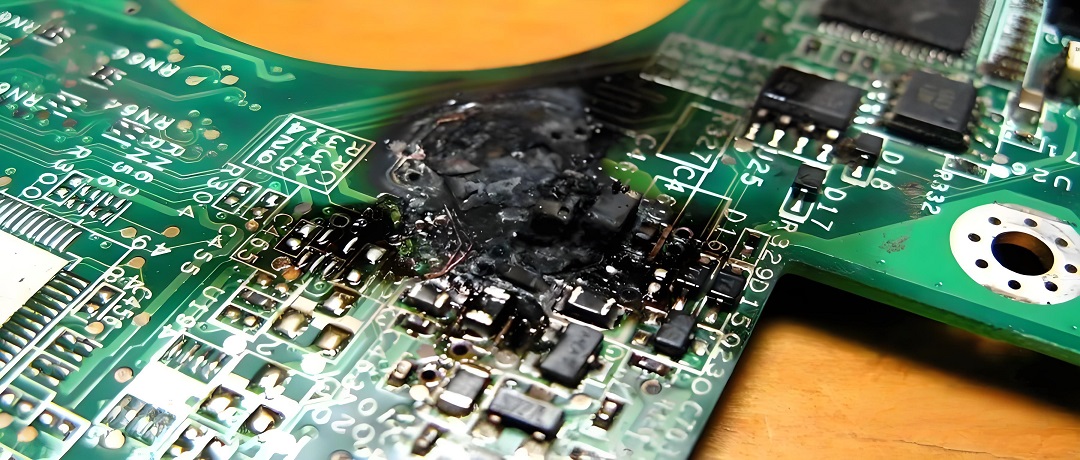
In the PCB manufacturing process, the glass transition temperature is an important performance indicator. During the manufacturing and use of PCB boards, they will undergo multiple heating and cooling processes. If the operating temperature exceeds the glass transition temperature, the board will soften, expand, or even deform, affecting the accuracy and reliability of the circuit. Therefore, choosing the right glass transition temperature is crucial to ensure the dimensional stability and long-term performance of the PCB.

What is the glass transition temperature and Its Significance?

The glass transition temperature (Tg) refers to the temperature corresponding to the transition from the glass state to the high elastic state. The glass transition is an inherent property of amorphous polymer materials and a macroscopic manifestation of the transformation of the polymer motion form. It directly affects the performance and process performance of the material. Therefore, it has long been the main content of polymer physics research.

what is glass transition temperature?

The glass transition temperature is of great significance to the application of polymers. Above this temperature, polymers show elasticity; below this temperature, polymers show brittleness. This characteristic must be considered when used as plastics, rubber, synthetic fibers, etc.

The glass transition temperature of mainstream FR-4 boards is approximately between 130-140℃. In the PCB manufacturing process, the temperature needs to be strictly controlled to avoid exceeding the glass transition temperature to ensure the quality of the product.

Is higher glass transition temperature better?

In PCB manufacturing, the higher the glass transition temperature (Tg), the better. ‌

what is glass transition temperature?

The glass transition temperature is an important performance indicator of polymer materials, which determines the changes in the physical and chemical properties of the material at a specific temperature. When the temperature of the polymer is lower than its glass transition temperature, the material exhibits hard and brittle characteristics, similar to the glass state; when the temperature is higher than the glass transition temperature, the material becomes soft and exhibits elasticity similar to rubber or leather. This state change has a direct impact on the performance during PCB manufacturing and use.

1. ‌ Temperature deformation resistance ‌:

The higher the Tg value, the stronger the material’s temperature deformation resistance. This means that in a high temperature environment, such as during SMT welding, the PCB substrate is not easy to deform, thereby maintaining dimensional stability, which is crucial to ensure the reliability and long-term use of the circuit board.

2. ‌ Electrical performance and mechanical strength: ‌

The high or low Tg value directly affects the electrical performance and mechanical strength of the PCB. High Tg materials can maintain good physical and chemical stability at high temperatures, thereby maintaining the electrical properties and mechanical strength of the circuit board, which is crucial to improving the quality and reliability of the product.

3. Safety:

PCB materials with high Tg values ​​are not easy to soften or melt at high temperatures, thereby improving the safety and durability of the circuit board and reducing the risk of short circuits or other damage caused by high temperatures.

In summary, choosing PCB materials with higher Tg values ​​is one of the key factors to ensure that the circuit board maintains stable performance and safety in complex manufacturing and use environments.

What is glass transition temperature vs melting temperature?

In PCB manufacturing, glass transition temperature and melting temperature are two different physical properties that describe the state changes of materials under different conditions. ‌

The glass transition temperature (Tg) mainly involves amorphous materials or amorphous regions in partially crystalline materials. At this temperature, the physical state of the material changes from glass to highly elastic.

The melting temperature (melting point) mainly involves the melting process of crystalline materials. For crystalline polymers, the melting point marks the temperature at which the molecular chain begins to move, that is, the material changes from solid to liquid. The melting point is related to the crystallinity and lattice structure of the material and is a physical property unique to crystalline materials.

In short, the glass transition temperature mainly affects the amorphous region in amorphous or partially crystalline materials, while the melting temperature mainly affects crystalline materials and involves the melting process of the entire crystal. These two temperatures reflect the different physical state changes of different materials when heated.

How do you determine the glass transition temperature?

Expansion method, thermomechanical method, differential scanning calorimetry (DSC), DTA method, dynamic mechanical property analysis (DMA) method, nuclear magnetic resonance method (NMR).

what is glass transition temperature?

Differential scanning calorimetry (DSC) is the most traditional and commonly used measurement method. It measures the relationship between the power difference (heat flow rate) and temperature between the sample and the reference material, and then obtains the glass transition temperature of the material;

Dynamic mechanical analysis (DMA) is the most sensitive method. It measures the sinusoidal alternating stress of constant amplitude applied to the sample, observes the change of strain with temperature or time, and calculates the mechanical parameters to characterize the elastomer;

Thermomechanical analysis (TMA): Use a probe with good sensitivity to measure the expansion coefficient of the material, and measure the glass transition temperature of the material based on this change.

What is the difference between TM and Tg?

In the PCB industry, TM and Tg are two different parameters, representing two different physical properties.

Tm: melting point; m is the melting point of crystalline polymers, that is, the temperature at which crystalline polymers melt. It is the highest use temperature of crystalline polymers when used in plastics and fibers, and it is also their heat resistance temperature and the lowest temperature for molding processing.

What is the Tg of polyurethane?

The glass transition temperature (Tg) of polyurethane is not a fixed value, but a physical quantity determined by the type of resin.

‌There are many types of polyurethane, including polyether, polyester, polyimide, polyurea, etc. Each type of polyurethane has its own specific glass transition temperature.

Shape memory polyurethane has a small volume expansion rate at temperatures below Tg, but increases at temperatures above Tg, which shows the characteristics of its glass transition temperature. Therefore, to determine the glass transition temperature of a specific polyurethane, its specific chemical structure and application field need to be considered.

What is Tg for epoxy?

The Tg value of PCB epoxy resin is usually between 130℃ and 170℃. ‌

The Tg value (glass transition temperature) of PCB (printed circuit board) epoxy resin is an important performance indicator, which reflects the change in the physical state of the material when heated. According to different application requirements, the Tg value of PCB epoxy resin can be divided into several grades:

what is glass transition temperature?

‌TG130‌: The temperature resistance of this type of board is about 140℃. Common Tg value boards of this type are Shengyi S1141 and Jiantao KB-6164F.

TG150: A medium Tg board with a temperature range of 150°C to 170°C. Common boards with this type of Tg include Shengyi S1141 150 and Jiantao KB-6165F.

TG170: A high Tg board with a temperature range of over 170°C. Common boards with this type of Tg include Shengyi S1170 and Jiantao KB-6167F.

Selecting the right Tg value is critical to ensuring the performance and reliability of the PCB. Although boards with high Tg values ​​are relatively expensive, their superior temperature resistance is indispensable in applications that require higher temperatures, such as aerospace. In addition to Tg values, other factors should be considered when selecting PCB boards, such as thermal decomposition temperature (Td), which is another important indicator for evaluating the stability of boards at high temperatures.

Conclusion:

High Tg represents high heat resistance. Electronic products represented by computers are developing towards high functionality and high multi-layer, which requires higher heat resistance of PCB substrate materials as an important guarantee. BEST Technology focuses on manufacturing high-performance PCB circuit boards and is far ahead in the industry. It has professional production equipment and 18 years of design experience, and has high quality requirements for products.

Power Supply Circuit Design Guide – An Overview
Wednesday, August 21st, 2024

A power supply circuit is at the heart of every electronic device, transforming available energy into usable power. Whether you’re developing a new product or repairing an existing one, a firm grasp of power supply circuit design helps in improving efficiency, and performance. The main objective of this blog is to share know-how about power supply circuit, from the definition, types, power supply circuit board and more. Here we go!

Power Supply Circuit – An Overview

What Are the Three Types of Power Supply?

There are three subsets of regulated power supplies: linear, switched, and uninterruptible battery based. Of the three basic regulated power supply designs, linear is the least complicated system, but switched and battery power have their advantages.

Linear power supply

This is one of the simplest forms. It uses a transformer to reduce the input voltage to the desired level, then relies on a regulator to maintain stable voltage. Linear power supplies are known for their low noise output and reliability. However, they can be inefficient because they dissipate excess energy as heat.

Power Supply Circuit – An Overview

Switching power supply

This type is much more efficient than linear power supplies. It rapidly switches the power on and off to control the output voltage. By doing so, switching power supplies can achieve higher efficiencies, making them ideal for modern electronics where energy conservation is crucial. They are compact and offer better energy savings but can introduce noise into the circuit.

Power Supply Circuit – An Overview

Uninterruptible power supply (UPS)

A UPS provides emergency power when the main source fails. It’s widely used in environments where power interruptions could cause data loss or equipment damage, such as in data centers or hospitals. It combines elements of both linear and switching power supplies, offering reliability and backup in case of failure.

What Are the Problems with Power Supply Circuits?

Power supply circuits are not without challenges, but understanding these issues can help mitigate them.

  • Heat generation

Some power supplies, especially linear ones, generate significant heat during operation. This can affect the longevity of components and the overall performance of the device. Adding heat sinks or better cooling can help manage this issue.

  • Voltage fluctuations

Inconsistent power supply can lead to voltage drops or spikes. Sensitive electronics might malfunction or get damaged under such conditions. Proper filtering and regulation can address these fluctuations.

  • Electrical noise

Switch-mode power supplies are efficient but can introduce electrical noise into the circuit. This noise can interfere with the performance of other components, especially in sensitive applications. Careful circuit design, shielding, and grounding can reduce the impact.

Common Power Supply Circuit Diagram

A diagram representing circuit connections with circuit component symbols is called a circuit diagram. Circuit diagram is a kind of schematic layout diagram that represents the composition and relationship of components and devices drawn by the symbols of physical and electrical standardization for the needs of research and engineering planning, which can know the working principle of components and provide planning schemes for the analysis of performance and installation of electronic and electrical products.

Circuit diagram is one of the basic skills that electronic engineers must learn, here we listing four common power supply circuit diagrams, which is super full super detailed. Hope it is useful for you!

Regulated Power Supply Circuit Diagram

This type uses voltage regulators to maintain a constant output voltage regardless of input fluctuations. Let’s take an example of an 3~25V adjustable voltage regulator circuit. This regulated power supply can be adjusted within a range of 3.5V to 25V. It provides a large output current and uses an adjustable voltage regulator circuit. You can see its circuit diagram as below:

Power Supply Circuit – An Overview

Its working principle is: after rectification and filtering, the DC voltage is supplied to the base of the adjustment transistor through R1, which makes the transistor conduct. When V1 conducts, the voltage passes through RP and R2 to make V2 conduct, and then V3 also conducts. At this point, the emitter and collector voltages of V1, V2, and V3 no longer change (their function is completely similar to that of a zener diode). By adjusting RP, a stable output voltage can be obtained. The ratio of R1, RP, R2, and R3 determines the output voltage of this circuit.

Component Selection

Transformer T: Choose an 80W to 100W transformer, with an input of AC220V and a dual winding output of AC28V.

FU1: Use a 1A fuse.

FU2: Use a 3A to 5A fuse.

VD1, VD2: Use 6A02 diodes.

RP: Use an ordinary potentiometer rated at around 1W, with a resistance value between 250K and 330K.

C1: Use a 3300µF/35V electrolytic capacitor.

C2, C3: Use 0.1µF monolithic capacitors.

C4: Use a 470µF/35V electrolytic capacitor.

R1: Use a resistor with a value between 180Ω and 220Ω, rated at 0.1W to 1W.

R2, R4, R5: Use 10KΩ resistors, rated at 1/8W.

V1: Use a 2N3055 transistor.

V2: Use a 3DG180 or 2SC3953 transistor.

V3: Use a 3CG12 or 3CG80 transistor.

Switched-Mode Power Supply (SMPS) Circuit

This circuit is used in many modern electronics because of its high efficiency. It includes a switching regulator that controls the energy flow, converting the input voltage to the required output through rapid switching. Below is a power supply circuit diagram of a 12V, 20W SMPS system with TOP224P.

Power Supply Circuit – An Overview

From the above, VDz1 and VD1 clamp the spike voltage generated by leakage inductance to a safe level and attenuate ringing voltage. VDz1 uses a P6KE200 transient voltage suppressor with a reverse breakdown voltage of 200V, while VD1 is a UF4005 ultra-fast recovery diode rated at 1A/600V. The secondary winding voltage is rectified and filtered through VD1, C2, L1, and C3, producing a 12V output voltage (Uo). The value of Uo is determined by the sum of the stable voltage of VDz2, the forward voltage drop across the LED in the optocoupler, and the voltage drop across R1.

By adjusting the turns ratio of the high-frequency transformer and the stabilization value of VDz2, other output voltages can also be obtained. R2 and VDz2 provide a dummy load for the 12V output, improving load regulation during light load conditions. The feedback winding voltage is rectified and filtered by VD3 and C4 to supply the necessary bias to the TOP224P. Common mode choke L2 reduces common-mode leakage current caused by the high-voltage switching waveform on the primary winding’s D-terminal. C7 filters interference from the coupling capacitance between the primary and secondary windings, while C6 minimizes differential-mode leakage currents from the primary winding. Additionally, C5 filters peak current on the control terminal and, together with R1 and R3, compensates the control loop and determines the self-starting frequency.

Transformer-Based Power Supply Circuit

This is the most basic power supply circuit, often used in low-power applications. It involves a transformer to reduce the input AC voltage, followed by rectification and filtering to produce a steady DC output.

Battery-Powered Circuit

For portable devices, battery-powered circuits offer a reliable power source. These circuits are designed to manage the charging and discharging of batteries while providing stable power to the device.

Which kind of PCB used for power supply circuit?

1. Heavy copper PCB

Heavy copper PCBs are designed with significantly thicker copper layers compared to standard PCBs. Typically, they feature copper weights greater than 3 ounces per square foot. These PCBs excel in handling higher currents and distributing power across the circuit more effectively, making them ideal for power distribution systems, power converters, and other demanding applications. Bus bar PCBs are a subtype of heavy copper boards, specifically designed for applications requiring high current capacity and low impedance.

Heavy copper PCBs are used when standard copper traces cannot carry the required current without excessive heat buildup. By increasing the thickness of the copper layers, these PCBs can manage higher currents, dissipate heat better, and enhance the board’s durability. They are crucial in industries like automotive, solar power, and industrial control, where reliable power management is key.

2. Metal Core PCB

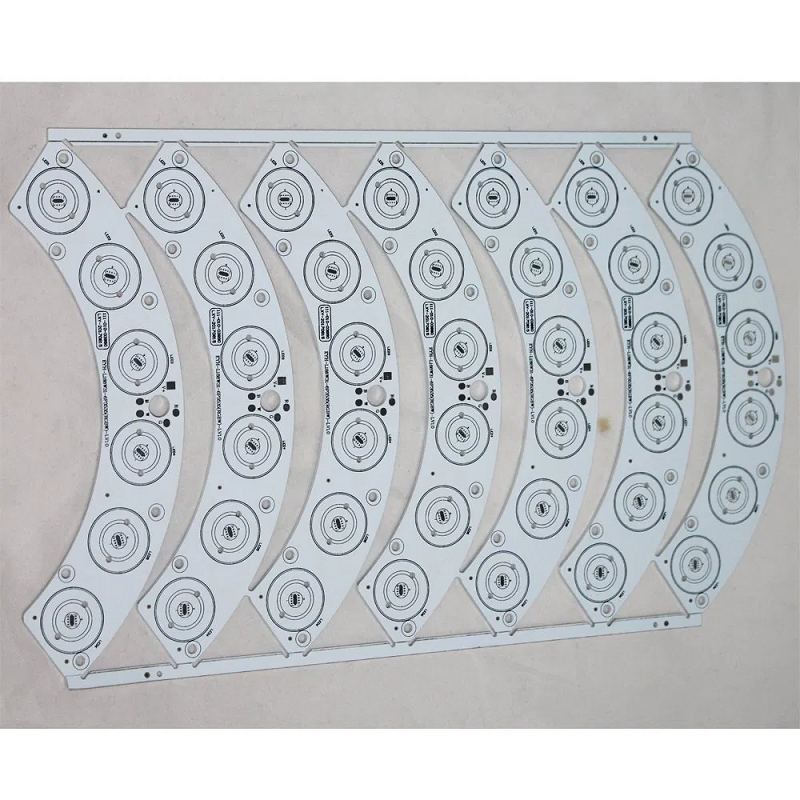
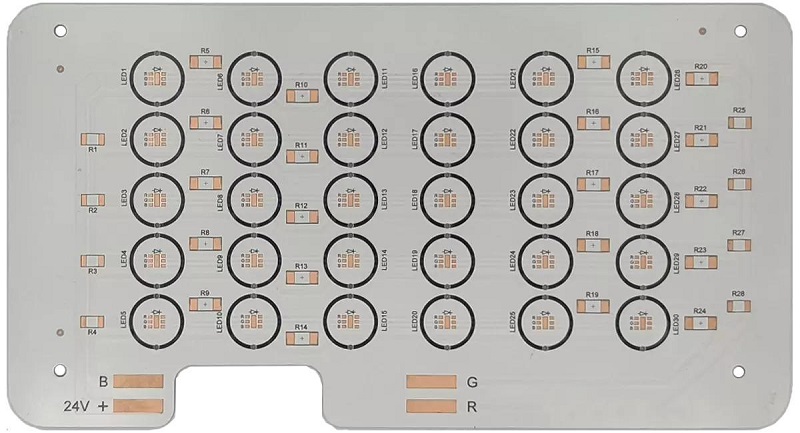
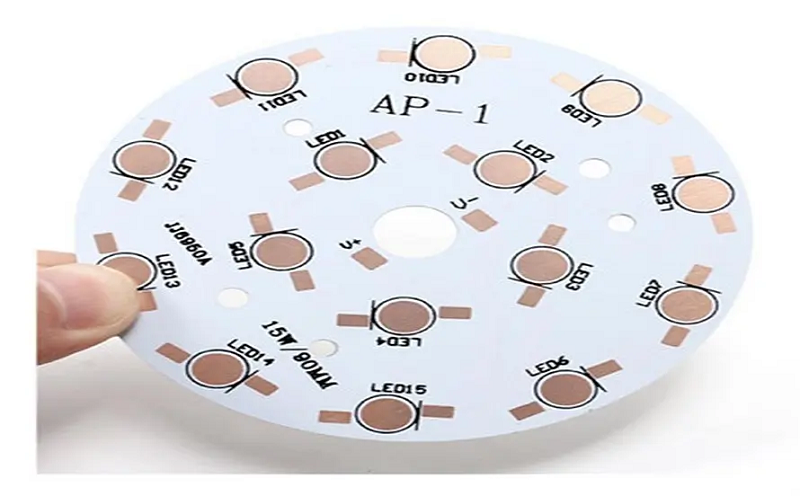
Metal core PCBs also call led pcb board, are built with a metal substrate, typically aluminum or copper, to efficiently dissipate heat generated by high-power circuits. These boards are widely used in LED lighting, power supplies, and automotive electronics where heat management is essential. For extra high power supply applications, copper core PCB is a good choice.

3. Ceramic PCB

Ceramic PCBs are highly favored in environments where high thermal conductivity and electrical insulation are needed. They can be used under -80C ~ 2200C. They perform well in high-frequency applications and can operate in harsh conditions, making them suitable for aerospace, military, and industrial power electronics.

How to Build a 12V Power Supply Circuit?

Building a 12V power supply circuit can be a rewarding project, whether you’re creating it for a specific device or learning about electronics. Below is a detailed guide to help you design and build a reliable 12V power supply.

Components Needed

Before you begin, gather the essential components:

  • Transformer: A step-down transformer will reduce the AC mains voltage (usually 110V or 220V) to a lower AC voltage that can be rectified and regulated to 12V DC. A common choice is a transformer that outputs 15V AC.
  • Bridge Rectifier: This consists of four diodes arranged to convert AC to DC. The diodes ensure that the output is always in the same polarity, transforming the alternating current into a pulsating direct current.
  • Capacitors: Capacitors act as filters to smooth out the pulsating DC output from the rectifier, reducing ripple and providing a more stable DC voltage.
  • 12V Voltage Regulator: A voltage regulator like the LM7812 ensures that the output remains at a steady 12V DC. This is crucial to prevent voltage fluctuations, which could damage sensitive electronic components.
  • Heat Sink: A heat sink is necessary to dissipate heat from the voltage regulator, especially when there’s a significant voltage drop between the input and the 12V output.
  • Fuse: To protect your circuit from overcurrent situations, a fuse should be added at the input or output stage.
  • Optional Components: You might include an LED indicator and resistor to show when the power supply is active.

Step-by-Step Process

Here’s how to assemble the components into a functional 12V power supply circuit:

Step 1: Connect the Transformer

The transformer’s primary winding is connected to the AC mains, reducing the input voltage to around 15V AC on the secondary winding. This step-down AC voltage will feed into the rectifier circuit.

Step 2: Bridge Rectifier Configuration

The output of the transformer is connected to the bridge rectifier. The rectifier converts the AC voltage into a pulsating DC voltage. The output voltage will still have ripples (fluctuations in the voltage level) and needs further smoothing.

Step 3: Filter the Output with Capacitors

A capacitor is connected across the output of the bridge rectifier to smooth the pulsating DC signal. This helps to reduce ripple and stabilize the voltage. A larger capacitor will give better smoothing, but a typical value used is around 1000µF. The capacitor works by charging up during the peaks of the rectified signal and releasing energy during the valleys, leading to a more stable DC voltage.

Step 4: Voltage Regulation

After the rectified and filtered voltage, you will likely have a DC voltage around 15V, which is still too high for a 12V power supply. This is where the 12V voltage regulator (e.g., LM7812) comes into play. The regulator ensures the output remains at a constant 12V, regardless of input variations or load changes.

1. Connect the input pin of the regulator to the positive output of the rectifier.

2. Connect the ground pin to the common ground.

3. The output pin will now deliver a regulated 12V DC.

Step 5: Add the Heat Sink

Voltage regulators can generate significant heat, especially when the difference between the input and output voltage is large. Attach a heat sink to the regulator to prevent overheating and ensure stable operation.

Step 6: Safety Measures

To protect the circuit from potential damage, include a fuse on the input side. This fuse will blow if there’s a short circuit or an overload, preventing the transformer or other components from getting damaged. For example, you can use a 1A fuse.

Step 7: Test the Circuit

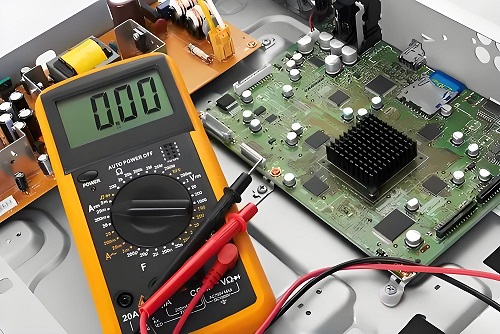
Once the circuit is assembled, double-check all connections and test the output with a multimeter. Make sure the output voltage is stable at 12V under no load and when powering a device.

Optional: Add Features

You can add an LED indicator with a series resistor to the output side. This will visually indicate when the power supply is on and functioning.

Practical Considerations

Load Capacity: The transformer’s power rating (VA) should be sufficient to handle the current drawn by the load. For instance, if your load requires 1A at 12V, the transformer must be able to supply at least 12 watts (plus some margin to account for inefficiency and losses).

Heat Management: If your power supply will be operating under heavy load, consider adding active cooling, such as a small fan, especially if the heat sink alone does not adequately dissipate heat.

Enclosure: For safety and aesthetics, house the power supply in an insulated, vented enclosure to prevent accidental contact with live wires and to allow for heat dissipation.

A Simple Example

Once completed, this 12V power supply circuit can be used for a wide variety of applications:

Small Electronics Projects: Power up microcontrollers, sensors, or other small electronics that run on 12V.

LED Lighting: It can be used to power 12V LED strips or other lighting systems.

Arduino or Raspberry Pi Projects: Many DIY electronics projects require a steady 12V supply to operate correctly, and this circuit can deliver that power reliably.

What are the factors that affect the price of PCB boards?
Tuesday, August 20th, 2024

There are many factors that affect pcb board price. The diversity of PCB processing prices has its inherent inevitable factors, which are closely related to materials, processes and other aspects. As an important part of electronic components, PCB boards play a very important role in the electronics industry. One of the important problems is that prices fluctuate greatly, which brings great uncertainty to the production and operation of enterprises.

How much do pcb board price?

The price of PCB is determined by many factors, including board cost, processing cost, quality inspection cost, etc. ‌

‌Board cost‌ is the main component of PCB cost, accounting for about half of the total cost. The cost of boards depends on factors such as material, thickness, size and quality. For example, the prices of different types of plates such as FR4, CEM-1, and aluminum substrates vary significantly. The cost of panels will be affected by multiple factors such as market supply and demand, raw material price fluctuations, and the complexity of the production process.

What are the factors that affect pcb board price?

‌Processing costs‌ include cutting, drilling, electroplating, lamination and other links. The equipment and process requirements of each link will affect the final cost. The depreciation costs of high-end equipment, workers’ operational proficiency and the degree of optimization of the production process are all key factors that affect processing costs.

‌Quality inspection cost‌ is also an important part of PCB cost. Strict quality testing is required during the production process, including environmental adaptability testing, electrical performance testing, etc. The number and stringency of these testing items will also affect production costs.

In addition, the cost of PCB also includes indirect costs, such as equipment depreciation expenses, labor costs, management expenses, R&D expenses, etc. Batch size and yield control are also important factors that affect cost. Large-volume production usually reduces unit costs, and high yield means lower costs. Therefore, the specific cost of PCB needs to be comprehensively evaluated based on factors such as specific board type, processing requirements, testing standards, and production batches.

Why is PCB so expensive?

‌The price of PCB is high mainly because its production involves multiple cost factors and complex processes. ‌

The production cost of PCB is affected by the cost of materials.

PCB boards are mainly made of materials such as copper, fiberglass, and epoxy resin. The cost of these materials directly affects the final price of the PCB board. In addition, the complexity of PCB design and manufacturing is also an important factor affecting the price. The design and manufacturing process requires precise tools and specialized skills. The more complex the design, the higher the fees paid to the designer. The complexity of the manufacturing process will also lead to increased costs.

Accuracy and quality are also key factors in determining pcb board price.

High-precision PCBs require higher manufacturing costs because they require more precise tools and more rigorous manufacturing processes. High-quality PCBs usually need to go through more quality control steps, which also increases costs.

Supply chain and regional differences are also factors that affect pcb board price.

Changes in the global supply chain and differences in production costs in different regions will be reflected in pcb board price.

In terms of production process.

PCB production includes multiple stages, such as pre-processing, image transfer, electroplating, etching, inspection and trimming, and post-processing. Each stage requires specific technology and equipment, which also increases production costs.

In addition, the price of PCB is also affected by a variety of other factors, including surface treatment technology, copper foil thickness, customer’s quality acceptance standards, mold fees and test rack fees, payment methods and order volume/delivery time, etc. For example, different surface treatment processes (such as OSP, leaded tin spraying, lead-free tin spraying, etc.) and copper foil thickness will lead to price differences; the higher the customer’s quality acceptance standards, the higher the price; mass production may require Molds and test racks, which also add cost.

To sum up, the high price of PCB is mainly due to the fact that its production involves a variety of materials, complex processes, high precision and quality requirements, and a variety of factors that affect cost.

How much gold is in a PCB board?

‌PCB boards contain a certain amount of gold, but the exact amount varies depending on the type and application of the PCB board.

What are the factors that affect pcb board price?

PCB board (printed circuit board) is an indispensable component of most electronic products and is used to interconnect circuits. With the development of technology, some special electronic copper-clad laminates can even be used directly to manufacture electronic components.

In the manufacturing process of PCB boards, gold is often used as a material for surface treatment, especially in some high-end or special application PCB boards. For example, components such as motherboards, CPUs, random access memory chips (RAM), internal modems, PCI boards, Ethernet ports, etc. often contain gold on their connection pins and surface layers. The use of this gold not only increases the value of the product, but also improves its performance and reliability‌.

As for the specific gold content, although there is no fixed ratio, data shows that 1 ton of circuit boards contains at least 80 grams of gold, and chip packaging also contains gold and other precious metals such as silver. This shows that recycling precious metals such as gold from electronic waste has considerable economic value‌. In addition, the application of gold in PCB boards is usually achieved by electroplating. Sometimes a layer of nickel is added between gold and copper as a barrier layer to prevent electron migration and diffusion reactions between them.

To sum up, although the gold content in PCB boards is not high, its existence is crucial to improving the performance and reliability of electronic products, and it also has certain economic value in electronic waste recycling.

How much does it cost to replace a PCB board?

Cost estimation method in PCB processing factory The cost of PCB is composed of many factors. Most of the cost comes from the number of layers, material, drilling volume, surface treatment process, etc. of the board. Generally speaking, the cost of the board is about 1% of the total cost. About half.

According to speculation, the processing cost of PCB with more than 6 layers of material per square centimeter can be estimated as follows:

(1) For every two additional layers of the line, the cost increases by 0. 05 yuan, that is, 0. 05 yuan/cm2;

(2) Screen printing layer and solder mask layer, film cost, 300 yuan;

(3) The circuit layer film fee is 100 yuan per layer.

Actual costs should be inquired from the manufacturer.

Design requirements (1) Among the PCB processing costs, the board cost accounts for about half. Therefore, the smaller and thinner the board size, the higher the utilization rate, and the lower the cost.

(2) In terms of surface treatment, based on spray tin spraying, the surface treatment cost OSP is about 20% lower, ENIG is about 20% higher, and Im-Sn and Im-Ag are basically the same as spray tin spraying.

(3) The number of laminations has a greater impact on the cost. Each additional time will increase the total cost by about 3%.

(4) Special processes, such as buried copper, are relatively expensive and require separate communication with the manufacturer.

(5) The cost of line width/line spacing less than or equal to 3mil/3mil is about 6% higher than the cost of greater than 3mil/3mil.

(6) Adding one stage to the HDI board will increase the cost by about 18%. Therefore, the use of HDI needs to be carefully considered.

Are old PCBs worth anything?

Old PCBs not only have economic value, but also have important significance and value in environmental protection, art, etc.

pcb board price?

There are a lot of gold elements on old PCBs, because circuit interfaces are often plated with gold to increase contact performance and prevent corrosion. In addition, waste printed circuit boards also contain a variety of valuable metals. The main direction of recycling waste circuit boards is the recycling of metals.

These circuit boards contain a large amount of precious metals and rare materials. According to data, the metal contains about 20% copper, 8% iron, 2% nickel, 4% tin, 2% zinc and other common metals, and about 0.1 % gold, 0.2% silver, 0.005% palladium and other precious metals, and also contains many toxic and harmful heavy metals, such as lead, hexavalent chromium, mercury, cadmium, etc. With the right recycling techniques and processes, these valuable materials can be extracted and used to produce new electronic products.

This can not only save resources and reduce damage to the natural environment, but also effectively reduce production costs. Therefore, discarded PCB circuit boards should not be simply regarded as garbage, but should be regarded as a valuable resource.

With a combination of technology and creativity, electronics enthusiasts and artists have discovered a variety of ways to transform discarded circuit boards into unique pieces of art, home décor, or functional items. Through careful disassembly and reassembly, these discarded circuit boards are given a new life.

How can I make PCB cheaper?

1. ‌Optimized design‌: Correct component placement and layout design can significantly reduce PCB costs and improve circuit performance‌.

2. ‌Choose the right material‌: Choose the right PCB material according to the application scenario.

3. Optimize line spacing: By optimizing line width and line spacing, you can avoid additional adding.

4. Optimize the process‌: Use more efficient manufacturing processes such as the V-cut process to reduce material waste and improve sheet utilization.

5. ‌Mass production and panelization‌: Carry out mass production according to demand, enjoy batch discounts and discounts, and reduce unit prices‌.

6. ‌Technical improvement‌: Introduce advanced equipment and processes to improve production efficiency and reduce error rates, thereby reducing production costs‌.

Through the comprehensive application of the above strategies, the cost of PCB can be effectively reduced while ensuring product quality and production efficiency.

Conclusion:

Understanding the factors that affect pcb board price during the production and processing stages can help you make cost-effective decisions to ensure the quality of your products while saving money. BEST Technology has extensive design and production experience in PCB manufacturing and can effectively help you solve pcb board price issues.

Comprehensive understanding of flex board
Tuesday, August 20th, 2024

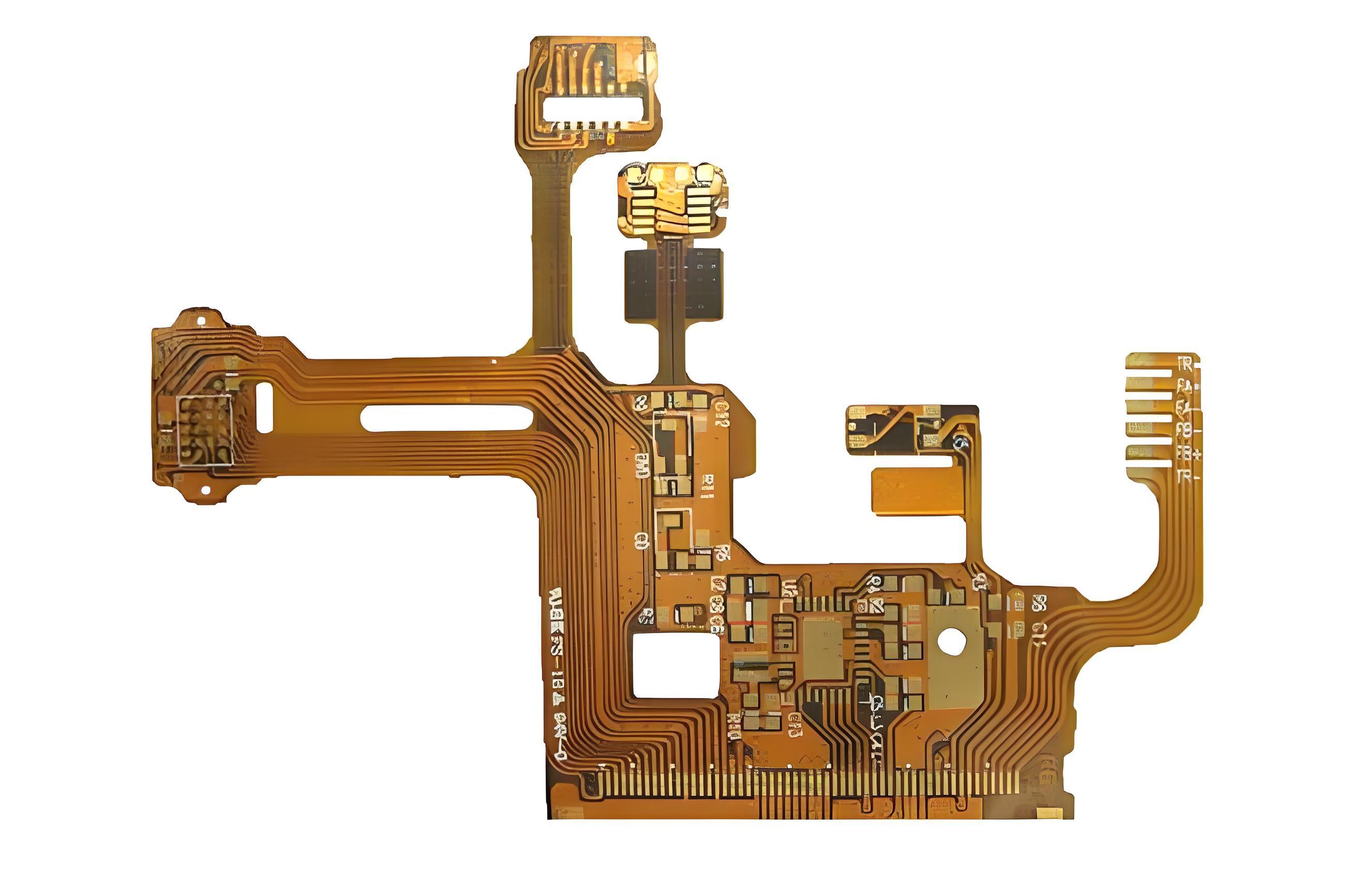
flex board are the only solution to meet the requirements of miniaturization and mobility of electronic products. They can be bent, wound, and folded freely, and can withstand millions of dynamic bending without damaging the wires. They can be arranged according to the requirements of spatial layout, and can be freely moved and stretched in three-dimensional space to achieve the integration of component assembly and wire connection. Flexible circuit boards can greatly reduce the volume and weight of electronic products, and are suitable for the development of electronic products towards high density, miniaturization, and high reliability.

What is a flex board?

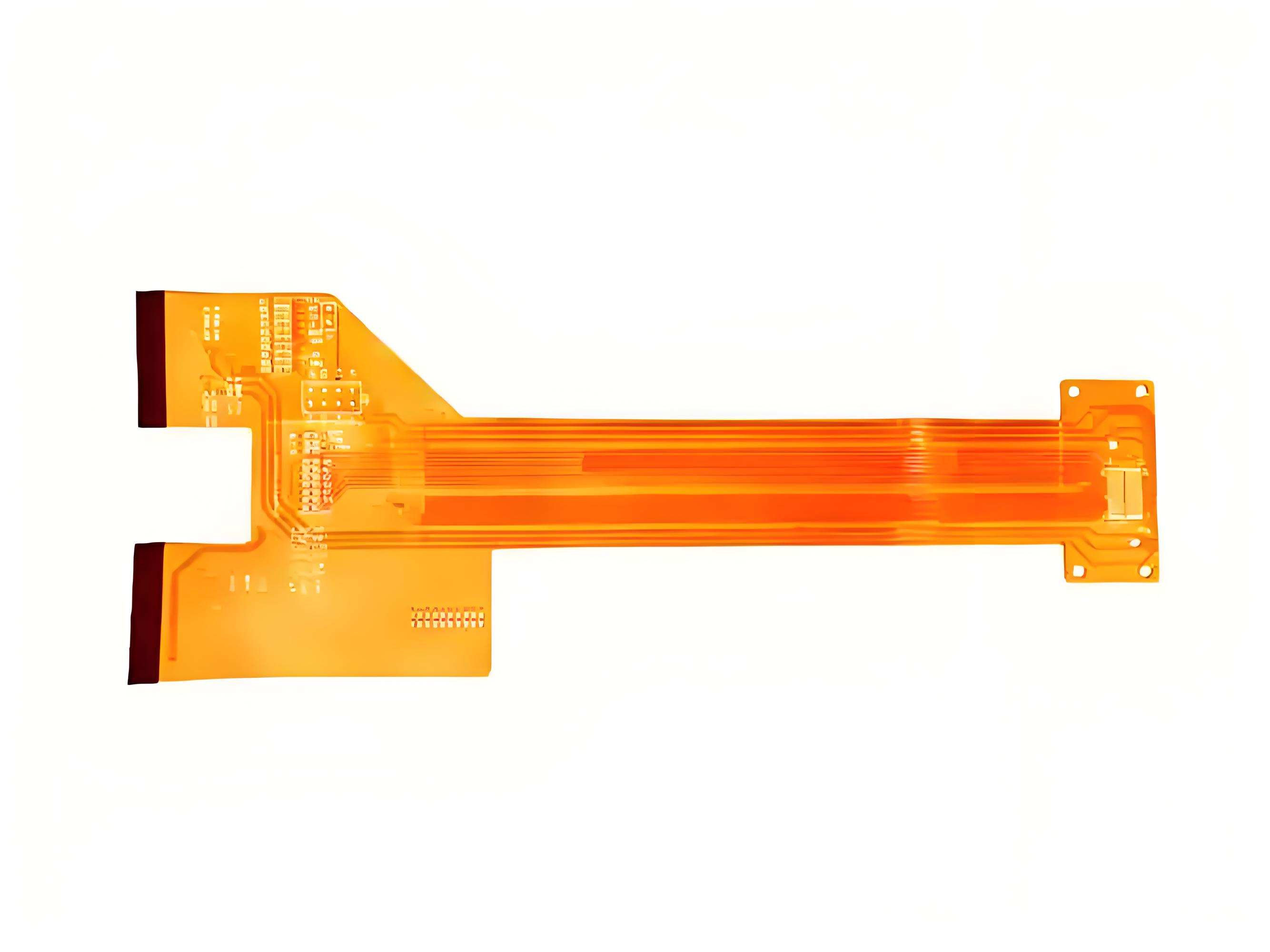
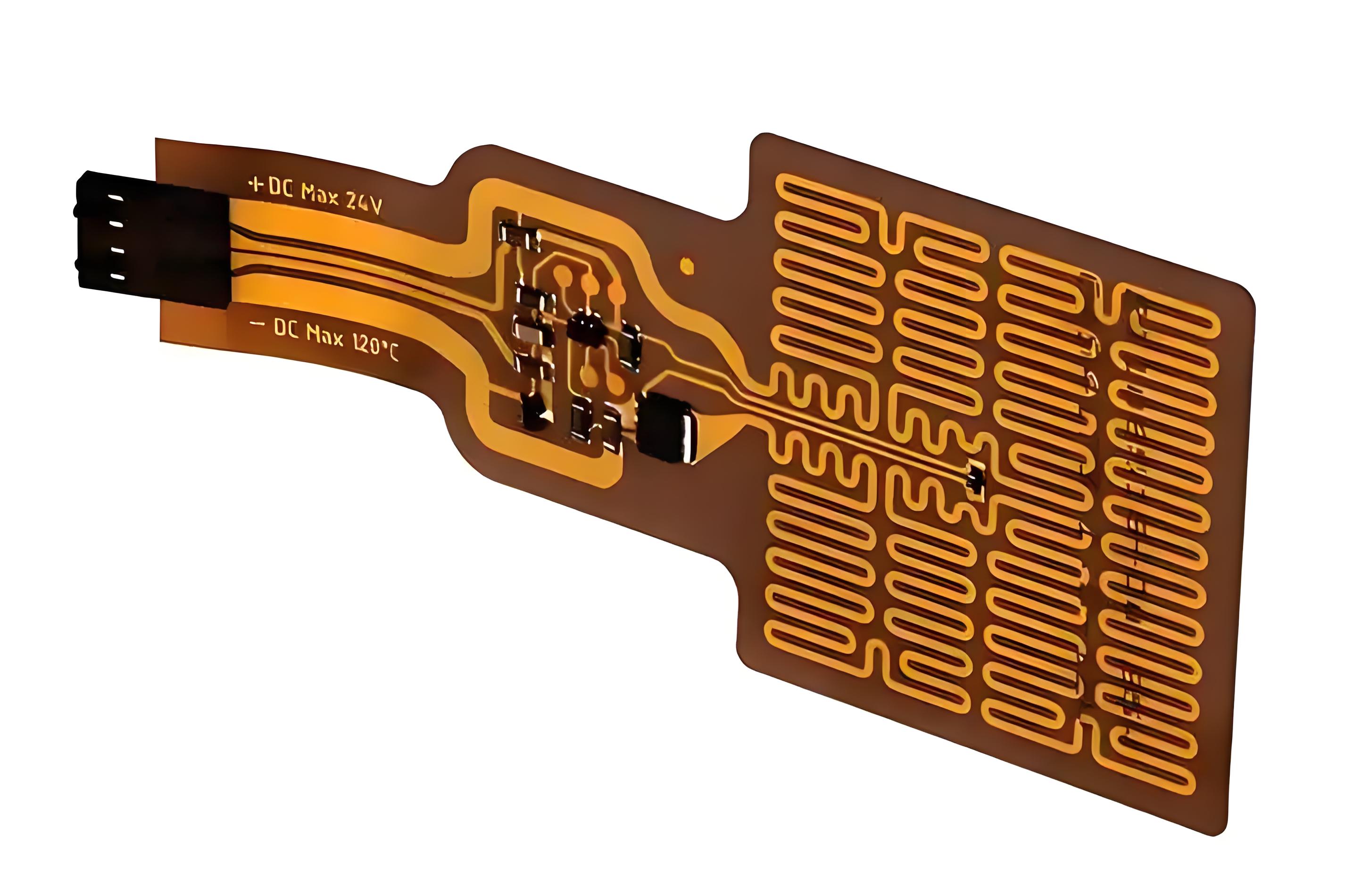
Flexible board is a printed circuit board made of flexible insulating substrate, also known as flexible printed circuit board (FPC). This circuit board has many advantages that rigid printed circuit boards do not have, such as it can be bent, wound, folded freely, and can withstand millions of dynamic bending without damaging the wires. Flexible circuit boards provide excellent electrical performance, meet the design needs of smaller and higher density installations, help reduce assembly processes and enhance reliability. It is the only solution to meet the requirements of miniaturization and mobility of electronic products, which can greatly reduce the volume and weight of electronic products and adapt to the needs of electronic products developing towards high density, miniaturization, and high reliability.

Comprehensive understanding of flex board

The main feature of the flexible board is that its substrate is usually polyimide or polyester film. This material has good elasticity and a certain degree of softness, which allows the flexible board to move and stretch arbitrarily in three-dimensional space, realizing the integration of component assembly and wire connection. In addition, the flexible board also has the characteristics of high wiring density, light weight, thin thickness and good bendability, making it the preferred choice in many application scenarios.

The application of flexible boards is very wide. For example, in new energy vehicles, the FPC solution has become the main choice for most new models. FPC is integrated with CCS (integrated busbar system) and is connected with copper and aluminum busbars and plastic structural parts to form electrical connection and signal detection structural components.

What is a Flexboard made of?

Flexible boards are made of polyimide or polyester film. ‌

Flexible circuit board (FPC) is a printed circuit board with high reliability and excellent flexibility. Its substrate is mainly polyimide or polyester film. This material selection gives FPC a variety of superior properties, including high wiring density, light weight, thinness and good bendability. These characteristics of FPC enable it to meet the needs of electronic products to develop in the direction of high density, miniaturization and high reliability.

Specifically, the substrate characteristics of FPC include:

‌Polyimide‌: This is a high-performance polymer with excellent mechanical properties, electrical properties and thermal stability. It is often used to manufacture flexible circuit boards because it can provide excellent flexibility and durability.

‌Polyester film‌: As a lightweight material, the application of polyester film in FPC provides good insulation performance and certain mechanical strength while maintaining overall lightness and thinness.

The choice of these two materials together ensures that the application of FPC in electronic devices can provide excellent electrical performance, meet the design needs of smaller and higher density installation, and help reduce assembly processes and enhance reliability.

Which flex material is best?

The best material for flexible PCB boards is polyimide. Polyimide has extremely strong toughness and scalability, and can meet the requirements of bending, folding, twisting, etc. in various shapes, which makes polyimide an ideal material for flexible PCB boards. In addition, polyimide also has good impedance control and signal integrity, ensuring the high reliability and stability of flexible PCB boards. Therefore, for application scenarios that require high flexibility and reliability, polyimide is the preferred flexible PCB material.

How many types of flex board are there?

There are four main types of flexible boards:

Single-sided flexible board: This is the most basic type of flexible circuit board, in which only one side has conductive lines. It is usually used for low-density and low-complexity applications, such as printer inkjet cartridges and computer memory.

Comprehensive understanding of flex board

Double-sided flexible board: This type of circuit board has conductive lines on both sides, and the electrical connection between the two sides is achieved through metallized vias.

Multi-layer flexible board: Multi-layer FPC consists of several layers of conductive lines and insulating materials, and the electrical connection between the layers is achieved through blind holes, buried holes or through holes.

Rigid-flex combination flexible board: This type combines a rigid substrate and a flexible substrate, and a conductive connection is formed through metallized holes. Rigid-flexible combined flexible boards meet the needs of electronic products to develop in the direction of miniaturization, high frequency, high speed and multi-function.

These different types of flexible boards are widely used in consumer electronics, automotive electronics, medical equipment, aerospace and defense, etc. according to their specific application requirements and design complexity.

What is the thickness of a flex board?

The thickness of a flexible circuit board (FPC) usually ranges from 0.1mm to 0.2mm. ‌This thickness range applies to single-layer and double-layer flexible circuit boards. For multi-layer flexible circuit boards, due to their complex manufacturing process and high cost, the thickness is uncertain.

The thickness range of the reinforcement board is wider, from 0.05mm to 0.1mm for thin reinforcement boards to 0.2mm to 0.5mm for thick reinforcement boards, and even ultra-thick reinforcement boards with a thickness of more than 0.5mm. The thickness selection of these reinforcement boards depends on the design requirements, the use environment and the required mechanical strength.

The material of flexible circuit boards usually includes polyimide (PI), and its thickness generally ranges from 12.5um (0.5mil) to 125um (5mil), and common specifications include 25um (1mil) and 12.5um (0.5mil). This information shows that the thickness of flexible circuit boards can be adjusted according to specific application requirements and designs, from thin to thick reinforcement boards, to meet different mechanical strength and stability requirements.

In general, the thickness selection of flexible circuit boards is very flexible and can be customized according to specific application scenarios and design requirements. Whether it is a single-layer, double-layer or multi-layer flexible circuit board, its thickness can be adjusted as needed to ensure the best electrical performance and mechanical strength. ‌

Why are Flex PCBs so expensive?

The high price of flexible PCBs (flexible circuit boards) is mainly caused by factors such as its material cost, the complexity of the manufacturing process, and technical requirements. ‌

‌Material cost‌: The main substrates of flexible PCBs include polyimide (PI) and polyester (PET). Polyimide has excellent heat resistance and electrical properties, but the price is higher; polyester has lower cost, but the performance is slightly inferior. In addition, the conductive layer is usually composed of copper foil, and factors such as foil thickness, copper purity and quality will also affect the cost.

‌Manufacturing process‌: The manufacturing process of flexible PCB is complex, including multiple links such as exposure, development, etching, lamination and testing. The process accuracy and equipment level of each link will affect the production cost‌.

‌Technical requirements‌: The design complexity, special requirements and gold finger surface treatment methods of flexible PCB in the production process will affect the cost. Complex circuit design requires more design time and process control, while special requirements such as high temperature resistance, moisture resistance, and bending resistance require different processes and difficulties, which increase the manufacturing cost‌.

‌Size and circuit structure‌: The cost of flexible PCB is also affected by size and circuit structure. Larger size and complex circuit structure will increase manufacturing cost.

In summary, the high cost of flexible PCB is mainly due to the combined effect of factors such as high material cost, complex manufacturing process, high technical requirements, and complexity of size and circuit structure.

Conclusion:

Compared with traditional hard boards, flexible boards have higher flexibility and bendability, adapt to various complex shapes and spatial layouts, and make circuit board design more flexible and diverse. With the advantages of small size and light weight, it greatly reduces the size and weight of the device, making it more convenient to carry electronic equipment. For the design and manufacture of various flexible circuit boards, you can contact BEST Technology, and we will provide you with comprehensive and best quality services.

What is a heavy copper PCB?
Monday, August 19th, 2024

With the development of society, the demand for heavy copper PCBs in different industries has become increasingly greater. At present, heavy copper PCBs have been widely used in various electronic industries. Generally speaking, heavy copper technology can realize complex switches in a limited space, combine circuits with high current levels, and is conducive to heat dissipation. Multilayer and double-sided are the most common designs we know. More importantly, heavy copper PCB technology makes it possible to combine good layout structures on the outer layer and Heavy copper layers on the inner layer.

What is a heavy copper PCB?

Heavy copper PCB is a special printed circuit board (PCB) characterized by a very high concentration of copper, usually up to 200 ounces per square foot, and the copper content of the inner and outer layers of the circuit board is above 3 ounces (oz), which enables heavy copper PCBs to conduct extremely high currents, achieve good heat distribution, and realize complex circuit layouts in a limited space.

What is a heavy copper PCB?

In the design and manufacturing process of heavy copper PCBs, thermal stress handling is an important consideration. Engineers need to eliminate thermal stress as much as possible to maintain the circuit while minimizing the power budget, while taking into account environmentally friendly design.

With the development of PCB manufacturing process, modern manufacturing technology such as the use of aluminum PCB can better handle thermal stress problems.

The heat dissipation capacity of Heavy copper PCB is better than the traditional solution of using external heat sink, because it prints the heat sink directly on the circuit board during the manufacturing process, and achieves rapid heat transfer through conductive through-holes, thereby improving heat dissipation performance.

In general, Heavy copper PCB is a high-performance electronic component carrier, which provides an ideal solution for applications requiring high power and high reliability through its high copper content and optimized thermal management characteristics.

What is the difference between PCB and Heavy copper PCB?

Copper board and Heavy copper board look similar in name, and people tend to think that they are the same PCB, but in fact they refer to different things.

1. PCB:

PCB refers to a copper-based PCB. The use of copper as a substrate is to better dissipate heat and extend the life of components on the PCB. The copper substrate is to allow heat to be quickly transferred from the PCB to the outside, such as a heat sink or a metal casing. Because the thermal conductivity of copper is several times that of aluminum or other metals, up to 401W/MK.

What is a heavy copper PCB?

2. Heavy copper PCB:

Heavy copper PCB refers to PCB with copper thickness exceeding 3OZ. The substrate can be aluminum or FR4. Heavy copper is to enable PCB to carry large current. Please note that Heavy copper here does not refer to the thickness of PCB, but the thickness of copper foil on PCB. Both aluminum PCB and FR4 PCB can thicken the copper foil.

What is the maximum copper thickness on Heavy copper PCB?

‌The maximum thickness of copper on Heavy copper PCB can reach 20oz. ‌

In circuit board design and manufacturing, copper thickness is an important parameter, which directly affects the electrical performance, heat dissipation capacity and mechanical strength of the circuit board. For applications that need to carry large currents, it is necessary to choose a thicker copper layer.

The copper layer thickness of Heavy copper ultra-thick PCB is generally between 2oz and 20oz. This range of copper layer thickness can ensure the stability and reliability of the circuit board while providing good heat dissipation performance.

 In practical applications, according to international standards, the copper thickness of PCB boards can be divided into standard copper thickness and non-standard copper thickness. Standard copper thickness includes 1oz (35um) and 2oz (70um), while non-standard copper thickness covers 0.5oz (17um), 3oz (105um) and 4oz (140um). For some special applications, such as high-power LED lights, electronic high-frequency circuits, etc., a higher copper thickness may be required. At this time, non-standard copper thickness will be selected, up to 20oz.

During the manufacturing process, a Heavy copper foil is first adhered to the substrate, and then the circuit pattern is transferred to the copper foil through a photolithography process. Then chemical etching is performed to remove excess copper, and finally the thickness of the copper layer is further increased through an electroplating process to ensure that the Heavy copper PCB can meet the requirements of high current and high power applications.

Finally, surface treatment is performed to protect the copper circuit from oxidation and corrosion. Common surface treatment methods include hot air leveling (HASL), lead-free tin spraying, nickel gold (ENIG), etc. During the entire manufacturing process, process parameters must also be strictly monitored to ensure the uniformity and thickness consistency of the copper layer.

What are the advantages of Heavy copper PCBs?

1. Heavy copper PCBs have better current conductivity and can withstand excessive current loads. Because thicker copper wires have higher current carrying capacity, their current carrying capacity can be increased by increasing the copper wire width.

2. Heavy copper inner layers are ideal power distribution layers in multi-layer PCBs, which minimize ground bounce and power supply noise

3. Improve thermal performance and increase heat dissipation. Can withstand repeated thermal cycles during manufacturing and assembly.

4. Provide high mechanical strength in connector locations and plated through holes.

5. Due to the presence of copper layers, the size of the circuit board is reduced.

What are the disadvantages of Heavy copper PCBs?

1. Heavy copper PCBs are more expensive to manufacture than standard PCBs because more specialized equipment and richer expertise are required.

2. Heavy copper PCBs are more difficult to process because the PCBs may be heavier and bulkier than other PCBs.

What are the properties of Heavy copper PCBs?

High mechanical strength: After Heavy copper is applied to the circuits and vias of the board, the printed circuit board has super high mechanical strength, and the weather resistance of the circuit board and electrical system is more stable and has a high melting point. Hot melt welding methods such as oxygen blowing can be used, and it is not easy to become brittle at low temperatures. Even in an extremely corrosive atmospheric environment, Heavy copper PCBs can form a strong, non-toxic passivation protective layer.

Excellent weather resistance: Because Heavy copper PCB boards support the selection of a variety of dielectric materials. It improves the overall weather resistance of the board and can ensure the stability of circuit transmission signals under certain high temperature or extreme special environments.

Thermal management: With the advancement of modern technology, PCBs are becoming more and more complex, and high-density currents increase the difficulty of thermal management. Excessive temperature will affect the normal operation of electronic equipment and even cause damage. Heavy copper PCB boards can provide stronger heat dissipation capabilities. With heat sinks and copper plating on through holes, the heat generation of the board can be greatly reduced.

Excellent current conductivity: In the operation of electronic equipment, Heavy copper printed circuit boards are excellent current conductors that can connect and transmit power between various boards.

Diversity: Plating of Heavy copper circuits allows Heavy copper PCB manufacturers to increase the copper weight of via sidewalls and plated holes, thereby reducing the number of layers and occupied space.

Ductility: Heavy copper PCBs have the best ductility and are not limited by processing temperature.

High performance: Heavy copper plating integrates high current and control circuits, allowing high density with a simple board structure.

Where are Heavy copper PCBs used?

1. Automotive electronics

What is a heavy copper PCB?

2. Grid switching systems

3. Power line monitors

4. Security and signal systems

5. Radar monitoring systems

6. Industrial control

7. Aerospace

8. Telecommunications

9. Medical devices

Conclusion:

In PCB production, Heavy copper PCBs require special processes, are difficult to operate, and have certain technical barriers, so the production cost of Heavy copper PCBs is higher than other ordinary circuit boards. Although the price is not cheap, the quality and service are the best.

BEST Technology has more than 18 years of PCB manufacturing experience. Focusing not only on fast PCB prototyping and PCB assembly, but also on small and medium batch PCB manufacturing, customer satisfaction is our goal, we will do our best to manufacture your circuit boards in the highest quality to meet your needs, and are committed to complying with the most stringent standards in PCB manufacturing and assembly. ‌

How Fast Does Current Flow in A Circuit?
Monday, August 19th, 2024

When we flip a switch, our devices turn on almost instantly. But how fast does current actually flow in a circuit board? This question touches on the fundamentals of how electricity works and how it travels through wires. The speed of current flow is often misunderstood, as it involves complex science, but the basics are easy to grasp. Let’s break down this concept in a way that’s clear, relatable, and informative.

How Fast Does Current Flow in A Circuit?

What Is the Definition of Current?

Current is the amount of electricity passing through any cross section of A conductor per unit time, expressed by symbol III in amperes (A). Current is formed by the regular directional motion of the free charge in the conductor under the action of the electric field force. The direction of the directional flow of positive charge is specified as the direction of current.

Ohm’s Law governs how current moves through a circuit. It states that the current (I) in a circuit equals the voltage (V) divided by the resistance (R). The format is: V = I * R. According to Ohm’s law, when the resistance is constant, voltage and current are proportional, and the greater the resistance, the smaller the current. This law highlights that higher voltage or lower resistance allows more current to flow, but it doesn’t directly explain speed. The actual movement of current is more about the strength of the force driving the electrons through the conductor.

How Fast Does Current Flow in A Circuit?

What Is the Speed of Current in a Circuit?

The speed at which current flows depends on what we mean by “speed.” Electric current refers to the flow of electrons, but these particles move much slower than you might expect. Electrons drift through the wire at speeds measured in millimeters per second. However, the electrical signal, which causes the current to flow, travels near the speed of light. In standard circuits, this speed is incredibly fast—closer to 300,000 kilometers per second in a vacuum. In cables, it’s slightly slower because materials like copper slow the signal down, but it remains very high. This is why our lights turn on so quickly.

The flow of current in a circuit

  • In the ‌ parallel circuit ‌, current passes through each parallel branch separately. According to Ohm’s law, the smaller the resistance in a different branch, the greater the current through that branch, the current will choose to pass through the lower resistance of the branch.
  • In the ‌ series circuit ‌, current flows sequentially through the series elements. The greater the resistance in the series element, the smaller the current passing through the element, and the current will be selected to pass through the larger resistance element.
  • In a circuit, current circulates along a closed loop. According to Kirchhoff’s current law, the sum of the current in the loop is zero. This means that when current enters a node through a branch, it returns to the original branch ‌ through other exits on that node.
  • For multiple branches in parallel, according to Kirchhoff’s current law, the sum of their branch currents is equal to the total current. That is, the algebraic sum of the currents in each parallel branch is equal to the total current magnitude.

What is the Direction of the Current Flow in the Circuit?

Outside the power supply, the current flows from the positive terminal of the power supply to the negative terminal of the power supply through the electrical appliance. Inside the power supply, the direction of current flows from the negative terminal to the positive terminal. In a closed circuit, the direction of current outside the power supply flows from the positive terminal of the power supply through the electrical appliance to the negative terminal.

How Fast Does Current Flow in A Circuit?

According to the continuity principle of current, the current must be continuous in a closed circuit and cannot be interrupted or disappeared. This is because the presence of current requires a closed loop to provide a path.

How Fast Does an Electric Current Flow in a Circuit?

The current in the ‌ circuit flows at the speed of light, that is, 300,000 kilometers per second (m/s), but the electrons actually flow rather slowly. ‌

The speed of electric current is theoretically the speed of light, because electric current is actually caused by changes in the electromagnetic field. In a vacuum, electromagnetic waves (including light) travel at the fastest speed, known as the speed of light, at about 299,792,458 meters per second. Since current is the flow of electric charges, and the movement of electric charges causes changes in the electromagnetic field, this change can theoretically travel at the speed of light. However, the “current speed” here actually refers to the speed at which electrons move through the conductor, which is relatively slow, between about 0.001-0.1 meters per second. This difference is mainly due to the fact that the speed of a current includes not only the movement of electrons through a conductor, but also the change in the speed of the electromagnetic field, which is the theoretical speed of light ‌1.

In addition, the speed of electron movement is related to the potential difference between the two ends of the conductor and the resistance of the conductor itself, which is the basic content of Ohm’s law. Current is defined as the amount of charge passing through a cross section in unit time. Therefore, although the electrons move slowly, due to the large number of electrons, the transmission speed of current is very fast, which can almost respond to changes in the circuit in real time. For example, when the light switch is turned on.

To understand this more clearly, imagine current as water flowing through a pipe. The electrons are like water molecules moving very slowly, while the energy they carry moves much faster. In practical terms, when we talk about the “speed” of electricity, we’re usually talking about how quickly the electric signal travels. It’s important to clarify that the electrons themselves are sluggish, but the effect of their movement—what we perceive as current—travels at nearly the speed of light.

Is the Speed of Current Faster Than Light?

No, the speed of current in any practical sense cannot exceed the speed of light. The signal may travel close to the speed of light under optimal conditions, but electrons, the carriers of charge, move much slower. This distinction is important because it highlights the difference between the actual particles (electrons) and the energy they carry. The signal traveling through the circuit can be very fast, but never faster than light.

It’s fascinating to compare electricity with light because both involve the movement of energy. Light, which is a form of electromagnetic radiation, always moves at the maximum speed allowed by physics—approximately 300,000 kilometers per second in a vacuum. Electricity in a circuit, particularly the signal propagation, travels at a speed close to this, but never quite as fast because wires and other materials introduce resistance. The signal speed in a copper wire, for instance, is roughly two-thirds the speed of light, or about 200,000 kilometers per second.

How Do You Calculate Current Flow Rate?

The calculation of velocity in an electric current usually concerns the strength of the current rather than the velocity of a substance. Calculating the current flow rate in a circuit is straightforward using Ohm’s Law: I = V/R. For example, if you have a 12-volt battery and a resistance of 6 ohms, the current will be 2 amps. However, this formula applies to direct current (DC) circuits only. In AC circuits, because both voltage and resistance change with time, the calculation is more complex and needs to be calculated using instantaneous values. In addition, the calculation of the current involves other factors in the circuit, such as inductance and capacitance, which affect the behavior of the current and the way it is calculated.

Speed of Electricity in km/hr

If you convert the speed of electricity into kilometers per hour (km/h), it’s easier to understand just how fast it is. In a vacuum, electricity would travel at around 1.08 billion kilometers per hour. In practical circuits, like those in your home, electricity still travels at an astonishing speed, typically between 700 million and 800 million kilometers per hour. This is why we experience no noticeable delay when we turn on an electrical device. High-voltage transmission lines carry electricity at speeds of around 50% to 99% of the speed of light. This allows power to be transmitted over long distances in a matter of milliseconds, ensuring that homes and businesses receive electricity almost instantaneously.

PCB Line Width and Flow Current Comparison Table
Monday, August 19th, 2024

PCB Line Width and Flow Current Comparison Table

In PCB manufacturing, the term of “OZ” always refers to copper thickness, 1OZ thickness means evenly spread 1OZ copper foil on the 1 square foot areas, and this thickness is around 0.035mm. So, 35um, 50um, 70um correspond to 1OZ, 1.5OZ, 2OZ.

The full name of OZ is ounce, it is the weight per unit area to express the thickness of the copper foil, the format is: 1OZ=28.35g/FT2

PCB Line Width and Flow Current Comparison Table Chart

PCB Line Width and Flow Current Comparison Table Chart
Line width (mm)Current (A)Line width (mm)Current (A)Line width (mm)Current (A)
0.150.20.150.50.150.7
0.20.550.20.70.20.9
0.30.80.31.10.31.3
0.41.10.11.350.41.7
0.51.350.51.70.52.0
0.61.60.61.90.62.3
0.82.00.82.40.82.8
1.02.31.02.61.03.2
1.22.71.23.01.23.6
1.53.21.53.51.54.2
2.04.02.04.32.05.1
2.54.52.55.12.56.0
Copper thickness 1OZ (0.035mm)Copper thickness 1.5OZ (0.05mm)Copper thickness 2OZ (0.7mm)

From the chart as above:

35um copper thickness and 0.4mm line width, the current is 1.1A;

50um copper thickness and 0.4mm line width, the current is 1.35A;

70um copper thickness and 0.4mm line width, the current is 1.7A.

Best Technology PCB Line Width and Flow Current Calculator

When using copper foil as a conductor for large currents, the width of the copper foil should be selected by reducing the current-carrying capacity values from the reference table by 50%. However, there are other methods to address this. In some power circuits, due to PCB constraints, the current-carrying paths are designed as long pads, and solder is added on top of them to form a thick current path. Besides adding tin to the copper foil to increase the current capacity, you can also consider using multiple PCB layers to increase the current. For instance, placing the same circuit on both the top and bottom layers or using short jumper wires can also help increase the current capacity.

How Wide Should the Trace be If Current is 1A?

1. Due to the limited thickness of the copper foil on the copper-clad board, the current-carrying capacity of the copper foil needs to be considered for strip-shaped copper foil that needs to carry a large current. Taking the typical thickness of 0.03mm as an example, if the copper foil is used as a strip-shaped conductor with a width of W (mm) and a length of L (mm), its resistance is 0.0005 L / W ohms. Additionally, the current-carrying capacity of the copper foil is related to the types of components installed on the PCB, their quantity, and the heat dissipation conditions. Under safe conditions, the current-carrying capacity can generally be calculated using the empirical formula: 0.15 W (A).

2. The calculation method is as follows: First, calculate the cross-sectional area of the track. Most PCBs have a copper foil thickness of 35μm (if unsure, you can ask the PCB manufacturer). Multiply this by the trace width to get the cross-sectional area, making sure to convert to square millimeters. There’s an empirical value for current density, which is 15-25 amperes per square millimeter. Multiply this by the cross-sectional area to get the current capacity.

3. I = K T^0.44 A^0.75, where K is a correction factor (0.024 for internal copper traces, 0.048 for external copper traces), T is the maximum temperature rise in degrees Celsius (copper’s melting point is 1060°C), A is the copper cross-sectional area in square mils (not square millimeters, so be mindful of the conversion), and I is the allowable maximum current in amperes (amps). Typically, 10 mil = 0.010 inches = 0.254 mm, which can carry 1A. Therefore, 250 mil = 6.35 mm can carry 8.3A.

4. The calculation of PCB current-carrying capacity has long lacked authoritative technical methods and formulas. Experienced CAD engineers can make accurate judgments based on personal experience. However, for CAD novices, this can be quite a challenge.

5. PCB current-carrying capacity depends on the following factors: trace width, trace thickness (copper foil thickness), and allowable temperature rise. As we all know, the wider the PCB trace, the greater the current-carrying capacity. Under the same conditions, a 10mil trace can carry 1A, but can a 50mil trace carry 5A? The answer is, of course, no.

Current-Carrying Capacity of External PCB Traces (1mil = 0.0254mm)

Line length  current carrying data chart (unit: A)
 
Line width (mil)Line length 5cmLine length 10cmLine length 15cmLine length 20cmLine length 25cmLine length 30cmLine length 35cmLine length 40cm
40.4030.201.0.1340.1010.0810.0670.0580.050
60.6040.3020.2010.1510.1210.1010.0860.075
80.7530.4030.2680.2010.1610.1340.1150.101
100.8860.5030.3360.2520.2010.1680.1440.126
121.0110.6040.4030.3020.2420.2010.1730.151
161.2450.8050.5370.4030.3220.2680.2300.201
201.4641.0070.6710.5030.4030.3360.2880.252
301.9641.5101.0070.7550.6040.5030.4310.378
402.4192.0131.3421.0070.8050.6710.5750.501
502.8442.5171.6781.2581.0070.8390.7190.629
603.2463.0202.0131.5101.2081.0070.8620.755
803.9993.9992.6842.0131.6111.3421.1501.007
1004.7014.7013.3562.5172.0131.6781.4381.258
1205.3655.3654.0273.0202.4132.0131.7261.510
1606.6106.6105.3694.0273.2212.6842.3012.013
2007.7707.7706.7115.0334.0273.3552.8762.517
2408.8688.8688.0536.0404.8324.0273.4513.020
2809.9179.9179.3957.0475.6374.6984.0273.523
32010.92510.92510.7388.0536.4435.3694.6024.027
36011.89911.89911.8999.0607.2486.0405.1774.530
40012.84412.84412.84410.0678.0536.7115.7525.033

For low-frequency, low-current PCB designs, the general trace width is around 10 mil, and for more compact designs, 6 mil may be used. The key factor in determining PCB trace width is the current: higher currents require wider traces, while lower currents can use narrower traces. The operating frequency also plays a role in determining the width.

  1. Ideally, the width of the PCB power trace should be at least 40 mil, with a minimum of 25 mil when conditions allow. Always opt for the widest trace possible to accommodate the current.
  2. Consider the actual current flow. Typically, a 10 mil trace can carry a maximum of 1A, so adjust the width according to the current requirements.
  3. The ground trace should be wider than the V+ trace and should surround the V+ trace to reduce interference and power ripple.
  4. When converted to millimeters, the positive power trace should be no less than 0.6mm wide, while the negative power trace should be wider than the positive trace and surround it.

How Are Multilayer Boards Constructed?

The multi-layer board is composed of several single sided PCB for the outer layer and some double-sided PCBs for the inner layer.

l Single-Sided Boards

In the most basic PCB design, components are placed on one side of the board, and the wiring is on the other. This is called a single-sided board. Due to strict routing limitations (since traces cannot cross each other), single-sided boards are mostly used in simpler circuits.

l Double-Sided Boards

Double-sided boards have wiring on both sides. To connect the circuits on both sides, vias (small holes filled or coated with metal) are used. The larger area and ability to route traces through both sides make double-sided boards more suitable for complex circuits compared to single-sided boards.

l Multilayer Boards

To increase routing space, multilayer boards are created by combining multiple layers of single-sided or double-sided boards. For example, a four-layer or six-layer PCB might consist of a double-sided board as the core with single-sided boards on either side, all bonded together. Multilayer boards allow more complex designs, and while most modern PCBs use between 4 to 8 layers, designs with up to 100 layers are possible for advanced computing needs, though they are increasingly rare due to advances in other technologies.

The number of layers doesn’t always indicate the number of wiring layers—some layers may be added purely to adjust board thickness. Most motherboard designs consist of 4 to 8 layers, and while extremely complex multilayer boards were once used in supercomputers, they are now often replaced by clusters of standard machines.

Trace Width and Copper Pour Guidelines

When designing PCBs, a general rule is to use thicker traces for high-current areas (e.g., 50 mil or more) and thinner traces for low-current signals (e.g., 10 mil). In some electromechanical control systems, the instantaneous current through a trace can exceed 100A, in which case thin traces would fail.

An empirical rule of thumb is that 10A can safely pass through 1 square millimeter of trace cross-section. If the trace is too thin, it may burn out under high current. This phenomenon follows the energy equation: Q = I^2*t. For example, a trace designed for 10A can likely handle a sudden current spike of 100A for microseconds, but beyond that, other factors like stray inductance in the trace could generate strong counter-electromotive forces, potentially damaging other components. Longer and thinner traces have higher stray inductance, so their length must also be considered.

Copper Pouring on Vias and Pads

Most PCB design software offers options for how to connect vias or pads to copper planes, such as direct pour, orthogonal spokes, or 45-degree angled spokes. While many designers select based on aesthetics, these choices affect both current capacity and heat dissipation.

l Direct Pour: This method provides the strongest current-carrying capacity for pads or vias, making it ideal for high-power circuits. However, direct pours also enhance heat conduction, which, while beneficial for cooling components, can complicate soldering by rapidly dissipating heat, requiring higher soldering temperatures and larger soldering irons, which may reduce production efficiency.

l Orthogonal and 45-Degree Spokes: These methods reduce the contact area between the pad or via and the copper, slowing heat dissipation and making soldering easier. For low-power signal traces, orthogonal or 45-degree spokes are recommended, while direct pour is necessary for pads carrying high currents. The choice between orthogonal and 45-degree spokes is mainly aesthetic.

Bluetooth PCB Board: How does it Works?
Saturday, August 17th, 2024

What is a Bluetooth PCB Board?

A Bluetooth PCB board is the core of wireless connectivity devices. It is designed to transmit and receive data through Bluetooth technology, allowing devices to communicate without wires. The PCB (Printed Circuit Board) serves as the foundation, hosting various electronic components like antennas, chips, and capacitors that help facilitate Bluetooth communication. These boards are commonly used in devices such as phones, speakers, and smart gadgets.

Bluetooth PCB boards are built to be compact and efficient, allowing them to be integrated into a wide range of electronic products. The board’s layout ensures optimal signal transmission and reception, minimizing interference and boosting connectivity. With different voltage requirements, such as 5V or 12V, these boards power various Bluetooth devices in everyday applications.

How Does Bluetooth Work?

Bluetooth is a radio technology that supports short-range communication (generally within 10m) between devices, including mobile phones, PDAs, wireless headsets, laptops, related peripherals and many other devices for wireless information exchange. The use of Bluetooth technology can effectively simplify the communication between mobile communication terminal devices, but also successfully simplify the communication between devices and the Internet, so that data transmission becomes more rapid and efficient, widening the road for wireless communication.

As a small-range wireless connection technology, Bluetooth can realize convenient, flexible, secure, low-cost, low-power data communication and voice communication between devices, so it is one of the mainstream technologies to realize wireless personal area network communication. Connectivity to other networks allows for a wider range of applications. It is a cutting-edge open wireless communication, enabling wireless communication of various digital devices, and is a kind of wireless network transmission technology, which was originally used to replace infrared communication.

Bluetooth uses low energy, making it an efficient choice for battery-powered devices. It operates in the 2.4 GHz frequency band, avoiding interference from other wireless devices. This ensures a stable connection, allowing smooth data transmission.

What is a Bluetooth Speaker PCB Board?

Bluetooth speaker PCB board ‌ is composed of Bluetooth main control chip, oscillation frequency module, power supply and charge management chip, audio power amplifier chip, RF antenna and so on. These components together form the Bluetooth speaker motherboard, the Bluetooth speaker PCBA (Printed Circuit Board Assembly).

The Bluetooth speaker PCB allows the speaker to connect with devices like smartphones, tablets, or computers via Bluetooth. The board receives the audio signal wirelessly, processes it, and sends it to the speaker’s amplifier. The amplifier then boosts the signal, allowing the speaker to play the sound loudly and clearly.

Bluetooth speaker PCBs are optimized for sound quality and power efficiency, ensuring that the speaker delivers high-quality audio without draining the battery too quickly. These boards are found in many portable and home Bluetooth speakers.

Functions of the Bluetooth Speaker PCB Board

The main functions of the PCB board of Bluetooth speakers include Bluetooth connectivity, audio signal processing, power management and possible additional functions such as wireless connectivity and personalization. ‌

  • Bluetooth connection

The Bluetooth module on the PCB board is responsible for establishing Bluetooth connection with external devices to achieve wireless audio transmission. Bluetooth version 5.3 offers faster transfer speeds and lower power consumption, ensuring stable audio transmission and longer battery life.

  • Audio signal processing

The audio processing circuit on the PCB is responsible for receiving and processing the audio signal from the Bluetooth connection, converting it into a signal format suitable for driving the speaker, ensuring high quality audio output.

  • Power management

Through the power management circuit on the PCB board, to achieve the speaker charging and battery status management, to ensure that the speaker can work stably for a long time under different conditions.

  • Additional features

Some advanced speakers also support additional functions through the PCB board, such as personalized Settings through the JBL Portable software, including adjusting the lighting effect and sound effect, to provide a richer user experience.

Bluetooth PCB 5v vs. Bluetooth Board 12v

Bluetooth PCBs come in different voltage variants, with the 5V and 12V versions being the most common. These variants cater to different applications based on their power requirements.

Bluetooth PCB 5V: The 5V Bluetooth PCB is commonly used in smaller, low-power devices like headphones, earphones, and portable speakers. It operates efficiently with less power, making it ideal for battery-operated gadgets. The 5V variant is compact and energy-efficient, designed to balance performance with low power consumption.

Bluetooth Board 12V: The 12V Bluetooth PCB is typically used in larger devices like home theater systems, car audio systems, and Bluetooth amplifiers. The higher voltage allows for more power-hungry applications, ensuring a stronger signal and higher audio output. Devices using 12V PCBs usually have access to a more robust power source, such as a car battery or wall outlet, allowing them to perform at a higher level.

Both 5V and 12V Bluetooth PCBs are designed for specific use cases, with the primary difference being power requirements. The choice between them depends on the application, with 5V boards being ideal for portable devices and 12V boards suited for more powerful, stationary equipment.

Bluetooth PCB Board Manufacturer – Best Technology

Best Technology specializing in the research and development, production and sales of Bluetooth PCBA, mini speaker solutions and Jeri solutions. The main business scope includes: Jie Li solution, Bluetooth headset PCBA, Bluetooth speaker PCBA, Bluetooth headset solution, CSR Bluetooth solution, Bluetooth speaker solution, etc. According to the customer shell or sample material or PCB file development, custom size and function, we have a professional R & D engineer team with rich experience in industry design, can use professional PCB design software according to the electronic structure diagram, can overcome PCB design defects, optimize and improve the circuit, component layout control reasonable, accurate data, to meet the best requirements of earphone board circuit design.

We offer various PCB fabrication like metal core PCB, ceramic PCB, rigid-flex PCB, flexible PCBs, RF PCB, HDI PCB, busbar PCB, IC substrate and so on. At the same time, we can provide PCB assembly and box build assembly service, aim to give you a one-stop service. If you need PCB design, fabrication, assembly, and box build assembly, please feel free to contact sales@bestpcbs.com.

Let you know about PCB copper layer thickness
Friday, August 16th, 2024

In the printed circuit board industry, the most common way to express the copper layer thickness on a PCB is in ounces (oz). 1oz means 1oz of copper evenly covers an area of 1 square foot, which is about 1.4mil. It uses the weight of the tissue area to express the average thickness of the copper foil. Expressed in terms of formula, 1oz=28.35g/FT2 (FT2 is square feet, 1 square foot = 0.09290304 square meters).

What is the standard thickness of a copper layer on a PCB?

In the manufacture of printed circuit boards (PCBs), the thickness of the copper layer is an important parameter that directly affects the electrical performance and reliability of the circuit board. Depending on the application requirements, the thickness of the copper layer can vary within a certain range. Generally speaking, the conventional copper layer thickness is between 1-35μm, with 35μm being the most commonly used thickness. For some applications with high reliability requirements, the copper layer thickness may reach more than 50μm.

The selection of the thickness of the copper layer is a decision-making process that takes into account a variety of factors, including the conductivity, heat dissipation, mechanical strength, cost and manufacturing difficulty of the circuit board. A larger copper thickness can reduce resistance and improve the conductivity and heat dissipation of the circuit board, but it will also increase material costs and production difficulties. Therefore, when designing PCB boards, engineers need to select a suitable copper thickness standard range based on specific application scenarios and design requirements to ensure the performance and reliability of the circuit board.

1oz copper thickness in mm = 0.035mm

0.5 oz copper thickness in mm = 0.0175mm

1.5 oz copper thickness in mils = 0.0525mm

2 oz copper thickness in mils =  0.07mm‌

How thick is PCB copper after plating?

PCB printed circuit boards are usually bonded to glass epoxy substrates with a layer of copper foil, usually 18, 35, 55 and 70 microns thick. The most commonly used copper foil is 35 microns thick.

The copper foil used by PCB manufacturers is generally 35~50 microns thick, and some are thinner than this, such as 10 microns, 18 microns, and thicker such as 70 microns. The thickness of the composite copper foil on a 1~3 mm thick substrate is about 35 microns. The thickness of the composite copper foil on a substrate with a thickness of less than 1MM is about 18 microns, and the thickness of the composite copper foil on a substrate with a thickness of more than 5 mm is about 55 microns.

The copper layer thickness of PCB (printed circuit board) can be adjusted according to different needs and designs. Common copper layer thicknesses include 1oz (35μm), 2oz (70μm), 3oz (105μm), and other thicker options. For most applications, a copper layer thickness of 1oz is sufficient and suitable for general signal transmission. ‌For circuit boards that need to carry large currents, such as switching power supplies, a copper layer thickness of 2oz or higher is usually used. ‌In addition, there are some special cases where manufacturers provide extremely heavy copper up to 20 oz/ft2 (26.8 mils or 0.34 mm) to meet special needs. ‌

When choosing the thickness of the copper layer, factors such as the purpose of the circuit board and the magnitude of the signal voltage and current need to be considered. ‌For example, for circuit boards that require excessive current, a copper thickness of 70μm or 105μm may be used. ‌For thin laminates that require ultra-high density patterns, a copper thickness of 12μm may be used. ‌Therefore, the specific thickness of the PCB after copper plating is determined according to design requirements and specific applications.‌

How thick is 2 oz copper for PCB?

If 1 ounce (28.35 grams) of copper were flattened to evenly cover a surface area of 1 square foot (0.093 square meters), the resulting thickness would be 1.37mils (0.0348mm). A conversion chart for different units of measurement can be found below.

PCB copper layer thickness 

What is the difference between different copper thicknesses in PCB?

‌Copper is an excellent conductive material, and the thickness of the copper layer directly affects the conductive effect of the circuit board. ‌Thicker copper layers can provide lower resistance, reduce signal transmission losses, and are particularly suitable for high-frequency and high-speed digital circuits. ‌

During the operation of electronic equipment, good heat dissipation is a key factor in ensuring the performance and life of components. ‌Thicker copper layers can conduct and dissipate heat more effectively, preventing components from overheating. ‌

In high-power electronic devices, thicker copper layers can carry larger currents, avoiding burnout or performance degradation caused by excessive current.

Below is the conductivity corresponding to different copper thicknesses.

PCB copper layer thickness 

How thick is high current PCB copper?

In PCB design, copper thickness (also called copper thickness) is an important parameter, which directly affects the performance indicators of the circuit board such as current carrying capacity, heat dissipation and reliability. For PCBs that need to withstand high currents, such as high-power LED light strips, power circuit boards, high-power motor control boards or high-power inverter control boards, thicker copper layers are usually used to increase current carrying capacity.

PCB copper layer thickness 

Different uses have different copper foil thicknesses. Common 0.5oz, 1oz, and 2oz are mostly used in consumer and communication products. Thick copper products above 3oz are mostly used for high currents, such as high-voltage products and power boards.

The thickness of copper foil (track width) will affect the current size. Although there is a formula that can directly calculate the maximum current carrying capacity of copper foil, it is not so simple when actually designing the circuit. Therefore, the safety factor should be fully considered during the design.

How thick is the copper in a flex PCB?

The thickness of copper foil in flexible PCB is generally 18μm, 35μm, 55μm and 70μm. These thickness specifications are suitable for different types of circuit board requirements, among which 35μm is the most commonly used copper foil thickness.

PCB copper layer thickness 

For flexible PCB, the choice of copper foil thickness depends on the specific purpose of the circuit board and the size of the signal voltage and current. For example, for PCBs that require excessive current, some parts will use 70μm copper thickness, while for signal transmission, 1oz (35μm) thickness is usually sufficient. In addition, for substrates of different thicknesses, the thickness of copper foil is also different. For example, the thickness of the composite copper foil on a 1mm thick substrate is about 18μm, and on a substrate thicker than 5mm, the thickness of the composite copper foil is about 55μm.

Conclusion:

PCBs for different usage scenarios correspond to different thicknesses of copper, and its thickness directly affects the conductive effect of the circuit board. If the copper layer is too thin, the conductivity may decrease, resulting in signal transmission attenuation or current instability. If the copper layer is too thick, although the conductivity will be very good, it will increase the cost and weight of the circuit board and easily lead to serious glue flow. In PCB manufacturing, it is necessary to select the appropriate copper thickness according to the design requirements and actual applications of the circuit board to achieve the best conductive effect.

BEST Technology is a professional PCB circuit board manufacturer with a large area of site and equipped with useful and experienced production personnel. Corresponding to different thicknesses of copper, we have rich production and processing experience. We can meet the requirements of any circuit board copper layer thickness.‌

What is MCPCB prototype circuit board?
Friday, August 16th, 2024

What is MCPCB prototype circuit board?

MCPCB prototype refers to the manufacture of a small number of sample PCB boards before formal mass production, and actual welding and testing to verify the correctness, performance and reliability of the design. This process is usually called “proofing” or “prototype production”. The main purpose of MCPCB prototype is to conduct trial production before mass production of circuit boards to ensure the feasibility of the design and the quality of the product. Through MCPCB prototype, design engineers can find and solve potential problems before actual production, thereby ensuring the performance and reliability of the final product.

What is MCPCB prototype circuit board?

Why do we need prototype model?

MCPCB prototypes are to verify the correctness and performance of the design and ensure the quality and reliability of the final product. ‌By making MCPCB prototypes, developers can better optimize product designs, discover potential problems and deficiencies through testing, and make targeted improvements and optimizations.
‌1. Verify the correctness of the design: By making sample boards for testing, design problems can be found, such as errors in component layout and line connection. By discovering problems in advance and making modifications, problems can be avoided during mass production, saving time and cost. ‌
‌2. Evaluate the performance of the circuit board: Through proofing tests, the working condition of the circuit board, signal transmission quality, power supply stability and other aspects can be checked to ensure the reliability and stability of the final product. ‌
‌3. Improve the manufacturing process: During the sample board production process, manufacturing problems can be found, such as poor pads and unreliable line connections, so as to adjust the manufacturing process and workflow in time to improve the overall manufacturing quality and efficiency.

What files are needed to MCPCB prototype ?

‌1. Gerber file: contains the layer information of PCB, such as pads, connections, jacks, etc., and is the basic file for PCB manufacturing.

  1. BOM (Bill of Materials) list: lists the detailed information of all components on the PCB, including component model, quantity, etc., for procurement and assembly.

‌3. Drilling file: contains the location and size information of all holes punched on the PCB, which is very important for the manufacturer to perform drilling processing.

‌4. Circuit diagram: provides the connection method of the design, which is very important for checking whether the connection of the design is correct.

‌5. Special layer file: If the design requires special processes, such as impedance control or metallized hole wall, the corresponding special layer file needs to be provided. ‌

★★Detailed explanation of the role and importance of each file:
★★Installation instructions and precautions: Provide detailed installation instructions, including information such as component direction and polarity, as well as the processing methods of special components
★★Material and thickness instructions: Specify the substrate material, plate thickness, copper foil thickness and other information used to ensure the accuracy of the production process.

What files are needed to MCPCB prototype ?

Prototype pcb manufacturing process

  1. Design phase:

Draw schematics: Use PCB design software (such as Altium Designer, Eagle, KiCad, etc.) to draw circuit schematics and perform error checking.

Generate PCB files: Generate PCB files based on schematics and component libraries, and set parameters such as number of layers, size, line width, and vias.

Export Gerber files and drill files: Gerber files describe PCB layers, and drill files describe via positions and sizes. These files are the main files required by board manufacturers.

  1. Production phase:

Place an order to make PCBs: Package and compress Gerber files and drill files, upload them to the website or software of the board manufacturer, and select appropriate parameters and quantities to place an order and pay.

Wait for delivery: The board manufacturer produces PCBs according to the order and sends them to customers by express delivery, which usually takes a few days to a week. ‌

  1. Subsequent processing (if SMT patch is required): ‌

Transform the schematic diagram and package library: Identify the component type and direction for the patch machine, and modify the schematic diagram and package library. ‌

Export SMT patch coordinate file and bill of materials (BOM): The SMT patch coordinate file describes the component position and angle, and the bill of materials describes the component type and quantity. ‌

  1. Order SMT patch: On the website or software of the board manufacturer, select whether SMT patch is required, and upload relevant files to place an order. ‌

Waiting for delivery: The patch manufacturer performs SMT patch according to the order and sends it to the customer by express delivery. ‌

Testing phase: Test with a flying probe tester to detect defects that affect functionality, such as open circuits and short circuits.

The difference between MCPCB prototype and copy board

The main differences between MCPCB prototypes and copy boards lie in the process flow, production cycle, cost, and applicable scenarios.

  1. Different process flow: Proofing is produced according to the design documents, usually through preparation, board making, drilling, plug-in, welding, coating and other process flows, and finally form a sample consistent with the design documents. Copy board is to reverse design and produce the existing PCB board, generally only need to carry out two process flows of plate making and etching.
  2. Different production cycle: Proofing has a longer production cycle, generally it takes 1-2 weeks to produce samples, mainly because it needs to go through multiple process flows, and the manufacturer needs to carry out strict quality control. Copy board production cycle is relatively short, generally only 3-5 days to produce a copy of the same effect as the original board.
  3. Different cost: Proofing costs are higher, because proofing requires multiple sample production and testing, plus the production cycle is longer, manufacturers need to invest more manpower and material resources. ‌
    ‌Copy board costs less, because it only needs to be reverse designed and produced once, and the production cycle is short, so the cost is lower. ‌
  4. Different applicable scenarios: ‌
    ‌Proofing is suitable for scenarios where the performance and reliability of PCB boards need to be verified and tested, such as the research and development stage of new products, verification of new technologies, etc. ‌
    ‌Copy board is suitable for scenarios where a large number of PCB boards consistent with the original need to be produced quickly, such as mass production, repair and replacement, etc. ‌

How much does a MCPCB prototype cost?

  1. Basic costs: including manufacturing costs, material costs and labor costs. Manufacturing costs include depreciation of production equipment and equipment maintenance costs; material costs mainly refer to the costs of PCB boards, and the prices of different types of boards vary greatly; labor costs include the labor costs of design, board making, welding and other processes. ‌
  2. Process costs: calculated according to the customer’s special requirements for PCB boards, such as multi-layer boards, blind holes, buried holes, impedance control and other advanced processes will increase costs. The more layers, the higher the manufacturing difficulty and cost; the processing of special holes requires more sophisticated equipment and technology, so it will increase costs; impedance control In order to meet the stability of signal transmission, impedance control of PCB boards is sometimes required, which will also increase certain costs.
  3. Logistics costs: mainly include express delivery costs and insurance costs. It is calculated based on the number and weight of PCB boards, as well as the distance between the place of shipment and the place of receipt. In order to ensure the safety of goods during transportation, customers can choose to purchase insurance, and this part of the cost will also be added to the proofing price.
  4. Other costs: including taxes, surcharges, etc. According to the tax laws of different countries and regions, customers may need to pay corresponding taxes; if customers require expedited services or special services, additional fees may be incurred.

Why do prototypes cost so much?

‌1. Material cost‌: Multilayer PCBs require more substrates and prepregs, and the quality of these materials directly affects the functionality and reliability of the circuit. Although using high TG (glass transition temperature) materials will increase costs, it can improve the stability of PCBs in high temperature environments. ‌
‌2. Manufacturing process‌: The production process of multilayer PCBs is more complicated, involving multiple pressing, drilling, and copper plating processes. ‌These steps require sophisticated equipment and technology, which pushes up production costs. ‌
‌3. Design complexity‌: The design of multilayer PCBs is usually more complex, involving more circuits and more compact spatial layout. Designers need to invest more time and energy in design optimization to ensure signal integrity and electromagnetic compatibility. ‌
‌4. Testing and verification‌: To ensure that the performance of multilayer PCBs meets the standards, rigorous testing and verification are required, including electrical testing, thermal stress testing, etc., which adds additional costs. ‌
‌5. Quantity and delivery time‌: The number of samples and the delivery time required by the customer will also affect the price. ‌Urgent orders often require additional expedited fees. ‌
‌6. Documentation and component research: The quantity and quality of documentation that may need to be completed to accompany the prototype build, and the manufacturer must update or create the necessary documentation to proceed with the build. Components in the design may need to be improved, and component engineers will need to spend time researching suitable alternatives. ‌
‌7. Engineering analysis: The design may be more conceptual rather than production-ready, requiring more engineering analysis to ensure that potential manufacturing errors have been corrected. ‌
‌8. Design and debug: It is often necessary to include more elements, such as design for assembly, design for test, and design for debug. Debugging design is essential in prototyping.