PCB manufacturing PCB manufacturing
Home > Blog

SMT

What Are the Differences Between Active and Passive Components?
Wednesday, July 3rd, 2024

In PCB electronics, components are classified into two main categories: active and passive components. Understanding these differences is crucial for anyone working with electronic circuits. Active components control electricity flow and require an external power source. Passive components do not control electricity and do not need an external power source.

What are active and passive components meaning?

Active and passive components, simply say, the device that needs an energy (electrical) source is called an active device, and the device that does not need an energy source is a passive device. Active components, such as transistors and diodes, require external power to function. They can control the flow of electricity. Passive components, like resistors and capacitors, do not need external power. They cannot control electrical flow but can store, resist, or filter energy. Both passive and active components are common useful in PCB assembly and SMT technology.

Active components play a dynamic role in circuits. They can amplify signals, switch currents, and perform various complex functions. These components rely on an external power source to operate and influence the behavior of the circuit. For instance, a transistor can amplify a weak signal, making it stronger and more useful for further processing.
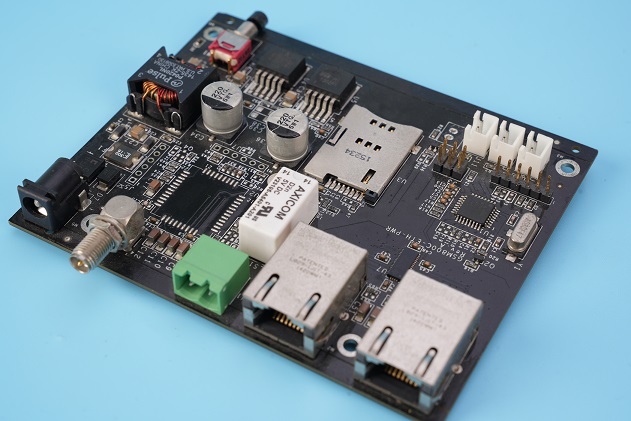
What Are the Differences Between Active and Passive Components?

Passive components, on the other hand, are more static in nature. They cannot amplify signals or control current flow but are essential for other functions like energy storage and signal filtering. Resistors, capacitors, inductors, and transformers are common examples. Each of these components has a specific role in maintaining the stability and functionality of an electronic circuit.

What are the key differences between active and passive components?

The main difference between active and passive components is their ability to control electricity. Active components can amplify signals and perform complex tasks. Passive components can only store, resist, or filter energy. They cannot amplify signals or control current.

Active components are energy-dependent. They require an external source of power to function and can influence the flow of electricity within the circuit. For example, an integrated circuit (IC) can perform multiple functions like amplification, switching, and signal modulation, all of which require external power.

Passive components, in contrast, do not require an external power source. They can only perform their functions passively. For instance, a resistor can limit the current flowing through a circuit without needing additional power. Similarly, a capacitor can store electrical energy and release it when needed, all without external energy input.

Common active components in electronics

Active devices are the main components of electronic circuits. From the physical structure, circuit function and engineering parameters, active devices can be divided into discrete devices and integrated circuits.

1. Discrete devices

  • Bipolar transistor, generally referred to as transistor or BJT
  • Field effective transistor
  • Thyristor
  • Semiconductor resistors and capacitors – resistors and capacitors manufactured by integrated technology are used in integrated circuits.

2. Integrated circuit

Integrated circuit can be divided into analog IC and digital IC. Analog integrated circuits mainly deal with continuous analog signals, such as sound, light, temperature, etc., and retain the continuity and accuracy of the signal through amplification, filtering, mixing and other operations. In contrast, digital integrated circuits are used to process discrete time digital signals, convert the signal into binary digital form, and then perform logical operations and processing.

Basic analog integrated circuit devices generally include:

  • Integrated operational amplifier (operation amplifier)
  • Comparator
  • Logarithmic and exponential amplifiers
  • Multiplier/divider
  • Analog switching circuit (analog switch)
  • Phase lock loop
  • Integrated voltage regulator
  • Reference source
  • Wave-form generator
  • Power amplifier

Digital integrated circuit including:

  • Logic gate circuit
  • Flip-flop
  • Register
  • Decoder
  • Data comparator
  • Driver
  • Counter
  • Shaping circuit
  • Programmable Logic Device (PLD)
  • Microprocessor (MPU)
  • Microcontroller (MCU)
  • Digital signal processor (DSP)

Common passive components in electronics

Passive devices in electronic systems can be divided into circuit components and connection components according to the circuit functions they play. These components are essential for functions like energy storage, filtering, and impedance matching in electronic circuits. The common passive components are including:

Circuit components

  1. Diode
  2. Resistor
  3. Resistor network
  4. Capacitor
  5. Inductor
  6. Transformer
  7. Relay
  8. Key
  9. Speaker
  10. Switch

Connection components

  • Connector
  • Socket
  • Cable
  • PCB (printed circuit board)

Why are active components crucial in modern electronics?

The ability of active components to control and manipulate electrical signals makes them indispensable in a wide range of applications.

In computers, for example, active components such as processors and memory chips perform complex calculations and store large amounts of data. In communication systems, active components amplify weak signals, making long-distance transmission possible. Without these amplifiers, the signal would decay with distance, leading to a decline in communication quality. Power electronics, another key area of modern development, relies heavily on active components. Devices like power converters, inverters, and motor controllers use transistors and integrated circuits to efficiently convert and control electrical energy. This efficiency is crucial for applications ranging from renewable energy systems to electric vehicles.

It’s fair to say that without active components, devices like computers, smartphones, and TVS wouldn’t function the way they do today, and our era of big data wouldn’t be moving as fast as it is today.

How do passive components complement active components?

Both active and passive components are indispensable in a circuit. They depend on each other and complement each other. Without active components, the circuit cannot be activated or perform a specific work. Without passive components, the circuit cannot be controlled and adjusted, nor can it achieve a stable operating state. Such a relationship between the two is like the relationship between the “dynamic” and the “static” of a circuit.
What Are the Differences Between Active and Passive Components?

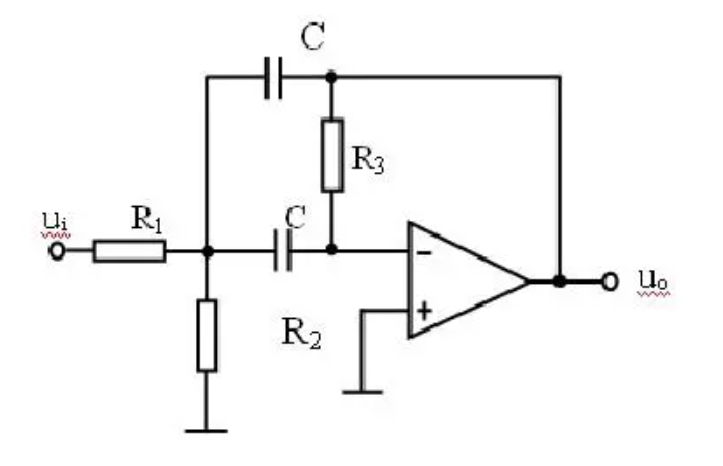
For example, in an audio amplifier circuit, the power supply and amplifier are the active components, and the load and resistance are the passive components. The power supply provides energy, the amplifier amplifies the signal, and controls and limits it through load and resistance, and finally realizes the amplification and regulation of the audio signal. In signal processing, inductors filter out high-frequency noise and protect sensitive active components from interference. Transformers, on the other hand, enable efficient power transfer between different parts of the circuit, allowing active components to operate within their optimal voltage range.

Comparing the Energy Requirements of Active and Passive Elements

Active components need an external power source to function. They consume energy during operation. Passive components do not need external power and generally do not consume energy, except for minor resistive losses. This difference impacts the design and efficiency of electronic circuits.

Active components, such as transistors and integrated circuits, rely on external power to operate. This power requirement means that active components consume energy during their operation. The amount of energy consumed depends on the specific component and its application. For instance, a power amplifier consumes more energy than a simple transistor switch.

Passive components, in contrast, do not need external power to function. They operate solely based on the electrical energy present in the circuit. Resistors, capacitors, and inductors do not consume significant energy, except for minor resistive losses in resistors. This low energy requirement makes passive components more efficient in certain applications.

What Are the Differences Between Active and Passive Components?

The difference in energy requirements between active and passive components impacts the overall efficiency of electronic circuits. Designers must carefully balance the use of active and passive components to achieve optimal performance and energy efficiency. For example, using passive filters instead of active ones can save energy in low-power applications.

Active and Passive Component Images and Symbols

Recognizing symbols are essential for reading and designing circuit diagrams. They provide a visual representation of the components and their functions, helping designers understand the overall structure and operation of the circuit. Recognizing these symbols is a fundamental skill for anyone involved in electronics. Here is a detailed images and symbols listing of common active and passive components.
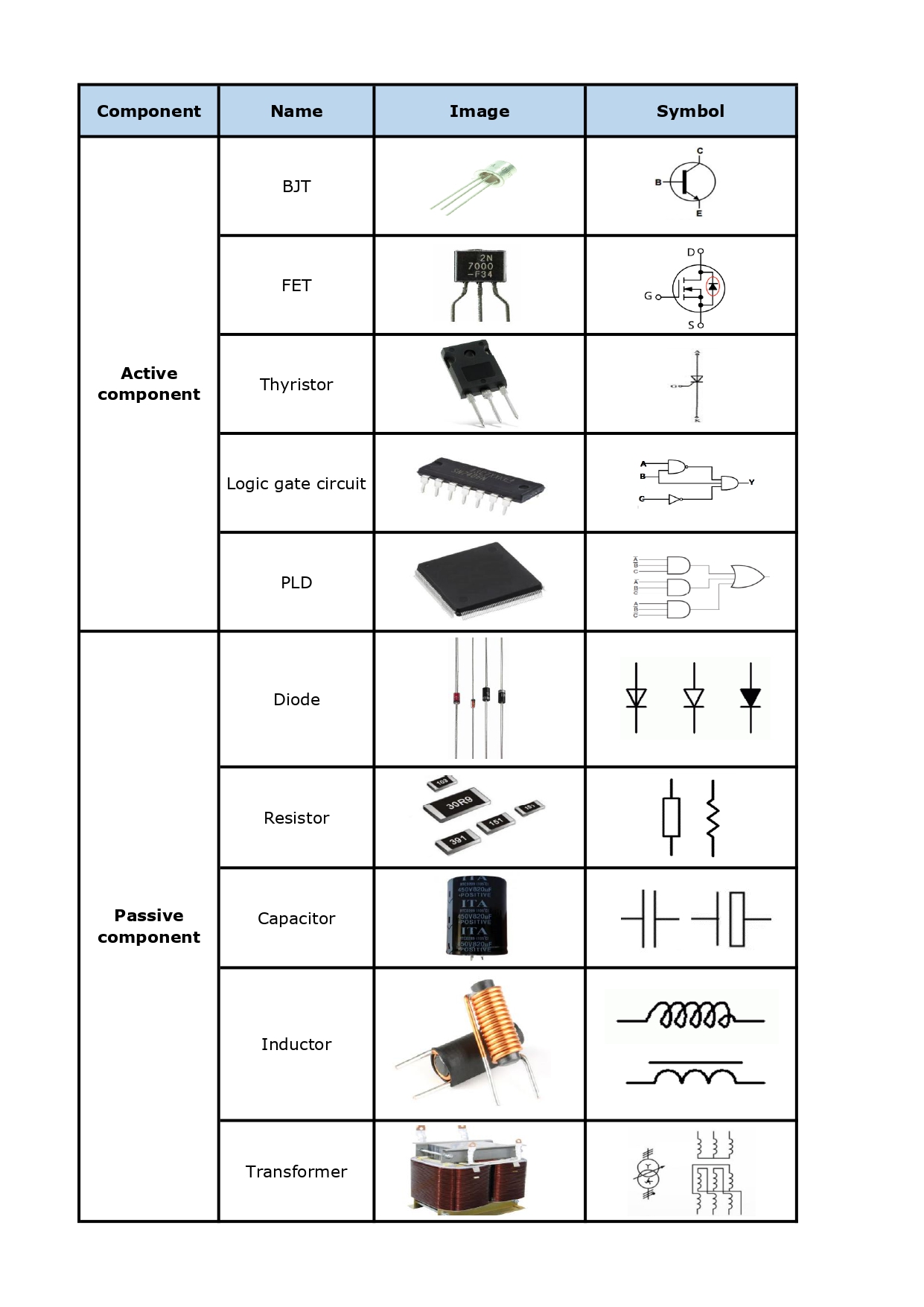
Above all is the introduction to passive and active components, hope it is useful for every engineers. EBest Circuit (Best Technology) is a professional PCB and PCBA manufacturer in Asia. We have our own factory in China and Vetnam. Welcome to contact us if you have any questions about components and PCB assembly.
Why Solder Paste became Dry and How to Solve This Problem
Thursday, August 18th, 2022

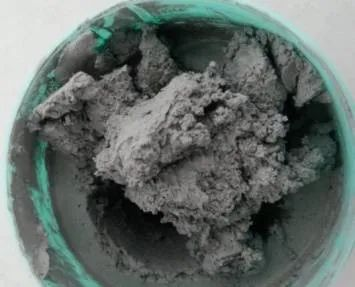
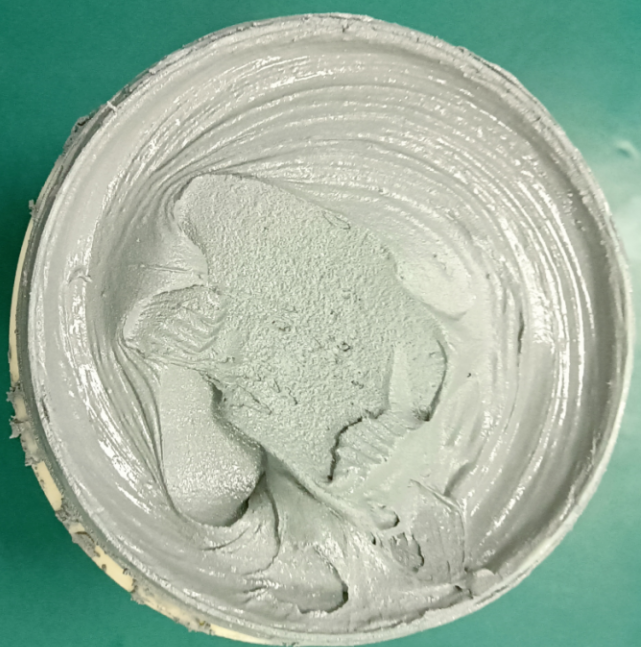
As a One-stop PCBA manufacturer, I believe most of manufacturers have faced a problem of solder paste became dry during SMT process, especially in hot summer, and there will be a large number of defects come out when solder paste was dry, such as poor printing, false solder, components be shifted, cold solder and so on, which will greatly decrease assembly efficiency and PCBA quality.

Do you know why the solder paste became dry?

A serious dried solder paste
Good solder paste

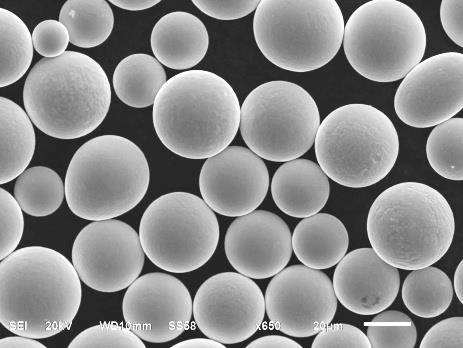
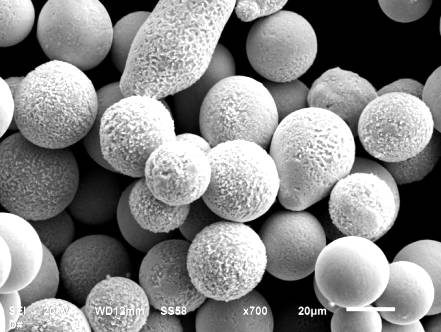
After checking and discussing with our SMT engineers, we found the root cause of solder paste be dry is corrosion, in below images you can see the detailed solder powder morphology of corrosion.

2-a Solder powder from good solder paste
2-b Solder powder from dried solder paste

In generally, the main reason of corrosion is thermodynamic instability of metal, that is metal and its alloy is in a high free energy status than other chemical compound (for example, oxide, hydroxide, salt or others), when this situation occurs, metal will transform to lower energy, which is called corrosion.

Metal corrosion is under the basis of the theory of electrochemical, and it’s required four main elements: anode, cathode, electrolyte and constitute current path.

Now let’s parse the mainly metals in solder paste — Sn, Ag, Cu (or other impurities), then under the action of flux medium, numerous galvanic cells with Sn as the cathode and Ag/Cu as the anode are formed, then below chemical reaction will be happened:

Cathode: Sn – 2e → Sn2+

Anode: O2 + H2O + 4e → 4OH

That is: Sn + H2O + ½O2 â†’ Sn(OH)2

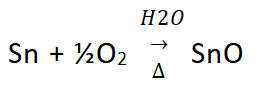
Sn(OH)2 decompose: Sn(OH)2 → SnO + H2O

Then chemical reaction of corrosion of solder powder under the moisture in the air can be described as:

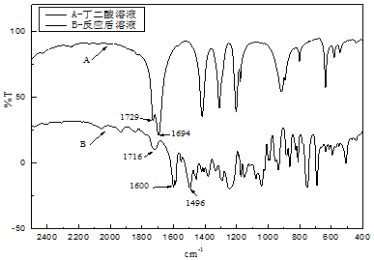
The following figure shows the infrared spectrum of succinic acid liquor before and after soaking the solder powder. It can be clearly seen that the soaked liquor contains carboxyl. Therefore, in the solder paste system, except the oxidation reaction of electrochemical corrosion, salinization chemical reaction will be happened too:

Infrared spectrum of Chemical reaction between succinic acid solution and solder powder succinic acid liquor

So now, do you know why solder paste will be dry? And why it is more seriously in hot summer with high temperature and humidity?

Yes, its root cause is not only high temperature in summer, also the humidity is so high (humidity is 70-85% in the summer of Shenzhen City), flux and solder powder will increase the adsorption of water molecules, and due to water is electrolyte of the galvanic cell reaction, it will aggravate the hydrolysis of flux, stimulate the activity of flux, then finally the reaction on the surface of the solder powder is aggravating, and the vicious cycle eventually changes the physical properties of the solder paste.

Then how to solve this problem?

  1. Warm up solder paste before using

Generally, in order to slow down the reaction of flux and solder powder, as well as extend the storage period, the solder paste needed to be stored in a refrigerator with 2-10oC degree. So before using, it is better to take out solder paste and put in standard room temperature for warming up first. A can of 500g solder paste need to be rewarmed at least 2 hours, to make sure its temperature is the same as rooms’. (Normally that period of warming up time is 4 hours in EBest Circuit (Best Technology).) Otherwise, insufficient warming up will cause the water vapor in the air to condense and enter the solder paste due to the temperature difference, and result in solder paste be dry finally.

  • Environment temperature and humidity

The best storage temp of solder paste is 2-10oC, but the recommended working environment temp is 20-25oC, relative humidity is 30%-60%. (There’re additional humidifiers in the workshop of EBest Circuit (Best Technology), to make sure suitable humidity in the dry season such as Winter and Spring, and of course the air conditioner in Summer time to decrease the humidity) Usually, the rate of chemical reaction will approximately double, as the temperature increases by 10℃, so the high temperature will increase the volatilization of the solvent in the solder paste and the reaction speed of flux with powder, so the solder paste is easily to be dry. Meanwhile, low temperature will affect the viscosity and expansion of solder paste, and then will cause the poor soldering. At the same time, high humidity will also greatly increase the water vapor entering the solder paste; However, low humidity also affects the volatilization rate of solvent in solder paste.

  • For those solder paste that became dried already, it is better to dilute with flux provided by manufacturer of solder paste.

In a word, when use and store solder paste, we should pay more attention to its temperature & humidity, to make sure high quality of SMT can be achieved. Pls contact EBest Circuit (Best Technology) if you have any questions or comments on solder paste, or SMT.

X-ray Inspection in PCB Assembly
Wednesday, June 15th, 2022

X-Ray Inspection’s Definition

X-ray inspection is a technology used to inspect the hidden features of the target objects or products. As for PCB inspection, X-ray is commonly used in the inspection of PCB assembly in order to test the quality and find the hidden defects, X-ray inspection is one of the most important steps for quality-oriented PCB manufacturers.

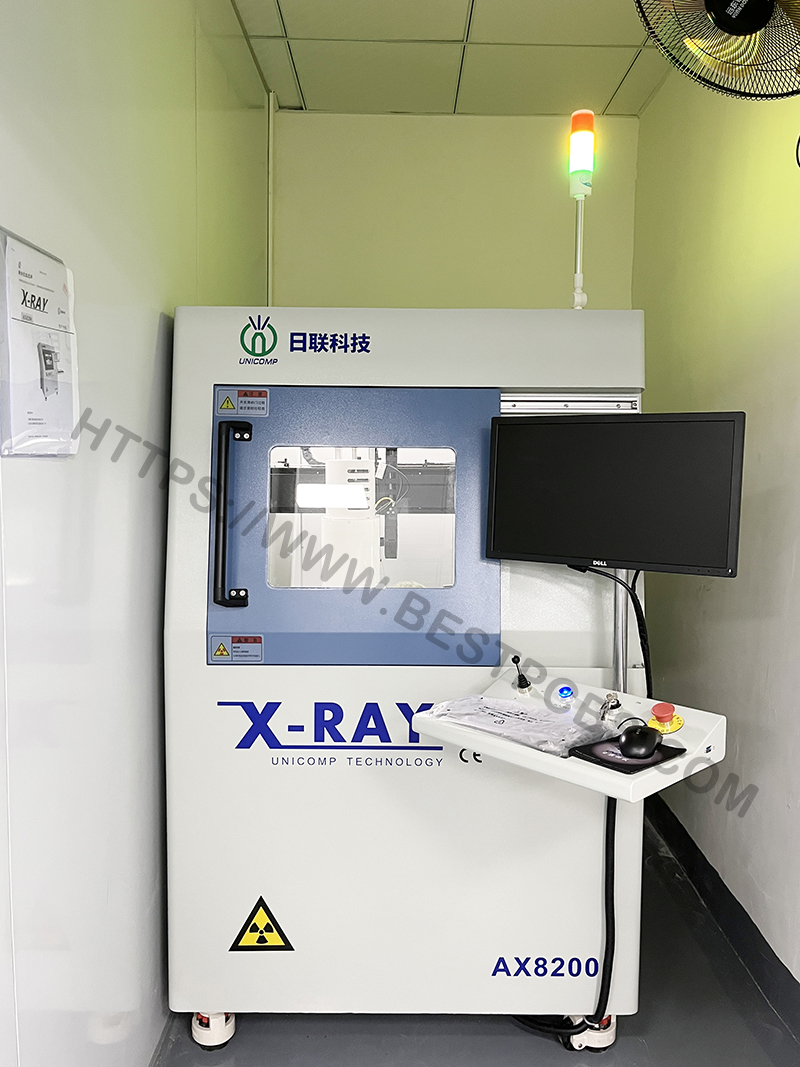
X-Ray Machine

X-Ray Inspection’s Working Principle

Generally, there are three elements in the X-ray devices.

  • X-ray tube—to generate the X-ray photons.
  • Operation platform—to move along with the sample so that the sample can be inspected from different angles and magnification.
  • Detector—it can capture the X-ray through the samples and then transfer it into the image so that we can find out whether there are defects on the printed circuit board.

The Hidden Defects that can be Identified by X-Ray

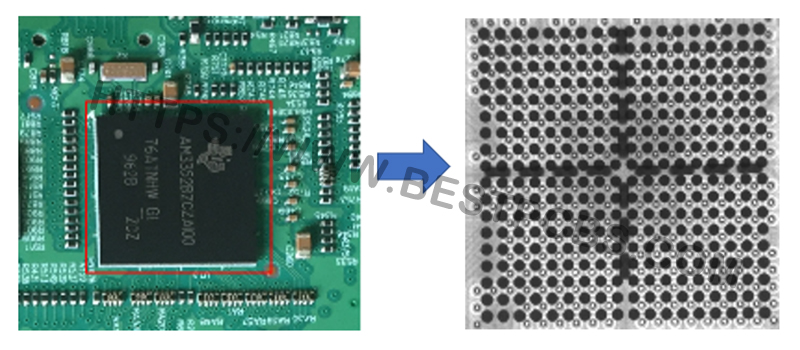
Since PCB has the higher density with the solder joints hidden and holes buried or blind, X-ray enable us to inspect the quality of the PCB and identify various hidden defects. And there are three common hidden defects that can be inspected by X-ray.

PCB’s Image Under X-Ray
  • Solder bridges—it is a common issue that will occur when the solder joints are so close that they create a connection which is not allowed. And usually, the solder bridges will be covered by some components on the PCB. But they can be easily found with the help of the X-ray device.
  • Solder voids—when gas or flux is entrained during welding, solder voids will be produced, which will lower the thermal conductivity at the solder joint and may cause physical defects. And X-ray can help to  identify the solder voids
  • Pin-hole fills—pin-hole fills issue is a common problem occurring in the plug-in components on the  printed circuit boards. The X-ray device can be used to identify these errors, and can even quantify the missing filling amount.

Our X-Ray Inspection Device

The maximum size of the board that can be put in the device’s operation platform is 510*430 mm, while the maximum inspection size of the device is 435*385 mm. So here is the manifestation of the operation platform’s function. When the size of PCB is over 435*385 mm, the operation platform will move along with the board so that the board can be inspected thoroughly.

And here is a video about operation of our X-ray inspection device.

So, this is the end of this article. In case if you have any questions, you are welcome to contact us via email at  sales@bestpcbs.com. We are fully equipped to handle your PCB  manufacturing requirements.

The Basics of Printed Circuit Board Assembly(SMT)
Friday, November 1st, 2019

Printed circuit board assembly(SMT), also known as “stuffing†or “populatingâ€Â the bare printed circuit board, is quite an intricate process which involves many different stages.  EBest Circuit (Best Technology)’ in house printed circuit board assembly service makes ordering your turnkey printed circuit boards a hassle-free experience as you can count on the industry’s largest support team to help you control every step of the process.

Here are some of the basic elements involved in the printed circuit board assembly process:

Solder Paste Ã¢â‚¬â€œ Solder paste is a combination of flux, a chemical created to assist in the bonding and melting of the metal, and small fragments of metal (solder) so as to apply the electronic components to the printed circuit board. The paste is placed on the board in specific places along the board in exact amounts with the use of a Solder Stencil and a paste application machine, automatically.

Pick and Place Machine – This machine is essential in an automated printed circuit board assembly process.  The machine is programmed to automatically coordinate with complete accuracy the places to precisely mount each electronic component to be soldered to the printed circuit board. These machines are exact and quick.

Infrared Reflow Ã¢â‚¬â€œ After the precise bonding element (solder paste) is applied to the PCB, the board will be directed to the reflow oven to join the electronic components to the board by melting the solder paste. This “oven†is comprised of many heaters whose main function is to heat the board to a precise temperature and control the level of cooldown as the solder hardens. This process is crucial to the creation of properly functioning electronics. The printed circuit board will run through a series of testing to ensure no issues or short-circuiting nor misalignments have occurred.

A Customer’s Visit in Our Surface Mount Technology Plant
Wednesday, April 3rd, 2019

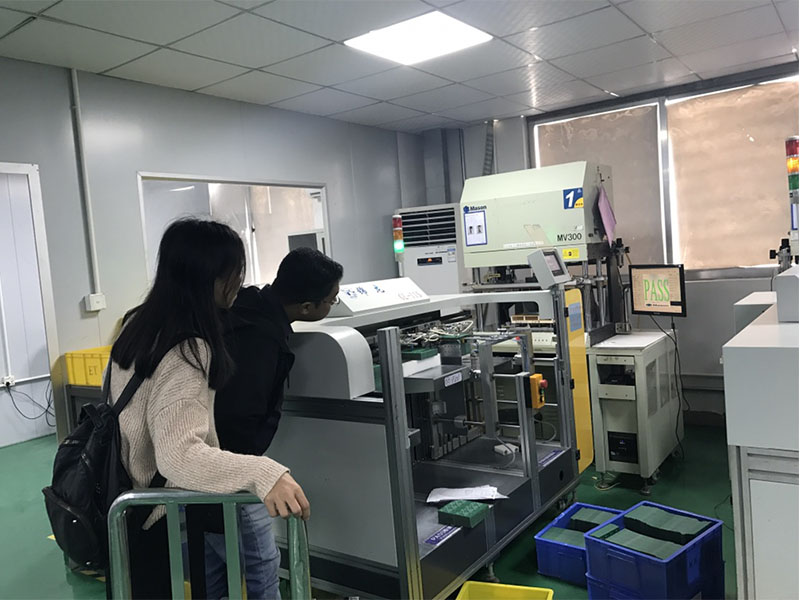
Mike, one of our clients visited our company on April 2 and inspected our surface mount technology plant.

During the tour of the plant, Mike was impressed with the plant operation as all machinery and equipment in good order and the factory employees dedicated to their tasks and were hardworking. Mike complimented our company on both the efficiency of the plant and our hardworking employees.

During the visit, Mike asked about specific process of surface mount technology, as he was overwhelmed by the quantity and operation of the machinery and wished to understand the process better.

The supervisor in charge of the plant explained the entire process to Mike which included the painting with solder paste, the machinery layout and reflow soldering. What Mike thought was really impressive was the real AOT testing and could not help complimenting us on the process.

Mike said that EBest Circuit (Best Technology) was well suited to provide his requirements and would support Best for this. He believed that EBest Circuit (Best Technology) can create greater value to clients as a result of the efficiency of the SMT manufacturing process.

Quality has always been Bests core value, and we prefer to losing quantity rather than compromising quality, and we are dedicated to form reliable relationships with our clients. We are appreciative of Mike’s positive comments about our company and we will continually strive to meet our clients expectation.

To Learn more, please log on https://www.bestpcbs.com/ 

Welcome Our Customer from India
Thursday, January 10th, 2019

On January 9, 2019, we had a visitor from India. EBest Circuit (Best Technology) thanks for having such an excellent partner.

John talked a lot with our general manager Peter and the members of business development department. John brought the material of SMT for us and hope we can make SMT for him. He was satisfied with our company culture and signed his name on the company cultural wall after the meeting came to an end and we took a picture with the client in the office of EBest Circuit (Best Technology).

Signed the name on the wall

Signed the name on the wall

Took a picture in the office

Took a picture in the office

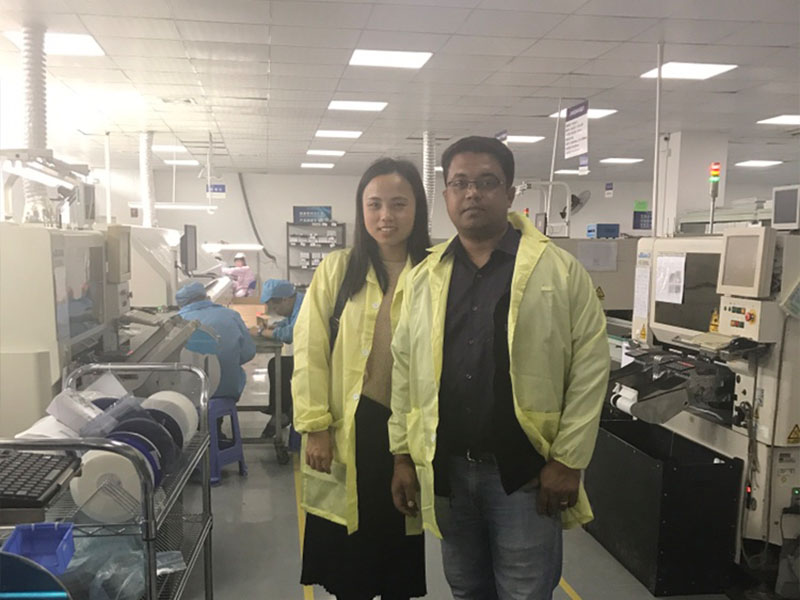
After that, in order to know more something about capability in manufacturing of us, a member of business development department–Tiffany accompanied John to visit our SMT and PCB factory. They got an exclusive factory tour of EBest Circuit (Best Technology)’s factory.

John and Tiffany in SMT factory

John and Tiffany in SMT factory

John and Tiffany in the PCB factory

John and Tiffany in the PCB factory

The client was satisfied with our high-tech equipment during the visiting. As the professional vendor of printed circuit board and PCBA in China, we will always uphold the mission–to provide the most suitable products and the most satisfying service for customers.

5 Benefits of Putting Nitrogen into Reflow Oven
Monday, January 7th, 2019

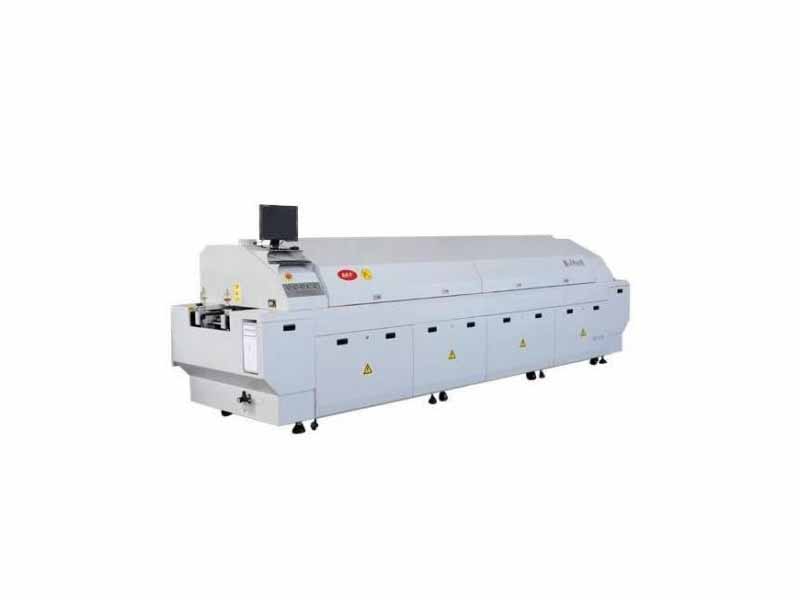
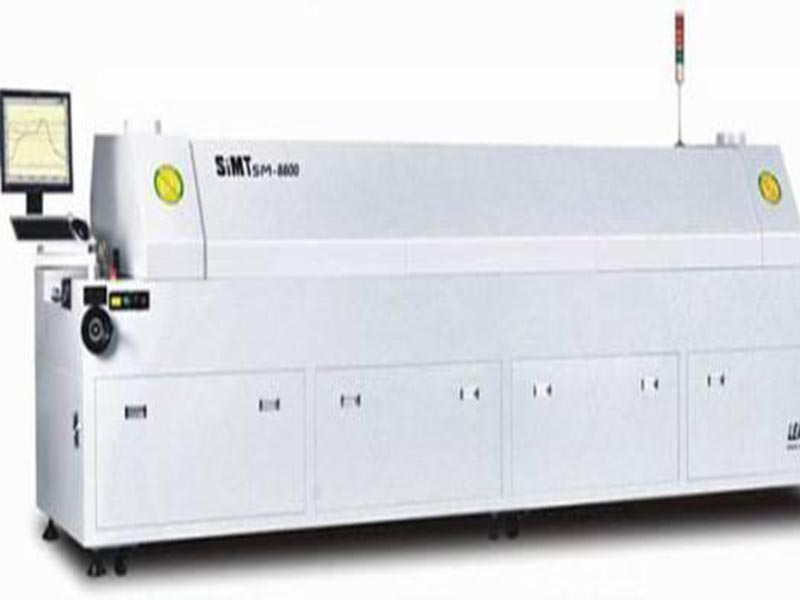
The reflow oven is one of the indispensable equipments in SMT. Putting the PCB with components goes through the reflow oven then the solder paste adhering on the printed circuit board will melt. After the solder paste getting cold, the components will adhere to the PCB stably.

Picture of reflow oven

Picture of reflow oven

After you have learned something about reflow oven, have you ever know how to make the reflow oven work better? Here are 3 benefits of putting nitrogen into reflow oven listed as following:

√ It is able to make the surface tension of solder paste get smaller which is good for the components adhering to the PCB more easily.

√ It can decrease the oxidization in a certain. Because the nitrogen is a kind of inert gas which is hard to produce chemical compound.

√ Reducing the rate of void. Because the rate of void decreases with oxidation.

√ Nowadays, some manufacturers also develop to put nitrogen in wave soldering oven. It is able to decrease the speed of oxidation of liquid tin in the bath. As the slag of tin will be formed when the liquid tin contacts with air. After that, the slag of tin will adhere on the printed circuit board. If it happens to the connect between two spots of tin, it will cause short circuit.

√ It can increase the rate of tin feeding of pin components and then they will combine with the printed circuit board firmly.

PCB with components

PCB with components

EBest Circuit (Best Technology), a professional PCB solution provider, is always dedicated to catch up with times. Our unique technology and high quality products will give you a competitive supply of printed circuit board and PCB assembly and make your wearable devices more excellent. To learn more, contact us at 0755-29091601 or check our website: https://www.bestpcbs.com

The Application of AOI in Reflow Inspection
Monday, December 24th, 2018

Today, we continue to talk about AOI technology applied in the PCB manufacturing. The component mounting inspection is followed by the reflow inspection, if you would like to know more details, please click The Application of AOI in Component Mounting Inspection to know.

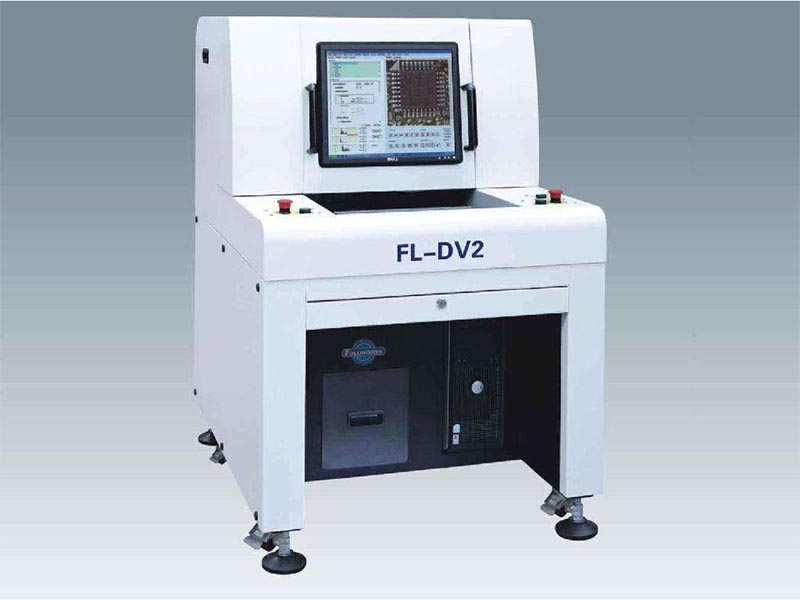
AOI can be divided into two types: preventing problem phase and finding problem phase. The inspections after solder paste printing and SMT belongs to preventing problem phase and the inspections followed by reflow soldering are finding problem phase.

In the back end inspection of reflow soldering, AOI technology is able to detect some problems as below:

√ whether the components are missed, deviated or skewed.

√ The defects of polarity.

√ Whether solder joints are correct.

√ Whether the solder paste is enough.

√ Whether there is short circuit in soldering etc..

The back end inspection of reflow soldering is the most prevailing choice for AOI now. Because all of the assembly errors can be found at this process, so that the quality of printed circuit boards are able to step forward to a higher level.

EBest Circuit (Best Technology) is the premier expert in manufacture of PCB and PCBA. Our unique AOI testing technology and high quality products give you a competitive supply of printed circuit board and rigid-flex circuit board. To learn more, contact us at 0755-29091601 or check our website: https://www.bestpcbs.com/

The Application of AOI in Component Mounting Inspection
Monday, December 17th, 2018

In the previous articles, we have talked about PCB inspection and solder paste printing inspection. To find more information of the details, please check: The Application of AOI in PCB Inspection and The Application of AOI in Solder Paste Printing Inspection.

The component mounting requires high precision of equipment and the common defects including forgetting to mount the component, mounting the component in a wrong way, polarity reversal etc.. AOI technology not only can find the defects above, but also can check the connection dense spacing and the solder paste on the pads of BGA component.


Since the component mounting is followed by the reflow soldering, the testing after component mounting is usually called front end inspection of reflow soldering. However, it is meaningless from the perspective of quality guarantee. Because the defects can not be found in the reflow oven. The solder tin is able to correct by itself after melting in the reflow oven, so the the mounting displacement and solder printing status can not be detected on the substrate after soldering. In fact, the front end inspection of reflow soldering is incredible significant for quality guarantee as that the component mounting of all parts can be inspected before reflow soldering.

The alarm will be sent out if the defects are found by AOI technology. After that, the visual inspection will be carried out by the operator. If miss some components at this stage, it can be corrected by tweezers. After the visual inspection operator repaired the same problem for many times, he will ask the person who charge the production equipment to reconfirm whether the setting of the machine is reasonable. The feedback information is very helpful to enhance the production quality and it can improve it in a very short time.

EBest Circuit (Best Technology) is the premier expert in manufacture of PCB and PCBA. Our unique AOI testing technology and high quality products give you a competitive supply of printed circuit board and rigid-flex circuit board. To learn more, contact us at 0755-29091601 or check our website: https://www.bestpcbs.com/

New Automatic Solder paste Printer Adopted in SMT & PCBA
Thursday, August 25th, 2016

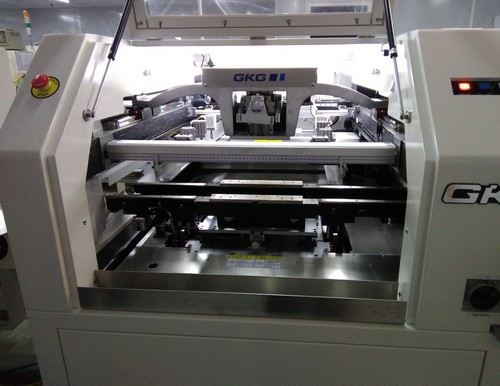
Great news! We (EBest Circuit (Best Technology)) had adopted a new Automatic Solder paste printer for SMT /PCBA since Aug 25th, 2016. We use “G5” which is No. 1 brand in domestic market, made by a Chinese company, the repeated position accuracy is +/-0.01mm, and printing accuracy is +/-0.025mm.

Everybody know the most important element which will affect the quality of SMT /PCBA is the solder past printing quality. Excellent solder paste printing is the base for excellent quality of final SMT /PCBA quality, esp. for the small components such as SMD Chips with small size as 0402, 0201, 01005; IC with small pitch package such QFN, LGA, BGA; Connector with 0.25mm, 0.3mm, 0.40mm pitch.

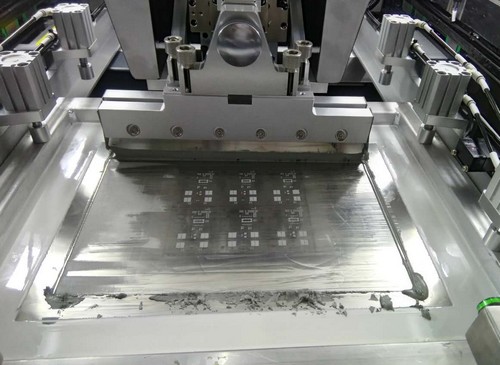
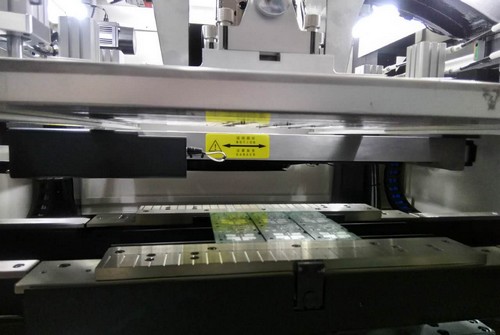
Here are some pictures of new Automatic Solder paste printer.

Auto Solder Paste Printer

Auto Solder Paste Printer

Auto Solder Paste Printer printing the board

Auto Solder Paste Printer printing the board

Auto Solder Paste Printer with PCB printing

Auto Solder Paste Printer with PCB printing

PCB with solder paste

PCB with solder paste

Welcome customers release more SMT /PCBA orders to us. To learn more about Automatic Solder paste printer, or our SMT /PCBA service, please contact us right now!