





Electronic PCB manufacturer selection directly determines product reliability, cost structure, and long-term scalability. In industrial electronics, automotive systems, medical devices, and smart hardware, PCB performance is not just about connectivity — it defines thermal stability, signal integrity, and lifecycle durability. This article explains how to evaluate manufacturing depth, engineering capability, and supply chain strength when selecting a long-term PCB partner.
Many engineers and sourcing managers encounter recurring problems:
- Inconsistent PCB quality between prototype and mass production
- Limited DFM support leading to redesign cycles
- Unstable supply chains and component shortages
- Poor impedance control and signal integrity failures
- Long lead times without transparent production tracking
A qualified electronic pcb manufacturer solves these challenges through:
- Structured DFM review and stack-up optimization
- Controlled manufacturing process with SPC monitoring
- Integrated PCB fabrication + PCBA assembly
- Authorized component sourcing and risk mitigation
- Digital traceability and predictable delivery scheduling
EBest Circuit (Best Technology) is an experienced electronic pcb board manufacturer specializing in high-reliability electronic PCB fabrication and integrated PCBA solutions. We cater for diverse industry requirements and accommodate customers with professional engineering suggestions that align with their product performance and cost objectives. Our capabilities include customized 6-50 layers PCB manufacturing PCBA for intelligent electronics, supporting complex multilayer, HDI, and mixed-technology designs. In addition, we provide THT PCB automatic assembly electronic manufacturing service to ensure stable soldering quality for power, industrial, and control applications. For engineering consultation or quotation support, please contact us via sales@bestpcbs.com.
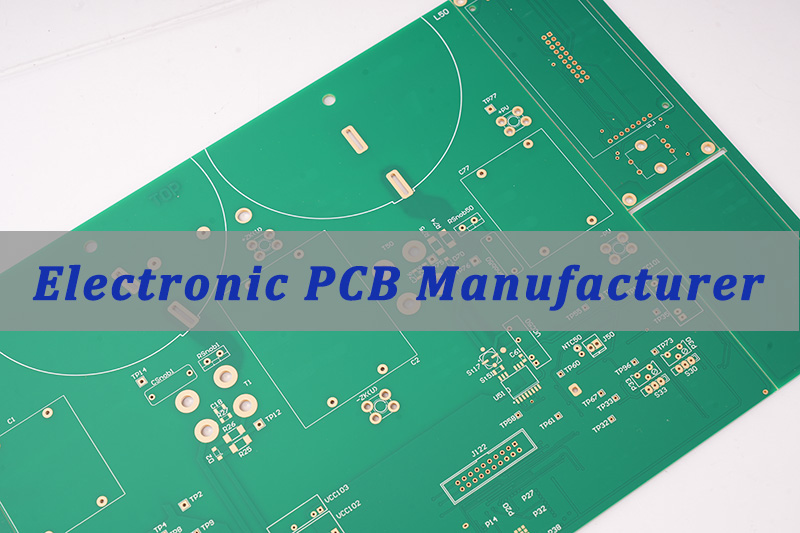
What Does An Electronic PCB Manufacturer Actually Provide Beyond Fabrication?
A professional electronic pcb manufacturer delivers far more than bare board fabrication. It provides an integrated manufacturing ecosystem covering engineering, assembly, sourcing, and validation.
Core services typically include:
- Multilayer and HDI PCB fabrication
- SMT and THT assembly
- DFM analysis and stack-up consultation
- Component procurement and BOM validation
- Functional testing and burn-in
- Box build integration
True manufacturing capability means alignment between design intent and process execution. Companies that only “produce boards� without engineering review often introduce hidden risks that surface during mass production.
In practice, the value of a manufacturer lies in its ability to control variables across the entire lifecycle, not just drilling and plating.
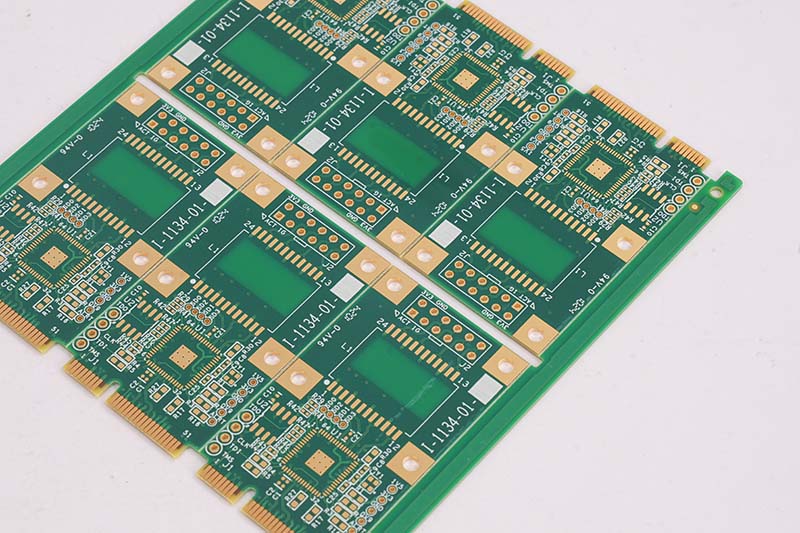
How To Evaluate An Electronic PCB Manufacturing Process For Reliability?
Reliability begins with process control. A capable electronic PCB manufacturing process should demonstrate measurable control across lamination, drilling, plating, and surface finishing.
Key evaluation points:
| Process Stage | Critical Control Parameter |
|---|---|
| Lamination | Temperature and pressure curve stability |
| Drilling | Hole wall roughness and positional tolerance |
| Plating | Copper thickness uniformity |
| Solder Mask | Registration accuracy |
| Surface Finish | Thickness compliance (ENIG/OSP etc.) |
Additionally, advanced facilities implement:
- Automated Optical Inspection (AOI)
- X-ray inspection for multilayer alignment
- Microsection analysis
- Statistical Process Control (SPC)
From an engineering perspective, consistency in process control is what separates prototype-grade suppliers from volume-ready manufacturers.
Why Engineering Support Matters When Selecting An Electronic PCB Assembly Manufacturer?
Engineering support determines whether your design moves smoothly from concept to stable production. An electronic pcb assembly manufacturer should provide early-stage DFM engagement rather than passive order fulfillment.
Engineering involvement typically covers:
- Stack-up optimization for impedance control
- Via-in-pad feasibility validation
- Thermal management analysis
- Solder mask clearance review
- Component footprint verification
Early collaboration reduces redesign cycles and shortens time-to-market.
More importantly, it prevents costly issues such as warpage, insufficient annular rings, or reflow defects that often emerge only after mass production begins.
Can A Single Electronic PCB Manufacturer Handle HDI, Multilayer And Rigid-Flex Designs?
Not all manufacturers can support advanced structures.
A qualified electronic pcb manufacturer should demonstrate capability in:
- HDI 1+N+1 and 2+N+2 structures
- Laser microvia drilling
- Sequential lamination
- Rigid-flex constructions
- Heavy copper boards
- High-frequency materials
Complex products increasingly demand hybrid solutions. For example, industrial control systems may combine multilayer logic boards with rigid-flex connectors.
Ultimately, technical breadth allows one manufacturing partner to support diverse product portfolios without switching suppliers.
What Industries Require A High-Reliability Electronic PCB Manufacturer?
Certain industries require elevated process discipline and certification alignment.
Typical sectors include:
- Industrial automation
- Automotive electronics
- Medical devices
- Aerospace systems
- High-end consumer electronics
Each sector introduces specific compliance demands such as IPC Class 3, ISO 13485, or automotive quality frameworks.
All things considered, industry-specific experience significantly reduces compliance risk and accelerates product validation.
How Does An Electronic PCB Manufacturer Manage Supply Chain And Component Risk?
Supply chain resilience is a core differentiator. A robust electronic pcb manufacturer implements:
- BOM validation and alternate component recommendations
- Authorized distributor sourcing
- Incoming material inspection
- Lot-level traceability
- Anti-counterfeit screening
Component shortages have become a strategic risk factor. Manufacturers with diversified sourcing channels and forecasting systems mitigate disruptions more effectively.
The bottom line is, supply chain discipline directly protects production continuity.
What Determines Lead Time In Electronic PCB Manufacturing?
Lead time depends on both technical complexity and operational readiness.
Primary influencing factors:
- Layer count and board thickness
- HDI or sequential lamination requirements
- Surface finish type
- Component availability
- Testing and validation scope
Well-prepared engineering documentation reduces pre-production delays. Clear Gerber files, validated BOMs, and confirmed stack-up requirements streamline fabrication scheduling.
To summarize, engineering preparation and factory capacity alignment jointly determine realistic delivery timelines.
How To Choose The Right Electronic PCB Manufacturer For Long-Term Partnership?
Long-term partnership requires more than competitive pricing.
Evaluate:
- In-house fabrication and assembly capability
- Structured DFM support
- International certifications
- Digital production traceability
- Prototype-to-volume scalability
Ask for factory audits, sample reports, and quality documentation before committing.
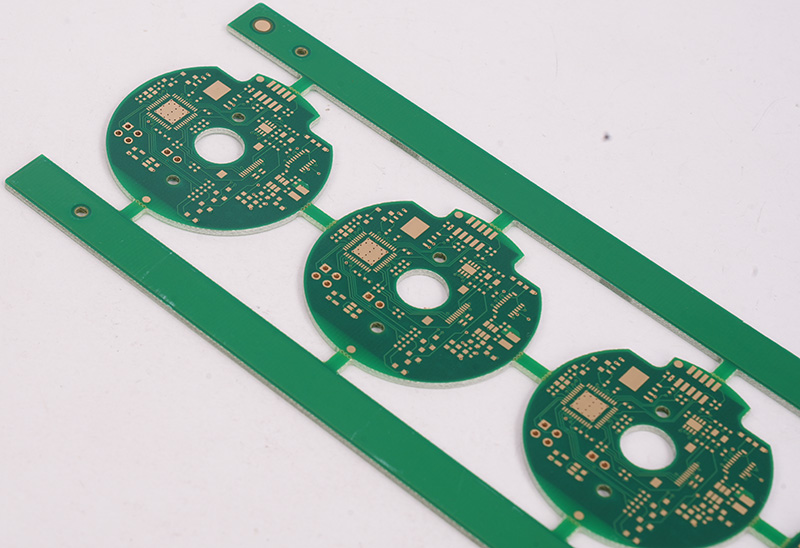
In conclusion, sustainable collaboration is built on transparency, engineering depth, and operational stability.
Electronic PCB manufacturer selection directly impacts reliability, cost efficiency, and product scalability.
Engineering capability, process control, and supply chain strength define long-term success.
Choose partners that offer integrated fabrication, assembly, and DFM support. A structured evaluation ensures sustainable growth and reduced production risk. For engineering consultation, DFM review, or a competitive quotation, pls feel free to contact EBest Circuit (Best Technology) at sales@bestpcbs.com.
FAQs About Electronic PCB Manufacturer
1. What Certifications Should An Electronic PCB Manufacturer Have?
Common certifications include ISO 9001, IPC compliance standards, and industry-specific certifications such as ISO 13485 for medical or automotive quality frameworks.
2. Can One Manufacturer Handle Both Prototype And Mass Production?
Yes, integrated facilities with scalable production lines can transition from small-batch prototyping to volume manufacturing while maintaining process consistency.
3. How Do I Verify PCB Quality Before Volume Production?
Request microsection reports, impedance test data, solderability reports, and sample validation runs prior to mass production approval.
4. What Is The Typical Lead Time For Multilayer PCB Assembly?
Standard multilayer PCB assembly generally ranges from 1–3 weeks depending on complexity and material availability.