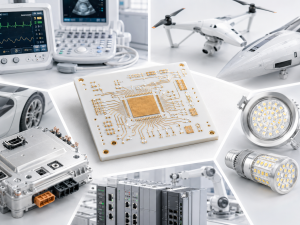
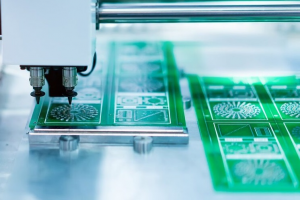
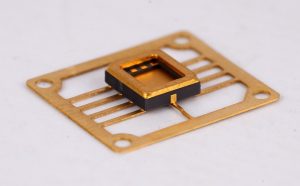
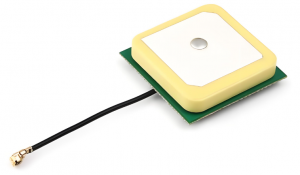
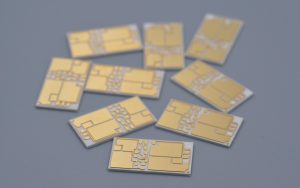
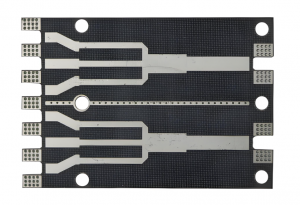
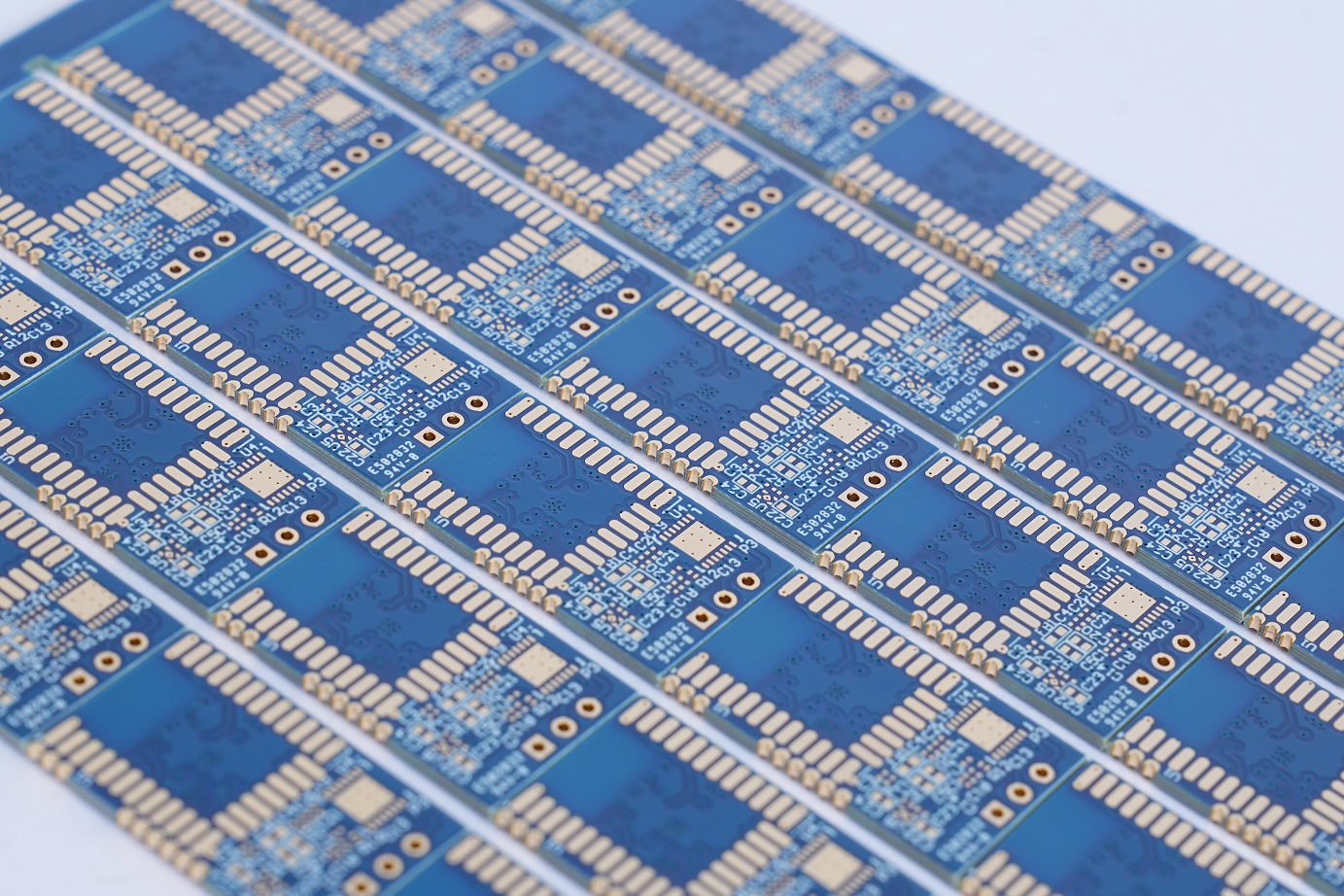
Power devices generate heat, carry high current, and often operate under voltage stress. A standard FR4 PCB can work well in many electronic products, but power modules, SiC devices, GaN devices, IGBT modules, MOSFET packages, rectifiers, high-power LEDs, solar inverters, EV systems, and industrial drives often need stronger thermal paths and better electrical insulation. This is where a ceramic PCB becomes valuable.
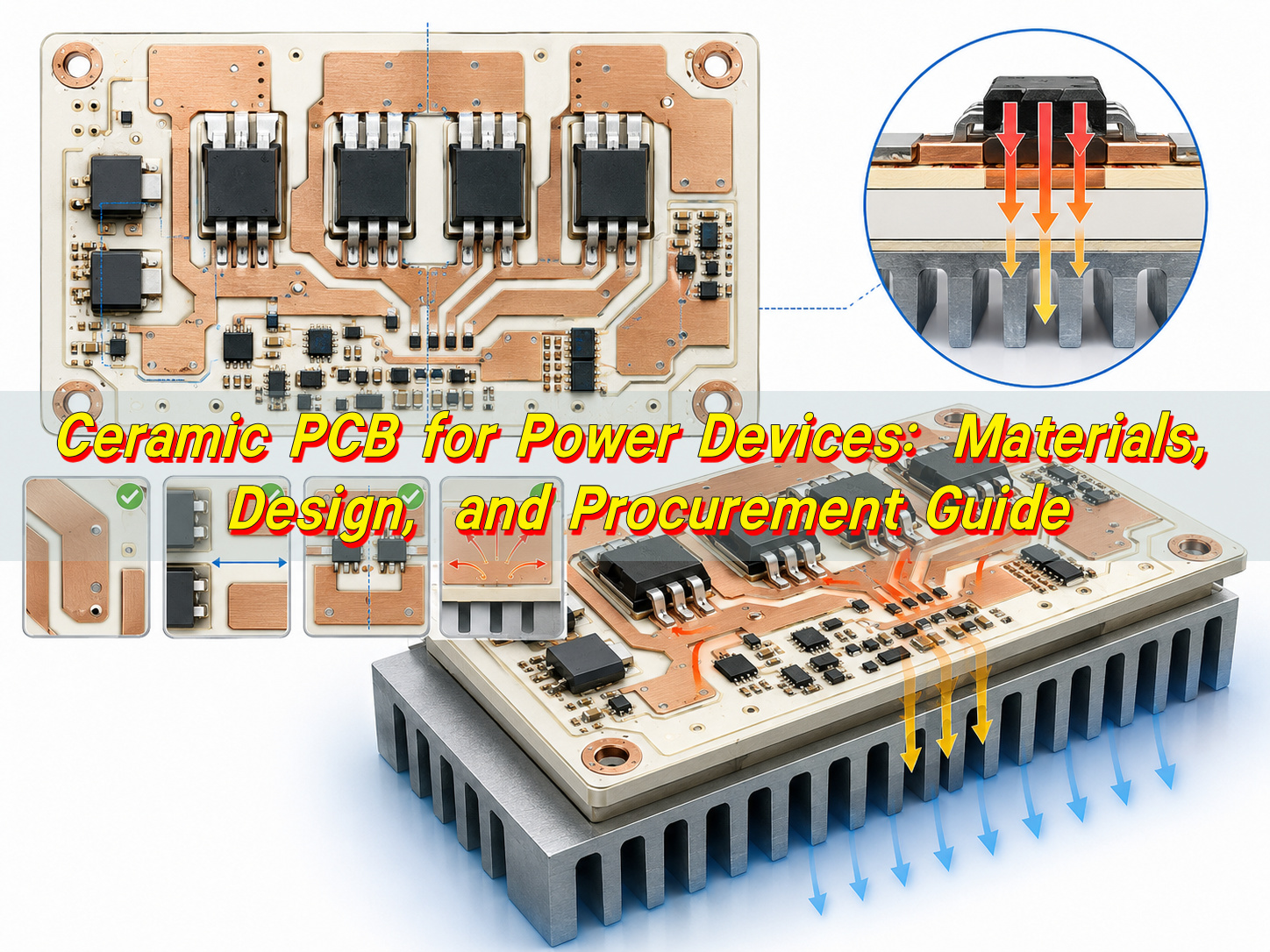
A ceramic PCB for power devices uses a ceramic substrate such as alumina, aluminum nitride, or silicon nitride as the base material. It can dissipate heat faster than common organic laminates, provide stable insulation, and support compact layouts where thermal reliability is a real production concern. The right choice depends on power density, thermal cycling, copper thickness, voltage, device package, assembly method, and cost target.
What Is a Ceramic PCB for Power Devices?
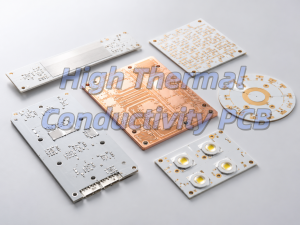
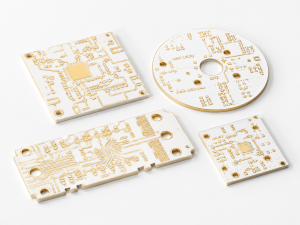
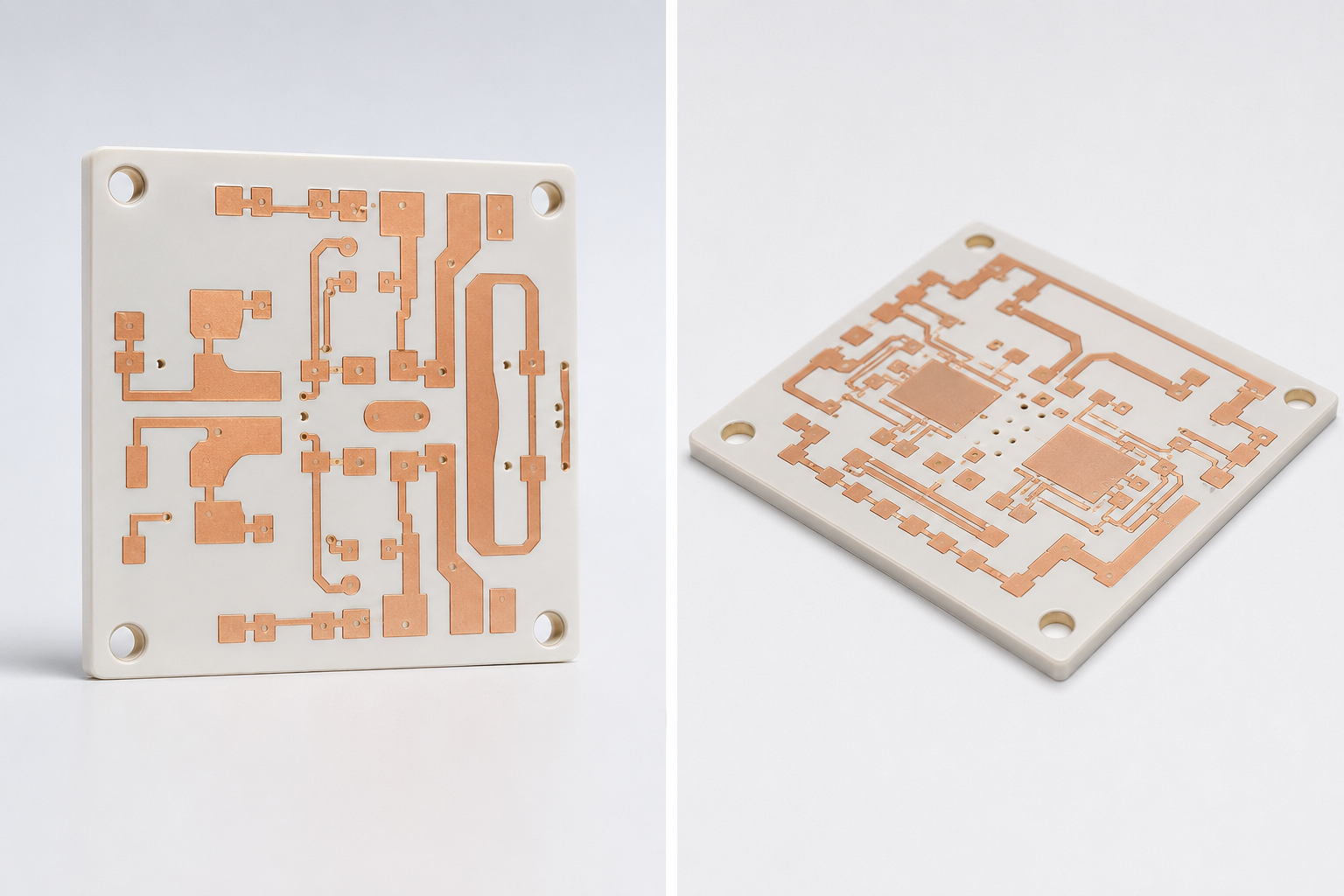
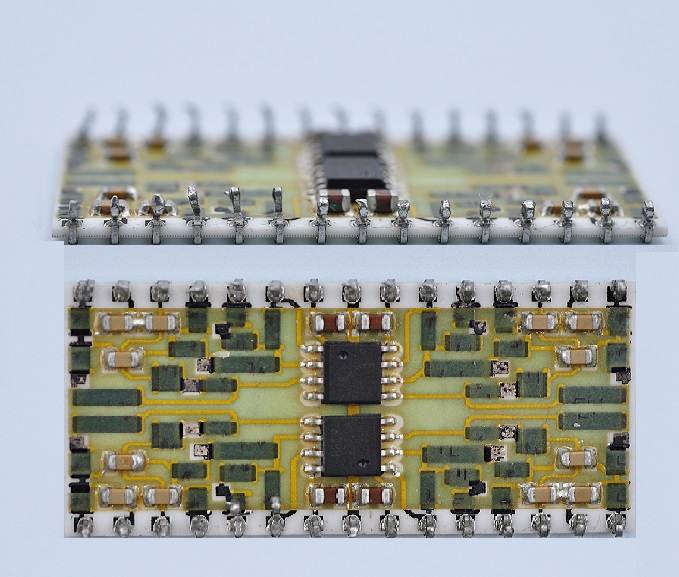
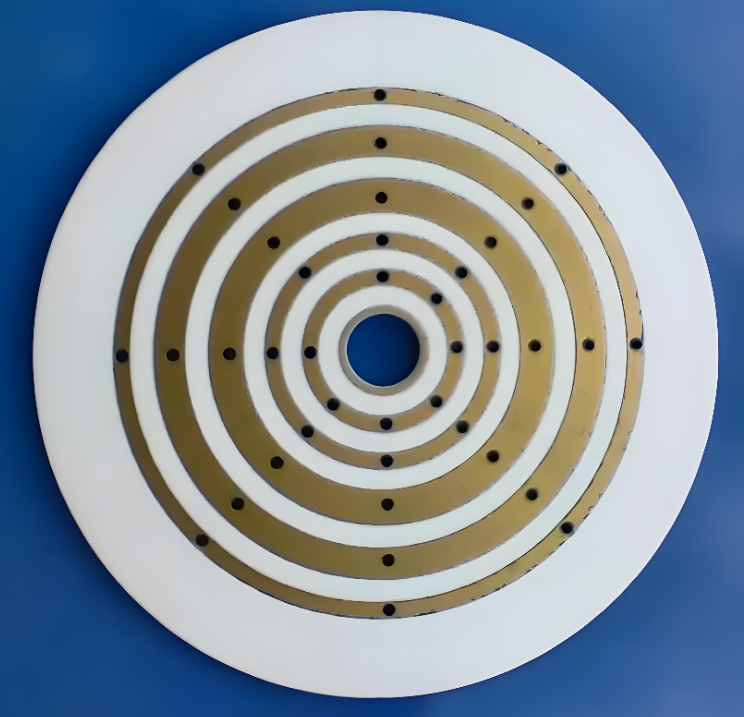
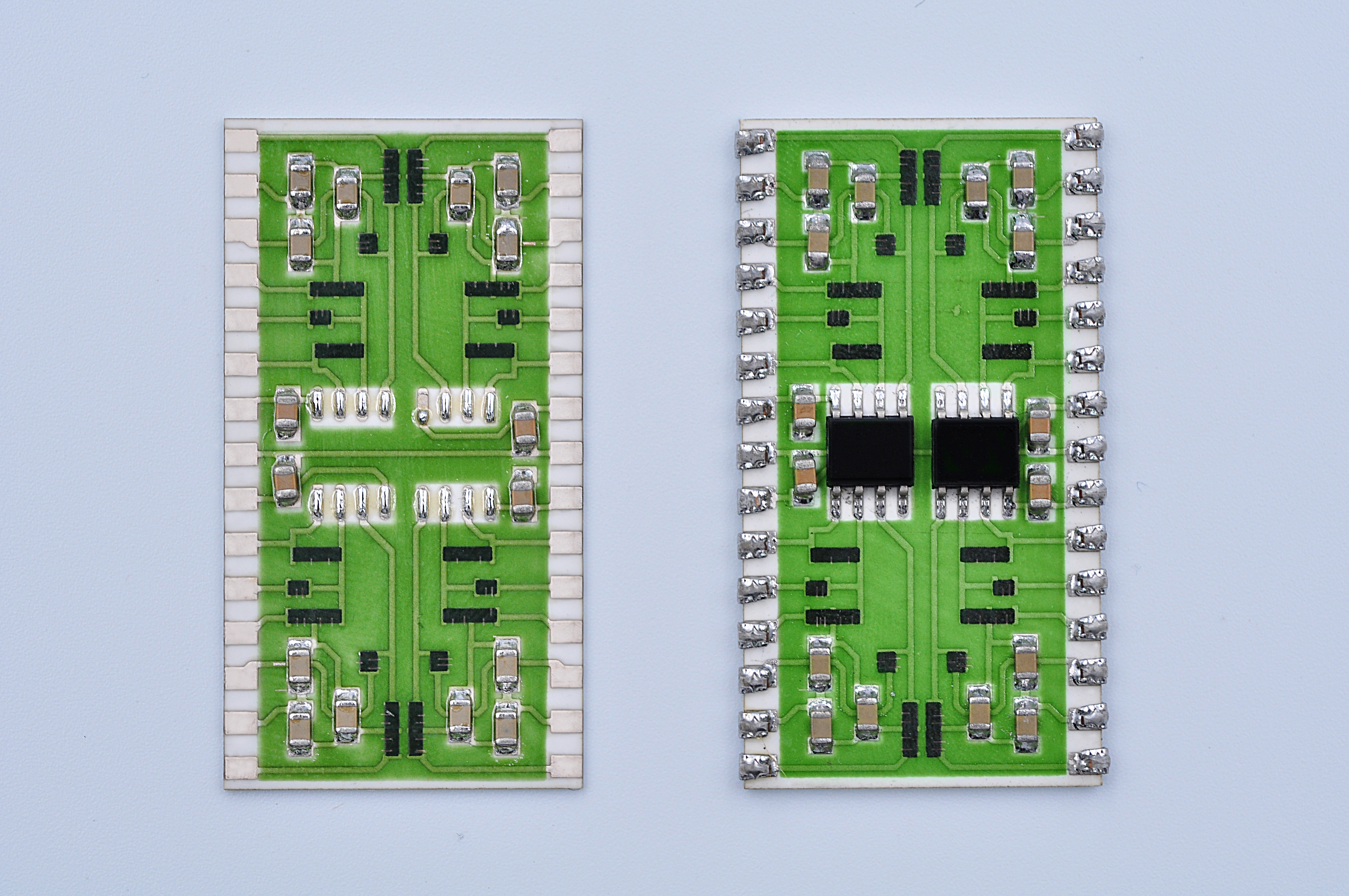
A ceramic PCB for power devices is a circuit board made with a ceramic substrate and metallized conductive layers. Unlike FR4, which uses glass-reinforced epoxy, ceramic boards use inorganic materials that offer high thermal stability, strong dielectric insulation, and excellent dimensional stability.
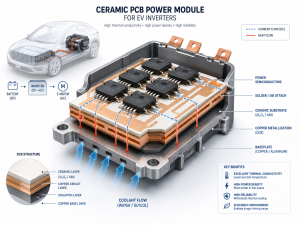
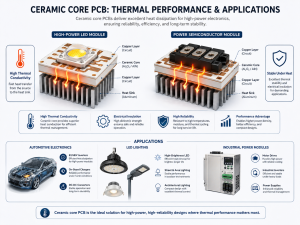
In power electronics, the board is more than a carrier for components. It also becomes part of the heat-transfer path. Heat moves from the semiconductor junction to the package, solder layer, copper circuit, ceramic substrate, thermal interface material, heat sink, and finally the ambient environment.
Common ceramic PCB structures for power devices include:
| Structure | Typical Use |
|---|---|
| DBC ceramic substrate | IGBT modules, power modules, motor drives, inverters |
| DPC ceramic PCB | High-precision circuits, LEDs, sensors, compact power modules |
| AMB ceramic substrate | SiC modules, EV power modules, high-reliability power electronics |
| Thick film ceramic PCB | Hybrid circuits, resistive circuits, high-temperature electronics |
| Thin film ceramic PCB | Fine-line circuits, high-frequency and precision applications |
For power devices, the most common discussion usually centers on DBC, DPC, and AMB because they support thermal management, copper bonding, and power module packaging.
Why Do Power Devices Need Ceramic PCBs?
Power devices convert, switch, regulate, or distribute electrical energy. During operation, they generate heat. If heat cannot leave the device efficiently, junction temperature rises, efficiency drops, solder joints age faster, and long-term reliability becomes harder to control.
Ceramic PCB helps solve this problem by combining thermal conductivity and electrical insulation in one structure. Aluminum nitride ceramic substrates can offer much higher thermal conductivity than alumina, while silicon nitride provides strong mechanical reliability for demanding thermal cycling environments. Rogers’ ceramic substrate data lists typical thermal conductivity values such as 24 W/mK for Al2O3, 90 W/mK for Si3N4, and 170 W/mK for AlN.
Power devices also need insulation between high-current conductors and the heat sink. Ceramic materials can conduct heat while remaining electrically insulating, which makes them useful for compact power modules where heat and voltage must be managed at the same time.
How Does a Ceramic PCB Work in Power Electronics?
A ceramic PCB works by shortening the thermal path between the power device and the heat sink. In a typical power assembly, copper spreads heat laterally, while the ceramic substrate conducts heat vertically to the cooling structure. The ceramic layer also provides electrical isolation.
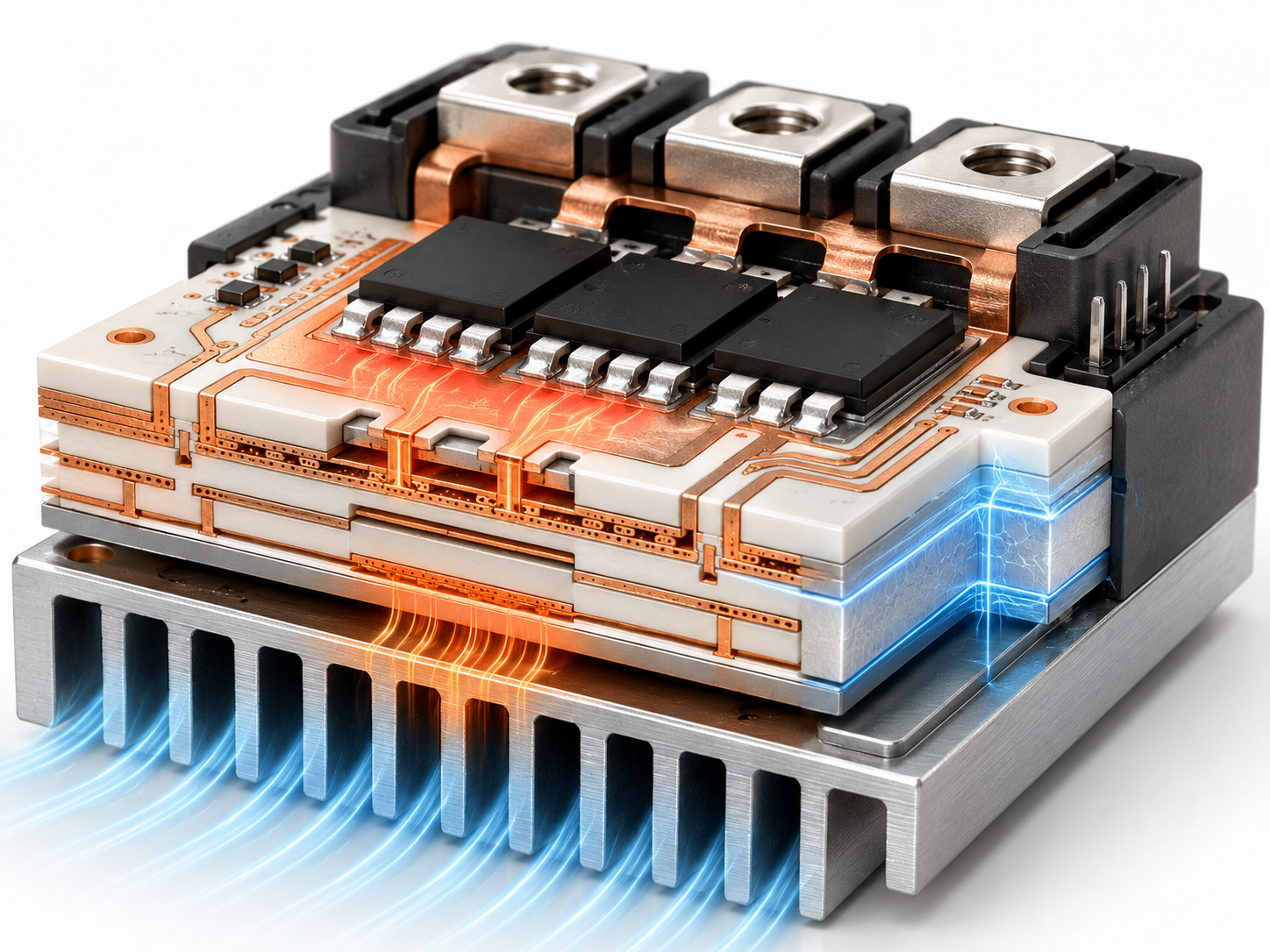
The working logic is simple:
| Function | How Ceramic PCB Supports It |
|---|---|
| Heat dissipation | Ceramic substrate transfers heat away from power chips |
| Electrical insulation | Ceramic separates conductive copper from heat sink or housing |
| Current carrying | Copper layer supports power paths and device interconnection |
| Mechanical support | Ceramic base supports chips, solder joints, and terminals |
| Reliability | Stable material behavior helps resist heat-related deformation |
For high-current designs, copper thickness and copper layout matter as much as the ceramic material. A good ceramic substrate with poor copper distribution may still create hot spots. A strong power PCB design should balance thermal spreading, conductor width, copper thickness, clearance, creepage, solder area, and heat sink contact.
What Types of Ceramic PCBs Are Used for Power Devices?
Different ceramic PCB technologies are used for different power levels and manufacturing goals. The best choice depends on the device package, current, voltage, thermal load, circuit accuracy, and reliability requirement.
DBC Ceramic PCB
DBC means Direct Bonded Copper. In this process, copper is bonded directly to ceramic through a high-temperature bonding process. It is widely used in power modules because it offers thick copper, good heat spreading, and reliable insulation.
DBC is often used for IGBT modules, rectifier modules, DC-DC converters, motor drives, solar inverters, and industrial power modules.
DPC Ceramic PCB
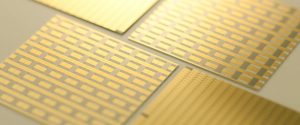
DPC means Direct Plated Copper. It uses thin-film metallization and electroplating to build copper circuits on ceramic. DPC supports finer lines, smaller spacing, plated vias, and higher circuit precision than traditional thick copper ceramic substrates.
DPC is useful for compact power devices, LED modules, sensors, laser modules, and applications where fine circuit features are required.
AMB Ceramic PCB
AMB means Active Metal Brazing. It uses active brazing alloy to bond copper to ceramic. AMB is especially valuable for silicon nitride ceramic substrates, where mechanical toughness and thermal cycling performance are important.
AMB ceramic substrates are increasingly used in EV power modules, SiC power modules, traction inverters, renewable energy systems, aerospace electronics, and harsh industrial applications. Ferrotec lists AMB substrates on AlN and Si3N4 and DBC substrates on alumina and AlN for power electronic applications.
Thick Film Ceramic PCB
Thick film ceramic PCB uses screen-printed conductor, resistor, or dielectric pastes fired onto ceramic. It is suitable for hybrid circuits, heating circuits, resistive networks, and some high-temperature electronics.
Thin Film Ceramic PCB
Thin film ceramic PCB uses sputtering, photolithography, and etching to create fine and accurate patterns. It is used when precision, stable impedance, or fine-line geometry is required.
Which Ceramic Materials Are Best for Power Devices?
Material selection is one of the most important decisions in ceramic PCB manufacturing. No single ceramic material is best for every project.
| Material | Main Strength | Typical Power Device Use | Selection Note |
|---|---|---|---|
| Alumina Al2O3 | Cost-effective, stable, widely available | Medium-power modules, LED, industrial electronics | Good balance for cost-sensitive projects |
| Aluminum Nitride AlN | High thermal conductivity | High-power LED, RF power, laser, power modules | Better for high heat flux |
| Silicon Nitride Si3N4 | High toughness and thermal cycling reliability | EV power modules, SiC modules, harsh environments | Good for reliability-critical modules |
| Zirconia-toughened alumina ZTA | Improved strength over standard alumina | Power substrates needing better mechanical reliability | Intermediate option |
| Beryllium Oxide BeO | Very high thermal conductivity | Legacy or special applications | Limited use due to health and handling concerns |
Alumina is often selected when the power level is moderate and cost control matters. AlN is preferred when heat dissipation is the main challenge. Si3N4 is selected when thermal cycling, vibration, or mechanical stress is more demanding.
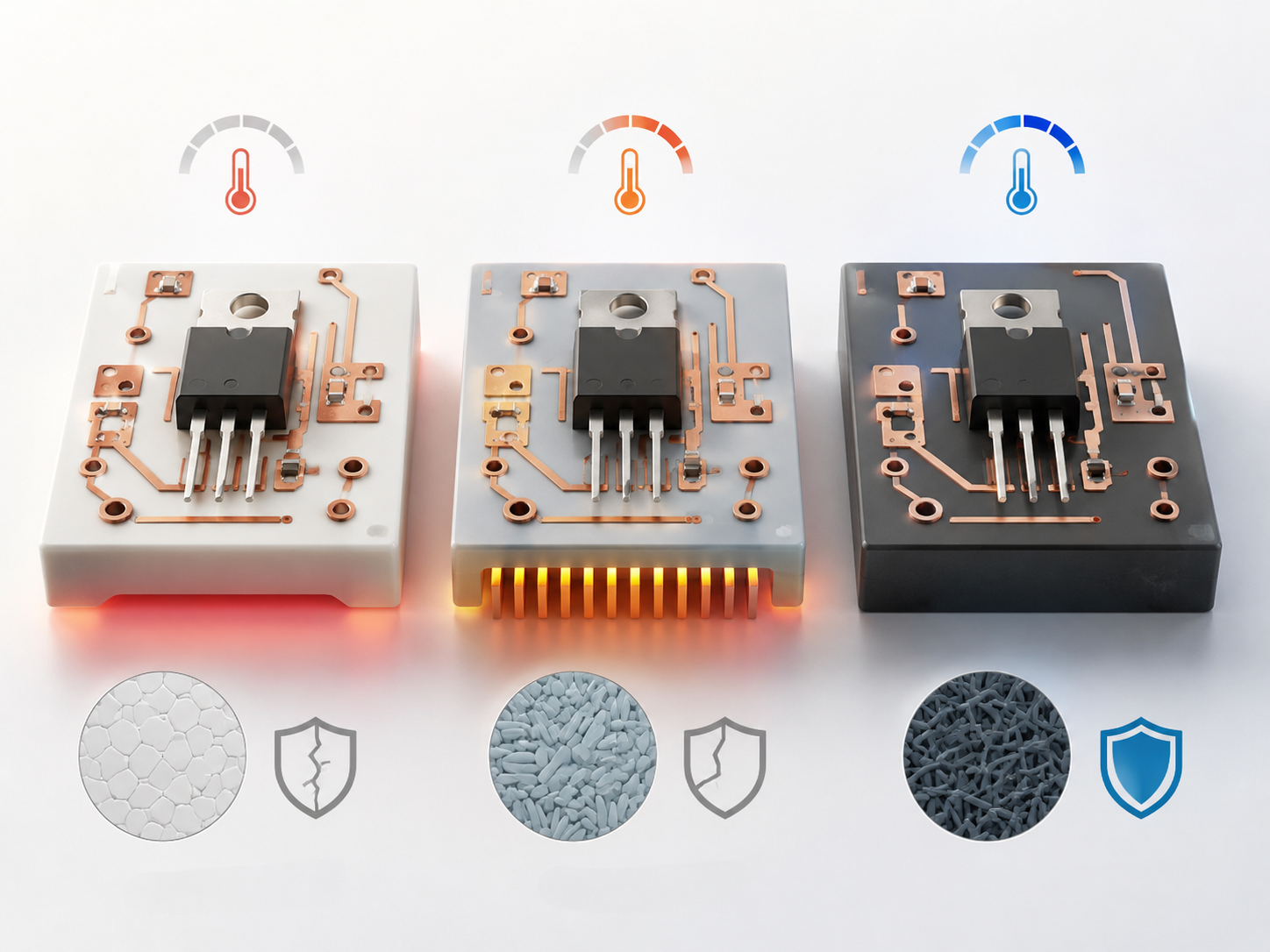
For SiC and GaN devices, buyers should be especially careful. These devices may operate at higher switching speeds and higher power density. The substrate must support heat transfer, insulation, partial discharge resistance, copper adhesion, and package-level reliability.
What Key Features Should Engineers Check?
A ceramic PCB for power devices should not be selected only by material name. Engineers and buyers should check measurable parameters.
| Feature | Why It Matters |
|---|---|
| Thermal conductivity | Affects heat transfer from device to heat sink |
| Dielectric strength | Supports voltage isolation |
| Copper thickness | Impacts current capacity and heat spreading |
| Copper peel strength | Affects bonding reliability |
| Ceramic thickness | Balances insulation, thermal resistance, and strength |
| Surface finish | Influences solderability, wire bonding, and assembly |
| Warpage control | Important for chip mounting and module assembly |
| Line width and spacing | Determines circuit density and manufacturability |
| Via structure | Important for DPC ceramic PCB and compact modules |
| Thermal cycling performance | Predicts long-term reliability under repeated heating and cooling |
For power devices, the most dangerous mistake is focusing only on thermal conductivity. A high thermal conductivity material may still fail if copper thickness, solder joint design, ceramic thickness, or thermal interface control is not suitable.
What Advantages and Limits Should Buyers Understand?
Ceramic PCB has strong advantages, but it is not a universal replacement for every PCB type.
Advantages
Ceramic PCB offers excellent heat dissipation, strong insulation, good dimensional stability, and better high-temperature performance than many organic board materials. It supports compact power modules where heat needs to move quickly from the device to the heat sink.
It also helps reduce the number of thermal interface layers in some structures. Fewer layers can lower thermal resistance and simplify the thermal path.
Limits
Ceramic materials are harder and more brittle than FR4 or aluminum PCB. Processing, drilling, metallization, and singulation require controlled manufacturing. Cost is usually higher than FR4 or standard metal core PCB. Lead time may also be longer for customized substrates, special copper thickness, tight tolerances, or high-reliability testing.
Ceramic PCB is a strong option when performance justifies the cost. It is not always the lowest-cost solution for low-power products.
How Does Ceramic PCB Compare with FR4, Metal Core PCB, DBC, DPC, and AMB?
Many buyers compare ceramic PCB with FR4 PCB, aluminum PCB, copper substrate PCB, and different ceramic processes. The right answer depends on heat, voltage, current, space, and reliability.
| Option | Thermal Performance | Electrical Insulation | Cost Level | Best Fit |
|---|---|---|---|---|
| FR4 PCB | Low to medium | Good | Low | General electronics, control boards |
| High-Tg FR4 PCB | Medium | Good | Low to medium | Higher soldering or operating temperature |
| Aluminum PCB | Medium to good | Depends on dielectric layer | Medium | LED, power supply, moderate thermal load |
| Copper substrate PCB | Good | Depends on dielectric layer | Medium to high | High-power thermal spreading |
| DPC ceramic PCB | Good to excellent | Excellent | High | Fine-line ceramic circuits, compact modules |
| DBC ceramic PCB | Excellent for power | Excellent | High | IGBT, inverter, power modules |
| AMB ceramic PCB | Excellent reliability | Excellent | High | SiC, EV, high thermal cycling applications |
For many power modules, DBC and AMB are more relevant than ordinary ceramic PCB. For high-precision ceramic circuits, DPC may be more suitable. For simple high-power LED boards, aluminum PCB may still be enough if the thermal requirement is moderate.
How Should You Select the Right Ceramic PCB for a Power Project?
Selection should start with the power device and operating environment. Before choosing Al2O3, AlN, Si3N4, DBC, DPC, or AMB, clarify the real engineering target.
A practical selection path looks like this:
| Project Requirement | Recommended Direction |
|---|---|
| Cost-sensitive medium-power board | Alumina ceramic PCB |
| High heat flux and compact size | AlN ceramic PCB |
| High thermal cycling reliability | Si3N4 AMB ceramic substrate |
| Thick copper and power module structure | DBC ceramic substrate |
| Fine circuit pattern and plated vias | DPC ceramic PCB |
| Hybrid circuit with printed resistors | Thick film ceramic PCB |
| Fine-line precision circuit | Thin film ceramic PCB |
For procurement teams, the safest method is to share the power device type, voltage, current, heat dissipation target, ceramic material preference, copper thickness, board size, surface finish, assembly method, and annual demand. A factory can then check manufacturability and suggest a stable production route.
Where Are Ceramic PCBs Used in Power Electronics?
Ceramic PCB is used in industries where heat, current, insulation, and reliability are tied together.
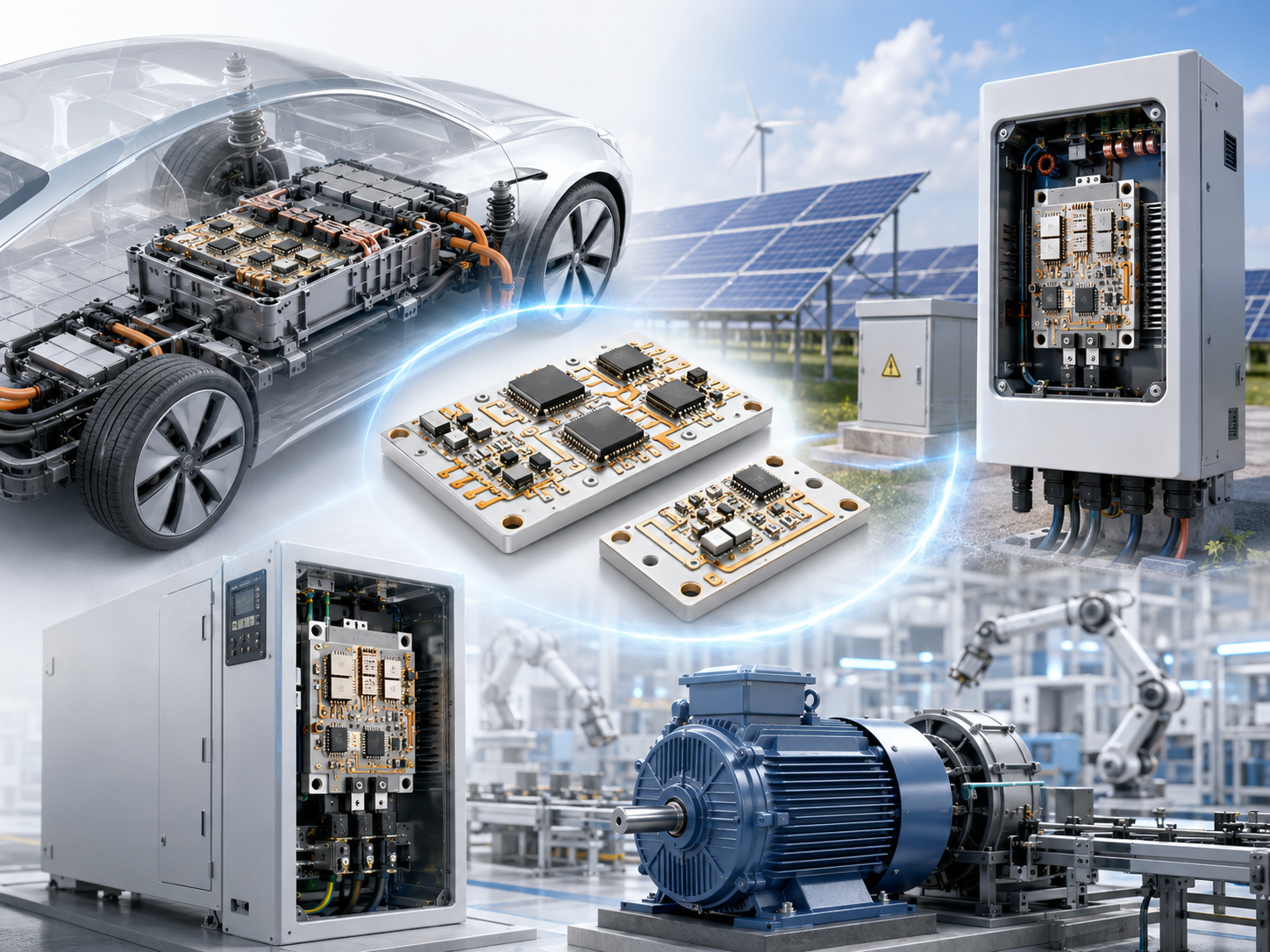
Electric Vehicles and Charging Systems
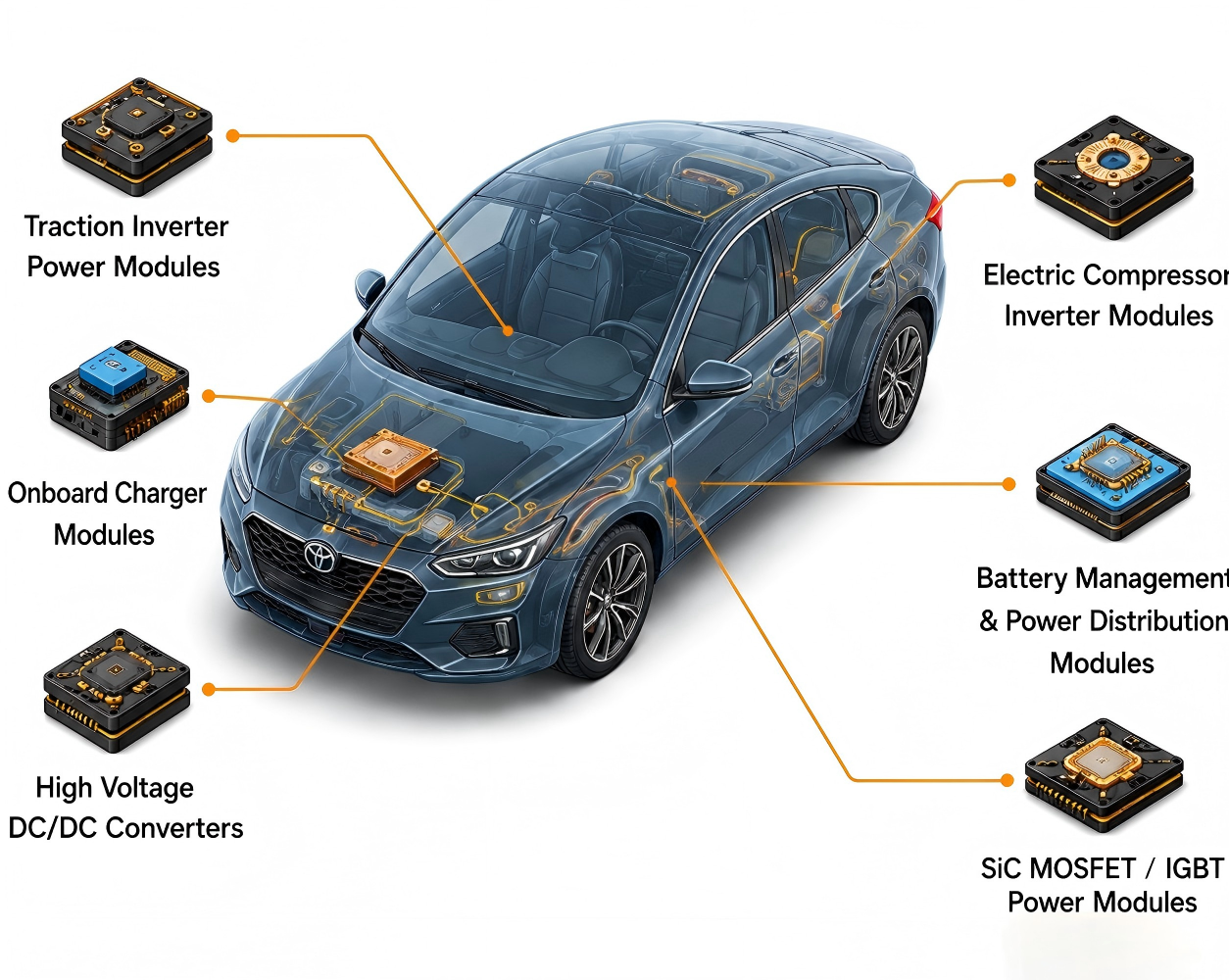
EV traction inverters, onboard chargers, DC-DC converters, battery management systems, and charging modules often use high-density power devices. SiC modules and IGBT modules may require ceramic substrates with strong thermal cycling resistance.
Renewable Energy
Solar inverters, wind power converters, and energy storage systems need long service life and stable thermal behavior. DBC and AMB ceramic substrates can support power conversion modules in demanding operating environments.
Industrial Drives and Automation
Motor drives, servo drives, power controllers, welding equipment, and industrial power supplies generate heat during long operation. Ceramic PCB helps improve thermal transfer and insulation.
High-Power LED and Laser Modules
High-power LED, UV LED, laser diode, and optical modules use ceramic PCB to control junction temperature and keep light output stable.
Aerospace and Defense Electronics
These applications may require higher reliability, thermal shock resistance, and stable performance under vibration or temperature cycling.
Medical and Scientific Equipment
Power supply modules, imaging systems, laser modules, and precision instruments may use ceramic PCB when heat control and dimensional stability are important.
What Practical Cases Show Ceramic PCB Value?
A common case is a high-power LED module that suffers from brightness decay and solder fatigue. Replacing a standard board with AlN ceramic PCB can reduce thermal bottlenecks and help maintain more stable heat transfer from the LED chip to the heat sink.
Another case is an EV inverter power module. The module may face repeated heating and cooling during acceleration, braking, charging, and environmental temperature changes. In this situation, Si3N4 AMB may be preferred because mechanical toughness and copper bonding reliability become more important than material price alone.
A third case is a compact industrial power module. The buyer needs thick copper, high insulation, and stable soldering. DBC ceramic substrate can provide a direct thermal path and support high-current operation in a smaller package.
These cases show a clear point: ceramic PCB selection is not only about “higher thermal conductivity.” It is about matching the substrate structure to the failure risk of the actual product.
What Design and DFM Points Matter Before Fabrication?
Ceramic PCB design should be reviewed early because ceramic materials are less forgiving than standard FR4. A small layout decision can affect yield, cost, and long-term reliability.
Important DFM points include:
| DFM Item | Why It Matters |
|---|---|
| Copper thickness | Impacts etching tolerance, current capacity, and stress |
| Copper balance | Helps control warpage and thermal stress |
| Corner radius | Reduces stress concentration in copper patterns |
| Ceramic thickness | Balances insulation, strength, and thermal resistance |
| Clearance and creepage | Important for high-voltage power devices |
| Solder pad size | Affects solder voiding and assembly reliability |
| Via design | Critical for DPC structures |
| Edge distance | Prevents cracking during cutting or handling |
| Surface finish | Must match soldering, wire bonding, or die attach process |
| Panelization | Affects cost, yield, and production handling |
For high-power modules, engineers should avoid sharp copper corners where possible. Rounded copper features can reduce local stress during thermal cycling. For thick copper DBC or AMB substrates, copper pattern geometry should be reviewed with the manufacturer before tooling.
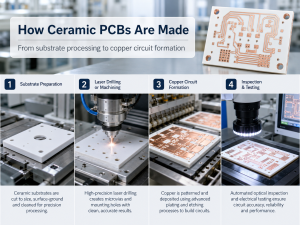
How Are Ceramic PCBs Manufactured and Tested?
Manufacturing depends on the ceramic material and process route. DPC, DBC, AMB, thick film, and thin film all use different production methods.
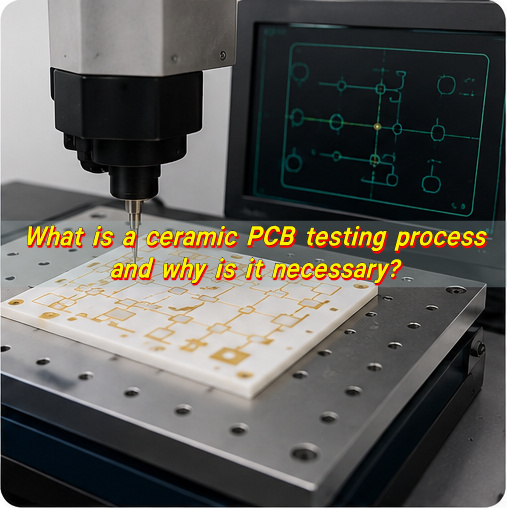
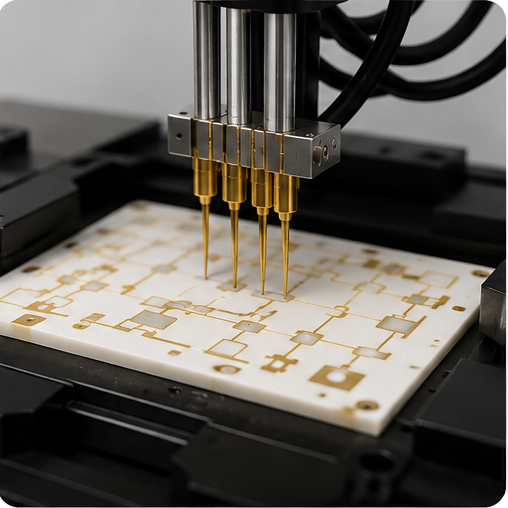
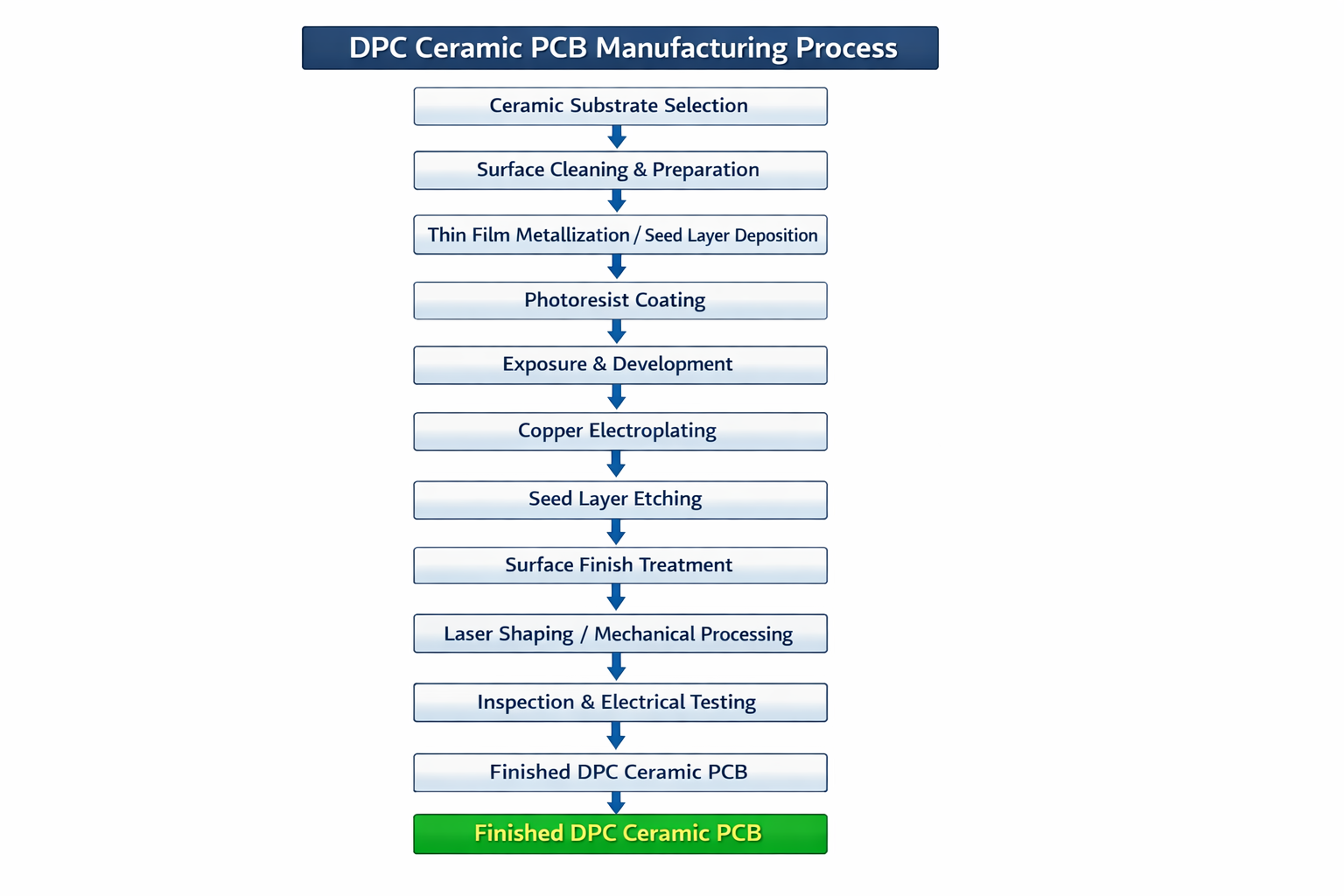
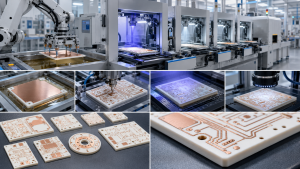
A simplified manufacturing flow may include ceramic substrate preparation, cleaning, metallization, copper bonding or plating, imaging, etching, drilling or laser processing, surface finishing, inspection, electrical testing, and packaging.
Quality testing should be built around the final use. For power devices, common checks include:
| Test or Inspection | Purpose |
|---|---|
| Visual inspection | Checks surface defects, contamination, copper damage |
| Dimensional inspection | Confirms outline, hole, pad, and pattern tolerance |
| Electrical test | Checks open and short circuits |
| Insulation resistance test | Confirms isolation performance |
| Dielectric withstand test | Verifies high-voltage insulation capability |
| Copper thickness test | Confirms current and thermal design assumptions |
| Peel strength test | Checks copper bonding strength |
| Solderability test | Supports assembly reliability |
| Warpage measurement | Helps control module assembly quality |
| Thermal cycling test | Evaluates reliability under temperature changes |
| X-ray inspection after assembly | Checks voids, solder joints, and hidden defects |
IPC-6012F covers qualification and performance requirements for rigid printed boards, including plating, conductors, holes, acceptance testing, and mechanical and environmental requirements. While ceramic substrates may need project-specific criteria beyond standard FR4 PCB checks, IPC-based inspection language is still useful for documentation and customer communication.
What Failure Modes Should Be Checked in Power Ceramic PCBs?
Power ceramic PCB failure usually comes from heat, stress, poor bonding, contamination, or unsuitable assembly conditions. Failure analysis should look at the whole stack, not only the ceramic board.
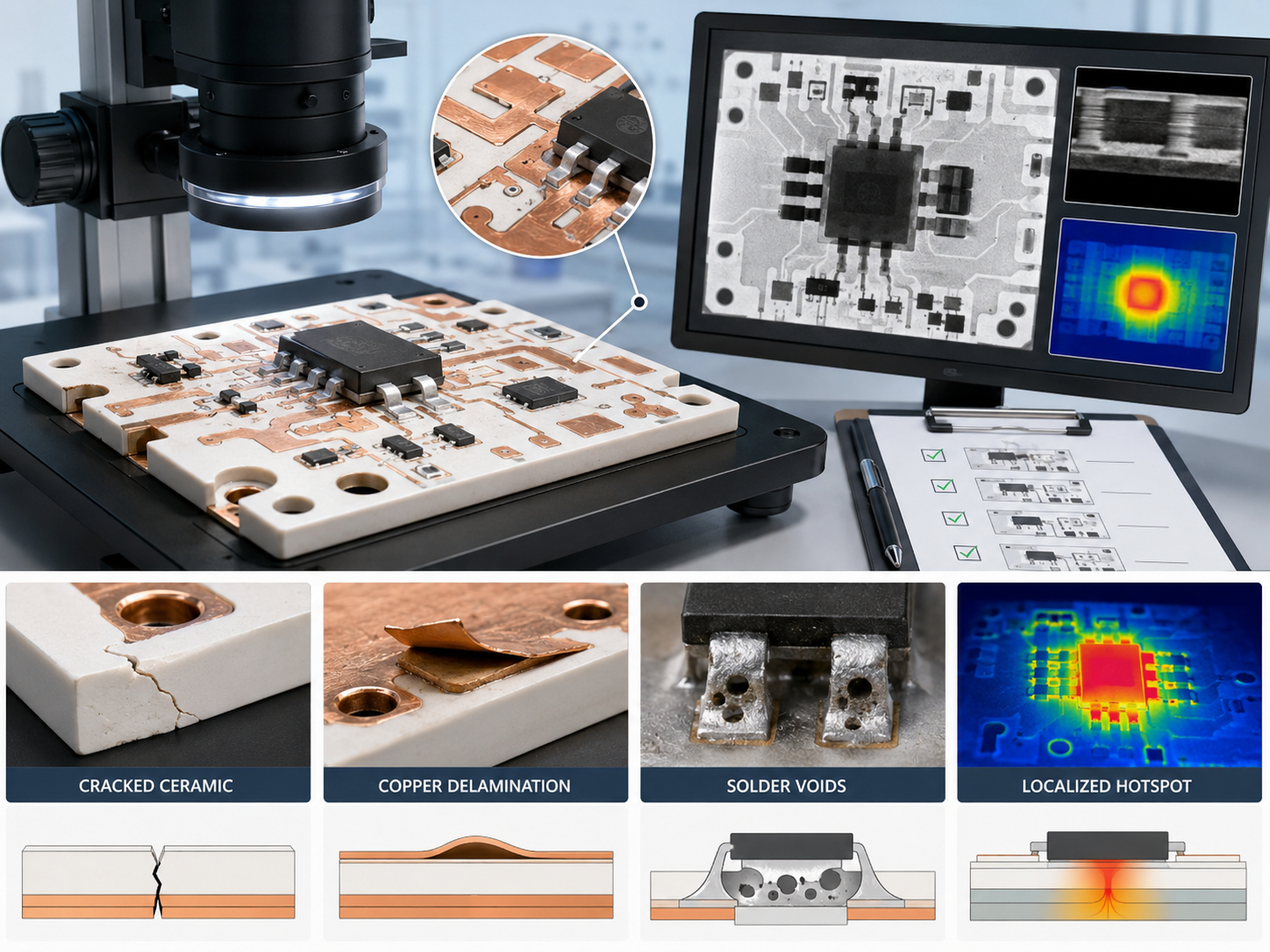
Common failure modes include:
| Failure Mode | Possible Cause | Prevention Method |
|---|---|---|
| Ceramic cracking | Mechanical shock, poor panel design, edge stress | Control handling, edge distance, cutting method |
| Copper delamination | Weak bonding, thermal cycling, poor process control | Verify peel strength and bonding process |
| Solder voiding | Poor paste control, unsuitable reflow, pad design issue | Optimize soldering profile and pad geometry |
| Hot spots | Poor copper spreading, bad thermal interface, uneven die attach | Improve copper layout and thermal path |
| Insulation breakdown | Insufficient ceramic thickness, contamination, voltage stress | Check dielectric strength and cleanliness |
| Partial discharge | High voltage, voids, insulation weakness | Improve insulation design and test criteria |
| Warpage | Copper imbalance, thermal stress, substrate mismatch | Balance copper and control process conditions |
| Surface oxidation | Poor storage or finish control | Use proper packaging and surface finish |
Thermal cycling is one of the most important reliability concerns. Copper and ceramic expand at different rates. Repeated heating and cooling can create stress at bonded interfaces, solder joints, and copper corners. This is why material toughness, copper geometry, bonding quality, and assembly process control all matter.
What Affects Ceramic PCB Cost and Lead Time?
Ceramic PCB cost depends on material, process, copper thickness, tolerance, testing, and order volume. AlN and Si3N4 usually cost more than alumina. AMB and DBC substrates also need controlled high-temperature bonding processes, so they are normally more expensive than simple FR4 or aluminum PCB.
Major cost factors include:
| Cost Factor | Impact |
|---|---|
| Ceramic material | Al2O3 is usually lower cost; AlN and Si3N4 cost more |
| Board size | Larger ceramic panels increase material and yield risk |
| Copper thickness | Thicker copper increases processing difficulty |
| Circuit tolerance | Fine lines and tight spacing increase cost |
| Surface finish | ENIG, silver, gold, or special finishes affect price |
| Via structure | DPC vias increase process complexity |
| Testing requirement | Extra reliability tests add cost and time |
| Order quantity | Prototype price is higher per piece than batch production |
| Custom tooling | New shapes and special processes may need tooling |
| Packaging requirement | Vacuum packing, dry packing, and export packing add handling steps |
A useful cost-control method is to avoid over-specification. For example, do not choose AlN if alumina can meet the thermal target. Do not request ultra-tight tolerance if the module assembly does not require it. Do not use AMB when DBC can meet the reliability requirement.
How Can Buyers Choose a Ceramic PCB Supplier?
A good ceramic PCB supplier should understand materials, manufacturing limits, testing, and power electronics reliability. Price matters, but low price without process control can create higher cost later through assembly failure, field returns, or unstable delivery.
Before choosing a supplier, buyers should check:
| Supplier Check | What to Confirm |
|---|---|
| Ceramic material capability | Al2O3, AlN, Si3N4, ZTA availability |
| Process capability | DPC, DBC, AMB, thick film, thin film support |
| Copper capability | Copper thickness, bonding strength, pattern tolerance |
| Quality control | Electrical test, insulation test, peel strength, dimensional report |
| Engineering support | DFM review, stack-up review, material suggestion |
| Documentation | RoHS, REACH, material data, inspection report |
| Production experience | Prototype, small batch, and volume manufacturing |
| Export support | Global shipping, packaging, customs documentation |
| Communication | Fast feedback on technical questions and drawings |
| Long-term stability | Repeat production control and traceability |
For Europe and North America, buyers often care about compliance documentation, stable repeatability, and long-term quality records. For Southeast Asia and emerging manufacturing regions, lead time, flexible MOQ, and total landed cost can be decisive. A China-based source factory can support global buyers with custom fabrication, batch production, DFM feedback, and export delivery without claiming false local manufacturing locations.
RoHS compliance is also important for many electrical and electronic products. The European Commission states that RoHS currently restricts ten substances in electrical and electronic equipment, including lead, cadmium, mercury, hexavalent chromium, PBB, PBDE, and four phthalates.
What Should Be Checked Before Ordering Ceramic PCB for Power Devices?
Before placing an order, buyers should prepare a clear technical package. This helps the manufacturer quote accurately and reduce engineering back-and-forth.
Recommended order checklist:
| Item | Required Information |
|---|---|
| Application | Power module, LED, inverter, charger, laser, sensor, etc. |
| Power device | IGBT, MOSFET, SiC, GaN, diode, LED chip |
| Ceramic material | Al2O3, AlN, Si3N4, or open for recommendation |
| Process | DPC, DBC, AMB, thick film, thin film |
| Copper thickness | Top and bottom copper thickness |
| Ceramic thickness | Required insulation and thermal target |
| Surface finish | ENIG, silver, gold, OSP, or other finish |
| Drawing files | Gerber, DXF, mechanical drawing, stack-up |
| Tolerance | Line width, spacing, outline, hole, thickness |
| Testing | Electrical test, Hi-Pot, insulation resistance, thermal cycling |
| Assembly needs | Soldering, wire bonding, die attach, SMT, module assembly |
| Quantity | Prototype, pilot run, mass production forecast |
| Certification | RoHS, REACH, UL file if applicable, inspection report |
A complete file package gives the factory enough information to evaluate manufacturability, cost, and lead time. It also helps prevent wrong material selection and avoids delay before production.
FAQ About Ceramic PCB for Power Devices
Is ceramic PCB better than FR4 for power devices?
Ceramic PCB is better when the project needs high heat dissipation, strong insulation, compact structure, or stable operation under high temperature. FR4 is still suitable for many control circuits and low-to-medium power electronics. The choice depends on power density, temperature rise, voltage, current, cost target, and reliability requirement.
Which ceramic material is best for high-power devices?
Aluminum nitride is often selected for high thermal conductivity. Silicon nitride is preferred when thermal cycling and mechanical toughness are critical. Alumina is a practical choice for medium-power projects with cost control. For EV modules, SiC modules, and harsh environments, Si3N4 AMB is often considered a strong option.
What is the difference between DBC and DPC ceramic PCB?
DBC uses bonded copper and is suitable for thick copper power substrates. DPC uses metallization and plating, allowing finer circuit patterns and plated vias. DBC is common in IGBT and inverter modules. DPC is often used in compact, high-precision ceramic circuits, LED modules, and sensor-related products.
What is the difference between DBC and AMB ceramic substrate?
DBC bonds copper directly to ceramic, usually alumina or AlN. AMB uses active brazing alloy to bond copper to ceramic and is especially useful for Si3N4 substrates. AMB is often chosen for higher reliability under thermal cycling, while DBC is widely used in established power module applications.
Can ceramic PCB carry high current?
Yes, ceramic PCB can support high-current applications when copper thickness, conductor width, thermal path, and bonding quality are properly designed. The ceramic itself provides insulation and heat transfer, while copper carries current. Current capacity should be calculated based on copper geometry, temperature rise, cooling method, and device layout.
Is AlN ceramic PCB always better than alumina ceramic PCB?
No. AlN has much higher thermal conductivity, but alumina is more cost-effective and suitable for many medium-power applications. If the heat load is not extreme, alumina may provide a better cost-performance balance. AlN is more suitable when thermal resistance must be reduced in a compact structure.
Why is silicon nitride used in EV power modules?
Silicon nitride has strong mechanical toughness and good thermal cycling reliability. EV power modules may face repeated temperature changes, vibration, and high power density. Si3N4 AMB substrates can help improve long-term reliability where standard ceramic substrates may be more vulnerable to stress-related cracking.
What surface finish is used on ceramic PCB?
Common surface finishes include ENIG, immersion silver, gold plating, and other application-specific finishes. The right finish depends on soldering, wire bonding, die attach, storage time, and assembly process. For power modules, solderability and bonding compatibility should be confirmed before production.
What causes ceramic PCB cracking?
Cracking may come from mechanical impact, poor edge design, excessive stress during assembly, thermal shock, sharp copper geometry, or unsuitable panelization. Ceramic materials are hard but brittle, so handling, cutting, packaging, and assembly process control are important for yield and reliability.
How can solder voids be reduced on ceramic PCB assemblies?
Solder voids can be reduced through proper pad design, solder paste selection, stencil control, reflow profile optimization, vacuum reflow when needed, and clean surface finish. For power devices, void control is important because voids increase thermal resistance and may create local hot spots.
How much does ceramic PCB cost?
Cost depends on ceramic material, board size, copper thickness, process type, surface finish, tolerance, testing, and quantity. Alumina is usually more economical. AlN and Si3N4 cost more. DBC and AMB structures also cost more than standard FR4 or aluminum PCB because the process is more specialized.
What files are needed for a ceramic PCB quotation?
A complete quotation package should include Gerber files, mechanical drawing, stack-up, material request, copper thickness, ceramic thickness, surface finish, quantity, tolerance, testing requirement, and application notes. If the material is not decided, share the power device, voltage, current, and thermal target for review.
Can ceramic PCB be used for SiC and GaN devices?
Yes. Ceramic PCB is often used for SiC and GaN power devices because these devices can generate high heat density and require strong insulation. Material and process selection should consider switching frequency, voltage stress, thermal cycling, soldering method, and module structure.
How do buyers verify ceramic PCB quality?
Buyers can request dimensional reports, electrical test records, copper thickness measurement, insulation resistance, Hi-Pot testing, peel strength data, solderability checks, and material compliance documents. For power modules, thermal cycling or application-specific reliability testing may also be needed.
How should I choose between a prototype supplier and a mass production factory?
For power ceramic PCB, choose a supplier that can support both engineering validation and repeat production. Prototype speed is useful, but batch consistency matters more for long-term projects. A capable source factory should provide DFM feedback, stable material sourcing, process control, inspection records, and global delivery support.
Conclusion:
Ceramic PCB for power devices is selected when heat dissipation, insulation, current handling, and reliability must work together in a compact structure. Alumina is suitable for cost-sensitive and medium-power applications. Aluminum nitride is better for high heat flux. Silicon nitride, especially with AMB technology, is a strong choice for thermal cycling and harsh operating environments.
For engineering selection, do not judge the board by thermal conductivity alone. Review copper thickness, ceramic thickness, process type, surface finish, insulation distance, soldering method, thermal cycling risk, and test requirements. For procurement, choose a manufacturer that can support DFM review, custom ceramic PCB fabrication, prototype development, batch production, quality documentation, and global delivery from a real China-based source factory.
If you need ceramic PCB for IGBT modules, SiC devices, GaN power devices, high-power LEDs, inverters, chargers, industrial drives, renewable energy equipment, or customized power electronics, working with an experienced ceramic PCB manufacturer can reduce trial-and-error cost and improve production stability.