PCB manufacturing PCB manufacturing
Home > Blog

Why Ues Purple Circuit Board? Its Advantages & Purpose

July 17th, 2025

Purple circuit boards—also known as Purple PCBs—have become popular among makers, engineers, and even electronics brands that want to stand out. While the solder mask color doesn’t change how a PCB works, it does influence how it looks, feels, and even how it’s perceived.

In this blog, we’ll break down everything you need to know about Purple PCBs. You’ll learn where they shine, what benefits they offer, and when they’re worth the investment.

At EBest Circuit (Best Technology), we’ve been supporting product designers and OEMs with customized PCBs for years. From solder mask color to copper thickness and special surface finishes, we provide full manufacturing support. And yes—we proudly support purple solder mask PCBs.

Why Ues Purple Circuit Board? Its Advantages & Purpose

What is a Purple Circuit Board?

A purple circuit board is a printed circuit board that features a purple-colored solder mask. The solder mask is a thin protective layer applied over the copper traces of a PCB. Its job is to prevent oxidation, short circuits, and solder bridges during assembly.

While green is the most common color in PCB manufacturing, purple offers a unique visual twist. It’s not just a design choice—it’s a statement. Makers often associate purple PCBs with premium or small-batch electronics.

Some PCB manufacturers offer purple as a standard option. Others consider it a custom request. Either way, it doesn’t impact the electrical performance of the board. The difference is mostly visual and emotional.

Advantages of Purple PCB

Choosing a Purple PCB isn’t just about standing out—it can offer several practical and branding benefits too.

1. Unique Visual Identity

Purple PCBs are not commonly seen in mass-produced electronics. Using one helps your product stand out, especially if you’re building a niche device or showcasing your board.

2. Brand Recognition

Startups and makers often use purple solder masks as part of their brand identity. Think of it like choosing a unique color for your packaging—only this time, it’s part of the electronics.

3. Better Product Differentiation

If you’re producing multiple versions of the same board, using purple can help distinguish prototypes or special editions. You’ll never mix up versions during testing.

4. Enhanced Perceived Value

Because purple PCBs are less common, they give off a premium vibe. If your product has visible circuitry, purple adds to the appeal.

5. Maker Community Favorite

In the open-source and maker community, purple has almost become a symbol of small-batch craftsmanship. Platforms like OSH Park use purple as their signature color.

Purpose of Purple Circuit Board

The main purpose of a purple circuit board is to add visual distinction. In terms of function, it’s no different from any other PCB. But in terms of presentation, it stands out. Here’s where purple PCBs get used:

  • Showcase prototypes at trade shows or demos
  • Limited edition electronics with visible circuit boards
  • Kickstarter campaigns where aesthetics add value
  • Open-source hardware projects that are shared online
  • Personal builds or portfolio projects

In all these cases, the purple color makes your design feel custom, creative, and intentional.

Purpose of Purple Circuit Board

Does the Color of a Circuit Board Matter?

Functionally, no. A circuit board’s color doesn’t affect its electrical performance.

The solder mask color has no effect on signal transmission, current flow, or board durability. Whether you pick green, red, or purple, the functionality remains the same.

However, color does matter in other ways:

  • Inspection Ease: Some colors, like green, offer better contrast for spotting solder bridges or defects.
  • Heat Visibility: Black and dark boards retain heat, which may affect thermal visibility during rework.
  • Aesthetic Value: If your PCB is visible to end users, color directly affects how it’s perceived.

So while purple won’t change how the board performs, it will change how it looks and how others interact with it.

What Are the Different Color Circuit Boards?

You can find PCBs in a variety of colors today. Here’s a look at the most common options and why you might choose them:

ColorWhy Choose It
GreenIndustry standard, great contrast, cost-effective
RedEasy to inspect, stands out from green, mid-cost
BlueAesthetically pleasing, often used in dev boards
BlackSleek design, popular in high-end gadgets
WhiteReflects light, good for LED boards
YellowBright and easy to spot
PurpleUnique, stylish, excellent for branding

Purple PCBs offer a perfect balance of visual uniqueness and readability, without being too flashy or difficult to inspect.

Which Color of Circuit Board is Better?

There’s no single “best” color—it depends on your project. But here’s how they generally compare:

  • Best for Inspection: Green, Red
  • Best for Consumer Products: Black, Blue
  • Best for Lighting Applications: White
  • Best for Branding and Style: Purple

If you care about cost, availability, and visual clarity, green is a solid default. If you care about product identity, purple is a strong contender. You can choose based on your end-use case, inspection needs, and visual goals.

Which Color of Circuit Board is Better?

When to Use Purple Circuit Board?

Consider using a Purple PCB if:

  • You want to create a branded visual identity for your product.
  • You’re making small batches where aesthetics matter.
  • Your PCB is visible through a product’s casing.
  • You need to visually differentiate between product versions.
  • You’re working on a maker or educational project.
  • You want to impress investors or early customers with a unique prototype.

If none of the above apply, and your board is hidden in an enclosure, you may not need purple. But if visibility, branding, or presentation are part of your plan, purple is a great choice.

Is Purple PCB More Expensive than Green Circuit Board?

Yes, purple PCBs usually cost more than green ones, but not by a large margin. The factors affect its cost are mainly:

  • Material Availability: Green solder masks are stocked in bulk; purple is often a specialty item.
  • Production Setup: Some fabricators treat purple as a custom order, which involves extra setup steps.
  • Smaller Batch Runs: Purple PCBs are typically made in smaller quantities, which increases cost per unit.

That said, if you’re ordering a low to medium volume, the cost difference is generally affordable—especially considering the visual value. At EBest Circuit (Best Technology), we offer purple solder mask as an option without charging unreasonably high premiums. Ask us for a quote, and we’ll walk you through the pricing.

Methods for Producing Purple Solder Masks

Creating a purple solder mask on a printed circuit board can be achieved through two main techniques, each suited to different design and production needs:

1. Pigment-Mixed Solder Mask

In this method, purple pigments are directly blended into the liquid solder mask resin before it is applied to the board. This is especially effective with LED-curable solder masks, which allow for greater pigment flexibility compared to traditional UV-curable systems.

To ensure a rich and opaque purple finish, the mask layer may need to be slightly thicker. This additional thickness helps accommodate the pigment load and improves visual uniformity across the board surface.

2. Base Mask with Purple Legend Ink

This technique involves applying a base solder mask color, typically white, to the PCB. Purple legend ink is then printed over designated areas that require solder protection.

This approach offers vibrant purple color without significantly increasing mask thickness. It also enables the use of multiple colors on a single board, which is useful for custom designs or highlighting key areas. However, it demands precise registration during the legend printing process to maintain alignment and consistency.

Purple PCB Manufacturer – EBest Circuit (Best Technology)

At EBest Circuit (Best Technology), we are your reliable one-stop PCB manufacturer in China, ready to meet all your diverse circuit board needs—including custom Purple PCBs.

Our engineering, production, and quality teams bring years of experience across various industries. We understand that every sector has its own set of standards. Whether you’re in medical, automotive, or aerospace, we follow the most widely recognized industry practices to meet your exact requirements.

We manufacture all PCBs in compliance with IPC standards, including:

  • IPC-A-600 for PCB fabrication
  • IPC-A-610 for PCB assembly

By default, our products meet IPC Class 2 standards. If your application demands it, we also support Class 3 and Class 3A, which are common for high-reliability or mission-critical devices.

If you have any questions—whether it’s about pricing, MOQ, delivery times, certifications, quality standards, or engineering support—feel free to reach out at any time. Our team is here to help. We’re committed to becoming one of the best PCB manufacturers in China, focused on delivering the highest quality, competitive pricing, and dedicated service for every customer.

Purple PCB Manufacturer – EBest Circuit (Best Technology)

FAQs

1. Is purple solder mask just for looks?

Yes. Purple is a cosmetic choice. It does not change how the PCB works.

2. Can I use purple on high-frequency or HDI boards?

Absolutely. Purple solder masks are compatible with all types of PCBs, including multilayer, HDI, and RF boards.

3. Is purple solder mask more prone to defects?

No. As long as the process is controlled properly, purple performs just like other colors.

4. How can I get a purple PCB made?

Just mention the purple solder mask when you request a quote from us. We’ll confirm details and start the process.

5. Does EBest Circuit (Best Technology) offer other rare colors too?

Yes. Besides purple, we offer red, blue, yellow, black, white, and even custom Pantone shades.

Aluminum PCB Circuit Board Design & Manufacturer, Free DFM

July 17th, 2025

Why choose aluminum PCB circuit board for your project? These high-performance boards combine superior thermal management with structural durability, making them ideal for LED, automotive, and power electronics. This guide covers their structure, benefits, design tips, and manufacturing process to help you make informed decisions.

  • Does heat dissipation design drag down product life?
  • Is it difficult to get professional support for small batches?
  • Does batch stability affect the pace of mass production?

EBest Circuit (Best Technology) Can Provide:

  • Accurate heat dissipation solution: Patented aluminum substrate (5.2W/m·K) with thermal simulation optimization reduces temperature rise by 35%.
  • Flexible cooperation model: 10 pieces minimum order, providing full technical support from design to mass production.
  • Reliable Batch Quality Inspection: Provide material traceability report + reliability test data for each batch.

Welcome to contact EBest Circuit (Best Technology) if you’re interested in aluminum PCB board: sales@bestpcbs.com.
What Is An Aluminum PCB Circuit Board?

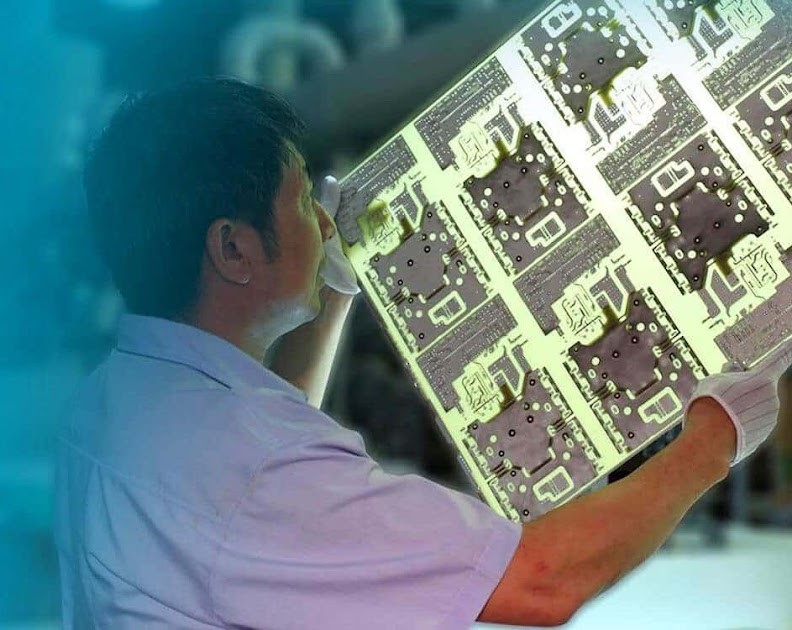
An aluminum PCB circuit board (printed circuit board) is a specialized circuit board type constructed using an aluminum alloy base material instead of conventional fiberglass substrates like FR-4. This metal-core foundation serves as a heat dissipation solution, redirecting warmth away from temperature-sensitive electronic components.

These boards are formally categorized as metal-core PCBs (MCPCBs), with aluminum being the most widely adopted base material. The essential purpose centers on thermal management, aluminum efficiently absorbs and spreads heat generated during circuit operation, preventing damage to parts like LED emitters, power transistors, or voltage regulators. This characteristic makes aluminum PCBs a practical choice in applications demanding real-world cooling performance beyond traditional boards’ capabilities.

What Is An Aluminum PCB Circuit Board?

What Is the Structure of Aluminum PCB Board?

  • Circuit Layer (Copper Foil): Composed of electrolytic copper foil, typically 1 oz to 3 oz thickness. Serves as the conductive pathway for electrical signals.
  • Dielectric Layer (Thermal Insulation): A thermally conductive but electrically insulating material (e.g., epoxy resin with ceramic fillers). Transfers heat from the circuit layer to the metal substrate while preventing electrical shorts.
  • Metal Substrate (Aluminum Base): A thick aluminum plate (usually 1mm to 3mm thickness). Provides mechanical rigidity, heat dissipation, and acts as a heat sink for high-power components.
  • Adhesive Layer (Bonding Film): A thin adhesive film between the dielectric layer and aluminum substrate. Ensures strong adhesion and thermal conductivity between layers.

Aluminum PCB Circuit Board Specification

ParameterSpecification Range
Base Material5052/6061 Aluminum Alloy
Copper Thickness1oz – 4oz (35ÎŒm – 140ÎŒm)
Dielectric Layer50ÎŒm – 150ÎŒm
Max Operating Temp130°C – 150°C
Thermal Resistance0.5°C/W – 3.0°C/W
Breakdown Voltage2kV – 5kV
Surface FinishHASL, ENIG, OSP
Min Trace Width0.1mm – 0.3mm      
Min Hole Size0.3mm – 0.5mm
Panel Size500mm x 600mm (max)

What Are the Pros and Cons of Aluminum PCB Circuit Board?

Advantages of aluminum PCB circuit board:

  • Superior Thermal Management: Conducts heat 8-10x faster than standard FR4, preventing overheating in high-power LEDs, motor drives, and power converters.
  • Enhanced Durability: Resists vibration and mechanical stress better than fiberglass PCBs, ideal for automotive and aerospace applications.
  • Longer Component Lifespan: Stable thermal performance minimizes thermal expansion stress, reducing failure rates in power electronics.
  • Cost-Effective for High-Power Designs: Lower lifetime costs compared to FR4 + external cooling solutions in applications like LED lighting and industrial power supplies.
  • Eco-Friendly Material: 100% recyclable, aligning with green manufacturing and RoHS compliance.

Disadvantages of aluminum PCB circuit board:

  • Higher Upfront Cost: 20-30% more expensive than FR4 due to specialized dielectric layers and metal-core processing.
  • Limited Complexity: Mostly 1-2 layers; multilayer designs are rare and costly (e.g., hybrid constructions with FR4 sections).
  • Challenging Rework: Difficult to modify after production—drilling or cutting risks damaging the aluminum substrate.
  • Electrical Isolation Risks: Dielectric layer defects (e.g., voids) may cause shorts in high-voltage applications (>1kV).
  • Poor High-Frequency Performance: Higher parasitic capacitance distorts signals above 500MHz, making RF/microwave circuits impractical.
What Are the Pros and Cons of Aluminum PCB Circuit Board?

What Are Aluminum PCB Board Used for?

  • High-Power LED Lighting – Commercial lighting, automotive headlamps, backlight units.
  • Power Electronics – Switch-mode power supplies, motor controllers, solar inverters.
  • Automotive Systems – Electric vehicle battery modules, engine control units, LED taillights.
  • Audio Amplifiers – High-fidelity amplifiers, professional audio equipment, RF power modules.
  • Renewable Energy – Solar panel junction boxes, wind turbine converters, energy storage systems.
  • Medical Devices – Surgical lighting, diagnostic imaging equipment, laser therapy systems.
  • Industrial Controls – Programmable logic controllers (PLCs), sensor modules, robotics.
What Are Aluminum PCB Board Used for?

How to Design Aluminum LED PCB for Better Heat Dissipation?

Methods about how to design aluminum LED PCB for better heat dissipation:

  • Choose High-Thermal-Conductivity Dielectric Layers‌: Use ‌≄2.0 W/mK‌ dielectric materials (e.g., Bergquist HT-07000) to bridge heat from LEDs to the aluminum base.
  • Maximize Copper Thickness for Power Traces‌: Prioritize ‌2–4 oz copper‌ to reduce resistive heating and improve thermal spreading.
  • Implement Thermal Vias Under LED Pads‌: Place ‌arrays of vias (0.3–0.5mm diameter)‌ beneath LED footprints to direct heat to the aluminum core.
  • Avoid Thermal Islands in Layouts‌: Connect all high-power components to large copper pours, ensuring heat paths are ‌continuous and low-impedance‌.
  • Balance Copper Distribution‌: Symmetrical copper layers prevent warping and reduce ‌localized hotspots‌ during thermal cycling.
  • Optimize LED Spacing‌: Maintain ‌≄5mm spacing‌ between high-power LEDs to minimize cross-heating effects.
  • Use Thermal Simulation Early‌: Tools like ‌ANSYS Icepak‌ or ‌Mentor FloTHERM‌ can predict hotspots before prototyping.

How Are Aluminum PCBs Made?

Aluminum PCB Manufacturing Process:

1. Material Cutting: Cut aluminum alloy substrate (e.g., 1050, 6061) to specified dimensions.
2. Surface Cleaning: Clean aluminum and copper foil surfaces to remove oils, oxides, or contaminants.
3. Dielectric Layer Coating: Apply thermally conductive epoxy or prepreg to the aluminum substrate.
4. Copper Foil Lamination: Bond electrolytic copper foil (1–3 oz) to the dielectric layer under heat and pressure.
5. Circuit Etching: Print photoresist, expose to UV light, and etch excess copper with alkaline/acidic solutions.
6. Drilling: Machine-drill via holes using carbide bits, ensuring positional accuracy (±0.05mm).
7. Through-Hole Plating: Electroplate drilled holes to create conductive vias (copper thickness ≄1.5 mils).
8. Surface Finish Application: Apply HASL, ENIG, or OSP to protect copper and enhance solderability.
9. Thermal Stress Testing: Subject boards to thermal cycling (-40°C to +125°C) to validate durability.
10. Final Inspection & Packing: Conduct 100% visual and dimensional checks before packaging.

How Are Aluminum PCBs Made?

Why Choose EBest Circuit (Best Technology) as Aluminum PCB Manufacturer?

Reasons why choose EBest Circuit (Best Technology) as aluminum PCB manufacturer:

  • Certified Compliance (ISO 9001, UL, RoHS, ISO 9001, IATF 16949 ): Mitigates regulatory risks and ensures products meet global standards for safety and environmental compliance.
  • Free DFM (Design for Manufacturability) Analysis: Optimizes PCB layouts to reduce material waste, lower production costs, and avoid late-stage design revisions.
  • Turnkey Solutions – Full-service PCB manufacturing from design to delivery, accelerating your product’s time-to-market.
  • Fast Turnaround – 24-hour rapid prototyping and industry-leading production lead times.
  • Stable Supply Chain – Guaranteed material availability with minimal risk of delays.
  • Responsive Support – Dedicated customer service with a 2-hour response guarantee for urgent requests.
  • Competitive & Transparent Pricing – No hidden costs, offering the best value without compromising quality.
  • Stringent Quality Control with 100% Inspection: Eliminates hidden defects, reduces rework costs, and ensures reliability in high-current/thermal applications.

If you have any request for aluminum PCB, welcome to contact us: sales@bestpcbs.com.
Thick Copper PCB Board Prototype & Manufacturer

July 17th, 2025

Looking for thick copper PCB solution? This guide explores its benefits, application, specifications, manufacturing advantages, manufacturing process..

  • Struggling with frequent PCB failures due to overheating in high-current designs?
  • Need thicker copper for power integrity but worried about manufacturing defects?
  • Tired of suppliers charging premium prices for 6oz+ copper boards with slow turnarounds?

EBest Circuit (Best Technology) Can Provide:

  • Robust Thermal Management: Advanced 4oz–15oz copper plating ensures 30%+ heat dissipation, reducing hotspots in power electronics.
  • Zero-Defect Fabrication: Laser-drilled vias and symmetrical stacking prevent copper peeling, even in multilayer designs.
  • Cost-Efficient Scaling: Optimized panel utilization and bulk-order discounts cut costs by 15% without sacrificing quality.

Welcome to contact EBest Circuit (Best Technology): sales@bestpcbs.com.
What Is Thick Copper PCB?

Thick copper PCB, often termed heavy copper PCB, is a specialized printed circuit board featuring copper layers substantially thicker than standard designs, usually exceeding 3 ounces per square foot (approximately 105 micrometers), to support elevated electrical loads and thermal dissipation.

This design significantly boosts current-carrying capacity, minimizes resistance, and enhances reliability in high-power environments like industrial equipment, automotive systems, and renewable energy applications, where heat management and durability are prioritized.

What Is Thick Copper PCB?

Heavy Copper PCB Specification

CategorySpecification
Copper Weight3 oz/ftÂČ (105 ”m) to 20 oz/ftÂČ (700 ”m) or custom thicknesses.
Current CapacitySupports 100A+ with proper trace design; reduces resistive power loss.
Thermal ManagementHigh thermal conductivity (385 W/m·K) for effective heat dissipation.
Dielectric MaterialFR-4, polyimide, or ceramic substrates compatible with thick copper layers.
Minimum Trace Width0.3–0.5 mm (varies with copper weight and etching process).
Plating RequirementsAdditional copper plating (up to 5 oz) for vias/pads to prevent cracking.
Aspect Ratio8:1 (drill depth to diameter) for reliable through-hole plating.
Finish OptionsHASL, ENIG, immersion silver, or selective gold plating for corrosion resistance.
Operating Temperature-50°C to +150°C (material-dependent).

Benefits of Thick Copper PCB Board

  • Enhanced Current-Carrying Capacity‌ – Thick copper layers (3 oz/ftÂČ to 20+ oz/ftÂČ) reduce electrical resistance, enabling higher current flow without overheating. Ideal for power converters and motor drives.
  • Superior Thermal Management‌ – Increased copper mass dissipates heat efficiently, minimizing hot spots in high-power applications like industrial machinery or EV charging systems.
  • Improved Mechanical Durability‌ – Resists thermal expansion stress and vibration, extending lifespan in harsh environments (e.g., aerospace, automotive).
  • Space Optimization in Complex Designs‌ – Combines high-power traces with standard circuits on a single board, reducing assembly size and simplifying layouts.
  • Higher Reliability Under Extreme Conditions‌ – Stable performance in high-temperature or high-voltage scenarios, such as renewable energy inverters or defense systems.
  • Reduced Power Loss‌ – Lower resistive losses compared to thin-copper alternatives, enhancing energy efficiency in data centers and telecom infrastructure.
  • Flexible Design Integration‌ – Supports mixed-technology designs (e.g., embedded components) for advanced electronics requiring both signal integrity and power delivery.
  • Cost-Effective for High-Power Applications‌ – Long-term savings by reducing the need for additional cooling components or redundant circuitry.
Benefits of Thick Copper PCB Board

Application of Thick Copper PCBs

  • Power Electronics – High-current inverters, DC-DC converters, industrial power supplies (currents >50A).
  • Automotive Systems – Electric vehicle battery management systems, onboard chargers, traction motor controllers (vibration, thermal cycling).
  • Renewable Energy Infrastructure – Solar inverters, wind turbine converters, grid-tied energy storage systems (high-current flows, outdoor thermal loads).
  • Industrial Machinery – Motor drives, welding equipment, automation controllers (surge currents, repetitive thermal stress).
  • Aerospace and Defense – Avionics power systems, radar transmitters, satellite communication modules (vacuum, radiation, mechanical shock).
  • High-Power LED Lighting – Stadium lighting arrays, horticultural grow lights, automotive headlamp systems (uniform heat distribution across LED arrays).
  • Medical Devices – MRI cooling systems, laser surgery equipment, diagnostic imaging power modules (stable power delivery, sterile environments).
Application of Thick Copper PCB

Manufacturing Processes of Thick Copper PCB Board

1. Design Preparation: Use CAD software to define circuit patterns, ensuring trace widths and spacing comply with thick copper (≄3 oz/ftÂČ) current-carrying requirements.

2. Material Selection: Choose substrates with high thermal stability (e.g., FR-4, polyimide) and copper foils tailored to target thickness (4 oz/ftÂČ to 20 oz/ftÂČ).

3. Copper Deposition: Apply electroplating or etched-foil processes to achieve uniform copper layers. Thick copper requires controlled plating currents to avoid voids or uneven distribution.

4. Pattern Etching: Use alkaline or acidic etchants to remove excess copper. Thick copper demands longer etching times and specialized chemistry to prevent undercutting.

5. Lamination: Stack prepreg layers and copper clads under high temperature/pressure. Thick copper boards may require sequential lamination to manage resin flow and avoid delamination.

6. Drilling: Machine-drill via holes using carbide bits. Thick copper boards need slower drill speeds and peck-drilling cycles to prevent bit wear and ensure hole quality.

7. Through-Hole Plating: Deposit copper into drilled vias via electroless or electrolytic plating. Thick copper requires thicker via barrels (≄1.5 mils) to withstand high current and thermal stress.

8. Solder Mask: Apply epoxy-based solder mask using screen printing or spray coating. Thick copper boards may need adjusted mask thickness to cover raised copper areas.

9. Surface Finish: Apply finishes like HASL (Hot Air Solder Leveling), ENIG (Electroless Nickel Immersion Gold), or OSP (Organic Solderability Preservative) for solderability and corrosion resistance.

10. Testing: Perform electrical continuity tests, thermal cycling, and impedance checks to validate performance under high-current and high-temperature conditions.

Why Choose EBest Circuit (Best Technology) as Thick Copper PCB Manufacturer?

Reasons why choose EBest Circuit (Best Technology) as your thick copper PCB manufacturer:

  • Proven Expertise in Thick Copper (4–20 oz/ftÂČ) Applications: Leverage specialized knowledge in high-power PCB design to avoid common pitfalls and ensure performance.
  • One-Stop Solution from Design to Delivery: Streamlines project management by consolidating prototyping, fabrication, and assembly under one roof.
  • 48-Hour Rapid Prototyping Delivery: Accelerates product development cycles, enabling faster time-to-market and competitive edge in high-demand industries.
  • Certified Compliance (ISO 9001, UL, RoHS,  ISO 9001, IATF 16949 ): Mitigates regulatory risks and ensures products meet global standards for safety and environmental compliance.
  • Stringent Quality Control with 100% Inspection: Eliminates hidden defects, reduces rework costs, and ensures reliability in high-current/thermal applications.
  • Transparent Pricing with No Hidden Fees: Predictable budgeting and cost savings through upfront pricing models tailored to thick copper PCB specifications.
  • Free DFM (Design for Manufacturability) Analysis: Optimizes PCB layouts to reduce material waste, lower production costs, and avoid late-stage design revisions.
  • 24/7 Dedicated Engineer Support Team: Instant technical guidance for complex thick copper designs, troubleshooting, and process optimization.
Why Choose EBest Circuit (Best Technology) as Thick Copper PCB Manufacturer?

Our Thick Copper PCB Capabilities

Base materialFR4/Aluminum
Copper thickness4 OZ~10 OZ
Extreme Heavy Copper20~200 OZ
OutlineRouting, punching, V-Cut
SoldermaskWhite/Black/Blue/Green/Red Oil
Surface finishingImmersion Gold, HASL, OSP
Max Panel size580*480mm(22.8″*18.9″)

Thick Copper PCB Board Prototype Fast Delivery

Standard Lead Time (Conventional Processes)‌

  • Single/Double Layers‌: Delivery within ‌3 business days‌ (supports ≀1.5OZ copper thickness)
  • 4-6 Layers‌: Completion in ‌5 business days‌ (supports ≀3OZ copper + resin plugging)

Expedited Service (Additional Cost Applies)‌

  • 48-Hour Rush‌: For ≀4-layer boards, copper ≀4OZ (file feasibility must be confirmed in advance)
  • 72-Hour Priority‌: Covers 6-layer thick copper boards (including impedance control)

Extended Time for Special Processes‌

  • Extra-Thick Copper (≄6OZ)‌: Standard lead time + ‌1-2 days‌ (requires extended plating time)
  • Hybrid Lamination (e.g., aluminum substrate)‌: Lead time increased by ‌30%‌ (quoted separately)

How to Get A Quote for Thick Copper PCB Boards?

Here are essential files to submit your heavy copper PCB manufacturer:

  • Gerber Files‌: Provide complete PCB design files in standard Gerber format for fabrication.
  • Bill of Materials (BOM)‌: Include a detailed BOM list with component specifications, quantities, and reference designators.
  • Assembly Drawings‌: Submit clear assembly diagrams or schematics to guide manufacturing.
  • Additional Specifications‌: Clearly state copper thickness (e.g., 3OZ, 4OZ or higher), layer count, and any special processes like resin plugging or impedance control.
  • Sample PCB or PCBA (Optional)‌: Sending a physical sample can help verify complex designs and improve quote accuracy.

For customized quotes and expert support on thick copper boards, please contact ‌EBest Circuit (Best Technology)‌ directly. Submit your files via email for a response within hours: sales@bestpcbs.com.
1 oz Copper PCB Manufacturer, Turnkey Solutions

July 16th, 2025

What is 1 oz copper PCB? This guide covers specifications, manufacturing, and selection criteria for optimal circuit performance.

  • 1 oz copper foil is too thin? Worried about insufficient current carrying capacity and burning the circuit?
  • Can the thickness tolerance of 1 oz copper PCB be stable during mass production?
  • The budget is limited, but the poor heat dissipation of ordinary PCB affects the lifespan?

EBest Circuit (Best Technology) Can Provide:

  • Precise current carrying design: 1 oz copper foil + optimized line width, meeting 20A+ current (IPC-2152 standard verification).
  • ±5ÎŒm thickness control: laser thickness gauge real-time calibration to ensure batch consistency.
  • Cost-effective heat dissipation solution: metal base/FR4 hybrid structure, thermal resistance reduced by 40%.

Welcome to contact us if you have any request for copper PCB board: sales@bestpcbs.com.
What Is A 1 oz Copper PCB?

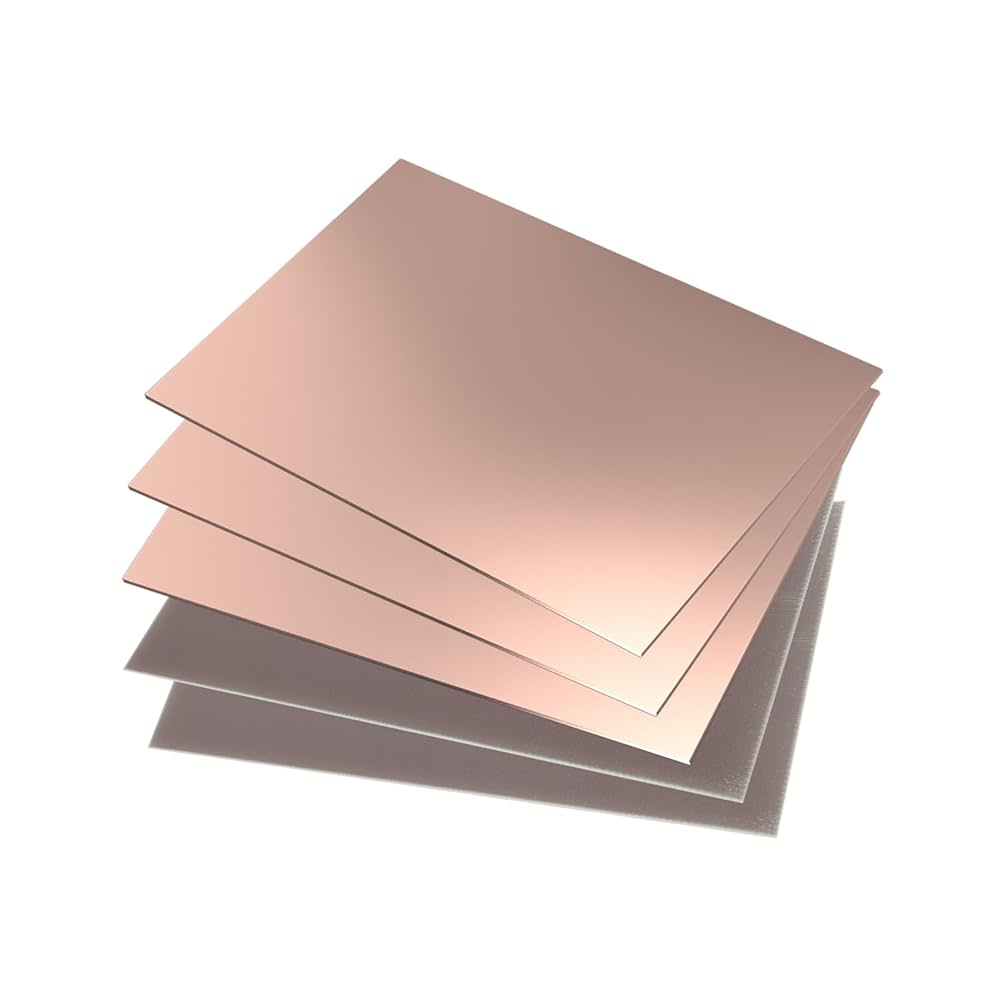
A 1 oz copper PCB utilizes a copper layer thickness defined by the historical unit “ounce per square foot” (oz/ftÂČ), where 1 ounce of copper is uniformly spread over one square foot of surface area. This results in a physical thickness of approximately 35 micrometers (”m) or 0.0348 millimeters. This standardized measurement balances electrical conductivity, manufacturability, and cost-effectiveness for a wide range of electronic applications.

It serves as the fundamental benchmark for conductivity and current-carrying capacity in most printed circuit boards across consumer electronics, industrial controls, and communication devices. Designers carefully correlate trace widths with this 35”m copper thickness to ensure adequate current flow without excessive voltage drop or overheating. While thicker copper layers exist for high-power applications demanding greater ampacity or thermal dissipation, the 1 ounce copper specification remains prevalent due to its optimal performance in standard circuits and efficient fabrication processes.

What Is A 1 oz Copper PCB?

What Is the Thickness of 1 oz Copper PCB?

The thickness of a 1 oz copper PCB is defined by the industry-standard weight-to-area measurement. Specifically, 1 ounce (oz) of copper uniformly distributed over one square foot (ftÂČ) area results in a physical thickness of approximately ‌35 micrometers (”m)‌ or ‌0.035 millimeters (mm)‌. This equivalently translates to about ‌1.4 mils‌ (thousandths of an inch) in imperial units.

What Is the Thickness of 1 oz Copper PCB?

What Is the Height of 1 oz Copper PCB?

The height (thickness) of 1 oz copper on a printed circuit board (PCB) measures 35 micrometers (”m), equivalently 0.035 millimeters (mm) or 1.4 mils (thousandths of an inch). This standard thickness results from the industry practice where one ounce of copper is uniformly distributed over one square foot of surface area. The calculation accounts for copper density at approximately 8.92 g/cm³ to achieve consistent thickness values that ensure manufacturing reliability and electrical performance.

What Is the Current Capacity of 1 oz PCB?

The current-carrying capacity of 1 oz copper PCB traces depends on width and temperature rise. A standard 10mm (0.4″) wide 1 oz (35”m) trace can safely carry about 5A with a 10°C temperature rise, or up to 8A with a 20°C rise. For precise calculations, use the IPC-2152 standard or online PCB trace width calculators that account for copper thickness, ambient temperature, and desired temperature rise.

Differences Between 1 oz vs 2 oz Copper PCB

Aspect1 oz Copper PCB2 oz Copper PCB
‌Thickness35 micrometers (”m) or 1.4 mils70 micrometers (”m) or 2.8 mils
‌Current Carrying CapacityLower; typically <5A for standard designs, e.g., ~4.6A at 1mm line width with 10°C temperature riseHigher; ~40% increase vs. 1 oz, suitable for >5A currents, e.g., ~6.4A under same conditions
‌Typical ApplicationsConsumer electronics, low-power circuits, and cost-sensitive designs where moderate current sufficesHigh-power systems (e.g., power supplies, industrial equipment), high-frequency applications to reduce skin effect losses, and scenarios needing enhanced durability
‌Thermal PerformanceLess effective for heat dissipation, potentially leading to higher local heating in high-current pathsSuperior heat dissipation, minimizing hot spots and improving stability in thermally demanding environments
‌Signal IntegrityAdequate for general-frequency signals but may incur losses in high-frequency designsImproved performance in high-frequency circuits due to reduced impedance and skin effect
‌Manufacturing ComplexitySimpler and lower-cost etching and processing due to thinner copper layersMore challenging; requires advanced techniques for drilling, plating, and etching, increasing production time and cost

What Is Manufacturing Process of 1 ounce Copper PCB?

Manufacturing Process of 1 ounce Copper PCB:

1. Substrate Preparation: Select copper clad laminate (CCL) with substrate material (e.g., FR4, CEM-1) and copper foil thickness of 1oz (35ÎŒm). Inspect surface quality (no oxidation, scratches).

2. Inner Layer Circuit Fabrication (Multilayer PCBs):
Clean copper foil → apply photosensitive dry film → expose to transfer circuit pattern → develop to remove unexposed dry film → etch to expose copper → strip dry film, obtaining inner layer circuits.

3. Lamination (Multilayer PCBs): Stack inner layer boards, prepreg (resin sheets), and outer layer copper foils. Press at high temperature and pressure to form a multilayer board.

4. Drilling: Use CNC drill to create through-holes (VIAs, component holes). Clean hole wall debris.

5. Hole Metallization: Chemical copper deposition (thin copper layer on hole walls) → electroplating to thicken copper (ensure hole wall conductivity).

6. Outer Layer Circuit Fabrication:

Clean outer copper foil → apply dry film → expose/develop to form circuit pattern → electroplating to thicken (optional) → etch to remove excess copper → strip dry film, obtaining outer layer circuits.

7. Solder Mask & Silkscreen: Apply solder mask (green oil) → expose/develop to expose pads → print component identifiers (silkscreen).

8. Surface Finish: Apply surface treatment to pads (e.g., HASL for tin spraying, OSP for organic coating, ENIG for nickel-gold plating) to prevent oxidation and improve solderability.

9. Profiling & Testing: Cut to specified size → electrical test (flying probe/ICT) to check circuit connectivity.

10. Packaging & Delivery: Clean PCB surface → vacuum pack → label specifications → ship.

What Is Manufacturing Process of 1 ounce Copper PCB?

Why Choose EBest Circuit (Best Technology) as Copper PCB Manufacturer?

Reasons why choose us your copper PCB manufacturer:

  • Turnkey Solutions – Full-service PCB manufacturing from design to delivery, accelerating your product’s time-to-market.
  • Stable Electronics Supply Chain – Guaranteed material availability with minimal risk of delays.
  • Superior Quality – 100% inspection on bulk orders, ensuring reliability and consistency.
  • Fast Turnaround – 24-hour rapid prototyping and industry-leading production lead times.
  • Responsive Support – Dedicated customer service with a 2-hour response guarantee for urgent requests.
  • Competitive & Transparent Pricing – No hidden costs, offering the best value without compromising quality.
  • Certified Compliance – Fully certified (ISO, RoHS, UL) for global market acceptance.
  • 24/7 Engineering Support – Expert thermal management and DFM guidance available anytime.
  • Advanced Manufacturing – High-precision etching for optimal 1 oz copper performance.
  • Scalable Production – Flexible capacity from prototypes to high-volume orders.
Why Choose EBest Circuit (Best Technology) as Copper PCB Manufacturer?

Our Copper PCB Board Capabilities

Base materialCopper
Thermal Conductivity0.8, 1.0, 1.5, 2.0, 3.0 W/m.K
Board Thickness0.5mm~3.0mm(0.02″~0.12″)
Copper thickness0.5 OZ, 1.0 OZ, 2.0 OZ, 3.0 OZ, up to 10 OZ
OutlineRouting, punching, V-Cut
SoldermaskWhite/Black/Blue/Green/Red Oil
Legend/Silkscreen Color:Black/White
Surface finishingImmersion Gold, HASL, OSP
Max Panel size600*500mm(23.62″*19.68″)
PackingVacuum/Plastic bag
Samples L/T4~6 Days
MP L/T:5~7 Days

Our Quality Inspection & Certification

  • Certified & Compliant Standards: ISO 9001, ISO 13485, IATF 16949, AS9100D Certified, and UL, REACH, RoHS Compliant
  • Aging Test (Environmental Stress Screening): Includes thermal cycling (-40℃~85℃) and humidity exposure to validate long-term reliability.
  • Dimensional Verification (CMM/Profilometer): Measures thickness (±0.1mm), flatness, and hole alignment accuracy.
  • Peel Strength Test (Adhesion Assessment): Quantifies copper-clad laminate bonding force (ASTM D903).
  • X-Ray Inspection (Internal Defect Screening): Checks solder joint voids, cracks, and BGA/QFN hidden defects.
  • AOI (Automated Optical Inspection): Detects surface defects like open/short circuits, missing components, and soldering issues.

Instant Quote

In summary, 1 oz copper PCBs (35ÎŒm thickness) deliver optimal balance between cost and performance for standard applications, with proven current capacity and manufacturing reliability. EBest Circuit (Best Technology) stands out as your ideal partner by offering certified turnkey solutions (ISO/RoHS/UL), 24-hour rapid prototyping, 100% bulk inspection, and engineer-backed thermal management support. Our stable supply chain ensures 2-hour response time and on-time delivery, while transparent pricing eliminates hidden costs. For high-quality 1 oz copper PCBs that accelerate your product development cycle, contact EBest Circuit (Best Technology) today for a competitive quote: sales@bestpcbs.com.
What is EMS in Electronics?

July 16th, 2025

EMS refers to a range of services offered by specialized companies that design, assemble, test, and distribute electronic components or assemblies. These services are crucial to the electronics supply chain, especially as companies seek faster production, cost-effective solutions, and greater focus on innovation rather than internal manufacturing processes. In this article, we will explain the EMS meaning in electronics, how it differs from OEM, and why it’s becoming the preferred solution for many industries.

What Does EMS Stand for in Electronics?

In electronics, EMS stands for Electronic Manufacturing Services. It describes companies that offer a full range of manufacturing services for electronic products on behalf of original equipment manufacturers (OEMs). EMS companies handle everything from printed circuit board assembly (PCBA) to box builds, testing, and even logistics.

The EMS meaning in electronics has evolved over the years. Initially focused only on assembly, EMS now covers the entire product lifecycle, including design assistance, prototyping, materials sourcing, final product integration, and post-sales services. EMS helps companies reduce production costs, improve lead times, and maintain high-quality standards without building their own manufacturing facilities.

What Does EMS Stand for in Electronics?

What Is the Difference Between OEM and EMS?

Many people confuse OEM (Original Equipment Manufacturer) with EMS, but they serve very different purposes.

  • An OEM is responsible for the product concept and design. OEMs usually create the brand, own the intellectual property (IP), and manage marketing and distribution. However, they often outsource the actual manufacturing to EMS providers.
  • An EMS company specializes in manufacturing electronics based on the OEM’s design. They may offer additional services such as design optimization and testing, but they don’t usually own the product IP.

For example:

A tech startup designs a wearable fitness tracker. They are the OEM. Instead of setting up a factory, they work with an EMS provider to manufacture the product, conduct functional testing, assemble the final unit, and ship it globally.

What Do EMS Providers Do?

EMS providers offer a full suite of services that span from initial design consultation to final product shipment. These services typically include:

  • PCB assembly (SMT & THT)
  • Sourcing of electronic components
  • Design for manufacturing
  • Engineering Support
  • Prototype service
  • Testing and inspection (ICT, FCT, AOI, X-RAY, etc.)
  • Mechanical assembly
  • Box build and system integration
  • Packaging and logistics (depends on the payment terms)

EMS companies play a central role in bridging the gap between product design and final delivery. Businesses that don’t own manufacturing plants—or wish to scale quickly—can rely on EMS companies to handle production, logistics, and even after-sales support.

What Do EMS Providers Do?

Common Industries That Rely on EMS Solutions

Many industries especially for electronic industry depend on EMS companies due to the complex nature of electronic product development and production. Some common industries include:

1. Consumer Electronics

Smartphones, tablets, wearables, and gaming consoles are often produced in partnership with EMS companies, who manage high-speed assembly and short product lifecycles.

2. Medical Devices

From diagnostic equipment to portable health monitors, EMS companies provide precision assembly and documentation that comply with strict medical regulations (e.g., ISO13485).

3. Automotive Electronics

Modern vehicles are full of electronic control units (ECUs), infotainment systems, sensors, and cameras. EMS partners help automakers achieve reliability and consistency.

4. Telecommunications

Routers, base stations, and networking equipment require robust PCBA and quick scalability—ideal for EMS manufacturing models.

5. Industrial Automation

Controllers, PLCs, and robotics equipment are often built by EMS providers, ensuring durability and performance in tough environments.

Benefits of Working with EMS Companies

Working with EMS companies brings many advantages, especially for businesses looking to optimize operations and reduce overhead.

1. Cost Reduction

EMS providers work at scale, reducing material costs, labor expenses, and production waste. Their optimized processes bring significant cost savings compared to in-house manufacturing.

2. Faster Time to Market

EMS companies are built for speed. They streamline procurement, assembly, and testing, helping OEMs launch products more quickly.

3. Production Flexible

Whether you’re building 100 units or 100,000, EMS providers can ramp up production based on your needs.

4. Access to Skilled Labor and Advanced Equipment

With a dedicated team of engineers, technicians, and quality experts, EMS partners ensure high-quality output using modern equipment.

5. Reduced Supply Chain Complexity

EMS providers handle sourcing, logistics, and inventory management, reducing the burden on the OEM and improving reliability.

6. Global Reach

Some EMS companies offer local manufacturing as well as global distribution, making it easier to reach customers worldwide.

Electronic Manufacturing Services (EMS) Companies in China

China is home to some of the world’s most established electronic manufacturing services providers. These companies support global clients by offering:

  • Competitive pricing
  • Fast turnaround
  • Mature supply chains
  • Skilled engineering teams
  • High-volume production capabilities

Whether it’s smartphones, industrial controllers, or IoT devices, many companies prefer to work with electronic manufacturing services (EMS) companies in China for their ability to handle rapid prototyping, complex assembly, and scalable production.

Chinese EMS companies often provide end-to-end solutions—from prototyping to full product assembly—and are favored by startups and global brands alike. Some common PCB EMS provider like:

  • PCBWay
  • JLCPCB
  • EBest Circuit (Best Technology)
  • ALLPCB
  • Hitech Circuits Co., Ltd.
  • NextPCB
  • Rayming PCB
Electronic Manufacturing Services (EMS) Companies in China

Why EBest Circuit (Best Technology) Is a Trusted EMS Partner?

EBest Circuit (Best Technology) is a professional EMS provider based in China, offering complete manufacturing services to clients worldwide. We are committed to delivering reliable, high-quality electronics tailored to customer requirements.

  • We are certified to ISO9001, ISO13485, IATF16949, AS9100D, UL, RoHS, ensuring that every product meets global quality standards.
  • From PCB fabrication to final assembly and logistics, we provide turnkey EMS solutions that shorten lead times and reduce complexity.
  • Our experienced team helps optimize your designs for better performance and lower production costs.
  • With strong supply chain relationships and efficient production methods, we offer fair pricing without compromising quality.
  • We serve clients in North America, Europe, and Asia, with strong communication and technical support.

Whether you need rapid prototypes or high-volume manufacturing, EBest Circuit (Best Technology) is ready to be your trusted EMS partner.

FAQs

1. What is EMS meaning in electronics?

EMS stands for Electronic Manufacturing Services. It refers to companies that manufacture, assemble, and test electronic components or systems for other businesses.

2. How is EMS different from OEM?

OEMs design and brand products, while EMS companies focus on manufacturing and assembly based on OEM specifications.

3. Why do businesses prefer EMS providers?

EMS partners help reduce cost, speed up product launches, and allow companies to focus on design and sales instead of manufacturing.

4. Are EMS companies only for large corporations?

No. Many small and medium-sized businesses rely on EMS companies for prototyping, small-batch runs, and full production.

5. What makes EBest Circuit (Best Technology) a reliable EMS company?

EBest Circuit (Best Technology) offers certified quality, full traceability, engineering support, and turnkey EMS solutions backed by years of experience in the industry.

How to Choose PCB Board Cleaner for Your Project?

July 16th, 2025

How to choose PCB board cleaner for your project? This guide explores spray types, selection tips, cleaning tools, alcohol-free methods, and post-maintenance for optimal PCB care.

  • Why does residue keep damaging my sensitive circuits?
  • Are harsh cleaners degrading my components?
  • How do I clean densely packed boards without disassembly?

EBest Circuit (Best Technology) Can Provide:

  • Non-Corrosive Formulas‌ – Safe for copper traces & delicate parts.
  • Fast-Drying, No-Residue Tech‌ – Cleans thoroughly without leaving streaks.
  • Penetration Sprays & Brushes‌ – Reach tight spaces without dismantling.

Contact us now if you need PCB board cleaning or PCBA service: sales@bestpcbs.com.

What Is PCB Board Cleaner?

A PCB board cleaner is a specialized chemical solution developed to safely remove contaminants from printed circuit boards without compromising their structure or performance. It effectively targets manufacturing and operational residues including flux, solder paste, dust, oils, and oxidation layers. The formulation carefully avoids aggressive substances that might harm delicate PCB elements like copper pathways or insulation materials.

The cleaner’s balanced composition ensures thorough residue removal while preventing new deposits from forming. This cleaning process is vital for preventing electrical issues, material degradation, and thermal problems, ultimately extending the operational life of electronic components. Suitable for both professional and amateur use, these cleaners meet strict safety and environmental regulations while maintaining optimal cleaning performance.

What Is PCB Board Cleaner?

How to Choose PCB Board Cleaner?

1. Identify Contaminant Type

      Select cleaners formulated for specific residues:

      • Flux residues: Use specialized flux removers, especially for hardened no-clean flux variants that cause electrochemical migration.
      • Ionic/organic contaminants: Prioritize cleaners with ion-complexing agents to neutralize conductive residues like chlorides or sulfates.
      • Oils/greases: Solvent-based cleaners efficiently dissolve non-polar contaminants.
      • Dust/particulates: Foaming cleaners or static-dissipative sprays dislodge particles from tight spaces without electrostatic risks.

      2. Evaluate Cleaner Formulation

      Solvent-Based Cleaners

      • Pros: Fast-drying, no rinsing required, effective on oils and polymerized flux.
      • Cons: Higher VOC emissions; may degrade plastics or silicones.

      Water-Based Cleaners

      • Pros: Eco-friendly, low toxicity, suitable for water-soluble residues.
      • Cons: Requires thorough rinsing/drying; ineffective on non-polar contaminants.

      Specialized Options

      • Static-dissipative cleaners: Essential for high-frequency/sensitive components to prevent ESD damage.
      • Contact cleaners: Remove oxidation from connectors while enhancing conductivity.

      3. Verify Compatibility & Safety

      • Material testing: Ensure compatibility with PCB substrates (FR-4, polyimide), soldermask, and component labels. Test on scrap boards first.
      • Component safety: Avoid cleaners causing corrosion on copper traces, solder joints, or aluminum capacitors.
      • Environmental/health compliance: Prioritize non-ODS, low-GWP formulations with safety certifications (e.g., ISO 14001).

      4. Assess Cleaning Efficacy

      Validate performance using industry-standard tests:

      • Ionic contamination: Measure resistivity of extracted solution (≀1.56 ÎŒg NaCl/cmÂČ for automotive PCBs).
      • SIR testing: Confirm >100 MΩ resistance after humidity exposure.
      • Visual inspection: Check for residue under 10× magnification.

      5. Consider Application & Workflow

      • Manual cleaning: Use aerosol sprays with extension tubes for precision.
      • Automated systems: Inline cleaners with ultrasonics/impingement suit high-volume production.
      • Drying time: Fast-evaporating solvents reduce processing delays; water-based cleaners demand forced-air drying.

      PCB Board Cleaner Spray Types

      Here are types of PCB board cleaner:

      • Solvent-Based Cleaners‌ – Fast-evaporating sprays using chemical solvents to dissolve flux residues and grease without streaking.
      • Water-Based Cleaners‌ – Eco-friendly solutions with water and mild detergents for water-soluble residues, requiring rinsing.
      • No-Clean Flux Removers‌ – Specifically break down hardened no-clean flux residues without damaging components.
      • Contact Cleaners‌ – Remove oxidation from connectors and switches while improving conductivity.
      • Foaming Cleaners‌ – Expand into foam for deeper cleaning in tight spaces with extended contact time.
      • Static-Dissipative Cleaners‌ – Neutralize static charges during cleaning to prevent ESD damage.

      Tools for Cleaning Printed Circuit Boards

      Manual Cleaning Tools

      • Anti-Static Brushes: Soft-bristled brushes with conductive materials to safely remove loose debris without generating static electricity.
      • Precision Swabs: Lint-free foam or microfiber tips for targeted cleaning of component leads and tight spaces.
      • ESD-Safe Tweezers: Non-magnetic tools for removing stubborn particles without risking electrostatic discharge

      Chemical Application Tools

      • Aerosol Spray Systems: Pressurized cans with precision nozzles for even solvent distribution.
      • Dispensing Bottles: Controlled-flow containers for applying water-based cleaners in specific areas.
      • Ultrasonic Cleaners: Bath systems using high-frequency sound waves to remove microscopic contaminants from complex assemblies.

      Drying & Finishing Equipment

      • Compressed Air Systems – Oil-free air blowers for removing residual cleaning fluids and dislodged particles.
      • Vacuum Desoldering Tools – For extracting flux residues from solder joints and through-hole components.
      • Low-Lint Wipes – Specially woven fabrics that leave no fibers during final wipe-downs.

      Inspection & Verification

      • Magnifying Lamps: Illuminated lenses (5X-10X magnification) for post-cleaning quality checks.
      • IR Thermometers: Non-contact temperature sensors to verify no thermal damage occurred during cleaning.
      Tools for Cleaning Printed Circuit Boards

        How Do You Clean Circuit Boards?

        Step 1: Safety and Preparation‌

        Disconnect Power‌:

        • Unplug the device and remove batteries. Never clean powered or connected circuits.

        Gather Tools‌:

        • PCB cleaner spray (choose type based on residue; solvent-based for flux/grease, water-based for dust).
        • Soft-bristle brush (anti-static if available).
        • Lint-free swabs or foam-tip applicators.
        • Microfiber cloth.
        • Compressed air (optional, for loose debris).

        Work Area‌:

        • Use a well-ventilated space. Wear nitrile gloves and safety goggles.

        Step 2: Dry Cleaning (Remove Loose Debris)‌

        • Blow Away Dust‌: Use short bursts of compressed air (≄6 inches from the board) to dislodge dust/dirt.
        • Gentle Brushing‌: Lightly scrub with a soft brush, moving along (not across) copper traces to avoid damage.

        Step 3: Apply Cleaner‌

        Spray Correctly‌:

        • Hold cleaner can upright, 4–6 inches from the board.
        • Spray in short bursts; avoid oversaturating.
        • For tough residues (e.g., flux), spray directly onto swabs first, not the board to control flow.

        Target Problem Areas‌:

        • Focus on solder joints, connectors, or visible grime.
        • Avoid sensors, connectors, or open ports unless using contact cleaner.

        Step 4: Scrubbing‌

        • Use Swabs‌: Gently rub residues with a dampened swab. Replace swabs frequently to avoid redepositing grime.
        • Stubborn Stains‌: Apply cleaner, wait 10–15 seconds to dissolve residue, then retry. Never force scrub.

        Step 5: Rinsing (Water-Based Cleaners Only)‌

        • If using water-based cleaners:
        • Rinse with distilled water (not tap water minerals cause corrosion).
        • Tilt the board to drain liquid completely.

        Step 6: Drying‌

        • Air Dry‌: Place the board in a warm, dry area for 15–30 minutes.
        • Accelerate Drying‌: Use compressed air (≄6 inches away) or a low-heat hairdryer (keep moving; avoid overheating).
        • Verify Dryness‌: Check crevices with a magnifying glass—no moisture should remain.

        Step 7: Final Inspection‌

        • Examine under bright light: Ensure no residue, fibers, or liquid remains.
        • Test function only when completely dry.

        How to Clean a Circuit Board without Alcohol?

        Alcohol-Free PCB Cleaning Methods

        Water-Based Cleaning Solutions

        • Use specialized electronics-grade water-based cleaners.
        • Apply by spraying or immersion.
        • Gently scrub with soft-bristle brushes.
        • Rinse thoroughly with deionized water.
        • Air-dry completely before reassembly.

        Ultrasonic Cleaning

        • Fill tank with non-alcohol cleaning fluid.
        • Set temperature between 35-85°C.
        • Limit cleaning cycles to 2-5 minutes.
        • Ideal for removing stubborn contaminants.
        • Avoid prolonged exposure for sensitive components.

        Dry Ice Blasting

        • Uses compressed air-propelled dry ice pellets.
        • Sublimation process lifts contaminants.
        • Leaves no residue or moisture.
        • Requires proper ventilation.
        • Wear protective gear during operation.

        Oxide Powder Mixtures

        • Create paste with aluminum oxide and deionized water
        • Apply sparingly to affected areas.
        • Use plastic tools for gentle scrubbing.
        • Rinse immediately after cleaning.
        • Ensures thorough residue removal.

        Safety Notes

        • Always test methods on small areas first.
        • Ensure complete drying before powering.
        • Wear appropriate protective equipment.
        • Store cleaned boards in dry environments.

        Post-Cleaning PCB Board Maintenance Methods

        • Thorough Drying – After cleaning, ensure complete evaporation of cleaning agents using compressed air or controlled heating (below component tolerance levels). Moisture trapped under components causes corrosion and electrical leakage.
        • Visual Inspection – Examine under bright light/magnification for residual contaminants, especially in crevices and under components. Re-clean if streaks, white residues, or particulate matter remain.
        • Conformal Coating Application – Apply protective coatings (acrylic, silicone, or urethane-based) to shield against moisture, dust, and chemical exposure. Ensure proper masking of connectors and heat-sensitive areas.
        • Corrosion Prevention – Use anti-corrosion sprays or inhibitor wipes on exposed metal contacts and traces, particularly in high-humidity environments.
        • Storage Conditions – Store PCBs in anti-static bags with desiccants if not immediately used. Maintain 30-50% relative humidity and avoid temperature fluctuations.
        • Periodic Re-Cleaning – For boards in continuous operation, schedule maintenance cleaning every 6-12 months depending on environmental contaminants.
        • Functional Testing – Verify electrical performance post-cleaning with continuity checks and power-on tests to detect latent cleaning-related issues.

        Conclusion

        Choosing the right PCB cleaner ensures longevity and peak performance of your electronics. From solvent sprays to alcohol-free methods and maintenance, this guide equips you to safeguard sensitive components. For precision beyond DIY solutions, trust our professional PCBA services. We combine cutting-edge cleaning technology with stringent quality control, eliminating residues while preserving circuit integrity. Contact us now for a quote: sales@bestpcbs.com.

        Decent Quality Aluminum Circuit Board for Prototype

        July 16th, 2025

        Aluminum circuit board is your first choice for prototypes needing efficient heat dissipation and mechanical strength. In today’s fast-moving electronic world, having a reliable board partner speeds up development and lowers risks. Let’s go through the types, benefits, manufacturing, and more—so you can make better decisions.

        As a well-known aluminum circuit manufacturer, EBest Circuit (Best Technology) supports decent quality aluminum circuit boards for prototypes. Our factory presents a wide variety of MCPCBs, like copper core PCB, single-layer MCPCB, COB MCPCB, double-sided MCPCB, multilayer MCPCB, and SinkPAD board. All our aluminum circuit goes through the most stringent electrical circuit test, AOI, and visual inspection. Our aluminum printed circuit boards are commonly used in aerospace, automotive, medical industries, LED lighting, and industrial equipment. It would be very nice of you to share the Gerber Files you have via email at mcsales@bestpcbs.com, then we will be glad to share the quote with you as quick as we can.

        Decent Quality Aluminum Circuit Board for Prototype

        What Is Aluminum Circuit Board?

        An aluminum circuit board, also called metal core PCB or MCPCB, uses aluminum as its base instead of traditional FR4. It improves heat management and structural durability, which is vital for LED lighting and power devices. Unlike regular boards, these handle high temperatures without deforming. That’s why many engineers choose aluminum PCBs during prototyping.

        What Is Aluminum Circuit Board?

        What Is the Type of Aluminium PCB Board for LED?

        For LED projects, the most common type is single-sided aluminum PCB. It’s compact and handles thermal loads well. But in high-power or RGB LED systems, double-sided or multilayer aluminum PCBs offer better performance. They reduce LED failure by improving heat flow. EBest Circuit (Best Technology) supports custom layouts, even in tight spaces or dense LED arrangements.

        Which Is Better: Aluminum PCB vs FR4?

        Which is better: aluminum PCB vs FR4? Aluminum PCB beats FR4 in thermal performance. It draws heat away from sensitive parts, boosting LED lifespan and reducing risk. While FR4 costs less, it can’t manage heat well, especially in power circuits. In prototypes with high-current designs or compact layouts, aluminum wins. Plus, it supports better mechanical strength, cutting down failures during handling.

        How Is the Aluminium PCB Manufacturing Process?

        Making aluminum circuit boards involves steps like copper etching, dielectric lamination, and mechanical drilling. The copper layer must be etched with tight control. Some suppliers struggle here—especially above 3oz copper thickness. But EBest Circuit (Best Technology) applies auto optical width checks and dynamic compensation algorithms. That keeps the line width deviation under ±0.02mm, even with 8oz copper. For heat bonding, vacuum lamination and real-time monitoring improve consistency, reducing delamination risks in LED arrays.

        How Is the Aluminum Circuit Board Price?

        Aluminum circuit board price varies with size, copper weight, layer count, and surface finish. Basic single-layer aluminum PCBs are cost-effective. But high-current designs with multiple layers cost more. Still, when you compare the longer LED lifespan, saved redesigns, and lower cooling costs, they provide better long-term value. EBest Circuit (Best Technology) offers reasonable aluminum PCB prices, especially for small batches and prototypes.

        How Is the Aluminum Circuit Board Price?

        What Are the Advantages of Aluminum Printed Circuit Boards?

        They shine in thermal management. The metal core pulls heat away quickly, protecting components. They’re durable and resist cracking better than FR4. For LED lighting, aluminum PCBs keep junction temperatures in the safe zone. This extends light quality and life. They also reduce the need for heat sinks, cutting system cost and weight. Aluminum PCB boards are also RoHS compliant and recyclable, supporting green goals.

        Why Choose EBest Circuit (Best Technology) as One of Your Reliable Aluminum Circuit Board Manufacturers?

        EBest Circuit (Best Technology) handles the technical challenges of aluminum PCB prototyping with skill. Let’s explore how we solve key demands.

        1. Reliable Thermal Bonding

        In LED arrays, poor bonding causes delamination and shortens lifespan. We use vacuum lamination and thermal imaging to detect flaws early. Thermal conductivity adhesives ensure better heat paths, with interface resistance as low as 0.8 K/W.

        2. Complex Layout Support

        Some designs need tight layouts. We support 0.5oz – 10oz conductor thickness, 4/4mil line space, and 0.48mil PTH wall thickness for HDI. The max board dimension supports up to 610*1625mm, and the MCPCB layers support up to 10 layers. Our thermal mapping and 3D layout tools balance heat and layout density—great for power-dense applications.

        3. Controlled Drilling & Milling

        CNC defects slow down prototyping. With laser depth control and anti-vibration tools, we prevent burrs and hole deformation. That means more reliable testing and less rework.

        4. Strict Quality Assurance

        We follow ISO 9001, ISO 13485, IATF 16949, AS9100D, and IPC Class 3. All batches are traceable, RoHS-safe, and meet UL requirements. Heat cycle tests from -55°C to +150°C, AOI checks, and electrical tests ensure long-term reliability.

        5. Turnkey EMS MCPCB Manufacturing Service

        EBest Circuit (Best Technology) provides turnkey service from material procurement, MCPCB design, DFM analysis, MCPCB prototype, mass production, MCPCB assembly.

        6. A Variety of Different MCPCBs

        There are different varieties of our MCPCB portfolio, such as aluminum core PCBs, copper core PCBs, and Insulated Metal Substrate (IMS) PCBs with thermal vias. All support different layers, and there is no MOQ requirement for all our product lines.

        Why Choose EBest Circuit (Best Technology) as One of Your Reliable Aluminum Circuit Board Manufacturers?

        In a nutshell, choosing a decent quality aluminum circuit board for your prototype is about more than just materials. It’s about solving thermal, layout, and manufacturing issues from the start. At EBest Circuit (Best Technology), we combine tech with process precision to overcome copper etching limits, bonding risks, and dense design hurdles. With our smart systems and certified quality, we support fast and successful prototyping for LED, power, and compact electronics. Feel free to email us at sales@bestpcbs.com or call us at +86-755-2909-1601, if you have any questions or would like to get more information.

        Aluminum PCB for Round High Bay LED Lights | EBest Circuit (Best Technology)

        July 15th, 2025

        What Is a Round High Bay LED Light?

        A round high bay LED light is a type of industrial lighting fixture used in buildings with high ceilings—usually more than 20 feet. These lights are designed in a circular or UFO-style shape to evenly distribute light over large areas. You’ll often find them in warehouses, gymnasiums, factories, airports, and retail stores. Compared to older metal halide or fluorescent systems, round high bay LED lights are more energy-efficient, last longer, and require less maintenance.

        Each fixture typically contains multiple high-power LEDs mounted on a metal-core PCB, surrounded by a reflector and protected by a lens. These components are arranged to direct intense, bright light downward to cover a wide area. The circular layout is easy to install, especially for ceilings where centralized lighting is needed.

        Aluminum PCB for Round High Bay LED Lights

        Do High Bay LED Lights Get Hot?

        Yes, high bay LED lights can get hot—especially after extended use. Although LEDs are more efficient than traditional lighting sources, they still generate heat during operation. The more powerful the light (for example, 100W, 150W, or 200W round high bay fixtures), the more heat it produces.

        Unlike incandescent or halogen lights, LEDs don’t emit heat through infrared radiation. Instead, their heat builds up internally around the chip and must be conducted away through the PCB and heat sink. If the heat isn’t managed properly, it can reduce the light’s efficiency, shorten the LED’s lifespan, and even cause failure. That’s why thermal management is crucial for high bay LED lights—and why aluminum PCBs are widely used in their construction.

        Why Use Aluminum PCB for High Bay LED Lights?

        Aluminum PCBs are preferred in round high bay LED lights because they offer excellent thermal conductivity. In high bay environments, LED chips are packed closely together on a board, creating a concentrated source of heat. Aluminum PCBs help move this heat away from the chip quickly, reducing the risk of overheating.

        Traditional fiberglass PCBs (like FR4) are not good at handling thermal loads. They trap heat near the components, which can lead to LED failure. In contrast, aluminum PCBs consist of a metal base layer, a dielectric insulation layer, and a copper circuit layer.

        Using aluminum PCBs in high bay LED lights also helps to maintain consistent brightness, reduce light degradation over time, and support longer operating lifespans—often 50,000 hours or more.

        Aluminum PCB for Round High Bay LED Lights

        Advantages of Using Aluminum PCB

        1. Aluminum PCBs rapidly transfer heat away from LED chips, so that they can reduce the temperature at the LED junction and maintains stable light output over time.

        2. High bay lights are often used in demanding environments like factories and warehouses. The base material of aluminum PCB is metal, so they can provide better structural stability and resistance to vibration and moisture.

        3. When LEDs operate at lower temperatures, their lumen output remains consistent for years with minimal degradation.

        4. Despite their strength, aluminum PCBs are relatively lightweight compared with copper core PCB. This can reduce the overall weight of the high bay fixture, make it easier to install and handle.

        5. Though aluminum PCBs cost more than standard FR4 boards, their durability, reliability, and low maintenance result in long-term savings—especially in industrial settings where lighting failures can be costly.

        1W vs 2W vs 3W Aluminum PCB: Which One Is Best?

        In aluminum PCBs used for round high bay LED lights, the terms 1W, 2W, and 3W refer to the thermal conductivity of the dielectric layer between the copper circuit and the aluminum base, not the power of the LEDs themselves.

        It’s measured in watts per meter-kelvin (W/m·K) and indicates how efficiently heat is transferred from the copper to the aluminum core. The main job of dielectric layer is to insulate electrically while conducting heat away from the LED components. Here’s how they compare:

        • 1W Aluminum PCB

        1W PCBs are used for low-power applications where heat is minimal. They’re suitable for small or decorative lights but not recommended for industrial high bay systems. The heat dissipation capacity is limited, and using them in high-power lights may cause overheating.

        • 2W Aluminum PCB

        2W PCBs offer better heat conductivity than 1W versions and are often used in mid-power LED lights, such as 50W to 100W systems. They provide a balance between performance and cost, and they work well in moderately demanding environments.

        • 3W Aluminum PCB

        3W PCBs are designed for high-performance LED lighting. They are ideal for 150W to 200W round high bay fixtures, where multiple high-output LEDs are densely packed. These boards handle more heat and offer higher durability under continuous operation.

        So, which one is best? For round high bay LED lights used in industrial or commercial buildings, 3W aluminum PCBs are usually the best option. They support powerful LEDs, provide excellent thermal control, and reduce the risk of system failure.

        Aluminum PCB for Round High Bay LED Lights

        Round High Bay LED Lights PCB Design Guide

        Designing a printed circuit board (PCB) for round high bay LED lights requires special attention to thermal management, electrical performance, mechanical stability, and spatial efficiency. These lights operate in high-ceiling environments and typically involve high power, which means the PCB must handle significant heat while maintaining long-term reliability.

        1. Shape and Form Factor

        Since the fixture is round, the PCB is typically designed in a circular shape to match the housing and ensure symmetrical light distribution. This helps maintain uniform brightness across the target area and improves heat spreading across the surface.

        To design the board:

        • Use radial symmetry when placing LED chips to maintain uniform light output.
        • Create concentric LED rings to balance thermal and optical performance.
        • Align mounting holes and cutouts with the housing’s mechanical features for secure fitting.

        2. Material Selection: Aluminum Core

        The aluminum substrate is the foundation of thermal performance. Choose high-quality aluminum cores with good thermal conductivity—typically in the range of 1.0 W/m·K to 3.0 W/m·K.

        Common material stack-up:

        • Top layer: Copper circuit (usually 1oz or 2oz)
        • Middle layer: Dielectric insulating layer (optimized for thermal transfer, usually 75–150ÎŒm thick)
        • Bottom layer: Aluminum base (typically 1.0–1.6mm thick)

        Noted: The thicker the base, the higher the dielectric layer value, the better the heat transfer, but also the heavier and costlier the board becomes.

        3. Copper Thickness and Trace Width

        For high-power LEDs, the copper thickness should be:

        • 1oz (35ÎŒm) minimum for moderate power (≀100W)
        • 2oz (70ÎŒm) or 3oz (105ÎŒm) for high-power designs (≄150W)

        Use wide copper traces to reduce resistive losses and avoid overheating. Calculate trace width based on expected current using IPC-2221 standards.

        4. Thermal Management Techniques

        Heat dissipation is critical in high bay LED lights. Key design methods include:

        • Use direct thermal path: Use thermally conductive vias or metal-core structures to transfer heat from LEDs to the aluminum base.
        • Thermal vias: For multilayer aluminum PCBs (if needed), add thermal vias below heat-generating components to improve vertical heat flow.

        5. LED and Component Placement

        Carefully plan the placement of LEDs, drivers, resistors, and protection components:

        • LEDs: Distribute evenly in radial or concentric patterns to ensure uniform illumination.
        • Driver ICs and capacitors: Place these in cooler areas away from dense LED zones to reduce thermal interaction.
        • Thermistors or temperature sensors: Add for real-time temperature monitoring and safety.

        Avoid placing heat-sensitive components directly beside high-heat sources.

        6. Electrical Isolation and Safety

        Since aluminum is conductive, electrical insulation is critical. The dielectric layer between the copper circuit and aluminum base must withstand at least 2–3kV isolation voltage. It is better to consult your PCB manufacturer to get a best solution.

        Our Aluminum PCB Manufacturing Capability

        ItemCapabilities
        Layer Count1 – 10 Layers
        Max Board Dimension24” × 64” (610mm × 1625mm)
        Min Board Thickness0.6mm
        Max Board Thickness4.0mm
        Conductor Thickness0.5oz – 10oz
        Min Line Width/Line Space4/4mil (0.10/0.10mm)
        Min Hole Diameter10mil (0.25mm)
        Min Punch Hole Diameter0.12” (3.0mm)
        Min Hole Spacing16mil (0.4mm)
        Min PAD Ring (Single)3mil (0.075mm)
        PTH Wall ThicknessNormal: 0.59mil (15ÎŒm); HDI: 0.48mil (12ÎŒm)
        Min Solder PAD Diameter14mil (0.35mm)
        Min Soldermask Bridge8mil (0.20mm)
        Min BAG PAD Margin5mil (0.125mm)
        PTH/NPTH Dia TolerancePTH: ±3mil (0.075mm); NPTH: ±2mil (0.05mm)

        Where Can I Get an Aluminum PCB Quote?

        If you’re sourcing aluminum PCBs for round high bay LED lights, it’s important to choose a supplier with experience in LED lighting applications. Getting the right material, thickness, and thermal configuration can make a big difference in your product’s performance.

        EBest Circuit (Best Technology) is a professional PCB manufacturer offering customized aluminum PCBs for LED lighting. We support a wide range of applications, from low-power LED modules to high-power round high bay LED lights. Our services include:

        • Custom shapes PCB designs, like round, rectangle, irregular

        • Various materials available, aluminum, copper, FR4, ceramic and so on
        • 3W aluminum PCB production
        • Fast prototyping and mass production
        • Strict quality control ISO quality control system
        • Competitive pricing and fast delivery
        • No MOQ & fully flexible
        • Turnkey services from PCB design, components sourcing to PCB assembly
        • SMT factory both in China & Vietnam

        To get a free aluminum PCB quote, simply send us your design files or requirements. Our engineering team will review your project and offer the best solution based on your needs and budget.

        If you’re ready to start a new LED lighting project or improve your current product line, partnering with EBest Circuit (Best Technology) can help to save time, reduce costs, and deliver reliable lighting solutions to you.

        FAQs

        1. What material is used in aluminum PCBs for high bay lights?

        Aluminum PCBs use a base of aluminum metal, a dielectric layer for insulation, and a copper layer for circuit routing. This stack helps transfer heat from the LEDs to the fixture housing efficiently.

        2. Can I use FR4 PCB in round high bay LED lights?

        FR4 can be used for very low-power LEDs, but it’s not suitable for high bay lights due to poor heat dissipation. Aluminum PCBs are much more reliable in these applications.

        3. Can aluminum PCBs be multilayered?

        Yes, but multilayer aluminum PCBs are complex and more expensive. Most LED lights use single or double-layer aluminum boards.

        4. What’s the standard thickness for aluminum PCBs?

        The base thickness usually ranges from 1.0mm to 1.6mm. Copper thickness varies from 1oz to 3oz, depending on current load requirements.

        5. How can I get a quote for custom aluminum PCBs?

        You can contact EBest Circuit (Best Technology) with your design files or specifications. We offer fast quoting, engineering support, and manufacturing tailored to your LED lighting project.

        Turnkey PCB Assembly Supplier, Fast Turnaround

        July 15th, 2025
        • Are you still disrupting your production plan because of the unstable delivery time of PCB suppliers?
        • The high cost and long cycle of BOM procurement slow down your product launch speed?
        • During small-batch trial production, have you encountered repeated design modifications caused by process mismatch?

        EBest Circuit (Best Technology) Can Provide:

        • On-time delivery guarantee: intelligent production scheduling system + safety inventory, on-time delivery rate of 99.2%, daily compensation for breach of contract.
        • Supply chain integration: 200+ global component strategic cooperation, 48-hour ultra-fast procurement of commonly used materials, and 15% cost reduction.
        • Free DFM optimization: 24-hour manufacturability report is provided to avoid repeated proofing caused by design defects.

        Welcome to contact EBest Circuit (Best Technology) if you have any request for turnkey PCB assembly or PCBA: sales@bestpcbs.com.

        Why Choose EBest Circuit (Best Technology) as Your Turnkey PCB Assembly Supplier?

        Here are the reasons to choose EBest Circuit (Best Technology) as your turnkey PCB assembly supplier:

        • Fastest Turnaround‌ – Industry-leading production cycles (prototypes in 24-48 hours, volume orders in 5-10 days)
        • Reliable Quality‌ – Certified IPC-A-610 Class 3 standards with 99.98% first-pass yield rate
        • Competitive Pricing‌ – Cost-optimized solutions without compromising quality (15-30% savings vs. industry averages)
        • Stable Supply Chain‌ – Long-term partnerships with component manufacturers ensuring material availability
        • Rapid Response‌ – Dedicated engineering support with 1-hour initial response times
        • Flexible Scaling‌ – Seamless transition from prototypes to mass production
        • Comprehensive Testing‌ – Automated optical inspection (AOI), functional testing, and full traceability
        • Technical Expertise‌ – 15+ years of experience handling complex designs (HDI, flex, RF, etc.)
        • Transparent Communication‌ – Real-time production updates through client portal
        • Risk Mitigation‌ – Dual-source procurement and buffer inventory for critical components
        Why Choose EBest Circuit (Best Technology) as Your Turnkey PCB Assembly Supplier?

        Our PCB Assembly Capacities

        ItemCapabilities
        Placer Speed13,200,000 chips/day
        Bare Board Size0.2 x 0.2 inches – 20 x 20 inches/ 22*47.5 inches
        Minimum SMD Component01005
        Minimum BGA Pitch0.25mm
        Maximum Components50*150mm
        Assembly TypeSMT, THT, Mixed assembly
        Component PackageReels, Cut Tape, Tube, Tray, Loose Parts
        Lead Time1 – 5 days

        Our Quality Inspection & Certifications

        • Certified & Compliant Standards: ISO 9001, ISO 13485, IATF 16949, AS9100D Certified, and UL, REACH, RoHS Compliant.
        • AOI (Automated Optical Inspection): Detects surface defects like open/short circuits, missing components, and soldering issues. X-Ray Inspection (Internal Defect Screening): Checks solder joint voids, cracks, and BGA/QFN hidden defects.
        • Aging Test (Environmental Stress Screening): Includes thermal cycling (-40℃~85℃) and humidity exposure to validate long-term reliability.
        • Salt Spray Test (Corrosion Resistance): Evaluates coating durability under 5% NaCl solution (≄72 hours).Dimensional Verification (CMM/Profilometer): Measures thickness (±0.1mm), flatness, and hole alignment accuracy.
        • Peel Strength Test (Adhesion Assessment): Quantifies copper-clad laminate bonding force (ASTM D903).

        Our Turnkey PCB Assembly Service Options

        Here are our turnkey PCB assembly service options:

        • One-Stop Solution‌ – Includes PCB manufacturing, component sourcing, assembly, and testing in a single integrated service.
        • Quick-Turn Prototyping‌ – Accelerated production of assembled PCB prototypes to reduce time-to-market.
        • SMT Assembly‌ – High-precision surface mount technology for accurate placement of miniature components.
        • Component Procurement‌ – Global supply chain management with access to 100,000+ in-stock parts and risk-mitigated sourcing.
        • Design Support‌ – Professional engineering assistance from design (DFM/DFX) to manufacturing.
        • Quality Assurance‌ – Full production monitoring with advanced testing and QMS protocols.
        How to Get a Quote for Turnkey PCB Assembly Service?

        What Is Turnkey PCB Assembly?

        Turnkey PCB assembly(PCBA) is a complete manufacturing service where a provider handles every step of printed circuit board production, from initial design review to final delivery. This integrated approach includes component sourcing, PCB fabrication, assembly, testing, and quality control, allowing clients to receive fully functional boards without managing multiple vendors.

        The process begins with design verification to ensure manufacturability, followed by procurement of all necessary materials. Advanced pick-and-place machines then populate the board, with thorough inspection at each stage. Automated testing procedures validate electrical performance before shipment.

        This service model reduces logistical complexity, minimizes supply chain risks, and accelerates time-to-market. It eliminates the need for clients to maintain inventory or coordinate between separate fabrication and assembly facilities, providing a streamlined solution for prototypes or production-scale orders.

        What Is Turnkey PCB Assembly?

        The Benefits of Turnkey PCB Assembly

        End-to-End Process Control‌

        • Single-point responsibility for design verification, component procurement, assembly, and testing.
        • Eliminates coordination gaps between multiple vendors.

        Cost Efficiency‌

        • Bulk purchasing power reduces material costs by 15-30%.
        • Automated assembly minimizes labor expenses.

        Faster Time-to-Market‌

        • Concurrent engineering processes shorten development cycles.
        • Typical lead times reduced by 40% compared to fragmented sourcing.

        Quality Assurance‌

        • Integrated testing protocols (ICT, flying probe, functional testing).
        • Traceability systems track every component from sourcing to final assembly.

        Technical Expertise‌

        • DFM analysis prevents 80% of common manufacturing issues.
        • Support for advanced packaging (01005, 0.2mm pitch BGA).

        Supply Chain Reliability‌

        • Managed inventory buffers against component shortages.
        • Alternative sourcing plans for obsolete parts.

        Scalability‌

        • Seamless transition from prototype (10 units) to mass production (100k+).
        • No requalification needed between phases.
        The Benefits of Turnkey PCB Assembly

        What Is the Difference Between Consigned and Turnkey?

        ‌Operational AspectConsigned AssemblyTurnkey (Full-Service) Assembly
        Component ProvisionClient manages sourcing of all parts

        Manufacturer handles all material procurement
        ‌Material AccountabilityClient retains ownership of parts inventoryManufacturer assumes material ownership
        ‌Supply Chain ManagementClient controls entire component logistics chainSingle-point supplier coordination
        ‌Cost StructurePayment limited to assembly labor/servicesComprehensive pricing (components + assembly)
        ‌Component VerificationClient performs authenticity/certification checksManufacturer verifies all materials
        ‌Production InitiationRequires client-delivered components for startManufacturer initiates without client materials
        ‌Quality Dispute ResolutionShared responsibility between partiesUnified supplier accountability

        How to Get a Quote for Turnkey PCB Assembly Service?

        Here’s a practical guide to obtaining accurate quotes for turnkey PCB assembly services:

        1. Prepare Essential Documentation‌

        • Complete PCB design files (Gerber/ODB++, BOM, centroid/pick-and-place).
        • Technical specifications (PCB material, thickness, surface finish).
        • Quantity requirements (prototype, small-batch, or mass production).
        • Testing/QC requirements (ICT, flying probe, functional testing).

        2. Information to Specify‌

        • Board complexity (layer count, component density).
        • Component types (standard, high-temperature, fine-pitch).
        • Special requirements (conformal coating, potting, box-build).
        • Certifications needed (ISO, UL, IPC standards).

        3. Submission Process‌

        • Upload files to supplier’s secure portal (preferred method).
        • Email packages with clear subject line (“RFQ for 6-layer medical PCB assembly”).
        • Complete online quote request forms with dropdown selections.

        4. Timeline Expectations‌

        • Standard quotes: 24-48 hour turnaround.
        • Complex projects: 3-5 business days.
        • Expedited quotes: Available for urgent projects (typically +15-20% fee).

        5. Quote Evaluation Factors‌

        • Breakdown of material/labor costs.
        • MOQ (minimum order quantity) pricing tiers.
        • Lead time commitments.
        • Warranty terms (typically 1-2 years).
        • ECO (engineering change order) policies.

        Conclusion

        Turnkey PCB assembly provides a streamlined solution from design to finished product, eliminating supply chain complexities while ensuring quality and faster time-to-market. For reliable production with certified standards, competitive pricing, and rapid turnaround (prototypes in 24-48 hours), contact EBest Circuit (Best Technology) for a detailed quote today. Submit your Gerber files and BOM via our instant quote system to start your project. Ready to proceed? Request your quote now: sales@bestpcbs.com.

        What Is a Motor Board and Why Do You Need a Motor Driver Board?

        July 15th, 2025

        A motor board is a key part of any system that controls electric motors. Whether you’re building a small robot, a smart curtain, or a DIY RC car, the motor board is the part that connects your brain (the microcontroller) to your muscle (the motor).

        You cannot connect a motor directly to an Arduino, Raspberry Pi, or other microcontroller because motors need more power than these boards can handle. That’s where a motor driver board comes in. It supplies power and manages direction, speed, and safety.

        In this guide, we’ll explore what a motor board is, the types available, how it works, and why it’s so important for any project with moving parts.

        What Is a Motor Board and Why Do You Need a Motor Driver Board?

        What Is a Motor Board?

        A motor board is a small printed circuit board (PCB) designed to control electric motors. It acts like a translator between your low-power controller and your high-power motor. You send simple signals to the board, and the board powers and controls the motor for you.

        Motor boards are often used in robotics, automation systems, and electric vehicles. They are essential when you want to move wheels, turn gears, lift arms, or rotate anything using a motor.

        They can work with different types of motors, such as:

        • DC motors
        • Stepper motors
        • Servo motors
        • Brushless DC motors (BLDC)

        Each motor type may require a different kind of motor board.

        What Does Motor Board Mean?

        The term motor board means a circuit board made specifically for motor control. It includes components like driver chips, power inputs, connectors, and sometimes sensors.

        In simple terms, it’s a smart power switch. You tell it what to do (via signals from a microcontroller), and it supplies the right amount of power to the motor.

        For example, when building a robot, the main board might handle logic, sensors, and communication. The motor board only deals with moving the wheels. That separation makes the system more reliable and easier to design.

        Types of Motor Board

        There are many types of motor boards, and each one is built to handle specific motors or motion requirements. Here are the most common:

        1. DC Motor Driver Boards

        These are used for basic motors that rotate in one direction or both. You can control speed and direction using PWM (pulse width modulation) and digital pins. A popular example is the L298N motor driver board, which can run two DC motors at once.

        2. Stepper Motor Boards

        Stepper motors move in fixed steps, not continuous rotation. These are great for projects that need precise movements, like 3D printers or CNC machines. Boards like the A4988 or DRV8825 are common choices. They control the step rate and direction.

        3. Servo Motor Boards

        Servos move to specific angles. They are used in robotic arms, RC cars, and camera gimbals. Servo boards control the angle through a PWM signal. Some boards allow you to connect many servos at once for large projects.

        4. Dual H-Bridge Motor Boards

        An H-Bridge lets current flow in both directions through a motor. This means your motor can spin forward or backward. A dual H-bridge board like the L298N or L293D can control two DC motors independently.

        5. Brushless DC Motor (BLDC) Boards

        BLDC motors are used in drones, electric skateboards, and industrial tools. They need more complex driver boards that handle three-phase power and feedback from position sensors. These boards often include FETs, controllers, and overcurrent protection.

        Why Do You Need a Motor Driver Board?

        6. Electric Motor Boards for Vehicles

        These high-power boards control large motors in e-bikes or scooters. They usually feature thermal sensors, regenerative braking, current limiters, and fault indicators. They are more robust than typical hobby motor boards.

        What Does a Motor Driver Board Do?

        A motor driver board takes control signals from a microcontroller and uses them to control the motor’s power. It does several important jobs:

        • Amplifies signals: Microcontrollers output low voltage. Motor driver boards boost these to match motor power requirements.
        • Controls direction: By switching current direction, the motor can spin forward or backward.
        • Adjusts speed: PWM signals let you change motor speed smoothly.
        • Protects components: Built-in diodes or protection chips guard against backflow current (back EMF), which can harm your controller.
        • Manages current: Some drivers limit current to prevent motor or circuit damage.

        So, the motor driver board is the part that makes motors usable with small electronics.

        What Is a Motor Board and Why Do You Need a Motor Driver Board?

        What Color Is a Motor Board Usually?

        Most motor boards are green, the standard color for PCBs. This green color comes from the solder mask, which protects the copper traces underneath.

        However, boards also come in:

        • Red – used by SparkFun and many other hobby suppliers
        • Blue – seen in some open-source projects
        • Black – popular for higher-end or custom boards
        • Yellow or White – rarely used but available

        The color doesn’t affect performance. It’s just for looks and branding. Pick based on function, not color.

        How to Make a Motor Board?

        If you want to build your own motor board, here are the basic steps:

        1. Choose Your Motor

        Decide if you’re using a DC, stepper, or servo motor. Each needs a different driver.

        2. Pick a Driver Chip

        Choose a suitable IC:

        • L298N for two DC motors
        • A4988 for stepper motors
        • TB6612FNG for better efficiency

        3. Design the Circuit

        Use PCB design software like: KiCad, EasyEDA, Eagle. Include connectors, capacitors, and resistors as needed. Add power input terminals and logic pin headers.

        4. Create the PCB

        You can:

        • Order from a PCB maker online like PCBway (lowest price but poor quality) or EBest Circuit (Best Technology) (competitive price with higher quality and 5 years quality guarantee).
        • Etch it manually at home (not recommended for beginners)

        5. Assemble the Board

        Solder all components. Double-check the orientation of ICs, diodes, and power connections.

        6. Test It Safely

        Start with a small motor. Use a current-limited power supply. Test using an Arduino with simple code.

        Building your own board is a great learning project, but for complex systems, buying a tested module is safer and faster.

        How to Make a Motor Board?

        Why Do You Need a Motor Driver?

        Microcontrollers are smart, but they’re weak when it comes to power. Motors often need 6V–24V and 1A or more. An Arduino pin provides only 5V and about 20–40mA.

        If you connect a motor directly to the microcontroller, two things might happen:

        1. The microcontroller resets or freezes

        2. The motor doesn’t spin—or worse, the controller burns out

        A motor driver board solves this. It protects your control board while giving the motor what it needs.

        It also adds:

        • Precise control (change speed or reverse easily)
        • Electrical isolation in some cases
        • Protection features like thermal shutoff or current limiting

        So, every project with motors—big or small—should include a driver.

        Why Do You Need a Motor Driver?

        What Is the Use of a Motor Driver Board?

        A motor driver board is used in any system that requires motion. Here are some common uses:

        1. Robotics

        From mobile robots to robotic arms, motor drivers control wheels, joints, and actuators. You can run multiple motors and coordinate movement smoothly.

        2. Automation

        In smart homes and factories, motors open doors, close blinds, or move conveyor belts. Motor boards provide the control logic behind these actions.

        3. Drones and RC Vehicles

        Brushless motor driver boards keep drones stable and responsive. In RC cars, motor boards drive wheels, steering, or servo-based suspension.

        4. 3D Printers and CNC Machines

        These use stepper motor drivers to move the nozzle or cutter precisely. Each axis has its own board.

        5. Electric Bikes and Scooters

        High-current boards manage wheel motors, brakes, and regenerative systems.

        A motor board is more than just a piece of hardware—it’s the control center that makes electric motors useful in real projects. Without one, your motor can’t respond to speed or direction commands, and your controller may get damaged trying to power it directly.

        There are many types of motor boards, from basic DC motor drivers to advanced BLDC boards used in EVs. You can buy them off the shelf or design your own if you’re building a custom system. Whether you’re working on a robot, a drone, or a smart appliance, the motor driver board is a must-have. It turns signals into motion, safely and efficiently.

        FAQs

        1. Can I run a DC motor without a motor board?

        You can, but it’s risky. Motors draw more current than microcontrollers can handle. You could damage your board.

        2. What is the best motor driver board for beginners?

        The L298N is affordable, easy to use, and works with most Arduino projects.

        3. Can a motor board control more than one motor?

        Yes. Dual motor boards control two motors. Some advanced boards can control four or more.

        4. Are all motor boards compatible with all microcontrollers?

        Not always. Check the logic level (3.3V vs. 5V) and connection type. Most hobby boards are designed for Arduino compatibility.

        5. Is it safe to build your own motor board?

        Yes, with proper design and low-voltage testing. Always double-check your connections and power ratings.