PCB manufacturing PCB manufacturing
Home > Blog

Understanding Counterbore and Countersunk Holes in PCB Design

July 8th, 2023

When we talking about the holes in PCBs (Printed Circuit Boards), may somebody always curious about two special holes: Counterbore hole and Countersunk hole. They are easy to be confused and easy to misunderstanding if you are a layman of PCB. Today, we will introduce the differences between counterbore and countersunk for details, let’s keep reading!

What is a Counterbore Hole?

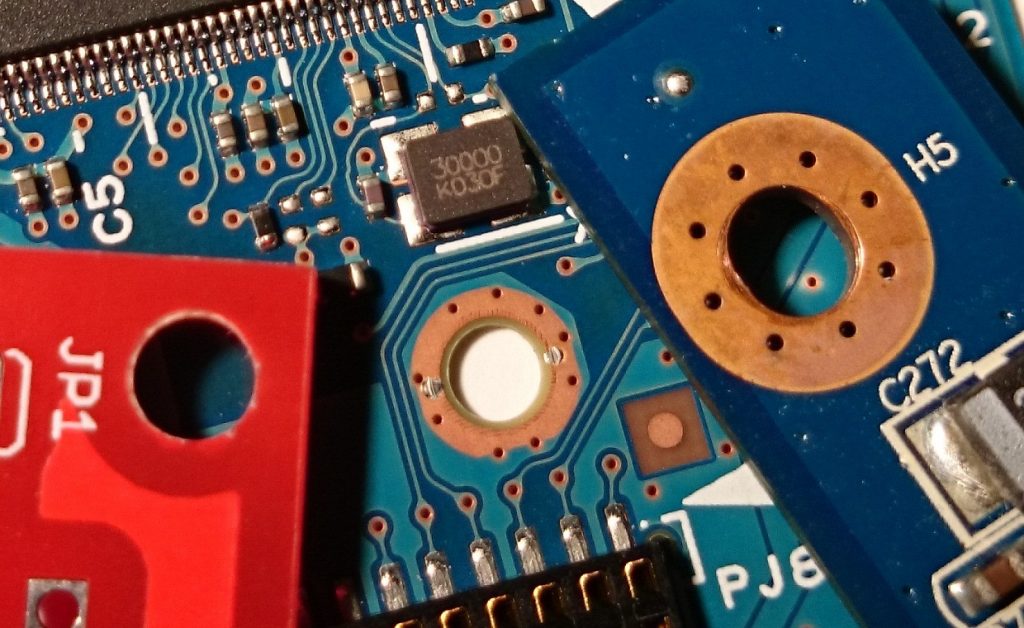
A counterbore hole is a cylindrical recess on a PCB that has a larger diameter at the top surface and a smaller diameter at the bottom. The purpose of a counterbore hole is to create space for a screw head or a bolt’s flange, allowing it to sit flush with or slightly below the PCB surface. The larger diameter at the top accommodates the head or flange, while the smaller diameter ensures that the fastener’s shaft or body fits snugly.

What is a Countersunk Hole?

On the other hand, a countersunk hole is a conical recess on a PCB that allows the head of a screw or bolt to sit flush with the PCB surface. The shape of a countersunk hole matches the profile of the fastener’s head, creating a seamless and level surface when the screw or bolt is fully inserted. Countersunk holes typically have an angled side, often 82 or 90 degrees, which determines the shape and size of the fastener head that will fit into the recess.

Counterbore VS Countersunk: Geometry

While both counterbore and countersunk holes serve the purpose of accommodating fasteners, their main difference lies in their geometry and the types of fasteners they accommodate.

Counterbore holes have a cylindrical recess with two different diameters, while countersunk holes have a conical recess with a single diameter.

Counterbore holes create a stepped or raised region on the PCB surface, whereas countersunk holes result in a flush or recessed surface.

Counterbore VS Countersunk: Fastener Types

Counterbore holes are primarily used for fasteners with a head or flange, such as bolts or screws that require a solid mounting surface.

Countersunk holes are designed for fasteners with a conical head, such as flathead screws or countersunk bolts, to achieve a flush surface.

Counterbore VS Countersunk: Drill angles

Different sizes and drilling angles of drill bits are offered for producing countersinks, depending on the intended use. These angles can include 120°, 110°, 100°, 90°, 82°, and 60°. However, the most frequently employed drilling angles for countersinking are 82° and 90°. For optimal outcomes, it is essential to align the countersink angle with the tapered angle on the underside of the fastener head. On the other hand, counterbore holes feature parallel sides and do not necessitate tapering.

Counterbore VS Countersunk: Applications

The choice between counterbore and countersunk holes depends on the specific requirements of the PCB design and the components being used.

Counterbore holes find applications in situations where a secure and flush fastening of components or mounting plates is necessary. They are commonly used to fasten connectors, brackets, or PCBs to an enclosure or chassis.

Countersunk holes are often employed when aesthetic considerations are important, as they provide a sleek and level surface. They are frequently used for mounting PCBs to surfaces where a flush finish is desired, such as in consumer electronics or decorative applications.

Counterbore and countersunk holes are important features in PCB design, enabling efficient component mounting and secure fastening. Understanding the differences between these two types of holes allows designers to select the appropriate option based on the specific requirements of their circuit board applications. Whether it’s ensuring a secure connection or achieving a visually pleasing finish, the choice between counterbore and countersunk holes plays a crucial role in the overall functionality and aesthetics of a PCB assembly.

Do You Know How Many Types of Holes in PCB

July 4th, 2023

In the vast realm of engineering and manufacturing, there exists a hidden world of holes, each with its own distinct purpose and position. These holes play a crucial role in facilitating various functions within mechanical and electronic systems. In this blog, we will embark on a journey to explore different types of holes in printed circuit board. So, fasten your seatbelts and let’s delve into the fascinating world of these essential engineering features.

Common Types of Holes in PCB

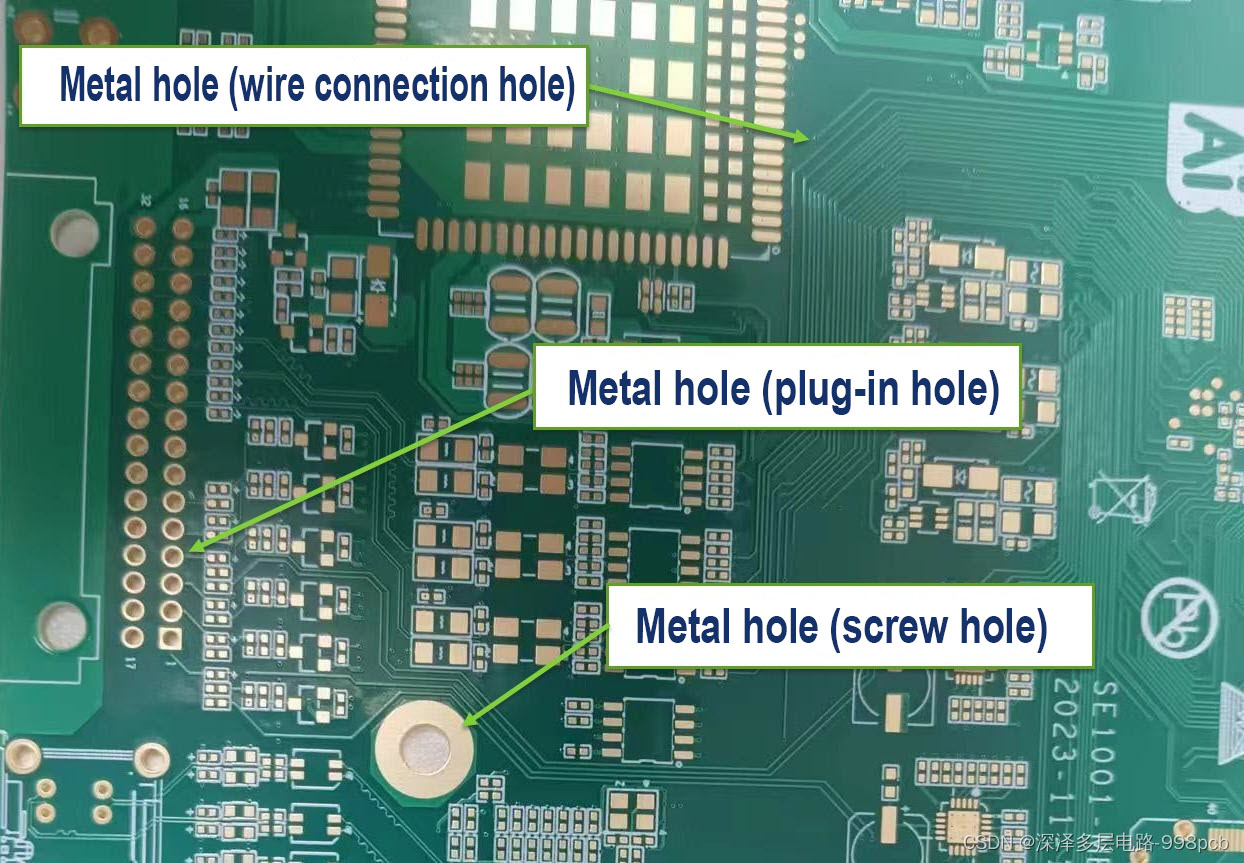
Upon examining a circuit board, one will discover an array of holes serving specific purposes. These include Via holes, PTH, NPTH, Blind holes, Buried holes, Counterbore holes, Countersunk holes, Location holes, and Fiducial holes. Each hole type fulfills a distinct role and function within the PCB, making it crucial to familiarize oneself with their characteristics to facilitate optimal PCB design.

1. Via holes

Via holes are small openings that connect different layers of a printed circuit board (PCB). They facilitate the seamless flow of signals and power between the layers, enabling efficient circuit design and transmission. Vias can be classified into two types: Plated Through-Holes (PTH) and Non-Plated Through-Holes (NPTH), each serving different functions.

2. PTH (Plated Through-Hole)

Plated Through-Holes (PTH) are vias with conductive material coating the inner walls. PTHs establish electrical connections between different layers of a PCB, allowing the passage of signals and power. They play a crucial role in interconnecting components, facilitating the flow of electrical current, and ensuring the functionality of the circuit.

3. NPTH (Non-Plated Through-Hole)

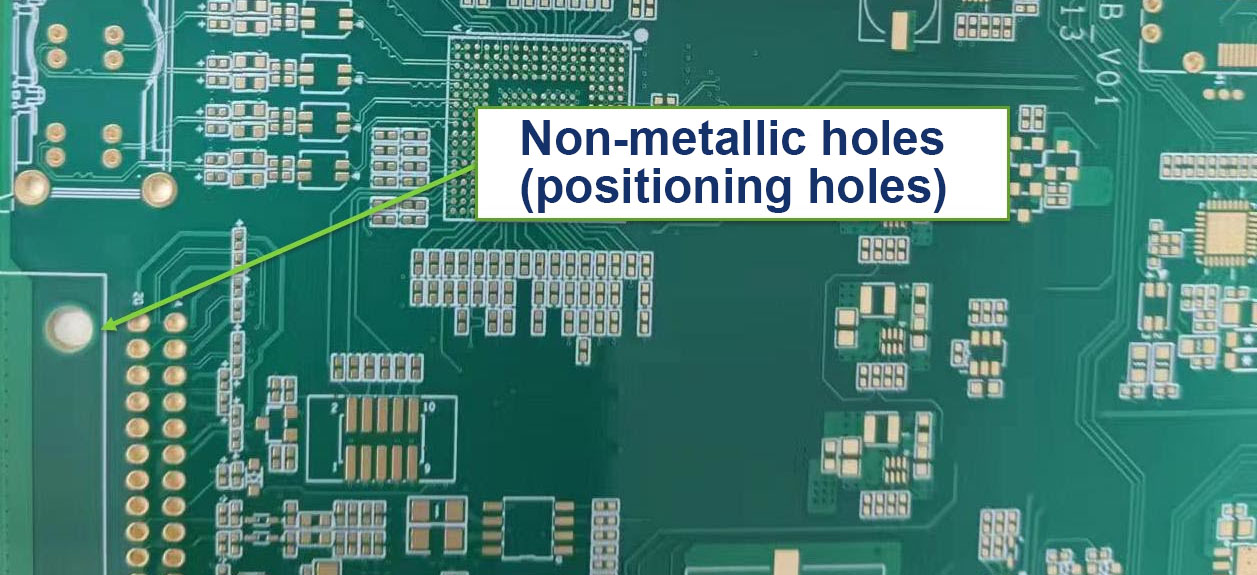
Non-Plated Through-Holes (NPTH) lack the conductive coating on their inner walls, making them suitable for mechanical purposes only. These holes are used for mechanical support, alignment, or as positioning guides, without establishing any electrical connections. NPTHs provide stability and precision, ensuring proper alignment of components within the circuit board. The mainly different between PTH and NPTH is the copper foil will be plated in the hole wall while NPTH no need to do plate.

4. Blind Holes

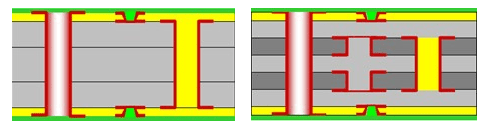
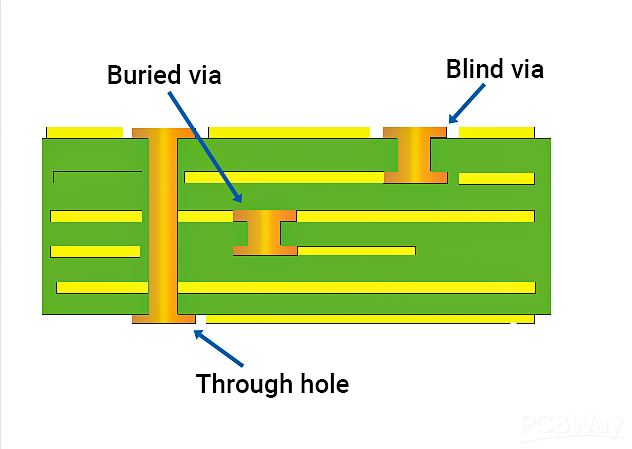
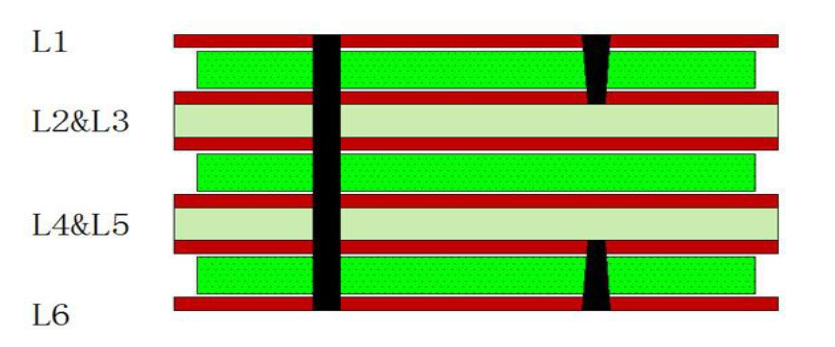
Blind holes are partially drilled holes that penetrate only one side of a circuit board. They are primarily employed to connect the outer layer of the board with the inner layer, enabling component mounting on one side while remaining hidden from the other. Blind holes offer versatility and help maximize space in complex circuit board designs.

5. Buried Holes

Buried holes are entirely enclosed within a circuit board, connecting inner layers without extending to the outer layers. These holes are hidden from both sides of the board and serve to establish connections and routes between inner layers. Buried holes allow for denser circuit board designs, reducing the complexity of routing traces and enhancing the overall functionality of the board. They provide a seamless and compact solution without any surface exposure.

6. Counterbore Holes

Counterbore holes are cylindrical recesses created to accommodate the heads of bolts, nuts, or screws. They provide a flat-bottomed cavity that allows the fasteners to sit flush or slightly below the surface of the material. The primary function of counterbore holes is to enhance the aesthetics and functionality of a design by providing a smooth and even appearance. These holes are commonly found in woodworking, metalworking, and engineering applications where a concealed or larger bearing surface is desired.

7. Countersunk Holes

Countersunk holes are conical recesses designed to house the angled heads of screws or fasteners. They are employed to ensure that the screw heads lie flush or slightly below the material surface. Countersunk holes serve both aesthetic and practical purposes, providing a sleek and flawless finish while reducing the risk of snags or protrusions. Their versatility makes them suitable for various applications, from furniture manufacturing to aerospace engineering.

8. Location Holes

Location Holes, also known as Reference Holes or Tooling Holes, serve as key reference points for aligning and positioning components, parts, or fixtures during manufacturing or assembly processes. These holes are strategically placed in a design to ensure precise and consistent alignment, enabling efficient assembly and reducing errors.

9. Fiducial Holes

Fiducial Holes, also referred to as Fiducial Marks or Alignment Marks, are small precision holes or markings placed on a surface or PCB (Printed Circuit Board). These holes serve as visual reference points for vision systems, automated processes, or machine vision cameras.

As we conclude our journey through the fascinating world of holes in engineering, we have gained a deeper understanding of the functions and positions of counterbore holes, countersunk holes, via holes, PTH, NPTH, blind holes, and buried holes. These holes are essential elements in various industries, contributing to the aesthetics, functionality, and efficiency of designs.

After introducing each of them, you should have gained a deeper understanding of their functions, hope this is helpful for you the design holes on your PCB project!!

Exploring the Possibilities of UV LED & Importance of MCPCB

June 12th, 2023

UV LED technology has opened up a world of possibilities in various industries, revolutionizing applications that require ultraviolet light. From curing adhesives to sterilizing water, UV LEDs have become indispensable in many fields. In this article, we will explore the possibilities of UV LED and discuss the crucial role that Metal Core Printed Circuit Boards (MCPCBs) play in enhancing its performance and reliability.

Introduction to UV LED

UV LED refers to light-emitting diodes that emit ultraviolet light in the range of 100 to 400 nanometers. Unlike traditional UV lamps, UV LEDs offer numerous advantages, including energy efficiency, compact size, and precise control over the emitted wavelength. These characteristics make UV LED technology highly versatile and suitable for a wide range of applications.

Where we can use UV LED?

UV LED lights are finding extensive applications in our daily life, below are some popular fields that it can be apply in.

  • Healthcare and Medicine

One promising area where UV LED lights are making a significant impact is in the field of disinfection and sterilization. UV-C radiation, emitted by UV LEDs, has been proven to effectively kill or inactivate microorganisms such as bacteria, viruses, and fungi. Unlike traditional disinfection methods, UV LED technology is safe, energy-efficient, and chemical-free. It finds applications in healthcare facilities, food processing, water purification, and air sterilization systems, ensuring a cleaner and healthier environment. Metal core PCB plays a crucial role in UV-C radiation since MCPCB has good durability and excellent corrosion resistance compared to traditional FR4 PCB. It makes the UV-C radiation performs high performances and long-time lifespan.

  • Industrial and Manufacturing

Another exciting application of UV LED lights is in advanced manufacturing processes, such as 3D printing and lithography. UV-curable resins and photopolymers can be rapidly cured using UV LED exposure, enabling faster production speeds and higher precision. Additionally, UV LED technology allows for the precise control of light wavelengths, which is crucial in fields like electronics, where specific wavelengths are required for the fabrication of microchips and displays.

  • Agriculture

UV LED lights are finding their way into horticulture and agriculture. UV-B radiation, emitted by UV LEDs, has been shown to stimulate plant growth, increase yields, and enhance crop quality. By tailoring the light spectrum using UV LEDs, growers can optimize plant development, promote flowering, and even modulate specific plant traits. The efficient heat dissipation of the metal core circuit board in UV-B radiation ensures prolonged functionality without concerns of excessive heat generated during extended operation. This technology has the potential to revolutionize indoor farming and enable year-round crop production in controlled environments.

  • Environmental Sustainability

UV LED lights play a vital role in environmental sustainability efforts. They are increasingly used for water and air purification systems. UV LED water purifiers effectively deactivate or destroy harmful microorganisms in water, providing safe drinking water without the use of chemicals. Additionally, UV LED air purifiers can eliminate airborne pathogens and allergens, improving indoor air quality. Metal core is a relatively environmentally friendly and healthy material, not only the material itself does not contain volatile substances such as benzene, but also through the solidification of ultraviolet light will form a dense curing film, which can reduce the release of harmful gases in the substrate. So metal core PCB as the substrate for UV LED is a good choice for demand of industry sustainable development.

Importance of MCPCB in UV LED Technology

With the big possibilities of the UV LED, the importance of MCPCB in UV LED technology cannot be overlooked. Thermal management is crucial for UV LEDs, as they generate a significant amount of heat during operation. Without proper heat dissipation, the performance and lifespan of UV LEDs can be compromised.

1. MCPCBs effectively address the thermal management challenges associated with UV LED technology. By efficiently dissipating heat, MCPCBs help prevent overheating, which can lead to reduced lifespan, color shifting, or even LED failure. The use of MCPCBs ensures that UV LEDs operate at their optimal temperature, maximizing their performance, and extending their lifespan.

2. Additionally, MCPCBs contribute to the overall efficiency of UV LED systems. By maintaining lower operating temperatures, MCPCBs minimize the energy losses due to heat. This improved efficiency translates into cost savings and a reduced environmental impact.

3. The last but not least, the reliable and stable construction of MCPCBs also contributes to the longevity and reliability of UV LED systems. With their excellent mechanical strength, MCPCBs protect UV LEDs from physical damage and ensure consistent performance over time.

As the demand for UV LED technology continues to grow, the importance of MCPCB in optimizing its performance and reliability will remain paramount. With ongoing advancements in MCPCB technology, we can expect even more efficient and durable UV LED systems in the future. EBest Circuit (Best Technology) specializes in the manufacturing of MCPCBs. With our state-of-the-art factory and highly skilled engineering team, we can offer you the exceptional one-stop services. If you are currently engaged in a UV LED project and require a dependable supplier, we warmly invite you to reach out to us at your convenience. We are committed to providing reliable solutions for all your UV LED needs. Feel free to contact us anytime.

Exploring the Fascinating World of HDI PCBs

June 6th, 2023

In the ever-evolving realm of printed circuit boards (PCBs), High-Density Interconnect (HDI) technology stands out as a game-changer. HDI PCBs have revolutionized the electronics industry by enabling the creation of smaller, lighter, and more advanced electronic devices. In this blog, let us delve into the captivating world of HDI PCBs, exploring their unique processes and craftsmanship. We also attached some photos for your ref.

What is HDI PCB?

HDI PCBs, short for High-Density Interconnect PCBs, are a specialized type of circuit board designed to accommodate a higher number of components within a smaller footprint. Unlike traditional FR4 PCBs, HDI boards incorporate intricate designs and advanced manufacturing techniques to achieve denser routing and interconnections.

  • Miniaturization and Component Density

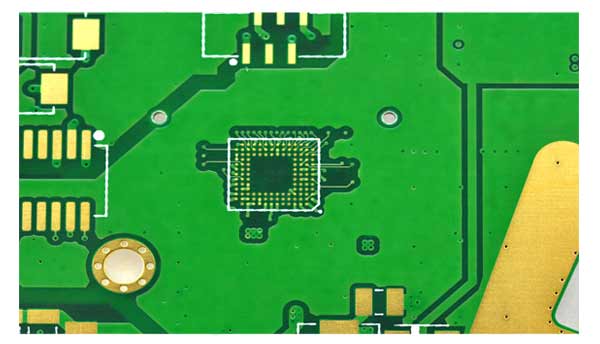
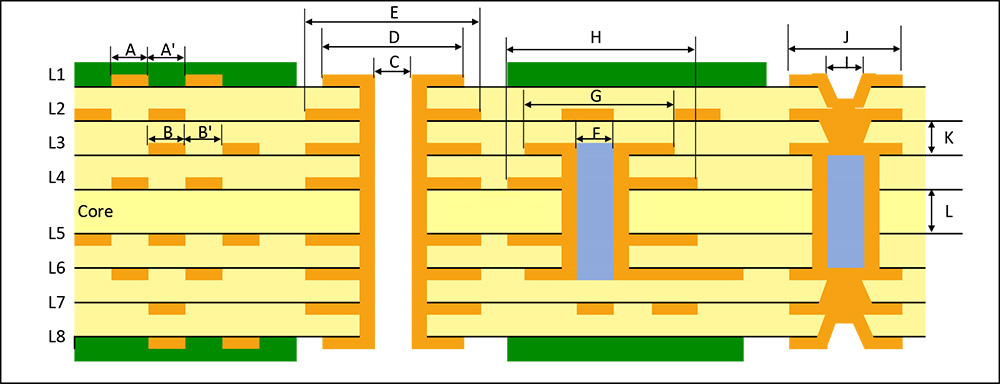
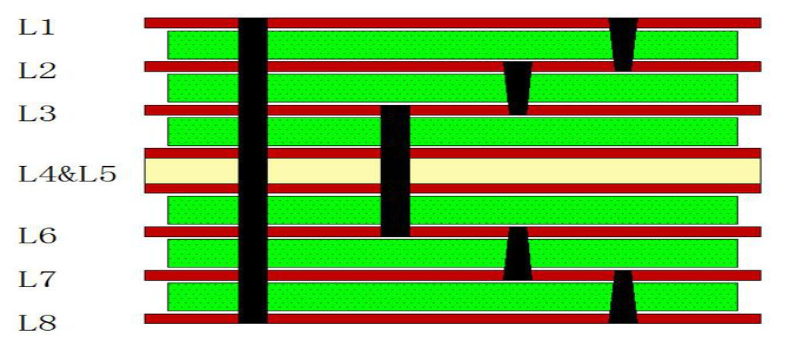
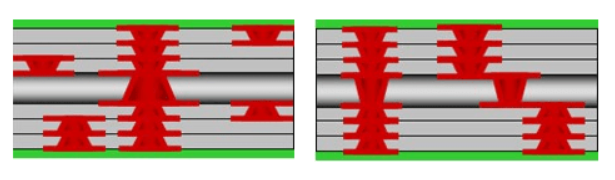
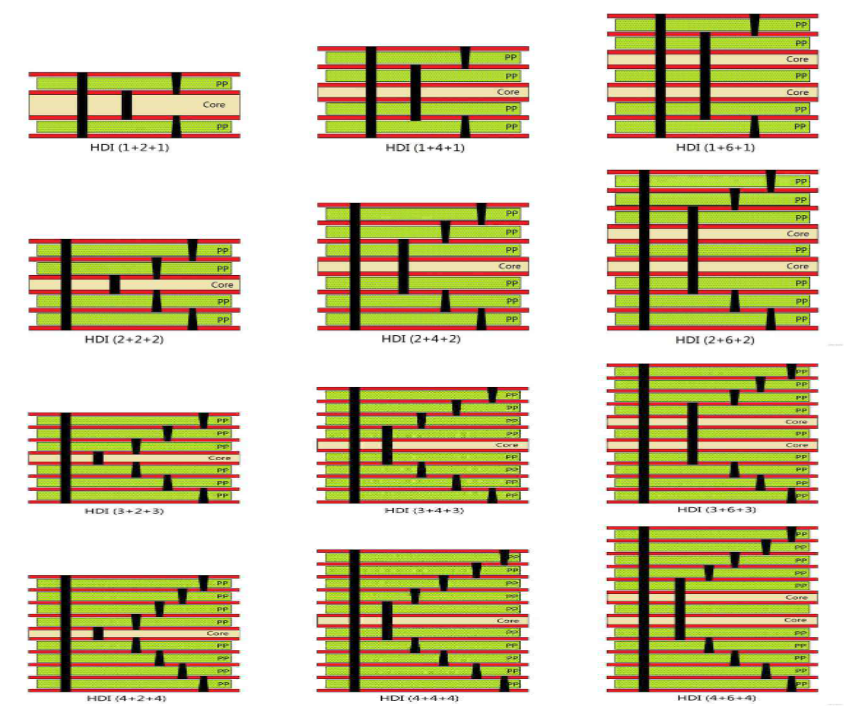
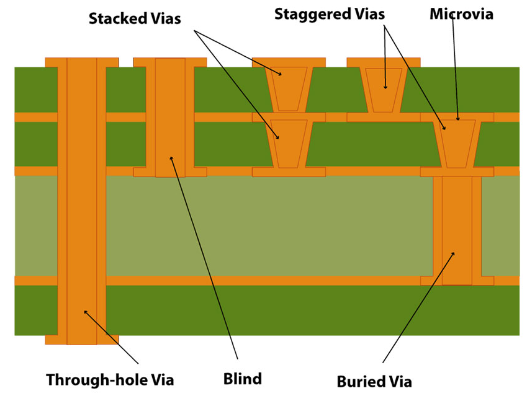
One of the standout features of HDI PCBs is their ability to achieve significant miniaturization. There are fine-pitch traces, microvias, blind and buried vias. You can see the below photo, there are many kinds of the vias.

HDI boards allow for more compact layouts and increased component density. This makes them ideal for applications where space is a premium, such as smartphones, tablets, wearables, and medical devices.

  • Advanced Manufacturing Techniques

Creating HDI PCBs involves a sophisticated blend of state-of-the-art manufacturing processes. These techniques include laser drilling, sequential lamination, and advanced imaging technologies. Laser drilling enables the creation of microvias, which are tiny holes used for interconnection between different layers of the board. Sequential lamination involves bonding multiple layers together, creating a compact stack-up with enhanced electrical performance. Advanced imaging technologies ensure precise alignment and accuracy during the fabrication process.

Benefits of HDI PCBs

HDI PCBs offer a multitude of advantages that make them highly sought after in today’s electronics industry:

1. Improved Signal Integrity: With their reduced parasitic effects and shorter signal paths, HDI boards provide superior signal integrity and enhanced electrical performance.

2. Increased Reliability: HDI PCBs minimize the risk of failures due to reduced interconnection lengths, better thermal management, and enhanced impedance control.

3. Enhanced Thermal Efficiency: The compact design of HDI boards allows for better heat dissipation and thermal management, ensuring optimal performance of heat-sensitive components.

4. Design Flexibility: HDI technology opens up new design possibilities, enabling engineers to create innovative and compact product designs without compromising on functionality.

Applications of HDI PCBs

The versatility of HDI PCBs makes them indispensable in various industries, including:

  • Consumer Electronics: Smartphones, tablets, laptops, and wearable devices.
  • Automotive Electronics: Advanced driver assistance systems (ADAS), infotainment systems, and autonomous driving technology.
  • Medical Devices: Miniature medical implants, diagnostic equipment, and patient monitoring systems.
  • Aerospace and Defense: Avionics, satellites, and military-grade electronics.
  • Industrial Automation: Robotics, control systems, and IoT devices.

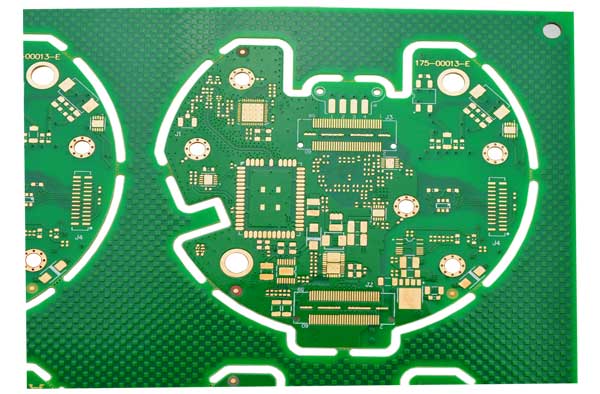
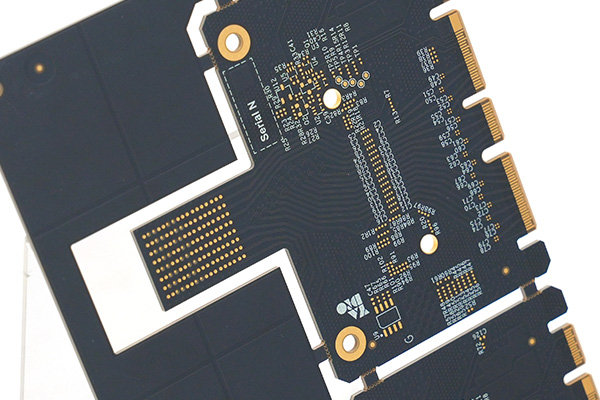
We have many customers from various industries, the PCBs of the below photos are what we produced for our customers.

Conclusion

As technology advances, HDI PCBs will undoubtedly play a crucial role in driving innovation and pushing the boundaries of what is possible in the world of electronics.

We hope this exploration into the captivating world of HDI PCBs can make you know more about HDI PCB. If you’re interested in any HDI PCB, please feel free to contact us any time. Let us supply you an excellent solution and awesome boards for you.

What is UVLED? Is MCPCB important for UVLED?

June 3rd, 2023

UVLEDs, a subset of light-emitting diodes (LEDs), emit light within the ultraviolet spectrum instead of visible light like traditional LEDs. The UV spectrum is further divided into three main categories based on wavelength: UVA, UVB, and UVC. In this blog, we will explore the critical role of Metal Core Printed Circuit Board (MCPCB) in UVLED technology, highlighting its significance in improving efficiency, heat management, and overall lifespan.

UVA (315-400nm):

UVA, also known as near-ultraviolet, emits long-wave ultraviolet light. It is closest to the visible light spectrum and finds applications in UV curing, forensic analysis, counterfeit detection, tanning beds, and more.

UVB (280-315 nm):

UVB emits medium-wave ultraviolet light and is renowned for its biological effects. It is used in medical treatments, phototherapy, disinfection applications, and even for inducing vitamin D synthesis in the skin.

UVC (100-280 nm):

UVC emits short-wave ultraviolet light and possesses powerful germicidal properties. Its applications include water purification, air disinfection, surface sterilization, and eradication of bacteria, viruses, and other microorganisms.

UVLEDs typically operate within a temperature range of -40°C to 100°C (-40°F to 212°F). However, it is crucial to note that excessive heat can impact the performance, efficiency, and lifespan of UVLEDs. Therefore, appropriate thermal management techniques such as heat sinks, thermal pads, and adequate airflow are commonly employed to dissipate heat and keep UVLEDs within the optimal temperature range.

In conclusion, MCPCB plays a vital role in UVLED technology, offering essential advantages such as efficient heat dissipation, enhanced thermal conductivity, reliability in harsh environments, and electrical isolation. These qualities are paramount for maximizing UVLED performance, ensuring longevity, and maintaining optimal operating temperatures. The significance of MCPCB lies in its ability to enhance efficiency, improve heat management, and provide a reliable foundation for UVLED systems. Without MCPCB, UVLED applications would face challenges in heat dissipation, performance stability, and overall safety.

5 Tips Tell You How to Solder BGA Better in PCBA

May 29th, 2023

BGA (Ball Grid Array) soldering is a widely used method in the electronics manufacturing industry for mounting integrated circuits onto printed circuit boards (PCBs). This method provides a more compact and reliable connection compared to traditional through-hole or surface mount technology (SMT). However, the complexity of BGA soldering poses various obstacles during the manufacturing process. Herein, we will explore the challenges faced in BGA soldering and discuss effective strategies to address them.

What is BGA Soldering?

BGA soldering is a technique that involves the attachment of integrated circuit packages to a PCB using an array of solder balls. These solder balls are typically made of lead-based or lead-free alloys, depending on environmental regulations and specific requirements. The BGA package consists of a substrate, which acts as a carrier for the integrated circuit, and the solder balls that form the electrical and mechanical connections between the package and the PCB.

(BGA_balls)

The Importance of BGA Soldering in Electronics Manufacturing

BGA soldering plays a critical role in the manufacturing of various electronic devices such as computers, smartphones, and gaming consoles. The increased demand for smaller and more powerful electronics has driven the adoption of BGA packages. Their compact size and high pin density make them suitable for advanced applications where space is limited.

Challenges Faced in BGA Soldering

  • Component Alignment and Placement

One of the primary challenges in BGA soldering is ensuring accurate component alignment and placement on the PCB. The small size of the solder balls and the dense layout of the BGA package make it difficult to achieve precise positioning. Misalignment during the assembly process can result in solder bridges, open connections, or mechanical stress on the package.

To address this challenge, manufacturers employ advanced technologies such as Automated Optical Inspection (AOI) and X-ray Inspection. AOI systems use cameras and image processing algorithms to verify the correct alignment and placement of BGA components. X-ray inspection, on the other hand, allows manufacturers to see beneath the surface of the PCB and detect any misalignment or defects that may not be visible to the naked eye.

(Alignment)
  • Solder Paste Application

Another significant challenge in BGA soldering is achieving precise and consistent solder paste application. Solder paste, a mixture of solder alloy and flux, is applied to the PCB pads before placing the BGA package. Inadequate or excessive solder paste can lead to solder defects such as insufficient solder joints, solder voids, or solder bridging.

To overcome this challenge, careful attention must be given to stencil design and aperture selection. Stencils with appropriate thickness and properly sized apertures ensure accurate solder paste deposition. Additionally, manufacturers can employ Solder Paste Inspection (SPI) systems to verify the quality and consistency of the solder paste applied. The solder paste that EBest Circuit (Best Technology) uses is SAC305 solder paste, which has good printability and excellent stability.

(SAC305_Solder_paste)
  • Temperature Profiling

Temperature profiling, or we can say the thermal management, it is crucial in BGA soldering to ensure proper reflow of the solder paste. The reflow process involves subjecting the PCB to a carefully controlled temperature profile, allowing the solder paste to melt, form a reliable joint, and solidify. Inadequate temperature profiling can lead to insufficient solder wetting, incomplete reflow, or thermal damage to components.

Manufacturers must optimize the reflow oven setup and calibration to achieve the correct temperature profile. Thermal profiling techniques, such as the use of thermocouples and data loggers, help monitor and control the temperature during the reflow process.

  • Reflow Process

The reflow process itself presents challenges in BGA soldering. The soak zone, ramp rates, and peak temperature must be carefully controlled to prevent thermal stress on the components and ensure proper solder reflow. Inadequate temperature control or improper ramp rates can result in solder defects such as tombstoning, component warpage, or voids in the solder joints.

Manufacturers need to consider the specific requirements of the BGA package and follow recommended reflow profiles provided by component suppliers. Proper cooling after reflow is also essential to prevent thermal shock and ensure the stability of the solder joints.

(BGA_reflow)
  • Inspection and Quality Control

Inspection and quality control are critical aspects of BGA soldering to ensure the reliability and performance of the solder joints. Automated Optical Inspection (AOI) systems and X-ray inspection are commonly used to detect defects such as misalignment, insufficient solder wetting, solder bridging, or voids in the solder joints.

(AOI)

In addition to visual inspection techniques, some manufacturers may perform cross-section analysis, where a sample solder joint is cut and examined under a microscope. This analysis provides valuable information about the quality of the solder joint, such as solder wetting, void formation, or the presence of intermetallic compounds.

In a word, BGA soldering presents unique challenges in electronics manufacturing, primarily related to various factors. By addressing these challenges effectively, manufacturers can ensure the reliability and performance of BGA solder joints, contributing to the production of high-quality electronic devices. EBest Circuit (Best Technology) has rich experience in PCBA assembly and we mounted thousands PCBs for our customers, whatever it is simple design or complex design, all the products are assemble perfect and work well in customer side. Please feel free to contact us for any questions about PCBA.
Key Challenges in Solder Mask Printing for Heavy Copper PCBs

May 23rd, 2023

As the demand for higher power and miniaturization of electronics increases, so does the need for Heavy Copper Printed Circuit Boards (PCBs). From our last blog – Why choose Heavy Copper PCB for your High Current Project, we know the heavy copper PCBs are defined as those with copper thicknesses greater than 3 oz. These PCBs are designed to withstand high current and thermal loads, making them suitable for power electronics applications. However, the increased copper thickness also poses challenges during the solder mask printing process.

(16_layers_heavy_copper_PCB_with_10oz_each_layer)

Understanding solder mask

Solder mask (short for S/M in the industry) is a protective coating applied to PCBs to prevent solder bridges and improve solder joint quality. The solder mask is coated to the PCB surface using a screen-printing process, where the desired pattern is created using a stencil and the solder mask ink is then deposited onto the PCB. The ink is then cured, either through heat baking or UV light, to form a solid coating.

There are several types of solder mask materials available, including epoxy, acrylic, and liquid photo imageable (LPI) solder mask. Each type has its advantages and disadvantages, depending on the application requirements.

The benefits of using solder mask in PCB manufacturing include increased reliability, improved solderability, and reduced risk of short circuits and corrosion. The solder mask we usually use is Taiyo, which has high reliability and excellent heat resistance.
(Solder_mask_manually_printing)

Challenges in solder mask printing of heavy copper PCBs

While solder mask printing is a critical step in PCB manufacturing, the increased copper thickness in heavy copper PCBs presents several challenges for printing process as I mentioned before. It’s difficult to apply enough solder mask to cover thick copper pattern and base material with severe height difference.

1. The high copper thickness and thermal conductivity of heavy copper PCBs make it difficult for the solder mask ink to adhere properly to the surface. This can result in insufficient coverage and registration accuracy, which can affect the overall quality and reliability of the PCB.

2. The high copper thickness can cause stress on the solder mask, leading to mask cracking and peeling. The navigation mark on the substrate has specific ink thickness requirements due to limitations in the ink thickness that can be applied to the substrate. If the ink thickness on the substrate is too thick, it may result in solder resist cracks in the substrate position after the printed circuit board is soldered. This can occur during reflow soldering or thermal cycling, resulting in poor solder joint quality and reduced reliability.

3. The thick solder mask is also more difficult to exposure and develop. If the exposure energy is too weak or not enough, then some undercut problem may happen.

How to overcome this challenge?

To address these challenges, it is essential to choose the right solder mask materials and optimize the application process.

  • Choosing the right solder mask materials is crucial for ensuring proper adhesion and coverage on heavy copper PCBs. LPI solder mask is often preferred for heavy copper PCBs due to its excellent adhesion and thermal stability. However, epoxy and acrylic solder mask materials can also be used with proper surface preparation.
  • Optimizing the solder mask application process can also help address the challenges of heavy copper PCBs. This can include using a thinner stencil for improved registration accuracy and applying multiple coats of solder mask for better coverage. Advanced solder mask technology, such as laser direct imaging (LDI), can also help improve registration accuracy and reduce the risk of mask cracking and peeling.
  • Optimizing the printing process, now in EBest Circuit (Best Technology), we always make the substrate first, fill the substrate with the solder mask and then treat it as a normal PCB for normal printing solder mask.
(Solder_mask_printing)

If you are in the process of designing a complex multi-layer heavy copper PCB and are looking for a high-quality and experienced manufacturer, feel free to reach out to us at sales@bestpcbs.com, EBest Circuit (Best Technology) can support you by OEM and ODM service to ensure your design is cost-effective and can be easily manufactured.

Why choose Heavy Copper PCB for your High Current Project?

May 16th, 2023

In the world of electronics, printed circuit boards (PCBs) play a vital role in connecting and powering various components. They are the backbone of every electronic device, from smartphones to industrial machinery. When it comes to designing a PCB for a project, the thickness of the copper layer is an important consideration. Heavy Copper PCB, also known as Thick Copper PCB, has become increasingly popular in charging automotives due to their unique features and benefits. In this article, we will discuss why consider heavy copper PCBs for your high current project.

What a Heavy Copper PCB is?

A heavy copper PCB is a circuit board with an unusually thick copper layer, usually exceeding 3 ounces per square foot (oz/ft²). By comparison, standard PCBs typically have a copper layer thickness of 1 oz/ft². Heavy copper PCBs are used in applications where high current is needed, or the board needs to withstand mechanical and thermal stress.

(Heavy_copper_PCB)

Benefits of Heavy Copper PCBs

  • High Current Capacity

The thicker copper layer in a heavy copper PCB allows for a higher current capacity. This makes it ideal for high-power applications such as power supplies, motor controllers, and industrial equipment. Heavy copper PCBs can carry up to 20 amps or more, compared to the standard 5-10 amps of a regular PCB.

  • Thermal Management

Heavy copper PCBs are known for their excellent thermal management capabilities. The thicker copper layer allows for better heat dissipation, reducing the risk of overheating and component failure. So that they can generate a lot of heat for the end-application.

  • Durability

Heavy copper PCBs are more robust and durable than standard PCBs. The thicker copper layer provides better mechanical support, making them resistant to damage from vibration, shock, and bending. This makes them suitable for harsh environments and industrial applications.

  • Increased Flexibility

Heavy copper PCBs offer increased design flexibility compared to standard PCBs. The thicker copper layer allows for more complex and compact designs, reducing the overall size of the board. This makes them ideal for applications where space is limited, that means you can make a very heavy copper while the size is very small.

  • Better Signal Integrity

The thicker copper layer in heavy copper PCBs provides better signal integrity. This reduces the risk of signal loss and interference, resulting in more reliable and efficient circuit performance.

Copper thickness design for a Heavy Copper PCB?

Due to the thickness of copper in heavy copper PCB is thick then normal FR4 PCB, then it is easily to be warped if the copper thickness is not match each other in symmetrical layers. For example, if you are designing an 8 layers heavy copper PCB, then the copper thickness in each layer should follow L8=L1, L7=L2, L6=L3, L5=L4 standard.

Additionally, the relationship between minimum line space and minimum line width also should be considered, follow the design rule will help to smooth production and shorten the lead time. Below are the design rules between them, LS refers to line space and LW refers to line width.

(Heavy_copper_design_rule)

Drill hole rules for heavy copper board

A plated through hole (PTH) in printed circuit board is to connect top and bottom side to make them electricity. And when the PCB design has multi copper layers, the parameters of holes must be considered carefully, especially hole diameters.

In EBest Circuit (Best Technology), the minimum PTH diameter should be >=0.3mm while the copper ring annular should be 0.15mm at least. For wall copper thickness of PTH, 20um-25um as default, and maximum 2-5OZ (50-100um).

(16L_heavy_copper_PCB_with_35um_copper_in_via_holes)

Basic parameters of Heavy Copper PCB

Here are some basic parameters of heavy copper PCB, hope this can help you to understand EBest Circuit (Best Technology)’s capability better.

  • Base material: FR4
  • Copper thickness: 4 OZ~30 OZ
  • Extreme Heavy Copper: 20~200 OZ
  • Outline: Routing, punching, V-Cut
  • Solder mask: White/Black/Blue/Green/Red Oil (Solder mask printing is not easy in heavy copper PCB.)
  • Surface finishing: Immersion Gold, HASL, OSP
  • Max Panel size: 580*480mm (22.8″*18.9″)

Applications of Heavy Copper PCBs

Heavy copper PCBs are used in a variety of applications, including:

  • Power supplies
  • Motor controllers
  • Industrial machinery
  • Automotive electronics
  • Aerospace and defense systems
  • Solar inverters
  • LED lighting
(Heavy_copper_PCB_for_high_power_supply)

Choosing the right PCB thickness is crucial for the success of any project. Heavy copper PCBs offer unique features and benefits that make them ideal for high-power and high-temperature applications. If you want to ensure the reliability and performance of your project, consider using heavy copper PCBs. EBest Circuit (Best Technology) has more than 16 years manufacturing experience in heavy copper PCBs, so we are so confident that we can be your most reliable supplier in China. Welcome to contact us at any time for any questions or any queries about PCBs.

5 PCB Testing details to make your PCB no more quality issues

April 24th, 2023

As we all know, it is very important to get a well-functional PCB from the PCB manufacturers.  A well functional PCB means that the electricity testing has been performed well at the PCB manufacturer end. However, you may have found some PCB you purchased are with some electricity issues like short & open circuits, or some visual issues like solder pad missing., etc.

Do you know how this issue come while the PCB testing process?

According to the feedback come from the customers, here we summarized some improper ways during the PCB Electricity testing process which may lead to the PCB fail to the test.

Here are some major points for your reference:

  • Incorrect direction when placing PCB board on testing worktop, the force on probes will cause indentation on boards.
  • PCB manufacturers don’t regularly maintain their testing jig, causing some malfunctions on testing jig can’t be found in time. Take the counter for example, if we do not find the counter’s fixing screw loose in time, it will cause the counter to fail to read the caliper scale. Of course, it also could be the counter is dysfunctional sometimes.
  • PCB manufacturers don’t regularly check/change the testing probes. Dirt on the testing probe cause testing results is inaccurate.
  • PCB testing operator don’t distinguish functional board from NG board due to unclear placement area.

So, if the circuit boards testing work under above improper way, do you know what effects will be on your products?

Base on some lessons learned from our customers, you may get following influences caused by improper way of the PCB testing.

Increase your quality issues

The low testing accuracy will make the functional PCB mixing together with the defective PCB.  If the PCB testing defects can’t be found in time before PCB assembly, defective products will flow into the market, which will seriously increase the quality risk hidden on the end products.

Delay your Progress

After defective PCBs are found, repairing will greatly delay the progress of the project.

Increase your overall cost

The defective PCB will cost many people and time to check and follow, this will directly to increase the overall cost of the projects.

We know deeply that poor testing will bring serious consequences for customers, so with more than 16 years experiences on Printed Circuits Board fabrication, EBest Circuit (Best Technology) has rich experiences on PCB electric testing managements, and following are some of our management solutions to control our PCB testing process:

1.   We execute strictly the pre-job training 3 months in advance for the testing operator, and all the testing will be operated by the professional and experienced testers.

2. Maintain or replace the test equipment every 3 months, and use a brush to clean the tester in a regular period or replace the pin cable head to make sure there is no contaminate at the test probe.

3. Add the extra tooling hole at rails for fix purpose to make sure the placement of PCB orientation is no mistake during testing process.

4. The testing workshop must be divided clearly for the qualified board and NG board, the location to keep NG board will be marked with red line.

5. The testing process must be strictly followed with our internal PCB testing standard operating procedure.

With the help from above management solutions for the PCB E-Testing during the PCB manufacturing process, the PCB we send to customers works very well, which also make sure their products can be assembled well and deliver well in the markets. For us, more and more kindly feedback regarding the functional feedback comes from our customers, here are some good feedback from customers for your reference.

If you have any questions about PCB testing or PCB manufacturing, please feel your freely to leave your message or contact us. In our next update, we will share which test methods are used in the during the PCB Assembly.

Can I Design Via Holes in Thick Film Ceramic Boards?

April 18th, 2023

May some engineers or designers who be interested in thick film ceramic circuit are curious about can thick film ceramic boards design with via holes like FR4 PCB? Herein, we will explore the feasibility of using thick film ceramic boards for via holes, including the materials and processes involved, as well as the advantages of this approach.

What is thick film ceramic board?

The “Thick Film” refers to the thickness of conductor layer on a Ceramic PCB. Normally the thickness will be at least 10um, around 10~13um, which is thicker than spurting technology in Thin Film Ceramic PCB. And of course thickness is less than DCB Ceramic board or FR4 board.

Thick film ceramic circuit enables to put resistor, electric capacitor, conductor, semi-conductor, and interchangeable conductor on ceramic board, after manufacturing steps of printing and high temperature sintering. The more important thing is by using thick film technology, we can make all the resistors with the same value, or different value for different resistor on the same board.

Materials and processes for via holes

In general, thick film ceramic circuit is not suitable for designing via holes. Because the characteristics of thick film ceramic board mainly depends on the insulation properties of its ceramic substrate, rather than conductive properties. The conductivity of thick film ceramic plate is not good than Metal Core PCB, or even we can say it has a very poor conductivity, usually can’t meet the requirements of the via hole.

But, designing via holes in thick film ceramics is available in EBest Circuit (Best Technology). Generally speaking, the fabrication of via holes in thick film ceramic boards typically involves several key materials and processes.

From the designer’s perspective, a conductive material is used to create a continuous conductive path from one side of the ceramic board to the other. Common conductive materials include gold paste, silver paste, and copper paste. These materials are usually screen printed onto the ceramic board in the desired pattern, and then fired at high temperatures to achieve sintering and form a conductive layer.

Once the conductive layer is formed, the via holes are created by drilling or punching small holes through the ceramic board at the desired locations. These holes are then filled with a conductive material, such as silver paste or copper paste, to establish electrical connections between the different layers of the circuit.

Finally, the via holes are fired again at high temperatures to achieve sintering and ensure good adhesion and electrical performance.

Advantages of Via Holes in Thick Film Ceramic Boards

These via holes offer several advantages in the design and fabrication of thick film ceramic boards, including as following:

  • Electrical connectivity

Via holes provide electrical connectivity between different layers of a thick film ceramic board. They allow for the interconnection of different circuitry or conductive layers, enabling the flow of electrical signals or power between different parts of the board. This allows for complex and multi-layered circuit designs, which can be highly beneficial in applications that require intricate circuitry or high-density interconnects.

  • Space-saving

Via holes can provide a means of vertical interconnection, allowing for more efficient use of board real estate. Instead of routing traces or conductors on the surface of the board, which can take up valuable space, via holes can be used to route connections through the board, freeing up surface area for other components or functions. This is especially advantageous in compact or miniaturized electronic devices where space is limited.

  • Thermal management

Via holes can aid in thermal management in thick film ceramics. They can be used to transfer heat from one layer of the board to another, helping to dissipate heat generated by components or circuits. This can be particularly important in high-power or high-heat applications, where efficient thermal management is crucial for preventing overheating and ensuring reliable performance.

  • Mechanical stability

Via holes provide additional support and reinforcement to the board, reducing the risk of warping, bending, or cracking. Via holes can also help improve the overall mechanical integrity of the board by reducing stress concentration points and enhancing its structural rigidity.

  • Design flexibility

Via holes offer design flexibility in thick film ceramic boards. They can be designed and placed according to the specific requirements of the circuit or system, allowing for customized and optimized designs. Via holes can be used to route traces, create vias for component mounting, or provide grounding or shielding, among other functionalities. This flexibility in design allows for more efficient and effective circuit layouts, which can lead to improved performance and reliability.

As previously mentioned, designing via holes in thick film ceramic boards offers various benefits. However, when it comes to choosing the appropriate paste for via holes, silver paste is often recommended to our customers. But why is that? Can I use gold or copper? In our upcoming article, we will delve into the reasons behind this recommendation and provide you with valuable insights. Stay tuned to uncover the answers!