PCB manufacturing PCB manufacturing
Home > Blog

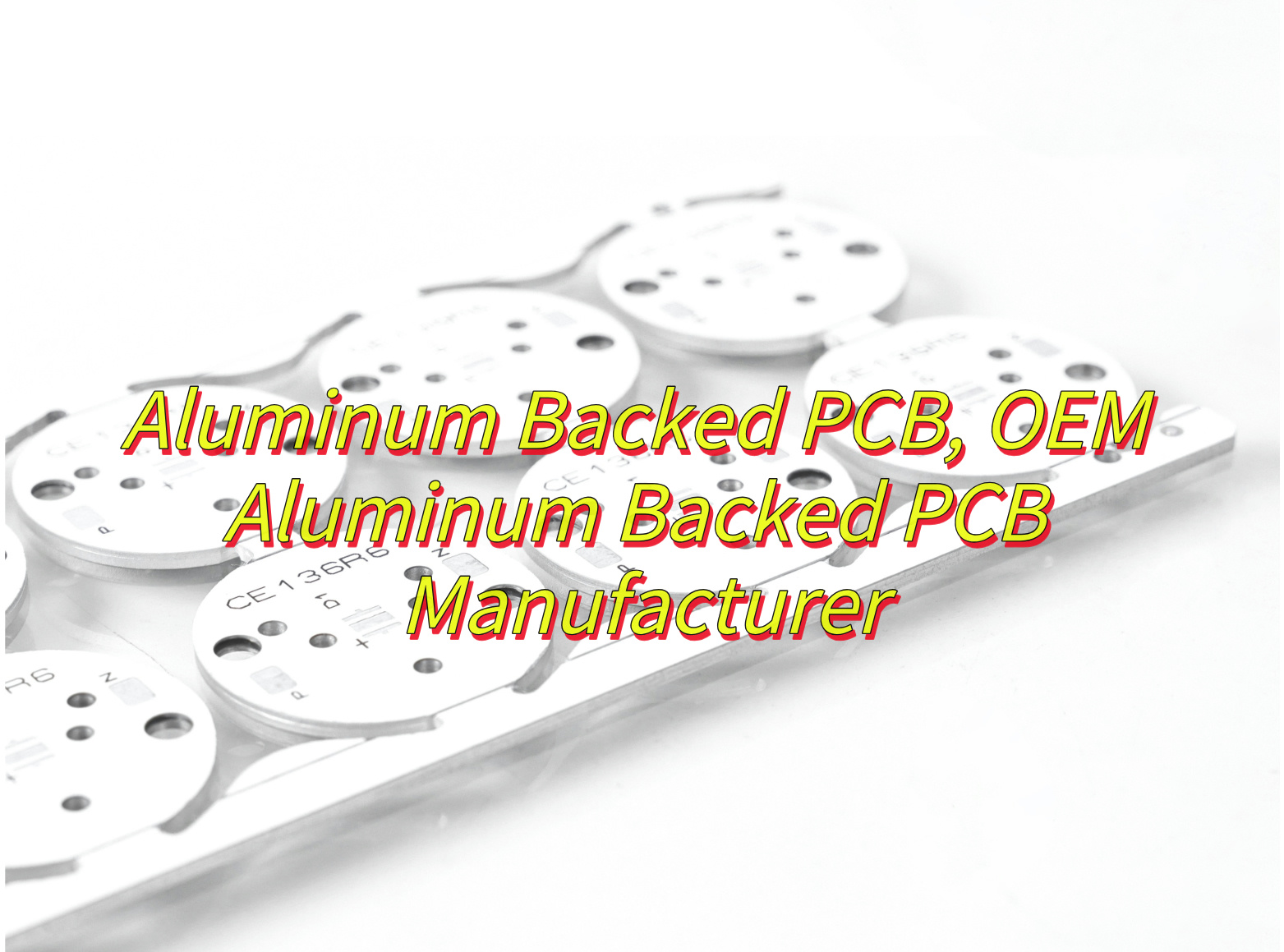
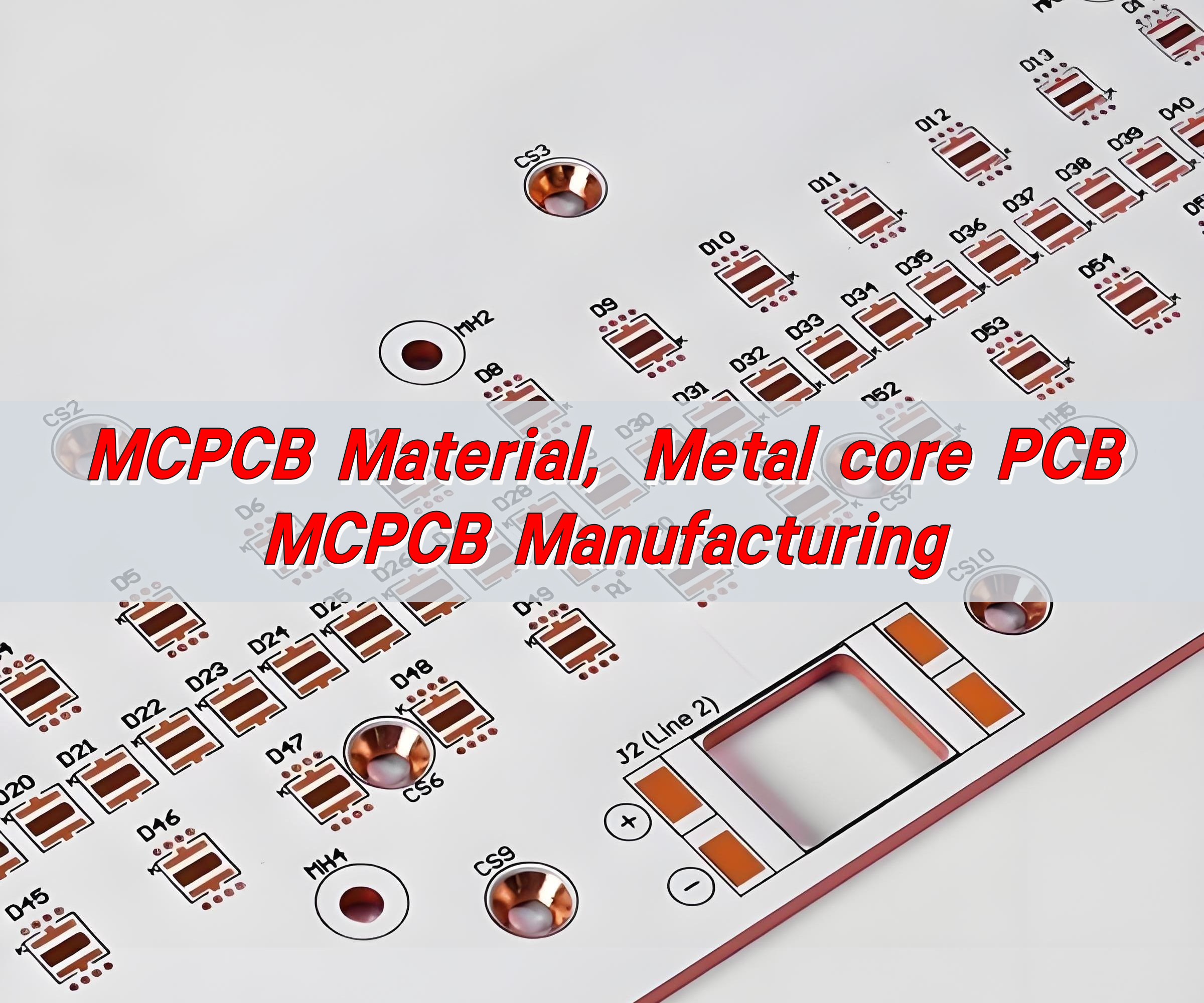
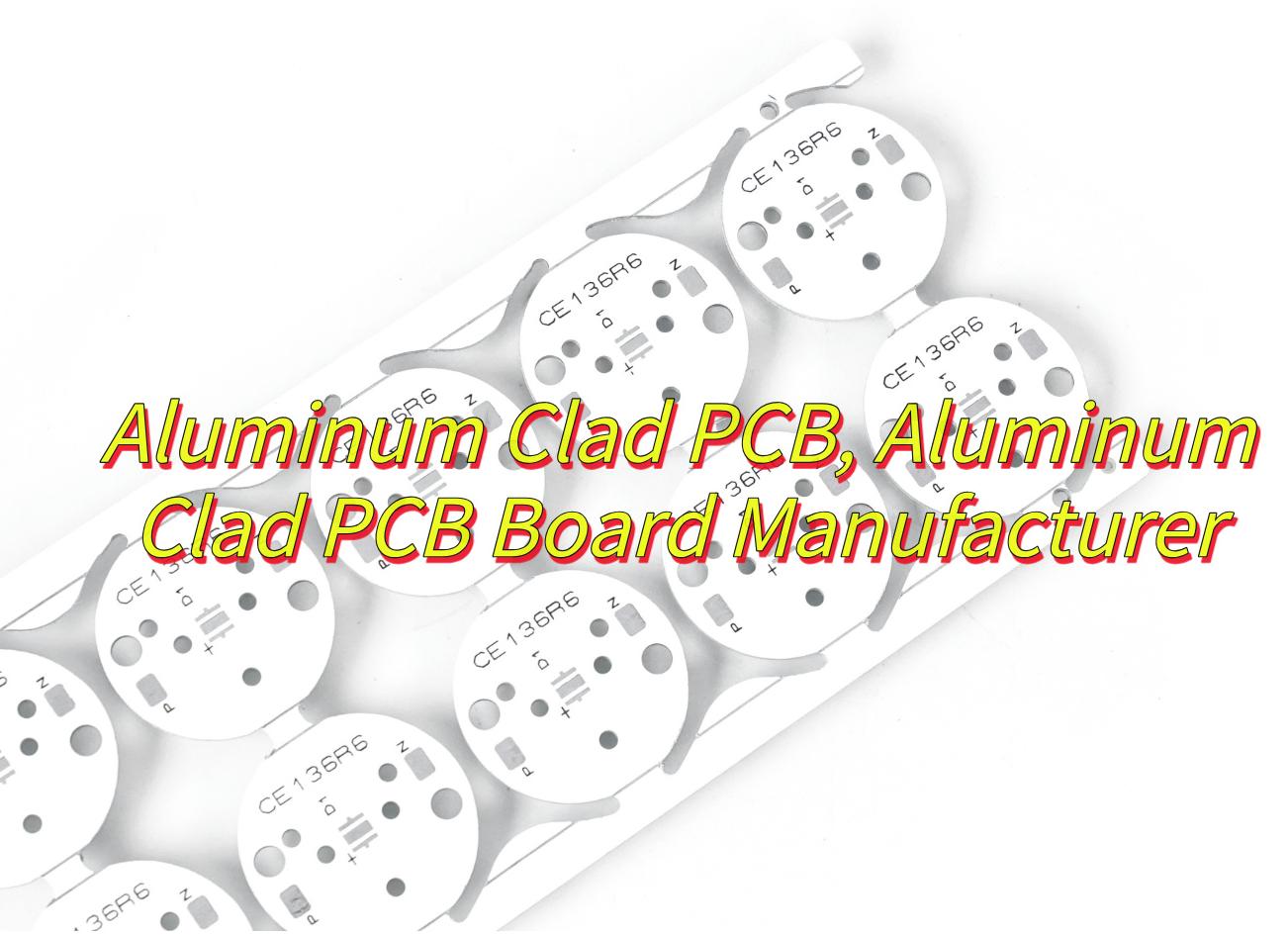
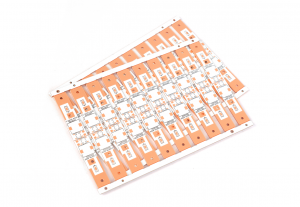
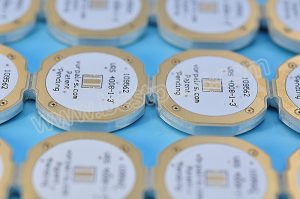
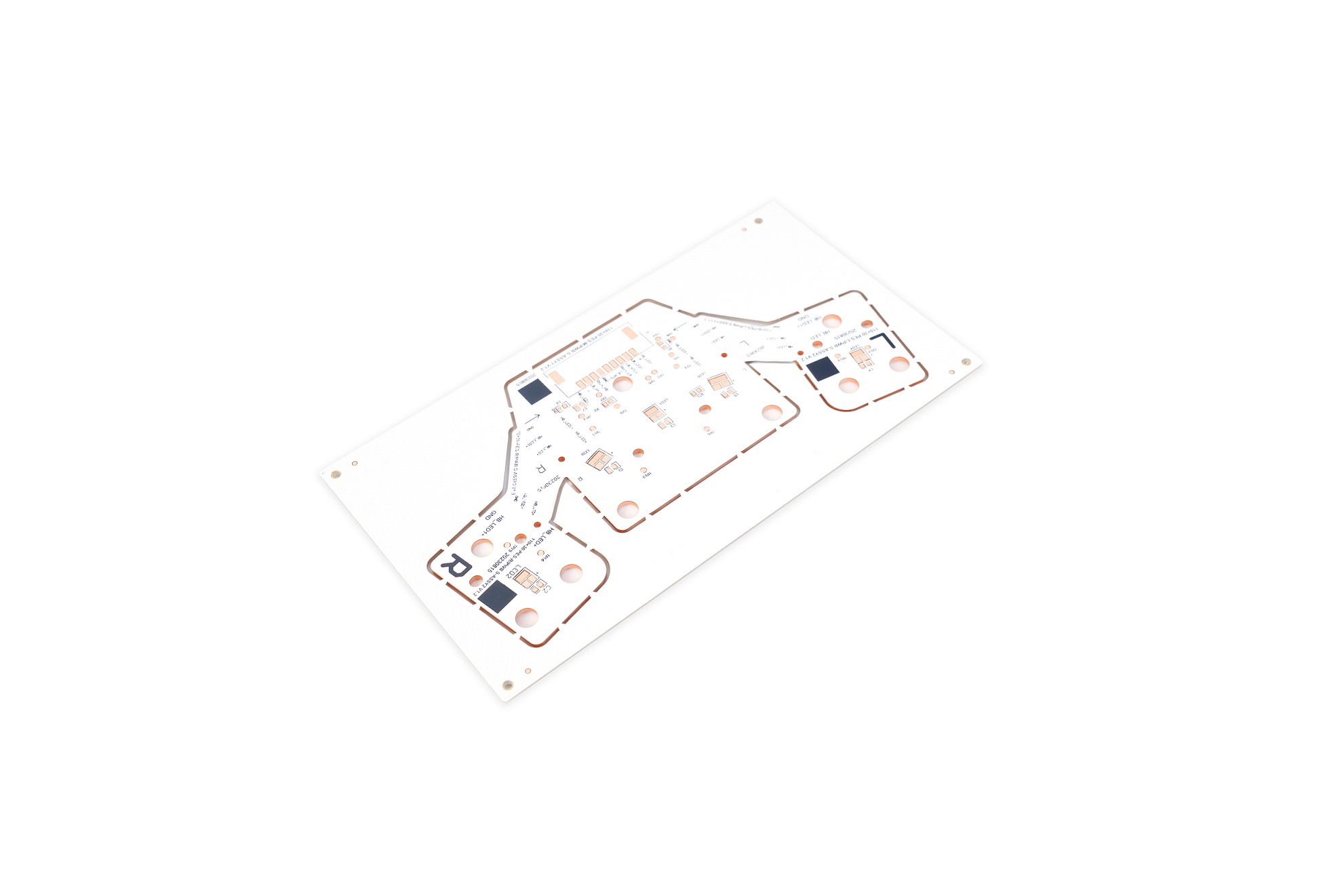
Aluminum Clad PCB, Aluminum Clad PCB Board Manufacturer 

April 11th, 2025

Are you looking for aluminum clad PCB solutions? Let’s learn more about aluminum clad PCB’s materials, advantages, specifications, manufacturing steps, production case, differences between copper clad PCB and aluminum clad PCB as well as how to select a reliable manufacturer.

EBest Circuit (Best Technology) specializes in aluminum clad PCB design and manufacturing, delivering unmatched thermal conductivity (2.5 W/m·K) through precision-engineered copper-aluminum bonding with 99.8% defect-free rates. Our UL 94 V-0 certified boards withstand 1,000+ thermal cycles (-40°C to 150°C), ideal for automotive LED and industrial power systems. With ±0.02mm trace tolerance and AI-optimized panel utilization reducing material waste by 15%, we guarantee rapid 72-hour prototypes and 24/7 engineering support. Trust our 40Όm dielectric layer control (±2Όm) to eliminate high-voltage arcing risks while maintaining 2oz copper thickness consistency. Submit your design now for a free thermal simulation report within 4 hours: sales@bestpcbs.com.

What Is Aluminum Clad PCB?

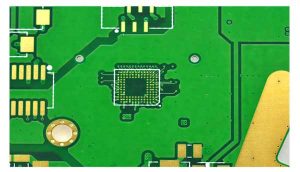
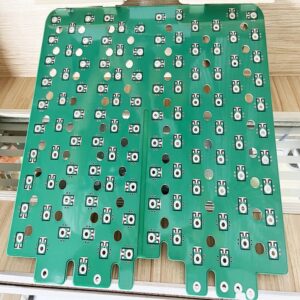
An aluminum clad PCB, also known as an aluminum-based PCB or MCPCB (Metal Core PCB), is a specialized type of PCB that integrates a metal core (typically aluminum) as its base layer. Unlike standard FR-4 PCBs, which rely on glass-reinforced epoxy laminates, aluminum clad PCBs leverage the metal’s superior thermal conductivity to dissipate heat efficiently.

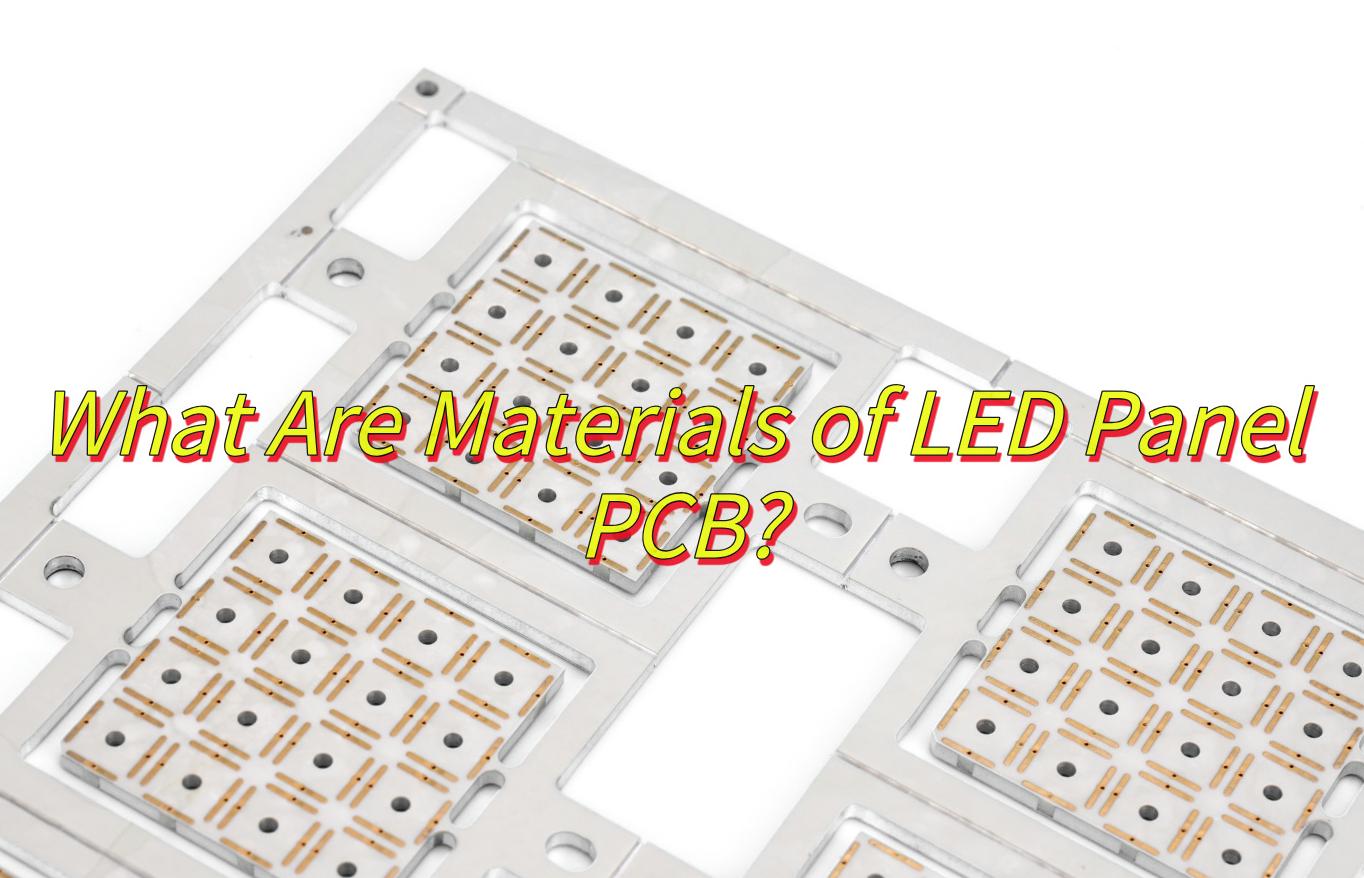
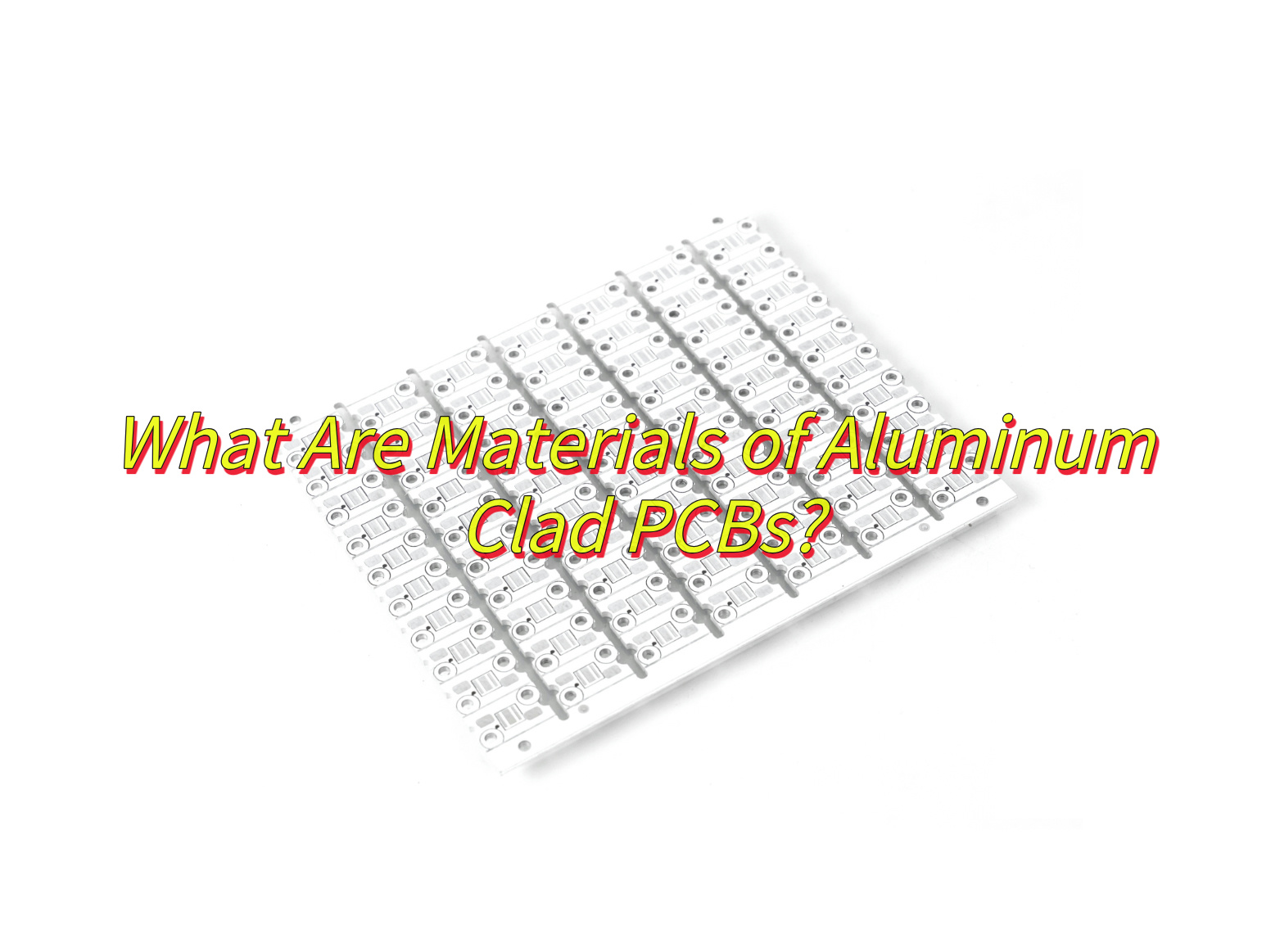
What Are Materials of Aluminum Clad PCBs?

  • Copper foil: Copper foil has excellent electrical conductivity and is the main conductive layer of the circuit. When current passes through the copper-clad laminate, the current mainly flows in the copper foil layer, thereby realizing the conductive function of the circuit.
  • Electronic fiberglass cloth: As a reinforcing material, it provides mechanical strength and stability to the board.
  • Resin: As an insulating adhesive layer, it prevents current leakage and short circuit, ensuring the electrical safety of the circuit.
  • Aluminum substrate: Provides good thermal conductivity, helps dissipate the heat generated by the circuit, and ensures the stability and reliability of electronic equipment when running at high power.
What Are Materials of Aluminum Clad PCBs?

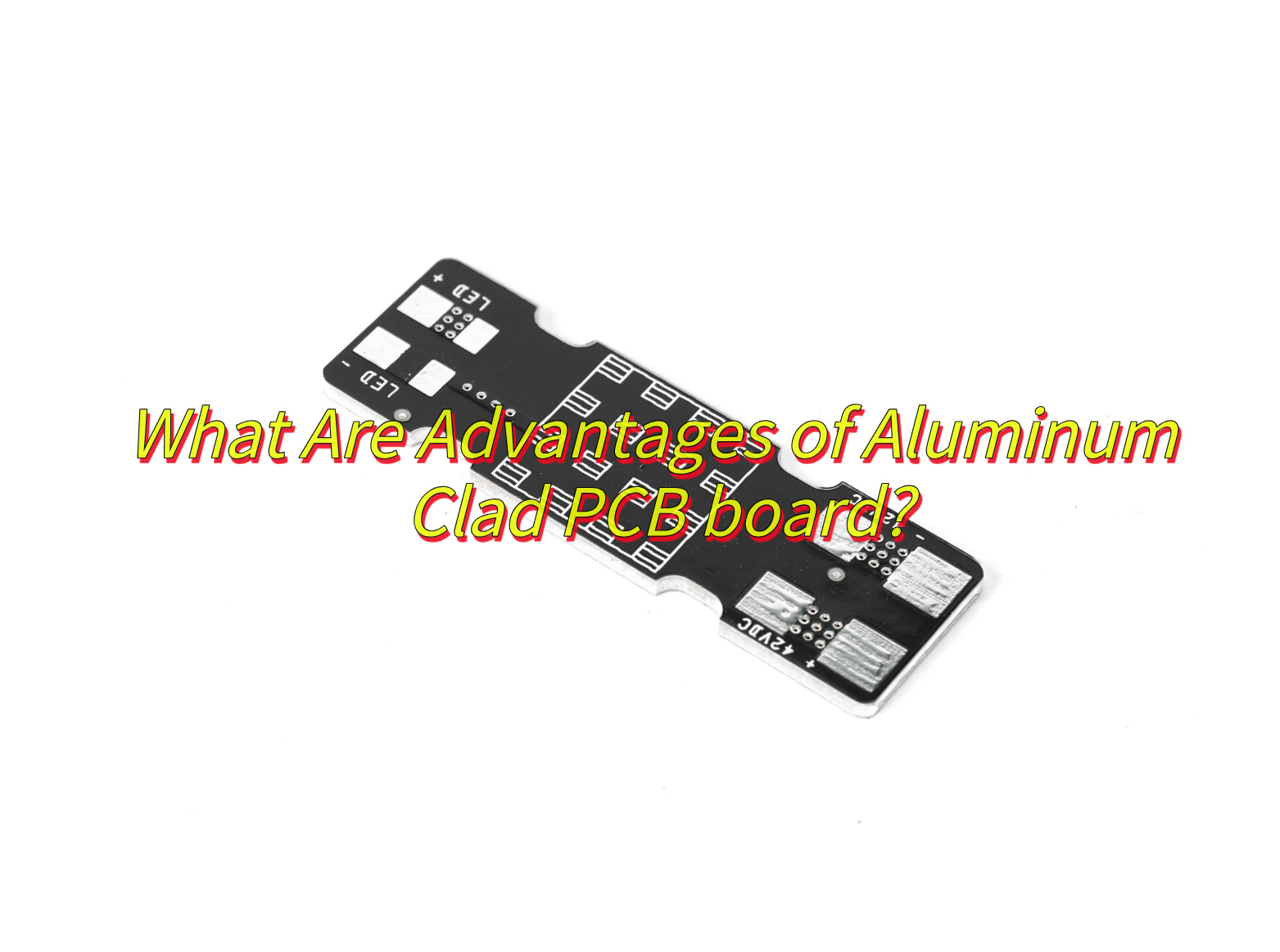
What Are Advantages of Aluminum Clad PCB board?

  • Excellent thermal conductivity: Aluminum-based copper-clad laminates have excellent thermal conductivity, which can effectively reduce the operating temperature of electronic devices and improve the stability and reliability of equipment.
  • Good welding performance: The copper foil layer provides good welding performance, which is convenient for the assembly and repair of circuit boards.
  • High mechanical strength and corrosion resistance: Aluminum-based copper-clad laminates have good mechanical strength and corrosion resistance, and can maintain stable performance in harsh environments.
  • High conductivity: The copper foil layer provides good conductivity, which is suitable for high-frequency, high-speed, and high-heat dissipation electronic devices. Lightweight and corrosion-resistant: Aluminum-based copper-clad laminates combine the lightness of aluminum and the conductivity of copper, which is suitable for various electronic devices.
What Are Advantages of Aluminum Clad PCB board?

What Are the Specifications for Aluminum Clad PCBs?

Here are aluminum clad PCB specifications:

Base Layer‌:

  • Material‌: 5052/6061 aluminum alloys (1.0–3.2 mm thickness)‌.
  • Thermal Conductivity‌: 5–10× higher than standard FR-4 substrates‌.
  • Structural Role‌: Provides rigidity and prevents warping in high-stress environments‌.

Insulation Layer

  • Material‌: Epoxy-based polymers or ceramic-filled dielectric (50–200 ”m thick)‌.
  • Thermal Conductivity‌: 1.5–8.0 W/m·K, balancing electrical isolation and heat transfer‌.
  • Breakdown Voltage‌: >3 kV to prevent circuit shorting‌.

Circuit Layer

  • Copper Foil‌: Electrolytic copper (1–10 oz) for high-current traces‌.
  • Peel Strength‌: ≄1.5 kgf /cm after thermal cycling (230°C)‌.

Electrical Performance‌

  • Power Loop Inductance‌: Minimized design for GaN-HEMT modules to reduce switching losses‌.
  • High-Frequency Stability‌: Low parasitic inductance/resistance for RF and power applications‌.

Thermal Metrics

  • Thermal Resistance‌: 60–80% lower than FR-4, critical for >10W/cmÂČ heat dissipation‌.
  • Cooling Efficiency‌: Supports continuous operation in power converters and LED modules‌.

Compliance & Manufacturing‌

  • Standards‌: Meets UL 94V-0 flame resistance and RoHS directives‌.
  • Compatibility‌: Optimized for SMT assembly and multichip module integration‌.
What Are the Specifications for Aluminum Clad PCBs?

What Are the Steps to Manufacture Aluminum Clad PCB Boards?

Here are steps to manufacture aluminum clad PCB boards:

1. Material Preparation

  • Aluminum Base: Select high-purity aluminum (e.g., 1060 alloy) or alloys tailored for thermal conductivity and mechanical strength.
  • Dielectric Layer: Choose a material with high thermal conductivity (e.g., 1–10 W/m·K) and electrical insulation properties (e.g., ceramic-filled polymers or epoxy resins).
  • Copper Foil: Use thick copper (1–10 oz) for high-current applications, ensuring compatibility with the dielectric layer.

2. Lamination

  • Layer Stacking: Combine the aluminum base, dielectric layer, and copper foil in a press under controlled temperature and pressure.
  • Bonding: Use adhesives or prepregs to ensure strong adhesion between layers, avoiding delamination during thermal cycling.

3. Drilling

  • Hole Formation: Create via holes and component mounting holes using specialized drills designed for aluminum to prevent burrs and maintain hole quality.
  • Deburring: Remove sharp edges and debris to ensure smooth plating and assembly.

4. Plating

  • Chemical Deposition: Apply a thin copper layer to the hole walls via electroless plating to enable electrical conductivity.
  • Panel Plating: Thicken the copper layer using electrolytic plating to meet current-carrying requirements.

5. Imaging and Etching

  • Photoresist Application: Coat the copper surface with a photosensitive material and expose it to UV light through a circuit pattern mask.
  • Development: Remove unexposed photoresist to reveal the copper traces for etching.
  • Etching: Use acidic or alkaline solutions to selectively remove unwanted copper, leaving the desired circuit pattern.

6. Solder Mask Application

  • Coating: Apply a liquid photo imageable solder mask (LPI) or dry film solder mask to protect the copper traces from oxidation and solder bridges.
  • Curing: Harden the solder mask via UV exposure or thermal baking to ensure durability.

7. Surface Finish

  • Finishing Options: Apply ENIG (Electroless Nickel/Immersion Gold), HASL (Hot Air Solder Leveling), or OSP (Organic Solderability Preservative) to enhance solderability and corrosion resistance.

8. Silkscreen Printing

  • Labeling: Print component labels, logos, and other markings using UV-curable ink for clarity and durability.

9. Routing and V-Scoring

  • Contouring: Use a CNC router or V-scoring machine to separate individual PCBs from the panel while maintaining structural integrity.

10. Electrical Testing

  • Functional Testing: Verify circuit continuity, insulation resistance, and functionality using flying probe or bed-of-nails testers.
  • Thermal Testing: Simulate operating conditions to ensure the aluminum core effectively dissipates heat.

11. Final Inspection and Packaging

  • Quality Control: Inspect for defects such as delamination, voids, or plating issues using automated optical inspection (AOI) or X-ray systems.
  • Packaging: Protect finished PCBs with anti-static bags, moisture barriers, and cushioning materials to prevent damage during shipping.

Can You Share OEM Aluminum Clad PCB Success Cases?

Here is a case of OEM aluminum clad PCB:

Case Study: High-Power LED Lighting Module Manufacturing

Client: A global LED lighting manufacturer seeking to improve product reliability and reduce failure rates in high-brightness LED applications.

Challenges:

  • Overheating issues in existing FR4-based PCBs, leading to premature LED degradation.
  • Need for a cost-effective solution to scale production while maintaining thermal performance.

Solution: OEM Aluminum Clad PCB Production

Material Selection:

  • Aluminum Base: 1060 alloy (99.6% purity) for optimal thermal conductivity (201 W/m·K).
  • Dielectric Layer: Ceramic-filled epoxy resin with 1.5 W/m·K thermal conductivity and 250°C glass transition temperature.
  • Copper Foil: 2 oz (70 ÎŒm) thickness for high current-carrying capacity.

Main Manufacturing Steps:

  • Lamination: Precision bonding of layers under 180°C and 200 kg/cmÂČ pressure to ensure void-free adhesion.
  • Drilling: Carbide drills with 0.3 mm diameter to prevent burrs and maintain hole quality.
  • Plating: Electroless nickel/immersion gold (ENIG) finish for corrosion resistance and solderability.
  • Thermal Testing: Simulated 120°C operating conditions to validate heat dissipation efficiency.

Quality Assurance:

  • Thermal Cycling: -40°C to 125°C, 1,000 cycles with <5% resistance drift.
  • Thermal Resistance (RΞ): Measured at 1.2°C/W, a 70% improvement over FR4 PCBs.
  • Failure Rate: Reduced from 8% to <0.5% in accelerated life tests (10,000 hours at 105°C).

Results:

  • Cost Savings: 15% reduction in manufacturing costs through streamlined processes and material efficiency.
  • Market Impact: The client secured contracts with major automotive and architectural lighting brands, expanding market share by 25%.
  • Reliability: Zero field failures reported in the first 18 months of deployment.

How to Select A Trusted Aluminum Clad PCB Board Manufacturer?

Here are some ways to how to select a reliable aluminum clad PCB manufacturer:

Technical Capability Validation

  • Require manufacturers to disclose core specifications:
  • Thermal resistance ≀0.5°C·inÂČ/W
  • Minimum trace width/spacing ≀75ÎŒm
  • Multi-layer hybrid bonding capabilities (e.g., FR-4 + aluminum substrate)
  • Verify precision equipment ownership:
  • Laser Direct Imaging (LDI) systems for ±0.01mm alignment
  • Automated etching lines with ±3% copper thickness control

Quality Certifications & Testing

  • Mandatory certifications:
  • UL94 V-0 flammability rating
  • ISO 9001:2015 with valid audit reports
  • On-site inspection focus:
  • AOI defect detection accuracy (≀15ÎŒm anomalies)
  • Thermal shock test range (-40°C to 150°C, 100+ cycles)
  • Real-time CPK monitoring (≄1.33 for critical processes)

Supply Chain Transparency‌

  • Raw material traceability:
  • Aluminum substrates from certified mills
  • Copper foil thickness tolerance ≀±3% (3oz+)
  • Production flexibility:
  • 24-hour rapid prototyping capability

Cost Optimization Strategies

  • Demand technical documentation:
  • Thermal simulation reports proving ≄30% heat sink cost reduction
  • Panel utilization rate ≄92% via intelligent nesting software
  • Evaluate standardized process packages for:
  • 10-15% lower NRE costs on small batches
  • ±5ÎŒm dielectric layer consistency

Engineering Responsiveness‌

  • Verify service protocols:
  • 2-hour emergency technical support
  • 24-hour design change implementation
  • Access to failure mode database (50+ aluminum PCB case studies)
  • Demand DFM feedback within 4 work hours for:
  • Impedance control (±8%)
  • Warpage control (≀0.3% on 300mm boards)

What Are Differences Between Copper Clad PCB and Aluminum Clad PCB?

Here’s a structured analysis of differences between copper clad PCB and aluminum clad PCB:

Material Composition & Structure:

  • Aluminum Clad PCBs: Consist of an aluminum substrate with a dielectric layer and copper foil on top. The aluminum acts as the primary heat dissipater, while the copper layer facilitates electrical conductivity.
  • Copper Clad PCBs: Feature copper-plated aluminum conductors (CCA wires) embedded within the board. The aluminum core reduces weight and cost, while the copper layer ensures adequate conductivity.

Thermal Performance:

  • Aluminum Clad PCBs: Excel in heat dissipation due to aluminum’s high thermal conductivity (1.0–2.0 W/m·K), making them ideal for high-power applications like LED lighting and power modules.
  • Copper Clad PCBs: Offer moderate thermal performance. While aluminum aids heat transfer, the copper layer’s thermal conductivity is limited by its thickness, making them less effective than pure aluminum or copper substrates in high-heat scenarios.

Electrical Conductivity:

  • Aluminum Clad PCBs: Provide excellent conductivity via the copper foil layer, suitable for high-frequency signals and large currents.
  • Copper Clad PCBs: Have lower conductivity than pure copper due to the thinner copper layer. This may impact signal integrity in high-frequency applications, requiring careful design considerations.

Cost:

  • Aluminum Clad PCBs: Generally more expensive than CCA PCBs due to the use of copper foil and specialized dielectric materials.
  • Copper Clad PCBs: Offer cost savings of 30–50% compared to pure copper boards, making them attractive for budget-conscious projects without extreme thermal demands.

Mechanical Strength & Durability:

  • Aluminum Clad PCBs: Robust and resistant to deformation, withstanding mechanical stress and vibration. However, they are heavier than CCA PCBs.
  • Copper Clad PCBs: Lighter and more flexible due to the aluminum core, but may be less durable under high mechanical stress. The bond between copper and aluminum can also affect long-term reliability.

Manufacturing Complexity:

  • Aluminum Clad PCBs: Require specialized processes like chemical etching and precise dielectric lamination, increasing production complexity and lead times.
  • Copper Clad PCBs: Are generally easier to manufacture, as standard PCB processes can be adapted for CCA conductors.

Applications:

  • Aluminum Clad PCBs: Preferred in high-power electronics, automotive lighting, and industrial controls where heat management is critical.
  • Copper Clad PCBs: Suitable for consumer electronics, telecom devices, and lighting applications where cost and moderate thermal performance are priorities.

Reliability & Lifespan:

  • Aluminum Clad PCBs: Offer longer lifespans due to aluminum’s corrosion resistance and stable dielectric properties, especially in harsh environments.
  • Copper Clad PCBs: May require additional protective coatings to prevent oxidation of the aluminum core, which could impact long-term reliability.

In summary, that’s all about aluminum clad PCB’s materials, advantages, specifications, manufacturing steps, production case, differences between copper clad PCB and aluminum clad PCB as well as how to select a reliable manufacturer. If you want to learn more about aluminum clad PCB, welcome to leave a message below this blog. Looking forward to hearing from you!
You may also like

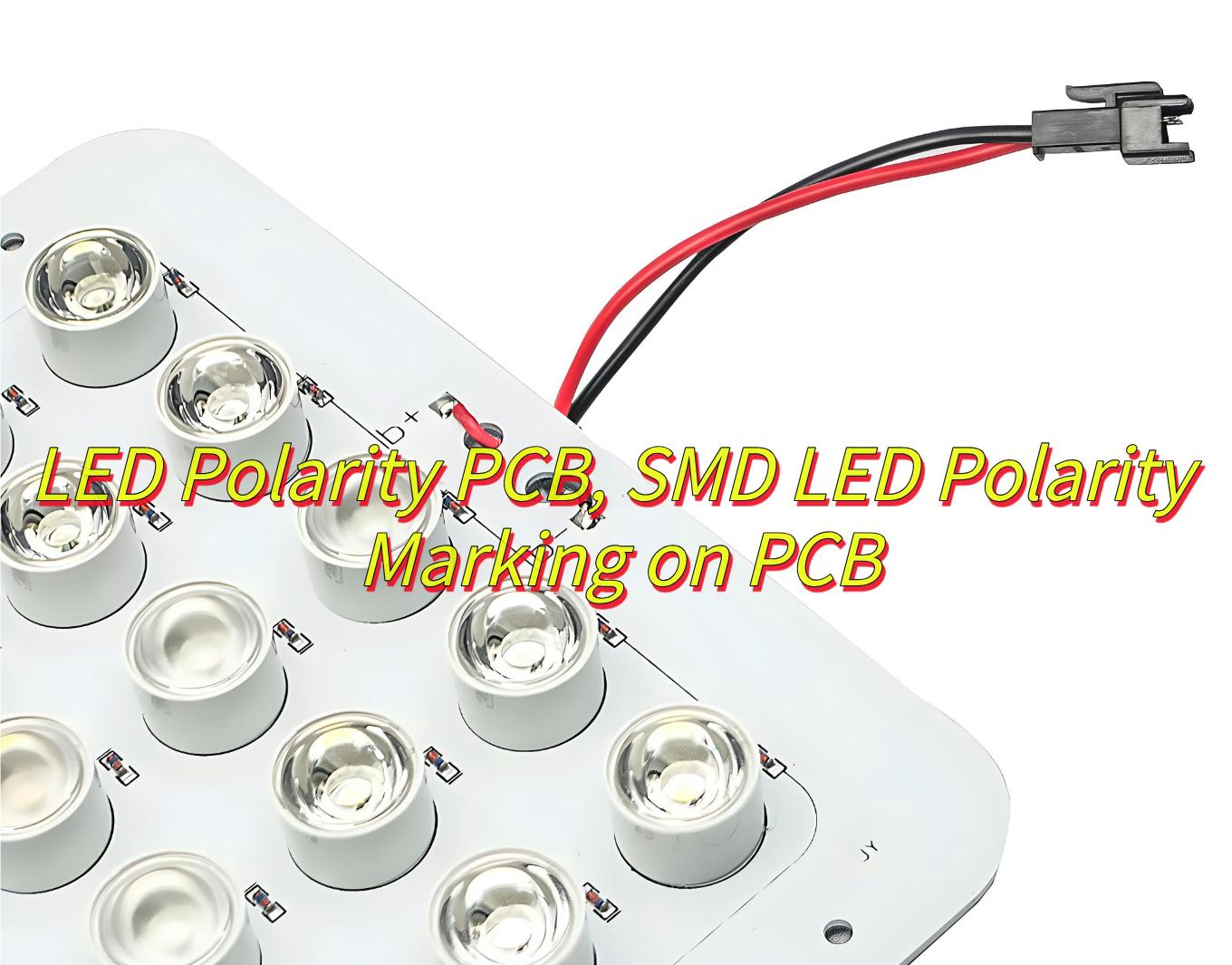
LED Polarity PCB, SMD LED Polarity on PCB

April 10th, 2025

Would you want to get more information about LED polarity PCB? Let’s explore more about its function, application and identify LED polarity ways.

As a LED polarity PCB manufacturer, Best technology focus on LED polarity PCB solution over 18 years, including LED polarity PCB design and manufacturing. Our advanced etching and plating processes ensure ‌crystal-clear polarity markings‌ (e.g., 3-dot systems) to eliminate assembly errors and reverse-connection risks‌. Rigorous quality control includes AOI to verify polarity alignment during production and thermal stress testing to validate PCB durability under high-current LED drivers‌. We design asymmetric footprints with enlarged cathode pads and integrate silkscreen clues (arrows, “–” symbols) tailored to client specifications, adhering to IPC-7351 standards‌. With custom prototyping services and datasheet-backed technical support, we ensure polarity integrity from design to mass production, minimizing circuit damage risks‌. Partner with us for mission-critical LED PCBs that combine precision, compliance, and fail-safe performance. Contact us today for a competitive quote: sales@bestpcbs.com

What Is LED Polarity PCB?

An LED Polarity PCB is a printed circuit board (PCB) specifically designed to accommodate Light Emitting Diodes (LEDs) while ensuring their correct electrical polarity. LEDs are diodes, meaning they allow current to flow in only one direction. Reversing the polarity can prevent the LED from lighting up or cause permanent damage.

What Is LED Polarity PCB?

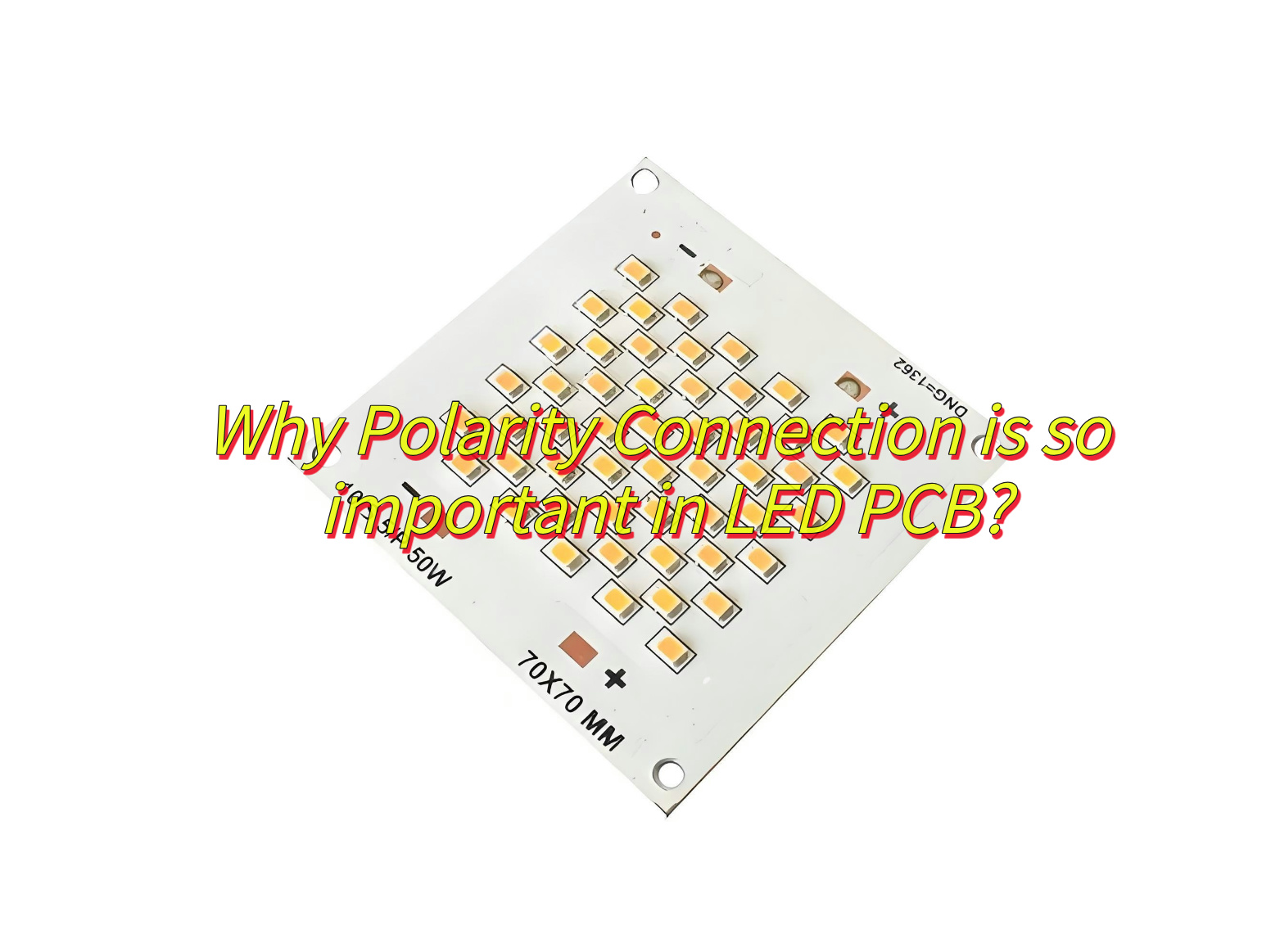
Why Polarity Connection is so important in LED PCB?

  • Unidirectional Operation‌: LEDs function only with correct (+/-) alignment. Reverse polarity blocks current flow, preventing illumination.
  • ‌Component Protection‌: Incorrect polarity causes reverse bias, generating excessive heat that degrades or destroys LEDs.
  • ‌Circuit Integrity‌: Proper polarity ensures designed current paths, avoiding voltage drops, flickering, or cascading failures.
  • ‌Performance Stability‌: Correct alignment maintains brightness consistency, efficiency, and lifespan.
  • ‌Cost Avoidance‌: Eliminates rework, scrap, and warranty issues from polarity-related defects.
Why Polarity Connection is so important in LED PCB?

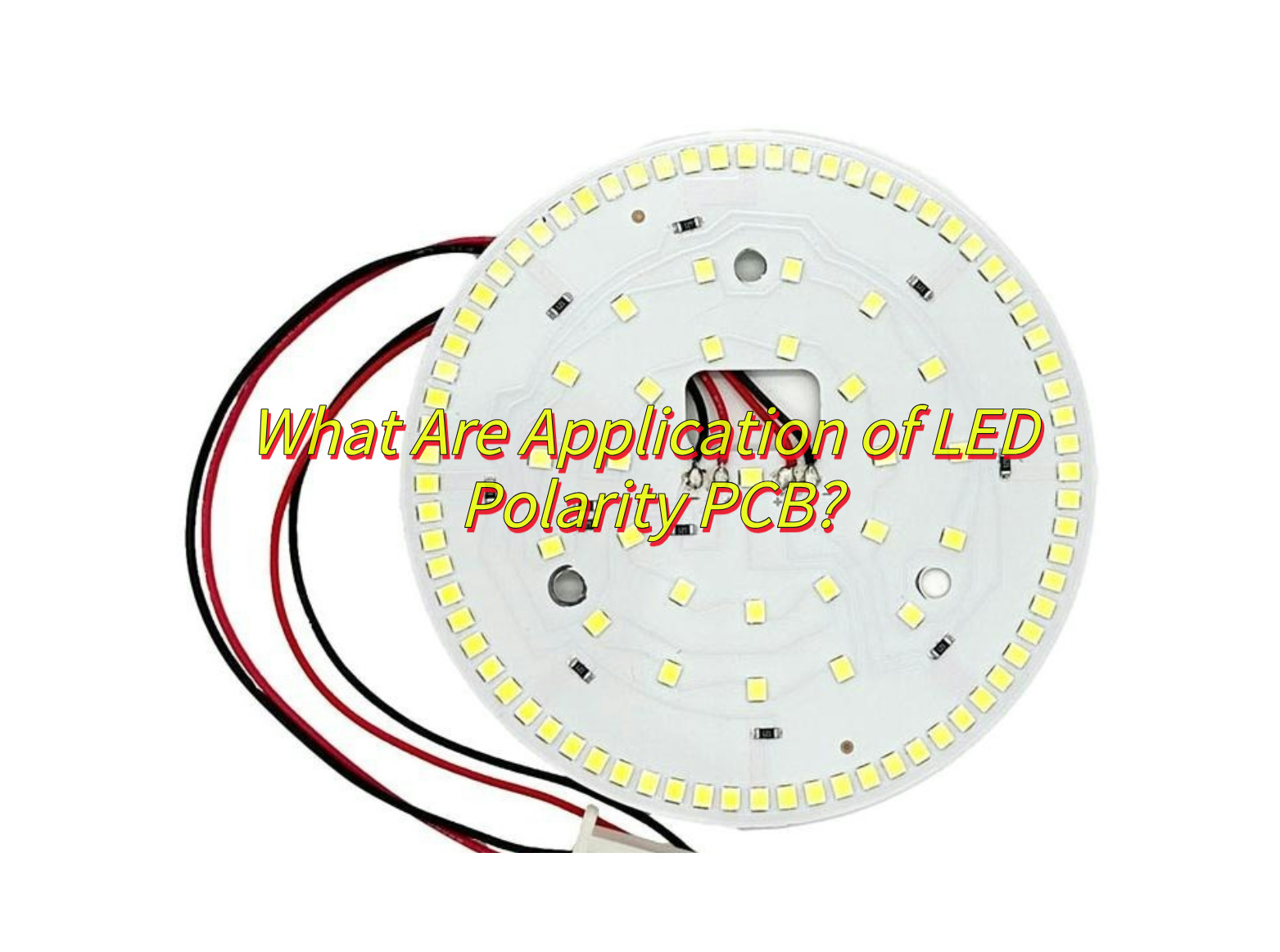
What Are Application of LED Polarity PCB?

Applications of LED Polarity PCB:‌

  • Lighting Systems‌-Used in LED bulbs, streetlights, and industrial lighting for efficient heat dissipation and stable current flow‌.
  • Automotive Lighting‌- Critical for headlights, taillights, and interior lighting to prevent reverse-bias damage and ensure reliability‌.
  • Consumer Electronics‌-Enables backlighting in TVs, smartphones, and displays by aligning polarity to avoid flickering or uneven illumination‌.
  • Signage and Advertising‌-Powers LED billboards, matrix displays, and decorative lighting with consistent color and brightness‌.
  • Medical Devices‌-Used in surgical tools and diagnostic equipment for reliable, flicker-free illumination‌.
  • Industrial Equipment‌-Supports machine vision systems and indicator lights with robust polarity-sensitive designs‌.
What Are Application of LED Polarity PCB?

How Is Marked the Polarity of LED on a PCB?

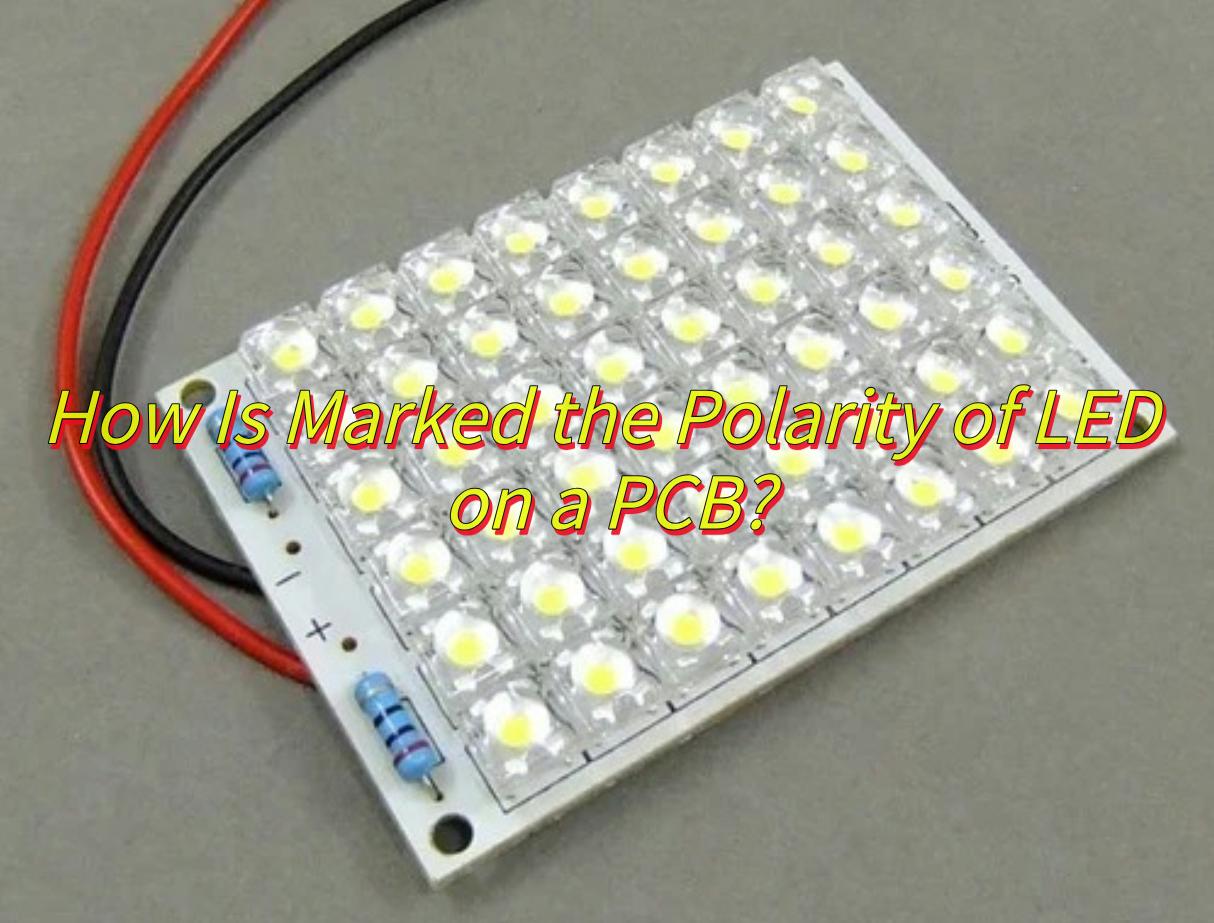
Here are some ways to identify LED polarity on PCBs with markings and symbols:

Silkscreen Labels‌:

  • “+” or “–”‌: Explicit symbols printed near pads.
  • “A” (Anode) / “K” (Cathode)‌: Text labels for clarity.

Pad Shape/Size‌:

  • Square Pad‌: Often denotes anode (+).
  • Round Pad‌: Typically marks cathode (–).

Polarity Symbols‌:

  • Arrow or Line‌: Points toward the cathode (–) direction.

Component Outline‌:

  • Flat Edge‌: Silkscreen outline matches LED’s flat side (cathode).

Color Coding:

  • Red traces/pads for anode (+), black for cathode (–).

Test Points

  • “+V” or “GND”‌: Voltage labels for debugging.

Documentation‌:

  • Assembly Notes‌: Schematics or BOMs specify polarity alignment.

SMD LEDs

  • Dot/Line‌: Package marking aligns with PCB’s cathode indicator.
How Is Marked the Polarity of LED on a PCB?

How to Check SMD LED Polarity on PCBs Using 3-Dot Markings?

This is how to check SMD LED polarity on PCBs by 3-dot markings:

Locate the 3-Dot Pattern‌

  • Identify three small dots or marks near the SMD LED footprint. These are often arranged in a triangular or linear pattern‌.

Analyze Dot Orientation‌

  • Triangular arrangement‌: The dot closest to the PCB edge or silkscreen outline typically aligns with the ‌cathode (–)‌‌.
  • Linear arrangement‌: The middle dot or offset dot often marks the ‌cathode (–)‌‌.

Cross-Check with Silkscreen Symbols‌

  • Verify if the dots correlate with a ‌flat-edge indicator‌, ‌arrow‌, or ‌”–” symbol‌ printed nearby‌.

Confirm via Pad Design‌

  • If the cathode pad is ‌round/oval‌ or smaller, ensure the 3-dot marking aligns with this pad‌.

Review Documentation‌

  • Check schematics or assembly notes for explicit explanations of 3-dot polarity conventions‌.

Can You Determine SMD LED Polarity on PCBs Without Markings or Symbols?

Yes, here are some methods about how to determine SMD LED polarity on PCBs without marking or symbols:‌

Check LED Package Features‌

  • Look for a ‌green dot‌ or ‌notched corner‌ on the LED body, which typically marks the ‌cathode (–)‌‌.
  • Some LEDs have a ‌flat edge‌ or ‌inverted triangle‌; the flat side or triangle’s base aligns with the ‌cathode (–)‌‌.

Analyze PCB Pad Design‌

  • The ‌cathode (–) pad‌ is often ‌larger‌ or ‌rectangular‌, while the anode (+) pad is smaller or rounded‌.
  • Follow adjacent traces: The cathode may connect to ‌ground (GND)‌ or a shared negative rail‌.

Use a Multimeter‌

  • Set to ‌diode test mode‌. The LED lights up when the ‌red probe‌ touches the ‌anode (+)‌ and the black probe connects to the ‌cathode (–)‌‌.

Cross-Reference Silkscreen Clues‌

  • Check for subtle ‌arrows‌, ‌“–” symbols‌, or ‌“挚” outlines‌ near the LED footprint, which often indicate the cathode‌.

Verify with Datasheets‌

  • Consult the component datasheet for explicit polarity diagrams if available‌.

Why Reversing SMD LED Polarity on PCBs Can Damage Your Circuit?

Here are reasons why reversing SMD LED polarity on PCBs can damages circuits:‌

  • Exceeding Reverse Voltage Limits‌-LEDs have low ‌reverse breakdown voltage‌ (typically ‌5–10V‌). Reverse connection applies full supply voltage (e.g., 12V, 24V) across the LED, exceeding this limit and causing ‌instant failure‌‌.
  • Current Surge Risks‌-In reverse bias, LEDs act as ‌open circuits‌ until breakdown occurs. Post-breakdown, sudden current flow bypasses current-limiting resistors, damaging the LED and ‌overloading drivers/ICs‌‌.
  • Impact on Driver Circuits‌-Constant-current LED drivers (e.g., in backlighting) malfunction when polarity is reversed, potentially ‌shorting outputs‌ or ‌overheating‌ due to unregulated current‌.
  • Trace/Component Stress‌-Reverse polarity forces current to flow through unintended paths, stressing ‌PCB traces‌ or nearby components (e.g., capacitors, resistors)‌.
  • Collateral Damage‌-Failed LEDs can ‌short internally‌, creating direct connections between power and ground rails, risking ‌system-wide failures‌‌.

FAQs of LED Polarity PCB

Q1:What types of LEDs are commonly used in PCBs?

A1:Common types of LEDs used in PCBs include through-hole LEDs, surface-mount LEDs (SMD), and chip-on-board (COB) LEDs. Each has its own polarity identification, but the basic concept remains the same.

Q2:Is it important to check LED polarity when assembling the PCB?

A2:Yes, checking the LED polarity is crucial to ensure the LEDs function as expected. Many PCB assembly services provide clear instructions or visual indicators to guide the correct placement of polarized components like LEDs.

Q3:What tools can help check LED polarity on a PCB?

A3:A multimeter can be used to check the polarity of LEDs, by testing the forward voltage drop when applying a small current. Additionally, a polarized component tester or a microscope can help visually confirm the polarity during assembly.

Q4:How does the polarity of an LED affect the overall performance of the circuit?

A4:Correct LED polarity ensures that the LED operates at its optimal brightness and efficiency. Incorrect polarity can lead to malfunctioning or failure of the LED, which can disrupt the entire circuit, especially in critical applications.

Q5:Can a reverse-polarized LED be repaired?

A5:Typically, an LED cannot be repaired if it is installed with reversed polarity, as it can be permanently damaged. It is best to replace the LED if polarity is reversed.

You may also like

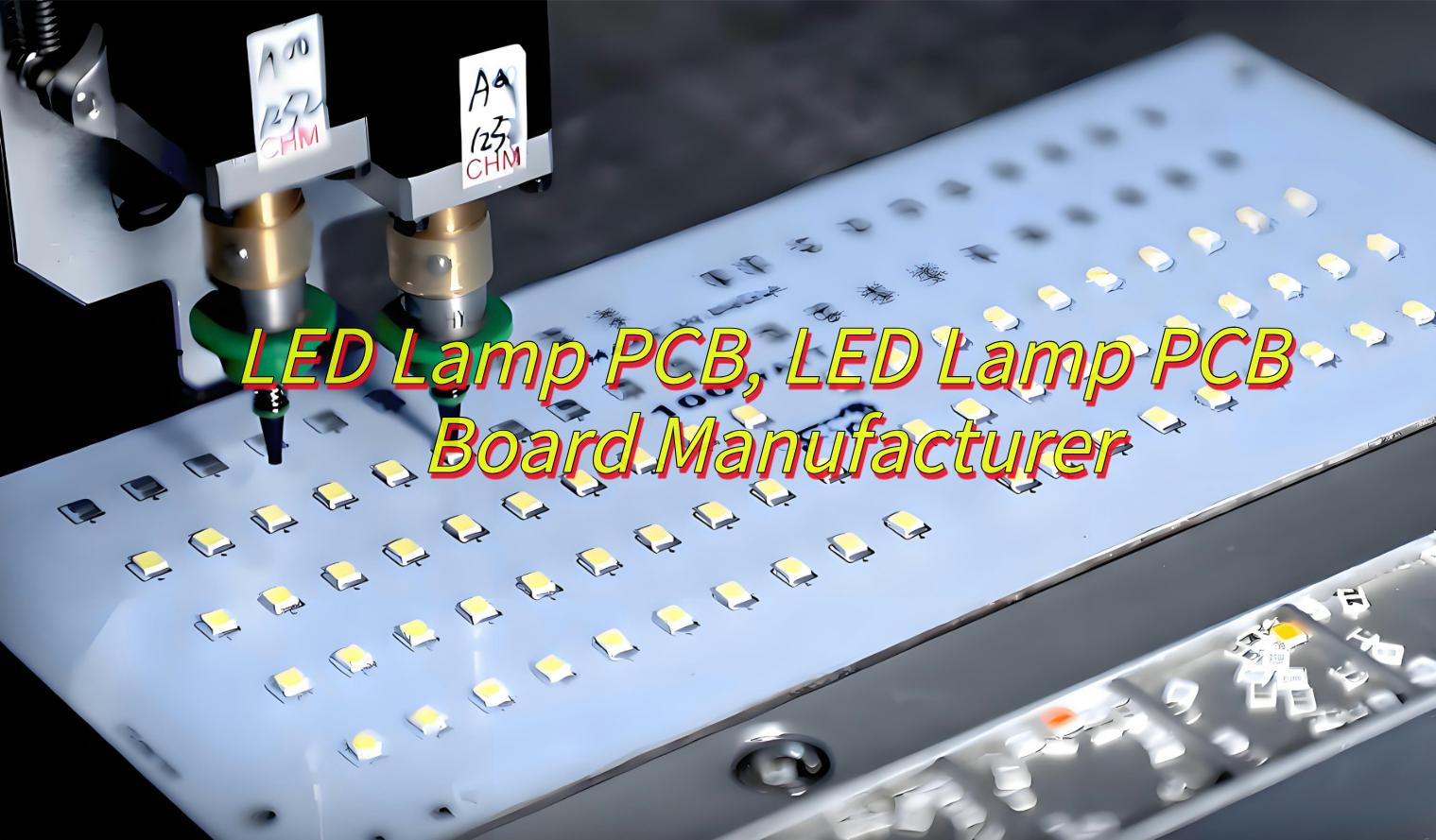
LED Lamp PCB, LED Lamp PCB Board Manufacturer

April 10th, 2025

Would you like to get a good LED lamp PCB solution? Let’s learn more about LED Lamp PCB’s application, heat dissipation solution, efficiency optimization, manufacturer selection, durability testing, and distinctions from LED bar PCBs.

EBest Circuit (Best Technology) stands out as a leading LED lamp PCB manufacturer with ‌diverse product options‌, ‌rapid delivery‌, ‌small-batch flexibility‌, and ‌superior quality‌. Offering 50+ configurations (aluminum-core, FR4, hybrid), they deliver tailored solutions for streetlights, industrial systems, and smart lighting. Their streamlined production ensures a ‌7 days prototype turnaround‌ and ‌15-25 days bulk order fulfillment‌, supported by our stable electronic supply chain and full automatic SMT production lines. Small orders (starting at 10 units) with no MOQ cater to startups. Rigorous testing (thermal cycling, ESD, AOI) ensures ‌IPC-A-610 compliance‌. Trust EBest Circuit (Best Technology) for scalable, high-performance PCBs built for precision and reliability. Contact us today: sales@bestpcbs.com

What Is LED Lamp PCB?

An LED Lamp PCB (Printed Circuit Board) is a specialized circuit board designed to support and electrically connect Light Emitting Diode (LED) components in lighting applications. It serves as the foundation for LED lamps, enabling the integration of LED chips, drivers, resistors, capacitors, and other electronic components into a functional lighting system.

LED Lamp PCB Board Manufacturer

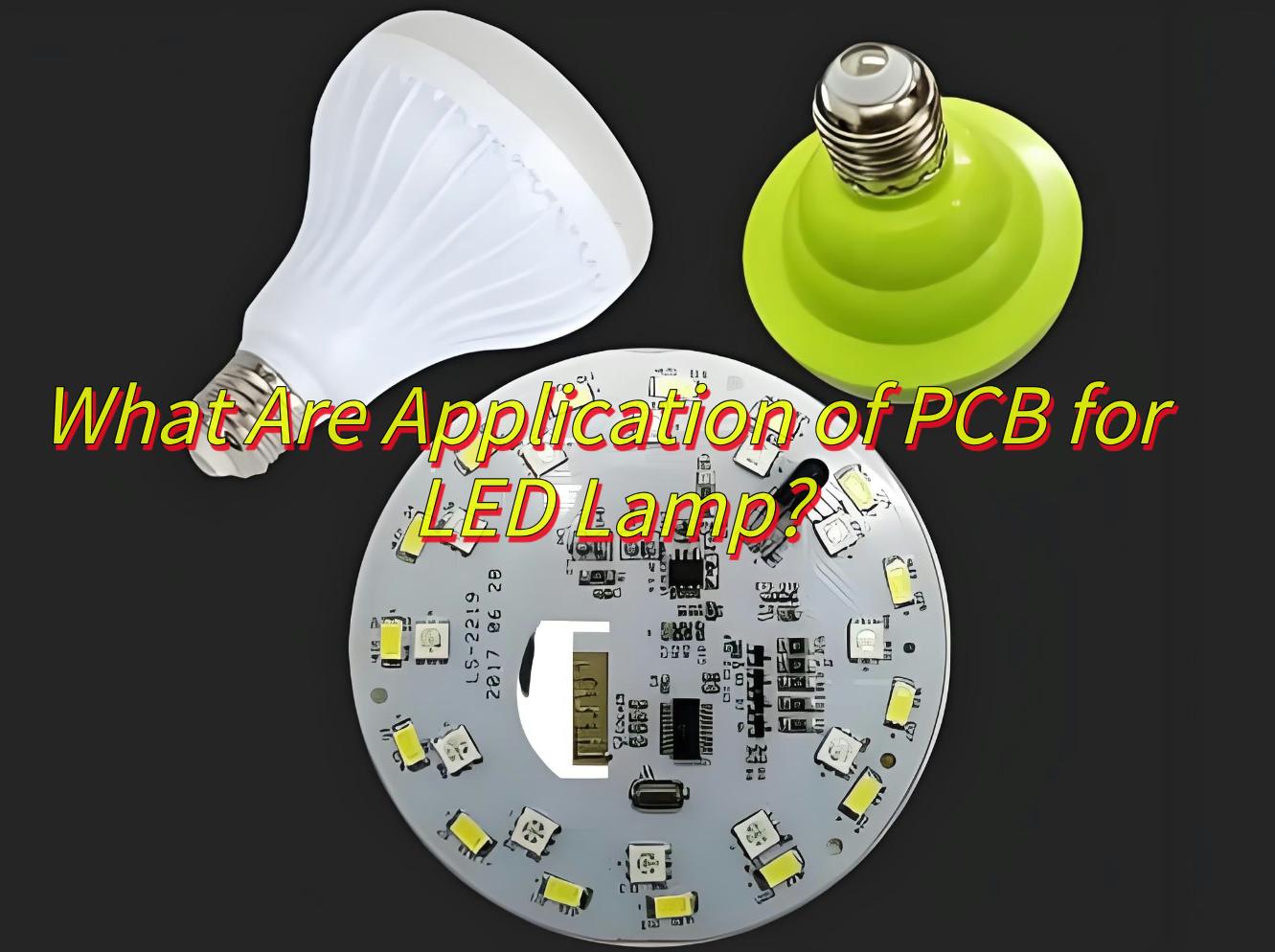
What Are Application of PCB for LED Lamp?

Here are application of LED Lamp PCB:

  • General Lighting: Residential, commercial, and industrial lighting fixtures.
  • Automotive Lighting: Headlights, taillights, and interior lighting.
  • Signage and Displays: Backlighting for signs, billboards, and digital displays.
  • Architectural Lighting: Custom lighting designs for buildings and landmarks.
LED Lamp PCB

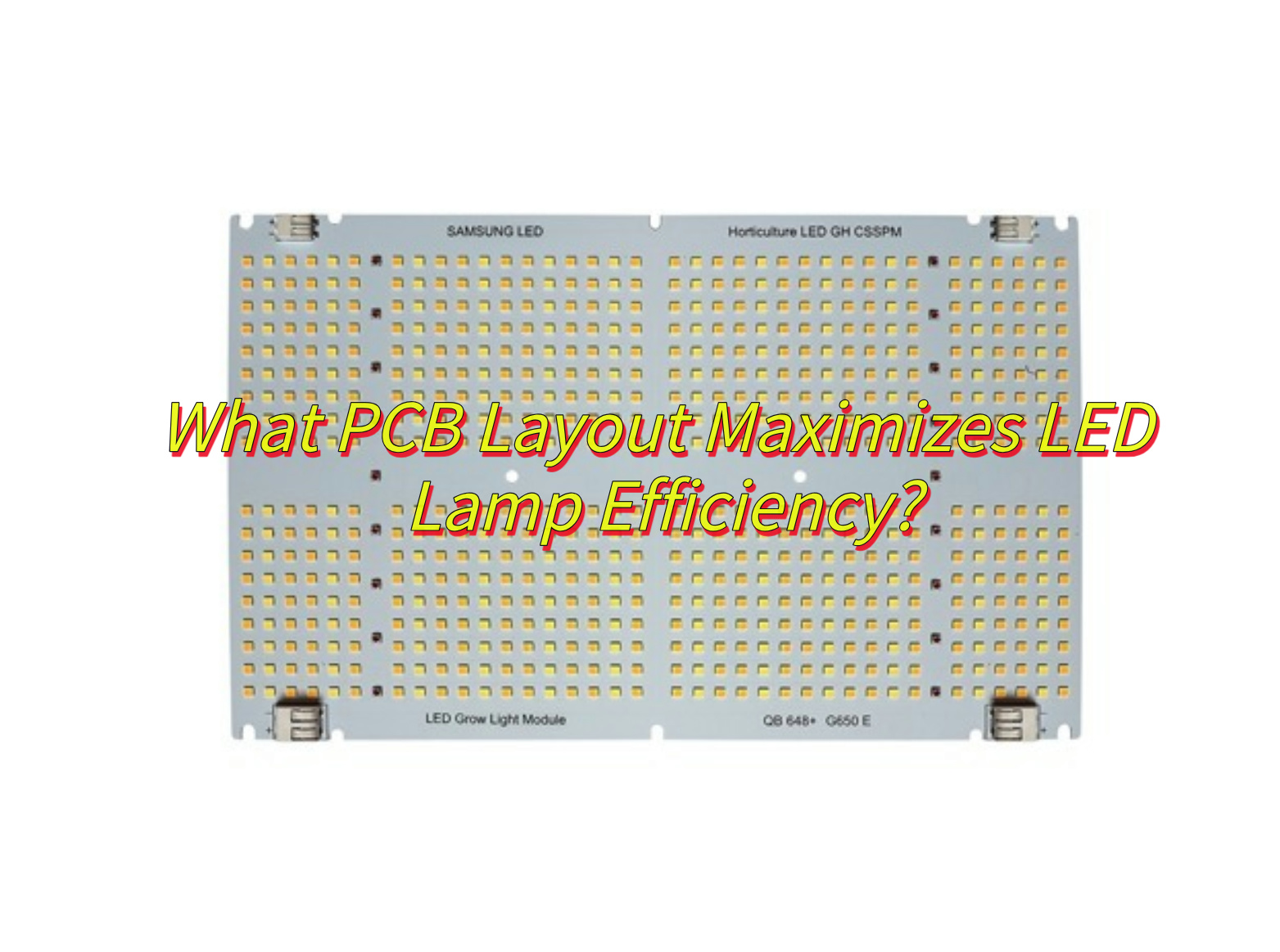
What PCB Layout Maximizes LED Lamp Efficiency?

Below are the critical factors and techniques to achieve maximizes LED lamp PCB efficiency:

Thermal Management

  • Metal Core PCB (MCPCB): Use aluminum or copper substrates for superior heat conduction. These materials efficiently transfer heat away from LEDs, preventing overheating and reducing light degradation.
  • Thermal Vias: Incorporate multiple thermal vias beneath LEDs to connect the top layer (with components) to inner or bottom layers, enhancing heat dissipation.
  • Component Spacing: Maintain adequate spacing between high-power LEDs and heat-sensitive components (e.g., drivers, capacitors) to avoid thermal interference.
  • Copper Pour: Add copper pours or polygons beneath LEDs to act as heat sinks, increasing the surface area for heat transfer.

Electrical Performance

  • Short and Wide Traces: Use short, wide copper traces for power and ground connections to minimize resistance and inductance, reducing voltage drops and improving current delivery.
  • Separate Power and Signal Layers: In multi-layer PCBs, dedicate specific layers for power and ground to isolate them from signal traces, minimizing noise and interference.
  • Decoupling Capacitors: Place decoupling capacitors close to LED drivers and power supply pins to filter high-frequency noise and stabilize voltage.
  • Avoid Sharp Bends: Use 45° or rounded trace corners instead of 90° bends to reduce impedance discontinuities and signal reflections.

Component Placement

  • LED Arrangement: Group LEDs logically to minimize trace lengths and balance current distribution. Avoid long, serpentine traces that can cause voltage drops.
  • Driver Proximity: Position LED drivers close to LEDs to reduce trace lengths and improve current regulation accuracy.
  • Isolation of High-Power Components: Keep high-power components (e.g., MOSFETs, inductors) away from low-power signal traces to prevent electromagnetic interference (EMI).
  • Test Points: Include test points at critical nodes (e.g., LED connections, driver outputs) for easy troubleshooting and performance verification.

Advanced Layout Techniques

  • Ground Plane: Implement a solid ground plane on a dedicated layer to provide a low-impedance return path for current, reducing noise and improving signal integrity.
  • Differential Pair Routing: For high-speed digital signals (e.g., LED control signals), route differential pairs with matched trace lengths and spacing to minimize skew and crosstalk.
  • Stitching Vias: Use stitching vias around sensitive areas (e.g., analog circuits) to isolate them from noisy digital sections, improving signal isolation.

Simulation and Validation

  • Thermal Simulation: Use thermal simulation tools (e.g., ANSYS, SolidWorks) to predict temperature distributions and optimize heat sink designs.
  • Signal Integrity Analysis: Perform signal integrity simulations to identify and correct impedance mismatches, crosstalk, and reflections before fabrication.
LED lamp PCB Board

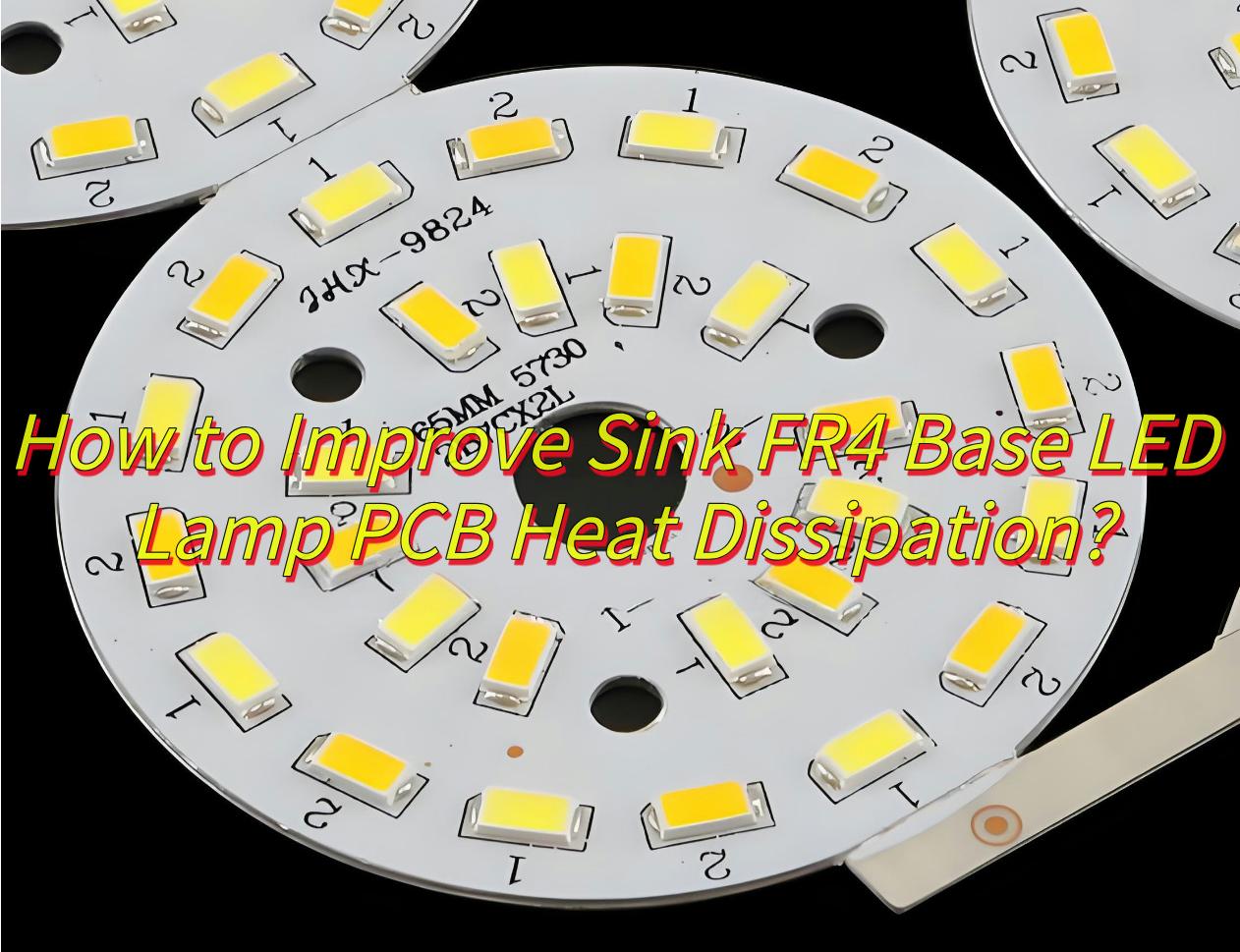
How to Improve Sink FR4 Base LED Lamp PCB Heat Dissipation?

To enhance heat dissipation in FR4-based LED lamp PCBs, implement these practical strategies:

  • ‌Increase Copper Thickness‌-Use thicker copper layers (≄2 oz) for power traces and ground planes to improve thermal conductivity.
  • ‌Optimize Thermal Vias‌-Add densely packed thermal vias under high-power LEDs to transfer heat to backside copper layers or heatsinks. Fill vias with conductive epoxy for better thermal bridging.
  • ‌Component Layout‌-Space out high-power LEDs to prevent localized heat buildup. Avoid placing heat-sensitive components (e.g., drivers) near hotspots.
  • ‌External Heatsinks‌-Attach aluminum/copper heatsinks to the PCB’s underside using thermal adhesive or screws. Ensure flat contact surfaces for optimal heat transfer.
  • ‌Thermal Interface Materials (TIMs)‌-Apply thermal pads, pastes, or phase-change materials between the PCB and heatsink to minimize interfacial thermal resistance.
  • ‌LED Selection‌-Choose LEDs with low thermal resistance (e.g., flip-chip or COB designs) to reduce junction-to-PCB heat transfer bottlenecks.
  • ‌Hybrid Substrates‌-Integrate localized metal-core (e.g., aluminum) or ceramic inserts under high-power LEDs while retaining FR4 for cost-effective areas.
  • ‌Active Cooling‌-For high-density designs, add low-profile fans or Peltier coolers to force airflow across the PCB surface.
  • ‌Current Management‌-Use constant-current drivers and derate LED operating currents (e.g., 80% of max rating) to lower heat generation without sacrificing brightness.
  • ‌Simulation & Testing‌-Perform thermal modeling (e.g., ANSYS) during design. Validate with IR thermography and monitor LED junction temperatures (<85°C).
LED lamp PCBs

How to Select A LED Lamp PCB Board Manufacturer?

To select a LED Lamp PCB Board Manufacturer for LED lamp production, prioritize these criteria with supporting references:

  • Verify quality certifications‌ (e.g., ISO 9001, UL, RoHS) and request third-party audit reports to ensure compliance with safety and environmental standards‌.
  • Assess manufacturing capabilities‌: Confirm expertise in aluminum substrates, hybrid designs (FR4 + metal cores), and high-current trace layouts for thermal management‌. 
  • Evaluate material quality‌: Insist on military-grade laminates and high-temperature solder masks to prevent delamination under prolonged heat‌.
  • Review industry experience‌:Prioritize manufacturers with proven LED lighting projects (e.g., stage lighting, industrial fixtures) and request case studies‌.
  • Demand technical support‌: Ensure DFM (Design for Manufacturing) analysis, thermal simulation tools, and rapid prototyping services‌.
  • Confirm testing protocols‌: Require AOI (Automated Optical Inspection), X-ray testing, and thermal cycling reports to validate reliability‌.
  • Analyze cost structure‌: Compare quotes including tooling fees, bulk discounts, and hidden charges (e.g., IC programming, custom finishes)‌.
  • Verify logistics and scalability‌: Check lead times for small batches (≀72 hours) and capacity for large orders (≄10k units/month)‌.

How Do Manufacturers Test LED Lamp PCB Durability?

LED Lamp PCB Manufacturers validate LED lamp PCB durability through these tests:

Temperature Cycling

  • Expose PCBs to rapid temperature shifts (e.g., -15°C to 60°C) for 250 cycles to test thermal expansion resistance‌.
  • Verify no cracking, delamination, or solder joint failures post-test‌.

Humidity Exposure

  • Operate PCBs at 45°C with 95% humidity for 48+ hours to assess moisture resistance and insulation degradation‌.
  • Check for corrosion, short circuits, or material warping‌.

Vibration Testing

  • Apply 300 RPM vibrations at 2.54cm amplitude in X/Y/Z axes for 30 minutes each to simulate transportation stress‌.
  • Confirm no component detachment or trace fractures‌.

Electrical Stress

  • Run PCBs at 1.2x rated voltage/current for 24+ hours to detect overheating or power regulation failures‌.
  • Monitor insulation resistance (>100MΩ) and dielectric strength (withstand 2x operating voltage)‌.

Accelerated Lifespan Testing

  • Continuously operate LEDs until light output drops to 70% of initial levels (typically 5,000–10,000 hours)‌.
  • Track thermal resistance (Ξ<sub>ja</sub>) to ensure <85°C junction temperatures‌.

Material Reliability Checks

  • Perform ESD tests (HBM >2kV, MM >1kV) to validate anti-static protection‌.
  • Expose to salt spray/acidic gas environments for 48+ hours to test corrosion resistance‌.

Switch Endurance‌

  • Cycle power on/off (e.g., 20s ON / 20s OFF) for 10,000+ iterations to assess contact reliability‌.

What Are Differences Between LED Lamp PCB& LED Bar PCB?

Base Material‌:

  • LED Lamp PCBs use aluminum substrates (copper + dielectric + metal core) for high-power thermal management‌.
  • LED Bar PCBs use FPC (flexible) or rigid FR4 boards, depending on bendability needs‌.

Structure‌:

  • Lamp PCBs feature multi-layer designs (e.g., 1oz–10oz copper) with dielectric insulation‌.
  • Bar PCBs are single/double-layer with 0.1–0.3mm thickness for flexibility or rigidity‌.

Component Density‌:

  • Lamp PCBs support high-density SMD components (e.g., COB LEDs) for focused illumination‌.
  • Bar PCBs use spaced LEDs (e.g., 18–30 LEDs/30cm) for uniform linear lighting‌.

Applications‌:

  • Lamp PCBs: High-power fixtures (streetlights, industrial lamps) requiring >10W output‌.
  • Bar PCBs: Decorative/ambient lighting (signage, furniture) with 12V/24V low-voltage operation‌.

Cost‌:

  • Lamp PCBs cost 30–50% more due to aluminum substrates and complex layering‌.
  • Bar PCBs use cheaper FR4/FPC materials, with flexible versions priced 20% higher than rigid‌.

FAQs of LED Lamp PCB Manufacturing

Q1: What are the advantages of using aluminum PCBs in LED lamp manufacturing?
A1: Aluminum PCBs are popular in LED lamp manufacturing due to their excellent thermal conductivity, which helps to dissipate heat more effectively, improving the performance and lifespan of the LEDs.

Q2: How does the PCB’s surface finish affect LED lamp performance?
A2: The surface finish of the PCB, such as HASL (Hot Air Solder Leveling) or ENIG (Electroless Nickel Immersion Gold), affects solderability, durability, and the overall electrical performance. A high-quality finish ensures reliable connections and minimizes the risk of component failure.

Q3: Can LED lamp PCBs be customized for different types of LED applications?
A3: Yes, LED lamp PCBs can be tailored to meet the specific requirements of various LED applications, including size, shape, current capacity, and thermal management needs. Custom designs help optimize performance based on the intended use.

Q4: What is the importance of testing and quality control in LED lamp PCB manufacturing?
A4: Testing and quality control are crucial in ensuring that LED lamp PCBs function correctly, meet safety standards, and have a long lifespan. This includes electrical testing, thermal testing, and visual inspections to catch defects before the final product is assembled.

Q5: How do environmental regulations impact the manufacturing of LED lamp PCBs?
A5: Environmental regulations, such as RoHS (Restriction of Hazardous Substances) and WEEE (Waste Electrical and Electronic Equipment), ensure that LED lamp PCBs are free from harmful substances like lead and mercury. These regulations influence material choices and manufacturing processes to reduce environmental impact.

You may also like

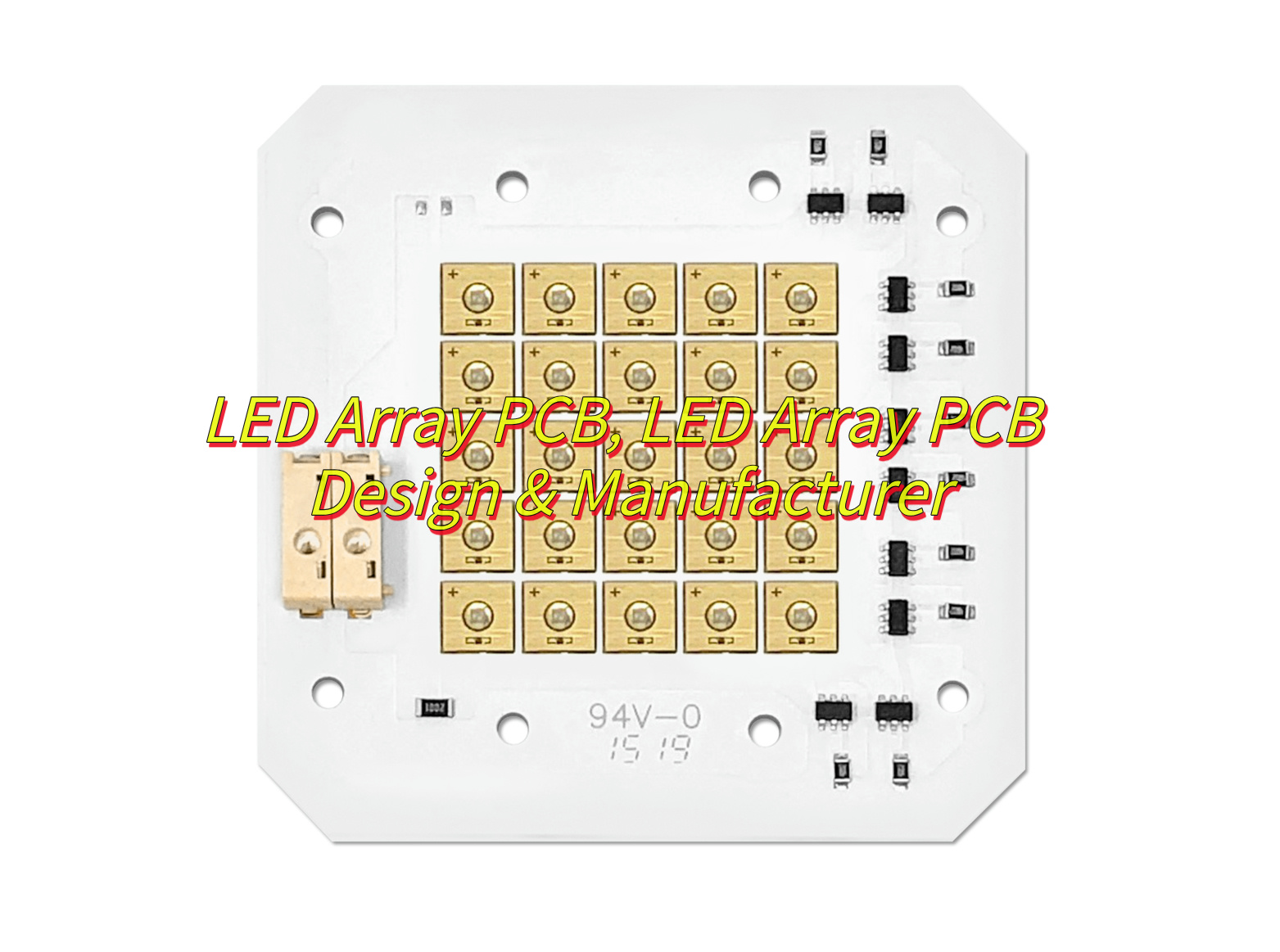
LED Array PCB, LED Array PCB Design & Manufacturer

April 9th, 2025

Are you looking for LED Array PCB solutions? Let’s explore more through this blog about LED array PCB’s advantages, basic layout rule, optimization design and cost reduction solution, manufacturing process so on.

At EBest Circuit (Best Technology), we specialize in LED Array PCB solution from design to manufacturing over 18 years. We deliver strict IP protection (NDA agreements and encrypted R&D processes) and modular designs. Supported by integrated DFM analysis and EMC testing, we promise one-time prototyping success. We have a stable electronic supply chain who can provide you very fast delivery at competitive price.(48-72 hours delivery time for urgent orders). Are you ready to bring your LED array ideas to life? Contact us for a quote: sales@bestpcbs.com

What Is LED Array PCB?

An LED array PCB is a specialized printed circuit board designed to mount and interconnect multiple LEDs in a structured layout. These boards are engineered to control the electrical signals that power the LEDs, enabling precise control over lighting effects such as brightness, color, and patterns. 

LED Array PCB

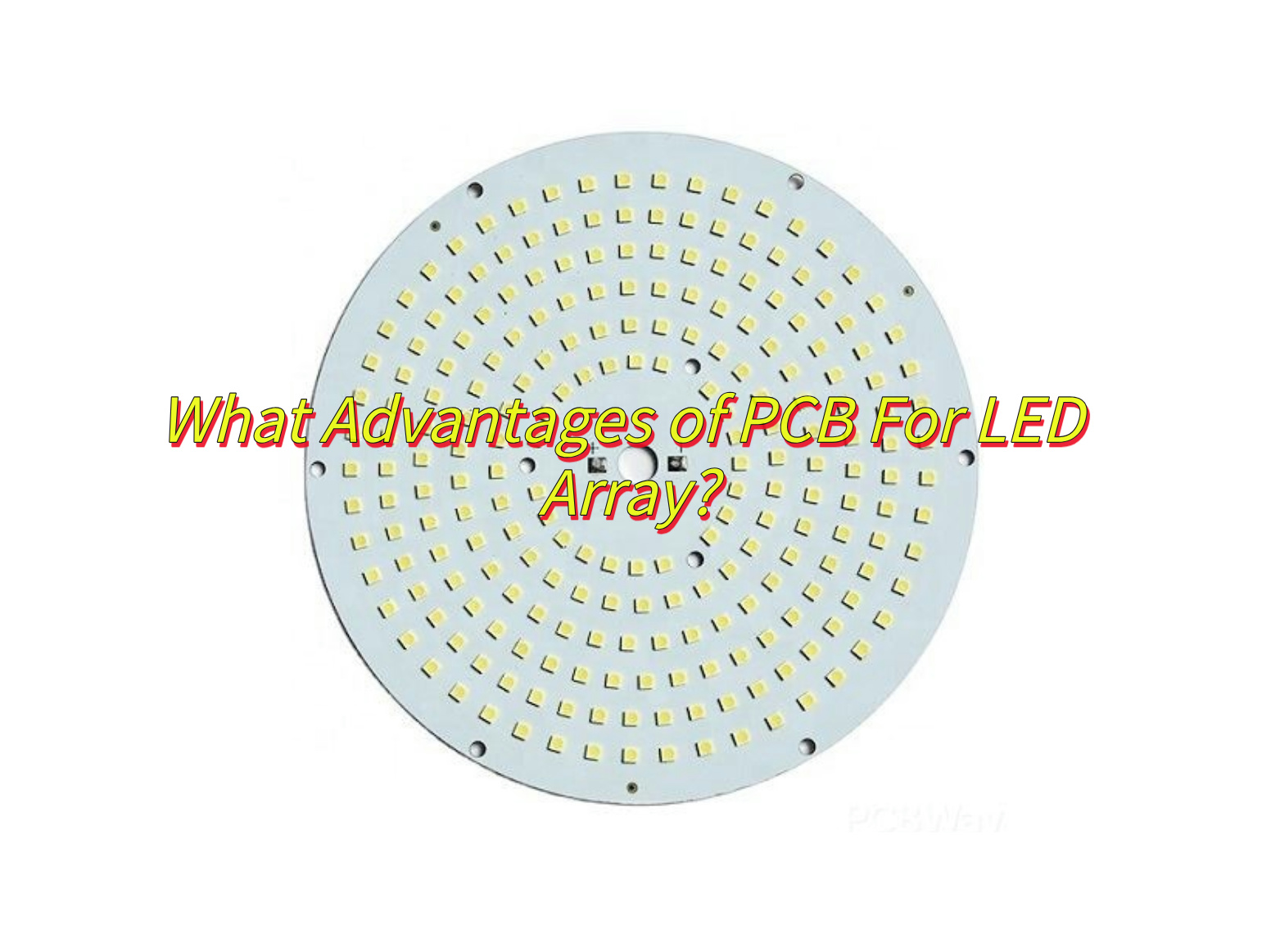
What Advantages of PCB For LED Array?

  • Efficient Thermal Management-PCBs (especially metal-core or ceramic types) dissipate heat effectively, preventing LED overheating.
  • Mechanical Stability-PCBs provide robust support for LEDs, protecting them from vibration or physical stress.
  • Reliable Electrical Connections-PCBs ensure secure, low-resistance pathways for power and control signals.
  • Design Flexibility-PCBs enable complex circuit layouts for LED control, dimming, and color mixing.
  • Scalable Manufacturing-PCBs support high-volume production with consistent quality and lower per-unit costs.
PCB For LED Array

Why Choose Infrared LED Array PCBs?

Here’s a list of reasons to choose an infrared LED array PCB:

  • Enhanced Thermal ManagementIR LEDs often run hot; PCBs (especially metal-core) improve heat dissipation.
  • Precise Optical Control-PCBs enable narrow-beam or wide-angle IR emission patterns via layout design.
  • Efficient Energy Use-PCBs optimize circuit paths to minimize power loss in IR applications.
  • Compact IntegrationPCBs allow dense IR LED placement for high-intensity output in small spaces.
  • Wavelength-Specific DesignPCBs can be tailored for specific IR wavelengths (e.g., 850nm or 940nm) for sensors/cameras.
  • Cost-Effective Scaling-PCBs support high-volume IR LED production with consistent performance.
  • Improved Signal-to-Noise RatioPCBs reduce electromagnetic interference (EMI) for clean IR data transmission.
  • Uniform Light DistributionPCBs enable even spacing and alignment of IR LEDs for consistent illumination.

What Are the Basic Rules of LED Array PCB Layout?

Here are basic rules of LED array PCB design layout:

Thermal Management Priority

  • High-Thermal Substrates‌: Use aluminum (≄200 W/m·K) or copper (≄380 W/m·K) PCBs to dissipate heat efficiently.
  • Copper Pour Placement‌: Surround LED pads with thick copper layers (≄2oz) to create heat conduction paths.
  • Thermal Vias‌: Add via arrays (0.3mm diameter, 1.5mm spacing) under LEDs to transfer heat to inner layers or heatsinks.

Uniform Current Distribution‌

  • Star Topology Routing‌: Connect LEDs in parallel with equal-length traces to avoid voltage drop.
  • Trace Width Calculation‌: Size power traces based on current load (e.g., 1A/mm width for SMD LED arrays).

Component Spacing Optimization

  • LED Spacing‌: Maintain ≄3× LED chip size between emitters to prevent thermal coupling.
  • Driver Isolation‌: Place driver ICs ≄5mm away from LEDs to reduce thermal interference.

Signal Integrity Control

  • Ground Plane Separation‌: Split analog/digital ground planes to minimize EMI in mixed-signal designs.
  • Shielding‌: Use guard rings around sensitive traces for PWM-controlled arrays.

Manufacturing Readiness

  • DFM Compliance‌: Follow IPC-2221 standards for pad sizes and solder mask clearances (≄0.1mm).

How to Optimize the Thermal Design of LED Array PCB?

Here are some optimizing thermal solutions for LED array PCB design:

1. Material Selection

  • Substrate: Use aluminum or ceramic PCBs with thermal conductivity >2 W/m·K.
  • Copper Layer: Prioritize for 2-4 oz copper thickness to enhance heat spreading.

2. Thermal Via Design

  • Via Array: Place dense vias (≄0.3mm diameter, ≀1.5mm pitch) under hotspots.
  • Via-in-Pad: Implement for high-power LEDs to reduce thermal resistance by 30-50%.

3. Heat Sink Integration

  • Direct Bonding: Attach external heat sinks using thermal epoxy (e.g., Bergquist GAP PAD).
  • Fin Geometry: Use extruded aluminum fins with ≄15 fins/inch and ≄20mm height for natural convection.

4. Component Layout

  • Spacing: Maintain ≄2mm between LEDs to prevent thermal coupling.
  • Symmetry: Centralize high-power LEDs to balance heat distribution.

5. Thermal Interface Materials (TIM)

  • Conductive Silicone: Apply 0.1-0.2mm thick silicone (e.g., Shin-Etsu X-23-7783) between PCB and heatsink.
  • Phase Change Materials: Use for uneven surfaces (e.g., Indium 8.9HF).

6. Testing

  • IR Thermography: Validate designs with real-world testing under load.
LED Array PCB design

What Is Manufacturing Process of SMD LED Array PCB?

Here’s a streamlined overview of the SMD LED array PCB manufacturing process:

1. Substrate Preparation

  • Material: FR-4, aluminum, or ceramic PCB with 1-2 oz copper.
  • Surface Finish: Apply HASL, ENIG, or immersion silver for solderability.
  • Patterning: Use laser direct imaging (LDI) for fine-pitch traces (≄6mil).

2. Solder Paste Printing

  • Stencil: Stainless steel foil with aperture ratios 1:1 to 1.5:1.
  • Paste: Type 3-4 (no-clean) with 89-95% metal content.
  • Printer: Speed ≀150mm/s, pressure 40-80N, snap-off 0.5-1mm.

3. SMD LED Placement

  • Machine: High-speed chip mounter (≄20,000 CPH).
  • Accuracy: ±0.05mm placement, ±0.03mm rotational alignment.
  • Nozzle: Use vacuum nozzles with 0.3-0.8mm diameter.

4. Reflow Soldering

  • Preheat: 120-150°C (90-120s)
  • Soak: 183°C (60-90s)
  • Peak: 217-235°C (20-40s)
  • Cooling: <3°C/s
  • Oven: Forced convection with ±5°C zone uniformity.

5. Cleaning & Inspection

  • Cleaning: Use ultrasonic aqueous or semi-aqueous solutions.
  • AOI: Automated optical inspection for solder joints, component presence.
  • X-Ray: X-ray inspection for BGA/QFN solder quality.

6. Functional Testing

  • ICT: In-circuit testing for opens/shorts.
  • LED Test: Light output measurement with integrating sphere.
  • Thermal Cycling: -40°C to +85°C for 200 cycles (optional).

7. Conformal Coating

  • Method: Selective coating using robotic dispensing.

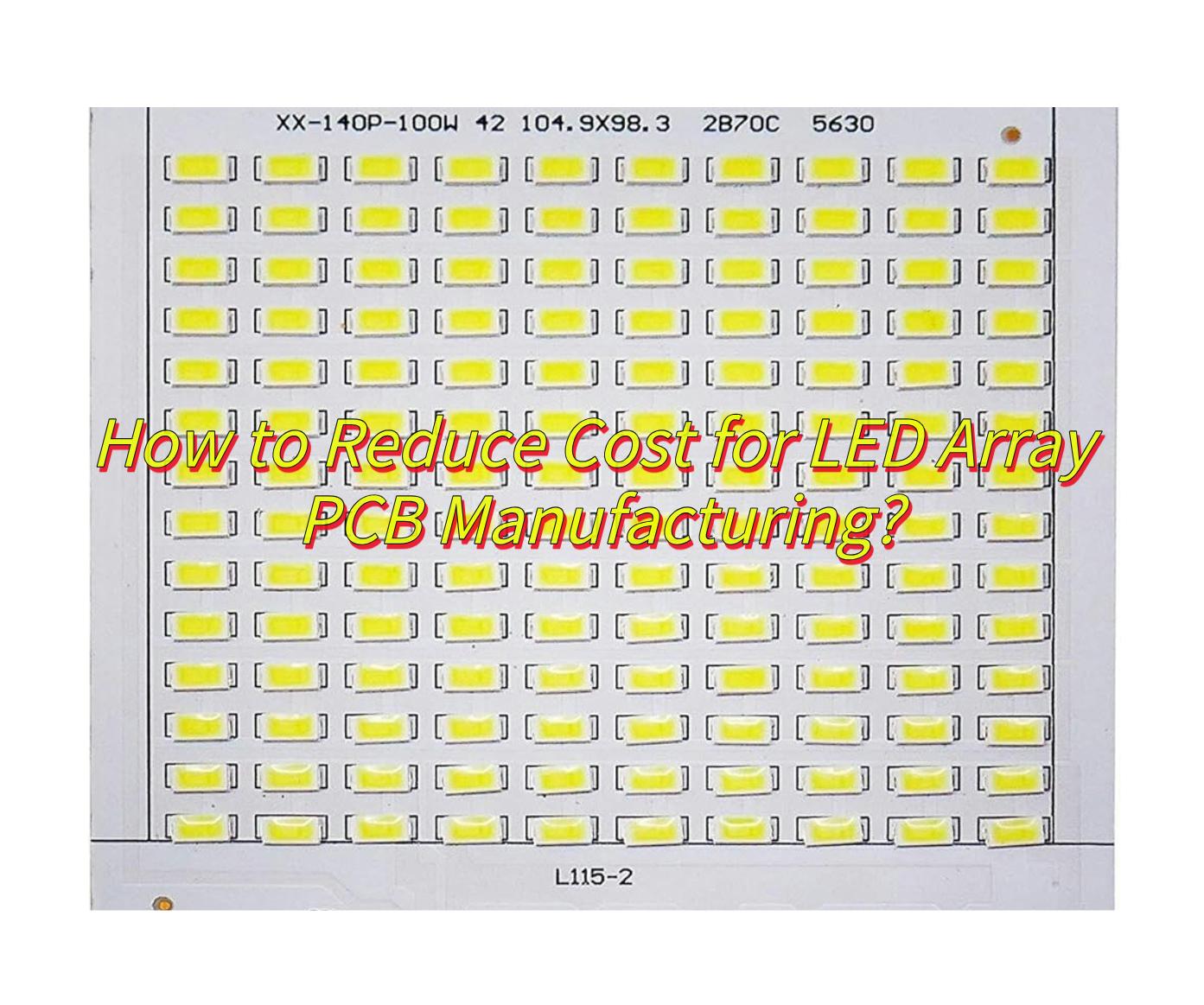
How to Reduce Cost for LED Array PCB Manufacturing?

Here are some ways to how to reduce cost for LED array PCB manufacturing:

  • Use cost-effective substrates‌: Select aluminum-based boards (≄200 W/m·k) instead of ceramic for medium-power arrays (<10W/cmÂČ) to balance thermal performance and material cost ‌.
  • Optimize PCB dimensions‌: Reduce board size by ≄15% through compact LED layout and SMD component conversion while maintaining ≄3mm spacing for depaneling reliability ‌.
  • Simplify layer stackup‌: Design 2-layer boards with ≄2oz copper instead of 4-layer for standard LED arrays, reducing material costs by ~30% ‌.
  • Standardize drill sizes‌: Use ≄0.3mm vias and ≄0.4mm component holes to avoid precision drilling charges, cutting machining costs by 15-20% ‌.
  • Minimize special processes‌: Avoid gold plating; use HASL surface finish and standard green solder mask to eliminate 25-40% in specialty coating costs ‌.
  • Automate assembly‌: Implement SMT lines with ≄95% first-pass yield, reducing labor costs by 40% compared to manual assembly ‌.
  • Strategic sourcing‌: Partner with PCB manufacturers offering bundled services (design + manufacturing + assembly, like EBest Circuit (Best Technology)) for 10-15% total cost reduction.
LED Array PCB Manufacturer

FAQs of LED Array PCB Manufacturing

Q1:What materials are typically used in LED array PCBs?
A1:Most LED array PCBs are made with aluminum or other metal core substrates due to their excellent heat dissipation. FR4 can also be used for low-power applications.

Q2:How is heat managed in LED array PCBs?
A2:Heat is managed through thermal vias, metal core bases, and optimized layout design to efficiently transfer heat away from the LEDs.

Q3:What factors affect the brightness and uniformity of an LED array PCB?
A3:Brightness and uniformity are influenced by LED placement, circuit design, current regulation, and quality of the LED components.

Q4:Can LED array PCBs be customized for different lighting applications?
A4:Yes, they can be fully customized in terms of size, shape, LED type, color temperature, and circuit configuration depending on the application (e.g., automotive, signage, medical).

Q5:What are the most common quality control checks during LED array PCB manufacturing?
A5:Common checks include optical inspection, electrical testing, solder joint inspection, and thermal performance evaluation to ensure consistent functionality.

You may also like

LED Matrix PCB, LED Matrix PCB Design & Manufacturer

April 9th, 2025

Are you looking for LED Matrix PCB solutions? Learn how thermal innovation‌, signal optimization‌, and cost-smart production‌ elevate LED performance. This concise guide covers heat control‌, color consistency checks‌, and circuit configurations‌, plus tips to source reliable suppliers‌ and slash costs.

At EBest Circuit (Best Technology), we focus on LED Matrix PCB solution from design to manufacturing over 18 years. We have 24 hours online technical support service engineers team who can quickly meet your requirement and provide you free engineering service. And supported by integrated DFM analysis and EMC testing, we promise one-time prototyping success. We have a stable electronic supply chain who can provide you very fast delivery at competitive price.( 48-72 hours for prototyping ). Please contact us for a quote if you have any request for LED array PCB: sales@bestpcbs.com

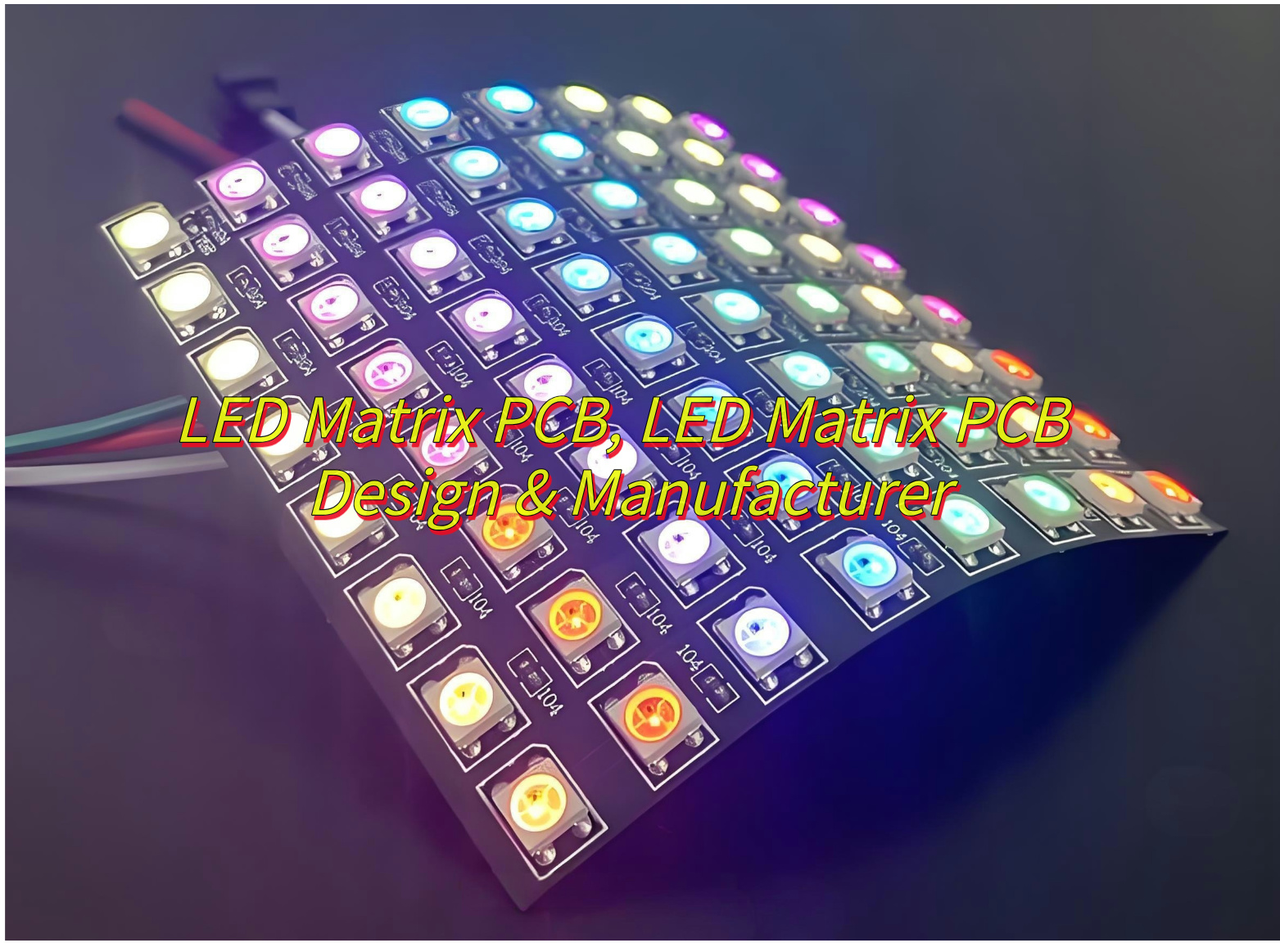
What Is LED Matrix PCB?

An LED Matrix PCB is a printed circuit board designed to hold multiple light-emitting diodes (LEDs) arranged in a grid pattern (rows and columns). This layout allows individual LEDs or groups to be controlled independently, enabling dynamic lighting effects, text display, or image rendering.

LED Matrix PCB

What Advantages of LED Matrix PCBs Board?

Here are advantages of LED Matrix PCB board:

  • Uniformity and Consistency: LED matrix boards are designed to ensure even light distribution and color consistency across all LEDs. This is crucial for applications like displays where visual uniformity is essential.
  • Efficient Thermal Management: These boards are engineered with effective heat dissipation mechanisms, preventing overheating and ensuring the longevity of the LEDs. This is particularly important in high-brightness applications.
  • High Brightness and Clarity: LED matrices provide superior brightness and clarity, making them ideal for outdoor displays, lighting, and other applications where visibility is critical.
  • Energy Efficiency: LEDs are inherently energy-efficient, and matrix boards optimize their performance further, reducing power consumption and operating costs.
  • Flexibility and Scalability: These boards can be customized to meet specific application requirements, and their modular design allows for easy scalability.

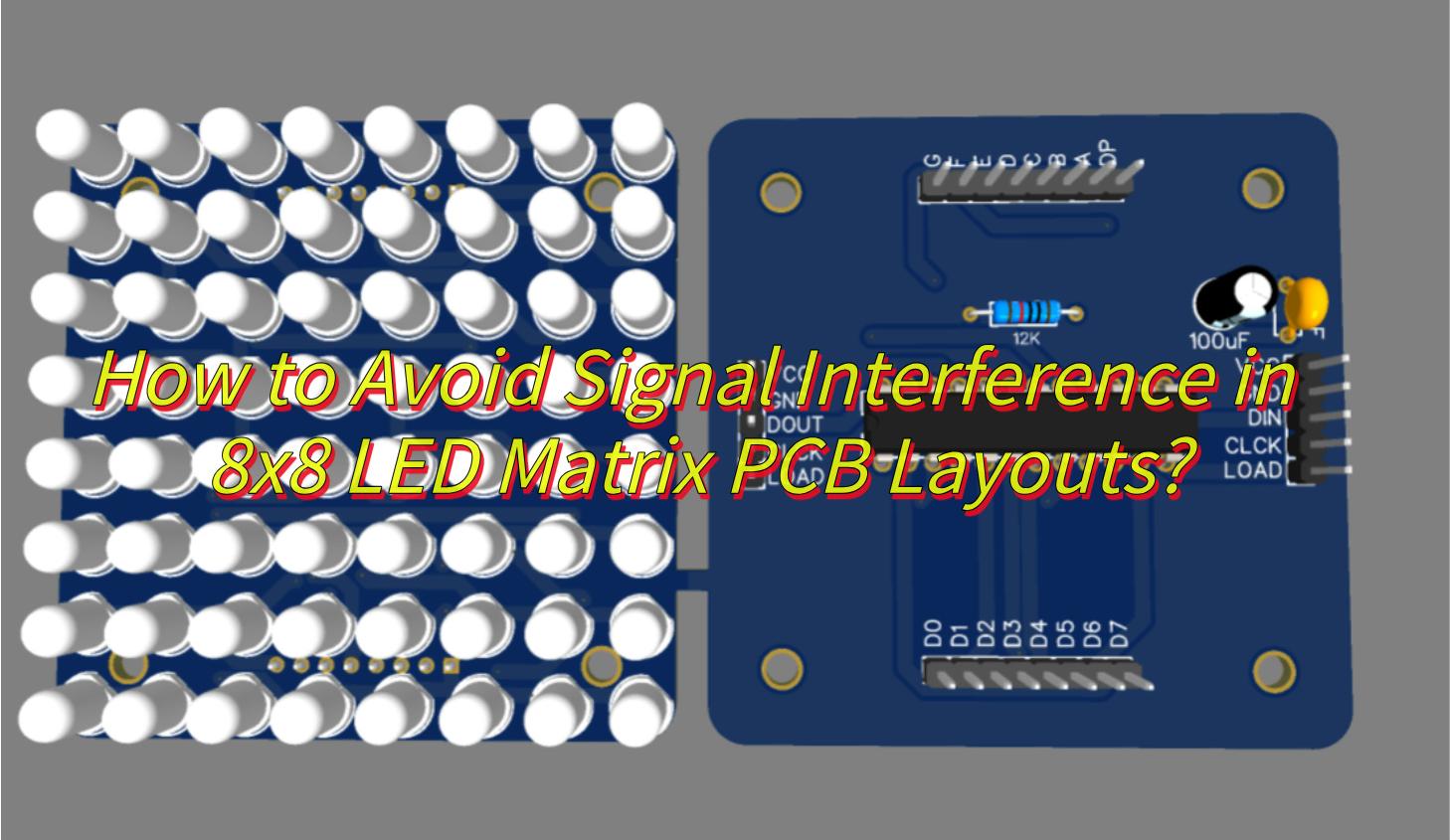
How to Avoid Signal Interference in 8×8 LED Matrix PCB Layouts?

To minimize signal interference in an 8×8 LED matrix PCB layout, follow these structured guidelines:

  • Layout Optimization: Separate digital and analog signal traces physically to prevent crosstalk, and use a dedicated ground layer or ground pours to shield sensitive signals.
  • Routing Strategies: Employ differential pairs for critical signals like data lines to enhance noise immunity, and keep signal loops small to reduce susceptibility to electromagnetic interference (EMI).
  • Decoupling Capacitors: Place decoupling capacitors close to power-hungry components (e.g., LED drivers) to provide local charge reserves.
  • Shielding and Isolation: Use shielding enclosures or isolation layers to protect sensitive analog or high-speed digital signals.
  • Grounding Techniques: Implement multi-point grounding to lower ground impedance and mitigate ground bounce.
  • Simulation and Testing: Validate designs with electromagnetic simulation tools to predict and mitigate interference, and prototype and test under real-world conditions to fine-tune the layout.
LED Matrix PCB Board

How to Design SMD LED Matrix PCB to Improve Heat Dissipation?

To make an SMD LED matrix PCB design with improved heat dissipation, consider the following structured approach:

1. Material Selection‌

  • Substrate‌: Use ‌metal-core PCBs (aluminum/copper)‌ or high-thermal-conductivity ‌ceramic substrates.
  • Bonding‌: Apply ‌sintered silver paste‌ (>50 W/ m ·K ) for die attachment.

2. Thermal Pathway Design‌

  • Vertical Path‌: Minimize thickness—keep PCB height ≀0.8mm.
    Direct Contact‌: Integrate ‌exposed copper pads‌ (≄70% base area) for heatsink attachment.

3. Heat Spreading Structures‌

  • Embedded Copper Slugs‌: Integrate thick copper blocks (≄1mm) under high-power LEDs to distribute heat laterally‌.
  • Thermal Vias‌: Implement dense via arrays (≄5 vias per LED pad) to enhance heat transfer between layers‌.

4. Layout Optimization‌

  • Spacing‌: Maintain ≄3mm between high-power LEDs to avoid thermal overlap.
  • Copper Traces‌: Use ≄2oz copper layers for improved heat distribution.

5.Manufacturing Efficiency‌

  • Passive Cooling Integration‌: Leverage existing structural components (e.g., LCD support frames) as heatsinks to reduce costs‌.
  • Simulation-Driven Design‌: Perform thermal modeling to validate heat dissipation efficiency before prototyping‌.

‌6.Validation and Testing‌

  • Thermal Cycling Tests‌: Verify long-term reliability under repeated temperature fluctuations‌.
  • Infrared Imaging‌: Use thermal cameras to identify hotspots and optimize heat distribution‌.

How to Save Costs for LED Matrix PCB Manufacturing?

To save costs in LED matrix PCB manufacturing, follow these tips:

  • Simplify Design: Reduce PCB layers and simplify component layout to decrease manufacturing complexity.
  • Standardize Components: Use standard components and common packages to improve procurement efficiency.
  • Bulk Purchasing: Purchase components and materials in bulk to obtain discounts.
  • Choose Cost-Effective Materials: Select PCB materials and components that offer the best cost-performance ratio.
  • Optimize PCB Size: Minimize PCB dimensions to reduce material costs and manufacturing fees.
  • Select Low-Cost Manufacturers: Evaluate and choose PCB manufacturers that offer cost-effective solutions.

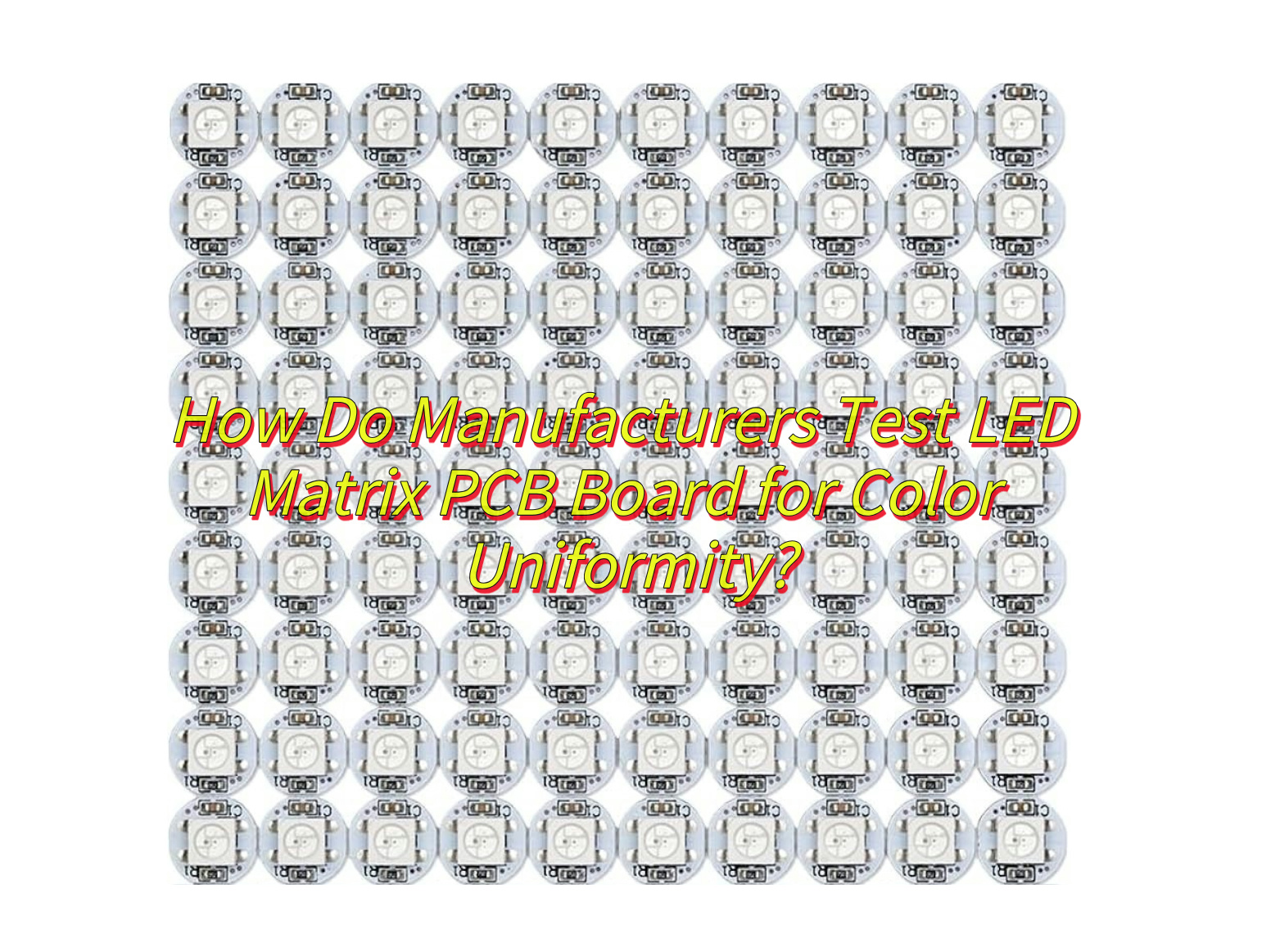
How Do Manufacturers Test LED Matrix PCB Board for Color Uniformity?

Manufacturers test LED matrix PCB boards for color uniformity using several methods:

  • Visual Inspection: Initial assessment is done by human inspectors to check for obvious color variations.
  • Spectrophotometer Measurements: Precise color and brightness measurements are taken using spectrophotometers.
  • Imaging Systems: Imaging systems capture images of the LED matrix for detailed color analysis.
  • Automated Testing Systems: Automated systems are used to enhance testing efficiency and accuracy.
  • Environmental Control: Testing is conducted in controlled environments to minimize external interference.
  • Statistical Process Control (SPC):SPC methods are applied to monitor and improve color uniformity.
  • Calibration and Maintenance: Regular calibration of testing equipment ensures accurate results.
LED Matrix PCB design

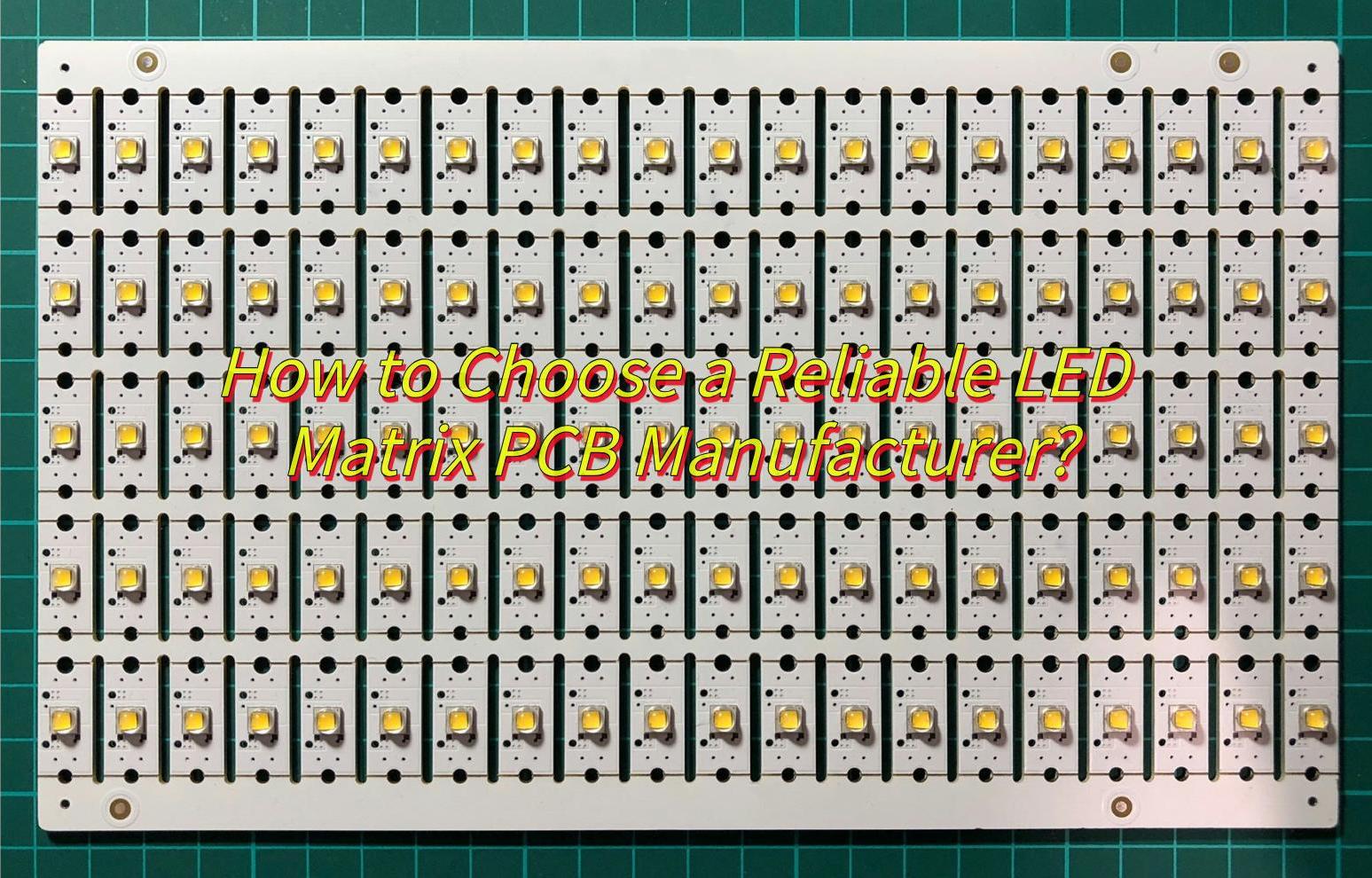
How to Choose a Reliable LED Matrix PCB Manufacturer?

To choose a reliable LED Matrix PCB manufacturer, consider the following:

  • Quality Certifications: Verify if the manufacturer holds quality certifications like ISO 9001.
  • Experience and Expertise: Assess the manufacturer’s experience and expertise in LED PCB manufacturing.
  • Customer Reviews and References: Check customer reviews and references to gauge the manufacturer’s reputation.
  • Manufacturing Capabilities: Evaluate the manufacturer’s production capabilities, including equipment and technology.
  • Quality Control Processes: Understand the manufacturer’s quality control processes to ensure product standards.
  • Cost-Effectiveness: Compare quotes from different manufacturers to choose a cost-effective partner.
  • Communication and Support: Assess the manufacturer’s communication skills and after-sales support for a smooth partnership.
LED Matrix PCB manufacturer

Should RGB LED Matrix PCBs Use Common Anode or Cathode Configurations?

When choosing between common anode and common cathode configurations for RGB LED matrix PCBs, consider control complexity and power consumption. Common anode simplifies control but may increase power usage, while common cathode offers precise control with potentially lower power consumption but requires more complex circuitry. Select based on your application’s needs for control precision and cost.

You may also like

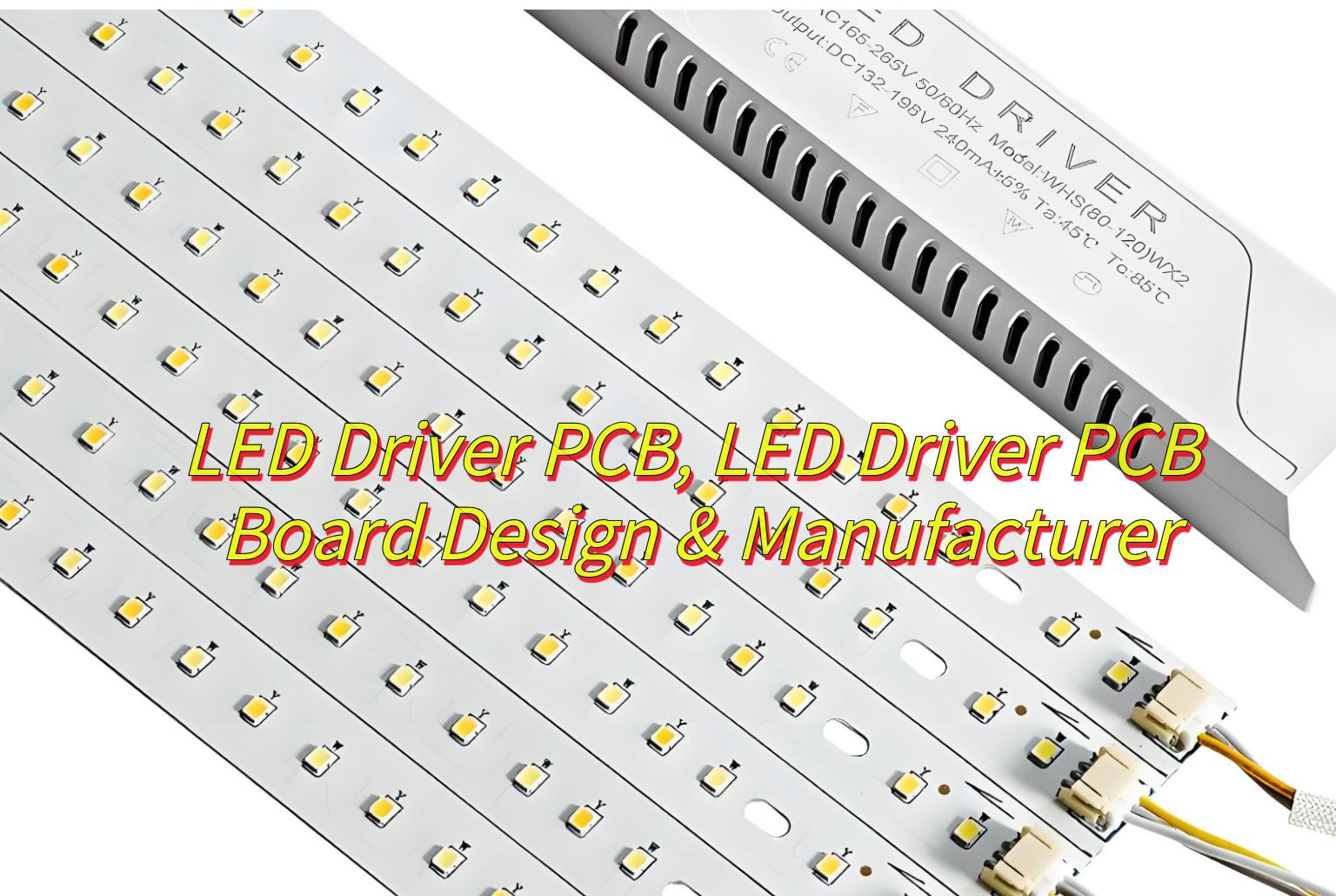
LED Driver PCB, LED Driver PCB Board Design & Manufacturer

April 8th, 2025

Are you looking for a LED Driver PCB manufacturer with design service? Let’s explore more about how to design LED driver PCB and how to select a reliable LED driver PCB manufacturer.

At EBest Circuit (Best Technology), we focus on LED driver PCB manufacturing and designing over 18 years. We prioritize IP Protection & NDAs, ensuring your designs are safeguarded through strict confidentiality agreements and secure data handling. And we maintain Quality & Compliance with certifications like ISO 9001, UL, and CE, guaranteeing adherence to the highest industry standards and safety regulations. Then we can provide 48 hours rapid prototyping service because we have stable electronic supply chain. If you have any request for LED driver PCB board, please feel free to contact us: sales@bestpcbs.com

What Is LED Driver PCB?

An ‌LED driver PCB‌ is a printed circuit board specifically designed to control and regulate the power supplied to LEDs. It converts incoming electrical power (e.g., AC mains or DC sources) into the precise voltage and current required by the LEDs, ensuring stable operation, brightness consistency, and protection against voltage fluctuations or overheating. Key components on the board include voltage regulators, current controllers, and thermal management elements like heat sinks. LED driver PCBs are critical in applications like residential/commercial lighting, automotive headlights, and digital displays, as they optimize energy efficiency, extend LED lifespan, and enable features like dimming or color control.

LED Driver PCB

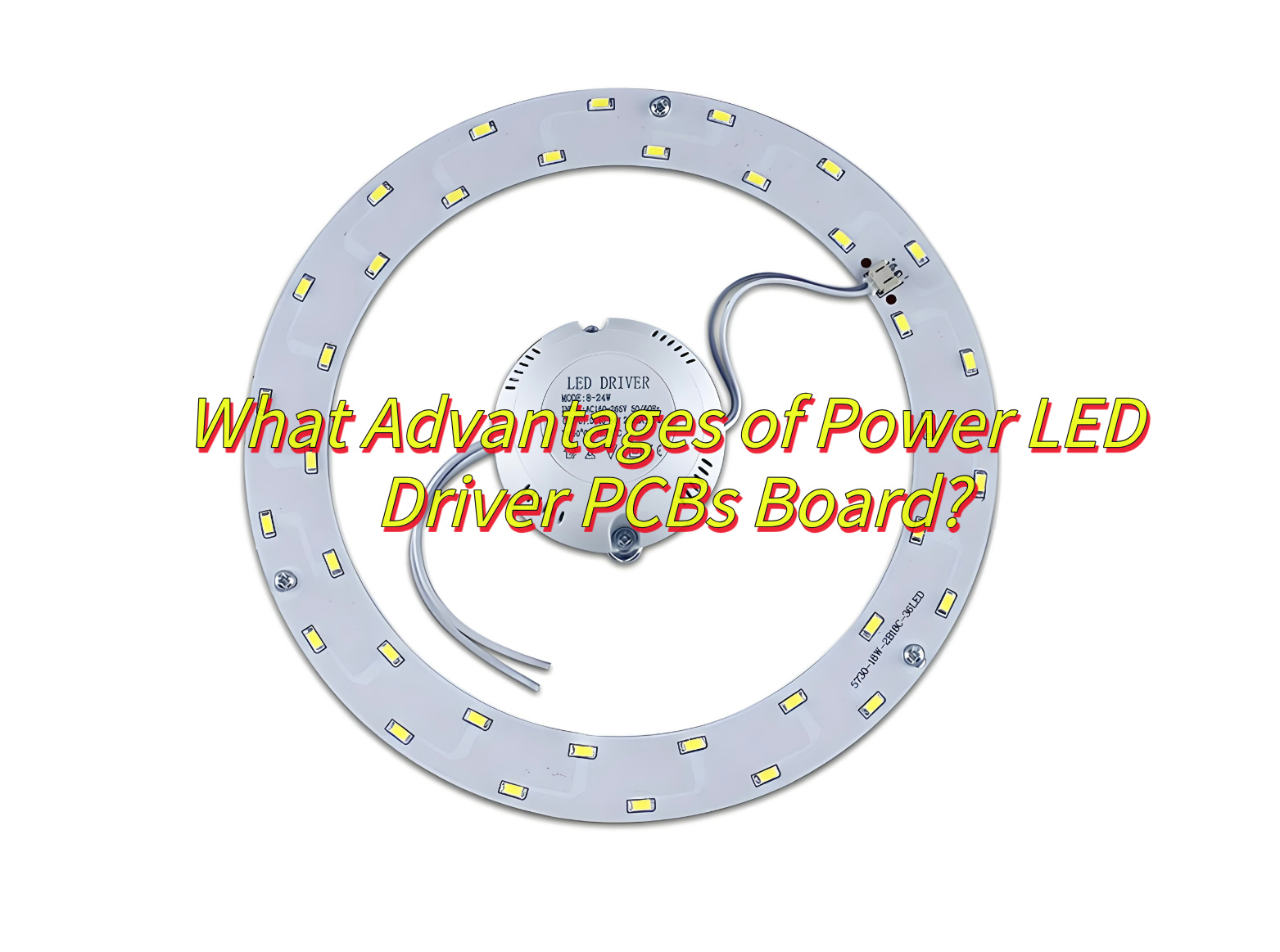
What Advantages of Power LED Driver PCBs Board?

Here are five main advantages of a Power LED Driver PCB:

  • High Efficiency and Energy Saving-Optimized power topologies (e.g., Buck, Boost, LLC resonant circuits) deliver efficiency up to 90%+, minimizing energy waste.
  • Stable Current Regulation-Advanced control algorithms maintain precise LED current across wide input voltage ranges (e.g., 90–264Vac), ensuring consistent illumination.
  • Compact and Integrated Design-High-density component placement and SMD technology reduce PCB size, enabling sleek, space-efficient lighting solutions.
  • Robust Thermal Management-Multi-layer PCBs with thermal vias and copper heat sinks efficiently dissipate heat, enhancing reliability in high-temperature environments.
  • Electromagnetic Compatibility (EMC)-Compliance with international EMC standards (e.g., IEC/EN 55015) minimizes electromagnetic interference, ensuring seamless integration into smart systems.
LED Driver PCB board

How to Design a 100W LED Driver PCBs Board?

Here’s a 100W LED driver PCB board design process:

1.Circuit Design & Schematic (LED Driver PCB Schematic)

  • Begin with a topology like Flyback or LLC resonant. Use design tools (e.g., Altium, Eagle) to create a schematic, ensuring components (MOSFETs, capacitors, inductors) are rated for 100W.

2.Component Selection

  • Choose high-efficiency MOSFETs, capacitors (e.g., electrolytic, ceramic), and inductors. Verify their current, voltage, and thermal ratings for 100W operation.

3.Thermal Management

  • Integrate heat sinks, thermal pads, and vias into the PCB layout to efficiently dissipate heat from power components.

4.PCB Layout & LED Driver PCB Schematic

  • Place power components close together to minimize high-current trace lengths.
  • Use wide traces (e.g., 2–3mm) for power delivery to avoid voltage drop.
  • Separate power, ground, and control signals in a multilayer stack-up.

5.EMI/EMC Compliance

  • Add input/output filters, shielding, and proper grounding to meet EMI/EMC standards (e.g., CISPR 32, FCC Part 15).

6.Prototyping & Testing

  • Fabricate a prototype based on the LED driver PCB schematic and test for efficiency, thermal performance, and EMI compliance.

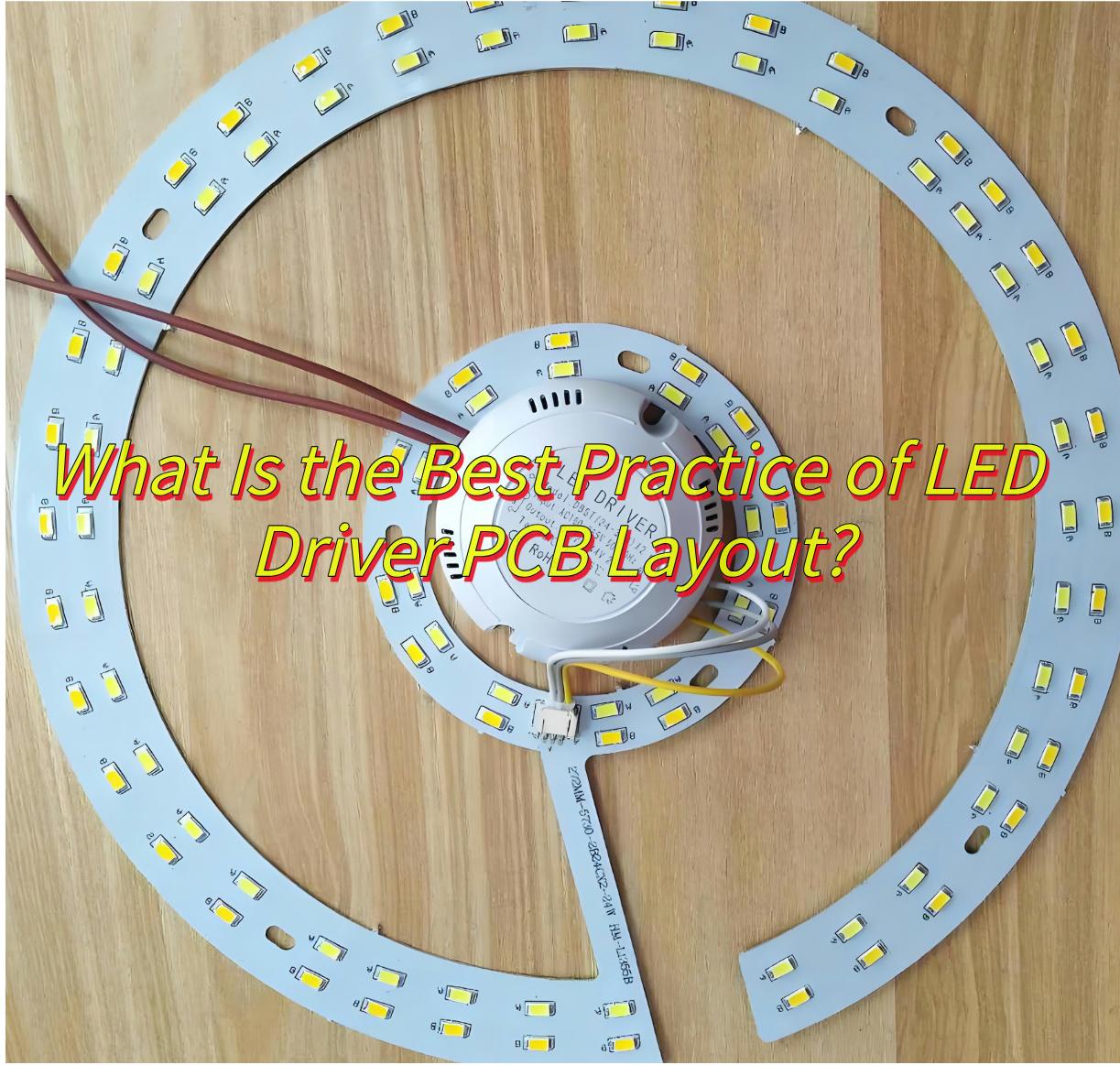
What Is the Best Practice of LED Driver PCB Layout?

Here’s a streamlined guide to LED driver PCB layout best practices:

  1. Component Placement
    Cluster power transistors, capacitors, and inductors to shorten high-current traces and minimize inductance.
  2. Thermal Management
    Locate heat-sensitive components (e.g., MOSFETs, ICs) near cooling solutions. Use thermal vias to efficiently conduct heat away.
  3. Ground Plane Design
    Maintain a solid, unbroken ground plane to reduce EMI and ensure clean signal returns.
  4. Trace Width Sizing
    Calculate trace widths based on current load (e.g., 1mm per 1A) to prevent voltage drop and overheating.
  5. Layer Stack-up
    Isolate power, ground, and signal layers in multilayer boards to minimize cross-talk and noise.
 LED Driver PCB Layout

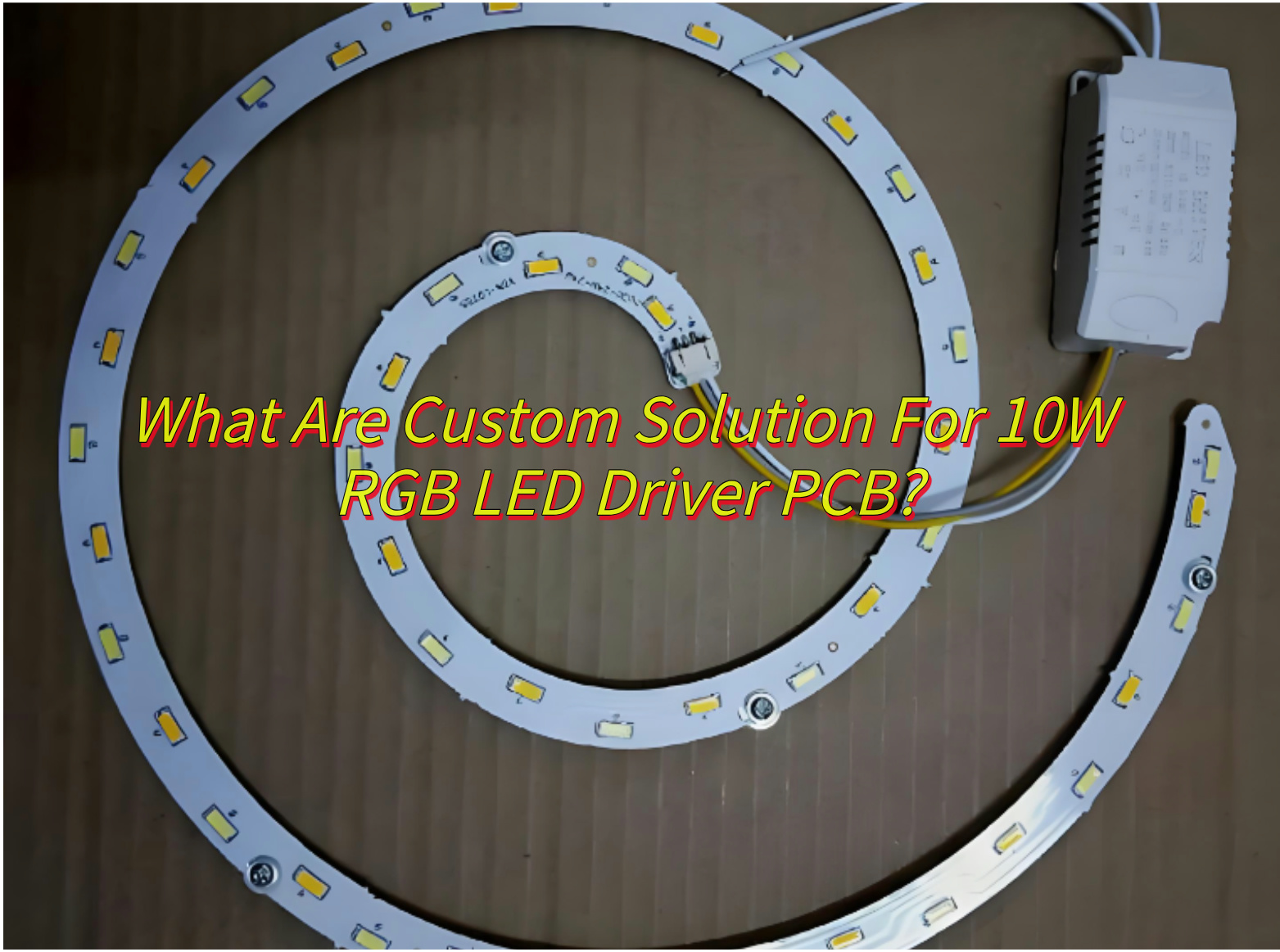
What Are Custom Solution For 10W RGB LED Driver PCB?

Here’s a concise guide to custom solutions for a 10W RGB LED driver PCB:

  1. Color Control Interface
    Implement PWM or analog control for precise RGB color mixing and dynamic lighting effects.
  2. Current Regulation
    Use constant-current drivers for each RGB channel to maintain color accuracy and LED lifespan.
  3. Dimming Compatibility
    Design for compatibility with PWM, TRIAC, or 0-10V dimming systems to suit diverse applications.
  4. Compact Design
    Optimize PCB layout for a small form factor, using SMD components and efficient thermal management.
  5. Protection Features
    Include over-current, over-temperature, and short-circuit protection to enhance reliability.
 LED Driver PCB design

How Is A Round LED Driver PCB Manufactured?

The production of ‌round LED driver PCBs‌ follows a specialized workflow to accommodate their unique geometry while maintaining electrical integrity. Below is the streamlined manufacturing process:

  1. ‌Copper Clad Laminate Cleaning‌: Clean circular substrates (e.g., FR-4) to remove contaminants like dust or oxidation, ensuring adhesion for subsequent processes‌.
  2. Dry Film Lamination‌: Apply photosensitive dry film to the copper layer, followed by UV exposure through a circular mask to define the circuit layout‌.
  3. Development & Etching: ‌Remove unexposed dry film using alkaline solutions‌; Etch away unprotected copper with ferric chloride or ammonium persulfate, forming conductive traces‌.
  4. ‌Alignment & Pressing‌: Align multiple circuit layers (for multi-layer designs) using alignment holes, then bond them under high temperature and pressure with prepreg resin‌.
  5. Mechanical Drilling‌: Use CNC machines to drill holes for vias and component mounting, maintaining precision to avoid radial deviations‌.
  6. Electroless Copper Deposition‌: Deposit a thin copper layer on hole walls to establish electrical connectivity between layers‌.
  7. ‌Outer Layer Shaping:‌ Cut the PCB into a circular shape using CNC routers with diamond-coated bits. Fixtures ensure centering accuracy and smooth edges‌.
  8. Solder Mask: Spray or screen-print epoxy-based solder mask, leaving exposed pads for soldering.
  9. Surface Treatment‌: Apply HASL (Hot Air Solder Leveling) or ENIG (Electroless Nickel Immersion Gold) to prevent oxidation and enhance solderability‌.
  10. ‌Testing: Automated Optical Inspection (AOI)‌: Scan for defects like open/short circuits using high-resolution cameras‌.‌
  11. Silkscreen Printing‌: Add component labels or logos using UV-curable ink‌.
  12. Packaging‌: Seal in anti-static bags with desiccants to prevent moisture damage during transit‌.

How to Choose A Reliable LED Driver PCB Board Manufacturer?

Here are some ways to select a reliable LED driver PCB board manufacturer:

  • IP Protection & NDAs-Partner with manufacturers who prioritize intellectual property protection by signing NDAs and implementing secure design safeguarding measures.
  • Rapid Production Cycles-Prioritize manufacturers with streamlined processes for quick prototyping and fast production turnaround times to meet urgent deadlines.
  • Quality & Compliance-Choose manufacturers holding certifications like ISO 9001, UL, or CE, ensuring adherence to quality standards and safety regulations.
  • Design Expertise-Select a manufacturer with proven experience in LED driver PCB design, including efficient thermal management, EMI compliance, and optimized layouts.
  • Premium Materials & Components-Ensure they use high-quality, application-specific materials and components to guarantee performance and longevity.

How to DIY 8W LED Driver PCB?

Here’s a simplified guide to DIY an 8W LED driver PCB:

  1. Design the Circuit
    Use software like EasyEDA or KiCad to design your 8W LED driver circuit, ensuring proper component selection and layout.
  2. Choose Components
    Select an appropriate LED, driver IC, resistors, capacitors, and a power supply rated for 8W output.
  3. Create PCB Layout
    Design the PCB layout with component placement and trace routing optimized for your circuit.
  4. Manufacture the PCB
    Order the PCB from a fabricator or etch it yourself using a photoresist and etching solution.
  5. Assemble Components
    Solder all components onto the PCB, following the circuit diagram.
  6. Test the Driver
    Power up the PCB and test its functionality, ensuring it delivers the correct voltage and current to your LED.

In conclusion, that’s all about LED driver PCB board designing and manufacturing. if you have any issues with LED driver PCB board, please leave a message below this blog.

You may also like

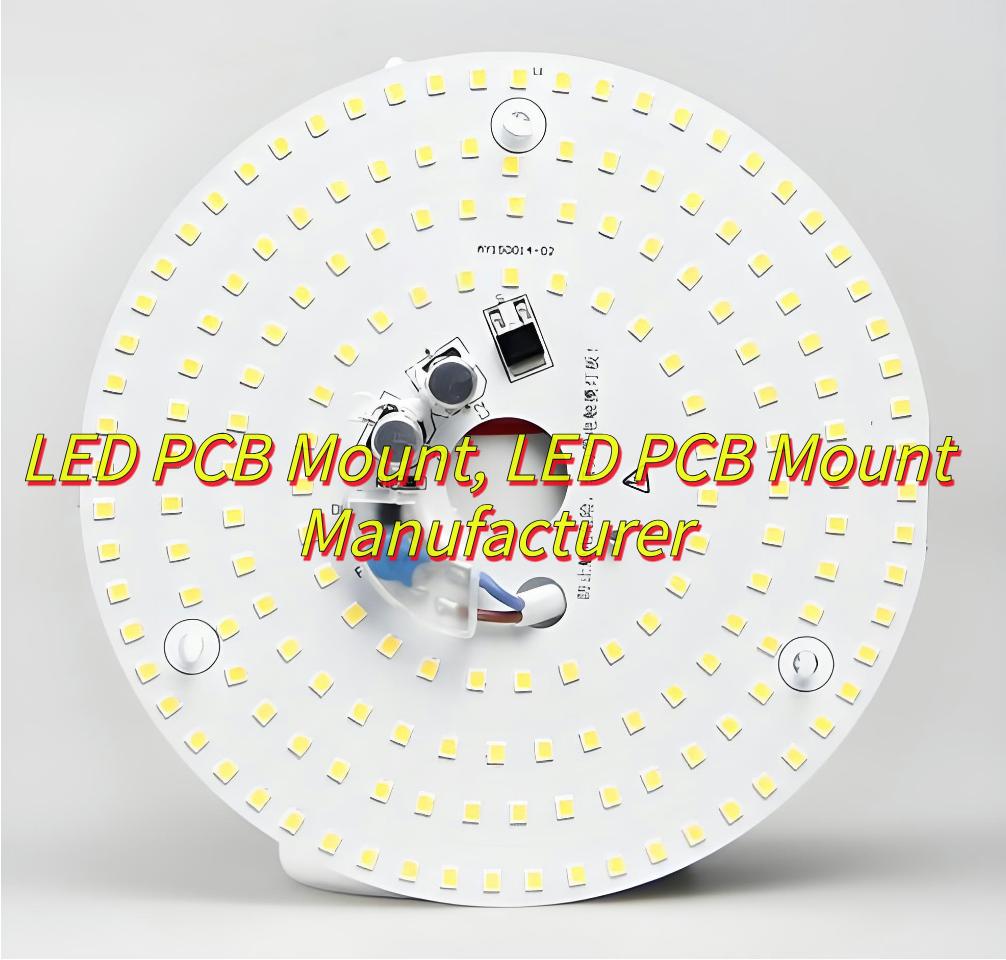
LED PCB Mount, LED PCB Mount Manufacturer

April 8th, 2025

Are you looking for a good LED PCB Mount service? In this blog, Let’s learn the types, infrared benefits, automated solutions of LED PCB Mount, and tips for choosing LED PCB Mount manufacturers.

Choose EBest Circuit (Best Technology) for your LED PCB mount needs. We excel in premium material selection, offering thermally optimized solutions tailored to your requirements. Our state-of-the-art engineering ensures ±0.05mm tolerances, guaranteeing seamless LED integration and superior heat dissipation. Rigorous thermal testing and simulations validate every design, ensuring peak performance. Compliant with UL, CE, and RoHS standards, our solutions meet global safety and environmental benchmarks. Plus, our scalable production and responsive support make us the ideal partner for projects of any size. Contact us today for a quote: sales@bestpcbs.com

What is LED PCB Mount?

An ‌LED PCB mount‌ refers to a light-emitting diode (LED) designed to be securely attached to a printed circuit board (PCB). These components are integral to modern electronics, combining the LED’s light-generating capabilities with the PCB’s ability to provide electrical connections, structural support, and thermal management.

LED PCB Mount

What Are the Types of LED PCB Mounting?

LED PCB mounting methods vary by technical approach, each suited to specific needs:

  • Through-Hole (DIP)‌-LEDs mounted via pins in drilled PCB holes; manual assembly, low cost, suited for basic indicators.
  • Surface-Mount (SMT/SMD)‌-Automated soldering onto PCB surface; compact, high-density, dominant in electronics/displays.
  • Chip-on-Board (COB)‌-Bare dies bonded to PCB and resin-coated; high brightness, uniform light for commercial/auto lighting.
  • Metal-Core PCB (MCPCB)‌-Aluminum/copper substrates for high-power LEDs; superior heat management in streetlights/auto headlights.
  • Flip-Chip‌-Dies mounted upside-down with solder bumps; reduces resistance, improves thermal/electrical performance.
  • Integrated Modules‌-Pre-built units with LEDs, drivers, and optics; plug-and-play for smart lighting/IoT systems.
LED PCB Mounting?

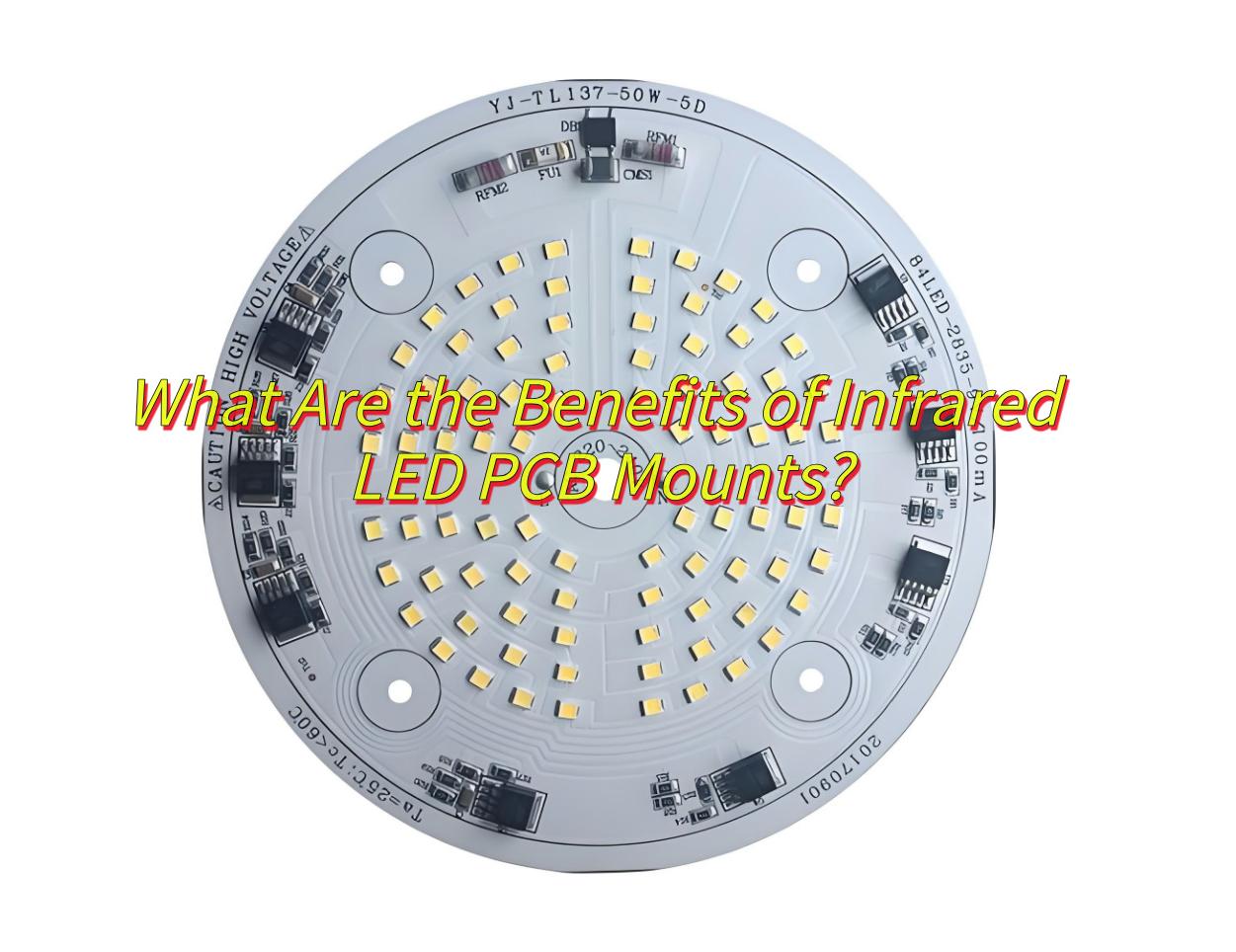
What Are the Benefits of Infrared LED PCB Mounts?

  • Superior Heat Dissipation‌: Metal-core PCBs (e.g., aluminum) manage high heat from IR LEDs, ensuring stable performance and extended lifespan in thermal-sensitive applications.
  • Robust Performance in Harsh Environments‌: Durable mounting (e.g., SMT/COB) and corrosion-resistant materials withstand vibrations, humidity, and extreme temperatures for industrial/outdoor use.
  • Miniaturized Design & Scalability‌: SMT enables compact, high-density layouts for space-constrained devices, while automated production cuts costs for mass-market adoption.
  • High Signal Consistency‌: Precision mounting minimizes electrical noise, ensuring reliable IR output for communication (e.g., remote controls, LiDAR).
  • Customizable Optical Output‌: Tailored PCB designs optimize wavelength focus (e.g., 850nm/940nm) for biometrics, surveillance, or medical systems.
LED PCB Mounted

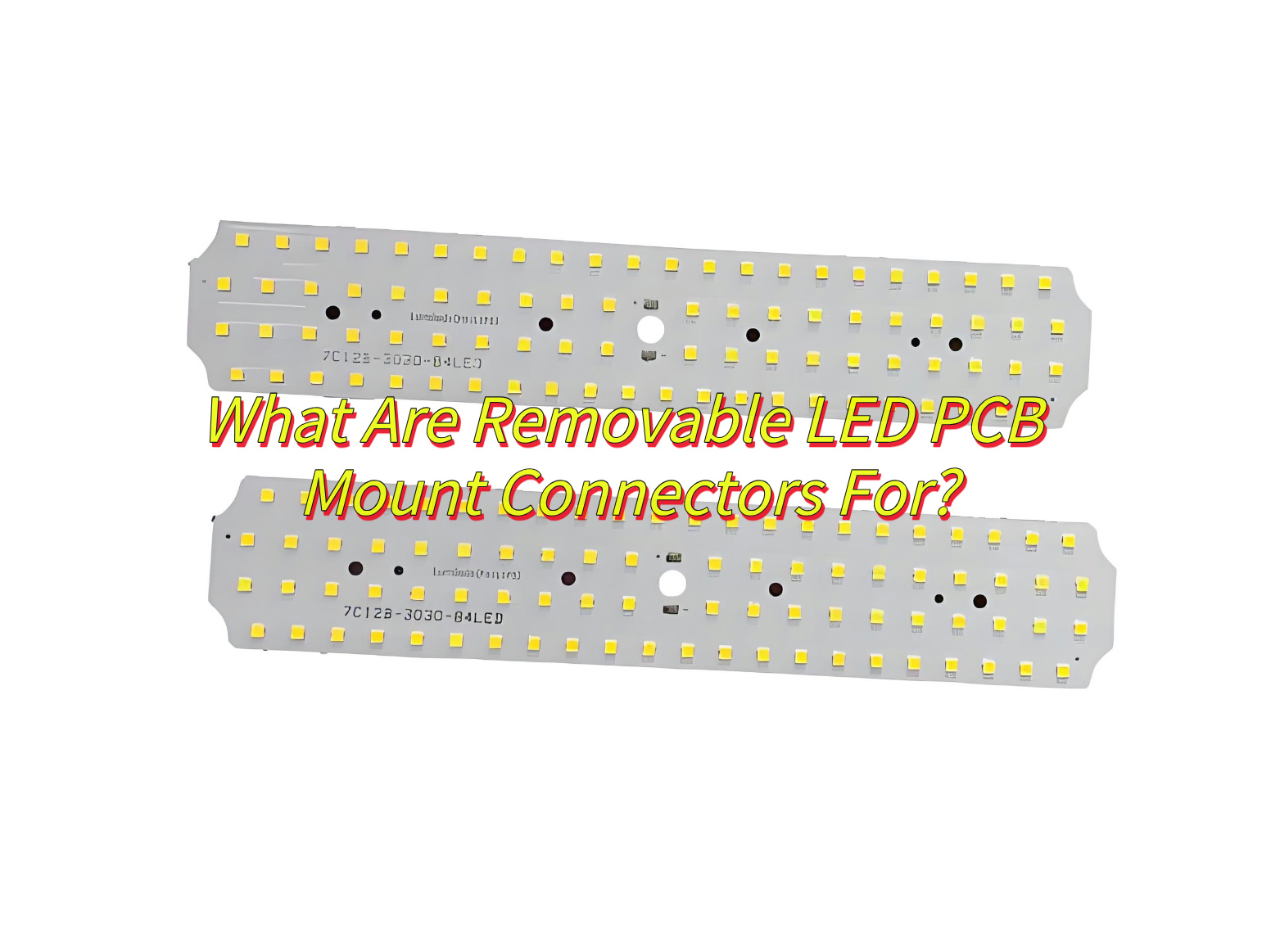
What Are Removable LED PCB Mount Connectors For?

  • Modular Maintenance & Upgrades-Replace or upgrade LED modules without soldering, drastically reducing system downtime.
  • Flexible System Design-Reconfigure LED layouts (color, brightness) by swapping modules, adapting to dynamic needs.
  • Hot-Swappable Reliability-Replace faulty units during operation, ensuring continuous performance in critical applications.
  • Simplified Inventory-Standardize connectors across products to minimize stock complexity and costs.
  • Cost-Efficient Repairs-Fix issues by replacing only damaged modules, avoiding waste of entire PCBs.
LED PCB Mount

What’s the Best Way to Mount LEDs on PCBs?

The optimal method to mount LEDs on PCBs depends on specific application requirements but generally prioritizes these factors:

Thermal Management Integration

  • Use SMT or THT mounting with thermally conductive pads/vias to channel heat away from LEDs.
  • For high-power LEDs, attach external heatsinks via screw mounts or thermal adhesives.

Mechanical Stability

  • Employ press-fit connectors to protect against vibration/shock in harsh environments.
  • Use underfill epoxy for SMD LEDs on flexible PCBs to prevent solder joint failure.

Serviceability & Upgrades

  • Implement modular magnetic or plug-in connectors for tool-free maintenance.
  • Design symmetrical layouts with standardized footprints to simplify component swaps.

EMC Compliance

  • Isolate LED drivers using grounded shielding cans or dedicated PCB layers.
  • Route high-speed traces away from LED power circuits to minimize EMI.

Manufacturing Efficiency

  • Opt for SMT for automated assembly lines, reserving THT for heavy-duty components.
  • Use pick-and-place fiducial markers to improve placement accuracy during reflow.

Optical Performance

  • Angle LEDs strategically using reflective PCB solder masks or integrated lenses.
  • Maintain consistent phosphor coating thickness in white LEDs through controlled dispensing.

How Do You Choose LED PCB Mount Manufacturer?

When selecting an LED PCB mount manufacturer, prioritize these five critical factors:

  • Material Expertise-Verify they use high-quality, thermally conductive materials (e.g., aluminum, copper alloys) and offer customization for specific thermal requirements.
  • Precision Engineering-Ensure their machining/casting processes meet tight tolerances (±0.05mm) to ensure proper LED alignment and heat dissipation.
  • Thermal Testing Capabilities-Confirm they perform thermal simulations and real-world testing (junction temperature monitoring) to validate designs.
  • Compliance Certifications-Check for certifications like UL, CE, and RoHS to ensure adherence to electrical safety and environmental standards.
  • Scalability & Support-Choose manufacturers with automated production lines for volume orders and responsive engineering support for custom designs.

How Do Automated Machines Improve LED PCB Mount?

Precision Enhancement‌

  • Machine vision systems align components within ±0.01mm tolerance.
  • Automated optical inspection (AOI) detects defects like tombstoning or misalignment, reducing manual rework by 90%.

Speed & Efficiency‌

  • High-speed SMT machines place over 25,000 components per hour.
  • Integrated UV-LED curing reduces bonding time to under 3 seconds per PCB.

Quality Consistency‌

  • X-ray inspection ensures solder joint integrity for critical applications.
  • Programmable controls standardize parameters (solder paste volume, pressure) to eliminate batch variations.

Miniaturization Support‌

  • Robots handle ultra-small components (e.g., 0201/01005 LEDs) for compact designs.
  • Multi-axis systems manage complex layouts (double-sided mounting) seamlessly.

Cost & Safety Benefits‌

  • Precision dispensing reduces material waste by 15%.
  • Enclosed systems minimize worker exposure to hazards like toxic fumes.

Can 4PDT Red LED PCB Pushbutton Switches Be Mounted on PCB?

Yes‌, 4PDT red LED PCB pushbutton switches are designed for PCB mounting, featuring through-hole solder terminals that align with standard PCB layouts. Ensure compatibility by verifying the pin count/spacing (e.g., 8-pin, 19x13mm hole spacing), LED voltage (e.g., 12V or 5V), and switch ratings (e.g., 250V AC, 8A). Always cross-check the datasheet for mechanical/electrical specifications to match your PCB design.

In conclusion, that’s all about LED PCB mounting. If you have any issues with LED PCB mount, please leave a message below this blog.

You may also like

LED PCB Assembly, LED PCB Assembly Manufacturers

April 8th, 2025

Are you find a LED PCB assembly solution? How do you find a good quality LED PCB assembly factory? This blog breaks down the essentials: assembly machines, assembly processes and cost, and how to select a reliable LED PCB manufacturer.

Best technology, we focus on LED PCB assembly over 18 years. We can achieve LED PCB fast assembly (48-72hours fast delivery) by our stable electronics supply chains and our four SMT full-automatic production lines. So we are able to ensure consistency in luminous efficiency at fast assembly. Then all the LED PCB we assembled will be full inspected before and after assembly to reduce reworking cost. If you have any request for LED PCB, please feel free to contact us. sales@bestpcbs.com

What Is LED PCB Assembly?

LED PCB assembly refers to the process of mounting LED components onto printed circuit boards (PCBs) to create functional lighting systems or electronic devices. This process combines surface-mount technology (SMT) with precision soldering to ensure reliable electrical connections. Key elements include PCB material selection (e.g., aluminum or flexible substrates), component placement accuracy, and thermal management solutions. Manufacturers specialize in this field offer end-to-end services, from design to mass production, catering to applications like LED lighting, automotive displays, and consumer electronics.

What Is LED PCB Assembly?

What Are the Advantages of HASL Lead-free for LED PCBA?

  • Environmental Compliance: Complies with the RoHS directive, eliminates lead pollution, meets global environmental regulations, and is suitable for markets with strict environmental requirements such as consumer electronics.
  • High Reliability: Withstands thermal cycling from -55°C to 100°C, suitable for LED applications; the tin layer prevents copper oxidation, enhancing long-term stability; good wettability in the first reflow, resulting in high soldering quality.
  • Significant Cost-Effectiveness: Lower cost than Electroless Nickel Immersion Gold (ENIG), suitable for medium-budget projects; mature process, suitable for mass production, reducing unit costs; long shelf life (stable for one year under moisture-proof conditions), reducing storage and rework risks.
  • Processing Convenience: Compatible with single/double-sided and multilayer boards (1-26 layers), meeting complex design requirements; short production cycle (12-20 days), suitable for quick delivery; solder joint defects can be repaired with hot air, reducing scrap rates.
  • Long-Term Technical Advantages: Mature technology, high stability, suitable for the LED industry’s needs; reliability can be enhanced by adding a nickel layer or optimizing solder paste formulations.
What Are the Advantages of HASL Lead-free for LED PCBA?

What Assembly Machine Is Used in the LED PCBs Assembly Process?

  • Pick-and-place machine
  • Reflow oven(Nitrogen reflow is optional, it is very stable but the cost of this kind of assembly machine is much higher than normal reflow oven)
  • Solder paste printer
  • SPI inspection machine
  • AOI inspection machine
  • X-Ray inspection machine
  • Conformal coating machine
  • Functional testing equipment

What Are 5050 LED PCB Assembly Process Steps?

Here’s a streamlined list of the 5050 LED PCB assembly process steps:

1. Incoming inspection of LED/materials

  • Use a two-dimensional measuring instrument and a film thickness tester to check the appearance size of the LED bracket, the thickness of the electroplating layer, and the oxidation phenomenon ‌.
  • Verify the specifications of the 5050 LED (package size 5.0×5.0×1.6mm, polarity identification) and the IC model (such as SK6812) ‌.

2. Baking materials

  • Unopened LEDs need to check the air tightness of the packaging, and complete the soldering within 24 hours after opening; if moisture is absorbed, it needs to be baked at 60℃ for 24 hours ‌.
  • Pre-bake the PCB board (120℃/2H) to remove moisture ‌.

3. Pick and Place & Solder paste printing

  • Use a laser steel mesh to print SAC305 lead-free solder paste, with a thickness control of ±10ÎŒm ‌
  • Clean the steel mesh regularly to avoid clogging and uneven printing ‌.

4. SPI Inspection

  • Use 3D optical detection of solder paste volume, coverage area, and offset to ensure printing quality.

5. SMT( Surface Mounted Technology)

  • IC (such as WS2812B) and small resistors and capacitors are mounted first, and 5050 LED is mounted last.
  • Check that the polarity mark (cathode/anode) is aligned with the PCB silk screen.

6. Reflow soldering

  • Preheating (150–180℃/60–90s) → Constant temperature (180–220℃/60–120s) → Reflow peak (240–260℃/10–30s) → Cooling (slope ≀4℃/s).

7. Post-furnace inspection ‌

  • Visually check for offset, tombstone, and cold soldering.
  • Use an anti-static soldering iron (temperature ≀260℃/time ≀3 seconds) for manual correction.

8. AOI (Automatic Optical Inspection) ‌& X-Ray inspection(Optional) ‌

  • AOI: Scan solder joint integrity, LED polarity, and component missing, and mark defective products for repair.
  • X-Ray: Detect pores or cracks in hidden solder joints (such as LED heat sink pads) to ensure heat dissipation performance.

9. Post-soldering & Cleaning

  • Limited to rework scenarios, soldering iron temperature ≀300℃, avoid touching the LED colloid.
  • Wipe with isopropyl alcohol (IPA) or low-residue solvent, and disable ultrasonic cleaning (to prevent damage to LED colloid).

10. Testing & Conformal coating ‌

  • Electrical test: 5V drive current (60mA/LED), RGB color consistency.
  • Signal test: verify address control protocol (such as PWM dimming).
  • Conformal coating: Spray acrylic or silicone conformal coating, and enhance moisture and sulfur corrosion resistance after curing. ‌

11. Box Building Assembly &  Packaging and shipment ‌

  • Assemble the LED PCB with the heat sink and the housing to ensure that the contact surface is flat. ‌
  • Packaging with vacuum moisture-proof bag/bubble bag/custom blister box, and marking the outer box with shockproof/sulfur-proof logo.

How to Choose A High Quality LED PCB Assembly Manufacturer?

Here are some ways of how to choose a high quality LED PCB assembly manufacturer:

  • Certified Quality Assurance-The manufacturer holds international certifications like ISO 9001, ISO 14001, and UL, ensuring their quality management system and products meet global standards.
  • Advanced Technical Capabilities-They possess state-of-the-art equipment and technology, such as AOI machines and X-ray detection, enabling precise and high-quality production. They can also handle special processes like HDI boards and rigid-flex boards.
  • Rigorous Quality Control-A comprehensive quality control process is in place, covering incoming material inspection, in-process inspection, and final product testing. Reliability tests ensure the PCB’s stability and durability.
  • Flexible Production Capacity-The manufacturer can handle both small and large orders, adapting to different complexities and changes in demand, ensuring timely delivery.
  • Excellent Customer Service-They provide responsive communication, prompt technical support, and engineering assistance, such as DFM analysis, to help optimize your design and ensure a smooth production process.

How Can I Get Cheap LED PCB Assembly Quotes?

To get cheap LED PCB assembly quotes, follow these steps:

  • Compare Multiple Manufacturers: Contact several manufacturers to compare prices and services.
  • Provide Detailed Specifications: Clearly outline your PCB requirements, including layer count, material, and components.
  • Optimize Your Design: Simplify your PCB design to reduce costs.
  • Order in Bulk: Larger orders often qualify for volume discounts.
  • Build Long-Term Relationships with one supplier: Negotiate better rates by committing to repeat business.
How Can I Get Cheap LED PCB Assembly Quotes?

How Much Does LED PCB Assembly Cost?

Here is a LED PCB Assembly pricelist:

  • Setup fee: Around $200 ‌
  • Placement cost: Around $0.01-$0.05 per component ‌
  • Standard LEDs (e.g., 5050 RGB): Around $0.10-$5 per unit ‌
  • Specialty LEDs (e.g., SK6812): Around $0.50-$5 per unit ‌
  • Solder Paste Stencil‌:Around $100 ‌
  • AOI Testing: Around $50-$100 per batch ‌
  • Functional testing: Around $100 per batch ‌
  • Conformal Coating‌: Around $1-$10 per board ‌
  • Packaging‌: Around $3-$7 per unit
How Much Does LED PCB Assembly Cost?

Note‌: Prices assume mid-range specifications and bulk orders. For exact quotes, please provide BOM and Gerber files with EBest Circuit (Best Technology).

What Are Differences Between Aluminum and Flex LED PCB Assembly?

Here are the main differences between Aluminum and Flex LED PCB Assembly:

  1. Material and Structure
    Aluminum PCB: Uses an aluminum base for heat dissipation, suitable for high-power LEDs.
    Flex PCB: Made of flexible materials, allowing bending and complex shapes.
  2. Thermal Performance
    Aluminum PCB: Excellent heat dissipation, ideal for high-temperature applications.
    Flex PCB: Limited heat dissipation, suitable for low-power applications.
  3. Applications
    Aluminum PCB: Commonly used in high-power LED lighting and power modules.
    Flex PCB: Suitable for irregular or complex spaces, such as automotive lighting and wearables.
  4. Cost
    Aluminum PCB: Generally more cost-effective for mass production.
    Flex PCB: Higher cost due to specialized materials and manufacturing.
  5. Manufacturing Complexity
    Aluminum PCB: Simpler manufacturing process.
    Flex PCB: Requires specialized equipment and techniques for complex designs.

In conclusion, that’s all about LED PCB assembly and how to select a good quality LED PCB supplier. If you have any issues about LED PCB, welcome to leave a message below this blog.

You may also like

Keyboard LED PCB, DIY Mechanical Keyboard PCB LED Design

April 7th, 2025

Would you like to know how to DIY a keyboard LED PCB? This blog covers everything from DIY PCB layouts and RGB effects to polarity checks and troubleshooting, ensuring a seamless path from prototype to production.

EBest Circuit (Best Technology) specializes in keyboard LED PCB solutions, delivering strict IP protection (NDA agreements and encrypted R&D processes), proven 8×16 RGB matrix technology (refresh rates ≄200Hz, current control within ±5%), and modular designs. Our aluminum substrates and QMK/VIA-compatible firmware ensure thermal stability and ultra-low latency (<3ms), while high-reflectivity materials reduce power consumption by 15-20%. Supported by a 24/7 multi-engineer team offering free design technical support, integrated DFM analysis, and EMC testing, we promise one-time prototyping success. If you have any request in keyboard LED PCB, please feel free to contact us: sales@bestpcbs.com

What Is A Keyboard LED PCB?

A Keyboard LED PCB is a specialized printed circuit board designed for mechanical keyboards, integrating both signal transmission and LED backlight control. Typically constructed with a metal core, such as aluminum, it efficiently dissipates heat generated by prolonged LED use while ensuring durability. Conductive copper traces on the board connect mechanical switches to LEDs, enabling real-time input signaling and customizable RGB lighting effects via embedded microcontrollers. Advanced designs may support multi-layer layouts for complex RGB configurations, software-driven light customization, and thermal management through materials like aluminum substrates.

What Is A Keyboard LED PCB?

What Is the Best LED Controller for Keyboard PCB?

  • Compatibility: Works with your keyboard’s hardware and software.
  • Programmability: Supports multiple programming languages and libraries for complex effects.
  • Processing Power: Enough power to smoothly control multiple LEDs.
  • Power Efficiency: Efficient power usage to extend battery life.
  • Community Support: Active community for help and resources.
What is the Best LED Controller for Keyboard PCB?

How to Design a DIY Mechanical Keyboard LED PCB?

Here are steps for DIY mechanical keyboard LED PCB:

‌1. Confirm Switch and LED Requirements‌

  • Switch Compatibility‌: Select mechanical switch type (e.g., Cherry MX) and verify footprint dimensions. Design a switch matrix (rows/columns) with N-key rollover using 1N4148 diodes. Assign rows/columns to MCU GPIO pins (e.g., ATmega32U4).
  • LED System‌: For single-color LEDs, calculate resistor values by subtracting the LED forward voltage from the power supply voltage and dividing by the desired current. For RGB LEDs (WS2812B), chain data lines (DIN→DOUT) with 0.1”F decoupling capacitors per LED and a 220Ω resistor on the data line. Ensure total LED power consumption stays below 500mA for USB compliance.

‌2. Power Circuit Design

  • ‌Voltage Regulation‌: Integrate a 5V to 3.3V LDO (e.g., AP2112K-3.3V) for MCU power. Include a 10”F bulk capacitor at the USB input and 100nF decoupling capacitors near each IC.
  • ‌Protection‌: Add a 500mA PTC fuse on the VBUS line to prevent overcurrent damage.

‌3. PCB Layer Stack-up and Routing

  • ‌2-Layer Design‌: Route switch rows/columns on the top layer and dedicate the bottom layer to ground. For RGB-heavy designs, use a 4-layer stack with dedicated power/ground planes.
  • ‌Signal Isolation‌: Route switch matrix traces perpendicular to RGB data lines to minimize interference. Keep RGB data traces under 30cm and use 0.2mm trace width with 0.1mm spacing for impedance control (~50–60Ω).

‌4. Thermal Management‌

  • ‌Aluminum-Core PCB‌: 1.6mm aluminum substrates (e.g., Bergquist MP-06503) for high-power LED setups. Place thermal vias (0.3mm drill, 0.6mm pad) under LEDs to transfer heat to the core.
  • ‌Mounting‌: Secure LEDs with thermal adhesive (e.g., Arctic Silver) for improved heat dissipation.

‌5. Component Placement

  • ‌Switches‌: Align to a 19.05mm grid (ANSI/ISO standard). Include hot-swap sockets if required.
  • ‌LEDs‌: Position 2.5mm below switch stems for uniform backlighting. Avoid placing LEDs near mounting screws or plate cutouts.
  • ‌MCU and USB‌: Place the MCU close to the USB connector. Add ESD protection (e.g., USBLC6-2SC6) on the USB data lines.

‌6. Firmware Configuration‌

  • ‌Matrix Mapping‌: Define row/column GPIO assignments in firmware. Assign the RGB data pin (e.g., RGB_DI_PIN = GP16).
  • ‌LED Control‌: Implement libraries like Fast LED for animations. Apply gamma correction to ensure color accuracy.

‌7. Prototype Assembly and Testing‌

  • ‌Fabrication‌: Order prototypes with ENIG finish and impedance-controlled traces. Specify 0.5oz copper for cost efficiency.
  • Functional Tests‌: Measure USB current draw at max brightness; ensure it stays below 500mA.
  • Thermal Validation‌: Use a thermal camera to check LED temperatures (<60°C under sustained use).

How to Avoid Keyboard LED Polarity Issues?

  • Align LED orientation‌ with the PCB’s polarity symbols (e.g., anode/cathode markers like “+/-” labels or silkscreen arrows)‌.
  • Verify PCB polarity markings‌ using clear indicators (e.g., asymmetrical footprints or “+” labels) to prevent reversed installation‌.
  • Test LEDs before soldering‌ by placing them loosely on the PCB and powering the board to confirm functionality‌.
  • Ensure correct wiring alignment‌ for power (VCC), ground (GND), and data lines (DIN/DOUT) to match the LED pinout‌.
  • Use a multimeter‌ to check continuity between LED pins and PCB pads for proper polarity alignment‌.
  • Select PCBs with reverse-protection features‌ like polarity diodes or reverse-voltage-tolerant LEDs (e.g., WS2813)‌.
  • Follow manufacturer pinout guides‌ from datasheets to confirm LED and PCB specifications (e.g., WS2812B pin 1 = VCC)‌.
  • Inspect solder joints‌ to fix misaligned pins or accidental bridges that short-circuit connections‌.
  • Label custom PCBs‌ with polarity symbols or color-coded silkscreen layers (e.g., red for VCC, black for GND)‌.
  • Update firmware settings‌ (e.g., QMK) to align GPIO pin configurations with the PCB’s electrical polarity‌.
How to Avoid Keyboard LED Polarity Issues?

How to Achieve RGB LED Effects on Keyboard PCB?

Here are steps to how to achieve RGB LED effects on keyboard PCB:

‌1. Hardware Design‌

  • Use a PCB that supports RGB LEDs (such as aluminum substrates for heat dissipation), and the pad size is suitable for 5050 LEDs (5mmx5mm).
  • Choose addressable RGB LEDs (such as WS2812B) or ordinary RGB LEDs with driver circuits (such as MOSFET+PWM).
  • Integrate a microcontroller (such as STM32F103) to manage signals and protocols (IÂČC/SPI).

2. Welding and Assembly‌

  • The soldering iron temperature is <350°C to solder the LED to avoid damage.
  • A series current limiting resistor (such as 0805 68Ω) prevents overcurrent.

‌3. Firmware Programming‌

  • Use Arduino or QMK to program dynamic effects such as breathing and rainbow.
  • Control brightness and RGB color mixing (0-255) through PWM dimming.

4. Software Configuration‌

  • Use Open RGB to customize single-key lighting effects and synchronize system themes.
  • Program macros or SDK to achieve dynamic responses (such as key-triggered lighting effects).

5. Test Optimization‌

  • Use a multimeter to check the circuit and AOI to detect the quality of solder joints.
  • Optimize code to reduce delays and ensure smooth lighting effects.

How to Choose the Best Keyboard LED PCB Design Service?

  • IP Protection‌: Ensure providers enforce strict NDAs. Like EBest Circuit (Best Technology), we have encrypted storage and physically isolated R&D environments to safeguard firmware code and LED matrix control logic.
  • Transparent Process‌: Prioritize modular designs (e.g., detachable LED driver layers) supported by real-time collaboration tools and standardized Gerber/BOM files for seamless production handoffs.
  • High-Density Expertise‌: Prioritize vendors with proven success in 8×16 RGB matrices, resolving ghosting/thermal issues, and delivering ≄200Hz refresh rates with ±5% current accuracy.
  • Signal & Thermal Performance‌: Verify PWM interference analysis in keyboard LED matrix layouts and thermal solutions (aluminum substrates, optimized copper layers) to prevent overheating.
  • Customization & Efficiency‌: Demand QMK-compatible firmware for low-latency effects (<3ms) and high-reflectivity materials (≄85%) to minimize power consumption in backlit designs.
How to Choose the Best Keyboard LED PCB Design Service?

Why is My Keyboard LED PCB Not Working?

  • Insufficient Power‌: If USB power exceeds limits (e.g., 1A for 50 LEDs), use an external power supply or reduce the number of LEDs.
  • Voltage Drop‌: Measure voltage at the LED endpoints. If below 4.5V (for 5V LEDs), thicken power traces or add external 5V power injection.‌
  • Broken Connections or Cold Solder Joints‌: Ensure the data line (DIN) is sequentially soldered. Re-solder loose joints.
  • Short Circuits‌: Check for accidental solder bridges or debris between pins/traces.‌
  • Incorrect Pin Mapping‌: Verify the GPIO pin assigned to the data line in firmware (e.g., QMK) matches the PCB design.
  • Missing Drivers‌: Install libraries like Fast LED or update MCU firmware to support LED protocols (e.g., WS2812B).‌
  • Burned LEDs/MCU‌: Test components individually and replace faulty ones.
  • Broken PCB Traces‌: Check for broken traces in high-current areas (e.g., power lines) with a multimeter.

Can You Build a Keyboard LED Only PCB?

Yes, you can build a keyboard PCB solely for LEDs, but it requires designing a dedicated circuit for power delivery and control signals. Focus on high-current traces (≄1A) to handle multiple LEDs, integrate voltage regulation (3.3V/5V), and support addressable protocols (e.g., WS2812B) with proper data-line routing. Ensure physical spacing avoids interference between LEDs and omit switch footprints. Pair it with a compatible controller (e.g., RP2040) for firmware-driven effects. This setup suits decorative lighting or auxiliary backlighting but lacks switch functionality.

You may also like

Power LED PCB, High Power LED PCB Board Design

April 3rd, 2025

Are you interested in power LED PCB and how to design a high power LED PCB board? Let’s learn more about types, advantages of power LED PCB and how to design high power LED PCB for better dissipation through this blog.

EBest Circuit (Best Technology), we focus on power LED PCB design service over 18 years. And we deliver high-performance Power LED PCBs with ‌free technical support‌, ‌multi-engineer collaboration‌, and ‌cost-saving DFM analysis‌ to optimize designs and reduce production cost. Rigorous ‌in-house EMC testing‌ ensures compliance (FCC/CE), while ‌rapid prototyping‌ (<7 days) and ‌ISO 9001/RoHS/UL-certified manufacturing‌ guarantee reliability. Leverage our expertise in thermal management, custom substrates (aluminum/ceramic), and eco-friendly practices to cut costs and accelerate your project. If you have any request for power LED PCB, please contact us: sales@bestpcbs.com

What Is Power LED PCB?

Power LED PCB is a printed circuit board designed for high power LEDs.(like high power 3535 LED PCB and high power 5050 LED PCB)​. It uses a metal substrate (such as aluminum) and a special thermal conductive structure to achieve efficient heat dissipation. It ensures stable transmission of large currents by widening copper foil routing and optimizing pad layout. It is widely used in high-intensity solid-state lighting systems such as industrial lighting and car lights.

What Is Power LED PCB?

What Are Types of Power LED PCB?

Types of Power LED PCBs:

  • ‌Metal-Core PCB (MCPCB)-‌Aluminum or copper substrates with insulated thermal layers for high-power LED lighting such as streetlights and automotive headlights, like power LED aluminum PCB.

  • ‌Heavy Copper PCB-‌Thick copper traces (≄3 oz/ftÂČ) for high-current applications like LED driver circuits and industrial power modules.
  • ‌Multi-Layer PCB‌-4+ conductive layers with thermal vias and EMI shielding for LED displays, automotive electronics.
  • ‌High-Frequency PCB-‌Low-loss materials (e.g., PTFE) for stable signal transmission in 5G/RF lighting and radar systems.
  • ‌Rigid-Flex PCB-Hybrid design combining rigid stability and flexible routing for automotive lighting.
What Are Types of Power LED PCB?

What Are Advantages of LED Power PCB?

Advantages of LED Power PCBs‌

  • Efficient thermal management ensures optimal heat dissipation, prolonging LED lifespan.
  • High energy efficiency with minimal power loss due to low-resistance circuitry.
  • Compact design enables integration into space-constrained applications.
  • Enhanced durability with robust materials resistant to vibration, moisture, and temperature fluctuations.
  • Precise current regulation improves LED performance and brightness consistency.
  • Eco-friendly operation with low power consumption and reduced carbon footprint.
  • Customizable layouts support complex circuit designs for diverse LED applications.
  • Cost-effective production through scalable manufacturing and reduced maintenance needs.

Why Choose Aluminum for Power LED PCB?

Reasons for why choose aluminum for power LED:

  • ‌Efficient Heat Dissipation‌: High thermal conductivity prevents overheating, extending LED lifespan.
  • ‌Durability‌: Resists thermal stress, vibration, and maintains precise dimensions.
  • ‌Electrical Reliability‌: Handles higher currents, blocks interference, and ensures insulation.
  • ‌Cost-Saving‌: Recyclable material, reduces heatsink needs, and lowers bulk production costs.
  • ‌Custom Design‌: Adapts to complex shapes and multi-color LED configurations.
Why Choose Aluminum for Power LED PCB?

How to Design 3W Power LED PCBs for Brightness?

This is how to make 3w power LED PCB design for brightness:

1.Thermal-Centric Substrate Design‌

  • Use ‌2.0mm aluminum MCPCB‌ with dielectric layer thermal conductivity ≄3.0 W/mK‌.
  • Design ‌star-shaped LED placement‌ (4 LEDs total) with 8mm spacing to isolate heat sources‌.

2.Constant-Current Circuit Implementation‌

  • Integrate ‌buck driver‌ (e.g., TI LM3409) set to 700mA ±2% with feedback resistors (0.7Ω/1%)‌.
  • Add ‌PWM dimming circuit‌ (100–1k Hz) using MOSFET and microcontroller (e.g., STM32) for brightness adjustment‌.

3.Copper Layout Optimization‌

  • Apply ‌3W rule‌: Trace spacing ≄3× trace width (e.g., 2mm traces with 6mm spacing)‌.
  • Use ‌2oz copper thickness‌ for power traces and widen ground planes to reduce resistance‌.

4.Thermal Management Execution‌

  • Drill ‌thermal vias‌ (0.4mm diameter) under LED pads, filled with conductive epoxy (≄4 W/mK)‌.
  • Attach ‌extruded aluminum heatsink‌ (30×30×15mm) using thermal tape (3.5 W/mK)‌.

5.Optical Enhancement‌

  • Apply ‌98% reflective white solder mask‌ around LEDs and use 45° angled sidewalls to maximize light output‌.
  • Embed ‌diffuser layer‌ (PC material) in the final assembly to homogenize brightness‌.

6.Prototyping & Testing

  • Measure luminous flux with ‌integrating sphere‌, calibrate PWM duty cycle to achieve ±3% brightness uniformity‌.

7. EMI/EMC Compliance‌

  • Add ‌π-type filters‌ (10”F ceramic + 10”H inductor) at driver input/output to suppress noise‌.
  • Test radiated emissions per FCC Part 15B using near-field probes‌.

8.Production Readiness‌

  • Generate ‌Gerber files‌ with 0.2mm solder mask dam and 0.15mm solder paste stencil‌.
  • Validate assembly process with ‌3D STEP model‌ to check component clearance‌.

How to Balance Current in High Power LED PCB Layouts?

To balance current in high power LED PCB layouts:

Symmetrical Star-Shaped Routing‌

  • Arrange LEDs in a radial pattern with equal-length traces radiating from a central power node. This minimizes impedance differences between parallel branches, ensuring even current distribution.
  • Use identical trace widths and spacing for all parallel paths to eliminate resistance variations.

Thick Copper Layers (≄3 oz/ftÂČ)

  • Increase copper thickness to reduce resistive losses in high-current paths. For example, 3 oz/ftÂČ copper handles up to 6A/mm trace width (vs. 3A/mm for 1 oz/ftÂČ).
  • Prioritize short, direct traces to minimize voltage drops.

Thermal Symmetry‌

  • Align PCB thermal management structures (e.g., heat sinks, thermal vias) symmetrically around LEDs to maintain uniform junction temperatures.
  • Avoid placing high-power components near PCB edges, which can create thermal gradients.

Parameter Matching‌

  • Use LEDs from the same production batch to minimize forward voltage and current tolerance variations (ideally <2% mismatch).
  • Group LEDs with similar electrical characteristics into parallel clusters.

Low-Impedance Grounding‌

  • Design a solid ground plane beneath power traces to stabilize return paths and reduce EMI-induced current fluctuations.
  • Place decoupling capacitors near LED nodes to suppress transient noise.

Active Current Regulation‌

  • Integrate current-sharing resistors (e.g., 0.1Ω–0.5Ω) in series with each LED branch to compensate for minor mismatches.
  • For precision control, use dedicated LED driver ICs with built-in current balancing (e.g., TLC5916, LT3763).

How to Route High Power LED PCB Lines Cheaply?

To route high power LED PCB lines cheaply:

  • Prioritize single/double-layer PCB designs with 2oz copper thickness for current capacity, using FR4 substrates instead of metal-core boards. Integrate 12–24 thermal vias (0.3mm diameter) per LED and attach extruded aluminum heatsinks (cost ≀$0.10/cmÂČ) for thermal management.
  • Follow the 3W spacing rule: Maintain ≄3× trace width between conductors (e.g., 0.6mm spacing for 0.2mm traces) to reduce interference. Add 1mm isolation zones for critical signals like clocks or high-speed lines.
  • Cluster components (LEDs, drivers, capacitors) within 15mm radius: Use star topology for power routing (<30mm trace length) and implement solid ground planes with multi-point connections (impedance below 5mΩ).
  • Match trace widths to current loads using PCB current calculators. Use tapered traces to minimize current spikes and avoid excessive temperature rise.
  • Simplify driver circuits: Use linear ICs (e.g., AMC7135) with 1% current-limiting resistors for <2A applications. For >2A, adopt discrete MOSFET solutions to cut costs by 40% compared to integrated ICs.
How to Route High Power LED PCB Lines Cheaply?

Can Multi-Layer Designs Solve High Power LED PCB Overheating?

Yes, multi-layer design can effectively alleviate the overheating issue of high power LED PCBs. By embedding a thick copper layer (≄2 oz) as a heat dissipation layer and combining vertical thermal vias (0.3–0.5mm) to quickly guide heat to the radiator, the symmetrical stacking structure and high temperature substrate (such as aluminum baseboard) can disperse thermal stress. In conjunction with active cooling measures (such as thermal interface materials), it is possible to control the junction temperature within a safe range (<85°C). However, it is necessary to plan the thermal path and electrical isolation reasonably to avoid thermal coupling failure.

In conclusion, that’s all about power LED PCB and how to design a high power LED PCB board for better dissipation. If you have any other issues for power LED PCB and high power LED PCB, welcome to leave a message below this blog.

You may also like