PCB manufacturing PCB manufacturing
Home > Blog

LED TV PCB , LED TV Power Supply PCB Board Manufacturer

April 22nd, 2025

Why choose LED TV PCB solutions?‌ This analysis covers PCB specs, pricing by screen size, safety testing, efficiency optimization, cost controls, and quality checks for reliable TV power boards.

‌EBest Circuit (Best Technology) leads as a LED TV PCB board manufacturer by delivering UL/IEC/CE-certified boards with 95%+ energy efficiency and advanced thermal solutions. Our PCBs undergo rigorous AOI/X-ray testing, ensuring 100,000+ hour lifespans and compliance with global voltage standards. Customizable designs adapt to diverse screen sizes (32” to 85”) and enable cost-effective 4K/smart TV upgrades, while optimized production minimizes costs for high volume OEM partnerships. Welcome to contact us if you have any request for LED TV PCB: sales@bestpcbs.com

What Is LED TV PCB?

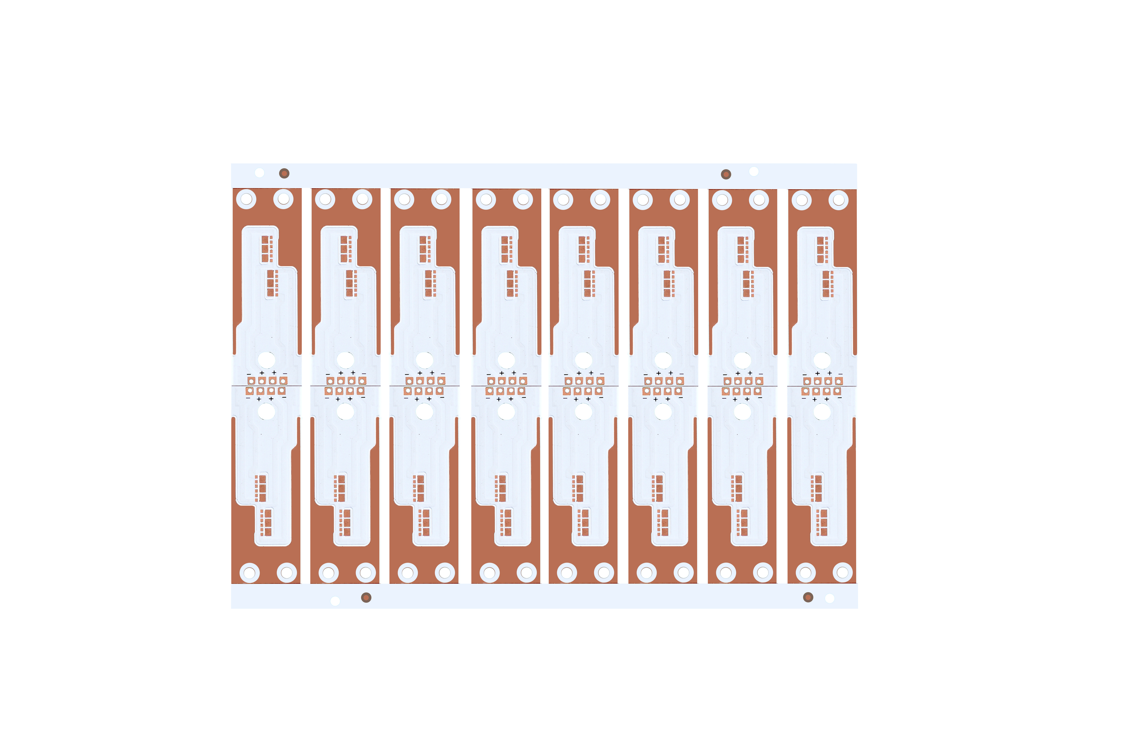
A LED TV PCB (Printed Circuit Board) serves as the central nervous system of a modern LED television, connecting and controlling its electronic components. It houses critical circuits for power management, signal processing, and backlight control. For instance, power boards in these PCBs often use advanced architectures like LLC resonance to efficiently convert AC power into multiple DC outputs, while backlight driver circuits regulate voltage and current for consistent screen illumination. Manufacturers increasingly adopt materials like aluminum-clad PCBs for heat dissipation or explore glass substrates for high-resolution Mini LED displays. These boards also integrate communication interfaces, audio processors, and smart TV modules, enabling features like 4K streaming and voice control. As TV designs evolve toward slimmer profiles and higher brightness, PCB layouts prioritize compact component arrangements and thermal management solutions to balance performance with durability.

What Is LED TV PCB?

What Are Technical Parameters of LED TV PCB Design?

Essential Technical Parameters for LED TV PCB Design:

Power Management Specifications‌

  • Input Voltage Range‌: Supports 100-240V AC input for global compatibility.
  • Output Configuration‌: Delivers multiple DC outputs (3.3V/12V/24V) with total power exceeding 190W in advanced models.
  • Circuit Architecture‌: Utilizes hybrid topologies like LLC resonance + PFC to achieve 90%+ energy efficiency.

‌Backlight Driver Requirements‌

  • Current Regulation‌: Maintains stable output currents (0.5-2A) for LED arrays to prevent flicker or uneven brightness.
  • Dimming Compatibility‌: Integrates PWM (Pulse Width Modulation) and DC dimming modes for dynamic contrast adjustments.

Physical Design Constraints‌

  • Layer Stack-up‌: High-end models employ 6-8 layers PCBs with embedded copper cores for heat dissipation.
  • Thickness Optimization‌: Slim designs target ≀2mm thickness using ultra-thin dielectric materials.

‌Thermal Performance Metrics

  • Heat Dissipation‌: Aluminum-clad substrates or ceramic-filled laminates reduce thermal resistance to ≀1.2°C/W.
  • Component Layout‌: Strategically positions high-power components (e.g., MOSFETs) near cooling vents or heatsinks.

Signal Integrity Features

  • Impedance Control‌: Maintains ±10% tolerance for high-speed HDMI/USB interfaces to minimize signal loss.
  • EMI Shielding‌: Incorporates grounded copper pours and ferrite beads to meet FCC/CE emission standards.

 ‌Smart Function Integration‌

  • Wireless Connectivity‌: Allocates dedicated zones for Wi-Fi 6/Bluetooth 5.3 modules with antenna isolation design.
  • Processor Support‌: Provides BGA (Ball Grid Array) mounting pads for SoCs.
What Are Technical Parameters of LED TV PCB Design?

How Are LED TV Power Supply PCBs Tested for Safety and Efficiency?

LED TV Power Supply PCB Testing Procedures:

1.Electrical Safety Verification‌

      • High-voltage insulation checks‌: Conducted at 3kV AC for 60 seconds to ensure no arcing or breakdowns, meeting IEC 60950 standards.
      • Overload protection testing‌: Simulates 150% rated load for 30 minutes to verify automatic shutdown mechanisms.
      • Leakage current measurement‌: Uses specialized meters to confirm currents stay below 0.25mA during normal operation.

      2.Thermal Stress Analysis‌

      • Infrared thermography‌: Identifies hot spots exceeding 85°C during continuous 72-hour operation tests.
      • Heat dissipation validation‌: Monitors temperature drops using aluminum-clad PCBs under maximum brightness settings.

      ‌3.Efficiency Evaluation‌

      • Input/output power measurement‌: Precision power analyzers calculate efficiency ratings (≄90% for Energy Star compliance).
      • Standby power consumption‌: Verifies power draw below 0.5W when the TV is in sleep mode.

      4.Component Reliability Checks‌

      • Capacitor aging tests‌: Subjects electrolytic capacitors to 105°C environments for 1,000+ hours to assess lifespan.
      • Solder joint inspections‌: Automated optical systems detect cracks or voids in high-current connection points.

      5. Certification Compliance‌

      • EMI/EMC testing‌: Validates electromagnetic interference levels within FCC Part 15 limits using anechoic chambers.
      • Safety certifications‌: Third-party labs perform UL/CE certification tests covering fire resistance and material flammability.
      How Are LED TV Power Supply PCBs Tested for Safety and Efficiency?

      How to Improve the Efficiency of LED TV Power Supply PCB?

      Effective Methods to Enhance LED TV Power Supply PCB Efficiency:

      Circuit Architecture Optimization‌

      • Compact current paths‌: Keep primary power loops under 5cm to minimize parasitic inductance losses.
      • Advanced topologies‌: Implement PFC (Power Factor Correction) combined with QR (Quasi-Resonant) designs to achieve over 93% conversion efficiency.

      High Performance Power Components‌

      • Wide-bandgap semiconductors‌: Replace traditional MOSFETs with Gallium Nitride or Silicon Carbide devices, reducing switching losses by 40%.
      • Low-drop diodes‌: Use Schottky diodes with forward voltage ≀0.3V to minimize rectification heat generation.

       ‌Transformer Design Improvements‌

      • Advanced core materials‌: Adopt nanocrystalline cores instead of ferrite to cut iron and copper losses by 20%.
      • Winding techniques‌: Apply interleaved winding to reduce leakage inductance, limiting ringing effects to ±5%.

      ‌Thermal Management Upgrades‌

      • Enhanced PCB substrates‌: Switch to aluminum-clad or ceramic-filled laminates with thermal resistance below 0.8°C/W.
      • Direct heat-path design‌: Mount high-heat components like MOSFETs directly onto heatsinks, reducing temperature gaps by 15-20°C.

      Capacitor Selection Strategies‌

      • Low-ESR capacitors‌: Use 105°C-rated electrolytic capacitors to handle 30% higher ripple currents.
      • MLCC parallel arrays‌: Deploy X7R-type multilayer ceramic capacitors at output stages to suppress high-frequency noise.

      PCB Layout Refinements‌

      • Multi-layer construction‌: Implement 6+ layer boards with internal copper shielding for EMI reduction and heat distribution.
      • Ground separation‌: Physically isolate digital and power grounds to prevent interference-induced losses.

      EMI Reduction Techniques‌

      • Dual-stage filtering‌: Install two common-mode chokes at AC inputs to attenuate conducted emissions below 30dBÎŒV.
      • Localized shielding‌: Apply copper foil shielding near high-frequency switching nodes to cut radiated emissions by 40-50%

       ‌Power IC Enhancements‌

      • Stable auxiliary supply‌: Integrate linear regulators to maintain control chip voltage at 15V±5%, lowering thermal stress.
      • Smart standby modes‌: Use power management ICs with ≀0.3W sleep-mode consumption to meet Energy Star V3.0.

      How Do Manufacturers Control Costs in LED TV Power Supply PCB Production?

      Here are strategies about how LED TV power supply PCB manufacturer control production costs:

       ‌Material Procurement Optimization‌

      • Bulk purchasing‌: Source FR-4 substrates and copper-clad laminates in 10k+ unit batches to secure 12-18% volume discounts.
      • Supplier partnerships‌: Negotiate multi-year contracts with local component vendors (within 150km radius) to reduce logistics expenses by 20-25%.

      ‌Design Standardization‌

      • Layer reduction‌: Convert 6-layer designs to optimized 4-layer layouts where feasible.
      • Unified hole patterns‌: Standardize via diameters at 0.3mm±0.05mm across models, minimizing laser drill bit replacement costs.

      ‌Automated Assembly Implementation‌

      • High-speed SMT lines‌: Deploy 80,000 CPH (components per hour) pick-and-place machines with ≀50ppm defect rates.
      • 3D AOI systems‌: Integrate automated optical inspection to reduce manual QC labor by 70% while maintaining 99.98% fault detection accuracy.

      ‌Production Waste Minimization

      • Panel nesting algorithms‌: Achieve 96%+ material utilization from raw PCB sheets through optimized cutting patterns.
      • Lead-free reflow‌: Adopt SAC305 soldering alloys to keep rework rates below 0.8% across batches.

       ‌Energy-Conscious Manufacturing‌

      • Regenerative burn-in‌: Recover 35-40% of test energy in thermal cycling processes using capacitor banks.
      • LED curing systems‌: Replace 5kW UV ovens with 800W LED arrays for solder mask hardening, cutting energy use by 84%.

       ‌Smart Testing Protocols‌

      • Statistical sampling‌: Test 8% of units per batch using Six Sigma methods instead of 100% inspection, reducing test time by 65%.
      • Parallel aging‌: Run 120+ PCBs simultaneously in multi-zone climate chambers, halving validation durations.
      How Do Manufacturers Control Costs in LED TV Power Supply PCB Production?

      What Quality Checks Ensure Reliable LED TV PCB Board Performance?

      Manufacturers implement multi-stage quality checks to ensure LED TV PCB board meet performance standards. Here’s a structured overview:

      Incoming Material Inspection (IMI)

      • Component Verification: Test resistors, capacitors, and ICs for tolerance compliance.
      • Visual Inspection: Check PCBs for scratches, delamination, or solder mask defects.

      Pre-Assembly Checks

      • Stencil Printing Validation: Verify solder paste volume and alignment for accurate component placement.
      • Pick-and-Place Accuracy: Calibrate SMT machines to ensure components are placed within ±0.05mm.

      Post-Assembly Inspections

      • Automated Optical Inspection (AOI): Detect solder bridges, missing components, or polarity errors.
      • X-Ray Inspection: Verify BGA and QFN solder joints for hidden defects.

      Functional Testing

      • Power-On Tests: Measure voltage outputs, ripple, and standby power consumption.
      • Signal Integrity Checks: Use oscilloscopes to validate HDMI, USB, and other digital signals.

      Environmental Stress Tests

      • Thermal Cycling: Expose PCBs to -40°C to 85°C cycles to identify solder joint fatigue.
      • Humidity-Heat Testing: Simulate tropical conditions (85% RH, 85°C) to check for corrosion.

      Regulatory Compliance

      • Safety Certifications: Ensure PCBs meet UL, CE, or FCC standards for electromagnetic interference (EMI) and insulation.
      • RoHS/REACH Compliance: Verify absence of hazardous materials in components and solder.

      Final Quality Audit (FQA)

      • Statistical Sampling: Pull units from production batches for retesting to catch sporadic defects.
      • Traceability Records: Maintain component lot numbers and test data for future reference.

      What Is the Price of A LED TV PCB Board for Different Screen Sizes?

      The cost of LED TV PCBs varies by screen size, features, and brand. Here’s a general price breakdown:

      32-Inch HD TVs

      • Basic PCBs: $25–$50 (supports 720p resolution, limited HDMI ports).
      • Premium Models: $40–$60 (includes smart TV firmware compatibility).

      43-Inch 4K TVs

      • Standard Boards: $60–$100 (4K@30Hz support, basic HDR).
      • High-End Variants: $100–$150 (60Hz refresh rate, Android OS integration).

      55-Inch+ Ultra HD TVs

      • Mid-Range PCBs: $120–$200 (HDMI 2.1, MEMC motion smoothing).
      • Flagship Models: $250–$350+ (OLED/QLED support, gaming features).

      Factors Affecting Price

      • Resolution/Refresh Rate: 4K@120Hz boards cost 30%–50% more.
      • Smart Features: Wi-Fi, Bluetooth, and voice control add $20–$80.
      • Brand vs. Generic: OEM replacements are 20%–40% pricier than aftermarket boards.

        Can A 32-Inch Universal LED TV PCB Be Upgraded to Support 4K or Smart TV Features?

        Whether a 32-inch universal LED TV PCB can support 4K or smart TV upgrades depends on several factors. Here’s a structured analysis:

        Hardware Limitations

        • Chipset Compatibility: The existing PCB’s processor must support 4K decoding (e.g., H.265/HEVC) and smart OS integration.
        • Memory Constraints: Insufficient RAM/flash storage may prevent smart features or 4K streaming.
        • Panel Interface: The display panel’s LVDS/eDP connector must match the PCB’s output capabilities for 4K resolution.

        Software and Firmware

        • Firmware Updates: Check if the manufacturer provides updates to enable 4K or smart functions via USB or OTA.
        • Operating System: A compatible OS (e.g., Android TV, Linux) is required for app support and streaming services.

        Upgrade Costs and Availability

        • PCB Replacement Cost: A new PCB with 4K/smart features may cost 30%–50% of the TV’s original price.
        • Market Availability: Universal PCBs for 32-inch TVs may lack advanced features due to lower demand.

        Practical Steps for Upgrading

        • Research Compatibility: Verify the TV model’s PCB part number and feature support with the supplier.
        • Purchase and Installation: Source a compatible PCB, ensuring it matches the TV’s chassis and connector layout.
        • Professional Assistance: Hire a technician for safe disassembly and reprogramming, if required.

        Potential Risks

        • Warranty Void: Unauthorized PCB swaps may void the TV’s warranty.
        • Performance Mismatch: A 32-inch screen may not fully benefit from 4K due to pixel density limitations.

          In conclusion, while technically possible if hardware allows, upgrading a 32-inch TV’s PCB for 4K/smart features is often cost-prohibitive. For most users, purchasing a new TV with native 4K/smart capabilities is more practical.

          Fiberglass Circuit Board: Types, Features & Applications

          April 22nd, 2025

          Fiberglass circuit board is the backbone of today’s electronics. These boards support and connect components in almost every electronic device, from consumer gadgets to industrial control systems. Unlike ordinary materials, fiberglass brings strength and stability. It holds up well under heat, resists moisture, and stays firm under mechanical stress.

          What Are Fiberglass Circuit Boards?

          A fiberglass circuit board is a type of printed circuit board (PCB) made using a base material reinforced with glass fibers and resin—typically epoxy. This combination results in a strong, heat-resistant, and electrically stable platform used to mount and interconnect electronic components.

          Also called printed circuit board fiberglass, these boards dominate the electronics industry thanks to their durability and consistent performance. From mass-produced gadgets to high-end machinery, fiberglass boards provide the structural and electrical backbone that keeps everything working smoothly.

          Fiberglass Circuit Board: Types, Features & Applications

          What Are Fiberglass Boards Made Of?

          Fiberglass boards are made from fine strands of glass spun into a fabric. This fabric, typically known as glass cloth, is then saturated with epoxy resin. Once hardened, the composite becomes the core insulating layer in a fiberglass circuit board.

          The most common material is FR4. It includes:

          • Woven E-glass (Electrical-grade glass): Provides electrical insulation and dimensional stability.
          • Epoxy resin: Bonds the glass fibers and maintains structure under thermal stress.
          • Copper foil: Laminated onto one or both sides to create electrical pathways.

          Together, these elements create an electrical fiberglass board that is tough, heat-resistant, and non-conductive at its core.

          Types of Fiberglass Circuit Boards

          Fiberglass circuit boards aren’t one-size-fits-all. They come in multiple variations to meet different design and performance needs. Whether you’re designing a basic remote control or a complex radar module, there’s a fiberglass board fit for the job.

          • Single Layer Fiberglass Circuit Board

          This is the most basic type. It has copper traces on only one side of the board. It’s often used in low-cost consumer electronics, LED lights, and household appliances. Despite its simplicity, the fiberglass circuit board structure keeps it durable and stable.

          Single Layer Fiberglass Circuit Board
          • Double Layer Fiberglass Circuit Board

          With copper layers on both sides and vias connecting them, this board offers more routing space and better performance. It’s a popular choice for audio equipment, industrial sensors, and power supplies. These boards balance cost with performance and are widely produced by fiberglass circuit board manufacturers worldwide.

          Double Layer Fiberglass Circuit Board
          • Multilayer Fiberglass Circuit Board

          These contain three or more layers of fiberglass and copper laminated together. They are essential for smartphones, routers, and advanced computing devices. With increased layer count comes better signal control and component density.

          Multilayer Fiberglass Circuit Board
          • HDI Fiberglass Circuit Board

          High-Density Interconnect (HDI) boards pack more functionality into smaller areas. They use microvias, blind vias, and fine lines to boost performance without increasing board size. HDI designs often use printed circuit board fiberglass materials for strength and tight tolerances.

          HDI Fiberglass Circuit Board
          • High Frequency Fiberglass Circuit Board

          For RF or microwave applications, standard fiberglass isn’t always enough. Specialized fiberglass composites with low dielectric loss are used. These boards are perfect for radar systems, antennas, and satellite communication.

          High Frequency Fiberglass Circuit Board
          • Rigid-Flexible Fiberglass Circuit Board

          Combining rigid fiberglass sections with flexible polyimide layers, these hybrid boards offer both structural support and flexibility. They’re widely used in wearables, military electronics, and compact medical devices.

          Rigid-Flexible Fiberglass Circuit Board

          Features of Using Fiberglass Circuit Board

          Fiberglass circuit boards offer several unmatched advantages. These features help explain why they’re so common in nearly every electronic product.

          • Thermal Stability: Fiberglass holds up well under heat. It won’t warp or delaminate under typical operating conditions.
          • Dimensional Stability: Even in humid or fluctuating environments, the board keeps its shape.
          • Electrical Insulation: The glass fibers prevent current leakage and minimize signal loss.
          • Mechanical Strength: These boards don’t crack easily. They can take a beating during assembly or usage.
          • Low Fiberglass Board Price: Compared to ceramics or PTFE substrates, fiberglass board price is much lower—without major performance tradeoffs.

          Why Is Fiberglass Used in Motherboards?

          Motherboards are the nerve center of any computing device. They require a substrate that’s flat, stable, and electrically inert. Fiberglass checks all those boxes. Its woven glass core resists bending and warping over time, ensuring that pins, sockets, and solder joints stay aligned. It also helps dissipate heat generated by processors and other high-power components.

          Motherboards also demand multi-layered structures. Only multilayer fiberglass circuit boards can deliver the routing density needed for complex connections between CPU, RAM, GPU, and other modules. That’s why fiberglass remains the default material for virtually all desktop and laptop motherboards.

          What Is Fiberglass Board Used For?

          Beyond motherboards, electrical fiberglass boards are everywhere:

          • Consumer Electronics: Smartphones, TVs, game consoles.
          • Automotive Systems: Engine controls, infotainment, safety modules.
          • Industrial automation: Robotics, factory controls, and power distribution.
          • Healthcare equipment: Monitors, diagnostic tools, and imaging devices.
          • Telecom Infrastructure: Routers, switches, and antennas.
          • Telecommunication devices: Routers, modems, and base stations.
          • LED Lighting: Strip lights, bulb circuits, streetlamps.
          • Aerospace Systems: Flight controls, navigation, radar electronics.

          Thanks to their adaptability and performance, fiberglass boards can be customized for nearly any electrical task. This is why fiberglass circuit board manufacturers remain in high demand globally.

          Why Is Fiberglass Hazardous?

          Though highly useful, fiberglass isn’t without precautions. During manufacturing, cutting or sanding fiberglass can release microscopic glass particles. These can irritate the skin, eyes, and respiratory system. That’s why workers must wear protective gear in production settings.

          However, once the board is sealed and installed, it poses minimal risk. Finished electrical fiberglass boards are stable, safe, and inert under normal use conditions. They do not emit toxins or degrade during product life.

          Is Glass Fiber the Same as Fiberglass?

          Technically, yes—glass fiber and fiberglass refer to the same material. “Glass fiber” usually describes the raw filament or strands. “Fiberglass” refers to the composite made from glass fibers and resin.

          In PCB manufacturing, the terms are often used interchangeably. Whether you say printed circuit board fiberglass or glass fiber PCB, the meaning remains consistent: a reliable, heat-resistant circuit platform. While the terms are related, in practice, fiberglass is the final product used in PCBs, not just the raw glass fiber.

          FAQs

          Q1: Is fiberglass better than FR2 in circuit boards?

          Yes. Fiberglass (FR4) offers higher strength, better insulation, and improved heat tolerance compared to FR2 paper-based boards.

          Q2: How much does a fiberglass board cost?

          The fiberglass board price varies by layer count, size, and copper thickness. Single-layer boards may cost less than $1 per piece, while multilayer HDI boards are higher.

          Q3: Can fiberglass circuit boards handle high power?

          Yes. With proper copper thickness and thermal management, fiberglass PCBs handle moderate to high power loads reliably.

          Q4: Are fiberglass boards environmentally friendly?

          Most are ROHS-compliant. However, disposal must be handled properly due to the epoxy content.

          Q5: Who are top fiberglass circuit board manufacturers?

          Top producers include EBest Circuit (Best Technology), TTM Technologies, and PCBWay. Look for ISO-certified factories with full in-house fabrication.

          Whether you’re building a simple LED board or a complex communication device, printed circuit board fiberglass options are there to support your design.

          Looking for a trustworthy partner to supply high-quality fiberglass PCBs? EBest Circuit (Best Technology) has more than 18 years of experience manufacturing standard and custom circuit boards, including single to multilayer designs, HDI, and high-frequency variants. Our in-house production facilities are ISO9001, IATF16949, AS9100D and UL certified, ensuring that every board meets global quality standards. We pride ourselves on delivering fast lead times, customized solutions, and exceptional technical support that help our clients stay ahead in an ever-evolving market.

          China Ceramic PCB Manufacturers, China PCB Manufacturer

          April 22nd, 2025

          China ceramic PCB manufacturers are becoming the top choice for companies needing high-performance and heat-resistant circuit boards. Their experience, innovation, and advanced equipment help meet various industry needs. Whether you work in aerospace, automotive, LED, or medical devices, reliable ceramic PCBs are vital. But what makes Chinese suppliers stand out? Let’s explore their strengths and the processes behind their work.

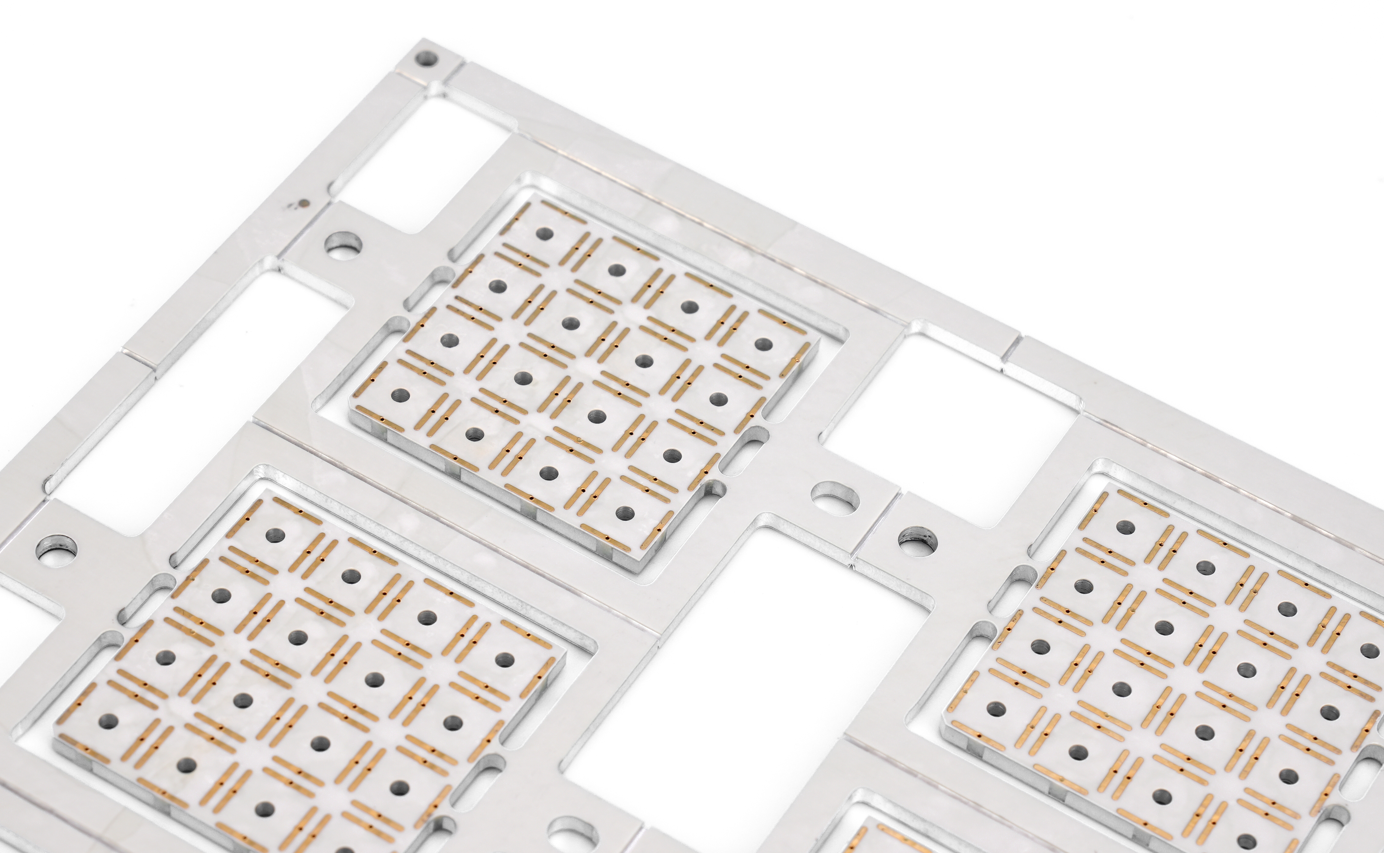
          EBest Circuit (Best Technology) is one of the professional China ceramic PCB manufacturers. Our company vision is to be China’s most trusted one-stop ceramic PCB fast solution provider. Our ceramic PCBs include thick film PCB, thin film PCB, DPC PCB, DBC/DCB PCB, AMB PCB, LTCC PCB, and HTCC PCB. EBest Circuit (Best Technology) has continuously optimized the production control process so that we can offer defective-free products to our customers. There is a 97.2% on-time delivery rate in our ceramic PCB manufacturing factory. The monthly capacity in EBest Circuit (Best Technology) is up to 200000 panels. 3067 customers across 40 countries give us good feedback on the quality and the lead time.

          If any inquiries about ceramic PCBs, warm welcome to contact us via sales@bestpcbs.com. Once got your approval of ceramic PCB prototypes and the decision of MP (mass production), the fast lead time will be 2-3 weeks.
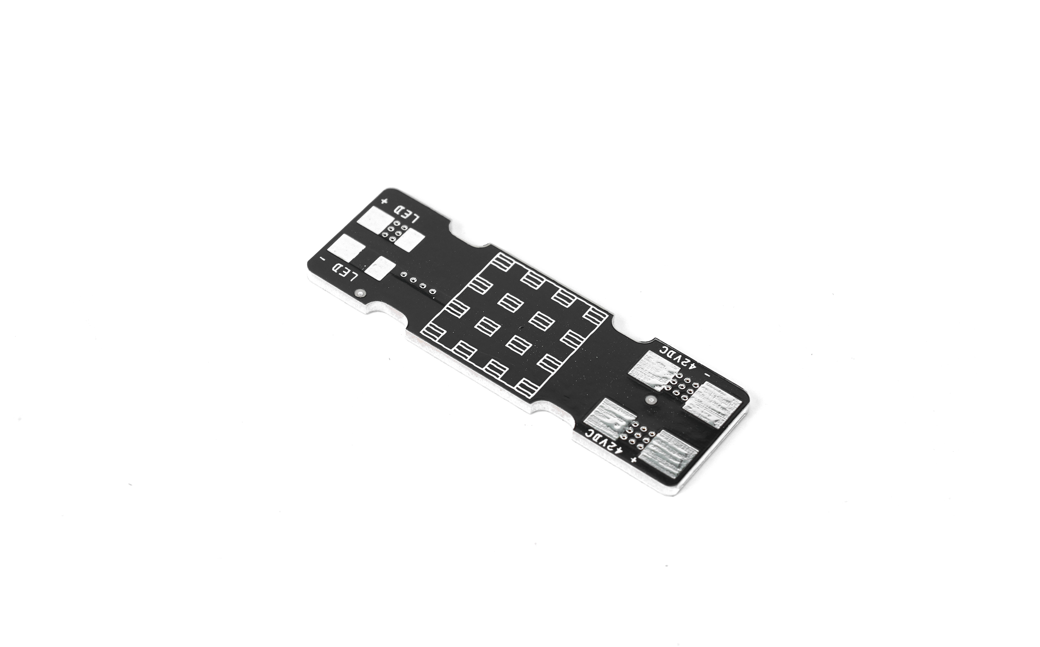
          China Ceramic PCB Manufacturers, China PCB Manufacturer

          Ceramic PCB Manufacturing Process

          Understanding the ceramic PCB manufacturing process helps you choose the right partner. At EBest Circuit (Best Technology), the DBC (Direct Bonded Copper) production process includes the following steps:

          • IQC Inspection: Incoming ceramic substrates are carefully checked to ensure they meet specifications.
          • Laser Drilling: Precise laser machines drill necessary vias and holes.
          • Vacuum Sputtering (PVD): A thin metal layer is applied to the ceramic surface using Physical Vapor Deposition.
          • Flash Plating: A light coating is applied for better conductivity.
          • Pattern Transfer: The design pattern is transferred onto the board using photoresist.
          • Pattern Plating: Conductive layers are built up in the patterned areas.
          • Brushing and Polishing: Surface is brushed and polished for smoothness.
          • Photoresist Removal: Residual photoresist is stripped from the surface.
          • Etching and Titanium Removal: Unwanted copper is etched off, and any titanium barrier layers are removed.
          • Electrical Testing: Boards are tested for shorts, opens, and continuity.
          • Solder Mask: A protective layer is added over areas not meant for soldering.
          • Pre-Cutting: For silver surface finishes, pre-cutting comes before plating; for gold, it usually happens after.
          • Surface Treatment: Final surface finish is applied (silver or gold).
          • Incoming Inspection: Boards are inspected again before moving to final stages.
          • FQC and FQA: Final Quality Control and Final Quality Assurance ensure boards meet customer standards.
          • Packing: Boards are cleaned, labeled, and packed for safe delivery.

          This well-controlled flow helps reduce defects and maintain high reliability, making Chinese ceramic PCBs a trusted option worldwide.

          China Ceramic PCB Manufacturers

          Key Materials Used by China Ceramic PCB Manufacturers in Production

          Materials decide how well a ceramic PCB performs. Here are the most used ones:

          • Aluminum Oxide (Al2O3): Common, cost-effective, and offers good insulation.
          • Aluminum Nitride (AlN): Preferred for its excellent thermal conductivity.
          • Silicon Nitride: Less common but offers high mechanical strength and resistance to thermal shock.

          Chinese manufacturers often maintain a stable supply of high-purity materials. This allows consistent performance in each batch. Some even offer custom material blends depending on your needs. As a leading China PCB manufacturer, EBest Circuit (Best Technology) enables full customization across all our ceramic PCB offerings.‌ In reference to EBest Circuit (Best Technology)’s ceramic substrate specifications, the standard thicknesses of Alumina (Al₂O₃) substrates‌ include 0.15/0.25/0.38/0.5/0.635/0.8/1.0/1.2/1.5/2.0 mm. Aluminum Nitride (AlN) substrates‌ are available in 0.15/0.25/0.38/0.5/0.635/0.8/1.0/1.5 mm thicknesses. Non-standard ceramic substrate types require customization. For tailored thickness specifications, kindly consult our account management team or sales engineering specialists to discuss project-specific parameters.

          China PCB Manufacturer

          Best China Ceramic PCB Manufacturers

          When looking for the best China ceramic PCB manufacturers, consider the following names that regularly top industry reviews:

          • EBest Circuit (Best Technology): Known for its focus on high-quality ceramic PCBs with fast delivery. BEST offers one-stop EMS ceramic PCB solution without minimum order requirements.
          • Weller PCB: Offers a wide product range and supports complex, high-mix projects.
          • Shenzhen Kinwong: One of the largest PCB makers in China with global recognition.

          What sets them apart? It’s their constant investment in better machines, tighter process control, and good customer support.

          How Do China Ceramic PCB Manufacturers Ensure High Thermal Conductivity?

          High thermal conductivity is key for ceramic PCBs. Chinese manufacturers make this happen through several strategies:

          • Use of AlN substrates: These offer better heat transfer than traditional materials.
          • Thicker metal layers: Copper or silver layers are optimized for heat spreading.
          • Advanced firing techniques: This reduces internal voids and boosts thermal flow.

          These steps help their ceramic PCBs survive in high-power LED lighting and RF power devices.

          What Certifications Do Top China Ceramic PCB Manufacturers Hold?

          Certifications add credibility. Most leading China ceramic PCB manufacturers meet strict global standards. Look for these:

          • ISO 9001: Quality management system
          • ISO 14001: Environmental responsibility
          • IATF 16949: Needed for the automotive sector
          • RoHS & REACH: Compliance for hazardous substances

          These certifications show that the manufacturer values safety, sustainability, and precision. EBest Circuit (Best Technology) is certified by the above ISO 9001, and IATF 16949 certifications. All materials are traceable via MES and ERP systems in EBest Circuit (Best Technology). Moreover, the materials we adopt are compliant with UL, RoHS, and REACH. Besides, we are compliant with ISO13485, and AS9100D, which gives us a competitive edge in providing tailored solutions in the medical industry and the aerospace, space, and defense (ASD) industry.

          China Ceramic PCB Manufacturers

          What Sets the Best China Ceramic PCB Manufacturers Apart?

          Not all manufacturers are the same. The best ones offer:

          • Experience: Over 10 years in ceramic PCB manufacturing.
          • Customization: Ability to make prototypes and high-mix, low-volume orders.
          • Responsive teams: Fast feedback, technical help, and post-sales support.
          • Global shipping: Quick delivery to the USA, Europe, and other markets.

          Their flexibility helps customers save time and avoid costly delays.

          How to Find Reliable China Ceramic PCB Manufacturers for Your Project?

          Finding the right partner doesn’t have to be hard. Here’s how to do it smartly:

          • Research: Start with Google and LinkedIn. Check if they have case studies or client reviews.
          • Request Samples: Good suppliers will offer test samples.
          • Factory Audit: If possible, visit or request a video tour.
          • Communication: A reliable partner will respond quickly and clearly.

          Also, choose a supplier who understands your industry. This helps avoid back-and-forth and speeds up your project.

          China PCB Manufacturer

          In conclusion, China ceramic PCB manufacturers have evolved into trusted global partners. Their strength lies in combining advanced materials, strong R&D, and top-notch service. They can deliver cost-effective solutions without compromising performance.

          If you’re looking for a supplier who values time, quality, and support, it’s smart to consider an experienced name like EBest Circuit (Best Technology). With over 18 years in the PCB industry, we specialize in ceramic PCBs that meet the toughest standards. Reach out to us at sales@bestpcbs.com to get a favorable quote or specification sheet.

          Aluminum Nitride AlN Ceramic Substrate Manufacturers

          April 22nd, 2025

          EBest Circuit (Best Technology) is a leading ceramic PCB manufacturer with over 18 years of experience delivering premium-quality printed circuit boards to customers around the world. We specialize in ceramic PCB substrates, especially AlN ceramic substrates, for high-performance applications.

          From Direct Plated Copper (DPC) aluminum nitride aln ceramic substrates to thick-film hybrid circuits, our products are trusted in sectors like automotive, aerospace, LED lighting, power electronics, and RF communication. Whether you need high thermal conductivity materials, customized substrate thickness, or precision copper metallization, we deliver with speed and accuracy.

          What Is Aluminum Nitride (AlN) Ceramic Substrate?

          An AlN ceramic substrate is an advanced ceramic material made by sintering aluminum nitride powder at high temperatures. It combines excellent thermal conductivity with strong electrical insulation—a rare but valuable combination.

          Unlike traditional FR4 or even alumina (Al₂O₃), aluminum nitride ceramic boards handle both heat and voltage in compact, high-power systems. That’s why they’re widely used in:

          • High-power LED modules
          • IGBT and MOSFET packages
          • Power modules for EVs
          • 5G and RF components
          • Aerospace and defense electronics

          With DPC (Direct Plated Copper) technology, AlN substrates are layered with thick copper (35ÎŒm–300ÎŒm), allowing for efficient heat spreading and high current handling.

          Aluminum Nitride AlN Ceramic Substrate Manufacturers

          What Are the Material Properties of AlN?

          Aluminum nitride delivers a powerful balance of properties that few ceramics can match:

          Material PropertyUnitValue
          ColorWhite Grey
          Medium grain sizeum3-5
          Surface roughness (Ra)um0.3-0.5
          DensityKg/m3>3300
          Rate of water absorption%0
          Bending strength4 point method (40x4x3mm3)Mpa400
          Dual ring method (0.63mm substrate thickness)Mpa500
          Thermal conductivity (20-100℃)W/m-k>=170
          Specific heatJ/kg.K800
          Coefficient of Linear expansion1*E-6 / K4.4
          Dielectric constant 9.0+/-10%
          Dielectric loss factor (1 MHz)1*E-30.3
          Breakdown Voltage2.0mm substrateKV/mm34
          1.0mm substrate17
          0.635mm substrate11
          Volume resistivity20℃Ohm * cm

          Aluminum Nitride Thermal Conductivity vs. Temperature

          One of the standout features of AlN is its thermal conductivity, often ranging from 160 to 180 W/m·K. However, conductivity changes with temperature.

          • At room temperature: ~170–180 W/m·K
          • At 300°C: Drops slightly to ~150 W/m·K
          • At 500°C: May fall to ~130 W/m·K

          This predictable behavior allows engineers to model heat dissipation accurately. Unlike FR4 or alumina, AlN can handle continuous high temperatures without degrading or delaminating. Our DPC AlN ceramic PCBs at EBest Circuit (Best Technology) are tested for thermal cycling, ensuring they perform reliably under dynamic load conditions—especially in EVs, telecom equipment, and military electronics.

          Aluminum Nitride AlN Ceramic Substrate Manufacturers

          What Is the Difference Between Ceramic Substrate and FR4?

          This is a common question from design engineers and procurement teams alike. Ceramic substrates (such as aluminum nitride (AlN), alumina (Al₂O₃), and silicon nitride) and FR4 PCBs are used in very different types of applications, even though both serve as the base materials for electronic circuits. Their differences go far beyond appearance and cost—they impact performance, reliability, and product lifespan.

          Here’s a detailed breakdown of the key differences between ceramic substrates and FR4 PCBs:

          FeatureCeramic Substrate (AlN, Al₂O₃, Si₃N₄)FR4 PCB
          Thermal ConductivityVery high (AlN: 170–180 W/m·K, Al₂O₃: 20–30 W/m·K)Low (~0.3–0.4 W/m·K)
          Electrical InsulationExcellent (ideal for high-voltage applications)Good, but breaks down at high heat
          Heat ResistanceCan operate >500°CLimited to ~130–150°C continuous
          Dielectric Constant (High Frequency)Stable, low-lossLess stable, higher losses at GHz
          Coefficient of Thermal Expansion (CTE)Matches semiconductor materials like siliconHigher, may cause stress and delamination
          Mechanical StrengthHigh, especially with silicon nitrideModerate, prone to cracking under thermal cycles
          Miniaturization CapabilitySupports fine pitch, thin linesLimited to standard line widths
          Chemical StabilityInert, resists corrosion and oxidationSensitive to moisture and chemicals
          Signal IntegrityExcellent for high-frequency and high-speed signalsSusceptible to cross-talk and signal loss
          Thermal Cycling PerformanceOutstanding for power modulesWeaker in applications with frequent heating and cooling
          Moisture AbsorptionVery low (typically <0.01%)Higher (can absorb up to 0.1% or more)
          Design FlexibilitySuitable for multilayer, 3D packagingMostly used in 2-layer or 4-layer boards
          WeightHeavier, especially with metal coatingsLightweight
          CostHigher upfront cost, longer lifespanLower initial cost, shorter lifespan
          ApplicationsPower electronics, LEDs, lasers, RF, EVsConsumer electronics, computers, IoT

          How Thick Is Aluminum Nitride Substrate?

          The typical thickness of an AlN substrate ranges from 0.25 mm to 2.0 mm, depending on the application. Thinner boards are used in space-constrained designs like portable RF devices. Thicker versions are preferred in power modules and thermal management systems.

          EBest Circuit (Best Technology) supports a wide range of substrate thicknesses, such as:

          • 0.25 mm for sensors and miniaturized circuits
          • 0.38 mm or 0.5 mm for LED modules
          • mm and 2.0 mm for high-power electronics
          • Custom thickness options available upon request

          Our team evaluates your thermal and electrical needs to recommend the optimal ceramic board thickness.

          What Is an Alternative to Aluminum Nitride?

          While AlN is powerful, it’s not always the default choice for every budget or function. Alternatives include:

          • Alumina (Al₂O₃): Lower cost, but only 20–30 W/m·K thermal conductivity
          • Silicon nitride (Si3N4) substrate: Good thermal and superior mechanical strength
          • Beryllium oxide (BeO): High thermal performance, but health concerns during processing

          Of these, silicon nitride stands out as the closest functional competitor. It’s mechanically superior but falls behind in thermal conductivity. In many cases, choosing between the two comes down to application specifics—space, vibration, power load, and cost.

          Aluminum Nitride AlN Ceramic Substrate Manufacturers

          AlN Ceramic Substrate vs. Silicon Nitride Substrate

          Let’s take a closer look at how AlN and silicon nitride compare:

          PropertyAlN Ceramic SubstrateSilicon Nitride Substrate
          Thermal Conductivity170–180 W/m·K70–90 W/m·K
          Mechanical ToughnessGoodExcellent
          Electrical InsulationHighModerate
          Dielectric StrengthHighModerate
          CTE Match with SiliconCloseSlightly higher
          WeightLighterHeavier

          In high-vibration environments such as engine control units, silicon nitride is a strong choice. But in RF, LED, or power modules, AlN ceramic boards are the go-to for managing heat and electrical insulation.

          DPC AlN Ceramic Substrate Market Trend

          The DPC AlN ceramic substrate market is experiencing remarkable growth due to the explosion of high-frequency and power-dense electronics. Key market drivers include:

          • Electric vehicles: IGBT modules and inverters demand high-thermal substrates
          • 5G infrastructure: Base stations and RF filters use ceramic substrates
          • LED lighting: High-power LEDs need efficient thermal paths
          • Defense and aerospace: Require reliable materials with long service life
          • Industrial power: Servo drives, CNCs, and high-voltage equipment depend on thermal stability

          Global market studies forecast a CAGR of 8–12% in the AlN ceramic sector. The increasing demand also impacts the AlN ceramic substrate price, which may rise due to material cost and purity level. At EBest Circuit (Best Technology), we maintain strong relationships with raw material suppliers, ensuring competitive pricing, high-quality sourcing, and fast lead times.

          FAQs about AlN Ceramic Substrate

          1. What is the current AlN ceramic substrate price?

          Prices vary based on thickness, purity, metallization, and quantity. But ceramic PCB price is always higher than FR4 PCB. Expect around $2 to $10 or even $50 per piece for custom solutions. Bulk orders offer better rates.

          2. Why choose DPC over other copper technologies?

          DPC AlN ceramic substrates offer better adhesion, smoother copper layers, and more precise etching. Ideal for fine pitch designs and high-frequency modules.

          3. Can I use AlN substrates for high-frequency RF circuits?

          Yes. AlN offers a low dielectric constant (~8.8) and stable performance up to GHz frequencies.

          4. Are AlN ceramic substrates environmentally safe?

          Absolutely. They are non-toxic, inert, and recyclable—safe for manufacturing and long-term operation.

          5. Do you offer AlN substrates with plated vias?

          Yes. EBest Circuit (Best Technology) provides vias, through-holes, and multilayer AlN ceramic substrates for complex 3D packaging.

          Why Choose EBest Circuit (Best Technology) as Your AlN Ceramic Substrate Manufacturer?

          • 18+ years of PCB manufacturing experience
          • ISO9001, ISO13485, and IATF16949 certified
          • In-house DPC/DBC/AMB/HTCC/LTCC/thick film/thin film processing with precise copper thickness control
          • Custom AlN ceramic substrate solutions with fast prototyping
          • Global shipping with professional support
          • Proven success across EV, LED, medical, RF, and defense sectors

          From prototype to production, EBest Circuit (Best Technology) provides tailored ceramic solutions that enhance reliability, extend product life, and help you build better electronics.

          Outdoor LED Screen PCB, Outdoor LED Screen PCB Manufacturers

          April 22nd, 2025

          Why settle for outdoor LED screen PCB? This guide covers its types, benefits, durability hacks, and expert tips to evaluate manufacturers for reliable, weatherproof LED PCBs tailored to global demands.

          EBest Circuit (Best Technology) specializes in outdoor LED screen PCB engineered for extreme outdoor environments. Our products feature IP68 waterproofing, corrosion-resistant coatings, and industrial-grade components (e.g., aluminum substrates) to ensure 10+ years of reliable operation under -40°C to +85°C temperatures. With ISO 9001, IPC, and UL certifications, we enforce strict quality controls by AOI, X-ray inspection, and thermal stress tests to eliminate defects. Customizable pixel pitches (P3–P20) and modular designs enable quick repairs, minimizing downtime. Contact us today for competitive pricing and samples if you have any request for outdoor LED screen PCBs: sales@bestpcbs.com

          What Is Outdoor LED Screen PCB?

          An outdoor LED Screen PCB (Printed Circuit Board) is the essential component that powers and manages LED modules in outdoor display systems. Built with weather-resistant materials like fiberglass and protective coatings, it ensures reliable operation under challenging conditions such as rain, extreme temperatures, and sunlight. The PCB regulates electrical connections and data signals, enabling vibrant, long-lasting visuals for billboards, stadiums, and public signage.

          What Is Outdoor LED Screen PCB?

          What Is Structure of Outdoor LED Screen PCB?

          Here’s a clear breakdown of outdoor LED Screen PCB’s structural elements:

          • Carrying and connecting lamp beads: There are multiple LED chips welded on the PCB, which determine the basic color, brightness, viewing angle and life of the display screen, etc.
          • Electrical connection: The PCB connects various electronic components through wires or circuit patterns to ensure the transmission of current and signals.
          • Support structure: The PCB is usually connected to the bottom shell through positioning columns to form the basic structure of the display screen.
          • Display unit: It is composed of lamp beads (such as SMD or COB packaging) and determines the display effect of the display screen.
          • Control system: It includes sending cards and receiving cards, which are responsible for the processing and distribution of video signals.
          • Structural part: Such as the box, frame and back cover, to ensure the stability of the display screen and protect the internal structure.
          • Power supply system: Provides a stable DC power supply to ensure the normal operation of the display screen.
          • Signal transmission system: Such as network cables or optical fibers to ensure efficient data transmission.
          • Cooling system: Including cooling fans, heat sinks and air conditioners, etc., to maintain the working temperature of the display screen.

          What Are Advantages of Outdoor LED Screen PCBs?

          Benefits of LED Screen PCBs‌:

          • ‌Weatherproof Design‌ – Outdoor LED PCBs are built with IP65/IP67 waterproof ratings and corrosion-resistant coatings. This protects circuits from rain, dust, and humidity, ensuring stable performance in harsh conditions like coastal areas or rainy climates.
          • ‌High Brightness and Visibility‌ – These PCBs use 8000–10,000 nits brightness LEDs and anti-glare surface treatments. This guarantees clear visibility even under direct sunlight, making them ideal for billboards, stadiums, or traffic signs.
          • ‌Heat Dissipation Technology‌ – Advanced thermal management materials (e.g., aluminum substrates) and heat sinks prevent overheating. This extends component lifespan by 20–30% compared to standard PCBs, reducing long-term maintenance costs.
          • ‌Shock and Vibration Resistance ‌- Reinforced solder joints and impact-resistant materials protect against physical stress during transport or installation. This minimizes damage risks in high-wind zones or busy urban areas.
          • ‌Energy Efficiency‌ – Low-power LED chips and smart driver ICs cut energy consumption by up to 40%. This aligns with global sustainability goals while lowering operational costs for 24/7 displays.
          • ‌Longevity in Extreme Temperatures‌ – Components rated for -40°C to +85°C ensure reliable operation in freezing winters or scorching summers. This durability suits regions with wide temperature fluctuations.
          • ‌Easy Maintenance and Repairs‌ – Modular designs allow quick replacement of faulty sections without shutting down the entire display. This reduces downtime for advertisers or event organizers.
          • ‌Customizable Pixel Pitches ‌- Options ranging from P3 to P20 let buyers choose resolution levels based on viewing distances. For example, P10 is cost-effective for highway billboards, while P3 suits close-up retail displays.

          How Do Outdoor LED Screen PCBs Handle Extreme Weather Conditions?

          How Outdoor LED Screen PCBs Withstand Extreme Weather

          Outdoor LED displays must endure harsh elements like rain, heat, cold, and humidity. Here’s how their PCBs are engineered to survive:

          Waterproof Construction

          • Sealed PCB edges and conformal coatings block moisture infiltration.
          • Waterproof connectors and gaskets protect power and data interfaces.

          Temperature-Resistant Materials

          • Substrates like aluminum or ceramic PCBs withstand thermal expansion without warping.
          • Components rated for extreme temperatures (-40°C to 80°C) maintain performance in cold or heat.

          Advanced Thermal Management

          • Heat sinks, thermal pads, and via arrays dissipate heat generated by high-brightness LEDs.
          • Thermal shutdown circuits prevent overheating during prolonged sun exposure.

          UV-Resistant Coatings

          • Specialty paints or epoxy layers shield PCB surfaces from solar radiation damage.
          • UV-stabilized materials prevent color fading in LED packages.

          Corrosion-Proof Design

          • Nickel-plated copper traces resist oxidation in coastal or industrial environments.
          • Stainless steel screws and brackets prevent rusting in wet conditions.

          Robust Mechanical Structure

          • Reinforced PCB edges and mounting holes prevent cracking from wind-induced vibrations.
          • Shock-absorbing gaskets protect against physical impacts during storms.

          Electrical Surge Protection

          • Built-in TVS diodes and surge suppressors safeguard against lightning strikes.
          • Isolated grounding systems prevent electrical damage from power fluctuations.
          How Do Outdoor LED Screen PCBs Handle Extreme Weather Conditions?

            How to Extend the Life of Outdoor Display Screen Through PCB Design?

            Here’s how to extend the life of outdoor display screen through PCB design:

            Maximizing Outdoor Display Lifespan Through PCB Design

            A well-engineered PCB is critical to ensuring long-term durability of outdoor LED screens. Here’s how smart design choices extend their operational life:

            Efficient Thermal Management

            • Integrate heat sinks, thermal vias, and copper layers to dissipate heat quickly.
            • Use phase-change materials or liquid cooling channels for high-power applications.

            Durability-Focused Materials

            • Select aluminum or ceramic substrates for better heat resistance than standard FR-4.
            • Apply conformal coatings or potting compounds to protect against moisture and corrosion.

            Enhanced Electrical Protection

            • Incorporate TVS diodes and fuse protection to absorb voltage spikes during storms.
            • Use optocouplers for galvanic isolation between high-voltage and low-voltage circuits.

            Stress-Resistant Layout

            • Avoid sharp angles in traces to prevent crack propagation under thermal stress.
            • Add strain relief features to connector areas to absorb vibration from wind.

            Component Selection

            • Choose automotive-grade or industrial-grade LEDs and ICs rated for extreme temperatures.
            • Use solid electrolytic capacitors with longer lifespan than standard types.

            Intelligent Monitoring Systems

            • Embed temperature sensors and current monitors to enable predictive maintenance.
            • Include diagnostic LEDs or digital interfaces for quick troubleshooting.

            Redundant Design Features

            • Implement backup power circuits or dual data pathways to ensure continuous operation.
            • Use modular PCB sections for easy replacement of damaged areas without replacing the entire panel.

              Proactive design choices reduce maintenance costs and downtime. When evaluating suppliers, ask about thermal simulation reports, component lifecycles, and field failure rate data to ensure the PCB design aligns with your long-term operational needs.

              How to Extend the Life of Outdoor Display Screen Through PCB Design?

              How to Verify the Export Experience of Outdoor LED Screen PCB Manufacturers?

              Below are how to verify the export experience of outdoor LED screen PCB manufacturers:

              • Check Certifications for Global Compliance‌– Look for certifications like CE, RoHS, or FCC, which indicate adherence to international safety and environmental standards. Manufacturers with these certifications are more likely to handle export documentation and regulations efficiently.
              • Review Past Client Projects‌– Request case studies or client references involving cross-border partnerships. Reliable manufacturers often showcase projects like outdoor billboards or stadium displays with details on logistics and customization.
              • Confirm Logistics and Customs Support‌– Ensure the manufacturer offers services like EXW/FOB shipping terms, pre-shipment inspections, or assistance with customs clearance. These reduce delays and costs for international buyers.
              • Evaluate After-Sales Service Networks ‌– Verify if they provide multilingual technical support, warranty coverage, or local repair centers in your region. This ensures timely resolution of post-shipment issues.
              • Assess Production Scalability‌-Test their ability to handle bulk orders during peak seasons. Manufacturers with export experience often have streamlined processes for large-scale PCB production and packaging.
              • Validate Quality Testing Processes‌– Ask for details on IP-rated waterproofing tests, thermal stress trials, or third-party lab reports. Rigorous testing ensures PCBs meet durability requirements for harsh climates.
              • Verify Payment Security‌- Choose manufacturers offering secure payment methods like L/C or Escrow, which protect against fraud in international transactions.

              How to Identify the Quality Control Capabilities of Outdoor LED Screen PCB Manufacturers?

              Ensuring your supplier maintains rigorous quality standards prevents defects and project delays. Here’s how to evaluate the QC capabilities of outdoor screen PCB manufacturers:

              Certification Verification

              • Look for ISO 9001 or IATF 16949 certifications indicating structured quality management.
              • Confirm compliance with industry-specific standards like IPC-A-610 for PCB assembly.

              Inspection Equipment and Processes

              • Ask about automated optical inspection (AOI) machines, X-ray testers, and ICT (In-Circuit Test) systems used.
              • Review their QC checklist, including solder quality, component placement, and electrical testing.

              Defect Rate Transparency

              • Request historical data on first-pass yields (FPY) and defect rates (e.g., DPMO metrics).
              • Ask how they handle non-conforming products—whether repaired, scrapped, or reworked.

              Raw Material Sourcing

              • Inquire about supplier qualification processes for materials like copper foil, solder paste, and LED packages.
              • Confirm if they use OEM or tier-1 component suppliers.

              Client Feedback Analysis

              • Seek case studies or performance reports from previous international clients.
              • Check third-party review platforms for recurring quality complaints.

              Warranty and Returns Policy

              • Evaluate the duration and terms of their product warranty.
              • Ask about their return material authorization (RMA) process for defective PCBs.

              On-Site Audit Option

              • For critical projects, schedule a factory tour to inspect production lines and QC labs.
              • Interview their QC team about inspection protocols and corrective action procedures.

                Poor quality control leads to field failures, repair costs, and brand damage. Prioritize manufacturers with certified systems, transparent metrics, and verifiable case studies of long-lasting installations in demanding outdoor environments

                How to Identify the Quality Control Capabilities of Outdoor LED Screen PCB Manufacturers?

                What Technical Parameters Are Required for Customized Outdoor Display PCB?

                When specifying custom outdoor LED PCBs, these technical details ensure compatibility and performance:

                Display Dimensions and Resolution

                • Provide panel width, height, and pixel pitch (distance between LED centers).
                • Example: For a P6 screen, PCB layout must match 6mm LED spacing.

                Brightness Requirements

                • Specify minimum brightness in nits (cd/mÂČ). Outdoor screens typically need 5000-8000 nits.
                • Consider automatic brightness adjustment systems for energy efficiency.

                Ingress Protection (IP) Rating

                • Define required IP rating (e.g., IP65 for waterproof/dustproof).
                • Ensure conformal coatings and sealed connectors meet this standard.

                Operating Temperature Range

                • Specify extreme temperatures the PCB must withstand (e.g., -30°C to 60°C).
                • Select components with wider temperature tolerances if needed.

                Power Specifications

                • Provide input voltage (AC/DC) and maximum power consumption per panel.
                • Example: 220V AC input with 300W power budget for a 1mÂČ section.

                Interface Compatibility

                • List required input interfaces (HDMI, DVI, USB, Ethernet).
                • Specify communication protocols (e.g., SPI, I2C) for control systems.

                Certification Compliance

                • Identify necessary certifications (CE, FCC, ETL, CB) for target markets.
                • Ensure electromagnetic compatibility (EMC) and safety standards are met.

                Mechanical Specifications

                • Provide PCB thickness, mounting hole positions, and edge connector types.
                • Include weight limits if panels need reinforced structure.

                Color Gamut and Refresh Rate

                • Specify color depth (e.g., 16.7 million colors) and refresh rate (Hz) for video quality.
                • High refresh rates (>3840Hz) prevent flicker in camera recordings.

                In conclusion, that’s all about its LED Screen PCB’s types, benefits, durability hacks, and expert tips to evaluate manufacturers. Welcome to leave a message if you have any issues about LED screen PCB.

                PCB & PCBA Manufacturer, PCB & PCBA Supplier

                April 21st, 2025

                PCB & PCBA manufacturer services have become essential for electronics design and innovation. Whether you’re building simple devices or smart tech systems, choosing the right manufacturing partner matters. In this blog, we’ll break down the full process—from design to assembly—and guide you in selecting a trusted supplier.

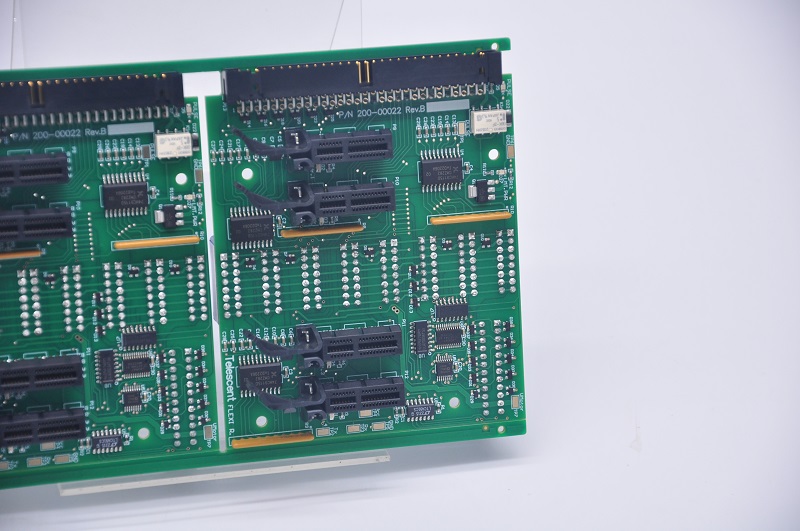
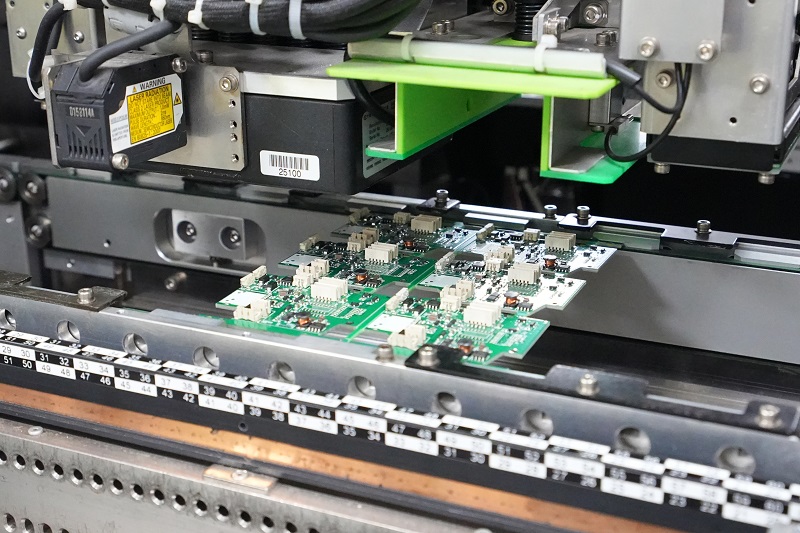
                EBest Circuit (Best Technology) offers both PCB manufacturing and PCBA services under one roof that saves time, reduces mistakes, and improves communication across the production cycle for customers. We provide single to multilayer PCB manufacturing and assembly and have ISO9001, AS9100D, ISO13485, UL, and IATF16949 certifications. EBest Circuit (Best Technology) is competitive in fast lead time in low-volume PCB & PCBA production while maintaining high-quality control. A warm welcome to get a fast quote or share your files with us via sales@bestpcbs.com. We’re here to help.
                PCB & PCBA Manufacturer, PCB & PCBA Supplier

                What is PCB and PCBA?

                Understanding the difference between PCB and PCBA is the first step when entering the electronics world.

                • PCB stands for Printed Circuit Board. It’s the bare board that holds all the components. It can be single-sided, double-sided, or multilayered depending on the design.
                • PCBA means Printed Circuit Board Assembly. This refers to the finished board with all components mounted. It’s the working version of the circuit that can be used in a product.

                So, the key difference: PCB is the blank base, while PCBA is the complete board with parts soldered on.

                PCB & PCBA Manufacturer

                How is a PCB Manufactured?

                PCB manufacturing is a detailed process. Let’s simplify it into key steps:

                Step 1: Design

                • Everything starts with a PCB design using CAD software. Gerber files are generated to guide the production.

                Step 2: Printing the Inner Layers

                • The copper pattern is printed onto a laminate sheet. This forms the board’s inner circuits.

                Step 3: Etching

                • Excess copper is removed using a chemical process, leaving only the desired traces.

                Step 4: Layer Alignment

                • For multilayer boards, layers are stacked and aligned with precision.

                Step 5: Drilling

                • Holes are drilled to create pathways between layers.

                Step 6: Plating and Copper Deposition

                • The drilled holes are plated with copper to form conductive connections.

                Step 7: Solder Mask Application

                • A green solder mask covers the board, except for areas where components will be soldered.

                Step 8: Surface Finish

                • This step protects the exposed copper and improves solderability.

                Step 9: Silkscreen Printing

                • Markings are printed to identify parts and polarity.

                Step 10: Electrical Testing

                • Each PCB is tested to ensure the circuit paths are correct.

                The board is now ready for assembly.

                How Much Does PCB Assembly Cost?

                PCB assembly cost depends on several variables. Here’s what affects the price:

                • Component types: SMT parts are usually cheaper to place than through-hole ones.
                • Quantity: Higher volumes lower per-unit cost.
                • Board size and layers: More layers or larger sizes mean higher assembly fees.
                • Turnaround time: Rush orders add to the price.
                • Testing requirements: If functional or in-circuit testing is needed, it adds cost.
                • Location of manufacturer: Prices vary by country or region.

                On average, a basic PCBA could start at $10–$30 per board for small quantities. Higher-end boards cost more.

                How Much Does a Custom PCB Cost?

                Custom PCBs are priced based on the following:

                • Number of layers – A 2-layer board is cheaper than a 6-layer one.
                • Board dimensions – Larger boards use more material.
                • Surface finish – ENIG or immersion gold costs more than HASL.
                • Material – FR4 is standard. Ceramic, aluminum, or polyimide costs more.
                • Volume – A prototype might cost $100+, but bulk orders can drop it below $2 per piece.
                • Fabrication complexity – HDI boards or those with fine traces cost more.

                Using a PCB maker online can help you estimate costs in minutes and compare options.

                PCB & PCBA Supplier

                Who Manufactures PCBs?

                India is home to several reliable PCB circuit board manufacturers, especially for industrial, consumer, and automotive electronics. Some of the well-known PCB Circuit Board Manufacturers in India include:

                • AT&S India – Specializes in HDI and automotive PCBs.
                • Shogini Technoarts – Offers multilayer, metal core, and flexible boards.
                • Genus Electrotech – Provides full PCB & PCBA solutions.
                • CIPSA-TEC India – Focuses on quality rigid boards.

                Indian factories have improved a lot in terms of technology, certifications, and lead times. As a result, global buyers are increasingly turning to them.

                Who is the Biggest PCB Supplier?

                China leads the global PCB market. It’s the largest production base with hundreds of factories.

                The biggest PCB manufacturer in China is EBest Circuit (Best Technology) (BEST), known for high quality and complex PCB fabrication. BEST provides full PCB & PCBA service to 1700 customers across 40 countries in the communication, automotive, medical, and aerospace industries. BEST also has strong R&D capabilities and international certifications. Other big names include:

                • Shennan Circuits: Founded in 1984, Shennan Circuits is a key player in the Chinese PCB industry. It provides advanced PCBs, packaging substrates, and electronic assembly services.
                • Kinwong Electronics: Established in 1993, operates multiple production bases in China. It focuses on both rigid and flexible PCBs, offering solutions for automotive, industrial control, and consumer electronics. Kinwong is one of the top 10 PCB suppliers in the world by revenue and is listed on the Shenzhen Stock Exchange.
                • SCC (Shenzhen): SCC is a major PCB maker specializing in high-layer-count and high-precision PCBs. It supports complex manufacturing needs across industries like networking, medical, and aerospace. SCC has also invested heavily in smart manufacturing and green production practices to improve efficiency and sustainability.

                These suppliers offer both low-cost and high-performance options, serving industries from telecom to aerospace.

                PCB & PCBA Manufacturer in USA

                When it comes to high-quality, local production, many companies turn to a PCB & PCBA manufacturer in USA. Some of the trusted names are:

                • TTM Technologies – A leader in defense and industrial PCBs.
                • Sanmina Corporation – Offers full PCBA services and testing.
                • Advanced Circuits – Known for quick-turn PCBs and online quoting.
                • Bay Area Circuits – Popular among startups and engineers.

                U.S. manufacturers are often chosen for their precision, certifications (like ITAR), and short lead times—despite higher costs.

                PCB & PCBA Manufacturer

                How to Choose a PCB & PCBA Manufacturer?

                Choosing the right pcb & pcba manufacturer is important. Here’s a simple checklist:

                1. Capabilities

                • Can they build the type of board you need? Check if they offer multilayer, rigid-flex, or metal-core PCBs.

                2. Certifications

                • Look for ISO, UL, IPC, and RoHS compliance. These prove the company meets quality and safety standards.

                3. Design & Support

                • Do they help with DFM (Design for Manufacturability)? Can they handle Gerber corrections?

                4. Turnaround Time

                • Can they deliver in days, not weeks? Ask about lead times and shipping.

                5. Pricing

                Request a detailed quote. Compare costs for fabrication, assembly, and testing.

                6. PCBA Services

                • Do they offer sourcing, SMT, testing, and packaging all in one place?

                7. Reviews & Reputation

                • Search for customer reviews and case studies. A strong track record speaks volumes.

                By working with a full-service PCB PCBA factory, you reduce risks, save time, and improve quality control.

                Why Choose EBest Circuit (Best Technology) as Your PCB & PCBA Supplier?

                At EBest Circuit (Best Technology), we are more than just a PCB & PCBA Supplier. As an original PCB & PCBA manufacturer, we support global businesses from PCB design to market With 18+ years of experience. Here’s what sets us apart:

                • One-stop service – EBest Circuit (Best Technology) provides one-stop service, including component purchasing, PCB design, PCB manufacturing, PCB assembly, testing, and all-around technical support before and after-sales.
                • Skilled team – Our engineers catch design issues early. Our China-based engineering team & Vietnam team provide real-time support during EST business hours. Most of the engineers have concentrated on the PCB specialty and expertise over 10 years.
                • Fast response – Quotes within 24 hours and quick production.
                • Global shipping – From prototypes to volume orders, the lead time in EBest Circuit (Best Technology) is about 2 weeks wherever you are on Earth and ship out goods always on time! The urgent boards can be shipped out within 24 hours.
                • Flexible options – EBest Circuit (Best Technology) builds FR4, aluminum, ceramic, and PCBA. Whether you need standard PCB & PCBA service or customization PCB service for the above types, we give full support.

                Whether you’re a startup or a large brand, we’re here to make your ideas real. Choosing us means getting a reliable partner who listens and delivers.

                PCB & PCBA Supplier

                In conclusion, finding the right PCB & PCBA manufacturer isn’t just about cost. It’s about getting dependable quality, consistent delivery, and real technical support. Whether you’re building a PCB prototype or scaling for mass production, a reliable partner helps you move faster and stay ahead.

                EBest Circuit (Best Technology), with over 18 years of experience in the field, stands out by delivering one-stop PCB & PCBA solutions tailored to customer needs. From PCB design reviews and DFM suggestions to precision PCB assembly and on-time delivery, we support your product every step of the way.

                If you’re looking for a trustworthy PCB & PCBA manufacturer with the ability to scale and adapt, just feel free to contact EBest Circuit (Best Technology) via sales@bestpcbs.com, we’re here to help.

                Medical LED PCB, Wholesale Medical LED PCB Manufacturer

                April 21st, 2025

                Why medical LED PCB? This guide explores design strategies, manufacturer selection, cost optimization, and cutting-edge innovations driving LED-based medical diagnostics, therapy systems, and smart surgical tools‌.

                EBest Circuit (Best Technology) delivers precision medical LED PCB tailored for healthcare innovation.‌ As a certified manufacturer with in-house ISO 13485/9001-compliant production, we ensure medical-grade reliability for surgical, diagnostic, and therapeutic devices. Fast-tracked lead times (15 days or less) and rigorous testing (AOI, thermal cycling) streamline compliance with sterilization and safety standards. Custom solutions include IoT integration, aluminum-core thermal designs, and RoHS-certified materials. Contact us today: sales@bestpcbs.com

                What Is Medical LED PCB?

                A medical LED PCB (Printed Circuit Board) is a specialized electronic component designed to support and control LED (Light-Emitting Diode) systems in medical devices. These circuit boards are engineered to meet the stringent requirements of healthcare applications, ensuring reliability, precision, and safety in critical medical environments.

                What Is Medical LED PCB?

                What Are Features of LED Medical PCB?

                Below are features their defining features:

                • High Precision and Stability‌: Medical LED PCBs ensure consistent performance in critical applications, such as surgical lighting and diagnostic tools. They minimize signal interference and voltage fluctuations, maintaining accuracy in sensitive procedures.
                • Compliance with Medical Standards: These PCBs adhere to strict international regulations, including ISO 13485 and IEC 60601, which govern safety and quality in medical electronics. Materials and manufacturing processes align with biocompatibility and sterilization requirements.
                • Advanced Thermal Management: Efficient heat dissipation is achieved through specialized copper substrates or ceramic materials. This prevents overheating in prolonged operations, extending LED lifespan and ensuring device reliability.
                • Compact and Customizable Design: ‌Medical LED PCBs are often tailored to fit space-constrained devices, such as handheld scanners or endoscopic systems. Their modular layouts allow integration with sensors, drivers, and connectivity modules.
                • Durability in Harsh Conditions: Built to withstand repeated sterilization (e.g., autoclaving or UV exposure) and chemical cleaning, these PCBs use protective coatings like conformal silicone to resist moisture and corrosion.
                • Low Power Consumption: ‌Optimized circuitry reduces energy usage without compromising brightness, making them ideal for portable or battery-operated medical devices.
                • Enhanced Safety Protocols‌: Features like short-circuit protection and fail-safe mechanisms prevent malfunctions, ensuring patient and operator safety during treatments.
                • Compatibility with Digital Systems‌: Many Medical LED PCBs support IoT connectivity, enabling integration with smart healthcare platforms for real-time monitoring and data analysis.

                What Are Application of Medical LED PCBs?

                Applications of Medical LED PCBs

                • Surgical Lighting Systems – Medical LED PCBs power high-intensity surgical lights, providing consistent illumination for operating rooms. Their ability to maintain stable brightness and color accuracy ensures optimal visibility during procedures, reducing eye strain for medical teams.
                • Phototherapy Devices – Neonatal jaundice treatment often relies on LED-based phototherapy systems. Medical LED PCBs enable controlled blue-light emission, which safely breaks down bilirubin in infants’ blood without generating excessive heat.
                • Diagnostic Imaging Equipment – LED arrays in imaging tools like endoscopes depend on medical LED PCBs. These boards deliver precise light wavelengths to enhance tissue visualization, aiding in early detection of conditions such as skin cancer or gastrointestinal issues.
                • UV Sterilization Devices – Ultraviolet (UV) LED systems used for disinfecting medical instruments and surfaces incorporate medical LED PCBs. They ensure efficient UV-C light output to eliminate pathogens while resisting damage from repeated exposure to cleaning agents.
                • Wearable Health Monitors – Compact medical LED PCBs are embedded in wearable devices, such as pulse oximeters or glucose monitors. They enable non-invasive tracking of vital signs by emitting and detecting specific light wavelengths through the skin.
                • Dental Curing Tools – LED-based dental curing lamps use medical LED PCBs to produce targeted blue light for hardening composite resins during fillings or orthodontic treatments. Their precise light control minimizes overheating risks to oral tissues.
                • Therapeutic Light Therapy – Chronic pain management and wound healing devices leverage medical LED PCBs to emit red or near-infrared light. These wavelengths stimulate cellular repair and reduce inflammation in conditions like arthritis or diabetic ulcers.
                • Laboratory Analyzers – In vitro diagnostic equipment, such as blood analyzers or PCR machines, integrate medical LED PCBs for optical sensing. They ensure accurate fluorescence detection or sample illumination during lab tests.
                • Endoscopic Illumination – Medical LED PCBs provide reliable light sources for minimally invasive endoscopic procedures. Their compact design and heat management capabilities prevent tissue damage while illuminating internal organs during surgery.
                • Emergency Medical Devices – Portable defibrillators and ventilators use medical LED PCBs for status indicators and display backlighting. Their durability ensures functionality in high-stress emergency scenarios, even in extreme environments.
                What Are Application of Medical LED PCBs?

                How to Design A Medical LED PCB for Optimal Performance?

                This is how to design a medical LED PCB for optimal performance:

                • Select High-Performance Materials‌Use substrates like aluminum or ceramic for superior heat dissipation. These materials handle high currents and temperatures common in medical devices. For flexible applications, polyimide-based PCBs offer durability in compact designs.
                • Prioritize Thermal Management‌Integrate thermal vias, heat sinks, or metal-core designs to channel heat away from LEDs. Proper thermal design prevents overheating, ensuring stable light output and prolonging component lifespan.
                • Minimize Electromagnetic Interference (EMI)‌- Implement shielding layers, ground planes, and ferrite beads to suppress EMI. Keep high-frequency traces short and avoid routing them near sensitive analog circuits to comply with medical EMC standards.
                • Optimize Circuit Layout for Precision‌Use controlled impedance routing for signal integrity. Maintain consistent trace widths and spacing to reduce cross-talk. Place LEDs and drivers close to power sources to minimize voltage drops.
                • Ensure Biocompatibility and Sterilization Resistance‌- Choose conformal coatings like silicone or epoxy that withstand repeated sterilization (e.g., autoclaving, UV-C exposure). Verify materials meet ISO 10993 standards for biological safety.
                • Design for Mechanical Robustness‌: Reinforce solder joints and use thicker copper layers (2 oz+) to withstand vibrations or bending in portable devices. Avoid placing components near board edges to reduce stress during handling.
                • Incorporate Redundancy for Critical Components‌: Duplicate essential circuits, such as current regulators, to maintain functionality if a component fails. This is vital for life-saving equipment like surgical lights or monitors.
                • Validate with Rigorous Testing‌: Perform thermal cycling, HALT (Highly Accelerated Life Testing), and EMI/EMC testing to identify weaknesses. Simulate real-world conditions, including humidity and chemical exposure, to ensure reliability.
                • Adhere to Medical Compliance Standards‌: Follow IEC 60601-1 for electrical safety and ISO 13485 for quality management. Document design choices to streamline FDA or CE certification processes.
                • Optimize Power Distribution‌: Use separate power planes for analog and digital sections to prevent noise coupling. Incorporate voltage regulators with tight tolerances to ensure consistent LED performance.
                How to Design A Medical LED PCB for Optimal Performance?

                How to Choose A Wholesale Medical LED PCB Manufacturer?

                Here’s how to choose a wholesale medical LED PCB manufacturer:

                • Confirm Compliance with Medical Standards ‌- Verify certifications like ISO 13485 (medical device QMS) and IEC 60601-1 (electrical safety). Manufacturers familiar with these frameworks reduce regulatory risks and streamline device approvals.
                • Evaluate Material Expertise – Prioritize manufacturers experienced with medical-grade substrates (e.g., aluminum for heat dissipation, FR4 for cost-sensitive applications). They should source UL-listed materials and biocompatible coatings resistant to sterilization.
                • Review Advanced Manufacturing Capabilities‌– Ensure the manufacturer supports high-density interconnect (HDI), laser drilling, and impedance-controlled routing. These features are critical for compact, high-performance LED arrays in surgical tools or wearables.
                • Demand Rigorous Testing Protocols‌– Look for HALT (Highly Accelerated Life Testing), thermal cycling, and EMC/EMI validation. Medical LED PCBs must operate flawlessly in environments with temperature fluctuations, humidity, or electromagnetic noise.
                • Assess Design Collaboration Support ‌– Choose manufacturers offering design-for-manufacturability (DFM) feedback and rapid prototyping. Engineers benefit from partners who optimize layouts for signal integrity, thermal management, and assembly efficiency.
                • Check Scalability and Turnaround Time ‌- Confirm the ability to scale from prototypes to mass production without quality loss. Short lead times (e.g., 2-4 weeks for complex designs) prevent delays in clinical trials or product launches.
                • Audit Traceability and Documentation -‌ Medical projects require full material traceability (IPC-1752A) and detailed batch records. Manufacturers should provide comprehensive documentation for FDA audits or post-market surveillance.
                • Prioritize Cleanroom Facilities – ‌For PCBs used in implantable or sterile devices, ensure the manufacturer has ISO Class 7/8 cleanrooms to prevent contamination during assembly and packaging.
                • Analyze Failure Analysis Expertise – ‌Partner with manufacturers who perform root-cause analysis (RCA) and provide failure reports. This transparency helps engineers refine designs and address latent defects preemptively.
                How to Choose A Wholesale Medical LED PCB Manufacturer?

                What Factors Affect Medical LED PCB Quotes?

                • Material Selection ‌- Medical-grade substrates directly impact costs. Biocompatible coatings and UL-listed laminates often incur higher expenses compared to standard materials‌.
                • Layer Count and Design Complexity‌- Multi-layer boards (6+ layers) with HDI (High-Density Interconnect) routing or impedance-controlled traces require advanced fabrication processes, raising production costs. Simplified layouts reduce layer counts and expenses‌.
                • Manufacturing Tolerances – ‌Tight tolerances (<0.1mm trace widths, <0.2mm drill holes) demand precision laser drilling and AOI (Automated Optical Inspection) systems, increasing labor and equipment costs‌.
                • Testing and Certification Requirements‌ – Mandatory medical certifications (ISO 13485, IEC 60601-1) and reliability tests (HALT, thermal cycling) add validation costs. Non-compliant manufacturers may offer lower quotes but risk regulatory failures‌.
                • Order Volume and Lead Times â€Œ- Low-volume orders (<100 units) lack economies of scale, raising per-unit costs. Expedited production (2-week lead times vs. 6-week standard) often incurs 20-30% price premiums‌.
                • Supply Chain Stability – Manufacturers with robust supplier networks mitigate material shortages (e.g., copper-clad laminates) that cause price fluctuations. Transparent procurement practices reduce hidden costs‌.
                • Surface Finish Specifications – ‌ENIG (Electroless Nickel Immersion Gold) or immersion silver finishes, required for high-reliability LED contacts, cost 15-25% more than HASL (Hot Air Solder Leveling)‌.
                • Documentation and Traceability – ‌Full material traceability (IPC-1752A) and detailed batch records, essential for FDA audits, require additional administrative efforts, influencing overall pricing‌.

                How to Reduce Costs Without Compromising Medical LED PCB Quality?‌

                Below are practical strategies to achieve this balance:

                Optimize PCB Layer Count‌

                • Reduce layers where possible by simplifying circuit layouts. Use advanced routing techniques like HDI (High-Density Interconnect) to maintain functionality in fewer layers, lowering material and fabrication expenses.

                Standardize Component Sizes and Footprints

                • Design with widely available, off-the-shelf components (e.g., 0603 or 0805 packages) to avoid costly custom parts. Ensure footprints match industry standards to streamline assembly and reduce sourcing delays.

                Leverage Design for Manufacturability (DFM)‌

                • Collaborate early with manufacturers to identify cost-saving design adjustments. Eliminate unnecessary features like oversized solder pads or non-critical via fills that add complexity without value.

                Choose Cost-Effective and Compliant Materials

                • Select substrates (e.g., FR4 instead of ceramic for non-high-power LEDs) that meet thermal and safety requirements without over-specifying. Verify alternatives retain biocompatibility and sterilization resistance.

                Batch Prototyping and Production‌

                • Consolidate multiple design iterations into a single prototyping batch to minimize setup costs. For low-volume medical projects, partner with manufacturers offering pooled production runs with other clients.

                Negotiate Long-Term Supplier Contracts‌

                • Secure volume-based pricing for recurring materials like copper-clad laminates or solder masks by committing to long-term agreements with trusted suppliers.

                Implement Automated Testing Early

                • Integrate automated optical inspection (AOI) and in-circuit testing (ICT) during prototyping to catch defects early. Reducing rework in later stages lowers overall costs.

                Simplify Assembly Processes

                • Design panels with standardized sizes to maximize panel utilization during assembly. Avoid mixed-technology boards (e.g., combining SMT and through-hole) unless necessary to reduce labor costs.

                Prioritize Functional Over Aesthetic Finishes‌

                • Use HASL (Hot Air Solder Leveling) instead of ENIG (Electroless Nickel Immersion Gold) for non-critical connections. Reserve premium finishes only for high-reliability areas like edge connectors.

                Reuse Validated Circuit Blocks

                • Modularize designs by recycling pre-tested circuit blocks (e.g., power regulators or EMI filters) from previous projects. This minimizes redesign efforts and accelerates certification.

                What Are the Latest Innovations in Medical LED PCB Technology?

                • Flexible PCBs: Polymer-based substrates like polyimide enable PCBs to bend and stretch, ideal for wearable devices and implantable sensors. These designs adapt to body movements, enhancing comfort and data accuracy in applications like ECG monitors.
                • High-Density Interconnects (HDI): Multi-layer PCBs with micro-via structures allow compact integration of components, critical for miniaturized devices such as handheld diagnostics tools. HDI technology ensures signal integrity even in densely packed designs.
                • 3D-Printed PCBs: Additive manufacturing enables rapid prototyping of complex 3D structures, reducing development time. These PCBs support lightweight, ergonomic designs for portable devices like blood glucose meters.
                • Integrated Sensors: MEMS technology integrates sensors directly onto PCBs, simplifying device architecture. For example, a single board might house a temperature sensor, LED indicator, and wireless transmitter for a smart thermometer.
                • Bio-Inspired Materials: Biocompatible, biodegradable polymers and antimicrobial coatings minimize immune responses in implantable devices. These materials are tailored for long-term use in neural sensors or drug-delivery systems.
                • Smart Thermal Solutions: Embedded thermal vias and phase-change materials efficiently dissipate heat from high-power LEDs. Thermal simulations during design optimize layouts for devices like surgical headlights.
                • AI Design Tools: Automated software uses AI to optimize layouts, predict component failures, and ensure compliance with medical standards. This accelerates prototyping and reduces human error.
                • Wireless Power Coils: Embedded charging coils eliminate connectors in devices like portable ultrasound machines. Engineers optimize coil placement to maximize power transfer efficiency while maintaining device aesthetics.

                What is PCB Heat Sink Pad? How to Design a Thermal Relief Pad?

                April 21st, 2025

                What is PCB Heat Sink Pad?

                In high-power electronics, heat is a persistent issue. When left unmanaged, it leads to failure, reduced life span, or poor performance. One of the smart ways to address this is by using a PCB heat sink pad. Sometimes referred to as thermal relief pads, these are conductive areas on a printed circuit board that channel heat away from components. They play a critical role in thermal management, especially in compact and high-density board layouts.

                These pads are often seen near power components, processors, or any part prone to heat buildup. By connecting to thermal vias or copper pours, they guide excess heat to ground or large copper areas. Thermal pads improve overall stability without the need for bulky external coolers. A well-designed thermal pad saves cost, space, and ensures better thermal cycling performance.

                What is PCB Heat Sink Pad?

                Importance of PCB Heat Sink Pad

                The importance of a PCB heat sink pad lies in its ability to support both thermal and electrical performance. As devices get smaller and more complex, the demand for thermal balance grows. Traditional cooling methods, like fans or heatsinks, aren’t always viable in a tight layout. That’s where these pads step in.

                They serve as an internal heat escape path. By reducing the junction temperature of critical parts, the heat sink pad ensures devices function at optimal levels. Without it, hot spots develop, possibly leading to delamination or component drift. In automotive, aerospace, or industrial environments, this can’t be ignored.

                Another key advantage is manufacturing. During reflow soldering, thermal pads help maintain consistent heating. This improves solder joint quality, avoiding cold joints or solder bridges.

                What Is the Function of a PCB Heat Sink Pad?

                The core function of a PCB heat sink pad is to pull heat away from the component body. This prevents overheating and promotes reliability. A pad usually sits beneath a hot-running device and connects to a ground or power plane through thermal vias. These vias act like vertical pipes that carry heat down to larger copper surfaces.

                Besides thermal performance, the pad also serves mechanical purposes. It supports the component body, helps with proper alignment during placement, and aids in reflow stability. In power ICs, LEDs, and RF modules, such a pad is more than a convenience—it’s a necessity.

                Often placed under QFNs, D-Pak, or Power MOSFETs, thermal pads are essential for packages where direct contact to the PCB is required for heat dissipation.

                PCB Thermal Pad vs Heatsink

                Understanding the thermal pad vs heatsink comparison helps in design decisions. A thermal pad (on PCB) is a built-in copper area, often plated and connected via thermal vias. It is internal and does not add extra height to the device. It’s subtle, efficient, and passive.

                PCB Thermal Pad vs Heatsink

                A heatsink, on the other hand, is a physical attachment—usually a metal block or finned structure—mounted on top of the component. It dissipates heat through air convection. While highly effective, heatsinks increase weight and require space. They may also need fasteners or thermal paste for better performance.

                PCB Thermal Pad vs Heatsink

                In low to medium-power circuits, thermal pads do the job silently. When current levels increase or the ambient conditions are harsh, heatsinks may be added. However, both solutions often work together. A pad draws the heat from the chip, and the heatsink then transfers it to the air.

                Why Do We Need Thermal Pad on PCB?

                We need thermal pads on PCBs to manage heat efficiently within confined board layouts. As chips grow more powerful and boards become smaller, heat density rises. Left unchecked, this can stress the materials, warp the PCB, or trigger thermal shutdowns in sensitive ICs.

                Thermal pads provide a compact and cost-effective solution. Unlike external cooling systems, these pads are part of the board design. They reduce the thermal resistance between the component and the ground plane, making heat transfer faster and more efficient.

                In LEDs, they stop lumen drop due to temperature spikes. In CPUs or RF amplifiers, they prevent drift in performance. Across industries, from smartphones to satellites, thermal pads are silent protectors against damage caused by thermal fatigue.

                Design Consideration of Thermal Relief Pads on PCB

                The design of thermal relief pads is not just about placing a copper square under a part. It demands precision. Several factors shape the design.

                1. Pad Size: The area should match the component’s thermal tab. Oversized pads can cause solder wicking; undersized ones fail to transfer heat efficiently.

                2. Vias Count and Diameter: Vias enhance heat transfer. Placing multiple small vias (0.3mm diameter with 6+holes) within the pad connects it to inner or bottom layers. These must be filled or tented to avoid solder leakage.

                Design Consideration of Thermal Relief Pads on PCB

                3. Copper Weight: Thicker copper layers enhance thermal conduction. A 2oz or 3oz copper layer works better than standard 1oz in high-heat zones.

                4. Solder Mask Clearance: The pad must be free from mask to allow full thermal contact.

                5. Connection to Planes: The pad should tie to ground or power plane, depending on the circuit. Use thermal relief spokes when needed to balance heat dissipation and solderability.

                6. Component Package Type: Each package, whether QFN or TO-263, demands unique pad sizing and via patterns. Manufacturer datasheets offer recommended layouts—follow them closely.

                When to Use Thermal Relief PCB?

                Using a thermal relief PCB becomes necessary in several scenarios. One key use is in multilayer boards where copper planes absorb too much heat. Without thermal relief, soldering becomes difficult as heat spreads too quickly. This leads to cold joints or poor wetting.

                Thermal reliefs help balance the heat flow. They allow soldering while still ensuring strong thermal performance. Another situation arises with through-hole components connected to large copper areas. Thermal relief spokes prevent the pad from acting like a heat sink during soldering.

                Power applications like inverters, motor controllers, and regulators benefit from thermal relief PCBs. So do high-brightness LED arrays. In RF boards, where impedance matters, thermal pads also stabilize the electrical response by providing consistent grounding.

                Use them when heat buildup could impair function or reduce board life. Proper relief design improves both manufacturing and operational performance.

                What Does EBest Circuit (Best Technology) Offer?

                At EBest Circuit (Best Technology), we provide high-performance thermal solutions that elevate your product’s efficiency and reliability. With over 18 years of industry leadership, our expertise in PCB heat sink pads and thermal relief pads ensures your devices stay cooler, last longer, and perform better under pressure. Whether you’re in aerospace, automotive, or consumer electronics, we deliver custom-designed metal core PCB solutions that meet your most demanding thermal management needs.

                In additional to design thermal pads on PCB to achieve high heat dissipation, we also offer ceramic PCB and metal core PCB (including aluminum PCB, copper core PCB, sinkpad PCB), which have very good thermal conductivity to dissipate the heat fastly. If you want to know more about metal core PCB, ceramic PCB or thermal pads design guide, you are welcome to leave your comments below or contact us at sales@bestpcbs.com.
                A Detailed Guide to Metal Core PCB Manufacturing Process

                April 21st, 2025

                Since 2006, EBest Circuit (Best Technology) has specialized in metal core PCB & PCB board manufacturing services, with our headquarters located in Shenzhen, China, serving as the heart of our global operations. To enhance our global reach, we’ve also established SMT factories in both China and Vietnam, to offer an efficient support for customers worldwide. Our facility holds several industry certifications, including ISO9001, ISO13485, IATF16949, and AS9100D, reflecting our commitment to high-quality standards across all sectors we serve.

                Additionally, EBest Circuit (Best Technology) utilizes the MES Material Traceability System, which enables full traceability of every component, from incoming material inspection to final production. All components we use are UL, REACH, and RoHS certified, adhering to the highest global safety and environmental standards.

                What is a Metal Core PCB?

                A Metal Core PCB (MCPCB) is a type of printed circuit board that utilizes a metal substrate instead of traditional fiberglass or plastic materials. The main function of a metal core PCB is to provide higher thermal conductivity, which is especially beneficial in applications requiring efficient heat dissipation like LED lights. In a typical PCB, heat can accumulate and negatively affect the performance and lifespan of electronic components. However, the metal core serves as an effective medium for channeling heat away from sensitive areas, optimize the operation and longevity of the circuit.

                Metal core PCBs are made with materials like aluminum or copper that allow for effective thermal transfer. They are primarily used in high-power applications, where managing heat is crucial to maintaining the functionality of devices.

                What is MCPCB Core Made of?

                The core of a Metal Core PCB is typically composed of a metal material that has superior thermal conductivity properties. The most commonly used metals are aluminum and copper, with aluminum being the most popular due to its cost-effectiveness and excellent thermal performance.

                • Aluminum: Aluminum is often the metal of choice for MCPCB cores because it offers a combination of high thermal conductivity, light weight, and affordability. Its relatively low cost compared to copper makes it an attractive option for mass production, especially in consumer electronics and lighting applications.
                • Copper: Copper has a higher thermal conductivity than aluminum and is typically used in more demanding applications that require superior heat dissipation. It is particularly useful in industries like telecommunications and automotive, where components generate significant amounts of heat and need to be efficiently managed.
                A Detailed Guide to Metal Core PCB Manufacturing Process

                Aluminum Core PCB vs. Copper Core PCB

                When deciding between an aluminum core PCB and a copper core PCB, it’s essential to consider the specific requirements of the application. Both types of metal core PCBs offer excellent thermal management, but there are differences in performance, cost, and suitability for various environments.

                FactorAluminum Core PCBCopper Core PCB
                Thermal ConductivityGood thermal conductivity (about 170 W/m·K)Excellent thermal conductivity (about 400 W/m·K)
                WeightLightweight, ideal for portable devicesHeavier, more suitable for heavy-duty applications
                CostGenerally more cost-effectiveMore expensive due to the cost of copper
                Thermal ManagementSuitable for almost heat dissipation needsBest for high power and extreme heat dissipation
                Mechanical StrengthModerate strength, suitable for most applicationsHigh mechanical strength, suitable for demanding applications
                Electrical ConductivityGood, but not as high as copperSuperior electrical conductivity, ideal for high-performance circuits
                DurabilityDurable, but can corrode in harsh environments if not properly protectedExtremely durable and resistant to corrosion, making it ideal for rugged environments
                ApplicationsUsed in LED lighting, automotive, consumer electronics, and power suppliesPreferred in high-power electronics, RF applications, and high-end telecommunications
                Heat Dissipation EfficiencyAdequate for most applications, but limited in extreme conditionsOptimal for high-performance applications that require rapid heat dissipation
                Manufacturing ComplexityEasier to manufacture and more cost-effective for mass productionMore complex and costly to manufacture, but necessary for high-heat applications

                What Are the Materials Used in Metal Core PCB?

                The materials used in Metal Core PCBs are carefully selected to ensure high performance and reliability. The primary materials include:

                What Are the Materials Used in Metal Core PCB?
                • Base Material (Metal Core): As mentioned earlier, the core of the PCB is typically made of aluminum or copper. The choice of metal directly impacts the thermal conductivity and cost-effectiveness of the PCB.
                • Insulating Layer: Above the metal core, there is an insulating layer that electrically isolates the metal core from the copper traces on the PCB. This layer is typically made from a thermally conductive dielectric material, such as epoxy resin or fiberglass. The insulating layer ensures that the metal core doesn’t short-circuit the copper traces while still allowing for efficient heat transfer.
                • Copper Foil: The copper foil is used to create the circuit traces. Copper is chosen for its excellent electrical conductivity and reliability. The copper is etched to form the required circuit pattern, allowing electrical signals to flow seamlessly through the PCB.
                • Solder Mask: The solder mask is a protective layer that covers the copper traces to prevent oxidation and improve durability. It also provides electrical insulation to prevent short circuits and ensures that components are properly soldered.
                • Silkscreen Layer: The silkscreen layer is used to print labels, markings, and other necessary information onto the surface of the PCB. This layer aids in component placement during assembly and provides identification for troubleshooting.

                Together, these materials form a Metal Core PCB that is capable of efficiently managing heat while ensuring electrical performance and durability.

                How Thick is a Metal Core PCB?

                The thickness of a Metal Core PCB depends on various factors, including the application’s thermal and mechanical requirements. Typically, the total thickness of a metal core PCB ranges from 1.6 mm to 3.2 mm, but it can vary depending on the design and intended use.

                • Core Thickness: The metal core itself typically ranges from 0.3 mm to 2.0 mm in thickness. Thicker cores provide better heat dissipation but may increase the overall cost of the PCB.
                • Overall PCB Thickness: The overall thickness, including the copper traces, insulating layer, and solder mask, can vary depending on the complexity of the design and the type of components being used. For high-power applications, a thicker PCB may be necessary to ensure adequate heat management and mechanical strength.

                How is a PCB Manufactured Step by Step?

                The manufacturing of a Metal Core PCB (MCPCB) is a highly specialized process that involves several crucial steps to ensure thermal efficiency, reliability, and electrical performance. Below is a detailed breakdown of each step involved in the MCPCB manufacturing process.

                1. Design and Layout Preparation

                The first step in the manufacturing of an MCPCB is the design phase. Engineers and designers create the PCB layout, including the placement of components, traces, vias, and pads. This layout must consider factors like thermal management, electrical conductivity, and mechanical strength. The design is usually done using specialized software like AutoCAD or Altium Designer.

                In the case of MCPCBs, the layout also includes specific considerations for the metal core, insulating layer, and the heat dissipation needs of the application. The thermal conductivity of the material, as well as the required heat dissipation paths, are factored into the design.

                2. Core Material Selection

                The next step involves selecting the appropriate core material. For MCPCBs, the core is typically made from metal, usually aluminum or copper. The choice of metal affects both the thermal performance and cost of the PCB.

                Aluminum is lightweight, cost-effective while copper has superior thermal conductivity compared to aluminum, and is often used in more demanding applications that require exceptional heat dissipation, such as high-power electronics or automotive applications.

                3. Insulating Layer Preparation

                Next, an insulating dielectric material is applied to the metal core. This insulating layer is crucial for electrically isolating the metal from the copper traces while still enabling efficient heat transfer. The material used for this layer is typically a thermally conductive resin or fiberglass composite.

                The insulating layer’s thickness depends on the requirements of the circuit. It must be thick enough to provide electrical isolation, yet thin enough to allow heat to pass through it efficiently. This layer is typically applied as a thin film or laminate and is then bonded to the metal core using heat and pressure.

                4. Copper Foil Lamination

                Once the insulating layer is in place, a layer of copper foil is laminated onto the surface. The copper foil is typically bonded to the insulating layer under high pressure and temperature.

                Thicker copper foils are used for high-power applications, while thinner foils are sufficient for low-power circuits.

                5. Circuit Etching

                After the copper foil has been applied, the next step is to etch the circuit pattern. This is done using a chemical etching process, where the unwanted copper is dissolved away, leaving only the copper traces that form the electrical pathways.

                The process including apply a photoresist film onto the copper, and then it is exposed to UV light through a mask. The board is then exposed to a chemical solution that etches away the exposed copper, leaving behind the desired circuit pattern.

                6. Drilling and Plating

                Once the copper traces have been etched, the next step is to drill holes for vias and component leads. Vias are used to establish electrical connections between different layers of the PCB, if applicable. Drilling is done with precision machinery to ensure the holes are accurately positioned.

                After drilling, the holes are plated with copper to create electrical connections. The plating process involves depositing a thin layer of copper onto the walls of the drilled holes using an electroplating process. This creates the necessary conductive pathways for signals to travel through the different layers of the PCB.

                7. Solder Mask Application

                Next, a solder mask is applied to the PCB. The solder mask is a protective layer that prevents oxidation, protects the copper traces from damage. The solder mask is typically a green-colored epoxy-based material, although other colors can be used depending on the customer’s requirements, like red, black, white. Metal core PCB always use white solder mask to gather a good light reflection.

                8. Silkscreen Printing

                After the solder mask is applied, a silkscreen layer is used to print component labels, markings, and other important information on the surface of the PCB. This is helpful during assembly, as it indicates the proper locations for components to be placed.

                The silkscreen printing is typically done using a screen printing process, where ink is pushed through a mesh screen to form the desired markings. Generally, the white solder mask with a black silkscreen, and black solder mask with a white silkscreen.

                9. Inspection and Testing

                Once the MCPCB has undergone the necessary manufacturing steps, it is thoroughly inspected for defects and tested for functionality. The metal core PCB always must pass three inspection – electrical, thermal, and mechanical requirements.

                10. Final Assembly

                The final step in the MCPCB manufacturing process is the assembly of electronic components onto the PCB. This involves placing components like resistors, capacitors, LEDs, and other active and passive elements onto the board and soldering them in place.

                Component placement is typically done using automated machinery to ensure accuracy and speed. Once the components are placed, they are soldered onto the pads using either wave soldering or hand soldering, depending on the complexity of the design.

                11. Quality Control and Shipping

                Once the assembly is complete, the final MCPCB undergoes a final functional inspection and quality control check to ensure that it meets the required specifications. The finished product is then packaged and prepared for shipping to customers.

                During the quality control phase, the board is examined for any signs of poor soldering, component misplacement, or other issues. If the board passes all inspections, it is ready for shipment.

                Metal Core PCB Applications

                Metal Core PCBs are used in a variety of industries, thanks to their exceptional thermal management capabilities. Common applications include:

                • LED lighting like pool lighting, UV led, led car lighting, high bay light, stair light, etc.
                • Power supplies
                • Automotive
                • Sensors
                • Electronic control units
                • Telecommunications
                • Consumer Electronics
                • Computers
                • Smartphones
                • Televisions
                Metal Core PCB Applications

                FAQs

                1. Can I design the dielectric layer much thinner on MCPCB?

                  Yes you can. Thinner dielectric layer has better thermal conductivity, but also has a lower breakdown voltage

                  2. Can you do gold immersion finish on double sided MCPCBs?

                  Yes, we can do gold immersion finish on double sided MCPCB, but the price will be less competitive than HASL-LF.

                  3. Top 6 factors affecting the final cost of MCPCB?

                  1) Board Dimention: For the non-rectangular board, we will calculate the longest two sides, for example, the circle is calculated according to the diameter.

                  2) Cu Thickness: The cost will be more expensive if the copper is thicker. We can provide 0.5 OZ, 1.0 OZ, 2.0 OZ, 3.0 OZ, up to 8 OZ.

                  3) Thermal Conductivity: The higher the thermal conductivity is, the more expensive the price is. At present, the highest thermal conductivity we can provide is 3W/m.K

                  4) Surface Finishing: The common Surface Finishing for MCPCB is HASL_LF, OSP  ENIG (The normal thickness of gold is 1u”). ENIG is more expensive since the finished color is better than other surface Finishing, and it’s easier for components to solder and less prone to oxidation reaction.

                  5) Board Thickness: The commonly used thickness is 1.6mm+/-10%, and the thickest we have ever made is 4.0mm+/-10%. The price over 2mm or less than 1mm will be slightly expensive.

                  6) Soldermask: White / Black / Blue / Green / Red Oil  (The Taiyo Soldermask is more expensive than normal, the advantage is the reflectivity will be better, which is suitable for LED board.)

                  7) Stack up/Construction: The more complex the structure, the more expensive the price, which is mainly executed on your requirements.

                  4. Which dielectric layer is recommended for LED (90+W) lighting?

                  If it is used for watt more than 90W, considering that the LED power is high, 3W.m.k or 2W/m.k is better than 1W/m.k.

                  5. What is Conformal coating of metal core PCB?

                  Conformal coating is a specially coating used to protect circuit boards and related equipment from environmental damage. it has good high and low temperature resistance, it can insulation, avoid moisture, leakage, shock, dust and so on.

                  One-stop PCB Manufacture And Assembly Service

                  April 21st, 2025

                  PCB manufacture and assembly is the backbone of every modern electronic device. From design to final product, every step matters. With technology moving fast, having one trusted partner to handle both manufacturing and assembly saves time and improves product quality. This article will guide you through what makes this process unique and why a one-stop solution can be a smart choice.

                  EBest Circuit (Best Technology) has specialized in PCB manufacture and assembly service for about 19 years. We offer a variety of PCBs, including FR4, ceramic PCB, MCPCB, and PCB assembly since 2006. Our company vision is to be the most reliable one-stop fast solution provider of electronics and circuit boards in the world. High quality and fast lead time are the competitive advantages of EBest Circuit (Best Technology). We have 2 YAMAHA and 3 JUKI production lines in our Chinese SMT factory. In our Vietnam SMT factory, EBest Circuit (Best Technology) has 6 SMT production lines, on which each line has the automated PCB loaders and the GKG automated solder paste printer.

                  EBest Circuit (Best Technology) has the MES system in our PCB manufacturing and assembly factory, which gives us access to full-process visual tracking. All materials are traceable from this system. We are the original factory providing one-stop PCB manufacture and assembly service, if inquiries related to PCB design, PCB prototyping, DFM analysis, or PCB assembly, please do not hesitate to contact us at sales@bestpcbs.com. Our team is here to provide expert support.‌
                  One-stop PCB Manufacture And Assembly Service

                  What is the difference between PCB manufacturing and assembly?

                  PCB manufacturing is the process of creating the board. This includes layering, etching copper, drilling holes, and applying surface finishes. It’s about building the actual platform where your components will sit.

                  PCB assembly, on the other hand, places electronic parts on that board. This includes mounting resistors, capacitors, ICs, and connectors. Assembly may use manual or automated methods, depending on the volume and complexity.

                  Both stages are vital. Manufacturing builds the structure; assembly brings the board to life. When these are handled by separate vendors, communication gaps may appear. That’s why many turn to a one-stop PCB manufacture and assembly service.

                  What is the process of PCB manufacturing?

                  PCB manufacturing follows a step-by-step workflow:

                  • Design Check: The process starts with verifying your PCB design (Gerber files).
                  • Material Selection: The board material (usually FR4, Rogers, or metal core) is selected.
                  • Layer Construction: Copper layers are laminated and patterned.
                  • Drilling: Holes are drilled for vias and components.
                  • Plating and Etching: Conductive paths are formed.
                  • Solder Mask and Silkscreen: These protect and label the board.
                  • Surface Finish: Finishes like ENIG or HASL are applied.

                  Every step needs precision. Errors in early stages may ruin the board. That’s why experienced PCB manufacture and assembly companies use quality control from start to end.

                  PCB Manufacture And Assembly

                  What is PCB assembly process?

                  PCB assembly brings the board into its working form:

                  • Solder Paste Application: A stencil is used to apply solder paste to pads.
                  • Component Placement: SMT or through-hole components are placed.
                  • Reflow or Wave Soldering: Heat melts the paste and fixes parts in place.
                  • Inspection: AOI (Automated Optical Inspection) checks for defects.
                  • Testing: Functional tests confirm if the board works properly.

                  This process can be manual for prototypes or fully automatic for large runs. Choosing a partner with full PCB manufacture and assembly service simplifies coordination.

                  PCB Manufacture And Assembly

                  What is the difference between a circuit card assembly and a PCB?

                  A PCB (Printed Circuit Board) is a blank board with no parts on it. It’s the foundation.

                  A circuit card assembly (CCA) is a completed board with all electronic parts installed. This includes ICs, connectors, and other components. In short, a PCB becomes a CCA after assembly.

                  Knowing this difference helps avoid confusion when talking to suppliers. When choosing a one-stop PCB manufacture and assembly partner, you get both the board and the assembly done in one place.

                  How is a PCB via made?

                  Vias connect different layers of a PCB. They’re tiny holes that help route signals across layers.

                  Here’s how they’re made:

                  • Holes are drilled (mechanically or by laser).
                  • The inside of each hole is plated with copper.
                  • This connects the layers electronically.

                  Types of vias include through-hole, blind, and buried. The right choice depends on your design. Professional PCB manufacture and assembly services help guide that decision.

                  PCB Manufacture And Assembly

                  What are the cost factors in PCB manufacture and assembly?

                  Cost depends on several things:

                  • Board Complexity: More layers and smaller traces cost more.
                  • Quantity: Larger orders lower the per-unit price.
                  • Components: High-end parts can raise the cost.
                  • Turnaround Time: Faster delivery adds extra charges.
                  • Testing Requirements: More testing increases price but improves reliability.

                  While cost matters, value is more important. A reliable PCB manufacture and assembly service saves you from rework and delays.

                  Why choose a one-stop PCB manufacture and assembly service?

                  Here’s why many customers choose one-stop services:

                  • Less Hassle: You don’t need to manage multiple vendors.
                  • Faster Delivery: Fewer hand-offs mean quicker results.
                  • Better Quality: One team manages all stages, reducing errors.
                  • Easy Communication: One point of contact simplifies everything.
                  • Cost Efficiency: Integrated services often come with bundled pricing.

                  One-stop PCB manufacture and assembly is ideal for startups, OEMs, and design houses. It helps bring your ideas to life with less risk.

                  How to evaluate a reliable PCB manufacture and assembly partner?

                  Look for these signs:

                  • Experience: Years in the industry matter. In EBest Circuit (Best Technology), the CEO Peter and some engineers in the R&D departments, the account managers, and the sales engineers, all these professionals have rich experience in the PCB manufacture and assembly industry for over 10 years.
                  • Certifications: ISO, UL, and IPC compliance ensure standards. EBest Circuit (Best Technology) is certified by ISO9001, ISO13485, IATF16949, and AS9100D. Every PCB manufacture and assembly process is abided by the ISO standards.
                  • Equipment: Modern machines mean better output. EBest Circuit (Best Technology) has invested in new equipment in our PCB manufacture and assembly factories every year to better coordinate the production speed and optimize the PCB manufacture and assembly cost for our clientele.
                  • Capabilities: Check if they can handle your board type and volume. EBest Circuit (Best Technology) is equipped with professionals, most of whom have over 10 years of expertise and specialize in PCB engineering. Our R&D departments have handled special PCBs with complex layers during manufacturing and assembly for 1,700 clients across 40 countries. Besides, there are no MOQ requirements for PCB manufacture and assembly projects in EBest Circuit (Best Technology).
                  • Customer Support: Fast and clear answers show reliability. EBest Circuit (Best Technology) has prompt before and after-sales service. For any inquiries about PCB manufacture and assembly, our account managers and engineers will get back to you within 24 hours.

                  Don’t choose based on price alone. A reliable partner will guide you, not just follow instructions. EBest Circuit (Best Technology), for example, has over 18 years of experience, offering full PCB manufacturing and assembly services globally.

                  One-stop PCB Manufacture And Assembly Service

                  In conclusion, PCB manufacture and assembly is not just about making a board and placing components. It’s about working with a partner that understands your goals. A one-stop service gives you full control, reduces delays, and improves final product quality.

                  EBest Circuit (Best Technology) offers full turnkey PCB manufacture and assembly services. We support low to high volumes, simple to complex boards, and have customers from USA, India, and China. With fast response, high precision, and quality assurance, we aim to be your long-term PCB partner. Welcome to contact EBest Circuit (Best Technology) at sales@bestpcbs.com for helping you solve your PCB manufacture and assembly project to market—faster and smarter.