PCB manufacturing PCB manufacturing
Home > Blog

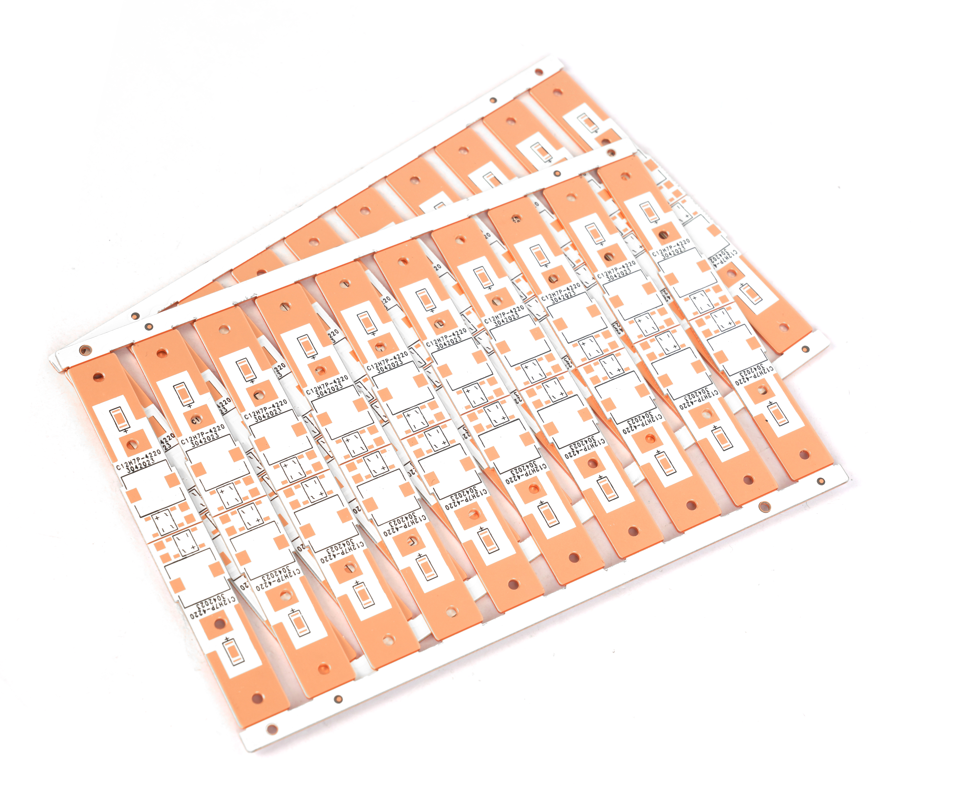
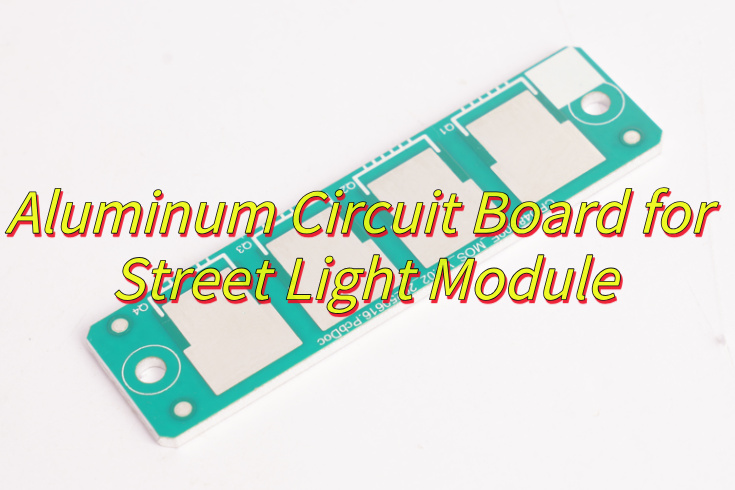
Aluminum Circuit Board for Street Light Module

August 14th, 2025

Why choose aluminum circuit board for street light module? Let’s discover its benefits, working principle, applications, thermal solution, integrated circuit design, future trends.

Are you worried about these problems?

  • Is poor heat dissipation in streetlights leading to a short lifespan? (Aluminum substrates have a high thermal conductivity of 2.0 W/m·K, quickly dissipating heat and extending LED lifespan.)
  • Is the PCB prone to deformation in high-temperature environments? (Aluminum substrates have a thermal expansion coefficient that matches the chip, ensuring stable operation from -40°C to 85°C without warping.)
  • Is maintenance cost high and replacement frequent? (Aluminum substrates are corrosion-resistant and moisture-proof, with an IP66 protection rating, reducing O&M costs.)

EBest Circuit (Best Technology) can provide services and solutions:

  • Fast Prototyping: Sample delivery within 7 days, accelerating customer product launch.
  • Cost Optimization: Through material and process optimization, we help customers reduce production costs by over 15%.
  • Technical Support: We provide technical support from design to mass production to ensure a smooth project implementation.

Welcome to contact us if you have any request for aluminum circuit board: sales@bestpcbs.com.

Why Choose Aluminum Circuit Board for Street Light Module?

  • Excellent Thermal Management: Thermal conductivity reaches 1.0–7.0 W/m·K (compared to 0.2–0.3 W/m·K for FR4), improving heat dissipation efficiency by 3–5 times, reducing LED junction temperature by 30% and extending LED lifespan to over 50,000 hours. Performance remains stable in environments ranging from -30°C to 50°C.
  • Lightweight and Durable: 40% lighter than copper-based panels, IP67-rated for protection against rain and dust, no performance degradation from -40°C to 85°C, and mechanical strength to withstand outdoor vibration and deformation.
  • Long-Term Cost-Effectiveness: Initial cost is 15% higher, but total cost of ownership is reduced by 30% over five years: annual electricity bills per lamp are saved by $200; failure rates are reduced by 45%; and heat sink space and material costs are reduced.
  • Smart City Compatibility: Modular design supports integration of sensors, 5G, and IoT devices, with proven results showing the integration of six functions onto a single pole.
  • Extreme Environment Validation: 100% operational efficiency at -30°C; 92% luminous efficacy at 50°C. Advantages of large-scale production: Reduce bulk order costs by 15–20%, with an MOQ of 50 pieces. Laser cutting accuracy of ±0.05mm ensures consistency for large projects.
  • Sustainable design: Complies with EU environmental regulations, aluminum is 95% recyclable, and the nano-ceramic coating is non-toxic, reducing carbon emissions by 37% over its entire lifecycle.
Why Choose Aluminum Circuit Board for Street Light Module?

Street Light Module Aluminum Circuit Board Material Specification

Core Thermal Management Mechanism

  • Aluminum Substrate Thermal Conduction: 6061/6063 aluminum alloy substrate directly contacts LED chips, transferring heat from the PN junction to cooling fins. Thermal conductivity exceeds 2.0W/m·K, delivering 40% higher efficiency than FR-4 boards.
  • Thermal Resistance Optimization: Ceramic dielectric layer (Al₂O₃) thickness 50-100ÎŒm reduces thermal resistance to ≀5℃/W, maintaining junction temperatures below 80℃.

Circuit Layer Design

  • Copper Trace Current Capacity: 1-3oz thick copper foil handles high currents (e.g., 3oz copper for 150W modules), with line width tolerance ±0.02mm.
  • Insulation Protection: Dielectric layer withstands ≄2000V, preventing electrical leakage in humid environments (IP67 compliance).

Optoelectronic Integration

  • Constant Current Drivers: Onboard Buck/Boost circuits (e.g., LM342x ICs) convert AC power to 350-700mA constant current, eliminating LED lumen decay from voltage fluctuations.
  • Dimming Compatibility: Reserved 0-10V/PWM interfaces enable dynamic power adjustment via smart lighting systems.

Environmental Adaptability

  • Corrosion Resistance: Anodized aluminum surface forms dense oxide layer, passing 2000h salt spray tests for coastal deployments.
  • Vibration Resistance: Spring-loaded solder pads reduce solder joint fatigue from vibrations, achieving 100,000h operational lifespan.

Energy Efficiency & Maintenance

  • Lumen Maintenance: Precise thermal control ensures ≄90% luminous flux retention after 5 years (L70 standard).
  • Modular Serviceability: Plug-and-play design allows single-module replacement, cutting maintenance costs by 60%.
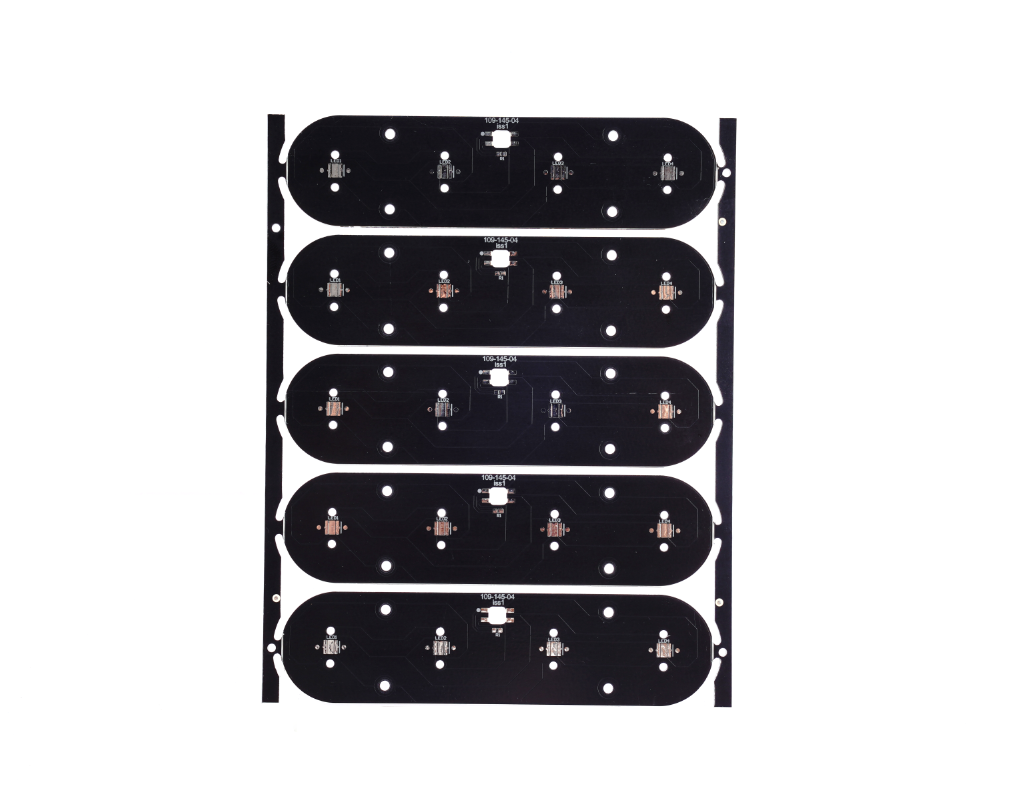
Street Light Module Aluminum Circuit Board Material Specification

Applications of Aluminum Circuit Board in Street Light Module

  • Smart dimming system
  • High-voltage & high-power module
  • Solar street lights
  • Tunnel lighting
  • Sports venues lighting
  • Municipal Road Lighting
  • High-Mast Lights(Power 50-200W)
Applications of Aluminum Circuit Board in Street Light Module

Street Light Module Aluminum Circuit Board Thermal Solution

High-Efficiency Thermal Conductivity

  • Material: 6061/6063 aluminum alloy substrate (2.0-4.0W/m·K), outperforming FR-4 by 40%.
  • Thermal Path: Directly channels LED heat to cooling fins via embedded copper heat pipes.
  • Data: Maintains junction temps ≀85℃ (IEC 60068-2-1 certified).
  • Case Study: Singapore HDB streetlights achieved 98.7% uptime with this design.

Optimal Thermal Resistance Design

  • Insulation Layer: 50-100ÎŒm ceramic dielectric (Al₂O₃) reduces thermal resistance to ≀5℃/W.
  • Simulation: ANSYS Icepak optimizes fin geometry (1:1.5 height-to-pitch ratio) for airflow efficiency.
  • Protection: NTC sensors auto-adjust brightness if temps exceed safe limits.

High-Current Circuit Integration

  • Copper Traces: 1-3oz thick copper foil handles 150W+ loads with ±0.02mm precision.
  • Safety: Dielectric layers withstand ≄2000V, ensuring IP67 leakage protection.
  • Application: Enables onboard AC-DC conversion (e.g., LM342x drivers).

Environmental Adaptability

  • Corrosion Resistance: Anodized aluminum survives 2000h salt spray tests (coastal zones).
  • Vibration Resistance: Spring-loaded solder pads withstand 15g shocks (IEC 60068-2-27).
  • Case Study: Saudi desert units operated 5+ years without failure.

Long-Term Reliability

  • Lumen Maintenance: ≄90% light output after 5 years (L70 standard).
  • Maintenance: Plug-and-play modules cut repair costs by 60%.
  • Data: Dubai Municipality reduced annual maintenance by 220 hours.

Sustainability & Compliance

  • Recycling: 75% recycled aluminum cuts CO₂ by 25%.
  • Certifications: RoHS/REACH, UL94 V-0, and IEC 60529 compliance.
  • Impact: Equivalent to planting 15 trees per 1,000 units.

Cost-Effective Scaling

  • Direct Supply Model: Lowers bulk orders by 15-20%.
  • Flexibility: Supports 50-unit prototypes to 10,000-unit production.
  • Client: UAE project saved $180K via volume discounts.

    Integrated Circuit Design for Street Light Module Aluminum Circuit Board

    1. High-Density Circuit Layout

      • Adopting a 3-4 mil line/space process, it supports blind and buried via design and is compatible with LM342x driver chips and environmental sensors.
      • Power/signal line impedance deviation is controlled to ±10%, effectively reducing electromagnetic interference in 4G/5G smart streetlights.
      • Passing IEC 60664-1 insulation coordination testing ensures electrical safety.

      2. Thermal-Electrical Co-Optimization

        • Embedded copper heat pipes (3-5 mm diameter) combined with an aluminum base plate (thermal conductivity of 2.0-4.0 W/m·K) reduce thermal resistance by 30%.
        • A 10kΩ NTC sensor is integrated below the LED hotspot, automatically triggering dimming protection when the temperature ≄ 85°C.
        • ANSYS Icepak simulation verifies that thermal stress is less than 15 MPa, ensuring long-term reliability.

        3. Efficient Power Management

          • The onboard buck/boost circuit converts 220V AC to 350-700mA DC with a conversion efficiency of 98%. A 1500W TVS diode + PTC resettable fuse form a lightning protection module that has passed the 6kV surge test (IEC 61000-4-5).
          • The London Luton project achieved a 42% reduction in power fluctuations.

          4. Signal Integrity Assurance

            • Ferrite beads + a π-type filter network suppress noise from 150kHz-30MHz to <50dBÎŒV.
            • The analog/digital ground separation design achieves a ground impedance of <2Ω, meeting FCC Part 15B and CE standards.

            5. Mechanical and Electrical Integration

              • The elastic pad structure has passed the 15g/10-2000Hz vibration test (IEC 60068-2-27).
              • A labyrinth seal + breathable membrane achieves IP66 protection, suitable for high-humidity and salt spray environments (such as those along the Dubai coast).

              6. Reliability Verification

                • Passed HALT accelerated testing and thermal cycling verification, with a mean time between failure (MTBF) of ≄ 100,000 hours (MIL-HDBK-217F standard).
                • Singapore Housing and Development Board field data: Module reliability reaches 98.7%.

                7. Environmental Protection and Cost Control

                  • Lead-free solder (Sn96.5/Ag3.0/Cu0.5) is RoHS-compliant, and 75% recycled aluminum reduces carbon emissions by 25%.
                  • The 50-unit panel design improves material utilization and reduces bulk procurement costs by 15-20% (saving US$220,000 on a UAE project).

                  Future Trends in Street Light Module Aluminum Circuit Board

                  • Ultra-thin and flexible design: Reaching a thickness below 0.5mm, laser etching technology enables curved surface conformity, adapting to the needs of integrating uniquely shaped lamps with building facades.
                  • Deep AIoT integration: Integrated temperature, humidity, and light sensors enable dynamic dimming (e.g., automatically increasing brightness by 30% in rainy and foggy weather) and fault prediction through edge computing chips.
                  • Composite heat dissipation material application: Graphene-aluminum composite materials boast a thermal conductivity exceeding 500W/(m·K), solving the junction temperature control challenges of 100W+ modules.
                  • Green manufacturing technology: The proportion of bio-based insulating resin increases to 40%, and a recycled aluminum recycling system is used to reduce lifecycle carbon emissions.
                  • Standardized intelligent interface: A unified Type-C power connector and DALI 3.0 communication protocol enable plug-and-play smart city networking.
                  • Hardened for extreme environments: Nano-coating technology ensures stable performance in temperatures between -50°C and 105°C, and it has passed 3,000 hours of salt spray testing.
                  • Manufacturing process upgrade: The widespread use of roll-to-roll (R2R) continuous production lines has reduced costs by 25% and increased mass production efficiency by three times.

                  Our Street Light Module Aluminum Circuit Board Case Studies

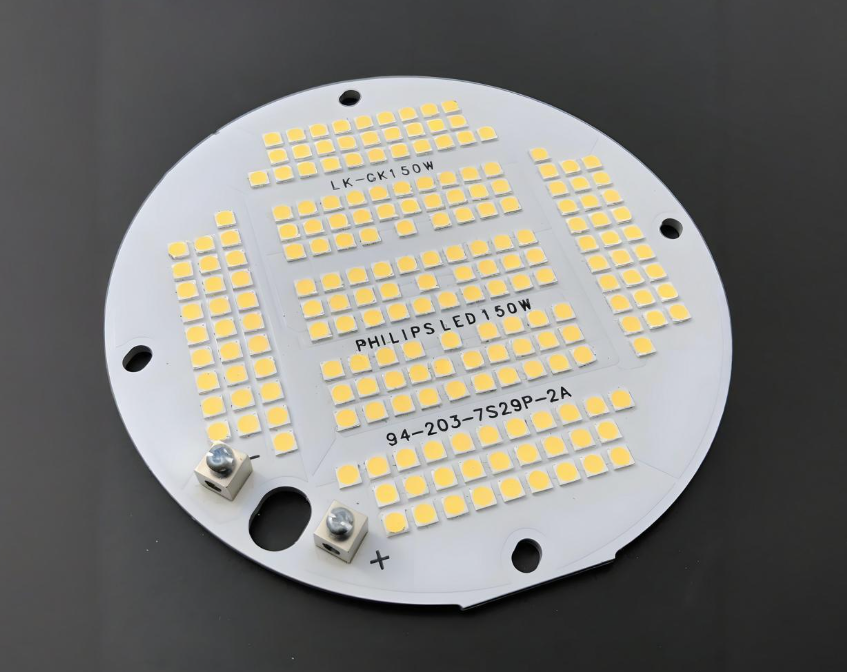
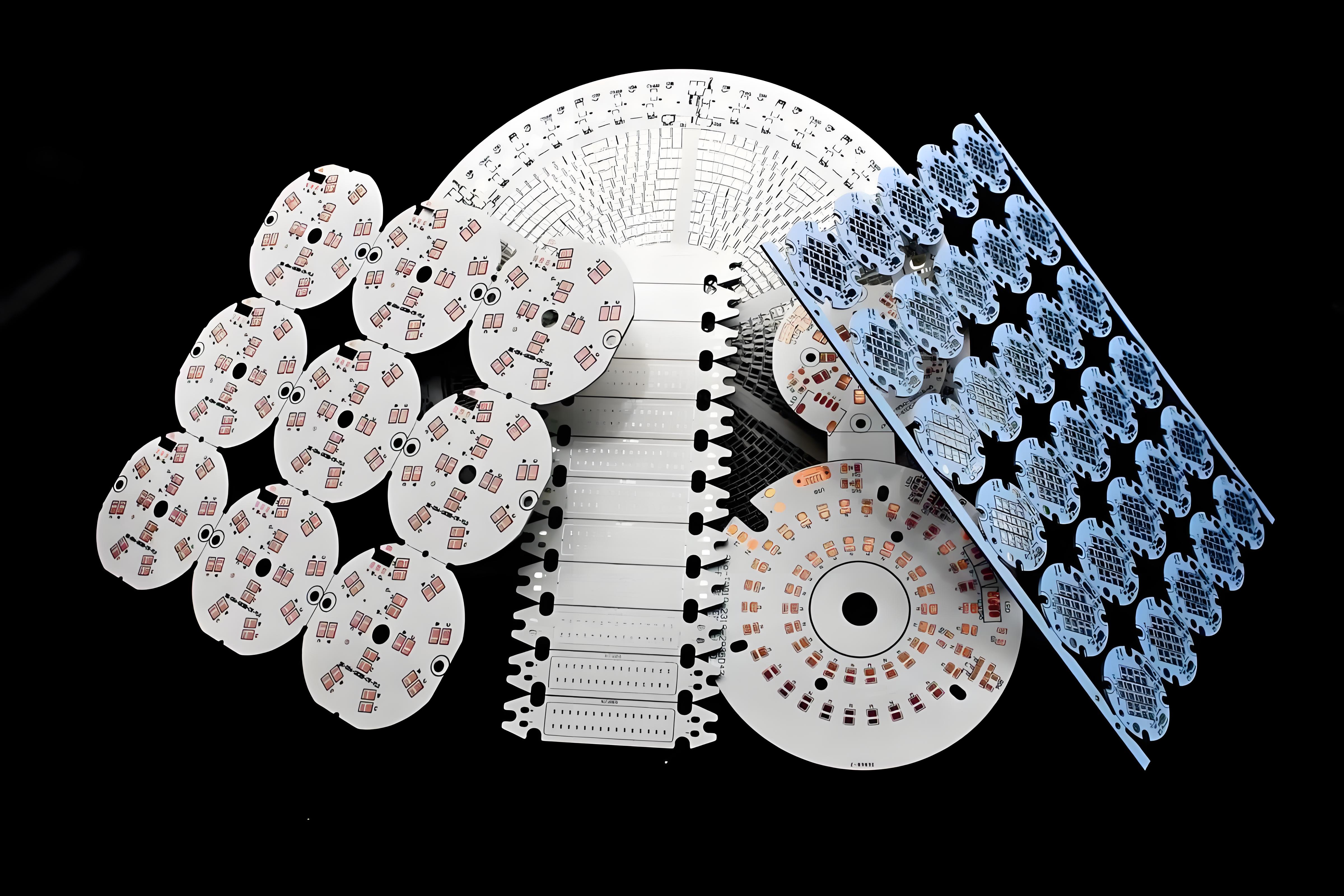
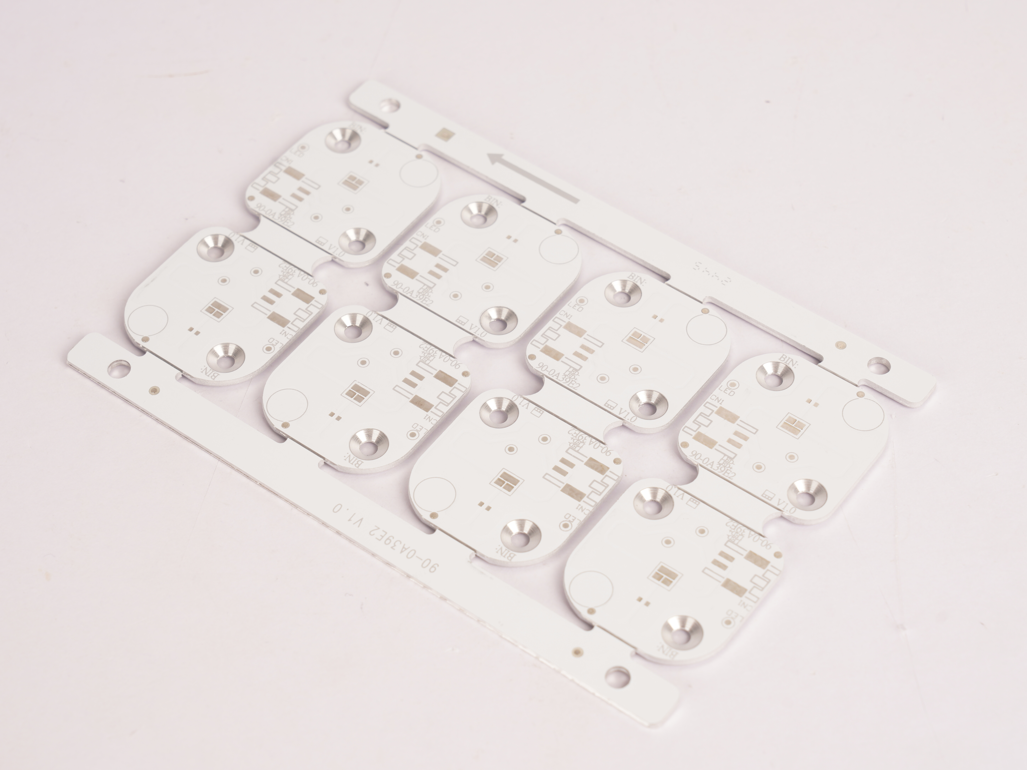
                  At EBest Circuit (Best Technology), we specialize in street light module aluminum circuit boards. With 19 years of manufacturing experience, we’ve delivered thousands of high-quality projects globally. From design to assembly, we provide one-stop customized solutions, ensuring high performance, long life, and harsh environment adaptability (-40°C to 85°C, IP66). Our products exceed 98% yield and 100,000+ hours reliability, helping clients achieve energy-efficient urban lighting upgrades. Here is a photo of street light module aluminum circuit board we made before:
                  Our Street Light Module Aluminum Circuit Board Case Studies
                  Parameter CategorySpecifications
                  Product NameStandard LED Streetlight Aluminum PCB (Single-Sided Circuit)
                  Material CompositionBase: 6061-T6 Aluminum Alloy (Thermal Conductivity ≄2.0W/m·K)
                  Insulation: Nano Ceramic (50ÎŒm Thickness)
                  Copper Foil: 2oz Electrolytic Copper  
                  Thickness1.6mm ±0.1mm (Including Copper Foil)
                  Solder Mask LayerWhite High-Temperature Resistant Solder Ink (15ÎŒm Thickness, 300℃ Resistance)
                  Silkscreen Marking White Legend (Line Width ≄0.2mm), Including Polarity Markers & Parameter Codes
                  Surface TreatmentAnodized (10ÎŒm Film Thickness) + Nano Hydrophobic Coating
                  Key Manufacturing ProcessesVacuum Lamination (8MPa Pressure / 180℃ Temperature)
                  Application FieldsMunicipal Road Lighting

                  Why Choose EBest Circuit (Best Technology) as Aluminum Circuit Board Manufacturer?

                  Reasons why choose us as aluminum circuit board manufacturer:

                  • Certified Quality Assurance: ISO 9001 & IATF 16949 certified production, with optional ISO 13485 medical-grade compliance.
                  • Scalable cooling solutions: 3W/m·K (economy aluminum) to 8W/m·K (premium aluminum nitride).
                  • Direct Supply: Eliminates middlemen, offering bulk pricing discounts for 50-10,000 unit orders and reducing 15-20% production cost.
                  • 24-Hour Rapid Prototyping: Accelerates design verification for municipal projects.
                  • Free Design-for-Manufacturability (DFM) Optimization: Pre-production checks for thermal via placement, copper trace spacing, and impedance control. Reduces development risks by 40% (client-verified data).
                  • End-to-End Service: Integrated circuit design, ANSYS thermal simulation, and SMT assembly.
                  • Extreme Environment Resilience: Operates reliably from -40°C Siberia to +85°C Saudi deserts.
                  • 24/7 Global Technical Support: Engineered response within 4 hours for thermal runaway or EMC issues.

                  Welcome to contact us if you have any inquiry for aluminum circuit board: sales@bestpcbs.com.
                  What is Rigid-Flex Copper Substrate? Rigid Flex PCB

                  August 14th, 2025

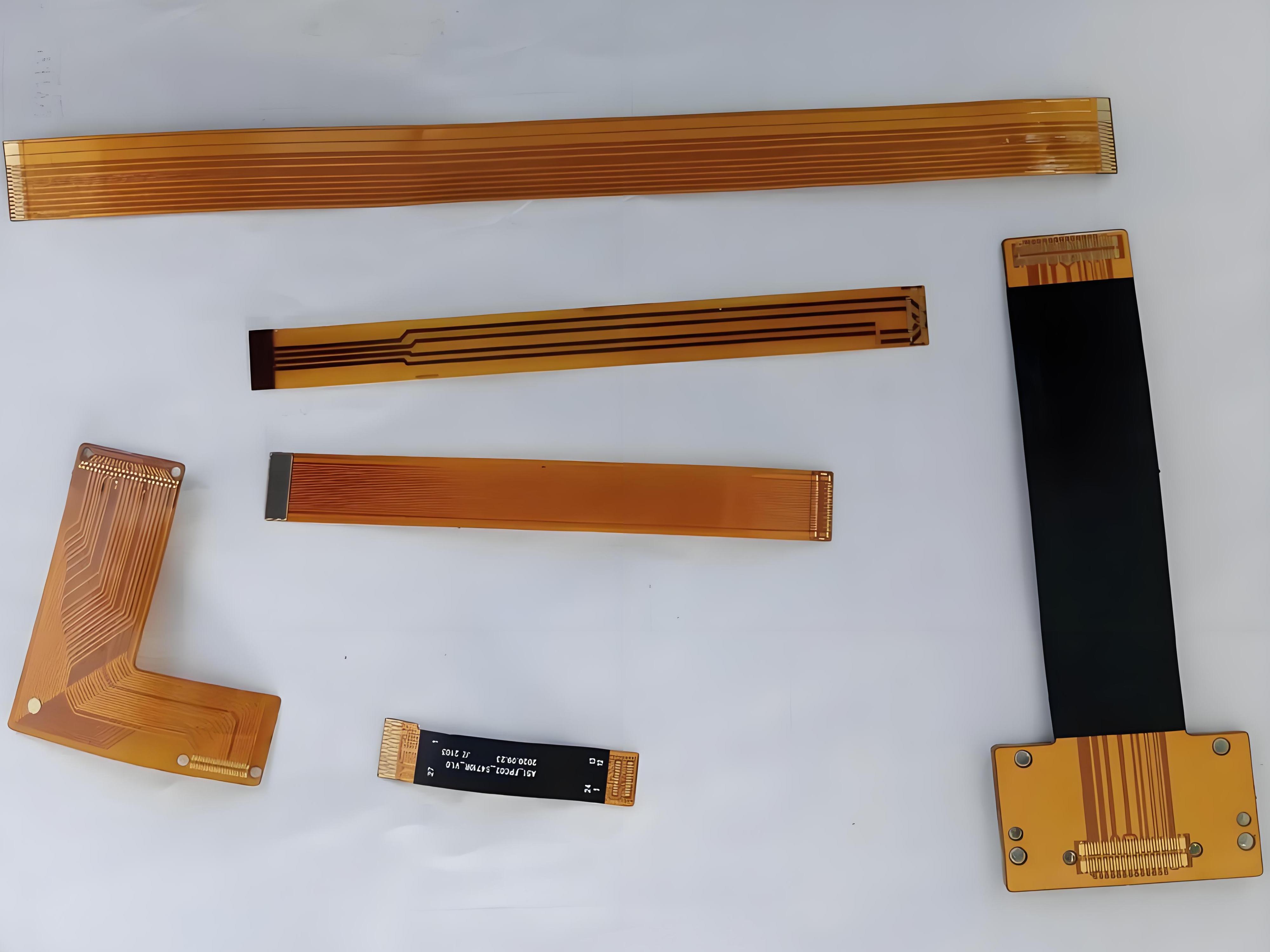
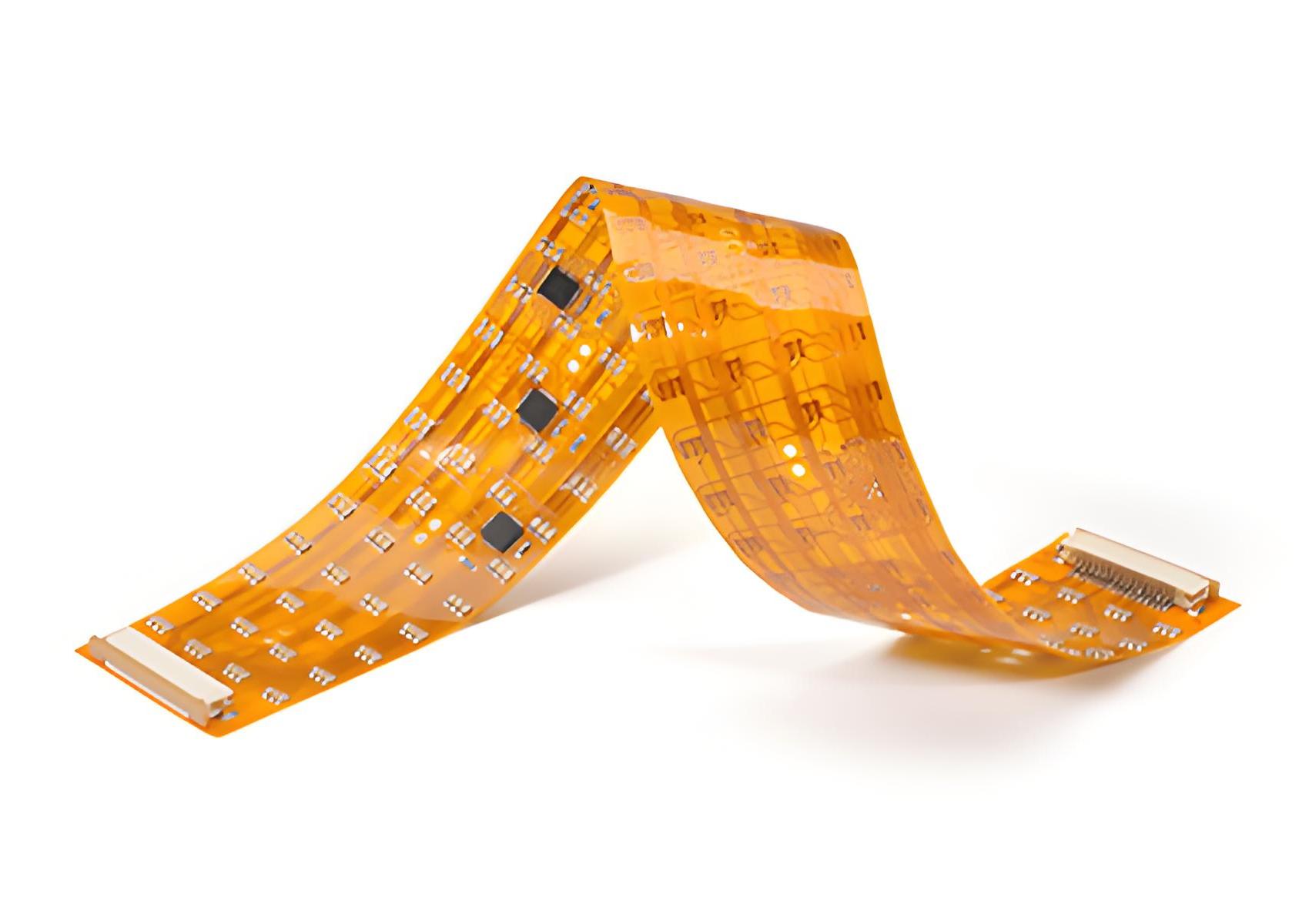
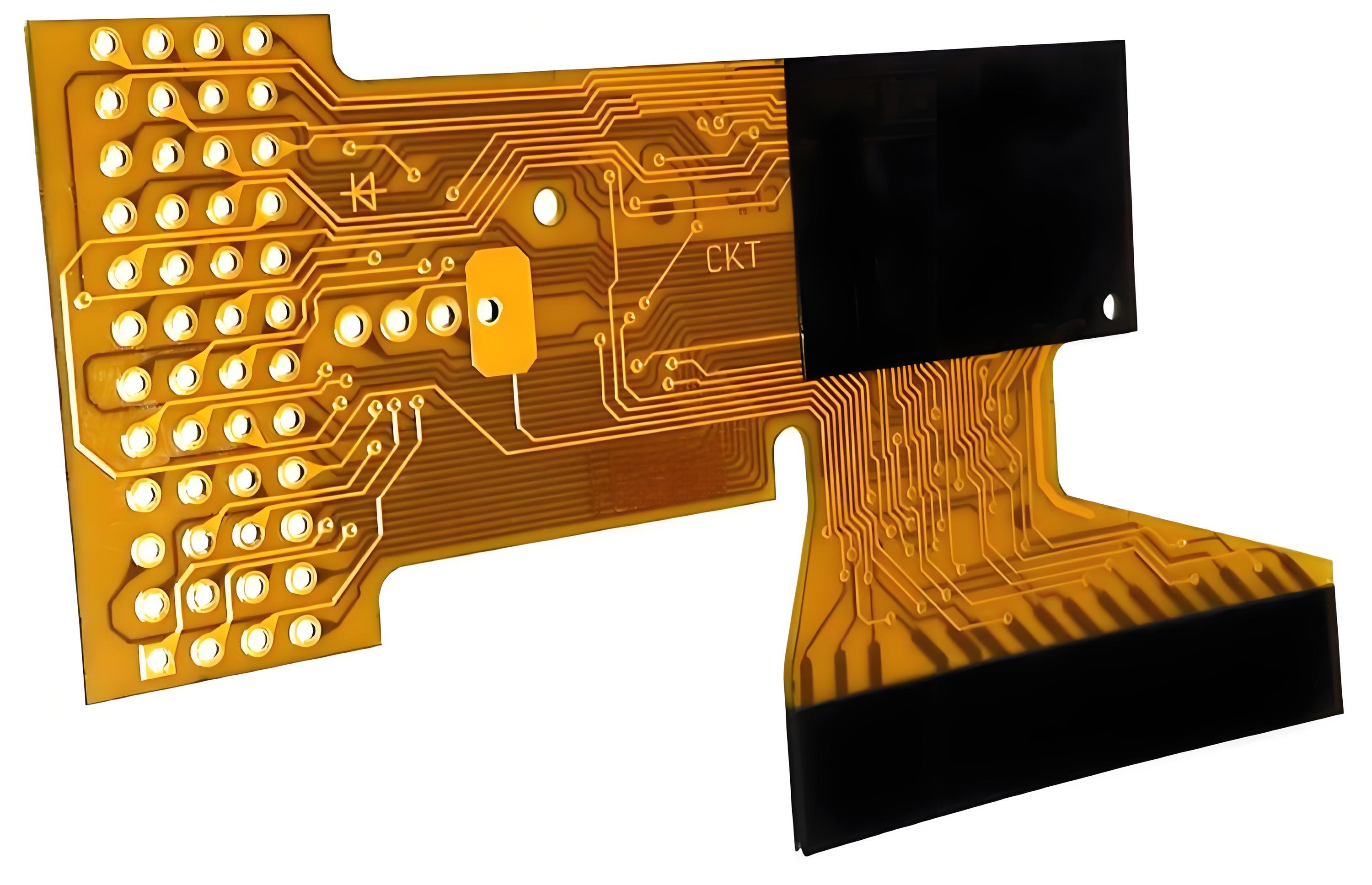
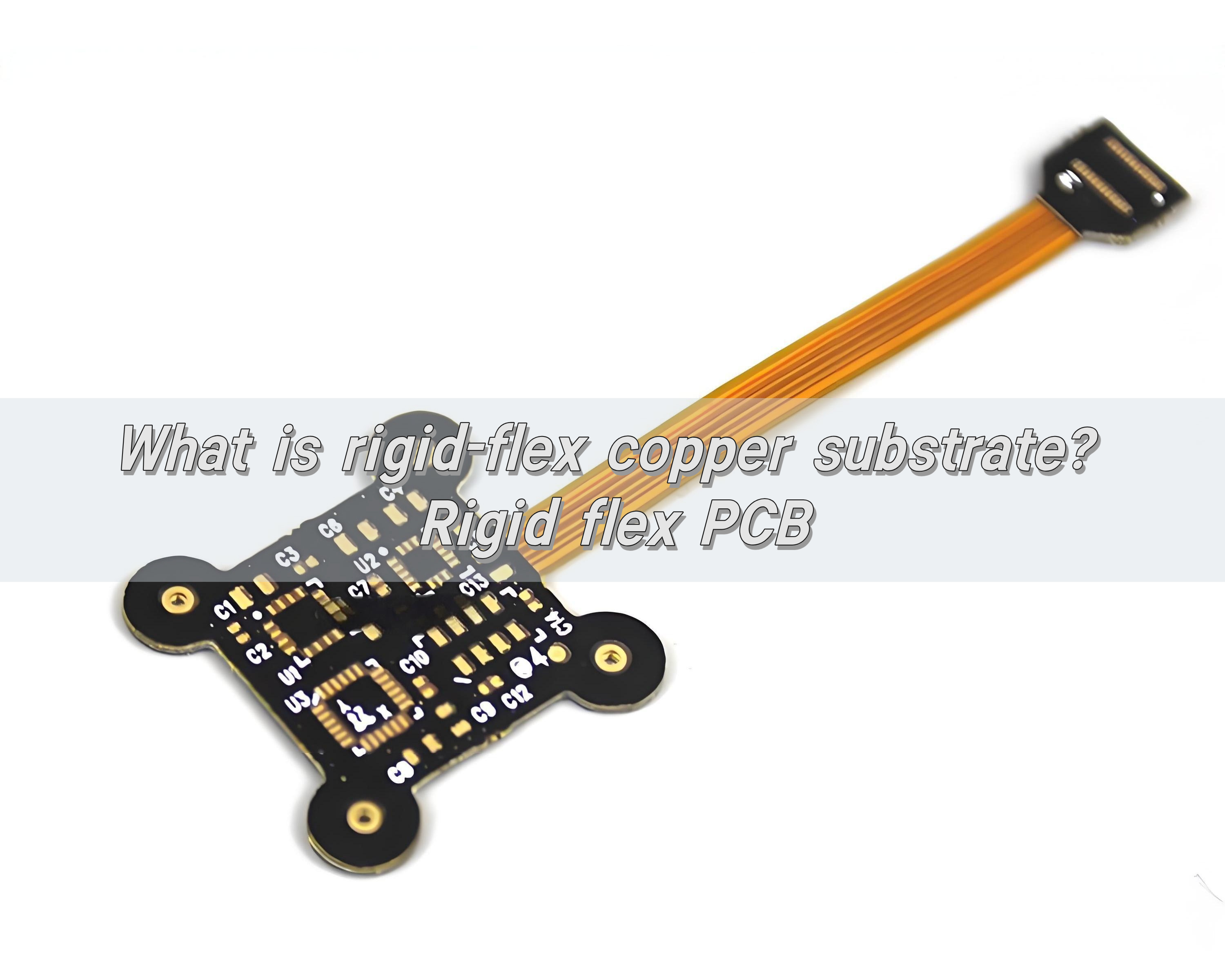
                  Rigid-flex copper substrate combines the best of both rigid PCBs and flexible circuits into a single circuit board. This design is both practical and innovative. Its applications range from advanced medical devices to aerospace systems. Its versatility stems from the way its copper layer is integrated with both flexible and rigid components, enabling smooth folding without disrupting connections.

                  What is Rigid-Flex Copper Substrate? Rigid Flex PCB

                  Do you want to know:

                  • What are its advantages over ordinary substrates?
                  • How many frequent bends can it withstand?
                  • How is heat dissipation guaranteed?
                  • Does it support complex circuits and unusual shapes?
                  • What is the prototype production cycle?
                  • What are the quality standards?

                  BEST Technology, a professional metal-based circuit board manufacturer, can answer your questions:

                  • The high heat dissipation of a rigid substrate combined with the flexibility of a flexible substrate allows for complex applications.
                  • Dynamic bending resistance of ≄100,000 times (R=1mm) ensures continuous circuitry and stable performance.
                  • Highly conductive adhesive layer combined with a full copper surface design results in a thermal resistance of ≀0.8°C/W, improving heat dissipation by 30%+ in high-temperature environments.
                  • Minimum line width/spacing of 3 mils, supports unusual shapes and stepped structures, and an accuracy error of ≀±0.1 mil.
                  • Prototypes take 3 days, and mass production takes 7-15 days. Compliant with IPC-A-600H, with over 20 tests and 24-hour customer service.

                  What is rigid-flex copper substrate?

                  Rigid-flex copper substrate is a hybrid printed circuit board that has rigid and flexible layers combined into one structure. The rigid parts provide mechanical stability, while the flexible layers connect them, allowing bending or folding during assembly or use.

                  This combination removes the need for connectors or separate ribbon cables, reducing the risk of signal loss or failure. In many designs, rigid-flex boards improve reliability and performance at the same time.

                  The rigid flex PCB design typically uses copper foil as the conductor. Copper is preferred because it offers excellent conductivity, mechanical strength, and resistance to fatigue. The result is a board that can bend without losing electrical integrity.

                  Rigid-flex copper substrate with different layers

                  Layer count in a rigid-flex board greatly impacts performance, cost, and applications.

                  • 1. 2-layer rigid-flex copper substrate

                  This is the simplest form. It offers enough flexibility for basic designs and is often used in consumer devices, portable gadgets, and small control panels. It’s affordable and fast to produce.

                  • 2. Dual-layer rigid-flex copper substrate

                  Similar to the 2-layer version but often built with reinforced materials. It provides more strength and is ideal for designs that require slight bending during use.

                  • 3. 4-layer rigid-flex copper substrate

                  With more copper layers, it allows complex routing, better signal performance, and improved EMI shielding. The 4-layer copper-based rigid-flex PCB is common in automotive electronics and handheld medical devices.

                  • 4. 6-layer rigid-flex copper substrate

                  This high-end design is built for advanced technology. It supports multiple high-speed signals, complex interconnections, and precise impedance control. Aerospace systems, industrial control machines, and military electronics often use this type.

                  What is Rigid-Flex Copper Substrate? Rigid Flex PCB

                  Choosing the right layer count depends on design needs, available space, and budget. Each option balances performance and flexibility differently.

                  How does rigid flex PCB work?

                  The rigid flex PCB works by integrating multiple circuit layers—some rigid, some flexible—into one laminated structure. During manufacturing, the flexible layers are bonded with polyimide material, while the rigid parts are reinforced with FR4 or other stiffeners.

                  When installed, the flexible sections bend to fit inside tight enclosures. This makes it perfect for 3D assembly. The electrical signals flow through copper traces that remain continuous across the rigid and flexible areas, eliminating the need for connectors.

                  By reducing interconnections, rigid flex PCBs lower the risk of mechanical failure, improve signal speed, and make products more reliable in harsh conditions.

                  Why choose rigid-flex copper substrate?

                  There are many reasons to choose a rigid-flex copper substrate.

                  • Space efficiency: This design allows components to be placed closer together, reducing product size.
                  • Durability: Flexible sections handle repeated bending without breaking. This is important in devices exposed to motion or vibration.
                  • Improved performance: Fewer connectors mean faster signal transmission and less interference.
                  • Lightweight construction: Replacing multiple boards and cables with one unit cuts down weight.
                  • Design freedom: Three-dimensional design is possible, allowing for better utilization of interior space.

                  From smartphones to satellites, rigid-flex boards help achieve higher performance without increasing size.

                  Which flexible PCB material is best?

                  The performance of a rigid-flex PCB depends heavily on the flexible material. Most use flexible circuit technologies with polyimide films, which offer excellent heat resistance, flexibility, and electrical insulation.

                  Polyimide is also stable in harsh environments, making it a trusted choice for aerospace, automotive, and industrial applications. For added strength, some designs use adhesive-less laminates, which improve bending capability and reduce thickness.

                  Copper foil is the heart of the conductor. Rolled annealed copper is preferred for its flexibility and fatigue resistance, while electro-deposited copper works well for more rigid applications.

                  What is Rigid-Flex Copper Substrate? Rigid Flex PCB

                  The choice of flexible PCB material depends on the final product’s environment, electrical needs, and mechanical requirements.

                  How durable is flexible PCB material?

                  Flexible PCB materials are surprisingly tough. High-quality polyimide can handle thousands of flex cycles without cracking. Even in high-temperature or high-vibration environments, it maintains structural integrity.

                  Durability also depends on copper type, layer thickness, and protective coatings. Protective coverlays shield copper traces from moisture, dust, and abrasion. When designed correctly, a rigid-flex PCB can last as long as the device itself.

                  It’s worth noting that durability is not just about materials—it’s also about design. Proper bend radius, trace routing, and reinforcement all increase lifespan.

                  How does rigid flex PCB save space?

                  One of the biggest advantages of rigid-flex PCBs is their space-saving ability. By combining rigid and flexible sections into one board, you remove the need for bulky connectors and cables.

                  This allows components to be stacked closer or arranged in creative ways. Devices can be slimmer, lighter, and easier to assemble. For example, in wearables or medical implants, every millimeter counts. The space saved often translates directly into more battery capacity, extra features, or lighter designs.

                  For manufacturers, fewer components mean faster assembly and fewer points of failure.

                  What affects rigid-flex copper substrate cost?

                  Cost can vary widely depending on several factors:

                  • Layer count: More layers mean more complex manufacturing, which increases price.
                  • Material choice: Premium copper foils and polyimide films cost more but offer better performance.
                  • Size and shape: Complex shapes require more precise processing.
                  • Production volume: Higher quantities often reduce per-unit cost.
                  • Testing requirements: Rigid-flex boards for aerospace or medical devices require strict quality control, adding to cost.
                  What is Rigid-Flex Copper Substrate? Rigid Flex PCB

                  Working with a skilled flex PCB manufacturer ensures cost efficiency without compromising quality. BEST Technology will help you choose the best PCB stackup, optimize the number of layers, and select the most suitable flexible PCB material for your needs.

                  Need Rigid-Flex Copper Substrate? BEST Technology can help you contact sales@bestpcbs.com

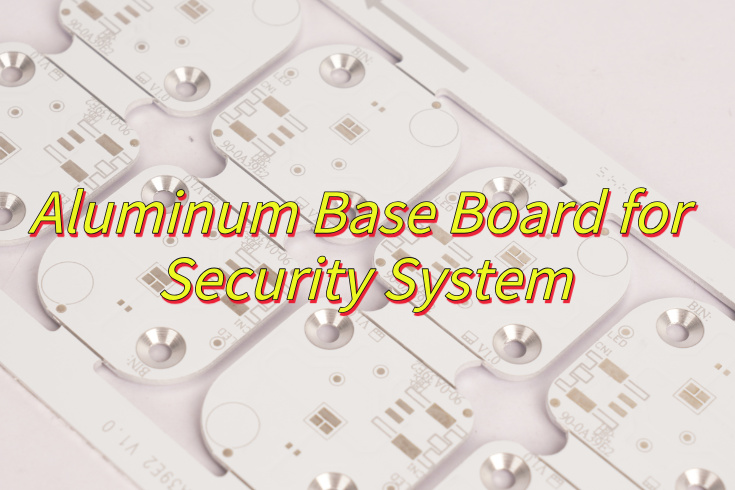
                  Aluminum Base Board for Security System

                  August 14th, 2025

                  Why choose aluminum base board for security system? Let’s explore its benefits, material technical parameters, applications, protective design guide, manufacturing process innovation.

                  Are you worried about these issues?

                  • Is your device frequently overheating?
                  • Is a short circuit caused by a humid environment?
                  • Is the solder joint cracking due to transportation vibration?

                  EBest Circuit (Best Technology) can provide services and solutions:

                  • Customized Thermal Design: Based on device power density, we provide a simulated thermal analysis report to optimize heat dissipation path design.(The security aluminum substrate uses a highly thermally conductive insulation layer to quickly dissipate heat, preventing high-temperature shutdowns.)
                  • Environmental Adaptability Verification: Provide -40°C to 150°C temperature cycle test data to ensure stable performance in extreme climates.(The security aluminum substrate features a nano-scale moisture-proof coating with an IP67 rating, ensuring stable operation in humid environments.)
                  • Fast Supply Chain Response: 48-hour sample delivery, 7-day mass production cycle, and support for inventory management.(The security aluminum substrate uses reinforced ceramic fillers, increasing impact resistance by 3x and reducing after-sales repair rates.)

                  Welcome to contact us if you have any request for aluminum base board: sales@bestpcbs.com.
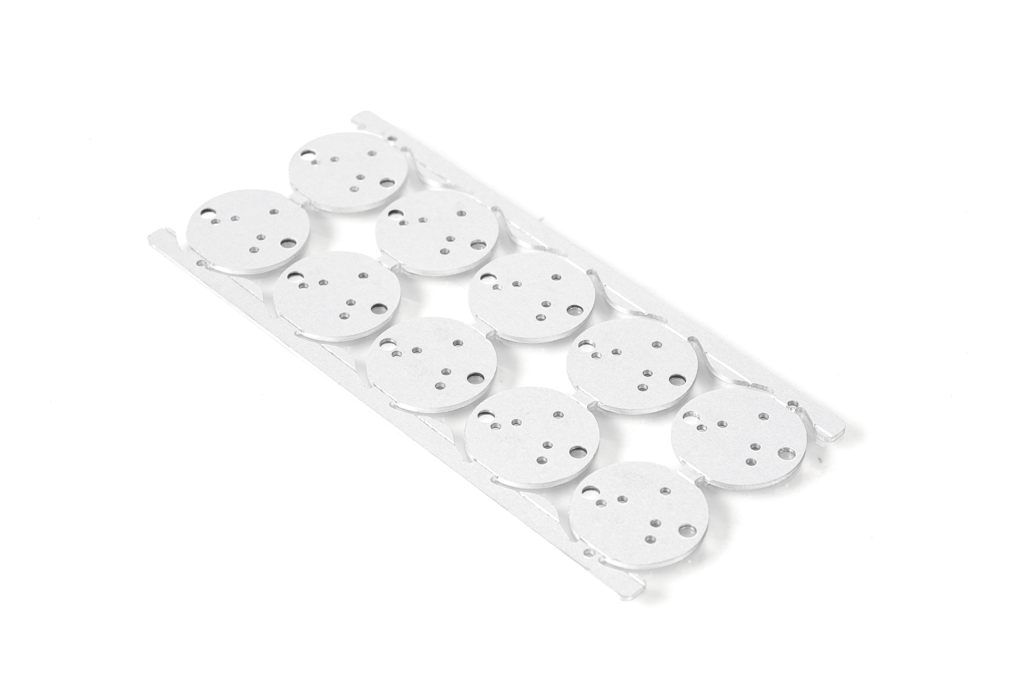
                  Why Choose Aluminum Base Board for Security System?

                  Reasons why choose aluminum base board for security system:

                  Excellent Heat Dissipation Performance

                  • Aluminum substrates utilize a three-layer structure (circuit layer + insulating and thermally conductive layer + aluminum base layer) to rapidly dissipate heat, preventing component overheating and failure. Compared to traditional FR-4 substrates, heat dissipation efficiency is over 60%, ensuring stable 24/7 operation of security equipment.

                  High Mechanical Strength and Durability

                  • Strong resistance to vibration and shock withstands harsh outdoor environments (such as strong winds and vibration). Excellent dimensional stability under temperature fluctuations (thermal expansion coefficient is only 2.5–3.0%) prevents solder joint cracking and extends device life.

                  Lightweight and Space Optimization

                  • Aluminum has a low density (2.7g/cmÂł) and is 30% lighter than copper substrates, making it easier to install and deploy. It can directly replace heat sinks, reducing additional hardware, minimizing device size, and lowering assembly costs.

                  Electromagnetic Shielding and Signal Protection

                  • The aluminum base layer naturally blocks electromagnetic interference (EMI), protecting sensitive circuits (such as communication modules). The high dielectric strength of the insulation layer prevents short circuits and ensures the integrity of security signal transmission.

                  Environmental and Economic Advantages

                  • Aluminum is non-toxic, recyclable, and RoHS compliant. The abundant raw material and automated production efficiency reduce overall costs by 20% while also reducing electronic waste pollution.
                  Why Choose Aluminum Base Board for Security System?

                  Security Aluminum Base Board Material Technical Parameters

                  Parameter CategoryAL-M-01AL-H-02 AL-H-03 AL-H-04 AL-H-05
                  Substrate TypeAluminum + FR4 FiberglassAluminum (No Fiberglass)Aluminum (No Fiberglass)Aluminum (High Temp)Aluminum (No Fiberglass)
                  Thermal Conductivity (W/m·K)≀1.03.02.02.52.0
                  Peel Strength (N/mm)1.5 (after 288℃ thermal stress)1.00.91.31.5
                  Heat Resistance150s no delamination150s no delamination120s no delamination350℃/10min resistance150s no delamination
                  Electrical Strength (kV/mm)3030303030
                  Flame RetardancyUL94 V-0UL94 V-0UL94 V-0UL94 V-0UL94 V-0
                  Tg Value (℃)130-170105130130130

                  Applications of Aluminum Base PCB Board in Security System

                  • Security Lighting Equipment – floodlight and spotlight applications, lighting systems for squares, parking lots, or the periphery of buildings.
                  • Surveillance Camera Control Board – outdoor monitoring systems, traffic monitoring and security cameras.
                  • Outdoor Sensor Board – outdoor applications.
                  • DVR/NVR power module – Powering security equipment (24/7 operation).
                  • Emergency alarm device – Industrial plant/public building alarm systems.

                  Protective Design Guide for Outdoor Security Aluminum Base Board

                  1. Corrosion & Weather Resistance

                  • Material Selection: Utilize 3003-series aluminum alloy substrate with triple-layer fluorocarbon coating (≄35ÎŒm thickness), passing 2000-hour salt spray tests (GB/T 10125-2012).
                  • Coastal Adaptation: For marine environments, apply PVDF nano-anticorrosive coating (T/CECS 10283-2023) to achieve 25-year durability.

                  2. Thermal Management

                  • Structural Design: Optimize fin geometry (1:1.5 height-to-pitch ratio) paired with high-conductivity insulating pads (≄5W/m·K) to maintain junction temperatures ≀85°C (IEC 60068-2-1).
                  • Smart Control: Integrate NTC temperature sensors for automatic thermal throttling during overheating.

                  3. Mechanical Strength & Vibration Resistance

                  • Substrate Specs: Minimum 2mm thickness, 180MPa flexural strength, and pass 15g/10-2000Hz vibration testing (IEC 60068-2-27).
                  • Installation: Secure with countersunk bolts and silicone dampers to reduce resonance risks by 30%.

                  4. EMI Shielding & Signal Integrity

                  • Shielding Layer: Copper mesh grid (spacing ≀λ/20) for ≄40dB shielding effectiveness (EN 50147-1).
                  • Signal Routing: Strict impedance control (±10% tolerance) and cross-talk suppression ratio >-60dB.

                  5. Water/Dust Proofing (IP Rating)

                  • Sealing: Labyrinth-style enclosure + silicone gasket for IP66 compliance (IEC 60529).
                  • Ventilation: Incorporate waterproof breathable membranes at vents to prevent condensation.

                  6. Flame Retardancy & Safety

                  • Fireproof Material: FR-4 copper-clad layer (UL94 V-0 certification) with terminal fuses rated at 1.5x operating current.
                  • Explosion-Proof: Enclosure meets CE EN 62368-1 standards for hazardous environments.

                  7. Surface Treatment

                  • Process: Degreasing → anodizing (10ÎŒm) → fluorocarbon spray (25ÎŒm), achieving ≄300HV surface hardness (GB/T 6461-2002).
                  • Matte Finish: Reduce reflective glare by 30% for low-light performance.

                  8. Testing & Compliance

                  • Mandatory Tests: Thermal cycling (-40°C~85°C, GB/T 2423); EMC testing (EN 55032 Class B); Xenon arc accelerated aging (1000h, ASTM G155)
                  • Certifications: CE, FCC, and RoHS compliance guaranteed.
                  Protective Design Guide for Outdoor Security Aluminum Base Board

                      Aluminum Substrate Manufacturing Process Innovation

                      Material Pretreatment Innovation

                        • Low-temperature plasma activation technology replaces strong acid and alkali cleaning processes (SGS environmental certification achieved)
                        • Deployment of a hyperspectral imaging sorting system enables non-destructive testing of aluminum grain structure

                        Breakthrough in Insulation Layer Technology

                          • Development of a gradient functional coating: a 60% base ceramic phase (Al₂O₃) and a 40% silicone resin surface layer. Utilizing atomic layer deposition (ALD) technology, thermal conductivity reaches 3.0 W/m·K (measured data)

                          Intelligent Circuit Processing

                            • Introduction of a digital twin system for closed-loop control of etching solution concentration, temperature, and flow rate
                            • Application of UV-LED curing technology reduces energy consumption by 45% (compared to traditional thermal curing)

                            Environmentally Friendly Treatment System

                              • Development of an electrochemical wastewater treatment device with a heavy metal removal rate of 99.98% (CMA test report included)
                              • Establishment of a VOCs adsorption-catalytic combustion system, achieving emission concentrations below 10 mg/mÂł

                              Quality Assurance Mechanism

                                • Implementing SPC control throughout the entire process, with a critical CPK value ≄ 1.67.
                                • Retained samples from each batch undergo accelerated aging testing (85°C/85% RH, 1000 hours).
                                Aluminum Substrate Manufacturing Process Innovation

                                Vehicle Security Aluminum Base Board Cost Optimization Strategy

                                1. Material Selection Optimization

                                  Strategy: Replace hybrid substrates (e.g., AL-M-01: Aluminum + FR4 Fiberglass) with pure aluminum substrates (e.g., AL-H-02/AL-H-03) where feasible.

                                  Technical Basis:

                                  • FR4 fiberglass increases material cost by ~15–20% but offers minimal thermal performance gains in low-power applications.
                                  • AL-H-02 (3.0 W/m·K thermal conductivity) exceeds requirements for most vehicle security modules (e.g., sensors, ECUs).

                                  Expected Cost Savings: 12–18% reduction in substrate costs.

                                  2. Thermal Performance Tiering

                                  Strategy: Segment applications by thermal demand

                                  • High-Power Modules (e.g., LED headlights): Use AL-H-02 (3.0 W/m·K).
                                  • Standard Modules (e.g., door locks, alarms): Use AL-H-03/AL-H-05 (2.0 W/m·K).
                                  • Extreme-Temperature Modules (e.g., engine-area ECUs): Use AL-H-04 (2.5 W/m·K, 350℃ resistance).
                                    Technical Basis:
                                  • Over-engineering thermal performance (e.g., using AL-H-02 for low-power circuits) inflates costs by 8–10%.

                                  Expected Cost Savings: 5–7% via tiered material allocation.

                                  3. Surface Treatment Standardization

                                  Strategy: Prioritize electrolytic copper foil (35–175”m) over rolled copper foil (300–500”m) for non-critical circuits.

                                  Technical Basis:

                                  • Rolled copper foil costs 20–25% more but offers no functional advantage for signal-layer traces in security modules.
                                  • Electrolytic foil meets UL94 V-0 and IEC6012 standards.

                                  Expected Cost Savings: 15–20% reduction in copper costs.

                                  4. Process Efficiency Upgrades

                                  Strategy:

                                  • Adopt laser drilling for via holes (vs. mechanical drilling) to reduce waste and improve precision.
                                  • Implement automated optical inspection (AOI) to boost first-pass yield from 85% to 95%.

                                  Technical Basis:

                                  • Laser drilling cuts via-formation costs by 30% and eliminates tool wear.
                                  • AOI reduces rework labor by 40%.
                                    Expected Cost Savings: 18–22% lower manufacturing overhead.

                                  5. Supplier Collaboration & Localization

                                  Strategy:

                                  • Partner with regional aluminum substrate suppliers (e.g., Asia/Pacific) for JIT (just-in-time) delivery.
                                  • Negotiate bulk pricing for high-volume components (e.g., AL-H-03/AL-H-05).

                                  Technical Basis:

                                  • Local suppliers reduce shipping costs by 25–30% and lead times by 50%.
                                  • Bulk agreements lock in 10–15% price discounts.
                                    Expected Cost Savings: 20–25% reduction in logistics/procurement expenses.

                                  6. Design for Manufacturability (DFM)

                                  Strategy:

                                  • Simplify PCB layouts to minimize copper traces and reduce etching time.
                                  • Use panelization (multi-board arrays) to maximize material utilization.

                                  Technical Basis:

                                  • DFM reduces per-unit etching costs by 12–15%.
                                  • Panelization improves substrate utilization from 70% to 90%.

                                  Expected Cost Savings: 10–13% lower per-board production costs.

                                  Our Security Aluminum Base Print Circuit Board Case Studies

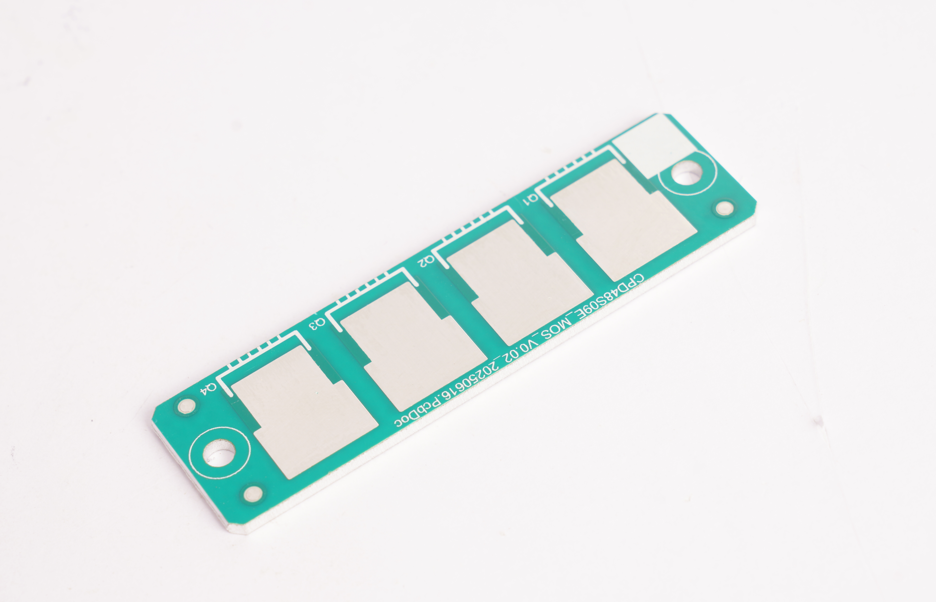
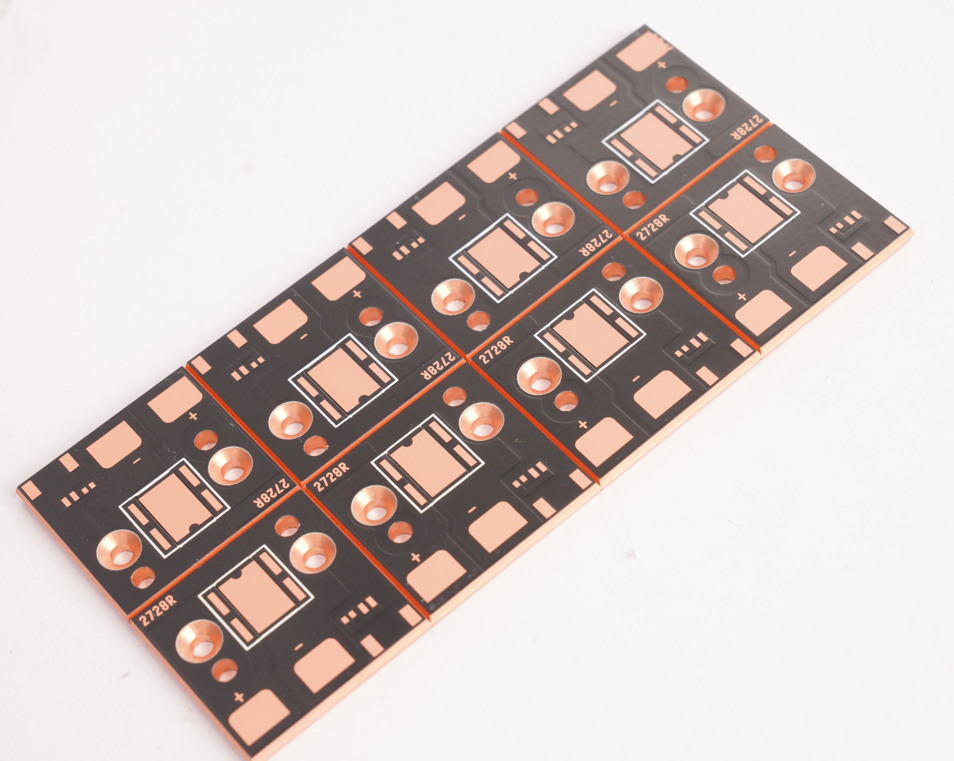
                                  As a 19-year pioneer in the security aluminum substrate field, EBest Circuit (Best Technology) specialize in providing global customers with one-stop solutions from structural design and material selection to SMT assembly. Leveraging IPC-Class 3 process standards and UL94 V-0 flame retardant certification, we have successfully delivered over 800 security projects, covering core areas such as intelligent surveillance, perimeter protection, and in-vehicle security. Here is a photo of security aluminum base board we made before:

                                  Our Security Aluminum Base Print Circuit Board Case Studies
                                  Parameter NameSpecification
                                  Product NameOutdoor Surveillance Dedicated High-Protection Aluminum Substrate (IP67 Rating)
                                  Material6061-T6 Aerospace Aluminum Substrate, Copper Cladding 2oz (70ÎŒm), Thermal Conductivity ≄180W/m·K
                                  Thickness2.0mm±0.15mm
                                  Solder MaskBlack UV-Cured Solder Mask Ink (Thickness 30ÎŒm)
                                  MarkingLaser-Engraved Anti-Counterfeit Code (Depth 0.05mm)
                                  Surface FinishNano-Ceramic Coating (Hardness 9H)
                                  ProcessingImmersion Silver Plating (Thickness 0.1-0.2ÎŒm)
                                  ApplicationsOutdoor Dome Cameras, Bullet Cameras, Intelligent Traffic Gates, Border Surveillance

                                  Why Choose EBest Circuit (Best Technology) as Aluminum Base Board Manufacturer?

                                  • Dual-certification quality: ISO 9001 and IATF 16949 certified, with optional medical-grade ISO 13485, and comprehensive process control.
                                  • Thermal management gradient: 3W/m·K (economy) to 8W/m·K (high-end aluminum nitride) cooling solutions, adaptable to different power security equipment.
                                  • Direct supply and cost reduction: Eliminating middlemen, bulk purchasing costs are reduced by 15%-20%, supporting trial production of 50 units to mass production of 10,000 units.
                                  • 24-hour rapid prototyping: 24-hour delivery of aluminum substrate samples, accelerating security equipment prototype verification.
                                  • Free Design for Factoring (DFM) optimization: Pre-emptively check thermal vias, copper layer spacing, and other design features to reduce development risks.
                                  • One-stop service: Integrated PCB design, thermal simulation, and SMT assembly, covering the entire security system development process.
                                  • Environmentally friendly processes: RoHS/REACH certified, recycled aluminum and lead-free processes, reducing carbon emissions by 25%.
                                  • Wide operating temperature: -40°C to 85°C, suitable for harsh environments such as outdoor surveillance.
                                  • 24/7 response: Our global team resolves thermal runaway and EMC interference within 4 hours to ensure the operation of critical equipment.

                                  Welcome to contact us if you have any inquiry for aluminum base PCB board: sales@bestpcbs.com.
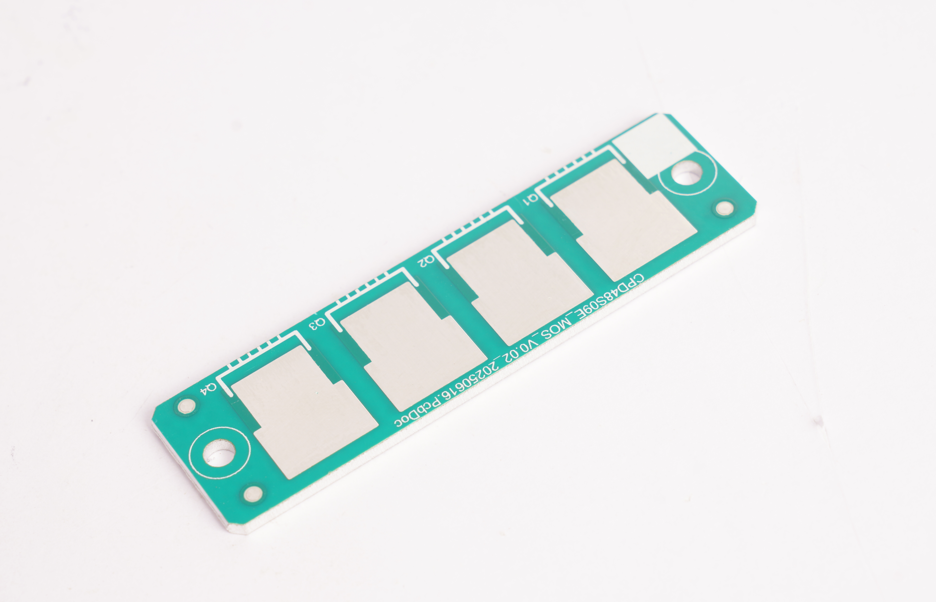
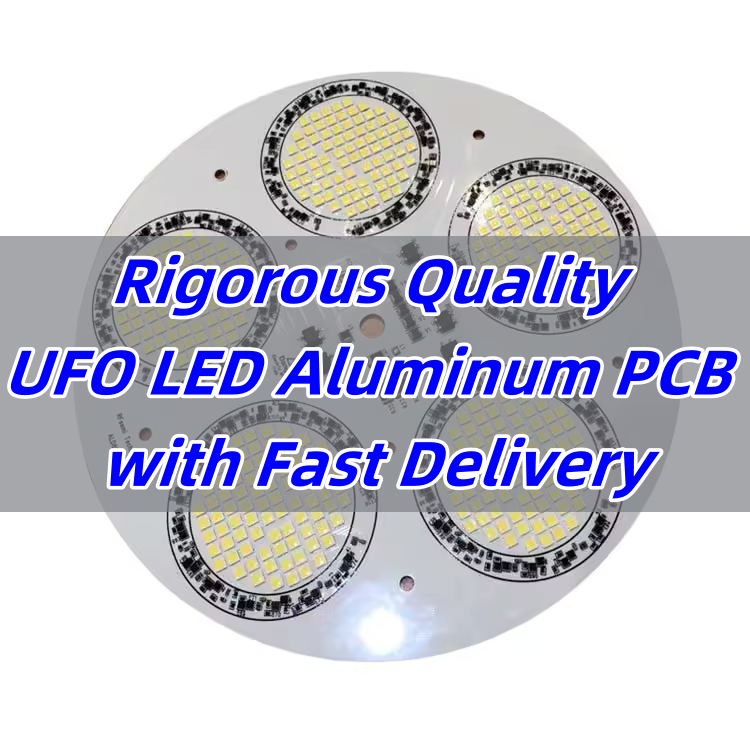
                                  Rigorous Quality UFO LED Aluminum PCB with Fast Delivery

                                  August 14th, 2025

                                  UFO LED Aluminum PCB is quite important in modern LED lighting applications. In this blog, we will write some information about the definition, features of UFO LED aluminum PCB and when to use it, and where to get the full LED PCB manufacturing service.

                                  Do you suffer from these headaches?

                                  • Terrible quality issues, such as short circuits, PCB delamination, defective pads, and the like?
                                  • Poor thermal dissipation due to the unreasonable thermal design?
                                  • Long manufacturing circles and delayed delivery time?
                                  • The difficulty between cost and quality?

                                  EBest Circuit (Best Technology) solves these complex problems efficiently via the following ways.

                                  • Improving the PCB manufacturing process and material: We employ outstanding quality aluminum PCB material and optimize the design to boost thermal conductivity and dissipation. EBest Circuit (Best Technology) provides high thermal conductivity PCB (1.0-3.0 W/m.K) to a larger market.
                                  • Optimizing the manufacturing process and fast lead time: EBest Circuit (Best Technology) makes use of a combination ways of fast prototyping and bulk quantity manufacturing to shorten the lead time circles.
                                  • Improving the heat dissipation design: Since the LED lighting heat dissipation design is most important to the product life and performance. We employ the multi-layer heat dissipation structure, heat sinks, thermal conductivity material, and others, so as to improve thermal dissipation efficiency.
                                  • Strengthening quality control and inspection:  We reinforce our quality control in PCB manufacturing via X-ray, AOI, CT testing, and others to ensure the PCB performance stability.

                                  EBest Circuit (Best Technology) is an AS9100D certified manufacturer in China, providing UFO LED Aluminum PCB, robotic aluminum substrate PCB, and automotive aluminum substrate LED PCB to the most open market for over 19 years. We have the precious experience in dealing with an assortment of different projects for our customers. We run our own factory, directly control the manufacturing process from raw material procurement to SMT assembly. We are never stopping to adjust and enhance our delivery capability. If you have any doubts or any inquiries needed our support, pls feel free to let us know at any moment at sales@bestpcbs.com.

                                  What is a UFO LED Aluminum PCB?

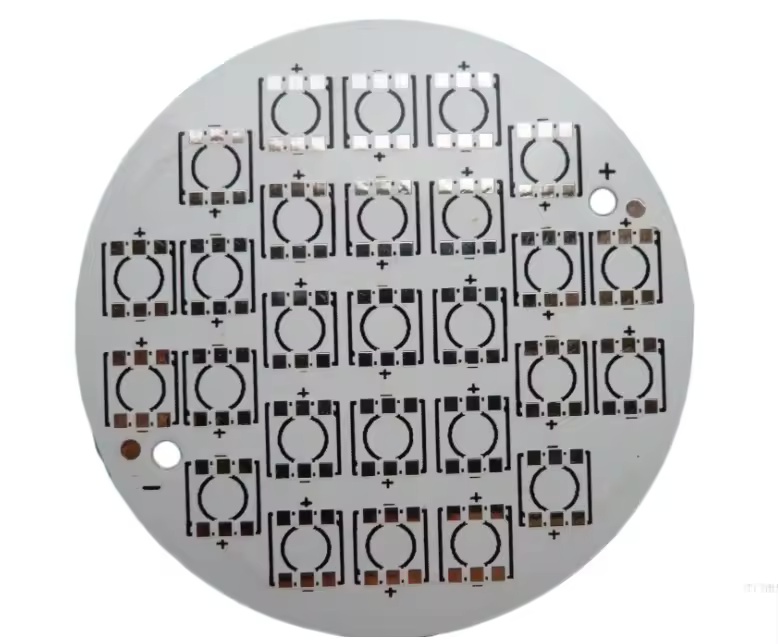
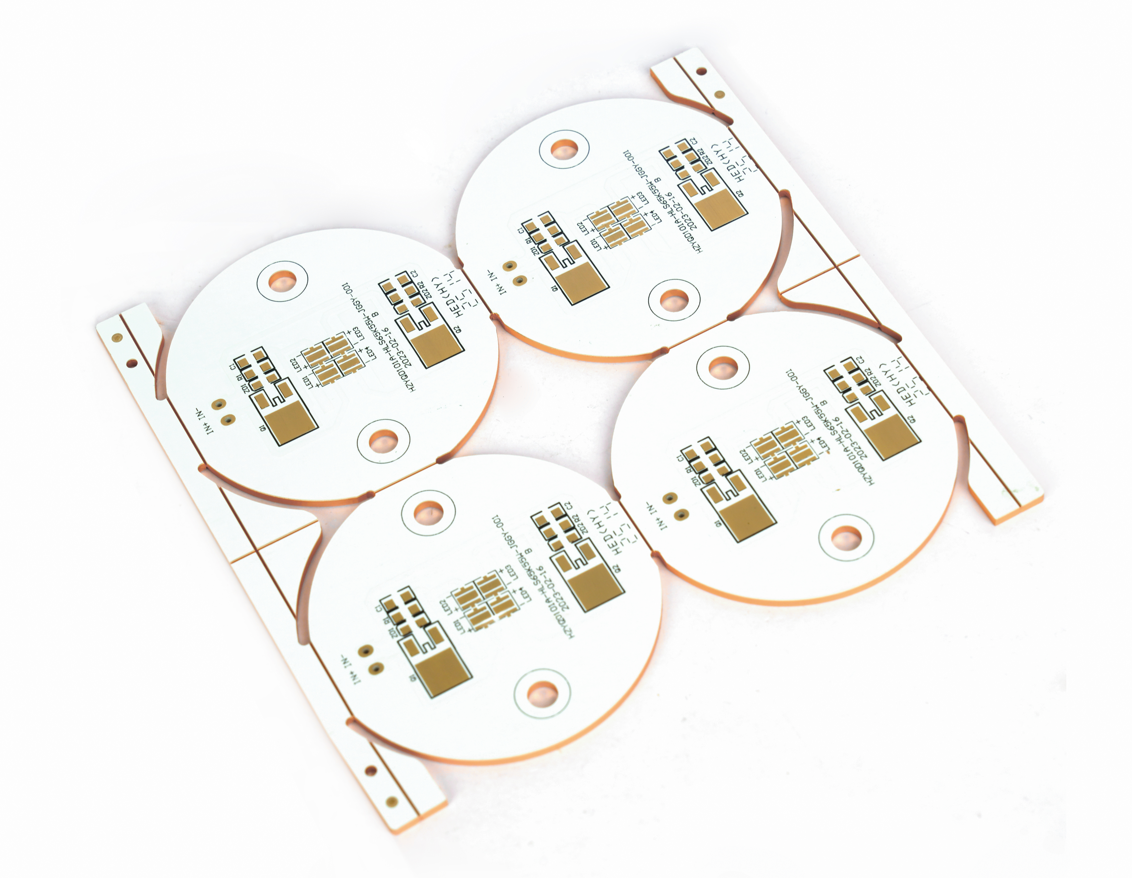
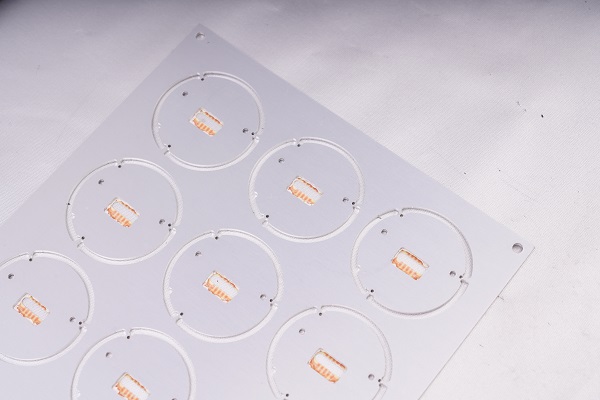
                                  A UFO LED Aluminum PCB is a specially engineered aluminum-based printed circuit board tailored for circular LED lighting modules, often shaped like UFO lights. It is different from the PCB; it integrates the metal core. UFO LED aluminum PCB has extended the using life and ensures the LED has a high-quality performance by improving the heat dissipation efficiency of the LED chips and tackling the problem the overheating.

                                  Rigorous Quality UFO LED Aluminum PCB with Fast Delivery

                                  What are the features of the UFO LED Aluminum PCB?

                                  The UFO LED Aluminum PCB stands out for its excellent thermal conductivity, strong build, and lightweight design. Its metal core helps quickly release heat, which prevents LEDs from overheating. The treated surface also makes soldering more reliable and lowers the risk of oxidation. As a result, customers can expect a longer-lasting product that needs less maintenance. This gives the UFO LED Aluminum PCB an advantage in solving common LED performance issues.

                                  What are the functions of an aluminum PCB enclosure for an LED PCB aluminum lamp plate?

                                  An aluminum PCB enclosure provides protection and thermal management for the LED PCB aluminum lamp plate. As a heat sink, it take the heat away from the PCB, and gives the mechanical stability during the set up process. Moreover, the enclosure has an edge in protecting the LED from dust, moisture, and vibration. That makes the LED system more stable and solid, which helps customers to avoid operational failures in high-load environments and maintenance issues.

                                  Do LED drivers contain UFO LED Aluminum PCB?

                                  LED drivers may not always include a UFO LED Aluminum PCB, but the integration of one can improve efficiency and longevity. Since PCB can better dissipate the heat and ensure the stable operation of the LED drivers even in high temperature. The customers get a smooth operation experience and get a more reliable lighting output. And the need to replace the LED drivers is reduced in the meantime.

                                  How important is aluminum PCB design for UFO lights application?

                                  Aluminum PCB design is critical for UFO light applications. The layout has an impact on the thermal dissipation management, components placement, and the whole efficiency. The good design PCB can lower the thermal resistance, reduce energy loss, and ensure uniform light distribution.

                                  If you have any needs for aluminum PCB design or aluminium PCB board for led, pls contact our team anytime. EBest Circuit (Best Technology) has a competitive edge in providing long-term, stable solutions for customers. Our engineers will optimize the design parameters and resolve the headaches of the uneven heat distribution and flickering.

                                  When to use UFO LED Aluminum PCB?

                                  UFO LED Aluminum PCBs are ideal for high-power, high-efficiency lighting applications. They are commonly used in industrial lighting, warehouses, gymnasiums, and street lamps. We know that customers have common issues in their projects, like the traditional PCB overheating or failing under continuous operation. It is good to know that the PCBs from EBest Circuit (Best Technology) has the features of boosting the thermal dissipation and ensuring the consistent brightness and long product life.

                                  Case about UFO LED Aluminum PCB

                                  Several well-known lighting brands from the USA and Europe came to EBest Circuit (Best Technology) with a challenge. One customer, in particular, was preparing to launch a new line of high-power UFO LED lights for industrial warehouses. They needed the lights to maintain over 90% brightness after running continuously for 50,000 hours and to perform reliably at temperatures above 60°C. We addressed these requirements by upgrading materials, optimizing the PCB layout, using precise manufacturing, and conducting thorough quality inspections. The client has since placed repeat orders for over 50,000 units of UFO LED Aluminum PCBs. Below are some of our aluminum PCB parameters for your reference.

                                  ItemCapabilities
                                  Layer Count1 – 10 Layers
                                  Max Board Dimension24*64″(610*1625mm)
                                  Min Board Thickness0.6mm
                                  Max Board Thickness4.0mm
                                  Conductor Thickness0.5oz – 10oz
                                  Min Line Width/Line Space4/4mil (0.10/0.10mm)
                                  Min Hole Diameter10mil (0.25mm)
                                  Min Punch Hole Dia0.12″ (3.0mm)
                                  Min Hole Spacing16mil (0.4mm)
                                  Min PAD Ring(Single)3mil (0.075mm)
                                  PTH Wall ThicknessNormal: 0.59mil (15um); HDI: 0.48mil (12um)
                                  Min Solder PAD Dia14mil (0.35mm)
                                  Min Soldermask Bridge8mil (0.20mm)
                                  Min BAG PAD Margin5mil (0.125mm)
                                  PTH/NPTH Dia TolerancePTH: ±3 mil (0.075mm); NPTH: ±2mil (0.05mm)
                                  Hole Position Deviation±3mil (0.075mm)
                                  Outline ToleranceCNC: ±6 mil (0.15mm); Die Punch: ±6 mil (0.1mm)
                                  Max Aspect Ratio10:1
                                  Surface TreatmentENIG, Flash Gold, Hard Gold Finger, Gold Plating(50mil), Gold finger,

                                  Selected Gold Plating, ENEPIG, ENIPIG, HAL, HASL(LF), OSP, Silver Immersion, Tin Immersion.
                                  Case about UFO LED Aluminum PCB

                                  Where to get EMS aluminium PCB board for LED manufacturing services?

                                  EBest Circuit (Best Technology) provides end-to-end EMS services for aluminium PCB boards for LED manufacturing.

                                  • Rich Experience: EBest Circuit (Best Technology) has over 19 years of experience in the metal core PCB and PCBA industry. We have completed various projects for our customers, and several customers have maintained a good relationship with us for over 10 years. They trust us since we have the full experience to solve their headaches well every time.
                                  • Fast Delivery: We have a stable supply chain, cutting-edge equipment, and a professional management system. This helps a lot to shorten the lead time and meet our customers’ delivery time.
                                  • Full Product Range: There is a full range of metal core PCBs for your selection. No matter you need UFO LED aluminum PCB, Sinkpad PCB for light-curing equipment, metal core PCB for household lighting, or metal core PCB for automobile LED lighting, we have a suitable solution to support you quickly.
                                  • Whole Technical Support: Our team provides professional help and recommendations for you from the PCB design to the final box build, let you feel at ease to proceed with your projects.
                                  • Qualified Factory Manufacturing: Our factory is fully compatible with ISO 9001, ISO 13485, IATF 16949, AS9100D, UL, REACH, and RoHS. Each aluminum PCB board is fully green, and you do not need to worry about environmental issues.

                                  To sum up, UFO LED aluminum PCB plays an enormously important role in meeting the contemporary LED lighting needs for its good design flexibility, strong heat dissipation efficiency, and the excellent durability. EBest Circuit (Best Technology) keeps the competitive edge in the highly competitive market through tackle the problems customers has met, such as thermal management, mechanical stability, and installation complexity. If you need reliable, high performance lighting solutions, pls feel free to write an email to us via sales@bestpcbs.com. We are pleased to provide fast delivery, and full EMS service, and premium quality aluminum core PCB to you. 

                                  Double Sided Aluminum PCB for Motor

                                  August 13th, 2025

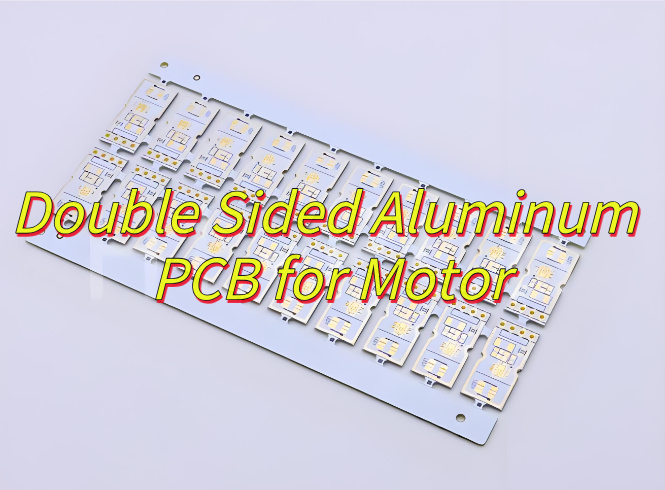
                                  Why choose double sided aluminum PCB for motor? Let’s discover its benefits, application, design guide, thermal solution, cost and quality balance methods.

                                  Are you worried about these issues?

                                  • Is sustained high temperature causing a shortened motor lifespan?
                                  • Traditional PCBs have poor heat dissipation, making efficiency difficult to achieve?
                                  • Double-sided device layouts are complex, causing heat dissipation conflicts?

                                  EBest Circuit (Best Technology) can provide solutions:

                                  • Double-sided aluminum substrate with three-dimensional heat dissipation (aluminum substrates conduct heat from both sides, increasing heat dissipation efficiency by 60%)
                                  • Highly thermally conductive insulation layer design (middle layer material withstands temperatures up to 180°C, preventing heat accumulation)
                                  • Optimized copper layer via arrays (increases vertical heat conduction speed by three times, resolving layout conflicts)

                                  Welcome to contact us if you have any request for aluminum PCB: sales@bestpcbs.com.
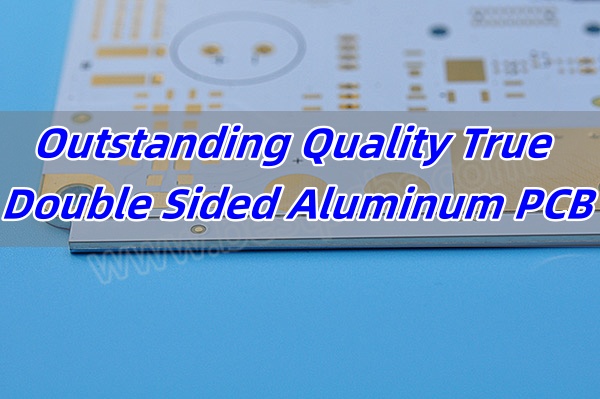
                                  Why Choose Double Sided Aluminum PCB for Motor?

                                  Reasons why choose double sided aluminum PCB for motor:

                                  ‌Superior Heat Dissipation‌

                                  • Aluminum cores (e.g., 6061/5052 alloys) provide ‌200W/mK thermal conductivity‌, preventing overheating in high-power motor drivers.
                                  • ‌50% lower thermal resistance‌ vs. FR4, ensuring stable performance under heavy loads.

                                  ‌Enhanced Mechanical Durability‌

                                  • Matched CTE with motor components reduces ‌thermal stress fractures‌.
                                  • ‌30% higher bending strength‌ than ceramic substrates, ideal for vibration-prone environments.

                                  High-Density Circuit Design‌

                                  • Double-sided wiring via ‌via metallization‌ increases component density by ‌60%‌ compared to single-layer boards.
                                  • Supports ‌fine-line etching (0.05mm)‌ for complex motor control circuits.

                                  ‌Cost-Effective for High-Power Applications‌

                                  • Eliminates the need for bulky heatsinks, cutting ‌assembly costs by 20%‌.
                                  • ‌Longer lifespan‌ in harsh conditions (e.g., EVs, industrial motors).

                                  Signal Integrity Boost‌

                                  • ±5% impedance control‌ minimizes EMI in PWM-sensitive motor control signals.
                                  • Low dielectric constant (Δr~4.5) ensures stable high-frequency performance.
                                  Why Choose Double Sided Aluminum PCB for Motor?

                                  Applications of Double Sided Aluminum PCB in Motor

                                  • High-Efficiency Motor Drives: Enables 98%+ power conversion efficiency in BLDC/PMSM controllers via low-loss copper traces and thermal management.
                                  • Electric Vehicle (EV) Traction Systems: Withstands 200°C+ peak temperatures in inverter modules under continuous 100kW+ load. Such as Tesla Model 3’s motor controller adopts similar Al PCB for 30% smaller form factor.
                                  • Robotics & Automation: Vibration-resistant design ensures stable operation in robotic joints (e.g., UR10e’s 6-axis motors).
                                  • Renewable Energy Motors: Wind turbine pitch control systems leverage Al PCB’s UV resistance for outdoor reliability. Such as solar tracking motors show 20% longer MTBF with Al PCB.
                                  • Aerospace & Defense: MIL-PRF-55182 certified for extreme environments (e.g., drone motor controllers at -55°C~125°C).

                                  Motor Double Sided Aluminum PCB Design Guide

                                  1. Requirement Analysis & Specification Lock

                                  • Current/Voltage Mapping: Identify high-current zones (e.g., IGBT/MOSFET arrays) and voltage isolation needs.
                                  • Thermal Profile: Define max operating temp (e.g., 125°C for automotive ECUs) and ambient cooling.
                                  • Space Constraints: Measure enclosure dimensions for PCB stacking (e.g., BLDC motor height <50mm).

                                  2. Material Selection & Stack-up Design

                                  Aluminum Core:

                                  • Thickness: 0.5mm (compact motors) to 3.2mm (EV inverters).
                                  • Coating: Anodized (corrosion resistance) or Ni-plated (solderability).

                                  Dielectric Layer:

                                  • High-Tg Epoxy (Tg=170°C, cost-effective for <100A).
                                  • Low-Loss PTFE (Dk=2.2, ideal for >200kHz PWM).

                                  3. Layout Design: Thermal + Electrical Optimization

                                  Thermoelectric Separation:

                                  • Place power traces on top layer, thermal pads on bottom layer.
                                  • Avoid crossing high-current paths with control signals.

                                  Via Design:

                                  • Thermal Vias: Laser-drilled (0.3mm diameter, 1.0mm pitch) under hot components.
                                  • Stitching Vias: Connect ground planes to aluminum base (≄5 vias/cmÂČ).

                                  4. Manufacturing & Assembly Considerations

                                  • Solder Mask Clearance: ≄0.2mm from aluminum edges to prevent mask cracking.
                                  • Paste Stencil Design: Thicker stencil (0.15mm) for large ground pads.
                                  • Wave Soldering: Avoid aluminum exposure to solder flux (use nitrogen atmosphere).

                                  5. Testing & Certification

                                  • Thermal Cycling: -40°C to 150°C, 100 cycles (ISO 16750-4).
                                  • EMC Compliance: CISPR 11 radiated emissions (for medical/automotive).
                                  • Vibration Resistance: 5–500Hz, 2hrs (IEC 60068-2-6).
                                  Motor Double Sided Aluminum PCB Design Guide

                                  Motor Double Sided Aluminum PCB Thermal Solution

                                  1. Material Selection and Structural Optimization

                                    • Double-Sided Aluminum PCB Design: A double-sided aluminum cladding structure (adjustable thickness 0.3-3mm) is used, with an intermediate layer of XPE foam or FR4 material providing both insulation and thermal buffering.
                                    • Copper Layer Thickness: 1oz/2oz copper layers are recommended. Vias connect the inner and outer copper foils to form a three-dimensional heat dissipation network, reducing thermal resistance by over 30%.
                                    • Surface Treatment: Hot Air Leveling (HAL) or Organic Solderability Preservative (OSP) processes are preferred to prevent heat dissipation degradation caused by silver migration.

                                    2. Heat Dissipation Path Design

                                      • Double-Sided Liquid Cooling Integration: Drawing on automotive power module technology, coolant channels are reserved on the back of the PCB. This dual-sided heat dissipation improves thermal density by 40%.
                                      • Thermal Via Array: 0.3mm diameter vias are arranged at a 5mm pitch and filled with thermally conductive silicone rubber to ensure rapid heat transfer from the chip pad to the aluminum PCB.
                                      • Copper Foil Extension: A star-shaped copper plating design is used around the motor driver IC, with trace widths increased according to IPC-2221 standards (7mm width required for 10A current).

                                      3. Manufacturing Process Control

                                        • Lamination: Vacuum lamination technology is used to ensure bubble-free contact between the aluminum substrate and the insulation layer, with a thermal conductivity of ≄2.0W/m·K.
                                        • Laser Cutting: UV laser shaping is used to eliminate burrs, ensuring a heat dissipation surface flatness of ≀0.1mm.
                                        • Temperature Rise Testing: Full-load operating conditions are monitored using an infrared thermal imager, with a temperature rise of ≀25°C for key components.
                                        Motor Double Sided Aluminum PCB Thermal Solution

                                        Motor Double-Sided Aluminum PCB Quality-Cost Optimization‌

                                        • Material Tiering‌: Use standard-grade aluminum (6061) for low-power applications and premium alloys (7075) for high-performance motors, reducing material costs by 15-20% without compromising thermal performance.
                                        • Via Optimization‌: Standardize via sizes to 0.3-0.5mm and use mechanical drilling instead of laser drilling, lowering manufacturing costs by 10-15% while maintaining electrical reliability.
                                        • Surface Finish Selection‌: Prioritize OSP (Organic Solderability Preservative) over ENIG (Electroless Nickel Immersion Gold) for cost savings of 30-40%, with proven solderability for motor control applications.
                                        • Design for Testability (DFT)‌: Integrate test points during layout to minimize post-production testing time, reducing QA costs by 20% without sacrificing defect detection rates.
                                        • Thermal Management Efficiency‌: Use staggered thermal via patterns instead of dense arrays, achieving 25% better heat dissipation with 15% fewer vias, saving fabrication time and material.
                                        • Bulk Component Sourcing‌: Partner with suppliers for standardized capacitor and resistor values, reducing procurement costs by 10-20% through volume discounts.
                                        • Automated Optical Inspection (AOI)‌: Implement AOI at critical process steps to catch defects early, reducing rework costs by 30% and improving yield.
                                        • Layer Stack Simplification‌: Use 2-layer designs wherever possible instead of 4-layer, cutting material and lamination costs by 25% for non-critical motor control circuits.

                                        Our Motor Double Sided Aluminum PCB Case Studies

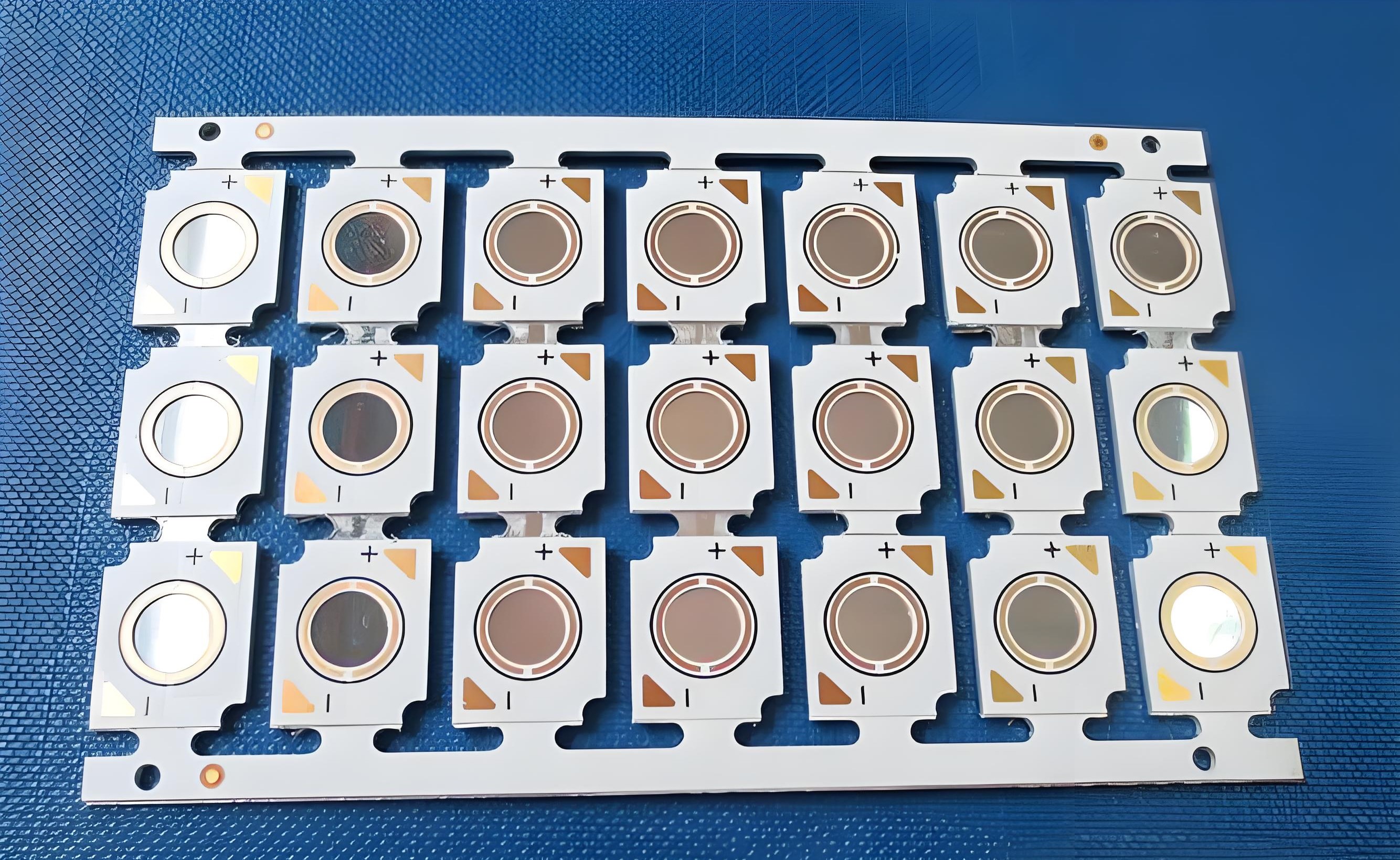
                                        At EBest Circuit (Best Technology), we have been deeply engaged in the motor double-sided aluminum PCB field for 19 years, successfully delivering hundreds of motor aluminum PCB projects. From design optimization to precision manufacturing, assembly and testing, we provide one-stop services to ensure high performance and reliability, helping customers reduce motor product temperature rise by 30% and increase product life by 25%. Here is a photo of our motor double sided aluminum PCB case:

                                        Motor Double-Sided Aluminum PCB Quality-Cost Optimization‌
                                        Product Name‌ Motor Double-Sided Aluminum PCB
                                        Base Layer  1060 Aluminum Alloy
                                        Copper Foil   1oz (35Όm) Electrolytic Copper (Double-Sided)
                                        Thickness‌1.6mm (±0.1mm)
                                        Solder Mask‌White Solder Mask (High Temperature Resistance, 260℃/10s)
                                        MarkingSilk-Screen Marking (Black, Minimum Line Width: 0.15mm)
                                        Surface FinishHASL (Lead-Free)
                                        Key ProcessesLaser Drilling (Min. Hole Diameter: 0.2mm)
                                        Applications‌    Motor Drivers (Industrial & Automotive)

                                        Why Choose EBest Circuit (Best Technology) as Aluminum PCB Manufacturer?

                                        • Ultra-High Current Capacity: Supports 100–800A+ currents (EV inverters, industrial drives) via 2–4oz copper layers. Eliminates 2–3 FR-4 PCB layers, cutting costs by 30% and space by 40%.
                                        • Exceptional Thermal Conductivity: Aluminum core (200+ W/mK) dissipates heat 10x faster than FR-4. Reduces component junction temps by 35–45%, extending motor lifespan to >50,000 hours.
                                        • Precision Signal Integrity: Low-loss PTFE dielectric (Dk=2.2–3.5) ensures clean PWM signals up to 500kHz. Passes EMC standards (CISPR 11) without additional shielding, saving 500–1,500 per unit.
                                        • Vibration & Shock Resistance: CTE-matched design (23 ppm/°C) prevents solder joint fatigue. Survives 5–500Hz vibration tests (IEC 60068-2-6), reducing field failures by 60%.
                                        • Cost-Effective Scalability: 30% cheaper than ceramic substrates at similar performance. Lowers prototyping costs by 2,000–5,000, accelerating R&D cycles.
                                        • ISO-Certified Compliance: Pre-qualified for automotive (IATF 19649) and medical (ISO 13485) standards. Exempts secondary testing, cutting compliance costs by 30% and time by 50%.
                                        • Free DFM Optimization: AI-driven layout analysis flags trace spacing, via placement, and material mismatches. Reduces redesigns by 80% and material waste by 25%.
                                        • Rapid Prototyping (24-Hour Turnaround): In-house laser drilling and plating lines enable same-day fabrication. Shortens R&D cycles by 50%, accelerating time-to-market by 4–6 weeks.

                                        Welcome to contact us if you have any request for aluminum PCB: sales@bestpcbs.com.
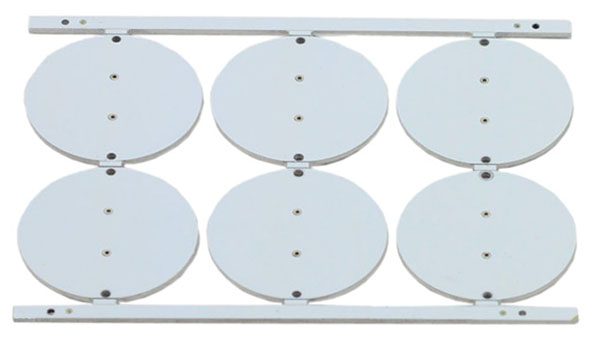
                                        What is UAV aluminum substrate? UAV materials

                                        August 13th, 2025

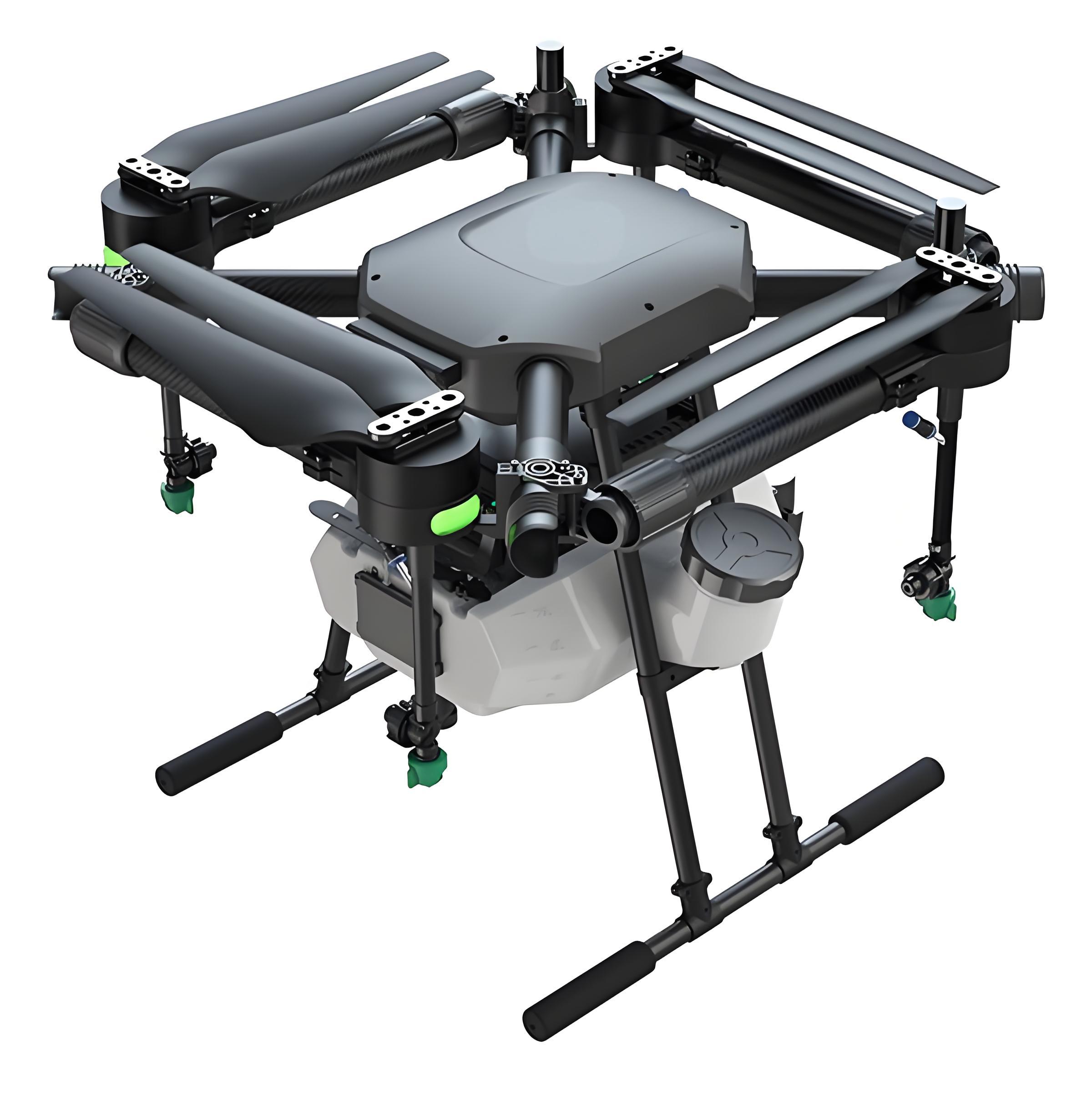
                                        UAV aluminum substrate is a lightweight circuit board composed of a high-thermal-conductivity aluminum alloy substrate, copper-clad circuitry, and an insulating dielectric layer. It can rapidly dissipate heat from flight control chips and power devices with a thermal conductivity exceeding 1.5 W/m·K. It is 30% lighter than traditional FR-4 boards and is resistant to 20g vibration and temperature fluctuations from -40°C to 85°C, providing reliable heat dissipation and structural support for the high power density and long flight time requirements of UAVs.

                                        What is UAV aluminum substrate? UAV materials

                                        Are you concerned about the following issues when using aluminum substrates in UAVs?

                                        • UAVs are weight-sensitive. Will aluminum substrates be too heavy?
                                        • The motors/power modules generate a lot of heat; can they keep up with the heat dissipation?
                                        • Will the substrate be easily damaged by the high vibration and impact during flight?
                                        • Is bulk purchasing expensive? Can custom sizes be made?
                                        • Is it environmentally compliant? Is it easy to recycle?

                                        At BEST Technology, we can easily address your concerns:

                                        We use high-purity, lightweight aluminum with a density of only 2.7g/cmÂł, 65% lighter than traditional steel substrates. This balance of strength and weight reduction makes it perfectly suited to UAV endurance requirements.

                                        The aluminum substrate has a thermal conductivity of 1-3 W/(m·K), 3-10 times that of ordinary FR4 substrates. The insulation layer is made of a highly thermally conductive epoxy resin, allowing heat to be transferred directly to the aluminum substrate and quickly dissipated, preventing component overheating and failure.

                                        The aluminum substrate provides high mechanical strength, resistance to bending and vibration, and, combined with a specialized insulation layer process, ensures stable circuit connections under complex operating conditions, with a failure rate below 0.5%.

                                        Standardized production reduces costs, with prices as low as one-third those of ceramic substrates. Customization is available in thicknesses from 0.3-3mm and any size, with rapid 7-day proofing and short lead times for mass production.

                                        The entire process is RoHS/WEEE compliant, the aluminum is 100% recyclable, and processing produces no toxic emissions, ensuring regulatory compliance while contributing to sustainable development.

                                        What is the aluminum substrate definition in PCB manufacturing?

                                        In printed circuit board (PCB) manufacturing, an aluminum substrate refers to a PCB base material where a layer of aluminum replaces the conventional fiberglass or epoxy base. This type of substrate uses aluminum as the core to provide high thermal conductivity, excellent mechanical stability, and improved heat dissipation.

                                        It is often called an aluminum substrate PCB or metal-based PCB. The aluminum core is laminated with an insulating dielectric layer and a copper circuit layer on top.

                                        In UAV (unmanned aerial vehicle) applications, aluminum substrates have gained recognition for their ability to handle high thermal loads from compact electronic systems. These substrates offer a balanced combination of electrical performance and mechanical durability, which is essential in airborne environments.

                                        Why are aluminum substrates ideal for UAV materials?

                                        UAVs require lightweight, strong, and thermally efficient materials. Aluminum substrates check all these boxes.

                                        What is UAV aluminum substrate? UAV materials
                                        • First, aluminum has an excellent strength-to-weight ratio. This allows UAV designers to reduce overall weight while maintaining durability.
                                        • Second, UAV electronics generate heat during operation, especially in high-performance drones used for mapping, surveillance, or industrial inspections. Aluminum substrates dissipate this heat faster than traditional materials. This protects sensitive components from overheating, extending operational life and maintaining stable performance.
                                        • Third, aluminum resists corrosion when treated with protective coatings, which is important for UAVs that operate in various weather conditions.

                                        What are the characteristics of a UAV aluminum substrate?

                                        UAV aluminum substrates offer numerous advantages and are widely used in UAV applications.

                                        • Excellent heat dissipation: Aluminum has a high thermal conductivity, and aluminum substrates incorporate a built-in metal “heat dissipation layer.” This thermal conductivity is typically 1-3 W/(m・K), 3-10 times that of standard FR4 substrates (0.3 W/(m・K)). This allows for rapid heat dissipation from high-power components in UAVs, such as motor drive modules and batteries, preventing component degradation or damage due to overheating and extending the lifespan of the device.
                                        • Lightweight: Aluminum has a low density of only 2.7 g/cmÂł, making it 65% lighter than steel for the same size. Using aluminum substrates can effectively reduce the overall weight of a UAV, significantly improving its flight range, flight maneuverability, and payload capacity. Aluminum substrates are particularly suitable for weight-sensitive lightweight UAVs and FPV racing UAVs.
                                        • High Mechanical Strength: The aluminum layer imparts high mechanical strength and strong bending resistance to the substrate. During UAV flight, it can withstand certain vibrations and shocks without deformation or damage, ensuring stable connections between components on the circuit board and enhancing the UAV’s reliability and durability.
                                        • Excellent Electromagnetic Shielding: The aluminum layer absorbs and shields electromagnetic interference, reducing signal crosstalk between circuits and improving the UAV’s circuit system’s anti-interference capabilities. This ensures stable transmission of flight control and communication signals, enabling the UAV to operate normally even in complex electromagnetic environments.
                                        • Manageable Costs: Compared to some high-performance but expensive substrate materials, such as ceramic substrates, aluminum substrates are more affordable. The processing technology is similar to that of ordinary PCBs, making them suitable for large-scale production. This ensures UAV performance while effectively controlling production costs.
                                        • Environmentally Friendly and Energy-Saving: Aluminum is 100% recyclable, and the processing process produces no toxic substances, complying with environmental regulations (RoHS/WEEE) and contributing to sustainable development.

                                        What is the structure of a UAV aluminum substrate?

                                        UAV aluminum substrate consists primarily of three layers: a metal aluminum base layer, an insulating layer, and a conductive layer.

                                        The metal aluminum base layer is the main component of the substrate, providing excellent thermal conductivity and mechanical support. The insulating layer, typically made of materials such as epoxy resin and ceramic, separates the conductive layer from the aluminum base layer, ensuring electrical insulation. The conductive layer, typically made of copper foil, provides circuit connections and signal transmission.

                                        What is the principle behind a UAV aluminum substrate?

                                        When a UAV is operating, the components in the circuit generate heat. This heat is first transferred to the copper foil of the conductive layer, then conducted through the insulating layer to the aluminum substrate, where it is finally dissipated into the surrounding environment.

                                        What is UAV aluminum substrate? UAV materials

                                        In this way, the aluminum substrate effectively conducts heat away from the heat-generating components, achieving heat dissipation and ensuring stable operation of the UAV circuit system.

                                        How is an aluminum substrate PCB made for UAV applications?

                                        Manufacturing a UAV aluminum substrate PCB involves several precise steps:

                                        • Material preparation: The aluminum base is cut and cleaned to remove impurities.
                                        • Dielectric layer lamination: A thermally conductive yet electrically insulating layer is applied over the aluminum.
                                        • Copper foil bonding: Copper is laminated on top of the dielectric layer.
                                        • Circuit patterning: Photolithography and etching are used to create the desired circuit paths.
                                        • Surface treatment: Protective coatings like HASL, ENIG, or OSP are applied to enhance solderability and prevent oxidation.
                                        • Drilling and routing: Holes for components and mounting points are drilled, followed by final shaping.
                                        • Inspection and testing: The PCB undergoes thermal, electrical, and mechanical testing to ensure it meets UAV performance standards.

                                        These steps require tight quality control because UAV applications demand both high reliability and precise tolerances.

                                        How does an aluminum substrate PCB improve UAV performance?

                                        Aluminum substrate PCBs enhance UAV performance in several ways:

                                        • Heat management: Efficient thermal dissipation keeps electronics cool, ensuring stable flight operations even in hot climates.
                                        • Weight Optimization: By using aluminum, weight can be reduced without sacrificing strength, thereby extending flight time.
                                        • Reliability in harsh conditions: The aluminum core withstands vibration, temperature swings, and mechanical shocks better than standard FR4 boards.
                                        • Compact design: With built-in heat dissipation, there’s less need for large cooling systems, freeing up space for sensors or payload.
                                        • Energy efficiency: Stable operating temperatures reduce energy loss in electronics, indirectly improving battery efficiency.

                                        The result is a UAV that performs better, lasts longer, and remains reliable across diverse missions.

                                        What are the applications of a UAV aluminum substrate?

                                        • UAV motor driver module: UAV motors generate significant heat during operation. The excellent heat dissipation performance of aluminum substrates ensures that components such as the motor driver chip operate within a normal temperature range, improving motor efficiency and reliability while also extending the lifespan of the motor and driver module.
                                        • FPV racing UAVs: FPV racing UAVs have extremely high weight and performance requirements. Aluminum substrates can reduce weight while meeting the heat dissipation requirements of high-speed flight and high-load operation, helping to improve flight speed and controllability.
                                        • UAV power systems: These include battery management circuits, power conversion modules, and other components. These components also generate significant heat during operation. Using aluminum substrates effectively dissipates heat, ensuring stable output from the power system and improving the UAV’s flight endurance and overall performance.
                                        What is UAV aluminum substrate? UAV materials

                                        Conclusion:

                                        UAV aluminum substrates combine the strengths of aluminum with the precision of PCB manufacturing. Whether in photography, industrial inspection, or military use, these substrates provide a dependable foundation for advanced electronics.

                                        BEST Technology specializes in manufacturing different types of aluminum substrates. For inquiries or to discuss UAV aluminum substrate solutions, contact sales@bestpcbs.com

                                        Outstanding Quality True Double Sided Aluminum PCB

                                        August 13th, 2025

                                        True double sided aluminum PCB takes center stage in some applications request compact size, high heat dissipation performance, and high flexibility routing. In this blog, we will tell you about the definition, price, manufacturing process, and benefits of a true double sided aluminum PCB.

                                        Are you worried about these issues when doing the project of a true double sided aluminum PCB?

                                        • Geometric accuracy challenge?
                                        • High manufacturing difficulty and cost?
                                        • The thermal management and the heat dissipation issues?
                                        • The poor reliability and the longevity?

                                        EBest Circuit (Best Technology) tackles the above challenges through our fruitful experience.

                                        • Optimizing the manufacturing process and tool path design: For example, we make use of the DSIF strategy and simultaneous machining on both sides to reduce deformation and stress caused by the single-sided manufacturing.
                                        • Material selection and heat treatment process: We will select the high-purity aluminum material, such as 6061 or 7075 aluminum alloy, since it has excellent thermal conductivity and mechanical performance. Meanwhile, we will utilize the heat treatment process to improve the material strength and stability.
                                        • Multi-layer structure design and the connection technology: We will exploit the reliable connection technology to improve the connection strength between layers and the reliability when using the multi-layer structure designs. Meanwhile, we will apply the multi-layer insulation to improve the insulation performance and thermal stability.
                                        • Heat management and the heat dissipation design: We will integrate thermal dissipation structure into the aluminum substrate boards, so as to improve the thermal dissipation efficiency. In the meantime, we will take the low thermal resistance materials and the thermal interface material to improve the heat conductivity efficiency.
                                        • Reliability test and the longevity evaluation: We will evaluate the long-term reliability of the aluminum substrate board through accelerated longevity testing, thermal cycle inspection, mechanical fatigue tests, and others. We use the cutting-edge reliability analysis tool for prediction and optimization.

                                        What is a True Double Sided Aluminum PCB?

                                        A True Double sided aluminum PCB is a metal-core printed circuit board with copper layers on both sides of an aluminum core. It supports the double sided electrical connection compared to the traditional single sided MCPCB. And it can finish more complex circuit design in a limited board surface, and keep the outstanding quality heat dissipation as well. It is widely used in LED systems, power modules, and high-performance automotive electronics.

                                        What is a True Double Sided Aluminum PCB?

                                        What is the difference: True Double Sided Aluminum PCB, Pseudo Double Sided Aluminum PCB?

                                        The point is that there is a significant difference in the way of interconnection between layers. A true double sided aluminum PCB uses plated through-holes to connect the top and bottom copper layers directly. Whereas, a pseudo double sided aluminum PCB generally does not get the electrical connection, although both sides have copper. It is necessary to get the connection via a mechanical way or external jumpers. It is worthwhile to note that a true double sided aluminum PCB can realize more compact and reliable layouts.

                                        What is the Difference between 2 Layer MCPCB and a Double Sided Aluminium PCB?

                                        A 2 layer MCPCB generally refers to two copper layers separated by a dielectric layer over an aluminum base. And its layers can make the electrical connection via a plated through hole. The key is that a double sided aluminium PCB does not have the double sided copper layers in physics. It not only has copper on both sides but also reduces the usage needs of the extra components via direct interconnection between layers. Moreover, it improves the layout efficiency and the integration.

                                        To sum up, both types of boards can improve the routing efficiency‌ and integration level‌. But the double sided aluminium PCB is more suitable for the thermally demanding environment for its aluminium base features.

                                        What are the Two Sides of an Aluminium PCB Called?

                                        The two sides are typically called the top copper layer and the bottom copper layer. In a true double sided aluminum PCB, both sides are functional for routing and component placement. And it provides more flexibility in design for the compact equipment.

                                        What is the True Double Sided Aluminum PCB Price?

                                        The true double sided aluminum PCB price is fluctuated by a variety of factors, including material thickness, copper foil weight, hole plating quality, and the manufacturing batch quantity, among others. It significantly reduces the whole project costs via reducing assembly time, improving the PCB longevity, and other aspects, although in the initial stage, the price may be higher than the single sided MCPCB.

                                        When will PCB Double Sided Tape be Used?

                                        PCB double sided tape is used in cases where components or heat sinks need secure attachment without drilling holes. For example, it is generally used in fixing the LED or secondary small boards on the aluminum PCB, especially in the prototyping stage. PCB double sided tap not only provides stable mechanical stability but also avoids the extra steps. Finally, pls pay attention that the specific application may be different for its types, such as the PE foam tape, and the substrate characteristics, such as metal core PCB or glass.

                                        How to Make a Double Sided Aluminium PCB?

                                        • Start with the aluminum core board, which has premium mechanical strength and outstanding thermal dissipation performance.
                                        • Laminate a thin dielectric layer on both sides of the aluminum core. That layer not only guarantees the electrical insulation but also conducts heat more efficiently.
                                        • Bond copper foil layers onto the dielectric layers on both sides. These copper foils will carry the circuit traces.
                                        • Apply photoresist and use a photolithography process to define the precise circuit patterns on both copper sides.
                                        • Etching away the extra copper and saving the designed routing only.
                                        • Drill plated through-holes (PTH) through the board to connect the copper layers on both sides electrically. This involves precise hole drilling and copper plating inside the holes.
                                        • Making the copper plated to the exposed circuit pad and the through holes, to ensure a stable connection and the ease of soldering.
                                        • Making the solder paste layer on both sides to protect against oxidation and the short circuit of circuits. Finally, improve the assembly safety.
                                        • This step is the surface treatments, such as HASL, ENIG, and others, which improve the soldering quality and reliability.
                                        • This next step is doing the inspection and testing strictly, to guarantee the PCBs are in line with technical requirements. We need to double-check the alignment accuracy between layers, through-hole quality, and heat dissipation performance.
                                        • Finally, clean and prepare the boards for shipment or assembly into devices.

                                        Why Use a True Double Sided Aluminum PCB?

                                        The major point to choose this board is for the high thermal dissipation performance, the board size reduction, high flexibility of routing, and stability consistency in the high current designs. For issues such as thermal dissipation shortage and routing limitations, true double-sided aluminum PCBs are stable and reliable solutions.

                                        Case about True Double Sided Aluminum PCB

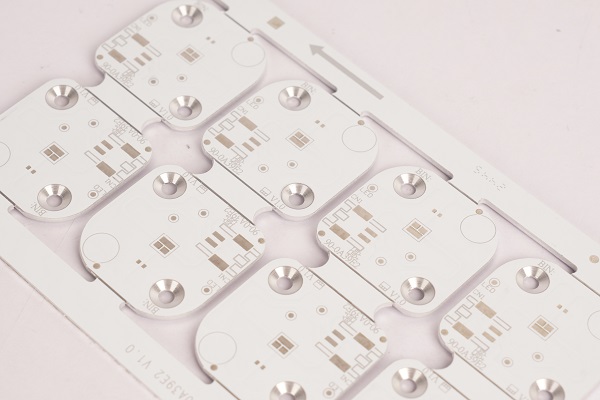
                                        EBest Circuit (Best Technology) has the capability of supporting the true double sided aluminum PCB and the specific solutions for your projects. The following boards have performed well in our customers’ projects.

                                        True Double Sided Aluminum PCB Parameters

                                        • Application: For single high power Cree LED
                                        • Copper: 1 Oz
                                        • Board thicknessZ: 1.6mm
                                        • Thermal conductivity: 2W/m-K
                                        • surface finishing: HAL(LF)
                                        • White Oil
                                        True Double Sided Aluminum PCB Parameters

                                        Double Sided Aluminum Core PCB MCPCB, 1.60mm, 2W, 2Oz

                                        • Board thickness: 1.60mm+/-10%
                                        • Thermal conductivity: 2W/m-K
                                        • Copper thickness: 2Oz
                                        • Solder mask: White
                                        • Silkscreen: Black
                                        • Surface finishing: ENIG 1u”
                                        Double Sided Aluminum Core PCB MCPCB, 1.60mm, 2W, 2Oz

                                        Double Sided Aluminum Core PCB MCPCB, 1.60mm, 2W, 2Oz

                                        • Board thickness: 1.60mm+/-10%
                                        • Thermal conductivity: 2W/m-K
                                        • Copper thickness: 2Oz
                                        • Solder mask: White
                                        • Silkscreen: Black
                                        • Surface finishing: ENIG 1u”
                                        Double Sided Aluminum Core PCB MCPCB, 1.60mm, 2W, 2Oz

                                        Why Choose EBest Circuit (Best Technology) for Double Sided PCB Assembly Service?

                                        • Quality Guaranteed: Our true double sided aluminum PCBs are produced under ISO 9001, ISO 13485, IATF 16949, and AS9100D standards. And all our boards have undergone the strict inspection, such as AOI, X-ray, and rigorous QC.
                                        • Full Support: Our factory presents the material procurement, prototype, fabrication, all process inspection, SMT, box build, and the final delivery. You do not need to worry about your order at each stage, since we will make the integrated support to you.
                                        • Fast Delivery: To better suit the market requirements, our company has a lead time policy of 2-3 weeks, no matter how complex the double-side aluminum PCB is.

                                        In closing, the true double sided aluminum PCB gains a competitive edge in the market for its high heat dissipation performance and compact size, flexible routing design, and high stability in high current design. Getting the knowledge of definition, price, manufacturing process, and benefits will make a great difference for engineers and purchase managers to win the related projects. If you have more questions about the MPCB board, just let us know at sales@bestpcbs.com freely.

                                        Copper Base Plate for Medical Device| EBest Circuit (Best Technology)

                                        August 13th, 2025

                                        Why choose copper base plate for medical device? Let’s discover benefits, application, design guide and manufacturing process for medical copper base plate.

                                        Are you troubled with these issues?

                                        • Is your device’s performance degraded due to poor heat dissipation from traditional substrates?
                                        • During high-frequency signal transmission, does impedance mismatch on copper substrates cause signal distortion?
                                        • In miniaturized designs, can existing substrates meet the requirements for ultra-thin 0.3mm wiring?

                                        EBest Circuit (Best Technology) can provide solutions and service and solutions:

                                        • High Thermal Conductivity Copper Substrate: Thermal conductivity reaches 400W/mK (60% higher than conventional substrates), passing JEDEC JESD51-14 thermal testing.
                                        • Precise Impedance Control: Surface roughness Ra ≀ 0.8ÎŒm (reducing signal loss by 30%), supporting stable transmission at 10GHz+.
                                        • Ultra-Thin Laser Processing: Line width/space 75ÎŒm (compared to the industry standard of 100ÎŒm), achieving mass production of ultra-thin 0.2mm substrates.

                                        Welcome to contact us if you have any inquiry for copper base plate: sales@bestpcbs.com.
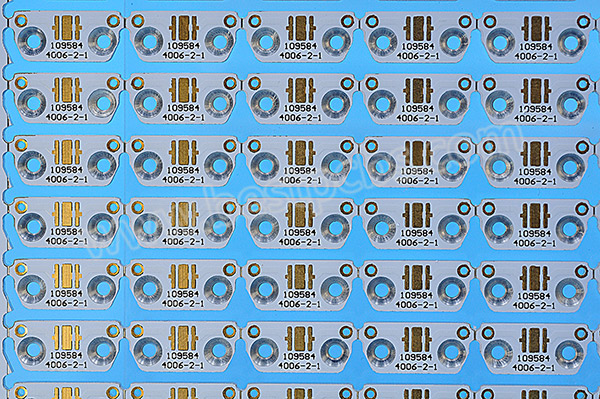
                                        Why Choose Copper Base Plate for Medical Device?

                                        Reasons why choose copper base plate for medical device:

                                        Excellent thermal conductivity ensures stable equipment operation

                                        • Copper substrates have a thermal conductivity of up to 401 W/(m·K), far exceeding the 0.3-0.4 W/(m·K) of traditional FR-4 substrates. This makes them ideal for high-power medical devices such as surgical lights, laser therapy devices, and power modules. Efficient heat dissipation prevents component overheating, ensuring stable operation and minimizing the risk of failure.

                                        Natural antibacterial and antiviral properties reduce the risk of hospital-acquired infections

                                        • Copper surfaces have a broad-spectrum bactericidal effect, killing 99.9% of pathogens such as E. coli within 2 hours and significantly inhibiting viruses such as influenza. In hospitals, copper substrates used on high-touch surfaces such as door handles and faucets can reduce hospital-acquired infections (HCAIs) by 40%-70%, meeting the high sterile environment requirements of medical institutions.

                                        Excellent Corrosion Resistance and Biocompatibility

                                        • The copper substrate is ISO 10993 and USP Class VI certified, demonstrating low cytotoxicity, non-sensitization, and resistance to long-term immersion in body fluids. This corrosion resistance stems from the dense cuprous oxide protective layer formed on the copper surface. Even in complex environments like medical gas pipelines, it resists corrosion from body fluids, disinfectants, and gases, ensuring long-term safe operation of the device.

                                        Precision Machining and Electromagnetic Shielding

                                        • The copper substrate’s etching process enables high-density wiring, supporting complex circuit designs and making it suitable for high-frequency medical electronic equipment such as MRI and ultrasound equipment. Furthermore, copper’s conductivity makes it an ideal material for electromagnetic shielding, effectively blocking external electromagnetic interference and ensuring accurate signal transmission.
                                        Why Choose Copper Base Plate for Medical Device?

                                        Applications of Copper Base Plate in Medical Device

                                        • Medical Imaging Equipment Cooling – X-ray tube cooling systems for CT and MRI equipment.
                                        • Laser Therapy Equipment – Dermatology lasers, surgical laser heads.
                                        • Implantable Electronics – Pacemakers, Neurostimulators.
                                        • Endoscopic Microcircuits – Gastrointestinal endoscopes, laparoscopic sensors
                                        • High-Frequency Surgical Instruments – Electrosurgical units, radiofrequency ablation electrodes
                                        • Wearable Medical Devices – Holter patches, blood glucose monitors

                                        Medical Device Copper Base Plate Design Guide

                                        1. Requirements Analysis and Specification Definition

                                        • Clear Application Scenario: Differentiate between implantable devices (e.g., pacemakers) and external devices (e.g., CT scanners), and determine core requirements such as high-frequency signal transmission, heat dissipation, and biocompatibility.

                                        Parameter Definitions:

                                        • Thermal conductivity ≄ 400 W/m·K (high-power devices).
                                        • Temperature resistance range -40°C to 150°C (compatible with sterilization processes).
                                        • Compliance with ISO 10993-5 biocompatibility standards (implantable devices).

                                        2. Material Selection and Pretreatment

                                        Copper Substrate Type:

                                        • High-frequency devices: Rolled copper (surface roughness ≀ 1.5 ÎŒm) to reduce signal loss.
                                        • High-heat dissipation requirements: Thermoelectrically isolated copper substrate with a thermal resistance ≀ 0.8°C/W.
                                        • Surface Treatment: Gold plating (thickness ≄ 0.25 ÎŒm) or titanium nitride coating, passing a salt spray test for ≄ 500 hours.

                                        3. Stack-up Design and Routing Planning

                                        Layer Allocation:

                                        • Basic Equipment: 4 layers (signal-ground-power-signal).
                                        • High-End Imaging Equipment: 6 or more layers, with alternating high-frequency signal and ground planes.

                                        Line Width Control:

                                        • Conventional circuits: Line width ≄ 0.1mm, miniaturized to 0.05mm for implantable devices (impedance matching ±5%).

                                        4. Thermal Management Solution Design

                                        • Thermal Path Optimization: A stepped copper substrate design reduces heat density in CT equipment by 40%.
                                        • Heat Dissipation Verification: ANSYS simulation demonstrates full-load temperature rise ≀ 15°C (IEC 60601-1 standard).

                                        5. EMC and Signal Integrity Assurance

                                        • Shielding Design: Ground planes are added on both sides of sensitive signal layers, ensuring EMI interference of MRI equipment ≀ 10ÎŒT.
                                        • High-Frequency Performance: Dielectric loss Df < 0.003 (10GHz band).

                                        6. Mechanical Structure Verification

                                        • Strength Testing: Surgical instrument substrates must have a tensile strength ≄ 300MPa (ASTM B209).
                                        • Flexible Design: Wearable devices use 1.2mm thick rolled copper with a bend radius of ≄5mm.

                                        7. Sterilization and Environmental Compatibility Testing

                                        • Sterilization Resistance: Passed 500 cycles of 134°C steam sterilization, maintaining an insulation resistance of 10Âč⁰Ω.
                                        • Humidity Protection: Select boards with a water absorption of ≀0.02% to prevent leakage.

                                        8. Prototyping and Functional Verification

                                        • Rapid Prototyping: Laser processing for small-batch prototypes, and etching for mass production (reducing costs by 40%).
                                        • Test Point Design: Reserve key signal test points to ensure 100% functional coverage.

                                        9. Compliance Certification and Documentation Preparation

                                        • Standard Compliance: FDA and ISO 13485 certified, with a complete material report provided.
                                        • Usability Documentation: Includes user scenario simulations and environmental risk assessments.

                                        10. Mass Production and Continuous Optimization

                                        • Process Standardization: Etching is used for mass production, with a tolerance control of ±0.02mm.
                                        • Feedback and Iteration: Collect clinical data to optimize designs (e.g., the corrosion rate of a pacemaker substrate was reduced to 0.08ÎŒm/year).

                                        11. Design Considerations

                                        • Biocompatibility Priority: Implantable devices must pass ISO 10993-5 cytotoxicity testing to prevent excessive copper ion release.
                                        • High-Frequency Signal Isolation: MRI equipment wiring spacing must be ≄ 2x the line width to prevent crosstalk.
                                        • Sterilization Compatibility: Avoid the use of halogen-containing materials to prevent post-sterilization corrosion.
                                        • Cost Control: Laser processing is preferred for small batches, while etching is used for mass production (reducing costs by 40%).
                                        • Failure Prevention: Replacing right-angle traces with 45° chamfers increases fatigue life by 3 times (measured data).
                                        Medical Device Copper Base Plate Design Guide

                                        Medical Device Copper Base Plate Manufacturing Processes

                                        1. Material Preparation and Pretreatment

                                        • 99.9% high-purity electrolytic copper plates are selected and ultrasonically cleaned to remove surface oxide and impurities.
                                        • Thickness calibration is performed using a CNC milling machine (tolerance controlled within ±0.02mm).

                                        2. Graphic Design and Transfer

                                        • Circuit patterns are designed using CAD software and photolithography masks are generated.
                                        • After applying photoresist, the circuit pattern is transferred using a UV exposure machine.

                                        3. Etching and Forming

                                        • Selective etching is performed using an ammonium chloride + hydrogen peroxide etchant.
                                        • Laser cutting and forming (accuracy of ±0.1mm) is achieved with burr-free edges.

                                        4. Surface Treatment

                                        • Electroless Nickel Ion Gold (ENIG) technology ensures solderability and corrosion resistance.
                                        • Plasma cleaning removes micron-sized residues and improves surface energy.

                                        5. Precision Machining

                                        • Micro-hole machining is performed using a CNC drilling machine (adjustable hole diameter 0.3-3.0mm).
                                        • Flatness is checked using a coordinate measuring machine (required to be ≀0.05mm/m).

                                        6. Quality Verification

                                        • Salt spray testing verifies corrosion resistance (meets ASTM standards). B117 standard).
                                        • Electrical performance test (insulation resistance ≄ 100MΩ, withstand voltage test 1500V/1min).

                                        7. Sterilization and packaging

                                        • Ethylene oxide sterilization (to ensure biocompatibility).
                                        • Anti-static vacuum packaging + humidity indicator card for dual protection.
                                        Medical Device Copper Base Plate Manufacturing Processes

                                        Future Trend of Copper Base Plate in Medical Device

                                        Breakthroughs in High-Precision Microfabrication Technology

                                        • Laser direct writing will replace traditional etching processes, achieving line accuracy of <5ÎŒm (meeting the requirements of minimally invasive devices such as neural electrodes).
                                        • The rise of 3D-printed copper substrate technology supports the integrated molding of complex intraluminal structures (such as thermal management modules for vascular interventional catheters).

                                        Upgraded Biocompatible Surface Treatment

                                        • The widespread adoption of graphene-copper composite coating technology increases antibacterial rates to 99.9% while maintaining excellent conductivity.
                                        • Bionic micro-nanostructure surface treatment reduces platelet adhesion (applicable to key components of extracorporeal circulation equipment).

                                        Intelligent Function Integration

                                        • Embedded fiber optic sensors monitor substrate temperature and strain in real time (data is wirelessly transmitted to the medical IoT platform via LoRa).
                                        • AI-driven thermal simulation and optimized design improves heat dissipation efficiency by over 40% (reducing the failure rate of high-power medical laser equipment).

                                        Sustainable Manufacturing Transformation

                                        • Electrolytic copper foil thickness reduced to 18ÎŒm (material utilization increased by 30%, meeting new EU carbon footprint requirements).
                                        • Cyanide-free electroplating completely replaces traditional gold plating, reducing wastewater treatment costs by 60%.

                                        Expanded Application Scenarios

                                        • Wearable Medical Devices: Flexible copper substrate with a bending radius of <3mm (suitable for smart patch-type ECG monitoring devices).
                                        • Surgical Robotics: Nanoporous copper substrates facilitate heat dissipation in joint modules (continuous operating temperature fluctuations controlled to ±0.5°C).

                                        Our Medical Copper Base Plate Case Studies

                                        At EBest Circuit (Best Technology), we specialize in medical device copper base plate manufacturing, with over 19 years of industry experience. We have successfully completed over 300 medical device projects (including core components for MRI and CT imaging systems and surgical robots), and our entire product line is ISO 13485 certified. We offer an end-to-end solution, from circuit design optimization to 24-hour rapid prototyping to fully automated mass production and modular assembly. We look forward to providing highly reliable copper PCB customization services for your project. Here is a photo of copper base plate we made before:

                                        Our Medical Copper Base Plate Case Studies

                                        Attached is technical specification for medical device copper base plate

                                        Parameter CategoryTechnical Specifications
                                        Product NameHigh-Thermal-Conductivity Medical Copper Base Plate
                                        Base Material99.9% Pure Oxygen-Free Copper (OFC), compliant with ASTM B152
                                        Thickness Range0.3mm–3.0mm (±0.03mm tolerance), customizable stepped thickness available
                                        Solder MaskLiquid Photoimageable (LPI) solder mask, withstands 260°C/10s, UL certified
                                        Legend PrintingWhite anti-etching ink, line width ≄0.15mm, FDA 21 CFR Part 175.300 compliant
                                        Surface FinishElectroless Nickel Immersion Gold (ENIG), Ni layer 3–6ÎŒm, Au layer 0.05–0.1ÎŒm
                                        ProcessLaser micro-drilling (±0.05mm tolerance) + plasma cleaning
                                        ApplicationHigh-frequency surgical electrodes (conductivity ≄58 MS/m)

                                        Why Choose EBest Circuit (Best Technology) as Copper Base Plate Manufacturer?

                                        Reasons why choose us as copper base plate manufacturer:

                                        • Global Medical Certification Guarantee: ISO13485 & ISO9001 certified, covering the entire design, production, and delivery process, ensuring compliance with international standards such as FDA/CE.
                                        • Customized Thermal Management Experts: 19 years of experience optimizes boss design and metal layer thickness, resulting in thermal resistance as low as 0.5°C/W, suitable for high-power devices (such as laser surgical systems).
                                        • Transparent Cost: Copper substrate solutions reduce costs by 30%, ENEPIG/hard gold surface treatments balance corrosion resistance and cost-effectiveness, and platinum-iridium alloy coatings are available for implantable devices.
                                        • 24-Hour Rapid Prototyping: Combined with free Design for Everything (DFM) analysis, design flaws (such as insufficient creepage distance) can be identified early, shortening development cycles by 50% to meet urgent needs.
                                        • 100% Automated Quality Inspection: AOI inspection covers all bulk orders, ensuring zero-defect delivery, reducing manual errors, and ensuring high reliability of medical devices.
                                        • Stable Supply Chain Support: Long-term inventory of key materials (medical copper foil and ceramic substrates) mitigates shortages and ensures delivery consistency. One-stop, full-cycle service: Integrating design, processing, and thermal management technologies, simplifying the supply chain, reducing project risk by 40%, and accelerating time to market.
                                        • High-reliability design standards: Dual redundancy for critical circuits, achieving an MTBF of 80,000 hours, combined with ANSYS simulation verification, meets diagnostic-level accuracy requirements.

                                        How to Get a Quote for Copper Base Project?

                                        Materials Required for Quotation

                                        Project Basic Information

                                        • Application Scenario (e.g., CT Scanner, Laser Therapy Device)
                                        • Copper Substrate Dimensions (Length × Width × Thickness, in mm)
                                        • Expected Purchase Quantity (Batch/Prototype)

                                        Technical Specifications

                                        • Copper Foil Thickness (e.g., 1oz/35ÎŒm or 3oz/105ÎŒm)
                                        • Number of Layers (Single/Dual/Multi-Layer)
                                        • Surface Treatment (Electroless Nickel Gold Plating/OSP/Tin Plating)
                                        • Special Requirements (e.g., Thermoelectric Separation Structure, Biocompatible Coating)

                                        Certification and Compliance Requirements

                                        • Target Market Certifications (FDA/CE/ISO13485)
                                        • Industry-Specific Standards (e.g., ISO10993 for Implantable Devices)

                                        Why Choose EBest Circuit (Best Technology)?

                                        • 19 years of experience in medical devices: Expertise in high-power, high-frequency, and implantable device requirements.
                                        • 24-hour fast quote: Accurate quote within one business day of submitting your request.
                                        • Free DFM optimization: Avoid 90% of potential issues during the design phase, reducing board revision costs.

                                        Welcome to contact us if you have any request for copper base plate: sales@bestpcbs.com.
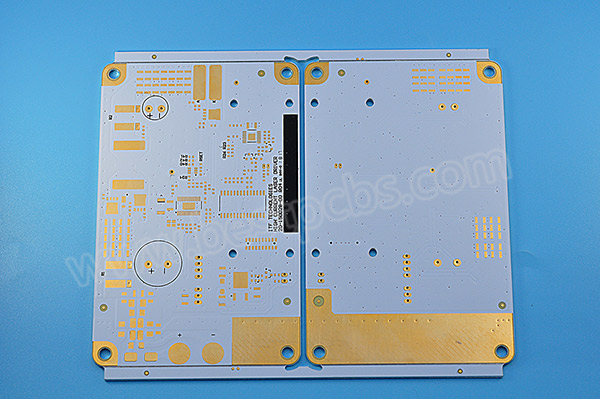
                                        How to Achieve Fast Delivery for Robotic Aluminum PCB?

                                        August 12th, 2025

                                        Robotic aluminum PCB is indispensable in the PCB robot for its high-quality heat dissipation, stable structure, high-density current load, and light weight. In this blog, we will write the critical information, including definition, features, design, price, quality factors, and where to get fast delivery and reliable service.

                                        Do you face the following challenges in your daily project work?

                                        • Poor Manufacturing Efficiency and Long Lead Time?
                                        • Unstable Material Performance and Process Problem?
                                        • Design and Manufacturing Complexity?
                                        • Automation and Integration Problem?

                                        Here are some good angles for EBest Circuit (Best Technology) to tackle these concerns.

                                        • Optimizing the manufacturing process and the supply chain management: EBest Circuit (Best Technology) uses the automation equipment and the cutting-edge management system to improve manufacturing efficiency. For the supply chain, we have stable suppliers to ensure your material supply is on time, stable, and has no unnecessary stock costs.
                                        • Improving the material and the process level: We choose high-quality and better-performing materials to ensure there is no problem caused by the materials during manufacturing. Besides, we employ sophisticated manufacturing processes to improve the performance and the reliability of your products.
                                        • Strengthening the automation and the integration capability: We purchase the advanced automation equipment to improve our production efficiency, PCB quality, and the manufacturing fineness. We provide an integrated service to our customers, such as prototype, mass production, SMT, and box build.
                                        • Strengthening the communication with the customers: We get the customers’ needs and the feedback to adjust our manufacturing plan and the product design in time, which aims to improve customer satisfaction. And we provide the technical support and the after-sales service. Some regular customers have been cooperating with us for over 10 years due to our professional commitment to their projects.

                                        What is a Robotic Aluminum Substrate PCB?

                                        It is valuable to note that a robotic aluminum substrate PCB is an aluminum substrate printed circuit board, designed for robot system optimization that requires high thermal conductivity, excellent mechanical strength, and stable performance under dynamic loads. Its core feature is that it achieves heat dissipation effectively and a mechanical strength balance via the aluminum core substrate layer.

                                        • First, it has three compound structures, such as the circuit layer, insulated layer, and the aluminum core substrate layer. Moreover, it achieves the conductivity of the layers via an insulated resin filling.
                                        • Second, it is vital to note that the robotic aluminum substrate PCB has excellent heat management capability. Compared to the FR-4 substrates, aluminum PCBs can reduce power device temperature rise by 40-60%. Besides, it has nice mechanical adaptation. Its flexibility is 8-10 times that of the ceramic substrate.
                                        • Finally, it is worth mentioning its wide application, such as the servo drive system, joint control module, and environmental sensing unit.
                                        What is a Robotic Aluminum Substrate PCB?

                                        What are the Features of the Robotic Aluminum Substrate PCB?

                                        The features of a robotic aluminum substrate PCB are tailored to meet the unique demands of robotics applications:

                                        • High thermal conductivity â€” vital for high-power components and LED modules.
                                        • Mechanical strength â€” handles vibration and shock without delamination.
                                        • Application adaptation â€” It is specifically designed to tackle the robot core components optimization of the servo drive system, joint control module, and environmental sensing unit.
                                        • Environment Stability â€” Its withstand voltage of the insulated layer is more than 3000V. Besides, it can keep dielectric stability under a humidity rate 85%.
                                        • Customizable layer stack-up â€” supports single-layer or multi-layer designs based on complexity.
                                        What are the Features of the Robotic Aluminum Substrate PCB?

                                        What is the Robotic Aluminum Substrate PCB Price?

                                        The price of a robotic aluminum substrate PCB depends on several factors:

                                        1. Base material grade â€” higher conductivity aluminum costs more but offers superior performance.
                                        2. Board size and thickness â€” larger or thicker boards require more raw material.
                                        3. Layer count â€” multi-layer designs increase manufacturing complexity.
                                        4. Surface finish type â€” ENIG, HASL, and other finishes have different costs.
                                        5. Order volume â€” higher quantities often lead to lower per-unit pricing.

                                        There is no MOQ requirement in EBest Circuit (Best Technology). We produce the order quantity from robotics PCB design, prototype, mass production, and mid-volume robotics PCB assembly to high-volume robotics PCB assembly. We have the integrated production and SMT lines, which help to shorten the delivery time significantly without risking the quality.

                                        What are the Major Considerations in Robotics PCB Design?

                                        It is good to note that the major considerations in robotics PCB design include four aspects.

                                        • The first factor is the signal completeness optimization. It is necessary to plan the route line to design the low impedance return current path, so as to reduce the EMI radiation. Since gaps in ground planes force return currents of microstrip lines to detour.
                                        • The second critical factor is the mechanical reliability design. High-density via areas require via-in-pad or back-drilling processes to reduce the risk of solder joint fatigue caused by the CTE mismatch.
                                        • The third important factor is the environmental adaptation. It is essential to take the conformal coating for the surface or making the micro-arc oxidation treatment.
                                        • The final vital point is the manufacturability balance. The double-sided board can take the 5-layer structure: copper foil, aluminum substrate, insulation, copper foil, so as to balance the complexity and the costs.

                                        How to Ensure the Quality During the Robot PCB Assembly?

                                        It is required to take the following major measures to ensure the robot PCB assembly.

                                        • First, the high-frequency signal lines require impedance-matching design, such as equal-length routing for differential pairs.
                                        • Second, the major connection position uses the high-reliability solder material, such as SAC305 alloy.
                                        • Third, it is vital to control the process and do the inspection. It is critical to use the AOI and X-ray to inspect the soldering quality. And it needs to control the size tolerance with 0.8mm and the assembly tolerance with 1.5mm, so as to reduce the rate of defects. And the industrial robot needs to do the tests, including vibration, temperature, and humidity cycle, etc.
                                        • Finally, it is better to do the DFM analysis during the design phase to avoid the process conflicts.

                                        How to Achieve Fast Delivery for Robotic Aluminum PCBs?

                                        Metal core manufacturers maintain the consistency of fast delivery, which means a lot to the customers. And here’s how it’s done:

                                        • Material readiness — keeping high-demand aluminum substrates in stock eliminates waiting for raw material procurement.
                                        • Concurrent engineering — design and manufacturing teams work together to spot issues before production starts.
                                        • Automated processes — using PCB assembly robots and inline inspection systems reduce human error and rework.
                                        • Efficient logistics — shipping partnerships that offer priority handling for international deliveries.

                                        EBest Circuit (Best Technology) insists on the policy of customer first. We know that customers winning the project and delivering the order to us for manufacturing is a trust in us. We are never stopping to improve our manufacturing process and using advanced manufacturing technology to improve the lead time. Customers avoid the common problem of weeks-long waiting times that slow down product launches.

                                        Where to Get the Best Robotic Aluminum Substrate PCB and assembly from China?

                                        EBest Circuit (Best Technology) addresses customers’ concerns and maintains a long-term relationship by combining:

                                        • Certifications — ISO9001, ISO 13485 (medical), IATF 16949 (automotive), and AS9100D (aerospace).
                                        • Full in-house process — from aluminum PCB manufacturing to high-volume assembly. That helps to shorten the PCB manufacturing lead time.
                                        • Professional engineering support — DFM (Design for Manufacturability) review before production.
                                        • Comprehensive PCB Option — Our company started to specialize in manufacturing PCBs in 2006. We have a full product profile, such as rigid, flexible, aluminium PCB board for LED, PCB robotics, and ceramic PCB to meet different needs from customers’ projects.

                                        If you need to purchase the excellent quality robotic aluminum substrate PCB, just feel free to find EBest Circuit (Best Technology) to do the full support.

                                        Where to Get the Best Robotic Aluminum Substrate PCB and assembly from China?

                                        In summary, knowing what the robotic aluminum PCBs are and getting a deep understanding of the design, price, quality factor, and where to get the fast aluminium substrate PCB will help you work faster and work more effectively when you get the robotics PCB design project or mid-volume robotics PCB assembly order. Pls write an email to us at sales@bestpcbs.com to get a viable and specific solution for your PCB robotics.

                                        RF Module Manufacturers, Custom RF Module Manufacturing

                                        August 12th, 2025

                                        What is RF module? Let’s discover definition, working principles, TV connectivity, usage guides, 433MHz testing for RF module.

                                        Are you worried about these issues?

                                        • Has your product design been repeatedly revised due to RF module protocol incompatibilities?
                                        • Is the difficulty in balancing transmission distance and power consumption leading to constant complaints from end users?
                                        • Do delays in small-batch orders frequently cause your supply chain plans to spiral out of control?

                                        EBest Circuit (Best Technology) can provide service and solutions:

                                        • Full-protocol compatibility matrix: Plug-and-play support for six major protocols, including Bluetooth, and Zigbee, reduces adaptation and debugging time by 80%.
                                        • Intelligent power management: Dynamically adjusts transmit power to achieve a 40% reduction in power consumption at long-range transmission distances up to 200 meters.
                                        • Flexible delivery system: Establish a dedicated “small order, fast response” line, with 7-day delivery for orders of 100 units and transparent inventory traceability.

                                        Welcome to contact us if you have any request for RF module: sales@bestpcbs.com.
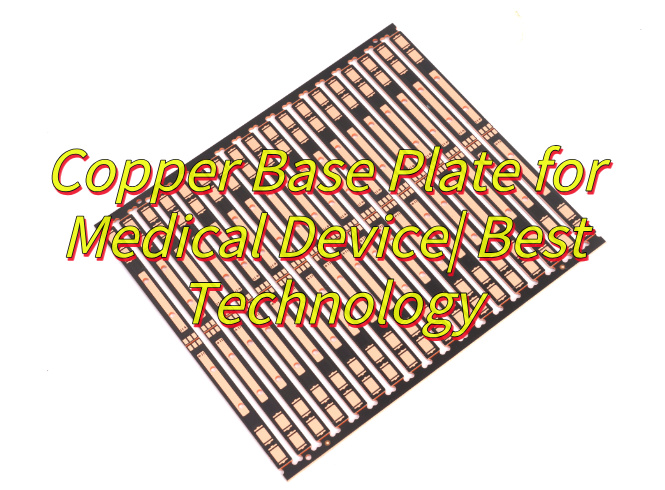
                                        What Is RF Module?

                                        An RF module is an electronic component that integrates RF transceiver circuitry, an antenna, and a control unit, specifically for wireless signal transmission and reception. It uses modulation and demodulation technologies to efficiently transmit data over the air and is widely used in the Internet of Things (such as smart homes), wireless communications (4G/5G base stations), and industrial automation (remote sensors). Its core advantage lies in simplifying wireless system design, allowing users to quickly deploy stable connections without in-depth RF circuit development.

                                        What Is RF Module?

                                        How RF Module Works?

                                        1. Core Components

                                        • The RF module consists of a transmitter and a receiver, enabling wireless data transmission via radio frequencies (e.g., 433 MHz).

                                        2. Modulation and Demodulation

                                        • Modulation (ASK/OOK): Data is embedded in a digital signal by varying the carrier amplitude (e.g., ASK modulation). The carrier is transmitted when a logic “1” is present, and suppressed when a logic “0” is present to save power.
                                        • Demodulation: The receiver uses a frequency-matched crystal oscillator (e.g., a 433 MHz SAW resonator) to restore the original signal.

                                        3. Workflow

                                        • Transmitter: An encoder (e.g., the HT12E) converts parallel data into a serial signal. The crystal oscillator generates a carrier, which is then ASK-modulated and transmitted through the antenna.
                                        • Receiver: The antenna captures the signal, and a decoder (e.g., the HT12D) converts the serial data into parallel outputs.

                                        4. Key Parameters

                                        • Frequency: 433 MHz or 315 MHz are commonly used, requiring strict matching between the transmitter and receiver. Power Consumption: 9-40mA when transmitting (3-12V power supply), approximately 5.5mA when receiving (5V power supply).
                                        • Transmission Range: Up to 1000 meters in open environments, significantly affected by obstacles and interference.

                                        5. Typical Applications

                                        • Remote control (such as smart home, car key).
                                        • Industrial sensing (wireless data acquisition, security systems).
                                        How RF Module Works?

                                        How to Connect RF Modulator to TV?

                                        1. Confirming Interface Compatibility

                                        • Check if your TV has an RF input (usually labeled “ANT IN” or “RF IN”). Some older TVs only support this interface for signal reception.
                                        • If your TV doesn’t have an RF input, you’ll need to connect indirectly via HDMI or an AV converter (this requires additional equipment).

                                        2. Connection Steps

                                        • Coaxial Cable Connection: Use a 75Ω coaxial cable to connect the RF modulator’s output (RF OUT) to the TV’s ANT IN port.
                                        • Antenna Matching: If the modulator requires an external antenna, ensure the antenna impedance matches (usually 50Ω or 75Ω) to prevent signal reflections.

                                        3. Signal Debugging

                                        • Channel Search: Use the TV’s settings to perform an automatic channel scan to lock onto the modulator’s signal (usually in the UHF band, 470-862MHz).
                                        • Optimizing Signal Strength: If the picture is blurry or lost, adjust the antenna angle or check for loose connections in the cable.

                                        4. Troubleshooting

                                        • No Signal: Verify that the modulator has a proper power supply (5V-12V) and that the transmitting frequency matches the TV’s tuning range.
                                        • Interference Streaks: Stay away from other wireless devices (such as Wi-Fi routers) to avoid frequency conflicts.

                                        5. Key Parameters

                                        • Modulator Output Level: Recommended ≄ 60dBÎŒV (to ensure stable transmission over long distances).
                                        • TV RF Sensitivity: Typically ≄ 30dBÎŒV is required (inadequate sensitivity may result in reception failure).

                                        Tip: Modern smart TVs may disable RF input by default; you must manually switch to RF mode in the “Signal Source Settings.”

                                        How to Use RF Module?

                                        1. Hardware Preparation and Connection

                                        • Choose the appropriate module: Select the frequency band (e.g., 433MHz, 2.4GHz) and protocol (e.g., LoRa, Bluetooth) based on the application scenario (e.g., IoT, remote control).
                                        • Connect the antenna: Ensure the antenna matches the module (e.g., SMA connector) to avoid signal attenuation; keep the antenna away from metal obstructions.
                                        • Power Supply Configuration: Provide a stable voltage (usually 3.3V-5V) and add a filter capacitor (10ÎŒF + 0.1ÎŒF) to reduce power supply noise.

                                        2. Software and Protocol Configuration

                                        • Choose the communication protocol: Select transparent transmission mode (direct data transmission and reception) or a custom protocol (e.g., adding a parity bit or retransmission mechanism) based on your needs.
                                        • Set the baud rate and frequency band: The transmitter and receiver must maintain the same baud rate (e.g., 9600bps), with a frequency band deviation of no more than ±10kHz.
                                        • Initialize the module: Configure the module using AT commands or registers (e.g., setting transmit power and operating mode). Refer to the module manual for parameter settings.

                                        3. Data Transmission and Reception Test

                                        Transmitter Operation:

                                        • Add a preamble (e.g., 0xAA) and a checksum (CRC16) before sending data to ensure data integrity.
                                        • The recommended single data transmission length is ≀ 255 bytes to avoid timeouts and packet loss.

                                        Receiver Operation:

                                        • Enable automatic receive mode or use an interrupt trigger to read data.
                                        • Monitor the signal using an oscilloscope or serial port debugging tool to confirm there is no garbled code or packet loss.

                                        4. Anti-interference and Optimization Measures

                                        • Antenna Layout: Maintain a straight-line distance of 1 meter or more between the transmitting and receiving antennas to avoid co-channel interference. For multi-module deployments, use staggered frequencies.
                                        • Signal Filtering: Install an LC filter circuit (e.g., 10nH inductor + 10pF capacitor) at the module input to suppress high-frequency noise.
                                        • Power Management: Switch to sleep mode (e.g., timed wakeup) when idle to reduce overall power consumption (typical sleep current ≀ 1ÎŒA).

                                        5. Troubleshooting and Debugging

                                        • No signal: Check the antenna connection and power supply stability. Use a spectrum analyzer to confirm if the transmit frequency is offset. High packet loss rate: Reduce the transmission rate (e.g., from 9600bps to 4800bps) or add a retransmission mechanism (e.g., repeat each packet three times).
                                        • Short communication range: Replace the antenna with a higher gain (e.g., from 5dBi to 9dBi) or adjust the transmit power (the maximum value must comply with local regulations).

                                        How to Test 433mhz RF Module?

                                        1. Power and basic communication checks

                                        • Confirm that the VCC voltage is between 4.5V and 5.5V and that the antenna is securely connected.
                                        • Send a test command (such as AT+TEST) via the serial port to verify that the receiver returns an acknowledgment signal.

                                        2. Signal strength and range test

                                        • Use a walkie-talkie or the “RF Signal Tracker” app to monitor the signal and test the critical distance (50-100 meters) in an open environment.
                                        • Repeat the test behind obstacles to assess penetration attenuation (approximately 20-30dB through a concrete wall).

                                        3. Interference and compatibility troubleshooting

                                        • Use a spectrum analyzer to scan the 433MHz band, avoiding co-frequency devices (such as WiFi routers).
                                        • Test multi-device coexistence, optimizing the protocol (adding parity bits) or implementing frequency hopping.

                                        4. Advanced debugging and troubleshooting

                                        • Adjust the antenna matching network (using a VNA to observe the S11 parameter) to ensure an impedance of 50Ω.
                                        • Check crystal oscillator startup (using an oscilloscope) and LNA power supply. Verify standby current in low-power mode (<1ÎŒA).

                                        Our RF Module and RF Board Case Studies

                                        At EBest Circuit (Best Technology), we offer one-stop services for RF module components and customized RF board, from design to assembly. Whether you require a 2.4GHz wireless module or other frequency bands, we can optimize cost and performance to meet your specifications. Feel free to contact us for a quote and we’ll provide you with a cost-effective, reliable solution! Below is a photo of our RF board case.

                                        Our RF Module and RF Board Case Studies

                                        Attached is a datasheet and photo of 2.4GHz RF module:

                                        Parameter‌Specifications‌
                                        ‌Product Name‌‌2.4GHz Wireless Video Transmission Module‌
                                        ‌Core Functionality‌Built-in 2.4GHz ISM band RF IC, supports NTSC/PAL video formats, integrates FM-FM modulation/demodulation scheme.
                                        ‌Physical Design‌Compact size, no external audio circuit required, simplifies system integration.
                                        ‌Regulatory Compliance‌CE/FCC EMC certified, meets global deployment requirements.
                                        ‌Channel Configuration‌Typically supports 4 channels via PLL synthesizer, enabling parallel device transmission.
                                        ‌Typical Applications‌Wireless video transmission, security monitoring, industrial remote control, and low-latency applications.
                                        Our RF Module and RF Board Case Studies

                                        Why Choose EBest Circuit (Best Technology) as RF Module Manufacturers?

                                        Reasons why choose us as RF module manufacturers:

                                        • Ultra-Fast Delivery: Prototype production and basic testing are completed within 48 hours for urgent orders, supporting the rapid iteration requirements of scenarios like 5G and satellite communications, reducing cycle times by over 60%.
                                        • Strict High-Frequency Verification: Three-temperature storage cycle verification (temperature drift coefficient <0.3ppm), electromagnetic exposure level testing (scattering rate difference 160dB), and high-voltage breakdown testing (isolation voltage exceeds the specified limit by 30%) ensure stable millimeter-wave performance.
                                        • Leading Millimeter-Wave Technology: Supports a wide frequency band from 24GHz to 77GHz, improves GaN/SiC semiconductor efficiency by 40%, and reduces 5G base station module size by 50%, with standing wave parameter degradation controlled to <1.5dB.
                                        • Enhanced Environmental Adaptability: Four-quadrant clutter interference simulation (maintaining a 0.45dB signal-to-noise ratio) and a temperature and humidity fluctuation model automatically trigger anti-condensation parameters, adapting to extreme scenarios such as tropical rainforests and polar regions.
                                        • RF Design Collaboration: An open API architecture supports secondary development, with pre-set parameter packages for subway tunnels and urban buildings. An intelligent diagnostic system locates high-temperature areas and S-parameter anomalies.
                                        • Global Certification Guarantee: Compliant with FCC/CE/SRRC regulations, IPC-Class 3 standard production process, and hard gold plating that passes ASTM B488 salt spray testing, making it suitable for medical and aviation applications.
                                        • Cost and Energy Efficiency Optimization: Prefabricated chip models reduce the cost of unpopular models. AI-optimized power amplifier parameters reduce base station energy consumption to 0.2kW/Mbps. Modular design reduces network construction costs by 30%.
                                        • Technical Accuracy and Support: 19 years of RF experience have solved over 200 high-frequency design challenges (such as phase noise suppression). A 24/7 expert team provides real-time response to issues such as electromagnetic interference and thermal management.
                                        • Flexible Measurement Range and Accuracy: Supports small-batch customization of 1-50 units to large-scale production of 10,000+ units. Available in QFN/BGA/ceramic packaging, with line width and line spacing error ≀ 2ÎŒm and phase consistency deviation < 3°.

                                        Please feel free to contact us if you have any inquiry for RF module: sales@bestpcbs.com.