PCB manufacturing PCB manufacturing
Home > Blog

What is PCB Heat Sink Pad? How to Design a Thermal Relief Pad?

April 21st, 2025

What is PCB Heat Sink Pad?

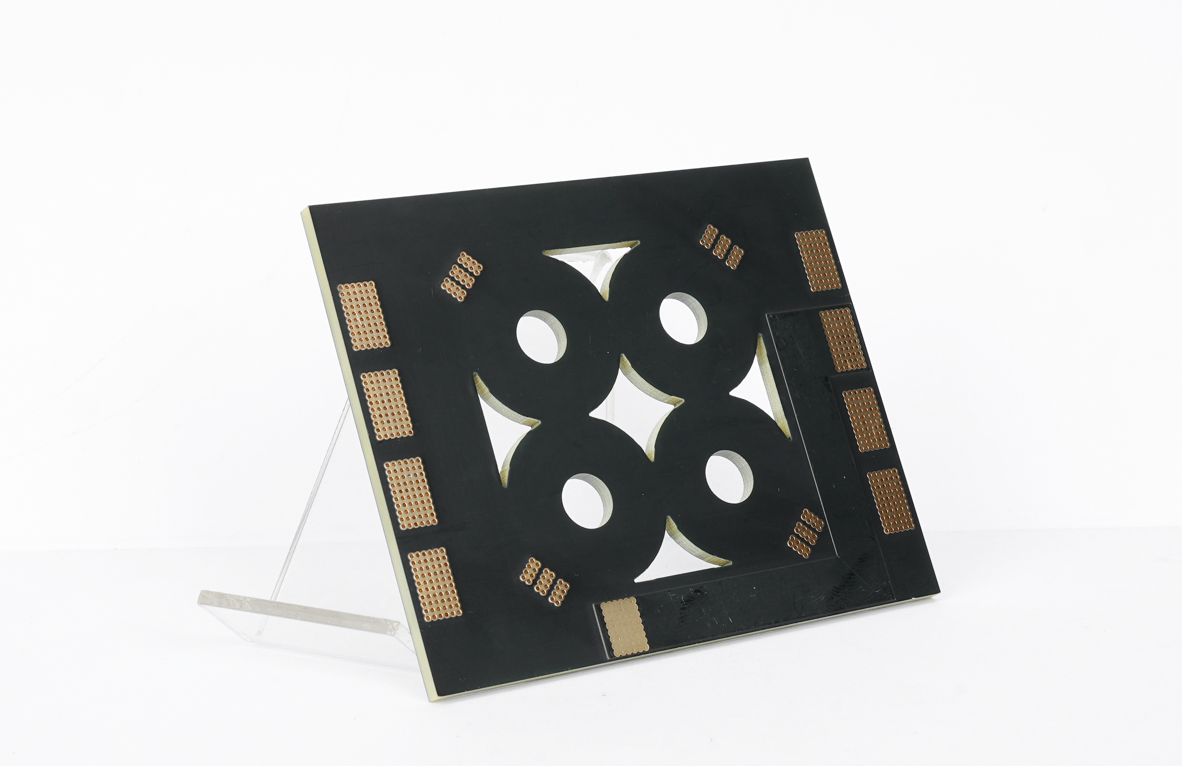
In high-power electronics, heat is a persistent issue. When left unmanaged, it leads to failure, reduced life span, or poor performance. One of the smart ways to address this is by using a PCB heat sink pad. Sometimes referred to as thermal relief pads, these are conductive areas on a printed circuit board that channel heat away from components. They play a critical role in thermal management, especially in compact and high-density board layouts.
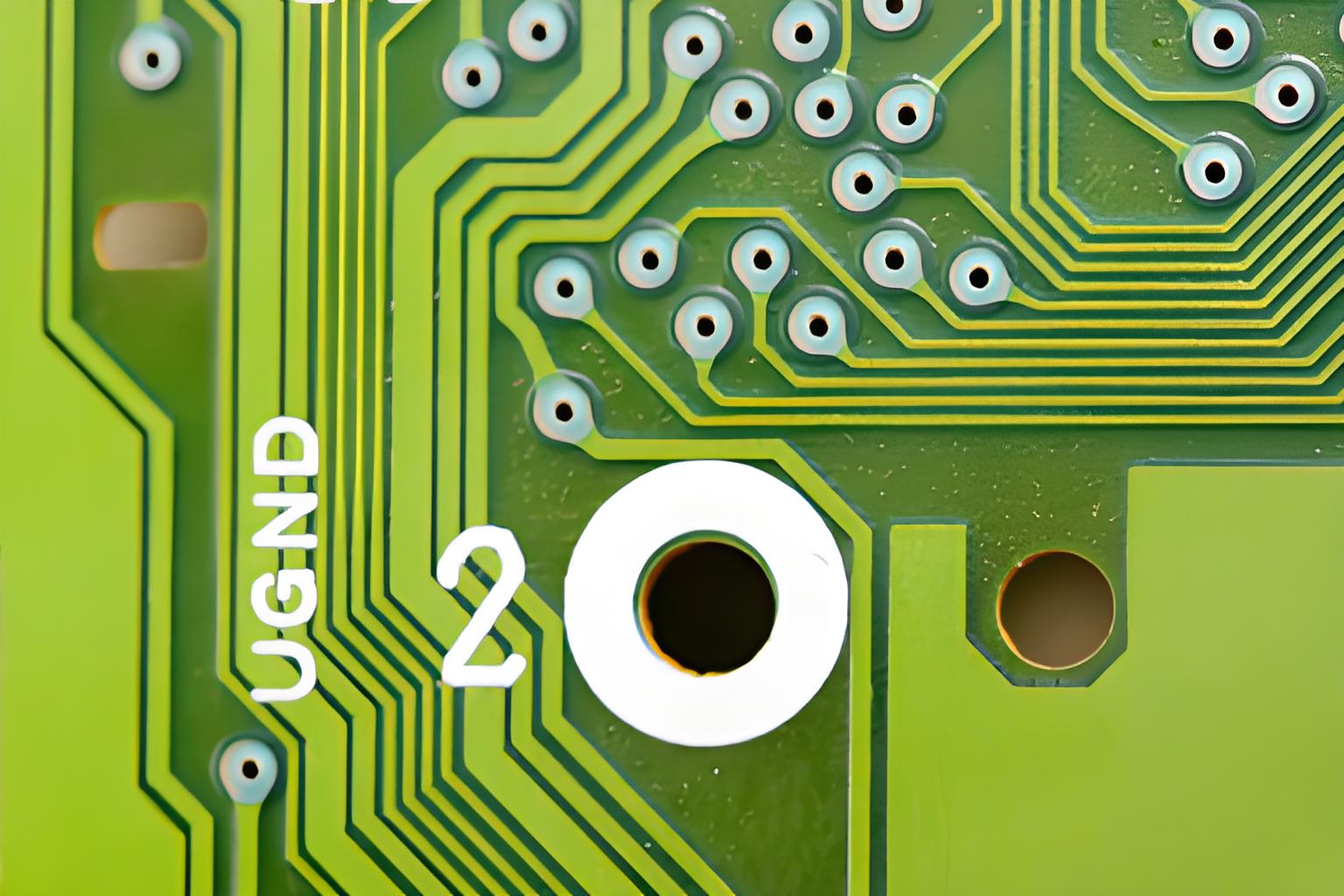
These pads are often seen near power components, processors, or any part prone to heat buildup. By connecting to thermal vias or copper pours, they guide excess heat to ground or large copper areas. Thermal pads improve overall stability without the need for bulky external coolers. A well-designed thermal pad saves cost, space, and ensures better thermal cycling performance.

What is PCB Heat Sink Pad?

Importance of PCB Heat Sink Pad

The importance of a PCB heat sink pad lies in its ability to support both thermal and electrical performance. As devices get smaller and more complex, the demand for thermal balance grows. Traditional cooling methods, like fans or heatsinks, aren’t always viable in a tight layout. That’s where these pads step in.

They serve as an internal heat escape path. By reducing the junction temperature of critical parts, the heat sink pad ensures devices function at optimal levels. Without it, hot spots develop, possibly leading to delamination or component drift. In automotive, aerospace, or industrial environments, this can’t be ignored.

Another key advantage is manufacturing. During reflow soldering, thermal pads help maintain consistent heating. This improves solder joint quality, avoiding cold joints or solder bridges.

What Is the Function of a PCB Heat Sink Pad?

The core function of a PCB heat sink pad is to pull heat away from the component body. This prevents overheating and promotes reliability. A pad usually sits beneath a hot-running device and connects to a ground or power plane through thermal vias. These vias act like vertical pipes that carry heat down to larger copper surfaces.

Besides thermal performance, the pad also serves mechanical purposes. It supports the component body, helps with proper alignment during placement, and aids in reflow stability. In power ICs, LEDs, and RF modules, such a pad is more than a convenience—it’s a necessity.

Often placed under QFNs, D-Pak, or Power MOSFETs, thermal pads are essential for packages where direct contact to the PCB is required for heat dissipation.

PCB Thermal Pad vs Heatsink

Understanding the thermal pad vs heatsink comparison helps in design decisions. A thermal pad (on PCB) is a built-in copper area, often plated and connected via thermal vias. It is internal and does not add extra height to the device. It’s subtle, efficient, and passive.

PCB Thermal Pad vs Heatsink

A heatsink, on the other hand, is a physical attachment—usually a metal block or finned structure—mounted on top of the component. It dissipates heat through air convection. While highly effective, heatsinks increase weight and require space. They may also need fasteners or thermal paste for better performance.

PCB Thermal Pad vs Heatsink

In low to medium-power circuits, thermal pads do the job silently. When current levels increase or the ambient conditions are harsh, heatsinks may be added. However, both solutions often work together. A pad draws the heat from the chip, and the heatsink then transfers it to the air.

Why Do We Need Thermal Pad on PCB?

We need thermal pads on PCBs to manage heat efficiently within confined board layouts. As chips grow more powerful and boards become smaller, heat density rises. Left unchecked, this can stress the materials, warp the PCB, or trigger thermal shutdowns in sensitive ICs.

Thermal pads provide a compact and cost-effective solution. Unlike external cooling systems, these pads are part of the board design. They reduce the thermal resistance between the component and the ground plane, making heat transfer faster and more efficient.

In LEDs, they stop lumen drop due to temperature spikes. In CPUs or RF amplifiers, they prevent drift in performance. Across industries, from smartphones to satellites, thermal pads are silent protectors against damage caused by thermal fatigue.

Design Consideration of Thermal Relief Pads on PCB

The design of thermal relief pads is not just about placing a copper square under a part. It demands precision. Several factors shape the design.

1. Pad Size: The area should match the component’s thermal tab. Oversized pads can cause solder wicking; undersized ones fail to transfer heat efficiently.

2. Vias Count and Diameter: Vias enhance heat transfer. Placing multiple small vias (0.3mm diameter with 6+holes) within the pad connects it to inner or bottom layers. These must be filled or tented to avoid solder leakage.

Design Consideration of Thermal Relief Pads on PCB

3. Copper Weight: Thicker copper layers enhance thermal conduction. A 2oz or 3oz copper layer works better than standard 1oz in high-heat zones.

4. Solder Mask Clearance: The pad must be free from mask to allow full thermal contact.

5. Connection to Planes: The pad should tie to ground or power plane, depending on the circuit. Use thermal relief spokes when needed to balance heat dissipation and solderability.

6. Component Package Type: Each package, whether QFN or TO-263, demands unique pad sizing and via patterns. Manufacturer datasheets offer recommended layouts—follow them closely.

When to Use Thermal Relief PCB?

Using a thermal relief PCB becomes necessary in several scenarios. One key use is in multilayer boards where copper planes absorb too much heat. Without thermal relief, soldering becomes difficult as heat spreads too quickly. This leads to cold joints or poor wetting.

Thermal reliefs help balance the heat flow. They allow soldering while still ensuring strong thermal performance. Another situation arises with through-hole components connected to large copper areas. Thermal relief spokes prevent the pad from acting like a heat sink during soldering.

Power applications like inverters, motor controllers, and regulators benefit from thermal relief PCBs. So do high-brightness LED arrays. In RF boards, where impedance matters, thermal pads also stabilize the electrical response by providing consistent grounding.

Use them when heat buildup could impair function or reduce board life. Proper relief design improves both manufacturing and operational performance.

What Does EBest Circuit (Best Technology) Offer?

At EBest Circuit (Best Technology), we provide high-performance thermal solutions that elevate your product’s efficiency and reliability. With over 18 years of industry leadership, our expertise in PCB heat sink pads and thermal relief pads ensures your devices stay cooler, last longer, and perform better under pressure. Whether you’re in aerospace, automotive, or consumer electronics, we deliver custom-designed metal core PCB solutions that meet your most demanding thermal management needs.

In additional to design thermal pads on PCB to achieve high heat dissipation, we also offer ceramic PCB and metal core PCB (including aluminum PCB, copper core PCB, sinkpad PCB), which have very good thermal conductivity to dissipate the heat fastly. If you want to know more about metal core PCB, ceramic PCB or thermal pads design guide, you are welcome to leave your comments below or contact us at sales@bestpcbs.com.

A Detailed Guide to Metal Core PCB Manufacturing Process

April 21st, 2025

Since 2006, EBest Circuit (Best Technology) has specialized in metal core PCB & PCB board manufacturing services, with our headquarters located in Shenzhen, China, serving as the heart of our global operations. To enhance our global reach, we’ve also established SMT factories in both China and Vietnam, to offer an efficient support for customers worldwide. Our facility holds several industry certifications, including ISO9001, ISO13485, IATF16949, and AS9100D, reflecting our commitment to high-quality standards across all sectors we serve.

Additionally, EBest Circuit (Best Technology) utilizes the MES Material Traceability System, which enables full traceability of every component, from incoming material inspection to final production. All components we use are UL, REACH, and RoHS certified, adhering to the highest global safety and environmental standards.

What is a Metal Core PCB?

A Metal Core PCB (MCPCB) is a type of printed circuit board that utilizes a metal substrate instead of traditional fiberglass or plastic materials. The main function of a metal core PCB is to provide higher thermal conductivity, which is especially beneficial in applications requiring efficient heat dissipation like LED lights. In a typical PCB, heat can accumulate and negatively affect the performance and lifespan of electronic components. However, the metal core serves as an effective medium for channeling heat away from sensitive areas, optimize the operation and longevity of the circuit.

Metal core PCBs are made with materials like aluminum or copper that allow for effective thermal transfer. They are primarily used in high-power applications, where managing heat is crucial to maintaining the functionality of devices.

What is MCPCB Core Made of?

The core of a Metal Core PCB is typically composed of a metal material that has superior thermal conductivity properties. The most commonly used metals are aluminum and copper, with aluminum being the most popular due to its cost-effectiveness and excellent thermal performance.

  • Aluminum: Aluminum is often the metal of choice for MCPCB cores because it offers a combination of high thermal conductivity, light weight, and affordability. Its relatively low cost compared to copper makes it an attractive option for mass production, especially in consumer electronics and lighting applications.
  • Copper: Copper has a higher thermal conductivity than aluminum and is typically used in more demanding applications that require superior heat dissipation. It is particularly useful in industries like telecommunications and automotive, where components generate significant amounts of heat and need to be efficiently managed.
A Detailed Guide to Metal Core PCB Manufacturing Process

Aluminum Core PCB vs. Copper Core PCB

When deciding between an aluminum core PCB and a copper core PCB, it’s essential to consider the specific requirements of the application. Both types of metal core PCBs offer excellent thermal management, but there are differences in performance, cost, and suitability for various environments.

FactorAluminum Core PCBCopper Core PCB
Thermal ConductivityGood thermal conductivity (about 170 W/m·K)Excellent thermal conductivity (about 400 W/m·K)
WeightLightweight, ideal for portable devicesHeavier, more suitable for heavy-duty applications
CostGenerally more cost-effectiveMore expensive due to the cost of copper
Thermal ManagementSuitable for almost heat dissipation needsBest for high power and extreme heat dissipation
Mechanical StrengthModerate strength, suitable for most applicationsHigh mechanical strength, suitable for demanding applications
Electrical ConductivityGood, but not as high as copperSuperior electrical conductivity, ideal for high-performance circuits
DurabilityDurable, but can corrode in harsh environments if not properly protectedExtremely durable and resistant to corrosion, making it ideal for rugged environments
ApplicationsUsed in LED lighting, automotive, consumer electronics, and power suppliesPreferred in high-power electronics, RF applications, and high-end telecommunications
Heat Dissipation EfficiencyAdequate for most applications, but limited in extreme conditionsOptimal for high-performance applications that require rapid heat dissipation
Manufacturing ComplexityEasier to manufacture and more cost-effective for mass productionMore complex and costly to manufacture, but necessary for high-heat applications

What Are the Materials Used in Metal Core PCB?

The materials used in Metal Core PCBs are carefully selected to ensure high performance and reliability. The primary materials include:

What Are the Materials Used in Metal Core PCB?
  • Base Material (Metal Core): As mentioned earlier, the core of the PCB is typically made of aluminum or copper. The choice of metal directly impacts the thermal conductivity and cost-effectiveness of the PCB.
  • Insulating Layer: Above the metal core, there is an insulating layer that electrically isolates the metal core from the copper traces on the PCB. This layer is typically made from a thermally conductive dielectric material, such as epoxy resin or fiberglass. The insulating layer ensures that the metal core doesn’t short-circuit the copper traces while still allowing for efficient heat transfer.
  • Copper Foil: The copper foil is used to create the circuit traces. Copper is chosen for its excellent electrical conductivity and reliability. The copper is etched to form the required circuit pattern, allowing electrical signals to flow seamlessly through the PCB.
  • Solder Mask: The solder mask is a protective layer that covers the copper traces to prevent oxidation and improve durability. It also provides electrical insulation to prevent short circuits and ensures that components are properly soldered.
  • Silkscreen Layer: The silkscreen layer is used to print labels, markings, and other necessary information onto the surface of the PCB. This layer aids in component placement during assembly and provides identification for troubleshooting.

Together, these materials form a Metal Core PCB that is capable of efficiently managing heat while ensuring electrical performance and durability.

How Thick is a Metal Core PCB?

The thickness of a Metal Core PCB depends on various factors, including the application’s thermal and mechanical requirements. Typically, the total thickness of a metal core PCB ranges from 1.6 mm to 3.2 mm, but it can vary depending on the design and intended use.

  • Core Thickness: The metal core itself typically ranges from 0.3 mm to 2.0 mm in thickness. Thicker cores provide better heat dissipation but may increase the overall cost of the PCB.
  • Overall PCB Thickness: The overall thickness, including the copper traces, insulating layer, and solder mask, can vary depending on the complexity of the design and the type of components being used. For high-power applications, a thicker PCB may be necessary to ensure adequate heat management and mechanical strength.

How is a PCB Manufactured Step by Step?

The manufacturing of a Metal Core PCB (MCPCB) is a highly specialized process that involves several crucial steps to ensure thermal efficiency, reliability, and electrical performance. Below is a detailed breakdown of each step involved in the MCPCB manufacturing process.

1. Design and Layout Preparation

The first step in the manufacturing of an MCPCB is the design phase. Engineers and designers create the PCB layout, including the placement of components, traces, vias, and pads. This layout must consider factors like thermal management, electrical conductivity, and mechanical strength. The design is usually done using specialized software like AutoCAD or Altium Designer.

In the case of MCPCBs, the layout also includes specific considerations for the metal core, insulating layer, and the heat dissipation needs of the application. The thermal conductivity of the material, as well as the required heat dissipation paths, are factored into the design.

2. Core Material Selection

The next step involves selecting the appropriate core material. For MCPCBs, the core is typically made from metal, usually aluminum or copper. The choice of metal affects both the thermal performance and cost of the PCB.

Aluminum is lightweight, cost-effective while copper has superior thermal conductivity compared to aluminum, and is often used in more demanding applications that require exceptional heat dissipation, such as high-power electronics or automotive applications.

3. Insulating Layer Preparation

Next, an insulating dielectric material is applied to the metal core. This insulating layer is crucial for electrically isolating the metal from the copper traces while still enabling efficient heat transfer. The material used for this layer is typically a thermally conductive resin or fiberglass composite.

The insulating layer’s thickness depends on the requirements of the circuit. It must be thick enough to provide electrical isolation, yet thin enough to allow heat to pass through it efficiently. This layer is typically applied as a thin film or laminate and is then bonded to the metal core using heat and pressure.

4. Copper Foil Lamination

Once the insulating layer is in place, a layer of copper foil is laminated onto the surface. The copper foil is typically bonded to the insulating layer under high pressure and temperature.

Thicker copper foils are used for high-power applications, while thinner foils are sufficient for low-power circuits.

5. Circuit Etching

After the copper foil has been applied, the next step is to etch the circuit pattern. This is done using a chemical etching process, where the unwanted copper is dissolved away, leaving only the copper traces that form the electrical pathways.

The process including apply a photoresist film onto the copper, and then it is exposed to UV light through a mask. The board is then exposed to a chemical solution that etches away the exposed copper, leaving behind the desired circuit pattern.

6. Drilling and Plating

Once the copper traces have been etched, the next step is to drill holes for vias and component leads. Vias are used to establish electrical connections between different layers of the PCB, if applicable. Drilling is done with precision machinery to ensure the holes are accurately positioned.

After drilling, the holes are plated with copper to create electrical connections. The plating process involves depositing a thin layer of copper onto the walls of the drilled holes using an electroplating process. This creates the necessary conductive pathways for signals to travel through the different layers of the PCB.

7. Solder Mask Application

Next, a solder mask is applied to the PCB. The solder mask is a protective layer that prevents oxidation, protects the copper traces from damage. The solder mask is typically a green-colored epoxy-based material, although other colors can be used depending on the customer’s requirements, like red, black, white. Metal core PCB always use white solder mask to gather a good light reflection.

8. Silkscreen Printing

After the solder mask is applied, a silkscreen layer is used to print component labels, markings, and other important information on the surface of the PCB. This is helpful during assembly, as it indicates the proper locations for components to be placed.

The silkscreen printing is typically done using a screen printing process, where ink is pushed through a mesh screen to form the desired markings. Generally, the white solder mask with a black silkscreen, and black solder mask with a white silkscreen.

9. Inspection and Testing

Once the MCPCB has undergone the necessary manufacturing steps, it is thoroughly inspected for defects and tested for functionality. The metal core PCB always must pass three inspection – electrical, thermal, and mechanical requirements.

10. Final Assembly

The final step in the MCPCB manufacturing process is the assembly of electronic components onto the PCB. This involves placing components like resistors, capacitors, LEDs, and other active and passive elements onto the board and soldering them in place.

Component placement is typically done using automated machinery to ensure accuracy and speed. Once the components are placed, they are soldered onto the pads using either wave soldering or hand soldering, depending on the complexity of the design.

11. Quality Control and Shipping

Once the assembly is complete, the final MCPCB undergoes a final functional inspection and quality control check to ensure that it meets the required specifications. The finished product is then packaged and prepared for shipping to customers.

During the quality control phase, the board is examined for any signs of poor soldering, component misplacement, or other issues. If the board passes all inspections, it is ready for shipment.

Metal Core PCB Applications

Metal Core PCBs are used in a variety of industries, thanks to their exceptional thermal management capabilities. Common applications include:

  • LED lighting like pool lighting, UV led, led car lighting, high bay light, stair light, etc.
  • Power supplies
  • Automotive
  • Sensors
  • Electronic control units
  • Telecommunications
  • Consumer Electronics
  • Computers
  • Smartphones
  • Televisions
Metal Core PCB Applications

FAQs

1. Can I design the dielectric layer much thinner on MCPCB?

    Yes you can. Thinner dielectric layer has better thermal conductivity, but also has a lower breakdown voltage

    2. Can you do gold immersion finish on double sided MCPCBs?

    Yes, we can do gold immersion finish on double sided MCPCB, but the price will be less competitive than HASL-LF.

    3. Top 6 factors affecting the final cost of MCPCB?

    1) Board Dimention: For the non-rectangular board, we will calculate the longest two sides, for example, the circle is calculated according to the diameter.

    2) Cu Thickness: The cost will be more expensive if the copper is thicker. We can provide 0.5 OZ, 1.0 OZ, 2.0 OZ, 3.0 OZ, up to 8 OZ.

    3) Thermal Conductivity: The higher the thermal conductivity is, the more expensive the price is. At present, the highest thermal conductivity we can provide is 3W/m.K

    4) Surface Finishing: The common Surface Finishing for MCPCB is HASL_LF, OSP  ENIG (The normal thickness of gold is 1u”). ENIG is more expensive since the finished color is better than other surface Finishing, and it’s easier for components to solder and less prone to oxidation reaction.

    5) Board Thickness: The commonly used thickness is 1.6mm+/-10%, and the thickest we have ever made is 4.0mm+/-10%. The price over 2mm or less than 1mm will be slightly expensive.

    6) Soldermask: White / Black / Blue / Green / Red Oil  (The Taiyo Soldermask is more expensive than normal, the advantage is the reflectivity will be better, which is suitable for LED board.)

    7) Stack up/Construction: The more complex the structure, the more expensive the price, which is mainly executed on your requirements.

    4. Which dielectric layer is recommended for LED (90+W) lighting?

    If it is used for watt more than 90W, considering that the LED power is high, 3W.m.k or 2W/m.k is better than 1W/m.k.

    5. What is Conformal coating of metal core PCB?

    Conformal coating is a specially coating used to protect circuit boards and related equipment from environmental damage. it has good high and low temperature resistance, it can insulation, avoid moisture, leakage, shock, dust and so on.

    One-stop PCB Manufacture And Assembly Service

    April 21st, 2025

    PCB manufacture and assembly is the backbone of every modern electronic device. From design to final product, every step matters. With technology moving fast, having one trusted partner to handle both manufacturing and assembly saves time and improves product quality. This article will guide you through what makes this process unique and why a one-stop solution can be a smart choice.

    EBest Circuit (Best Technology) has specialized in PCB manufacture and assembly service for about 19 years. We offer a variety of PCBs, including FR4, ceramic PCB, MCPCB, and PCB assembly since 2006. Our company vision is to be the most reliable one-stop fast solution provider of electronics and circuit boards in the world. High quality and fast lead time are the competitive advantages of EBest Circuit (Best Technology). We have 2 YAMAHA and 3 JUKI production lines in our Chinese SMT factory. In our Vietnam SMT factory, EBest Circuit (Best Technology) has 6 SMT production lines, on which each line has the automated PCB loaders and the GKG automated solder paste printer.

    EBest Circuit (Best Technology) has the MES system in our PCB manufacturing and assembly factory, which gives us access to full-process visual tracking. All materials are traceable from this system. We are the original factory providing one-stop PCB manufacture and assembly service, if inquiries related to PCB design, PCB prototyping, DFM analysis, or PCB assembly, please do not hesitate to contact us at sales@bestpcbs.com. Our team is here to provide expert support.‌

    One-stop PCB Manufacture And Assembly Service

    What is the difference between PCB manufacturing and assembly?

    PCB manufacturing is the process of creating the board. This includes layering, etching copper, drilling holes, and applying surface finishes. It’s about building the actual platform where your components will sit.

    PCB assembly, on the other hand, places electronic parts on that board. This includes mounting resistors, capacitors, ICs, and connectors. Assembly may use manual or automated methods, depending on the volume and complexity.

    Both stages are vital. Manufacturing builds the structure; assembly brings the board to life. When these are handled by separate vendors, communication gaps may appear. That’s why many turn to a one-stop PCB manufacture and assembly service.

    What is the process of PCB manufacturing?

    PCB manufacturing follows a step-by-step workflow:

    • Design Check: The process starts with verifying your PCB design (Gerber files).
    • Material Selection: The board material (usually FR4, Rogers, or metal core) is selected.
    • Layer Construction: Copper layers are laminated and patterned.
    • Drilling: Holes are drilled for vias and components.
    • Plating and Etching: Conductive paths are formed.
    • Solder Mask and Silkscreen: These protect and label the board.
    • Surface Finish: Finishes like ENIG or HASL are applied.

    Every step needs precision. Errors in early stages may ruin the board. That’s why experienced PCB manufacture and assembly companies use quality control from start to end.

    PCB Manufacture And Assembly

    What is PCB assembly process?

    PCB assembly brings the board into its working form:

    • Solder Paste Application: A stencil is used to apply solder paste to pads.
    • Component Placement: SMT or through-hole components are placed.
    • Reflow or Wave Soldering: Heat melts the paste and fixes parts in place.
    • Inspection: AOI (Automated Optical Inspection) checks for defects.
    • Testing: Functional tests confirm if the board works properly.

    This process can be manual for prototypes or fully automatic for large runs. Choosing a partner with full PCB manufacture and assembly service simplifies coordination.

    PCB Manufacture And Assembly

    What is the difference between a circuit card assembly and a PCB?

    A PCB (Printed Circuit Board) is a blank board with no parts on it. It’s the foundation.

    A circuit card assembly (CCA) is a completed board with all electronic parts installed. This includes ICs, connectors, and other components. In short, a PCB becomes a CCA after assembly.

    Knowing this difference helps avoid confusion when talking to suppliers. When choosing a one-stop PCB manufacture and assembly partner, you get both the board and the assembly done in one place.

    How is a PCB via made?

    Vias connect different layers of a PCB. They’re tiny holes that help route signals across layers.

    Here’s how they’re made:

    • Holes are drilled (mechanically or by laser).
    • The inside of each hole is plated with copper.
    • This connects the layers electronically.

    Types of vias include through-hole, blind, and buried. The right choice depends on your design. Professional PCB manufacture and assembly services help guide that decision.

    PCB Manufacture And Assembly

    What are the cost factors in PCB manufacture and assembly?

    Cost depends on several things:

    • Board Complexity: More layers and smaller traces cost more.
    • Quantity: Larger orders lower the per-unit price.
    • Components: High-end parts can raise the cost.
    • Turnaround Time: Faster delivery adds extra charges.
    • Testing Requirements: More testing increases price but improves reliability.

    While cost matters, value is more important. A reliable PCB manufacture and assembly service saves you from rework and delays.

    Why choose a one-stop PCB manufacture and assembly service?

    Here’s why many customers choose one-stop services:

    • Less Hassle: You don’t need to manage multiple vendors.
    • Faster Delivery: Fewer hand-offs mean quicker results.
    • Better Quality: One team manages all stages, reducing errors.
    • Easy Communication: One point of contact simplifies everything.
    • Cost Efficiency: Integrated services often come with bundled pricing.

    One-stop PCB manufacture and assembly is ideal for startups, OEMs, and design houses. It helps bring your ideas to life with less risk.

    How to evaluate a reliable PCB manufacture and assembly partner?

    Look for these signs:

    • Experience: Years in the industry matter. In EBest Circuit (Best Technology), the CEO Peter and some engineers in the R&D departments, the account managers, and the sales engineers, all these professionals have rich experience in the PCB manufacture and assembly industry for over 10 years.
    • Certifications: ISO, UL, and IPC compliance ensure standards. EBest Circuit (Best Technology) is certified by ISO9001, ISO13485, IATF16949, and AS9100D. Every PCB manufacture and assembly process is abided by the ISO standards.
    • Equipment: Modern machines mean better output. EBest Circuit (Best Technology) has invested in new equipment in our PCB manufacture and assembly factories every year to better coordinate the production speed and optimize the PCB manufacture and assembly cost for our clientele.
    • Capabilities: Check if they can handle your board type and volume. EBest Circuit (Best Technology) is equipped with professionals, most of whom have over 10 years of expertise and specialize in PCB engineering. Our R&D departments have handled special PCBs with complex layers during manufacturing and assembly for 1,700 clients across 40 countries. Besides, there are no MOQ requirements for PCB manufacture and assembly projects in EBest Circuit (Best Technology).
    • Customer Support: Fast and clear answers show reliability. EBest Circuit (Best Technology) has prompt before and after-sales service. For any inquiries about PCB manufacture and assembly, our account managers and engineers will get back to you within 24 hours.

    Don’t choose based on price alone. A reliable partner will guide you, not just follow instructions. EBest Circuit (Best Technology), for example, has over 18 years of experience, offering full PCB manufacturing and assembly services globally.

    One-stop PCB Manufacture And Assembly Service

    In conclusion, PCB manufacture and assembly is not just about making a board and placing components. It’s about working with a partner that understands your goals. A one-stop service gives you full control, reduces delays, and improves final product quality.

    EBest Circuit (Best Technology) offers full turnkey PCB manufacture and assembly services. We support low to high volumes, simple to complex boards, and have customers from USA, India, and China. With fast response, high precision, and quality assurance, we aim to be your long-term PCB partner. Welcome to contact EBest Circuit (Best Technology) at sales@bestpcbs.com for helping you solve your PCB manufacture and assembly project to market—faster and smarter.

    LED Cube PCB, RGB LED Cube PCB Board Manufacturer

    April 21st, 2025

    ‌Why Settle for Generic LED Cube PCB?‌ Customizing bulk LED Cube PCB orders achieves scalable production, cost control, and integration of advanced features like mini-LEDs or flexible circuits.

    As a LED cube PCB manufacturer, EBest Circuit (Best Technology) specializes in LED Cube PCB boards designed for dynamic visual applications. Our advanced engineering integrates multilayer designs with superior thermal management, ensuring seamless operation even in complex LED matrix configurations. By utilizing premium materials and automated optical inspection systems, we guarantee 99%+ electrical reliability for pixel-perfect lighting control.

    Clients benefit from flexible customization—whether prototyping compact 8x8x8 cubes or scaling to industrial-grade 16x16x16 systems. Our optimized production flow enables fast 7-day prototyping and 15-day bulk order delivery, backed by full RoHS/UL compliance. With 12+ years of expertise in LED-driven PCB solutions, we empower innovators across stage lighting, architectural displays, and interactive installations to achieve stunning visual impact without compromising durability. Contact our team today for free technical support and competitive pricing: sales@bestpcbs.com.

    What Is LED Cube PCB?

    An LED Cube PCB is a specialized three-dimensional printed circuit board designed to house and control LEDs in a cubic formation. Unlike traditional flat PCBs, it enables the vertical stacking of LEDs across multiple layers, creating immersive visual effects. Its core function lies in providing a structured platform for precise LED placement while ensuring efficient power distribution and signal transmission between layers. LED Cube PCBs center around their ability to support complex animations and patterns through layered control systems. They offer modular design flexibility, allowing customization of LED density and spacing to achieve desired visual outcomes. Additionally, these boards often integrate advanced drivers and controllers, simplifying programming for dynamic light displays while maintaining energy efficiency and durability.

    What Is LED Cube PCB?

    What Is Structure of LED Cube PCB?

    • Multi-layer construction â€“ Combines several PCB layers, each dedicated to specific functions like power delivery, signal routing, or LED mounting.
    • Vertical interconnects â€“ Uses plated through-holes or vias to establish electrical connections between layers, ensuring seamless communication across the cube.
    • LED matrix grids â€“ Each layer contains a grid pattern for precise LED placement, maintaining consistent spacing in all directions.
    • Controller integration â€“ Often includes embedded controller slots or interfaces for programming dynamic light effects.
    • Thermal management features â€“ May incorporate heat sinks, copper pours, or ventilation holes to dissipate heat generated by densely packed LEDs.
    • Protective coatings â€“ Some designs add conformal coatings or weatherproofing layers to safeguard sensitive components.

    What Are Application of LED Cube PCB?

    • Entertainment venues â€“ Deployed in concert stages, nightclubs, and theaters to create immersive light shows synchronized with music or performances.
    • Architectural installations â€“ Used in building facades, art installations, or interactive exhibits to add depth and motion to static structures.
    • Advertising and branding â€“ Employed in retail stores, trade shows, or corporate lobbies to craft attention-grabbing logos, animations, or promotional content.
    • Educational tools â€“ Integrated into STEM learning kits or interactive displays to visualize concepts like 3D geometry, light refraction, or data visualization.
    • Gaming and esports â€“ Featured in gaming setups or arena lighting to enhance immersive experiences with customizable RGB effects.
    What Are Application of LED Cube PCB?

    How to Design A 4x4x4 LED Cube PCB?

    This is how to Design a 4x4x4 LED Cube PCB‌:

    1. Plan the LED Cube PCB Layout‌

    • Arrange 64 LEDs in a 4x4x4 grid. Each layer (4×4) shares a common anode, while columns (vertical connections) use cathodes.
    • Use KiCad or Eagle to map rows and columns, ensuring minimal crossing traces.

    2. Select Components for the LED Cube PCB Kit‌

    • Choose low-profile RGB LEDs (e.g., 5mm diffused) for uniform light distribution.
    • Include current-limiting resistors (e.g., 220Ω) for each cathode line.
    • Add driver ICs like 74HC595 shift registers or MOSFETs for multiplexing.

    3. Design Circuit Connections‌

    • Connect all anodes in a single layer (Layer 1: LEDs 1–16, Layer 2: 17–32, etc.).
    • Route cathode traces vertically across layers to reduce wire clutter.
    • Reserve space for microcontroller headers in the LED Cube PCB layout.

    4. Optimize Power and Ground Planes‌

    • Dedicate a copper pour for ground (GND) to minimize noise.
    • Use 1oz copper thickness for traces handling >20mA per LED.

    5. Generate LED Cube PCB Gerber Files‌

    • Run a Design Rule Check (DRC) to avoid trace spacing/shorting issues.
    • Export Gerber files for fabrication. Include layer-specific files for stacked PCBs.

    6. Prototype and Test the LED Cube PCB Project‌

    • Order a prototype PCB kit from a fab house.
    • Solder LEDs layer-by-layer, testing each with a 3V coin cell before final assembly.
    • Validate color consistency and multiplexing speed using sample Arduino code.

    7. Troubleshoot Common Issues‌

    • Fix flickering: Increase PWM frequency in code or add decoupling capacitors.
    • Address uneven brightness: Adjust resistor values per color channel (red: 150Ω, green/blue: 220Ω).

    By following these steps, you’ll streamline your LED Cube PCB project from layout to functional prototype.

    How to Design A 4x4x4 LED Cube PCB?

    How to Test 8x8x8 RGB LED Cube PCB for Color Consistency?

    Below is a structured approach to validate and optimize color consistency across all 512 LEDs in an 8x8x8 matrix.

    1. Visual Inspection Under Controlled Conditions

    • Lighting Control: Test in a dark environment with ambient lighting below 10 lux to eliminate external light interference.
    • Uniform Backdrop: Place the cube against a neutral gray or matte-black surface to enhance color contrast and reduce reflections.

    2. Instrument-Based Color Measurement

    • Spectroradiometer Testing: Use a high-precision spectroradiometer to measure the CIE 1931 xy-Y coordinates and correlated color temperature (CCT) of each LED.
    • ΔE Calculation: Compute the color difference (ΔE) using the CIEDE2000 formula to quantify deviations from target values, aiming for ΔE < 1.5 for adjacent LEDs.

    3. Aging and Stability Testing

    • Burn-In Test: Operate the cube at maximum brightness for 72–120 hours to identify early-life color shifts.
    • Long-Term Monitoring: Track color stability over 1,000 hours using automated measurement systems to detect drift due to LED degradation.

    4. Thermal Impact Assessment

    • Temperature Variation Testing: Measure color output at temperatures ranging from 25°C to 85°C to ensure consistency across operating conditions.
    • Heatsink Validation: Confirm that thermal management solutions (e.g., heatsinks, fans) do not introduce localized color variations.

    5. Software Calibration and Binning

    • Pre-Calibration: Use LED binning data from the manufacturer to group LEDs by color and brightness characteristics.
    • PWM Adjustment: Implement software algorithms to adjust pulse-width modulation (PWM) signals, compensating for minor color discrepancies.

    6. Angular Color Uniformity Testing

    • Viewing Angle Analysis: Measure color output from multiple angles (e.g., 0°, 30°, 60°) to ensure consistent performance across the cube’s field of view.
    • Anti-Glare Coatings: Validate that diffusers or coatings do not introduce angular color shifts.

    7. Statistical Process Control (SPC)

    • Data Logging: Record color measurements for every LED in a spreadsheet or database for trend analysis.
    • Control Charts: Use SPC charts to monitor ΔE values over time, triggering alerts for deviations beyond acceptable limits.
    How to Test 8x8x8 RGB LED Cube PCB for Color Consistency?

    How to Improve the Heat Dissipation Capability of LED Cube PCB?

    1. Optimize Copper Layer Thickness‌

    • Increase the copper weight (e.g., 2 oz/ftÂČ instead of 1 oz/ftÂČ) for power-carrying traces and ground planes. Thicker copper layers reduce electrical resistance and distribute heat more efficiently.

    2. Incorporate Thermal Vias

    • Add arrays of thermal vias beneath high-power LED components. These small, plated holes transfer heat from the top layer to internal or bottom copper layers. Use a grid pattern (e.g., 0.3mm diameter, 1mm spacing) for optimal conductivity.

    3. Use High-Thermal-Conductivity Substrates

    • Replace standard FR-4 material with metal-core PCBs (e.g., aluminum-based substrates) or ceramics. These materials offer superior thermal conductivity, rapidly drawing heat away from LEDs.

    4. Implement Heat Sinks

    • Attach passive heat sinks to the PCB’s backside or directly to LED clusters. For compact designs, use extruded aluminum or copper heat sinks with thermal adhesive.

    5. Maximize Component Spacing

    • Avoid clustering high-power LEDs. Spread components across the PCB to prevent localized heat buildup and allow airflow between devices.

    6. Integrate Thermal Interface Materials (TIMs)

    • Apply thermal pads, pastes, or phase-change materials between the PCB and heat sinks. These fill microscopic gaps, ensuring efficient heat transfer.

    7. Optimize Power Distribution

    • Reduce resistive losses by widening traces connected to high-current LEDs. Use star topologies or dedicated power planes to minimize voltage drops and heat generation.

    8. Enable Forced Air Cooling

    • For high-density LED cubes, install small fans or blowers to enhance airflow. Position them to direct air across the PCB surface or through heat sink fins.

    9. Monitor Temperature with Sensors‌

    • Embed temperature sensors near hotspots. Use feedback to dynamically adjust brightness or activate cooling systems when thresholds are exceeded.

    10. Test and Iterate

    • Validate thermal performance using infrared cameras or thermocouples. Adjust copper pour areas, via placement, or cooling methods based on real-world data.

    How to Select a RGB LED Cube PCB Board Manufacturer‌

    Below are some methods about how to select a RGB LED Cube PCB board manufacturer:

    Technical Expertise and Process Compatibility‌

      • Advanced PCB Technologies‌: Prioritize manufacturers with expertise in ‌HDI (High-Density Interconnect)‌, ‌rigid-flex boards‌, and ‌multilayer PCBs (6+ layers)‌. These technologies are essential for achieving the intricate 3D wiring and compact layouts of LED Cubes.
      • Customization Support‌: Ensure the manufacturer offers ‌DFM (Design for Manufacturability)‌ analysis to optimize impedance control, heat dissipation, and signal integrity.
      • R&D Capabilities‌: Manufacturers with extensive patent portfolios like EBest Circuit (Best Technology) often excel in resolving complex challenges like high-frequency signal transmission.

      Quality Certifications and Reliability Testing‌

        • Certifications‌: Verify compliance with ‌ISO 9001‌, ‌IATF 16949‌, and ‌UL standards‌ to ensure adherence to global quality benchmarks.
        • Inspection Equipment‌: Look for facilities equipped with ‌AOI (Automated Optical Inspection)‌ and ‌X-Ray testing‌ to detect soldering defects and ensure electrical performance.
        • Reliability Data‌: Request ‌thermal shock tests (-40°C to 125°C, 500+ cycles)‌ and ‌vibration test reports‌ to validate PCB durability under extreme conditions.

        Production Efficiency and Scalability‌

          • Rapid Prototyping‌: Choose manufacturers offering ‌12–48-hour sample delivery‌ (e.g., EBest Circuit (Best Technology)) to accelerate product development cycles.
          • Scalable Capacity‌: Confirm the manufacturer’s ability to handle ‌small-batch orders‌ and scale up to ‌1M+ sq.m monthly output‌ for bulk production flexibility.
          • Digital Tracking‌: Manufacturers using ‌ERP/MES systems‌ enable real-time production monitoring, ensuring transparency in order fulfillment.

          Cost Transparency and Value Optimization‌

            • Pricing Structure‌: Clarify cost drivers such as layer count, material type (e.g., FR-4 vs. aluminum substrates), and surface finishes (e.g., ENIG). Avoid hidden fees by requesting itemized quotes.
            • Cost-Effective Solutions‌: Prioritize manufacturers with bulk purchasing power to reduce material costs without compromising quality.

            Industry Experience and Customer Support‌

              • LED-Specific Knowledge‌: Partner with manufacturers experienced in ‌consumer electronics‌ or ‌LED display projects‌, as they understand driver circuit design and thermal management needs.
              • Technical Support‌: Choose manufacturers providing ‌24/7 technical assistance‌ and guaranteed ‌48-hour response times‌ for defect resolution.

              How to Test 8x8x8 RGB LED Cube PCB for Color Consistency?

              Below is a structured approach to validate and optimize color consistency across all 512 LEDs in an 8x8x8 matrix.

              1. Visual Inspection Under Controlled Conditions

              • Lighting Control: Test in a dark environment with ambient lighting below 10 lux to eliminate external light interference.
              • Uniform Backdrop: Place the cube against a neutral gray or matte-black surface to enhance color contrast and reduce reflections.

              2. Instrument-Based Color Measurement

              • Spectroradiometer Testing: Use a high-precision spectroradiometer to measure the CIE 1931 xy-Y coordinates and correlated color temperature (CCT) of each LED.
              • ΔE Calculation: Compute the color difference (ΔE) using the CIEDE2000 formula to quantify deviations from target values, aiming for ΔE < 1.5 for adjacent LEDs.

              3. Aging and Stability Testing

              • Burn-In Test: Operate the cube at maximum brightness for 72–120 hours to identify early-life color shifts.
              • Long-Term Monitoring: Track color stability over 1,000 hours using automated measurement systems to detect drift due to LED degradation.

              4. Thermal Impact Assessment

              • Temperature Variation Testing: Measure color output at temperatures ranging from 25°C to 85°C to ensure consistency across operating conditions.
              • Heatsink Validation: Confirm that thermal management solutions (e.g., heatsinks, fans) do not introduce localized color variations.

              5. Software Calibration and Binning

              • Pre-Calibration: Use LED binning data from the manufacturer to group LEDs by color and brightness characteristics.
              • PWM Adjustment: Implement software algorithms to adjust pulse-width modulation (PWM) signals, compensating for minor color discrepancies.

              6. Angular Color Uniformity Testing

              • Viewing Angle Analysis: Measure color output from multiple angles (e.g., 0°, 30°, 60°) to ensure consistent performance across the cube’s field of view.
              • Anti-Glare Coatings: Validate that diffusers or coatings do not introduce angular color shifts.

              7. Statistical Process Control (SPC)

              • Data Logging: Record color measurements for every LED in a spreadsheet or database for trend analysis.
              • Control Charts: Use SPC charts to monitor ΔE values over time, triggering alerts for deviations beyond acceptable limits.

              What Customization Service Are Available for Bulk LED Cube PCB Orders?

              Here are customized options for bulk LED cube PCB orders:

              1. Dimensional Precision

              • Cube Size: Specify dimensions from compact 4x4x4 to large-scale 16x16x16 configurations.
              • Layer Design: Adjust PCB thickness, via placement, and hole patterns to match enclosures or thermal needs.

              2. LED Engineering

              • Density & Layout: Choose spacing (5mm, 10mm) and arrangements (grid, hexagonal) for optimal brightness and power efficiency.
              • Color & Consistency: Select single-color, RGB, or addressable LEDs with tight binning (ΔE < 3) for uniform visuals.

              3. Power & Control Systems

              • Voltage Tuning: Optimize for 12V, 24V, or 48V systems to minimize energy loss in large arrays.
              • Control Integration: Add headers, wireless modules (BLE/Wi-Fi), or DMX512 ports for seamless compatibility with existing systems.

              4. Thermal Management

              • Material Upgrades: Incorporate copper pours, thermal vias, or aluminum backing to prevent overheating.
              • Ventilation: Add forced-air vents or heatsink mounting holes for passive cooling in harsh environments.

              5. Protective Finishes

              • Conformal Coatings: Apply silicone, acrylic, or nano-coatings to resist moisture, chemicals, or abrasion.
              • IP Ratings: Achieve IP65/IP67 compliance without compromising optical performance.

              6. Firmware & Software

              • Preloaded Programs: Embed custom animations, color sequences, or IoT connectivity features.
              • Bespoke Protocols: Develop proprietary control logic using Arduino, Raspberry Pi, or custom platforms.

              7. Compliance & Certifications

              • Regulatory Support: Source pre-certified materials and design for UL, CE, or FCC compliance.
              • Documentation: Receive test reports and certifications tailored to global markets.

              8. Packaging & Logistics

              • Custom Packaging: Choose ESD-safe trays, reel-to-reel, or bulk boxes with SKU labeling.
              • Direct Delivery: Partner with suppliers offering doorstep delivery to reduce handling risks.

              Prototype PCB Board Manufacturer​, Prototyping PCB Circuit Board​

              April 21st, 2025

              When you’re developing a new product, time and precision are crucial. At EBest Circuit (Best Technology), we understand that the early stages of development rely on high-quality PCB prototypes delivered quickly. With 19 years of experience as a prototype PCB manufacturer, we’ve helped thousands of engineers bring their ideas to life—faster and with less risk.

              From PCB design and layout to fabrication, assembly, and functional testing, we provide a complete one-stop solution. Whether you’re looking for quick turn PCB prototype service or long-term support for prototyping PCB circuit boards, we have you covered.

              What Is a PCB Prototype Service?

              A PCB prototype service helps engineers and developers build a small batch of circuit boards before going into full production. It’s the fastest and safest way to test a design, verify circuit functionality, and reduce costly errors in mass production. At EBest Circuit (Best Technology), we offer full turnkey support—from schematic design, layout drawing, material selection, all the way to fabrication PCB prototype and assembly.

              Prototype PCB Board Manufacturer​, Prototyping PCB Circuit Board​

              Why Is Quick Turn PCB Prototype So Important?

              Speed matters in product development. A quick turn PCB prototype lets you validate your design within days—not weeks. Whether you’re a startup building your first IoT device or an enterprise R&D team testing a next-gen automotive sensor, fast iterations are key.

              At EBest Circuit (Best Technology), we offer fast PCB prototyping starting from 24-hour turnaround for simple boards. Our in-house engineering and fabrication team eliminate delays, allowing you to launch faster and stay ahead of competitors.

              What Makes Our PCB Prototype Service Different?

              We’re not just a PCB prototype factory—we’re your dedicated technical partner. Our goal is to reduce your development time without compromising quality or flexibility. Here’s what you can expect:

              • Rapid lead times: as fast as 24 hours for double-sided boards
              • One-on-one engineering support: layout checks, stack-up suggestions, DFM review
              • Full range of services under one roof: from design to SMT assembly
              • Capability to handle everything from 1 piece to small batch orders
              • Reliable quality: IPC Class 2/3 standards, 100% inspection, testing on request

              Quick Turn PCB Prototype: Speed Without Compromise

              When you need to test and validate your designs quickly, our quick turn PCB prototype service ensures you meet tight deadlines. We’ve streamlined our production processes to meet urgent schedules:

              • Double-sided FR4 PCBs: ready in 24 hours
              • 4–6 layer PCBs: within 48–72 hours
              • Advanced types (HDI, ceramic, flex): 3–5 working days

              We offer real-time production tracking and a responsive support team to help you stay in control throughout the process.

              What’s Included in Our PCB Prototype Service?

              Our PCB prototype service covers everything you need under one roof:

              • PCB Design and Layout Support
              • Gerber File Checking and DFM Review
              • Multilayer PCB Prototyping (1–20 layers)
              • Rigid, Flex, and Rigid-Flex Board Prototypes
              • Component Sourcing and SMT Assembly
              • Functional Testing and Debugging Assistance

              From basic double-layer PCBs to complex HDI or RF boards, we’re the pcb prototype supplier that turns your idea into a real, testable product—fast.

              How Do We Ensure Quality in PCB Manufacture Prototype?

              Quality is never compromised, even for prototypes. Each pcb manufacture prototype goes through strict quality control processes:

              • 3D Solder Paste Inspector (SPI)
              • Automated Optical Inspection (AOI)
              • X-ray inspection for BGA and hidden solder joints
              • Flying probe or E-test for 100% electrical connectivity
              • Solderability and surface finish checks

              We also provide detailed inspection reports upon request. Whether it’s ENIG, HASL, or immersion silver, all finishes are RoHS-compliant and production-ready.

              What Makes Us a Trusted PCB Prototype Factory?

              As a leading pcb prototype factory, we stand out for three key reasons:

              • Speed & Stability: 24–72 hours for most prototype runs.
              • Customization: Flexible material, layer count, thickness, copper weight, surface finish.
              • Communication: Direct engineer support in English, fast response via email or WhatsApp.

              We’ve worked with over 1,200 global clients across consumer electronics, medical, industrial control, and automotive industries. Our factory is ISO9001, IATF16949, AS9100D and UL certified.

              Prototype PCB Board Manufacturer​, Prototyping PCB Circuit Board​

              Real Cases from Our Customers

              Case 1: German EV Startup

              A customer needed a fast PCB prototyping solution for an automotive inverter test. We delivered 10-layer boards with 2oz copper in 3 days, including impedance control and full E-test.

              Case 2: US Medical Device Firm

              A new biosensor prototype required a flex-rigid board with ENIG finish. We provided DFM guidance, produced the prototype, and did SMT assembly—all within one week.

              Case 3: Japan LED Company

              For their new high-power LED array, they selected aluminum-core boards. We helped optimize their design, completed fabrication PCB prototype, and shipped within 4 working days.

              What Materials Are Available for Fabrication PCB Prototype Orders?

              Choosing the right material is essential when building a reliable fabrication PCB prototype. At EBest Circuit (Best Technology), we offer a wide range of materials to match your electrical, thermal, and mechanical needs:

              • FR4 (Standard Glass Epoxy) – general-purpose
              • High-TG FR4 – for high-temp and multilayer use
              • Rogers/PTFE – for RF, microwave, and high-speed
              • Ceramic (AlN, BeO) – for high-power modules
              • Metal Core (Aluminum/Copper) – for thermal control
              • Flexible/Rigid-Flex – used in compact and mobile electronics

              We’re more than a prototype PCB manufacturer—we’re your material partner for performance and cost balance.

              Where Are PCB Prototype Services Commonly Used?

              The demand for prototyping PCB circuit board services spans across industries. Here are the top use cases:

              • Consumer Electronics – Smart wearables, gaming devices
              • Automotive Electronics – Power modules, battery management systems
              • Medical Equipment – Monitoring sensors, diagnostic tools
              • Industrial Automation – PLCs, control units
              • IoT Devices – Smart homes, tracking, security
              • LED Lighting – MCPCBs for thermal efficiency
              • Aerospace/Defense – High-reliability RF circuits

              Every application has unique design and test challenges. Our team supports early-stage development and transitions smoothly into mass production.

              What File Formats Are Accepted for PCB Prototype Service?

              We support a wide variety of formats to make your pcb prototype service experience seamless. Even if your files aren’t fully finalized, we can help complete them and move to production quickly.

              • Gerber (RS-274X)
              • ODB++ / IPC-2581
              • Altium, KiCAD, Eagle, PADS project files
              • PDF or DXF drawings for early-stage quotes

              Frequently Asked Questions

              Q1: What is the MOQ for PCB prototypes?

              We offer low minimum order quantities—1 piece is fine for testing or presentations.

              Q2: Can you do assembly along with prototyping?

              Yes, our one-stop service includes SMT, DIP, and functional testing for small-batch assembly.

              Q3: How fast can you deliver?

              Standard quick turn PCB prototype takes 2–3 working days. Same-day build is available depending on board specs.

              Q4: Can you help with design issues?

              Absolutely. Our DFM engineers provide feedback before fabrication to avoid production risks.

              Why Choose EBest Circuit (Best Technology) as Your Prototype PCB Manufacturer?

              We’re not just another PCB prototype supplier—we’re your partner in innovation. With nearly two decades of industry experience, EBest Circuit (Best Technology) provides:

              • Fast lead times (24–72h)
              • Flexible customization
              • Reliable quality control
              • Responsive technical support
              • Competitive pricing with global shipping

              From concept to creation, we help engineers and product teams succeed—one prototype at a time. Contact us right now to get your PCB prototype!

              4 Layer PCB Manufacturer, 4 Layer PCB Manufacturer India

              April 18th, 2025

              4 layer PCB manufacturer is a phrase you’ll come across often when dealing with multilayer circuit board designs. These boards support more complex electronics, offering better performance in smaller spaces. Whether you’re building industrial devices or consumer electronics, a reliable 4 layer PCB partner can simplify your production process. This blog explores key factors you should consider and why choosing the right manufacturer is so important.

              Established in 2006, EBest Circuit (Best Technology) offers comprehensive engineering consulting services, including 4 layer PCB assembly with capabilities in FR4, HDI, rigid, rigid-flex boards, and MCPCB. EBest Circuit (Best Technology) delivers 4 layer PCB manufacturing services with a focus on quality and customer satisfaction to 1700 customers across 40 countries. If you have any questions about 4 layer PCB manufacturing process or 4 layer PCB cost, welcome to contact us via sales@bestpcbs.com.

              4 Layer PCB Manufacturer, 4 Layer PCB Manufacturer India

              What is a 4 Layer PCB?

              A 4 layer PCB is a printed circuit board with four layers of copper traces stacked together. It includes two outer layers and two internal layers. These internal layers are used for power and ground planes or routing signals.

              Compared to a 2-layer board, this type allows for more routing space and better EMI control. That’s why it’s preferred in applications like embedded systems, communication devices, and consumer electronics.

              Thanks to the additional layers, engineers get more room for complex circuits without increasing the board size. This makes it an excellent choice for compact and high-performance designs.

              4 Layer PCB Manufacturer

              What is the Best Stackup for 4-Layer PCB?

              Stackup matters a lot in any multilayer PCB. For 4 layer boards, the best stackup usually balances signal integrity, EMI control, and manufacturability.
              The standard 4-layer PCB stackup looks like this: Top Layer – Inner Layer 1 – Inner Layer 2 – Bottom Layer. Here’s a common configuration:

              • Top Layer (Signal)
              • Inner Layer 1 (Ground)
              • Inner Layer 2 (Power)
              • Bottom Layer (Signal)

              This arrangement keeps the signal layers next to the planes, which helps reduce noise and crosstalk. In some cases, designers may opt for different configurations based on signal speed or isolation needs. However, grounding between signal layers is one of the most effective ways to ensure signal stability.

              How Thick is a 4-Layer PCB Core?

              PCB thickness is an essential spec. In a 4-layer board, the thickness can vary depending on the prepreg and core materials used.

              A typical 4-layer PCB has a thickness of 1.6mm. This includes the core and prepreg materials between layers. For instance:

              • Core thickness: around 0.8mm
              • Prepreg layers: 0.2mm each
              • Copper foil: 35”m or thicker depending on current requirements

              If your design needs specific mechanical properties, you can go thicker or thinner. Many 4 layer PCB manufacturers offer customization for thickness. So, whether you’re working with handheld devices or industrial-grade equipment, there’s a solution that fits.

              4 Layer PCB Manufacturing Process

              The process of making a 4-layer board is more complex than single or double-layer boards. But it allows for higher performance. Here’s a quick walk-through:

              Step-by-Step Overview:

              Inner Layer Imaging and Etching

              • The manufacturer starts with laminates. Patterns are transferred to the inner layers using a photoresist. Then, copper is etched away to form the desired traces.

              Layer Lamination

              • The etched inner layers are stacked with prepreg material and outer copper foils. This sandwich is then laminated under high heat and pressure.

              Drilling

              • Holes are drilled to connect the layers, including vias that link top to bottom.

              Plating

              • The drilled holes are electroplated with copper to ensure conductivity across layers.

              Outer Layer Imaging and Etching

              • Similar to the inner layer, patterns are added to the outer surfaces and etched.

              Solder Mask and Surface Finish

              • A protective solder mask is applied. Then, finishes like HASL, ENIG, or OSP are added to the pads for better solderability.

              Silkscreen Printing and Testing

              • Component labels are printed. Finally, every board goes through electrical testing to ensure performance.

              This process ensures the board meets all functional and quality standards. A professional 4 layer PCB manufacturer maintains tight control during each step to avoid issues later.

              How Much Does a 4 Layer PCB Manufacturer Charge vs 6 Layer?

              Pricing always plays a major role. The cost of a 4-layer board depends on materials, size, and volume. On average, a 4-layer PCB may cost 25%–50% less than a 6-layer PCB of the same dimensions. Here’s why:

              • Material use: Fewer layers mean less copper and prepreg.
              • Processing time: Less time required for pressing and drilling.
              • Testing cost: 6-layer boards need more in-depth electrical testing.

              For basic 4-layer boards, pricing can start at $50–$100 per square meter for large batches. Complex designs or special materials may push it higher. That said, when you’re scaling production, the per-unit cost drops quickly.

              4 Layer PCB Manufacturer India

              Who is 4 Layer PCB Manufacturer India? India’s electronics manufacturing landscape is growing fast, and finding a reliable 4 layer PCB manufacturer is now easier than ever. With rising local demand and a push for domestic production, several Indian companies are offering world-class multilayer PCB solutions, including 4 layer PCB fabrication. Below manufacturers focus on quality, quick delivery, and affordable pricing, making them suitable for global and local clients.

              1. Circuit Systems India Ltd. (CSIL)

              • Based in Gujarat, CSIL is one of India’s well-known names in multilayer PCB manufacturing. With modern facilities and a global customer base, CSIL offers 4 layer PCBs with high reliability and quick prototyping. They serve industries such as telecom, automotive, and consumer electronics, ensuring strict process controls and RoHS compliance.

              2. Shogini Technoarts Pvt. Ltd.

              • Located in Pune, Shogini is a seasoned PCB manufacturer with more than 40 years of experience. They provide single to 8-layer boards and specialize in prototype and medium-volume production. Their 4 layer PCBs are used in power electronics, automotive, and industrial control sectors. Their in-house testing and customization capabilities help them deliver consistent results.

              3. Genus Electrotech Ltd.

              • Operating from Gandhinagar, Genus Electrotech is a leading end-to-end electronics manufacturer in India. Along with PCBA, they produce high-quality 4 layer PCBs for lighting, energy, and automation applications. Their fully automated facility supports high-volume runs and strict quality standards, making them a trusted choice for OEMs in India and abroad.

              Choosing the right 4 layer PCB manufacturer in India can bring many benefits from cost savings to faster delivery and smoother communication. The companies listed above have strong reputations for quality, technical support, and scalability. Whether you need small batches or large-volume orders, working with Indian PCB manufacturers can offer great value while supporting your project timeline and performance needs.

              4 Layer PCB Manufacturer India

              How to Choose a 4 Layer PCB Manufacturer?

              Choosing the right partner can save time, reduce costs, and improve final product quality. Here are a few things to look for:

              Experience in multilayer PCBs

              • Not every PCB manufacturer specializes in 4-layer boards. Make sure they’ve handled complex layouts and can offer design support.

              Material flexibility

              • Check if they work with your preferred substrates (FR4, High Tg, Rogers, etc.).

              Certifications and quality control

              • Look for ISO9001, UL, and IPC compliance. Also ask about in-house testing capabilities.

              Customization and technical support

              • Good communication and support for stackup optimization or impedance control are big pluses.

              Turnaround time

              • Fast delivery helps you stick to your project timelines. But don’t sacrifice quality for speed.

              Scalability

              • Choose a supplier who can handle low-volume prototyping and high-volume runs.

              A reliable 4 layer PCB manufacturer won’t just deliver boards. They’ll act as a partner in your development journey.

              Why Should You Choose EBest Circuit (Best Technology) as Your 4 Layer PCB Manufacturer?

              At EBest Circuit (Best Technology), we’re proud to be a trusted 4 layer PCB manufacturer serving clients worldwide. We’ve spent over 18 years fine-tuning our process to ensure consistent quality, fast delivery, and technical excellence.

              Here’s what sets us apart:

              Advanced manufacturing capability

              • We handle complex stackups, blind and buried vias, controlled impedance, and more.

              Strict quality control

              • From AOI to flying probe and final inspection, we don’t miss a detail.

              Global support team

              • We work with clients across Asia, Europe, and the Americas. No matter where you’re located, our team responds fast and clearly.

              Custom solutions

              • Whether you need high-frequency 4-layer boards or standard FR4 designs, we can tailor the solution.

              Sustainability

              • EBest Circuit (Best Technology) is capable of delivering high-quality multilayer boards with fast turnaround. Our factory is certified for international standards like ISO9001, ISO13485, IATF16949, AS9100D. We follow RoHS and REACH regulations and actively reduce waste in our process.

              If you’re looking for a 4 layer PCB manufacturer that values reliability, communication, and results, EBest Circuit (Best Technology) is here for you.

              4 Layer PCB Manufacturer

              In conclusion, finding the right 4 layer PCB manufacturer can make a big difference in your electronics project. From understanding the stack up to managing cost and choosing a trustworthy partner, every step matters. India is growing fast in this space, offering excellent value. And when you need a partner with deep experience and full-service capability, EBest Circuit (Best Technology) stands out with our quality and commitment. Reach out to us at sales@bestpcbs.com for a quick quote and expert support in your 4-layer PCB project.

              FR4 LED PCB , Wholesale FR4 LED 94v0 PCB Board Manufacturer

              April 18th, 2025

              Curious about FR4 LED PCB solution? This guide explores their composition, benefits, thermal management, assembly optimization, and 94v0 compliance testing for LED applications as well as how to choose a wholesale FR4 LED 94v0 PCB board manufacturer.

              EBest Circuit (Best Technology) delivers superior FR4 LED PCB solutions especially for high-performance lighting systems, combining rapid prototyping with industrial-grade reliability. Our 48-hour sample service ensures fully tested prototypes with detailed thermal simulations and cross-sectional analysis reports, accelerating product development cycles. Clients benefit from 24/7 engineering support through dedicated technical advisors who optimize designs for thermal resistance ≀2.5°C/W and compliance with UL94V-0 flammability standards. Advanced Tg170+ FR4 substrates and automated optical inspection systems guarantee 99.98% production consistency, while ionic contamination controls maintain <0.75ÎŒg/cmÂČ purity for outdoor applications. We specialize in complex multilayer layouts (up to 24 layers) with precision solder masks resistant to harsh environments, backed by RoHS/WEEE certifications for global distribution. From dynamic LED displays to industrial control panels, our end-to-end DFM guidance and failure analysis ensure seamless scaling from prototypes to bulk orders exceeding 50,000 units monthly. Request instant quotes with guaranteed 72-hour response – let our expertise transform your lighting concepts into market-ready solutions. Contact us today: sales@bestpcbs.com if you have any request for FR4 LED PCB.

              What Is FR4 LED PCB?

              An FR4 LED PCB is a printed circuit board designed for mounting and operating light-emitting diodes (LEDs) using FR4 material as the base substrate. The board consists of a layered structure with a fiberglass-reinforced epoxy resin core, copper traces for electrical connectivity, and a solder mask to protect circuitry. Essential components include conductive pathways connecting LEDs, resistors, and drivers, along with mounting pads for secure component placement. This type of PCB supports electrical signal transmission, distributes power to LEDs, and maintains mechanical stability for the electronic assembly. The design integrates insulation layers to prevent short circuits and ensures reliable performance under standard operating conditions.

              What Is FR4 LED PCB?

              What Are the Advantages of FR4 LED PCB?

              • Flame-retardant properties enhance safety by meeting fire-resistance standards.
              • Cost-effective production due to standardized materials and manufacturing processes.
              • Structural rigidity supports stable LED component mounting without warping.
              • Electrical insulation prevents short circuits between conductive layers.
              • Compatibility with standard assembly methods simplifies integration into electronic systems.
              • Durability withstands moderate thermal stress and environmental exposure.
              • Design adaptability allows customization for various circuit layouts and layer counts.
              • RoHS compliance ensures environmentally safe material composition.
              What Are the Advantages of FR4 LED PCB?

              What Are the Disadvantage of FR4 LED PCB?

              • Limited thermal conductivity compared to metal core PCB, leading to potential heat buildup in high-power LED setups.
              • Reduced mechanical durability under repeated thermal cycling, risking layer separation or warping over time.
              • Thicker profile than flexible PCBs, restricting use in compact or bendable lighting designs.
              • Lower resistance to moisture absorption in humid environments compared to specialized substrates.
              • Performance degradation at sustained temperatures above 130°C, limiting high-temperature applications.
              • Higher material expansion rate under heat than ceramics, causing potential solder joint stress.
              • Limited suitability for high-frequency LED circuits due to dielectric properties.
              • Recycling challenges from mixed material composition complicating eco-friendly disposal.
              What Are the Disadvantage of FR4 LED PCB?

              What Are the Application of FR4 Base LED Lamp PCB?

              • High-resolution indoor/outdoor displays for advertising boards and stage backdrops, featuring pixel densities ≀1.86mm and refresh rates ≄3840Hz.
              • Commercial lighting systems integrating dynamic energy-saving modes that reduce power consumption by ≄60% during idle periods.
              • Industrial environments requiring IK10-rated impact resistance and mechanical stability under ≄4800N tensile loads.
              • Precision color-critical equipment like medical imaging monitors, achieving color accuracy ΔE≀0.9 and supporting BT.2020/DCI-P3 color spaces.
              • Telecommunication infrastructure components including status indicators and control panels, leveraging electrical insulation properties.
              • Modular video walls with sub-0.1mm seam tolerances and 99% brightness uniformity for control rooms or broadcast studios.
              • 3D/VR compatible displays handling 240Hz refresh rates and 16-bit grayscale adjustments for immersive visual experiences.
              • Public transportation information panels maintaining visibility across 175° viewing angles under varying ambient light.
              What Are the Application of FR4 Base LED Lamp PCB?

              How to Improve the Thermal Design of FR4 LED 94v0 PCB?

              Here are some ways to improve the thermal design of FR4 LED 94v0 PCB board:

              • Integrate thermal vias under high-power LED chips to transfer heat from component layers to cooling surfaces.
              • Increase copper thickness in power planes for better lateral heat spreading across the board.
              • Distribute LED clusters with spacing patterns that prevent localized heat concentration.
              • Apply thermally conductive epoxy or pads between PCB and aluminum heatsink interfaces.
              • Implement forced-air cooling through strategic board positioning in housing vents or fans.
              • Optimize trace widths and current paths to minimize resistive heat generation.
              • Select LED chips with lower forward voltage characteristics to reduce inherent thermal load.
              • Utilize multi-layer stack-ups with dedicated internal heat dissipation channels.
              • Pair with moisture-resistant conformal coatings to maintain thermal performance in humid conditions.
              • Monitor real-time thermal profiles using embedded sensors for dynamic power adjustment.

              How to Choose A Wholesale FR4 LED 94v0 PCB Board Manufacturer?

              Here are some methods about how to choose a wholesale FR4 LED 94v0 PCB board manufacturer:

              • Verify UL94V-0 flammability certification documentation to ensure compliance with safety regulations for LED applications.
              • Confirm bulk production capabilities matching your project scale, checking machinery like automated optical inspection systems.
              • Request thermal management case studies demonstrating successful high-density LED layouts with ≀2.5°C/W thermal resistance.
              • Compare material sourcing practices, prioritizing manufacturers using Tg170+ FR4 laminates for improved heat tolerance.
              • Evaluate lead time consistency through client references, particularly for 24+ layer multilayer PCB orders.
              • Assess prototyping flexibility – reliable wholesalers often provide 48-hour sample turnaround with full testing reports.
              • Review chemical resistance guarantees for solder masks, critical for LED boards exposed to outdoor environments.
              • Examine quality control processes, including cross-section analysis reports and ionic contamination testing below 0.75ÎŒg/cmÂČ.
              • Confirm RoHS/WEEE compliance certificates for international market distribution requirements.
              • Analyze post-sale support scope, including DFM feedback and failure mode troubleshooting assistance.

              How to Optimize FR4 LED 94v0 PCB Board Assembly Process?

              To optimize the FR4 LED 94V0 PCB board assembly process, focus on these actionable steps:

              • Pre-bake Panels: Dry FR4 panels at 120°C for 2 hours before assembly to remove moisture and prevent soldering defects.
              • Nozzle Configuration: Use specialized nozzles on pick-and-place machines to handle small LED components (0402/0603 sizes) with precision.
              • Reflow Oven Tuning: Calibrate reflow oven zones to maintain a ramp rate of 2-3°C/sec and peak temperature of 245°C±5°C, avoiding LED lens damage.
              • Dual-Track SMT Lines: Implement two parallel SMT lines with inline AOI after solder paste printing to enhance efficiency and quality control.
              • Vacuum Pallets: Design vacuum-assisted pallets to stabilize PCBs during high-speed component placement, reducing misalignment risks.
              • Stencil Standardization: Adopt laser-cut stencils with thickness between 100-150ÎŒm to ensure consistent solder paste application.
              • Moisture Control: Store LED drivers in low-humidity environments (<10% RH) to prevent moisture absorption before assembly.
              • Thermal Cycling: Validate solder joint reliability by subjecting first-article samples to thermal cycling between -40°C and +125°C.
              • Selective Coating: Apply UV-curable conformal coatings selectively to protect LED circuits from environmental stress.
              • Flying Probe Testing: Integrate flying probe tests post-assembly to identify open/short circuits in LED arrays promptly.

              How to Test If FR4 LED PCB Board Meets 94v0 Standard?

              To verify if an FR4 LED PCB board meets the 94V0 flammability standard, follow these structured steps:

              • Vertical Burning Test (UL 94): Conduct the UL 94 vertical burning test to assess flame propagation and self-extinguishing properties.
              • Flame Spread Measurement: Measure the rate of flame spread across the PCB surface after ignition, ensuring it does not exceed the 94V0 limit.
              • Drip Testing: Observe if molten debris from the PCB ignites underlying cotton, critical for the 94V0 rating.
              • Afterflame/Afterglow Duration: Record the time flames or glowing persist after the ignition source is removed (<30 seconds for 94V0).
              • Sample Preparation: Use standard-sized specimens (e.g., 125mm x 13mm) and condition them per test requirements.
              • Equipment Calibration: Ensure testing equipment (e.g., Bunsen burner, timer) is calibrated for accuracy.
              • Environmental Control: Perform tests in a controlled environment to avoid external factors affecting results.
              • Result Documentation: Document flame spread rates, drip ignition, and afterflame times for compliance verification.
              • Repeatability Checks: Conduct multiple tests to confirm consistent results, ensuring reliability.
              • Compliance Report: Generate a report comparing test data to 94V0 criteria to confirm adherence.

              BGA PCB Assembly Manufacturer, Turnkey PCB Assembly

              April 18th, 2025

              BGA PCB assembly manufacturer is a key player when it comes to building reliable and compact electronic devices. Whether you’re creating smartphones or industrial systems, finding the right partner is critical. BGA, or Ball Grid Array, is known for its performance and space-saving design. But not every manufacturer can handle the complexity. That’s why this blog will help you understand what to expect, what to look for, and how to choose the best.

              EBest Circuit (Best Technology) focuses on high-mix, low-volume BGA PCB assembly, and turnkey PCB assembly service. We can handle complex BGA PCB Assembly projects without delay. Our SMT factories are AS9100D/IATF 16949/ISO9001/ISO13485 compliant, which is important for your defense or aerospace BGA PCB assembly projects. The delivery time policy in EBest Circuit (Best Technology) is 2-3 weeks, with an on-time delivery rate is up to 97%. EBest Circuit (Best Technology) is committed to offering shorter lead times and better communication. If you need full BGA PCB assembly services, just don’t hesitate to contact EBest Circuit (Best Technology) at sales@bestpcbs.com. Our strengths lie in professional engineering support, quick BGA PCB prototypes, full turn-key BGA PCB assembly, and tight quality control.

              BGA PCB Assembly Manufacturer, Turnkey PCB Assembly

              What is BGA PCB assembly?

              BGA PCB assembly is a process where BGA components are mounted onto a printed circuit board. These components have small solder balls on the underside. During assembly, the balls are heated and melted to connect with the board. The result is a strong and stable connection. BGAs are popular because they support high-density connections in a small area. They also improve electrical performance. However, BGA assembly is not easy. It requires skilled technicians, advanced tools, and a solid understanding of thermal profiles.

              Who is the manufacturer of BGA PCB assembly in China?

              China has many companies that specialize in BGA PCB assembly. Some focus on low-cost services, while others aim for high precision and full service. Among the top names, you will find EBest Circuit (Best Technology).

              As a leading BGA PCB assembly manufacturer in China, EBest Circuit (Best Technology) stands out with over 18 years of experience. We offer full turnkey PCB assembly solutions, from BGA PCB design to BGA PCB assembly to final testing. Our team understands the needs of different industries like medical, aerospace, and automotive. Our SMT factories in China and Vietnam are ISO9001, ISO13485, IATF16949, and AS9100D certified. All material is compliant with UL, REACH, and RoHS. Plus, Our factories use advanced inspection tools such as X-ray and AOI to ensure every BGA joint is solid.

              A warm welcome to contact us via sales@bestpcbs.com to schedule a factory tour. You’ll find EBest Circuit (Best Technology) equipped with cleanroom facilities, military-grade production processes, advanced inspection equipment, and experienced engineers. If you need fast delivery and face-to-face meetings, EBest Circuit (Best Technology) is a strong choice. 

              BGA PCB assembly manufacturers USA

              The United States hosts a diverse array of BGA PCB assembly manufacturers renowned for their advanced technologies, stringent quality standards, and comprehensive services. These manufacturers cater to various industries, including aerospace, medical, automotive, and telecommunications, offering solutions ranging from prototyping to full-scale production. Below is the list of BGA PCB assembly manufacturers in the USA for your reference.

              Flex 

              • Flex provides a wide range of design, engineering, and manufacturing services, with a strong emphasis on advanced PCB assembly technologies and scalable production solutions.

              Summit Interconnect

              • Specializing in high-reliability PCB manufacturing, Summit Interconnect serves industries such as aerospace and defense, offering comprehensive assembly services across various board types.

              E-TekNet Inc.

              • E-TekNet provides top-quality, reliable, and competitively priced PCB assembly services, with capabilities in flexible, HDI, hybrid, rigid, and rigid-flex boards, catering to a broad range of industries.

              OnBoard Circuits, Inc.

              • Offering a mix of technical proficiency and cost-effective production, OnBoard Circuits delivers PCB assembly services with a focus on quality and customer satisfaction across various sectors.

              Selecting a BGA PCB assembly manufacturer in the USA involves considering factors such as technological capabilities, industry certifications, and service offerings. The BGA PCB assembly manufacturers listed above exemplify the quality and diversity available within the U.S. market, providing reliable solutions for various electronic assembly needs.

              BGA PCB Assembly Manufacturer

              BGA PCB assembly manufacturer Los Angeles

              Los Angeles is home to many high-tech companies. To serve them, several BGA PCB assembly manufacturers have set up shop in the city. These manufacturers offer quick-turn services and local support. Some focus on aerospace and medical markets due to the area’s industry presence. If you are looking for a BGA PCB assembly manufacturer in Los Angeles, below the related BGA PCB assembly manufacturers list gives you some reference.

              Sierra Assembly

              • With over 30 years of experience, Sierra Assembly provides high-quality PCB assembly services, including custom design, prototyping, and fabrication of various complex configurations.

              Green Circuits

              • Operating a 60,000 sq. ft. facility, Green Circuits specializes in high-density PCB assembly, BGA rework, and turnkey system builds, utilizing advanced equipment to ensure reliability in mission-critical applications.

              AlteraFlex Circuits

              • AlteraFlex offers quick-turn PCB prototype manufacturing and assembly services, including BGA reballing, catering to various industries with a commitment to quality and on-time delivery.

              ACME PCB Assembly

              • Providing electronic manufacturing services since 1993, ACME PCB Assembly specializes in BGA assembly, offering a complete suite of PCB services, including rework, modification, and prototype assembly.

              Surface Mount Solutions (SMS)

              • SMS delivers high-reliability PCB assemblies, supporting innovation in LA’s aerospace, defense, and entertainment tech sectors, with a focus on quality and customer satisfaction.

              Los Angeles offers a robust selection of BGA PCB assembly manufacturers equipped to meet diverse industry requirements. By leveraging the expertise and specialized services of these local companies, businesses can achieve efficient and high-quality electronic assembly solutions.

              Turnkey PCB Assembly

              How to Choose a Reliable BGA PCB Assembly Manufacturer?

              Choosing the right BGA PCB assembly manufacturer takes more than just comparing prices. You want a partner who understands your design, meets your standards, and delivers on time. Here are a few key points to consider:

              • Experience: Look for a company that has worked with BGA components for years.
              • Equipment: Make sure they use reflow ovens, X-ray machines, and inspection tools.
              • Certifications: ISO, RoHS, and UL are good signs of quality.
              • Support: They should help with design reviews and offer engineering advice.
              • Delivery: Can they handle your timeline?

              A reliable partner adds value to your entire project.

              What Are the Top Features to Look for in a BGA PCB Assembly Manufacturer?

              Top features define whether a BGA PCB assembly manufacturer can meet your goals. Let’s break it down:

              • Technical Know-How: They should understand reflow profiles, thermal expansion, and void control.
              • Advanced Testing: Tools like 3D X-ray and functional testing matter.
              • Clean Facility: A clean room reduces defects.
              • Flexibility: Can they handle both prototypes and large orders?
              • Full Service: From PCB fabrication to final assembly and test.

              When these features align, your risk drops and quality improves.

              How BGA PCB Assembly Manufacturers Ensure Quality and Precision in Their Products?

              Quality and precision come from strict processes and the right tools. Here’s how top manufacturers do it:

              • X-ray Inspection: They check each solder joint without damaging the board.
              • AOI (Automated Optical Inspection): It finds alignment issues and missing parts.
              • Profile Control: They adjust heat flow to match each board’s needs.
              • Skilled Operators: Human oversight matters. Trained staff spot issues machines miss.
              • Continuous Improvement: Good manufacturers track defects and improve steps.

              With these actions, they reduce errors and raise the bar for performance.

              BGA PCB Assembly Manufacturer

              In conclusion, a professional BGA PCB assembly manufacturer is more than just a supplier. They’re a key part of your production team. They help you avoid delays, improve product quality, and meet your customers’ expectations. EBest Circuit (Best Technology) is a trusted name with global reach, reliable service, and strong technical support. Whether you’re looking for high-precision BGA assembly or full turnkey service, they have the skills and tools to deliver.

              If you’re searching for a dependable BGA PCB assembly manufacturer, reach out to EBest Circuit (Best Technology) at sales@bestpcbs.com. With nearly two decades of experience and a clear focus on quality, we can take your product from BGA PCB design to BGA PCB assembly with high quality.

              OEM LED PCB , OEM LED Lighting PCB Board Manufacturer

              April 18th, 2025

              ‌Why choose OEM LED PCB?‌ This guide covers benefits, applications, Gerber file handling, SMD5730 production, cost-cutting strategies, and FAQs for OEM LED PCB manufacturing.

              As an OEM LED PCB manufacturer, EBest Circuit (Best Technology) focus on OEM LED PCB manufacturing with proven 48 hours rapid prototyping for urgent orders and 3-4 weeks bulk delivery, supported by optimized supply chains for uninterrupted production. Clients consistently report <0.03% defect rates validated through automated AOI and X-ray inspections compliant with IPC Class 3 standards. Our engineers specialize in customizing LED arrays (5-200W), mixed-signal circuits, and hybrid FR4/aluminum substrates to meet precise thermal and optical specifications. Over 85% of projects achieve full functionality in first-round samples through our patented impedance control and solder mask alignment technologies. Flexible order scaling from 50 to 50,000+ units accommodates startups and global brands alike. Trusted by automotive and industrial clients, we ensure 100% NDA compliance and lifetime traceability. Start your OEM LED PCB project today for reliable performance and accelerated timelines. Contact us: sales@bestpcbs.com

              What Is OEM LED PCB?

              An ‌OEM LED PCB‌ is a customized printed circuit board specifically engineered for integrating light-emitting diodes (LEDs) into electronic systems. It serves as the structural and electrical foundation for LED modules, combining conductive pathways, insulation layers, and thermal management components to ensure stable performance‌. The core structure typically includes an ‌aluminum substrate‌ (1.0–3.0mm thick) for heat dissipation, a ‌copper circuitry layer‌ (1–6 oz thickness) to manage high currents, and a ‌dielectric insulation layer‌ (50–200ÎŒm) to prevent electrical shorts‌. Surface-mounted LED chips (e.g., SMD5730) are soldered onto designated pads, with layouts tailored to client specifications for dimensions, LED density, and trace routing‌. OEM LED PCB adhere to standardized certifications such as UL 94V0 for flammability and RoHS for environmental compliance‌.

              What Is OEM LED PCB?

              What Are Benefits of OEM LED PCB?

              Here are benefits of OEM LED PCB:

              • Custom-Designed for Performance-OEM LED PCB are built to match specific project requirements, optimizing power distribution, thermal management, and component placement for peak efficiency.
              • Quality Control from Start to Finish-Manufacturers use premium materials (e.g., 94V0 fire-resistant substrates) and rigorous testing protocols to ensure durability and safety compliance.
              • Cost Efficiency Over Time-While initial investments may be higher, OEM solutions reduce long-term costs through energy savings, lower maintenance, and bulk production discounts.
              • Direct Technical Support-Partnerships with OEM suppliers often include engineering consultations, troubleshooting, and warranty coverage, streamlining problem resolution.
              • Simplified Supply Chains-Single source manufacturing eliminates vendor coordination headaches, ensuring consistent quality and timely delivery.
              • Certification Readiness-Reputable OEMs pre-design boards to meet global standards (e.g., UL, CE), simplifying regulatory approvals for your end products.
              • Scalability for Growth-OEM manufacturers adapt designs seamlessly for increased order volumes, supporting business expansion without redesign delays.
              What Are Benefits of OEM LED PCB?

              What Are Applications of OEM LED Single Side PCB?

              Here are applications of OEM LED Single Side PCB:

              • LED Lighting-Used in strip lights, panel lights, and outdoor fixtures for residential, commercial, and architectural projects.
              • Electronic Signage-Power storefront displays, channel letters, and digital billboards with high-brightness LEDs.
              • Appliances-Found in home devices like refrigerators, ovens, and smart home sensors for efficient operation.
              • Automotive-Enable interior lighting (dome lights, dashboards) and exterior signals (license plates, turn indicators).
              • Industrial & Safety-Control panels, emergency exit signs, and machinery interfaces rely on their durability.
              • Medical Equipment-Used in handheld diagnostics tools and lab devices for clear, long-lasting indicators.
              • Agriculture-Customizable grow lights and livestock monitoring systems benefit from their low-heat design.
              • DIY & Prototyping-Affordable for hobbyists and startups testing new product concepts.
              What Are Applications of OEM LED Single Side PCB?

              How to Handle Gerber Files for OEM LED PCB Reverse Engineering?

              Reverse engineering OEM LED PCB via Gerber files requires precision. Follow these steps to streamline the process:

              Source Complete Gerber Files

              • Obtain files directly from the manufacturer or a trusted database to ensure all layers (copper, solder mask, silkscreen) are included.

              Validate File Integrity

              • Check for missing layers or corrupted data using free viewers like GC-Prevue.

              Use Specialized Software

              • Import files into reverse engineering tools (e.g., Altium Designer, OrCAD, or open-source options like KiCad). These tools decode coordinates and layer stacks.

              Analyze Layers

              • Start with the copper layer to map traces and pads. Cross-reference with the solder mask layer to identify component footprints.

              Identify Components

              • Match silkscreen labels to BOM data or use component recognition plugins in software to auto-detect resistors, capacitors, and LEDs.

              Reconstruct Schematics

              • Trace connections manually or use auto-routing tools to rebuild the circuit diagram. Prioritize high-speed signals (e.g., LED driver circuits).

              Verify Dimensions

              • Cross-check physical measurements against Gerber data to ensure accuracy, especially for LED spacing and thermal pad sizing.

              Document Findings

              • Export schematics, BOM, and layout files in standard formats (PDF, CSV, DX F) for manufacturing or prototyping.

              Iterate and Test

              • Fabricate a small batch and test functionality against the original PCB to refine the design.
              How to Handle Gerber Files for OEM LED PCB Reverse Engineering?

              What’s the OEM LED SMD5730 LED Strip PCB Production Process?

              Jere are OEM LED SMD5730 LED Strip PCB production process

              1. Material Preparation

              • Substrate Selection: Use high-thermal-conductivity aluminum PCBs to manage heat from dense LED arrays.
              • Components: Source SMD5730 LEDs, resistors, capacitors, and solder paste (lead-free for RoHS compliance).

              2. PCB Design

              • Layout: Arrange LEDs in series-parallel circuits to balance current and voltage. Include thermal pads for heat dissipation.
              • Copper Tracing: Design wide traces (≄1.5mm) to handle high currents (typically 60mA per LED).

              3. Soldering Process

              • Stencil Printing: Apply solder paste via laser-cut stencils to ensure precise deposition.
              • Pick-and-Place: Mount LEDs and components using automated machines for accuracy.
              • Reflow Soldering: Use convection ovens with profile-controlled heating to melt solder and bond components.

              4. Quality Inspection

              • AOI Scanning: Automated optical inspection checks for solder joints, missing components, and polarity errors.
              • X-ray Inspection: Verifies solder quality under components (e.g., BGA resistors).

              5. Functional Testing

              • LED Light Output: Test luminance uniformity and color consistency across the strip.
              • Electrical Testing: Measure voltage drop, current stability, and insulation resistance.

              6. Assembly

              • Encapsulation: Apply silicone or epoxy resin to protect LEDs from moisture and mechanical stress.
              • Cutting & Connectors: Dice strips to standard lengths (e.g., 5m) and attach DC connectors or solder pads.

              7. Final QC

              • Aging Test: Run strips at full power for 24–48 hours to identify early failures.
              • Packaging: Roll strips on reels or cut to custom lengths for OEM clients.

              How To Choose a Reliable OEM LED PCB Circuit Boards Manufacturer?

              Here are some methods about how to choose a reliable OEM LED PCB circuit boards manufacturer:

              Innovation Pipeline

              • Evaluate their investment in R&D: Do they offer emerging technologies like flexible PCBs or smart LED systems?
              • Check patents or collaborations with LED chip manufacturers (e.g., Cree, Nichia).

              Client Feedback & Portfolios

              • Request case studies from industries like automotive, horticulture, or architectural lighting.
              • Contact their existing clients for unbiased reviews on responsiveness and problem-solving.

              Geographic Advantages

              • Prioritize manufacturers in regions with mature supply chains (e.g., Shenzhen, Taiwan) for cost efficiency.
              • Assess proximity to your HQ for easier audits and faster shipping.

              Customization Agility

              • Test their willingness to adjust designs mid-production (e.g., modifying LED density or adding sensors).
              • Inquire about minimum order quantities for custom shapes or materials.

              Sustainability Practices

              • Confirm use of recycled materials or energy-efficient processes (e.g., solar-powered factories).
              • Ask about take-back programs for end-of-life PCBs.

              Crisis Management

              • Probe their contingency plans for pandemics, component shortages, or natural disasters.
              • Review their track record during past crises (e.g., COVID-19 supply chain disruptions).

              Industry Recognition

              • Look for awards from trade shows (e.g., LED China, LightFair) or media features.
              • Check memberships in associations like the National Electrical Manufacturers Association (NEMA).

              How to Reduce OEM 94V0 LED Lighting PCB Assembly Costs?

              Here’s how to reduce OEM 94v0 LED lighting PCB assembly cost:

              Design for Manufacturability (DFM)

              • Simplify PCB layouts to reduce drilling and routing complexity.
              • Use standard panel sizes (e.g., 18”x24”) to minimize material waste.
              • Choose surface-mount LEDs (SMD) over through-hole components for faster assembly.

              Material Substitutions

              • Replace exotic substrates (e.g., aluminum) with FR-4 for non-thermal-critical areas.
              • Use 94V0-rated materials with lower copper weights (1 oz vs. 2 oz) if permissible.
              • Source generic LED packages (e.g., 2835) instead of proprietary designs.

              Streamline Production

              • Consolidate SMT layers to reduce pick-and-place cycles.
              • Eliminate silkscreen printing for non-critical markings.
              • Adopt wave soldering over selective soldering for high-volume runs.

              Leverage Volume Discounts

              • Negotiate pricing tiers for components (resistors, capacitors) at 10k+ quantities.
              • Commit to annual purchase volumes for PCB materials to secure bulk rates.

              Optimize Supply Chain

              • Source passive components from low-cost regions (e.g., Southeast Asia).
              • Partner with local suppliers to avoid import tariffs and shipping delays.

              Automate Testing

              • Implement flying-probe testing instead of manual inspection for mid-volume batches.
              • Use open-source software (e.g., JTAG) for functional testing to cut licensing fees.

              Quality Cost Control

              • Invest in AOI systems to catch defects early, reducing rework costs.
              • Cap acceptance quality levels (AQL) at 1.0% to balance yield and inspection costs.

              FAQs of OEM LED PCB Manufacturing

              1. Q: “Why are my PCB assembly costs 20% over budget?”
                A: Overspending often stems from design inefficiencies or poor planning. Cut costs by standardizing PCB sizes to reduce panel waste, using generic LED packages (e.g., 3030) instead of custom designs, and negotiating annual component contracts for bulk discounts. Avoid over-engineering with unnecessary features like gold plating or heavy copper layers unless absolutely required.
              2. Q: “How do I stop solder defects like head-in-pillow?”
                A: Prevent rework costs with upfront investments. Add automated optical inspection (AOI) after reflow soldering to catch defects early, use solder paste with a tighter particle size distribution, and train operators on proper stencil cleaning protocols. Even small investments here can reduce rework rates by 40%.
              3. Q: “Why are my lead times 30% longer than promised?”
                A: Delays often stem from supply chain bottlenecks. Partner with local suppliers to avoid customs delays, stock critical components (e.g., IC drivers) in regional hubs, and use digital tools to track order fulfillment in real time. For high-volume orders, consider dual-sourcing components to avoid single-supplier delays.
              4. Q: “Can I meet 94V0 standards without overspending on materials?”
                A: Absolutely—optimize material choices. Use 94V0-rated FR-4 for non-thermal layers, avoid unnecessary copper plating (e.g., 1 oz vs. 2 oz), and source LEDs pre-certified for fire resistance. Work with your material supplier to find cost-effective alternatives without sacrificing safety compliance.
              5. Q: “How do I handle last-minute design changes?”
                A: Minimize disruptions with clear change-order fees in client contracts, modular PCB designs for easier component swaps, and pre-production prototyping to catch errors early. Charge clients for late-stage modifications to discourage frequent revisions, and use version control software to track design iterations.

              DOB LED vs. COB LED​ vs. SMD LED: 3 Options for LED PCB

              April 17th, 2025

              DOB Full Form in LED

              DOB full form in LED is “Driver on Board.” In LED lighting, this means the driver circuit is built directly onto the LED board. There’s no need for a separate external driver. This configuration is based on the consideration that LED drivers have been dominantly designed as switching mode power supplies.

              A DOB LED PCB is a neat package. It has the LEDs, power regulation circuit, and other supporting components all mounted on a single board. This includes rectifiers, surge protectors, constant current regulators, and sometimes capacitors to stabilize the current.

              Because the dob led driver circuit is built-in, these boards are usually smaller and more lightweight. Most use aluminum base PCBs, which help draw heat away from the components to improve lifespan.

              DOB LED vs. COB LED​ vs. SMD LED: 3 Options for LED PCB Board

              What Is LED Driver?

              Simply put, a LED driver is a part that mainly used to control the power going to your LEDs. LEDs work best when they get a consistent current. A driver makes sure the current stays steady, even when the input voltage changes.

              Traditional LED lighting uses an external driver. It converts AC (from your wall) to DC (what the LEDs need). But in the LED DOB approach, this conversion happens right on the board. That’s why DOB lights don’t need external drivers.

              However, some large-scale lighting systems still prefer external drivers for better thermal control and longer lifespan. For smaller applications, dob led lights are a good choice due to the convenience.

              LED Bulb DOB Circuit Diagram​

              A basic led bulb dob circuit diagram includes:

              Input terminals (AC supply)

              Bridge rectifier

              Filtering capacitor

              Constant current IC or regulator

              LED array

              Here is a typical diagram of DOB LED circuit:

              LED Bulb DOB Circuit Diagram​

              How Does DOB LED Driver Circuit Work?

              The DOB LED driver circuit operates through several key functional blocks, including input overvoltage protection, rectification and filtering, current limiting, and PWM dimming.

              1. Input Overvoltage Protection

                The DOB LED circuit includes an overvoltage protection mechanism to handle power surges caused by lightning or sudden spikes from the mains. When a DC voltage is applied across the “+48V” and “GND” terminals, current first flows through resistor R1 to limit the surge. If the voltage rises beyond a safe level, the current through R1 increases, causing a voltage drop. Once this drop exceeds 1W, the protection system activates—R1’s resistance instantly increases to an extremely high value, effectively blocking the current and shielding the +48V input line from damage.

                2. Rectification and Filtering Circuit

                When the input is AC power, a bridge rectifier converts the alternating current into direct current. This DC output passes through the rectifier for polarity protection, preventing damage from reversed connections. Components like capacitors C1 and C2, along with inductor L1, smooth out the ripples and produce a stable DC voltage.

                3. Current Limiting Circuit

                LEDs require stable current to operate efficiently and avoid damage. That’s why DOB circuits use a current-limiting mechanism, typically based on either resistors or constant current sources. A constant current driver is commonly preferred because it maintains consistent brightness across varying input voltages and temperatures, helping extend LED life and performance.

                4. PWM Dimming Control

                To control brightness, DOB LED circuits often use PWM technology. By adjusting the duty cycle of the PWM signal, the average current through the LED changes, which alters the brightness. This is usually done by modifying the voltage at the top end of the feedback resistor, which in turn regulates the current through the LED.

                DOB LED PCB Advantages and Disadvantages

                Advantages:

                • Fewer components: With no external driver, the whole assembly becomes simpler.
                • Cost-effective: Fewer parts and simpler design reduce production costs.
                • Space-saving: The integrated design is ideal for compact lighting like LED bulbs or tubes.
                • Lightweight: No bulky driver means less weight.
                • Easy to install and replace: Just plug and go. No extra wiring or enclosures.

                Disadvantages:

                • Limited in high-wattage systems: Integrated drivers can heat up quickly and struggle with larger currents.
                • Heat management is critical: Without good cooling, performance drops over time.
                • Lifespan is tied to board quality: A poorly designed dob led driver circuit may shorten LED life.
                • Not suitable for dimming: Most DOB circuits don’t support dimming out-of-the-box.

                Despite the challenges, dob led lights work well in most indoor environments. They offer an easy plug-in lighting solution without the need for complex wiring.

                LED Bulb DOB

                What Is DOB LED Used For?

                So, where do you use a dob led? Pretty much everywhere light is needed in a simple, cost-effective form. You’ll find dob led pcbs in:

                • LED light bulbs
                • Tube lights
                • Panel lights
                • Garden lights
                • Wall lamps
                • Street lamps (low wattage)

                Because the entire system is compact, manufacturers often choose DOB for plug-and-play lighting. A dob led light is cheaper to make and easier to sell in volume. The efficiency and simplicity make DOB ideal for home lighting, budget projects, and commercial interiors.

                What Is COB LED PCB?

                COB, which stands for “Chip on Board.” In this case, multiple LED chips are mounted directly onto the PCB with very little space between them. This setup creates a dense, bright light source. The PCB itself is usually aluminum-based. The close grouping of chips gives the COB LED PCB its signature even, shadow-free glow. COBs are used in spotlights, floodlights, and other high-intensity applications.

                Unlike dob led, a COB PCB doesn’t have a driver built-in. It needs an external LED driver to control current and voltage.

                What Is COB LED PCB?

                Features of COB LED PCB

                • High density of LEDs on one board
                • Excellent brightness and high lumen output
                • Smooth and even light beam
                • Strong thermal management (especially with aluminum core PCBs)
                • Compact design for high-power fixtures

                COB designs work well in lighting products where powerful and uniform light is needed.

                What Is COB LED PCB?

                COB LED PCB Advantages and Disadvantages

                Advantages:

                • Brighter output: More chips in one place = more light.
                • Compact but powerful: Ideal for high-performance lighting in small sizes.
                • Low glare: Even distribution of light reduces harsh spots.
                • Thermal efficiency: Designed for good heat dissipation.

                Disadvantages:

                • Needs an external driver: That adds cost and space requirements.
                • Not flexible: Fixed shape and size limit design options.
                • Slightly higher cost: More complex manufacturing process.

                Still, for strong lighting needs—like industrial or architectural setups—COB wins over dob led in brightness and beam quality.

                What Is SMD LED PCB?

                SMD stands for Surface Mounted Device. These are individual LED chips mounted directly onto the surface of the board. Unlike COB, where chips blend into one source, SMDs remain separated.

                Common package sizes of SMD LED include 3528, 2835, and 5050 SMD chips. Each number relates to the dimensions in millimeters. These chips are popular for flexible LED strips, signage, and backlit displays.

                A smd led pcb often supports RGB functions. That means each LED can emit different colors, which is useful for digital billboards, decorative lights, and custom control systems.

                What Is SMD LED PCB?

                Features of SMD LED PCB

                • High flexibility in design layout
                • Small and lightweight LEDs
                • Available in different color options (RGB & RGBW)
                • Can be used on both rigid and flexible boards
                • Suitable for decorative and general-purpose lighting

                SMD LED PCB Advantages and Disadvantages

                Advantages:

                • Design freedom: Great for custom layouts and creative shapes.
                • RGB ready: Many SMDs support multi-color output.
                • Lower cost: Ideal for mass production.
                • Good performance: Bright, efficient, and adaptable.

                Disadvantages:

                • Less heat-resistant: Not as efficient as COB in thermal handling.
                • May require more circuitry: For full color and control, extra components are needed.
                • Light is more scattered: Doesn’t provide a focused beam like COB.

                COB, SMD, DOB LED PCB Manufacturing and Assembly – EBest Circuit (Best Technology)

                When it comes to high-quality COB, SMD, and DOB LED PCB manufacturing, EBest Circuit (Best Technology) stands out as a reliable and experienced partner. We deliver solutions that meet the exact requirements of every customer—from indoor DOB LED panels to high-power COB lighting and custom SMD strip assemblies.

                Our facilities are equipped with 4+ advanced SMT lines and a full set of testing equipment to ensure precision, stability, and long-term performance. Whether you need rapid prototyping, low-volume production, or high-volume assembly, we tailor our services to your schedule and technical needs.

                We offer:

                • Custom LED PCB design based on your lighting application
                • Metal core PCB (Aluminum, Copper), FR4, and ceramic PCB options for optimal thermal performance
                • One-stop assembly service, from component sourcing to final testing
                • Strict quality control with AOI, ICT, and functional testing
                • On-time delivery and responsive support to help you meet market demands

                If you’re seeking durable, energy-efficient, and cost-effective LED lighting solutions, choose EBest Circuit (Best Technology) for your next project. Whether it’s a simple dob led driver circuit, a multi-chip COB LED module, or a flexible smd led pcb, we have the capabilities and experience to deliver!

                Related Post