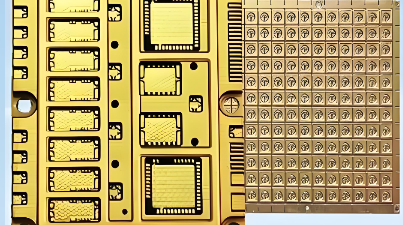
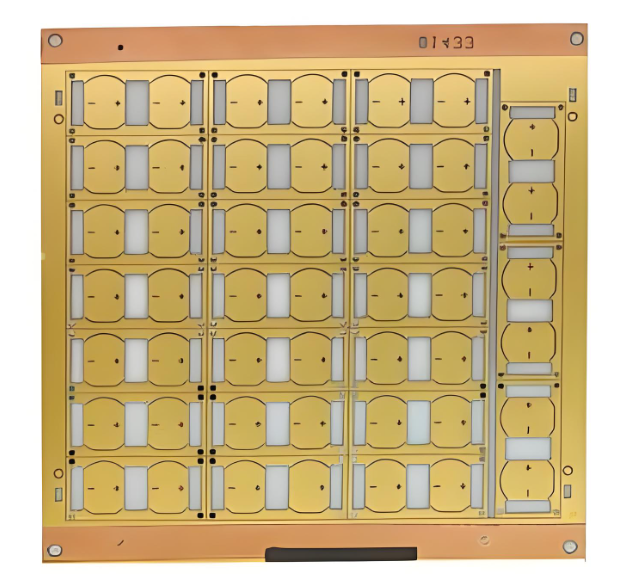
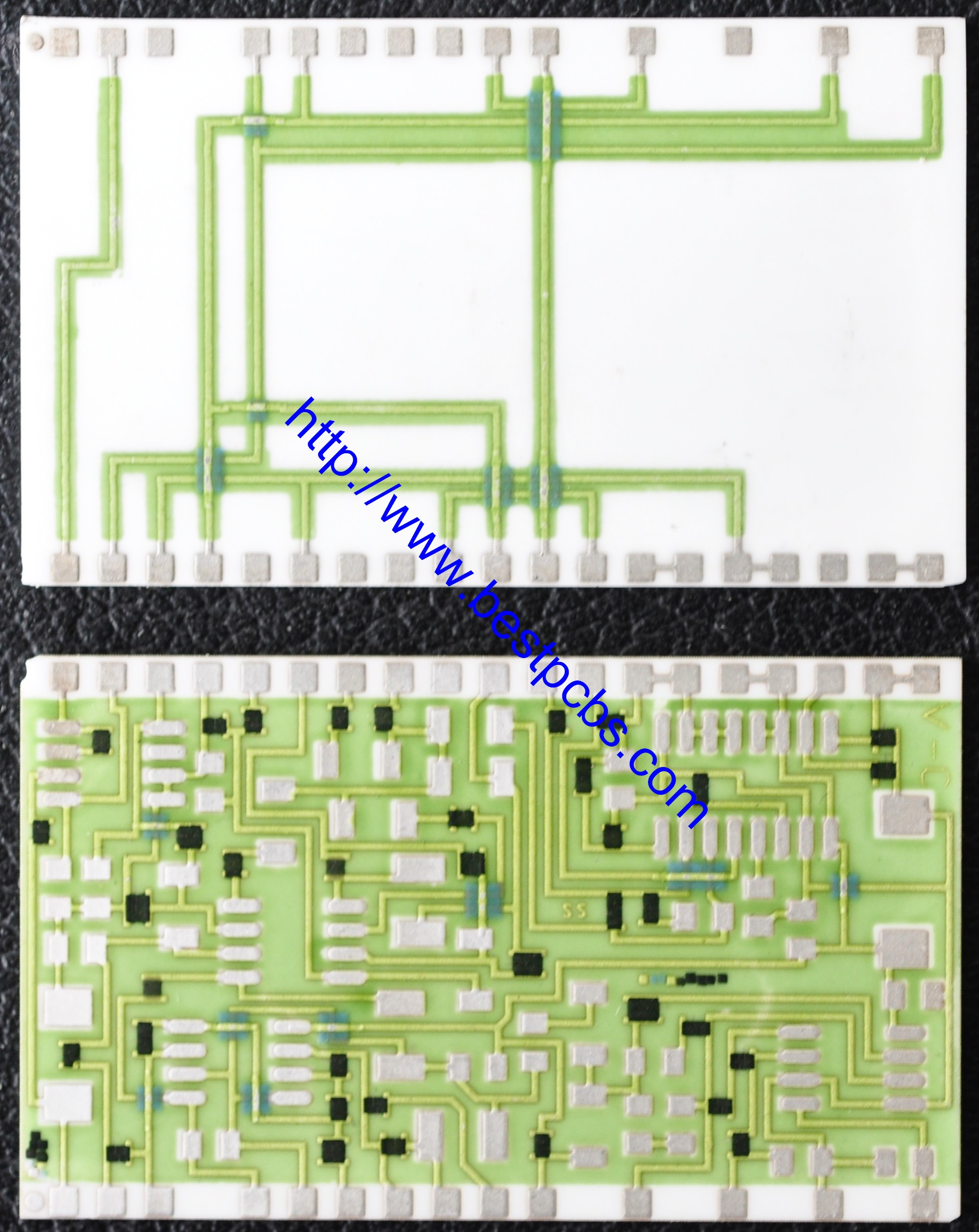
DPC (Direct Plated Copper) technology denotes a special process in which the copper foil and the Al2O3 or AlN (one or both sides) are directly plated under appropriate high temperature.
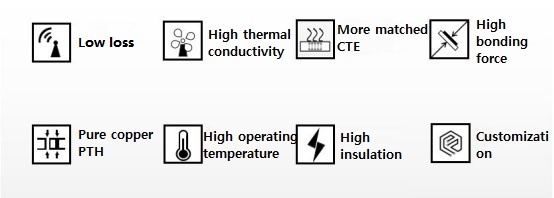
The super-thin DPC substrate has excellent electrical isolation, high thermal conductivity, fine solderability and high bonding strength. It can be etched like normal FR4 PCB, but has a high current loading capability. Therefore DPC ceramic PCB has become the base materials of construction and interconnection technology of high power semiconductor electronic circuits and also have been the basis for the “Chip On Board” (COB) technology which represent the packaging trend in the future.
Why Choose DPC Ceramic PCB?
DPC ceramic PCB is widely used in high-performance electronic packaging because it provides several practical advantages:
Excellent electrical insulation
High thermal conductivity
Fine line and fine spacing capability
Strong copper bonding strength
Good solderability for advanced packaging
High current carrying capacity
Suitable for miniaturized and high-density circuit designs
Another important benefit is that DPC ceramic PCB can be processed in a way similar to standard PCB etching, which gives engineers more design flexibility while maintaining the thermal and mechanical strengths of ceramic materials.
DPC Ceramic PCB
Typical Applications of DPC Ceramic PCB
Because of its structure and performance, DPC ceramic PCB is often used in:
High power semiconductor modules
LED packaging
RF and microwave devices
Automotive electronics
Power control systems
Laser devices
Medical electronics
Chip on Board (COB) packaging
DPC technology has become an important foundation for modern COB packaging and advanced electronic interconnection, especially in products where heat management and circuit precision are both critical.
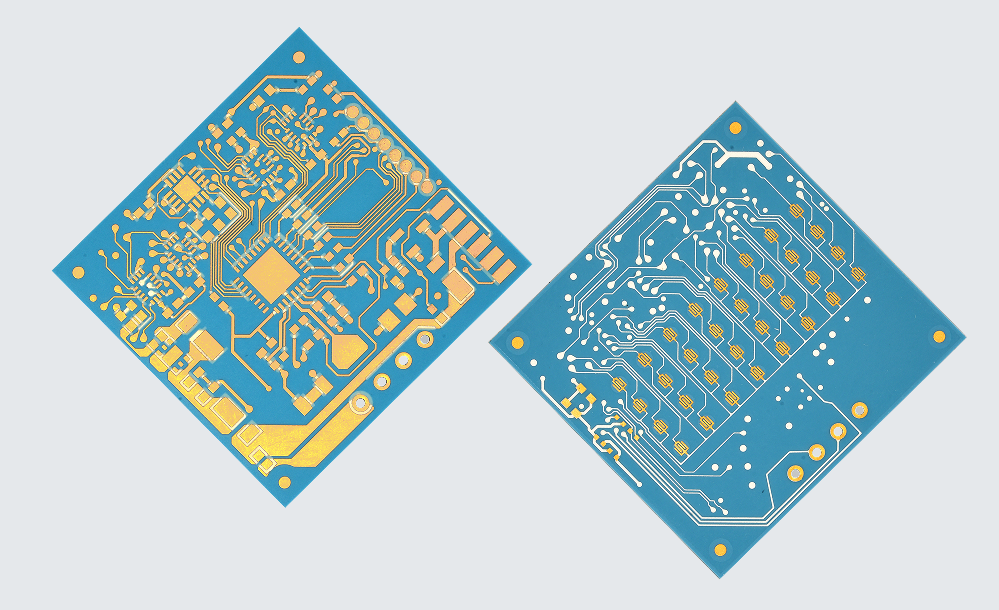
Available DPC Ceramic PCB Samples
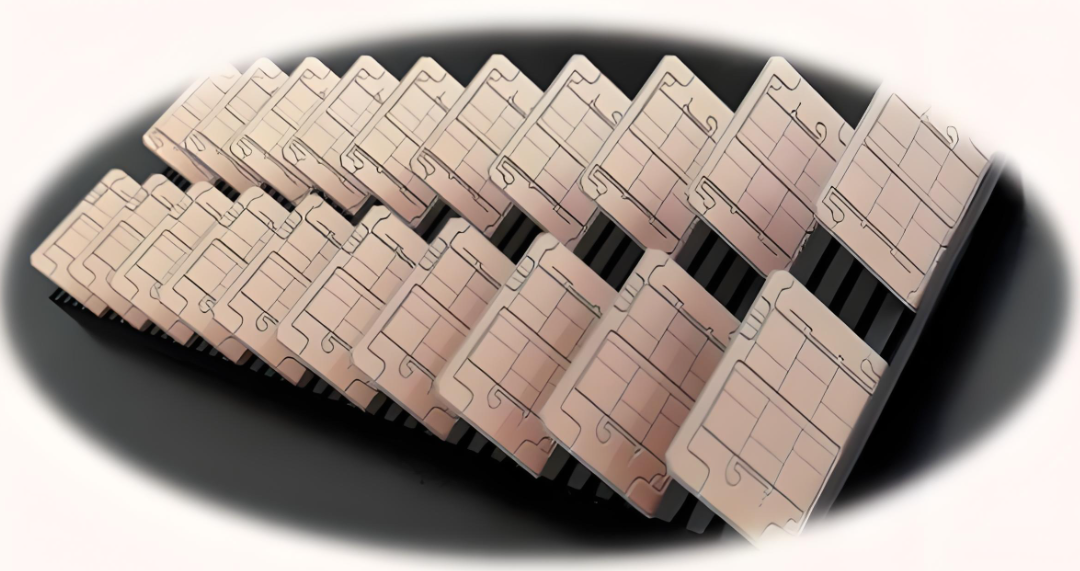
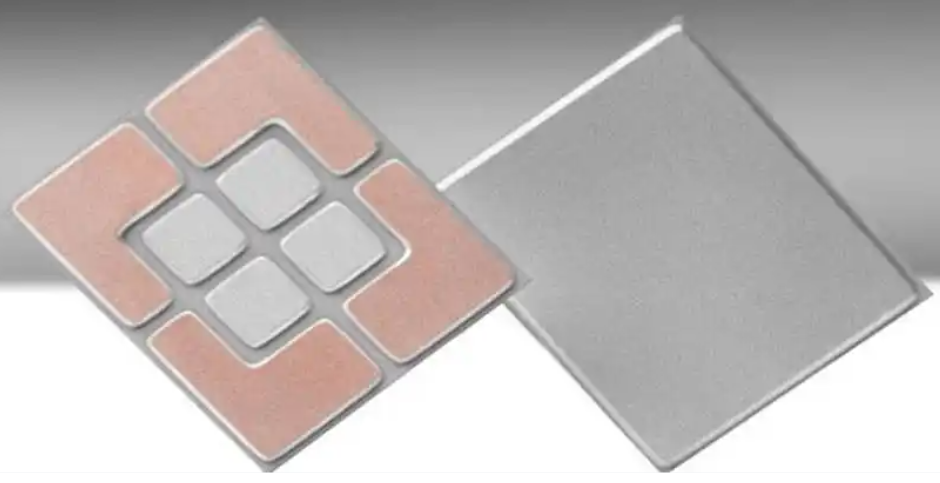
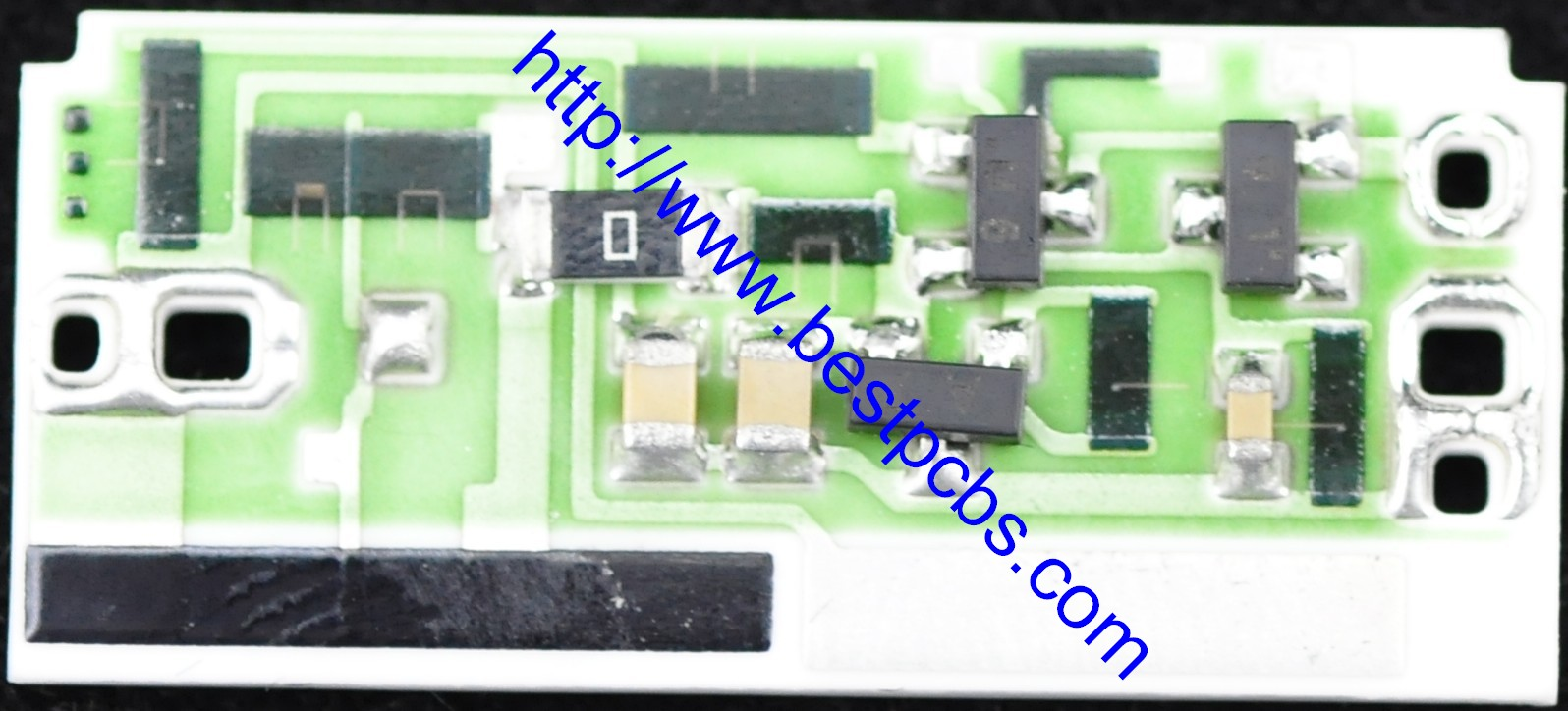
Below are some of our DPC ceramic PCB product examples for reference, you can visit the portal as below to see more product photos:
Please contact us today for more information about Ceramic circuit board (Ceramic PCB).
Learn More About Our Ceramic PCB Solutions
We offer a wide range of DPC ceramic circuit boards for customers who need reliable thermal management, precise copper patterns, and stable performance in demanding environments. You are welcome to review our product portal for more sample photos and specifications.
Contact us today to learn more about our ceramic PCB manufacturing capabilities and get support for your project.
Thin film ceramic PCB is a high-precision ceramic circuit solution used in applications that require fine conductor patterns, stable electrical performance, and reliable high-frequency transmission. This article explains what thin film ceramic PCB is, how it is made, what advantages it offers, and where it is commonly used.
For engineers, one of the biggest challenges in advanced circuit design is balancing miniaturization, accuracy, and signal stability. Standard PCB materials may not always perform well in microwave, RF, or precision analog environments. That is why thin film ceramic PCB has become a preferred option in sectors where dimensional control, low loss, and long-term stability matter.
What Is Thin Film Ceramic PCB?
A thin film ceramic PCB is a ceramic-based circuit board made with an ultra-thin conductive layer deposited directly onto the ceramic substrate. In most cases, the conductor thickness is less than 10 μm, which is thinner than that of a thick film ceramic PCB.
This thin conductive layer is formed by advanced deposition technologies such as:
Physical vapor deposition (PVD)
Sputtering
Evaporation
Electroplating
Anodic oxidation in selected applications
Because the circuit pattern can be formed with very high precision, thin film ceramic PCB is widely used in compact, high-performance electronic assemblies.
Thin Film Ceramic PCB
How Is Thin Film Ceramic PCB Different from Thick Film Ceramic PCB?
The biggest difference lies in the conductor thickness and fabrication method.
Thin film ceramic PCB uses deposited metal layers with very fine thickness control, while thick film ceramic PCB usually uses printed conductive paste followed by high-temperature firing. Here is a quick comparison between thin film and thick film ceramic PCB:
Item
Thin Film Ceramic PCB
Thick Film Ceramic PCB
Conductor Thickness
Usually below 10 μm
Usually above 10 μm
Fabrication Method
Deposition-based
Screen printing and firing
Line Precision
Very high
Moderate
Circuit Density
Higher
Lower
Electrical Accuracy
Excellent
Good
Cost
Higher
More economical
Best Use
RF, microwave, precision analog
Power circuits, standard hybrid circuits
In short, thin film ceramic PCB is often selected when the design requires tighter tolerances and better RF behavior.
What Are the Main Characteristics of Thin Film Ceramic PCB?
Compared to thick-film ceramic PCB, the major characteristics of thin-film circuits is the smaller size. However, the manufacturing equipment used is more expensive and the cost of production is higher.
Thin-film Ceramic PCB is suitable for a variety of circuits, especially for analog circuit which need high accuracy, great stability, and excellent performance. Compared with other circuits board, it is more suitable for microwave circuits.
What Types of Thin Film Ceramic Circuits Are There?
Thin film ceramic circuits are often divided into two categories based on passive element behavior.
Lumped Parameter Circuits
These circuits have passive elements concentrated in specific component regions. They are commonly used from low-frequency applications up to the microwave range.
Distributed Parameter Circuits
In these designs, electrical parameters are distributed along the circuit geometry itself. This structure is mainly used in the microwave frequency band, where line dimensions directly affect performance.
This classification is especially relevant in RF design, where layout and material selection are closely connected.
How Is Thin Film Ceramic PCB Manufactured?
Several manufacturing methods can be used to form thin conductive layers on ceramic substrates. The most common process family is physical vapor deposition, while electroplating and anodic oxidation may also be used in selected steps.
PVD is one of the most common methods for making thin film ceramic PCB. It forms metal layers on the ceramic surface inside a vacuum chamber. The two most widely used PVD methods are:
1. Evaporation
In the evaporation process, the source material is heated until it becomes vapor, then it condenses onto the ceramic substrate as a thin and uniform film.
2. Sputtering
In sputtering, particles are ejected from a target material and deposited onto the ceramic surface. This process offers good adhesion, excellent film uniformity, and strong thickness control.
These vacuum-based methods are widely used to create:
Fine conductive traces
Resistor films
Insulating layers
Protective films
Passive circuit networks
What Is the Role of Electroplating in Thin Film Ceramic PCB?
Electroplating is often used as a supplementary process. In microwave hybrid integrated circuits, it can increase the thickness of selected thin film conductors, such as microstrip lines.
This helps improve:
Current-carrying capability
Conductor performance
Power efficiency
Signal transmission in certain RF structures
Electroplating is not always the main film-forming step, but it plays an important role in performance tuning.
What Is the Role of Anodic Oxidation?
Anodic oxidation is less commonly used than PVD, but it still has value in special thin film applications.
It can be used to:
Form dielectric films
Improve insulation in specific areas
Adjust the resistance value of some thin film resistors
For highly customized circuit structures, anodic oxidation can support better control of electrical properties.
Where Is Thin Film Ceramic PCB Used?
Thin film ceramic PCB is used in products where accuracy, stability, and high-frequency behavior are critical.
Typical applications include:
RF modules
Microwave circuits
Hybrid integrated circuits
Precision analog circuits
Sensors
Aerospace electronics
Medical electronics
Telecom equipment
Defense and instrumentation systems
These applications often require materials and circuit structures that can maintain performance under temperature change, frequency stress, and long operating cycles.
Why Is Thin Film Ceramic PCB Suitable for RF and Microwave Applications?
Thin film ceramic PCB is especially suitable for RF and microwave designs because it combines:
Fine conductor geometry
Stable substrate performance
Low dimensional variation
Good high-frequency consistency
Strong thermal stability
In microwave circuits, even small variations in line width or conductor thickness can affect impedance and signal loss. Thin film technology helps reduce that variation and supports more predictable performance.
FAQ
1. What is the conductor thickness of thin film ceramic PCB?
In most cases, the conductor thickness of a thin film ceramic PCB is less than 10 μm. That is one of the main distinctions between thin film and thick film ceramic technologies.
2. Is thin film ceramic PCB better than thick film ceramic PCB?
It depends on the application. Thin film ceramic PCB is better for high precision, RF, microwave, and compact circuit designs. Thick film ceramic PCB is often more suitable for cost-sensitive or less demanding designs.
3. Can thin film ceramic PCB be used in analog circuits?
Yes. Thin film ceramic PCB is widely used in precision analog circuits because of its stable electrical performance and fine pattern accuracy.
4. Why is thin film ceramic PCB more expensive?
The cost is higher because the process requires vacuum equipment, advanced deposition technology, and tighter manufacturing control.
5. Is thin film ceramic PCB suitable for microwave circuits?
Yes. It is one of the preferred solutions for microwave circuits because it supports fine features, stable conductor behavior, and strong high-frequency performance.
Why Choose EBest Circuit for Thin Film Ceramic PCB?
EBest Circuit has extensive experience in advanced ceramic PCB manufacturing and custom circuit solutions for demanding electronic applications. We understand that thin film ceramic PCB projects often require more than basic fabrication. They need careful material selection, precise process control, and strong engineering support from design to production.
What we can offer includes:
Professional ceramic PCB manufacturing experience
We support a wide range of ceramic circuit requirements, including high-precision and high-reliability applications.
Engineering-driven support
Our team works closely with customers on material choice, stack-up suggestions, manufacturability review, and process optimization.
Support for complex applications
We understand the needs of RF, microwave, hybrid, medical, and industrial customers who require stable and repeatable circuit performance.
One-stop service
From PCB fabrication to assembly support, we help simplify the supply chain and reduce project coordination pressure.
Quality-focused manufacturing
We emphasize process consistency, inspection control, and reliable delivery to support both prototype and production needs.
If you are looking for a dependable thin film ceramic PCB manufacturer, EBest Circuit is ready to support your project with practical engineering advice and responsive service. Contact us at sales@bestpcbs.com for technical discussion and quotation support.
AMB Ceramic PCB is a high-performance ceramic substrate designed for power electronics that demand strong copper-to-ceramic bonding, efficient heat dissipation, and long-term reliability. At Best Technology, we provide custom AMB ceramic PCB solutions using Al2O3, AlN, and Si3N4 ceramic materials for customers in automotive, industrial, energy, rail transit, and high-power semiconductor industries.
If your project requires a substrate that can handle high current, thermal cycling, and harsh operating conditions, AMB PCB is a dependable choice.
Why Choose Best Technology for AMB Ceramic PCB?
At Best Technology (EBest Circuit), we provide advanced ceramic PCB solutions tailored for high-performance applications.
Our Strengths
20+ years of PCB and PCBA experience
Support for Al2O3, AlN, and Si3N4 substrates
Copper thickness up to 800 µm
Strong expertise in power modules and thermal design
Full turnkey service from PCB to assembly
Certified with ISO 9001, ISO 13485, and IATF 16949
We work closely with engineers to optimize designs for manufacturability, reliability, and cost efficiency.
AMB Ceramic PCB
What Is AMB Ceramic PCB?
AMB stands for Active Metal Brazing. It is a ceramic substrate technology that bonds copper foil to ceramic by using active brazing materials containing metal elements such as titanium, silver, zirconium, or copper.
Unlike standard bonding methods, AMB creates a strong chemical bond between metal and ceramic at high temperature. This gives the finished substrate:
Higher bonding strength
Better resistance to thermal stress
Excellent heat transfer performance
Higher reliability in demanding environments
AMB ceramic PCB is widely used in power modules, IGBT modules, SiC packaging, EV systems, traction inverters, and renewable energy equipment.
Why Choose AMB Ceramic PCB?
For many power electronics projects, the substrate must do more than just carry traces. It must also help control heat, maintain insulation, and survive repeated thermal cycling. AMB ceramic PCB is chosen because it offers:
Stronger Bonding Performance
The active metal brazing process creates a reliable bond between copper and ceramic, making the substrate more suitable for high-power module packaging.
Better Reliability Under Thermal Stress
AMB substrates are designed for applications with frequent temperature changes and high operating loads. In advanced module structures, they can support very high thermal shock resistance.
Excellent Heat Dissipation
With the right ceramic material, AMB PCB can provide strong thermal performance for power semiconductors, converters, and high-current designs.
Good Match for Advanced Power Devices
AMB substrates are widely used with SiC chips, silver sintering processes, and thick copper designs, where both heat and reliability matter.
AMB Ceramic PCB vs DBC Ceramic PCB
Both AMB and DBC are used in ceramic substrate manufacturing, but they are not the same.
Item
DBC Ceramic PCB
AMB Ceramic PCB
Bonding method
Direct bonding of copper to ceramic
Active metal brazing
Process structure
Simpler
More complex
Bonding strength
Good
Higher in many demanding applications
Thermal cycling reliability
Good
Excellent
Suitable for harsh environments
Yes
Better suited for severe conditions
Typical high-reliability use
Standard power modules
EV, traction, SiC, high-reliability power modules
In short, DBC is a strong option for many standard power applications, while AMB is often preferred when stronger bonding and better long-term reliability are required.
Ceramic Materials Available for AMB PCB
We provide AMB ceramic substrates based on different ceramic materials to match different power levels, cost targets, and reliability requirements.
1. Alumina AMB Ceramic PCB
Alumina is the most mature and cost-effective option.
Advantages:
Lower material cost
Stable supply
Mature manufacturing route
Good electrical insulation
Best for:
Cost-sensitive projects
Medium-power applications
Products with moderate thermal requirements
2. Aluminum Nitride AMB Ceramic PCB
AlN offers very high thermal conductivity, making it ideal for fast heat transfer.
Advantages:
High thermal conductivity
Excellent heat spreading
Suitable for high-power devices
Best for:
High-current applications
Power conversion systems
Compact designs with high heat density
3. Silicon Nitride AMB Ceramic PCB
Si3N4 is the preferred material for projects that require both mechanical reliability and thermal performance.
Advantages:
High bending strength
Strong thermal shock resistance
Thermal expansion closer to silicon
Excellent reliability in demanding environments
Best for:
Automotive power modules
Traction systems
Wind power converters
High-reliability SiC and IGBT packaging
Material Property Comparison
Item
Unit
Al2O3
AlN
Si3N4
Density
g/cm³
3.7
3.3
3.22
Thermal conductivity
W/(m·K)
>20
>170
>80
Coefficient of thermal expansion
ppm/°C
6.9
4.7
2.5
Bending strength
MPa
>350
>350
>700
Dielectric constant
@1MHz
9.8
9.0
8.0
Breakdown strength
kV/mm
>15
>20
>20
Alumina AMB Ceramic PCB
Alumina ceramic PCB is the most mature and cost-effective option among AMB substrate materials.
Because alumina is widely available and easier to process, it is often used where budget control matters. The manufacturing base for alumina is also more established, which helps keep cost lower.
Advantages of Alumina AMB Substrates
Mature production process
Lower material cost
Stable electrical insulation
Good availability for volume production
Limitations of Alumina
The main limitation is its relatively low thermal conductivity. Compared with AlN and Si3N4, alumina transfers heat less efficiently. For that reason, it is more suitable for:
Low to medium power applications
Products with lower thermal load
Systems with moderate reliability requirements
Aluminum Nitride AMB Ceramic PCB
Aluminum nitride ceramic PCB is known for its very high thermal conductivity. This makes it a strong option for electronic products that need fast heat removal. With thermal conductivity above 170 W/(m·K), AlN performs much better than alumina in heat dissipation. It is often selected for:
High-power electronic devices
High-current modules
Power conversion systems
Applications with limited space for heat spreading
Benefits of AlN AMB Substrates
Excellent thermal conductivity
Strong electrical insulation
Good performance in high-power designs
Better thermal management than alumina
Design Consideration
Although AlN performs very well thermally, its mechanical toughness is not as strong as silicon nitride. In repeated high and low temperature cycling, this can limit its service life in some harsh environments.
So while AlN is a very capable choice, it is usually best for applications where heat transfer is the top priority, but extreme mechanical shock resistance is not the main concern.
Silicon Nitride AMB Ceramic PCB
Silicon nitride ceramic PCB is often considered the premium choice for AMB applications that require both thermal performance and mechanical reliability.
Silicon nitride has a thermal conductivity above 90 W/(m·K) and a coefficient of thermal expansion very close to silicon. This helps reduce stress between the substrate and semiconductor chip during temperature changes.
It also offers very high bending strength, often above 700 MPa, which is much higher than alumina and AlN.
Why Si3N4 Stands Out
High mechanical strength
Good thermal conductivity
Excellent thermal shock resistance
Strong resistance to corrosion and oxidation
Better long-term reliability in harsh environments
High thermal conductivity silicon nitride ceramics usually contain a large proportion of the stable β-Si3N4 phase, which contributes to stronger and more reliable performance.
Typical Applications of Si3N4 AMB PCB
Automotive power modules
Wind turbine converters
Traction systems
High-voltage DC transmission
Power modules with partial discharge resistance requirements
In many advanced power systems, Si3N4 AMB substrates are selected when reliability matters just as much as heat dissipation.
Main Manufacturing Process of AMB Ceramic PCB
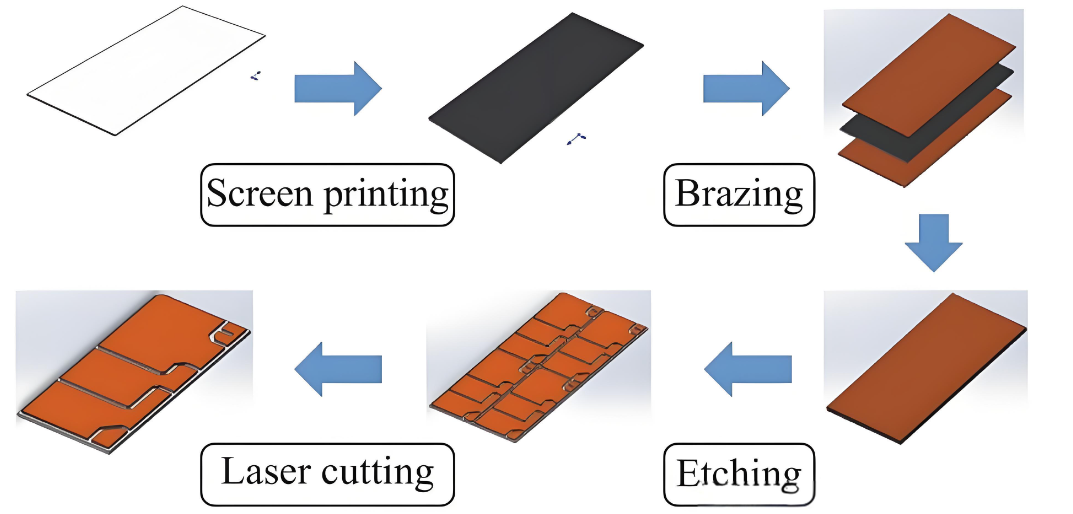
The manufacturing process of AMB ceramic PCB is more complex than standard PCB production because it combines ceramic processing, metal brazing, and precision patterning.
A typical AMB PCB production flow includes the following steps:
1. Ceramic substrate preparation
The ceramic sheet is cleaned and prepared for bonding.
2. Active metal brazing paste or filler application
A brazing material containing active metal elements is applied evenly to the ceramic surface.
3. Copper foil alignment
Copper foil is placed on the ceramic substrate.
4. High-temperature brazing
The assembly is heated under controlled conditions so the active metal reacts with the ceramic and forms a strong bond.
5. Cooling and bond stabilization
The bonded structure is cooled carefully to maintain flatness and bond quality.
6. Circuit pattern imaging
The copper layer is patterned according to the circuit design.
7. Etching
Copper is etched, and in AMB structures the extra solder layer may also need to be removed.
8. Surface finishing and inspection
The finished substrate goes through surface treatment, dimensional inspection, and reliability checks.
Because AMB products include an additional brazing layer, the production route is more demanding than DBC. However, this extra process is also what enables AMB to achieve stronger bonding and better reliability in many power module applications.
Main Features of AMB PCB
High bonding strength between copper and ceramic
Excellent thermal dissipation for high-power devices
Strong thermal cycling reliability
Good compatibility with SiC and other advanced semiconductors
Stable electrical insulation under demanding conditions
High mechanical durability, especially with silicon nitride
Support for thick copper layers, in some cases up to 800 μm
Suitable for high-voltage and high-current applications
Common Applications of AMB Ceramic PCB
High-power semiconductor modules
High-frequency switching devices
Wind power systems
Solar energy equipment
Automotive electronics
Locomotives and rail transportation
Aerospace electronics
IGBT modules
5G communication electronics
Medical devices
High-power LED lighting
Industrial control equipment
Defense and security systems
These applications often require a substrate that can operate under heat, vibration, current stress, and repeated thermal cycling without early failure.
Need a Reliable AMB Ceramic PCB Supplier?
If you are looking for an AMB ceramic PCB manufacturer for automotive, IGBT, SiC, renewable energy, or industrial power applications, Best Technology is ready to support your project.
Send us your design files or technical requirements, and our engineering team will review them and provide a suitable solution.
LTCC ceramic PCB is a multilayer ceramic substrate designed for compact, high-frequency, and high-reliability electronic applications. Best Technology provides custom LTCC ceramic solutions for RF modules, antennas, automotive electronics, communication devices, radar systems, and other advanced products.
Whether you need a compact multilayer ceramic substrate, embedded passive integration, or a stable platform for microwave and RF performance, our engineering team can support your project from design review to manufacturing.
What Is LTCC Ceramic PCB?
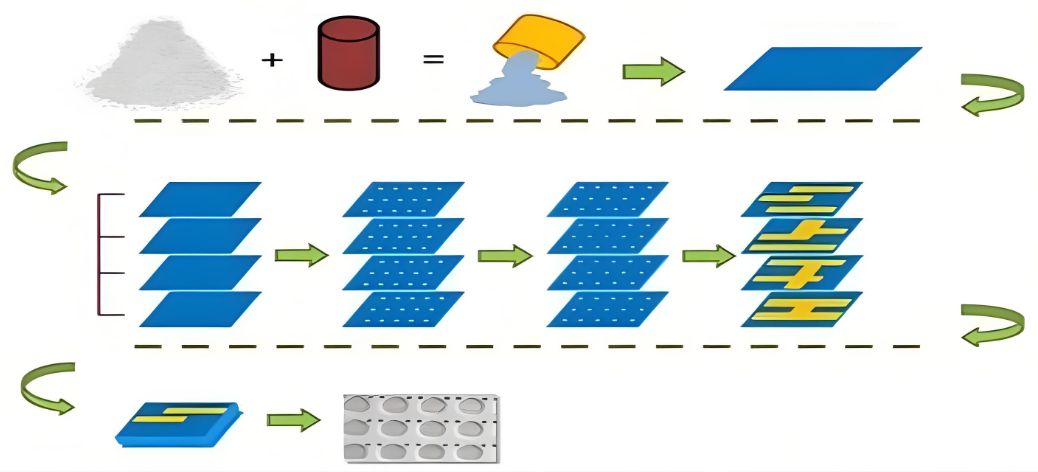
LTCC stands for Low Temperature Co-Fired Ceramic. It is made by printing conductive patterns on ceramic green sheets, stacking them layer by layer, filling vias, and co-firing the full structure at a relatively low temperature compared with traditional ceramic firing methods.
This process creates a dense and integrated ceramic substrate with excellent dimensional stability, good high-frequency performance, and strong suitability for miniaturized electronic modules.
Compared with conventional PCB materials, LTCC offers a more advanced packaging platform for applications that require smaller size, better electrical consistency, multilayer routing in limited space, embedded passive components, stable RF behavior, and reliable performance under temperature variation.
LTCC Ceramic PCB
Why Choose LTCC Ceramic PCB?
LTCC is widely used when standard PCB materials are no longer enough for the design target. It helps engineers combine electrical performance, compact layout, and functional integration in one substrate.
Key Benefits of LTCC Ceramic PCB
High wiring density for multilayer compact designs
Embedded passive components to save board space
Good RF and microwave performance for signal-sensitive products
Low thermal expansion for better dimensional stability
Fine line capability for miniaturized circuits
Strong integration potential for compact modules
Reliable multilayer structure after co-firing
Better thermal behavior than many traditional PCB platforms
For products where size, signal quality, and long-term reliability matter, LTCC is often a strong engineering choice.
LTCC Ceramic PCB Features
Our LTCC ceramic substrates are designed for advanced electronic assemblies that need both performance and packaging efficiency.
Multilayer Ceramic Structure
LTCC supports multilayer circuit construction in a compact body. This makes it suitable for products where design space is limited but routing demand is high.
Embedded Passive Integration
Passive elements such as resistors, capacitors, and inductive structures can be integrated into the substrate. This reduces surface crowding and leaves more space for active components.
Good High-Frequency Performance
LTCC is well suited for RF and microwave circuits because it supports short signal paths and effective grounding structures. This is especially valuable in antenna modules, filters, duplexers, and RF front-end designs.
Stable Performance Across Temperature Changes
Ceramic materials offer good thermal and dimensional stability. This helps maintain consistent electrical performance in demanding working environments.
Compact and Lightweight Design Support
By moving more functions into the substrate itself, LTCC helps reduce overall module size and supports lightweight electronic packaging.
LTCC Ceramic PCB Manufacturing Process
LTCC production is a controlled multilayer ceramic process. Each step directly affects the reliability and final performance of the substrate.
1. Ceramic Slurry Preparation Ceramic powder, glass materials, and organic binders are mixed into a stable slurry.
2. Tape Casting The slurry is cast into thin ceramic green tapes with controlled thickness.
3. Via Punching Via holes are formed in the green sheets to create vertical electrical connections between layers.
4. Via Filling The vias are filled with conductive material to ensure interlayer conductivity after firing.
5. Circuit Printing Conductive pastes and functional materials are printed onto the ceramic sheets.
6. Layer Stacking and Alignment Each printed sheet is stacked in the required sequence with precise alignment.
7. Lamination The stacked structure is laminated under pressure to build a stable green body.
8. Co-Firing The laminated ceramic body is fired at around 850°C to 900°C, forming a dense integrated ceramic substrate.
9. Inspection and Testing Finished LTCC parts go through electrical and process inspection to verify quality and function.
Typical Applications of LTCC Ceramic PCB
LTCC is widely used in industries that demand compact structure, stable electrical performance, and reliable multilayer ceramic technology.
RF front-end modules
Antennas
Filters and duplexers
Automotive electronics
Radar systems
Aerospace electronics
Power base stations
Communication equipment
Microwave devices
Industrial electronic modules
High-density sensor packages
Compact wireless devices
As devices move toward higher frequency and smaller form factors, LTCC continues to be a preferred option for many advanced electronic designs.
LTCC Ceramic PCB for RF and Microwave Applications
LTCC is especially valuable in RF and microwave products because of its structural and electrical advantages.
For high-frequency circuits, shorter signal paths and strong grounding are essential. LTCC makes both easier to achieve in a compact footprint. It also supports integrated module design, which helps reduce assembly complexity and improve overall package efficiency.
This is why LTCC is often used in RF filters, antenna modules, duplexers, amplifier modules, integrated front-end modules, and high-frequency communication products.
For engineers working on compact RF systems, LTCC provides a practical balance of electrical performance and package miniaturization.
LTCC Ceramic PCB vs Traditional PCB
Item
LTCC Ceramic PCB
Traditional PCB
Base Material
Ceramic
Organic laminate
Structure
Multilayer co-fired ceramic
Layered laminate board
Embedded Passives
Available
Limited
High-Frequency Suitability
Excellent
Depends on material
Thermal Stability
High
Moderate
Size Reduction Potential
Strong
More limited
Integration Level
High
Lower
Dimensional Stability
Strong
Lower than ceramic
LTCC is not a replacement for every board type, but it is a better fit when the design requires high integration, compact size, and stable RF performance.
Custom LTCC Ceramic PCB Services
At Best Technology, we support custom LTCC ceramic substrate projects for a wide range of industrial and electronic applications.
Custom LTCC structure design
Engineering review before production
Via and multilayer layout support
Embedded passive integration discussion
Prototype and volume production support
Electrical performance-focused process control
Application-oriented technical communication
If your project requires a small ceramic module with reliable electrical performance, our team can help evaluate the right LTCC solution for your design.
Why Work With EBest Circuit (Best Technology)?
Choosing the right LTCC supplier is not only about price. It is also about process control, engineering support, and manufacturing consistency.
20+ years of PCB and PCBA manufacturing experience
Support for ceramic PCB, MCPCB, FR4 PCB, and special PCB projects
Engineering-based communication for custom applications
Fast response for technical review and quotation
Support from prototype to mass production
One-stop service for PCB fabrication and assembly needs
Experience serving customers in industrial, automotive, and high-performance electronics fields
We understand that advanced ceramic substrates require more than standard production capability. They require close engineering coordination, controlled manufacturing steps, and clear communication throughout the project.
FAQ
What is LTCC ceramic PCB?
LTCC ceramic PCB is a low temperature co-fired ceramic substrate made by stacking printed ceramic green sheets and firing them into one multilayer ceramic structure.
What is the firing temperature of LTCC?
LTCC is typically co-fired at around 850°C to 900°C.
Why is LTCC used in RF applications?
LTCC supports compact multilayer designs, short signal paths, and strong grounding performance, which makes it suitable for RF and microwave modules.
Can LTCC include embedded passive components?
Yes. LTCC technology can integrate passive components inside the ceramic substrate, helping save surface space.
What industries use LTCC ceramic substrates?
LTCC is widely used in communication, automotive, aerospace, radar, industrial electronics, and high-frequency electronic products.
Is LTCC better than FR4?
It depends on the application. For standard electronics, FR4 may be enough. For compact RF modules, ceramic stability, and high integration needs, LTCC is often the better option.
Request a Quote for LTCC Ceramic PCB
Looking for a reliable LTCC ceramic PCB manufacturer for your next RF, microwave, or compact electronic project?
Best Technology provides custom ceramic PCB support based on your design and application needs. Send us your Gerber files, drawings, or technical requirements, and our team will review your project and provide a suitable solution.
A thick film ceramic PCB is made by screen-printing functional pastes onto a ceramic base and then sintering the printed layers at high temperature. After firing, the material forms durable conductive paths or functional structures on the ceramic surface. In simple terms, a thick film ceramic circuit board combines the stability of a ceramic base with printed electrical features that can support conductors, resistors, and other functional layers.
The term “thick film” refers to the thickness of the printed conductive or resistive layer. In most cases, the conductor thickness starts at around 10 μm and often falls in the 10 to 13 μm range, with some designs reaching 20 μm. This is thicker than the metallization used in thin-film ceramic technology, but still thinner than the copper structure commonly found in DCB ceramic boards or standard FR4 boards.
A thick film ceramic substrate can do more than carry conductor traces. It can also support:
Conductors
Printed resistors
Dielectric layers
Cross-over conductors
Semiconductor-related functional structures
Because of this flexibility, thick film ceramic PCB is widely used in hybrid modules, sensor circuits, and compact control electronics.
Thick Film vs Thin Film Ceramic PCB
The comparison between thick film vs thin film ceramic PCB is one of the most common questions in ceramic electronics. Although both technologies use ceramic materials as the base, their process routes, cost structures, and application focus are quite different.
Item
Thick Film Ceramic PCB
Thin Film Ceramic PCB
Main Process
Screen printing + firing
Vacuum deposition or sputtering
Typical Conductor Thickness
10–20 μm
Much thinner
Cost Position
More economical for many industrial uses
Usually higher
Printed Resistor Integration
Easy
Less common
Fine-Line Capability
Moderate
Higher
Typical Use
Hybrid circuits, sensors, power-related modules
Precision circuits and ultra-fine patterns
In practical use, thick film ceramic PCB is often selected when the design needs better functional integration, a stable ceramic base, and a more workable cost. Thin film ceramic PCB is more suitable when very fine line resolution or higher pattern precision is the priority.
What Materials Are Used in an Alumina Ceramic Thick Film PCB?
An alumina ceramic thick film PCB is the most common version of this technology. The substrate is usually made from 96% or 98% alumina, because alumina offers a strong balance of electrical insulation, thermal resistance, and manufacturing practicality. For applications that require higher thermal conductivity, AlN is also a common choice. In some specialized cases, beryllium oxide may be used as well.
Common Substrate Materials
Material
Typical Feature
Notes
96% Alumina
Standard industrial choice
Good balance of cost, insulation, and manufacturability
98% Alumina
Higher purity
Better stability for more demanding designs
AlN
High thermal conductivity
Often used in high-power modules and applications with strict heat dissipation needs
BeO
Excellent thermal conductivity
Used in specialized applications with stricter handling and safety requirements
Common Substrate Thickness Options
0.25 mm
0.38 mm
0.50 mm
0.635 mm
0.76 mm
1.0 mm
1.6 mm or 2.0 mm as custom options
Common Conductor Materials
Conductor Material
Typical Use
Silver-Palladium
Common and more cost-effective
Gold-Palladium
Premium applications and bonding-friendly designs
Mo/Mn + Ni
Certain special environments, including ozone-related use
The choice of thick film ceramic substrate material affects both cost and performance. For example, gold-palladium is far more expensive than silver-palladium, so it is generally used only when the application truly needs its bonding or performance advantages.
What Are the Main Technical Parameters in Thick Film PCB Manufacturing?
When evaluating thick film PCB manufacturing capability, engineers usually focus on conductor thickness, minimum line width, resistor integration, and possible layer count. These factors directly affect whether the board can match the intended circuit design.
Parameter
Typical Capability
Substrate Material
96% / 98% Alumina, AlN, BeO
Conductor Thickness
≥10 μm, up to 20 μm
Standard Trace/Space
0.30 / 0.30 mm
Finer Production Capability
0.20 / 0.20 mm with higher cost
Prototype Fine Line
0.15 / 0.20 mm in limited cases
Final Trace Layout Tolerance
±10%
Typical Layers
1L and 2L
Maximum Layers
Up to 10L
PTH
Available for selected multilayer or double-sided designs
Solder Mask
Optional
Solder Mask Color
Semi-transparent
Solder Mask Heat Resistance
Above 500°C
These parameters show why thick film PCB manufacturing is well suited to many industrial, automotive, lighting, and sensor-related designs. It is not aimed at ultra-fine microelectronic geometry, but it offers very good process stability for a broad range of practical applications.
Can a Thick Film Printed Resistor Ceramic Board Integrate Different Resistor Values?
Yes. One of the strongest advantages of a thick film printed resistor ceramic board is that resistor elements can be integrated directly onto the ceramic surface. This means one substrate can carry conductors and resistors together, reducing the need for extra discrete components in some designs.
A thick film printed resistor ceramic board can include:
A single resistor value across the entire design
Different resistor values in different circuit areas
Combined conductor and resistor functions on one substrate
That is why thick film ceramic PCB is often used in resistor cards, hybrid circuits, analog control modules, and sensor products. At the same time, resistor complexity affects cost. In general, the more resistor values placed on one board, the more difficult the process becomes, and the higher the price is likely to be.
Can Thick Film Ceramic PCB Support Wire Bonding?
Yes, thick film ceramic PCB can support wire bonding, but the requirement should be defined early. Both gold-palladium and selected silver-palladium conductor systems can support gold wire bonding, although not every standard conductor paste is equally suitable for that purpose.
If wire bonding is required, the supplier should know this during quotation and engineering review. That early confirmation helps with:
Correct conductor system selection
Better process compatibility
Improved bonding reliability in production
For bonding-related projects, early material matching is always more effective than changing the design later.
What Board Structures Are Available for a Thick Film Hybrid Circuit Board?
A thick film hybrid circuit board is most commonly produced as a 1-layer or 2-layer design, but multilayer structures are also possible for more complex projects. Because a ceramic thick film circuit can integrate conductors and resistor functions on the same substrate, it is often chosen for compact modules that need both electrical function and dimensional stability.
Common Build Styles
Single-sided thick film hybrid circuit board
Double-sided thick film ceramic PCB
Multilayer ceramic thick film circuit structures
PTH-supported designs for selected projects
Optional solder mask upon request
Shape and Delivery Notes
Rectangular boards are the most common format
Boards can be shipped as single pieces
Boards can also be delivered in panel form
For standard production, rectangular shapes are usually the easiest to process, inspect, and ship. In most cases, they also provide the best balance between manufacturing efficiency and handling convenience.
What Are the Most Common Thick Film Ceramic PCB Applications?
Thick film ceramic PCB applications are broad, especially in products that need heat resistance, electrical stability, and compact function integration. Because the ceramic base can remain stable under demanding conditions, this technology is widely used across industrial and automotive sectors.
Typical Applications
High-power LED
Street light
High-brightness lighting
Automotive light systems
Hybrid integrated circuits for automotive
Fuel sender resistor card
Injection systems
Anti-lock braking systems
High-power semiconductor modules
Electric power transmitter modules
Semiconductor process equipment
Solar cell applications
Sensors
Telecommunication devices
Chip and wafer-related electronic applications
What Affects the Cost of Thick Film Ceramic PCB?
The cost of thick film ceramic PCB depends on material selection, conductor system, resistor design, and processing difficulty. Even when two projects look similar on the surface, their price can change noticeably if the conductor material, resistor count, or line definition is different.
Main Cost Factors
Gold-palladium is much more expensive than silver-palladium
More resistor values on the same board increase cost
Finer trace and spacing increase process difficulty
More layers add complexity
Special substrate thickness adds cost
Bonding-compatible conductor systems may require special materials
Small prototype runs with fine features often cost more per piece
For many engineers, thick film ceramic PCB offers a useful performance upgrade over standard boards without reaching the cost level of DCB in many practical use cases.
What Should Buyers Confirm Before Ordering?
A clear design review before production helps avoid rework, shorten communication time, and improve quotation accuracy. This is especially important for ceramic projects, where material and conductor choices directly affect the process route.
Buyer Checklist
Substrate material
Ceramic purity
Substrate thickness
Conductor material
Conductor thickness requirement
Minimum trace and spacing
Number of resistor values
Whether wire bonding is required
Whether PTH is needed
Layer count
Solder mask requirement
Single-piece or panel delivery
If you are interested in thick film ceramic PCB, please contact us today for more information about Thick Film Ceramic circuit board.