PCB manufacturing PCB manufacturing
Home > Blog

Ceramic PCB board, Low Volume&Customization

September 18th, 2024

In the field of electronics, ceramic circuit boards are quietly opening a new revolution with their unique charm and excellent performance. Ceramic circuit boards are gradually becoming the focus of the electronics industry, leading the industry to a more efficient, stable and advanced technological era.

What is a ceramic pcb board?

ceramic pcb board, also known as ceramic printed circuit board, is a printed circuit board that uses ceramic as a substrate instead of traditional fiberglass or epoxy resin. Compared with traditional substrates, ceramic materials have a variety of advantages, making them ideal for high-performance electronic applications.

Ceramic PCB board, Low Volume&Customization

What are the different types of ceramic PCB?

There are several types of ceramic materials commonly used in PCB boards, including aluminum oxide (Alā‚‚Oā‚ƒ), aluminum nitride (AlN), and beryllium oxide (BeO). Each material has its own unique properties and advantages.

1. Alumina ceramic pcb board

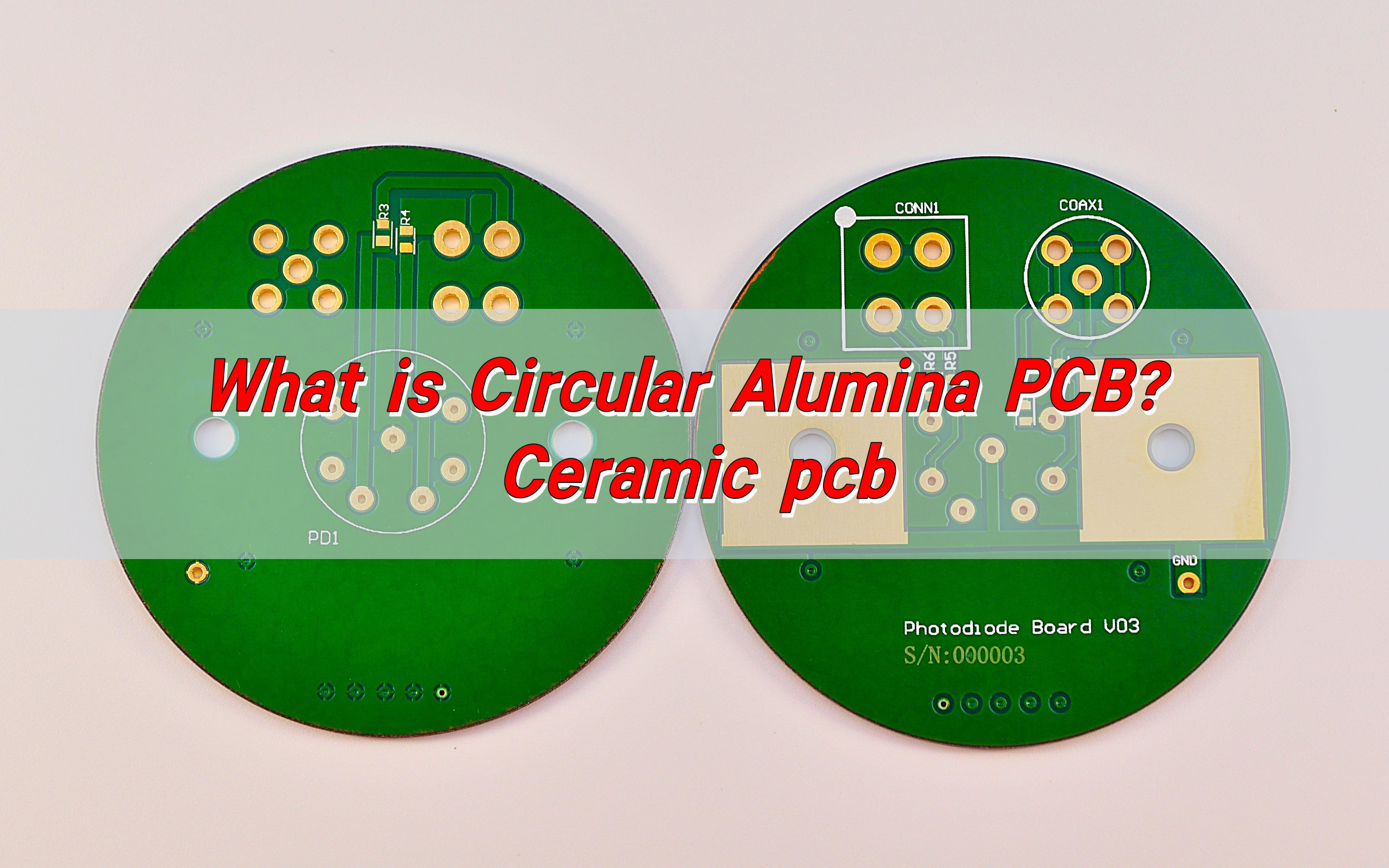
Alumina is the most widely used ceramic material in PCB boards. It has excellent electrical insulation, high thermal conductivity and good mechanical strength. Alumina ceramic pcb boards are suitable for a wide range of applications, including power electronics, LED lighting and automotive electronics.

Ceramic PCB board, Low Volume&Customization

2. Aluminum Nitride ceramic pcb board

Aluminum nitride is a high-performance ceramic material with extremely high thermal conductivity. This makes it ideal for applications where heat dissipation is a key factor, such as high-power LEDs, power modules, and RF/microwave equipment.

3. Beryllium Oxide ceramic pcb board

Beryllium oxide is a highly toxic material, but it has excellent thermal conductivity and electrical insulation. Due to its toxicity, beryllium oxide ceramic pcb boards are only used in special applications where other materials cannot meet the performance requirements.

What is the high temperature ceramic PCB?

High temperature ceramic PCBā€Œ is a special ceramic circuit board designed for high temperature environments, commonly known as high temperature co-fired ceramic (HTCC) circuits. This circuit board is made by mixing adhesives, lubricants, solvents, plasticizers, and aluminum oxide to make raw ceramics, and then forming circuits.

The main feature of high temperature ceramic PCBs is their high temperature resistance, which allows them to work stably under extreme temperature conditions, making them ideal for applications that require high reliability and long-term stability.

In addition, during the manufacturing process of high-temperature ceramic PCB, the copper foil and the ceramic substrate are bonded together. This bonding method not only has strong bonding strength, but also the copper foil will not fall off, thus ensuring the performance stability in harsh environments such as high temperature and high humidity.

The materials of high-temperature ceramic PCB usually include ceramic materials such as aluminum oxide (Al2O3), beryllium oxide (BeO), aluminum nitride (AlN), silicon carbide (SiC) and boron nitride (BN). These materials are not only very effective in conducting heat, but also good electrical insulators, making high-temperature ceramic PCBs perform well in applications that require high thermal conductivity and excellent electrical properties.

In general, high-temperature ceramic PCB is a high-performance, high-reliability circuit board, especially suitable for applications that require high thermal conductivity, excellent electrical properties, and stable operation in harsh environments, such as aerospace, military electronics, etc.

What are the manufacturing processes involved in ceramic pcb boards?

The manufacturing process of ceramic pcb boards is more complicated than that of traditional PCB boards. It generally involves the following steps:

1. Substrate preparation

Ceramic substrates are prepared by sintering ceramic powder at high temperatures. The sintered substrate is then polished and cleaned to ensure a smooth surface for subsequent steps.

2. Circuit pattern formation

Circuit patterns are formed on ceramic substrates using various methods, such as screen printing, photolithography, or laser ablation. In screen printing, a conductive paste is printed onto the substrate to form a circuit pattern. Photolithography involves the use of a photomask and photoresist to create a circuit pattern. Laser ablation uses a laser to remove unwanted ceramic material to form a circuit pattern.

3. Metallization

After the circuit pattern is formed, the substrate is metallized to provide conductivity. This is usually done by sputtering or electroplating a thin layer of metal, such as copper or gold, onto the substrate.

4. Component mounting

Electronic components are then mounted onto the ceramic pcb board using surface mount technology (SMT) or through-hole technology (THT). SMT involves soldering components directly onto the surface of the PCB board, while THT involves inserting components into holes in the PCB board and soldering them to the bottom surface.

What are the advantages of ceramic pcb boards?

ceramic pcb boards have several advantages over traditional PCB boards, making them ideal for high-performance electronic applications. Some of the main advantages include:

  • 1. High thermal conductivity: Ceramic materials have excellent thermal conductivity, which allows for efficient heat dissipation.
  • 2. High electrical insulation: Ceramic materials have high electrical insulation, which reduces the risk of electrical short circuits and improves the reliability of electronic devices.
  • 3. Good mechanical strength: Ceramic materials have good mechanical strength, making them resistant to vibration and shock.
  • 4. Small size and light weight: ceramic pcb boards can be made very thin and lightweight, making them ideal for portable electronic devices.
  • 5. High-frequency performance: Ceramic materials have low dielectric losses and high frequency stability, making them suitable for high-frequency applications such as RF/microwave equipment.

What is a ceramic PCB used for?

Ceramic PCBs have a wide range of applications, including:

  • 1. Power Electronics: Ceramic PCBs are widely used in power electronics applications such as power modules, inverters, and converters. The high thermal conductivity and electrical insulation of ceramic materials make them ideal for handling high power levels.
Ceramic PCB board, Low Volume&Customization
  • 2. LED Lighting: Ceramic PCBs are used in LED lighting applications due to their excellent heat dissipation properties. The high thermal conductivity of ceramic materials helps to extend the life of LEDs by reducing operating temperatures.
  • 3. Automotive Electronics: Ceramic PCBs are used in automotive electronics applications such as engine control units, power steering systems, and airbag controllers. The high mechanical strength and reliability of ceramic materials make them suitable for use in harsh automotive environments.
  • 4. Aerospace and Defense: Ceramic PCBs are used in aerospace and defense applications due to their high performance and reliability. The small size and light weight of ceramic PCBs make them ideal for satellite and missile systems.
  • 5. Medical Devices: Ceramic PCBs are used in medical devices such as pacemakers, defibrillators, and hearing aids. The high electrical insulation and biocompatibility of ceramic materials make them suitable for use in medical applications.

How is ceramic pcb board developing?

As the electronics industry continues to develop, there is a growing demand for high-performance PCB boards that can meet the growing requirements of advanced electronic devices. ceramic pcb boards are expected to play an important role in meeting this demand. Some future trends in ceramic pcb board technology include:

1. Increased use of high-performance ceramic materials

As the performance requirements of electronic devices continue to increase, there is a growing demand for high-performance ceramic materials such as aluminum nitride and silicon carbide. These materials have higher thermal conductivity and electrical insulation than traditional ceramic materials, making them ideal for next-generation electronic devices.

2. Passive component integration

In order to reduce the size and weight of electronic devices, there is a growing trend to integrate passive components such as resistors, capacitors, and inductors onto PCB boards.

3. 3D printing of ceramic pcb boards

3D printing technology is emerging as a promising method for manufacturing ceramic pcb boards. 3D printing can create complex geometries and structures that are difficult to achieve using traditional manufacturing methods.

4. Development of hybrid PCBs

Hybrid PCBs that combine ceramic and traditional substrates are being developed. Hybrid PCBs can use ceramic substrates for the power section and traditional fiberglass substrates for the signal section.

Ceramic PCBs are a revolutionary technology that offers several advantages over traditional PCBs. As the electronics industry continues to grow, ceramic PCBs are expected to play an increasingly important role in meeting the growing demand for advanced electronic devices.

Ceramic pcb, High Mixed&Customization

September 18th, 2024

In today’s era of rapid technological development, electronic devices have become an indispensable part of our lives. Behind this, a new type of circuit board material, ceramic pcb, is gradually becoming the most favored object in the field of electronics.

What is a ceramic pcb?

Ceramic circuit board, as the name suggests, is a circuit board made of ceramic as the substrate. Compared with traditional organic circuit boards, ceramic pcbĀ have many unique advantages. Ceramic materials have extremely high heat resistance, insulation and mechanical strength, and can work stably under extreme environmental conditions.

Ceramic pcbĀ Manufacturer, High Mixed&Customization

At the same time, ceramic pcb also have good thermal conductivity, which can effectively dissipate the heat generated by electronic components and improve the reliability and stability of electronic equipment.

Briefly describe the manufacturing process of ceramic pcb

The manufacturing process of ceramic pcbs is very complicated and requires multiple processes to complete.

First, it is necessary to select suitable ceramic materials, such as aluminum oxide, aluminum nitride, etc. These ceramic materials have different performance characteristics and can be selected according to specific application requirements.

Then, through precise processing technology, the ceramic material is made into the required shape and size. Next, advanced printing technology is used to print circuit graphics on the ceramic substrate.

Finally, through high-temperature sintering and other processes, the circuit pattern is fixed on the ceramic substrate to form a ceramic pcb.

What are the different types of ceramic PCB?

  • Alumina ceramic PCB:

Alumina ceramic PCB is one of the most commonly used types of ceramic PCBs in the current market. It has the advantages of low price, good thermal conductivity, high resistance, high hardness, high electrical insulation, strong corrosion resistance, and high biocompatibility.

Ceramic pcbĀ Manufacturer, High Mixed&Customization

It is mainly used in white light, infrared, VCSEL LED lamps and other fields, usually used for 3W to 5W power LEDs. In the alumina PCB market, there are 75%, 96% and 99% alumina PCBs. The higher the purity, the better the performance, but the higher the cost.

  • Aluminum nitride ceramic PCB:

The thermal conductivity of aluminum nitride ceramic PCB is 7 to 10 times higher than that of alumina PCB. It has the advantages of high thermal conductivity and resistance, high hardness, high mechanical strength, high electrical insulation, strong corrosion resistance, high biocompatibility, and thermal expansion coefficient close to Si.

It is considered to be the most promising ceramic PCB in the future and is widely used in high-power LEDs, power modules, laser fields, etc.

  • Silicon nitride ceramic PCB:

Silicon nitride ceramic PCB has the advantages of high thermal conductivity, high strength, high fracture toughness, etc., and is mainly used in IGBT modules, vehicle modules, military industry, aerospace, aviation modules and other fields.

Unlike brittle traditional ceramic materials, at high temperatures, silicon nitride PCB has good mechanical strength and fracture toughness, and the thermal expansion coefficient matches that of Si. But the manufacture of silicon nitride PCB is not easy, the bonding of the circuit layer to the ceramic substrate is unstable, and the resistance and insulation are low.

  • Silicon carbide ceramic PCB:

Silicon carbide ceramic PCB has the advantages of good strength even at 1400°C, extremely high thermal conductivity and resistance, good semiconductor conductivity, high hardness, etc.

Mainly used in the laser field, it is easy to work at 1000°C. At present, the manufacturing cost of silicon carbide PCB is extremely expensive, but with the advancement of manufacturing technology in the future, it is expected to be more widely used.

What are the advantages of ceramic pcb?

  • 1. High thermal conductivity: Ceramic materials have good thermal conductivity and can effectively dissipate the heat generated by electronic components.
  • 2. High insulation: Ceramic materials have extremely high insulation properties, which can effectively prevent short circuits and leakage between circuits.
  • 3. High mechanical strength: Ceramic materials have high mechanical strength and can withstand large external forces and vibrations.
  • 4. Good dimensional stability: The thermal expansion coefficient of ceramic materials is very small, and they can maintain dimensional stability under different temperature environments.
  • 5. Good chemical stability: Ceramic materials have good chemical stability and can resist the erosion of various chemical substances.

What are the application areas of ceramic pcb?

  • 1. LED lighting: Since LED lamps generate a lot of heat when working, circuit boards with good thermal conductivity are needed to dissipate heat.
  • 2. Power electronics: Power electronic devices usually need to withstand high voltages and high currents, so circuit boards with good insulation and mechanical strength are needed.
  • 3. Aerospace: The aerospace field has very high requirements for the reliability and stability of electronic equipment, so it is necessary to use circuit boards with good heat resistance, insulation and mechanical strength.
  • 4. Medical equipment: Medical equipment has very high requirements for the safety and reliability of electronic equipment, so it is necessary to use circuit boards with good insulation and chemical stability.
  • 5. Communication equipment: Communication equipment has very high requirements for the high-frequency performance and stability of electronic equipment, so it is necessary to use circuit boards with good high-frequency performance and dimensional stability.

How thick is ceramic PCB?

The thickness of ceramic PCB varies depending on different types and application scenarios. Generally speaking, the thickness of common ceramic PCBs ranges from 0.25mm to 1.5mm.

Ceramic pcbĀ Manufacturer, High Mixed&Customization

The thickness of alumina ceramic PCBs is usually 0.5mm – 1.5mm. Alumina ceramics are widely used because of their low cost, and the choice of board thickness usually depends on the specific application requirements.

In some occasions where space requirements are not high but a certain mechanical strength is required, thicker alumina ceramic PCBs may be selected, such as 1.2mm or 1.5mm thickness. In some small electronic devices with limited space, thinner alumina ceramic PCBs, such as 0.5mm or 0.8mm thickness, may be selected.

The thickness of aluminum nitride ceramic PCB is relatively thin, generally between 0.25mm – 1.0mm.

Aluminum nitride has better thermal performance, but it is also more expensive. Due to its high thermal conductivity, in some applications with extremely high heat dissipation requirements, such as heat dissipation substrates for high-power semiconductor chips, thinner aluminum nitride ceramic PCBs may be selected to achieve better heat dissipation and more compact design.

In some high-end electronic devices, aluminum nitride ceramic PCBs with a thickness of 0.5mm or 0.6mm may be used.

In short, the thickness of ceramic PCBs has a certain flexibility and can be selected according to specific application scenarios and performance requirements.

At what temperature does ceramic PCB melt?

Ceramic PCBs usually do not “melt” like metals.

Ceramic materials have very high melting points, such as the melting point of alumina ceramics is about 2050ā„ƒ, and the melting point of aluminum nitride ceramics is about 2200ā„ƒ. In the normal use environment of electronic equipment, ceramic PCBs will hardly reach such high temperatures.

It should be noted that although the ceramic PCB itself will not melt, the metal circuits, solder, etc. on it may change or be damaged at too high a temperature.

As an innovative treasure in the field of electronics, ceramic pcbs have many unique advantages and broad application prospects. It is believed that in the near future, ceramic pcbswill become the mainstream circuit board material in the electronics field and make greater contributions to the development of electronic technology.

Street Light MCPCB,MCPCB Factory&Manufacturer

September 18th, 2024

Being the market leader, we offer high quality range of LED Street Light MCPCB or Street Light PCB. These PCB are manufactured using high grade raw material under the supervision of expert and professional team with international quality standards.

Street Light

Street Light PCB

5w12V led street light mcpcb,size:14x14mm ā‘  10mm 5W 12V 2C2B 300mA 120- 130lm+/W
10w24V led street light mcpcb,size:18x18mm ā‘  13mm 10W 24V 4C2B 300mA 120-130lm+/W
15w30V led street light mcpcb,size:19x19mm ā‘  16mm 15W 36V 6C2B 300mA 120-130lm+/W
20w30V led street light mcpcb,size:24x24mm 019mm 20W 30V 5C4B 600mA 120-130lm+/W
20w30V led street light mcpcb,size:56x40mm 24x24mm 20W 30V 5C4B 600mA 120- 130lm+/W
30w30V led street light mcpcb,size:56x40mm 24x24mm 30W 30V 5C6B 900mA 120-130lm+/W
50w32V led street light mcpcb,size: 56x40mm 24x24mm 50W/4 32V 5C9B 1.5A 120-130lm+/W
50w42V led street light mcpcb,size: 56x40mm 24x24mm 50W/4 42V 7C7B 1A 120-130lm+/W
50w32V led street light mcpcb,size:56x40mm 24x24mm 50W 32V 5C10B 1.5A 120-130lm+/W
200w36V led street light mcpcb,size:194mm ā‘  185mm 200W 36V 10C5BM 1.5Ax4 130- 140lm+/W

These Street Light PCB are available for our valuable customers at affordable cost in market. Due to their precise design and high functionality our offered materials are ideal for making wide variety of led street light of various watt and models.

Street Light MCPCB

MCPCB production process

Substrate preparation: Select appropriate metal substrates, such as aluminum, iron, copper, indium copper, tungsten-molybdenum alloy, etc., as the base of MCPCB. These metal substrates have good thermal conductivity and are the core components of MCPCB.

Insulating dielectric layer coverage: Cover the metal substrate with an insulating dielectric layer. Common insulating dielectrics include modified epoxy resin, polyphenylene ether, polyimide, etc. This layer not only provides the insulation performance required by the circuit, but also enhances the mechanical strength and durability of the MCPCB.

Copper layer laying: Lay the copper layer on the insulating dielectric layer to form the conductive part of the circuit. The copper layer is made through the production process of printed circuit boards, and the corresponding circuits are laid according to the needs of electronic circuits.

Thermocompression bonding process: The metal substrate, insulating dielectric layer and copper layer are combined together through the thermocompression bonding process to form the basic structure of the MCPCB. This step ensures the close bonding between the layers and improves the stability and reliability of the MCPCB.

Circuit production: According to the design requirements, circuit lines are made on the copper layer. This includes drilling, dry film covering, exposure, development and other steps to ensure the accuracy and conductivity of the circuit line.

ā€ŒInspection and testingā€Œ: Inspect and test the completed MCPCB to ensure that its performance meets the design requirements. This includes inspection of the circuit surface and aluminum base surface, as well as testing of conductivity and insulation performance.

What are the advantages of mcpcb

Excellent heat dissipation performance: MCPCB usually adopts aluminum substrate or copper substrate, which has good thermal conductivity, can effectively dissipate the heat generated by electronic components, and improve the stability and reliability of the circuit board. This excellent heat dissipation performance makes MCPCB particularly suitable for high switching power applications, such as LED lighting, power modules, automotive electronics and power electronics, among which LED lighting is one of the most widely used fields of MCPCB.

ā€ŒHigh mechanical strength: The base material of metal core PCB is thicker, with high mechanical strength and bending and torsion resistance, which is conducive to the assembly and transportation of electronic products. This feature makes MCPCB perform well in environments that need to withstand greater physical pressure or frequent movement.

ā€ŒReliable welding performance: After the surface of metal core PCB is coated with solder paste, it has good welding performance and is suitable for surface mount technology (SMT) and plug-in welding technology. This feature improves the applicability of MCPCB in PCBA processing, making it a preferred material in the manufacture of modern electronic products.

ā€ŒCorrosion and wear resistance: Metal core PCB has strong corrosion resistance and wear resistance, which is suitable for electronic products in harsh environments. This feature enables MCPCB to work stably for a long time under high temperature, humidity or other extreme conditions, improving the durability and reliability of the product.

ā€ŒSpace savingā€Œ: Compared with traditional FR-4 substrates, MCPCB has higher heat dissipation performance, which can design smaller electronic products and save space. This advantage is particularly important in devices with limited space, such as portable electronic devices such as smartphones and tablets.

ā€ŒImprove reliabilityā€Œ: Good welding performance and corrosion resistance can improve the reliability and stability of the circuit board and reduce the failure rate. This is especially important in critical systems and equipment, such as medical equipment, industrial control systems, etc., where reliability and stability are crucial factors.

What accessories does a street lamp have?

  1. Lamp holder. The lamp holder of a street lamp is usually an LED lamp, which is the core part of the street lamp. It is responsible for converting electrical energy into light energy to provide lighting services for people. The quality of the lamp holder directly affects the lighting effect and life of the street lamp.
  2. Lamp pole. The lamp pole is the part that supports the lamp holder. It is usually made of metal and has various shapes such as conical poles and prismatic poles. Street lamps in different scenes may require lamp poles of different heights and shapes to meet lighting needs. In addition, safety issues should also be considered, such as anti-theft design and prevention of excessive wind force. In addition, installation accessories such as clamps are also used to fix the lamp pole.
  3. Light source. The light source is an important part of the street lamp, including LED lamp beads, bulbs, etc. The choice of light source is related to key indicators such as brightness, energy consumption and life of the street lamp. At present, LED light sources are widely used in street lamps due to their high efficiency, energy saving and long life.
  4. Electrical control device. The electrical control device includes components such as ballast, trigger, light control switch, etc., which are used to control the working state of the street lamp and protect the circuit safety. For example, light-operated switches can automatically turn streetlights on and off according to ambient light, saving energy. In addition, some advanced streetlights may also be equipped with intelligent control systems to achieve remote monitoring and management.
  5. Installation accessories. These include small parts such as clamps and screws. Although these parts are not conspicuous, they are very important for the installation and maintenance of streetlights. For example, clamps are used to fix the connection between the top of the lamp pole and the lamp head, and screws are used to fix various parts to ensure the stability and safety of the streetlight.

What are the street lights?

Ordinary street lights
Ordinary street lights are the most common lighting facilities on the streets. They usually use light bulbs or LED lamp heads and are installed on light poles to provide basic lighting for pedestrians at night.

Solar street lights
Solar street lights are an environmentally friendly street light that uses solar panels to absorb solar energy, converts energy into electrical energy, stores it in batteries, and lights up the street lights at night through control devices. Solar street lights do not need to be connected to an external power supply, have low maintenance costs, and are widely used in parks, suburban roads and other places.

LED street lights
LED street lights use light-emitting diodes as light sources, which have the advantages of high efficiency, energy saving, long life, safety and reliability. LED street lights have good lighting effects and can be intelligently adjusted according to different environments. They are the first choice for modern urban street light renovation.

Landscape street lights
In addition to the basic lighting function, landscape street lights also emphasize artistic decorative effects. It is usually integrated with the surrounding environment, with unique design and diverse shapes, and is used to increase the beauty and cultural atmosphere of street landscapes.

Multifunctional street lights
Multifunctional street lights integrate multiple functions such as lighting, monitoring, and communication. In addition to providing lighting, this type of street lamp is also equipped with cameras, display screens and other devices for urban management and security monitoring.

What are the ceramic pcb material?

September 16th, 2024

In this ever-changing era, electronic devices are changing our lives at an unprecedented speed. From smartphones to cars to industrial automation equipment, these products all hide an important component – ceramic printed circuit boards (Ceramic PCBs).

What are the commonly used materials for ceramic PCB substrates?

Imagine that in a tiny space, there are countless electronic components, which are closely arranged and interconnected to form a complex and sophisticated network. This is the working environment of ceramic PCBs. In order to ensure that these components can work normally under harsh conditions such as high temperature and high pressure, it is crucial to choose a suitable substrate.

Commonly used ceramic PCB substrates are mainly the following:

1. Alumina (Al2O3):

  • It is one of the preferred materials for its excellent insulation performance, good thermal conductivity and high mechanical strength.
What are the ceramic pcb material?
  • Alumina substrates are usually used to make single-layer ceramic PCBs, which are suitable for applications under medium temperature and pressure conditions.
  • It has extremely high chemical stability and is not easy to react with other substances, thus ensuring the long-term reliability of the circuit.

2. Aluminum nitride (AlN):

  • Compared with aluminum oxide, aluminum nitride has higher thermal conductivity and can dissipate heat more effectively, making it an ideal choice for manufacturing high-performance electronic products.
What are the ceramic pcb material?
  • Aluminum nitride substrates are often used to make double-layer or multi-layer ceramic PCBs, especially for high-frequency signal transmission and high power density applications.
  • In fields such as semiconductor packaging and LED lighting, the outstanding performance of aluminum nitride makes it one of the indispensable materials.

3. Silicon nitride (Si3N4):

  • It is known for its excellent heat resistance and chemical stability, and it still performs well in extreme environments.
  • Silicon nitride substrates not only have extremely high mechanical strength, but also can withstand a higher temperature range. They are widely used in demanding scenarios such as aerospace, automotive electronics and military equipment.

What are the commonly used conductor materials for ceramic PCBs?

Conductor materials play an extremely important role in ceramic PCBs. They are responsible for transmitting signals and electricity and are the link between various functional modules.

Common conductor materials include precious metals such as copper, gold, and silver, as well as nickel plating. Among them, copper is widely used for its good conductivity and affordable price; gold shines in high-end applications for its excellent corrosion resistance; silver is between the two, combining cost-effectiveness and reliability.

  • As the most commonly used conductor material, copper foil is soft enough to easily combine with ceramic substrates to form a durable circuit path.
  • Gold foil is mainly used in occasions that require high reliability and long life, such as aerospace, medical equipment, etc. The oxidation resistance and corrosion resistance of gold enable it to maintain stable electrical performance in extreme environments, ensuring the normal operation of key components.
  • Silver foil is widely used in mid- and low-end products due to its good conductivity and low cost. Silver’s conductivity is second only to gold, but it is more affordable in terms of cost and is suitable for large-scale production and application. In certain specific fields, such as high-frequency circuits and wireless communication equipment, silver foil can also play an important role.

What are the types of ceramic PCBs?

With the advancement of technology, ceramic PCBs have also developed into various types to adapt to various application scenarios:

1. Single-layer ceramic PCB:

  • Simple structure, low cost, suitable for occasions with low performance requirements.
  • This type of PCB usually has only one layer of ceramic substrate, on which a layer of conductor material is laid to form a basic circuit layout.
  • Single-layer ceramic PCBs are mainly used for entry-level electronic products, such as ordinary household appliances and basic communication equipment.

2. Double-layer or multi-layer ceramic PCB:

  • By stacking multiple layers of ceramic substrates and setting interconnection channels between them, more complex circuit designs can be achieved, which is suitable for high-end products that require high-density integration.
What are the ceramic pcb material?
  • This type of PCB can accommodate more electronic components and more complex circuit structures, and is widely used in high-performance computing, advanced medical equipment and high-end automotive electronic systems.
  • Multilayer ceramic PCBs have high design flexibility and can be customized according to specific needs to achieve optimal performance.

3. Hybrid ceramic PCB:

  • Combining ceramic substrates of different materials, giving full play to their respective advantages, suitable for use in special environments.
  • This type of PCB usually uses two or more ceramic materials, such as a combination of alumina and aluminum nitride, which can ensure good thermal conductivity and provide sufficient mechanical strength.
  • Hybrid ceramic PCBs are suitable for applications with extreme temperature changes and high pressure conditions, such as deep-sea exploration equipment and space exploration instruments.

Advantages and characteristics of ceramic PCB

The reason why ceramic PCBs stand out among many materials is inseparable from their unique advantages:

High temperature resistance:

  • It can remain stable at temperatures up to 1000ā„ƒ, making it an ideal choice for high-temperature working environments.
  • Ceramic materials themselves have extremely high melting points and are not easy to deform or damage even under extremely high temperature conditions, which enables ceramic PCBs to operate reliably in extreme environments.

High reliability:

  • It will not deform or damage even under long-term exposure to extreme conditions, ensuring the continuous and reliable operation of the system.
  • Ceramic materials have high chemical stability and are not easy to react with other substances, so they can maintain stable electrical performance in harsh environments.

Excellent thermal management capabilities:

  • Efficient heat dissipation helps to extend the life of components and improve overall efficiency.
  • The high thermal conductivity of ceramic materials enables it to quickly conduct heat away, effectively reducing the temperature of the circuit board, thereby improving the reliability and service life of the system.

Environmentally friendly and pollution-free:

  • The production process meets green environmental protection standards and is easy to recycle and reuse after disposal.
  • The production process of ceramic PCBs produces less waste, and the discarded materials can be recycled, which is in line with the concept of sustainable development.

These characteristics make ceramic PCBs an important force in promoting scientific and technological progress, and continue to lead the industry to a higher level.

What are the applications of ceramic PCBs?

From aerospace to medical equipment, from automotive electronics to communication facilities, ceramic PCBs are everywhere.

In satellite navigation systems, ceramic PCBs ensure positioning accuracy with their reliable signal transmission capabilities; in medical devices such as pacemakers, they rely on their ability to accurately control current to protect patient safety. In addition, in the construction of 5G base stations, ceramic PCBs also play an irreplaceable role, supporting the demand for high-speed data transmission.

Specific application cases are as follows:

  • 1. Aerospace: In satellite communication systems, the high reliability of ceramic PCBs ensures the accuracy of data transmission. During long-term flight, ceramic PCBs can resist extreme temperature changes, maintain stable electrical performance, and ensure unimpeded communication between satellites and ground stations.
  • 2. Medical equipment: In implantable medical devices such as pacemakers, the miniaturization and high reliability of ceramic PCBs become key factors. Ceramic materials have good biocompatibility and will not have adverse effects on human tissues. At the same time, they can provide precise current control to ensure therapeutic effects.
  • 3. Automotive electronics: In modern automobiles, ceramic PCBs are widely used in key components such as engine control systems, sensors, and navigation systems. The high temperature resistance of ceramic PCBs enables it to operate reliably in high-temperature environments in the engine compartment, ensuring the safety and comfort of the vehicle.
  • 4. 5G communication: In the construction and maintenance of 5G base stations, the efficient heat dissipation capacity and high-density integration characteristics of ceramic PCBs make them an ideal choice. Ceramic PCBs can handle a large number of data transmission tasks and ensure the high-speed and stable operation of 5G networks.

What is the production process of ceramic PCB?

The production process of ceramic PCBs is very delicate, and every step needs to be strictly controlled to ensure the high quality of the final product.

  • 1. Raw material preparation: First, the required ceramic powder and other raw materials need to be prepared to ensure their purity and uniformity.
  • 2. Molding: The ceramic powder is made into a substrate by pressing or casting. The temperature and pressure need to be strictly controlled during the molding process to ensure the flatness and consistency of the substrate.
  • 3. Sintering: The formed substrate is placed in a high-temperature furnace for sintering. The sintering process requires precise control of the temperature curve to ensure the density and stability of the ceramic substrate.
  • 4. Metallization: A layer of conductor material such as copper, gold or silver is applied to the ceramic substrate by electroplating, spraying or other means. This process requires highly precise operation to ensure the uniform distribution and good adhesion of the conductor layer.
  • 5. Circuit design and etching: According to the circuit design drawings, etching is performed on the conductor layer to form the required circuit pattern. The etching process requires the use of special chemicals, and the time and temperature need to be precisely controlled to ensure the accuracy and clarity of the circuit pattern.
  • 6. Testing and inspection: Finally, the completed ceramic PCB is fully tested and inspected to ensure that its electrical and mechanical properties meet the design requirements. The test items include resistance, voltage, current and other indicators.

Through this series of fine process flows, ceramic PCBs have excellent performance and reliability and have become an indispensable part of the electronics industry.

What are the development trends and prospects of ceramic PCBs?

With the continuous advancement of science and technology and the growing social needs, ceramic PCBs are also constantly developing and improving. In the future, ceramic PCBs will show greater potential in the following aspects:

  • 1. Miniaturization and integration: As electronic products develop towards smaller and higher integration, ceramic PCBs will continue to shrink in size while accommodating more electronic components. This means achieving more complex functions in a limited space and improving the performance of the overall system.
  • 2. High performance and high reliability: In the future, ceramic PCBs will pay more attention to high performance and high reliability, especially in applications under extreme environments. The application of new materials and new technologies will further enhance the temperature resistance, mechanical strength and electrical stability of ceramic PCBs, enabling them to play a role in a wider range of fields.
  • 3. Environmental protection and sustainable development: As the global awareness of environmental protection increases, the production process of ceramic PCBs will pay more attention to environmental protection and sustainable development. The research and development and application of new environmentally friendly materials will become an important direction to reduce the impact on the environment.
  • 4. Intelligence and automation: Ceramic PCBs in the future will be more intelligent and automated. By introducing advanced manufacturing technology and intelligent control systems, production efficiency and product quality can be further improved, costs can be reduced, and market demand can be better met.

In short, as an advanced electronic material, ceramic PCBs have unique advantages and broad application prospects, making them an important force in promoting scientific and technological progress. With the continuous advancement of technology and changes in social needs, ceramic PCBs will continue to show greater potential and development space in various fields.

Ceramic base pcb-Fast Delivery&Customization

September 16th, 2024

In this field full of innovation and challenges, ceramic base pcb have quietly emerged and quickly attracted the attention of the industry with their excellent performance and broad application prospects.

What is a ceramic base pcb?

Ceramic base pcb are made of ceramic as the matrix material through complex and sophisticated processes. This type of circuit board has many unique properties, which makes it widely used in many fields.

Ceramic base pcb-Fast Delivery&Customization

Ceramic substrates are easier to break than glass fiber boards, and the process is more difficult than ordinary PCB boards, and the process technology requirements are high. In the production process, there are important process links such as drilling, copper coating, and etching.

The copper coating process plays a key role in the ceramic substrate PCB process. The commonly used copper coating processes are DBC process and DPC process. In the DPC process, the electroplating process is adopted, and the adhesion layer and seed layer are formed on the ceramic surface through the sputtering process to increase the adhesion strength of the metal circuit and play a conductive role.

The etching of ceramic-based circuit boards is divided into inner layer etching and outer layer etching. Different etching methods have different processes and characteristics. At the same time, some problems may occur in the etching process, such as incomplete film removal, board surface oxidation, incomplete copper etching, excessive copper etching, etc., and corresponding improvement methods need to be adopted.

In short, ceramic base pcb occupy an important position in the electronics field due to their unique properties and complex manufacturing processes.

What are the different types of ceramic PCB?

(I) Classification by material

  • Alumina ceramic substrates are the most commonly used substrate materials in the electronics industry. They have high strength and chemical stability, rich raw material sources, and are suitable for various technical manufacturing and different shapes.
  • Beryllium oxide ceramic substrates have a higher thermal conductivity than metal aluminum and are used in situations where high thermal conductivity is required, but the temperature drops rapidly after exceeding 300°C, and their toxicity limits their own development.
  • Aluminum nitride ceramic substrates have high thermal conductivity and expansion coefficients that match Si, and are ideal large-scale integrated circuit heat dissipation substrates and packaging materials.
  • Silicon nitride ceramic substrates have higher mechanical strength than other ceramics and can achieve long life in harsh working environments and HEV/EV and other renewable energy application conditions.

(II) Classification by process

  • Thick film ceramic PCBs use screen printing technology to coat metal slurry on the surface of ceramic substrates, which are dried and sintered at high temperature. Its advantage is that the process is relatively simple and the cost is low.
  • Low-temperature co-fired ceramic (LTCC) PCB first mixes inorganic alumina powder with about 30% – 50% glass material and organic binder to make a slurry, scrapes it into sheets to form a green embryo, then drills through holes according to the design of each layer, uses screen printing technology to fill holes and print circuits, and finally sintered at 850 – 900ā„ƒ.
  • High-temperature co-fired ceramic (HTCC) PCB first adds ceramic powder to an organic binder to make a paste slurry, scrapes it into sheets to form a green embryo, then drills through holes, uses screen printing technology to fill holes and print circuits, and sintered at 1300 – 1600ā„ƒ.

What are the characteristics of ceramic base pcb?

(I) Performance advantages

  • First, it has strong mechanical stress, can maintain a stable shape in various complex use environments, and is not easily deformed by external forces.
Ceramic base pcb-Fast Delivery&Customization
  • High thermal conductivity is one of its notable features. For example, the thermal conductivity of alumina ceramic substrates is between 28 and 35 W/(m惻K), and the theoretical thermal conductivity of aluminum nitride ceramic substrates at room temperature is 319W/(m惻K), which allows the heat generated by electronic components to be quickly dissipated, effectively avoiding circuit failures caused by local overheating.
  • High insulation ensures the safe and stable operation of the circuit and prevents leakage. Good thermal cycle performance is also one of its advantages, with a cycle number of up to 50,000 times and high reliability.
  • In an environment with extreme temperature changes, ceramic base pcb can still maintain stable performance, which is crucial for some electronic devices that need to work in harsh environments.

(II) Comparison with traditional PCBs

Compared with conventional PCBs, ceramic base pcb have obvious advantages.

  • In terms of thermal conductivity, traditional PCBs usually require heat dissipation holes, inner metal planes, heat dissipation platforms, and active cooling devices such as fans to remove heat from hot components. However, ceramic base pcb, with their high thermal conductivity, do not require these additional components and can easily transfer heat to active cooling components, thermal landings, or device packaging.
  • In terms of mechanical strength, ceramic base pcb have higher compressive strength and surface hardness, higher durability, and longer service life.
  • In terms of corrosion resistance, ceramic materials are extremely resistant to most chemicals and are suitable for applications in harsh environments.

However, ceramic base pcb also have some disadvantages.

  • The cost is higher than that of standard PCBs, which is due to the relatively complex materials and manufacturing processes.
  • Reduced availability, because the current production scale of ceramic base pcb is relatively small and the manufacturing difficulty is relatively high.
  • Fragility is one of the main disadvantages of ceramic base pcb, and currently only small-area circuit boards can be manufactured.

Manufacturing process of ceramic base pcb

(I) Drilling process

Ceramic substrates are generally drilled by laser. Laser drilling technology has many advantages over traditional drilling technology, such as high precision, high surface flatness, roughness of 0.1μm~0.3μm, laser drilling aperture of 0.15mm-0.5mm, and even below 0.06mm.

(II) Copper coating process

Commonly used copper coating processes include DBC process and DPC process.

In the DPC process, electroplating process is adopted. Copper coating refers to covering the area without wiring on the circuit board with copper foil, which is connected to the ground wire to increase the ground wire area, reduce the loop area, reduce the voltage drop, and improve the power supply efficiency and anti-interference ability.

In addition to reducing the ground wire impedance, copper coating also has the functions of reducing the loop cross-sectional area and enhancing the signal mirror loop.

Therefore, the copper coating process plays a very critical role in the ceramic substrate PCB process. Incomplete, truncated mirror loop or incorrectly positioned copper layer often leads to new interference, which has a negative impact on the use of the circuit board.

(III) Etching process

The etching of ceramic substrates is divided into inner layer etching and outer layer etching. The inner layer etching adopts acid etching, and wet film or dry film is used as resist; the outer layer etching adopts alkaline etching, and tin-lead is used as resist.

1. The alkaline etching process is as follows:

  • Defilming: Use film stripping liquid to remove the film on the circuit board surface to expose the unprocessed copper surface.
  • Etching: Use etching liquid to etch away the unnecessary bottom copper, leaving a thickened circuit.
  • New washing liquid: Use monohydrated ammonia without copper ions, and use ammonium chloride solution to remove the residual liquid on the board surface.
  • Hole filling: Mainly remove excess palladium ions in non-plated through holes to prevent gold ions from being deposited in the gold immersion process.
  • Tin stripping: Use nitric acid solution to strip the tin-lead layer.

2. Acid copper chloride etching process:

  • Development: Use sodium carbonate to dissolve the part of the dry film that has not been irradiated by ultraviolet light, and retain the part that has been irradiated.
  • Etching: According to a certain proportion of solution, the copper surface exposed to the outside after the dry film or wet film is dissolved is dissolved with acidic copper chloride etching solution.
  • Film stripping: According to a certain proportion of solution, the protective film on the circuit is dissolved under a specific temperature and speed environment.

Common problems and improvement methods of etching process:

  • 1. Incomplete film stripping: It may be that the film stripping solution concentration is not enough or the operation time is insufficient. It is necessary to adjust the film stripping solution concentration or extend the operation time.
  • 2. Board surface oxidation: It may be that the exposure time is too long or the ambient humidity is high during the etching process. The exposure time should be shortened as much as possible and the ambient humidity should be controlled.
  • 3. Incomplete copper etching: It may be that the etching solution concentration is low or the etching time is short. The etching solution concentration needs to be increased or the etching time needs to be extended.
  • 4. Excessive copper etching: It may be that the etching time is too long or the etching solution concentration is too high. The etching time should be reduced or the etching solution concentration should be reduced.

What is a ceramic PCB used for?

(I) High-frequency applications

Ceramic base pcb perform well in high-frequency applications. Due to its high dielectric constant and low dielectric loss tangent value, it can maintain good stability and reliability in high-frequency signal transmission.

In high-frequency electronic equipment such as mobile phones, microwave ovens, radars, communication equipment and other fields, ceramic base pcb can effectively reduce noise interference and improve signal transmission quality. In addition, ceramic base pcb can withstand higher output power to meet the power requirements of high-frequency equipment.

Ceramic base pcb-Fast Delivery&Customization

(II) Aerospace

ceramic base pcb have important application value in the aerospace field. Its thermal expansion coefficient is very close to silicon and much lower than most common metals, which enables it to work well with other electronic components in an environment with extreme temperature changes and will not damage the chip due to thermal expansion and contraction.

In key parts of aircraft electronic equipment, navigation systems, rocket engines, etc., ceramic base pcb can withstand harsh environments such as high temperature, high pressure, radiation, and corrosion to ensure the reliability of the equipment.

(III) Other fields

ceramic base pcb are also widely used in power devices, communication substrates, mobile phone application module substrates, automotive electronic substrates and other fields.

In the field of power devices, such as the power electronic system of electric vehicles, DPC ceramic circuit boards, as ideal electronic substrates, play an important role in battery management systems, motor drive systems and fast charging systems.

In terms of communication substrates, ceramic substrates, that is, high-frequency filters used in high-frequency ceramic substrates, are used in 5G network equipment. They have low high-frequency loss and low dielectric constant. The dielectric loss of signals propagating in them can reach the lowest among all current PCBs, which is particularly suitable for high-frequency communications such as 5G.

In the mobile phone application module substrate, ceramic base pcb can meet the requirements of mobile phones for miniaturization and high performance. In the field of automotive electronic substrates, new energy vehicles have high requirements for heat dissipation. Ceramic substrates have good heat dissipation effects and can dissipate high heat in the power system in time to ensure the normal operation of large power loads.

Development prospects of ceramic base pcb

(I) Market size growth

In recent years, the market size of ceramic base pcb has shown a trend of continuous growth.

First, with the development of miniaturization, high performance and multi-functionality of electronic equipment, the requirements for heat dissipation performance, insulation performance and high-frequency characteristics of circuit boards are getting higher and higher.

Secondly, technological progress has driven the cost reduction and production efficiency improvement of ceramic base pcb, which will further promote the expansion of its market size.

Finally, the continuous emergence of emerging application fields has also brought a broad market space for ceramic base pcb.

(II) Industry challenges and opportunities

Technical barriers: The ceramic base pcb industry is a technology-intensive industry. Its research and development and production require knowledge of multiple disciplines such as electronics, computers, materials, and chemicals, and there are many product types, long processes, and complex process technologies.

Fundamental barriers: The ceramic base pcb industry has complex process technologies, many links, and high customization requirements. In the early stage, a large amount of capital investment is required for the purchase of equipment, new plant buildings and supporting facilities, procurement of raw materials, and the employment of R&D and production personnel.

Talent barriers: The ceramic circuit board industry is highly professional. Technical and R&D personnel not only need to have professional knowledge in multiple fields, but also need to have a deep understanding and familiarity with product applications, process flows, equipment improvements, etc.

In summary, although the ceramic base pcb industry faces many challenges, it has also ushered in rare development opportunities. Driven by policy support, market demand growth, and technological innovation, the ceramic base pcb industry is expected to achieve sustained and rapid development.

LTCC Ceramic PCB Manufacturer, High Quality&Customization

September 16th, 2024

What is LTCC?

What is LTCC?LTCC low temperature cofired ceramic technology.What is the full name of LTCC?LTCC Ceramic PCB English full name Low temperature cofired ceramic, low temperature cofired ceramic technology is a multilayer circuit made by stacking unfired cast ceramic materials together, with printed interconnecting conductors, components, and circuits inside, and sintering the structure into an integrated ceramic multilayer material.

What are the advantages of LTCC?

  1. Green: LTCC technology uses materials and production processes that are more environmentally friendly, meeting the requirements of green manufacturing.
  2. Good compatibility: Compared with traditional high-temperature co-fired ceramic technology, LTCC is more compatible and can be adapted to more application scenarios.
  3. High production efficiency: LTCC technology has high production efficiency and can meet the needs of mass production.
  4. Low operating costs: LTCC technology has relatively low operating costs due to its productivity and compatibility advantages.
  5. High quality factor: In the RF microwave field, LTCC has the advantages of high quality factor, high stability, high integration, etc., which is suitable for high-performance electronic systems.
  6. Miniaturization and high density: LTCC technology can realize the miniaturization and high density of the circuit, which is conducive to the compact design and light weight of the system.
  7. Excellent electrical properties: LTCC material dielectric constant can be changed in a wide range, increasing the flexibility of circuit design, and at the same time has excellent high-frequency high-Q characteristics, the use of frequency can be as high as tens of GHz.
  8. High conductivity: the use of Ag, Cu and other metal materials with high conductivity as a conductor material, is conducive to improving the quality factor of the circuit system.
  9. Good temperature characteristics: good temperature characteristics, such as smaller coefficient of thermal expansion, smaller temperature coefficient of dielectric constant, etc., to ensure the stability and reliability of the circuit.
  10. High-temperature characteristics: can adapt to high current and high-temperature characteristics requirements, and has a better thermal conductivity than ordinary PCB circuit substrate, to improve the life and reliability of the circuit.
  11. Non-continuous production process: allows for inspection of raw substrates, improving yield and reducing costs.

What are LTCC materials?

LTCC materials can basically be categorized into two main groups:
ā‘  Low dielectric constant materials (εr below 10), which are mainly used for passive integration, system level packaging and multilayer circuit substrates. In principle, the dielectric constant of such materials should be as low as possible to meet the requirements of high-speed signal transmission in the circuit; ā‘” materials with medium to high dielectric constant, mainly used in passive integration, system-level packaging and multilayer circuit substrates.
ā‘” materials with medium-high dielectric constant (εr in 10 or more), mainly used to meet the special needs of various types of microwave devices.

From the material composition and structure division, the current low-temperature co-fired ceramic material system can be divided into three major categories: glass ceramics, ceramic-glass composites and glass bonded ceramics.

What is the LTCC process?

What is the LTCC process?

Cast:The purpose of casting is to transform ceramic powders into raw ceramic tapes for subsequent processing. A suitable binder is added to the ceramic powder, which is ball-milled and mixed to form a high-viscosity paste.
Perforation: perforation is a multilayer ceramic substrate manufacturing is extremely critical process technology, perforation hole size, location, precision, etc., directly affect the substrate internal alignment of the pass-through, wiring density, substrate quality and yield.
Fill holes: fill holes is the use of fill holes in the bottom of the machine airbag pressure will be masked filler plate filling paste extruded into the corresponding raw ceramic sheet through-hole, after drying, to complete the metallization process of raw ceramic.
Stacking and hot pressing: Stacking is printed raw porcelain in accordance with the design of the number and order of layers stacked together in a certain temperature and pressure, so that the raw porcelain tightly bonded to form a complete multi-layer substrate blanks.
Slicing: Slicing is to cut the raw porcelain blanks after lamination into raw porcelain blocks according to the design size requirements.
Co-firing: After lamination and slicing, the raw ceramic blocks are put onto the support in the sintering furnace, and sintered into qualified substrates under the appropriate curves and atmospheric conditions.
Inspection: Inspection is the basis for judging the quality of the substrate.

What is the firing temperature of LTCC?

LTCC technology, or Low Temperature Co-Fired Ceramic Technology, is an advanced passive integrated and hybrid circuit packaging technology. This technology introduces a glass phase by adding a certain amount of glass powder to the ceramic slurry, allowing for a firing temperature that can be lower than 950°C. Specifically, the main feature of LTCC technology is the use of low-temperature (800°C~900°C) sintering materials and organic binder/incremental enhancers mixed in a certain ratio to generate raw ceramic wafers or raw embryo wafers by casting, followed by punching and laser punching, metallized wiring and through-hole metallization on the raw ceramic tape, followed by stacking, hot pressing, slicing, and gluing rows, and finally sintering at about 900°C to make multilayer Wiring substrate. This technology is easier to control during the sintering process and has a lower sintering temperature, which enables the realization of passive/active integrated functional modules, further miniaturizing the circuits and making them more dense, and is particularly suitable for components for high-frequency communication.

What is the difference between LTCC and HTCC?

Sintering Temperature: LTCC (Low Temperature Co-fired Ceramics) are generally sintered at temperatures between 800°C and 950°C, while HTCC (High Temperature Co-fired Ceramics) are sintered at temperatures between 1600°C and 1800°C. This difference in temperature directly affects the temperature of the components used. This temperature difference directly affects the choice of materials used and manufacturing process.
Materials Used: LTCC primarily uses metals with low melting points such as silver, gold, copper and palladium-silver, while HTCC uses metals with high melting points such as tungsten, molybdenum and manganese. In addition, LTCC uses dielectric materials such as glass-ceramics, ceramic-glass composites, and glass-bonded ceramics, while HTCC mainly uses high-temperature ceramic materials such as alumina and aluminum nitride.
Manufacturing process: The manufacturing processes of LTCC and HTCC are similar, both including the preparation of slurry, casting molding, drying of raw ceramic substrates, drilling of guide through holes, screen printing to fill the holes, screen printing lines, stacked sintering and other steps. However, the differences in firing temperatures and materials used result in different specific operations during the manufacturing process.
Areas of application: Due to LTCC’s lower sintering temperature and the use of low melting point metals, it is more suitable for high frequency circuits, RF modules, microwave circuits, and so on. HTCC, on the other hand, due to its higher sintering temperature and use of high melting point metals, is more suitable for high temperature, high power and high frequency applications such as power electronics, sensors and aerospace electronics.

What is the difference between LTCC and MLCC?

Materials: LTCCs use dielectric materials such as glass ceramics, ceramic-glass composites, and glass-bonded ceramics, while MLCCs use barium titanate (BaTiO3), titanium oxide (TiO2), calcium zirconate (CaZrO3), or other dielectric ceramic materials.
Sintering Temperature: LTCC is generally sintered between 800°C and 950°C, which is a low temperature sintering, while MLCC is generally sintered between 1100°C and 1350°C, which is a high temperature sintering.
Product type: LTCC technology is mainly used for manufacturing filters, diplexers, couplers, baluns, antennas, ceramic substrates, ceramic package housings, etc., while MLCC is mainly used for capacitors.
Application areas: LTCC application areas are mainly focused on high frequency circuits, RF modules, microwave circuits and other areas that require high frequency characteristics; MLCC is widely used in consumer electronics, automotive electronics, communication equipment and many other areas.
Manufacturing process: LTCC’s manufacturing process involves laser drilling, microvia slurry injection, precision conductor paste printing, etc., which enables the integration of passive components; MLCC’s manufacturing process focuses on the basic construction and sintering process of multilayer ceramic capacitors.

Application of ltcc?

Communication field: LTCC technology is widely used in high-frequency communication components, especially in emerging fields such as 5G communication, Internet of Things, artificial intelligence, etc. Its high-density packaging technology can meet the demand for miniaturization and high-density of electronic components in these fields.
Automotive electronics: with the development of automotive electronics technology, the control system of modern automobiles depends more and more on electronic and information technology. LTCC technology can provide a high temperature, high humidity working environment to ensure the high reliability of the circuit system, so it has important applications in the field of automotive electronics.
Medical equipment: LTCC technology can greatly reduce the size of the three-dimensional structure of the circuit design, to adapt to the needs of medical equipment for miniaturization, high performance, and therefore has a wide range of applications in the field of medical equipment.
Aerospace: LTCC technology was first applied in aviation, aerospace and military electronic equipment, such as the development of satellite control circuit components, showing its reliability and high performance in extreme environments.

What is a ceramic substrate pcb? What is it used for?

September 13th, 2024

Ceramic substrate PCB is a printed circuit board with ceramic material as substrate. With its excellent performance and unique technical advantages, it occupies an important position in today’s rapidly developing electronics industry. Its high thermal conductivity, high insulation, high temperature resistance, corrosion resistance and other characteristics enable it to be widely used in many fields.

What is a ceramic substrate?

ā€ŒCeramic substrate is a special process board in which copper foil is directly bonded to the surface (single or double sides) of alumina (Al2O3) or aluminum nitride (AlN) ceramic substrate at high temperature. ā€Œ

What is a ceramic substrate pcb? What is it used for?

This ultra-thin composite substrate has excellent electrical insulation properties, high thermal conductivity, excellent soft solderability and high adhesion strength, and can be etched with various patterns like PCB boards, with great current carrying capacity.

Therefore, ceramic substrate has become the basic material for high-power power electronic circuit structure technology and interconnection technology.

It has a wide range of applications, including but not limited to semiconductor modules, integrated circuits and electronic ceramics, among which alumina is one of the most commonly used ceramic substrate materials.

The characteristics of ceramic substrates include strong mechanical stress, shape stability, high strength, high thermal conductivity, high insulation, strong bonding, corrosion resistance, and good thermal cycling performance, with a cycle number of up to 50,000 times and high reliability.

In addition, the operating temperature range of ceramic substrates is wide, from -55°C to 850°C, and its thermal expansion coefficient is close to that of silicon, which simplifies the production process of power modules.

How thick is a ceramic substrate?

The thickness of ceramic substrates is generally between tens and hundreds of microns. ā€Œ This material usually has a flat surface for connecting and supporting microelectronic components.

What is a ceramic substrate pcb? What is it used for?

The thickness of ceramic substrates can be precisely processed according to specific needs to meet different application scenarios.

The thickness of alumina ceramic substrates can be adjusted between 0.2-1.5mm, which shows that the thickness range of ceramic substrates is quite wide and can be customized according to specific application needs. ā€Œ

What is a ceramic PCB used for?

Due to its unique performance and functions, ceramic PCB is widely used in many fields, including but not limited to LED lighting, semiconductor coolers, high-power semiconductor modules, power control circuits, electronic heaters, intelligent power devices, power hybrid circuits, high-frequency switching power supplies, automotive electronics, solid-state relays, military electronics, aerospace, communications, etc.

What is a ceramic substrate pcb? What is it used for?

The requirements for electronic products in these application fields are to become thinner, smaller, and have more functions. As a new type of circuit material, ceramic PCB effectively provides a solution for the miniaturization of modern electronic products. Its advantages are:

  • Heat dissipation performance and current carrying capacityā€Œ: The heat dissipation performance, current carrying capacity, insulation, thermal expansion coefficient, etc. of ceramic substrates are better than those of ordinary glass fiber PCB boards, and are particularly suitable for high-power power electronic modules, aerospace, military electronics and other products.
  • Thermal conductivityā€Œ: Ceramic PCB has excellent thermal conductivity and can effectively dissipate the heat generated by components, making it the first choice for applications that generate a lot of heat and require efficient thermal management.
  • ā€ŒElectrical performanceā€Œ: The excellent electrical performance of ceramic materials at high frequencies makes ceramic PCBs particularly suitable for radio frequency (RF) and microwave applications, which can maintain signal integrity and minimize signal loss.
  • ā€ŒDurability and mechanical strengthā€Œ: Ceramic PCBs have impressive mechanical strength and durability, and can withstand challenging mechanical stress and vibration, while having good chemical resistance and the ability to withstand harsh environments.

In summary, ceramic PCBs occupy an important position in high-performance electronic applications due to their excellent physical and electrical properties, as well as high reliability and stability, and are an important part of the development of modern electronic technology.

What is the difference between ceramic substrate and FR-4?

The main differences between ceramic substrates and FR-4 are their physical and electrical properties, cost, production cycle, application areas, and high-frequency performance. ā€Œ

What is a ceramic substrate pcb? What is it used for?

ā€ŒPhysical and electrical propertiesā€Œ:

  • Ceramic substrates use ceramic substrates, such as alumina ceramic substrates, aluminum nitride ceramic substrates, silicon nitride ceramic substrates, etc., with good heat dissipation and insulation, thermal conductivity between 25w and 230w, and insulation resistance greater than or equal to 10 to the 14th power.
  • In contrast, FR-4 is made of glass fiber, which has poor heat dissipation performance and no insulation performance. It needs to add an insulation layer to transfer heat, and its heat dissipation performance is only a few watts.

ā€ŒCost and production cycleā€Œ:

  • The production cost of ceramic substrates is high, and the production cycle is usually 10~15 days.
  • In contrast, the production cost of FR-4 substrates is lower, and the production cycle is shorter. Some can be shipped in 24 hours.

ā€ŒApplication areasā€Œ:

  • Ceramic substrates are widely used in high thermal conductivity, high current, high insulation, high frequency and other fields due to their high thermal conductivity, excellent insulation, high frequency performance, high temperature resistance and corrosion resistance.
  • FR-4 substrates are more widely used and in high demand due to their low cost and short production cycle.

ā€ŒHigh frequency performanceā€Œ:

  • The dielectric constant of ceramic substrates is relatively stable and low, generally around 7~10, with high high frequency performance and low dielectric loss, faster and more stable signal transmission, so it is suitable for high frequency communication.
  • In contrast, the high frequency performance of FR-4 is not as good as that of ceramic substrates.

In summary, there are significant differences between ceramic substrates and FR-4 in terms of physical and electrical properties, cost, production cycle, and application areas.

What is a ceramic substrate for power electronics?

ā€ŒThe ceramic substrate for power electronics is a special process board made by directly bonding copper foil to the surface (single or double sides) of an alumina (Al2O3) or aluminum nitride (AlN) ceramic substrate at high temperature.

This ultra-thin composite substrate has excellent electrical insulation properties, high thermal conductivity, excellent soft solderability and high adhesion strength, and can be etched with various patterns like a PCB board, with a large current carrying capacity.

Therefore, ceramic substrates have become the basic materials for high-power power electronic circuit structure technology and interconnection technology.

The characteristics of ceramic substrates include strong mechanical stress, stable shape, high strength, high thermal conductivity, high insulation, strong bonding, corrosion resistance, good thermal cycle performance (cycle times up to 50,000 times, high reliability), no pollution, no pollution, wide operating temperature (-55ā„ƒļ½ž850ā„ƒ), thermal expansion coefficient close to silicon, and simplified production process of power modules.

These characteristics make ceramic substrates widely used in the field of power electronics, especially in application scenarios that require high heat dissipation, low thermal resistance, long life, and voltage resistance, such as home appliance indicator lights, car lights, street lights, and large outdoor billboards.

In addition, the market for ceramic substrates is expected to increase by 94.27% in the next three years, showing a strong demand for localization. With the improvement of production technology and equipment, product prices have accelerated rationalization, further expanding its application areas in the LED industry.

The development trend of diversification and structural integration of ceramic substrates has put forward higher requirements on the performance of packaging substrates. They have been widely used in electronic device packaging, such as thin film ceramic substrates, thick film printed ceramic substrates, and direct bonding ceramic substrates. These substrates have high thermal conductivity, good heat resistance, low thermal expansion coefficient, high mechanical strength, good insulation, corrosion resistance, and radiation resistance.

Conclusion:

Ceramic substrate PCB has shown great value in the electronics industry with its excellent performance and wide range of uses. With the continuous advancement of science and technology, ceramic substrate PCB will surely be more deeply applied and developed in more fields, contributing to the innovation and progress of electronic technology.

As a professional ceramic circuit board manufacturer, BEST Technology has advanced production technology and a strict quality control system. It is always committed to providing customers with high-quality products and professional services, and continuously promoting the development of the ceramic circuit board industry.

Multilayer ceramic pcb: its process and advantages

September 13th, 2024

As an innovative technological achievement in the field of electronics, multilayer ceramic pcb are gradually becoming a key force in promoting the development of the electronics industry. It uses ceramic materials as substrates and integrates advanced printed circuit technology, providing solid support for the miniaturization and high performance of electronic equipment.

What is a multilayer ceramic pcb?

A multilayer ceramic pcb is an electronic component that uses ceramic as a matrix material and makes metal circuits on it. It is mainly divided into planar ceramic printed circuit boards and multilayer ceramic pcb.

Planar ceramic printed circuit boards are usually used in some simple electronic devices, while multilayer ceramic pcb are widely used in multiple high-end technology fields due to their higher integration and performance.

From a classification point of view, multilayer ceramic pcb can be divided from different angles. In terms of the number of layers, ceramic circuit boards are currently dominated by single and double panels.

According to materials, there are Al2O3 ceramics, AIN ceramics and BeO ceramics.

  • Alumina substrates are commonly used substrate materials in the electronics industry, with high strength and chemical stability and abundant raw material sources.
  • AIN ceramics have high thermal conductivity and expansion coefficients that match Si, but there are relatively few domestic production technologies and the price is high.
  • Although BeO has high thermal conductivity, its development is limited by toxicity.

According to the manufacturing process, it can be roughly divided into four types: HTCC, LTCC, DBC, and DPC.

  • DBC combines Al2O3 with Cu plate by high temperature heating.
  • DPC deposits Cu on Al2O3 substrate by direct copper plating technology.
  • LTCC is also called low-temperature co-fired multilayer ceramic substrate, and HTCC is also called high-temperature co-fired multilayer ceramic.
Multilayer ceramic pcb: its process and advantages

At present, these ceramic substrates have been maturely applied to various required fields, such as cooling sheets, high-power LEDs and other industries.

What are the manufacturing processes of multilayer ceramic pcb?

Common manufacturing processes of multilayer ceramic pcb:

  • One-time sintering multilayer method: After the ceramic blank is stamped and formed, the conductive layer is printed, and then laminated or printed with an insulating layer, followed by shape punching, and finally sintered and plated with precious metals.
  • Thick film multilayer method: After the ceramic blank is stamped and sintered, the conductive layer is printed, and the conductive layer and the insulating layer are printed repeatedly, and finally sintered.
Multilayer ceramic pcb: its process and advantages
  • High temperature co-firing technology (HTCC): High temperature sintering is adopted, and the sintering temperature is usually above 1500ā„ƒ. This technology can produce ceramic circuit boards with high mechanical strength, which can make the package more solid and durable. However, high melting metals such as tungsten, molybdenum, and manganese have poor conductivity and sintering shrinkage is difficult to control.
  • Low temperature co-firing technology (LTCC): Sintering at 850-900 degrees Celsius, low-capacitance capacitors, resistors, coupling and other passive components are buried in the multilayer ceramic substrate, and low-impedance metals such as gold, silver, and copper are co-fired as electrodes, and then parallel printing is used to coat the circuit.
  • Direct pressing technology (DBC): Al2O3 is combined with Cu plate by high temperature heating. The production process is relatively simple and direct, and ceramic circuit boards with certain performance can be quickly produced.
  • Vacuum sputtering technology (DPC): Cu is deposited on Al2O3 substrate using direct copper plating technology, which can produce ceramic circuit boards with high precision.

What are the application fields of multilayer ceramic pcb?

(I) Covering high-end technology fields

multilayer ceramic pcb play a vital role in the aerospace field.

Ceramic materials do not decompose chemical bonds due to heat and ultraviolet radiation, do not absorb or release moisture in large quantities, and do not outgas in extreme vacuums. They have excellent temperature resistance and high reliability.

In satellite communication systems, navigation systems, and aircraft control systems, multilayer ceramic pcb ensure that circuits work stably in extreme environments.

Multilayer ceramic pcb: its process and advantages

In the field of medical equipment, multilayer ceramic pcb are widely used in imaging equipment and life support systems. The multilayer design can integrate more functions in a limited space, meeting the key needs of portable medical devices and compact designs.

In the field of automotive electronics, as cars develop towards electronicization and intelligence, the use of multilayer ceramic pcb is becoming more and more common. From engine management systems to entertainment systems, it improves circuit reliability, reduces weight, and improves overall performance.

In communication systems, especially in data centers and network equipment, multilayer ceramic pcb are widely used due to their superior signal integrity and electromagnetic interference shielding capabilities. High-speed signal transmission is possible while ensuring the quality and stability of data transmission.

In the field of high-performance computing, the high integration and high performance of multilayer ceramic pcb can meet the needs of large-scale data processing and high-speed computing.

(II) Significant advantages are widely used

multilayer ceramic pcb have a high degree of integration and can arrange more components and circuits in a limited space to achieve more complex circuit designs.

It has extremely high reliability and adopts professional manufacturing processes with good electrical and mechanical properties. Through strict quality control and testing, the stability and reliability of the circuit board are guaranteed.

Strong design flexibility allows more complex circuit layouts, providing space for innovation and technological progress. Designers can optimize circuit design and reduce the length of signal paths, thereby speeding up signal transmission.

What are the unique advantages of multilayer ceramic pcb?

(I) Excellent performance

multilayer ceramic pcb have many excellent properties. First, high thermal conductivity enables them to dissipate heat quickly and effectively, ensuring that electronic components maintain a stable temperature during operation.

The good thermal expansion coefficient makes the thermal expansion coefficient of the ceramic circuit board similar to that of the chip, which can reduce the impact of thermal stress on the chip. When the temperature changes, the thermal stress between the circuit board and the chip is reduced, which improves the reliability and service life of the electronic equipment.

The low-resistance metal film layer ensures good conductivity and reduces the loss of signal transmission.

The substrate has good solderability, which is convenient for the installation and welding of electronic components and improves production efficiency. Good insulation can effectively prevent circuit short circuits and ensure the safe operation of electronic equipment.

The low high-frequency loss makes the multilayer ceramic pcb have significant advantages in the field of high-frequency communication. In high-frequency signal transmission, the signal loss is low, which can ensure the quality and stability of the signal.

The high-density assembly feature enables the ceramic circuit board to integrate more electronic components in a limited space and realize more complex circuit design.

(II) Rich types suitable for different scenarios

  • Aluminum nitride ceramic circuit boards have the advantages of high thermal conductivity and expansion coefficient matching Si. Its high thermal conductivity can quickly dissipate the heat generated inside the device, making it an ideal packaging material for high-power electronic devices. In the field of high-power LED lighting, aluminum nitride ceramic circuit boards can provide good heat dissipation performance and extend the service life of LED lamps.
  • Alumina ceramic circuit boards are more common, cost-effective, with good insulation and moderate thermal conductivity. Alumina substrates are commonly used substrate materials in the electronics industry, with high strength and chemical stability, abundant raw material sources, and are suitable for a variety of technical manufacturing and different shapes.
  • Thick film ceramic circuit boards consist of gold and dielectric paste printed on a ceramic substrate and baked at a temperature slightly below 1000°C. Thick film ceramic PCBs can use gold or copper, and copper is used most due to its lower cost.
  • LTCC has excellent high frequency, high Q characteristics and high-speed transmission characteristics, good temperature characteristics, can adapt to high current and high temperature resistance requirements, easy to achieve multi-functionality and improve assembly density, and high reliability.
  • High temperature co-fired ceramic (HTCC) circuit boards use alumina and adhesives as well as plasticizers, solvents and lubricants. This method is most suitable for small circuit boards and carrier circuits. HTCC has the advantages of high mechanical strength, high wiring density, and stable chemical properties.

What is the future development of multilayer ceramic pcb?

(I) The market size continues to grow

In recent years, the market size of my country’s ceramic circuit board industry has shown a trend of continuous growth. According to statistics, the market size will be about 2.399 billion yuan by 2023, and the CAGR from 2015 to 2023 will be 19.1%. With the continuous development of the electronic information industry, the market demand for ceramic circuit boards as key electronic components will continue to grow.

(II) Technological progress drives development

With the rapid development of the new generation of information technology, downstream demand will inevitably be more diversified and more technologically advanced, which will put forward higher requirements on the R&D level and process level of ceramic circuit board industry manufacturers.

The downstream industries include integrated circuit packaging, LED, automotive electronics, aerospace and military electronic components. The scale development of the downstream market has created considerable new market capacity for the ceramic circuit board industry. At the same time, the structural upgrading of the downstream industry will help the technological progress of the ceramic circuit board industry.

(III) The global market has broad prospects

In 2023, the global multilayer printed circuit board market size is about 168.8 billion yuan, and it is expected that the market size will be close to 192.9 billion yuan by 2030, with a CAGR of 1.9% in the next six years.

At present, China is the world’s largest market for multilayer printed circuit boards, accounting for nearly 60% of the market share. From the perspective of the global market competition landscape, the sales volume, revenue, price market share and industry ranking of multilayer printed circuit boards of leading companies in the global market are constantly changing.

Conclusion:

In short, multilayer ceramic pcb have shown great potential in the electronics industry with their unique advantages. With the continuous advancement of science and technology, it will play a more key role in more fields and continue to inject new vitality into the innovation and development of electronic technology. BEST Techbology has always been committed to providing customers with high-quality products and professional services, and continuously promoting the development of the ceramic circuit board industry.

What is 95x64mm Strip Board? – EBest Circuit (Best Technology)

September 13th, 2024

Definition of a 95x64mm Strip Board

The 95x64mm strip board, commonly known as stripboard or veroboard, is a versatile tool used in PCB prototyping. This type of board is pre-drilled with holes arranged in a grid pattern, with copper strips running parallel to one side. The size, 95x64mm, refers to its dimensions: 95 millimeters in length and 64 millimeters in width.

A 95x64mm strip board is a specific size of stripboard. It’s a board with a grid of holes and copper strips that are connected to facilitate the easy construction of electronic circuits. The copper strips can be cut and modified to create connections between different components, making it an invaluable tool for hobbyists and engineers alike.

What is 95x64mm Strip Board? - EBest Circuit (Best Technology)

How to Cut a Stripboard to Size?

Cutting a stripboard to size is essential when working on custom electronic projects, as the default size of the board might not always fit your design requirements. While the process may seem simple, precision is important to ensure a clean cut and a properly functioning circuit. Here’s a step-by-step guide on how to cut a stripboard efficiently:

1. Measure the Required Size

Before making any cuts, it’s crucial to measure the exact size of the stripboard you need for your project. Use a ruler or measuring tape to determine the length and width of the area you will be working with.

After measuring, use a pencil or fine-tip marker to draw cutting lines on the board. It’s essential that the lines are precise and straight. You can use the pre-drilled holes on the stripboard as a guide, ensuring that your cuts are aligned with the rows and columns of the board.

2. Prepare the Work Area

Set up your workspace to ensure that you have a safe and stable area for cutting. Place the stripboard on a flat, stable surface, such as a cutting mat or a workbench. To avoid slipping while cutting, use clamps or a vise to secure the stripboard in place.

3. Cutting Tools

Choose the right tool for the job. A few common tools for cutting a stripboard include:

  • Fine-toothed hacksaw: Ideal for making precise cuts through the stripboard material without damaging the copper strips.
  • Rotary tool (Dremel): A rotary tool with a cutting wheel can make cleaner and more controlled cuts. It’s especially useful for intricate or delicate work.
  • Score and snap method: For small, simple cuts, you can score the board with a sharp utility knife along the marked lines. Once scored deeply, you can snap the board along the cut line.

4. Cut Carefully

Once your stripboard is secure and you have chosen the right tool, it’s time to cut. Begin by gently sawing along the marked line. Use steady, even pressure, allowing the saw to do the work. Avoid rushing the cut, as this could lead to uneven or jagged edges. For more precise cuts, guide the rotary tool along the cutting line with steady pressure. The rotary tool can provide smoother edges, but take care to maintain control over the tool for safety and accuracy.

5. Finish the Cut

After the board has been cut, you may notice that the edges are rough or uneven. Smoothing the edges will prevent accidental shorts or damage to the board’s components.

  • File the edges: Use a fine-grit file or sandpaper to carefully smooth out the rough edges of the board. This step is particularly important if you are working with sensitive components or high-density circuits, as sharp edges can lead to unwanted contact with other parts.
  • Check the copper strips: After smoothing the edges, inspect the copper strips on the cut board. Ensure that no copper traces have been damaged during the cutting process. If necessary, you can use a small utility knife or a file to clean up any rough spots near the copper strips.
What is 95x64mm Strip Board? - EBest Circuit (Best Technology)

6. Cutting Strips (Optional)

In many cases, you’ll also need to cut the copper strips on the underside of the board to isolate specific circuits or prevent unwanted connections. Use a small drill bit, sharp knife, or strip cutter to make small breaks in the copper strips where needed. Carefully break the strip without damaging the surrounding area. These cuts should align with your circuit design to ensure proper functionality.

Difference Between a Strip Board and a Breadboard

While both strip boards and breadboards are used for prototyping, they have distinct differences:

Strip boards have fixed copper strips on one side, which makes them suitable for permanent or semi-permanent circuit assembly. They require soldering to connect components.

Howevery, breadboards are used for temporary circuit designs. They have a grid of holes that allow for easy insertion and removal of components without soldering. They are ideal for testing and experimenting with different circuit configurations.

What is 95x64mm Strip Board? - EBest Circuit (Best Technology)

What Size is a Stripboard?

Stripboards come in a variety of sizes, allowing engineers, hobbyists, and professionals to choose the right one for their projects. A standard stripboard typically measures around 100x160mm, but smaller or larger sizes are available depending on the complexity and scope of the circuit being designed. One of the most commonly used sizes for prototyping is the 95x64mm stripboard, which offers a compact but functional area for small to mid-range circuits, like:

1. 25 x 64 mm: Has 9 rows and 25 holes

2. 64 x 95 mm: Has 24 rows and 37 holes

3. 95 x 127 mm: Has 36 rows and 50 holes

4. 50 x 80 mm: Also known as the ST1 StripBoard, this is 1.97 x 3.15 in and 1/16 in thick

5. 160 x 100 mm: A common size in the United Kingdom

6. 160 x 233 mm: A standard double height (6U) Eurocard/VME size, which is 9.2 in wide, 6.3 in long, and 1/16 in thick

Stripboards are prototyping boards made from insulating material, like fiberglass or resin-bonded plastic. One side of the board has parallel copper strips that are typically spaced 2.54 mm apart.

Layout of a Stripboard

The layout of a stripboard is quite functional:

Copper Strips: One side of the board has copper strips running parallel to each other. These strips can be cut to create breaks and allow for more flexible circuit designs.

Holes: The board is drilled with a grid of holes that line up with the copper strips. Components can be inserted into these holes, and connections can be made by soldering to the copper strips.

Breaks and Jumps: To customize the circuit, you can cut the copper strips or use wire “jumps” to make connections that don’t follow the copper strips.

Difference Between Donut Board and Strip Board

Board Structure and Layout

Donut boards, also known as perfboards, have isolated copper pads around each hole, meaning no automatic connections between adjacent holes. In contrast, stripboards have parallel copper strips that connect rows of holes, allowing predefined electrical connections.

Component Placement

On donut boards, components can be placed freely without layout restrictions. Stripboards, however, require components to align with the copper strips, which can limit layout flexibility but simplify organization for linear designs.

Wiring and Soldering

With donut boards, each connection must be made manually, which increases soldering time. Stripboards reduce wiring by offering predefined connections, but cutting the strips may still be necessary for more intricate designs.

Fault Diagnosis

Diagnosing faults on a donut board is easier because each connection is made manually, allowing clear visibility of potential issues. On a stripboard, diagnosing faults can be more difficult due to the copper strips, which may cause unintentional short circuits.

As an advanced PCB and PCBA manufacturer, we have over 18years manufacturing experience. “High mixed, low volume, high quality and fast delivery” is our core values. 70% of our employees are the core memebers in our company, they have professional and rich skills in this industry. Contact us for your PCB projects!

What is Copper Clad Laminate (CCL)?

September 13th, 2024

What is Copper Clad Laminate?

Copper clad laminate short for CCL, it is a foundational material in the electronics industry. It consists of a thin copper foil bonded to one or both sides of a non-conductive substrate like fiberglass or resin. This combination creates a durable and conductive material that serves as the base for creating printed circuit boards (PCBs). The copper layer facilitates the transmission of electrical signals, while the insulating substrate supports the board’s structural integrity.

CCL comes in various thicknesses and types, depending on the application. It’s a critical part of most electronic devices, from smartphones to industrial machines. Its main role is to support the etching of circuit patterns, where unnecessary copper is removed, leaving conductive paths that enable electrical connections. Below is a structure of a double sided copper clad laminate:

What is Copper Clad Laminate (CCL)?

What is Copper Clad Board Used For?

Copper clad boards are widely used in PCB manufacturing. Their role is to provide a surface for electrical components to connect through conductive copper traces. CCLs are widely used in applications including, but not limited to:

  • Electronic products: Copper clad board is the basic material of electronic products, used to manufacture various electronic equipment circuit board, such as TV, radio, computer, computer and so on.
  • Communication equipment: Mobile phones, tablet computers, routers and other communication equipment a large number of copper clad laminate.
  • Computers and peripherals: Computer motherboards, graphics cards, hard disks, etc., need a large number of copper-clad boards.
  • Automotive electronics: Electronic equipment in modern automobiles, such as ABS, air conditioning, navigation, etc., need to use copper clad board.
  • Military: Electronic components in military equipment also need to use a large number of copper-clad boards.

In addition, copper clad boards are also used in industrial control, medical instruments, national defense, aerospace and other fields. With the development of technology and the increase of application demand, the use of copper clad plate in electronic products is more and more extensive, which plays an important role in promoting the renewal of social production and living tools. For example, the development of the Internet of Things and artificial intelligence, as well as the application of 5G communication technology, have greatly increased the demand for copper clad sheets. ā€Œ

What is the Market Report for Copper Clad Laminate?

The market for copper clad laminate has grown steadily due to the increasing demand for consumer electronics, automotive advancements, and telecommunication developments. The global CCL market is expected to expand significantly over the next few years, driven by technological advancements in 5G, renewable energy systems, and electric vehicles.

Key players in this market are working to develop lighter, thinner, and more efficient CCLs to keep pace with the growing need for high-performance electronics. Manufacturers exploring new materials and production methods to reduce costs while enhancing performance. The future looks promising, with a forecast of rapid growth driven by the electronics industry’s evolution.

Is Copper Clad Better Than Copper?

Copper clad laminate is a more practical option for PCBs than solid copper because it provides the required conductive properties at a lower cost. While copper is an excellent conductor, using copper as metal core PCBs would be expensive and impractical. CCL offers the same conductivity benefits but adds a lightweight, non-conductive layer that provides structural support.

What is Copper Clad Laminate (CCL)?

Electrical Conductivity and Cost Efficiency

While pure copper has excellent electrical conductivity, copper clad laminates (CCLs) provide a balance between cost and performance. In a copper clad board, only a thin copper layer is used, which significantly reduces the amount of copper needed compared to using solid copper. For applications like PCBs, where large surfaces need copper conductivity but do not require the full thickness of copper, copper clad is more efficient and economical.

Thermal Management

Copper clad materials often have better thermal management properties due to the substrate’s ability to dissipate heat while maintaining the copper layer’s high conductivity. Pure copper, while an excellent heat conductor, may not offer the same level of thermal dissipation when used alone in complex electronic assemblies. For instance, in multi-layer PCBs, copper clad boards help balance the need for heat management and conductivity by using the copper layer efficiently while the base material manages thermal stress.

Structural Support and Durability

Copper clad laminates provide added structural support compared to pure copper sheets. The non-conductive substrate, often made of fiberglass, resin, or other materials, adds durability and rigidity to the thin copper layer. By contrast, is soft and flexible, making it unsuitable for structural applications without some form of backing material.

Corrosion Resistance

Copper, though highly conductive, is prone to oxidation and corrosion over time, which can affect its performance in certain environments. Copper clad laminates, however, are often treated with protective coatings or layered with other materials to enhance their resistance to corrosion.

Weight Considerations

Another important factor is weight. Copper is a dense metal, and using thick copper layers can significantly increase the weight of a product. In contrast, copper clad laminates achieve high conductivity with only a fraction of the copper’s weight.

How Thick is Copper Clad Board?

The thickness of a copper clad board depends on its intended application. Standard copper thicknesses for CCL are measured in ounces per square foot, typically ranging from 0.5 oz to 2 oz per square foot. This translates to about 17 to 70 microns. For high-power applications, thicker copper, such as 3 oz or more, may be used.

What is Copper Clad Laminate (CCL)?

On the other hand, the thickness of the laminate itself can also vary, depending on whether it’s a single-layer, double-layer, or multilayer board. The insulating substrate can range from 0.2 mm to several millimeters, depending on the application. The total thickness of the copper clad board is a combination of the copper foil and the insulating material.

How Much Does Copper Cladding Weigh?

The weight of copper cladding is typically expressed in ounces per square foot. A common weight is 1 oz of copper, which means that a square foot of copper clad board has a 1-ounce copper layer. This is approximately 35 microns thick. Heavier copper cladding, such as 2 oz or 3 oz, is also used for applications that require higher current-carrying capacity or greater durability.

It’s important to balance the weight with the application needs. Higher copper weight provides better conductivity and durability but adds cost and weight to the final product. Therefore, the choice of copper weight in CCL depends largely on the required performance and cost considerations.

Copper Clad Laminate Price

The price of copper clad laminate varies based on several factors such as copper thickness, substrate material, board size, and production volume. Standard-grade CCL is more affordable, while high-end options with specialty substrates like Teflon or ceramic tend to be more expensive.

On average, copper clad laminate costs range from $5 to $15 per square meter for common types. However, high-performance laminates designed for demanding environments, such as those used in aerospace or military applications, can be significantly more expensive.

Global market trends, material shortages, and the demand for electronics heavily influence pricing. Recently, fluctuations in copper prices and supply chain disruptions have impacted the cost of CCL. Still, bulk orders or long-term contracts with suppliers can help reduce costs for large manufacturers.

How to Cut Copper Clad Laminate?

CCL requires careful handling to ensure precise cuts without damaging the copper layer or the substrate. The cutting method will vary depending on the thickness and material, but overall, clean and accurate techniques are key.

What is Copper Clad Laminate (CCL)?

1. Choose the Right Tools

    The tools you use depend on the thickness of the copper clad laminate. Thin CCL can be cut with a utility knife, while thicker boards require specialized tools like a PCB shear or laser cutter.

    2. Prepare the Work Area

    Before cutting, ensure that your workspace is clean and stable. Use a flat surface to keep the laminate steady during cutting. For larger boards, use clamps to secure them in place. Always wear protective gear like goggles and a mask, especially when working with power tools to avoid dust and debris.

    3. Measure and Mark the Cutting Line

    Accurate measurements are crucial for a clean cut. Use a ruler or measuring tape to mark the cutting line and draw it clearly with a permanent marker. Double-check your measurements to avoid mistakes before cutting.

    4. Score the Copper Clad Laminate

    For thin laminates, use a utility knife to score along the marked line. Score the copper side first, then flip it over and score the substrate. Once both sides are scored, gently bend the laminate along the line until it snaps cleanly.

    5. Cut Thick Copper Clad Laminate

    For thicker CCL, use a guillotine PCB shear or a Dremel tool. A PCB shear provides a clean, straight cut, while a Dremel is useful for cutting complex shapes. For high precision, a laser cutter is the best choice, especially for intricate designs.

    6. Deburr and Smooth the Edges

    After cutting, the edges may be rough. Use a file to smooth out any jagged areas, then finish with fine-grit sandpaper.

    Safety is important when cutting CCL. Fiberglass and other substrate materials can produce harmful dust. Always wear a dust mask and safety goggles, and work in a well-ventilated area to minimize exposure to particles. In addition to this, avoid over-scoring the laminate, which can damage the substrate or cause copper peeling. Make sure to apply consistent pressure while cutting to prevent uneven edges. Always prioritize safety by using proper protective gear to avoid injuries.

    Copper Clad Laminate Suppliers

    Numerous suppliers provide copper clad laminate globally. The selection of a supplier depends on factors like the type of laminate, application requirements, and volume needed. Some well-known suppliers include:

    • Kingboard Laminates
    • Panasonic
    • Isola Group
    • Nan Ya Plastics
    • Shengyi Technology
    • Rogers Corporation
    • Ventec International Group
    • Doosan Corporation
    • Iteq Corporation
    • Mitsubishi Gas Chemical

    With over a decade of effort and experience, EBest Circuit (Best Technology) has been actively contributing to the growth of this business. Certified with ISO9001, ISO13485, IATF16949, UL, and RoHS, the company is fully capable of delivering high-quality, eco-friendly PCBs and various types of copper clad laminates at competitive prices.