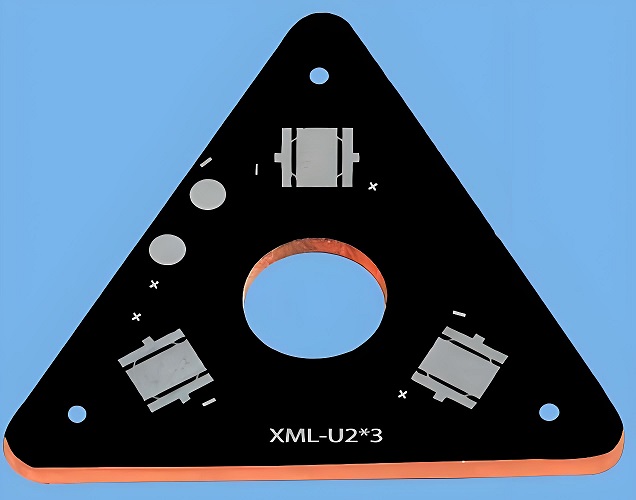
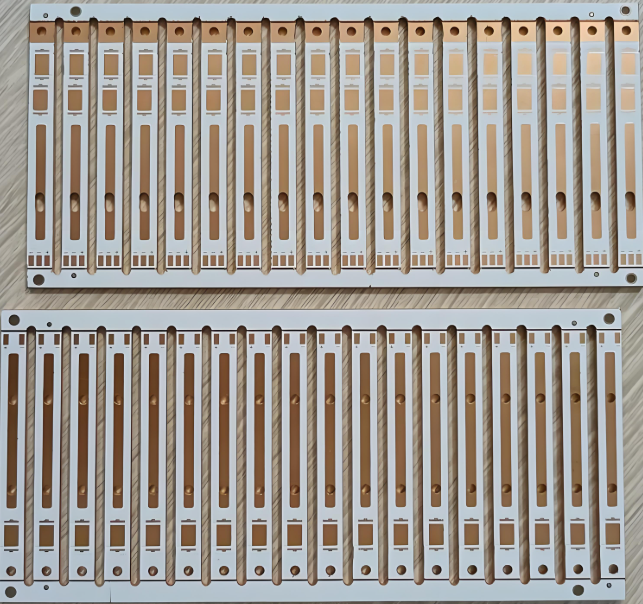
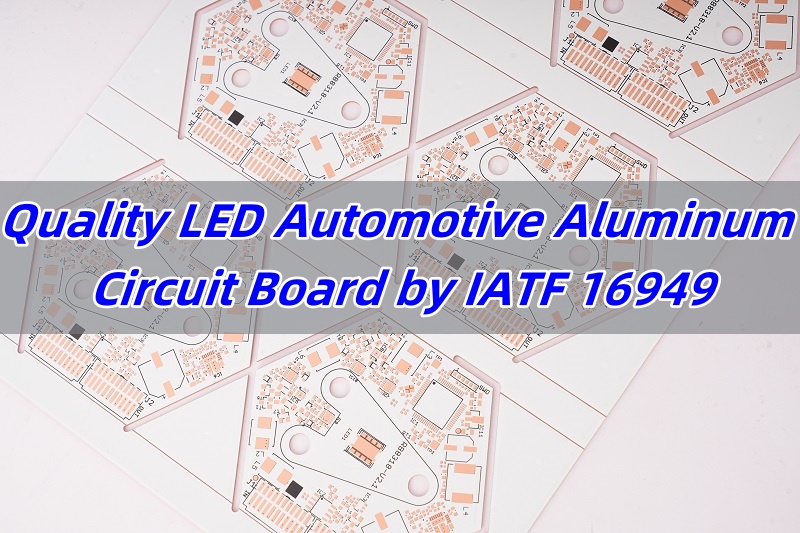
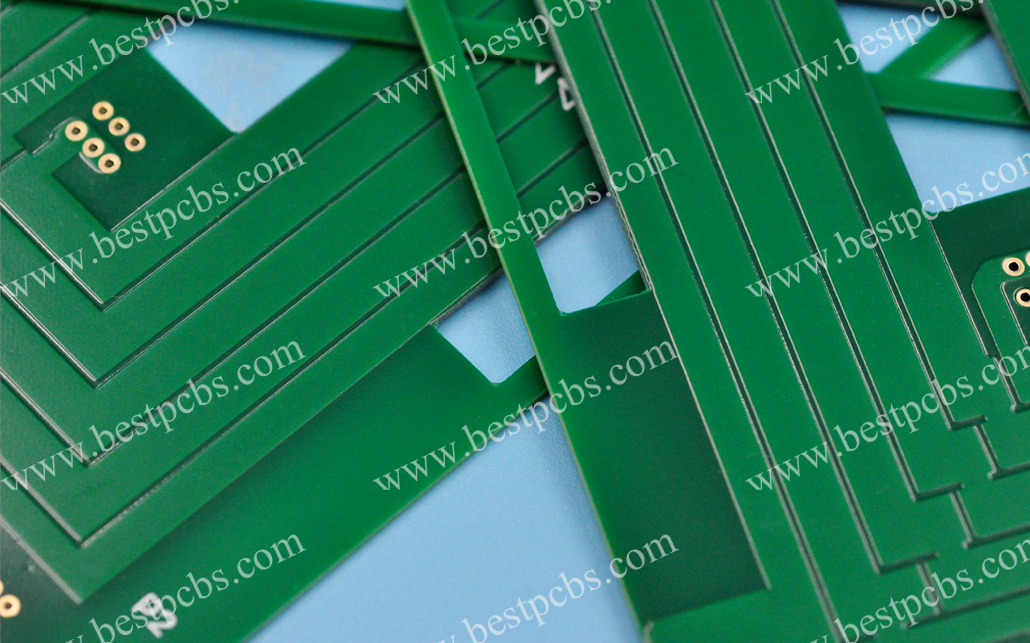
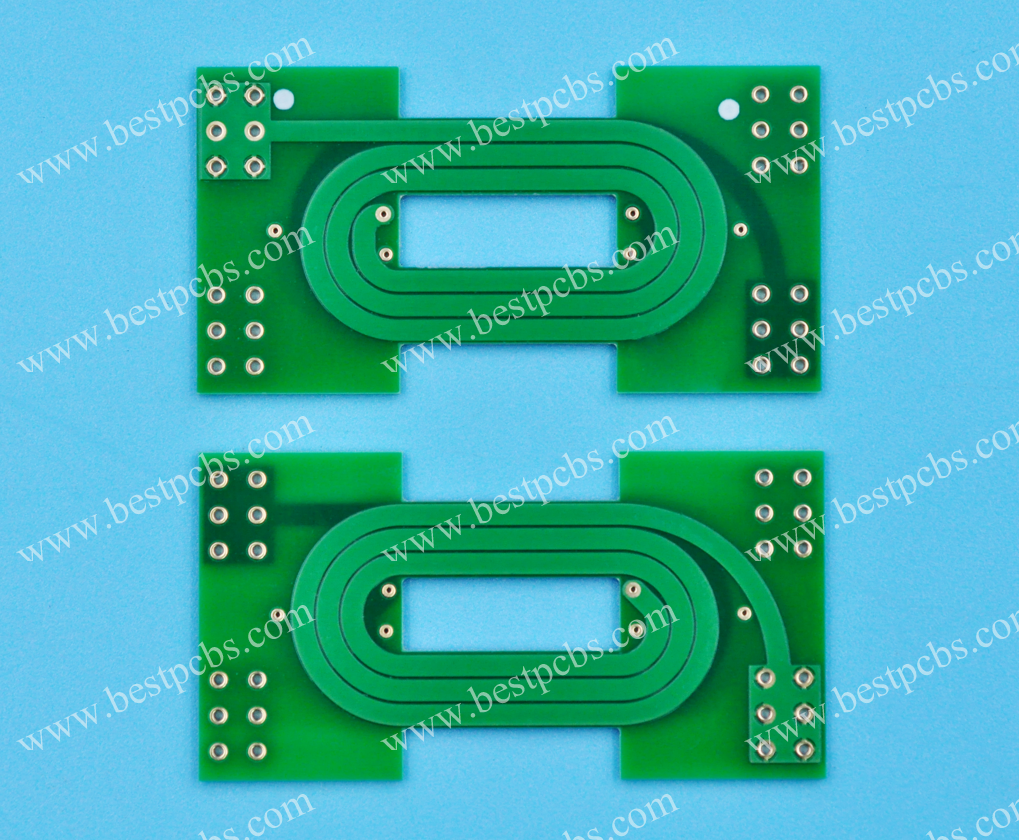
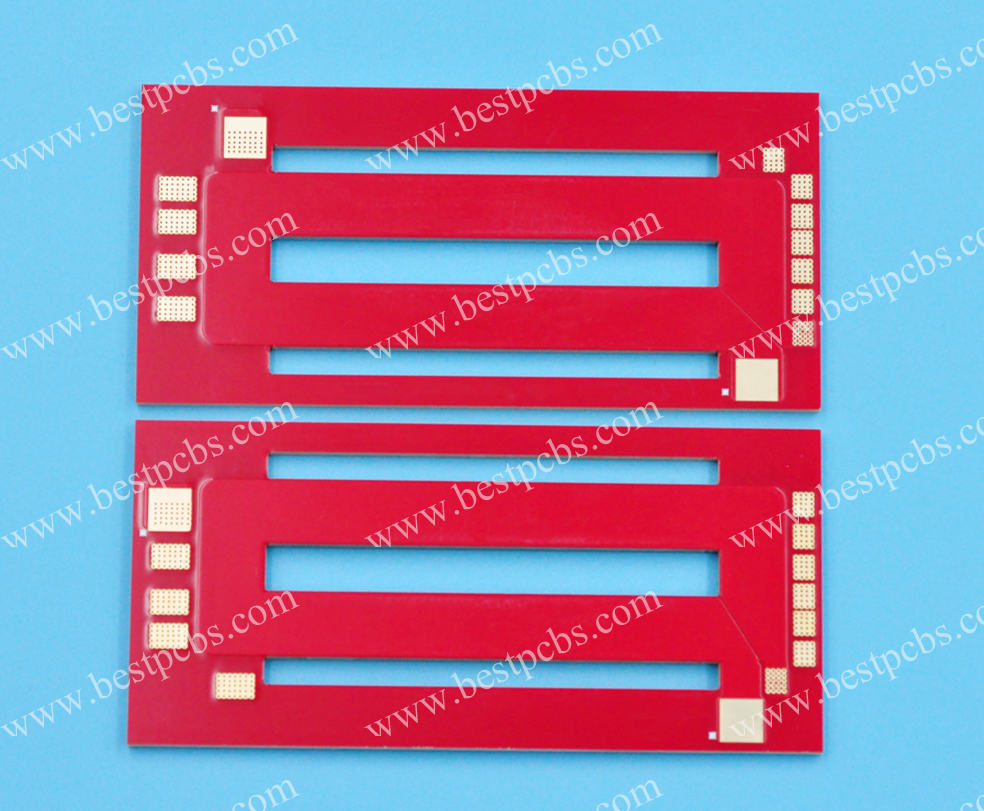
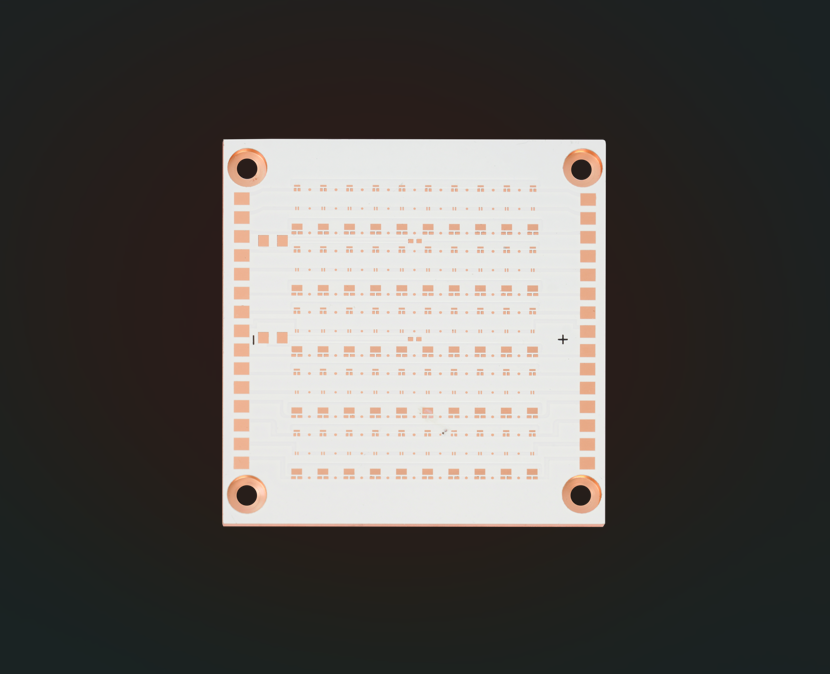
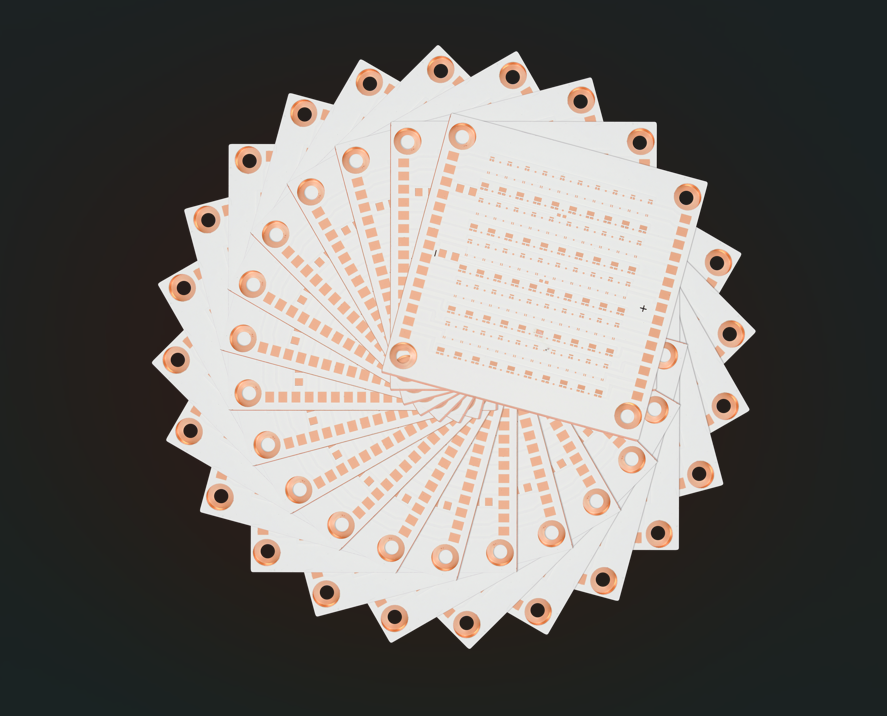
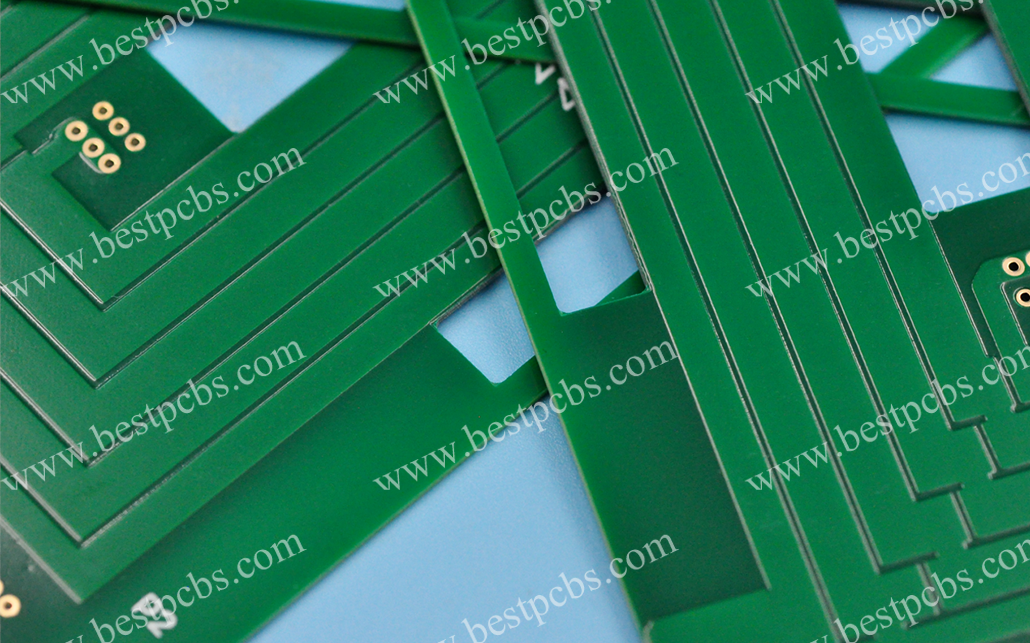
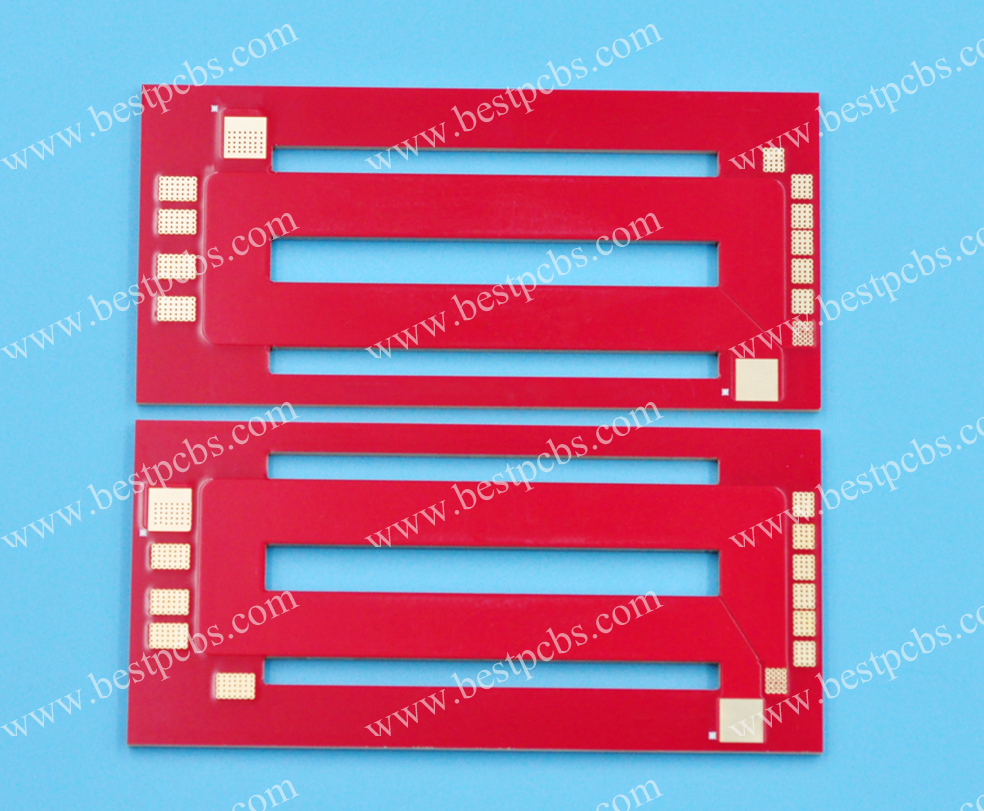
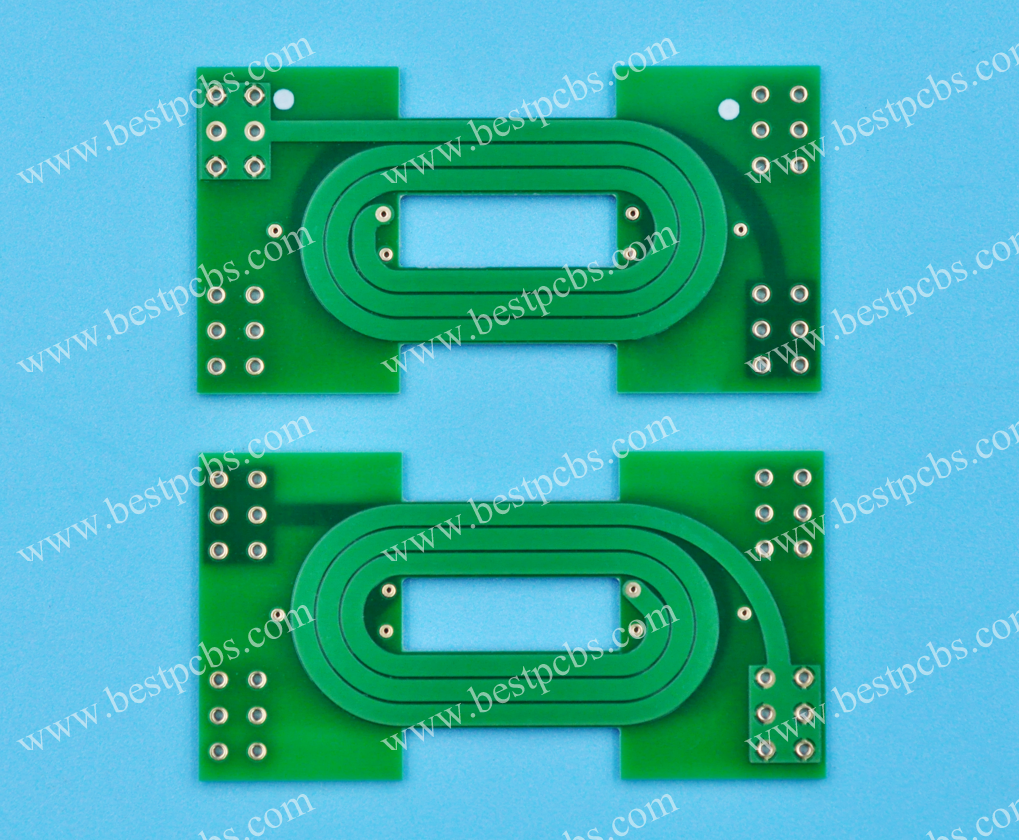
Keyboard PCB manufacturers are in high demand as the need for quick-turn prototyping rises. Especially for startups and custom mechanical keyboard makers, fast delivery and reliable service are key factors. In this blog, weâll walk you through what keyboard PCBs are, their types, pricing, and how EBest Circuit (Best Technology) helps you avoid the most common production delays.
EBest Circuit (Best Technology) is one of the quick delivery keyboard PCB manufacturers for prototyping and assembly. We support flexible capacity from 10 pieces to 100 000pcs. You don’t need to worry about the MOQ issue. Moreover, EBest Circuit (Best Technology) suits your 72-hour prototyping delivery request in an urgent project. All the keyboard PCBs undergo the 72-hour aging test, which guarantees the quality. Besides, our SMT factories in China and Vietnam have given us a significant competitive edge in terms of production speed and cost. Our factories have the RGB SMD LED circuit impedance control technology (Âą5% tolerance) and our 8-layer PCB immersion gold process achieves a 1000Hz polling rate.
EBest Circuit (Best Technology) provides a one-stop solution for custom PCB design, mechanical keyboard PCB manufacturing, firmware, and PCB assembly service. If you have any questions or would like to visit our factories, please contact us via call at +86-755-2909-1601 or email at sales@bestpcbs.com.
What Is a PCB Keyboard?
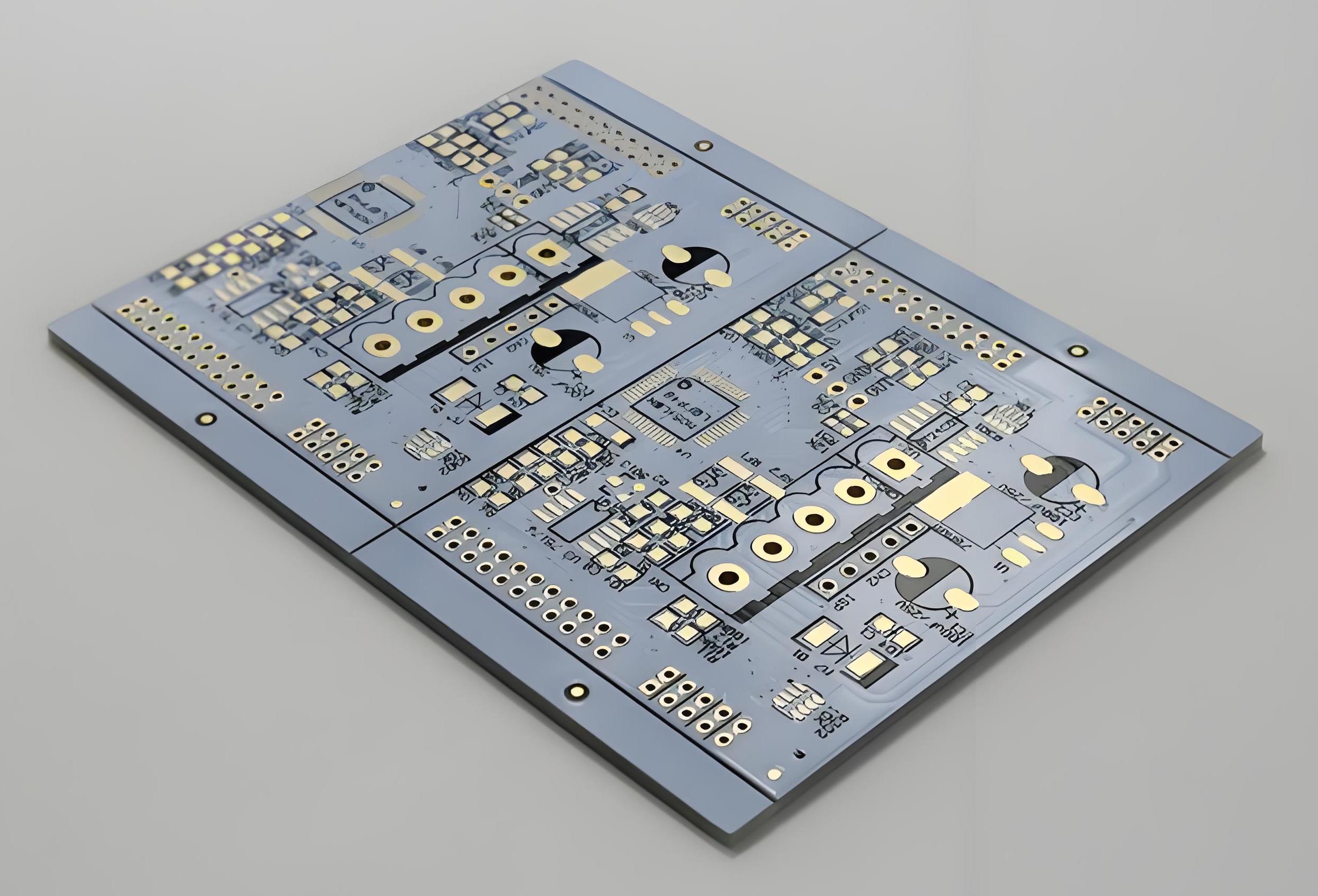
A PCB keyboard refers to the printed circuit board used at the core of every keyboard. This board connects switches, LEDs, and microcontrollers, managing keystroke data and power delivery. Unlike membrane alternatives, PCB keyboards are durable and provide better typing feedback. Whether it’s a gaming setup or a custom build, PCB keyboards give you control and reliability.
What Are Keyboard PCB Types?
There are several types of keyboard PCBs, each made to suit specific builds and experiences. Standard types include:
Hot-swappable PCBs: Allow switch changes without soldering.
Soldered PCBs: Permanent switch installation, often more stable.
Through-hole PCBs: Durable and suited for long-life mechanical builds.
Flexible PCBs: Designed for compact or curved applications.
Choosing the right type depends on how you want to build and maintain your keyboard.
Who Are Custom Keyboard PCB Manufacturers?
Custom keyboard PCB manufacturers cater to designers and enthusiasts who need unique layouts, LED setups, or additional controller logic. Companies like EBest Circuit (Best Technology) stand out by supporting full-stack services. We assist from design review and DFM (Design for Manufacturability) to final delivery, helping avoid delays due to common design flaws. With simulation tools and quick feedback, the process becomes smoother.
Who Are the Best Keyboard Manufacturers in the USA?
In the U.S., several firms provide quality mechanical keyboard PCBs, but the best combine technical support, fast turnaround, and real-time feedback. Makers like Input Club, Drop (formerly Massdrop), WASD Keyboards offer U.S.-based sales support, technical consultation, and strategic partnerships with local suppliers to avoid import delays. If youâre prototyping or building mid-volume batches, localized services make a big difference in timeline and cost.
What Is the Keyboard Circuit Board Price?
Prices for keyboard circuit boards vary based on layers, copper weight, board thickness, and layout complexity. For example:
2-layer boards: $2 – $5 per unit in bulk
4-layer boards: $5 – $10 per unit
Custom boards with 8+ layers and HDI may cost over $20 each
At EBest Circuit (Best Technology), our pricing remains competitive thanks to design standardization, smart material sourcing, and a tiered pricing structure to reduce costs as volume grows.
How Is a Keyboard PCB Manufactured?
Manufacturing involves several key steps:
Design review: Checking file formats (Gerber, CAD, etc.) and stack-up info
Paneling: Preparing the raw material with accurate thickness and copper weight
Impedance control: Especially for 4+ layers, signal integrity must be simulated and confirmed
Drilling & plating: Vias and through-holes are drilled and copper-plated
Solder mask & silk screen: Applying protective and labeling layers
Testing: Every board undergoes AOI and impedance verification
EBest Circuit (Best Technology) adopts 3D AOI and strict defect detection. We also pre-test for signal reliability in gaming-grade boards and offer aging tests to ensure performance longevity.
How to Choose Keyboard PCB Manufacturers?
When choosing a partner, prioritize:
Delivery speed: Can they provide 72-hour turnarounds?
Supply chain strength: Are there buffers for chip shortages?
Quality control: Whatâs their testing process?
Support: Do they offer project managers and live updates?
Experience: Have they built custom keyboard PCBs before?
EBest Circuit (Best Technology) checks all these boxes. With our prototype fast-track line, engineering feedback within 24 hours, and 100% impedance checks, your project stays on track.
Why Choose EBest Circuit (Best Technology) as One of Keyboard PCB Manufacturers?
Customers often face delayed deliveries due to part shortages, poor design feedback, or long engineering approval timelines. EBest Circuit (Best Technology) fixes these issues by:
Maintaining strategic inventory of key keyboard PCB components
Offering DFM reviews and signal simulations with tools
Deploying 24-hour engineering response teams and advanced inspection tools
Delivering a high-mix product line like single-sided PCBs, dual-layer PCBs, and multilayer PCBs. We will recommend the viable solutions as per your Keyboard construction and maintenance requirements.
Our warehouse strategy and work efficiency shorten delivery distances. For customers who need quick iterations, our 72-hour prototype service meets tight launch goals.
We also help reduce your costs by:
Using standard MX switch-compatible footprints
Reducing layers when possible for smaller layouts
Offering modular connector designs to lower customization costs
To top it all off, we provide one-on-one project managers, real-time production schedule sharing, and 24/7 support. These services keep communication clear and production fast.
Finally, when searching for reliable keyboard PCB manufacturers, speed, support, and precision are what matter most. EBest Circuit (Best Technology) offers all three. From handling global supply chain uncertainties to offering smart design suggestions, our goal is to make your keyboard project smoother. With fast turnaround, expert engineering, and strong quality systems, weâre the partner you can trust for both prototyping and volume production. If you have comments or suggestions please contact us via email at sales@bestpcbs.com or online customer service using the links here.
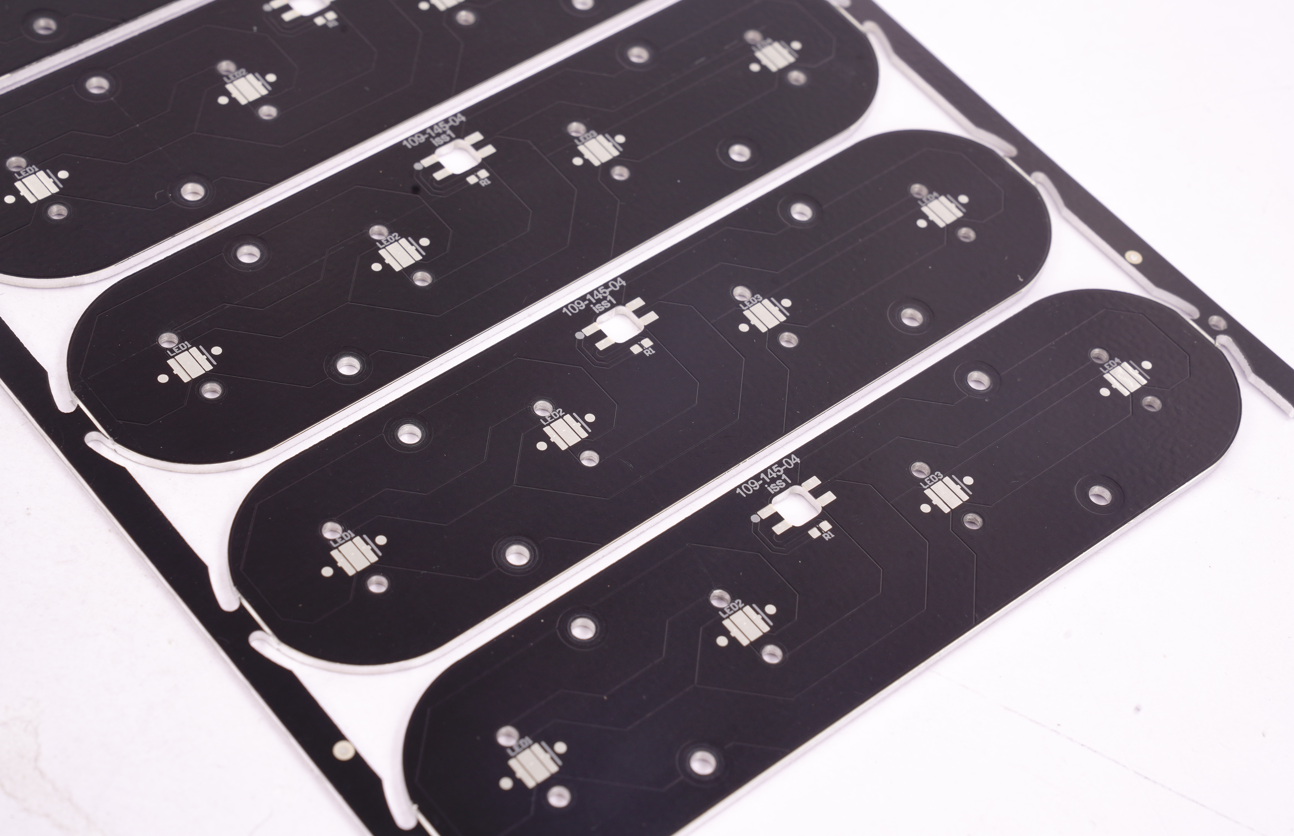
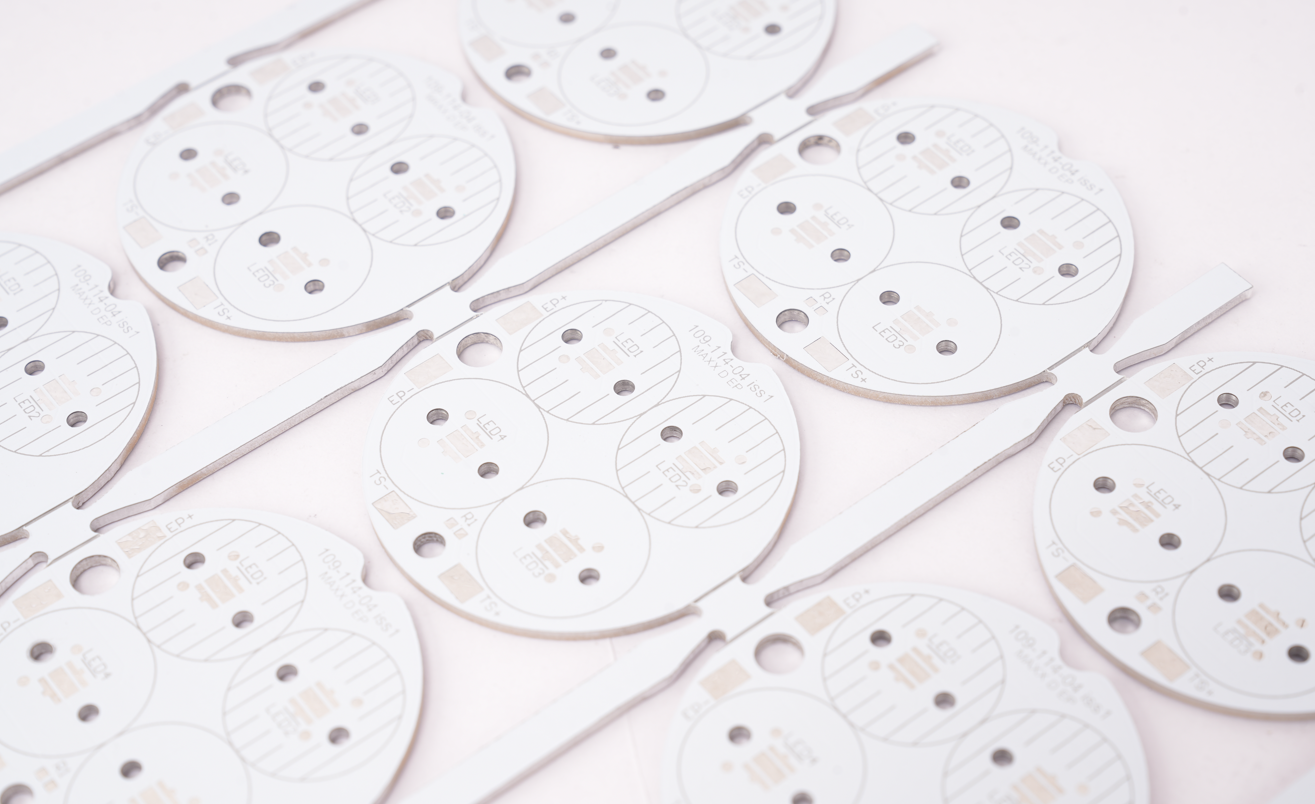
Looking for aluminum based PCB solution? This guide explores thermal management, performance enhancement, and long-term reliability strategies for optimal lighting solutions.
What Is Aluminum Based PCB?
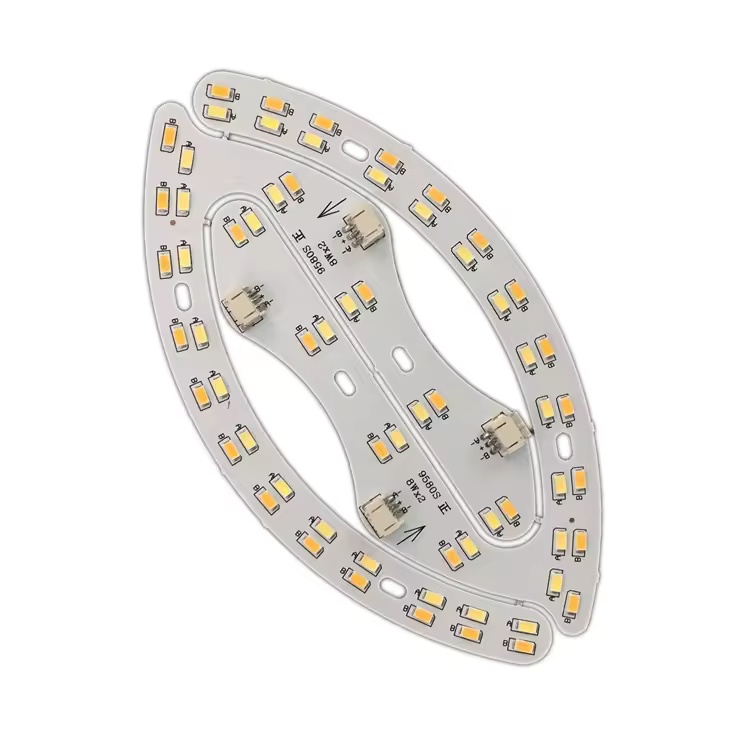
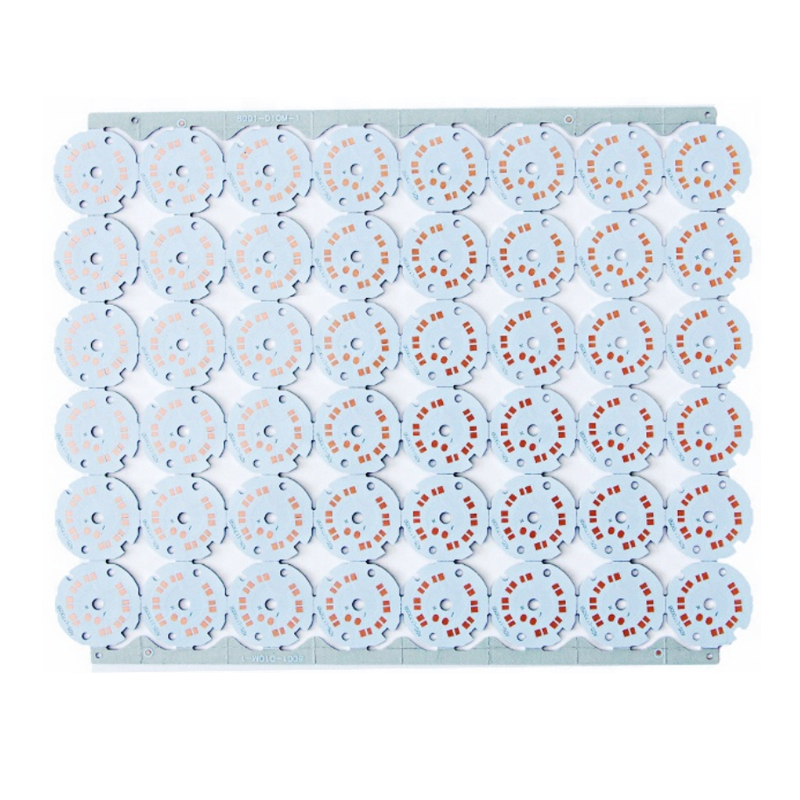
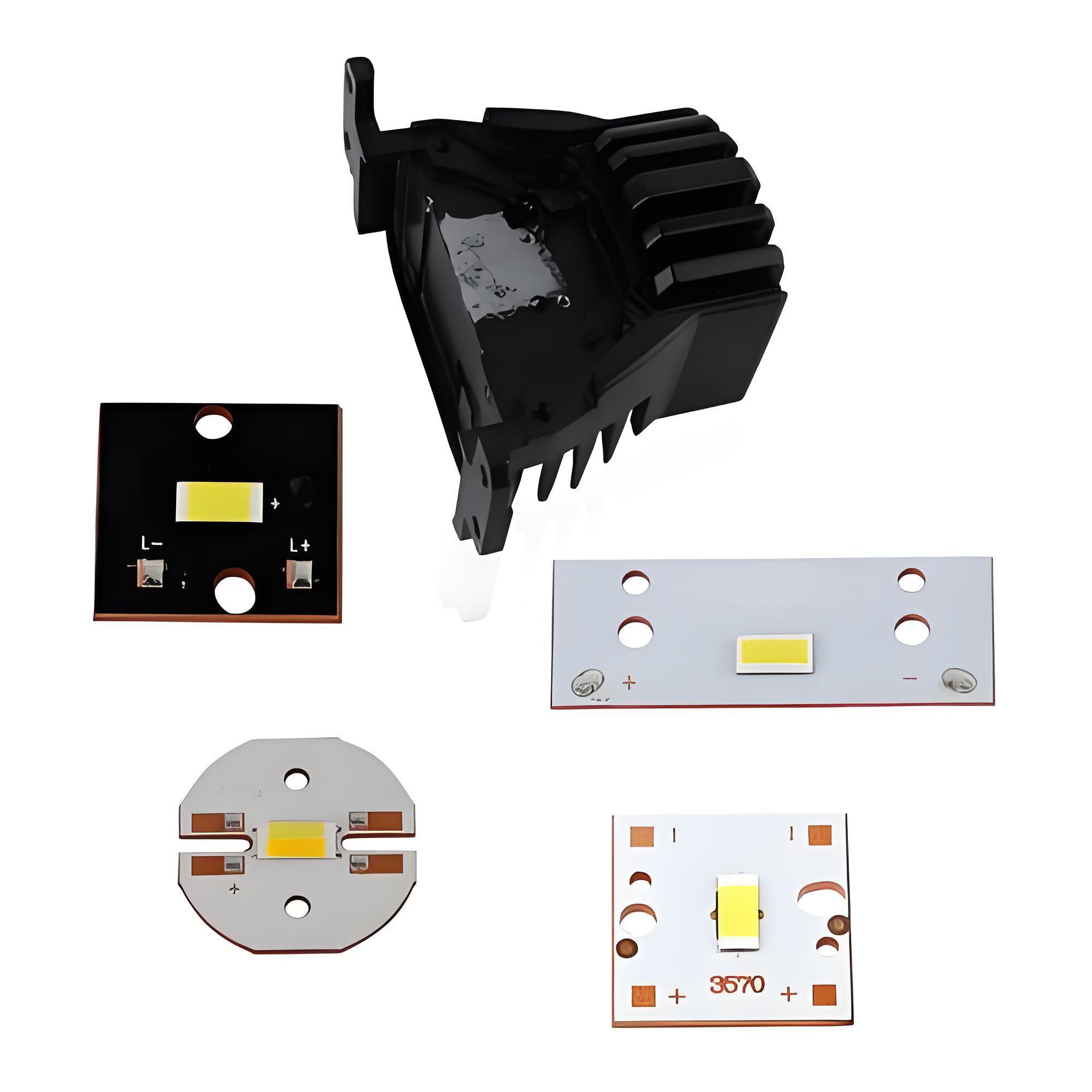
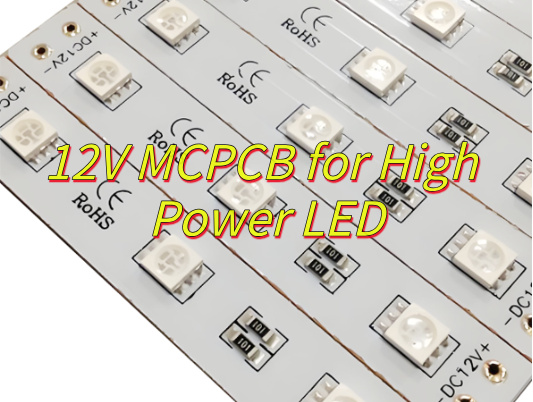
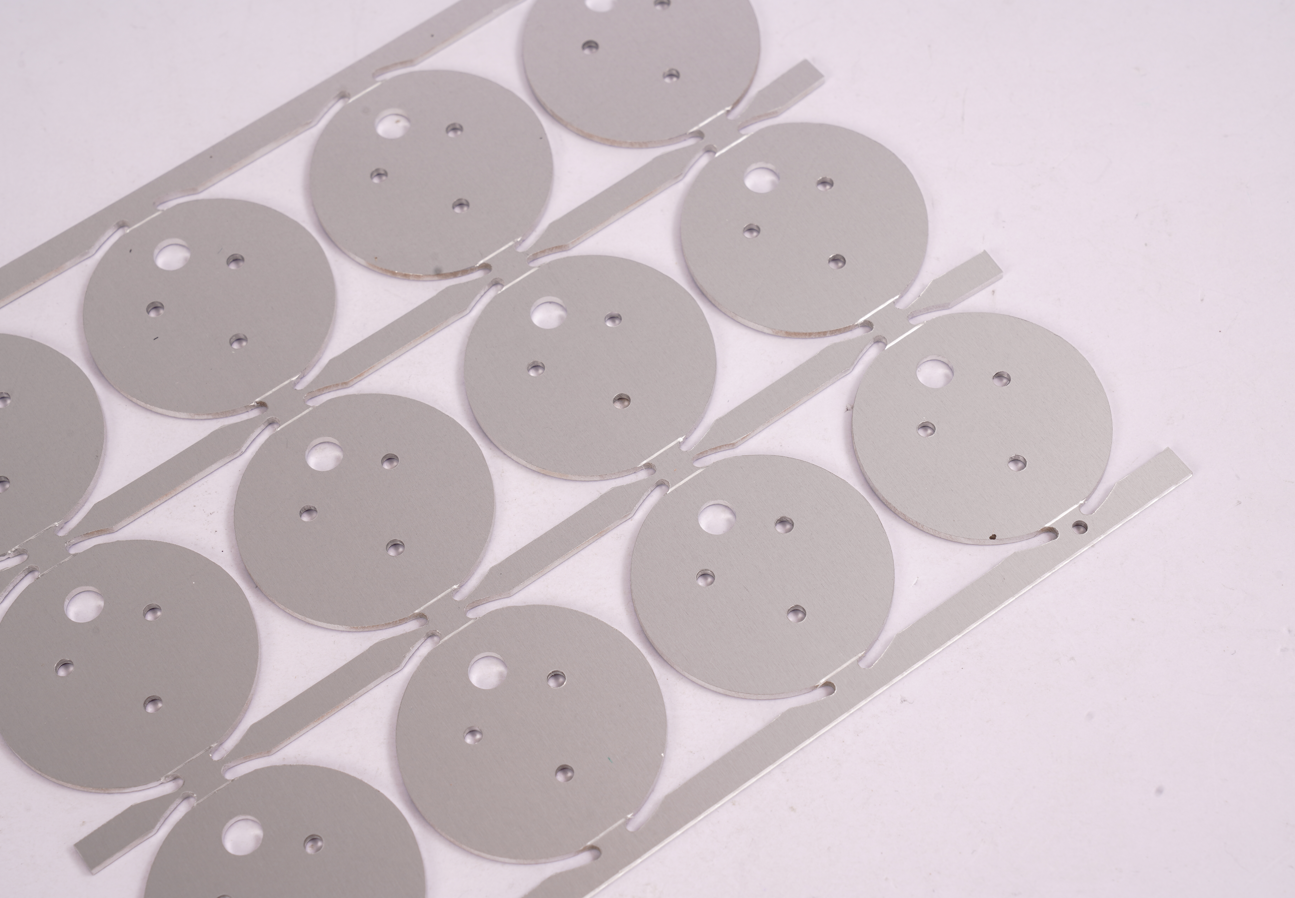
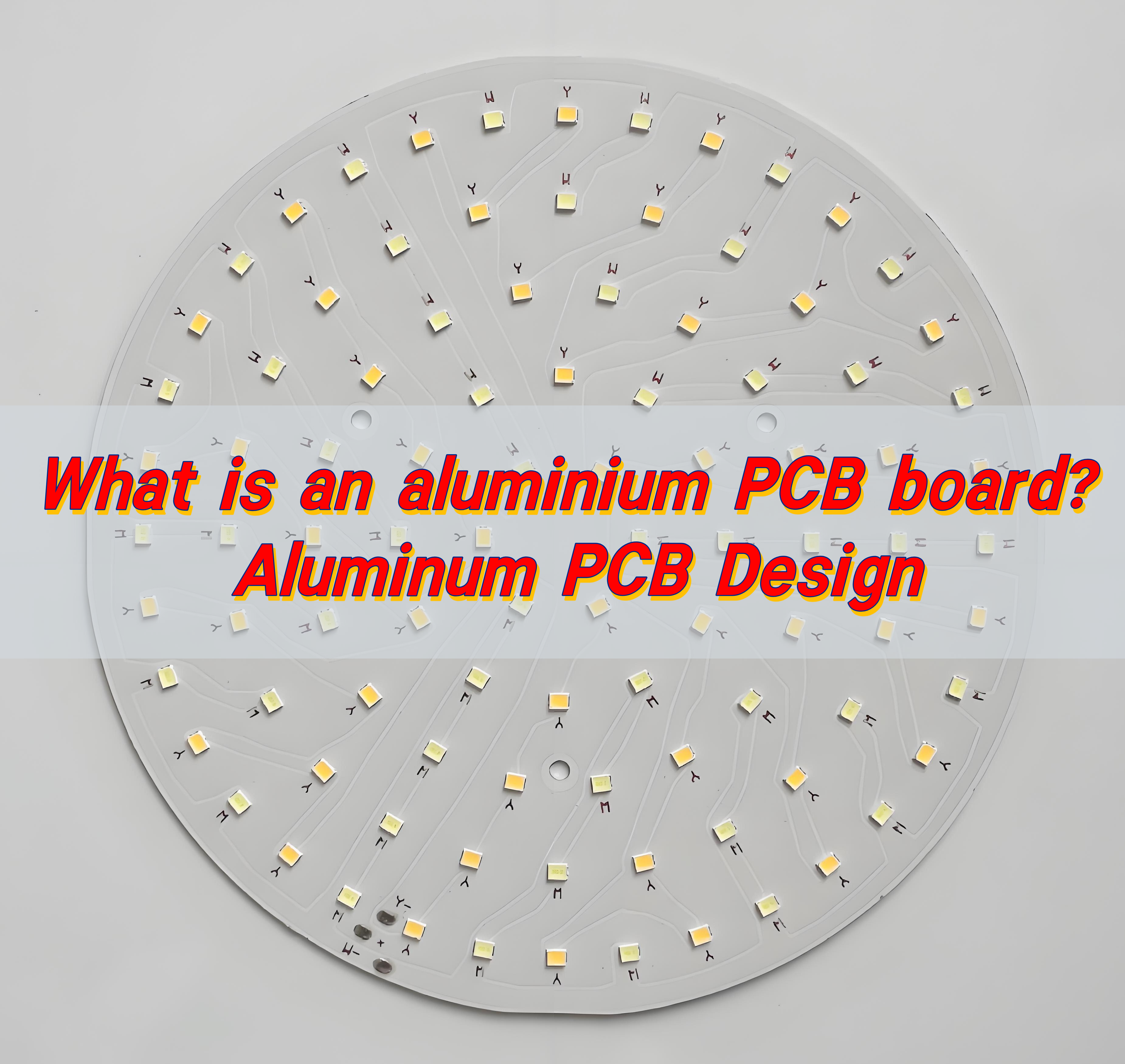
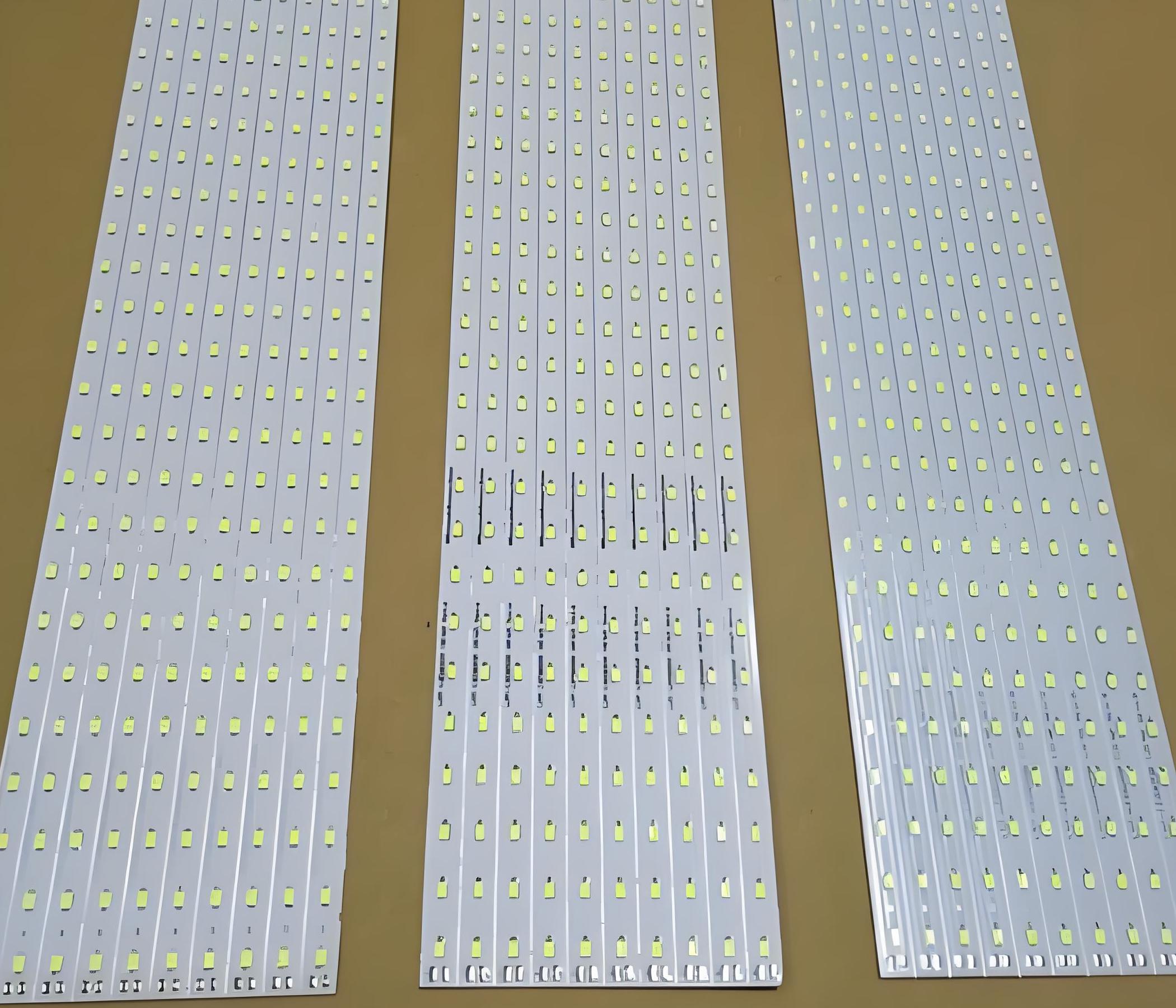
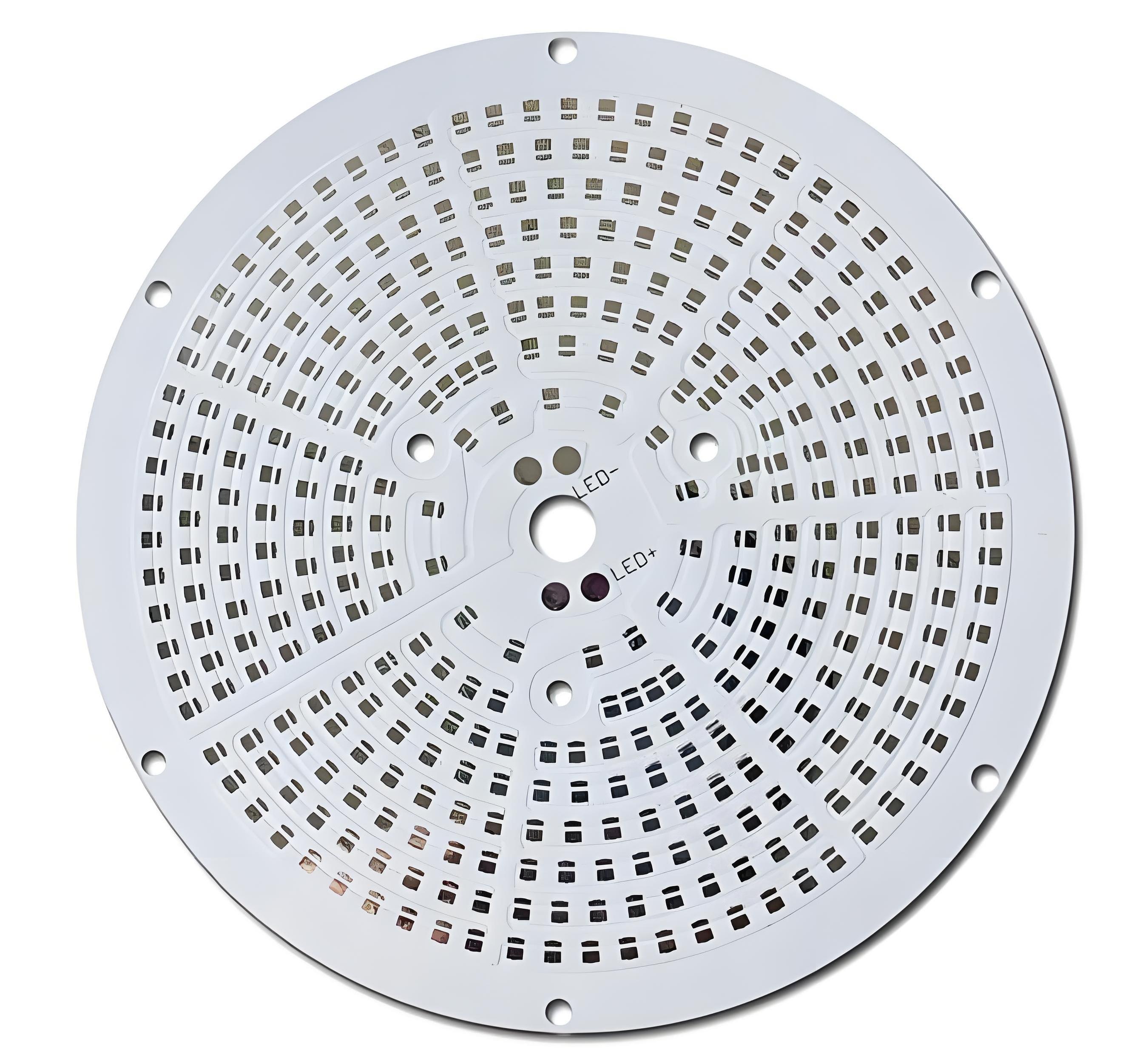
An aluminum based PCBis a specialized circuit board that uses an aluminum substrate as its foundation instead of traditional fiberglass materials. The board’s structure typically includes three essential layers: a conductive copper layer for circuitry, a thermally conductive dielectric layer for electrical insulation, and the aluminum substrate that provides both mechanical support and heat dissipation.
This design offers superior thermal management compared to conventional PCBs, as the aluminum substrate efficiently transfers heat away from components. Similar to aluminum substrate PCB technology, these boards maintain excellent dimensional stability while operating in high-temperature environments. The metal core also provides natural electromagnetic shielding and vibration resistance.
Aluminum Based PCB Thermal Conductivity
Aluminum-based PCBs (Metal Core PCBs or MCPCBs) have a âtypical thermal conductivityâ ranging from â1.0 W/m¡K to 8.0 W/m¡Kâ, depending on the dielectric layer composition. Here’s a detailed breakdown:
Factors Affecting Thermal Conductivity:
Dielectric Layerâ:
The thermally conductive but electrically insulating layer between the copper circuit and aluminum base is critical.
Standard dielectric: â1.0â2.5 W/m¡Kâ (e.g., epoxy-based).
High-performance dielectric (filled ceramics/polymers): âUp to 8.0 W/m¡Kâ.
Aluminum Substrateâ:
Pure aluminum has high thermal conductivity (~220 W/m¡K), but the dielectric layer limits overall performance.
Layer Thicknessâ:
Thinner dielectric layers improve heat transfer but reduce electrical insulation.
Aluminum Based PCB Stackup
Aluminum-based PCBs(Metal Core Printed Circuit Boards) typically follow a â3-layer stackupâoptimized for thermal management. Here’s the standard architecture:
Circuit Layer (Top)â
âMaterialâ: Copper foil (Electrodeposited or Rolled).
Heat Dissipation Solution for Aluminum Substrate Board
High-Conductivity Dielectric Layers: Select ceramic-filled polymer dielectrics (3â5W/m¡K) to reduce thermal resistance. Optimize layer thickness (50â150Îźm) for balanced insulation and heat transfer.
Thermal Via Arrays: Place dense thermal vias (0.3â0.5mm diameter, 1mm pitch) under high-power components. Fill vias with silver epoxy or solder to boost vertical heat conduction.
Radiative Surface Treatments: Apply anodized coatings (10â30Îźm thickness) with emissivity >0.8 for radiative cooling. Use matte finishes to minimize heat reflection and enhance airflow.
Component Clustering: Position heat-generating devices (e.g., MOSFETs, LEDs) centrally on the board for uniform heat spreading. Maintain âĽ2mm clearance from edges to prevent hotspots.
Direct Thermal Bonding: Attach components with thermally conductive adhesives (1â3W/m¡K) or solder. Avoid low-conductivity TIMs (<0.5W/m¡K) for critical high-power nodes.
Embedded Heat Spreaders: Integrate copper blocks or heat pipes into the aluminum substrate. Use press-fit or friction-stir welding for robust contact and rapid heat transfer.
Forced Convection Design: Align fins/channels on the aluminum surface with enclosure airflow. Include mounting holes for external heatsinks or fans (40â80mm diameter) to enhance cooling.
Why Choose Aluminum Based PCB for High Bay Light?
Reasons why choose aluminum base PCB for high bay light:
Thermal Efficiency: Conducts heat efficiently, reducing LED junction temperature by 20â30% (vs. FR-4), extending lifespan to 50,000+ hours.
Mechanical Strength: Supports heavy LED arrays/lenses, resists vibration and thermal expansion in harsh environments (e.g., factories).
Cost Savings: Eliminates external heatsinks/fans, cutting initial costs and long-term maintenance from thermal failures.
Compact Design: Allows dense component placement (e.g., multi-chip LEDs) without overheating, enabling slim fixtures for elevated/confined spaces.
Environmental Resilience: Corrosion-resistant, stable (-40°C to 150°C), ideal for outdoor/dusty industrial settings.
Energy Optimization: Stable thermal environment ensures consistent LED output, maximizing lumen/watt efficiency at higher drive currents.
How to Improve the Electrical Performance of Aluminum PCBs in High Bay lighting?
Thicken Copper Traces: Use 2ozâ4oz copper to lower DC resistance, reducing voltage drop and heat in power lines. Supports 5Aâ20A currents without overheating.
Match Impedance: Design 50Ί microstrip lines with ground planes to minimize signal reflection. Critical for stable RF communication in dimming controls.
Isolate Power/Analog Circuits: Separate high-current drivers (e.g., MOSFETs) from low-noise analog sections. Prevents EMI coupling in LED control systems.
Ground Plane Bonding: Connect ground layers to aluminum via thermal vias. Enhances EMI shielding and heat dissipation simultaneously.
High-Voltage Insulation: Apply âĽ100Îźm dielectric layers with >500V breakdown rating. Prevents arcing in AC-DC converter zones of mains-powered luminaires.
Low-ESR Capacitors: Select polymer/MLCC types (<10mΊ ESR) to stabilize driver outputs. Reduces ripple and extends lifespan under thermal stress.
Thermal-Electrical Co-Design: Use simulation tools to balance trace widths, via densities, and component placement. Avoids hotspots that degrade electrical reliability.
Long-Term Durability Strategies for Aluminum-Based PCBs in High-Bay Light
Material Durability: Use 5052/6061 aluminum alloys for corrosion resistance. Pair with polyimide dielectrics (Tg âĽ150°C) to resist thermal degradation.
Vibration Resistance: Epoxy adhesive or fasteners secure heavy components. Optimized via placement distributes mechanical loads.
Humidity Control: Moisture-resistant solder masks (âĽ60Îźm LPI) and sealed edges prevent delamination. Store PCBs in dry packs (â¤5% RH).
UV/Chemical Protection: UV-stable dielectrics/solder masks for outdoor use. Avoid chemical cleaners; use alcohol-based solvents.
Maintenance Protocols: Temperature sensors/thermal fuses detect overheating. Biannual inspections check for corrosion, cracks, or material wear.
Why Choose EBest Circuit (Best Technology) As Your Aluminum Based PCB Manufacturer?
Guaranteed Reliability â IPC Class 3 certified manufacturing with automated optical inspection (AOI) ensures <0.1% defect rates, preventing costly field failures in high-bay installations.
Transparent Cost Structure â No hidden fees with upfront pricing, including complimentary thermal simulations and DFM analysis to optimize designs before production.
Thermal Management Expertise â Free integrated heat-spreader solutions reduce LED junction temperatures by 15-30°C, extending luminaire lifespan without additional cooling components.
Industrial-Grade Durability â Anodized aluminum substrates with ceramic-filled dielectrics withstand 500+ thermal cycles (-40°C to 150°C), ideal for warehouses with extreme temperature swings.
One Stop Solution â Dedicated engineering team provides real-time production updates and technical guidance, streamlining procurement from prototype to volume orders.
If you have any request for aluminum based PCB, welcome to contact us: sales@bestpcbs.com.
Why does PCB DFMmatter for reliable manufacturing? This guide covers design rules, layout strategies, and verification methods for optimized PCB production.
Does each engineering confirmation take 3-5 working days, slowing down the overall progress?
Do you know that more than 40% of the additional cost comes from process omissions in the design stage?
Can you afford the loss of the entire batch being scrapped due to undiscovered impedance deviation?
EBest Circuit (Best Technology) Can Provide:
Lightning DFM diagnosis: issue a 3D simulation report containing 267 process parameters in 12 hours (compared with peers in the industry in an average of 48 hours.
Cost sandbox simulation: use big data to predict the utilization rate of the board material, helping you save 8-15% of material loss.
Free engineering service: 24-hour online engineers answer your questions and avoid impedance deviation.
Welcome to contact us if you have any request for PCB design: sales@bestpcbs.com.
What Is PCB DFM?
PCB DFM(Design for Manufacturability) is a proactive approach to circuit board development that ensures designs can be efficiently and reliably manufactured. It involves analyzing layout elements such as trace widths, component spacing, via placement, and material choices to align with production capabilities while maintaining electrical performance.
By implementing DFM principles, designers avoid common pitfalls like insufficient solder mask clearance or unrealistic drill hole sizes that could lead to fabrication defects. The methodology also considers assembly requirements, ensuring proper thermal relief and component orientation for automated soldering processes.
This systematic verification reduces prototyping iterations, lowers production costs, and improves yield rates by addressing potential issues before manufacturing begins. Industry guidelines provide standardized benchmarks for implementing these checks throughout the design workflow.
PCB DFM Guidelines
Adopting DFM principles ensures PCB designs align with production capabilities, reducing errors and costs. Below are actionable guidelines for optimized manufacturing:
1. Layout Planning
Maintain âĽ0.15mm (6mil) clearance between copper features to prevent solder bridges.
Place high-speed/RF components away from noise sources (e.g., switching regulators).
Use standard aspect ratios (e.g., 1:1 for SMT pads) to simplify assembly.
2. Component Placement
Position polarized components (e.g., electrolytic capacitors) with clear orientation markers.
Group similar parts (resistors, capacitors) to minimize pick-and-place time.
Avoid placing tall components (e.g., connectors) near board edges to prevent handling damage.
3. Solder Pad Design
Follow IPC-7351B standards for pad sizes (e.g., 0.5mm pitch QFN pads: 0.3mm solder mask opening).
Extend thermal pads on power components (e.g., MOSFETs) to improve heat dissipation.
Add solder paste stencils with 1:1 aperture-to-pad ratios for fine-pitch parts.
4. Trace Routing
Use âĽ0.15mm (6mil) trace width for signals and âĽ0.2mm (8mil) for power lines.
Avoid acute angles (<90°) to prevent acid traps during etching.
Isolate analog/digital grounds with single-point connections.
5. Via Design
Limit via-in-pad usage to reduce solder wicking (use filled/capped vias for BGA escape).
Maintain âĽ0.25mm (10mil) annular ring to ensure via reliability.
Keep via aspect ratio (hole diameter: board thickness) â¤1:6 for plating consistency.
6. Thermal Management
Add âĽ1mm² copper pours under power components (e.g., voltage regulators).
Include thermal vias (0.3mm diameter, 1mm pitch) to connect top/bottom layer heat sinks.
Avoid placing vias in thermal pad regions to prevent solder voiding.
7. Drill File Accuracy
Specify drill sizes in increments of 0.05mm (e.g., 0.2mm, 0.25mm).
Use separate files for plated (PTH) and non-plated (NPTH) holes.
Include a drill chart with tolerances (e.g., Âą0.05mm for â¤0.5mm holes).
8. Silkscreen & Marking
Place reference designators âĽ0.5mm away from pads to avoid solder mask interference.
Use high-contrast ink for silkscreen (e.g., white on green solder mask).
Include polarity marks for diodes, LEDs, and electrolytic capacitors.
9. Design for Assembly (DFA)
Minimize component count by using integrated devices (e.g., PMICs instead of discrete regulators).
Align SMT and THT components on the same side to reduce reflow passes.
Avoid mixing lead-free and leaded solder processes without manufacturer approval.
10. File Output & Validation
Generate Gerber files in RS-274X format with layer-specific extensions (e.g., .GTL for top copper).
Include a fabrication drawing with board outline, cutouts, and special instructions.
Run DFM checks using software tools (e.g., Valor NPI) to flag errors.
PCB DFM Layout Optimization Strategies
Component Placement Methodology
Functional grouping: Cluster components by circuit function (power, analog, digital) with at least 100 mil spacing between groups
Assembly considerations: Maintain 50 mil clearance around all components for pick-and-place machines
Thermal management: Position heat-generating components (voltage regulators, power ICs) with 200 mil spacing and access to thermal vias
Connector placement: Locate all board-to-board connectors within 300 mil of board edges
Signal Routing Best Practices
Trace geometry: Use 45° angles with minimum 3x width radius for bend transitions
Impedance control: Maintain consistent 5 mil spacing for differential pairs and reference planes
High-current paths: Implement 20 mil minimum width for 1A current carrying capacity
Noise isolation: Separate analog and digital grounds with at least 50 mil gap
Manufacturing Enhancement Features
Via standardization: Use 8 mil/16 mil (hole/pad) via sizes throughout the design
Solder mask: Apply 4 mil expansion on all SMD pads with 2 mil web minimum
Fiducial markers: Place three 40 mil diameter markers in L-shape pattern
Test points: Include 32 mil diameter test points every 5-10 components
Documentation Standards
Silkscreen: Use 45 mil height fonts with 7 mil line width
Layer identification: Mark all layers with orientation indicators
Version control: Include datecode and revision near board edge
Assembly drawings: Provide 1:1 scale component location diagrams
Design Validation Process
Run DRC checks with 6 mil minimum spacing rules
Verify annular rings meet 5 mil minimum requirement
Cross-check against manufacturer’s capability matrix
EBest Circuit (Best Technology) offers complimentary PCB DFM analysis reports to streamline your manufacturing process. Our automated system performs comprehensive design verification, checking 200+ manufacturing parameters against industry standards. You’ll receive detailed feedback on component spacing, trace widths, via placement, and other critical factors within 24 hours. This free service helps identify potential production issues before fabrication, reducing costly redesigns and delays. Simply upload your design files to receive a customized report with actionable recommendations. Our analysis covers all major fabrication aspects while maintaining strict data confidentiality. Take advantage of this professional evaluation to optimize your PCB design for manufacturability. Contact us now to get a free PCB DFM report:sales@bestpcbs.com.
How can RF circuit boardrevolutionize anti-drone systems with their unique capabilities? This overview explores their design principles, environmental resilience, cost-efficiency, and full-band performance in counter-drone applications.
How to achieve an effective interference distance of 500 meters with a limited budget?
How to avoid signal interference causing false alarms from communication base stations?
Can it be compatible with mainstream drone frequency bands without interfering with GPS?
EBest Circuit (Best Technology) Can Provide You:
Stepped power enhancement service: Dynamic impedance matching technology improves antenna efficiency, and actual measurements show that it can extend the effective interference distance by 15%.
Base station signal collaborative analysis service: Adaptive notch filter is used to achieve 20ms-level rapid response to sudden base station signals.
Multi-protocol compatible solution: GPS L1 band out-of-band suppression reaches 55dB, and millimeter-level frequency band isolation is achieved through cavity filters.
Welcome to contact us if you have any request for RF circuit boards: sales@bestpcbs.com.
What Is A RF Circuit Board?
A RF circuit board is a specially engineered printed circuit board designed to transmit, receive, and process high-frequency radio signals, typically from a few megahertz (MHz) into the gigahertz (GHz) range and beyond. Unlike standard PCBs handling lower frequencies or digital signals, these boards require exceptional attention to signal behavior at high speeds.
They utilize specialized dielectric materials, such as PTFE (Teflon) or ceramic-filled laminates, chosen for stable electrical properties and minimal signal loss at RF frequencies. Precise control over trace geometries, impedance matching, grounding structures (like coplanar waveguides), and shielding techniques are fundamental. This careful design minimizes signal distortion, power loss (insertion loss), and unwanted radiation (EMI), ensuring signal integrity is maintained throughout the circuit path. RF circuit boards are essential components in wireless communication devices, radar systems, satellite technology, and high-speed test equipment.
Benefits of RF Circuit Boards
Superior High-Frequency Handlingâ: RF circuit boards maintain signal quality across wireless frequencies from mobile networks to satellite communications, preventing degradation.
Precision Signal Managementâ: Advanced designs minimize interference between components, ensuring stable connections in crowded electronic environments.
Temperature-Resistant Operationâ: Specialized materials prevent performance fluctuations during extended use or in extreme conditions.
Space-Efficient Architectureâ: Multi-layer construction allows complex circuitry in compact devices like wearables and IoT sensors.
Enhanced Durabilityâ: Manufactured to withstand environmental stressors including moisture, vibration, and thermal cycling.
Application-Specific Customizationâ: Engineers can optimize designs for particular frequency ranges, power requirements, and physical constraints.
Energy-Efficient Performanceâ: Optimized signal pathways reduce power waste, extending battery life in portable electronics.
Application of RF Circuit Board
5G RF Boards â Enable low-latency millimeter-wave data transfer in urban networks.
Medical RF Systems â Process high-precision signals for MRI/radiotherapy with thermal stability.
Automotive Radar Modules â Support 77 GHz collision detection and adaptive cruise control.
Satellite RF Components â Manage X/Ka-band signals for GPS and Earth observation in space.
IoT RF Connectivity â Provide Bluetooth/Wi-Fi links in smart devices with compact, low-power designs.
Military RF Tech â Jam signals and analyze spectrums with EMI-shielded high-power amplifiers.
Industrial RF Control â Enable wireless robot/AGV operation via interference-resistant frequency-hopping.
Consumer Electronics RF â Integrate cellular/Wi-Fi/GPS in smartphones with miniaturized, high-efficiency layouts.
How to Design RF Circuit Boards for Anti-Drone Jamming Systems?
Use FR-4 substrates for non-RF sections (e.g., control logic) to cut material expenses by 30â50%.
Reserve PTFE/ceramic laminates only for high-frequency traces (e.g., antenna feeds).
Simplified Layer Stackup
Design 4-layer boards (signal-ground-power-ground) instead of 6-layer.
Avoid blind/buried vias; use through-hole vias with staggered patterns for cost efficiency.
Automated Testing
Develop in-house test jigs (e.g., Arduino-based power meters) for basic checks (output power, harmonics).
Replace expensive spectrum analyzers with open-source tools (e.g., GNU Radio scripts) for signal validation.
Design Reuse
Create modular sub-boards (e.g., 2.4 GHz power amplifier module) repurposable across systems.
Standardize connectors (e.g., U.FL for RF, JST for power) to simplify inventory and repairs.
Thermal Management Trade-offs
Replace active cooling (fans, Peltier modules) with passive solutions (aluminum heat sinks + thermal pads).
Use stamped aluminum enclosures instead of machined magnesium for 40â60% cost reduction.
Regulatory Compliance
Pre-certify designs for unlicensed bands (e.g., 2.4 GHz Wi-Fi) to avoid redesign costs.
Use pre-compliance tools (e.g., USB spectrum analyzers with EMI filters) before formal testing.
Lifecycle Cost Reduction
Design for field repairability (socketed amplifiers, plug-in filters) to extend device lifespan.
Update firmware via USB/SD cards instead of hardware recalls (50â70% savings per update).
Why Choose EBest Circuit (Best Technology) as Your RF Board Manufacturer?
High-Frequency Precision Manufacturing â With Âą0.025mm drilling accuracy and impedance control within 1%, we solve signal integrity issues in 5G/mmWave designs, backed by 67GHz testing.
Material & Process Expertise â 50+ qualified laminates (including ultra-low-loss Rogers/Duroid) and strict tan δ (<0.0015) control ensure consistent RF performance.
Thermal Reliability Solutions â Metal-core boards and embedded heat pipes (15W/cm² dissipation) prevent warping/delamination in high-power applications.
Rapid Prototyping & NPI Support â 24 hours prototype turnaround with DFM feedback within 4 hours accelerates your development cycle.
Supply Chain Security â 12-month buffer stock of critical materials and AS9100 logistics eliminate production delays.
Dedicated Engineering Partnership â Each project gets a senior RF engineer for real-time technical support from design to volume production.
Can RF Boards Overcome Full-Band Scanning Failures?
Yes, RF boards can overcome full-band scanning failures through design optimizations, signal processing, and environmental hardening. These strategies ensure reliable spectrum analysis even in noisy or dynamic conditions.
Signal Integrity Focus
Use impedance-matched microstrip lines (50 Ί ¹5%) and via stitching to minimize signal loss, ensuring weak frequencies are detected during scans.
Integrate bandpass filters (e.g., SAW) to suppress out-of-band interference, improving signal clarity.
Dynamic Range Management
Deploy low-noise amplifiers (LNAs) with <1 dB noise figures to amplify faint signals without distortion.
Add automatic gain control (AGC) to adjust amplification levels dynamically, preventing saturation from strong nearby signals.
Redundant Scanning Paths
Design multi-channel architectures (e.g., dual independent receivers) to cross-validate results, reducing false negatives from single-channel issues.
Use RF switches to reroute signals to backup channels if anomalies are detected, ensuring continuous scanning.
Environmental Stability
Include temperature sensors and bias-adjustment circuits to stabilize amplifier performance across -40°C to +85°C, avoiding thermal drift.
Shield sensitive components (e.g., LNAs) with nickel-silver enclosures and EMI gaskets to block external interference.
Adaptive Software Tools
Embed self-calibration routines (e.g., frequency sweeps) to compensate for component aging or manufacturing variances.
Use FPGA-based processing to adjust scan parameters (dwell time, step size) in real time based on environmental feedback
By combining these approaches, RF boards deliver robust full-band scanning capabilities, making them reliable for anti-drone systems, spectrum monitoring, and wireless security applications.
In EBest Circuit (Best Technology), the printed circuit Board manufacturing, particularly in high-frequency and high-speed signal transmission applications, Rogers Corporationâs PCB materials have become the go-to choice for our engineers. Rogers specializes in producing high-performance, highly reliable circuit board materials that find extensive use in wireless communications, automotive radar, satellite communication, and more. This blog post explores the unique advantages of Rogers PCBs and their significance in the international market.
What is Rogers PCB?
Rogers PCBs are renowned for their exceptional electrical performance. Compared to traditional FR-4 materials, Rogers materials offer a lower dissipation factor (Df), meaning they can maintain signal integrity at higher frequencies with reduced energy loss. This is critical for applications requiring precise data transmission such as 5G communications and millimeter-wave radars.
Rogers materials exhibit outstanding thermal stability. In high-temperature environments, these materials retain dimensional stability and mechanical strength, ensuring the reliability of PCBs under extreme conditions. For devices that need to operate stably over long periods, such as base stations or satellite communication equipment, this feature is especially important. Here is a comparison between Rogers materials and FR4.
Moreover, Rogers offers a range of materials with different characteristics to cater to various application needs. From low-loss to ultra-high-frequency applications, customers can choose the most suitable material based on their specific requirements. This not only enhances design flexibility but also provides more solutions to address complex engineering challenges.
In the context of globalization, competition in the international market has intensified. Utilizing Rogers PCB materials not only elevates the technical content and competitiveness of products but also offers customers a superior service experience. With the widespread adoption of 5G technology and the development of the Internet of Things (IoT), the demand for high-performance PCBs will continue to grow, making Rogers a leader in this field.
Advantages of Rogers PCB
1. Superior High-Frequency Performance
Rogers PCBs offer excellent electrical performance at high frequencies. Their stable dielectric constant and low loss tangent minimize signal loss and dispersion, which is critical for RF and microwave applications.
2. Low Dielectric Loss
Rogers materials have very low Df (dissipation factor), reducing power loss during signal transmission. This makes them highly efficient for high-speed, high-frequency signal paths.
3. Excellent Thermal Management
Rogers laminates have better thermal conductivity compared to standard FR4, allowing for more efficient heat dissipation. This helps maintain performance in demanding temperature environments.
4. Stable Electrical Properties
Their dielectric constant remains consistent over a wide range of temperatures and frequencies, enabling precise impedance control and signal integrity in advanced circuit designs.
5. Low Moisture Absorption
Rogers materials absorb less moisture than FR4, making them reliable for outdoor, aerospace, or high-humidity environments.
6. Better Reliability for Harsh Environments
With high temperature resistance and chemical stability, Rogers PCBs perform well in aerospace, military, and industrial applications where standard FR4 may fail.
Applications of Rogers PCB
1. RF and Microwave Circuits
Rogers PCBs are widely used in radio frequency (RF) and microwave communication systems, including antenna arrays, radar modules, and RF amplifiers.
2. 5G Infrastructure
Due to their low signal loss and excellent high-frequency characteristics, Rogers boards are ideal for 5G base stations, antennas, and network hardware.
3. Aerospace and Defense Systems
In aviation, satellites, and military electronics, Rogers PCBs provide the precision and durability needed for mission-critical communication and control systems.
4. Automotive Radar and ADAS
Modern vehicles use Rogers-based PCBs in advanced driver assistance systems (ADAS), radar sensors, and collision avoidance modules for reliable performance under extreme conditions.
5. Medical Imaging and Equipment
Rogers boards are used in MRI machines, RF ablation devices, and other diagnostic tools where consistent signal performance is crucial.
6. High-Speed Digital Circuits
In computing and telecommunications, Rogers materials support high-speed signal integrity for backplanes, routers, and high-frequency data transmission boards.
Conclusion
Rogers PCBs stand out globally due to their outstanding performance and broad applicability. Whether developing new communication devices or improving existing systems, choosing Rogers is a wise decision. Their commitment to innovation ensures they remain at the forefront of technological advancement, providing unparalleled solutions for tomorrow’s electronic challenges.
Best Tech is a very professional manufacturer in printed circuit board. If you are interesting to know more information for Rogers PCB and other high-speed signal transmission application for printed circuit board, please come to contact us at any time.
Ever wondered how microchip integrated circuit power our digital world? This guide covers their evolution, functions, manufacturing, applications, and performance evaluation.
Why does my chip solution always encounter welding failure and signal integrity problems during the PCBA stage?
How to solve the cost out-of-control caused by small batch and multi-variety production?
Why does the verification cycle from chip to complete machine always exceed expectations?
EBest Circuit (Best Technology) Can Provide You:
“Chip-PCBA joint simulation engine” – a collaborative simulation platform based on IBIS/SPICE models to predict welding stress and EMI risks in advance.
“Modular PCBA solution” – provides a standard package reference design library from QFN to BGA, increasing the patch yield by 30%.
Welcome to contact us if you have any request for PCBA: sales@bestpcbs.com.
What Is Microchip Integrated Circuit?
A microchip integrated circuit, commonly known as a microchip or IC, is a miniaturized electronic structure fabricated on a single semiconductor substrate, typically silicon. It integrates essential components such as transistors, resistors, capacitors, and interconnecting pathways into a unified microscopic unit. This consolidation replaces bulky discrete circuits, enabling complex functionalities within compact physical dimensions. The microchip is encapsulated in protective housing (e.g., plastic or ceramic packages) with external pins for connectivity in broader electronic systems.
Draft schematics using EDA tools, simulate functionality and thermal behavior.
Validate logic gates, power distribution, and signal timing.
2. Silicon Wafer Production
Grow ultra-pure silicon crystals into ingots, slice into 300mm wafers.
Apply CMP to achieve <1nm surface roughness for patterning accuracy.
3. Photolithography
Coat wafers with photoresist, expose using UV light and reticle masks.
Develop patterns to 10nm resolution, defining transistor locations.
4. Etching
Remove unprotected silicon/metal via plasma or chemical etchants.
Create trenches for interconnects and transistor channels.
5. Doping
Implant boron/phosphorus ions using ion beam accelerators.
Diffuse dopants at 800â1200°C to form p-n junctions.
6. Thin Film Deposition
Use ALD to deposit 2nm insulating layers.
Apply CVD for copper seed layers in interconnects.
7. Interconnect Formation
Embed copper in damascene trenches, planarize with CMP.
Stack 8â12 metal layers for signal routing.
8. Defect Inspection
Scan wafers with SEM at 5000x magnification to detect cracks.
Use automated probes to test 10,000+ dies per wafer.
9. Wafer Dicing
Cut wafers into individual dies using laser ablation.
Collect dies with <10Îźm edge tolerance.
10. Packaging
Encapsulate dies in epoxy resin, attach solder bumps.
Integrate heat spreaders for thermal dissipation.
11. Final Testing
Perform burn-in tests at 125°C for 48 hours.
Grade chips by speed (GHz) and power (mW) metrics.
How to Evaluate the Performance of Microchip Integrated Circuits?
Performance evaluation priorities for microchip integrated circuits:
Speed & Responsiveness
Use oscilloscopes to measure signal propagation delay (ns) in critical paths.
Benchmark execution time for industry-standard tasks (e.g., AES encryption).
Power Consumption
Calculate dynamic power (switching activity à capacitance à voltage²) and static leakage.
Derive energy efficiency (nJ/operation) using precision power analyzers.
Thermal Stability
Perform thermal imaging under maximum load to identify hotspots (>85°C junction temp).
Validate thermal throttling thresholds and recovery time.
Signal Quality
Analyze eye diagrams for high-speed interfaces (e.g., PCIe Gen4) to assess jitter (<1ps RMS).
Measure noise margins using vector network analyzers.
Reliability Under Stress
Conduct 1,000-hour HTOL (High-Temperature Operating Life) tests at 125°C.
Inspect for electromigration in metal layers via SEM post-testing.
What Is the Lifespan of an Integrated Circuit Microchip?
The operational lifespan of integrated circuit microchips varies significantly based on application, operating conditions, and manufacturing quality, with typical functional longevity spanning 5â20 years under normal usage. Storage lifespan for unused chips under optimal conditions can exceed 10 years.
Operating Environmentâ
Temperatureâ: Sustained exposure above 85°C accelerates electromigration and material fatigue, reducing lifespan by up to 50%. Temperature cycling (repeated heating/cooling) induces mechanical stress in interconnects.
Electrical Stressâ: Voltage spikes or unstable power supplies degrade transistor gates and dielectric layers. Overclocking increases failure rates exponentially.
Humidity/Contaminantsâ: Moisture ingress corrodes metal traces; airborne particulates cause short circuits.
Workload Intensityâ
High-Frequency Operationâ: Clock-intensive tasks (e.g., real-time data processing) accelerate electron migration in nanoscale interconnects.
Write/Erase Cyclesâ: Flash memory chips withstand 10,000â100,000 cycles before storage degradation; controllers distribute wear to extend usability.
Manufacturing Factorsâ
Process Nodeâ: Smaller nodes (e.g., 3nm/5nm) exhibit intensified aging effects like bias temperature instability due to atomic-scale structures. Larger nodes (e.g., 28nm+) typically offer higher longevity.
Material Qualityâ: Impurities in silicon wafers or metal layers create weak points for early failure.
Dual layer PCBÂ is often the top choice when balancing performance, cost, and compact design for both prototype and production. Itâs ideal for engineers who need reliability without the complexity of multi-layer designs. In this blog, weâll explore what it is, how it compares to other PCB types, and how EBest Circuit (Best Technology) helps you overcome real design and manufacturing challenges.
EBest Circuit (Best Technology) is a China EMS PCB manufacturer, presenting better quality dual layer PCB for prototype and assembly service to worldwide clients and markets. Our standard process for double layer PCBs supports a minimum finished board thickness of 0.2mm Âą0.1mm, compatible with ENIG surface finish. For special requirements, we can produce boards with thicknesses ranging from 0.15mm to 0.4mm (Âą0.1mm) within a maximum size of 350Ă350mm. Our rigid PCB line varies, including heavy copper PCB, extra thin PCB, high Tg PCB, HDI PCB, and RF PCB. For any help, please contact our team by calling +86-755-2909-1601 or email at sales@bestpcbs.com.
What is a Dual Layer PCB?
A dual layer PCB, also called a double-sided PCB, has two copper layersâone on the top and another on the bottom. These layers are connected by plated through-holes. This structure allows for denser routing and more components compared to single layer boards. Dual-layer PCBs strike a strong balance between simplicity and capability.
What is the Difference Between Single and Double Layer PCB?
Single layer PCBs have components and routing only on one side. They are simple, low-cost, and easier to produce. But they can be limiting in complex circuits. Dual layer PCBs, by contrast, offer routing on both sides, providing more space and better electrical performance. For example, you can separate power and signal traces better, which improves noise control and makes debugging easier.
What is the Difference Between Dual Layer PCB and 4 Layer PCB?
A dual layer PCB has two copper layers, while a 4-layer PCB includes additional inner layers, usually for power and ground. This extra space gives better EMI shielding and more routing options. But it comes at a higher cost and longer lead time. Unless the circuit requires that added complexity, dual-layer designs are often more practical for cost-sensitive applications.
What are 2-Layer PCB Design Rules?
Effective design helps avoid signal problems and manufacturing defects. For a 2-layer PCB, key rules include:
Route high-speed signals near a ground plane to reduce interference.
Use decoupling capacitors near power pins to stabilize voltage.
Ensure impedance matching for differential pairs like USB or HDMI.
Minimize vias and layer transitions to keep costs low.
EBest Circuit (Best Technology)âs engineers help review your design before production to catch layout issues early. Our team uses automated DRC/DFM tools to prevent costly mistakes.
How Much Does a 2 Layer PCB Cost?
Prices depend on board size, copper thickness, surface finish, and order volume. On average, small batch prototype PCBs start at $30â$80, while larger production runs can bring per-unit cost below $1. At EBest Circuit (Best Technology), we offer cost control strategies like layout optimization, material selection (such as CEM-3), and bulk ordering for better pricing.
What is a Double Layer PCB Board Used For?
Double layer PCBs are used in a wide range of electronics. Common examples include:
Power supply modules
Lighting systems like LED drivers
Consumer electronics like smart devices
Industrial control boards
Their simplicity makes them easy to test and repair, yet they are robust enough for demanding use cases. With good layout, they can also handle moderate-speed signals and analog circuits.
Where to Get Dual-Layer PCB?
Choosing a reliable partner matters. EBest Circuit (Best Technology) provides dual layer PCB solutions tailored to your needs. We support prototyping, mass production, and turnkey assembly. Every board goes through electrical testing, visual inspection, and X-Ray for via quality. We also solve common pain points faced by engineers:
EMI issues? We suggest layout improvements and material selection to reduce noise.
Signal quality concerns? Our impedance control ensures clean signals for fast communication.
Soldering defects? We use AOI and X-Ray to catch issues before boards ship.
Our MES system ensures every component and batch is traceableâimproving quality and simplifying troubleshooting.
In brief, dual layer PCBs are a great choice for prototypes and production alike. They offer a balance of performance and cost. But without proper design and process control, issues like signal loss, EMI, or soldering errors may arise.
EBest Circuit (Best Technology) solves customer needs with complete solutions: from layout optimization, precision drilling, automated assembly, to final testing. Whether youâre in automotive, medical, or consumer products, our team ensures your board meets every requirement. You can contact us at sales@bestpcbs.com, and be sure to give us Gerber files, quantity, and any special requirements so that we can quote you as fast as we can.
Electronic circuit board parts are essential in every electronic device you use. From your phone to a smart appliance, these parts make it all possible. But beyond their function, how can buyers ensure theyâre getting the right partsâon time and with the quality expected?
What Are Electronic Circuit Board Parts and Functions?
Electronic circuit board parts include resistors, capacitors, ICs, transistors, and connectors. Each part plays a role. Resistors control current. Capacitors store charge. ICs manage logic or power. Transistors amplify signals. Connectors allow external communication. When working together, they perform complex operations with precision.
What Are the Printed Circuit Board Components Symbols?
Symbols help identify each component in a circuit board diagram. For example, a resistor is shown as a zigzag or rectangle. Capacitors are two parallel lines. Diodes have arrows. These symbols appear on schematics, making PCB assembly more efficient and avoiding errors.
How to Identify Electronic Circuit Board Parts?
Identification starts with visual inspection. Labels like R1 (resistor), C1 (capacitor), or U1 (IC) help. However, when visuals arenât enough, using a multimeter or an electronic component identifier app gives accurate readings. You can also refer to circuit board components identification PDF guides for reference.
What Electric Circuit Board Parts Are Valuable?
ICs, power modules, and RF components usually have high value. Older boards may also include gold-plated connectors, making them more valuable for recycling. In modern times, components like microcontrollers, sensors, and programmable chips carry the highest replacement cost and importance.
What Is Electronic Circuit Board Definition?
An electronic circuit board is a structured panel that connects electronic components using conductive pathways, often made from copper. These boards, also called PCBs, are the heart of any electronic systemâsupporting, connecting, and powering all the individual parts.
What Is the Printed Circuit Board Parts HS Code?
The standard HS code for printed circuit board (assembled) is 853400. Parts for printed circuit boards have various HS codes depending on the specific component type, for example, integrated circuits (HS 8542), capacitors (HS 8532), and resistors (HS 8533). This international code helps customs classify and clear these goods globally. It ensures trade consistency and helps avoid delays at borders.
Where to Get Electronic Circuit Board Parts?
Reliable sourcing is key. Thatâs where EBest Circuit (Best Technology) comes in. We help companies eliminate common supply chain issuesâwrong parts, excess stock, or delivery delays. EBest Circuit (Best Technology) specializes in electronic circuit board manufacturing, and we supply electronic circuit board parts as well. Our MES system enables traceability. Combined with ISO and IATF certifications, we guarantee consistent delivery and performance.
Why EBest Circuit (Best Technology) Is Trusted by Global Brands?
Letâs face itâmanaging electronic circuit board parts is no simple task. Errors in BOMs, outdated inventory, or sudden spec changes can break a project. EBest Circuit (Best Technology) tackles these headaches directly:
Automated Part Tracking: With smart MES systems, we trace every component through procurement, assembly, and testing.
Flexible Volume: Whether itâs small batches or large volume, we meet tight timelines with reliable results.
Accurate Cost Control: Our digital systems reduce manual errors and our personnel give realistic quotes from the start.
Quality Assurance: We meet ISO 9001, ISO 13485, IATF 16949, AS9100D standards and all our material parts are compliant with UL, REACH, and RoHS.
Supplier Network: We qualify all vendors through strict audits, ensuring stable supply and excellent performance in every lot.
From electronic circuit board parts to SMT PCBA, clients come to us with urgent timelines and complex designs. They stay because we handle component sourcing, DFM analysis, and quality control better than others. Through our flexible coordination and lean manufacturing tools, we provide printed circuit board components and offer a viable EMS turnkey PCB assembly solution.
Top down close up view on resistors and other electronic parts on green colored printed circuit board
In closing, Getting electronic circuit board parts shouldnât feel like solving a puzzle. Whether youâre building power supply units, sensors, or IoT modules, EBest Circuit (Best Technology) offers consistency, smart support, and global reach. No more BOM headaches. No more quality doubts. Just streamlined sourcing and reliable delivery. You can reach EBest Circuit (Best Technology) by email at sales@bestpcbs.com. Partner with EBest Circuit (Best Technology)âwhere your circuit part, PCB prototype, fabrication, and assembly get the attention they deserve and your projects run on time, every time.
Designing a reliable multilayer circuit board starts with getting the stackup right. If your project involves high-speed signals, compact layouts, or reduced EMI, an 8-layer PCB stackup is a solid choice. It offers flexibility, better performance, and room for complex routing.
In this guide, weâll walk you through everything you need to knowâlayer configurations, materials, sizes, and how to make the most of this structure with the help of a trusted PCB manufacturer.
What is a PCB Stackup?
A PCB stackup is the arrangement of copper layers and insulating materials inside a circuit board. These layers are stacked and bonded together using prepreg (resin-impregnated fiberglass) and core materials. The goal is to create a reliable board that supports both mechanical strength and excellent electrical performance.
In simple words, the stackup decides how signal layers, power planes, and ground layers are placed in the board. In high-speed digital designs, this structure plays a big role in signal quality, electromagnetic compatibility (EMC), and overall performance.
For an 8-layer PCB, the stackup consists of eight layers of copper with alternating dielectric materials. These are usually divided into four signal layers and four plane layers, though that can change based on your design needs.
PCB Stackup Considerations
For most PCB designs, there are often competing requirements between electrical performance, manufacturing limitations, cost targets, and system complexity. The final PCB stackup is usually a result of careful trade-offs across these factors. High-speed digital circuits and RF systems commonly rely on multilayer boards for better control and performance. Below are 8 essential principles to consider when designing a reliable stackup:
1. Layer Arrangement
In multilayer PCBs, youâll typically work with signal layers (S), power planes (P), and ground planes (GND). Power and ground planes are usually solid, unbroken areas that provide low-impedance return paths for signal currents. Signal layers are often positioned between these planes to form symmetrical or asymmetrical stripline structures. The top and bottom layers are mainly used for component placement and limited routing. Itâs best to keep traces on these outer layers short to reduce direct radiation and EMI.
2. Defining a Single Power Reference Plane
Decoupling capacitors are vital for maintaining power integrity, and they can only be placed on the outer layers of the PCB. The trace length, pad design, and vias connected to these capacitors greatly affect their effectiveness. To improve decoupling, make these connections short and wide, and minimize via length. For example, in a high-speed digital system, place decoupling capacitors on the top layer, dedicate the second layer to power for the processor, use the third layer for signal routing, and assign the fourth layer as a ground reference.
3. Incorporating Multiple Ground Planes
Using multiple ground planes helps create low-impedance return paths and minimizes common-mode EMI. Ground and power planes should be tightly coupled, and signal layers should also be close to reference planes. Reducing the dielectric thickness between layers improves coupling and enhances performance.
4. Managing Multiple Power Planes
When your design includes more than one power plane, these planes are often split into different voltage regions. If a signal layer is placed next to a multi-region power layer, signal currents may not find clean return paths, leading to noise or EMC issues. For high-speed digital signals, avoid routing traces near split power planes to prevent return current discontinuities.
5. Designing Signal Routing Pairs
When a signal travels from one layer to another, it creates whatâs known as a “routing pair.” Ideally, the return current should stay within the same reference plane when switching layers. In practice, however, signals often need to transition between layers. To maintain signal integrity, ensure that return paths are available through stitching vias or decoupling capacitors. Using adjacent layers as routing pairs is a practical and effective strategy.
6. Routing Direction Guidelines
Keep trace directions consistent within each signal layer. At the same time, rotate the routing direction between adjacent signal layers. For instance, use horizontal routing (X-axis) on one layer and vertical routing (Y-axis) on the next. This practice reduces crosstalk and improves signal clarity.
7. Even-Layer Designs is Better
Although odd-layer PCBs may appear cheaper due to fewer materials, theyâre more expensive to manufacture. Thatâs because odd-layer boards require non-standard lamination processes and additional handling steps. These increase the risk of surface damage, incorrect etching, and longer production times. In contrast, even-layer PCBs are more stable, cost-effective, and easier to produce at scale.
8. Budget
Multilayer PCBs are naturally more expensive than single- or double-layer boards. However, they offer significant benefits in functionality, miniaturization, EMI control, and signal integrity. When weighing total cost versus performance, the difference between multilayer and simpler boards may not be as high as expected.
Standard 8-Layer PCB Stackup Structure
When it comes to multilayer PCB design, the arrangement of signal, power, and ground layers directly affects signal integrity, EMI performance, and power delivery. Below are three common 8-layer stackup configurations, each with its own strengths and limitations.
Option 1:
Layer 1: Signal 1
Layer 2: Signal 2
Layer 3: Ground
Layer 4: Signal 3
Layer 5: Signal 4
Layer 6: Power
Layer 7: Signal 5
Layer 8: Signal 6
This layout alternates signal and power layers but does not take full advantage of the electromagnetic shielding benefits that a multilayer board can offer. The ground and power planes are separated, reducing the boardâs EMI suppression capability. In addition, the power distribution network suffers from higher impedance, which may affect voltage stability in high-speed or high-current applications.
Option 2:
Layer 1: Signal 1
Layer 2: Ground
Layer 3: Signal 2
Layer 4: Power
Layer 5: Ground
Layer 6: Signal 3
Layer 7: Ground
Layer 8: Signal 4
This structure is widely regarded as the optimal 8-layer PCB stackup. It provides excellent electromagnetic shielding through the use of multiple ground planes. Each signal layer is placed adjacent to a reference plane (either ground or power), which improves signal stability and impedance control. Additionally, the tight coupling between power and ground planes enhances EMI performance and power integrity. This setup is ideal for high-speed, high-frequency, or noise-sensitive applications.
Option 3:
Layer 1: Signal 1
Layer 2: Ground
Layer 3: Signal 2
Layer 4: Power
Layer 5: Ground
Layer 6: Signal 3
Layer 7: Power
Layer 8: Signal 4
This configuration is a variation of Option 1 with improved EMI performance. By adding an extra reference plane, it provides better control over the characteristic impedance of the signal layers. However, the placement of the second power plane (with limited coupling to a nearby ground) leads to higher power delivery impedance, which could be a drawback in power-sensitive designs. Some optimization in power layer arrangement is still needed.
8-Layer PCB Stackup Materials
The performance of an 8-layer PCB stackup relies heavily on the materials used between and around its copper layers. These materials affect everything from electrical behavior to thermal stability and even mechanical strength. Letâs look at the two main categories: conductive and dielectric materials.
1. Conductive Layers
Copper is the most common metal used for the conductive layers in an 8-layer PCB. It’s highly conductive, easy to work with, and available in different thicknesses and finishes.
Copper Thickness: Most boards use ½ oz or 1 oz copper per layer. If the design needs to handle higher current, 2 oz or thicker copper may be used.
Copper Type: Standard copper foil is either electrodeposited (ED) or rolled. Rolled and annealed copper is smoother and more flexible, which makes it useful in boards that need better bend resistance.
Surface Finishes: The exposed copper is usually treated with a surface finish to protect it and ensure solderability. Options include HASL, ENIG, OSP, and immersion silver, among others.
2. Dielectric Layers
The dielectric materials are the insulating layers that separate the copper traces. These layers are critical for controlling impedance, heat flow, and electrical isolation.
FR-4: A glass-reinforced epoxy laminate, FR-4 is the most common dielectric for general-purpose PCBs. Itâs reliable, widely available, and cost-effective.
High-Frequency Materials: For RF and high-speed digital designs, materials with low dielectric lossâlike PTFE (Teflon), ceramic-filled PTFE, or hydrocarbon-based ceramicsâare preferred. These support better signal integrity at high frequencies.
Thermal Conductive Materials: When heat dissipation is a concern, substrates like alumina or aluminum nitride are used. These materials offer higher thermal conductivity than standard epoxy systems.
To hold everything together, manufacturers use prepregsâuncured fiberglass sheets soaked in resin. Common prepreg materials include FR-4 for standard designs and polyimide for higher thermal or mechanical stress environments.
At the center of the stackup is the core, which acts like a spine for the board. This rigid layer typically uses FR-4 or polyimide, though in some high-power or high-heat applications, metal cores are added to improve thermal performance.
8-Layer PCB Thickness & Sizes
The total thickness of an 8-layer PCB depends on several factors:
Copper thickness: Common values are 0.5oz, 1oz, or 2oz per layer.
Prepreg/Core thickness: Adjusted to achieve specific impedance and board height.
Number of plane vs signal layers: Affects thermal and mechanical behavior.
Common Thickness Options:
1.6mm (0.063″) â Industry standard, suitable for most applications.
2.0mm to 2.4mm â Used when extra copper is needed for higher current.
3.2mm or custom â Selected for industrial or military-grade boards.
PCB Sizes:
Panel sizes are typically 18â x 24â before routing. Your board can be as small as a few millimeters or as large as the full panel, depending on the application.
6 Layer vs 8 Layer PCB
A 6-layer PCB consists of six layers of copper circuitry stacked with insulating layers (prepreg and core) in between. It usually includes:
4 Signal Layers for routing high- and low-speed signals
1 Power Plane to distribute voltage
1 Ground Plane to provide a return path and help with EMI suppression
A typical 6-layer stackup looks like this:
Layer 1: Signal (Top)
Layer 2: Ground
Layer 3: Signal
Layer 4: Signal
Layer 5: Power
Layer 6: Signal (Bottom)
While both 6-layer and 8-layer PCBs are widely used in advanced electronics, they serve slightly different purposes depending on design complexity, signal speed, and EMI requirements. Letâs compare them together:
Aspect
6-Layer PCB
8-Layer PCB
Layer Count
6
8
Typical Configuration
4 signal layers + 1 power + 1 ground
4 signal layers + 2 power + 2 ground
Routing Space
Moderate
More routing room
Signal Integrity
Good, suitable for most mid-speed signals
Excellent, supports very high-speed signal routing
EMI Shielding
Limited shielding with fewer ground planes
Strong EMI control due to multiple ground planes
Power Distribution
Single power plane, higher impedance
Dual power planes, better PDN performance
Design Complexity
Less complex, easier to design and fabricate
More complex, better for advanced designs
Thermal Performance
Adequate for medium power applications
Better heat spreading for high-power components
Cost
Lower fabrication cost
Higher cost due to more layers and materials
Use Case
Mid-level MCUs, general embedded, basic RF
FPGAs, DDR memory, high-speed data buses, complex SoCs
Use a 6-Layer PCB if:
Your design isnât extremely dense.
The signals donât require tight EMI control.
You want to balance performance and cost.
Thereâs no strict need for multiple ground or power planes.
It’s widely used in commercial electronics that donât involve ultra-high-speed communication or compact multilayer routing challenges.
Choose an 8-Layer PCB when:
High-speed signals (such as PCIe, USB 3.x, DDR4, or SERDES) are involved.
EMI performance is critical, especially in sensitive industrial or medical devices.
You need more space for routing due to a denser component layout.
Stable power delivery is required across multiple voltage domains.
Youâre working with a compact form factor that demands vertical signal distribution.
An 8-layer stackup allows designers to pair every signal layer with a nearby ground or power plane, which significantly improves signal quality and reduces noise.
Benefits of Working with an Experienced PCB Manufacturer
Designing and fabricating an 8-layer PCB stackup requires precise engineering and process control. Partnering with a reliable manufacturer like EBest Circuit (Best Technology) brings several benefits:
1. Stackup Design Assistance: Professional help with impedance control, signal integrity, and EMC optimization.
2. Material Expertise: Guidance in choosing suitable laminates for your specific requirements.
3. Advanced Fabrication: Capability to handle HDI, blind/buried vias, and tight tolerances.
4. Quality Assurance: Rigorous testing like AOI, X-ray, and impedance measurement.
5. Fast Turnaround: Efficient production process without sacrificing quality.
Why Choose EBest Circuit (Best Technology) for Your 8-Layer PCB Stackup?
EBest Circuit (Best Technology) is a trusted 8-layer PCB stackup specialist serving global customers across aerospace, medical, automotive, and industrial electronics. We hold certifications including:
ISO9001 for quality control
ISO13485 for medical electronics
IATF16949 for automotive-grade PCBs
AS9100D for aerospace applications
Our engineers assist with DFM check, impedance control, EMI reduction, thermal management, and material choices, ensuring your 8-layer design performs reliably under real-world conditions.
FAQs
1. What is the best layer configuration for an 8-layer PCB stackup?
A balanced configuration like SignalâGNDâSignalâPowerâGNDâSignalâPowerâSignal is often preferred for signal integrity and EMI control.
2. How much does an 8-layer PCB cost?
Cost varies by material, size, copper weight, and complexity, but typically ranges from $50 to $300 per board in small batches.
3. What software is used for 8-layer PCB design?
Tools like Altium Designer, Eagle, KiCAD, and OrCAD support multilayer PCB stackup planning and layout.
4. Can you use HDI features in 8-layer PCBs?
Yes. Blind and buried vias, via-in-pad, and microvias are often used in 8-layer HDI designs.
5. How do I choose the right manufacturer for 8-layer PCBs?
Look for certifications, material options, engineering support, and experience with multilayer stackupsâlike what EBest Circuit (Best Technology) provides.
PCB maker China continues to gain global attention for providing complete solutions, from early-stage prototyping to full-scale assembly. Many international buyers look to China for its robust supply chain, flexible production, and lower costs. Yet, concerns around quality, communication, and delivery time often hold them back.
As a trusted PCB manufacturer China, EBest Circuit (Best Technology) caters to professional, responsive, and accurate services that eliminate the most common headaches faced by global customers. Through end-to-end traceability, meticulous quality control service, and 24/7 technical support, we make PCB production efficient, dependable, and stress-free. Some order requirements from some critical industries like the medical and aerospace industries are really strict, but we have the rich experience to tackle them and deliver the integrated solutions to our prospects and regular customers. EBest Circuit (Best Technology) was proven to be in strict compliance with ISO 9001, ISO 13485, IATF 16949, AS9100D, UL, REACH, and RoHS. Please reach out to us via email at sales@bestpcbs.com, and we will be glad to answer any questions you may have.
Who Is the Largest PCB Maker China in the World?
In terms of capacity and revenue, China leads the world in PCB manufacturing. Major players like Zhen Ding Tech, DSBJ, and Shennan Circuits hold dominant market shares and serve massive industries including telecom, automotive, and computing.
While these companies operate at scale, they often focus on large-volume clients. Mid-sized or custom orders sometimes lack the same attention. Thatâs why many clients turn to companies like EBest Circuit (Best Technology)âwhere tailored service meets different requests.
Who Manufactures Custom PCB?
Custom PCB production requires more than machines. It needs flexibility, engineering insight, and proactive communication. Many PCB maker China factories offer customization, but only a few deliver it with speed and accuracy.
EBest Circuit (Best Technology) specializes in custom PCBs for industries like medical, automotive, aerospace, and industrial controls. Our team works closely with clients to validate design files, offer DFM feedback, and ensure fast iterations. Whether itâs a 2-layer board or a complex HDI structure, our process is focused on getting it right the first time.
What Services Do Chinese PCB Manufacturers Offer from Prototyping to Assembly?
Top-tier PCB maker China factories provide integrated services to streamline the entire production lifecycle:
Design Support: Help with layout reviews and file conversions.
Component Sourcing: With strict BOM verification.
PCB Fabrication: Single, double, and multilayer boards in FR4, aluminum, or ceramic. Boards made to IPC standards.
SMT and Through-Hole Assembly: Using AOI, SPI, and X-ray for defect detection. Precision placement and temperature-controlled reflow.
Testing: ICT, functional testing, and in-circuit validation.
Box Build: Some even offer enclosure assembly and system integration.
What makes EBest Circuit (Best Technology) different is our end-to-end smart manufacturing system and stringent process control, ensuring zero-defect PCB production from prototyping to mass assembly. We manage everything from prototyping to assembly projects all under one roof.
Is EBest Circuit (Best Technology) Based in China?
Yes. EBest Circuit (Best Technology) is proudly located in Shenzhen, one of Chinaâs major electronics hubs. Our location allows us to access a wide component network, skilled technicians, and responsive logistic services.
Being based in China gives us cost control. But more importantly, it helps us respond fast to changes, reduce lead times, and support complex requirements.
Which PCB Design Software Use Most in PCB Maker China?
Among PCB maker China companies, the most commonly used design tools are:
Altium Designer: Offers powerful 3D layout and rule checks.
PADS: Known for its simple learning curve and wide use.
Cadence Allegro: Preferred for high-speed and dense designs.
Mentor Graphics (Valor NPI): Best for manufacturability verification.
At EBest Circuit (Best Technology), we work with all mainstream formats. But more importantly, we integrate DFM tools into our front-end process to prevent issues before they occur. This eliminates over 30% of rework and reduces prototype scrap.
Where to Get PCB Manufacturing China List?
Finding a PCB manufacturing China list can be overwhelming. Most lists online mix small trading companies with real factories. To make it easier, EBest Circuit (Best Technology) offers transparency. We are a factoryânot a broker. You can visit our facility, view our certifications, and speak directly to engineers. That openness builds trust and eliminates the unknowns.
If you’re comparing suppliers, look for:
Real factory photos and videos.
Certification like ISO 9001, IATF 16949, ISO 13485.
Technical support offerings.
Clear communication channels.
Below is a handpicked list of 5 trusted PCB manufacturers in China that are known for serving both local and global clients across industries.
1. EBest Circuit (Best Technology)
EBest Circuit (Best Technology) offers end-to-end PCB and PCBA solutions, from PCB layout to final assembly. The company solves common customer headaches, such as poor soldering, traceability issues, and delivery delays. Our use of MES systems, vacuum lamination, and intelligent scheduling ensures stable quality and fast turnaround. EBest Circuit (Best Technology) is especially strong in medical, automotive, and high-reliability industrial applications.
2. Fastprint Circuit Tech
Based in Shenzhen, Fastprint is known for its quick-turn prototyping and small-batch production. They provide PCB and assembly services for industries like telecom, automotive, and consumer electronics. Their global logistics support and multi-language customer service make them a top choice for overseas clients.
3. Victory Giant Technology (VGT)
VGT is one of the largest PCB producers in China. They focus on high-volume manufacturing, especially for consumer electronics and mobile devices. Their factories are equipped with advanced production lines and automatic inspection systems for multilayer boards.
4. Kinwong Electronic
Kinwong offers multilayer, HDI, and rigid-flex PCB solutions with a strong reputation for high reliability. They serve the LED, industrial control, and medical device markets. Their quality systems and R&D support set them apart for complex board designs.
5. Shennan Circuits
Shennan Circuits is known for high-end PCB manufacturing, particularly in the areas of servers, base stations, and automotive electronics. Their strength lies in technology innovation, multilayer processing, and international certification compliance such as ISO 9001 and IATF 16949.
Having the right PCB partner in China can save you time, lower risk, and improve product reliability. Whether you’re a startup or a high-volume buyer, this list offers trusted options for your project. If you value stable production, fast delivery, and full traceability, EBest Circuit (Best Technology) is ready to support your goals with professional service and tailored solutions.
Why Choose EBest Circuit (Best Technology) for PCB Maker China?
EBest Circuit (Best Technology) stands out not because we are the biggest, but because we deliver consistent value. Hereâs why global clients trust us:
1. Full Process Traceability Using our MES system, we track every production step. From raw materials to final test results, all data is digitally recorded and permanently traceable.
2. Automated Quality Inspection We combine AOI, X-ray, and advanced vision systems to detect defects fast. Problems are fed back to earlier steps, forming a closed-loop quality system.
3. Fast Turnaround Even for Small Orders Many suppliers delay low-volume jobs. We donât. Our flexible scheduling and predictive planning keep delivery times short, even for prototypes.
4. Professional Communication We know language and time zones matter. Our team includes bilingual engineers, technical translators, and international sales staff trained in cross-cultural communication. We adjust to your time zone for meetings or urgent issues.
5. Strong Technical Support Our engineers review files using Valor NPI and run over 60 DFM checks before production. That means fewer EQs, faster iteration, and better yield.
6. SMT Reliability Our PCBA process is robust against common SMT defects. We fine-tune solder paste usage, component placement, and temperature profiles to avoid solder bridges, tombstoning, and misalignment.
7. Certified and Audited We meet ISO 9001 for general manufacturing, ISO 13485 for medical, and IATF 16949 for automotive sectors. These aren’t just certificatesâthey reflect our serious attitude toward quality and compliance.
To sum up, choosing a PCB maker China partner isnât just about cost. Itâs about quality, trust, and ease of doing business. EBest Circuit (Best Technology) answers that call by solving the real problems: inconsistent quality, slow deliveries, miscommunication, and technical gaps. We use a real-time MES system, rigorous defect detection process, bilingual support, and DFM tools to bring you fast, reliable results. Whether youâre building a prototype or scaling to volume, our support team stands ready to assist you 24/7. Â If you or your team would like to pay a visit to our PCB factory, pls reach us via email at sales@bestpcbs.com.