PCB manufacturing PCB manufacturing
Home > Blog

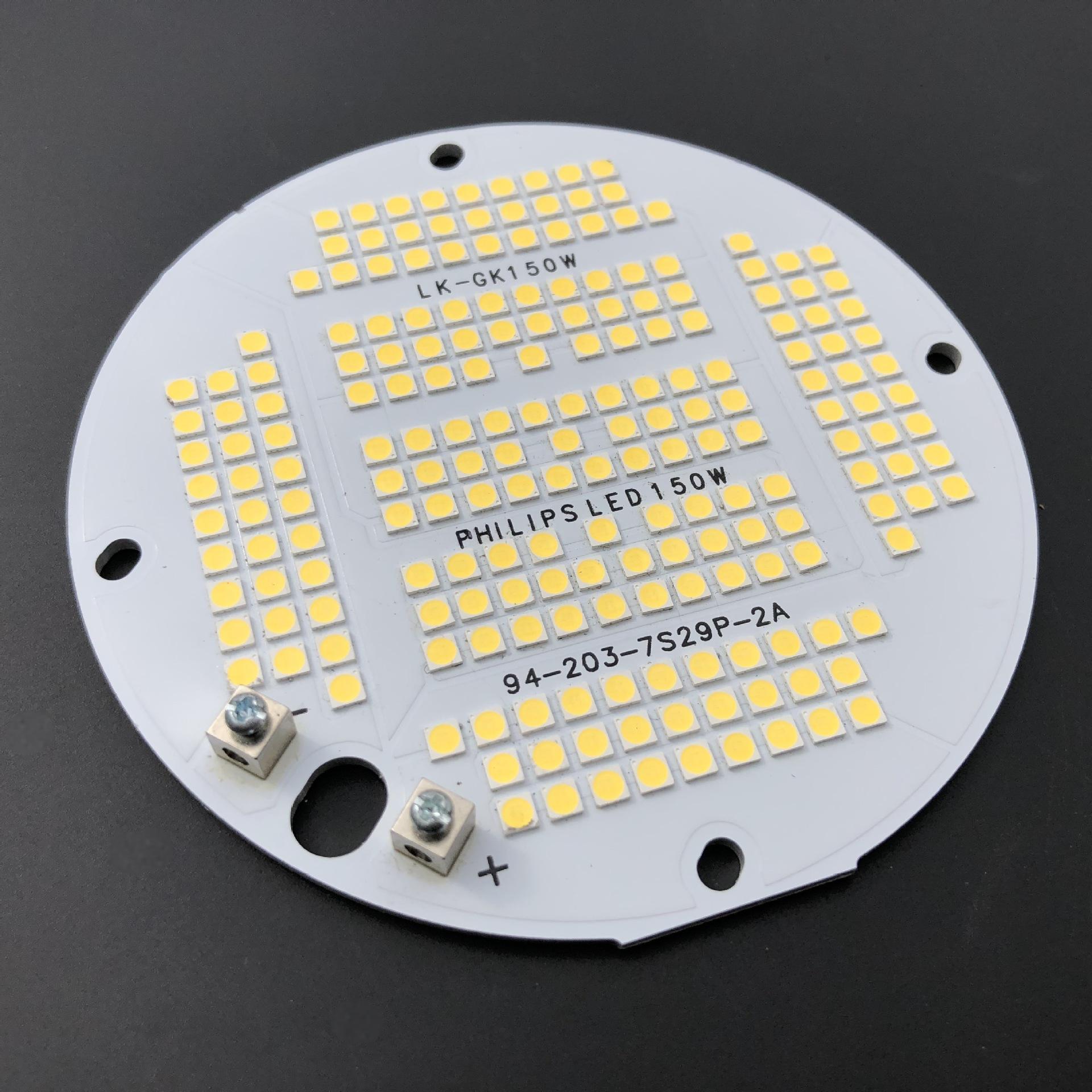
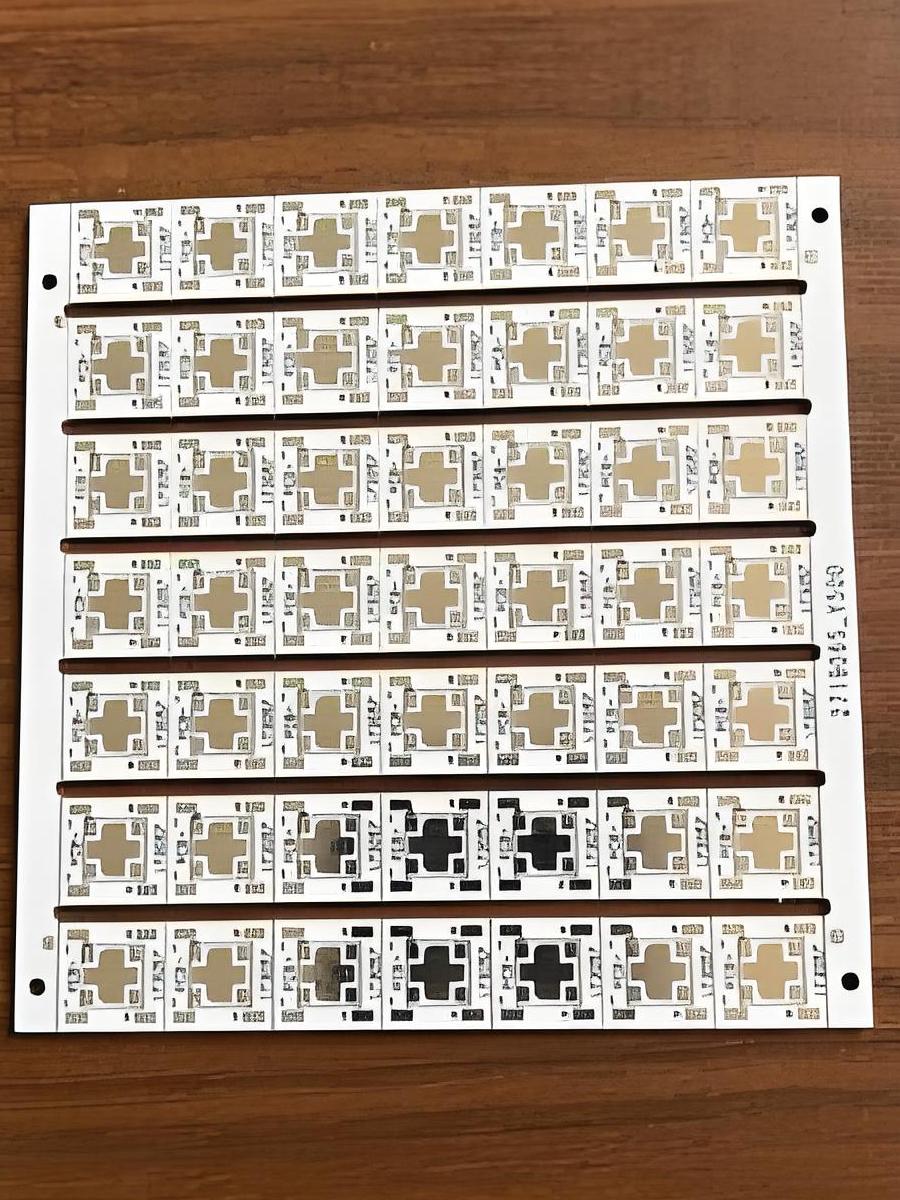
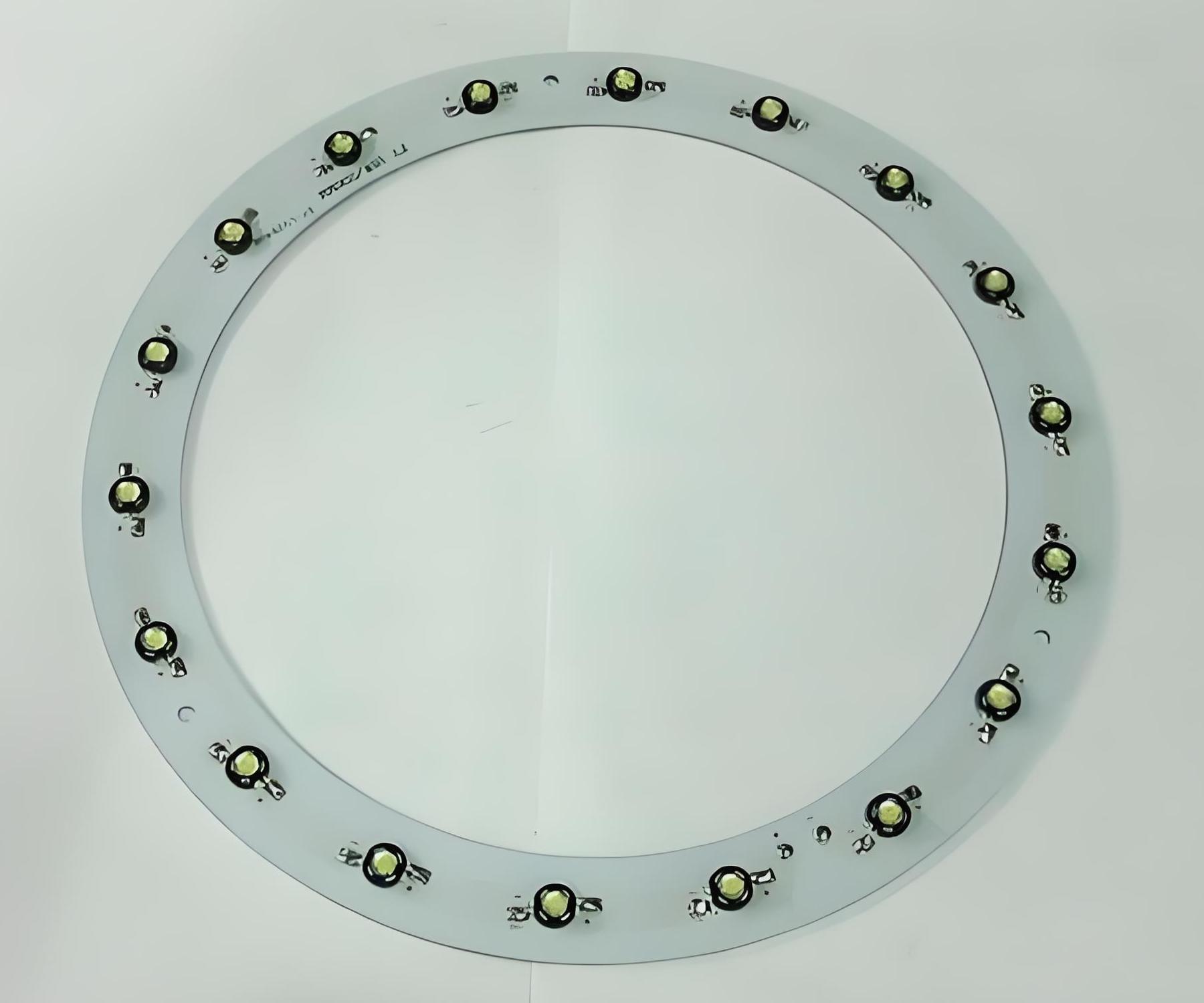
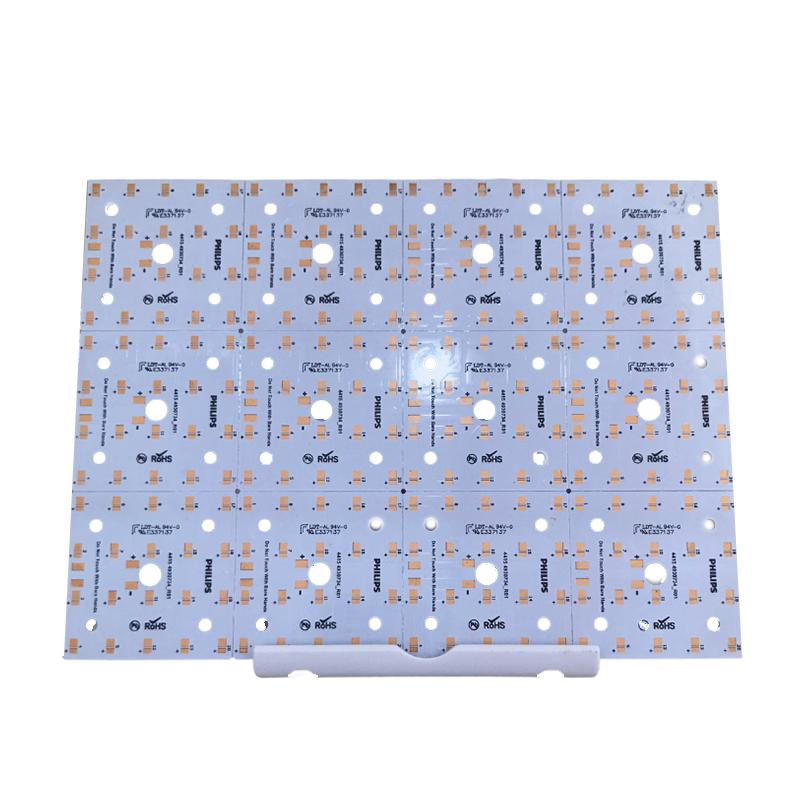
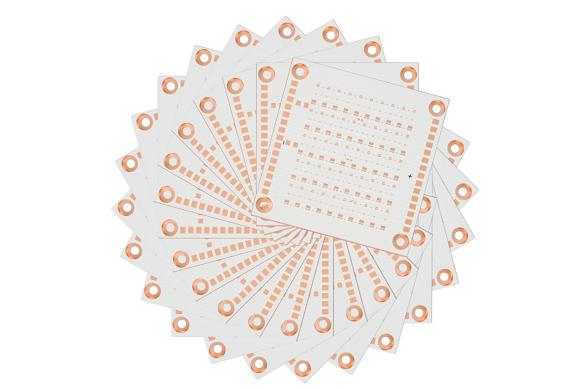
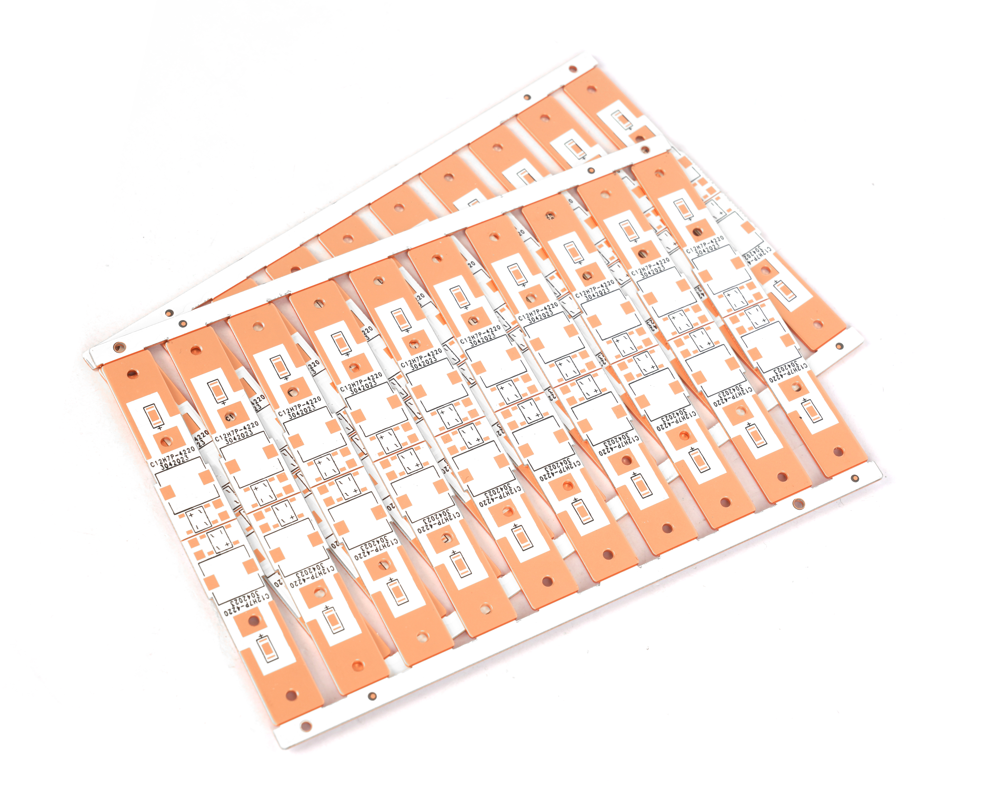
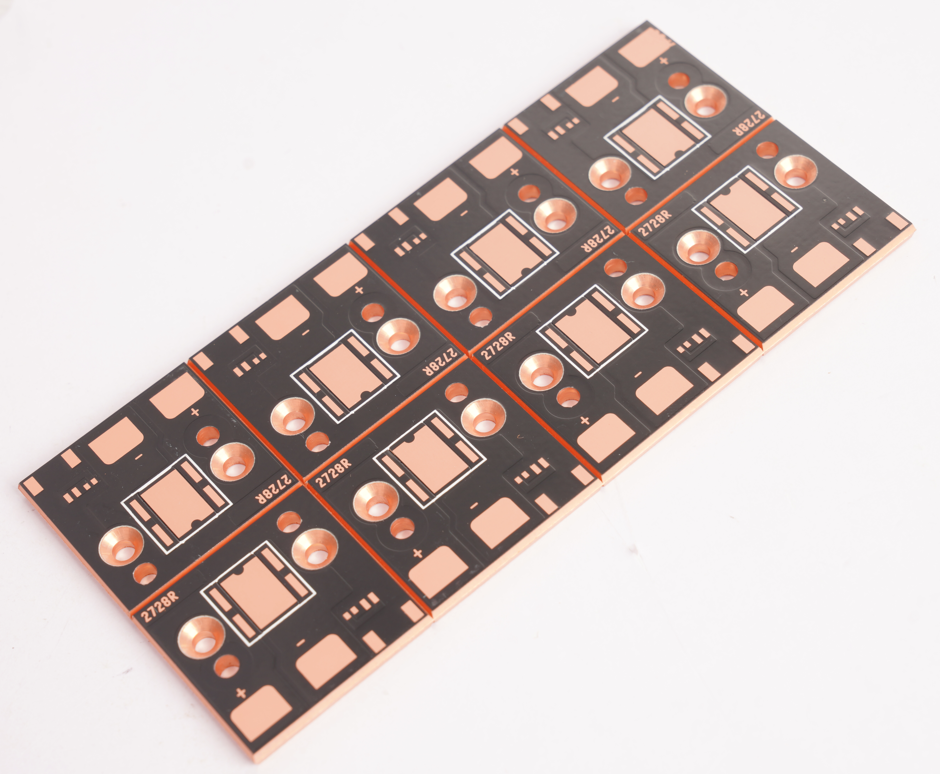
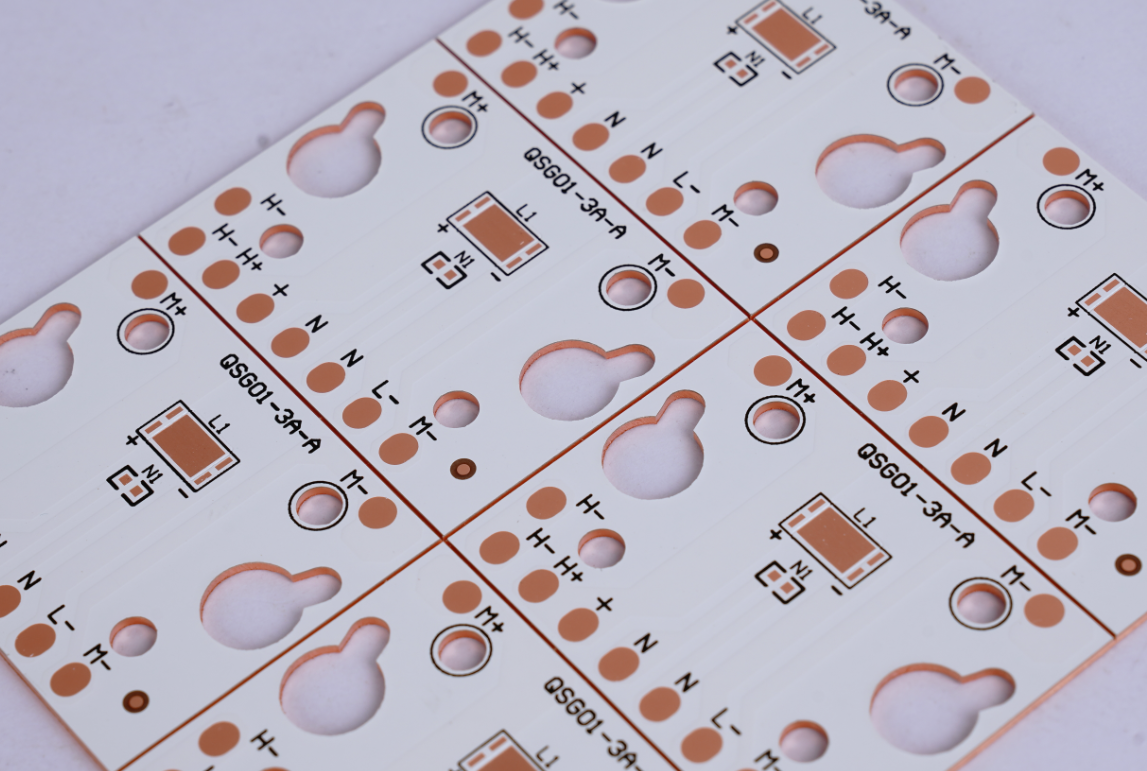
LED Panel PCB, LED Panel PCB Board Company

April 11th, 2025

Would you like to know how to get a good price with high quality LED Panel PCB? Let’s explore more about LED panel PCB’s material, application, cost reduction solution and how to select a LED company.

EBest Circuit (Best Technology), we specialize in LED Panel PCB design and manufacturing over 18 years. We uses a fully automated SMT patch production line and AOI/X-ray inspection system, and has imported YAMAHA patch machines to ensure that the LED Panel PCB patch accuracy can reach ±0.035mm, and the mounting speed can reach 95,000 points/h. Based on the 30W+ high-power heat dissipation requirements, the design end can customize the 2oz copper substrate stack and honeycomb thermal conductive hole structure, and the measured full-load temperature rise is controlled within 12°C. Supports 15-day standard delivery and 7-day expedited delivery. If you have any request for LED Panel PCB, welcome to contact us: sales@bestpcbs.com

What Is LED Panel PCB?

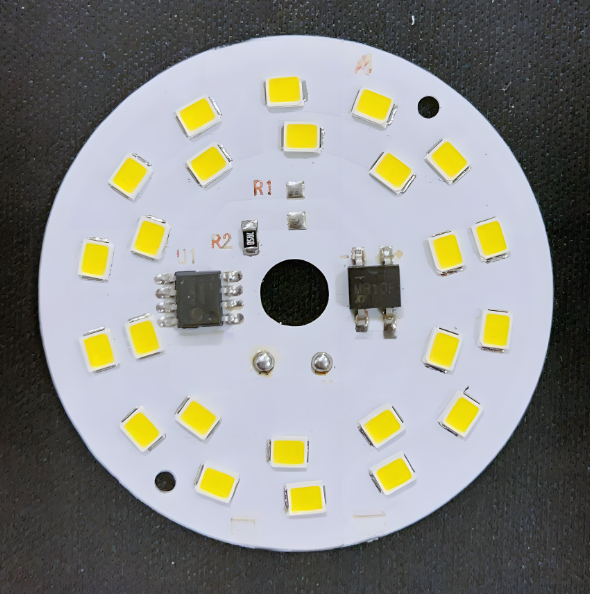
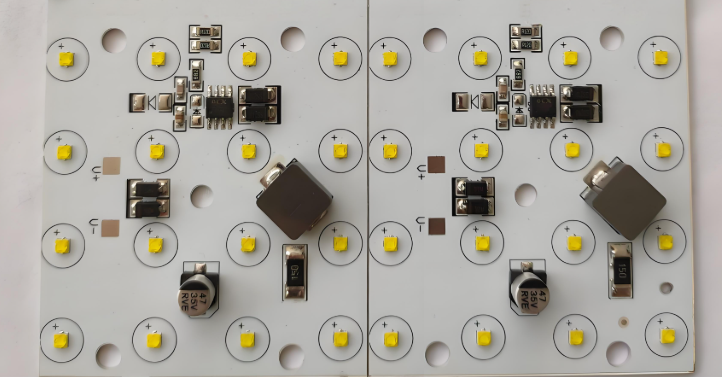
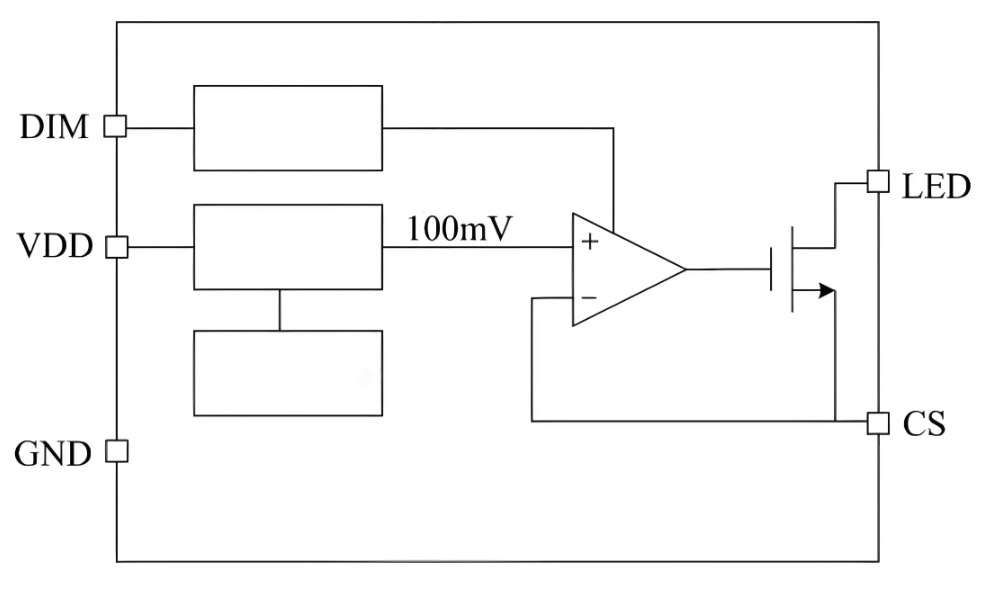
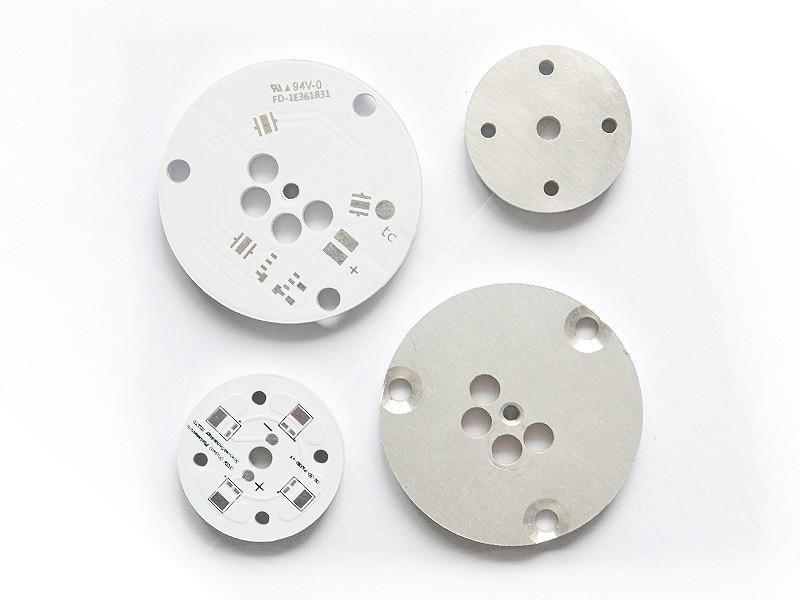
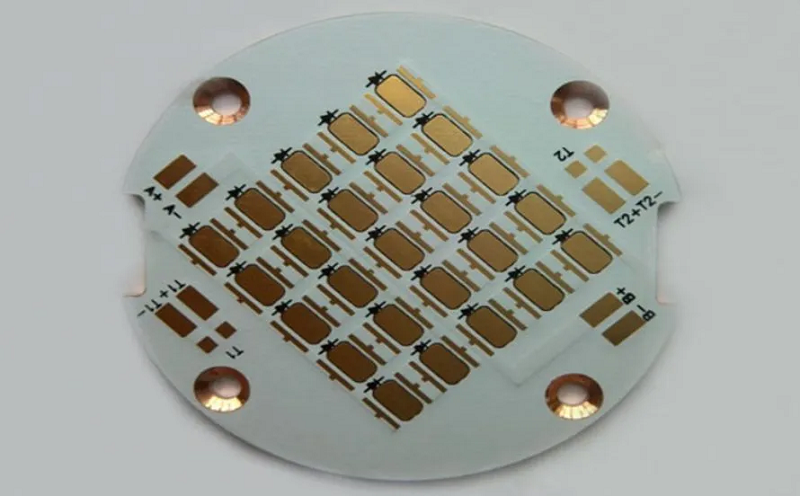
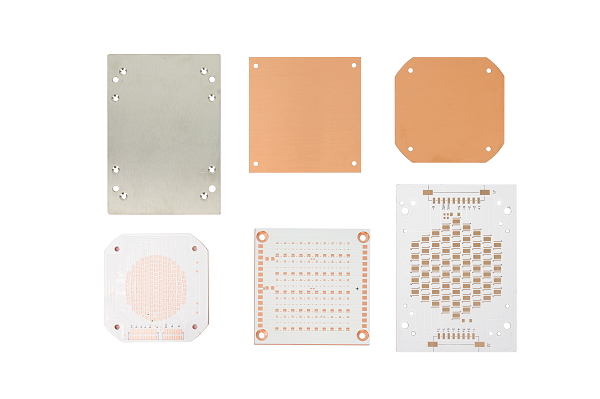
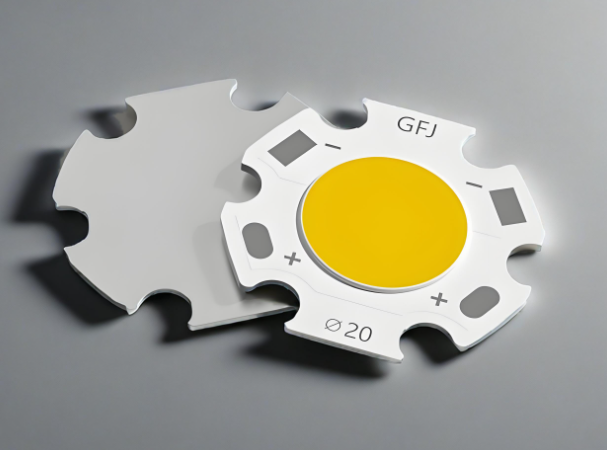
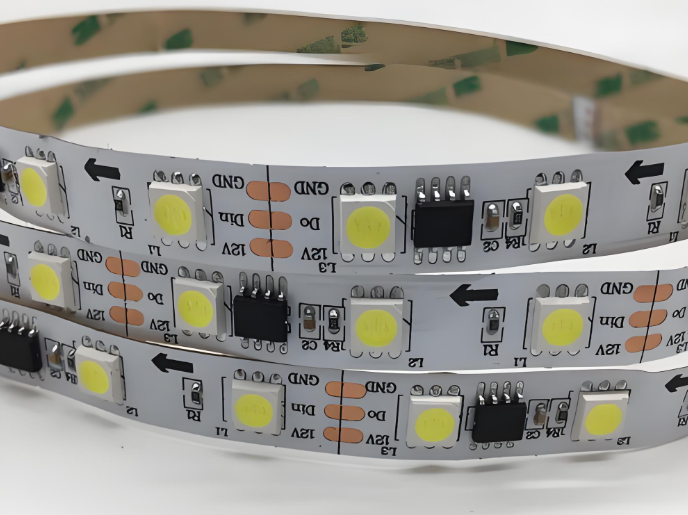
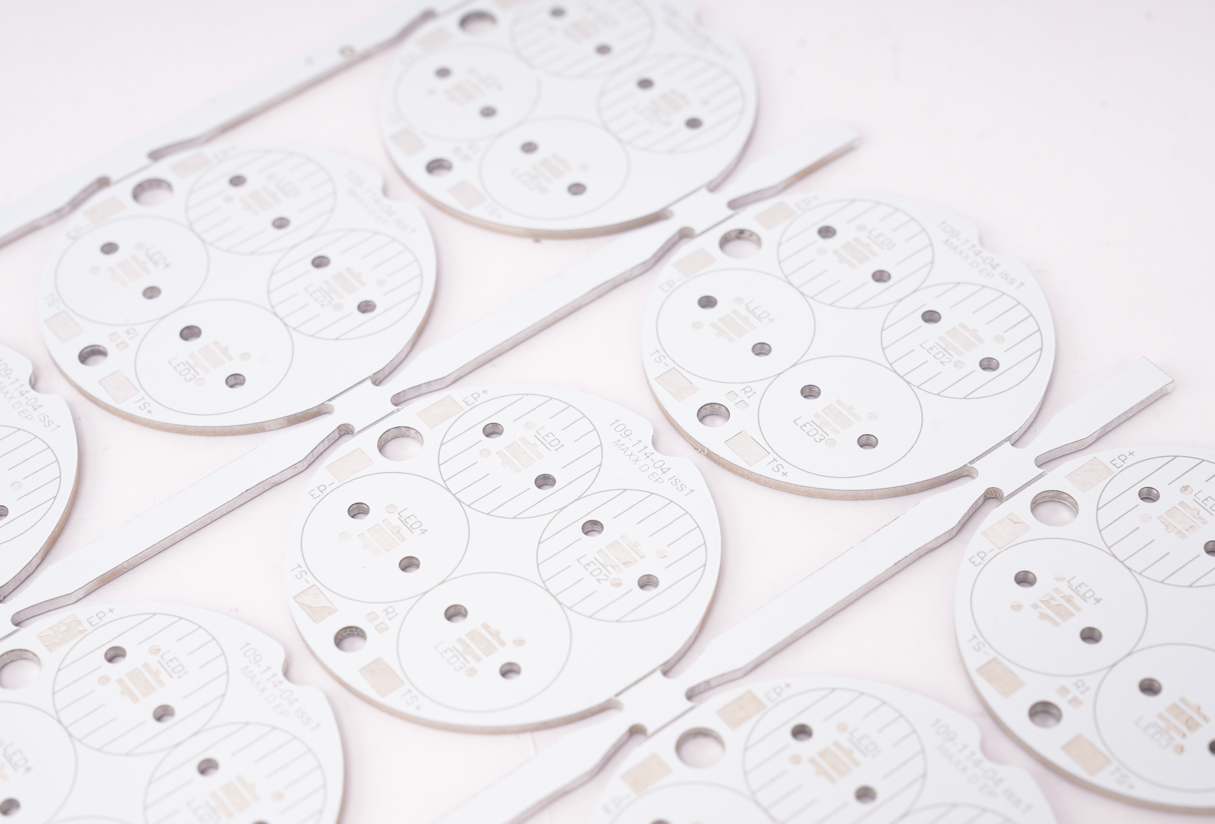
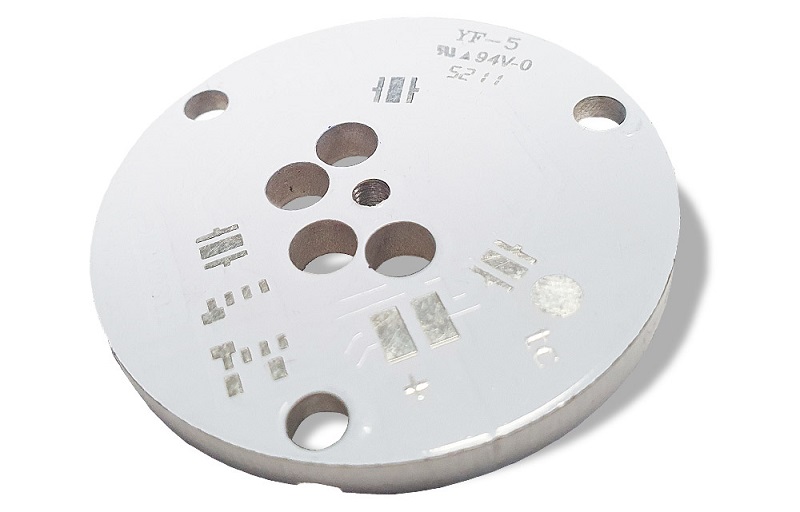
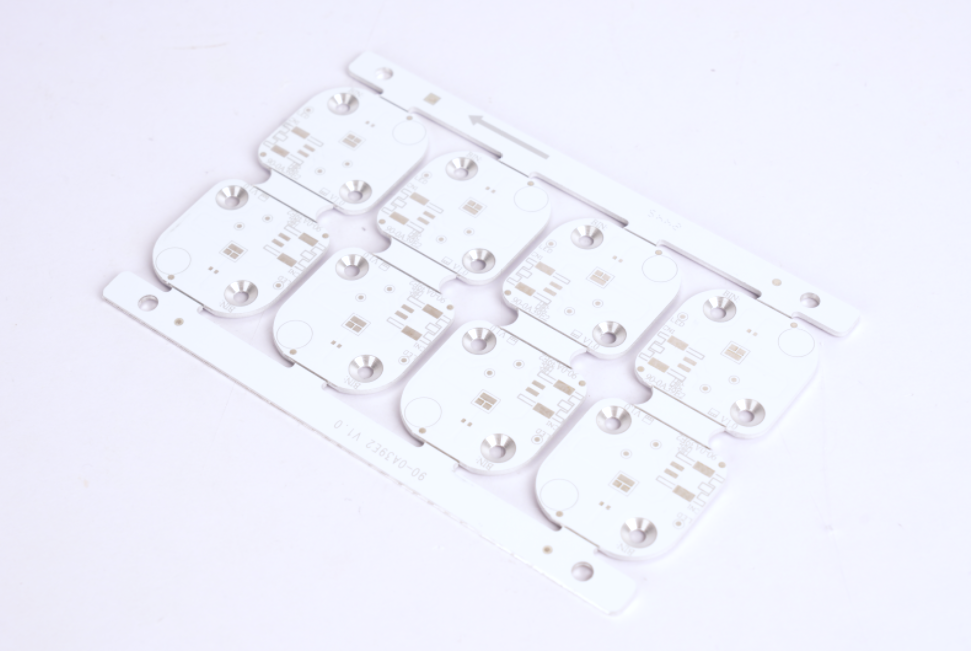
An LED Panel PCB is a specialized circuit board designed to power and control densely arranged LED arrays in applications like displays, signage, or lighting systems. These PCBs integrate high-current traces, driver ICs (e.g., TLC5940, WS2812), and thermal management features (vias, metal cores) to handle heat from prolonged LED operation. They often use ‌aluminum substrates‌ (for heat dissipation) or ‌FR-4 with enhanced copper layers‌ (for signal integrity), supporting configurations like COB (Chip-on-Board) LEDs or SMD modules. Key features include precise polarity marking (dots, notches) to prevent reverse connections, uniform voltage distribution, and EMI shielding for stable performance in automotive dashboards, retail displays, or architectural lighting. EBest Circuit (Best Technology) manufactures LED Panel PCBs with <0.1mm alignment tolerances, ensuring seamless LED array integration and longevity under high-brightness demands.

What Is LED Panel PCB?

What Are Materials of LED Panel PCB?

Here are materials analysis of LED Panel PCB:

Aluminum Substrates (Best for High-Power/Thermal Management)

  • Why Choose It: Offers superior heat dissipation, crucial for preventing LED overheating and extending lifespan.
  • Ideal For: High-brightness LED panels, outdoor displays, automotive lighting, or applications where thermal performance is critical.
  • Pros: Lightweight, durable, reduces the need for external heat sinks, and supports high-current designs.
  • Cons: More expensive than FR-4 and less suitable for complex multi-layer designs.

FR-4 (Best for General/Low-Power Applications)

  • Why Choose ItCost-effective and widely available, making it ideal for indoor LED panels, signage, or consumer electronics.
  • Ideal For: Basic lighting, low-brightness displays, or projects where heat generation is minimal.
  • Pros: Easy to manufacture, supports 2–4 layers, and works well with standard SMT assembly processes.
  • Cons: Poor thermal conductivity compared to aluminum; may require additional cooling for high-power LEDs.

Ceramic Substrates (Specialized Use)

  • Why Choose It: Exceptional thermal and electrical insulation, suitable for high-frequency or high-temperature LEDs.
  • Ideal For: Aerospace, military, or automotive applications requiring extreme reliability.
  • Pros: High thermal conductivity, low CTE mismatch with LED components.
  • Cons: Expensive, brittle, and difficult to process.

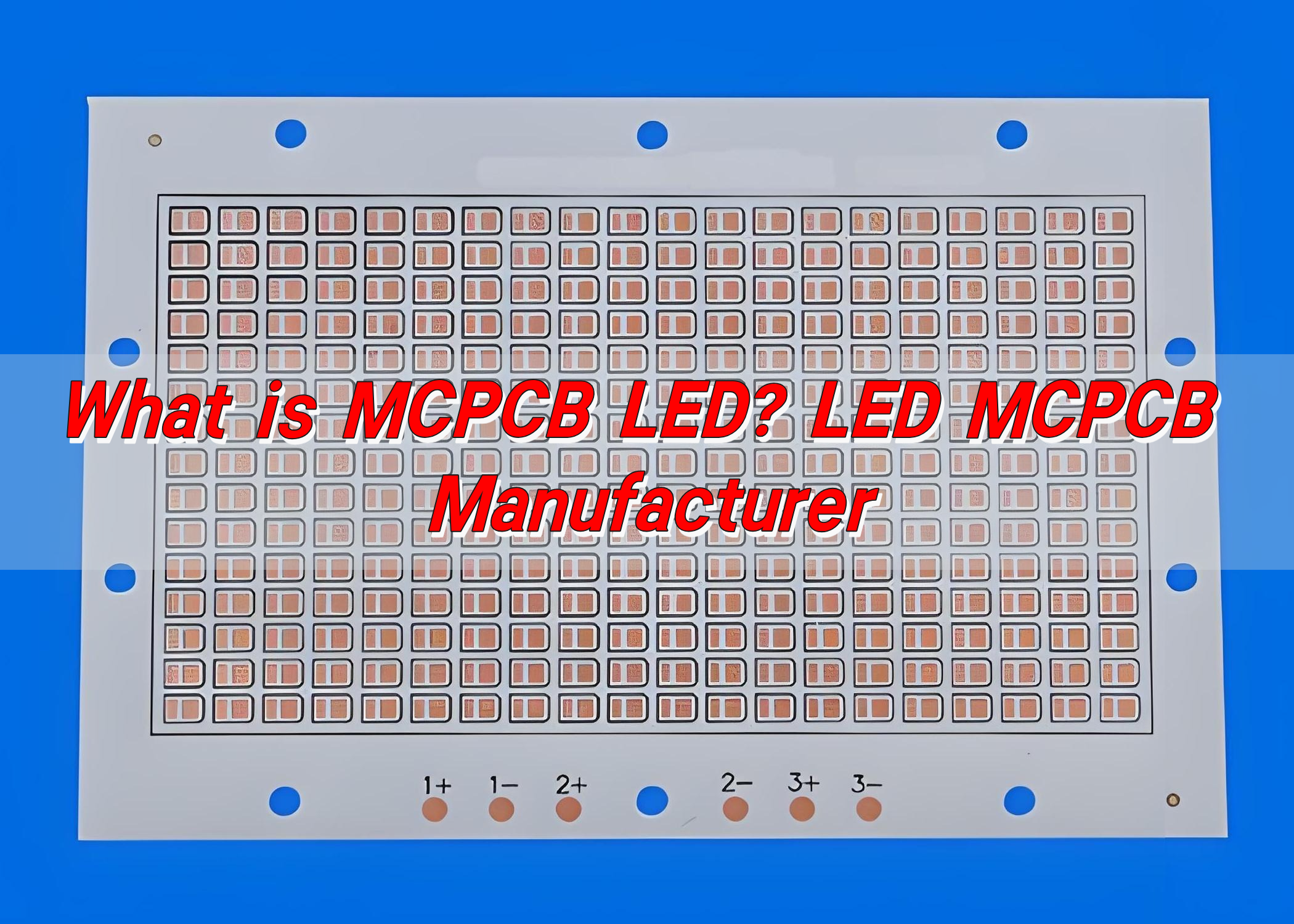
Metal Core PCBs (MCPCB) (Alternative to Aluminum)

  • Why Choose It: Similar to aluminum but with different metal cores (e.g., copper) for tailored thermal needs.
  • Ideal For: Applications needing a balance between cost and thermal performance.
  • Pros: Flexibility in material selection (copper, iron, etc.), good for high-current designs.
  • Cons: Can be heavier and more expensive than FR-4.
What Are Materials of LED Panel PCB?

What Are Application of LED Panel PCB?

Here are application of LED Panel PCB:

  • General Lighting: Used in homes, offices, and industrial spaces for energy-efficient, uniform illumination (e.g., ceiling panels, wall lights).
  • Displays & Signage: Powers digital billboards, scoreboards, and video walls with vibrant visuals and 24/7 durability.
  • Automotive: Provides bright, reliable lighting (headlights, taillights) and interior illumination in vehicles.
  • Consumer Electronics: Enables slim, high-resolution displays in smartphones, TVs, and monitors.
  • Medical: Used in surgical lights and medical equipment for precise, long-lasting illumination.
  • Architectural: Offers customizable, aesthetic lighting for buildings, museums, and art installations.
  • Industrial: Delivers robust lighting in factories and warehouses, improving safety and productivity.
  • Specialty Lighting: Supports horticulture, aquariums, and stage lighting with tunable colors and high output.
What Are Application of LED Panel PCB?

How to Balance Cost and Quality for LED Panel PCB?

Below are actionable strategies to achieve this balance and quality for LED panel PCB effectively:

1. Material Selection Optimization

  • Base Material: Choose FR-4 for standard applications due to its cost-effectiveness and reliability. For high-frequency or high-power designs, consider high-TG FR-4 or metal-core PCBs (e.g., aluminum) to enhance thermal management without excessive cost.
  • Copper Thickness: Prioritize for 1 oz copper for general LED lighting unless high current or thermal demands necessitate thicker layers, which increase material and processing costs.
  • Surface Finishes: Use HASL (Hot Air Solder Leveling) for cost efficiency, or ENIG (Electroless Nickel Immersion Gold) for enhanced reliability in contact-heavy applications. Avoid gold plating unless critical to functionality.

2. Design Efficiency

  • Layer Count: Reduce unnecessary layers by optimizing trace routing and signal integrity. A 4-layer PCB often suffices for LED lighting, avoiding the costs associated with 6- or 8-layer designs.
  • Via Optimization: Minimize the use of blind/buried vias and opt for through-holes where possible. These reduce fabrication complexity and expense.

3. Manufacturing Process Control

  • Fabrication Tolerance: Collaborate with manufacturers to set reasonable tolerance levels (e.g., ±0.1mm for critical dimensions) to avoid over-engineering that drives up costs.
  • Testing Protocols: Implement focused testing strategies (e.g., AOI for visual defects, flying probe for connectivity) rather than 100% ICT (In-Circuit Testing) to reduce labor and equipment expenses.
  • Supplier Partnerships: Work with PCB vendors offering volume discounts and flexible production scheduling. Long-term agreements can secure better pricing and priority access to advanced capabilities.

4. Thermal Management Integration

  • Thermal Vias and Pads: Incorporate thermal vias and copper pours strategically to dissipate heat efficiently, reducing the need for expensive high-TG materials or additional cooling components.
  • Component Placement: Position high-power LEDs and drivers to leverage natural convection paths, minimizing the reliance on active cooling solutions that add cost.

5. Cost-Driven Design Choices

  • Component Standardization: Use standard LED packages (e.g., 3535, 5050) and common driver ICs to leverage economies of scale in component procurement.
  • Surface Finish Trade-offs: Balance corrosion resistance and cost by selecting finishes like OSP (Organic Solderability Preservatives) for low-cost, short-lifecycle products or ENIG for longer-term reliability.
  • Material Substitutions: Where feasible, replace expensive specialty materials (e.g., high-frequency laminates) with lower-cost alternatives that meet performance requirements through design compensation (e.g., wider traces for reduced loss).

6. Quality Assurance Frameworks

  • DFM (Design for Manufacturability): Engage PCB manufacturers early in the design phase to incorporate their feedback on fabricability, reducing the risk of costly redesigns.
  • Quality Inspection: Implement statistical process control (SPC) to monitor key quality metrics (e.g., trace width, via integrity) during production, ensuring consistency without excessive testing.
  • Reliability Testing: Conduct accelerated life testing (e.g., thermal cycling, humidity resistance) on prototypes to validate design robustness before full-scale production.

7. Supply Chain and Logistics

  • Localization: Source materials and PCBs from regional suppliers to minimize shipping costs and lead times, especially for time-sensitive projects.
  • Inventory Management: Use JIT (Just-In-Time) inventory strategies to reduce holding costs while ensuring material availability for production.

8. Continuous Improvement

  • Design Iterations: Regularly review PCB designs for efficiency gains, such as consolidating layers or reducing component count through integration (e.g., combining functions into a single IC).
  • Technology Adoption: Stay updated on advanced fabrication techniques (e.g., laser direct imaging for finer traces) that may offer cost-performance trade-offs over traditional methods.

How Does PCB Layer Count Impact LED Panel Performance?

Here’s how PCB layer count impact LED panel performance:

Heat Management = Longevity

  • More layers = better heat dissipation. LEDs run cooler, last longer, and avoid “burnout” spots.
  • Fewer layers = risk overheating, especially in bright panels. This can shorten lifespan and cause uneven brightness.

Signal Stability = Clear Visuals

  • Higher layer counts = reduced flicker, consistent color, and no ghosting. Perfect for TVs, monitors, or professional displays.
  • Lower layers = potential for flickering, color shifts, or uneven lighting. Noticeable in dimmer settings or when using high brightness.

Power Efficiency = Consistent Brightness

  • Dedicated power layers (in multi-layer PCBs) = even illumination across the panel. No dark corners or “hot spots.”
  • Single-layer PCBs = voltage drops can lead to patchy lighting, especially in larger panels.

Smart Features = Future Prototyping

  • More layers = room for dimming zones, Wi-Fi modules, or sensors. Useful if you want a “smart” panel or plan to upgrade your home system.
  • Fewer layers = limited to basic on/off functionality.

Cost vs Quality

  • Higher layer counts = pricier but reliable. Ideal for premium panels or long-term use.
  • Lower layers = cheaper upfront but may cost more in replacements or repairs later.

Where I can find a LED Panel PCB Board Company?

To find a reliable LED Panel PCB Board Company, follow these structured steps focusing on supplier discovery channels:

1. B2B Marketplaces

  • Alibaba.com: Search “LED Panel PCB Board” to access verified suppliers offering custom PCBsaluminum PCBs, and SMD LED integration. Filter by certifications (ISO, UL) and MOQ requirements.
  • Made-in-China.com: Explore manufacturers like EBest Circuit (Best Technology) known for HDI capabilities and multi-layer PCBs tailored for LED applications.

2. Industry-Specific Directories

  • PCB Pilot: A directory listing PCB manufacturers by specialty (e.g., LED lighting, automotive).
  • Global Sources: Features suppliers with export capabilities, ideal for bulk orders.

3. Trade Shows & Expos

  • HKTDC Hong Kong Electronics Fair: Connect with PCB manufacturers showcasing advanced LED PCB technologies.
  • Electronica China: Annual event for sourcing PCBs, including those optimized for LED displays and high-power lighting.

4. Online Communities & Forums

  • PCB Design Forum: Engage with engineers discussing LED PCB challenges and recommended suppliers.
  • LinkedIn Groups: Join “PCB Manufacturers” or “LED Lighting Industry” to network with professionals.

5. Certification Bodies

  • UL (Underwriters Laboratories): Use their database to find certified PCB manufacturers for safety compliance.
  • IPC (Association Connecting Electronics Industries): Locate members specializing in LED PCB standards.

6. Referrals & Case Studies

  • LED Lighting Manufacturers: Request recommendations from companies like EBest Circuit (Best Technology) for trusted PCB partners.
  • Technical Blogs: Read case studies on LED PCB design (e.g., “Thermal Management in LED PCBs”) to identify suppliers mentioned in industry articles.
Where I can find a LED Panel PCB Board Company?

How to Select a Trusted LED Panel PCB Board Company?

Here’s a structured guide for selecting a trusted LED Panel PCB Board Company:

Certifications & Compliance

  • Look for ISO 9001UL, and RoHS certifications. Verify via official links or documents.
  • Prefer IPC-affiliated suppliers for adherence to industry standards.

Experience & Specialization

  • Choose companies with 10+ years in LED PCBs (such as EBest Circuit (Best Technology)
  • Ensure expertise in thermal management and custom designs (e.g., MCPCBs, HDI).

Customization & Technical Capabilities

  • Confirm ability to handle aluminum PCBsmulti-layer boards, or LED-specific features.
  • Ask about in-house testing (AOI, X-Ray, Flying Probe) for defect prevention.

Quality Control

  • Request sample PCBs to test functionality and compatibility.
  • Prioritize suppliers with transparent quality processes (e.g., visual inspections, thermal testing).

Pricing & MOQs

  • Compare quotes for standard vs. custom PCBs. Avoid hidden fees.
  • Prioritize for suppliers with low MOQs (e.g., 50–100 units) if prototyping or small-scale.

Reputation & Reviews

  • Check recent reviews on platforms like Alibaba, Trustpilot, or Google. Look for mentions of reliability and support.
  • Seek industry recommendations (e.g., ABIS Circuits for HDI expertise).

Logistics & Support

  • Ensure global shipping with tracking and clear warranties.
  • Verify after-sales support (e.g., technical assistance for defects).

How to Mount LED Panel Connector on PCB to Avoid Poor Contact?

Here are some methods to mount LED panel connector on PCB to avoid poor contact:

Optimize Pad Design

  • Ensure pad size matches the LED connector’s terminals to prevent misalignment or weak solder joints. Use circular or rectangular pads with proper spacing (≥0.635mm) from nearby vias to avoid thermal interference‌.
  • Apply solder mask dams between pads and vias to isolate conductive paths and reduce solder wicking‌.

Control Soldering Parameters

  • Maintain precise temperature profiles (e.g., 230–250°C peak) during reflow to prevent overheating, which can warp pads or degrade solder joints‌.
  • Use solder paste with adequate viscosity and flux activity to ensure uniform coverage and avoid voids‌.

Ensure Proper Contact Force

  • Design connectors with spring-loaded terminals to apply 0.5–1.2N of contact force on the PCB pads, ensuring stable electrical connections without damaging the LED terminals‌.
  • Validate contact force via insertion/extraction testing (≥50 cycles) to confirm durability‌.

Clean Contact Surfaces

  • Remove oxides, dust, or flux residues from pads and connector terminals using isopropyl alcohol or specialized cleaners before assembly‌.
  • Apply anti-corrosion coatings (e.g., immersion gold or ENIG) to pads to maintain conductivity‌.

Avoid Mechanical Stress

  • Use alignment guides or jigs during installation to ensure perpendicular insertion and prevent bent pins‌.
  • Secure connectors with mounting brackets or adhesive to minimize vibration-induced loosening‌.

Test Conductivity Post Assembly

  • ‌Perform 100% continuity checks using milliohm meters to detect open circuits or high-resistance joints‌.
  • Conduct environmental tests (vibration, thermal cycling) to validate long-term reliability‌.

Double-sided PCB Manufacturer, Double Layer PCB Manufacturer

April 11th, 2025

Double-sided PCB manufacturer is a phrase you’ll come across when sourcing dependable circuit boards. Whether you’re building compact electronics or advanced control panels, these boards are the backbone. However, choosing the right manufacturer isn’t always easy. In this blog, we’ll walk you through essential points like how they’re made, where they’re used, and how to find the best one.

EBest Circuit (Best Technology) is a professional double-sided PCB manufacturer, who always deliver consistently on time. There is 97% on-time delivery rate across 40 countries by EBest Circuit (Best Technology). We have advanced inspection technology used in double-sided PCB manufacturing processes, such as Automated optical inspection (AOI), 3D X-ray tomography for BGA voiding analysis, and In-circuit testing (ICT) fixtures for 100% functional validation. We support 24/7 engineering support with 2-hour DFM feedback. EBest Circuit (Best Technology) has possessed AS9100D aerospace certification, IATF 16949 automotive QMS.

Whether you require double-sided PCB design guidance, double-sided PCB prototype development, double-sided PCB fabrication, or full-scale double-sided PCB assembly solutions, our team is available to address your needs at any time. A warm welcome to contact us via sales@bestpcbs.com to discuss your specific needs for double-sided PCB.

Double-Sided PCB Manufacturer, Double Layer PCB Manufacturer

What is a Double-Sided PCB?

A double-sided PCB is also called a double-layer PCB. It has copper traces on both sides connected through vias, allowing component placement on either surface. As a cost-effective solution between single-sided and multilayer PCBs‌, it provides 60% higher wiring density than single-layer boards‌. These PCBs are widely used in consumer electronics (e.g., smartphone motherboards)‌, automotive controls‌, and industrial automation systems‌, balancing performance and manufacturing costs.

How Are Double-Sided PCBs Manufactured?

Double-sided PCB manufacturers follow a series of precise and professional steps to produce reliable circuit boards. At EBest Circuit (Best Technology), we use a proven process designed to ensure performance, quality, and consistency. Here’s how we do it:

1.     CAM Engineering Processing

  • It all starts with careful design file preparation. Our CAM engineers review Gerber files, optimize them, and ensure everything is ready for manufacturing. They prepare the data used throughout the production line.

2.     Drilling (Mechanical or Laser Drilling)

  • Next, we drill holes for vias and through-hole components. Depending on the design, we use either mechanical drills or laser drilling methods. This step lays the foundation for reliable connections between the two copper layers.

3.     Hole Metallization (Chemical Copper Plating → Electroplating)

  • Once drilling is done, we chemically deposit a thin layer of copper inside the holes. This is followed by electroplating to thicken the copper, which creates conductive paths between layers.

4.     Outer Layer Pattern Imaging (Lamination → Exposure → Developing)

  • Here, we apply a photosensitive dry film on the board and expose it to UV light through a photo-tool. After developing, the unexposed areas are removed, revealing the copper that will form the final circuit pattern.

5.     Pattern Plating (Copper + Tin)

  • We then plate the exposed copper with a thicker layer of copper, followed by a tin layer to protect it during the next etching step. This builds up the conductive traces to the right thickness.

6.     Etching (Film Removal → Etching → Tin Stripping)

  • After plating, we strip off the photoresist. Then we etch away the unwanted copper. The tin layer acts as a barrier and is later removed, leaving behind clean copper traces.

7.     Solder Mask Application (Coating → Exposure → Developing)

  • We apply a green solder mask to protect the copper circuitry. The board is exposed again to define areas where components will be soldered, then developed to wash away the excess.

8.     Surface Finishing (ENIG, HASL, OSP, etc.)

  • Now it’s time for surface treatment. We apply finishes like ENIG (Electroless Nickel Immersion Gold), HASL (Hot Air Solder Leveling), or OSP (Organic Solderability Preservative). These enhance solderability and prevent oxidation.

9.     Mechanical Profiling (Routing/V-Cut/Punching)

  • Boards are shaped and separated using different techniques like milling, V-cutting, or punching. This step ensures the board fits perfectly into its final application.

10.   Electrical Testing & Final Inspection (AOI/Flying Probe/Impedance Testing)

  • Finally, each board undergoes full electrical testing using AOI (Automated Optical Inspection), flying probe tests, and impedance checks. Our team performs a final inspection to ensure every board meets strict quality standards.

This detailed process ensures every double-sided PCB from EBest Circuit (Best Technology) is dependable, high-quality, and ready for advanced applications.

Double-Sided PCB Manufacturer

How Do You Make a Double Layer PCB?

Double Layer PCB is also named Double Sided PCB. The Double Layer PCB manufacturing process is the same as above double sided PCB manufacturing process listed. As a leading double layer PCB manufacturer, we are happy to provide quick double layer PCB manufacturing service to you.

Double Layer PCB Manufacturer

How Are Double-Sided PCBs Soldered?

Double sided PCB soldering uses different techniques depending on component types. If both sides have surface-mount devices (SMD), one side is reflow soldered first. Then, the second side is processed with care to avoid disturbing the first.

Through-hole components usually go through wave soldering. For mixed assemblies, selective soldering is used to avoid reworking finished parts. Skilled operators or automated machines handle the job. Quality checks follow to catch defects.

Double sided PCB assembly is a key part of this process. Good manufacturers use AOI (automated optical inspection) and sometimes X-ray to ensure quality.

Double-Sided PCB Manufacturer

How Much Does a Double-Sided PCB Manufacturer Charge for Custom Boards?

Pricing depends on several factors:

  • Board size and quantity
  • Copper weight and layer thickness
  • Hole count and via complexity
  • Solder mask color, surface finish
  • Lead time and testing

A custom board might start from a few dollars each for small runs, but the price drops with higher volumes. Always ask for a quote based on your actual Gerber files. A reliable double-sided PCB manufacturer will also offer suggestions to cut costs.

What is the Best PCB Manufacturer?

Finding the best double-sided PCB manufacturer is a key step when quality, turnaround time, and budget all matter. India has become a growing hub for PCB production due to its skilled labor and advanced factories. Here’s a brief overview of some trusted manufacturers based in India.

Top 5 Double Sided PCB Manufacturers in India:

AT&S India Pvt. Ltd.

  • One of the leading PCB manufacturers globally, AT&S operates a large plant in Nanjangud. They serve automotive, medical, and industrial electronics. Their processes meet strict European standards.

Genus Electrotech Ltd.

  • Located in Gujarat, Genus offers end-to-end PCB fabrication and assembly services. Their facility supports double-sided and multi-layer PCB production with a strong domestic presence.

Shogini Technoarts Pvt. Ltd.

  • This Pune-based company specializes in quick-turn PCB solutions and has decades of experience. They cater to medium and high-volume orders with reliable customer service.

Fine-Line Circuits Ltd.

  • A Mumbai-based exporter of double-sided and multilayer PCBs, they serve the aerospace, industrial, and telecom markets. Their consistent export quality makes them a preferred choice overseas.

CIPSA-TEC India Pvt. Ltd.

  • CIPSA-TEC runs a well-equipped plant in Bangalore. They provide single, double, and multi-layer boards with lead-free processes and strong quality control.

These companies have invested in modern equipment, skilled engineers, and global certifications. That means you get better quality and support at competitive pricing. India’s PCB manufacturing industry is growing fast. Whether you need a simple double-layer board or a complex assembly, these manufacturers have the resources. Comparing capabilities and support is crucial. Always ask for samples, visit facilities if possible, and go with the one that best fits your project’s needs.

How to Choose a Reliable Double-Sided PCB Manufacturer?

Choosing a double-sided PCB manufacturer goes beyond browsing websites. Look for the following signs of a reliable partner:

  • Clear communication and fast response
  • Transparent pricing
  • Quality management system in place
  • Samples available before bulk orders
  • Engineering support for layout review

Check if they’ve worked in your industry. A factory that supplies boards for automotive controls may not be ideal for LED lighting. The right match saves you time and stress.

What Are the Typical Applications Served by a Double-Sided PCB Manufacturer?

Double-sided PCB applications are found everywhere. Here are a few areas where they are commonly used:

  • Consumer Electronics: Remote controls, toys, smartwatches
  • Industrial Controls: Motor drivers, automation circuits
  • LED Systems: Light engines, drivers, and power management
  • Medical Devices: Compact monitors and diagnostics tools
  • Telecom: Signal repeaters, interface modules

These boards fit well between low-cost single sided options and high-end multi-layer PCBs. A good manufacturer will help you pick the right stack-up and material based on your end use.

Double Layer PCB Manufacturer

In conclusion, double-sided PCBs bridge the gap between simplicity and complexity. When you work with a reliable double-sided PCB manufacturer, you get strong performance and good value. You also save time during design and fewer headaches during production.

EBest Circuit (Best Technology) has more than 18 years of experience as a double-sided PCB manufacturer. We provide one-stop solutions from double-sided PCB prototype to double-sided PCB mass production. With a strict quality system, fast lead times, and responsive support, we’re ready to help with your next project. Just feel free to reach out to us via sales@bestpcbs.com for quick support.

PCB Fabrication Manufacturer, Prototype, Design and Assembly

April 11th, 2025

EBest Circuit (Best Technology) is your trusted partner for comprehensive PCB solutions — from initial concept to final product. With over 18 years of experience, we offer one-stop services that cover the full PCB lifecycle, ensuring high quality, fast turnaround, and competitive pricing. Why customers prefer us:

  • Free DFM/DFA check
  • Free Design Guideline
  • 25,000m2 production capacity
  • 2 Hours quick response
  • Quote within 12 hours
  • Online support 24/7
  • Transparent order tracking from first day to final delivery
  • Military-grade quality boards with strict testing and IPC standards
  • One-stop services from layout to turnkey assembly
  • Engineering support to optimize your design for performance and cost
  • Global delivery and localized service teams
  • Reliable fabrication with IPC Class 2/3 standards
  • ISO13485, ISO9001, AS9100D, IATF16949 certificated

Whether you’re a startup building your first prototype or a large OEM scaling up production, EBest Circuit (Best Technology) is your reliable PCB partner.

PCB Fabrication Manufacturer, Prototype, Design and Assembly

Our Core Services – From Design to Assembly

We provide a wide range of services to support your project at every stage:

  • PCB Design & DFM Check – We don’t just manufacture—we help you build better boards. Send us your layout or concept, and our senior engineers will review your files for manufacturability, improving your design before it hits the production line.
  • PCB Fabrication – Single-layer, multi-layer, HDI, aluminum-based, or ceramic—we fabricate PCBs of all complexities. Our in-house plant supports quick turnarounds and strict quality control for every batch.
  • PCB Prototype – Need your prototype in 24–72 hours? We’ve got your back. Ideal for engineers in the development phase, we offer fast PCB prototyping with full traceability, fly-probe testing, and surface finish options.
  • PCB Assembly – Our turnkey PCB assembly service covers everything from component sourcing, SMT/DIP soldering, to functional testing. You send us your BOM and Gerber—we handle the rest.
  • Components Sourcing – Reliable sourcing of original, competitive prices, traceable electronic components.
  • IC Programming – Pre-programming and testing of integrated circuits to streamline your assembly process.

What PCB Types Does EBest Circuit (Best Technology) Manufactured?

We are capable of manufacturing a wide variety of PCB types, including but not limited to:

  • FR4 PCBs (high speed PCB, IC substrate, high TG PCB, extra thin PCB, our special semi-rigid flex PCB and so on.)
  • Metal Core MCPCBs (aluminum based PCB, copper clad PCB, sinkpad PCB, thermoelectric copper separate PCB)
  • Ceramic PCBs (AlN, BeO, Al₂O₃, Zro2)
  • Flexible and Rigid-Flex PCBs, FFC, Dual access PCB
  • HDI PCBs
  • High-Frequency PCBs
  • Heavy Copper PCBs
  • Busbar PCBs
  • Hybrid Substrate PCBs
PCB Fabrication Manufacturer, Prototype, Design and Assembly

Whether you need high-reliability boards for aerospace, thermally conductive boards for LEDs, or RF boards for communication devices, we have the capability to deliver.

PCB Prototype Lead Time

We understand how crucial speed is in product development. Our standard PCB prototype lead time is:

  • Single-layer & double-layer PCBs: as fast as 24 hours
  • 4-layer PCBs: typically 48–72 hours
  • 6-layer or above: around 3–5 working days, depending on complexity

Below is a detailed prototype lead time sheet at EBest Circuit (Best Technology), the expedited options are available to meet urgent project deadlines.

Prototype(<1m²) Layers   Normal Service   Expedited Service
      FR4 PCB1 Layer3-4 days24 hours
2 Layers4-6 days24 hours
4 Layers8-10 days48 hours
6 Layers8-10 days72 hours
8 Layers10~14 days72-96 hours
10 Layers14-18 days72-96 hours
HDI (1+N+1 2+N+2)2.5 – 3.5weeksTBD (depend on design)

EBest Circuit (Best Technology)’s PCB Assembly Capabilities

And as a one-stop service provider to customers, we offer PCB assembly service as well, such as:

  • SMT (Surface-Mount Technology)
  • DIP (Dual In-line Package)
  • Reflow Soldering (for SMD components)
  • Wave Soldering (for DIP components)
  • Hand Soldering (connectors, through hole components)
  • Mixed Assembly Technologies
  • Wire Harness Assembly
  • PCBA Testing
  • Box Building Assembly
PCB Fabrication Manufacturer, Prototype, Design and Assembly

How to Work with us – From File to Finished Board?

Step 1: Upload Your Files

Submit your Gerber, BOM, or PCB design files via our secure portal. We support various formats and guarantee file confidentiality.

Step 2: Engineering Review & Instant Quote

Our team performs a DFM check and confirms design compatibility. You’ll receive a quote and estimated lead time within 2 hours.

Step 3: PCB Fabrication & Parts Procurement

We begin board production and source parts simultaneously through authorized channels like Mouser, DigiKey, and Arrow.

Step 4: SMT/DIP Assembly & Testing

Boards are assembled in our SMT lines with 3D AOI, X-ray, and functional testing to ensure performance and soldering quality.

Step 5: Secure Packaging & Global Shipping

We pack your PCBs using anti-static materials and ship via DHL, FedEx, or your chosen method. Worldwide delivery in 3–5 days.

Custom PCB Board Quote

Not sure about all your PCB specs? No problem — we’re here to help.

Request a custom PCB board quotation if your project includes any of the following advanced requirements:

  • Controlled Impedance
  • Via Filling or Plugging
  • Blind or Buried Vias
  • Heavy Copper (≥ 2oz)
  • Controlled Dielectric Thickness
  • Edge Plating
  • CPK Requirements

Simply share what you do know — our engineering team will review your files and guide you through the rest.

FAQs

Q1: What file formats do you support?

Gerber (RS-274X), BOM (Excel), Centroid files, Pick & Place, Altium, Eagle, and PDF for reference.

Q2: Can I order just a few prototype boards?

Yes, our minimum order starts from 1 piece for PCB prototypes.

Q3: Do you provide components?

Yes! We offer full turnkey assembly, including sourcing components from trusted suppliers.

Q4: How do you ensure quality?

Every board is electrically tested (flying probe/fixture), and assembly passes AOI and functional testing before shipment.

Q5: Do you offer NDA for file protection?

Absolutely. We provide NDA upon request and all files are kept confidential.

Aluminum Clad PCB, Aluminum Clad PCB Board Manufacturer 

April 11th, 2025

Are you looking for aluminum clad PCB solutions? Let’s learn more about aluminum clad PCB’s materials, advantages, specifications, manufacturing steps, production case, differences between copper clad PCB and aluminum clad PCB as well as how to select a reliable manufacturer.

EBest Circuit (Best Technology) specializes in aluminum clad PCB design and manufacturing, delivering unmatched thermal conductivity (2.5 W/m·K) through precision-engineered copper-aluminum bonding with 99.8% defect-free rates. Our UL 94 V-0 certified boards withstand 1,000+ thermal cycles (-40°C to 150°C), ideal for automotive LED and industrial power systems. With ±0.02mm trace tolerance and AI-optimized panel utilization reducing material waste by 15%, we guarantee rapid 72-hour prototypes and 24/7 engineering support. Trust our 40μm dielectric layer control (±2μm) to eliminate high-voltage arcing risks while maintaining 2oz copper thickness consistency. Submit your design now for a free thermal simulation report within 4 hours: sales@bestpcbs.com.

What Is Aluminum Clad PCB?

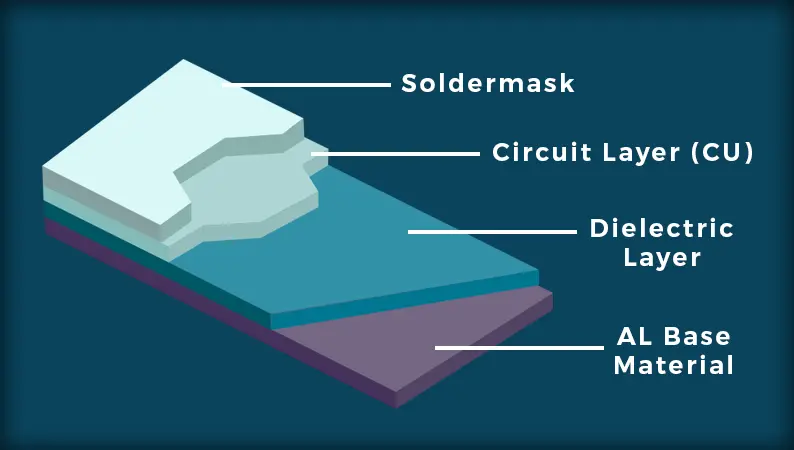
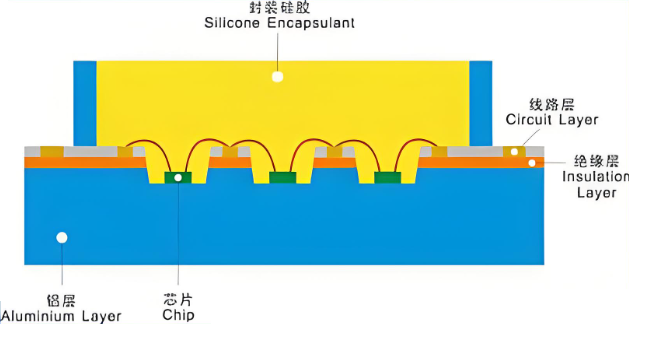
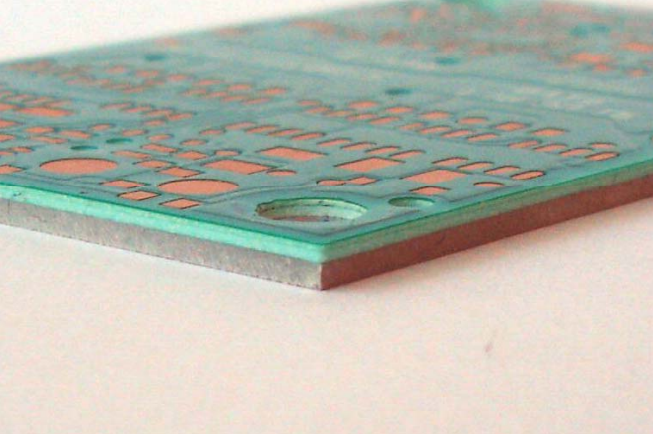
An aluminum clad PCB, also known as an aluminum-based PCB or MCPCB (Metal Core PCB), is a specialized type of PCB that integrates a metal core (typically aluminum) as its base layer. Unlike standard FR-4 PCBs, which rely on glass-reinforced epoxy laminates, aluminum clad PCBs leverage the metal’s superior thermal conductivity to dissipate heat efficiently.

What Are Materials of Aluminum Clad PCBs?

  • Copper foil: Copper foil has excellent electrical conductivity and is the main conductive layer of the circuit. When current passes through the copper-clad laminate, the current mainly flows in the copper foil layer, thereby realizing the conductive function of the circuit.
  • Electronic fiberglass cloth: As a reinforcing material, it provides mechanical strength and stability to the board.
  • Resin: As an insulating adhesive layer, it prevents current leakage and short circuit, ensuring the electrical safety of the circuit.
  • Aluminum substrate: Provides good thermal conductivity, helps dissipate the heat generated by the circuit, and ensures the stability and reliability of electronic equipment when running at high power.
What Are Materials of Aluminum Clad PCBs?

What Are Advantages of Aluminum Clad PCB board?

  • Excellent thermal conductivity: Aluminum-based copper-clad laminates have excellent thermal conductivity, which can effectively reduce the operating temperature of electronic devices and improve the stability and reliability of equipment.
  • Good welding performance: The copper foil layer provides good welding performance, which is convenient for the assembly and repair of circuit boards.
  • High mechanical strength and corrosion resistance: Aluminum-based copper-clad laminates have good mechanical strength and corrosion resistance, and can maintain stable performance in harsh environments.
  • High conductivity: The copper foil layer provides good conductivity, which is suitable for high-frequency, high-speed, and high-heat dissipation electronic devices. Lightweight and corrosion-resistant: Aluminum-based copper-clad laminates combine the lightness of aluminum and the conductivity of copper, which is suitable for various electronic devices.
What Are Advantages of Aluminum Clad PCB board?

What Are the Specifications for Aluminum Clad PCBs?

Here are aluminum clad PCB specifications:

Base Layer‌:

  • Material‌: 5052/6061 aluminum alloys (1.0–3.2 mm thickness)‌.
  • Thermal Conductivity‌: 5–10× higher than standard FR-4 substrates‌.
  • Structural Role‌: Provides rigidity and prevents warping in high-stress environments‌.

Insulation Layer

  • Material‌: Epoxy-based polymers or ceramic-filled dielectric (50–200 µm thick)‌.
  • Thermal Conductivity‌: 1.5–8.0 W/m·K, balancing electrical isolation and heat transfer‌.
  • Breakdown Voltage‌: >3 kV to prevent circuit shorting‌.

Circuit Layer

  • Copper Foil‌: Electrolytic copper (1–10 oz) for high-current traces‌.
  • Peel Strength‌: ≥1.5 kgf /cm after thermal cycling (230°C)‌.

Electrical Performance‌

  • Power Loop Inductance‌: Minimized design for GaN-HEMT modules to reduce switching losses‌.
  • High-Frequency Stability‌: Low parasitic inductance/resistance for RF and power applications‌.

Thermal Metrics

  • Thermal Resistance‌: 60–80% lower than FR-4, critical for >10W/cm² heat dissipation‌.
  • Cooling Efficiency‌: Supports continuous operation in power converters and LED modules‌.

Compliance & Manufacturing‌

  • Standards‌: Meets UL 94V-0 flame resistance and RoHS directives‌.
  • Compatibility‌: Optimized for SMT assembly and multichip module integration‌.
What Are the Specifications for Aluminum Clad PCBs?

What Are the Steps to Manufacture Aluminum Clad PCB Boards?

Here are steps to manufacture aluminum clad PCB boards:

1. Material Preparation

  • Aluminum Base: Select high-purity aluminum (e.g., 1060 alloy) or alloys tailored for thermal conductivity and mechanical strength.
  • Dielectric Layer: Choose a material with high thermal conductivity (e.g., 1–10 W/m·K) and electrical insulation properties (e.g., ceramic-filled polymers or epoxy resins).
  • Copper Foil: Use thick copper (1–10 oz) for high-current applications, ensuring compatibility with the dielectric layer.

2. Lamination

  • Layer Stacking: Combine the aluminum base, dielectric layer, and copper foil in a press under controlled temperature and pressure.
  • Bonding: Use adhesives or prepregs to ensure strong adhesion between layers, avoiding delamination during thermal cycling.

3. Drilling

  • Hole Formation: Create via holes and component mounting holes using specialized drills designed for aluminum to prevent burrs and maintain hole quality.
  • Deburring: Remove sharp edges and debris to ensure smooth plating and assembly.

4. Plating

  • Chemical Deposition: Apply a thin copper layer to the hole walls via electroless plating to enable electrical conductivity.
  • Panel Plating: Thicken the copper layer using electrolytic plating to meet current-carrying requirements.

5. Imaging and Etching

  • Photoresist Application: Coat the copper surface with a photosensitive material and expose it to UV light through a circuit pattern mask.
  • Development: Remove unexposed photoresist to reveal the copper traces for etching.
  • Etching: Use acidic or alkaline solutions to selectively remove unwanted copper, leaving the desired circuit pattern.

6. Solder Mask Application

  • Coating: Apply a liquid photo imageable solder mask (LPI) or dry film solder mask to protect the copper traces from oxidation and solder bridges.
  • Curing: Harden the solder mask via UV exposure or thermal baking to ensure durability.

7. Surface Finish

  • Finishing Options: Apply ENIG (Electroless Nickel/Immersion Gold), HASL (Hot Air Solder Leveling), or OSP (Organic Solderability Preservative) to enhance solderability and corrosion resistance.

8. Silkscreen Printing

  • Labeling: Print component labels, logos, and other markings using UV-curable ink for clarity and durability.

9. Routing and V-Scoring

  • Contouring: Use a CNC router or V-scoring machine to separate individual PCBs from the panel while maintaining structural integrity.

10. Electrical Testing

  • Functional Testing: Verify circuit continuity, insulation resistance, and functionality using flying probe or bed-of-nails testers.
  • Thermal Testing: Simulate operating conditions to ensure the aluminum core effectively dissipates heat.

11. Final Inspection and Packaging

  • Quality Control: Inspect for defects such as delamination, voids, or plating issues using automated optical inspection (AOI) or X-ray systems.
  • Packaging: Protect finished PCBs with anti-static bags, moisture barriers, and cushioning materials to prevent damage during shipping.

Can You Share OEM Aluminum Clad PCB Success Cases?

Here is a case of OEM aluminum clad PCB:

Case Study: High-Power LED Lighting Module Manufacturing

Client: A global LED lighting manufacturer seeking to improve product reliability and reduce failure rates in high-brightness LED applications.

Challenges:

  • Overheating issues in existing FR4-based PCBs, leading to premature LED degradation.
  • Need for a cost-effective solution to scale production while maintaining thermal performance.

Solution: OEM Aluminum Clad PCB Production

Material Selection:

  • Aluminum Base: 1060 alloy (99.6% purity) for optimal thermal conductivity (201 W/m·K).
  • Dielectric Layer: Ceramic-filled epoxy resin with 1.5 W/m·K thermal conductivity and 250°C glass transition temperature.
  • Copper Foil: 2 oz (70 μm) thickness for high current-carrying capacity.

Main Manufacturing Steps:

  • Lamination: Precision bonding of layers under 180°C and 200 kg/cm² pressure to ensure void-free adhesion.
  • Drilling: Carbide drills with 0.3 mm diameter to prevent burrs and maintain hole quality.
  • Plating: Electroless nickel/immersion gold (ENIG) finish for corrosion resistance and solderability.
  • Thermal Testing: Simulated 120°C operating conditions to validate heat dissipation efficiency.

Quality Assurance:

  • Thermal Cycling: -40°C to 125°C, 1,000 cycles with <5% resistance drift.
  • Thermal Resistance (Rθ): Measured at 1.2°C/W, a 70% improvement over FR4 PCBs.
  • Failure Rate: Reduced from 8% to <0.5% in accelerated life tests (10,000 hours at 105°C).

Results:

  • Cost Savings: 15% reduction in manufacturing costs through streamlined processes and material efficiency.
  • Market Impact: The client secured contracts with major automotive and architectural lighting brands, expanding market share by 25%.
  • Reliability: Zero field failures reported in the first 18 months of deployment.

How to Select A Trusted Aluminum Clad PCB Board Manufacturer?

Here are some ways to how to select a reliable aluminum clad PCB manufacturer:

Technical Capability Validation

  • Require manufacturers to disclose core specifications:
  • Thermal resistance ≤0.5°C·in²/W
  • Minimum trace width/spacing ≤75μm
  • Multi-layer hybrid bonding capabilities (e.g., FR-4 + aluminum substrate)
  • Verify precision equipment ownership:
  • Laser Direct Imaging (LDI) systems for ±0.01mm alignment
  • Automated etching lines with ±3% copper thickness control

Quality Certifications & Testing

  • Mandatory certifications:
  • UL94 V-0 flammability rating
  • ISO 9001:2015 with valid audit reports
  • On-site inspection focus:
  • AOI defect detection accuracy (≤15μm anomalies)
  • Thermal shock test range (-40°C to 150°C, 100+ cycles)
  • Real-time CPK monitoring (≥1.33 for critical processes)

Supply Chain Transparency‌

  • Raw material traceability:
  • Aluminum substrates from certified mills
  • Copper foil thickness tolerance ≤±3% (3oz+)
  • Production flexibility:
  • 24-hour rapid prototyping capability

Cost Optimization Strategies

  • Demand technical documentation:
  • Thermal simulation reports proving ≥30% heat sink cost reduction
  • Panel utilization rate ≥92% via intelligent nesting software
  • Evaluate standardized process packages for:
  • 10-15% lower NRE costs on small batches
  • ±5μm dielectric layer consistency

Engineering Responsiveness‌

  • Verify service protocols:
  • 2-hour emergency technical support
  • 24-hour design change implementation
  • Access to failure mode database (50+ aluminum PCB case studies)
  • Demand DFM feedback within 4 work hours for:
  • Impedance control (±8%)
  • Warpage control (≤0.3% on 300mm boards)

What Are Differences Between Copper Clad PCB and Aluminum Clad PCB?

Here’s a structured analysis of differences between copper clad PCB and aluminum clad PCB:

Material Composition & Structure:

  • Aluminum Clad PCBs: Consist of an aluminum substrate with a dielectric layer and copper foil on top. The aluminum acts as the primary heat dissipater, while the copper layer facilitates electrical conductivity.
  • Copper Clad PCBs: Feature copper-plated aluminum conductors (CCA wires) embedded within the board. The aluminum core reduces weight and cost, while the copper layer ensures adequate conductivity.

Thermal Performance:

  • Aluminum Clad PCBs: Excel in heat dissipation due to aluminum’s high thermal conductivity (1.0–2.0 W/m·K), making them ideal for high-power applications like LED lighting and power modules.
  • Copper Clad PCBs: Offer moderate thermal performance. While aluminum aids heat transfer, the copper layer’s thermal conductivity is limited by its thickness, making them less effective than pure aluminum or copper substrates in high-heat scenarios.

Electrical Conductivity:

  • Aluminum Clad PCBs: Provide excellent conductivity via the copper foil layer, suitable for high-frequency signals and large currents.
  • Copper Clad PCBs: Have lower conductivity than pure copper due to the thinner copper layer. This may impact signal integrity in high-frequency applications, requiring careful design considerations.

Cost:

  • Aluminum Clad PCBs: Generally more expensive than CCA PCBs due to the use of copper foil and specialized dielectric materials.
  • Copper Clad PCBs: Offer cost savings of 30–50% compared to pure copper boards, making them attractive for budget-conscious projects without extreme thermal demands.

Mechanical Strength & Durability:

  • Aluminum Clad PCBs: Robust and resistant to deformation, withstanding mechanical stress and vibration. However, they are heavier than CCA PCBs.
  • Copper Clad PCBs: Lighter and more flexible due to the aluminum core, but may be less durable under high mechanical stress. The bond between copper and aluminum can also affect long-term reliability.

Manufacturing Complexity:

  • Aluminum Clad PCBs: Require specialized processes like chemical etching and precise dielectric lamination, increasing production complexity and lead times.
  • Copper Clad PCBs: Are generally easier to manufacture, as standard PCB processes can be adapted for CCA conductors.

Applications:

  • Aluminum Clad PCBs: Preferred in high-power electronics, automotive lighting, and industrial controls where heat management is critical.
  • Copper Clad PCBs: Suitable for consumer electronics, telecom devices, and lighting applications where cost and moderate thermal performance are priorities.

Reliability & Lifespan:

  • Aluminum Clad PCBs: Offer longer lifespans due to aluminum’s corrosion resistance and stable dielectric properties, especially in harsh environments.
  • Copper Clad PCBs: May require additional protective coatings to prevent oxidation of the aluminum core, which could impact long-term reliability.

In summary, that’s all about aluminum clad PCB’s materials, advantages, specifications, manufacturing steps, production case, differences between copper clad PCB and aluminum clad PCB as well as how to select a reliable manufacturer. If you want to learn more about aluminum clad PCB, welcome to leave a message below this blog. Looking forward to hearing from you!

SMT PCB Manufacturer, SMT PCB Manufacturing Process

April 11th, 2025

SMT PCB manufacturer services are the backbone of modern electronics. Whether you’re building a smartphone, a wearable device, or an industrial controller, you need precision. These manufacturers combine automation, experience, and consistency to help your products come to life. In this blog, you’ll learn how SMT works, what to look for in a supplier, and who the key players are in different markets.

EBest Circuit (Best Technology) is a professional SMT PCB manufacturer. Our SMT factory was established in 2015. SMT PCB quality is our bloodstream. Our Quality Policy commits to customer delight through full engagement. We will achieve a quality and reliable SMT PCB passing rate of 98% by solving customer complaints within 24 hours in 2025. Our product portfolio encompasses Metal Dome, Metal Dome Array, Flexible Printed Circuits (FPC), Rigid PCBs (FR4 PCB), Rigid-Flex Circuits, Metal Core PCBs, Ceramic Substrate PCBs, PCB Assembly Services (SMT/PCBA Manufacturing). These solutions power virtually all modern electronic devices, spanning consumer electronics, automotive systems, medical equipment, and industrial automation applications.

Every PCB product listed above from EBest Circuit (Best Technology) is fully customizable, just feel free to let us know your specific SMT PCB requirement via sales@bestpcbs.com.

SMT PCB Manufacturer, SMT PCB Manufacturing Process

What is SMT in PCB Manufacturing?

Surface Mount Technology, or SMT, refers to placing components directly onto the surface of a PCB. It has replaced the older through-hole method in most modern assemblies. SMT enables smaller, lighter boards with higher component density. This makes it ideal for compact electronic devices.

Unlike the older process, SMT does not need holes drilled into the board. Instead, tiny components are placed using automated machines. Then, solder paste and heat secure the parts firmly in place. The result is efficient and cost-effective production.

SMT PCB Manufacturer

What Services Does an SMT PCB Manufacturer Offer?

A professional SMT PCB manufacturer typically offers full-service support. Here are the most common ones:

  • Component sourcing: Reliable sourcing ensures all parts meet the quality standard.
  • Stencil design and paste printing: Precision in paste application impacts the entire process.
  • Pick and place services: Robotic arms place components with high accuracy.
  • Reflow soldering: Heat is applied to solidify the solder paste.
  • Inspection and testing: AOI, X-ray, and functional tests ensure product reliability.

Some manufacturers go beyond this with turnkey solutions. This includes design support, box build, and logistics.

SMT PCB Manufacturing Process

The SMT PCB manufacturing process is built around accuracy and speed. An SMT PCB manufacturer like EBest Circuit (Best Technology) follows a strict, detailed process to ensure each board performs reliably in real-world conditions. Our workflow is built for precision, consistency, and speed — especially for projects with demanding specs and tight lead times.

Step 1: Incoming Material Inspection (BGA/PCB)

  • Every journey starts with quality. Our team inspects the incoming PCBs and BGA components before they enter the line. We check for warpage, oxidation, and conformity to IPC standards.

Step 2: Baking (Dehumidification)

  • Next, we bake moisture-sensitive parts like BGA, IC, FPC, SMD LED and bare PCBs in a temperature-controlled oven. This prevents internal moisture from causing delamination or popcorn effect during reflow.

Step 3: Solder Paste Preparation

  • We prepare the solder paste by mixing and thawing it under controlled conditions. This step avoids separation of flux and metal particles, ensuring a smooth application.

Step 4: Solder Paste Printing

  • Using high-precision printers and stainless steel stencils, we print solder paste onto each PCB pad. This step is critical, which sets the foundation for perfect component placement.

Step 5: SPI (Solder Paste Inspection)

  • Before going further, we inspect every board using SPI machines. They check solder paste height, volume, and alignment. If any deviation is found, it’s corrected immediately.

Step 6: Component Placement (SMT)

  • Now comes the core of SMT — pick and place. Our automatic machines accurately place each SMD component, from resistors to complex ICs, onto the solder-pasted PCB surface.

Step 7: Reflow Soldering

  • Once the components are placed, boards move into our reflow oven. They pass through a multi-zone system where controlled heat melts the solder and solidifies electrical connections without damaging components.

Step 8: Tail End Cleaning

  • After reflow, we clean any excess flux or debris that might affect the final inspection or future use. This keeps the surface clean for the next steps.

Step 9: Post-Reflow Inspection

  • Every board undergoes manual and machine-assisted inspections. We check for solder bridging, cold joints, and other visible defects.

Step 10: AOI (Automated Optical Inspection)

  • Our AOI machines scan each board to detect alignment errors, missing components, or improper solder joints. This step eliminates most visual flaws before the next process.

Step 11: X-Ray (for BGA only)

  • If the board includes BGAs, we inspect solder joints hidden under the package using X-ray equipment. It ensures full connectivity and proper wetting under these tricky parts.

Step 12: Hand Soldering (Post-SMT)

  • Some connectors, pin headers, or through-hole parts are added manually. Our skilled operators solder them carefully to maintain stability and cleanliness.

Step 13: Cleaning

  • Boards go through a cleaning process again to remove any flux residues, especially after hand soldering. This improves long-term reliability and electrical insulation.

Step 14: Programming and Testing

  • Functional tests come next. We flash firmware, check voltages, run diagnostics, and validate every circuit performs to spec. Failed boards are fixed or flagged for review.

Step 15: Conformal Coating

  • If required, we apply protective coatings to safeguard against moisture, dust, and chemicals. This is vital for industrial, automotive, or outdoor applications.

Step 16: Potting/Glue Application

  • In some cases, we apply epoxy or adhesive gel for mechanical strength or insulation. This prevents vibration damage or corrosion in harsh environments.

Step 17: Final Assembly

  • At this stage, we perform product-level assembly — adding housings, displays, connectors, or mechanical parts as needed. This is where your PCB becomes a full product.

Step 18: Labeling

  • We add barcodes, serial numbers, or customer-specific labels. This step helps in tracking, traceability, and logistics.

Step 19: Depaneling

  • If boards were produced in panels, we now separate them using routers, V-cut machines, or lasers. Each piece is carefully handled to avoid damage.

Step 20: Packing Method Confirmation

  • Before packaging, we confirm the right shipping method with you — whether that’s anti-static bags, blister trays, bubble wrap, or custom trays.

Step 21: Final Packaging and Shipping

  • Boards are packed securely for local or international shipping. We make sure each box is labeled, padded, and ready for safe delivery to your door.

This entire SMT PCB manufacturing process reflects EBest Circuit (Best Technology)’s dedication to consistency, cleanliness, and quality control. Whether you’re prototyping or scaling up for mass production, our process is built to support you every step of the way. Every step affects yield and quality. So EBest Circuit (Best Technology) invests in modern SMT machines and skilled operators.

SMT PCB Manufacturing Process

Who is the Top 10 Biggest SMT Company in the World?

Introduction

When searching for a global SMT PCB manufacturer, many companies lead in capacity, quality, and innovation. These firms support industries like telecom, automotive, consumer electronics, and aerospace.

Top 10 Global SMT Companies (Not in ranking order):

1.     EBest Circuit (Best Technology) (China) – Known for speed and flexibility in SMT PCB manufacturing.

2.     Foxconn (Taiwan) – Major Apple supplier and global electronics giant.

3.     Flex Ltd. (Singapore) – Offers large-scale EMS and design services.

4.     Benchmark Electronics (USA) – High-reliability assemblies for aerospace and defense.

5.     Sanmina (USA) – Full-service EMS with global footprint.

6.     Celestica (Canada) – Supports complex, regulated industries.

7.     Venture Corporation (Singapore) – High-value manufacturing and R&D.

8.     Zollner Elektronik AG (Germany) – Family-run and respected in Europe.

9.     Pegatron (Taiwan) – OEM and ODM services for global tech firms.

10.   Asteelflash (France) – Fast-growing EMS company across four continents.

These global players have set benchmarks for SMT PCB manufacturing. Their investment in smart factories and automation gives them a leading edge. Choosing such a company brings reliability, scalability, and strong support.

SMT PCB Manufacturer

SMT PCB Manufacturer in USA

The USA has long been a hub for innovation. SMT PCB manufacturers here serve high-tech, aerospace, and medical markets. Customers in these sectors need strict quality control, fast turnaround, and confidentiality.

Leading SMT PCB Manufacturers in the USA:

1.     Advanced Circuits (Colorado) – Offers full turnkey PCB assembly and prototypes.

2.     Tempo Automation (California) – Focused on fast, agile prototyping for startups and engineers.

3.     Sanmina (California) – One of the largest electronics manufacturers with global reach.

4.     Jabil (Florida) – Offers advanced automation and smart factory support.

5.     Emerald EMS (California and Massachusetts) – Focuses on low to mid-volume precision builds.

Working with a USA-based SMT PCB manufacturer brings access to certified facilities and close communication. These companies are ideal for time-sensitive and highly-regulated applications.

SMT PCB Assembly Manufacturers in India

India is growing as a strong force in the electronics manufacturing scene. SMT PCB assembly manufacturers in India offer cost-efficient services with quick turnaround. Many also support large volumes for export markets.

Top SMT PCB Assembly Manufacturers in India:

1.     SFO Technologies (Kochi) – A NeST group company with global client base.

2.     Dixon Technologies (Noida) – Manufactures for top consumer brands.

3.     Sahasra Electronics (Rajasthan) – Focused on LED and industrial PCBs.

4.     Kaynes Technology (Mysore) – Offers complete EMS and box builds.

5.     Vinyas Innovative Technologies (Bangalore) – Serves aerospace, defense, and industrial sectors.

India’s SMT PCB manufacturers combine affordability with strong engineering talent. As demand rises, these firms are expanding capacity to meet global needs.

What Makes a Good SMT PCB Manufacturer Stand Out in the Market?

Reputation alone doesn’t guarantee results. A strong SMT PCB manufacturer shows excellence through:

  • Reliable delivery time
  • High yield rates
  • ISO and industry certifications
  • Transparent communication
  • Support with design-for-manufacturing (DFM)

Smart buyers look at case studies, reviews, and production capabilities. A well-managed factory with modern SMT lines can save time and cost in the long run.

How to Choose the Right SMT PCB Manufacturer for Your Project?

Picking the right partner isn’t just about price. Here’s what to consider:

1.     Capability Match – Do they handle your board size, volume, and component types?

2.     Certifications – Look for ISO 9001, IATF 16949, or others depending on your sector.

3.     Responsiveness – A good supplier communicates quickly and clearly.

4.     Turnkey Options – One-stop services often reduce lead times.

5.     Location – Proximity to your team or market may offer speed or cost advantages.

Take time to ask questions. Visit the facility if possible. Or review sample reports from past jobs.

SMT PCB Manufacturing Process

In conclusion, choosing the right SMT PCB manufacturer improves your product’s reliability, lowers cost, and shortens launch time. Look for a partner who listens, adapts, and delivers consistently. Whether you’re working with a local firm or a global giant, trust and technical support matter the most.

If you’re looking for a reliable SMT PCB partner, EBest Circuit (Best Technology) brings 18+ years of experience in custom PCB solutions. From prototypes to volume orders, we provide fast support at any time, just feel free to contact us via sales@bestpcbs.com.

How to Remove Battery Corrosion from Electronics?

April 10th, 2025

Why Battery Corrosion Occurs?

Battery corrosion happens mostly with alkaline batteries. These batteries can leak potassium hydroxide. This chemical reacts with air, forming a white or bluish crust. That crust is the corrosion you see.

There are a few reasons why this happens. Old batteries left inside devices too long can leak. Extreme heat or cold can also make them expand and crack. Sometimes, poor-quality batteries just break down faster. Corrosion doesn’t mean the battery was faulty. But it does show that the battery has aged or faced rough conditions.

Some other causes include:

  • Overcharging or overheating: In devices that try to draw too much power, batteries can heat up and burst.
  • Poor storage conditions: Dampness or extreme cold can stress the battery casing.
  • Mixing old and new batteries: This creates uneven discharge, often stressing the older cell until it leaks.
How to Remove Battery Corrosion from Electronics?

Is Battery Corrosion Dangerous?

Yes, but only if you’re careless. Battery corrosion is not highly dangerous, but it can still be irritating if it gets on your skin or in your eyes. Potassium hydroxide is a skin irritant. It may cause mild burns, itching, or redness if touched directly. If accidentally ingested or inhaled, it can be more harmful—but that’s rare and usually avoidable.

In terms of your electronics, corrosion is more dangerous. The leaked compound can damage the metal connectors inside your device. If left untreated, it might eat away the contacts, cause shorts, or completely block the flow of power. That means your device might stop working even after the batteries are replaced.

However, with quick action, most devices can be restored to working condition. As long as you catch the corrosion early and clean it properly, there’s a good chance your device will recover fully.

How to Identify Corrosion on Batteries?

Battery corrosion usually appears as white, gray, or blue powder by visual. You’ll see it around the battery terminals or on the spring contacts. Sometimes, the battery might look bloated or cracked. But sometimes, we can’t identify whether it is corrosion from appearance, so how to identify it? Here we listing some other methods to recognize the battery corrosion:

1. Electrochemical test‌: By measuring the electrochemical parameters inside the battery, such as voltage, current and internal resistance, the degree of corrosion inside the battery can be indirectly inferred. ‌

2. X-ray or CT scan‌: This is a non-destructive detection method that can perform a full-scale scan and imaging of the inside of the battery without disassembling the battery, and can clearly see the corrosion inside the battery, including the location, degree and type of corrosion. ‌

3. Check the polarity of the battery‌: Observe whether the positive and negative poles of the battery are clearly visible and whether there are signs of corrosion or damage. If the positive and negative poles are corroded or damaged, the battery may be unusable. ‌ ‌

4. Measure voltage‌: Use a voltmeter to measure the battery voltage. Under normal circumstances, the voltage should be within a certain range (such as around 12V). If the voltage is lower than the normal value, it means that the battery is damaged.

5. Measure specific gravity‌: Determine the battery health by measuring the specific gravity of the battery electrolyte. The normal specific gravity is about 1.25-1.28g/cm³. If the specific gravity is lower than 1.2g/cm³, it means that the battery is damaged. ‌

6. Discharge test‌: Evaluate the actual capacity of the battery through the discharge test. Discharge the battery to the specified termination voltage, and then calculate the actual capacity of the battery based on the discharge time and capacity. ‌

How to Remove Battery Corrosion from Electronics?

What is the Best Solvent to Clean Battery Corrosion?

The most trusted solvents are white vinegar and lemon juice. They’re safe, gentle, and effective. These mild acids react with the potassium hydroxide and break it down. You don’t need harsh chemicals or expensive products.

Some people also use baking soda and water for acidic battery leaks, like those from lithium or rechargeable cells. But for most alkaline batteries, vinegar works better.

Avoid using alcohol or bleach. These don’t neutralize the leak and might damage plastics. Always test the solvent on a small area first.

How to Remove Battery Corrosion from PCBs?

Removing battery corrosion from PCBs takes a bit more care than cleaning corrosion from regular battery compartments, mainly because PCBs are more sensitive and often house fine components. Here’s a simple, professional, and safe way to clean corrosion from a PCB:

How to Remove Battery Corrosion from Electronics?

1. Power Down and Disconnect

First, completely power off the device. Disconnect all power sources, including batteries, power cords, and any external peripherals.

2. Wear Gloves and Safety Gear

Battery corrosion contains potassium hydroxide (alkaline batteries) or other chemical residues that can irritate skin or eyes. Use gloves, goggles, and work in a well-ventilated area.

3. Inspect the Corrosion Area

Look closely at the board under good lighting or even a magnifier. Corrosion usually appears as white or greenish deposits on the metal traces or battery terminals.

4. Neutralize the Corrosion

  • Use white vinegar or lemon juice to neutralize alkaline corrosion.
  • Apply it carefully with a cotton swab or soft brush directly on the affected area.
  • Let it sit for 3–5 minutes to break down the residue.

5. Scrub Gently

Use a soft-bristled toothbrush or anti-static brush to scrub the area. Be gentle—too much pressure can lift pads or traces from the PCB.

6. Rinse with Isopropyl Alcohol

After cleaning, rinse the area with 99% isopropyl alcohol to remove moisture and leftover acid. This step helps clean off the vinegar/lemon juice and dries quickly.

7. Dry Thoroughly

Pat the board dry with a lint-free cloth or allow it to air-dry. Use compressed air to blow out moisture under chips or between components.

8. Check for Damage

Look for broken traces, lifted pads, or corrosion under components. If corrosion went deep, you might need professional rework or replacement parts.

9. Reassemble and Test

Once you’re sure everything’s dry and clean, reassemble the board, add a fresh battery (if applicable), and power it up. In many cases, your board will work just fine again.

Can I Still Use Something If a Battery Corroded in It?

Often, yes. If the corrosion hasn’t spread too far, you can save the device. Most electronics are still fine once cleaned properly. The key is to act fast. The longer corrosion sits, the more damage it causes.

If contacts are lightly corroded, cleaning will fix it. But if they’re broken or rusted through, repair might be needed. Sometimes, replacing a contact spring is all it takes.

Check for signs of deeper damage like melted parts or burnt smell. If it looks too far gone, it may be time for a replacement. But don’t give up too quickly. Many items bounce back with just a simple cleanup.

How to Prevent Battery from Corrosion?

Good habits make all the difference. Here are a few tips to keep your devices corrosion-free:

  • Remove batteries when not in use. If you’re storing something for months, take them out.
  • Store devices in a cool, dry place. Avoid hot cars or damp basements.
  • Use high-quality batteries. Cheap ones often leak sooner.
  • Check expiration dates. Old batteries are more likely to corrode.
  • Inspect devices regularly. A quick glance now can save repairs later.
  • Avoid mixing old and new batteries. This creates imbalance and increases leakage risk.
  • You can also use a small dab of dielectric grease on contacts. This helps prevent moisture from reaching the metal.

Battery corrosion is a common issue, but it’s not the end of your device. With the right handling and preventive measures, you can extend the life of your electronics and avoid long-term damage. At EBest Circuit (Best Technology), we take battery care and component storage seriously. All components are stored at controlled temperatures to reduce chemical reactions that lead to corrosion.

To add another layer of protection, we pack our products using ESD bags, which not only prevent electrostatic discharge but also act as a barrier against moisture and airborne contaminants—two major triggers of battery and PCB corrosion.

We understand how important reliability is in electronics manufacturing. That’s why our quality control process includes moisture-sensitive labeling (MSL), humidity indicator cards, and dry-pack sealing for sensitive parts. If you’re looking for a PCB & PCBA supplier that takes every detail seriously, from component protection to customer satisfaction, EBest Circuit (Best Technology) is here to support your goals with the expertise and care your products deserve.

What is Black Pad PCB? How to Solve it and Precautions

April 10th, 2025

What is a Black Pad in PCB?

A black pad in a PCB refers to a defect that occurs during the ENIG (Electroless Nickel Immersion Gold) surface finishing process. In the surface treatment process of ENIG, the radius of nickel atoms is smaller than that of gold atoms, so when gold atoms are arranged and deposited on the nickel layer, the surface grains will show a rough, loose and porous morphology, forming many voids. These gaps allow the bath to continue to react with the nickel atoms, causing them to oxidize. The undissolved nickel ions are trapped beneath the gold layer, forming nickel oxide, the so-called black pad.

When the black pad occurs, this area becomes brittle and doesn’t bond well during soldering. As a result, the connection between the component and the pad becomes unreliable.

Although it’s a well-known issue in the industry, many designers and engineers still face it during production. It’s not always visible during inspection, which makes it tricky. Once it affects the final board, the reliability drops—especially in fine-pitch components or BGA (Ball Grid Array) assemblies.

What is Black Pad PCB? How to Solve it and Precautions

Black Pad Photos

A black pad appears as:

  • Dark, muddy, or stained areas on the pad.
  • Inconsistent finishes between pads.
  • Rough texture or pits on the nickel layer.
  • Exposed pads that don’t bond during reflow.

You can see the typical photos of black pad as following:

Engineers often spot it only after a failed solder joint. Sometimes, they notice it under a microscope after an assembly defect shows up. When looking at underfilled solder joints or cracks, a black pad might be the hidden culprit.

What Causes Black Pad Defects in ENIG Surface Finishes?

The main reason for the formation of black pads is that the nickel layer is eroded by excessive oxidation during ENIG surface treatment. There are two main steps in this process: a layer of nickel is deposited and a thin layer of gold is applied, as you can see in the ENIG structure diagram below.

What is Black Pad PCB? How to Solve it and Precautions

Black pads caused by several factors, even when manufacturers strictly control chemical content, temperature, and raw materials, black pads sometimes occur. Here are some factors that Best Team faced during the PCB manufacturing:

1. High phosphorus content

Chemical nickel contains phosphorus. When the phosphorus content is too high, it diffuses into the nickel and causes nickel oxidation. A barrier is formed between gold and nickel during this process. It may cause reliable solder joints to delaminate and crack, resulting in electrical shorts in the PCB.

2. Corrosion during ENIG process

Gold plating is a necessary process for ENIG surface treatment commonly used in PCB manufacturing processes. If it is not operated properly, it will also lead to the formation of black pads. One of the reasons for the formation of black pads during gold deposition is the use of an aggressive gold bath. This nickel bath process causes rapid corrosion of nickel, resulting in black pads.

3. High gold content

High gold content can also lead to the formation of black pads. Excessive gold in the surface treatment of the nickel substrate can cause excessive galvanic corrosion and eventually form black pads.

4. Brittle fracture

Brittle fracture is a type of failure that occurs when a material is under high stress, but does not have the flexibility to withstand stress, and breaks suddenly without warning. This failure usually manifests as a black pad on the PCB surface. In addition, thermal stress, vibration, and shock can also cause brittle fracture. When this happens, it creates a crack structure within the nickel, causing an electrical short circuit.

In short, black pad is not a material defect—it’s a process problem. When ENIG isn’t done right, corrosion finds a way in.

How Can You Identify Black Pad on a PCB?

Spotting a black pad on a finished board is tough. It often hides beneath the surface and becomes visible only after soldering problems appear. But there are a few ways to detect it:

1. Visual Inspection

    Do not inspect by your naked-eyes. Use a high-powered microscope to examine the pads instead. Look for dark spots, uneven textures, or dull finishes. These are the first signs.

    2. X-Ray or Cross-Section

    If you suspect the issue but can’t see it, advanced tools help. Cross-sectioning shows the damaged layers. X-ray inspection shows failed joints under BGAs and other tight packages.

    3. Solder Joint Analysis

    A cracked or non-wetting joint may indicate a black pad. If the solder ball peels off cleanly from the pad, you’re likely dealing with a surface that didn’t bond properly.

    What is Black Pad PCB? How to Solve it and Precautions

    4. Pull or Shear Testing

    This test measures joint strength. A weak joint may lead to a deeper look. If the break happens at the interface of the pad and solder, that’s a clue.

    Although identification is possible, it’s much better to prevent the issue altogether. Because once it’s on the board, the damage is already done.

    Why is Black Pad Considered a Serious Reliability Issue in PCBs?

    Solder joints are the heart of any PCB. Every connection must be secure to handle temperature, vibration, and time. Black pad disrupts that by creating a brittle layer that doesn’t bond well with solder. And if black pads exist, here’s what defectives will happens:

    • The solder joint may crack.
    • Components may detach during vibration.
    • Connections may fail over time due to thermal cycles.
    • Weak pads may pass initial tests but fail later.

    Even worse, most black pad defects don’t show up during inspection or basic testing. This delayed failure causes headaches in the field, leading to product returns, customer complaints, and loss of trust. That’s why manufacturers treat black pad as a critical issue. It’s not just cosmetic—it threatens the performance of the entire product.

    How Does Nickel Corrosion Contribute to Black Pad in PCBs?

    During the ENIG process, nickel is deposited first, followed by gold. The gold solution is slightly acidic. If the bath is too aggressive or the exposure is too long, it attacks the nickel. This chemical attack causes “spiky” corrosion. Think of it as tiny pits or cracks in the nickel. These spots are where the solder refuses to bond. Also, when the nickel has too much phosphorous, it becomes glassy and fragile. Under heat, the layer cracks more easily. This leads to more exposed areas and faster failure.

    In short, nickel should form a smooth, strong base. But corrosion weakens it and opens the door to the black pad defect. The more pits and cracks it has, the worse the joint becomes.

    How to Prevent Black Pads? – For Manufacturers

    1‌. Improving ENIG process‌: By adjusting the formula of the gold plating solution and optimizing the parameter settings during the electroplating process, the erosion of the nickel layer can be effectively reduced‌.

    ‌2. Strengthening quality inspection‌: Strengthen quality control on the production line and conduct regular inspections to detect and correct the black pad phenomenon as early as possible‌.

    ‌3. Controlling the thickness of the gold layer‌: The thickness of the gold layer should not exceed 5 microns, and it is best to control it at around 3.2 to 3.6 microns to reduce excessive corrosion of the nickel layer‌.

    ‌4. Managing the temperature and concentration of the gold plating solution‌: Control the temperature and concentration of the gold water to avoid excessive temperature and too little gold to reduce excessive corrosion of the nickel layer and incomplete coverage of the gold layer‌.

    5. Cleaning surface: After gold plating, high-temperature water flushing, pure water hot washing, ultrasonic or air blowing and other cleaning treatments are carried out to ensure the cleanliness of the welding surface.

    How to Prevent Black Pads? – For Designers

    1. Selecting alternative materials‌: For applications that require particularly high reliability, other types of surface treatment materials, such as silver or tin, can be considered, which may provide better performance‌.

    2. Design considerations‌: Considering how to enhance the stability of the solder joints during the design stage, such as appropriately adjusting the position of the pads or increasing the number of solder joints, can help improve the overall reliability of the circuit board‌.

    FAQs about Black Pads

    1. Can black pad be repaired?

    Unfortunately, no. Once a pad is affected, it must be scrapped. Rework doesn’t help because the damage lies beneath the surface.

    2. Does black pad only affect by ENIG finishes?

    Yes, it’s specific to ENIG. Other finishes like HASL, OSP, or ENEPIG don’t show this defect.

    3. Is it common in high-volume production?

    It depends on the manufacturer, looking for a reliable PCB manufacturer like EBest Circuit (Best Technology) can reduce the black pad risks. With proper controls, it’s rare.

    4. Does black pad affect all components equally?

    Not always. Fine-pitch and BGA parts are more sensitive because they have small solder areas. Larger components may be less affected but still at risk.

    LED Polarity PCB, SMD LED Polarity on PCB

    April 10th, 2025

    Would you want to get more information about LED polarity PCB? Let’s explore more about its function, application and identify LED polarity ways.

    As a LED polarity PCB manufacturer, Best technology focus on LED polarity PCB solution over 18 years, including LED polarity PCB design and manufacturing. Our advanced etching and plating processes ensure ‌crystal-clear polarity markings‌ (e.g., 3-dot systems) to eliminate assembly errors and reverse-connection risks‌. Rigorous quality control includes AOI to verify polarity alignment during production and thermal stress testing to validate PCB durability under high-current LED drivers‌. We design asymmetric footprints with enlarged cathode pads and integrate silkscreen clues (arrows, “–” symbols) tailored to client specifications, adhering to IPC-7351 standards‌. With custom prototyping services and datasheet-backed technical support, we ensure polarity integrity from design to mass production, minimizing circuit damage risks‌. Partner with us for mission-critical LED PCBs that combine precision, compliance, and fail-safe performance. Contact us today for a competitive quote: sales@bestpcbs.com

    What Is LED Polarity PCB?

    An LED Polarity PCB is a printed circuit board (PCB) specifically designed to accommodate Light Emitting Diodes (LEDs) while ensuring their correct electrical polarity. LEDs are diodes, meaning they allow current to flow in only one direction. Reversing the polarity can prevent the LED from lighting up or cause permanent damage.

    What Is LED Polarity PCB?

    Why Polarity Connection is so important in LED PCB?

    • Unidirectional Operation‌: LEDs function only with correct (+/-) alignment. Reverse polarity blocks current flow, preventing illumination.
    • ‌Component Protection‌: Incorrect polarity causes reverse bias, generating excessive heat that degrades or destroys LEDs.
    • ‌Circuit Integrity‌: Proper polarity ensures designed current paths, avoiding voltage drops, flickering, or cascading failures.
    • ‌Performance Stability‌: Correct alignment maintains brightness consistency, efficiency, and lifespan.
    • ‌Cost Avoidance‌: Eliminates rework, scrap, and warranty issues from polarity-related defects.
    Why Polarity Connection is so important in LED PCB?

    What Are Application of LED Polarity PCB?

    Applications of LED Polarity PCB:‌

    • Lighting Systems‌-Used in LED bulbs, streetlights, and industrial lighting for efficient heat dissipation and stable current flow‌.
    • Automotive Lighting‌- Critical for headlights, taillights, and interior lighting to prevent reverse-bias damage and ensure reliability‌.
    • Consumer Electronics‌-Enables backlighting in TVs, smartphones, and displays by aligning polarity to avoid flickering or uneven illumination‌.
    • Signage and Advertising‌-Powers LED billboards, matrix displays, and decorative lighting with consistent color and brightness‌.
    • Medical Devices‌-Used in surgical tools and diagnostic equipment for reliable, flicker-free illumination‌.
    • Industrial Equipment‌-Supports machine vision systems and indicator lights with robust polarity-sensitive designs‌.
    What Are Application of LED Polarity PCB?

    How Is Marked the Polarity of LED on a PCB?

    Here are some ways to identify LED polarity on PCBs with markings and symbols:

    Silkscreen Labels‌:

    • “+” or “–”‌: Explicit symbols printed near pads.
    • “A” (Anode) / “K” (Cathode)‌: Text labels for clarity.

    Pad Shape/Size‌:

    • Square Pad‌: Often denotes anode (+).
    • Round Pad‌: Typically marks cathode (–).

    Polarity Symbols‌:

    • Arrow or Line‌: Points toward the cathode (–) direction.

    Component Outline‌:

    • Flat Edge‌: Silkscreen outline matches LED’s flat side (cathode).

    Color Coding:

    • Red traces/pads for anode (+), black for cathode (–).

    Test Points

    • “+V” or “GND”‌: Voltage labels for debugging.

    Documentation‌:

    • Assembly Notes‌: Schematics or BOMs specify polarity alignment.

    SMD LEDs

    • Dot/Line‌: Package marking aligns with PCB’s cathode indicator.
    How Is Marked the Polarity of LED on a PCB?

    How to Check SMD LED Polarity on PCBs Using 3-Dot Markings?

    This is how to check SMD LED polarity on PCBs by 3-dot markings:

    Locate the 3-Dot Pattern

    • Identify three small dots or marks near the SMD LED footprint. These are often arranged in a triangular or linear pattern‌.

    Analyze Dot Orientation

    • Triangular arrangement‌: The dot closest to the PCB edge or silkscreen outline typically aligns with the ‌cathode (–)‌‌.
    • Linear arrangement‌: The middle dot or offset dot often marks the ‌cathode (–)‌‌.

    Cross-Check with Silkscreen Symbols

    • Verify if the dots correlate with a ‌flat-edge indicator‌, ‌arrow‌, or ‌”–” symbol‌ printed nearby‌.

    Confirm via Pad Design

    • If the cathode pad is ‌round/oval‌ or smaller, ensure the 3-dot marking aligns with this pad‌.

    Review Documentation

    • Check schematics or assembly notes for explicit explanations of 3-dot polarity conventions‌.

    Can You Determine SMD LED Polarity on PCBs Without Markings or Symbols?

    Yes, here are some methods about how to determine SMD LED polarity on PCBs without marking or symbols:‌

    Check LED Package Features

    • Look for a ‌green dot‌ or ‌notched corner‌ on the LED body, which typically marks the ‌cathode (–)‌‌.
    • Some LEDs have a ‌flat edge‌ or ‌inverted triangle‌; the flat side or triangle’s base aligns with the ‌cathode (–)‌‌.

    Analyze PCB Pad Design

    • The ‌cathode (–) pad‌ is often ‌larger‌ or ‌rectangular‌, while the anode (+) pad is smaller or rounded‌.
    • Follow adjacent traces: The cathode may connect to ‌ground (GND)‌ or a shared negative rail‌.

    Use a Multimeter

    • Set to ‌diode test mode‌. The LED lights up when the ‌red probe‌ touches the ‌anode (+)‌ and the black probe connects to the ‌cathode (–)‌‌.

    Cross-Reference Silkscreen Clues

    • Check for subtle ‌arrows‌, ‌“–” symbols‌, or ‌“匚” outlines‌ near the LED footprint, which often indicate the cathode‌.

    Verify with Datasheets

    • Consult the component datasheet for explicit polarity diagrams if available‌.

    Why Reversing SMD LED Polarity on PCBs Can Damage Your Circuit?

    Here are reasons why reversing SMD LED polarity on PCBs can damages circuits:‌

    • Exceeding Reverse Voltage Limits‌-LEDs have low ‌reverse breakdown voltage‌ (typically ‌5–10V‌). Reverse connection applies full supply voltage (e.g., 12V, 24V) across the LED, exceeding this limit and causing ‌instant failure‌‌.
    • Current Surge Risks‌-In reverse bias, LEDs act as ‌open circuits‌ until breakdown occurs. Post-breakdown, sudden current flow bypasses current-limiting resistors, damaging the LED and ‌overloading drivers/ICs‌‌.
    • Impact on Driver Circuits‌-Constant-current LED drivers (e.g., in backlighting) malfunction when polarity is reversed, potentially ‌shorting outputs‌ or ‌overheating‌ due to unregulated current‌.
    • Trace/Component Stress‌-Reverse polarity forces current to flow through unintended paths, stressing ‌PCB traces‌ or nearby components (e.g., capacitors, resistors)‌.
    • Collateral Damage‌-Failed LEDs can ‌short internally‌, creating direct connections between power and ground rails, risking ‌system-wide failures‌‌.

    FAQs of LED Polarity PCB

    Q1:What types of LEDs are commonly used in PCBs?

    A1:Common types of LEDs used in PCBs include through-hole LEDs, surface-mount LEDs (SMD), and chip-on-board (COB) LEDs. Each has its own polarity identification, but the basic concept remains the same.

    Q2:Is it important to check LED polarity when assembling the PCB?

    A2:Yes, checking the LED polarity is crucial to ensure the LEDs function as expected. Many PCB assembly services provide clear instructions or visual indicators to guide the correct placement of polarized components like LEDs.

    Q3:What tools can help check LED polarity on a PCB?

    A3:A multimeter can be used to check the polarity of LEDs, by testing the forward voltage drop when applying a small current. Additionally, a polarized component tester or a microscope can help visually confirm the polarity during assembly.

    Q4:How does the polarity of an LED affect the overall performance of the circuit?

    A4:Correct LED polarity ensures that the LED operates at its optimal brightness and efficiency. Incorrect polarity can lead to malfunctioning or failure of the LED, which can disrupt the entire circuit, especially in critical applications.

    Q5:Can a reverse-polarized LED be repaired?

    A5:Typically, an LED cannot be repaired if it is installed with reversed polarity, as it can be permanently damaged. It is best to replace the LED if polarity is reversed.

    LED Lamp PCB, LED Lamp PCB Board Manufacturer

    April 10th, 2025

    Would you like to get a good LED lamp PCB solution? Let’s learn more about LED Lamp PCB’s application, heat dissipation solution, efficiency optimization, manufacturer selection, durability testing, and distinctions from LED bar PCBs.

    EBest Circuit (Best Technology) stands out as a leading LED lamp PCB manufacturer with ‌diverse product options‌, ‌rapid delivery‌, ‌small-batch flexibility‌, and ‌superior quality‌. Offering 50+ configurations (aluminum-core, FR4, hybrid), they deliver tailored solutions for streetlights, industrial systems, and smart lighting. Their streamlined production ensures a ‌7 days prototype turnaround‌ and ‌15-25 days bulk order fulfillment‌, supported by our stable electronic supply chain and full automatic SMT production lines. Small orders (starting at 10 units) with no MOQ cater to startups. Rigorous testing (thermal cycling, ESD, AOI) ensures ‌IPC-A-610 compliance‌. Trust EBest Circuit (Best Technology) for scalable, high-performance PCBs built for precision and reliability. Contact us today: sales@bestpcbs.com

    What Is LED Lamp PCB?

    An LED Lamp PCB (Printed Circuit Board) is a specialized circuit board designed to support and electrically connect Light Emitting Diode (LED) components in lighting applications. It serves as the foundation for LED lamps, enabling the integration of LED chips, drivers, resistors, capacitors, and other electronic components into a functional lighting system.

    LED Lamp PCB Board Manufacturer

    What Are Application of PCB for LED Lamp?

    Here are application of LED Lamp PCB:

    • General Lighting: Residential, commercial, and industrial lighting fixtures.
    • Automotive Lighting: Headlights, taillights, and interior lighting.
    • Signage and Displays: Backlighting for signs, billboards, and digital displays.
    • Architectural Lighting: Custom lighting designs for buildings and landmarks.
    LED Lamp PCB

    What PCB Layout Maximizes LED Lamp Efficiency?

    Below are the critical factors and techniques to achieve maximizes LED lamp PCB efficiency:

    Thermal Management

    • Metal Core PCB (MCPCB): Use aluminum or copper substrates for superior heat conduction. These materials efficiently transfer heat away from LEDs, preventing overheating and reducing light degradation.
    • Thermal Vias: Incorporate multiple thermal vias beneath LEDs to connect the top layer (with components) to inner or bottom layers, enhancing heat dissipation.
    • Component Spacing: Maintain adequate spacing between high-power LEDs and heat-sensitive components (e.g., drivers, capacitors) to avoid thermal interference.
    • Copper Pour: Add copper pours or polygons beneath LEDs to act as heat sinks, increasing the surface area for heat transfer.

    Electrical Performance

    • Short and Wide Traces: Use short, wide copper traces for power and ground connections to minimize resistance and inductance, reducing voltage drops and improving current delivery.
    • Separate Power and Signal Layers: In multi-layer PCBs, dedicate specific layers for power and ground to isolate them from signal traces, minimizing noise and interference.
    • Decoupling Capacitors: Place decoupling capacitors close to LED drivers and power supply pins to filter high-frequency noise and stabilize voltage.
    • Avoid Sharp Bends: Use 45° or rounded trace corners instead of 90° bends to reduce impedance discontinuities and signal reflections.

    Component Placement

    • LED Arrangement: Group LEDs logically to minimize trace lengths and balance current distribution. Avoid long, serpentine traces that can cause voltage drops.
    • Driver Proximity: Position LED drivers close to LEDs to reduce trace lengths and improve current regulation accuracy.
    • Isolation of High-Power Components: Keep high-power components (e.g., MOSFETs, inductors) away from low-power signal traces to prevent electromagnetic interference (EMI).
    • Test Points: Include test points at critical nodes (e.g., LED connections, driver outputs) for easy troubleshooting and performance verification.

    Advanced Layout Techniques

    • Ground Plane: Implement a solid ground plane on a dedicated layer to provide a low-impedance return path for current, reducing noise and improving signal integrity.
    • Differential Pair Routing: For high-speed digital signals (e.g., LED control signals), route differential pairs with matched trace lengths and spacing to minimize skew and crosstalk.
    • Stitching Vias: Use stitching vias around sensitive areas (e.g., analog circuits) to isolate them from noisy digital sections, improving signal isolation.

    Simulation and Validation

    • Thermal Simulation: Use thermal simulation tools (e.g., ANSYS, SolidWorks) to predict temperature distributions and optimize heat sink designs.
    • Signal Integrity Analysis: Perform signal integrity simulations to identify and correct impedance mismatches, crosstalk, and reflections before fabrication.
    LED lamp PCB Board

    How to Improve Sink FR4 Base LED Lamp PCB Heat Dissipation?

    To enhance heat dissipation in FR4-based LED lamp PCBs, implement these practical strategies:

    • ‌Increase Copper Thickness‌-Use thicker copper layers (≥2 oz) for power traces and ground planes to improve thermal conductivity.
    • ‌Optimize Thermal Vias‌-Add densely packed thermal vias under high-power LEDs to transfer heat to backside copper layers or heatsinks. Fill vias with conductive epoxy for better thermal bridging.
    • ‌Component Layout‌-Space out high-power LEDs to prevent localized heat buildup. Avoid placing heat-sensitive components (e.g., drivers) near hotspots.
    • External Heatsinks‌-Attach aluminum/copper heatsinks to the PCB’s underside using thermal adhesive or screws. Ensure flat contact surfaces for optimal heat transfer.
    • ‌Thermal Interface Materials (TIMs)‌-Apply thermal pads, pastes, or phase-change materials between the PCB and heatsink to minimize interfacial thermal resistance.
    • ‌LED Selection‌-Choose LEDs with low thermal resistance (e.g., flip-chip or COB designs) to reduce junction-to-PCB heat transfer bottlenecks.
    • ‌Hybrid Substrates‌-Integrate localized metal-core (e.g., aluminum) or ceramic inserts under high-power LEDs while retaining FR4 for cost-effective areas.
    • ‌Active Cooling‌-For high-density designs, add low-profile fans or Peltier coolers to force airflow across the PCB surface.
    • ‌Current Management‌-Use constant-current drivers and derate LED operating currents (e.g., 80% of max rating) to lower heat generation without sacrificing brightness.
    • ‌Simulation & Testing‌-Perform thermal modeling (e.g., ANSYS) during design. Validate with IR thermography and monitor LED junction temperatures (<85°C).
    LED lamp PCBs

    How to Select A LED Lamp PCB Board Manufacturer?

    To select a LED Lamp PCB Board Manufacturer for LED lamp production, prioritize these criteria with supporting references:

    • Verify quality certifications‌ (e.g., ISO 9001, UL, RoHS) and request third-party audit reports to ensure compliance with safety and environmental standards‌.
    • Assess manufacturing capabilities‌: Confirm expertise in aluminum substrates, hybrid designs (FR4 + metal cores), and high-current trace layouts for thermal management‌. 
    • Evaluate material quality‌: Insist on military-grade laminates and high-temperature solder masks to prevent delamination under prolonged heat‌.
    • Review industry experience‌:Prioritize manufacturers with proven LED lighting projects (e.g., stage lighting, industrial fixtures) and request case studies‌.
    • Demand technical support‌: Ensure DFM (Design for Manufacturing) analysis, thermal simulation tools, and rapid prototyping services‌.
    • Confirm testing protocols‌: Require AOI (Automated Optical Inspection), X-ray testing, and thermal cycling reports to validate reliability‌.
    • Analyze cost structure‌: Compare quotes including tooling fees, bulk discounts, and hidden charges (e.g., IC programming, custom finishes)‌.
    • Verify logistics and scalability‌: Check lead times for small batches (≤72 hours) and capacity for large orders (≥10k units/month)‌.

    How Do Manufacturers Test LED Lamp PCB Durability?

    LED Lamp PCB Manufacturers validate LED lamp PCB durability through these tests:

    Temperature Cycling

    • Expose PCBs to rapid temperature shifts (e.g., -15°C to 60°C) for 250 cycles to test thermal expansion resistance‌.
    • Verify no cracking, delamination, or solder joint failures post-test‌.

    Humidity Exposure

    • Operate PCBs at 45°C with 95% humidity for 48+ hours to assess moisture resistance and insulation degradation‌.
    • Check for corrosion, short circuits, or material warping‌.

    Vibration Testing

    • Apply 300 RPM vibrations at 2.54cm amplitude in X/Y/Z axes for 30 minutes each to simulate transportation stress‌.
    • Confirm no component detachment or trace fractures‌.

    Electrical Stress

    • Run PCBs at 1.2x rated voltage/current for 24+ hours to detect overheating or power regulation failures‌.
    • Monitor insulation resistance (>100MΩ) and dielectric strength (withstand 2x operating voltage)‌.

    Accelerated Lifespan Testing

    • Continuously operate LEDs until light output drops to 70% of initial levels (typically 5,000–10,000 hours)‌.
    • Track thermal resistance (θ<sub>ja</sub>) to ensure <85°C junction temperatures‌.

    Material Reliability Checks

    • Perform ESD tests (HBM >2kV, MM >1kV) to validate anti-static protection‌.
    • Expose to salt spray/acidic gas environments for 48+ hours to test corrosion resistance‌.

    Switch Endurance‌

    • Cycle power on/off (e.g., 20s ON / 20s OFF) for 10,000+ iterations to assess contact reliability‌.

    What Are Differences Between LED Lamp PCB& LED Bar PCB?

    Base Material‌:

    • LED Lamp PCBs use aluminum substrates (copper + dielectric + metal core) for high-power thermal management‌.
    • LED Bar PCBs use FPC (flexible) or rigid FR4 boards, depending on bendability needs‌.

    Structure‌:

    • Lamp PCBs feature multi-layer designs (e.g., 1oz–10oz copper) with dielectric insulation‌.
    • Bar PCBs are single/double-layer with 0.1–0.3mm thickness for flexibility or rigidity‌.

    Component Density‌:

    • Lamp PCBs support high-density SMD components (e.g., COB LEDs) for focused illumination‌.
    • Bar PCBs use spaced LEDs (e.g., 18–30 LEDs/30cm) for uniform linear lighting‌.

    Applications‌:

    • Lamp PCBs: High-power fixtures (streetlights, industrial lamps) requiring >10W output‌.
    • Bar PCBs: Decorative/ambient lighting (signage, furniture) with 12V/24V low-voltage operation‌.

    Cost‌:

    • Lamp PCBs cost 30–50% more due to aluminum substrates and complex layering‌.
    • Bar PCBs use cheaper FR4/FPC materials, with flexible versions priced 20% higher than rigid‌.

    FAQs of LED Lamp PCB Manufacturing

    Q1: What are the advantages of using aluminum PCBs in LED lamp manufacturing?
    A1: Aluminum PCBs are popular in LED lamp manufacturing due to their excellent thermal conductivity, which helps to dissipate heat more effectively, improving the performance and lifespan of the LEDs.

    Q2: How does the PCB’s surface finish affect LED lamp performance?
    A2: The surface finish of the PCB, such as HASL (Hot Air Solder Leveling) or ENIG (Electroless Nickel Immersion Gold), affects solderability, durability, and the overall electrical performance. A high-quality finish ensures reliable connections and minimizes the risk of component failure.

    Q3: Can LED lamp PCBs be customized for different types of LED applications?
    A3: Yes, LED lamp PCBs can be tailored to meet the specific requirements of various LED applications, including size, shape, current capacity, and thermal management needs. Custom designs help optimize performance based on the intended use.

    Q4: What is the importance of testing and quality control in LED lamp PCB manufacturing?
    A4: Testing and quality control are crucial in ensuring that LED lamp PCBs function correctly, meet safety standards, and have a long lifespan. This includes electrical testing, thermal testing, and visual inspections to catch defects before the final product is assembled.

    Q5: How do environmental regulations impact the manufacturing of LED lamp PCBs?
    A5: Environmental regulations, such as RoHS (Restriction of Hazardous Substances) and WEEE (Waste Electrical and Electronic Equipment), ensure that LED lamp PCBs are free from harmful substances like lead and mercury. These regulations influence material choices and manufacturing processes to reduce environmental impact.

    Small Quantity PCB Manufacturer, Small Batch PCB Assembly

    April 10th, 2025

    Small quantity PCB manufacturer is the key phrase when engineers, makers, and startups look for reliable partners to support prototyping or low-volume production. Whether you’re developing a custom device or launching a new product, sourcing from a professional small-run supplier can save time, money, and stress. In this guide, we’ll explore the best suppliers globally, what to consider when ordering in small quantities, and how to ensure smooth production and delivery.

    EBest Circuit (Best Technology) is a professional small quantity PCB manufacturer that implements a zero MOQ policy for the global market. EBest Circuit (Best Technology) focuses on full turn-key low-volume PCB assembly with fast quoting. There are no NRE (Non-Recurring Engineering‌) fees for small quantity PCB for custom designs or prototyping. For inquiries related to custom PCB design, PCB prototyping, or small batch PCB assembly, please do not hesitate to contact us at sales@bestpcbs.com. Our team is here to provide expert support.‌    

    Small Quantity PCB Manufacturer, Small Batch PCB Assembly

    Best Small Quantity PCB Manufacturer

    China continues to lead in electronics manufacturing, and small quantity PCB services are no exception. Some factories now focus on flexible low-volume production, often with no minimum order quantity. Here are some well-known names:

    • Shenzhen Boyunfa Technology: Offers multiple printed circuit board options for small orders, such as flexible PCB, HDI PCB, and rigid PCB.
    • PCBA Now: Known for good PCBA design and manufacturing.
    • Seeed Fusion: Ideal for makers and hardware startups looking for small-run PCBs.

    These manufacturers provide online quoting tools, professional support, and competitive pricing. Plus, many offer fast worldwide shipping. Choosing a small quantity PCB manufacturer in China can be an efficient way to scale your project from idea to testing.

    Small Quantity PCB Manufacturer in USA

    For customers in North America, local service matters. While prices may be higher than in Asia, USA-based companies offer benefits like faster delivery, local support, and smooth communication.

    • Advanced Circuits: Offers same-day production for low-volume orders.
    • PCB Unlimited: Specializes in custom PCB designs with fast delivery.
    • Tempo Automation: A strong choice for time-critical projects.
    • Bay Area Circuits: Supports single PCB orders and small runs.

    If you’re looking for a small quantity PCB manufacturer in USA, these names combine precision with accessibility. Moreover, you can get assembly and testing services in one place.

    Small Quantity PCB Manufacturer

    Largest PCB Manufacturer in India

    India’s PCB industry is growing fast. While some companies focus on mass production, others now support smaller projects. Among the largest PCB manufacturers in India, a few offer low-volume runs at attractive prices:

    • AT&S India: A global giant with scalable solutions.
    • Shogini Technoarts: Offers single and multi-layer PCBs for various sectors.
    • Circuit Systems India Ltd.: Supports low-to-high volume needs.

    If you want a cost-effective solution closer to Europe or the Middle East, India can be a good alternative.

    How Small Can a PCB Be?

    In today’s compact devices, small PCBs are everywhere. But how small is too small? Many small quantity PCB manufacturers can produce boards as small as 10mm x 10mm. The size mostly depends on your design and function. In EBest Circuit (Best Technology), the minimum achievable thickness for a 10-layer FR4 PCB is 40 mil (approximately 1.016mm), constrained by interlayer dielectric material and lamination process limitations.

    However, the smaller the board, the more precise the manufacturing must be. So, always choose a supplier who can handle fine features, narrow spacing, and complex routing even in tiny layouts.

    Small Batch PCB Assembly

    Is Single PCB Printing Worth It for Small Quantity Orders?

    Yes, it is. Single PCB printing is perfect for prototyping or testing just one board before investing in higher volumes. It saves costs and reduces waste. From rapid PCB prototyping to small-quantity order manufacturing, leading small-quantity PCB manufacturers in China such as EBest Circuit (Best Technology), deliver flexible PCB solutions at any scale.

    If you’re developing a new product, printing one board first is a smart move. You can test it, revise it, and then move forward with confidence.

    Best Small Quantity PCB Manufacturer with Small Scale PCB Manufacturing Equipment

    When customers have low-volume PCB projects, they often need PCB manufacturers who use modern, small-scale PCB equipment. So that PCB manufacturers can better focus on speed, customization, prototype, and flexibility. Companies like EBest Circuit (Best Technology) use compact, advanced machinery to produce high-quality boards with precision. These machines handle fine-pitch parts, HDI boards, and complex vias with ease. We have 2 SMT factories in China and Vietnam respectively. We have 2 YAMAHA and 2 JUKI production lines, which machines are imported from Japan. N334 Micro Section Photo System is imported from the UK. HC-5 X-ray copper Thickness Tester is from Germany. EBest Circuit (Best Technology) has invited the advanced equipment in our factory to complete the small quantity PCB orders more efficiently. This allows EBest Circuit (Best Technology) to deliver professional-grade results even for very low volumes. EBest Circuit (Best Technology) sincerely invites you to visit our factories to discuss more small quantity PCB manufacturing needs.

    Can Small Quantity PCB Orders Get Fast Delivery?

    Yes, fast delivery is now possible, even for small runs. EBest Circuit (Best Technology) offers same-day or 24-hour turnaround. Shipping methods like DHL and FedEx ensure your boards arrive quickly.

    When placing a rush order, make sure your Gerber files and BOM are correct. Clear communication helps avoid delays. EBest Circuit (Best Technology) also provides expedited PCB assembly services, helping you get a functional printed circuit board within a week.

    What Small Quantity PCB Manufacturer Supports Small Batch PCB Assembly?

    EBest Circuit (Best Technology) combines PCB fabrication and assembly for small runs. This saves time and reduces the risk of errors between two suppliers. In EBest Circuit (Best Technology), there are 97% on-time delivery rate across 40 countries. Our 2-3 weeks lead time is quicker than the industry average.

    We offer in-house SMT and THT assembly for small batches. This one-stop approach helps us move from design to functional boards without managing multiple vendors. Pls assured that there are no extra charges for PCB assembly orders in low volume. PCB order batch sizes from 1pcs to 100K pcs are provided with consistent non-defect high-quality. Offering small quantity PCB manufacturing is one of our competitive edges.

    Small Quantity PCB Manufacturer, Small Batch PCB Assembly

    In conclusion, choosing the right small quantity PCB manufacturer depends on your needs, such as location, delivery speed, budget, and design complexity. Whether you’re prototyping a new idea or fulfilling low-volume orders, working with the right supplier can make a big difference.

    EBest Circuit (Best Technology) stands out with 18 years of experience, flexible services, and high-quality production. We support everything from single PCB printing to small batch assembly and even custom requests. With fast turnaround and friendly support, we help you move from PCB prototype to mass production with ease.

    Just feel free to reach out to us via sales@bestpcbs.com for your next small-quantity PCB project. We’re ready to support you at any time.