PCB manufacturing PCB manufacturing
Home > Blog

PCB Assembly in Russia: Meet ISO Standards

February 26th, 2026

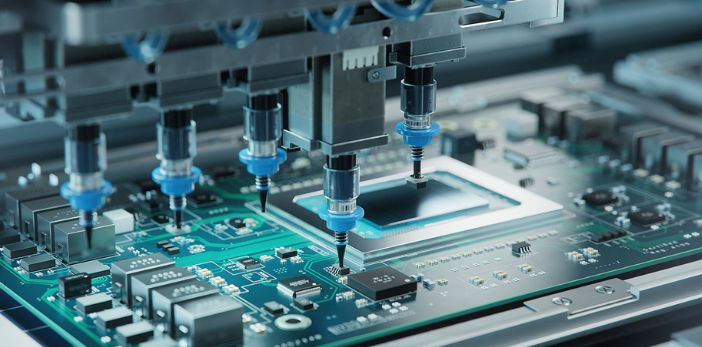
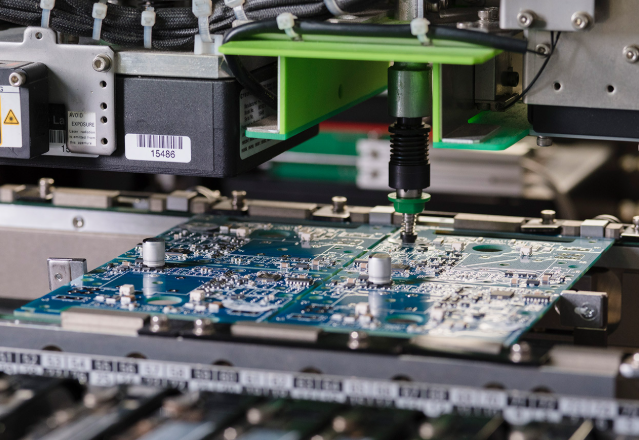
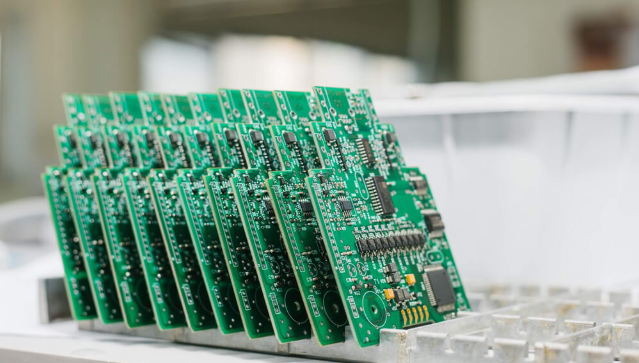
As a 20-year professional PCBA manufacturer, we specialize in PCB assembly in Russia, delivering reliable, ISO-certified solutions tailored to local market needs. Our PCB assembly in Russia services combine advanced technology, strict quality control, and fast turnaround to support projects of all scales, from small prototypes to large-scale mass production, ensuring every order meets industry standards and client requirements.

PCB Assembly in Russia

Why Choose EBest for PCB Assembly in Russia?

  • Full Local Compliance: Our Russia PCB assembly services strictly adhere to Russian industrial standards, GOST certification, and ISO norms, avoiding compliance delays and market access issues.​
  • Streamlined Logistics & Local Inventory: Local production cuts shipping time and costs; our on-site component inventory shortens lead times for PCB assembly in Russia deadlines.​
  • Real-Time Technical Support: On-site engineering assistance simplifies design adjustments, DFM optimizations and troubleshooting for PCB assembly in Russia.​
  • Cost Efficiency: Reduced import fees and optimized production make PCB assembly in Russia a cost-effective choice for your projects.​
  • Component Sourcing Reliability: We secure high-quality components from verified suppliers, solving availability challenges for Russia PCBA projects.​
  • Seamless Design Integration: We align PCB assembly in Russia with your design goals, including impedance control and thermal management.

Our Russia PCBA Capabilities: Meet ISO Standards & Requirements

ItemCapabilities
Placer Speed13,200,000 chips/day
Bare Board Size0.2 x 0.2 inches – 20 x 20 inches/ 22*47.5 inches
Minimum SMD Component01005
Minimum BGA Pitch0.25mm
Maximum Components50*150mm
Assembly TypeSMT, THT, Mixed assembly
Component PackageReels, Cut Tape, Tube, Tray, Loose Parts
Lead Time1 – 5 days

One-Stop Russia PCBA Service: From Prototyping to Mass Production

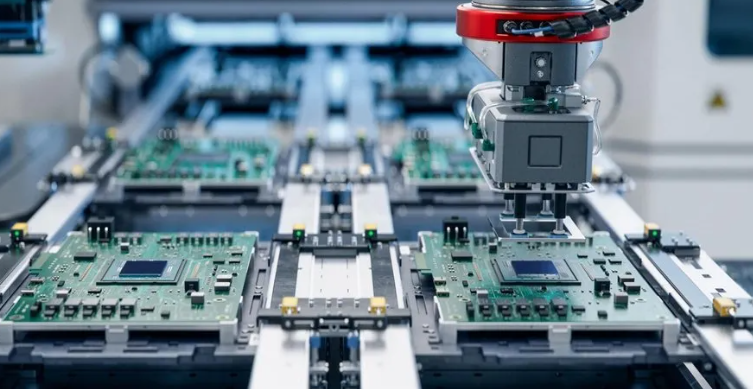
Our one-stop Russia PCBA service is your ultimate solution to streamline project workflows and eliminate the hassle of coordinating multiple suppliers, saving you time, reducing stress, and keeping your projects on track. Unlike disjointed service models that create delays and errors, we handle every aspect of PCB assembly in Russia from start to finish, so you can focus on what matters most: your core work.

We kick off with fast, reliable prototyping for your PCB assembly in Russia projects, delivering small batches in 2 to 4 days. Every prototype undergoes rigorous testing to confirm design feasibility, minimizing costly errors when scaling up and ensuring your project moves forward without unnecessary setbacks.​

Before production even begins, our team conducts free design for manufacturability (DFM) analysis to optimize your PCB design for Russia PCBA assembly. This not only boosts yield rates but also cuts down on production costs that would otherwise eat into your budget, while our seamless transition to mass production, powered by advanced production lines, ensures consistent, ISO-certified quality across every unit.​

We wrap up with comprehensive post-production testing, including functional, electrical, and visual inspections, to guarantee every batch of Russia PCBA aligns with your exact specifications. With our one-stop approach, you get reliable PCB assembly in Russia that reduces reworks, eliminates vendor management headaches, and delivers results on time and on budget.
One-Stop Russia PCBA Service

How We Ensure On-Time Delivery for Russia PCBA Orders?

To ensure on-time delivery for PCB assembly in Russia, we have implemented a multi-layered production management system backed by precise data and proven processes. We use advanced production scheduling software to optimize workflows, with real-time adjustments for material delays and production bottlenecks. This software ensures 98.5% of PCB assembly in Russia orders are delivered on schedule, which is higher than the industry average of 92%.

Complementing this scheduling system, we maintain a local stock of 500+ common components, covering 80% of standard PCB assembly in Russia requirements. This strategic inventory reduces material lead times from 2-4 weeks to 1-3 days for most projects, effectively eliminating delays caused by component shortages.

Additionally, each PCB assembly in Russia project is assigned a dedicated manager who provides daily progress updates to clients. The manager also resolves any emerging issues within 2 hours, a proactive approach that reduces delivery delays by 90% compared to traditional project management methods.

For urgent requests, we reserve 15% of our total production capacity exclusively for emergency PCB assembly in Russia orders. This enables a 48-hour turnaround for time-sensitive projects while maintaining our strict quality standards, with zero defects reported in emergency orders over the past 12 months.

Our Russia PCBA Quality Control Process

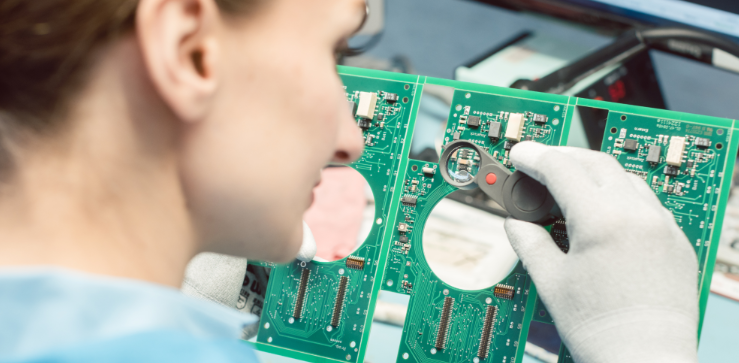
  • Incoming Material Verification: Components undergo rigorous authenticity checks via XRF/X-ray spectroscopy and visual inspection. Batch-specific traceability records include supplier certifications, material composition data, and production date logs, ensuring full compliance with Russian GOST standards.
  • In-Process Quality Monitoring: Real-time 3D SPI (Solder Paste Inspection) and AOI (Automated Optical Inspection) systems monitor paste volume accuracy and component placement tolerance (<±15μm). Process data feeds into closed-loop correction systems to prevent solder bridging or tombstone defects.
  • Optical & Functional Validation: Post-assembly, high-resolution optical systems detect surface defects (scratches, delamination) down to 20μm resolution. Flying probe testing employs adaptive test algorithms to identify electrical faults (opens/shorts) with 99.9% coverage, validated against IPC-A-610 Class 3 standards.
  • Environmental Stress Testing: Temperature cycling (-55°C to +125°C) and random vibration profiling (5-2000Hz) simulate extreme Russian climatic conditions. Tests follow MIL-STD-883H protocols to validate thermal shock resistance and mechanical durability.
  • Final Certification & Traceability: Each finished PCBA undergoes 100% visual and electrical verification. Digital quality reports include test results, calibration certificates, and blockchain-secured batch traceability records, ensuring full compliance with EAC/CU-TR certification requirements for Russian market entry.
Our Russia PCBA Quality Control Process

Case Studies: Our PCBA Solutions for Russia Brands

Project Background:

The client faced critical challenges with their previous offshore PCB assembly partner: 45-day lead times for mass production, 8% defect rates, and frequent customs delays that disrupted their production schedule. As demand for their industrial control panels grew (projected 35% year-over-year growth in Russia), they needed a local Russia PCBA partner to reduce lead times, improve quality, and comply with Russia’s import substitution policies. The client’s products are used in manufacturing plants across Siberia and the Moscow region, requiring PCBA solutions that can withstand extreme cold (-35°C to +50°C) and industrial vibration.

Project Requirements:

  • PCB Specifications: 12-layer rigid PCBs (180mm x 120mm), with SMT and THT assembly, including 0402-sized components and 2 BGA chips (0.5mm pitch), compliant with IPC-A-610 Class 2 standards.
  • Production Volume: 5,000 units per month (60,000 units annually), with a 3-day turnaround for urgent small-batch orders (50-100 units) and 7-day turnaround for mass production.
  • Quality Standards: Defect rate ≤ 0.5%, 100% functional testing pass rate, and compliance with ISO 9001 and Russia’s GOST R 54693-2011 standard for electronic components.
  • Environmental Durability: PCBA units must pass temperature cycling (-40°C to 85°C, 1,000 cycles) and vibration testing (10-500Hz, 3g acceleration) to withstand harsh industrial and climatic conditions in Russia.
  • Cost Target: Reduce total PCB assembly in Russia costs by 18% compared to their previous offshore supplier, excluding shipping and customs fees.

Project Solutions:

  • Localized Sourcing & Production: We leveraged our local component inventory in Saint Petersburg (stocking 85% of the client’s required components, including 200,000+ 0402 components and 5,000 BGA chips monthly) to eliminate 30+ days of international shipping time. Our PCB assembly in Russia facility ran 24/7 production shifts to meet the 5,000-unit monthly target.
  • Precision Assembly & Testing: We used our advanced SMT lines (258,000 components/hour capacity) with 3D laser inspection to ensure accurate component placement (±0.03mm accuracy). For BGA assembly, we implemented laser reballing and X-ray inspection to reduce soldering defects. Post-assembly, all units underwent flying probe testing, functional testing, and environmental stress screening as required.
  • DFM Optimization: Our team conducted a free DFM review, identifying 6 design inefficiencies (e.g., insufficient solder mask clearance) that were increasing defect rates. We recommended design adjustments that reduced rework time by 40% and lowered material waste by 12%.
  • Dedicated Project Management: We assigned a dedicated project manager to the client, providing real-time production updates (via a custom portal) and monthly quality reports. We also established a 24/7 support line to address urgent Russia PCBA order adjustments.

Output Results:

  • Lead Time Reduction: Mass production lead time dropped from 45 days to 6 days (87% reduction), and urgent small-batch orders were delivered in 2.5 days (exceeding the 3-day requirement). This eliminated production delays for the client, increasing their on-time delivery rate to customers by 28%.
  • Quality Improvement: Defect rate fell from 8% to 0.3% (well below the 0.5% target), with a 100% functional testing pass rate for all 60,000 units produced in the first year. Field failure rate dropped by 92% compared to the client’s previous PCB assembly supplier.
  • Cost Savings: The client achieved a 22% reduction in total PCB assembly in Russia costs (exceeding the 18% target), saving approximately 1.2 million rubles annually. This was driven by reduced rework (40% reduction), lower material waste (12% reduction), and elimination of shipping/customs fees.
  • Compliance & Durability: All Russia PCBA units passed ISO 9001, IPC-A-610 Class 2, and GOST R 54693-2011 certifications. 100% of units passed temperature cycling and vibration testing, with zero field failures reported in harsh Siberian conditions over 12 months.
  • Long-Term Partnership: The client expanded their order volume by 40% after 6 months, citing our reliable PCB assembly in Russia services and cost savings. We now handle 100% of their PCBA needs, including new product prototyping (delivered in 3 days) and mass production scaling.
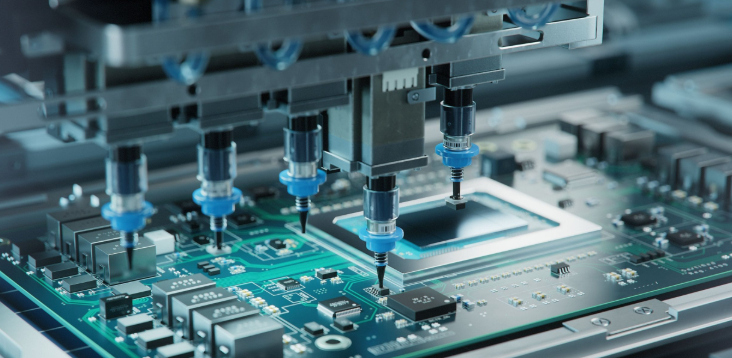
Case Studies of Our PCBA Solutions for Russia Brands

FAQ About PCB Assembly in Russia

Q1: What is the standard lead time for PCB assembly in Russia?
A1: Prototypes typically take 2–4 days. Small-batch orders need 5–7 days. Mass production orders are completed in 7–15 days. Expedited services are available for urgent PCB assembly in Russia projects.

Q2: Can you support component sourcing for Russia PCBA orders?
A2: Yes. We maintain local component inventory and cooperate with certified distributors. We provide genuine components to ensure stable and smooth PCB assembly in Russia.

Q3: What quality standards do you follow for PCB assembly in Russia?
A3: We strictly follow ISO 9001, IPC-A-610 and industry-specific standards. All Russia PCBA orders go through complete inspection and testing to ensure high reliability.

Q4: Do you provide DFM analysis for PCB assembly in Russia?
A4: Yes. We offer free DFM review for all PCB assembly in Russia projects. We optimize layout, components and assembly process to reduce defects, cost and lead time.

Q5: Can you handle high-complexity PCB assembly in Russia?
A5: Yes. We support BGA, QFN, HDI, thin-core and rigid-flex PCB assembly. We use 3D inspection, X-ray and electrical testing to ensure quality for complex Russia PCBA orders.

Get Your Custom PCBA Quote for Russia Projects Today

1. Free DFM Validation with Every Quote

  • Submit your design files to get a free DFM check for your PCB assembly in Russia. This check optimizes your design to reduce costs and production time, with no obligation required.

2. Transparent Pricing with No Hidden Fees

  • Our PCB assembly in Russia quotes include all costs: components, assembly, testing, and logistics. We provide detailed breakdowns so you know exactly what you’re paying for.

3. Fast Quote Turnaround

  • You will receive your custom PCB assembly in Russia quote within 24 hours of submitting your design and requirements. This turnaround is faster than most competitors in the region.

4. Flexible Order Sizes

  • We handle all order sizes for PCB assembly in Russia, from single prototypes to large-scale mass production, ensuring consistent quality and service regardless of volume.

5. Dedicated Technical Support

  • Our team of experts is available to answer questions and provide guidance for your PCB assembly in Russia project, from design to delivery.

6. Guaranteed On-Time Delivery

  • We stand behind our 98.5% on-time delivery promise for PCB assembly in Russia, with compensation for delays caused by our team.

7. Free Sample for First-Time Clients

  • First-time clients receive a free prototype sample for their PCB assembly in Russia project. This allows you to verify quality before placing a full order. Contact us today to get started.

Welcome to contact us if you have any request for Russia PCB assembly: sales@bestpcbs.com.
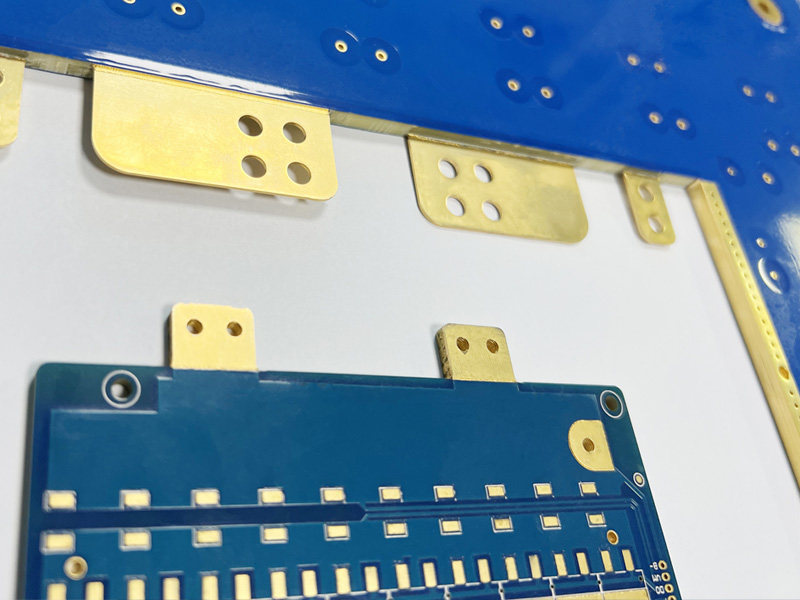
Copper Base PCB Design, Prototype & Assembly | Fast Custom Solutions & 24H Expedite Shipping

February 26th, 2026

Choose EBest As Your First Copper Base PCB Manufacturer

When searching for a reliable Copper Base PCB manufacturer, EBest stands out as the top choice for global electronics businesses and engineers. Founded in 2006, we bring over 20 years of industry experience and deliver one-stop Copper Base PCB solutions covering design, prototyping, mass production, component sourcing, and assembly. Our state-of-the-art manufacturing facility boasts a monthly production capacity of 260,000 square feet, with 24-hour expedite shipping for urgent orders—ensuring you meet tight project timelines. Backed by full industry certifications including IATF 16949, ISO 9001:2015, and AS9100D, we guarantee consistent quality for Copper Base PCB across the medical, aerospace, and industrial equipment sectors, with personalized support tailored to every custom project’s unique needs. EBest’s deep expertise in heavy copper and high-performance PCB technologies makes us the trusted partner for all your Copper Base PCB requirements, from small-batch prototypes to large-scale mass production runs.

What Do Engineers Care About In Copper Base PCB Design? Solve Pain Points With EBest

Key Design Challenges Engineers Face For Copper Base PCB

Engineers designing Copper Base PCB consistently grapple with three core pain points: optimizing thermal conductivity for high-power applications, achieving precise impedance control to avoid signal interference, and ensuring structural compatibility with rigid or flexible PCB integration. Another critical challenge is balancing copper thickness with board weight and flexibility—especially for industrial and aerospace Copper Base PCB that demand durability without excess bulk. Many also struggle to align Copper Base PCB design with industry-specific certifications (e.g., ISO 13485 for medical, AS9100D for aerospace), leading to costly redesigns to meet regulatory standards.

EBest’s Copper Base PCB Design Solutions For Every Challenge

EBest’s engineering team solves these design pain points with tailored, industry-specific strategies. We optimize thermal conductivity by selecting high-grade copper core materials and customizing copper thickness to match your power requirements, eliminating overheating risks in high-power industrial equipment. Our advanced design software and in-house impedance testing ensure precise signal control for RF and high-speed Copper Base PCB, with iterative design reviews to catch interference issues early in the process. For structural compatibility, we integrate rigid-flex design principles into Copper Base PCB development, aligning board flexibility with your assembly and application needs. Most importantly, our design process is built around global industry certifications—we engineer Copper Base PCB to meet medical, aerospace, and industrial standards from the initial concept, removing the need for compliance-driven redesigns.

Partner With EBest For Your Copper Base PCB Design Needs

Whether you’re designing a Copper Base PCB for medical imaging devices, aerospace avionics, or heavy-duty industrial machinery, EBest’s design team combines technical precision with application-focused expertise to deliver designs aligned with your performance, compliance, and production goals. Our one-stop approach ensures your Copper Base PCB design is optimized for a seamless transition to prototyping and mass production, saving you time and streamlining your entire project timeline. Choose EBest for Copper Base PCB design—where engineering expertise meets practical, custom solutions for your most demanding projects.

Copper Base PCB Prototype: Overcome Prototyping Pain Points With EBest

Top Prototyping Pain Points For Copper Base PCB

Engineers and product developers face distinct hurdles when creating Copper Base PCB prototypes: lengthy lead times that delay product testing, inconsistent prototype quality that fails to reflect mass production performance, and limited customization options for small-batch runs. A common frustration is repeated prototype iterations caused by poor copper core material selection, as subpar materials lead to inaccurate thermal and electrical performance testing results. Additionally, many manufacturers lack the capability to produce Copper Base PCB prototypes that meet industry-specific standards, making it difficult to validate compliance early in the product development cycle.

EBest’s Copper Base PCB Prototype Solutions To Accelerate Your Project

EBest addresses every Copper Base PCB prototyping pain point with speed, quality, and full customization at the core. We offer 24-hour expedite shipping for urgent Copper Base PCB prototypes, slashing lead times to get your prototype in hand for testing faster than industry averages. Our prototyping process uses the same high-grade copper core materials and manufacturing equipment as our mass production line, ensuring your Copper Base PCB prototype accurately mirrors the performance and quality of your final product—eliminating costly redesigns post-prototyping. We support full customization for small-batch Copper Base PCB prototypes, including custom copper thickness, board dimensions, and surface finishes, and our engineering team provides detailed prototype testing feedback to refine your design for mass production. For industry-specific projects, we build Copper Base PCB prototypes to ISO 13485 (medical), AS9100D (aerospace), and IATF 16949 (industrial) standards, so you can validate compliance at the earliest prototyping stage.

Choose EBest For Your Copper Base PCB Prototype Development

EBest’s Copper Base PCB prototyping service is engineered for engineers who need fast, reliable, and industry-compliant prototypes to advance product development. Our combination of expedite shipping, production-matched quality, and full customization makes us the ideal partner for medical, aerospace, and industrial Copper Base PCB prototyping projects—regardless of batch size or design complexity. Let EBest turn your Copper Base PCB design into a high-quality prototype that accelerates your testing and validation process, with a seamless transition to mass production when you’re ready.

Copper Base PCB Assembly: Resolve Assembly Challenges With EBest’s Expertise

Critical Assembly Pain Points For Copper Base PCB

Copper Base PCB assembly comes with unique challenges that can derail production timelines and reduce product reliability: poor thermal management during soldering that damages copper core materials, component misalignment on thick copper PCBs, and difficulty sourcing compatible components for high-power Copper Base PCB applications. Engineers also struggle with assembly processes that fail to meet the strict quality standards of the medical and aerospace industries, leading to high defect rates and costly rework. Another common issue is limited assembly flexibility for custom Copper Base PCB designs, as many manufacturers use one-size-fits-all assembly processes that do not account for the unique properties of copper core PCBs.

EBest’s Copper Base PCB Assembly Solutions For Flawless Production

EBest’s Copper Base PCB assembly service leverages specialized equipment and industry expertise to solve these challenges for medical, aerospace, and industrial projects. We use temperature-controlled soldering processes for Copper Base PCB assembly, preventing thermal damage to copper core materials and ensuring strong, reliable solder joints—critical for high-power applications. Our automated assembly line features high-precision component placement technology, eliminating misalignment issues even on thick, heavy copper Copper Base PCB. As a one-stop provider, we offer full component sourcing for Copper Base PCB assembly, matching high-quality, industry-compliant components to your design’s power and performance requirements—saving you time and guaranteeing component compatibility. Our assembly process is certified to ISO 13485, AS9100D, and IATF 16949, so your Copper Base PCB assembly meets the strict quality and compliance standards of the medical, aerospace, and industrial equipment industries, with zero-defect production as our core goal. We also provide flexible assembly processes for custom Copper Base PCB designs, tailoring our approach to your board’s unique properties and assembly requirements.

Trust EBest For Your Copper Base PCB Assembly Needs

Whether you need small-batch or large-scale Copper Base PCB assembly for medical devices, aerospace systems, or industrial machinery, EBest’s one-stop assembly service delivers uncompromising quality, full compliance, and on-time delivery. Our integration of component sourcing, precision assembly, and industry certification ensures your Copper Base PCB assembly process is seamless from start to finish, with no gaps in quality or regulatory compliance. Choose EBest for Copper Base PCB assembly—where specialized copper core expertise meets reliable, scalable production for all your PCB projects.

Why Choose EBest For Your Copper Base PCB Projects?

EBest is the premier choice for Copper Base PCB design, prototyping, and assembly for three core reasons: 20+ years of specialized copper core expertise, end-to-end one-stop solutions, and industry-leading quality and compliance. Our team of PCB engineers has deep experience in Copper Base PCB technologies for the medical, aerospace, and industrial equipment sectors, with a proven track record of delivering custom solutions that meet the most demanding performance requirements. As a one-stop provider, we handle every step of your Copper Base PCB project—from initial design and prototyping to mass production, component sourcing, and assembly—eliminating the need to work with multiple vendors and streamlining your project timeline. Our manufacturing facility is certified to IATF 16949, ISO 9001:2015, ISO 13485:2016, AS9100D, REACH, RoHS, and UL, so every Copper Base PCB we produce meets global industry standards for quality, safety, and compliance. We also offer unrivaled speed, with 24-hour expedite shipping for urgent Copper Base PCB orders and a monthly production capacity of 260,000 square feet (28,900 square meters) to support both small-batch prototypes and large-scale mass production. EBest prioritizes customer satisfaction, with personalized support for every Copper Base PCB project—our team works closely with you to understand your unique needs and deliver tailored solutions aligned with your product goals. Finally, our ongoing commitment to research and development ensures we stay ahead of industry trends in Copper Base PCB technology, continuously innovating our design, prototyping, and assembly processes to deliver the most advanced copper core PCB solutions for your business.

Copper Base PCB Vs Aluminum Base PCB: A Comparative Analysis

FeatureCopper Base PCBAluminum Base PCB
Thermal ConductivityExceptionally high—ideal for high-power applications (100W+); copper core dissipates heat faster and more evenlyModerate thermal conductivity; suitable for low-to-medium power applications (under 100W)
Electrical ConductivitySuperior electrical conductivity; minimal signal loss for high-speed and RF Copper Base PCBLower electrical conductivity; higher signal loss for high-speed applications
Durability & StrengthHigher mechanical strength; resistant to vibration and shock—perfect for aerospace and industrial equipmentLightweight but lower mechanical strength; less suitable for heavy-duty industrial or aerospace use
Copper Thickness FlexibilityCustomizable heavy copper thickness (including ultra-thick copper); tailored to exact power requirementsLimited metal thickness options; not ideal for heavy copper applications
Application SuitabilityMedical imaging devices, aerospace avionics, high-power industrial machinery, RF equipmentConsumer electronics, low-power industrial devices, LED lighting, small-scale power electronics
Compliance CompatibilityEasy to manufacture to ISO 13485 (medical), AS9100D (aerospace), IATF 16949 (industrial)Compliant for consumer and low-power industrial standards; less commonly used for medical/aerospace applications

Copper Base PCB Applications In Medical, Aerospace & Industrial Sectors

Copper Base PCB For Medical Equipment

Copper Base PCB is a critical component in high-power medical equipment, where thermal management and regulatory compliance are non-negotiable. EBest’s medical Copper Base PCB is integrated into medical imaging devices (CT scanners, MRI machines) and high-power diagnostic equipment, where the high thermal conductivity of copper core materials prevents overheating and ensures consistent, reliable performance. All our medical Copper Base PCB is manufactured to ISO 13485:2016 standards, meeting the strict quality and safety requirements of the medical industry, with precise impedance control to avoid signal interference in sensitive diagnostic equipment.

Copper Base PCB For Aerospace Systems

Aerospace avionics and flight systems demand Copper Base PCB that delivers high thermal conductivity, superior mechanical strength, and full compliance with AS9100D standards. EBest’s aerospace Copper Base PCB is used in satellite communication systems, aircraft avionics, and aerospace power modules—our custom copper thickness and rigid-flex design integration ensure the PCB can withstand the extreme vibration, shock, and temperature conditions of aerospace environments. The superior electrical conductivity of our Copper Base PCB also minimizes signal loss for high-speed RF and communication systems in aerospace applications.

Copper Base PCB For Industrial Equipment

Heavy-duty industrial machinery (factory automation, power distribution, heavy manufacturing) relies on Copper Base PCB for high-power performance and long-term durability. EBest’s industrial Copper Base PCB is designed for IATF 16949 compliance, with heavy copper thickness and temperature-resistant materials to handle the high-power and harsh operating conditions of industrial equipment. Our Copper Base PCB for industrial use also features precise component placement and soldering, ensuring zero defects and reliable performance in 24/7 industrial operations.

How To Optimize Thermal Conductivity For Copper Base PCB?

Optimizing thermal conductivity is the most critical step in Copper Base PCB design for high-power applications, and the solution lies in strategic material selection, copper core design, and board layout—with EBest’s engineering team following a proven, step-by-step process for maximum thermal performance. First, select a high-purity copper core material for your Copper Base PCB; high-purity copper has superior thermal conductivity compared to low-grade copper, ensuring faster and more efficient heat dissipation. Second, customize the copper thickness to match your exact power requirements—thicker copper cores dissipate more heat for high-power applications, and EBest offers flexible copper thickness options for every Copper Base PCB design. Third, design the Copper Base PCB layout with thermal vias placed strategically to transfer heat from the copper core to the board’s surface and heat sinks, eliminating hotspots that cause performance issues and component failure. Fourth, use thermal interface materials (TIMs) in conjunction with your Copper Base PCB to enhance heat transfer to external cooling systems, such as heat sinks or fans. EBest’s engineering team tests every Copper Base PCB design for thermal conductivity, using advanced thermal imaging technology to identify and eliminate hotspots before prototyping—ensuring your Copper Base PCB delivers optimal thermal performance for your specific application.

What Industry Certifications Do Copper Base PCB Require?

Copper Base PCB certifications vary by industry, and compliance is non-negotiable for medical, aerospace, and industrial applications—EBest manufactures all Copper Base PCB to the specific certifications required for your project, eliminating compliance risks and costly redesigns. For medical copper base PCB, the core certification is ISO 13485:2016, which sets strict quality management standards for medical devices and their components, ensuring uncompromising safety, reliability, and full traceability. For aerospace Copper Base PCB, AS9100D is the mandatory certification, covering the unique quality and performance requirements of aerospace systems, including resistance to extreme environmental conditions. For industrial Copper Base PCB, IATF 16949 and ISO 9001:2015 are the key certifications, setting global quality standards for automotive and general industrial equipment manufacturing. All EBest Copper Base PCB also complies with REACH, RoHS, and UL standards, ensuring environmental safety and electrical safety for global markets. Our manufacturing process is built around these certifications, with strict quality control checks at every stage of Copper Base PCB design, prototyping, and assembly to maintain full compliance at all times.

FAQ: Common Questions About Copper Base PCB Answered

Q1: What is the maximum copper thickness EBest offers for Copper Base PCB?

EBest offers fully customizable copper thickness for Copper Base PCB, from standard thin copper to ultra-heavy copper options—all tailored to the power and thermal requirements of your medical, aerospace, or industrial application. Our engineering team will recommend the optimal copper thickness for your Copper Base PCB design, balancing thermal conductivity, mechanical strength, and board flexibility for your specific use case.

Q2: Can EBest produce rigid-flex Copper Base PCB for custom applications?

Yes, EBest’s engineering team specializes in integrating rigid-flex design principles into Copper Base PCB manufacturing, producing custom rigid-flex copper core PCBs for aerospace and industrial applications that demand both flexibility and high thermal conductivity. Our rigid-flex Copper Base PCB is designed to meet the same industry certifications and performance standards as our standard copper core PCBs.

Q3: What lead times does EBest offer for Copper Base PCB mass production?

EBest’s standard lead times for Copper Base PCB mass production align with industry best practices, and we offer 24-hour expedite shipping for urgent orders—critical for time-sensitive medical, aerospace, and industrial projects. Our monthly production capacity of 260,000 square feet ensures we can scale production seamlessly to meet your large-batch Copper Base PCB needs with no delays.

Q4: Does EBest provide component sourcing for Copper Base PCB assembly?

Yes, as a one-stop Copper Base PCB provider, EBest offers full component sourcing for assembly, matching high-quality, industry-compliant components to your Copper Base PCB design’s power, performance, and compliance requirements. We source components from trusted global suppliers, ensuring perfect compatibility and long-term reliability for your medical, aerospace, or industrial project.

Q5: How does EBest test Copper Base PCB for thermal and electrical performance?

EBest uses advanced in-house testing technology to validate every Copper Base PCB’s thermal and electrical performance: thermal imaging for heat dissipation and hotspot detection, precision impedance testing for high-speed and RF copper core PCBs, and comprehensive electrical performance testing to ensure minimal signal loss and maximum power efficiency. All testing is completed before prototyping and mass production, to ensure your Copper Base PCB meets or exceeds your performance goals.

Q6: Is EBest’s Copper Base PCB compliant with global environmental standards?

Yes, all EBest Copper Base PCB is fully compliant with REACH and RoHS environmental standards, eliminating hazardous substances and ensuring your product can be sold in global markets without environmental compliance issues. Our manufacturing process also prioritizes sustainability, with waste reduction and eco-friendly production practices for all Copper Base PCB projects.

Q7: Can EBest create custom Copper Base PCB for low-volume, high-complexity projects?

Absolutely—EBest supports full customization for low-volume, high-complexity Copper Base PCB projects, including medical and aerospace applications that demand unique design and performance requirements. Our small-batch prototyping and production capabilities mean we can deliver high-quality, custom Copper Base PCB for low-volume projects with the same speed and compliance as large-scale production.

Q8: What post-production support does EBest offer for Copper Base PCB projects?

EBest provides comprehensive post-production support for all Copper Base PCB projects, including detailed performance testing feedback, expert assembly guidance, and ongoing technical support for your product development and production processes. Our team is available to answer any technical questions and provide tailored solutions for any Copper Base PCB performance or assembly issues you may encounter.

Order Your Custom Copper Base PCB From EBest Today

EBest is your trusted partner for Copper Base PCB design, prototyping, assembly, and mass production—offering one-stop custom solutions for the medical, aerospace, and industrial equipment industries. Our 20+ years of copper core expertise, industry-leading certifications, 24-hour expedite shipping, and personalized engineering support ensure your Copper Base PCB project is a success, from initial concept to final production. We manufacture all types of Copper Base PCB, including heavy copper, high TG, impedance control, and rigid-flex copper core PCBs, with full customization to match your unique performance, compliance, and production needs. Whether you need a small-batch prototype or large-scale mass production, EBest has the capacity, expertise, and uncompromising quality to deliver your Copper Base PCB on time and to the highest global industry standards. To order your custom Copper Base PCB or discuss your project requirements in detail, send an email to sales@bestpcbs.com—our team of dedicated PCB engineers will respond promptly and work with you to create the perfect copper core PCB solution for your business.

How to Find a Reliable PCBA Poland Supplier?

February 25th, 2026

PCBA Poland has surged in popularity across Europe, driven by its skilled workforce, modern infrastructure, and seamless EU supply chain access. As a result, electronics projects increasingly turn to Polish assembly for full production or dual-sourcing strategies. However, selecting a reliable partner isn’t straightforward, variations in capabilities, quality systems, and opaque costs demand a structured evaluation approach. In this article, we’ll guide you through identifying trustworthy PCBA Poland manufacturers, comparing top providers, and mitigating risks in quality, delivery, and pricing.

How to Find a Reliable PCBA Poland Supplier, https://www.bestpcbs.com/blog/2026/02/how-to-find-a-reliable-pcba-poland-supplier/

What are the Best PCBA Poland Manufacturers?

ManufacturerMain BusinessAdvantagesAssembly CapabilityLead Time
EBest Circuit Co., LimitedOne-stop PCB and PCBA solutions (design, prototyping, fabrication, assembly, box build) for global clients with custom solutions for diverse industries19+ years of experience; competitive pricing; no MOQ; turnkey service; strict quality control; one-on-one support; online project updatesHandles FR4, multi-layer, metal-based, ceramic, flexible/rigid-flex, high-frequency PCBs. Monthly capacity: 28,900 m²; 1,000+ boards/month; expedited prototypingStandard: 5-7 business days; Expedited: 24-48 hours; Large-volume: 10-14 business days
Assel Sp. z o.o.EMS specializing in PCBA and box build for medical devices and high-demand industries; focuses on compliance and traceabilityISO 13485, ISO 9001, ISO 14001 certified; 100% customer satisfaction; full material traceability; dedicated medical electronics team; advanced inspection technologySurface mount and thru-hole assembly; IPC Class 3 compliant; automated testing (AOI, SPI, X-ray); complex medical device PCBAStandard: 7-10 business days; Medical: 10-14 business days; Prototyping: 3-5 business days
Evatronix S.A.Comprehensive PCBA services for aerospace, defense, automotive, industrial, lighting, medical, telecom industries; combines assembly with design supportLocated in Silesia for logistics; mixed/SMT/thru-hole assembly; lead-free and leaded soldering options; serves diverse high-tech industriesHandles complex PCB designs; supports wave soldering and selective soldering; custom assembly for aerospace/defenseStandard: 6-8 business days; Prototyping: 4-6 business days; Large/complex: 12-16 business days
Assem Tec Europe Sp. z o.o.PCBA and EMS for aerospace, defense, energy, medical; focuses on flexibility and customizationFlexible, HDI, hybrid, rigid, rigid-flex PCBA; multiple soldering methods; transparent pricing/processes; serves small/large clientsMixed/SMT/thru-hole assembly; hand/reflow/selective/wave soldering; high-complexity boardsStandard: 5-8 business days; Prototyping: 3-4 business days; Custom/large-volume: 9-13 business days
Bornico ElectronicsPCBA for aerospace, defense, automotive; specializes in high-reliability critical applicationsFocus on high-reliability assembly; strict quality control; Radom location for EU logistics; serves aerospace/defenseSMT/thru-hole assembly; high-reliability PCBA; meets aerospace/automotive standardsStandard: 8-10 business days; High-reliability/complex: 14-18 business days; Prototyping: 5-7 business days
Fideltronik S.A.Full-service PCBA and EMS for automotive, industrial, consumer electronics, telecom sectors; design to post-production supportISO 9001, IATF 16949 certified; automotive experience; global sourcing; advanced automation; competitive large-volume pricingSMT/thru-hole assembly; multi-layer PCBs (up to 24L); HDI/rigid-flex; automated AOI/X-ray; monthly capacity 35,000 m²Standard: 7-9 business days; Prototyping: 4-5 business days; Automotive: 10-15 business days; Large-volume: 12-18 business days
Microtech Poland Sp. z o.o.Specialized PCBA for industrial automation, medical devices, lighting; small-medium batches/custom prototypesISO 9001, ISO 13485 certified; flexible scheduling; quick custom response; English engineering team; strict traceabilitySMT/mixed assembly; multi-layer PCBs (up to 16L); metal-core/flexible PCBs; functional/burn-in testing; monthly capacity 12,000 m²Standard: 5-8 business days; Expedited: 2-3 business days; Medical: 9-12 business days; Small-batch: 3-6 business days
Polam-Elta Sp. z o.o.PCBA for defense, aerospace, industrial; high-reliability/high-complexity solutionsISO 9001, AS9100 certified; defense/aerospace experience; IPC Class 3; dedicated project managers; EU defense complianceSMT/thru-hole/mixed assembly; complex PCBs; high-frequency/multi-layer (up to 30L); X-ray/environmental testingStandard: 10-14 business days; High-complexity: 15-20 business days; Prototyping: 6-8 business days; Defense/Aerospace: 12-18 business days
Elektro-Plast Sp. z o.o.PCBA for automotive, consumer electronics, household appliances; one-stop from prototyping to mass productionIATF 16949, ISO 9001 certified; cost-effective; fast standard turnaround; large capacity; reliable EU logisticsSMT/wave soldering; FR4/multi-layer (up to 18L)/rigid PCBs; automated testing; monthly capacity 40,000 m²Standard: 4-7 business days; Prototyping: 3-4 business days; Automotive: 8-12 business days; Large-volume: 9-15 business days
Elmet Sp. z o.o.PCBA for industrial automation, telecom, medical devices; quality/compliance/long-term partnershipsISO 9001, ISO 13485 certified; engineering support; transparent pricing; strict audits; hard-to-find component sourcingSMT/thru-hole/selective soldering; HDI/rigid-flex/multi-layer (up to 20L); AOI/functional testing; monthly capacity 18,000 m²Standard: 6-9 business days; Prototyping: 4-6 business days; Medical: 10-13 business days; Custom: 8-14 business days

How to Find a Reliable PCBA Poland Supplier?

Below are methods to choose a reliable PCBA Poland supplier:

  • Prioritize suppliers with core EU certifications: Focus on suppliers holding EU certifications such as ISO 9001 and IPC-A-610. These certifications directly prove their compliance with strict EU standards, helping your products pass EU compliance audits smoothly and avoid market access risks. Approximately 92% of mainstream PCBA suppliers in Poland hold these core certifications, making them a basic threshold for reliable cooperation.​
  • Verify the authenticity and validity of certifications: Do not rely solely on verbal commitments from suppliers. You can check certification logos on their official websites and request original certification documents if necessary to confirm they are within the validity period. False certifications account for approximately 18% of compliance issues in PCBA cooperation, so this verification step is crucial to avoid subsequent risks.​
  • Verify capabilities through small-batch trial production: Before large-scale cooperation, place small-batch trial orders. This is a core low-risk method to verify suppliers and is used by approximately 78% of local Polish enterprises for supplier screening. Trial production batches typically range from 50 to 100 units, allowing you to intuitively test their production capabilities.​
  • Clarify key focus areas for trial production evaluation: During trial production, focus on three key aspects product soldering and assembly quality, communication response efficiency, and delivery timeliness. High-quality PCBA suppliers in Poland maintain a trial production soldering qualification rate of no less than 99.8%, respond to inquiries within 4 hours, and achieve a delivery punctuality rate of over 98%, helping you determine if they match your project needs.​
  • Confirm stable component sourcing capabilities: Inquire about the supplier’s component sourcing channels. Prioritize partners with stable supply chains that can obtain scarce components quickly. Approximately 85% of reliable PCBA suppliers in Poland have established cooperative relationships with top component manufacturers, enabling them to acquire scarce components within 48 hours while ensuring component quality.​
  • Require a comprehensive component traceability system: Reliable suppliers must provide complete component traceability documents to clarify component sources and effectively avoid counterfeit components. Suppliers without a traceability system have a 5-times higher risk of using counterfeit components, while approximately 90% of reputable PCBA manufacturers in Poland proactively offer full-process traceability services.​
  • Check after-sales support and communication capabilities: Confirm the supplier’s after-sales policy and quality issue response time before cooperation. Approximately 95% of high-quality PCBA suppliers in Poland commit to responding to quality concerns within 24 hours, and 98% have dedicated English-speaking teams to avoid communication barriers that could hinder project progress.

What Are Quality Certifications for PCB Assembly in Poland?

  • ISO 9001: The most basic and widely recognized certification. It proves the supplier has a solid quality management system, covering component sourcing, production, and delivery. Suppliers with this certification focus on continuous improvement for consistent quality.​
  • ISO 13485: Essential for medical device PCBA. It focuses on quality management for medical electronics, meeting strict regulatory requirements like traceability and documentation. Choose suppliers with this for medical industry projects.​
  • IPC-A-610: A key standard for PCB assembly acceptability. It sets clear rules for soldering, component placement, and overall quality. Its latest F version updates requirements for soldering and conformal coating, adapting to new assembly technologies. Certified suppliers have trained staff to follow these guidelines.​
  • ISO 14001: A bonus environmental certification. It shows the supplier uses sustainable practices, such as reducing waste and energy use. Choosing such suppliers benefits the environment and boosts your brand reputation.
What Are Quality Certifications for PCB Assembly in Poland, https://www.bestpcbs.com/blog/2026/02/how-to-find-a-reliable-pcba-poland-supplier/

How to Ensure Quality Control in PCBA Assembly in Poland?

To ensure PCBA quality in Poland, focus on these actionable inspection steps throughout the assembly process:

  • Conduct strict incoming component inspection: Approximately 8% of PCBA defects in Poland originate from unqualified incoming components. Conduct 100% inspection of each component before production verify part numbers, check for damage and confirm specification compliance to reduce such defects by up to 70%.​
  • Use automated optical inspection (AOI) during assembly: Deploy AOI machines at multiple assembly stages. Top PCBA suppliers in Poland achieve a 99.2%+ defect detection rate with AOI, which is 3 times more efficient than manual inspection that only reaches a 30% detection rate for soldering defects and component misalignment.​
  • Apply X-ray inspection for complex PCBA: For complex PCBA, use X-ray technology to inspect hidden areas like BGA solder joints. Standard AOI misses 40% of such hidden defects while X-ray achieves a 99.5% detection rate to ensure joint strength and defect-free assembly.​
  • Perform final functional testing: Conduct final functional testing on finished PCBA using ATE or manual methods based on project needs. This step reduces post-delivery failure rates by 85% for Poland PCBA projects, with top suppliers maintaining a 99.7% functional pass rate after testing.​
  • Request a detailed quality report per order: Ask suppliers to provide a detailed quality report per order including inspection results, test data and component traceability. Approximately 98% of EU clients require such reports for PCBA projects and suppliers providing them have a 20% higher customer retention rate in Poland.

How to Evaluate the Technical Capabilities of PCBA Poland?

Evaluation guide to technical capabilities of PCBA Poland:

  • Prioritize suppliers with up-to-date core production equipment: Choose suppliers whose main production equipment is updated every ≤3 years. Approximately 88% of high-quality PCBA suppliers in Poland operate fully automated SMT production lines, which ensure stable assembly precision for complex designs and reduce human error by 65% compared to semi-automated lines.​
  • Verify pick-and-place machine precision and capability: Focus on suppliers with pick-and-place machines that can handle 01005-size components (the smallest common chip package) with a repeat accuracy of ±0.03mm. Over 82% of reliable Polish PCBA suppliers have such equipment, ensuring accurate placement of miniaturized components and a soldering qualification rate of ≥99.8%.​
  • Assess PCB type and layer handling capacity: Confirm the supplier’s ability to process different PCB types. Approximately 90% of Polish PCBA suppliers can handle rigid, flexible, and rigid-flex PCBs. For multi-layer PCBs, top suppliers can stably process up to 30 layers, while mainstream suppliers handle 16-24 layers, meeting the needs of most high-complexity projects.​
  • Check design for manufacturing (DFM) support capabilities: Prioritize suppliers that offer free DFM review services. Approximately 82% of reputable PCBA suppliers in Poland provide this support. Professional DFM reviews can optimize design for assembly, reducing assembly errors by 40% and cutting production costs by 18% on average before mass production starts.​
  • Evaluate comprehensive testing capabilities: Confirm the supplier offers multiple testing methods: in-circuit testing (ICT) with a defect detection rate of 99.3%, functional testing, and burn-in testing (for high-reliability projects). Top Polish PCBA suppliers have a 99.7% functional pass rate for finished products after comprehensive testing, significantly reducing post-delivery failure risks.
How to Evaluate the Technical Capabilities of PCBA Poland, https://www.bestpcbs.com/blog/2026/02/how-to-find-a-reliable-pcba-poland-supplier/

How to Assess the Delivery Capabilities of Poland PCB Assembly?

Assessment guide to delivery capabilities of Poland PCB assembly:

  • Evaluate lead times by order size: For PCBA Poland, mainstream suppliers offer average lead times of 3-5 business days for small-batch prototyping (50-100 units), 7-14 business days for large-volume orders (1,000+ units), and 24-48 hours for expedited orders. Approximately 89% of Polish PCBA suppliers can consistently meet these standard lead time ranges, ensuring alignment with your project timeline.
  • Verify production capacity and peak adaptability: Mainstream PCBA suppliers in Poland have an average monthly production capacity of 15,000 to 40,000 square meters, enabling them to handle 50 to 100 orders simultaneously. Top suppliers with monthly capacities exceeding 35,000 square meters maintain a 90%+ on-time delivery rate even during peak production periods (Q3 and Q4).
  • Assess logistics proximity and advantages: Poland’s central EU location reduces EU-wide transit times by 2-3 days on average. Approximately 76% of reliable PCBA suppliers are located within 50 kilometers of major shipping hubs (e.g., Warsaw Chopin Airport, Gdansk Port), cutting local transit time by 1-2 days.
  • Confirm contingency plan coverage: Over 92% of high-quality PCBA suppliers in Poland have formal contingency plans, including partnerships with 2+ backup component suppliers and 1-2 standby production machines. These plans reduce delay risks by 75%, suppliers resolve component shortages within 48 hours and machine breakdowns within 24 hours on average.
  • Check on-time delivery rates: Top PCBA suppliers in Poland maintain an on-time delivery rate of 98% or higher, while mainstream suppliers average 95%-97%. Suppliers with an on-time delivery rate below 95% have a 30% higher risk of project delays, so prioritize those with verifiable delivery performance data.
  • Evaluate international shipping capabilities: Approximately 94% of Polish PCBA suppliers partner with global logistics providers (e.g., DHL, DB Schenker), offering average transit times of 3-5 business days for EU international orders and 5-7 business days for non-EU orders.
How to Assess the Delivery Capabilities of Poland PCB Assembly, https://www.bestpcbs.com/blog/2026/02/how-to-find-a-reliable-pcba-poland-supplier/

How Much Does PCB Assembly Poland Cost?

Assessing the delivery capabilities of PCBA Poland suppliers is critical to avoiding project delays. Focus on these data-backed, actionable steps to make accurate evaluations:​

  • Evaluate lead times by order size: For PCBA Poland, mainstream suppliers offer average lead times of 3-5 business days for small-batch prototyping (50-100 units), 7-14 business days for large-volume orders (1,000+ units), and 24-48 hours for expedited orders. Approximately 89% of Polish PCBA suppliers can consistently meet these standard lead time ranges, ensuring alignment with your project timeline.?
  • Verify production capacity and peak adaptability: Mainstream PCBA suppliers in Poland have an average monthly production capacity of 15,000 to 40,000 square meters, enabling them to handle 50 to 100 orders simultaneously. Top suppliers with monthly capacities exceeding 35,000 square meters maintain a 90%+ on-time delivery rate even during peak production periods (Q3 and Q4).?
  • Assess logistics proximity and advantages: Poland’s central EU location reduces EU-wide transit times by 2-3 days on average. Approximately 76% of reliable PCBA suppliers are located within 50 kilometers of major shipping hubs (e.g., Warsaw Chopin Airport, Gdansk Port), cutting local transit time by 1-2 days.?
  • Confirm contingency plan coverage: Over 92% of high-quality PCBA suppliers in Poland have formal contingency plans, including partnerships with 2+ backup component suppliers and 1-2 standby production machines. These plans reduce delay risks by 75%—suppliers resolve component shortages within 48 hours and machine breakdowns within 24 hours on average.?
  • Check on-time delivery rates: Top PCBA suppliers in Poland maintain an on-time delivery rate of 98% or higher, while mainstream suppliers average 95%-97%. Suppliers with an on-time delivery rate below 95% have a 30% higher risk of project delays, so prioritize those with verifiable delivery performance data.?
  • Evaluate international shipping capabilities: Approximately 94% of Polish PCBA suppliers partner with global logistics providers (e.g., DHL, DB Schenker), offering average transit times of 3-5 business days for EU international orders and 5-7 business days for non-EU orders.

FAQs of PCB Assembly in Poland

Q1: Is PCBA Poland cheaper than PCB assembly in other EU countries like Germany or France?​
A1: Yes, PCBA Poland is more affordable. With lower labor and operational costs, it can save 15-30% on assembly costs compared to Western EU countries. Polish suppliers maintain the same strict EU standards, achieving a balance of quality and affordability.​

Q2: Can PCBA Poland suppliers handle urgent prototype orders within 24-48 hours?​
A2: Many top suppliers like EBest Circuit can meet the 24-48 hour deadline for prototypes with standard components. Prototypes with rare components may take 3-5 days, so confirming expedited options upfront is recommended.​

Q3: Do PCBA Poland suppliers provide component sourcing services?​
A3: Most suppliers offer component sourcing. Approximately 85% of reliable Polish PCBA suppliers have stable partnerships with top component manufacturers, enabling them to source high-quality or hard-to-find components within 48 hours. They also accommodate clients who prefer to provide their own components.​

Q4: Are PCBA Poland products compliant with EU regulations for European markets?​
A4: Yes, most products comply with EU directives like RoHS and REACH. Over 92% of mainstream suppliers hold ISO and Polish B Mark certifications. For medical devices, choose suppliers with ISO 13485 certification to meet industry-specific requirements.​

Q5: How to communicate with PCBA Poland suppliers without speaking Polish?​
A5: Communication is convenient as approximately 98% of high-quality Polish PCBA suppliers have dedicated English-speaking teams. They provide English communication via email, phone or video call, along with English-language websites and documentation.

Professional PCB Bus Bar Manufacturing for Power Electronics

February 25th, 2026

PCB bus bar is a proven power distribution solution in modern power electronics, designed to carry high current with lower resistive loss, reduced thermal buildup, and minimal voltage drop compared to traditional copper traces. This article explains what high-current PCB bus bars are, how different bus bar structures function in power designs, and which manufacturing capabilities are required to produce them reliably, while highlighting how professional PCB bus bar manufacturing directly impacts system efficiency, thermal stability, and long-term reliability.

EBest Circuit (Best Technology) supports customers throughout the entire lifecycle of solderable PCB bus bars projects—from R&D design and engineering validation to rapid industrialization and production ramp-up. Driven by a strong sense of commitment, our team demonstrates a high level of professionalism and dedication in delivering high-quality, one-stop PCBA services. The United States, Germany, and Israel ranked as our top three export markets in the past year, reflecting long-term trust from global customers. To date, we have served more than 10,000 engineers and 1,800 customers worldwide.

Guided by a common vision of responding precisely to customer requirements, we focus on delivering reliable solutions that meet real high-current application needs. If you have any requirements for high current busbar PCB, please feel free to contact us at sales@bestpcbs.com.
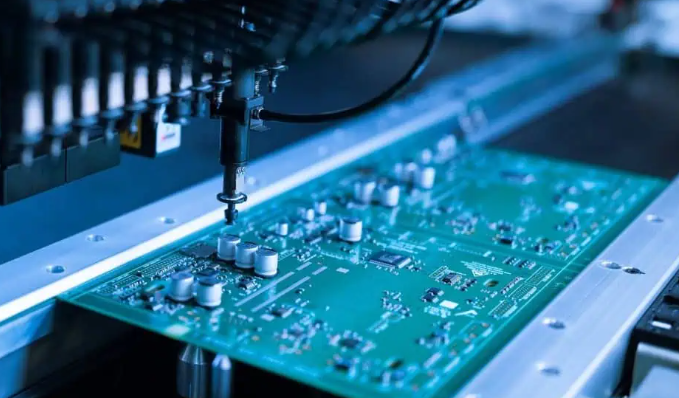
PCB Bus Bar

What Is a PCB Bus Bar and Why Is It Used in Power Electronics?

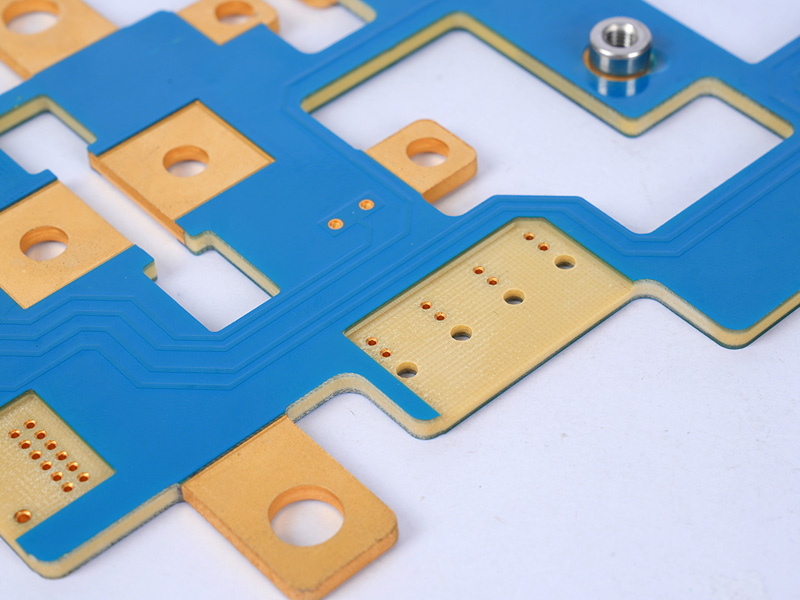
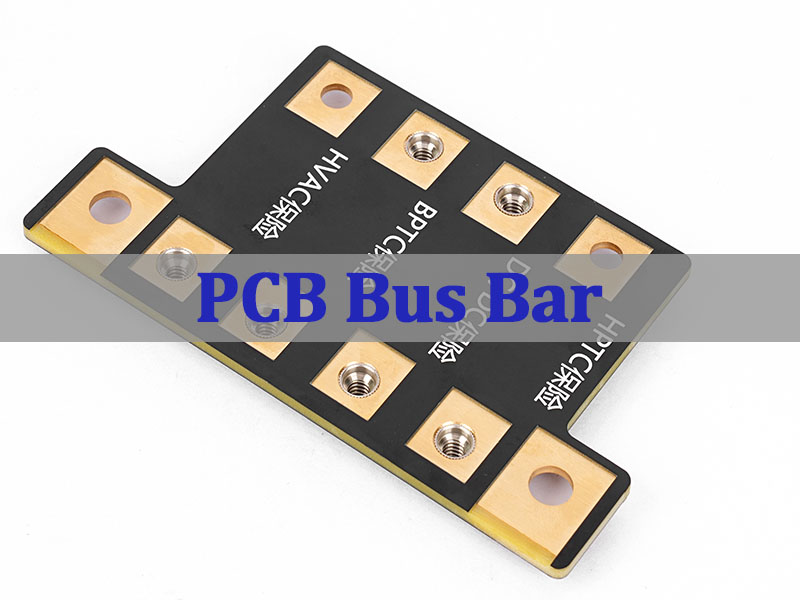
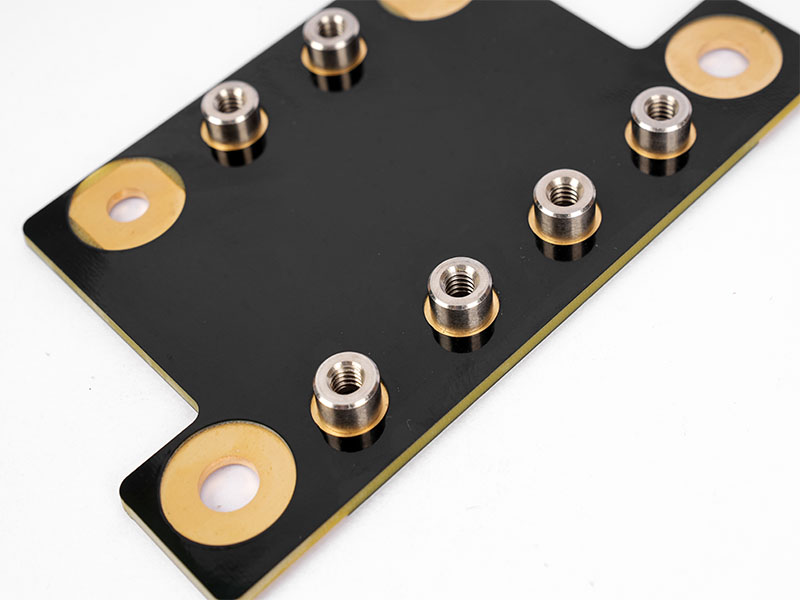
A PCB bus bar is a solid conductive structure—typically copper—integrated into or mounted onto a PCB to distribute high current efficiently. It replaces or supplements wide copper traces when current levels exceed what standard PCB routing can safely support.

From an engineering perspective, power electronics systems such as inverters, converters, EV power modules, and industrial drives demand low impedance paths with predictable thermal behavior. PCB bus bars provide controlled cross-sectional area, uniform current flow, and improved heat dissipation compared to etched copper alone.

In real-world power designs, bus bars are used to stabilize voltage under load, reduce EMI caused by uneven current density, and extend product lifespan. As a result, PCB bus bars have become a standard element in high-power PCB architecture rather than a niche solution.

PCB Bus Bar

How Do PCB Bus Bars Improve High Current Handling Compared to Copper Traces?

High-current applications quickly expose the limitations of conventional PCB copper traces. Even with heavy copper, etched traces are constrained by foil thickness, heat concentration, and PCB dielectric limits, making them unsuitable for sustained high current paths.

PCB bus bars overcome these constraints by introducing solid copper conductors with controlled geometry, significantly reducing resistance and thermal rise. From an engineering perspective, this shift is not incremental—it fundamentally changes how current is distributed across the board.

In real power electronics builds, engineers typically observe lower voltage drop, more stable thermal behavior, and reduced risk of copper delamination once bus bars replace wide copper pours. The difference becomes especially clear when current levels exceed the safe operating range of standard PCB copper.

ParameterStandard Copper TracePCB Bus Bar
Typical Current CapacityLimited by copper weight50–300A
Conductor Thickness≤ 6 oz copper foil1.0–3.0 mm solid copper
Voltage DropHigher under loadSignificantly lower
Thermal DissipationRelies on PCB laminateImproved via copper mass
Mechanical StrengthLowHigh, load-bearing
Long-Term ReliabilityModerate at high currentExcellent for power electronics

As a result, PCB bus bars are no longer viewed as optional enhancements but as essential structures once power density and current levels rise beyond standard PCB limits.

What Types of PCB Bus Bars Are Commonly Used in Power Designs?

PCB bus bars come in multiple structural forms, selected based on current level, mechanical constraints, and assembly method.

Common types include:

  • Surface-mounted bus bars soldered or bolted onto the PCB
  • Through-hole copper bus bars mechanically fixed and soldered
  • Embedded bus bars laminated inside the PCB stackup
  • Hybrid bus bar structures combined with thick copper layers

In practice, surface-mounted bus bars are widely used for flexibility, while embedded bus bars are favored in compact, high-density power modules. From an engineering perspective, selecting the right structure early prevents layout rework later.

How Are Solderable PCB Bus Bars Integrated into PCB Assemblies?

Solderable PCB bus bars are designed to be assembled using controlled soldering processes while maintaining mechanical stability. Their integration must account for solder volume, wetting behavior, and thermal expansion.

From a manufacturing standpoint, these bus bars require:

  • Precisely defined solder pads
  • Controlled solder thickness
  • Stable fixturing during reflow or selective soldering

In real assembly lines, improper soldering can lead to voids, weak joints, or stress cracking. Professional PCBA processes ensure repeatable joints even under high thermal cycling. That said, solderable bus bars must always be treated as load-bearing conductors, not standard SMT components.

What Is a Bus Bar Embedded PCB and When Should It Be Used?

A bus bar embedded PCB integrates a solid copper conductor directly into the PCB during lamination. This approach shortens current paths and improves thermal coupling.

From a design perspective, embedded bus bars are ideal when:

  • Space is limited
  • Current levels are extremely high
  • Thermal control is critical

In real products such as EV power control units or industrial power modules, embedded bus bars reduce inductance and improve system stability. In practice, this solution requires close coordination between design and manufacturing from the earliest stage.

Why Is Copper Bus Bar for PCB Critical in High-Power Applications?

A copper busbar for PCB is essential because busbar copper offers unmatched electrical conductivity and predictable thermal behavior under continuous load.

Engineering analysis shows that copper bus bars:

  • Lower I²R losses
  • Distribute heat more evenly
  • Reduce voltage drop across power paths

In production environments, copper bus bars also improve long-term reliability by reducing stress on solder joints and PCB dielectric materials. More importantly, copper bus bars allow power electronics to operate closer to design limits without sacrificing safety margins.

How Does PCB Power Bus Bar Design Affect Reliability and Thermal Performance?

PCB power bus bar design directly influences system reliability. Geometry, mounting method, and surface finish all impact electrical resistance and heat dissipation.

Key design considerations include:

  • Cross-sectional area sized for continuous current
  • Short, direct routing paths
  • Mechanical anchoring to prevent vibration damage
  • Thermal interfaces to heatsinks or copper planes

In real operation, poorly designed bus bars become failure points. Well-designed bus bars, however, stabilize both electrical and thermal behavior over the product lifetime. Ultimately, bus bar design is a reliability decision, not just a current-rating exercise.

What Manufacturing Capabilities Are Required for Power Bus Bar PCB Production?

Manufacturing a power bus bar PCB requires capabilities well beyond conventional PCB fabrication. Precision copper handling, structural control, and process discipline determine whether a bus bar PCB performs reliably or becomes a failure point under load.

From a production standpoint, bus bar PCBs must balance electrical performance, mechanical integrity, and manufacturability. This demands tight control over copper spacing, thickness, drilling quality, and surface finishing—all executed within a coordinated PCB + PCBA workflow.

In real manufacturing environments, insufficient capability often results in uneven current distribution, assembly difficulty, or long lead-time delays. Professional manufacturers address these risks through standardized parameters and proven process windows.

Manufacturing ParameterTypical Capability for Bus Bar PCB
Copper Bar Thickness1.0–3.0 mm
Current Carrying Capacity50–300A
Minimum Copper Bar Spacing0.8–1.0 mm
Board Thickness3.0–6.0 mm
Hole Wall Copper Thickness≥ 25 μm
Thickness-to-Diameter Ratio1:6 or 1:7
Layer Count3–4 layers typical (expandable)
Surface FinishesENIG, Immersion Silver, Gold Plating
Maximum PCB Size600×400 mm (standard), 900×600 mm (double-sided)
Lead Time13–15 days (3–4 layers)

These capabilities ensure that power bus bar PCBs behave predictably under electrical and thermal stress while remaining compatible with downstream assembly processes.

All things considered, power bus bar PCB production is less about speed and more about executing every parameter within a controlled, repeatable manufacturing framework.

Why Choose a Professional PCB Bus Bar Manufacturer for Power Electronics Projects?

Choosing a professional PCB bus bar manufacturer directly impacts product performance and risk. At EBest Circuit (Best Technology), we approach bus bar manufacturing as a system-level engineering task.

Our strengths include:

  • Integrated PCB fabrication and PCBA assembly
  • Experience with high-current and power electronics designs
  • Engineering-led DFM review for bus bar integration
  • Controlled processes for repeatable power performance

Rather than treating bus bars as accessories, we design and manufacture them as core power components. Fundamentally, this approach reduces failure risk and accelerates qualification for power electronics products.

PCB Bus Bar

In a nutshell, PCB bus bar solutions enable stable, high-current power distribution where traditional PCB copper reaches its limits. This article explained how bus bars function, how different structures are used, and why manufacturing capability determines performance. EBest Circuit (Best Technology) delivers professional bare copper busbar PCB manufacturing with engineering discipline, integrated production, and proven reliability for power electronics projects. For technical consultation or quotations, please contact us via sales@bestpcbs.com.
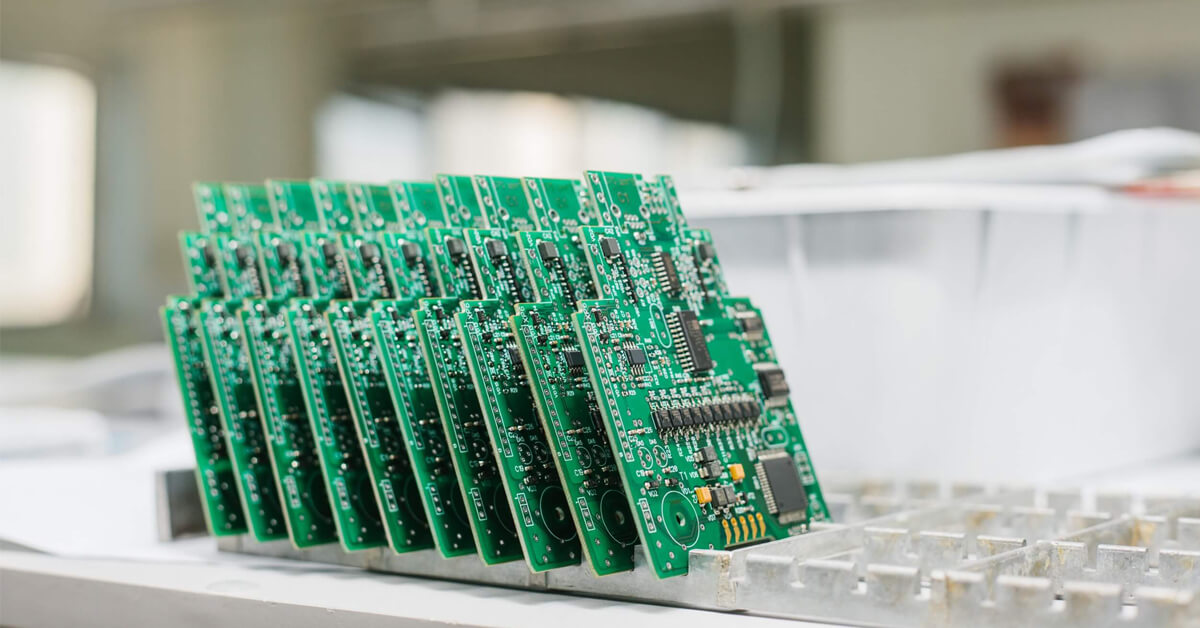
FAQ: PCB Bus Bar

Q1: What current levels can a PCB bus bar safely handle?
PCB bus bars can support tens to hundreds of amperes depending on copper thickness, geometry, and thermal design.

Q2: Are PCB bus bars better than thick copper PCBs for power distribution?
Yes. Bus bars offer lower resistance and better thermal stability than thick copper alone in high-current applications.

Q3: Can PCB bus bars be used with SMT and through-hole assembly?
Yes. Bus bars can be integrated with SMT, THT, or mixed assembly depending on design requirements.

Q4: How early should PCB bus bars be considered in power PCB design?
They should be considered during initial schematic and layout planning to avoid redesign and thermal issues later.

Best PCB Assembly India Service with Full Traceability

February 24th, 2026

PCB assembly India has emerged as a competitive hub for global electronics manufacturing, driven by continuous technology iteration and advanced infrastructure upgrades. Businesses worldwide leverage PCB assembly India for a balanced combination of cost-effectiveness and strict compliance with international quality standards, solidifying its position as a go-to choice for both prototype development and high-volume production requirements.

Best PCB Assembly India Service with Full Traceability, https://www.bestpcbs.com/blog/2026/01/best-pcb-assembly-india/

Why Choose PCB Assembly India Service?

  • Government-backed incentives via “Make in India” and PLI schemes, reducing operational costs for manufacturers.​
  • Competitive labor and operational expenses, lowering overall project costs without compromising quality.​
  • Skilled workforce proficient in handling complex assembly processes and global certifications.​
  • Advanced infrastructure with SMT lines, AOI, and X-ray inspection tools meeting IPC-A-610 standards.​
  • Growing domestic demand creating a robust ecosystem for PCB manufacturing and assembly India.​
  • RoHS and ISO 9001 compliance, ensuring products meet global environmental and quality norms.​
  • Proximity to key electronics markets, enabling faster logistics and reduced shipping lead times.​
  • Flexible services catering to low-volume prototypes and high-volume mass production requirements.

Types of PCB Assembly Services in India

  • SMT PCB assembly: The most in-demand option for compact, high-density designs, supporting fine-pitch components and high-volume production with advanced placement and reflow technology.​
  • Through-hole assembly: Ideal for rugged applications requiring strong mechanical stability, suitable for components that need to withstand vibration or high-temperature environments.​
  • Selective soldering: Delivers precision joints for sensitive components, avoiding thermal damage to nearby parts and ensuring consistent solder quality for critical connections.​
  • BGA rework and repair: Specialized service for ball grid array components, including reflow, reballing and defect correction using X-ray inspection for accuracy.​
  • Mixed-technology assembly: Combines SMT and through-hole processes to accommodate designs with both compact surface-mount parts and rugged through-hole components.​
  • Conformal coating: Protective layer application to shield PCBs from moisture, dust, chemicals and environmental stress, enhancing long-term reliability.​
  • Functional testing: Post-assembly validation to ensure PCBs perform as designed, identifying electrical or performance issues before final delivery.​
  • Box-build assembly: End-to-end integration service, combining PCBs with enclosures, wiring and other components to deliver fully assembled finished products.
Types of PCB Assembly Services in India, https://www.bestpcbs.com/blog/2026/01/best-pcb-assembly-india/

Top 10 Best PCB Assembly India Manufacturer in India

Company NameMain BusinessCore AdvantagePCBA CapabilityLead Time
EBest Circuit Co., Limited (Best Technology)PCB design, prototyping, manufacturing and assembly20 years of experience, ISO 9001/13485/IATF16949 certified, 24/7 supportSMT, through-hole, heavy copper PCB assembly, complex high-end PCBsUrgent orders 24 hours, standard 5-10 days (97.2% on-time delivery)
Roots EMSPCB assembly, SMT services, mechatronics manufacturing50+ years of experience, IPC 610 Class 2/3 compliance, automated inspectionFine pitch SMT, through-hole, box build, BGA rework, functional testingPrototypes 3-5 days, volume production 7-15 days
Genus Electrotech Ltd.Bare board PCBs, PCB assembly, corrugation productsISO 9001:2015/14001:2015 certified, 72,000 sqm production areaSingle/double-sided, multilayer PCBA, automotive/consumer electronics focusStandard 10-15 days, bulk 15-20 days
Ascent Circuits Pvt. Ltd.High-quality PCB manufacturing and assemblyFully automated facility, RF/flexible PCB expertiseMultilayer PCBA, RF PCB assembly, SMT/through-holePrototypes 4-6 days, volume 8-12 days
AT&S India Pvt. Ltd.High-end PCB/substrate manufacturing, assemblyHDI/semiconductor substrate expertise, 2.5D technologyHigh-density interconnect PCBA, rigid/flex PCBA, IC substrate assemblyHigh-end 15-25 days, prototypes 7-10 days
Shogini Techno Arts Pvt. Ltd.PCB manufacturing for LED/automotive200,000 sqm monthly capacity, metal clad PCB specialization1-8 layer PCBA, metal clad assembly, SMT for LEDStandard 8-12 days, automotive 12-18 days
Circuit Systems India Ltd.PCB layout, fabrication, prototyping and assemblyEnd-to-end technical support, custom design solutionsPrototype/low-volume PCBA, mixed-technology assemblyPrototypes 2-4 days, small-batch 5-8 days
Pul Raj ElectronicsPCB manufacturing, assembly, custom fabricationRoHS compliant, ESD-safe facilities, ISO 9001:2015 certifiedSMT assembly, through-hole, rapid prototyping for IoTPrototypes 3-5 days, standard 7-14 days
CIPSA-TEC India Pvt. Ltd.PCB manufacturing, SMT/DIP assemblyIntegrated SMT/DIP lines, cost-effective mass productionHigh-volume SMT, DIP soldering, quality inspectionBulk 10-16 days, expedited 5-7 days
Zetwerk ElectronicsPCB assembly, electronics manufacturing servicesGovernment incentive access, global supply chain integrationAutomotive/telecom PCBA, SMT, functional testingStandard 8-13 days, automotive 14-20 days

How to Choose the Best PCB Assembly India Service?

Selection Guide to Best PCB Assembly India Service:

  • Verify core certifications: Prioritize PCB assembly companies in India with ISO 9001:2015 (98% of reputable providers hold this), IATF 16949 for automotive projects (mandatory for tier-1 suppliers), and ISO 13485 for medical applications (requires 100% compliance with regulatory documentation).​
  • Assess technical capabilities quantitatively: Confirm SMT precision (supports 01005-sized components), multilayer assembly capacity (up to 40 layers for high-end needs), and BGA rework capability (handles down to 0.4mm pitch with ≥99.5% success rate).​
  • Validate industry-specific experience: Check for at least 3+ completed projects in your field, with a minimum 2-year collaboration history with clients of similar scale, and a portfolio showing 70%+ of revenue from your target industry.​
  • Evaluate quality control processes with metrics: Ensure AOI inspection coverage (100% of SMT solder joint), X-ray inspection for BGA (detects voids ≥25% of pad area), and functional testing protocols that maintain a defect rate (DPPM) ≤50, a benchmark for top-tier manufacturers.​
  • Ensure full traceability: Verify MES-driven systems that track component batches, production workflows, test data, and shipments, with 100% unit-level traceability. Data must be retrievable for 3+ years (5 years for medical per MDR) and compliant with automotive UN R156 norms.​
  • Review reliability metrics from independent sources: Aim for on-time delivery rates ≥98% (industry average is 90%), customer satisfaction scores ≥4.5/5 on third-party platforms, and a customer retention rate of 85%+ for long-term partnerships.​
  • Confirm order volume flexibility: Validate prototype capacity (minimum 1-50 units with 3-5 day lead time) and high-volume scalability (monthly output ≥100,000 units), with order change response time ≤48 hours for mid-production adjustments.​
  • Assess post-delivery support: Ensure a minimum 1-year warranty (extendable to 3 years for medical/automotive), defect response time ≤8 hours, and a rework/repair completion rate of 95% within 5 working days.

How to Evaluate the Assembly Capability of PCB Assembly India?

Evaluation Guide to Assembly Capability of PCB Assembly India:

  • Review equipment specifications: Verify high-precision pick-and-place machines (accuracy ±0.03mm, supporting 01005 size components), 3D SPI (solder paste inspection, height deviation tolerance ≤5%), and X-ray inspection equipment (BGA void and solder joint detection resolution ≥5μm).
  • Verify compliance with IPC-A-610 standard: Confirm compliance with the corresponding class (Class 1 for consumer products, Class 2 for industrial products, Class 3 for medical/automotive products), and provide annual audit documents. All technicians hold IPC-A-610 training certificates.
  • Evaluate professional material handling capabilities: Check proficiency in thick copper (2-20 oz) PCB assembly, ceramic substrate processing (high temperature resistance ≥150℃), and flexible/rigid-flex PCB assembly (minimum bending radius ≤10mm).
  • Analyze First Pass Yield (FPY) metrics: Top Indian PCB assembly suppliers achieve a standard SMT assembly FPY ≥98%, and complex designs (20+ layers, 0.4mm pitch BGA) FPY ≥95%, while the industry average is 92%.
  • Confirm Design for Manufacturability (DFM) support capabilities: Ensure DFM feedback is provided within 24-48 hours, covering solder mask optimization, component layout, and test point design, reducing rework rates by ≥30%.
  • Verify traceability system robustness: Verify the traceability system integrated with MES (using barcodes/QR codes for each unit), covering component batches, production stations, test data, and shipping information, with data retained for 3-5 years (compliant with UN R156 and MDR standards).
How to Evaluate the Assembly Capability of PCB Assembly India, https://www.bestpcbs.com/blog/2026/01/best-pcb-assembly-india/

How to Evaluate the Delivery Time of PCB Assembly Companies in India?

Evaluation Guide to Delivery Time of PCB Assembly Companies in India:

  • Benchmark standard lead times against industry norms: 5-10 days for standard PCBA (batch 500-5000 pieces) and 15-20 days for HDI boards (8 layers or more) in PCB assembly in India, with top providers able to compress standard timelines by 20%-30%.​
  • Assess emergency order capacity: Verify 24-48 hour expedited service availability for prototypes (1-100 pieces), with clear scope (excludes custom components) and cost premium (15%-30% above standard rates) in writing.​
  • Validate MES system functionality: Ensure real-time tracking covers order status, process progress and quality checkpoints, with data synced every 2 hours and accessible via client portal for full transparency.​
  • Evaluate production buffer capacity: Aim for 15%-25% redundancy (industry best practice) in equipment and workforce, to absorb demand fluctuations without delaying existing orders.​
  • Review on-time delivery (OTD) metrics: Prioritize providers with OTD ≥98% (industry average 90%) over 6-12 months, backed by third-party audit reports, and penalty clauses (0.5%-1%/day) for delays.​
  • Confirm material sourcing stability: Check dual-supplier certification for key components, ≥60% local sourcing rate for common parts, and 72-hour contingency plans for component shortages.

How Much Does PCB Assembly India Cost?

  • Component Costs: Bulk purchases (over 10,000 units) typically receive an 8%-15% discount. Lead-free components are 5%-10% more expensive than leaded components, while specialized parts (e.g., RF components, military-grade chips) command a 20%-40% price premium due to limited supply.
  • Assembly Labor Costs: SMT assembly costs $0.02-$0.05 per component, while through-hole assembly (manual insertion) costs 30%-50% more. High-precision requirements (01005 components, 0.4 mm pitch BGA) add a 15%-25% labor surcharge.
  • Setup Fees: One-time fees include $50-$200 for stencil fabrication (depending on size/layers) and $100-$300 for programming/production line setup. Orders exceeding 5,000 units typically receive a 50%-70% discount on setup fees.
  • Testing Costs: AOI inspection costs $0.10-$0.30 per unit, X-ray inspection for BGAs costs $0.50-$1.00 per unit, and functional testing costs vary from $1-$5 per unit depending on complexity (Level 3 medical/automotive products require higher testing costs).
  • Material Loss: Prototype products have a loss rate of 3%-5% (standard for small-batch production), while mass production (over 10,000 units) uses automated processes, keeping the loss rate at 1%-2%. High-cost materials (e.g., ceramic substrates) have a maximum loss rate of 1%.
  • Logistics and Taxes: The Goods and Services Tax (GST) for electronics in India is 18%, and local logistics costs account for 5%-8% of the total cost. Seasonal factors (e.g., monsoons) may necessitate air freight, increasing logistics costs by 15%-20%.
  • Volume Discounts: We offer tiered pricing – 5%-8% discount for 10,000-50,000 units, 8%-12% discount for 50,000-100,000 units, and 12%-15% discount for over 100,000 units. Discounts typically include component procurement and assembly.
How Much Does PCB Assembly India Cost, https://www.bestpcbs.com/blog/2026/01/best-pcb-assembly-india/

Future Challenges for PCB Assembly in India

  • High-end material dependence: Over 80% of advanced substrates (e.g., HDI, semiconductor substrates) rely on imports from Japan and South Korea, leading to 15%-30% cost premiums and supply delays for premium PCB assembly in India projects.​
  • Skill gaps: Shortage of talent proficient in HDI (20+ layers) and semiconductor packaging assembly results in 10%-15% lower first-pass yields, with only 35% of workforce trained in next-gen assembly processes.​
  • Supply chain volatility: Global chip shortages and geopolitical trade frictions (e.g., 2025 India anti-dumping probe on PCB drills) disrupt component sourcing, causing 10-20 day production delays for 40% of manufacturers.​
  • Technology upgrade costs: Next-gen SMT placement machines and 3D X-ray inspection equipment cost $500k-$1.2M per unit, straining small-to-mid-sized PCB assembly companies in India with limited capital reserves.​
  • Policy uncertainty: Frequent adjustments to PLI scheme subsidies (10%-25% fluctuations) and import duty revisions (5%-12% tariff changes) force manufacturers to delay long-term facility expansion plans by 6-12 months.​
  • Environmental regulations: Stricter RoHS 3.0 and electronic waste norms increase compliance costs by 3%-5% of annual revenue, requiring investments in eco-friendly solder and waste treatment systems.​
  • Market competition: 25% annual growth in local and international players squeezes profit margins from 15%-18% to 8%-12%, pushing manufacturers to cut costs without compromising quality.

FAQs of PCB Manufacturing and Assembly India

Q1: What causes component lifting (tombstoning effect) in SMT assembly? How can it be resolved?
A1: Component lifting is caused by uneven thermal capacity of the solder pads, placement offset, or inconsistent reflow soldering temperatures. Solutions include optimizing pad design for thermal balance, calibrating the pick-and-place machine for improved accuracy, and fine-tuning the reflow soldering profile. It is recommended to collaborate with an Indian PCB assembly service provider using 3D SPI (three-dimensional solder paste inspection) to monitor solder paste application.

Q2: How to address PCB delamination during assembly?
A2: Delamination stems from moisture absorption in PCBs or rapid reflow temperature rises. Solutions involve pre-baking PCBs at 120°C for 4-8 hours before assembly, using high-TG materials (TG 170+) and controlling reflow temperature ramp rates.

Q3: Why do BGA solder voids occur and how to minimize them?
A3: Voids result from flux outgassing, improper solder paste volume or PCB warpage. Minimize by using low-void solder paste, optimizing reflow profiles for flux evaporation and ensuring PCB flatness. X-ray inspection post-assembly helps identify voids exceeding 25% of pad area for rework.

Q4: How to resolve component misalignment in high-volume SMT assembly?
A4: Misalignment is caused by worn placement machine nozzles, incorrect feeder setup or PCB warpage. Resolutions include regular nozzle calibration, feeder maintenance and using fixture supports for thin PCBs. Automated optical inspection (AOI) after placement catches misalignments before soldering.

Q5: What causes cold solder joints and how to prevent them?
A5: Cold joints arise from insufficient reflow temperature, short peak time or oxidized pads. Prevention involves validating reflow profiles to meet component specs, cleaning pads before assembly and using quality flux. Post-assembly functional testing identifies hidden cold joints affecting performance.

Professional PCB Screen Printing for Precision PCB Manufacturing

February 24th, 2026

PCB screen printing is a controlled printing process used in PCB fabrication to apply durable markings and functional coatings—most commonly legend (reference designators, polarity marks, logos) and, in some cases, solder mask patterns—so boards remain readable, traceable, and production-ready.
This article explains how PCB screen printing works in manufacturing, what the PCB screen printing process looks like, how ink and method choices affect quality, and how to choose an experienced partner for PCB and PCBA delivery.

Have you ever received boards where “printing” looked fine at first glance, but later caused assembly confusion, inspection delays, or inconsistent results across batches?

  • Unreadable legends that slow down SMT placement checks and manual debug.
  • Misaligned markings that cover pads or hide polarity indicators.
  • Ink smearing or poor adhesion that flakes after cleaning, handling, or reflow.
  • Inconsistent print thickness that creates cosmetic rejects or customer returns.
  • Supplier-to-supplier variation where the first lot is acceptable but the second lot looks different.

The best results come from process control, not rework—here are production-grade solutions that map directly to the pain points above:

  • Define legend rules (minimum line width, text height, keepout from pads) before release.
  • Use registration control and board fiducials to prevent misalignment and pad encroachment.
  • Select ink by end-use (chemical resistance, UV cure stability, temperature durability).
  • Standardize mesh and squeegee parameters to stabilize print thickness across lots.
  • Lock process records and acceptance criteria so repeat orders match the first article.

On the strength of more than 20 years of experience in PCB and PCBA manufacturing, EBest Circuit (Best Technology) delivers stable, production-ready PCB board solutions. Our engineers and customer managers truly know the ropes—they are professionally trained and bring hands-on manufacturing knowledge. Supported by a MES-driven inventory management system, our factories maintain accurate material control, real-time traceability, and predictable delivery performance. We fully recognize that our customers’ trust is invaluable, and we treat every project with the responsibility and transparency. If you need PCB fabrication, SMT assembly, or one-stop PCBA delivery aligned to real manufacturing controls, pls feel free to contact us at sales@bestpcbs.com.
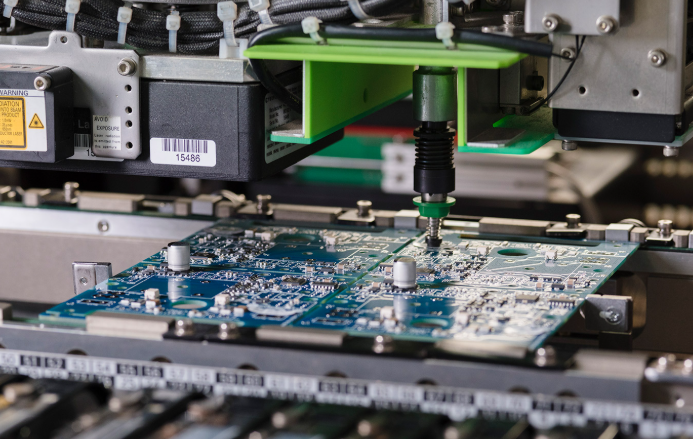
PCB Screen Printing

What Is PCB Screen Printing in PCB Fabrication?

PCB screen printing in PCB fabrication is primarily used to apply silkscreen legends—reference designators, polarity markers, connector IDs, warnings, and logos—so assembly and inspection remain fast and unambiguous. It can also be used for certain mask/ink applications depending on the board type and process route.

Where It Sits in the PCB Flow

In most production lines, PCB screen printing is introduced after core circuit fabrication and before final inspection/pack-out, because the goal is durable identification that survives handling and downstream processing.

What It Commonly Prints

  • Reference designators (R/C/U labels)
  • Polarity and pin-1 markers
  • Test point labels and connector IDs
  • Version control codes and date codes
  • Customer part numbers and logos

Quick Decision Guide

  • If you need high durability markings at volume, screen printing remains a common choice.
  • If you need extremely fine graphics or frequent artwork changes, alternate methods may fit better (covered later).

In essence, PCB screen printing is less about decoration and more about production clarity—done right, it reduces human error in assembly and inspection.

PCB Screen Printing

How Does Screen Printing for PCB Work in Manufacturing?

screen printing for PCB works by transferring ink through a patterned mesh onto the board surface using controlled pressure and alignment, then curing the ink to achieve adhesion and abrasion resistance. The manufacturing value is repeatability: the same artwork should print the same way across panels and lots.

What Happens During Printing

  • Artwork preparation and screen pattern definition
  • Panel alignment using registration features
  • Ink transfer via squeegee stroke control
  • Curing (UV or thermal) to lock adhesion
  • Inspection for clarity, offset, and smear

What Engineers Should Specify

  • Minimum text height and stroke width
  • Keepout distance from pads and via fields
  • Acceptable logo/label placement zones
  • Readability targets for AOI and operators

In brief, in manufacturing, screen printing is a controlled transfer + cure system—specification and registration discipline are what make it consistent.

What Is the PCB Screen Printing Process Step by Step?

The PCB screen printing process can be summarized as “align → deposit → cure → verify,” with each step affecting readability and long-term durability. If you want stable results across batches, treat these steps as controlled parameters, not operator preferences.

Step-by-Step Process (Production View)

  1. Screen Preparation
    • Define artwork openings and mesh parameters
  2. Panel Cleaning
    • Remove oils and residues that reduce adhesion
  3. Alignment and Registration
    • Lock placement to prevent offset drift
  4. Ink Deposition
    • Control stroke speed, angle, and pressure
  5. Curing
    • UV/thermal cure to stabilize surface hardness
  6. Inspection and Lot Records
    • Verify readability and adhesion; record settings

Typical Control Points (Concise)

  • Registration tolerance
  • Mesh selection and tension stability
  • Ink viscosity control window
  • Cure energy/time window
  • Post-cure adhesion check criteria

To sum up, the process is simple to describe but sensitive in execution—repeatability comes from locking parameters and acceptance criteria.

Why Is Silk Screen Printing in PCB Still Widely Used Today?

silk screen printing in PCB remains widely used because it delivers a strong cost-to-durability ratio for high-volume marking needs. It also integrates well into existing PCB production lines, making it practical for both prototypes and mass production when artwork is stable.

Why Manufacturers Keep Using It

  • Durable legends for handling and service life
  • Efficient for panelized production
  • Cost-effective for repeated builds
  • Compatible with common PCB finishes and coatings
  • Easy to verify visually during assembly

Where It Performs Best

  • Industrial boards with stable revision cycles
  • Consumer products requiring clear compliance labeling
  • Projects with high operator interaction (manual debug/rework)

In summary, screen printing remains popular because it’s scalable, rugged, and production-friendly when legend rules are well defined.

What Screen Printing Method PCB Fabrication Commonly Uses?

The screen printing method PCB fabrication commonly uses depends on the printed layer (legend vs mask), required durability, and the resolution needed. In practice, most lines use optimized mesh + controlled cure systems for legend printing, because legends must remain readable without contaminating pads.

Common Methods (Conceptual)

  • Legend-focused printing optimized for readability and adhesion
  • Coating-oriented printing for specific mask/ink use cases
  • Hybrid approaches when artwork complexity and volume justify it

What Determines the Method Choice

  • Required line width and text size
  • Surface finish type and board texture
  • Cleaning chemistry exposure (post-assembly)
  • Thermal exposure during assembly/reflow
  • Artwork change frequency

To conclude, method selection is a manufacturing decision tied to resolution, durability, and downstream exposure—not a “one-method-fits-all” choice.

How Does PCB Manufacturing Process Using Screen Printing Affect Quality?

The PCB manufacturing process using screen printing affects quality mainly through three vectors: readability, adhesion durability, and registration safety around pads and fine features. If any of these fail, you don’t just get cosmetic issues—you get assembly ambiguity, inspection delays, and field identification problems.

The Quality Impact Path (Practical)

  1. Readability → faster assembly, fewer placement mistakes
  2. Registration → prevents pad encroachment and rework risk
  3. Adhesion → prevents flaking, smearing, and mislabeling over time

High-Value Controls

  • Set legend keepout from pads and exposed copper
  • Define minimum text height for operator visibility
  • Choose curing profile aligned to ink chemistry
  • Record first-article settings and lock them for repeat orders
  • Verify adhesion resistance to cleaning/handling
  • Ensure consistent panel support to avoid distortion

In a nutshell, quality outcomes are predictable when printing is treated as a controlled process step, not an afterthought.

What Types of PCB Screen Printing Ink Are Used in Production?

PCB screen printing ink selection is a durability decision: inks must survive handling, cleaning, and sometimes thermal exposure without smearing or losing contrast. The “right ink” is the one that matches your downstream environment and readability requirements.

Common Ink Categories (Production Perspective)

  • UV-curable inks for speed and stable curing control
  • Epoxy-based inks for stronger chemical resistance
  • High-contrast inks for readability on darker solder masks
  • Specialty inks for specific compliance or marking needs

Selection Checklist

  • Adhesion to solder mask and substrate
  • Resistance to cleaning chemistry
  • Contrast and readability targets
  • Cure compatibility with your production line
  • Long-term abrasion resistance expectations

In summary, ink choice should be tied to end-use exposure and readability—not just the lowest-cost option.

What Is the Difference Between PCB Silk Screen Printing and Other Marking Methods?

PCB silk screen printing uses mesh-based ink transfer, while other methods such as inkjet printing or laser marking rely on digital deposition or material ablation. The best method depends on resolution needs, artwork change frequency, and durability targets.

Quick Comparison Table (Decision Support)

MethodBest ForTypical StrengthTypical Limitation
PCB Silk Screen PrintingMass production legendsDurable and cost-effectiveLimited ultra-fine resolution
Inkjet MarkingFrequent artwork changesFlexible and digitalDurability varies by ink
Laser MarkingPermanent marksHigh permanenceLimited color/contrast options

To sum up, screen printing is often chosen when you want robust, repeatable legends at scale; alternative methods win when flexibility or permanence is the primary driver.

Why Choose Best Technology for PCB Screen Printing and PCBA Manufacturing?

When PCB identification, readability, and consistency matter, you want more than “printing”—you want manufacturing discipline that supports stable production and assembly outcomes. Best Technology connects PCB screen printing control with PCB fabrication and PCBA execution, so your boards are not only buildable, but also inspectable and traceable.

  • 1+3 Technical Team Full-Process Support to respond quickly to engineering needs.
  • DFM Pre-Review and BOM Optimization Suggestions backed by experienced PCB/PCBA engineers.
  • One-Stop Integration across PCB fabrication, component sourcing, PCBA assembly, and testing.
  • Prototype and Small-Batch Support to help engineers validate and iterate faster.
  • Qualified Manufacturing Systems including ISO 9001/13485, IATF 16949, and AS9100D.
  • Digital Traceability with fast access to material and batch tracking for production control.
  • Fast-Turn PCBA Delivery to reduce project schedule risk.

Ultimately, a reliable manufacturer makes screen printing consistent across lots and aligns it with PCB + PCBA execution, so your program scales without surprises.

PCB Screen Printing

PCB screen printing is a production-critical marking process that ensures PCBs stay readable, identifiable, and assembly-ready throughout manufacturing and service life. This article covered what PCB screen printing is, how the process works, how method and ink choices influence quality, and how to evaluate marking options for stable production. Best Technology combines controlled PCB fabrication with PCB and PCBA manufacturing execution, supported by engineering-led DFM review, one-stop integration, and digital traceability for consistent results across prototypes and volume. For quotations or technical discussions, pls feel free to contact us via sales@bestpcbs.com.
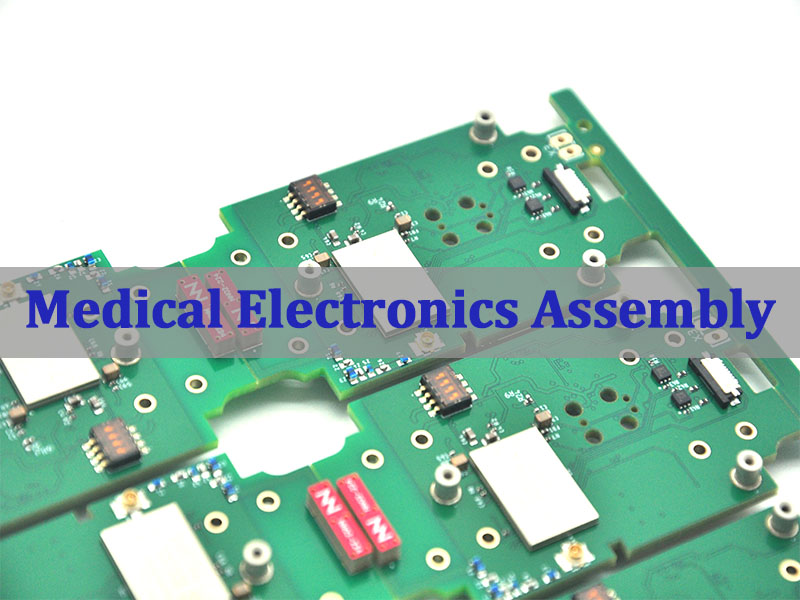
FAQ: PCB Screen Printing

Q1: What is PCB screen printing used for in PCB fabrication?

PCB screen printing is mainly used for applying solder mask-related markings and silkscreen legends, such as reference designators, polarity symbols, and logos, during PCB fabrication. It improves board readability, assembly accuracy, and long-term identification.

Q2: Does PCB screen printing affect PCB quality or reliability?

Yes. If ink selection, alignment, or curing is not controlled, readability and adhesion can fail and create production issues. Professional manufacturers stabilize parameters to keep markings clear without impacting electrical performance.

Q3: What is the difference between PCB screen printing and other marking methods?

PCB screen printing uses mesh-based ink transfer, while inkjet and laser marking use digital deposition or ablation. Screen printing is widely used for durability, cost efficiency, and suitability for repeated production.

Q4: Can PCB screen printing be integrated with PCB and PCBA manufacturing services?

Yes. PCB screen printing is part of PCB fabrication and can be seamlessly integrated with SMT assembly and full PCBA manufacturing when handled by an experienced supplier.

How to Choose the Best PCB Assembly Australia Service?

February 23rd, 2026

High-quality PCB assembly Australia is pivotal for stable electronic product performance, blending precision manufacturing with adaptability to local industry needs. Professional PCB assembly Australia services adhere to regional regulatory standards and leverage stable local supply chains, streamlining production cycles and mitigating potential risks across projects of all sizes.

How to Choose the Best PCB Assembly Australia Service, https://www.bestpcbs.com/blog/2026/01/best-pcb-assembly-australia-service/

Why Choose PCB Assembly Australia?

  • Compliance with local regulatory standards, ensuring products meet Australia’s electronic industry certifications and safety norms.​
  • Shorter supply chain distances, reducing shipping delays and logistics costs compared to offshore services.​
  • Real-time communication with manufacturers, facilitating quick adjustments to design or production requirements.​
  • Access to turnkey PCB assembly services Australia that cover design, prototyping, assembly and testing in one stop.​
  • Adherence to strict quality control protocols tailored to Australia’s industrial, medical and automotive sectors.​
  • Support for small-batch and prototype orders, meeting urgent project needs with fast turnaround.​
  • Local after-sales service, resolving assembly issues promptly without cross-border communication barriers.​
  • Alignment with environmental standards such as RoHS, ensuring eco-friendly production processes.

Top 10 PCB Assembly Manufacturer in Australia

Company NameMain ServicesCore StrengthsPCBA CapabilitiesTypical Lead Time
EBest Circuit Co., LimitedPCB design, prototyping, assembly, mass production20+ years of experience, free DFM review, global certification portfolioSMT, through-hole assembly, IPC-A-610 Class 3 assembly, 98%+ yield rate24-hour prototyping, 7-14 days mass production
HetechCustom PCB design, prototyping, assembly, testing, turnkey solutionsAustralian-based, 30+ years’ experience, automated SMT lines, AOI inspection, AS/NZS complianceSMT/through-hole mixed assembly, high-reliability Class 3 assembly, defense/industrial compatibility2-4 days prototypes, 8-14 days mass production
QualiEco CircuitsPCB manufacturing, assembly, design support, mass productionSydney-based factory, Electronex exhibition participant, strict quality control, RoHS complianceSingle/double/multi-layer PCB assembly, high-precision component placement, functional testing support3-6 days prototypes, 10-15 days mass production
GPC ElectronicsPCB assembly, electronic contract manufacturing, testing/packagingAustralian registered, automated assembly equipment, multi-industry solutionsSMT assembly, high-density PCB processing, automotive/medical compatibility4-7 days prototypes, 9-16 days mass production
PCB PlanetPCB design, manufacturing, assembly, prototyping, technical supportLocal professional service provider, high-quality solutions, real-time local communicationSingle/double-panel assembly, small batch order compatibility, solder paste stencil support2-5 days prototypes, 7-12 days mass production
Emona Instruments Pty LtdPCB assembly, test equipment support, prototype validationAustralian Pty Ltd registered, Rigol equipment distributor, exhibition participantSMT assembly, integrated testing services, education/industrial compatibility3-8 days prototypes, 11-18 days mass production
Altronic Distributors Pty LtdPCB assembly, component distribution, one-stop manufacturingLeading Australian electronics service provider, stable local supply chain, ABN registeredMixed technology assembly, component traceability, medium batch order compatibility4-6 days prototypes, 10-17 days mass production
Nordson DIMA AustraliaPCB assembly, coating equipment support, precision assemblyLocal equipment manufacturer, precision coating technology, comprehensive certificationsHigh-reliability PCB assembly, protective coating, automotive-grade compatibility5-7 days prototypes, 12-19 days mass production
Cirtech AustraliaPCB manufacturing, assembly, prototyping, batch OEMEstablished local manufacturer, Melbourne/Sydney dual bases, excellent reputationMulti-layer PCB assembly, flexible circuit compatibility, harsh environment processing3-7 days prototypes, 8-15 days mass production
TechRentals ElectronicsPCB assembly, test equipment rental, small batch servicesAbundant local test resources, flexible small batch adaptation, rapid responsePrototype assembly, functional testing, small SMD component handling1-4 days urgent prototypes, 7-14 days small batch

Quality Standards for PCB Assembly Australia

  • ISO 9001:2015: Meet this quality management system standard to ensure consistent production quality and process control across all PCB assembly Australia projects.​
  • ISO 13485:2016: Follow this standard for medical device-related PCB assembly Australia, ensuring compliance with healthcare industry quality and safety norms.​
  • IPC-A-610 Rev E Class 2/3: Comply with this electronic assembly acceptability standard, covering general and high-reliability applications like defense and aerospace.​
  • IPC-6012/IPC-6013: Adhere to IPC-6012 for rigid PCB manufacturing and IPC-6013 for flexible PCBs, ensuring structural and performance integrity.​
  • RoHS Directives: Comply with environmental regulations for eco-friendly component and material use, aligning with global and Australian sustainability requirements.

How to Choose the Best PCB Assembly Australia Service?

A Selection Guide to the Best PCB Assembly Manufacturer in Australia:

  • Verify Target Certifications: Confirm whether the supplier holds ISO 9001 (quality management), ISO 13485 (medical), IATF 16949 (automotive), and IPC standard certifications. Prioritize suppliers compliant with Australian AS/NZS standards for better local market adaptation.
  • Assess Technical Hardware and Precision: Inspect core equipment such as high-precision LDI exposure machines, automated SMT production lines, and AOI/X-ray inspection systems. Confirm their capability to handle fine-pitch components and multi-layer PCBs.
  • Evaluate Industry Experience: Choose manufacturers with successful case studies in your specific field (defense, industrial, medical). Local PCB assembly companies with specialized expertise in Australia can mitigate adaptation risks.
  • Verify Service Scope: Confirm they offer local Australian turnkey PCB assembly services, including component procurement, prototyping, testing, and packaging, to match your project scale.
  • Review Supply Chain Stability: Inquire about component sourcing channels to ensure genuine parts. Local suppliers with redundant logistics plans are better equipped to handle delivery disruptions.
  • Check Quality Control System: Ensure comprehensive IQC/IPQC/OQC inspections with a yield rate of over 98%. Request defect handling procedures to avoid rework delays.
  • Confirm Pricing and Cost Transparency: Request a detailed quote including materials, assembly, testing, and logistics. Clearly define expedited service fees in advance to avoid hidden costs.
  • Assess Technical Support: Prioritize suppliers offering free DFM review services and 24-hour technical support. Timely design adjustment support is crucial for prototype iterations.
  • Review After-Sales Guarantee: Clarify warranty terms (at least 1-year warranty for bare boards) and efficiency in resolving quality issues. Local after-sales service avoids cross-border communication barriers.
  • Check Delivery Reliability: Confirm written delivery time commitments and real-time production tracking. Choose suppliers who can flexibly accommodate urgent orders.
How to Choose the Best PCB Assembly Australia Service, https://www.bestpcbs.com/blog/2026/01/best-pcb-assembly-australia-service/

Types of PCB Assembly Services Australian PCBA Manufacturers Offered

  • SMT (Surface Mount Technology) Assembly: High-precision, high-density component placement for miniaturized products.
  • Thru-Hole Assembly: Suitable for rugged components in industrial and automotive applications.
  • Mixed Technology Assembly: Combined SMT and thru-hole processes for complex circuit requirements.
  • Turnkey Assembly: End-to-end services from design, component sourcing to final testing and packaging.
  • Prototype Assembly: Rapid small-batch production for design validation and testing.
Types of PCB Assembly Services Australian PCBA Manufacturers Offered, https://www.bestpcbs.com/blog/2026/01/best-pcb-assembly-australia-service/

How to Evaluate the Assembly Capability of PCB Assembly Companies in Australia?

Evaluation Guide to Assembly Capability of PCB Assembly Australia:

  • Evaluate core equipment performance: Focus on automated pick-and-place machines (0.01mm+ positioning accuracy) and reflow ovens (±1℃ precision temperature control). These devices directly define the precision of PCB assembly service Australia and ensure stable component placement.
  • Confirm process parameter limits: Inquire about key indicators like maximum PCB layer count (24+ layers preferred), minimum trace width (≤0.1mm) and hole diameter (≤0.2mm). These parameters determine if the manufacturer can handle your complex design requirements.
  • Assess inspection system comprehensiveness: Ensure AOI inspection coverage hits 90%+ to minimize false positives. For BGA components, verify X-ray inspection capability; add functional testing to validate final product performance, forming a full-process quality barrier.
  • Review mass production yield stability: Require a consistent 98%+ yield rate for batch orders. Ask for defect analysis reports, as they reflect the manufacturer’s mature quality control system for PCB assembly Australia.
  • Verify component handling capacity: Confirm proficiency in processing tiny SMD parts (down to 01005 size) and specialized components (BGA, QFP, etc.). Anti-static measures for sensitive components are also a must to avoid damage during assembly.
  • Conduct sample validation: Examine sample assemblies for solder joint integrity, component alignment and overall workmanship. Samples are the most intuitive way to verify the actual precision of a PCB assembly manufacturer in Australia.
  • Check complex project experience: Inquire about past cases similar to your project (e.g., high-density boards, harsh environment applications). Request customer references to confirm the manufacturer’s practical capability in solving real-world problems.

How to Ensure the Lead Time of PCB Assembly Manufacturer in Australia?

Evaluation Guide to the Lead Time of PCB Assembly Manufacturer in Australia:

  • Secure written lead time commitments: Clarify prototyping (2-7 days) and mass production (7-15 days) timelines in contracts, including milestone checkpoints (material arrival, assembly completion). Add penalty clauses for delays (e.g., 0.5% of order value per day) to bind PCB assembly manufacturer in Australia.​
  • Verify production scheduling flexibility: Inquire if urgent order adjustments (e.g., design tweaks, batch quantity changes) can be accommodated within 24 hours, and how scheduling adjustments affect the final delivery date without compromising quality.​
  • Audit supply chain stability: Prioritize manufacturers with ≥60% local component suppliers to avoid cross-border delays. Confirm key components (e.g., ICs, resistors) have 7-14 days of safety stock, reducing risks from supply disruptions.​
  • Clarify expedited service terms: Confirm availability of express services (e.g., 24-hour prototyping, 3-5 days mass production) with transparent pricing—typically a 20-50% premium. Ensure terms cover cost breakdown and service scope for time-sensitive PCB assembly Australia projects.​
  • Establish real-time tracking mechanisms: Require access to online systems that update production status (Preparation of materials, component placement, testing, and packaging) every 12 hours. Ask for daily progress reports for high-priority orders to monitor timelines proactively.​
  • Validate contingency plans: Inquire about backup measures for equipment failures (e.g., spare SMT lines with 4-hour activation time) and supply disruptions (e.g., alternative local suppliers with 48-hour delivery capability).​
  • Review historical delivery performance: Request data on on-time delivery rate (OTIF) over the past 6-12 months (target ≥98%). Check customer testimonials and 2-3 case studies to confirm how delays were handled in previous PCB assembly service Australia projects.

How to Estimate the Cost of PCB Assembly Australia?

  • PCB Specifications: Layer count, size, material (FR-4 vs ceramic) and thickness impact base costs.​
  • Component Factors: Quantity, density, brand and rarity affect procurement and assembly costs.​
  • Assembly Complexity: SMT, thru-hole or mixed technology, and high-density placement increase costs.​
  • Order Volume: Larger batches reduce unit costs, while small-batch/prototypes have higher per-unit rates.​
  • Surface Finish: HASL is cost-effective, while ENIG (gold plating) increases expenses for high-reliability needs.​
  • Testing Requirements: Additional tests (ICT, functional testing) add to overall costs.​
  • Lead Time: Expedited services typically incur 20-50% premium fees.
How to Estimate the Cost of PCB Assembly Australia, https://www.bestpcbs.com/blog/2026/01/best-pcb-assembly-australia-service/

FAQs of PCB Manufacture and Assembly Australia

Q1: When ordering small-batch prototypes (20-50 units) from Australian manufacturers, the lead time is often longer than quoted. How to ensure on-time delivery of prototype PCBs?
A1: Prototype lead time delays often stem from unplanned production scheduling conflicts. Prioritize manufacturers that reserve dedicated prototype production lines, with a commitment to 2-4 day turnaround in writing. Confirm they maintain safety stock of common prototype materials (FR-4, standard solder paste) and offer real-time production tracking. This ensures timely delivery of PCB assembly Australia prototypes without compromising quality.

Q2: PCBs for industrial use in Australia fail EMC testing easily, leading to rework costs. What measures can prevent this during manufacturing?
A2: EMC failures are closely linked to design and process control. First, integrate DFM reviews focusing on EMC compliance, optimizing trace spacing (≥0.2mm) and ground plane design. Manufacture in line with AS/NZS CISPR standards, using low-noise materials and adding electromagnetic shielding layers if needed. Post-production EMC pre-testing is recommended to identify issues early, ensuring compliance for PCB manufacture and assembly Australia in industrial scenarios.

Q3: Solder joint oxidation frequently occurs on PCBs stored in Australia’s high-humidity environment. How to improve solder joint durability?
A3: Humidity-induced oxidation requires targeted material and process adjustments. Choose ENIG or immersion tin surface finishes instead of HASL, as they offer better corrosion resistance. During assembly, control workshop humidity (45-65%) and adopt nitrogen reflow soldering to reduce oxidation. Post-assembly, apply conformal coating (e.g., acrylic) to seal solder joints, enhancing durability for PCB assembly service Australia in humid conditions.

Q4: Australian manufacturers struggle to source rare components for custom PCB assembly, causing production delays. How to address this component shortage issue?
A4: Component shortages are mitigated by robust supply chain management. Select manufacturers with a local component database covering 60%+ common parts and a global backup network for rare components. Confirm they offer component substitution suggestions (with technical validation) and maintain 7-14 day safety stock for critical parts. This ensures uninterrupted PCB assembly manufacturer in Australia production for custom projects.

Q5: Multi-layer PCBs manufactured locally have inconsistent impedance, affecting signal transmission. How to ensure impedance control accuracy?
A5: Impedance inconsistency arises from material deviations and process errors. Use high-precision dielectric materials (FR-4 with stable Dk value) and strictly control copper thickness tolerance (±10%). Adopt LDI exposure technology for trace precision and conduct impedance testing on 5% of each batch (per IPC-6012 standards). Pre-production impedance simulation is also recommended to optimize design, ensuring signal integrity for high-reliability best PCB manufacture and assembly Australia.

Certified Medical Electronics Assembly for Fast Validation and Delivery

February 23rd, 2026

Medical electronics assembly refers to the specialized assembly of electronic circuits used in regulated medical devices, where reliability, traceability, and compliance are mandatory rather than optional.
In real manufacturing practice, medical electronics assembly directly impacts patient safety, device accuracy, and long-term regulatory acceptance.

This article explains how medical electronics assembly is executed, how compliance and quality risks are controlled, and how to evaluate suppliers for both prototype and volume production. EBest Circuit (Best Technology) provides medical electronics assembly services for regulated applications. For project inquiries or orders, please contact us via sales@bestpcbs.com.
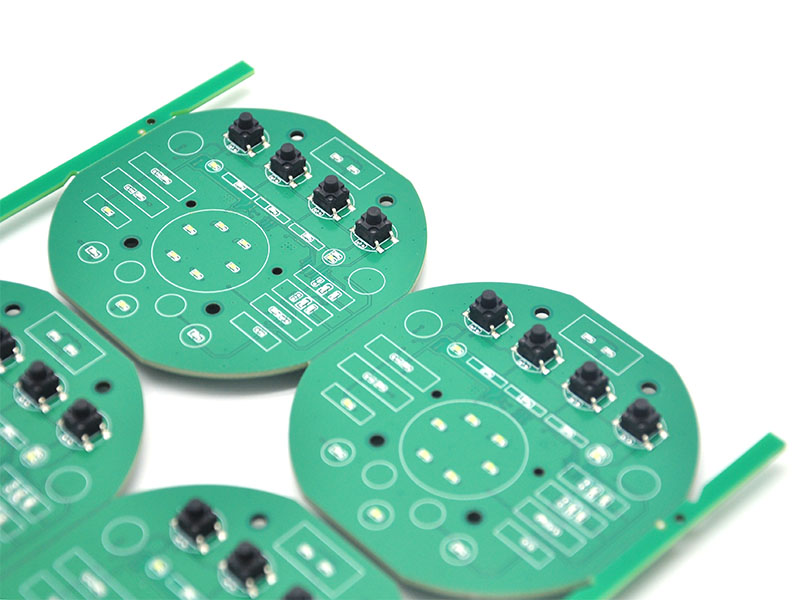
Medical Electronics Assembly

What Is Medical Electronics Assembly and Why Is It Critical?

Medical electronics assembly is a form of medical device electronics assembly designed for products that operate under strict regulatory oversight.
Unlike consumer electronics, assembling electronic medical devices requires validated processes and documented controls.

Typical applications include:

  • Patient monitoring and diagnostic systems
  • Imaging and sensing equipment
  • Therapeutic and life-support devices

In these products, even minor assembly variation can lead to functional drift or compliance failure.

Medical Electronics Assembly

How Medical Electronics Assembly Differs from Standard PCBA?

Medical electronics assembly is fundamentally different from general-purpose PCBA.
The difference lies not in component type, but in process discipline and documentation depth.

Key differences include:

  • Mandatory traceability at material and batch level
  • Tighter process windows and change control
  • Audit-ready records for every build

This is why medical electronic assembly suppliers cannot be evaluated using consumer PCBA criteria.

Which Medical Devices Require Electronics Assembly?

Nearly all modern medical devices rely on electronic assemblies for sensing, control, and communication.
Assembling electronic medical devices requires alignment between design intent and manufacturing reality.

Common categories include:

  • Portable diagnostic instruments
  • Wearable and monitoring devices
  • Control electronics for therapeutic systems

Each category carries different risk levels, but all require controlled assembly environments.

What Certifications Are Required for Medical Electronics Assembly?

Certification defines whether a supplier is eligible for regulated projects.
Medical electronics assembly certification is often a gating requirement during supplier qualification.

Commonly required certifications include:

  • ISO 13485 for medical quality management
  • ISO 9001 for manufacturing consistency
  • IATF 16949 / AS9100D for high-reliability systems

However, certification value depends on how deeply it is implemented in daily operations.

Key Quality Control Requirements in Medical Electronics Assembly

Quality control in medical electronics focuses on prevention rather than post-assembly detection.
Process stability is more important than inspection volume.

Core controls include:

  • Incoming material verification and lot control
  • Process parameter locking across SMT lines
  • AOI, functional testing, and controlled rework

These controls ensure repeatability across product lifecycle stages.

DFM and Engineering Review for Medical Device Electronics

DFM review is not optional in medical device electronics assembly.
It is the primary mechanism for preventing latent defects and regulatory risk.

A structured DFM review typically includes:

  • Footprint and solderability analysis
  • BOM risk assessment and optimization
  • Process compatibility verification

Early DFM intervention significantly reduces downstream corrective actions.

Prototype vs Volume Medical Electronics Assembly

Prototype medical assembly emphasizes validation and design verification.
Volume production emphasizes consistency, traceability, and audit readiness.

Key distinctions:

  • Prototype builds allow controlled flexibility
  • Volume builds require frozen processes and formal change approval

Using the same supplier across both phases reduces transfer and requalification risk.

Traceability and Documentation in Medical Electronics Assembly

Traceability is a non-negotiable requirement in medical electronics.
It enables fast root-cause analysis and regulatory reporting.

Typical traceability scope includes:

  • Material lot and component batch tracking
  • Assembly and test records per production batch
  • Process deviation and corrective action logs

This level of documentation differentiates compliant suppliers from generic assemblers.

Medical Electronics Assembly in China: Risk and Control

Medical electronics assembly China is widely adopted when supported by proper controls and audits.
Geography is not the risk factor; process discipline is.

Reliable suppliers provide:

  • Transparent documentation access
  • Stable production lines
  • Cooperative audit support

Pilot builds and validation runs are standard risk-mitigation steps.

How Much Does Medical Electronics Assembly Cost?

Medical electronics assembly costs are higher than standard PCBA due to additional controls and documentation.
Pricing reflects risk management rather than component placement alone.

Typical reference ranges (excluding components):

  • Prototype: USD 15–40 per board
  • Small batch: USD 10–25 per board
  • Volume production: USD 6–15 per board

Actual cost depends on test depth, traceability scope, and process validation level.

How to Choose a Reliable Medical Electronics Assembly Partner

Selecting a medical electronics assembly partner is a risk-management decision.
Engineering depth matters more than advertised capacity.

Evaluation criteria include:

  • Active medical certifications
  • DFM and validation capability
  • Documentation discipline
  • Long-term process stability

This approach reduces lifecycle and regulatory exposure.

Medical Electronics Assembly

In closing, this article outlined how medical electronics assembly is performed under regulated manufacturing requirements, how quality and compliance risks are controlled, and how to select a qualified partner for prototype and volume production.

EBest Circuit (Best Technology) supports medical electronics assembly through DFM pre-review, BOM optimization, and hands-on engineering guidance provided by PCB and PCBA specialists with over 20 years of experience in medical device projects. Our integrated service model supports prototypes, small batches, and fast PCBA delivery in as little as 1.5 weeks, enabling engineering teams to validate designs efficiently and transition smoothly into production. If you are planning a medical electronics assembly project or require technical consultation, please feel free to contact sales@bestpcbs.com.
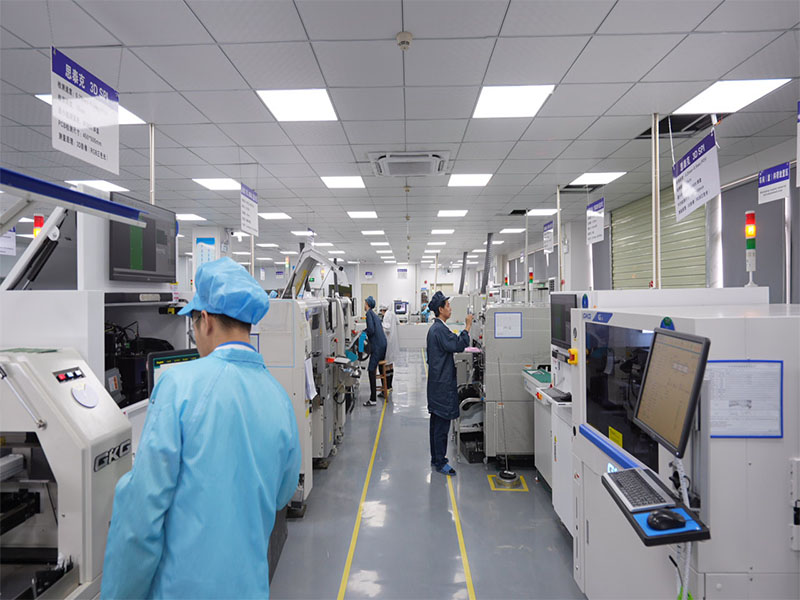
FAQ: Medical Electronics Assembly Questions

Q1: Is ISO 13485 mandatory for medical electronics assembly?
Yes, for most regulated medical devices.

Q2: Can medical electronics be prototyped quickly?
Yes, with validated processes and controlled documentation.

Q3: How is traceability implemented?
Through material lot tracking and batch-level production records.

Q4: Is China suitable for medical electronics assembly?
Yes, when supported by audits and validated process controls.

Q5: How long does medical electronics assembly take?
Prototypes typically take 1–2 weeks; production takes 3–6 weeks.

Top 10 Best PCB Assembly UK Manufacturers

February 22nd, 2026

PCB Assembly UK delivers precision-driven solutions for diverse electronic projects, combining advanced automation with rigorous quality control to meet global industry demands. From prototype to mass production, PCB Assembly UK providers offer tailored services that align with international compliance norms, making them reliable partners for global electronic projects. This guide breaks down essential aspects of UK-based assembly, including sourcing channels, manufacturer insights, and quality protocols.

Top 10 Best PCB Assembly UK Manufacturers, https://www.bestpcbs.com/blog/2026/02/top-10-best-pcb-assembly-uk-manufacturers/

Top 10 Best PCB Assembly UK Manufacturers in 2026

Company NameMain BusinessCore AdvantagePCBA CapabilityLead Time
EBest Circuit Co., LimitedTurnkey PCB & PCBA solutions, flexible/rigid-flex PCBs, metal core PCBs19+ years experience, ISO certifications, one-stop service, 97.2% on-time deliverySMT, THT, mixed tech, BGA assembly, prototype to mass production (28,900㎡ monthly)Prototype: 1 week; Mass: 2-4 weeks; Urgent: 24-hour turnaround
PCB TrainPCB fabrication, assembly, stencil making, conformal coating65+ years experience, Europe’s largest Yamaha I-Pulse fleet, in-house laser cuttingSMT, THT, BGA/QFN assembly, 1-12 layer PCBs, 100% AOI & X-ray inspectionPrototype: 3 working days; Standard: 5-7 working days
Protronix EMSPCB assembly, EMS, test solutionsIPC-A-610 compliance, Luton facility, high-mix production capabilitySMT, THT, mixed tech, fine-pitch ICs, automated reflow/wave solderingPrototype: 4-5 working days; Mass: 7-14 working days
EC ElectronicsPCB assembly, box build, cable assembly, thermal management40+ years experience, global sourcing network, automotive/medical expertiseSMT, THT, flexible circuits, blind/buried vias, ATE/ICT testingPrototype: 5-7 working days; Mass: 10-20 working days
EM Solutions LtdPCB assembly, turnkey EMS, cable assembly, design support£1M SMT equipment investment, Newbury facility, 10+ year client partnershipsSMT, THT, prototype to large-volume, in-house testingPrototype: 3-5 working days; Mass: 7-15 working days
Ashgill ElectronicsPCB assembly, prototyping, EMS, DFMFast prototyping, UK support, industrial IoT focusSMT, THT, mixed tech, low-to-medium volume productionPrototype: 2-4 working days; Standard: 6-12 working days
Newbury ElectronicsPCB assembly, fabrication, EMS, box buildPCB Train sister company, shared equipment, aerospace expertiseSMT, THT, multi-layer assembly, 100% electrical testingPrototype: 4-6 working days; Mass: 8-16 working days
Circuit Works UKPCB assembly, prototyping, repair, component sourcingRapid turnaround, personalized support, low-volume specialistSMT, THT, BGA rework, prototype & small-batch assemblyPrototype: 1-3 working days; Small batch: 5-8 working days
CML MicrocircuitsPCB assembly, custom microcircuit design, component manufacturing50+ years RF/microwave experience, Plymouth facility, ISO 9001/14001 certifiedSMT, THT, high-frequency assembly, prototype to volume productionPrototype: 5-7 working days; Mass: 12-20 working days
Precision PCB ServicesPCB assembly, prototyping, conformal coating, functional testingMedical/industrial specialization, Sheffield facility, IPC-A-610 Class 3SMT, THT, mixed tech, fine-pitch assembly, 1-16 layer PCBsPrototype: 3-5 working days; Mass: 8-15 working days

How to Choose the Best PCB Assembly Companies in UK?

Selection Guide to Best PCB Assembly Companies in UK:

  • Validate industry experience: Choose PCB assembly manufacturers UK with sector-specific expertise (automotive, medical, aerospace). Ask for case studies of similar projects and verify their familiarity with industry-specific compliance norms to reduce risks.
  • Verify certifications: Confirm compliance with ISO 9001 for general quality management, ISO 13485 for medical-grade projects, and IPC-A-610 for electronic assembly acceptability. Prioritize PCB assembly companies UK with certified Class 2 (consumer/industrial) or Class 3 (aerospace/medical) capabilities to match your precision requirements.​
  • Assess production capabilities: Align with project specs and confirm SMT/THT compatibility. Check if they support 01005 micro-components, BGA/QFN packages for high-density designs, PCB layer ranges (1-20+ layers), and volume flexibility from prototype to mass production to fit your project scale.​
  • Evaluate quality control processes: Confirm deployment of 3D AOI for surface defect detection, X-ray inspection for BGA under-joint verification, and electrical testing (ICT/FCT). Reputable UK PCB assembly providers integrate these checks into every production stage to avoid batch defects.​
  • Review supply chain stability: Optimize for providers with established global component sourcing networks, RoHS-compliant part verification, and alternative part reserves. Ask if they partner with certified brokers for hard-to-find parts to mitigate shortages and ensure timely PCB assembly manufacturing UK.​
  • Check on-time delivery rate: Request historical data (aim for 95%+ on-time rate) and urgent order support. Confirm they provide real-time production tracking and clear delay notification protocols for time-sensitive PCB assembly services UK projects.​
  • Assess technical support: Prioritize firms offering free DFM reviews, BOM optimization, and post-assembly troubleshooting. Responsive technical teams can adjust designs to align with conventional PCB assembly UK standards, reducing rework and production delays.​
  • Compare pricing transparency: Demand detailed quotes covering assembly, testing, stencil costs, and shipping. Clarify rework charges, material surcharges, and bulk order discounts upfront to avoid hidden fees that inflate final costs.​
How to Choose the Best PCB Assembly Companies in UK, https://www.bestpcbs.com/blog/2026/02/top-10-best-pcb-assembly-uk-manufacturers/

Where Can I Find PCB Assembly Services in the UK?

Below are some platforms that you can find PCB assembly services UK:

  • Tradewheel: International B2B platform to filter UK-based suppliers, connecting to verified PCB assembly companies UK with global shipping support.​
  • MFG: Manufacturing-focused B2B platform, featuring certified PCB assembly manufacturers UK with detailed capability profiles for easy screening.​
  • Thomasnet: Industrial supplier matching platform, ideal for sourcing conventional PCB assembly UK services from verified UK credentials.​
  • Eurocircuits: European electronics manufacturing platform, listing trusted UK PCB assembly providers with prototype and volume production capabilities.​
  • ProtoQuote: European PCB service aggregation platform, partnering with UK facilities to offer quick-turn PCB assembly services UK for prototypes.​
  • RS Components: Electronic component sourcing and assembly service matching platform, linking global clients to top PCB assembly company UK for end-to-end solutions.​
  • Farnell element14: Global electronics platform connecting clients to UK-based assemblers, supporting low-volume and high-volume PCB assembly manufacturing UK.​
  • Electronics Weekly Supplier Directory: Curated industry platform listing reputable PCB assembly companies UK with sector-specific expertise.​
  • LinkedIn: Professional networking platform to search UK manufacturing firms with dedicated PCB assembly divisions, verifying track records via client testimonials.​
  • International Electronics Manufacturing Exhibitions (e.g., Electronica UK): Industry event platform to network with on-site PCB assembly manufacturers UK and evaluate capabilities firsthand.

What Are the Options for Conventional PCB Assembly UK?

  • Value-Added Assembly Services: Include BGA rework, conformal coating (compliant with IPC-CC-830B), and box build assembly. These services complete end-to-end production needs for PCB assembly manufacturing UK clients.
  • Surface Mount Technology (SMT): Widely adopted in PCB assembly UK for compact designs, capable of handling components as small as 0201 footprints and fine-pitch BGAs. It uses automated placement machines and reflow soldering for high-precision, high-volume assembly.
  • Through-Hole Technology (THT): Ideal for rugged applications requiring robust component mounting. PCB assembly manufacturers UK use wave soldering or manual assembly for THT components, ensuring durability in industrial and automotive projects.
  • Mixed Technology Assembly: Combines SMT and THT to meet complex board requirements. This solution is offered by most PCB assembly companies UK, catering to projects that need both compactness and structural stability.

Quality Standards for PCB Assembly Manufacturing UK

  • IPC-A-610: Global acceptability standard for electronic assemblies, mandatory for UK providers.​
  • ISO 9001:2015: Quality management system certification ensuring consistent production processes.​
  • ISO 13485:2016: Specialized standard for medical device PCB assembly manufacturing UK.​
  • RoHS Compliance: Restricts hazardous substances in components, mandatory for UK and EU markets.​
  • UL Certification: Safety standard for electronic components, required for consumer and industrial products.​
  • IATF 16949: Automotive industry-specific standard for PCB assembly companies UK serving car manufacturers.​
  • IPC-6012: Specification for rigid PCB qualification, ensuring board durability and performance.

How Does PCB Assembly UK Manufacturing Work?

Production Process of PCB Assembly UK:

  • Pre-production engineering: Reviewing Bill of Materials (BOM) and Gerber files, performing Design for Manufacturability (DFFM) analysis, resolving design issues, and mitigating production risks.
  • Component procurement: Verifying component availability and storing moisture-sensitive components in a controlled environment to ensure their stability.
  • Solder paste printing: Automated stencil printers apply precise amounts of solder paste to PCB pads for reliable Surface Mount Technology (SMT) assembly.
  • Component placement: Vision-guided SMT machines accurately place components, achieving high precision even for fine-pitch components.
  • Reflow soldering: Multi-zone reflow ovens use controlled heating to form solder joints while preventing thermal damage to components.
  • Through-hole assembly: IPC-certified technicians install robust through-hole components using wave soldering or manual soldering.
  • Multi-stage inspection: Automated Optical Inspection (AOI) checks surface solder joints, X-ray inspection verifies BGA soldering, and electrical testing ensures connectivity.
  • Rework (if needed): Specialized equipment gently repairs defects, protecting delicate components.
  • Final functional testing: In-circuit testing and functional testing verify board performance before packaging.
How Does PCB Assembly UK Manufacturing Work, https://www.bestpcbs.com/blog/2026/02/top-10-best-pcb-assembly-uk-manufacturers/

How Do PCB Assembly UK Manufacturers Ensure Quality and Reliability?

Quality Control Process of PCB Assembly UK Manufacturers:

  • Incoming material inspection: Test raw PCBs per IPC-A-600, controlling warpage within 0.75% for rigid boards and verifying impedance tolerance (±10%). Components undergo RoHS compliance testing and batch traceability verification (via manufacturer lot codes) to block defective materials from PCB assembly UK lines.
  • In-process statistical control: Apply SPC to monitor core parameters, reflow soldering temperature (245±1℃ for lead-free), solder paste volume (±8% tolerance), and placement accuracy (±0.03mm). Real-time data analysis prevents batch defects in conventional PCB assembly UK projects.
  • Targeted inspection deployment: Use 3D AOI for 01005 micro-component solder joints (detection rate ≥99.5%) and X-ray inspection (100μm resolution) for BGA/QFN under-joint voiding (control ≤15% void area). This is critical for high-density PCB assembly manufacturing UK designs.
  • Certified technician competency: Mandate IPC-A-610 Class 2/3 certification for all assembly staff and IPC-J-STD-001 for soldering personnel. Regular recertification ensures consistent compliance with UK PCB assembly quality norms.
  • Full-process traceability: Track components via batch/serial numbers, recording solder profiles, inspection results, and technician IDs. This enables root-cause analysis for quality issues within 2 hours, minimizing PCB assembly services UK production losses.
  • Controlled assembly environment: Maintain ISO 8 cleanrooms (particle count ≤100,000 particles/ft³), temperature 22±2℃, humidity 45-65%. ESD protection (≤100V for sensitive components) prevents electrostatic damage to fine-pitch parts.
  • Data-driven improvement: Analyze defect data via 8D reports, focusing on top failure modes (e.g., tombstoning, cold joints). Optimize stencil aperture design (aspect ratio ≥1.5) and reflow profiles to reduce error rates to <0.1% for PCB assembly manufacturers UK.

How to Assess Turnaround Time for PCB Assembly Services UK?

Evaluation Guide to Lead Time for PCB Assembly Services UK:

  • Segment lead times by project type: Prototype PCB assembly services UK ranges 1-5 working days for standard 2-4 layer boards, extending to 5-7 days for high-density (8+ layers) or BGA-included designs. Mass production lead times for PCB assembly manufacturers UK are 7-15 days for low-to-medium volume (100-5,000 units) and 15-25 days for high-volume (5,000+ units), aligned with UK factory production capacities.​
  • Validate component lead time alignment: Identify long-lead components (lead time >4 weeks) via BOM review. Confirm if PCB assembly companies UK hold safety stock for common parts or offer alternative part sourcing to avoid production bottlenecks.​
  • Assess urgent order & design change flexibility: Evaluate if providers offer 24-48 hour turnaround for emergency prototypes, with clear rush service pricing. Confirm design change response time—small adjustments (e.g., BOM tweaks) should be resolved within 1-2 working days without major timeline delays.​
  • Clarify production communication protocols: Require real-time progress updates (daily for prototypes, 2-3 times weekly for mass production) via a dedicated portal or email. Ensure delays are notified at least 48 hours in advance, with root-cause analysis and revised timelines.​
  • Factor in international shipping logistics: For global clients, verify partnered couriers (DHL, FedEx) with 1-3 day express delivery to major regions. Confirm if UK PCB assembly providers include shipping insurance and anti-static packaging to avoid transit damage.​
  • Verify historical on-time delivery performance: Request data from the past 6 months, reputable PCB assembly manufacturing UK firms maintain a 95%+ on-time rate. Ask for 2-3 client references to validate delivery reliability for projects of similar scale and complexity.
How to Assess Turnaround Time for PCB Assembly Services UK, https://www.bestpcbs.com/blog/2026/02/top-10-best-pcb-assembly-uk-manufacturers/

FAQs of PCB Assembly Manufacturing UK

Q1: Can I order small-batch prototypes from PCB assembly manufacturers UK, or is there a high MOQ?
A1: Most UK providers offer low MOQ, with many supporting 1-piece prototypes. Companies like EBest Circuit specialize in small-batch runs, ensuring cost-effectiveness for testing without excess inventory.​

Q2: How can I confirm my Gerber files are correct before UK PCB assembly starts? ​
A2: Reputable providers offer free DFM reviews. Engineers check layer alignment, pad spacing, and drill files, flagging issues before production to avoid rework and delays.​

Q3: What’s the typical turnaround for prototype PCB assembly services UK? ​
A3: Prototype lead times range from 1-5 working days. Urgent orders can be fulfilled in 24-48 hours by providers with dedicated quick-turn lines, though complexity may extend timelines slightly.​

Q4: How do PCB assembly companies UK test BGA and fine-pitch components for soldering defects? ​
A4: X-ray inspection is standard for under-component joints, while 3D AOI checks surface solder quality. Some providers add functional testing to validate BGA performance in real-world conditions.​

Q5: Are conventional PCB assembly UK services compatible with lead-free soldering requirements? ​
A5: Yes, all UK providers comply with RoHS, using lead-free solder. They also offer leaded options for legacy projects requiring it, with clear documentation for compliance tracking.

PCB Prototype Canada, PCB Factory in Canada

February 22nd, 2026

For Canadian electronic projects, tight timelines, pinpoint precision, and uncompromising reliability of PCB prototype Canada are make-or-break factors for success. Many projects face bottlenecks like delayed rush prototyping, inconsistent quality in small batches, and limited access to advanced processes for complex boards, challenges EBest Circuit Co., Limited (Best Technology) is engineered to solve. With 19 years of deep expertise in the field, we deliver tailored PCB prototype Canada solutions that combine rapid turnaround, precision manufacturing, one-stop assembly services, and rigorous quality control. Our end-to-end support directly addresses these critical pain points, ensuring every prototype meets strict standards and arrives on schedule to keep projects moving forward seamlessly.

PCB Prototype Canada, https://www.bestpcbs.com/blog/2026/01/pcb-prototype-canada/

Top 10 PCB Factory in Canada for Prototyping

Company NameMain BusinessCore AdvantagesProcess CapabilitiesPrototyping Lead Time
EBest Circuit Co., Limited (Best Technology Circuit Co., Limited)PCB prototyping, manufacturing, PCBA assembly24-hour rush service, 19-year experience, ISO9001/AS9100D/IATF 16949 certificationsCeramic boards, HDI PCB, 3mil line width/spacing, up to 40 layers24 hours (rush), 3-5 days (standard)
RLX SolutionsElectronic/mechanical component manufacturing and distribution, PCB solutionsGlobal recognition, advanced imported equipment, ISO 9001:2015, UL certificationBasic boards, metal base PCBs, precision HDI PCBs5-7 days
Bittele Electronics Inc.Turnkey PCB services, prototyping and mass productionIPC-9252 compliance, 100% electrical testing, full material coverageUp to 40 layers, 3mil line width/spacing, 0.006-inch minimum hole diameter, 0.5-5.0oz copper thickness3-4 days (standard), 48 hours (rush)
CCI Canadian Circuits Inc.Custom PCB, HDI prototype, medical PCB manufacturingISO 9001:2015, UL registered, 16-point QA programHDI PCB, rush prototyping, medical-grade PCBs24 hours (rush), 3-6 days (standard)
M.I.S. Electronics Inc.Electronic manufacturing services, PCB prototyping and assemblyGovernment-supported, advanced production lines, medical industry expertiseSMT assembly, precision PCB assembly, IoT and medical PCBs4-6 days (prototyping + assembly)
Additive Circuit Technologies3D-printed PCB prototyping, custom electronic componentsISO 9001 certified, proprietary 3D printing tech, rapid low-volume prototyping3D-printed PCBs, up to 8 layers, FR-4/ceramic composites, 5mil line width2-3 days (standard), 48 hours (rush)
Canadian PCB Solutions (Quebec)Industrial PCB prototyping, high-temperature PCB manufacturingISO 14001, RoHS/REACH compliant, local Quebec technical supportUp to 16 layers, polyimide substrates, 4mil line width, thermal resistance up to 260℃4-6 days (standard), 72 hours (rush)
Hi-Tech Circuits CanadaHigh-frequency PCB prototyping, RF/microwave PCB manufacturingIPC Class 3 certified, Rogers/Taconic material expertise, impedance controlUp to 24 layers, 3mil line width, Df≤0.002, high-frequency substrates5-7 days (standard), 48 hours (rush for simple RF boards)
Nova Scotia Circuits Ltd.Marine-grade PCB prototyping, harsh-environment electronic assemblyUL 94V-0, salt-fog resistance testing, marine industry certificationUp to 12 layers, FR-4 with anti-corrosion coating, 5mil line width6-8 days (standard), 5 days (rush)
Ontario Precision ElectronicsAutomotive/avionic PCB prototyping, turnkey EMS servicesIATF 16949, AS9100 certified, 25+ years automotive industry experienceUp to 20 layers, HDI with blind vias, 3mil line width, metal core PCBs3-5 days (standard), 24 hours (emergency automotive prototypes)

Quality Standards for PCB Prototype Canada

  • IPC 6012 & IPC-A-600 Bare Board Standards: Adhere to IPC 6012 (Class 1 for general electronics, Class 2 for dedicated service, Class 3 for high-reliability applications like medical/automotive) and IPC-A-600 visual acceptance criteria, ensuring PCB prototype Canada bare boards meet strict dimensional, soldering, and surface quality requirements.
  • ISO 9001:2015 Quality Management System: Fully comply with ISO 9001:2015 standards to establish a systematic quality control framework, covering from raw material sourcing to prototype delivery, guaranteeing consistent quality for Canada PCB prototype orders.
  • IPC-9252 Solder Mask Compliance: Follow IPC-9252 standards for solder mask application, control thickness at 10-25μm, ensure full coverage of non-soldering areas, and avoid pad bridging, effectively protecting PCB prototyping Canada from environmental interference and short circuits.
  • RoHS & REACH Compliance: Ensure all PCB prototype Canada meet RoHS and REACH requirements, restricting hazardous substances (lead, mercury, cadmium) to align with Canadian environmental and electronic product safety regulations.

Pain Points of PCB Prototyping Canada

  • Local metal substrate procurement is restricted by policies, and imported substrates face long customs clearance cycles (7-10 days) and unstable cost fluctuations due to tariff adjustments.​
  • 4mil and below fine line-width prototypes require LDI technology, increasing costs by over 50% compared to conventional processes, with small-batch orders incurring additional setup fees.​
  • Design, procurement, and production teams operate in information silos, leading to delayed problem resolution and 70% of lead time delays caused by poor communication.​
  • Miniaturization of PCBs leads to signal interference and reduced mechanical strength, with impedance fluctuation exceeding 15% when line width tolerance is not controlled within ±5%.​
  • High-frequency prototypes lack local Rogers/Taconic material inventory, requiring overseas sourcing which extends material preparation time by 3-4 days.​
  • Medical and automotive prototypes need multiple certifications, but local manufacturers have lengthy certification verification cycles (2-3 weeks) that delay design iterations.​
  • Small-batch prototypes (less than 200 units) have no scale effect, resulting in unit costs double that of bulk orders, with no effective cost optimization solutions.​
  • Inadequate in-process testing leads to late discovery of plating thickness deviations, requiring rework that increases production time by 50% and material waste by 19%.
Pain Points of PCB Prototyping Canada, https://www.bestpcbs.com/blog/2026/01/pcb-prototype-canada/

Why Choose EBest( Best Technology) for PCB Prototyping Canada?

Reasons why choose EBest( Best Technology) for PCB prototyping Canada:

  • Global Supply Chain + 24-Hour Expedited Service: Provides expedited PCB prototype delivery in Canada with a 99.8% on-time rate, avoiding 7-10 day customs delays and tariff fluctuations, ensuring timely delivery for urgent projects.
  • Expertise in LDI Process and High-End Materials: 19 years of experience adapting to HDI/ceramic boards (up to 40 layers, 3mil line width), no small-batch setup fees, reducing fine-line costs by 50%+, and increasing 4mil line width yield to 90%.
  • MES System for Full Process Traceability: Real-time tracking of production progress, breaking down information barriers, enabling rapid response to issues, and reducing communication-related delivery delays by 70%.
  • Precise Impedance and HDI Manufacturing: Impedance fluctuation ≤±3%, strict line width tolerance of ±5%, solving signal interference and insufficient strength problems caused by PCB miniaturization.
  • High-Frequency Material Stock Availability: Rogers/Taconic materials are readily available in stock, saving 3-4 days of overseas procurement time, and providing certified materials for prototype PCB manufacturing in Canada for high-frequency applications.
  • Fast Multi-System Certification: Holds ISO9001/AS9100D/IATF16949/ISO13485 certifications, verification completed within 3 business days, compressing the certification cycle by 2-3 weeks.
  • One-Stop Pricing Advantage for Small Batches: Enjoy bulk discounts starting from 50 pieces, one-stop service saves 15% compared to separate procurement, solving the problem of doubled costs for small batches under 200 pieces.
  • Full-Process Quality Inspection + Free DFM: DFM verification completed within 2 hours, AOI/E-test full-process inspection, reducing rework rate by 80%, avoiding 50% project delays and 19% material waste.

Our Lead Time for Prototype PCB Manufacturing Canada

LayersNormal ServiceFastest Service
17 Days24 H
28 Days24 H
410 Days48 H
610 Days72 H
812 Days72 H
≥10TBDTBD

Our Quality Control Process for Canada PCB Prototype

  • Pre-production: 100% DFM check via CAM350/Valor software, verifying Gerber files for line width (±5% tolerance), hole diameter, spacing, and impedance matching. Issues are flagged with optimization suggestions within 2 hours, and production proceeds only after confirmation, eliminating design-manufacturing mismatches.​
  • First Article Inspection (FAI): Conduct microscopic inspection (400x magnification) on initial prototypes, aligning with IPC-A-600 Class 3 standards. Verify dimensional accuracy, plating thickness (≥25μm), solder mask coverage, and pad flatness, with a detailed FAI report provided for traceability.​
  • In-process testing: Dual 3D AOI inspections post tin stripping and solder mask application, detecting defects like pinholes, copper exposure, solder mask offset, and shorts. Abnormalities trigger real-time alerts, with rework conducted immediately to avoid batch issues.​
  • Electrical testing: 100% E-test per IPC-TM-650 standards, covering continuity, insulation resistance (≥10¹²Ω), and open/short circuits. All test data is logged in the MES system, ensuring full traceability for each PCB prototype Canada.​
  • Final inspection: Micro-sectioning analysis for plating adhesion, layer-to-layer alignment, and hole wall quality. Measure trace width and surface finish (immersion gold 5-15μm, OSP 0.2-0.5μm) to meet specifications, with a pass rate requirement of ≥99.9% before packaging.​
  • Packaging: Adopt “sandwich” anti-static packaging (conductive foam + aluminum foil shield + PE bag) with humidity controlled at 55±5%. For high-frequency boards, use carbon nanotube materials to reduce electrostatic attenuation time to <0.1s, ensuring PCB prototype Canada integrity during shipping.
Our Quality Control Process for Canada PCB Prototype, https://www.bestpcbs.com/blog/2026/01/pcb-prototype-canada/

Case Studies of Our Canada Medical PCB Manufacturing

Project Background: We collaborated with a Toronto-based medical device manufacturer specializing in respiratory care equipment. The client needed high-reliability PCB prototype Canada for their new portable oximeter, aiming to enhance measurement accuracy and device miniaturization for home healthcare use. Urgent prototyping was critical to meet their regulatory submission timeline.

Core Requirements & Challenges: The 12-layer HDI PCB prototype Canada required ceramic substrates (for thermal stability), ISO 13485/IEC 60601-1 compliance, and ion pollution ≤1.56μg/cm² (IPC-5704). Key challenges included local ceramic substrate shortages (7-10 day import delays), 48-hour turnaround demand conflicting with 2-week local certification cycles, and 3mil line-width precision needs.

Our Solutions: Leveraged global supply chains for in-stock ceramic substrates; delivered pre-prepared ISO 13485 certifications (3-day verification); used 19-year LDI expertise (no small-batch fees) for 3mil precision; deployed ISO Class 7 cleanrooms and dual 3D AOI with MES tracking to ensure quality.

Project Requirements: Prototypes for ventilator pressure control units needed to meet strict medical standards: 16-layer HDI PCB prototype Canada with ceramic substrates, ISO 13485/IEC 60601-1 compliance, IPC-5704 ion pollution ≤1.56μg/cm², insulation resistance ≥100MΩ, and non-implantable biocompatibility. 50 units were required for functional testing and regulatory pre-submissions.

Output Results: Delivered 50 prototypes in 48 hours (100% on-time), achieved 99.9% yield (surpassing the client’s 99.5% target), and passed all medical audits (ion pollution 0.82μg/cm², insulation resistance 120MΩ). The client expanded to mass production, with 99.7% yield for 10,000+ units.

Customer Feedback: “EBest’s supply chain and quality control cut our development cycle by 3 weeks, critical for meeting healthcare market demands.”

Case Studies of Our Canada Medical PCB Manufacturing, https://www.bestpcbs.com/blog/2026/01/pcb-prototype-canada/

FAQs of Prototype PCB Manufacturing Canada

Q1: How to resolve design rule mismatches when ordering prototype PCB assembly Canada?​
A1: Submit Gerber files and BOM for a free DFM check within 2 hours. Our team will flag mismatches (e.g., trace width, hole size) and provide revised design suggestions. We also offer design optimization services to align with manufacturing capabilities, reducing rework by 80% for prototype PCB assembly Canada.​

Q2: What materials are available for high-frequency PCB prototype Canada?​
A2: We offer Rogers (4350B, 4003C), PTFE, and ceramic-filled substrates for high-frequency prototypes. These materials have Df values as low as 0.002 and stable impedance control, suitable for RF/microwave applications. We provide material certification for each PCB prototype Canada.​

Q3: How to track the production status of prototype PCB Canada?​
A3: Use our MES system portal to access real-time production updates. The system provides timestamps for each process (DFM check, manufacturing, testing) and sends automated notifications for milestones. For prototype PCB assembly Canada, you can also track component sourcing and assembly progress.​

Q4: Why do solder mask defects occur in PCB prototyping Canada and how to prevent them?​
A4: Solder mask defects often stem from incorrect expansion settings or poor curing. We prevent this by setting solder mask expansion to 0.05-0.1mm beyond pads, using UV-curable materials, and conducting AOI inspections post-application. For prototype PCB assembly Canada, we also inspect solder mask integrity before component mounting.​

Q5: What certifications are required for medical prototype PCB assembly Canada?​
A5: Medical prototype PCB assembly Canada requires ISO 9001, ISO 13485, and IPC Class 3 certifications. Our facilities hold these certifications, and we provide full traceability reports for materials and processes. We also conduct biocompatibility testing for prototypes used in implantable or wearable medical devices.