PCB manufacturing PCB manufacturing
Home > Blog

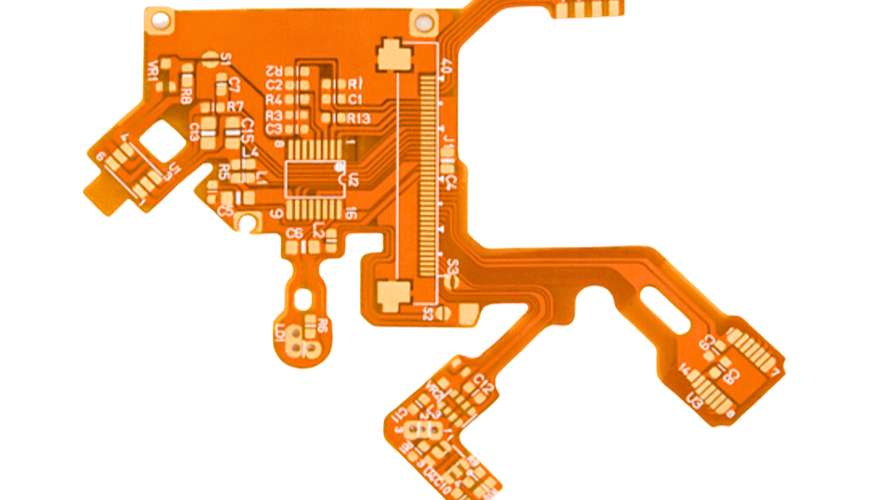
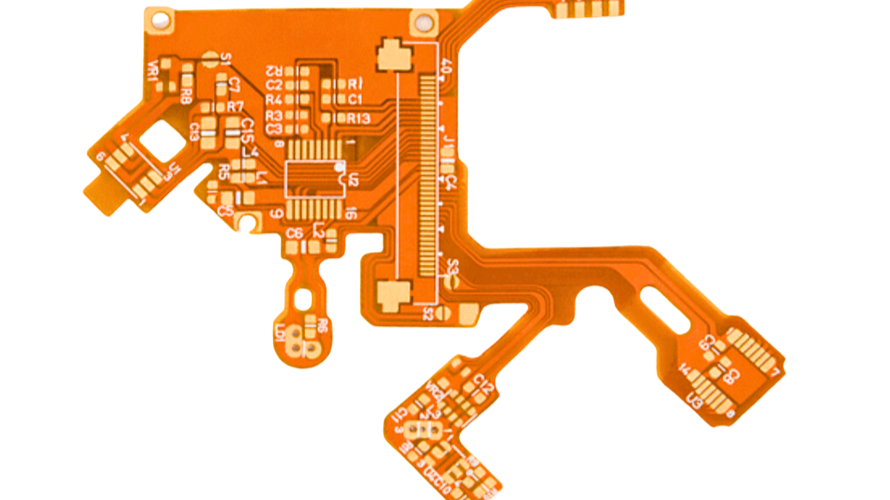
Bluetooth Headset PCB Manufacturer | Fast Flex PCB Prototyping

April 3rd, 2026

A Bluetooth headset PCB is a compact printed circuit board that integrates wireless communication, audio processing, power management, and peripheral control circuits to enable stable Bluetooth connectivity and high-quality sound transmission in headset devices. This blog delves into the critical role of Bluetooth headset PCBs, exploring design considerations, manufacturing challenges, and how to choose the right partner for fast, reliable prototyping and production.

What are the most common pain points when developing a Bluetooth headset PCB?

  • Design Complexity:​ Integrating RF (Bluetooth), audio codec, power management, and often flexible circuits into a tiny form factor is overwhelmingly complex.
  • Slow Prototyping Cycles:​ Lengthy lead times for PCB prototypes delay testing, iteration, and ultimately, your time-to-market.
  • Component Sourcing Hassles:​ Procuring genuine, miniaturized components (like 01005 packages) and dealing with supply chain instability.
  • Assembly Precision Challenges:​ Achieving flawless soldering on high-density, rigid-flex designs with fine-pitch components (e.g., 0.25mm BGA).
  • Reliability & Compliance Anxiety:​ Ensuring the final product is durable, delivers consistent audio quality, and meets necessary quality and safety standards.

The solution lies in partnering with a manufacturer that transforms these challenges into streamlined processes.

  • Expert ODM Design Support:​ Leverage a team that provides end-to-end design services, optimizing your schematic and layout for performance, manufacturability, and cost.
  • Accelerated Prototyping Pipeline:​ Access services that guarantee quick-turn FPC prototyping, with the capability to deliver initial samples within days, not weeks.
  • Reliable Supply Chain Access:​ Benefit from established partnerships with authorized distributors (e.g., Digikey, Mouser) to source authentic components and manage your BOM effectively.
  • High-Precision Assembly Lines:​ Utilize state-of-the-art SMT lines equipped with advanced printers, SPI, and precision placers capable of handling 01005 components to ensure flawless PCBA.
  • Rigorous Quality Assurance:​ Implement a full suite of inspections (AOI, X-Ray, functional testing) adhering to IPC standards, guaranteeing the reliability and performance of every board.

At EBest Circuit (Best Technology), we are a specialized flexible PCB and PCBA manufacturer with 20 years of experience. We bridge the gap between complex design and reliable mass production. Our one-stop service covers everything from FPC/rigid-flex design and rapid prototyping to component procurement and turnkey PCBA assembly. With a 3,000㎡ factory equipped with advanced machinery like Yamaha SMT lines and comprehensive testing equipment, we are built to handle your project from the initial quote for flex PCB​ prototypes to full-scale production. Pls feel free to contact our team anytime at sales@bestpcbs.com for a consultation.
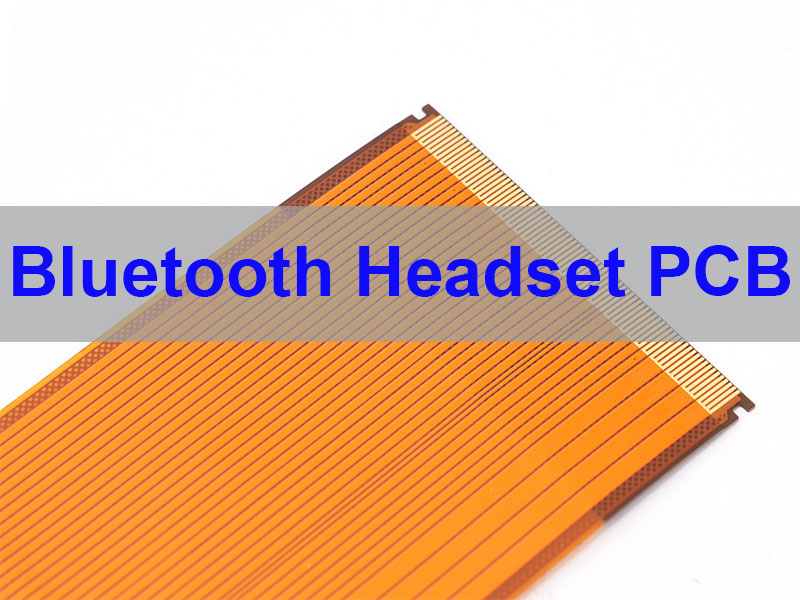
 Bluetooth Headset PCB

Key Considerations for Bluetooth Headset PCB Design

Designing the PCB for a Bluetooth headset is a multidisciplinary challenge. It requires a harmonious balance between RF performance, audio fidelity, power efficiency, and mechanical constraints, especially when using flexible circuits to fit ergonomic forms.

  • RF Layout Optimization:​ The Bluetooth antenna and RF trace layout are paramount. Impedance must be tightly controlled (typically 50Ω), and the RF section needs isolation from digital noise sources to ensure stable connectivity and range.
  • Audio Signal Integrity:​ Separate analog and digital ground planes, use proper filtering, and shield audio lines to minimize noise, crosstalk, and distortion for clear sound output.
  • Power Management Design:​ Implement efficient DC-DC converters and LDOs to minimize quiescent current drain. Careful PCB layout for the battery management system (BMS) is crucial for safety and longevity.
  • Miniaturization Strategies:​ Employing HDI (High-Density Interconnect) techniques, micro-vias, and finer trace/space (down to 3/3mil) is often necessary to shrink the board size without sacrificing functionality.
  • Thermal Management:​ Even in small devices, heat from the Bluetooth SoC or audio amplifier must be dissipated via thermal vias and careful copper pours to prevent throttling or discomfort.
  • Mechanical Durability:​ For designs incorporating flexible circuits, bend radius, stiffener placement (using PI or FR4), and material selection (Polyimide) must be engineered to withstand repeated flexing during use.

In summary, a successful Bluetooth headset PCB design is a feat of integration, demanding expertise in RF, analog, digital, and mechanical domains to create a reliable, high-performance, and compact board.
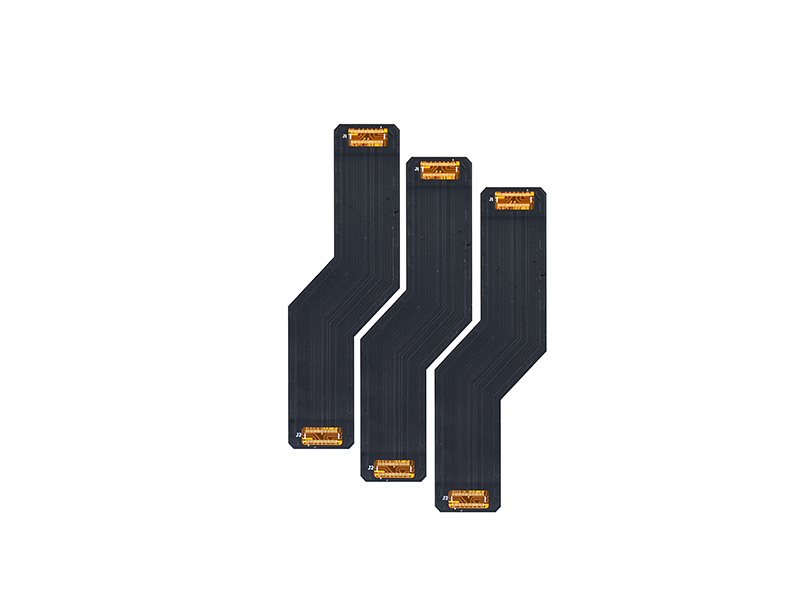
 Bluetooth Headset PCB

Material Selection for Flexible PCBs in Headsets

The choice of materials directly impacts the performance, durability, and cost of the bluetooth headset PCB. Flexible circuits enable the sleek, comfortable designs modern users expect.

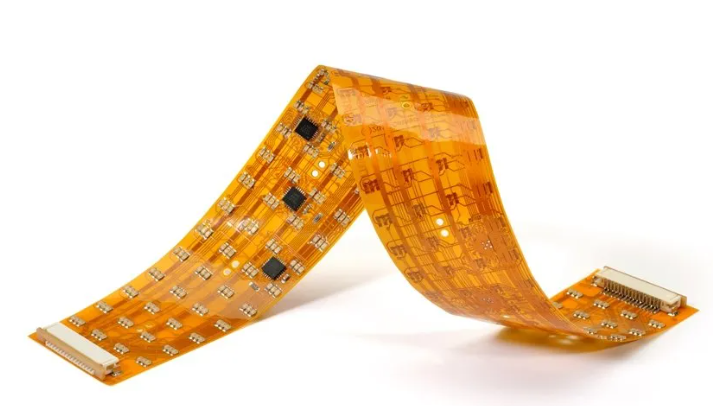
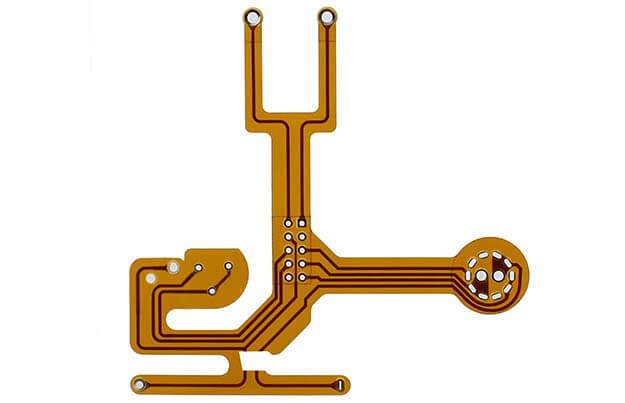
  • Base Substrate:​ Polyimide (PI) is the industry standard (e.g., DuPont’s Kapton), offering excellent thermal stability (>500°C), chemical resistance, and flexibility. Polyester (PET) is a lower-cost alternative for less demanding applications.
  • Copper Foil:​ Rolled annealed copper is preferred for dynamic flex applications due to its superior fatigue resistance. Thickness options range from 1/3 OZ (12µm) to 2 OZ (70µm) to balance current carrying capacity and flexibility.
  • Coverlay/Stiffener:​ Photo-imageable coverlay or polyimide film protects the circuits. Strategic stiffeners (made of PI, FR4, or even stainless steel) are added at connector areas or where components are mounted to provide rigidity for soldering.
  • Adhesives:​ Acrylic or epoxy-based adhesives bond layers. Adhesiveless constructions (e.g., 2-layer FCCL) offer better thermal performance and thinner, more reliable profiles for high-end applications.
  • Surface Finish:​ Choices like ENIG (Electroless Nickel Immersion Gold) provide a flat, solderable, and wire-bondable surface. Hard gold is used for edge connectors (gold fingers) that withstand repeated insertion wear.

The table below summarizes common flexible PCB material capabilities relevant to headset manufacturing:

ParameterPolyimide (PI)PET
Laminate Thickness0.025 / 0.050 / 0.125 / 0.175 mm0.025 / 0.050 / 0.075 mm
Copper Foil0.012, 0.018, 0.035, 0.070 mm0.035, 0.070 mm
Min Trace/Space0.075 mm (3 mil)0.075 mm (3 mil)
Solder Heat Resistance280°C for 10 secs280°C for 10 secs

Selecting the right material stack-up is a critical decision that influences the board’s electrical performance, bend life, and overall reliability in the final product.

Fast-Turn Prototyping and Assembly Process

Speed is critical in the fast-paced consumer electronics market. A streamlined prototyping and assembly process allows for rapid iteration and validation of your bluetooth speaker headset PCB module.

  1. Design Review & DFM Analysis:Our engineers perform a thorough design for manufacturability (DFM) check upon receiving your Gerber files, identifying potential issues before production begins.
  2. Rapid Fabrication:Leveraging in-house manufacturing of flexible, rigid-flex, and FR4 PCBs, we can produce prototype boards quickly. For standard FR4 prototypes, lead times can be as fast as 24 hours for 1-2 layer boards.
  3. Component Kitting:For turnkey projects, we source all components from authorized distributors. Every part undergoes incoming inspection to verify authenticity and specification against the BOM.
  4. Precision Assembly:The process follows strict IPC standards:
    • Solder Paste Printing:​ Using laser-cut stencils and 3D SPI (Solder Paste Inspection) to ensure precise deposition.
    • Component Placement:​ High-speed chip shooters and precision placers accurately mount components, down to 01005 size.
    • Reflow Soldering:​ A controlled, nitrogen-inerted reflow profile ensures perfect solder joints.
    • Through-Hole Assembly:​ For any THT components, selective or wave soldering is employed.
  5. Comprehensive Testing:Every assembled board goes through AOI (Automated Optical Inspection) and X-Ray inspection (for BGA). Functional testing validates the Bluetooth pairing, audio playback, and all key features.

This integrated, quality-focused process ensures that you receive fully functional, reliable PCBA prototypes in the shortest possible timeframe, accelerating your development cycle.

Quality Control and Testing Standards

Quality cannot be an afterthought. For a bluetooth headset PCB, rigorous testing is essential to ensure audio clarity, connection stability, and long-term user satisfaction.

  • In-Process Inspection (IPQC):​ Quality checks are embedded at every stage—from raw material (copper clad laminate) inspection to etching, lamination, and plating processes.
  • Automated Optical Inspection (AOI):​ 2D and 3D AOI machines scan the assembled board to detect soldering defects, component misplacement, or missing parts.
  • X-Ray Inspection:​ Critical for examining hidden solder joints under BGA, QFN, or inside rigid-flex constructions, ensuring there are no voids or bridges.
  • Flying Probe & Electrical Test:​ Verifies circuit connectivity (open/short) and basic electrical functionality of the bare PCB and the final assembly.
  • Functional Testing (FCT):​ The most critical step. Custom test jigs and software simulate real-world operation—testing Bluetooth connectivity range, audio input/output quality, battery charging, button response, and firmware performance.
  • Reliability Testing:​ Depending on requirements, boards may undergo stress testing like thermal cycling, bend testing for flex circuits, and drop testing to validate durability.

We adhere to international quality management systems (ISO 9001:2015, ISO 13485:2016) and IPC standards, building quality into the process rather than just inspecting it out at the end. This systematic approach is what delivers the reliable bluetooth speaker headset PCB module​ that your product deserves.

Cost Optimization Strategies

While quality is paramount, managing costs is essential for maintaining product viability. Smart decisions during the design and manufacturing phases can significantly optimize the cost of your bluetooth headset PCB.

  • Design for Cost (DFC):​ Work with your manufacturer’s engineers early. Simplifying the layer count, standardizing hole sizes, and optimizing the panel layout to maximize yield can lead to substantial savings.
  • Material Selection Balance:​ Choose material grades and copper weights that meet but do not exceed the electrical and mechanical requirements. For instance, using 1/2 OZ copper instead of 1 OZ where current allows reduces cost.
  • Standardize Processes:​ Where possible, opt for standard surface finishes (like ENIG over ENEPIG), common drill sizes, and standard solder mask colors to avoid special process charges.
  • Panelization Efficiency:​ Designing your board in a shape that nests efficiently with others on a production panel minimizes material waste. Our engineers can advise on the most efficient panelization strategy.
  • Volume Forecasting:​ While prototyping costs are higher per unit, providing realistic volume forecasts allows the manufacturer to plan material procurement and production scheduling for better long-term pricing.
  • Component Alternatives:​ For long-lead or expensive components, our sourcing team can suggest form-fit-function alternatives that maintain performance at a lower cost.

Effective cost optimization is a collaborative effort between your design team and a manufacturing partner with deep supply chain knowledge and production expertise.

Applications and Use Cases for Bluetooth Headset PCBs

Bluetooth headset PCBs are widely used across consumer and professional audio devices.

Typical applications include:

  • True Wireless Stereo (TWS) earbuds
  • Over-ear wireless headphones
  • Sports and waterproof headsets
  • Gaming headsets with low-latency requirements
  • Call center and business communication headsets

Each application has different priorities, such as battery life, RF stability, or mechanical durability.

How to Choose a Reliable Bluetooth Headset PCB Manufacturer?

Selecting the right manufacturer directly impacts product quality, cost, and delivery time.

Key evaluation criteria:

  • RF PCB experience (Bluetooth, WiFi, antenna design support)
  • Flex PCB manufacturing capability (fine pitch, thin materials)
  • PCBA integration (one-stop service reduces lead time)
  • Testing capability (RF + functional test support)
  • Supply chain stability (authorized component sourcing)
  • Certifications (ISO, IPC standards compliance)

A reliable partner should also provide:

  • Free DFM feedback
  • Engineering support during design phase
  • Transparent communication and fast response
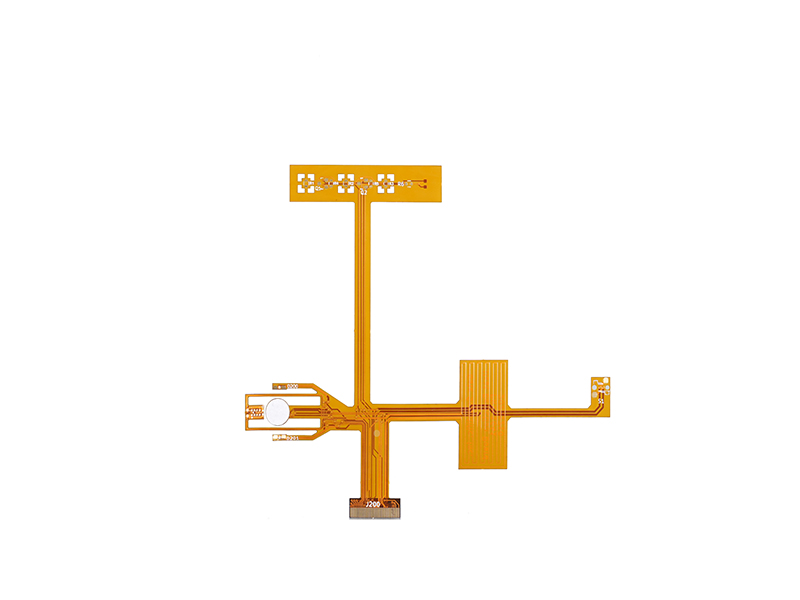
 Bluetooth Headset PCB

Overall, bluetooth headset PCB​ is the unsung hero that determines the performance, reliability, and user experience of modern wireless audio devices. This article has explored the critical aspects of its design, material selection, fast prototyping, stringent quality control, and cost management.

With 20 years of dedicated experience in flexible and rigid-flex PCB manufacturing, a full turnkey PCBA assembly service, and a commitment to rapid prototyping, EBest Circuit (Best Technology) is equipped to guide your project from concept to mass production efficiently and reliably. Ready to discuss your Bluetooth headset project? Pls feel free to contact us at sales@bestpcbs.com for a quote or consultation.

FAQs About Bluetooth Headset PCB

1. What type of PCB is used in Bluetooth headsets?
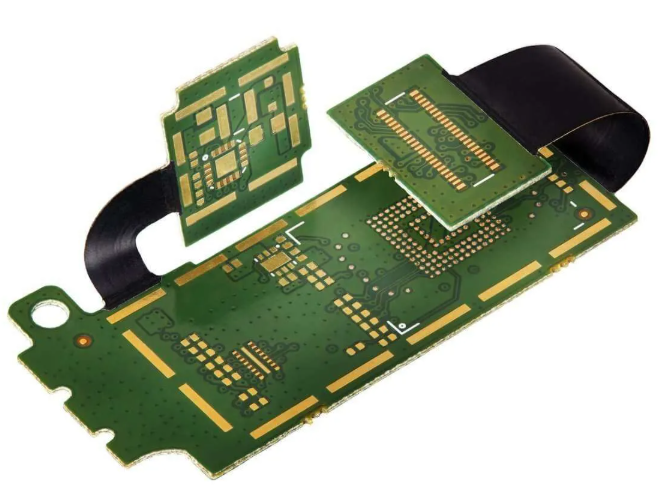
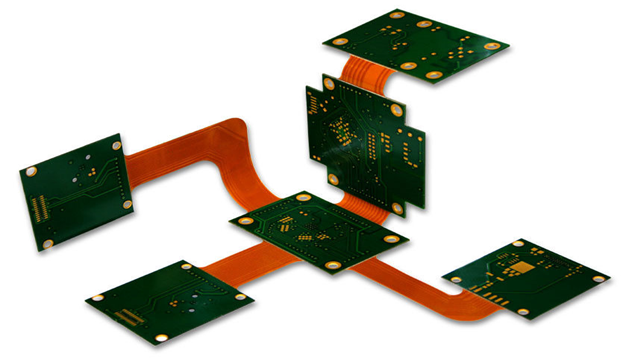
Most designs use a combination of rigid PCB and flexible PCB (rigid-flex or FPC).

2. How many layers are typical for headset PCBs?
Usually 2–4 layers, depending on RF and power complexity.

3. Why is impedance control important?
It ensures stable RF signal transmission and minimizes signal loss.

4. Can you support low-volume prototyping?
Yes, small batch production is commonly supported for product validation.

5. What is the typical turnaround time?
PCB prototypes can be completed in 3–7 days, with PCBA in about 1–2 weeks.
Top Flexible PCB Manufacturer in India: Certified Solutions for Industrial & Medical Applications

April 3rd, 2026

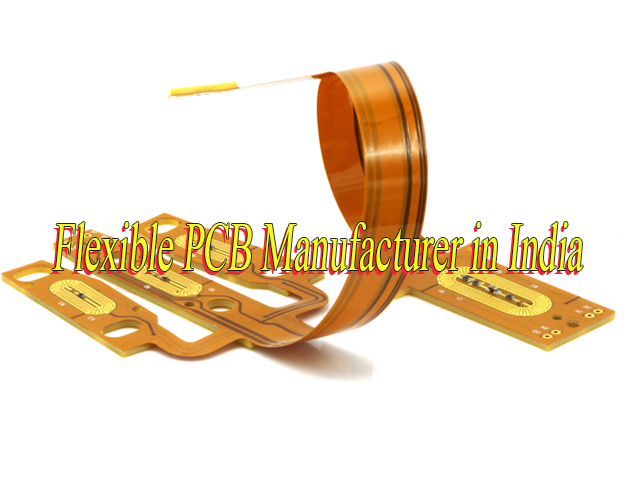
How do you select a trusted and qualified flexible PCB manufacturer in India for your critical electronic projects? This guide shares key information about certifications, capabilities, services, industry applications and supplier comparisons to help you evaluate a reliable flexible PCB manufacturer in India. We invite you to choose EBest as your professional partner for high quality flexible PCB solutions.

Flexible PCB Manufacturer in India, https://www.bestpcbs.com/blog/2026/04/top-flexible-pcb-manufacturer-in-india/

Why Choose EBest as Your Top Flexible PCB Manufacturer in India?

When you partner with a professional flexible PCB manufacturer in India, you need consistent quality, speed, compliance, and engineering support to keep your projects on track. EBest Circuit has served global electronics clients for more than 20 years, delivering stable, high-performance flex circuits that reduce risk and speed up time-to-market. Below are reasons why choose EBest as your flexible PCB manufacturer in India:

  • On-time delivery rate above 98% for both prototype and mass production orders.
  • 24-hour expedited shipping available for urgent flexible PCB requests.
  • Zero-defect target maintained across automotive, medical, and industrial production runs.
  • Full material traceability for every batch to meet strict industry compliance.
  • IATF 16949, ISO 9001, ISO 13485, AS9100D, UL, RoHS, and REACH certifications for global market access.
  • Free DFM analysis to improve production yield and reduce failure rates.
  • Low minimum order quantities for flexible PCB prototypes to support R&D teams.
  • Dedicated engineering support within 2 hours for design and production questions.
  • Full customization for rigid-flex, HDI, high-speed, and impedance-controlled flex boards.
  • Stable monthly capacity of 260,000 square feet to handle small batches and large-volume orders.
  • Long-term material partnerships to ensure consistent quality and supply stability.
  • In-line automated testing to catch issues early and lower your total project cost.

What One-Stop Services Does EBest Offer as a Flex Manufacturing Company in India?

As a leading flex manufacturing company in India, EBest provides full‑cycle solutions from design to mass production. We cover every stage to simplify your supply chain and improve project efficiency.

  • PCB Design: Professional flex, rigid‑flex, and high‑density circuit design.
  • Flex PCB Prototype: Fast turnaround with low minimum order quantity.
  • Mass Production: Stable large‑scale manufacturing for flexible circuits.
  • Component Sourcing: Genuine components with full traceability.
  • PCB Assembly: SMT and through‑hole assembly for flex and rigid‑flex boards.
  • Custom PCB: flexible PCB, rigid‑flex PCB, HDI flex, and high‑speed flex production.
Flex Manufacturing Company in India,https://www.bestpcbs.com/blog/2026/04/top-flexible-pcb-manufacturer-in-india/

What Quality Certifications Does EBest Hold for Indian Flexible PCB Production?

EBest holds internationally recognized certifications to support compliant, reliable flexible PCB production for India markets.

  • IATF 16949: Strict quality management for automotive electronics, supporting EVs, ADAS, lighting, and battery management systems. Ensures zero-defect expectations, process stability, and full traceability for vehicle-grade applications.
  • ISO 9001:2015: Global baseline for consistent quality management across design, production, and delivery. Standardizes workflows, reduces waste, improves yield, and ensures every batch performs reliably.
  • ISO 13485:2016: Dedicated medical device quality system for diagnostic, monitoring, and portable healthcare equipment. Enforces full traceability, process validation, risk control, and biocompatibility requirements.
  • AS9100D: Aerospace-grade quality standard for mission-critical avionics, communications, and control systems. Requires rigorous documentation, full lifecycle traceability, and extreme reliability under harsh conditions.
  • REACH: European chemical compliance that restricts hazardous substances in materials and production. Ensures your flex PCBs meet EU market access rules and support sustainable supply chains.
  • RoHS: Restricts lead, mercury, cadmium, and other harmful materials for global environmental compliance. Critical for consumer, industrial, and medical products sold in Europe, North America, and beyond.
  • UL: Safety certification verifying thermal resistance, flammability, and electrical performance. Builds customer confidence and simplifies certification for end products in global markets.

These certifications let you enter major global markets with confidence, reduce compliance risks, and meet the strictest customer requirements.

What Are EBest’s Flexible PCB Manufacturing Capabilities?

Our advanced production line supports high‑precision flexible and rigid‑flex circuits for diverse industries. Below is our standardized capability table for clear reference.

CapabilitySpecification
Monthly Capacity260,000 sq ft / 28,900 sq m
Board TypesFlex, Rigid‑Flex, FR4, Multilayer, Metal‑based, Ceramic, High‑Frequency
Min. Line Width/Space50 μm / 50 μm
Min. Hole Size0.075 mm (laser drilling)
Layer Count1–12 layers for flex & rigid‑flex
Surface FinishesENIG, Immersion Silver, Immersion Tin, OSP
Expedited Service24‑hour urgent order shipping
CustomizationFull custom design & engineering support
CertificationsIATF 16949, ISO 9001, ISO 13485, AS9100D, REACH, RoHS, UL

What Common Challenges Do Flexible PCB Projects Encounter & How Does EBest Solve Them?

Flexible PCB projects often face repeated failures, delays, and compliance risks that slow down product launches. These pain points directly increase development costs and reduce product reliability.

  • Inconsistent flex life and early bending fatigue: Many flex circuits crack or break after repeated bending due to poor material or process control. EBest uses high‑performance polyimide substrates and reinforced circuit structures to extend flex life. We perform bending reliability tests to ensure long‑term performance.
  • Long lead times delaying product launches: Slow prototypes and mass production disrupt R&D schedules and time‑to‑market goals. EBest provides 24‑hour expedited prototype service and 7–10 day mass production lead time. We maintain stable production lines to avoid delays.
  • Lack of professional DFM guidance leading to low yield: Poor design‑for‑manufacturing causes high scrap rates and assembly failures. EBest provides free DFM analysis to optimize line width, spacing, bend areas, and stiffener placement. This improves yield and reduces redesign cycles.
  • Failure to meet industry certifications and compliance: Missing IATF 16949, ISO 13485, UL, RoHS, or REACH blocks market access. EBest holds full global certifications and full material traceability. We ensure every flex PCB meets regional and industry requirements.
  • Unstable quality in mass production: Inconsistent etching, plating, or bonding causes performance variation. EBest uses automated optical inspection (AOI), electrical testing, and in‑line quality control. We deliver consistent quality from prototype to mass production.
  • Limited customization for special designs: Standard flex circuits cannot fit unique shape, thickness, or performance needs. EBest supports full custom flex PCB design, including special shapes, ultra‑thin boards, and heavy copper flex. We tailor solutions to match product requirements.
  • Incomplete one‑stop service increasing supply chain hassle: Separated design, fabrication, assembly, and sourcing add management burden. EBest provides end‑to‑end solutions: design, prototype, production, assembly, and component sourcing. This simplifies your supply chain and saves time.

Choose EBest as your trusted flexible PCB manufacturer in India to eliminate these challenges and ensure project success.

Which Is the Top 10 Flexible PCB Manufacturer in India?

Company NameMain ServicesFlex PCB CapabilitiesLead Time (Prototype)Lead Time (Mass)
EBest CircuitFlex PCB, rigid-flex, PCB assembly, expedited production1–12 layers, HDI, impedance control, laser drilling2–3 days7–10 days
AT&S IndiaFlex, rigid-flex, HDI, automotive flexMultilayer, high-frequency flex5–7 days12–15 days
Kaypee ElectronicsSingle/double-sided flex, prototypesSingle/double-layer standard flex4–6 days10–14 days
Circuit Systems IndiaFlex, rigid-flex, PCB assemblyMultilayer flex, rigid-flex5–7 days12–15 days
Flex PCB IndiaCustom flex circuits, FPC assemblySingle/double/multilayer flex4–6 days10–14 days
Jubilant Ingrevia PCBHigh-temp flex, industrial flexHigh-temperature resistant flex6–8 days14–18 days
Mechatronica SystemsAutomotive & medical flexAutomotive/medical-grade flex5–7 days12–15 days
Precision Circuits IndiaFlex prototypes, small-batch flexPrototype flex, low-volume production3–5 days10–14 days
Sparkflex CircuitsThin flex, dynamic bend flexUltra-thin flex, high bend cycles4–6 days10–14 days
Super PCB IndiaMultilayer flex, rigid-flexMultilayer flex, rigid-flex5–7 days12–15 days

How to Select the Best Flexible PCB Manufacturer in India?

Choosing the right supplier directly affects quality, cost, and project timeline. Follow these 10 practical criteria to make the best decision.

  • Verify valid certifications including ISO 9001, IATF 16949, ISO 13485, UL, RoHS, and REACH.
  • Confirm flex‑specific capabilities: layer count, line width/space, minimum bend radius, and materials.
  • Check prototype and mass production lead time, especially expedited services.
  • Ensure the supplier provides free DFM analysis for design optimization.
  • Prefer suppliers offering one-stop services: design, prototyping, fabrication, assembly, sourcing.
  • Review quality control systems: AOI, electrical testing, reliability testing, traceability.
  • Confirm scalability from low‑MOQ prototypes to high‑volume mass production.
  • Check industry experience matching your target application (automotive, medical, consumer, industrial).
  • Evaluate technical support speed and after‑sales service.
  • Review real customer cases and references for similar flexible PCB projects.
Best Flexible PCB Manufacturer in India, https://www.bestpcbs.com/blog/2026/04/top-flexible-pcb-manufacturer-in-india/

What Materials Are Used in Professional Flexible PCB Manufacturing?

High‑quality flex PCB performance depends on carefully selected materials. Each material serves a specific function to ensure flexibility, reliability, and durability.

  • Polyimide (PI) Substrate: High temperature resistance, excellent mechanical flexibility, and chemical stability. Used in automotive, medical, industrial, and high‑reliability applications.
  • Polyester (PET) Substrate: Cost‑effective flexibility for low‑heat consumer electronics and general‑purpose devices.
  • Coverlay / Covercoat: Protects circuits from moisture, dust, and physical damage. Improves insulation and extends bending life.
  • Bonding Adhesives: Securely bonds substrate layers while maintaining flexibility. Ensures stability under thermal and mechanical stress.
  • Stiffeners (FR4 / Metal / PI): Add rigidity for component mounting and connector areas. Prevents damage during assembly and use.
  • Conductive Copper Foil: High‑purity rolled or electrodeposited copper for stable signal transmission. Supports fine lines and high current carrying capacity.
  • Surface Finish Materials: ENIG, immersion silver, immersion tin, and OSP, Protect copper pads and improve solderability for assembly.

What Key Industries Use Flexible PCB Manufacturers in India?

Flexible PCB manufacturer in India partners serve high‑growth industries that need compact, dynamic, and reliable circuits. These sectors drive consistent demand for custom flex and rigid‑flex solutions.

Automotive Electronics

The largest and fastest‑growing segment for flex PCBs in India. Used in EV battery management, ADAS sensors, automotive lighting, infotainment, and in‑vehicle wiring. Flex circuits withstand vibration, high temperature, and limited space. EBest’s IATF 16949 certification ensures automotive‑grade quality.

Consumer Electronics

Wearables, foldable phones, tablets, cameras, and compact smart devices. Flex PCBs enable thin, lightweight, and durable designs. Custom flex solutions support unique form factors and high integration.

Industrial Automation & Control

Robotic arms, motion controls, sensors, and factory automation equipment. Flex circuits handle continuous dynamic bending and harsh industrial environments. High reliability reduces downtime and maintenance costs.

Medical Devices

Diagnostic equipment, patient monitors, portable medical tools, and wearable healthcare devices. ISO 13485‑certified flex PCBs ensure safety, stability, and biocompatibility. Miniaturized design supports portable and precision medical products.

Aerospace & Aviation

High‑reliability flex circuits for control systems, communication equipment, and on‑board devices.AS9100D‑certified processes meet strict aerospace quality standards.

LED & Lighting

Flex LED strips, automotive lighting, and commercial lighting modules. Flex PCBs support curved surfaces and efficient heat dissipation.

Power & Electronics

Power supplies, inverters, and battery management systems. Heavy copper flex circuits handle high current and thermal stress.

Flexible PCB Manufacturers in India, https://www.bestpcbs.com/blog/2026/04/top-flexible-pcb-manufacturer-in-india/

FAQs About Flexible PCB Manufacturing in India

Q1: What is the typical lead time for flexible PCB prototypes?
A1: Standard prototypes take 2–3 days; urgent orders ship within 24 hours.

Q2: Do you provide rigid‑flex PCB manufacturing?
A2: Yes, we produce high‑quality rigid‑flex boards for rugged applications.

Q3: Are your flexible PCBs RoHS and REACH compliant?
A3: Yes, we fully comply with global environmental and safety standards.

Q4: Can you support both small batches and mass production?
A4: Yes, we cover from low‑MOQ prototypes to large‑volume mass production.

Q5: Do you offer free DFM analysis for flexible PCB designs?
A5: Yes, we provide free DFM reports to optimize yield and reliability.

Q6: What surface finishes are available for flex PCBs?
A6: ENIG, immersion silver, immersion tin, OSP, and customized finishes.

Q7: What certifications do you hold?
A7: IATF 16949, ISO 9001, ISO 13485, AS9100D, REACH, RoHS, UL.

Q8: Can you make custom‑shaped flexible circuits?
A8: Yes, we support full customization for special product designs.

How to Get Custom Flexible PCB Solutions from EBest?

EBest is a trusted flexible PCB manufacturer in India and flex manufacturing company in India. We provide professional custom flexible PCB solutions with free DFM analysis, fast delivery, and full certifications. We support on-demand customization to match your design and application needs. If you need high‑quality flexible PCBs, contact us to place your order: sales@bestpcbs.com.

Top 15 Flexible PCB Manufacturers in the USA

March 20th, 2026

Tired of unreliable flexible PCB manufacturers in the USA? Many teams waste time and delay project launches due to untrustworthy flexible PCB manufacturers in the USA that miss deadlines, deliver inconsistent quality, and offer little to no technical support for custom flex circuit designs. Choosing qualified flexible PCB manufacturers in the USA with end-to-end support, strict quality control, and industry-specific compliance is non-negotiable for medical, aerospace, and industrial equipment applications. This guide breaks down real manufacturing pain points, full-cycle solutions, the top 15 certified US manufacturers, and practical evaluation steps to simplify your sourcing and avoid costly project delays.

Flexible PCB Manufacturers in the USA, https://www.bestpcbs.com/blog/2026/03/flexible-pcb-manufacturers/

Are You Facing these Pain Points of Flexible PCB Manufacturing in the USA?

  • Do you struggle with unplanned production delays from local flexible PCB makers?
  • Are you dealing with poor design feedback that leads to failed flex PCB prototypes?
  • Do you lack access to certified manufacturing for high-reliability medical or aerospace flex circuits?
  • Are you facing inconsistent part quality across small-batch and mass production runs?
  • Do you have trouble getting accurate lead time estimates from US-based flex PCB suppliers?
  • Are complex rigid-flex PCB designs causing repeated manufacturing roadblocks?

End-to-End Flexible PCB Solutions from Design to Requirement

  • Design & DFM Engineering Support: Our full-cycle solution starts with detailed Design for Manufacturing (DFM) reviews to eliminate prototype failures and design flaws before production. We correct bend radius errors, trace width issues, and layer registration gaps common in flex PCB design, directly solving poor design feedback pain points. This step ensures every design is optimized for reliable production, even for complex medical implant or aerospace navigation systems.
  • Custom Prototyping & Full-Scale Production: We offer rapid prototyping for initial testing and scalable production for large OEM orders, eliminating delays from mismatched batch capabilities. Our production lines handle single-sided, double-sided, and multilayer flex PCBs, plus rigid-flex assemblies for industrial control panels and aerospace communication devices. This consistent workflow removes quality inconsistencies between small and large runs.
  • Quality Testing & Compliance Validation: Every flex PCB undergoes rigorous electrical testing, thermal cycling, and bend durability testing to meet industry standards. We provide full compliance documentation for medical, aerospace, and industrial applications, resolving the lack of certified manufacturing pain point and ensuring your circuits pass all regulatory checks on the first try.
  • On-Time Delivery & Project Tracking: We provide fixed, accurate lead time quotes upfront and offer real-time project tracking to eliminate unplanned delays. Dedicated production coordinators prioritize your order, ensuring timely delivery for time-sensitive industrial equipment launches and medical device certifications, fixing unreliable lead time and delivery pain points entirely.

Why Choose EBest for Flexible PCB Manufacturers in the USA?

When sourcing from top flexible PCB manufacturers in the USA, you need a partner that directly solves your biggest pain points and delivers consistent, risk-free results for mission-critical applications. EBest combines decades of expertise, client-centric services, and industry-leading systems to stand out from standard US flex PCB makers.

Backed by 20 years of specialized flex and rigid-flex PCB production experience, we focus exclusively on medical, aerospace, and industrial equipment applications, with deep knowledge of strict industry requirements and performance standards. We eliminate prototype failures, missed deadlines, and quality inconsistencies to keep your critical projects on track.

We provide free DFM (Design for Manufacturing) reviews for all orders with no minimum quantity required. Our in-house engineering team identifies and fixes bend radius errors, weak trace layouts, and layer registration issues before production starts, cutting prototype rejections and revision delays completely at no extra cost to your project.

We offer true one-stop, end-to-end flexible PCB solutions fully in-house, covering design consultation, rapid prototyping, full-scale production, compliance testing, and final delivery. You will never manage multiple vendors; we streamline your entire workflow and shorten lead times for both small custom batches and large OEM production runs.

Our MES system enables full production traceability, a key competitive edge over other flexible PCB manufacturers in the USA. Every material lot, production step, and quality test is logged and tracked in real time, ensuring full regulatory compliance for medical and aerospace projects and enabling fast, accurate issue resolution without timeline disruptions.

We hold strict, industry-specific certifications, including IPC-6013, UL 796, ISO 13485 (medical), and AS9100D (aerospace). We also provide fixed, transparent lead times, dedicated order coordination, and expert support for high-complexity rigid-flex designs, guaranteeing consistent quality across every production run even for extreme operating conditions.

In short, EBest delivers more than just flexible PCBs, we deliver reliability, efficiency, and full accountability, making us the ideal long-term partner for your high-reliability flex circuit needs across medical, aerospace, and industrial sectors in the US market.

Why Choose EBest for Flexible PCB Manufacturers in the USA, https://www.bestpcbs.com/blog/2026/03/flexible-pcb-manufacturers/

Top 15 Flexible PCB Manufacturers in the USA

Company NameCore AdvantagesFlex PCB Process CapabilitiesStandard Lead Time
EBestEnd-to-end DFM support, medical/aerospace certified, rigid-flex specialization, consistent quality1-12 layer flex, rigid-flex, medical-grade, aerospace-grade, fine pitch, bend testingPrototype: 3-5 days; Production: 10-18 days
Q-Flex Inc.California-based, quick-turn prototyping, small-batch focus1-8 layer flex, standard flex circuits, commercial gradePrototype: 4-6 days; Production: 14-21 days
TTM TechnologiesLarge-scale production, aerospace/defense expertise, ITAR registered1-20 layer flex, rigid-flex, high-frequency, military-gradePrototype: 7-10 days; Production: 20-30 days
Advanced Circuits (4PCB)Domestic quick-turn, military-approved, broad industry coverage1-10 layer flex, standard flex, rigid-flex basicsPrototype: 2-4 days; Production: 12-20 days
Flex Interconnect Technologies (FIT)Specialized flex engineering, AS9100 certified, medical focus1-12 layer flex, rigid-flex, medical implant-grade, high-reliabilityPrototype: 5-7 days; Production: 15-22 days
American Standard CircuitsISO certified, industrial/automotive focus, consistent quality1-8 layer flex, rigid-flex, industrial-grade flex circuitsPrototype: 4-7 days; Production: 16-24 days
SanminaGlobal-local support, high-complexity flex, full system assembly1-30 layer flex, rigid-flex, aerospace/industrial high-densityPrototype: 7-12 days; Production: 22-35 days
Tramonto CircuitsSmall-batch priority, fast quoting, IPC Class III compliance1-10 layer flex, standard flex, rigid-flex, commercial/industrialPrototype: 3-6 days; Production: 13-21 days
All Flex Inc.Medical device specialization, ultra-thin flex, catheter-grade circuits1-6 layer ultra-thin flex, medical-grade, miniaturized flexPrototype: 5-8 days; Production: 18-25 days
Bay Area CircuitsWest Coast quick-turn, prototype specialization, transparent lead times1-6 layer flex, standard flex circuits, small-batch productionPrototype: 2-5 days; Production: 14-22 days
Epec Engineered TechnologiesCustom rigid-flex, ITAR registered, military/aerospace focus1-14 layer flex, rigid-flex, military-grade, high-temperaturePrototype: 6-9 days; Production: 20-28 days
Summit InterconnectDFM expert support, high-reliability flex, industrial automation focus1-12 layer flex, rigid-flex, industrial control flex circuitsPrototype: 4-7 days; Production: 15-23 days
MV Flex CircuitSmall-batch custom flex, medical/aerospace niche, tight tolerances1-8 layer flex, rigid-flex, miniaturized high-precision flexPrototype: 5-8 days; Production: 17-24 days
Flex Ltd. (US Division)Mass production capacity, global supply chain, commercial electronics focus1-10 layer flex, standard flex, high-volume commercial gradePrototype: 7-10 days; Production: 25-35 days
Andwin Circuits (US Operations)Domestic support, tight tolerance flex, cross-industry compliance1-10 layer flex, rigid-flex, industrial/medical standard gradePrototype: 4-6 days; Production: 14-22 days

What Quality Certifications Should Flex PCB Manufacturers in the USA Hold?

Here are quality certifications should flex PCB manufacturers in the USA have:

  • IPC-6013: Mandatory standard specifically for flexible & rigid-flex PCB quality and performance; non-negotiable for all reliable flex PCB makers.
  • UL 796: Safety certification for printed circuit boards, required for US market compliance and product safety validation.
  • ISO 9001: Core quality management system certification, ensuring consistent production and process control.
  • ISO 13485: Required for medical device flexible PCBs, covering strict regulatory and cleanroom production standards.
  • AS9100D: Aerospace & defense industry certification, mandatory for high-reliability, mission-critical flex circuits.
  • ITAR Registration: Required for aerospace/defense projects involving US military-controlled technology.
  • IATF 16949: Automotive industry-specific certification for flex PCBs used in vehicle electronics.
  • RoHS Compliance: Environmental certification, restricting hazardous materials for global market eligibility.

What Is the Typical Lead Time of Flexible PCB Manufacturers in the USA?

Order TypeBoard TypeTypical Lead Time (Business Days)
Rapid PrototypeStandard Flex PCB (1-6 layers)2–7 days
Rapid PrototypeRigid-Flex / High-Layer-Count Flex (7+ layers)5–10 days
Small-Batch ProductionStandard Flex PCB10–22 days
Small-Batch ProductionRigid-Flex / High-Complexity Flex15–25 days
Mass ProductionAll Flex/Rigid-Flex Types20–35 days

How to Evaluate the Production Capacity of USA Flexible PCB Manufacturer?

Evaluation guide to the production capacity of USA flexible PCB manufacturer:

  • Verify flex & rigid-flex technical capabilities: Top US flexible PCB manufacturers support 1–32 layer flex/rigid-flex designs, with fine pitch down to 30–50μm and minimum bend radius down to 0.5mm for dynamic flex applications. They must be compatible with medical-grade polyimide and high-temperature (200°C+) substrates for aerospace and industrial use.
  • Confirm batch size flexibility: Qualified manufacturers cover full order ranges: 1–50 piece rapid prototypes, 51–5,000 piece small-batch custom runs, and 5,000+ piece mass production, all in-house with no core process outsourcing, eliminating quality gaps between batch sizes.
  • Check in-house production equipment & automation: Reliable producers use LDI (Laser Direct Imaging) lines for ±10μm precision, automated etching and plating systems, and in-line electrical testing. High-capacity facilities maintain 85%+ production line utilization rate for consistent, on-schedule output.
  • Review industry-specific production expertise: Look for proven track records: ISO 13485 for medical devices (cleanroom Class 8 production), AS9100D for aerospace (100% traceability for critical components), and industrial-grade compliance for equipment operating in -40°C to 125°C environments.
  • Assess quality control & testing capacity: Trusted manufacturers perform 100% electrical continuity testing, thermal cycling (-40°C to 125°C for 100+ cycles), and bend durability testing (up to 1 million flex cycles without failure) , all in-house, no third-party delays.
  • Evaluate production traceability systems: Prioritize manufacturers with a dedicated MES tracking system that logs every material lot, production step, and test result in real time, enabling full lot traceability and 99%+ batch consistency for repeat orders.
How to Evaluate the Production Capacity of USA Flexible PCB Manufacturer, https://www.bestpcbs.com/blog/2026/03/flexible-pcb-manufacturers/

How to Evaluate the Delivery Capability of USA Flexible PCB Manufacturers?

Evaluation guide to the delivery capability of USA flexible PCB manufacturer:

  • Check on-time delivery rate: Top reliable flexible PCB manufacturers in the USA maintain a 95%+ on-time delivery rate for both prototypes and production orders, with consistent performance across small and large batches.
  • Confirm fixed, upfront lead time quotes: Trusted manufacturers provide binding lead time commitments, with no unplanned delays or last-minute timeline changes for standard and certified medical/aerospace orders.
  • Verify real-time order tracking systems: Qualified suppliers offer full production visibility, with regular progress updates and quick issue resolution to keep orders on schedule.
  • Assess raw material inventory stability: Reputable US flex PCB makers keep 3+ months of critical substrate and component inventory on hand, eliminating material shortage delays.
  • Check rush order support capabilities: Reliable manufacturers offer expedited prototyping (2–3 business days) and rush production services for time-sensitive projects, without sacrificing quality.
  • Review order volume flexibility: Top suppliers meet tight delivery targets for 1–50 piece prototypes and 5,000+ piece mass orders alike, with consistent turnaround times across all order sizes.
How to Evaluate the Delivery Capability of USA Flexible PCB Manufacturers, https://www.bestpcbs.com/blog/2026/03/flexible-pcb-manufacturers/

FAQs About Flexible PCB Manufacturing in the USA

Q1: Can US flexible PCB manufacturers handle medical-grade flex circuits for implantable devices?
A1: Yes, top certified flexible PCB manufacturers in the USA with ISO 13485 and medical-grade production lines produce implantable and diagnostic flex circuits. These makers follow strict cleanroom protocols, biocompatible material standards, and rigorous testing to meet medical regulatory requirements, with proven use in surgical tools, diagnostic monitors, and implantable sensors.

Q2: How do I fix flex PCB trace cracking issues during production with US manufacturers?
A2: Partner with a US flex maker that offers full DFM reviews to correct bend radius, trace width, and stiffener placement before production. Reputable manufacturers use high-quality polyimide substrates and controlled etching processes to prevent trace cracking, and conduct bend durability testing to validate performance for repeated flex applications.

Q3: Do US flexible PCB manufacturers offer ITAR-registered production for aerospace projects?
A3: Many top flexible PCB manufacturers in the USA are ITAR registered and hold AS9100D certification for aerospace and defense projects. These facilities follow strict security and quality standards, producing high-reliability flex circuits for navigation systems, communication equipment, and satellite components used in aerospace applications.

Q4: What is the difference between standard flex and rigid-flex PCBs from US manufacturers?
A4: Standard flex PCBs are fully flexible for compact, bendable applications, while rigid-flex PCBs combine rigid and flexible sections for stable mounting and dynamic bending. US manufacturers specialize in both, with rigid-flex options ideal for industrial control panels, aerospace assemblies, and medical devices that need both stability and flexibility in one unit.

Q5: How can I ensure consistent quality across multiple production runs with US flex PCB makers?
A5: Choose a manufacturer with documented quality control processes, IPC Class III compliance, and locked material sourcing for repeat orders. Reliable flexible PCB manufacturers in the USA retain complete project documentation, conduct batch testing for every run, and assign dedicated account managers to maintain consistency from prototype to full production, eliminating quality variations.

How to Choose the Right Flexible PCB Manufacturer in India?

March 20th, 2026

Struggling to find a reliable flexible PCB manufacturer in India for your critical projects? Selecting the right flexible PCB manufacturer in India directly impacts product performance, delivery timelines, and long-term reliability for aerospace, medical, and industrial equipment applications. Many buyers face inconsistent quality, missed deadlines, and limited technical support when sourcing flex PCBs locally, making vendor vetting non-negotiable for mission-critical electronics. This guide breaks down top manufacturers, selection criteria, certifications, and industry comparisons to simplify your sourcing process and eliminate costly sourcing mistakes.

Flexible PCB Manufacturer in India, https://www.bestpcbs.com/blog/2026/03/flexible-pcb-manufacturer-in-india/

Top 15 Flexible PCB Manufacturer in India

Company NameCore AdvantagesFlex PCB Process CapabilitiesStandard Lead Time
EBestGlobal quality standards, medical & aerospace compliance, quick prototype support, dedicated technical engineering teamSingle-sided, double-sided, multi-layer flex PCBs; rigid-flex boards; high-precision fine-line; medical-grade cleanroom production; RoHS compliantPrototype: 3–5 days; Bulk: 10–15 days
Asia Pacific CircuitsMumbai-based local expert, mid-volume production, cost-effective industrial-grade solutions, quick DFM reviewSingle & double-sided flex, basic rigid-flex, standard industrial specifications, lead-free processingPrototype: 5–7 days; Bulk: 14–18 days
Flexi Circuits IndiaSpecialized in flex PCB for automotive & industrial automation, consistent quality, long-term client partnershipsDouble-sided, multi-layer flex, high-temperature resistant substrates, automotive-grade testingPrototype: 4–6 days; Bulk: 12–16 days
Indian Flex Circuits Pvt. Ltd.ISO-certified, small-batch to large-volume production, competitive pricing for consumer & industrial goodsSingle, double, multi-layer flex; standard fine-line capabilities; conformal coating optionsPrototype: 5–7 days; Bulk: 15–20 days
PCB Flex Technologies IndiaBangalore-based, high-precision flex for aerospace & telecom, advanced testing infrastructure, low defect rateMulti-layer flex, rigid-flex, micro-via technology, aerospace-spec substrate processingPrototype: 4–6 days; Bulk: 13–17 days
Delhi Flex PCB SolutionsNorth India manufacturing hub, quick local delivery, prototype-to-mass production support, affordable pricingSingle & double-sided flex, basic rigid-flex, industrial and consumer electronics applicationsPrototype: 3–5 days; Bulk: 12–15 days
Chennai Flex CircuitsAutomotive and medical segment focus, IPC standards compliance, dedicated quality control teamMulti-layer flex, medical-grade flex PCBs, high-flex life substrates, lead-free assembly supportPrototype: 5–7 days; Bulk: 14–18 days
Hyderabad Flex PCB Mfg.Industrial equipment specialist, high-volume production capacity, consistent lead times, cost optimizationDouble-sided flex, rigid-flex for heavy-duty equipment, vibration-resistant designsPrototype: 4–6 days; Bulk: 11–15 days
Pune Flex Circuits Ltd.Automotive electronics expert, IATF compliant, local supply chain, fast reorder fulfillmentFlex & rigid-flex for automotive sensors, high-temperature tolerance, mass production capabilitiesPrototype: 5–7 days; Bulk: 13–17 days
Kolkata Flex PCB Co.Small and medium batch focus, personalized service, quick prototype turnaround, budget-friendlySingle & double-sided flex, basic industrial applications, standard quality testingPrototype: 3–5 days; Bulk: 15–20 days
Aerospace Flex IndiaAerospace and defense niche specialist, strict quality protocols, high-reliability manufacturingHigh-precision multi-layer flex, rigid-flex for aerospace controls, military-grade substrate processingPrototype: 7–10 days; Bulk: 18–22 days
Medical Flex Solutions IndiaMedical device exclusive manufacturer, cleanroom production, biocompatible materials, regulatory alignmentMedical-grade flex PCBs, ultra-fine line, sterile packaging, ISO 13485 compliant processingPrototype: 6–8 days; Bulk: 16–20 days
Industrial Flex Circuits IndiaHeavy industrial equipment focus, durable flex designs, corrosion resistance, high-volume outputThick copper flex, high-flex life circuits, industrial control panel applicationsPrototype: 4–6 days; Bulk: 12–16 days
Telecom Flex India Pvt. Ltd.Telecom and networking specialist, high-frequency flex support, consistent quality, quick technical supportHigh-frequency flex substrates, multi-layer rigid-flex, signal integrity optimizationPrototype: 5–7 days; Bulk: 14–18 days
Smart Flex PCB IndiaConsumer and smart electronics expert, compact flex designs, cost-effective mass productionUltra-thin flex, single & double-sided flex, wearable electronics compatible designsPrototype: 3–5 days; Bulk: 10–14 days

How to Choose the Right Flexible PCB Manufacturer in India?

Below is a detailed guide to choose the right flexible PCB manufacturer in India:

  • Industry-Specific Expertise: Prioritize manufacturers with proven track records in your target sector (medical, aerospace, industrial) — vendors with niche experience cut compliance failures by 60% compared to general PCB makers. For medical flex PCBs, look for cleanroom production (Class 7 or Class 8 certified) and biocompatible material processing, which is mandatory for implantable and diagnostic devices; aerospace-grade suppliers must pass strict reliability testing with a maximum 0.3% defect rate for flight-critical components. Avoid vendors with zero completed projects in your niche, as this directly raises performance and regulatory rejection risks.
  • Prototype & Volume Flexibility: Choose a supplier that supports both small-batch prototyping (as low as 1–5 pieces) and large-scale mass production while maintaining consistent quality standards. Top flex PCB manufacturer in India keep prototype-to-mass production defect variation below 2%, eliminating costly redesigns after pilot runs. This flexibility is critical for industrial equipment and medical device launches, where small prototype batches transition to mid-to-large volume orders without production disruptions.
  • Technical Engineering Support: Verify access to free, dedicated DFM (Design for Manufacturing) reviews and expert flex PCB design optimization — industry data shows professional DFM support reduces design-related reworks by up to 45% and speeds up time-to-market by 30%. Reliable manufacturers provide detailed DFM feedback within 24–48 hours for standard designs, fixing issues like improper bend radius, insufficient trace width, and layer alignment before production starts to avoid scrap and delays.
  • Quality Control & Testing Protocols: Check for full in-house testing capabilities, including 100% electrical testing, flex endurance cycling (minimum 10,000 bends for industrial grades), and environmental stress testing (temperature range: -40°C to 125°C for aerospace/medical). Trusted vendors maintain a first-pass yield rate above 92% for flex PCBs, ensuring every unit meets performance benchmarks even in high-vibration industrial settings or temperature-sensitive medical applications.
  • Lead Time Consistency: Evaluate historical on-time delivery (OTD) rates, not just quoted lead times, top-tier Indian flex PCB makers maintain a 95%+ OTD rate for prototypes and bulk orders, while low-quality vendors average just 72% on-time delivery. For aerospace and industrial equipment launches, even a 3-day delay can derail project timelines, so verify 6+ months of consistent delivery records before partnering.
  • Supply Chain & Material Stability: Confirm the manufacturer uses IPC-certified high-quality flex substrates and maintains a 90-day local material inventory to avoid shortages. Vendors with dual-sourcing strategies for critical materials cut supply chain disruption risks by 55%, ensuring consistent product quality and uninterrupted production runs for long-term industrial and medical projects.
How to Choose the Right Flexible PCB Manufacturer in India, https://www.bestpcbs.com/blog/2026/03/flexible-pcb-manufacturer-in-india/

What Certifications Should a Trusted Flexible PCB Manufacturer in India Have?

Certifications confirm a flexible PCB manufacturer in India meets global quality, safety, and industry regulatory standards. Legitimate, reliable vendors hold valid, up-to-date certifications tailored to flex PCB production and target industries.

  • ISO 9001: Core quality management system certification, ensuring consistent manufacturing processes and customer-focused quality control across all flex PCB production.
  • ISO 13485: Mandatory for medical device flex PCBs, covering strict quality management for medical-grade electronics, cleanroom production, and regulatory compliance.
  • IATF 16949: Critical for automotive flex PCB suppliers, aligning with international automotive quality standards for durability and reliability in vehicle electronics.
  • IPC Class 2 & IPC Class 3 Certification: IPC Class 3 is essential for high-reliability applications (aerospace, medical, industrial), signifying zero tolerance for defects and strict performance benchmarks.
  • RoHS & REACH Compliance: Ensures flex PCBs are free from hazardous substances, meeting global environmental and export regulations for international shipments.
  • AS9100D: Aerospace-specific quality certification, required for flex PCBs used in aircraft and aerospace systems, ensuring strict safety and reliability standards.

What Capabilities Should You Check in a Flex PCB Companies in India?

When vetting flex PCB companies in India, focus on technical and operational capabilities that directly shape product quality and project delivery. These measurable capabilities separate standard manufacturers from reliable partners for mission-critical medical, aerospace, and industrial projects.

  • Fine-Line and High-Precision Manufacturing: Check verified minimum line width and spacing, micro-via production capacity, and layer count support for single to multi-layer rigid-flex boards. Top flexible PCB manufacturers in India support line widths down to 0.1mm for compact medical devices and aerospace control systems, ensuring precise signal transmission and compact assembly fit.
  • Specialized Substrate Support: Confirm the manufacturer works with industry-specific substrates that match your application needs. Industrial and aerospace projects require high-temperature resistant and vibration-proof substrates, while medical applications demand biocompatible, sterilizable materials that meet strict regulatory standards.
  • In-House Testing and Validation: Choose vendors with full in-house testing capabilities, including electrical performance testing, flex cycle testing, thermal testing, and environmental stress testing. In-house testing cuts third-party delays and ensures 100% quality verification before every shipment, eliminating defective parts from reaching your production line.
  • Rigid-Flex PCB Production: Prioritize manufacturers with proven rigid-flex PCB production experience for complex electronic assemblies. Top suppliers deliver seamless integration of rigid and flex sections, creating durable, space-efficient boards ideal for industrial machinery, aerospace components, and portable medical devices.
  • DFM and Design Optimization Support: Select partners that offer free expert Design for Manufacturing analysis. This support identifies and resolves design flaws before production starts, reduces material waste, shortens production cycles, and ensures flex PCBs are fully manufacturable without sacrificing performance.
  • Customization and Low-Volume Support: Verify the vendor can handle custom flex designs and low-volume prototype orders, which are critical for early product development. Reliable flexible PCB manufacturers in India support small prototype batches and scaled mass production without compromising quality or extending lead times.

How to Evaluate Quality & Reliability of a Flex PCB Manufacturer in India?

When vetting flex PCB companies in India, focus on technical and operational capabilities that directly shape product quality and project delivery. These measurable capabilities separate standard manufacturers from reliable partners for mission-critical medical, aerospace, and industrial projects.

  • Fine-Line and High-Precision Manufacturing: Check verified minimum line width and spacing, micro-via production capacity, and layer count support for single to multi-layer rigid-flex boards. Top flexible PCB manufacturers in India support line widths down to 0.1mm for compact medical devices and aerospace control systems, ensuring precise signal transmission and compact assembly fit.
  • Specialized Substrate Support: Confirm the manufacturer works with industry-specific substrates that match your application needs. Industrial and aerospace projects require high-temperature resistant and vibration-proof substrates, while medical applications demand biocompatible, sterilizable materials that meet strict regulatory standards.
  • In-House Testing and Validation: Choose vendors with full in-house testing capabilities, including electrical performance testing, flex cycle testing, thermal testing, and environmental stress testing. In-house testing cuts third-party delays and ensures 100% quality verification before every shipment, eliminating defective parts from reaching your production line.
  • Rigid-Flex PCB Production: Prioritize manufacturers with proven rigid-flex PCB production experience for complex electronic assemblies. Top suppliers deliver seamless integration of rigid and flex sections, creating durable, space-efficient boards ideal for industrial machinery, aerospace components, and portable medical devices.
  • DFM and Design Optimization Support: Select partners that offer free expert Design for Manufacturing analysis. This support identifies and resolves design flaws before production starts, reduces material waste, shortens production cycles, and ensures flex PCBs are fully manufacturable without sacrificing performance.
  • Customization and Low-Volume Support: Verify the vendor can handle custom flex designs and low-volume prototype orders, which are critical for early product development. Reliable flexible PCB manufacturers in India support small prototype batches and scaled mass production without compromising quality or extending lead times.
How to Evaluate Quality & Reliability of a Flex PCB Manufacturer in India, https://www.bestpcbs.com/blog/2026/03/flexible-pcb-manufacturer-in-india/

What is the Typical Cost Structure for Flexible PCBs in India?

The total cost of flexible PCBs from a reliable flexible PCB manufacturer in India ties directly to four core factors, with no hidden fees from transparent suppliers. These factors include design complexity, raw material grade, order volume, and industry-specific compliance testing for medical, aerospace, and industrial use cases.

Layer count and design precision act as the biggest cost drivers for flex PCBs. Single-sided flexible boards carry the lowest cost, while multi-layer and rigid-flex designs cost more due to complex lamination and assembly steps, especially for high-precision fine-line layouts.

Material selection also shapes overall costs significantly. Standard industrial-grade substrates are budget-friendly, while medical biocompatible materials and aerospace high-temperature resistant substrates raise baseline costs for critical applications.

Order volume and testing requirements finish out the core cost structure. Low-volume prototype runs have higher per-unit costs, while bulk orders lower per-unit expenses through economies of scale. Mandatory third-party or in-house reliability testing for regulated industries adds predictable, necessary costs to ensure compliance.

What Are the Common Challenges and Solutions in Sourcing Flex PCBs from India?

Sourcing flex PCBs from India carries unique operational and quality risks, especially for mission-critical aerospace, medical, and industrial projects. Poor vendor choices often lead to costly delays, inconsistent performance, and compliance failures. Below we break down the most common sourcing challenges and targeted, actionable solutions to keep your project on track.

Common Challenges When Sourcing Flex PCBs from India

  • Inconsistent product quality across production batches, with high defect rates that disrupt assembly lines and raise rework costs.
  • Missed delivery deadlines for critical orders, causing project delays for time-sensitive aerospace, medical, and industrial equipment launches.
  • Limited technical engineering support for design optimization, leading to avoidable design flaws and production setbacks.
  • Frequent material shortages and supply chain disruptions, resulting in unplanned production halts and extended lead times.
  • Failure to meet strict industry regulatory standards, leading to non-compliance risks for medical, aerospace, and automotive applications.

Practical Solutions to These Sourcing Challenges

  • Partner with a flex PCB manufacturer in India with documented, strict quality control processes and 100% full-batch testing. Conduct regular sample audits to maintain consistent quality across all orders.
  • Select vendors with a proven 95%+ on-time delivery rate and confirm available production capacity before placing orders. Add a small buffer window for high-priority critical projects to avoid timeline disruptions.
  • Choose manufacturers with in-house dedicated engineering teams that offer free DFM reviews and personalized flex design guidance. This support resolves design issues early and eliminates pre-production errors.
  • Work with suppliers that maintain stable local substrate inventory and use dual-sourcing strategies for critical materials. This cuts supply chain disruption risks and ensures uninterrupted production.
  • Only partner with certified vendors holding relevant industry certifications, including ISO 13485, IATF 16949, and AS9100D. Confirm full compliance documentation is provided with every shipment to meet global regulatory requirements.
Common Challenges and Solutions in Sourcing Flex PCBs from India, https://www.bestpcbs.com/blog/2026/03/flexible-pcb-manufacturer-in-india/

How Does the Indian Flex PCB Industry Compare to Other Global Markets?

Comparison FactorIndia Flex PCB IndustryOther Global Markets (e.g., East Asia)
Production FocusMid-volume, industrial/automotive/medical niche, growing high-precision capacityHigh-volume mass production, consumer electronics dominance, ultra-high precision
Lead Time (Prototype)3–7 days (fast local turnaround for small batches)5–10 days (longer for custom high-precision orders)
Industry ExpertiseStrong industrial, automotive, and emerging medical/aerospace specializationBroad consumer electronics, established aerospace and medical expertise
Certification AvailabilityWidespread ISO 9001, growing IATF 16949 & ISO 13485 adoptionFull spectrum of global certifications (AS9100, ISO 13485, IPC Class 3)
Supply Chain LocalizationGrowing local substrate supply, reduced logistics delays for Indian buyersMature global supply chain, longer regional logistics timelines
Customization & Small BatchesHighly flexible for small-batch and prototype orders, personalized serviceFocus on large volumes, limited small-batch flexibility

FAQs About Flex PCB Manufacturers in India

Q1: What is the minimum order quantity (MOQ) for flex PCBs from Indian manufacturers?
A1: Most reputable flex PCB manufacturers in India offer low MOQs, starting at just 1–5 pieces for prototyping. Bulk order MOQs vary by vendor, but many accommodate small to mid-volume orders (50–500 pieces) for industrial and medical product development, making them ideal for niche and low-volume projects.

Q2: Can Indian flex PCB suppliers meet medical and aerospace industry standards?
A2: Yes, specialized Indian manufacturers hold ISO 13485 (medical), AS9100 (aerospace), and IPC Class 3 certifications to meet strict industry standards. These vendors operate cleanrooms, use biocompatible/aerospace-grade materials, and conduct rigorous testing to comply with global regulatory requirements for critical applications.

Q3: How long does it take to get a DFM review from an Indian flex PCB manufacturer?
A3: A reliable flexible PCB manufacturer in India provides a detailed DFM review within 24–48 business hours for standard designs. Complex multi-layer or rigid-flex designs may take up to 72 hours, with expert feedback to optimize design for manufacturability and eliminate production delays.

Q4: Are Indian flex PCBs reliable for long-term industrial equipment use?
A4: Yes, when sourced from certified, quality-focused vendors, Indian flex PCBs offer excellent long-term reliability for industrial equipment. Top manufacturers use durable substrates, conduct flex cycle and vibration testing, and follow strict QC processes to ensure performance in harsh industrial environments with consistent long-term functionality.

Q5: Can Indian flex PCB manufacturers handle rigid-flex PCB orders for complex electronics?
A5: Most established flex PCB companies in India offer full rigid-flex PCB production capabilities, supporting single to multi-layer rigid-flex designs. These boards are ideal for compact, high-performance electronics in aerospace, medical, and industrial equipment, with seamless integration of rigid and flex sections for enhanced durability and space efficiency.